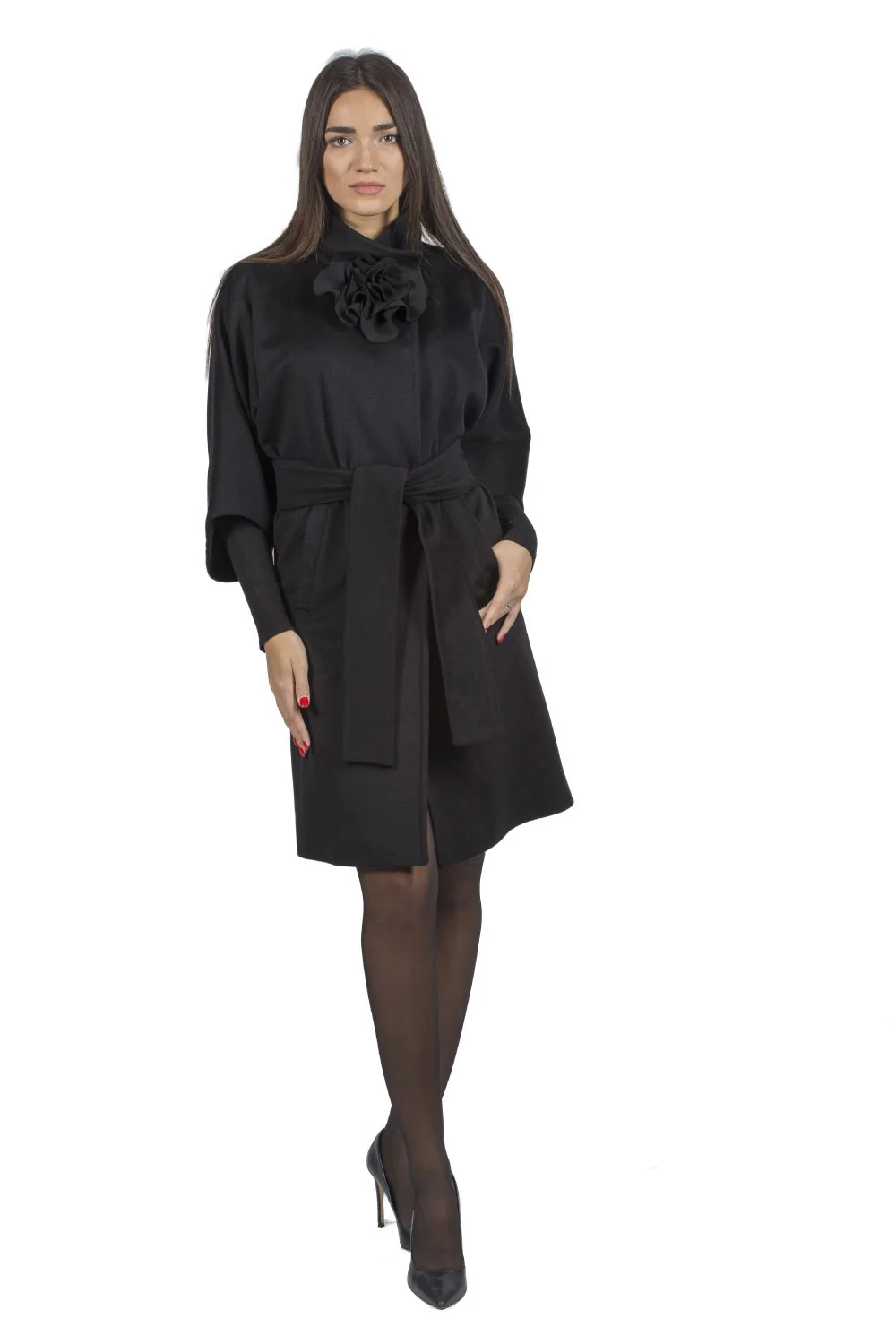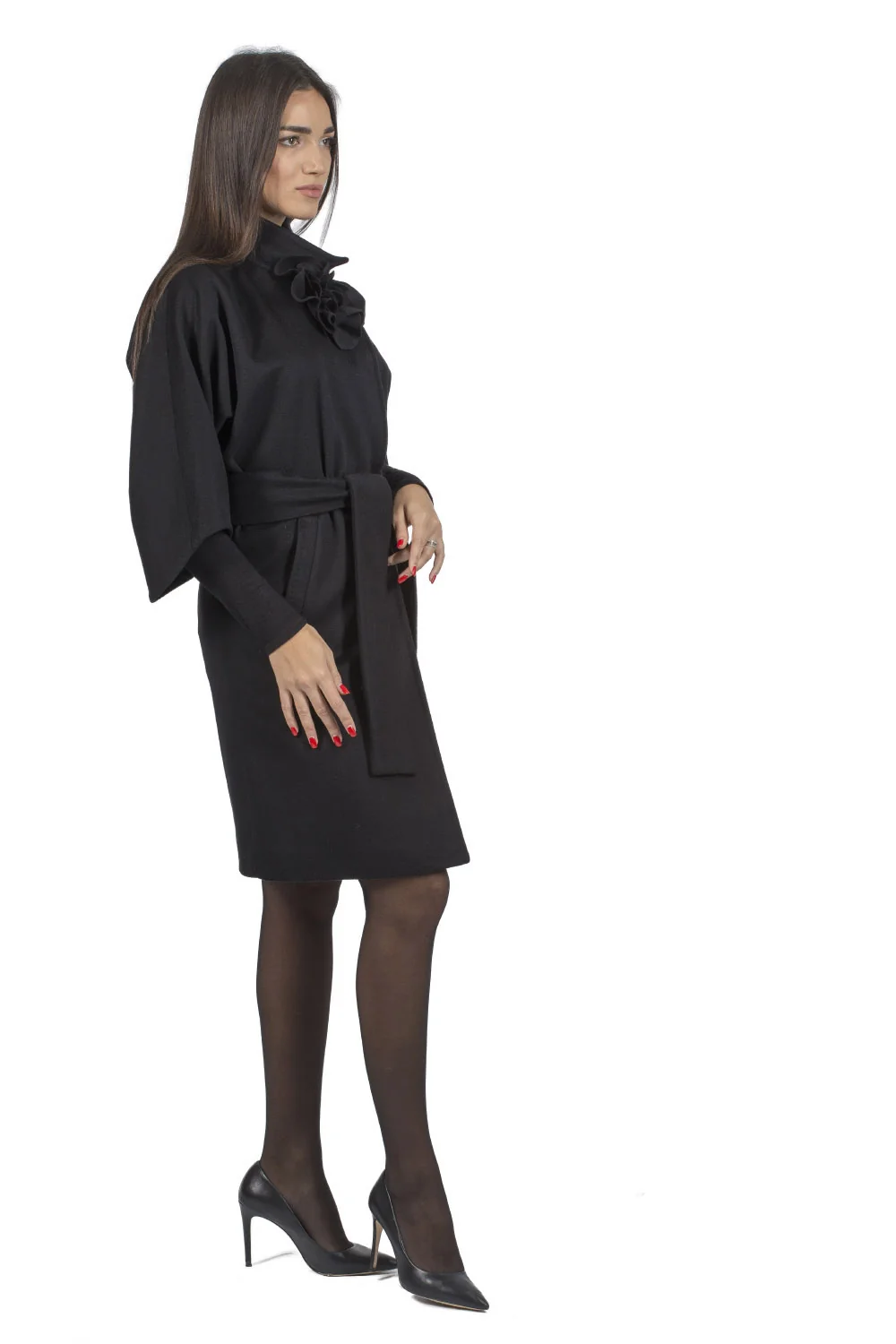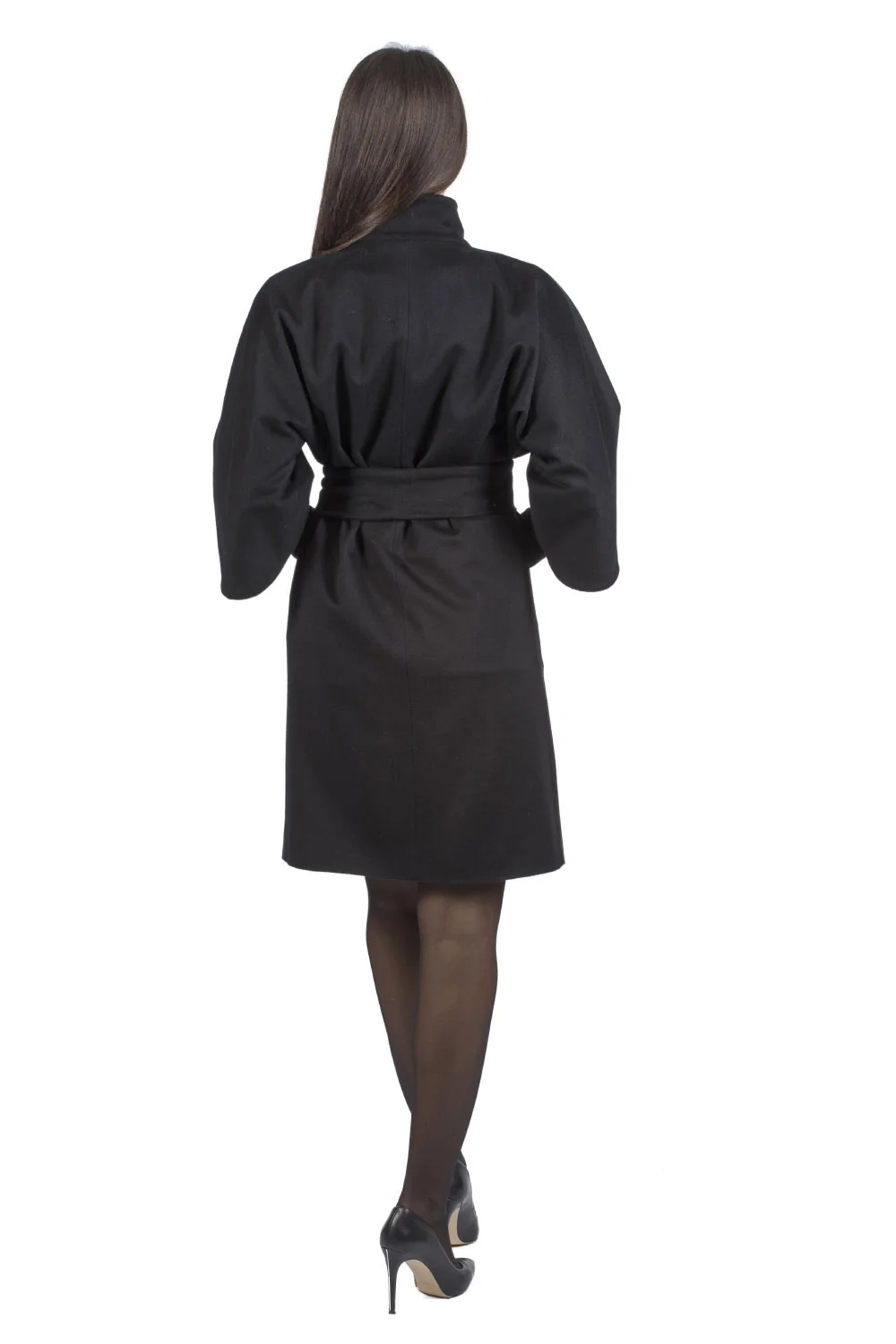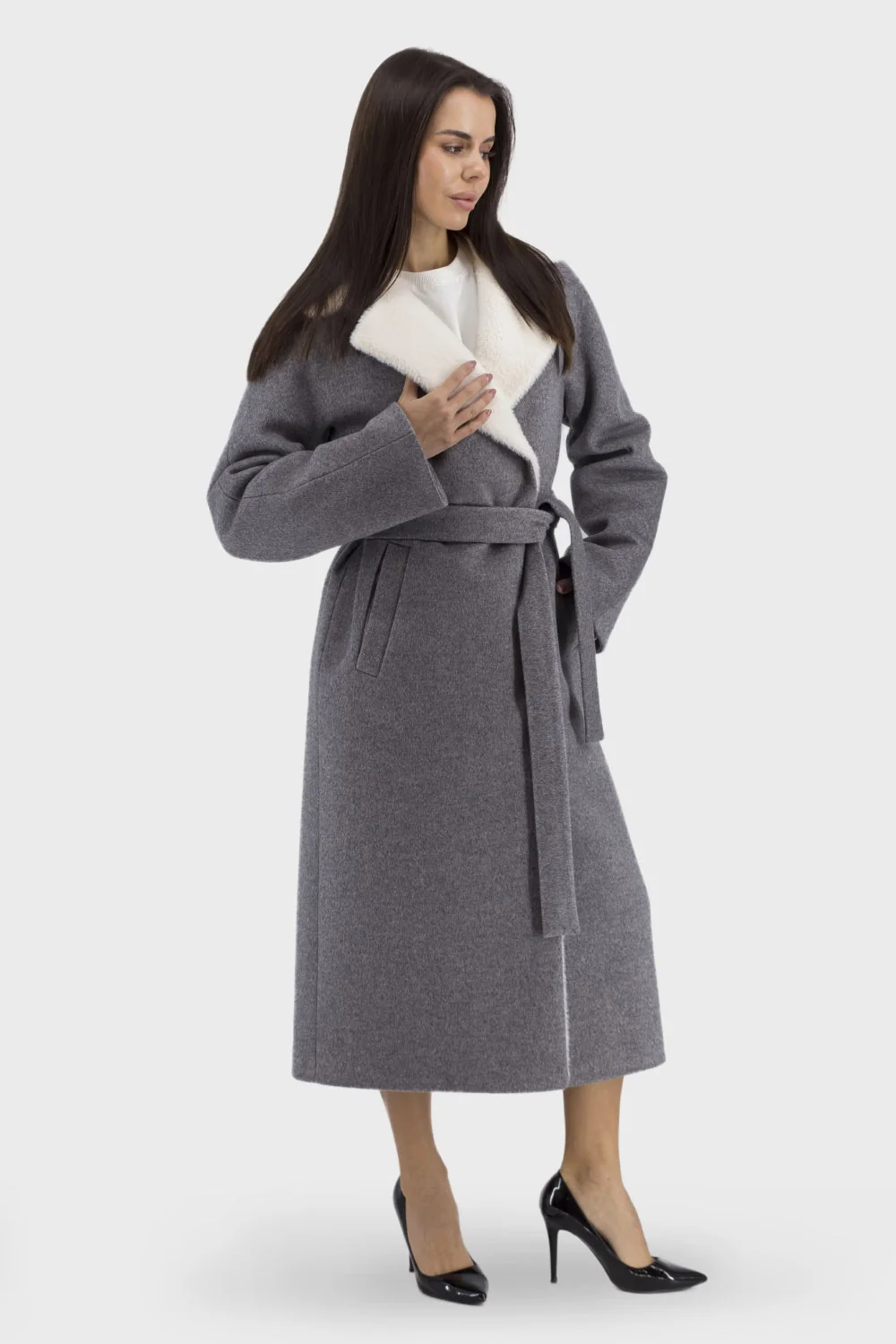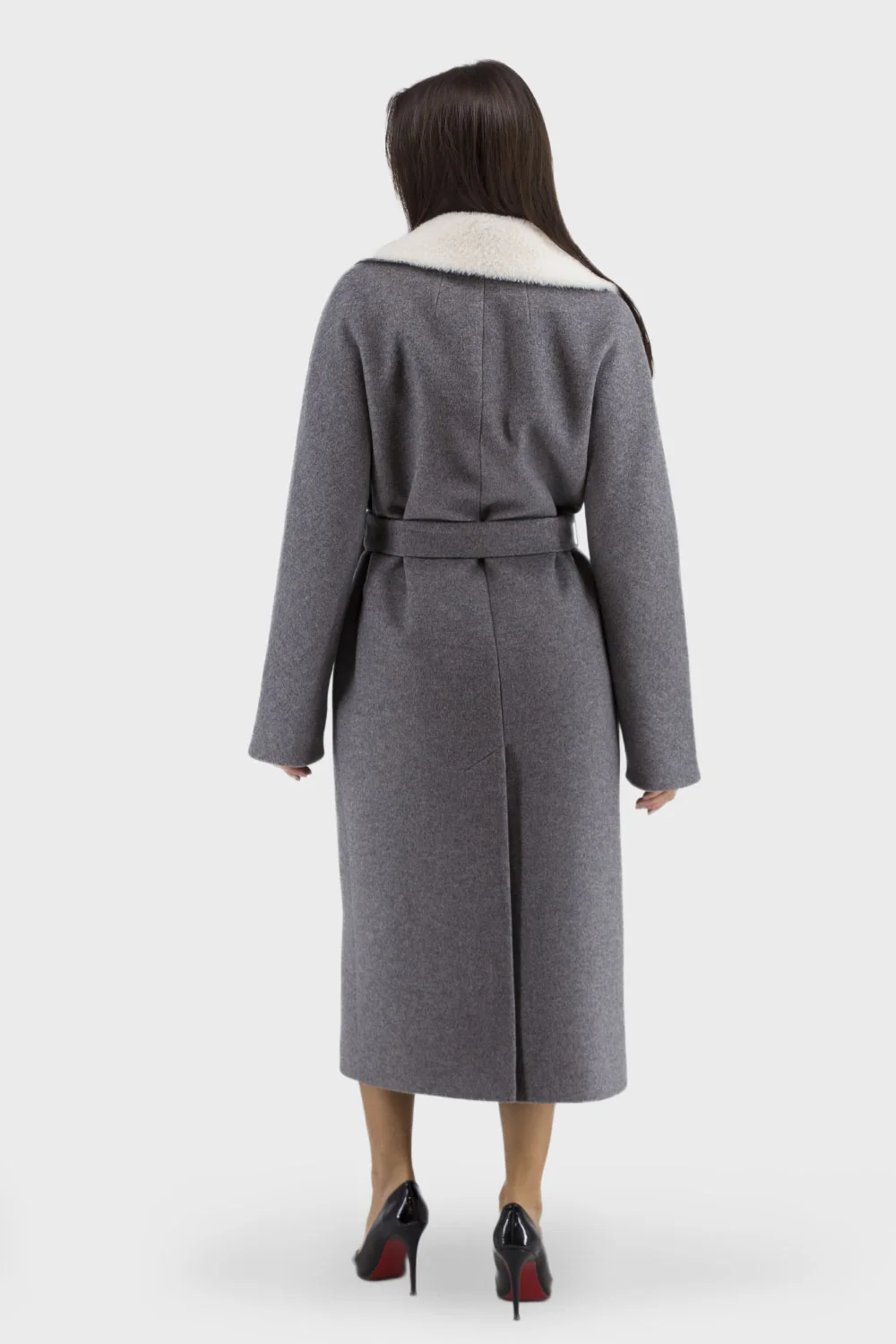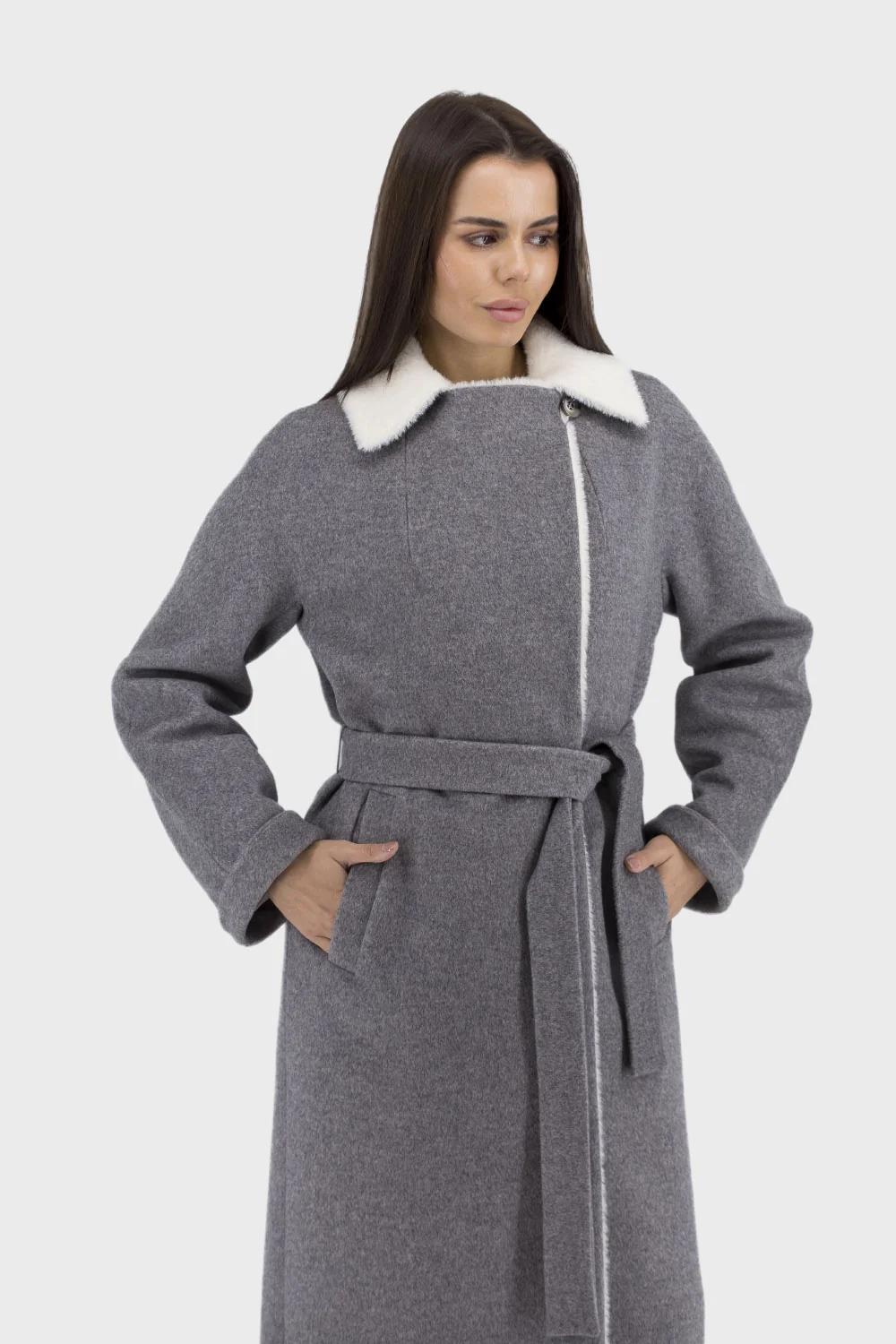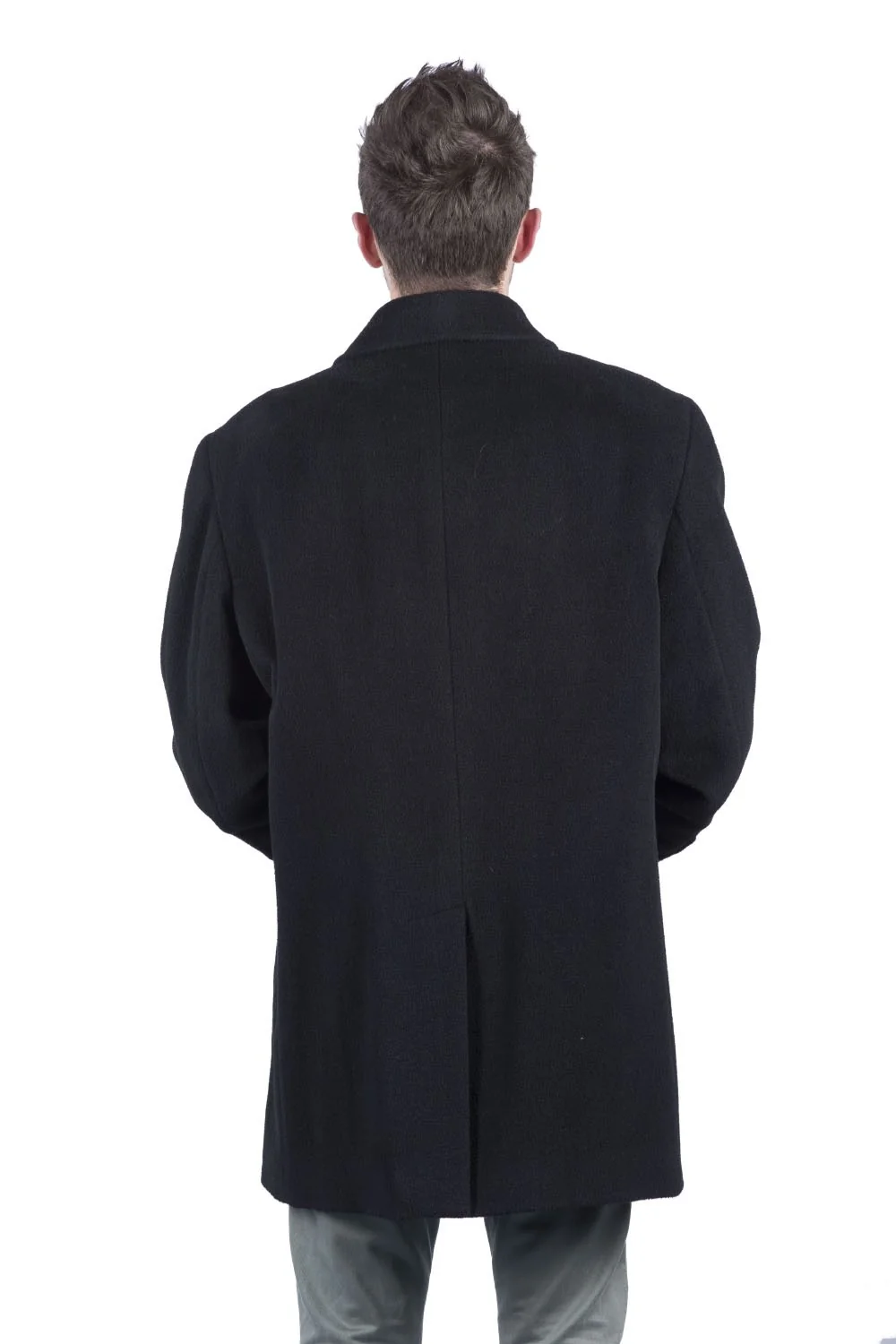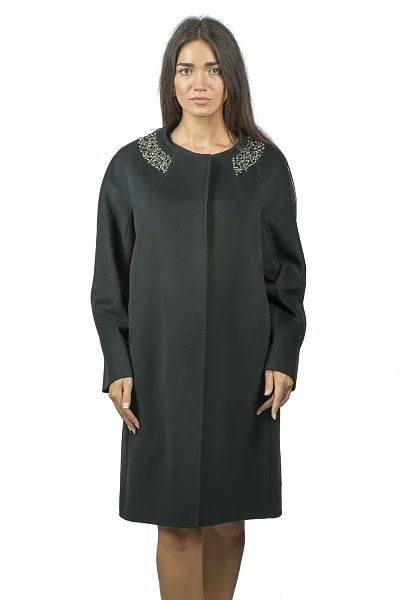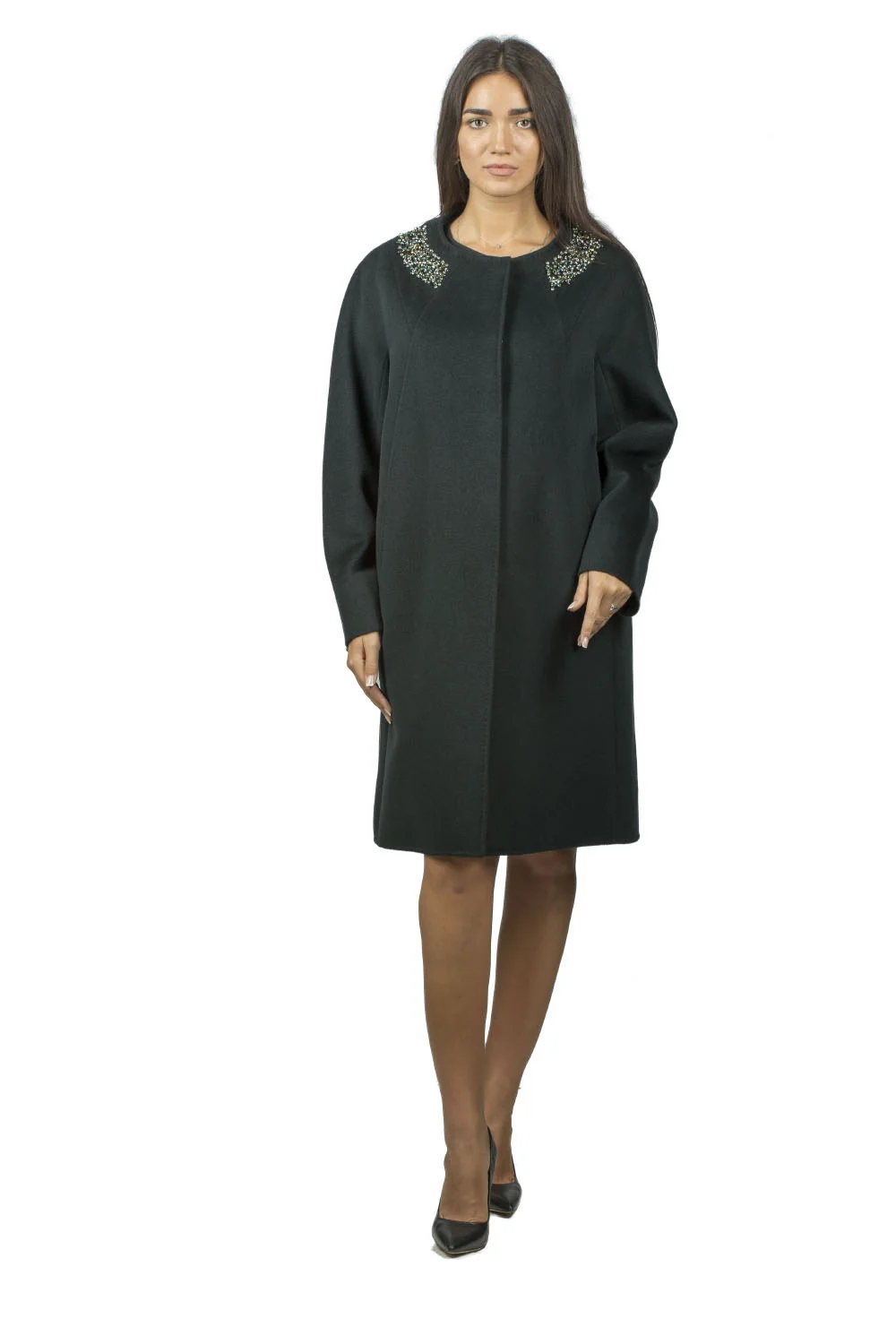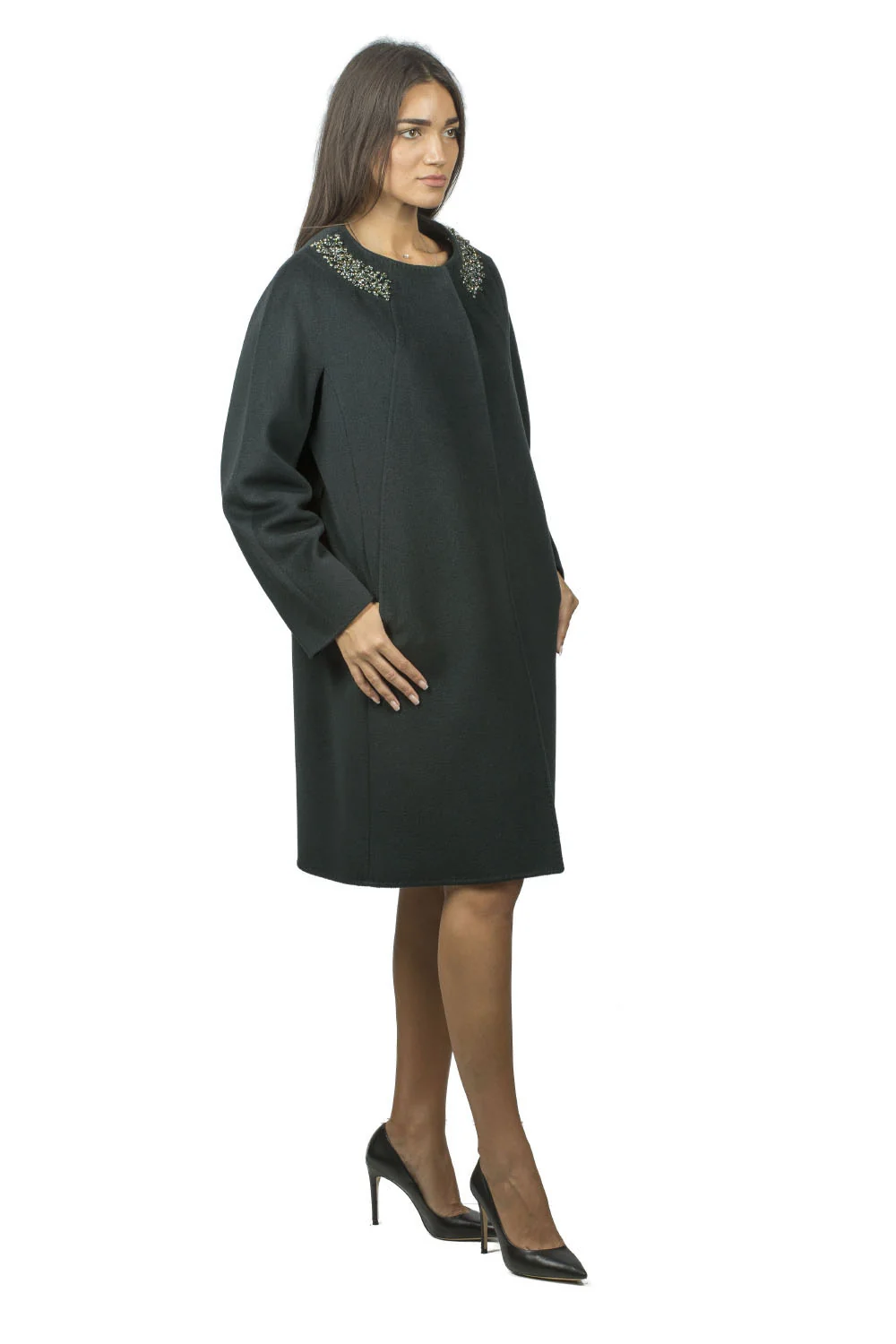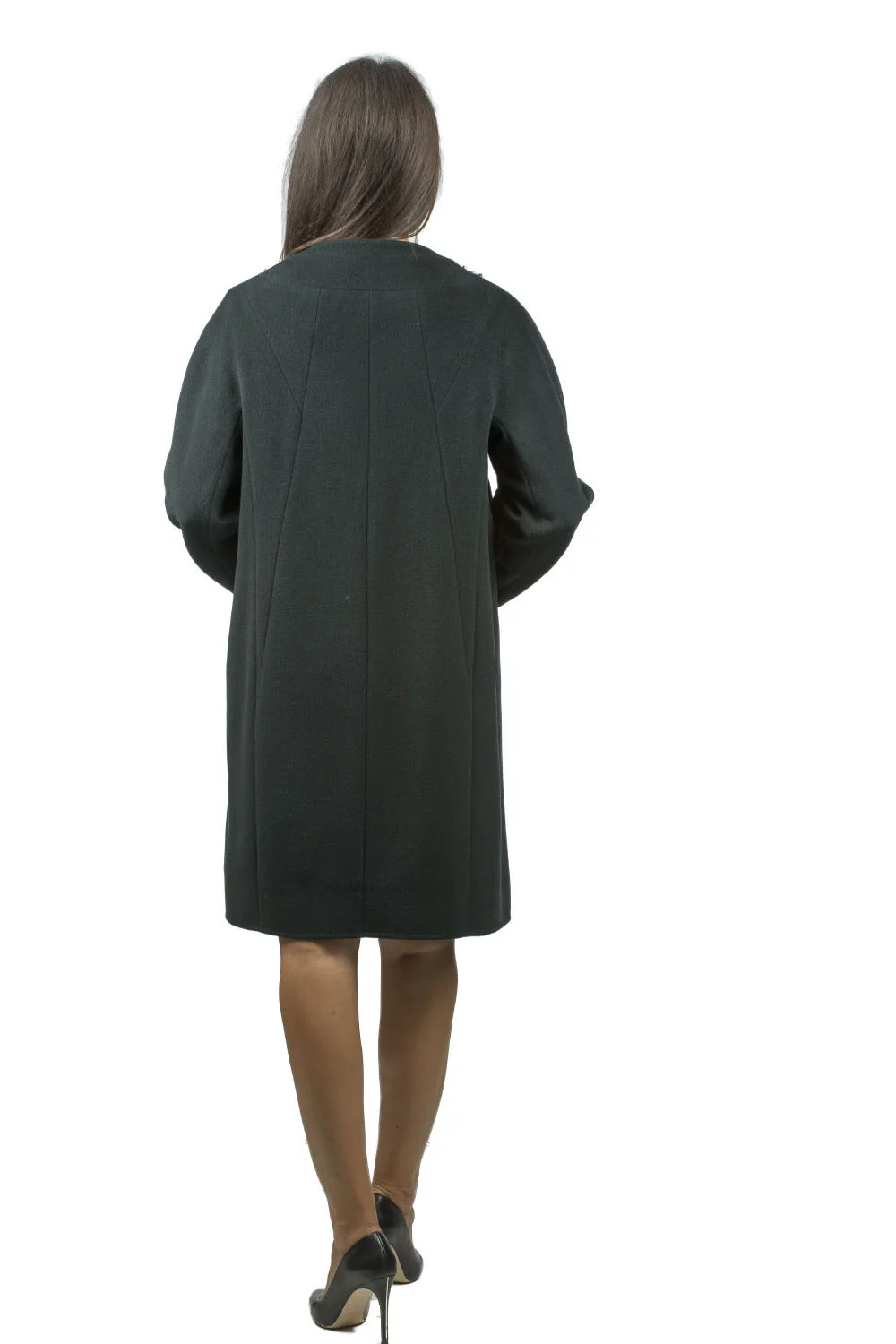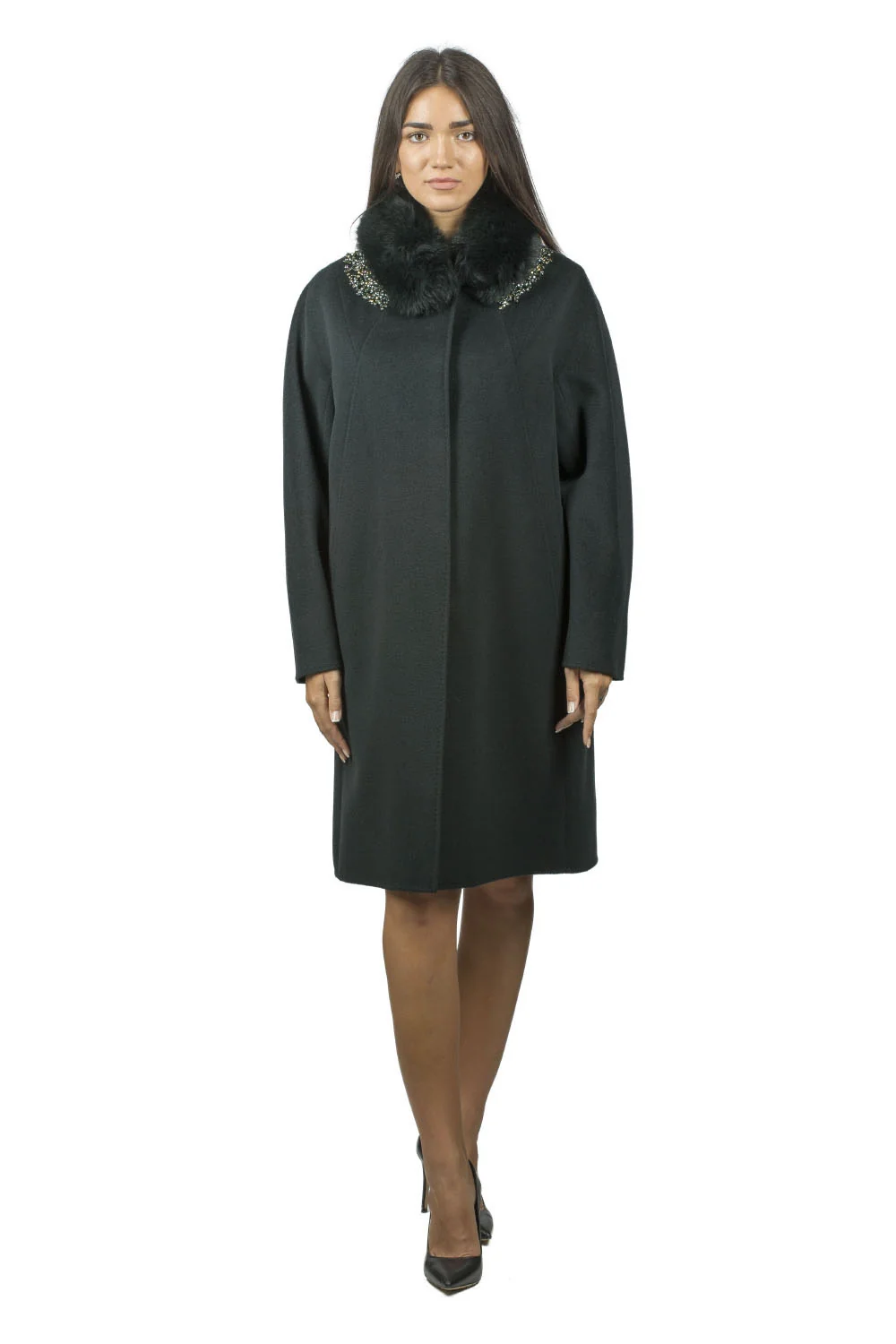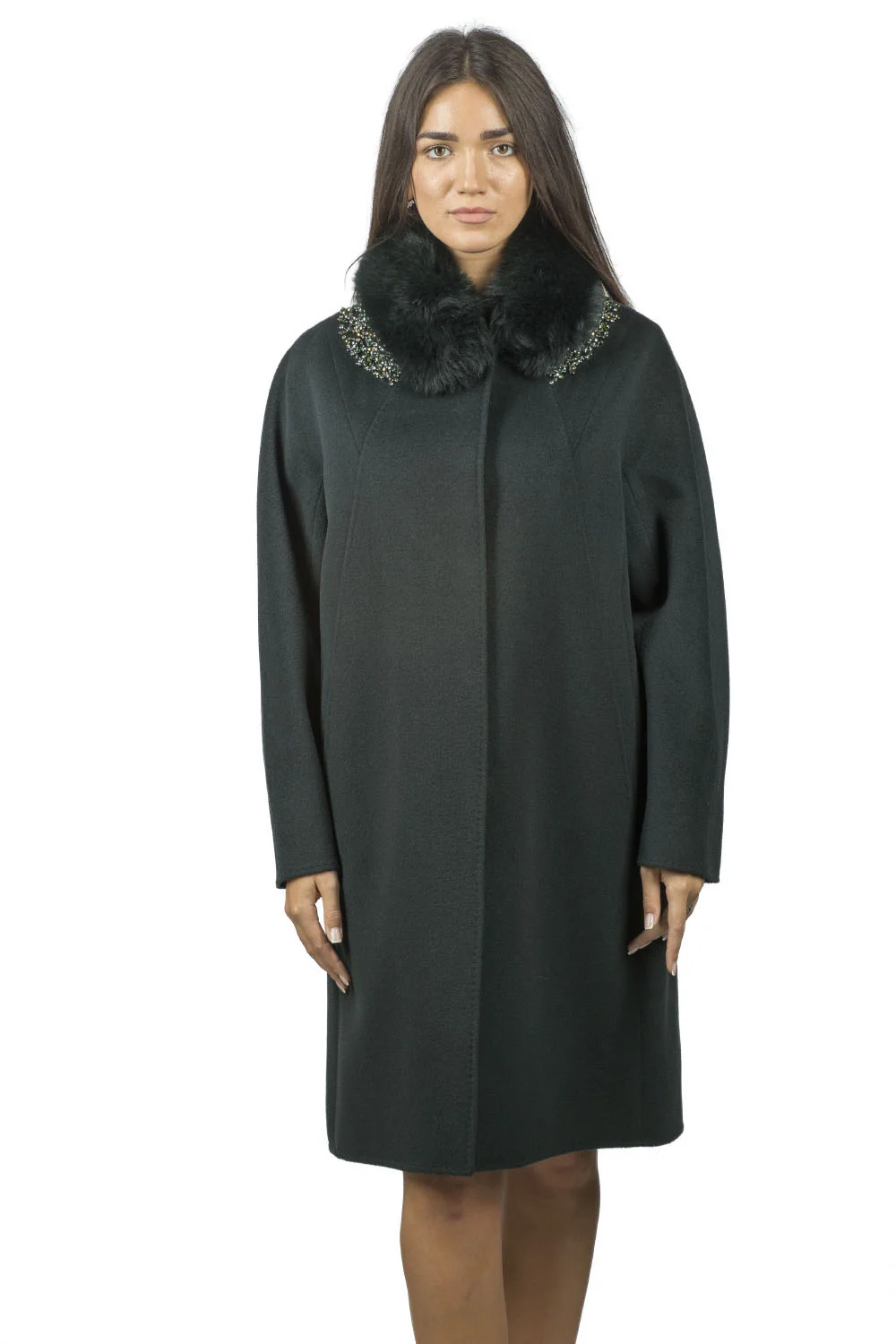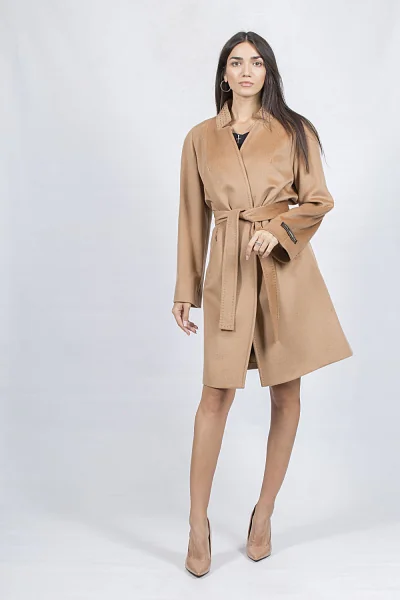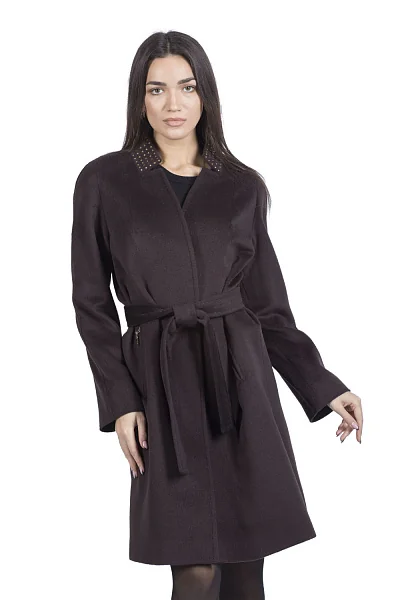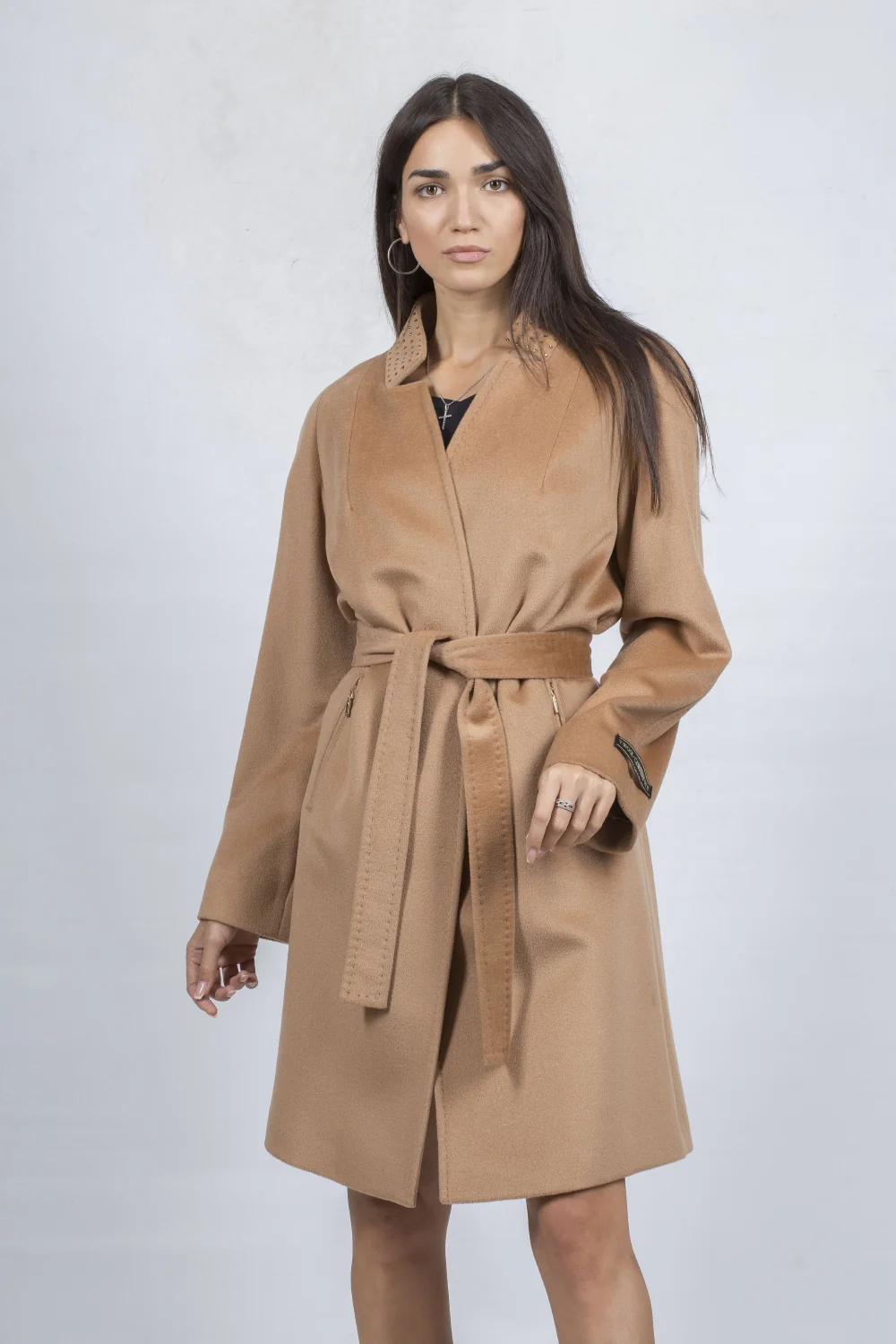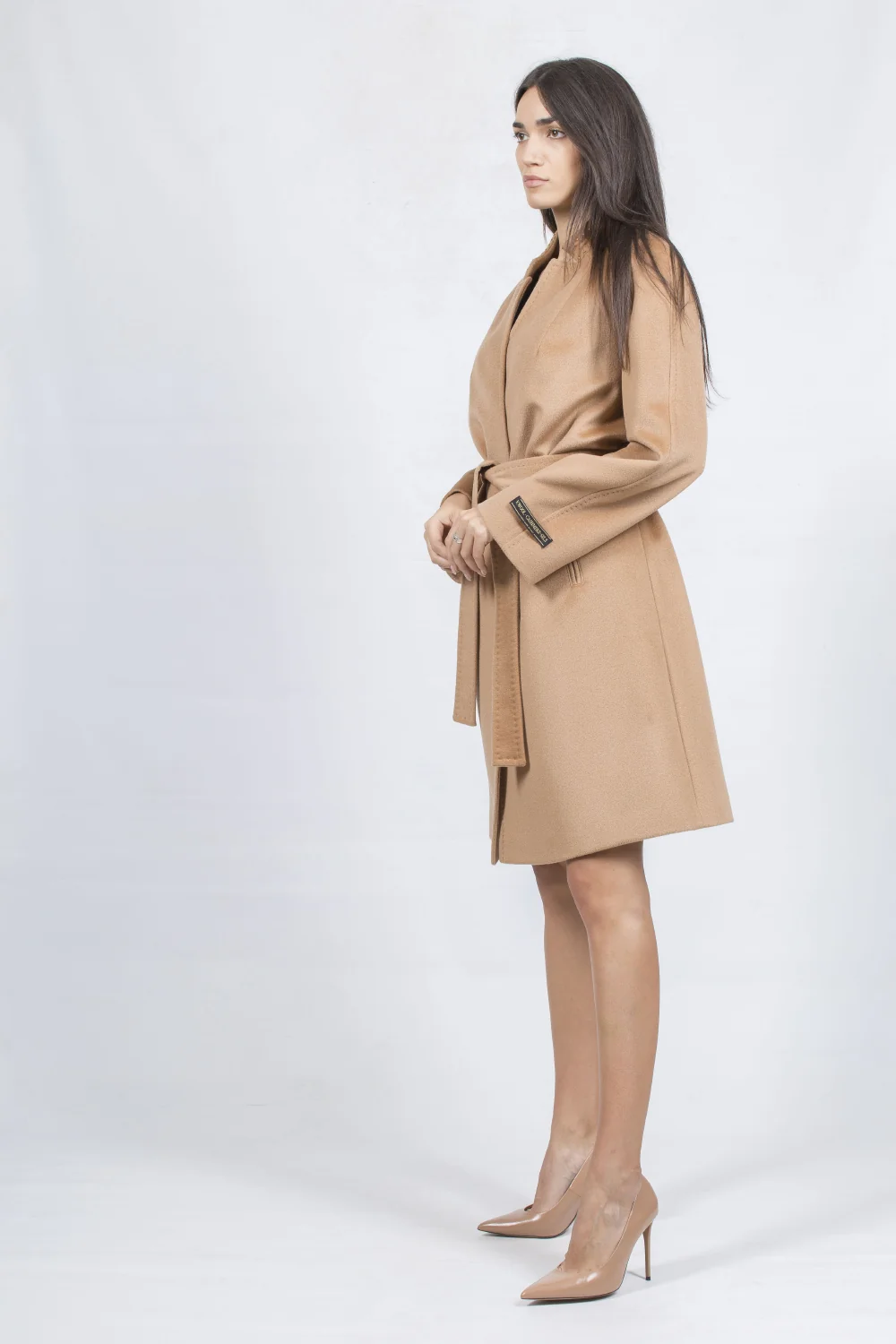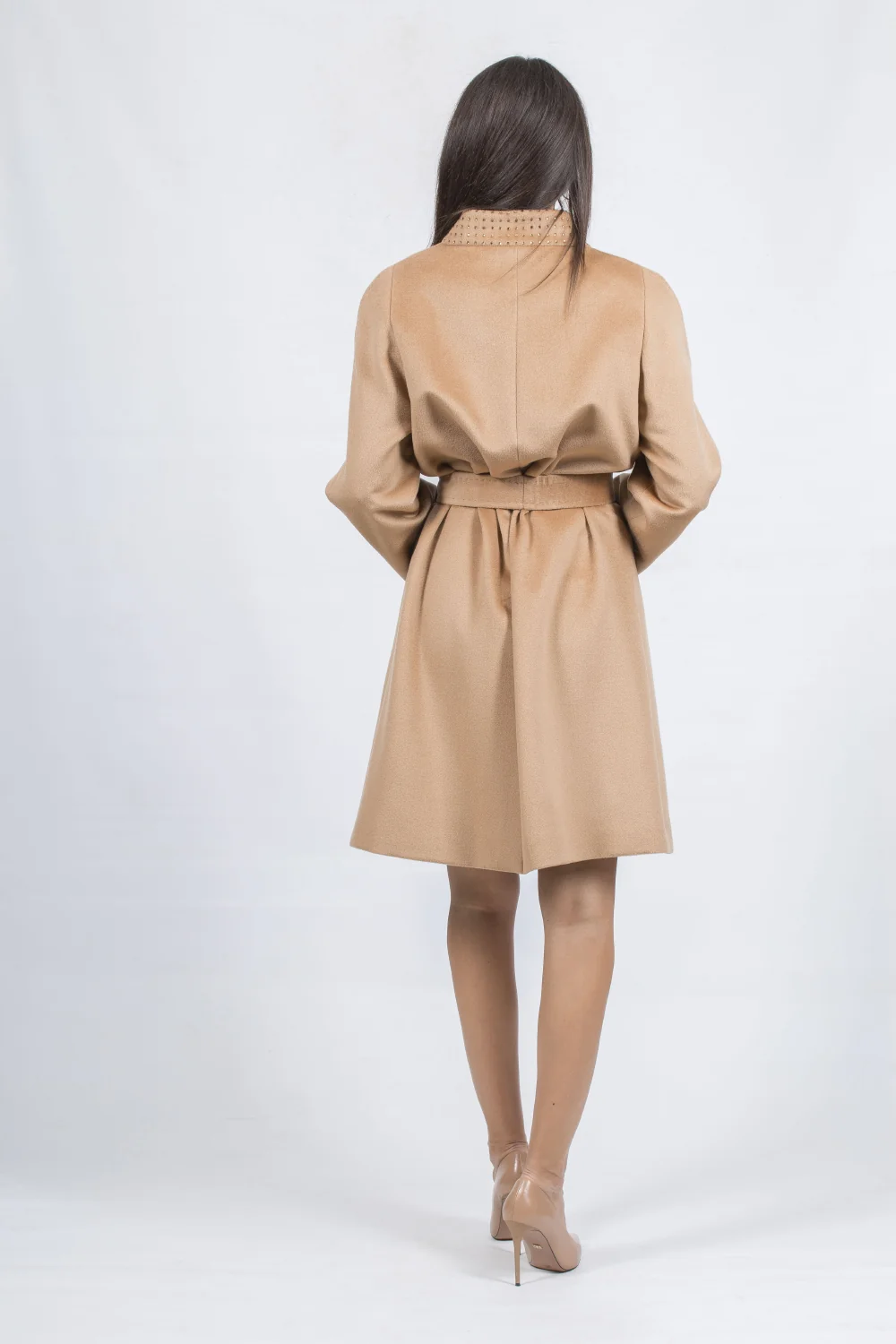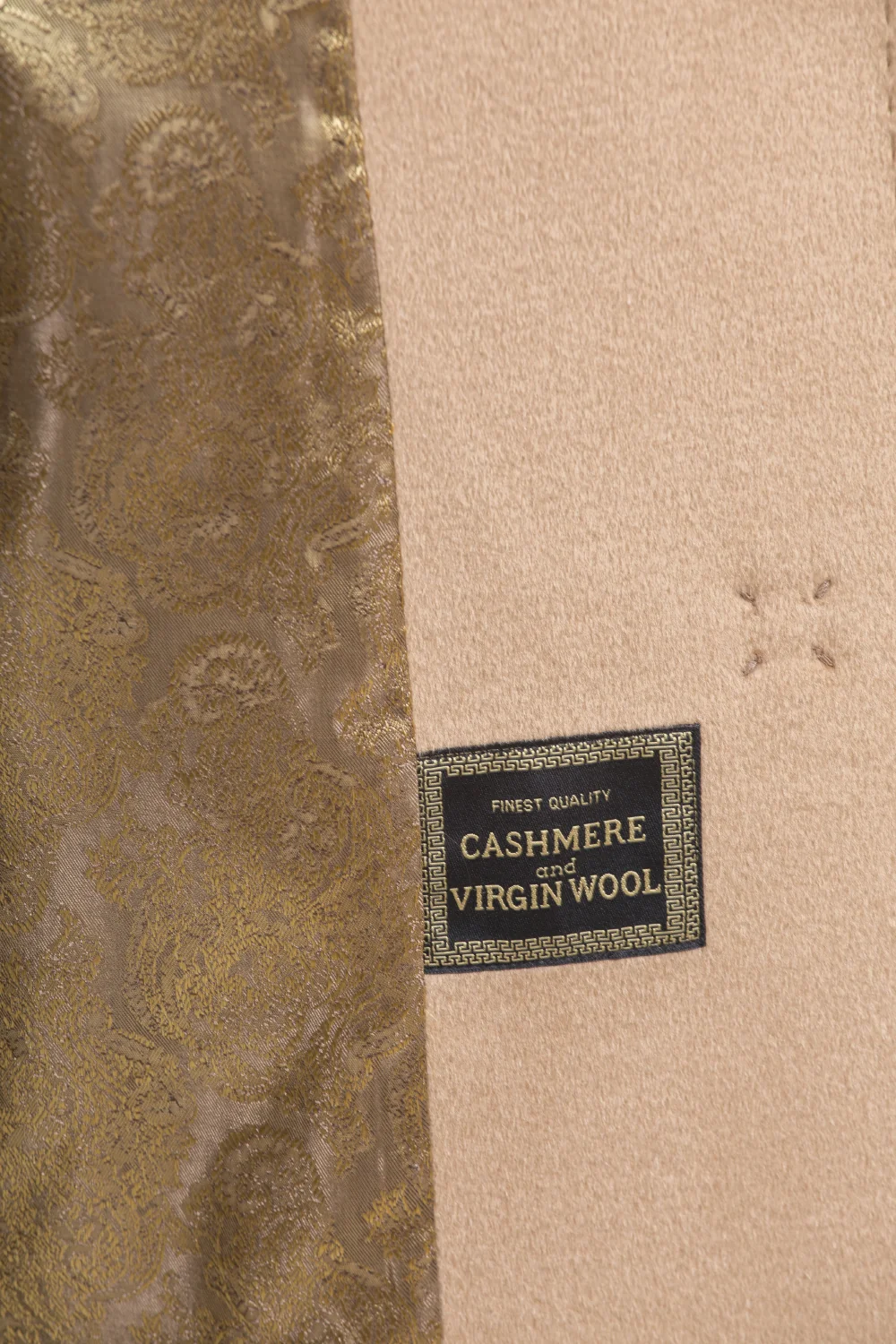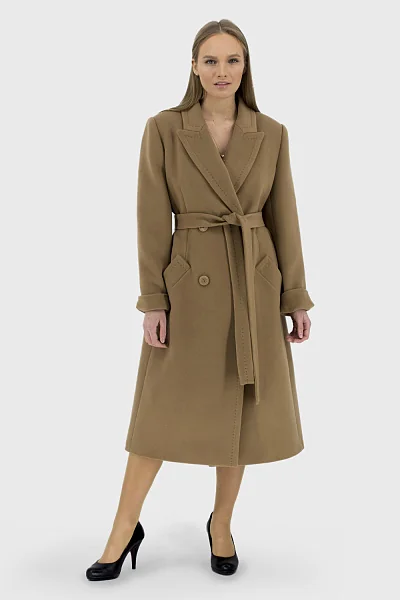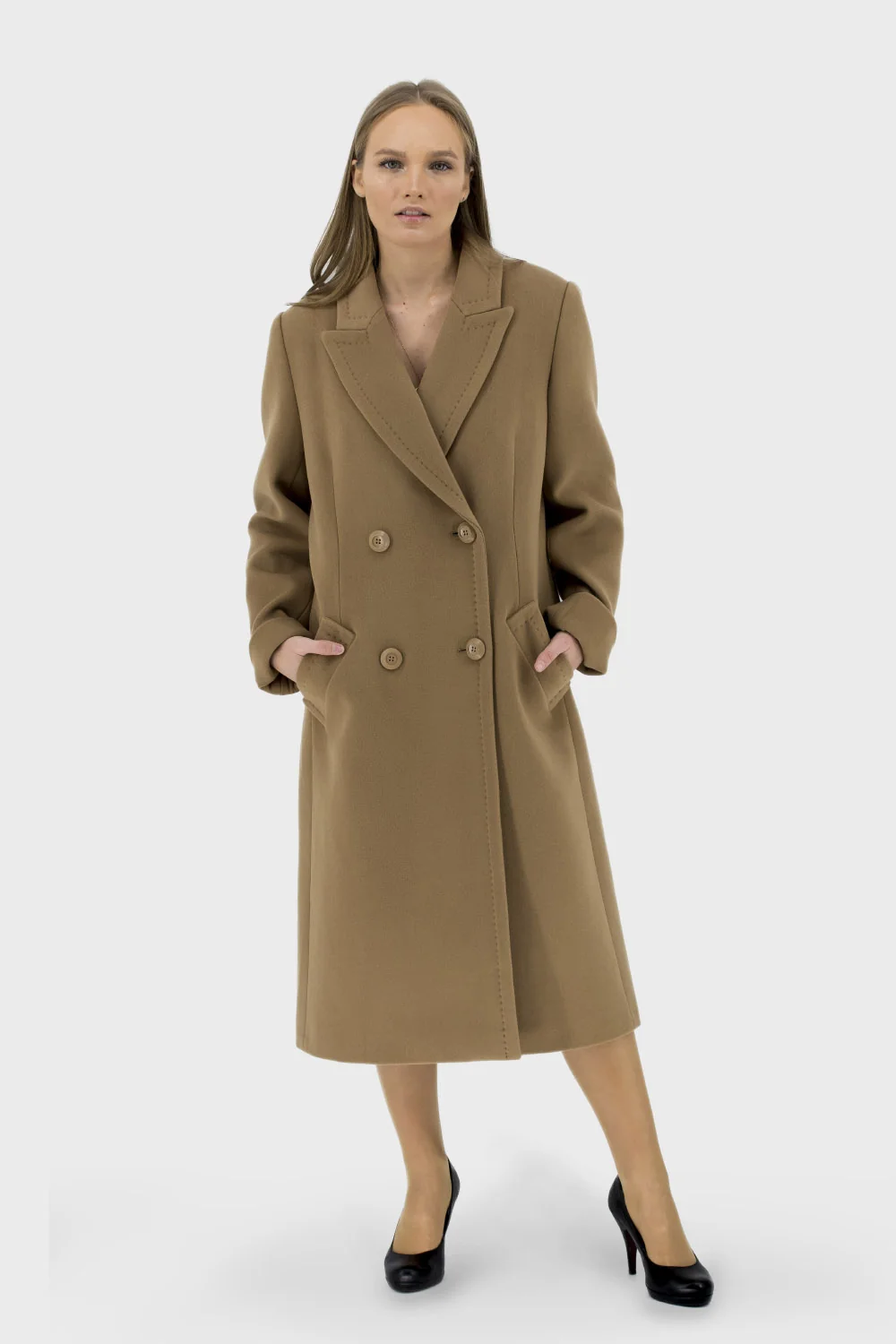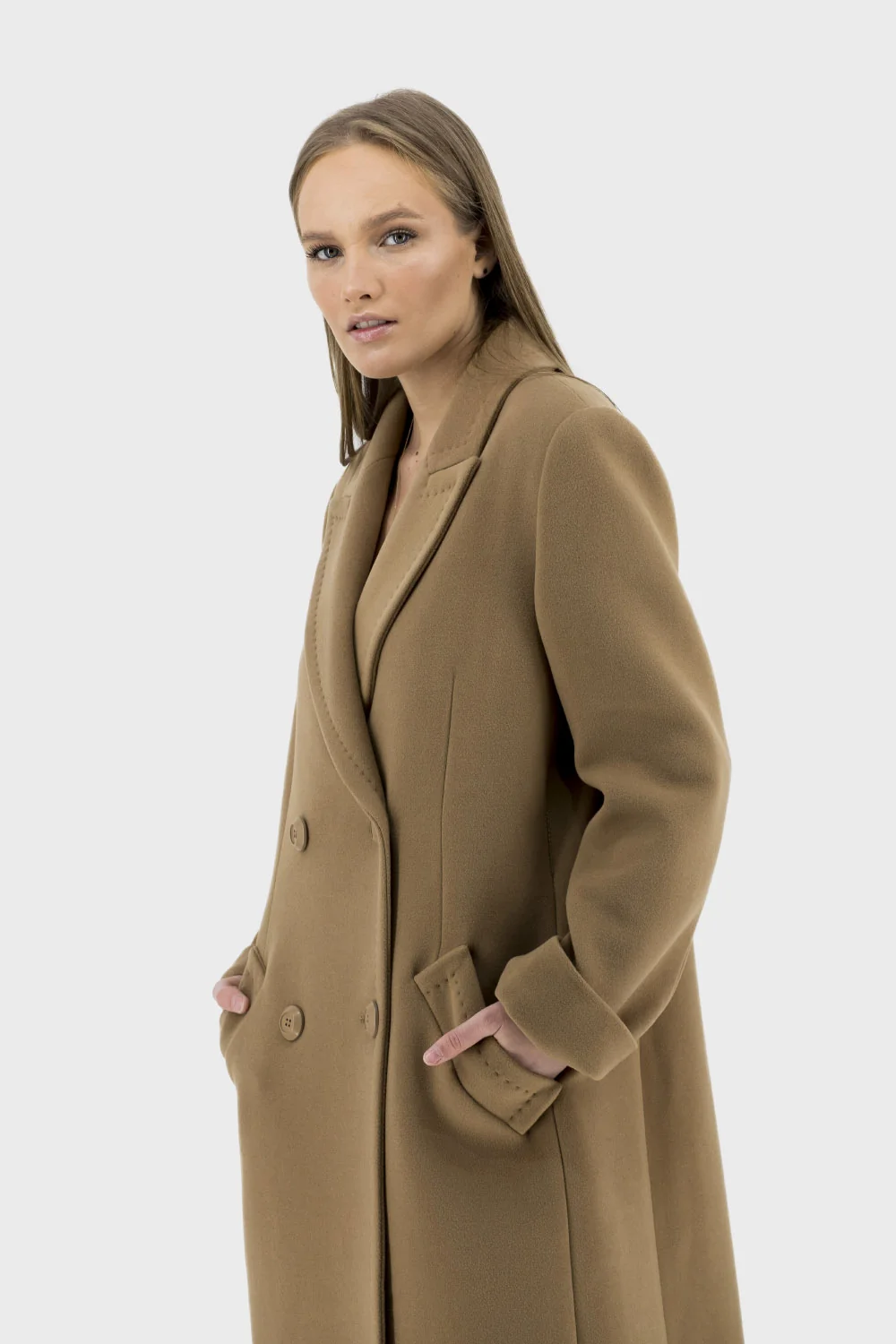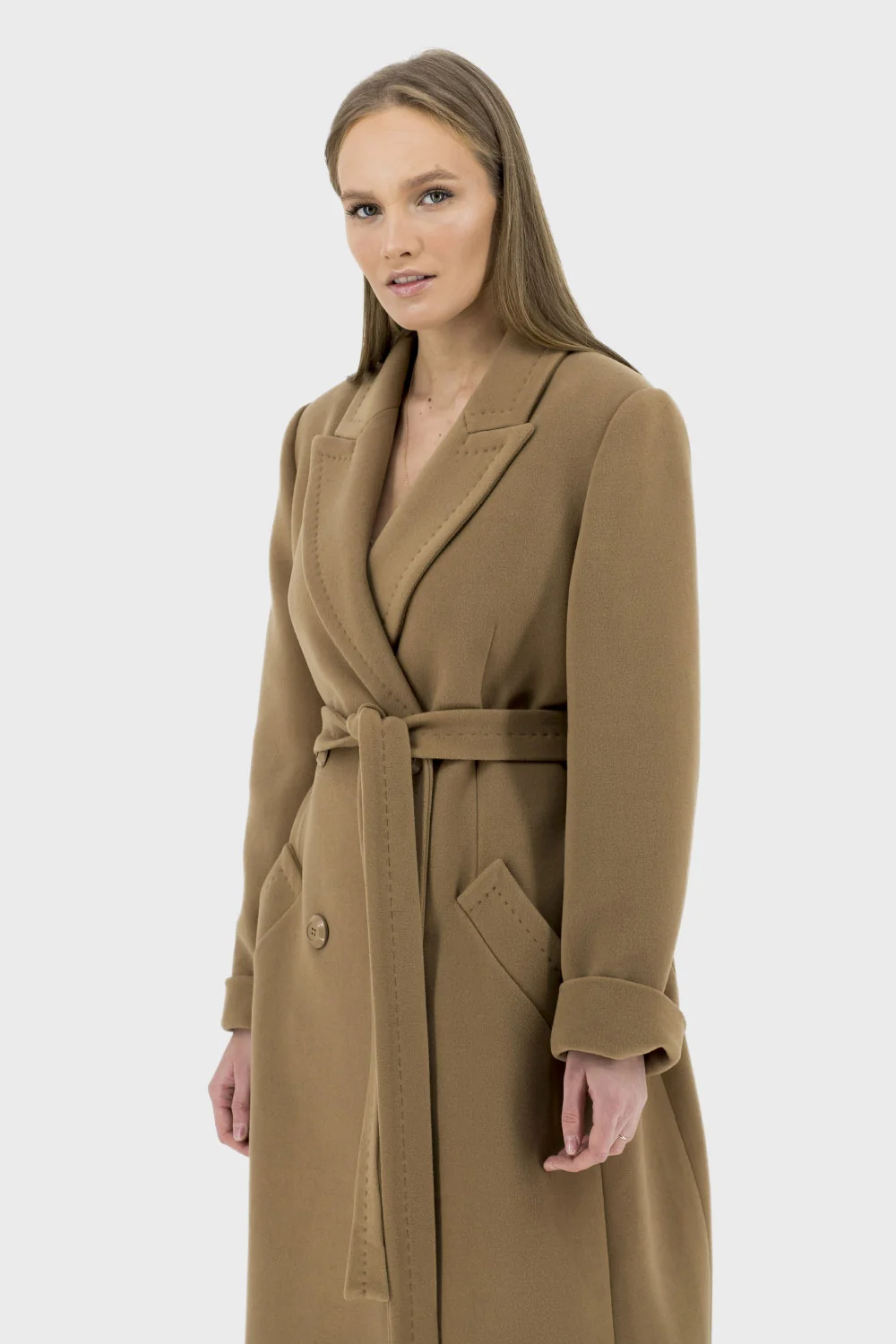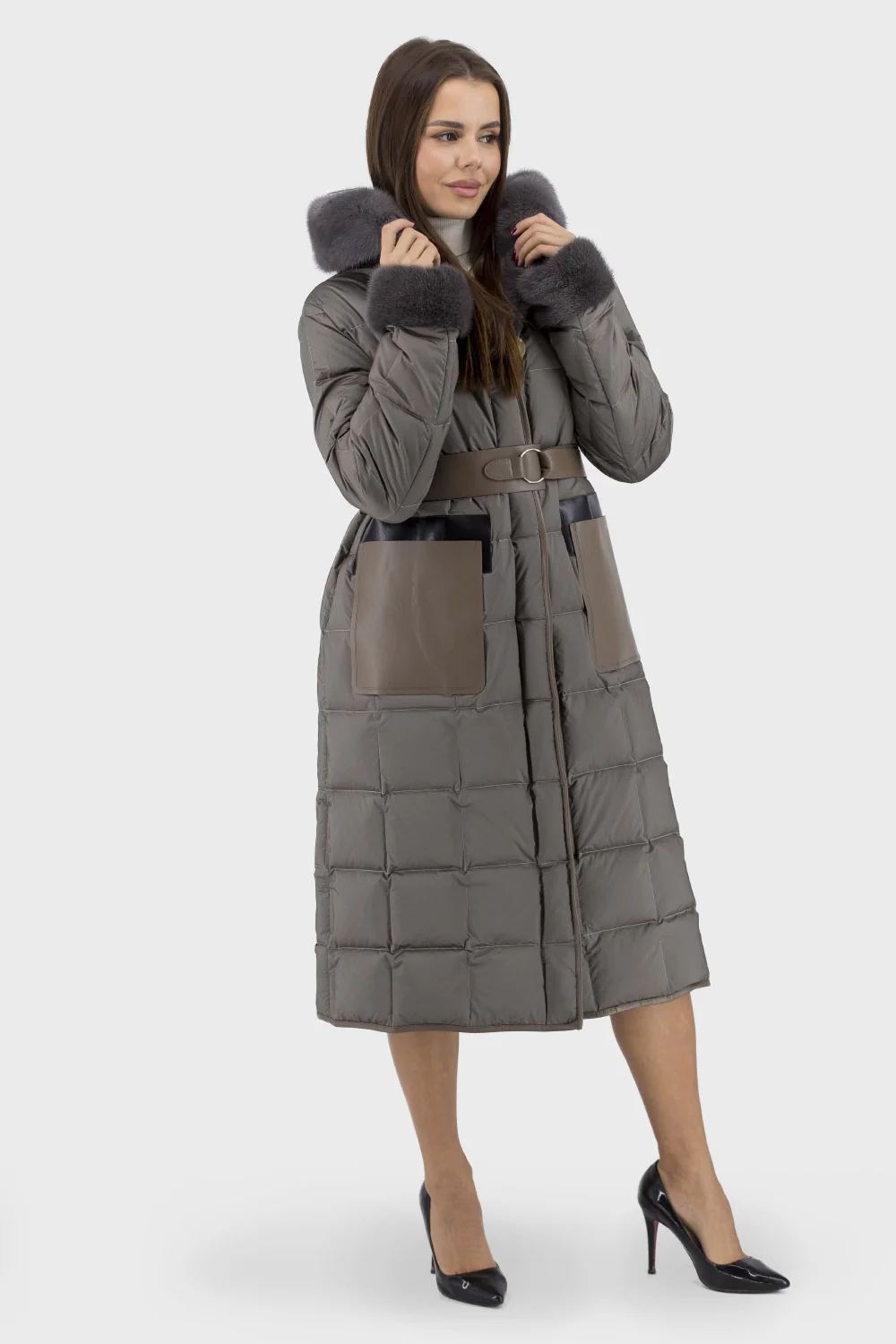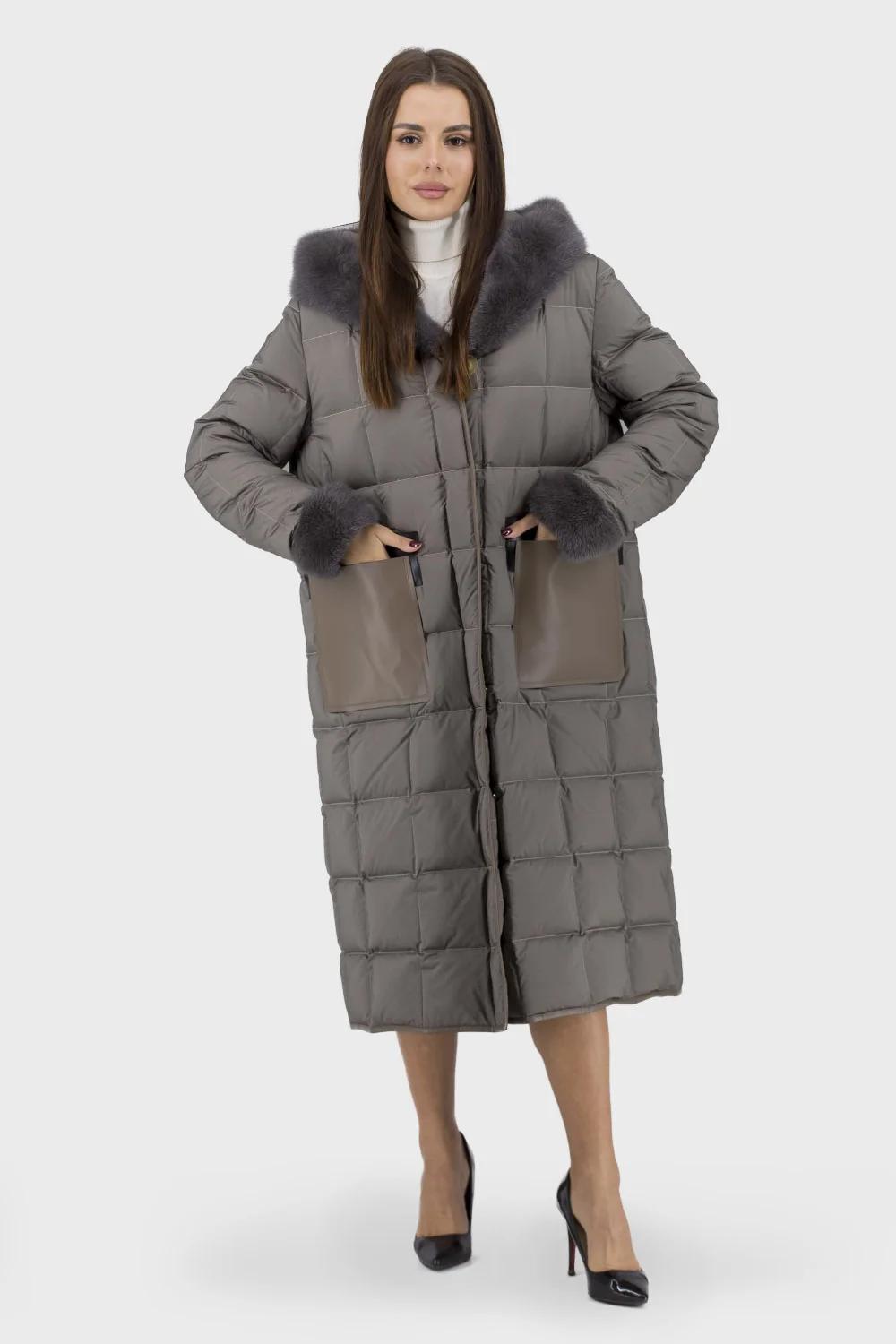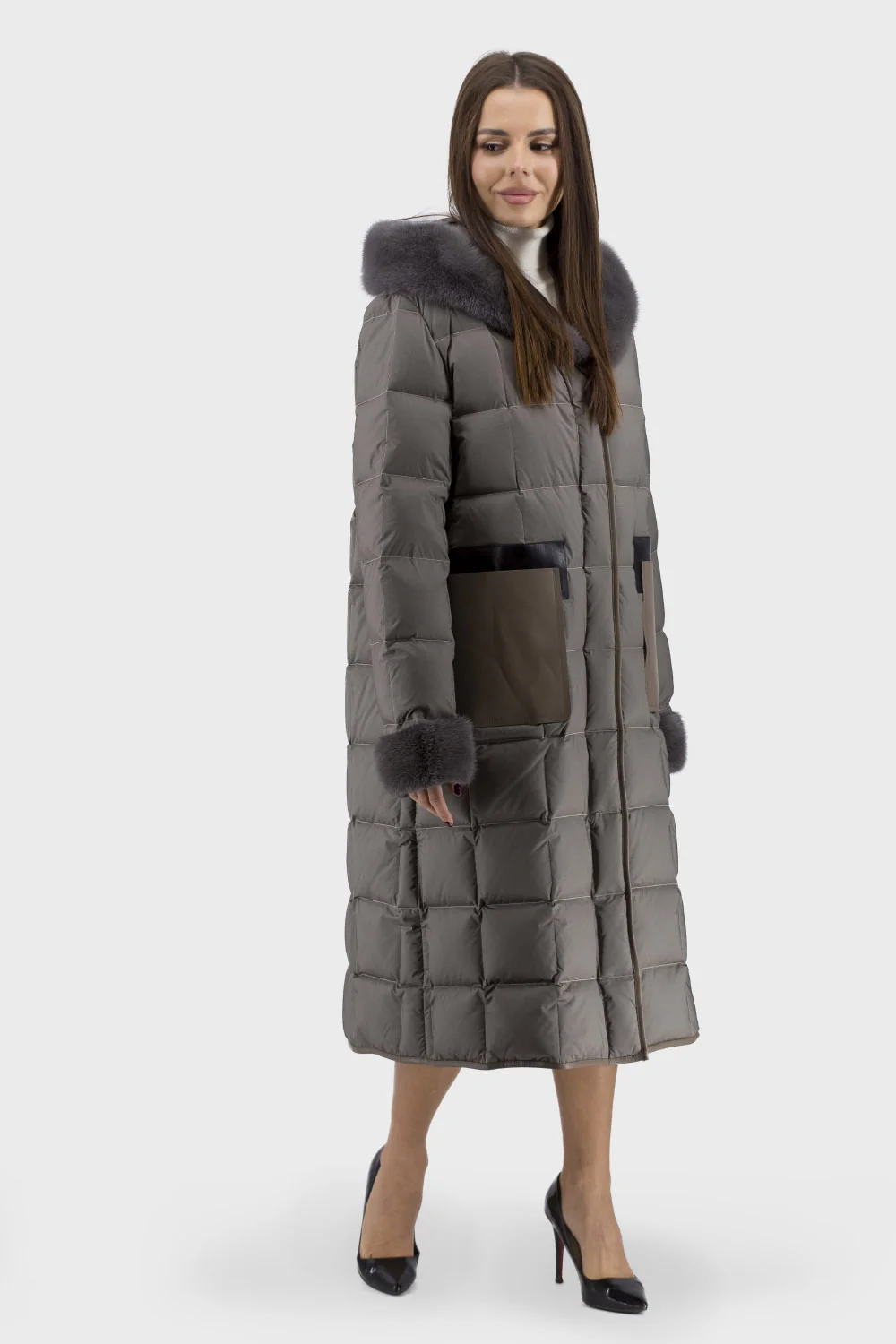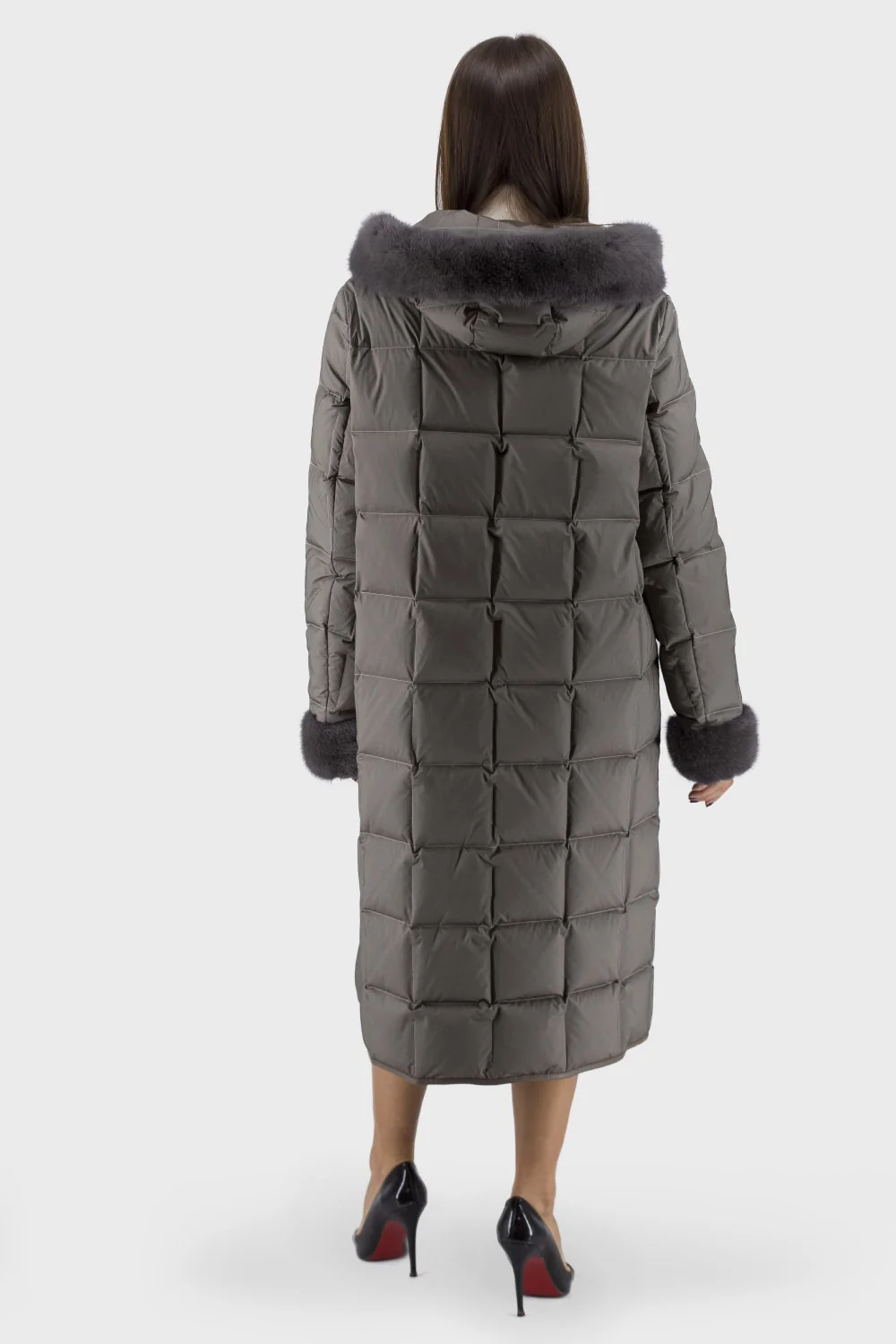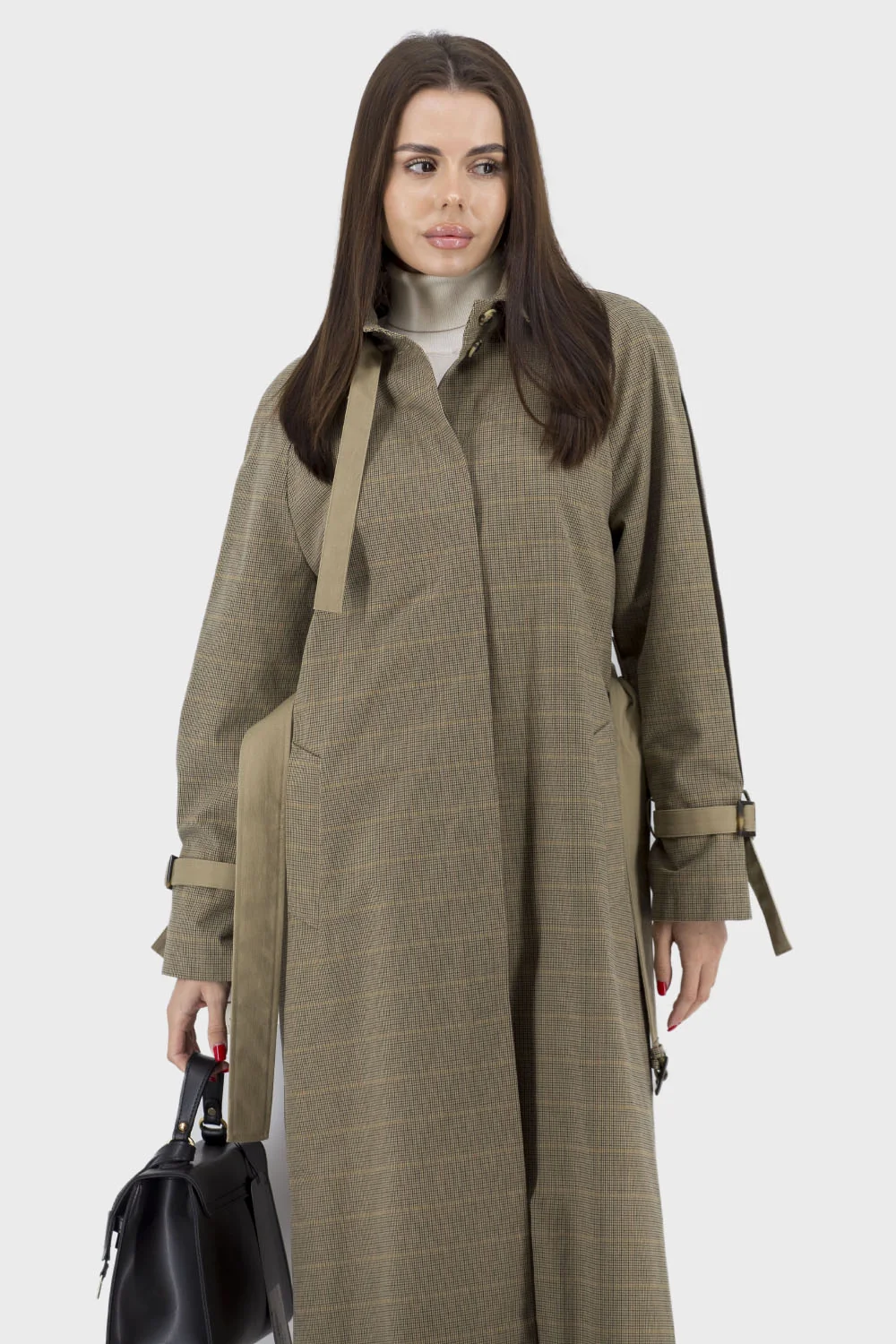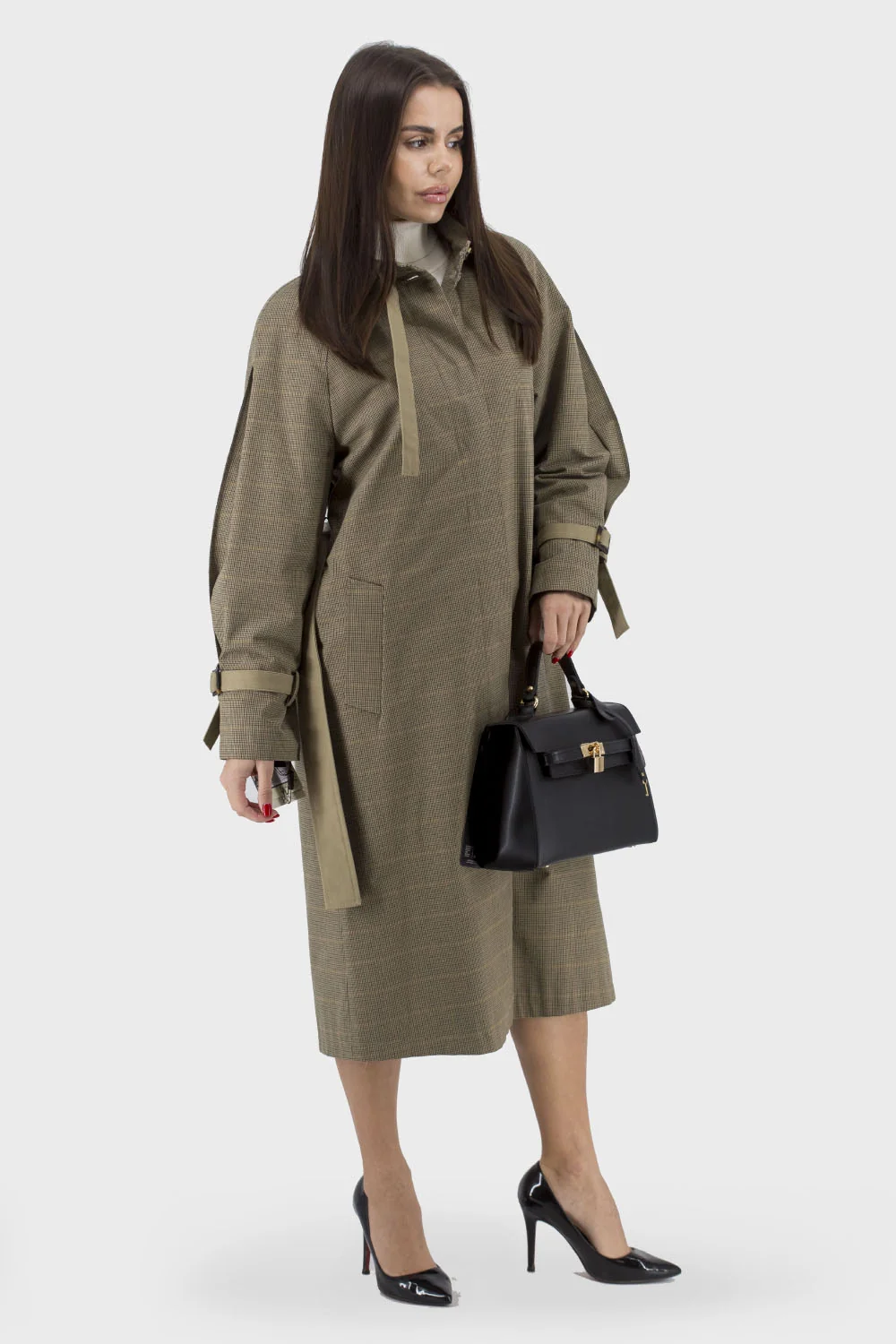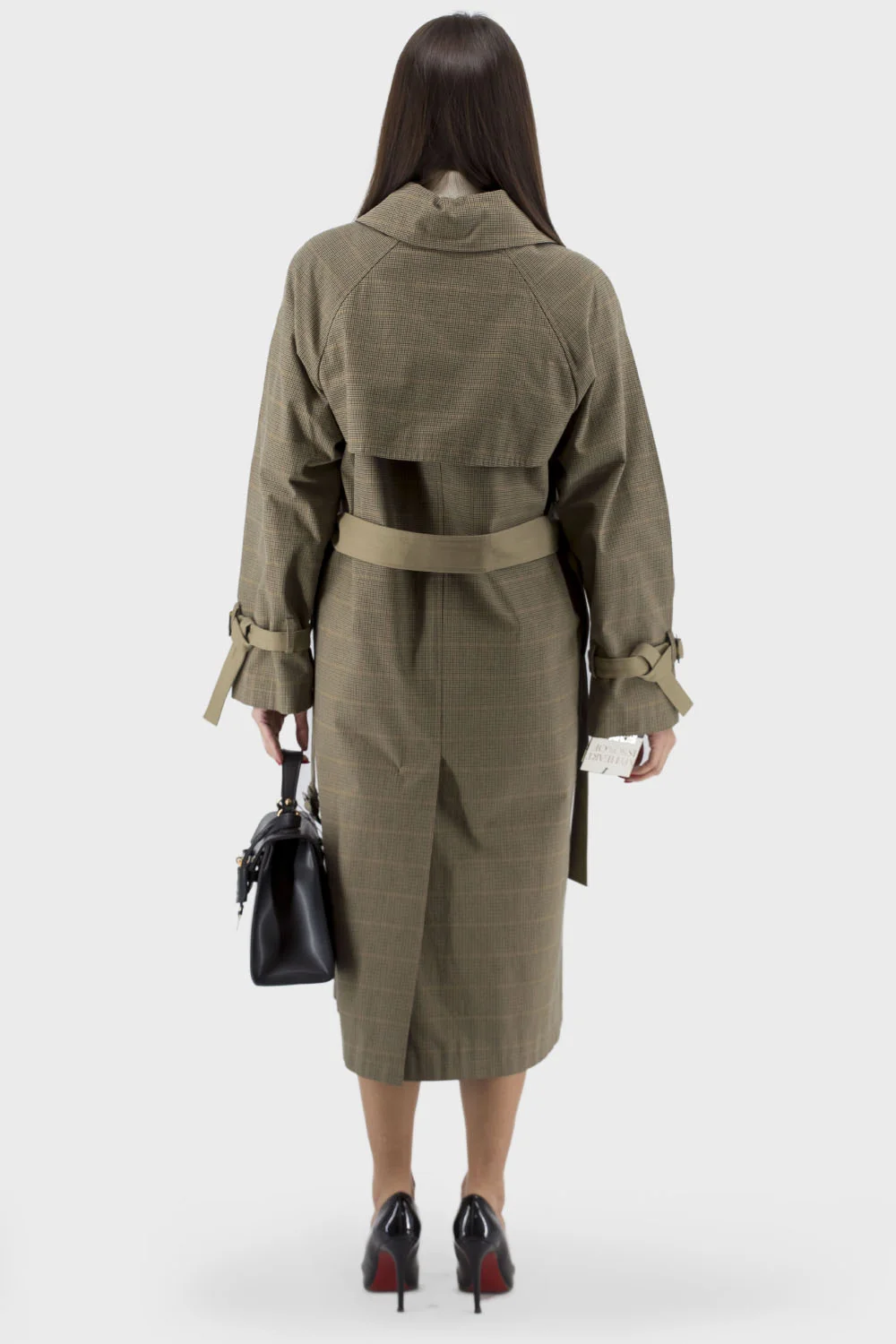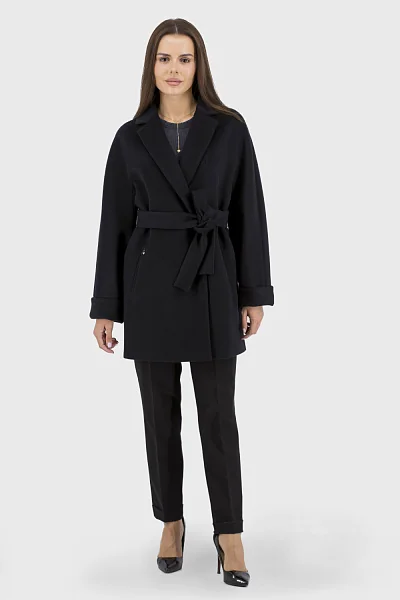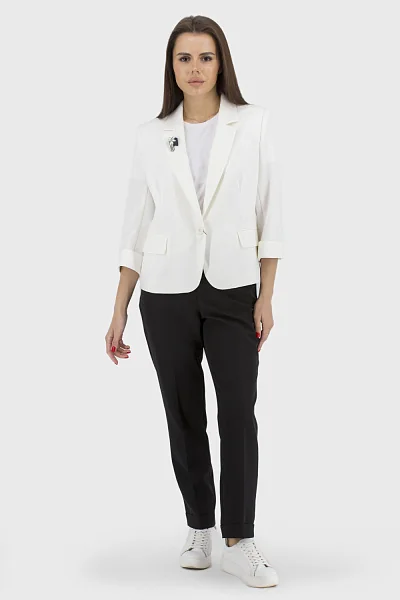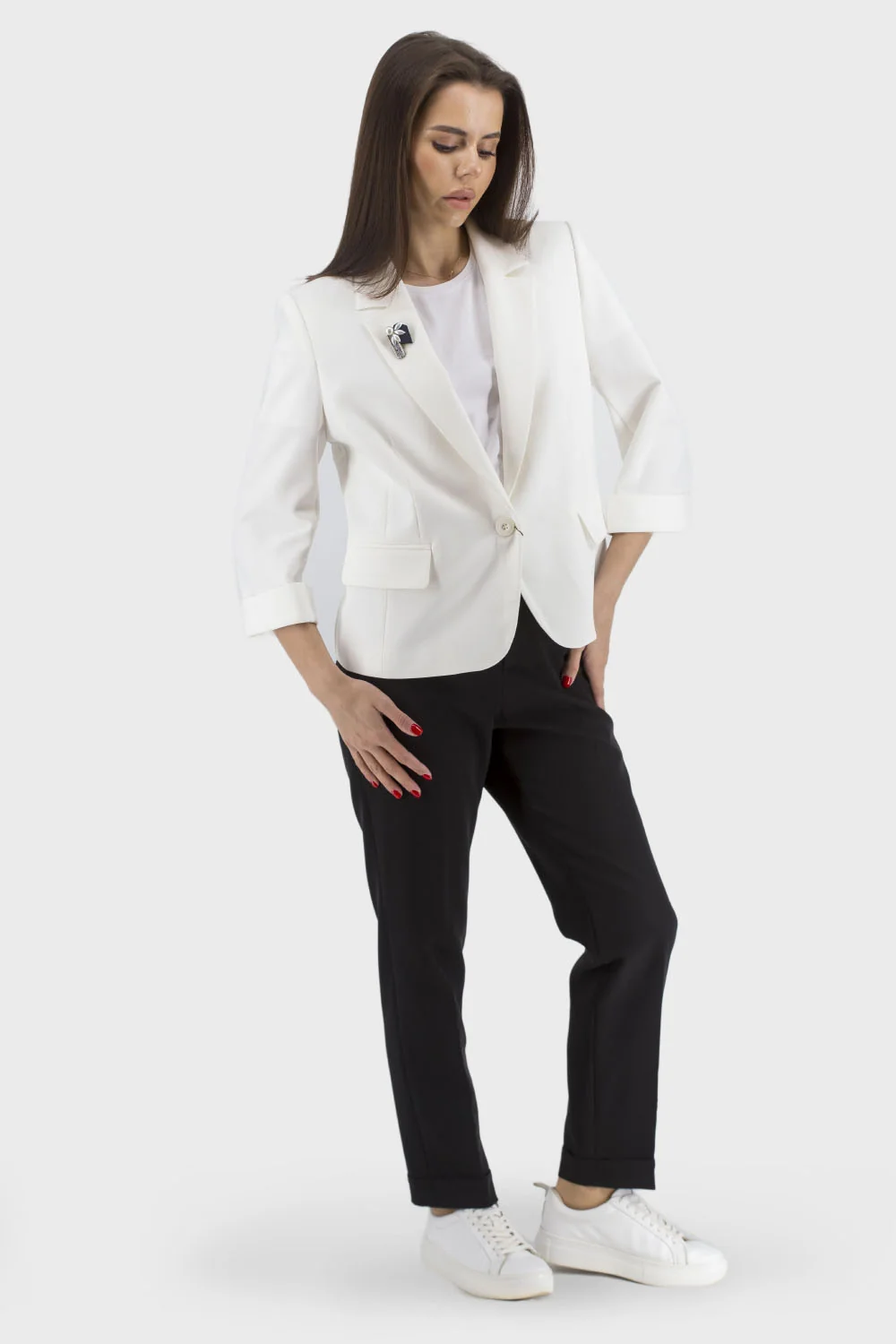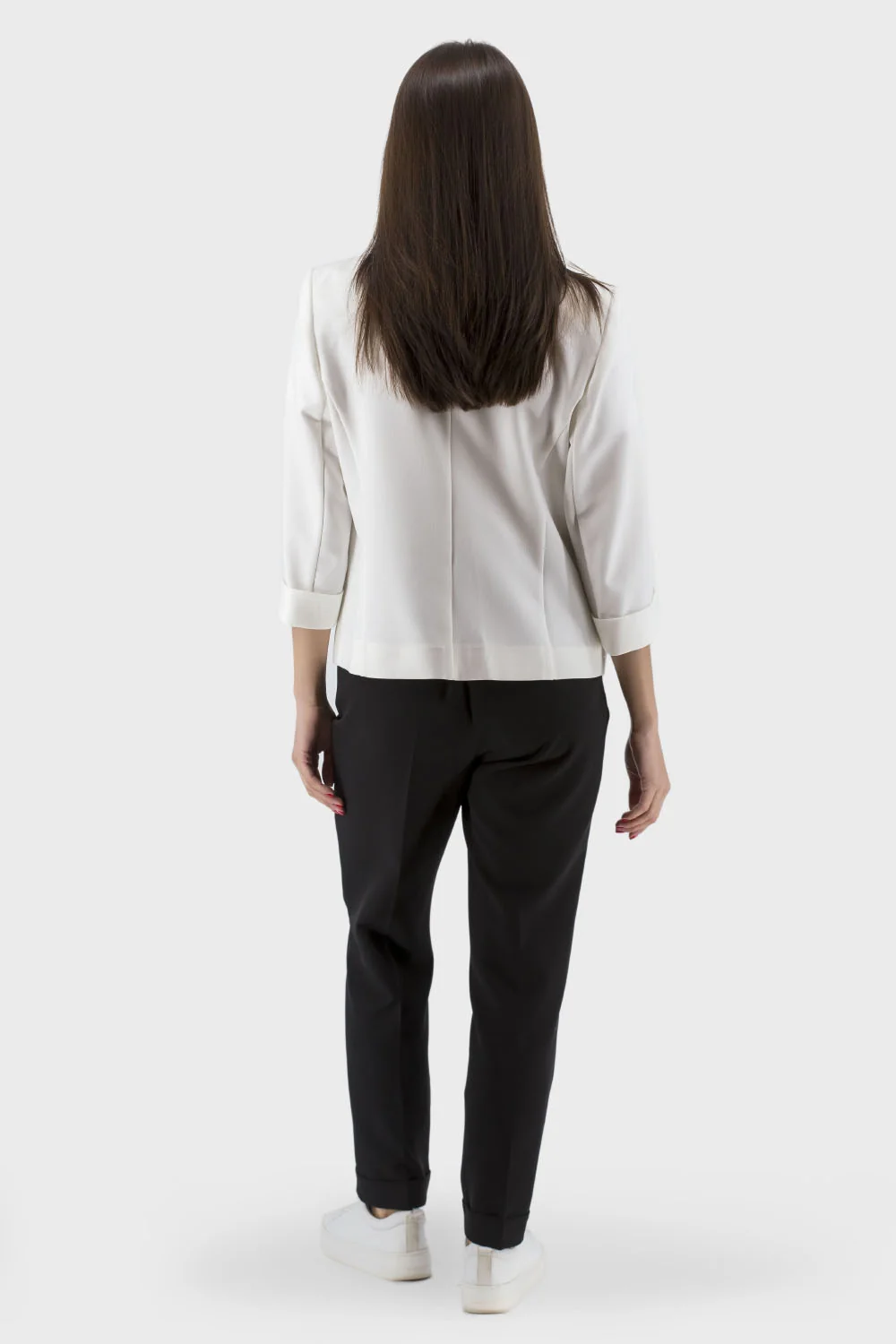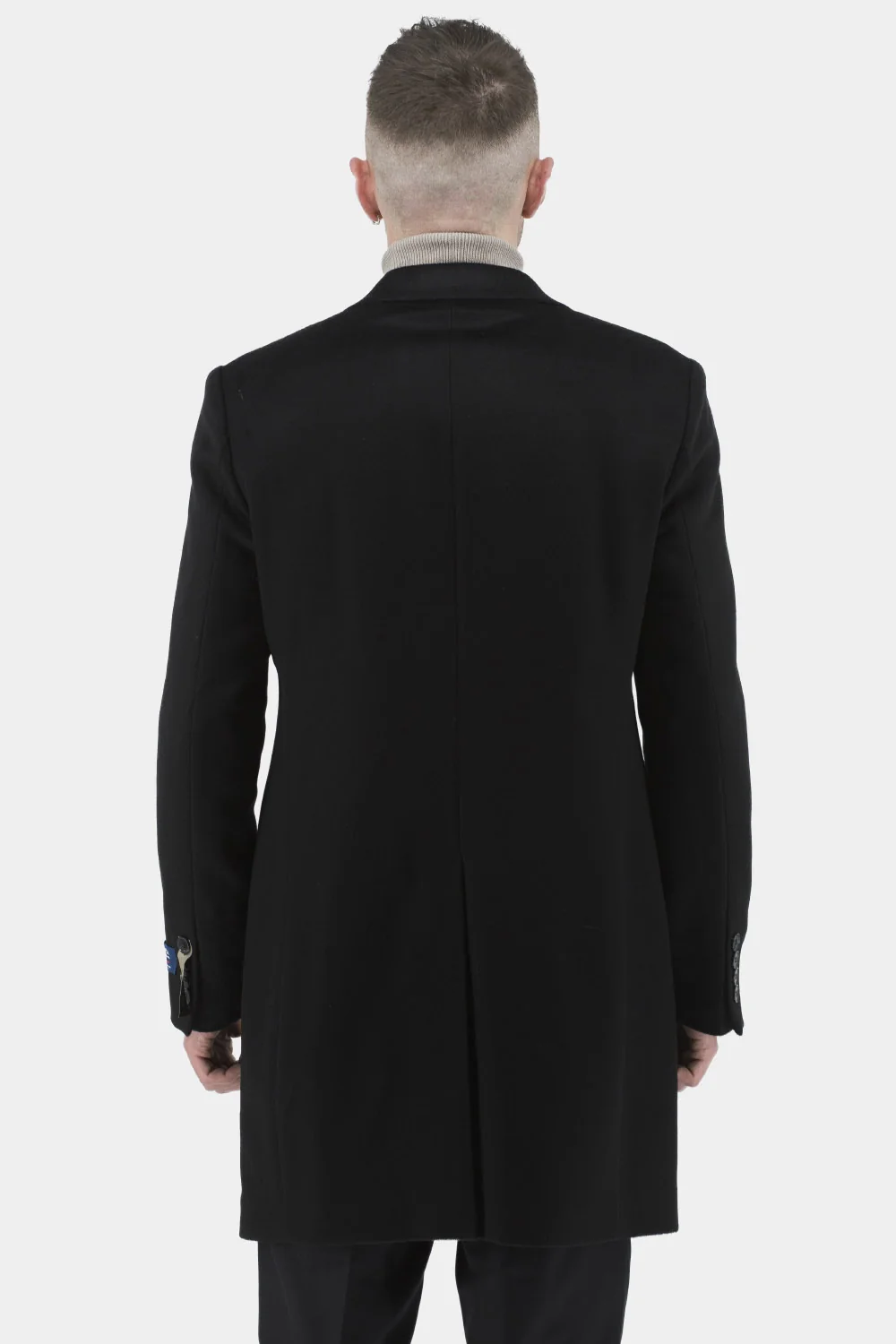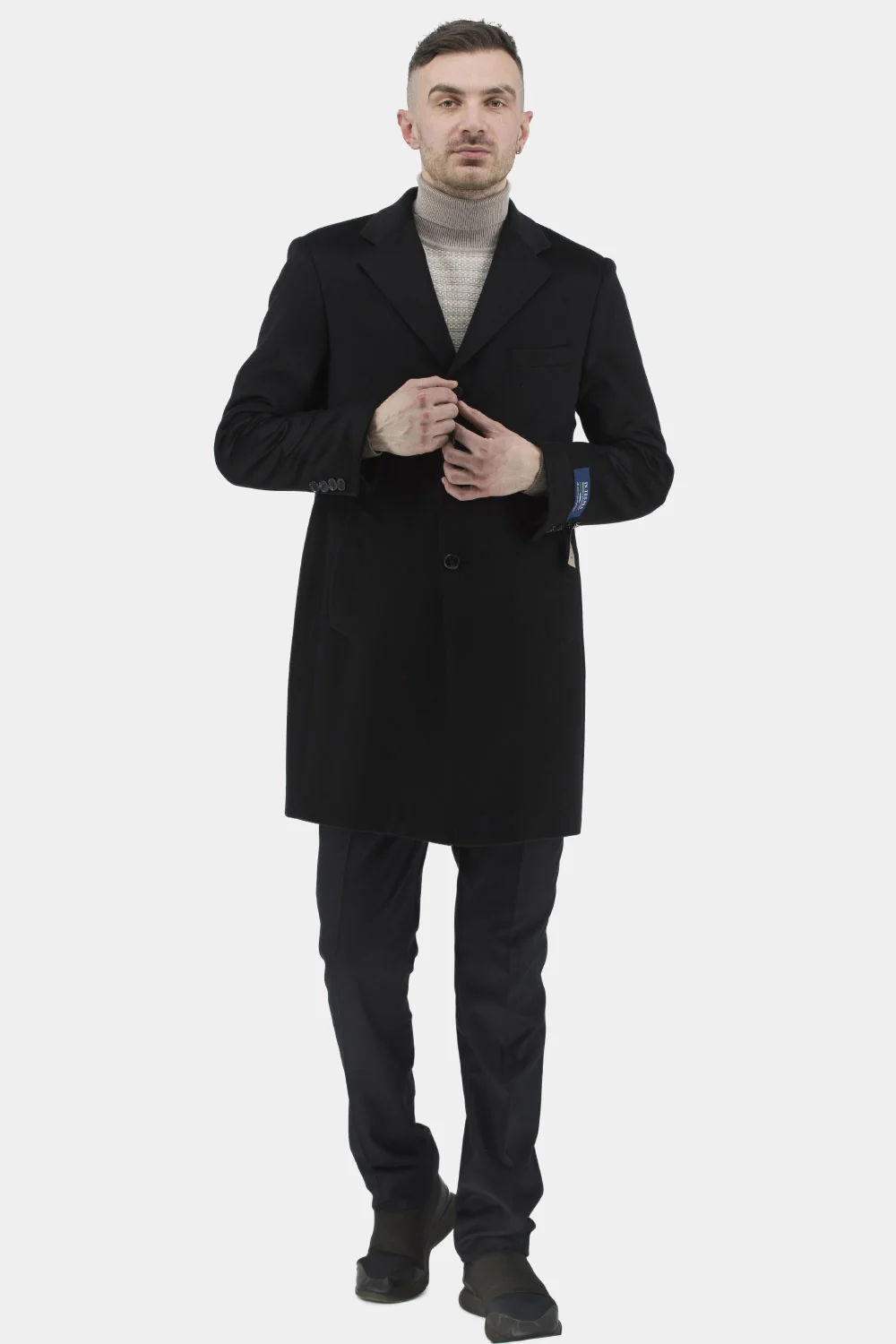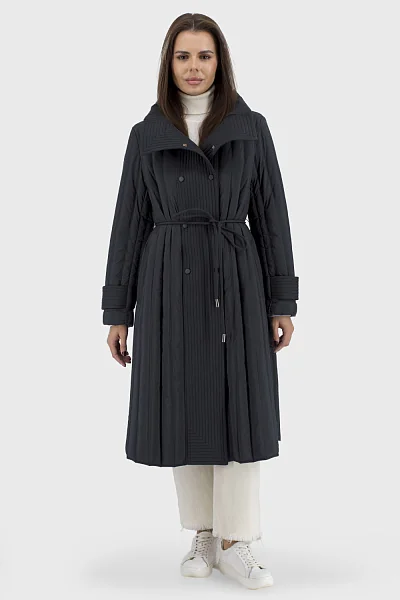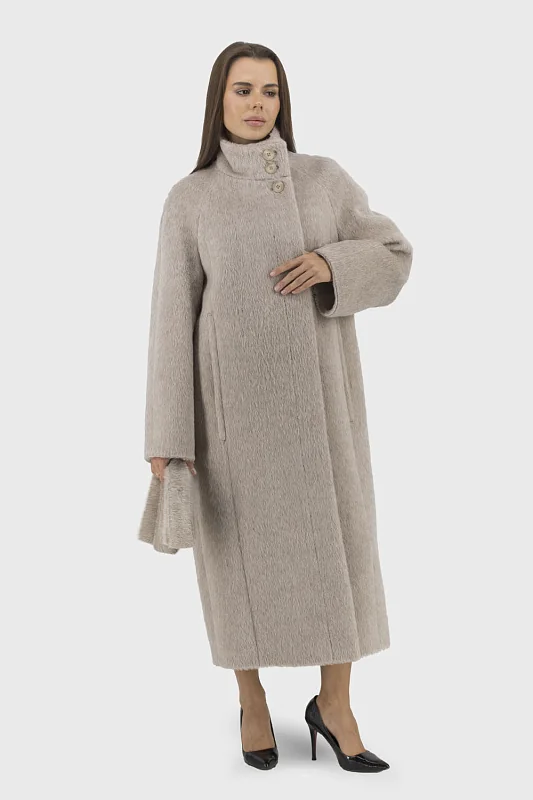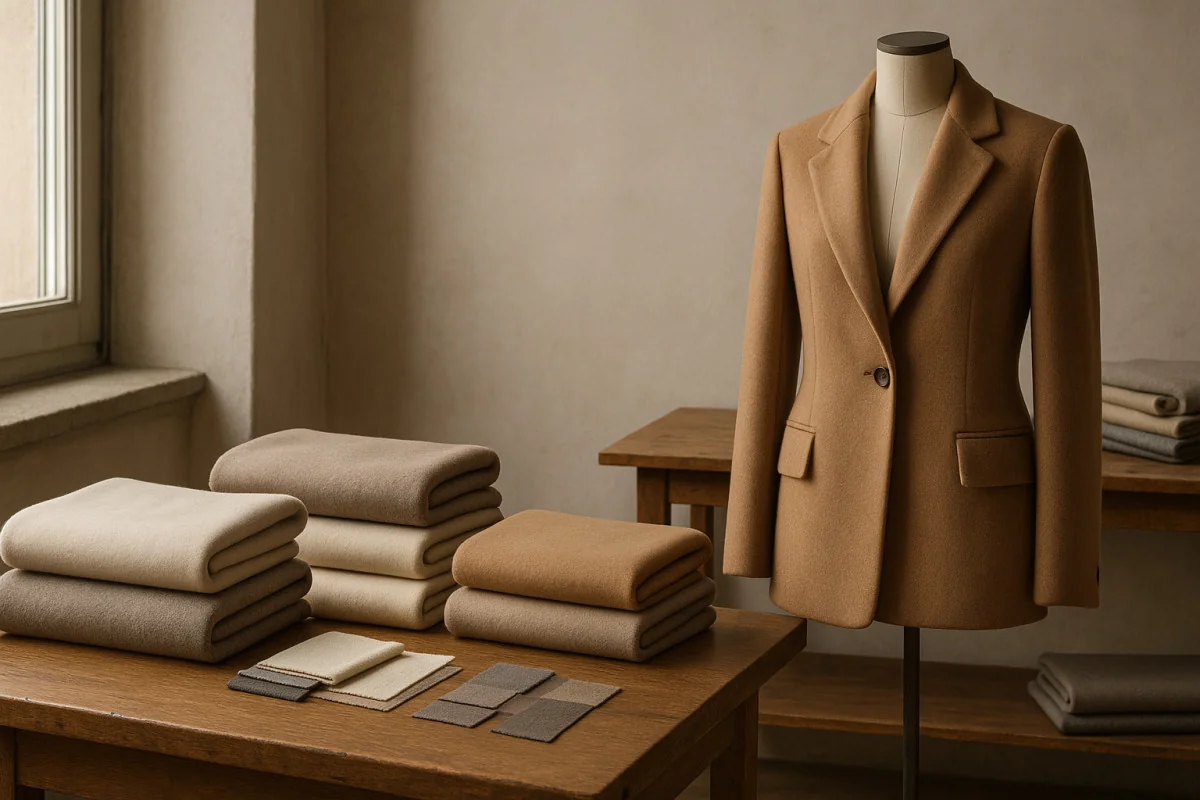
Loro Piana is an Italian brand closely associated with fine wool, cashmere, vicuña and the idea of understated luxury. Its history is relevant not only to fashion enthusiasts but also to anyone who wants to understand why the quality of outerwear depends on fibre selection, fabric construction, finishing and precise tailoring rather than visible decoration alone.
From a family textile business to an international brand
The company grew from the Italian tradition of wool textile production. Several generations of the family worked with fibres intended for suiting and coating fabrics, gradually developing a highly selective approach to raw materials. Over time, Loro Piana became known not only as a supplier of premium textiles but also as a producer of finished clothing, accessories and home products.
A central part of the brand’s philosophy is control over the material journey, from fibre origin to the finished cloth. This is especially important for cashmere and vicuña because their performance depends on fineness, length, cleanliness and consistency.
Why cashmere is highly valued
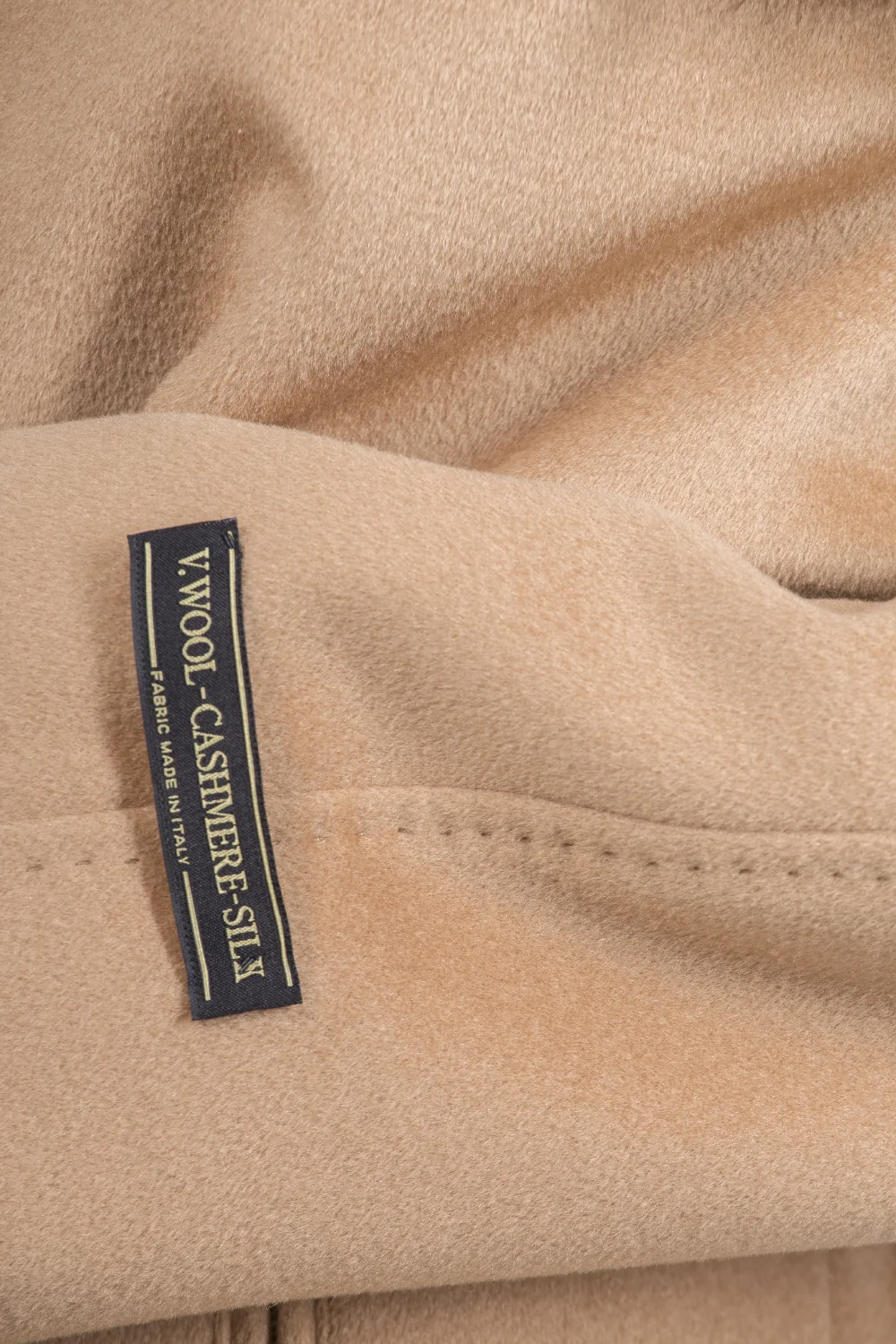
Cashmere comes from the soft undercoat of goats adapted to cold and dry climates. After the fibres are combed or collected, they are cleaned, sorted and separated from coarser guard hair. Finer and longer fibres generally allow the creation of a softer, lighter and more even fabric.
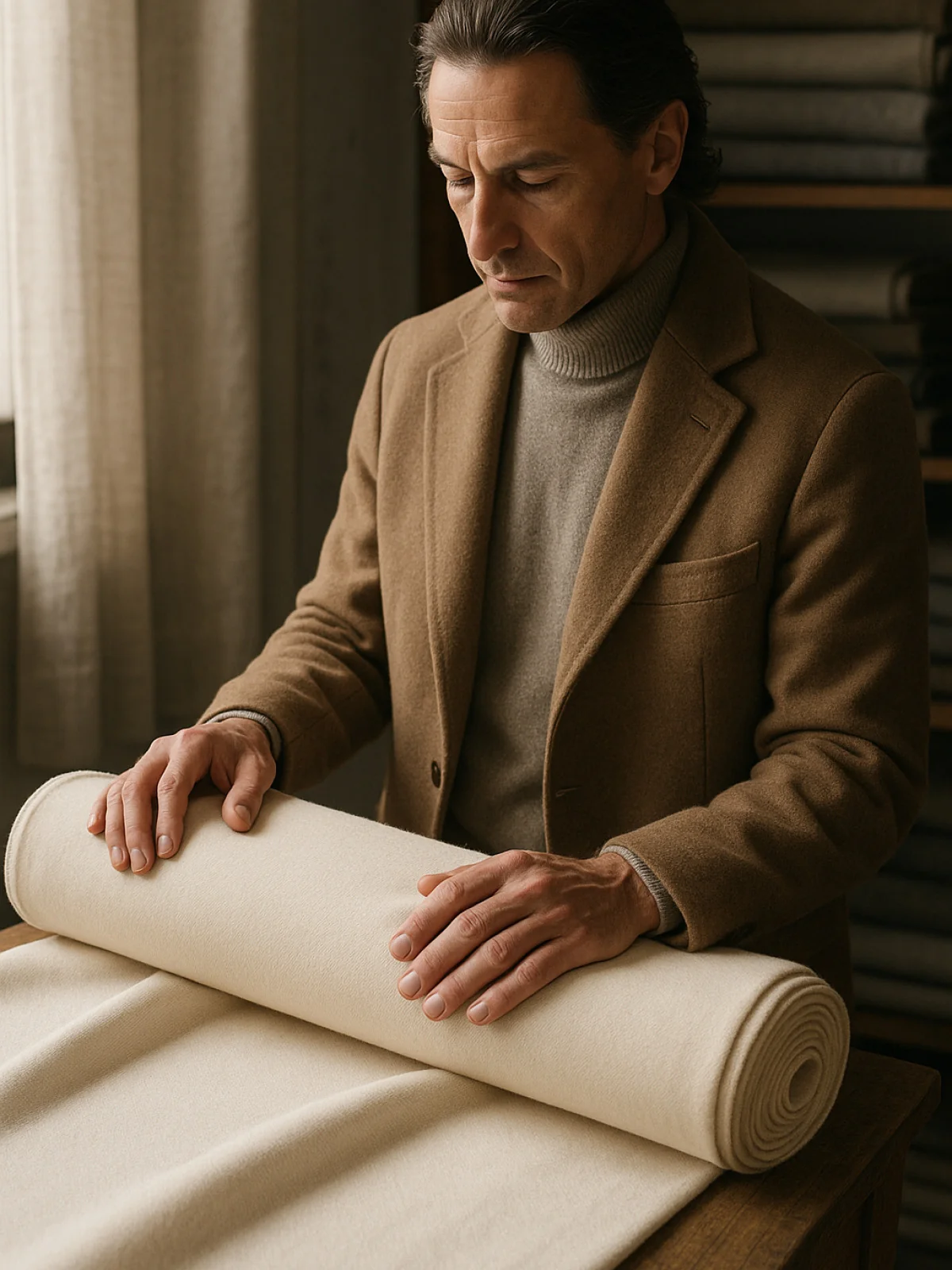
High-quality cashmere can provide warmth without requiring excessive thickness. This is why a coat containing cashmere may feel light and flexible. However, the word “cashmere” on a label does not guarantee the same quality in every garment. The percentage of fibre, fabric density, weave, lining and overall construction must also be considered.
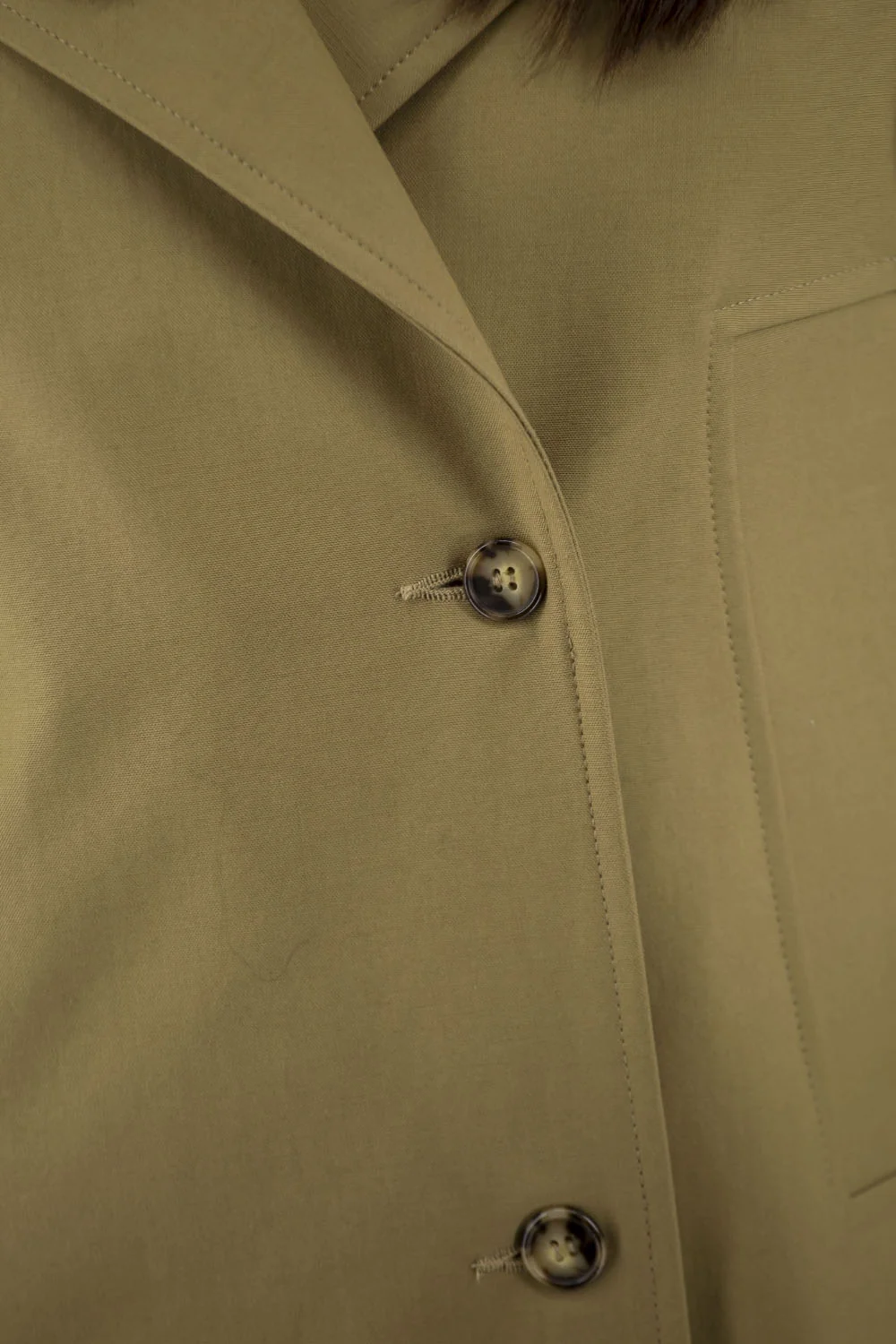
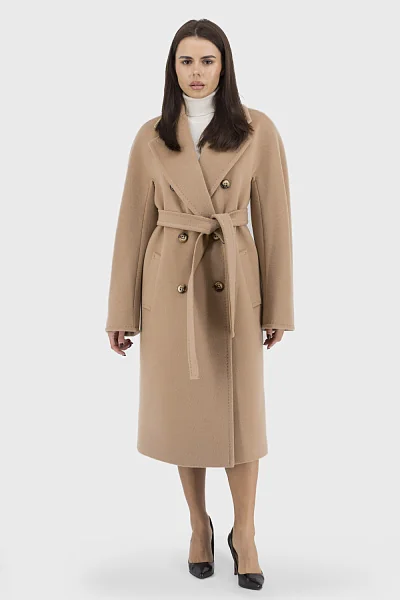
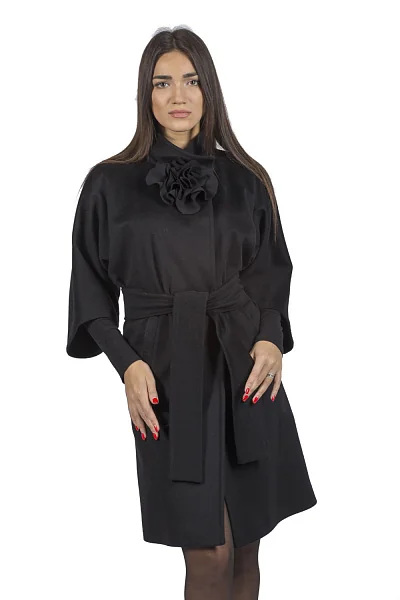
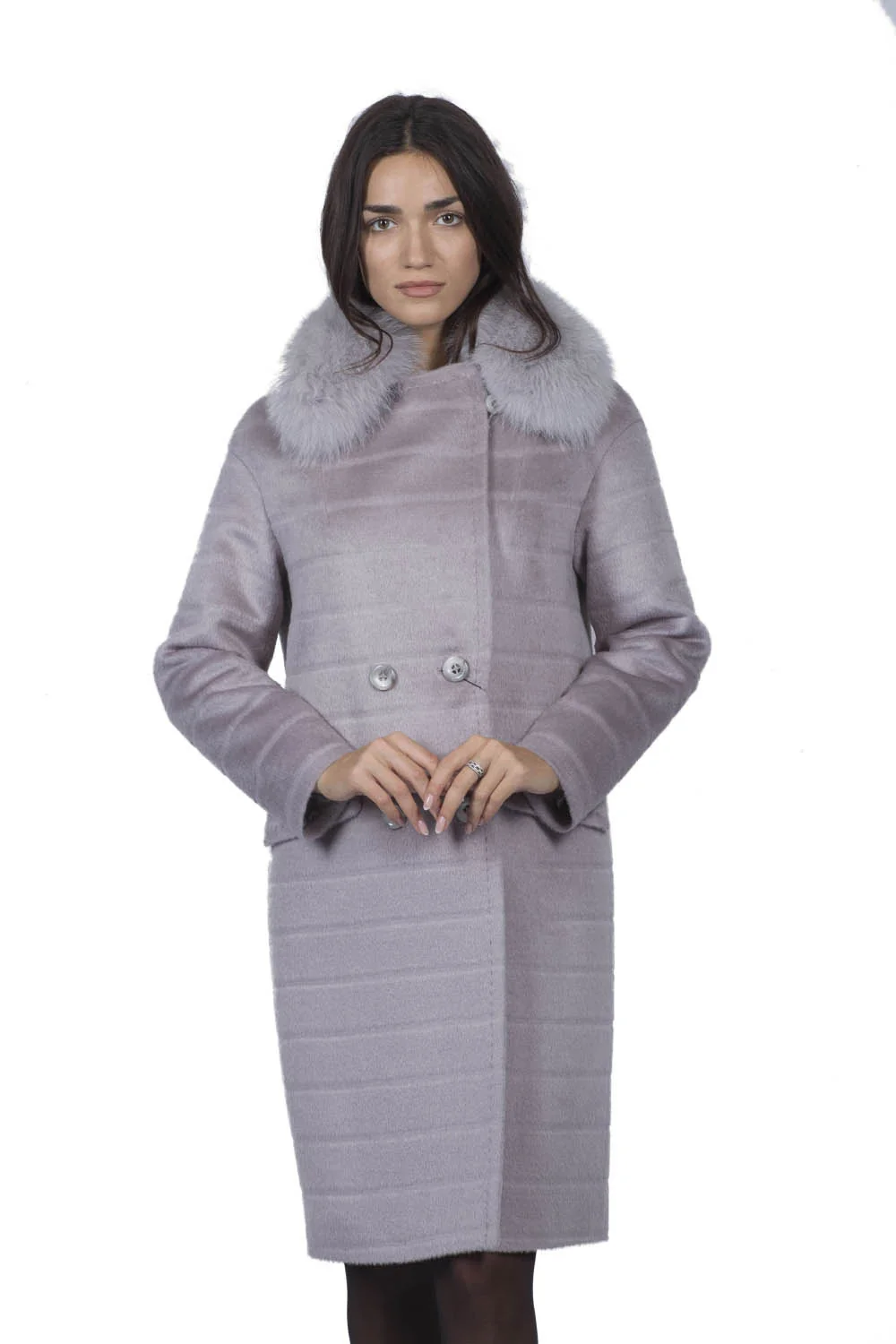
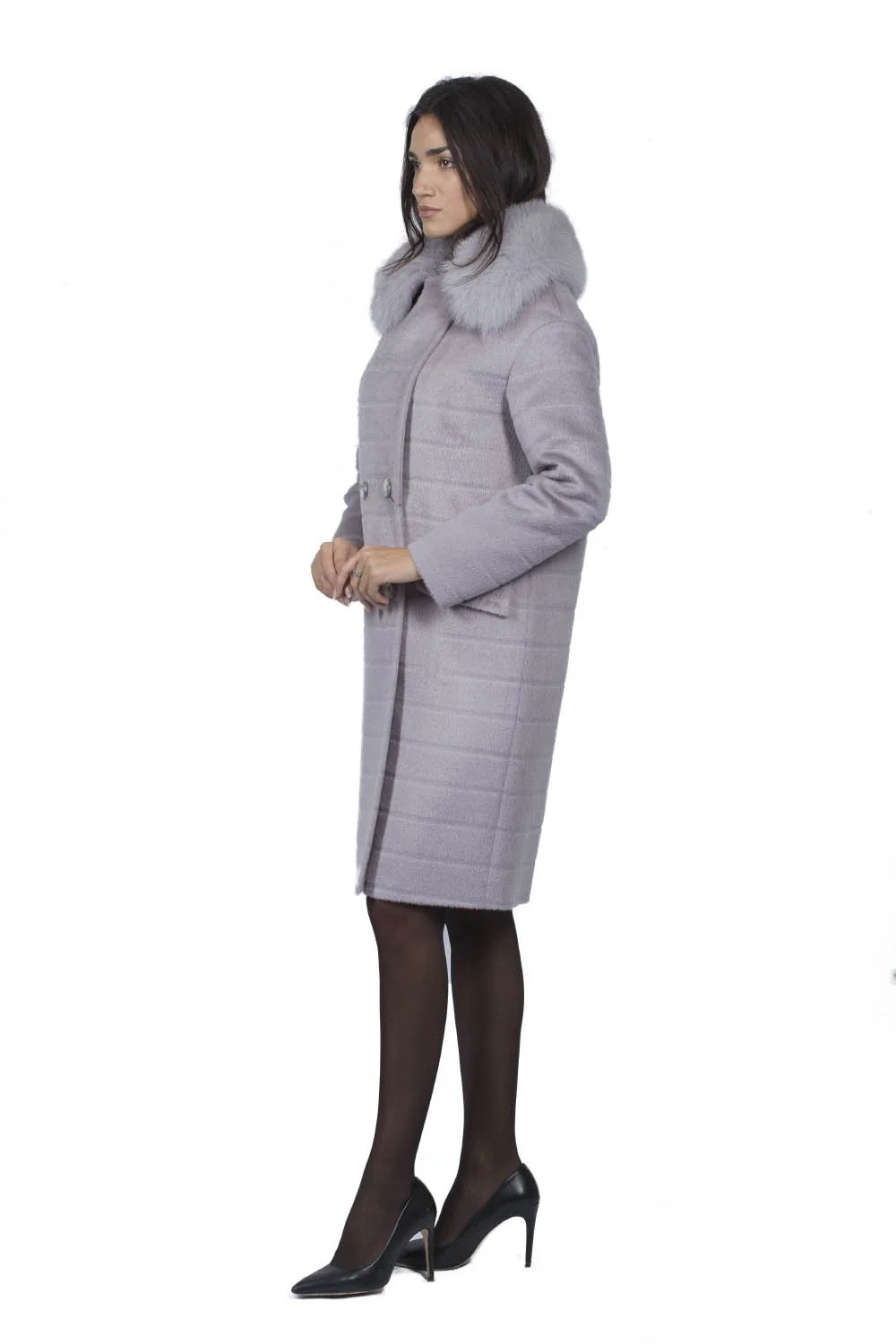
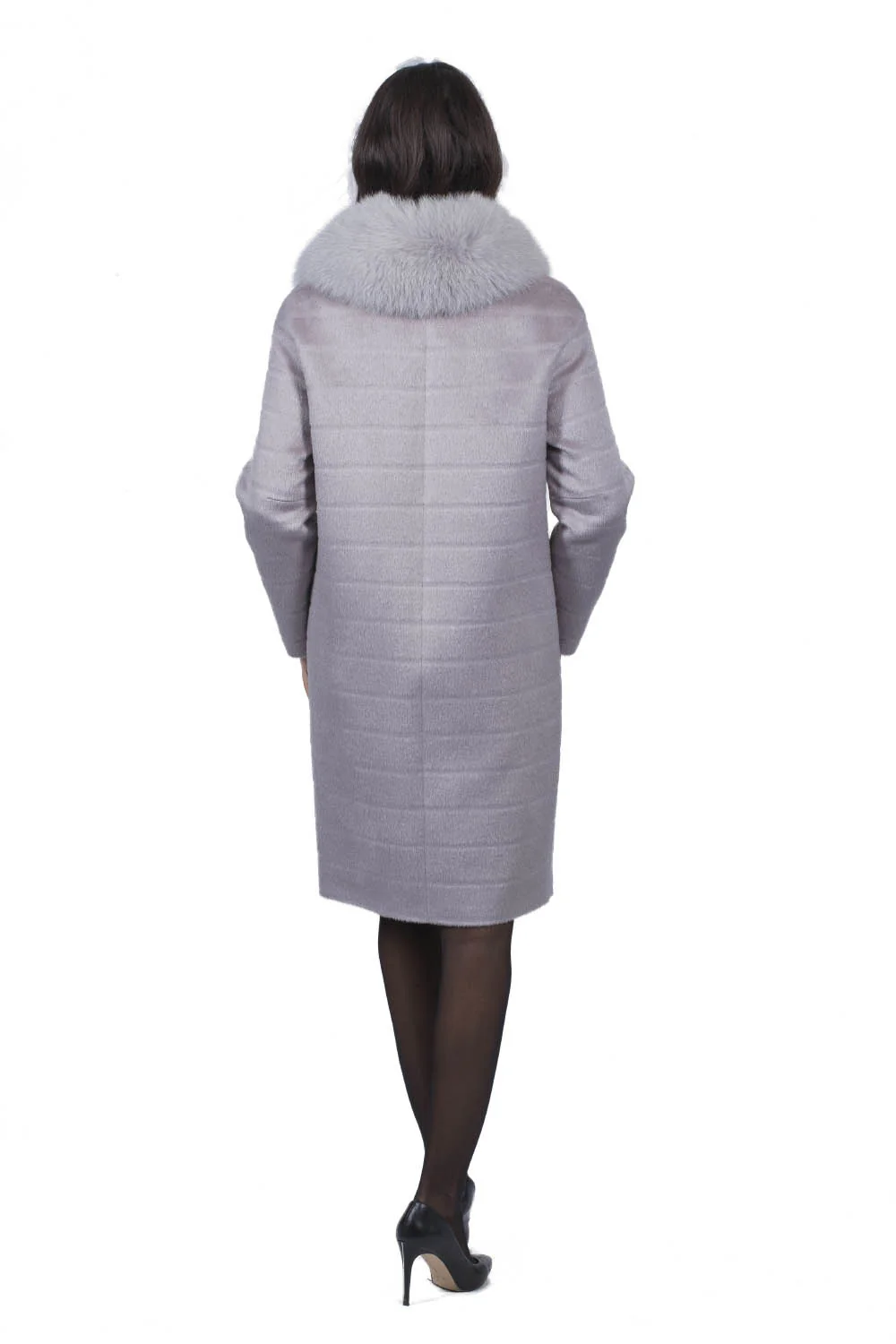
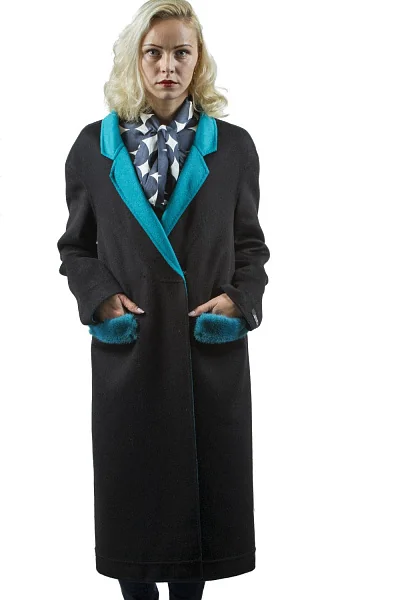
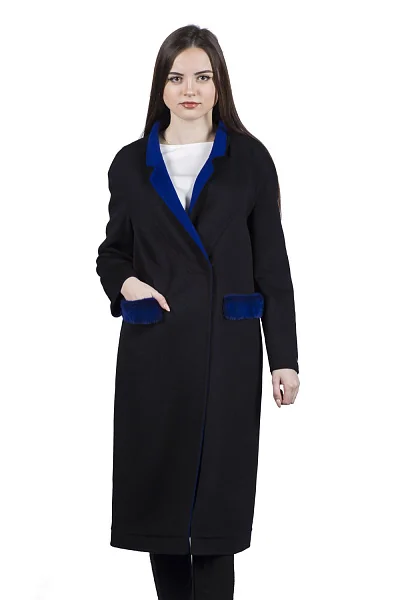
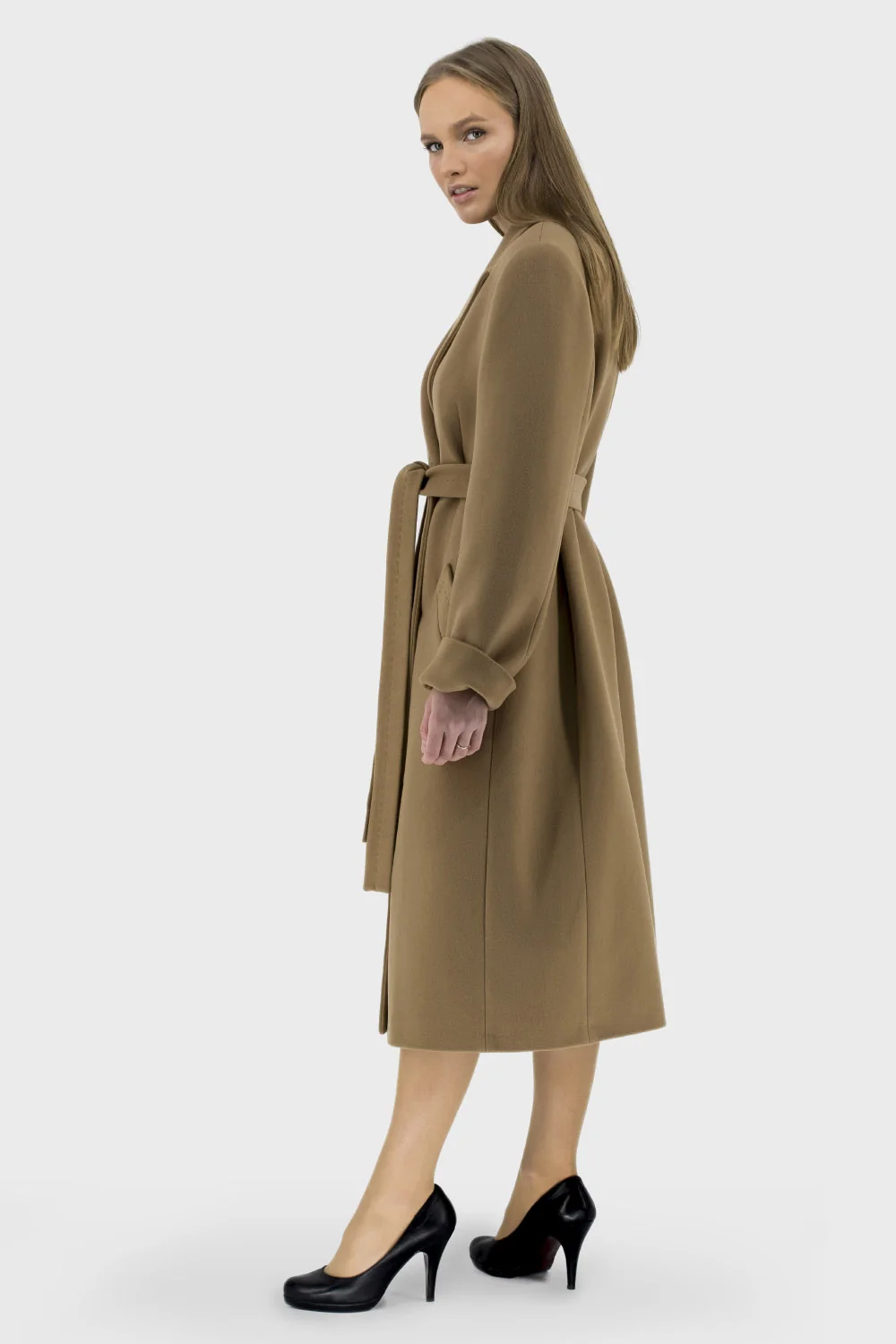
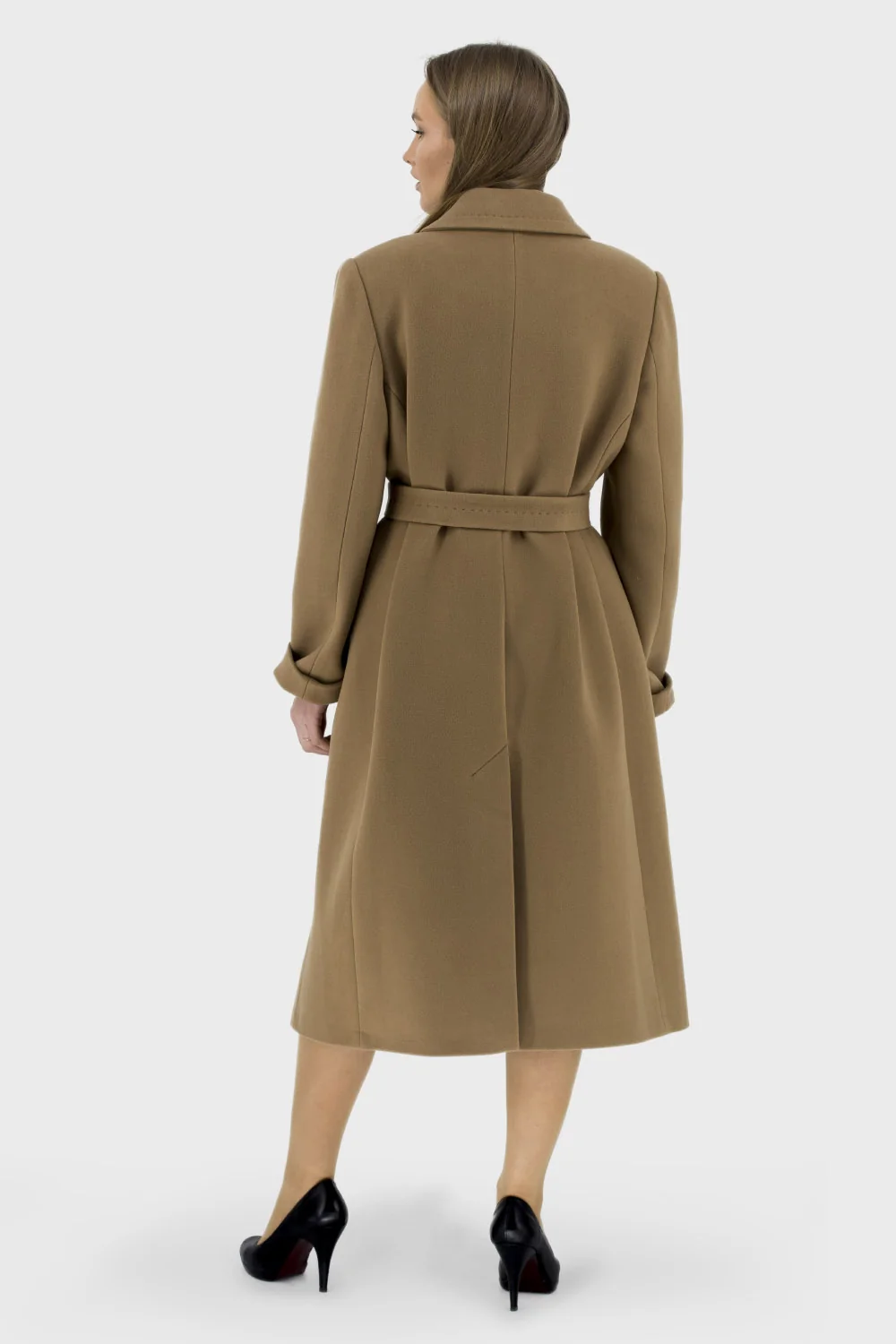
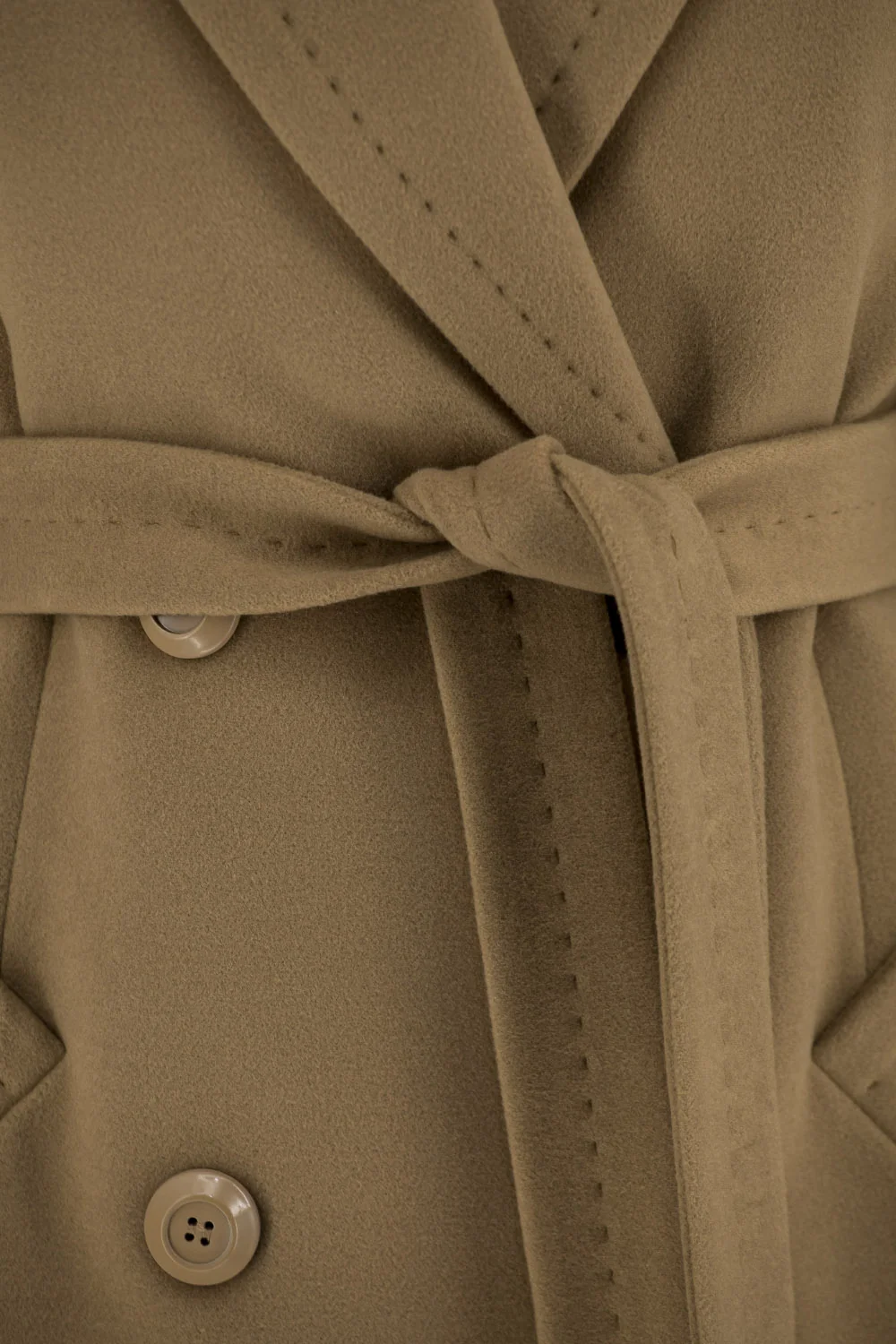
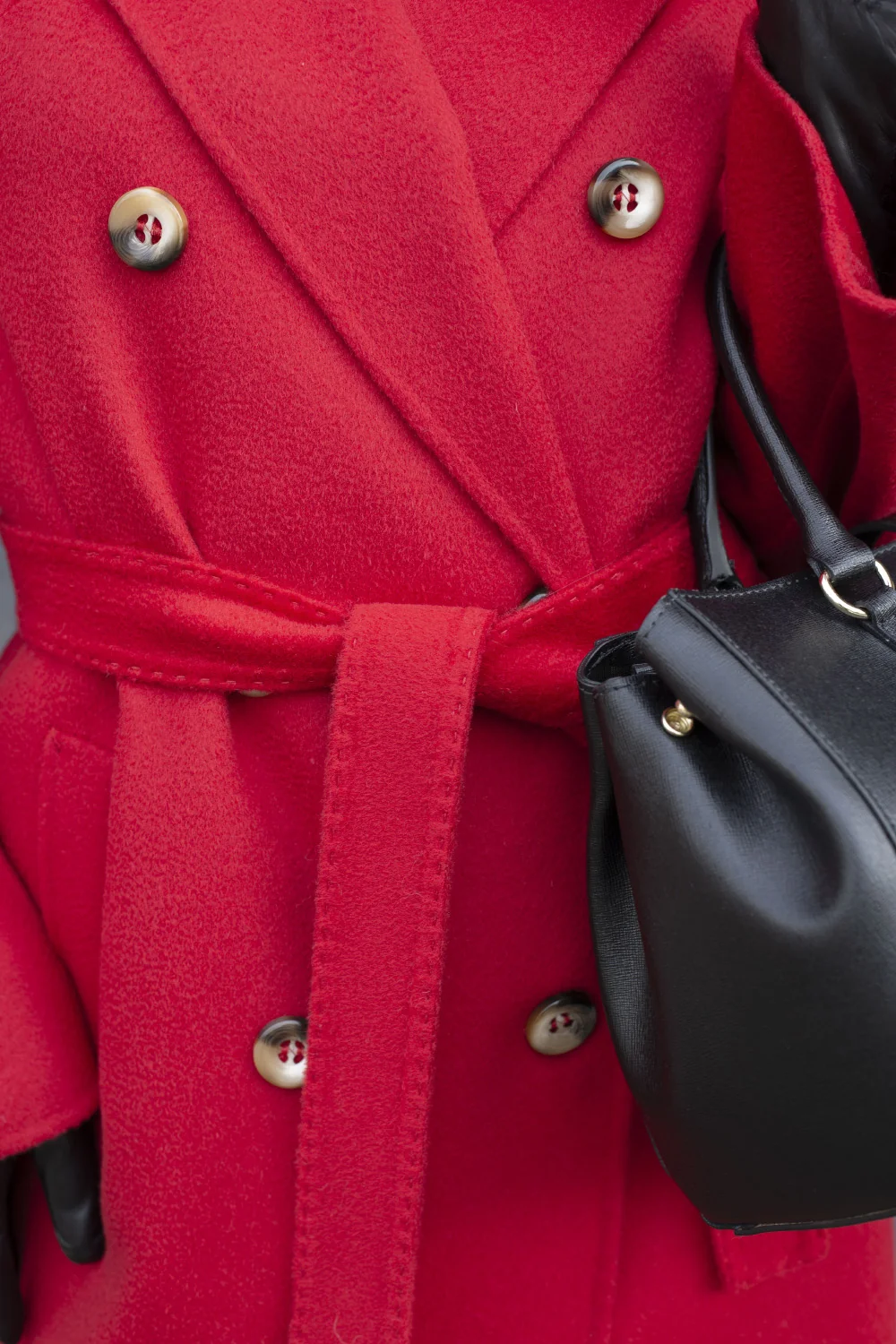
When choosing a women’s coat, examine how the fabric holds its shape, whether the surface is even and whether seams and edges are carefully finished.
Vicuña and the value of a rare fibre
The vicuña is a wild South American camelid that lives in high-altitude regions. Its fibre is exceptionally fine, light and warm. Because the supply is limited, collection is strictly controlled and the animals must be handled carefully, genuine vicuña material is extremely expensive.
In premium clothing, vicuña may be used for coats, scarves, capes and other items where low weight, softness and natural insulation are important. Buyers should always verify the fibre composition and should not confuse genuine vicuña with camel-coloured fabrics or marketing names that only suggest luxury.
Quiet luxury as a design principle
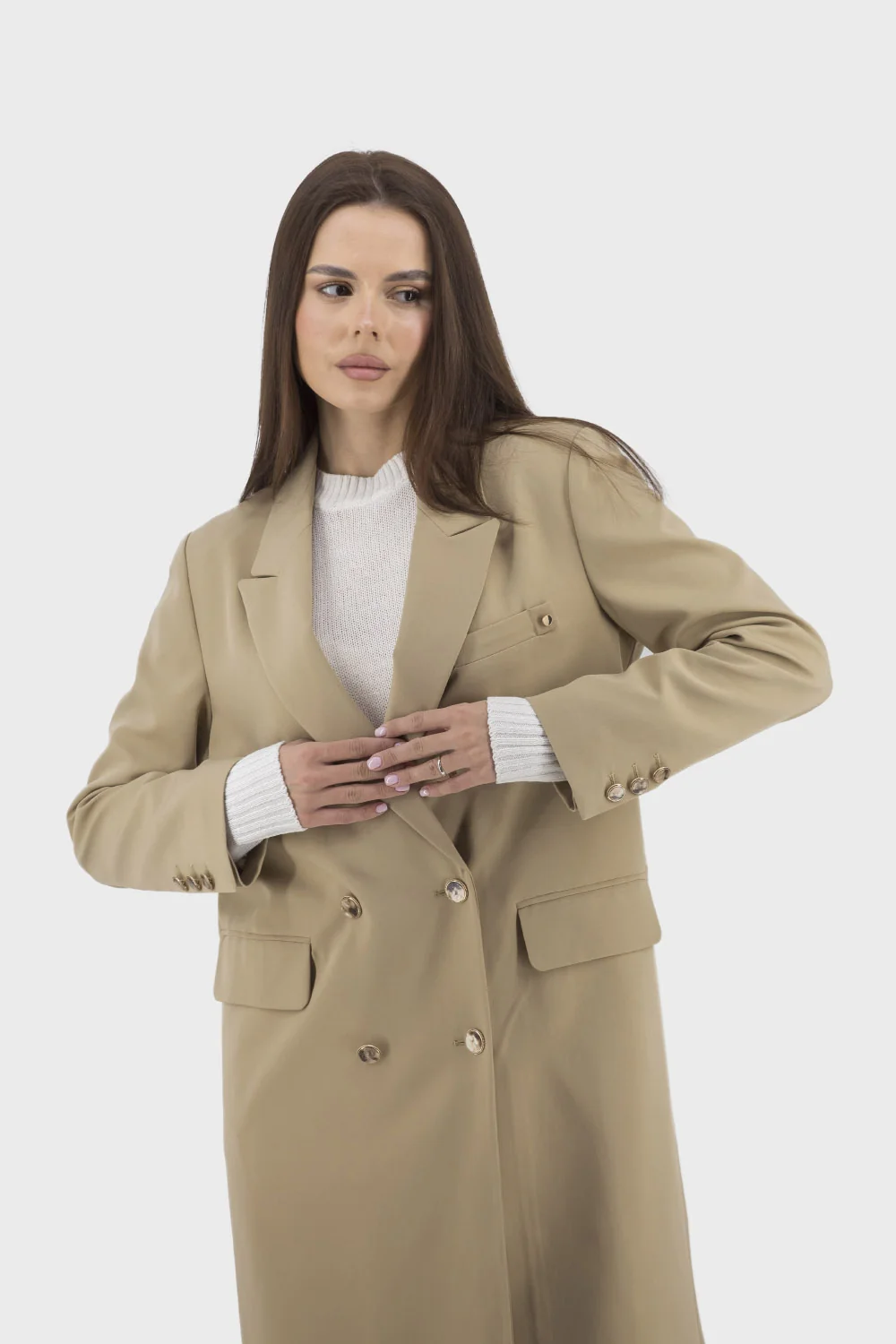
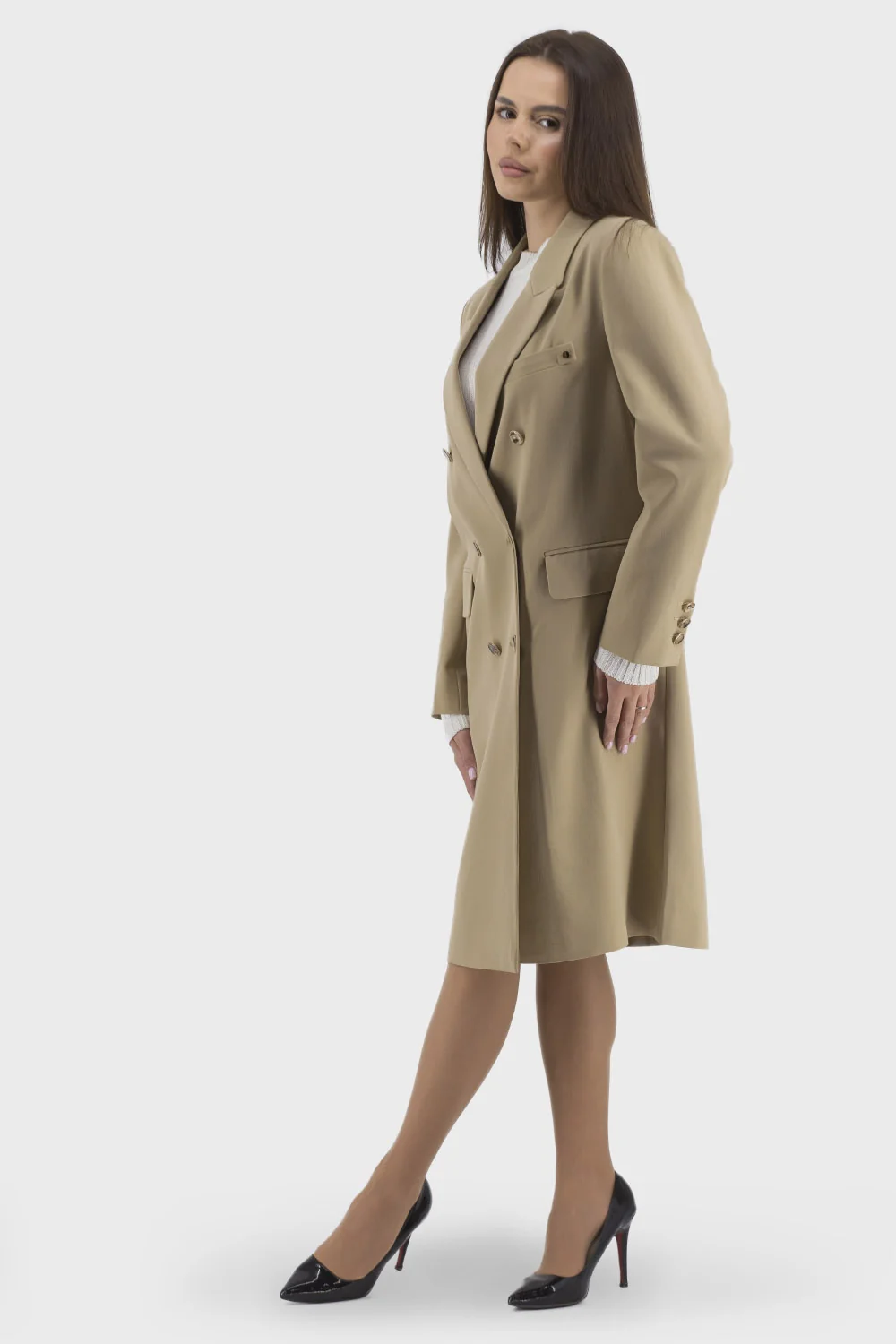
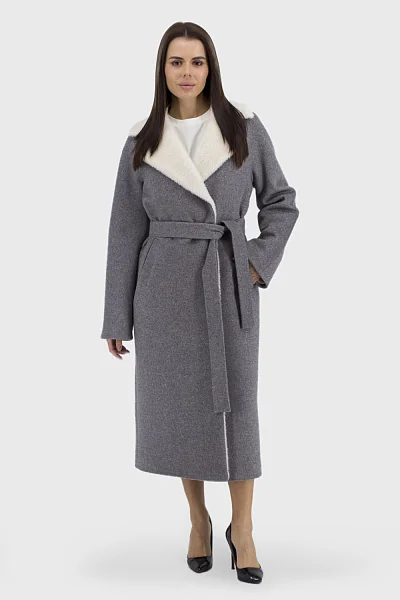
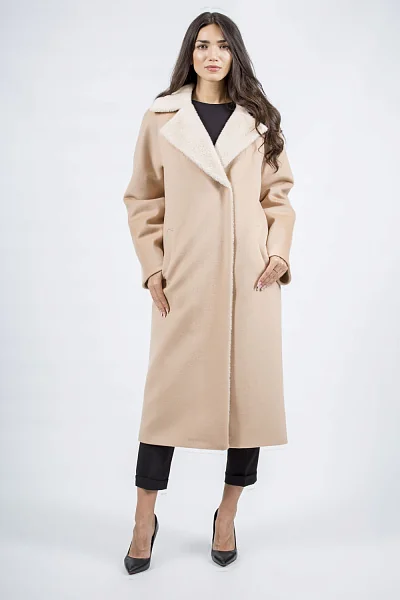
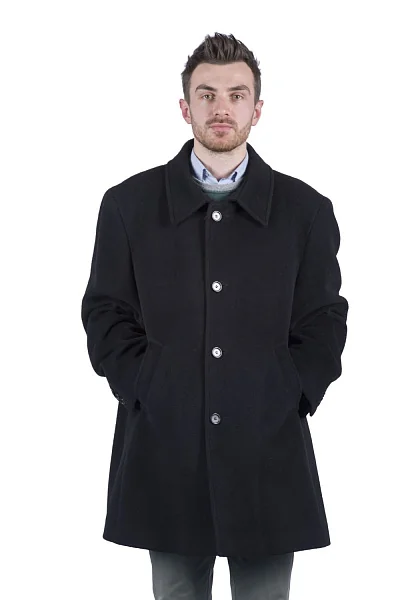
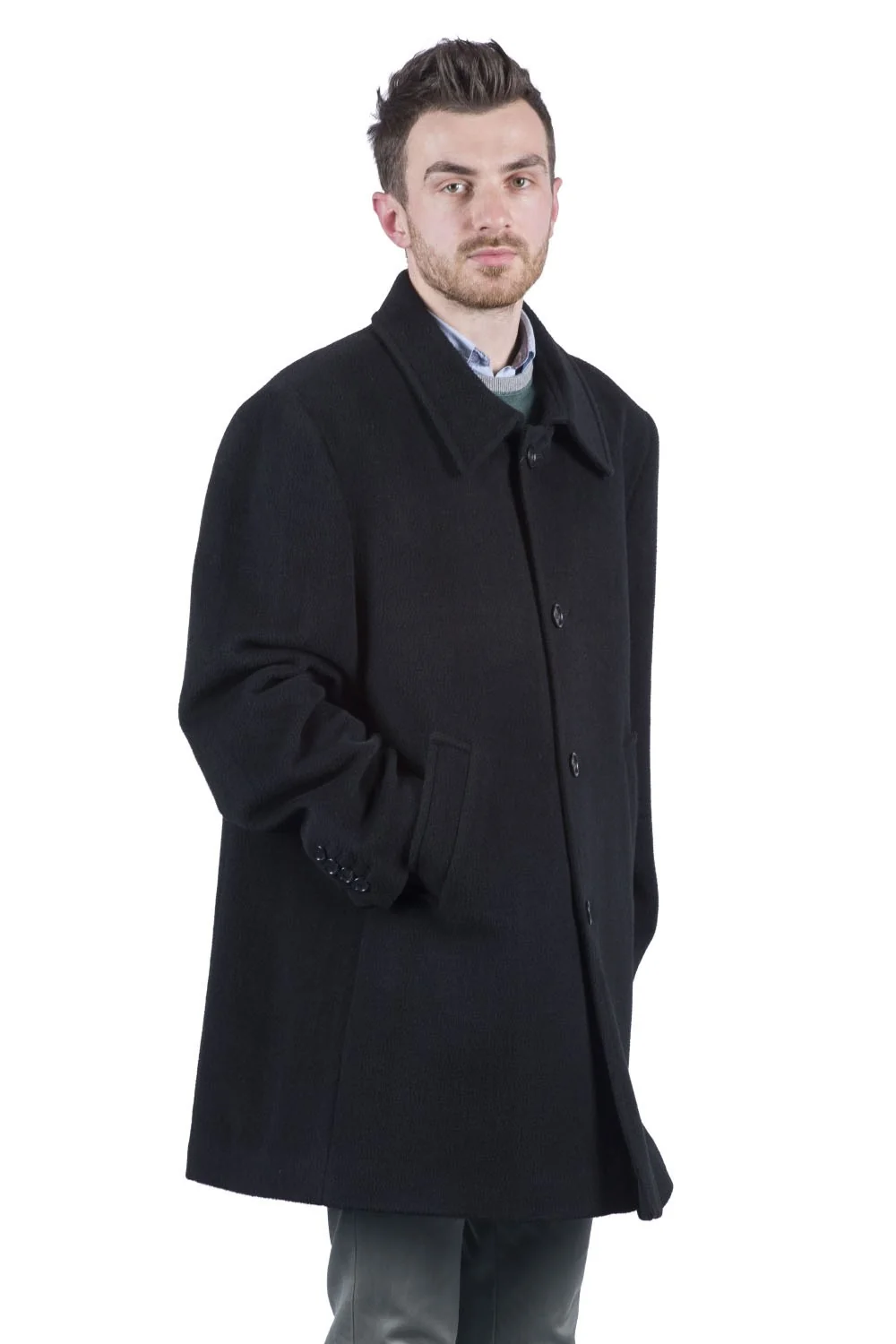
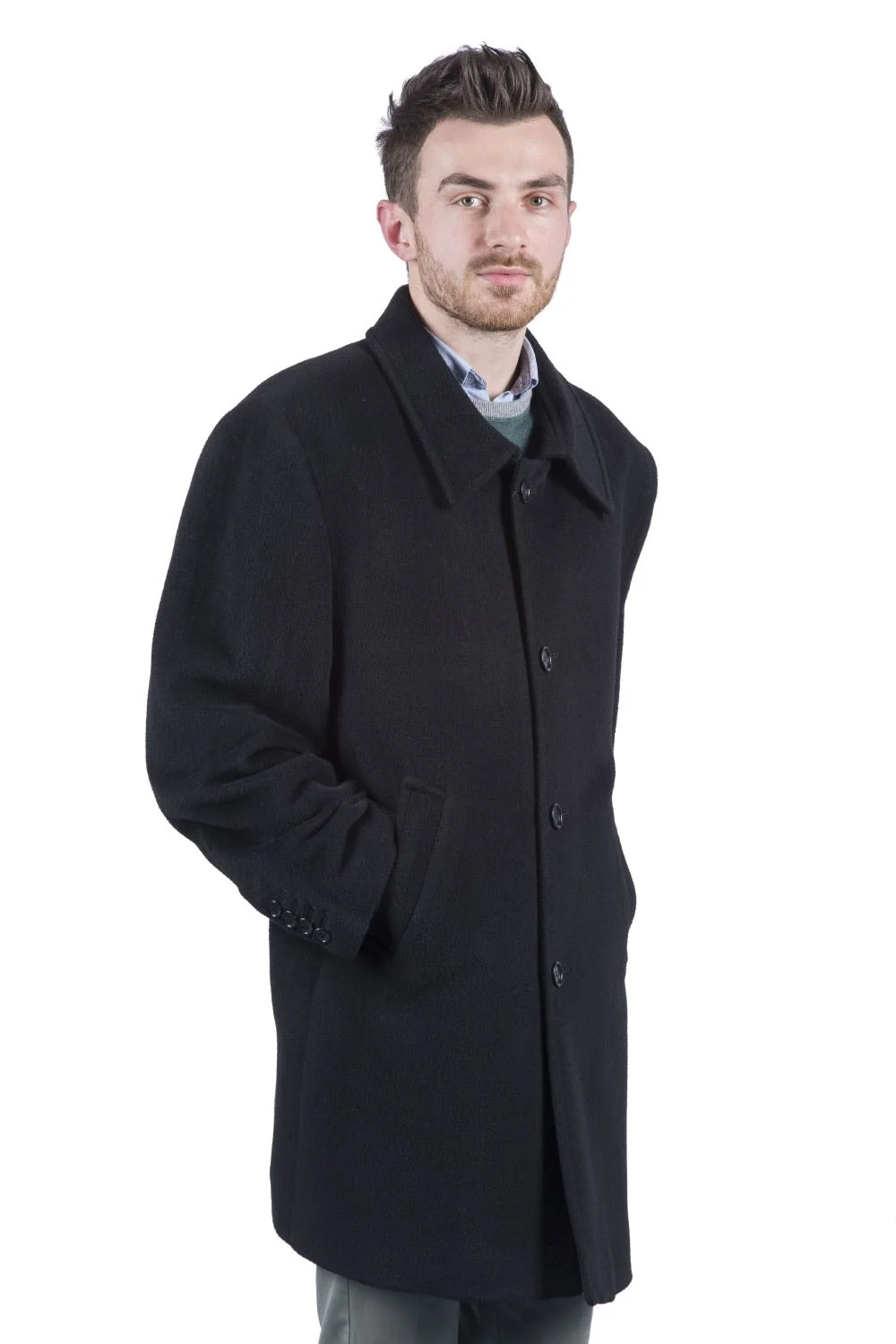
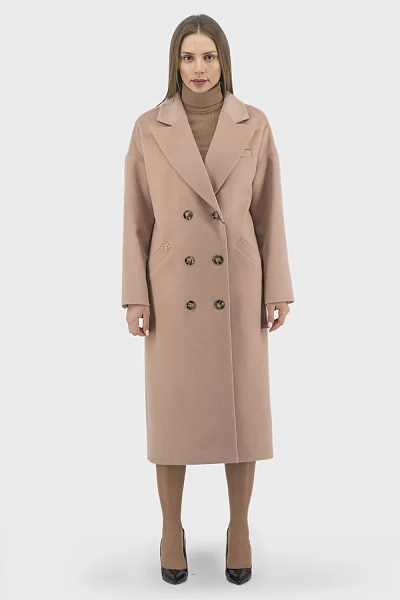
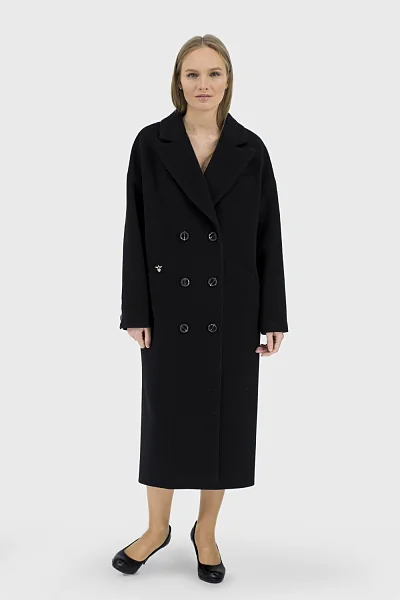
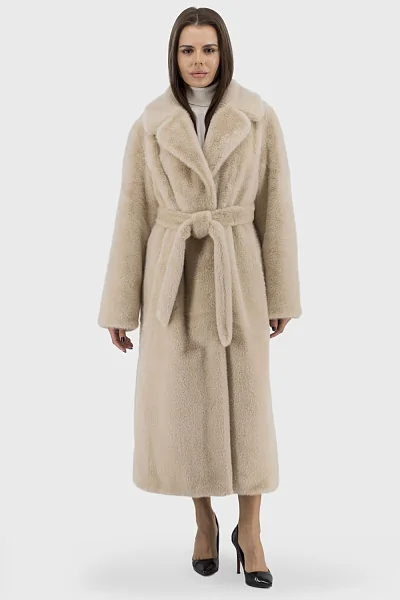
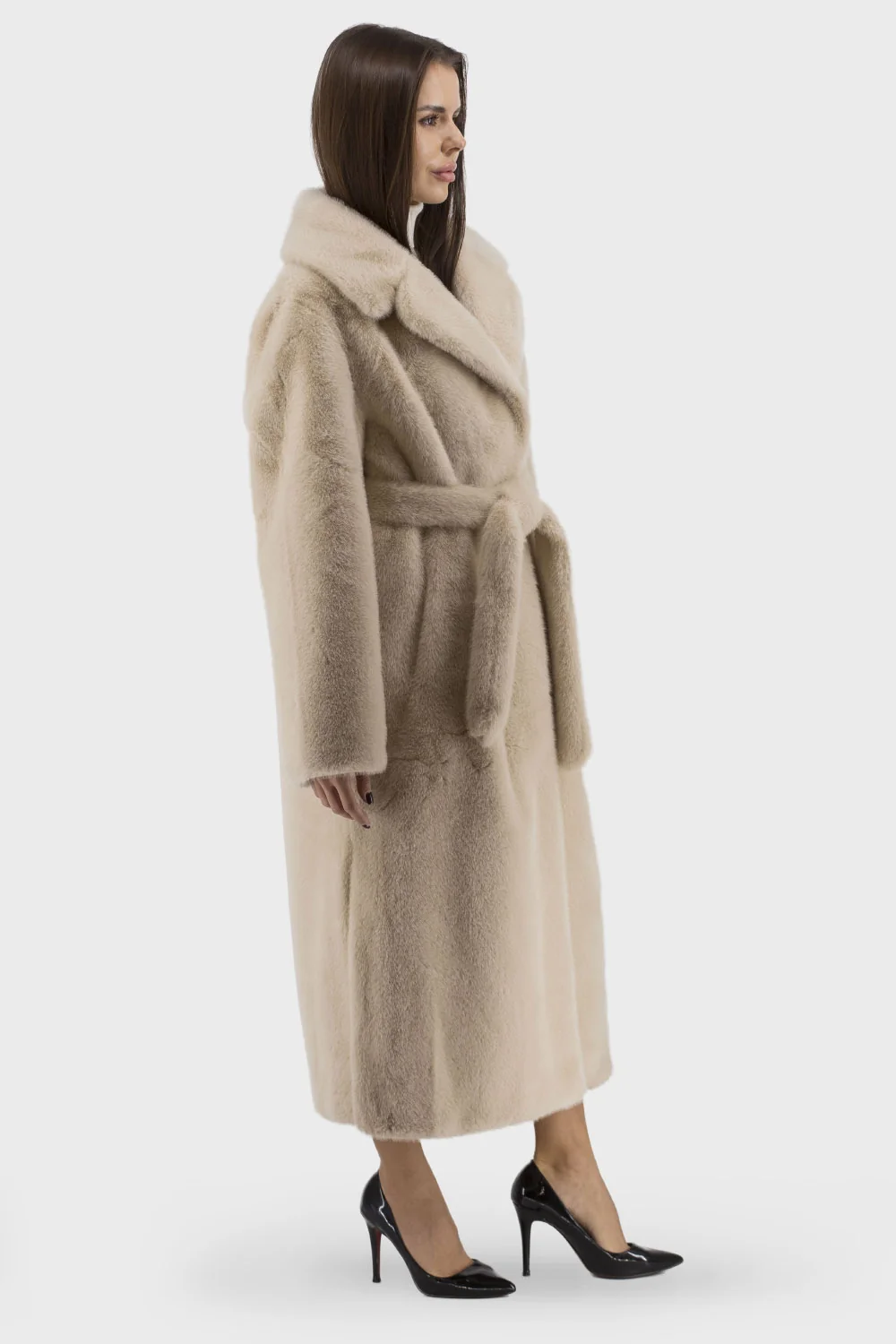
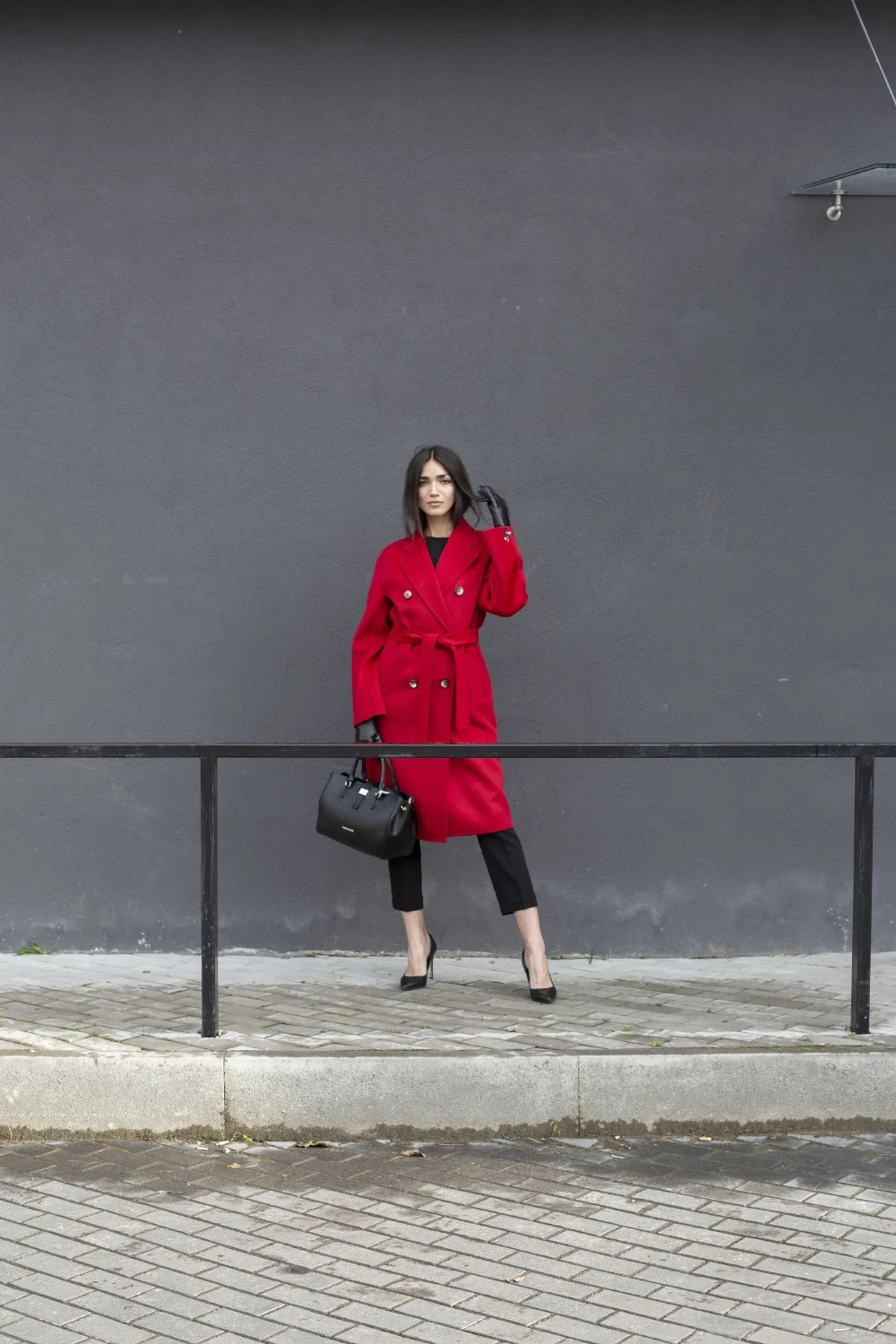
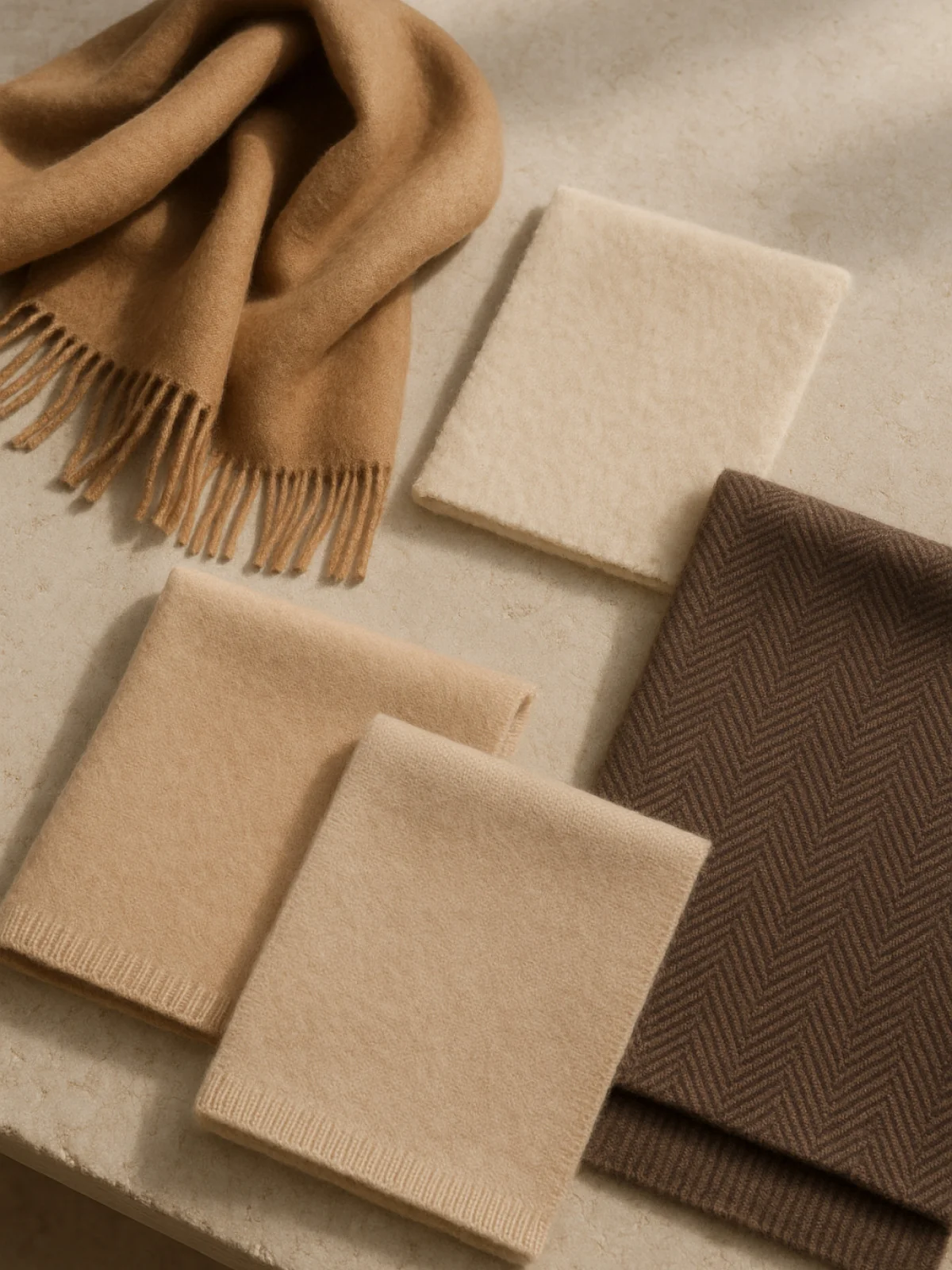
Loro Piana is frequently associated with quiet luxury. This approach does not rely on large logos or strong decorative elements. Texture, fit, tactile quality and a natural colour palette become the main visual language. Milk white, beige, camel, grey, brown and deep navy are common examples.
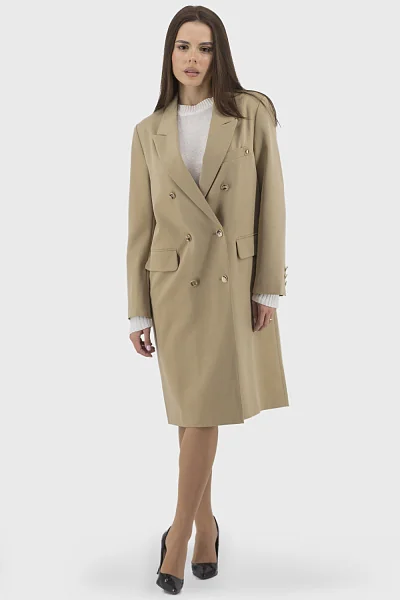
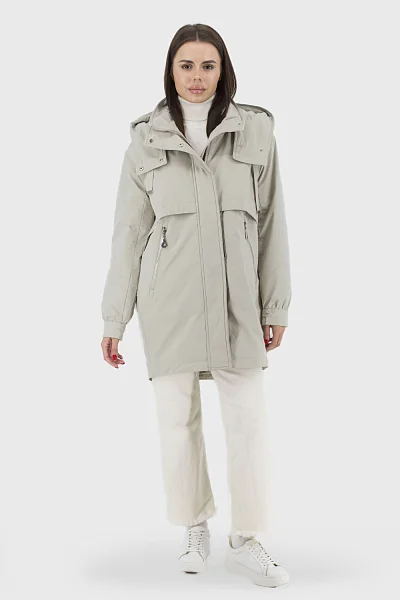
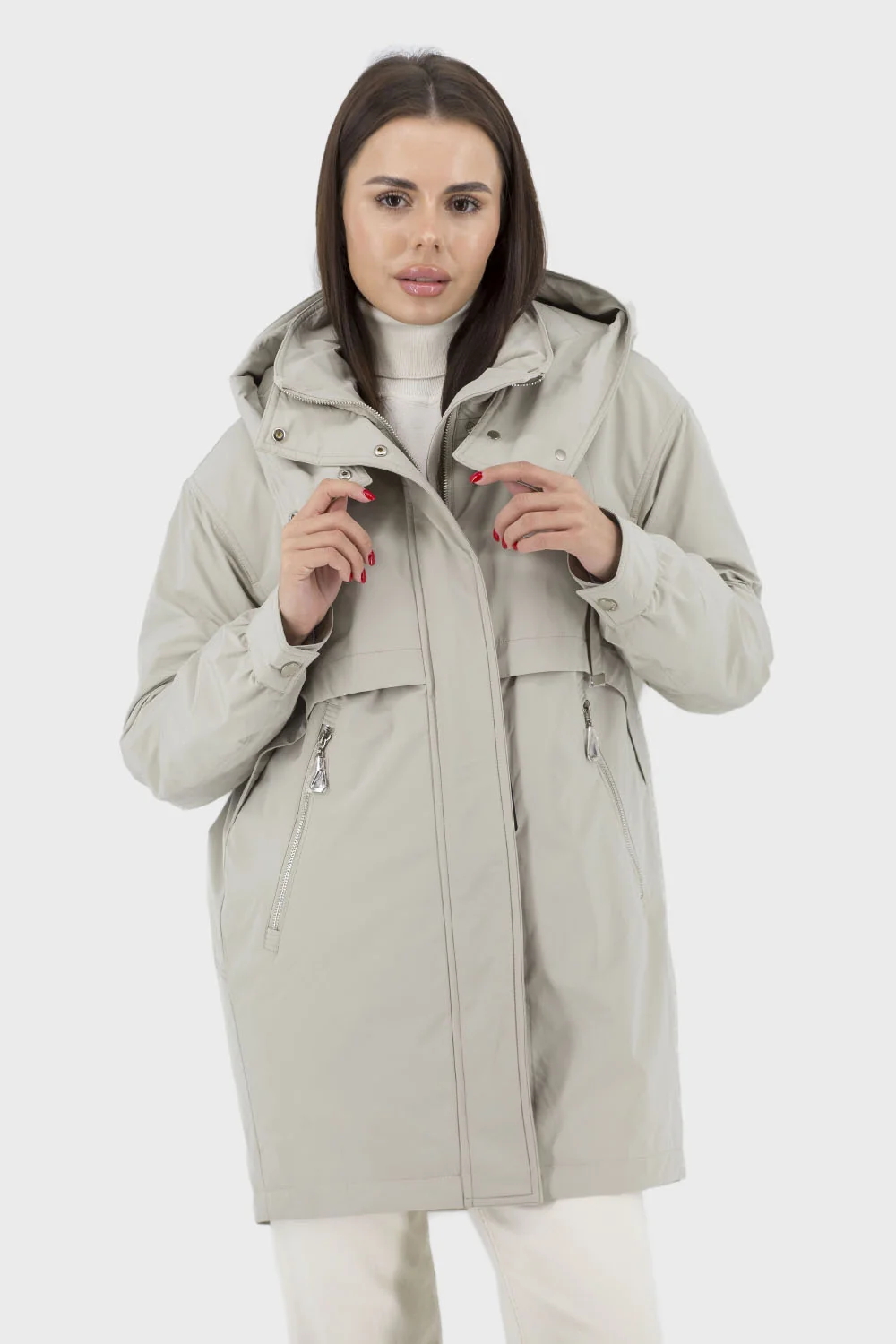
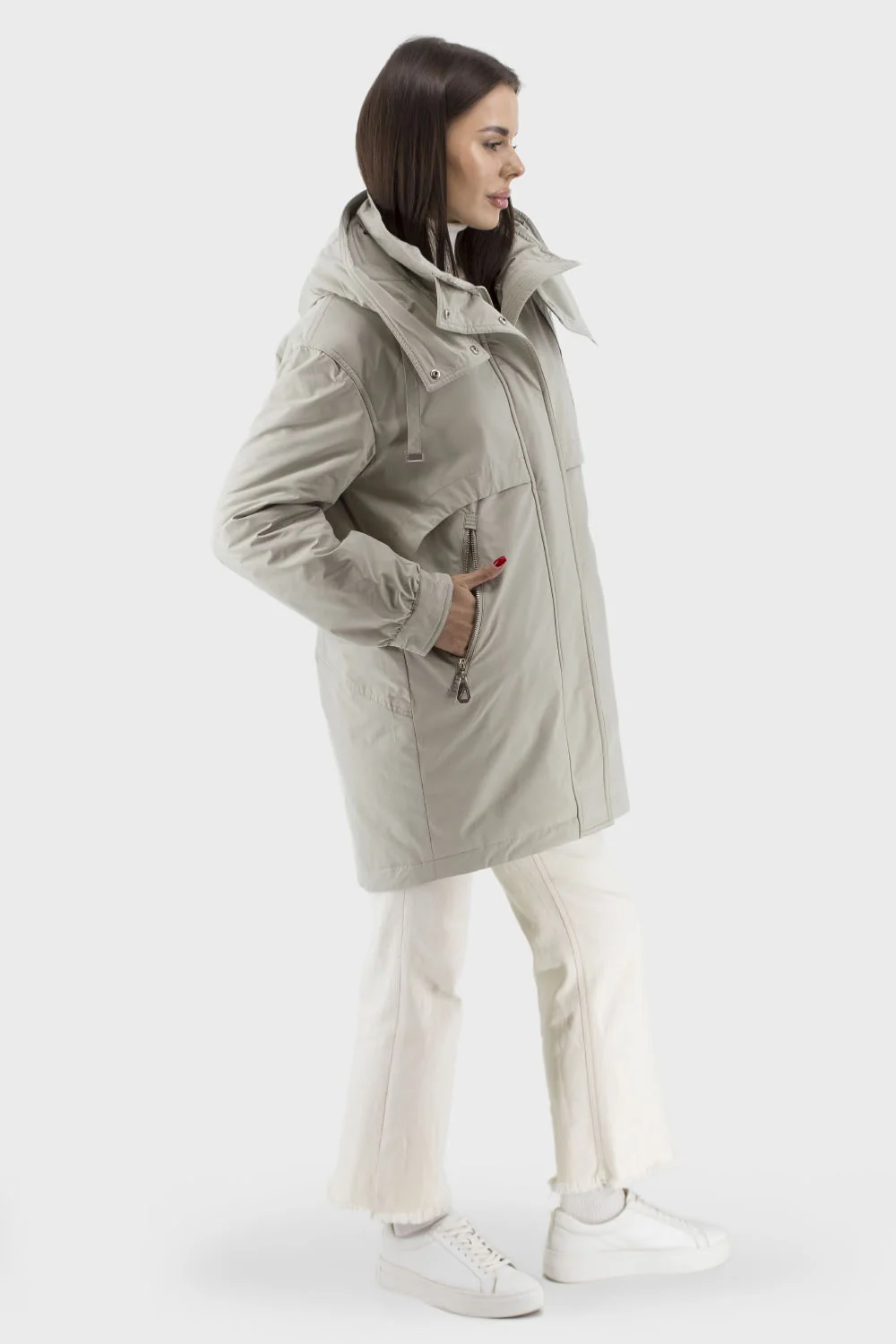
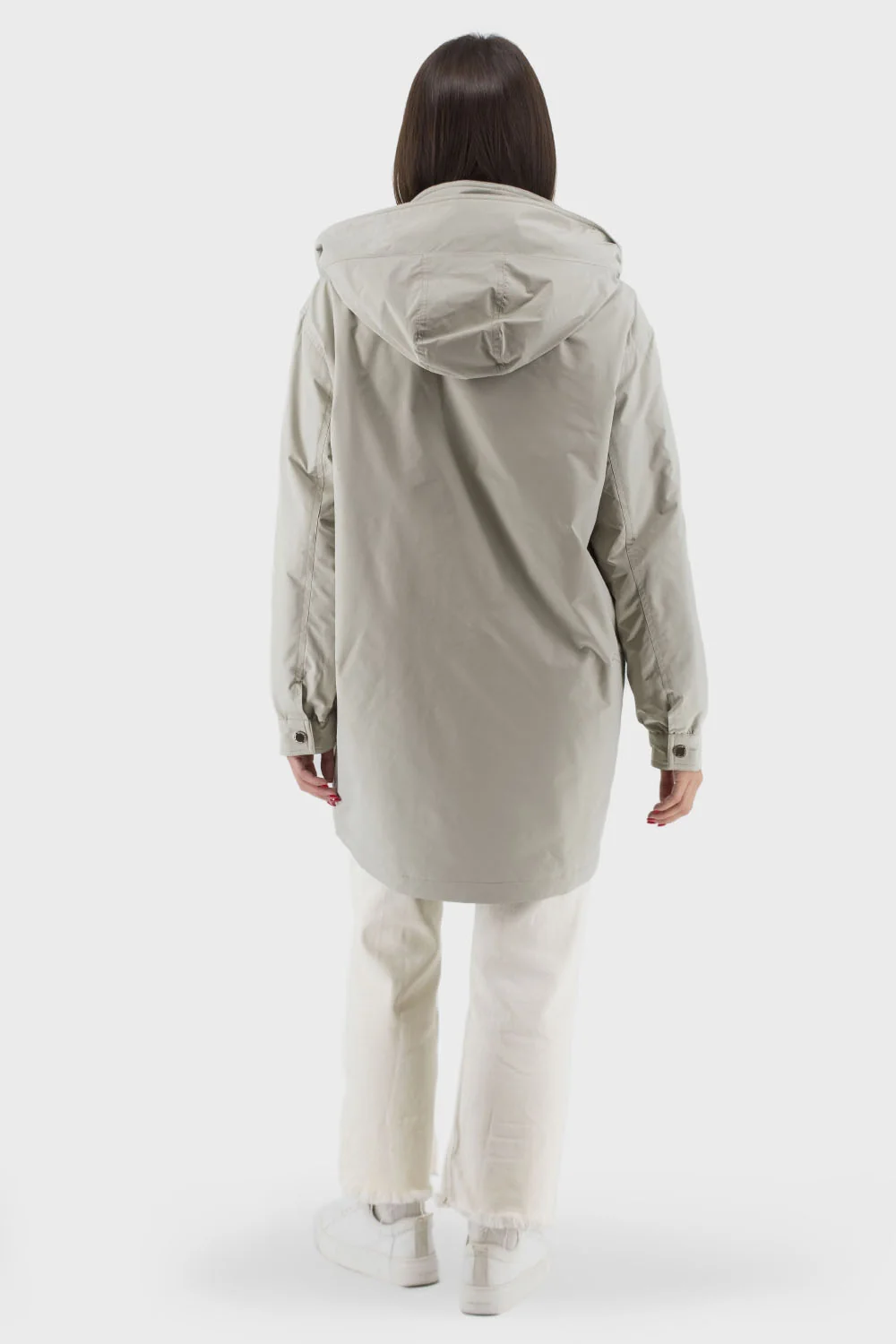
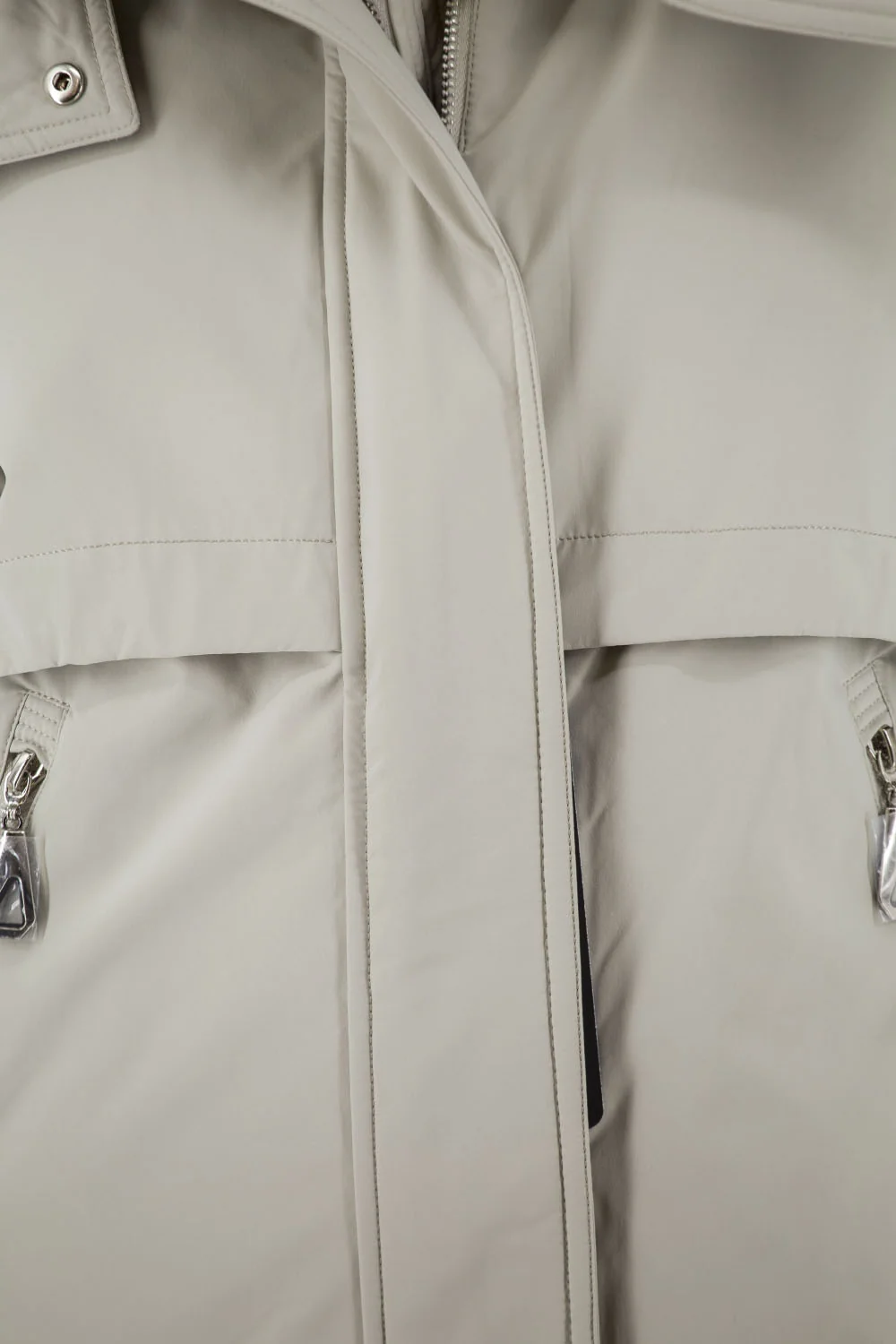
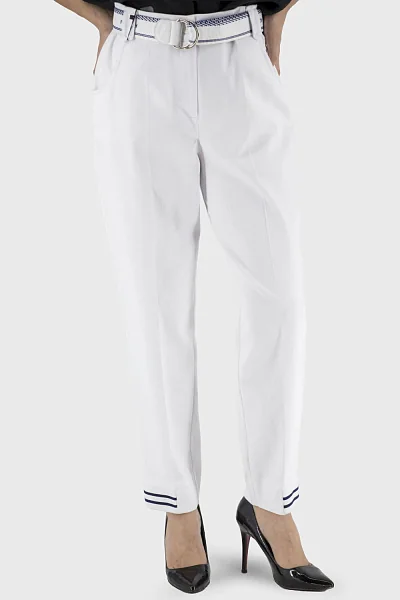
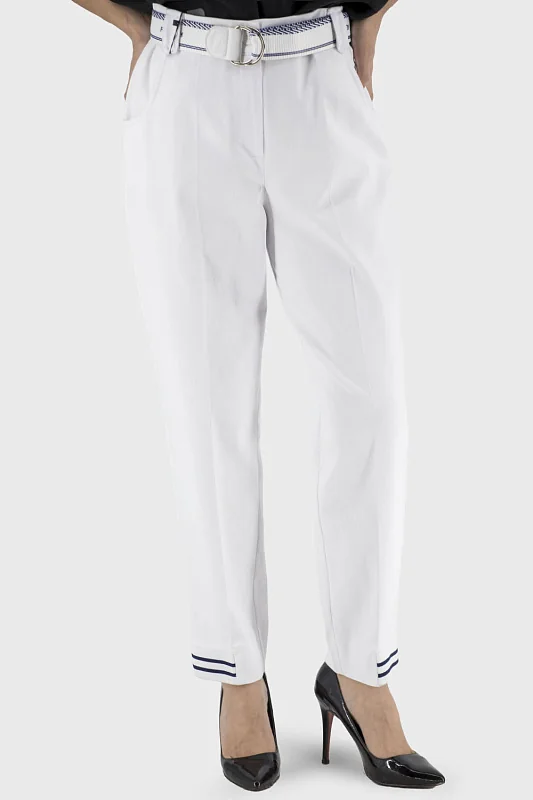
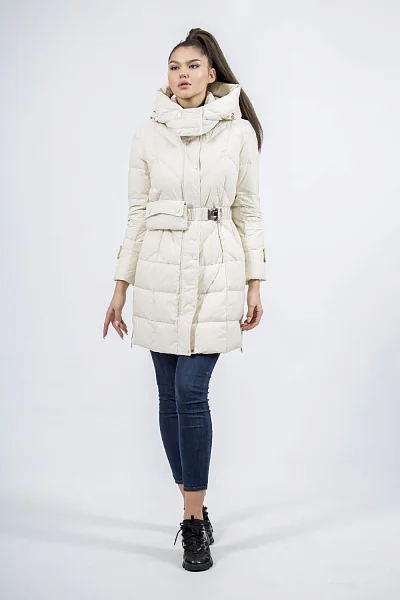
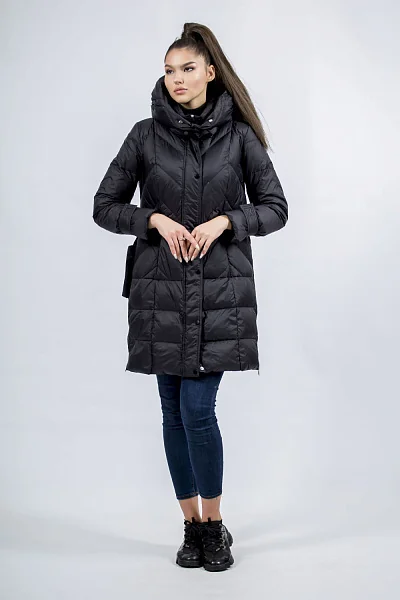
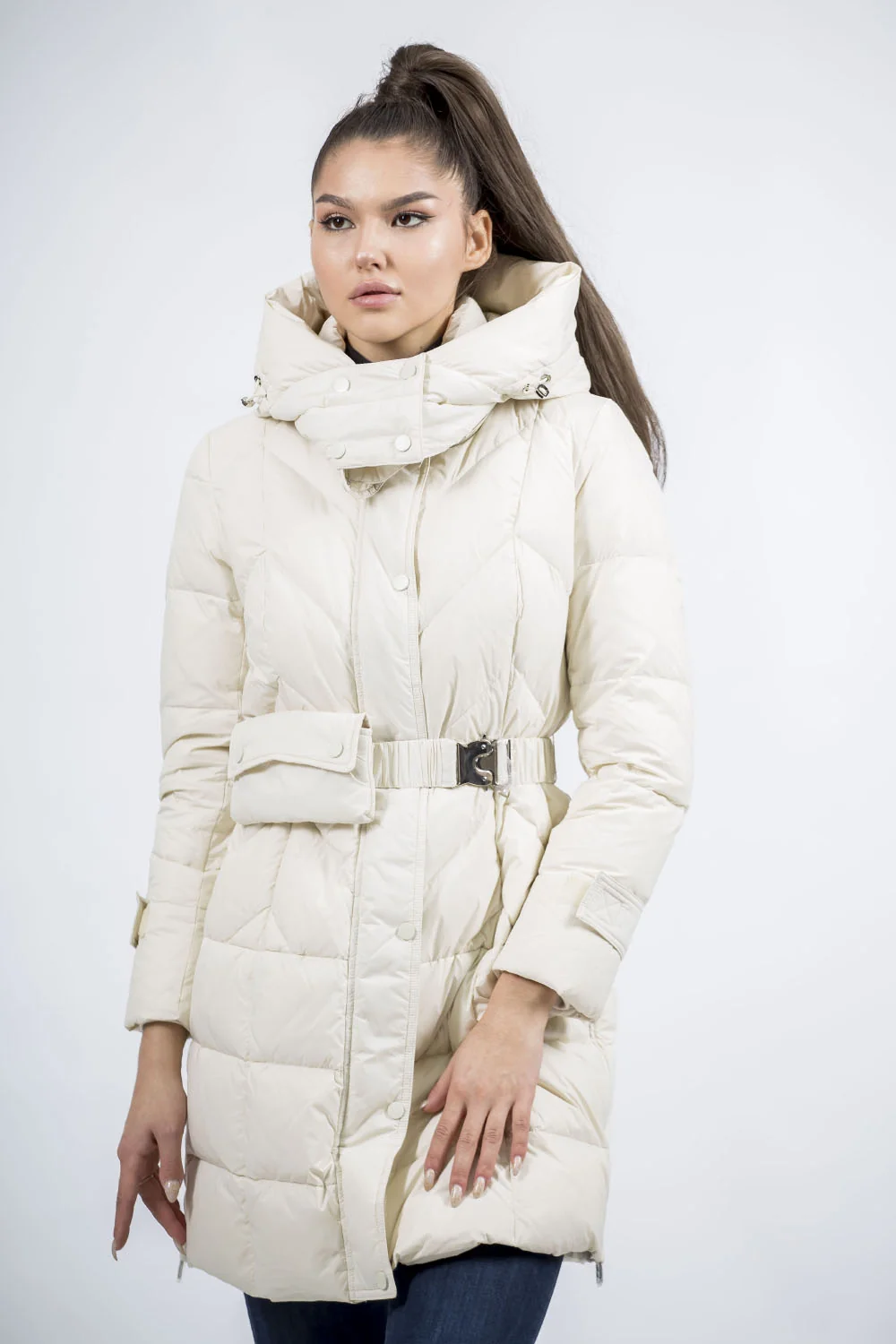
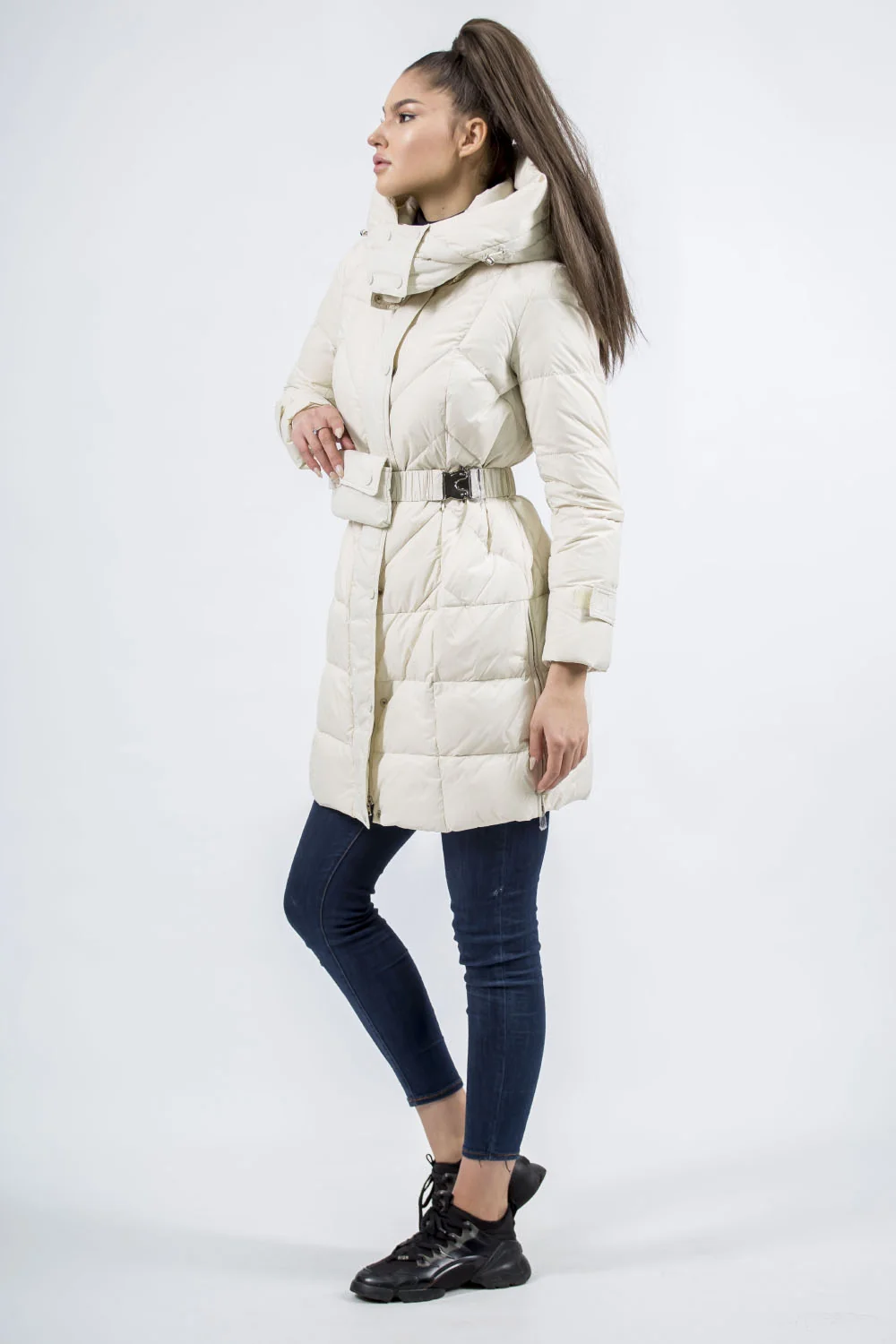
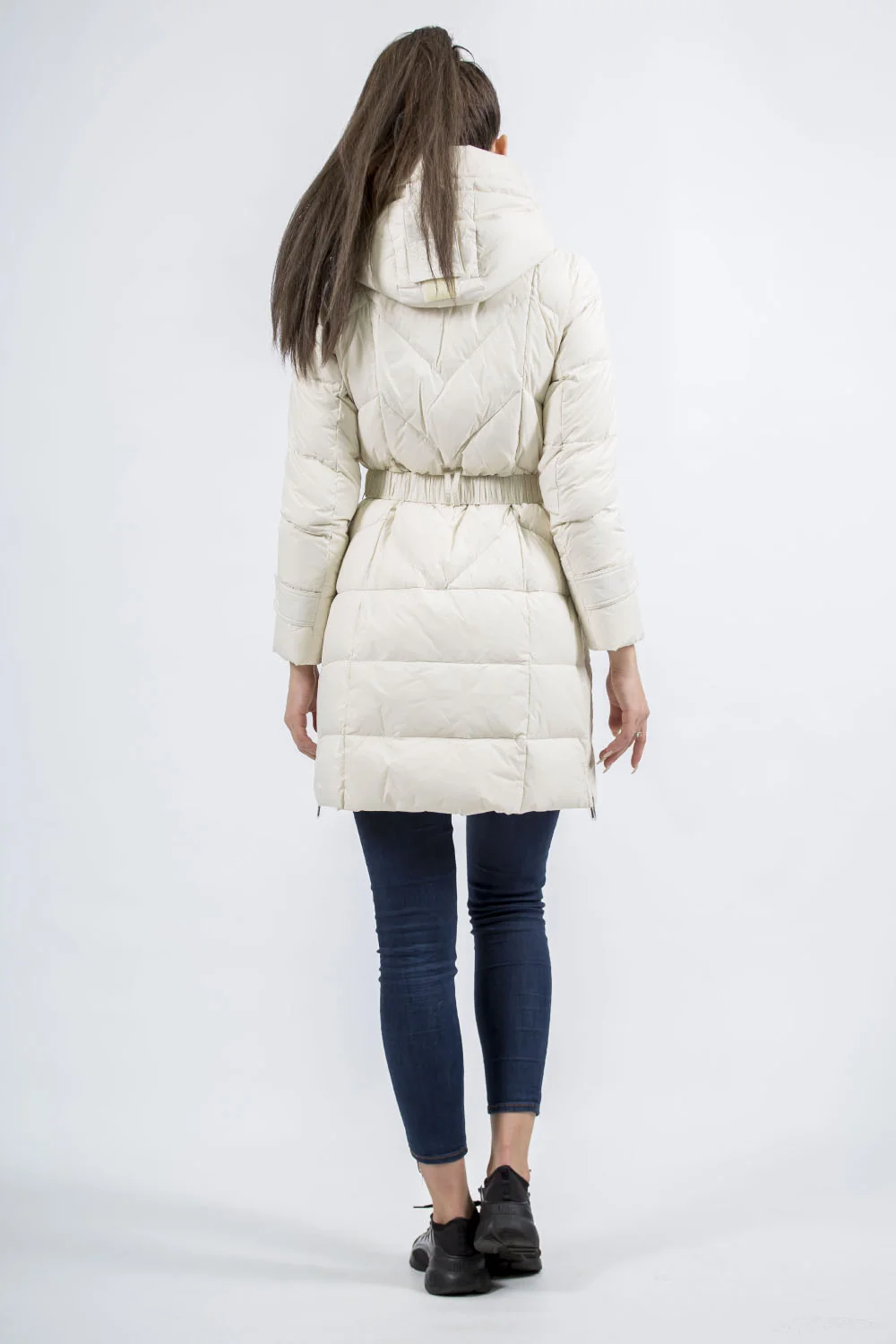
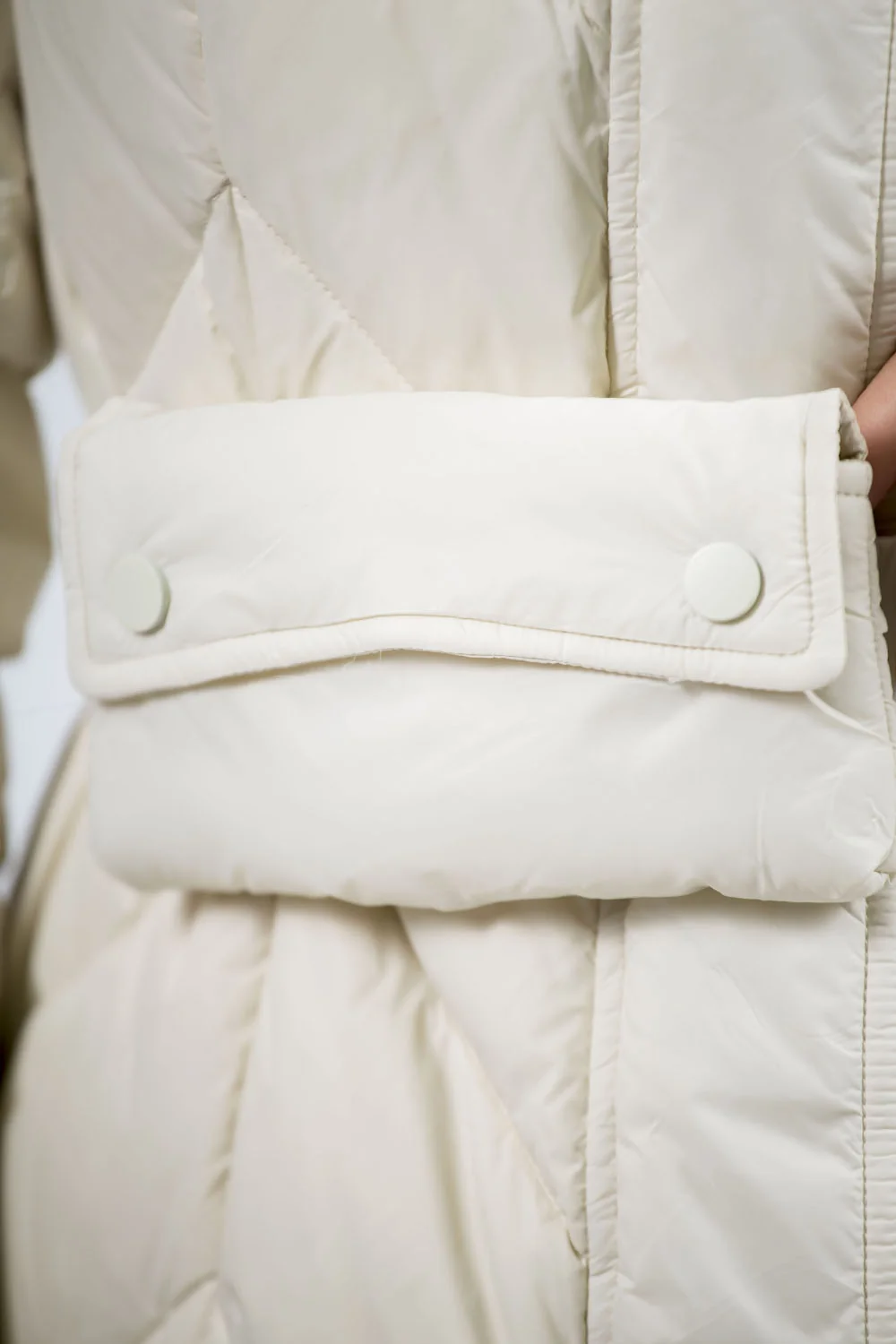
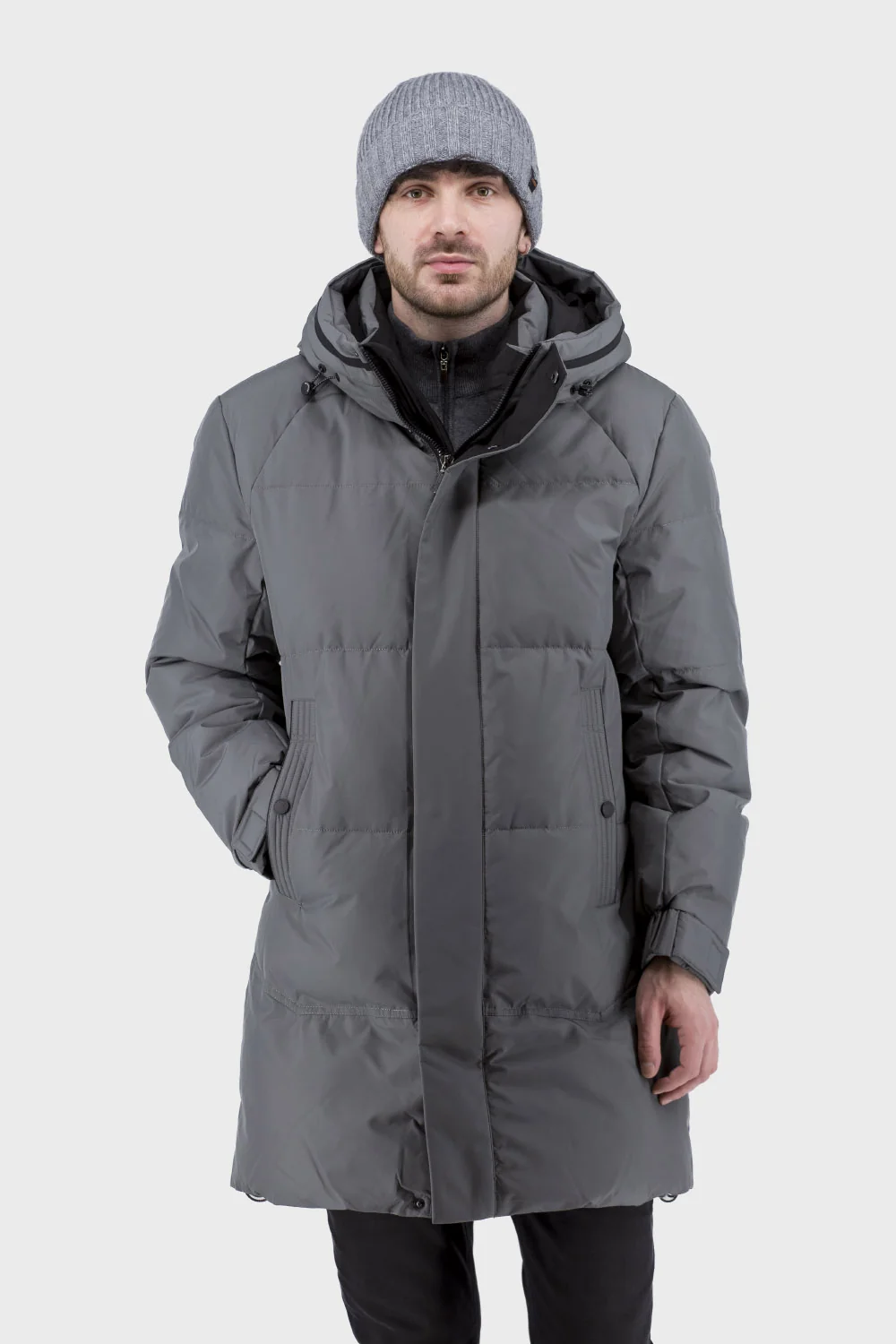
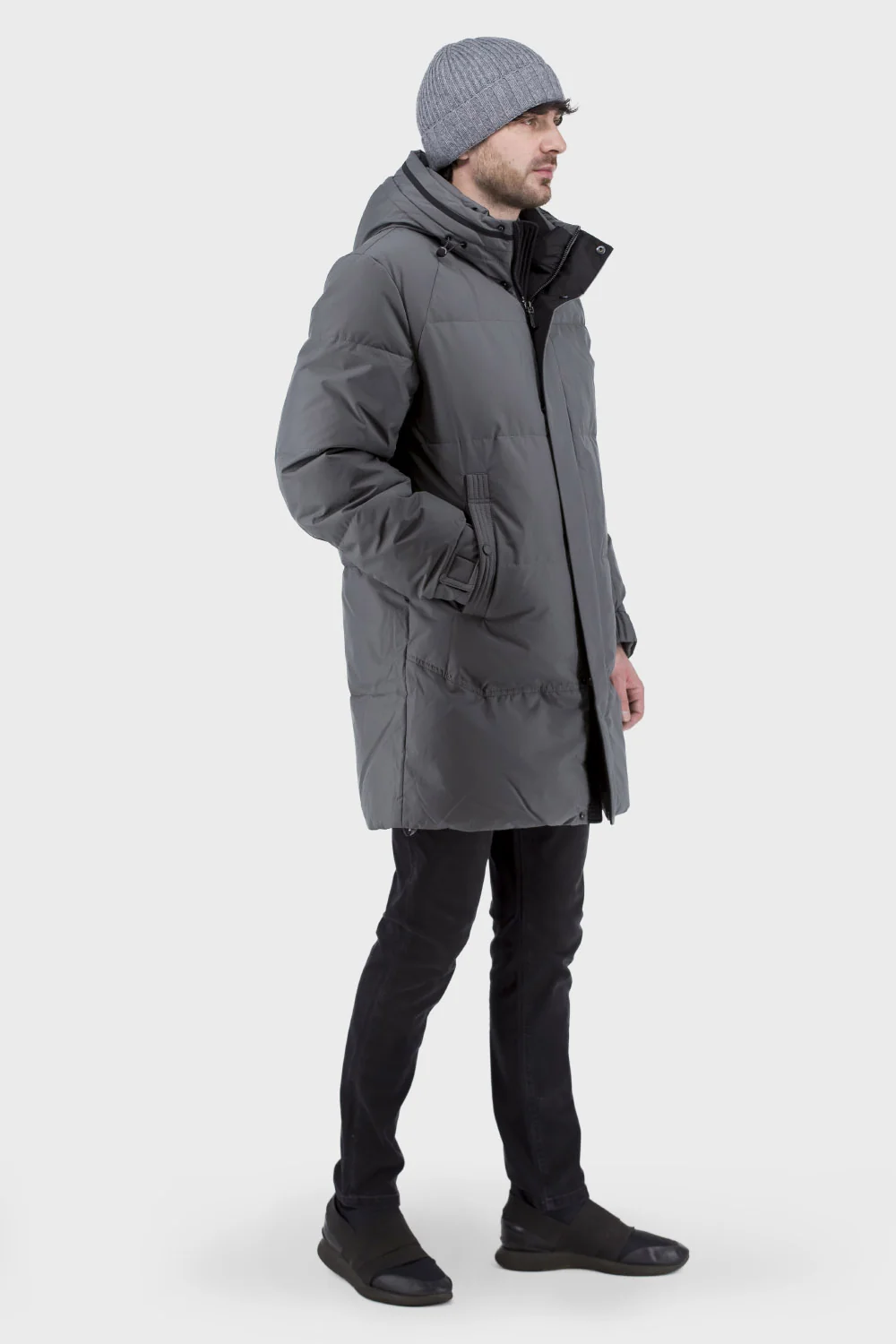
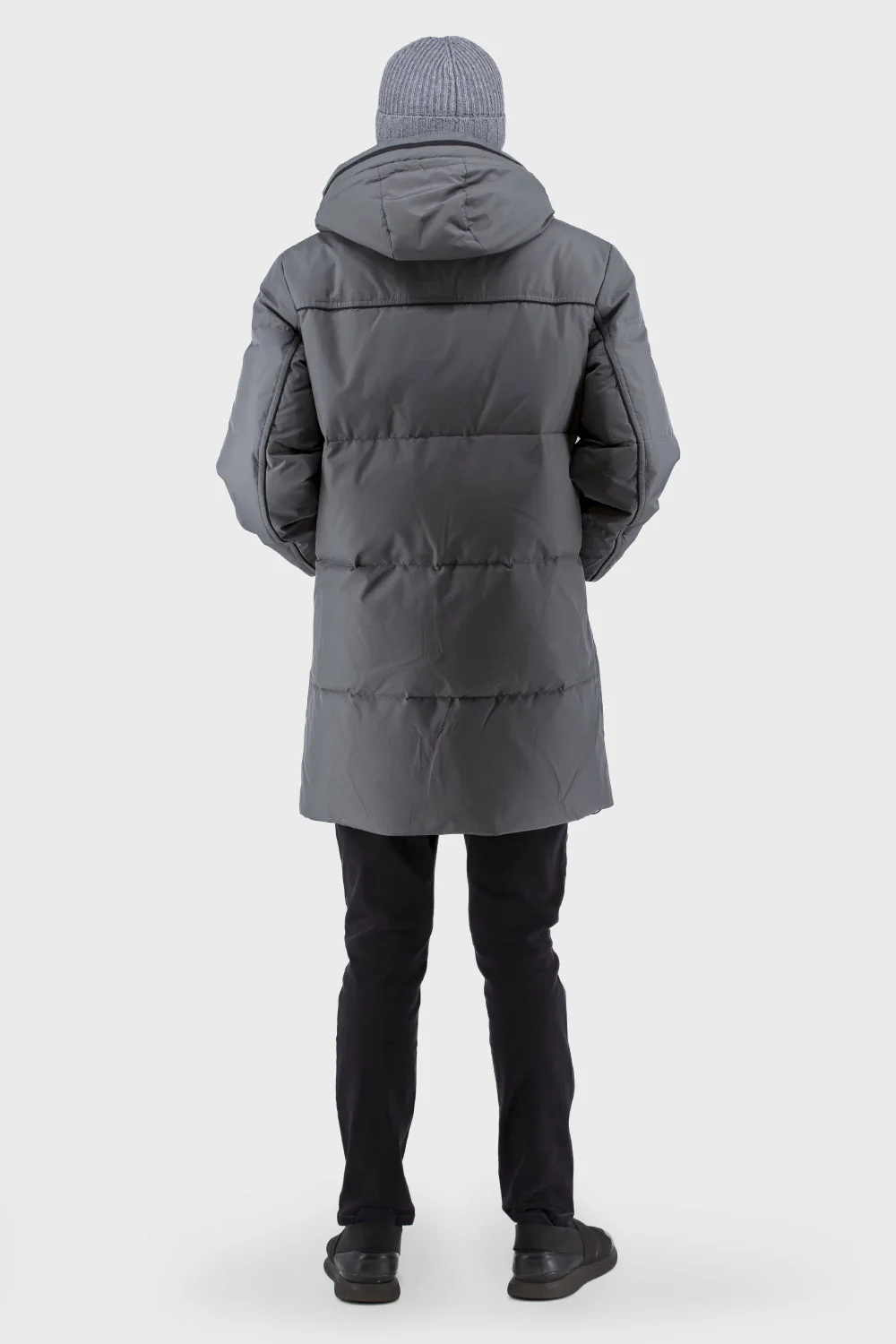
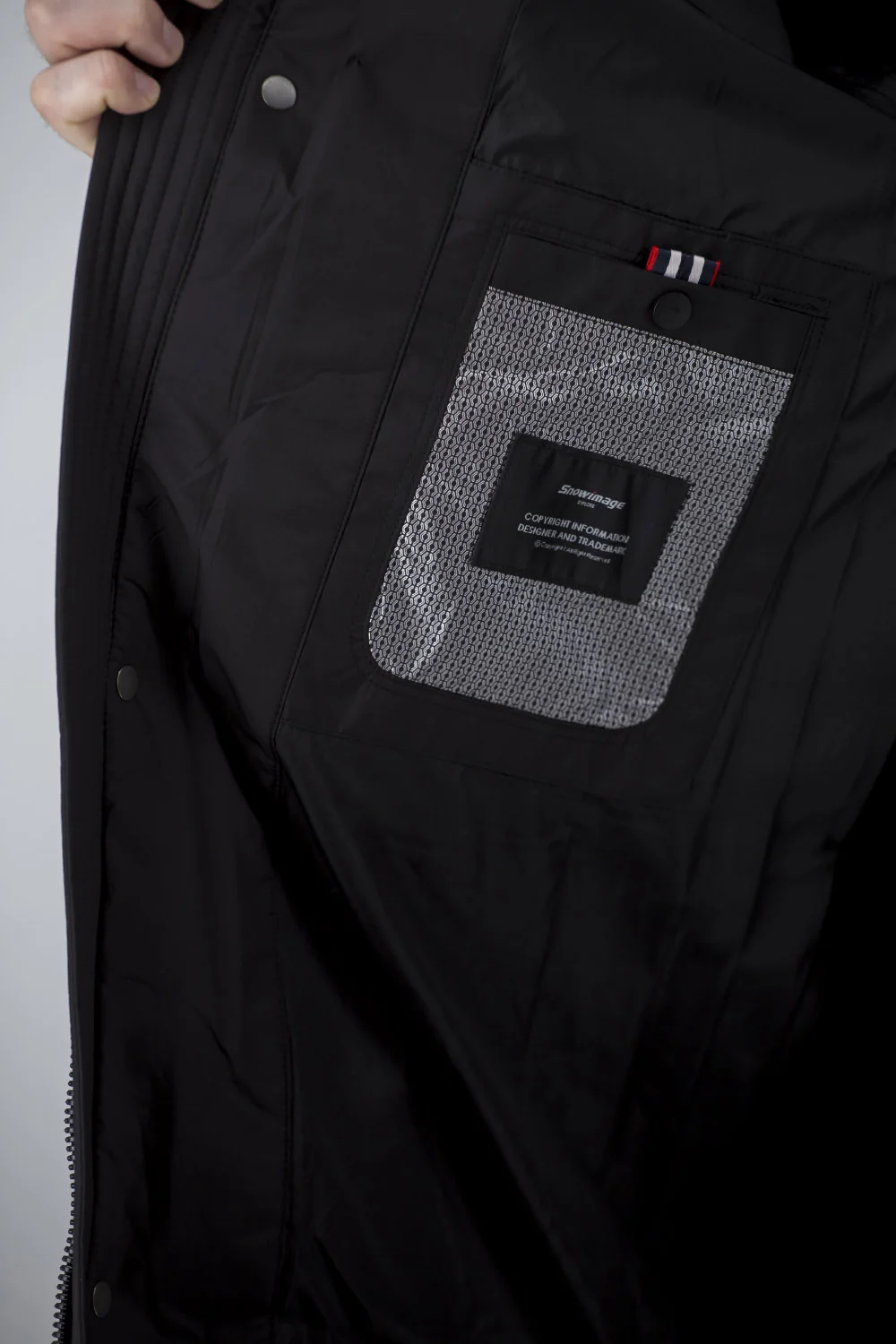
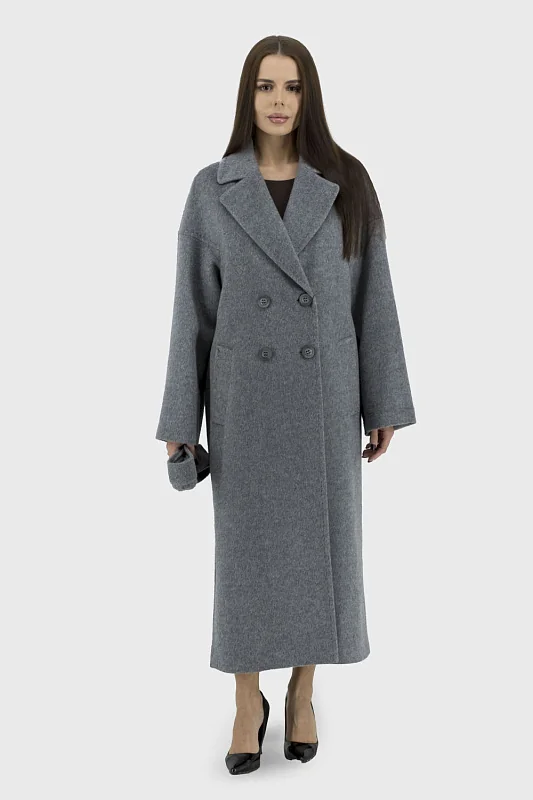
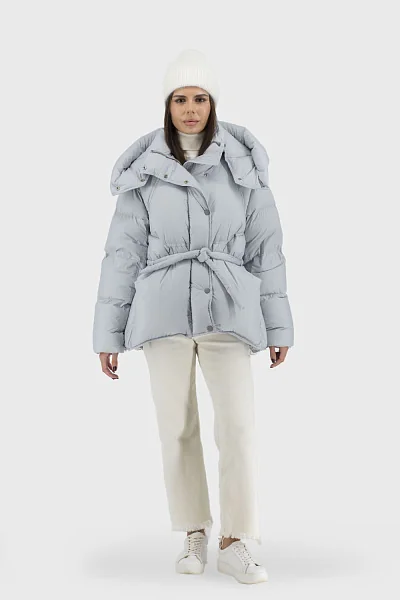
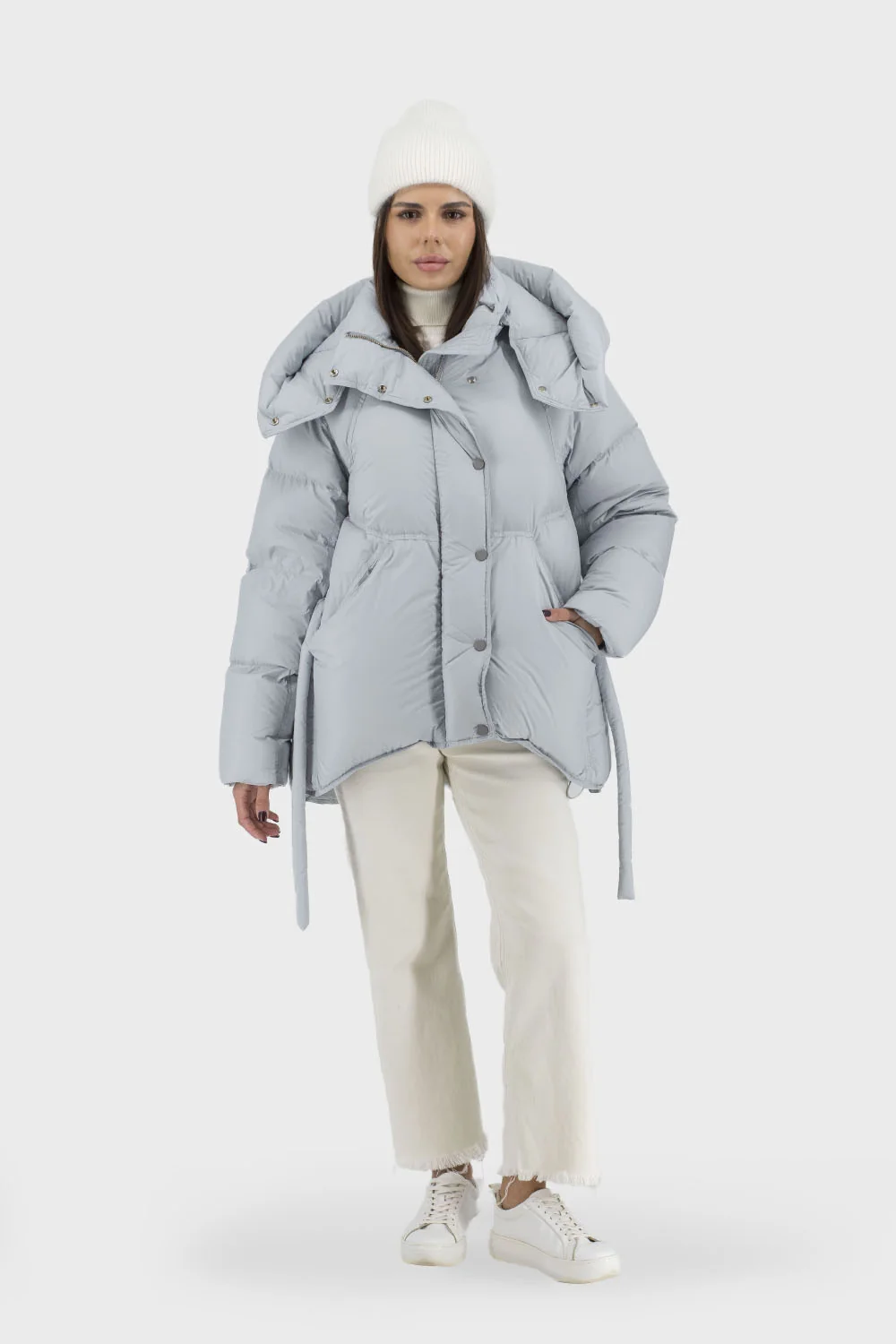
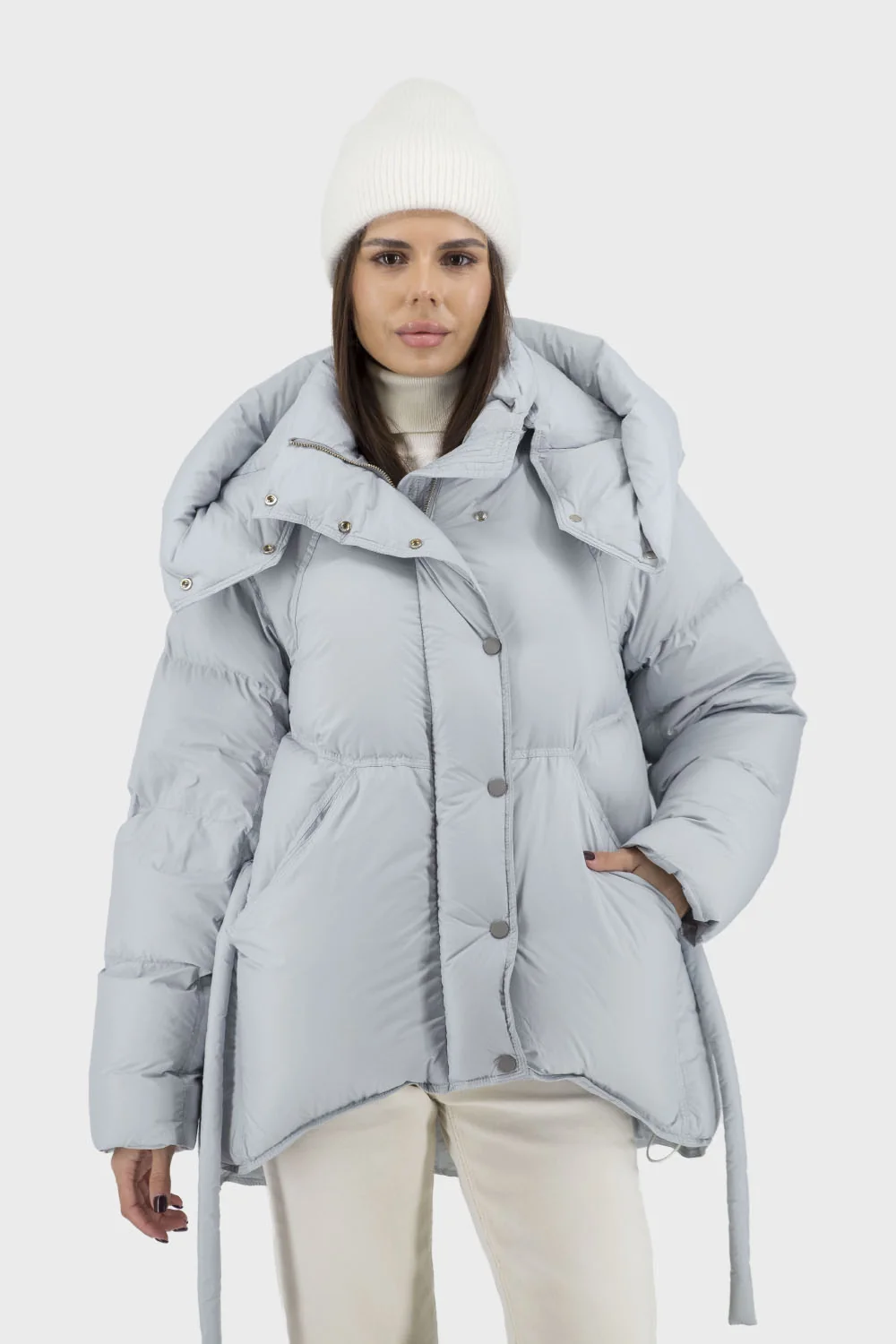
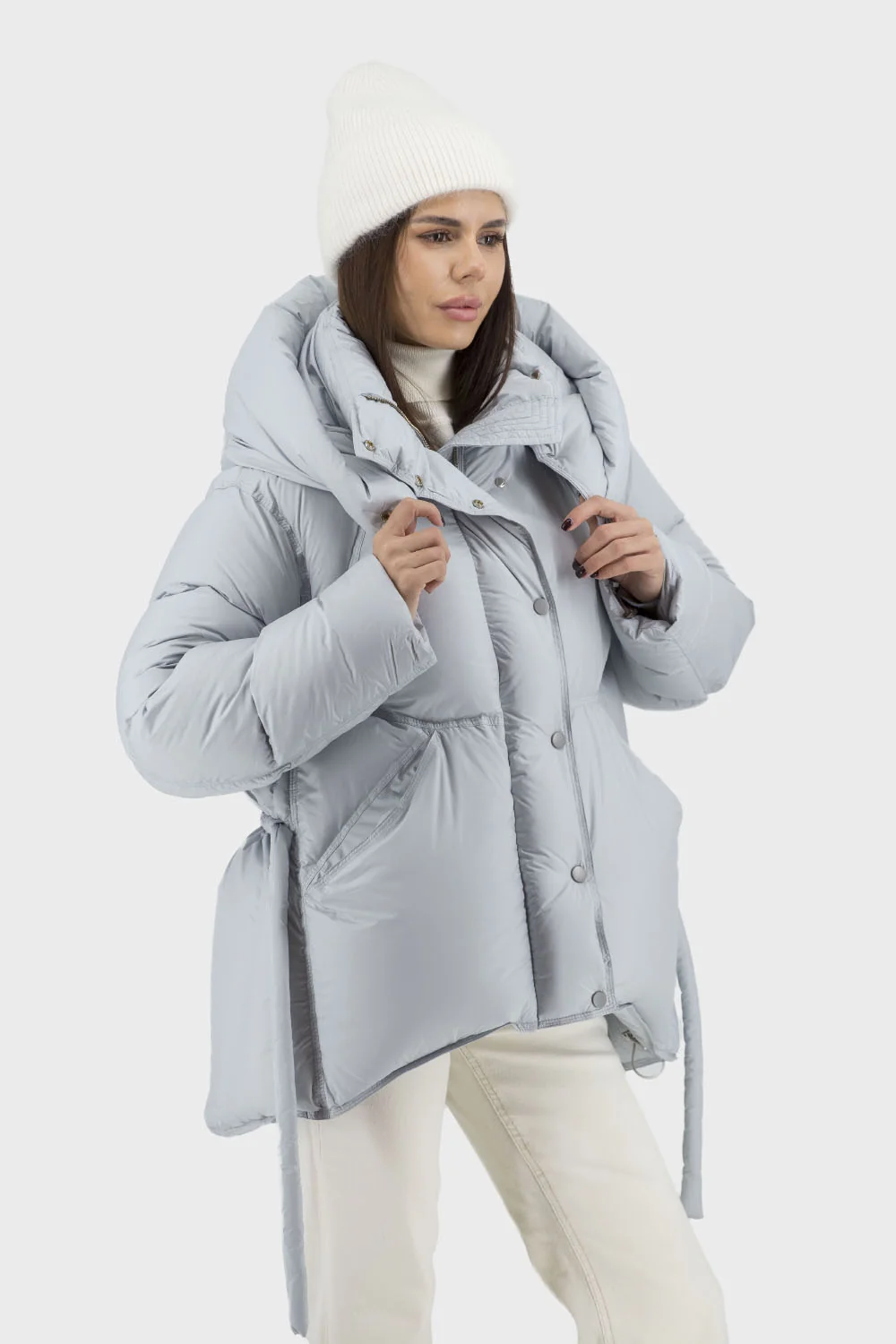
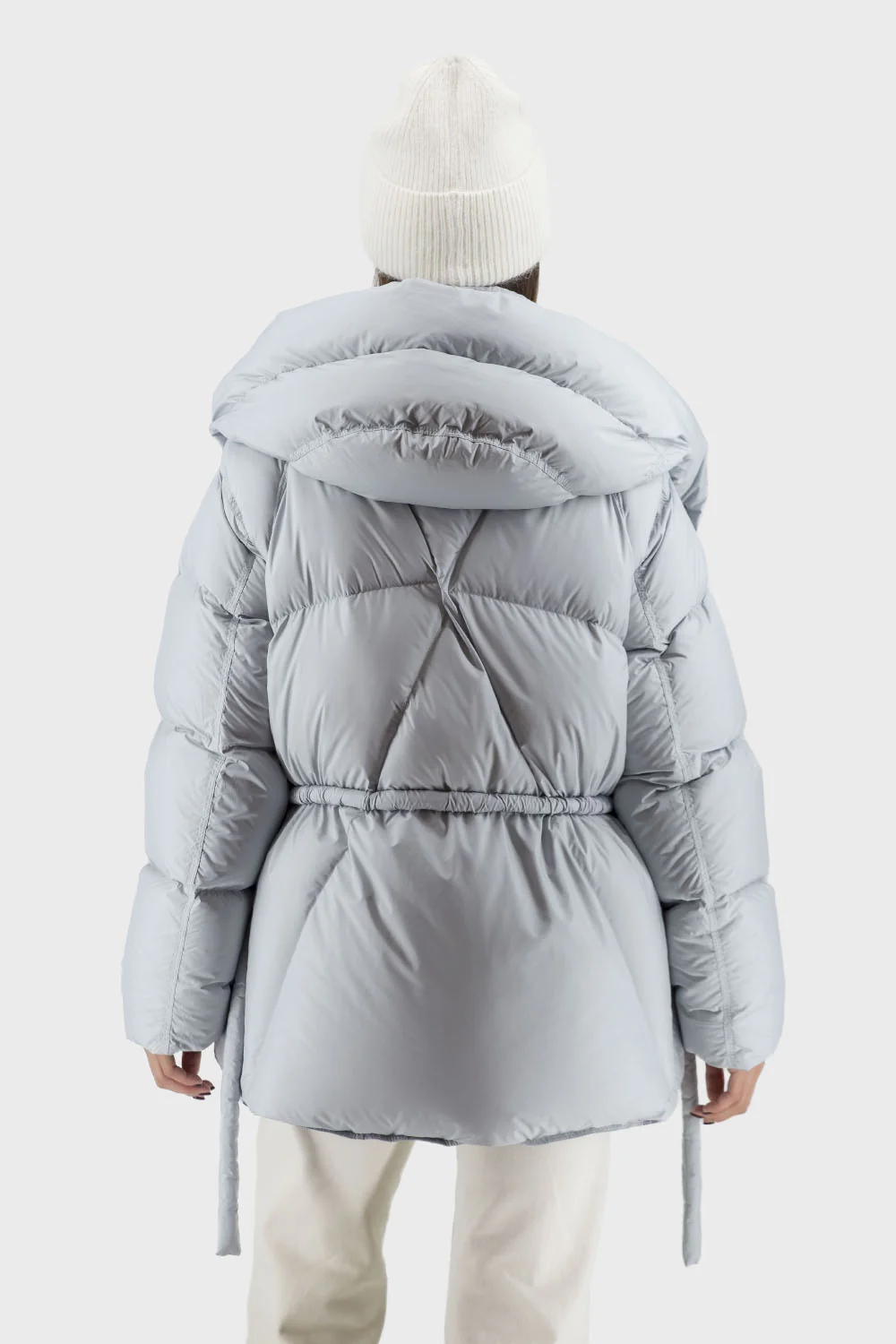
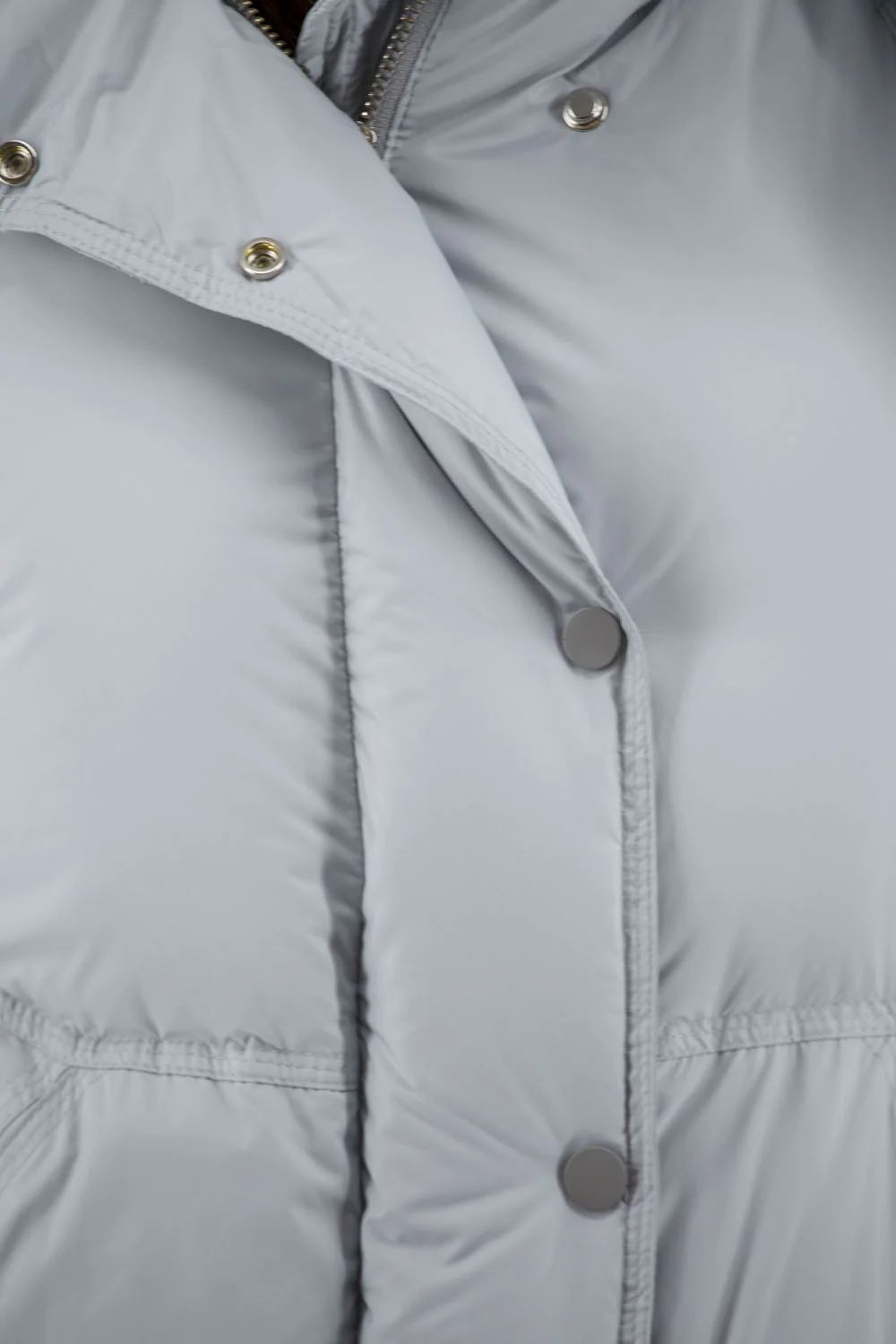
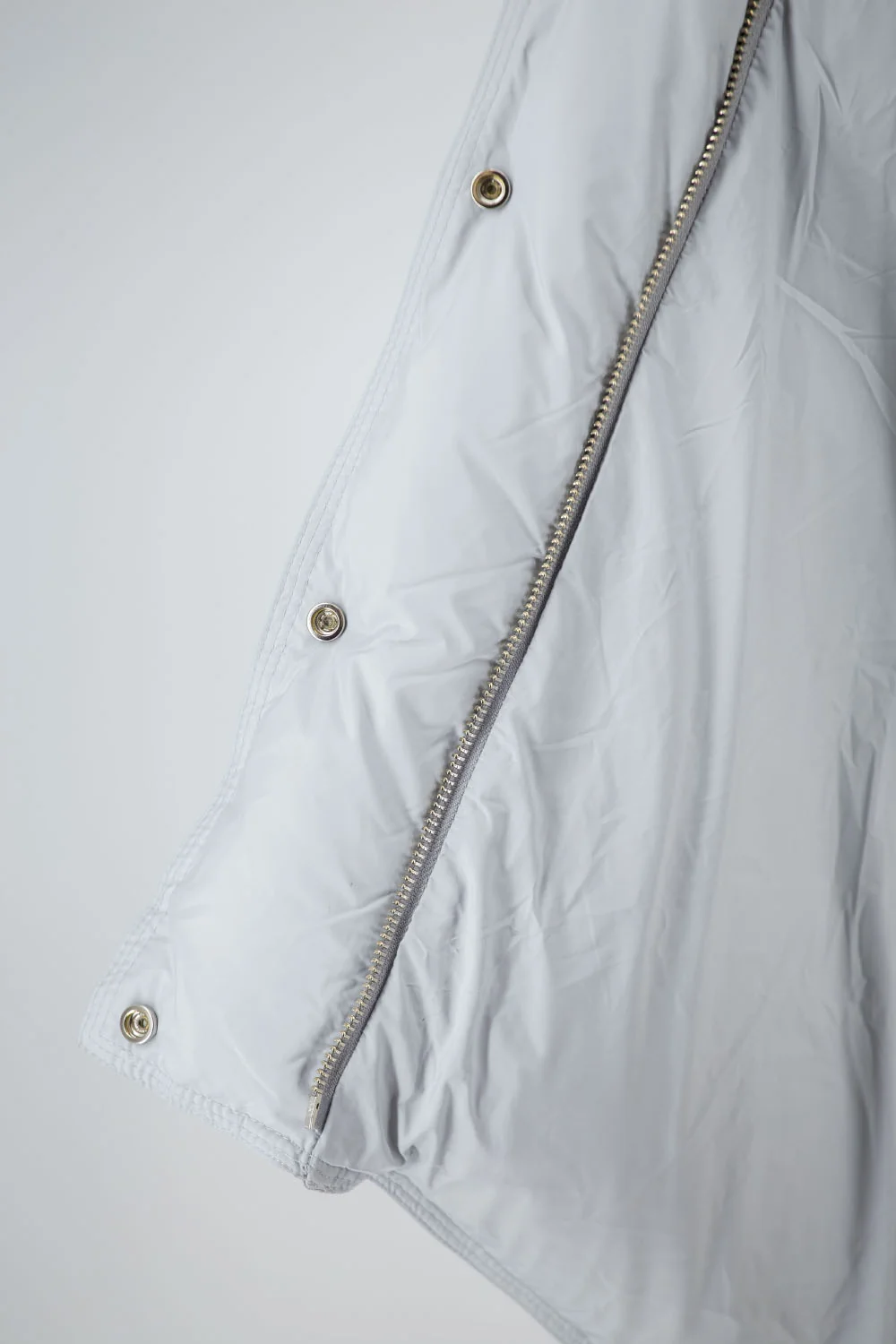
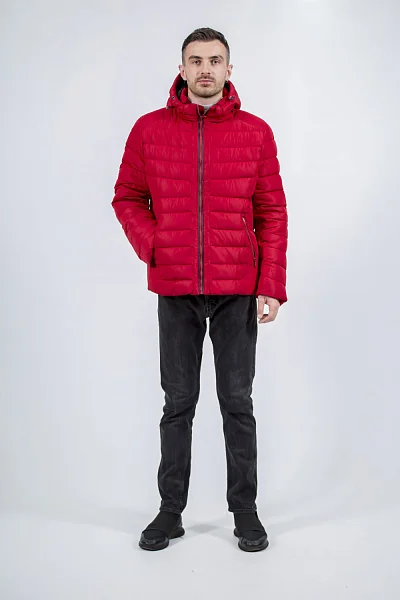
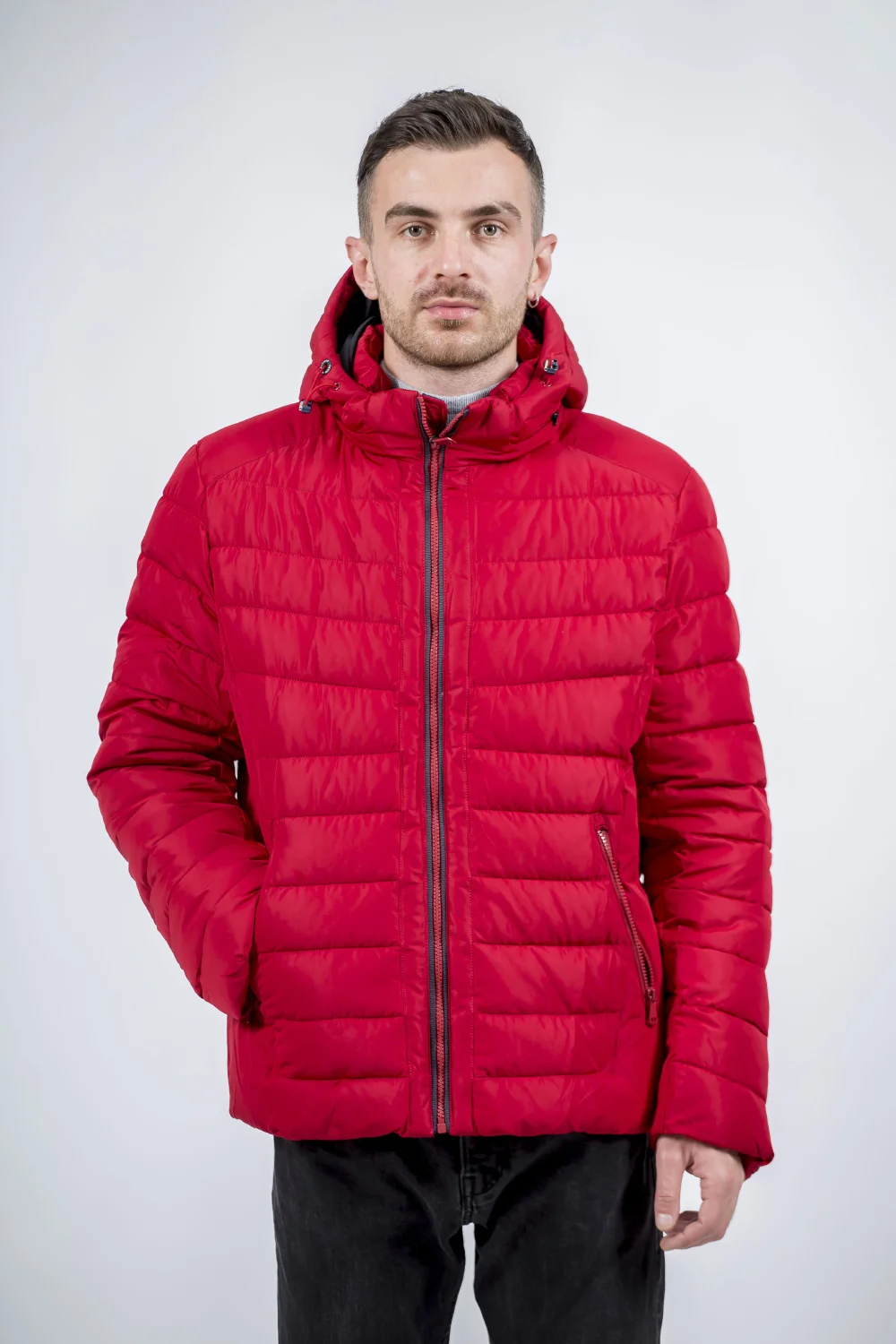
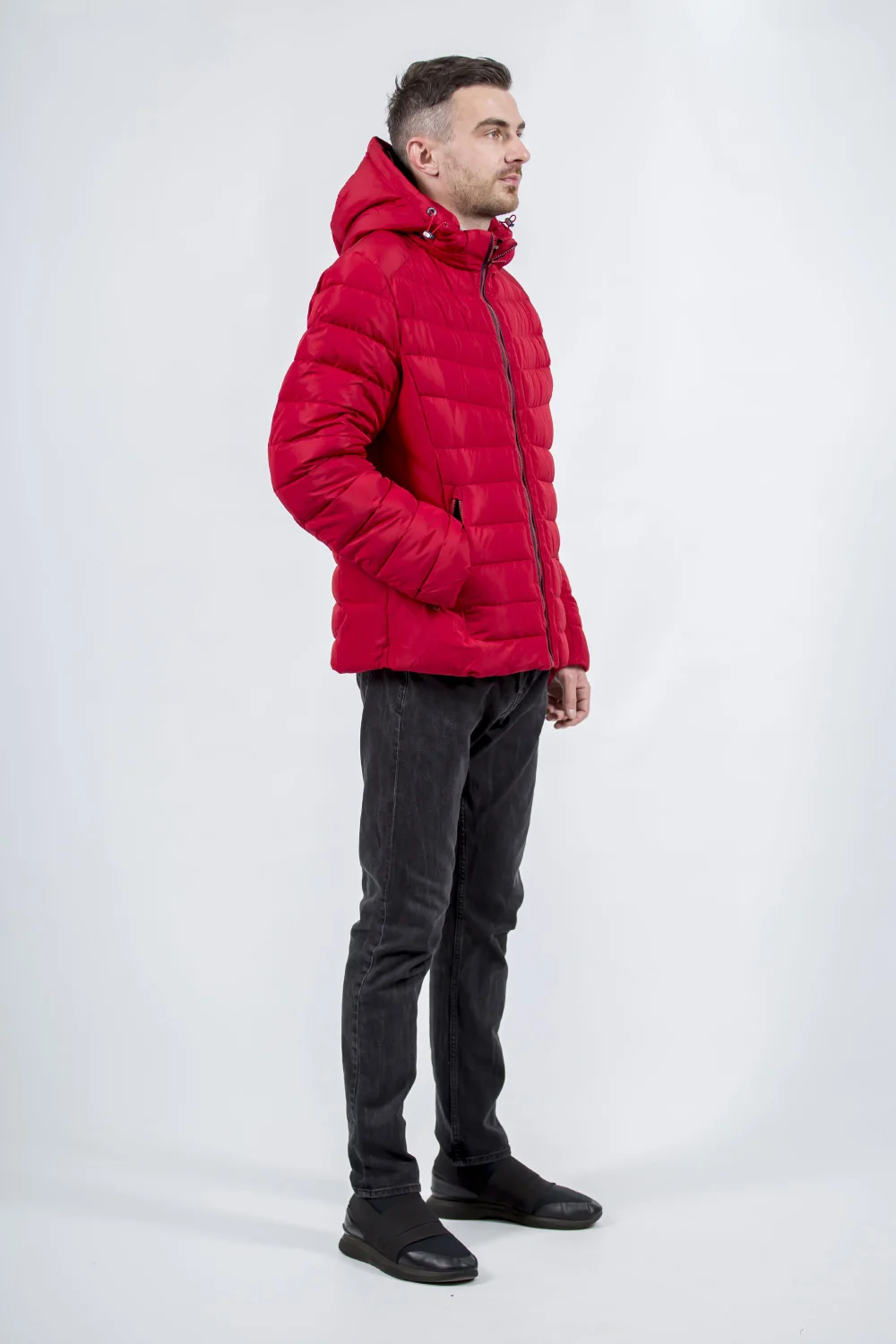
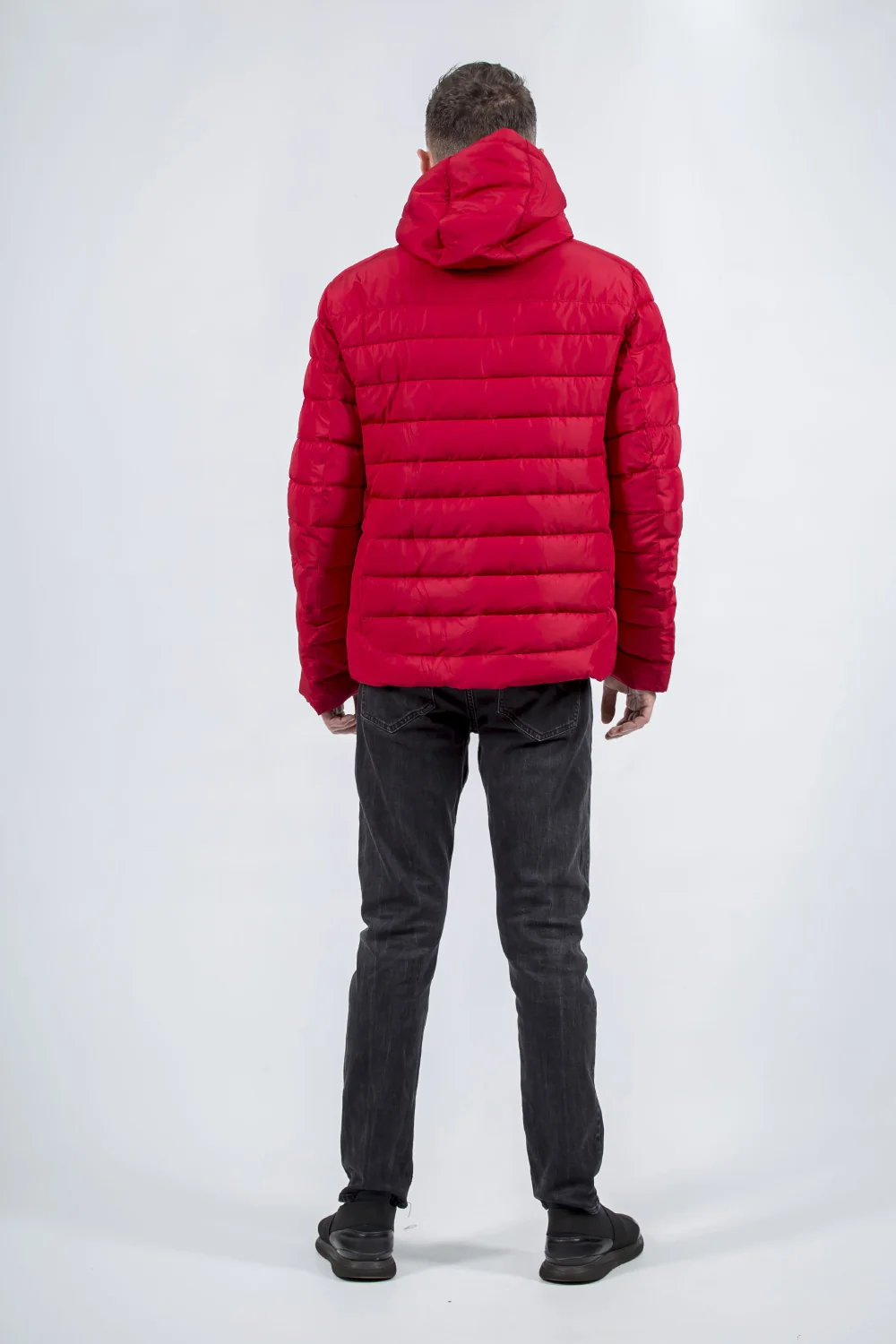
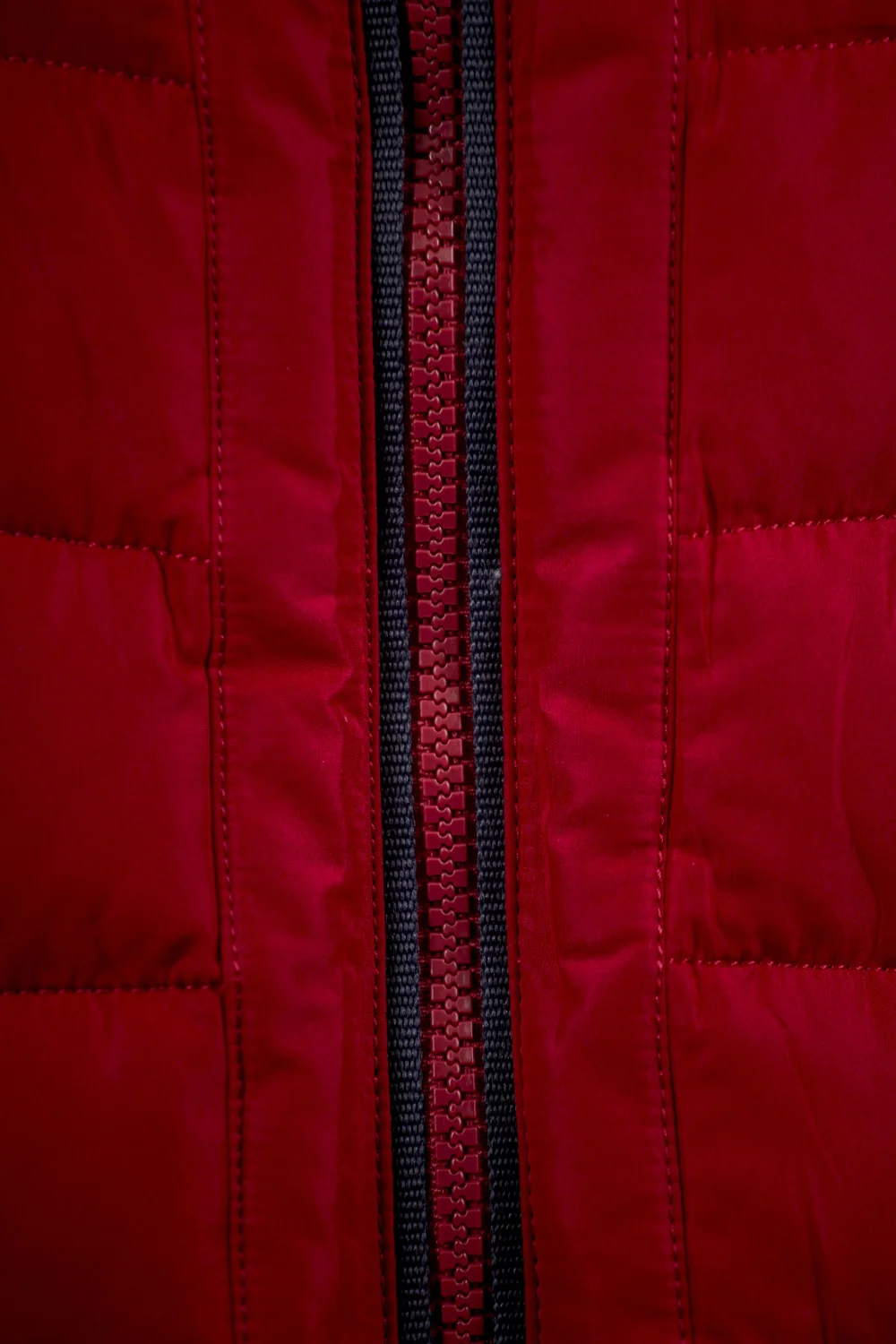
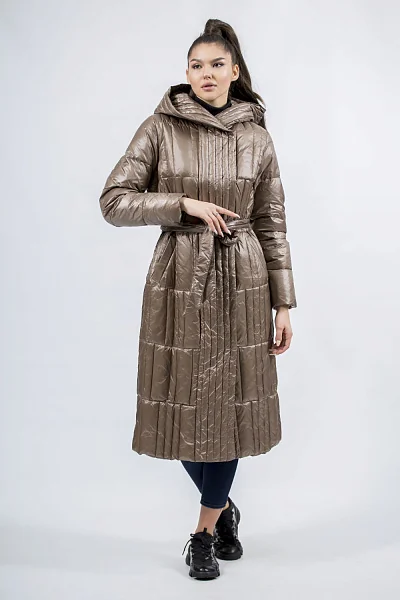
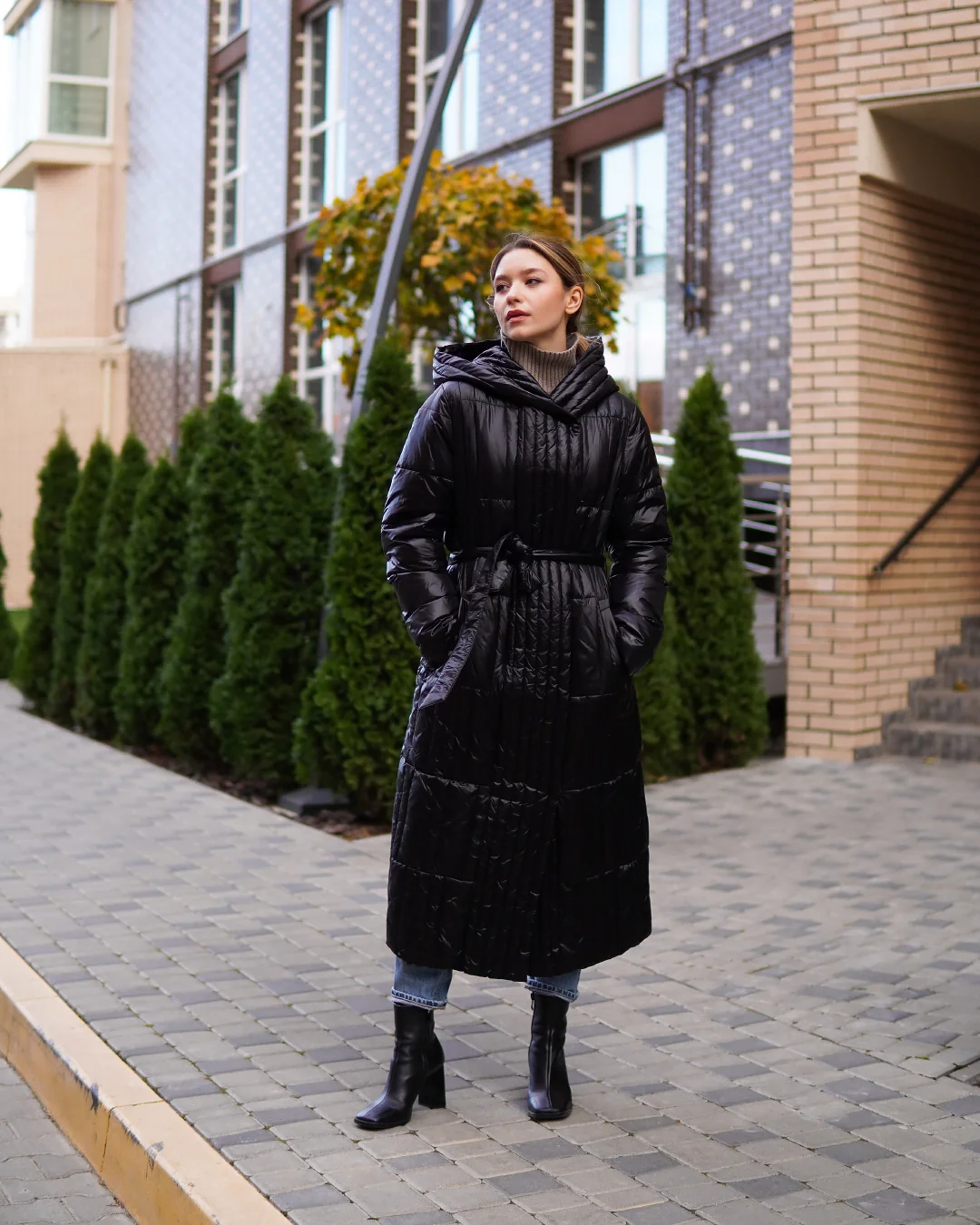
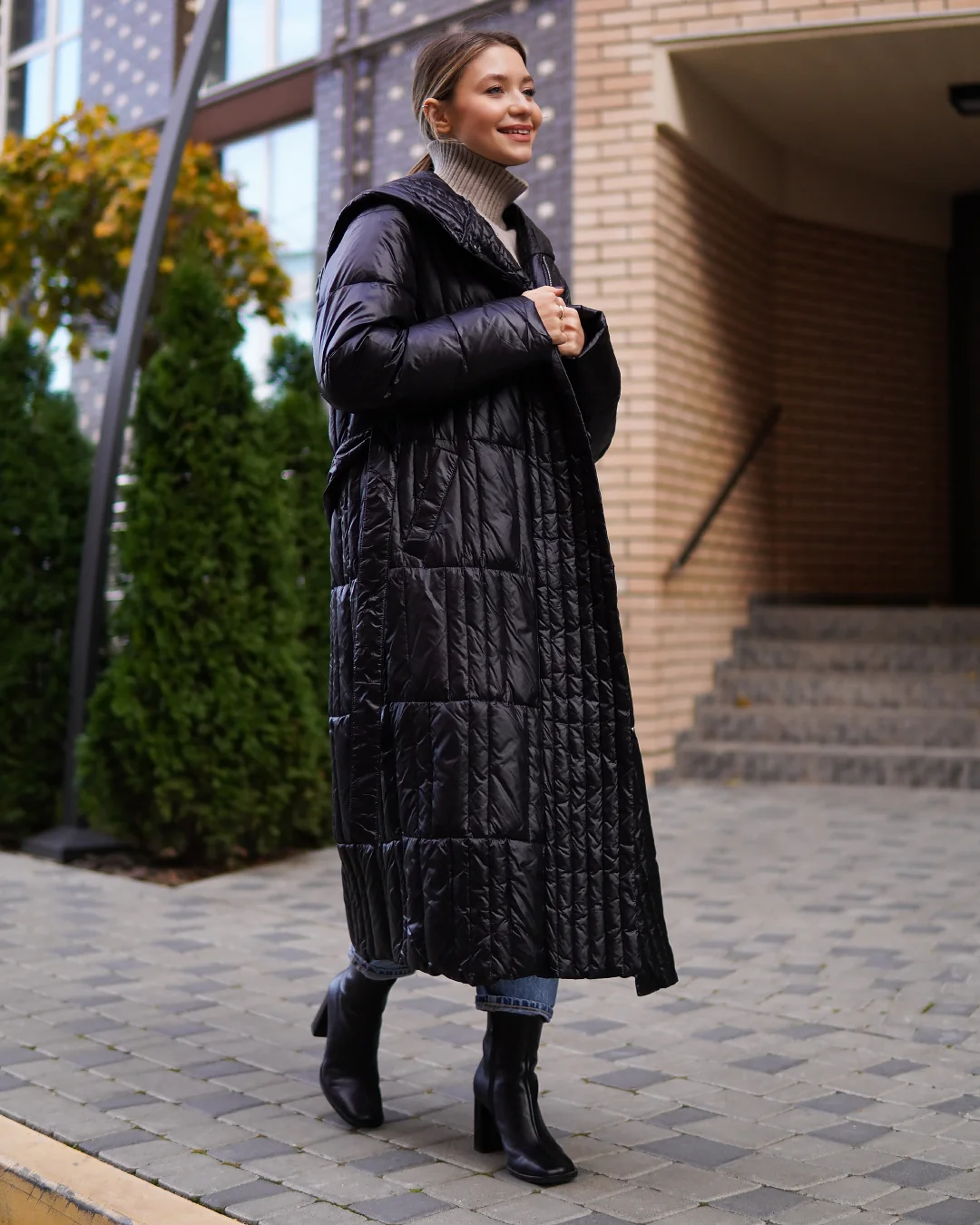
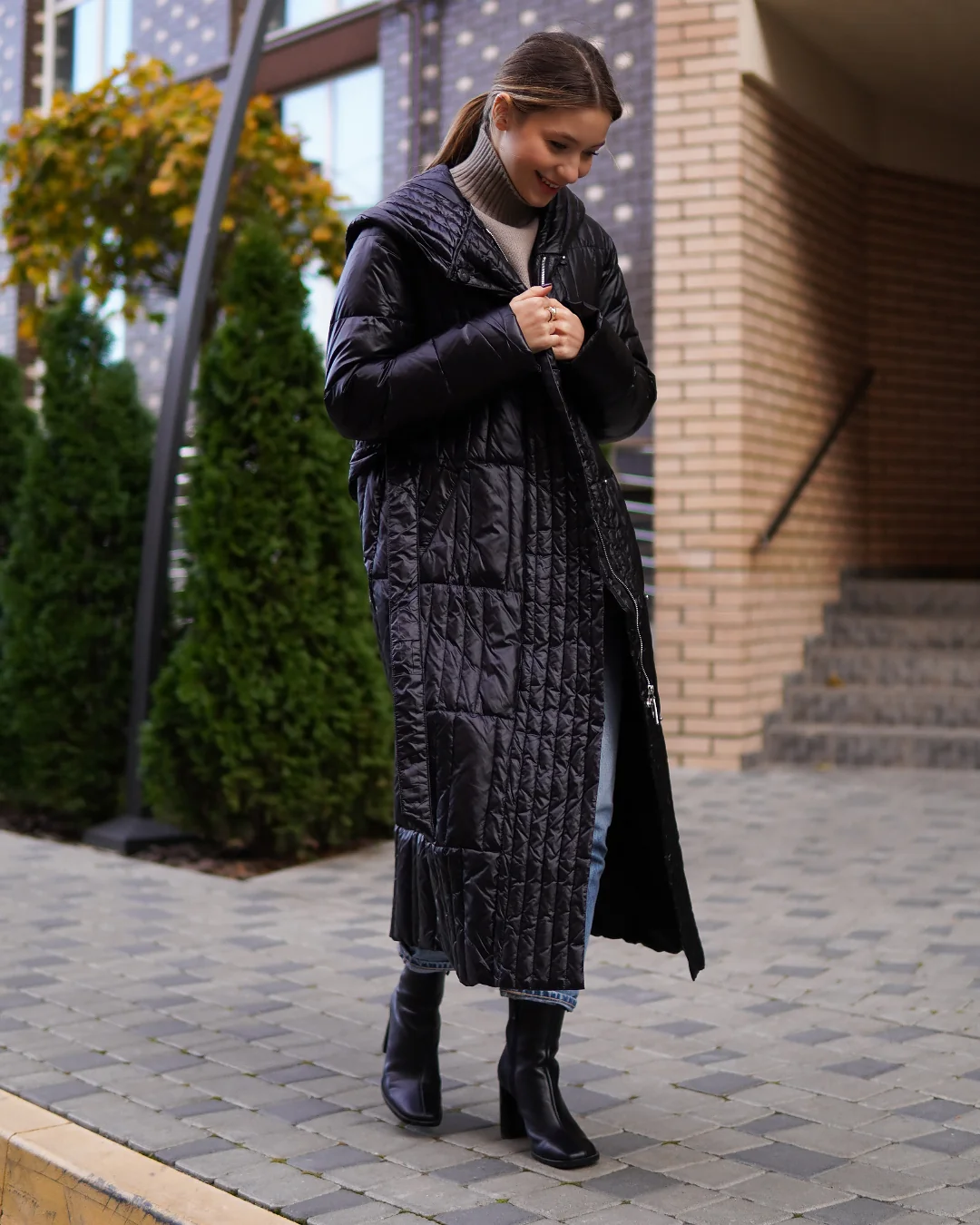
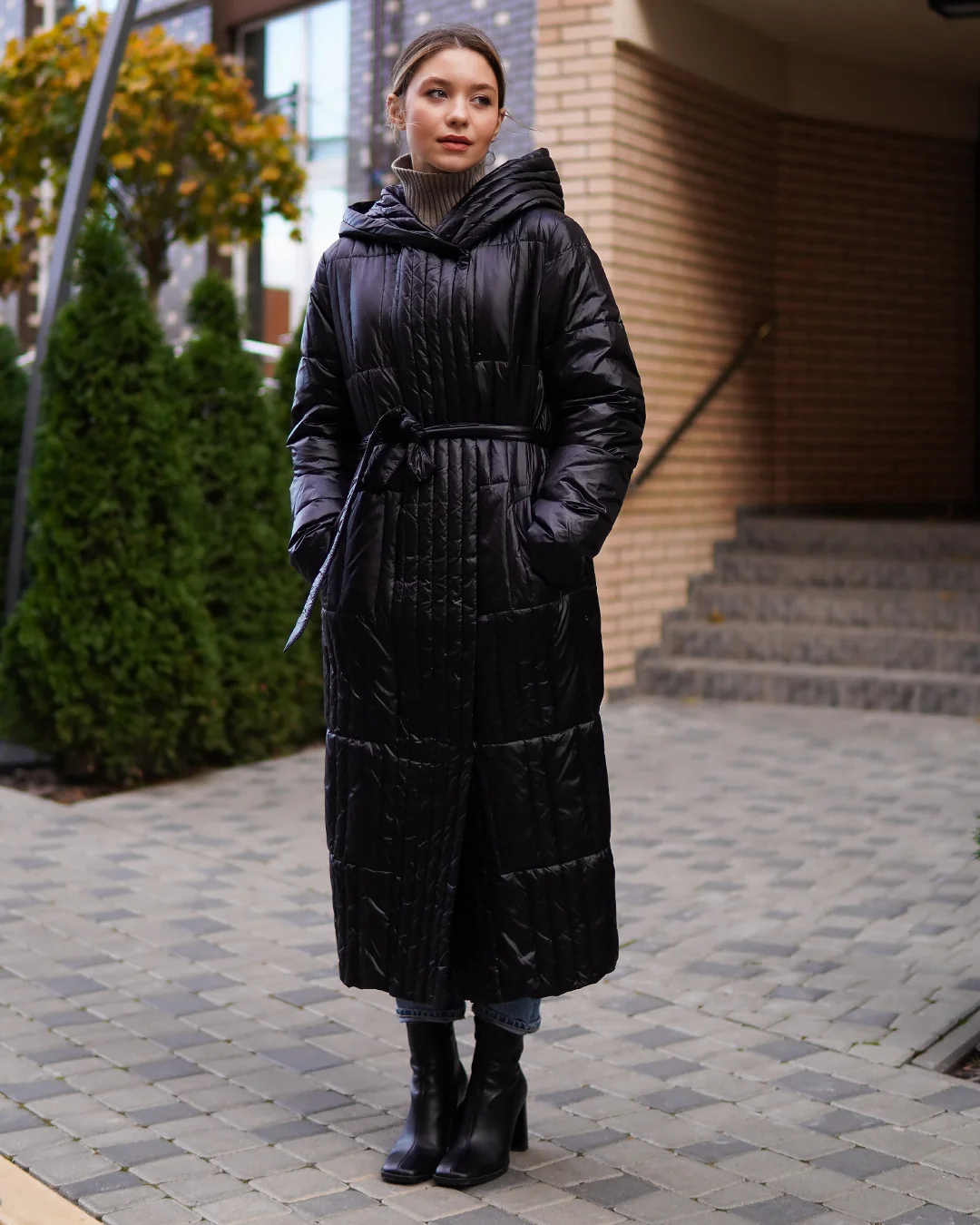
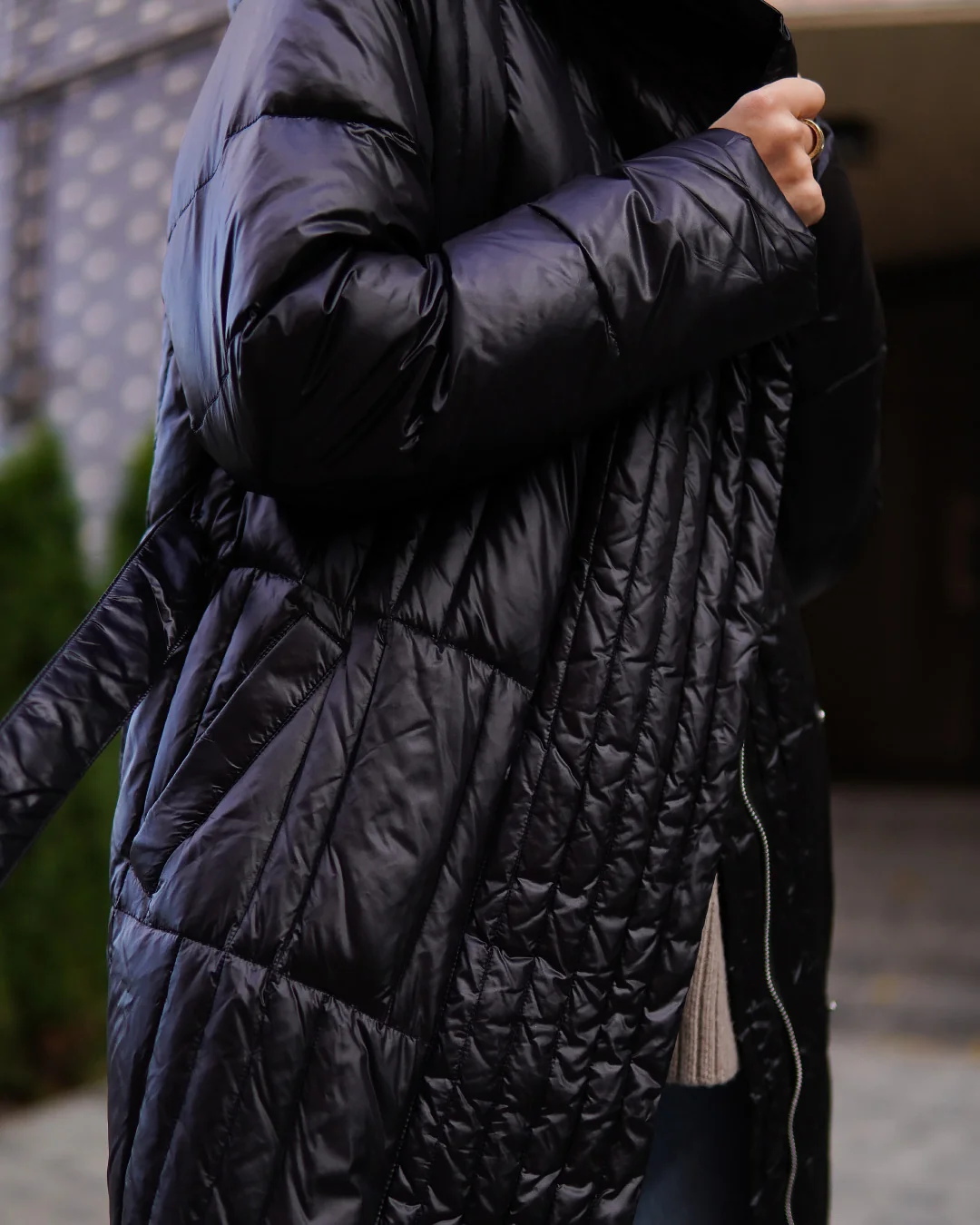
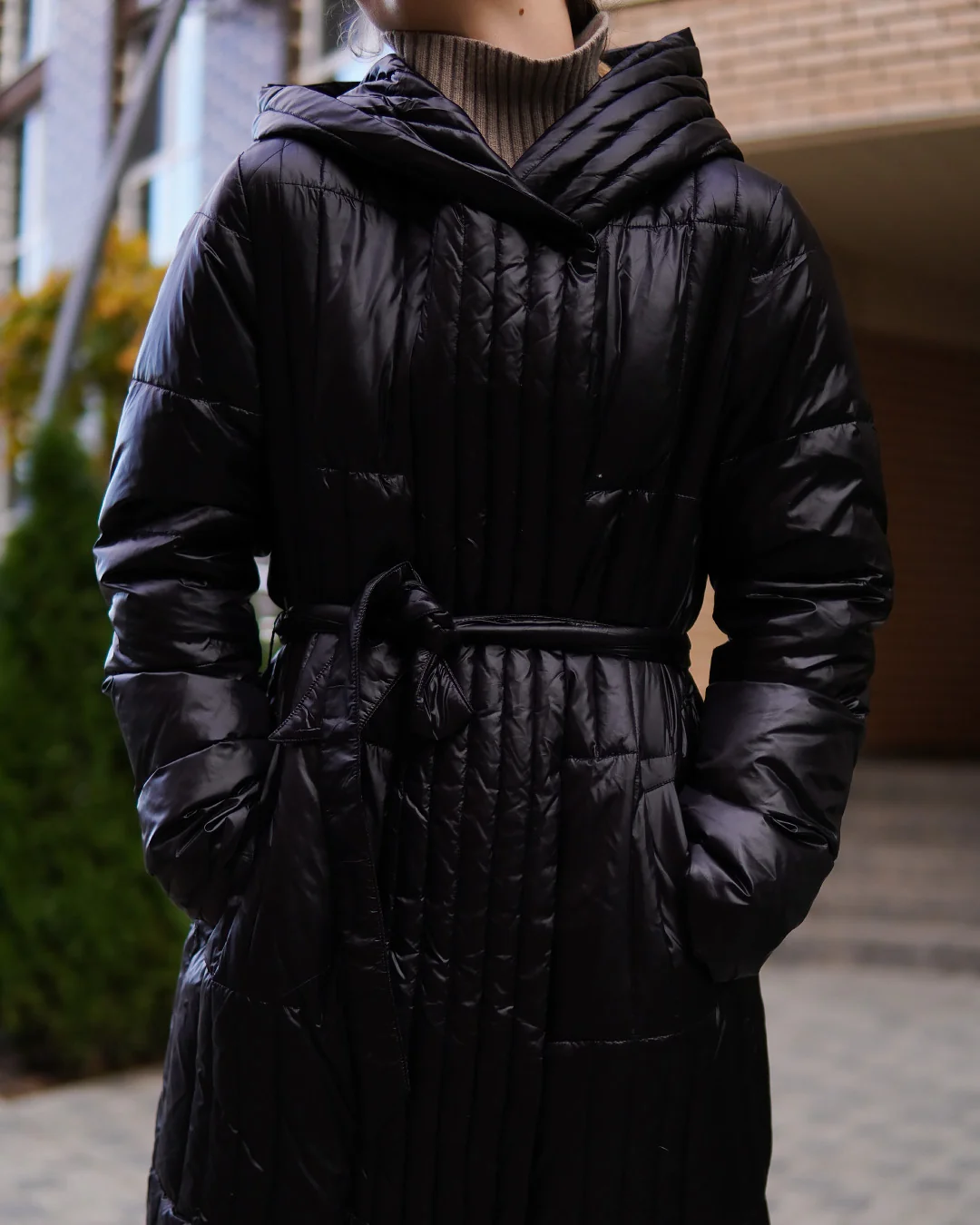
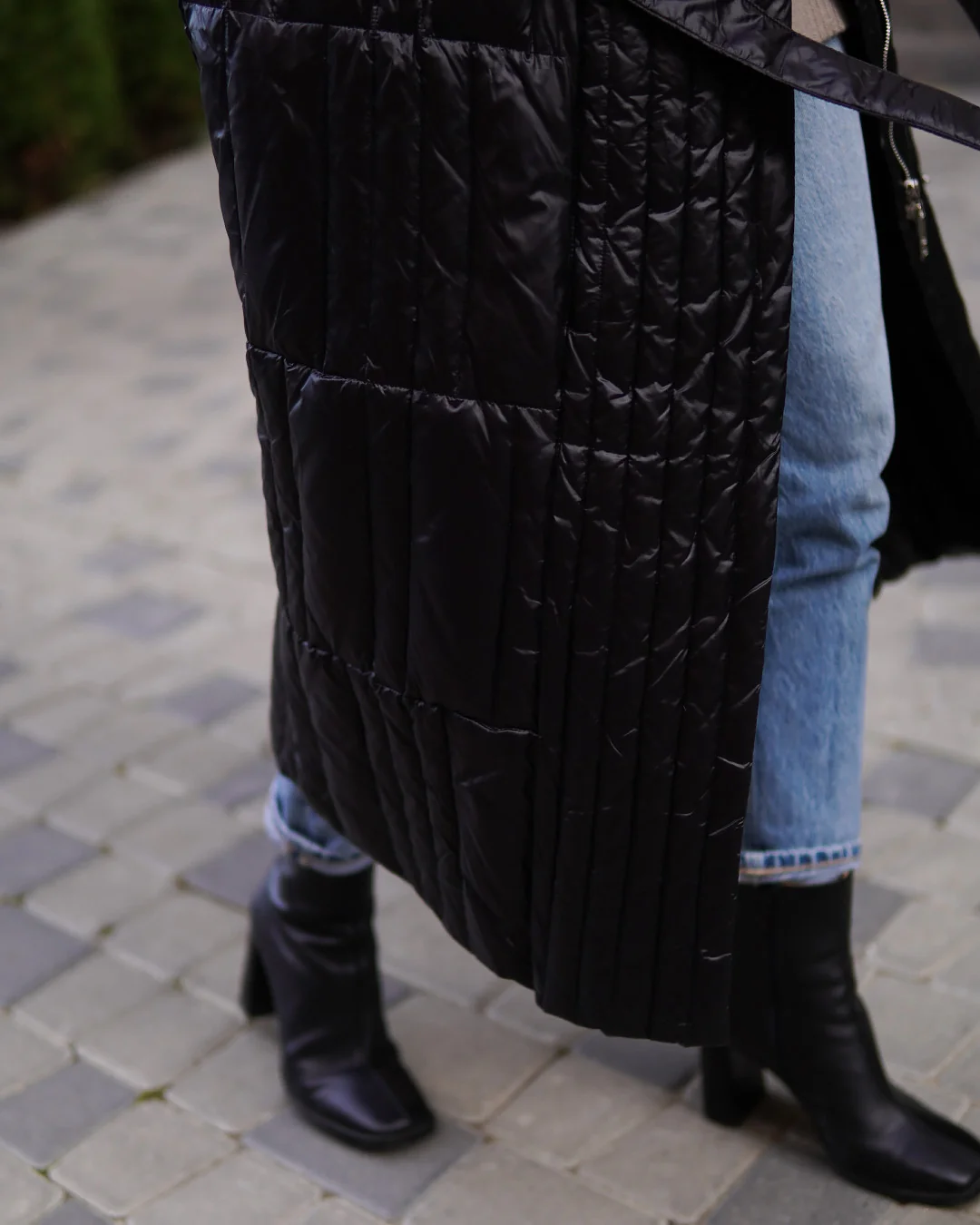
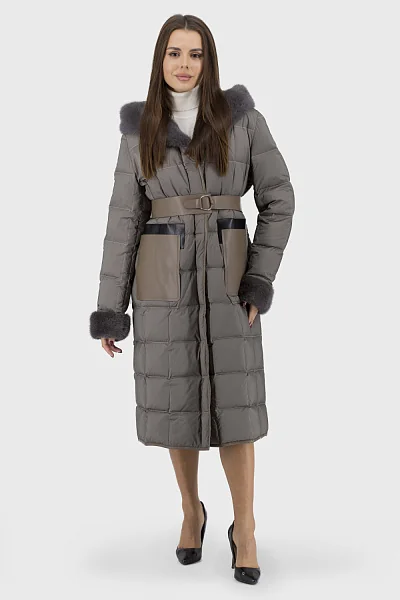
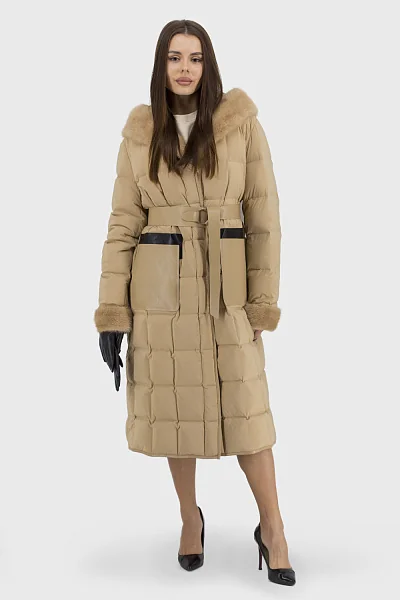
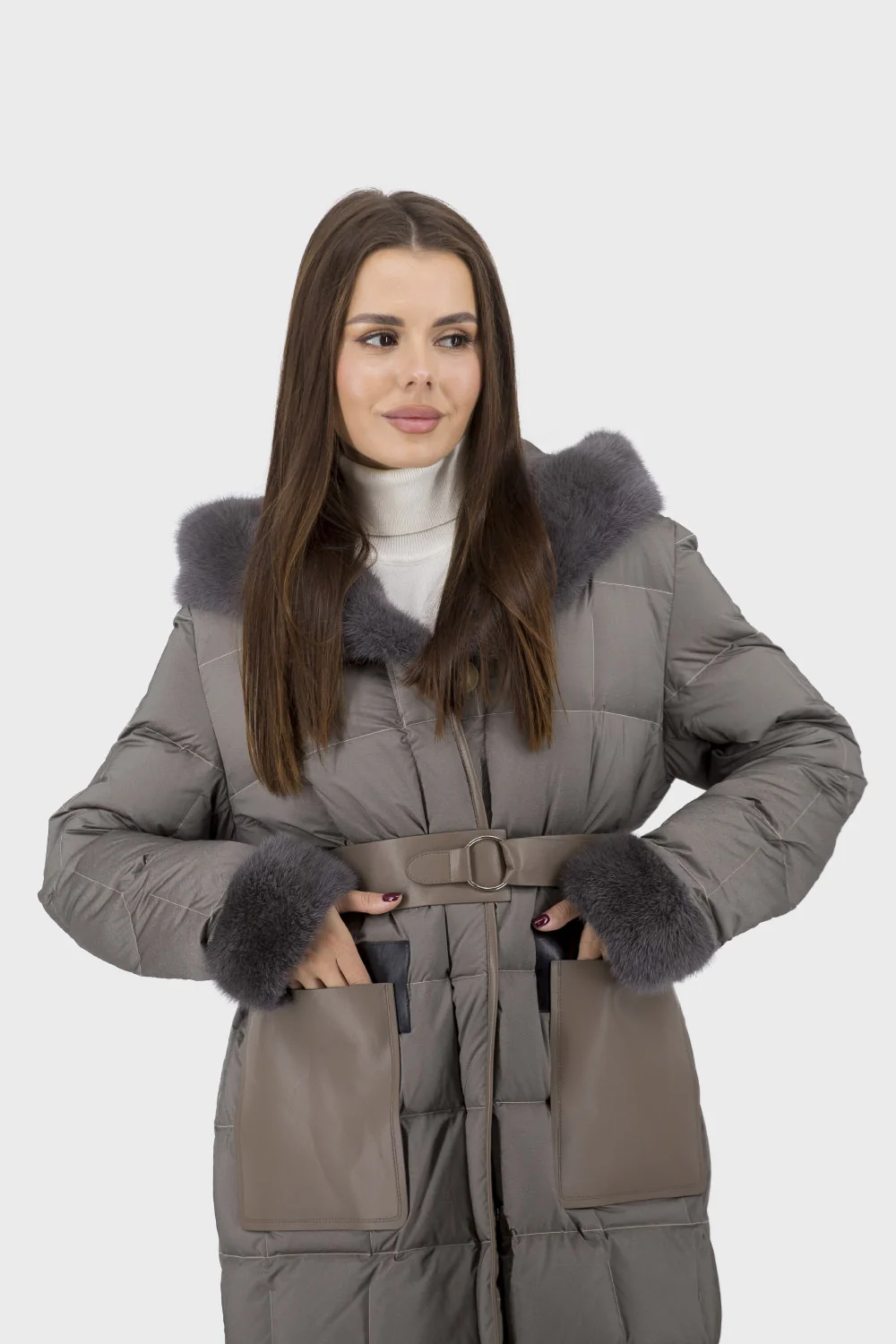
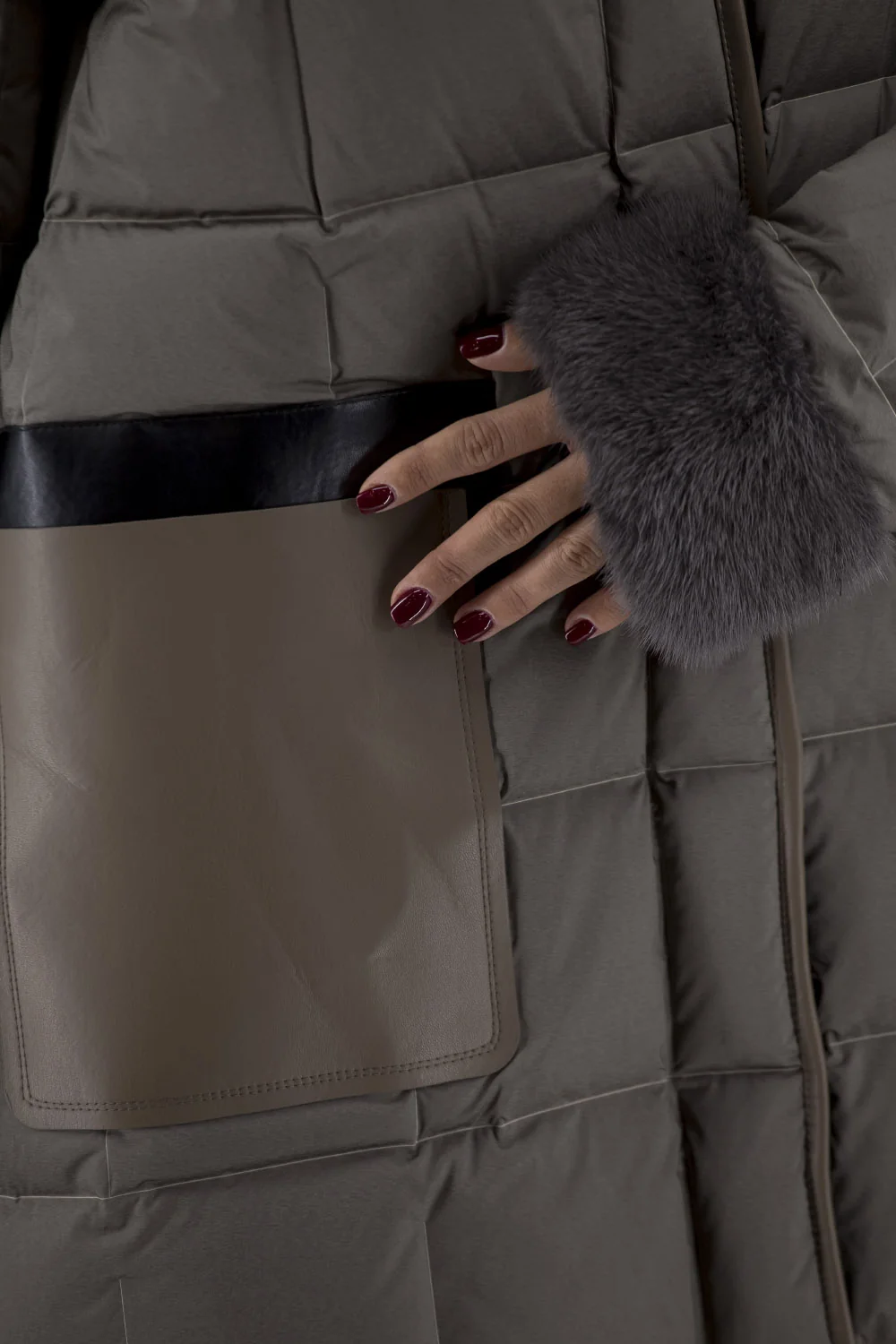
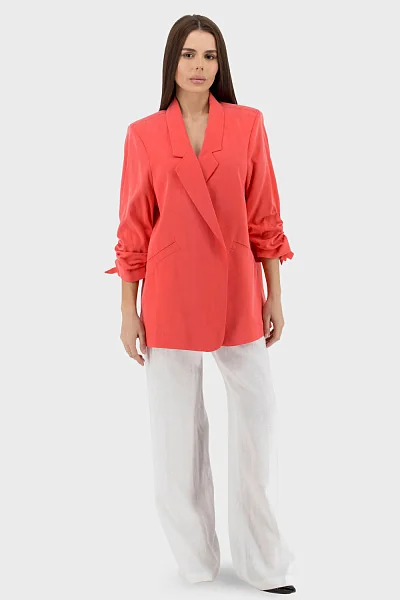
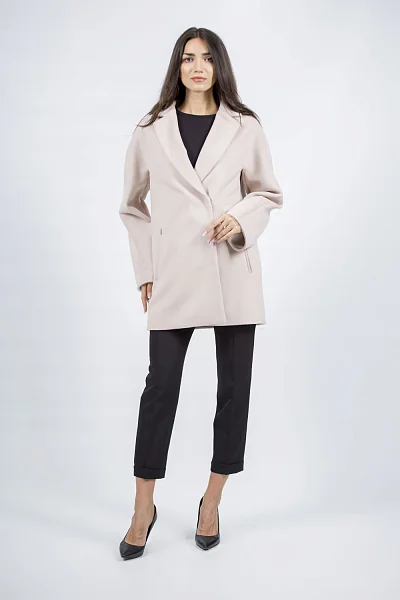
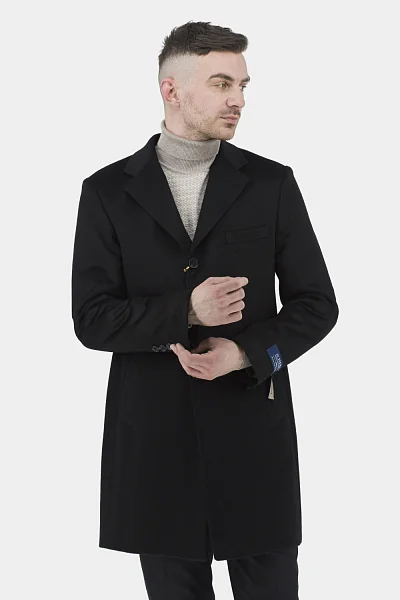
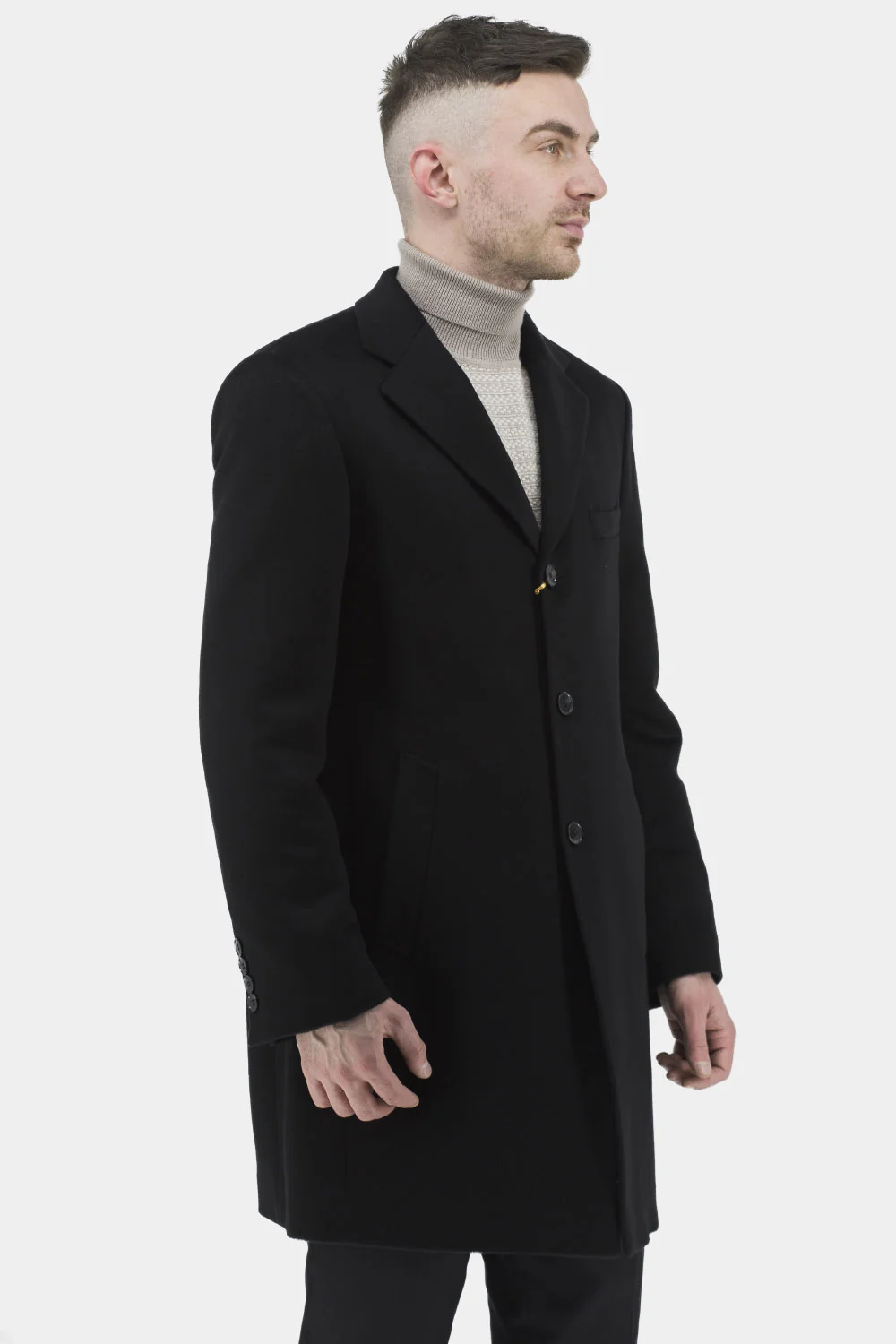
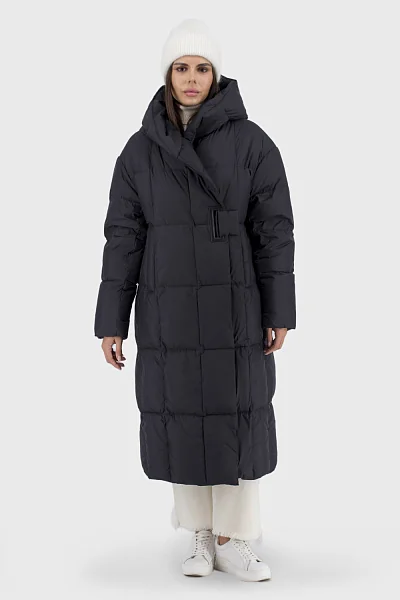
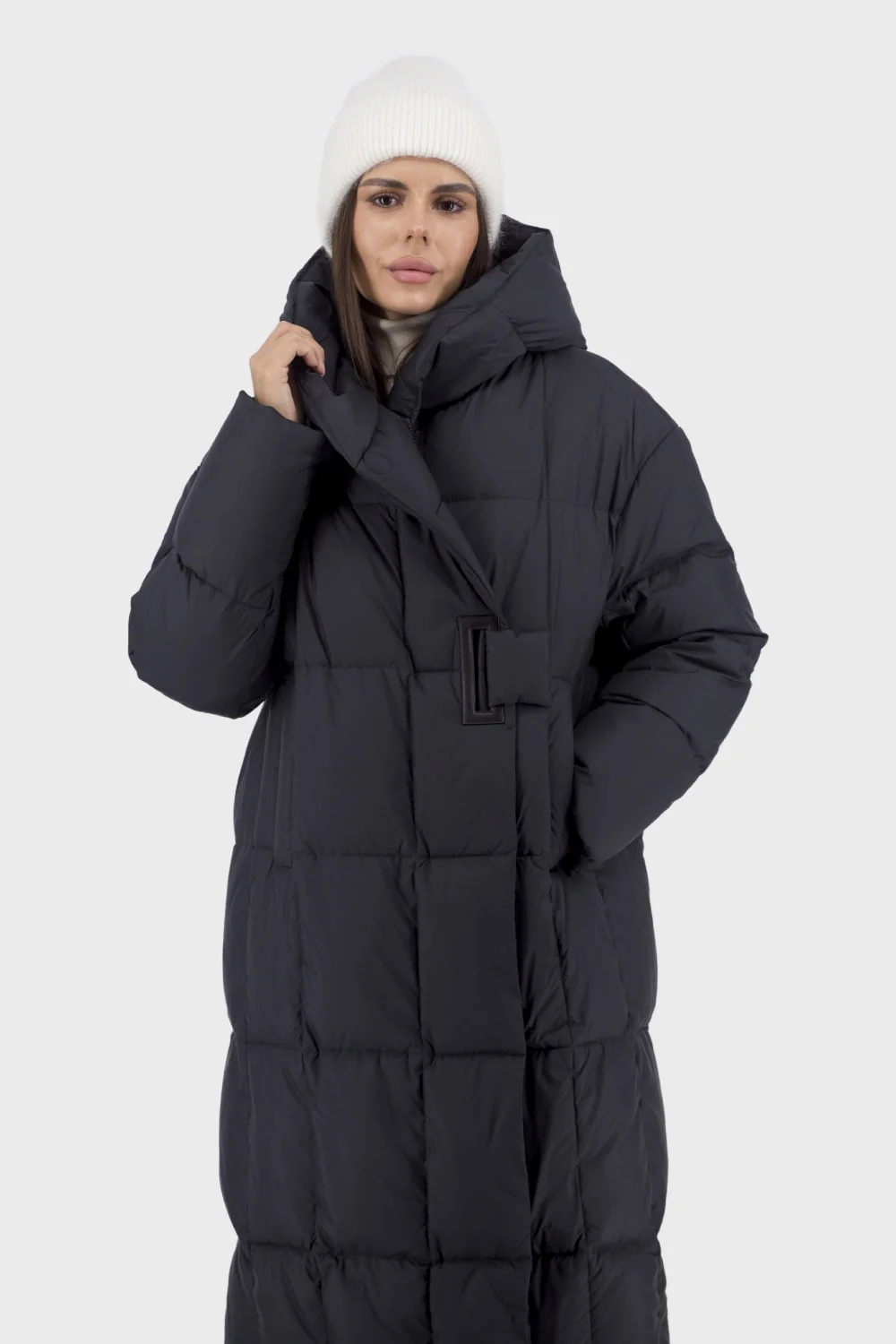
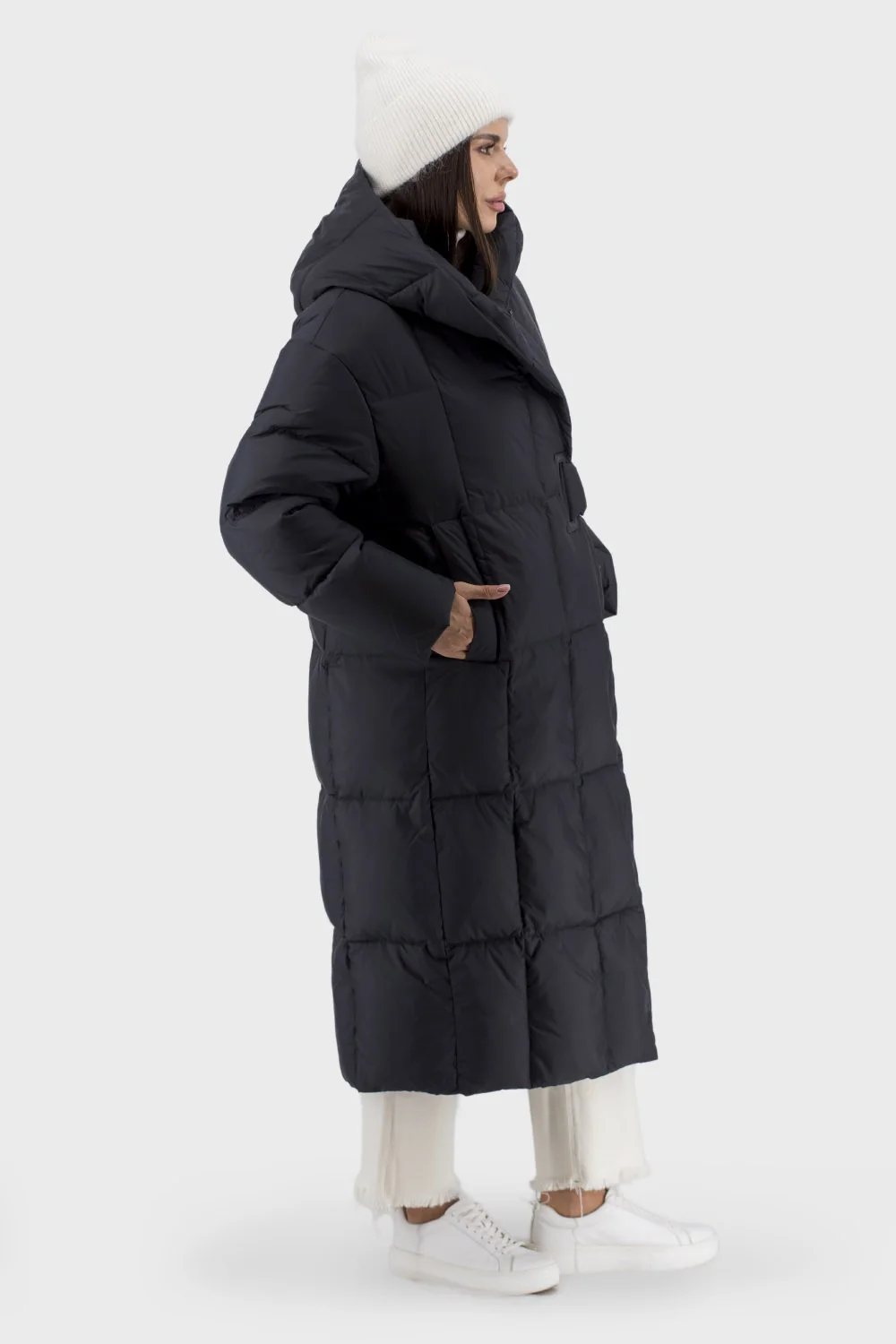
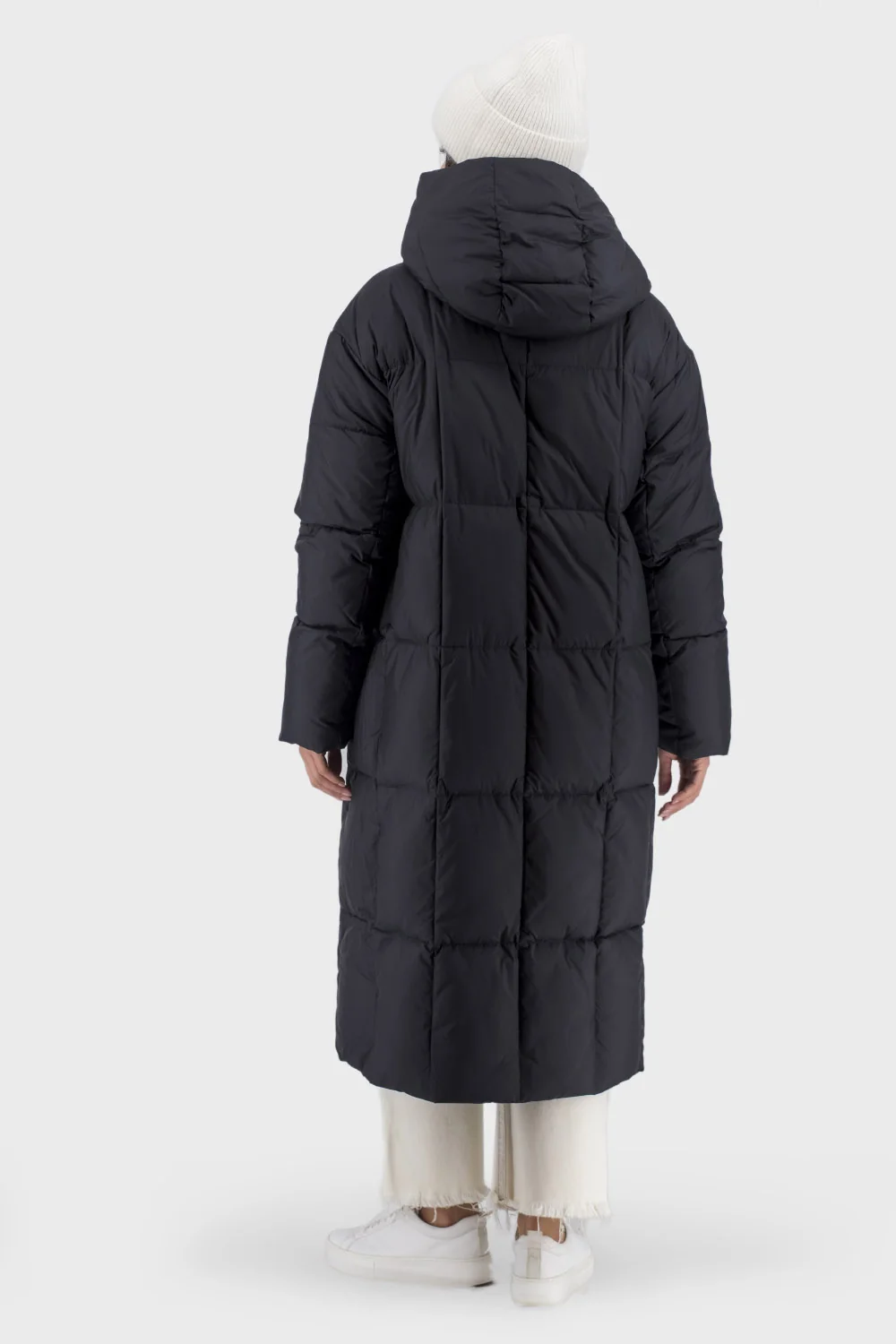
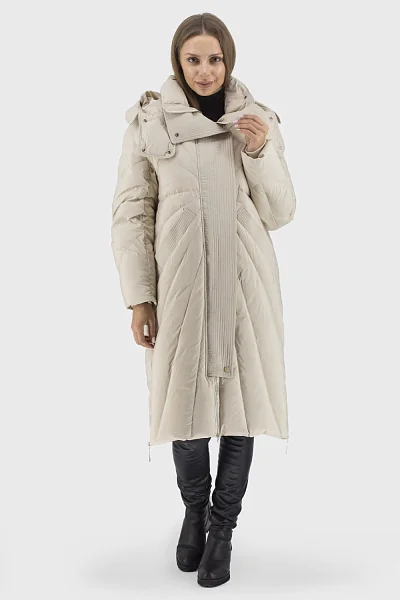
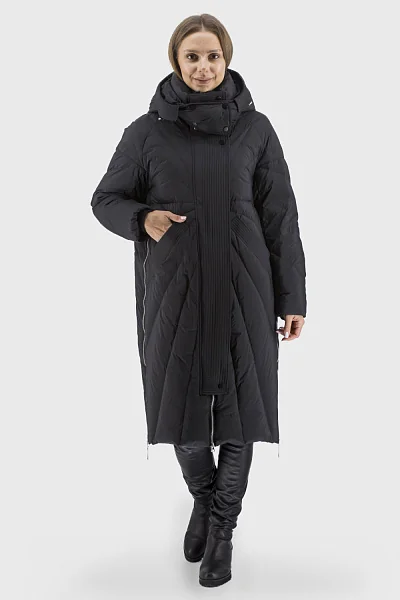
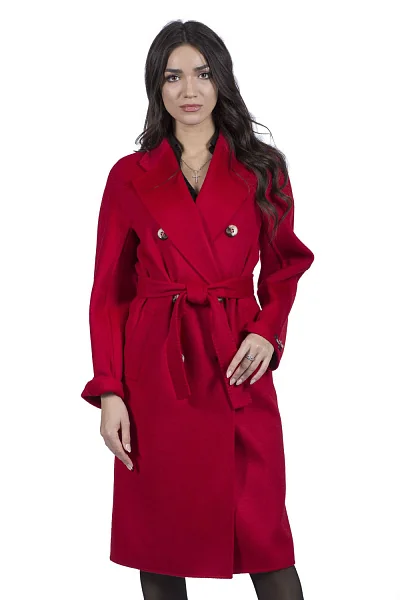
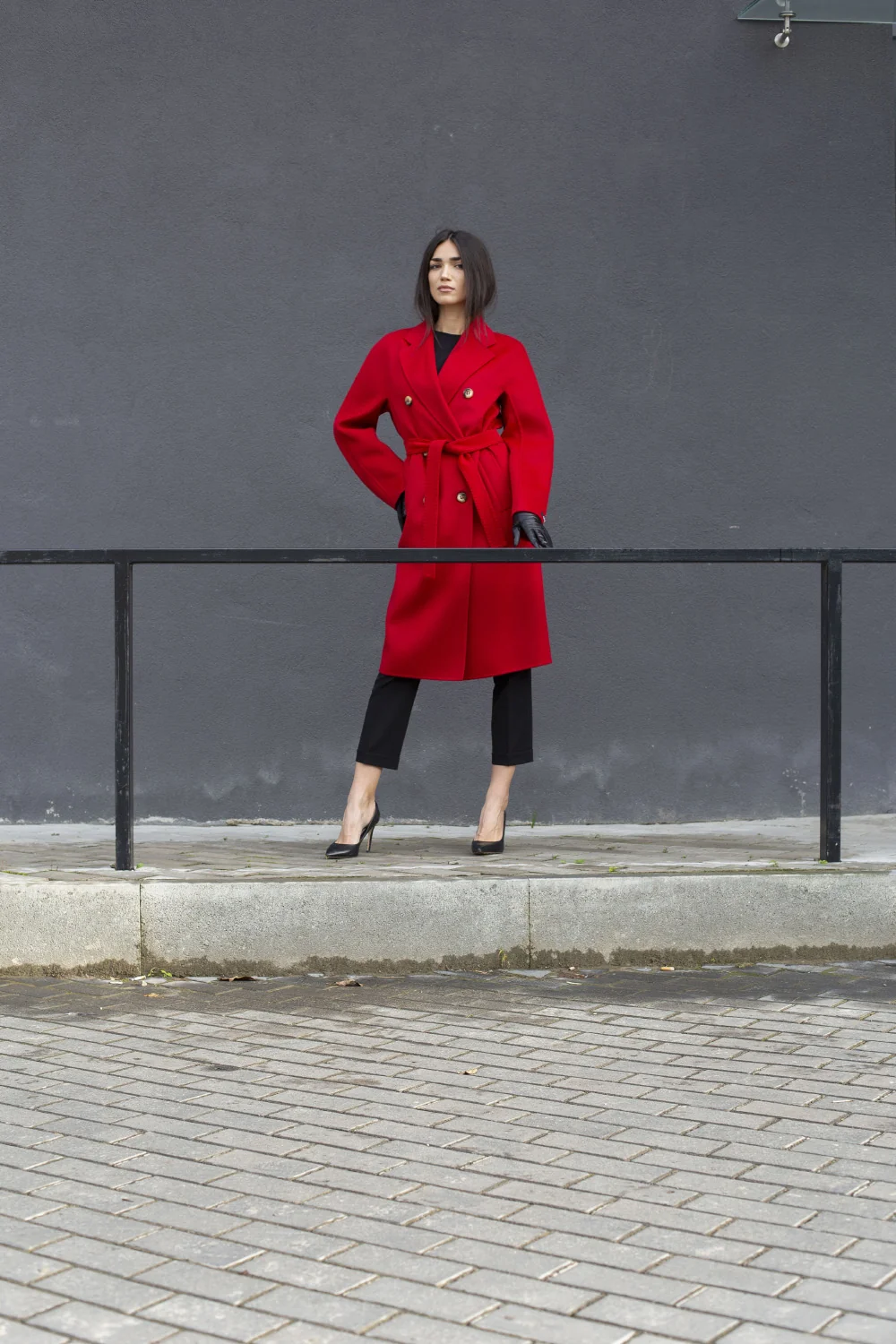
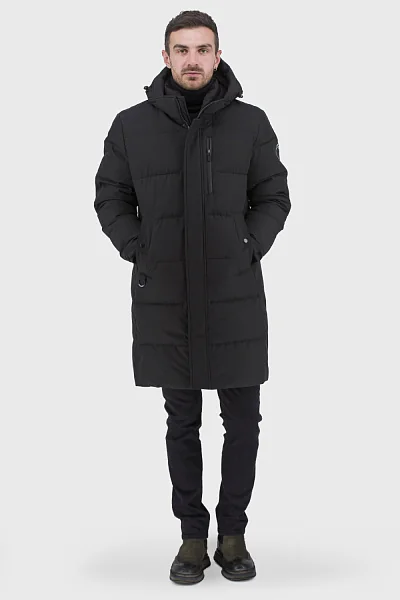
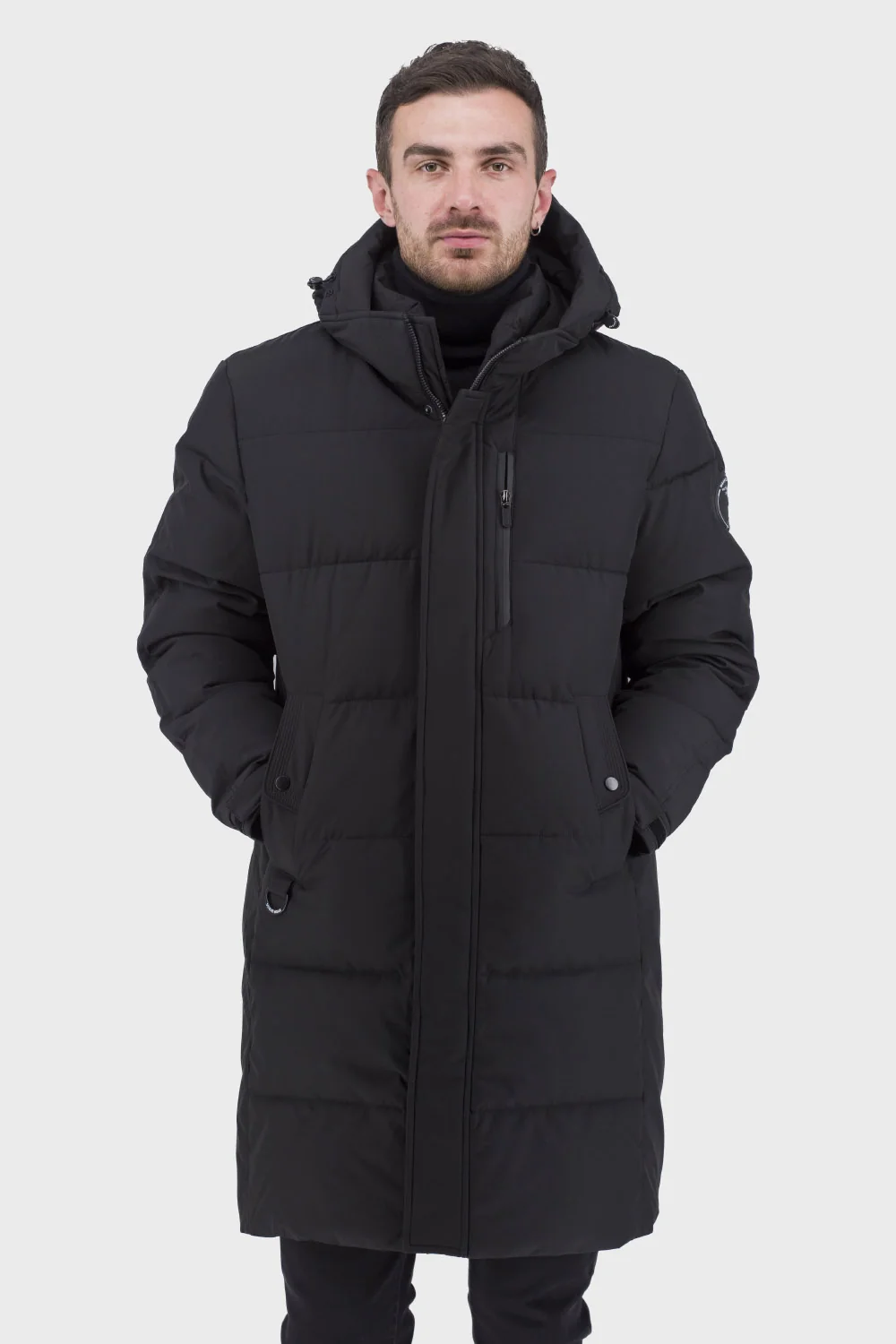
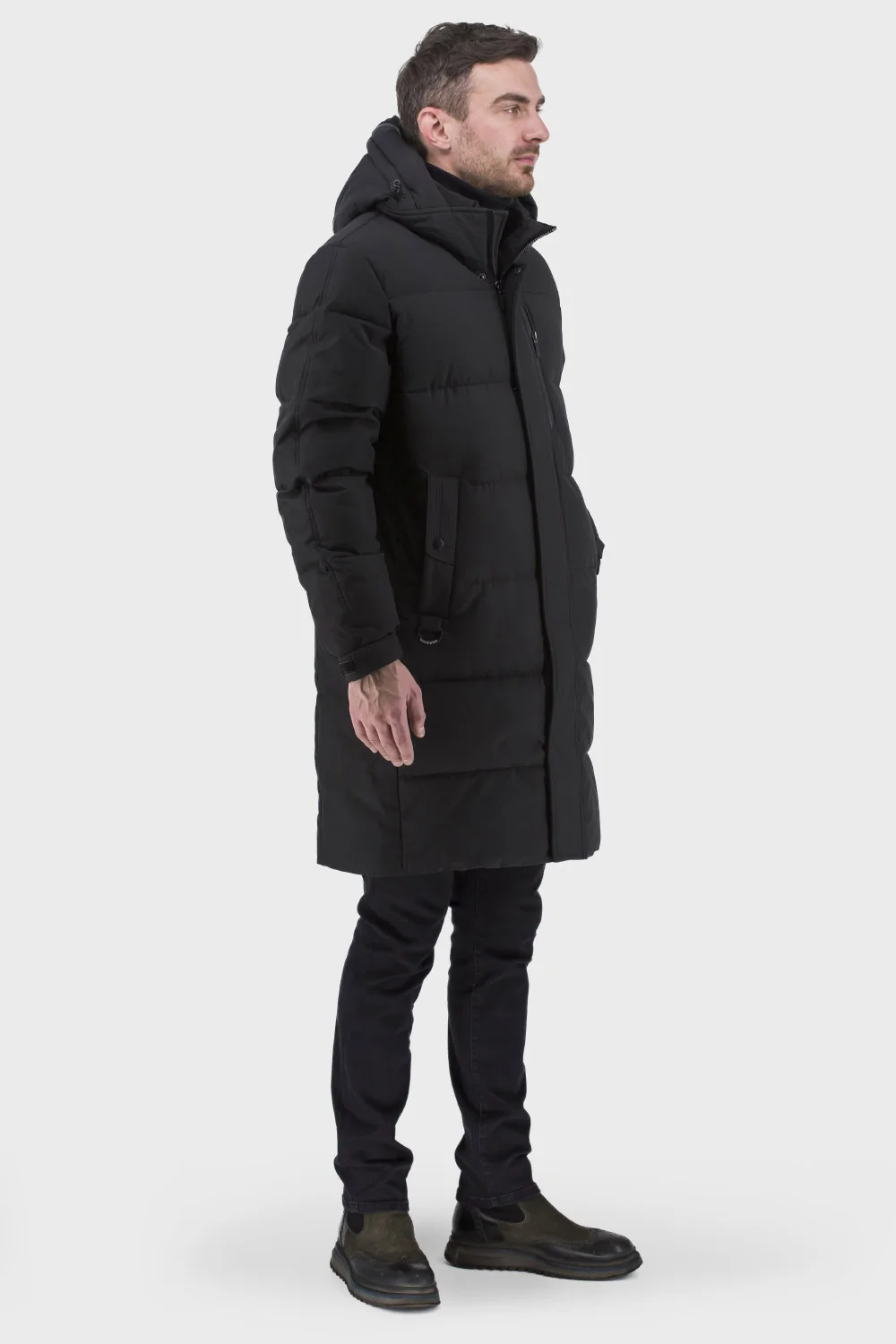
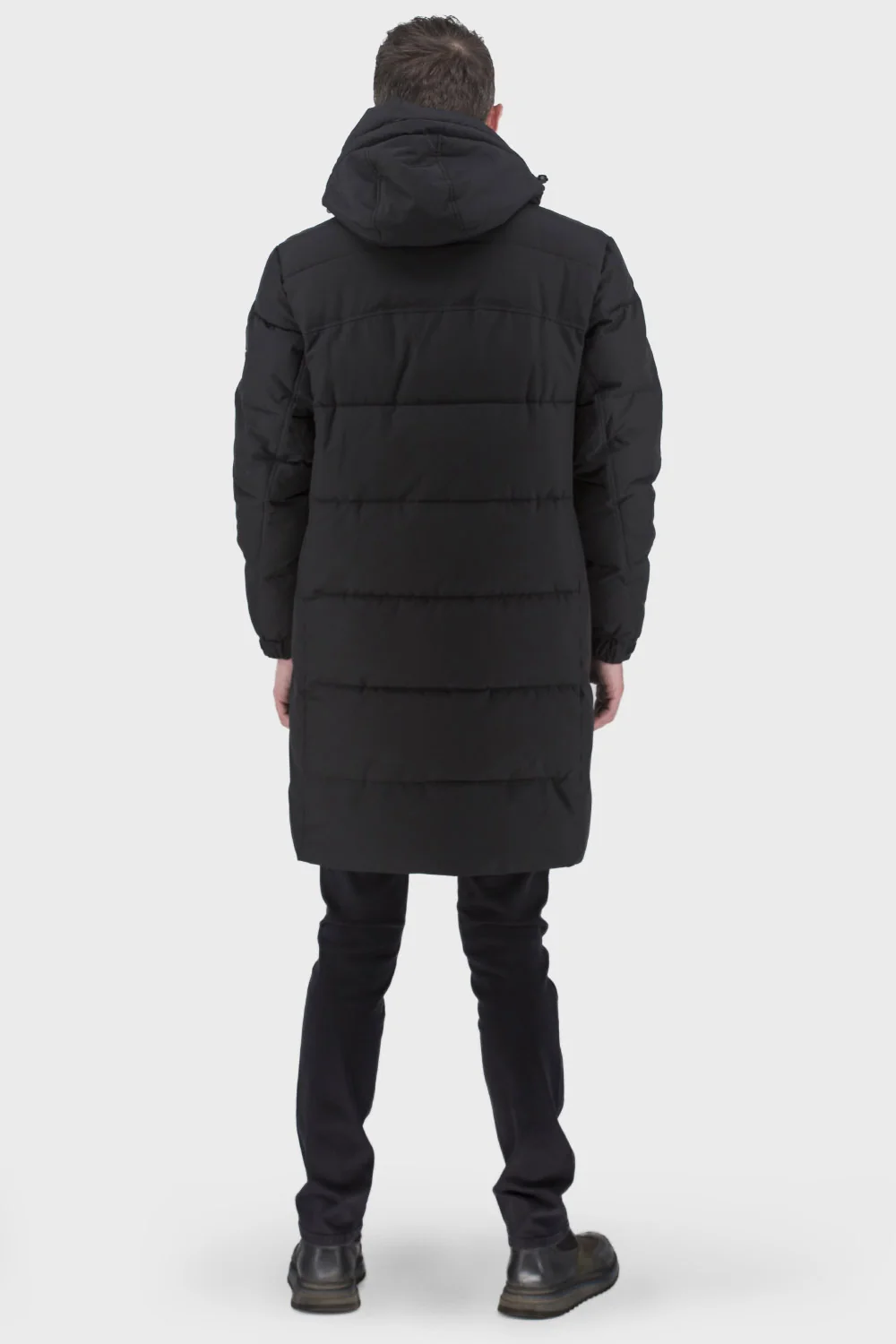
The same principle can be used in an everyday wardrobe. A simple neutral coat works with knitwear, straight trousers, denim and clean footwear. For colder weather, women’s down jackets remain a practical alternative, with comfort depending on insulation, shell fabric, construction and wind protection.
How to assess coating fabric
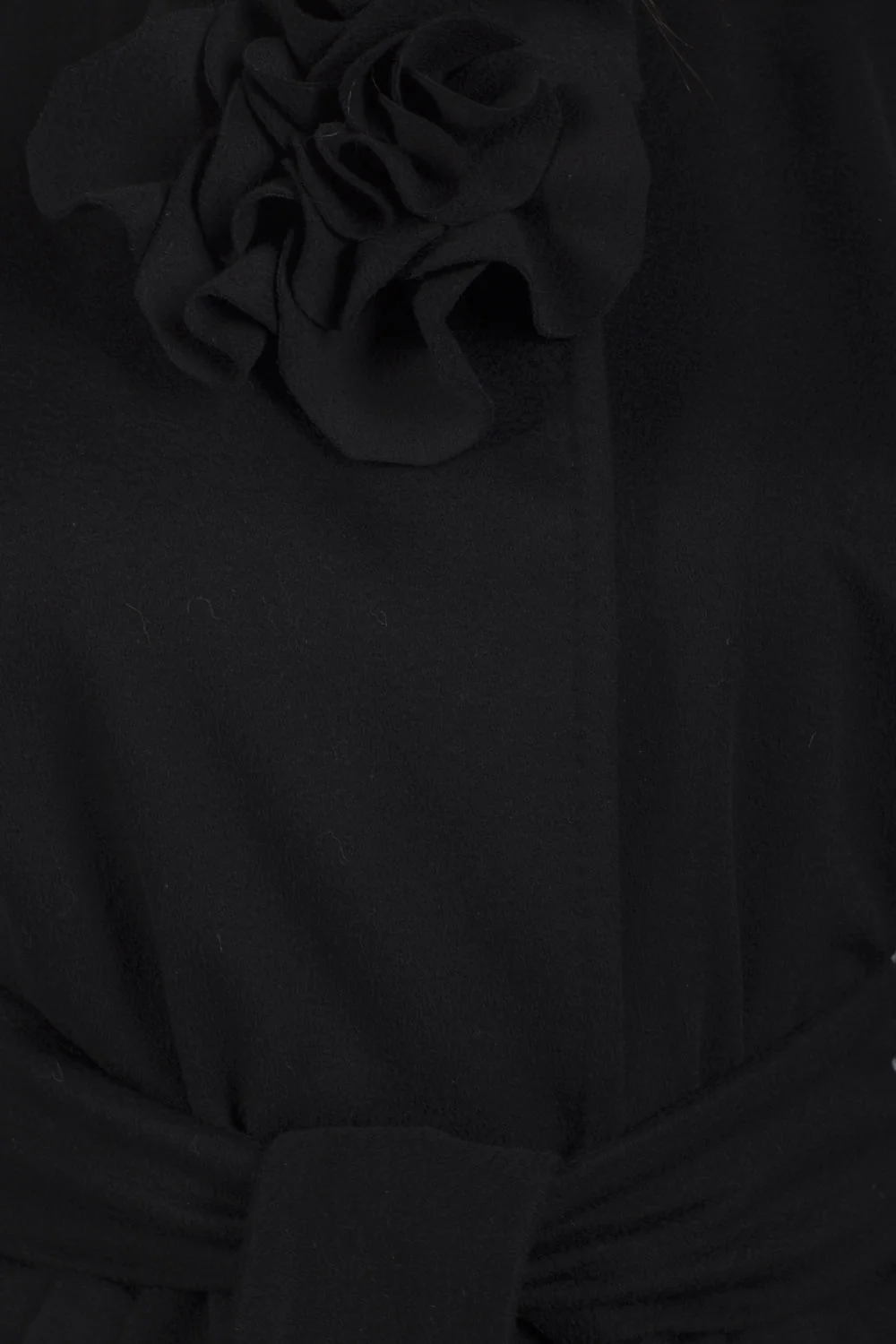
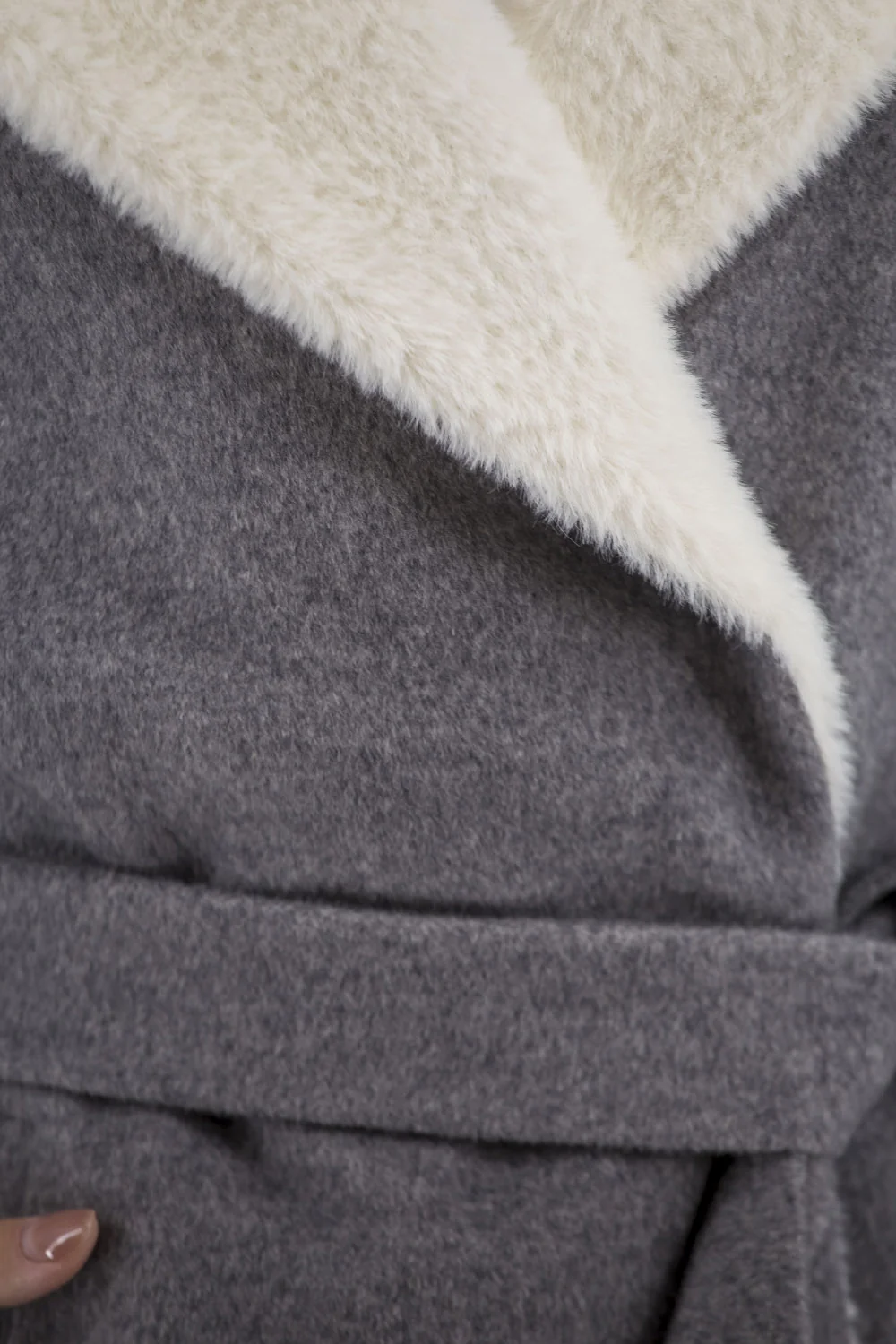
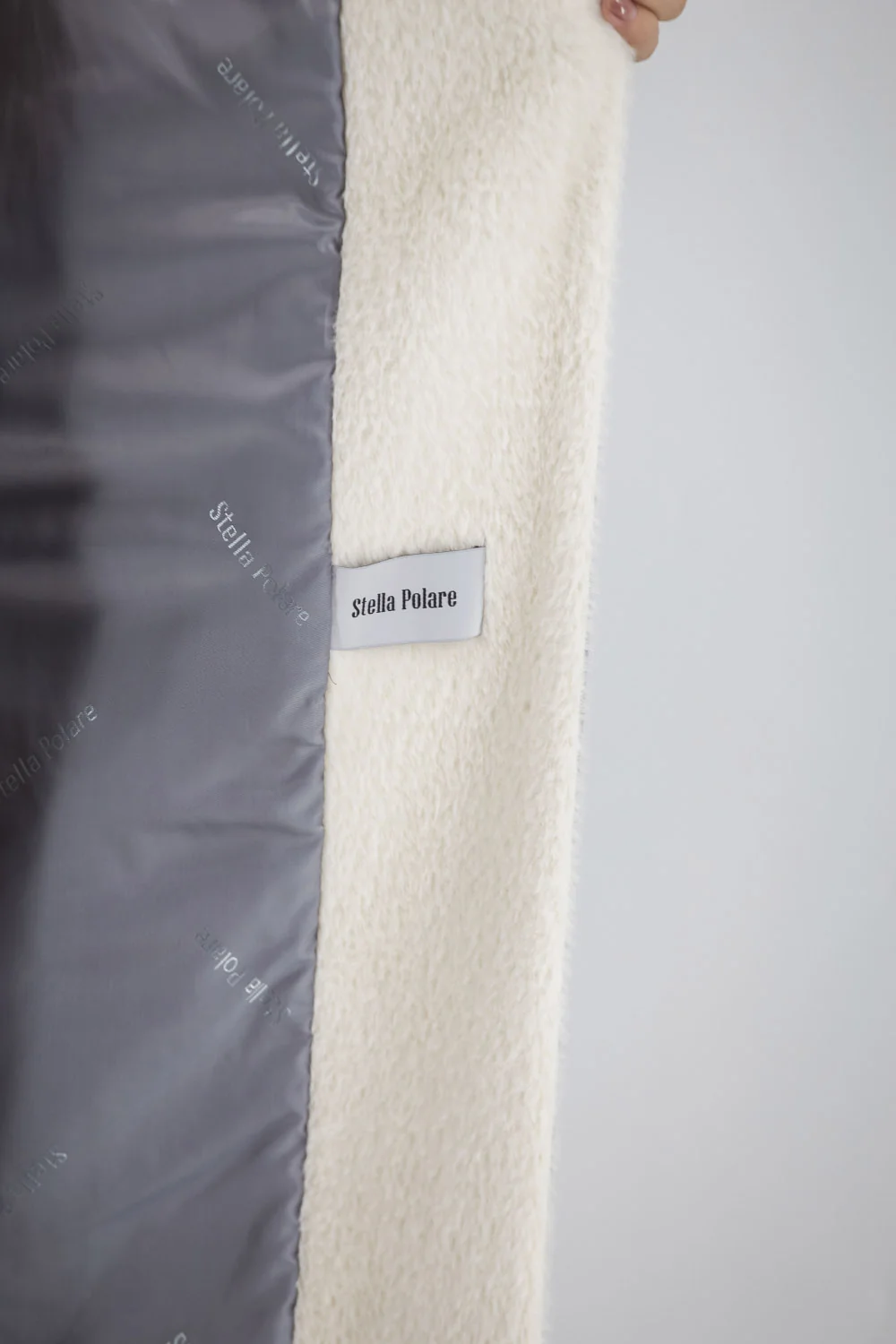
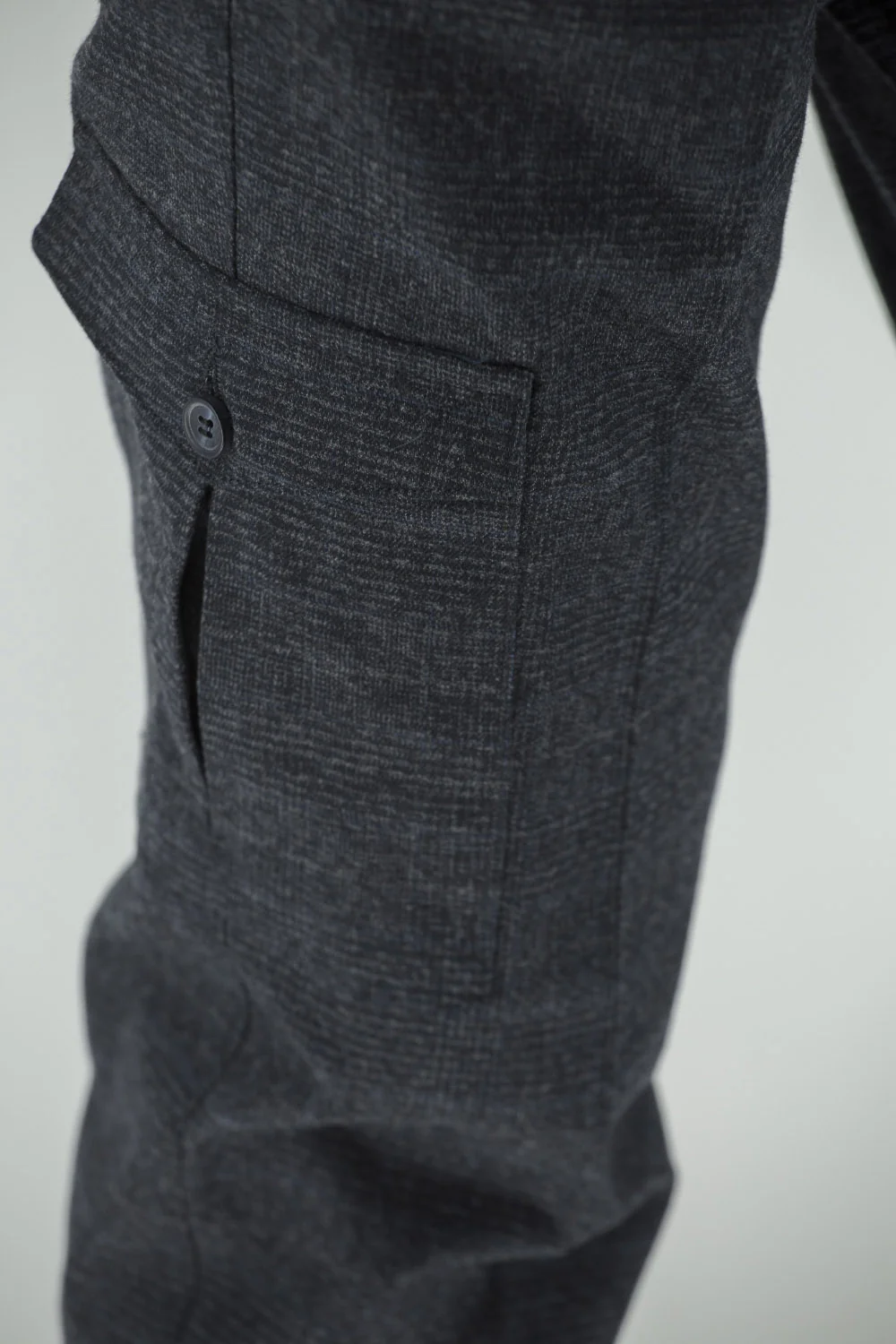
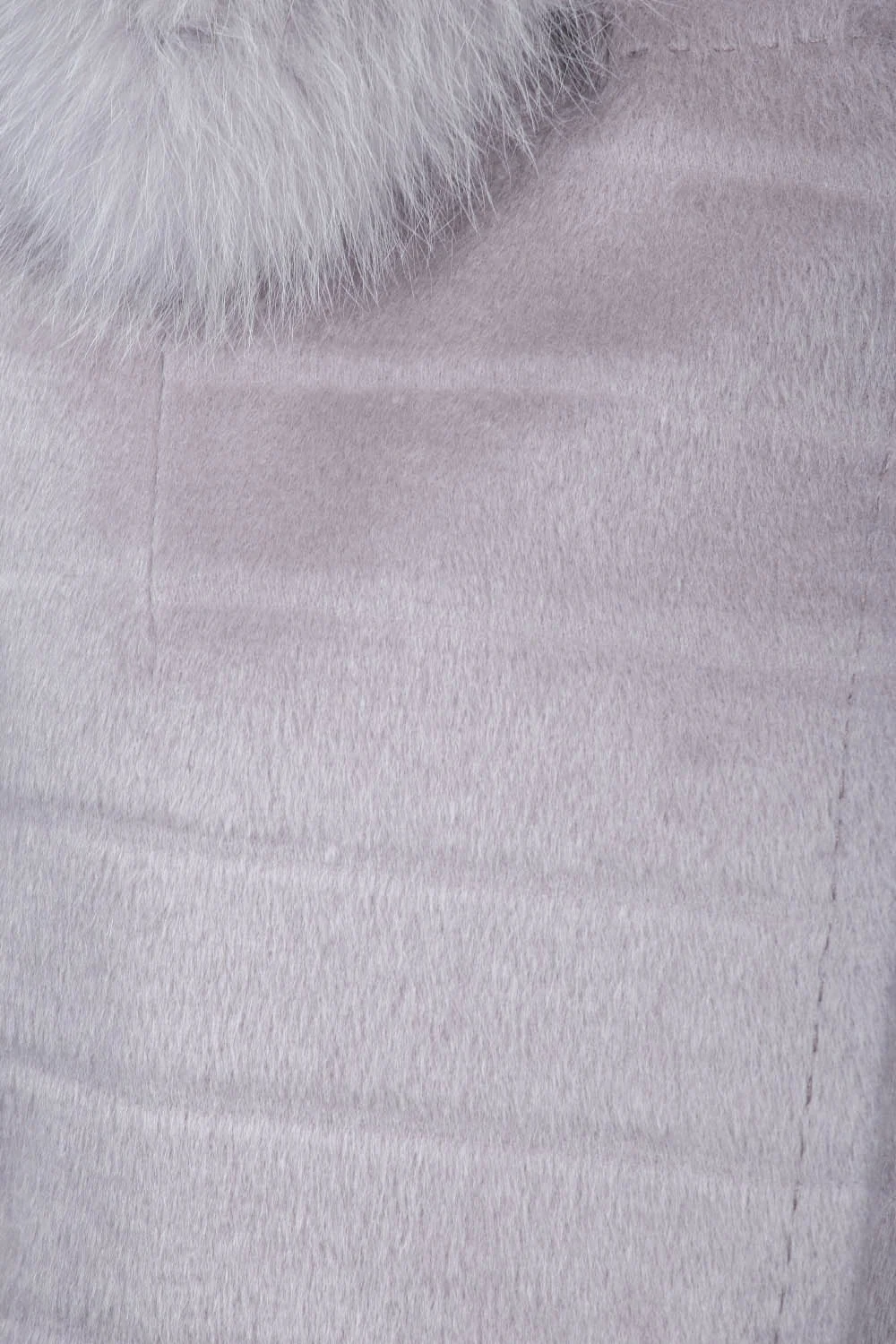
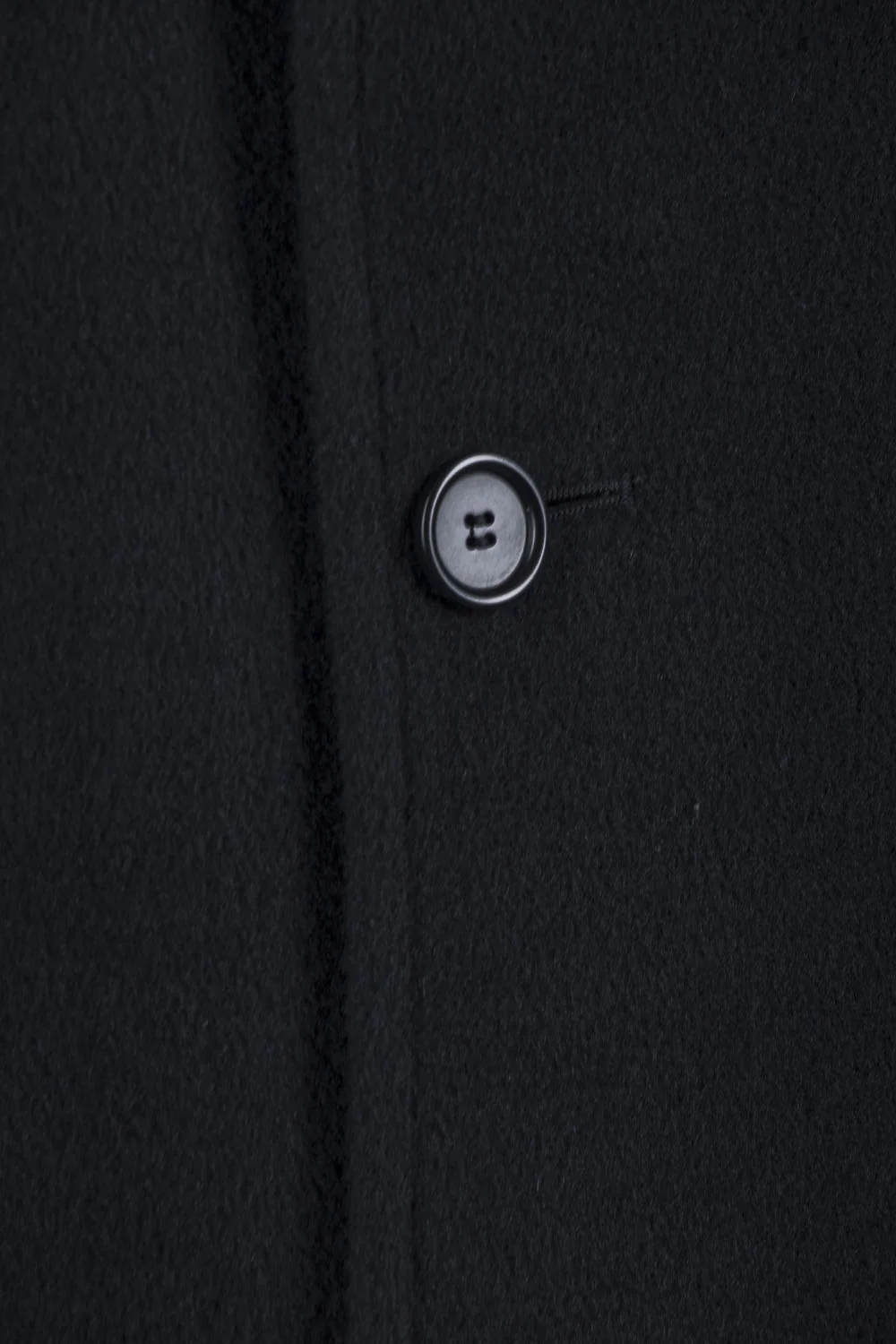
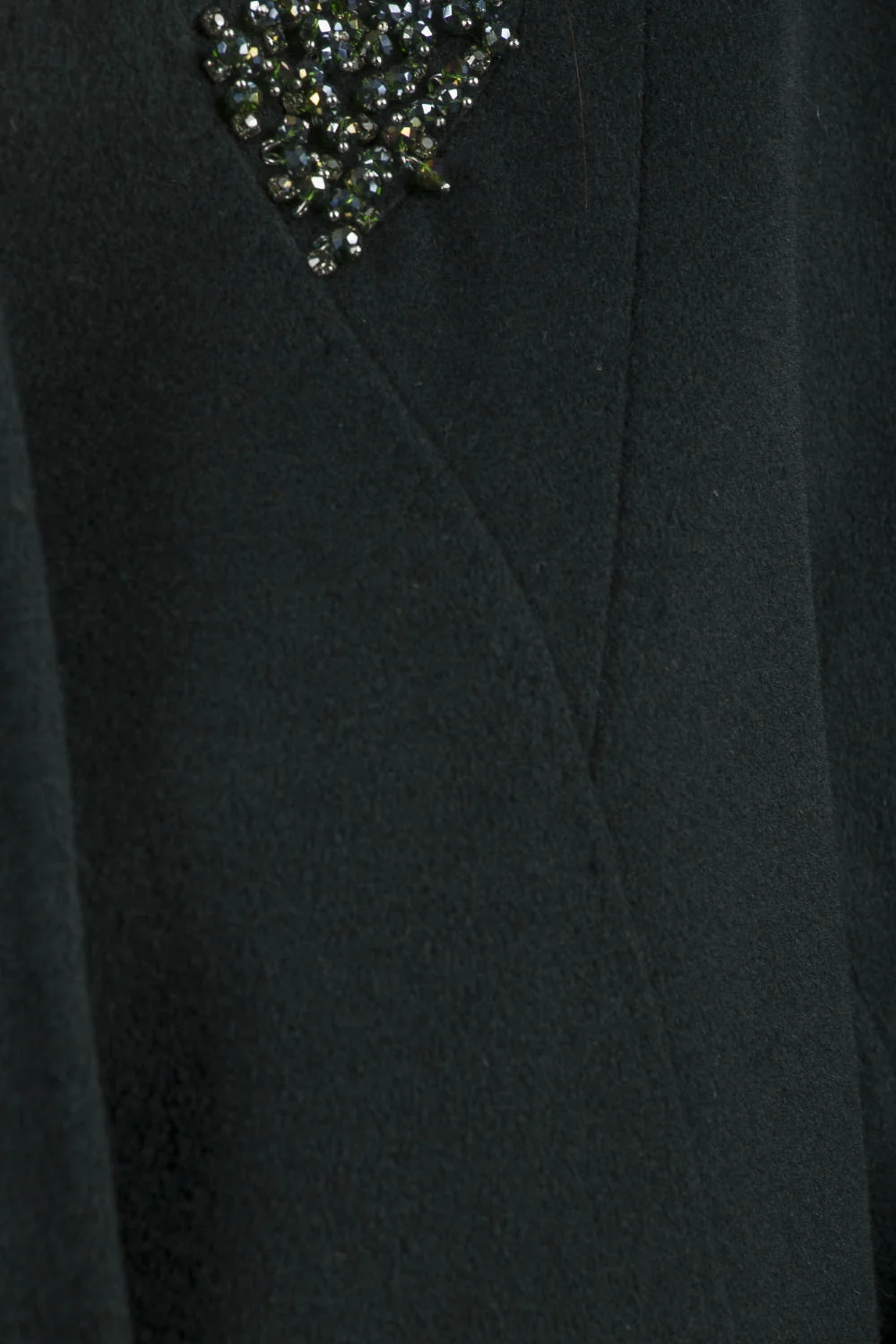
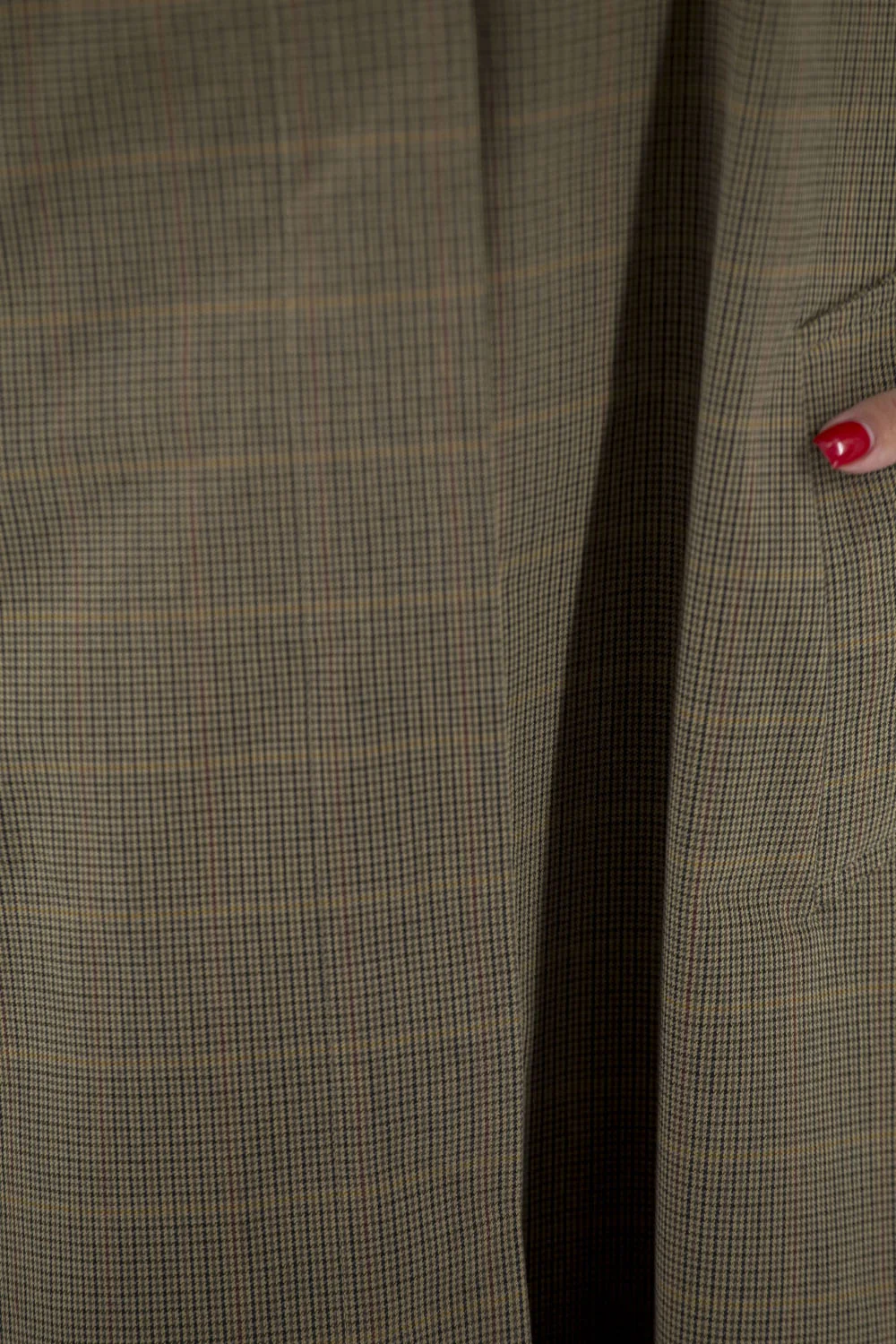
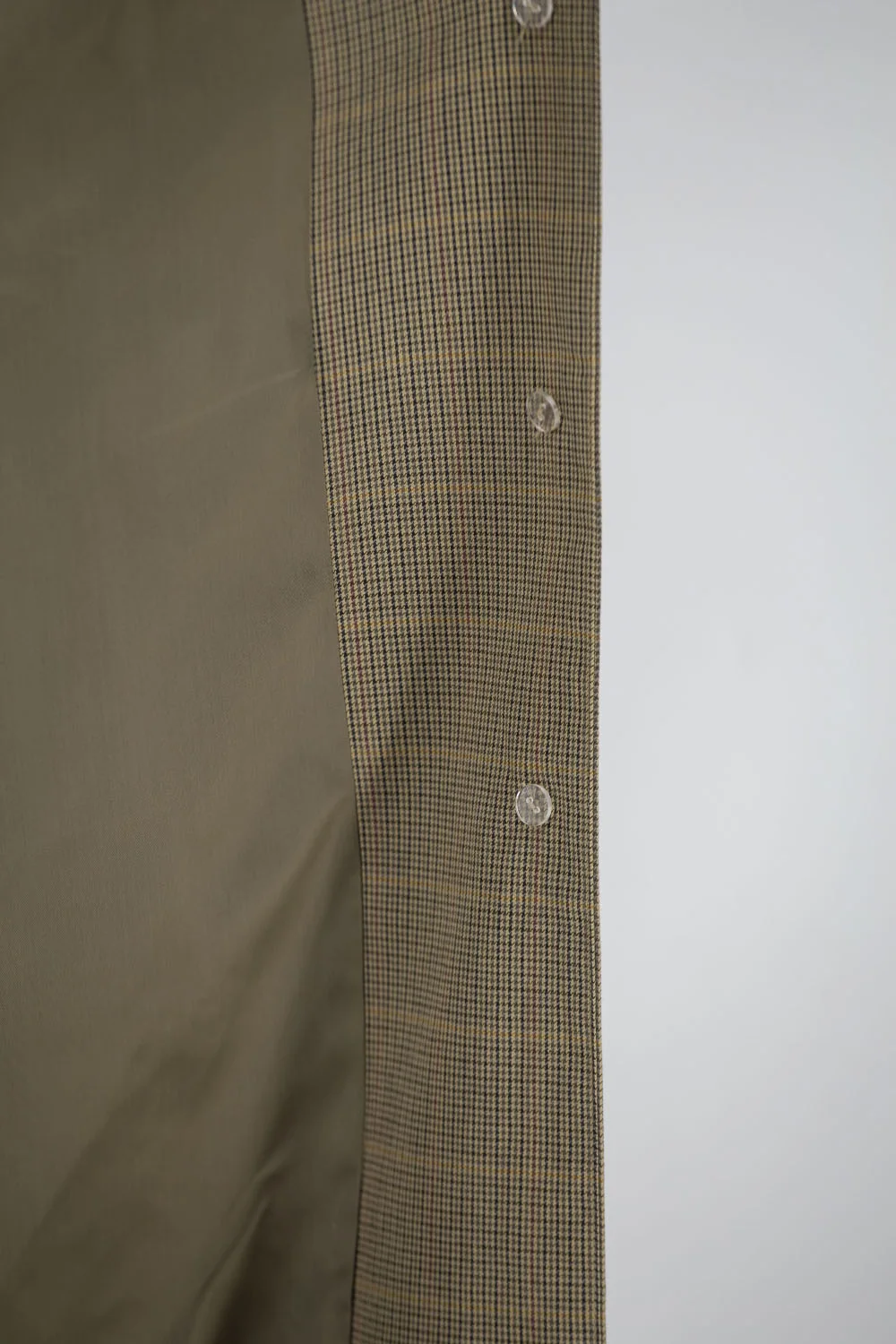
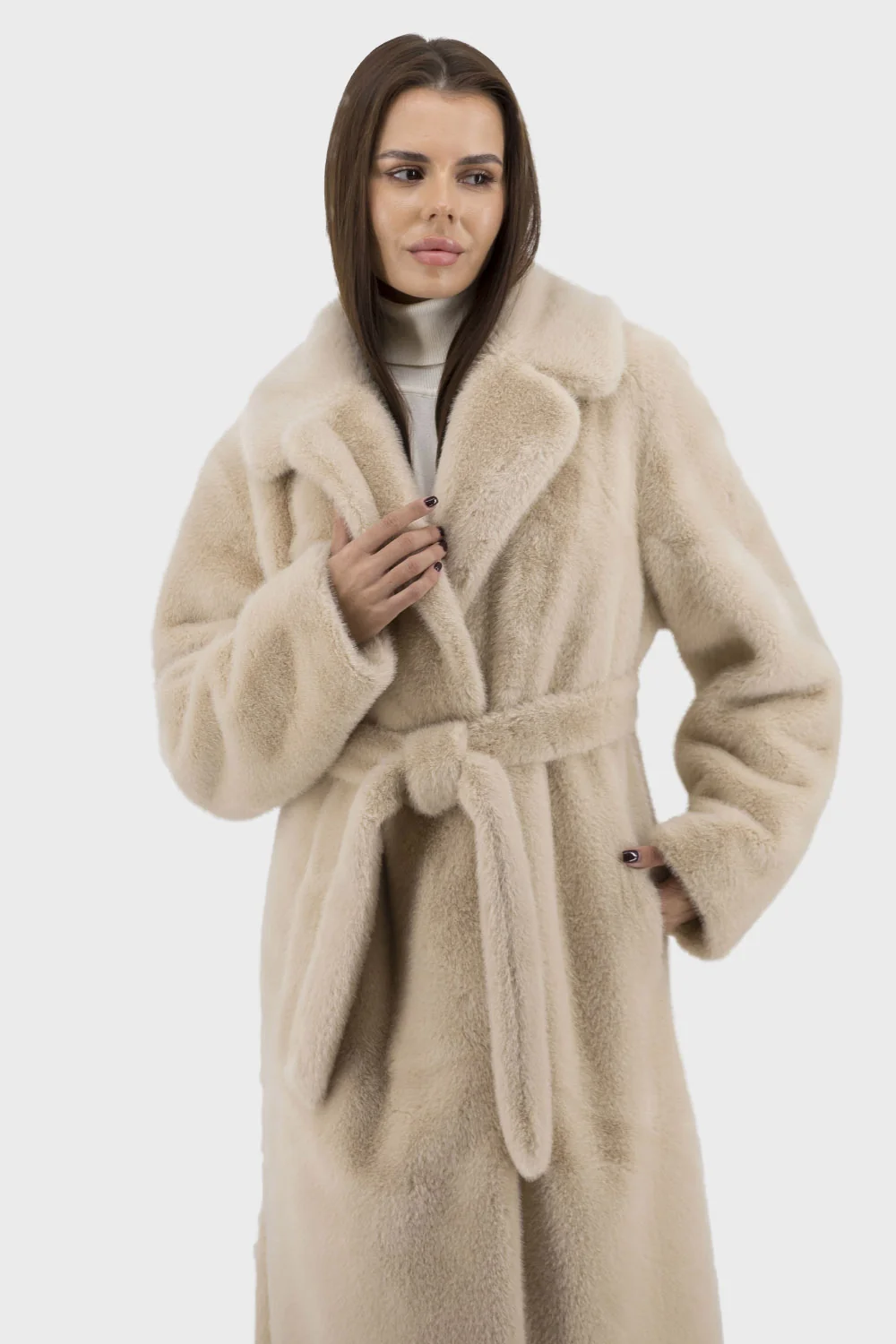
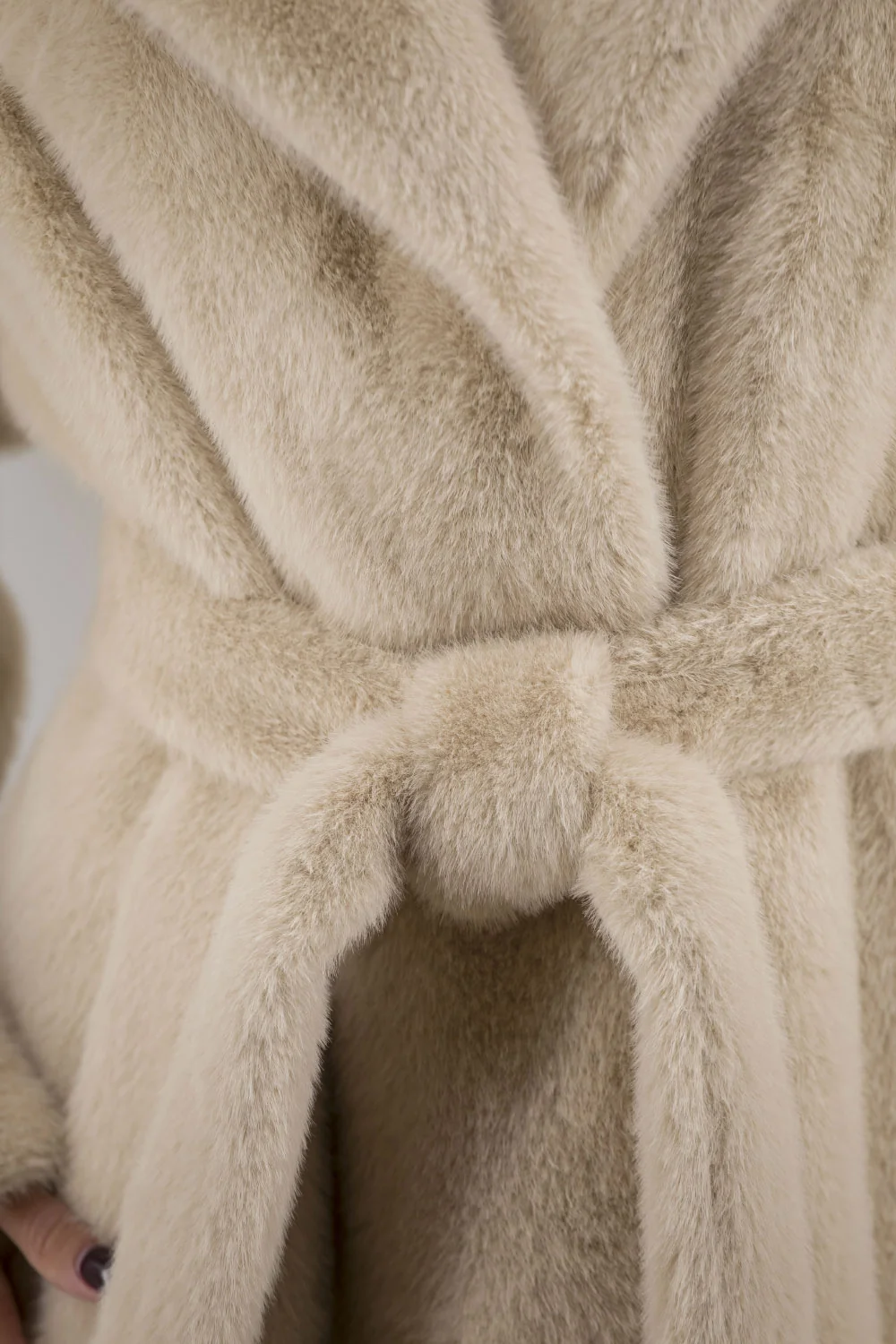
Run a hand gently over the fabric surface. The nap should appear consistent, without bald areas, knots or abrupt colour changes. The material should not shed excessively or leave a large amount of fibre on other clothing. After light compression, a well-constructed fabric should gradually recover its shape.
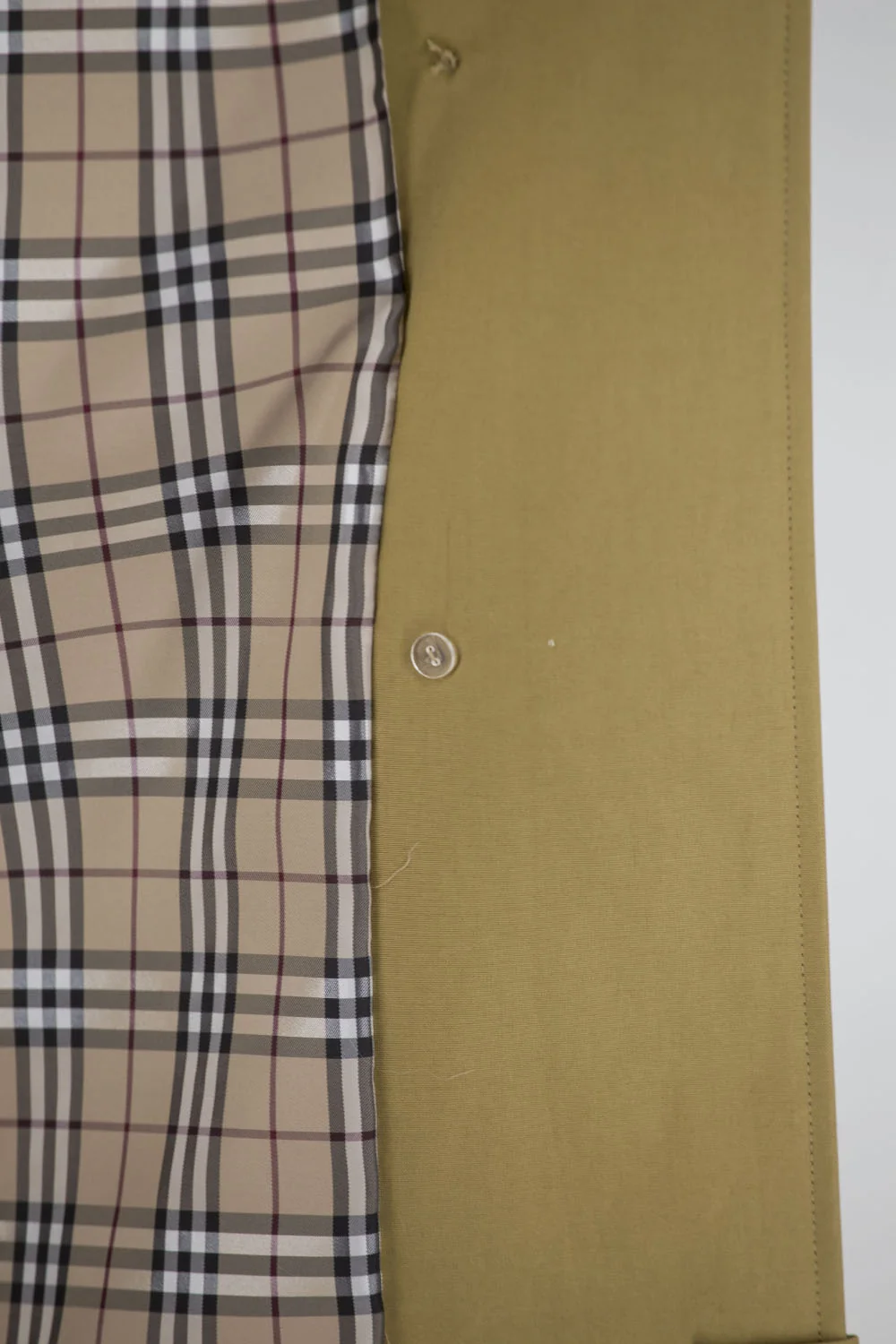
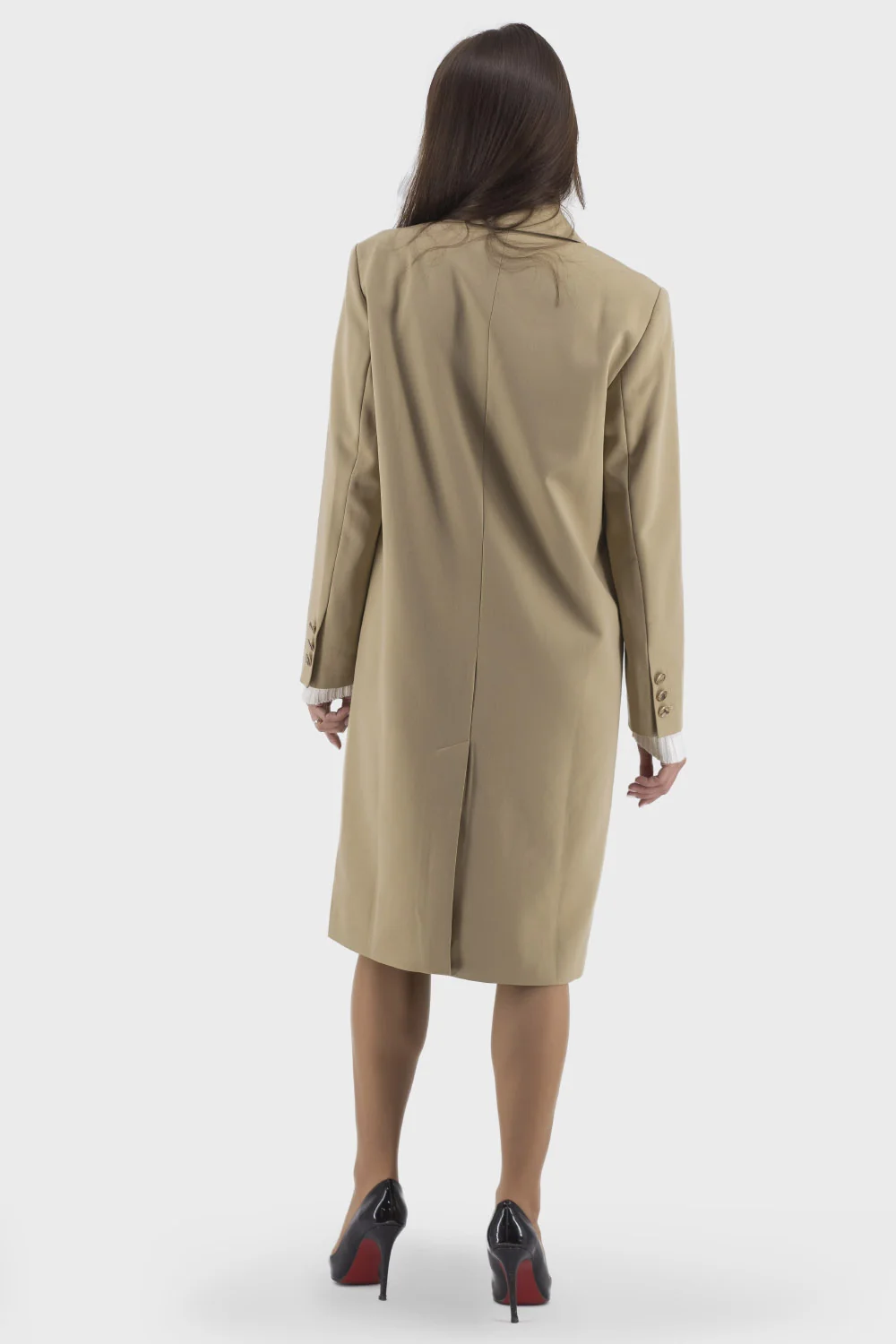
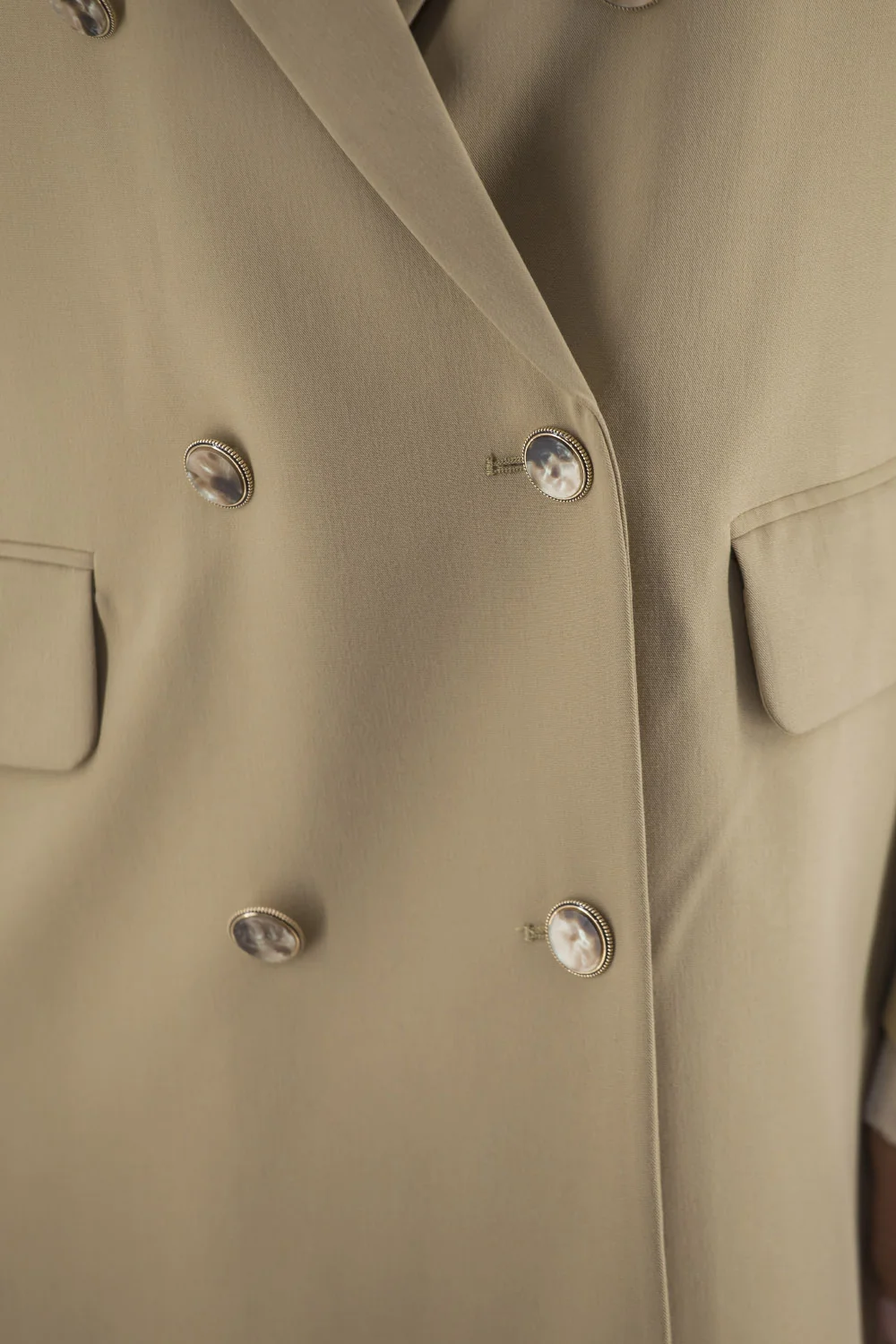
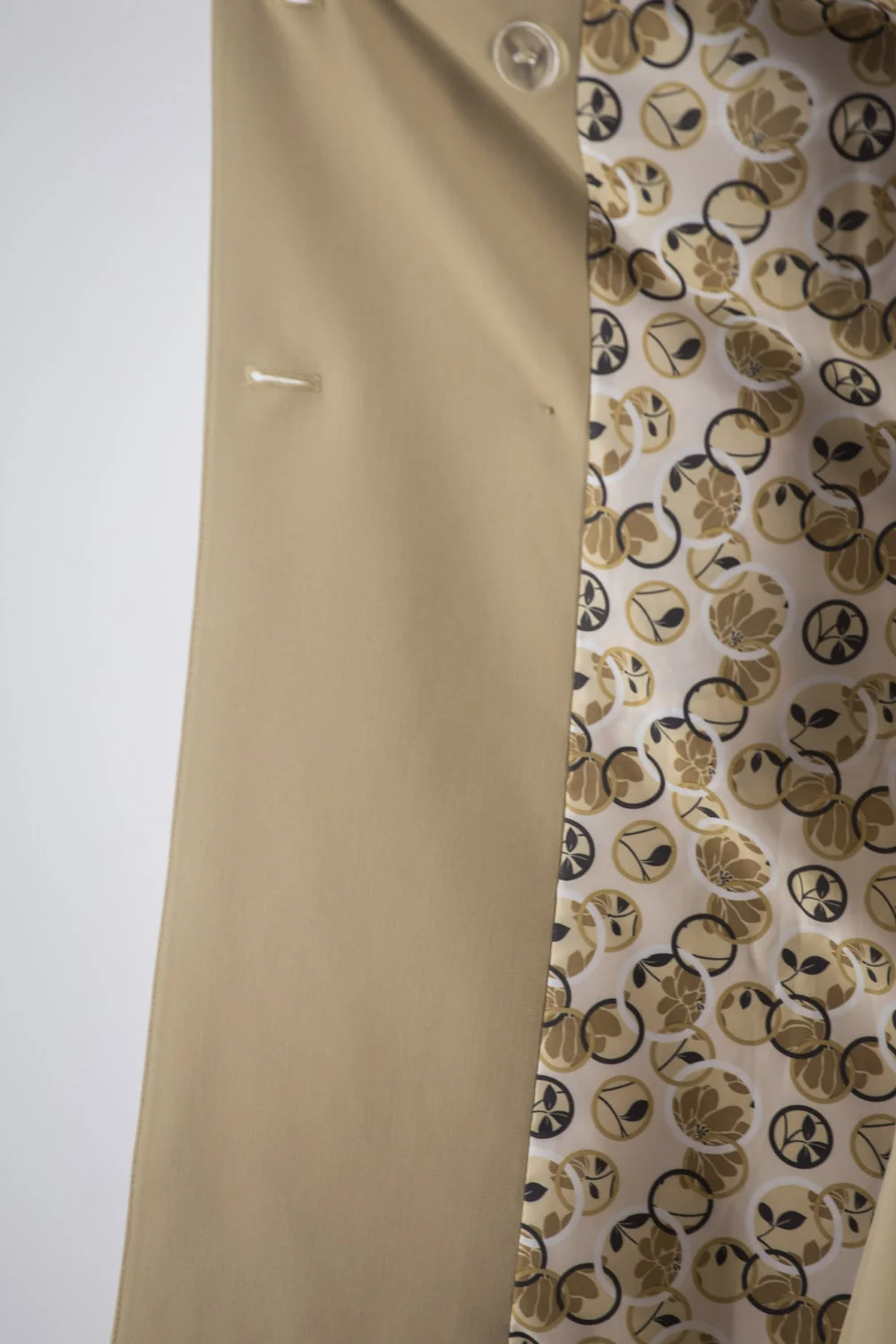
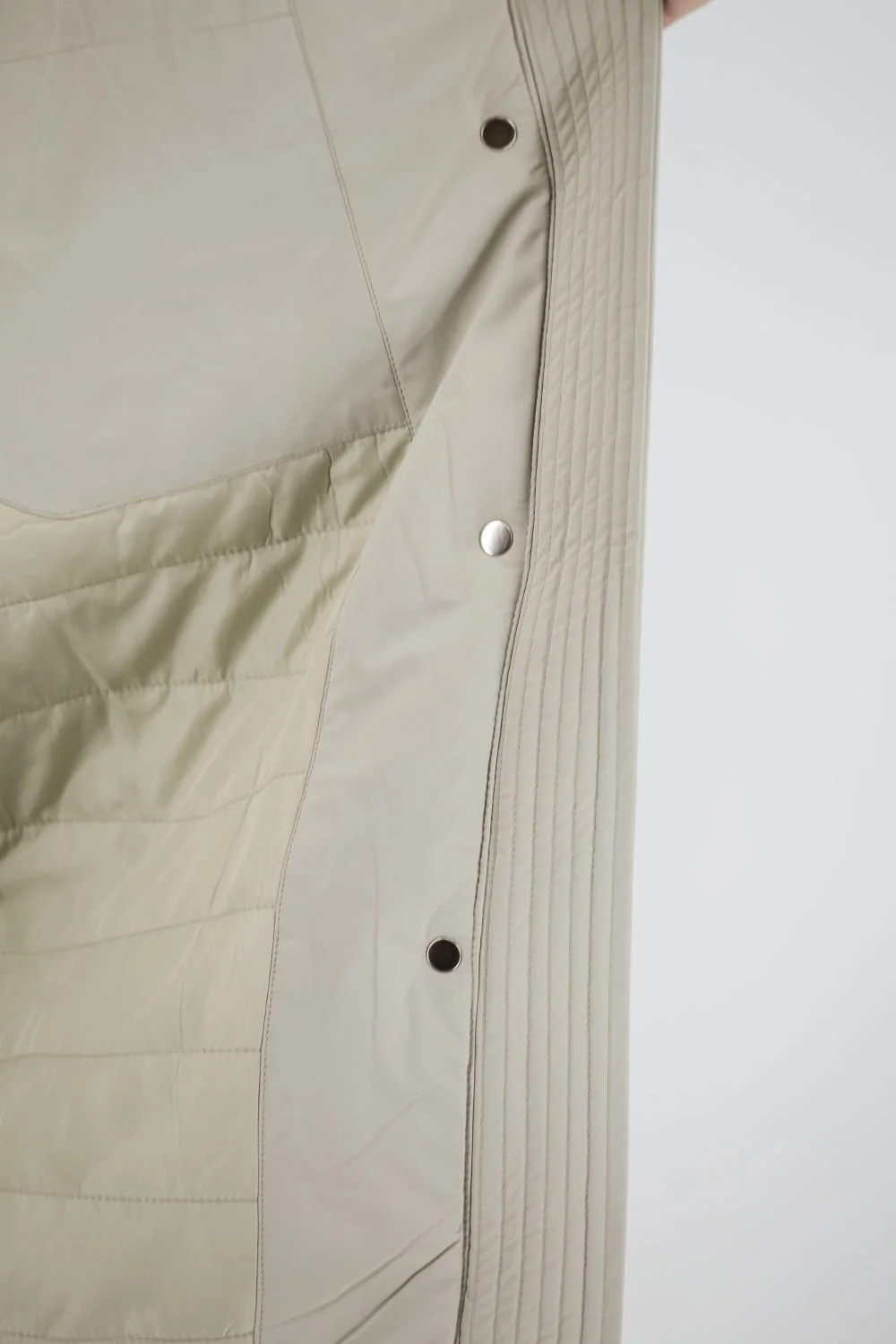
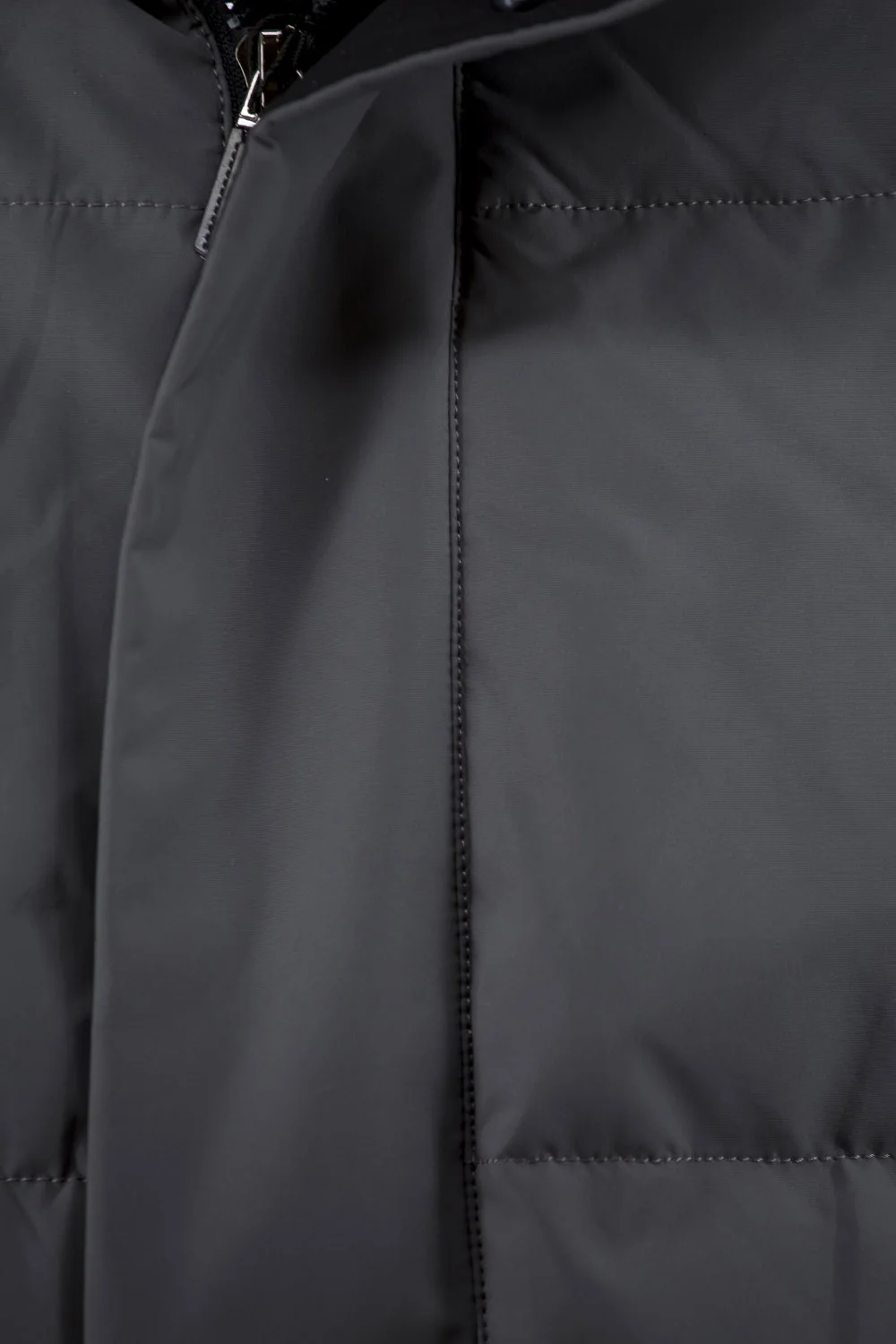
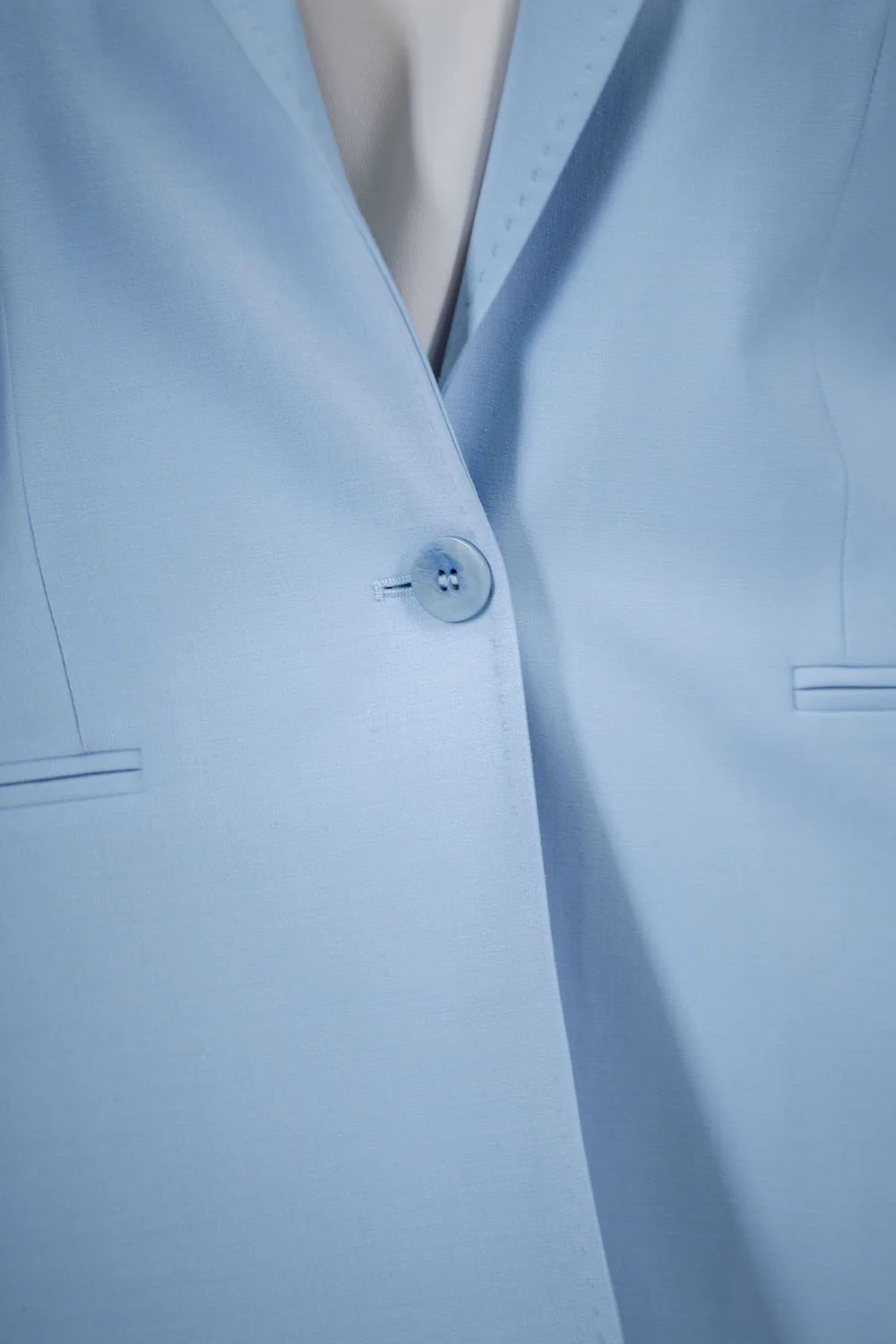
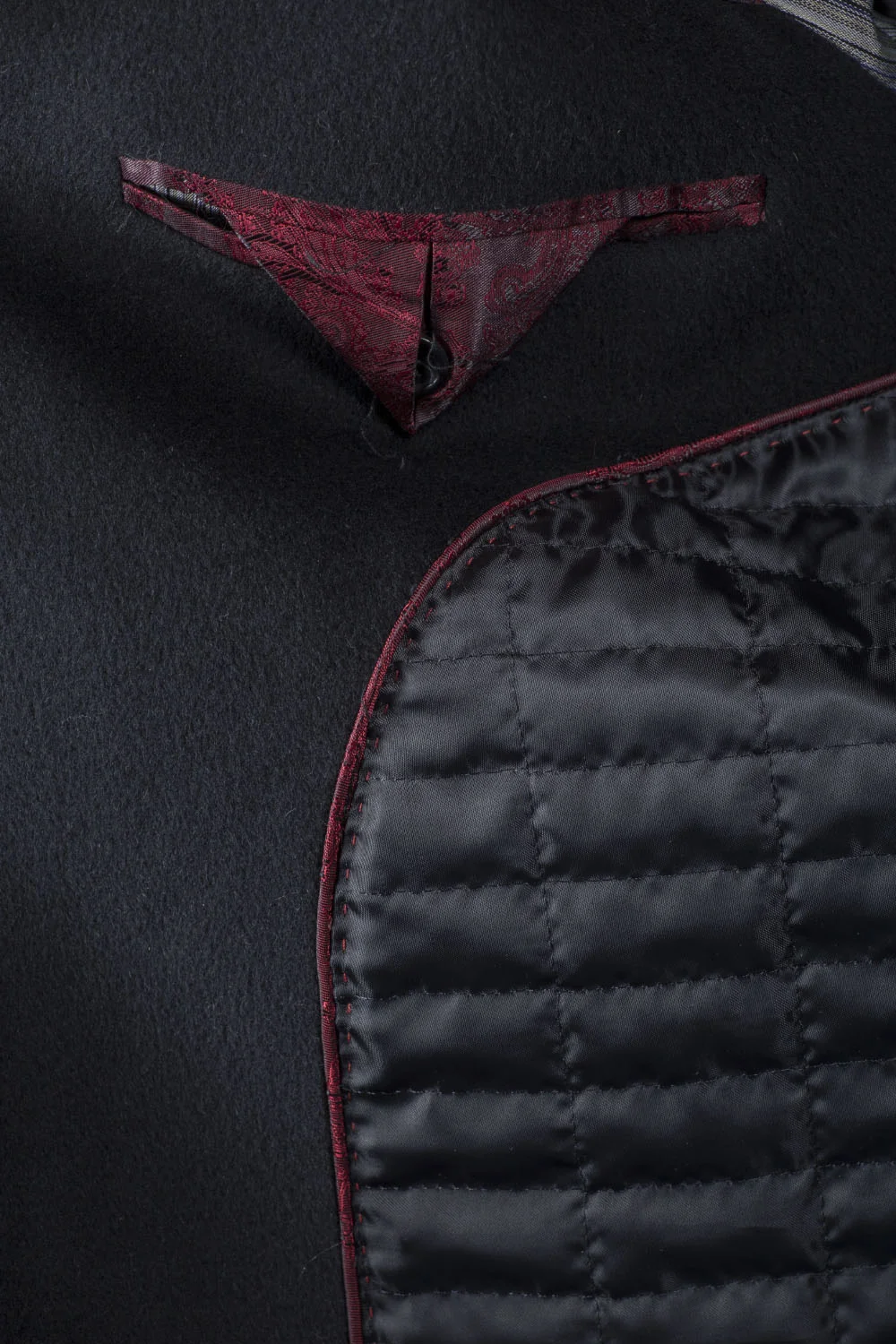
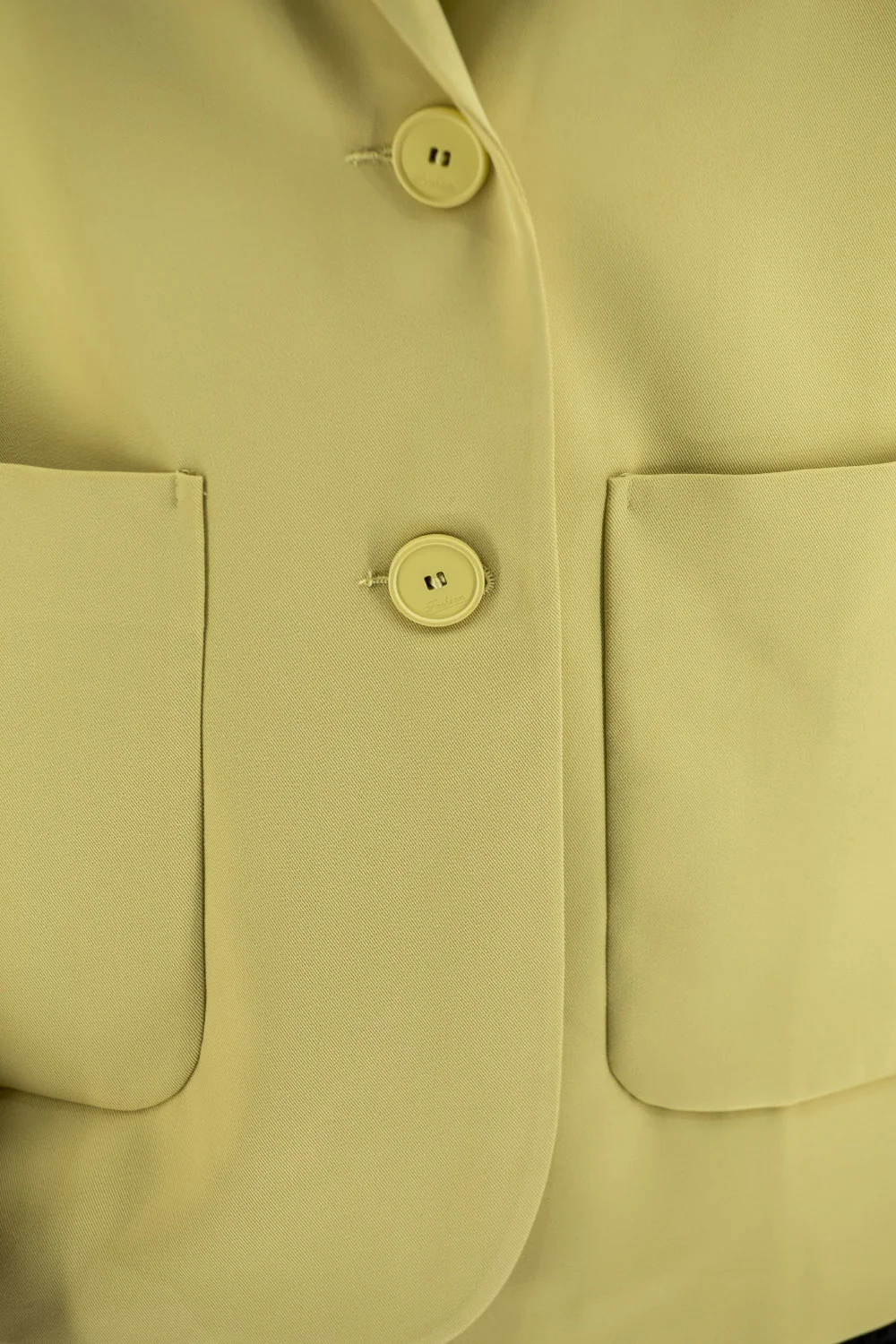
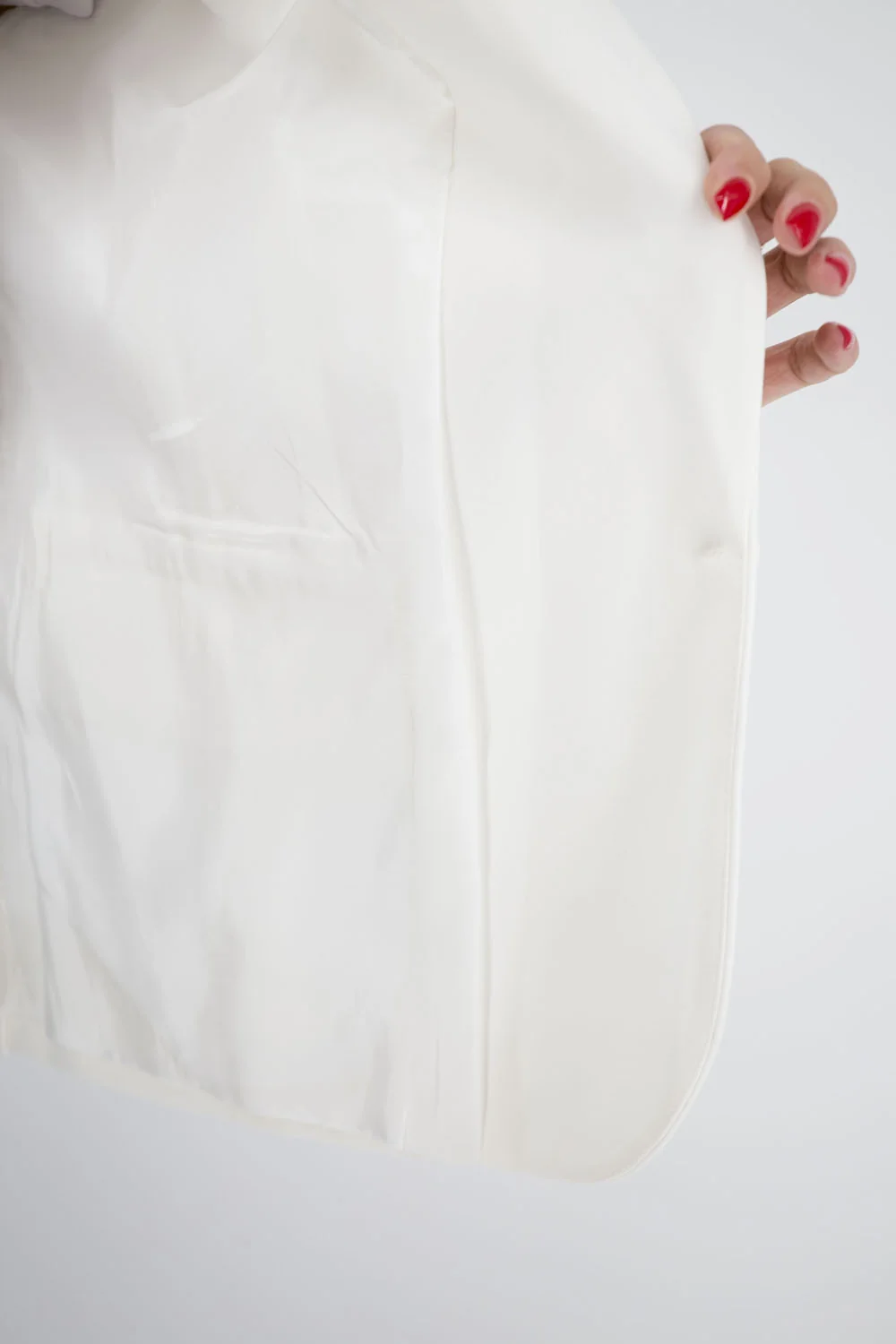
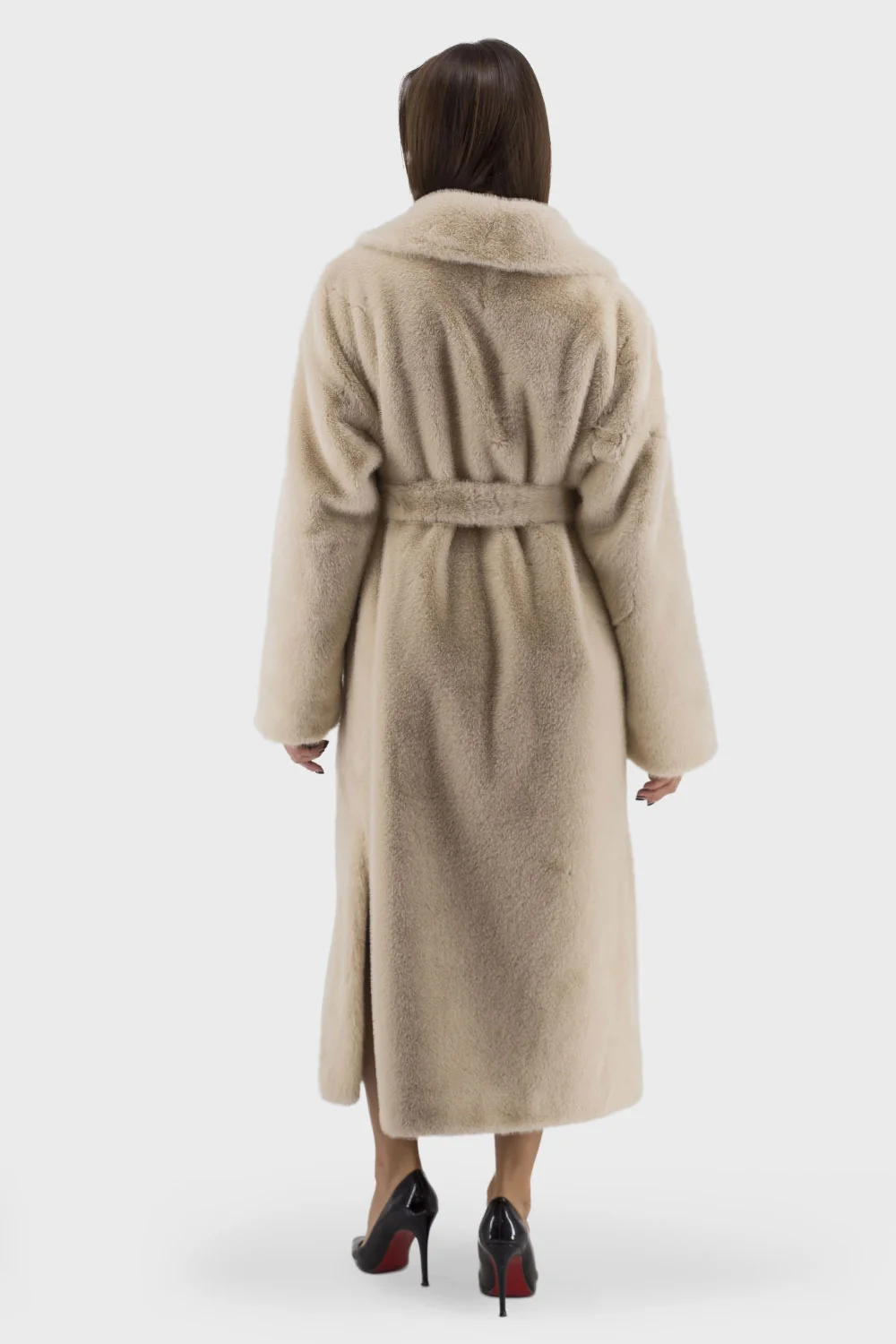
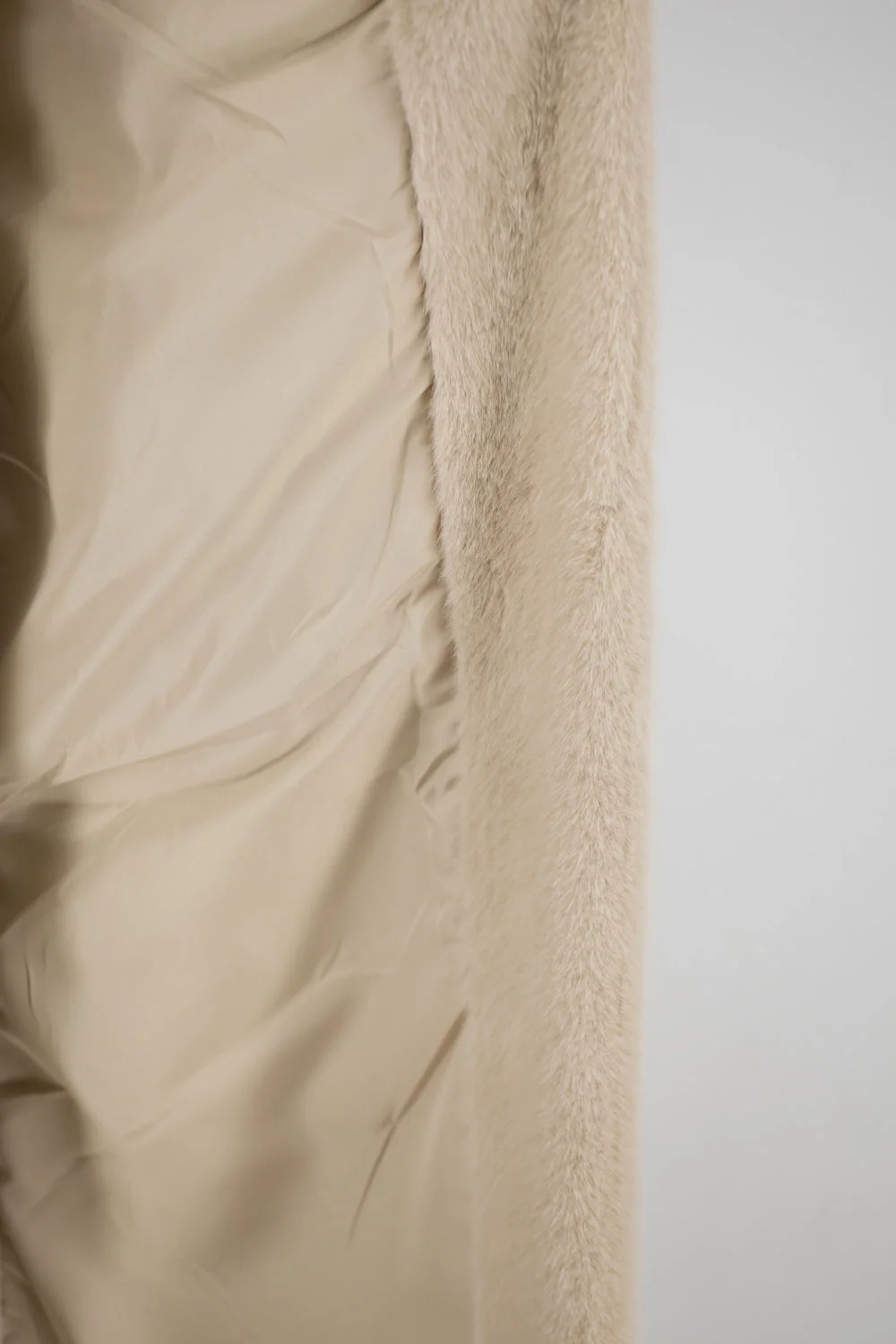
The lining, shoulder area, armholes, front edges and pockets are equally important. Expensive raw material cannot compensate for inaccurate cutting or weak seams. The entire garment should be evaluated rather than relying only on the fibre name.

Caring for cashmere and fine wool
The care label of the specific garment is always the primary source of instructions. Coats containing cashmere or vicuña are usually unsuitable for ordinary machine washing. For significant stains, professional cleaning by a service experienced with delicate wool is generally the safer option.
Store the coat on a wide, strong hanger in a dry and ventilated space. Avoid compressing it between heavy garments. Before seasonal storage, the coat should be cleaned, completely dried and protected from moths. Pilling should not be pulled away by hand; a dedicated fabric shaver or gentle cashmere comb is more appropriate.
What the Loro Piana philosophy can teach us
The key lesson is that a long-lasting wardrobe begins with material and construction. A garment should not be purchased solely because of a prestigious name. Composition, fit, finishing and suitability for the wearer’s lifestyle are more useful criteria. This approach helps select outerwear that remains practical and visually relevant for several seasons.