How to choose outerwear for autumn and winter
Women’s outerwear should protect against cold, wind and precipitation while remaining comfortable and easy to combine with an everyday wardrobe.
Consider the climate, time spent outdoors, transport and the number of layers you usually wear underneath.
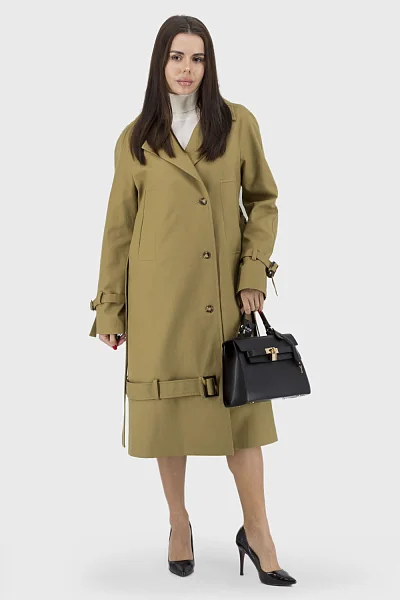
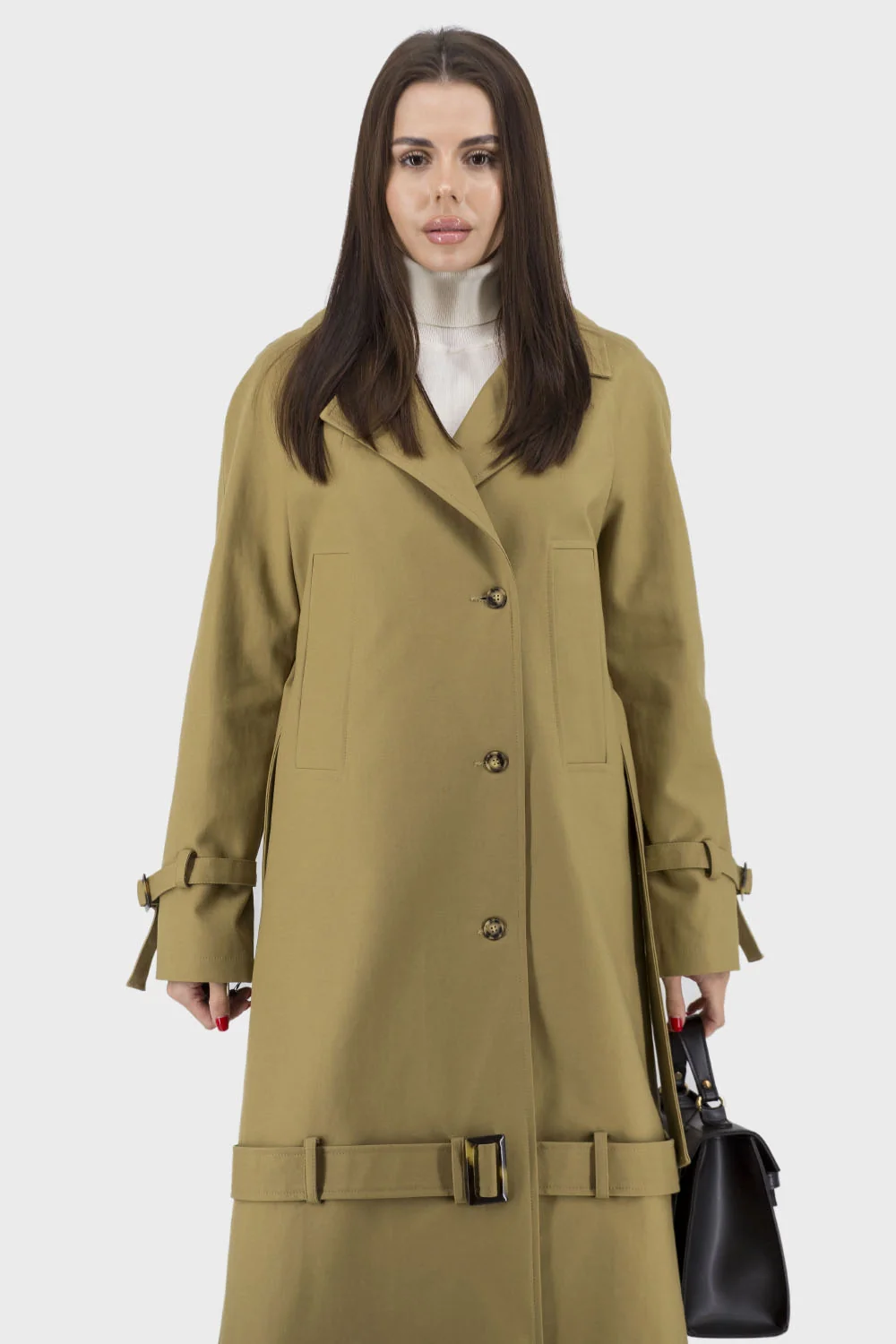
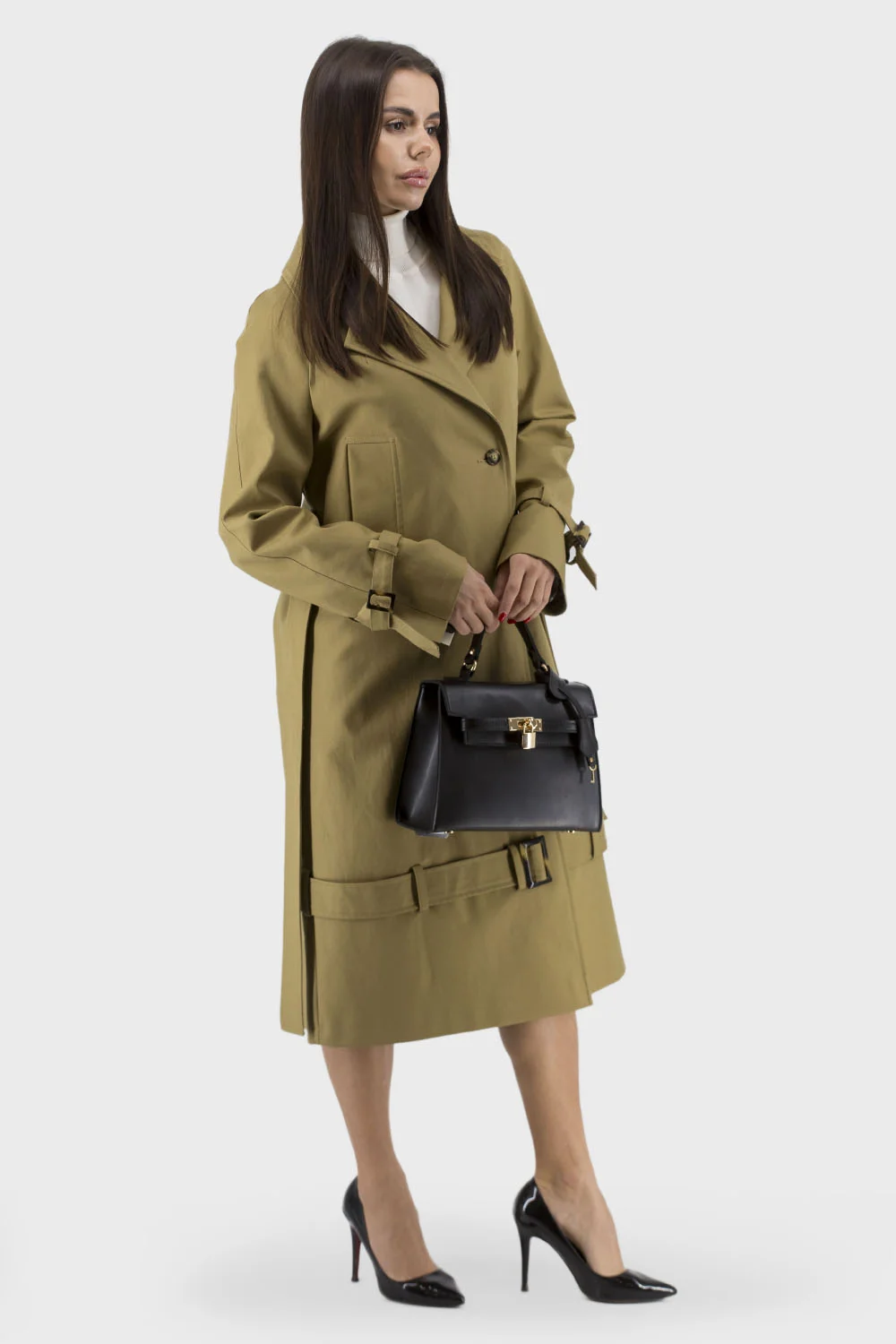
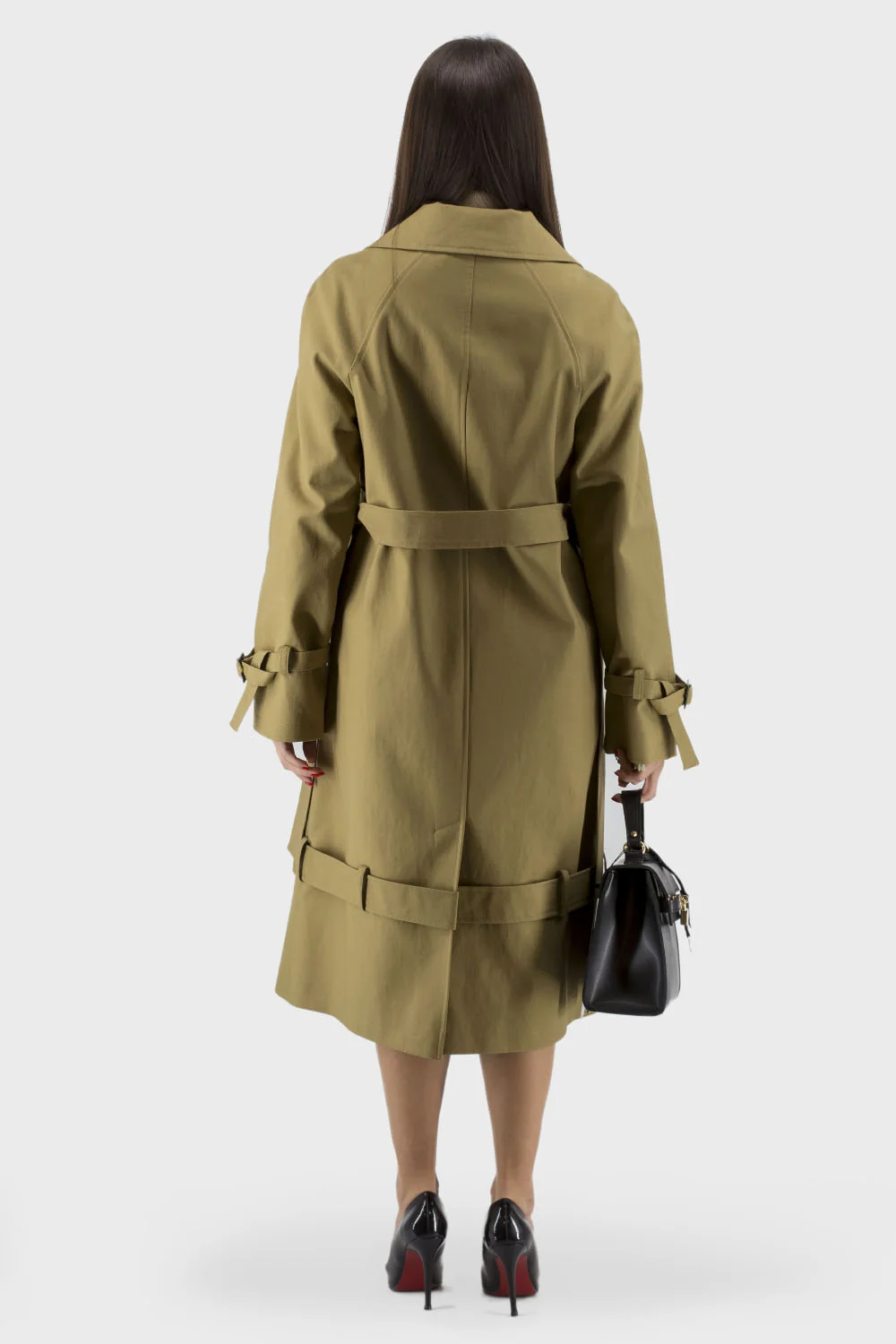
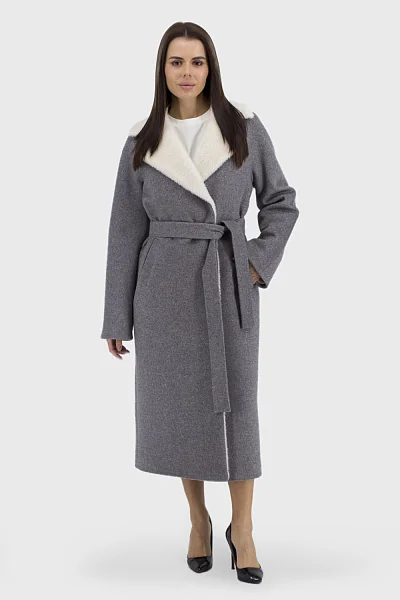
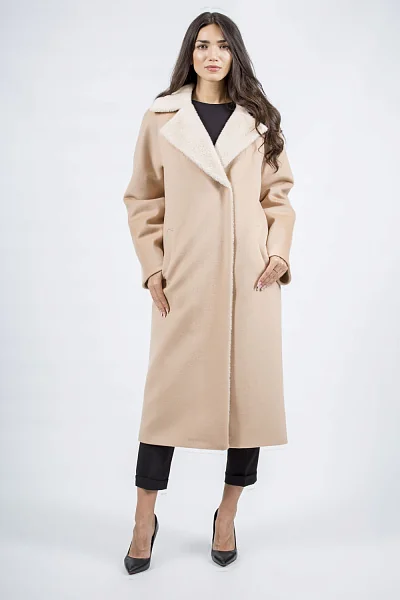
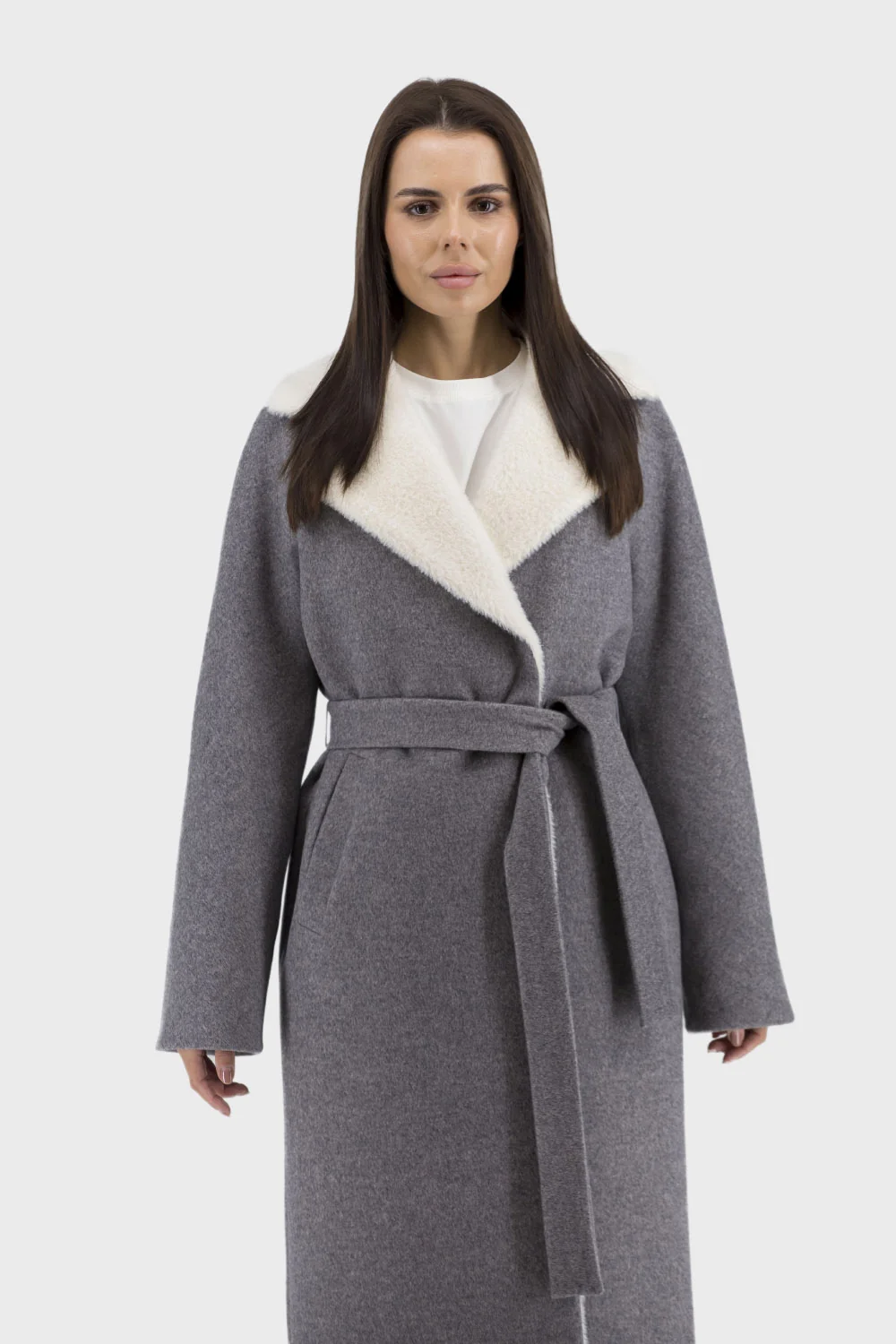
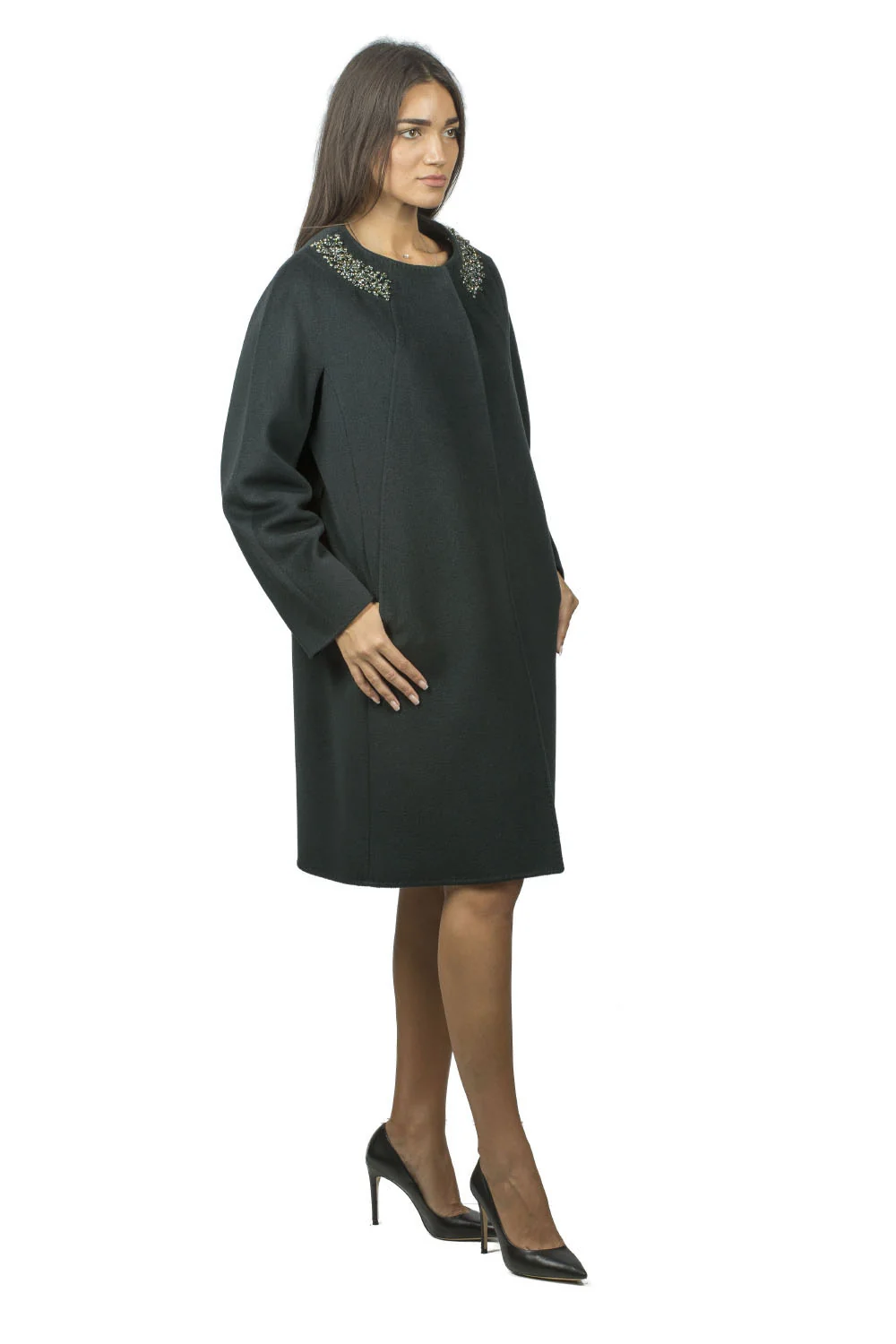
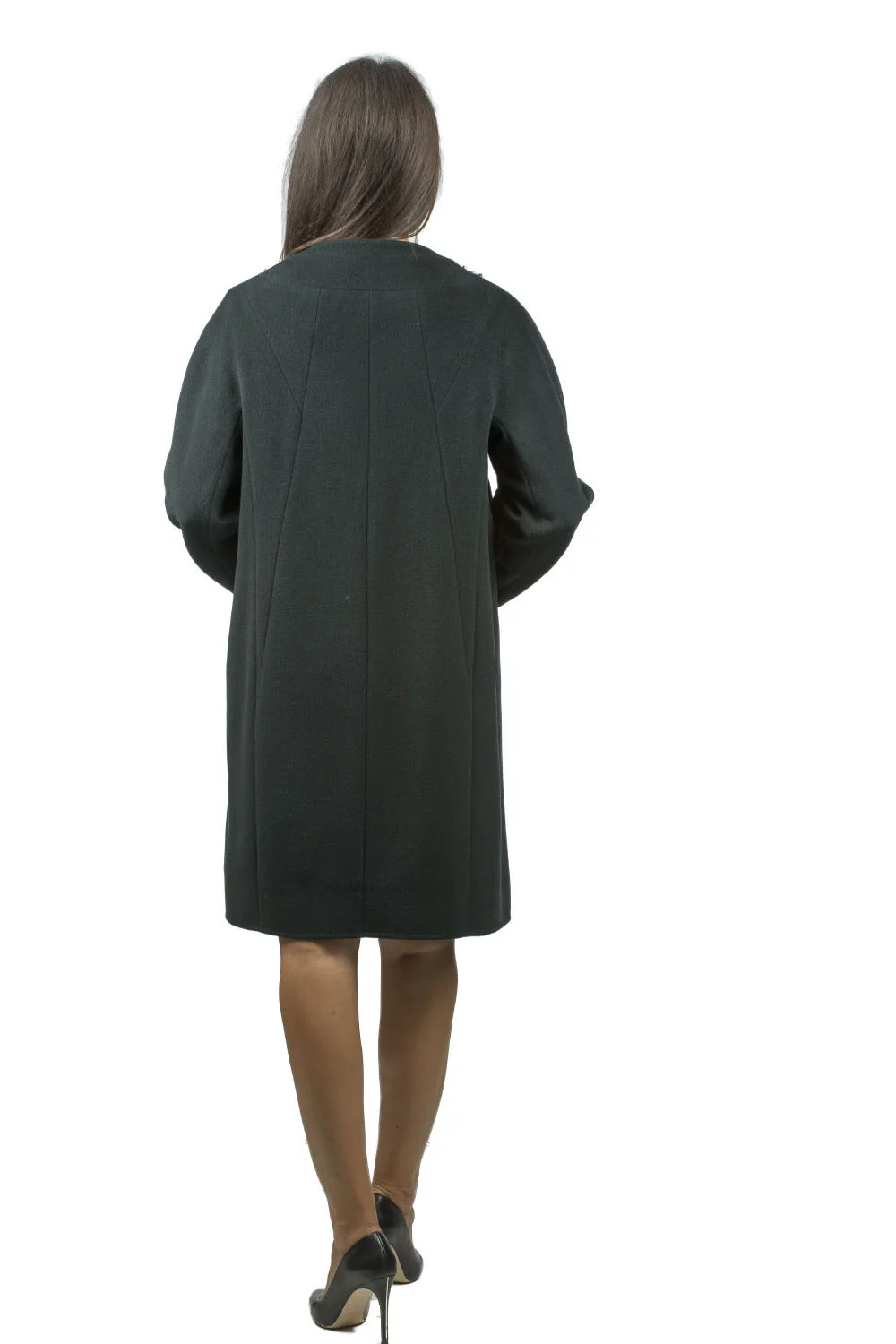
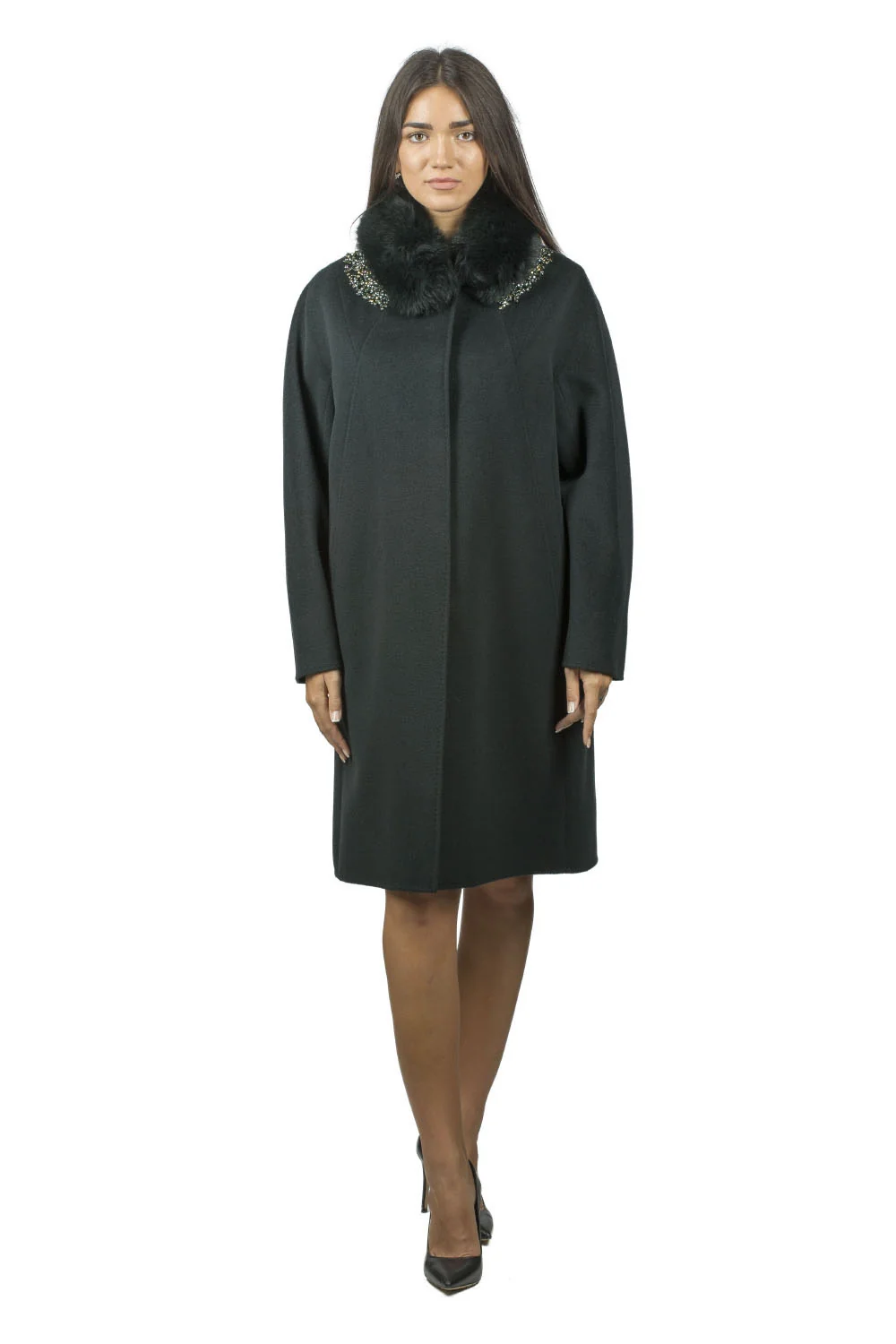
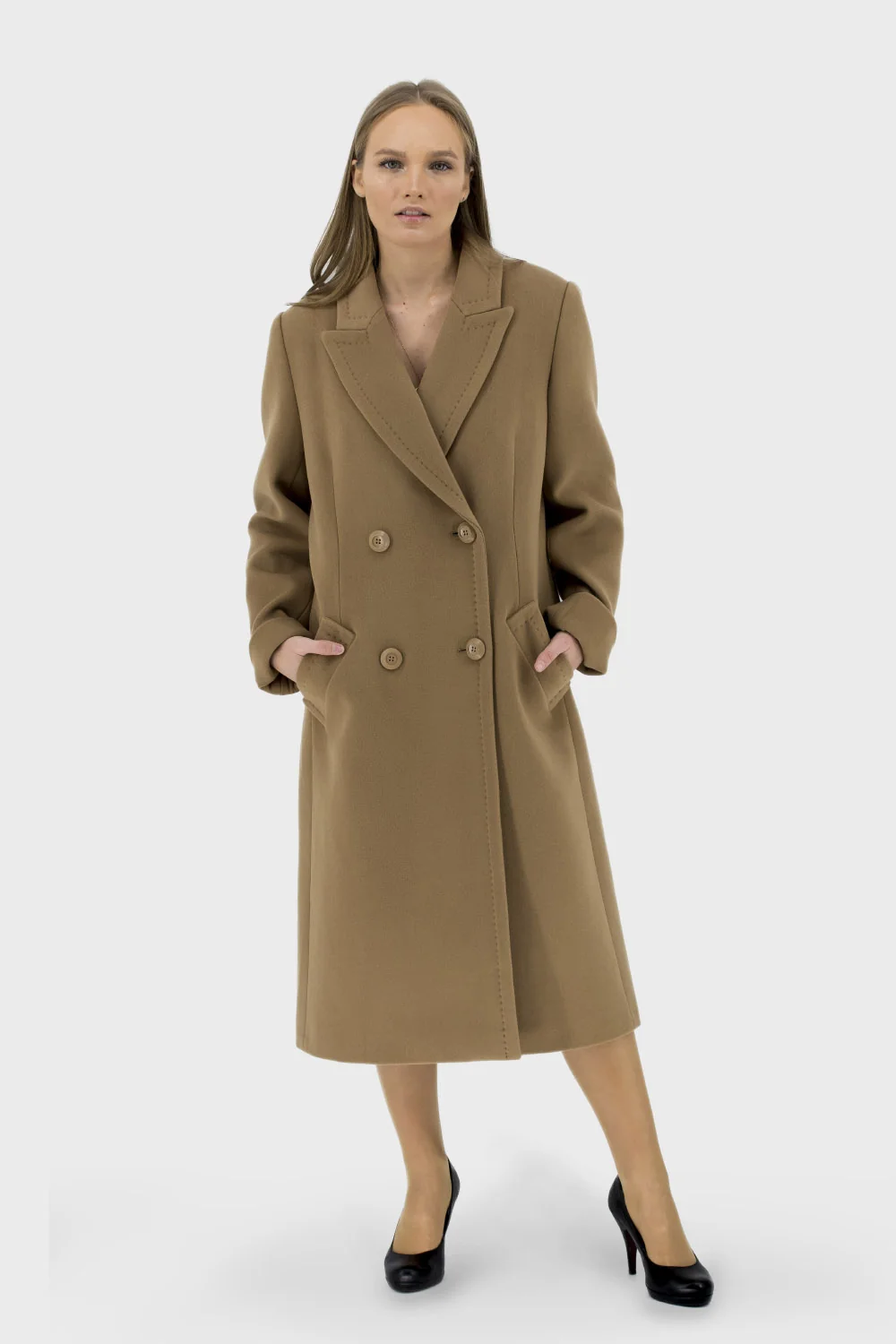
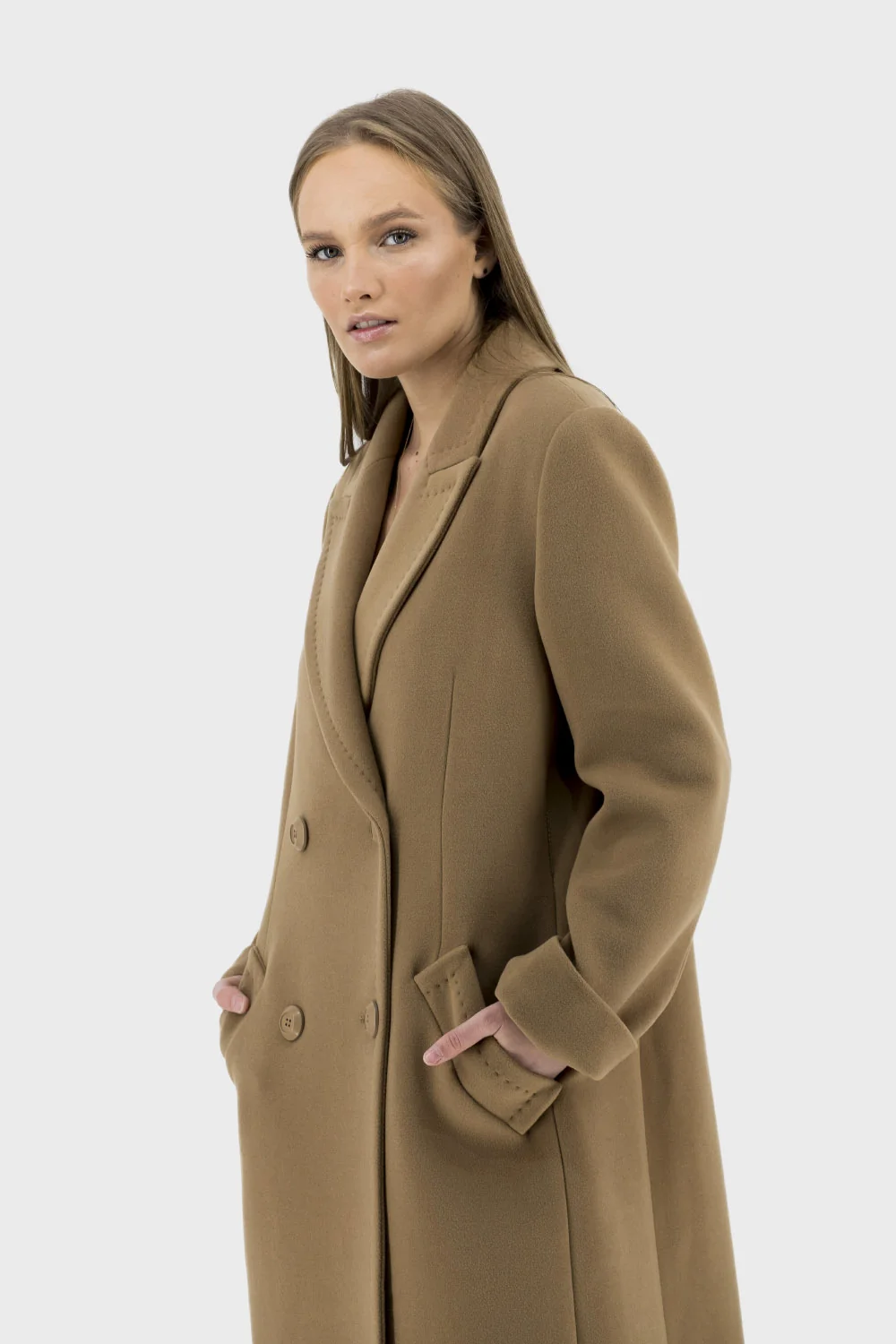
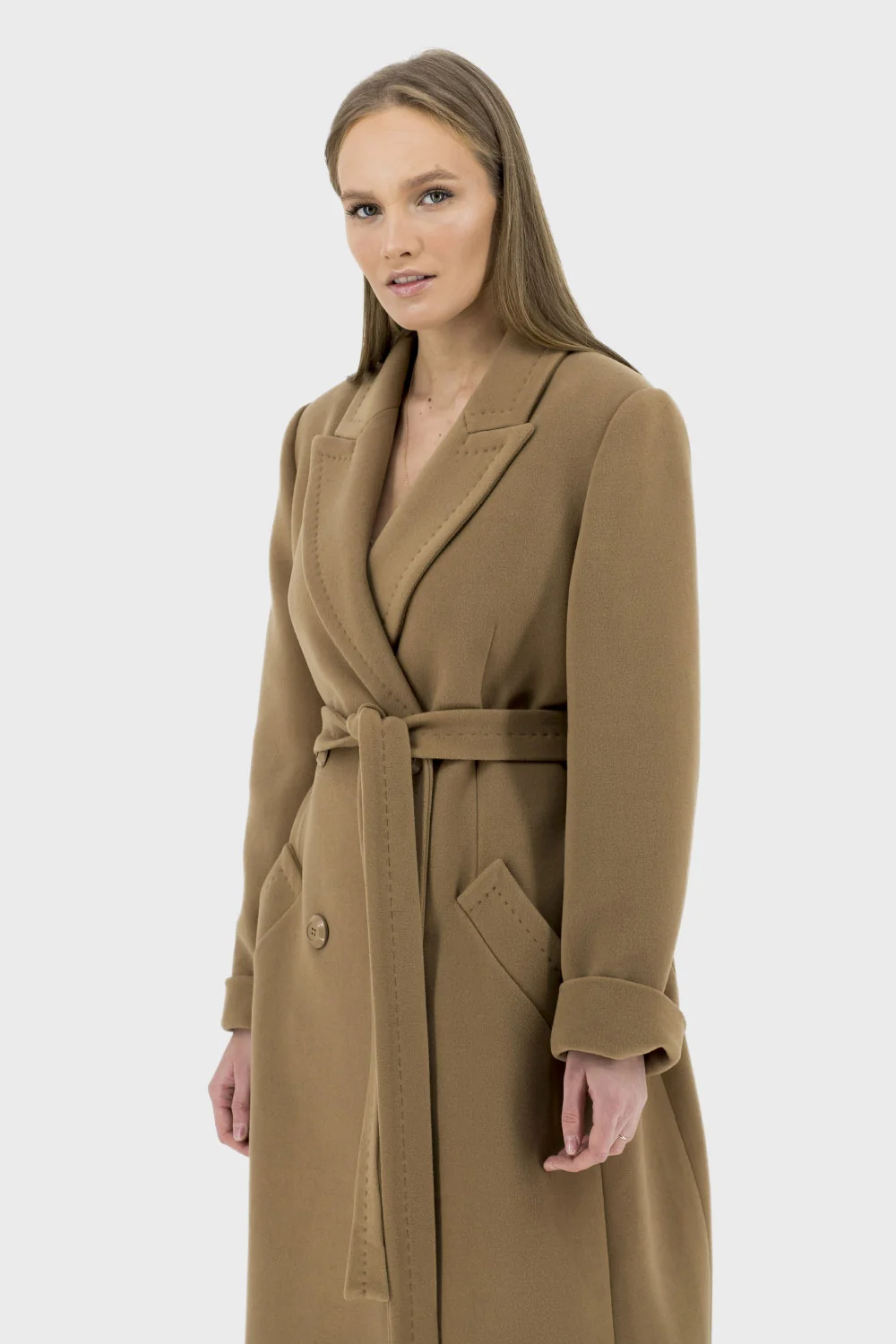
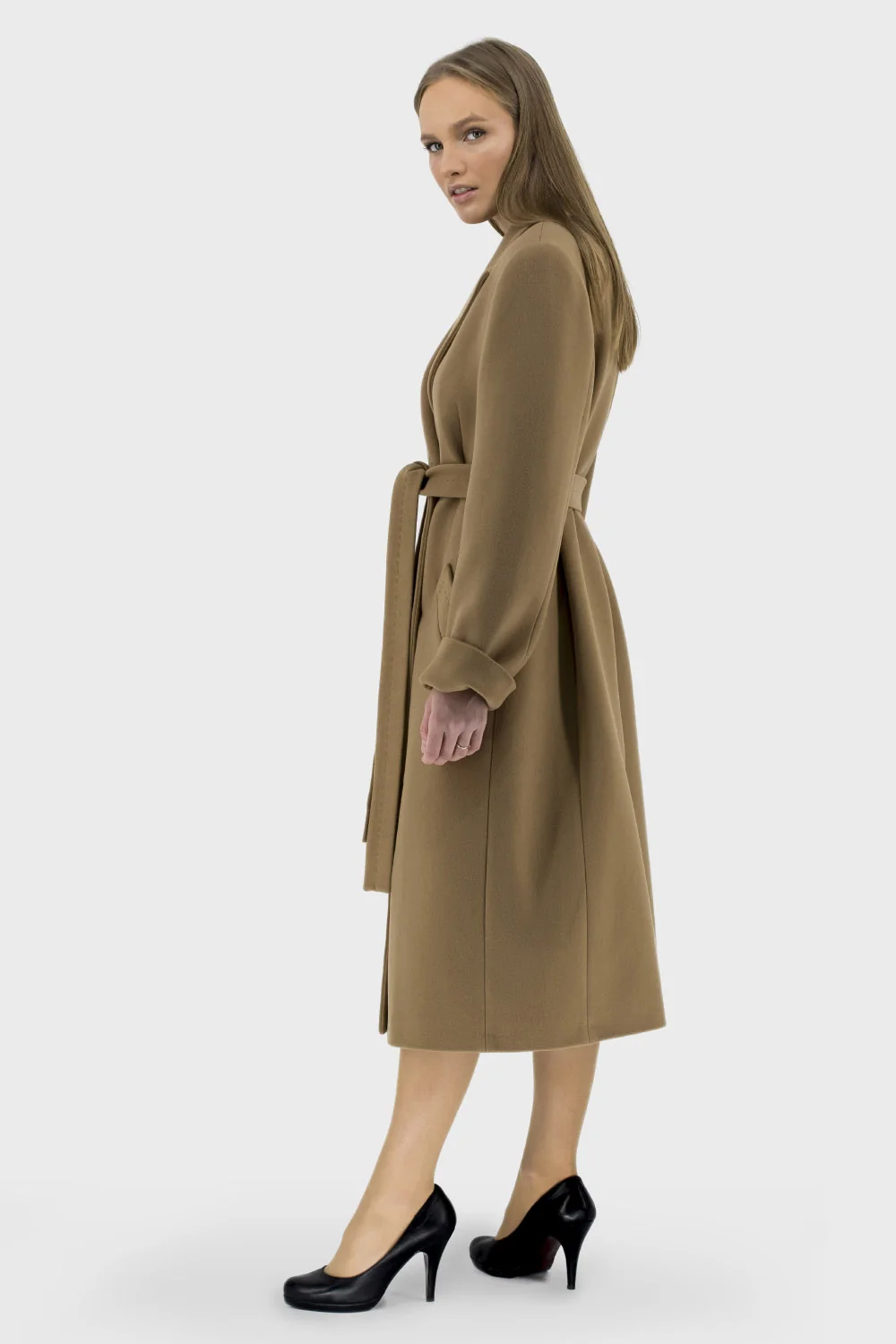
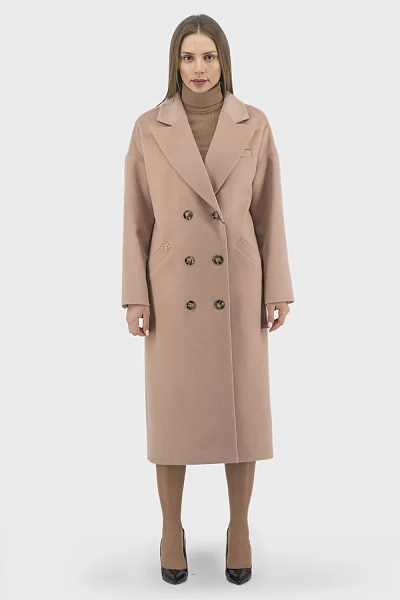
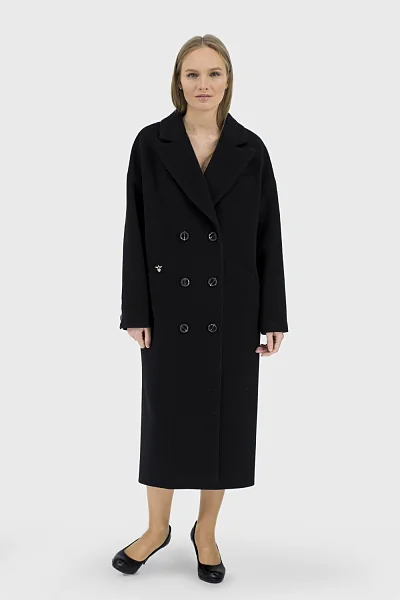
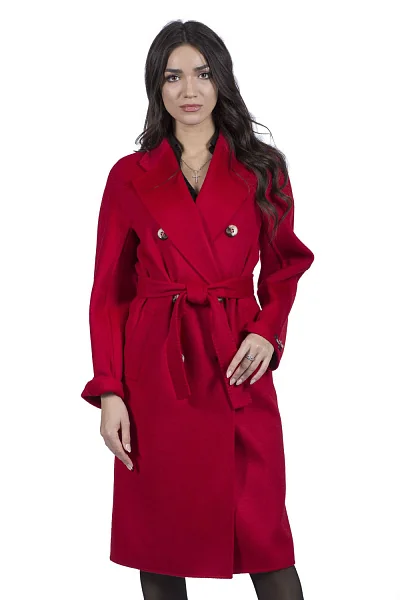
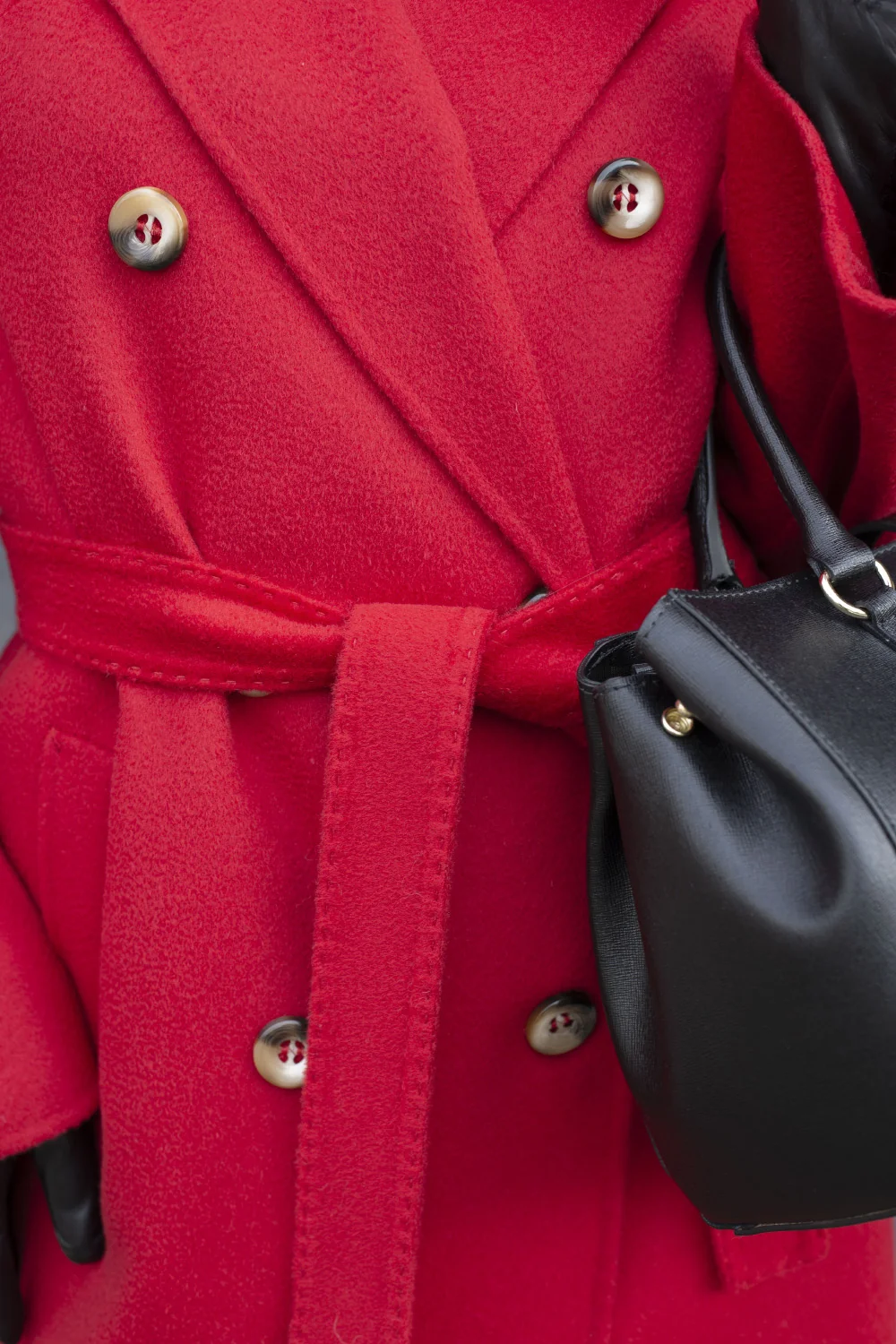
Coats
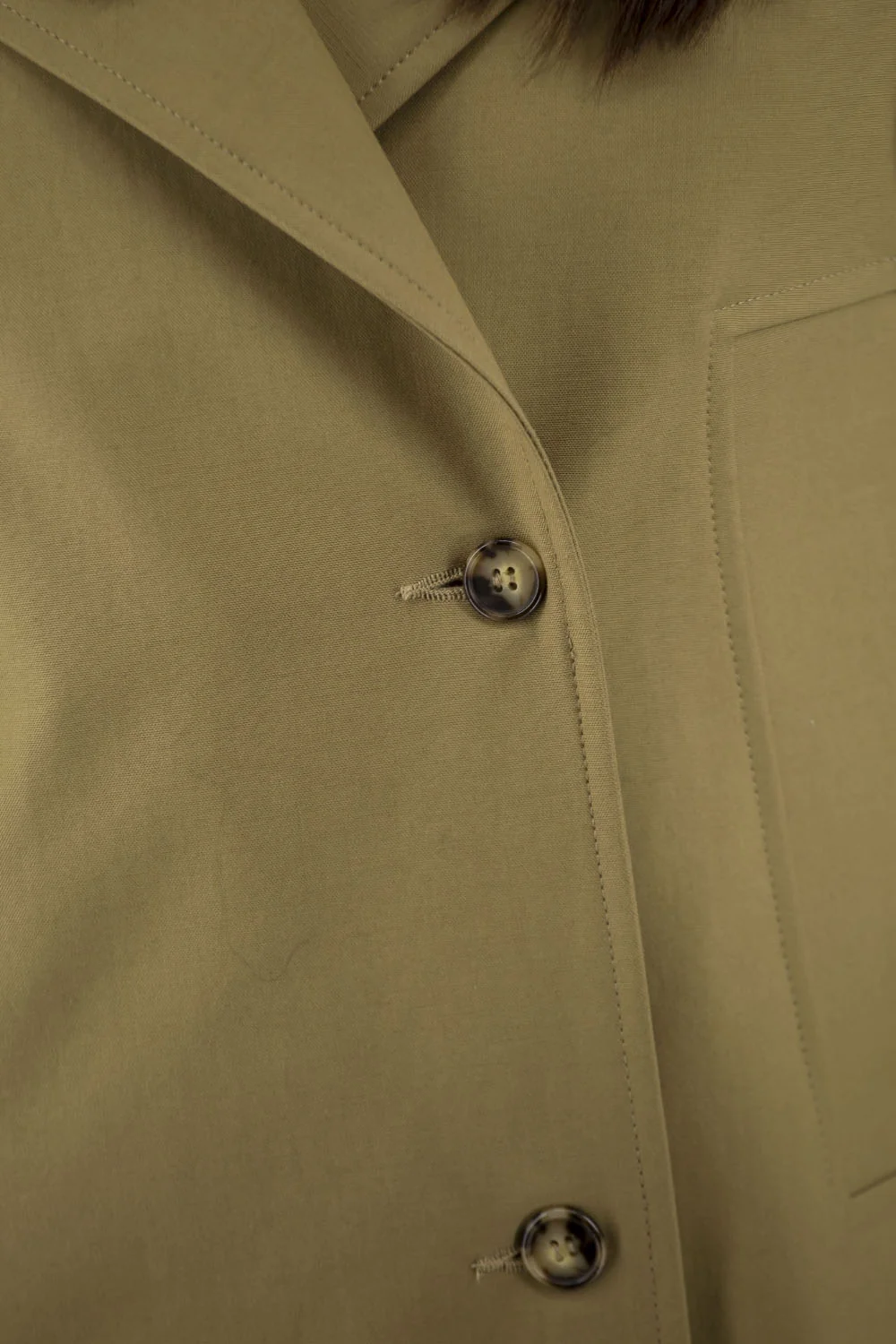
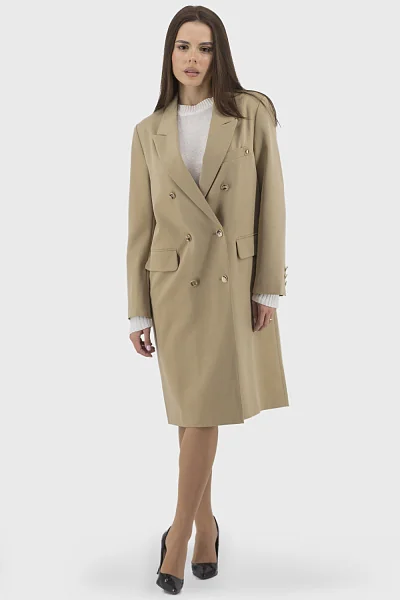
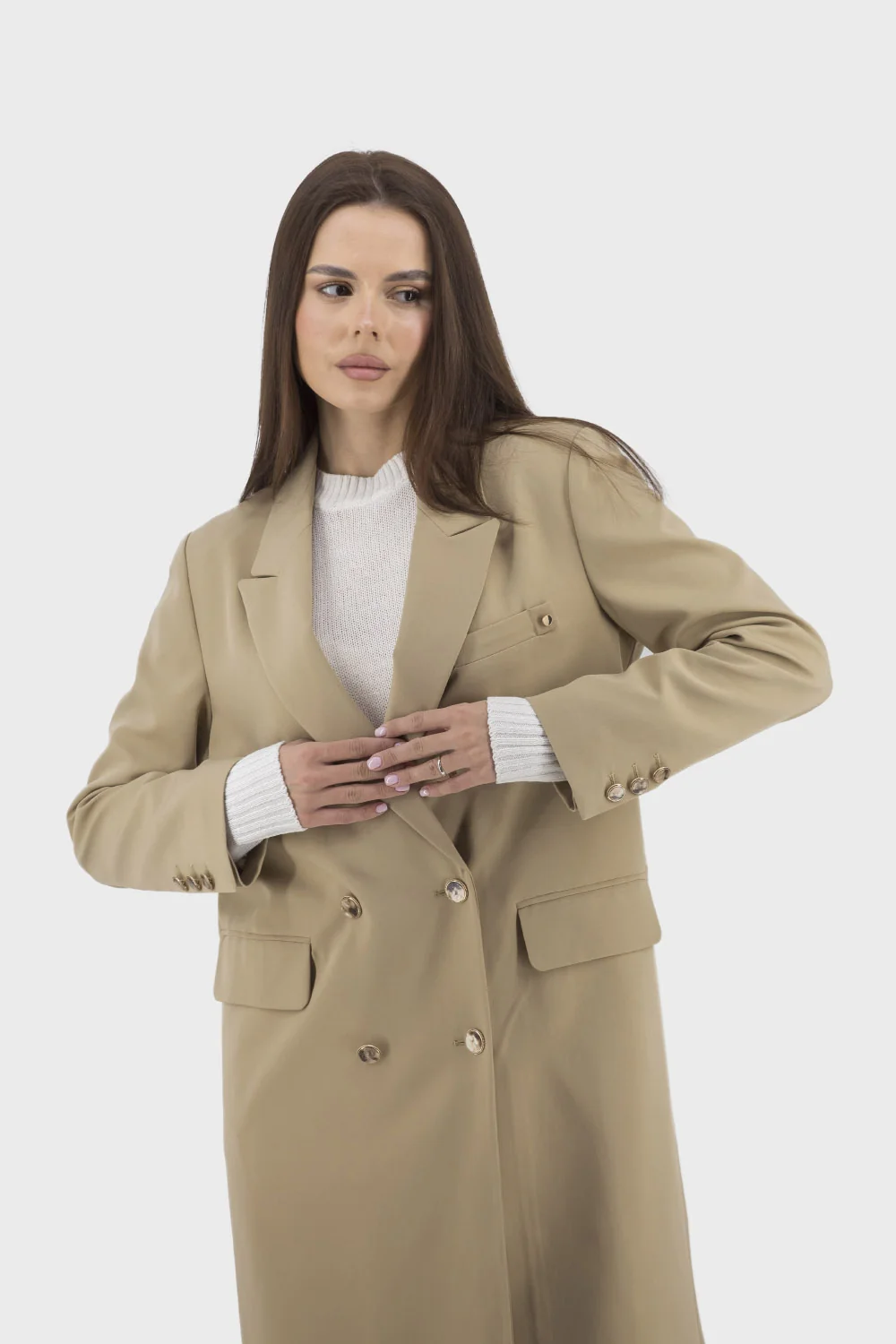
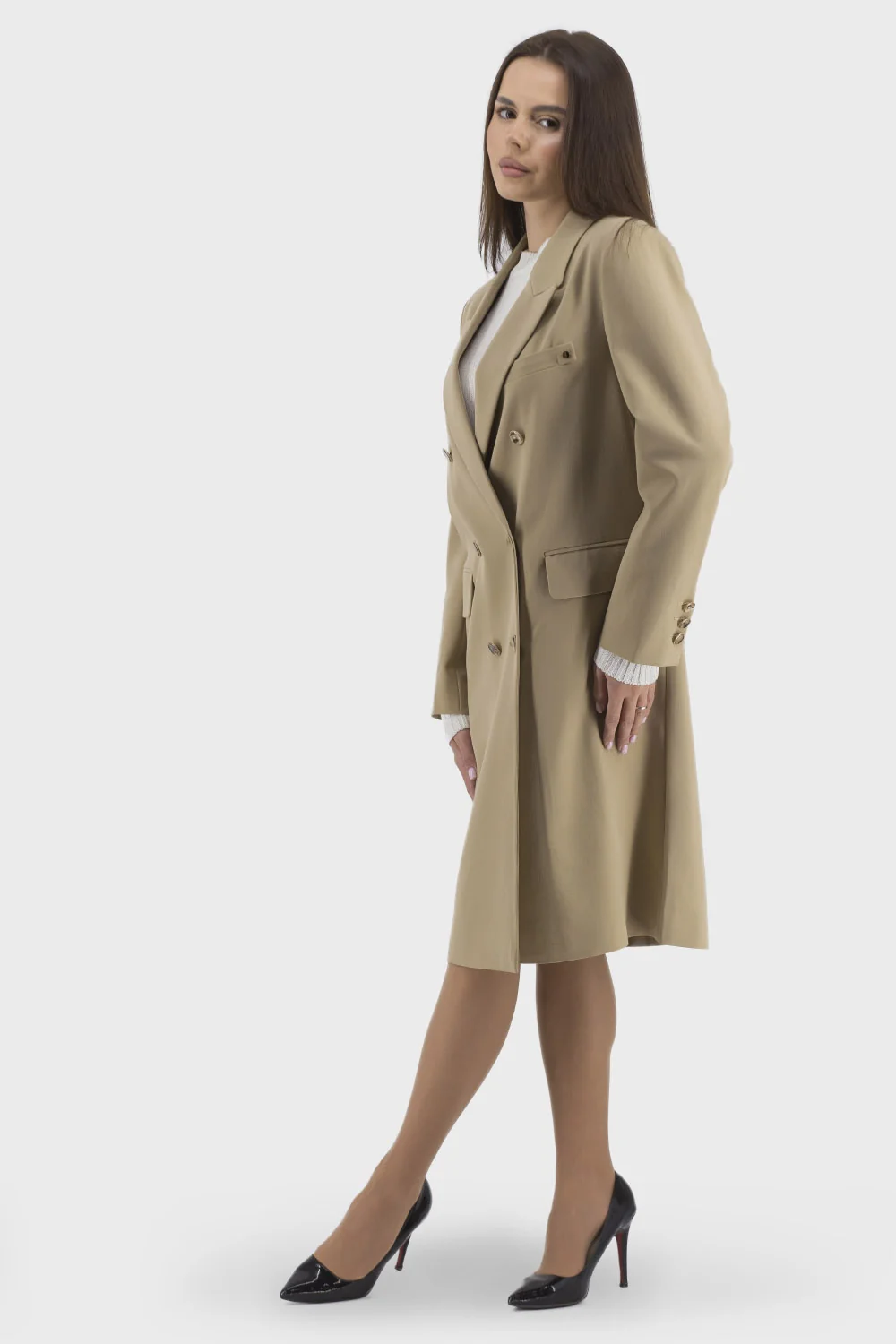
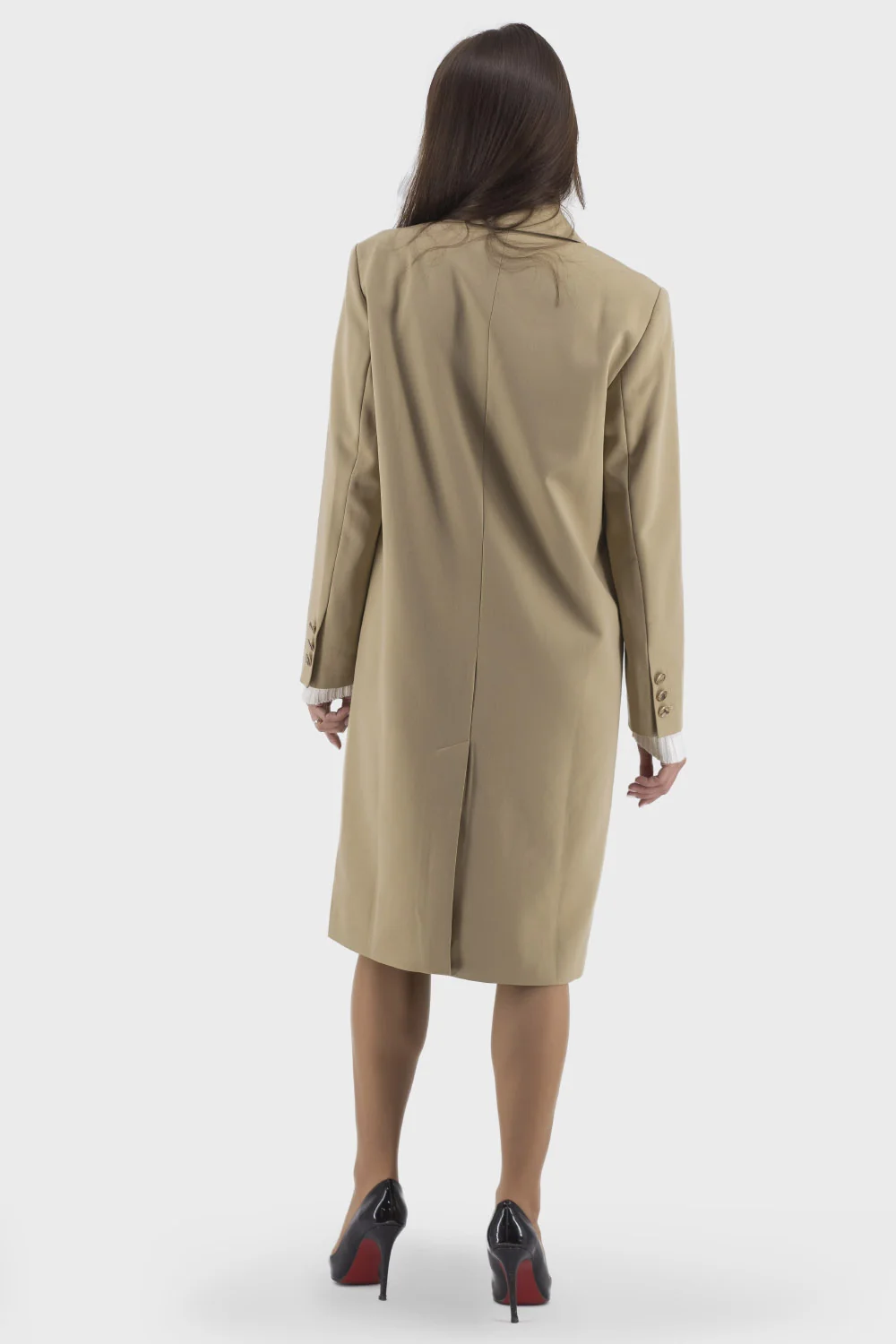
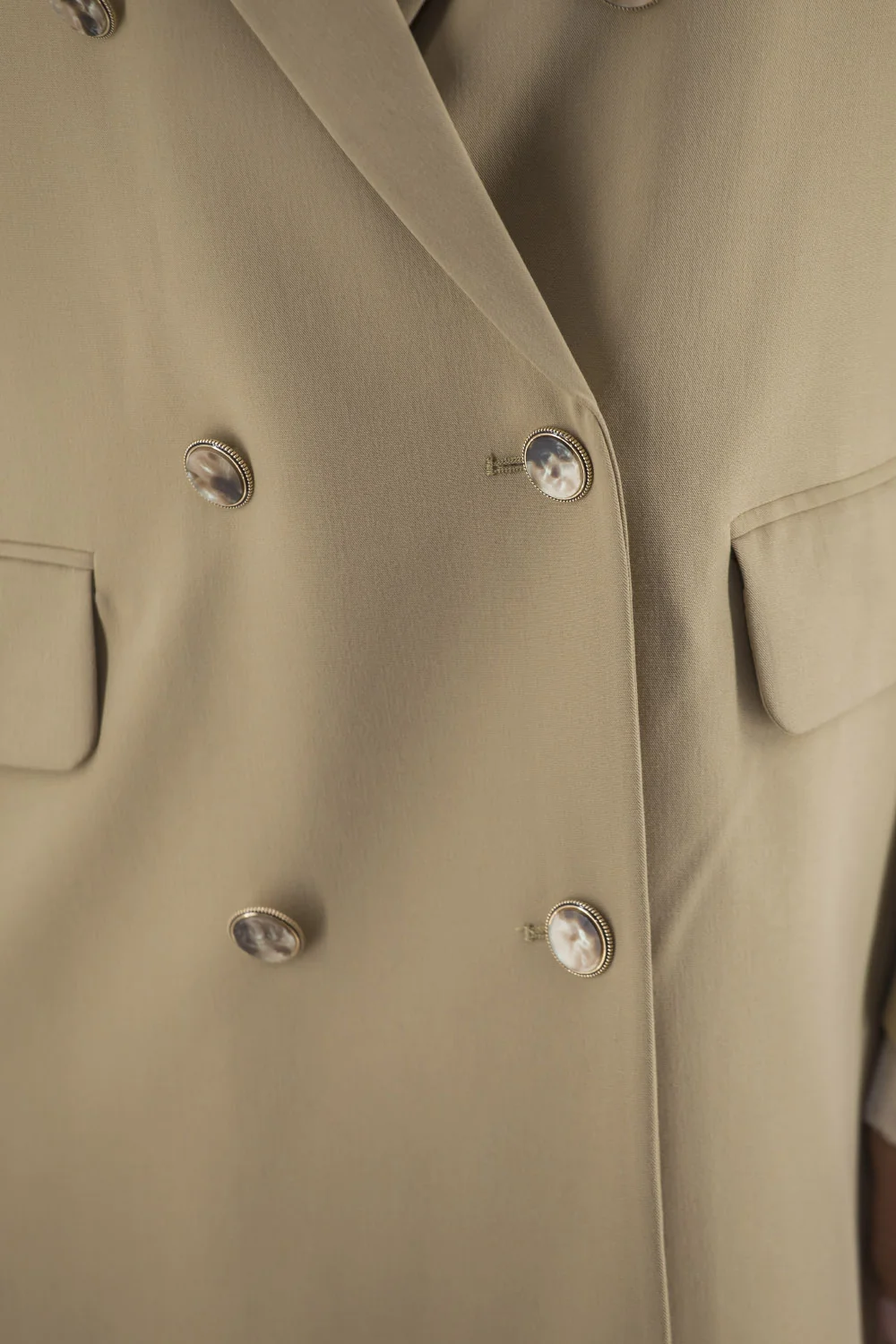
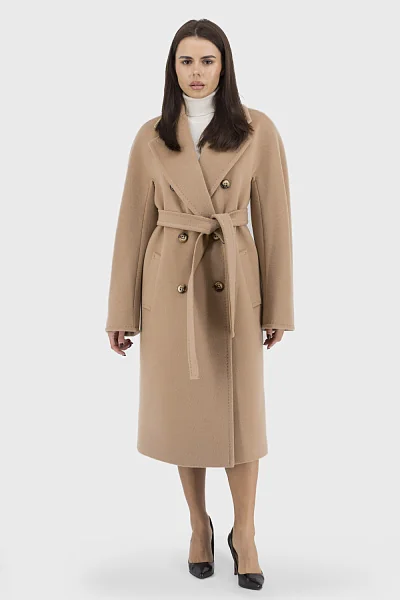
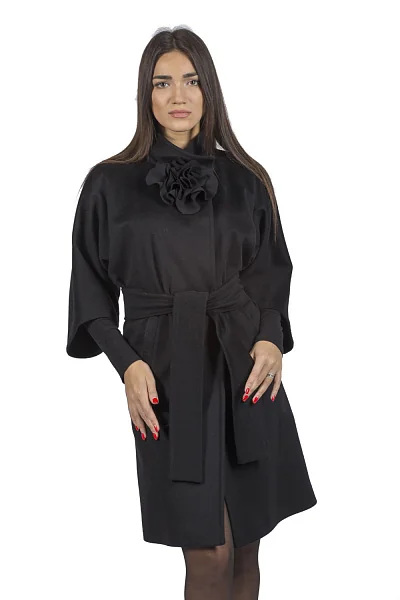
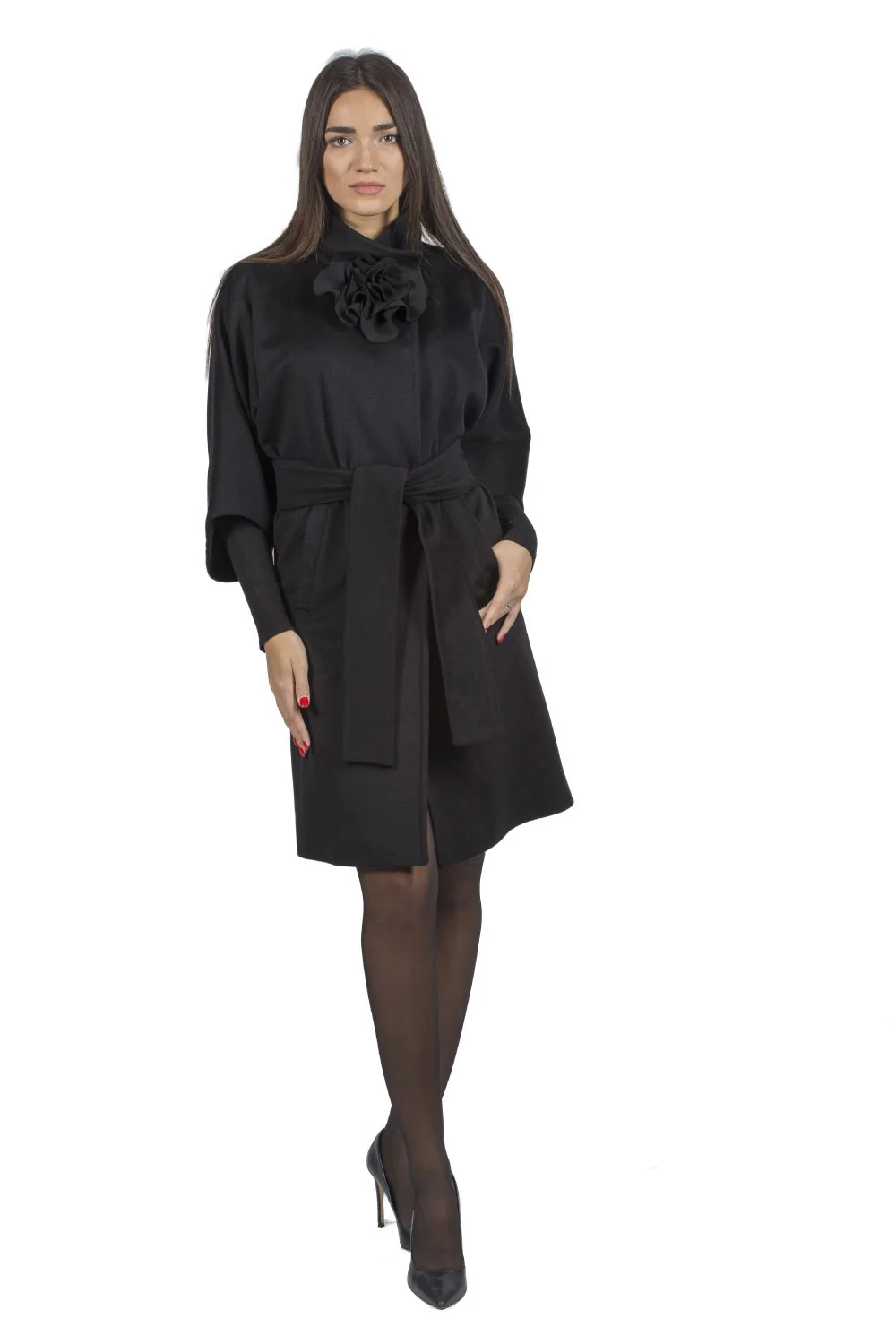
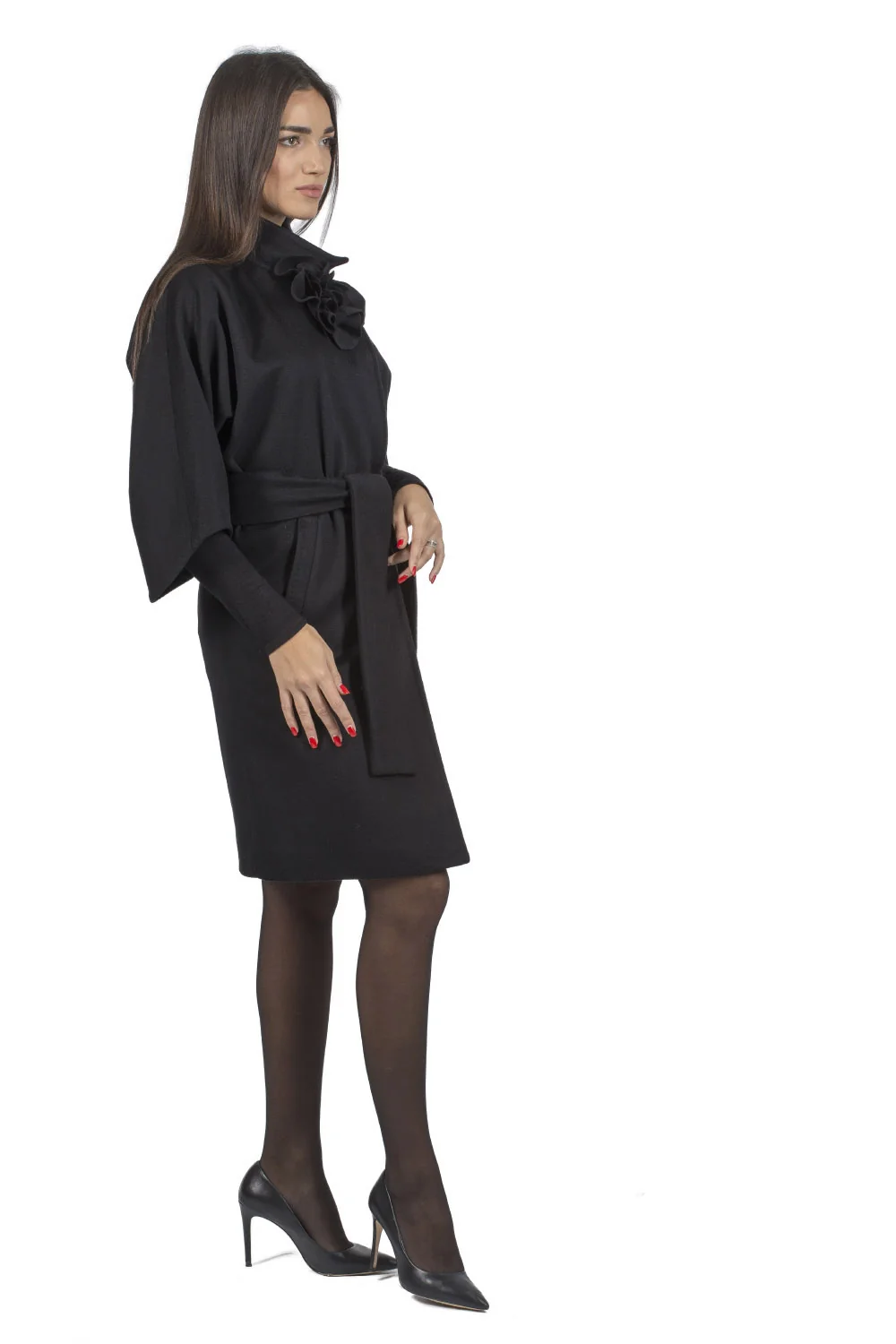
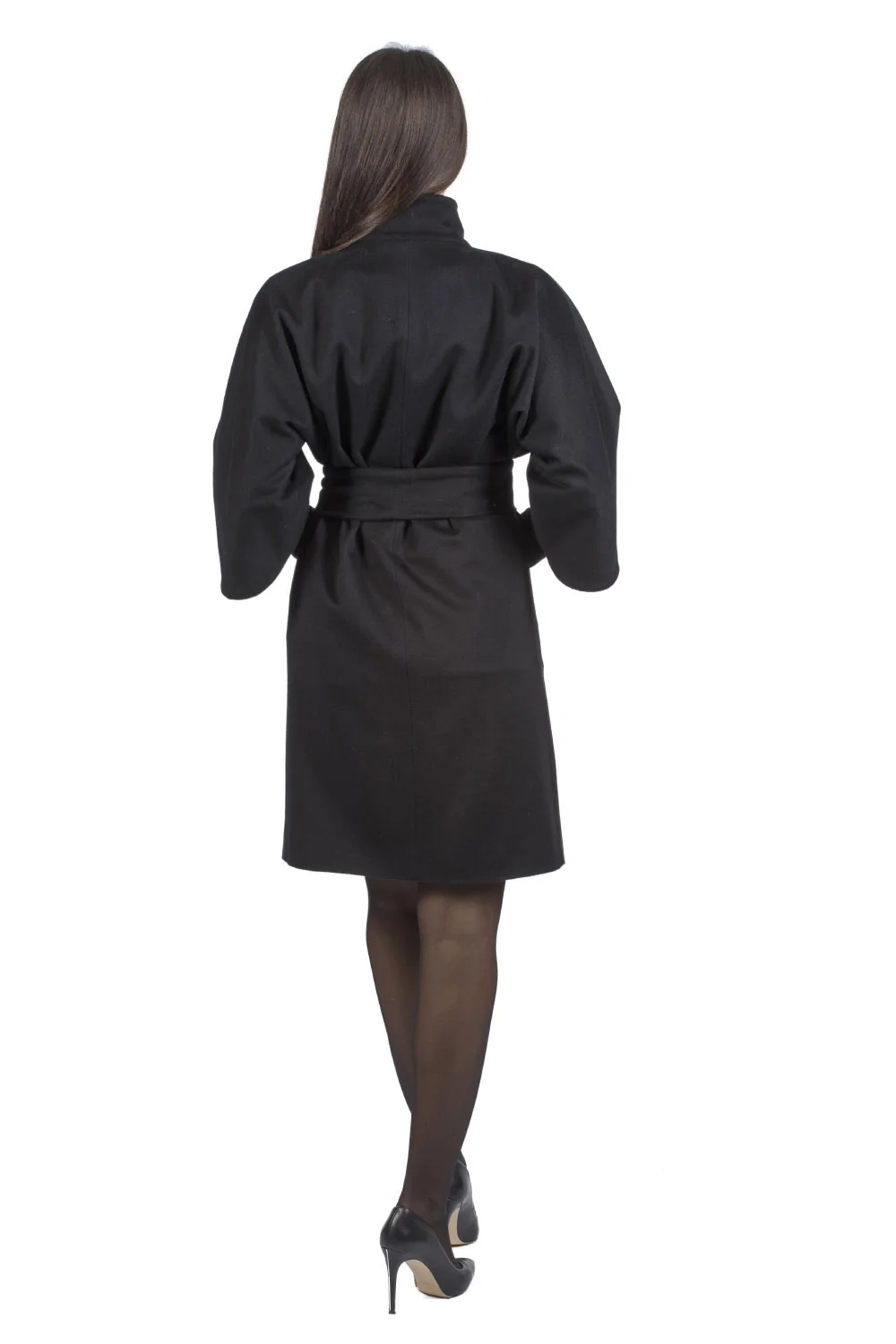
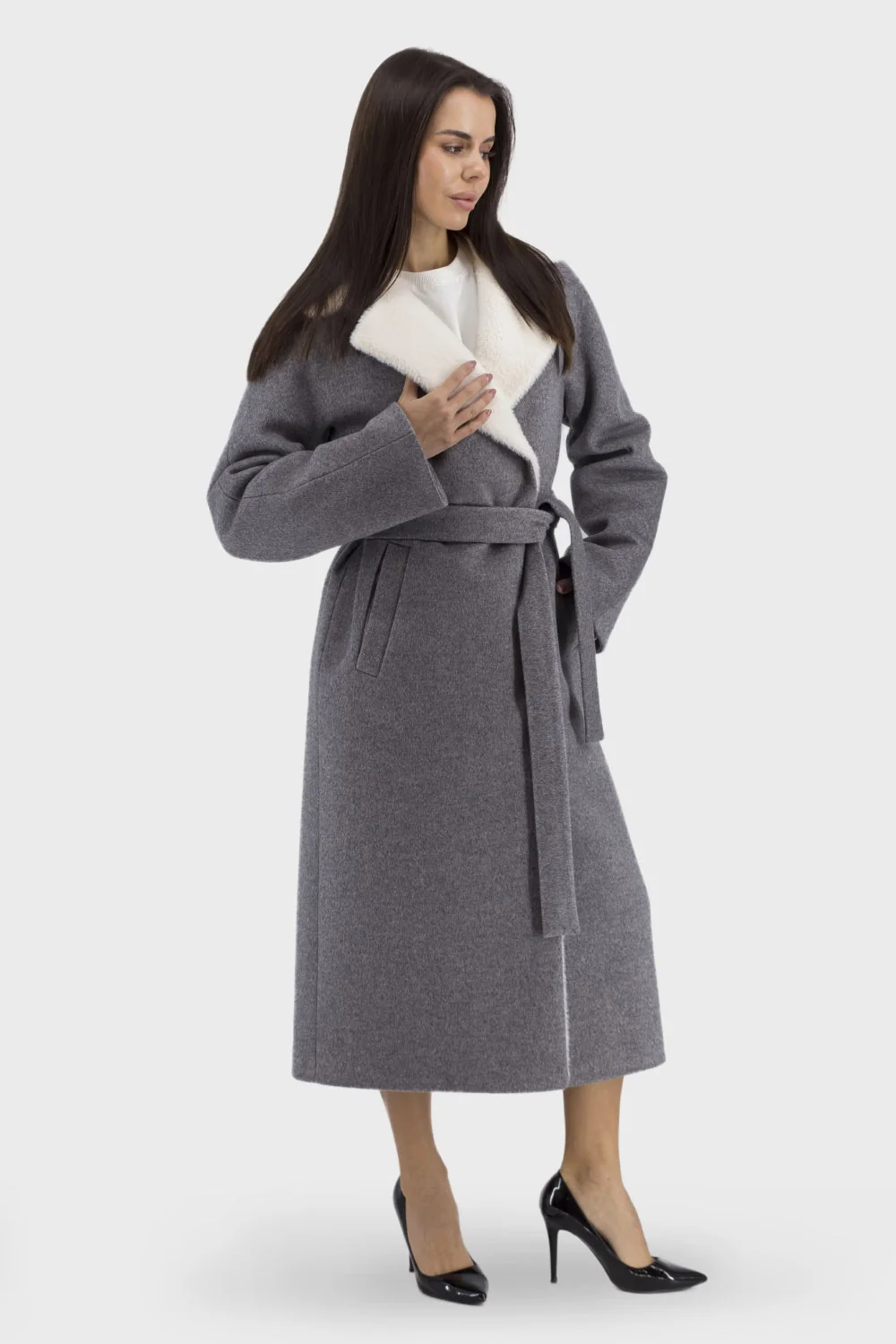
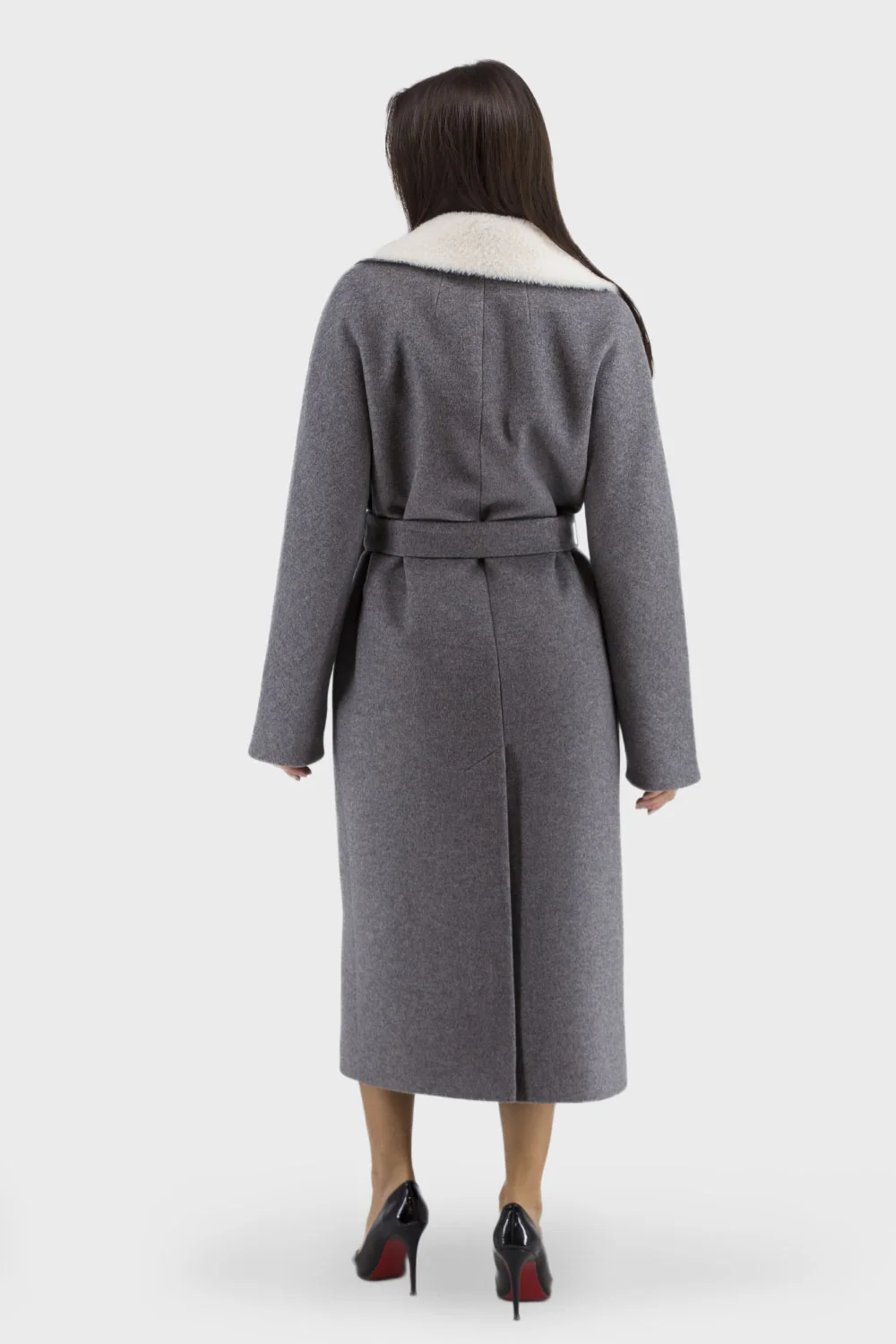
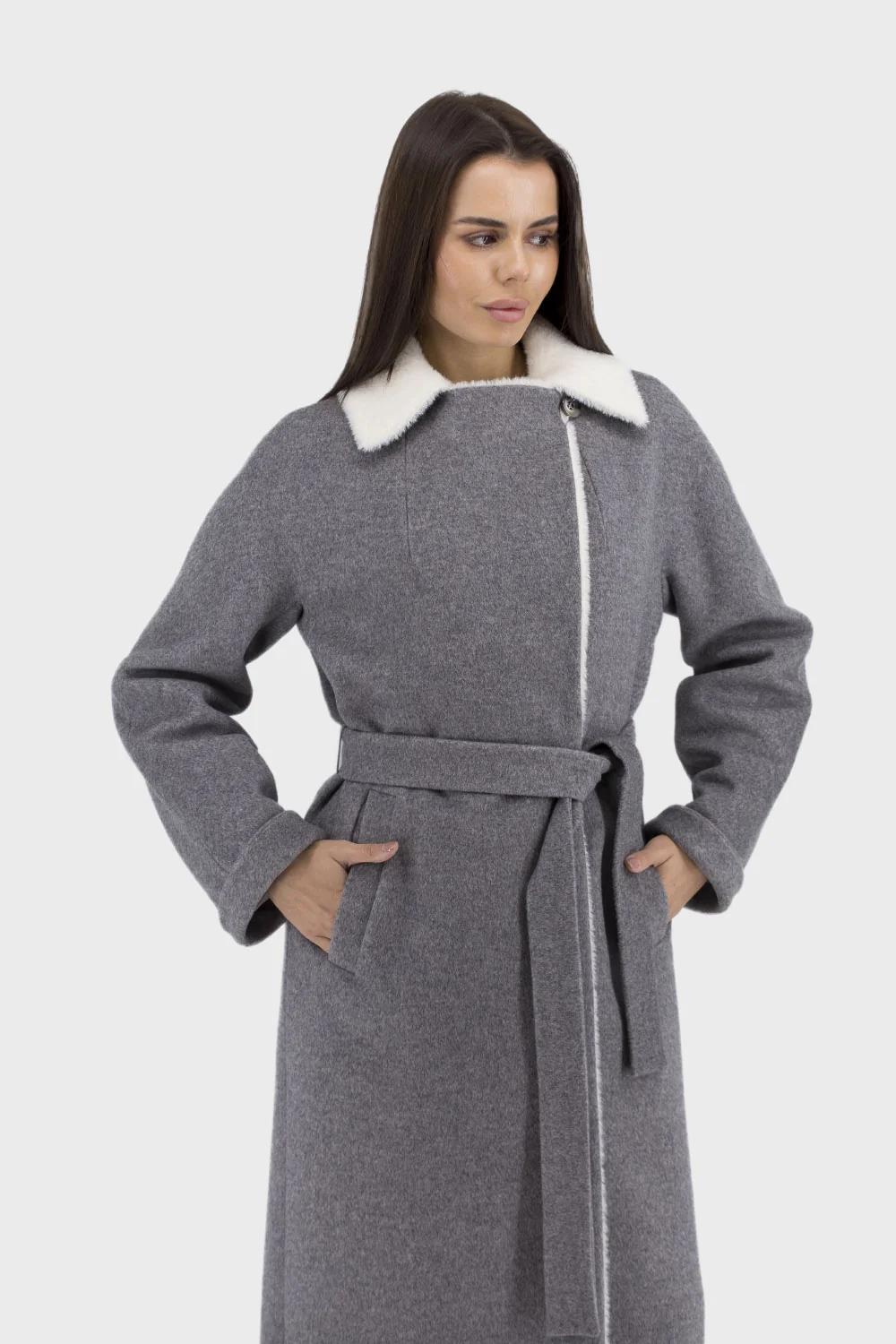
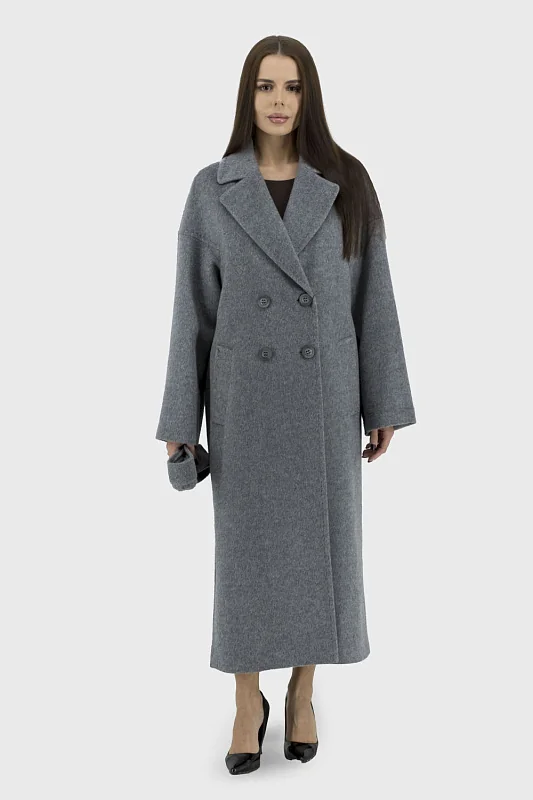
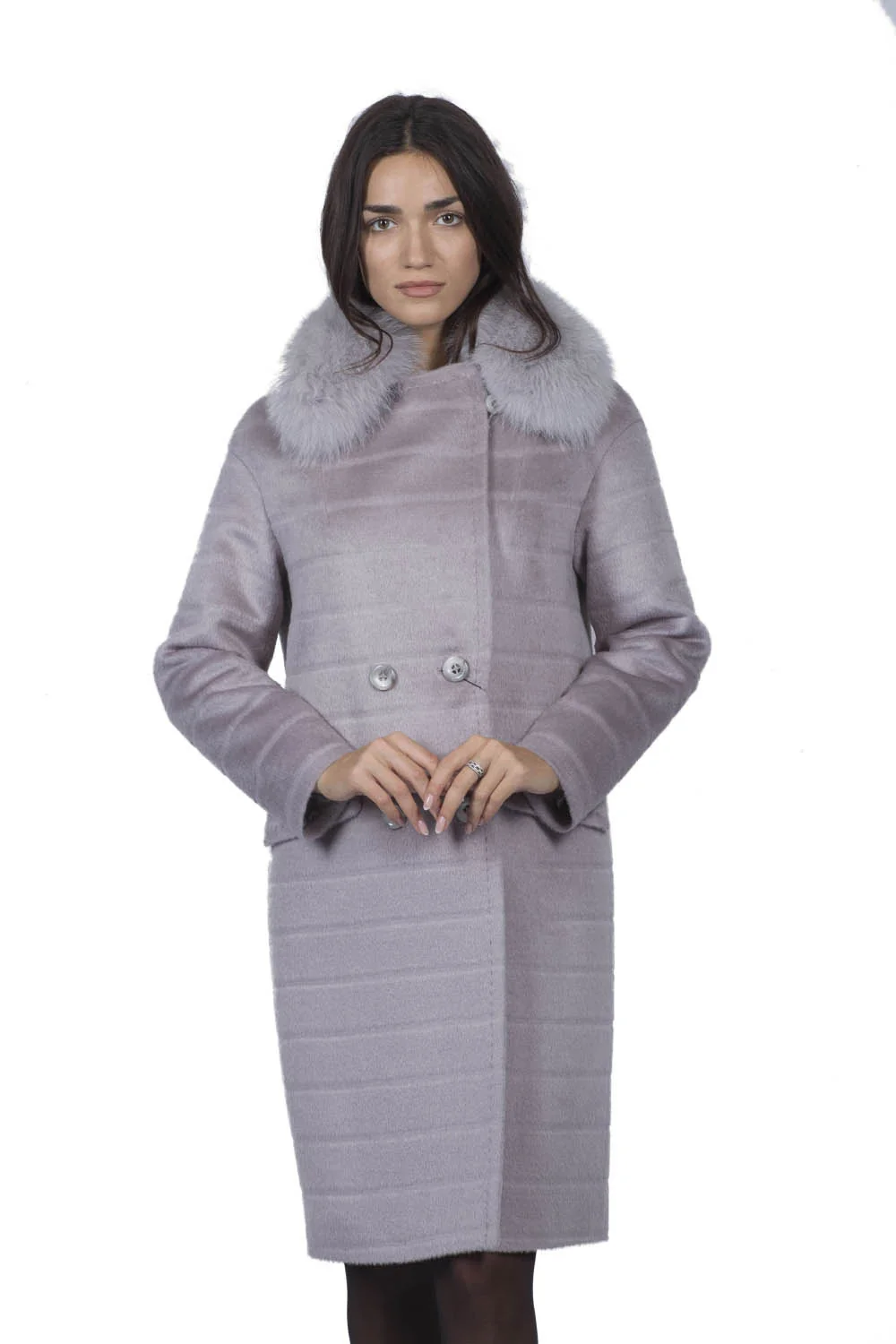
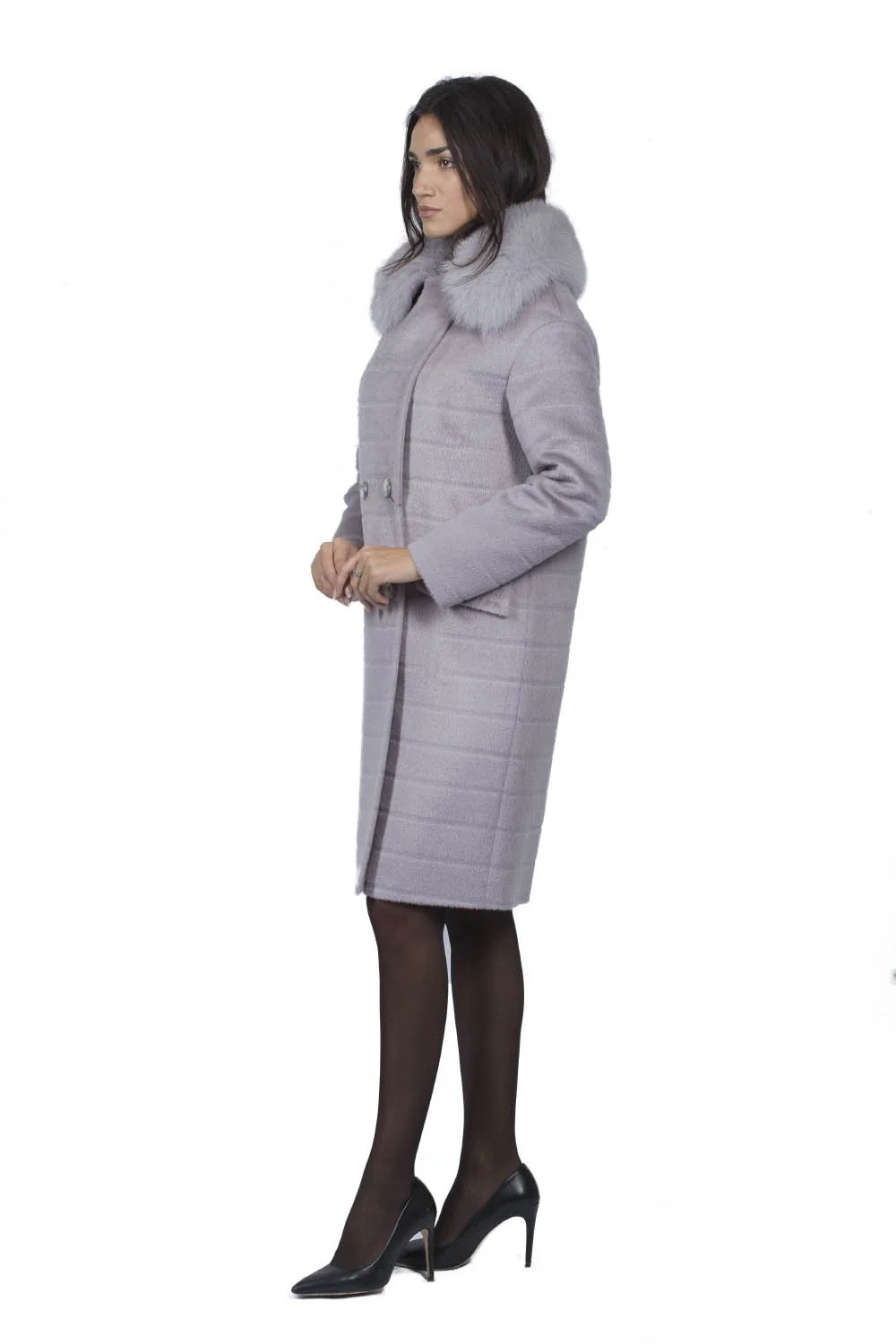
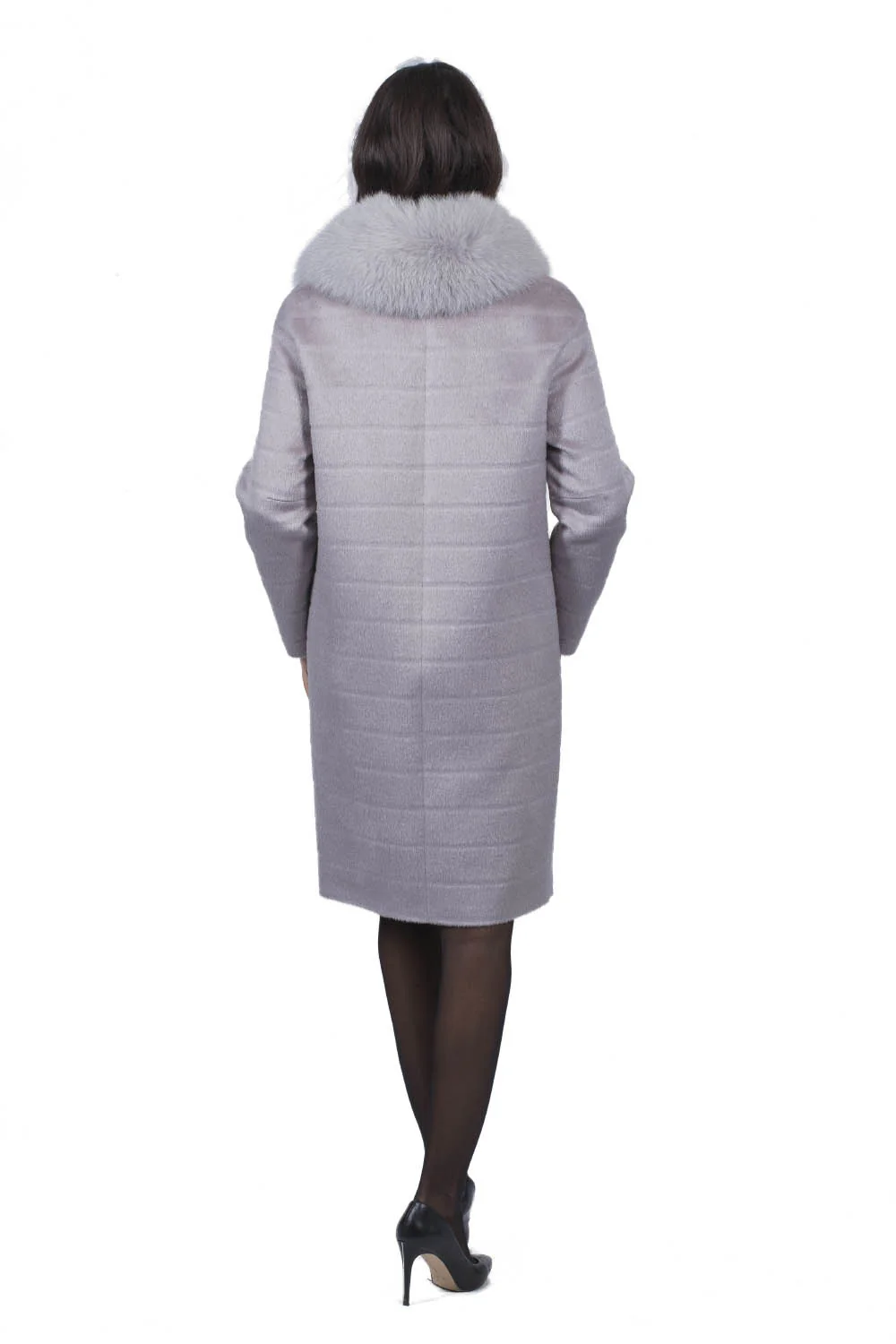
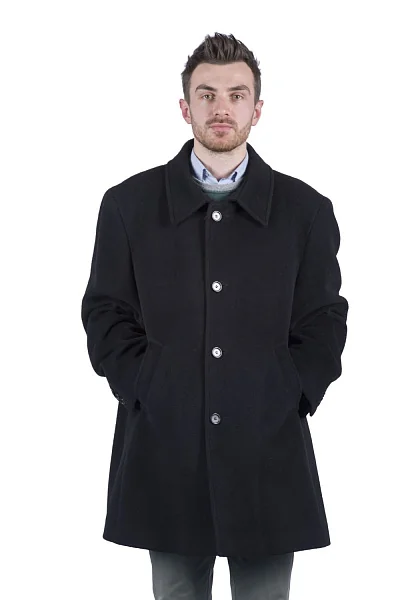
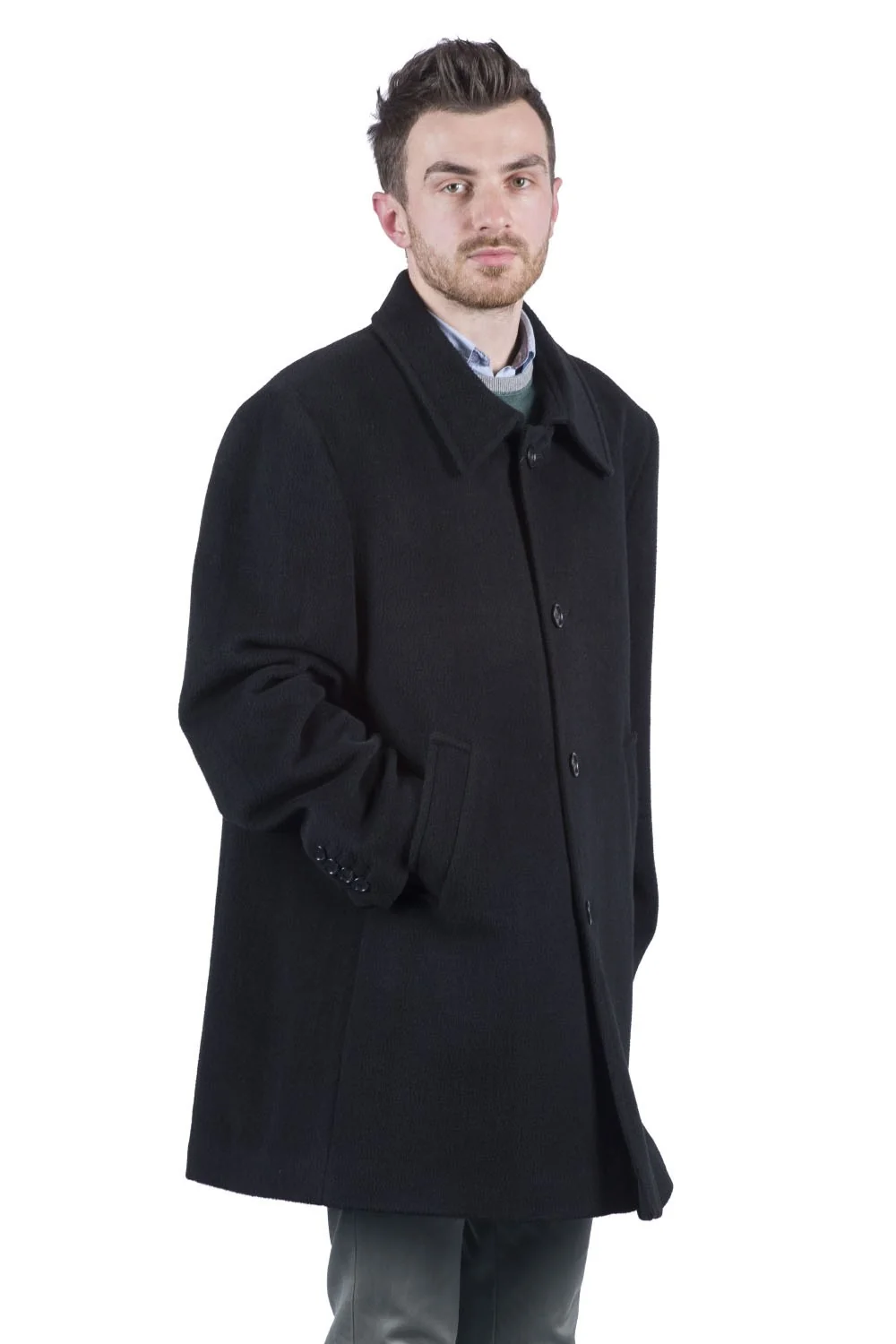
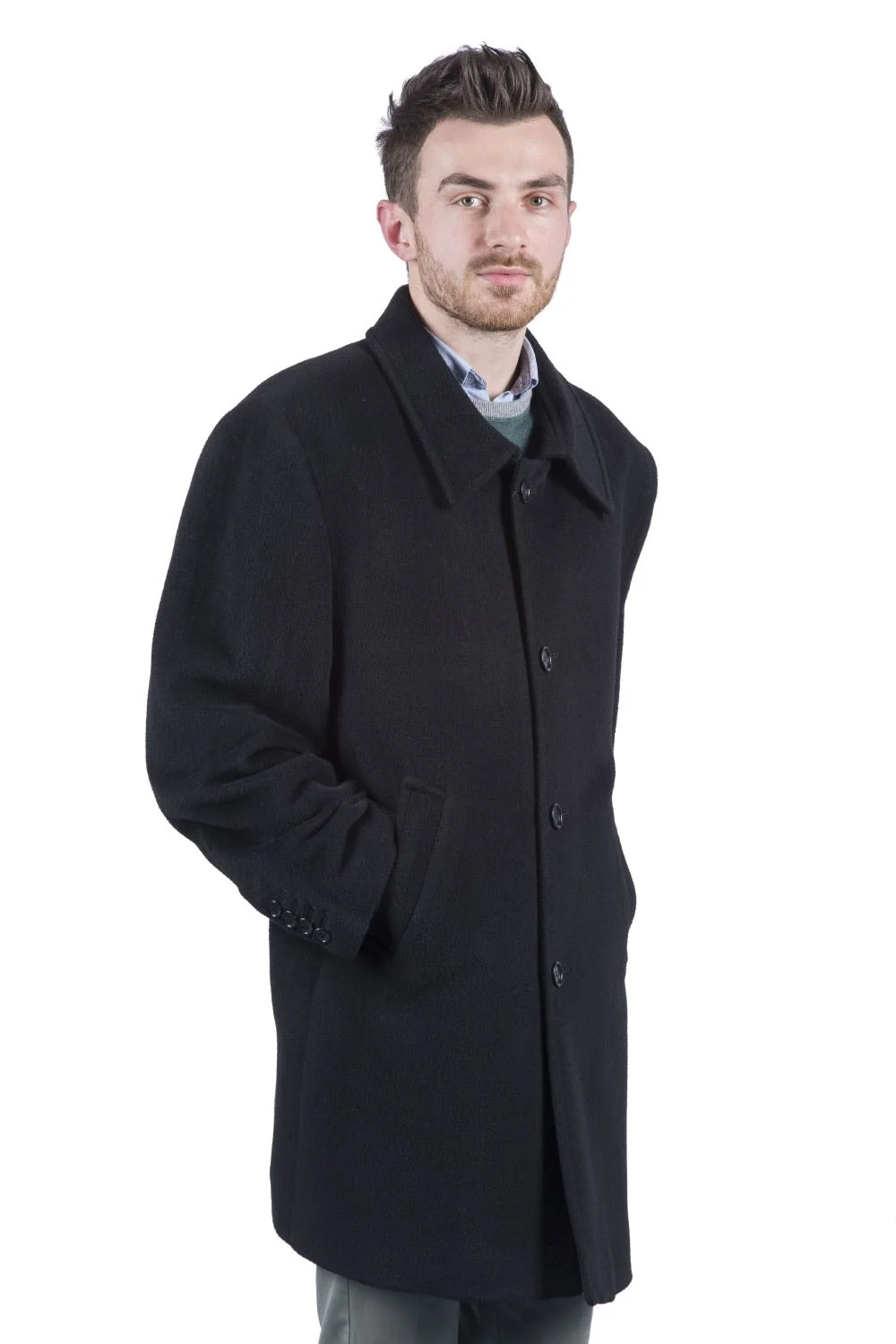
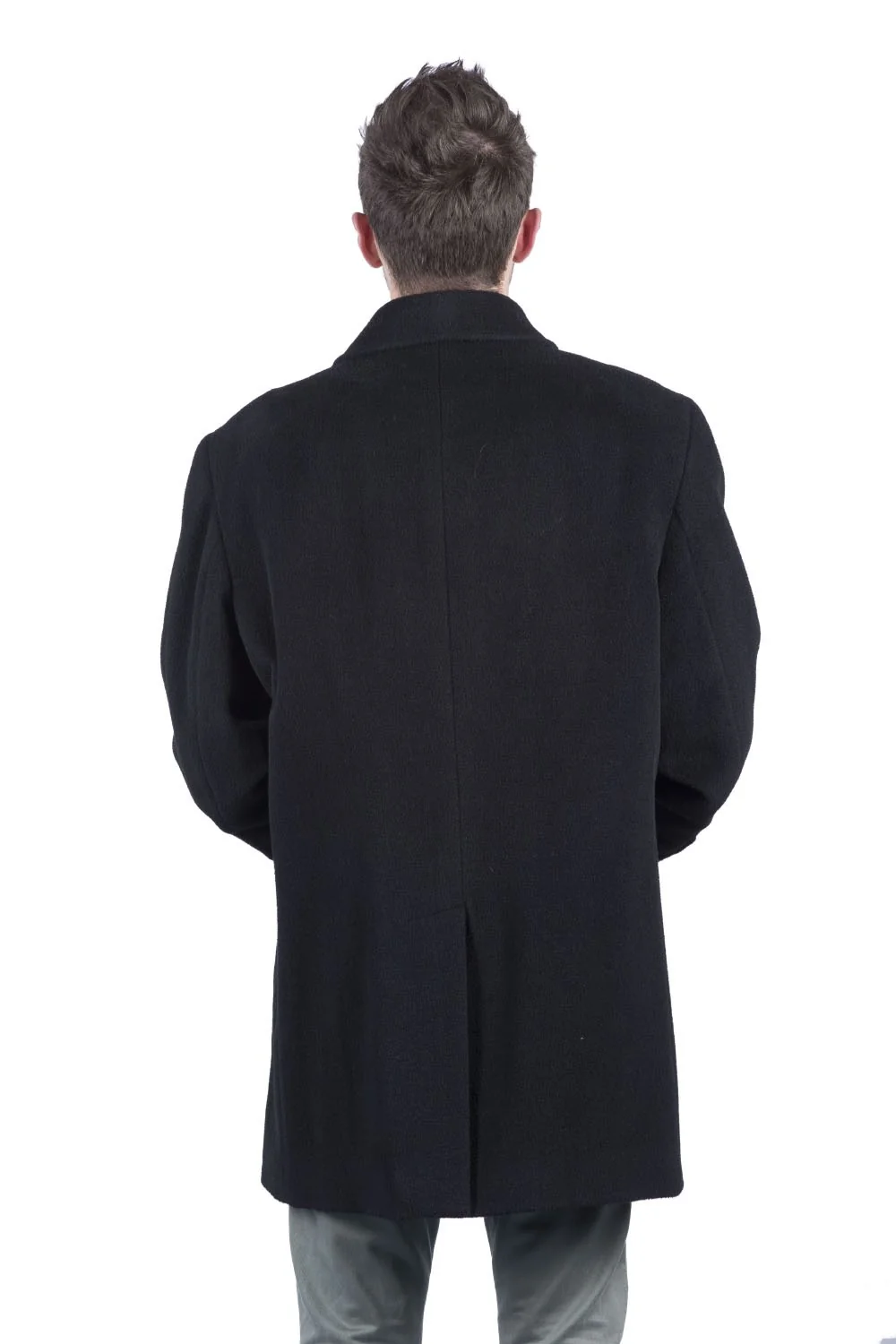
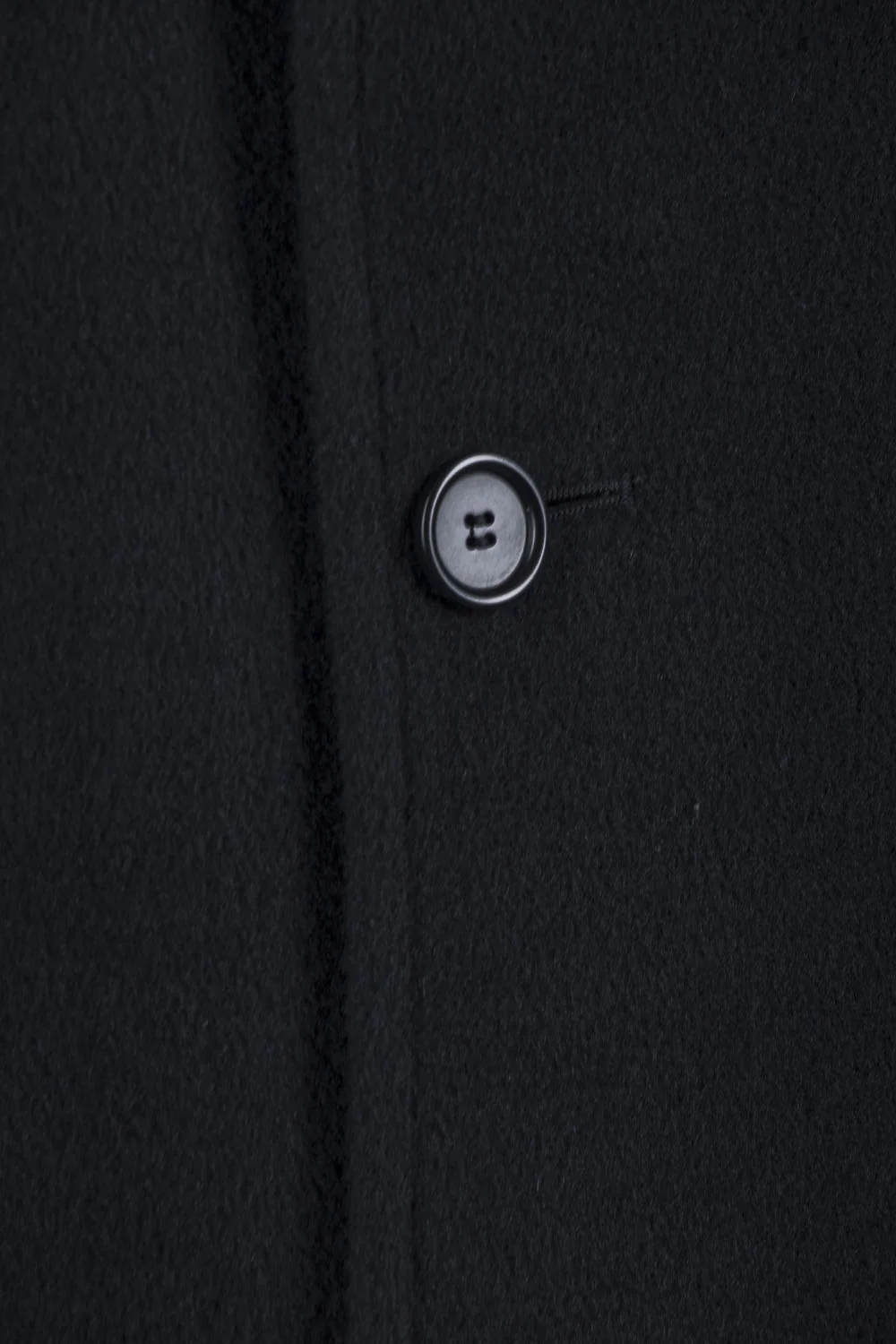
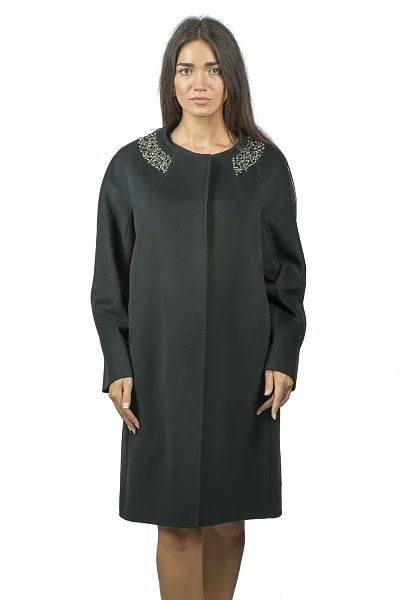
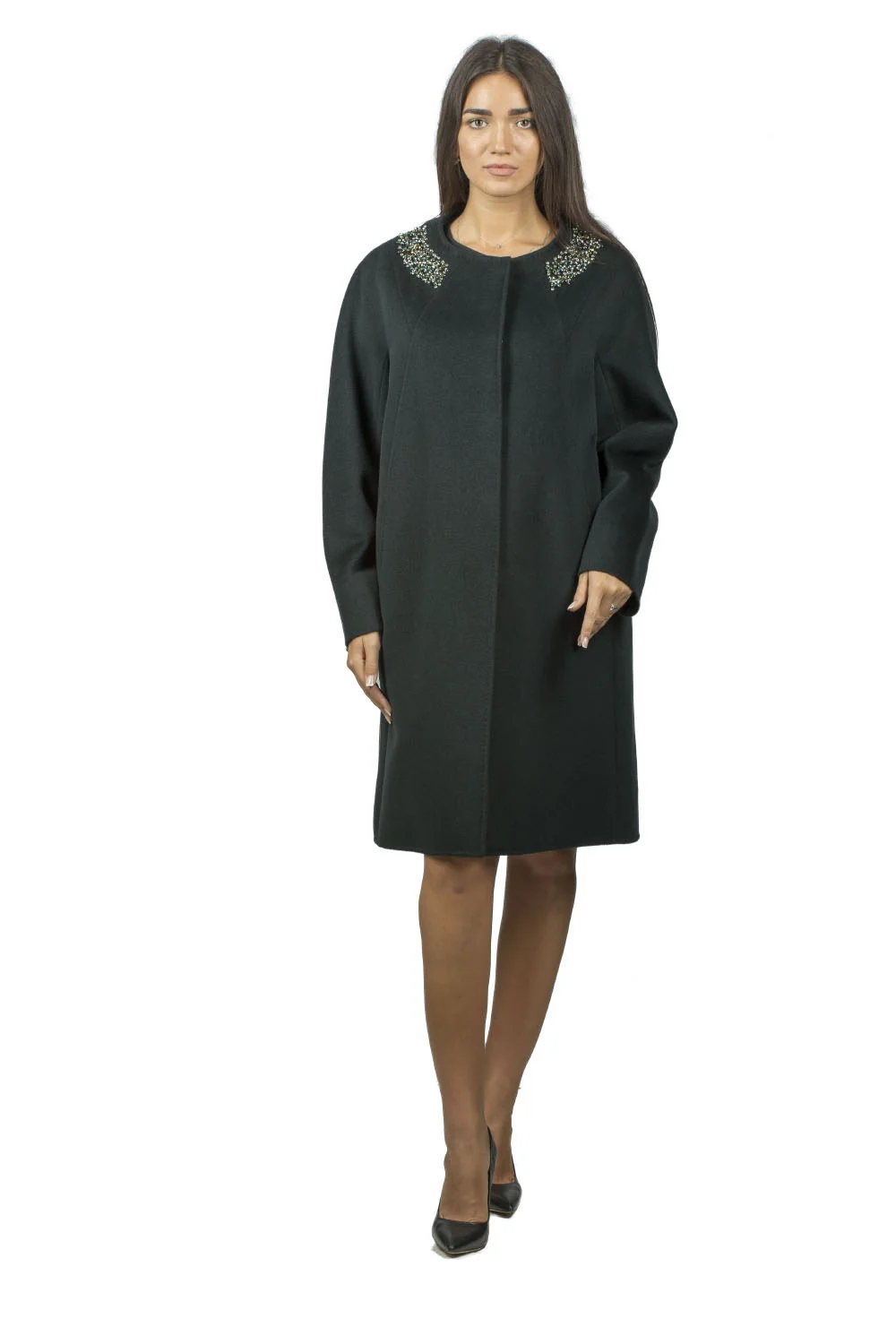
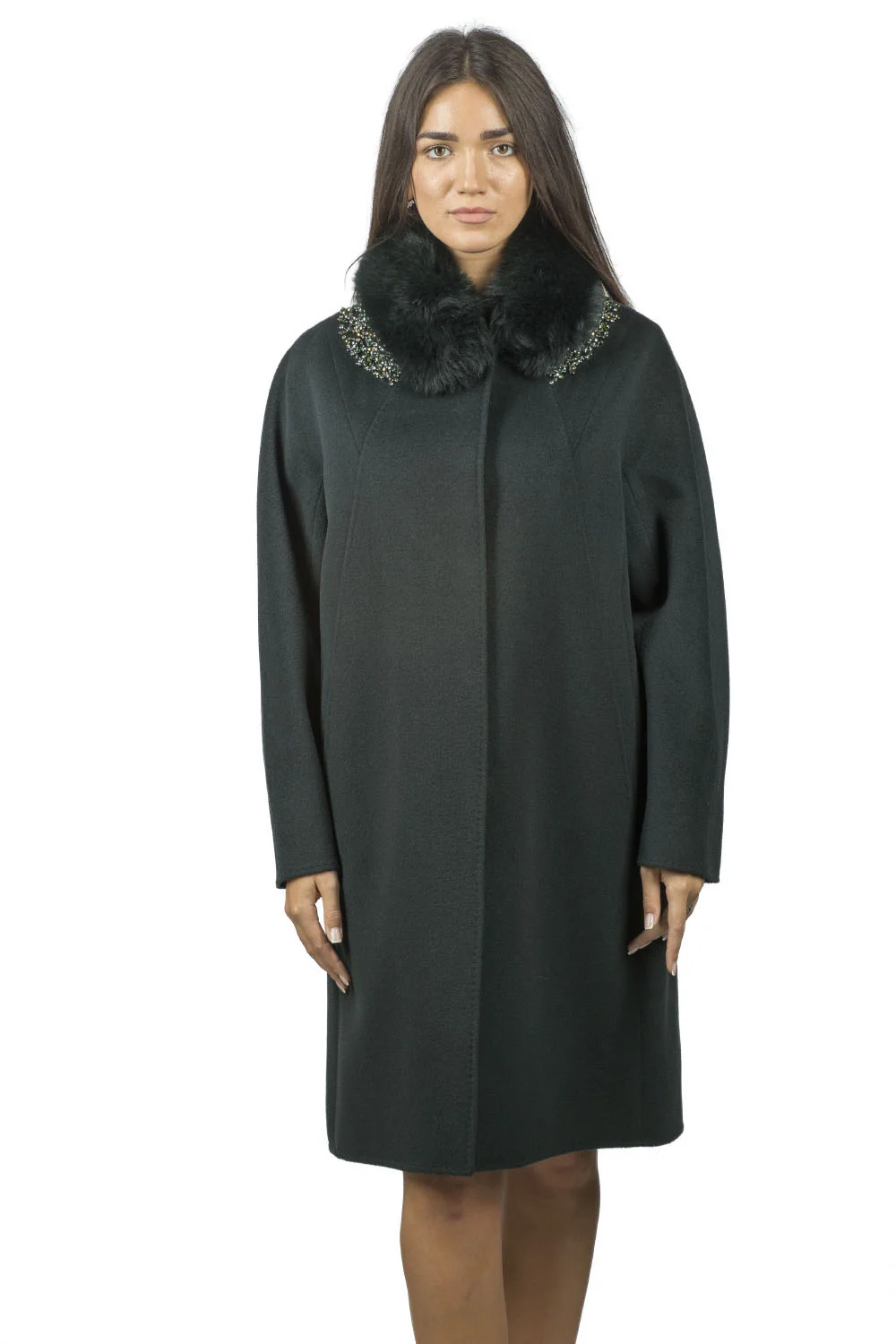
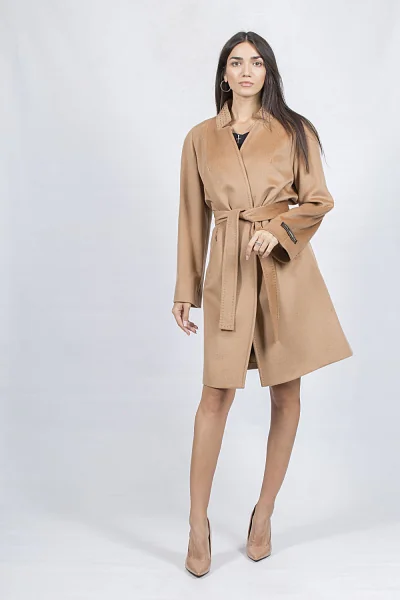
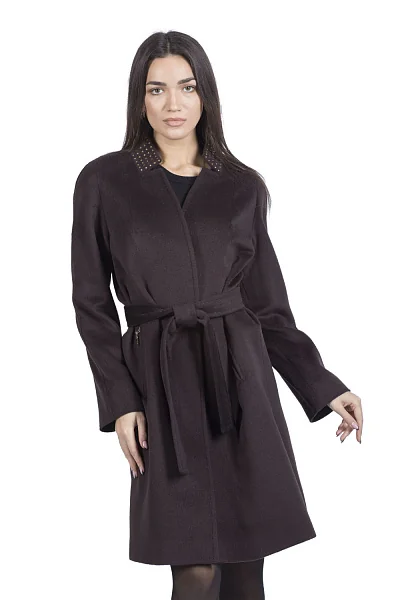
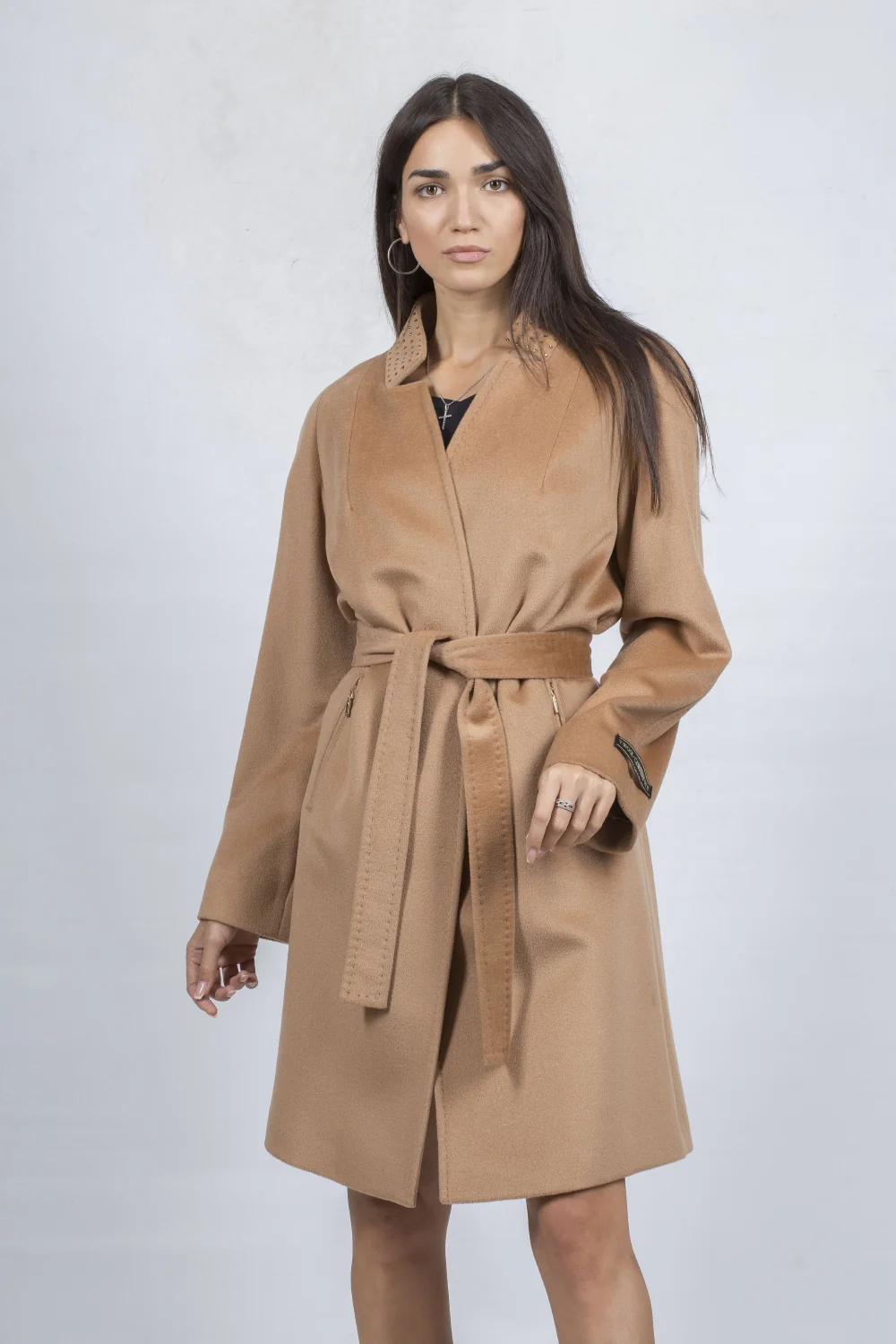
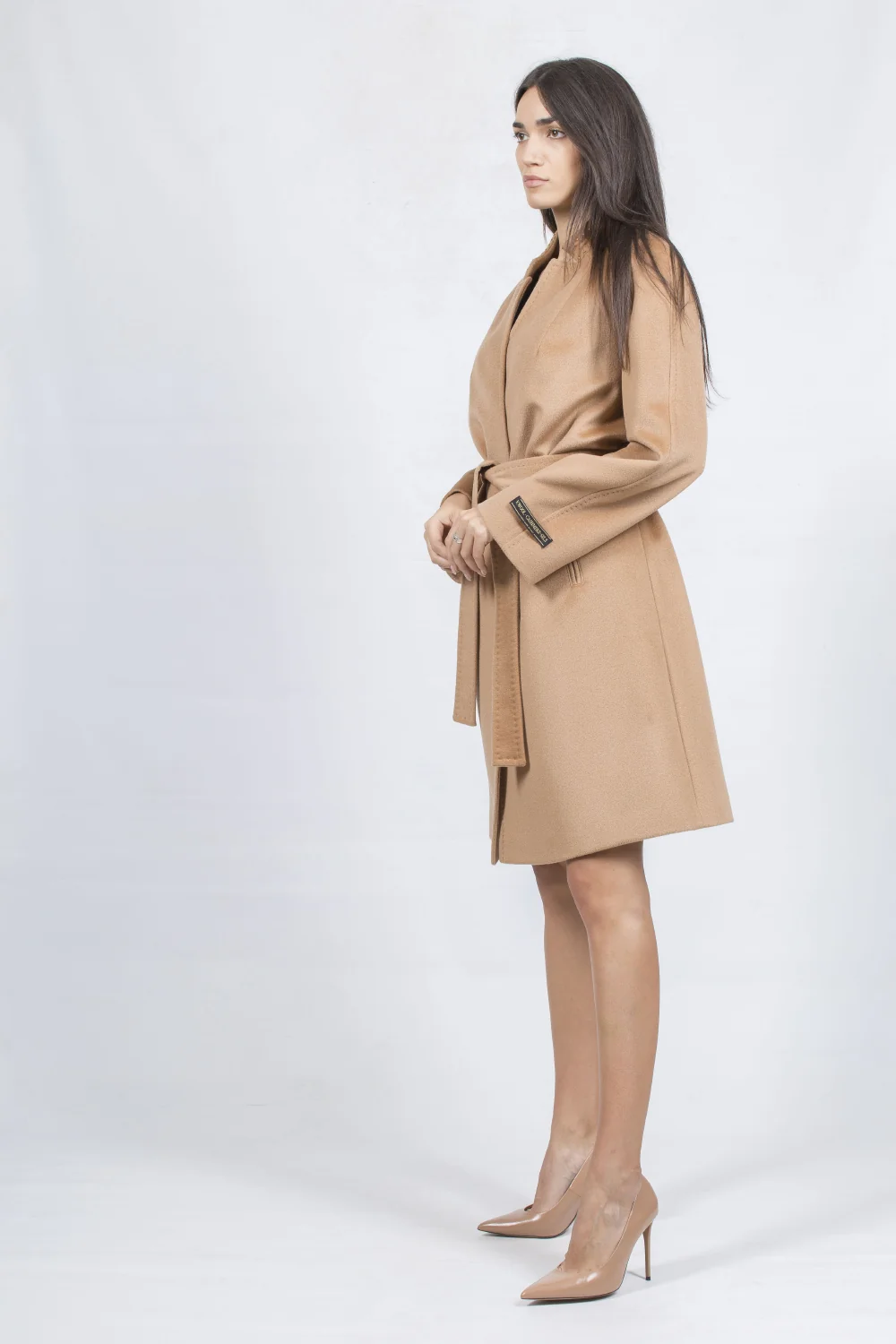
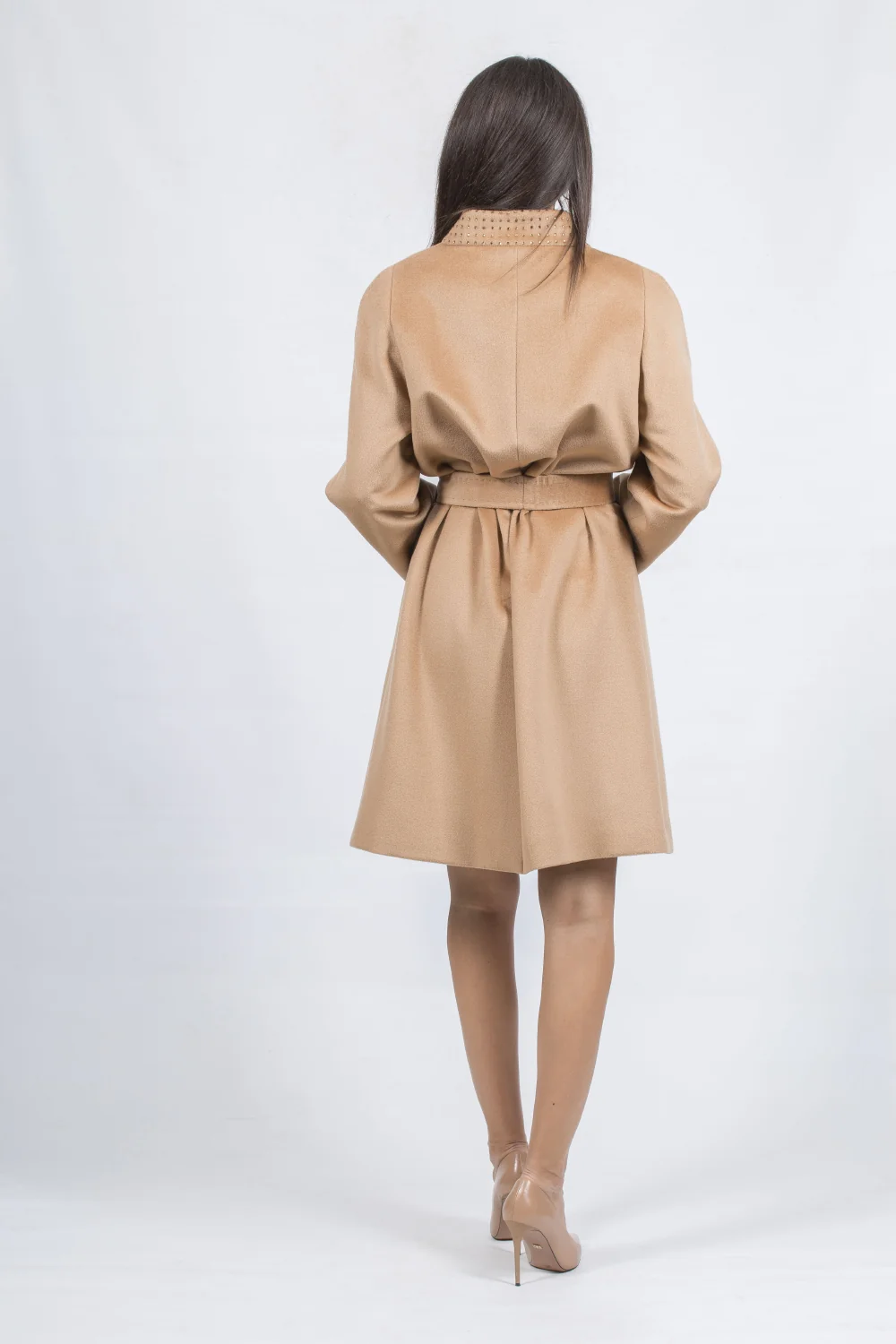
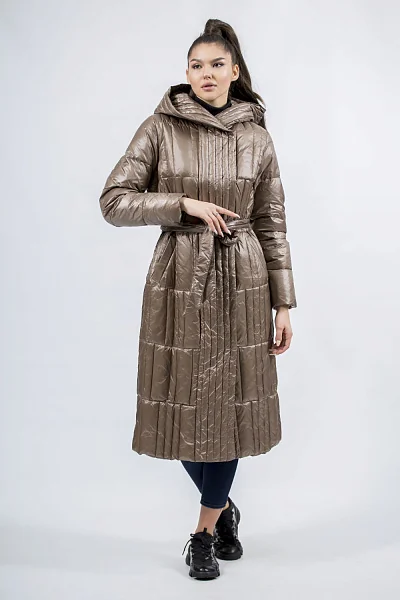
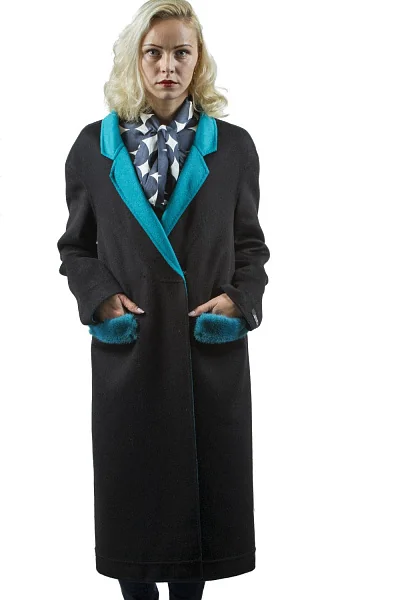
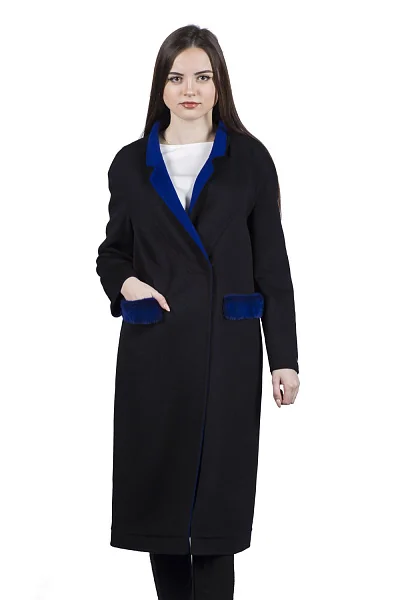
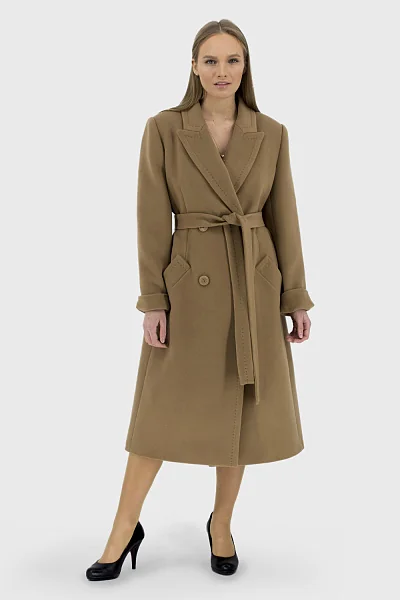
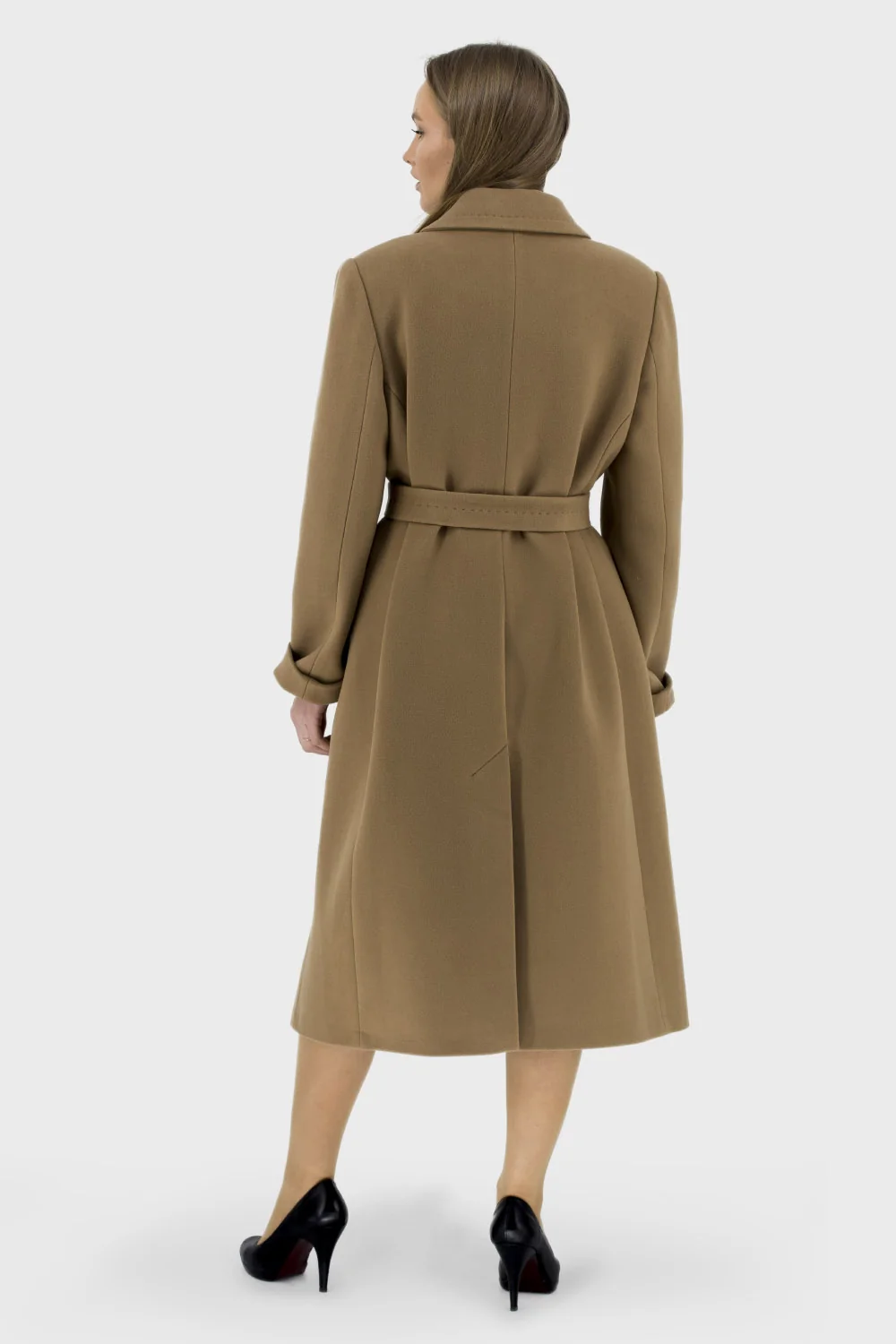
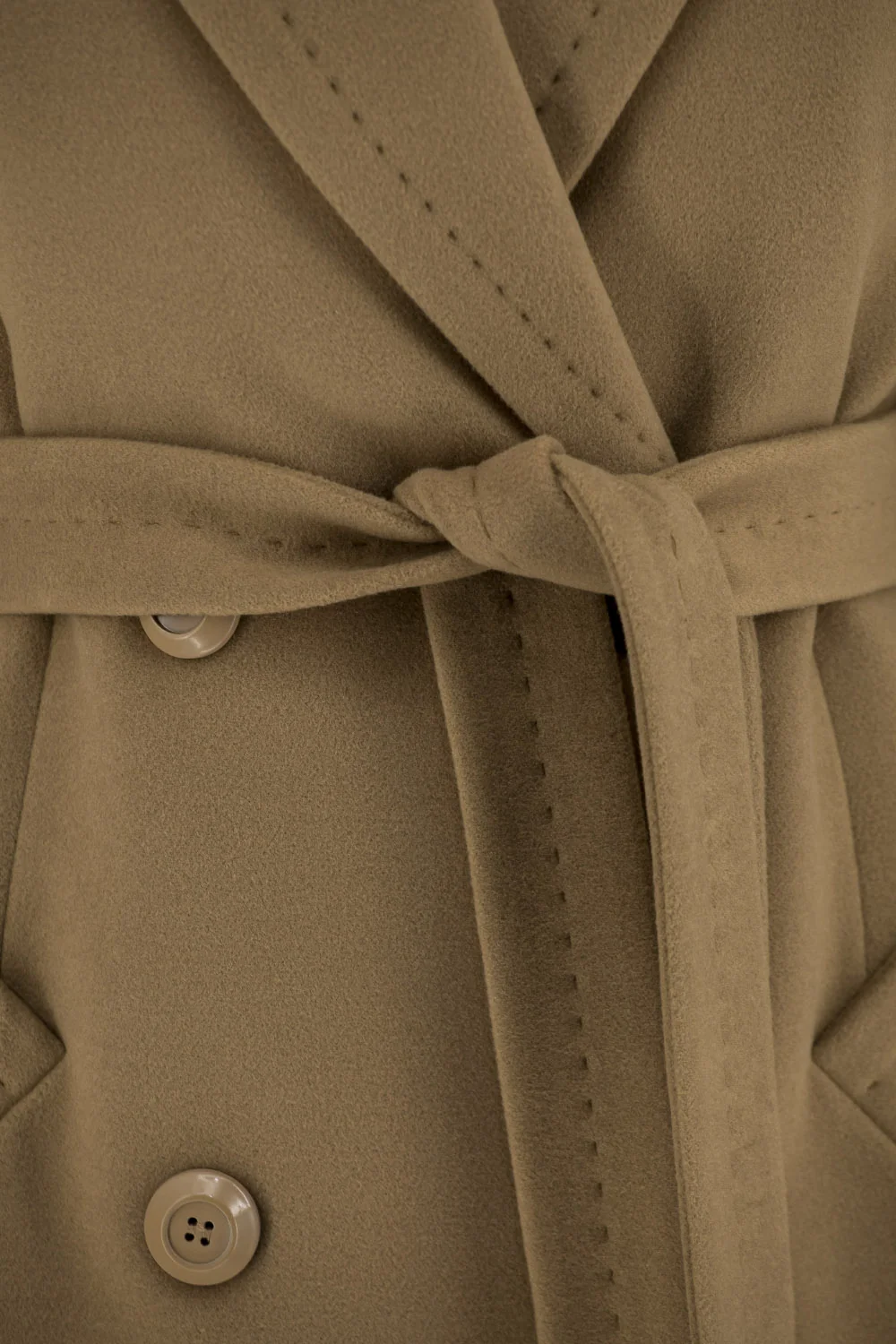
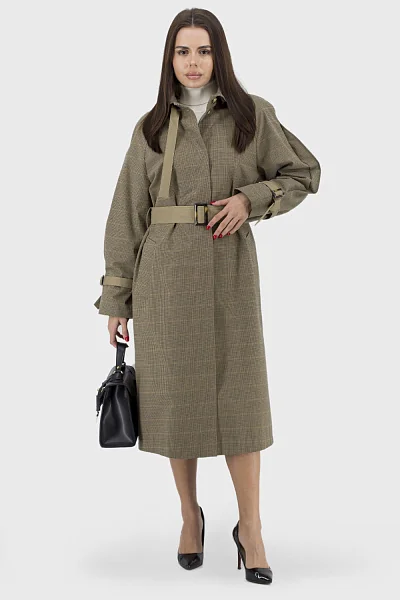
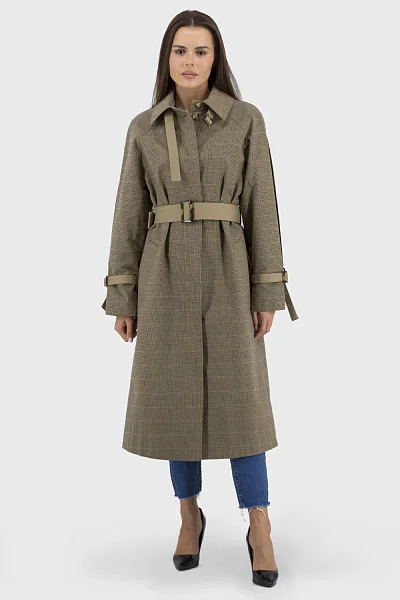
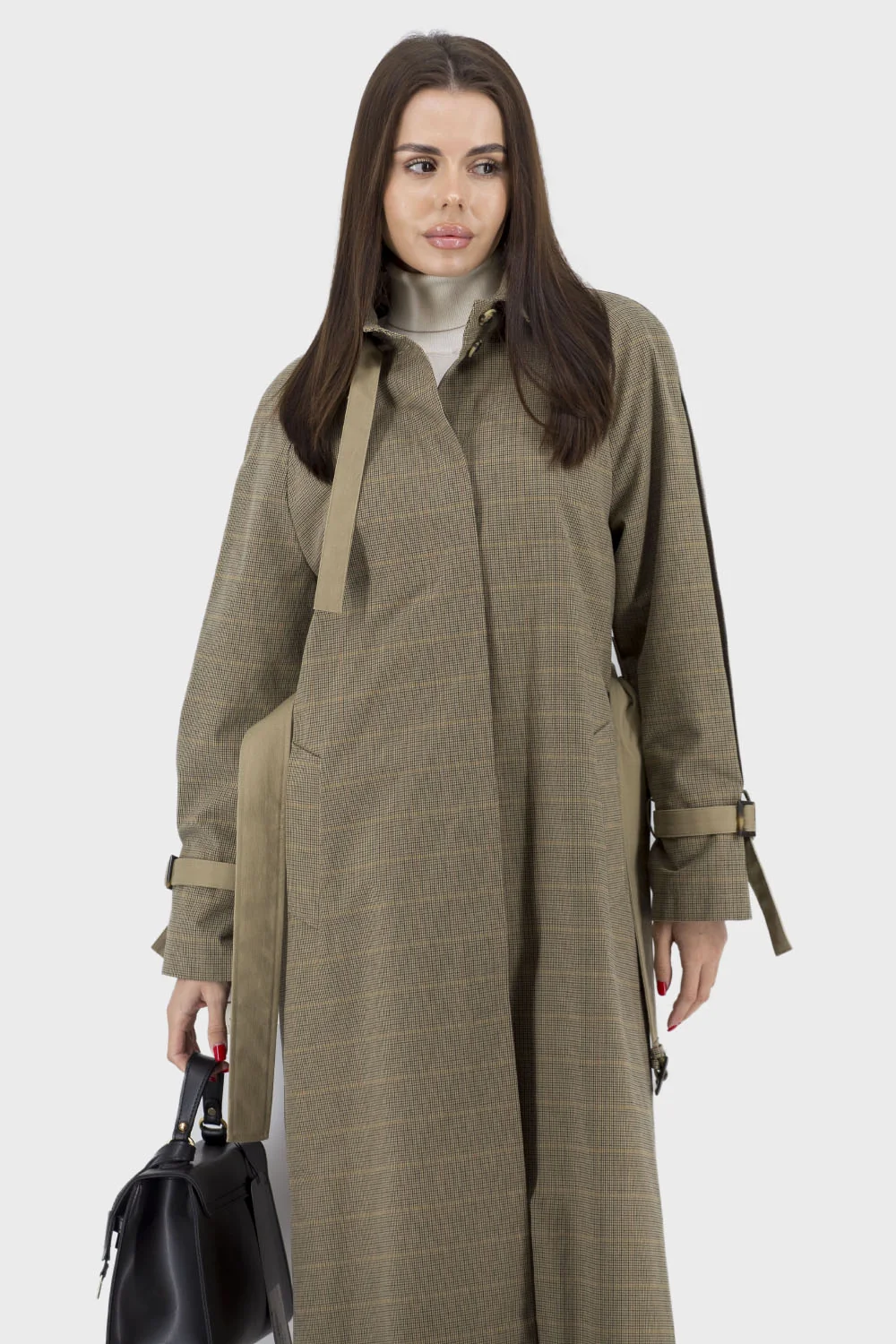
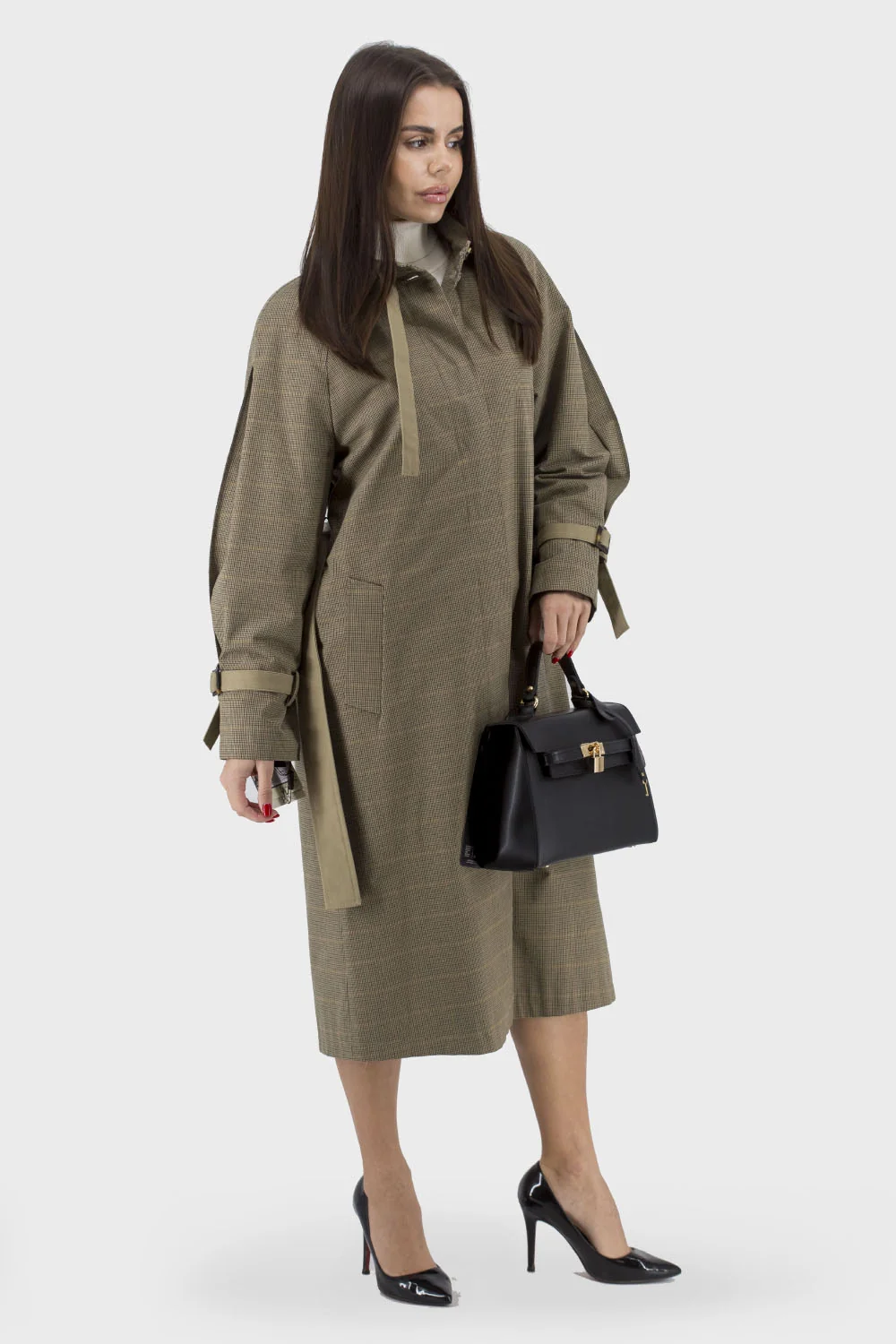
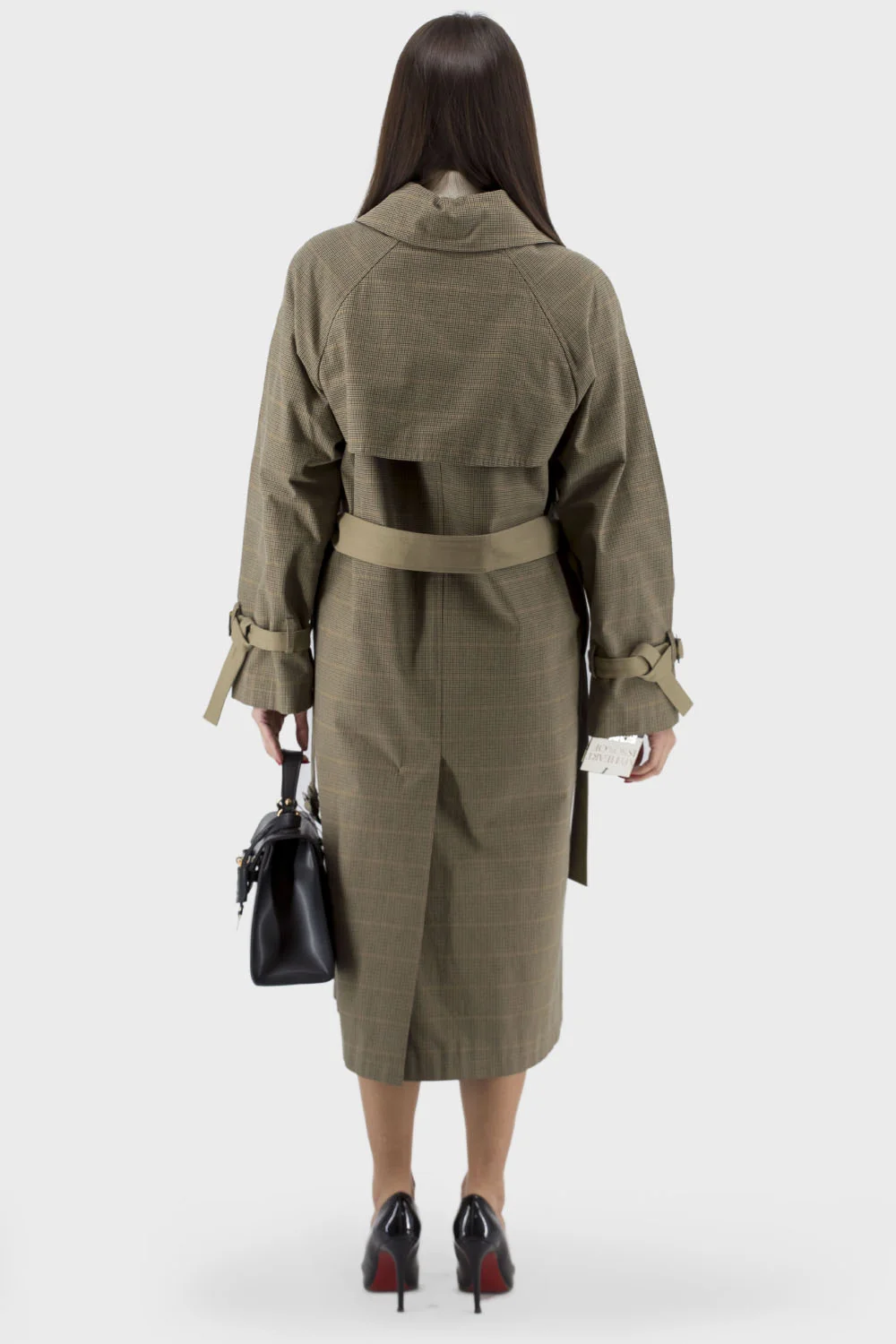
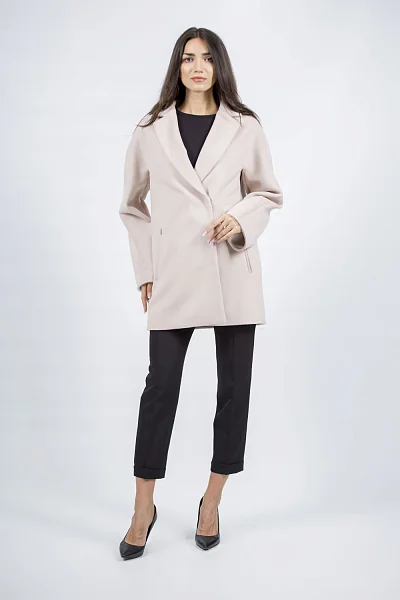
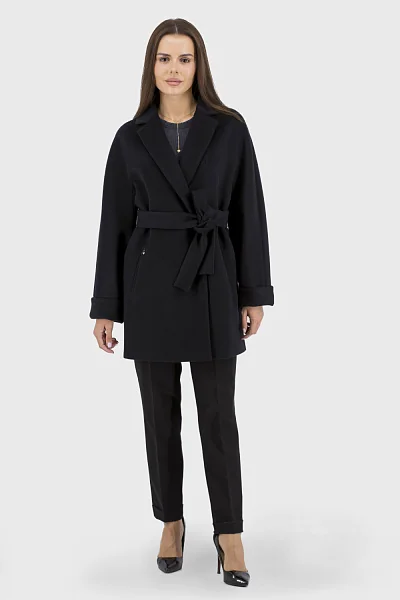
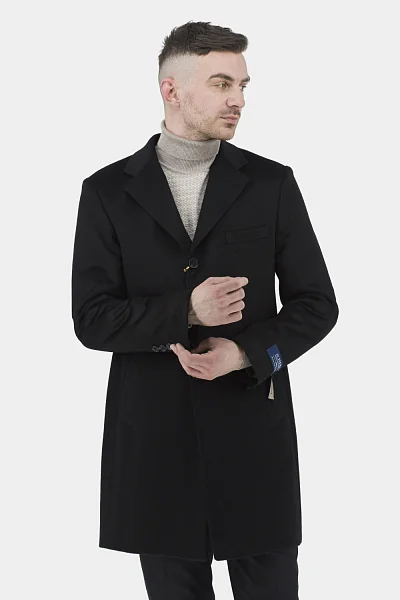
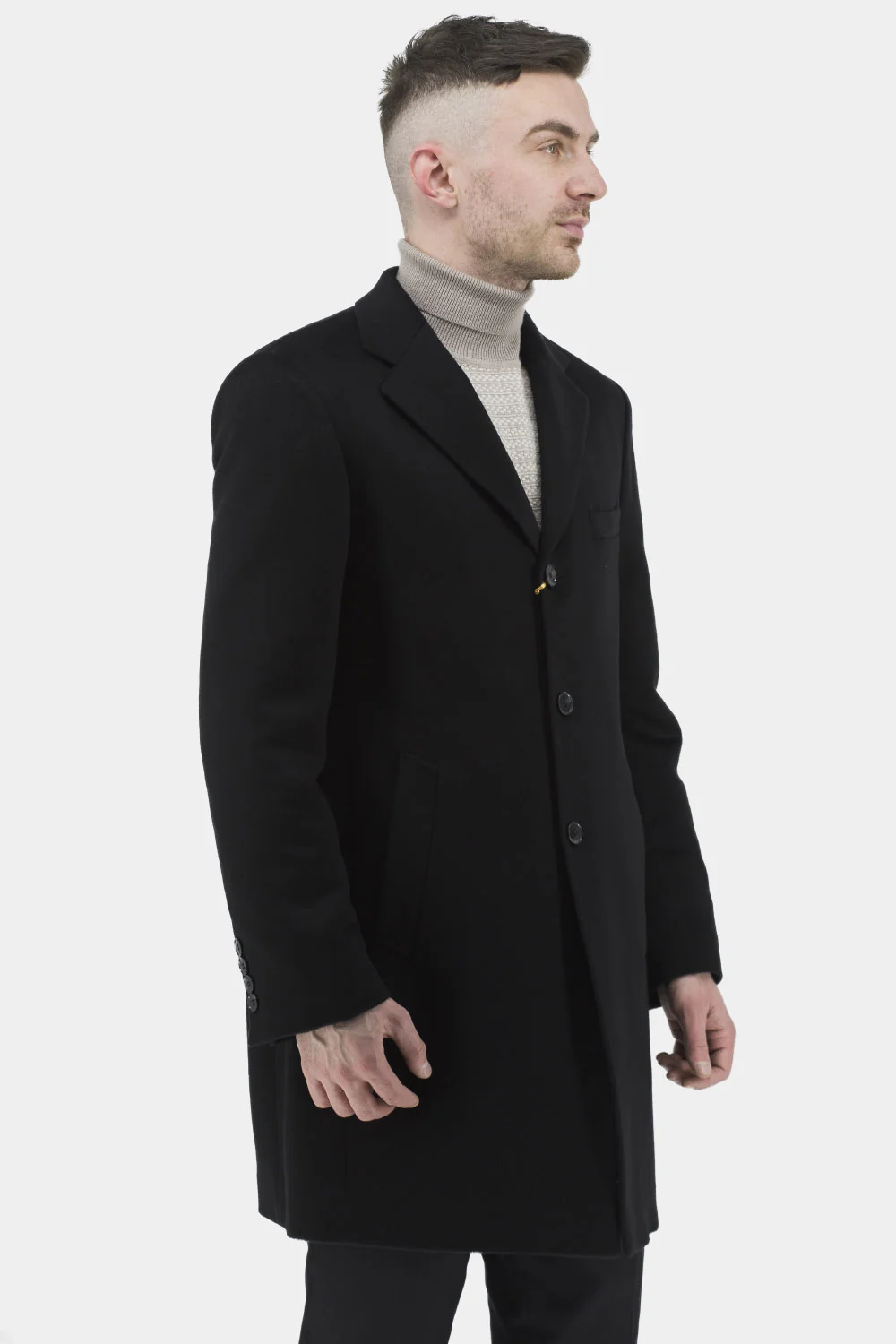
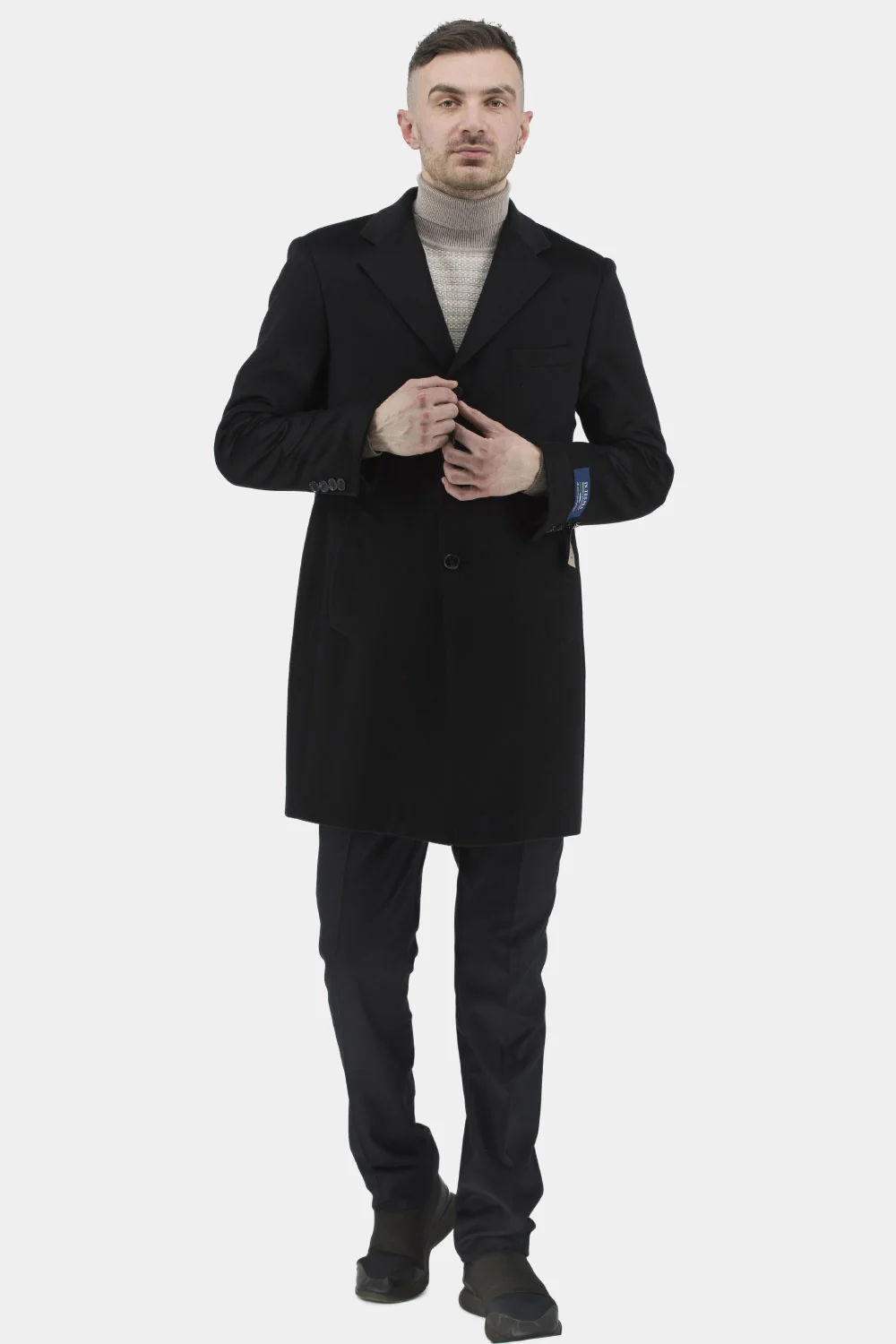
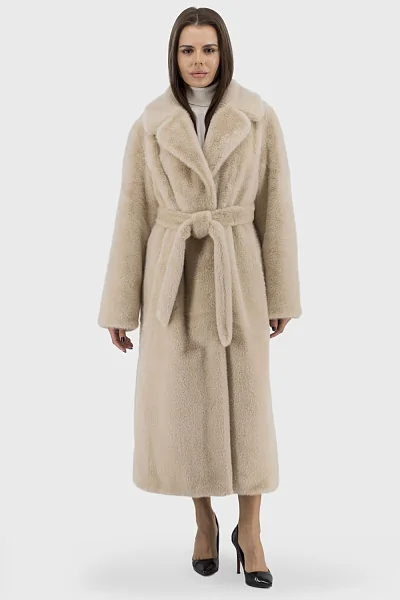
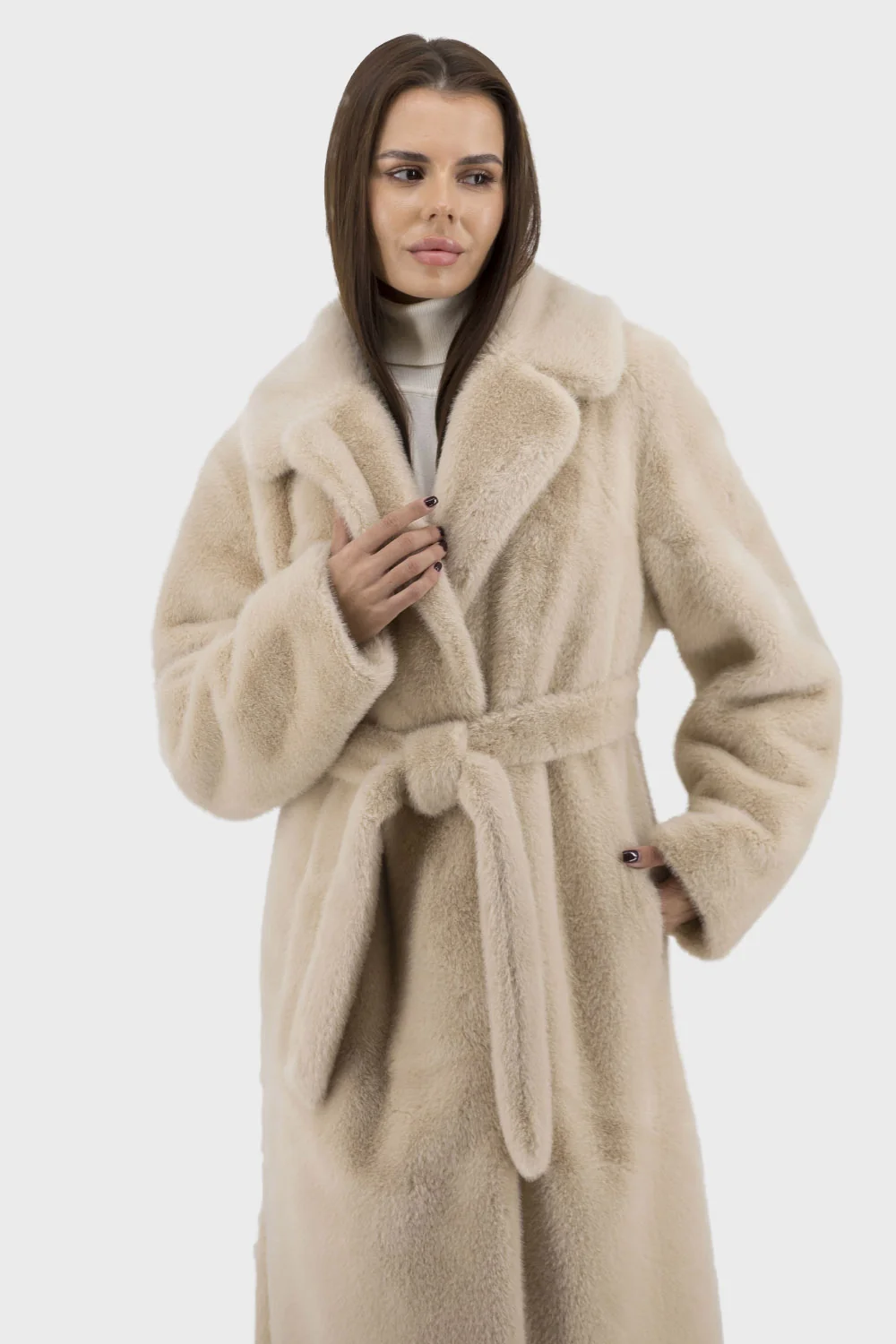
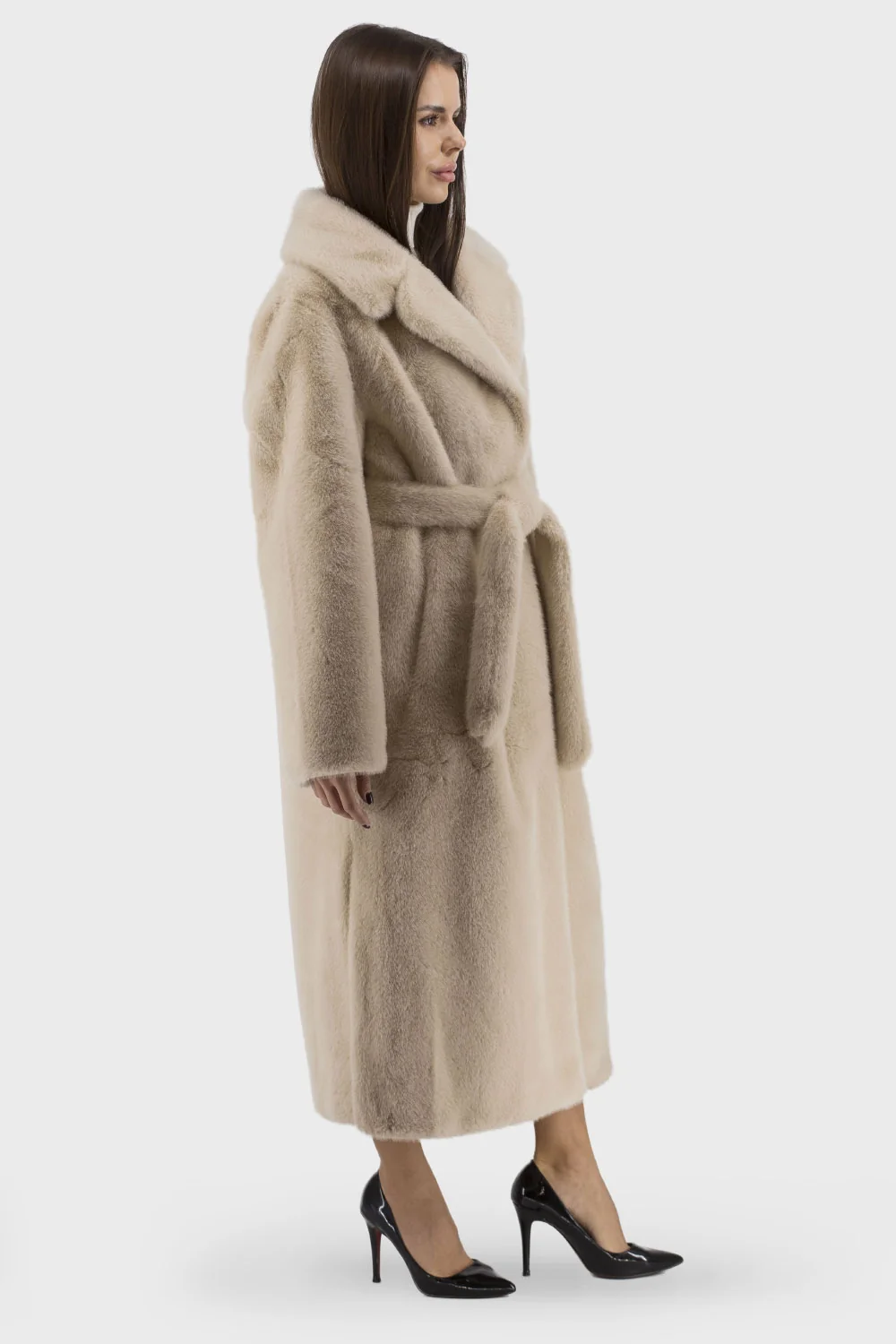
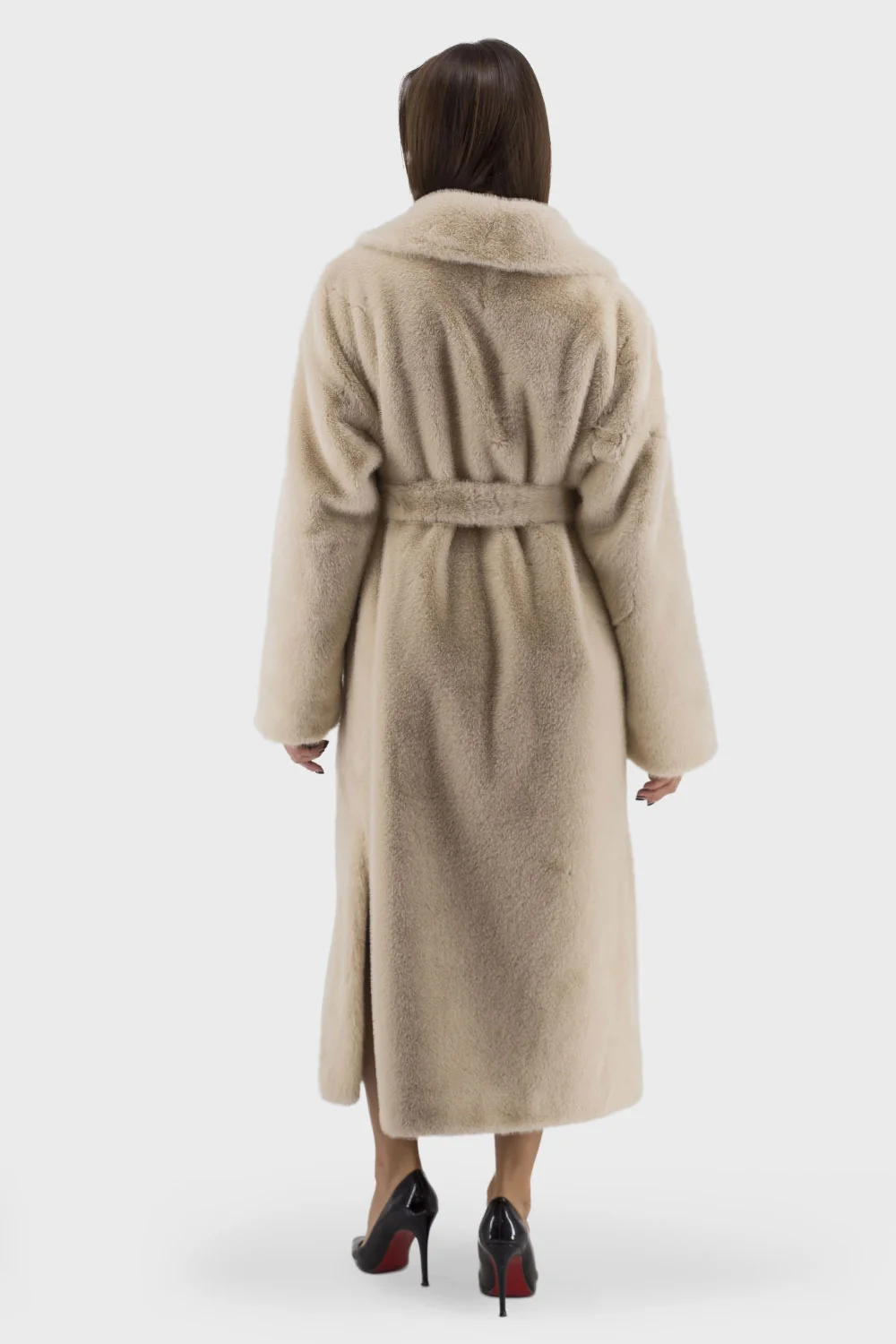
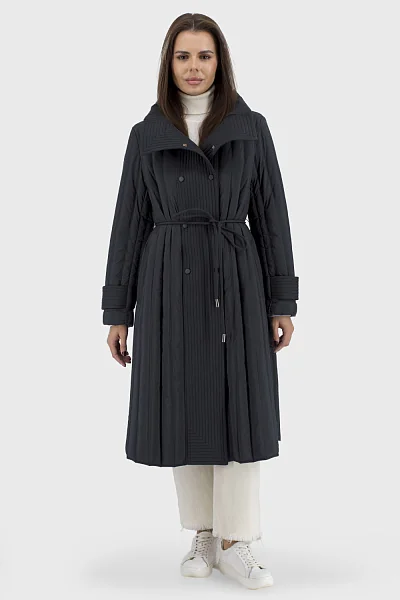
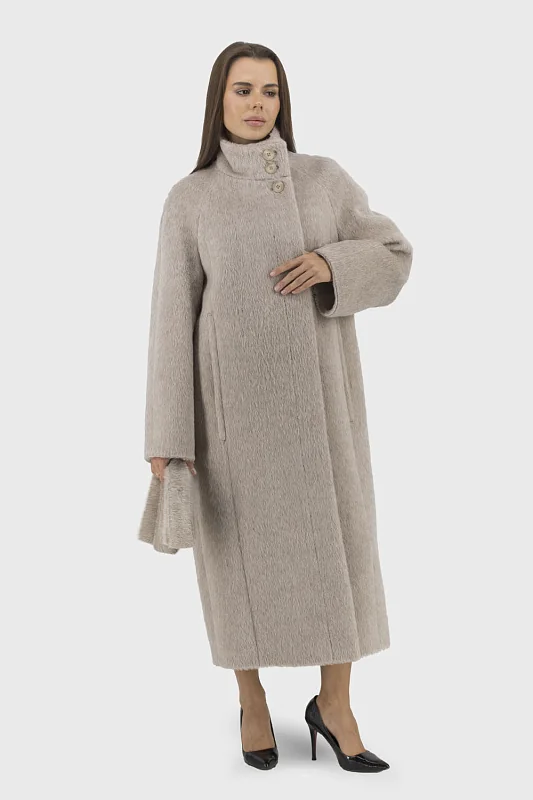
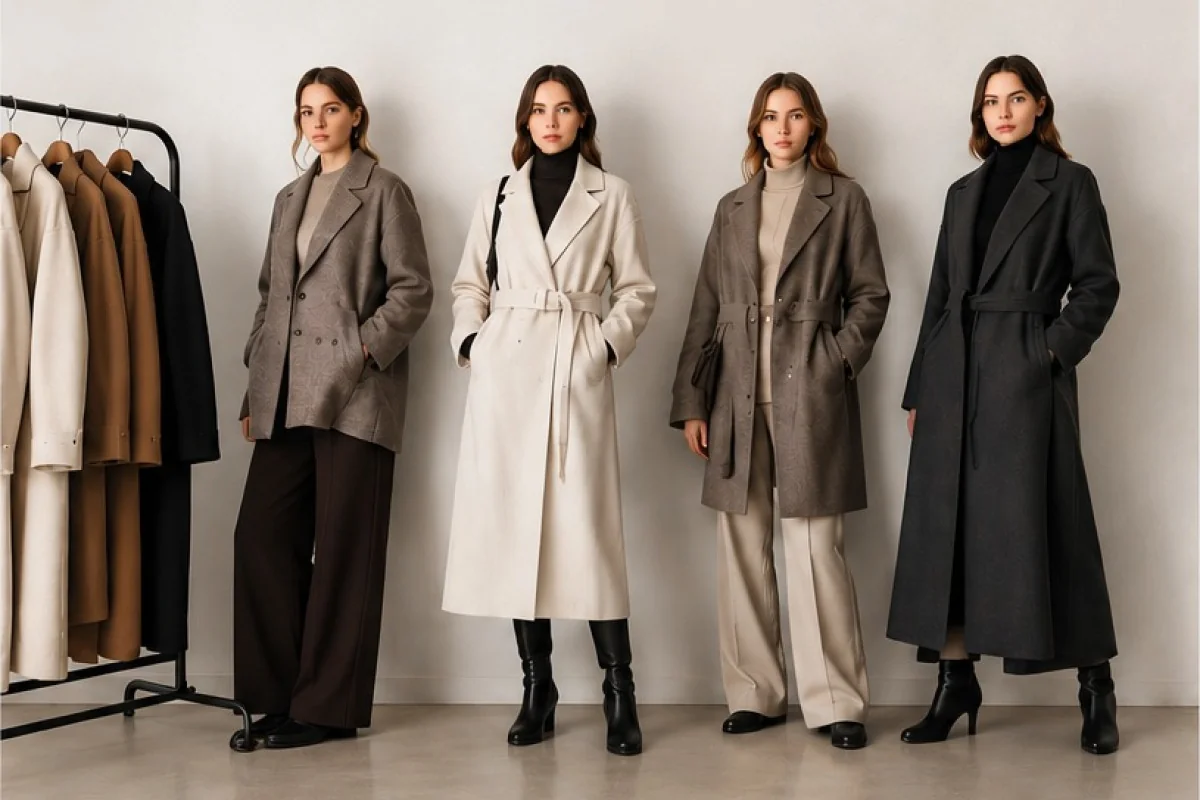
A coat works for business, city and casual outfits. Straight cuts look clean, belted styles define the waist and oversized coats leave room for knitwear or a blazer.
Explore the women’s coat collection.
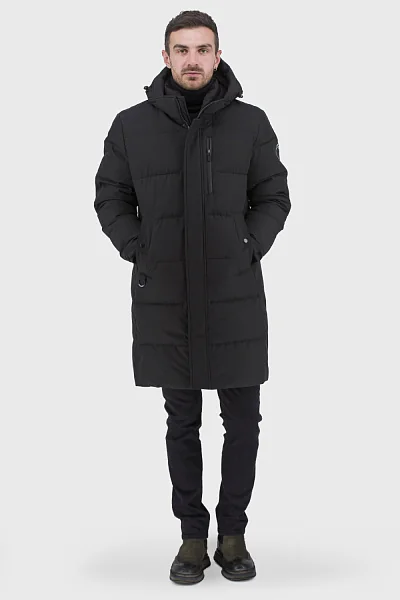
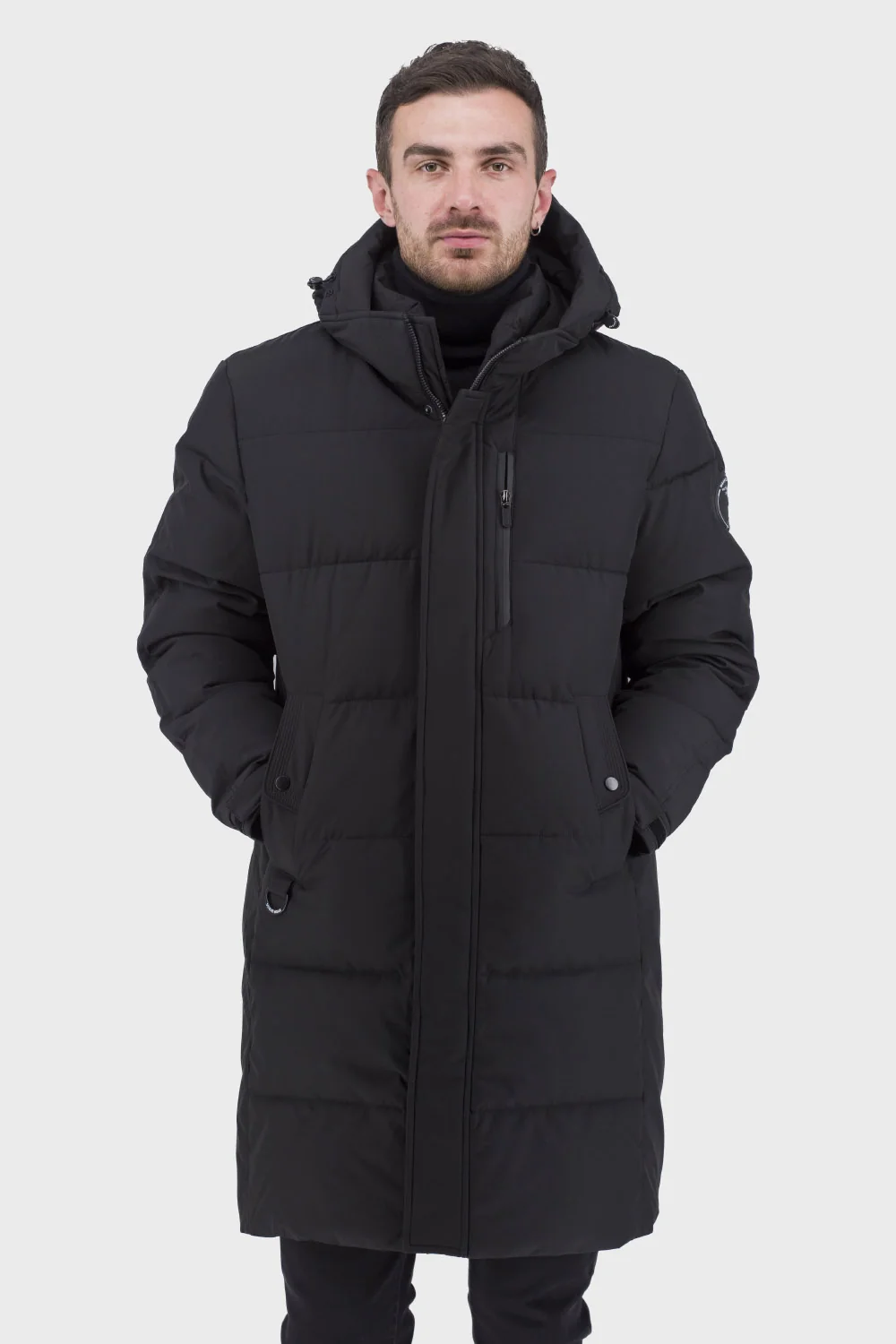
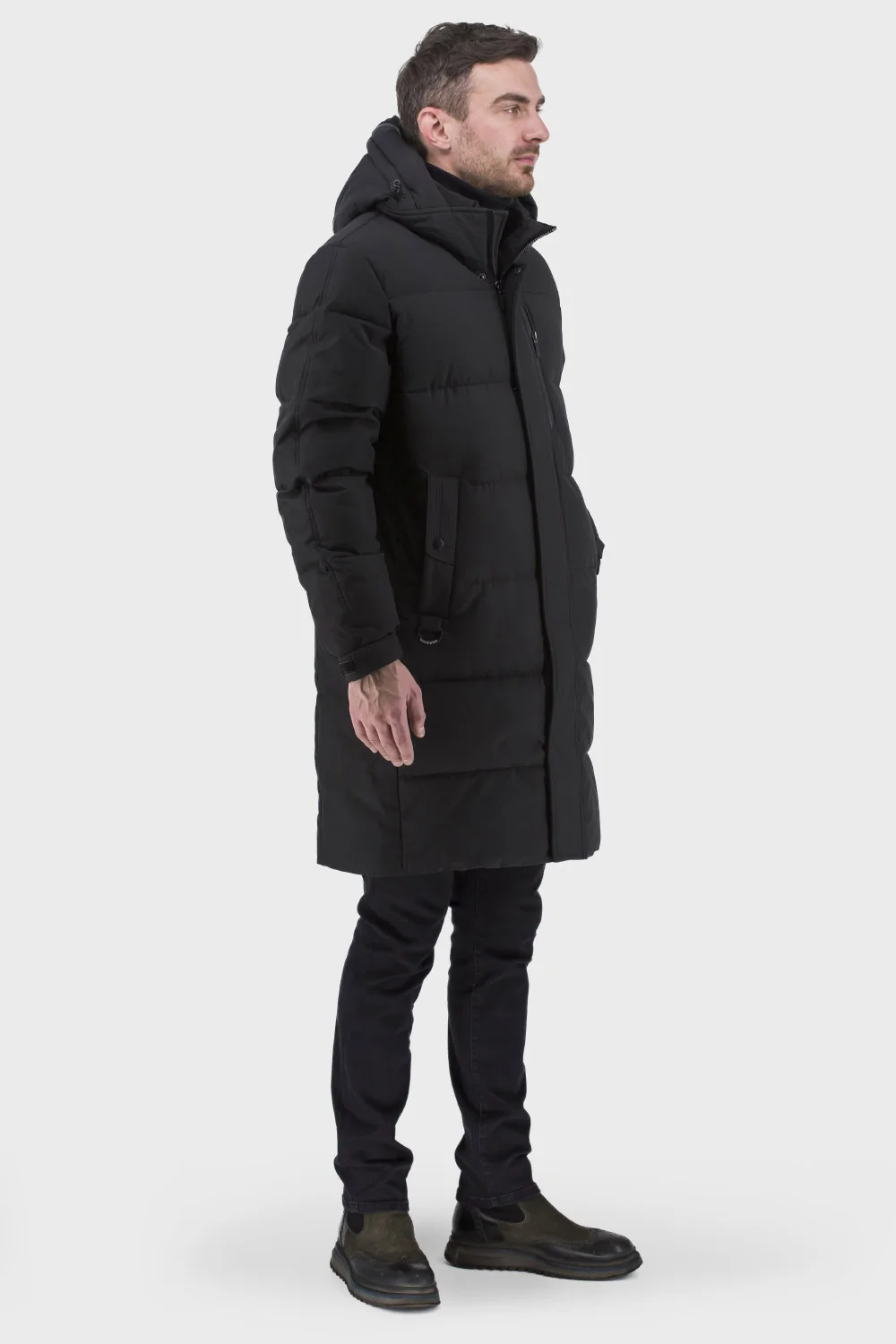
Puffer jackets
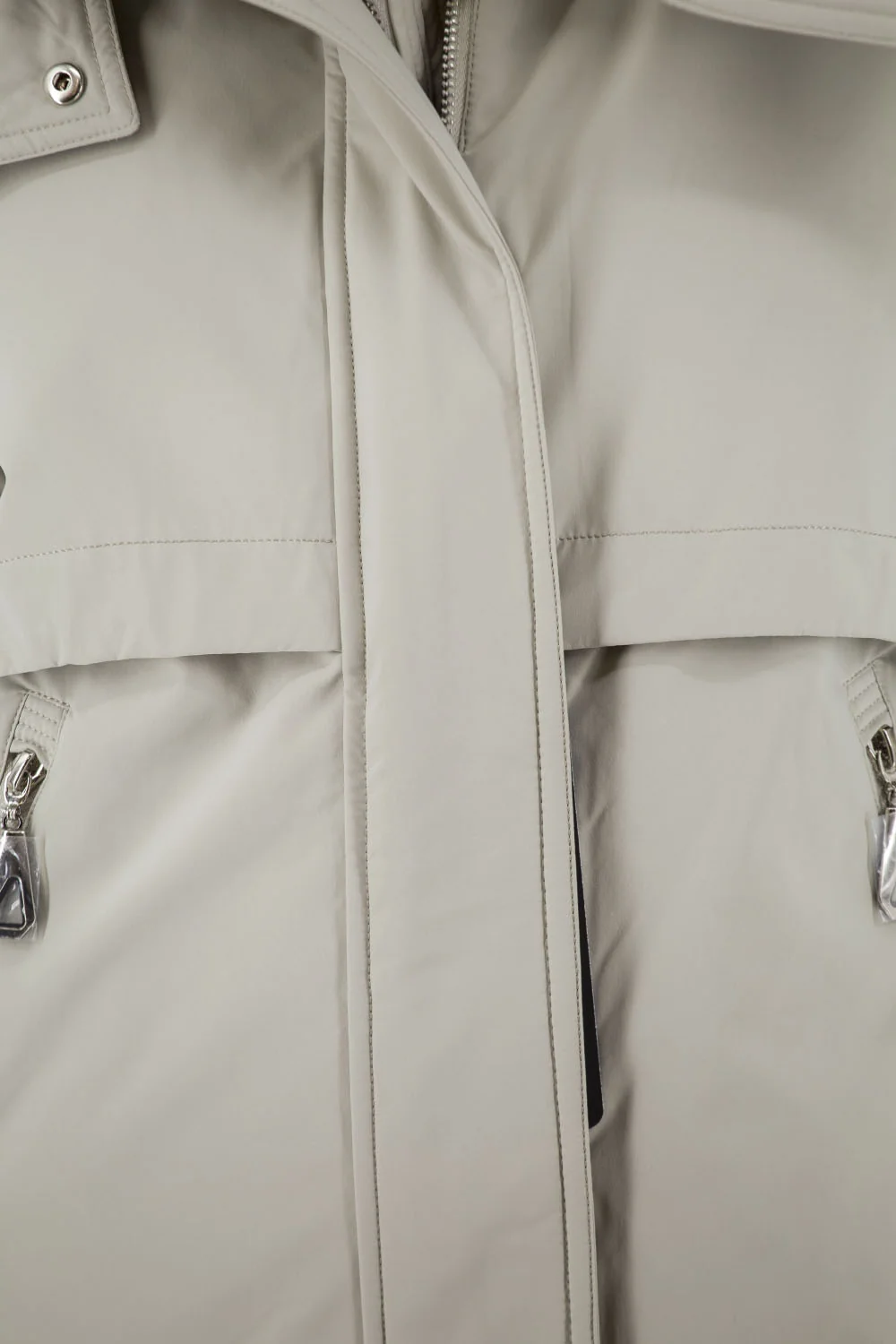
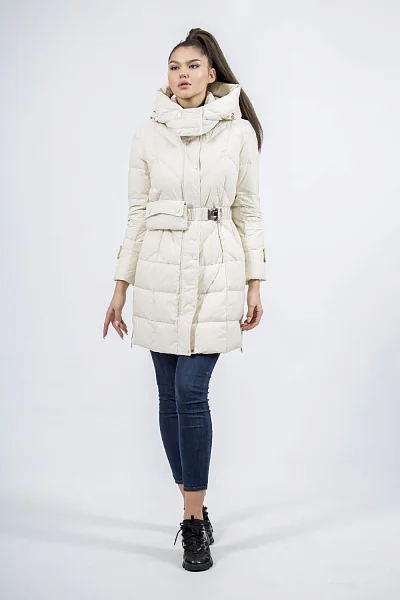
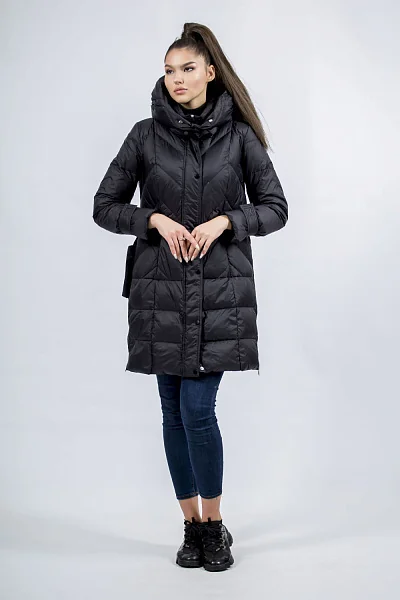
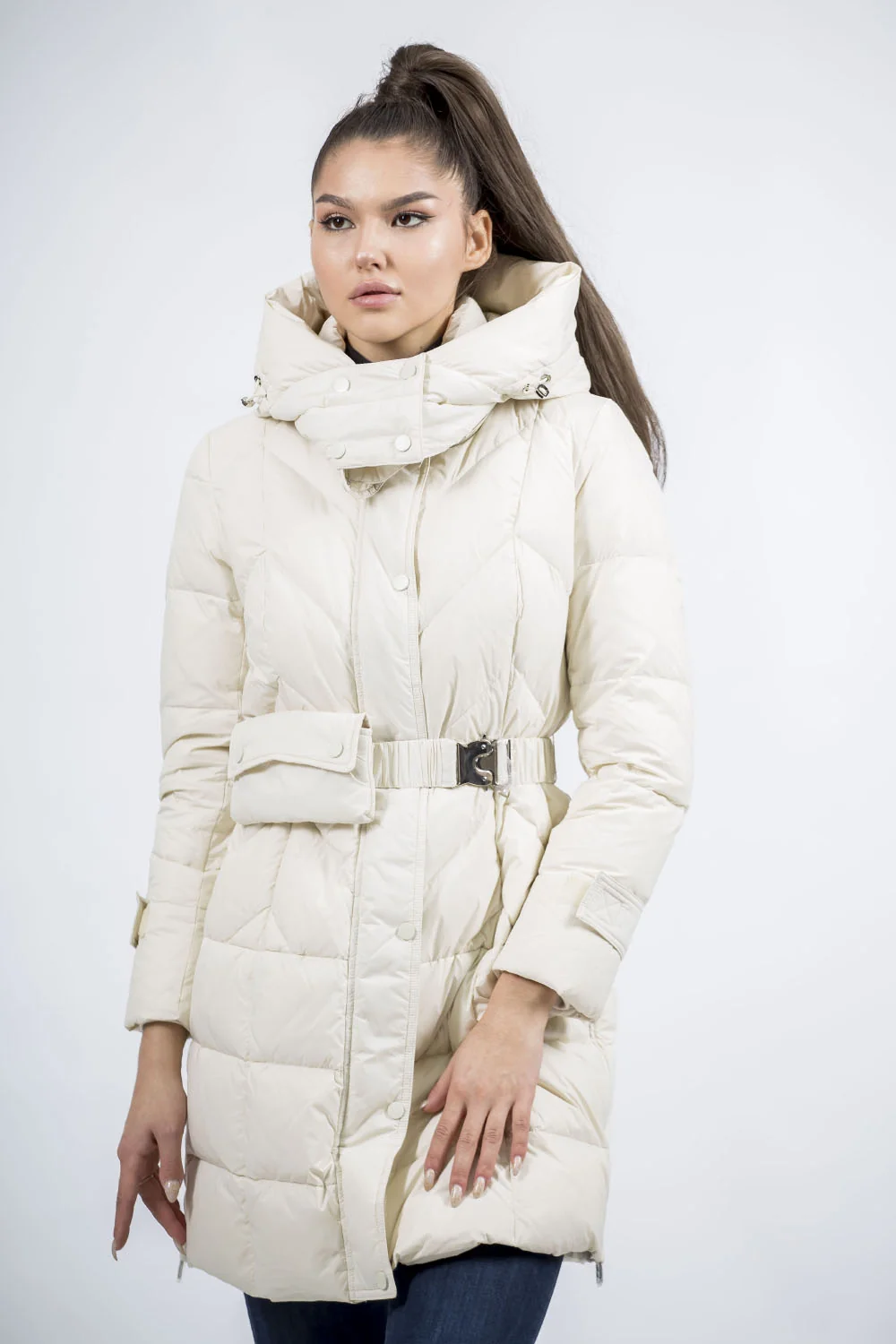
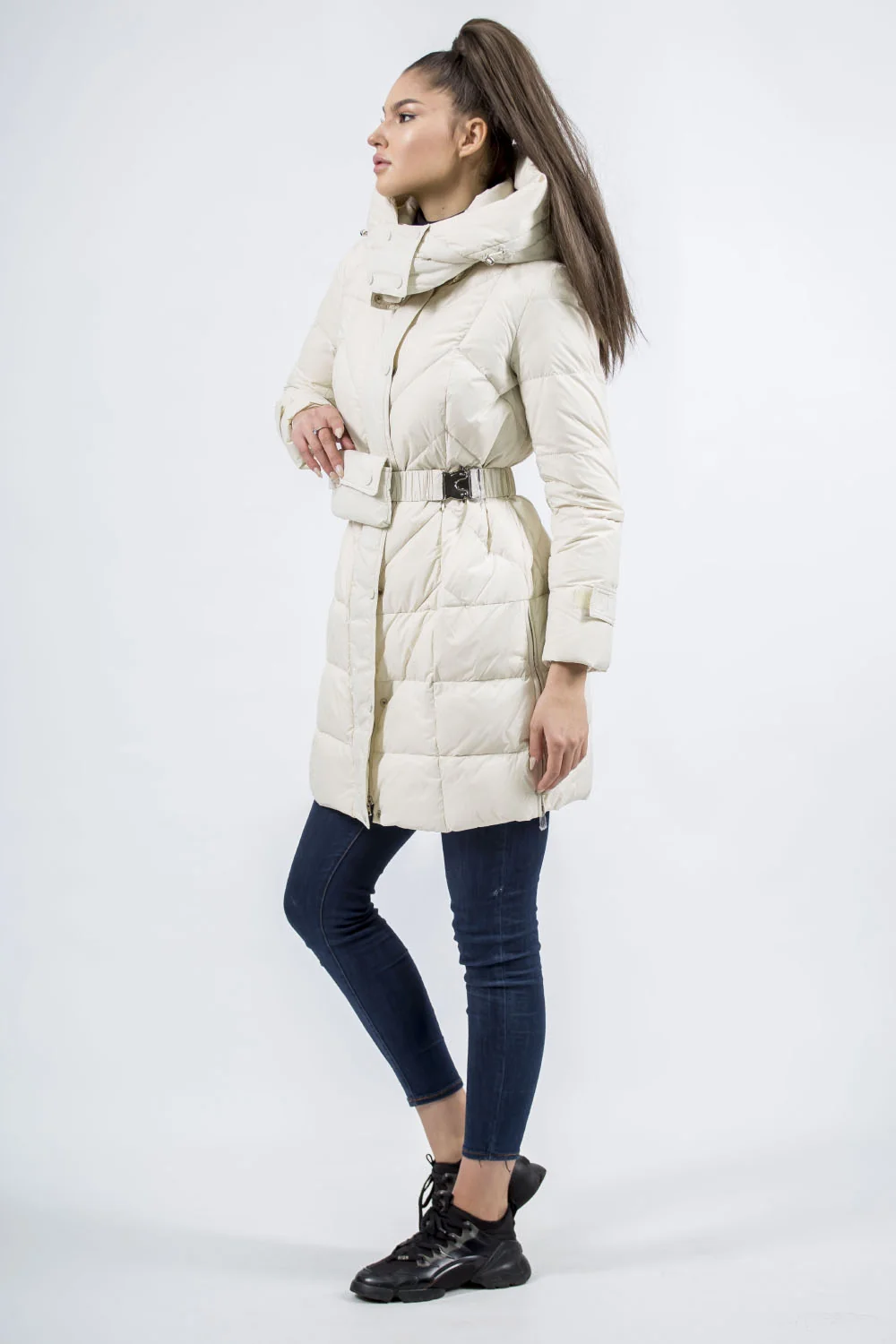
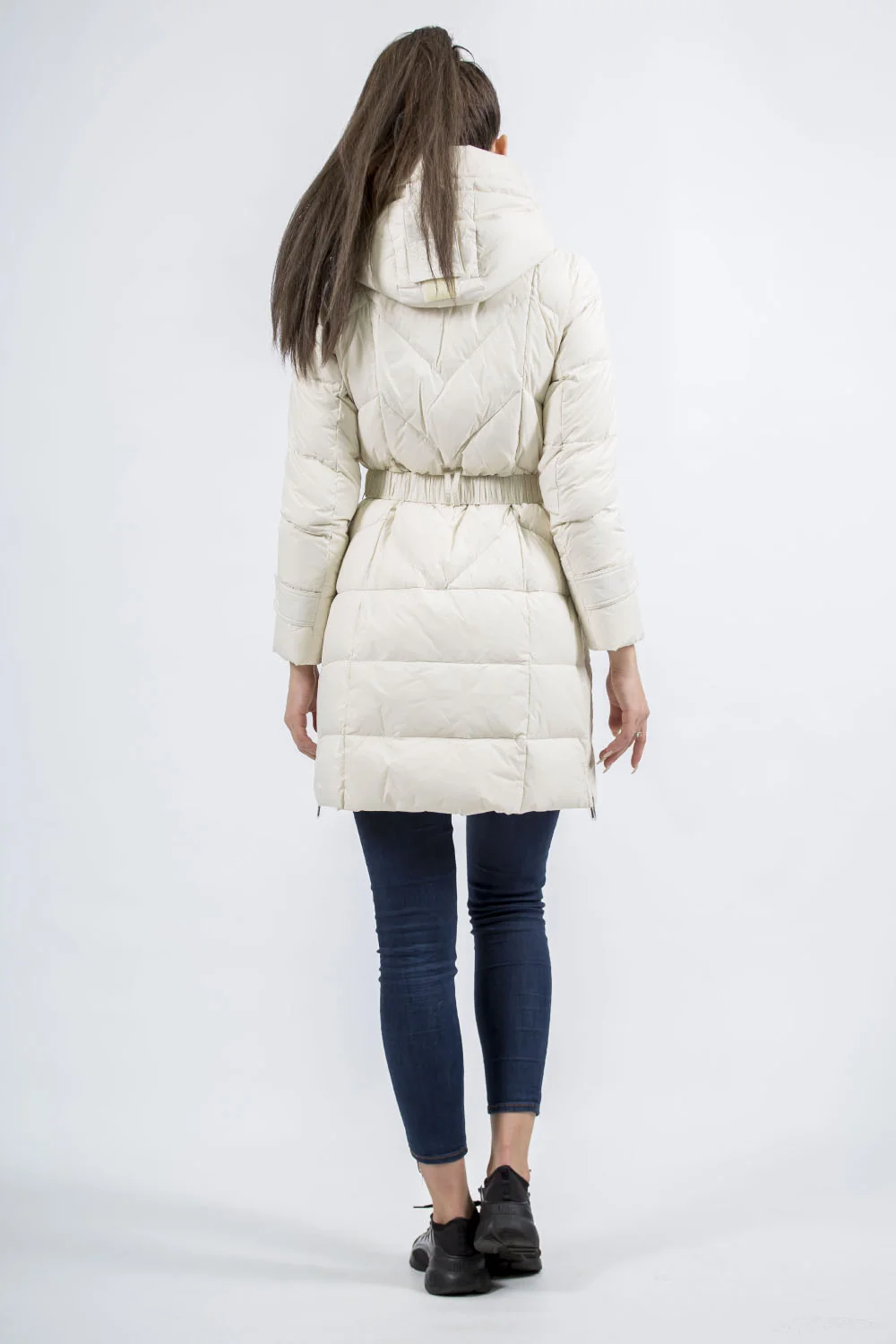
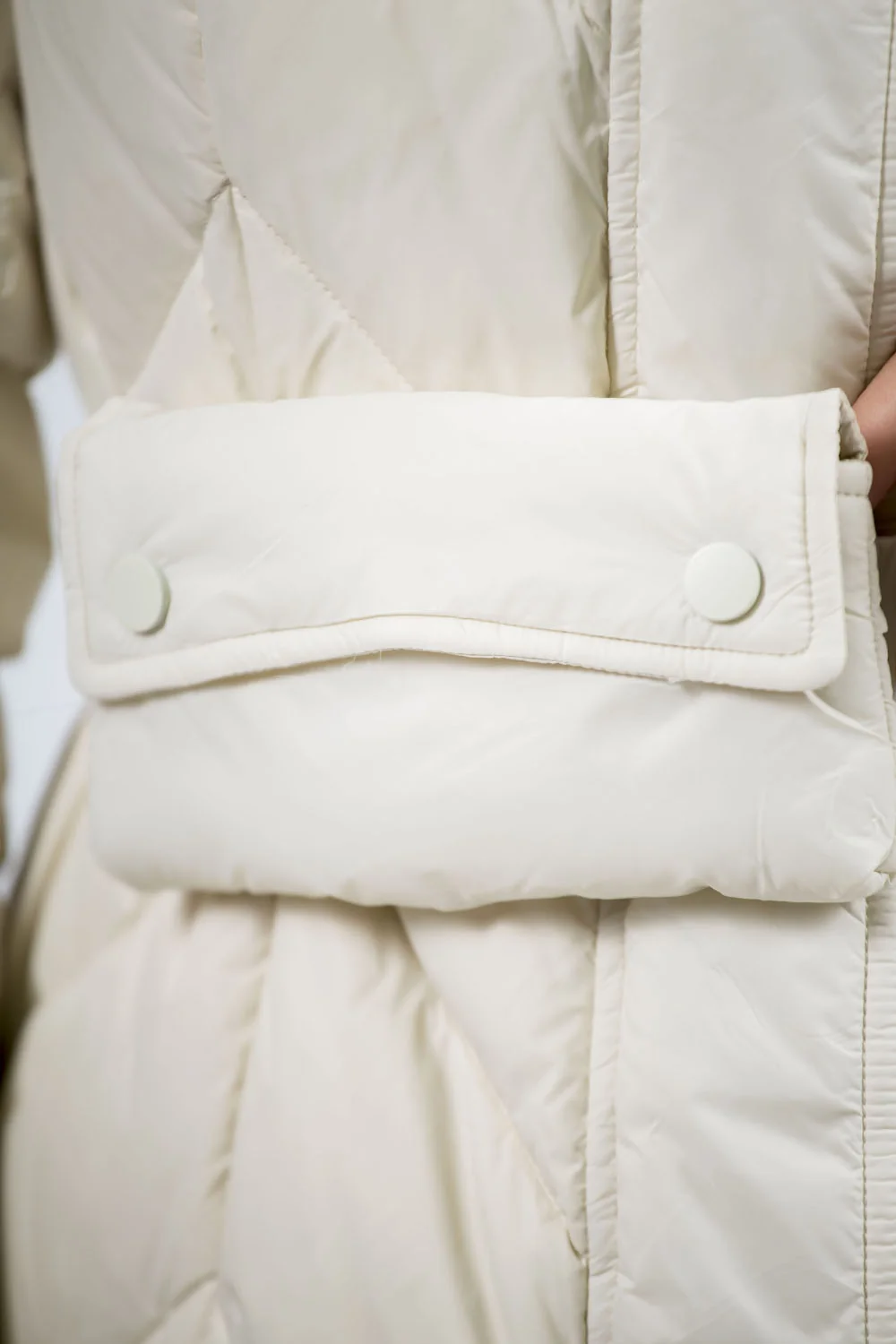
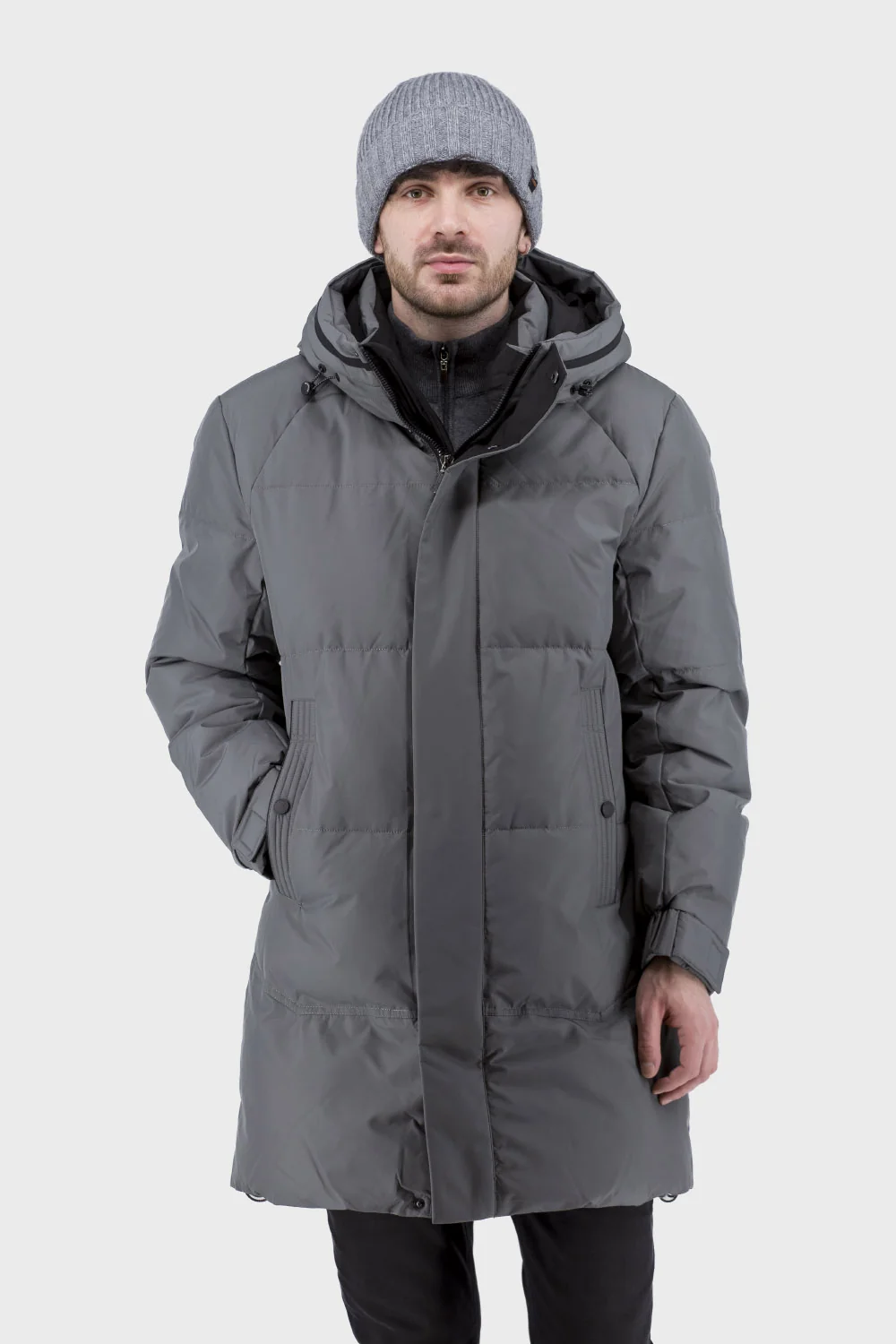
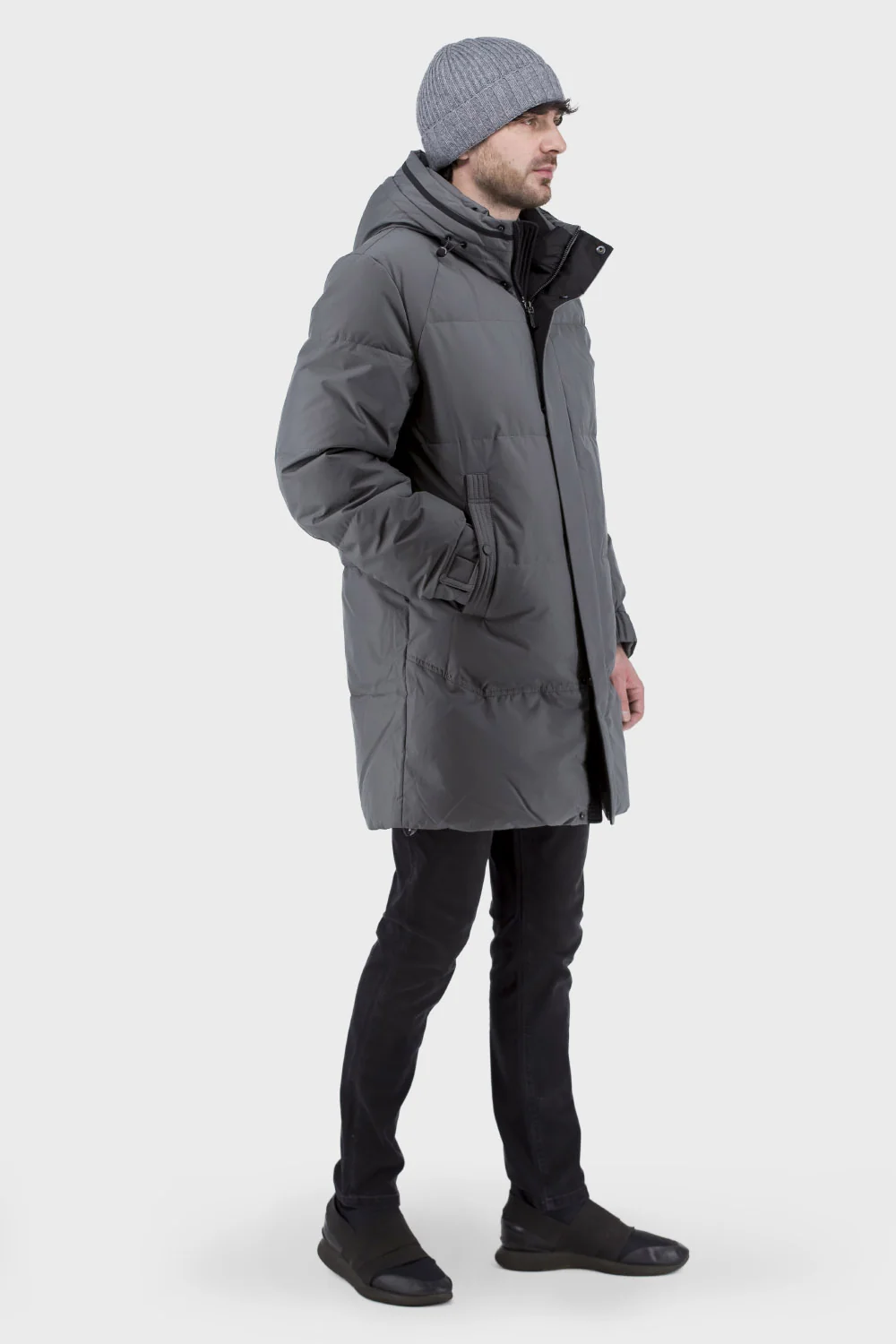
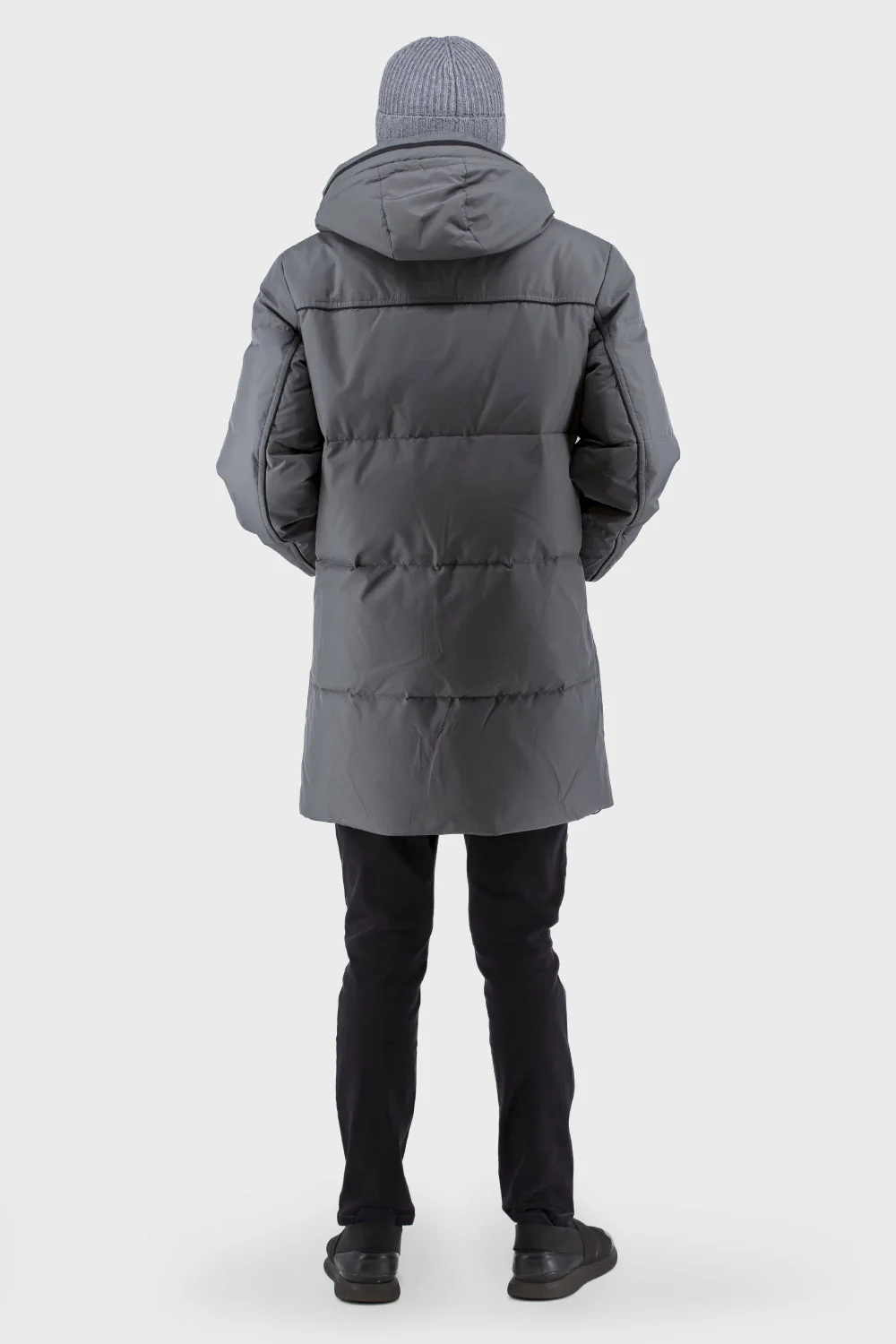
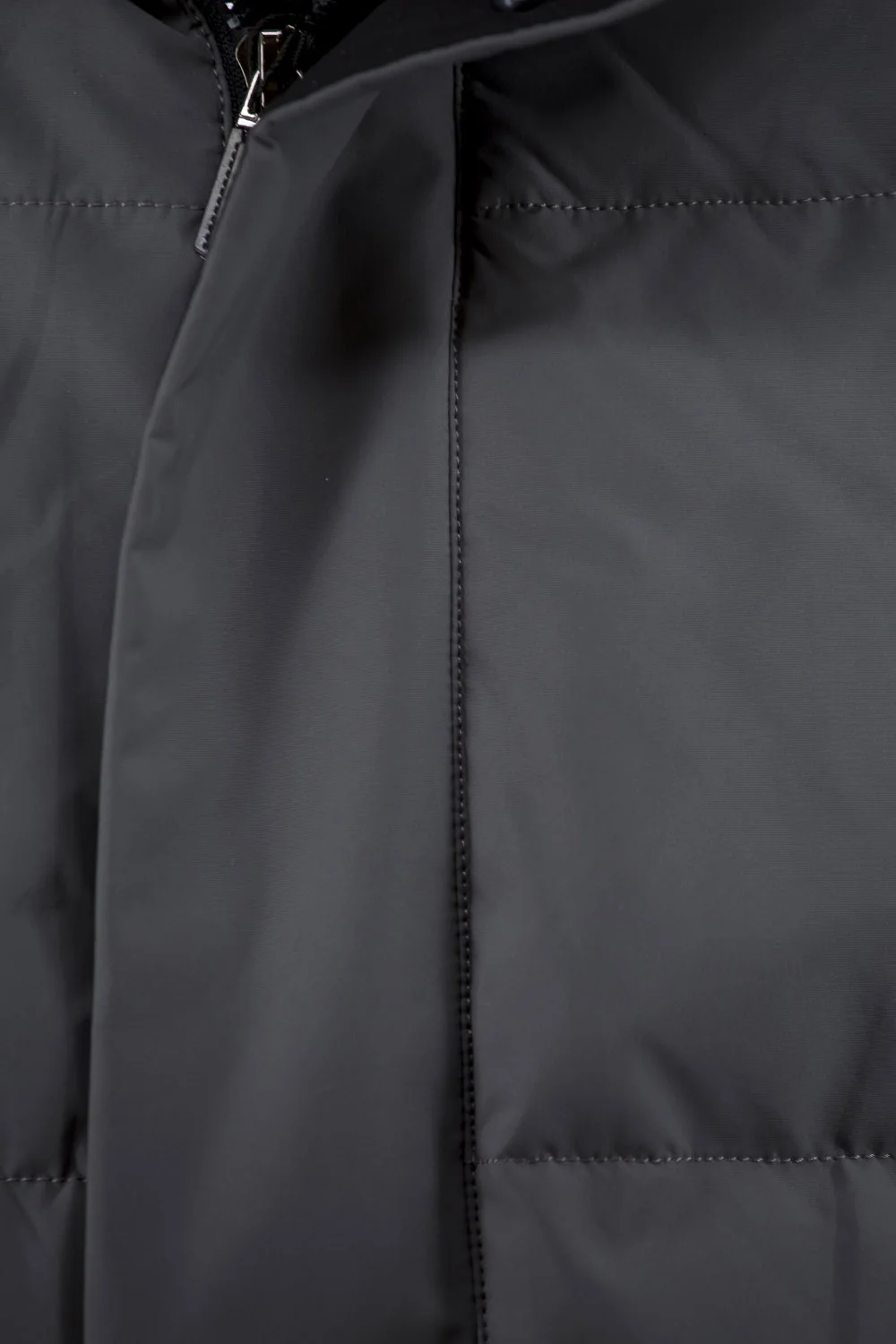
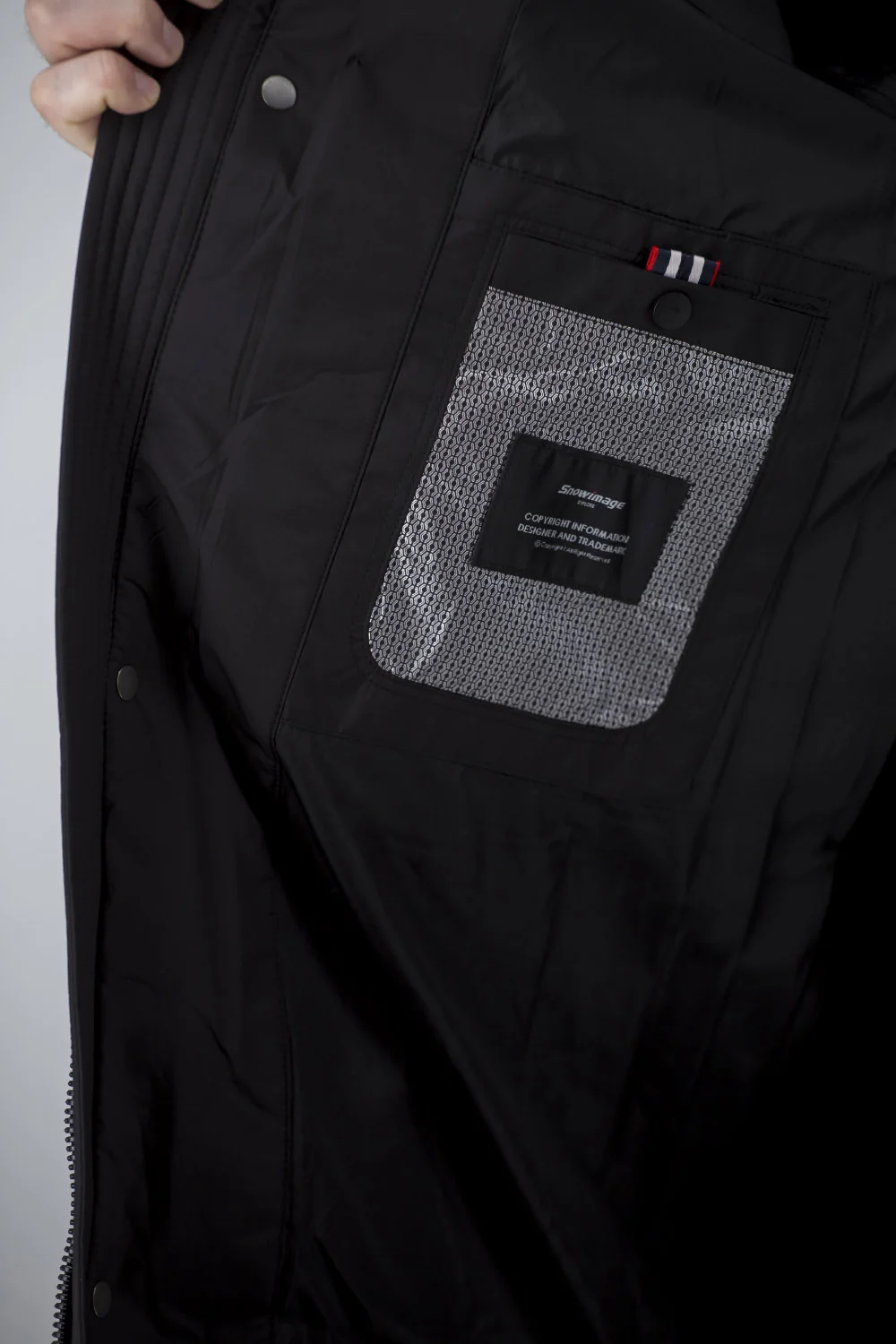
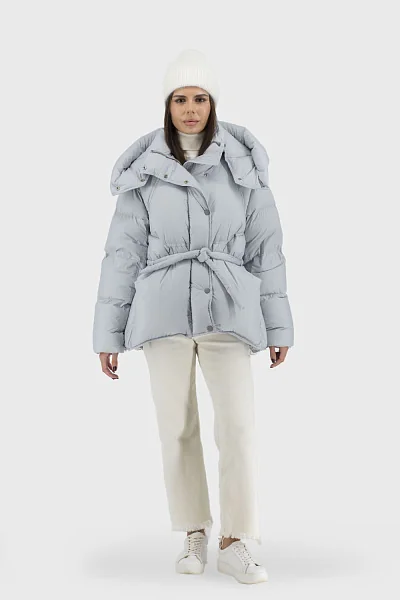
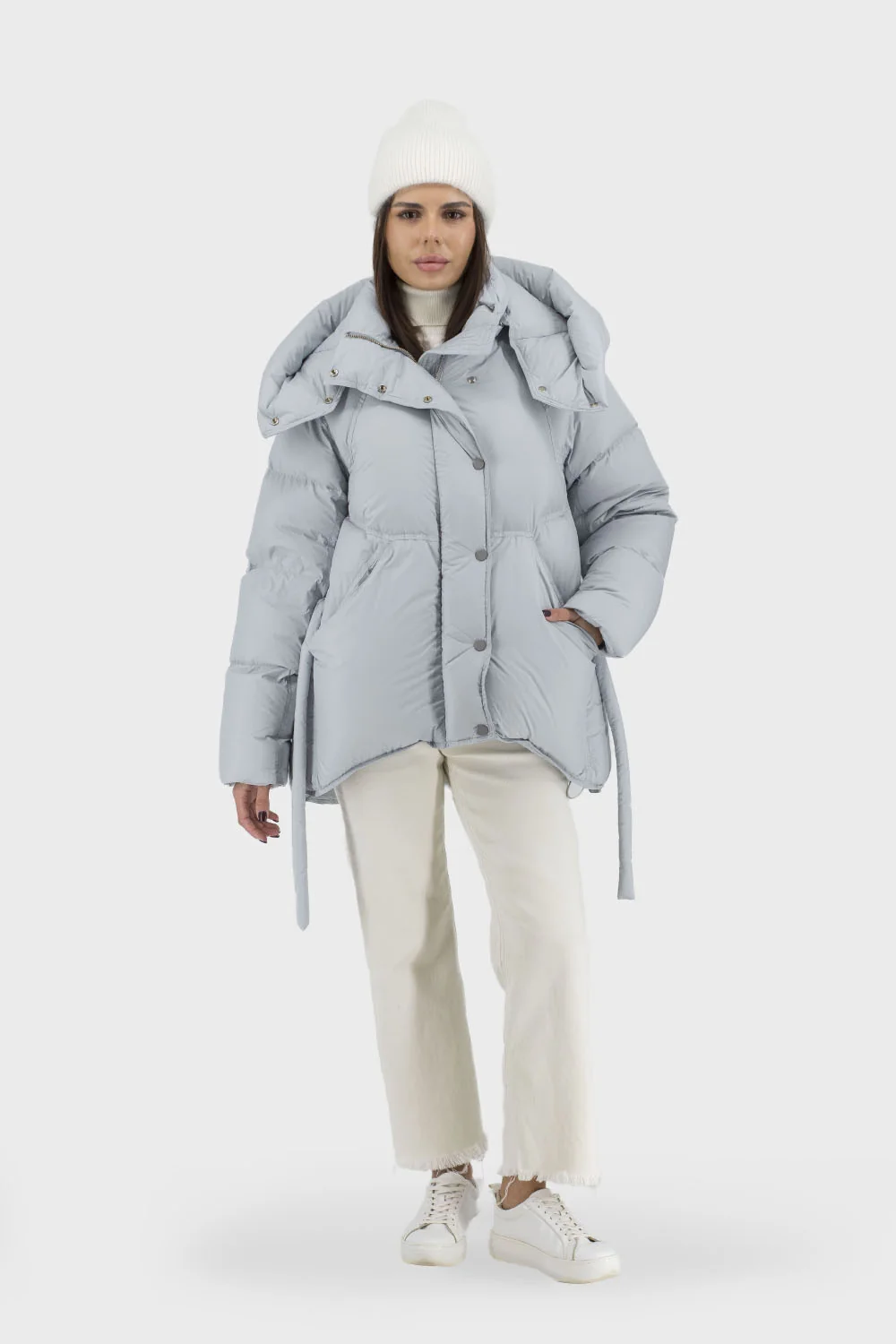
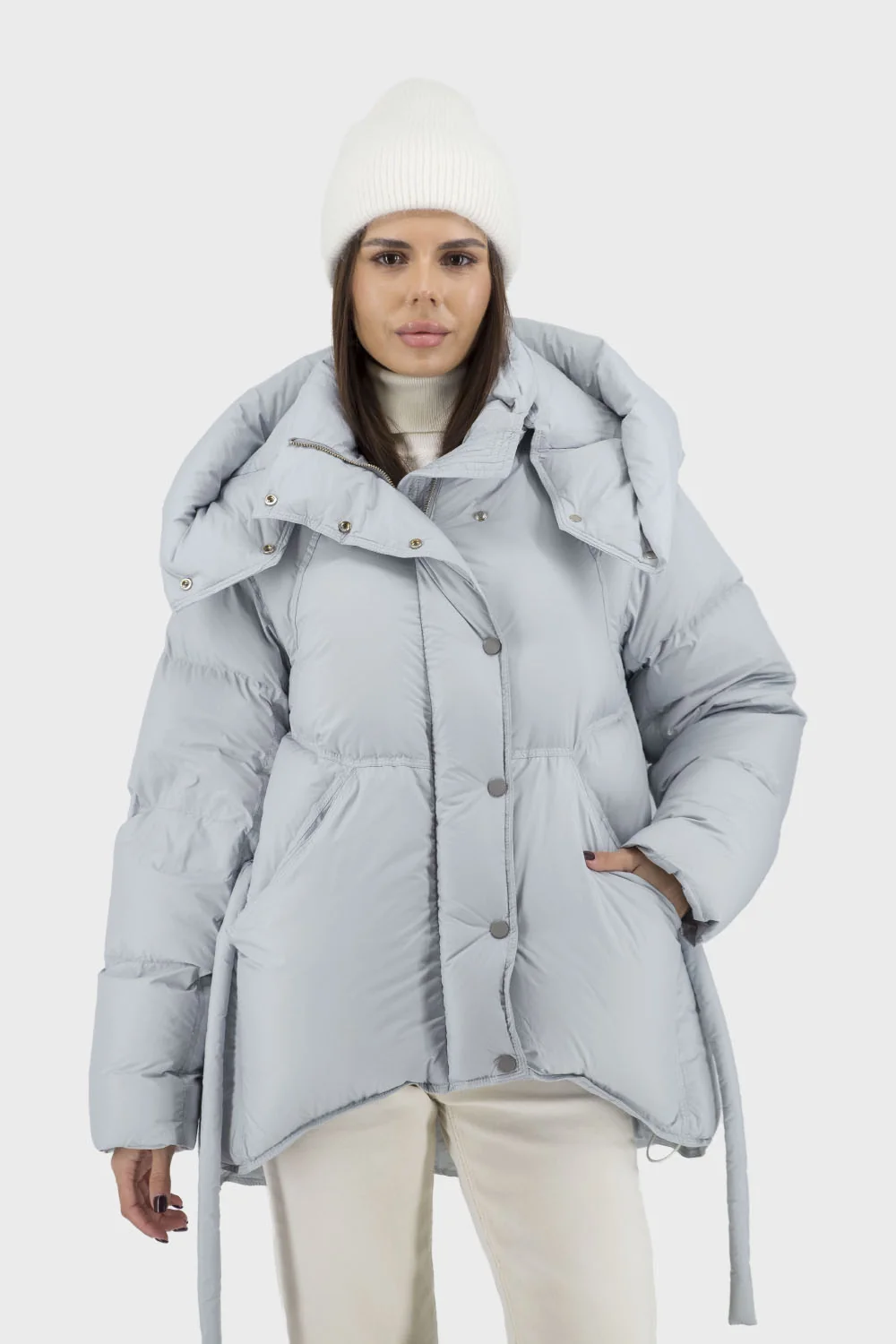
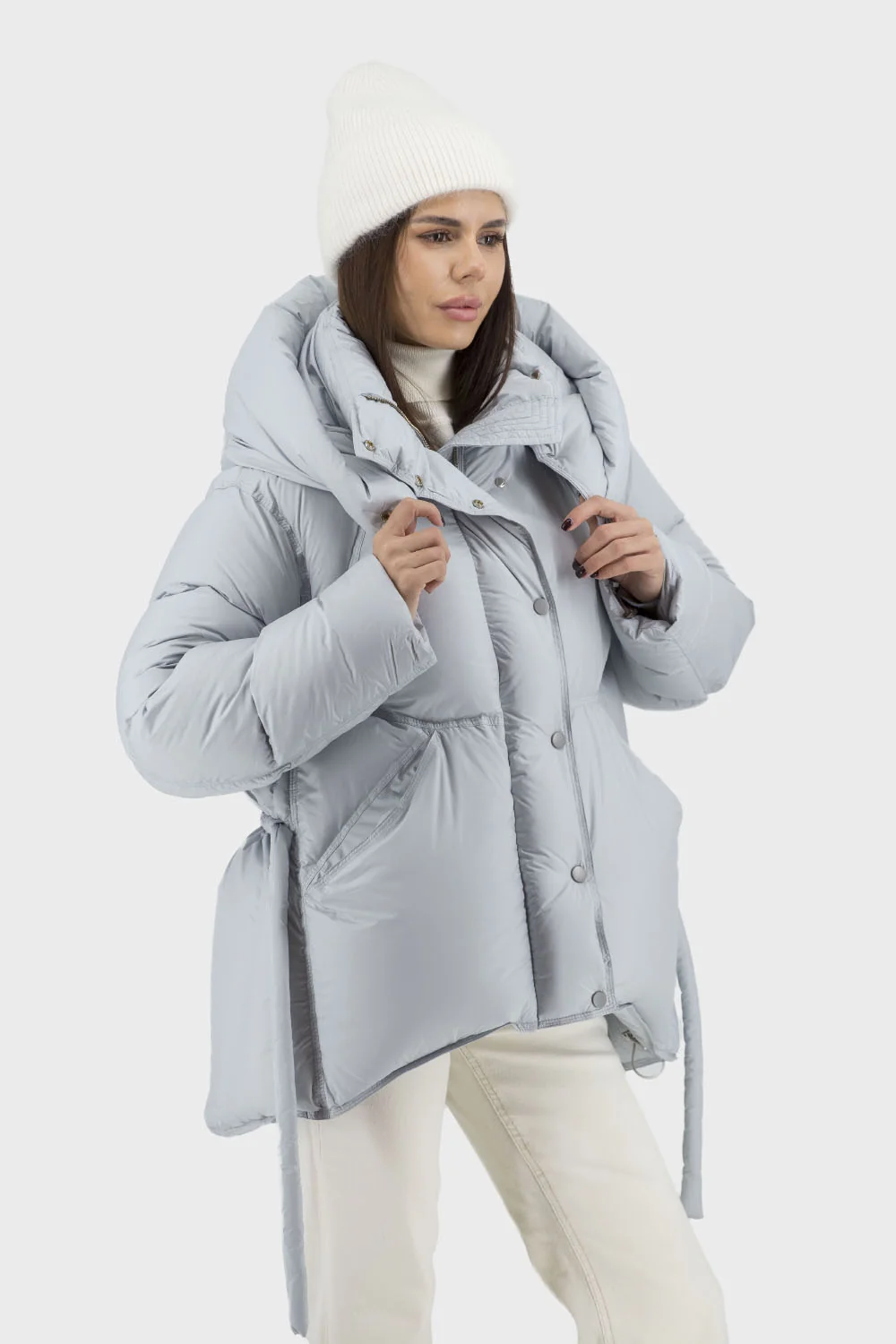
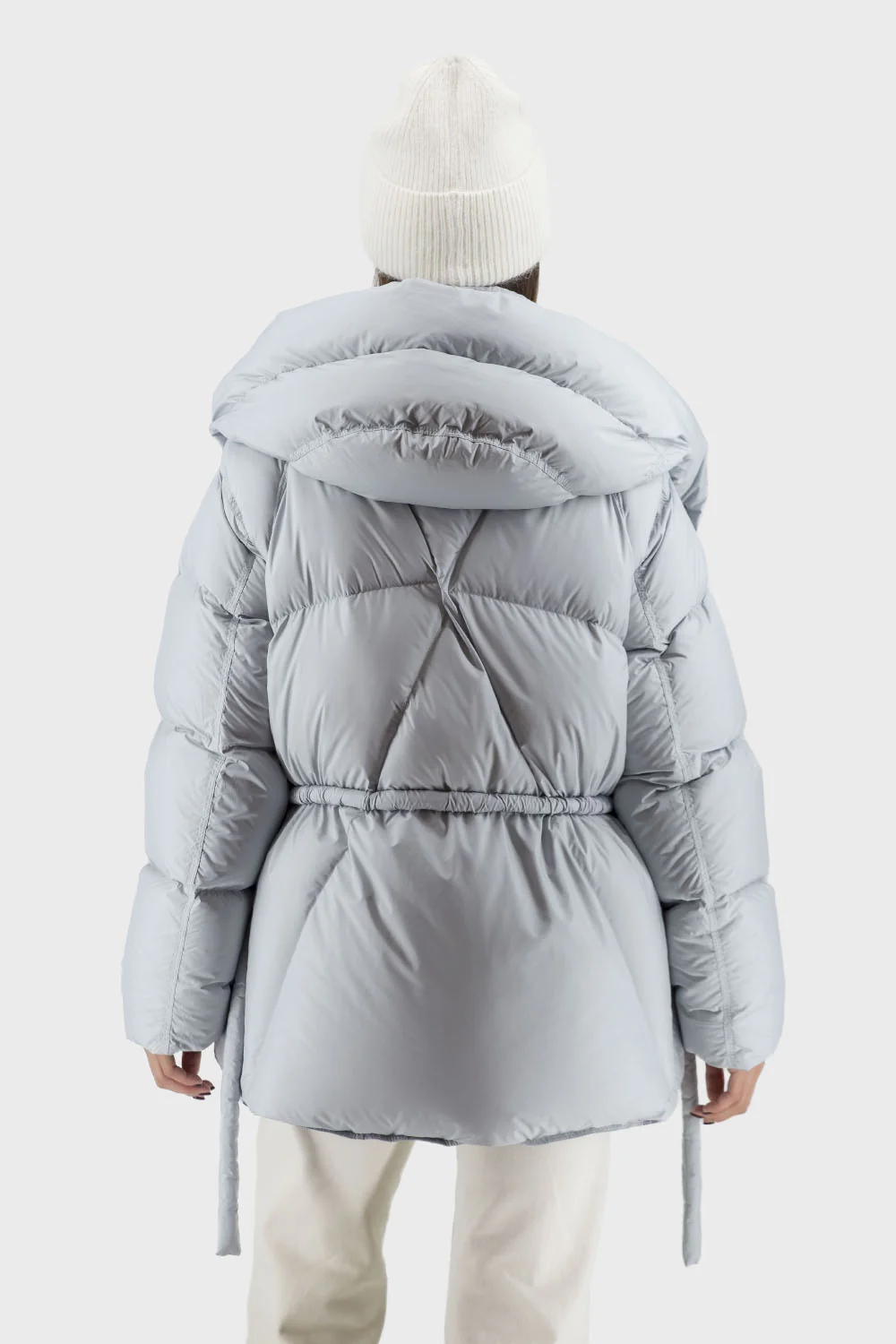
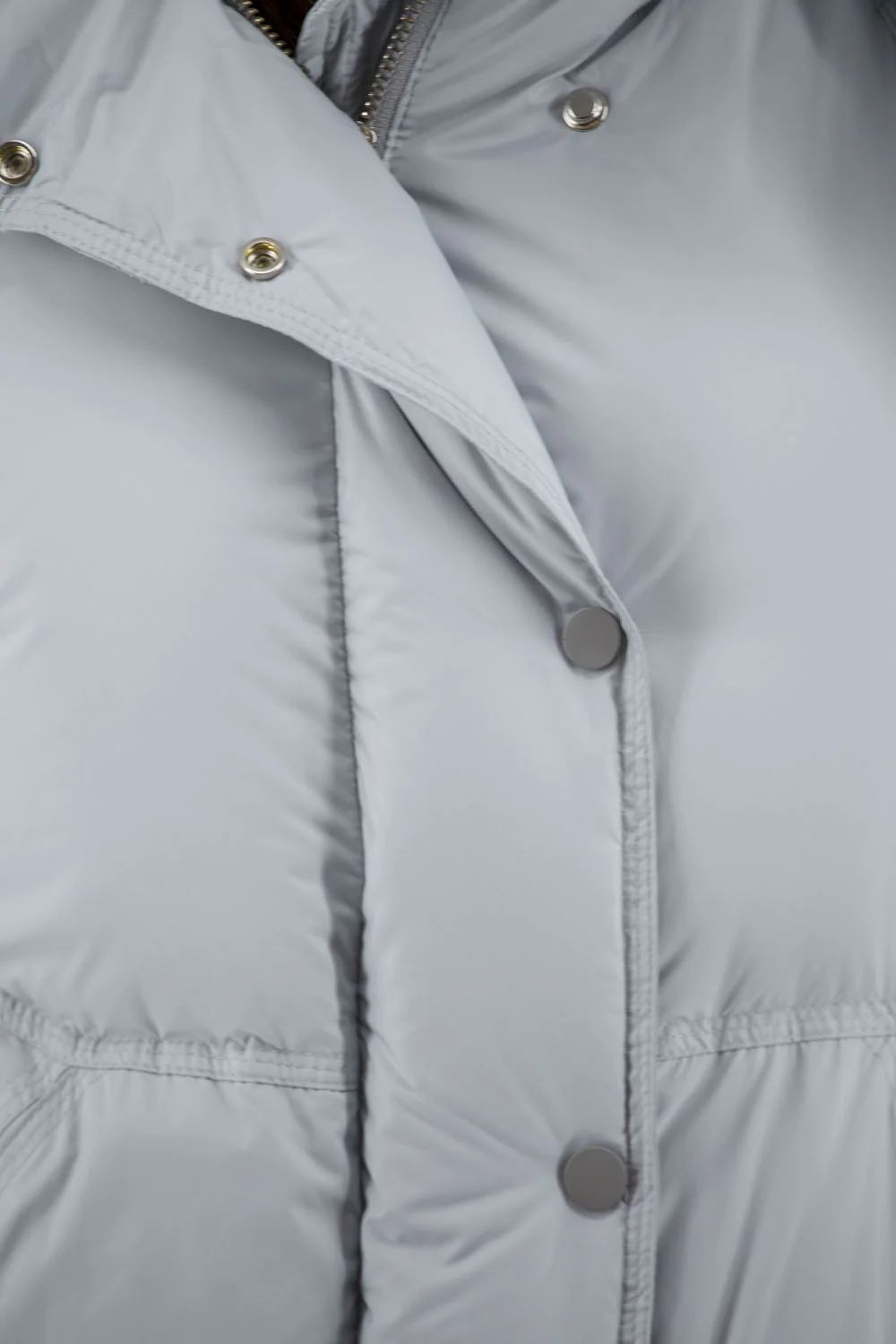
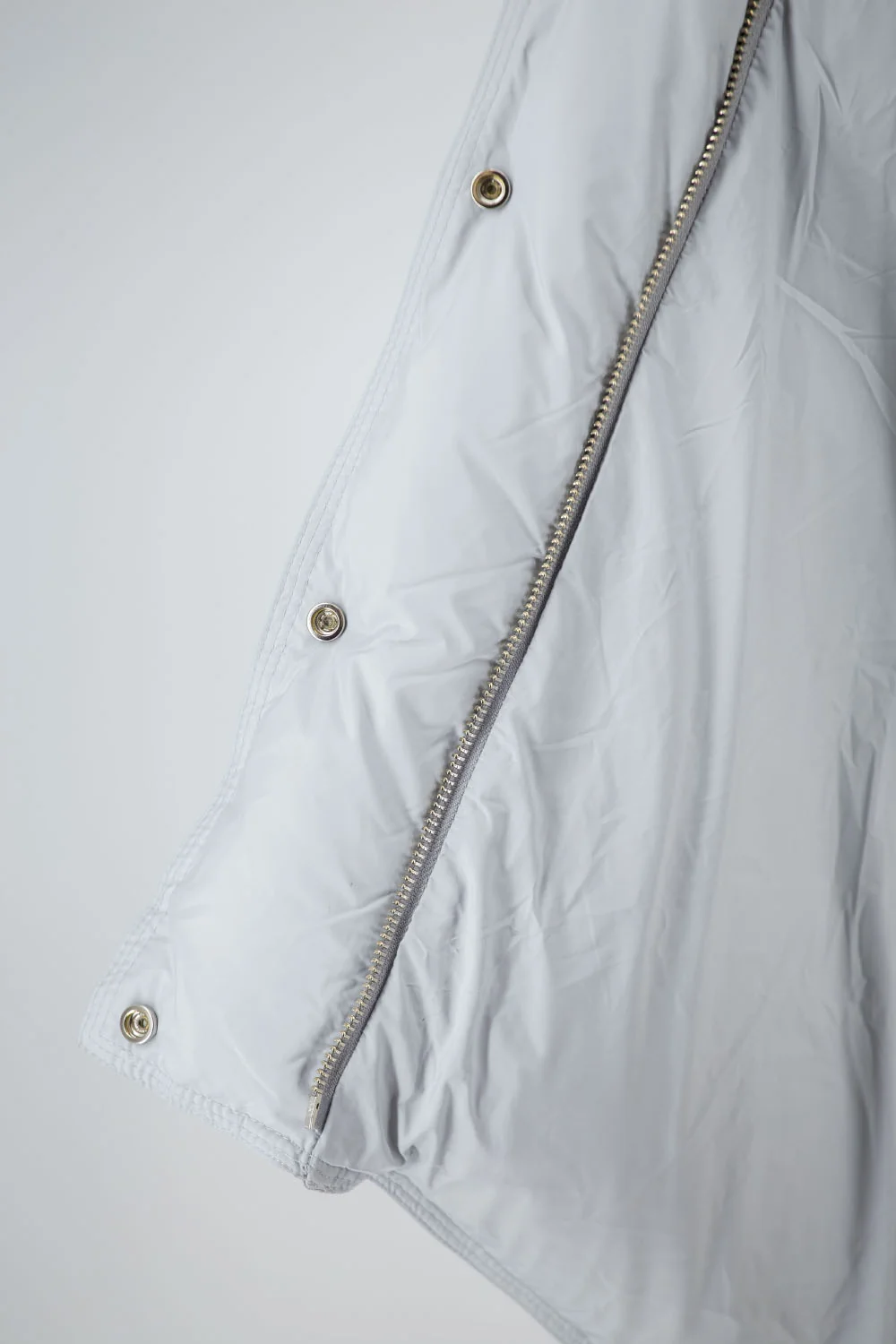
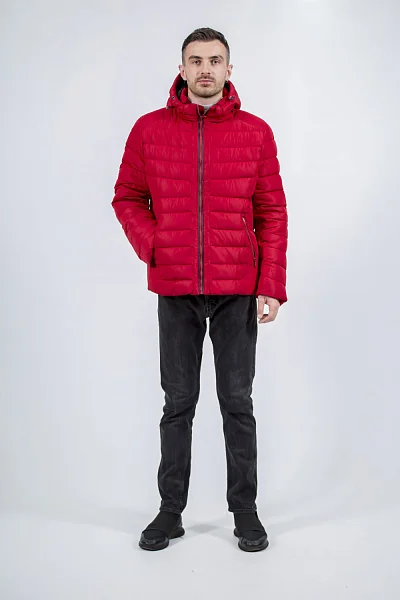
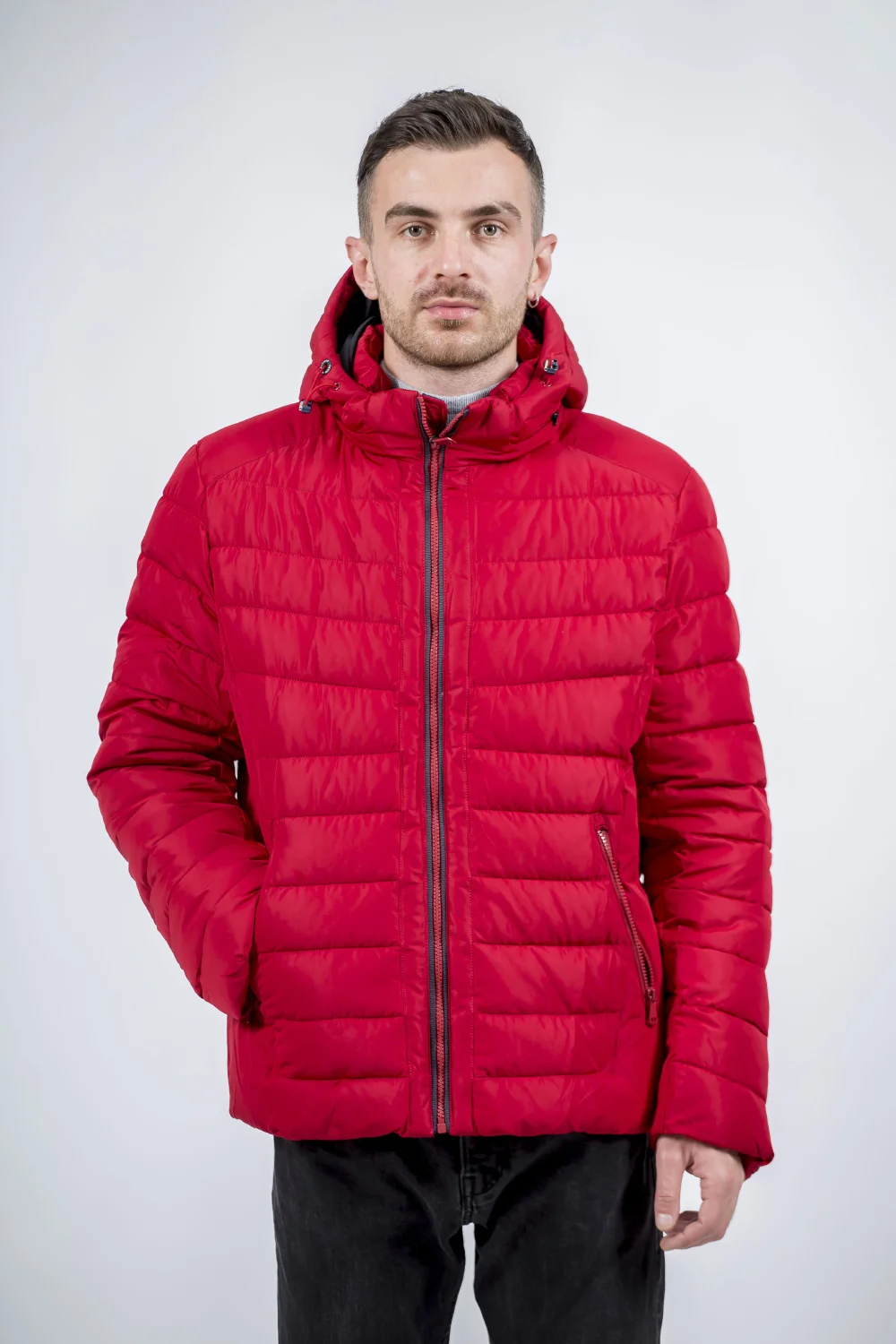
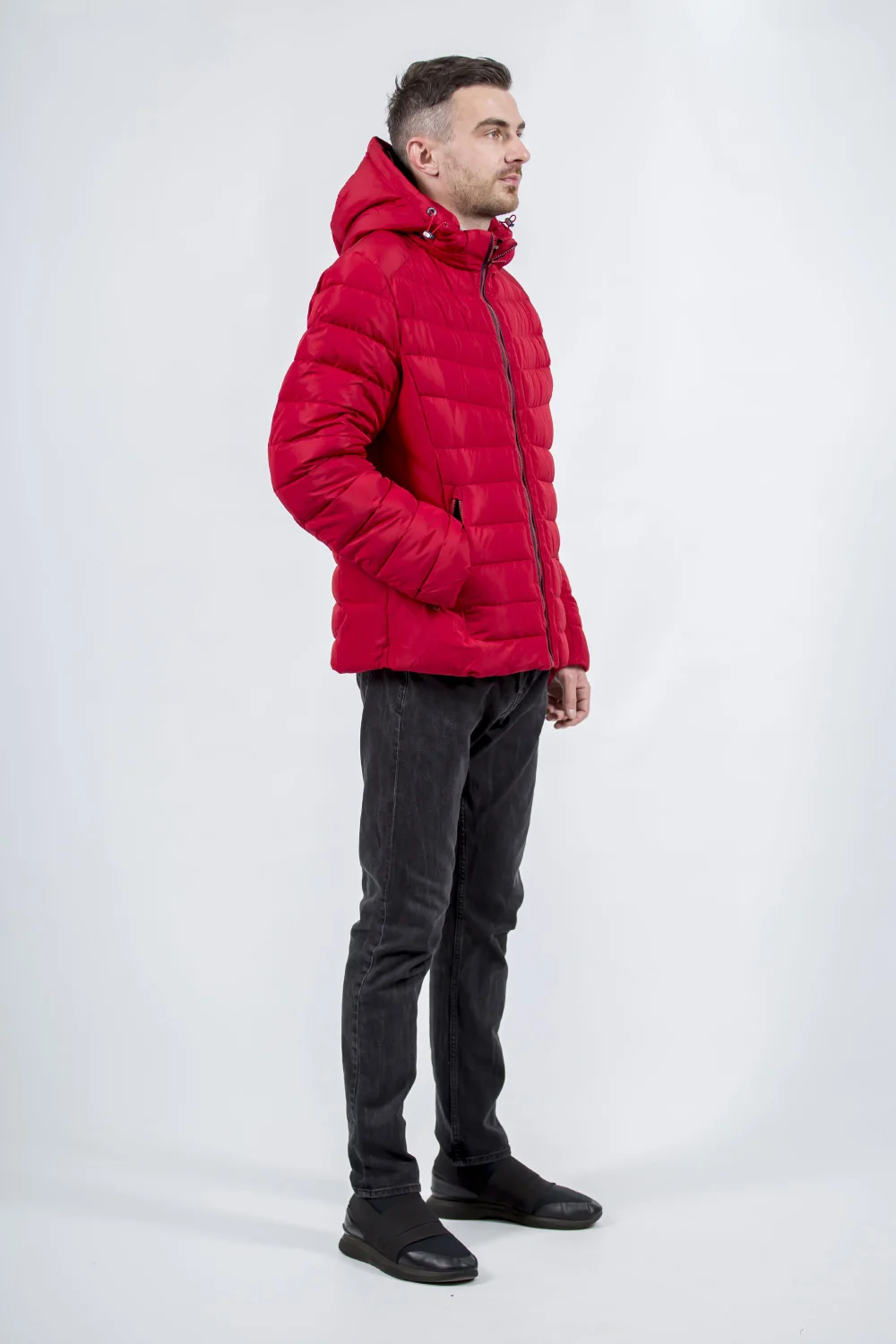
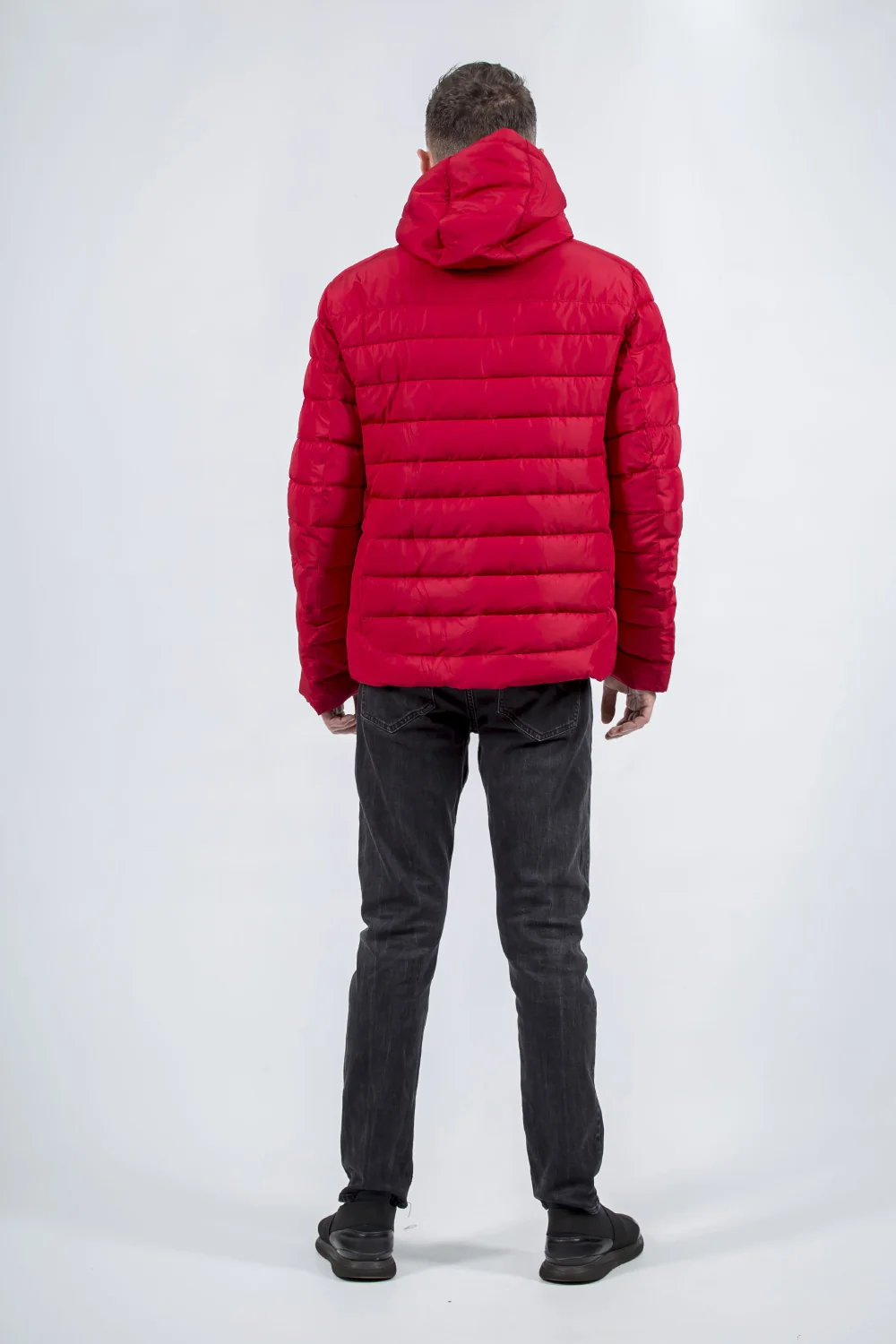
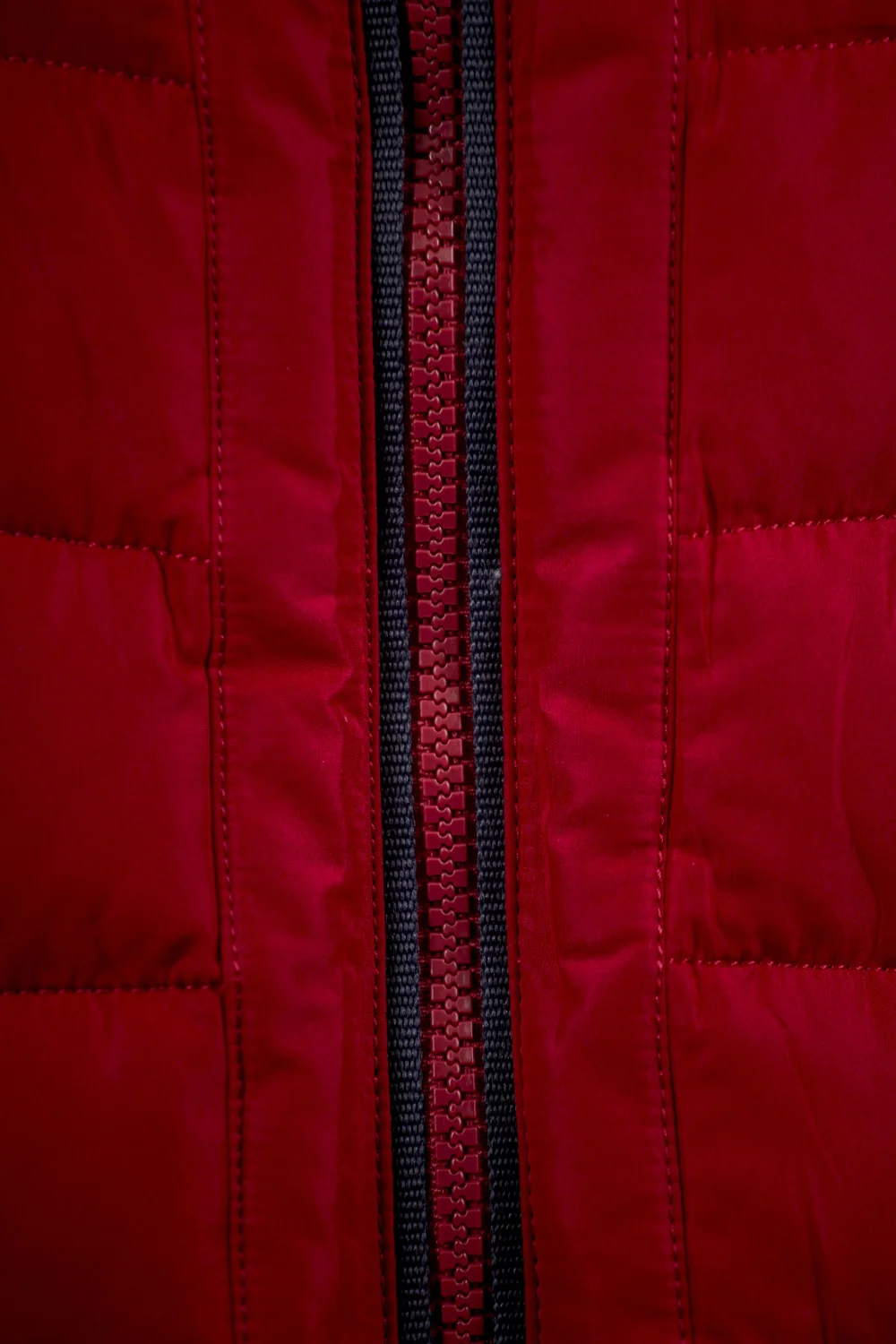
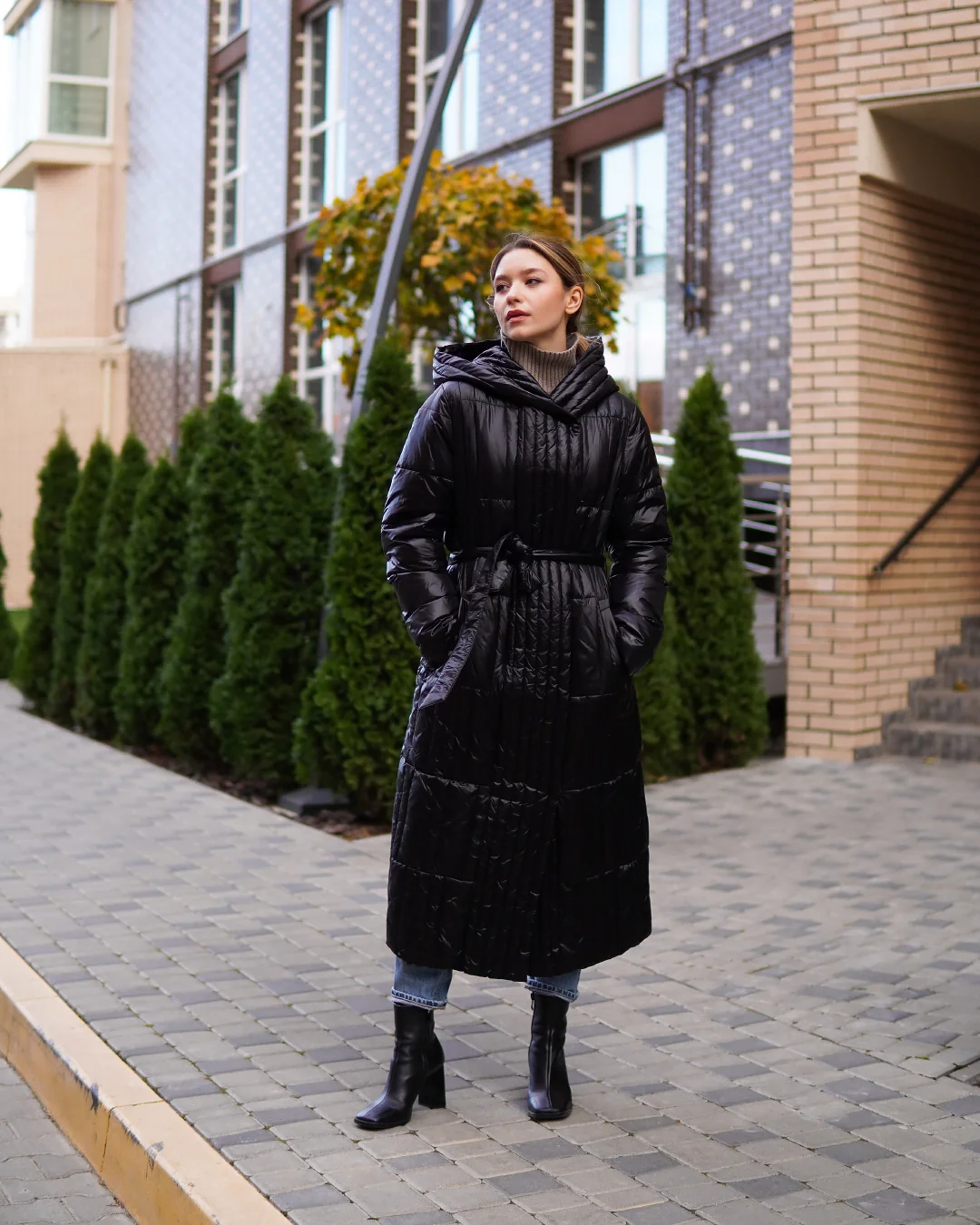
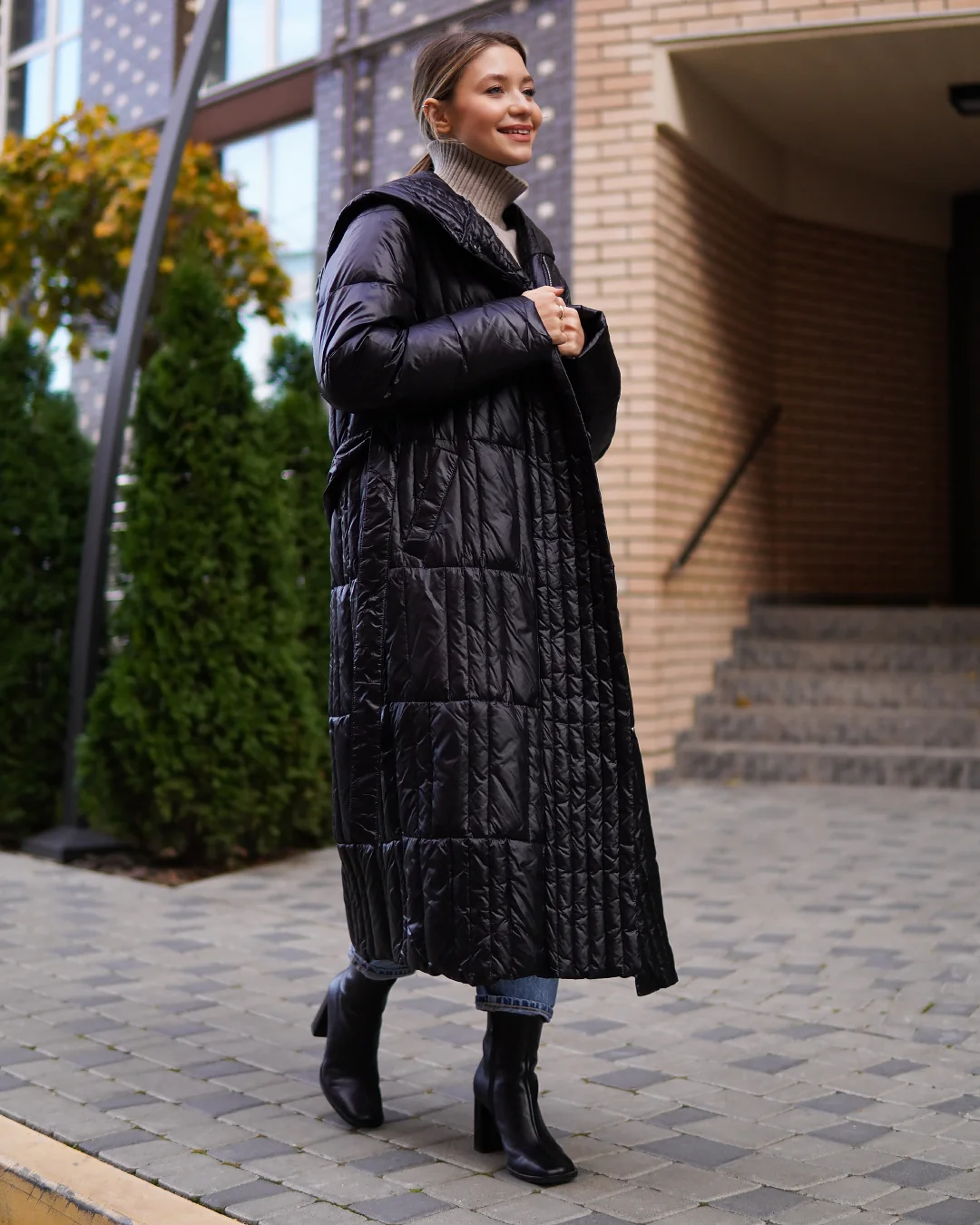
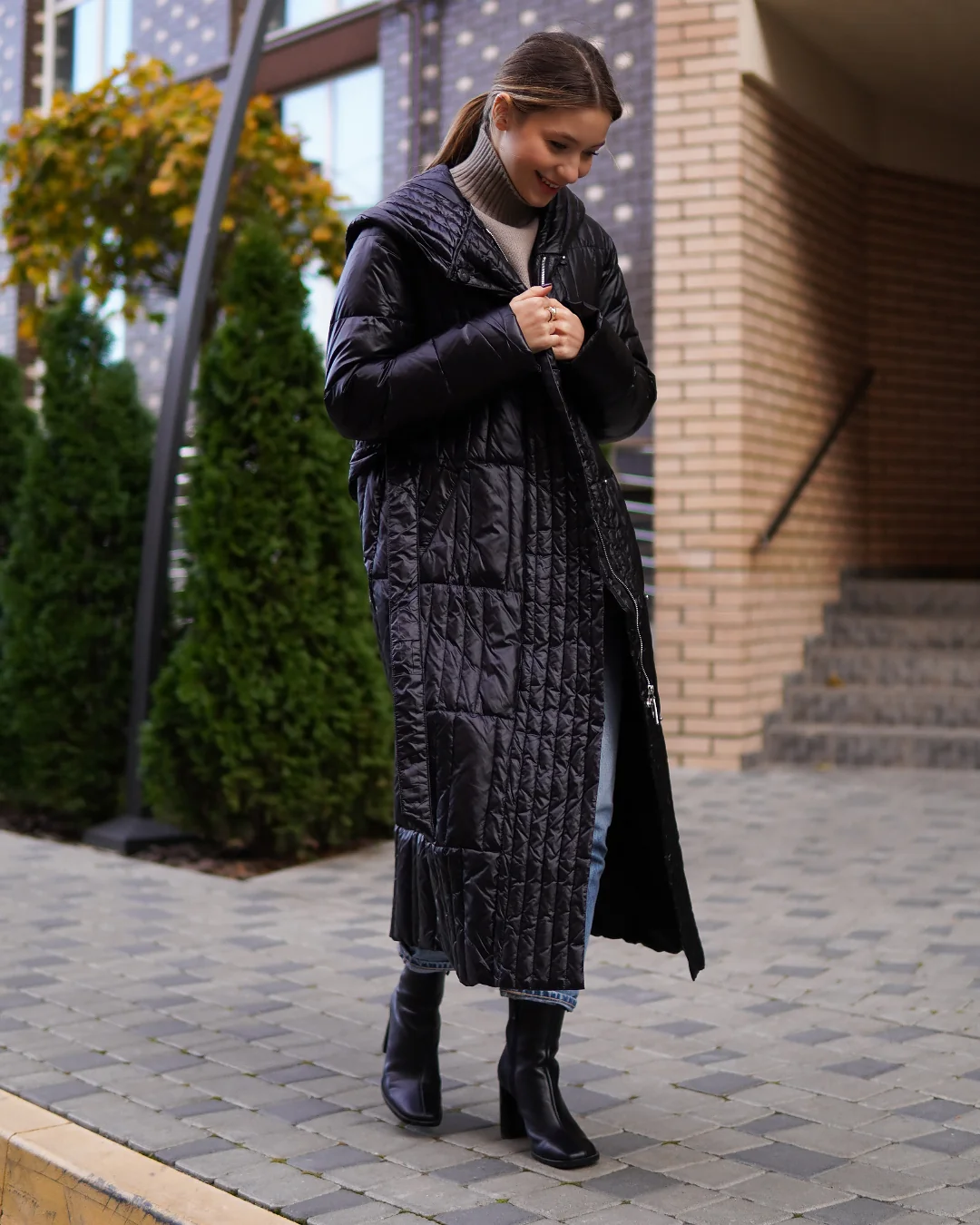
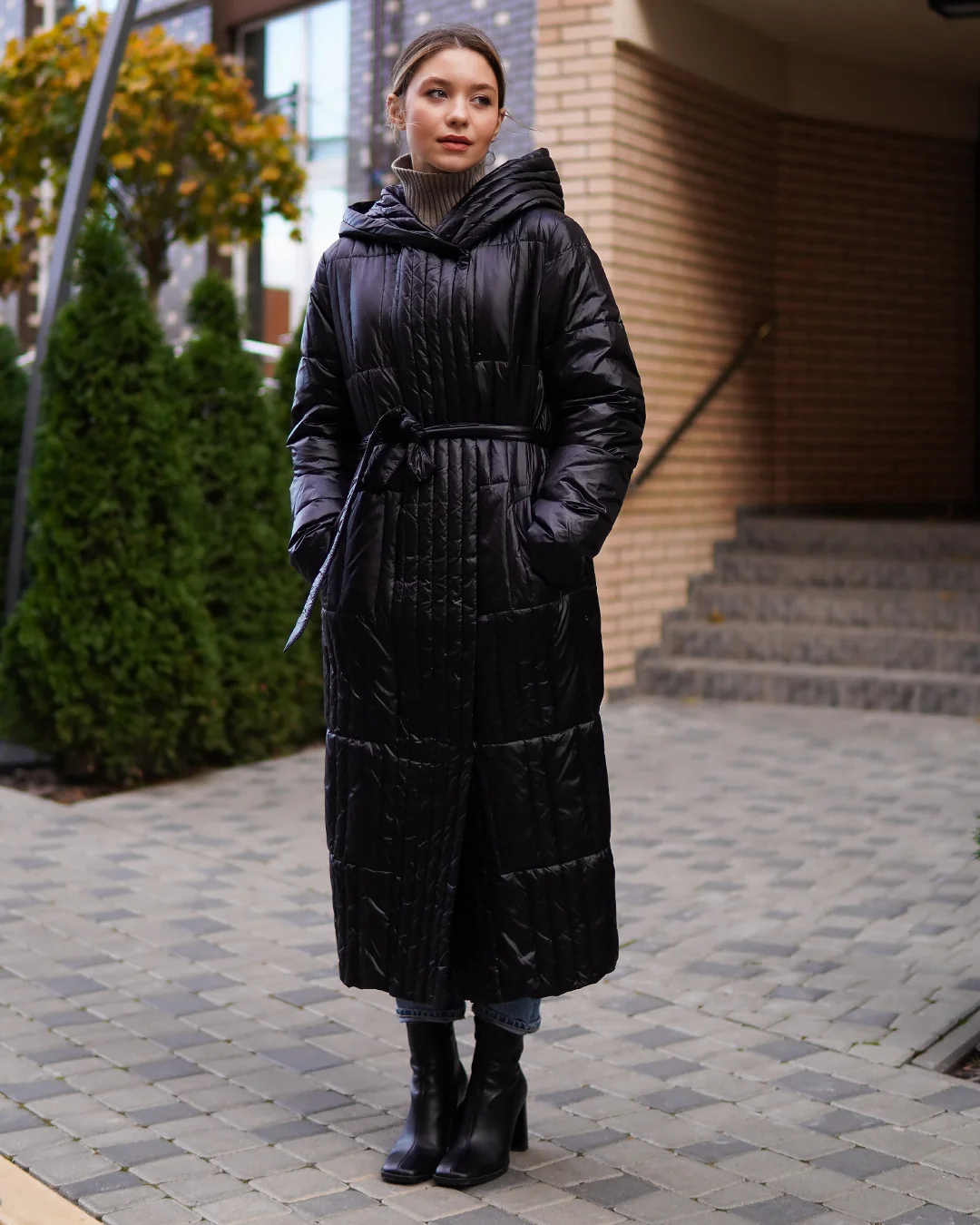
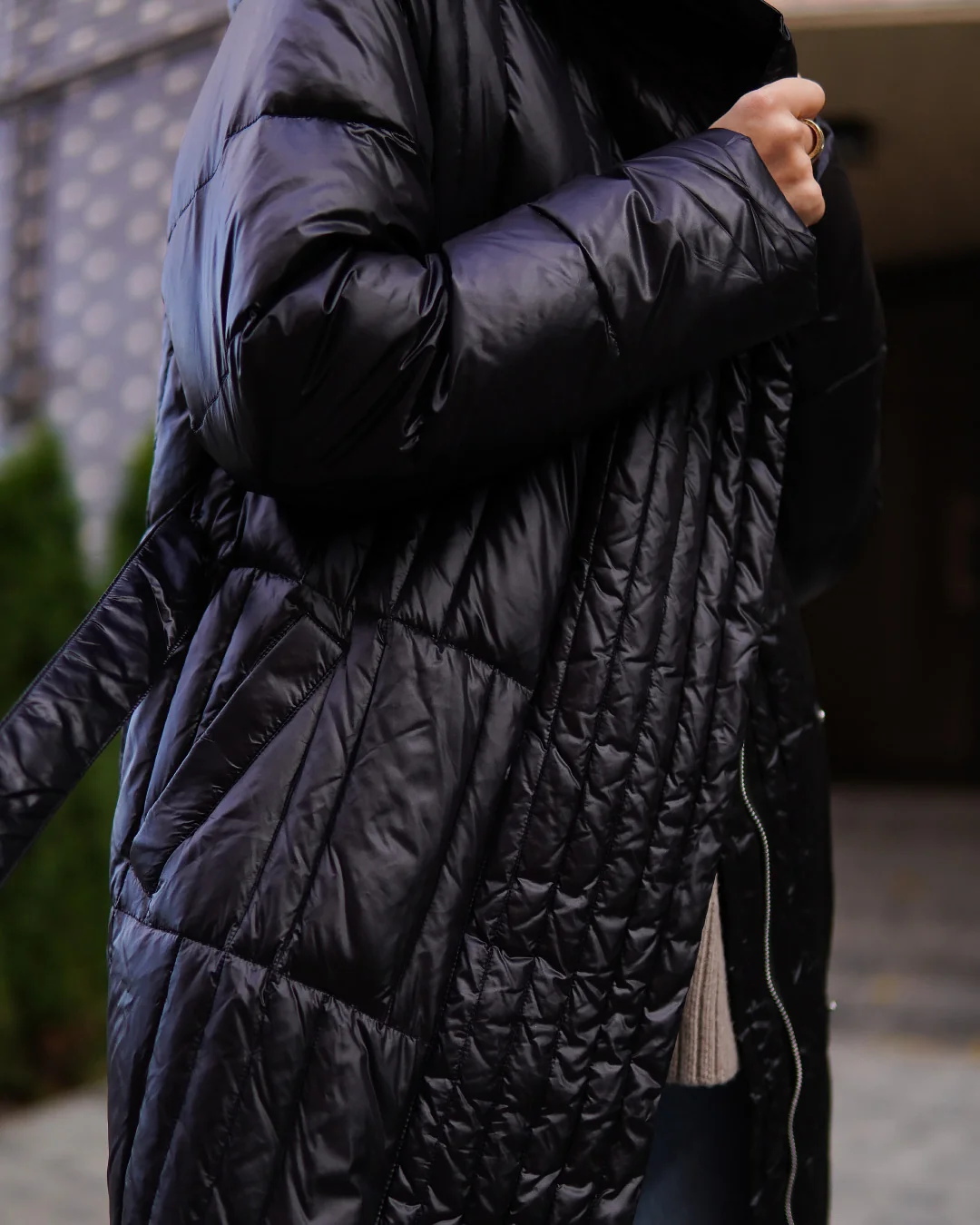
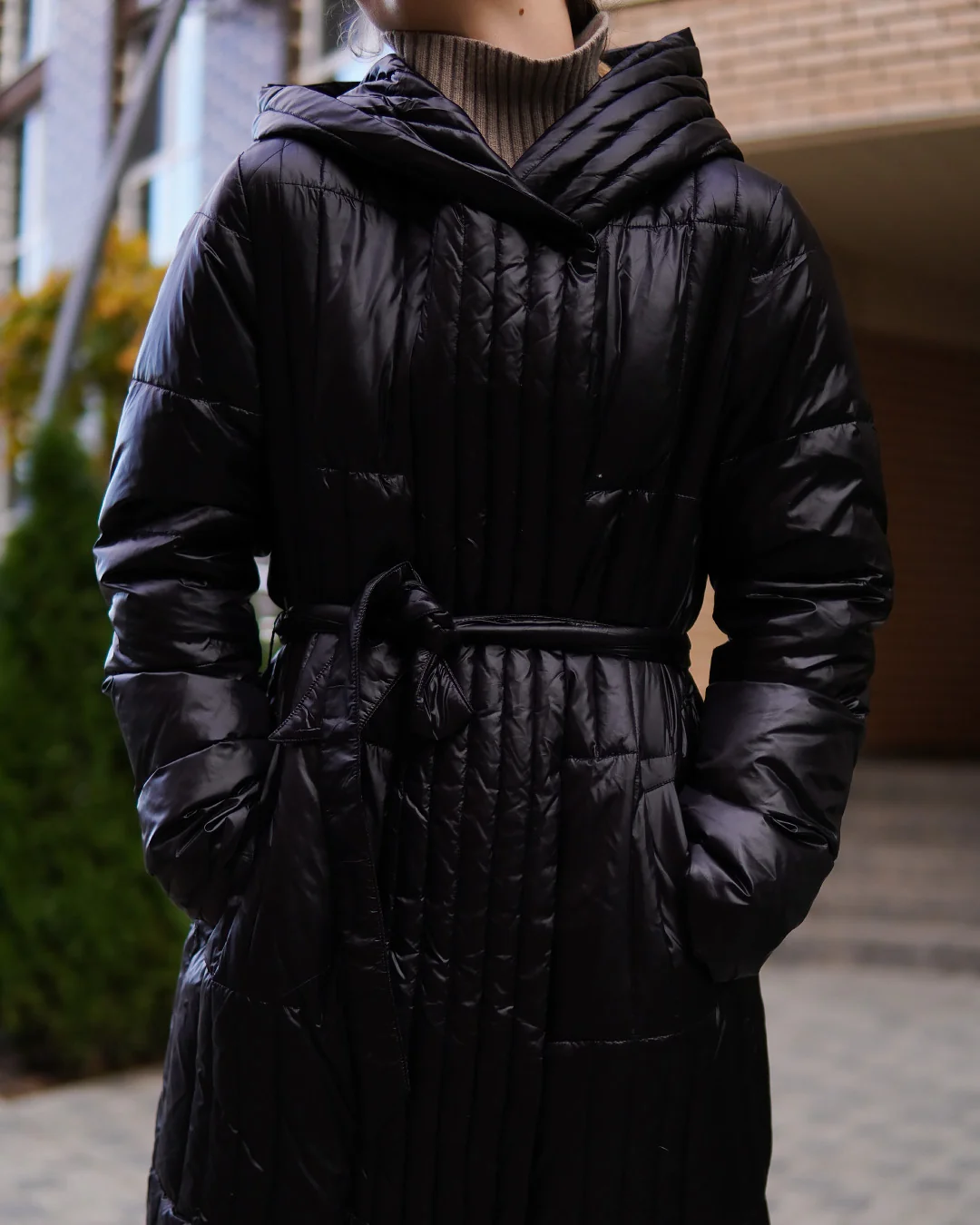
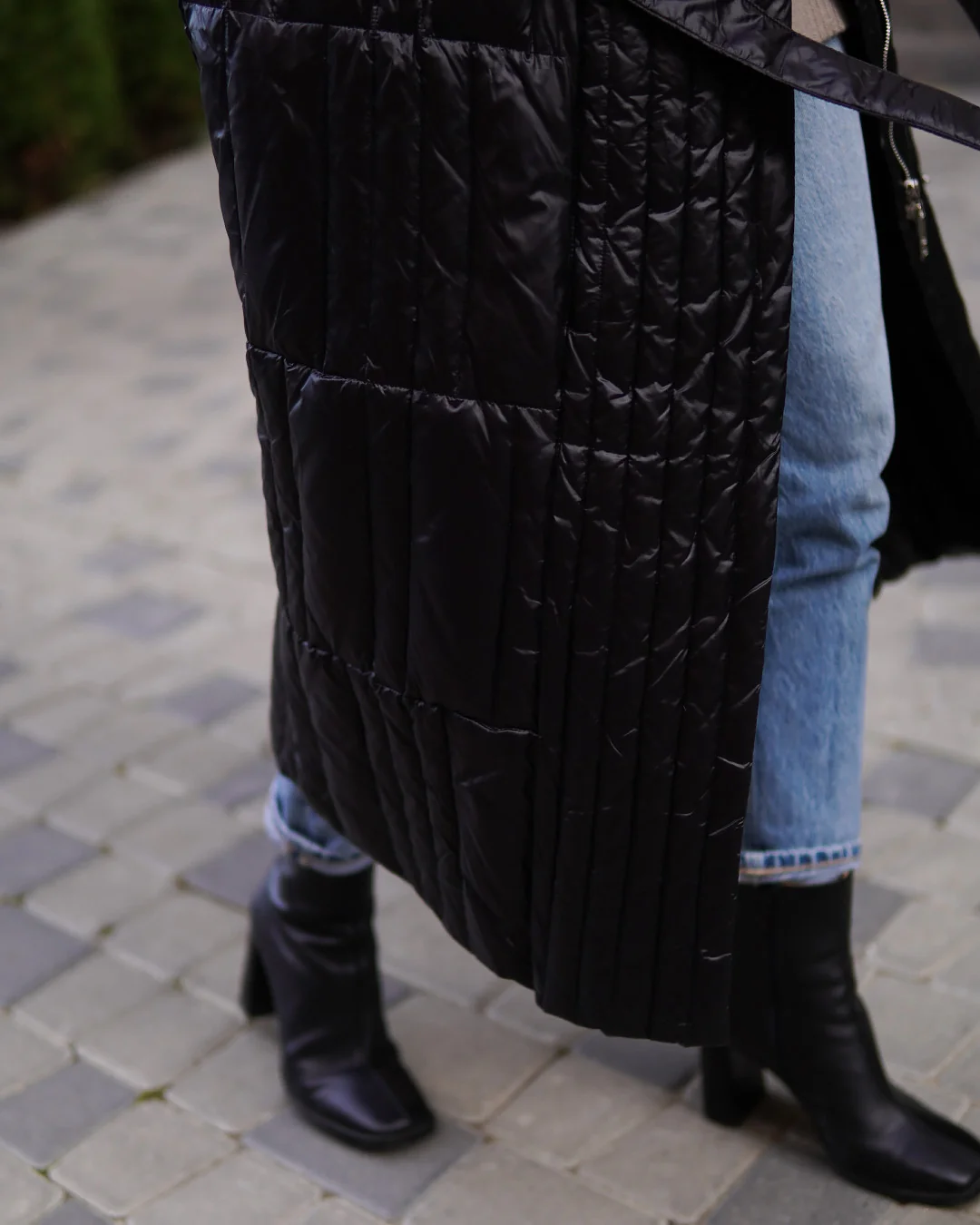
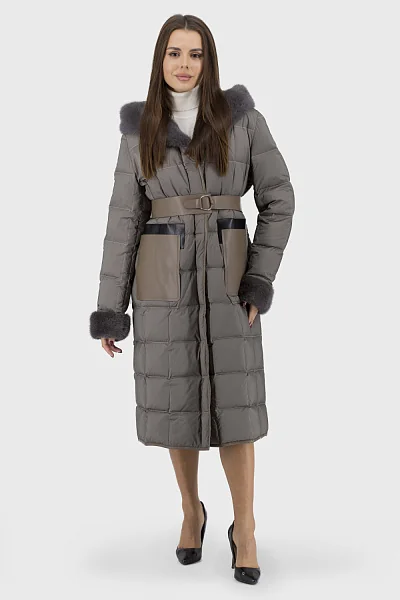
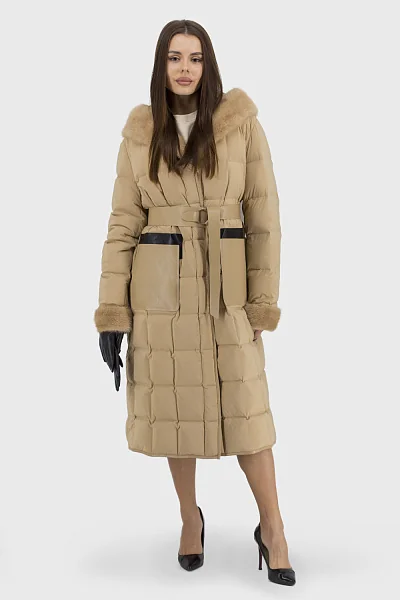
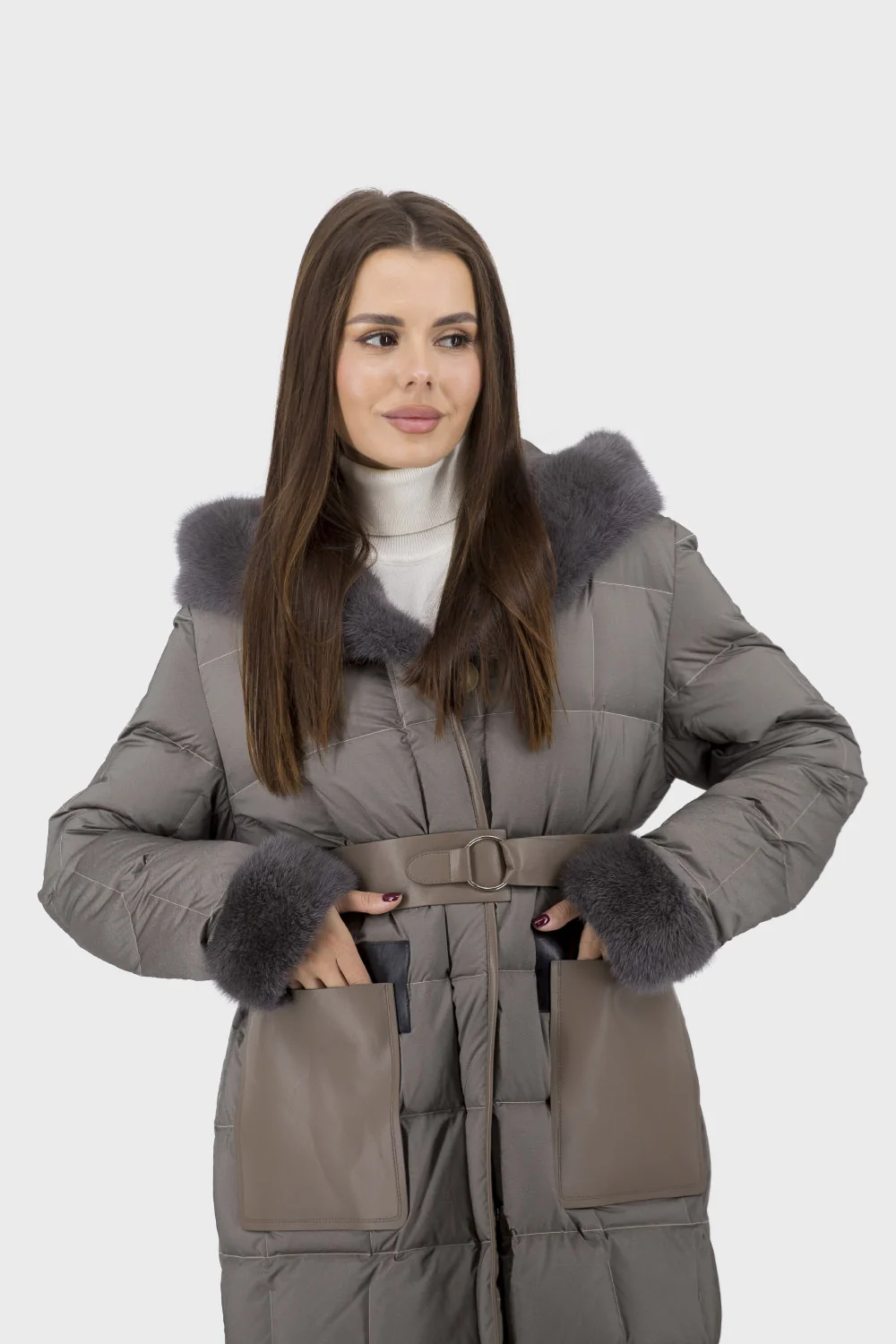
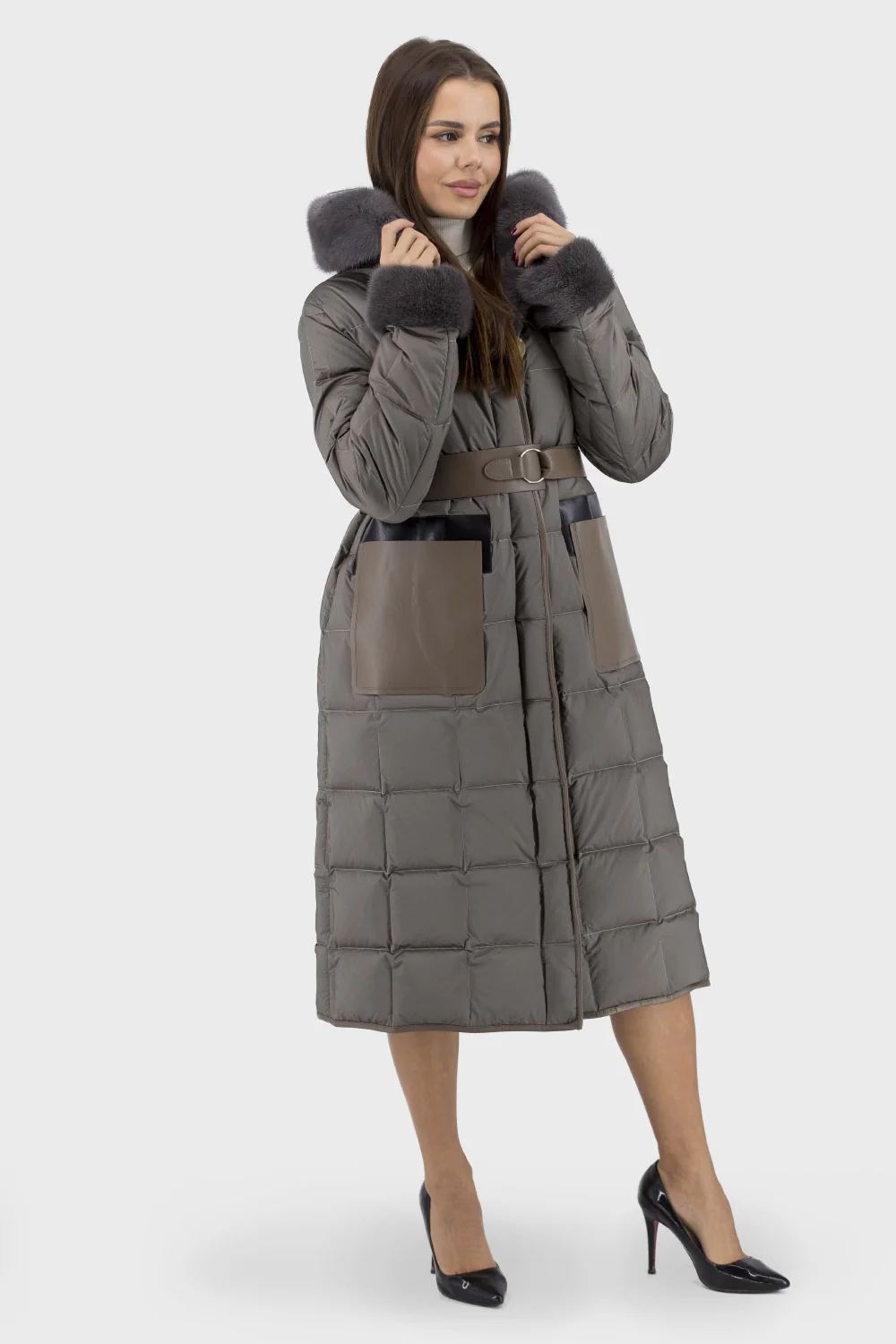
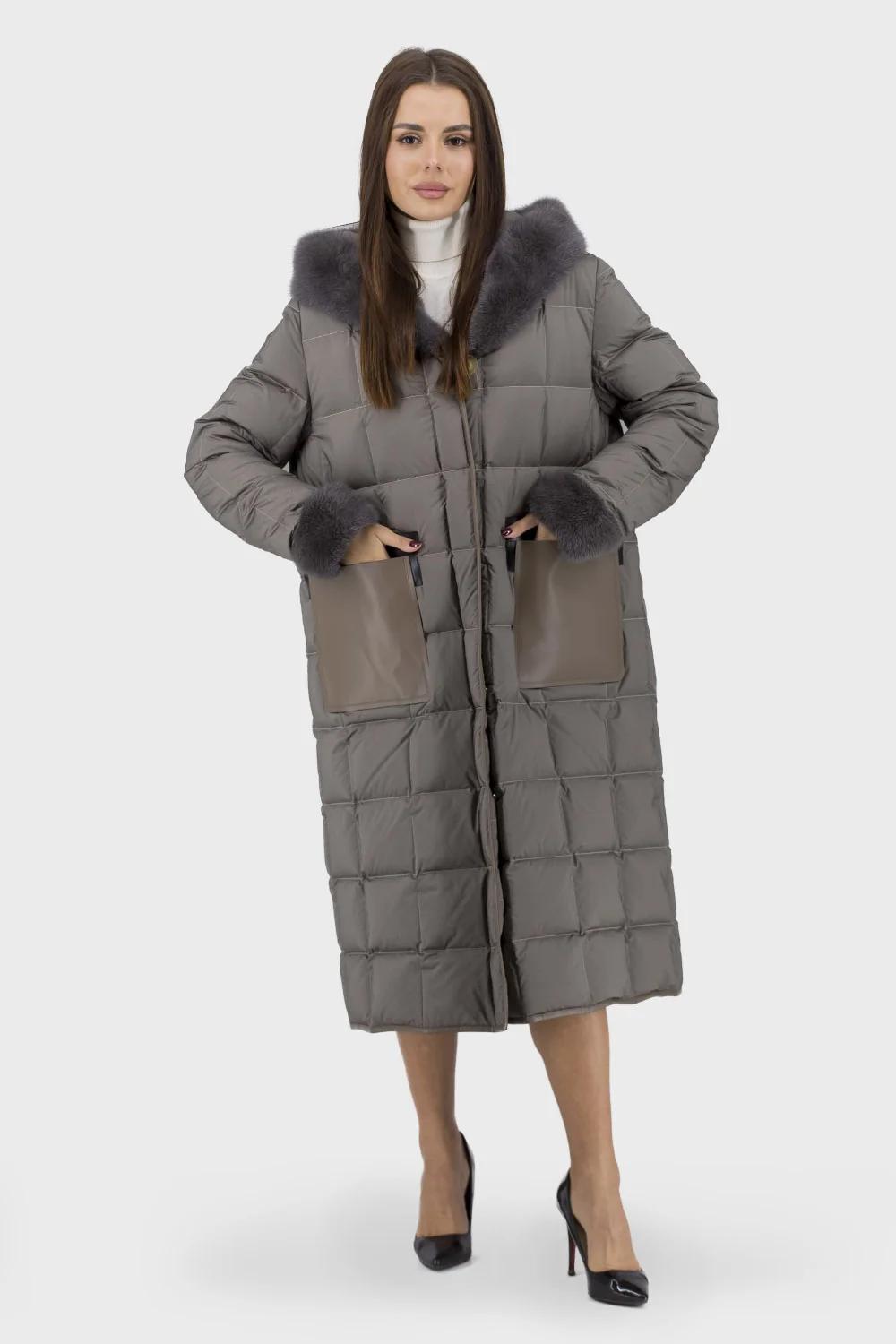
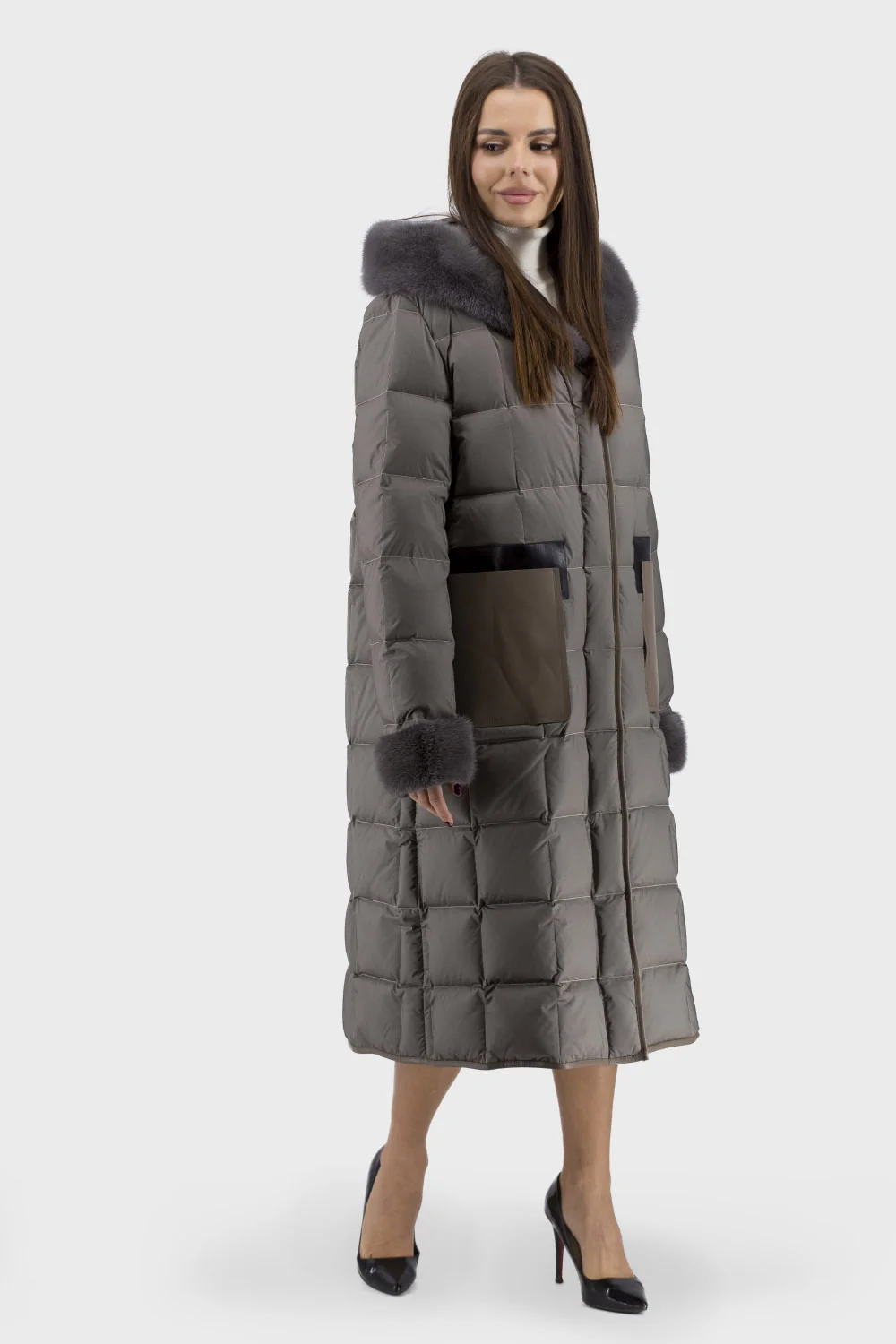
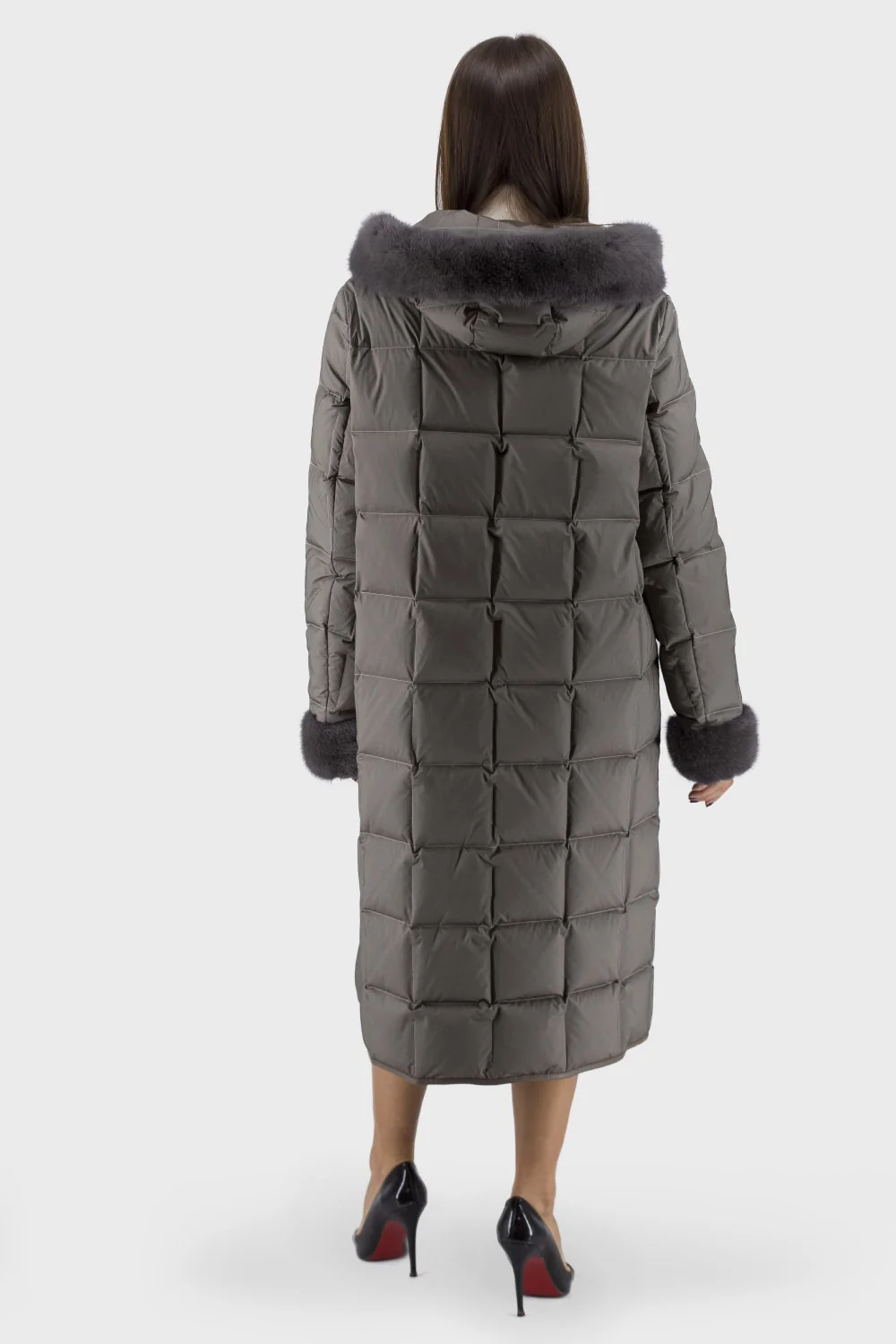
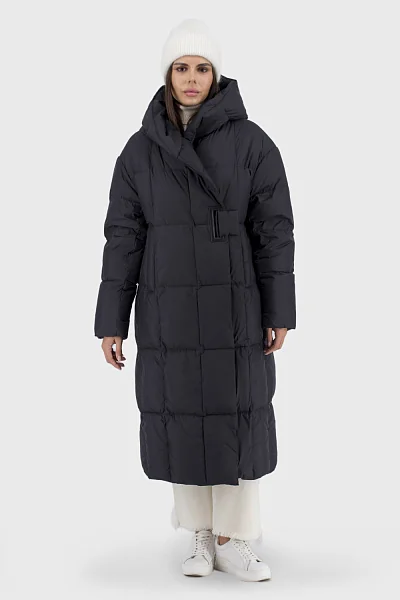
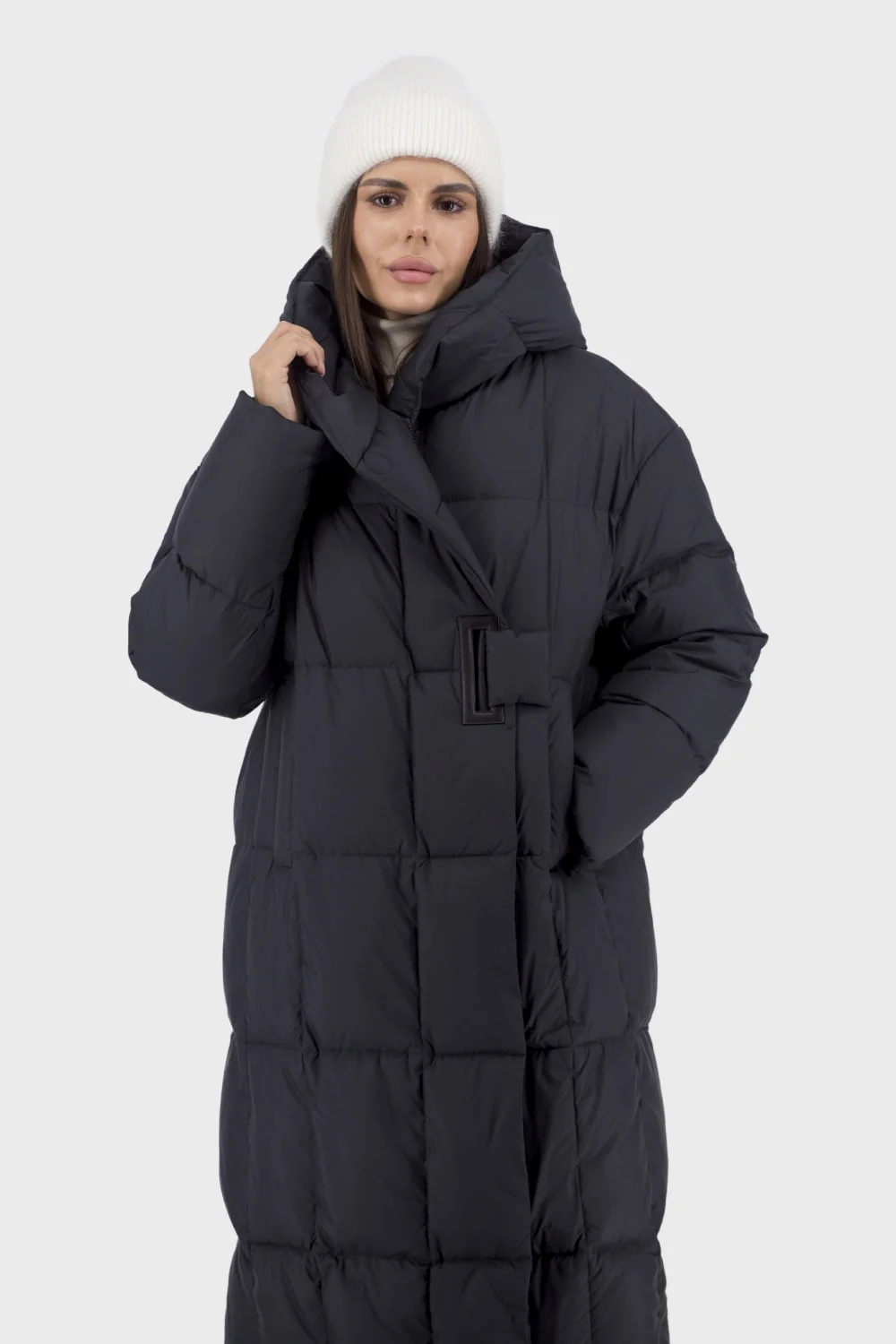
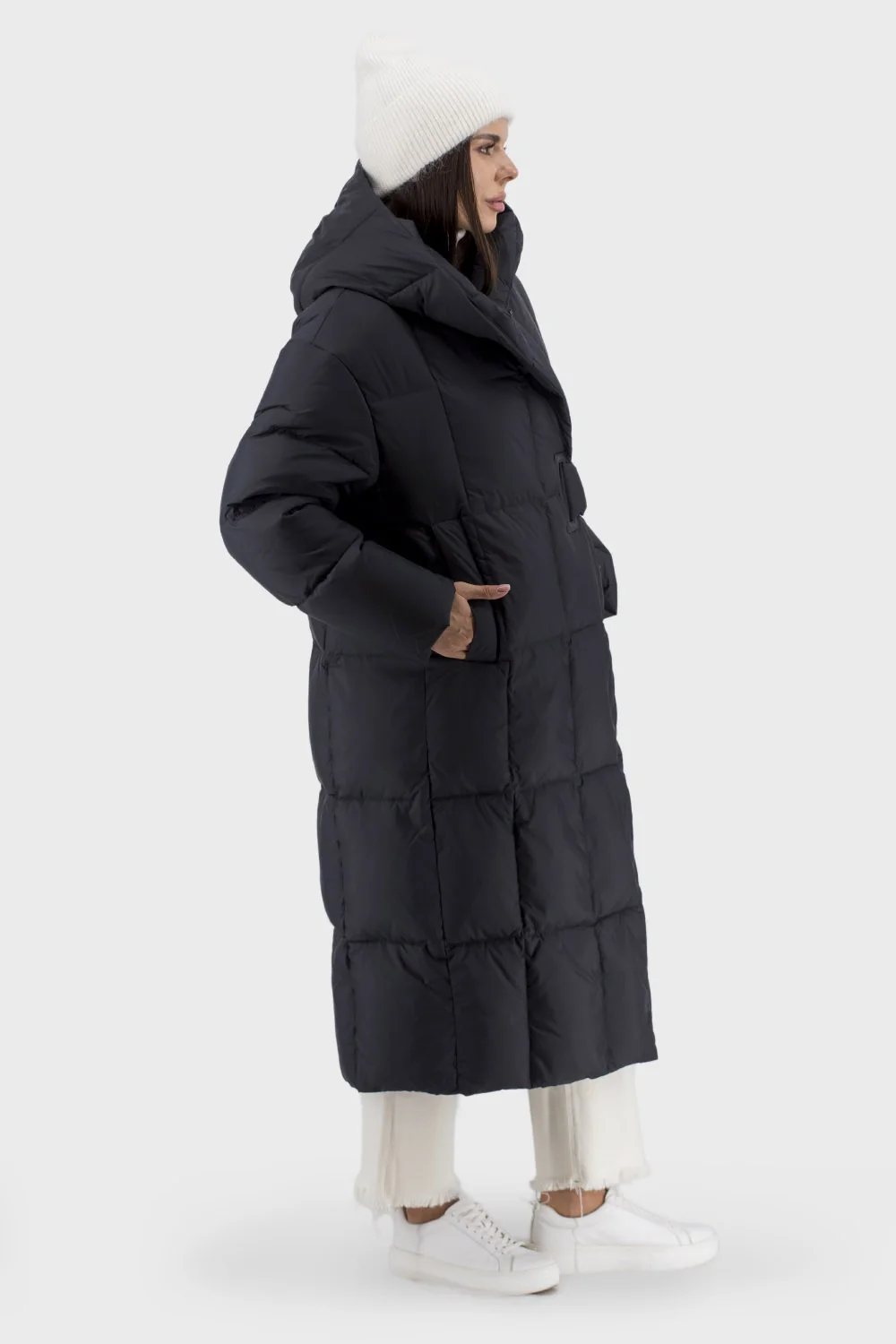
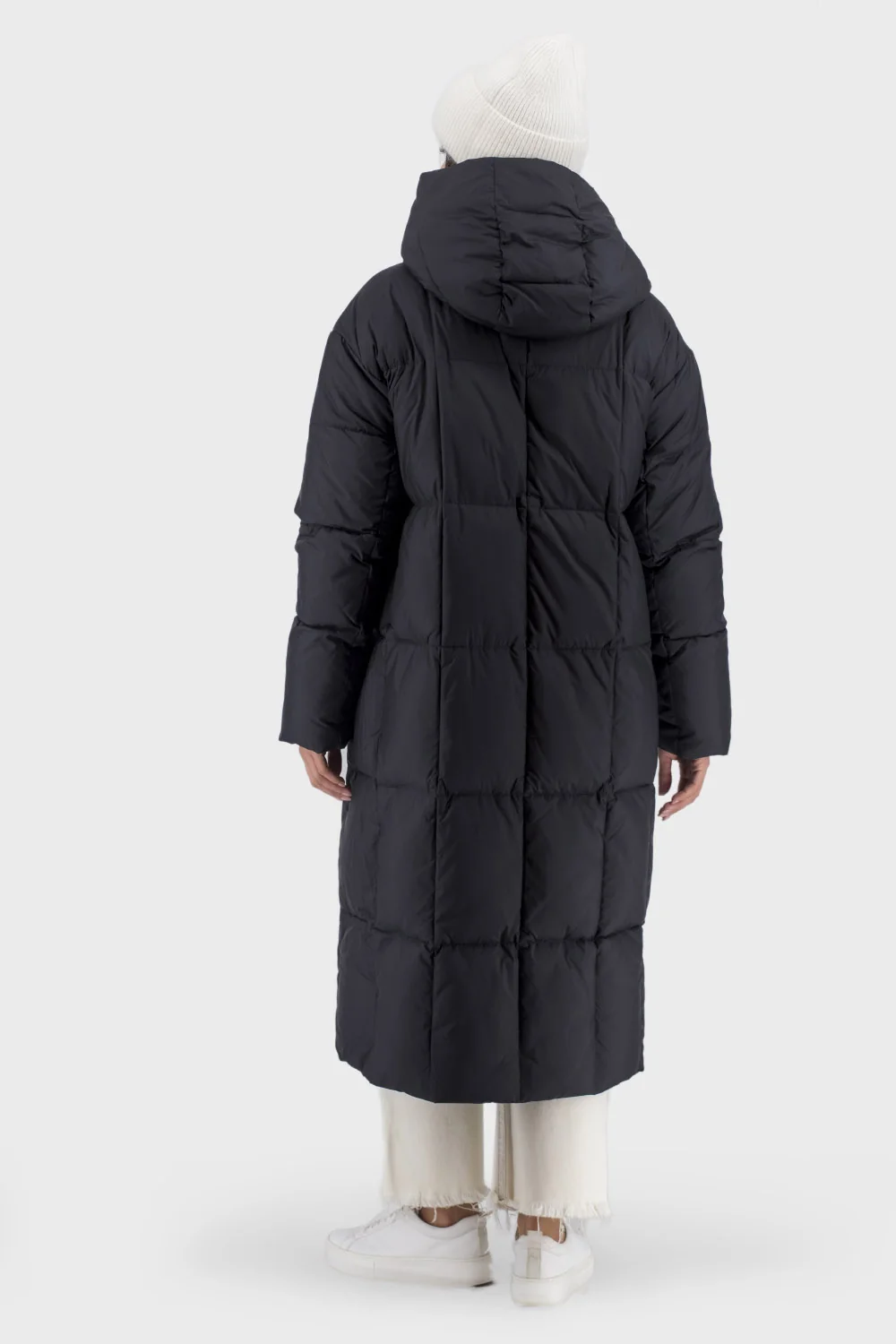
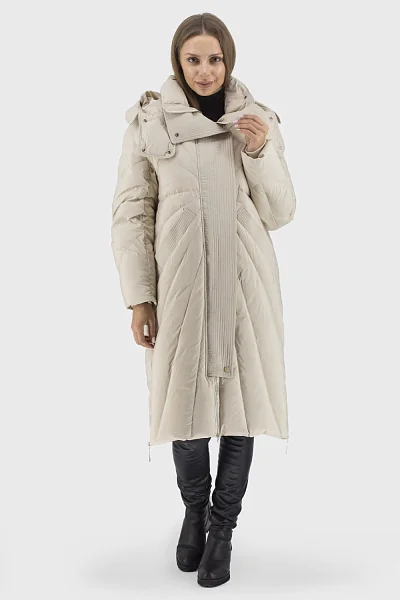
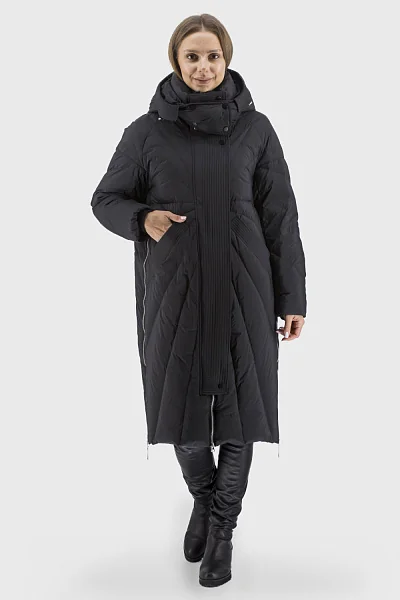
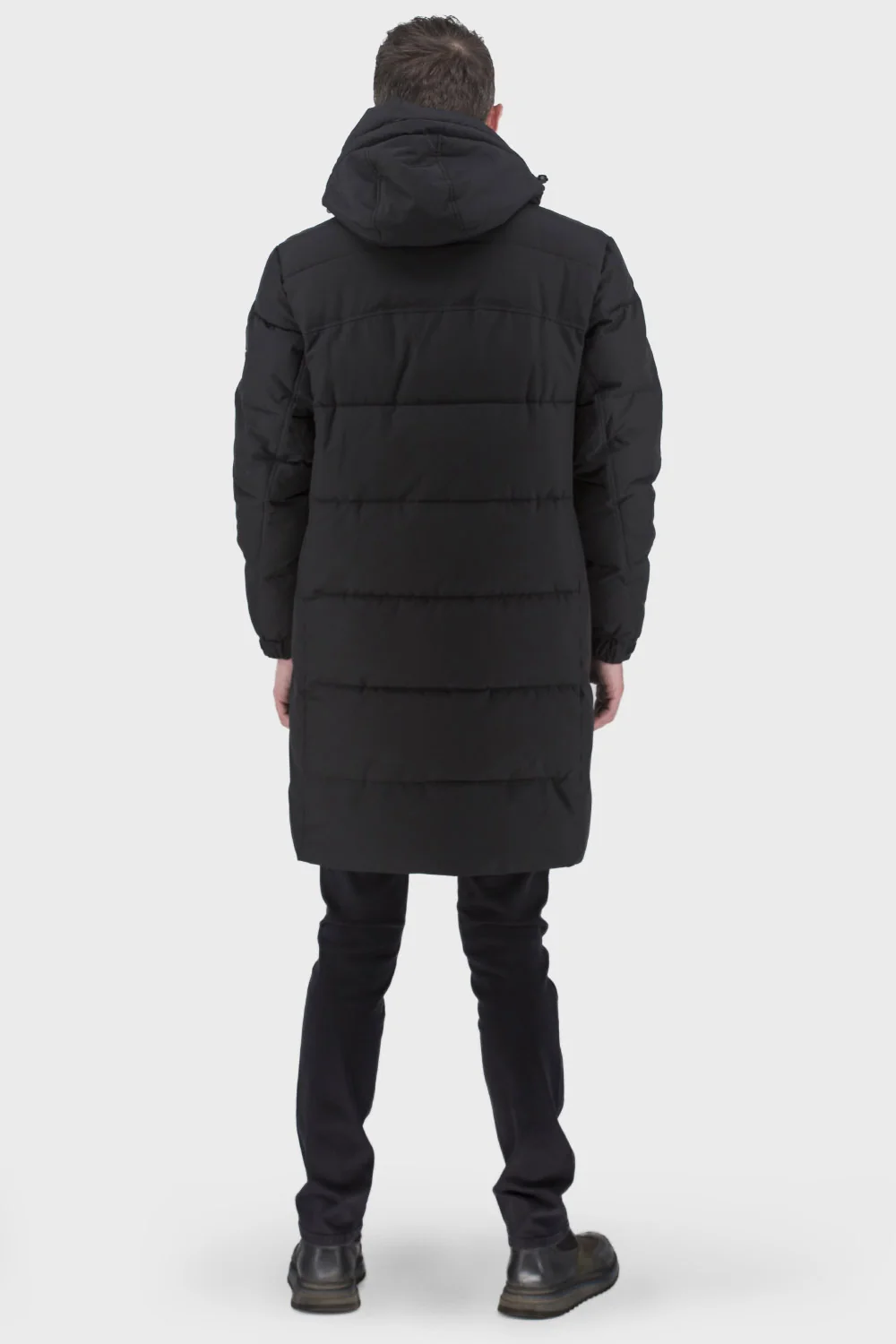
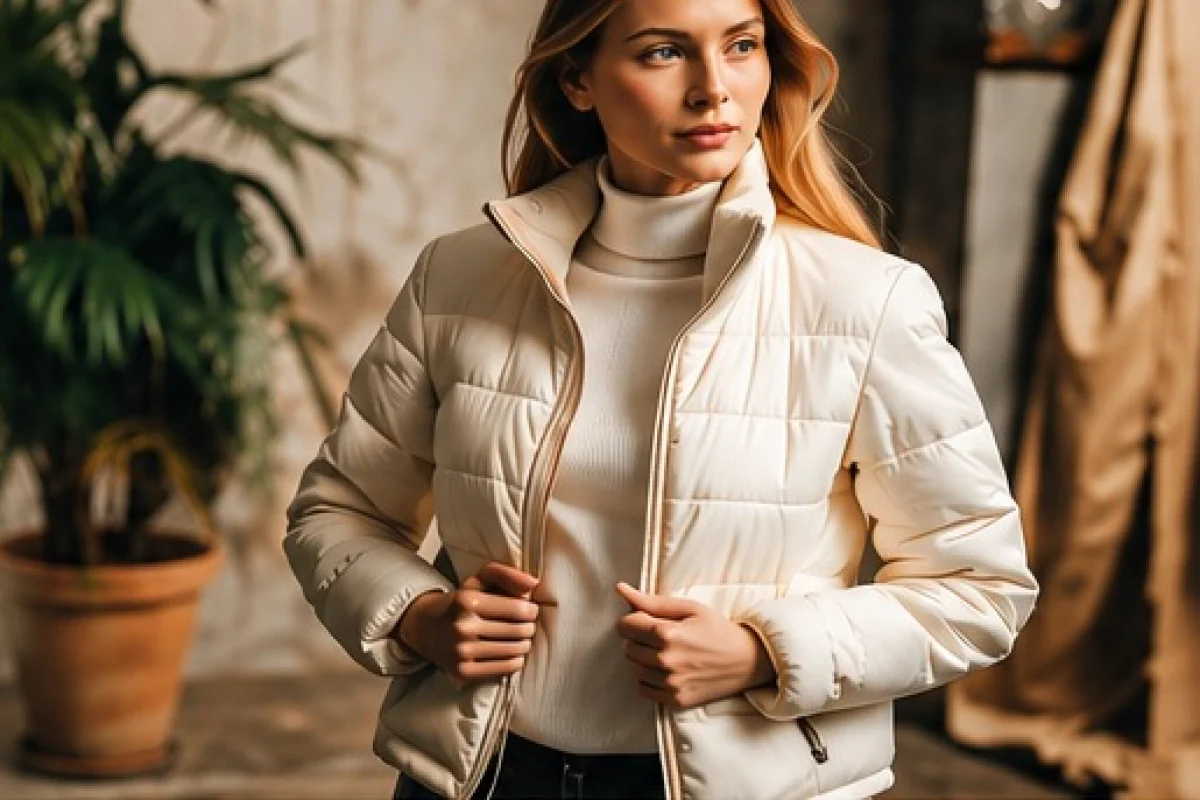
A puffer jacket is practical for frost, wind and active city life. Check the insulation, length, hood, zip protection and outer fabric.
See the women’s puffer jacket collection.
Jackets
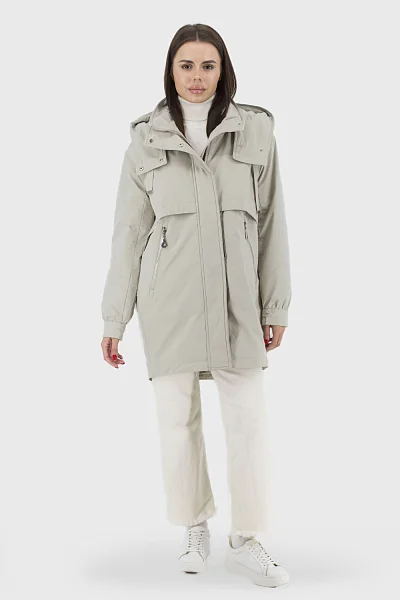
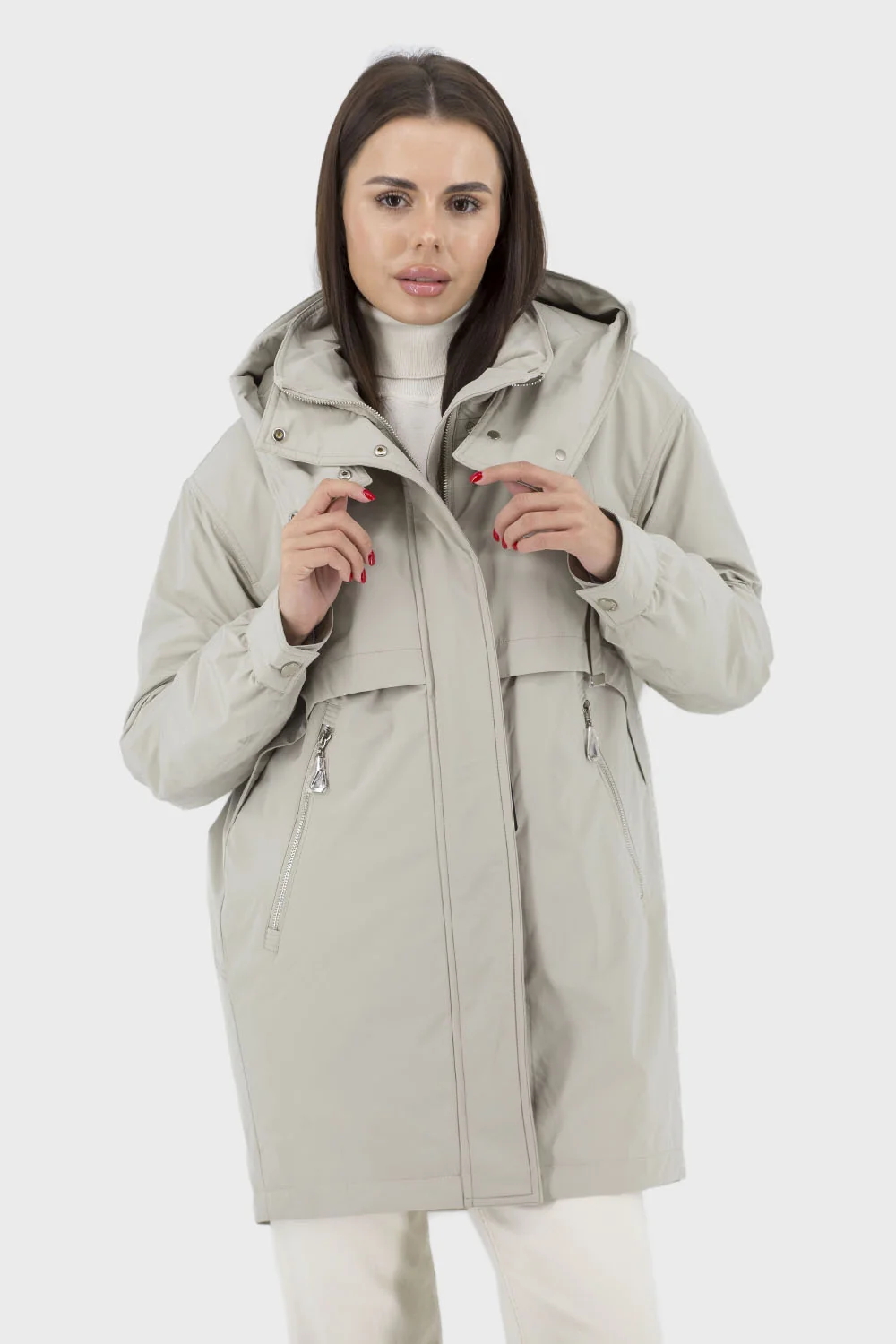
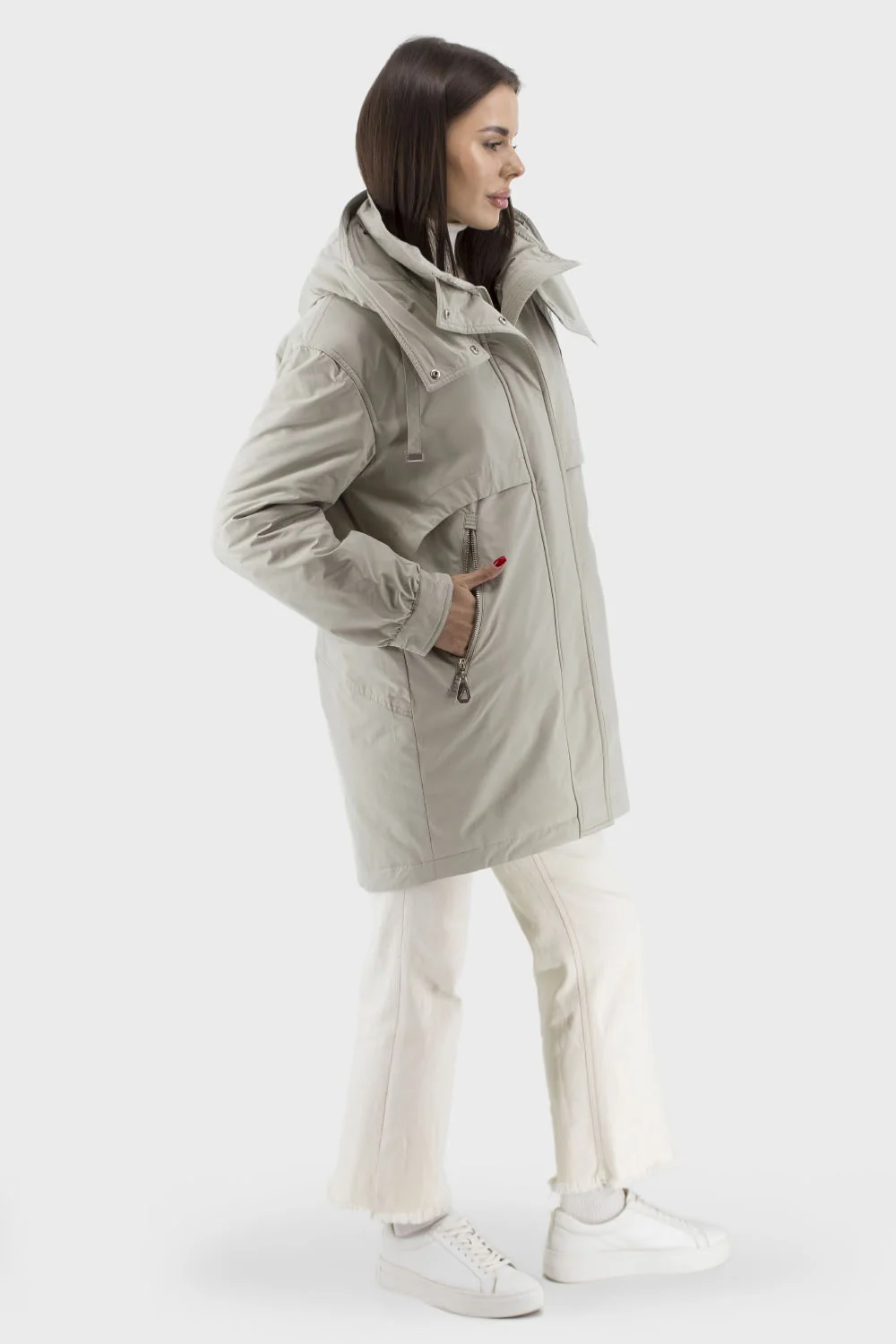
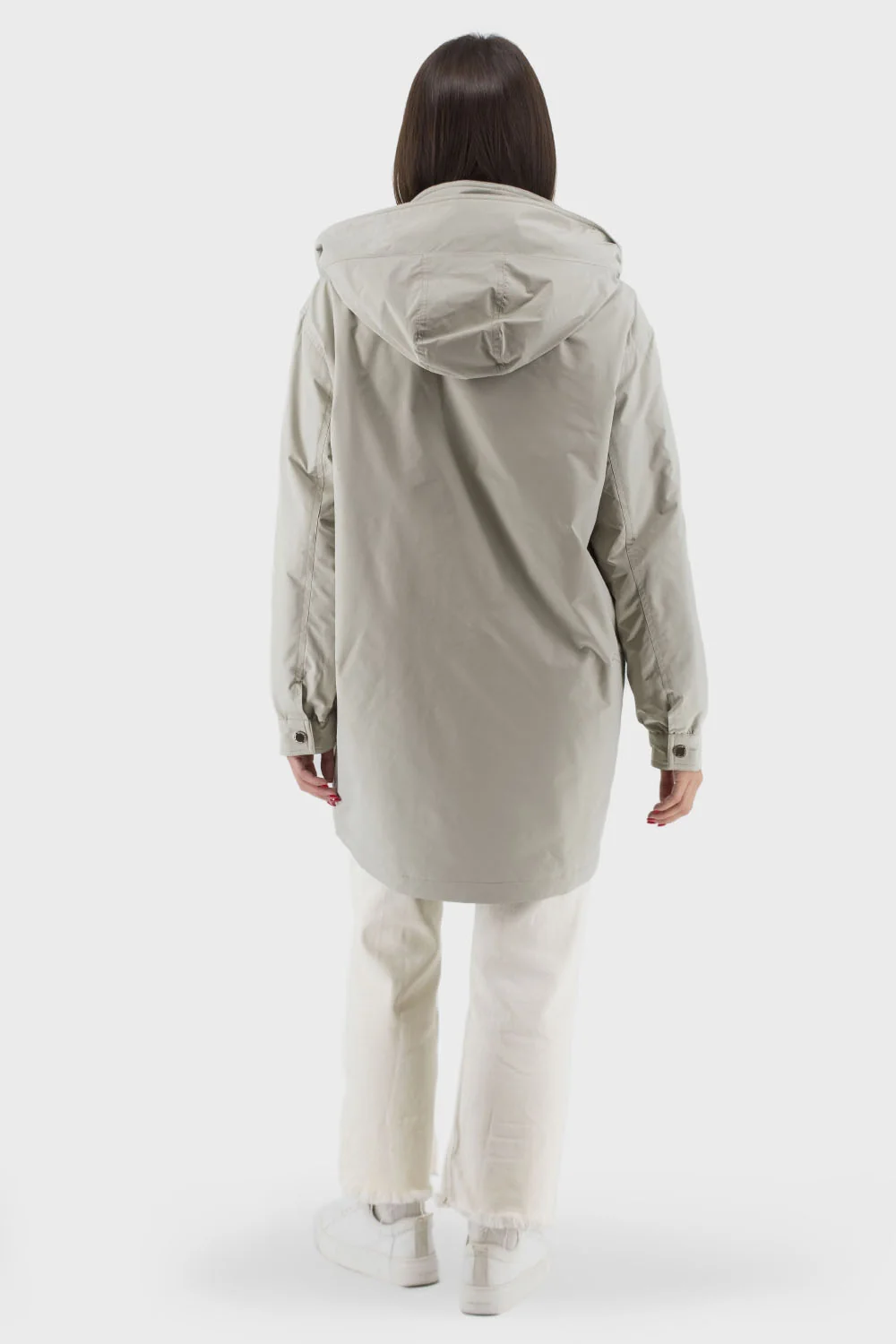
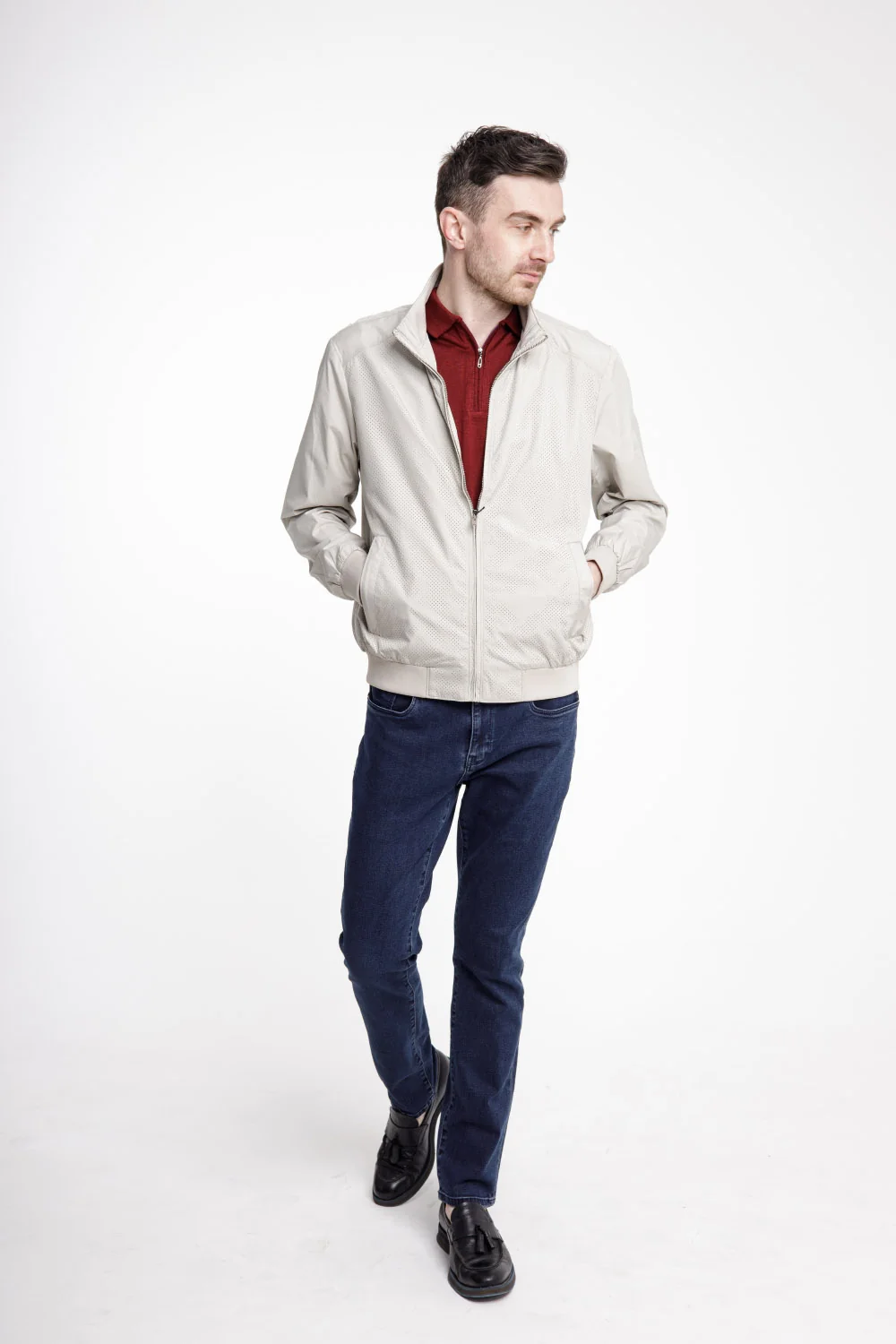
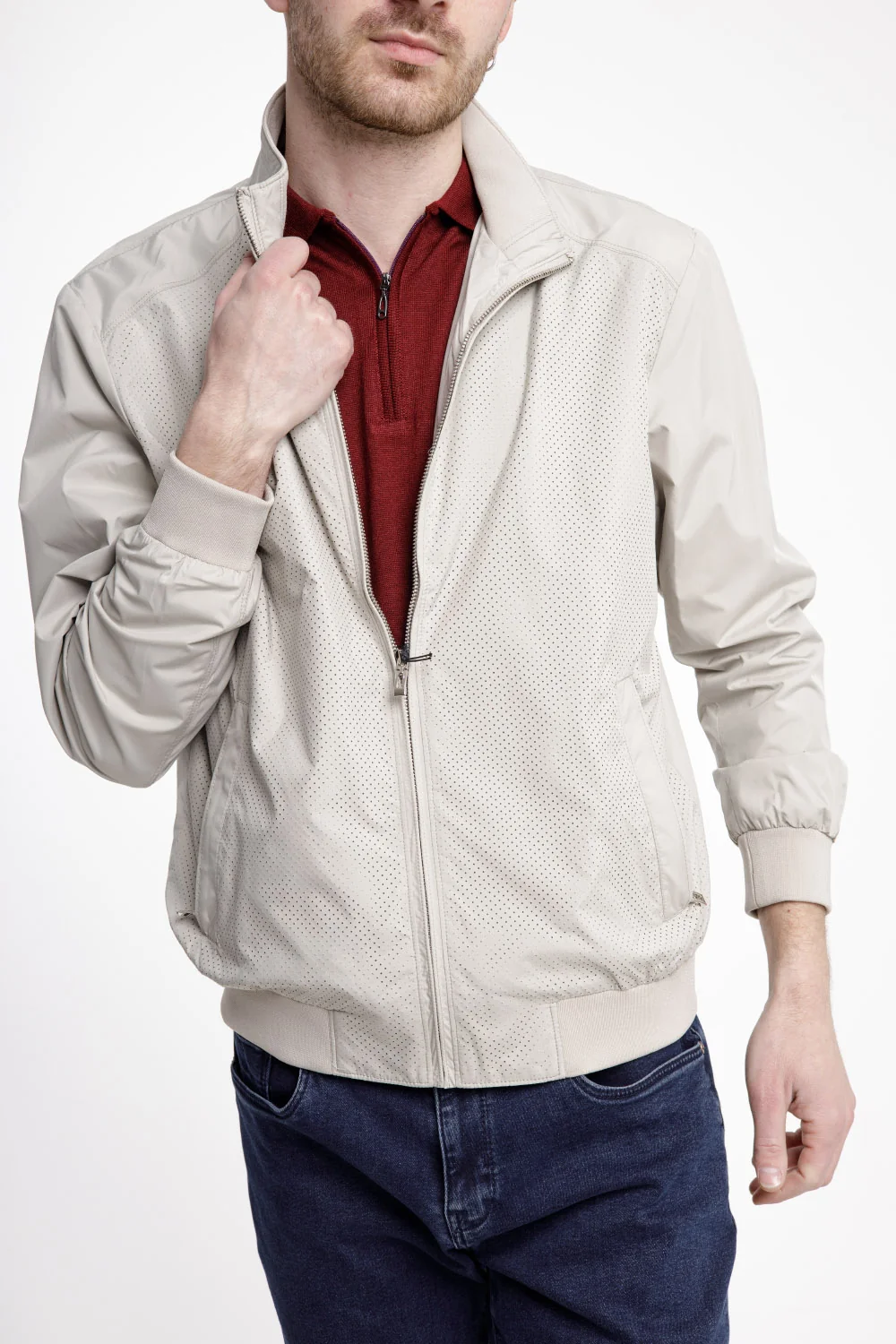
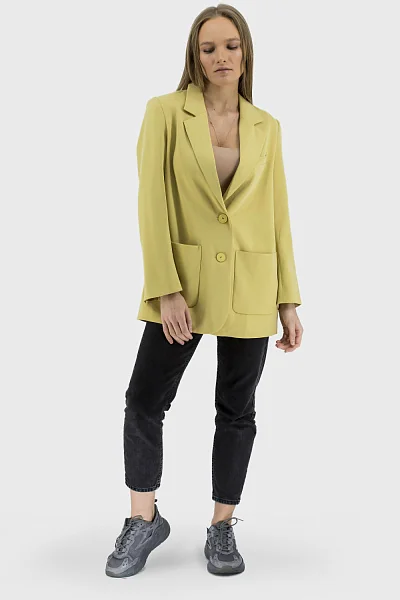
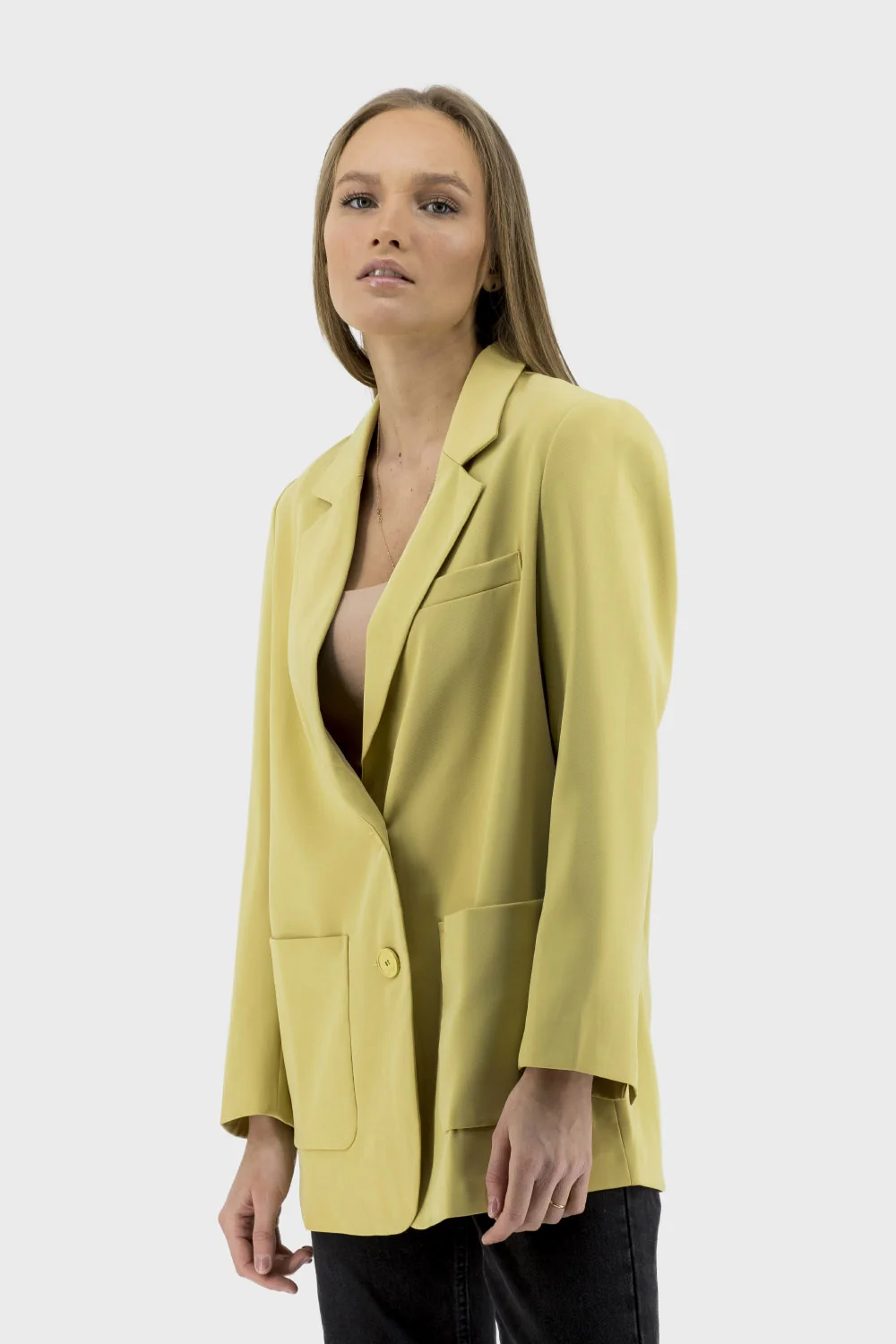
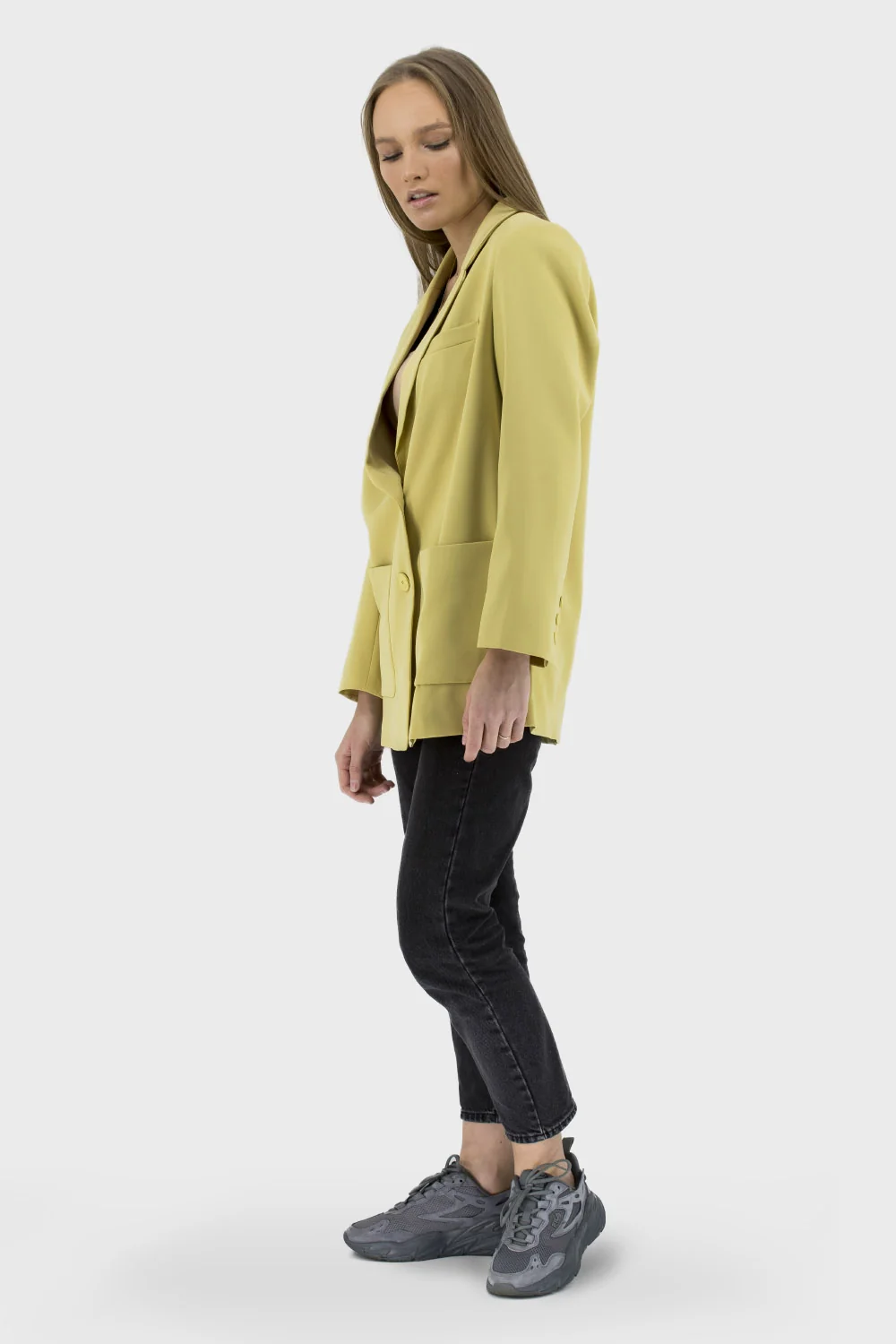
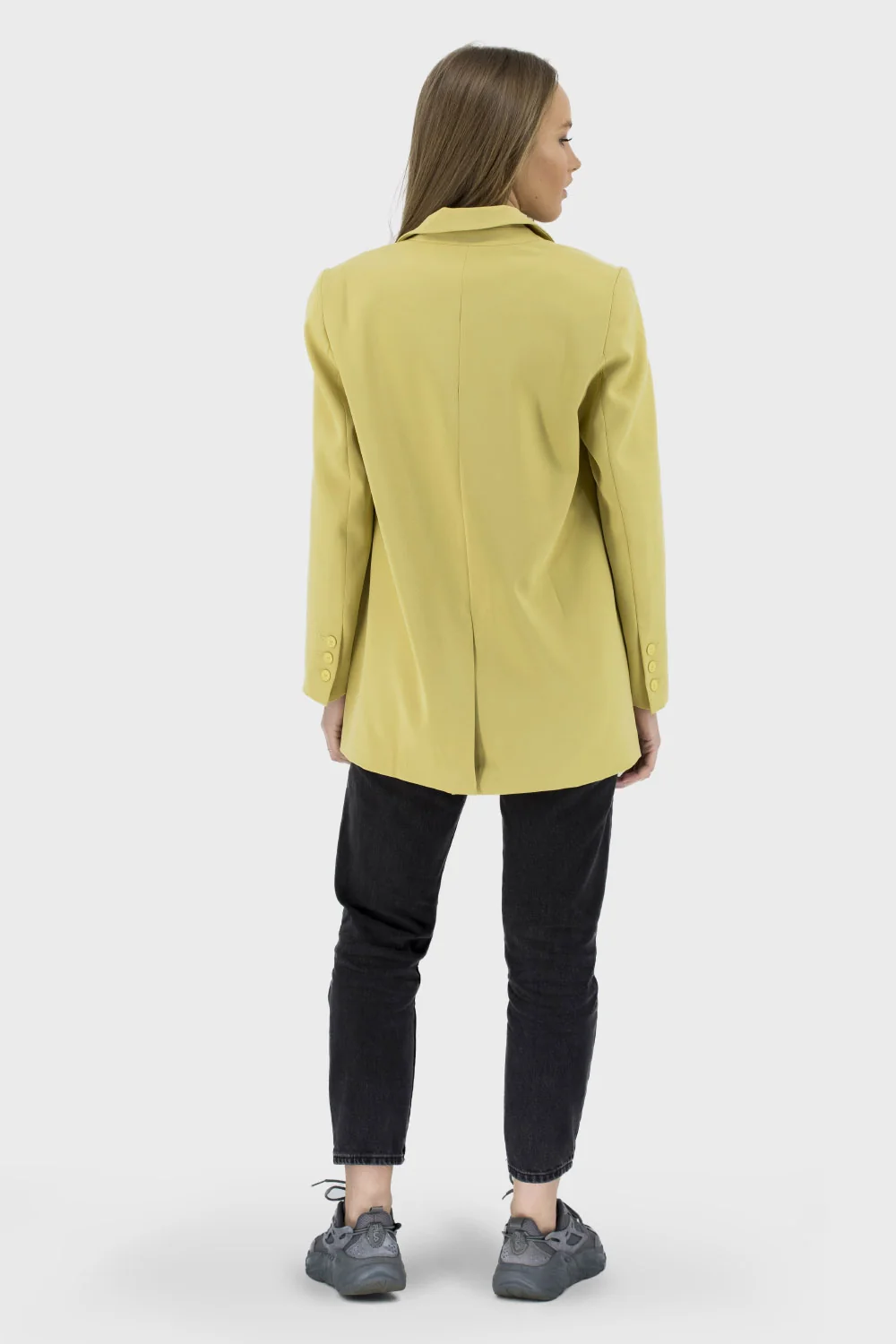
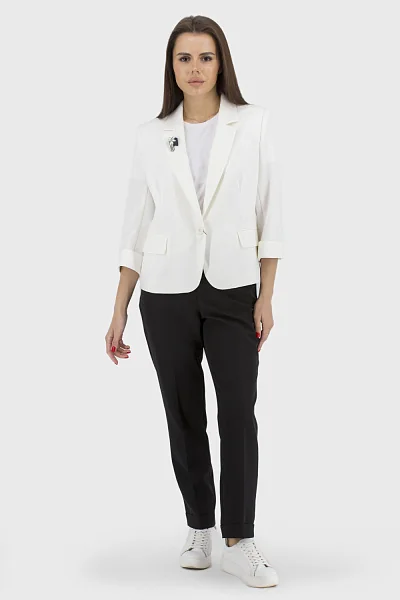
A jacket suits changeable weather, walking and short journeys. It may be lightweight, insulated, quilted, leather or water-resistant.
Shearling coats
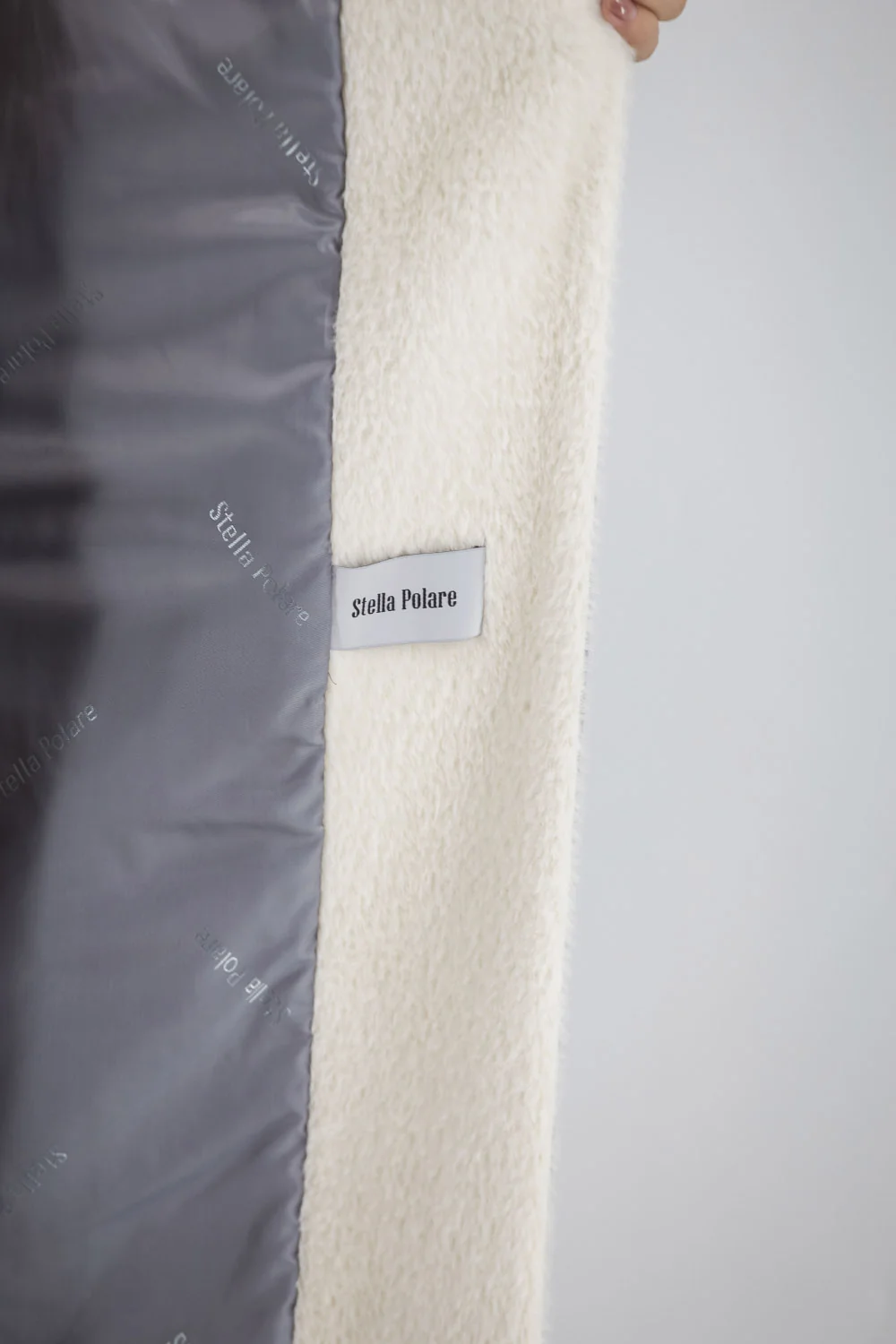
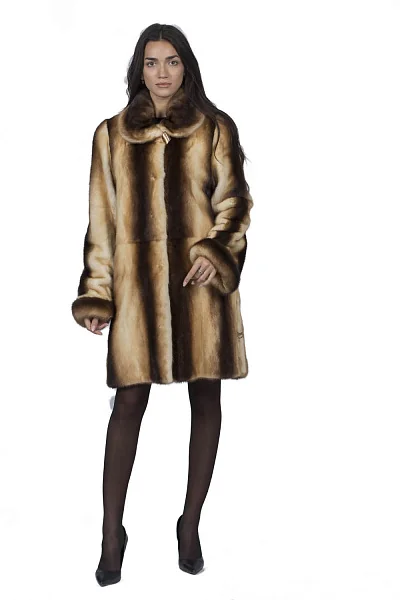
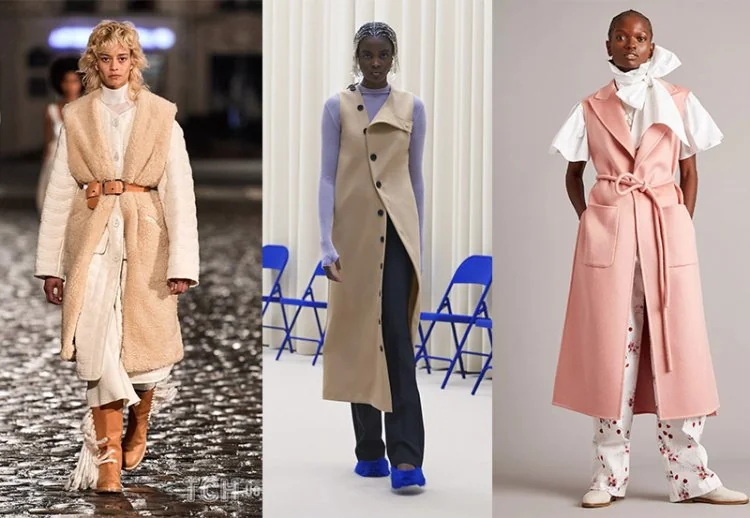
A shearling coat combines texture and warmth. Short aviator-inspired styles are practical, while longer versions can replace a coat.
Choosing the right length
- Short — useful for driving.
- Hip length — versatile for everyday use.
- Knee length — provides more protection.
- Midi or maxi — suitable for extended time outdoors.
Materials and insulation
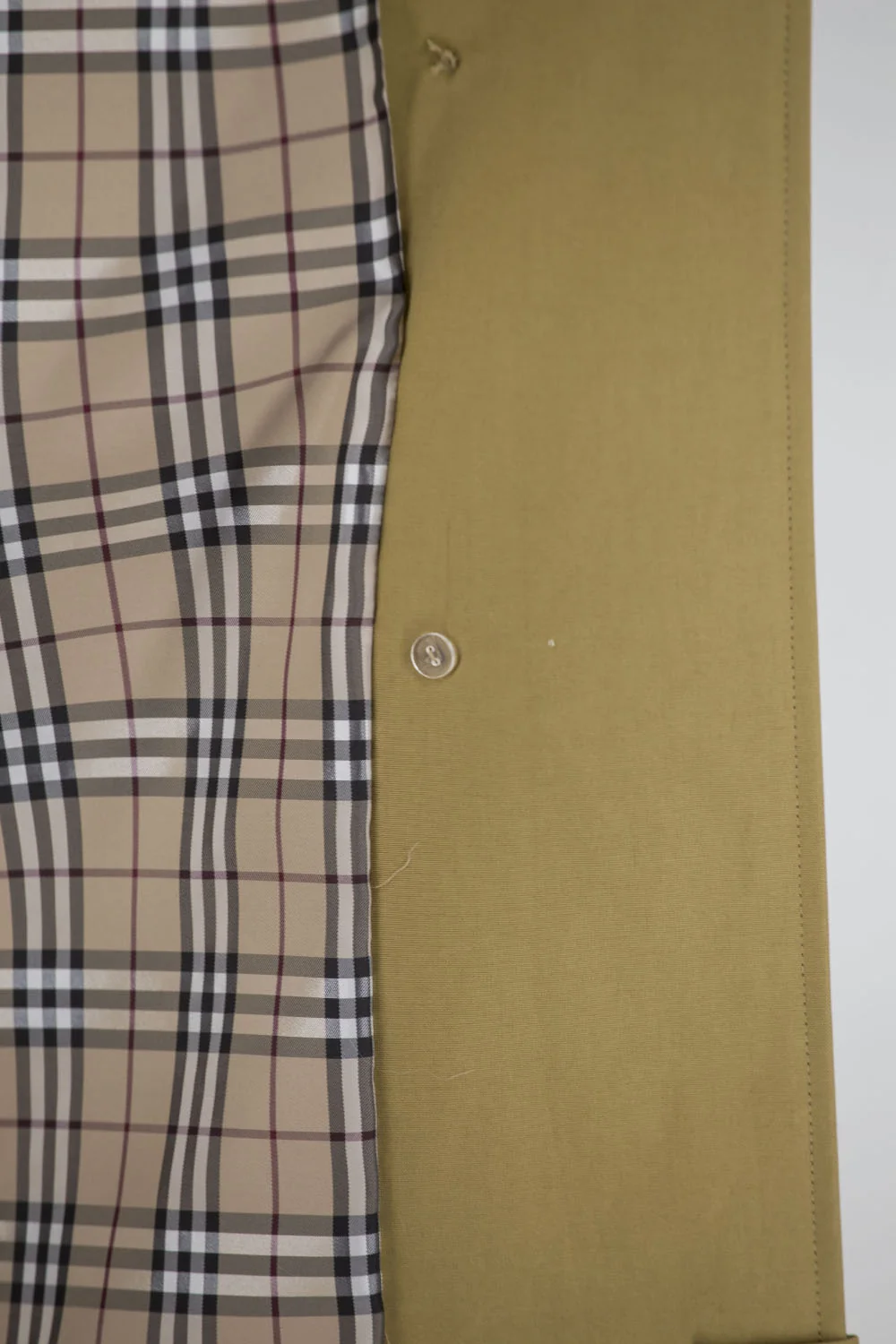
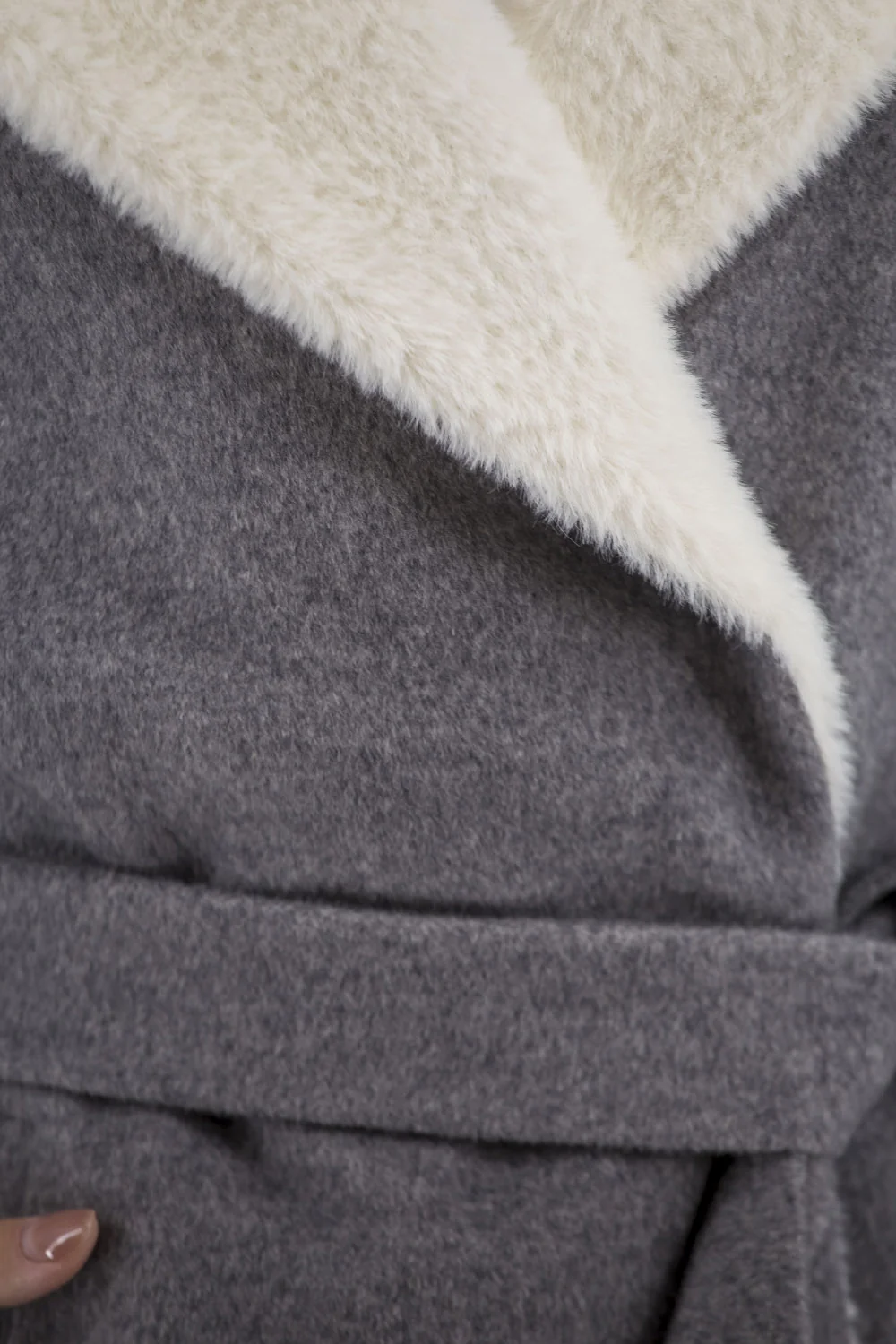
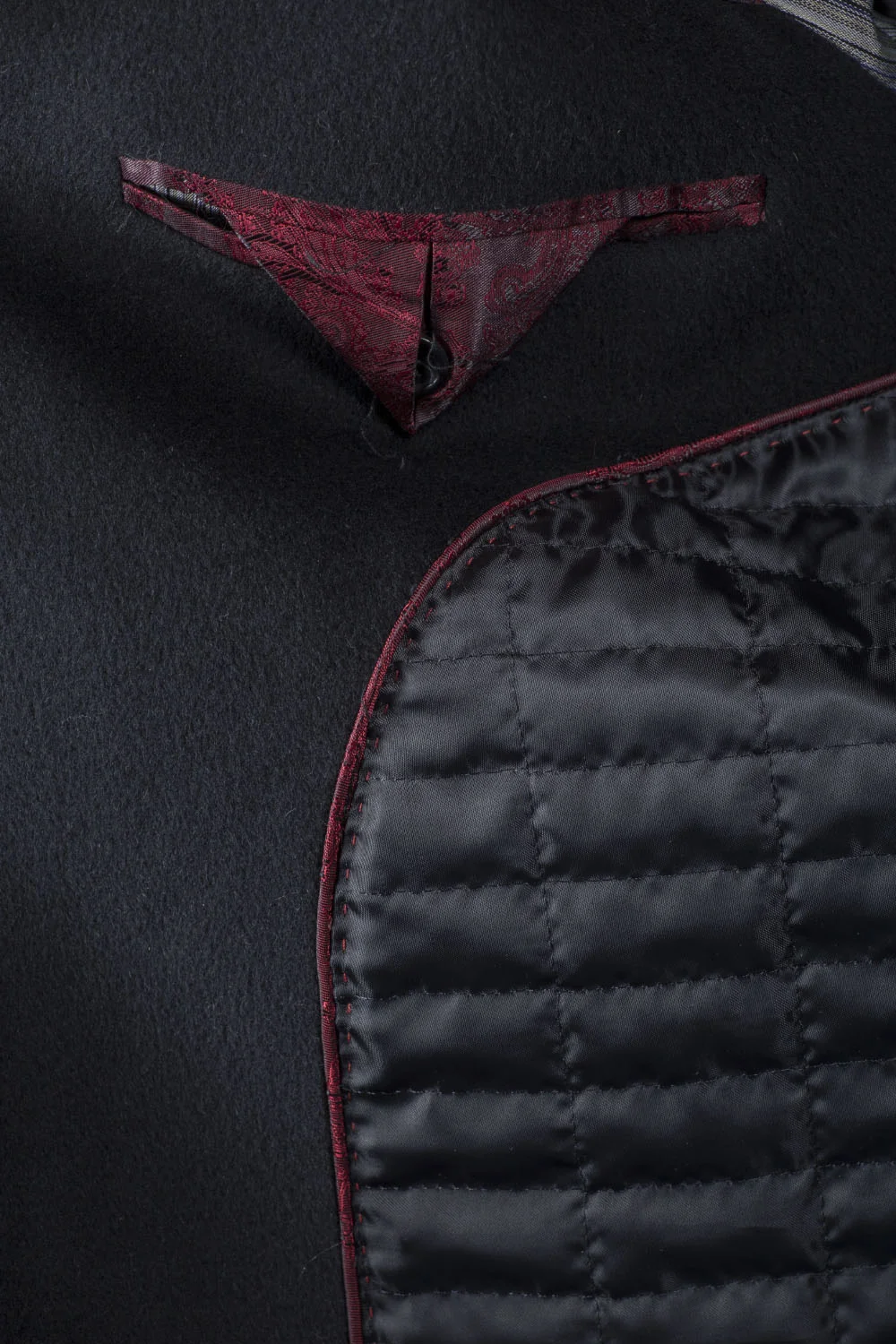
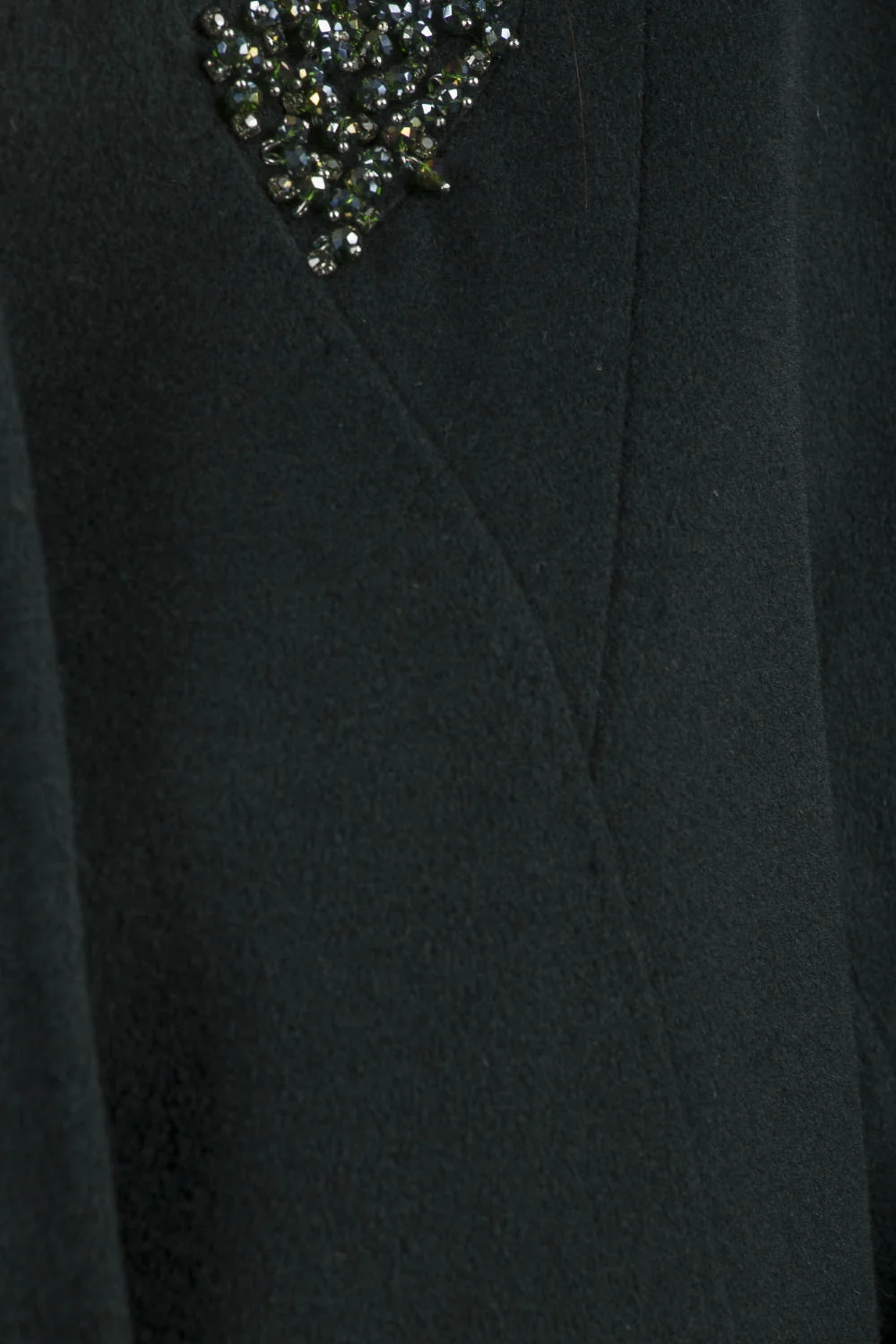
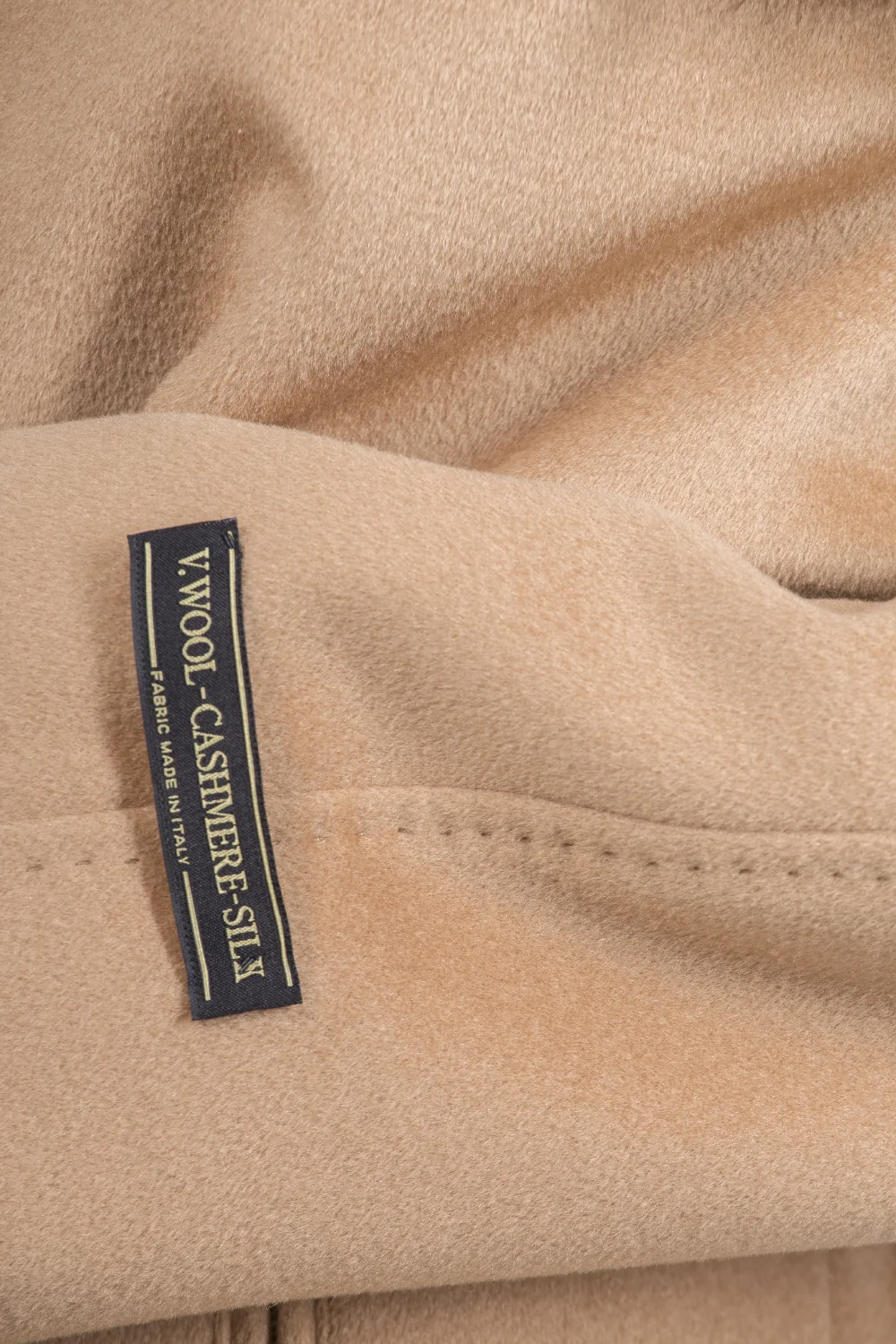
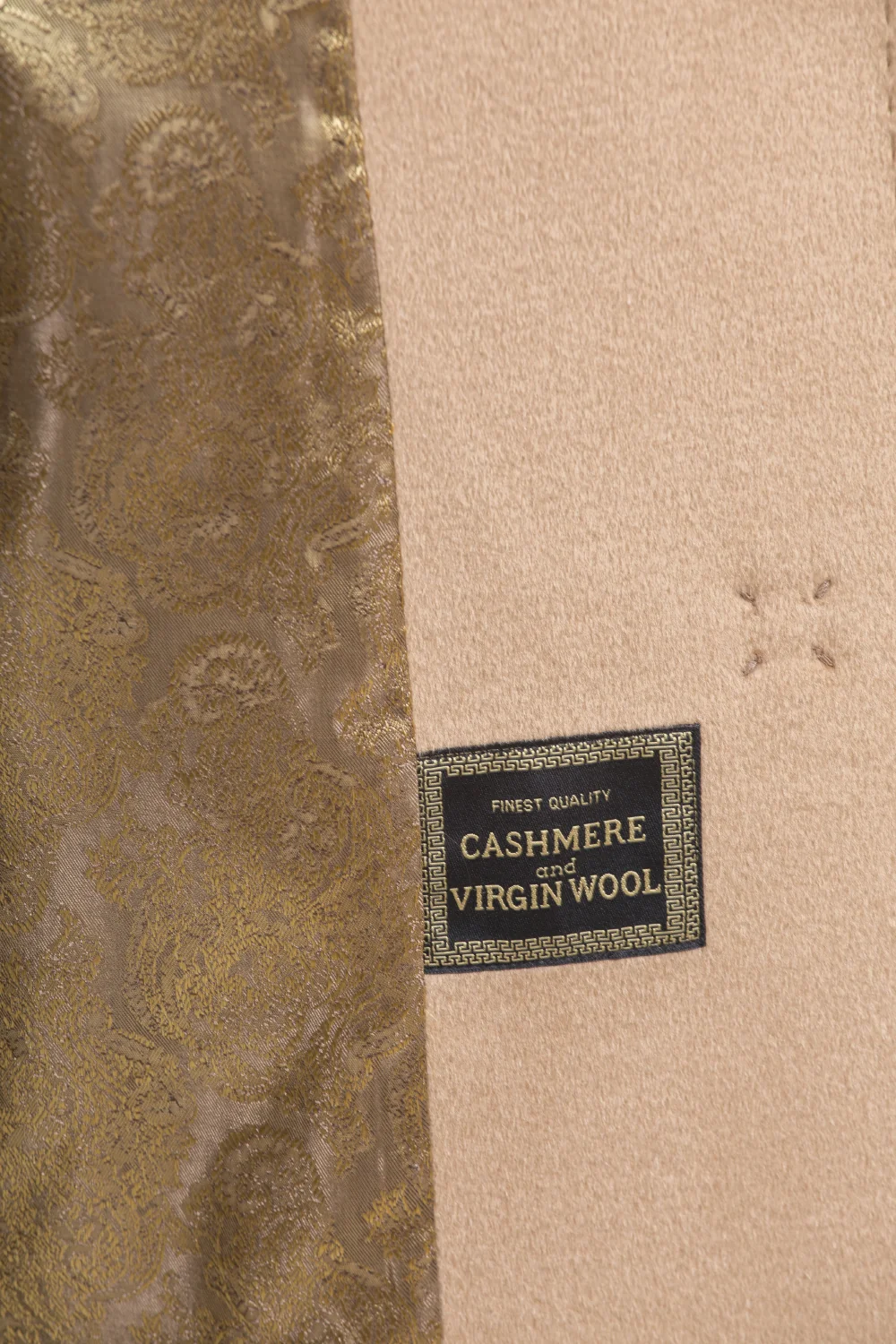
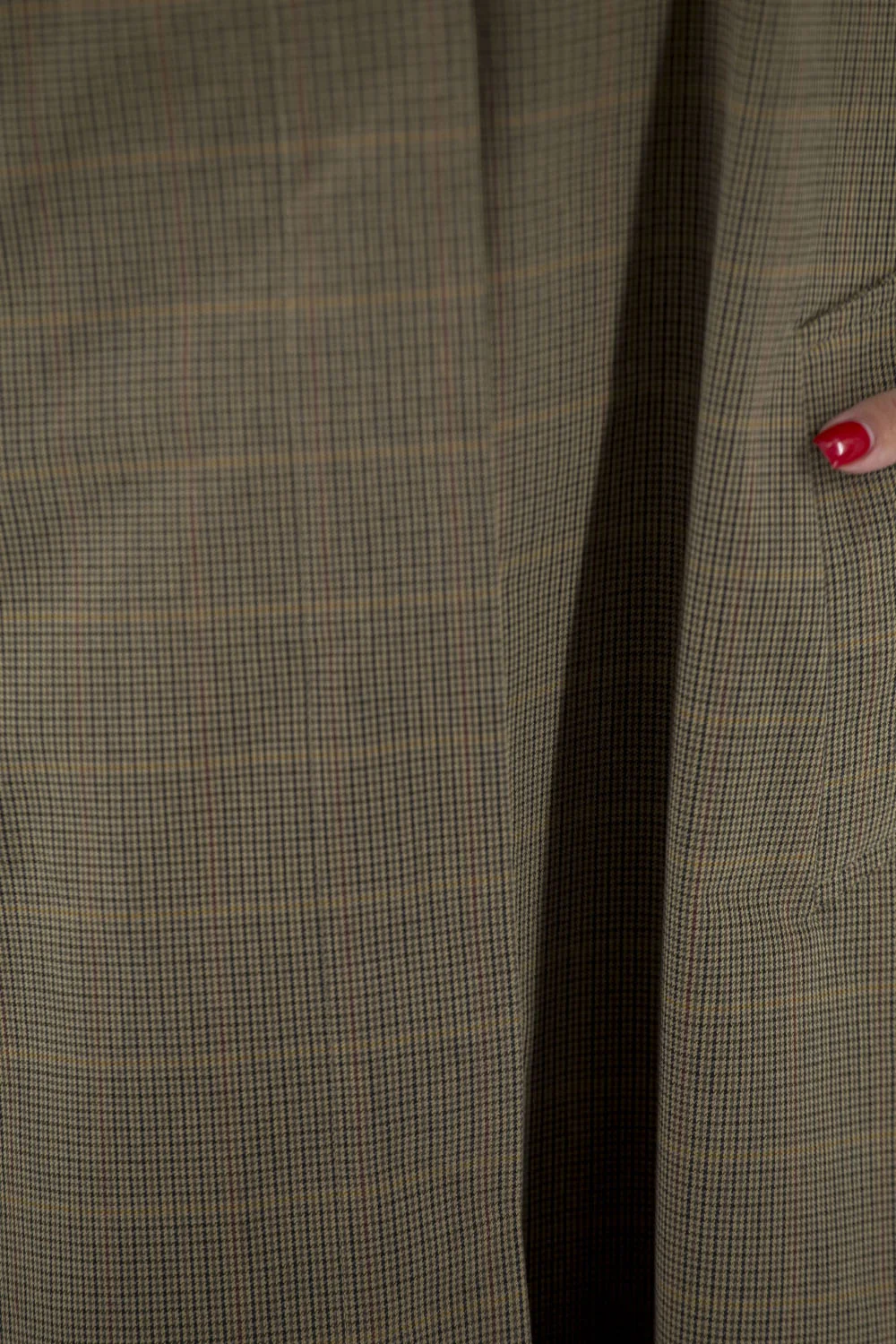
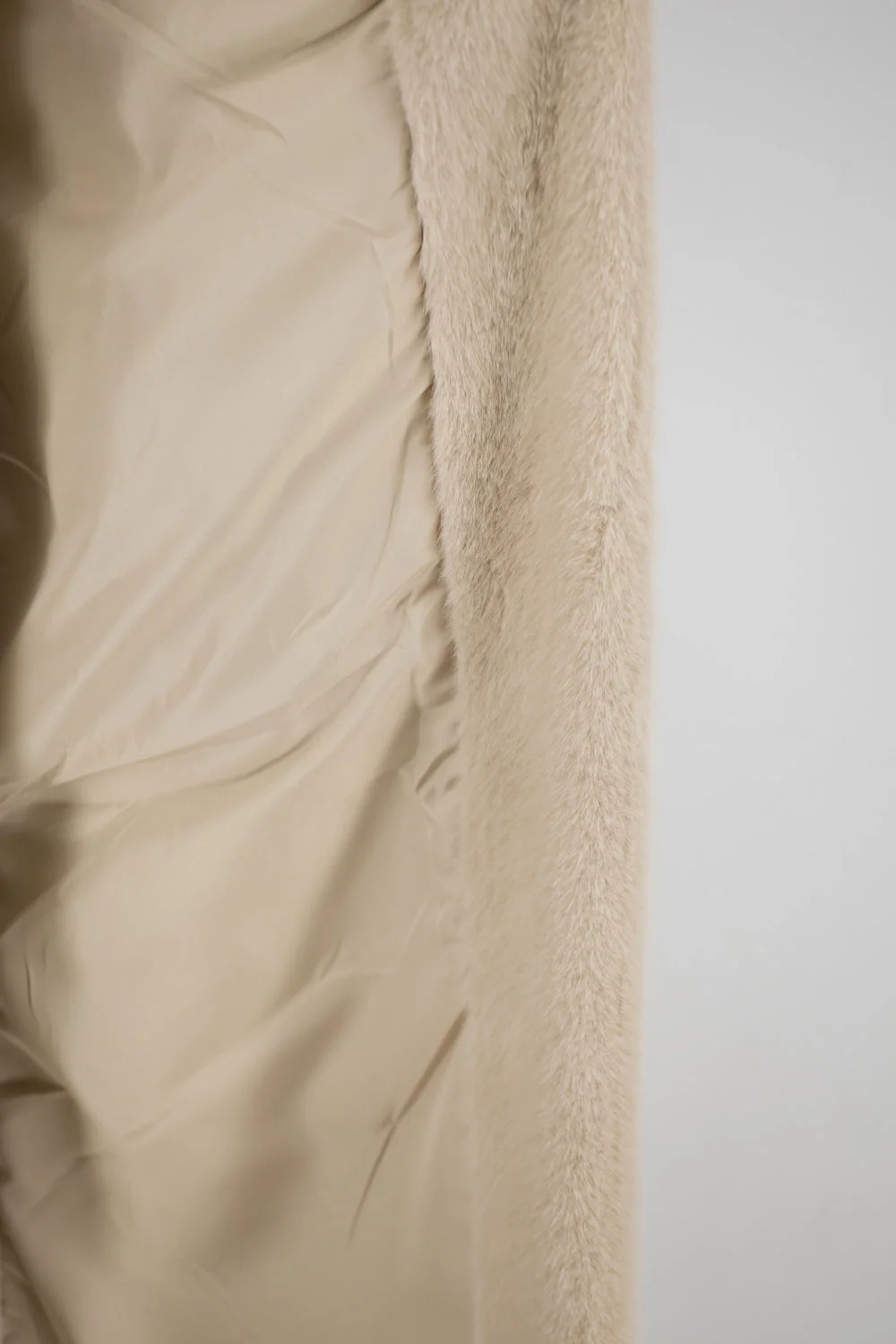
Wool and cashmere are common for coats, technical fabrics for puffer jackets and leather requires specialised care.
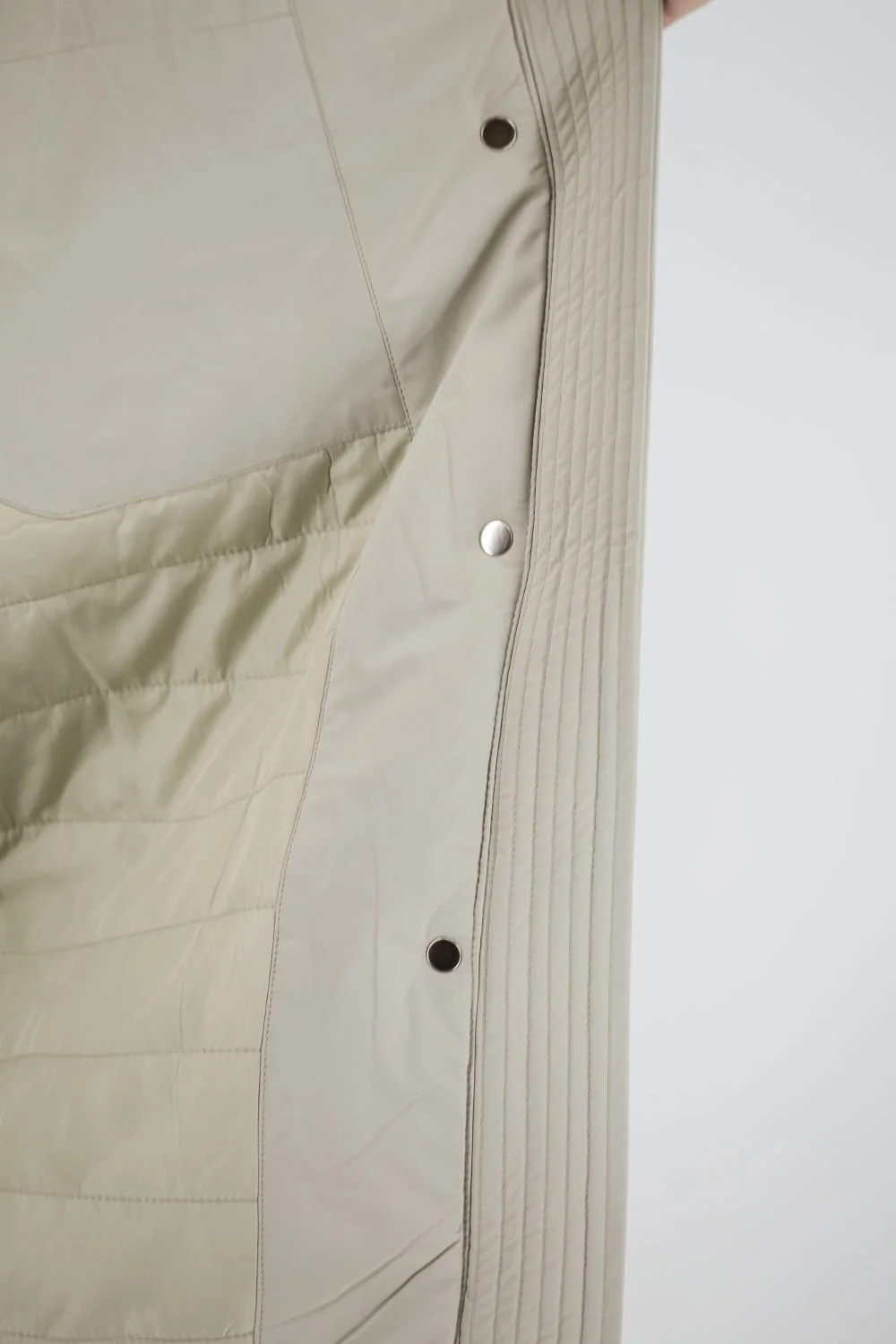
Synthetic insulation handles moisture well, while natural down offers high warmth with more demanding care.
Weather protection
Water-resistant fabric helps in rain and wet snow. A high collar, hood, cuffs and zip flap improve wind protection.
Choosing the correct size
Try outerwear on with the layer you expect to wear underneath most often. Raise your arms and check that the back and shoulders do not pull.
Practical details
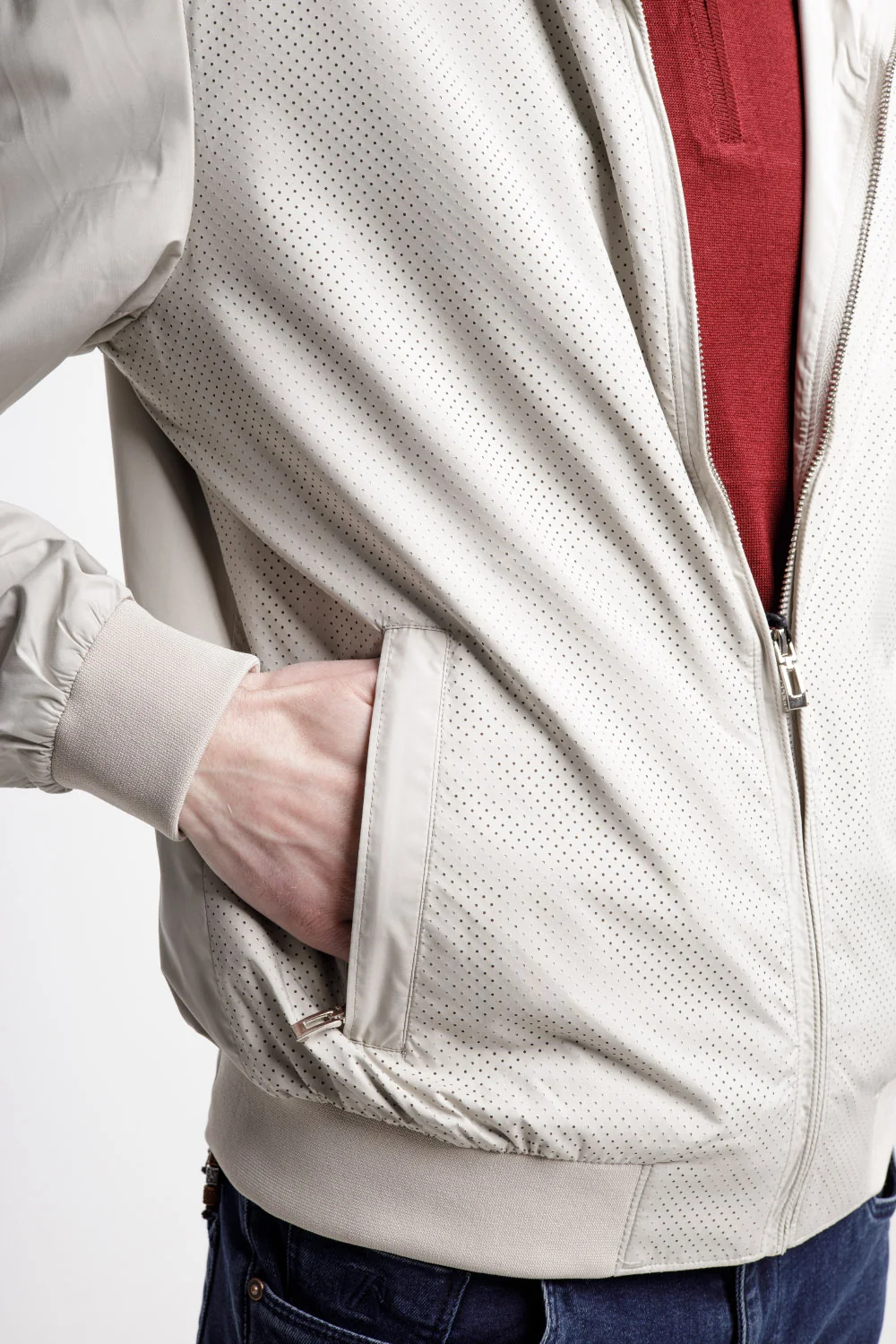
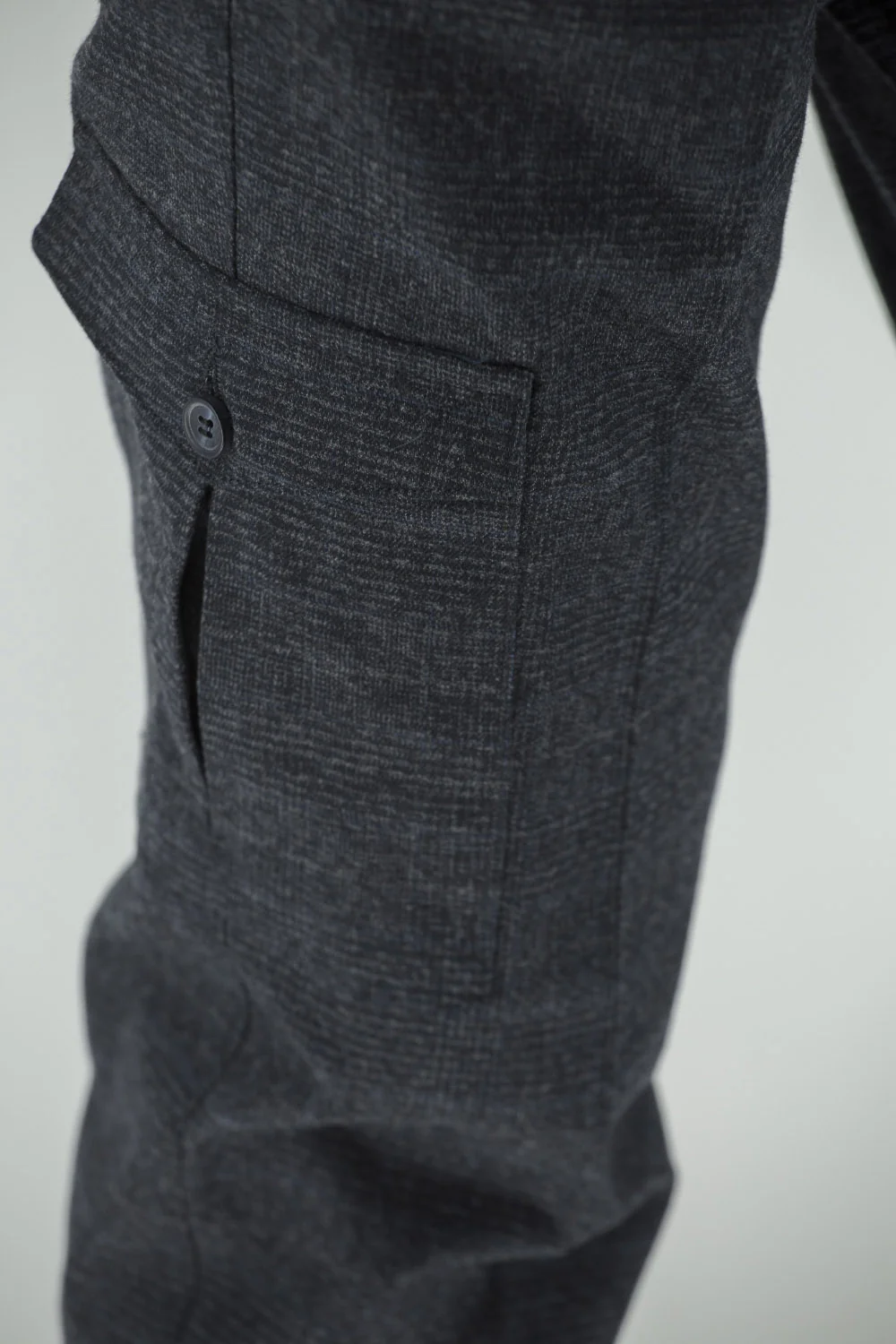
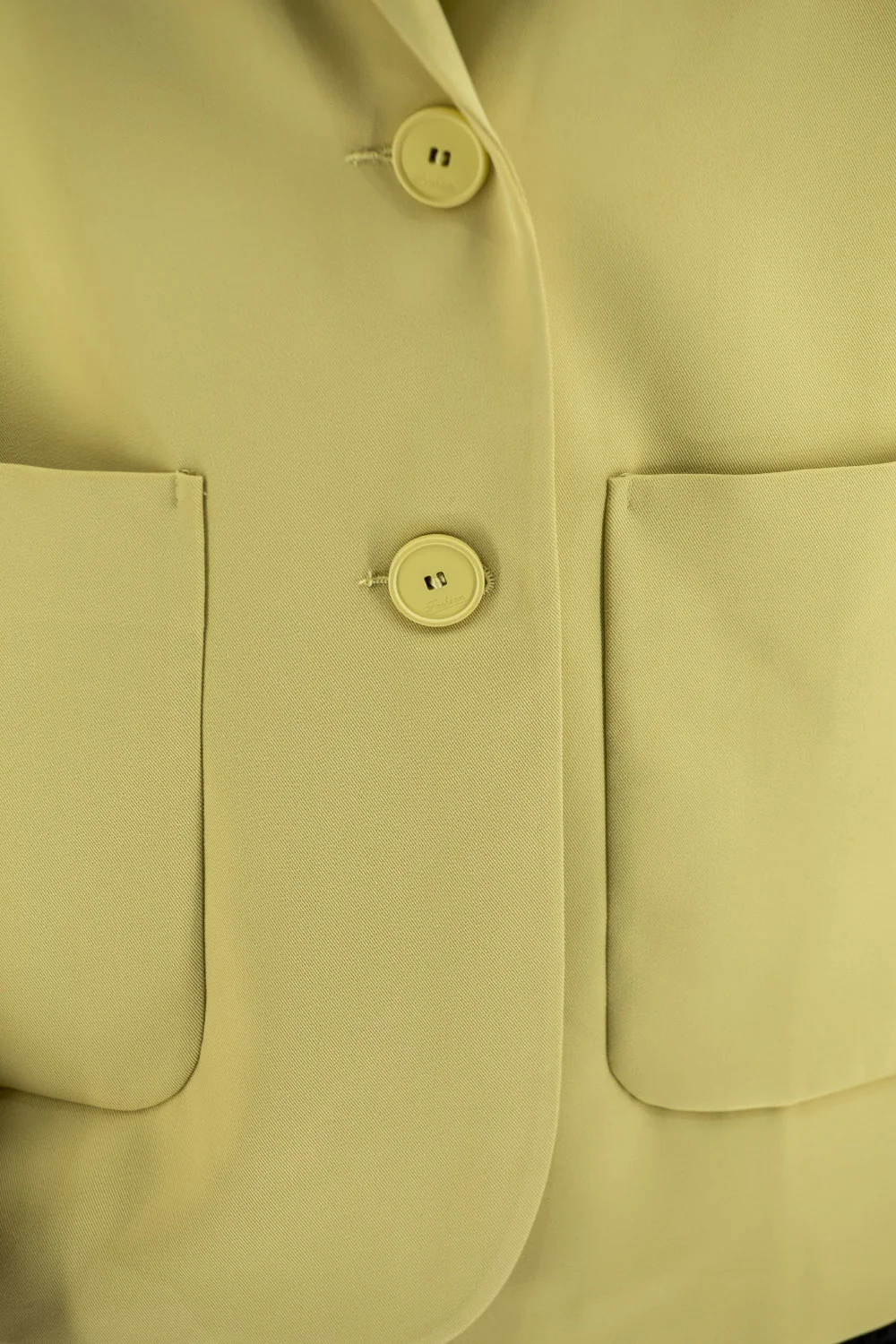
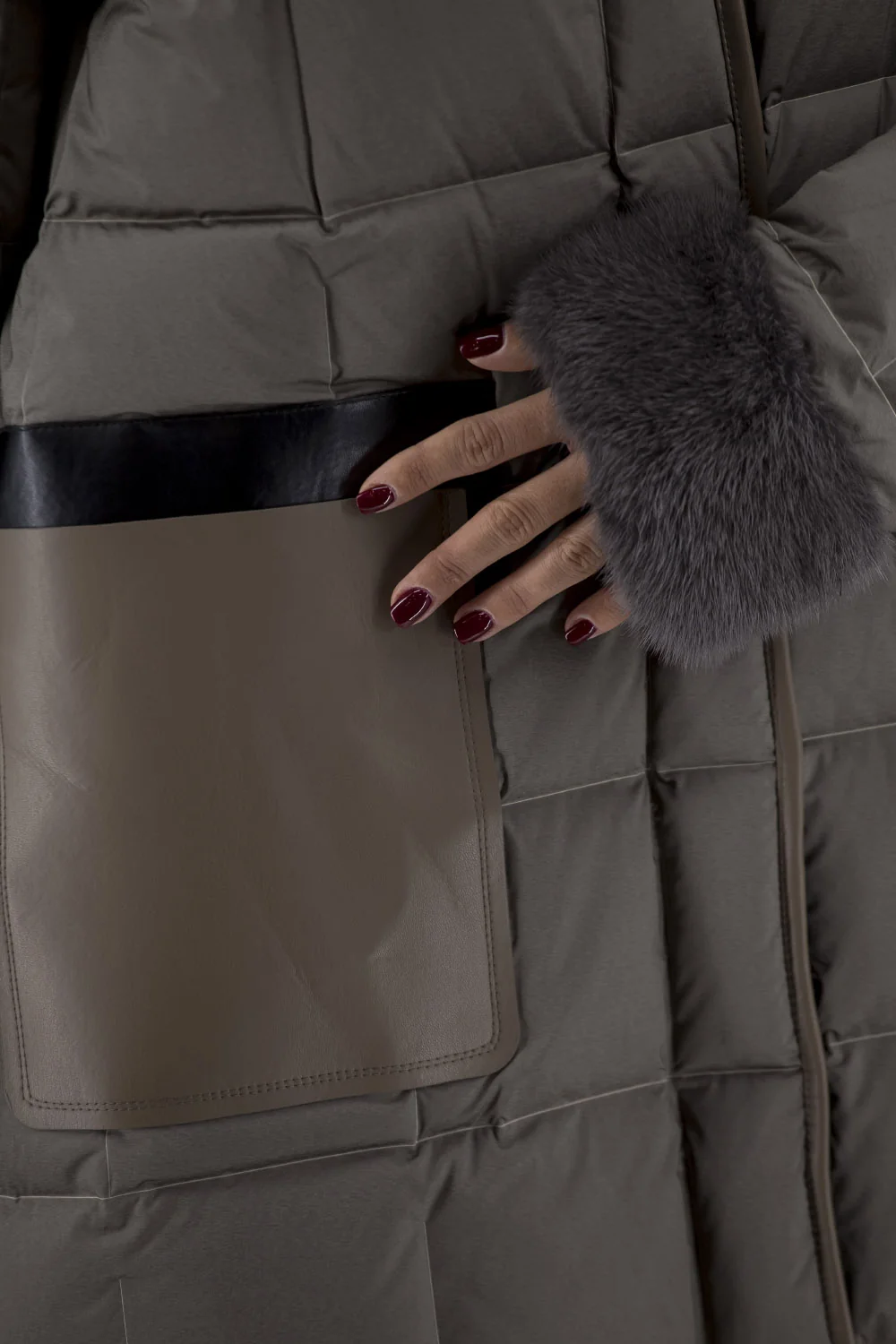
- deep pockets;
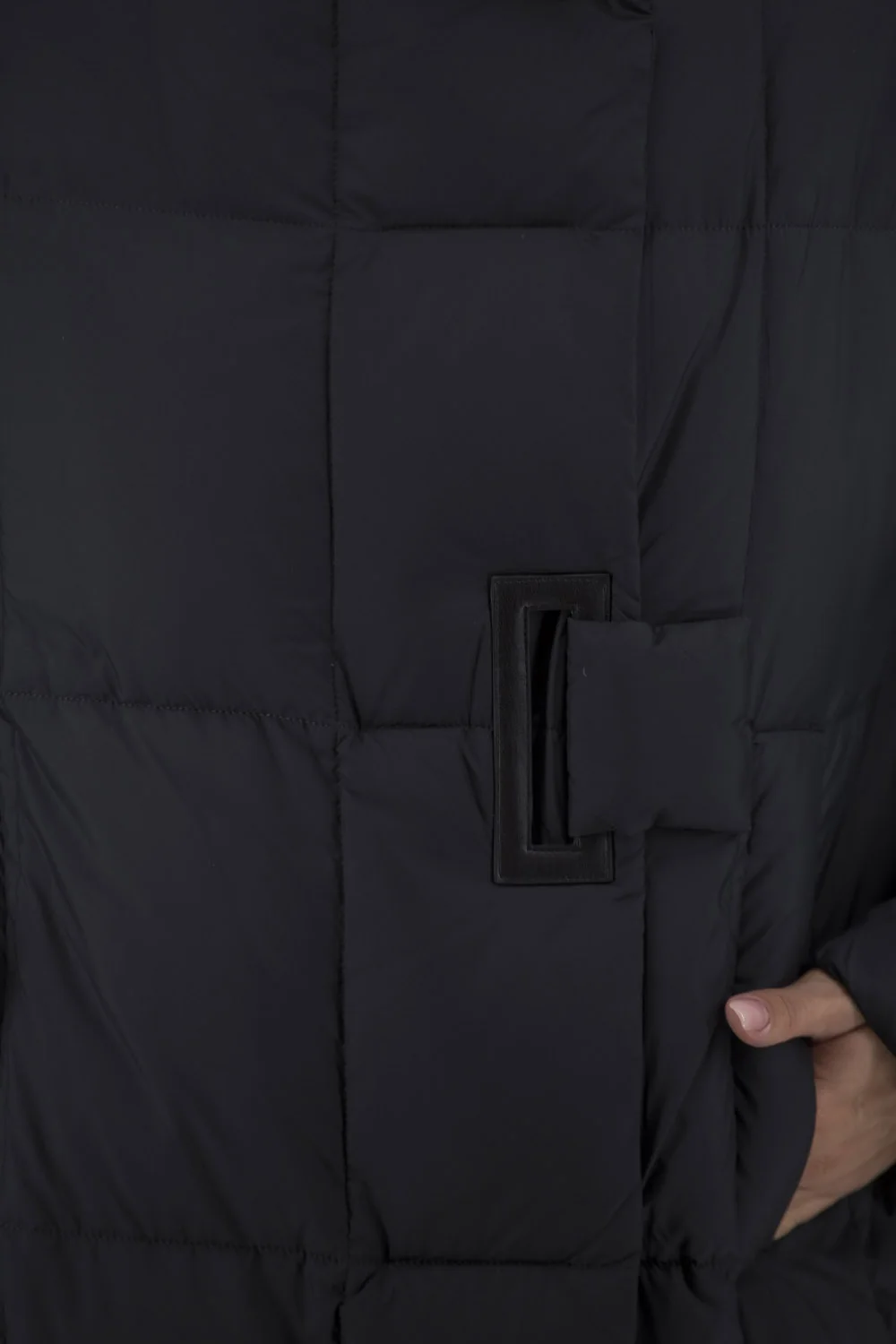
- a secure zip;
- an adjustable hood;
- internal cuffs;
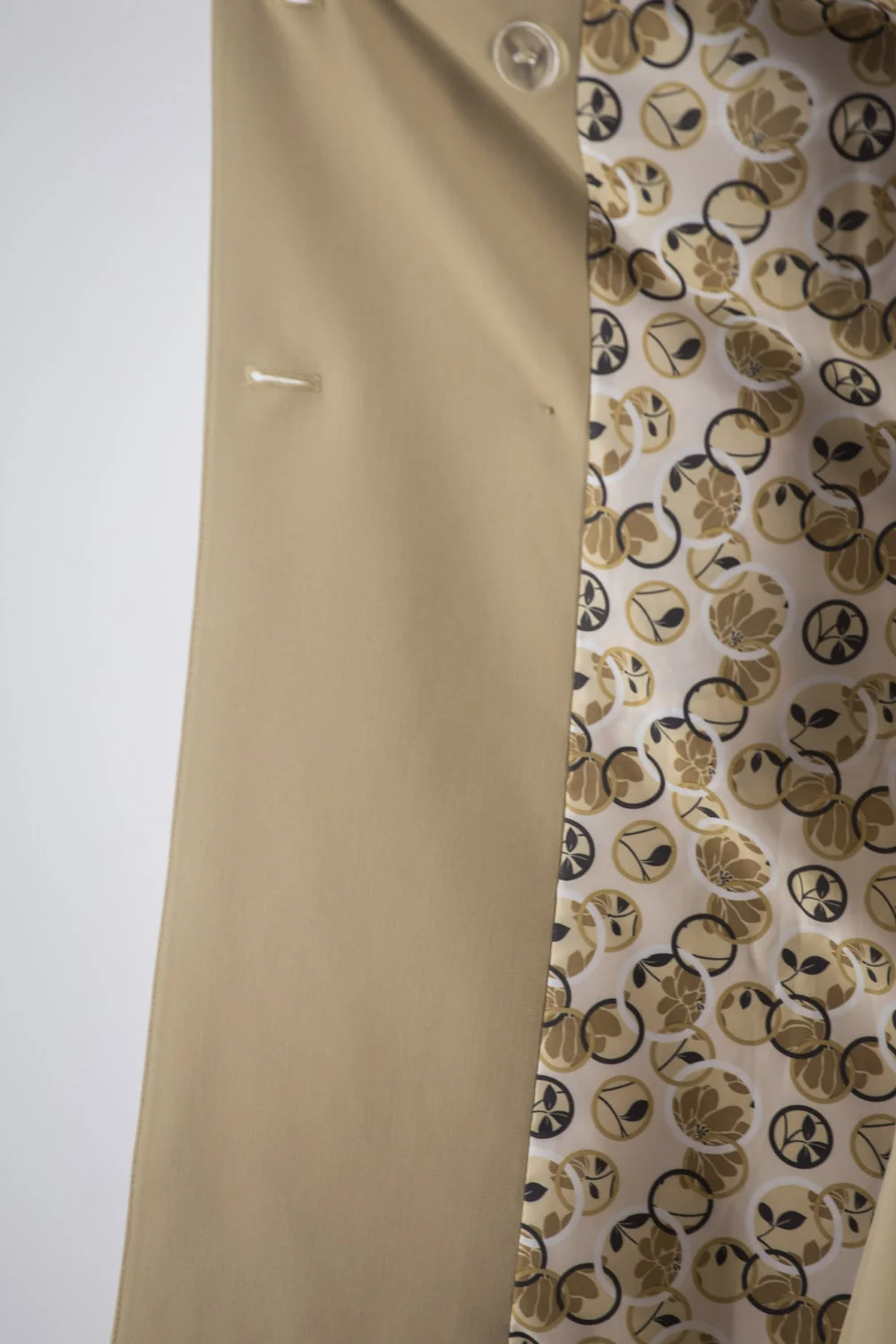
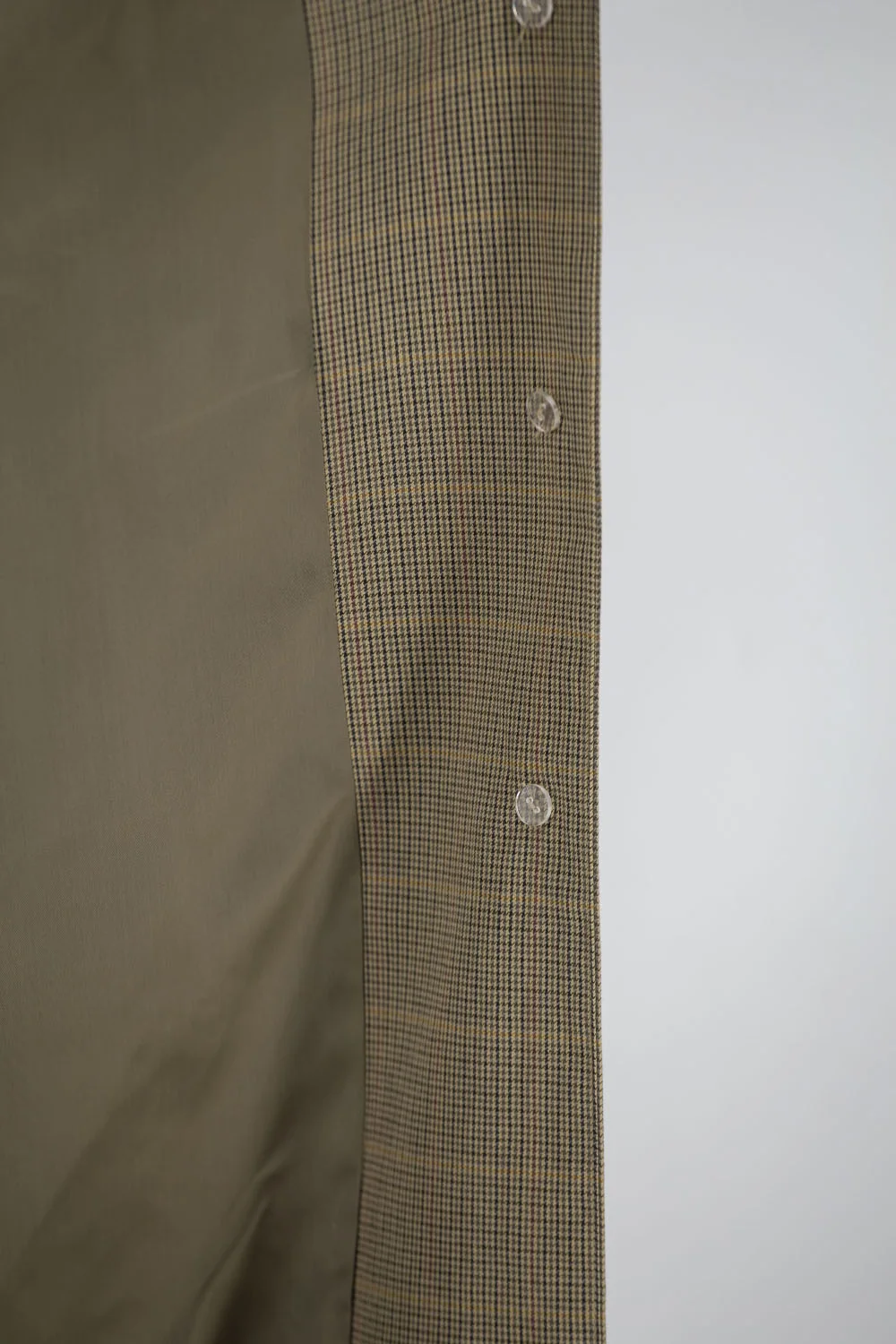
- an easy-care lining;
- a strong hanging loop.
Colour
Black, grey, beige, brown, navy and khaki are easy to combine. Burgundy, green or blue can become a colour accent.
What to check before buying
- whether there is room for a jumper or blazer;
- whether the back pulls when you move;
- whether the pockets are usable while wearing gloves;
- whether the hood restricts your view;
- whether the zip operates smoothly;
- whether the garment feels too heavy.
Try the garment both fastened and open. Raise your arms, sit down and walk around to assess movement, length and comfort.
Matching outerwear with footwear
Coats work with boots, loafers, trainers and ankle boots. Puffer jackets and short jackets combine easily with sporty footwear and substantial soles. Shearling coats can be paired with boots, western-inspired styles or insulated trainers.
Proportion is more important than strict rules. Long and voluminous outerwear often looks balanced with visually substantial footwear, while a shorter jacket works with lighter styles.
Consider your lifestyle
Short outerwear is convenient for driving because it does not bunch up while seated. For public transport, durable fabric, secure pockets and an adjustable hood are especially useful.
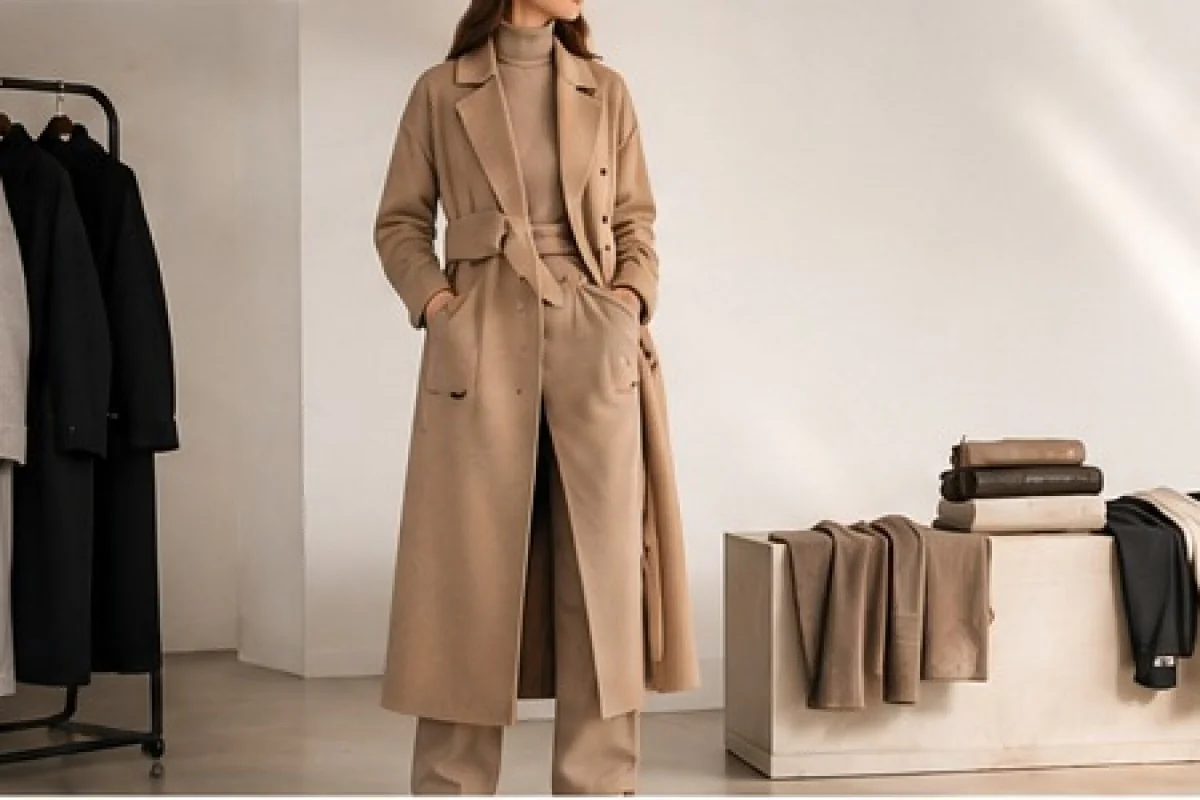
For long periods outdoors, choose knee length or longer, good neck protection and internal cuffs. If you frequently move between outdoor and indoor spaces, avoid a garment that is excessively heavy or difficult to open.
Layering correctly
A coat can be worn over a blazer, cardigan or knit, while a puffer jacket works with thermal layers, roll-necks and fleece. Several light layers are often more practical than one very thick garment.
Outerwear should not compress the insulating layers underneath, because trapped air is important for warmth.
Care
Always follow the care label. After rain or snow, let the garment dry naturally on a broad hanger.
The main consideration
Good outerwear suits the weather, allows movement and works with most of your wardrobe.
Choose Bella Bicchi women’s outerwear with free delivery across Ukraine.