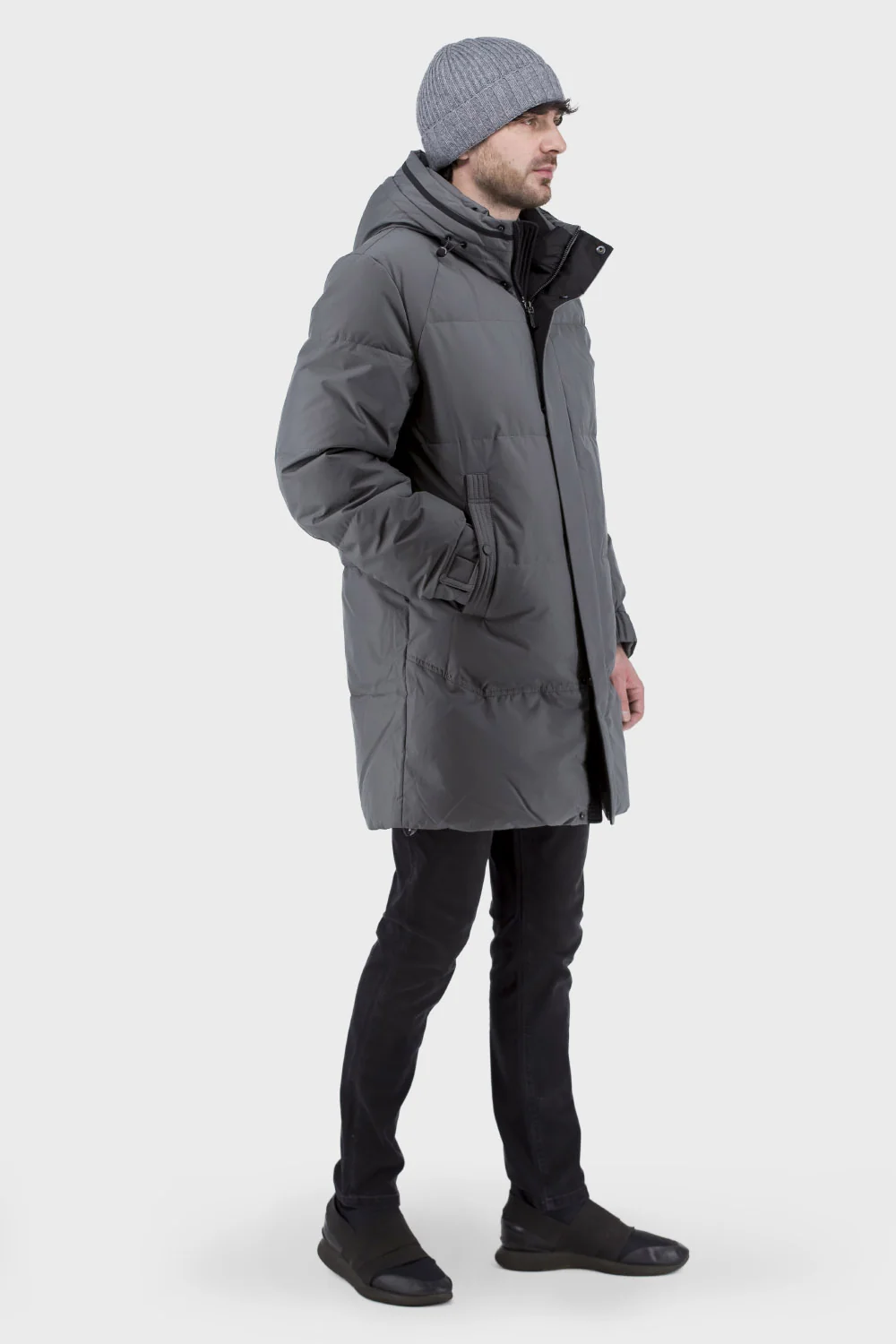
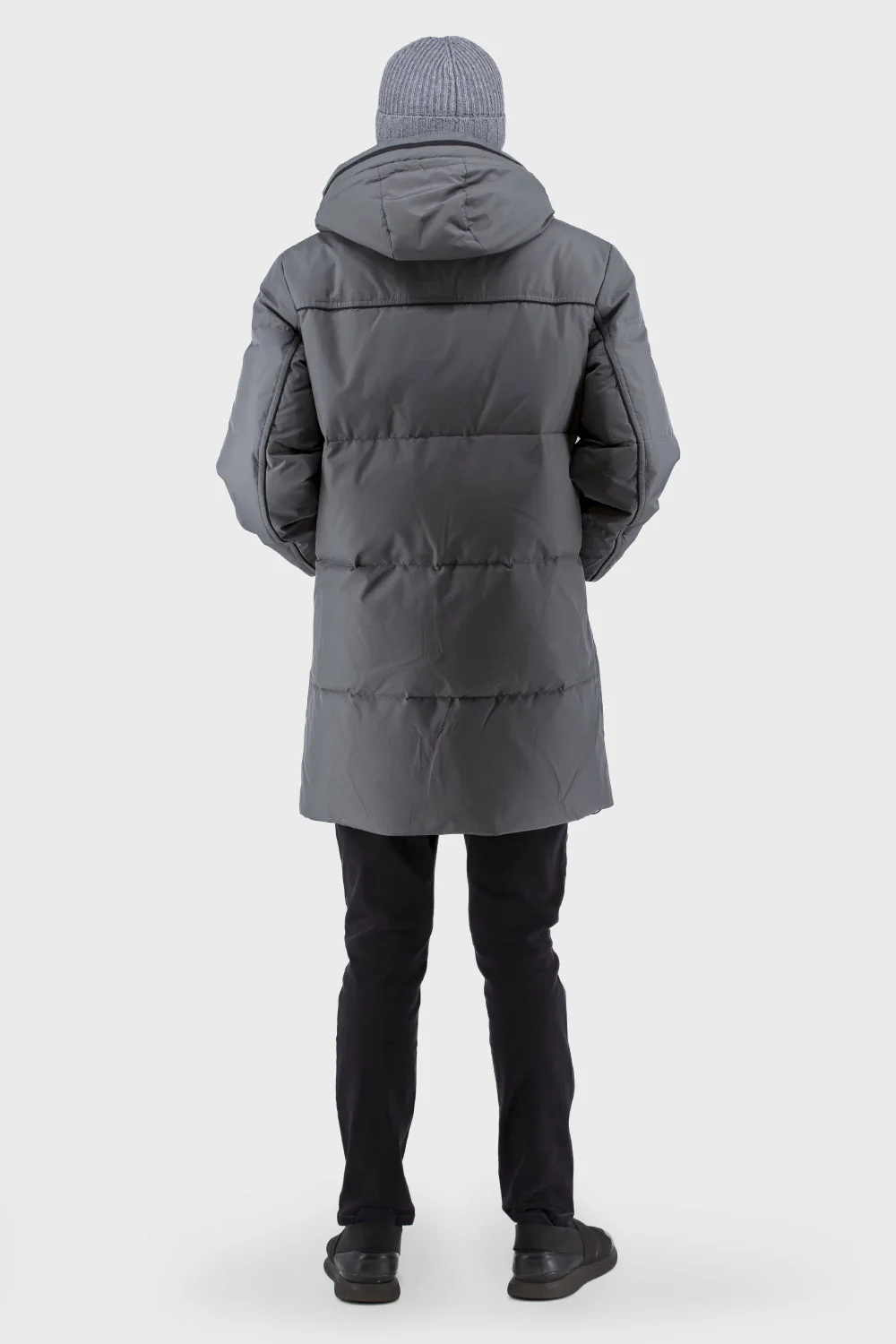
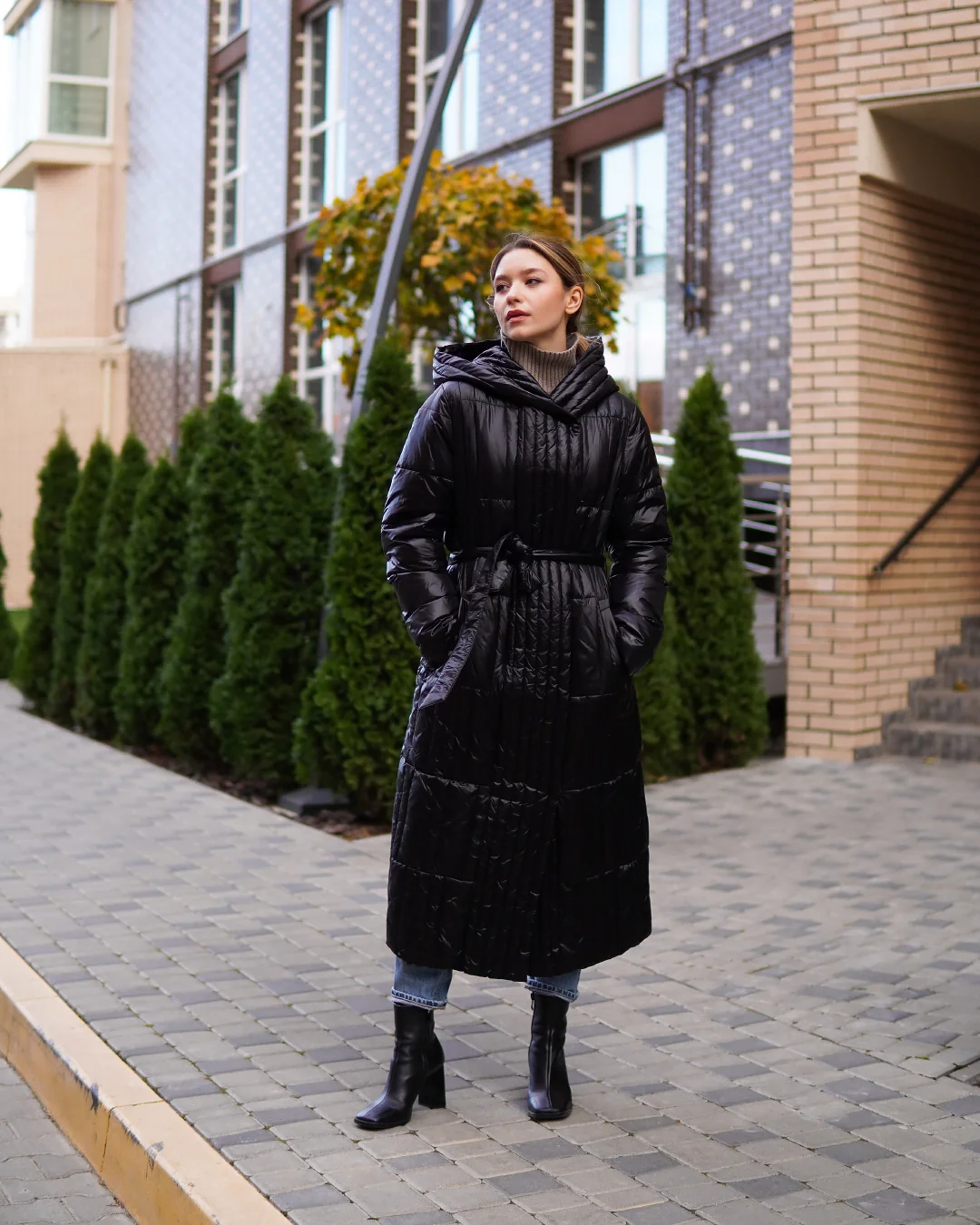
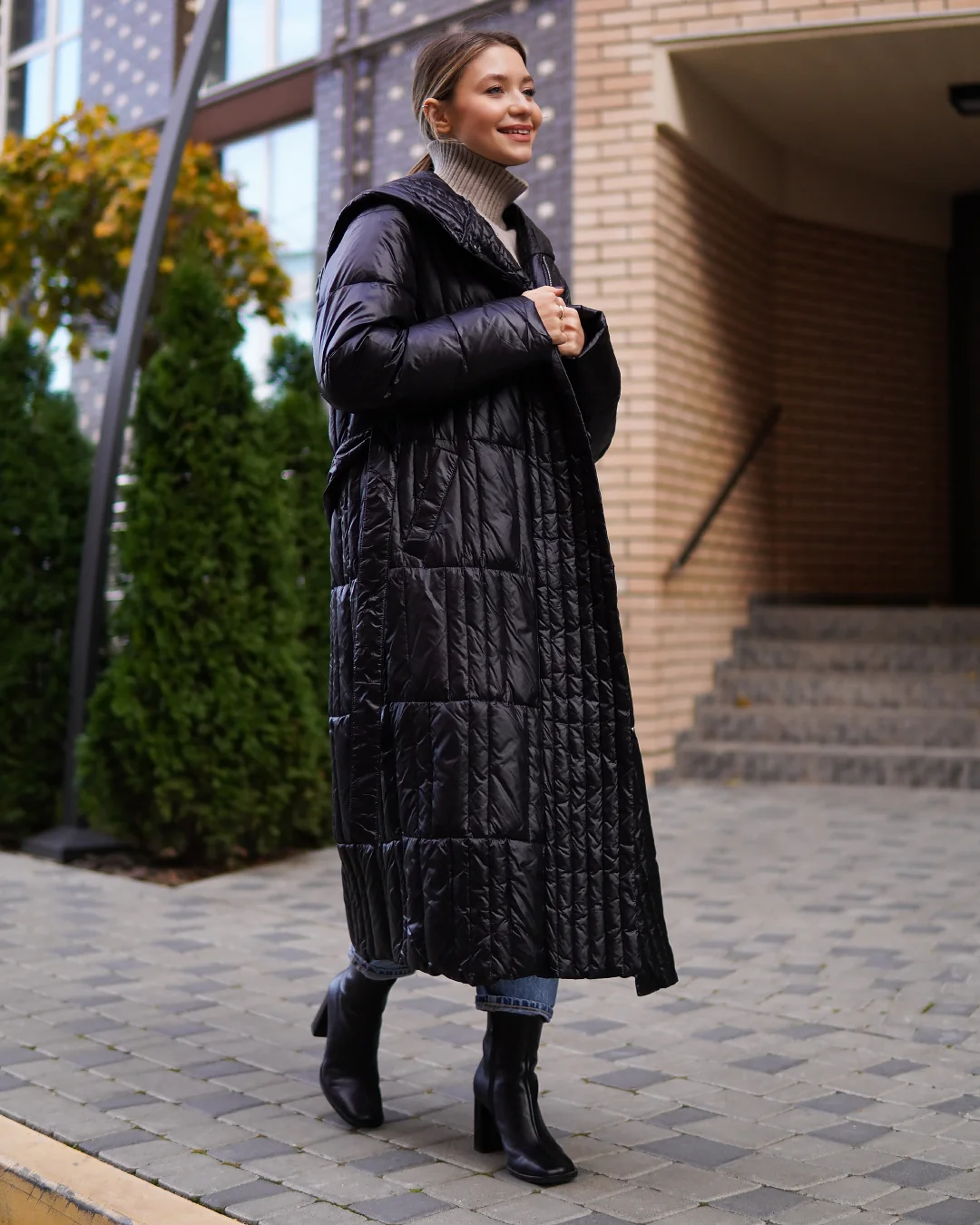
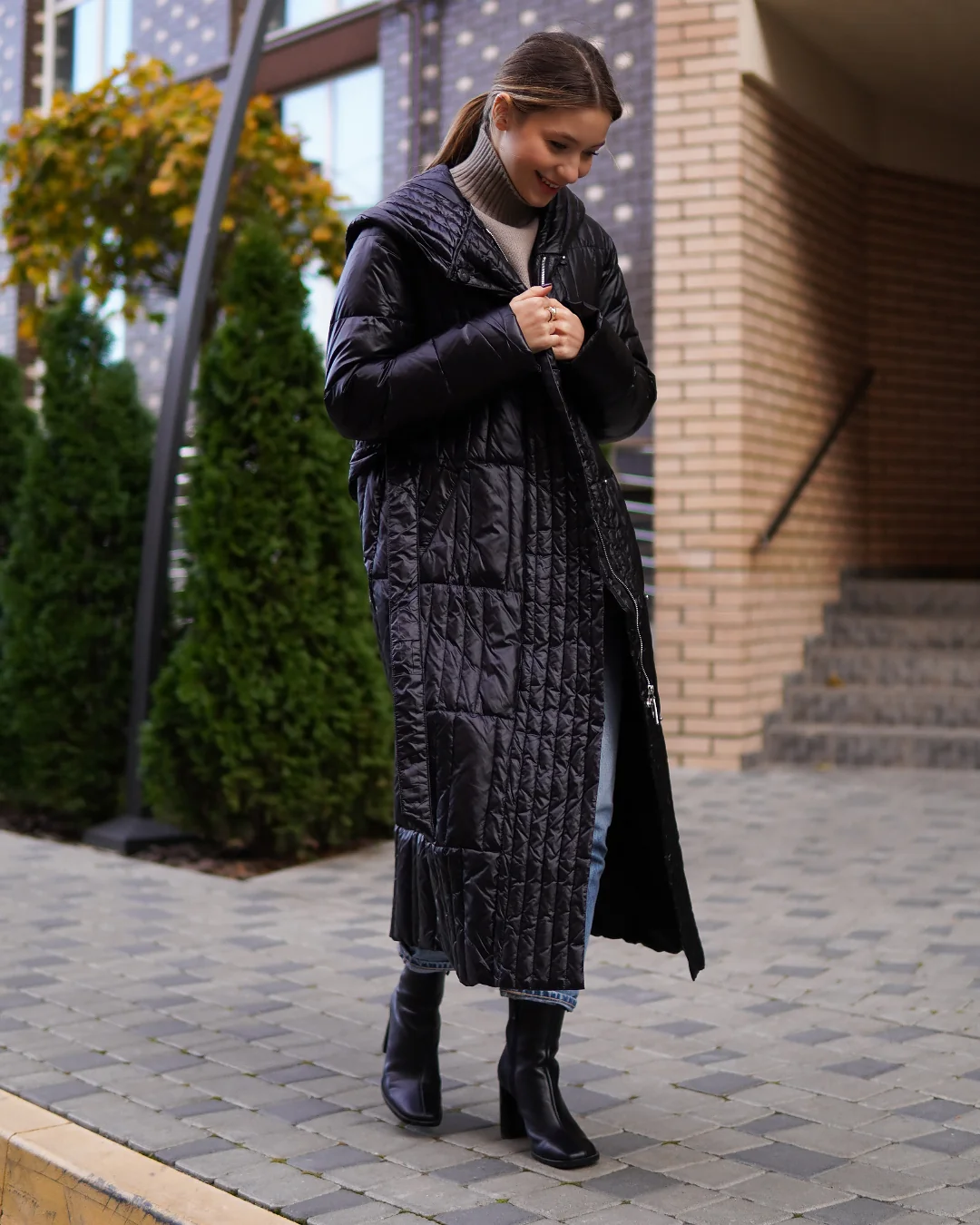
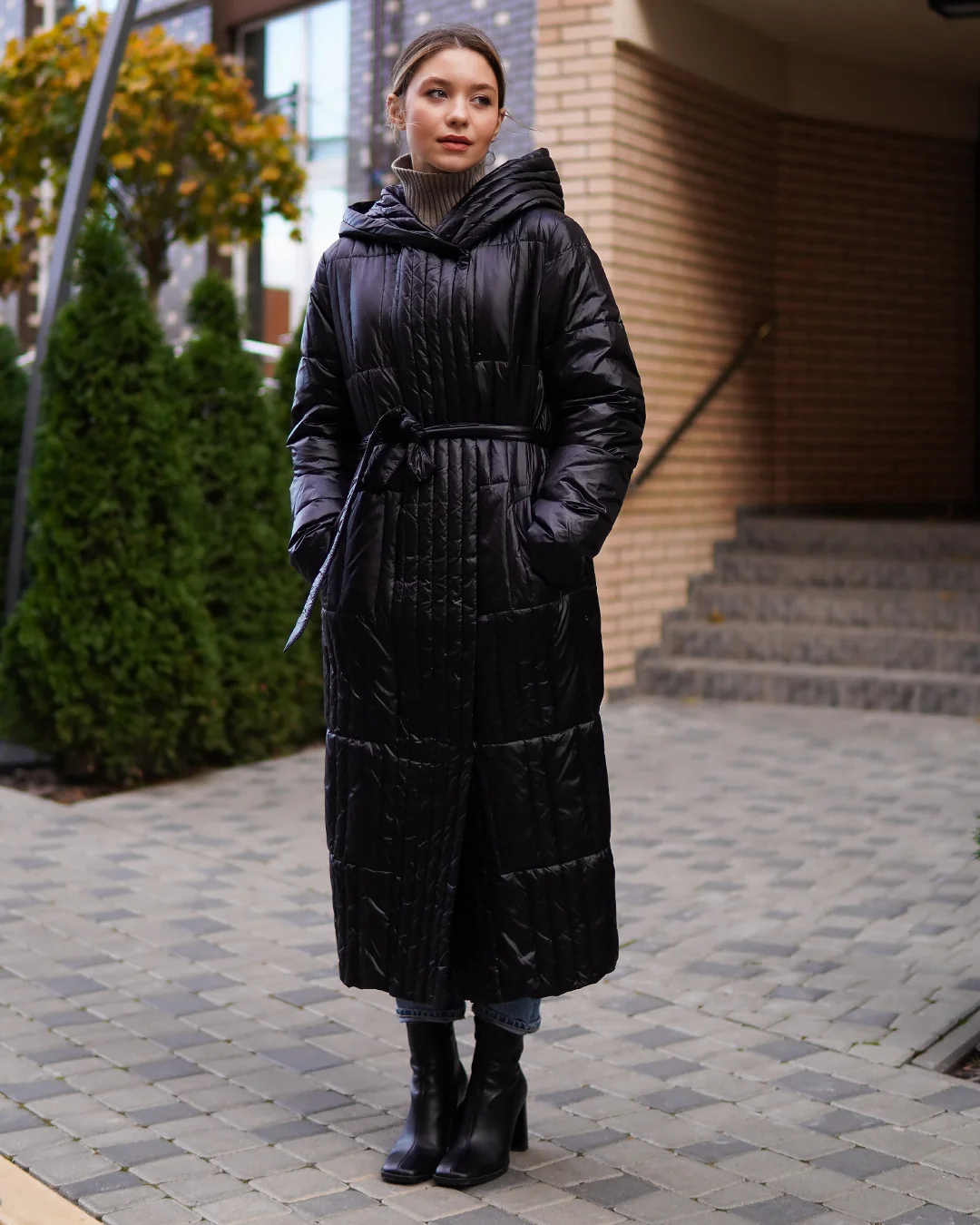
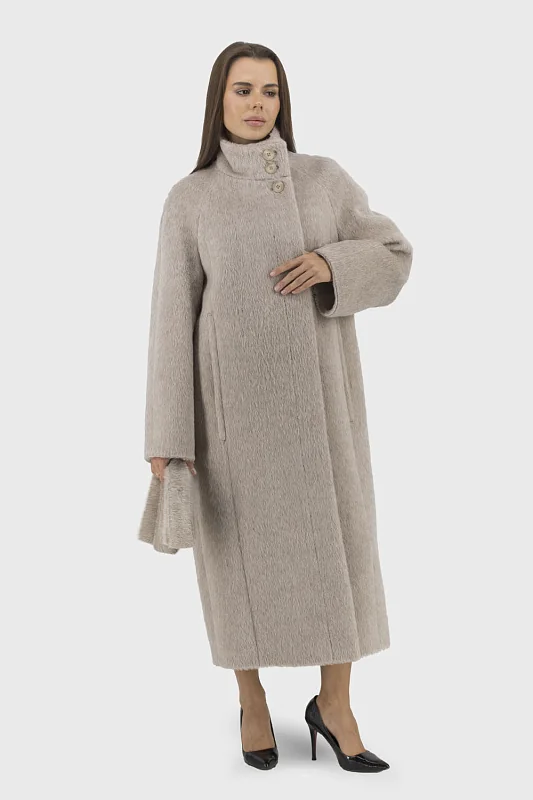
Raincoats and trench coats beyond seasonal trends
A raincoat or trench coat is practical outerwear for spring, autumn and cool summer weather. It provides protection from wind and light rain, works with business, casual and sporty wardrobes and can remain useful for many seasons.
Instead of following one short-lived trend, consider your lifestyle, height, proportions, climate and the clothes you already own.
What is the difference between a raincoat and a trench coat?
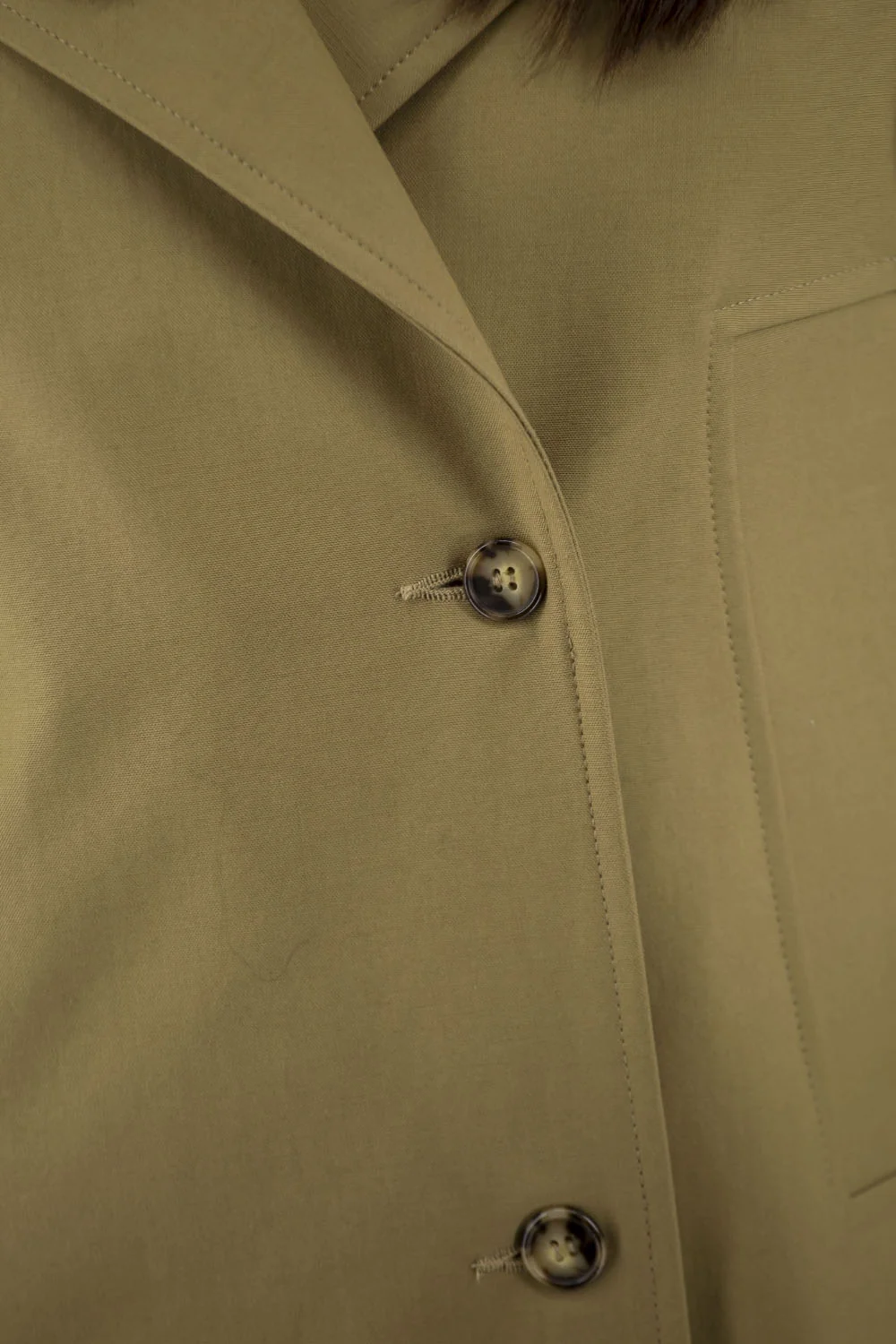
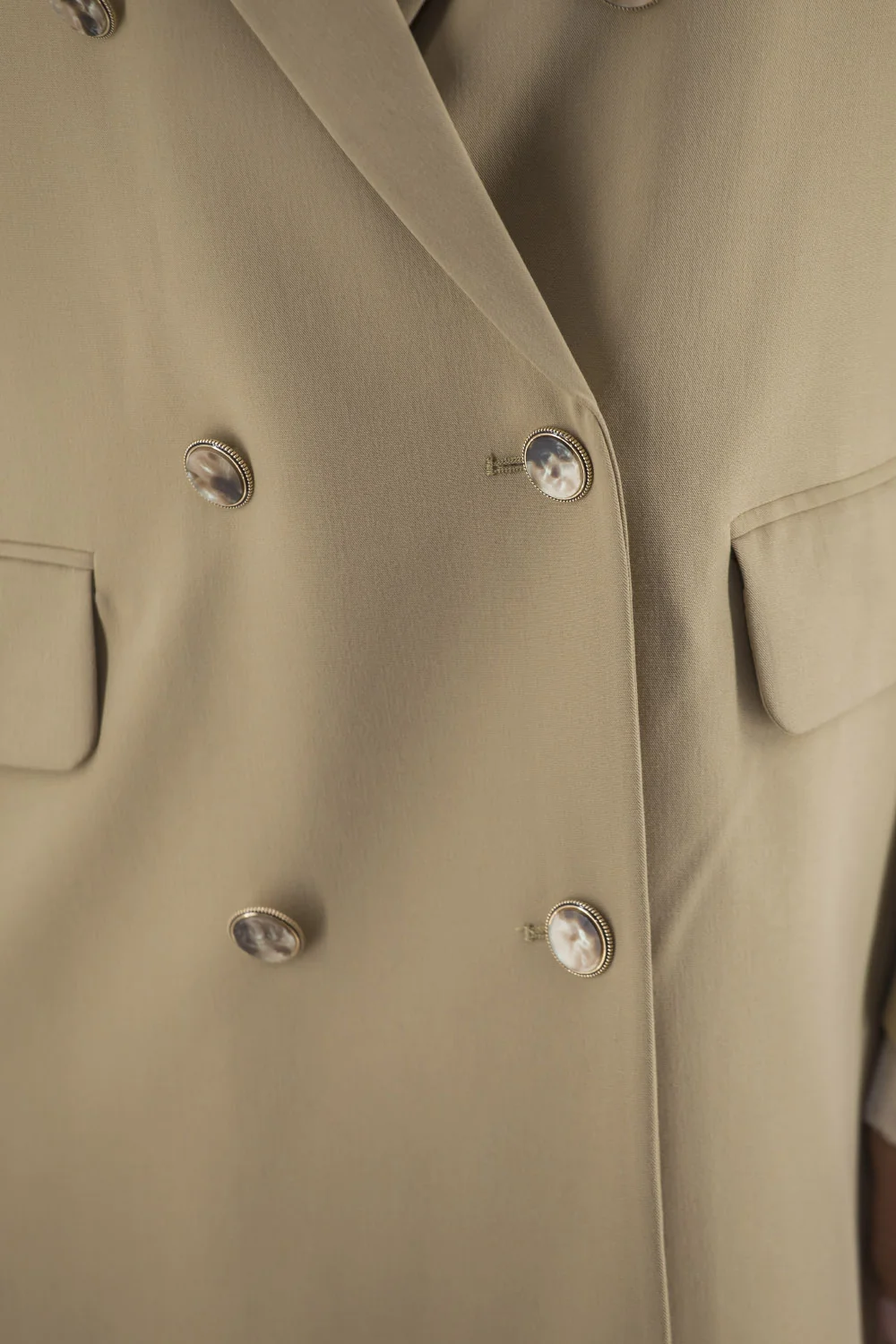
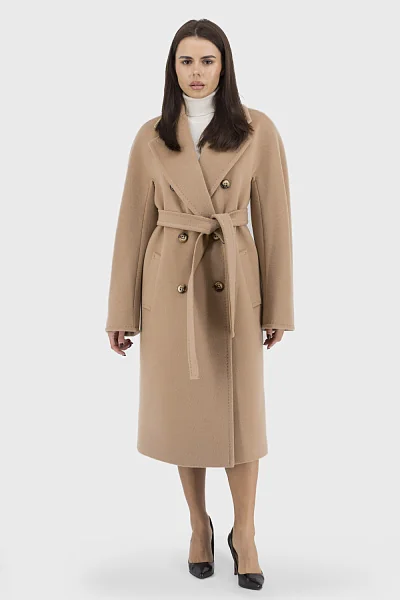
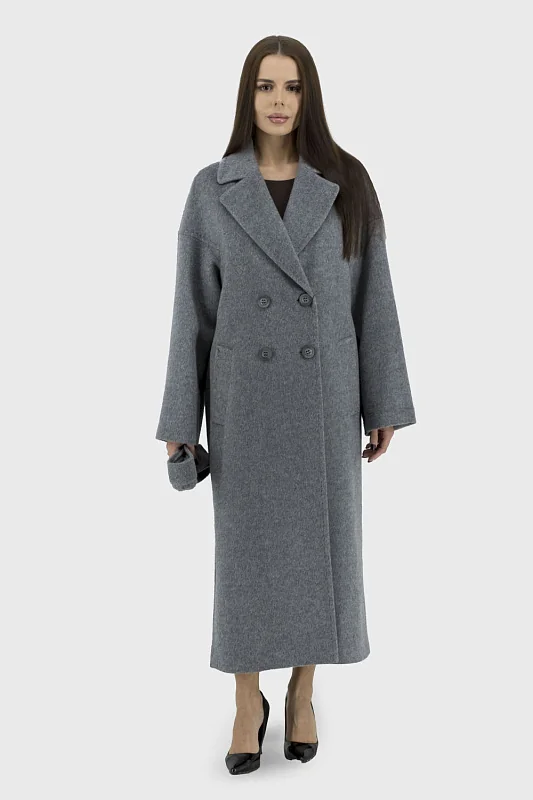
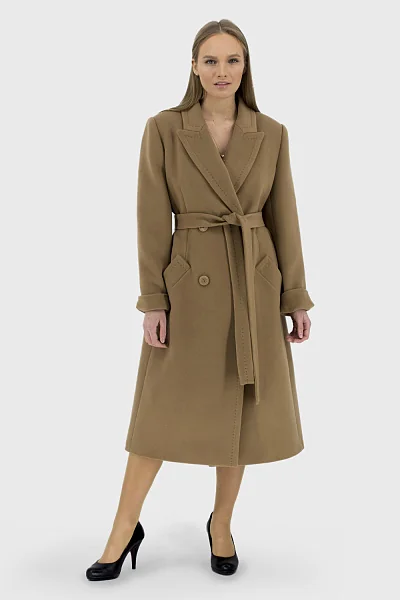
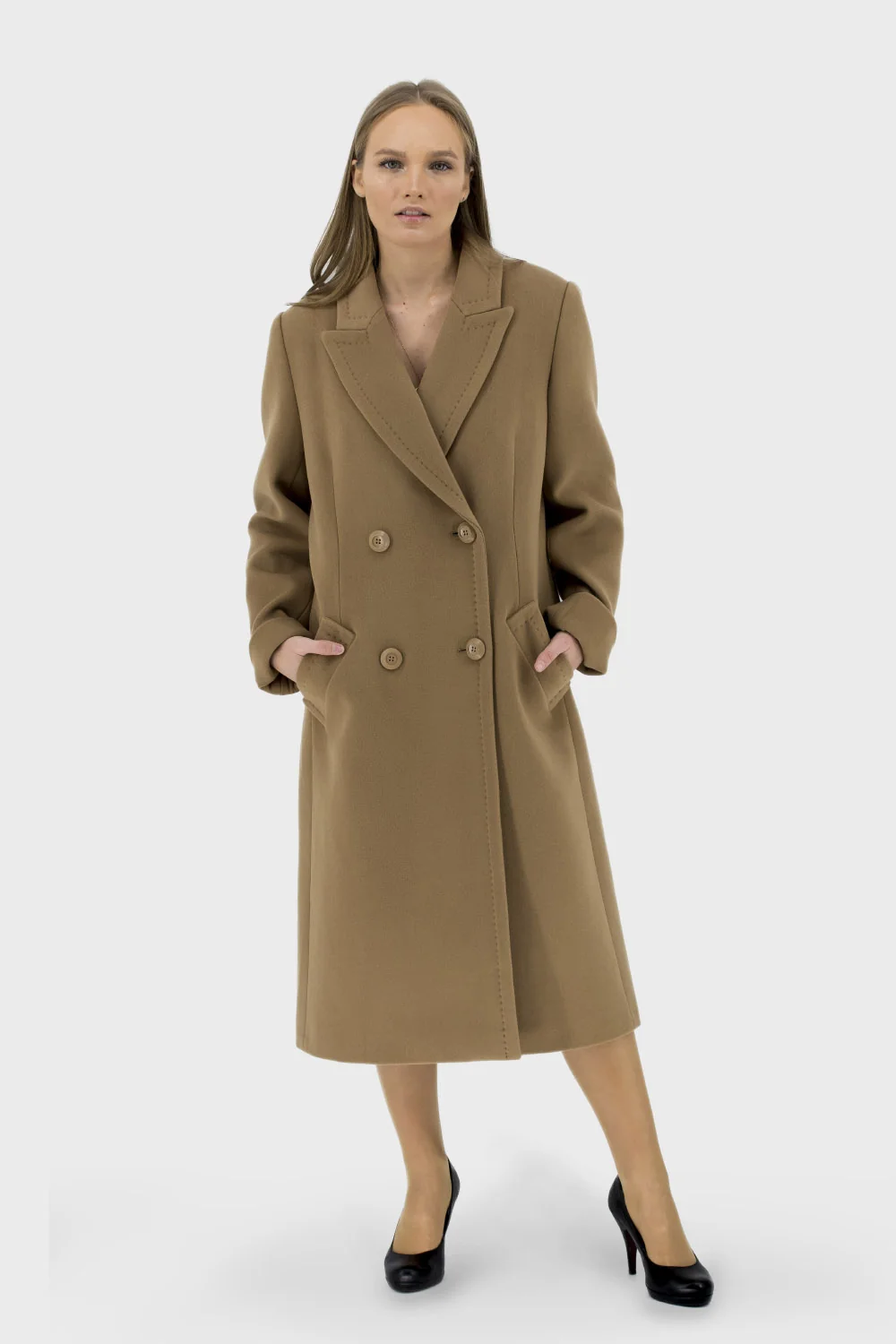
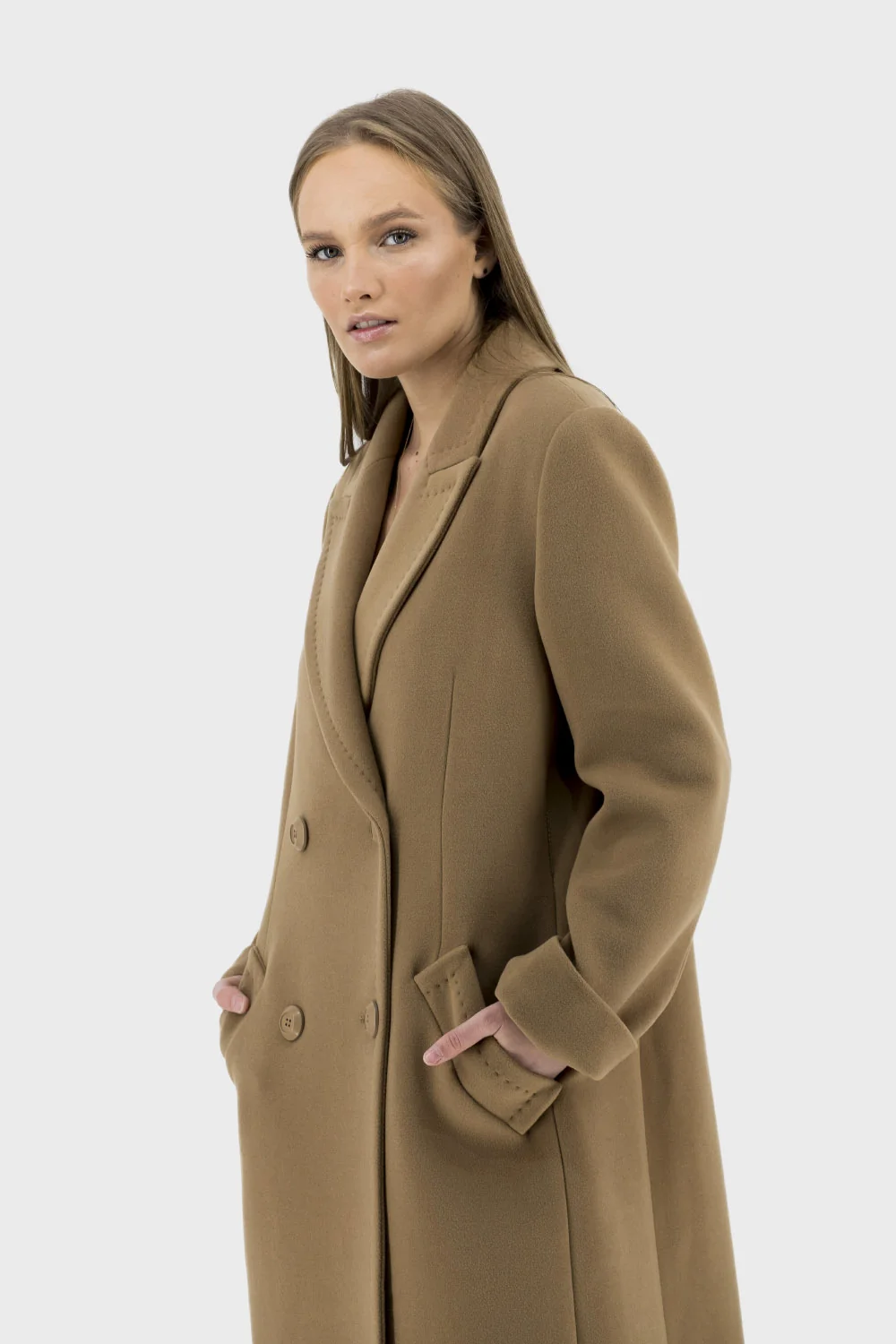
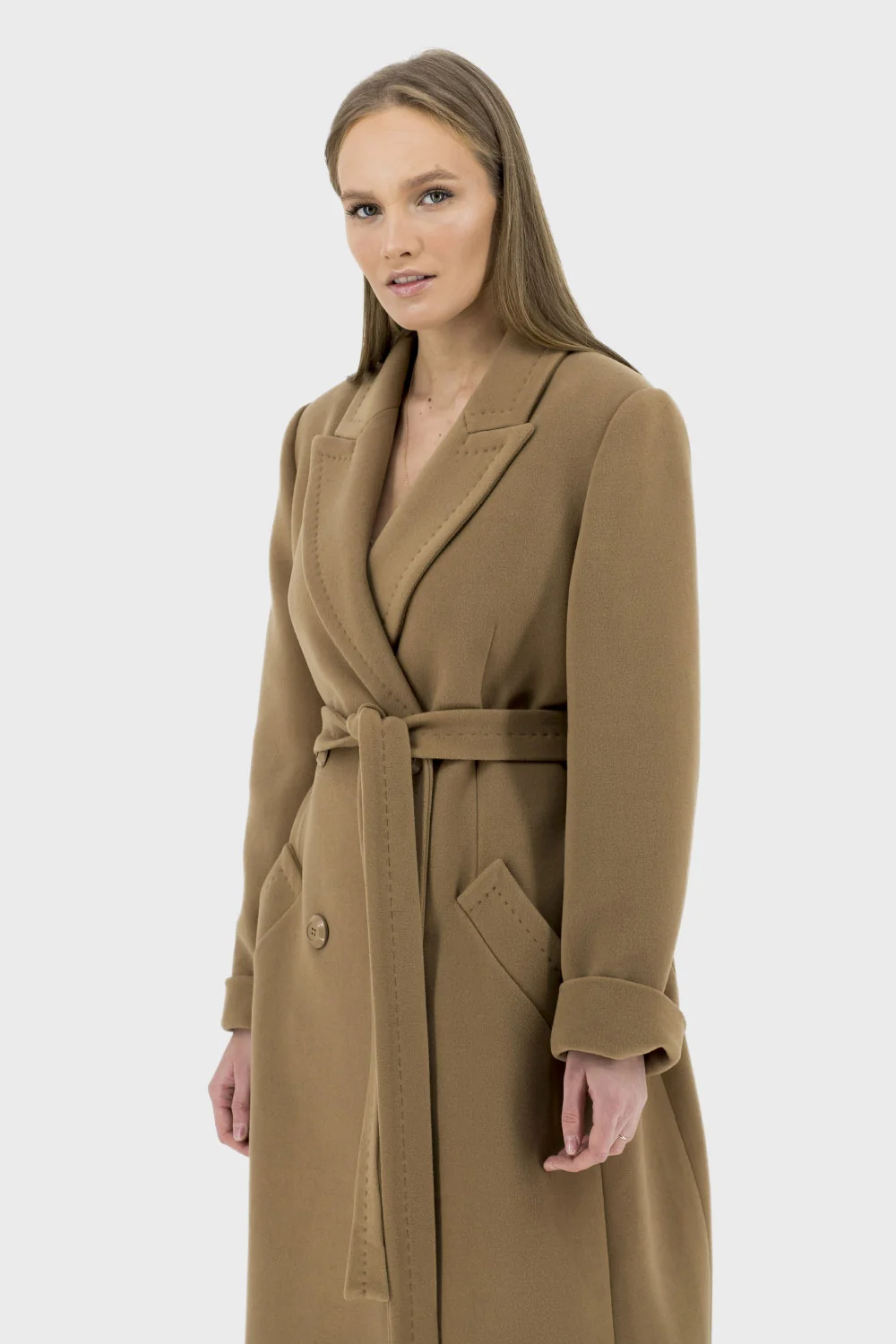
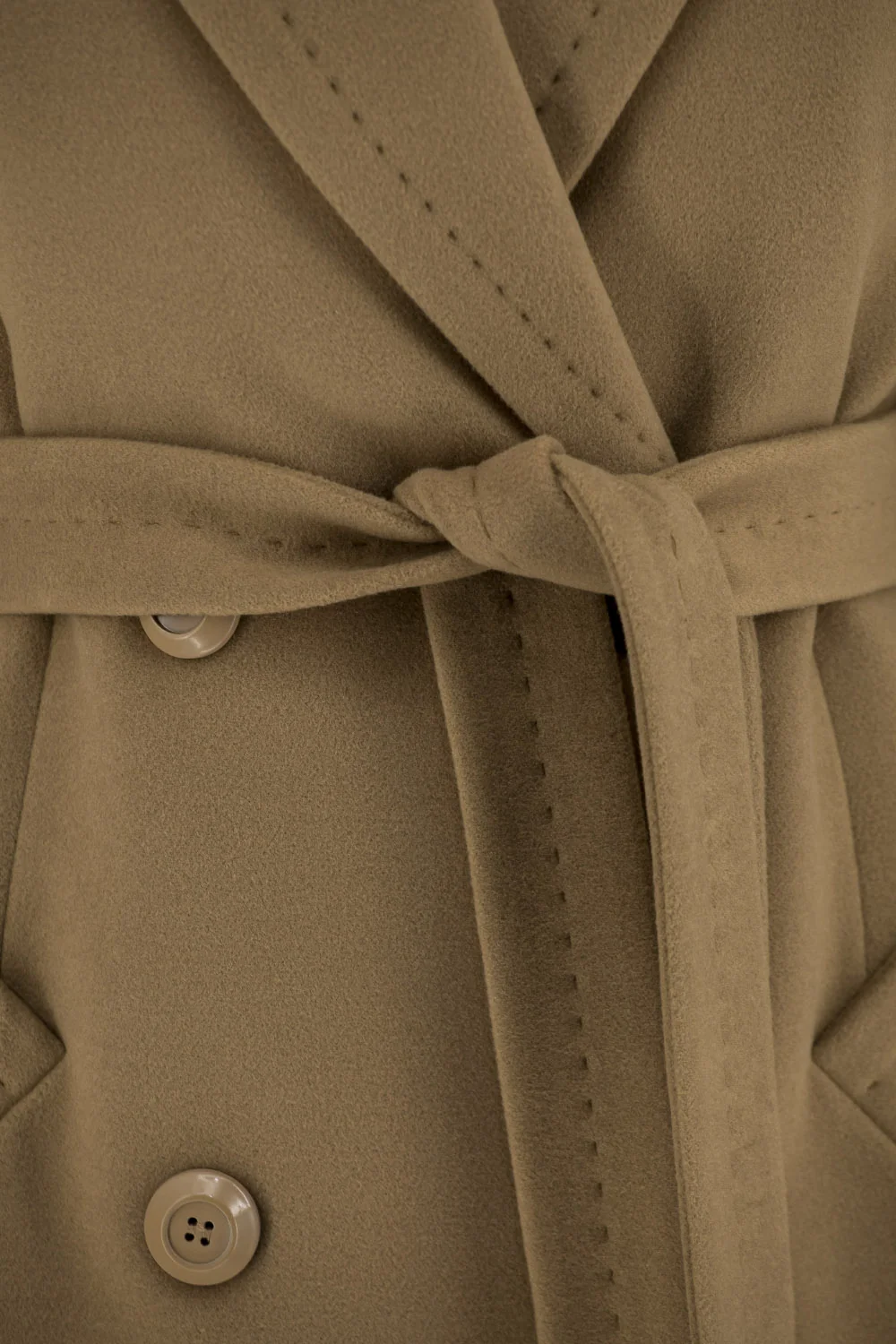
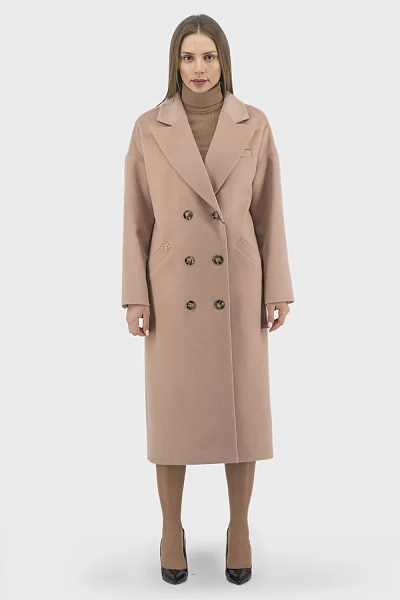
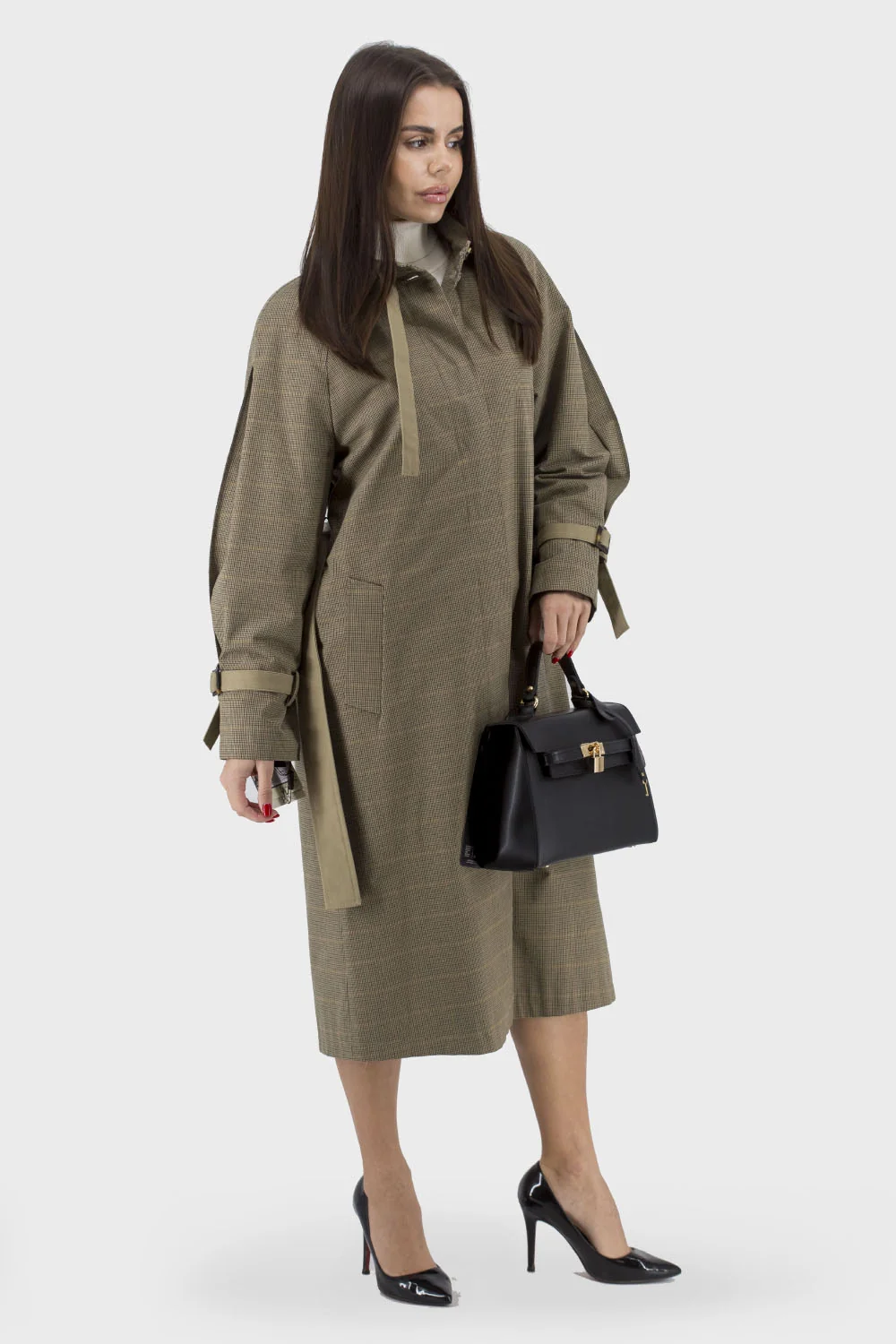
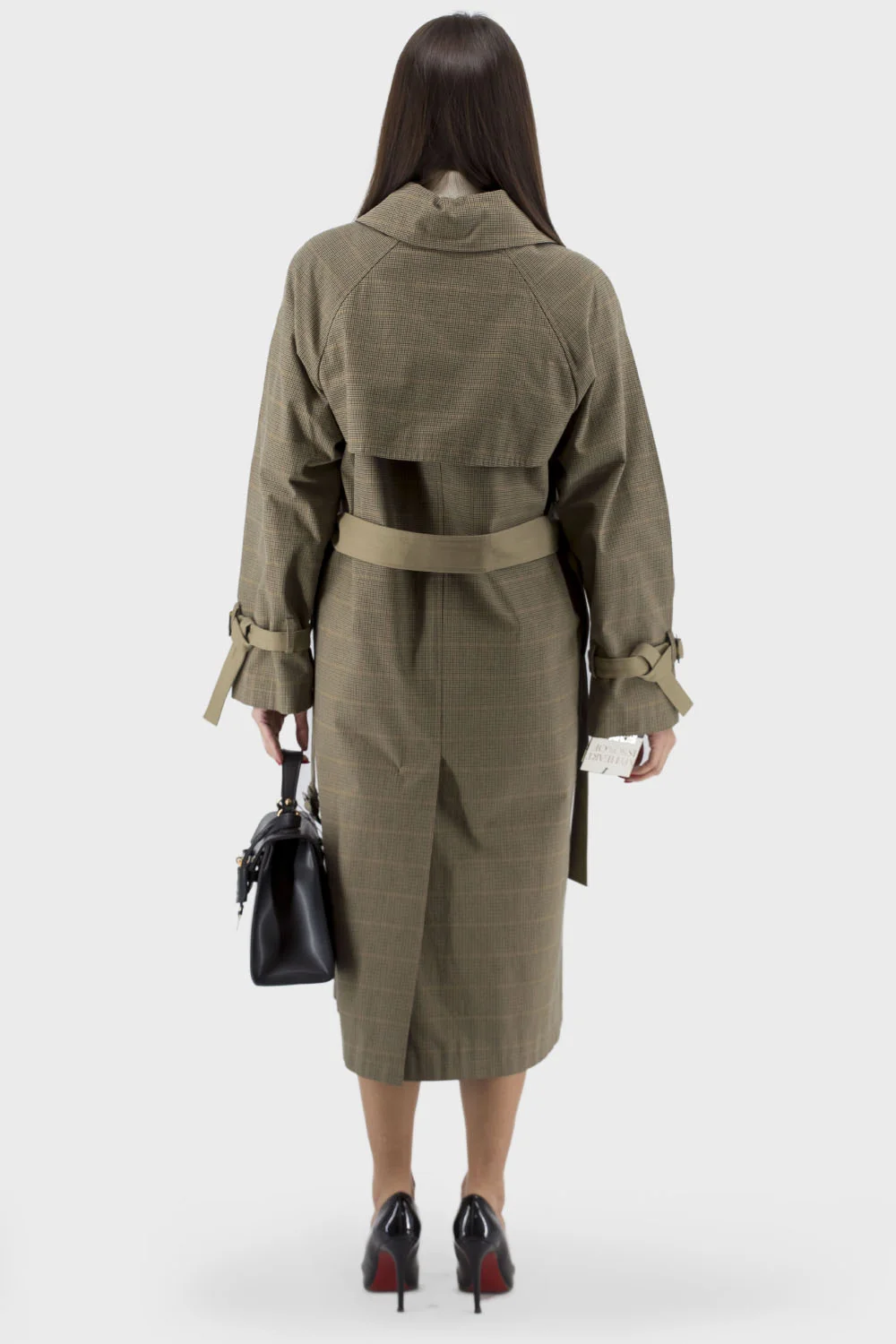
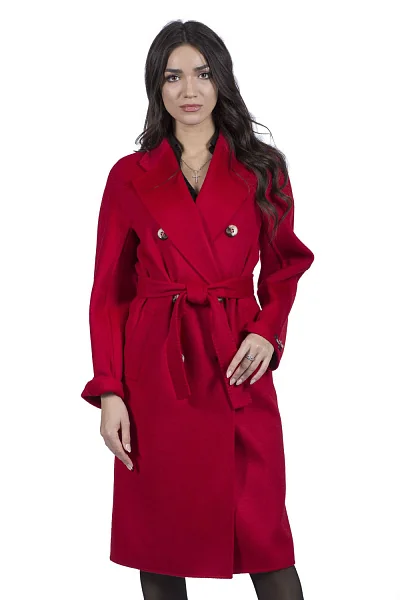
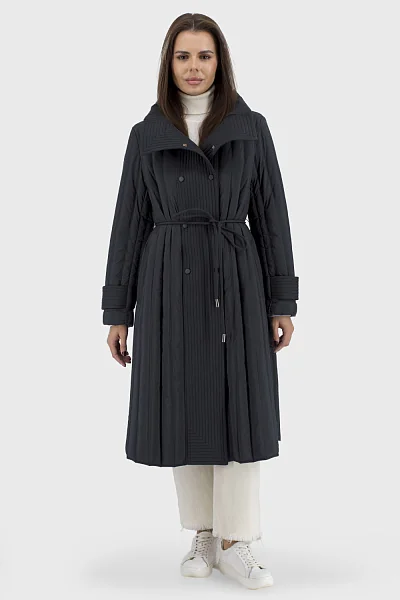
Raincoat is a broad term for lightweight protective outerwear. A trench coat is a specific style traditionally recognised by a double-breasted front, belt, wide collar, shoulder tabs and adjustable cuffs.
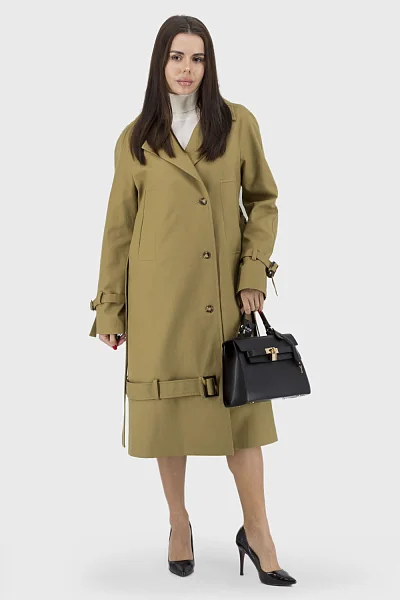
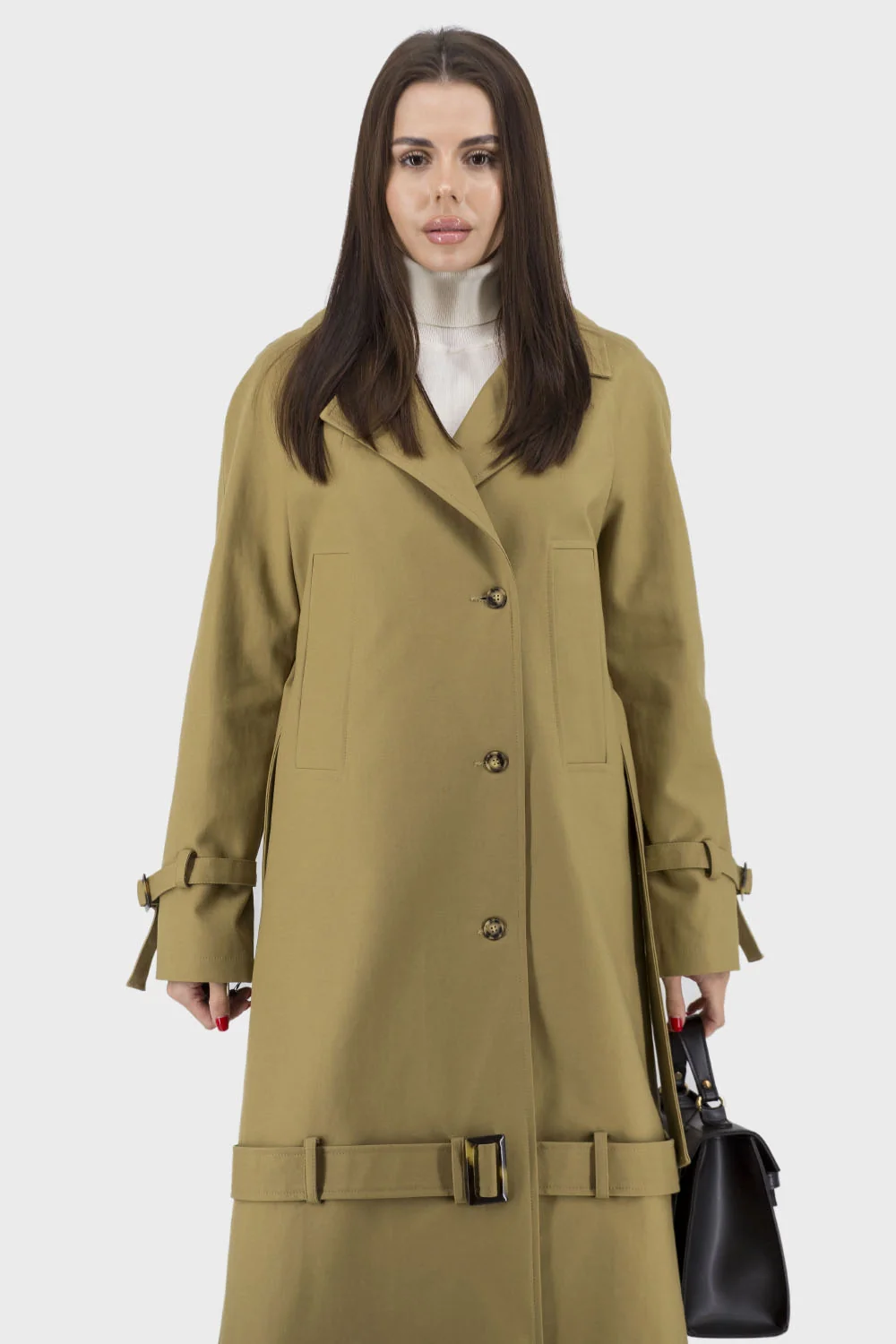
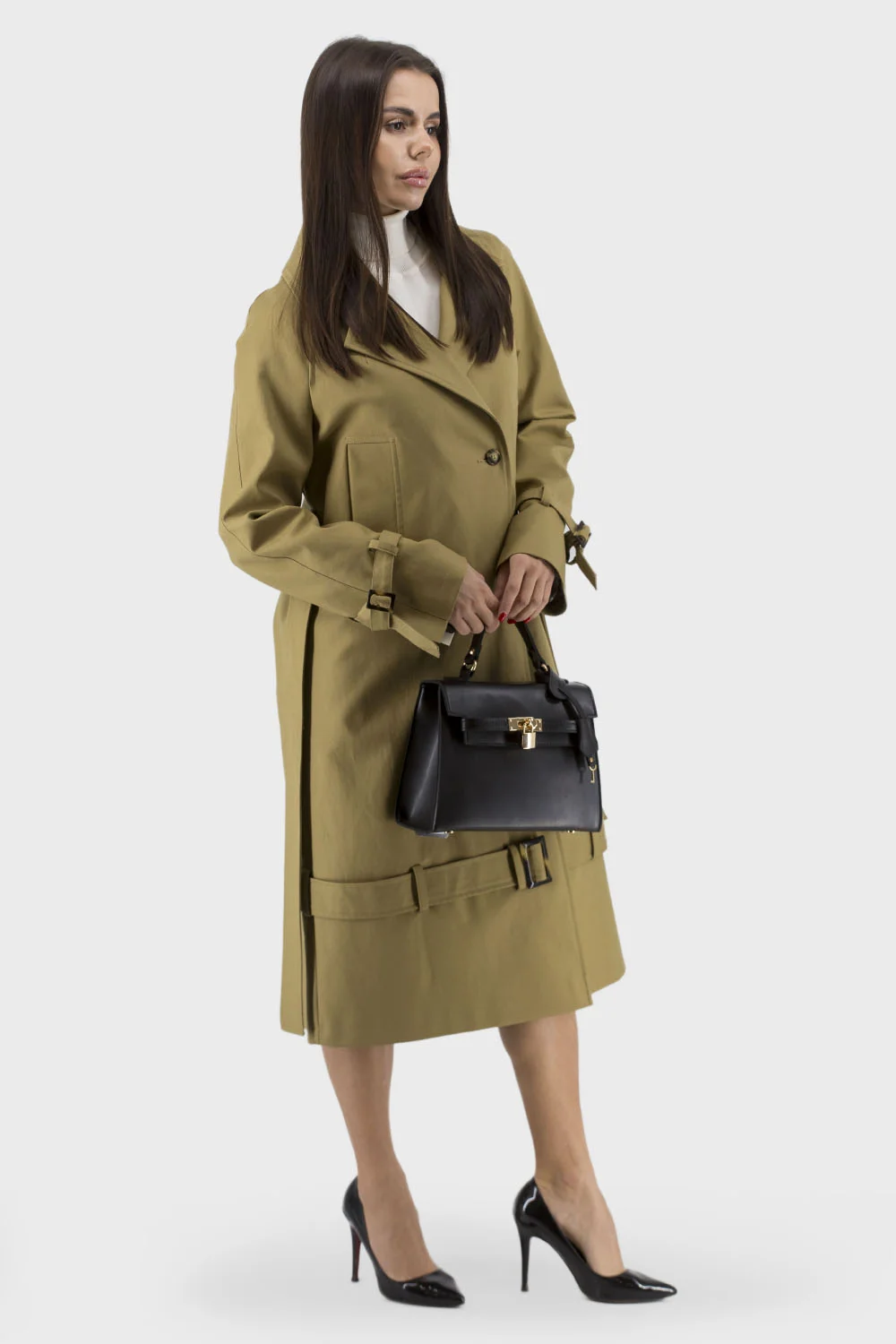
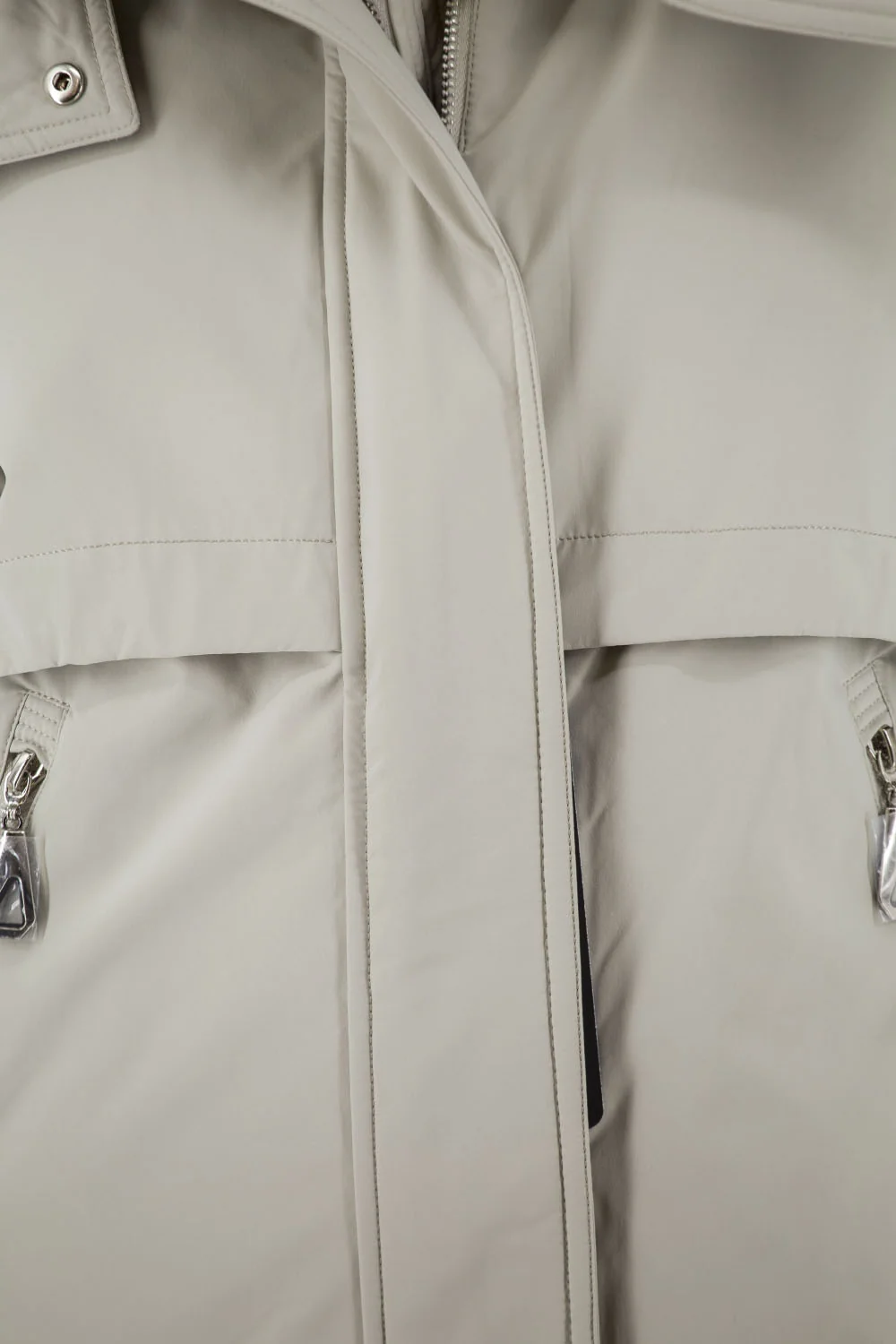
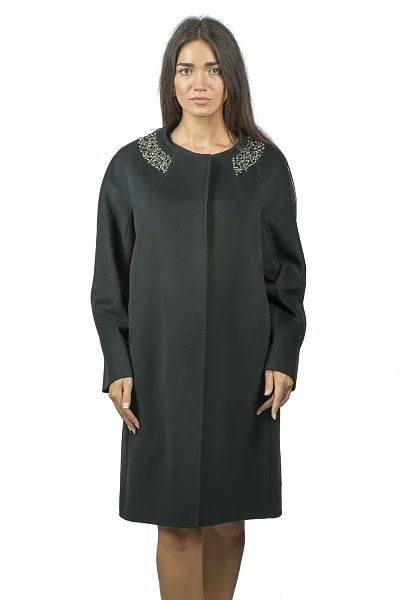
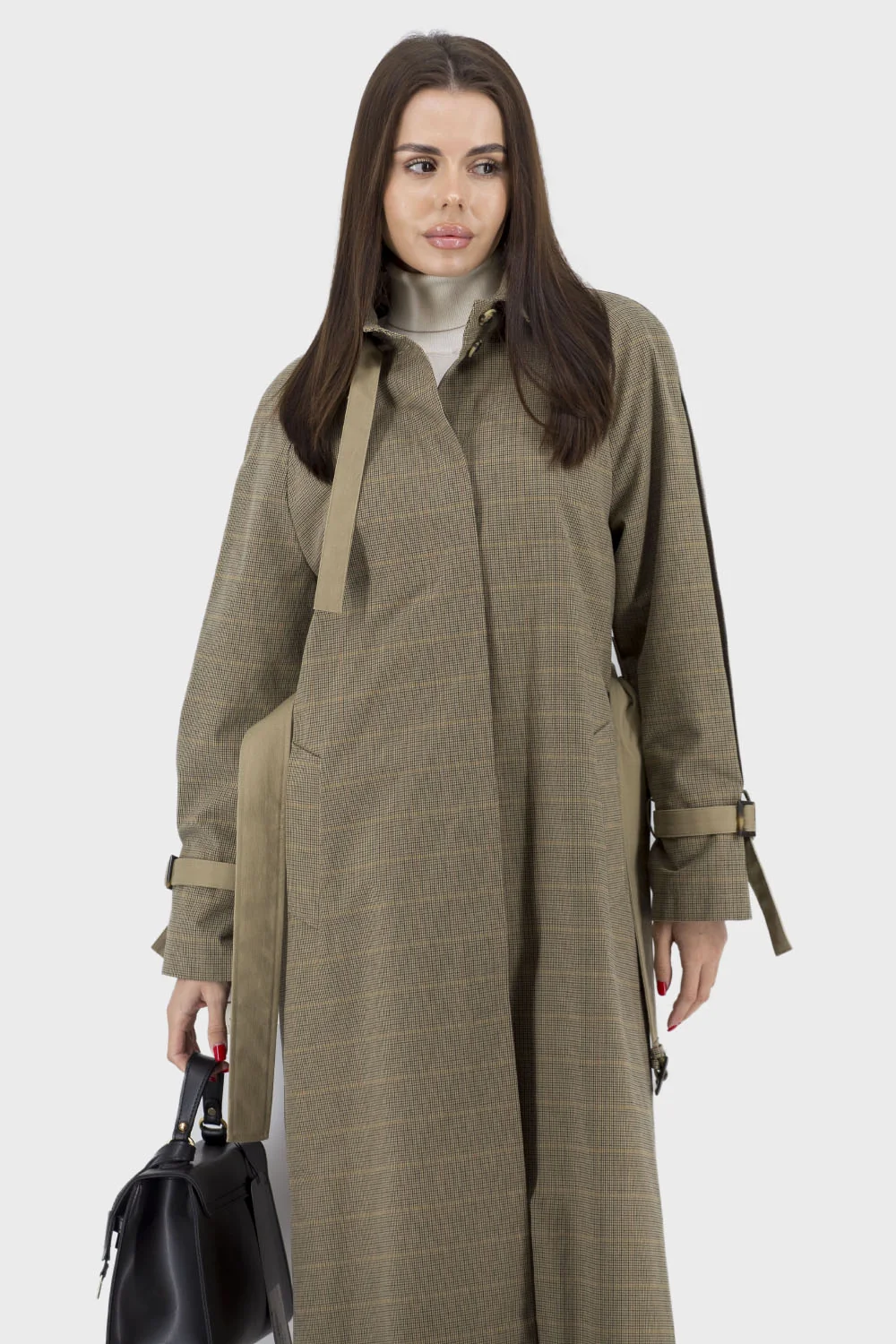
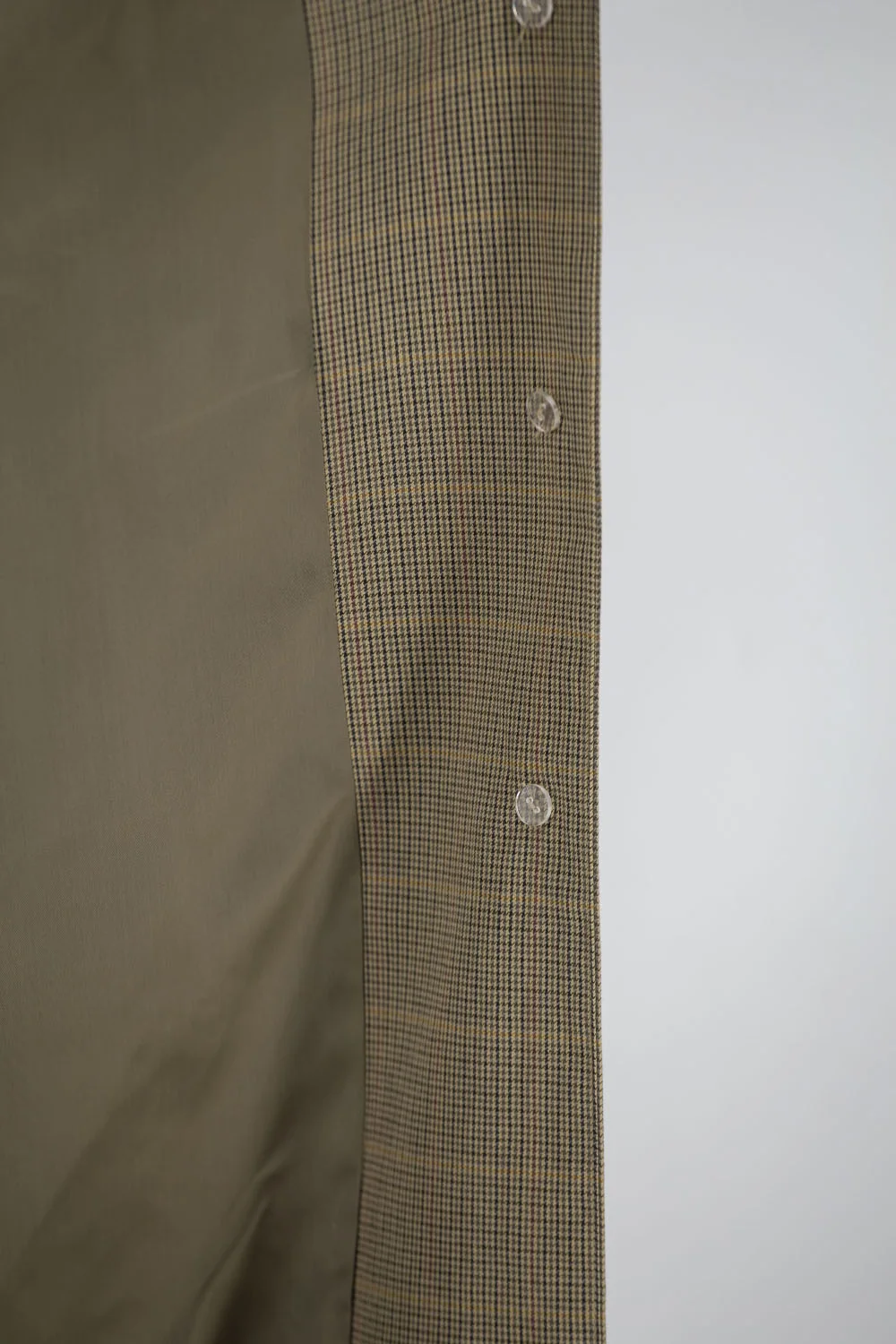
Modern trench coats may simplify these details, use a single-breasted closure, softer shoulders, asymmetric panels or concealed buttons.
The classic trench coat
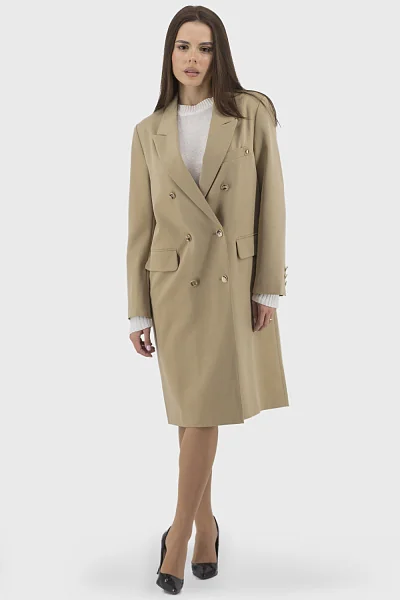
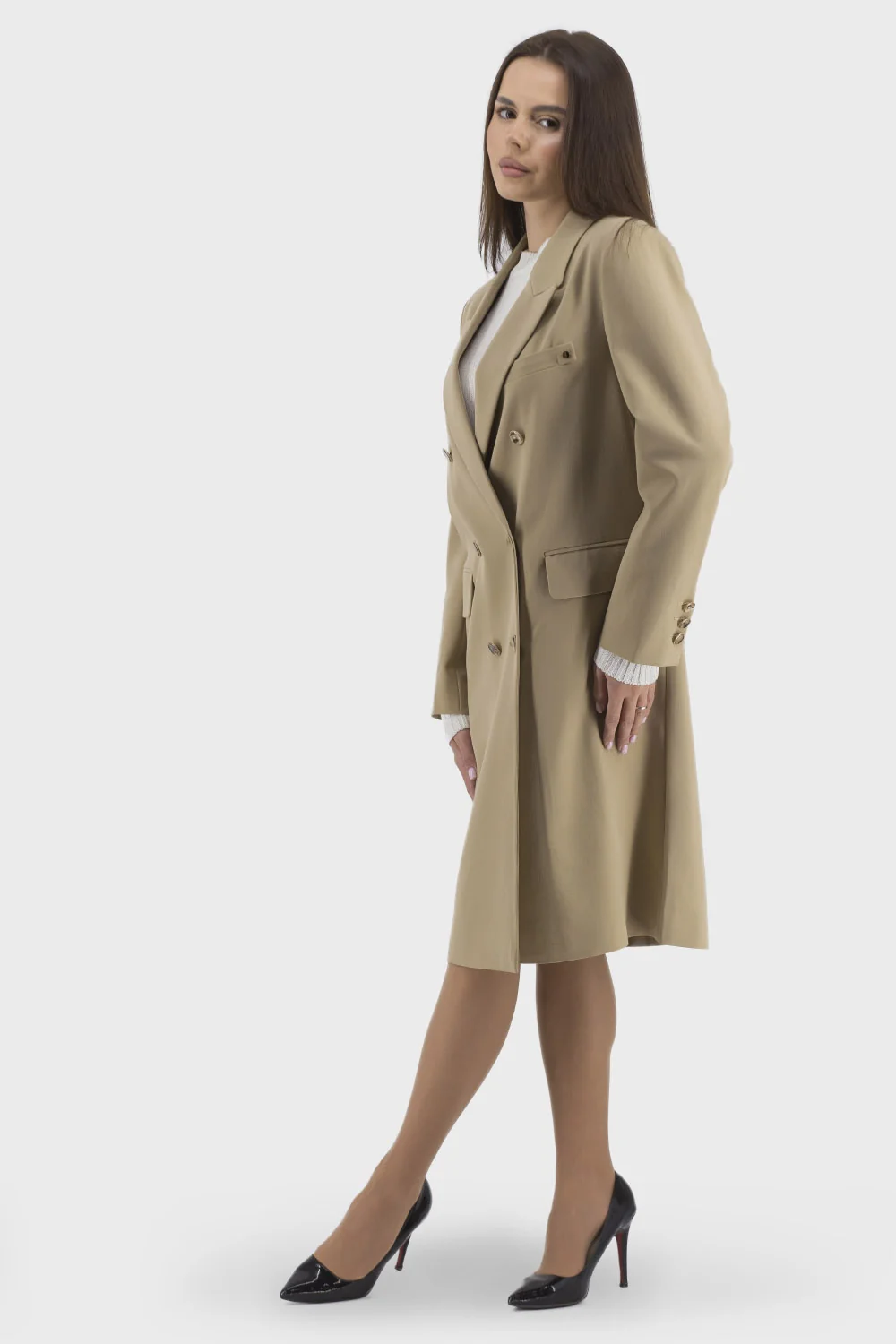
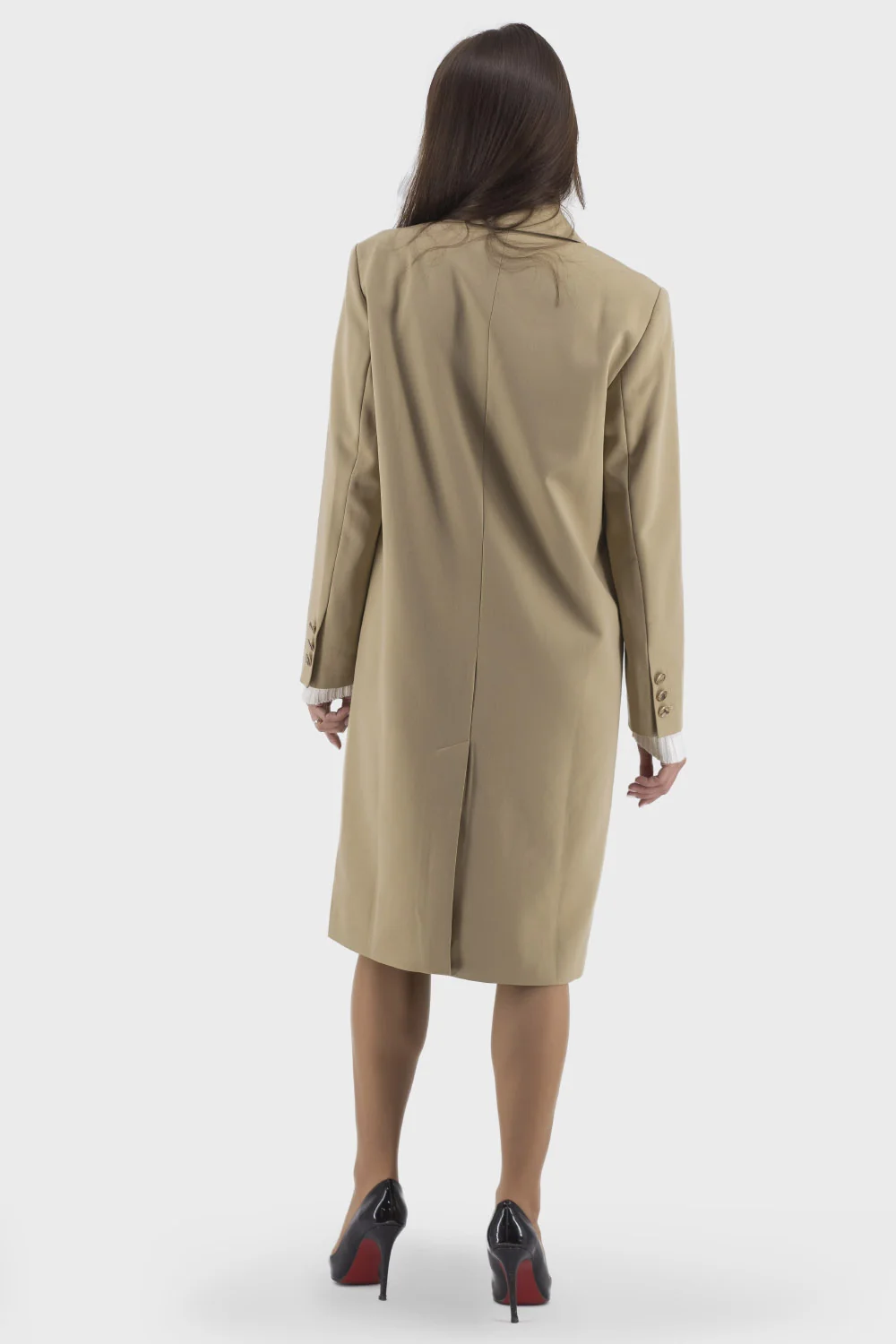
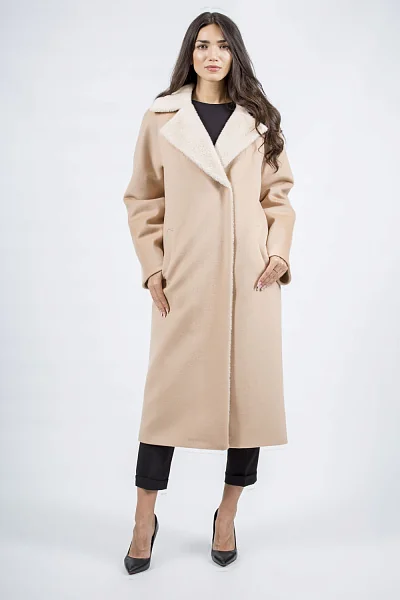
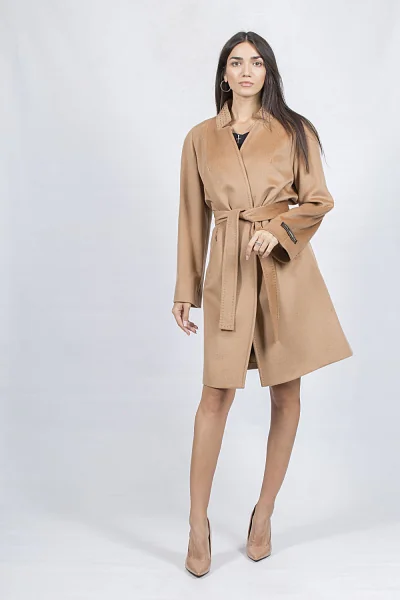
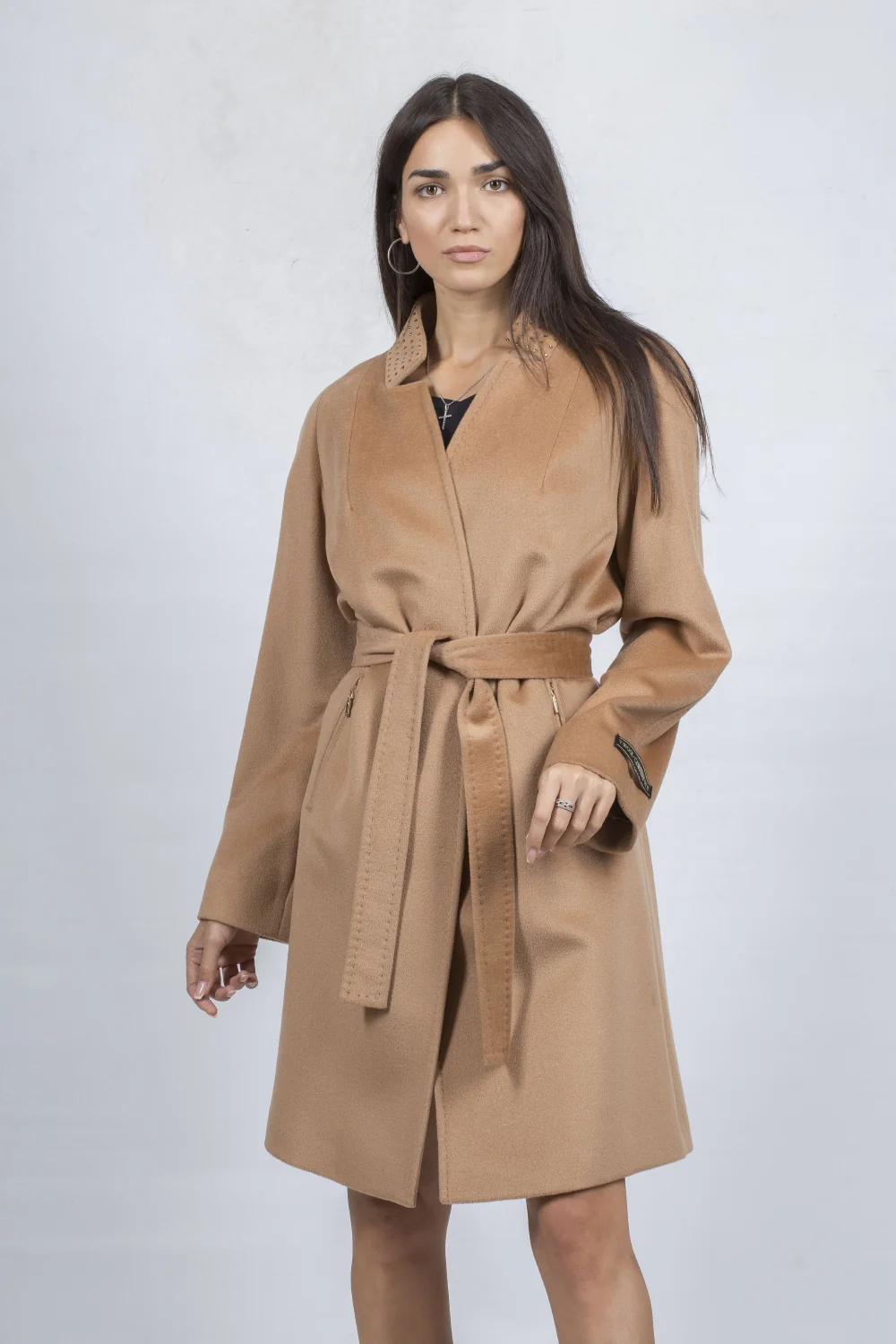
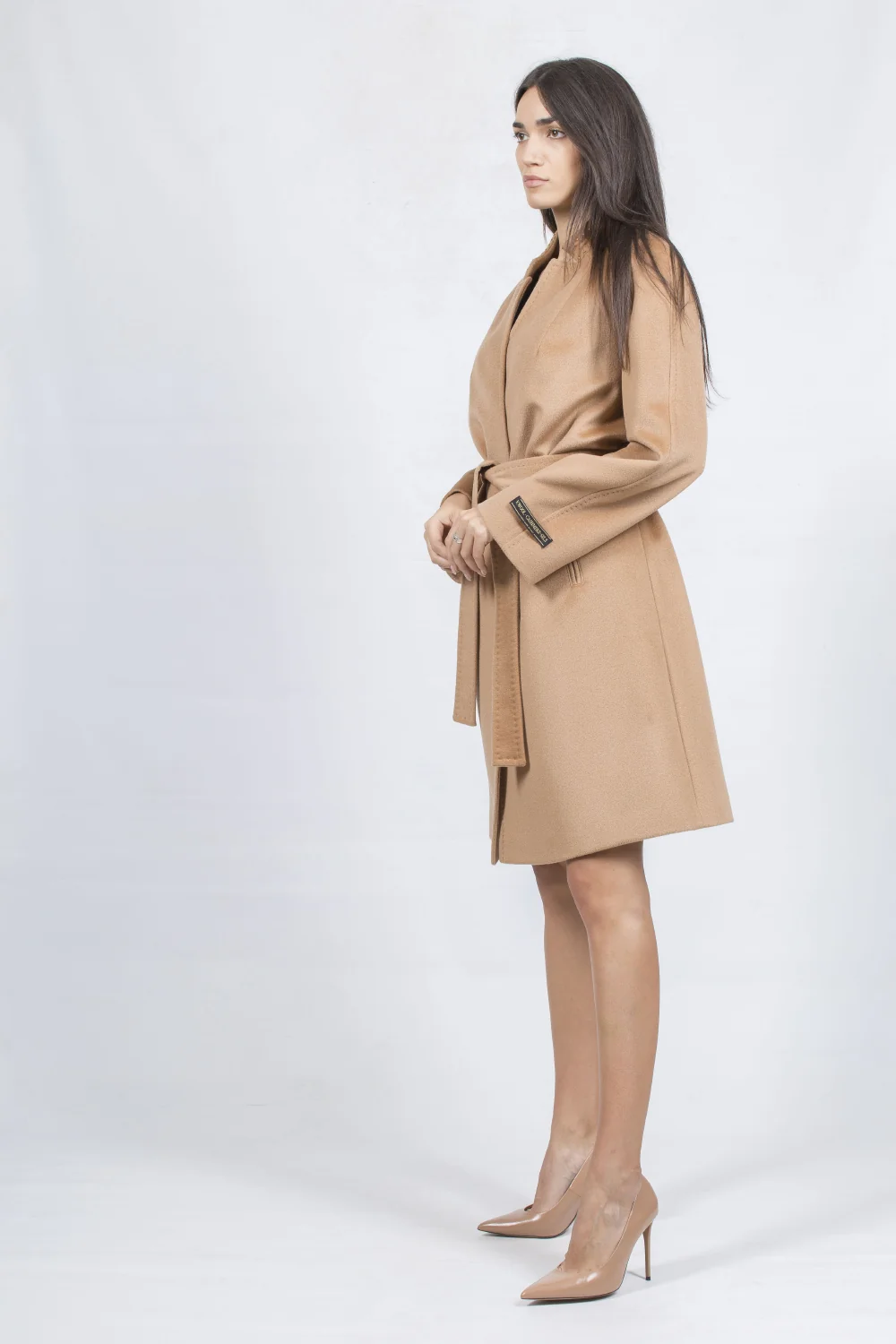
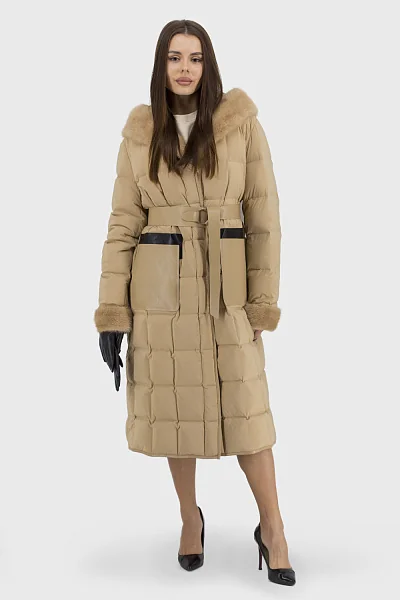
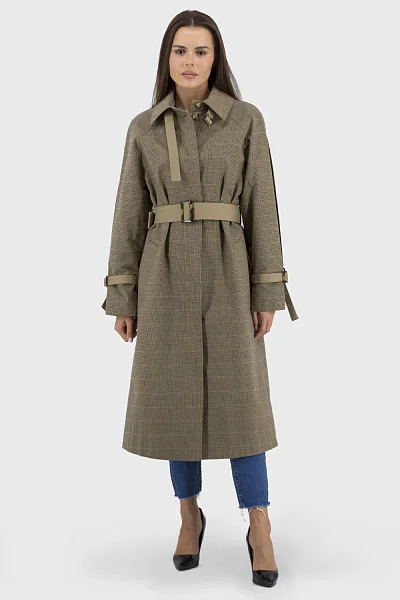
A beige trench works with jeans, tailored trousers, dresses, skirts, trainers, loafers and boots. A straight or slightly relaxed fit at knee or midi length is particularly versatile.
Relaxed and oversized fits
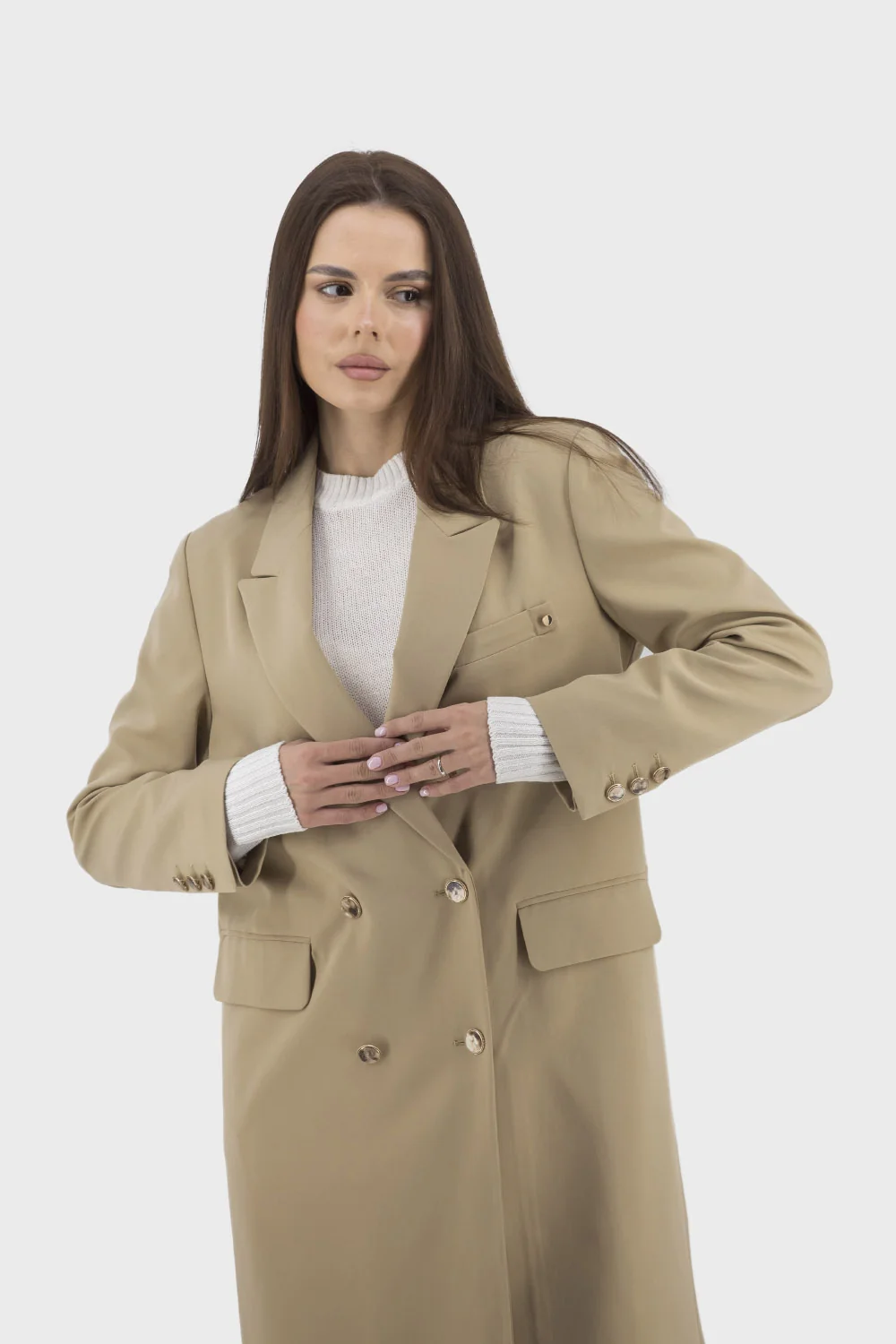
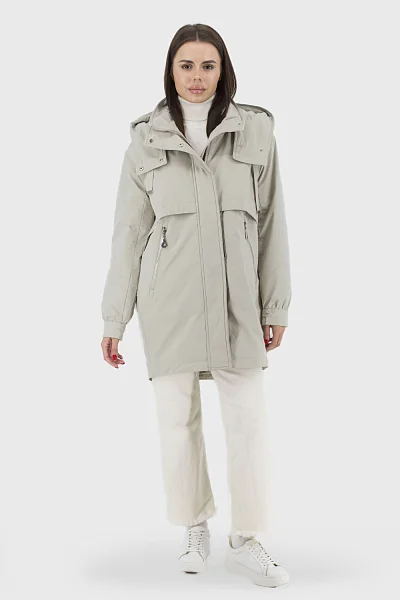
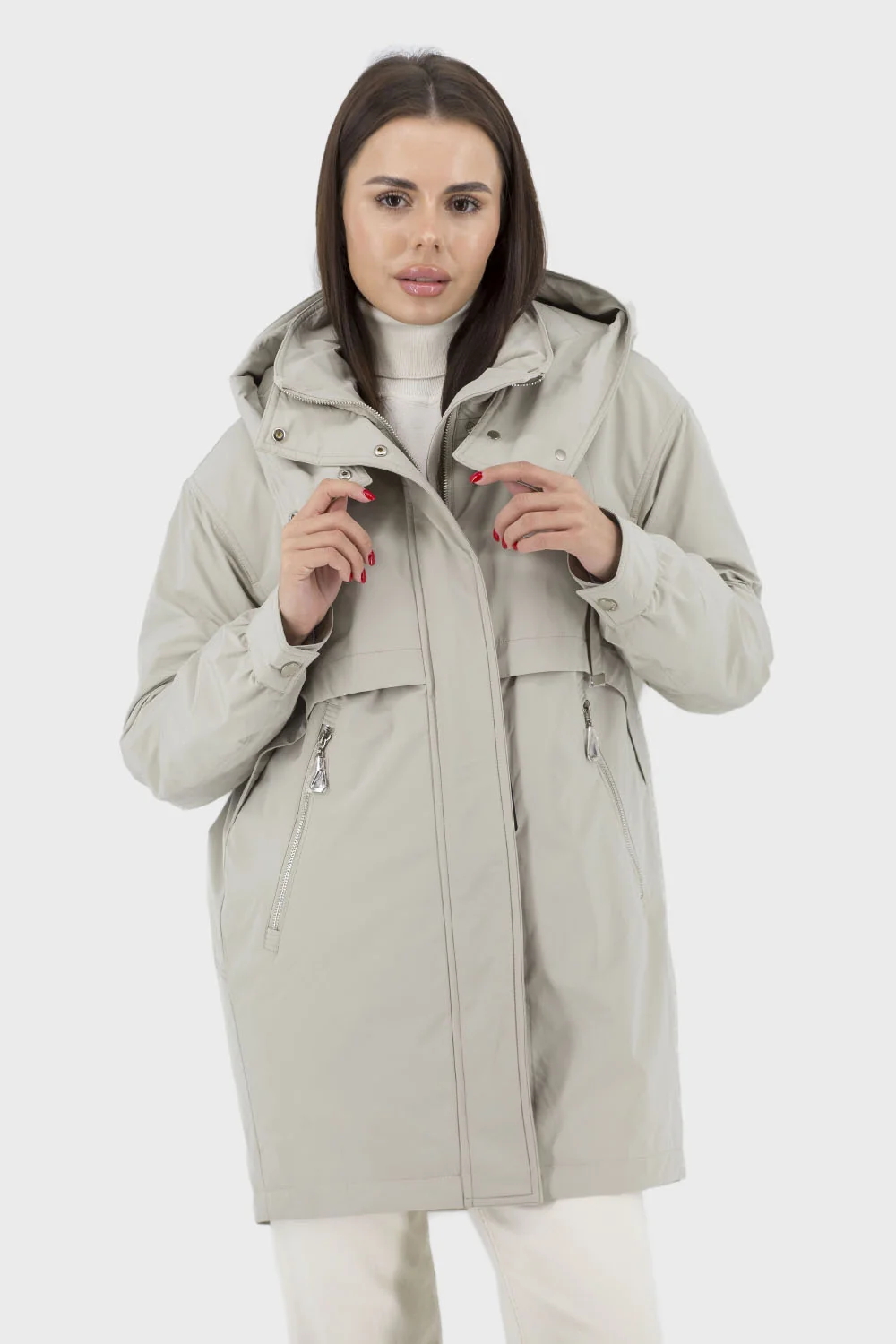
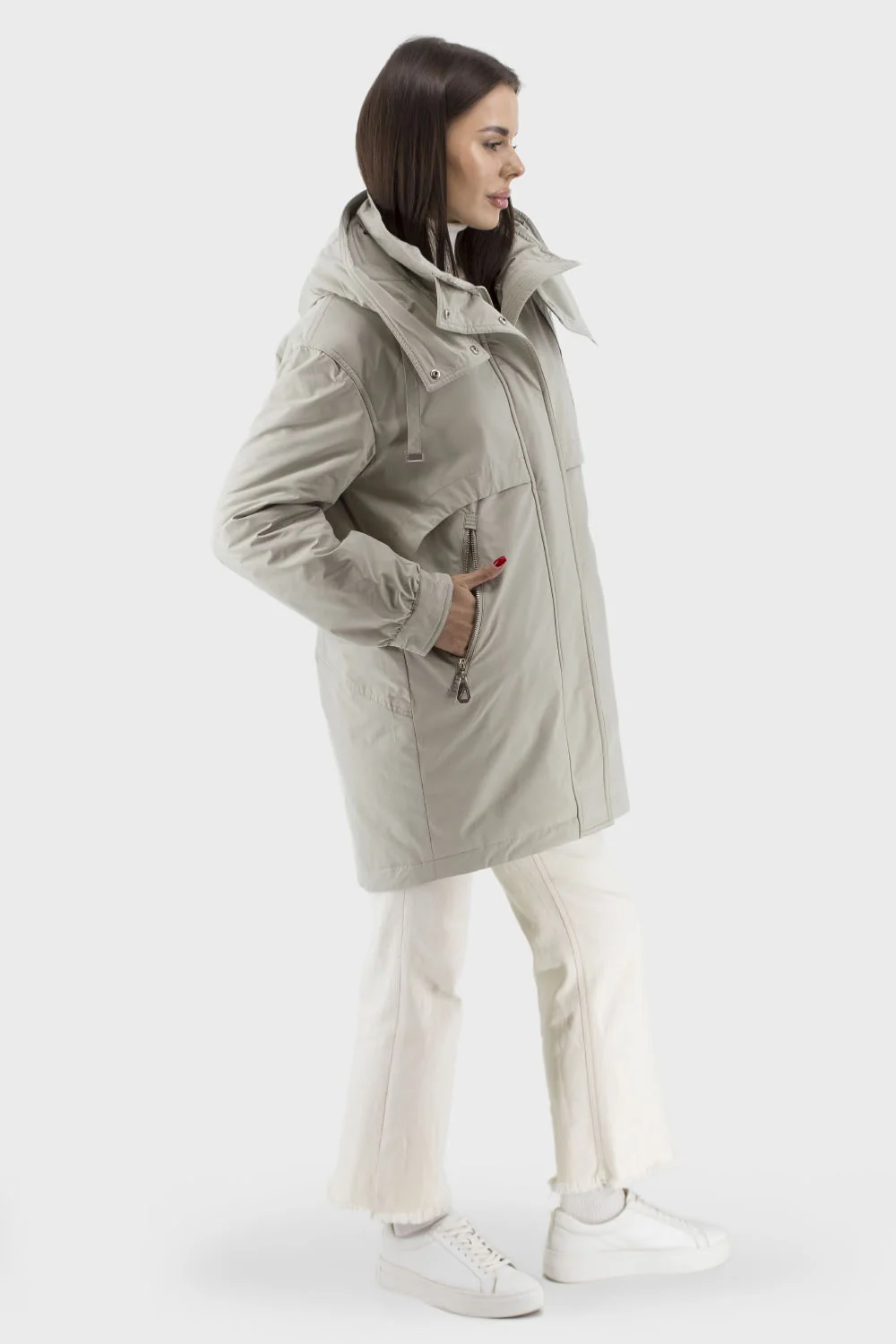
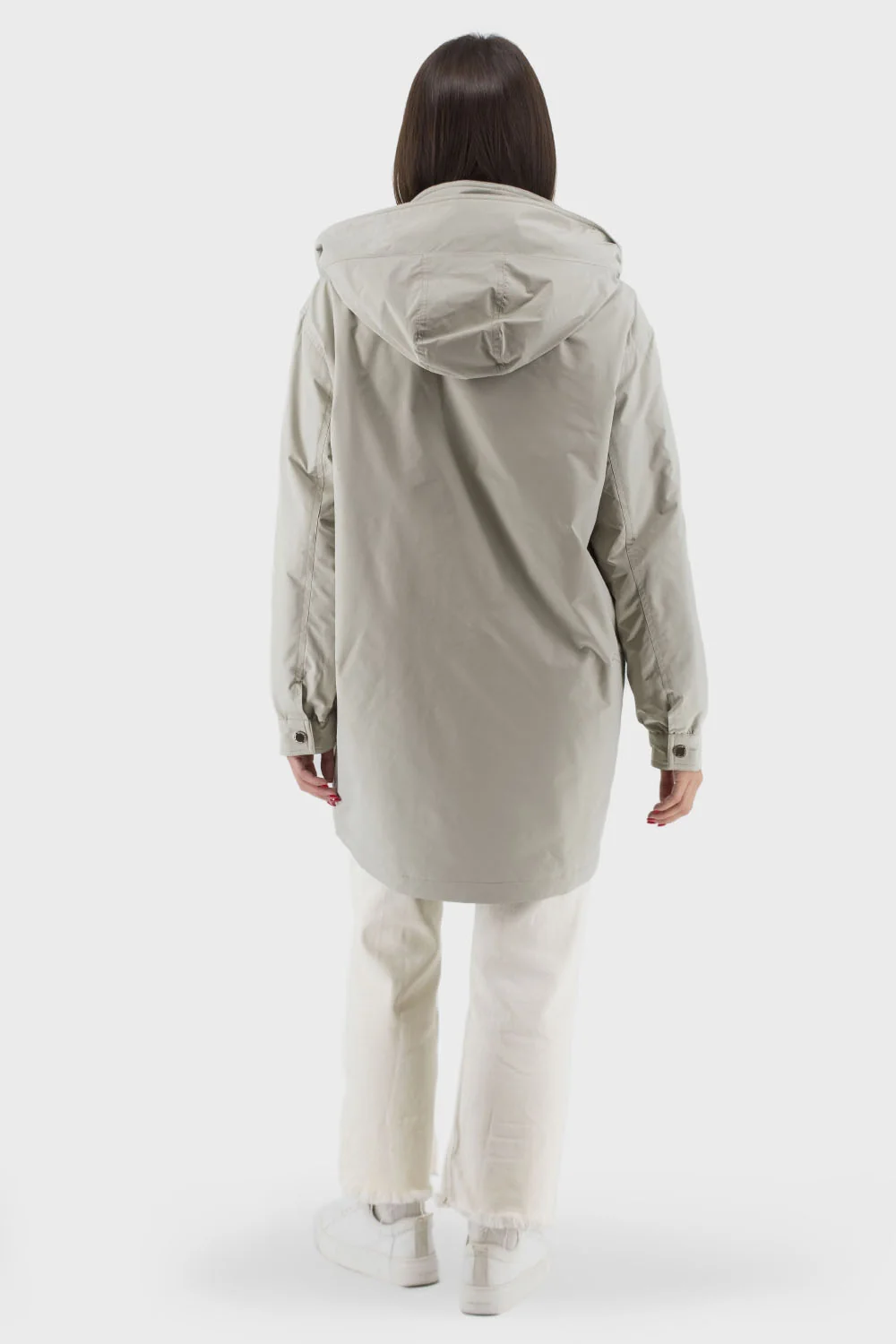
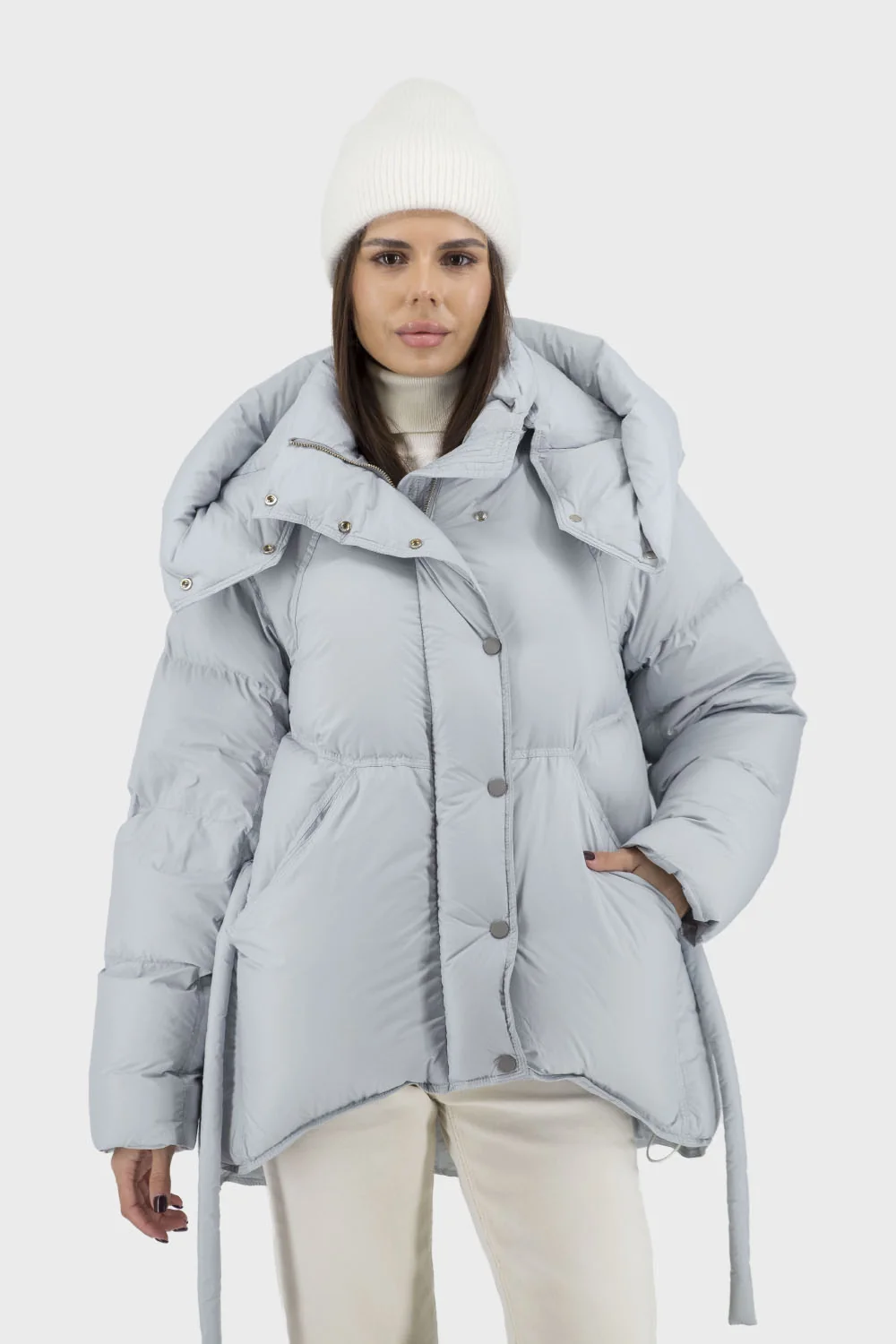
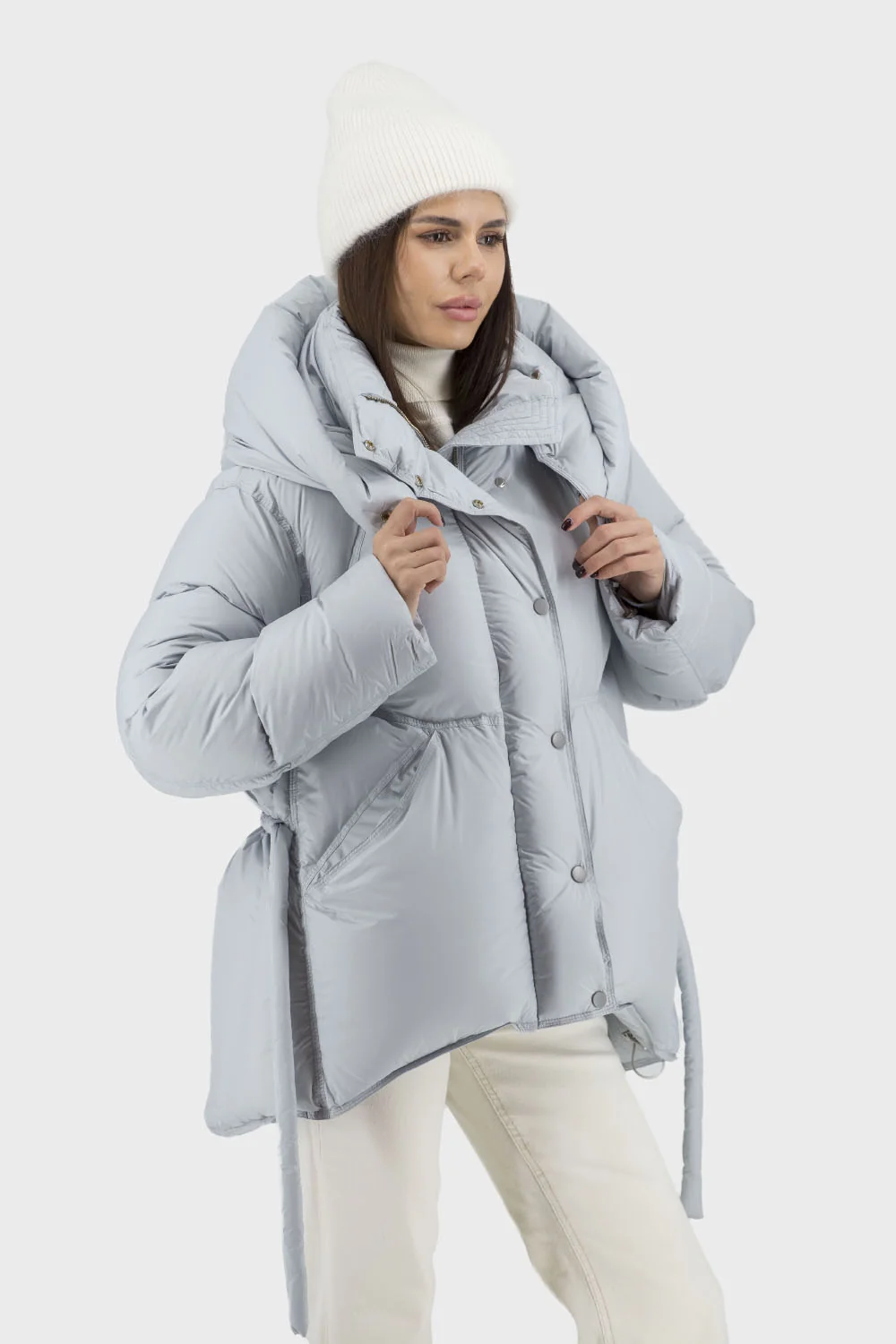
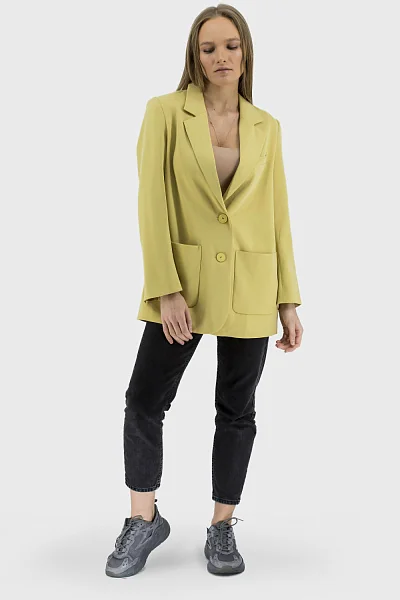
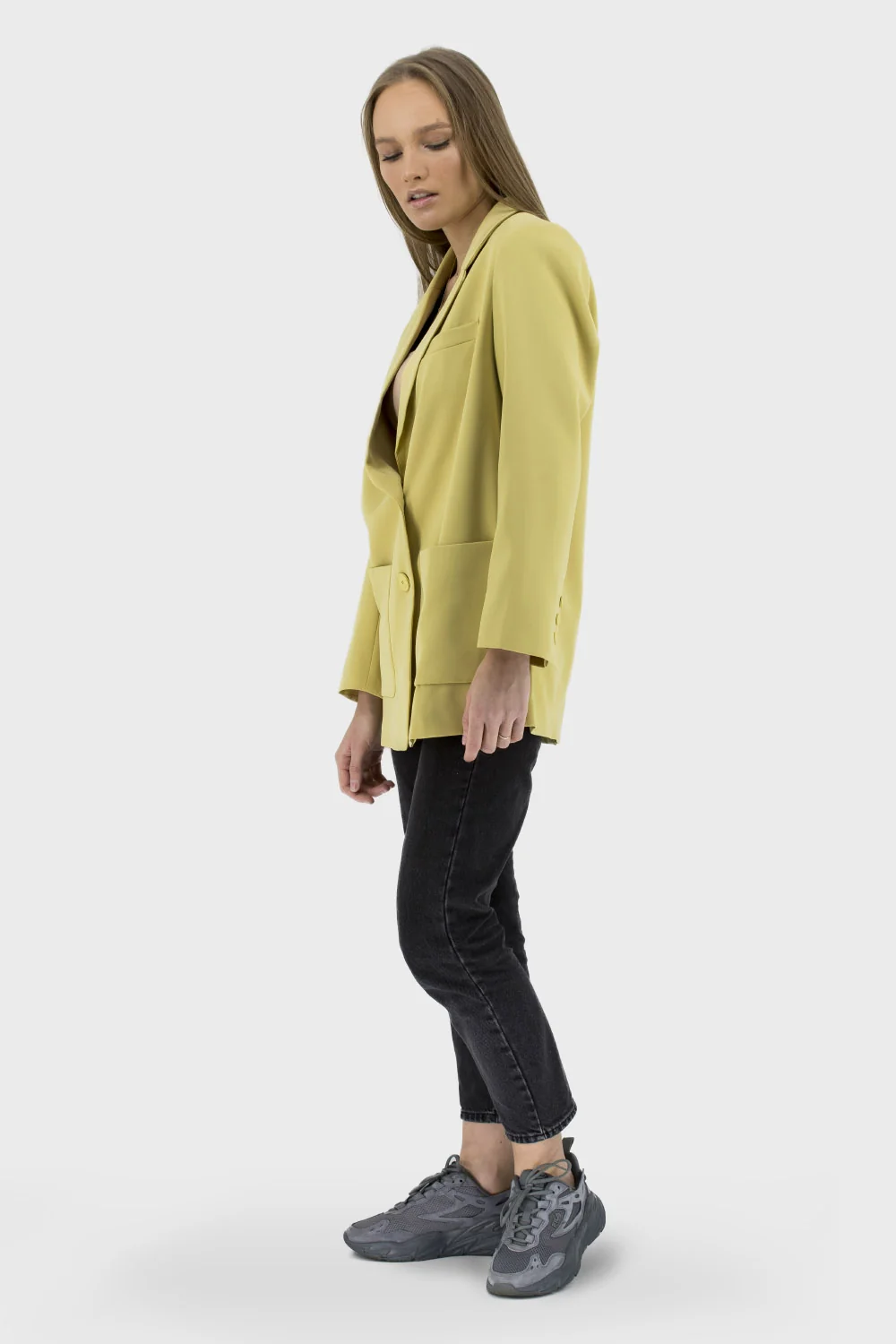
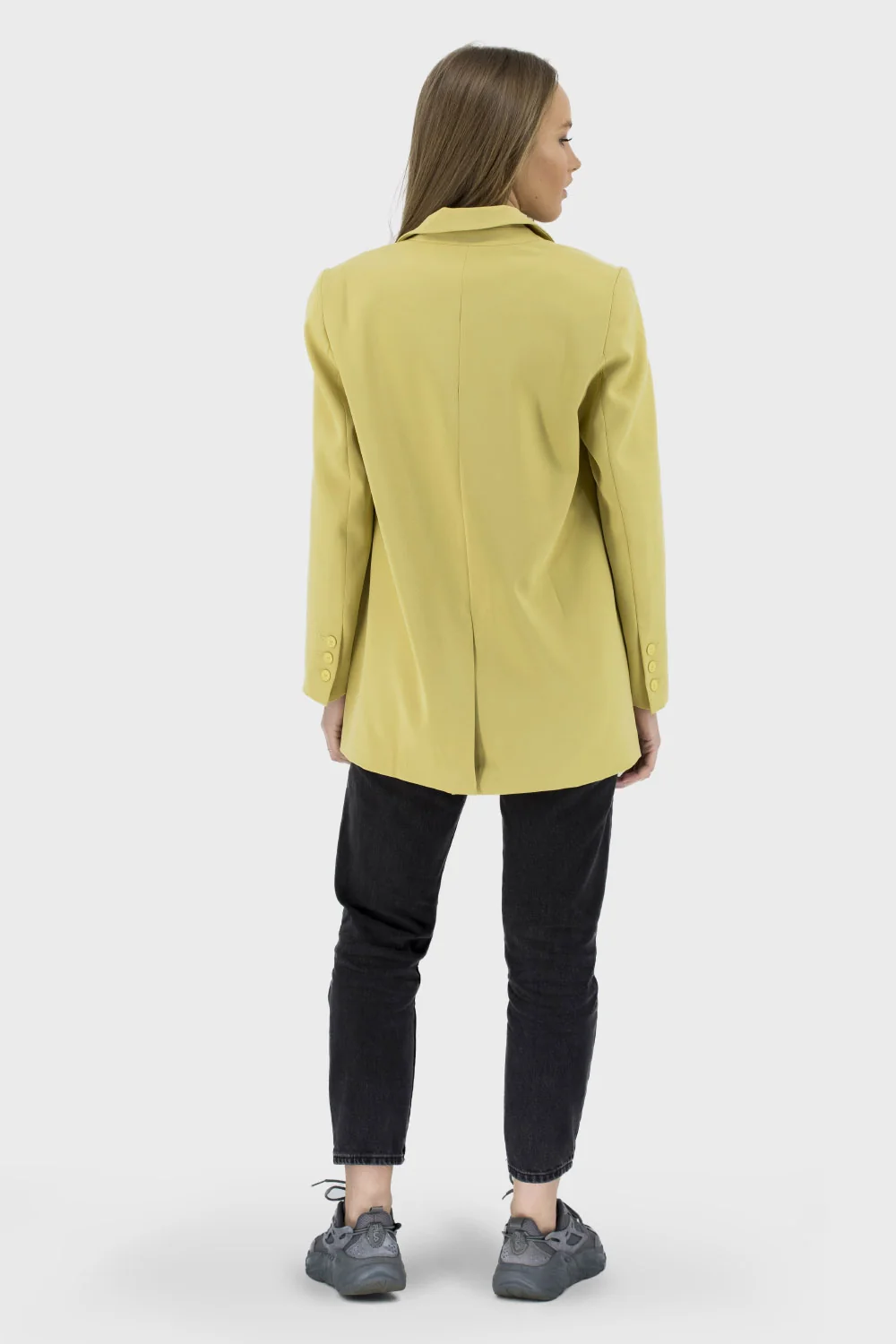
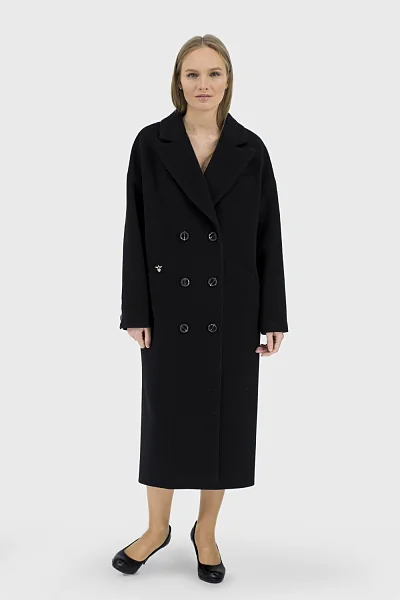
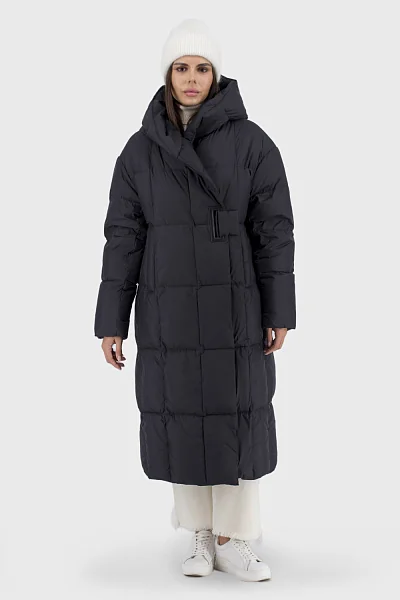
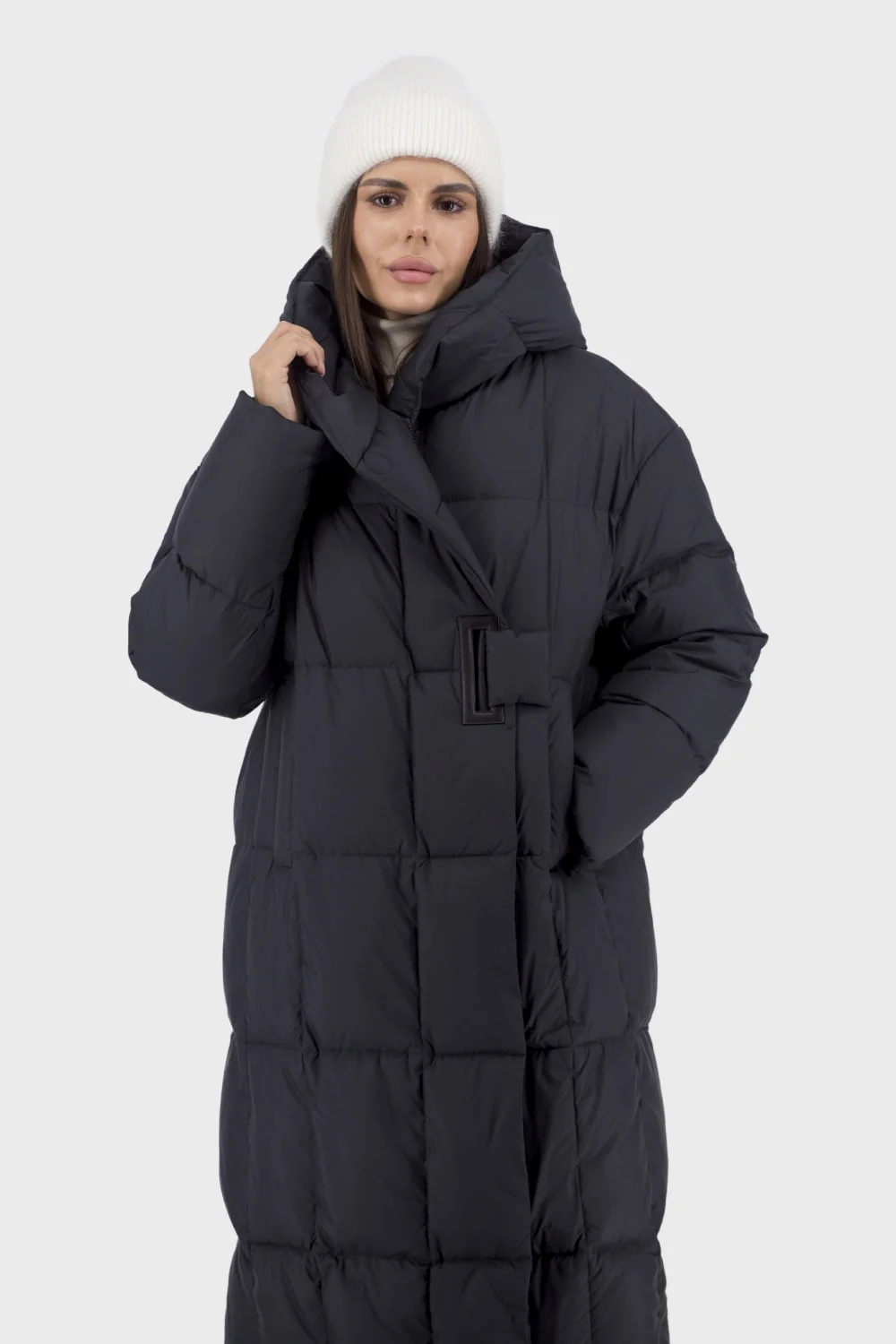
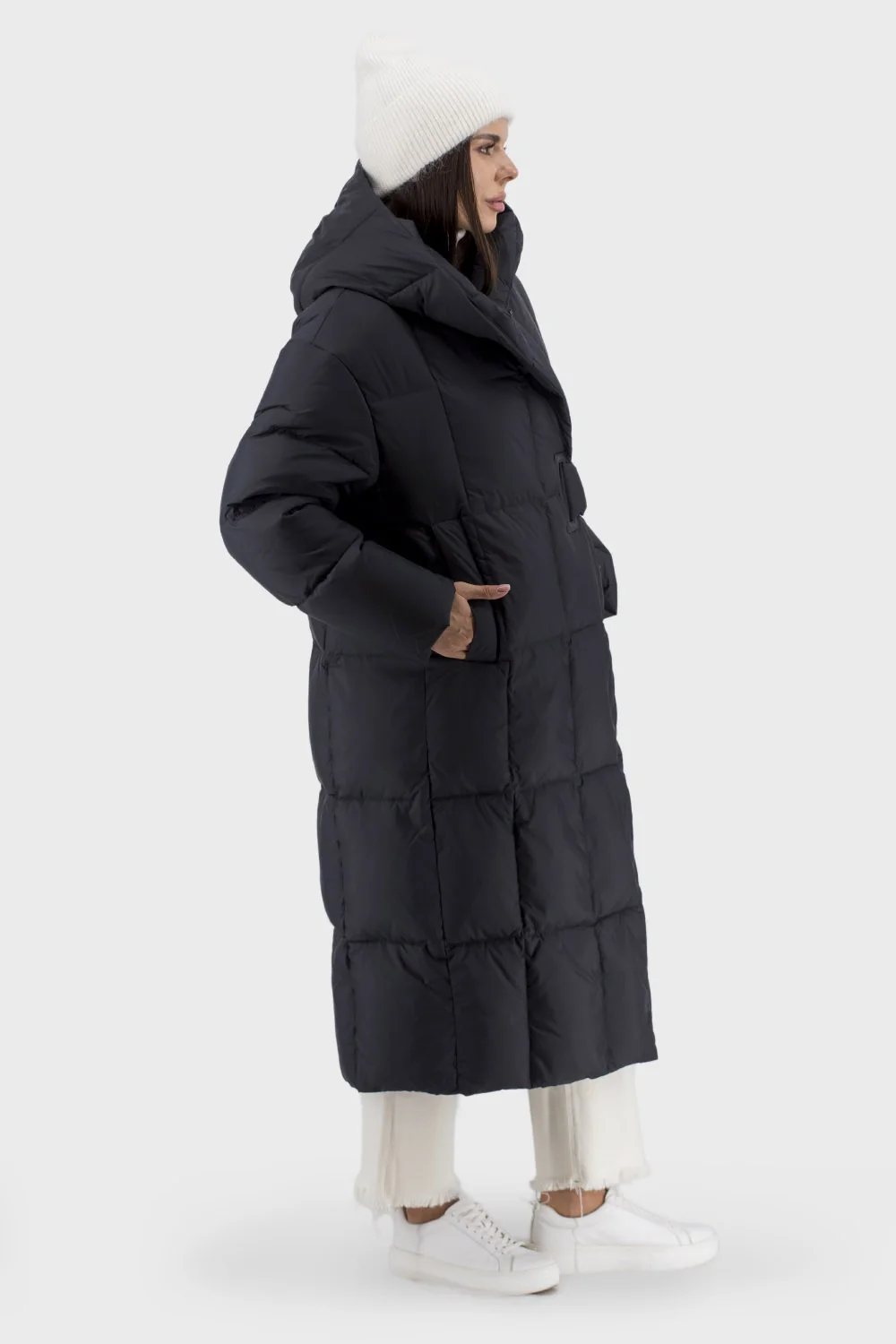
An oversized raincoat leaves room for a blazer, hoodie or chunky knit. To keep the outfit balanced, the other pieces can remain simple and structured.
Relaxed does not mean excessively large. Check the shoulder line, sleeve length and ease of movement.

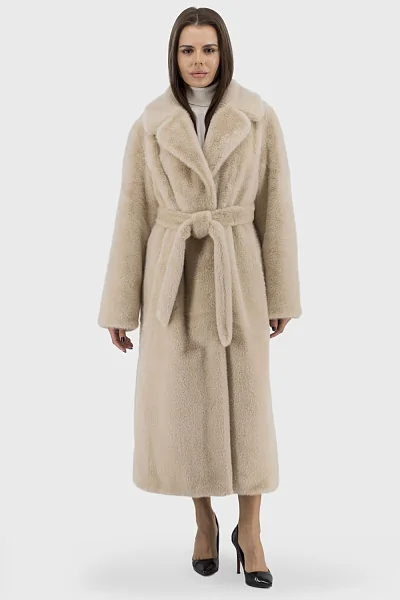
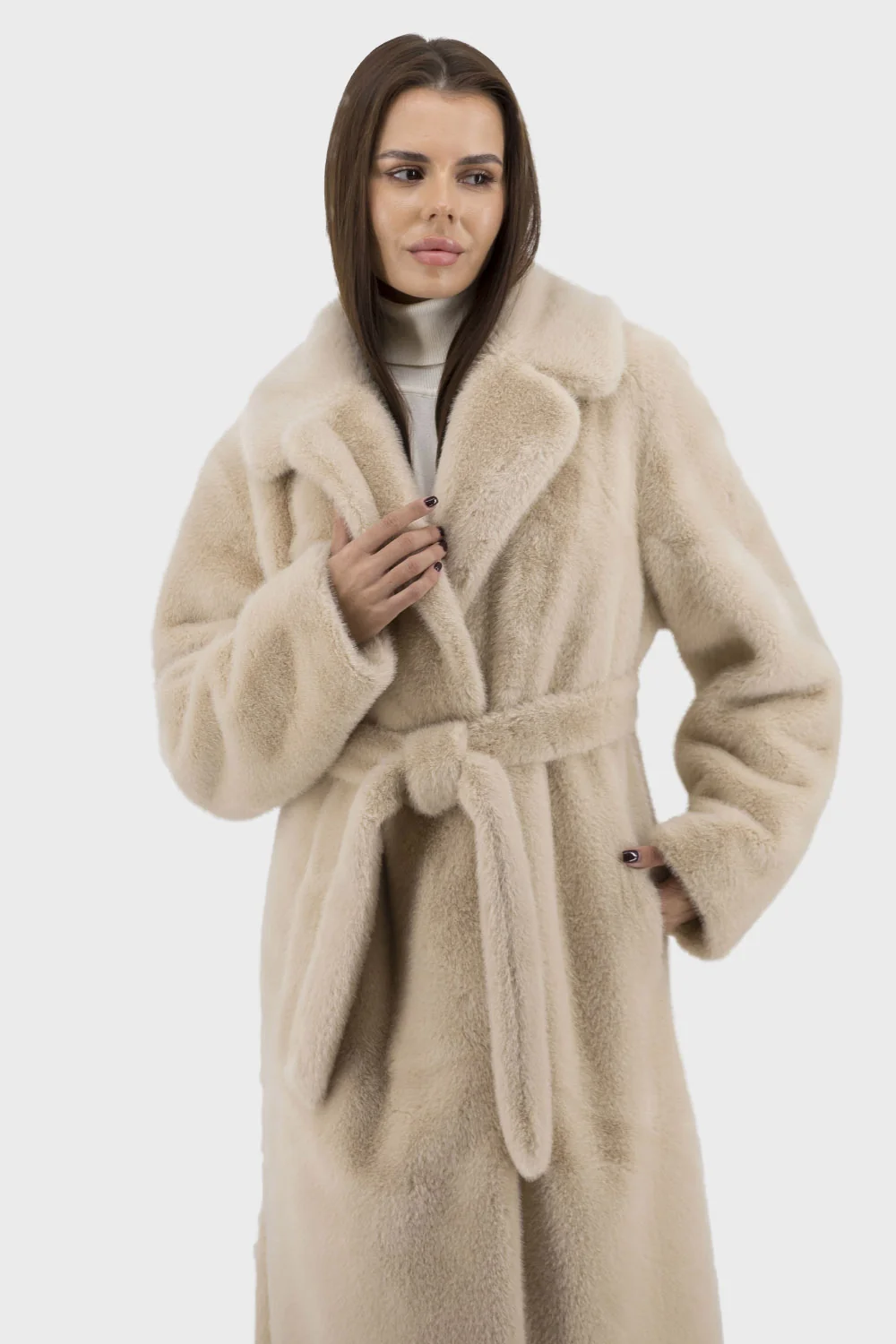
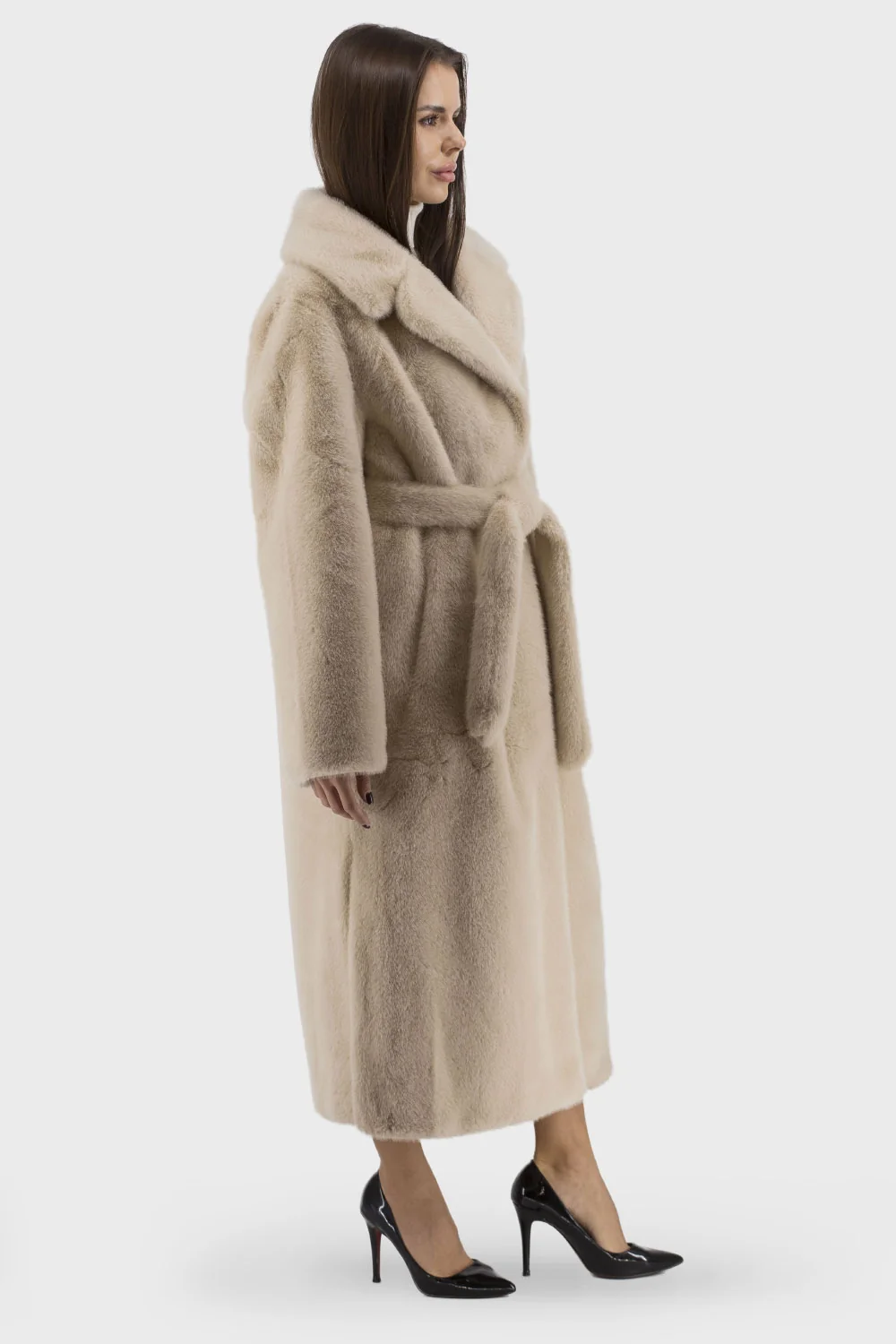
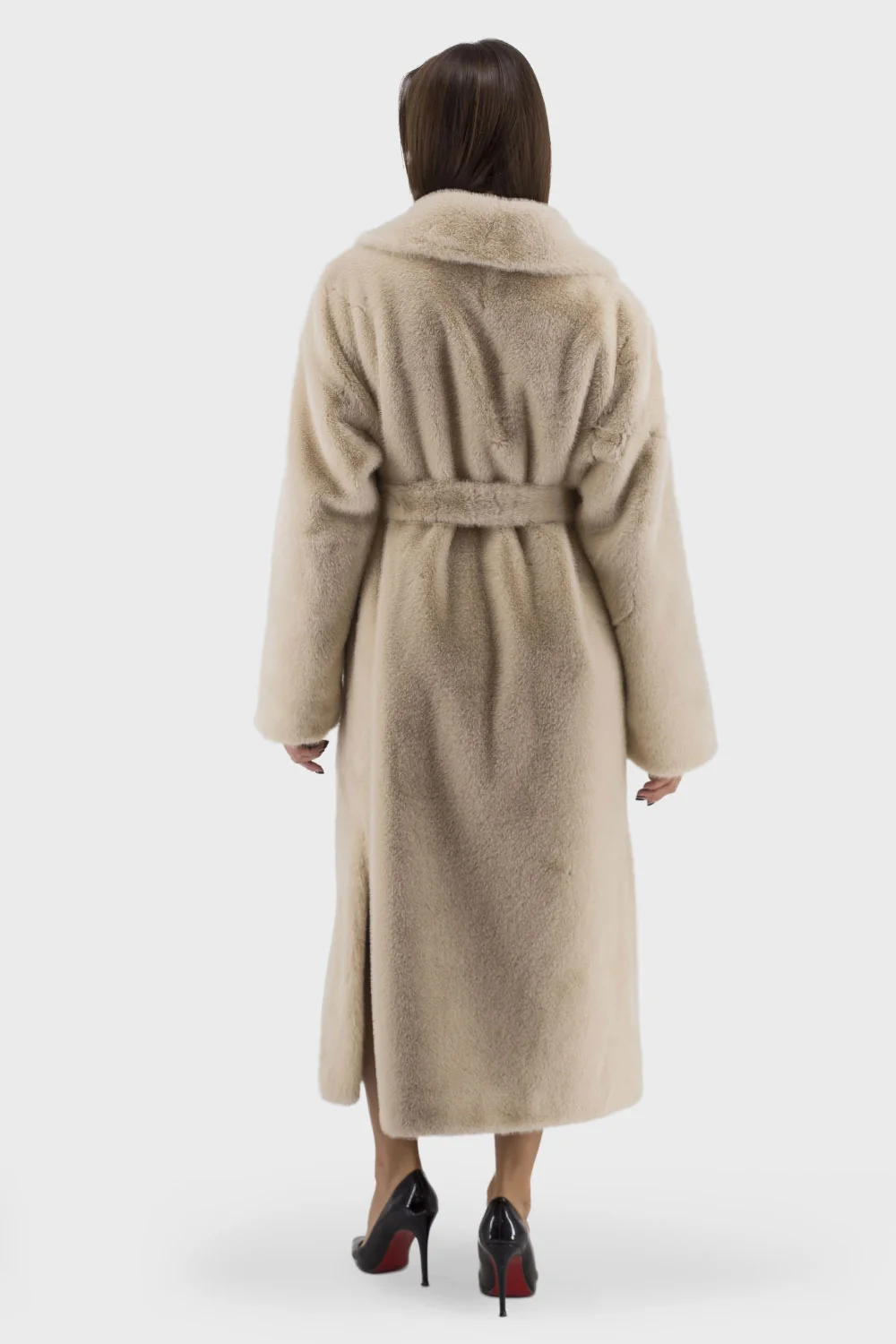
Belted styles
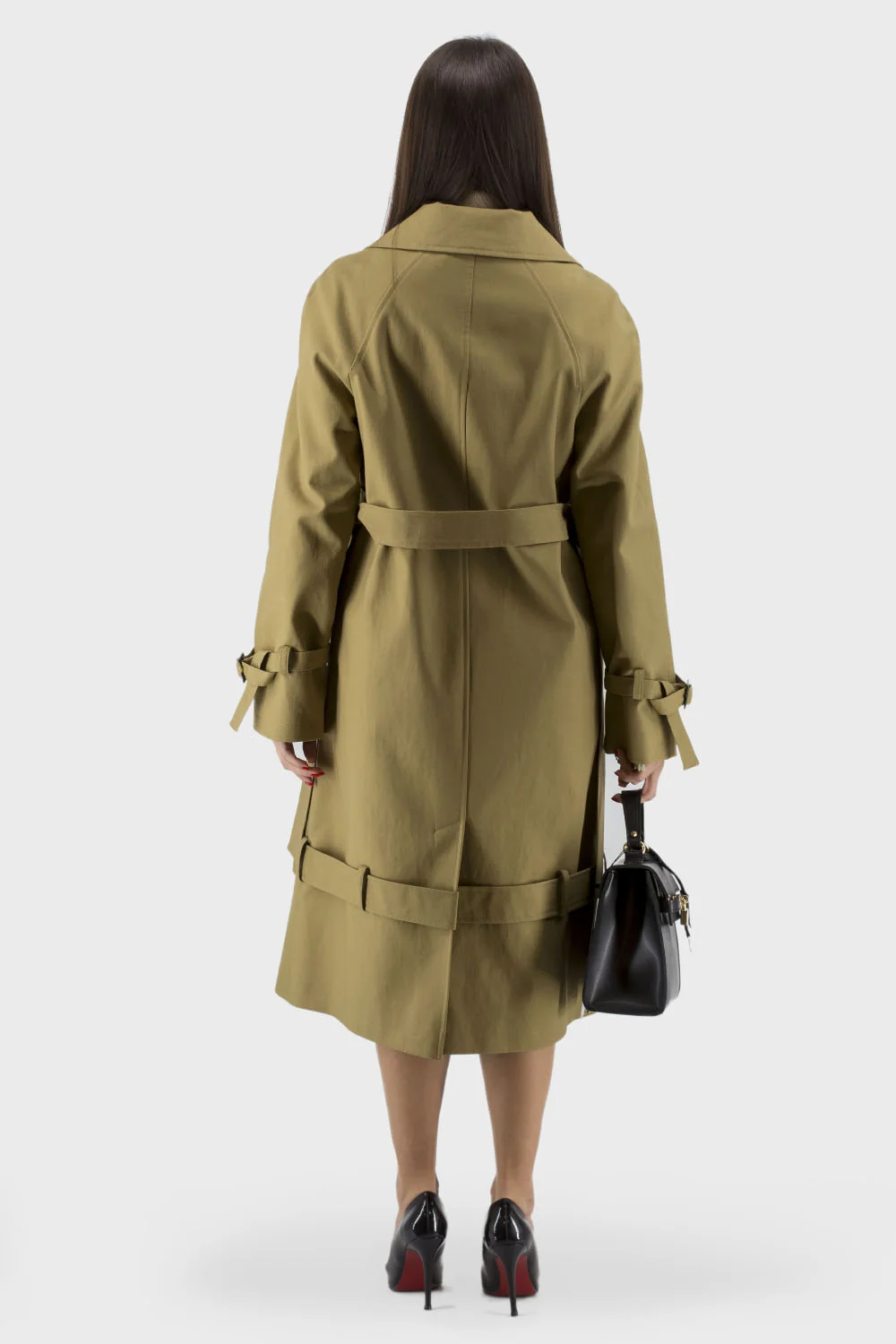
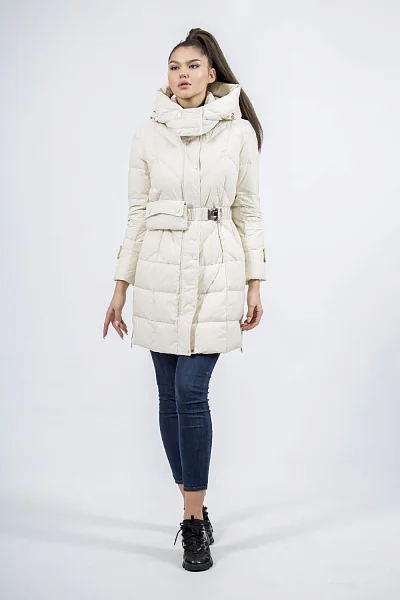
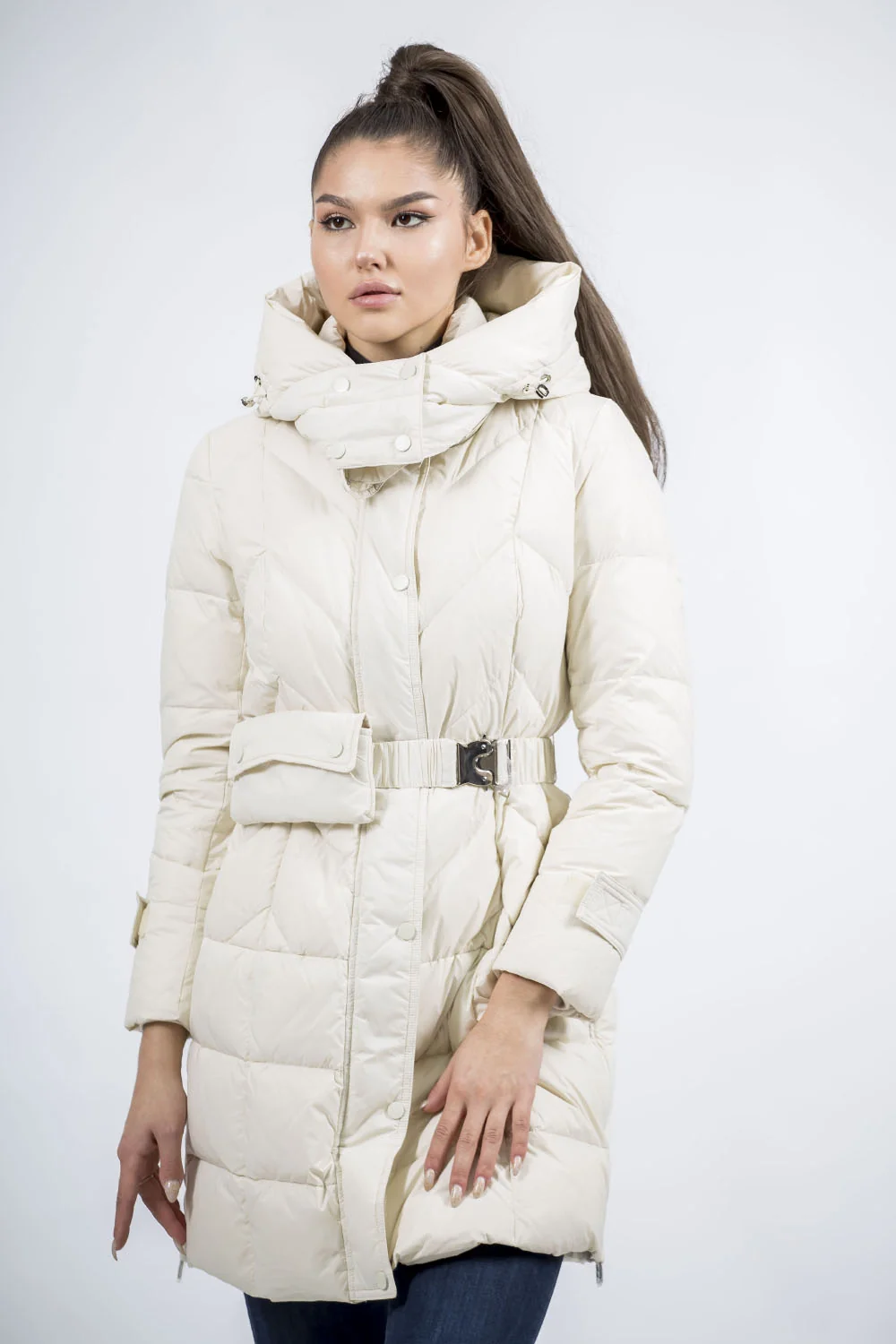
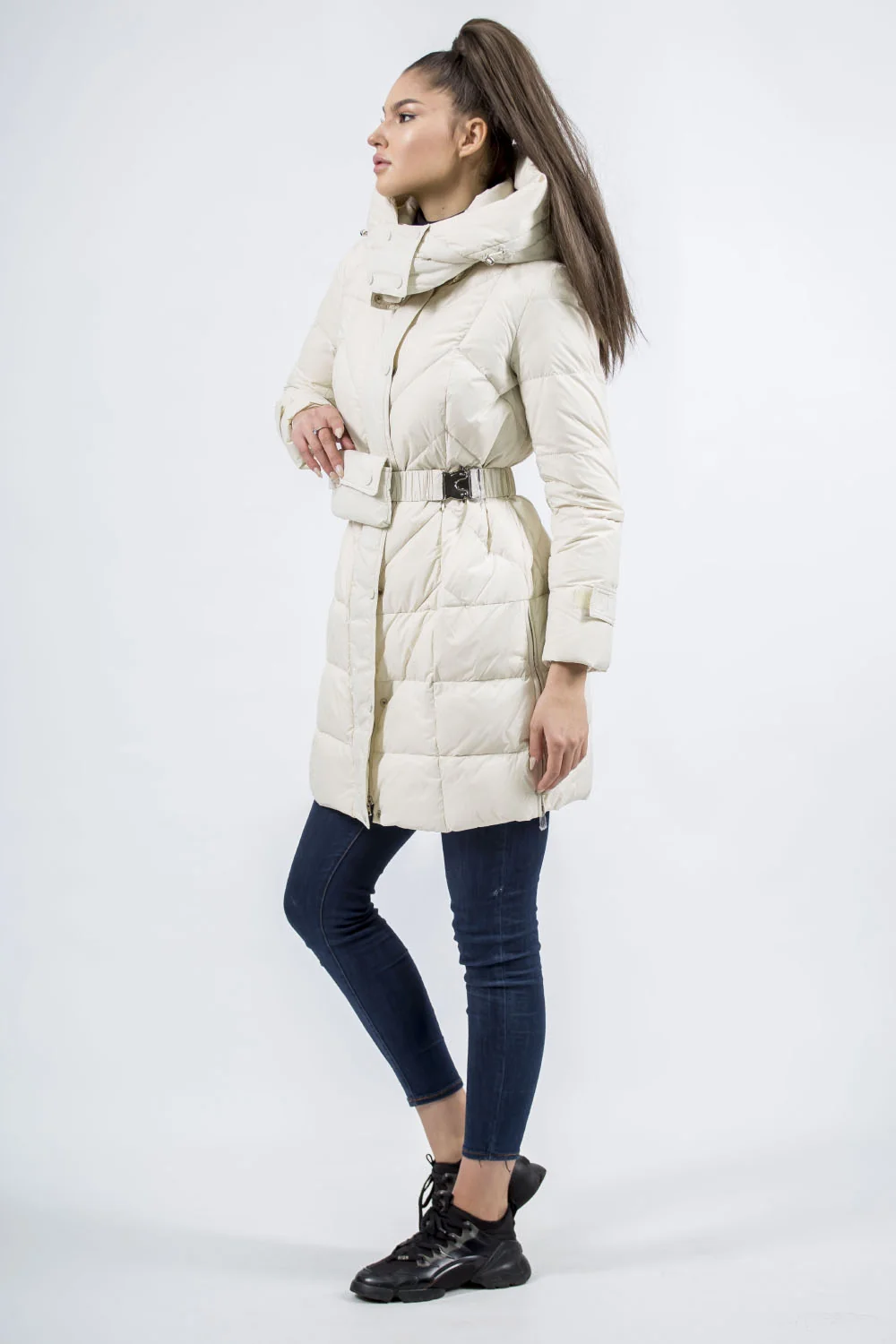
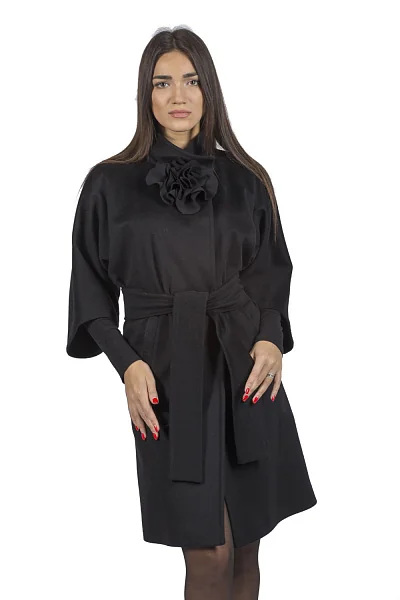
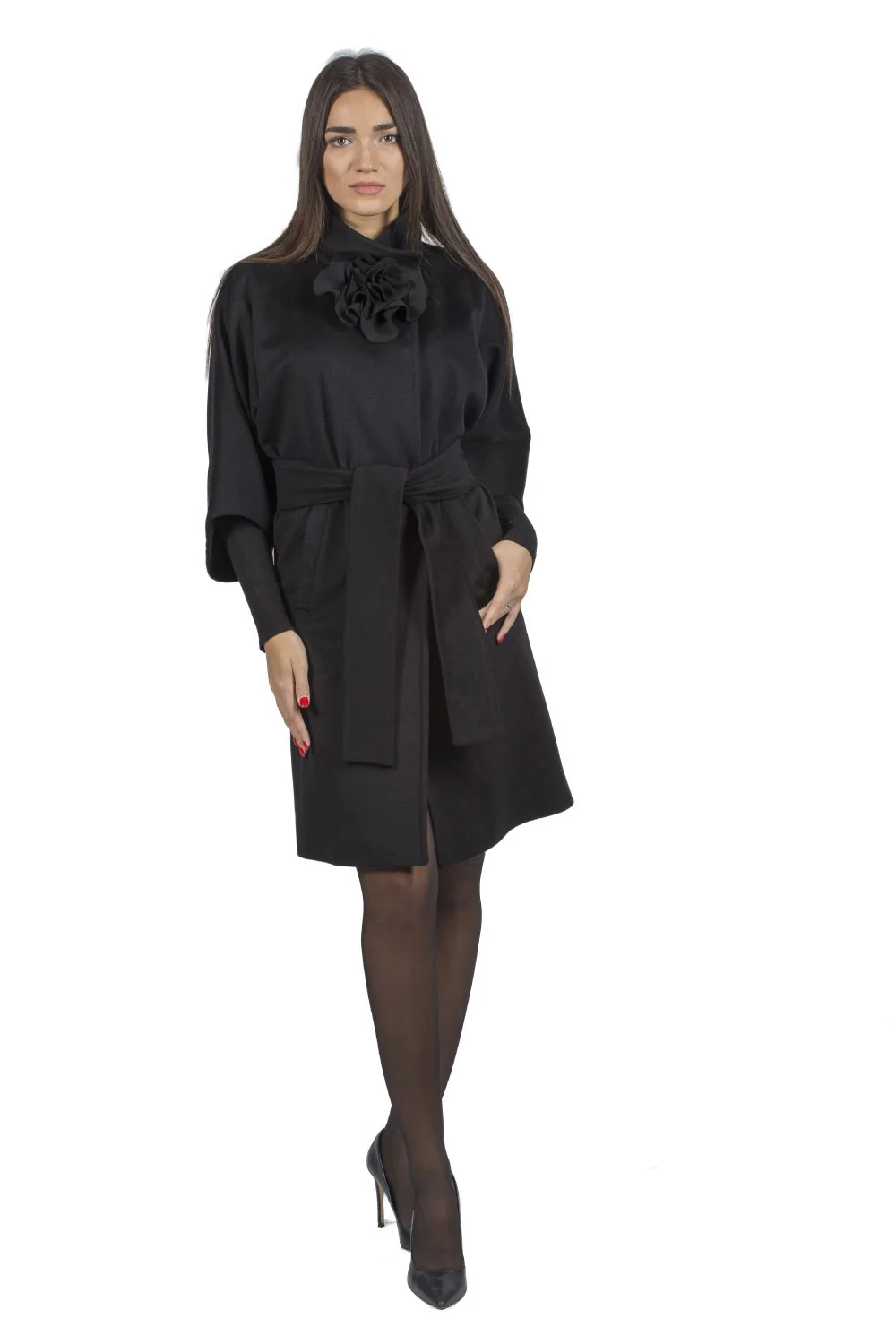
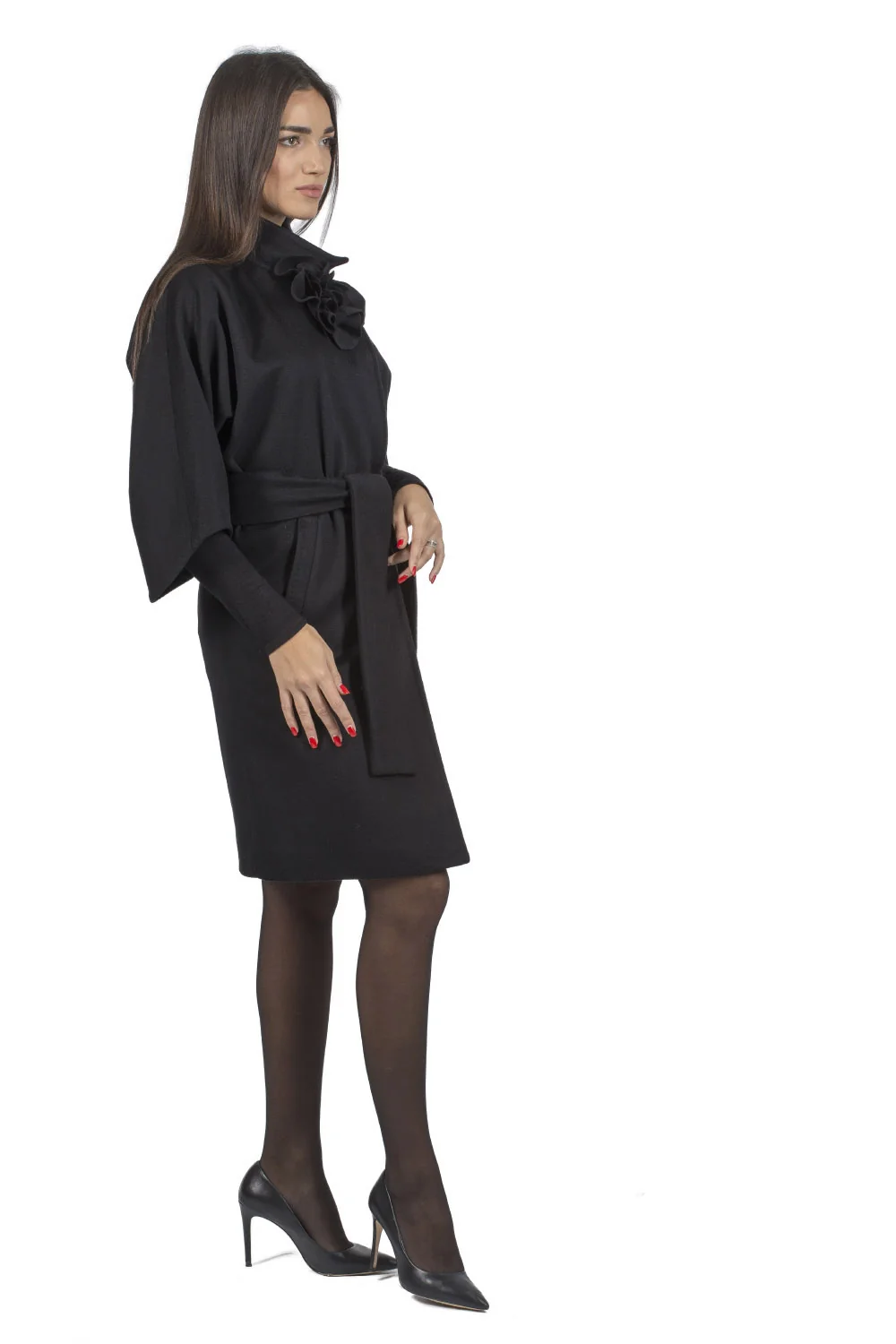
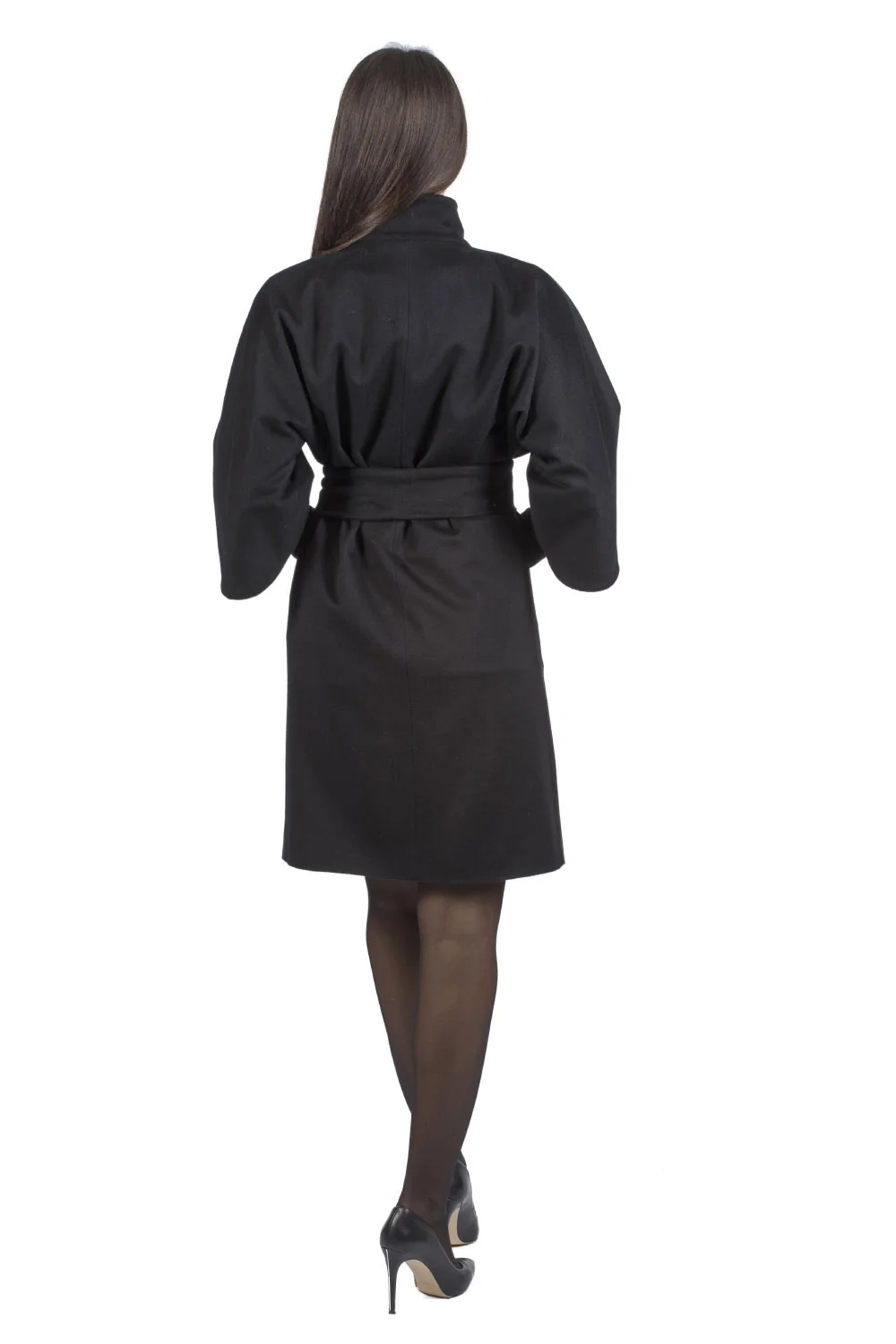
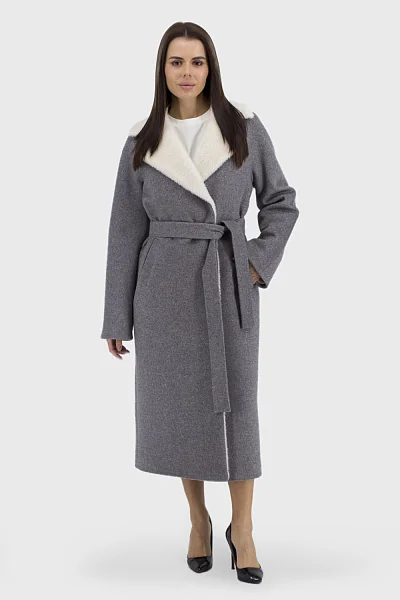
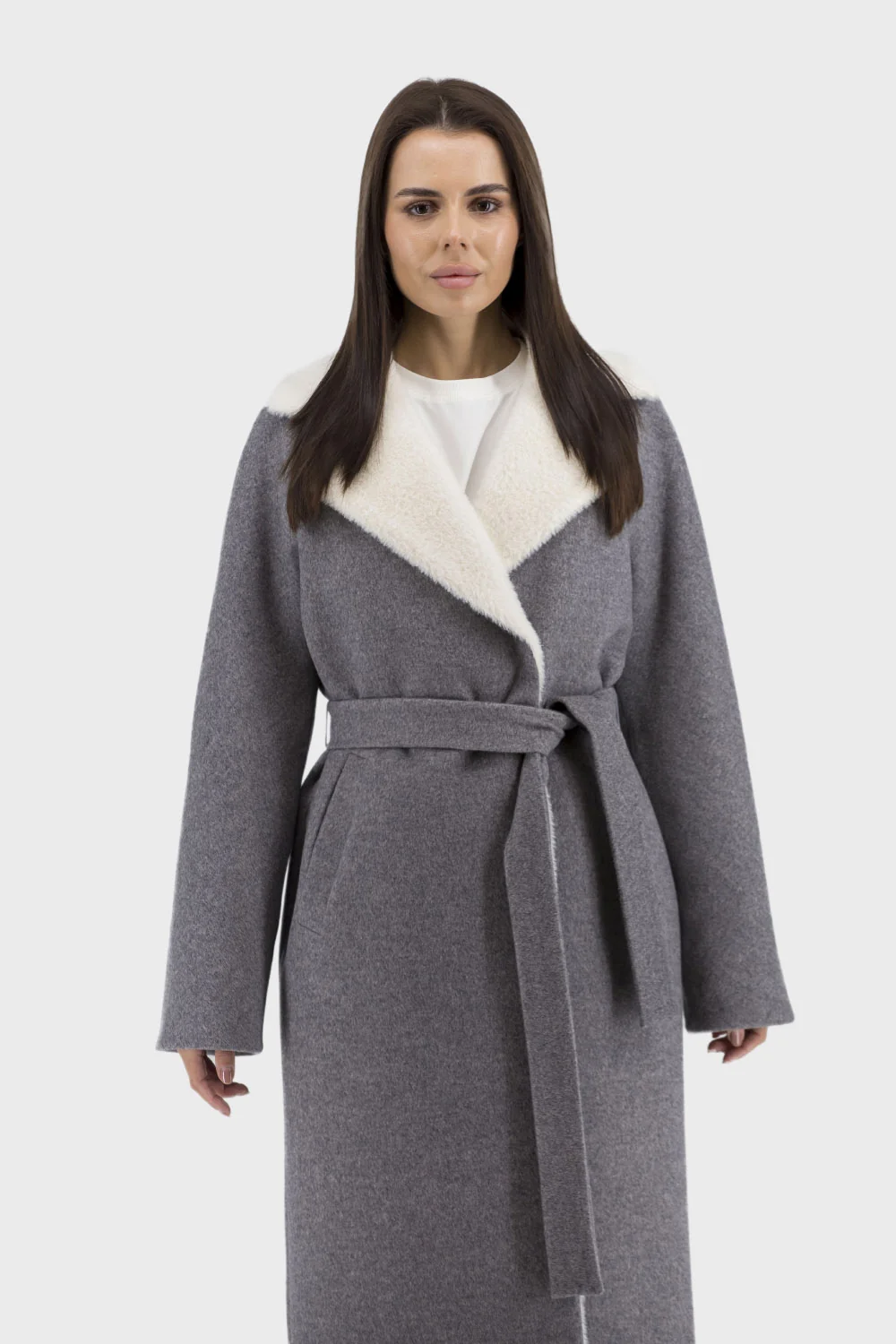
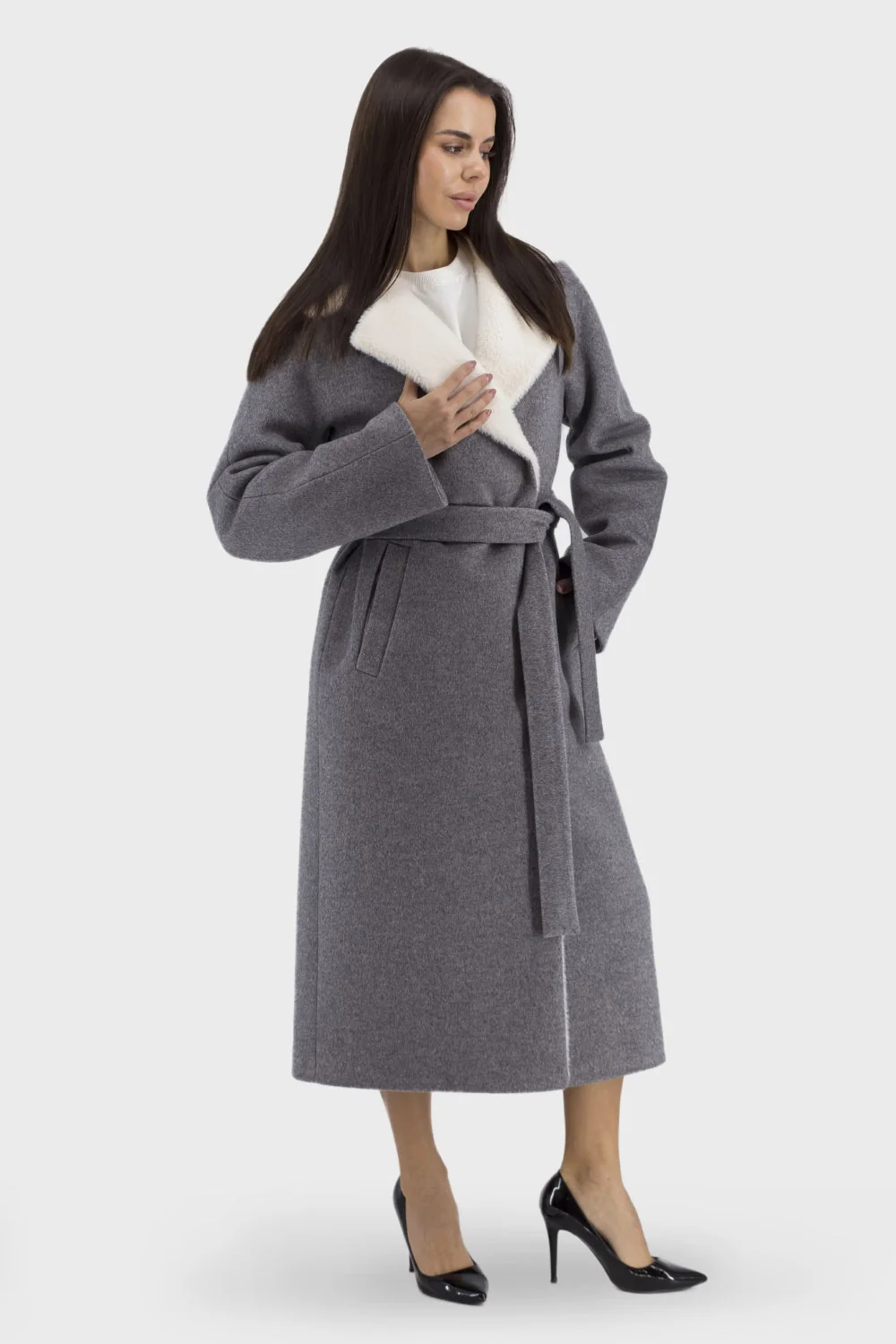
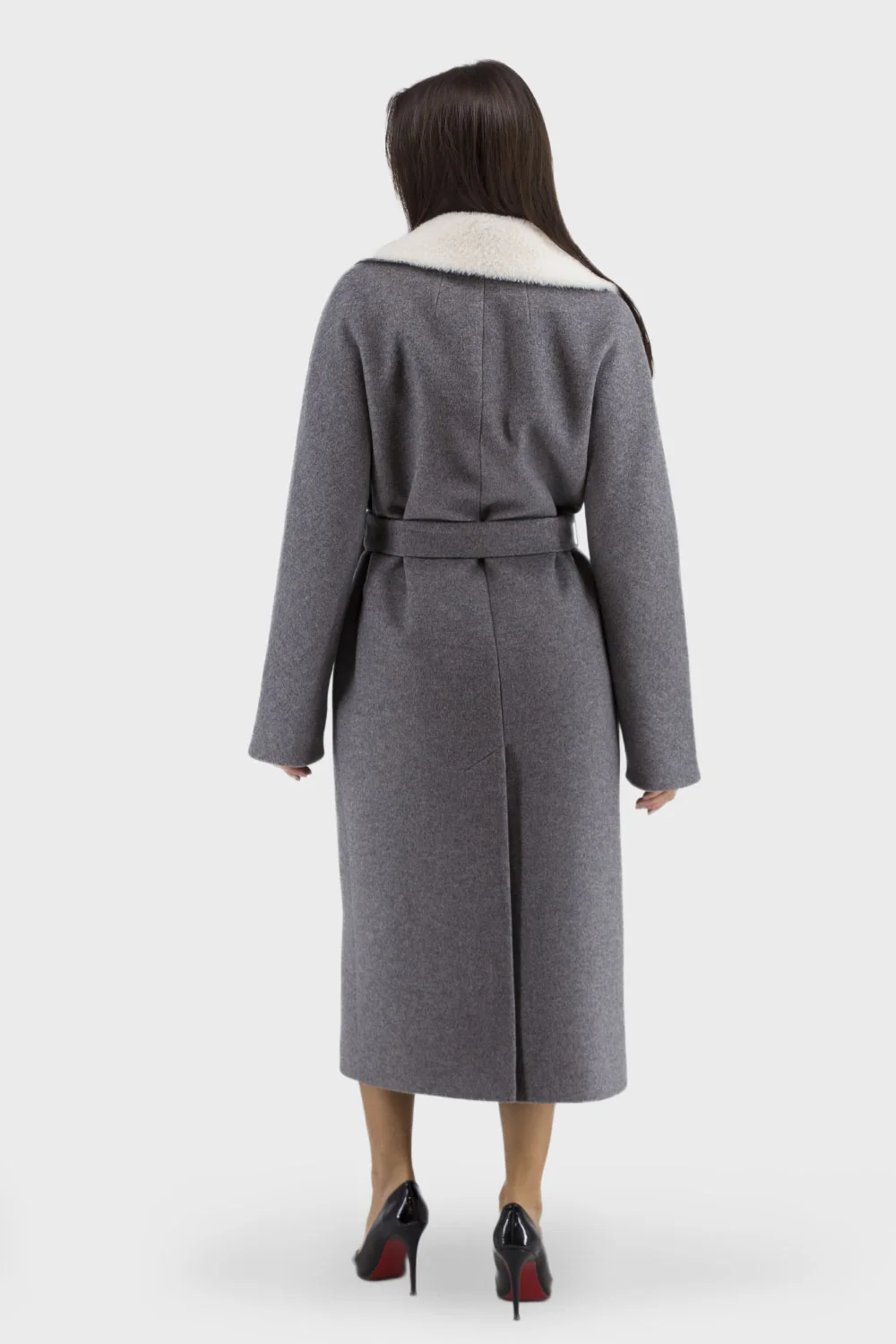
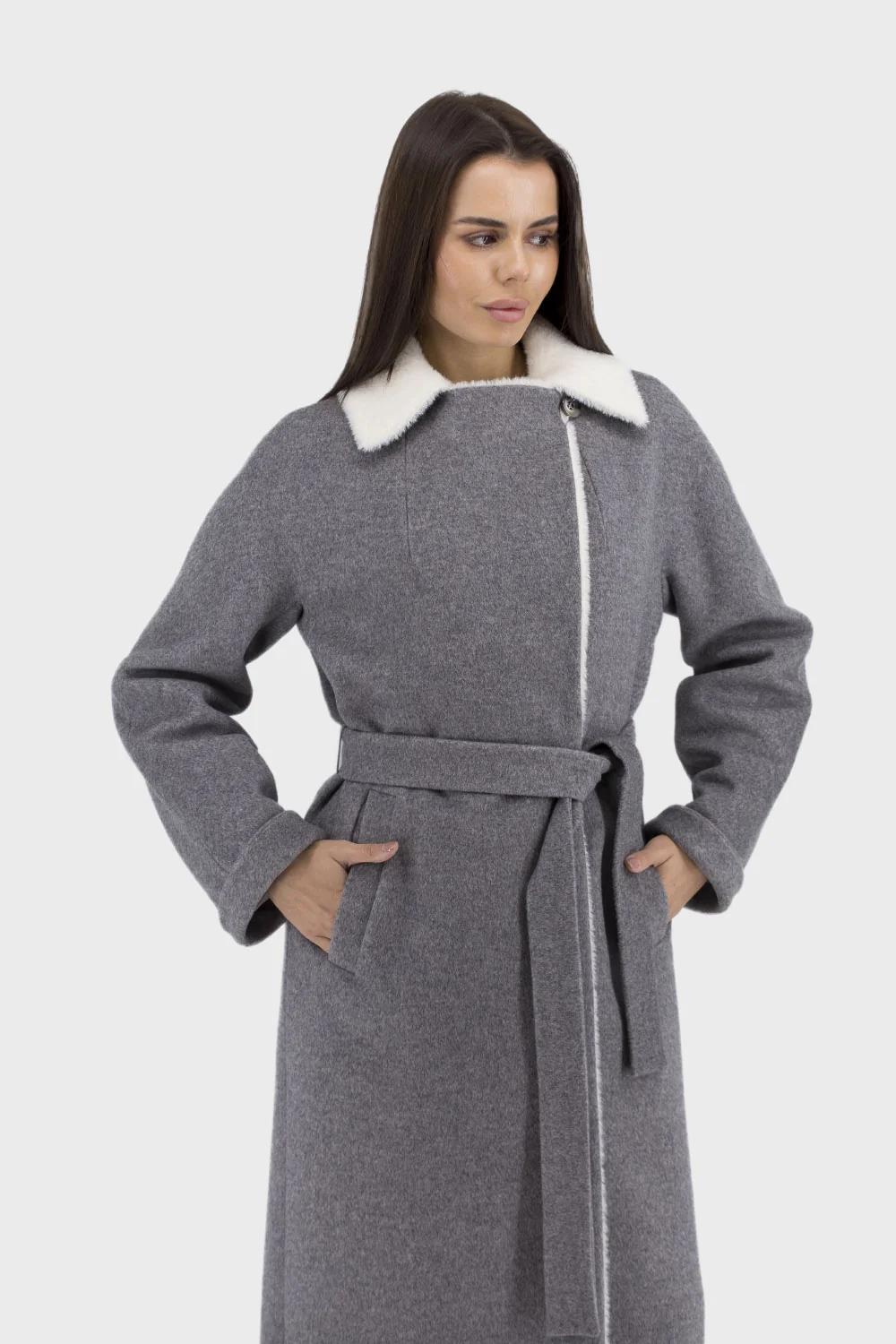
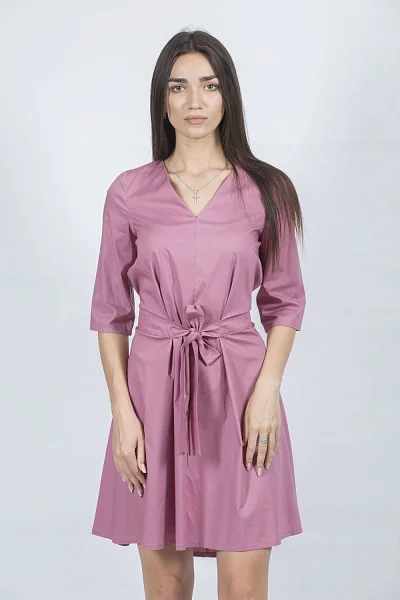
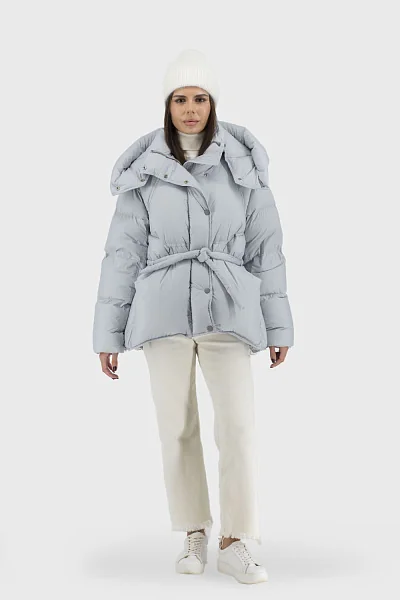
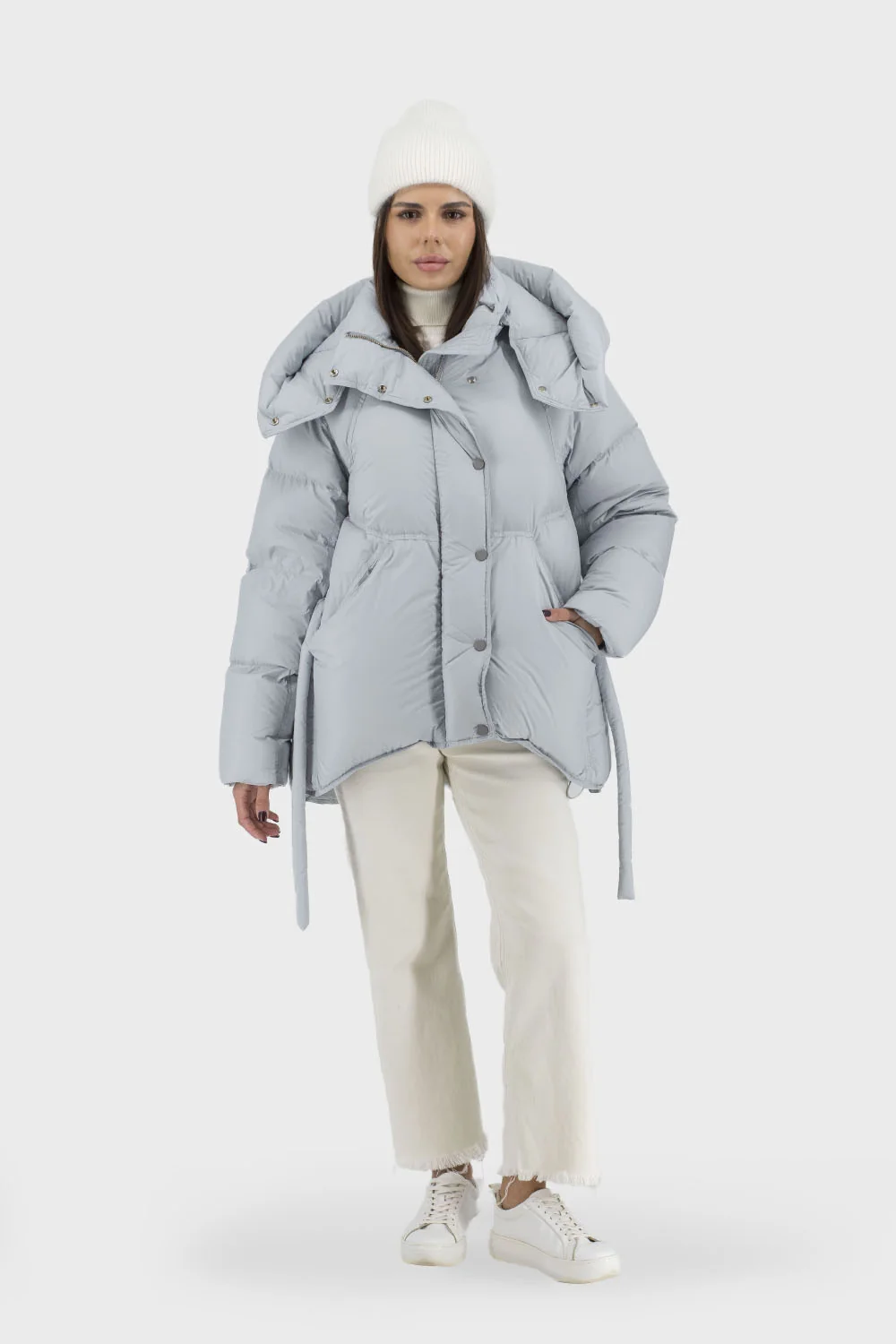
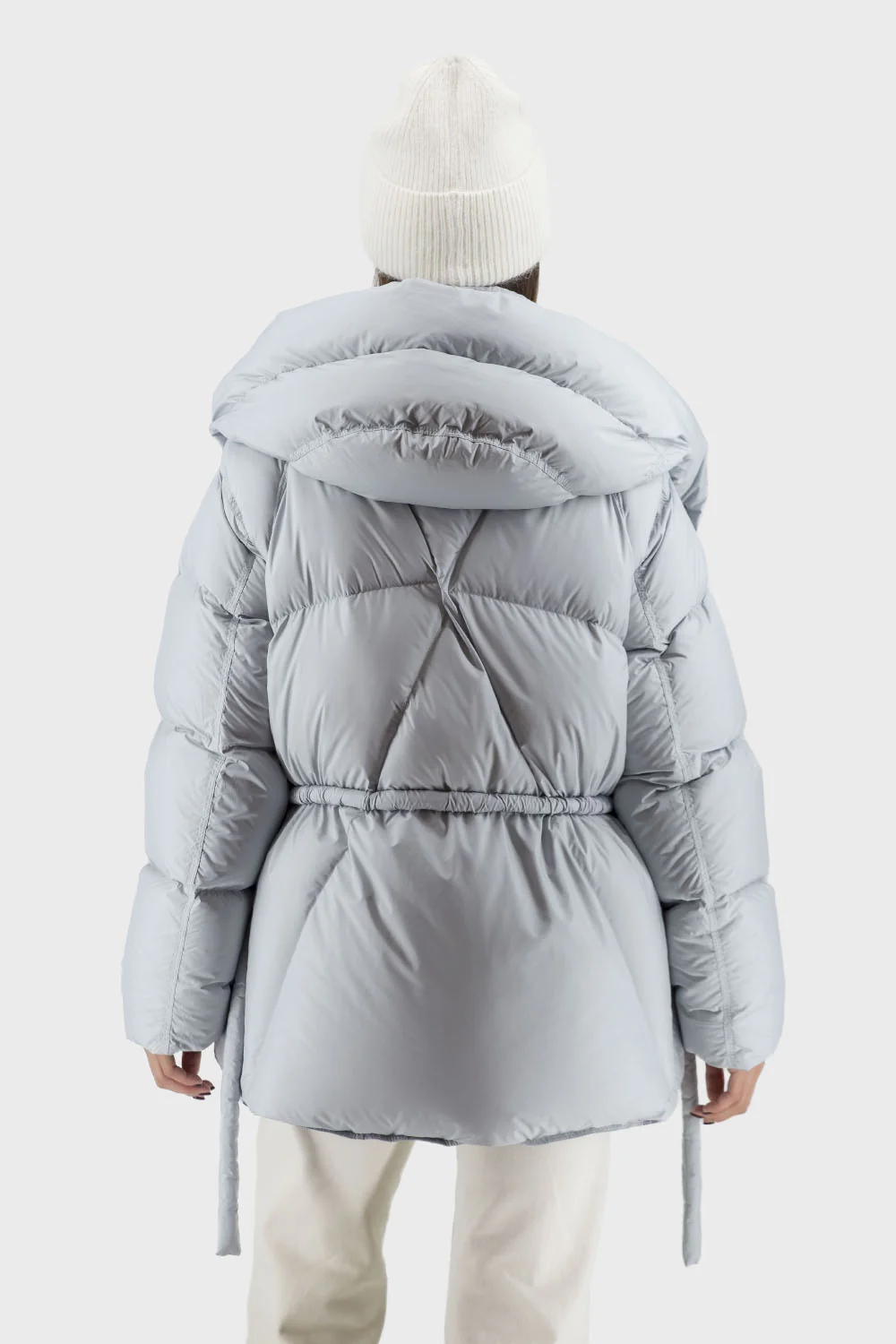
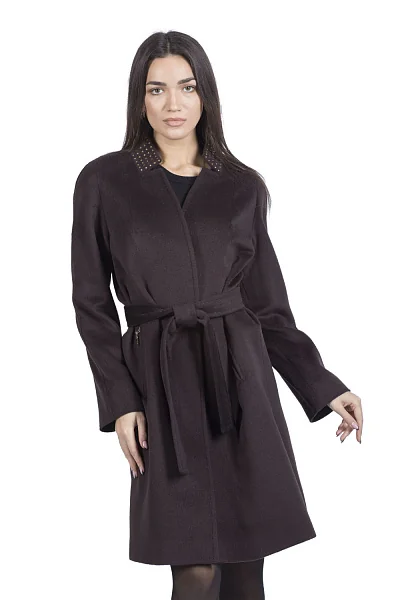
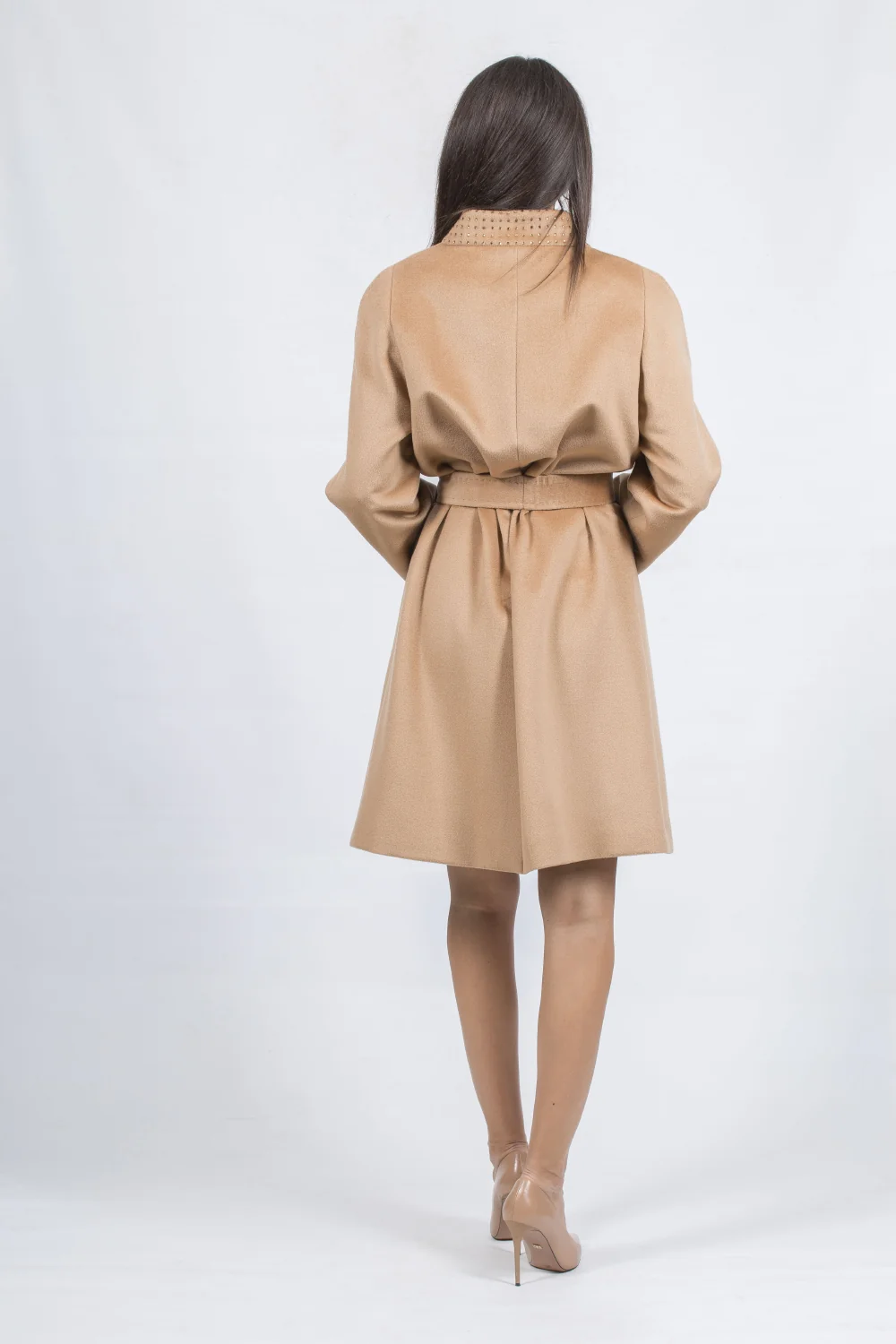
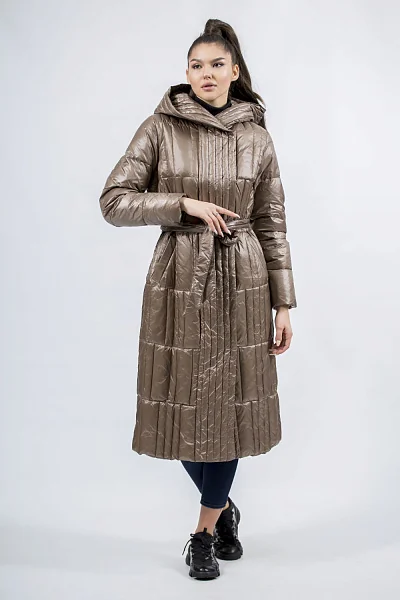
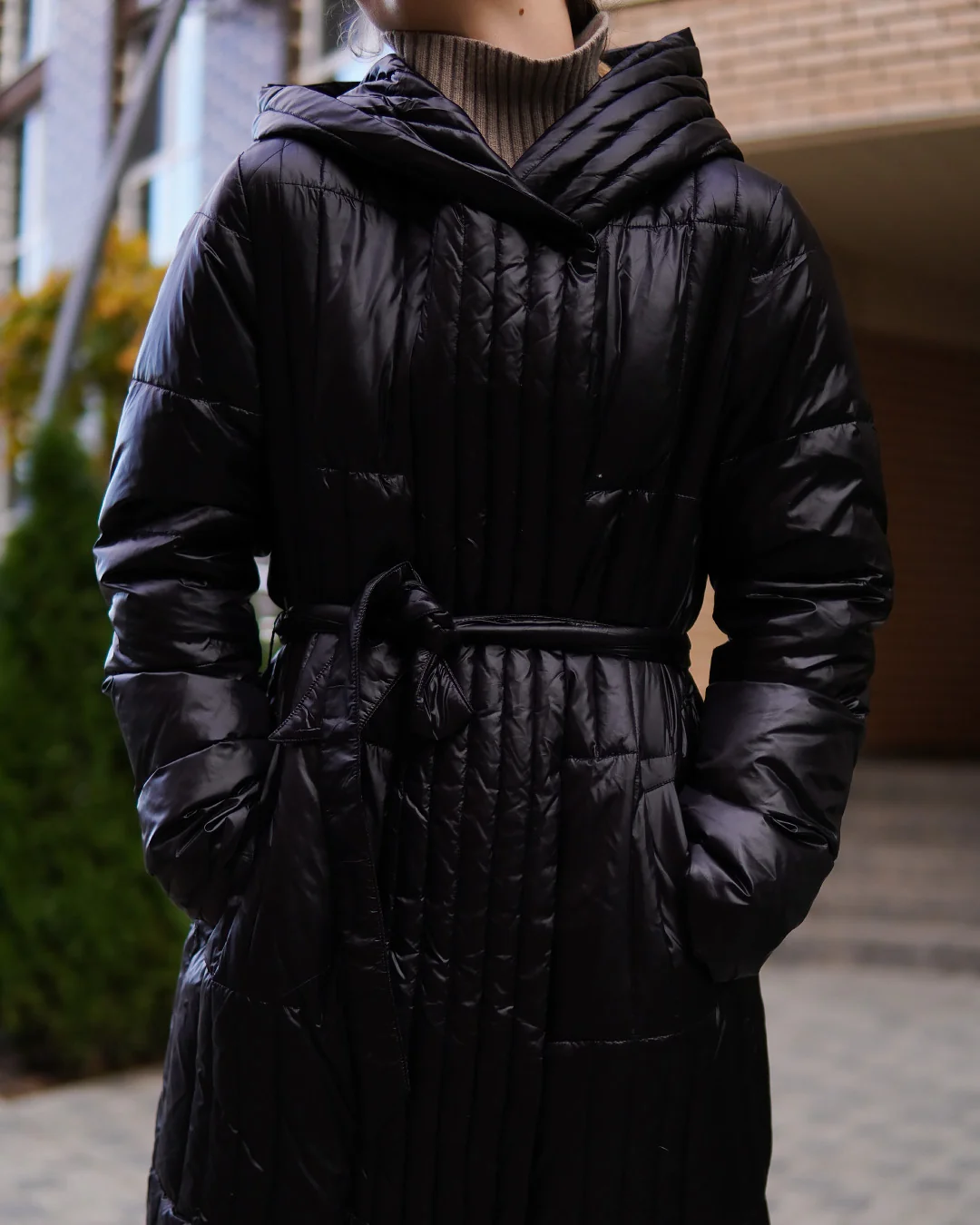
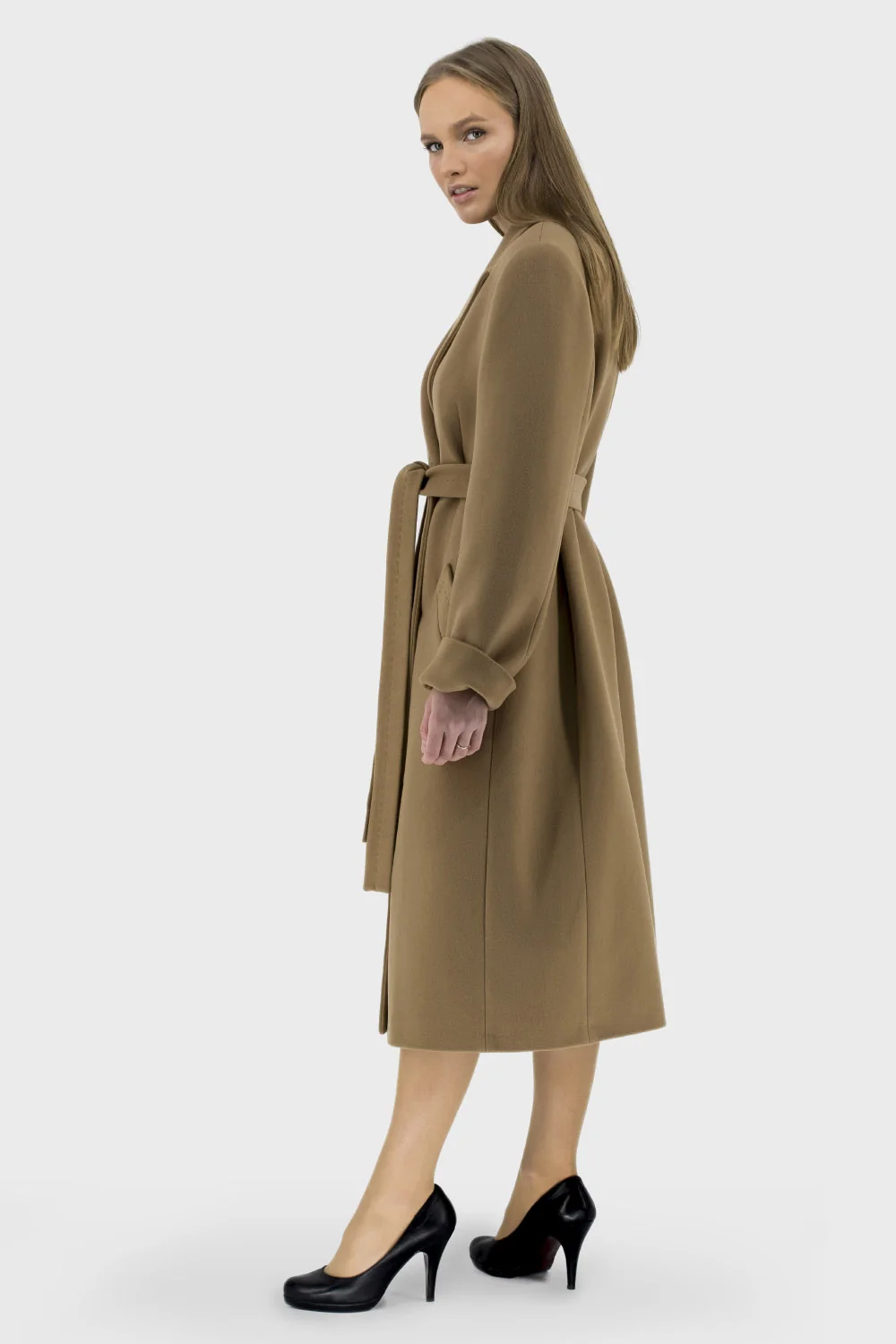
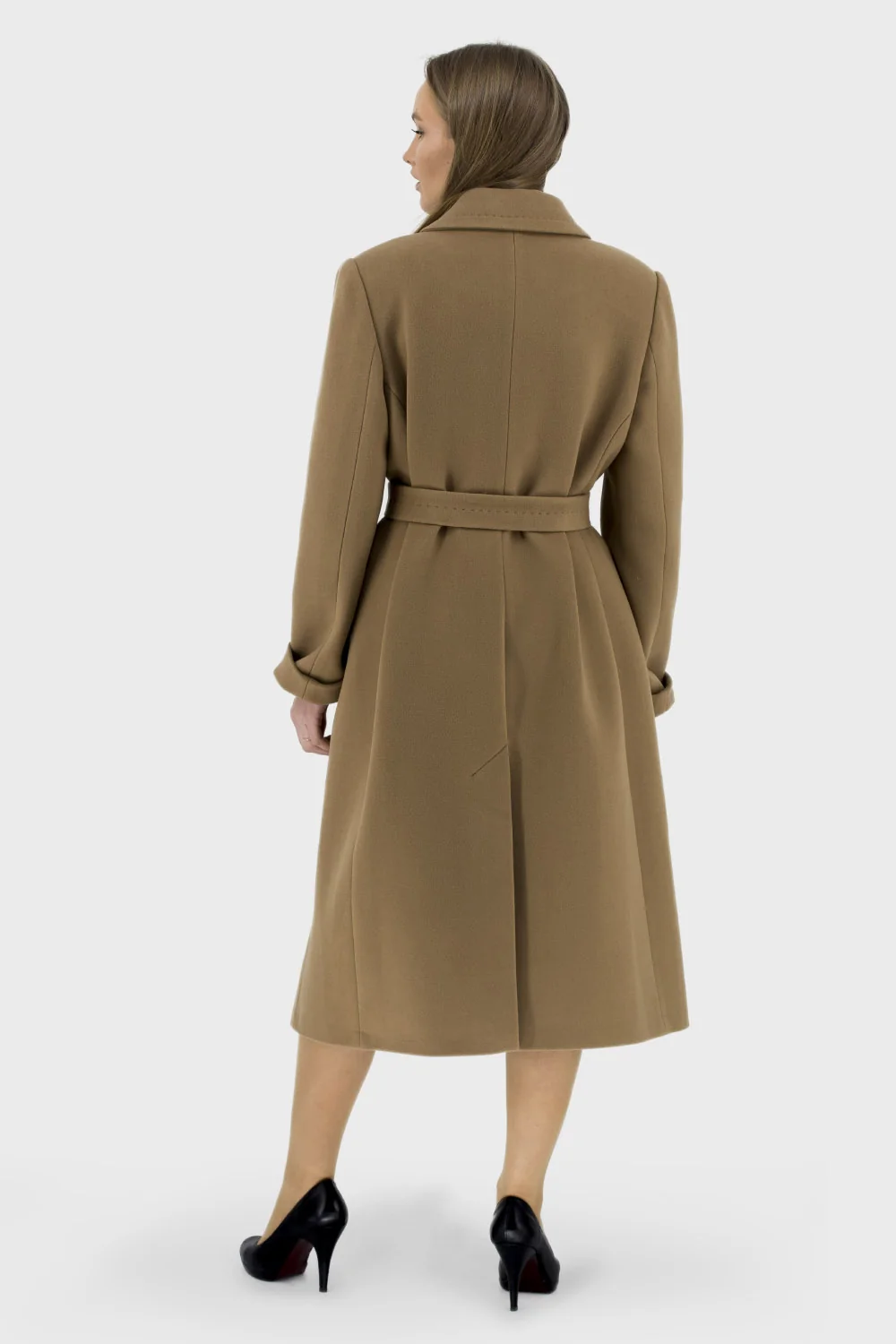
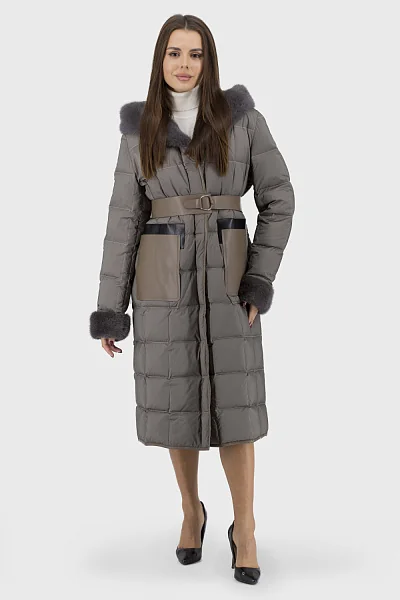
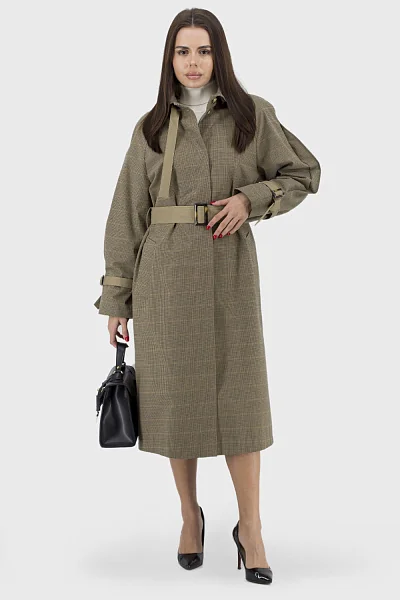
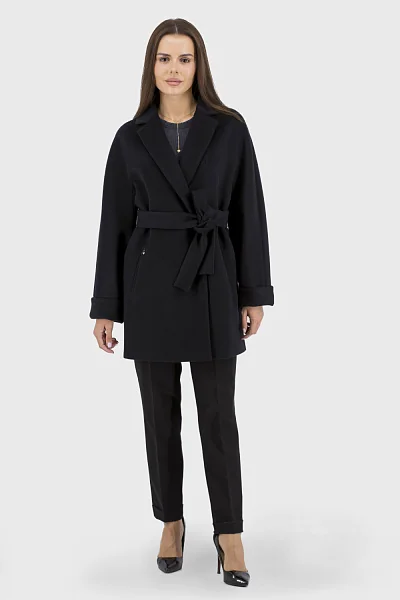
A belt defines the waist and allows you to change the silhouette. It can be tied at the front, side or back. Belted coats work in both office and casual outfits.
Choosing the right length
- Short — practical for driving and active city life.
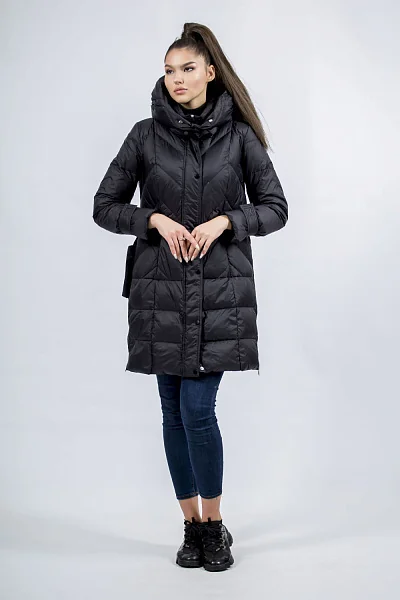
- Knee length — versatile for most outfits.
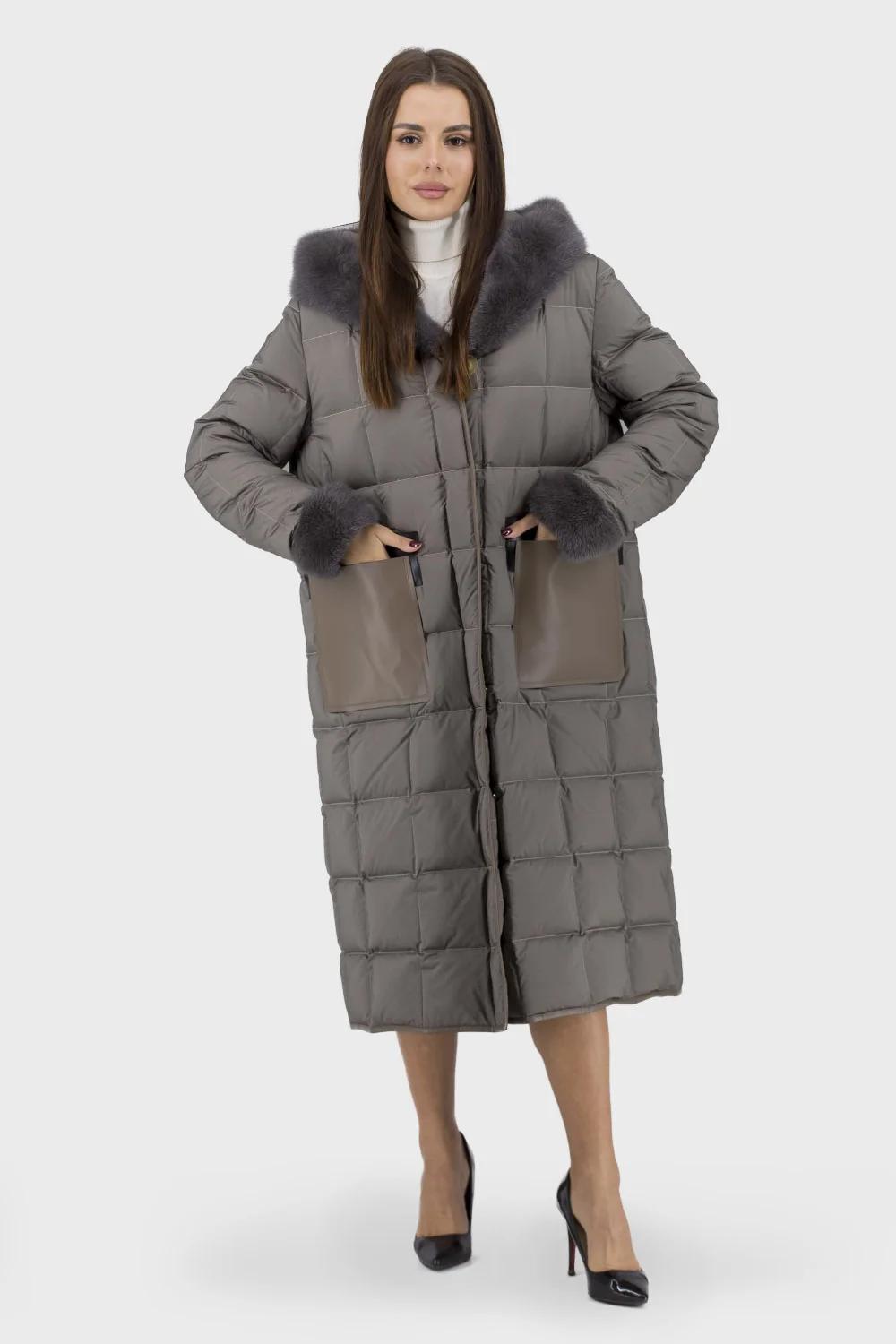
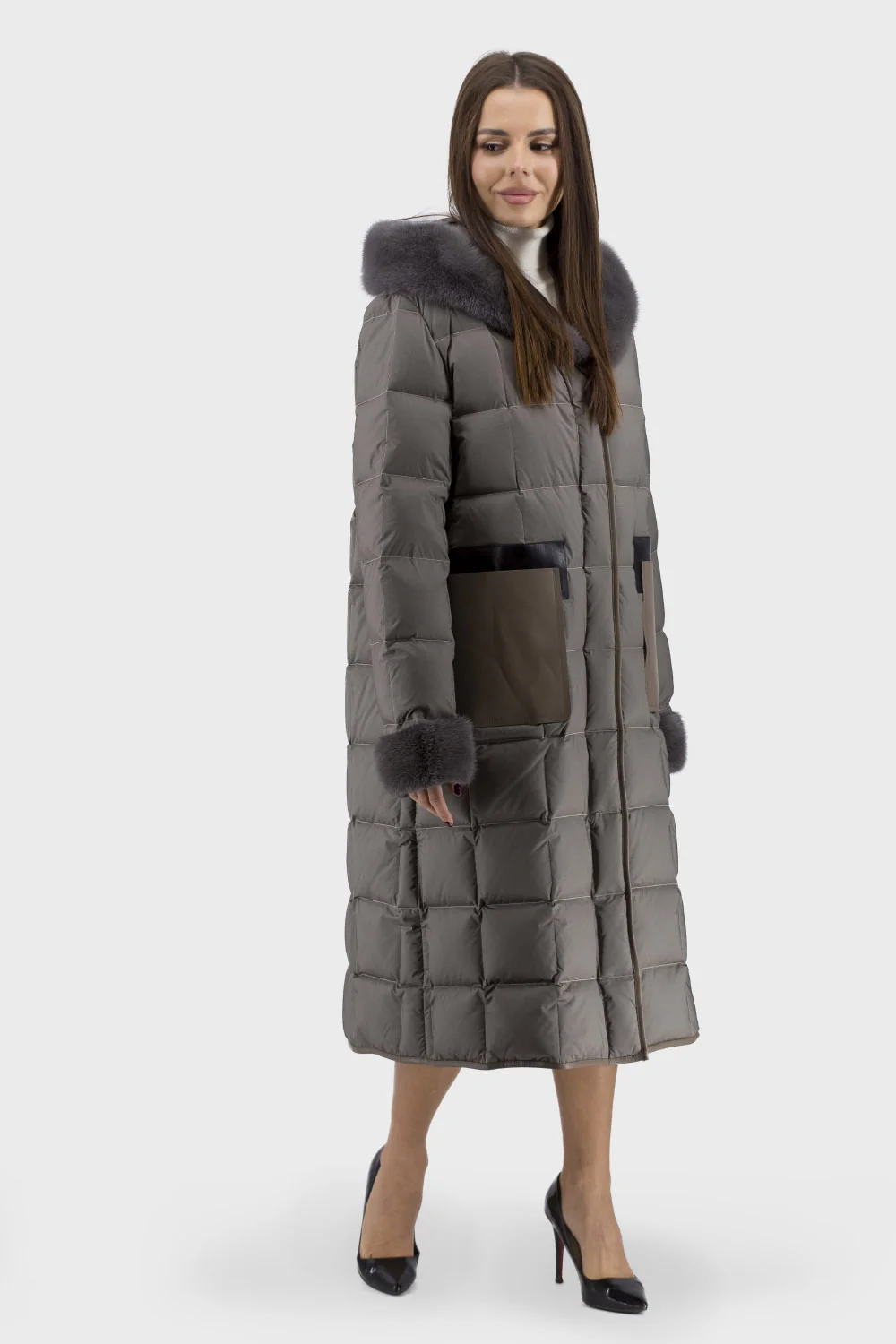
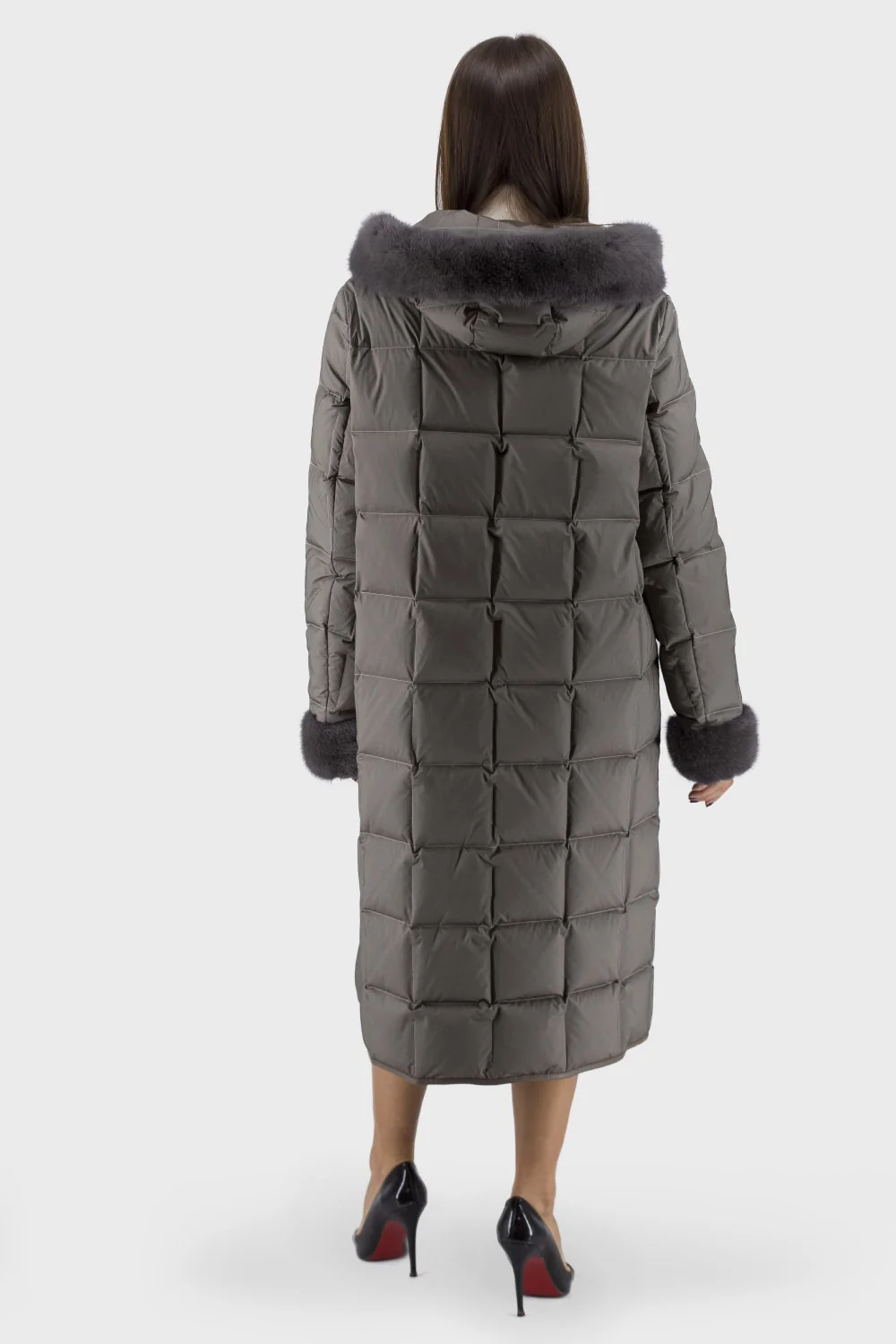
- Midi — offers more wind protection.
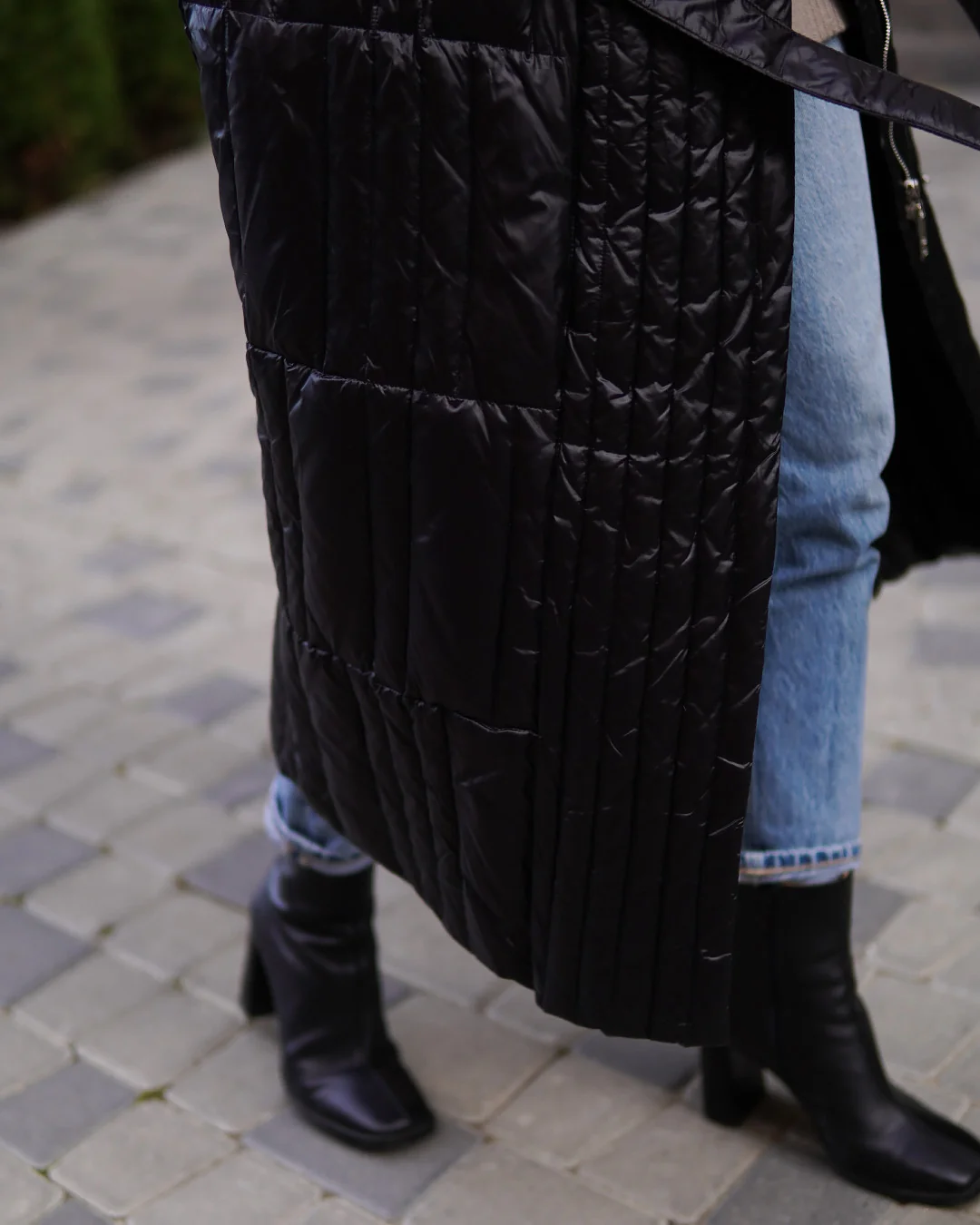
- Maxi — creates a dramatic look but requires a practical hem length.
During a fitting, check whether you can sit, climb stairs and walk quickly without restriction.
Colours
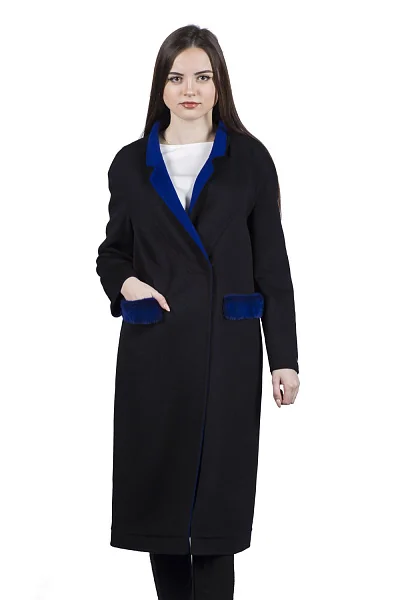
Beige, camel, brown, black, grey, navy and khaki are easy to combine. Cream creates a lighter look, while burgundy, green, blue or red can become the main accent.
Your coat, shoes and bag do not need to match exactly. The tones simply need to work together.
Materials
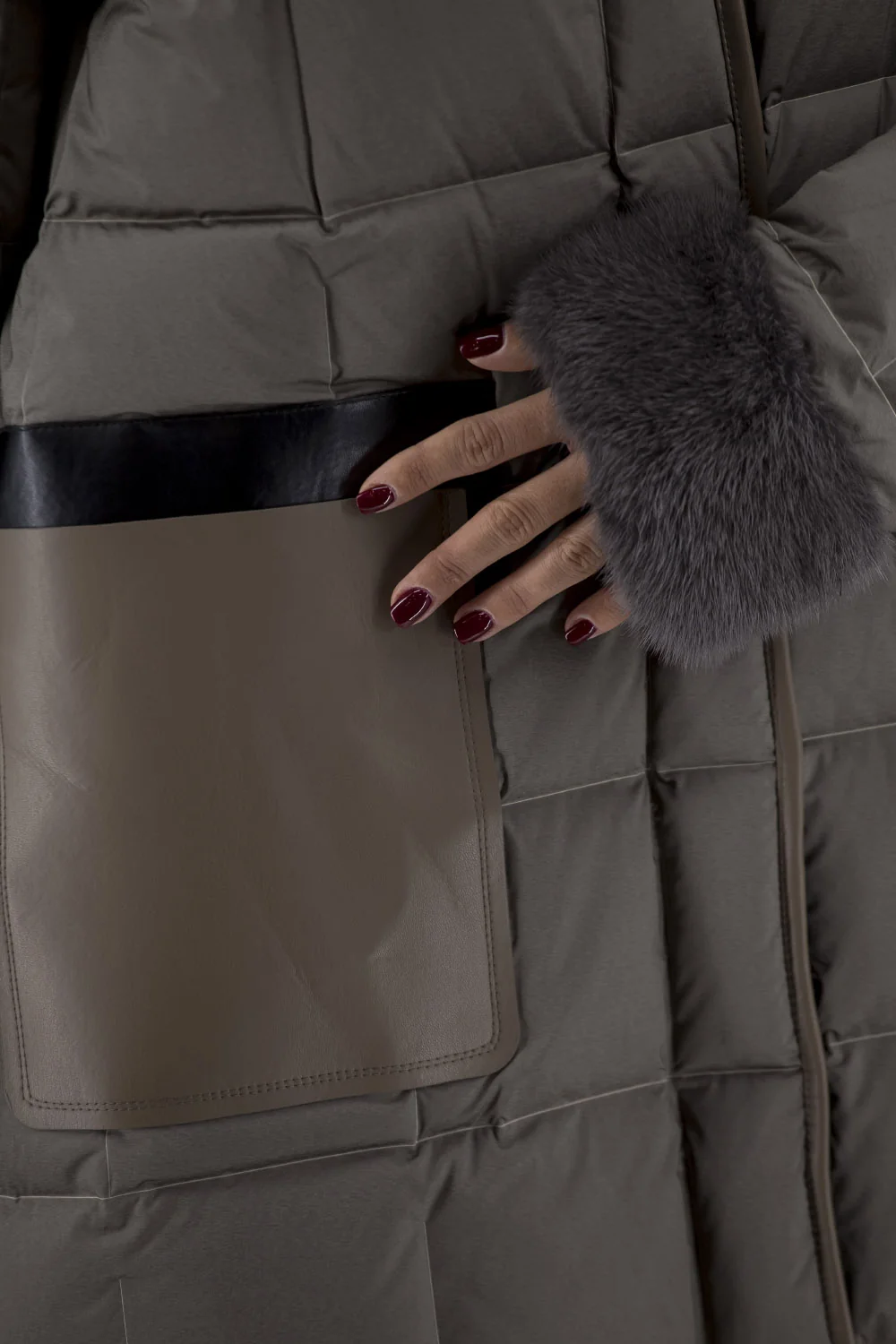
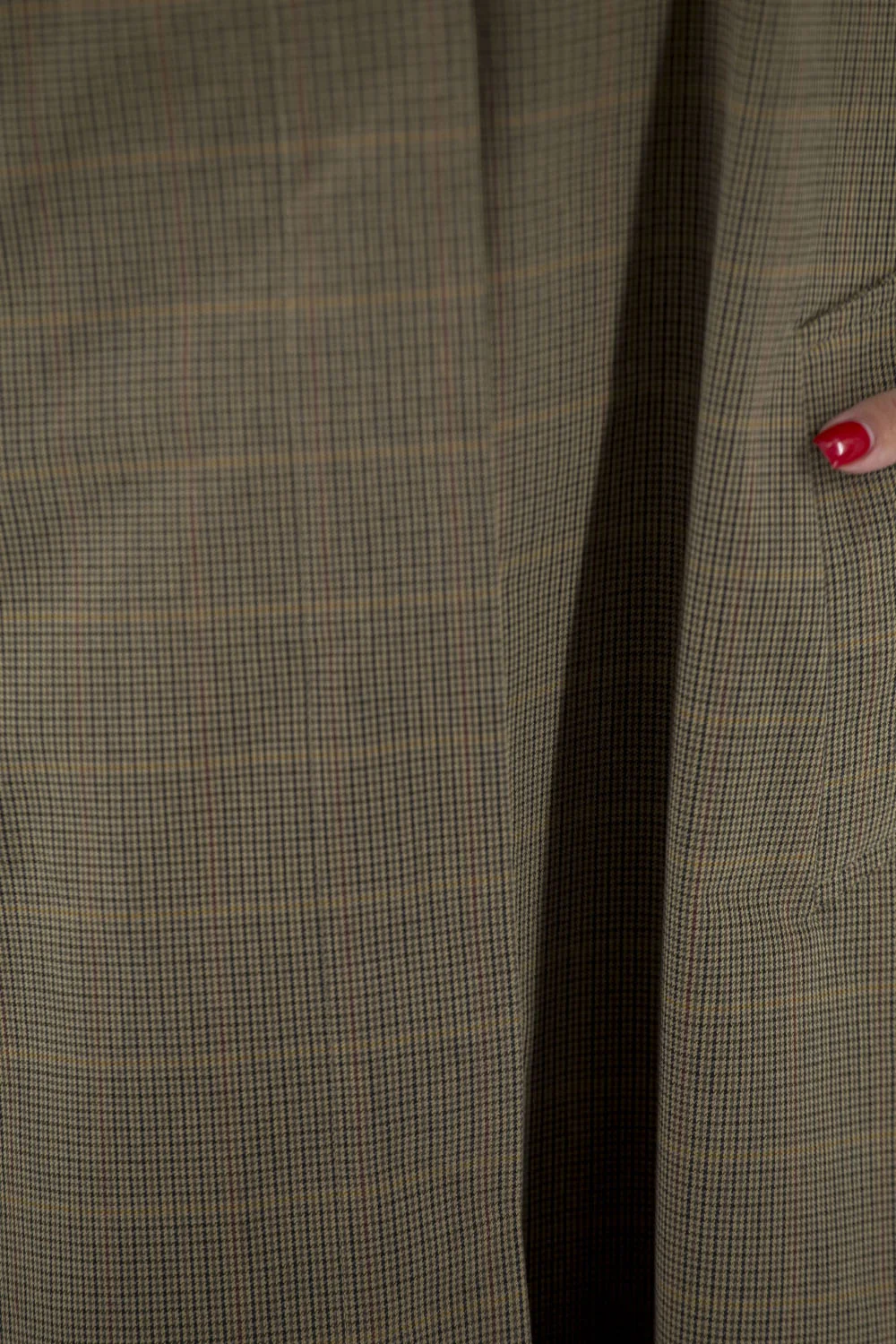
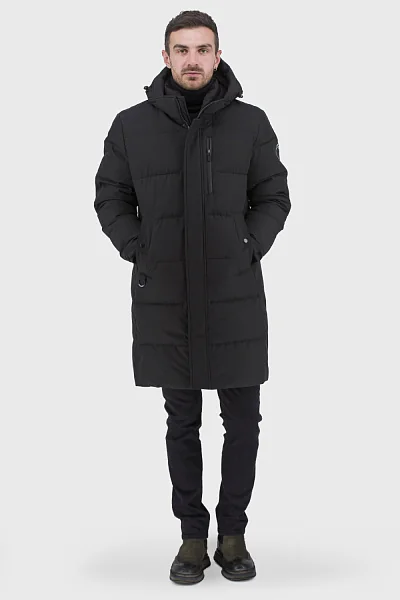
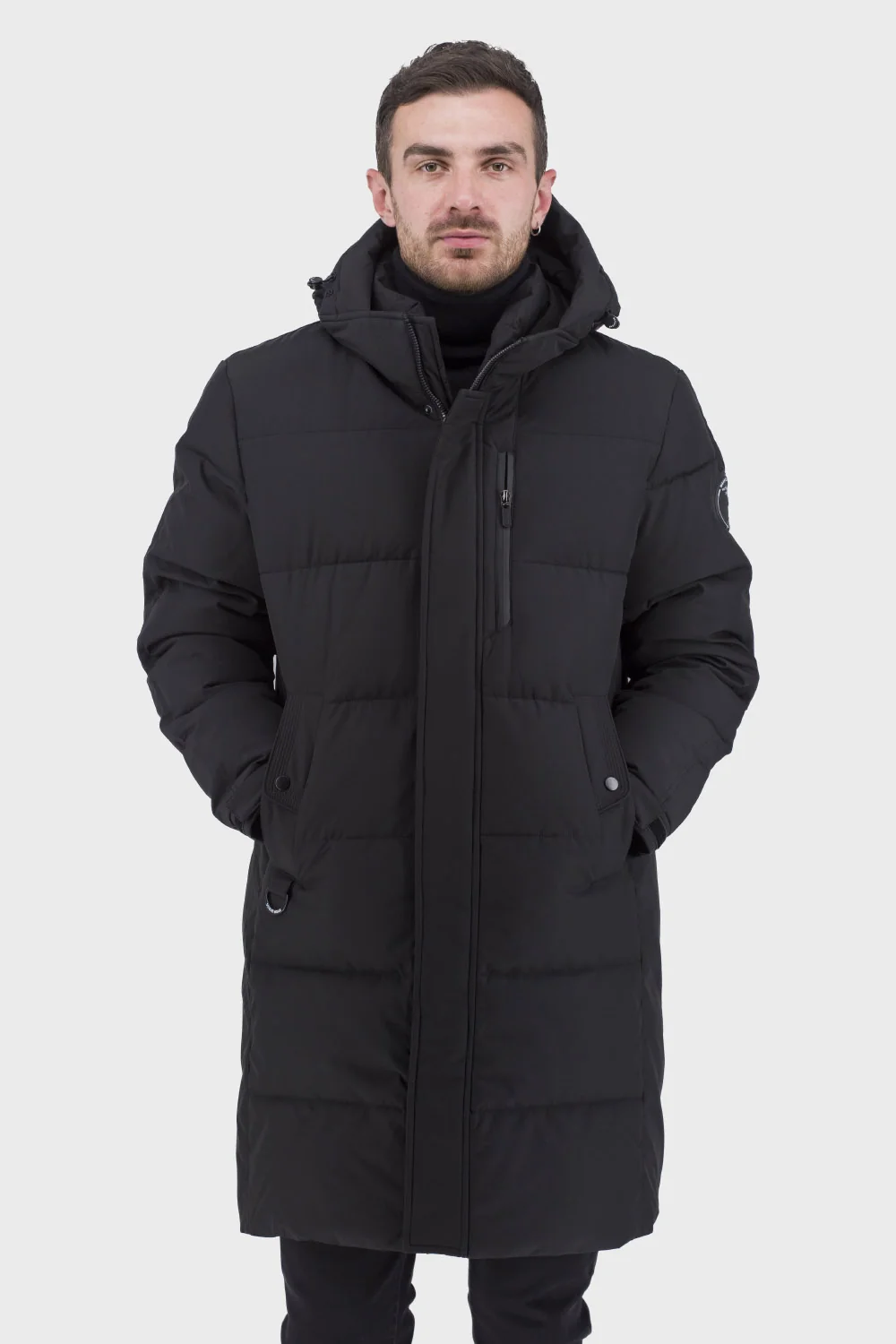
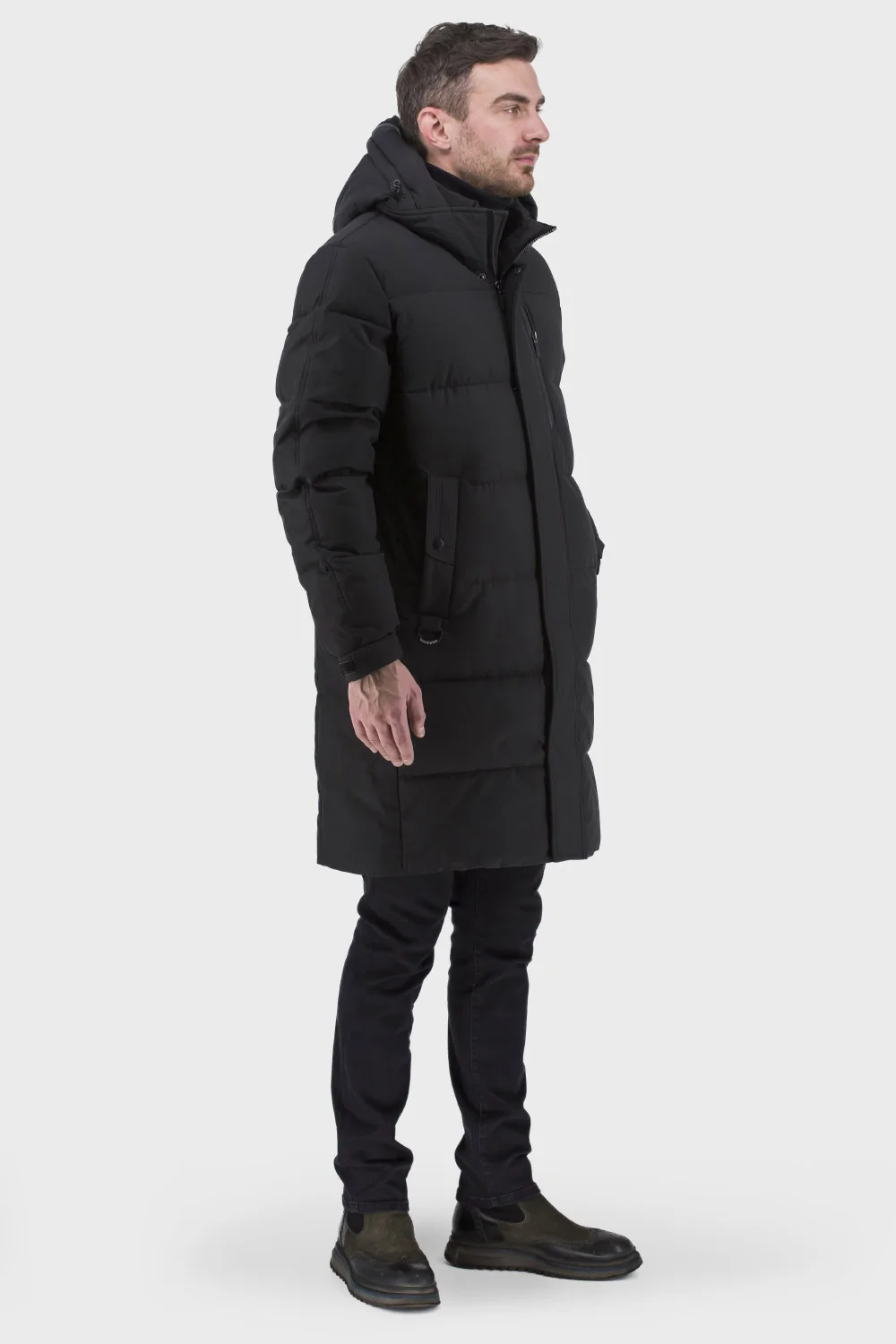
Coated cotton and dense blended fabrics suit dry, cool weather. Polyester, nylon and technical fabrics handle moisture more effectively. Leather and faux leather create a strong visual statement but need specialised care.

For everyday use, choose a fabric that resists creasing, dries reasonably quickly and is easy to clean.
How to style a trench coat
Straight jeans, a T-shirt or roll-neck and a trench coat form a simple city outfit. Wide jeans work with straight or belted coats, while slim trousers balance a more relaxed outer layer.
A trench can also be worn with dresses, midi skirts, tailored suits, blazers, hoodies, joggers and trainers.
Business outfits
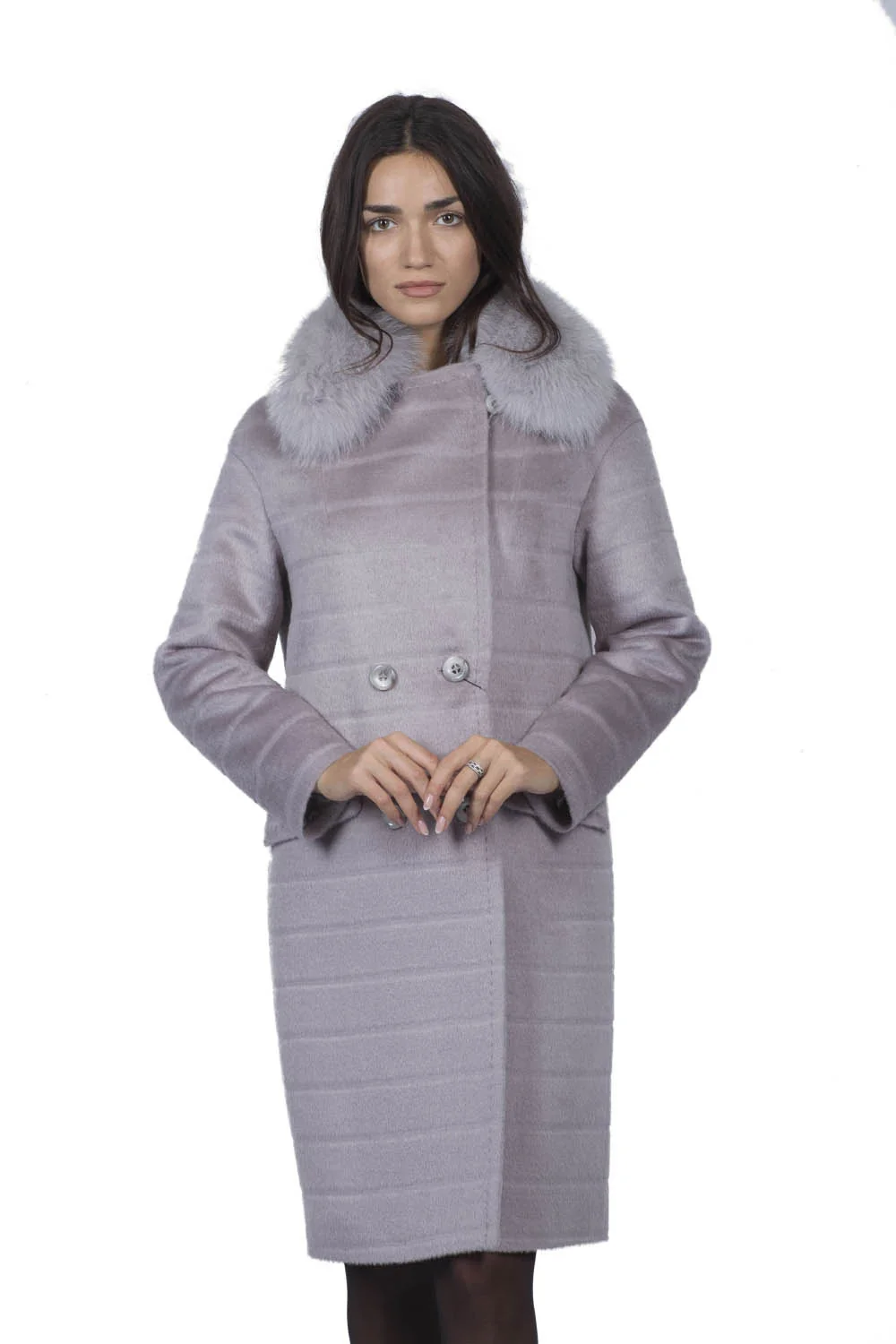
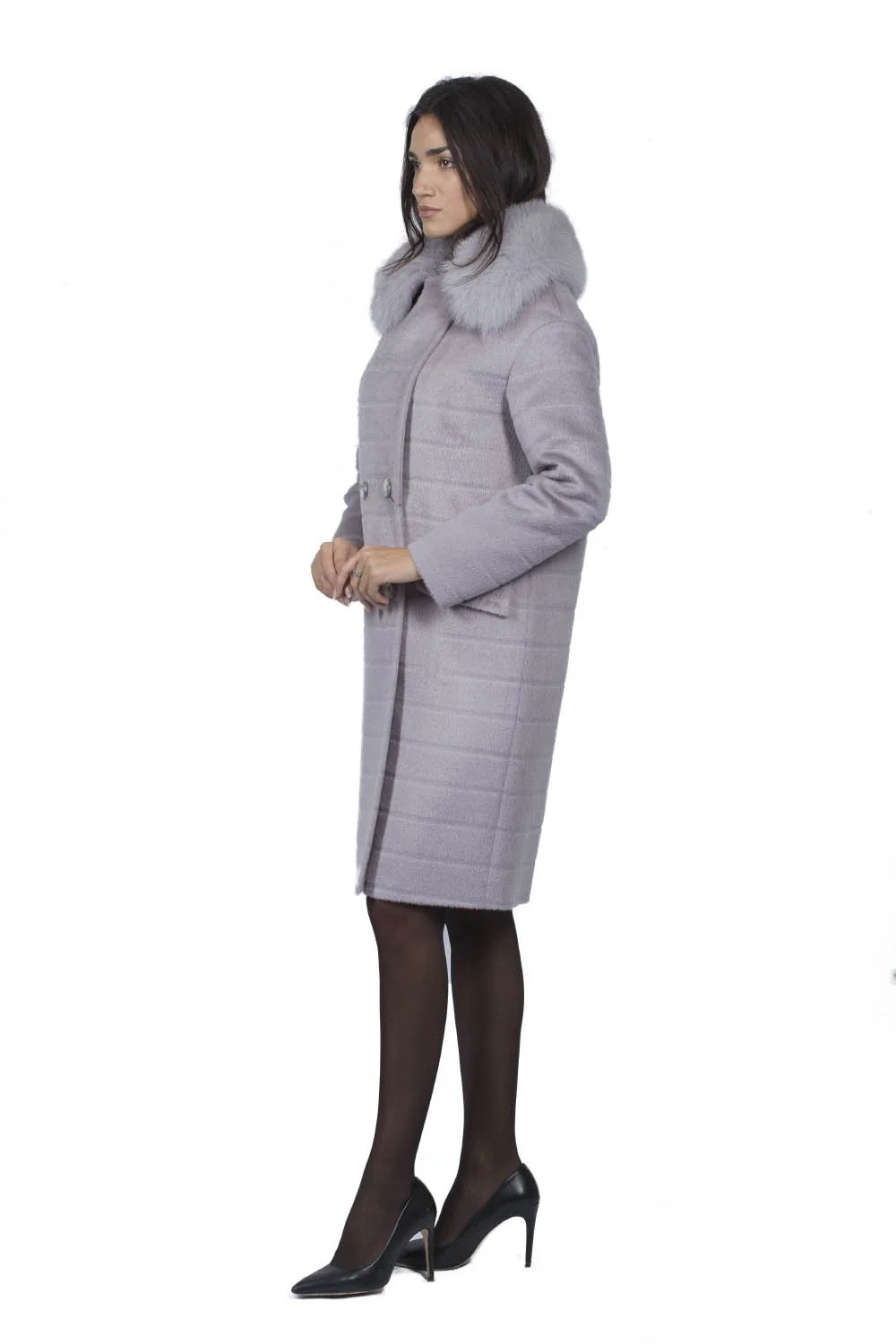
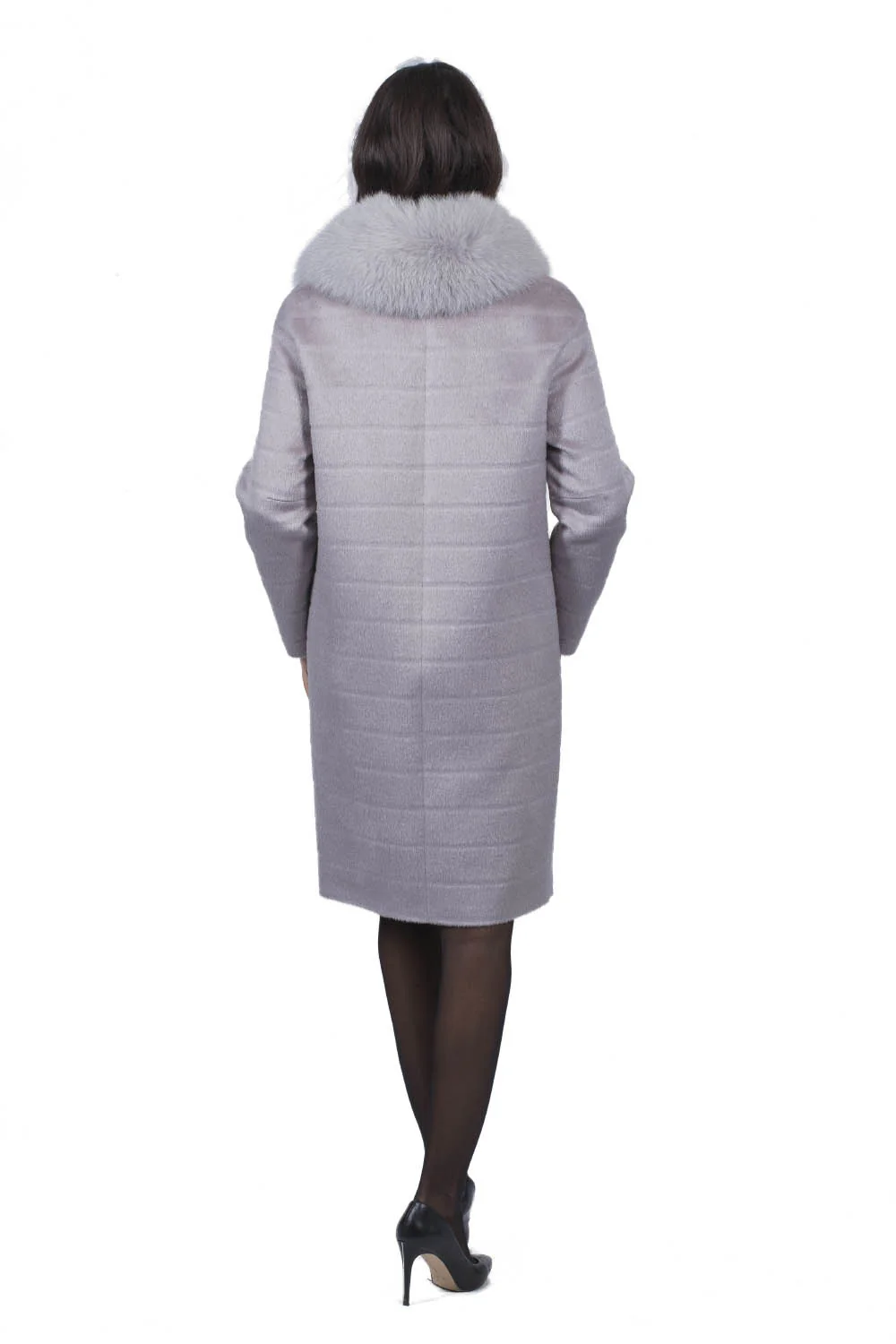
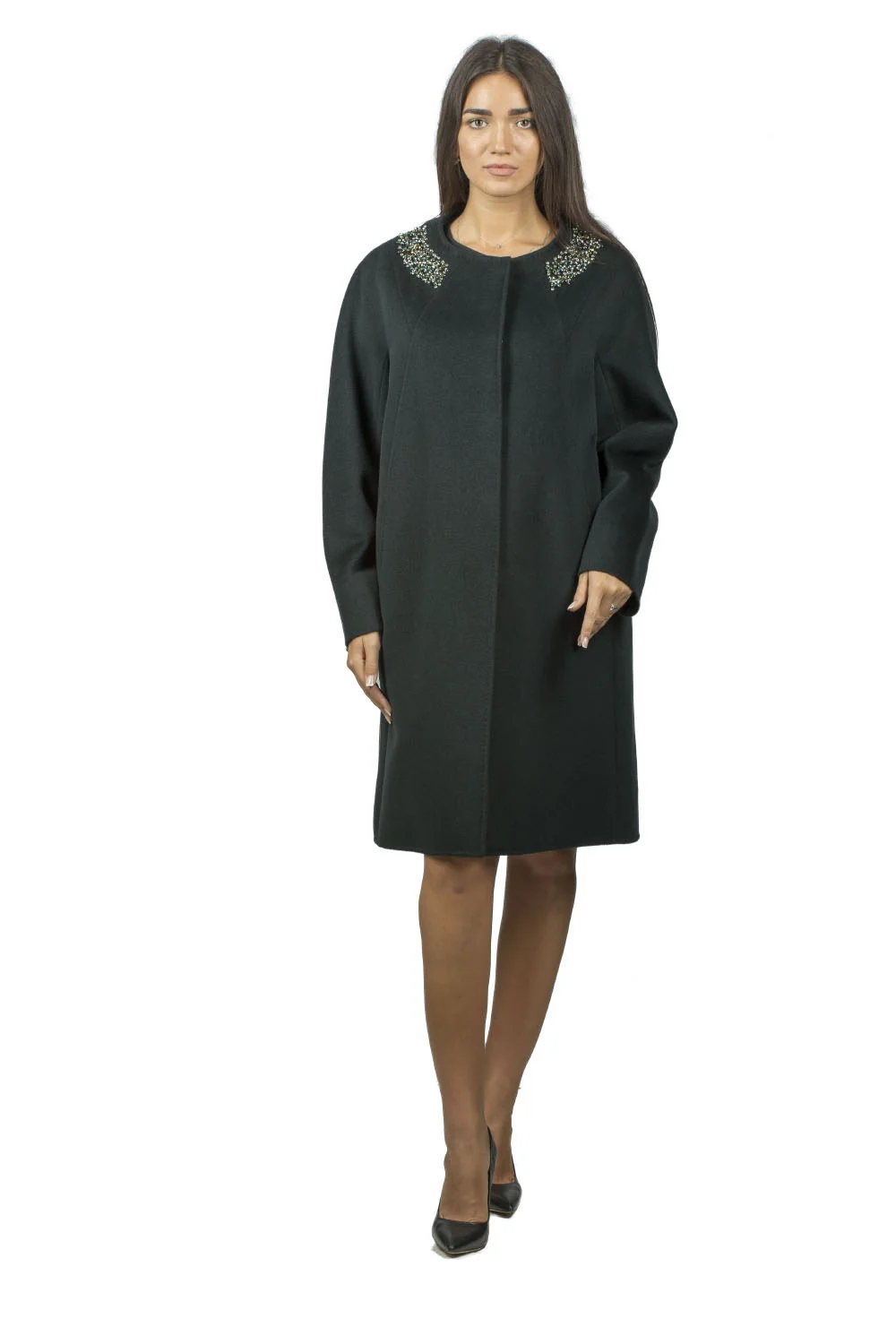
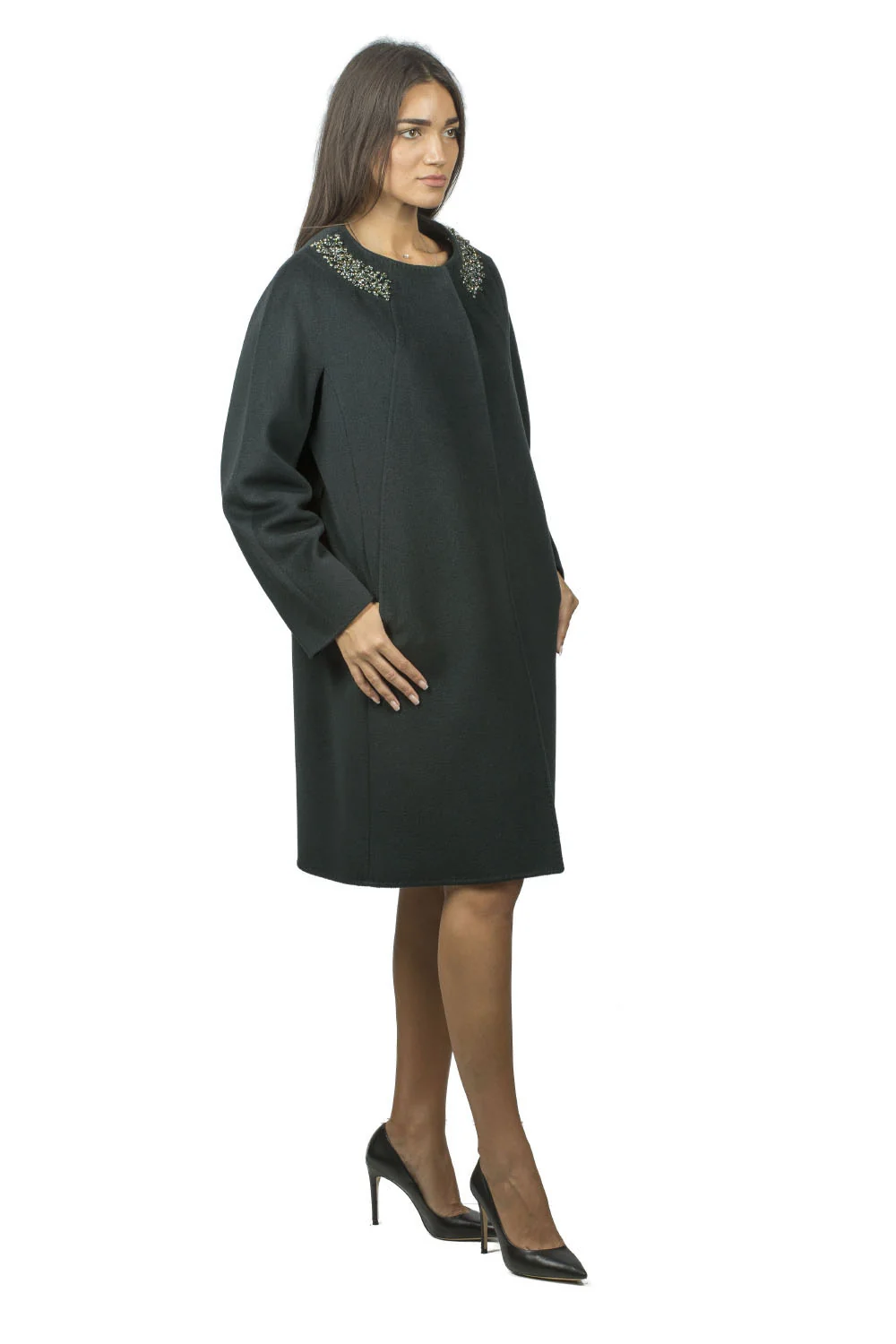
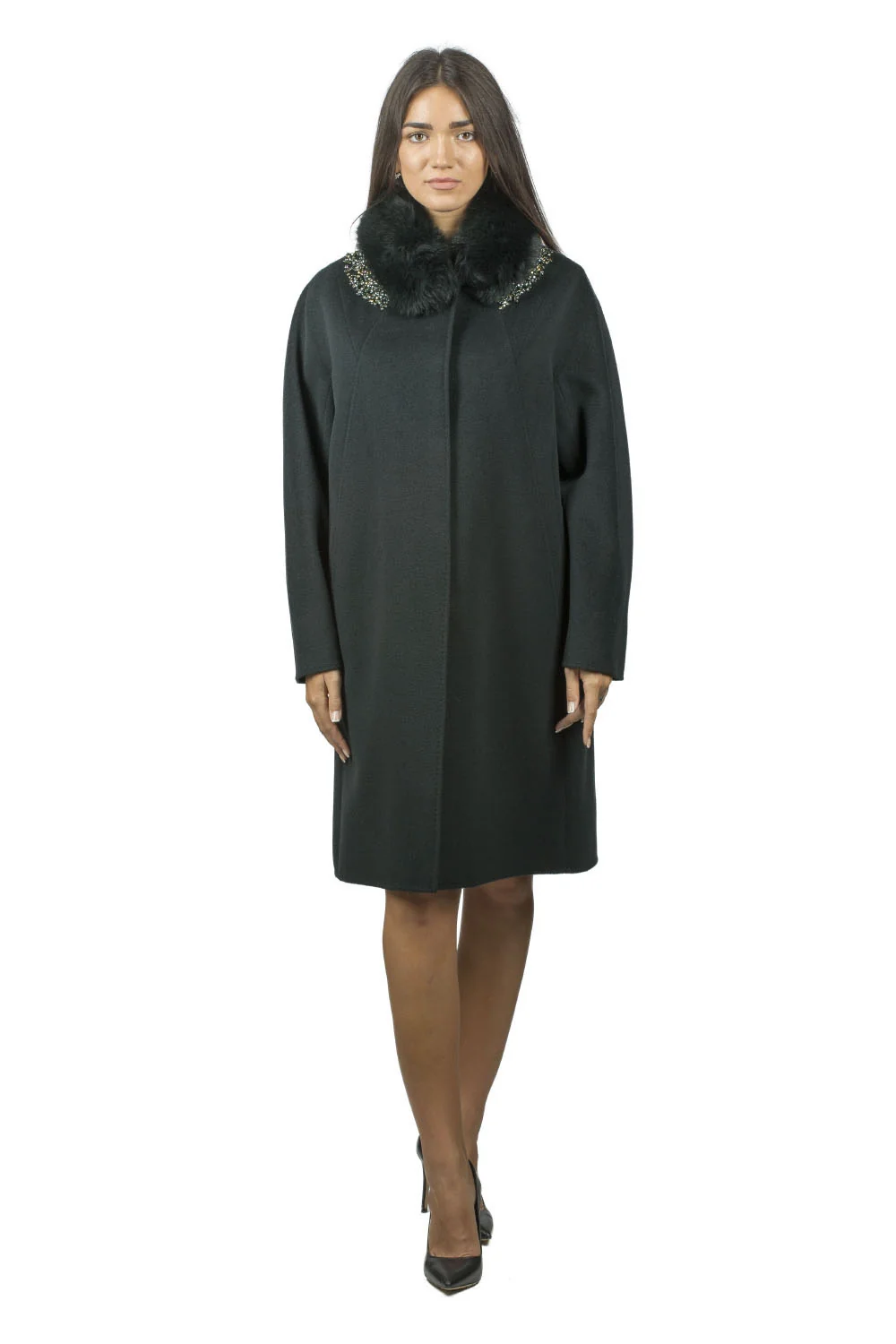
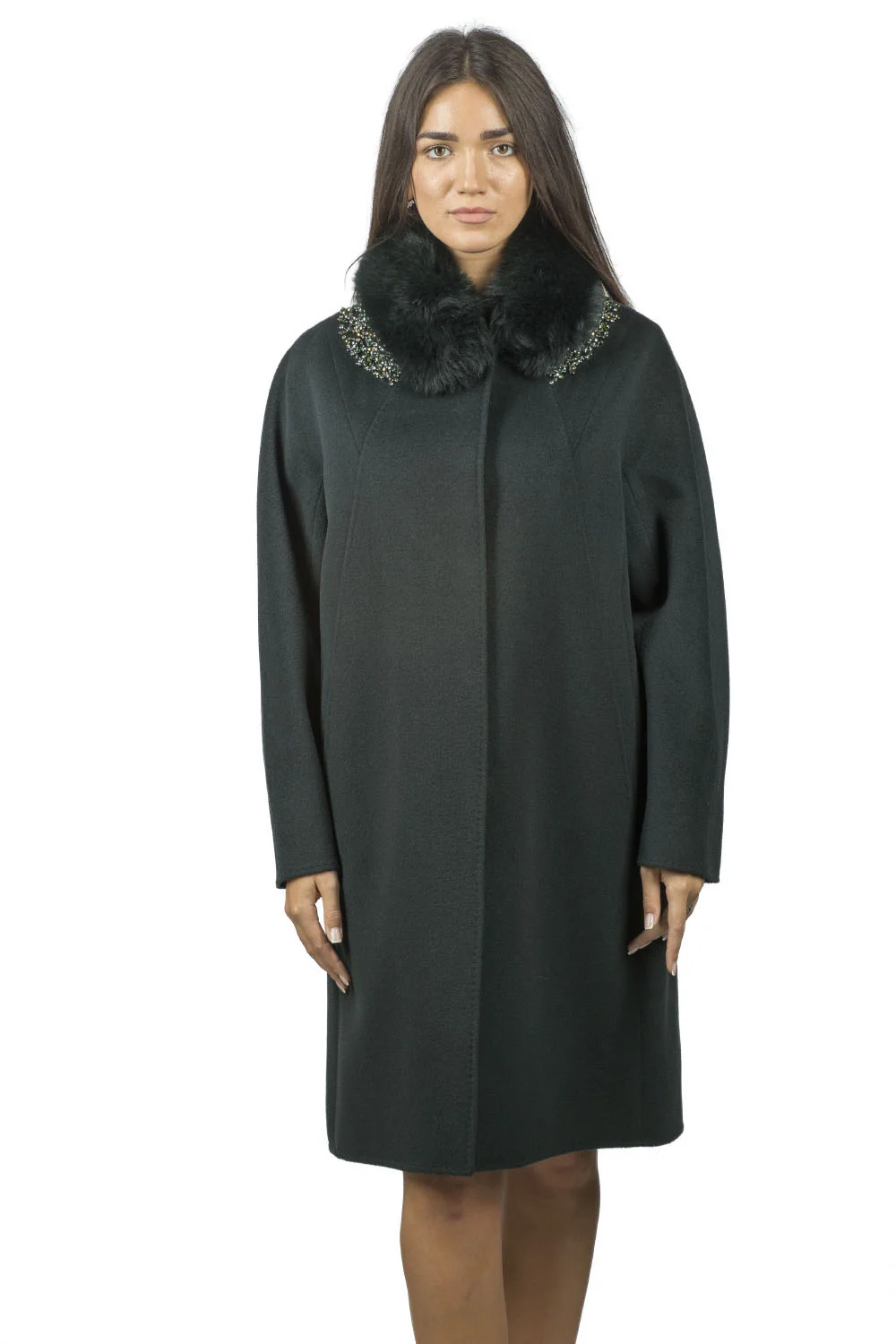
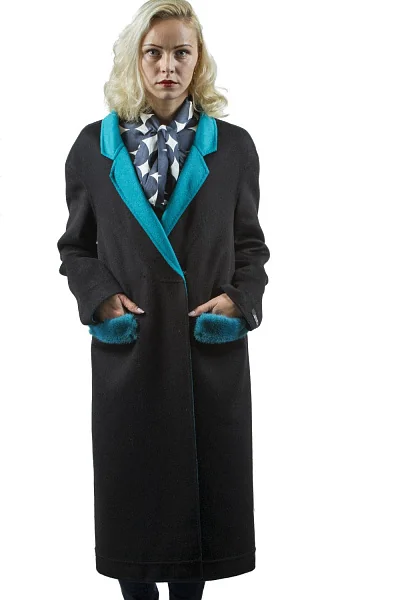
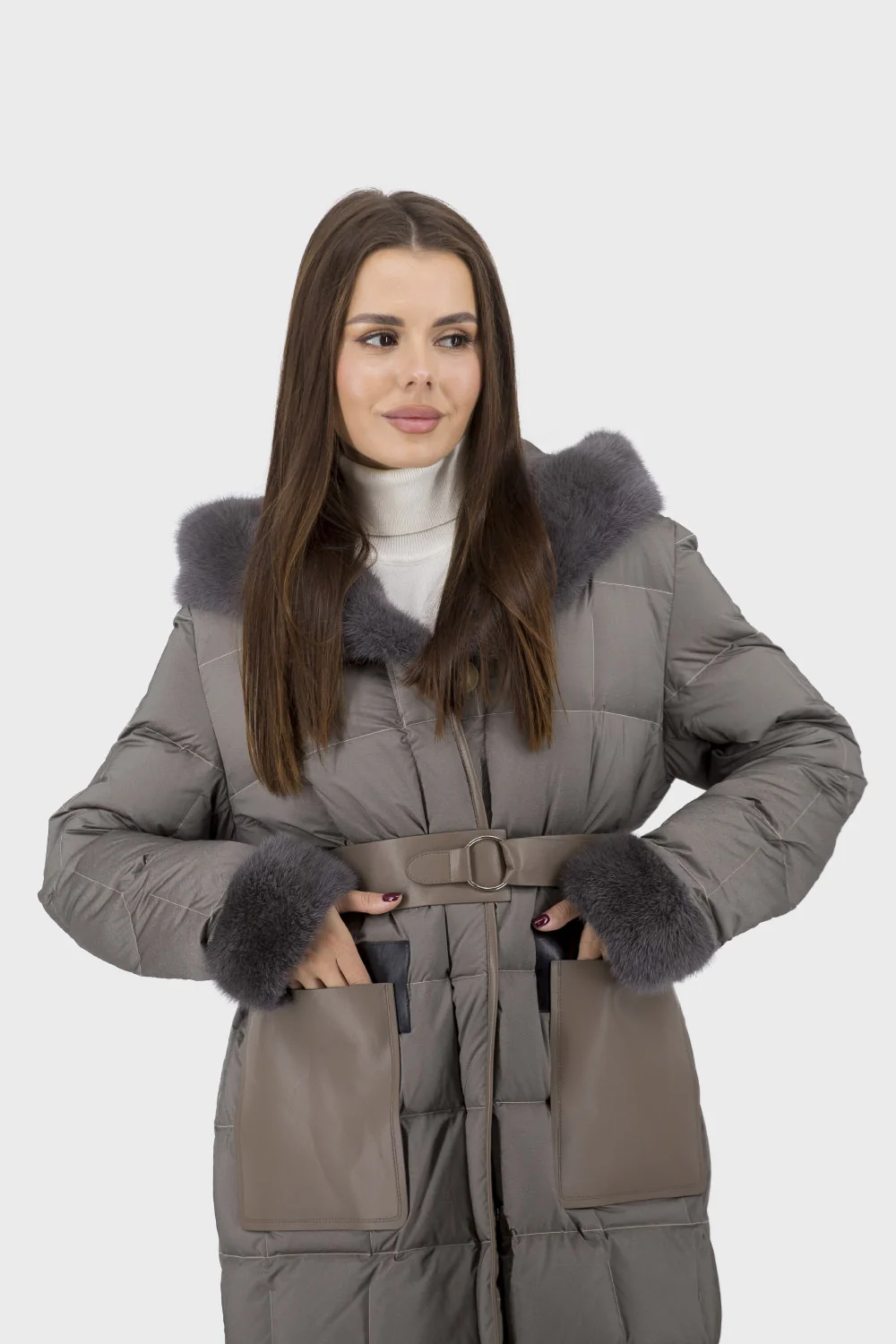
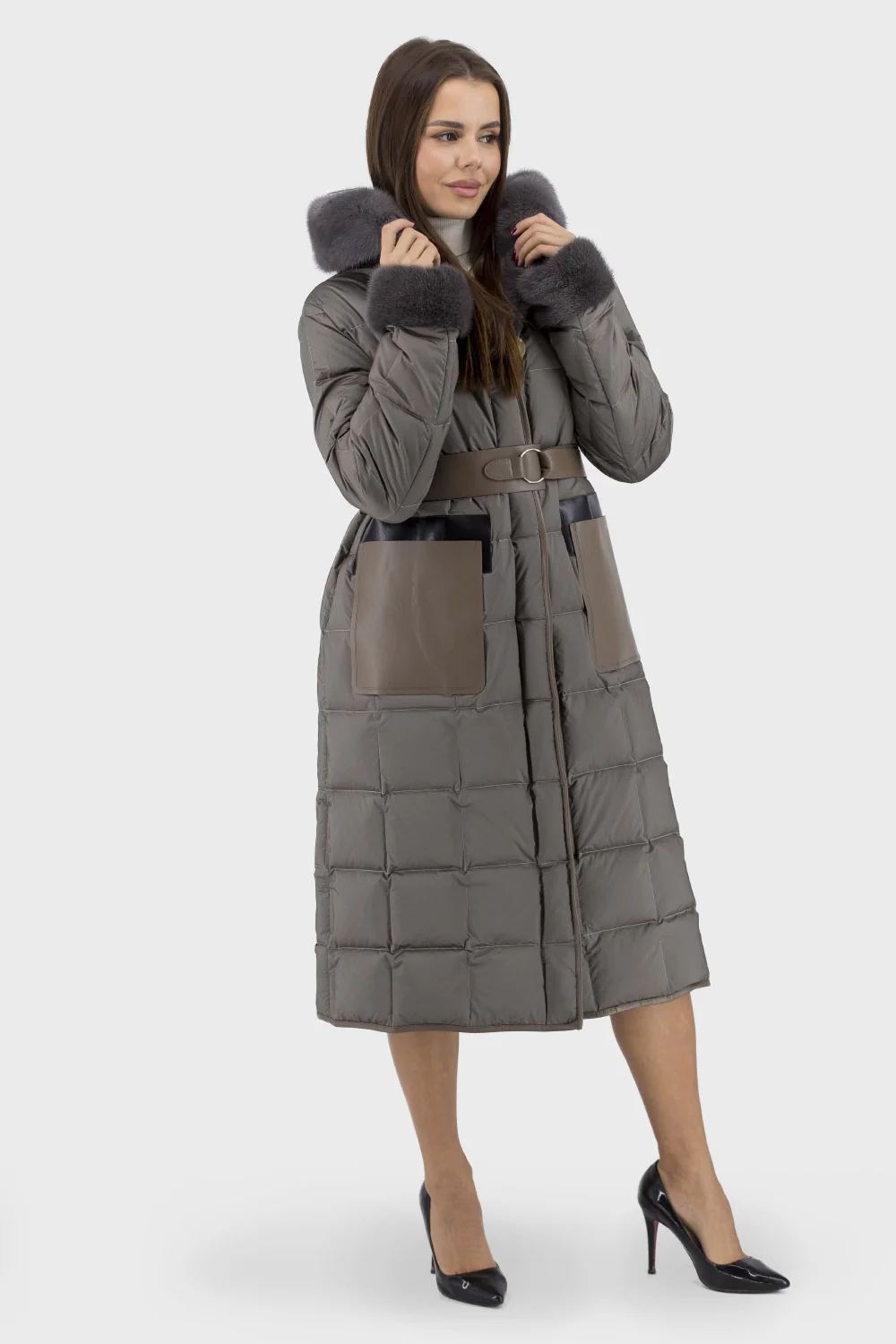
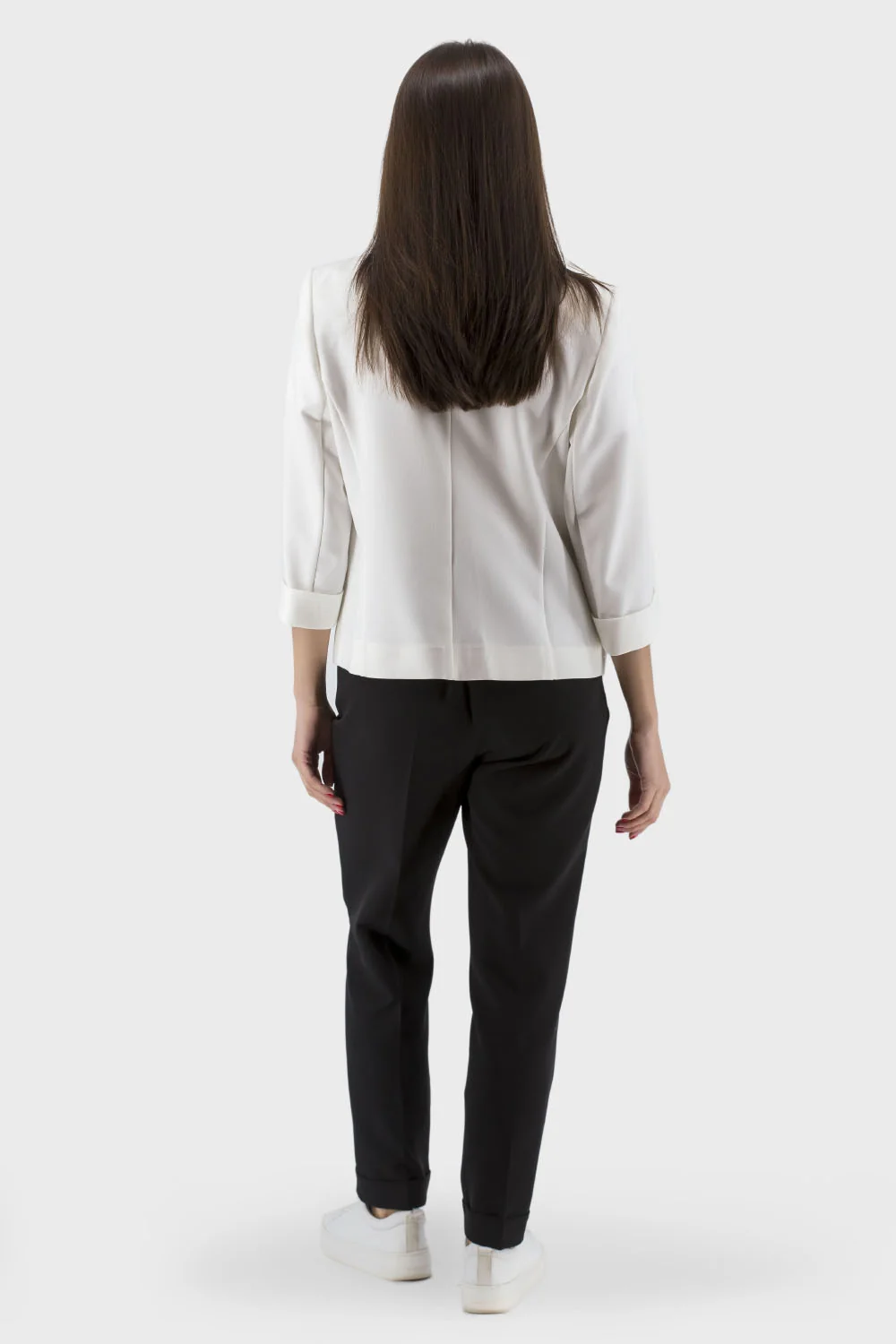
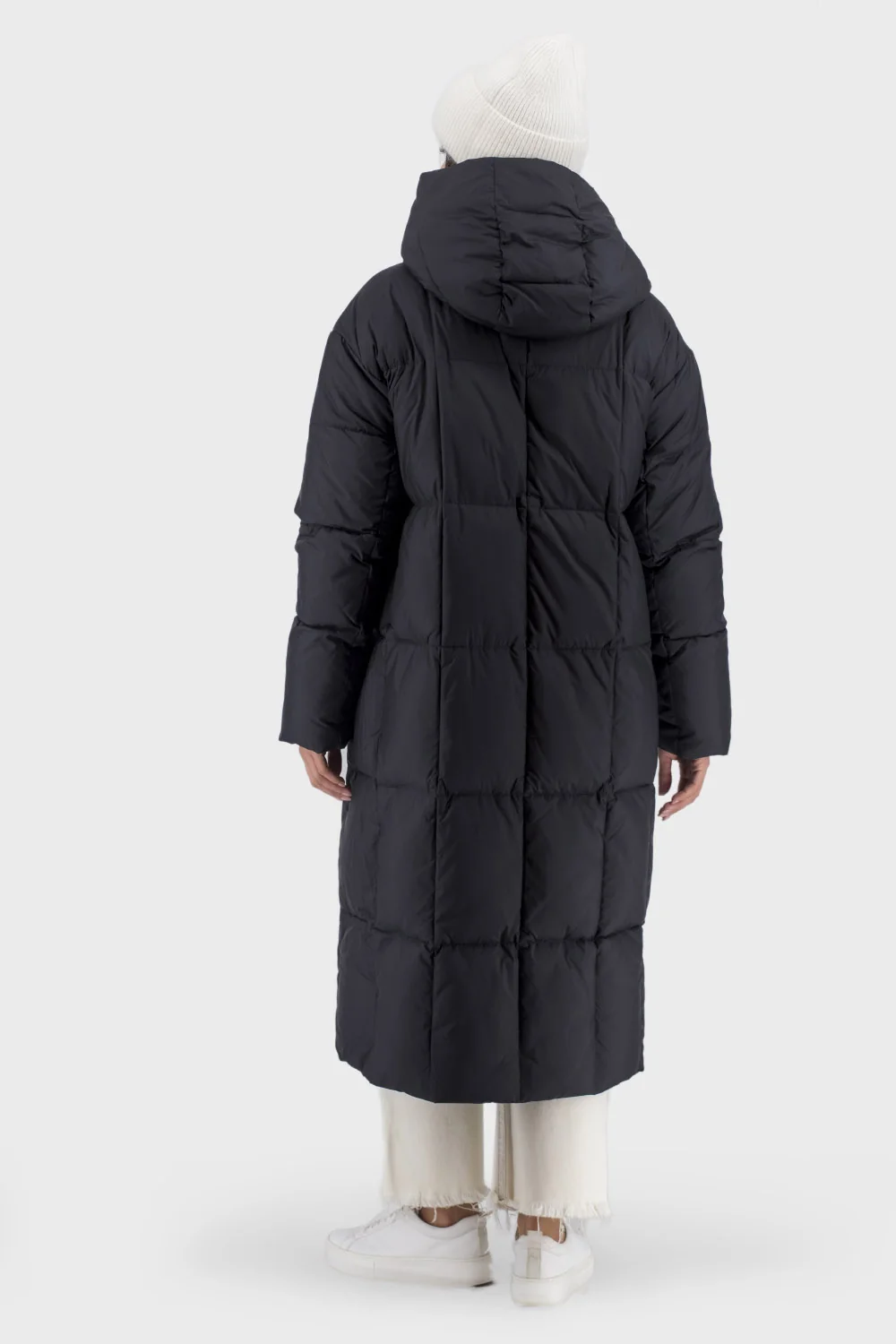
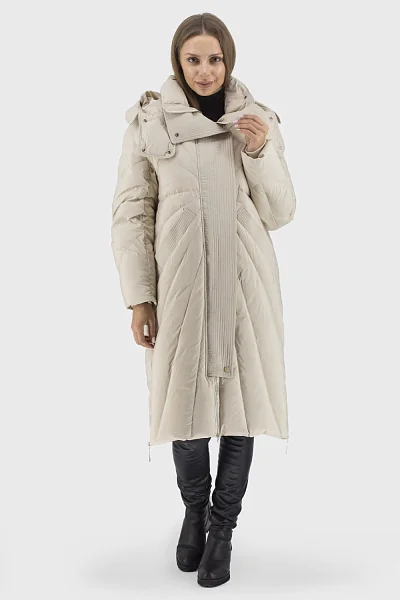
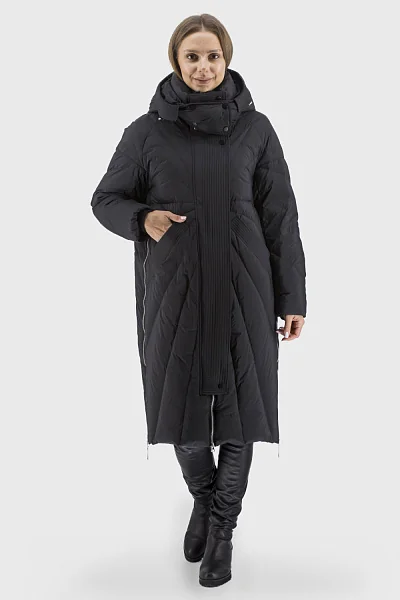
In colder weather, a trench coat can be replaced with a style from the women’s coat collection while keeping the same wardrobe combinations.
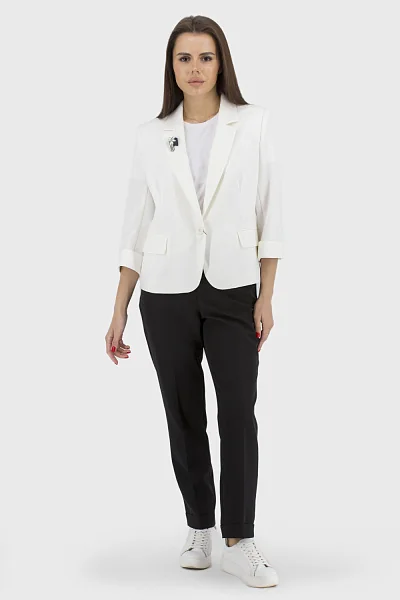
For work, wear a trench over a trouser suit, shirt, blazer or dress. The shoulders and sleeves should have enough room so that the layers underneath do not become distorted.
A structured bag and classic shoes create a more formal look, while trainers and a soft shopper make it more casual.

Choosing the correct size
Try the coat on with the layer you expect to wear underneath most often. The sleeves should allow movement and the back should not pull when you raise your arms.
For early spring and late autumn, leave enough room for a knit or blazer.
Useful details
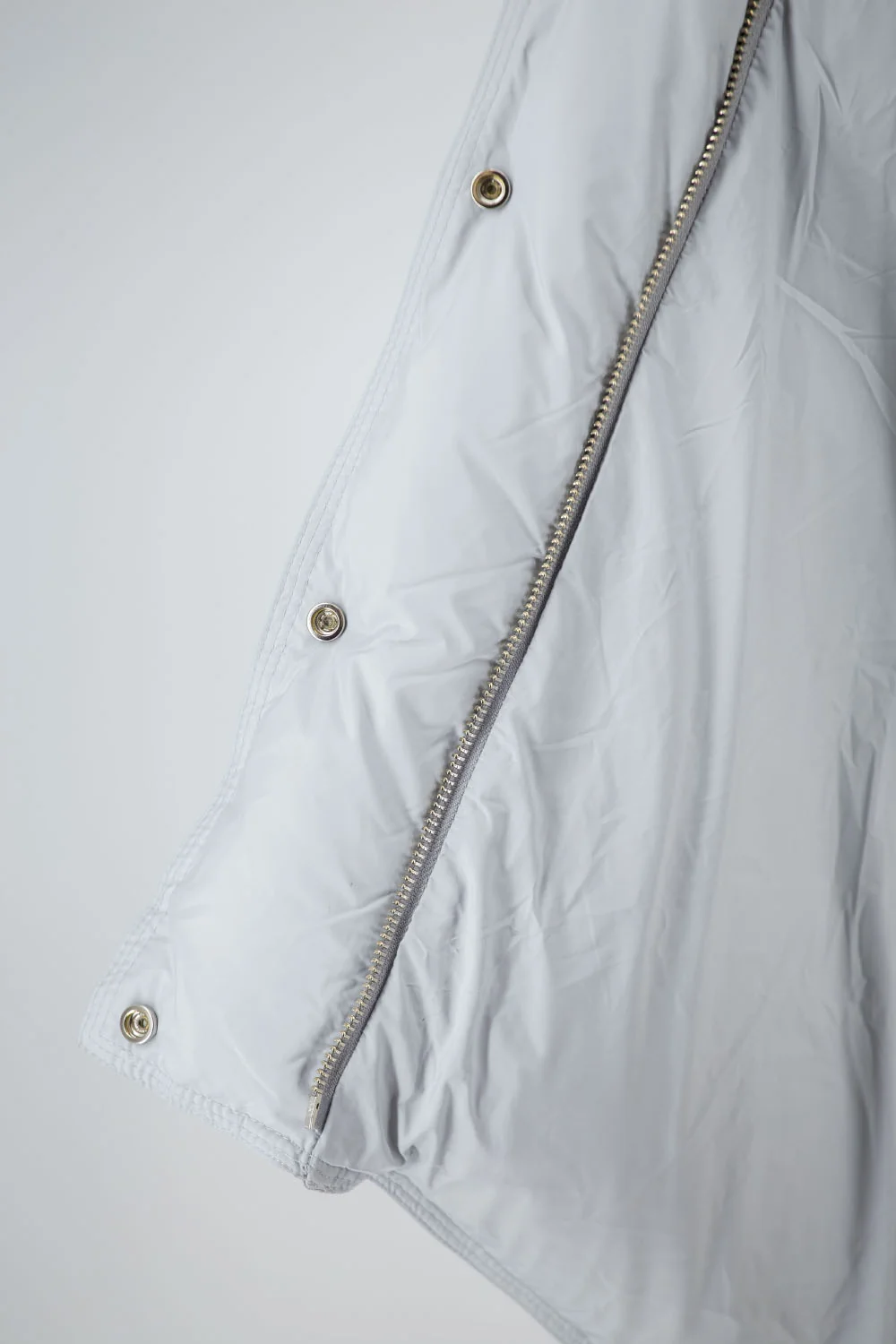
- practical pockets;
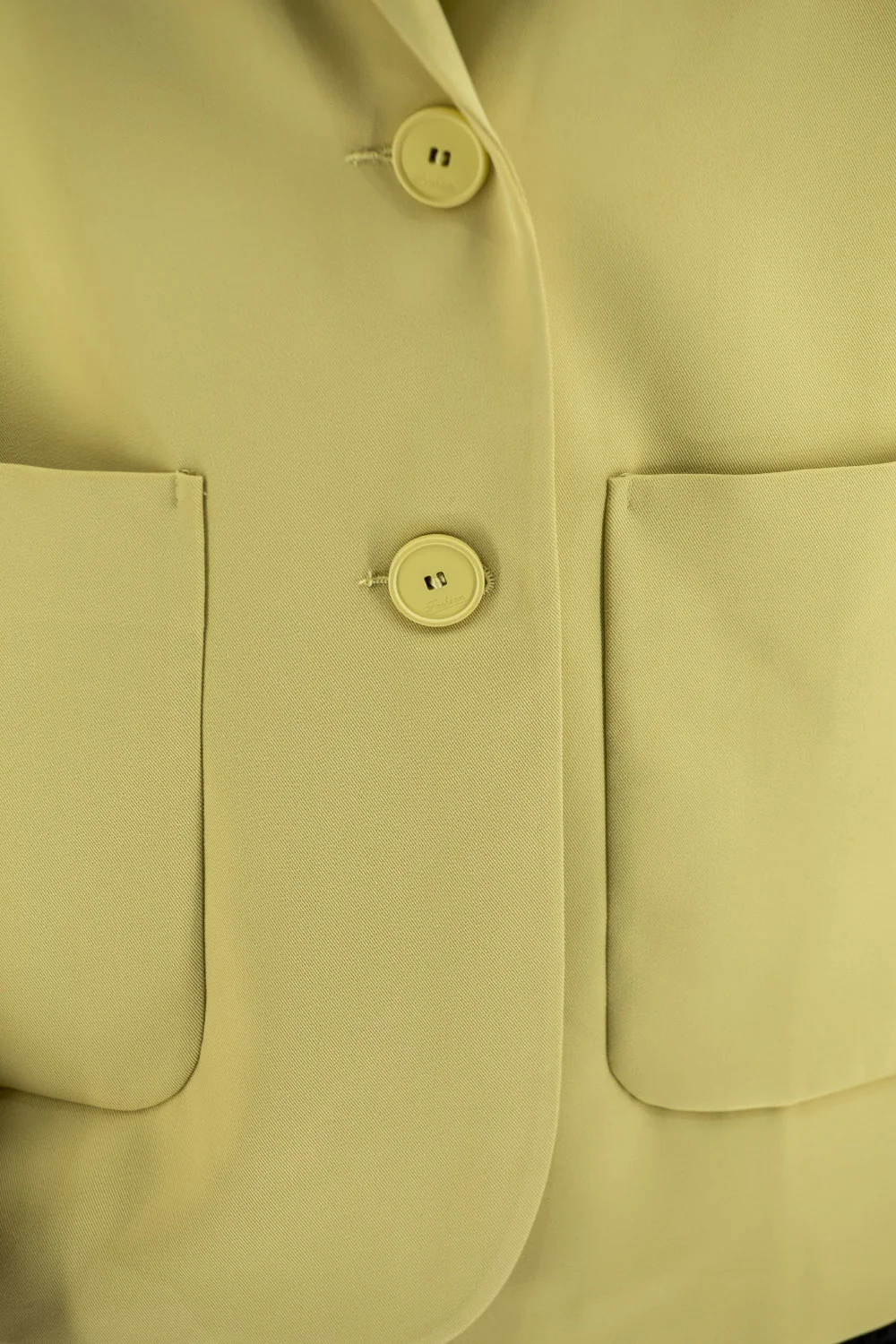
- a secure fastening;
- adjustable cuffs;
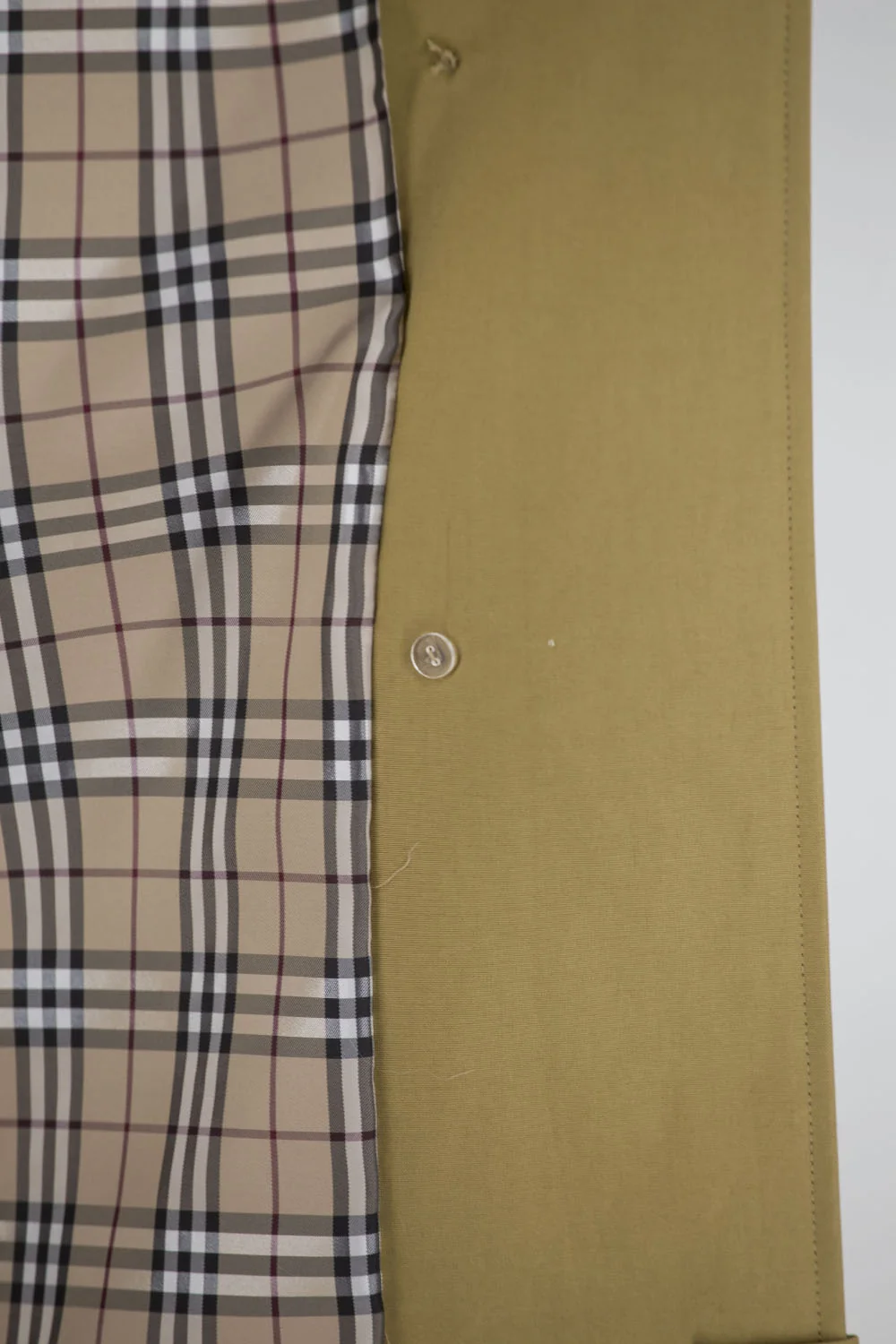
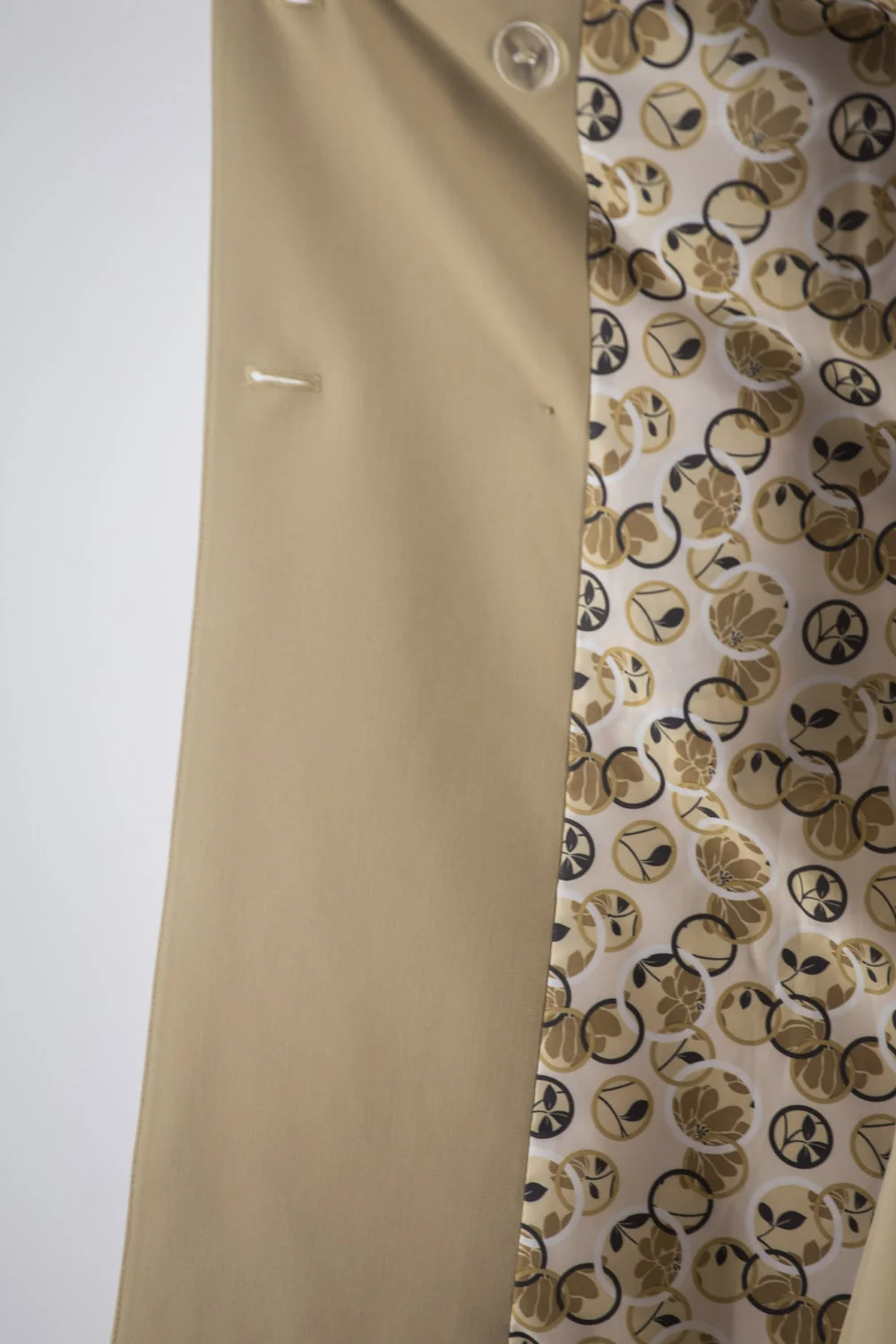
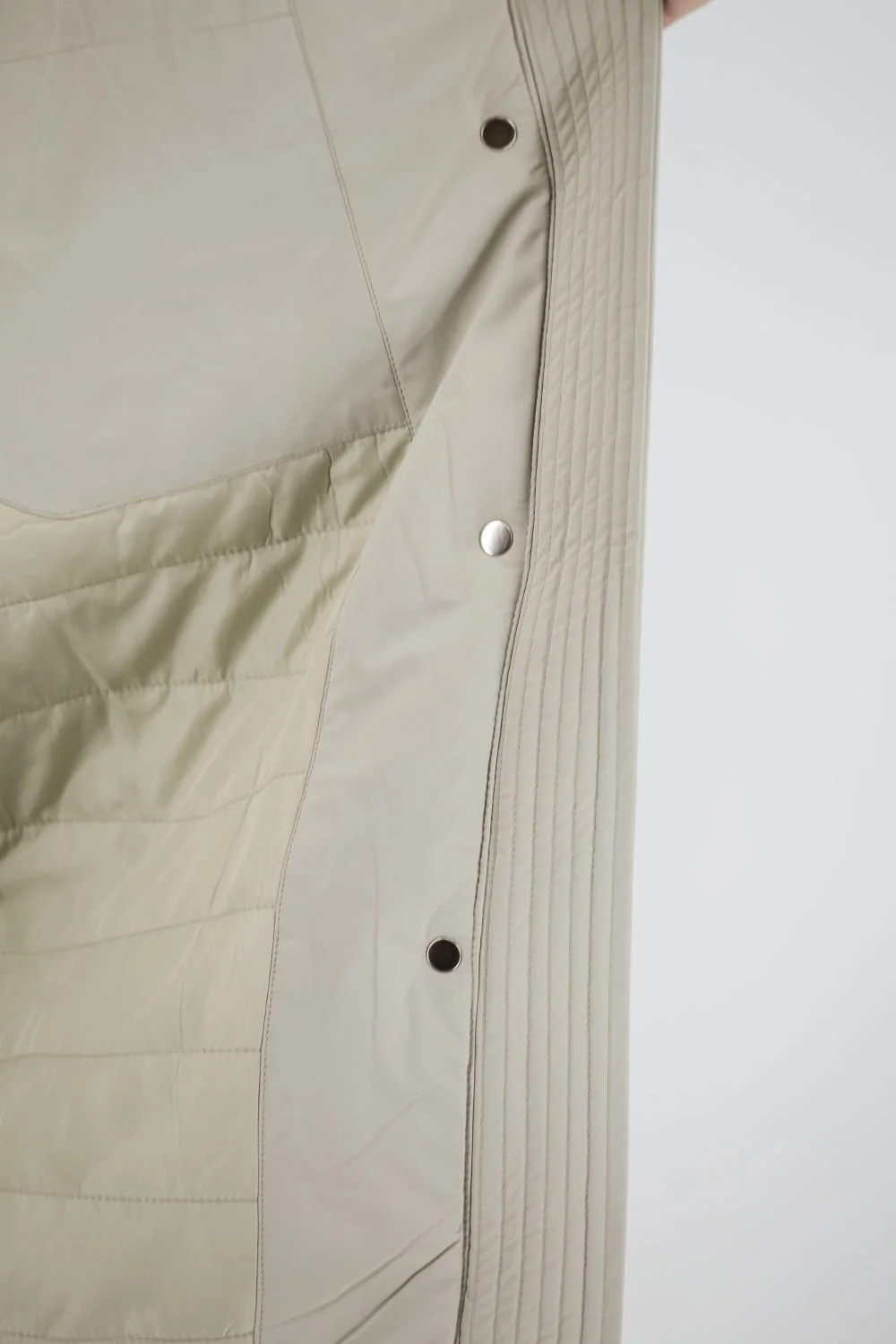
- a lining for cooler weather;
- a hood or high collar;
- a belt that keeps its shape.
Care
Always follow the care label. After rain, hang the coat on a broad hanger and let it dry naturally. Avoid radiators and very hot air.
The main consideration
A good raincoat should allow movement, suit your climate and combine with most of your wardrobe. A well-chosen model will remain useful beyond a single season.
Explore the women’s raincoat and trench coat collection from Bella Bicchi with free delivery across Ukraine.