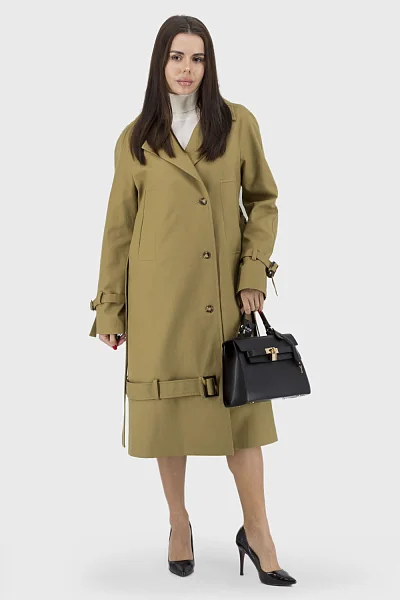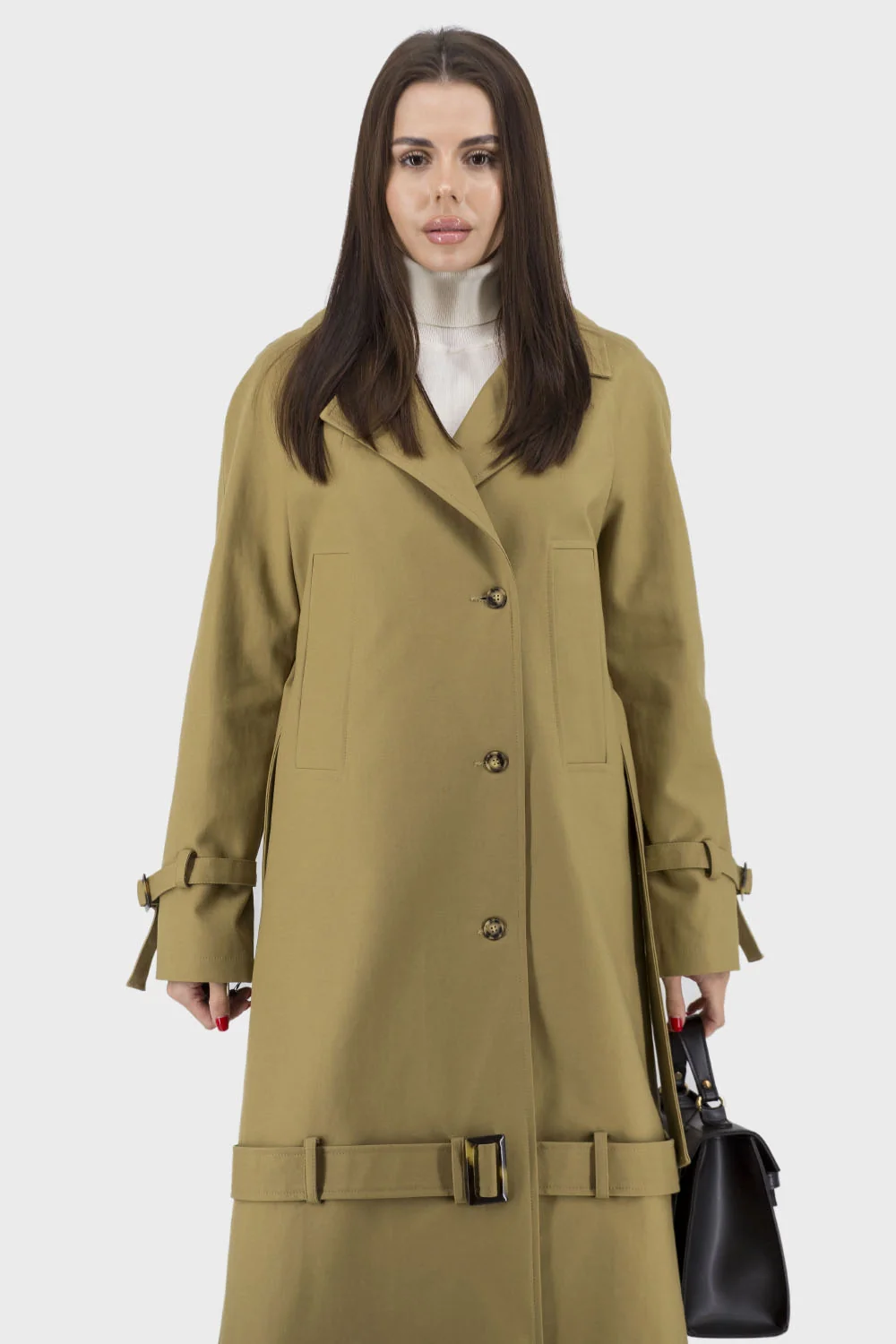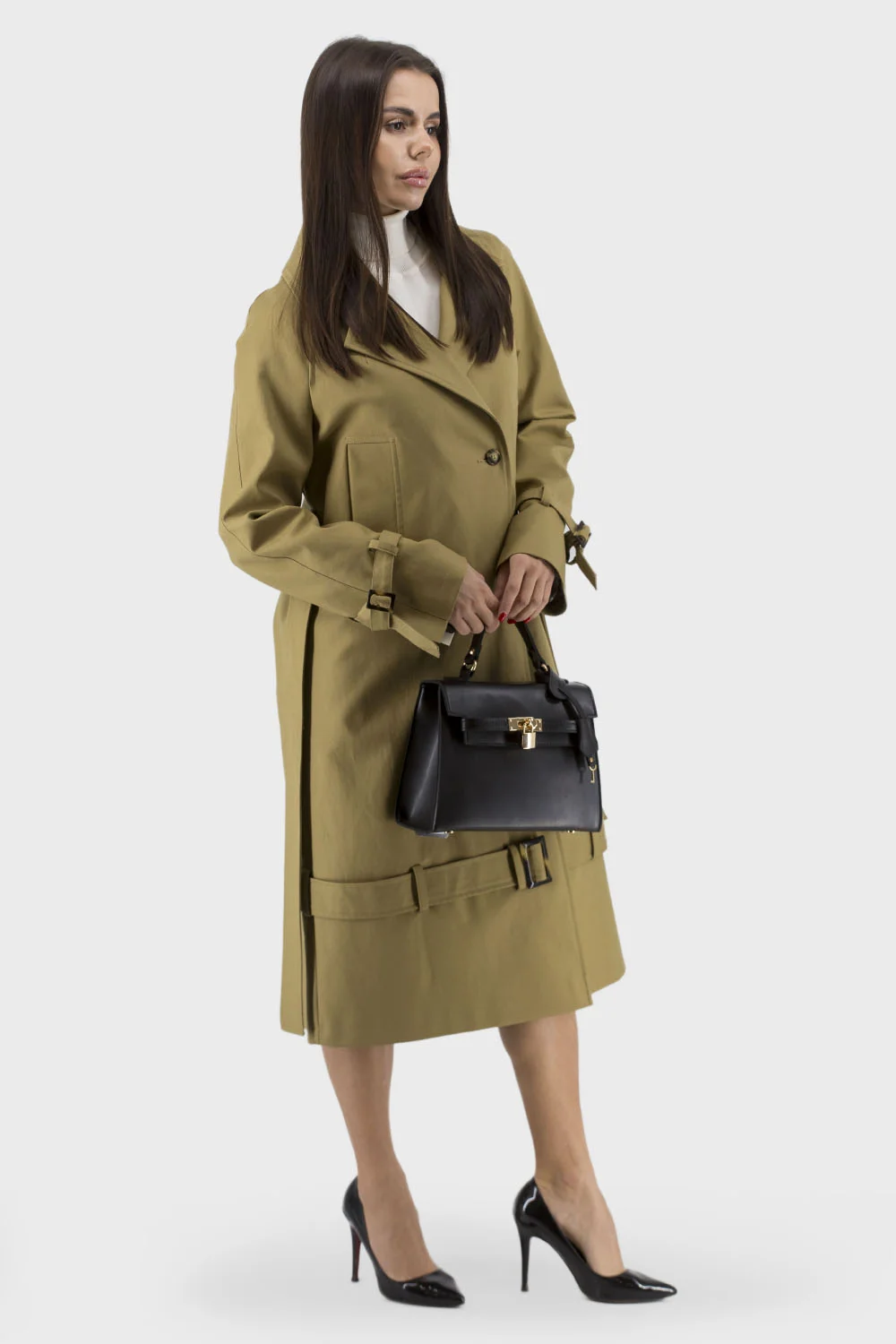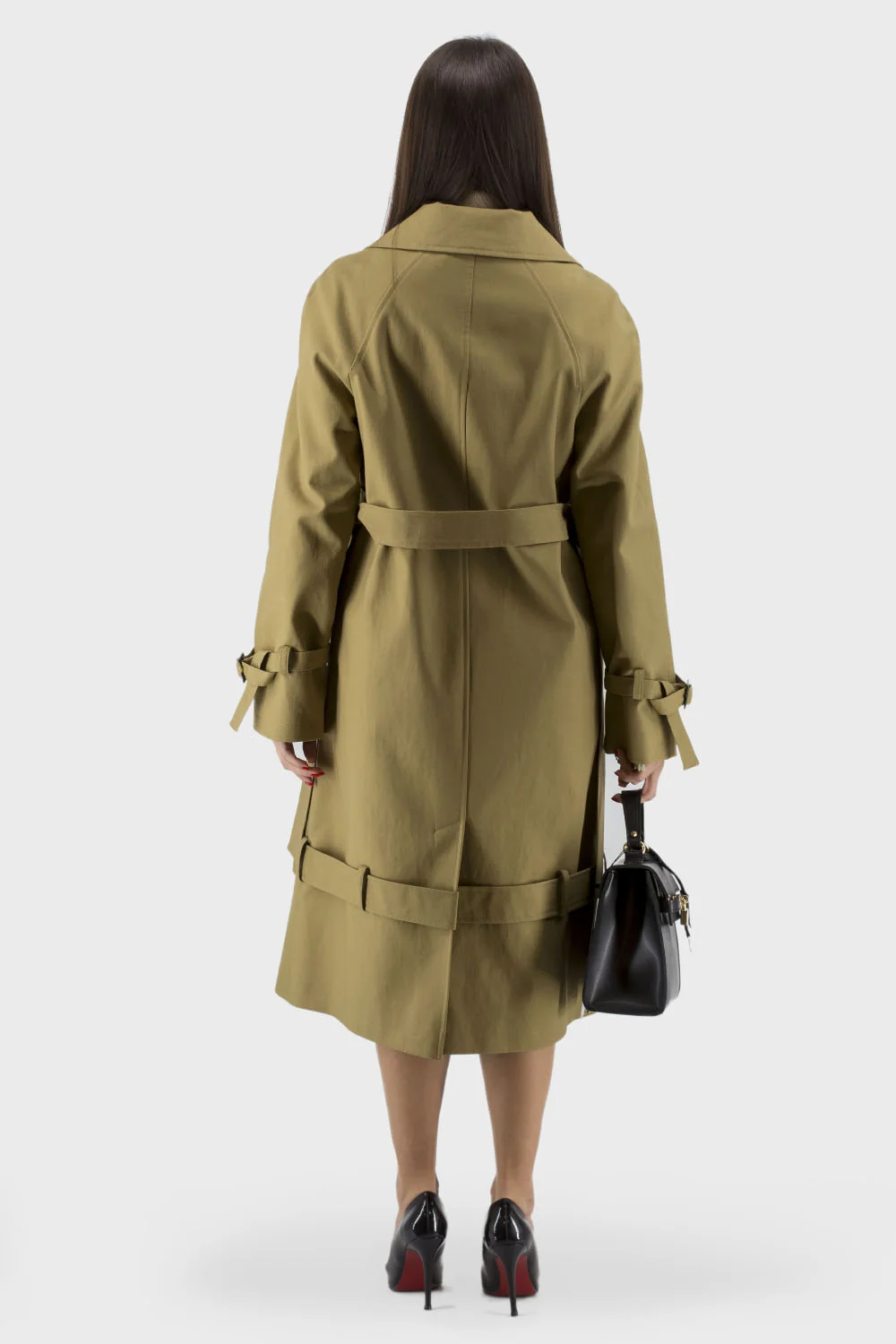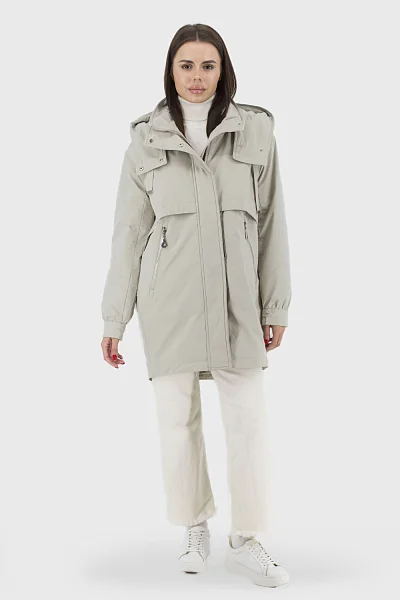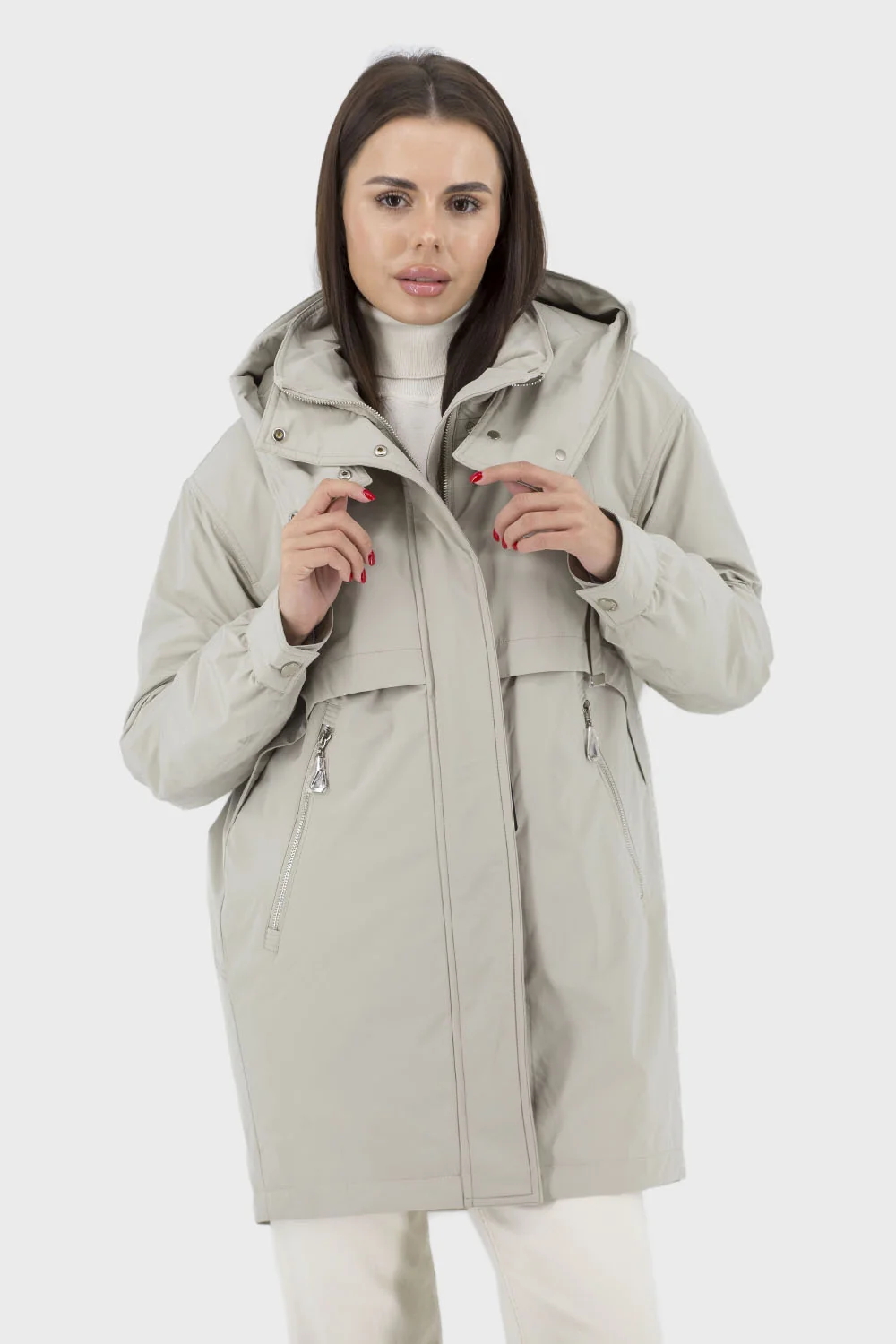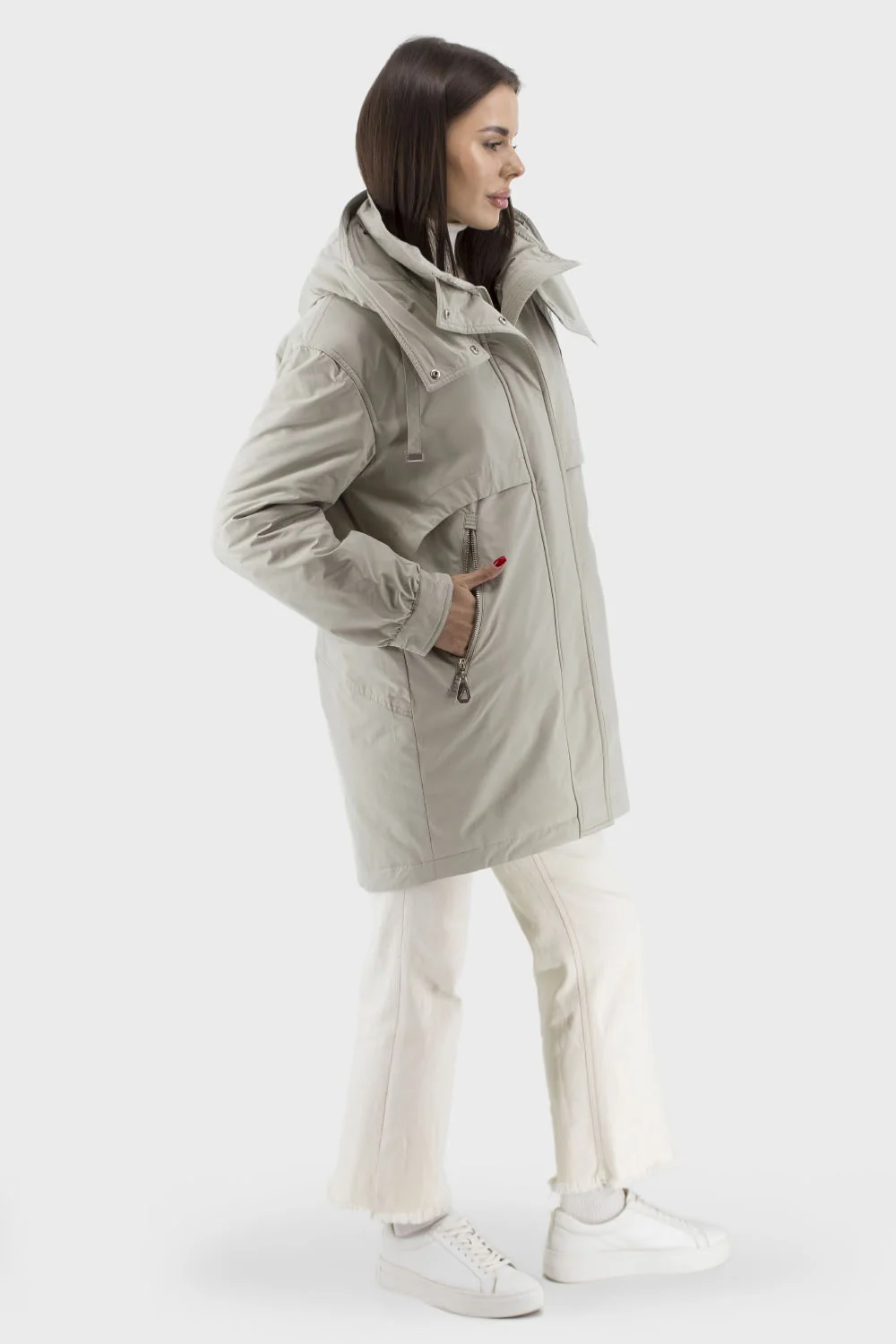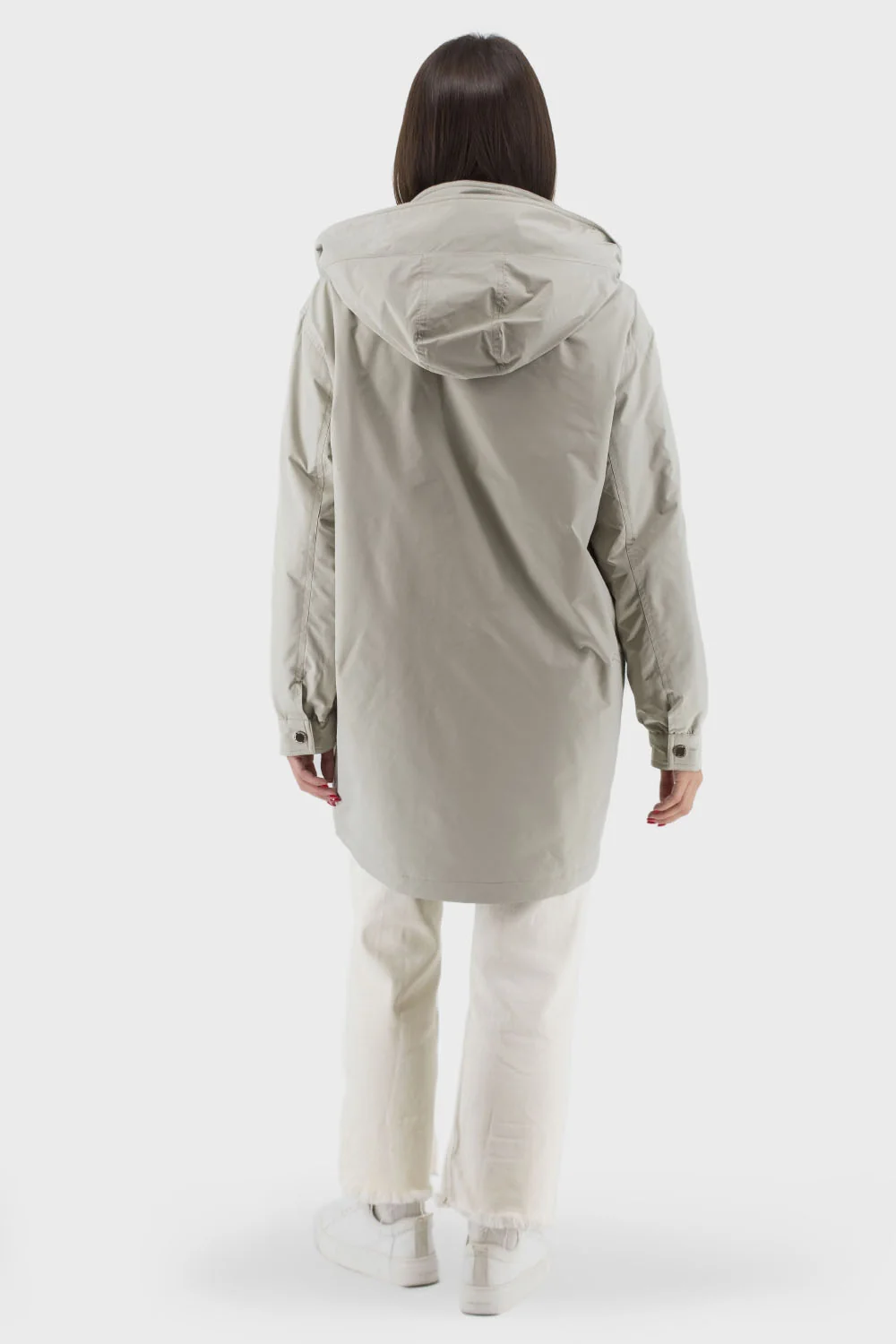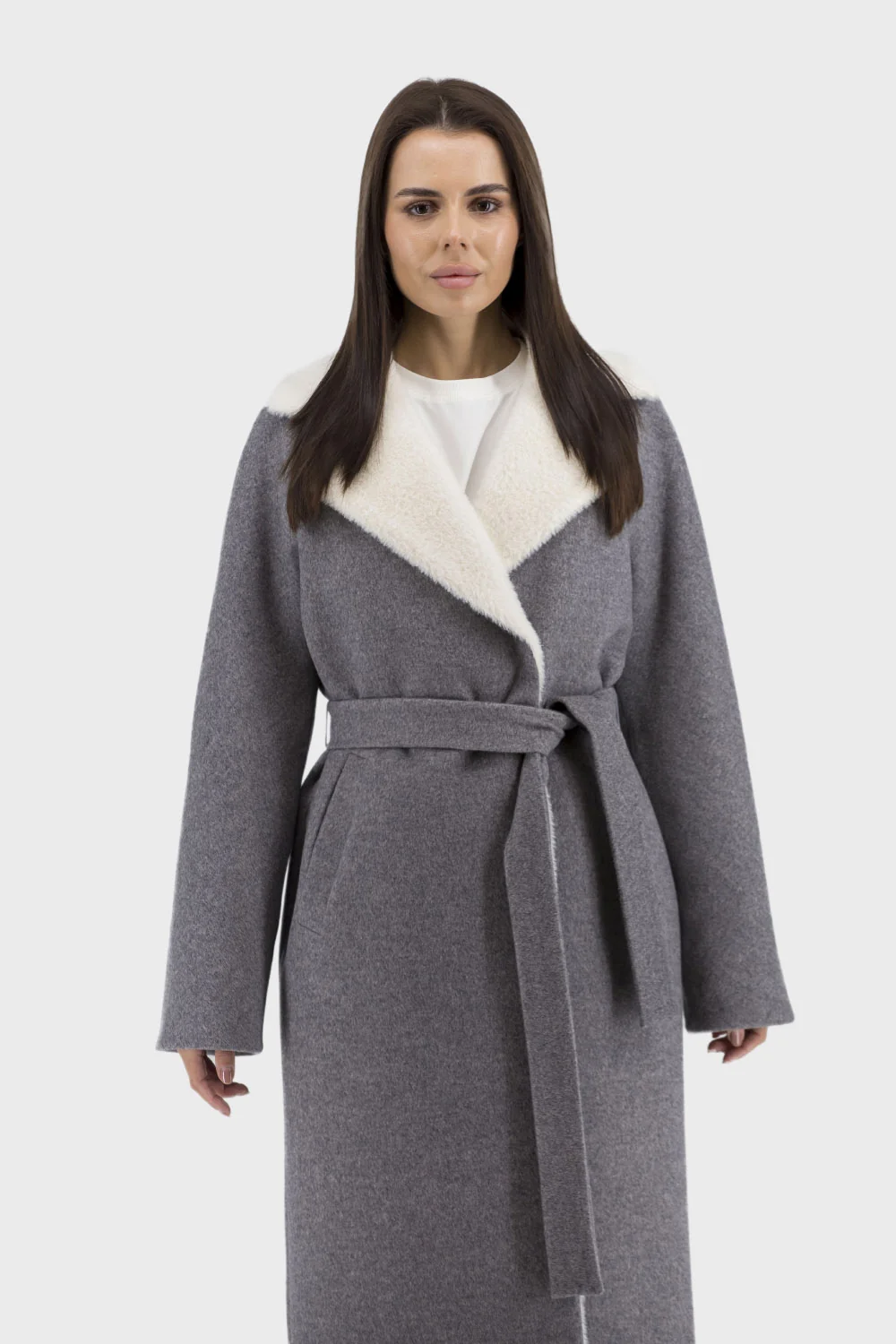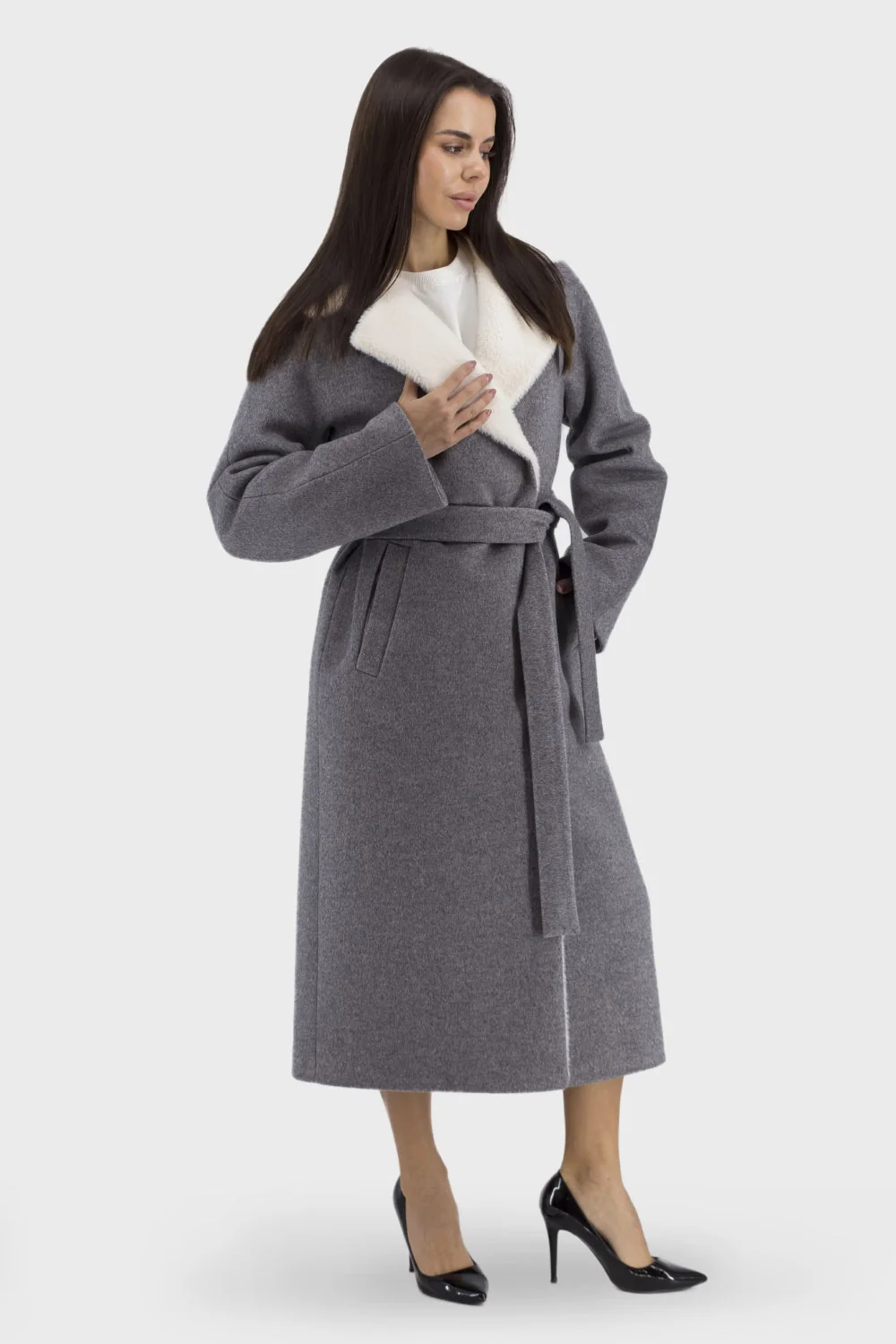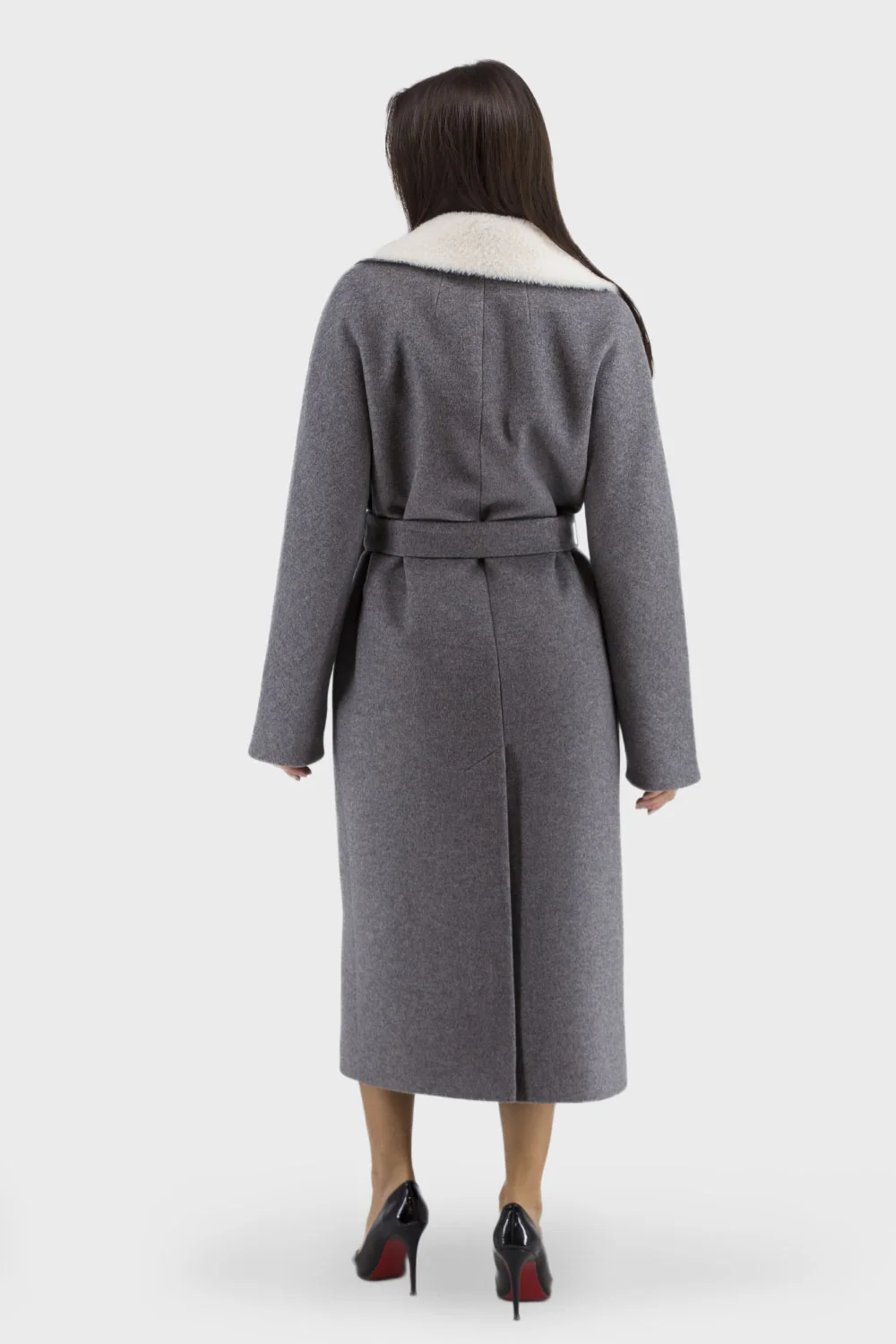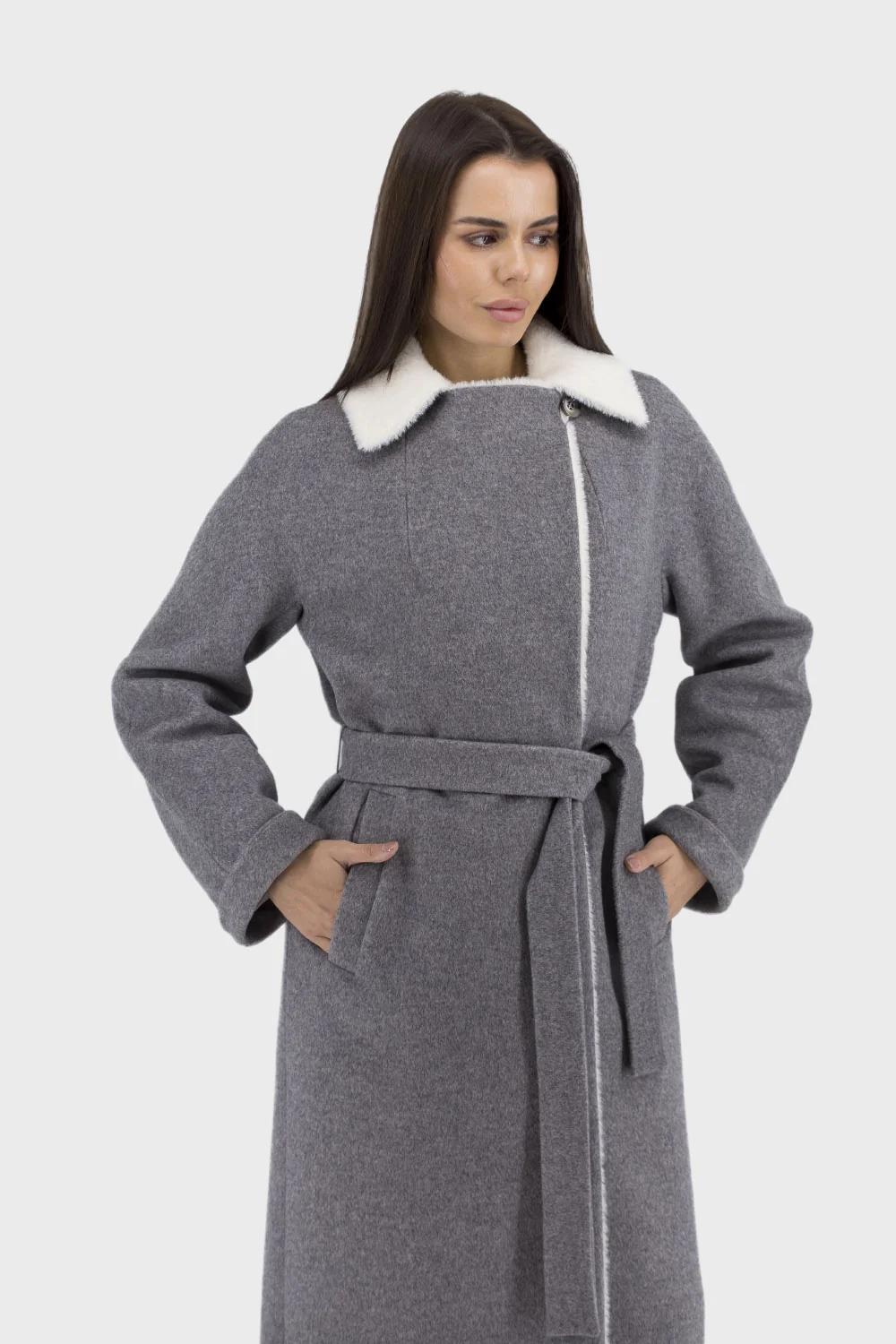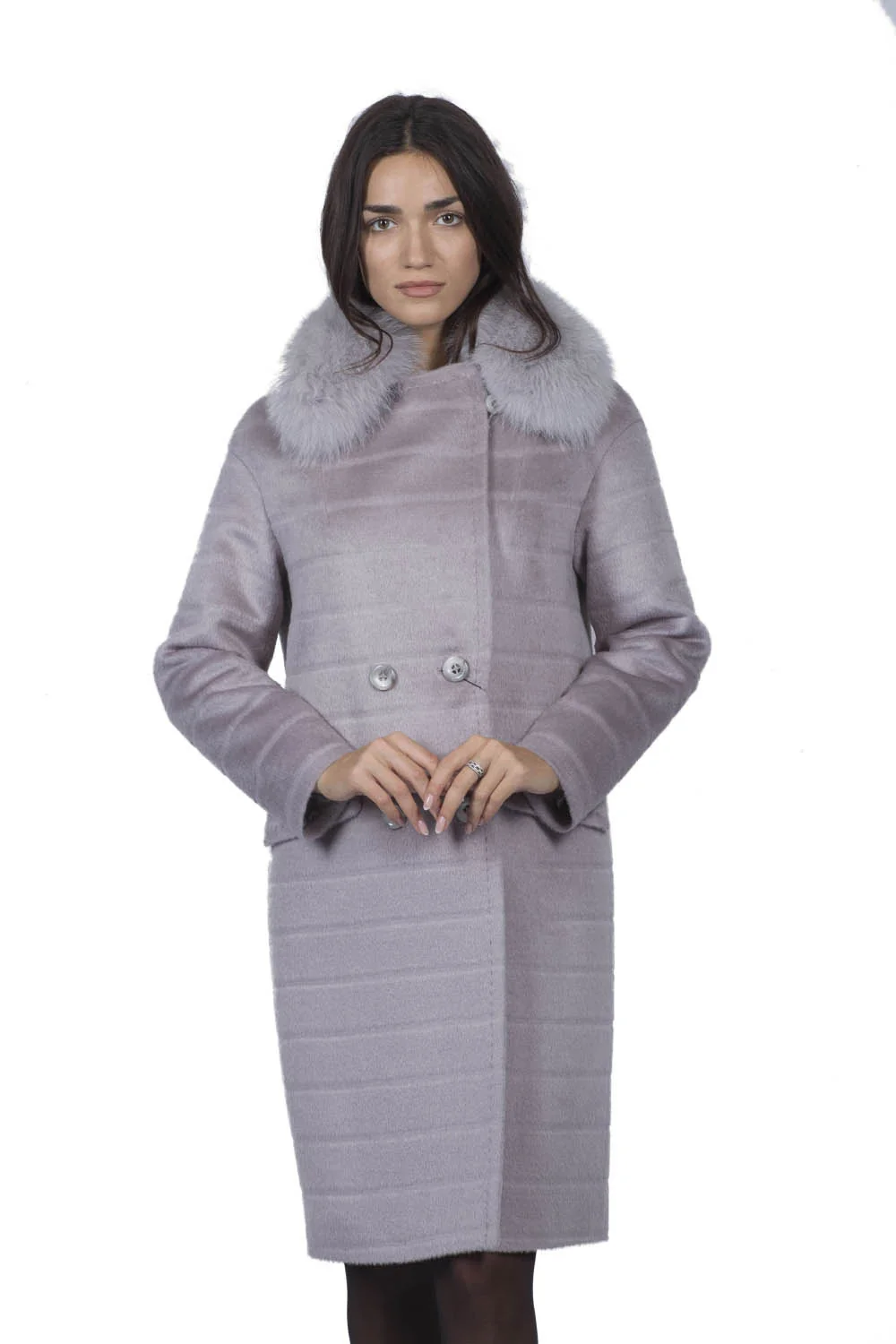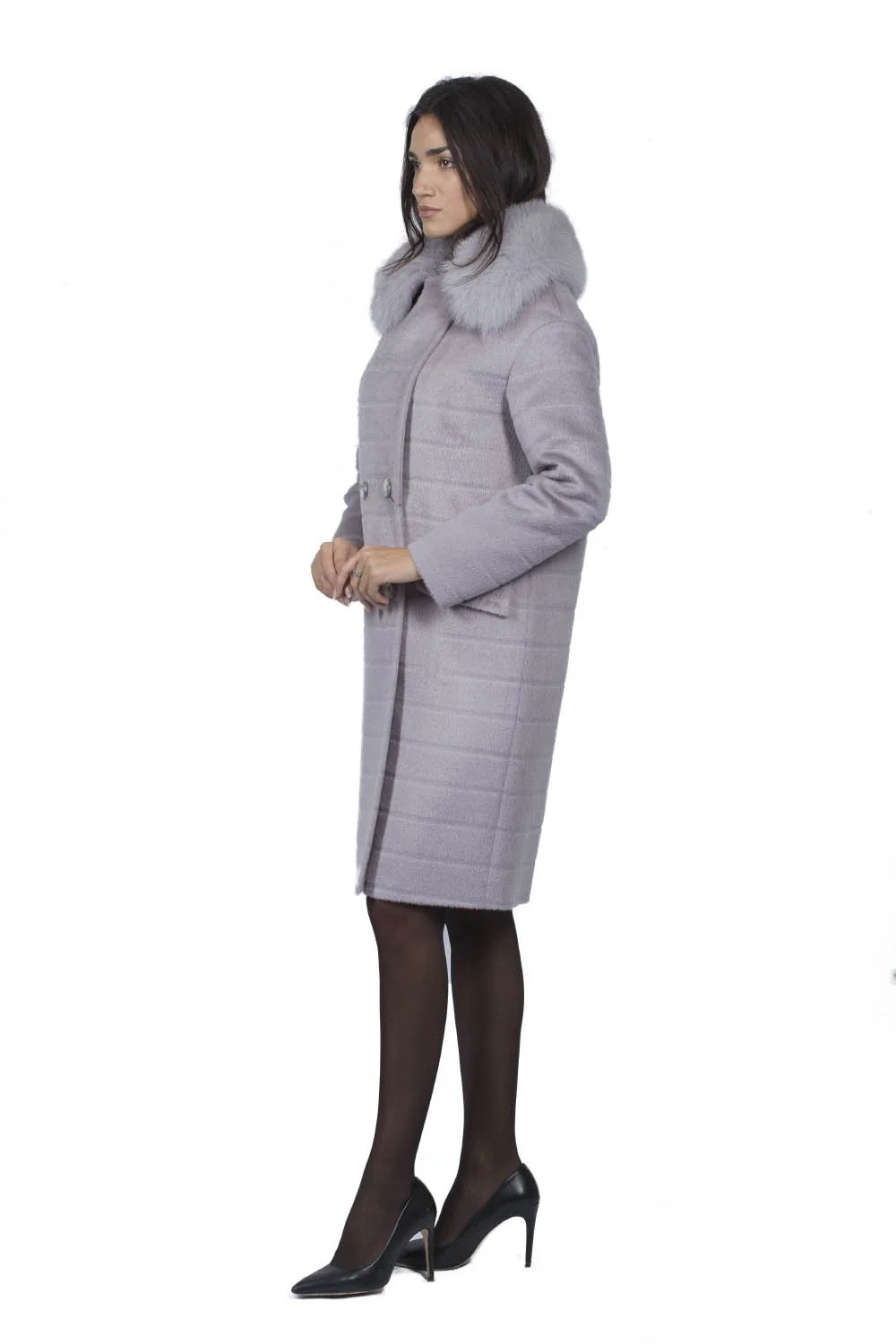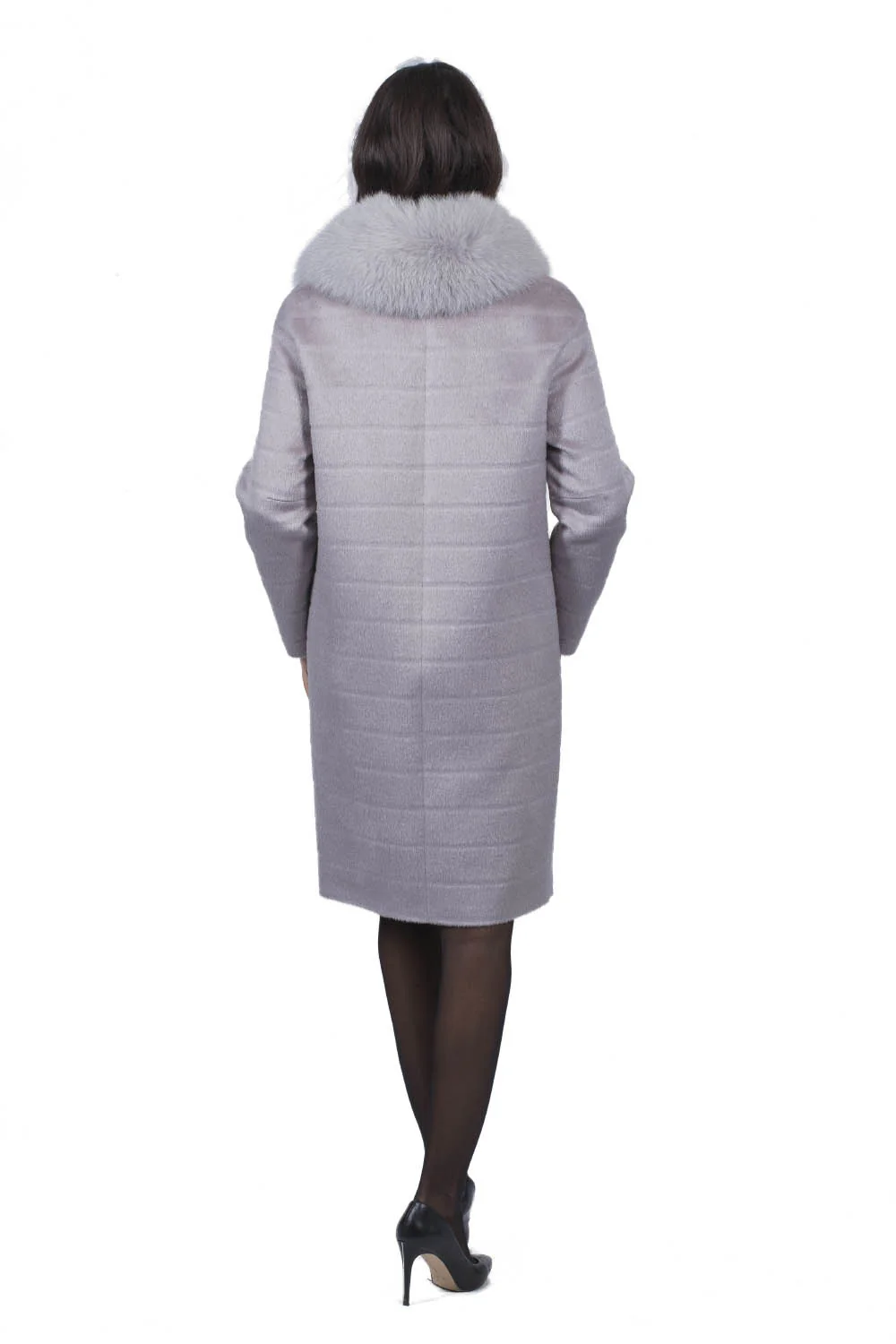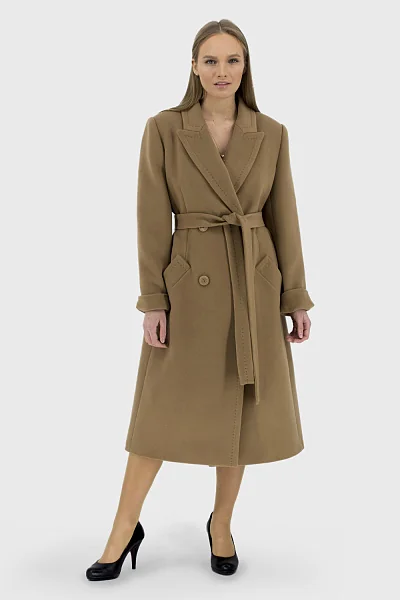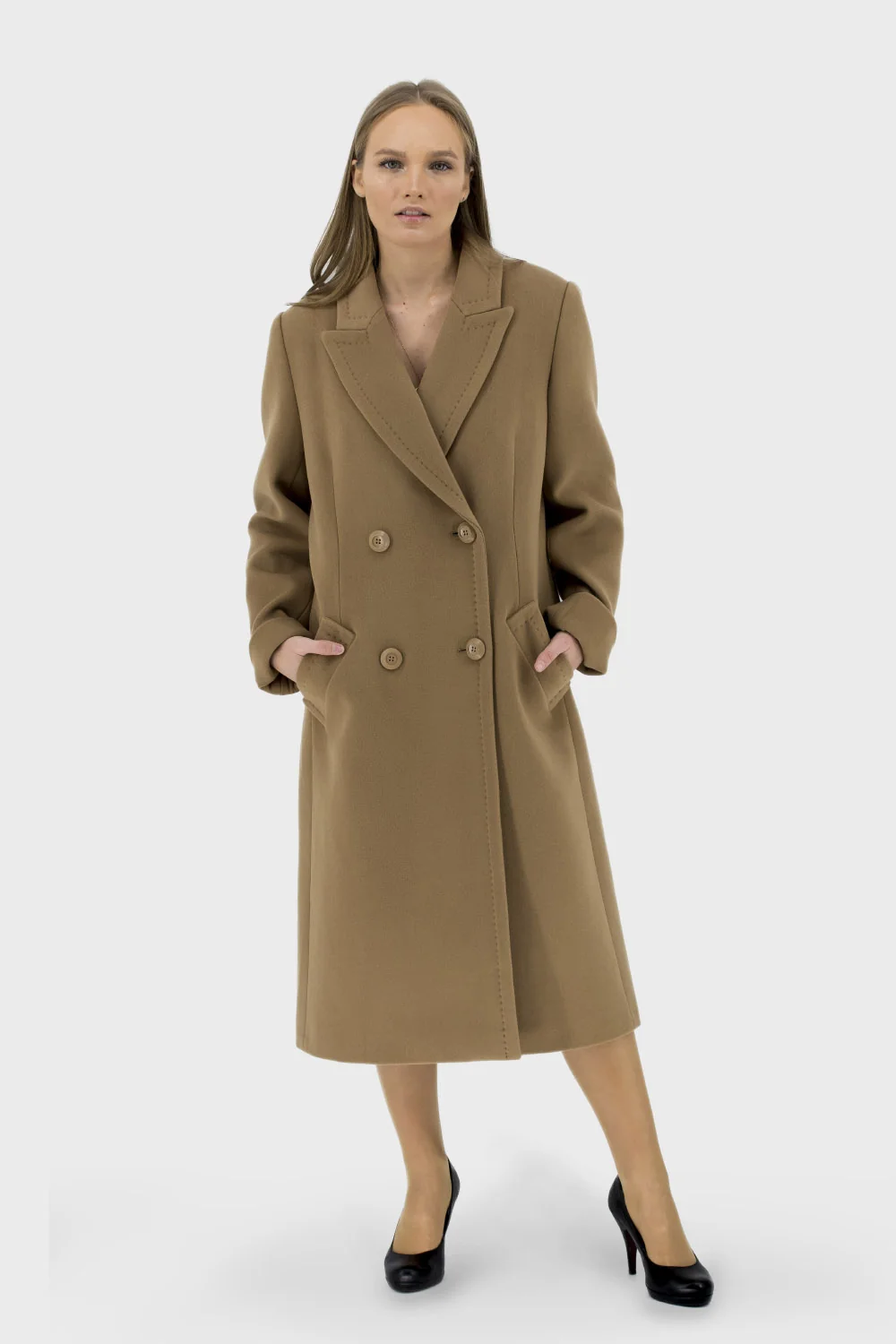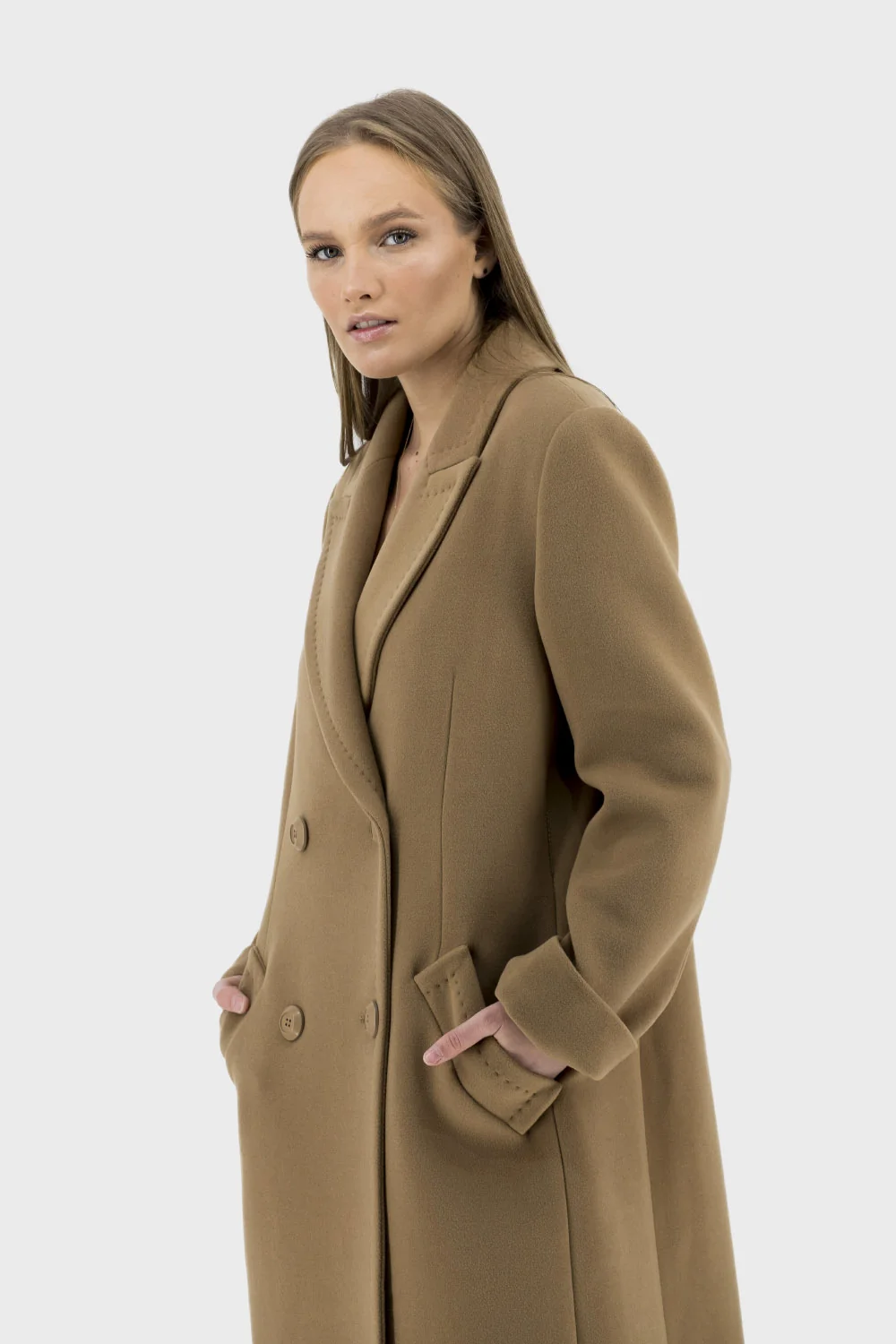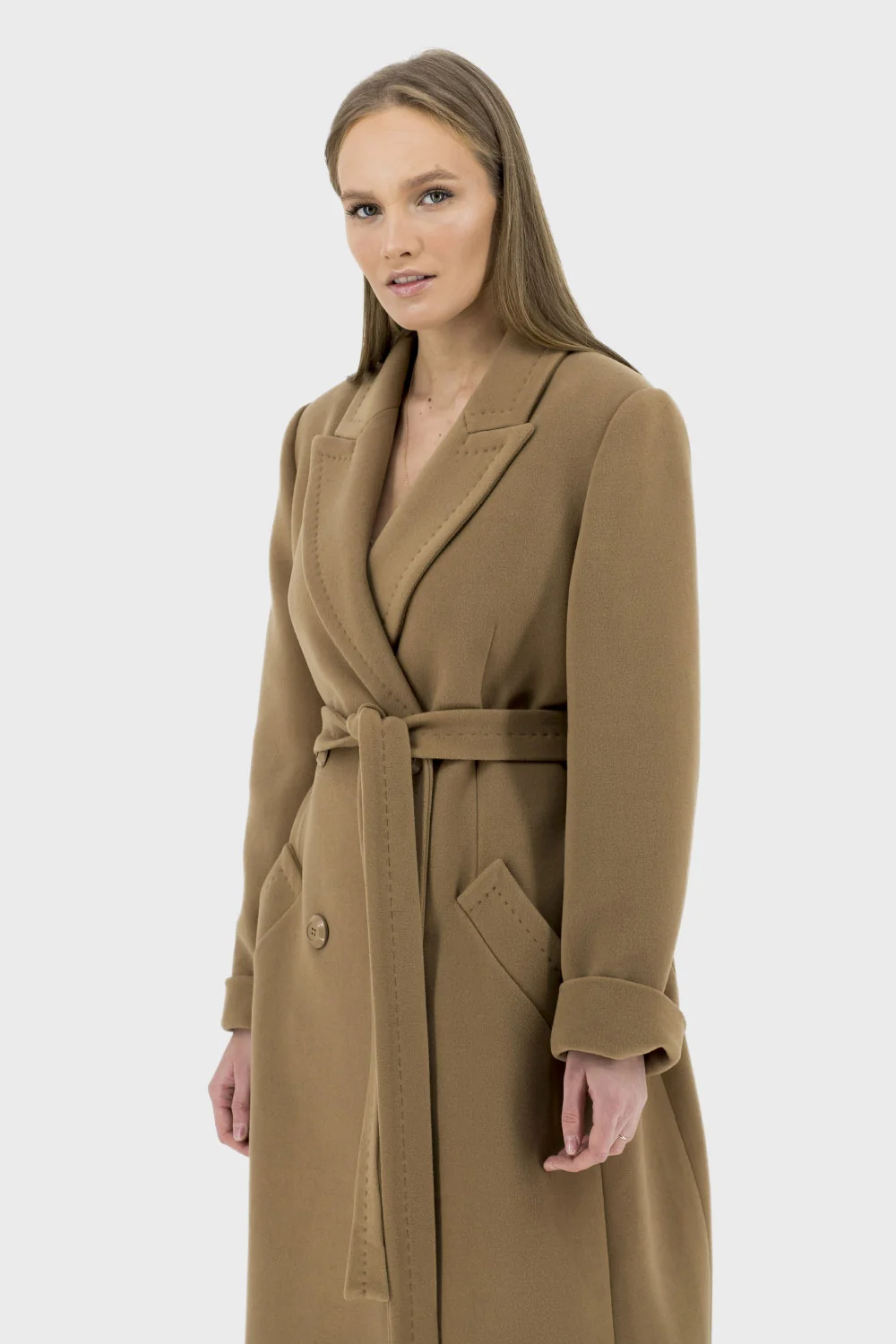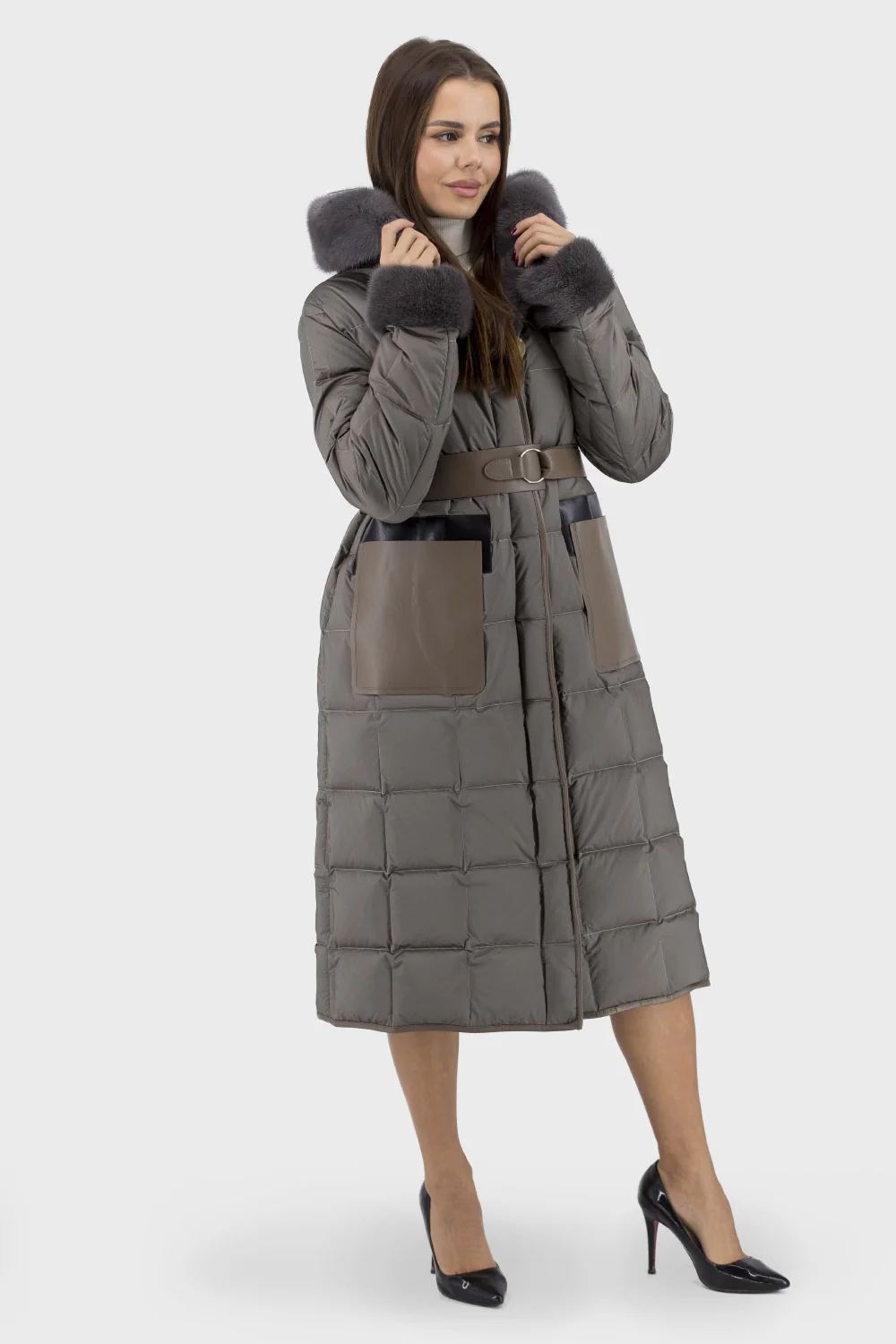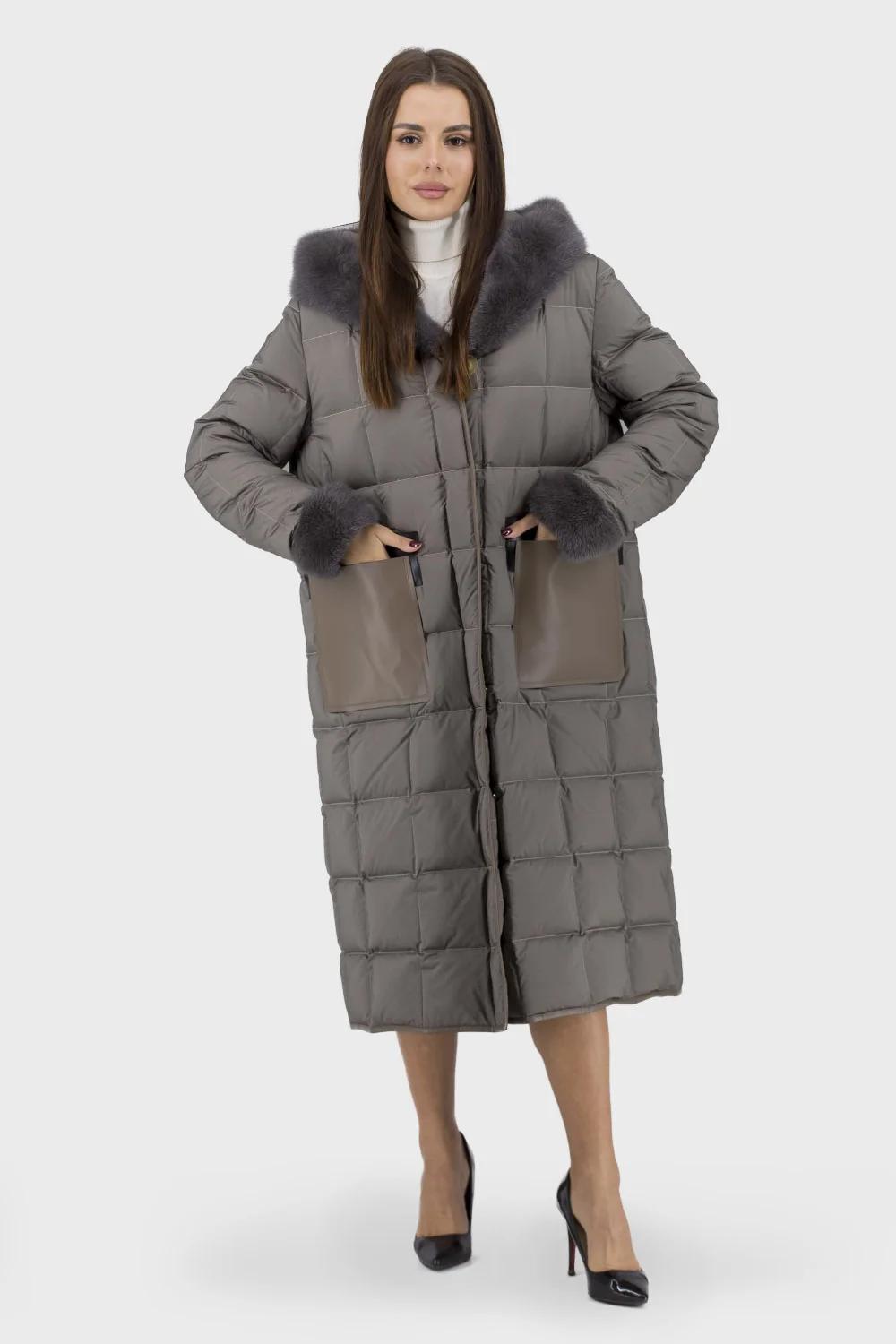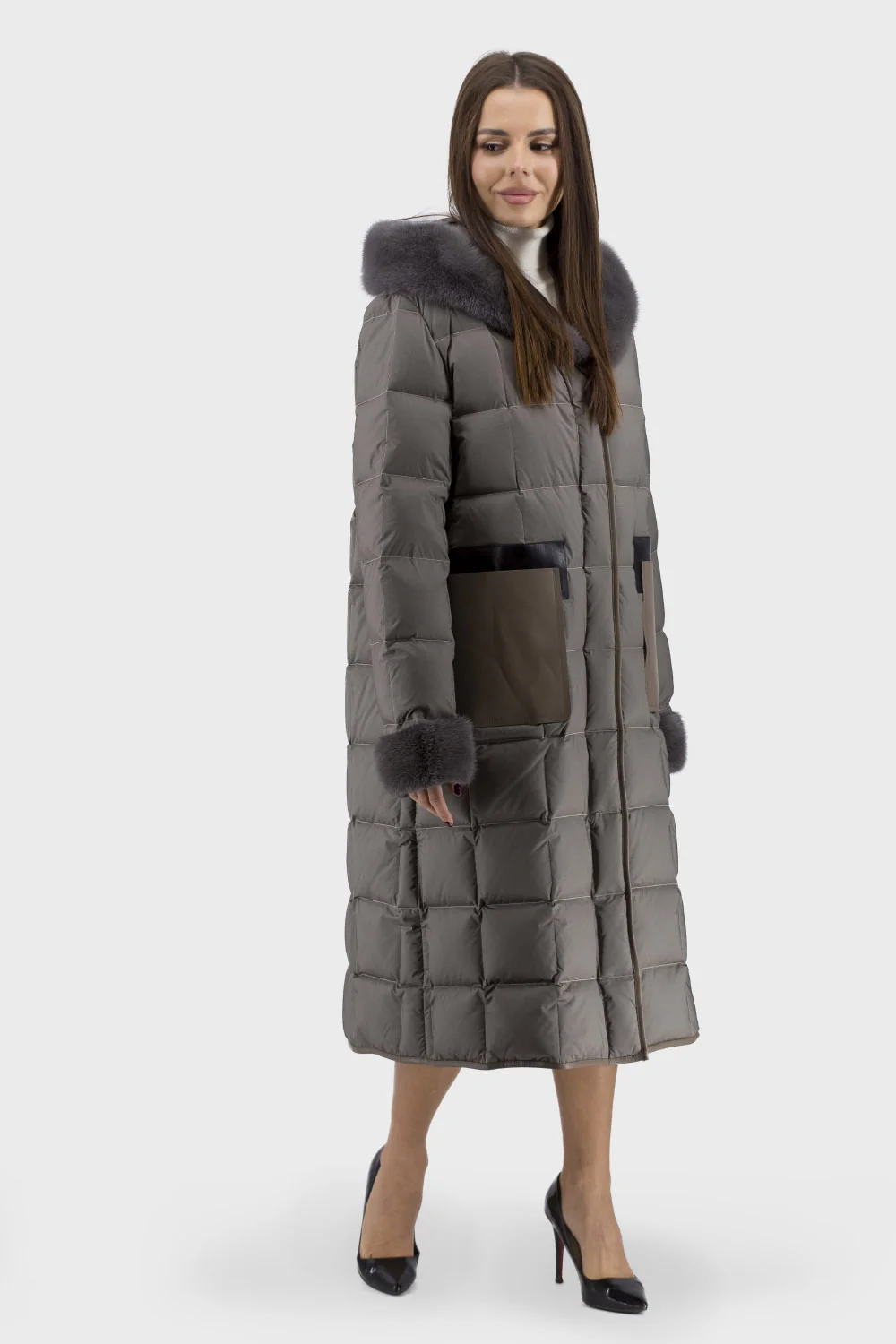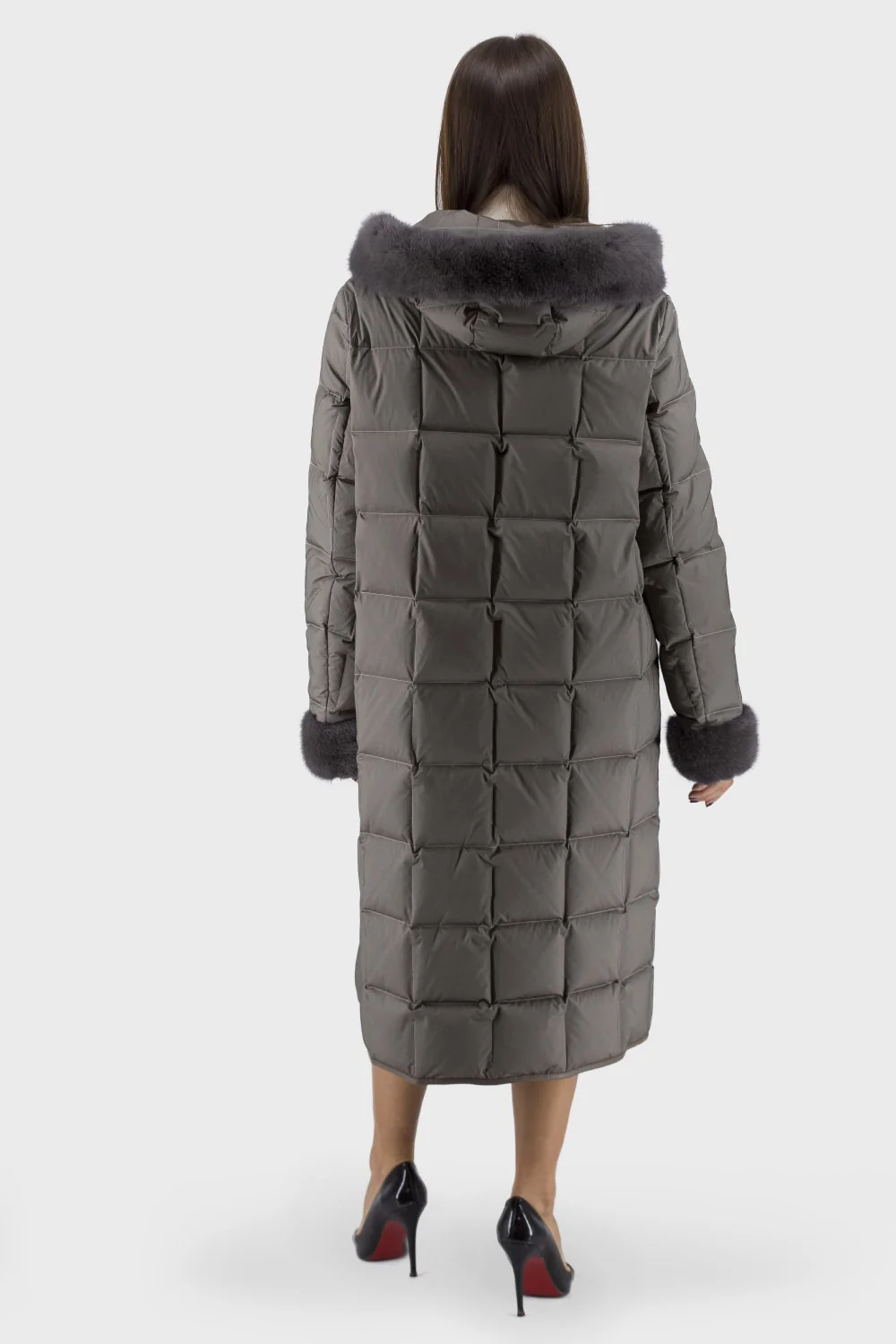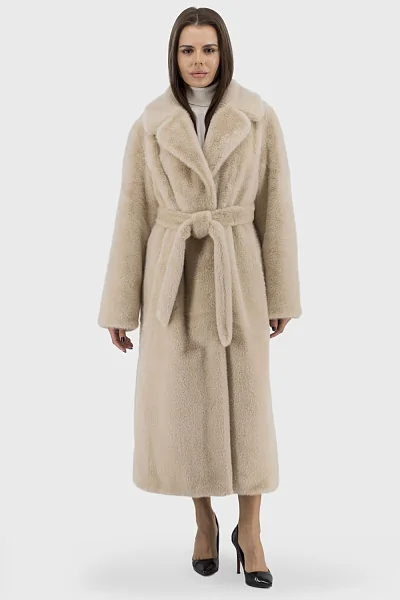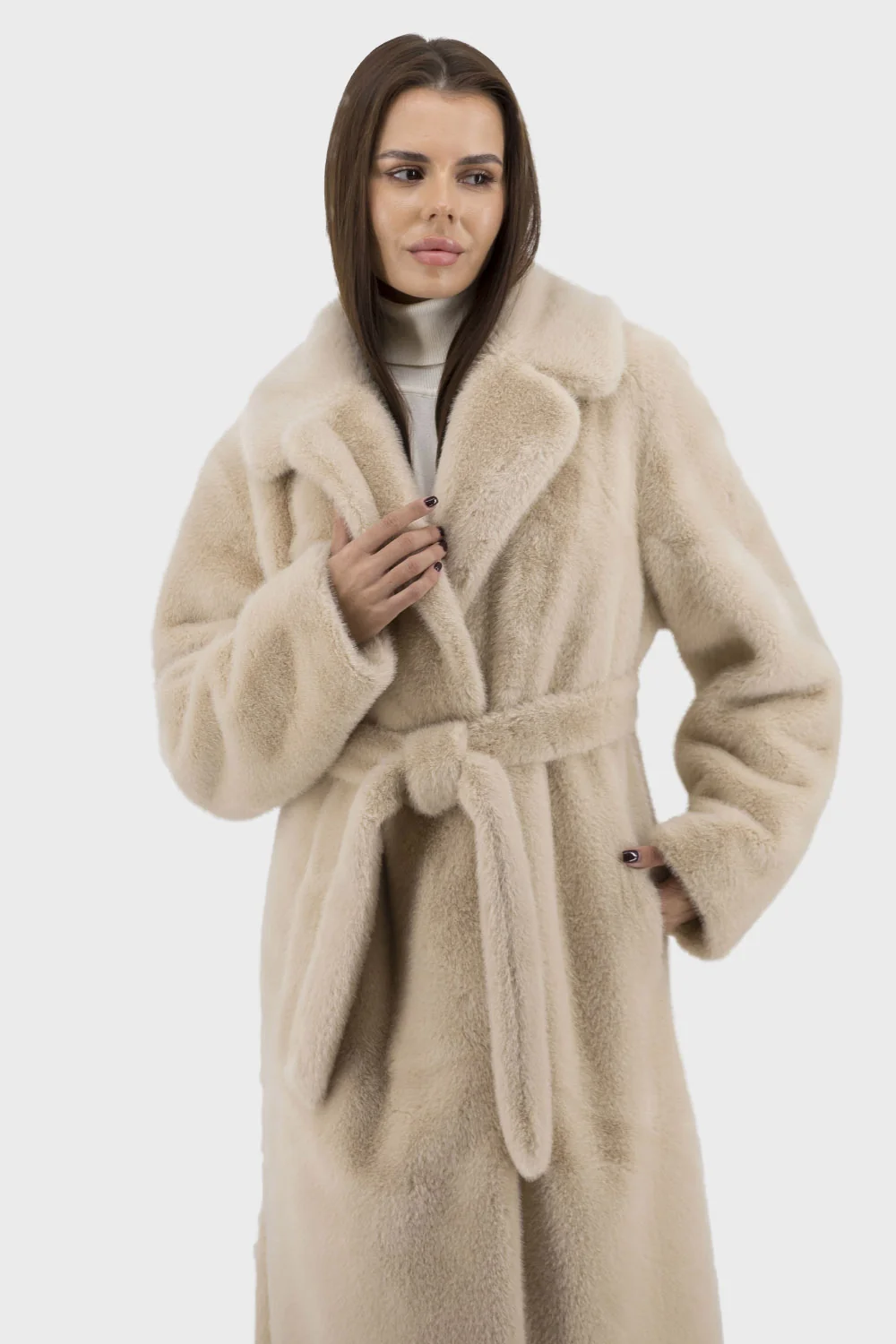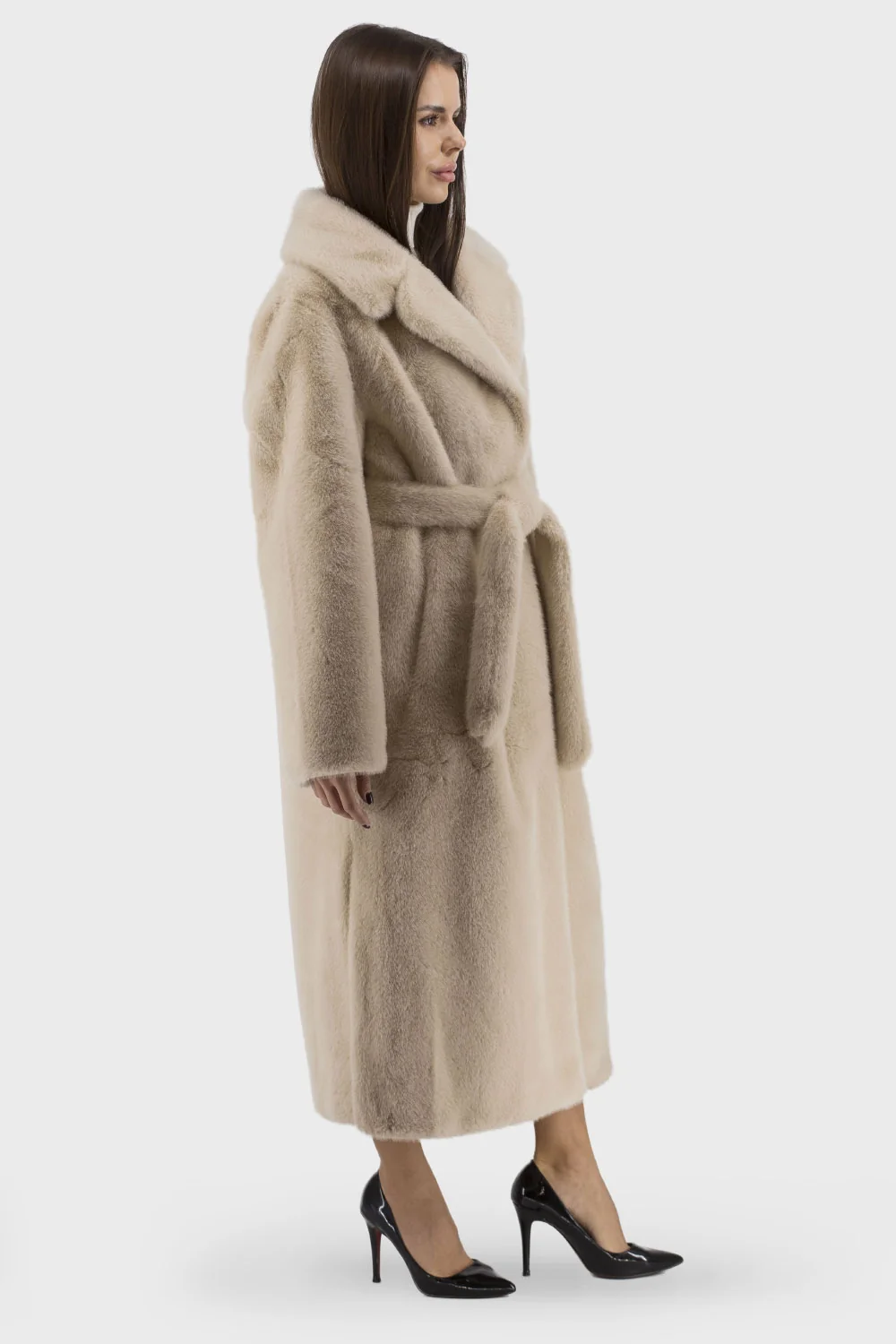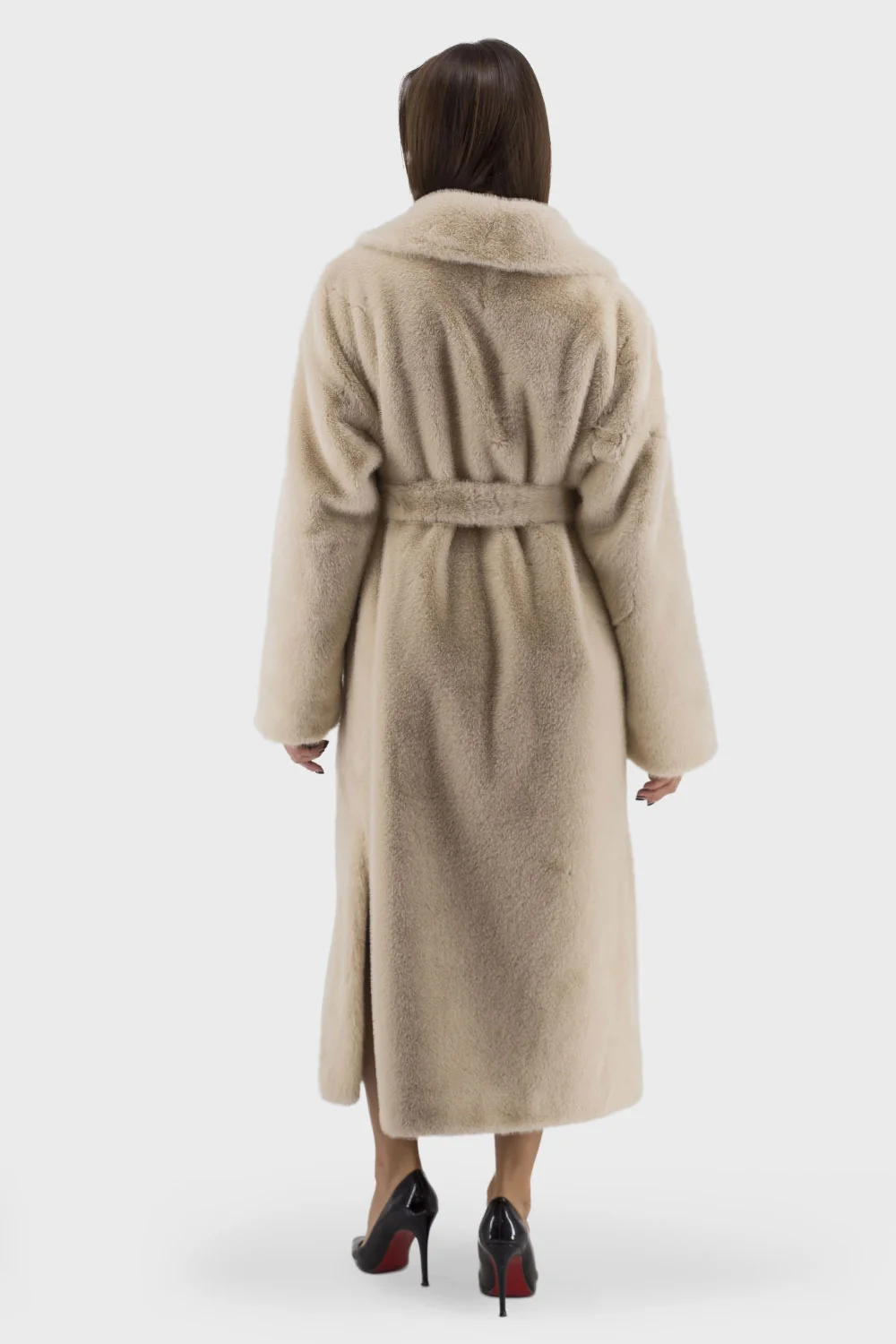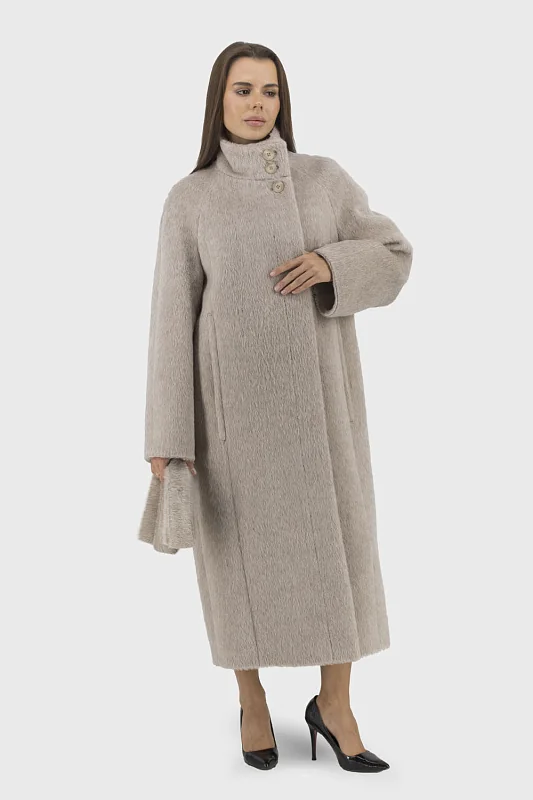
Why wool coats remain timeless
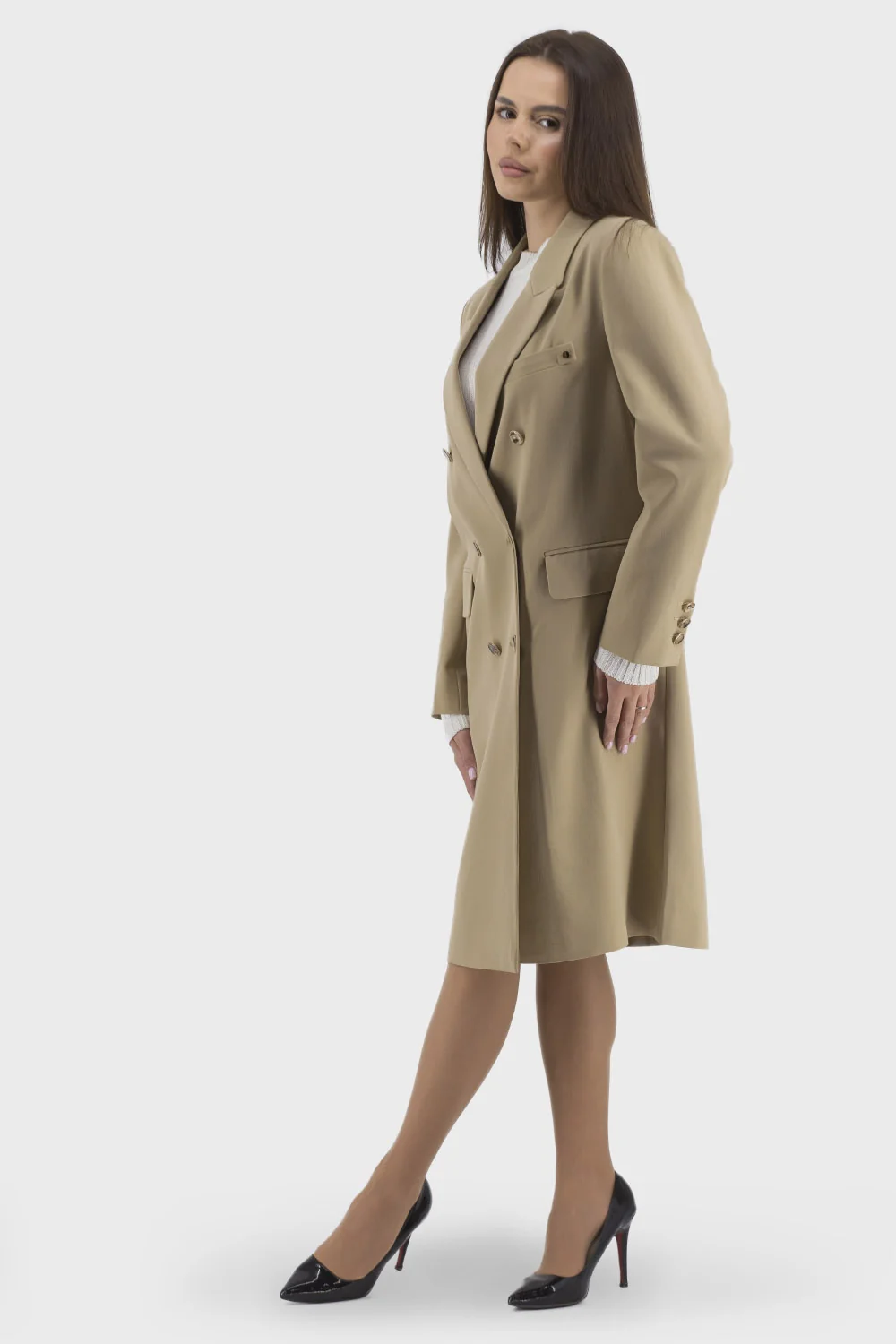
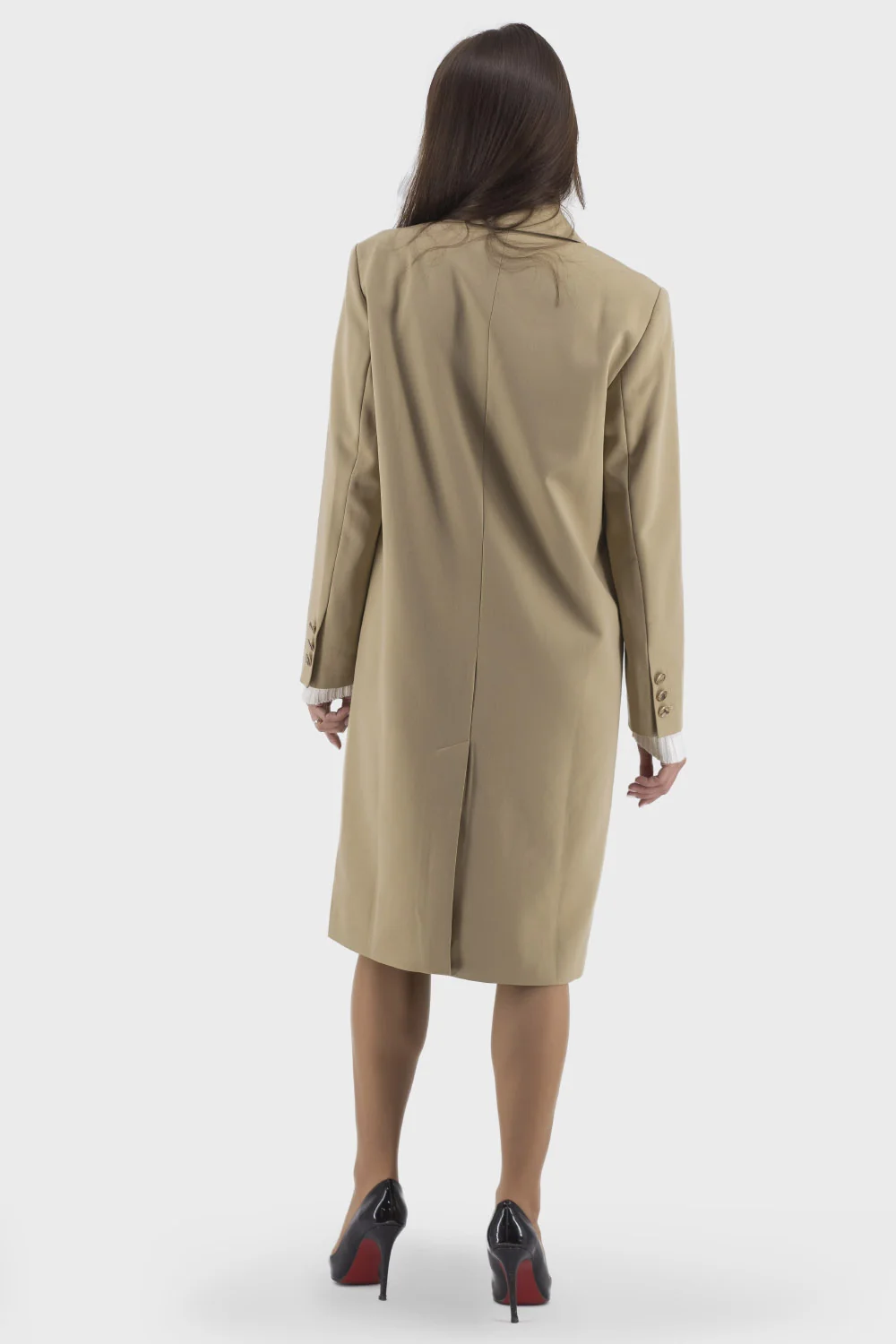
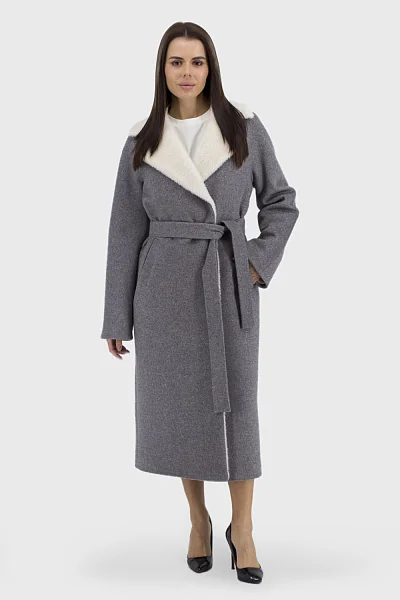
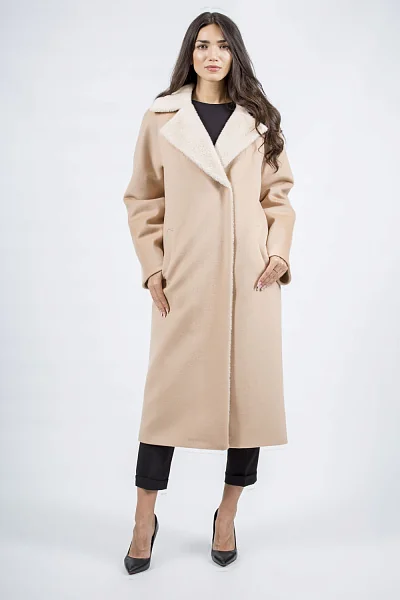
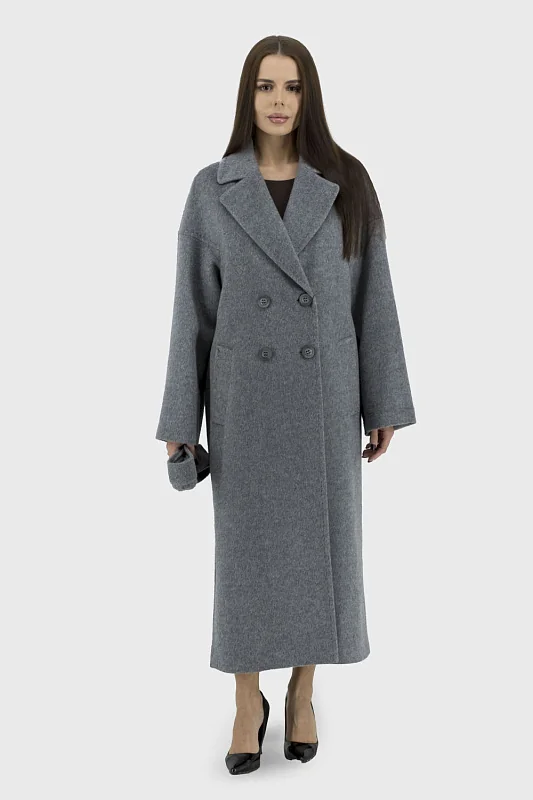
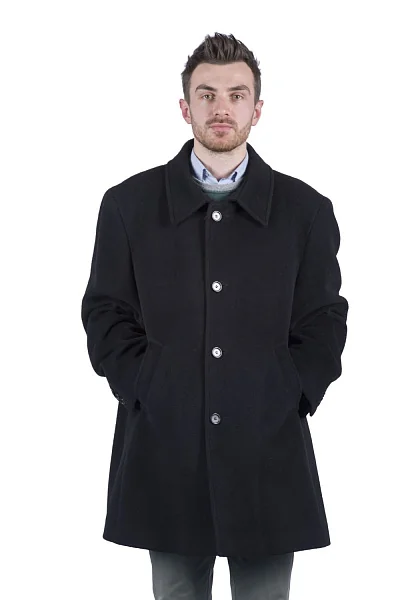
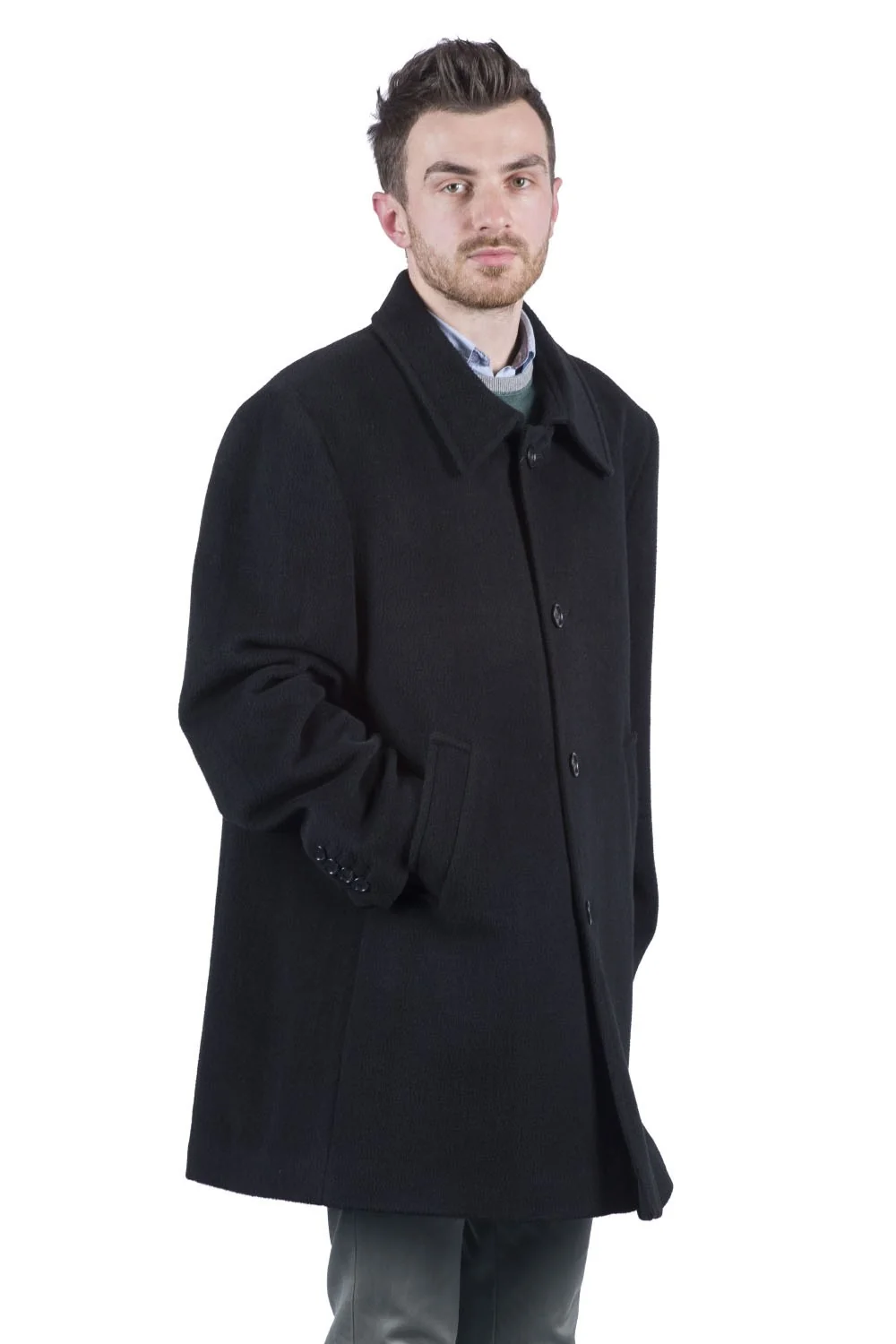
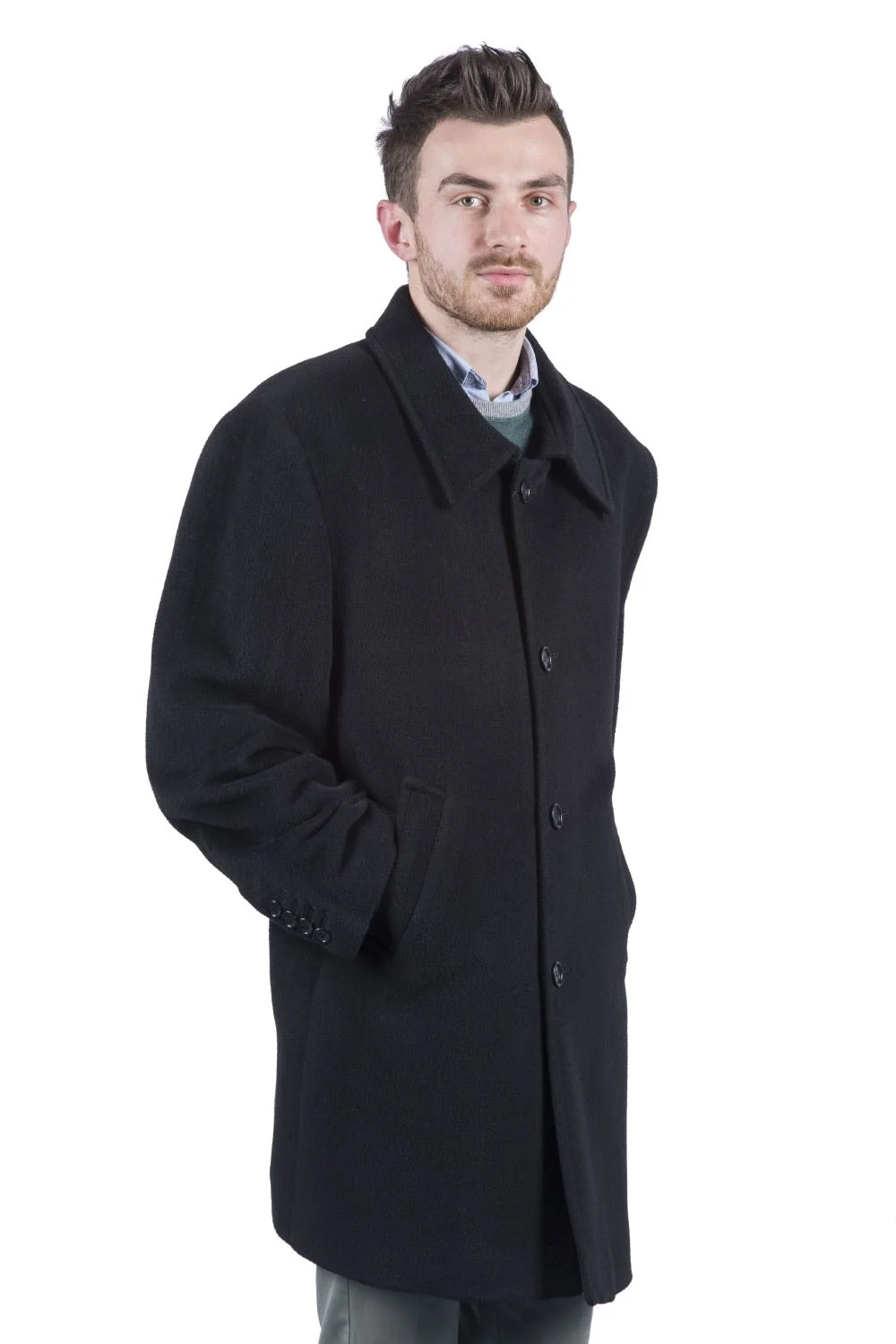
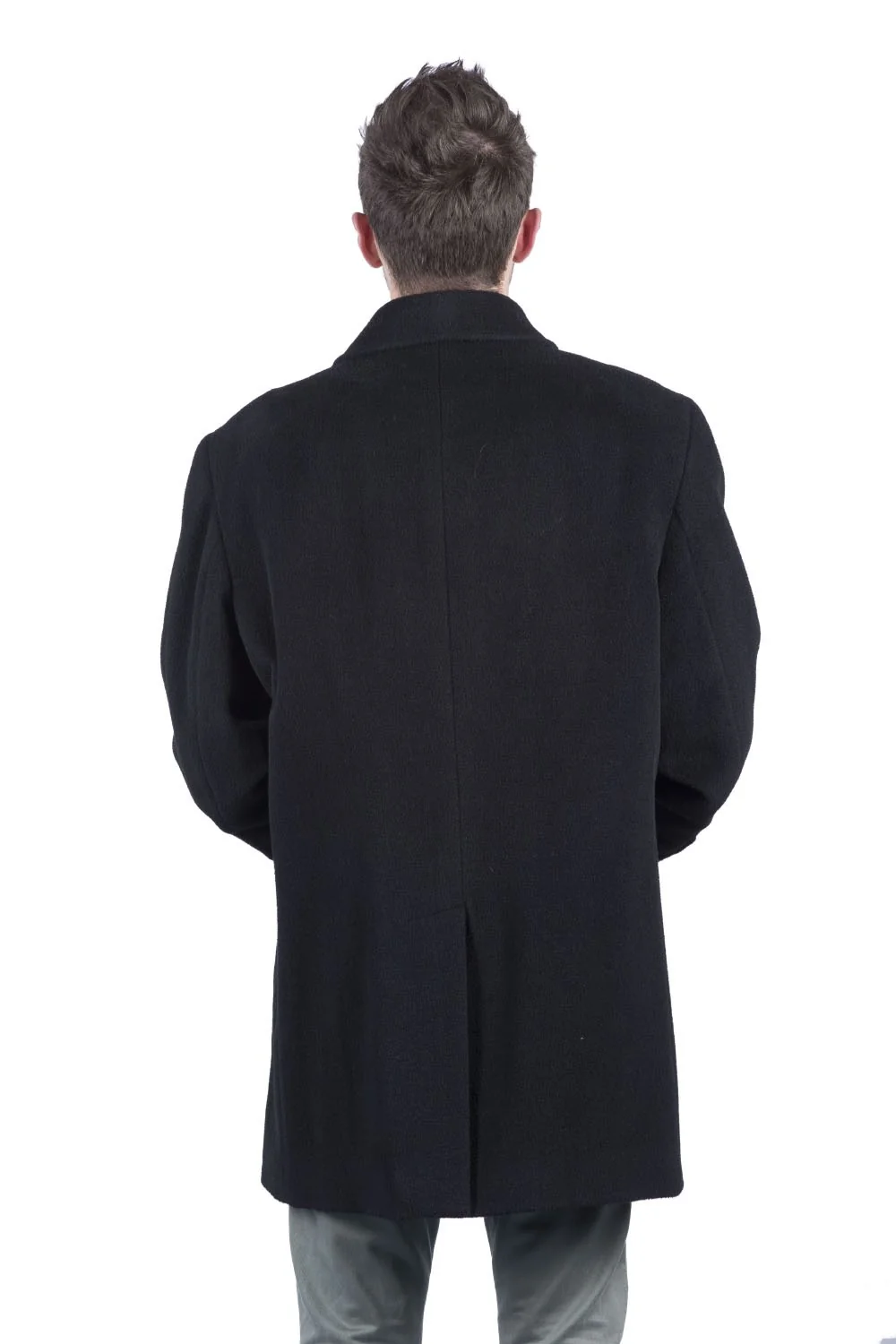
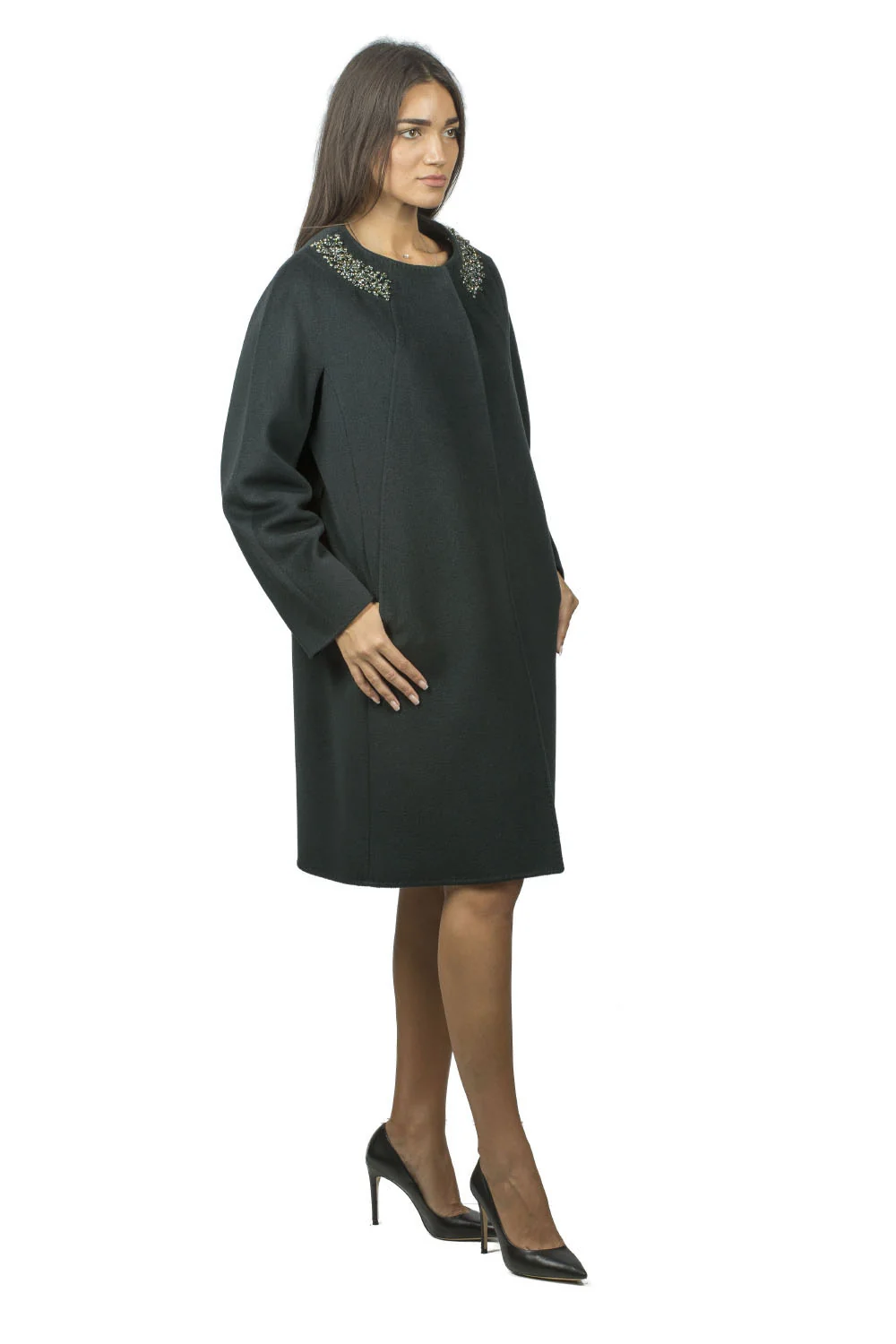
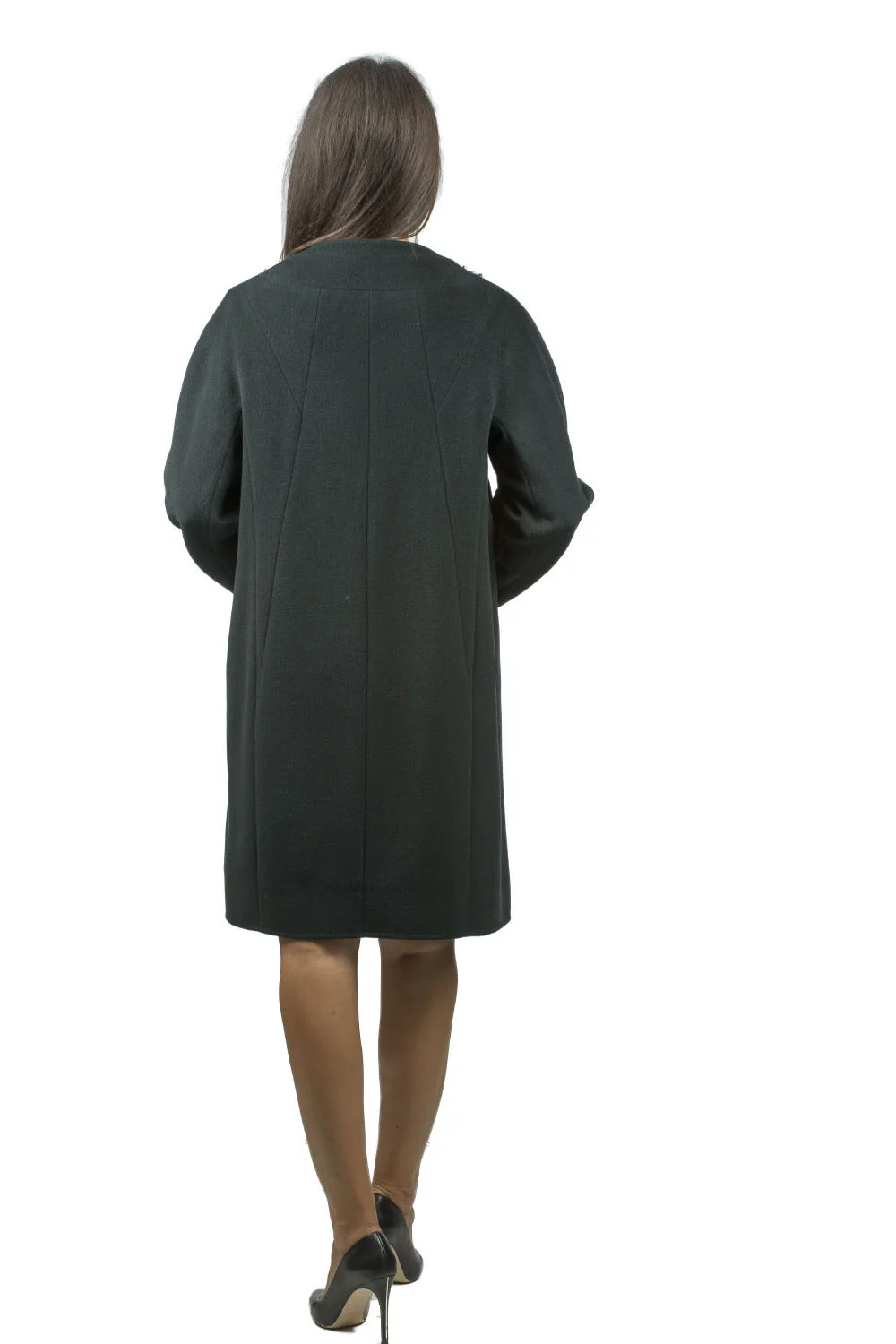
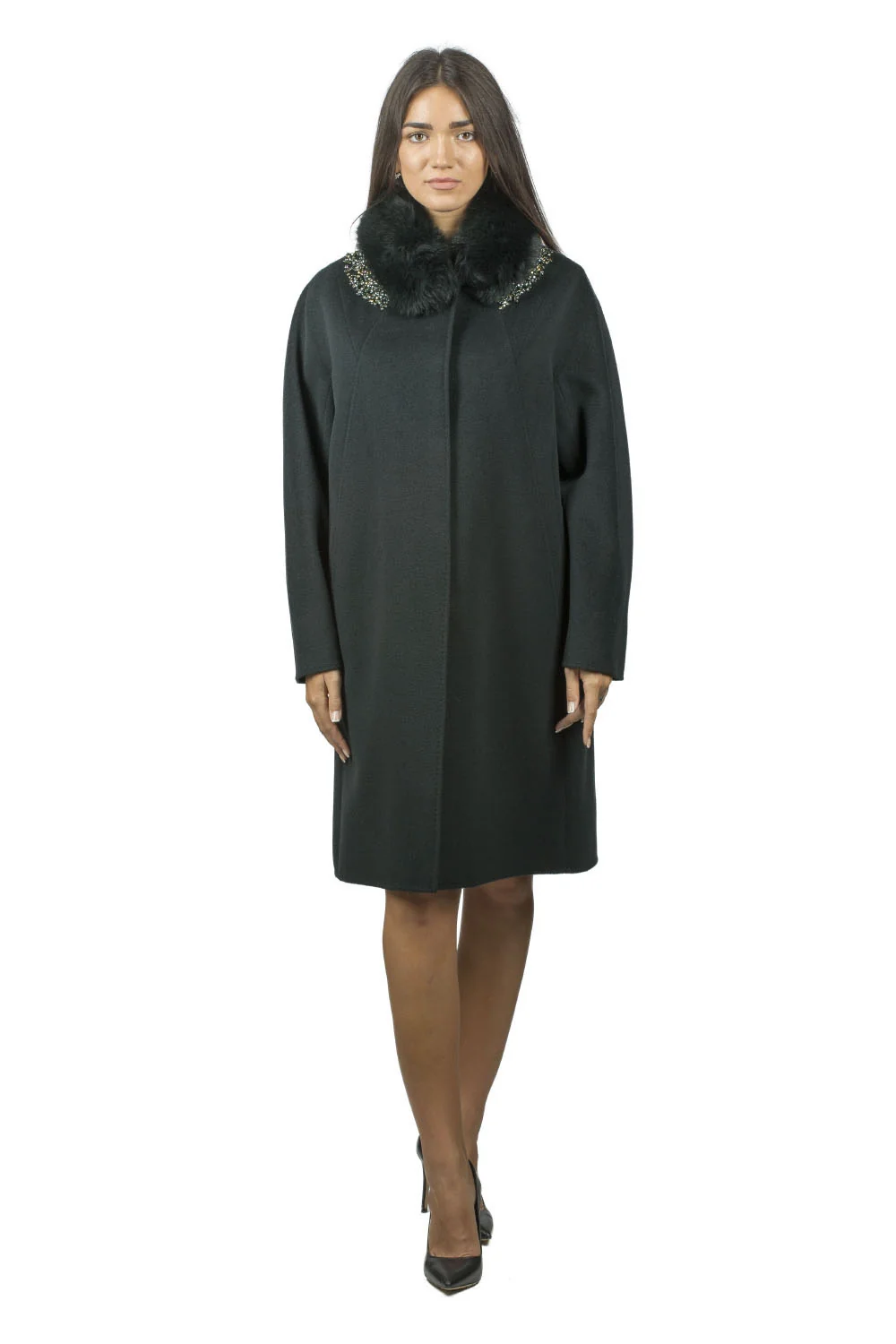
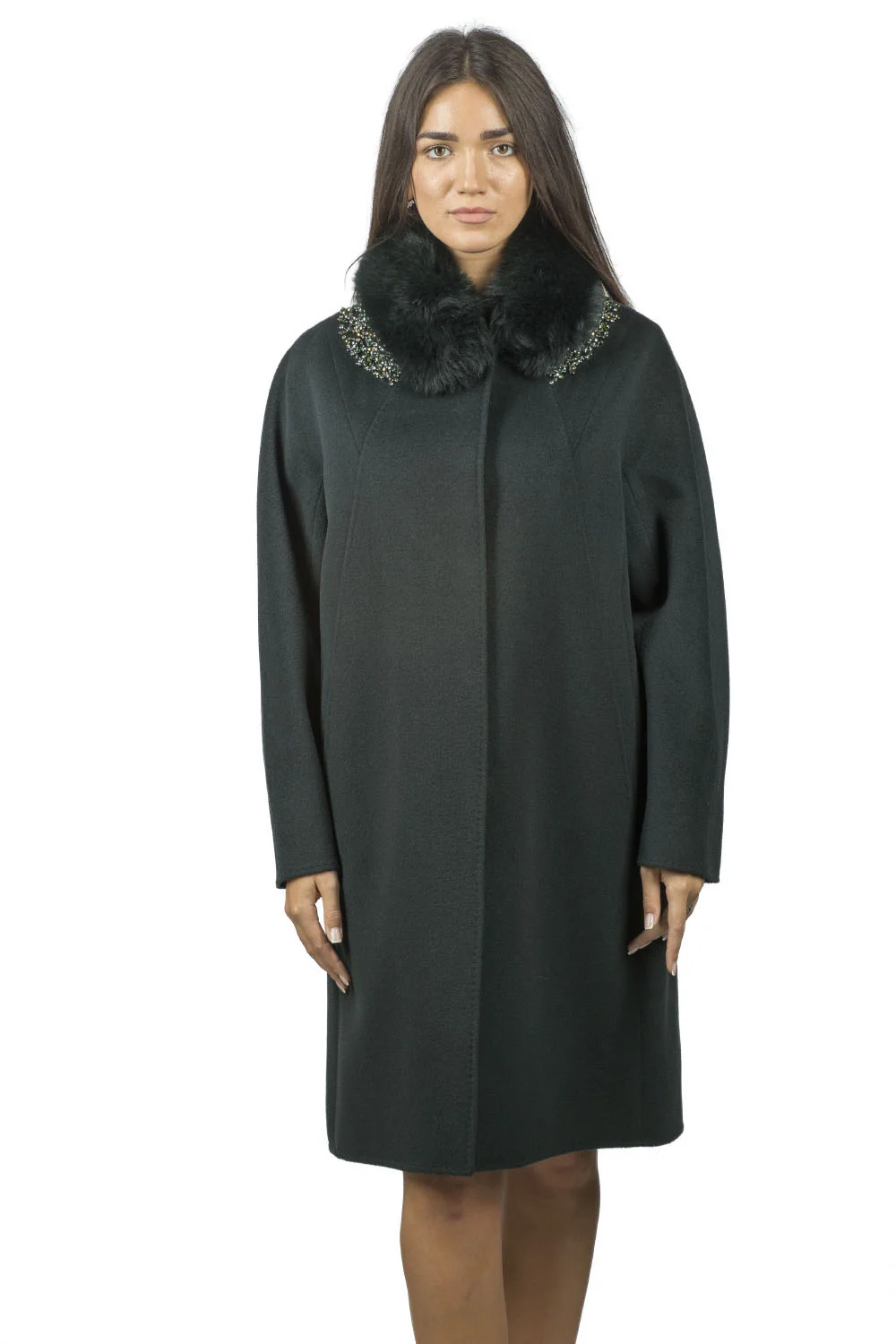
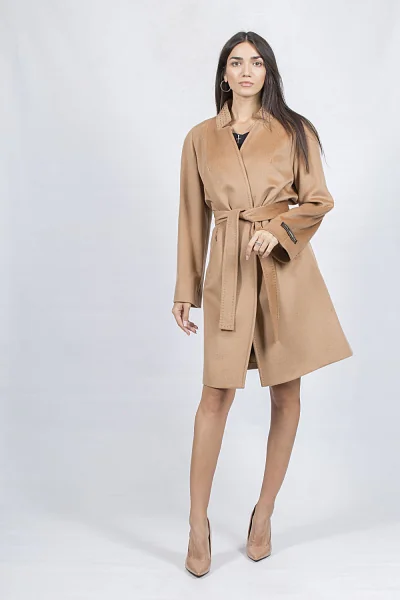
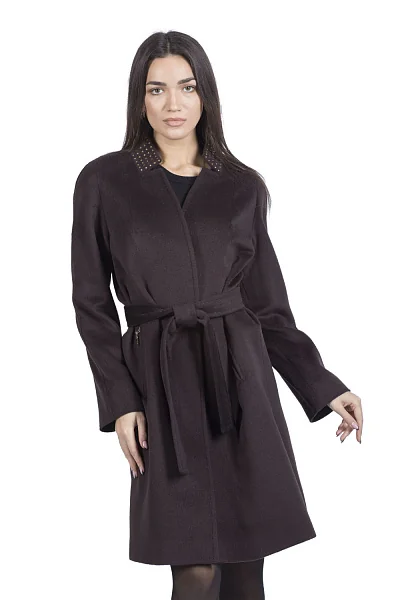
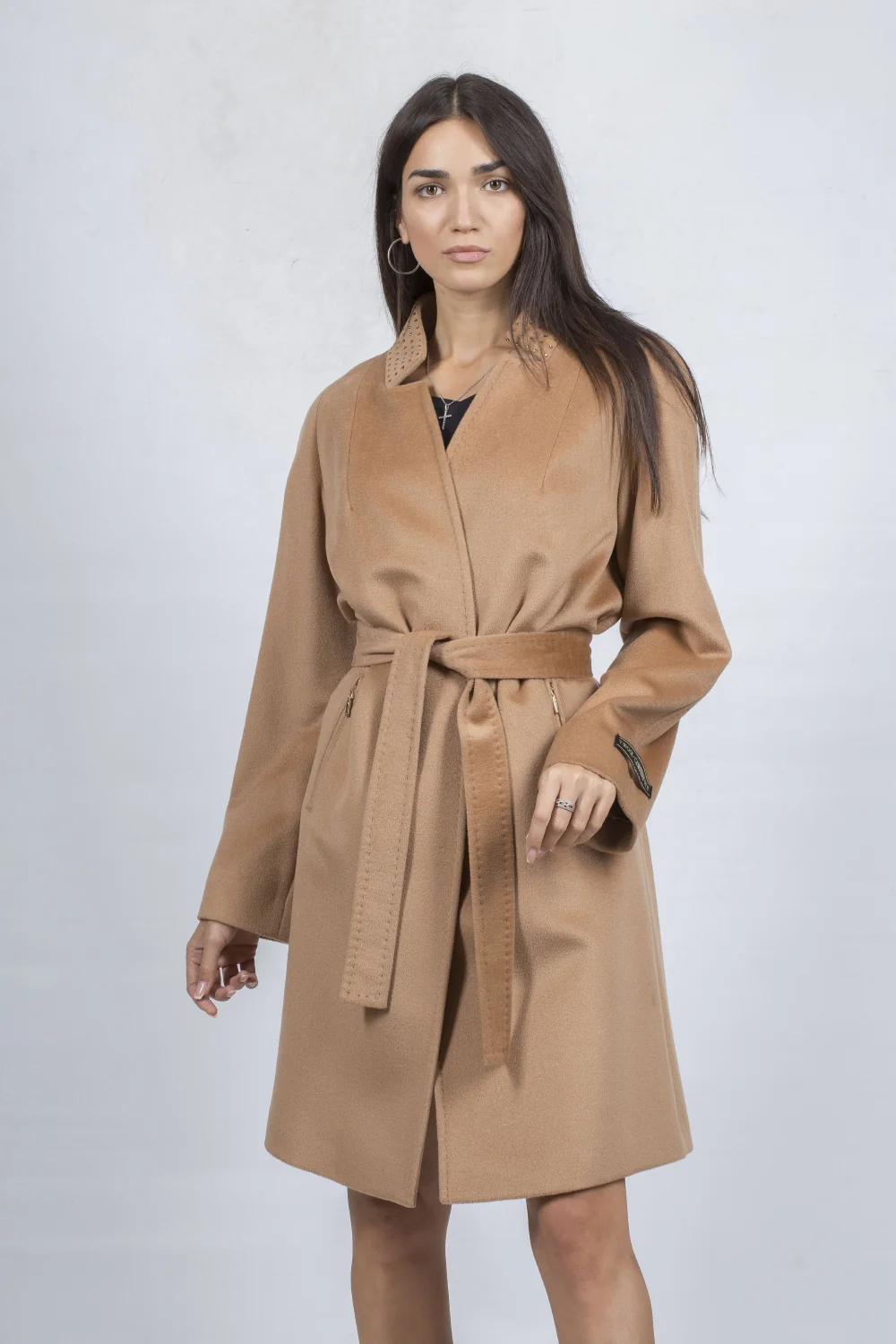
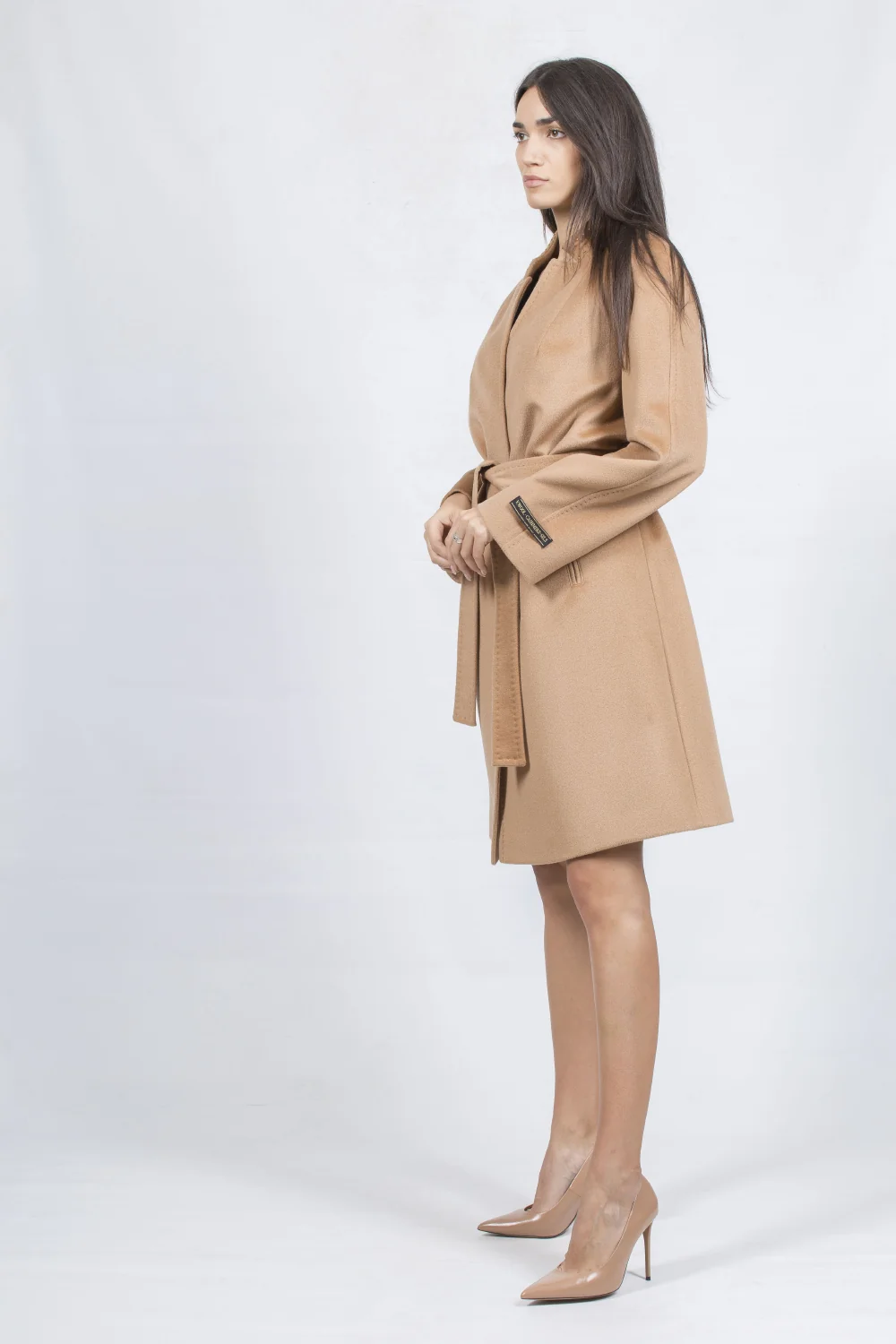
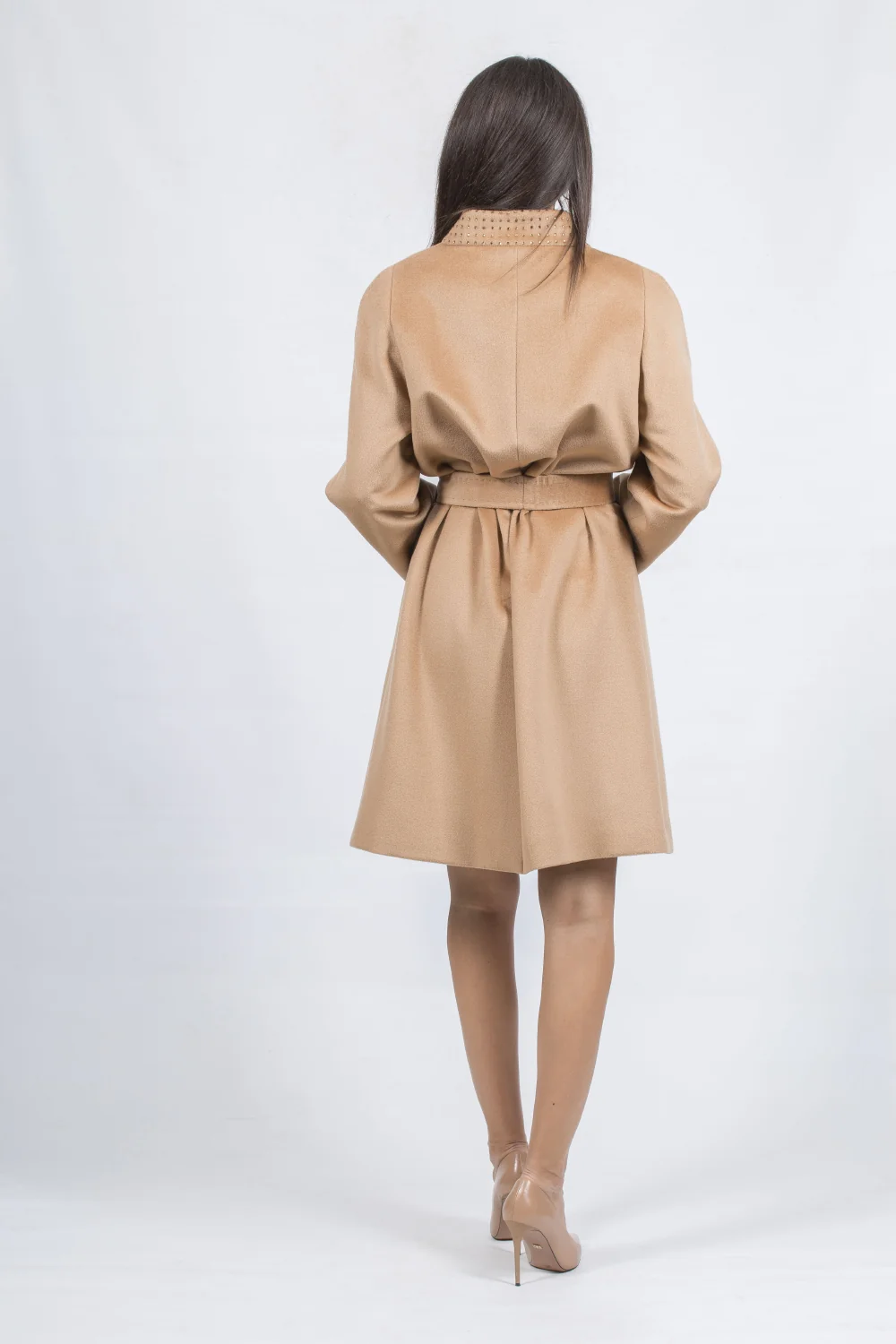
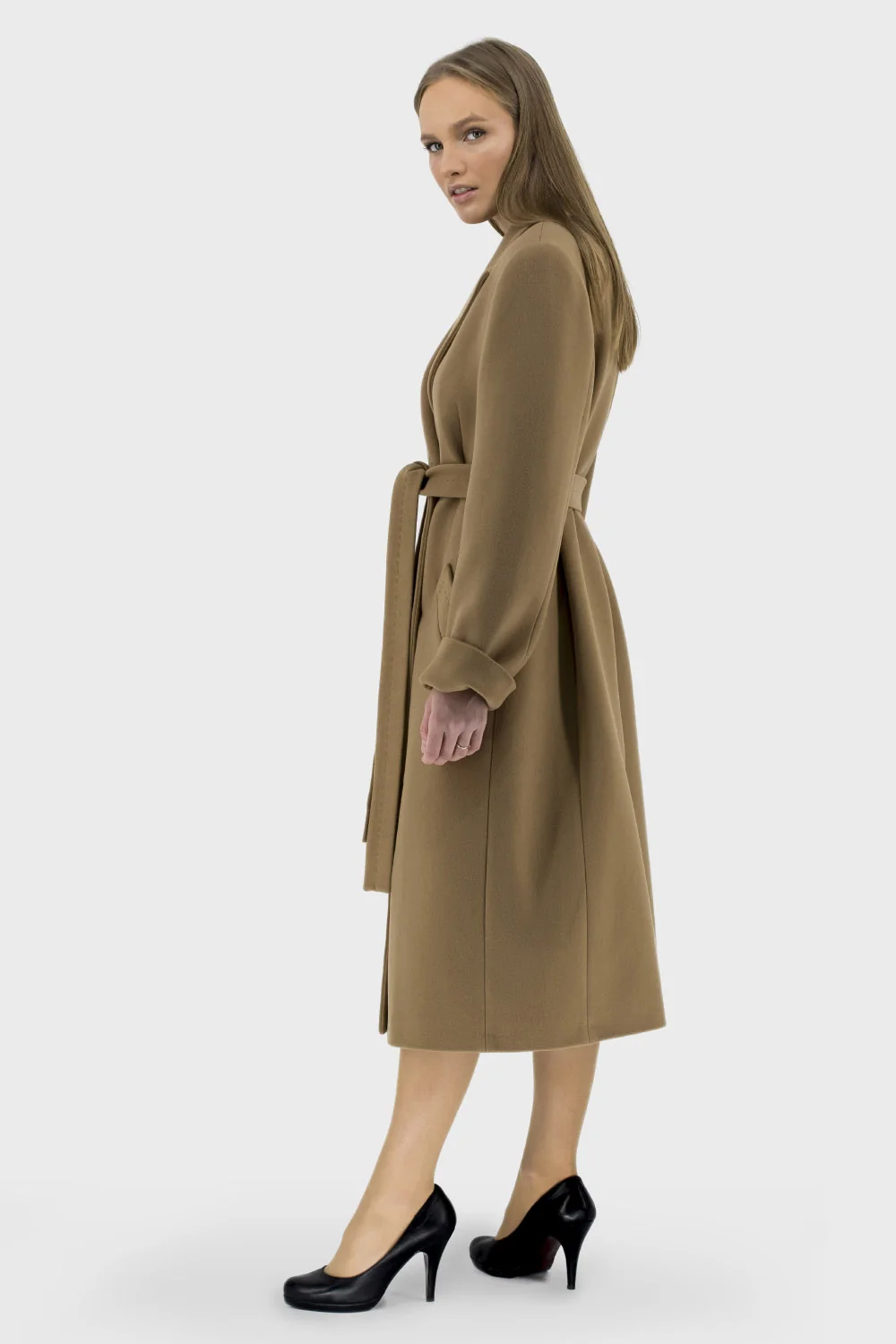
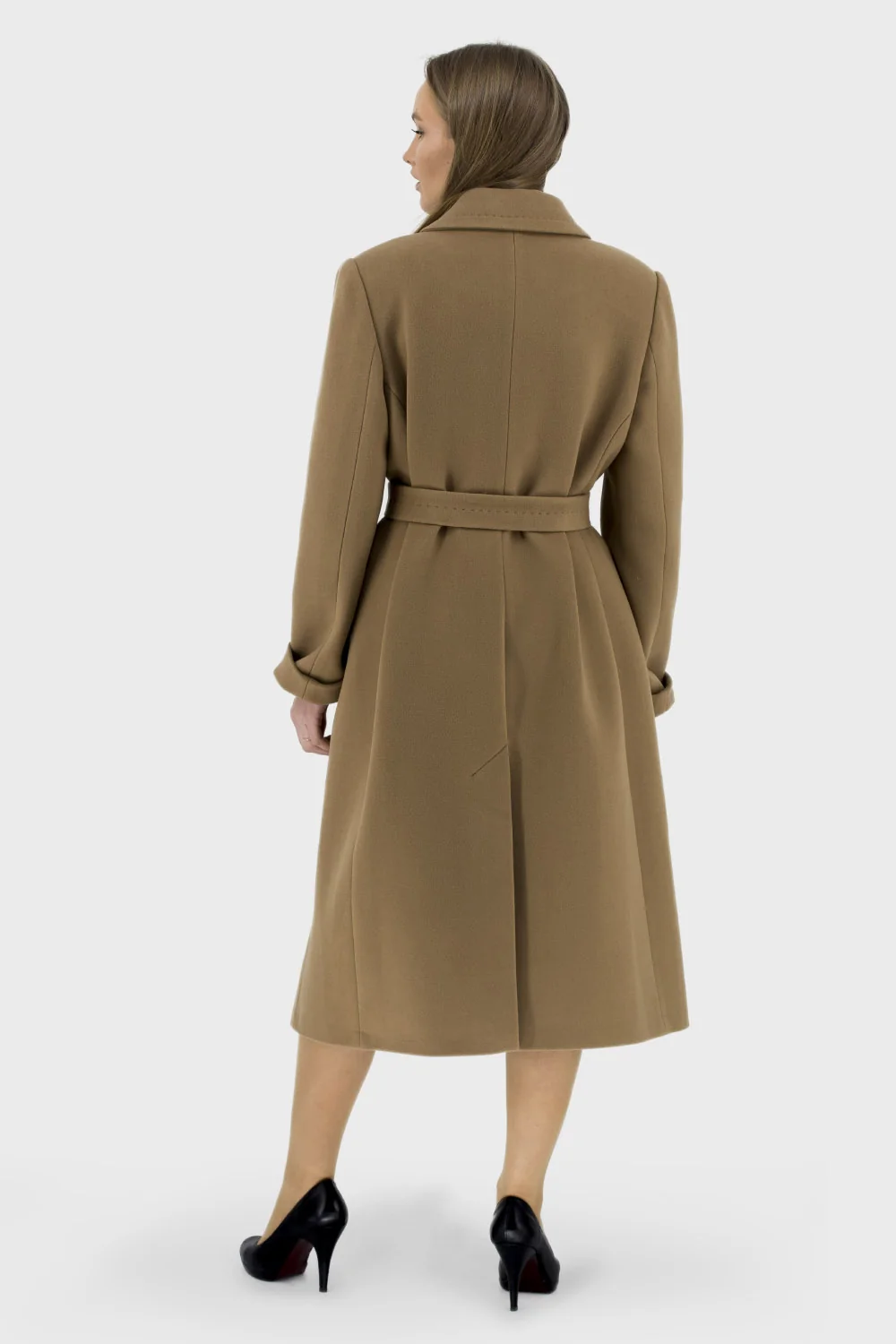
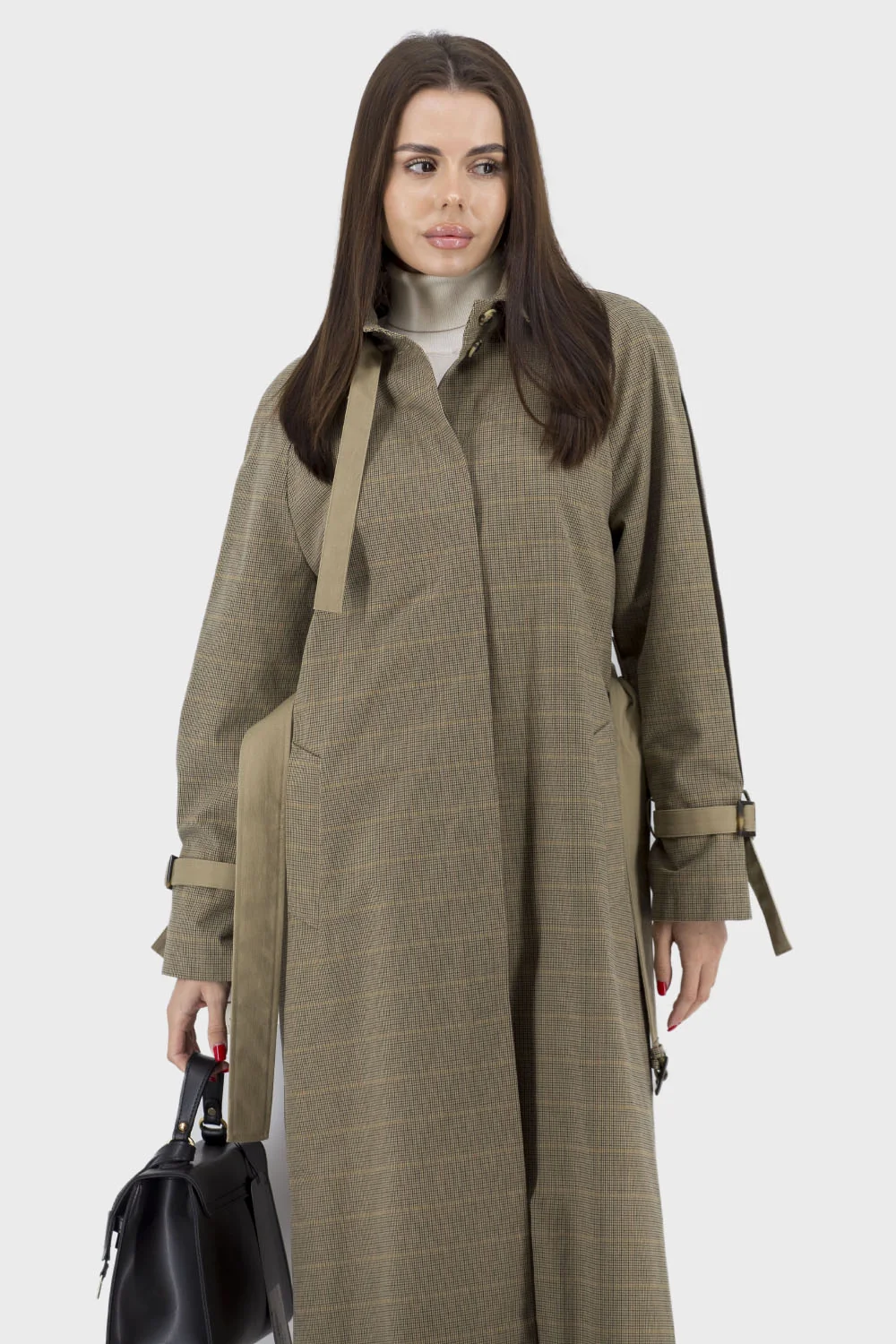
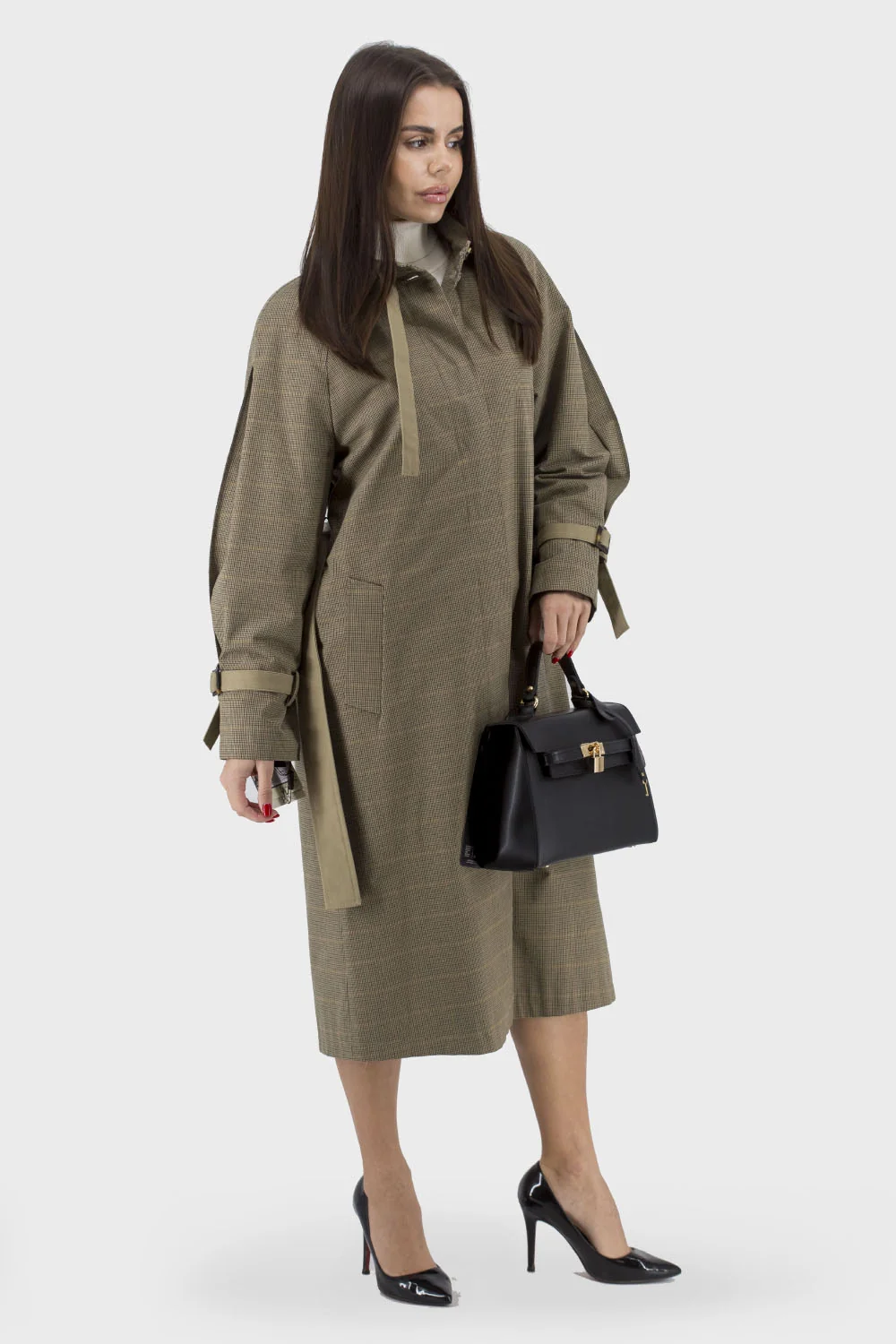
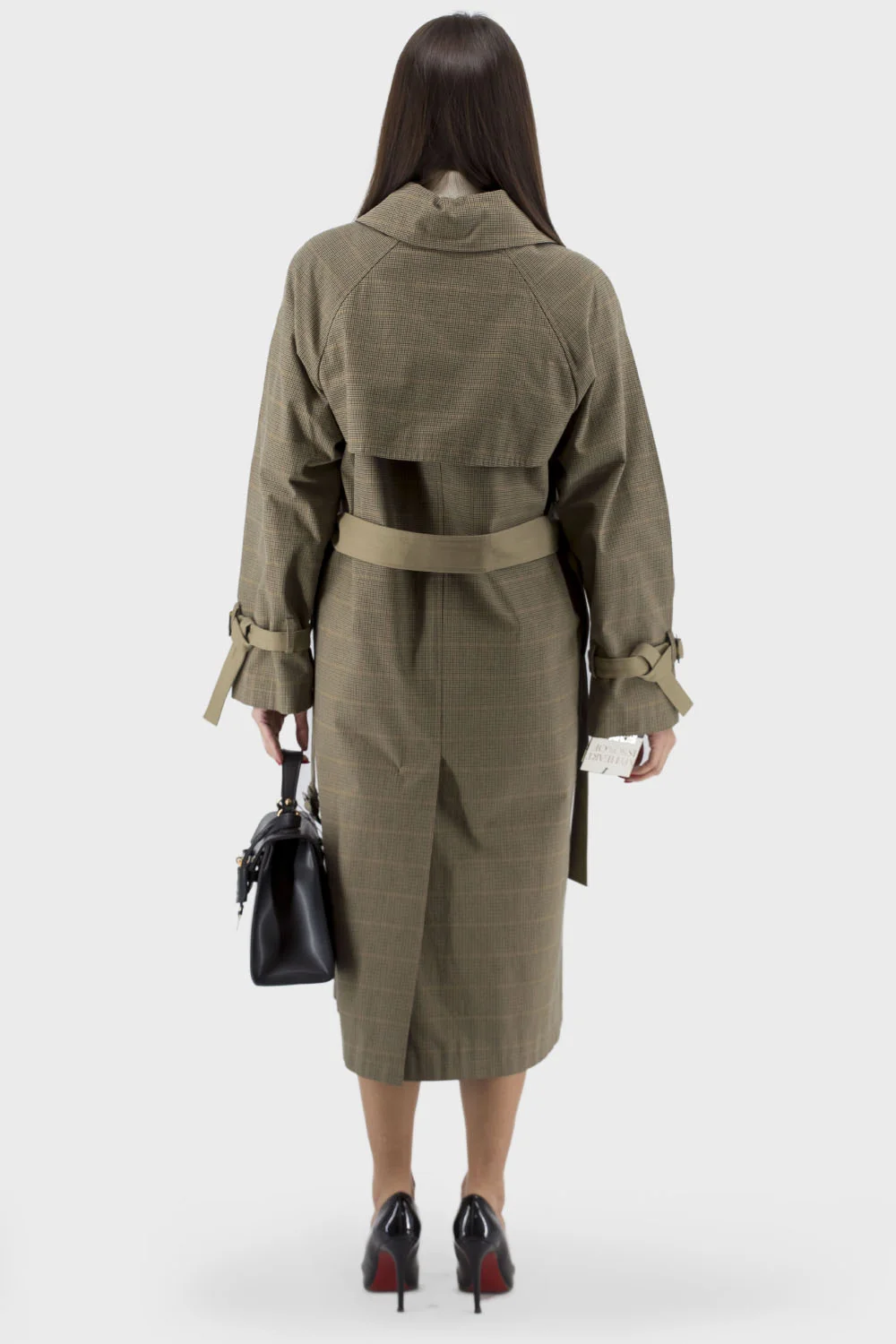
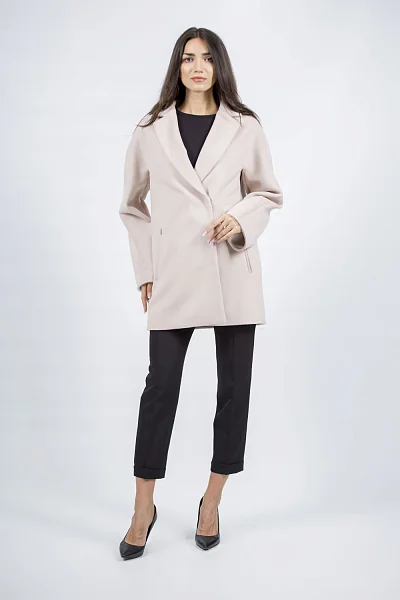
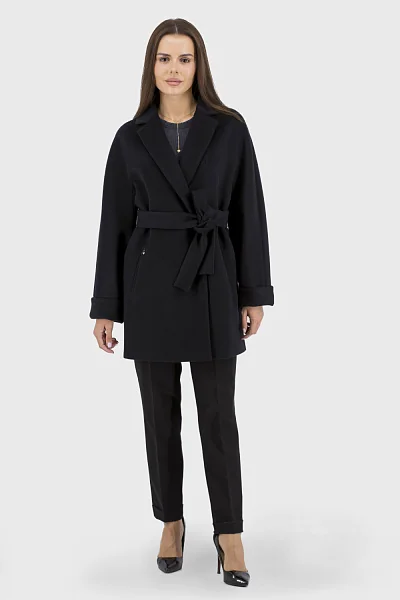
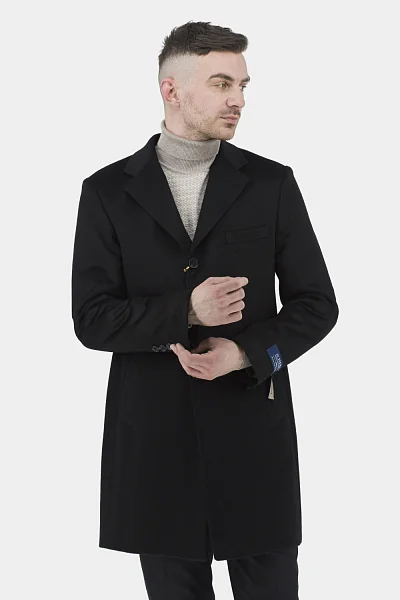
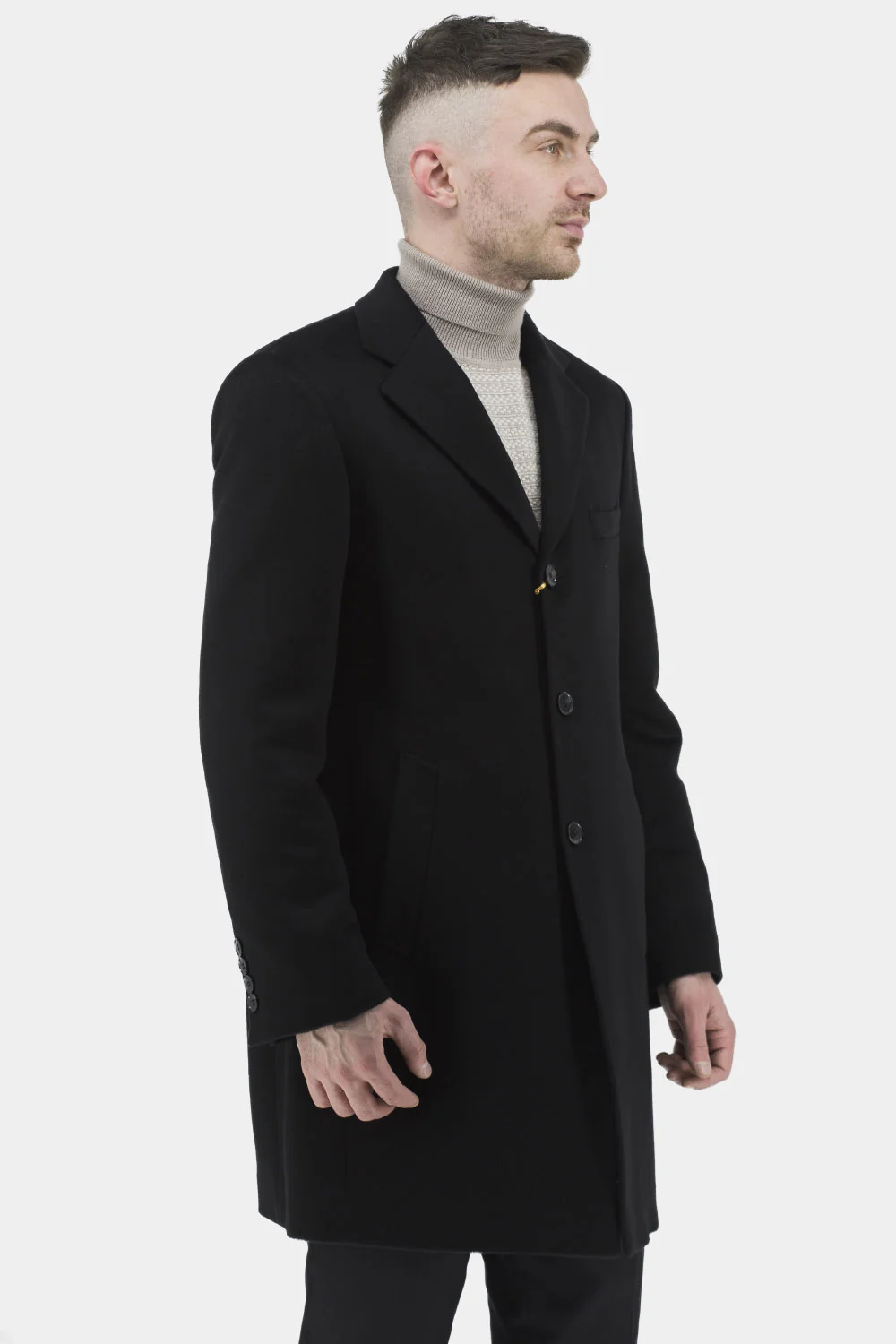
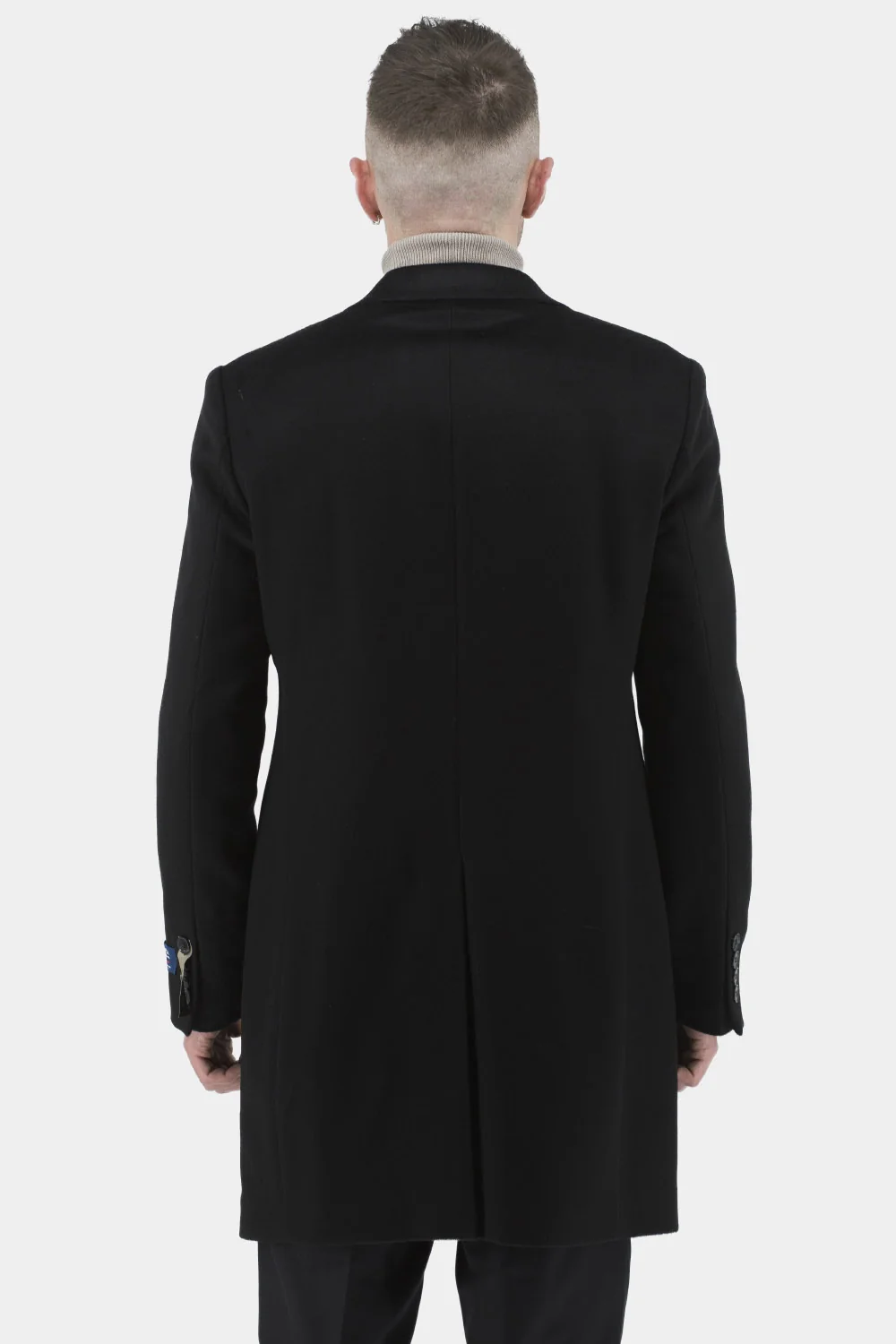
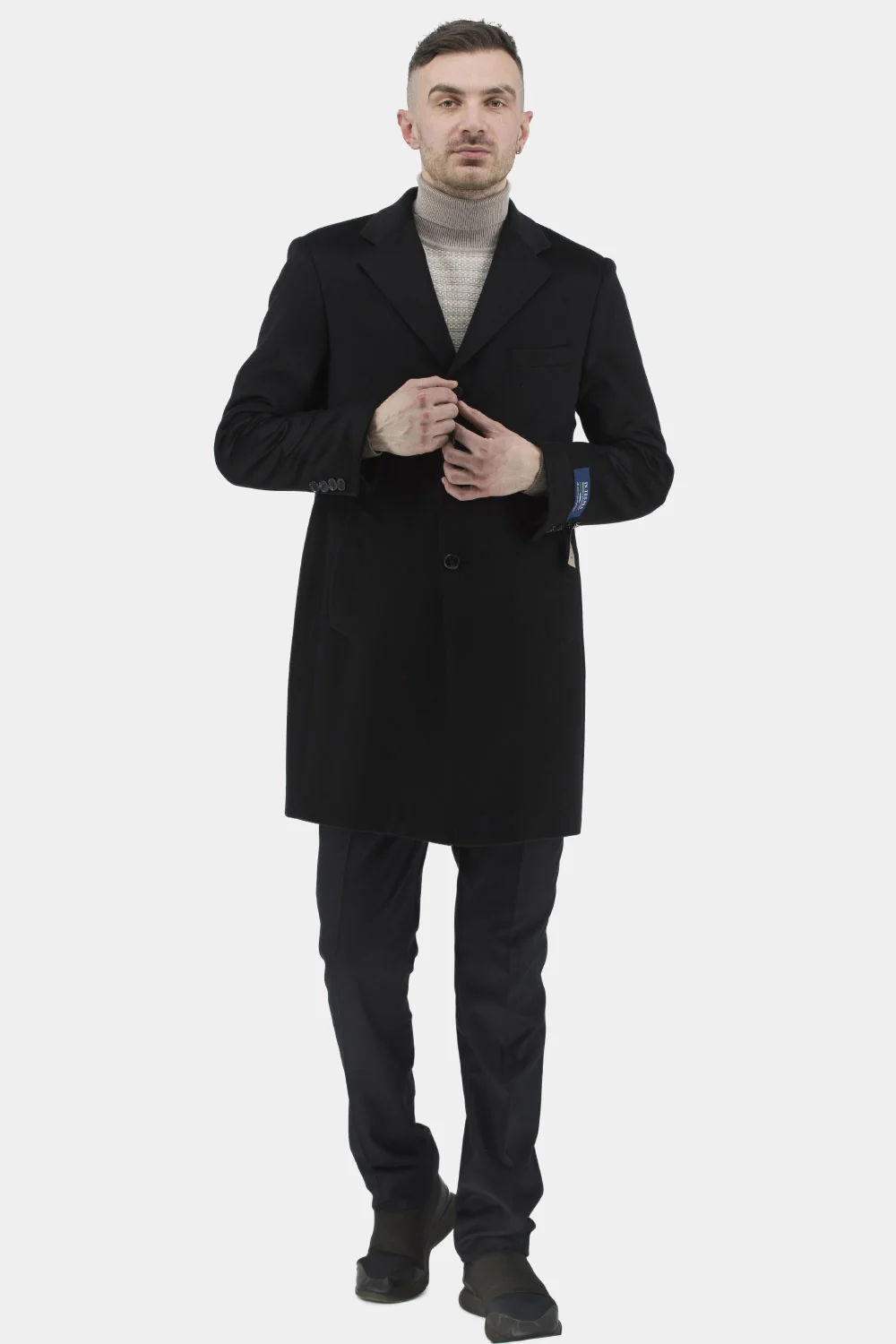
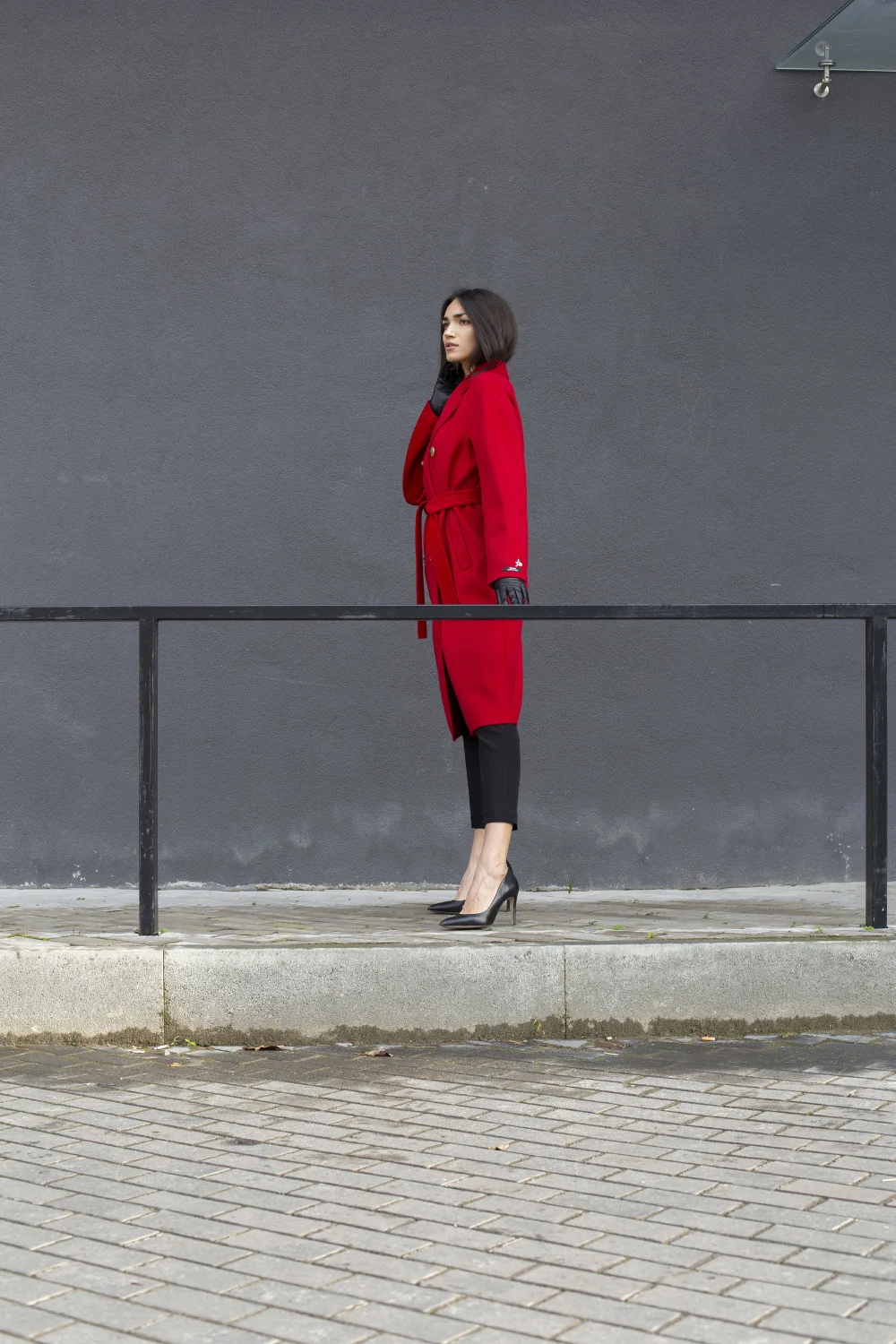
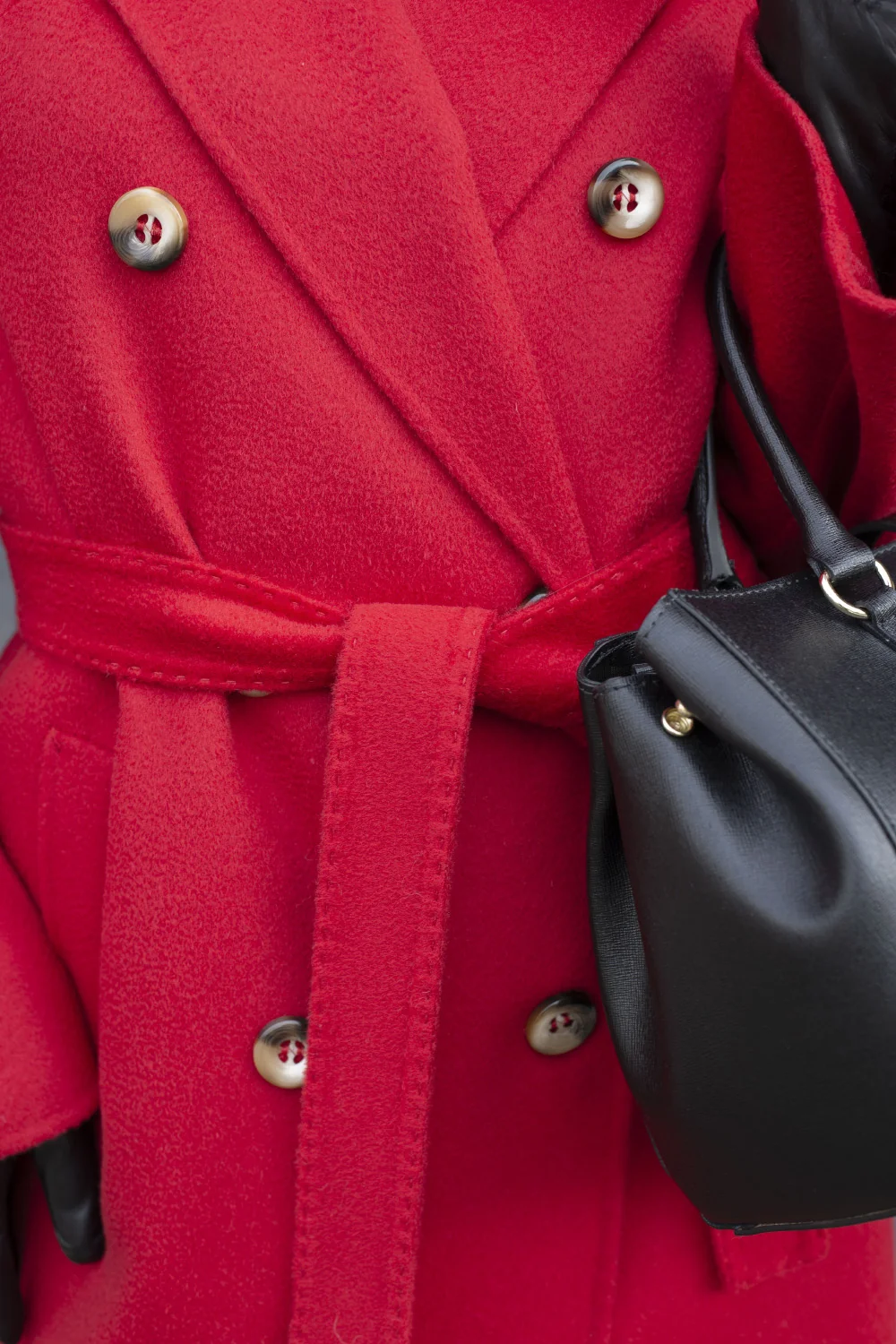
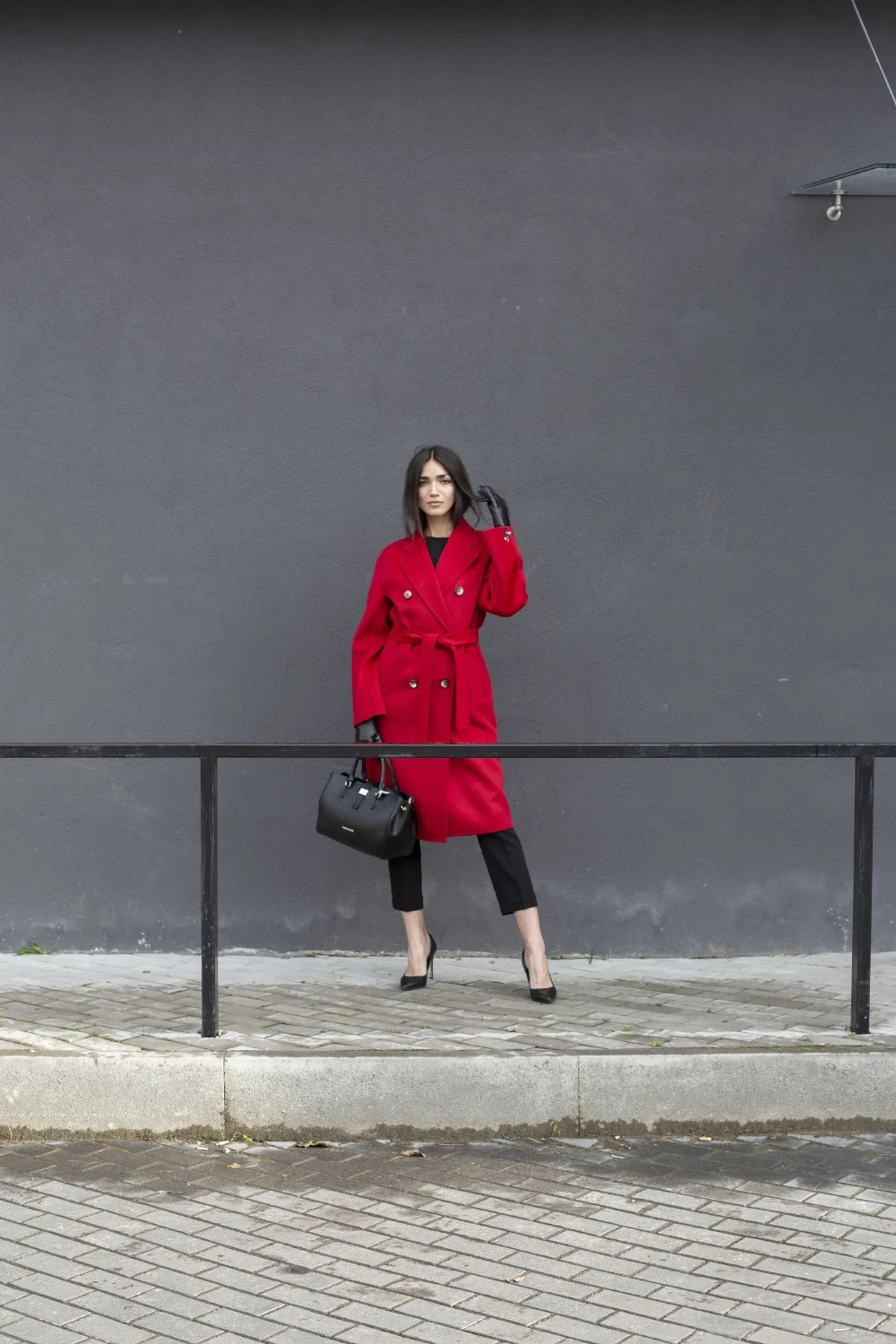
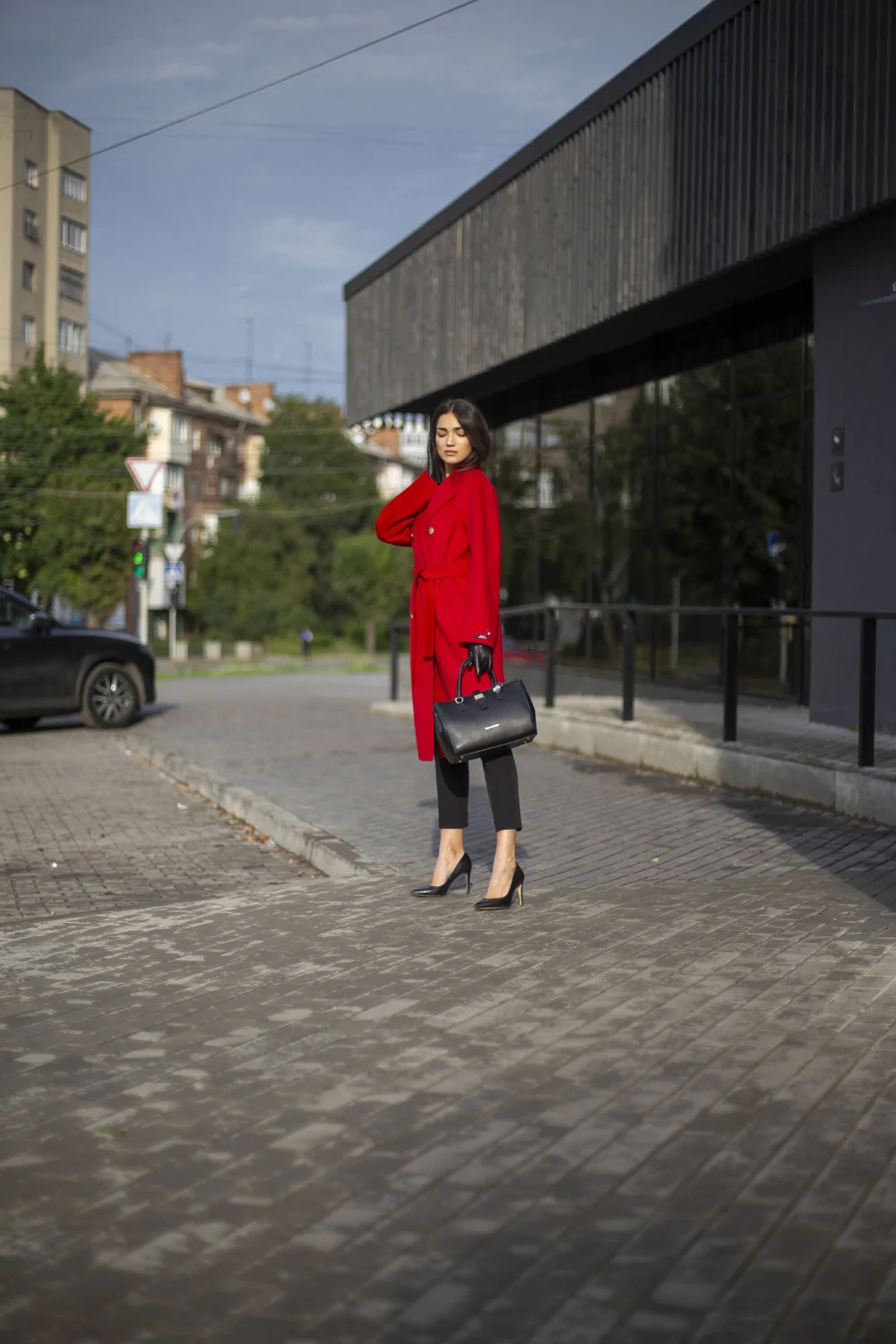
A wool coat combines warmth, comfort and a structured silhouette. Dense fabric maintains its shape, protects against cool wind and works for both casual and business wardrobes.
A well-made coat can last for several seasons when the composition, fabric weight, lining and fit are properly chosen.
How wool retains warmth
Wool fibres have a naturally crimped structure that traps small pockets of air. This layer slows heat loss and helps maintain a comfortable temperature.
Wool is also more breathable than many dense synthetic materials.
Main benefits of wool
The main advantages are insulation, breathability, resilience and the ability to recover its shape after wear.
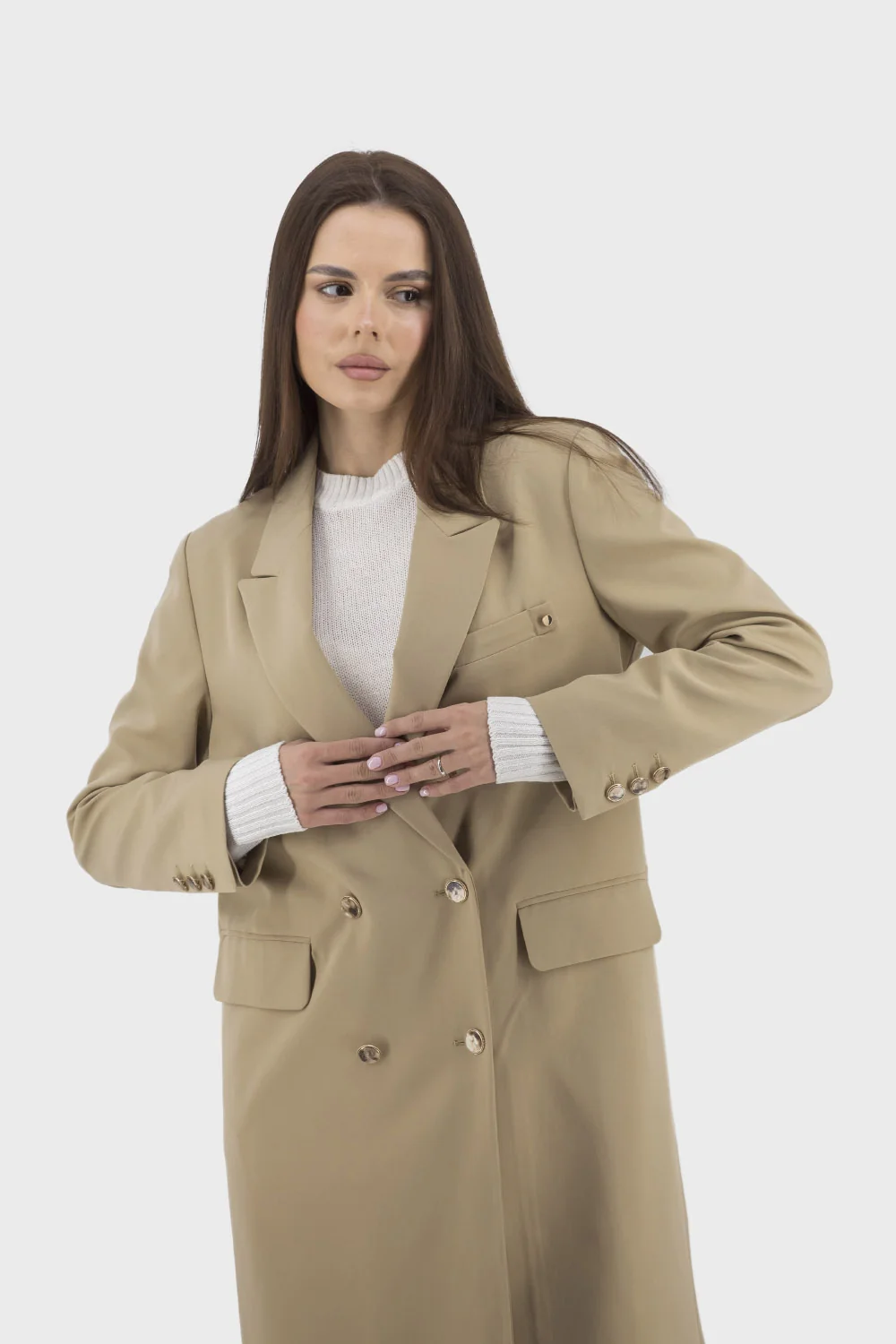
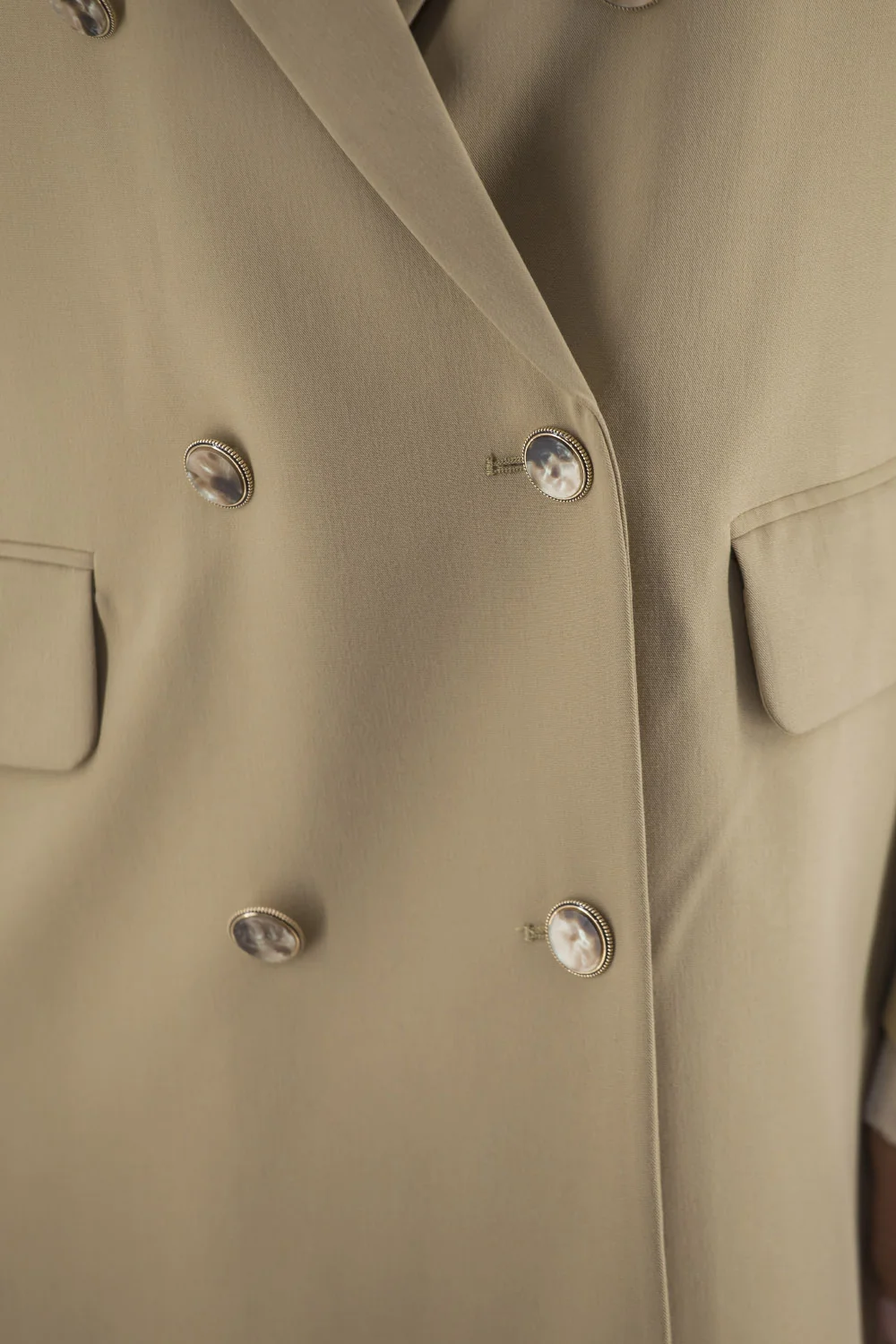
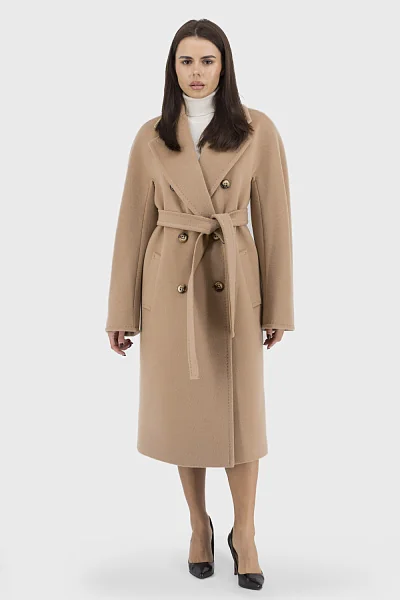
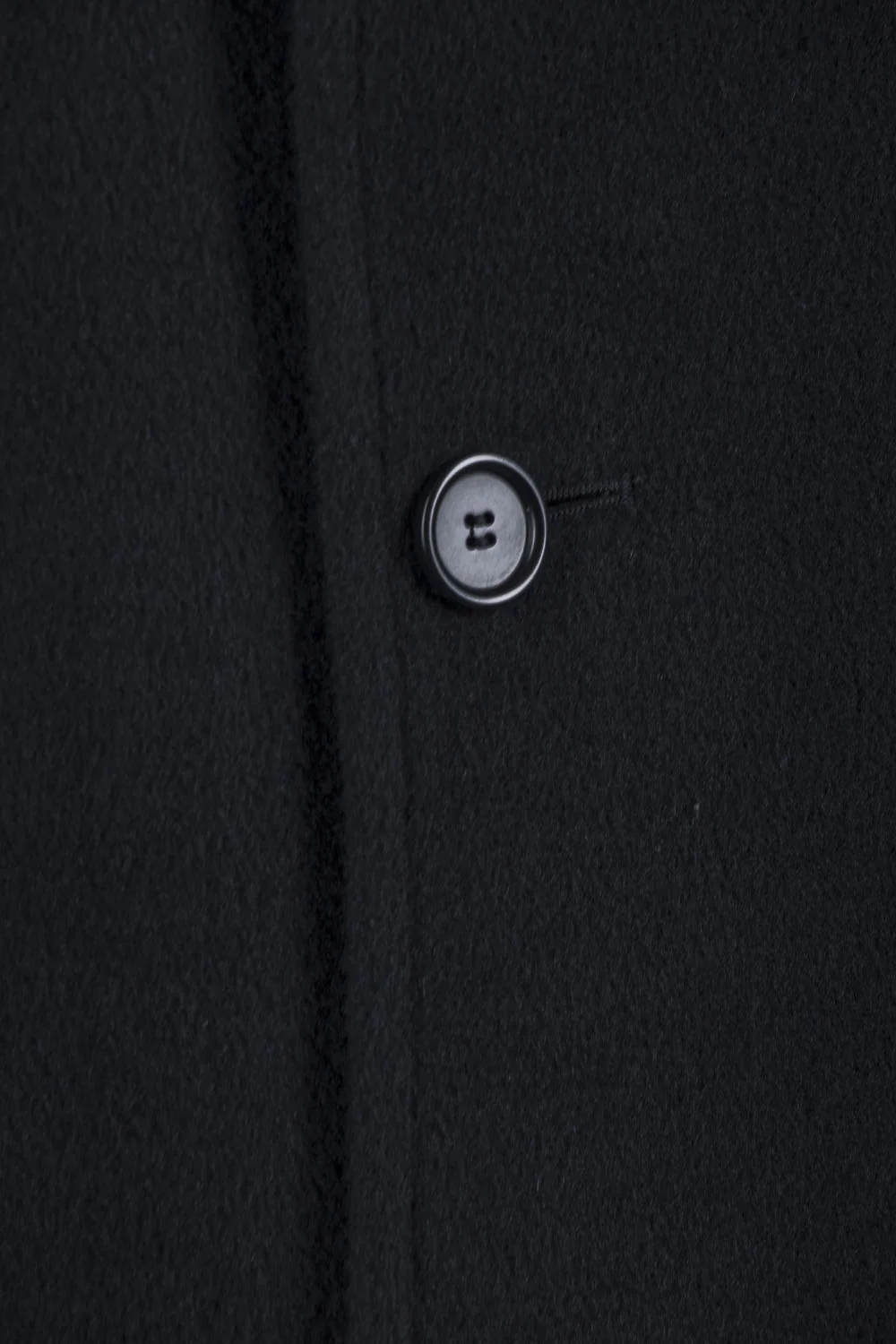
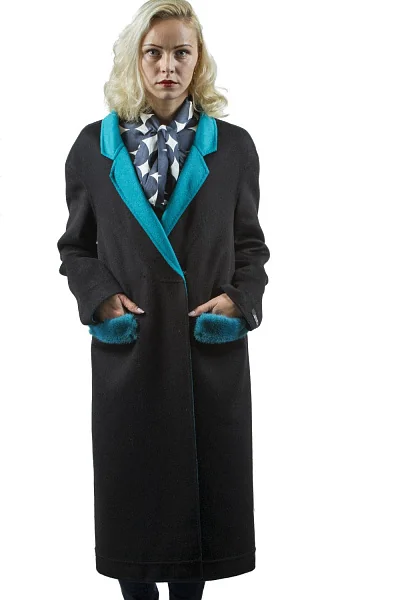
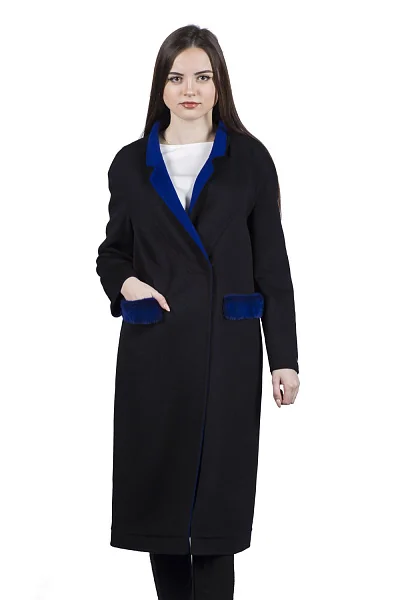
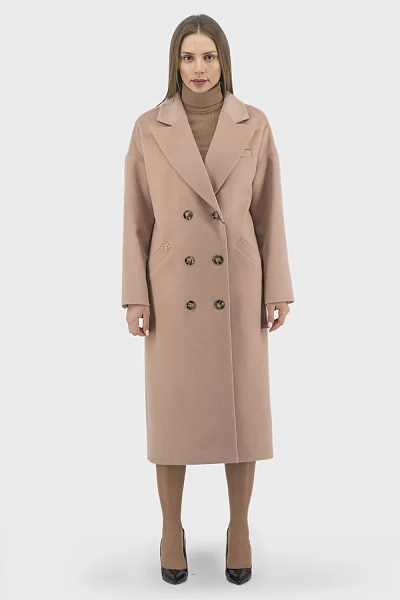
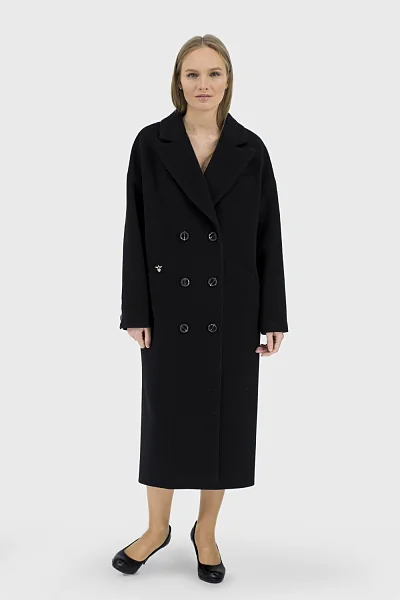
Wool drapes elegantly and works for straight, fitted, double-breasted and relaxed coat styles.
Sheep wool
Sheep wool is the most common base for coat fabrics. It is warm, durable and practical for everyday use.
Its softness depends on fibre thickness and finishing quality.
Merino wool
Merino comes from fine-wool sheep. The fibres are thinner and softer, making the fabric more comfortable against the body.
It provides warmth without excessive weight and suits transitional or lightweight winter coats.
Cashmere
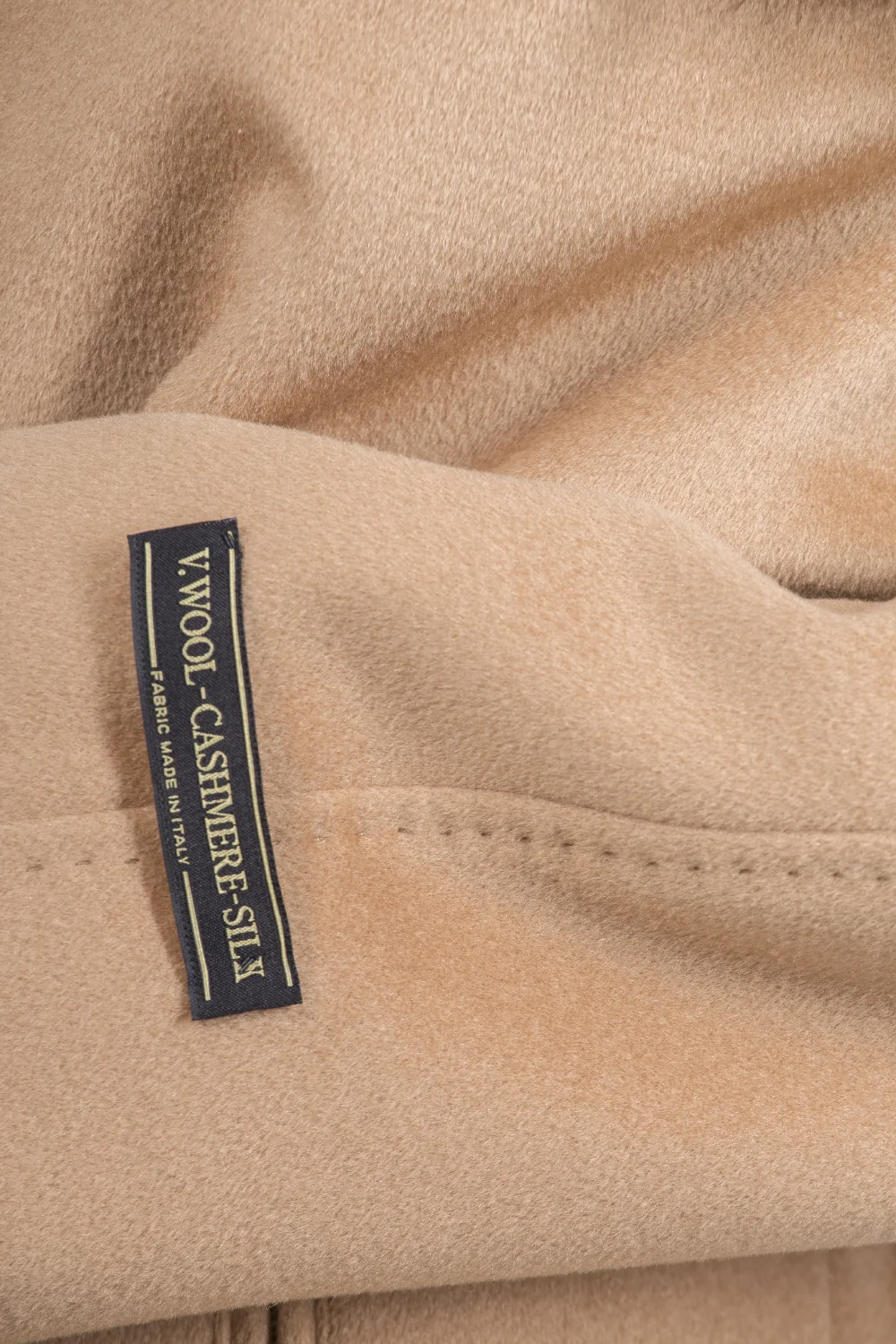
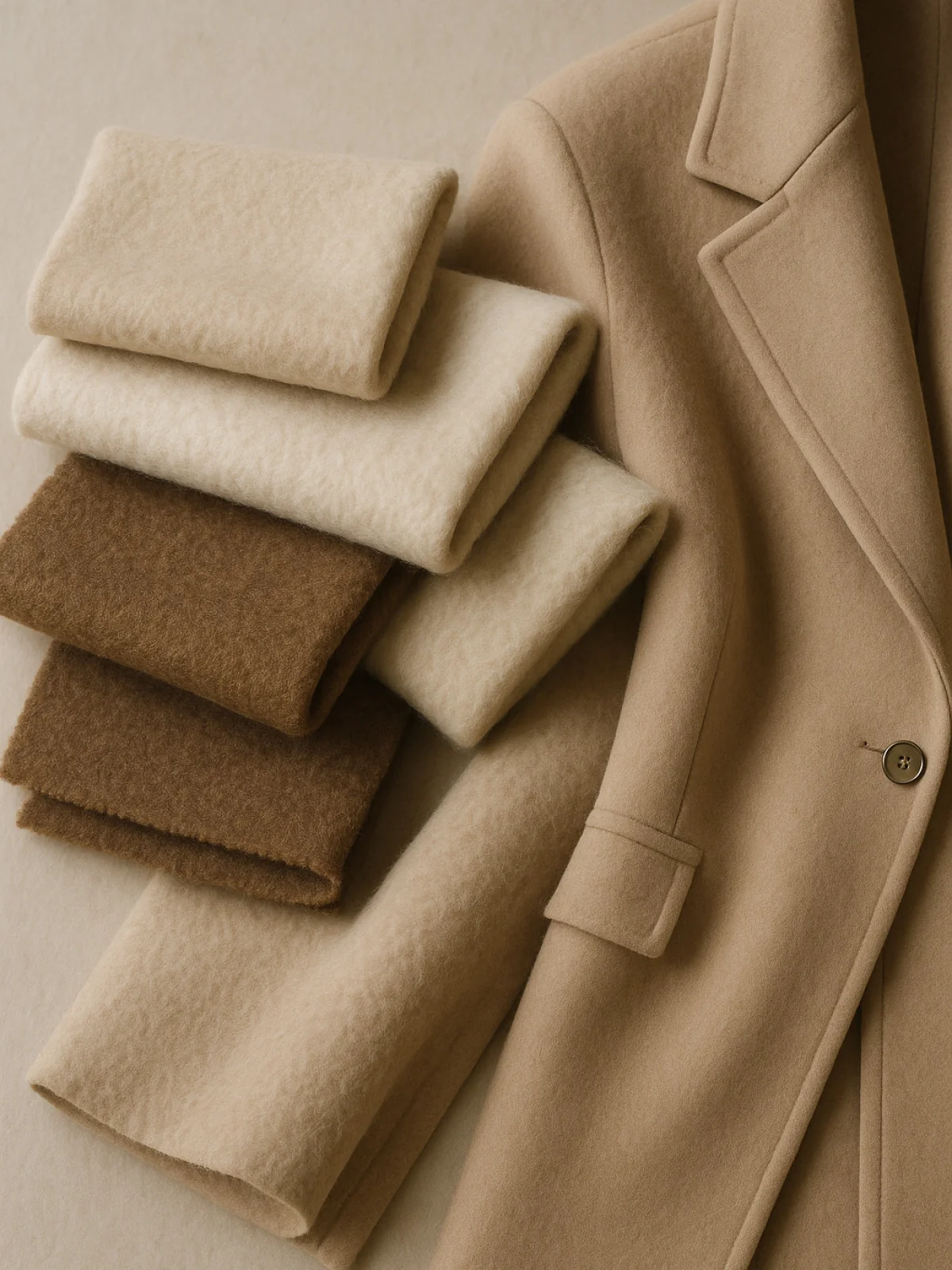
Cashmere is obtained from the soft undercoat of cashmere goats. It is light, warm and exceptionally soft.
For coats, cashmere is often blended with wool to improve durability and shape retention.
Alpaca
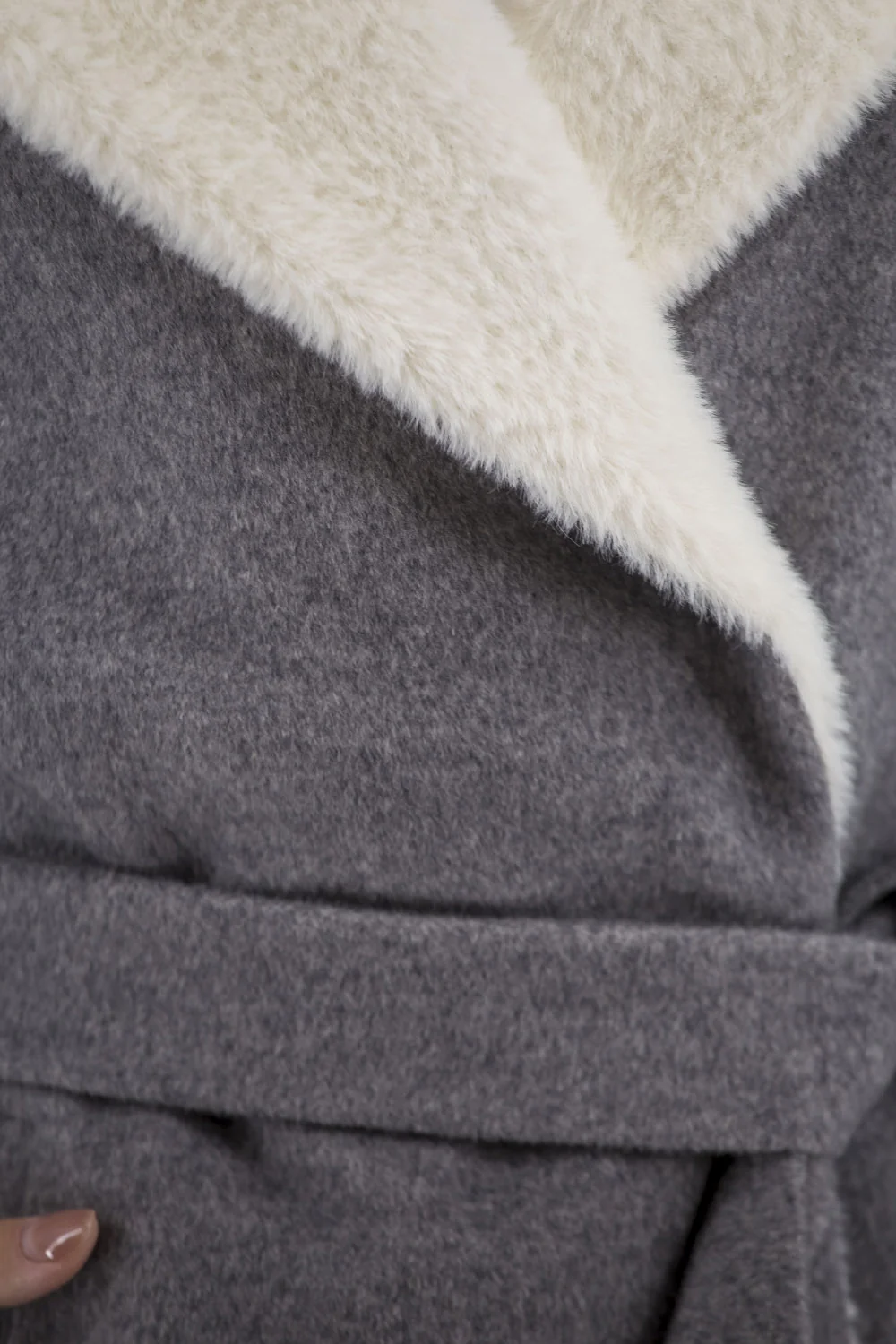
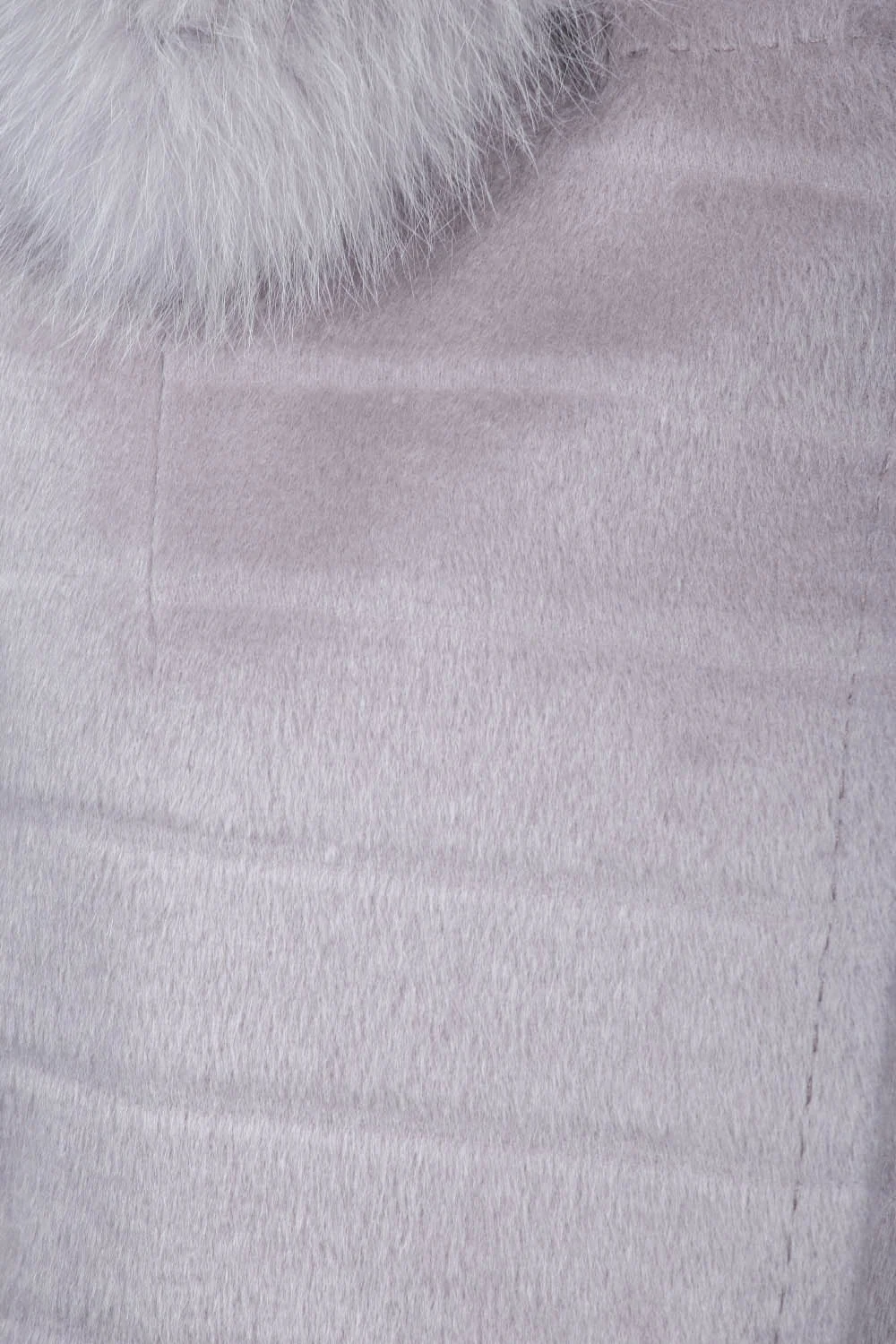
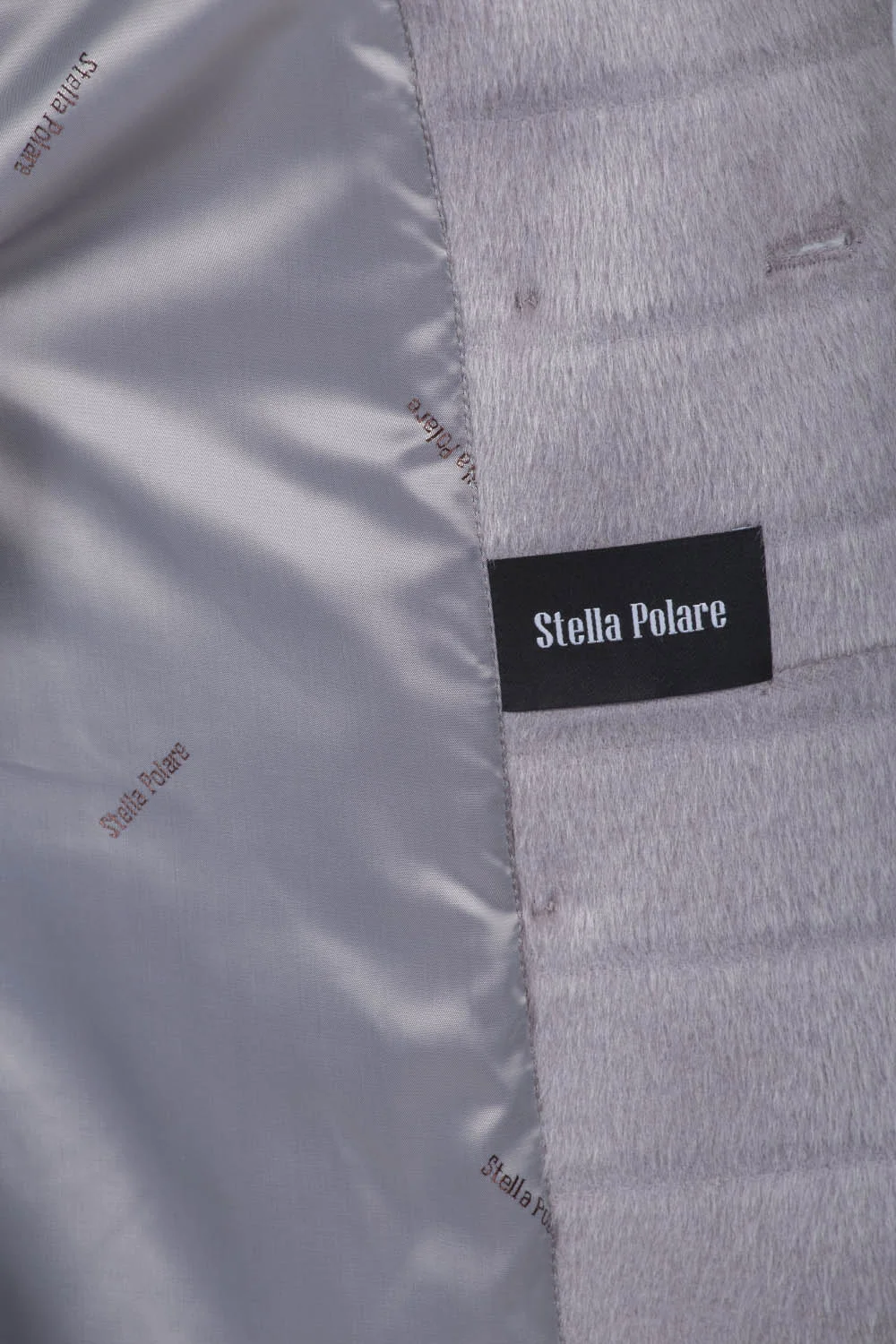
Alpaca fibre is lightweight, warm and naturally lustrous. It creates coats with a soft silhouette and distinctive texture.
It is often blended with sheep wool to improve structure.
Mohair
Mohair comes from Angora goats. It is known for low weight, sheen and a soft surface pile.
Mohair blends require careful maintenance to prevent the surface from matting.
Pure wool or a blend
A label stating 100% wool does not automatically mean the coat is more practical. Pure wool can be warm and soft but may crease or wear faster.
Polyamide or polyester can improve strength and help the fabric hold its shape.
Choosing the wool percentage
A fabric containing around 50–70% wool may be practical for transitional weather. Colder conditions generally require a higher wool content or added insulation.
Fabric density, coat length, lining and wind protection are equally important.
Fabric density and weight
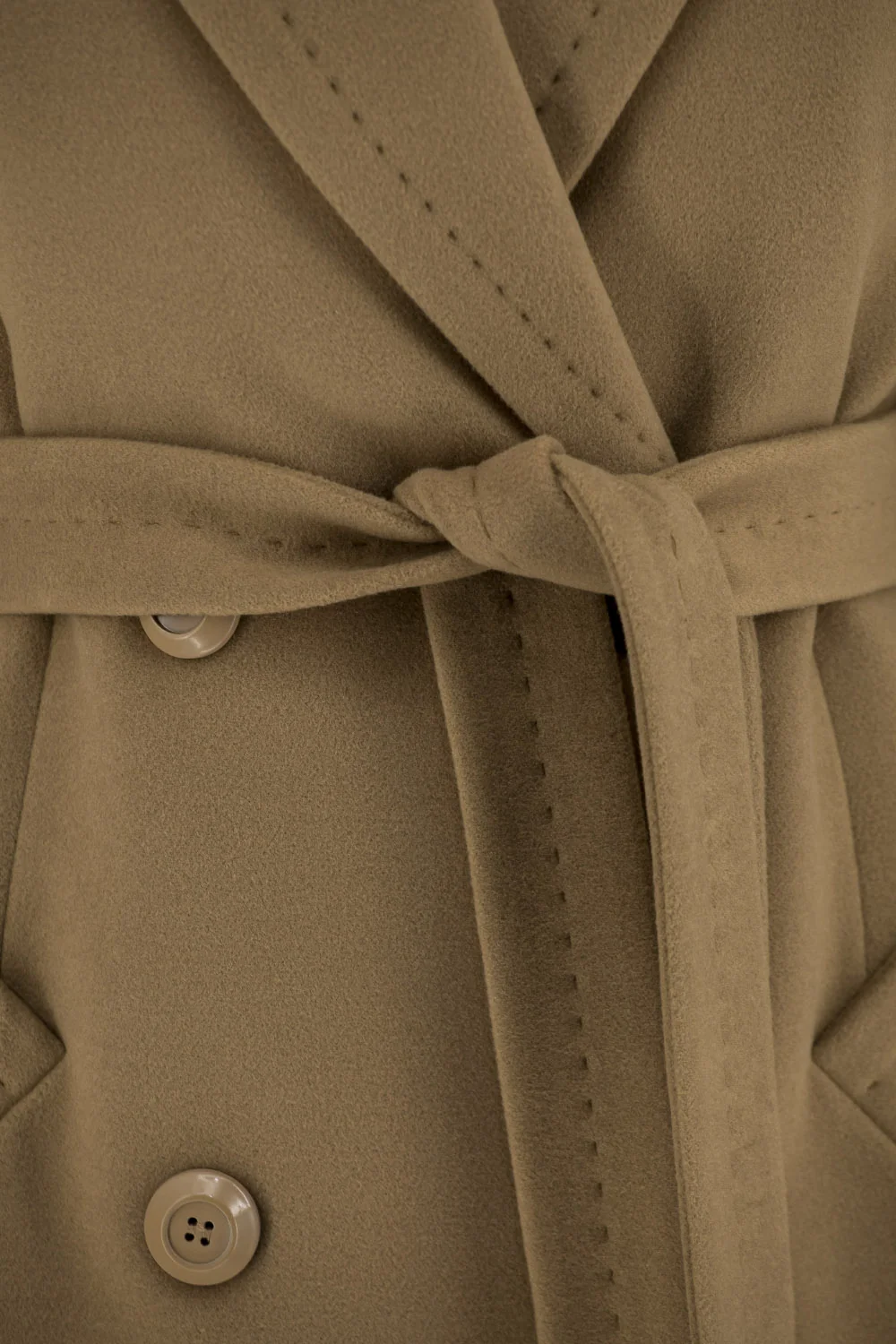
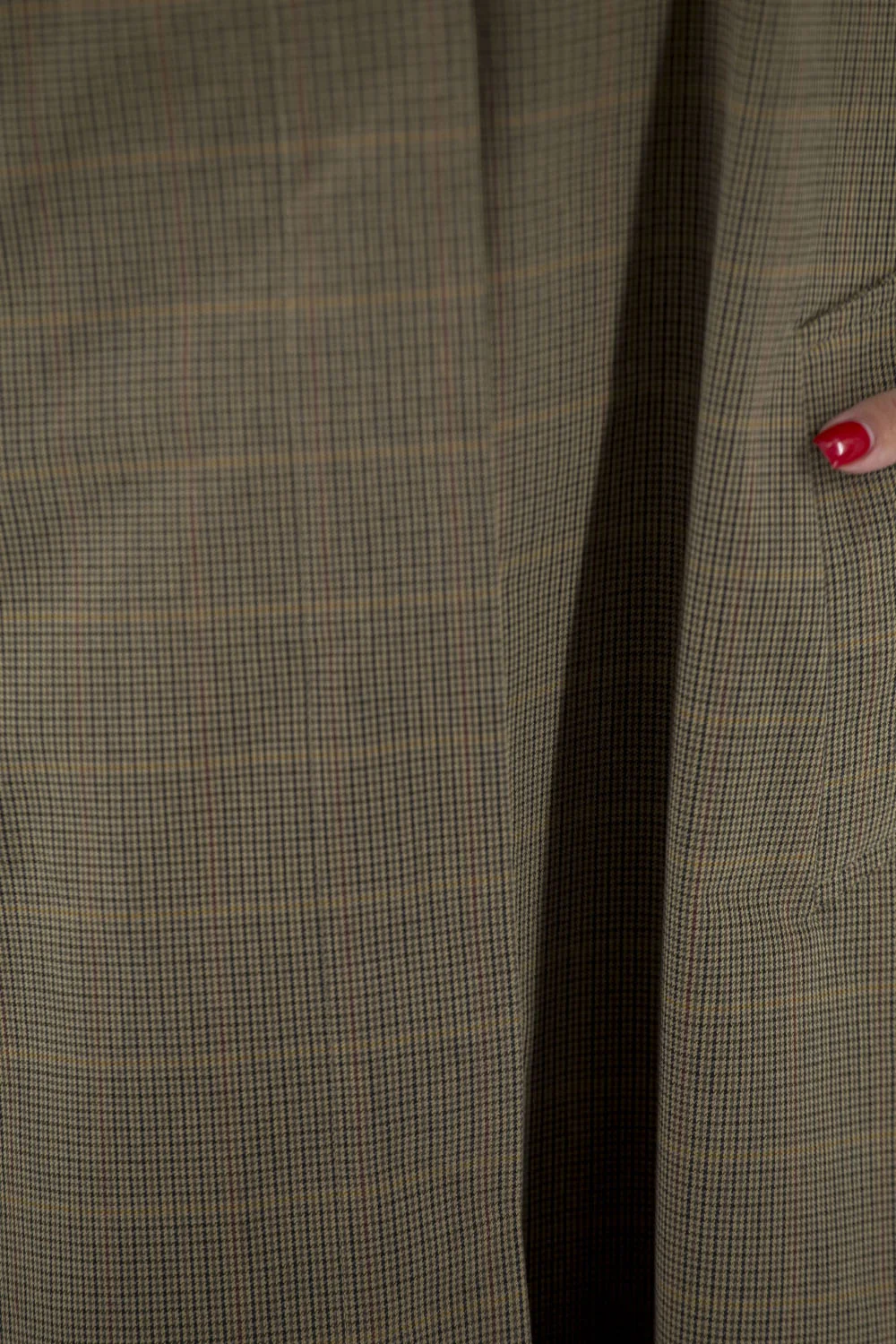
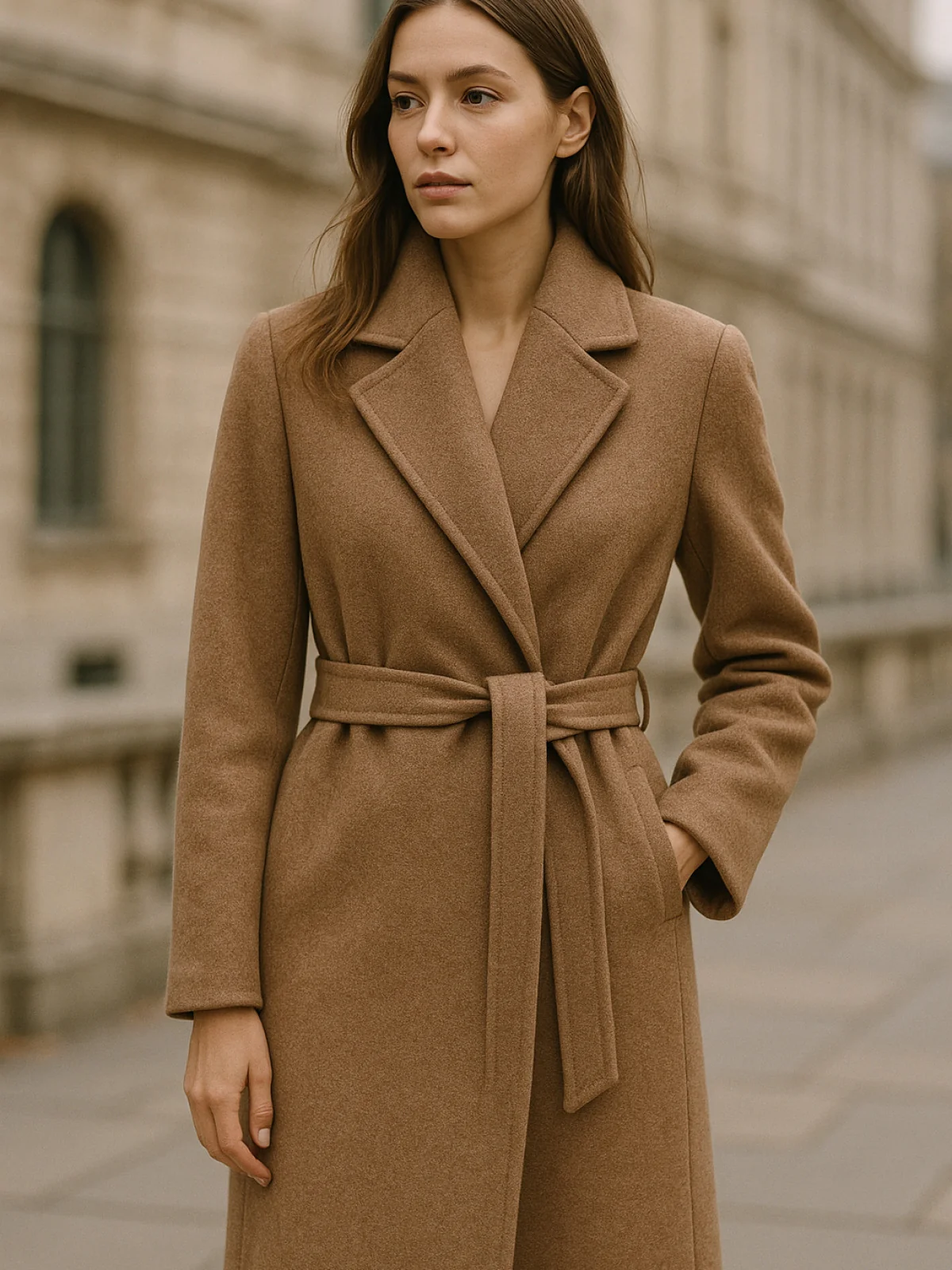
A thin coat may not feel warm even with a high wool percentage. Dense fabric provides better wind resistance and a more stable silhouette.
An excessively heavy coat can strain the shoulders, so balance matters.
Lining and insulation
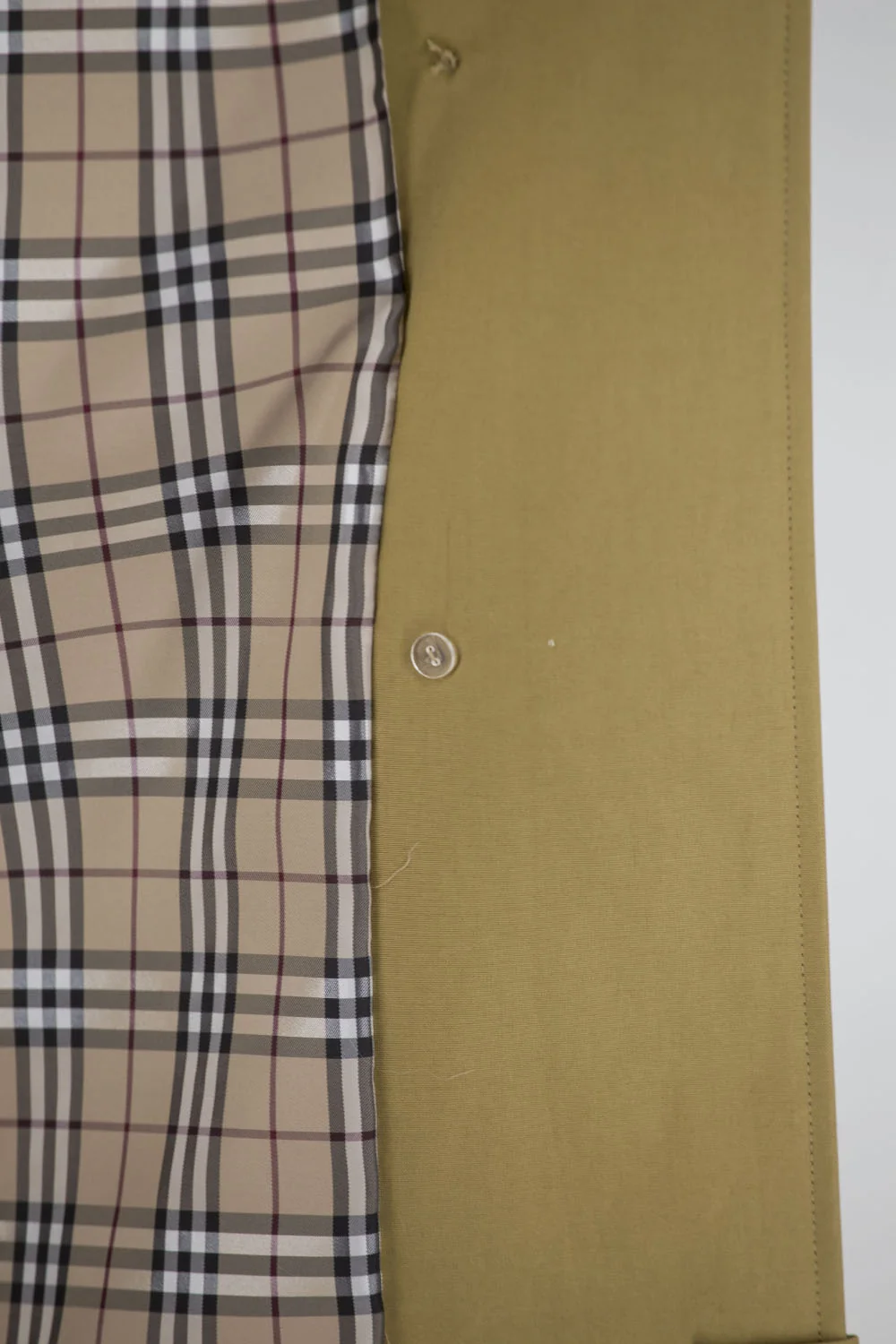
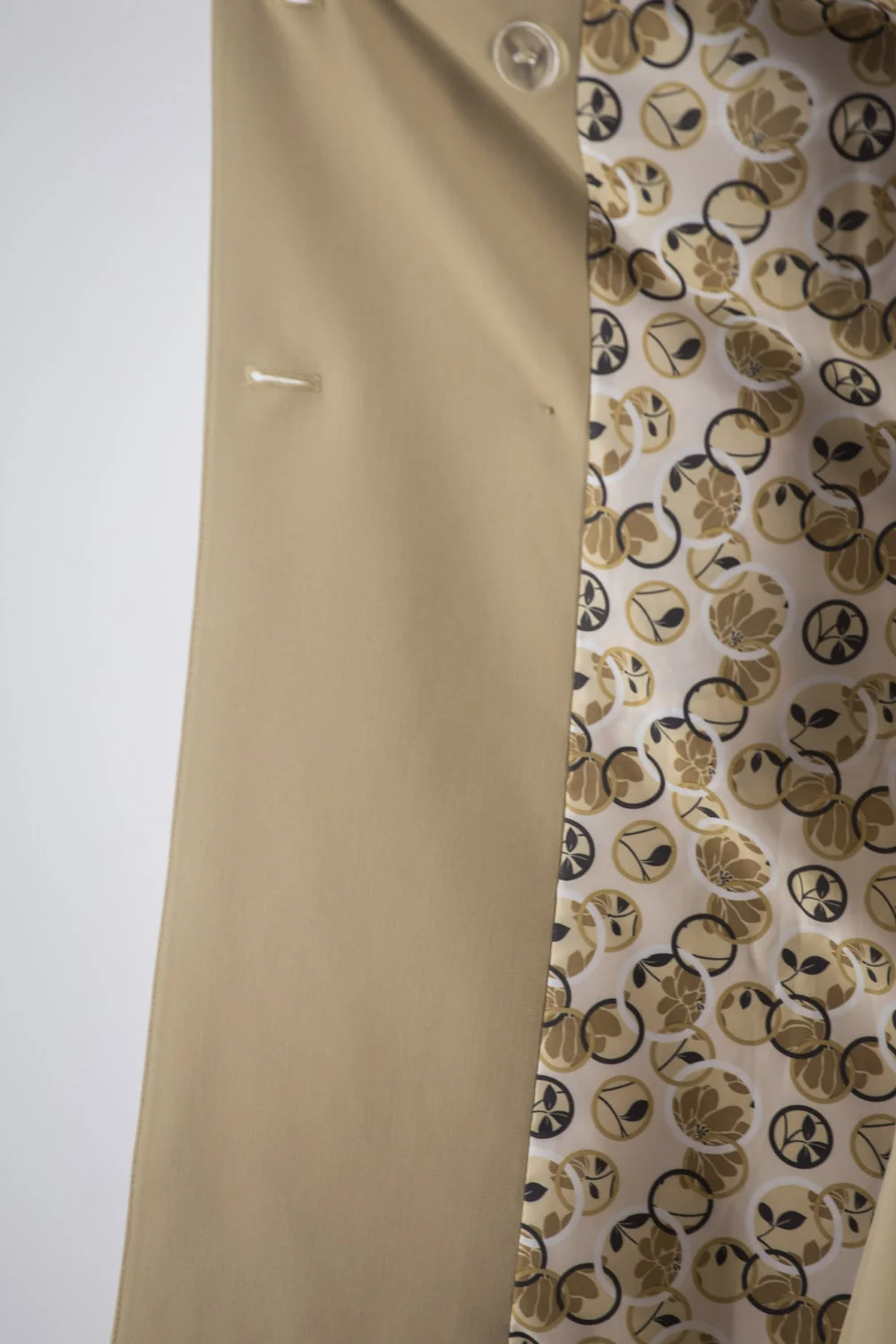
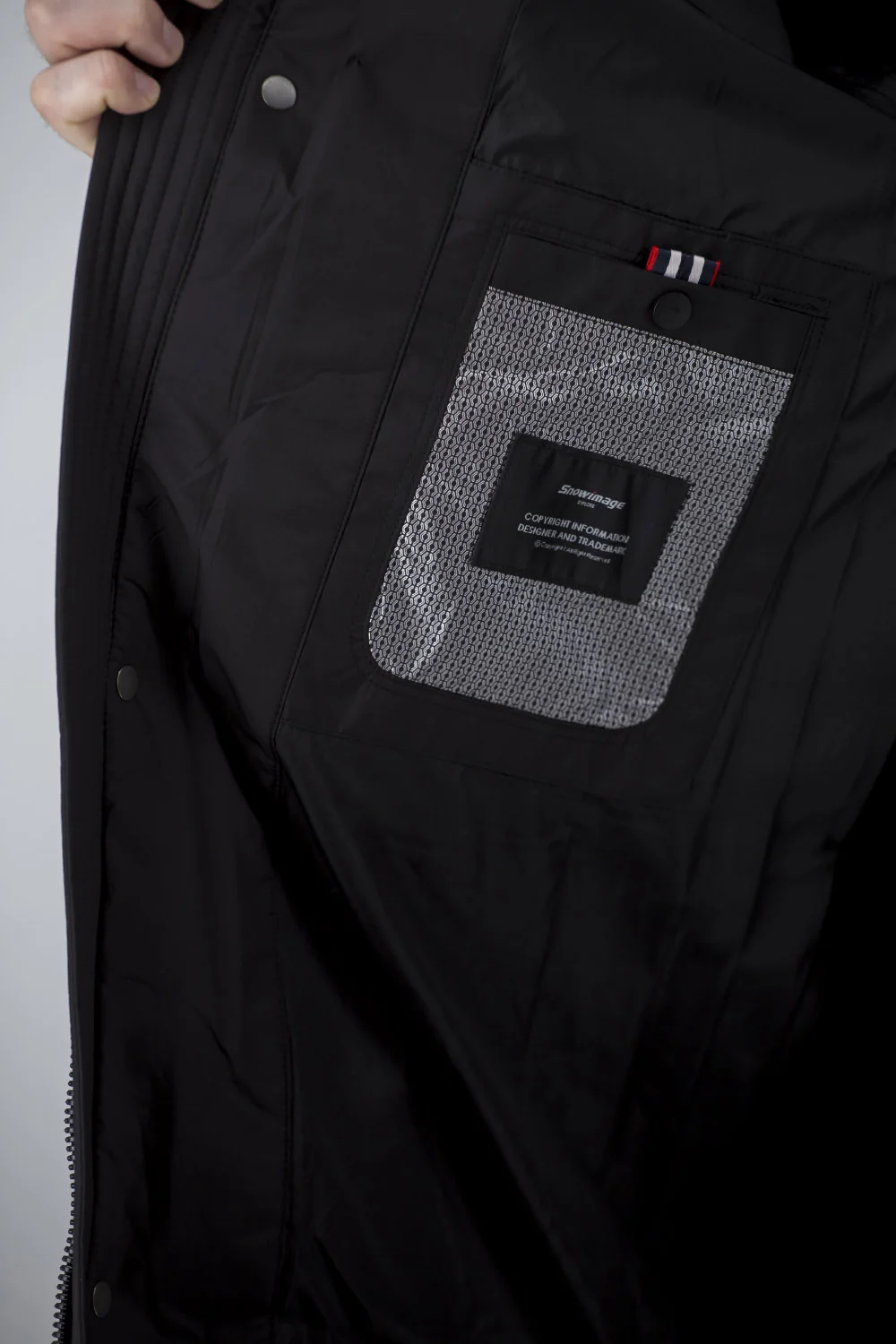
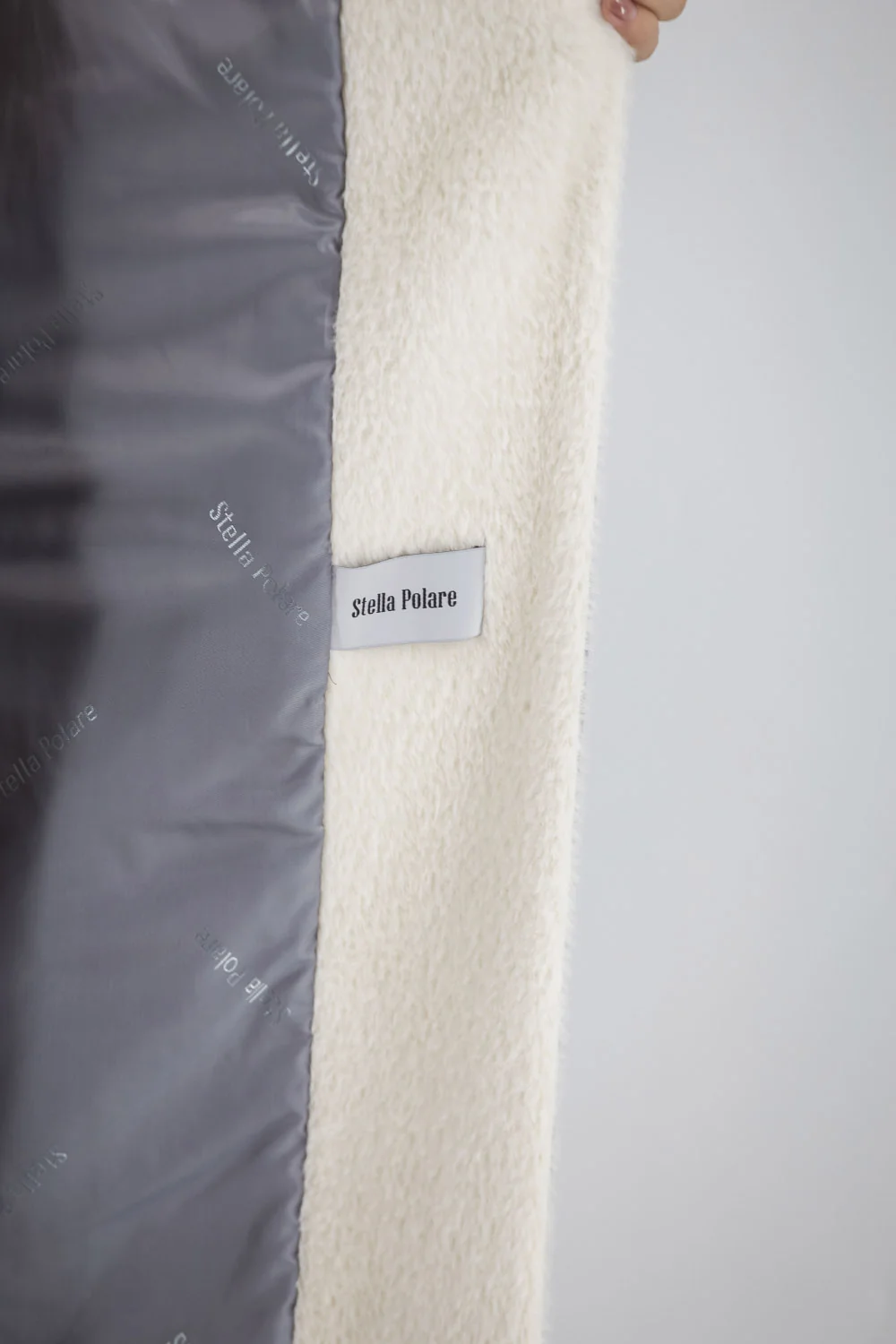
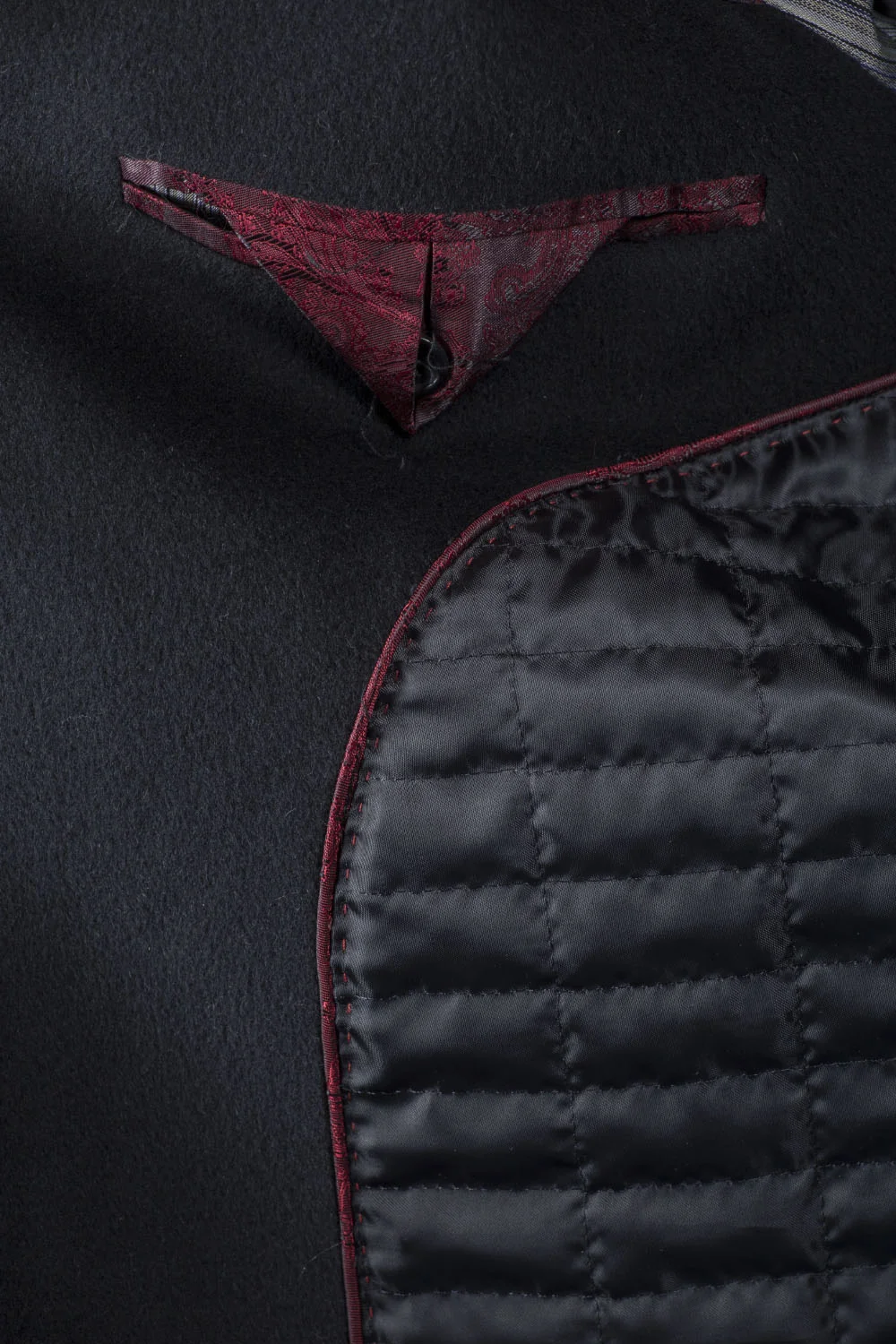
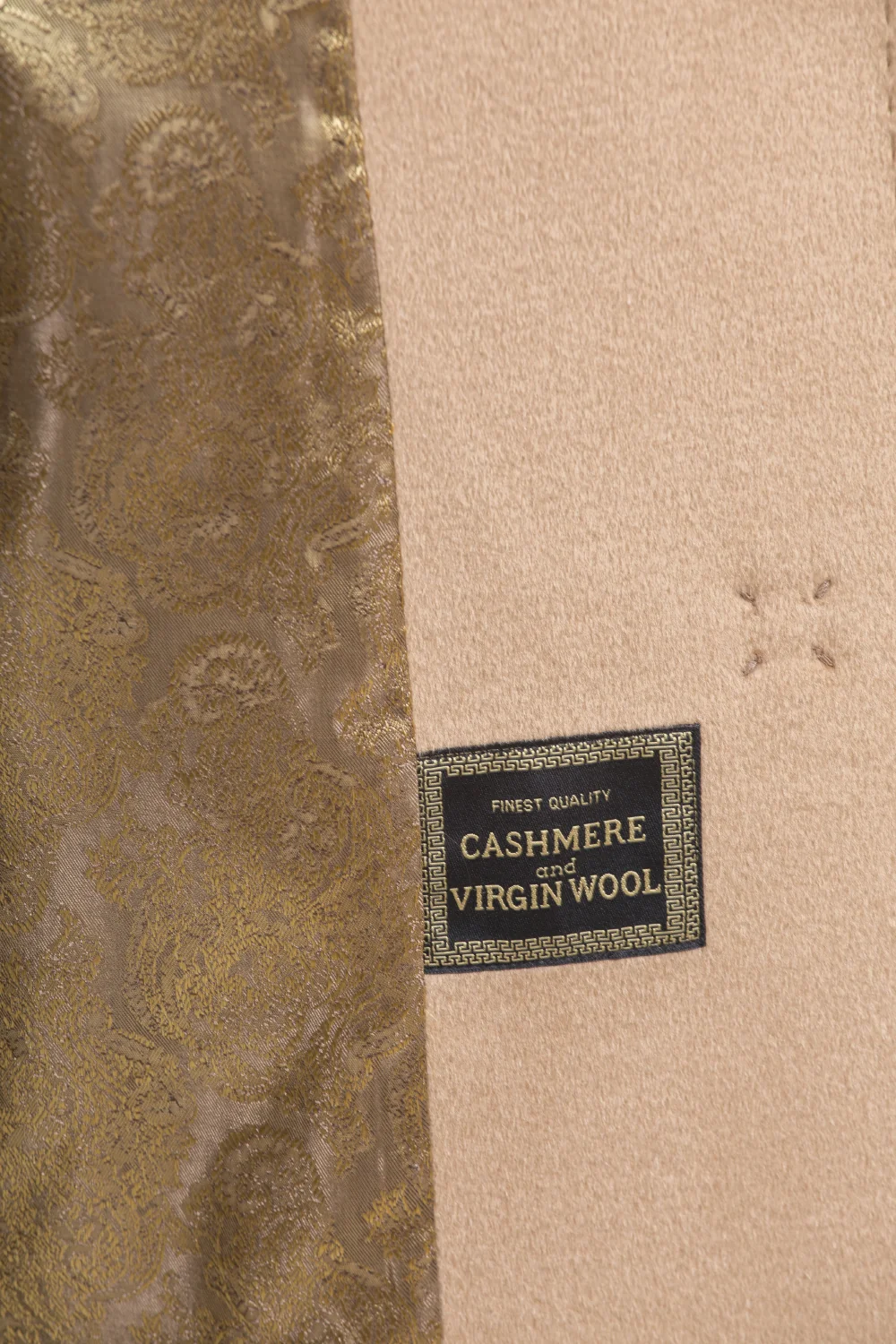
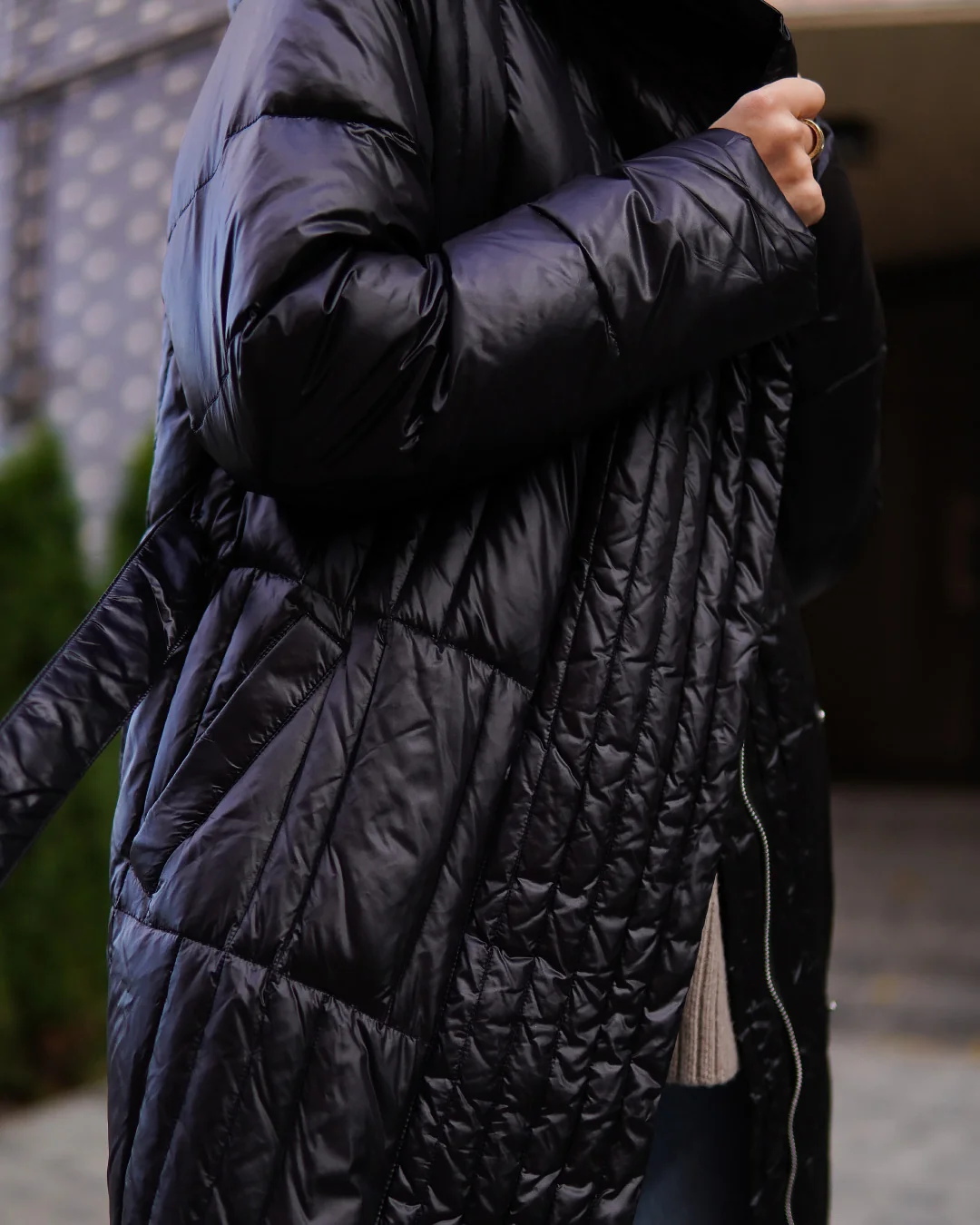
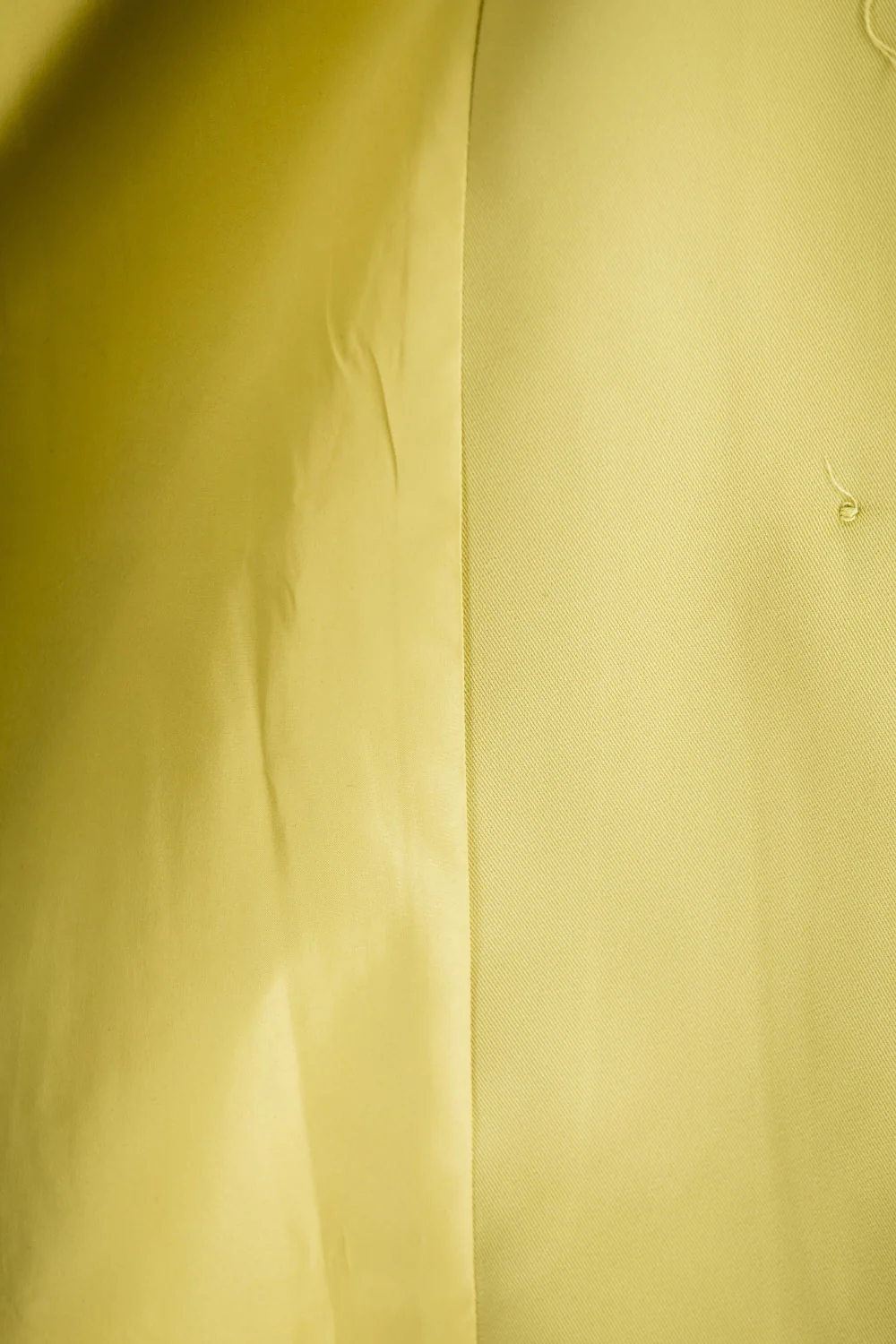
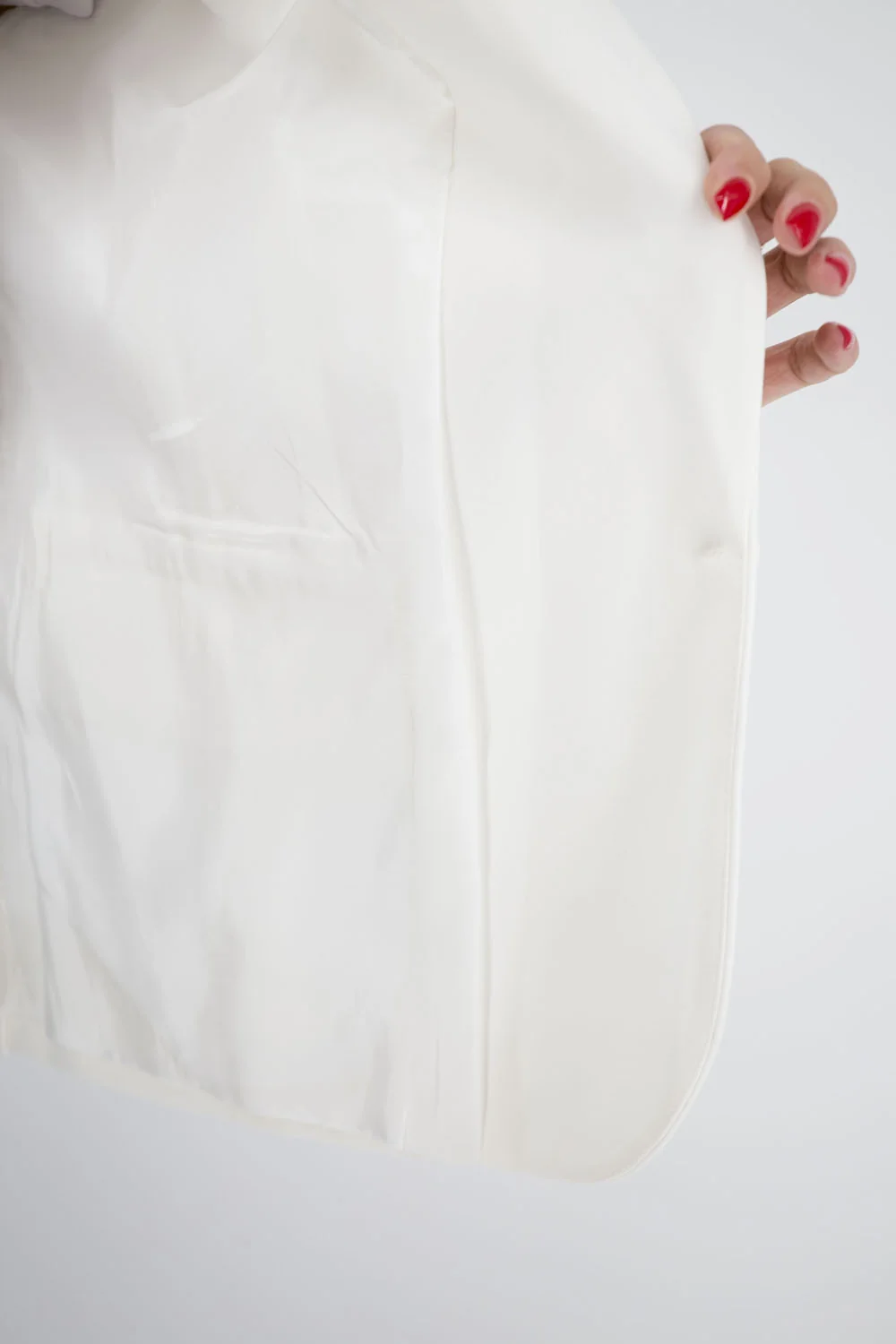
The lining covers seams, reduces friction and helps the coat slide over knitwear.
Winter designs may include an insulating layer between the outer fabric and the lining.
How to assess fabric quality
Compress a section of fabric and release it. Good material should gradually recover without deep creases.
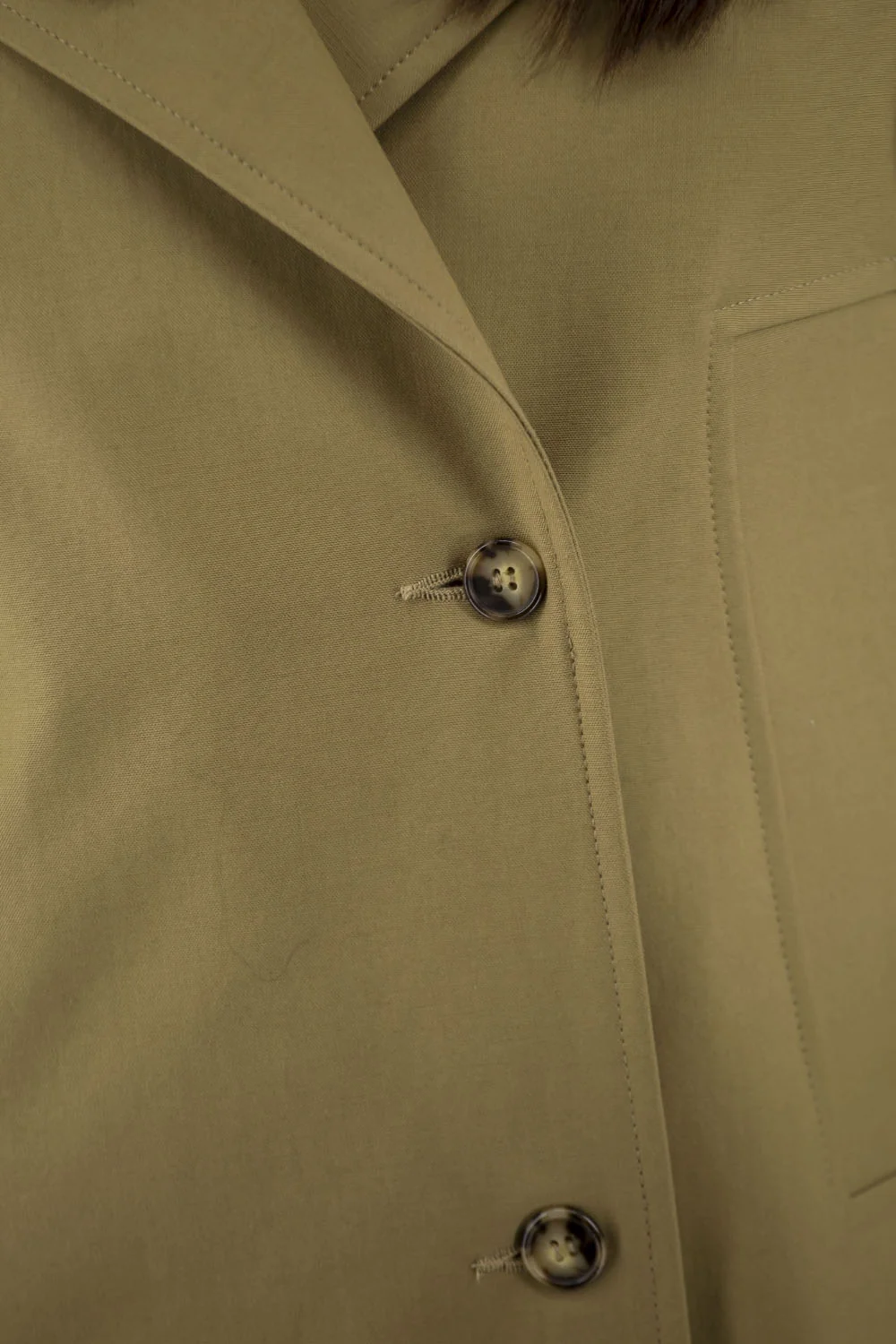
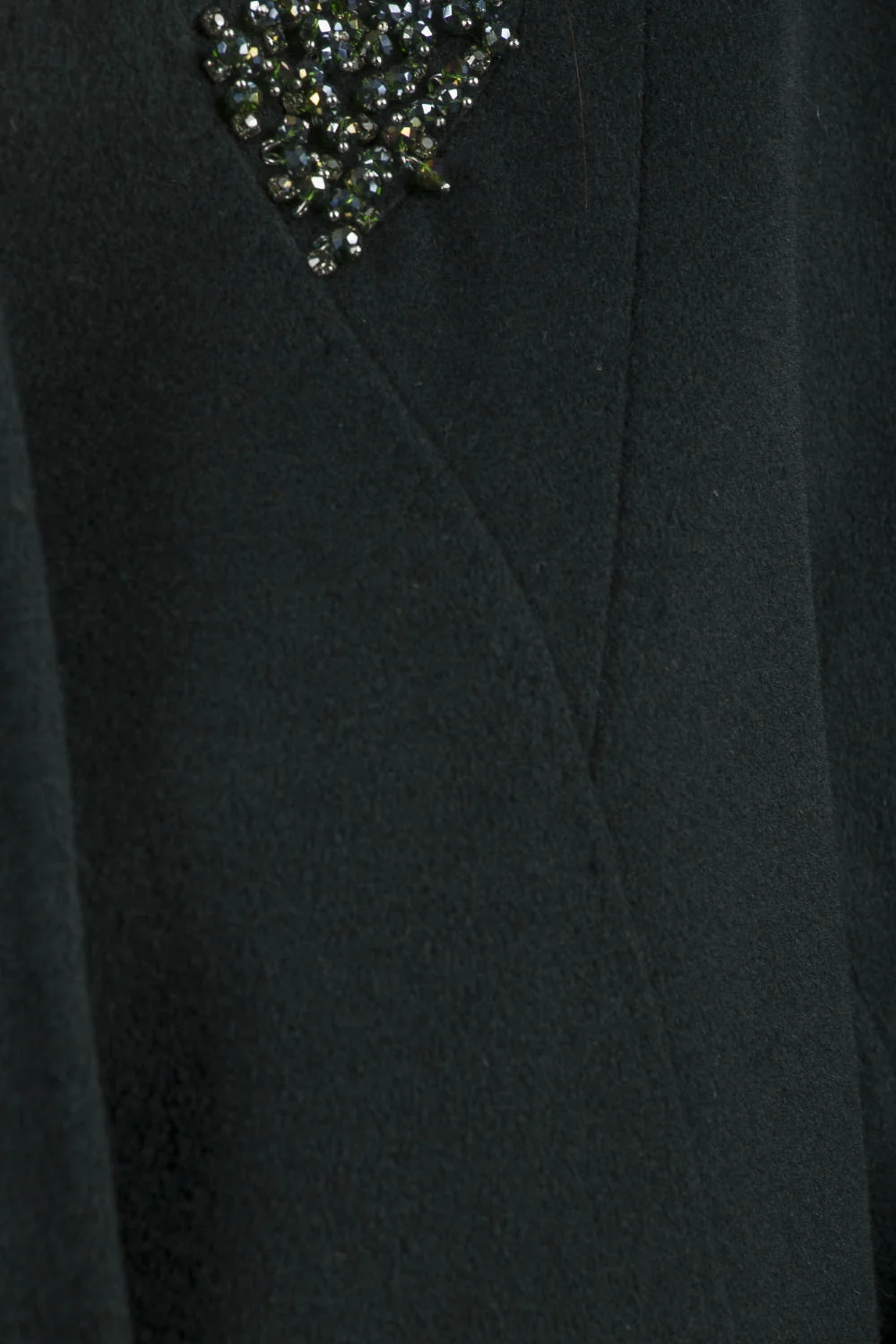
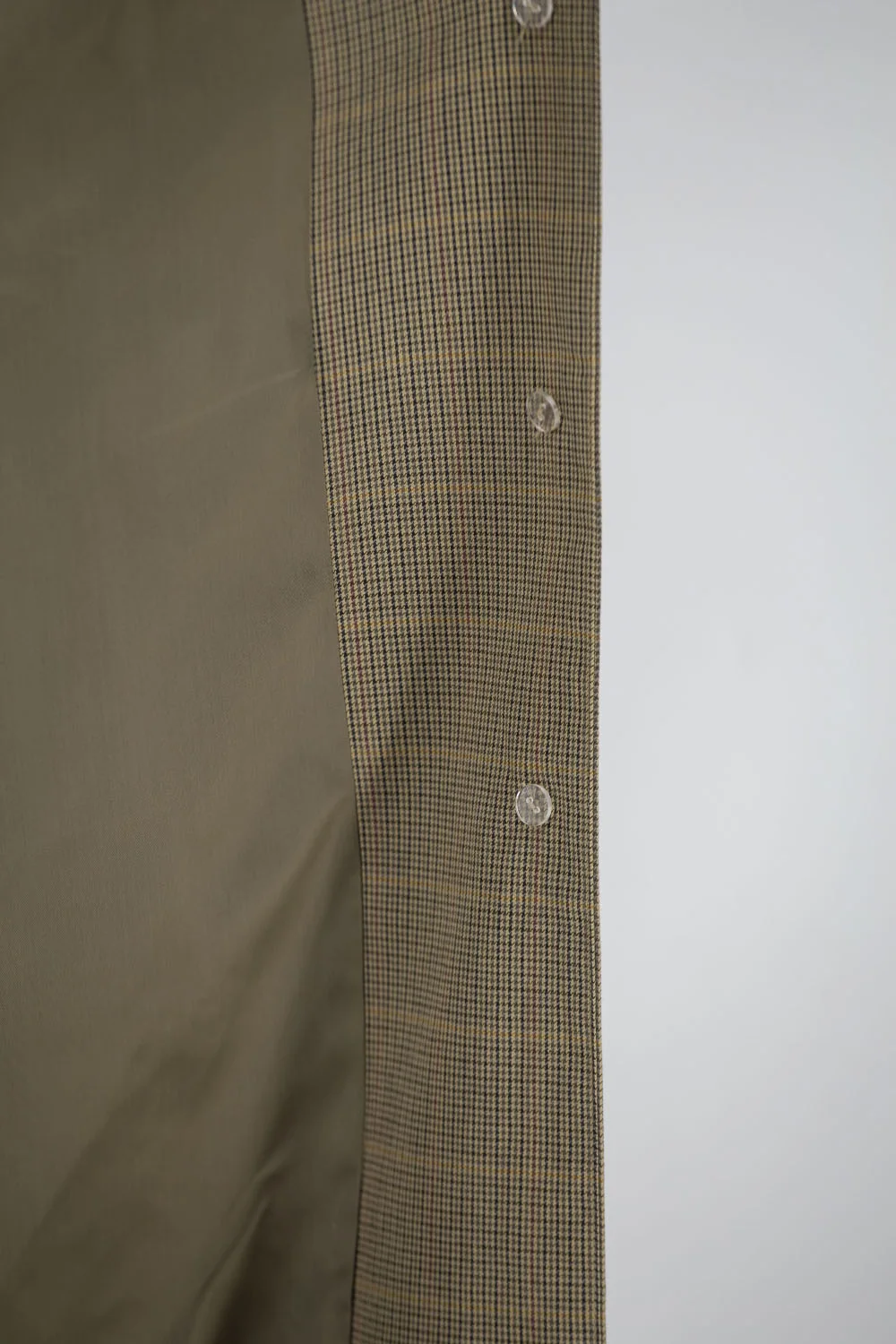
Check the pile, seams, pockets and cuffs for bald areas, pilling or pulled threads.
Choosing the right fit
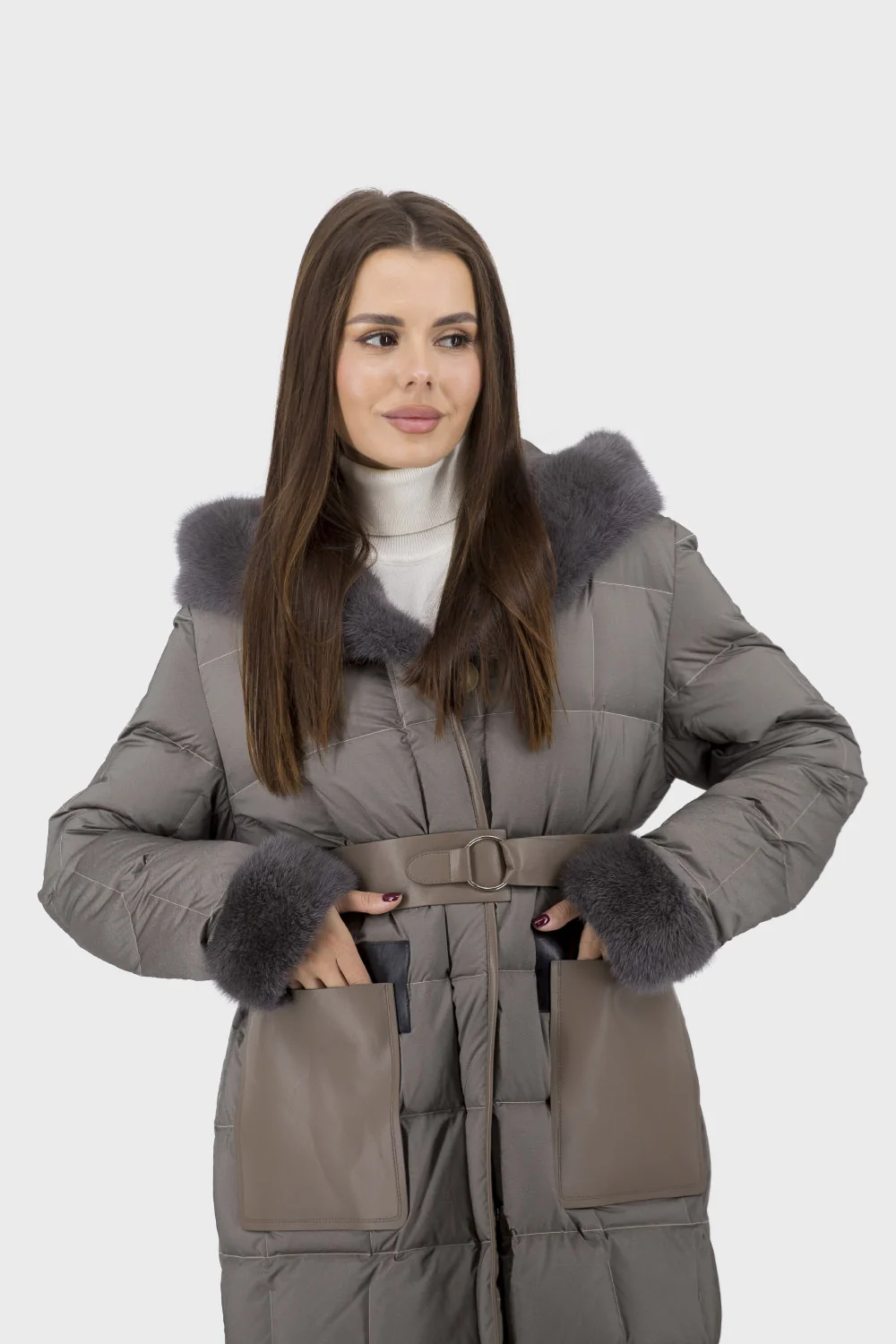
The coat should not pull across the shoulders, chest or back. Try it on over the clothing you expect to wear underneath.
Raise your arms, fasten the coat and walk a few steps to check freedom of movement.
Choosing coat length
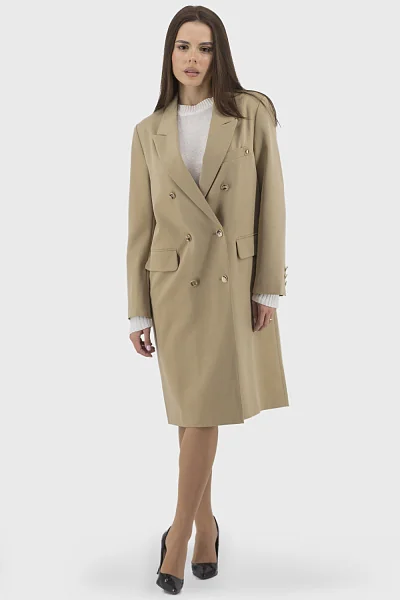
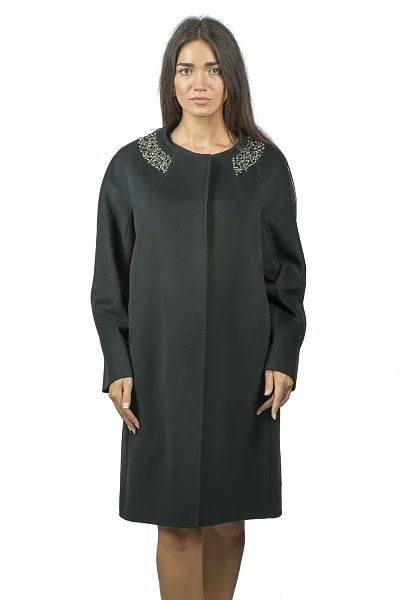
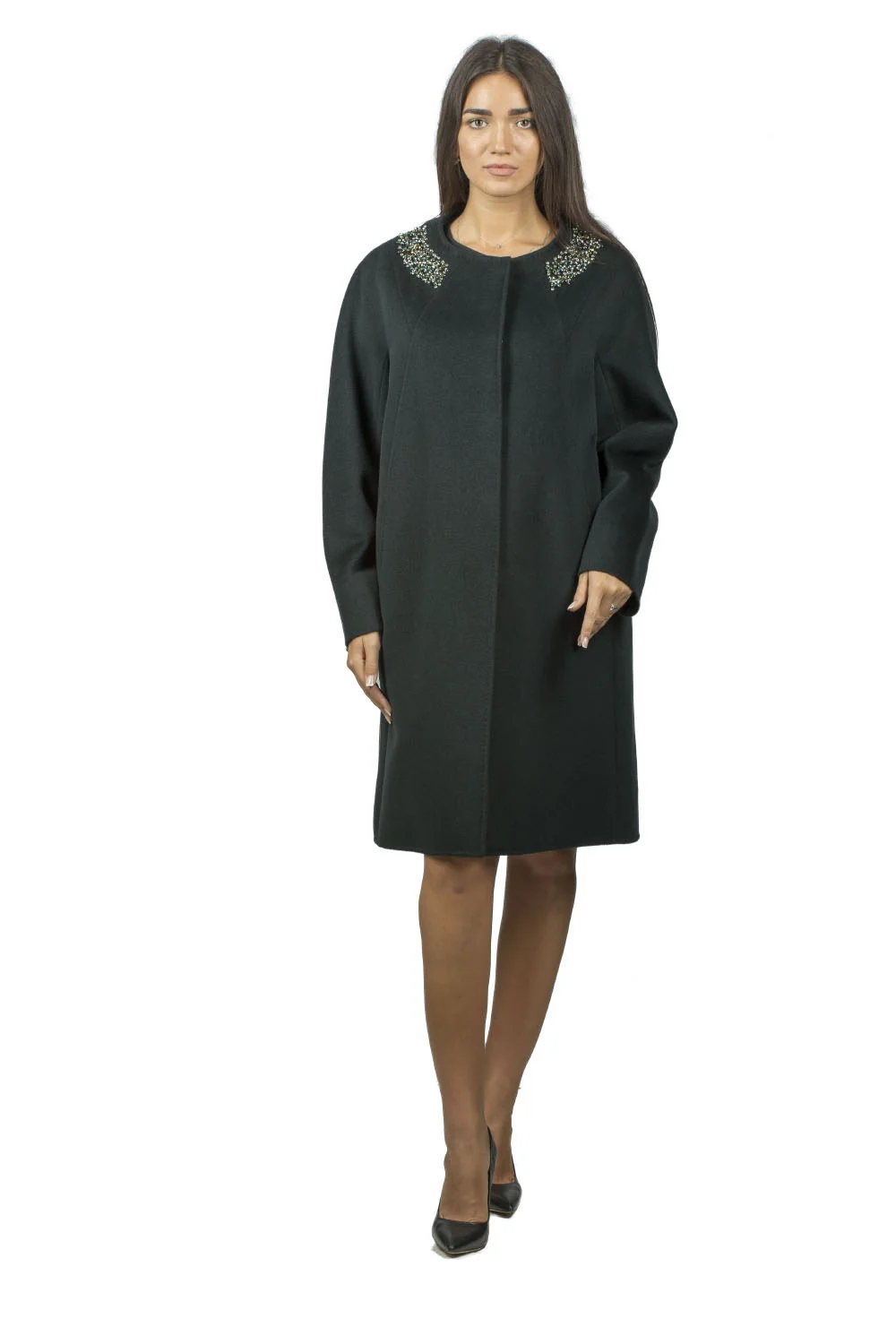
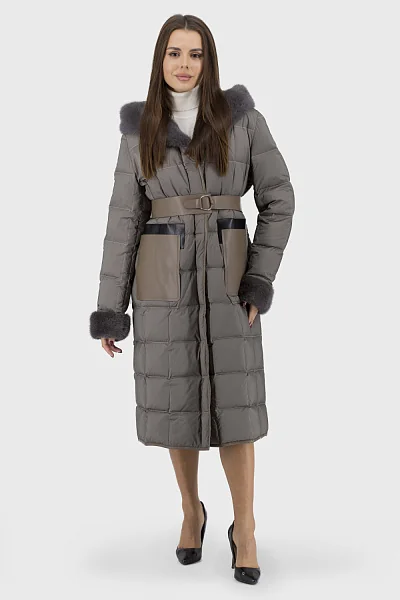
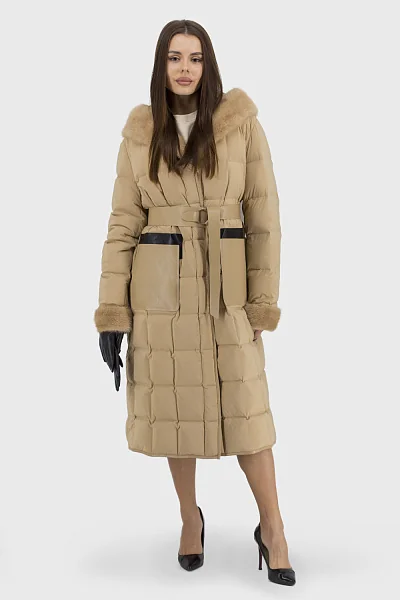
Short coats are convenient for driving and active movement. Knee-length designs are versatile for city wear.
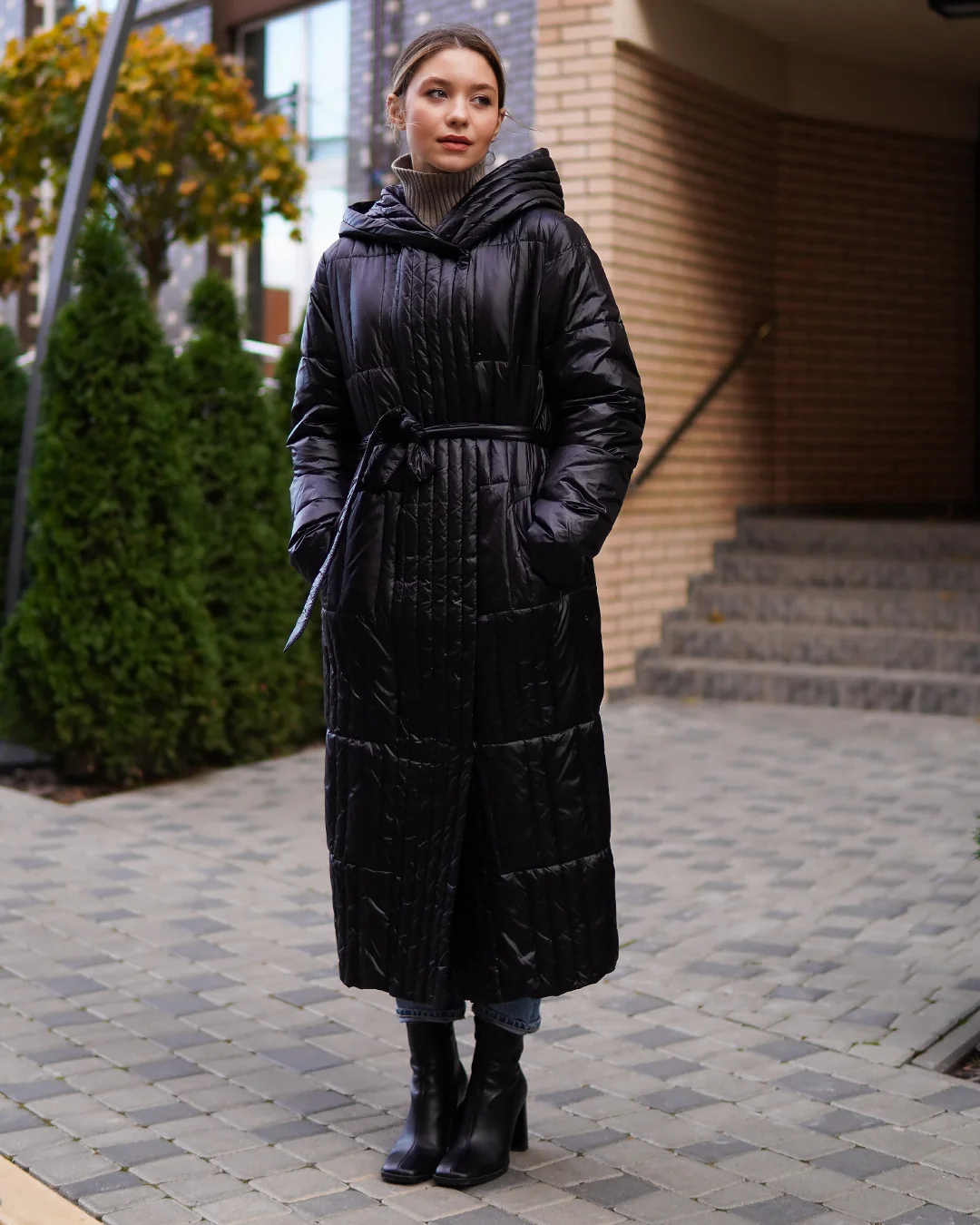
Long coats provide greater protection for the legs in wind and cold.
Caring for a wool coat
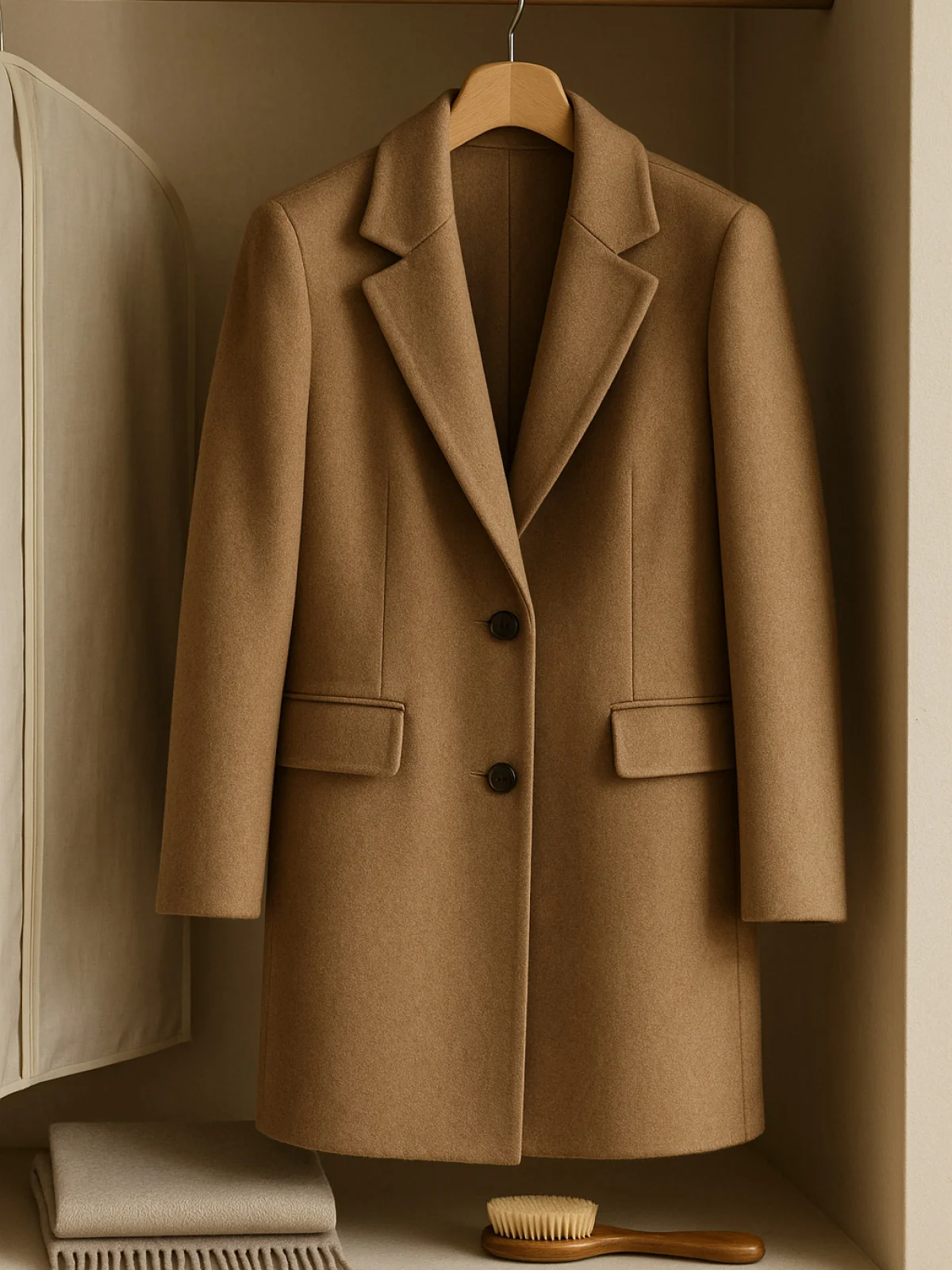
After wearing, gently brush the surface and allow the coat to air.
Most wool coats should be professionally cleaned according to their care label.
Removing pilling
Pilling usually develops where the fabric rubs against bags, sleeves, pockets and cuffs.
Use a specialist fabric shaver or wool comb without cutting into the material.
Correct storage
Store the coat on a wide, strong hanger to protect the shoulder shape. Clean and dry it before seasonal storage.
A breathable garment cover is preferable to a sealed plastic bag.
Conclusion
Wool coats are valued for warmth, breathability, durability and a versatile premium appearance.
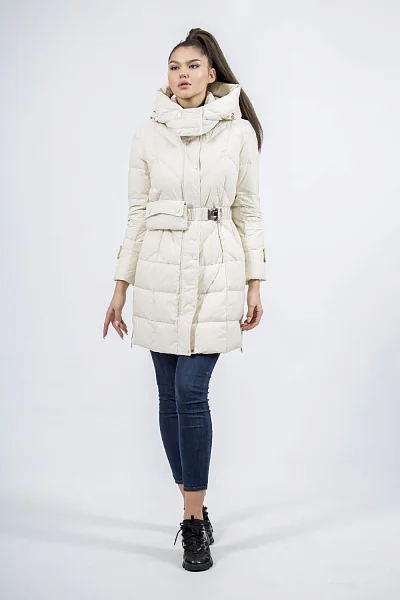
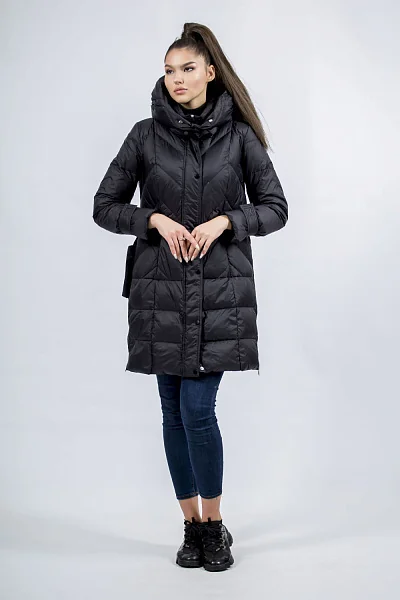
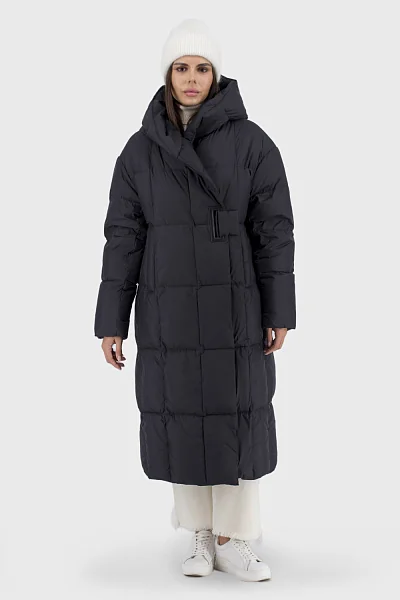
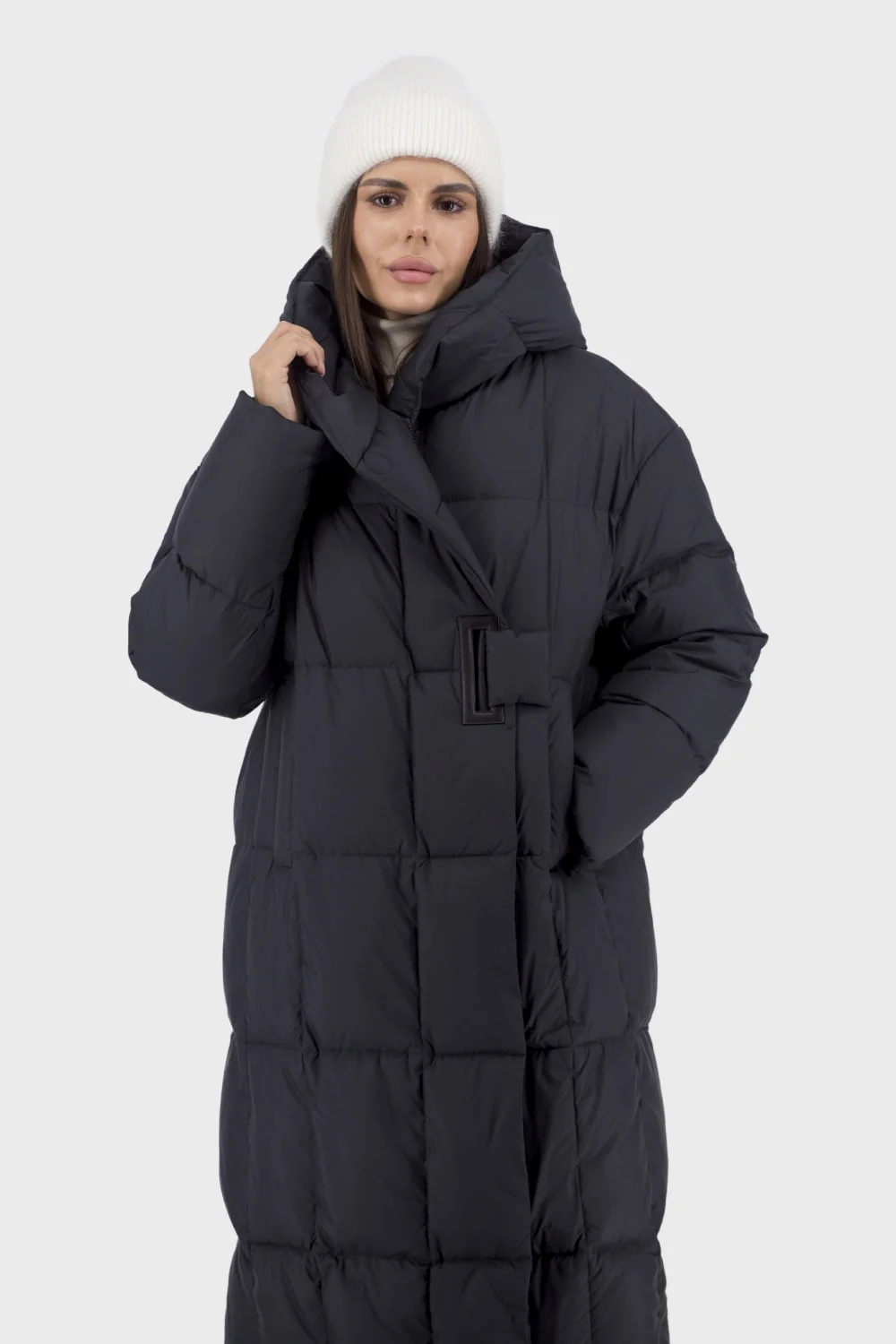
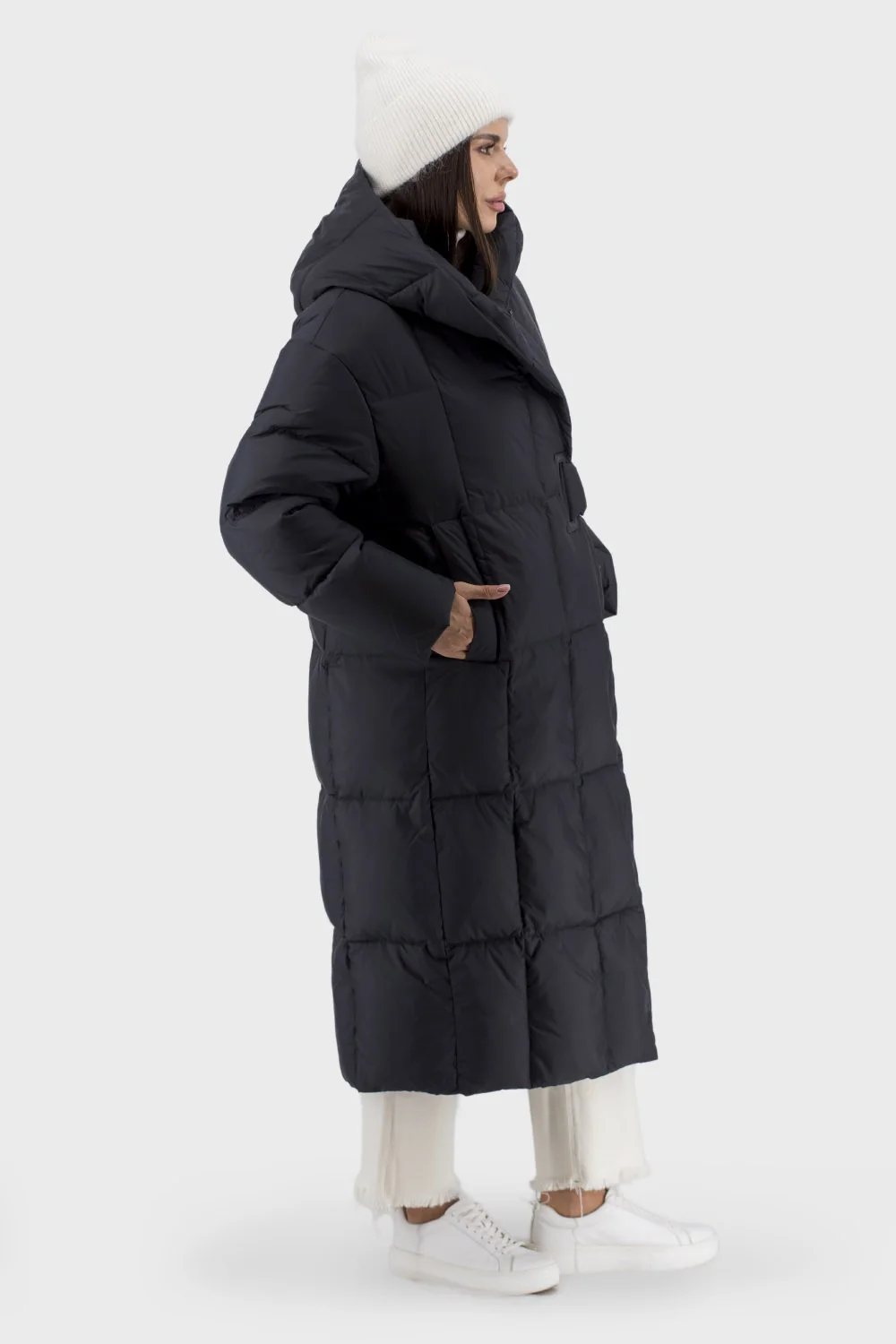
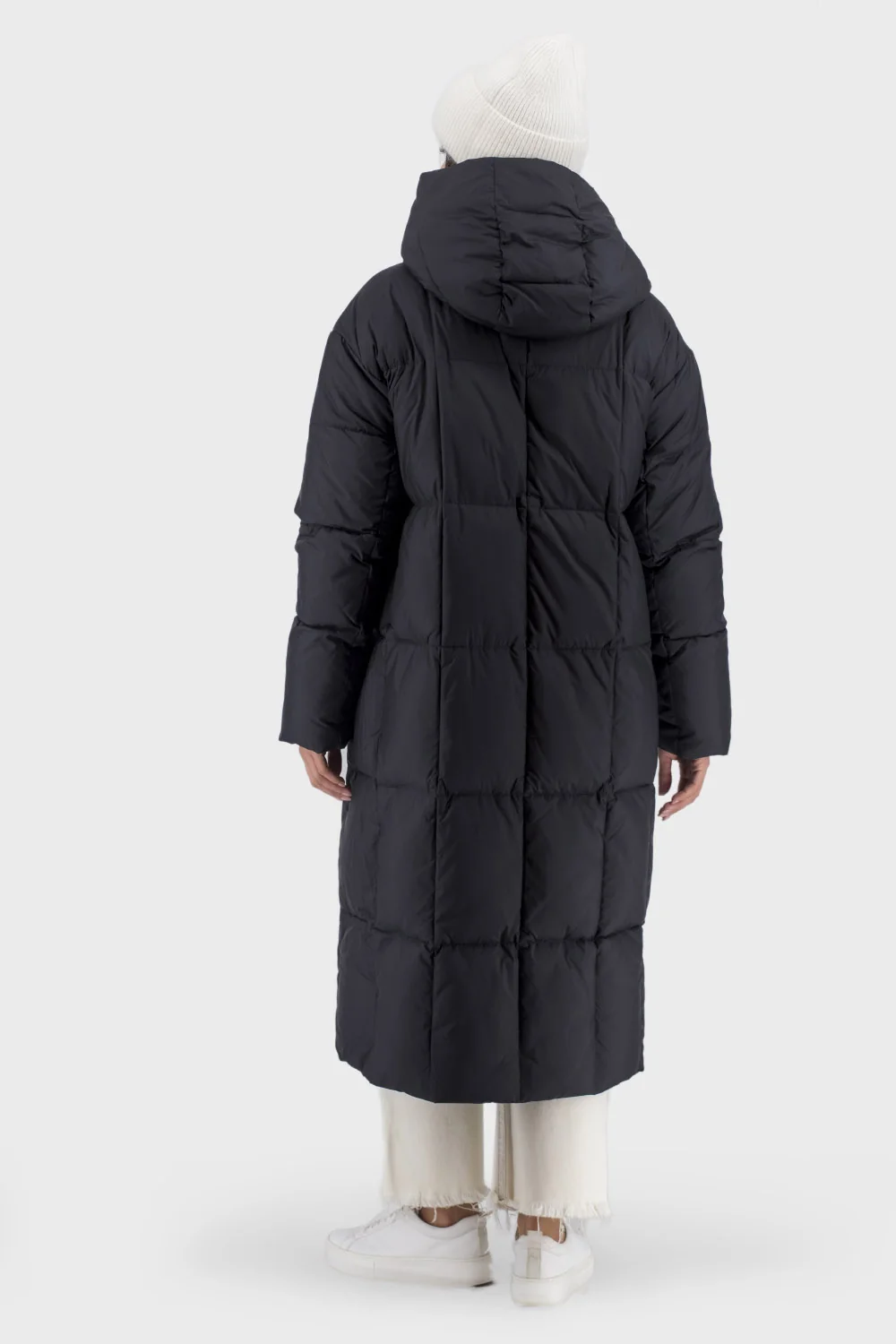
Explore the Bella Bicchi women’s coat collection with free delivery across Ukraine.
More designs are available in the women’s coat category.