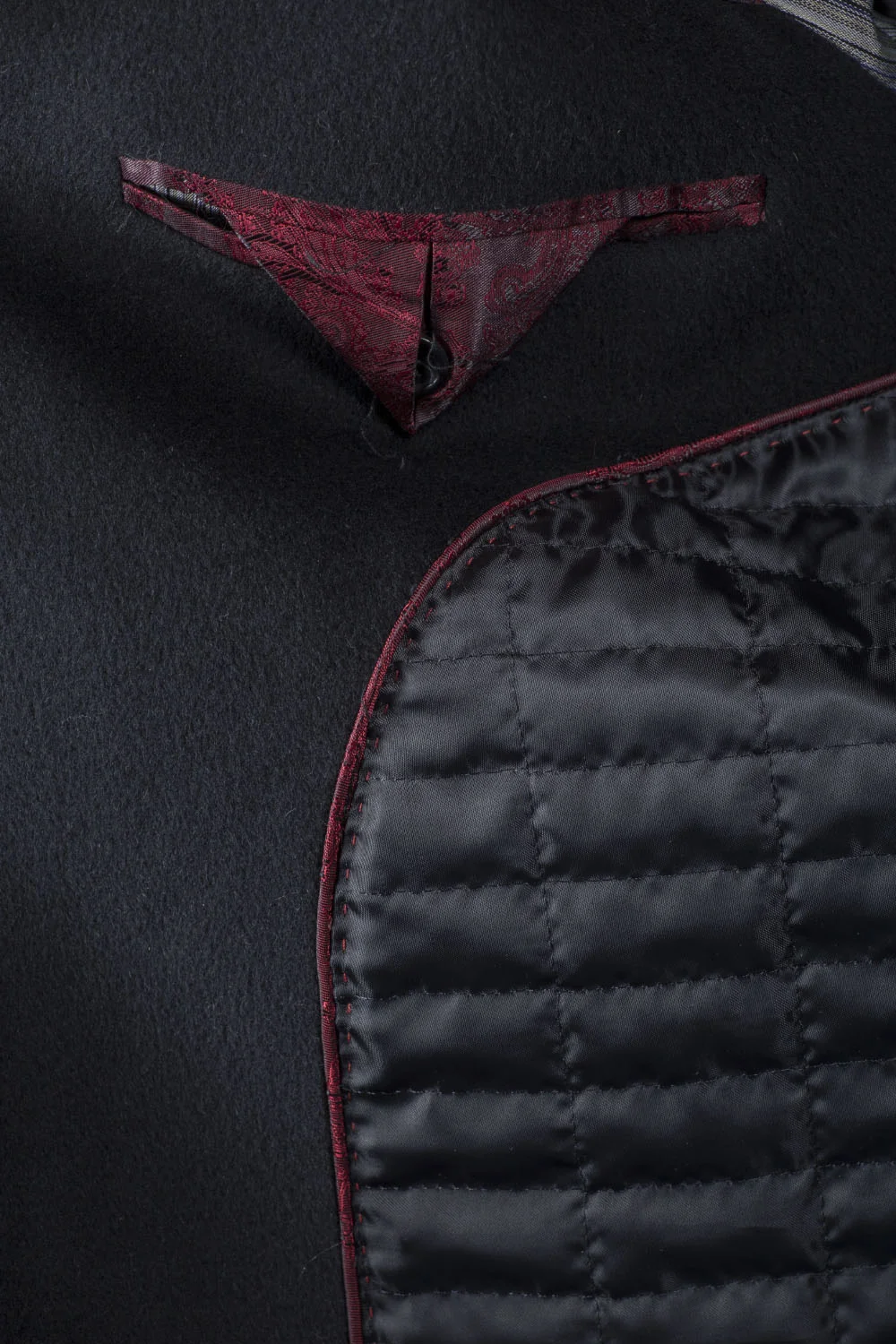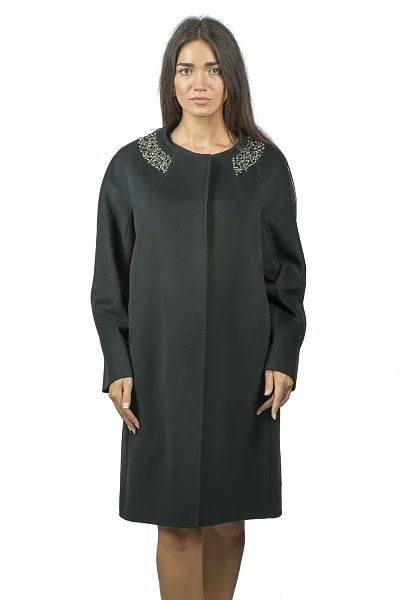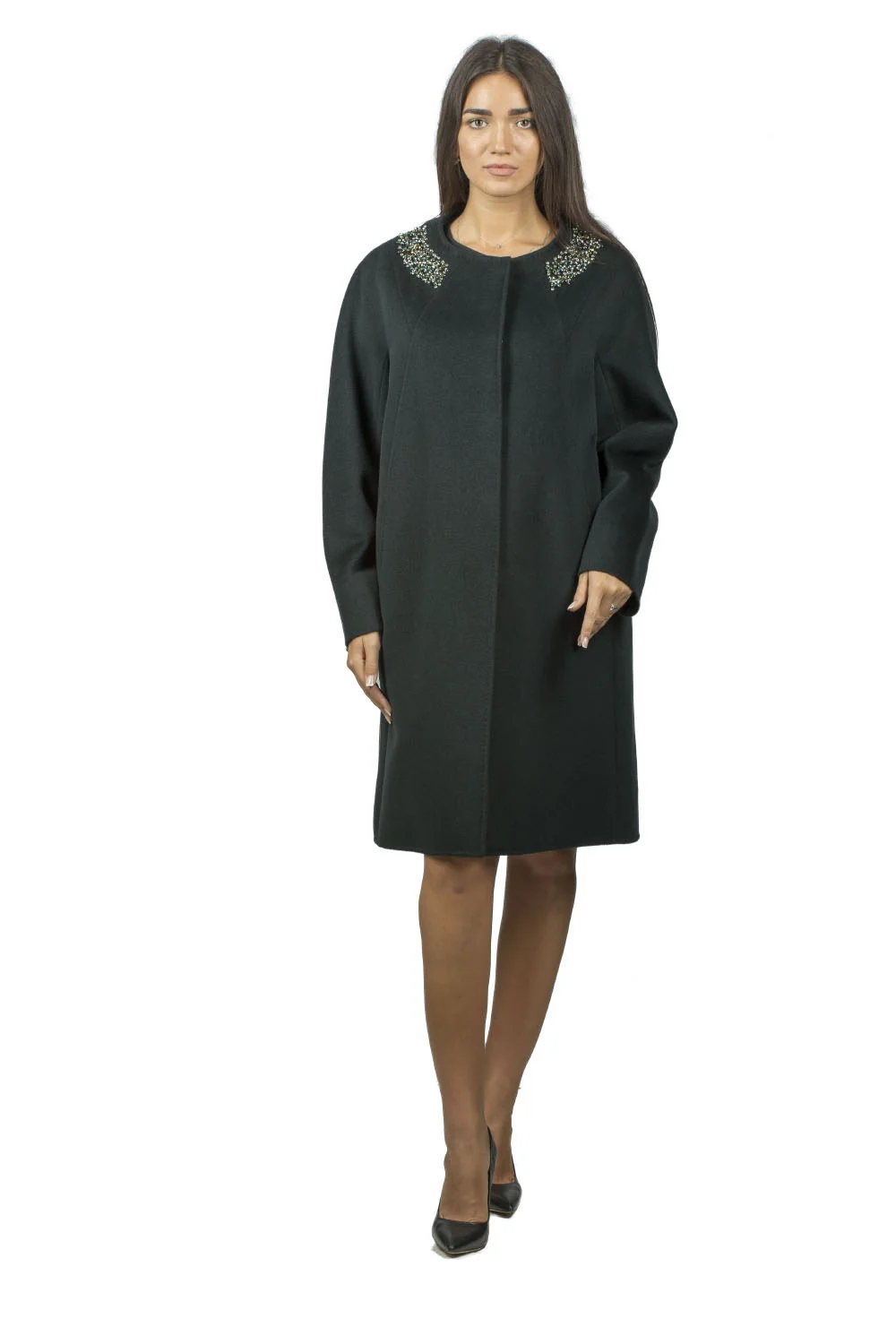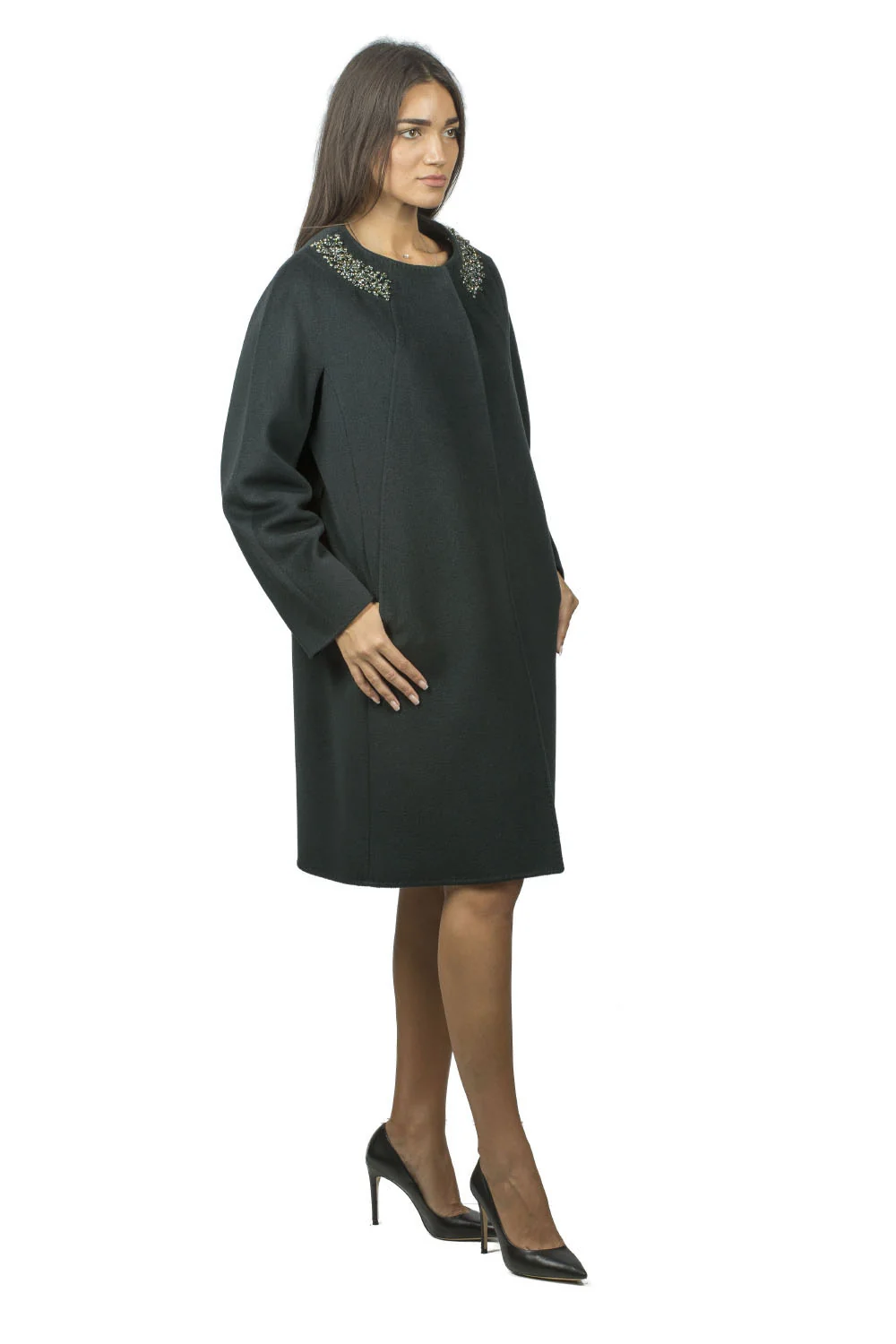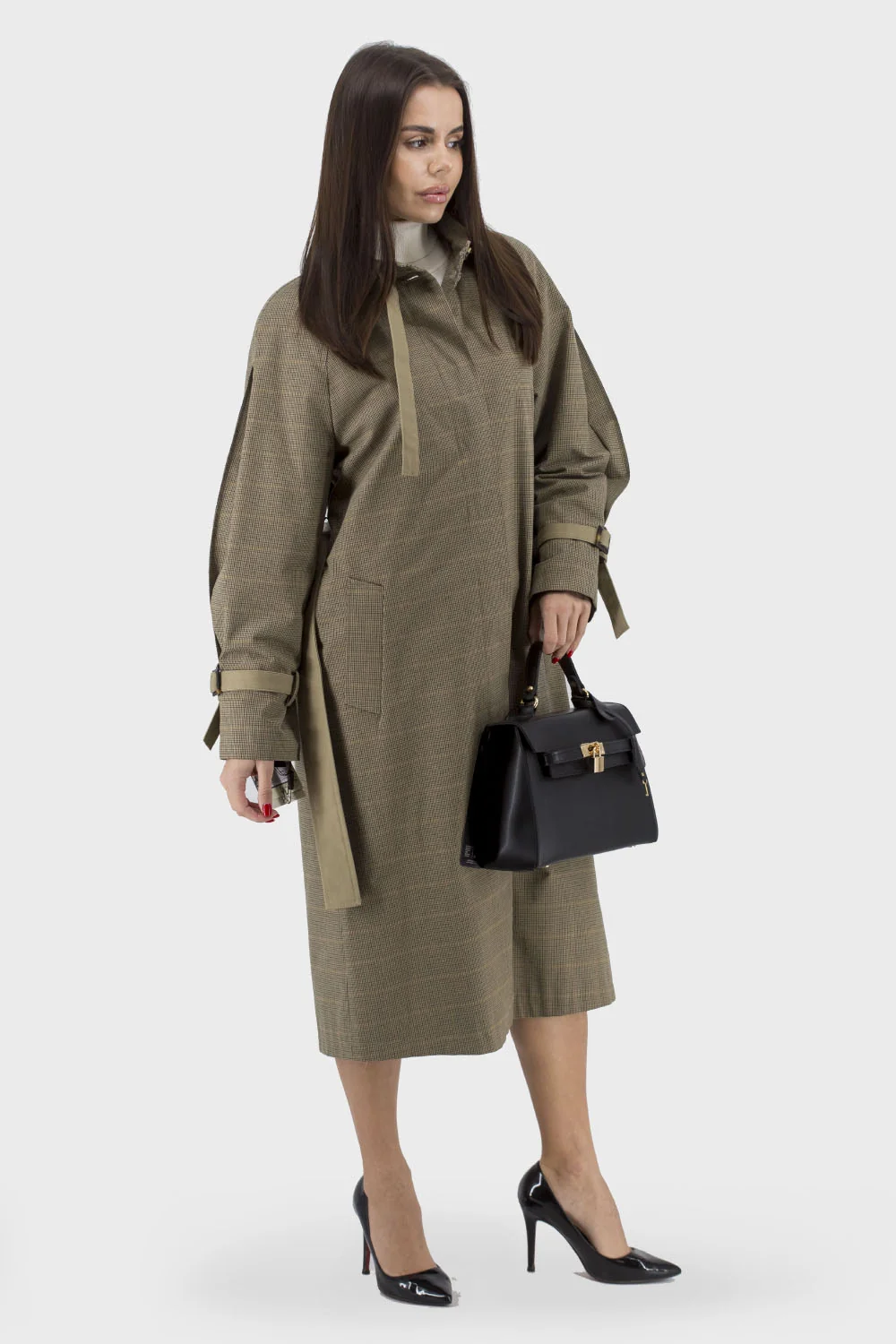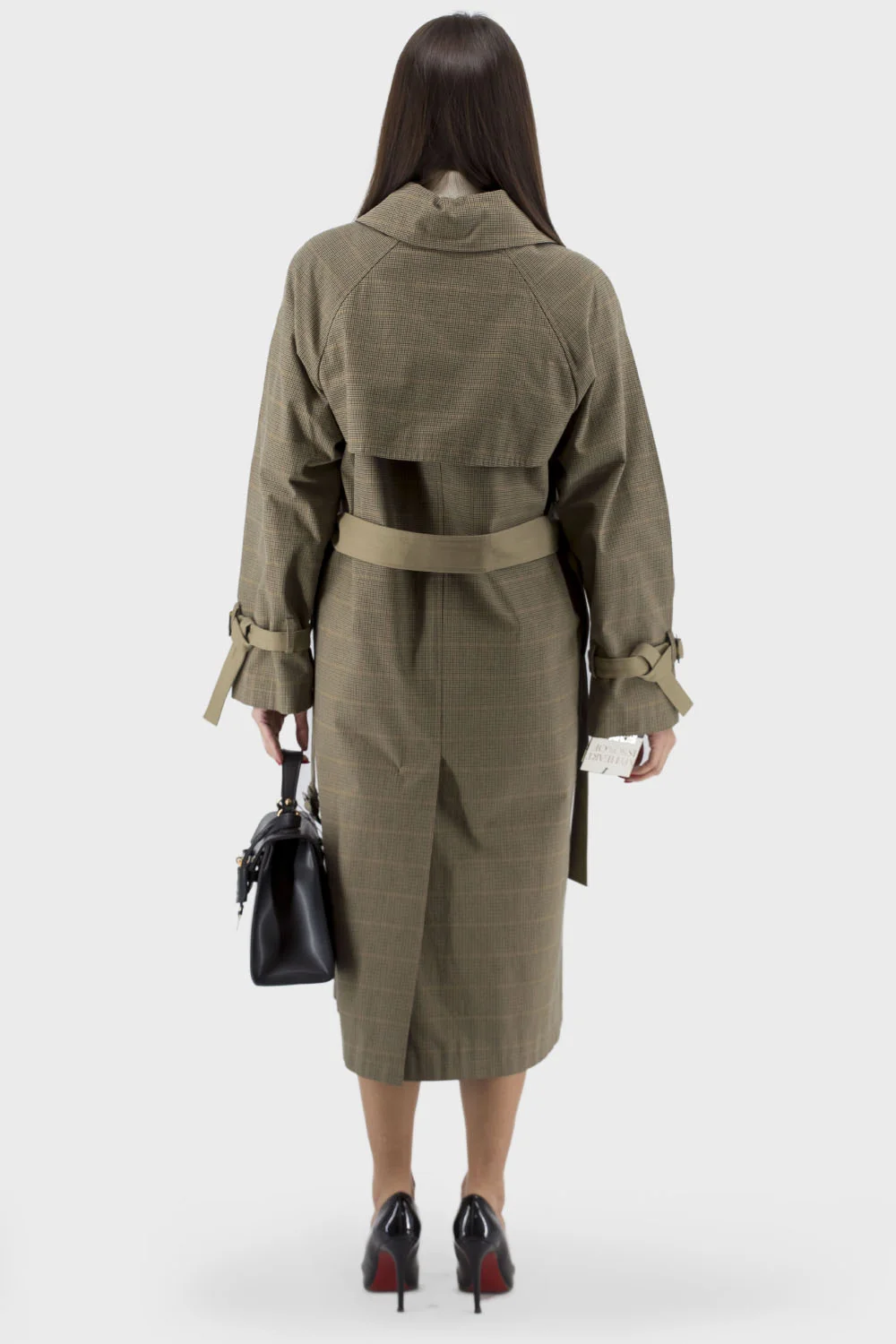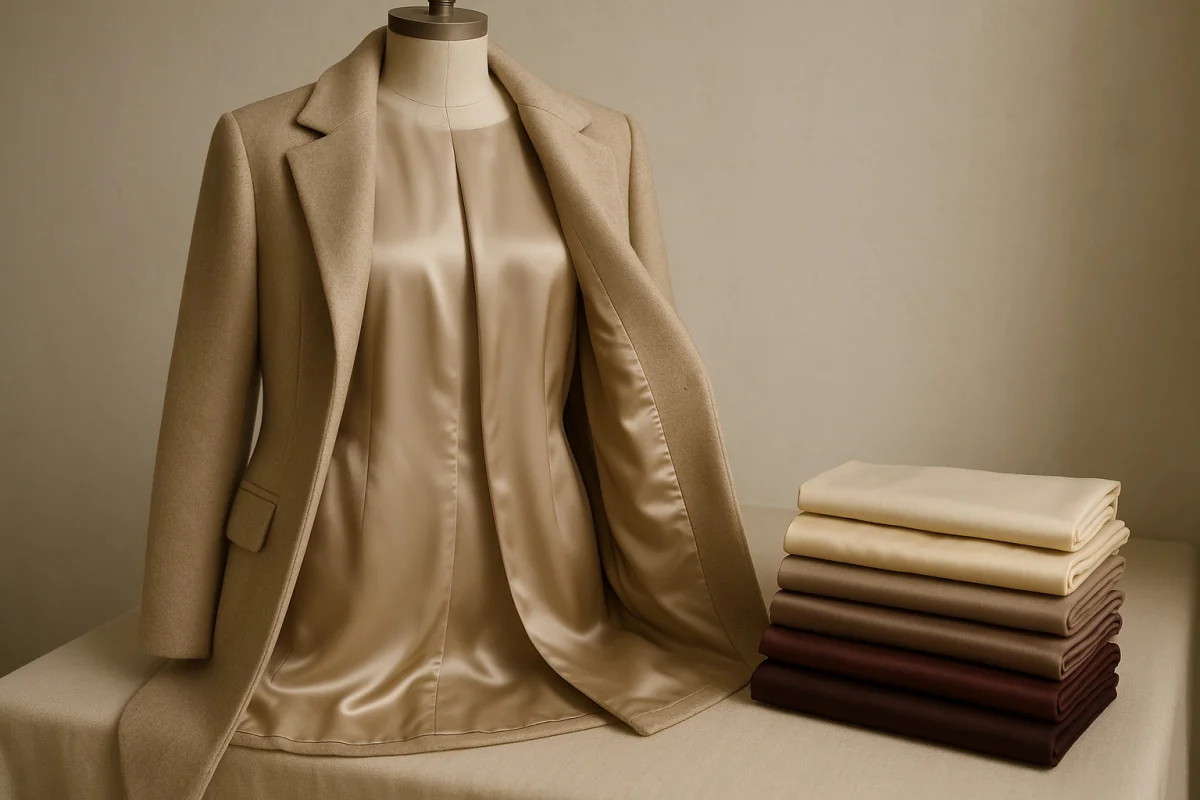
Why a coat needs a lining
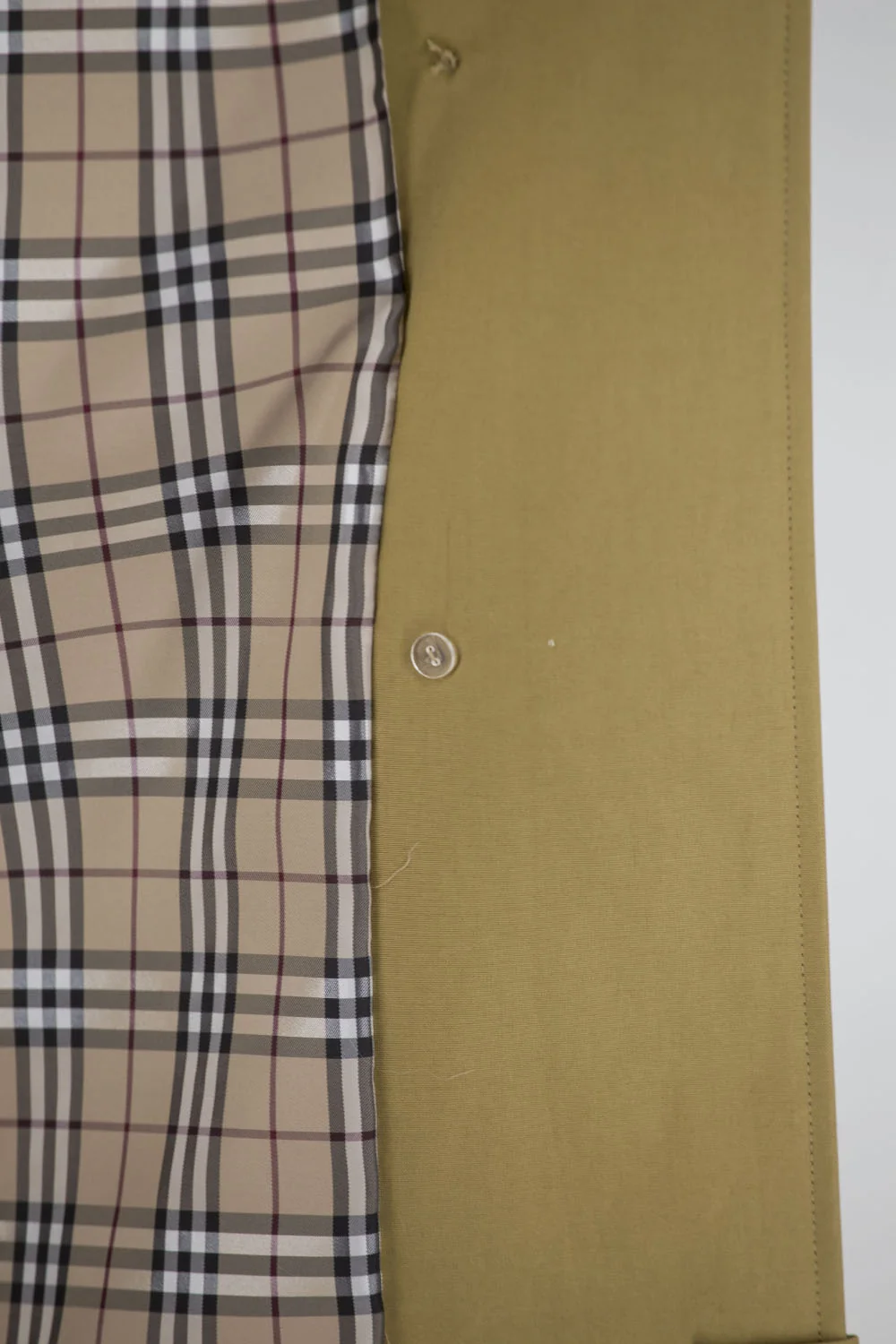
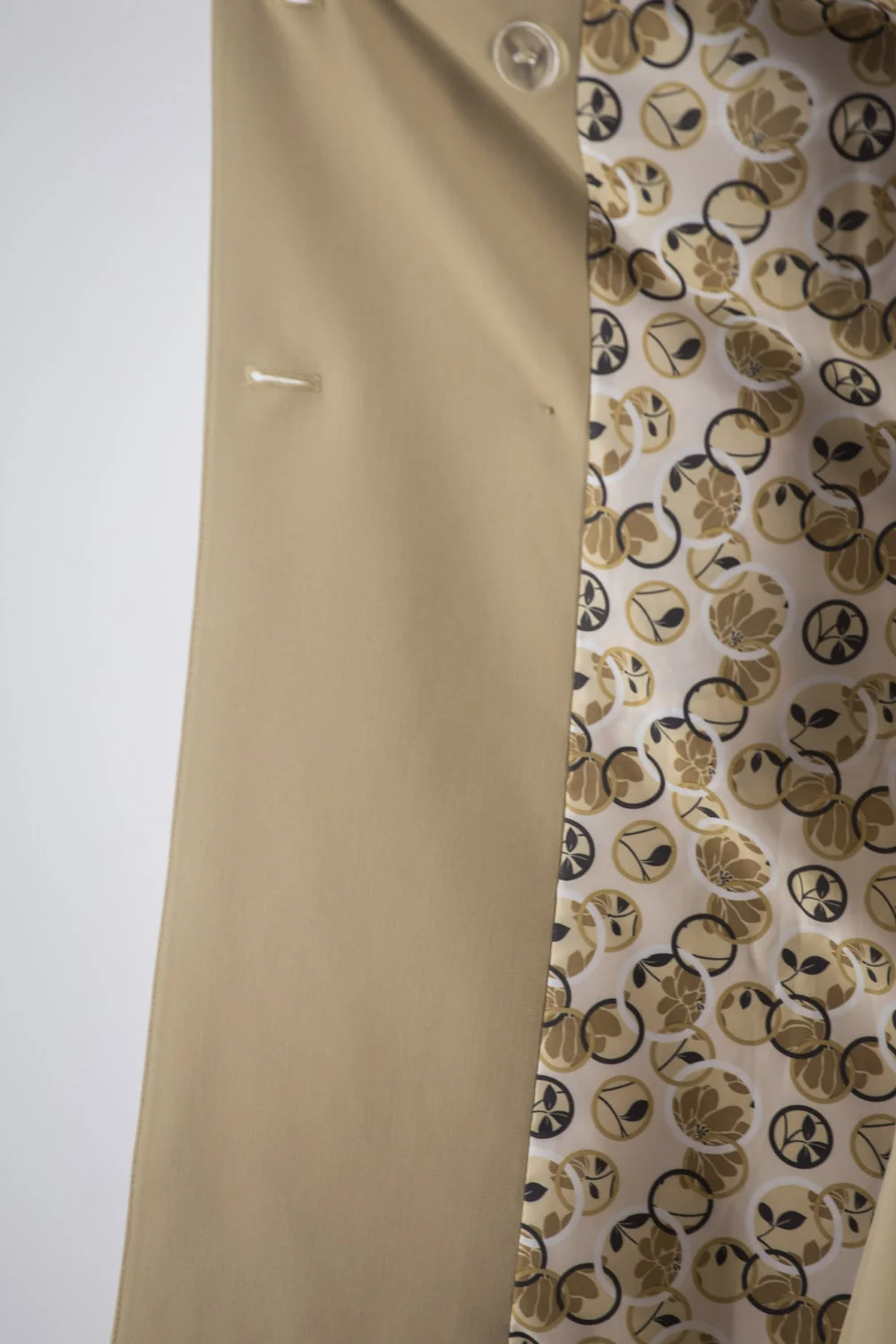
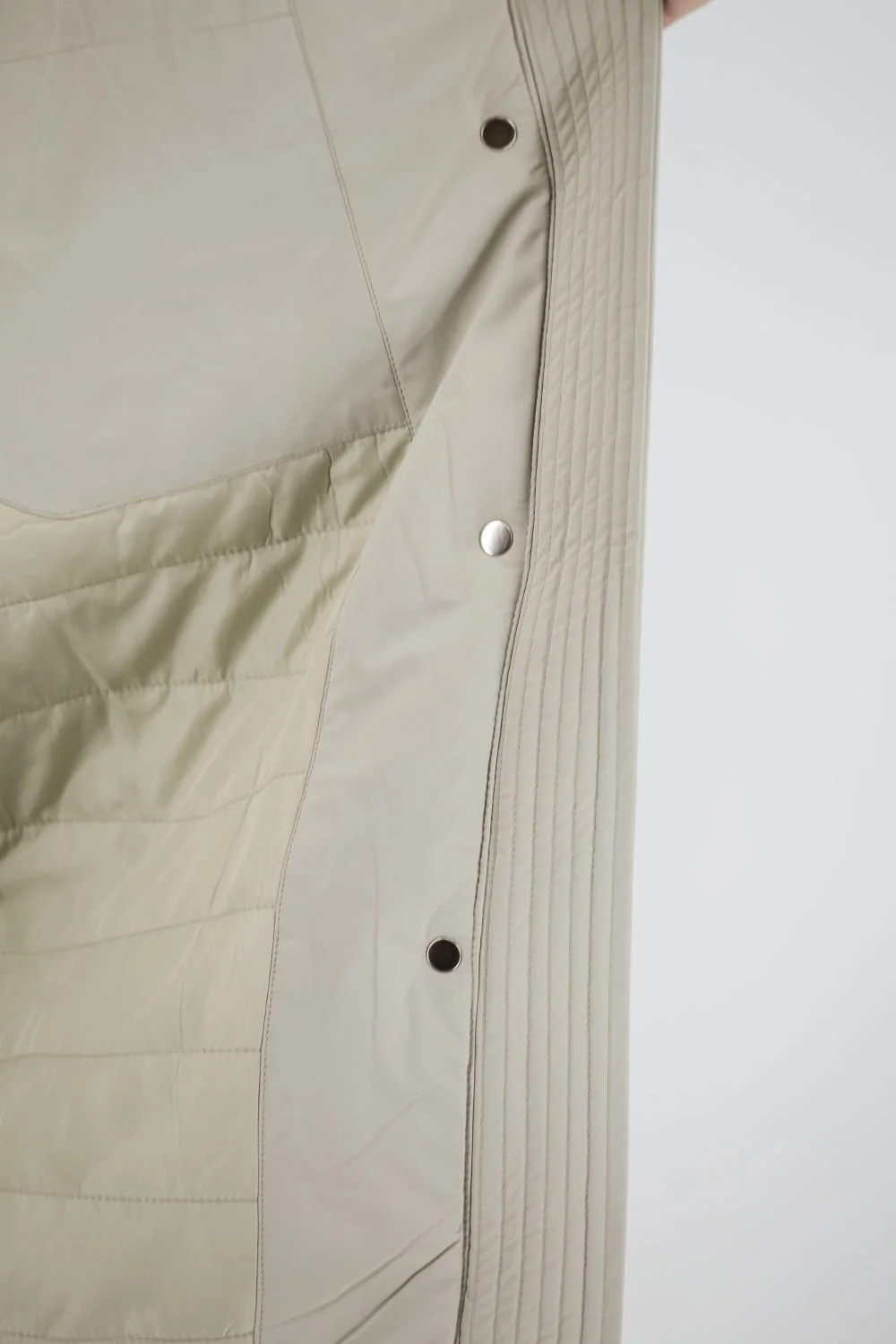
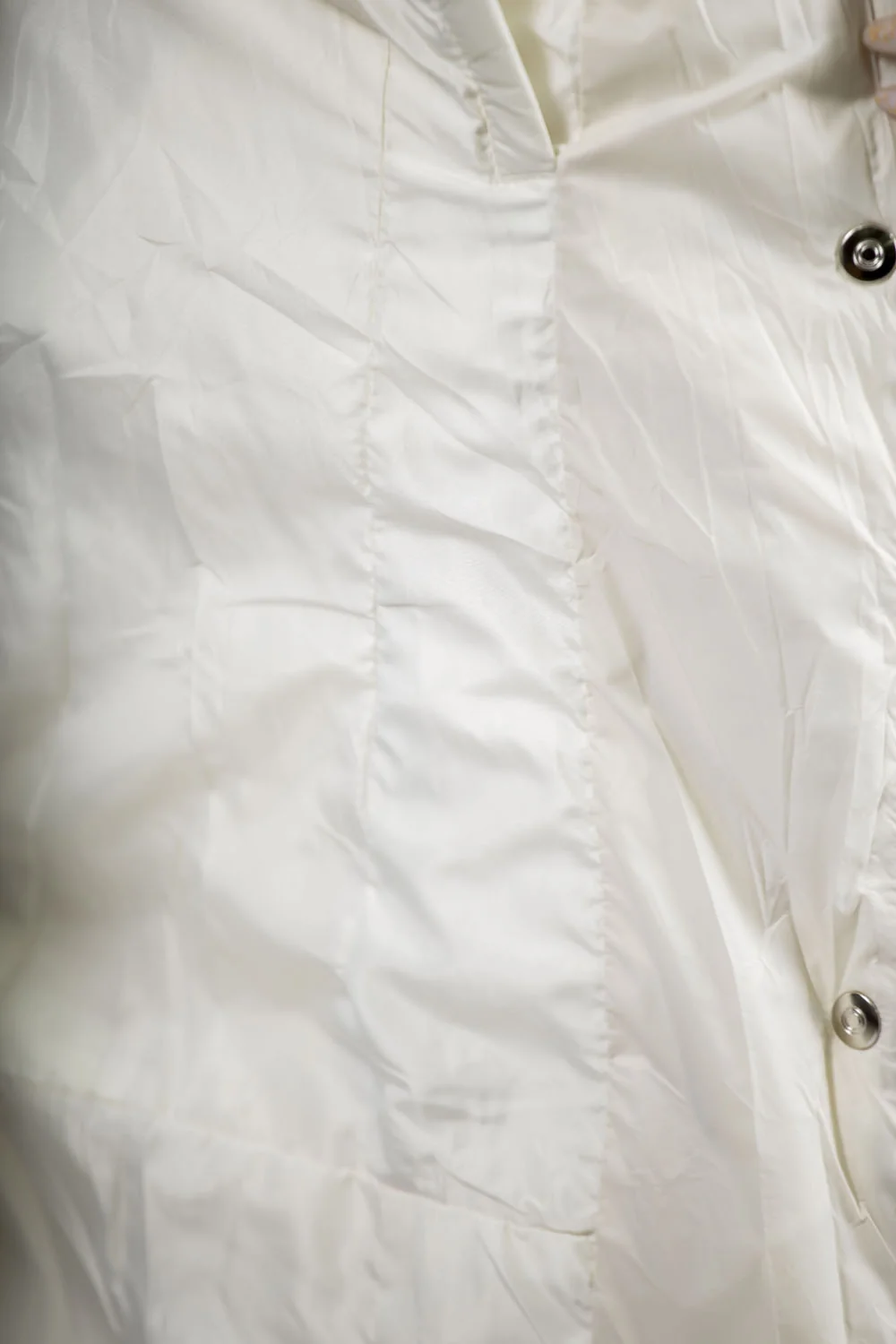
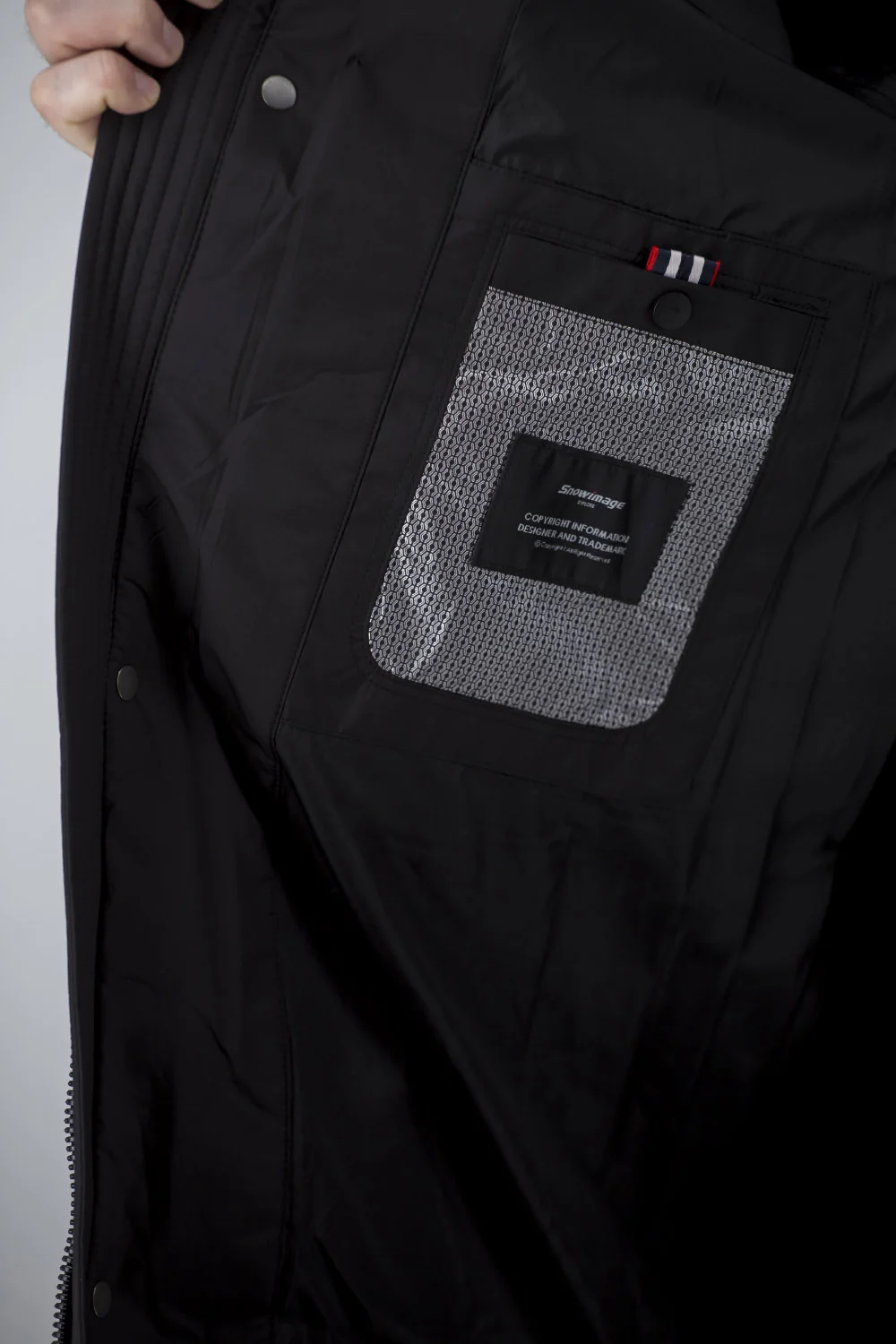
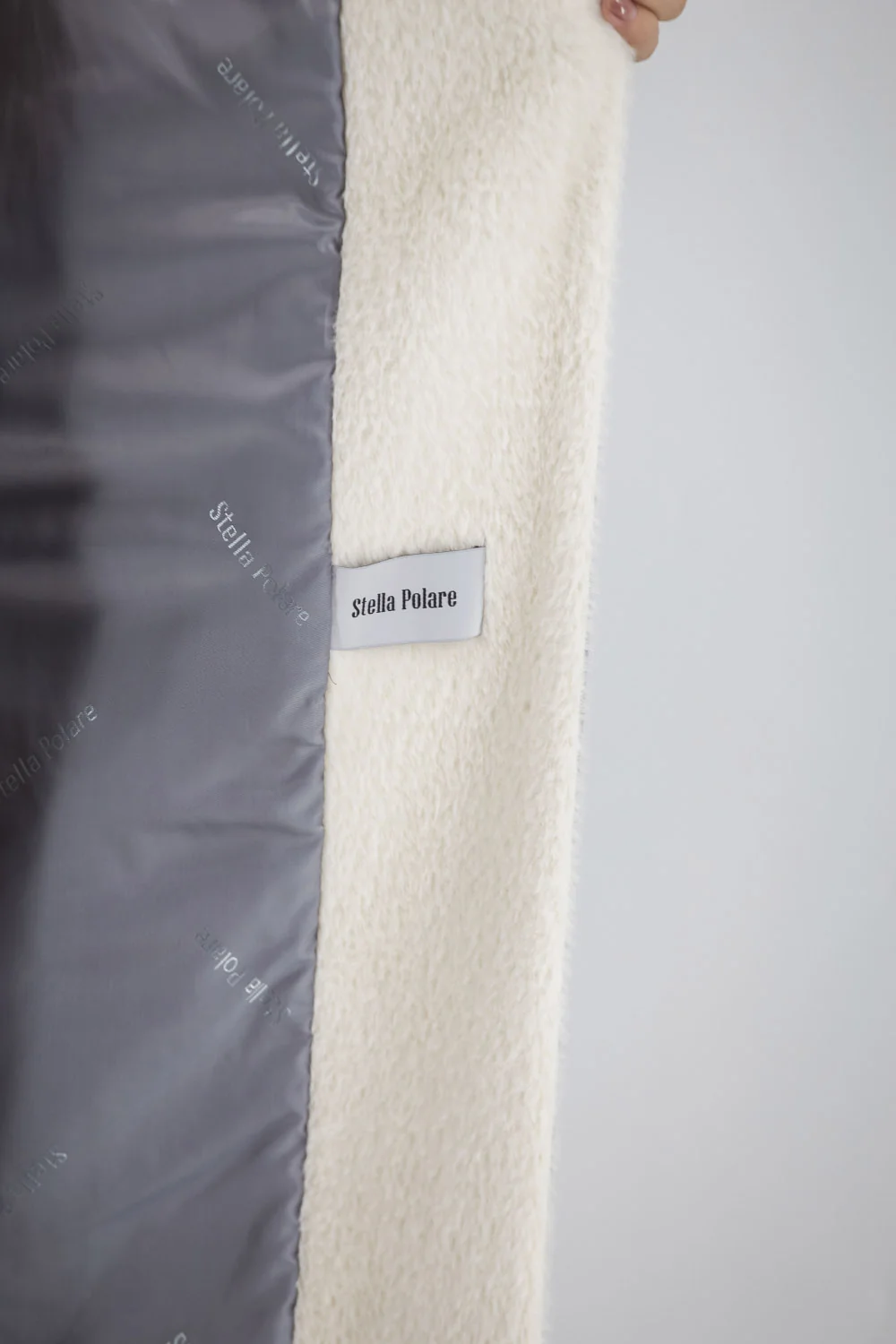
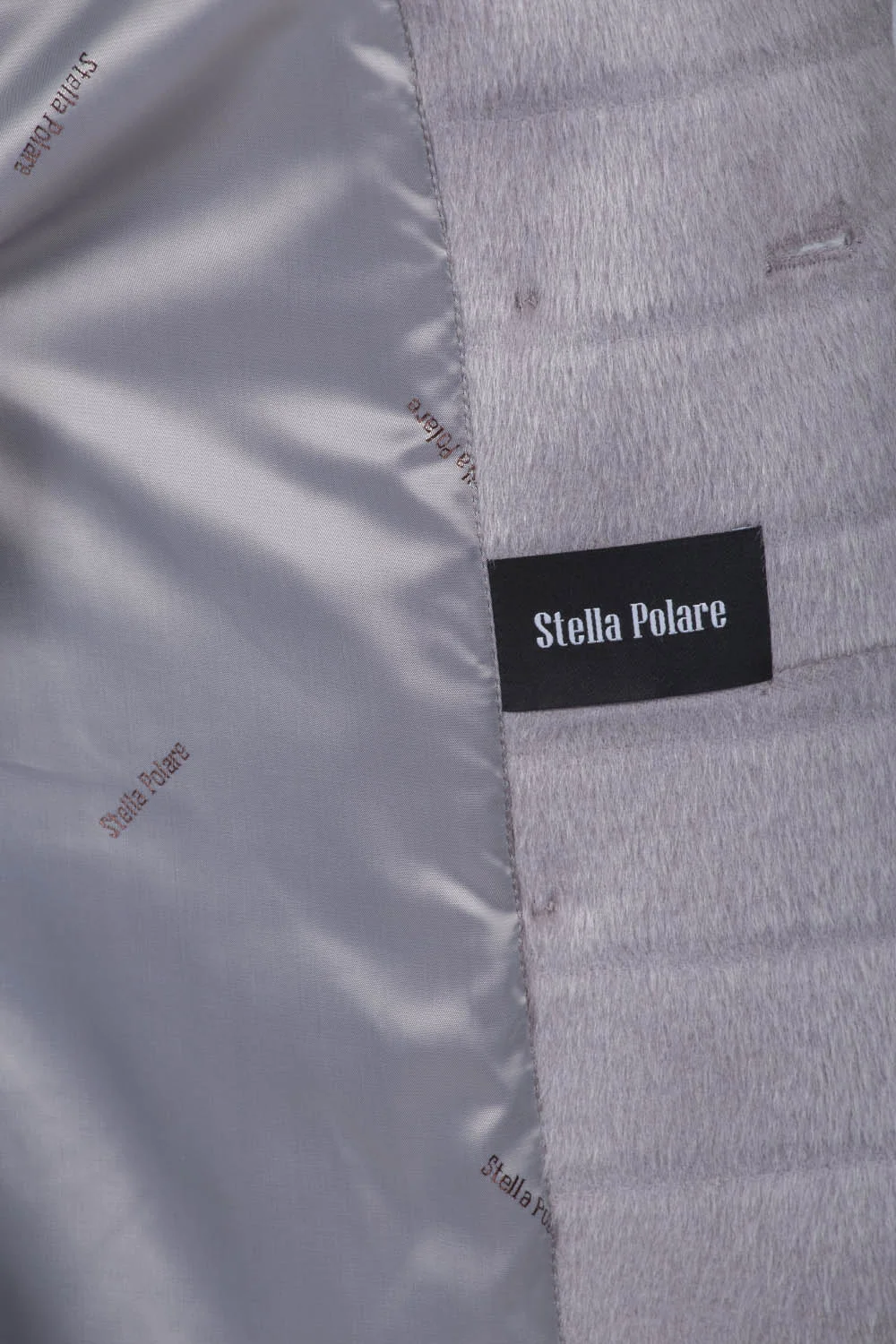
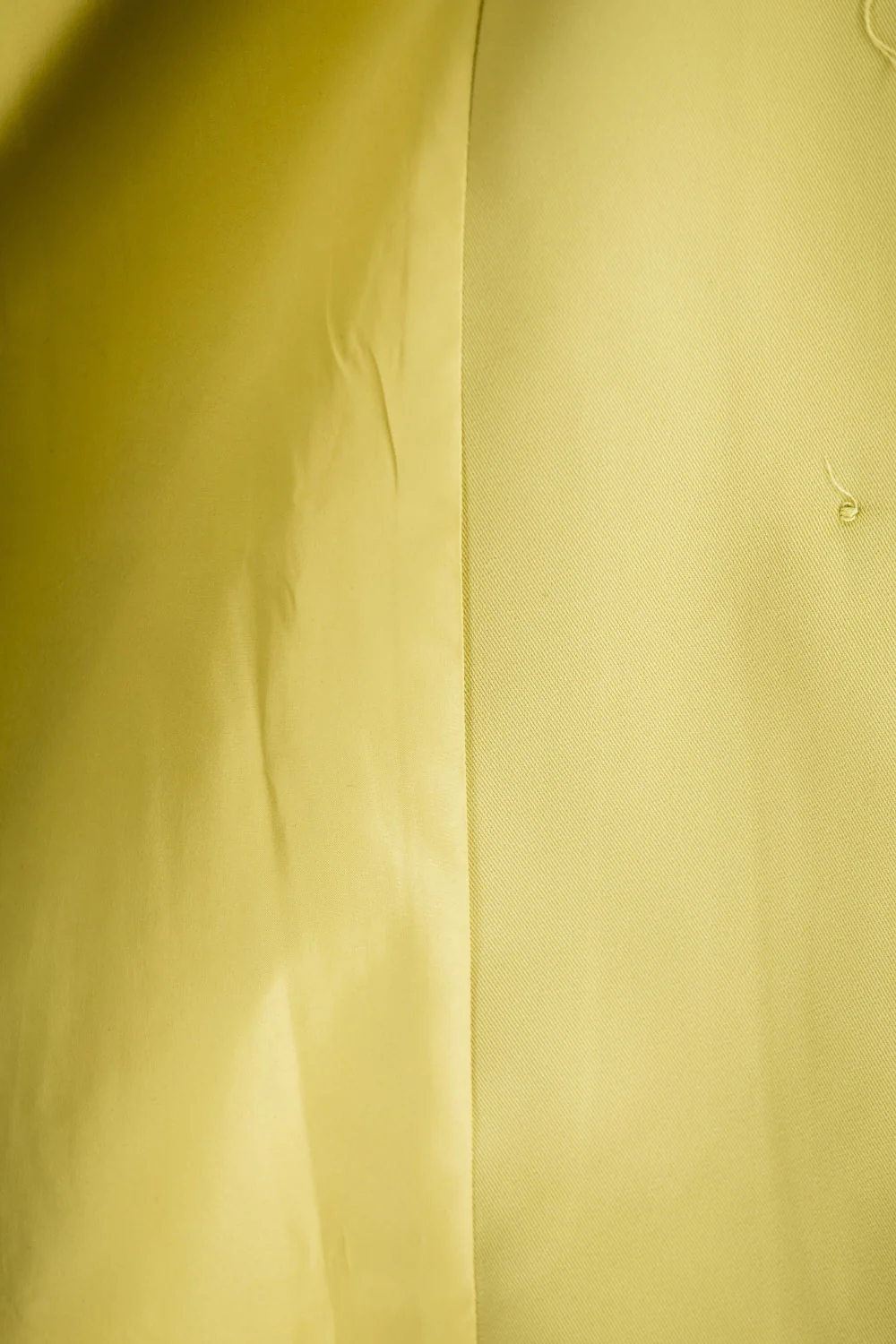
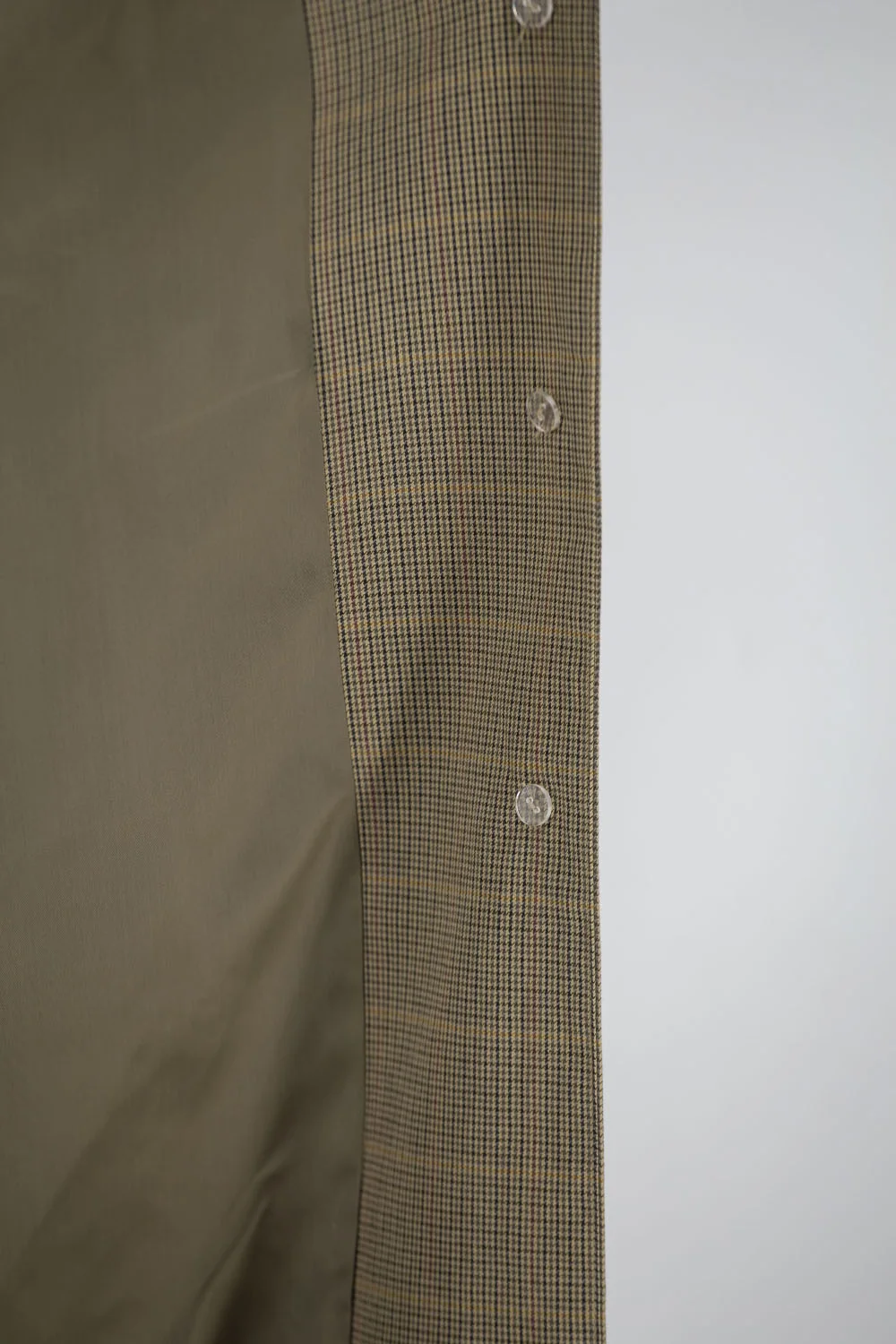
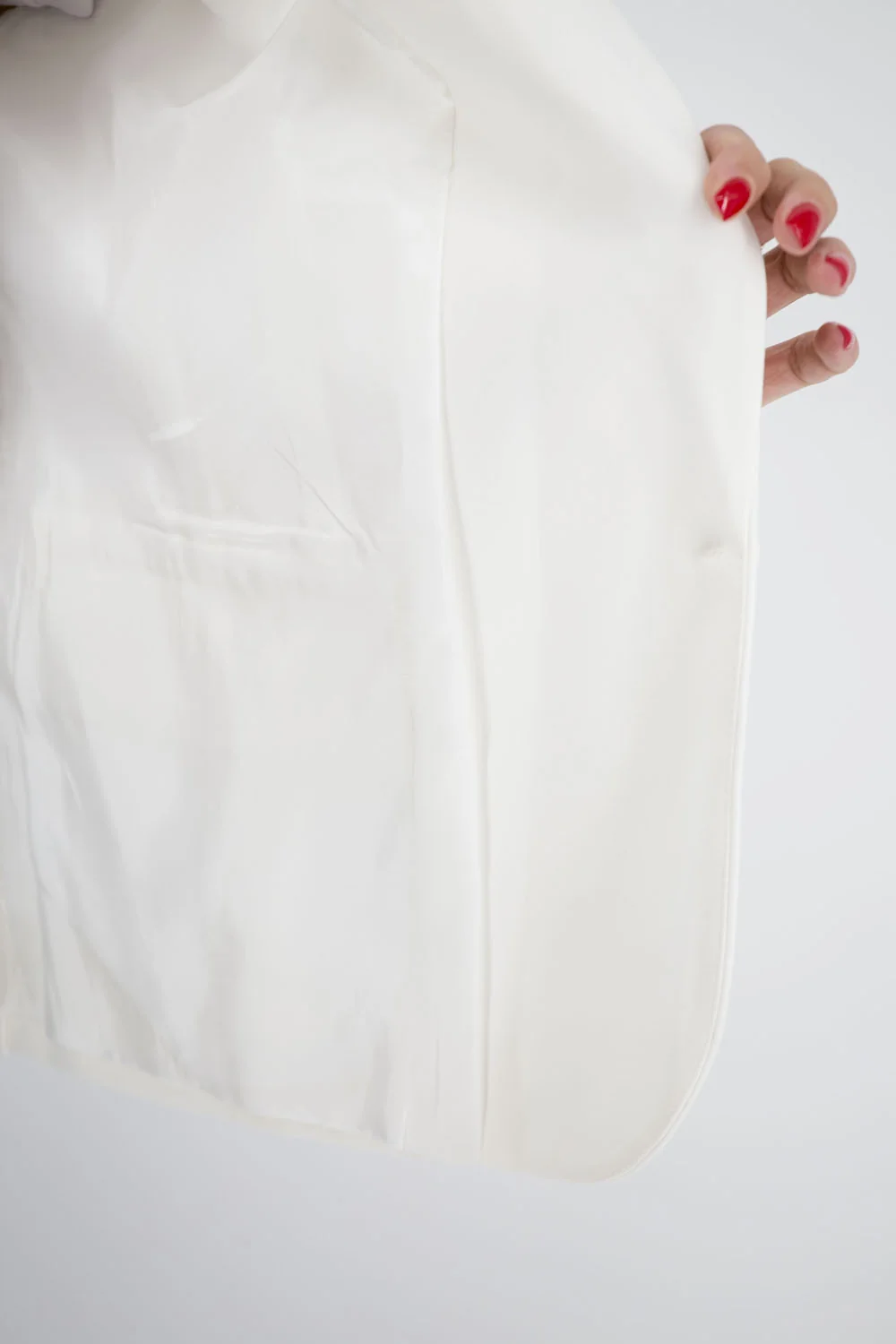
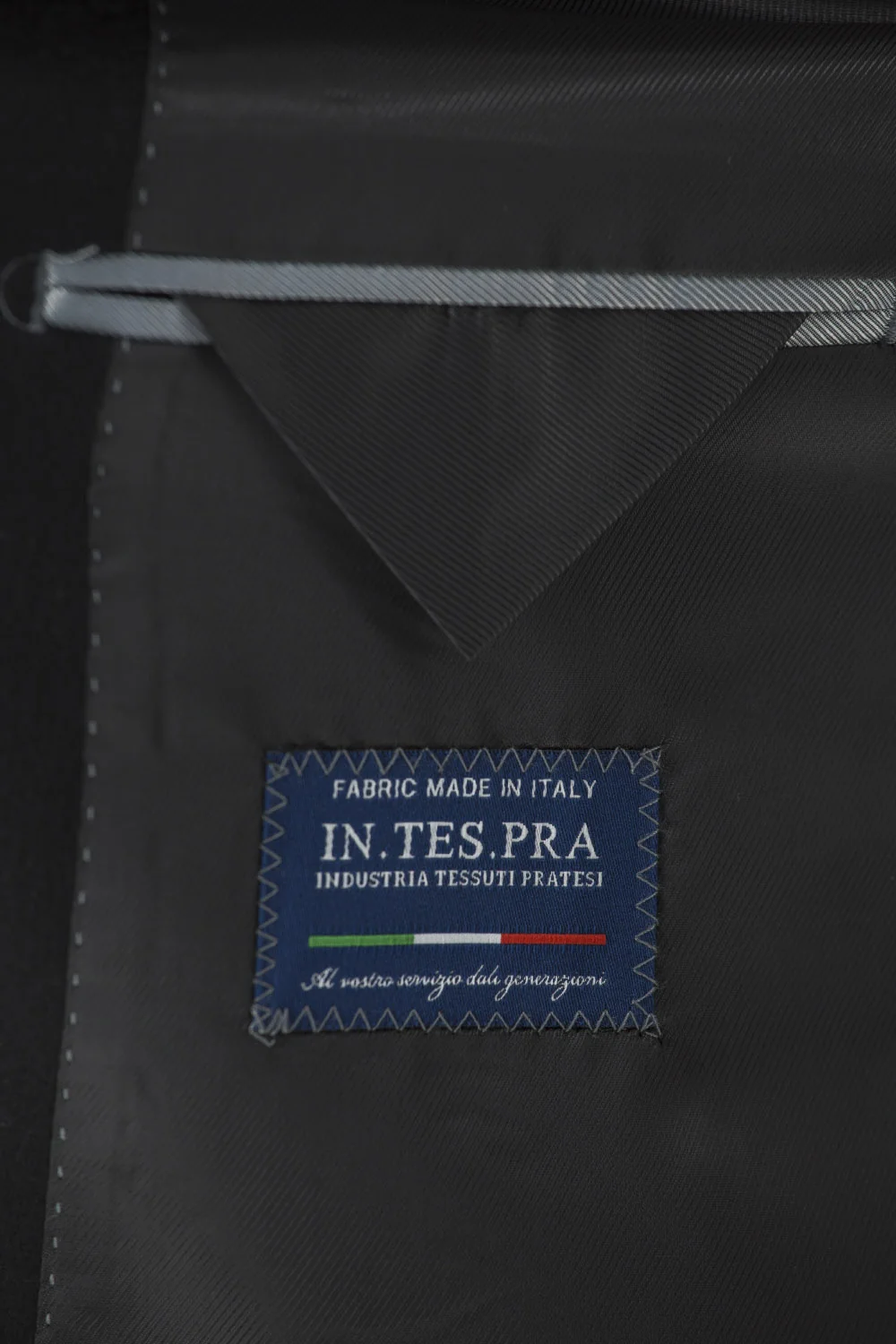
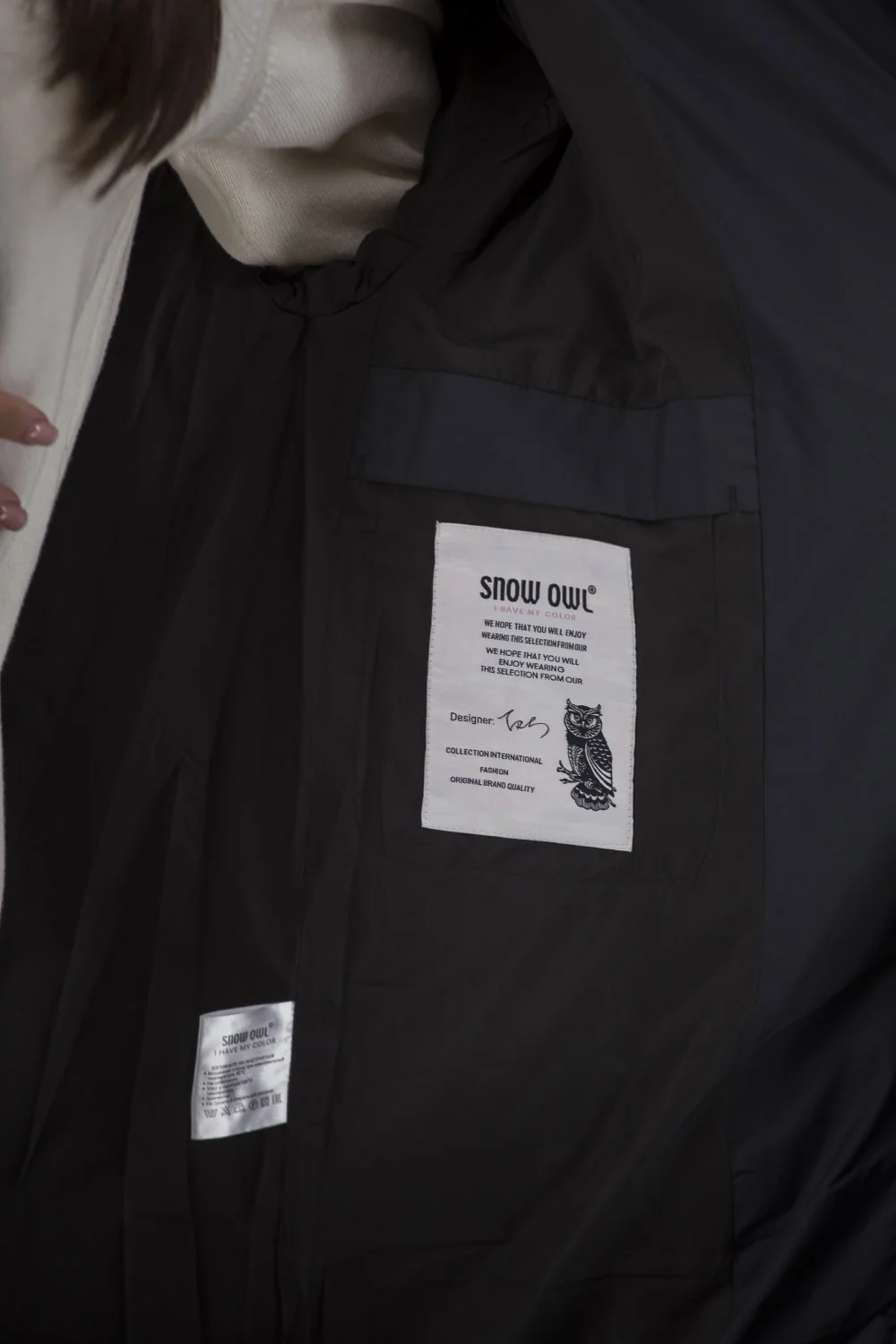
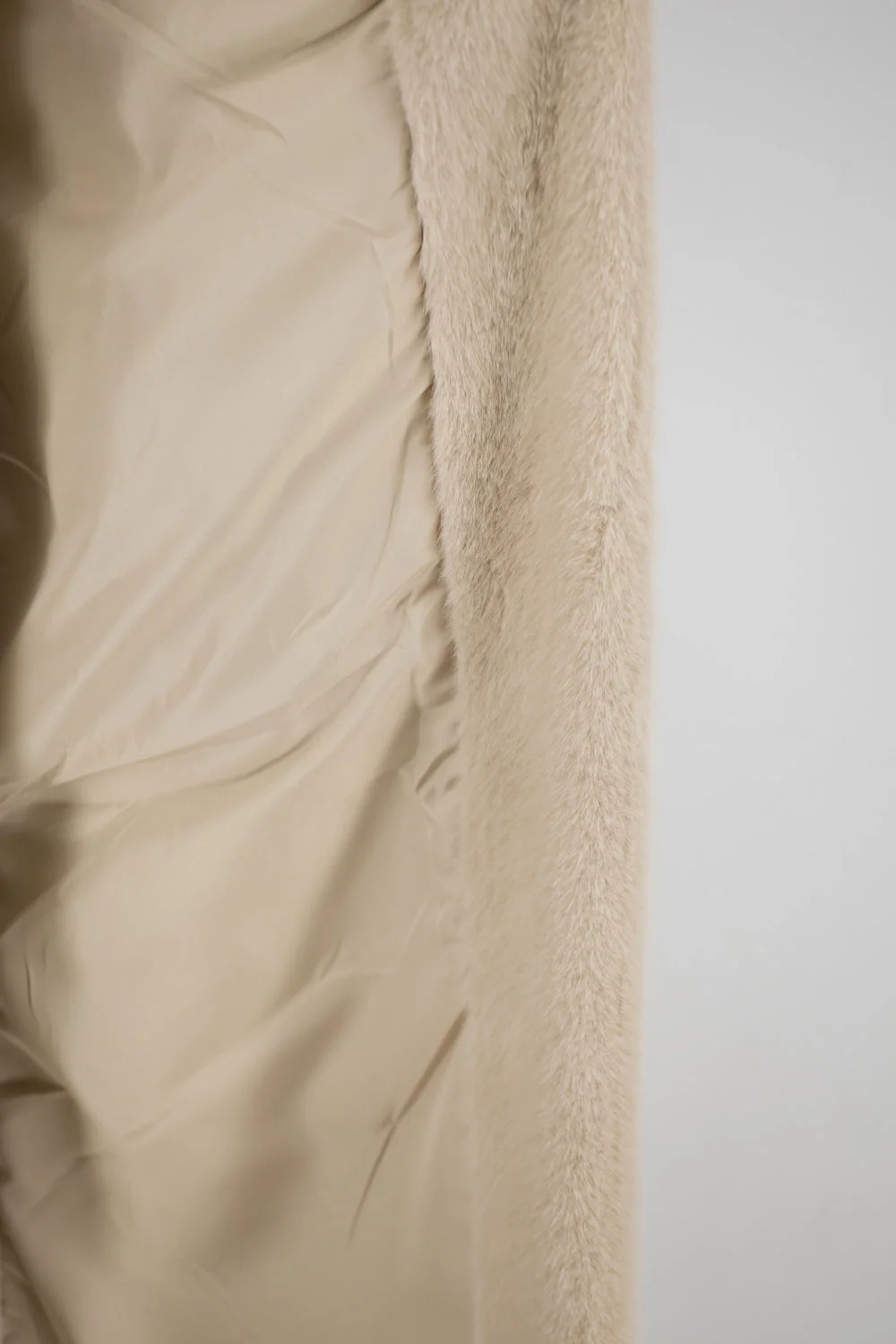
A lining covers internal seams, protects the outer fabric from friction and helps the coat maintain its intended shape.
Its smooth surface makes the garment easier to wear over knitwear, shirts and blazers.
Essential lining properties
A good lining should be durable, smooth, resistant to abrasion and light enough not to add unnecessary bulk.
Breathability is important for transitional coats, while winter designs require strength and resistance to frequent friction.
1. Viscose
Viscose is one of the most popular coat lining fabrics. It feels comfortable, drapes well and is more breathable than many synthetic alternatives.
It works particularly well in classic and transitional coats.
Advantages of viscose
Viscose offers softness, a refined appearance and relatively low static build-up.
It can be sensitive to moisture and heat, so professionally cleaning the finished coat is often recommended.
2. Cupro
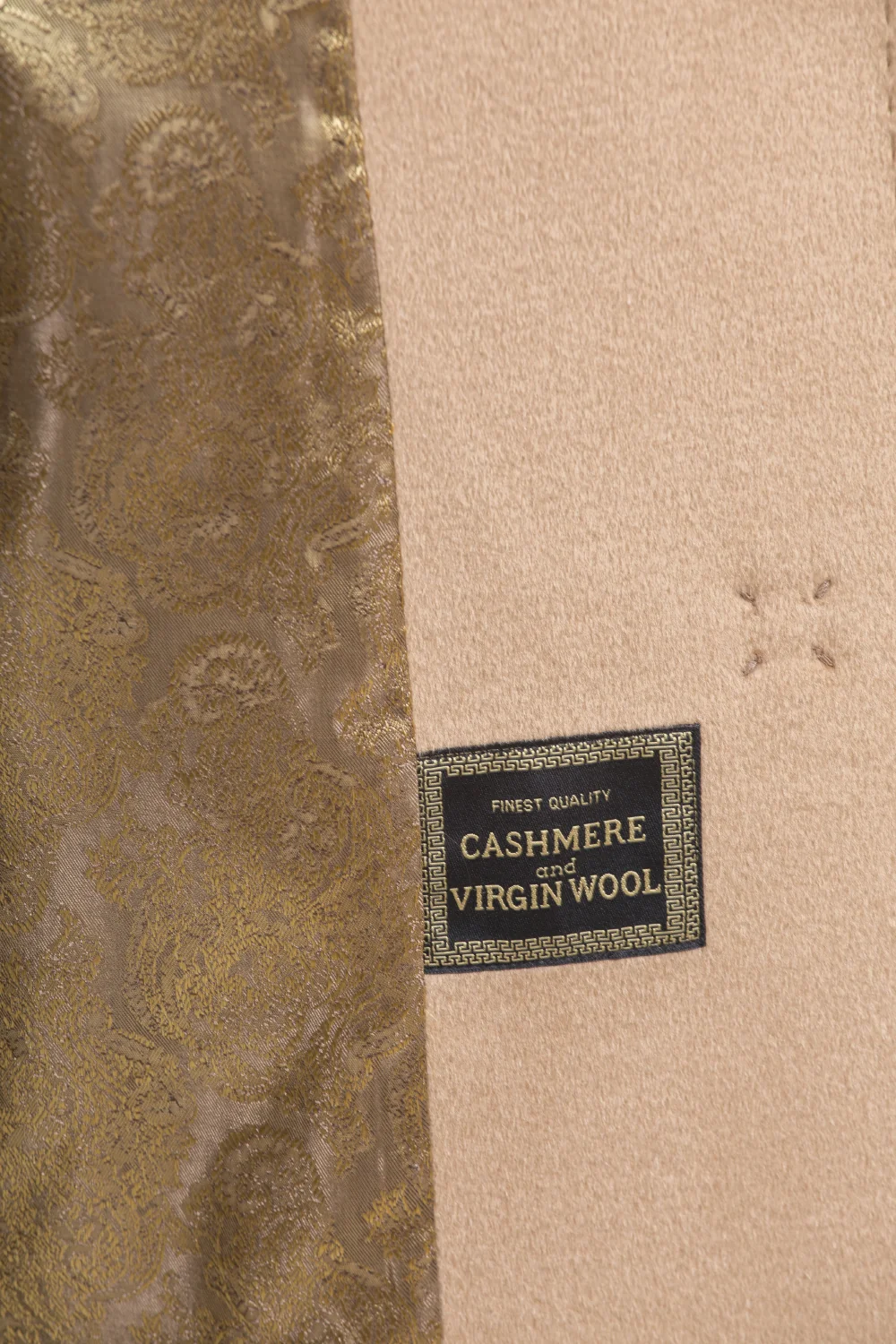
Cupro is made from cellulose-based material and has a silky, fluid feel. It is soft, breathable and elegant.
It is frequently used in premium garments where the quality of the interior finish matters.
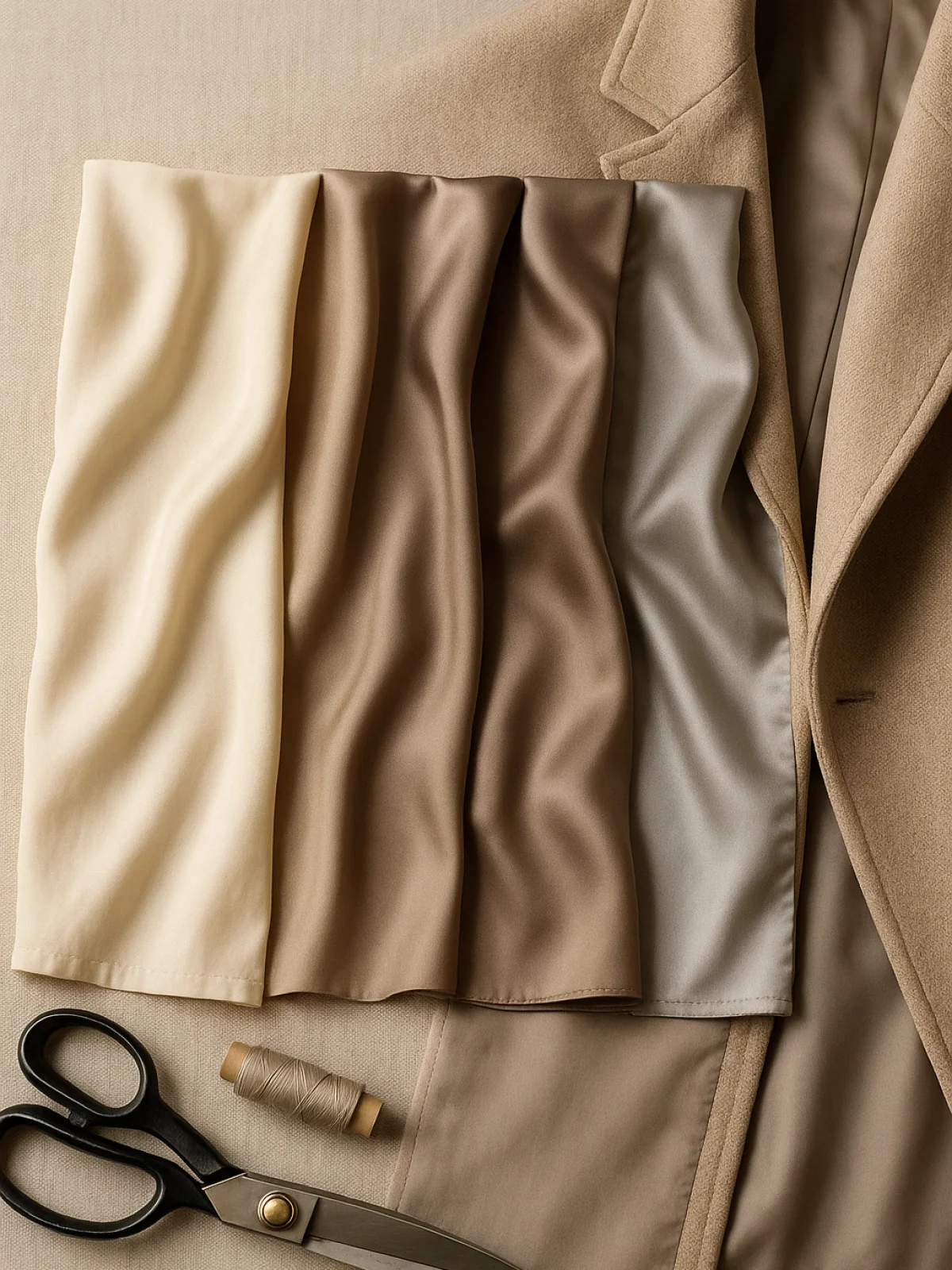
Advantages of cupro
Cupro absorbs and releases moisture effectively and does not cling heavily to clothing.
Its disadvantages are a higher price and the need for delicate care.
3. Acetate
Acetate lining has a smooth surface and a subtle sheen. It slides easily over other garments and adds little weight.
It is suitable for classic coats designed for mild weather.
Characteristics of acetate
Acetate absorbs little moisture and dries quickly, but it is sensitive to high temperatures.
It should not be pressed with excessive heat or washed aggressively at home.
4. Polyester
Polyester is a practical and durable choice for everyday outerwear. It resists abrasion, keeps its shape and rarely creases.
It is commonly used in winter coats and garments intended for frequent wear.
Advantages of polyester
The main benefits are durability, affordability, moisture resistance and easy maintenance.

Lower-quality polyester may trap heat, create static and feel less breathable indoors.
5. Satin
Satin lining has a smooth glossy face and creates a premium interior appearance.
Its dense weave can provide good durability while allowing the coat to slide easily over knitwear.
When satin works best
Satin is suitable for classic, evening and designer coats, especially when the inside of the garment is visible.
The exact properties depend on whether the satin is made from viscose, polyester or a blended fibre.
The best lining for a winter coat
A winter coat needs a lining that can withstand friction against sweaters and thick knitwear.
Good polyester, dense viscose or a blended fabric can all be practical options.
The best lining for a transitional coat
Viscose and cupro are comfortable for spring and autumn because they are lighter and more breathable.
Acetate or satin can work well in a structured classic style.

How to inspect lining quality
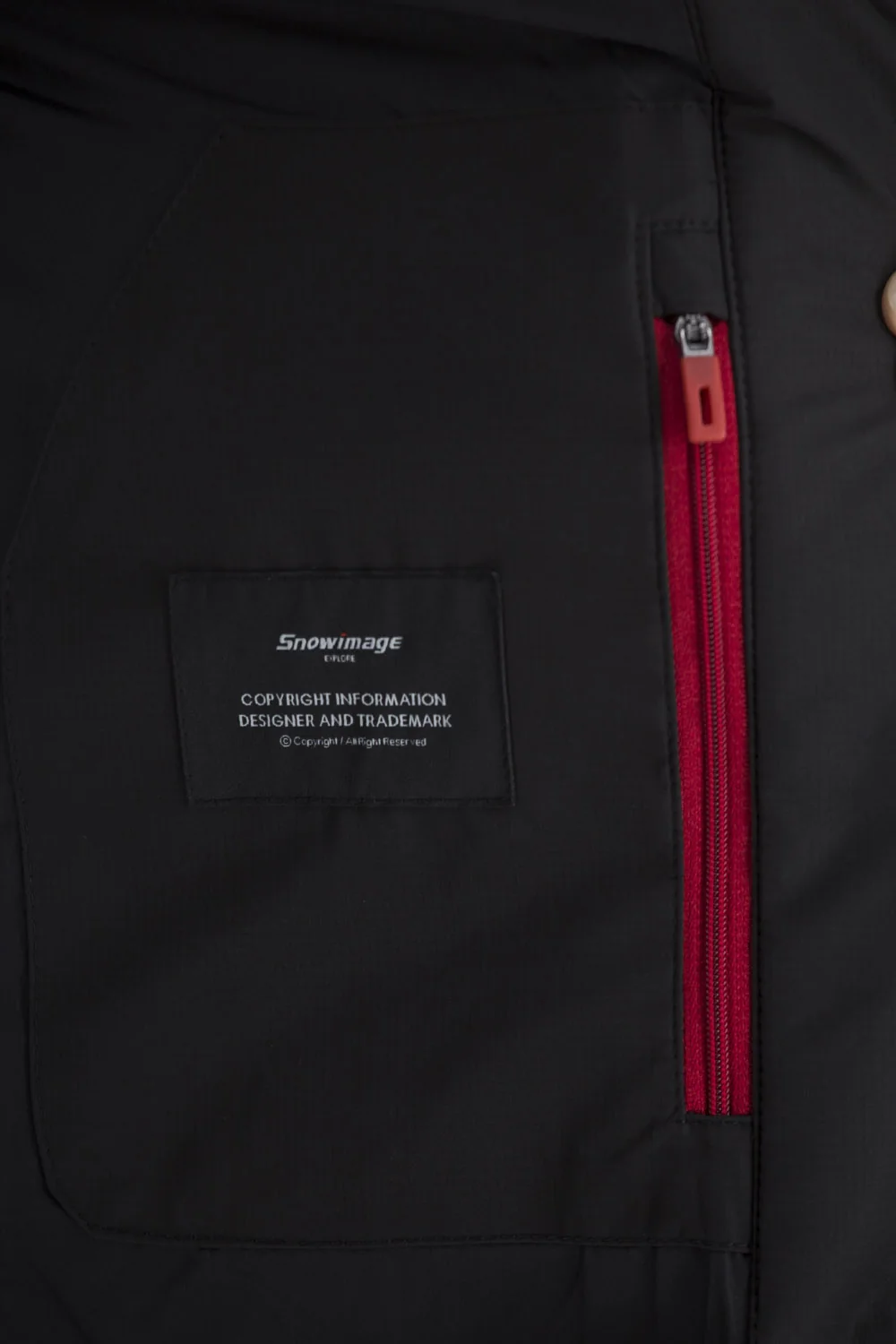
Check the armholes, pockets, hem and central back seam. The fabric should not be twisted, stretched or sewn with coarse folds.
Fasten the coat, raise your arms and walk a few steps. The lining should move naturally with the garment.
Why ease is important
A lining should not be attached under full tension. A small amount of extra fabric at the back, sleeves and hem allows freedom of movement.
Without sufficient ease, the lining may tear or pull the outer fabric out of shape.
Care
Always follow the garment care label because the outer fabric and lining may react differently to water and heat.
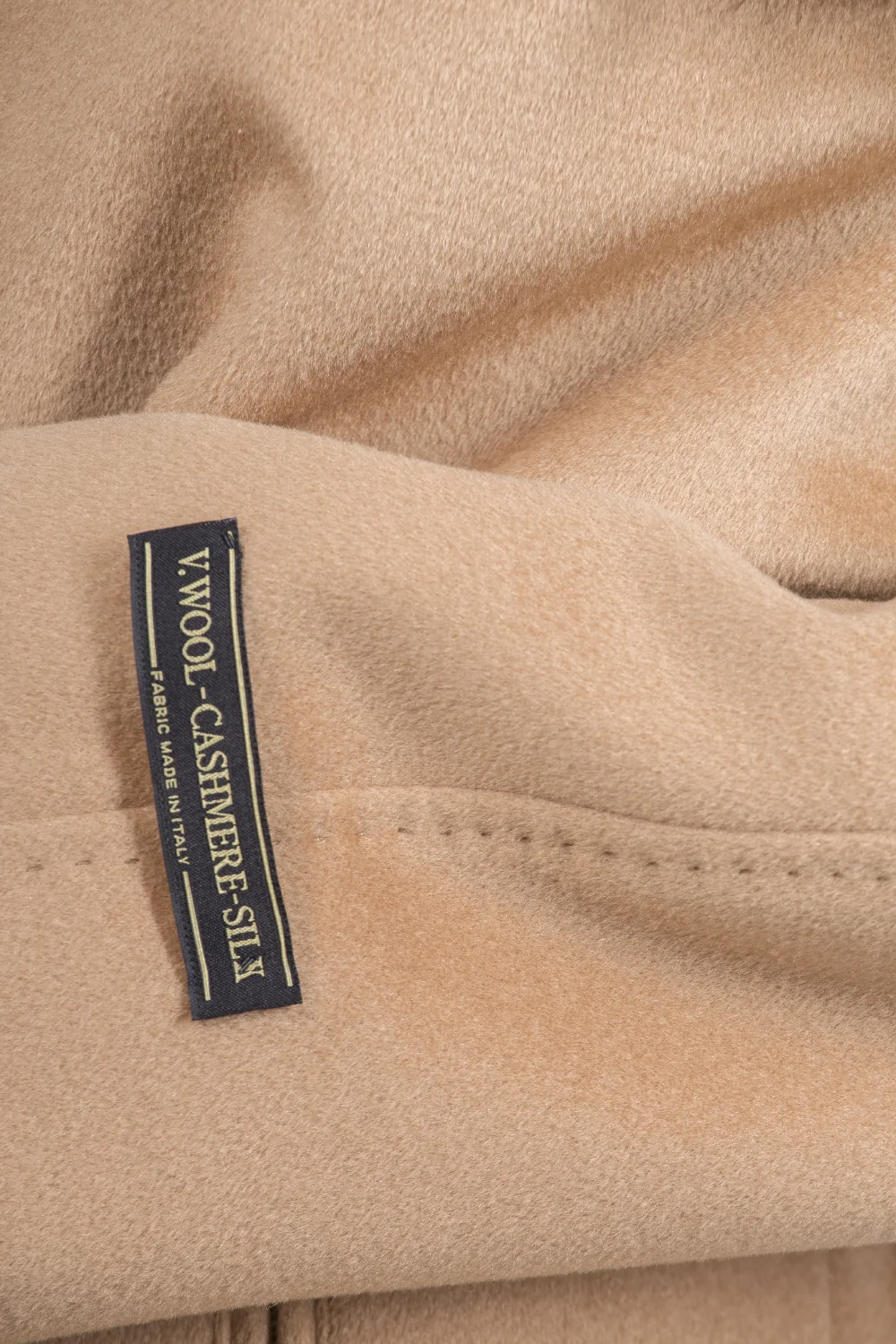
Wool, cashmere and complex blended coats often require professional cleaning.
Conclusion
Viscose and cupro prioritise comfort, acetate and satin create a refined finish, while polyester provides durability for everyday use.
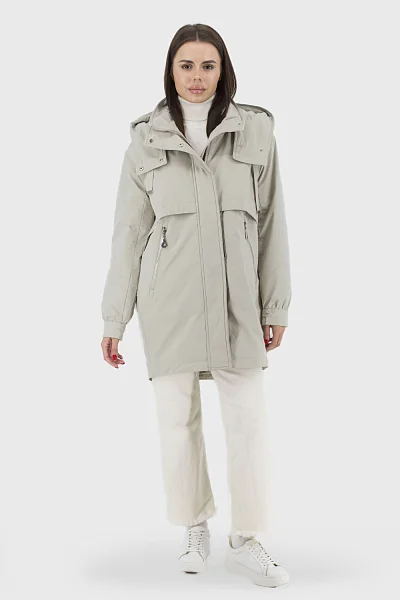
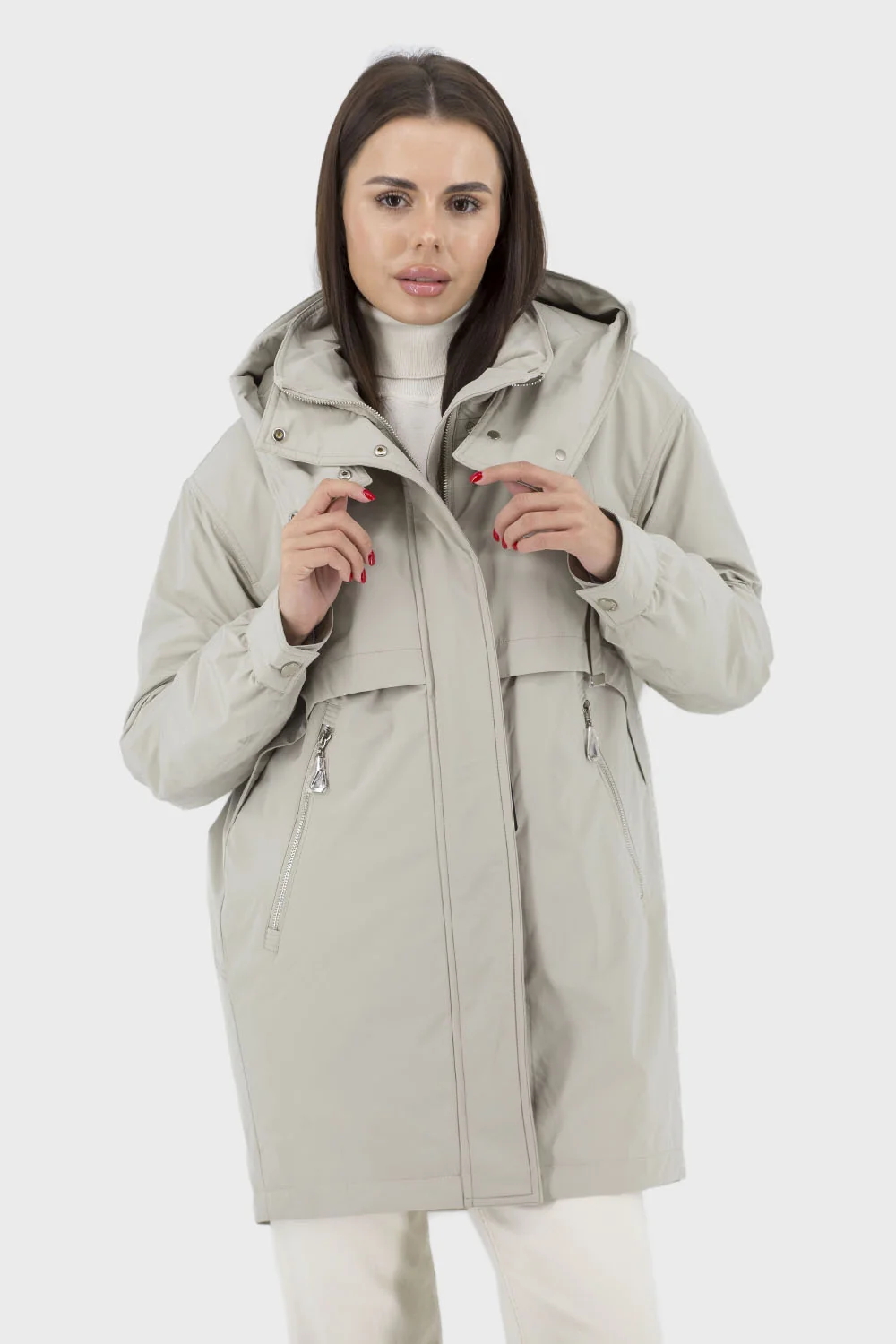
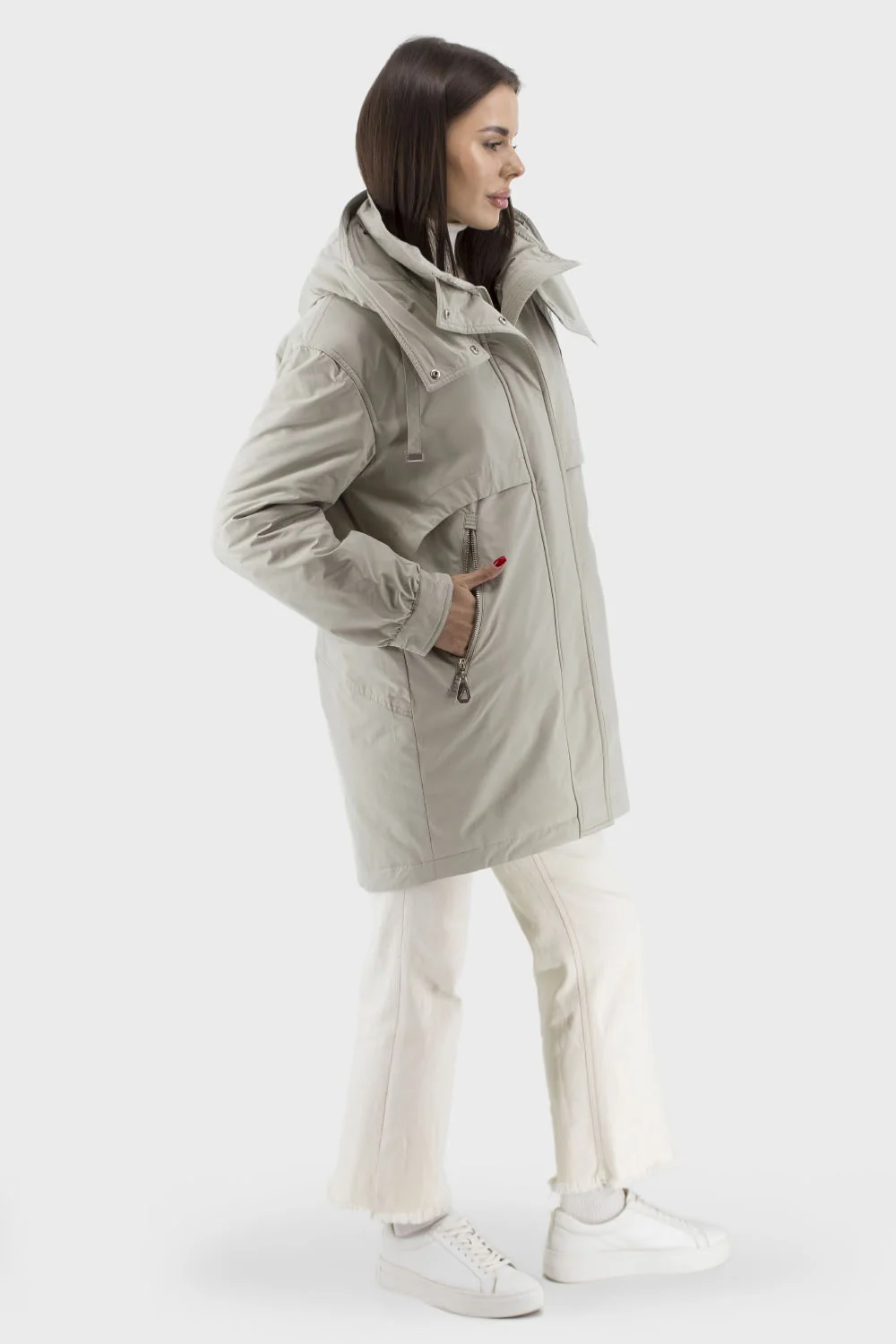
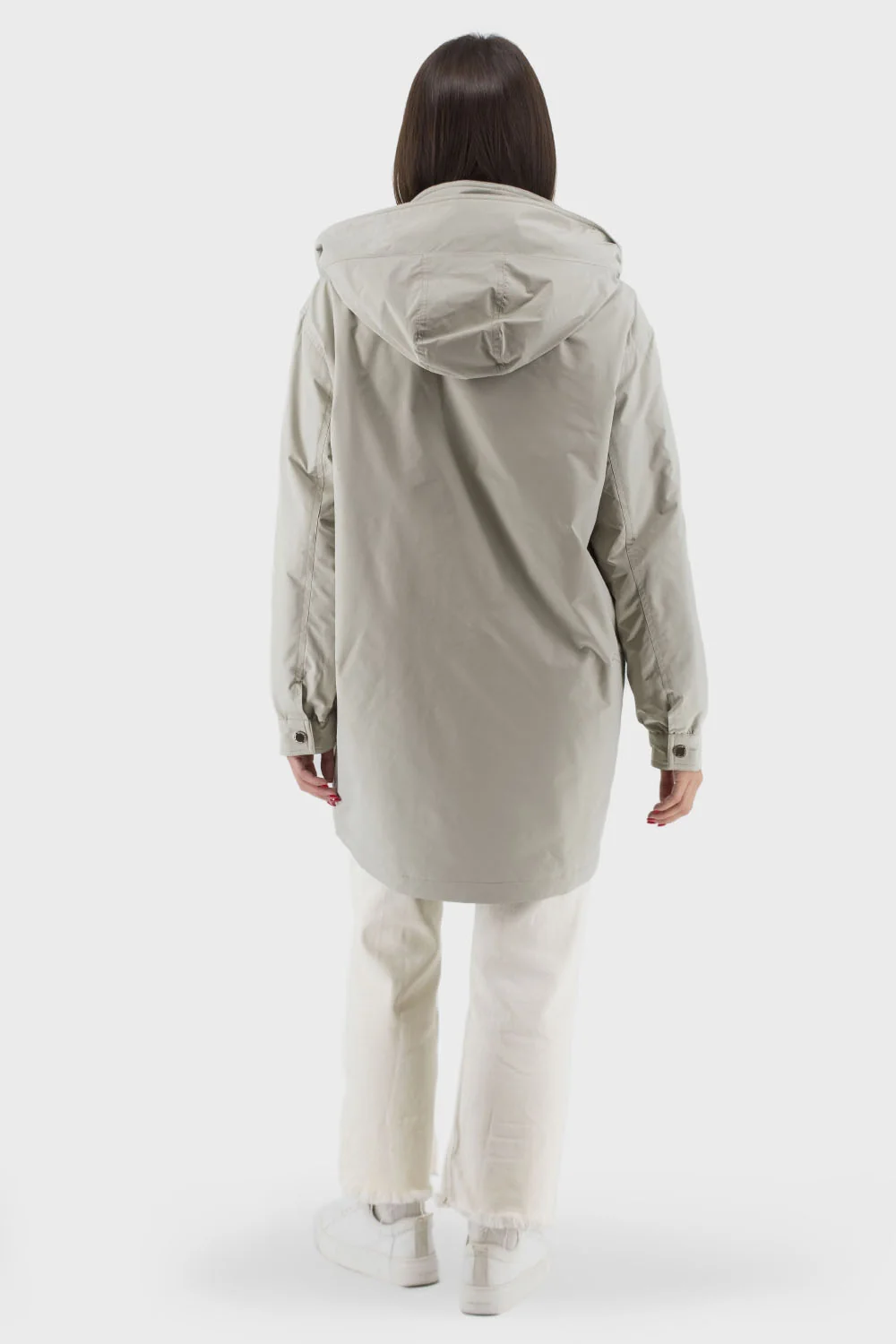
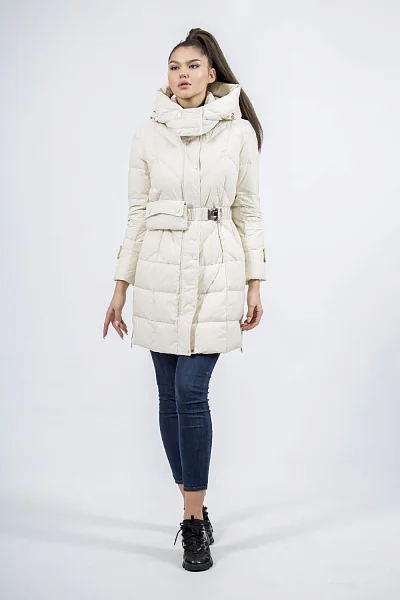
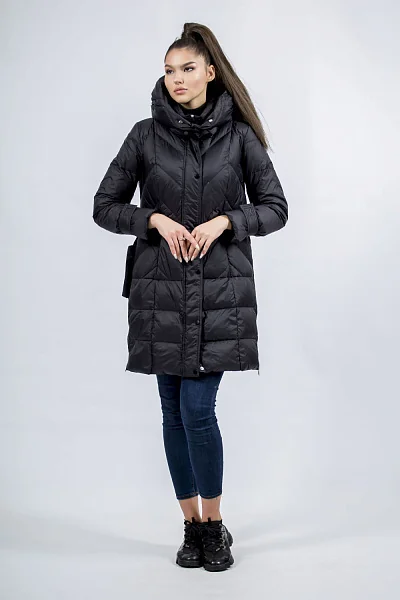
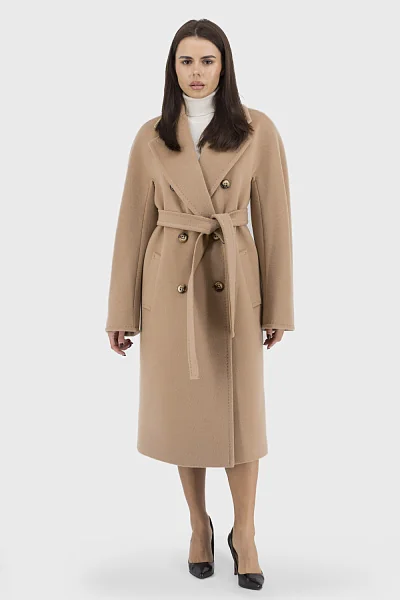
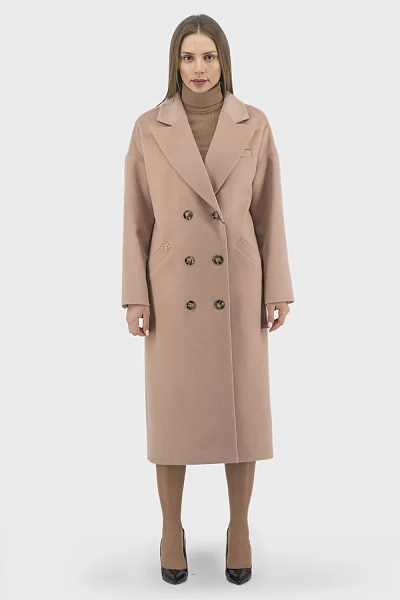
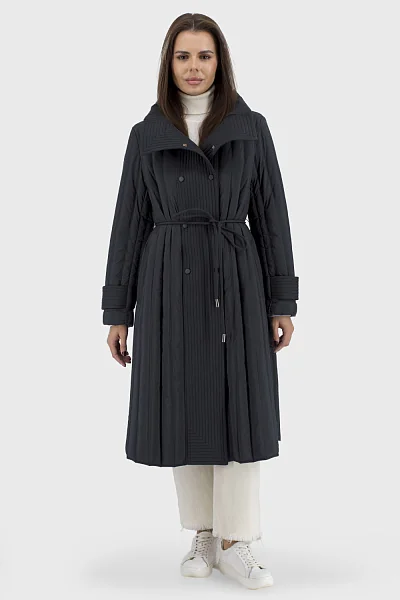
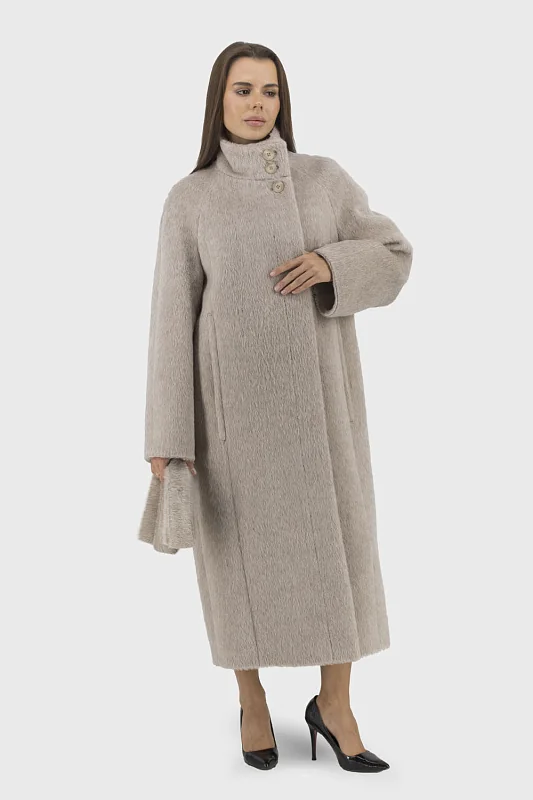
Explore the Bella Bicchi women’s coat collection with free delivery across Ukraine.
More styles are available in the women’s coat category.