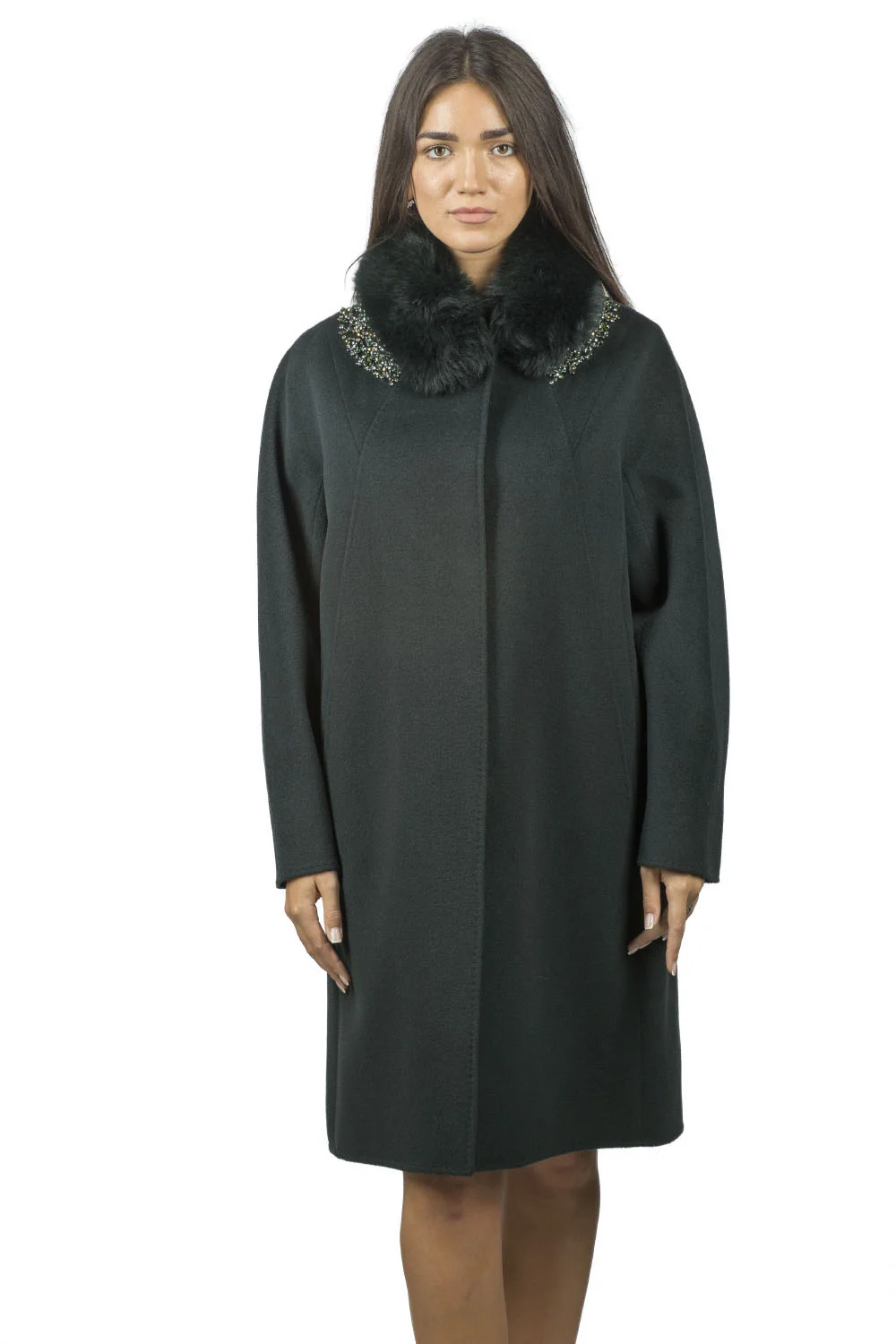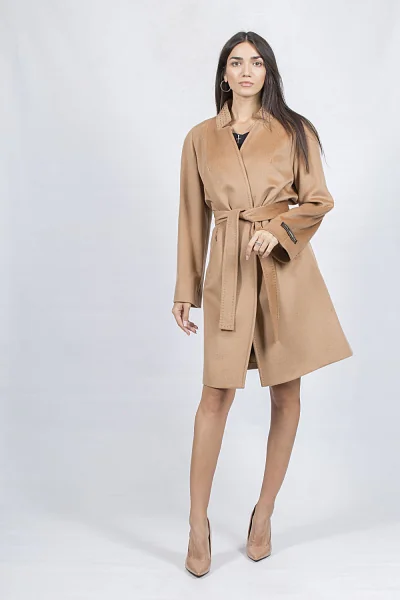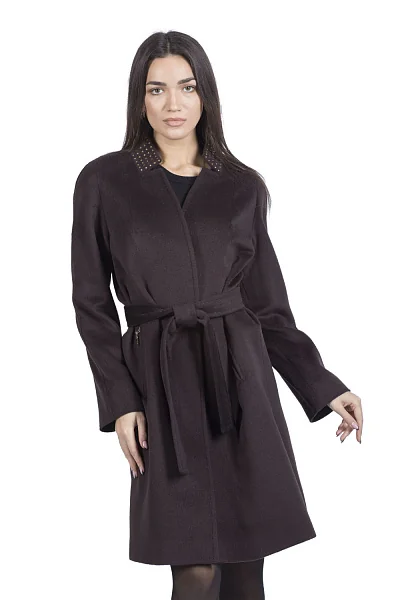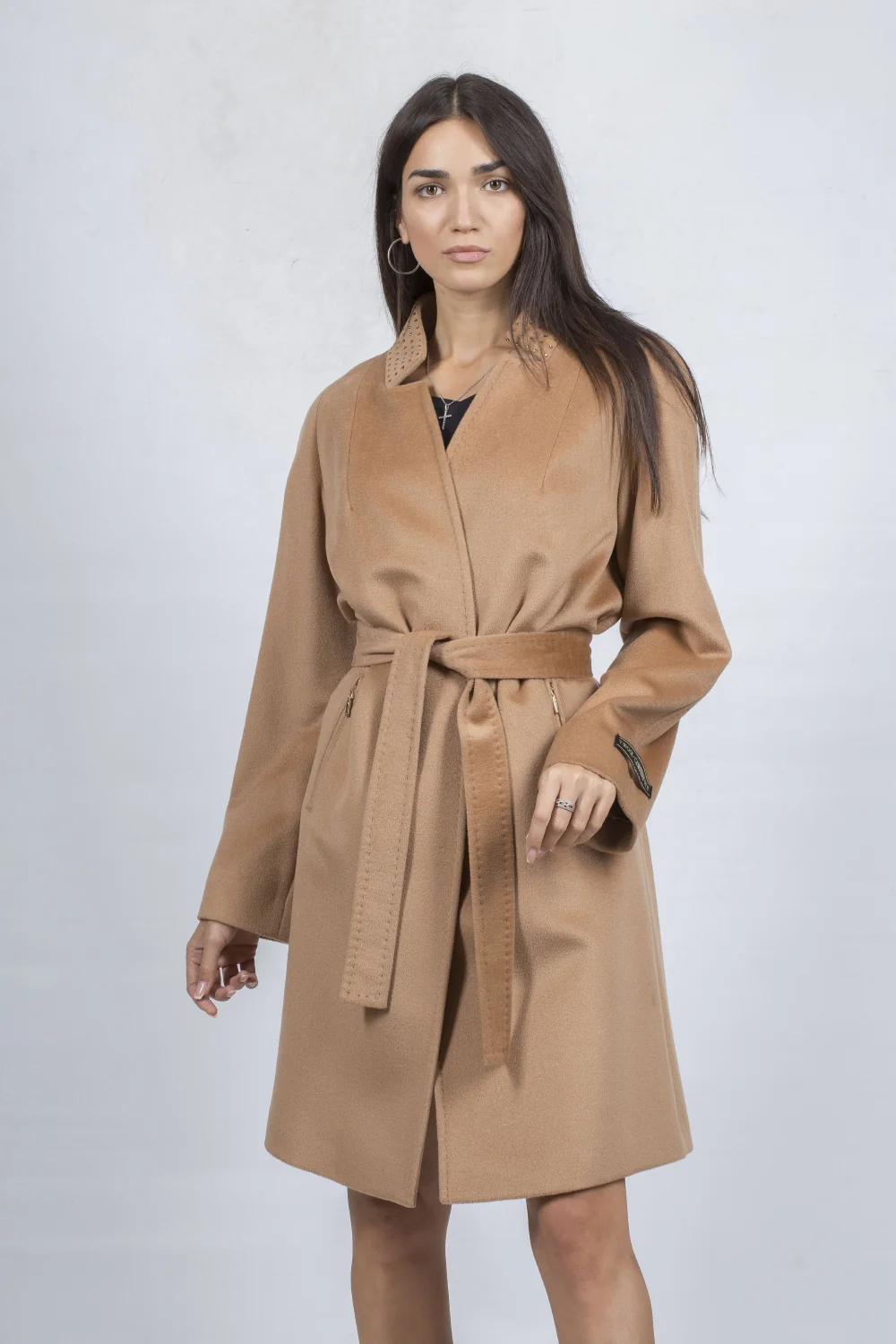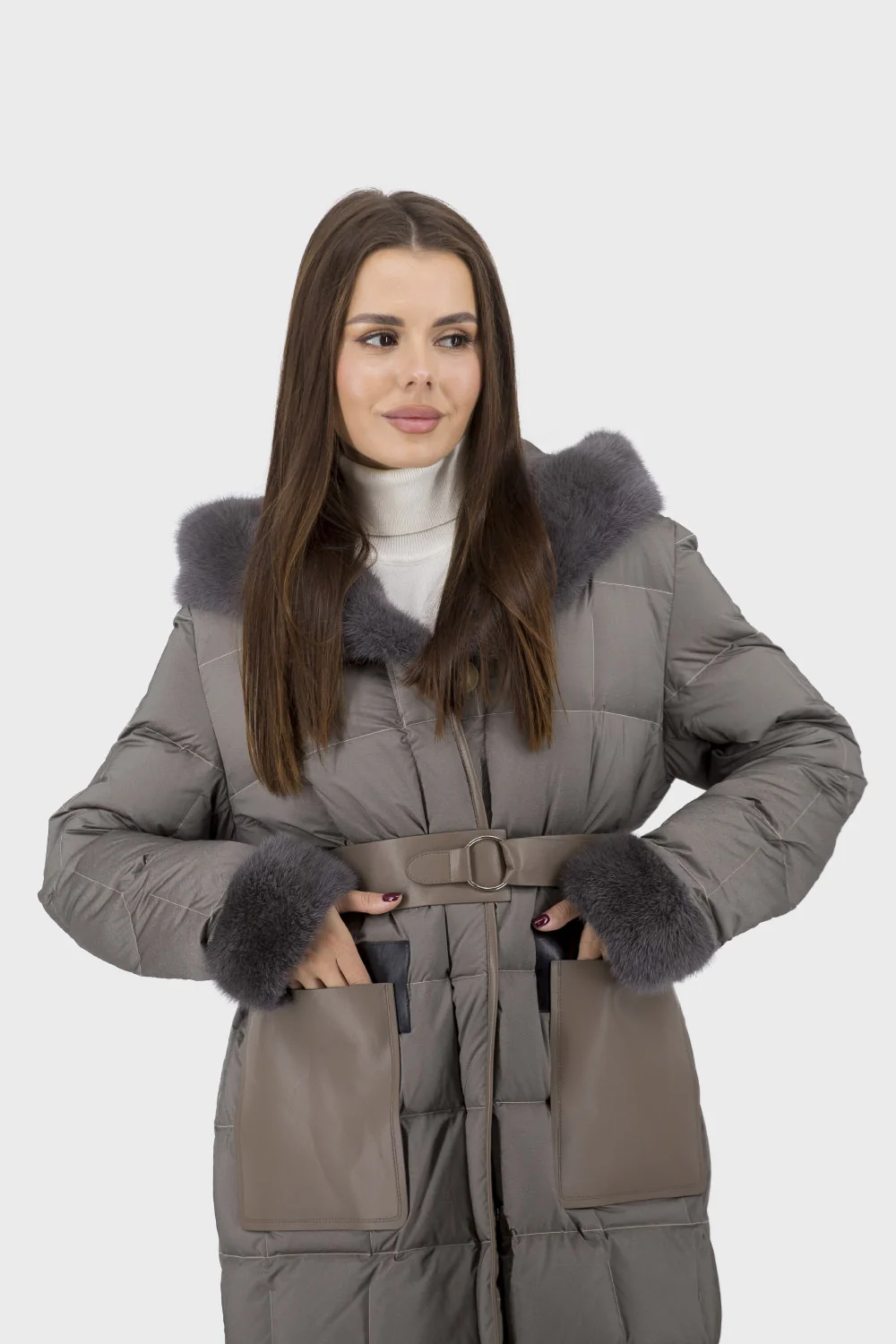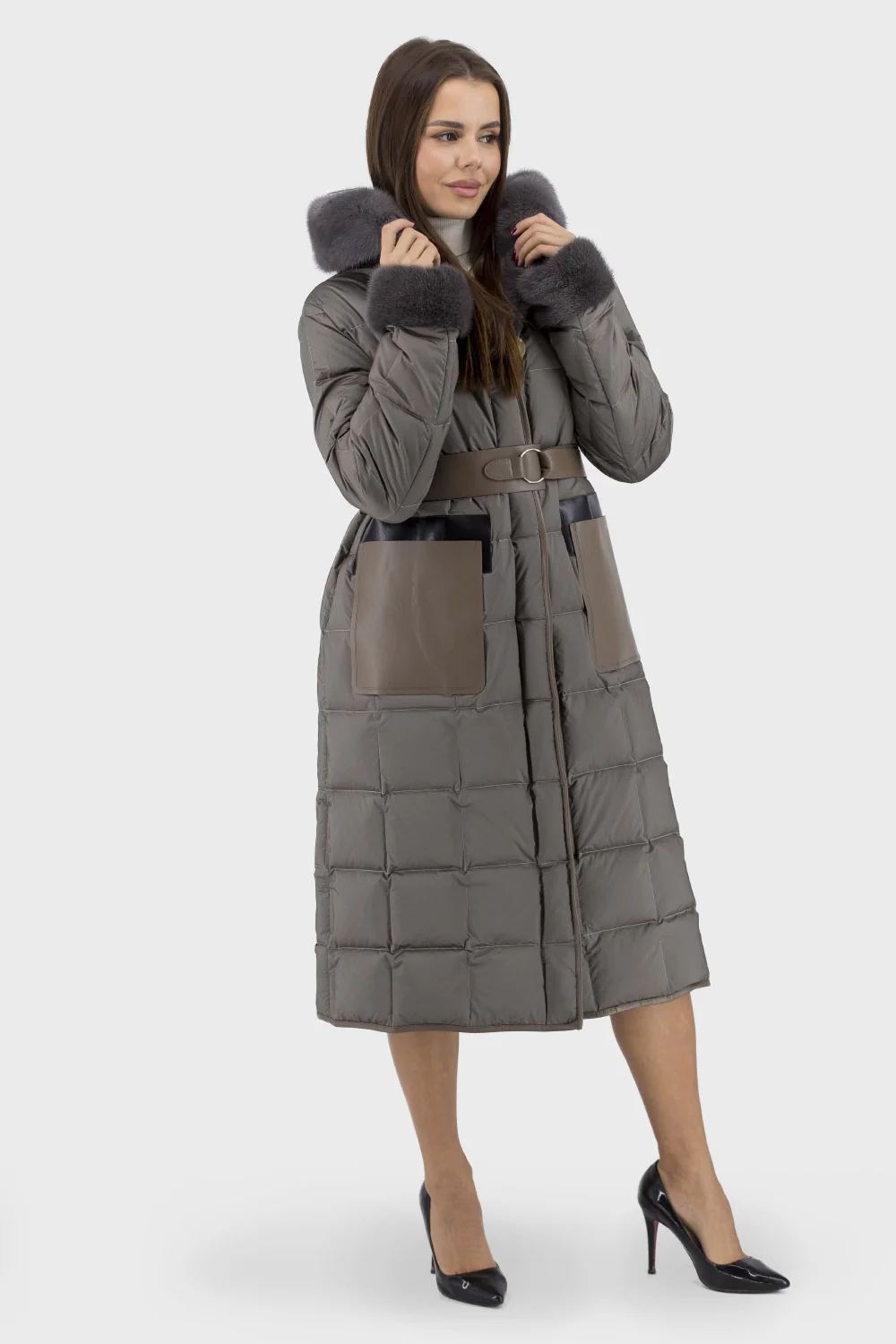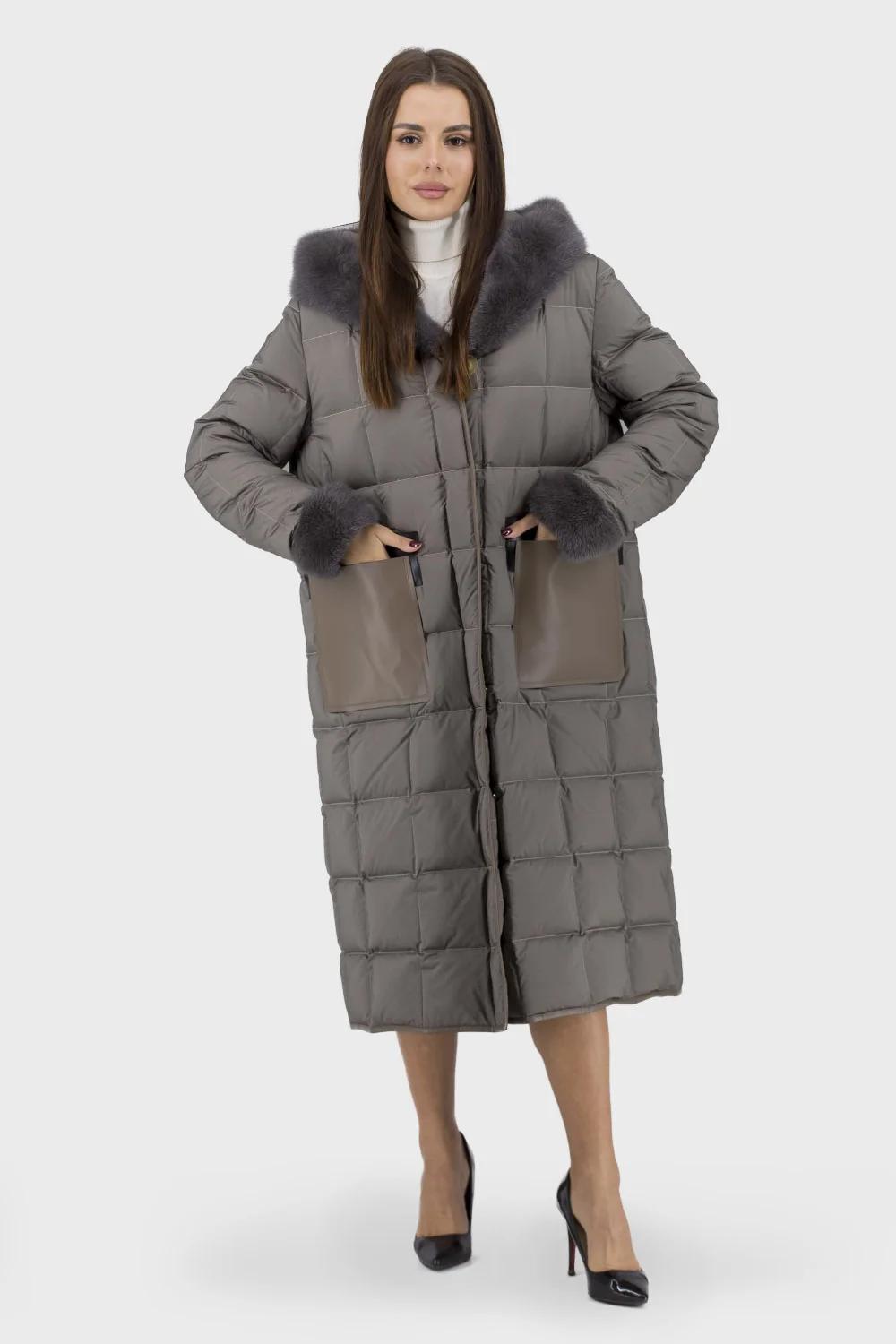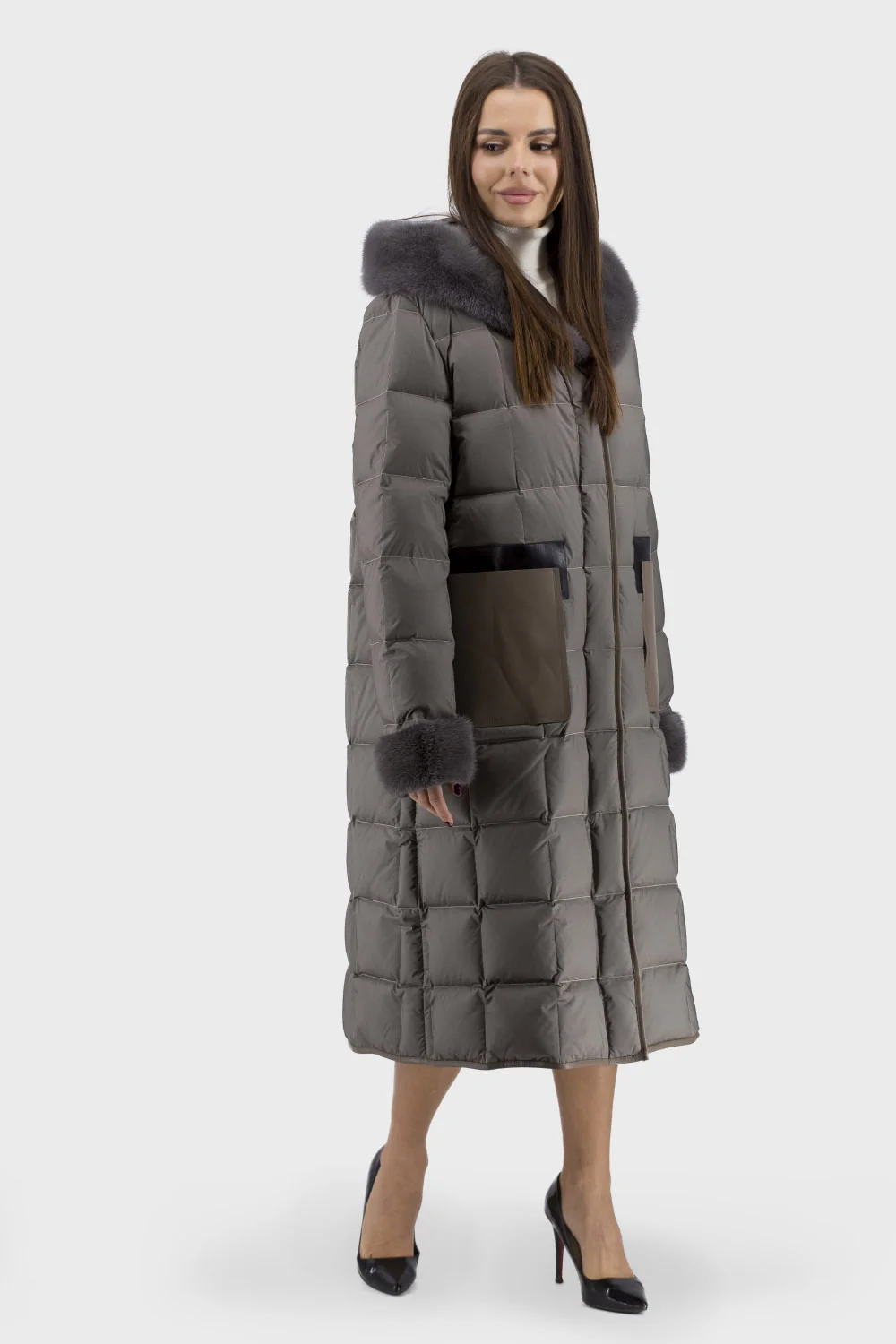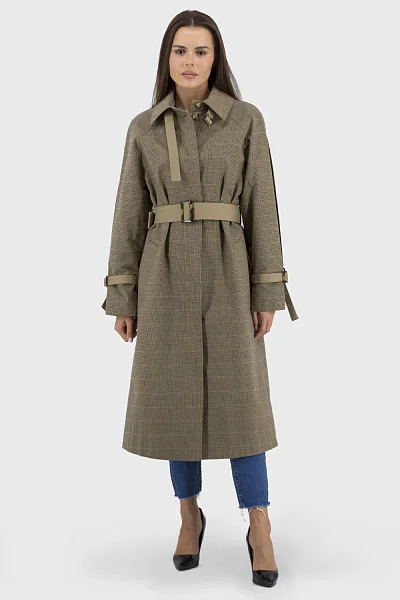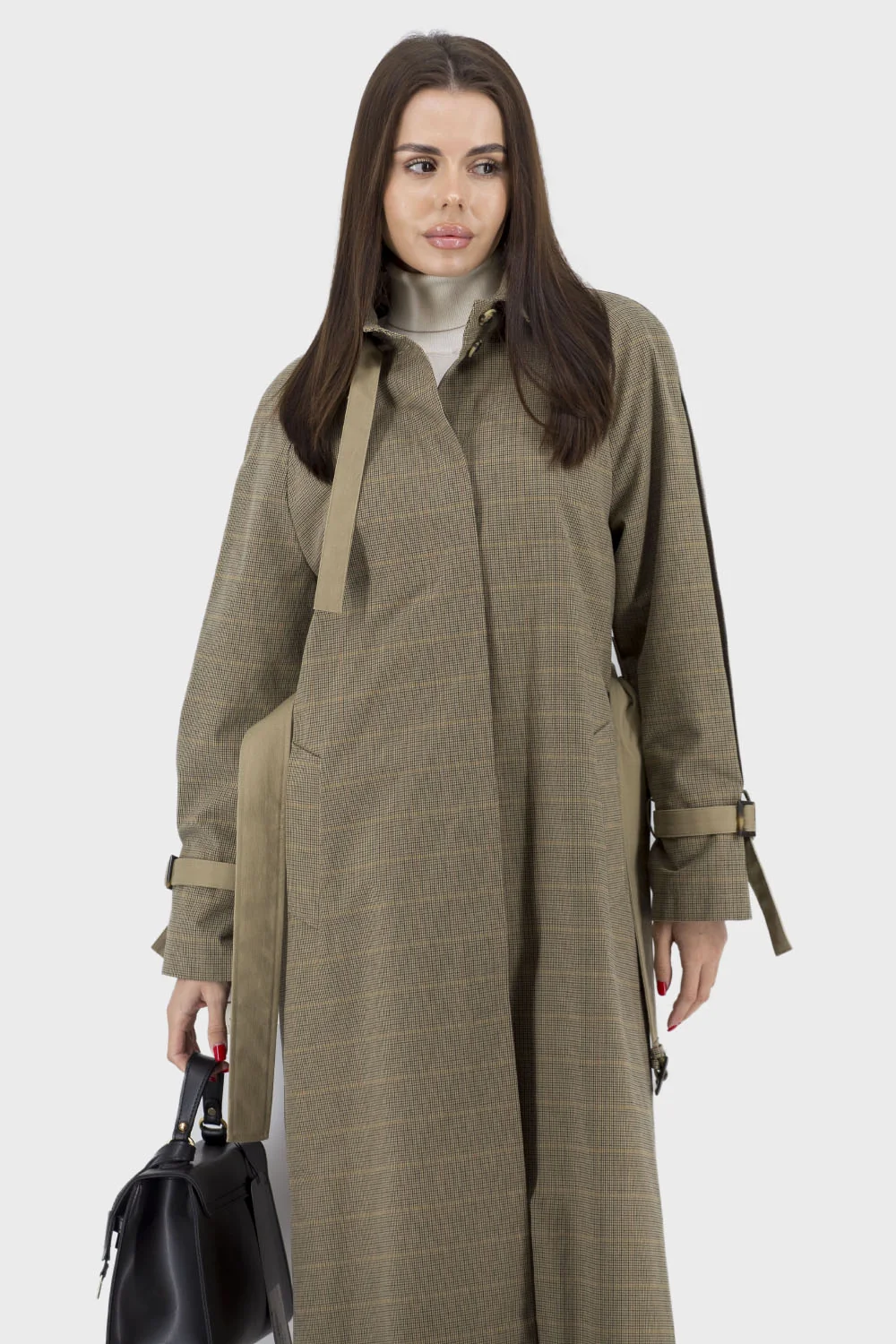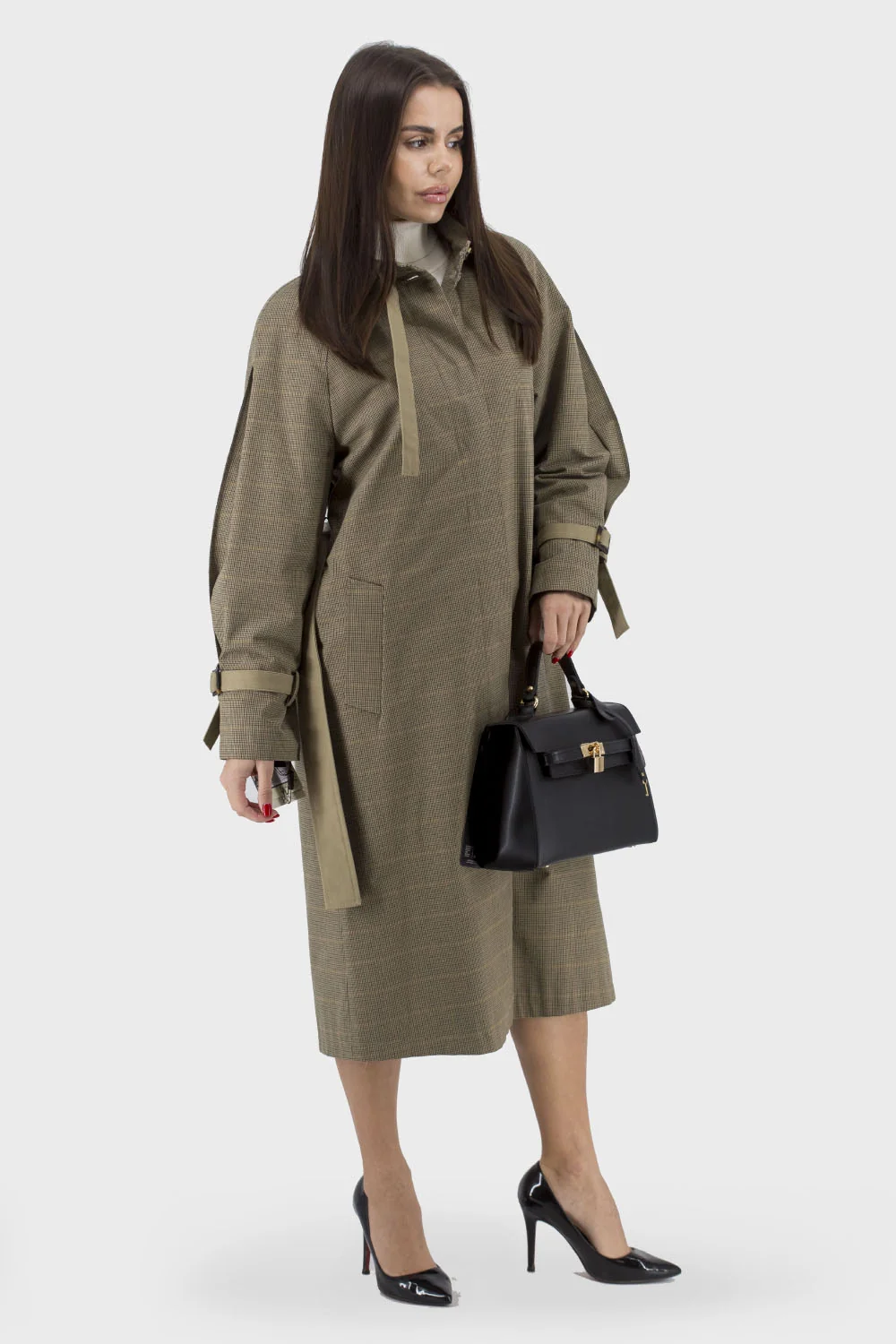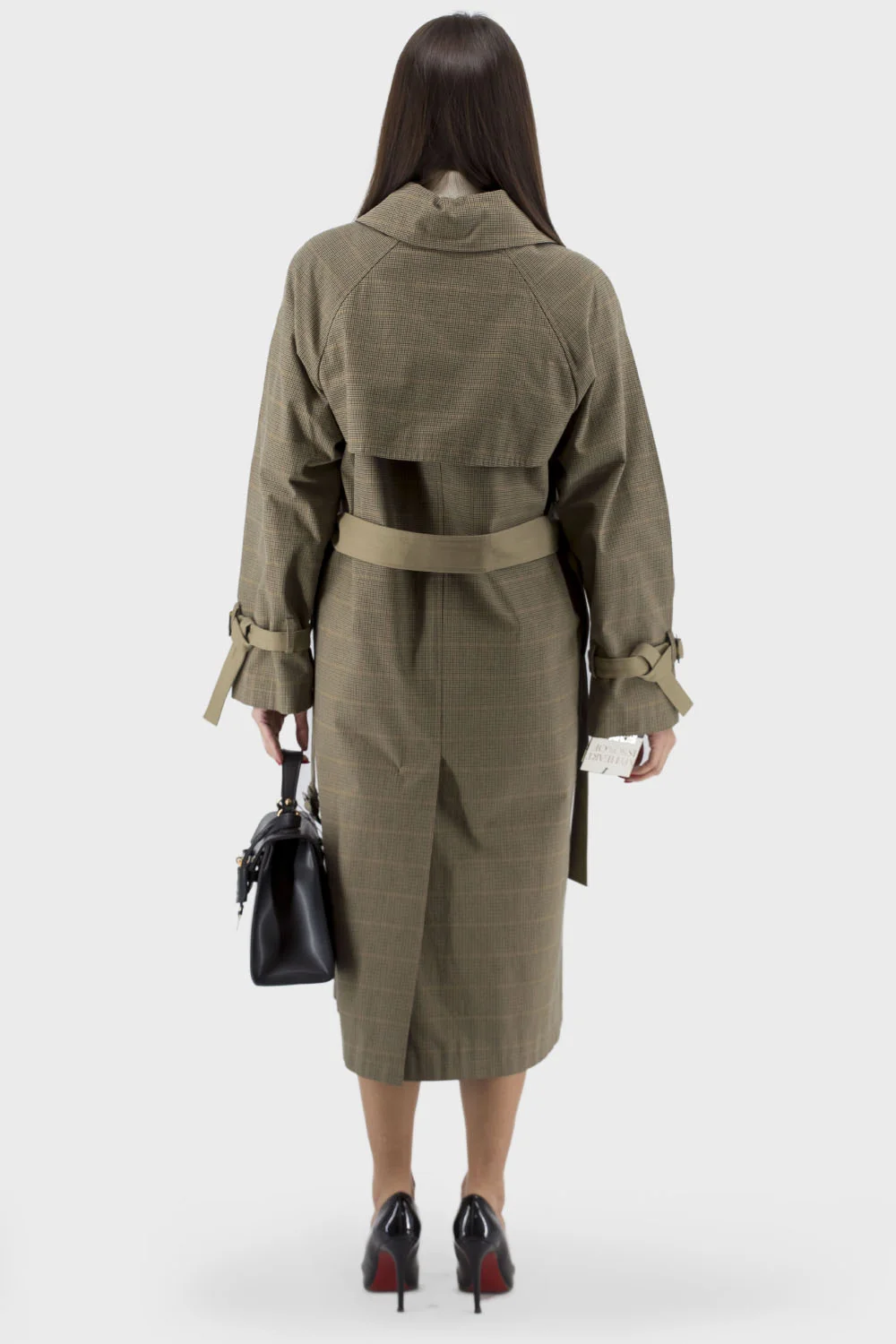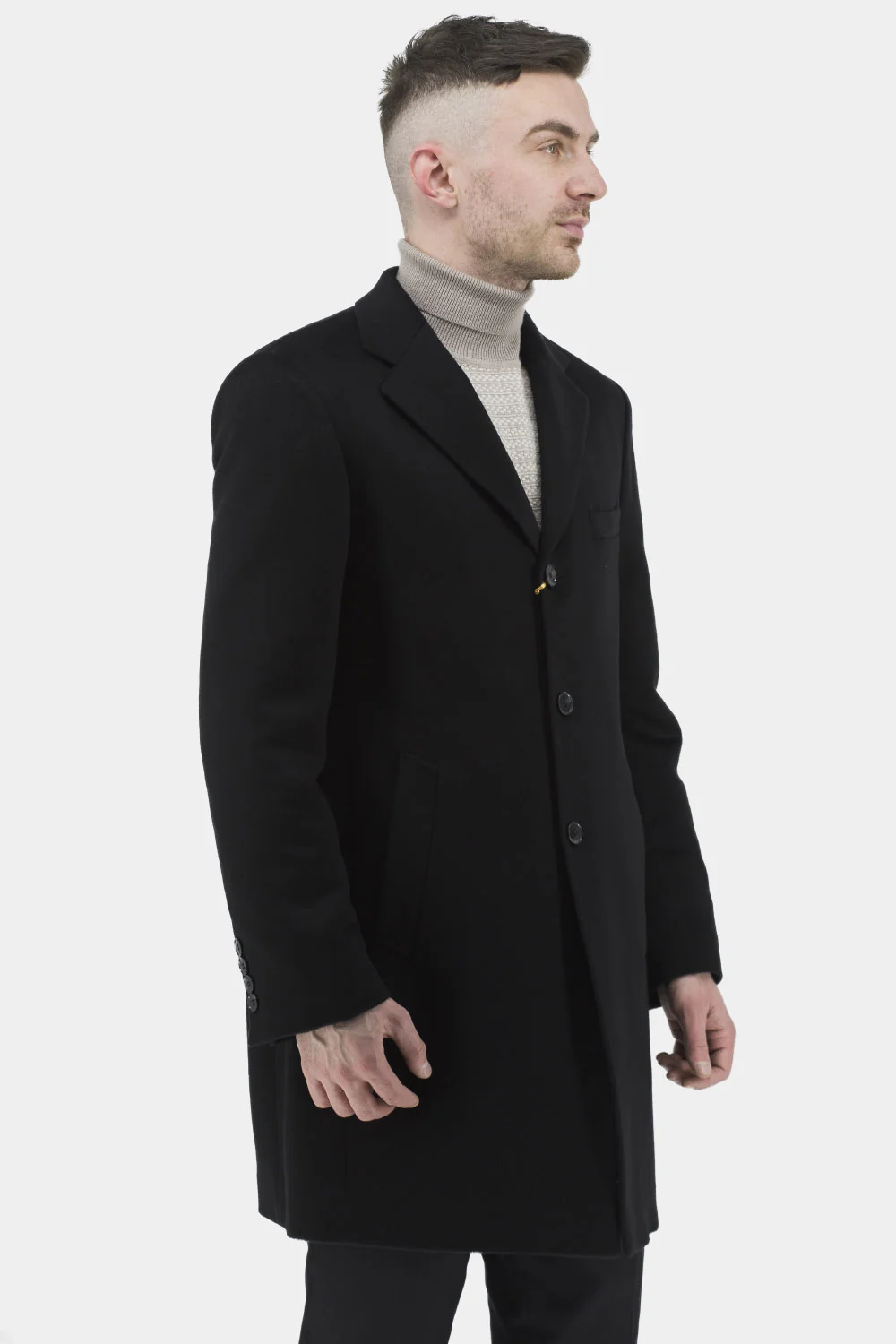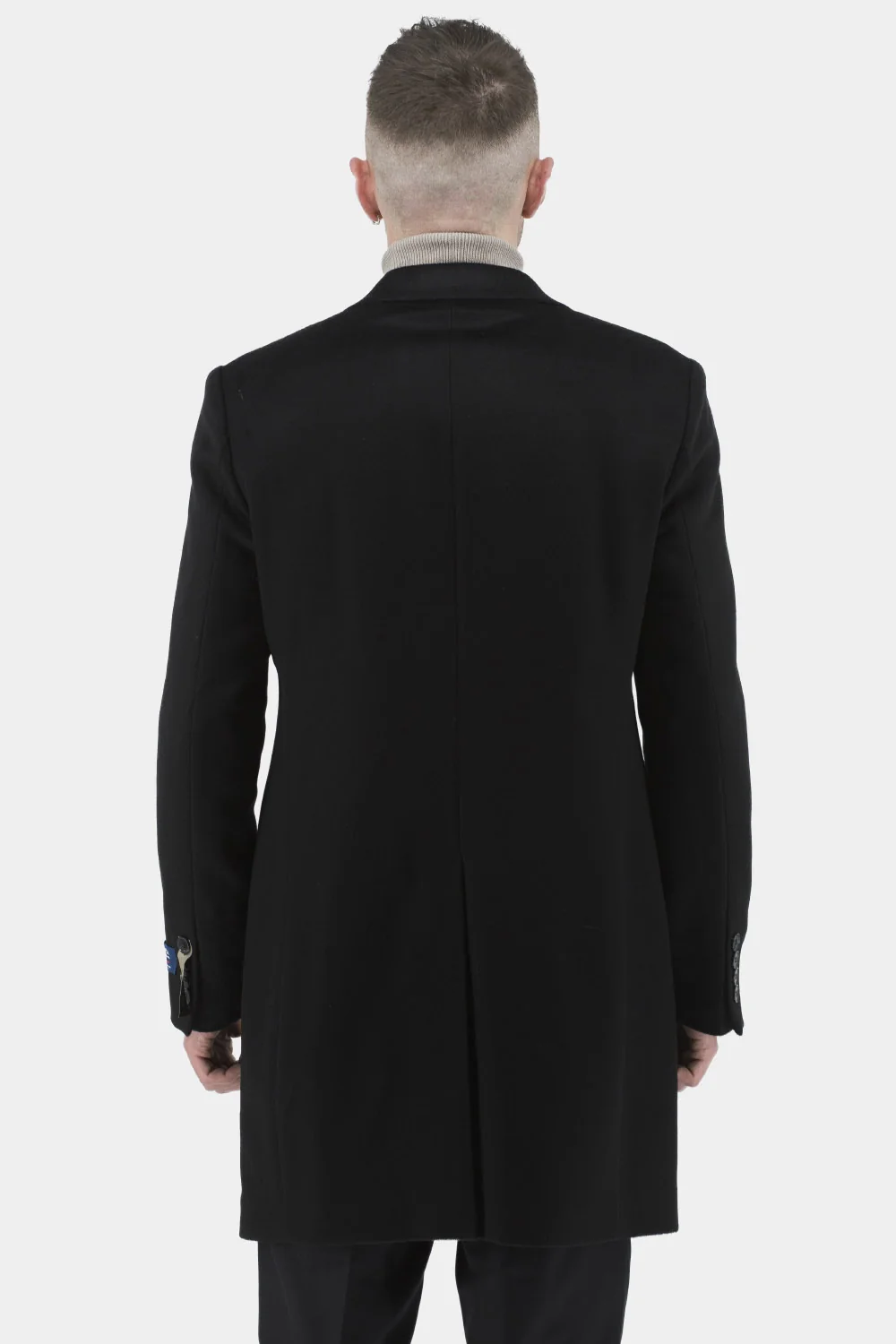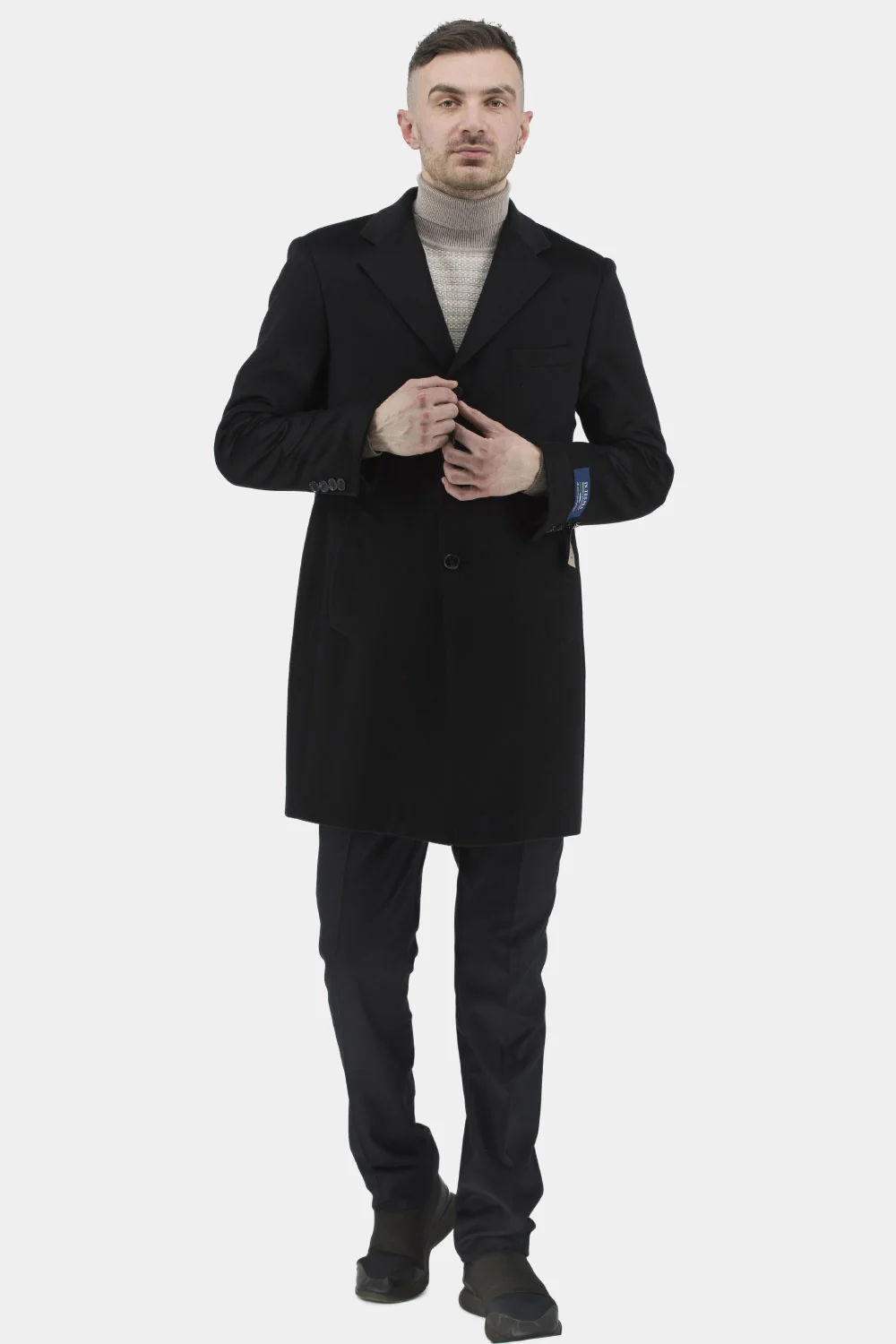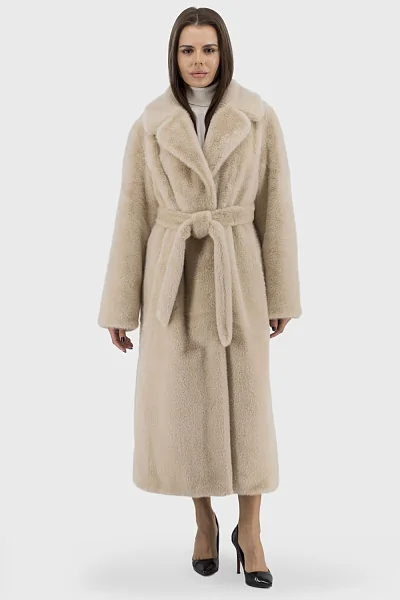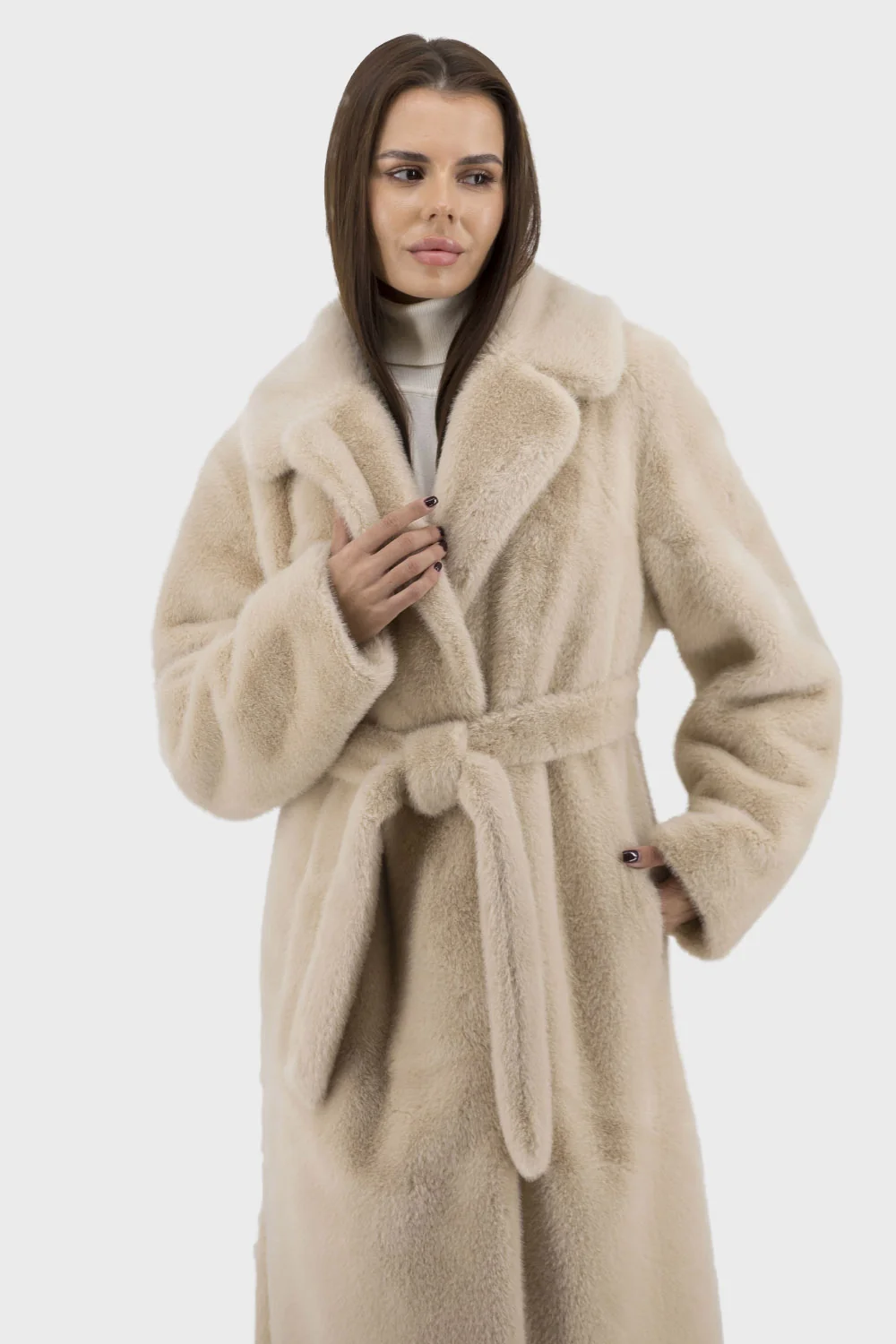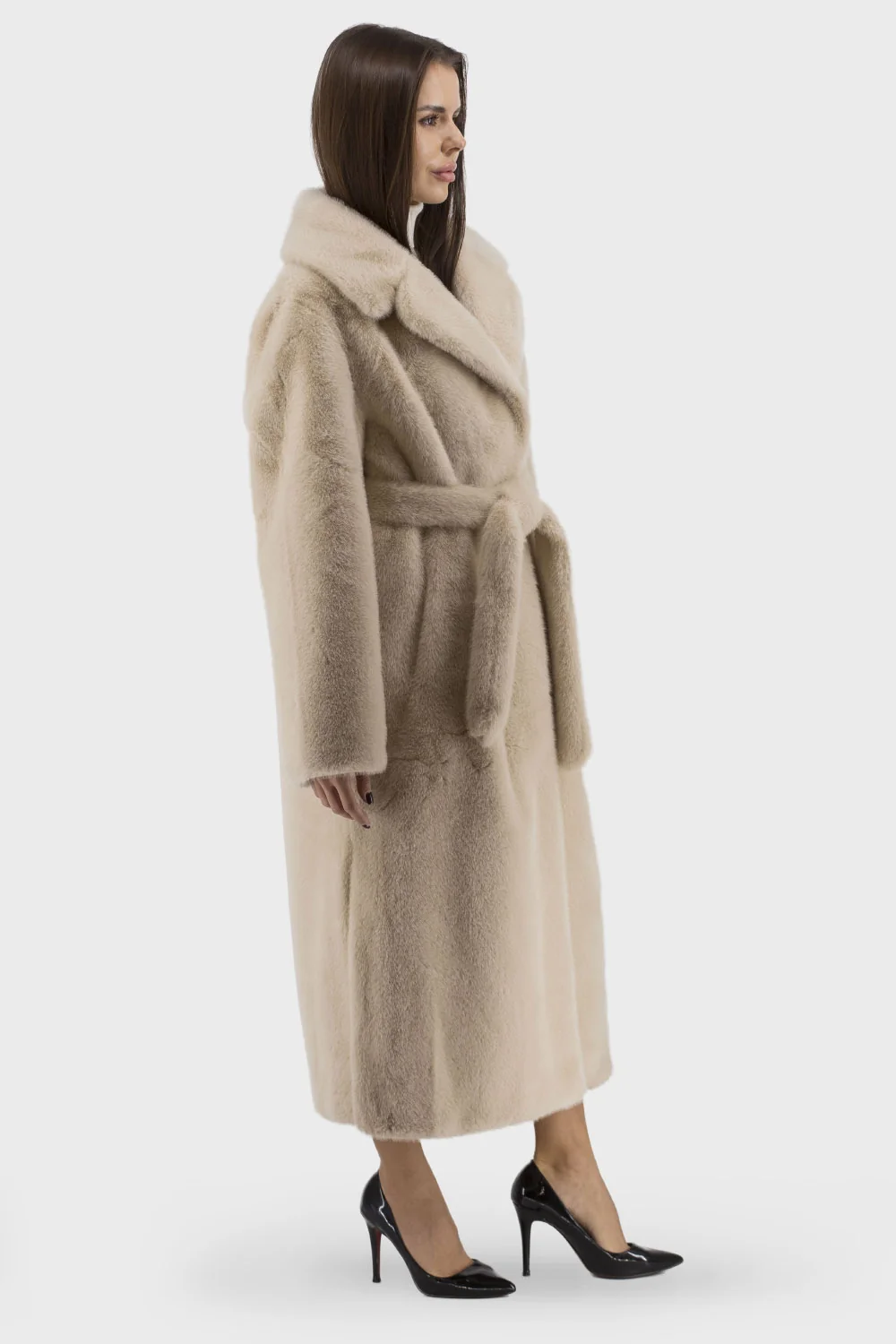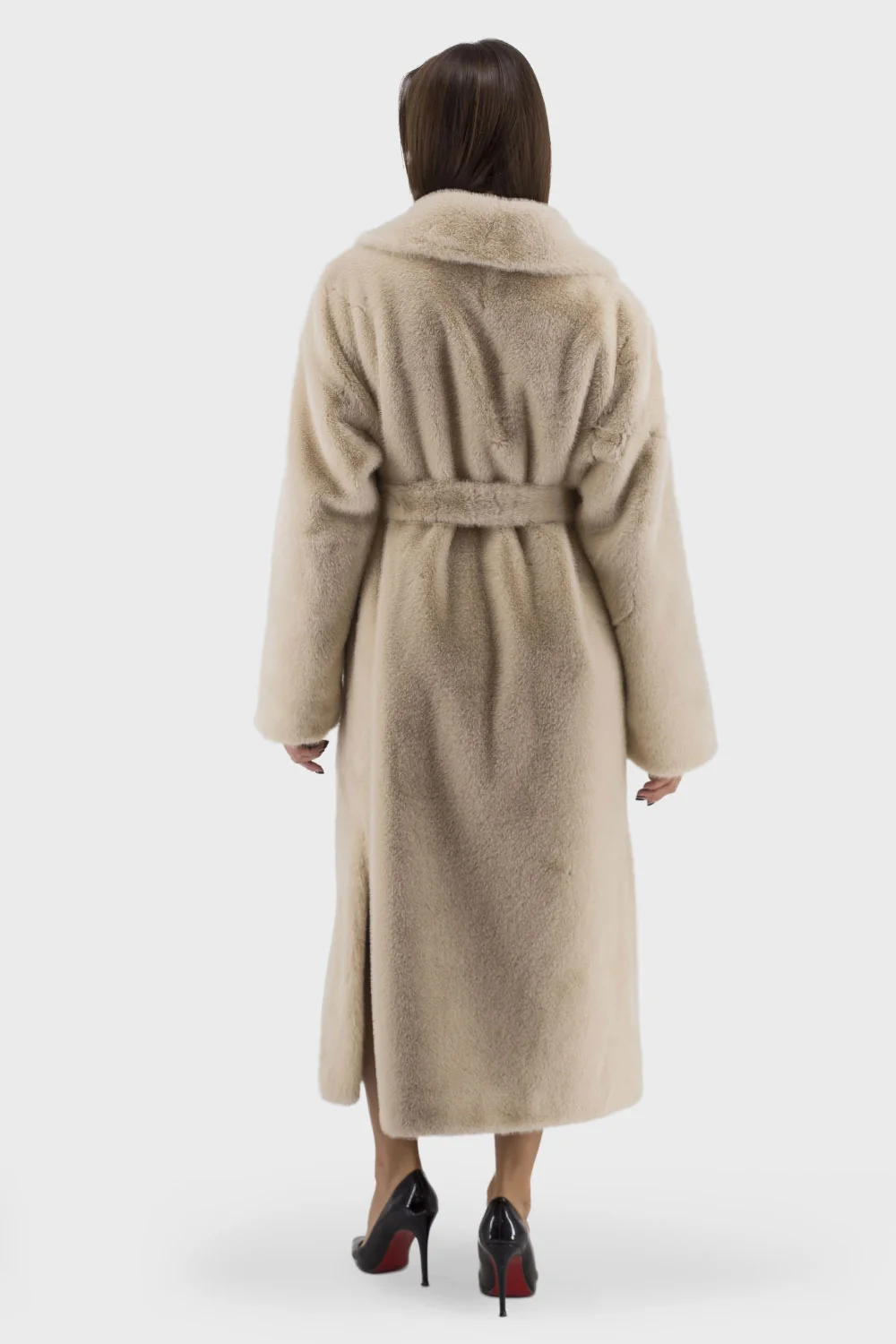
What camel wool is
Camel wool is a natural fibre used in coating fabrics, knitwear, blankets and other cold-weather products. It is valued for relatively low weight, softness and thermal insulation.
The performance of a finished coat depends on fibre percentage, fabric density, lining, insulation and construction quality.
How the fibre is collected
Textile production commonly uses the soft undercoat released during seasonal shedding or collected by combing.
Finer fibres are generally used in softer fabrics, while coarser fibres may be used in dense blends.
Why it retains warmth
The fibre structure helps trap small layers of air and reduce heat loss.
Actual insulation depends on fabric thickness, coat construction, lining and weather conditions.
Low weight and comfort
Camel wool fabrics may feel lighter than some dense wool materials with similar warmth.
Comfort also depends on fit, hardware and insulation.
Softness
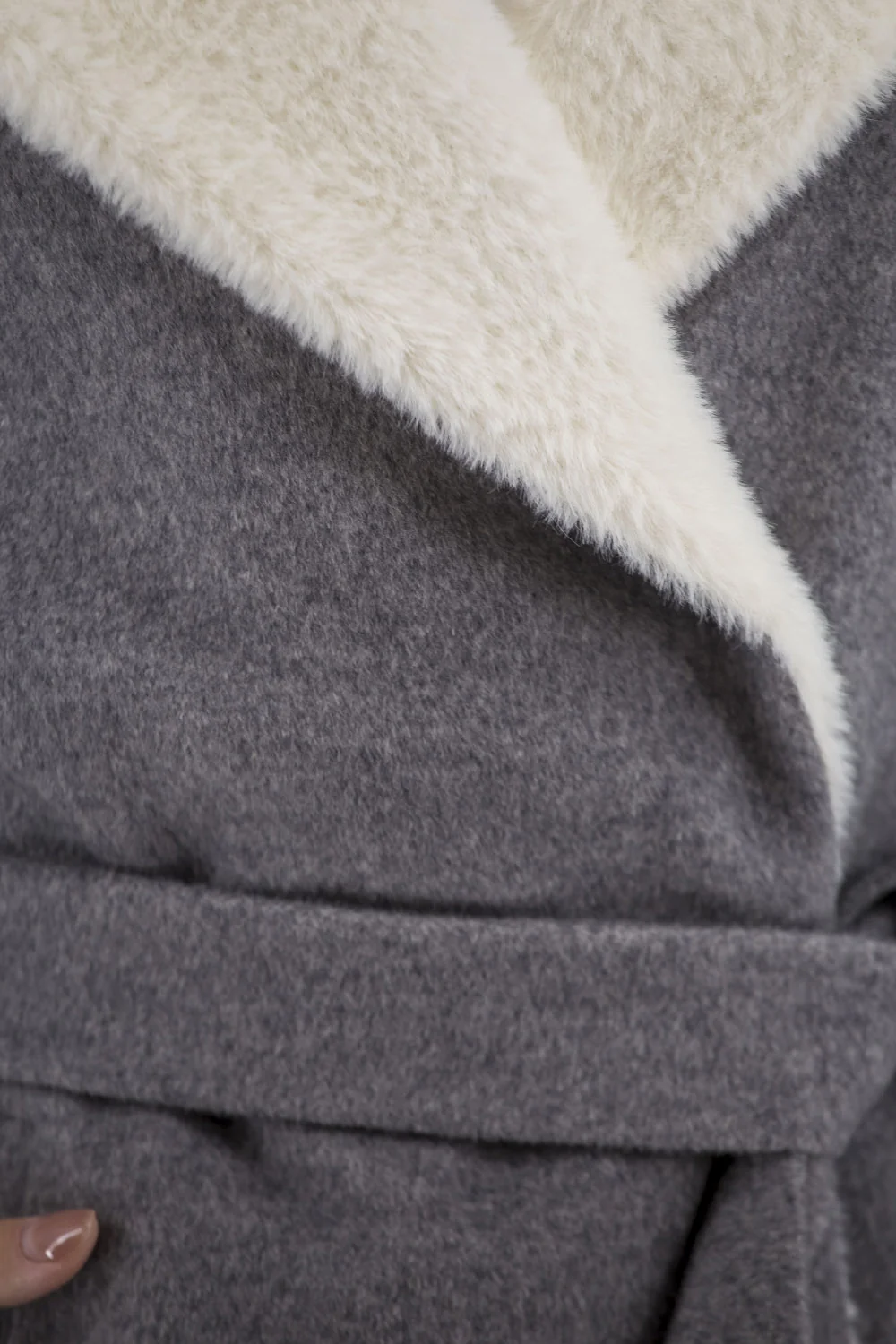
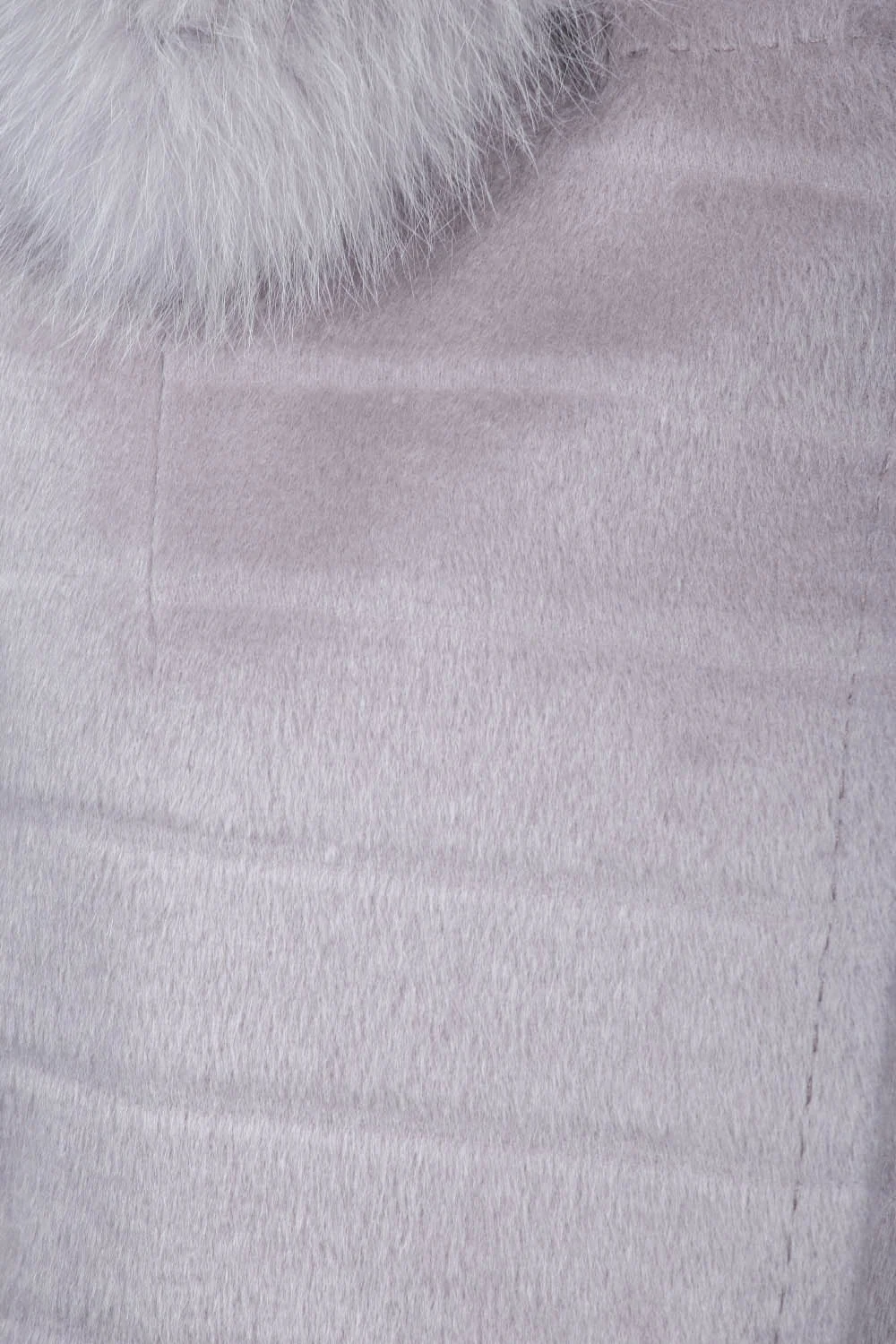
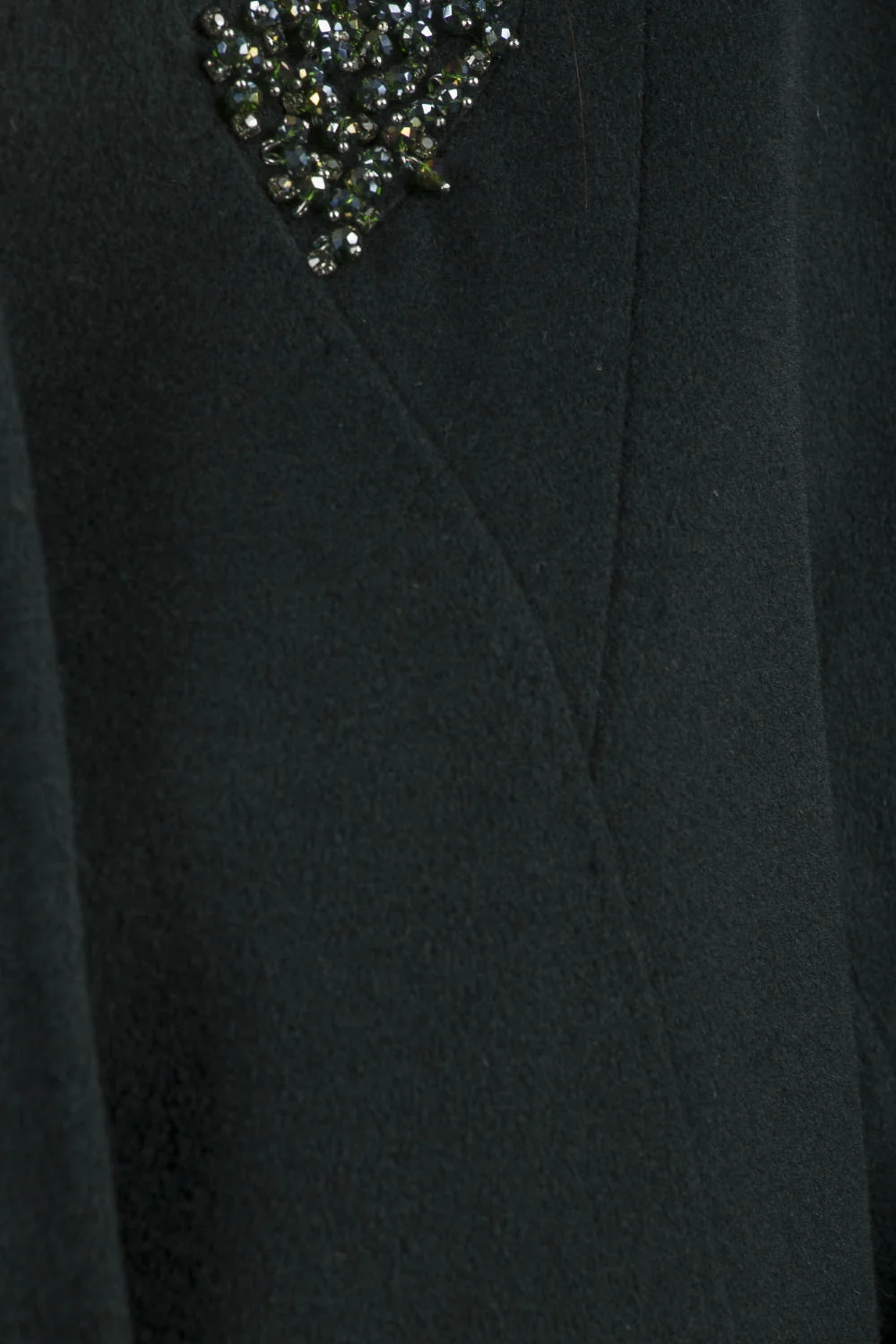
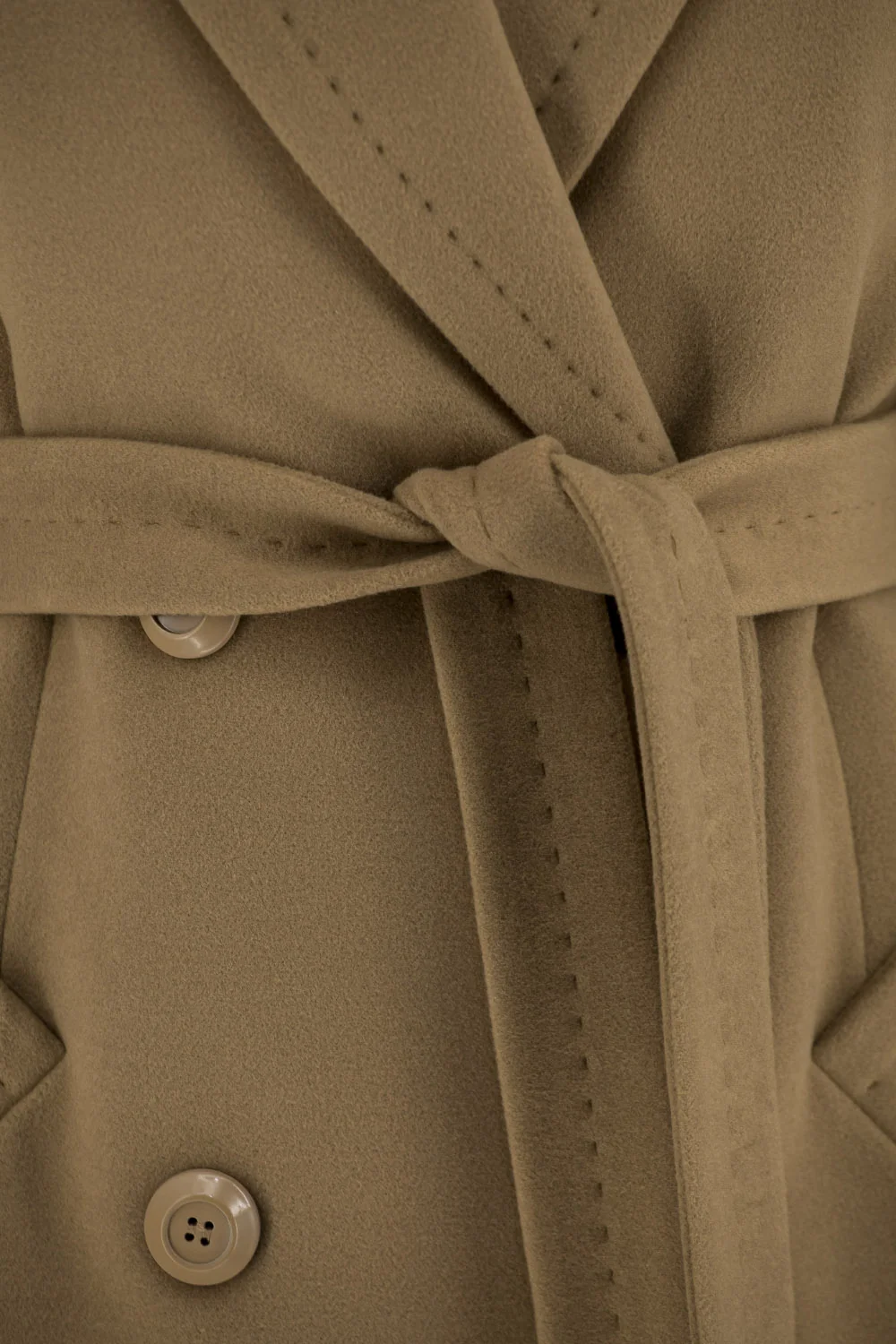
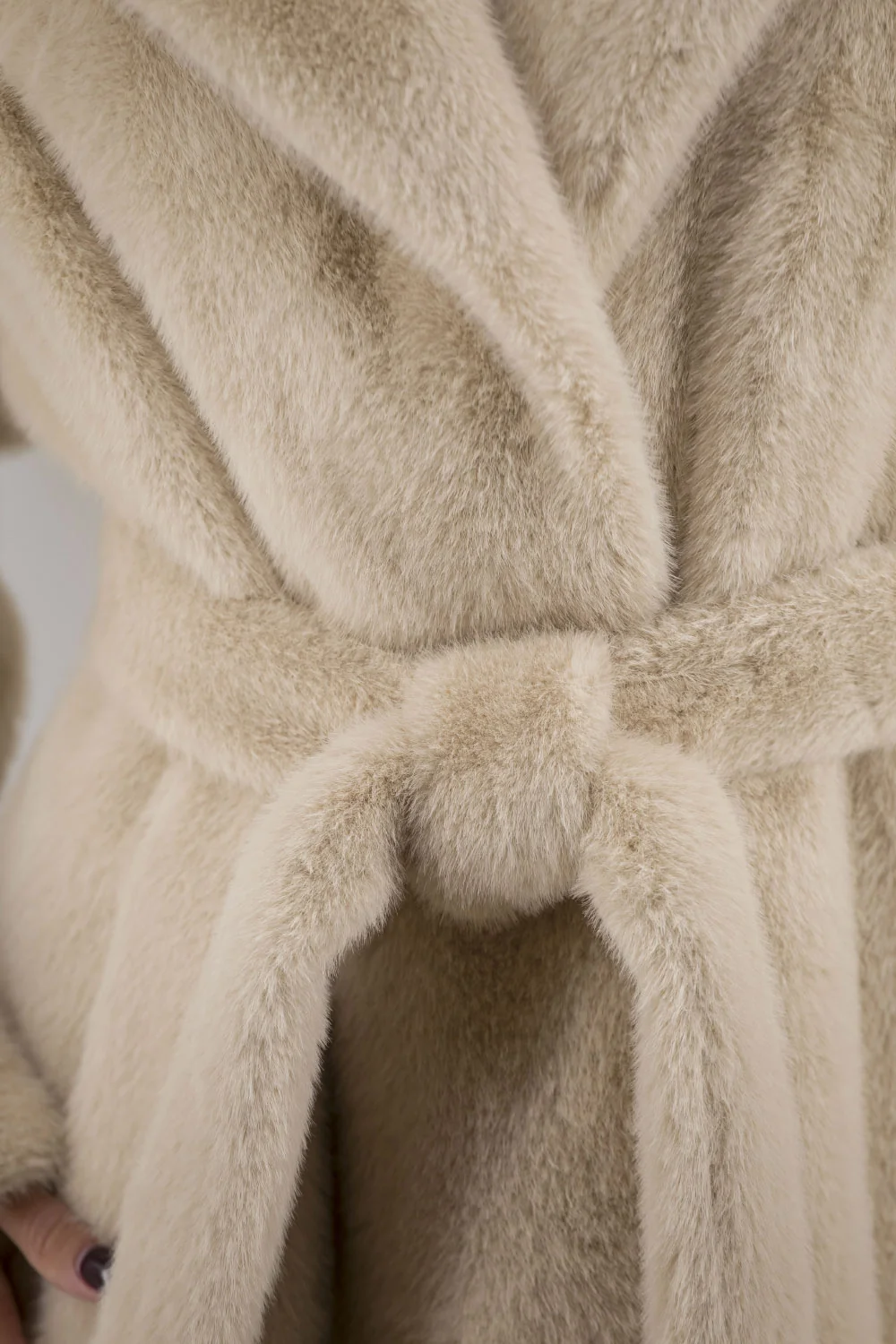
High-quality undercoat can feel soft, although texture varies between fabrics.
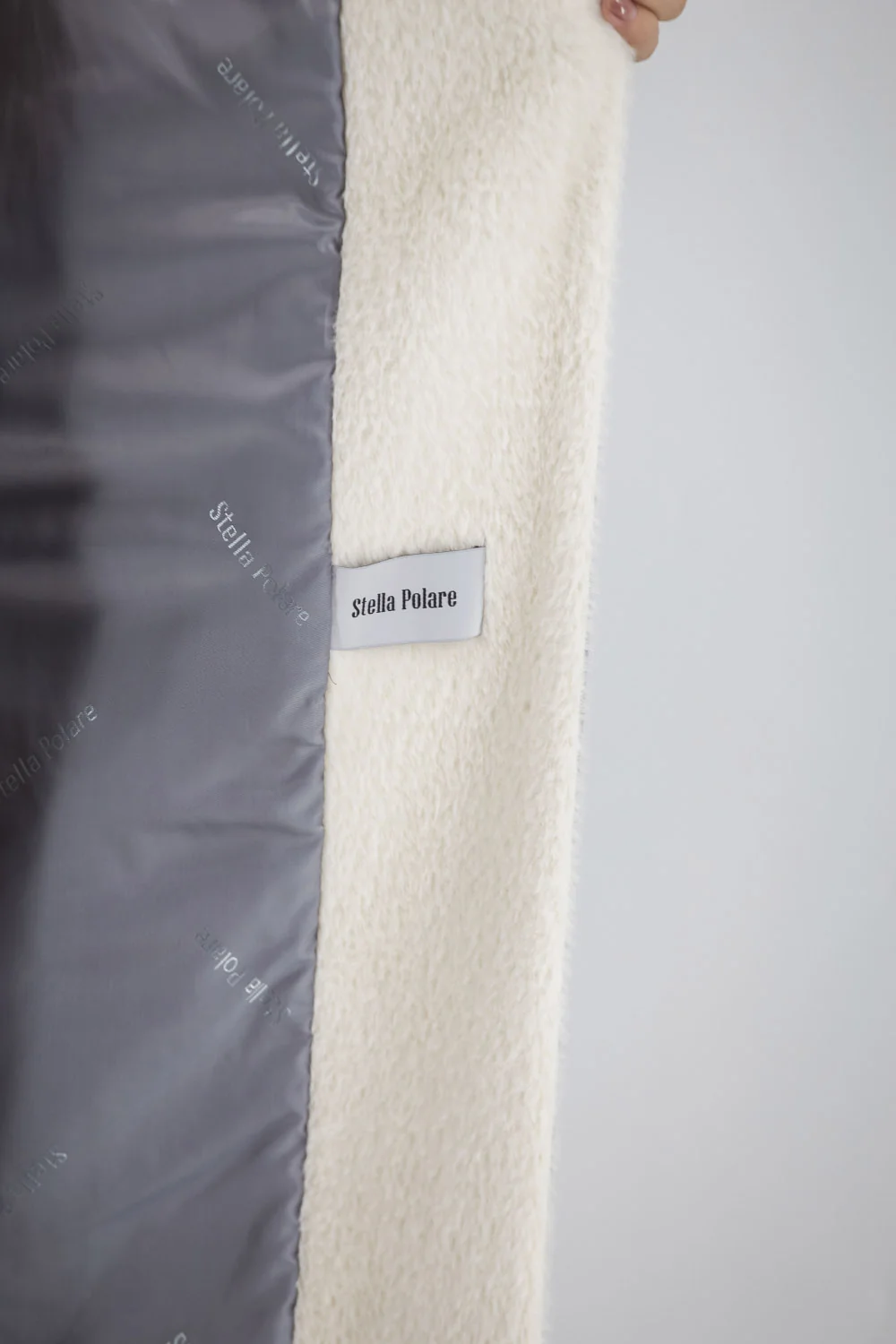
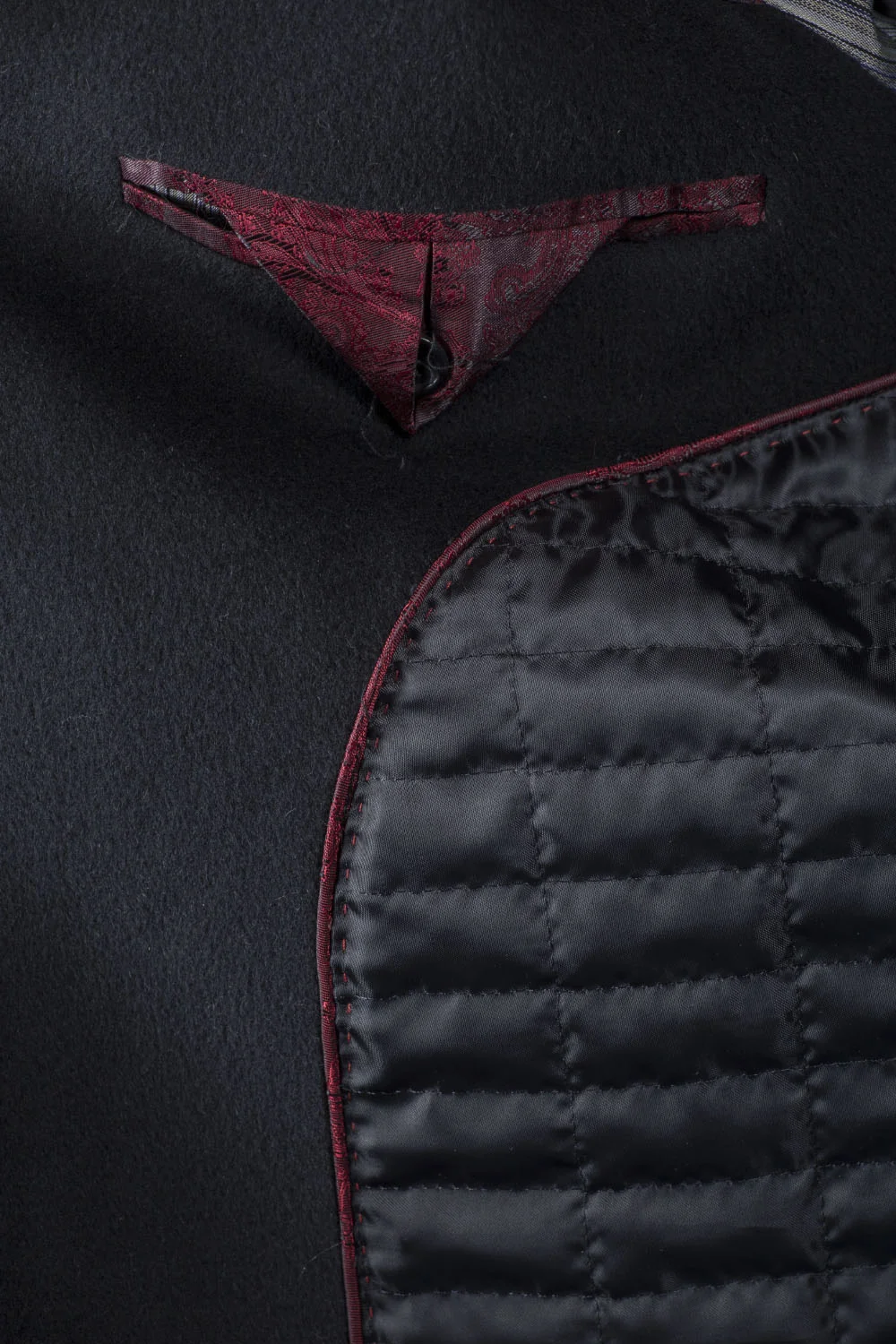
A lining improves comfort and protects the outer material from friction.
Natural colour palette
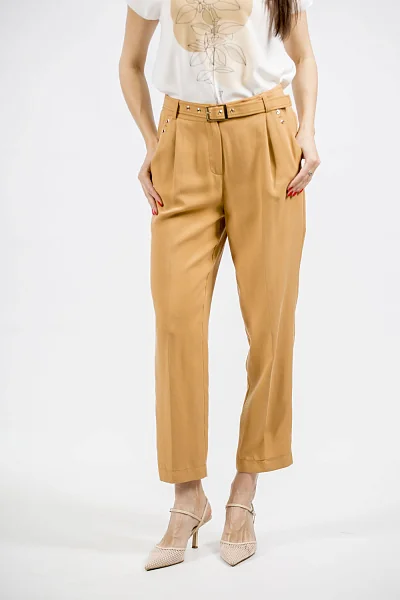
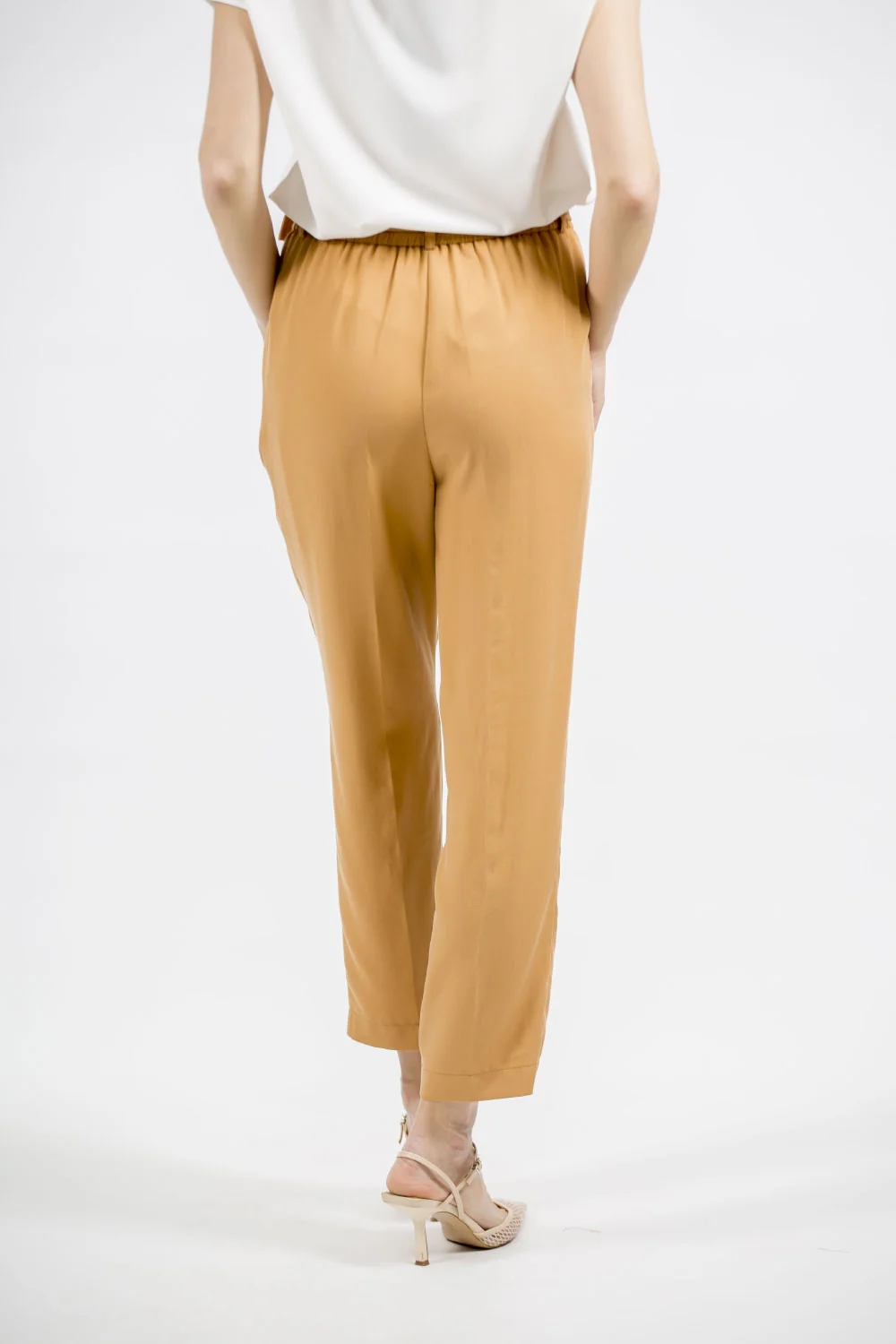
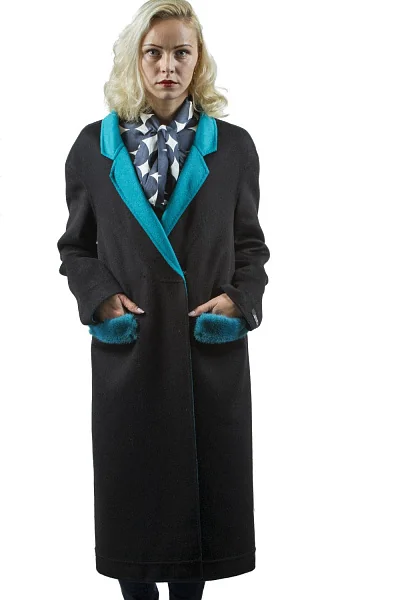
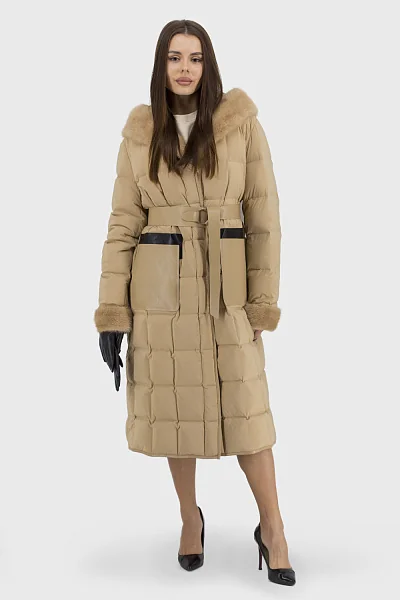
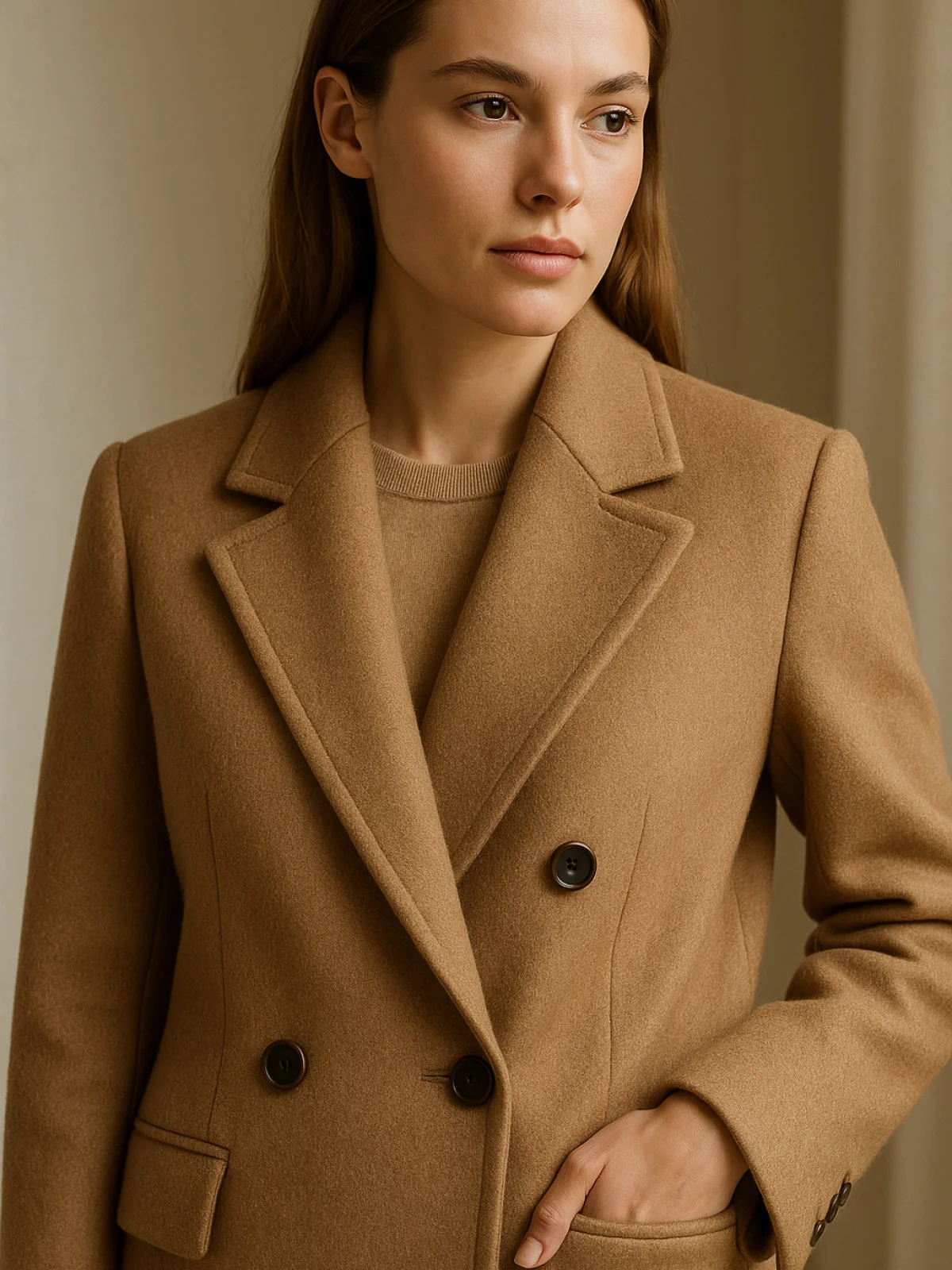
Typical shades include beige, sand, caramel and brown. They coordinate with black, cream, grey, navy and burgundy.
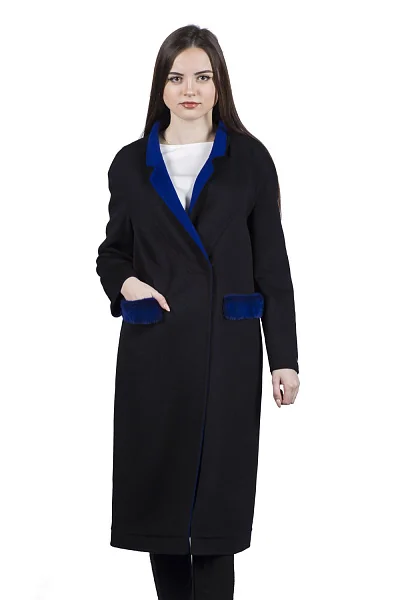
The fibre may also be dyed in other colours.
Pure and blended fabrics
Camel wool may be combined with sheep wool, cashmere, polyamide, polyester or other fibres.
Blends can improve durability, shape retention and crease resistance.
Reading the label
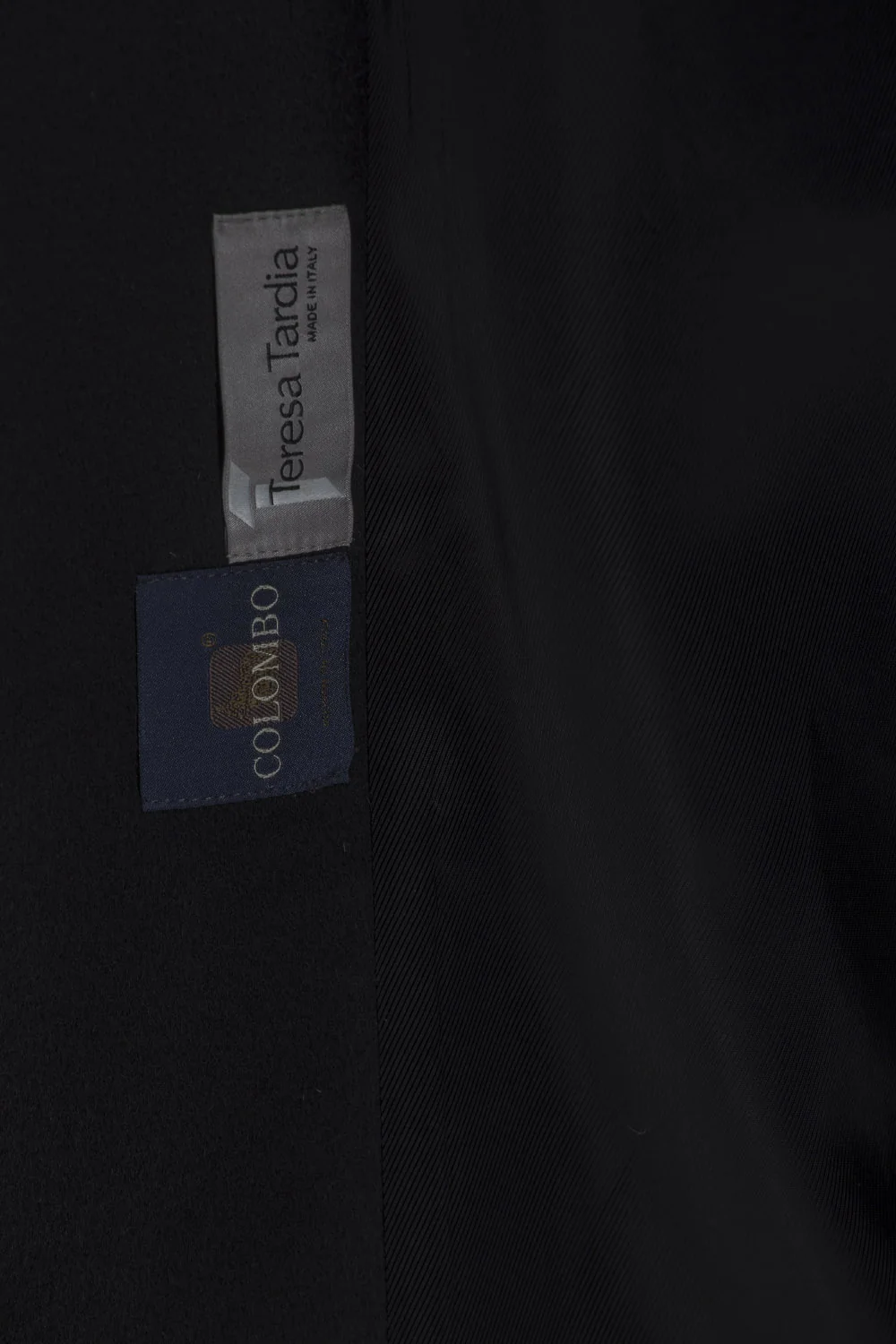
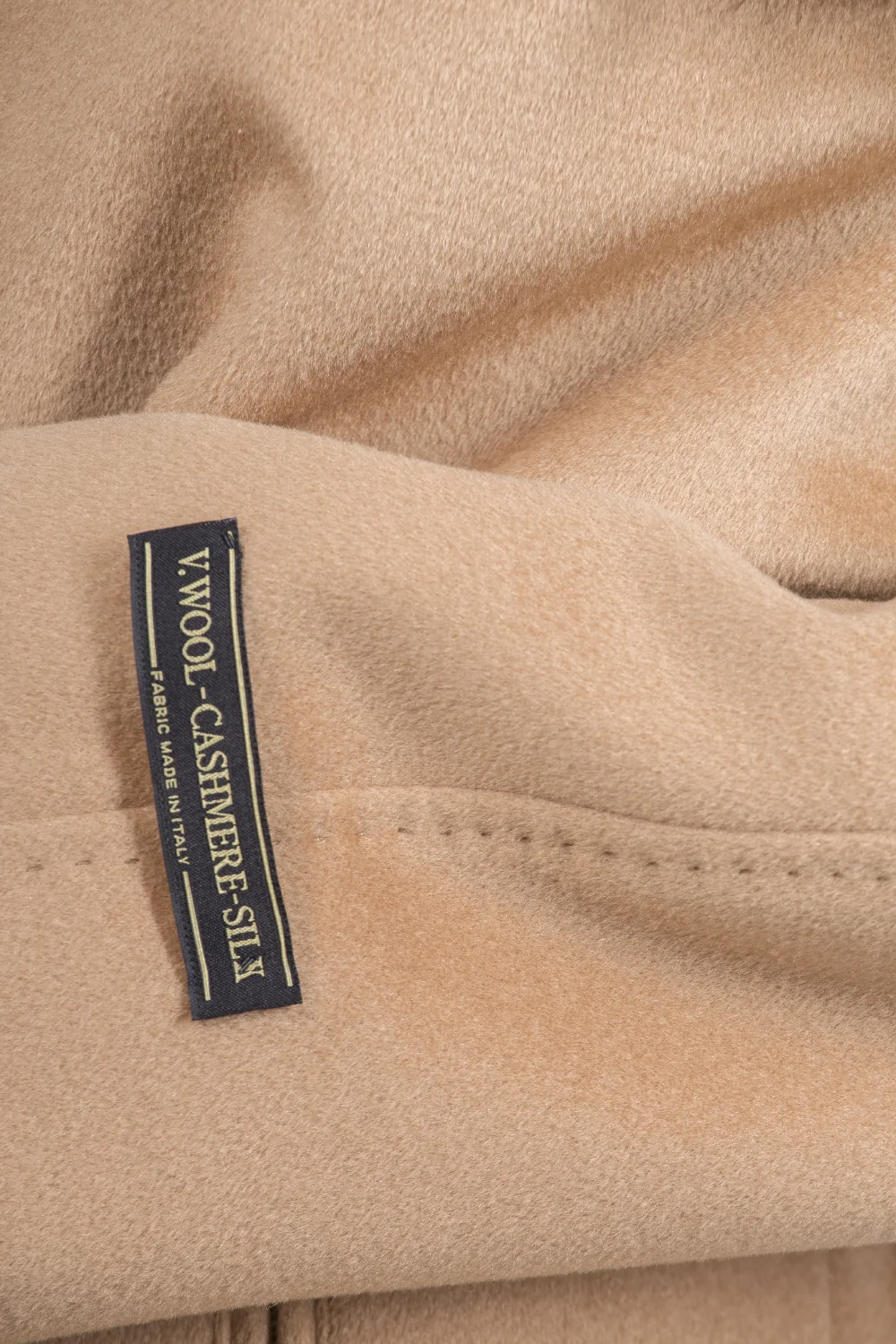
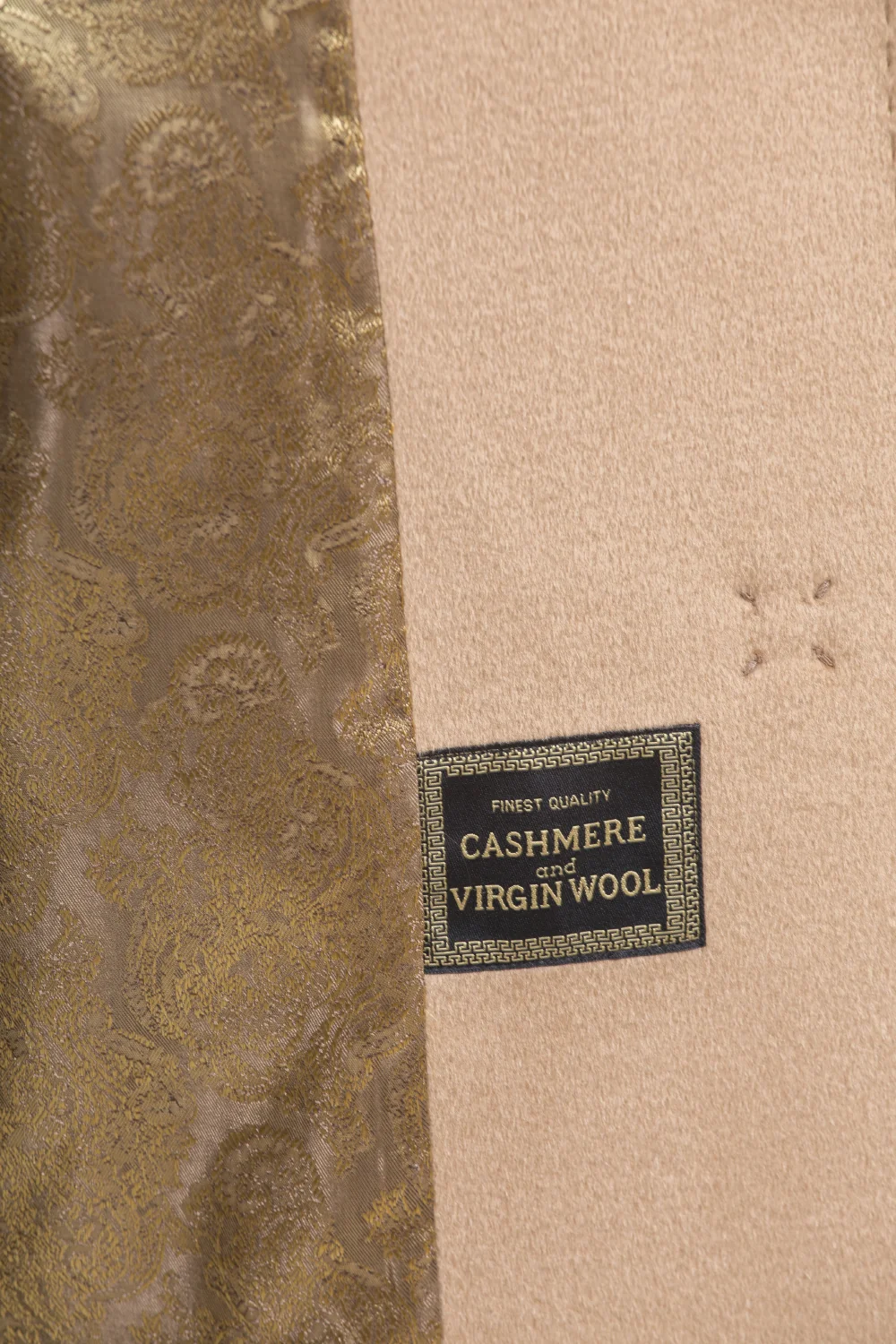
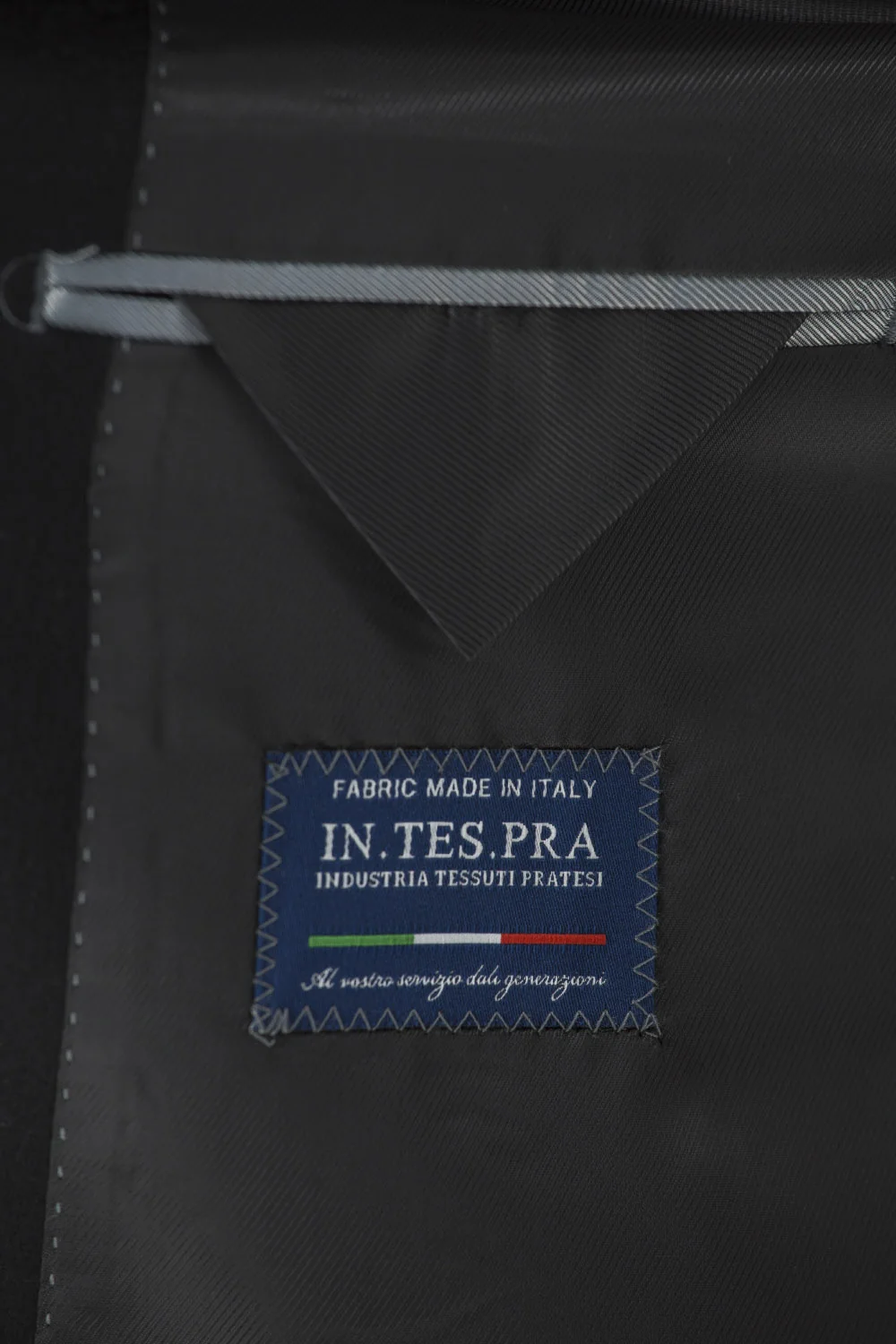
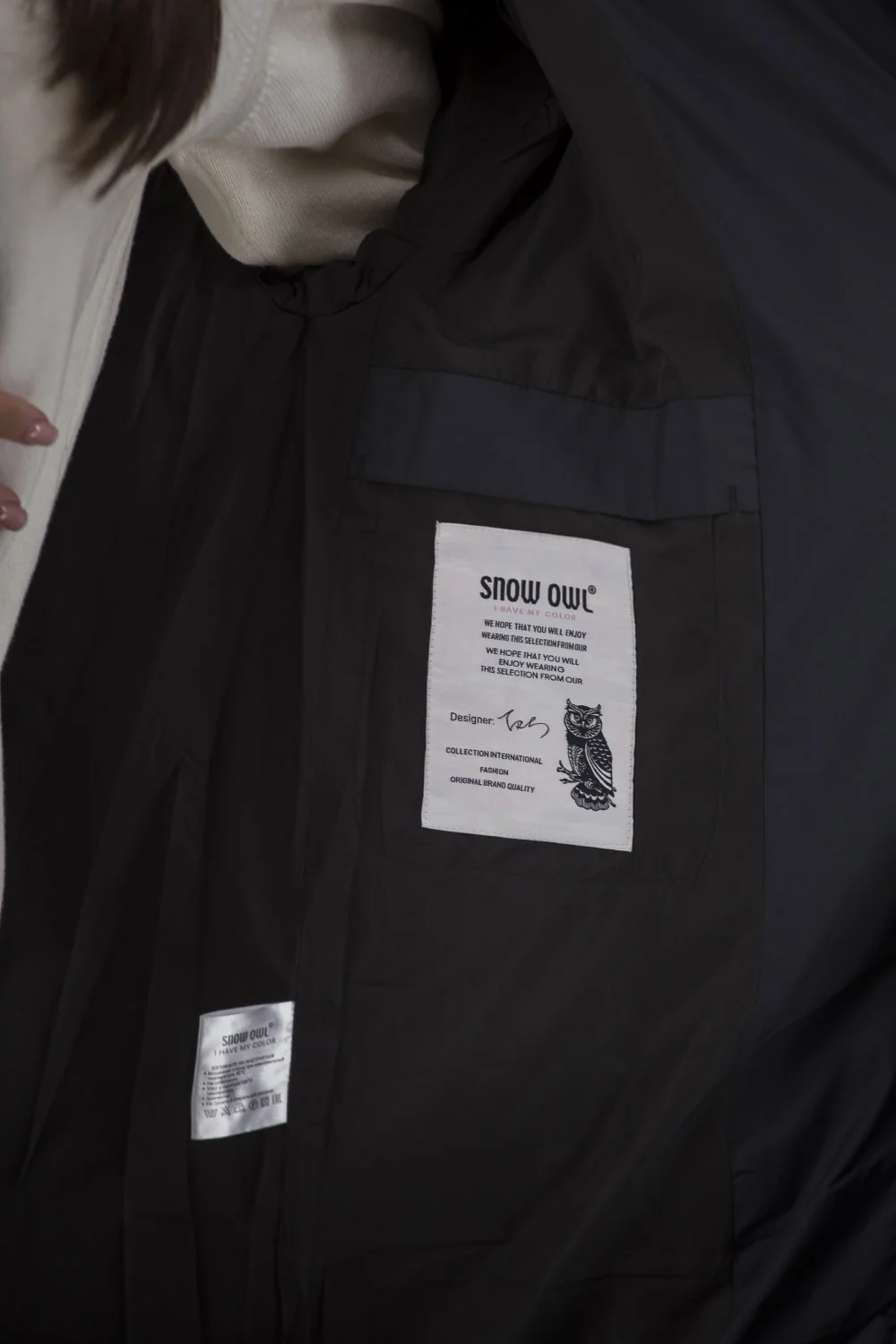
Check the exact percentage of each fibre. A product name does not necessarily mean a pure composition.
The care label also provides cleaning, ironing, drying and storage instructions.
Fabric density
A lighter fabric may suit cool autumn weather, while colder conditions require a denser shell, lining or insulation.
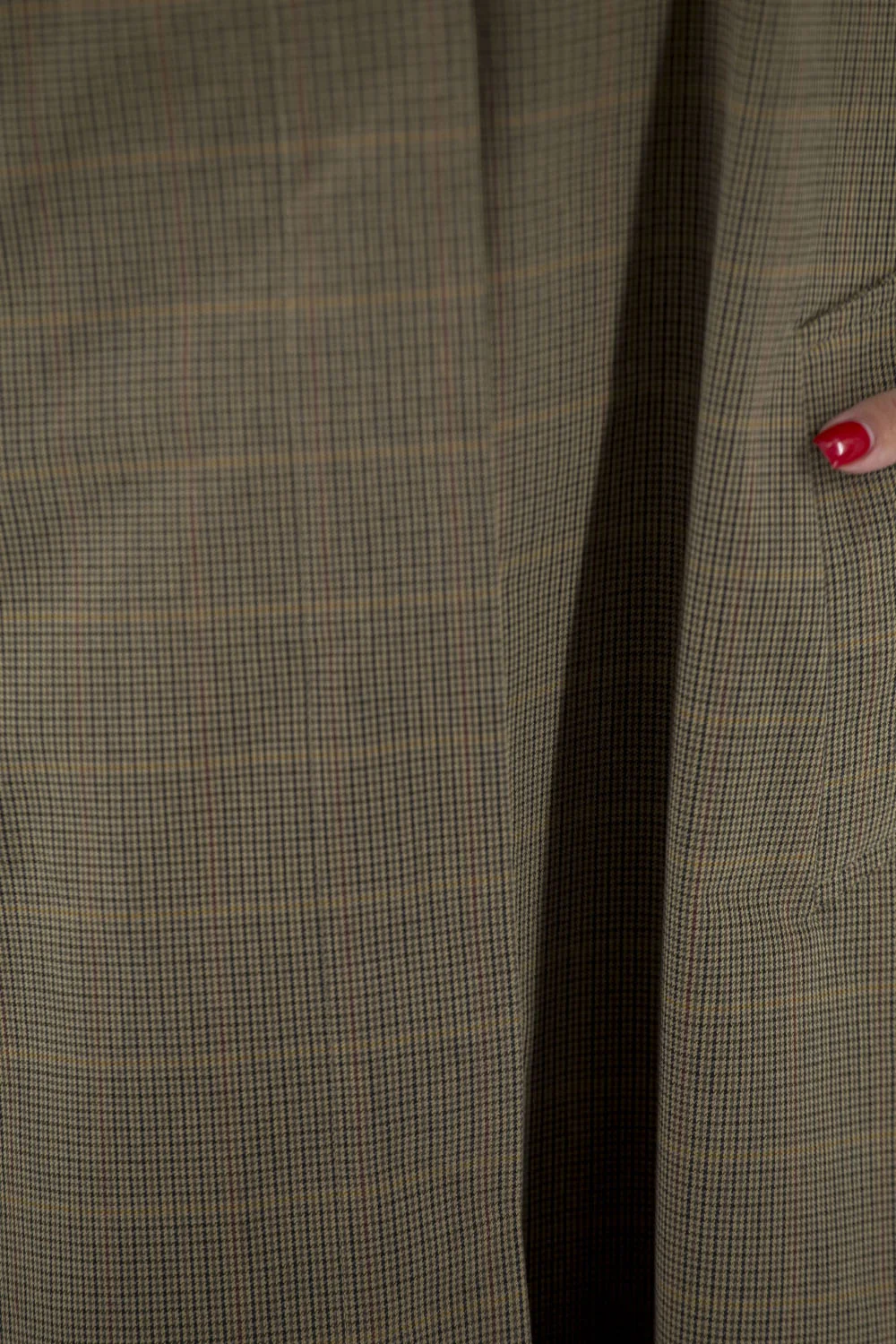
Hold the fabric against light and check how well it maintains shape.
Lining
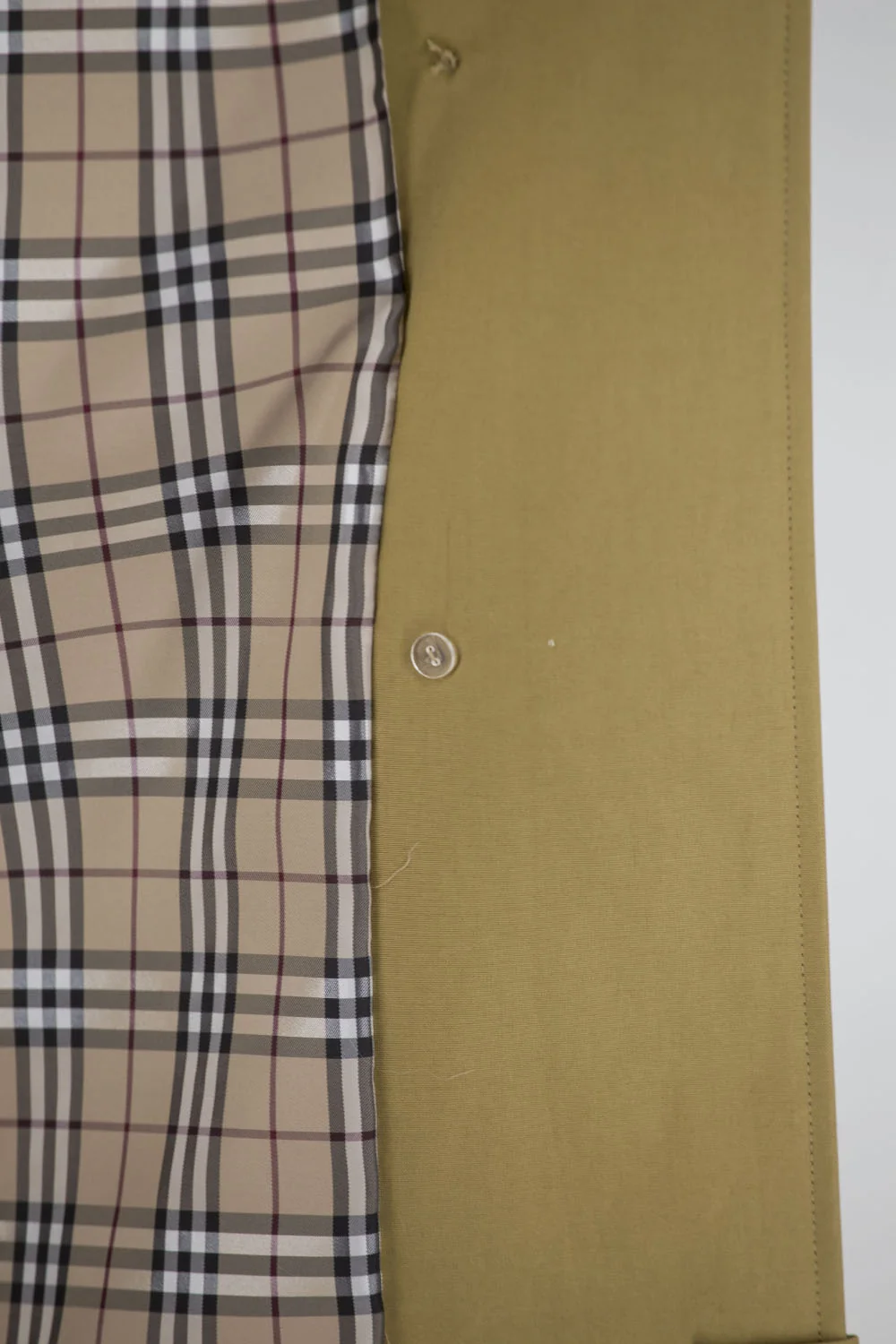
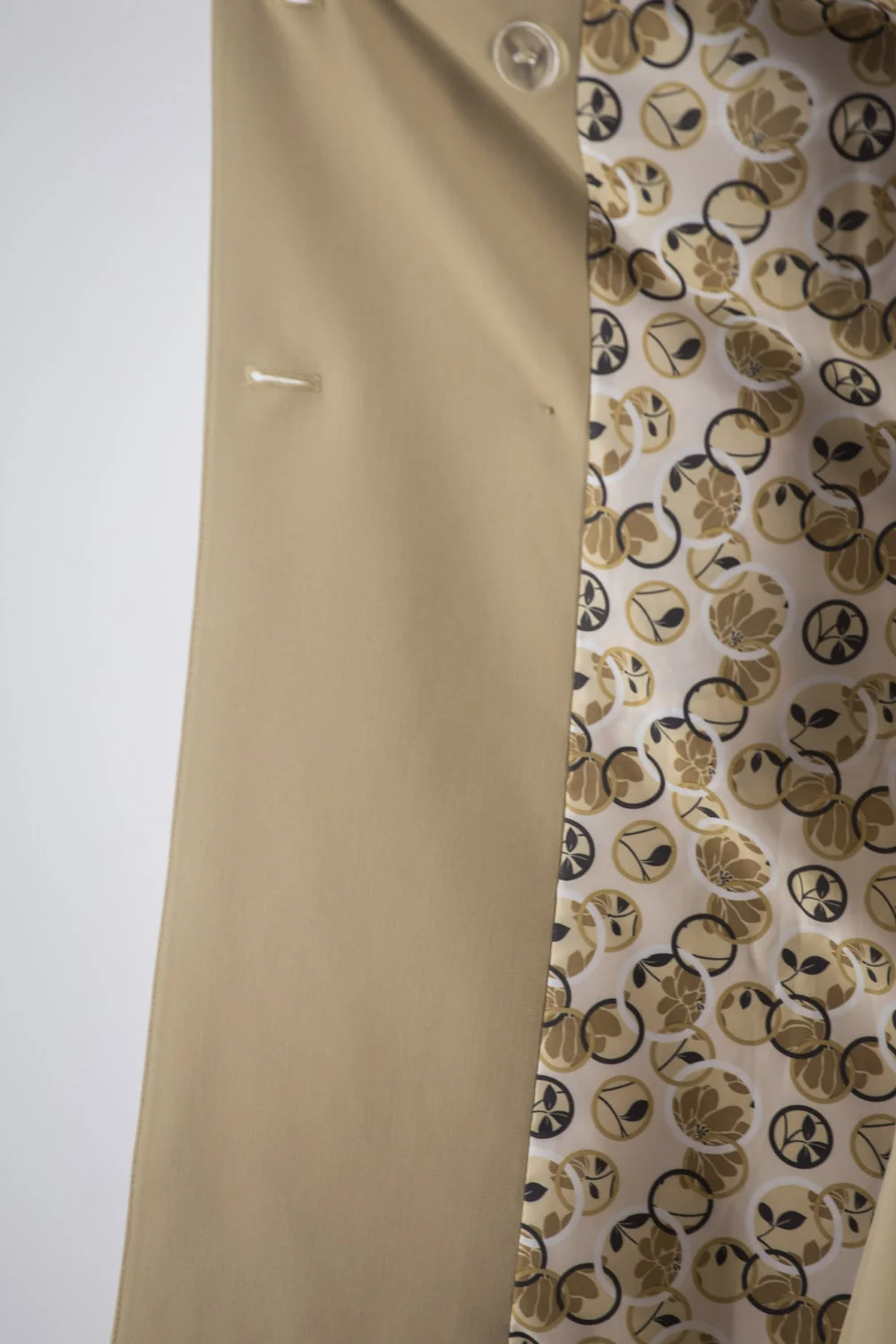
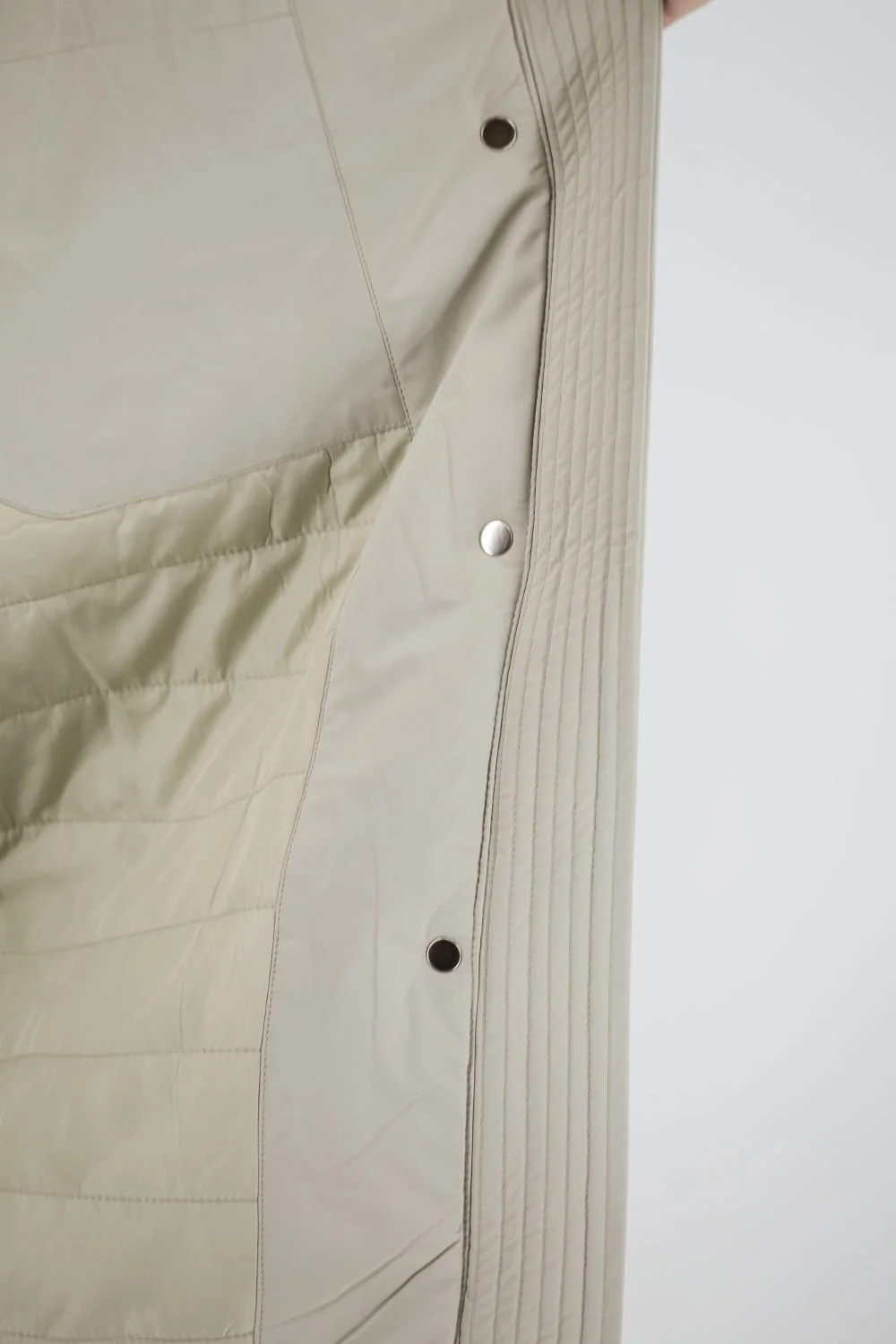
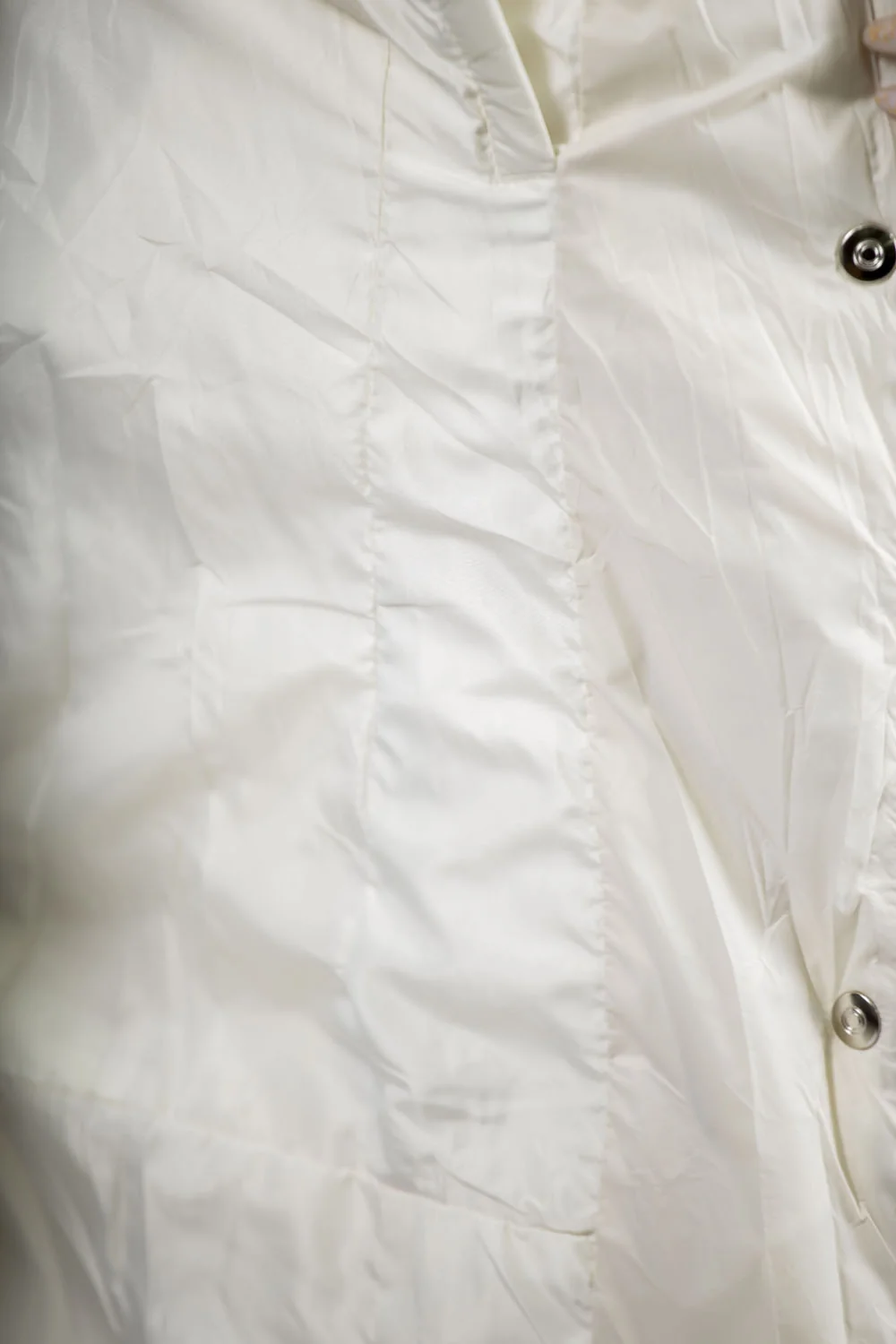
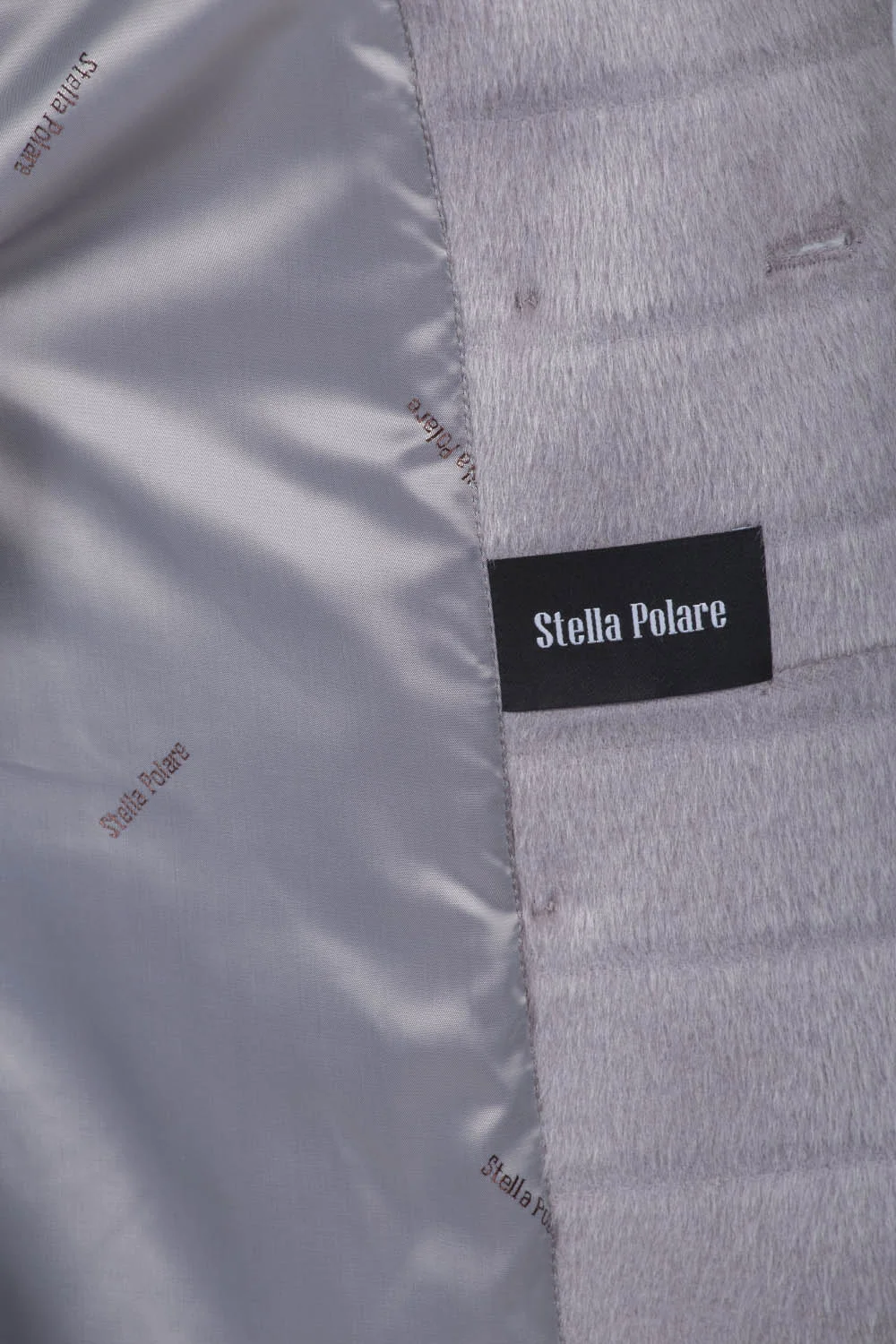
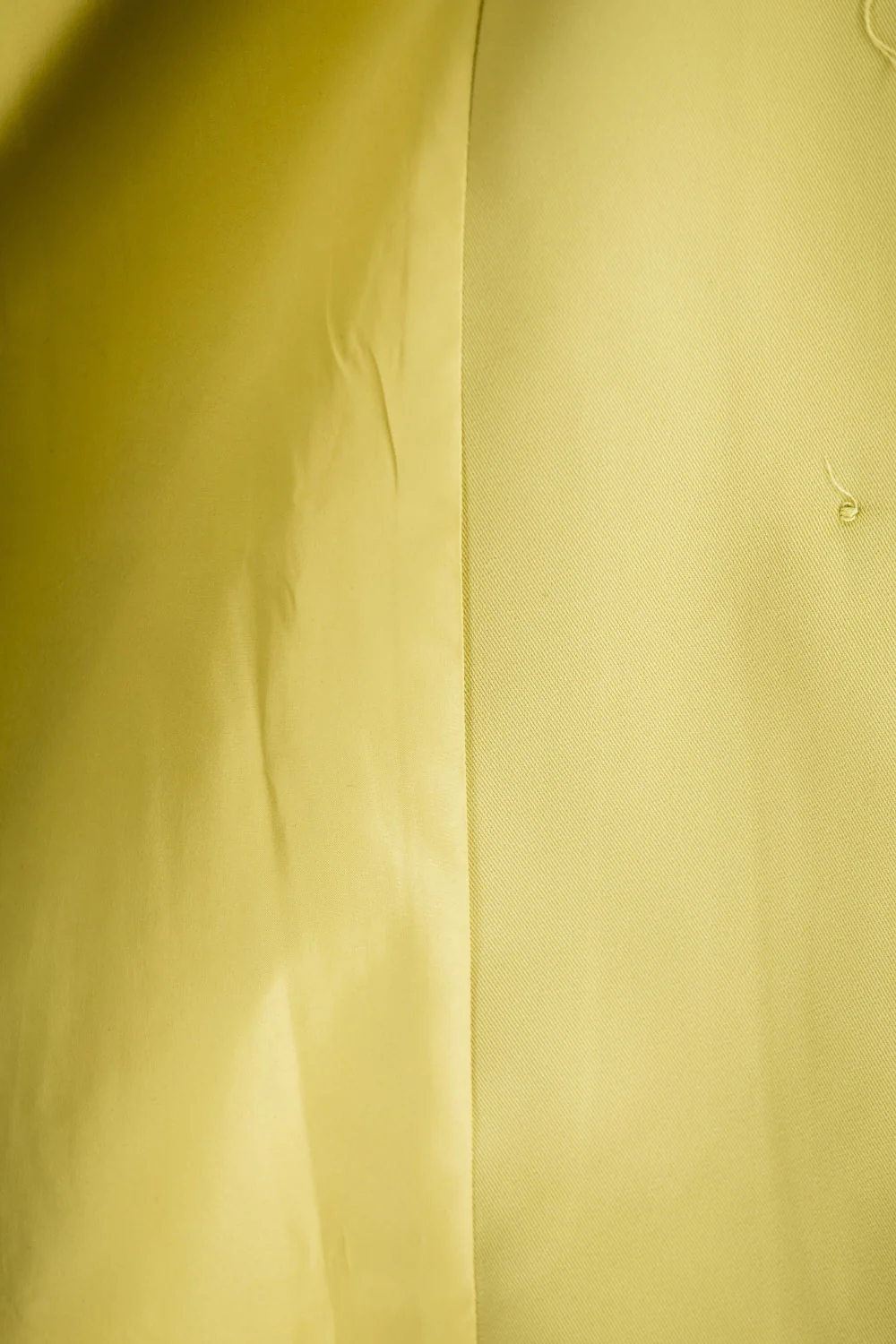
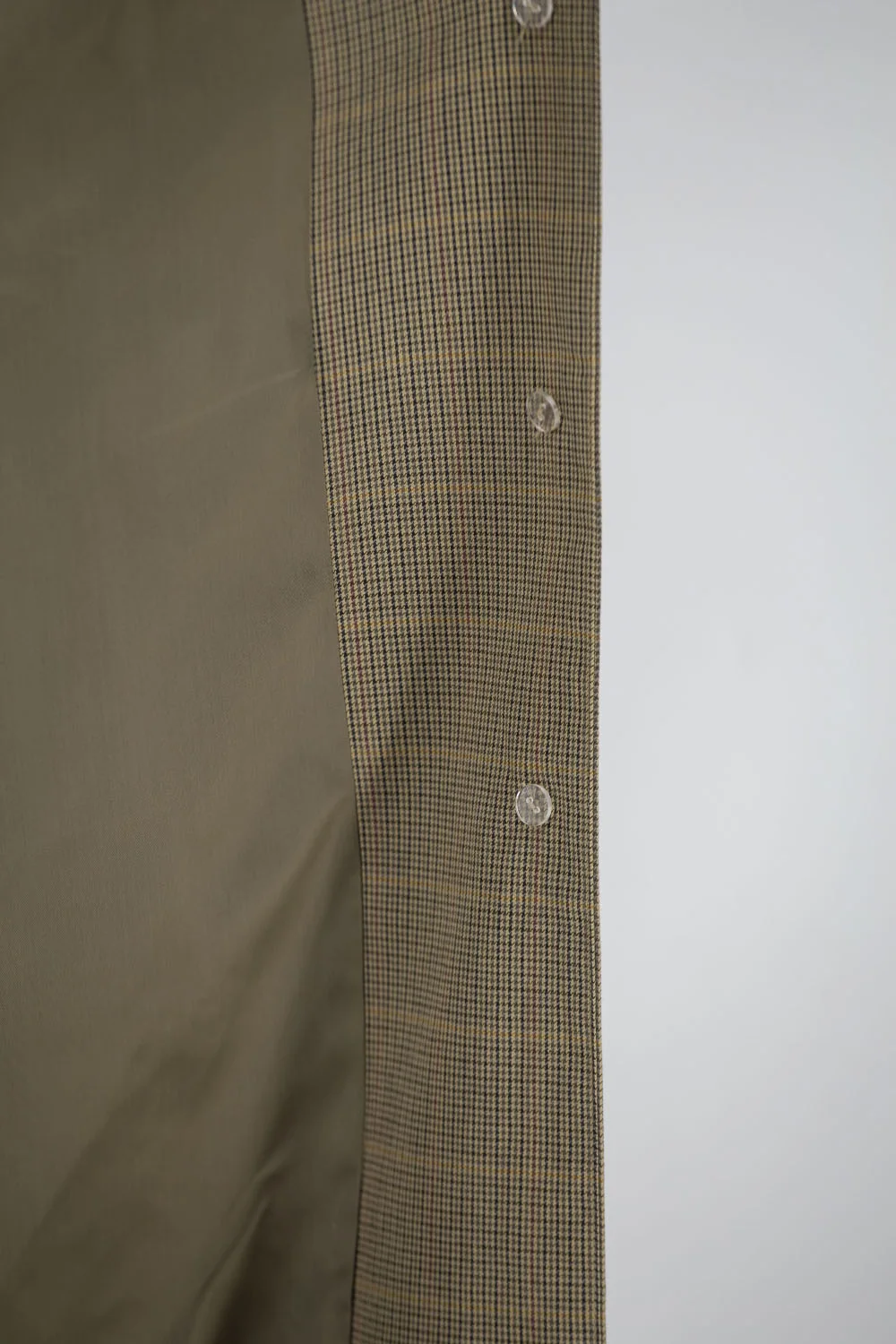
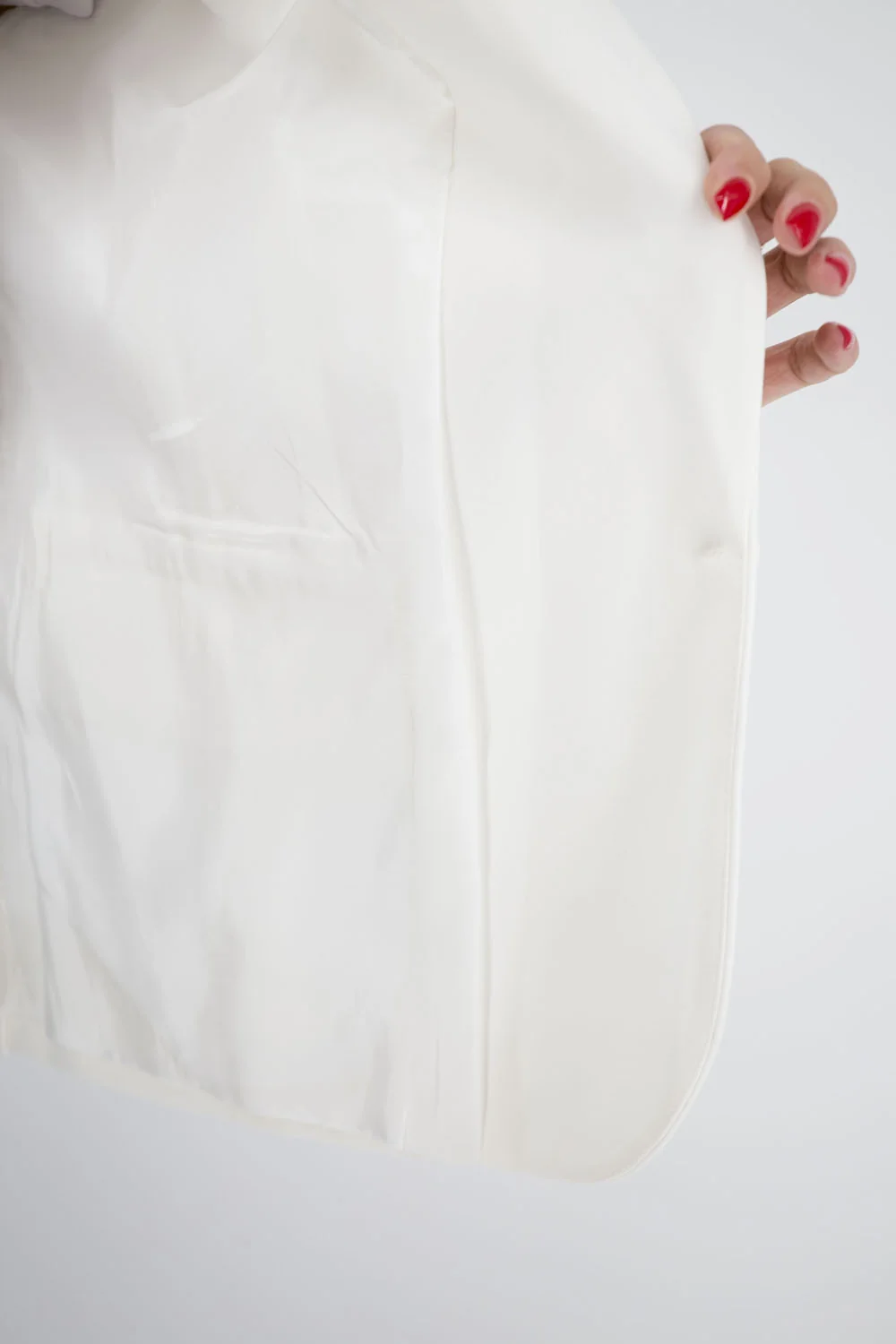
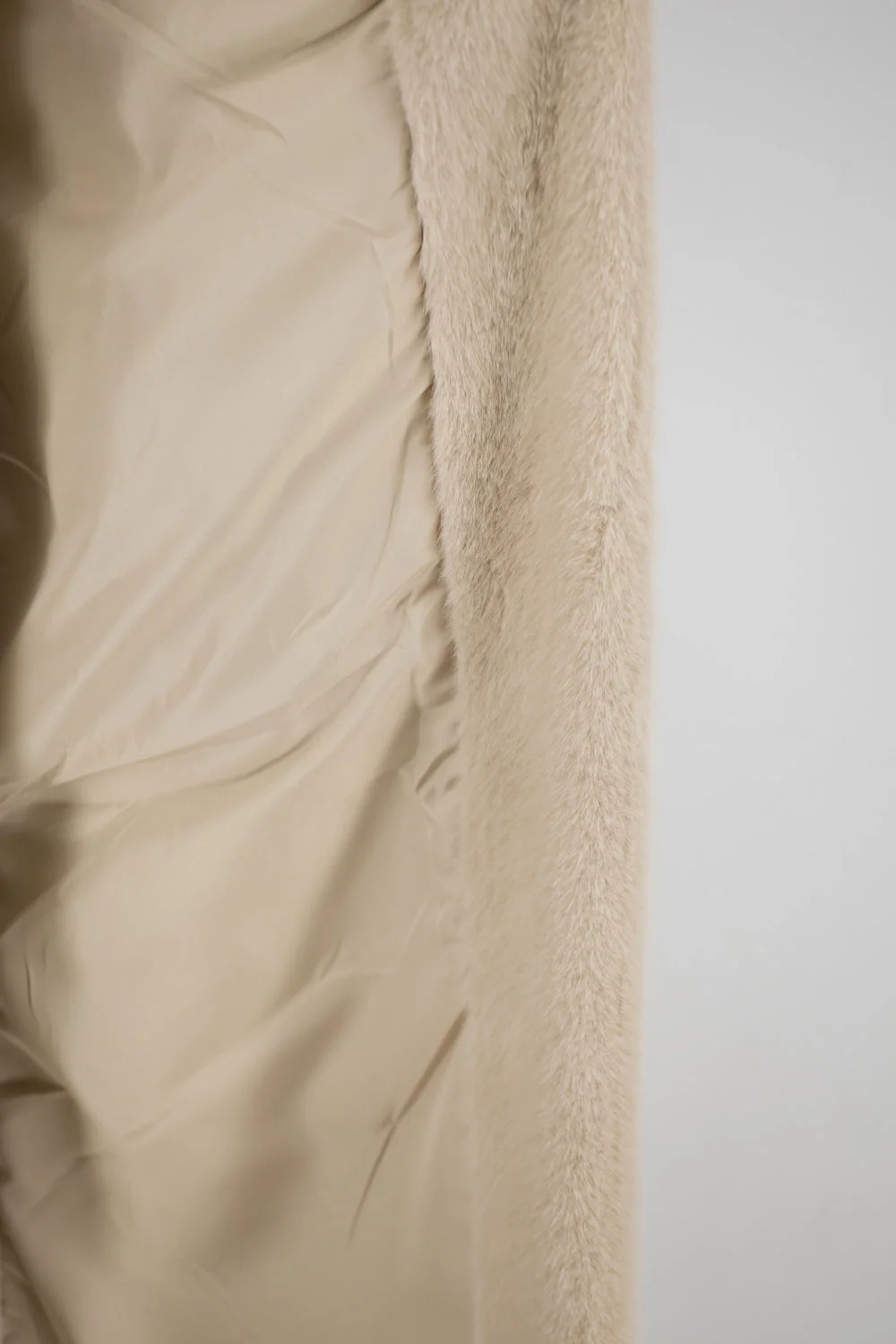
A lining protects the outer fabric, improves dressing comfort and supports the coat structure.
Its seams should be even and free from tension.
Coat silhouettes
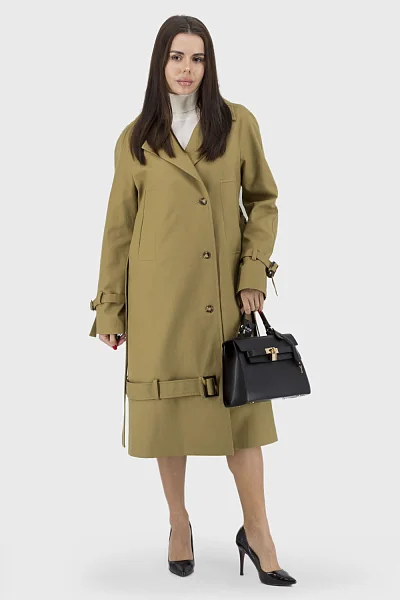
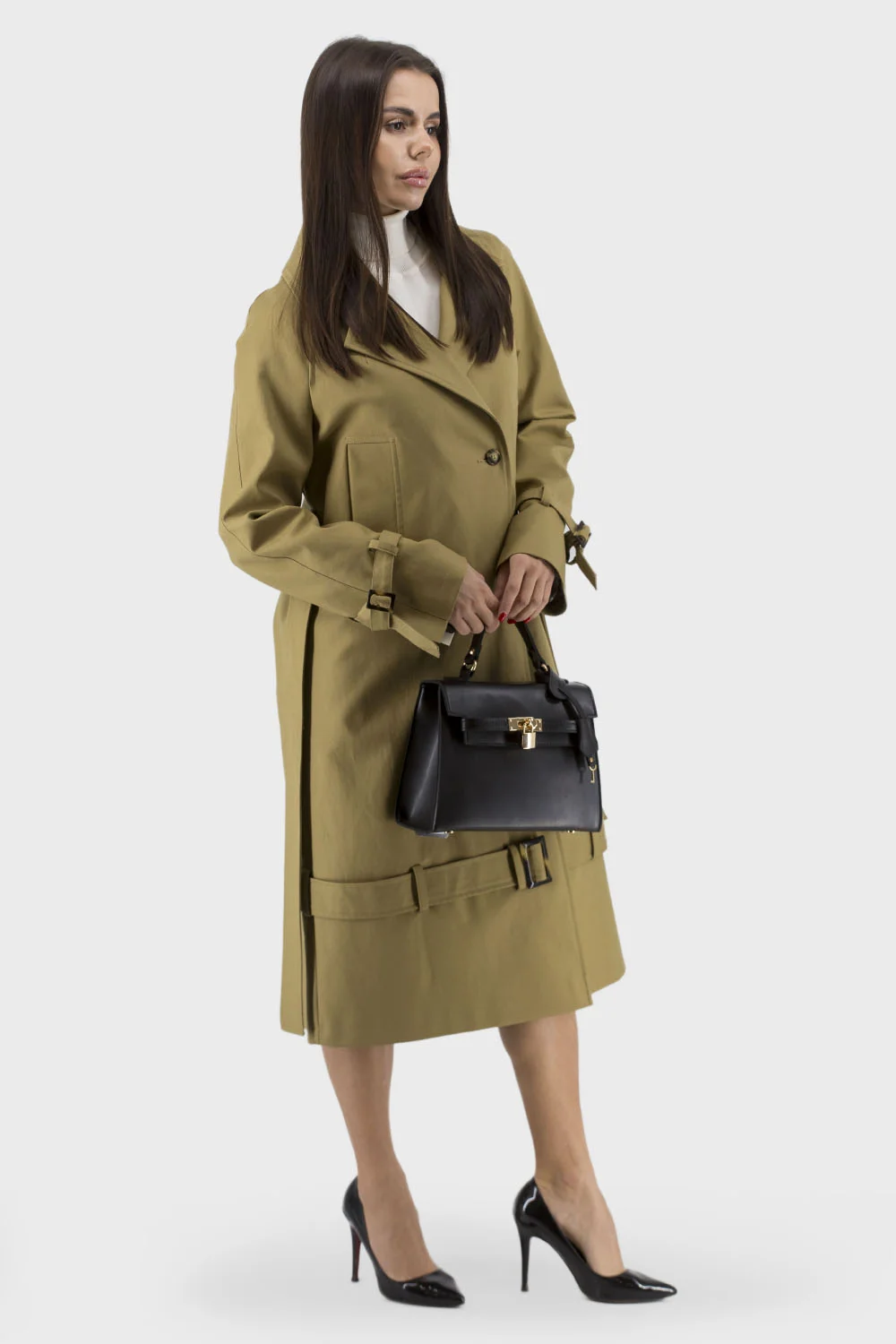
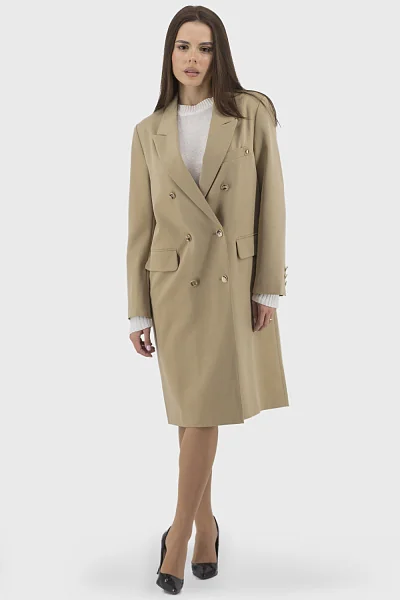
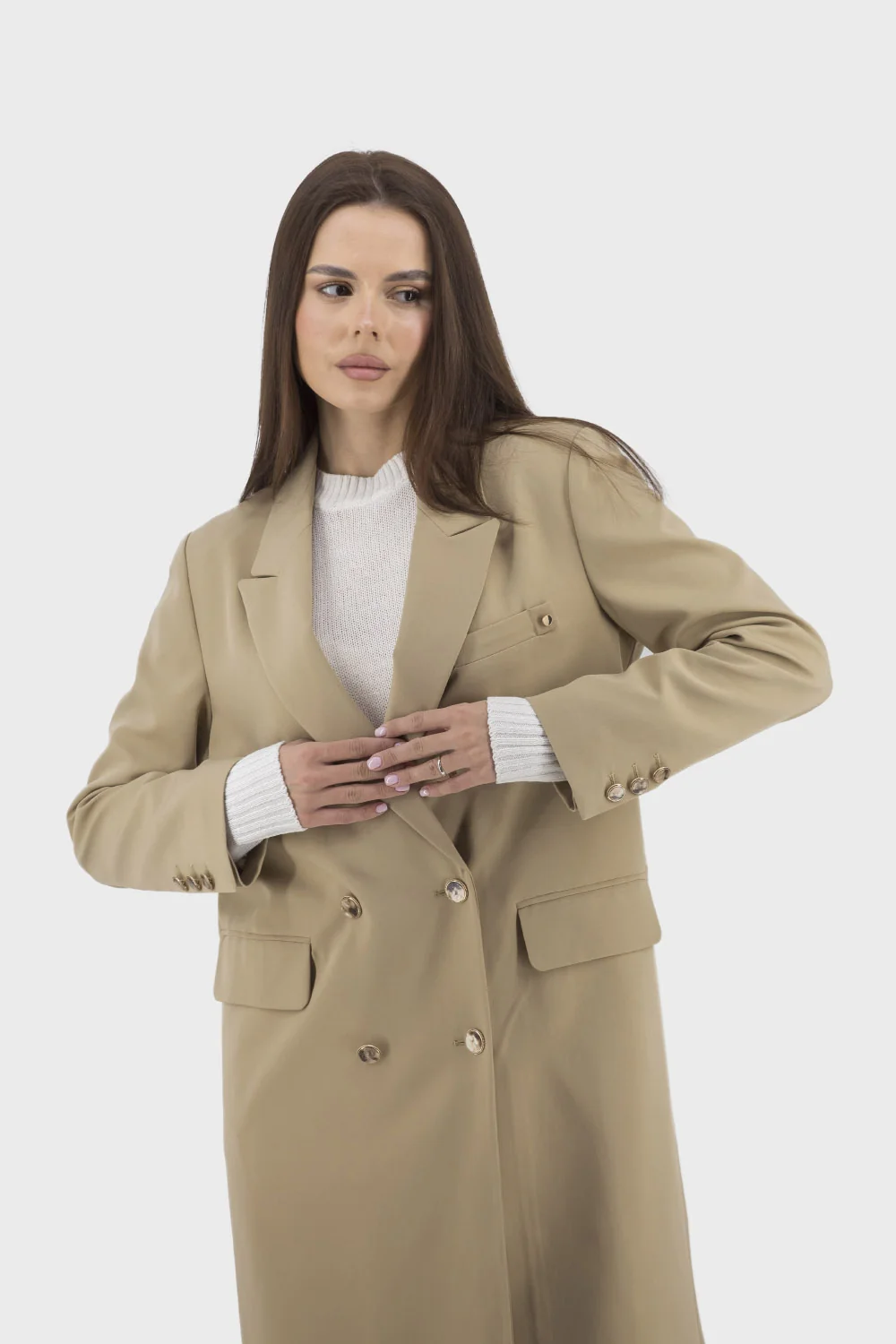
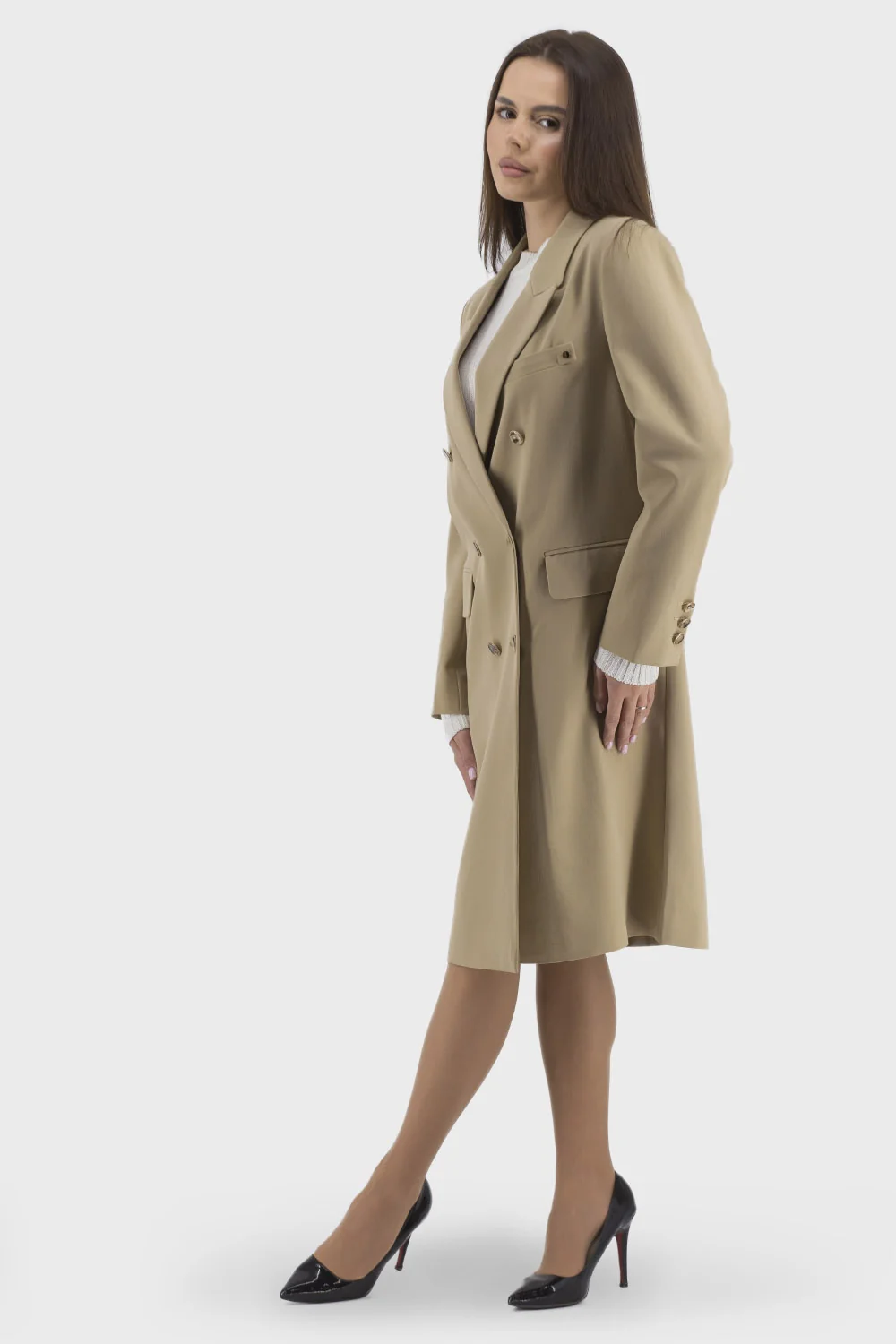
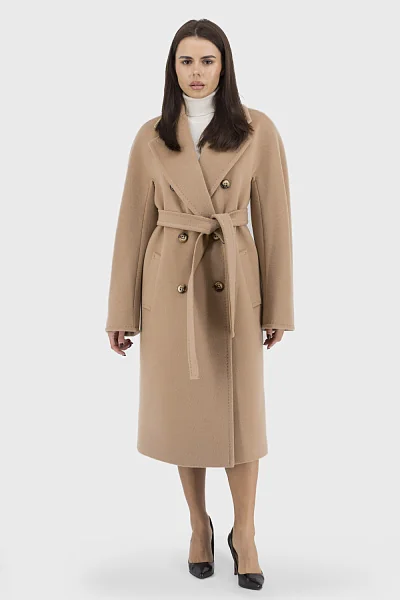
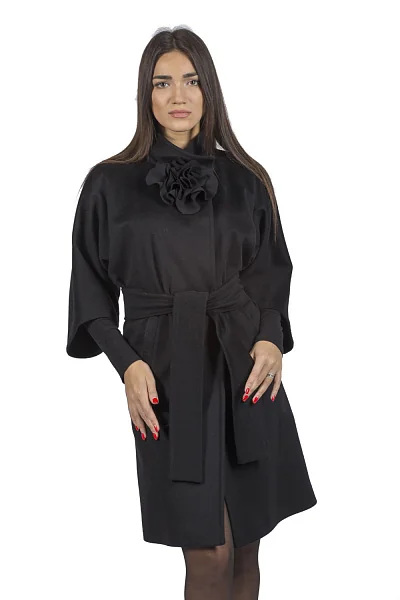
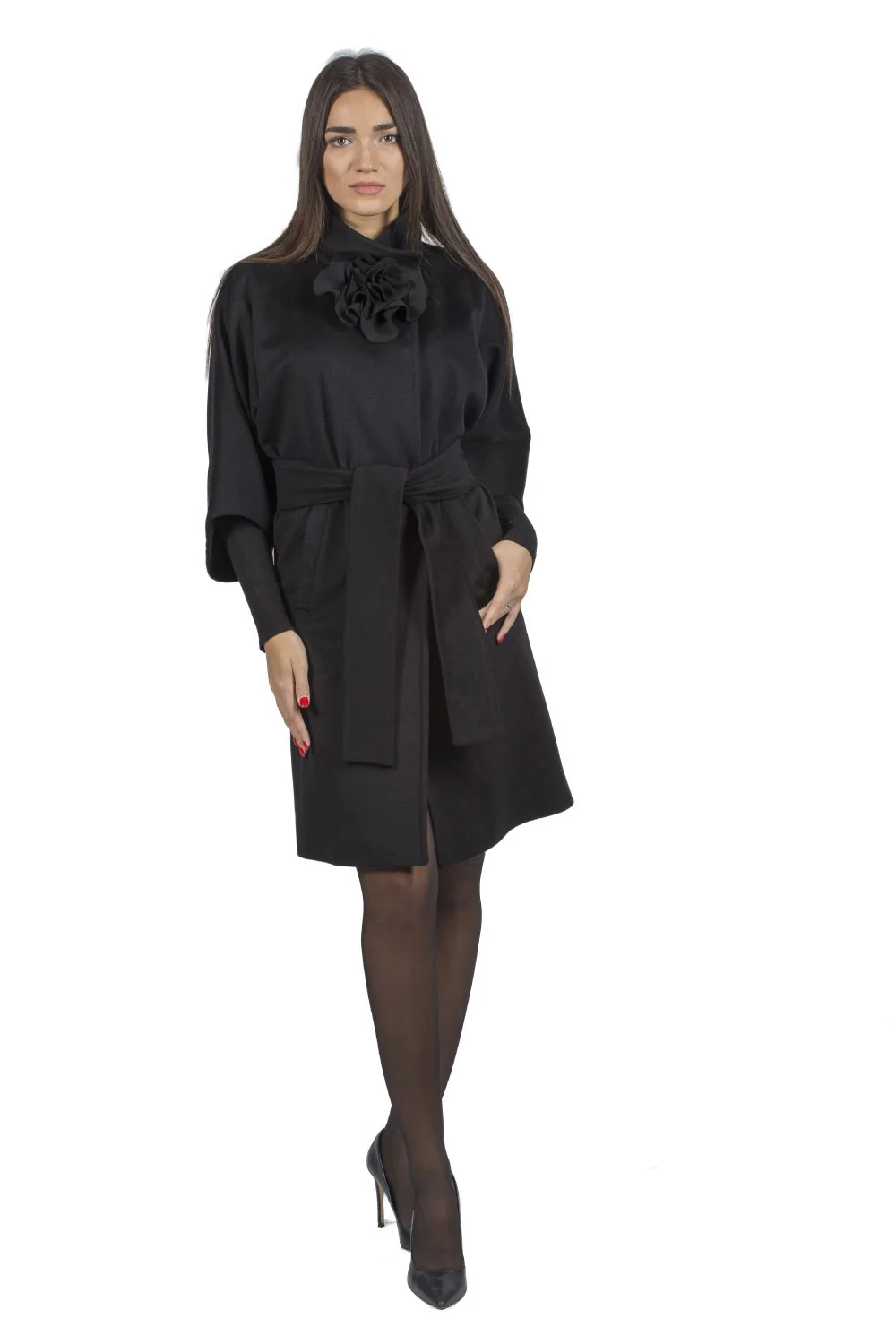
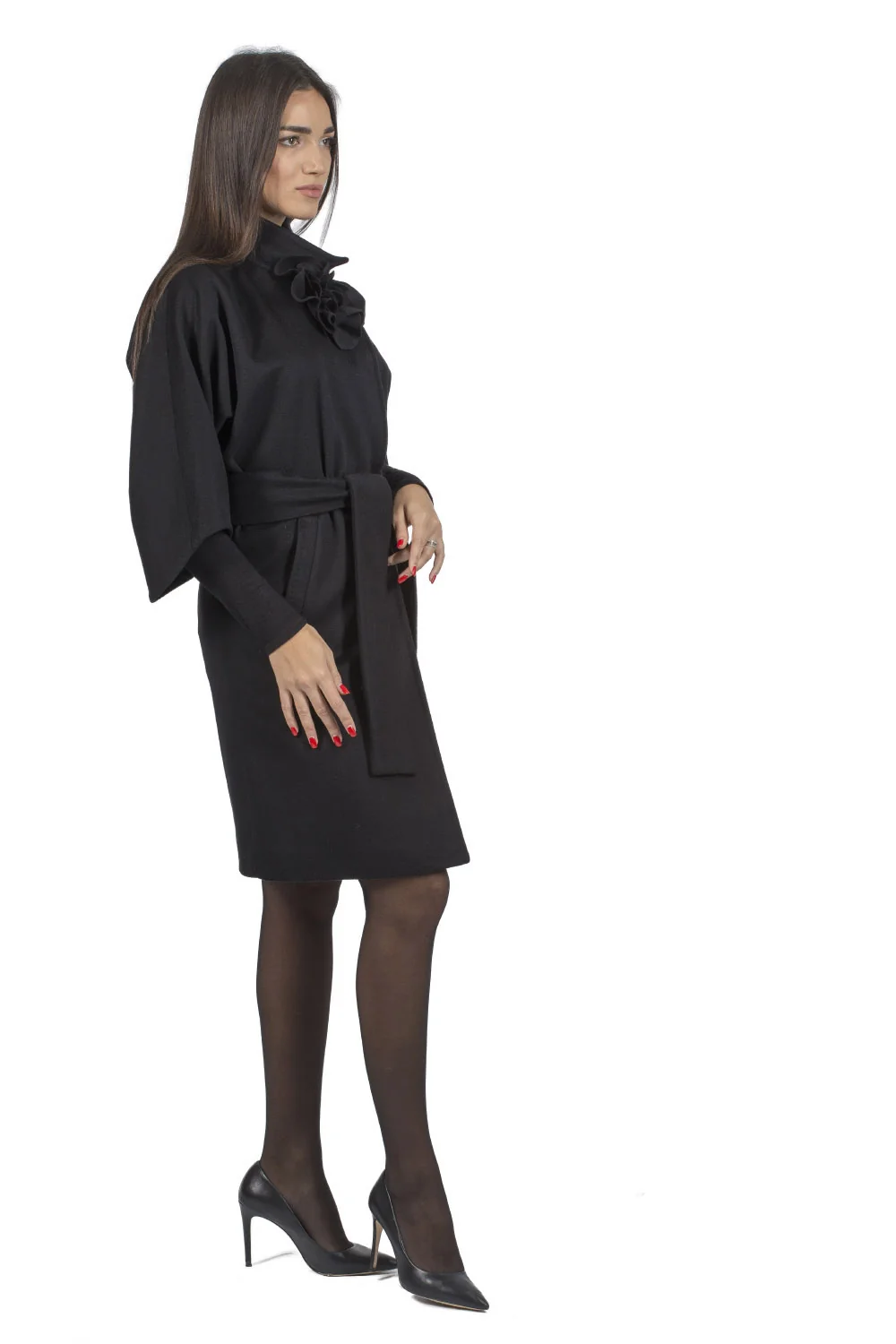
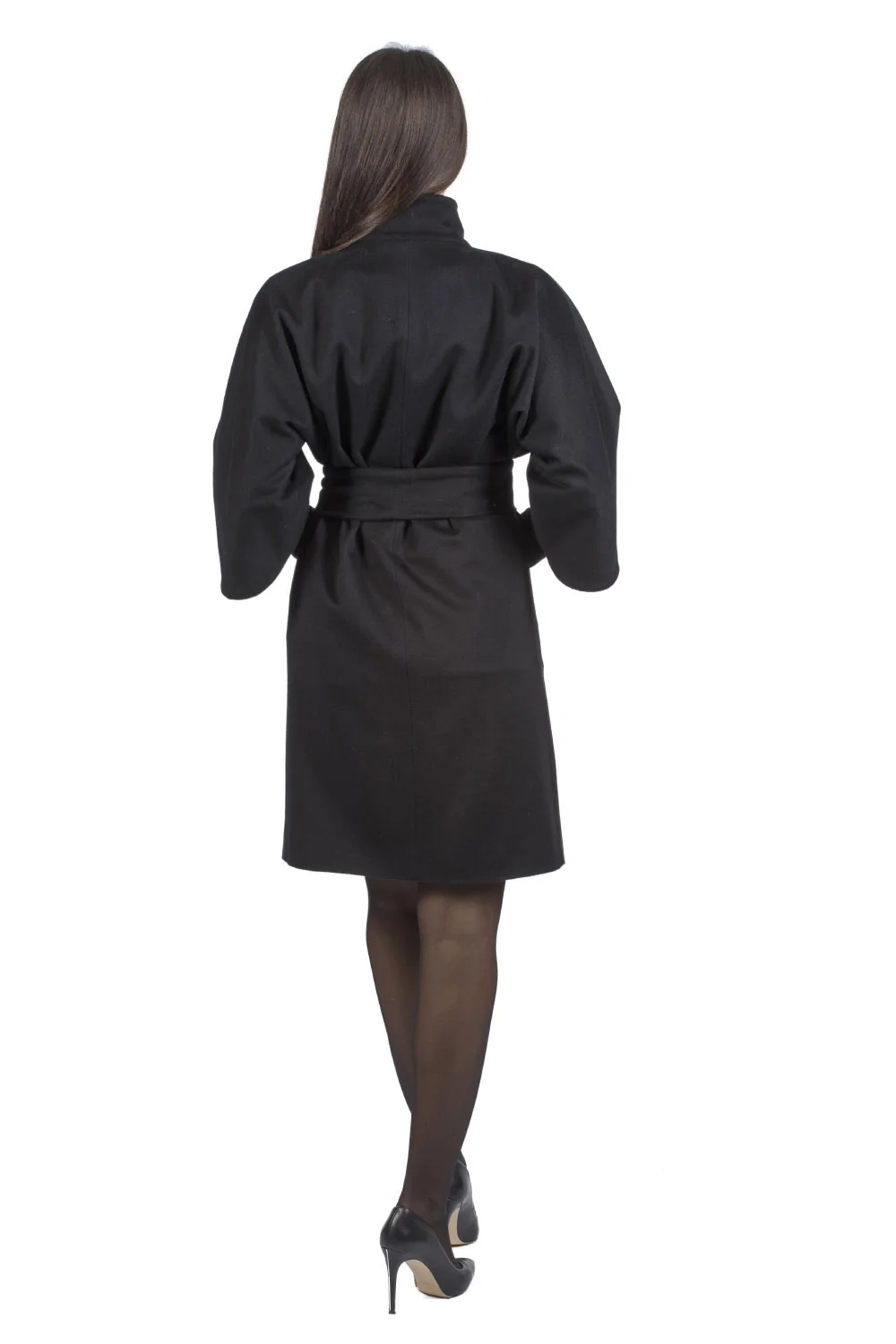
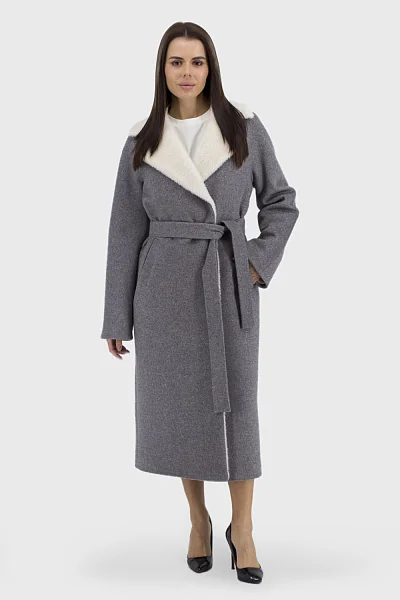
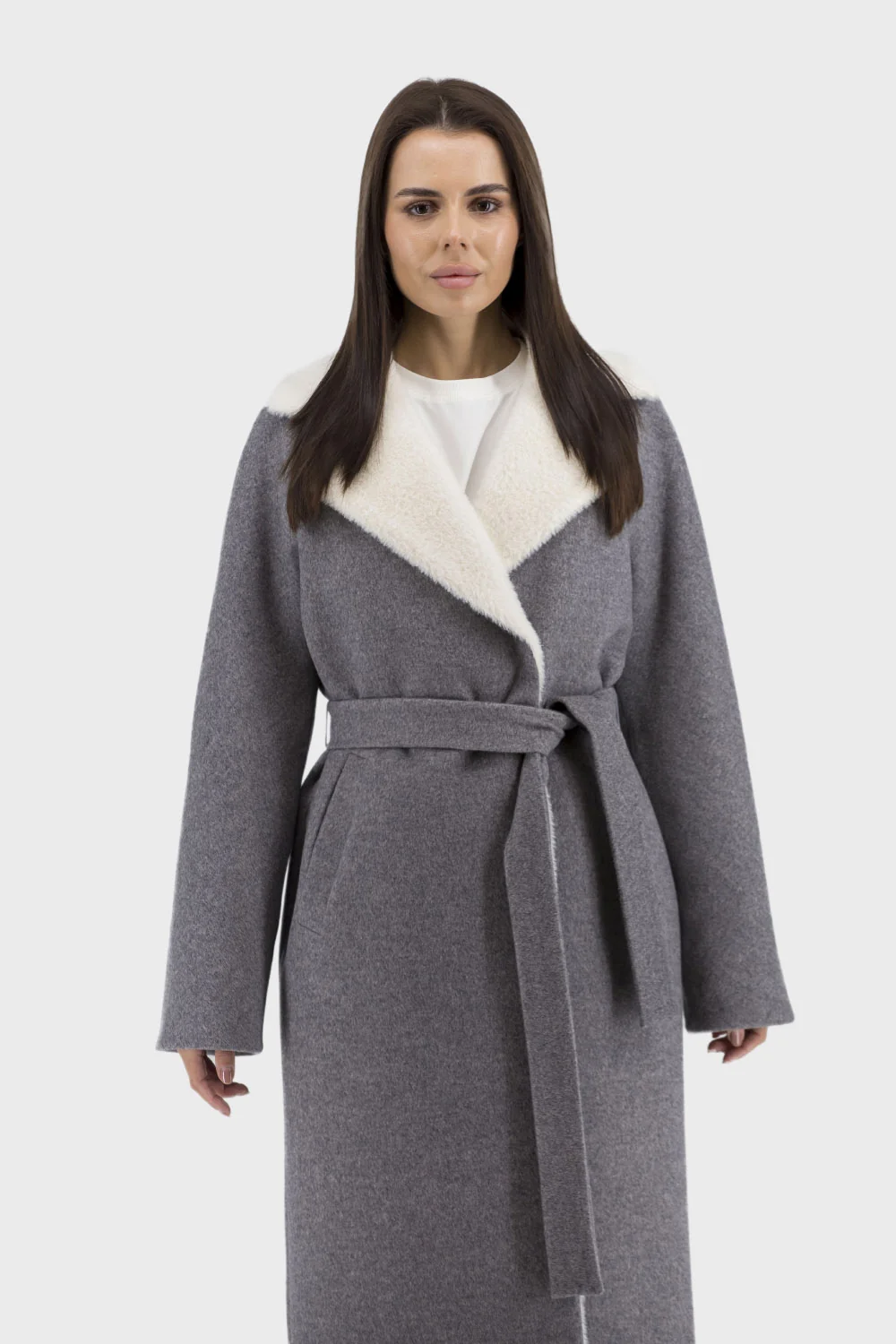
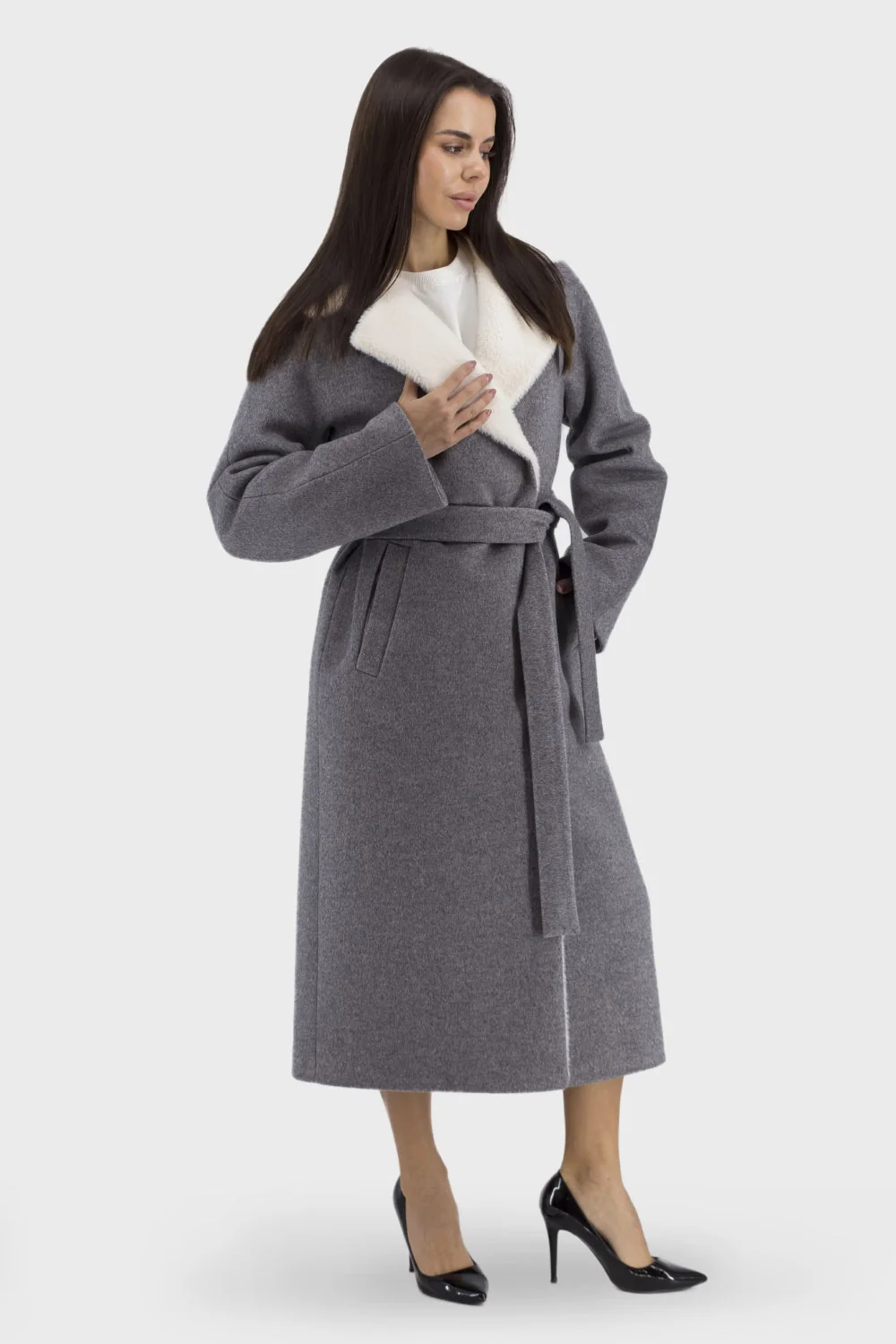
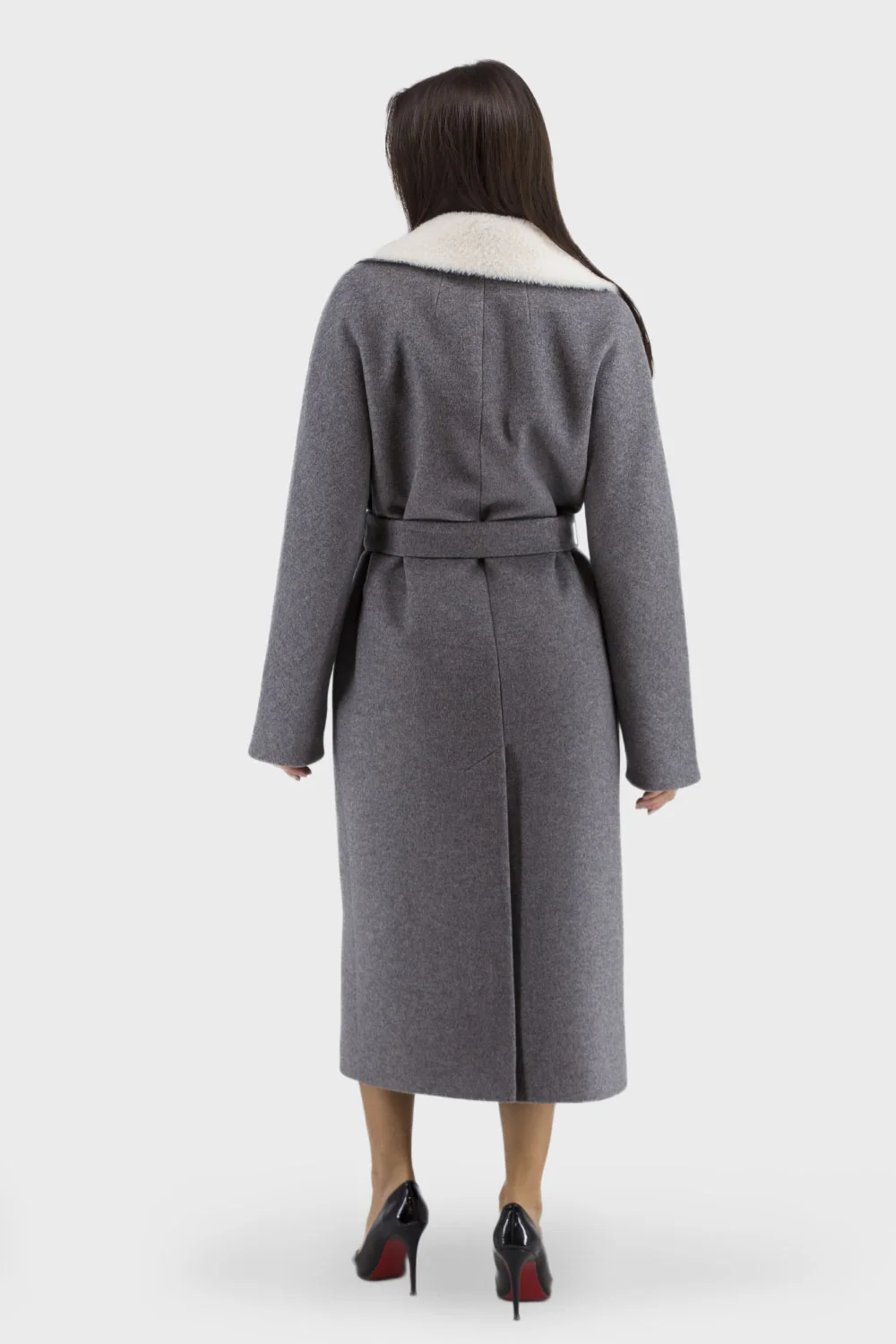
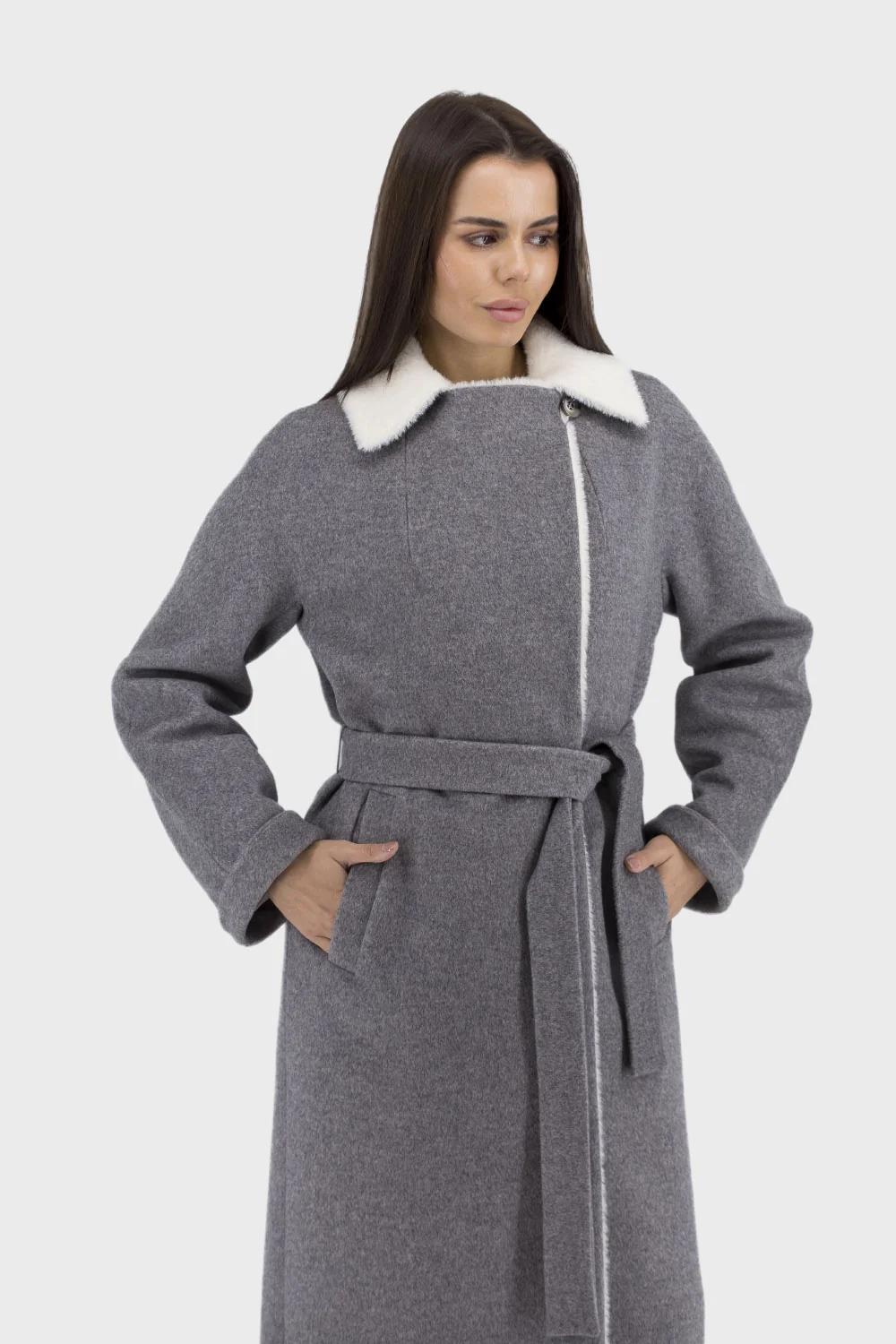
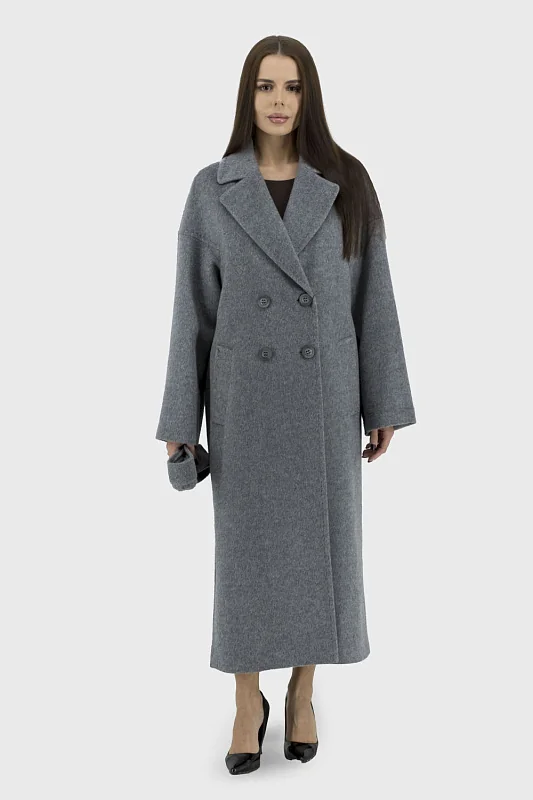
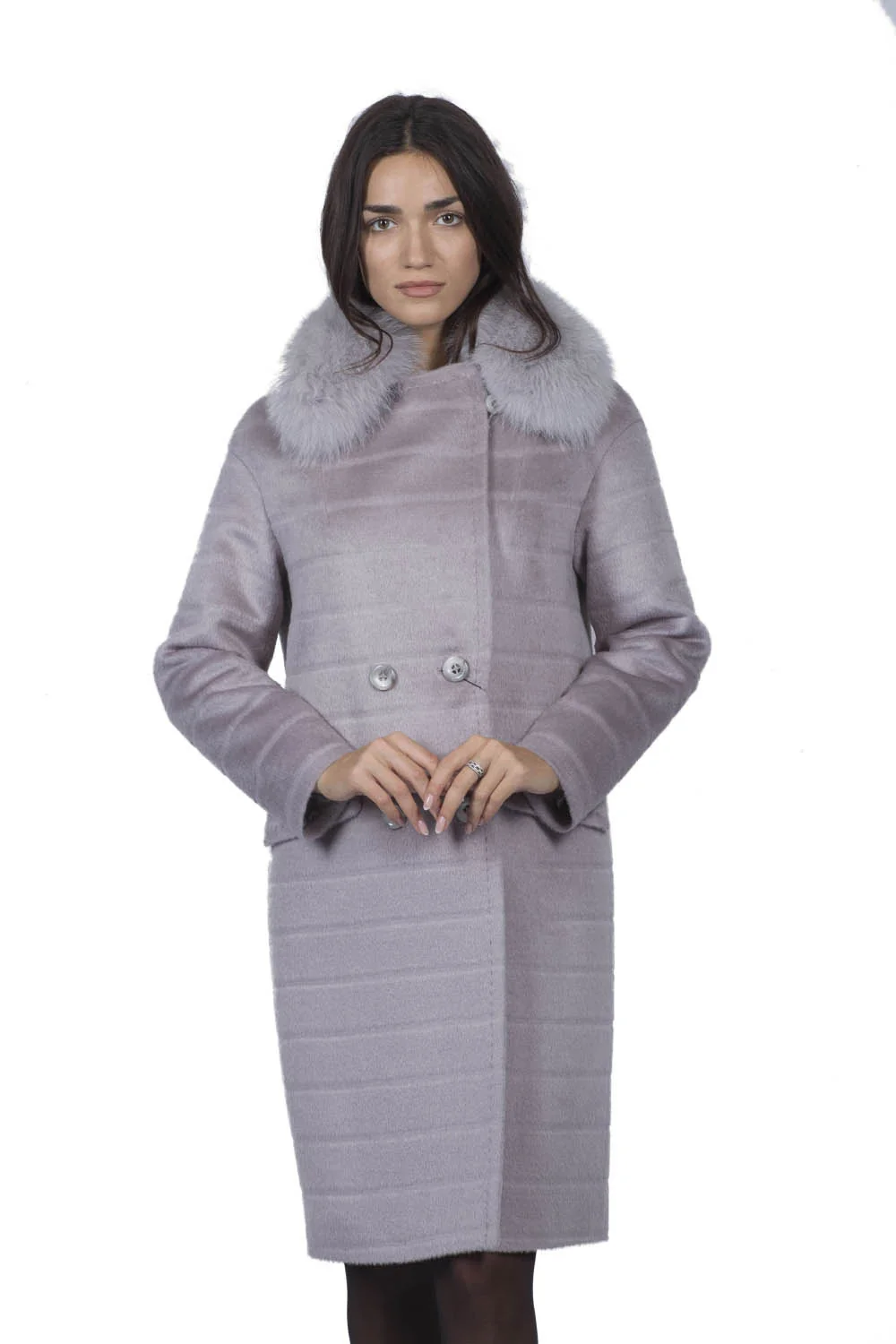
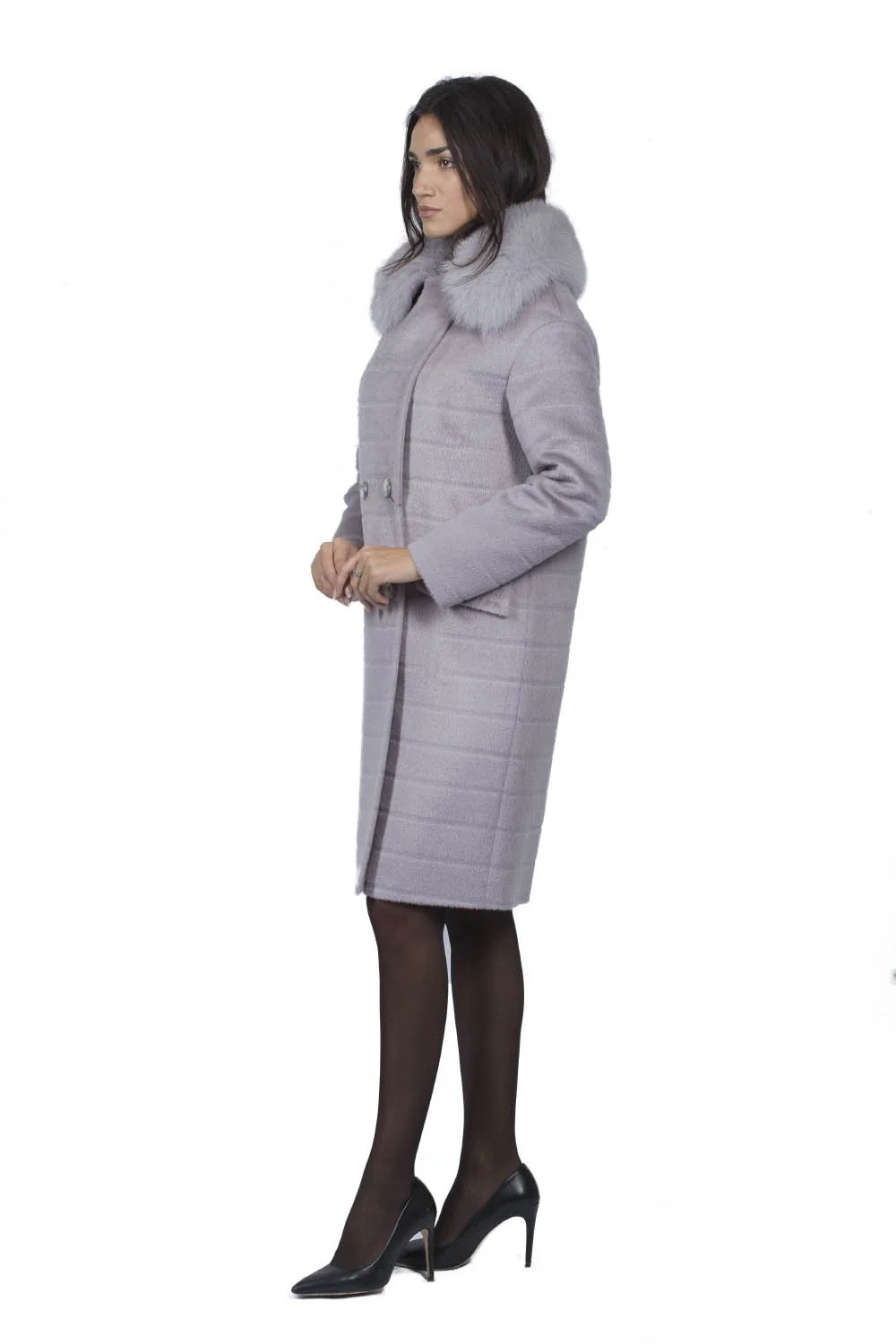
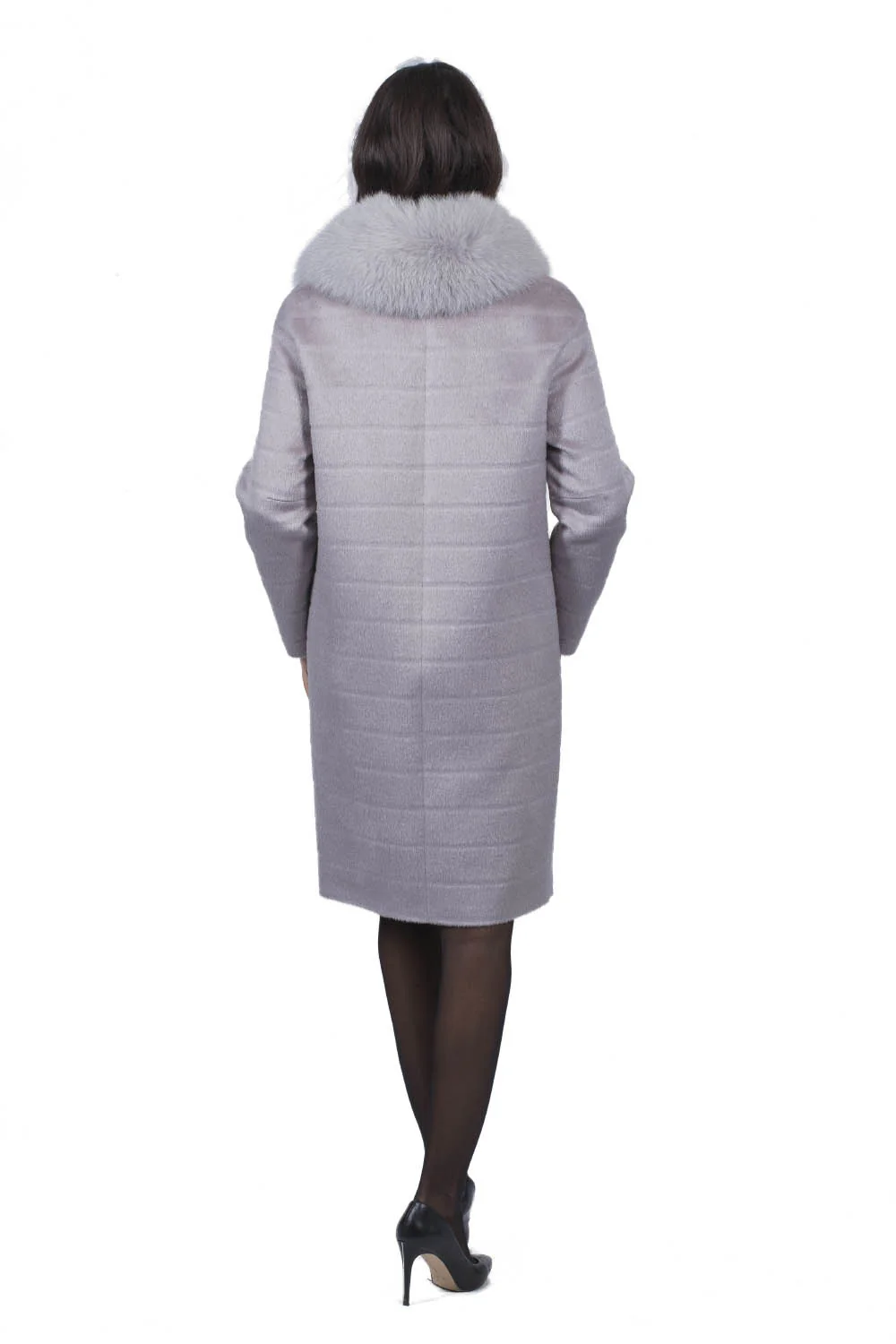
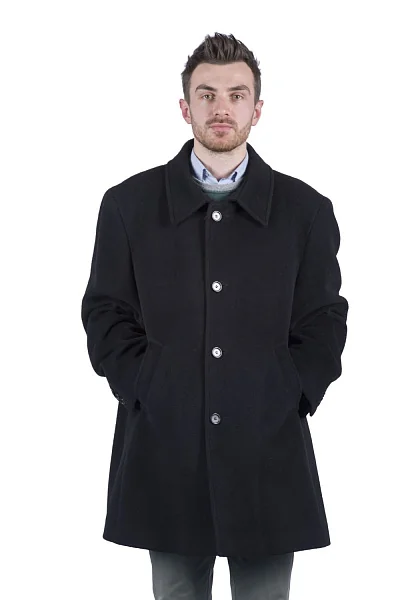
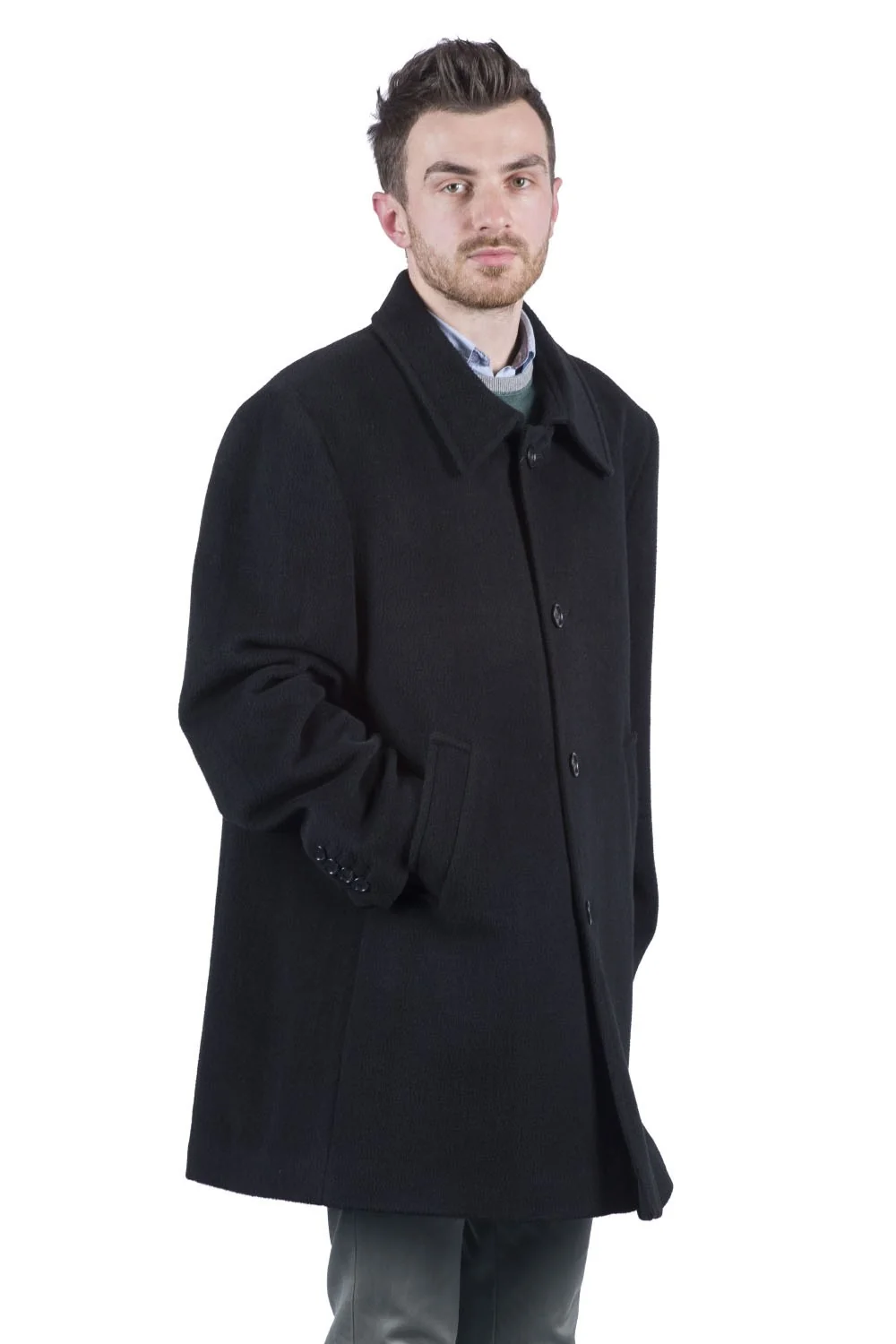
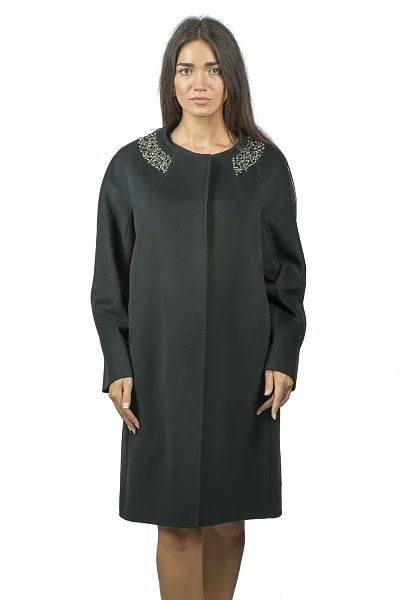
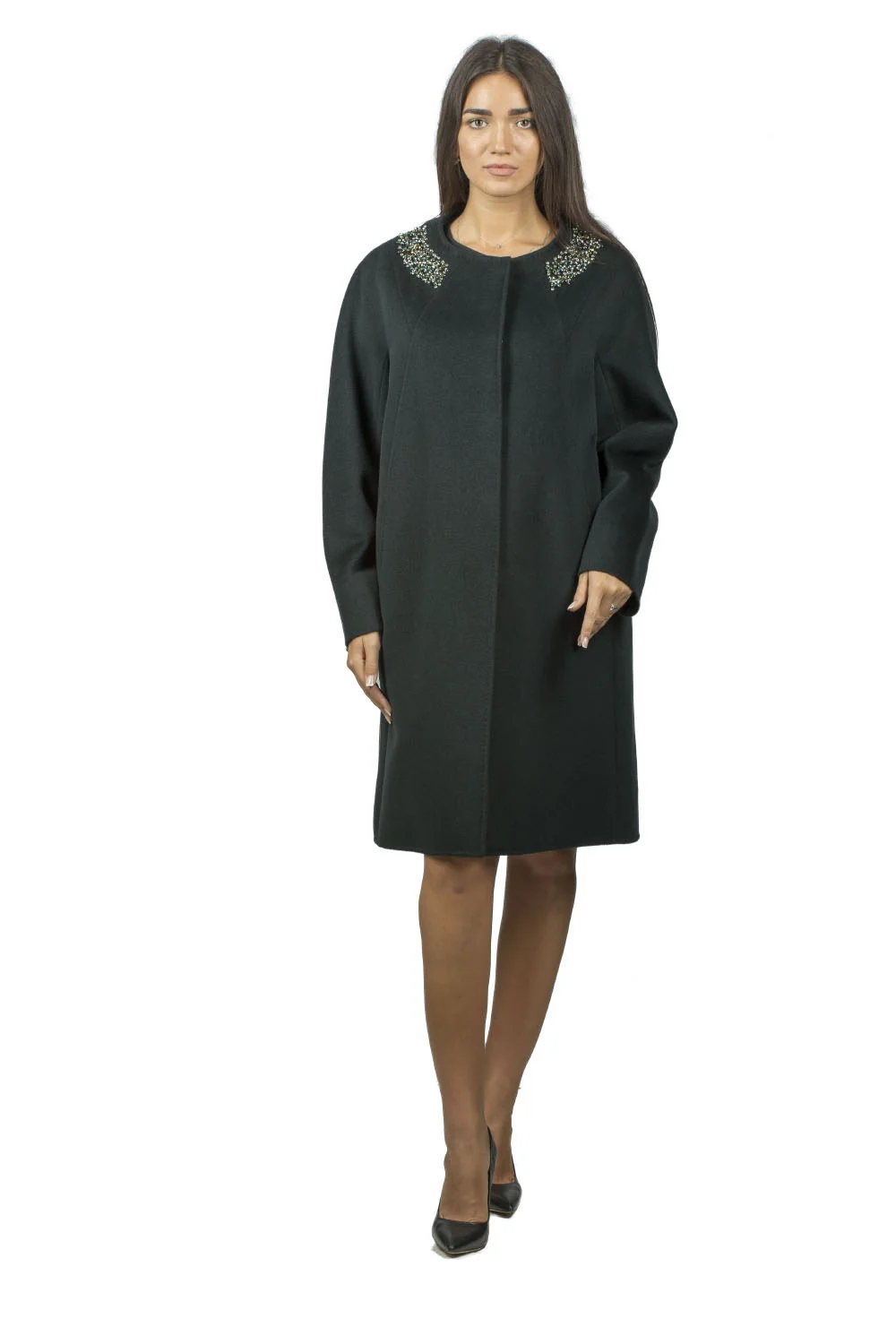
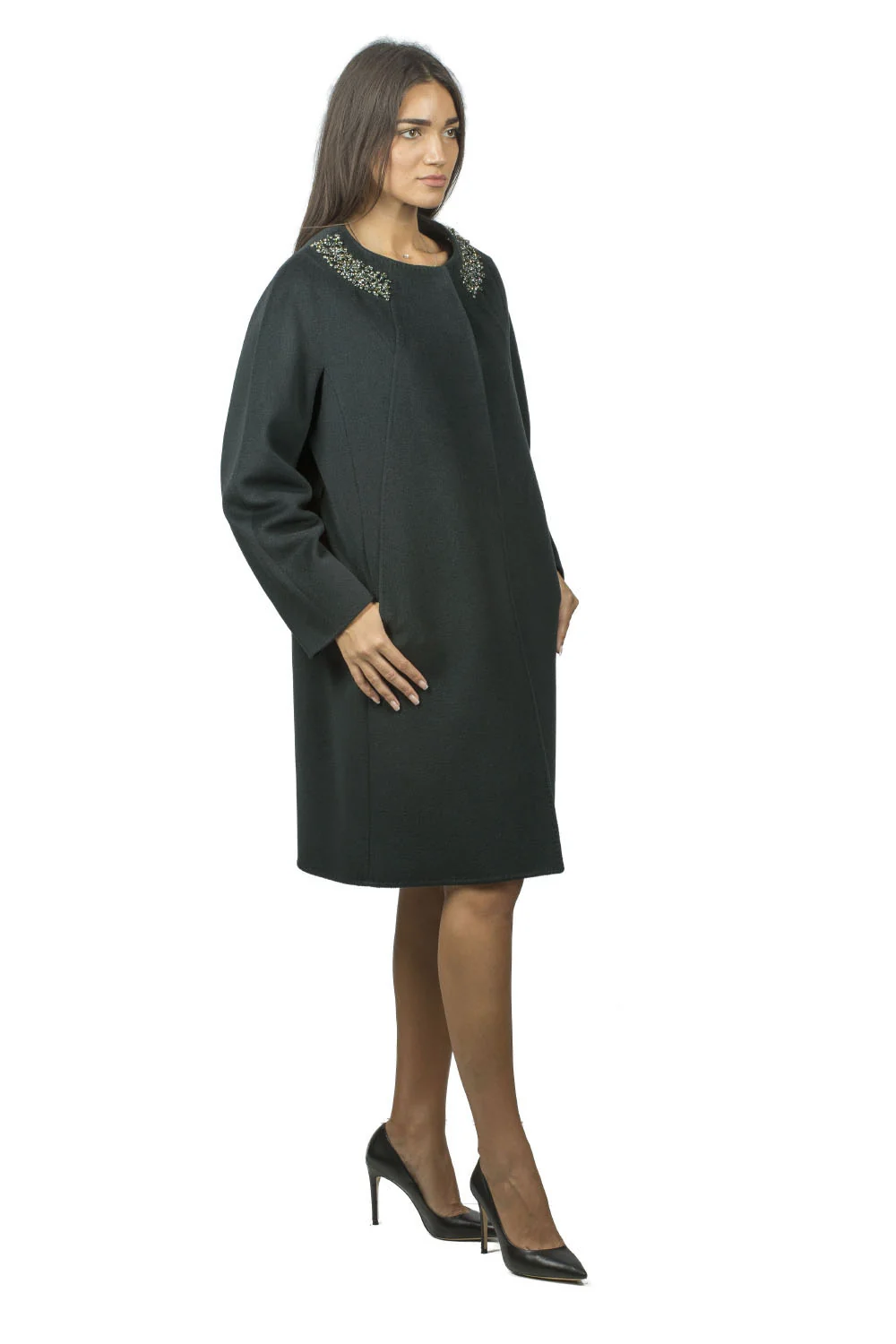
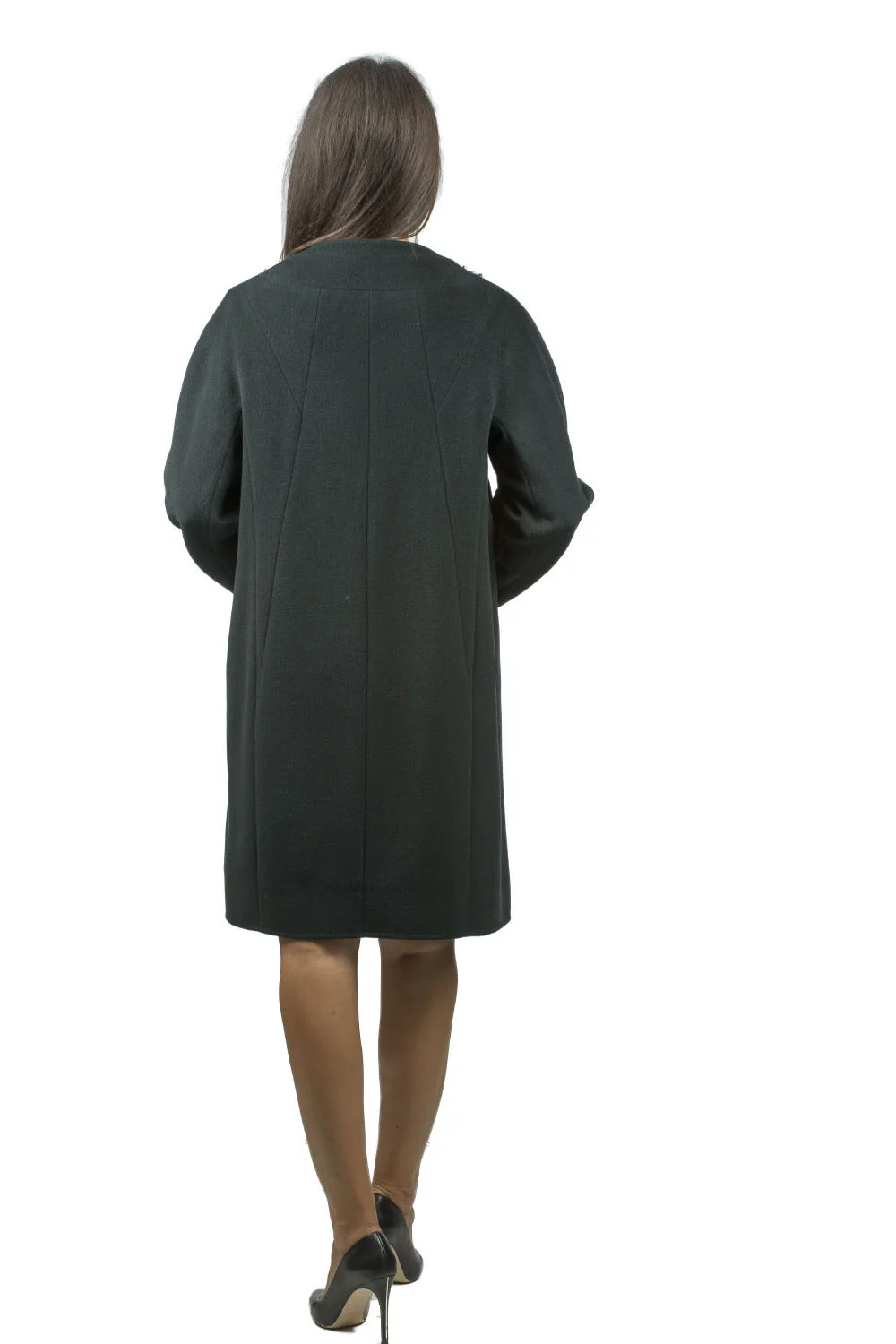
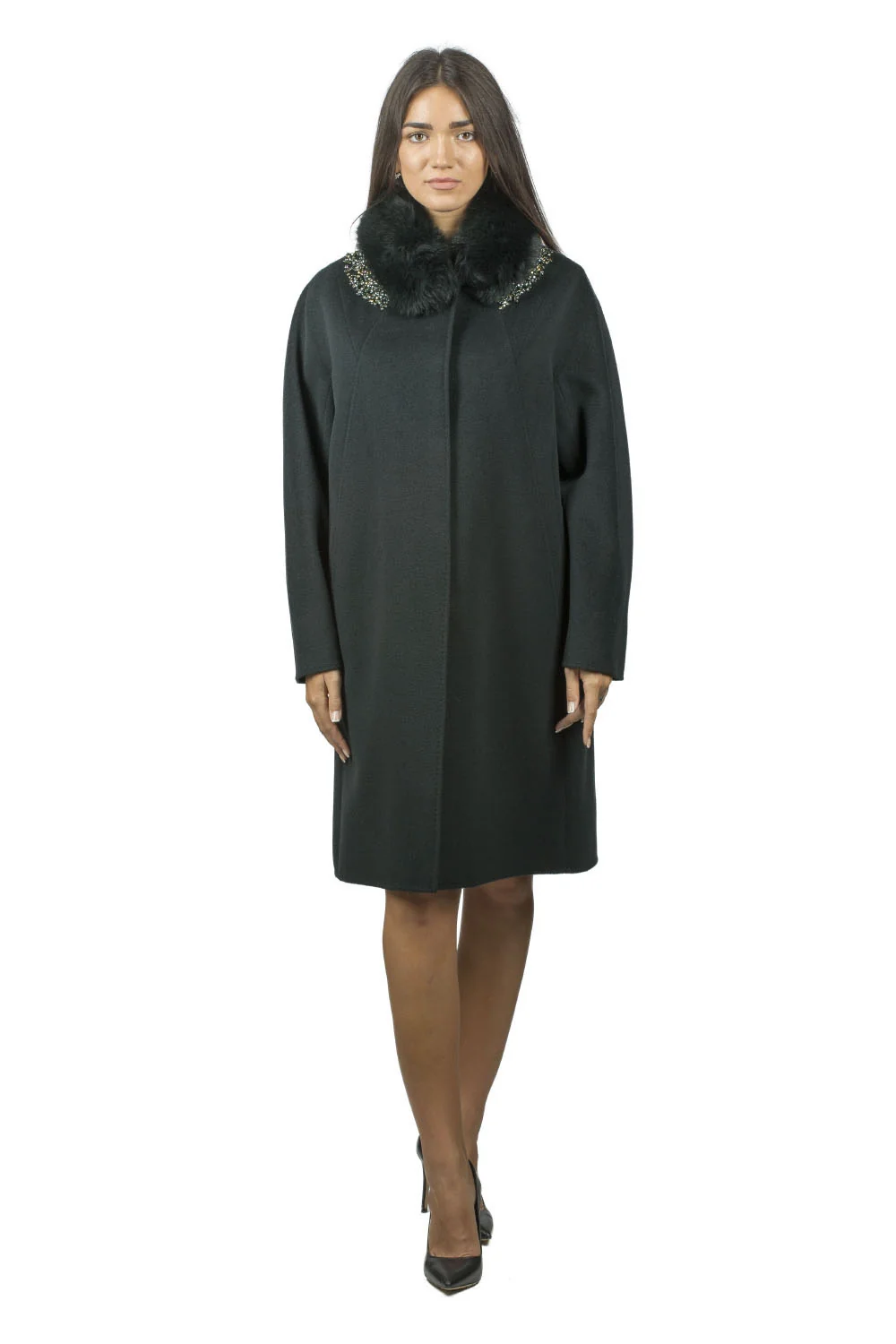
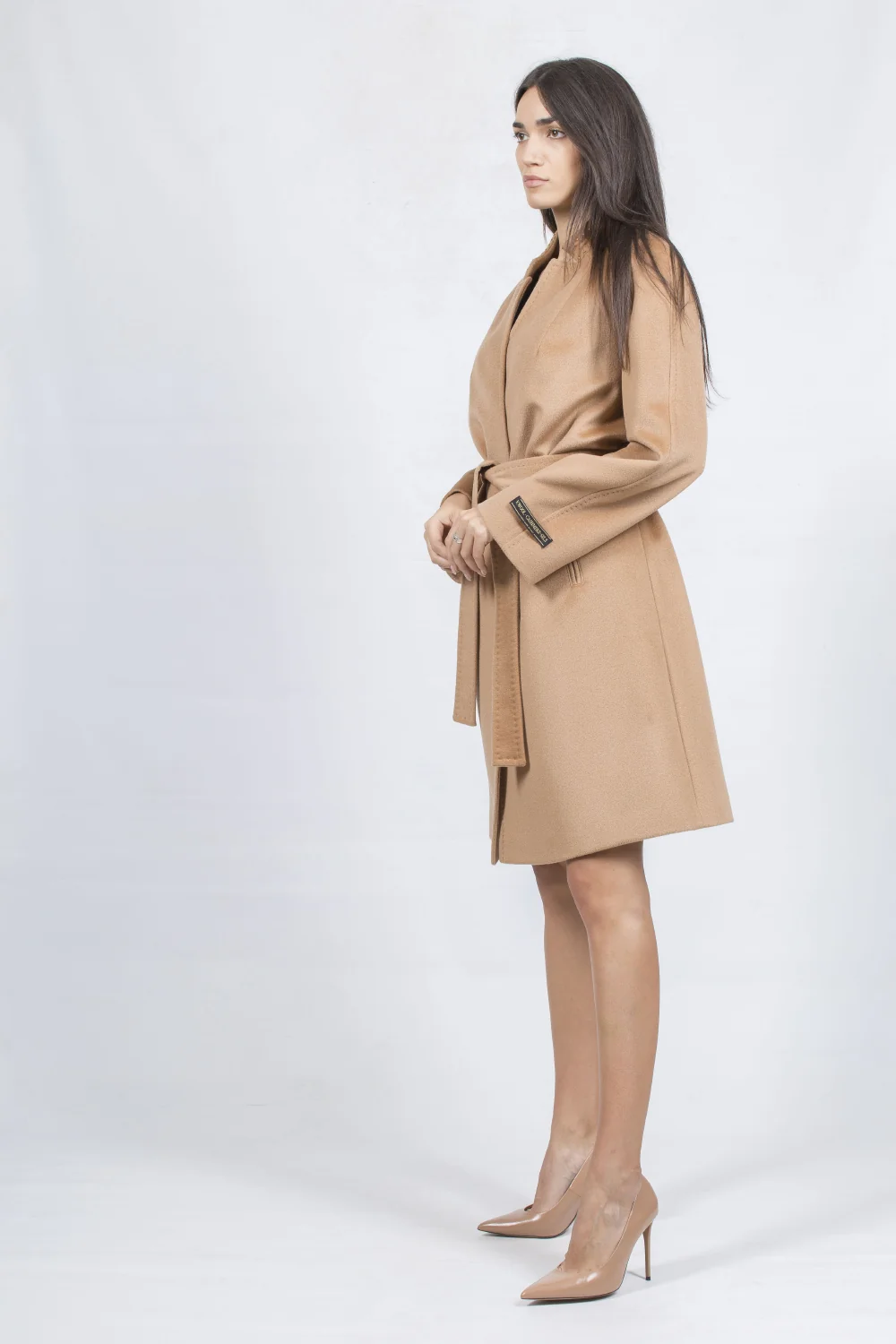
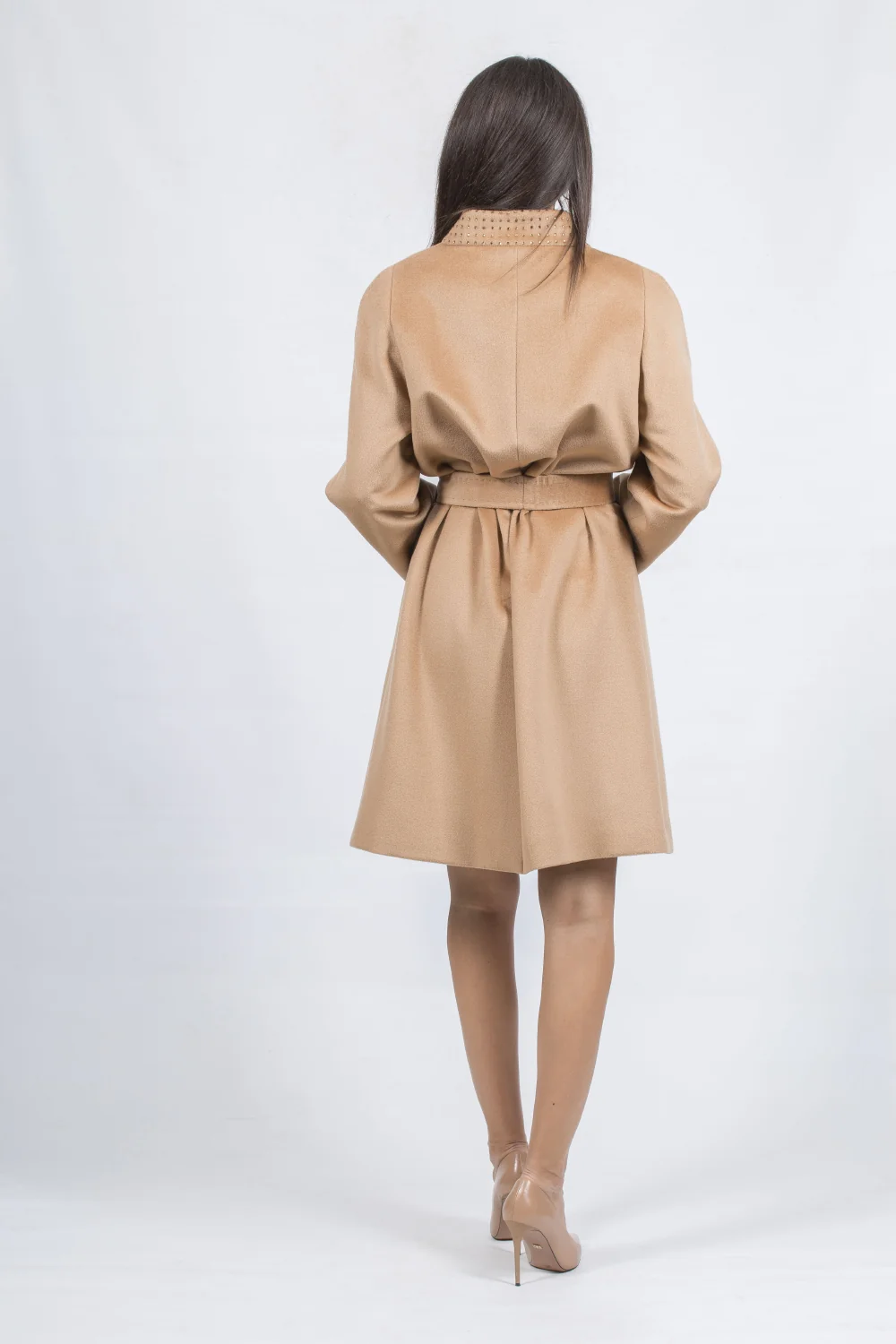
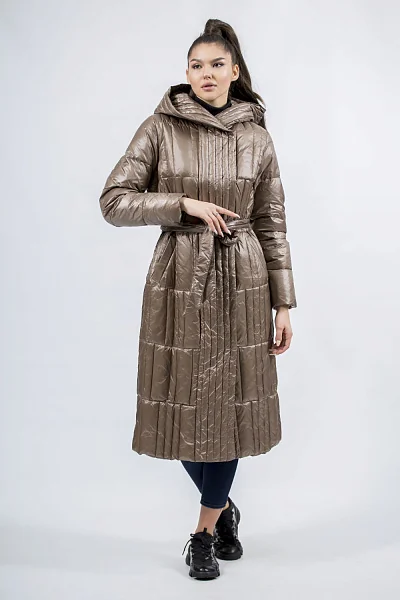
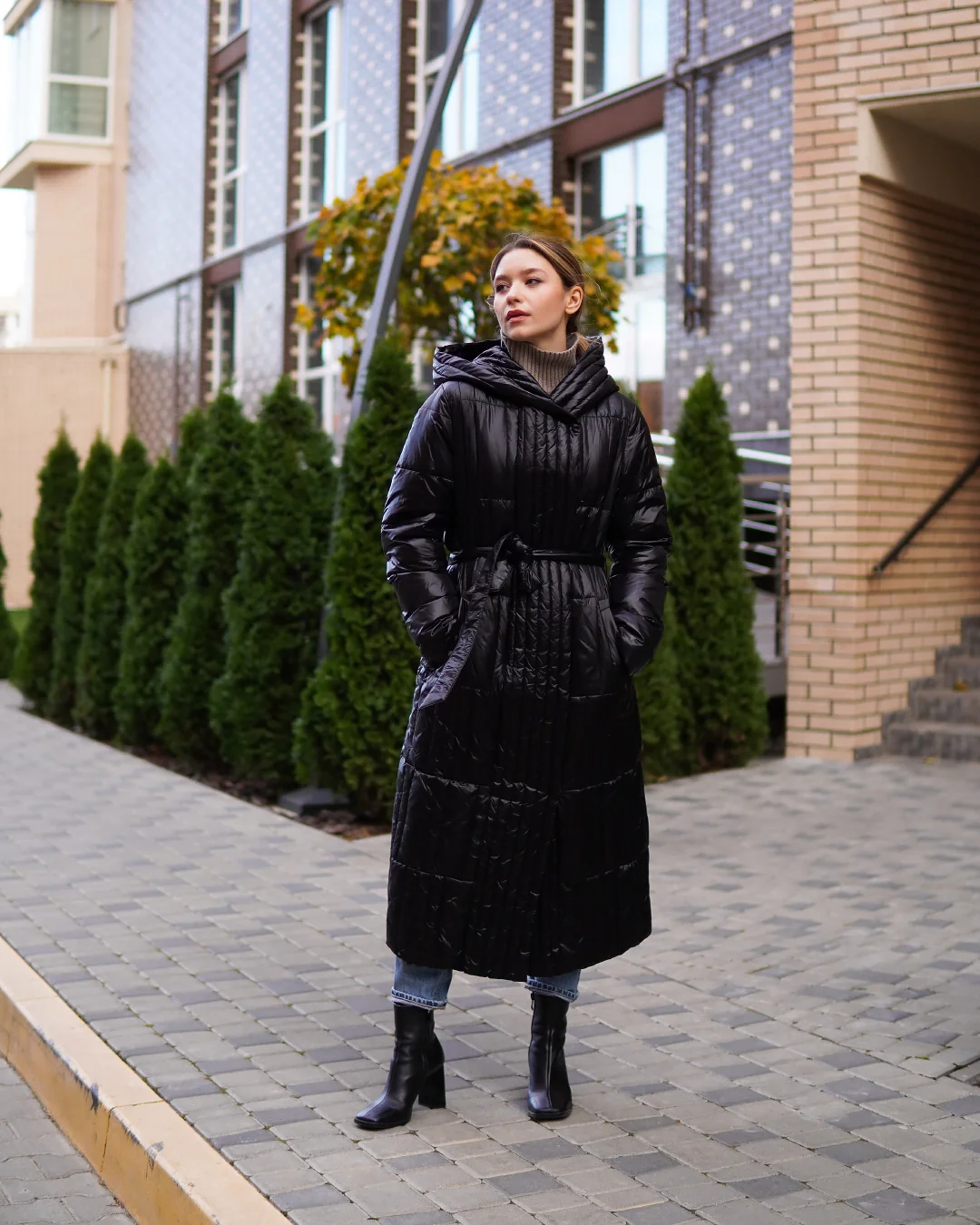
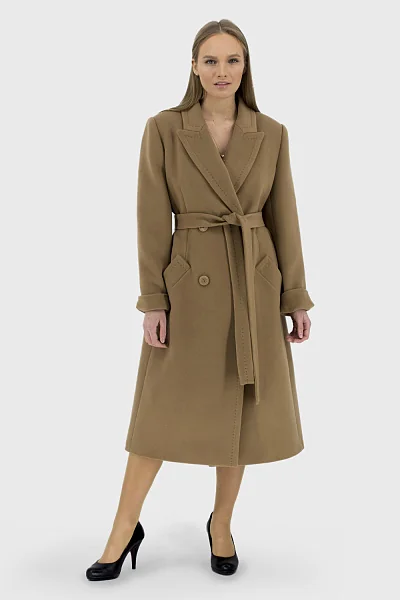
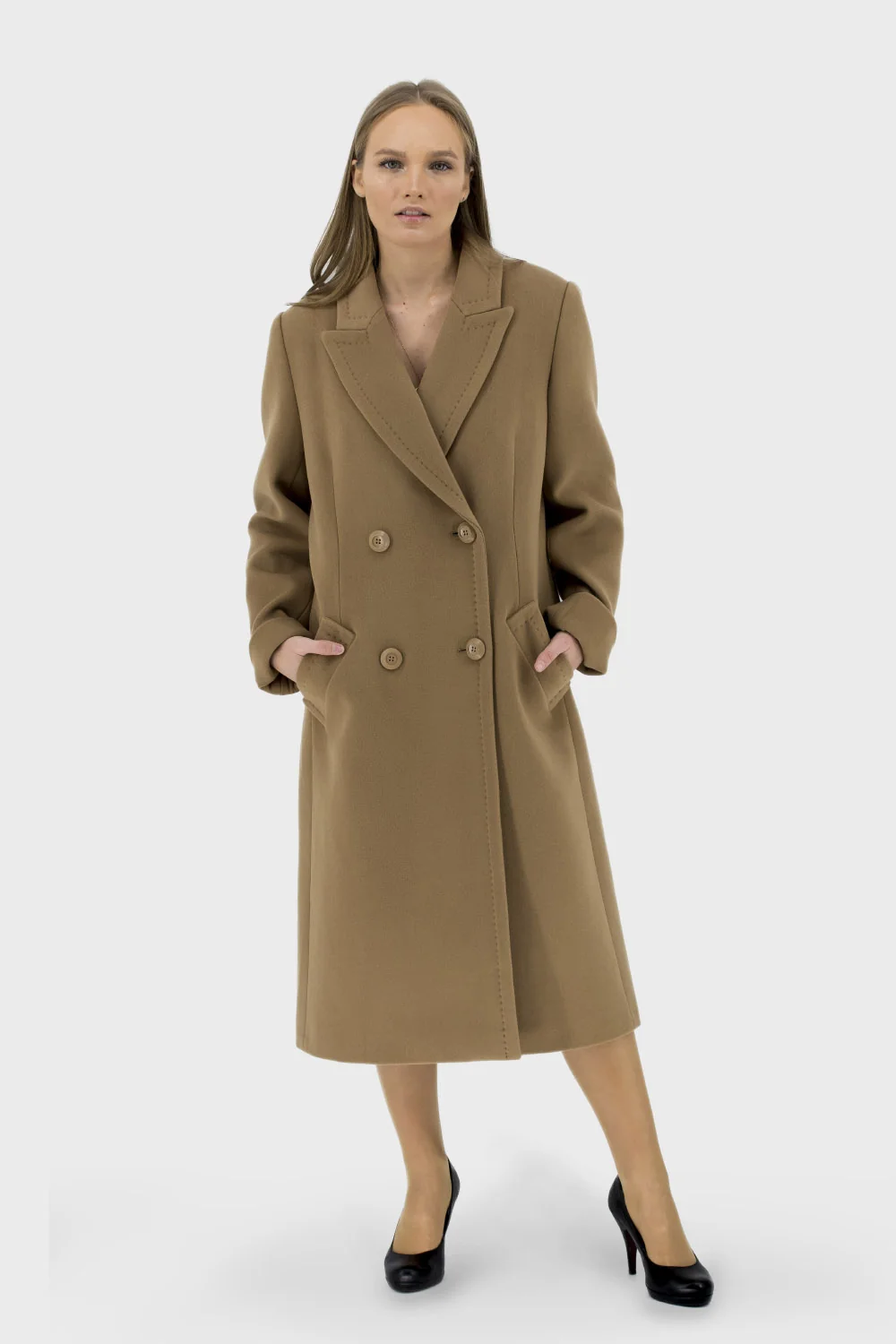
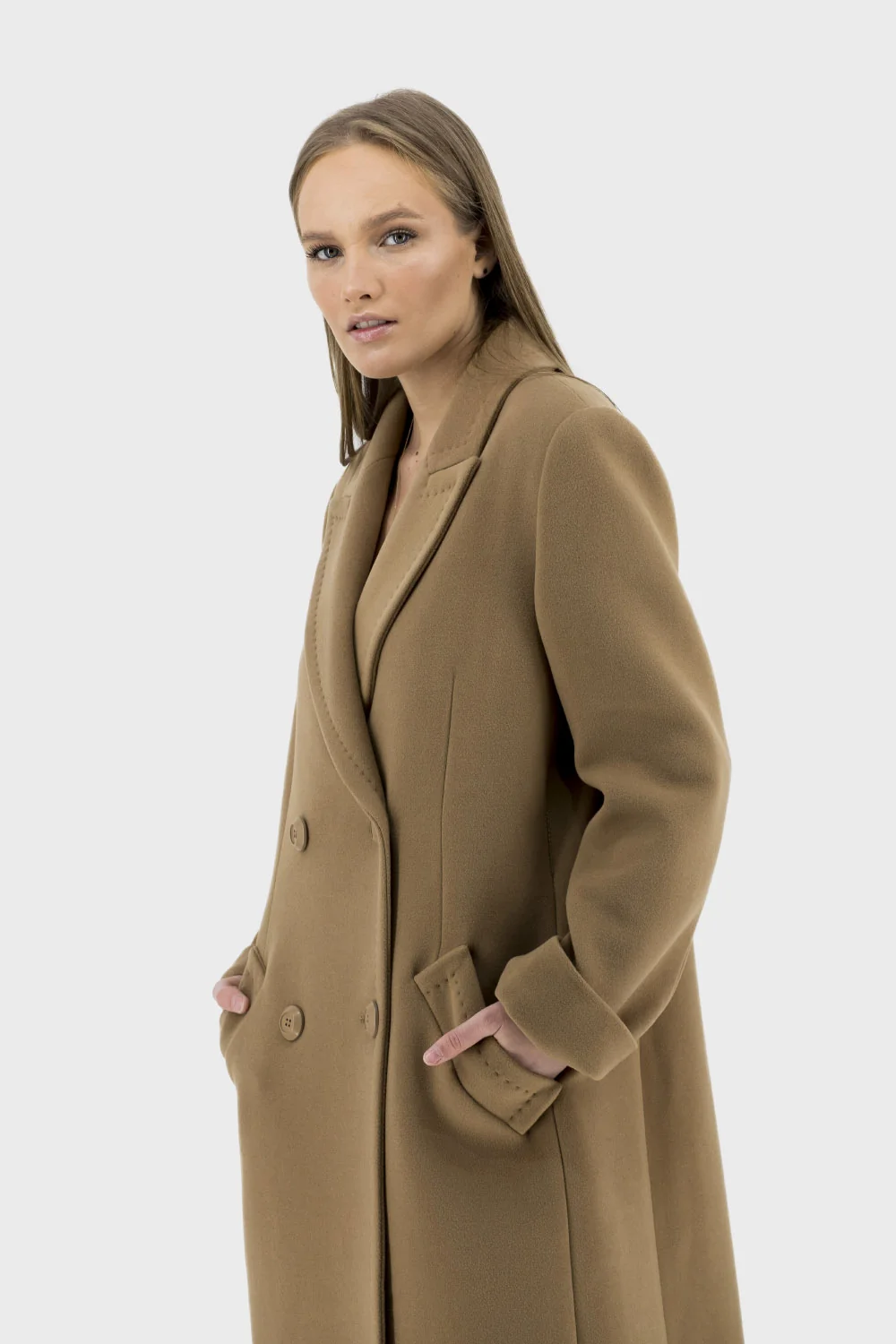
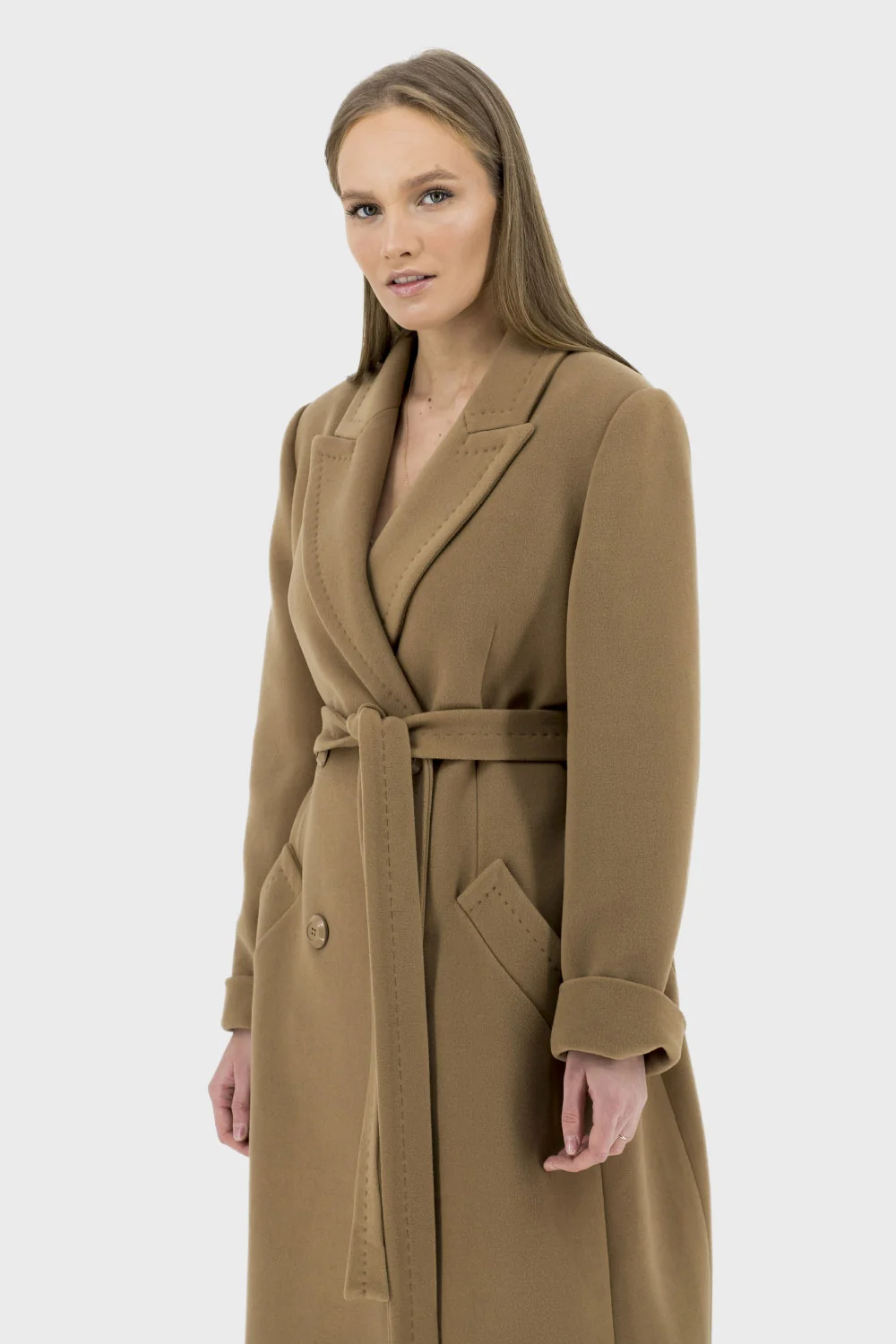
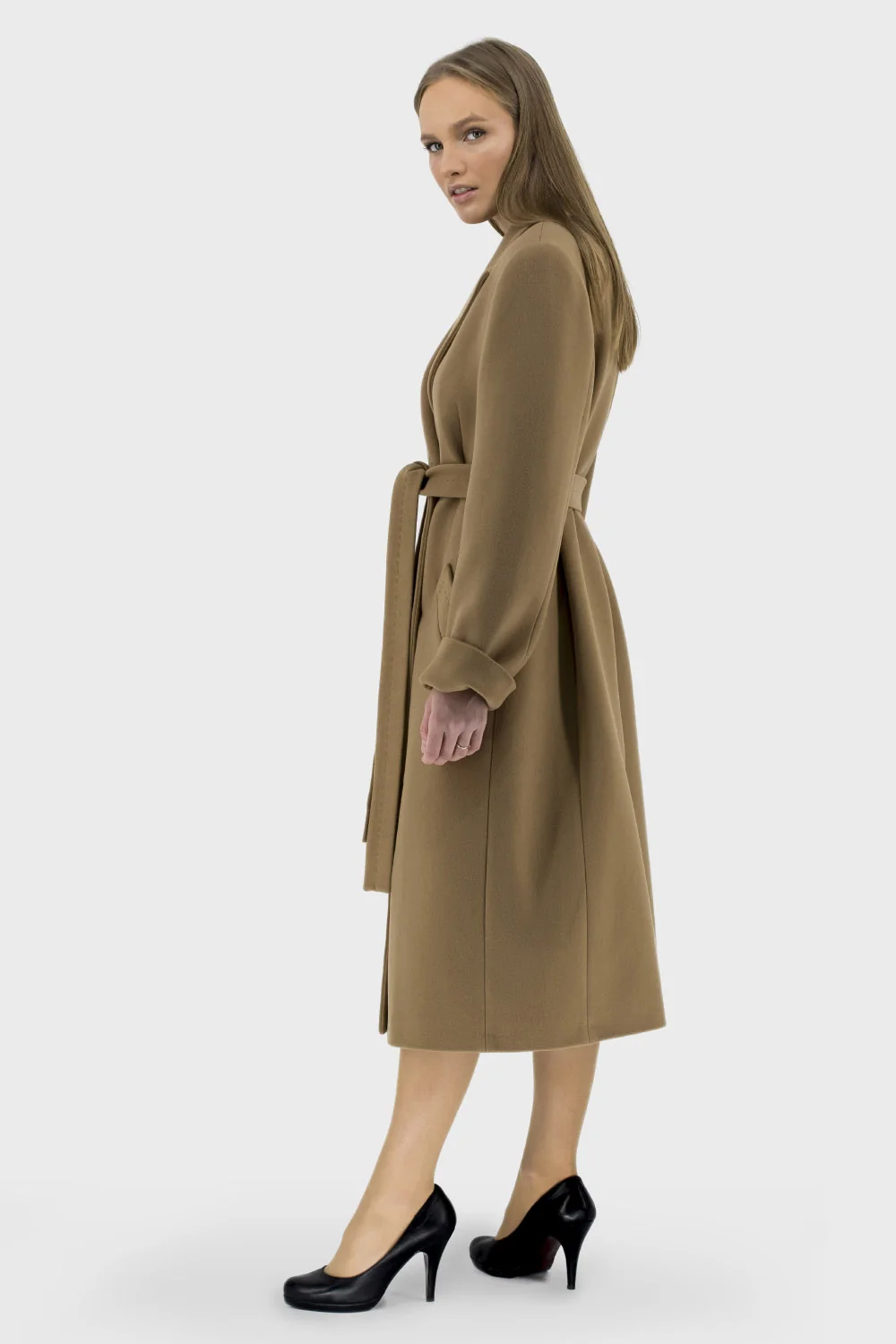
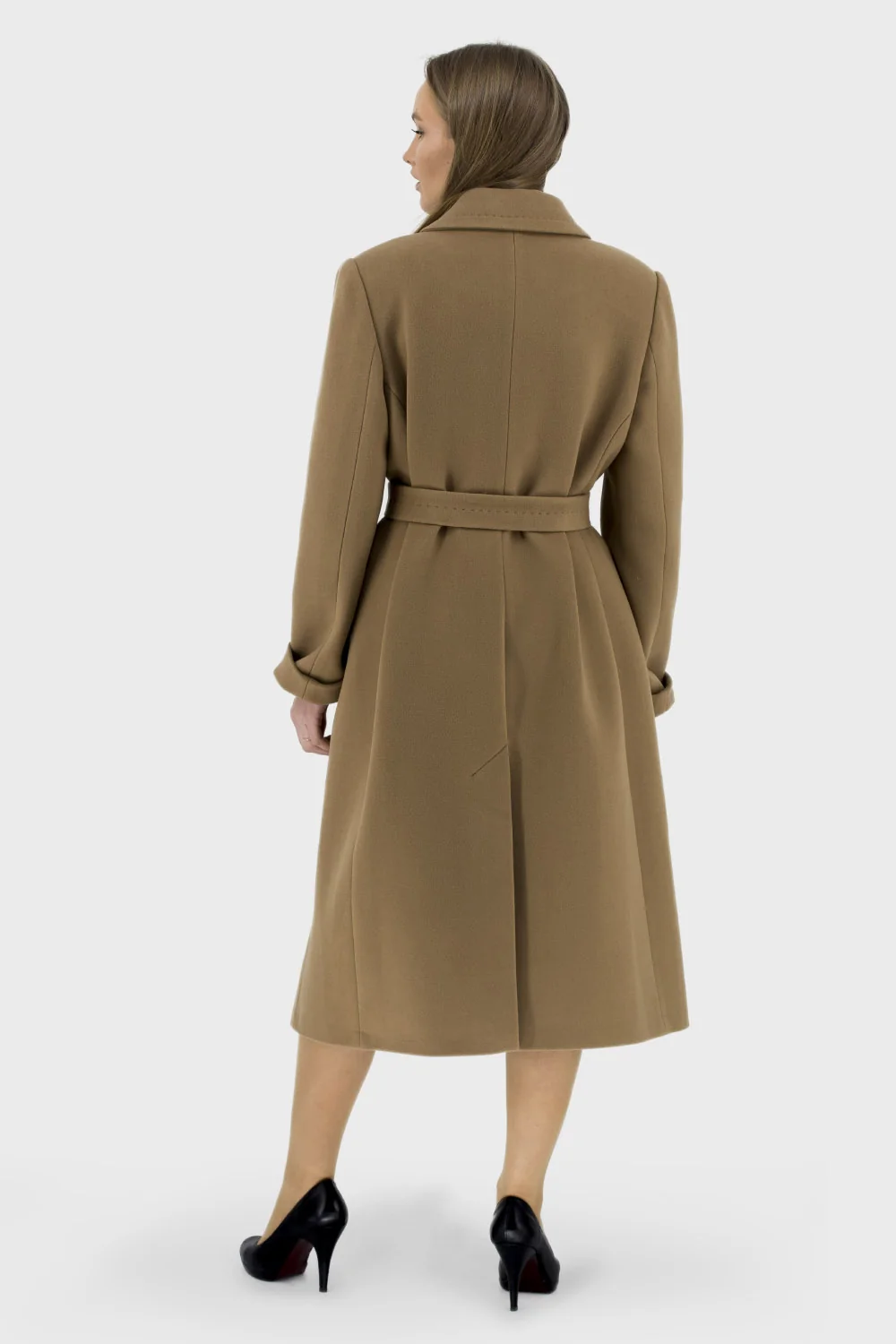
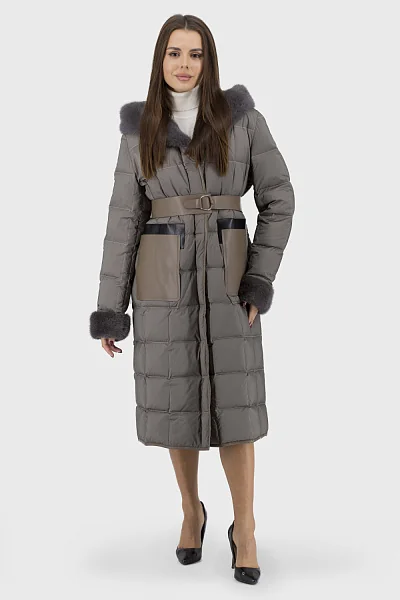
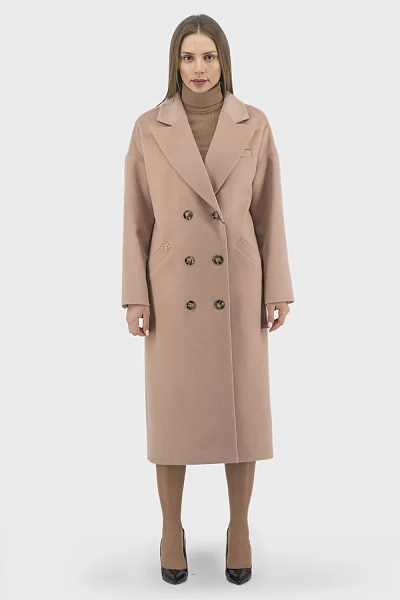
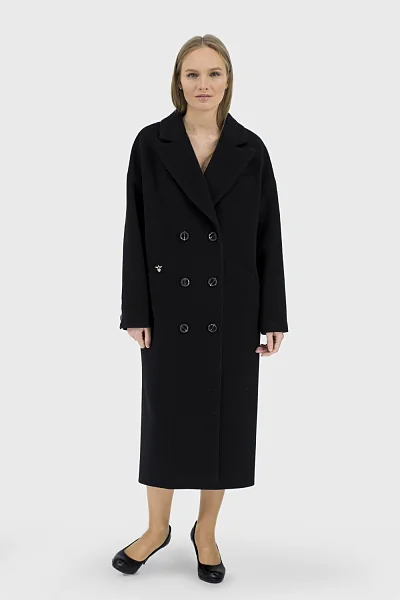
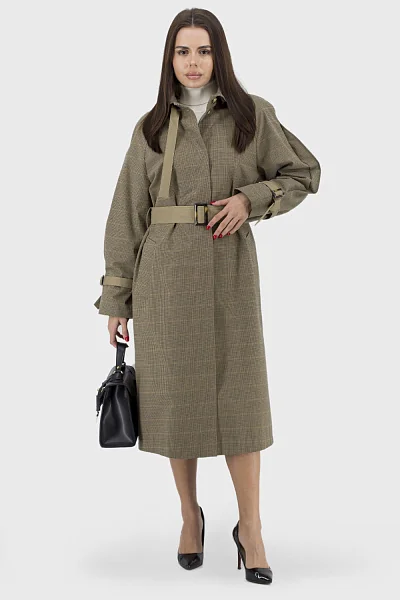
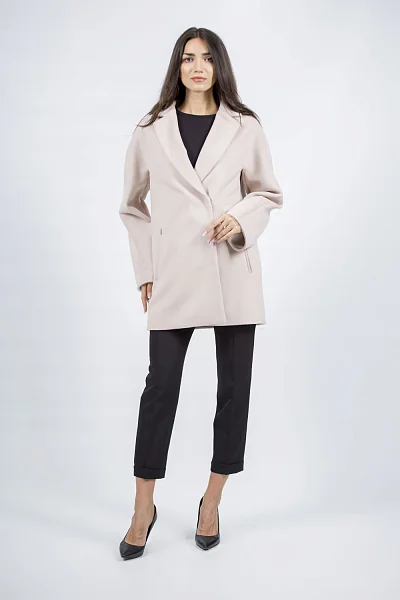
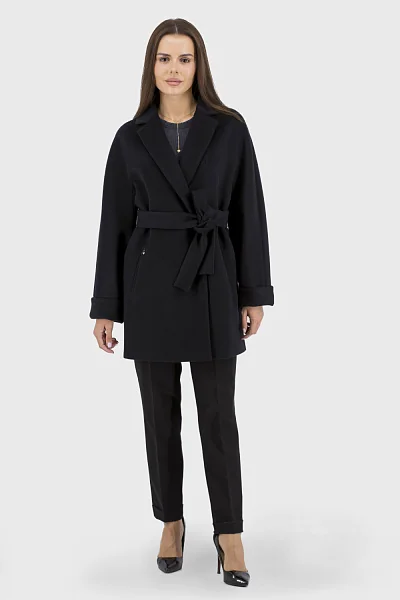
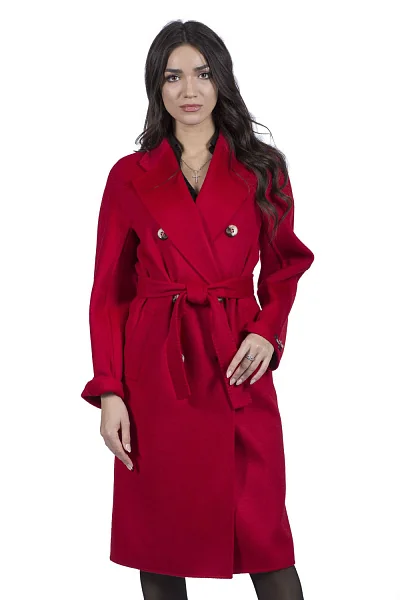
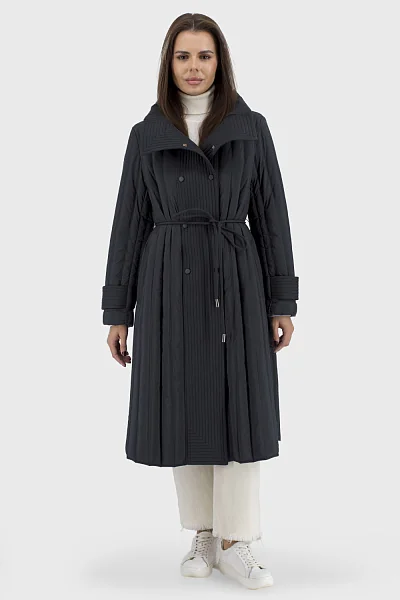
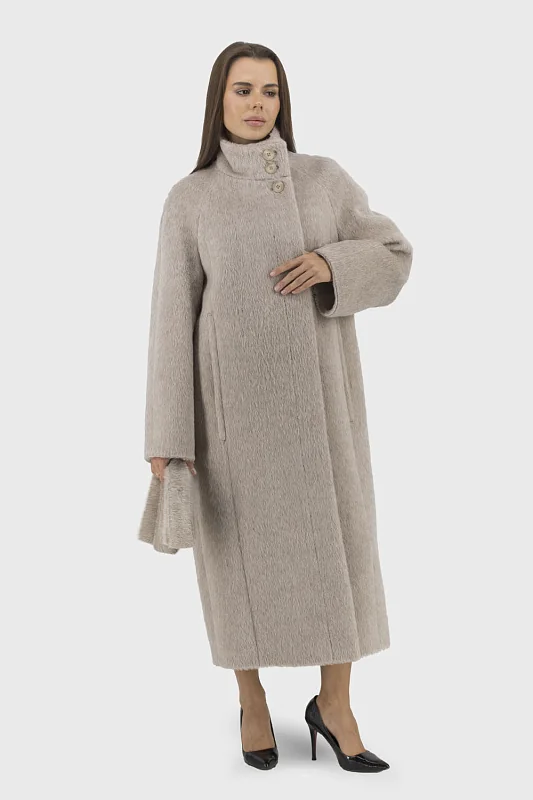
Camel wool can be used for straight, fitted, double-breasted, oversized and belted coats.
Straight midi designs are particularly versatile for city wardrobes.
Shoulder fit
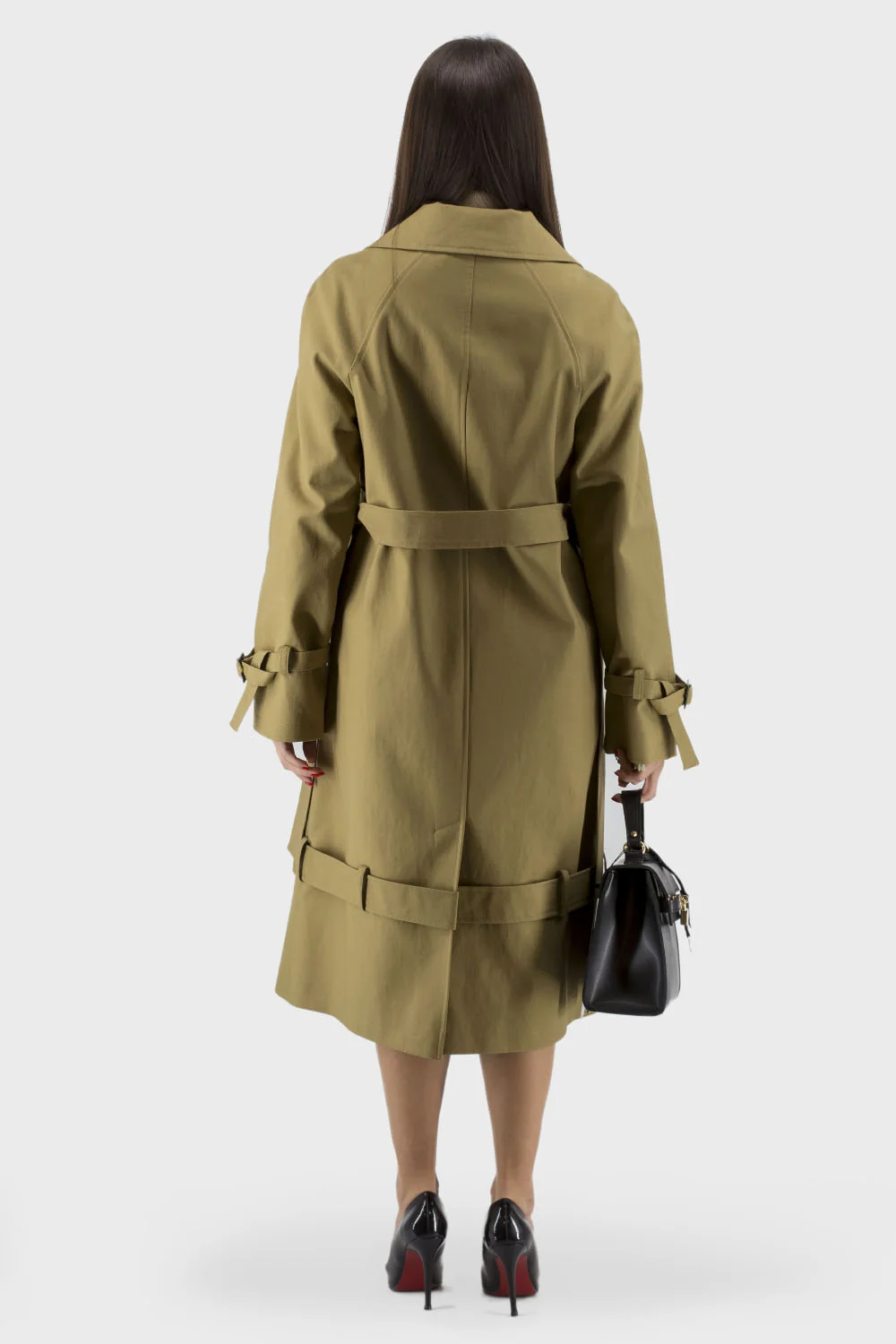
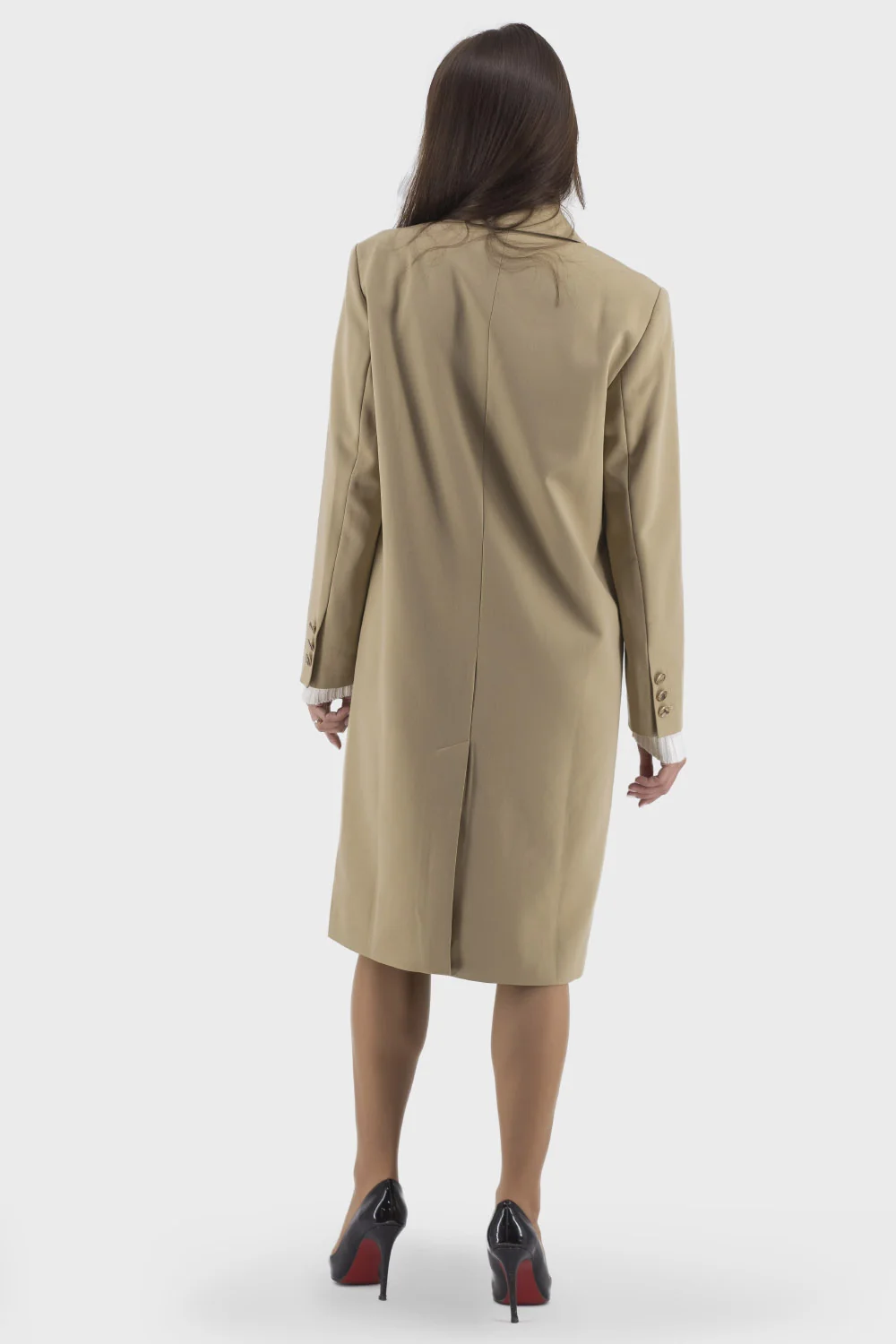
In a classic coat, the seam should follow the natural shoulder line. Dropped shoulders should remain balanced and symmetrical.
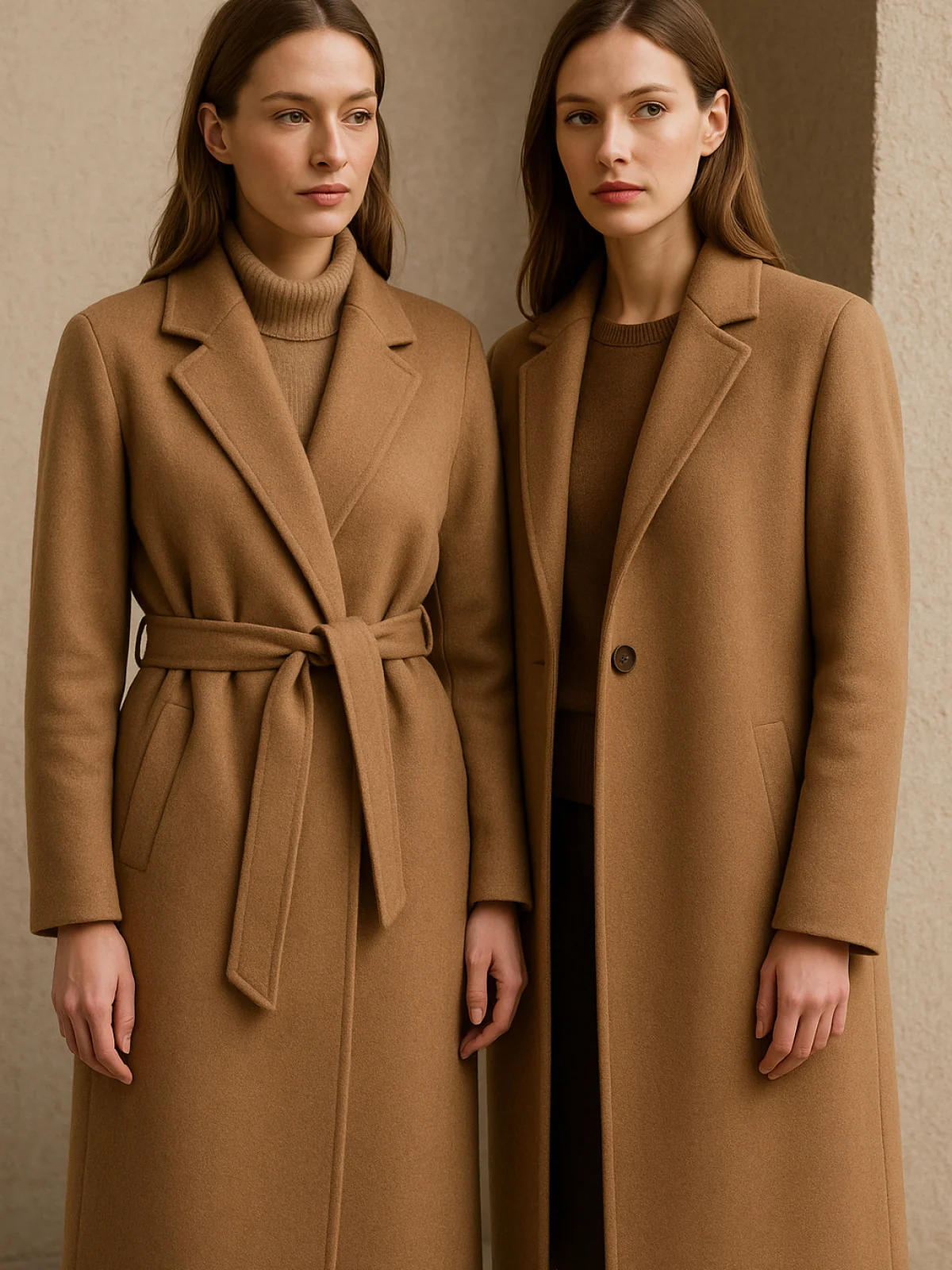
Raise your arms to test movement through the back and armholes.
Choosing length
Short coats work well for driving, knee length is versatile, and midi or maxi styles provide more coverage.
Consider height, proportions and footwear.
Checking construction
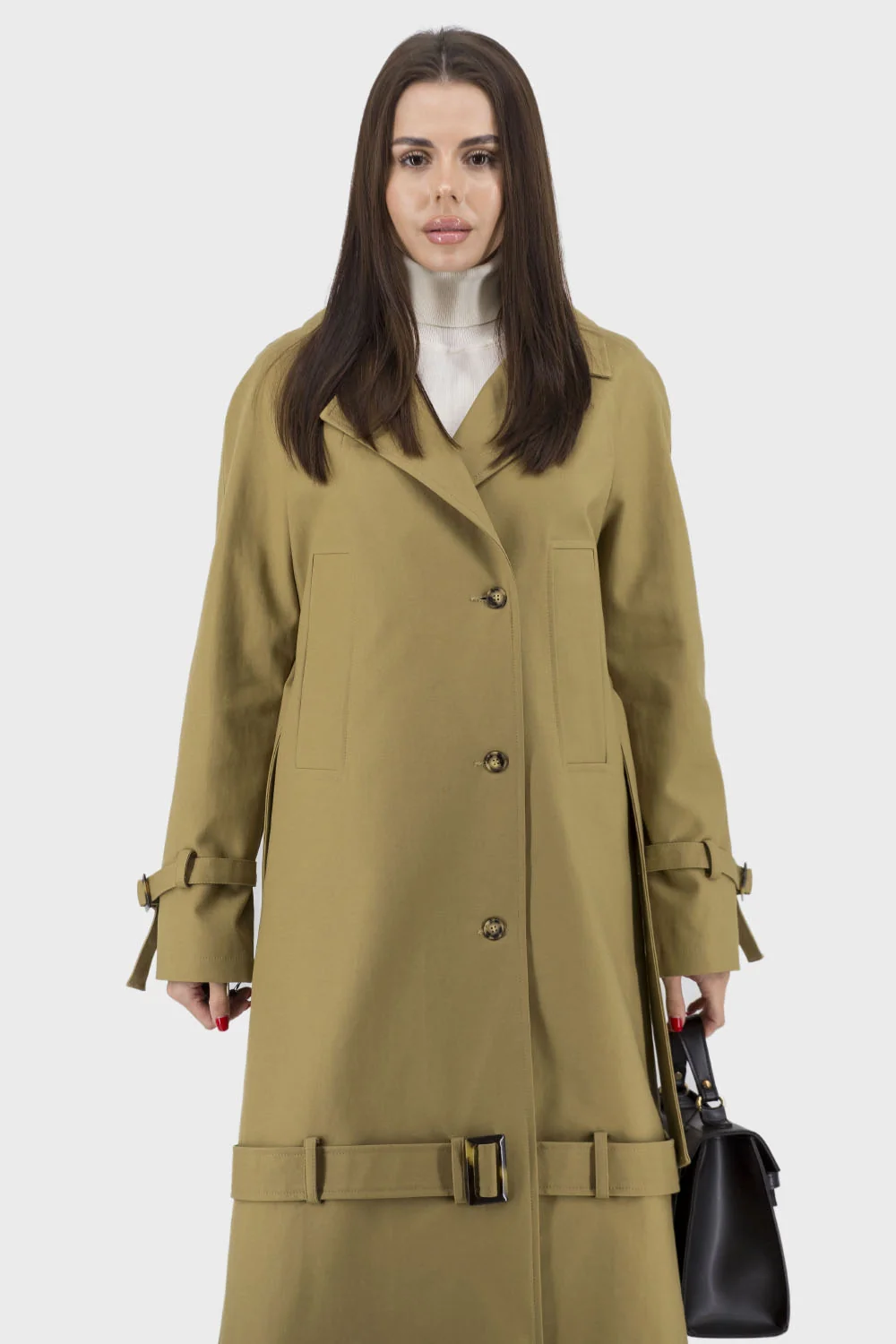
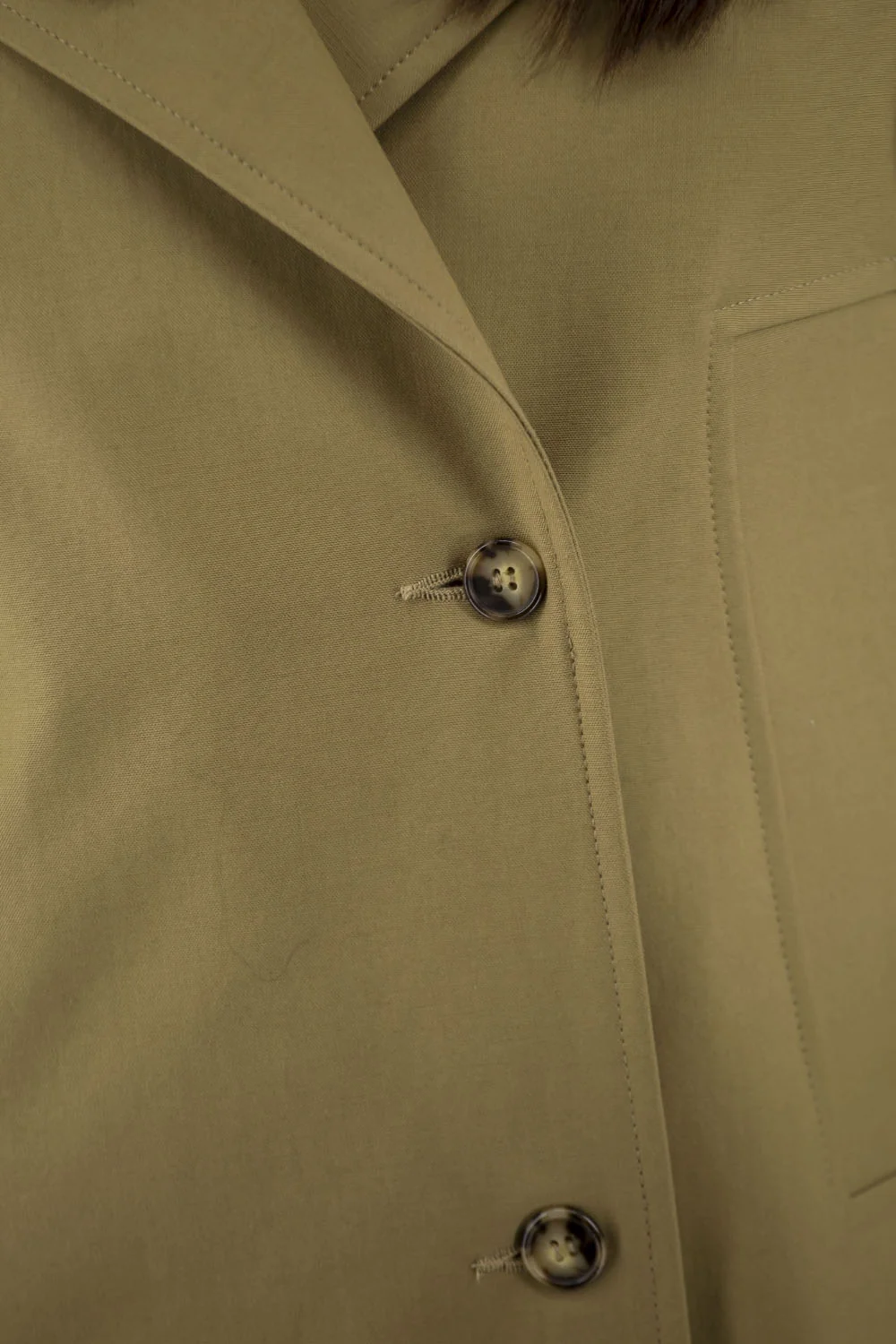
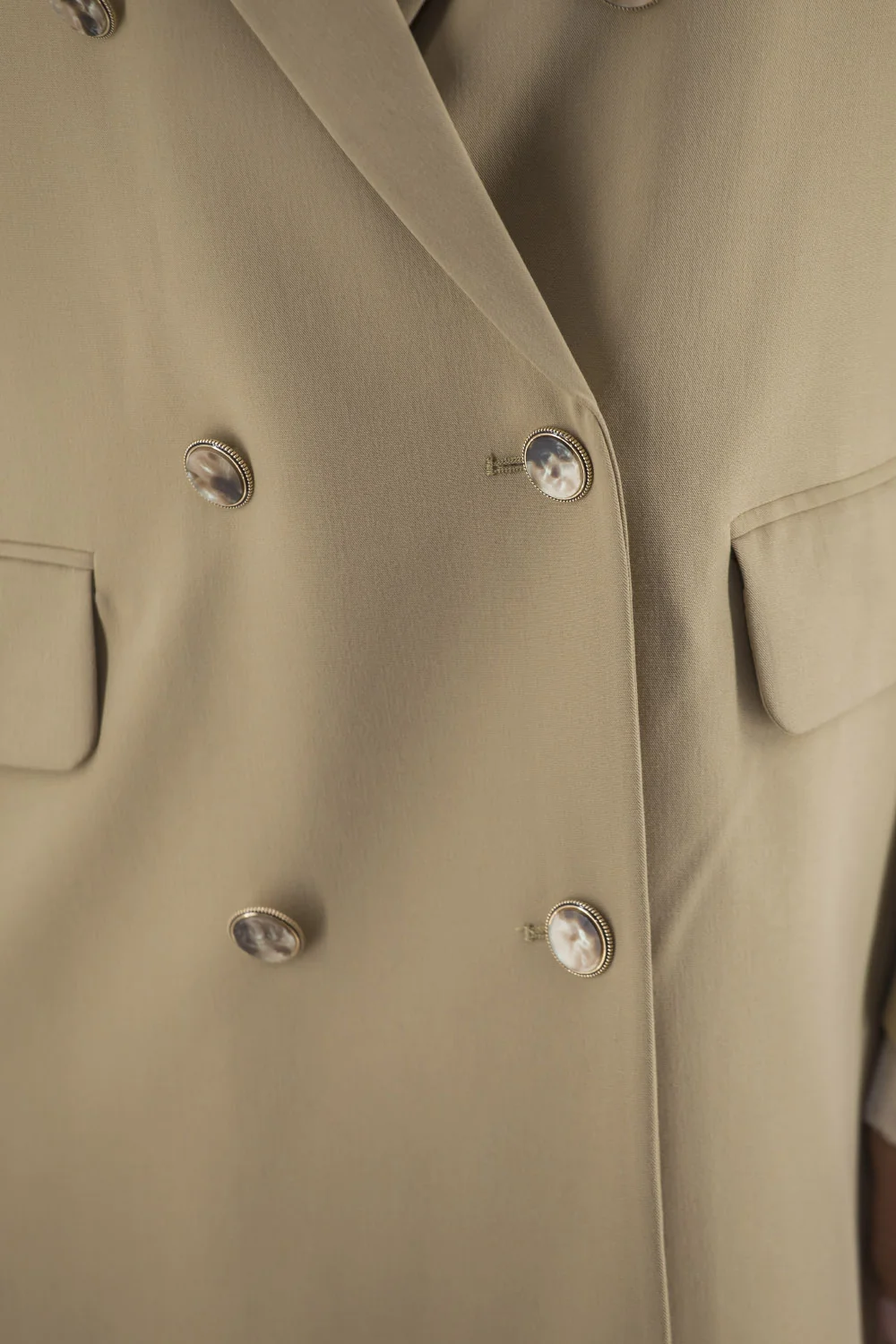
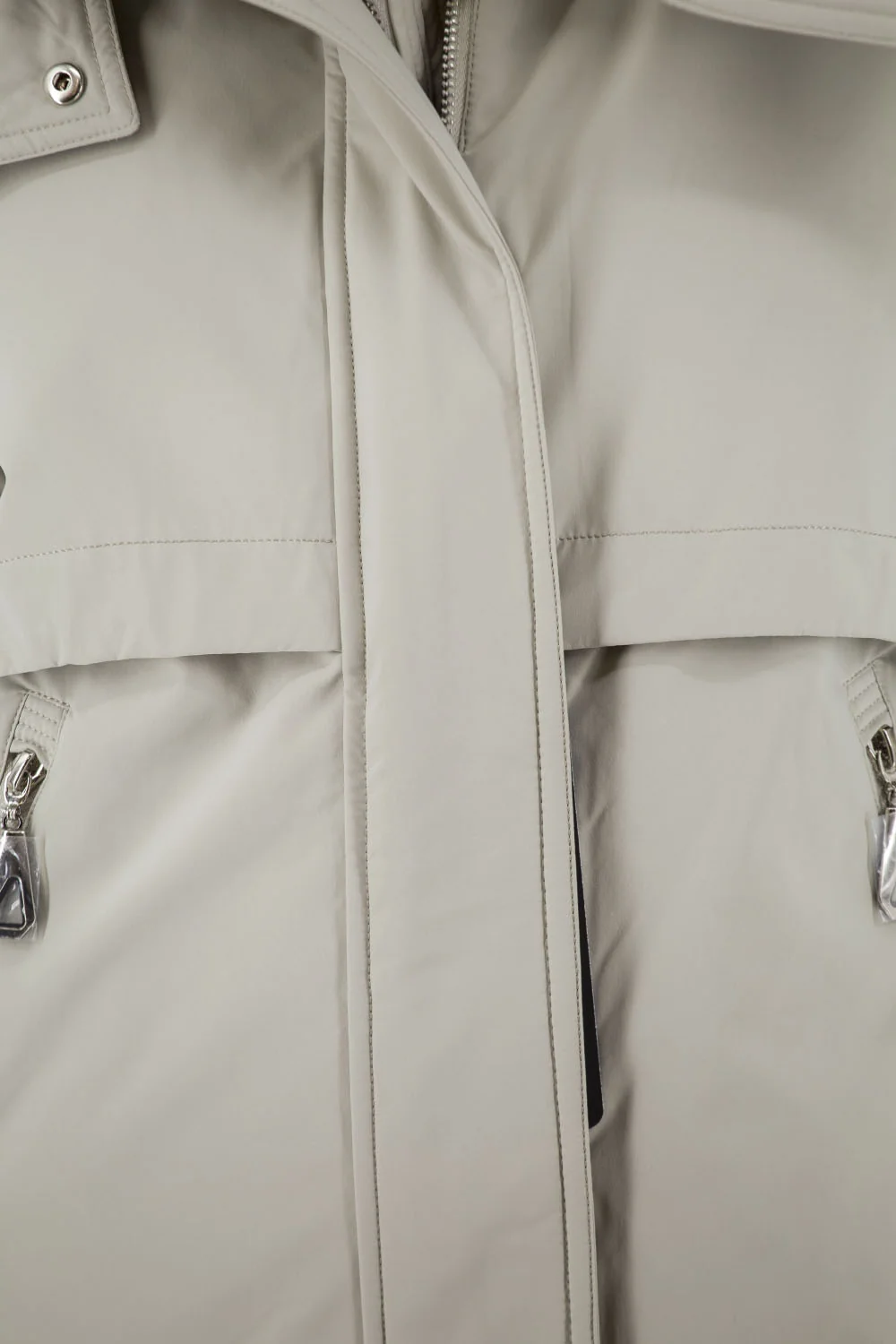
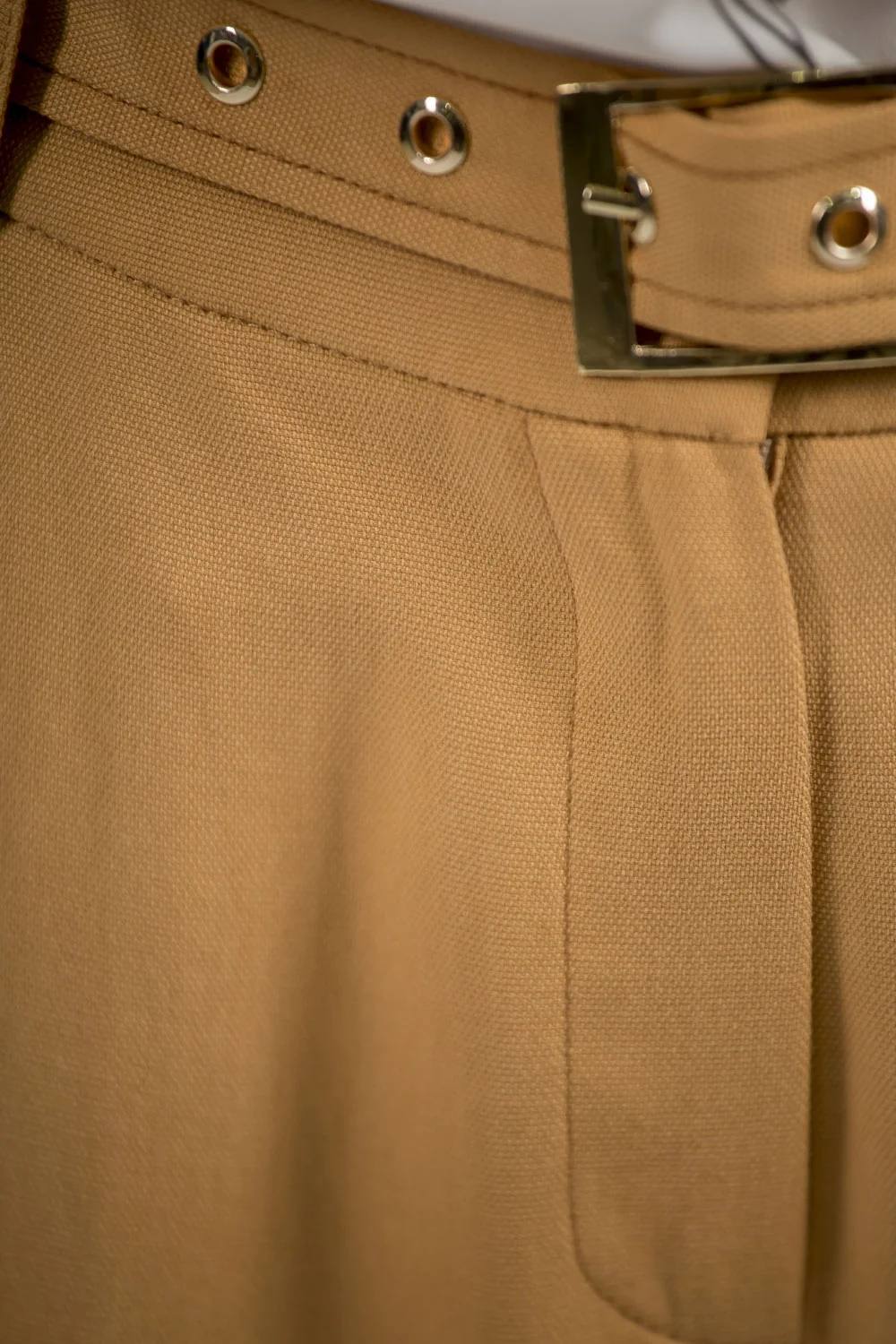
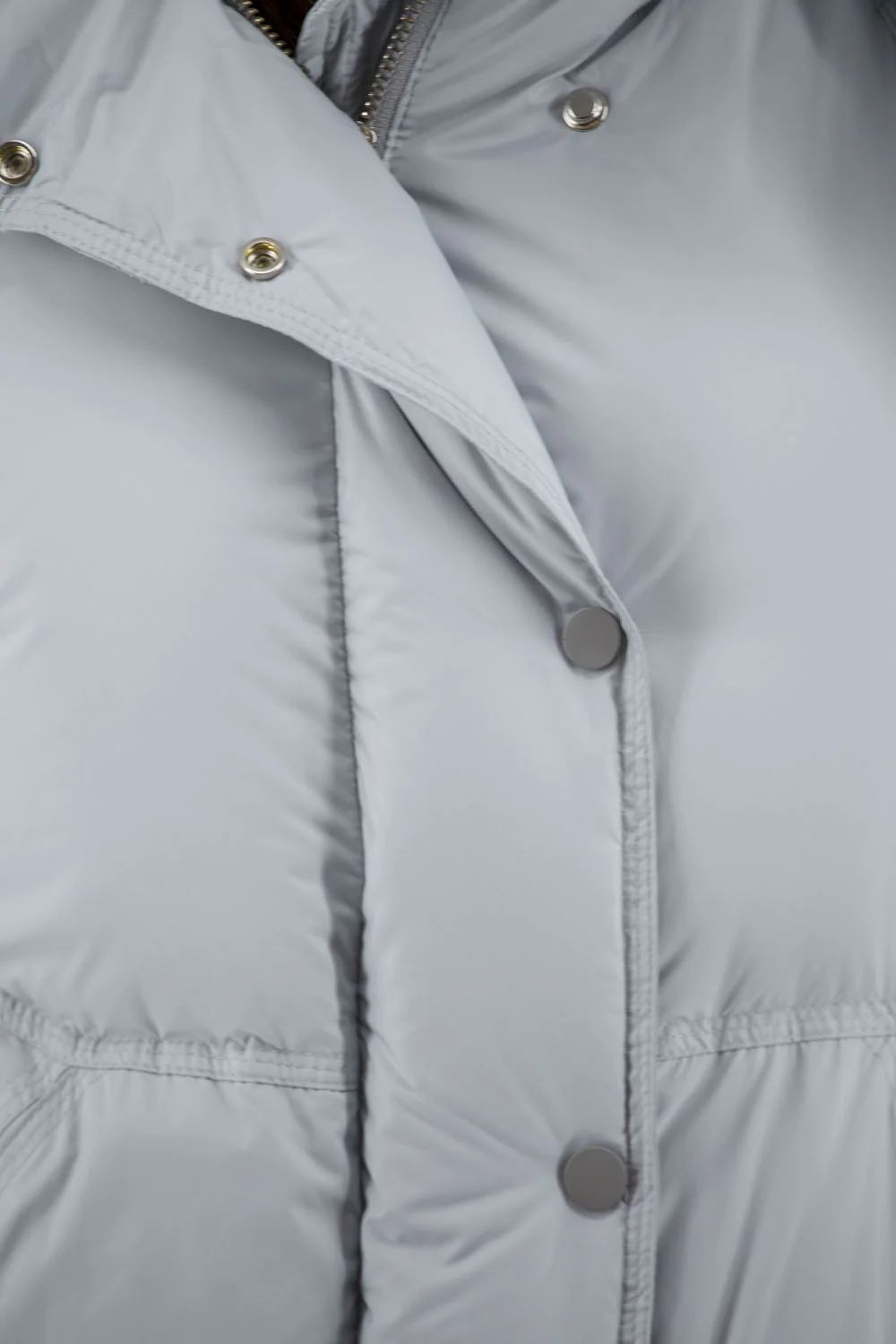
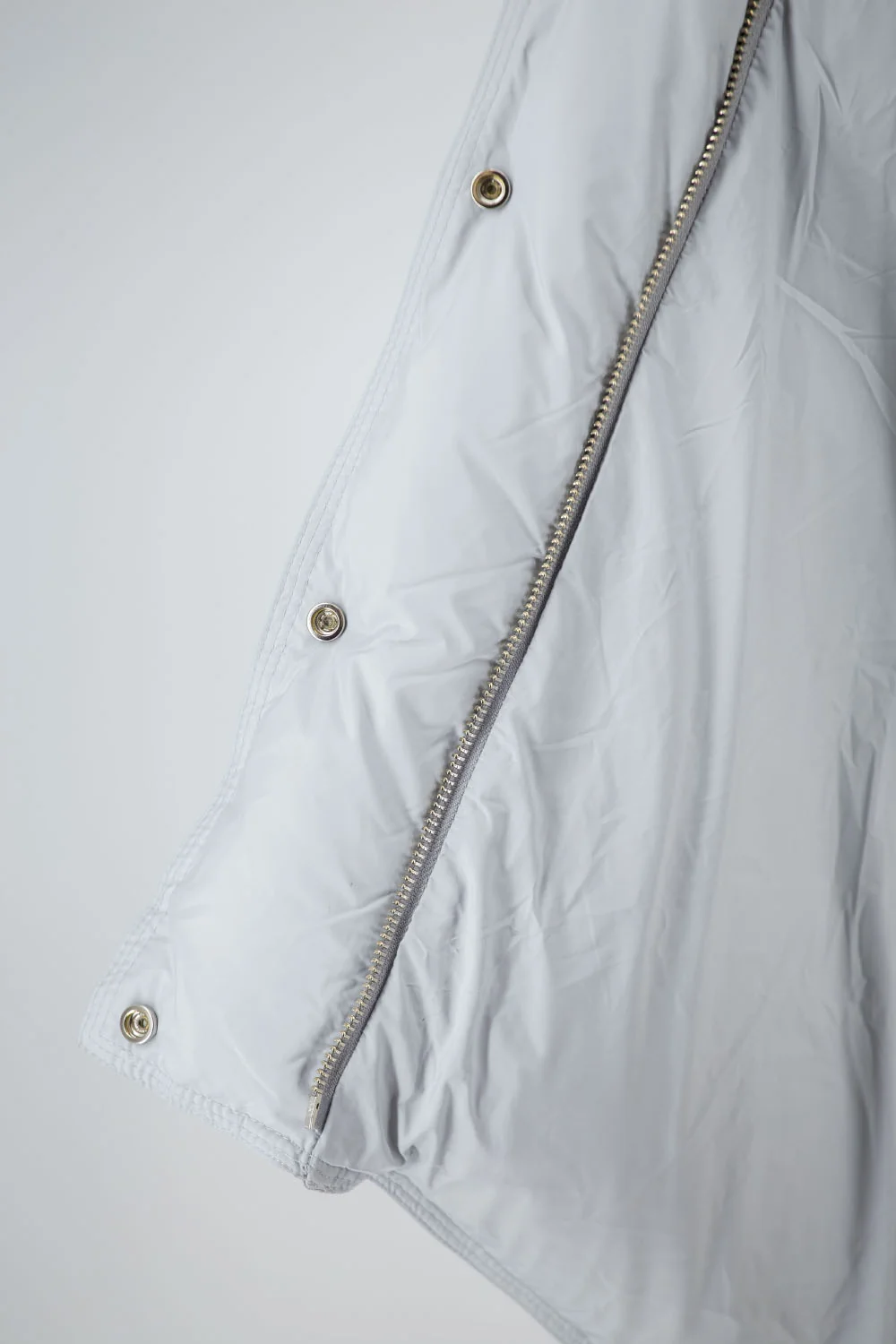
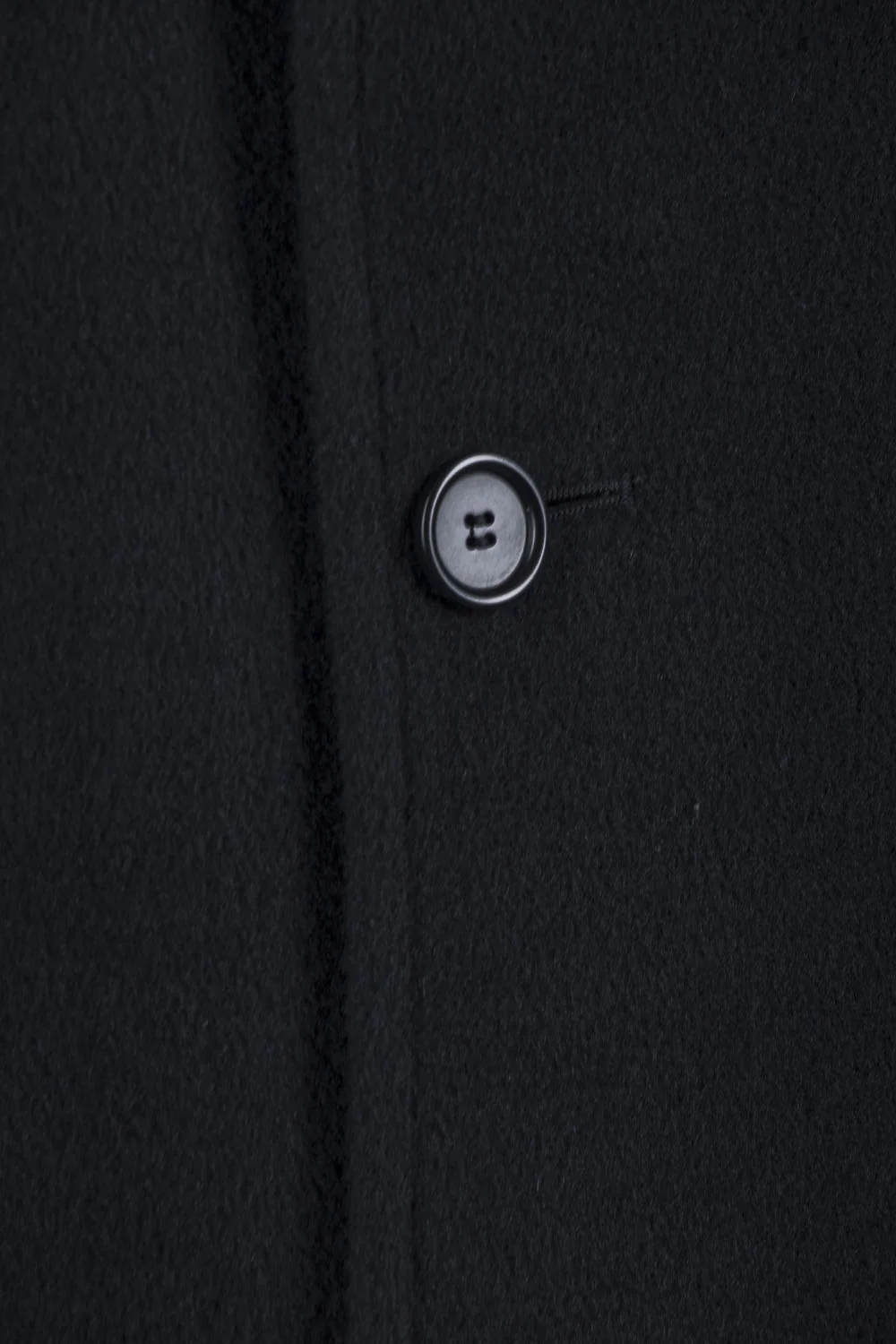
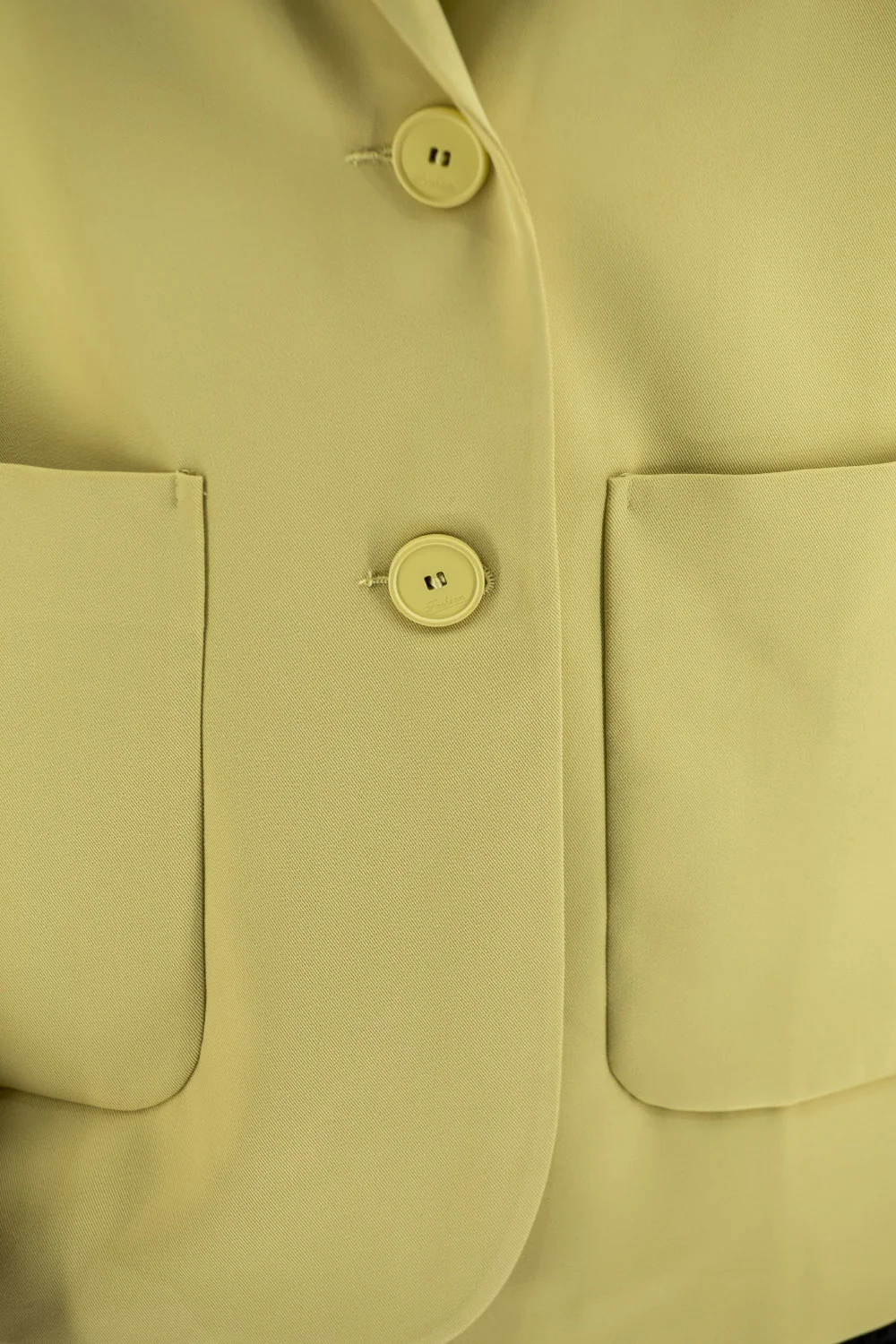
Inspect seams, lapels, collar, front edges, pockets, buttons and lining.
The coat should fasten without strong horizontal pulling.
Surface wear
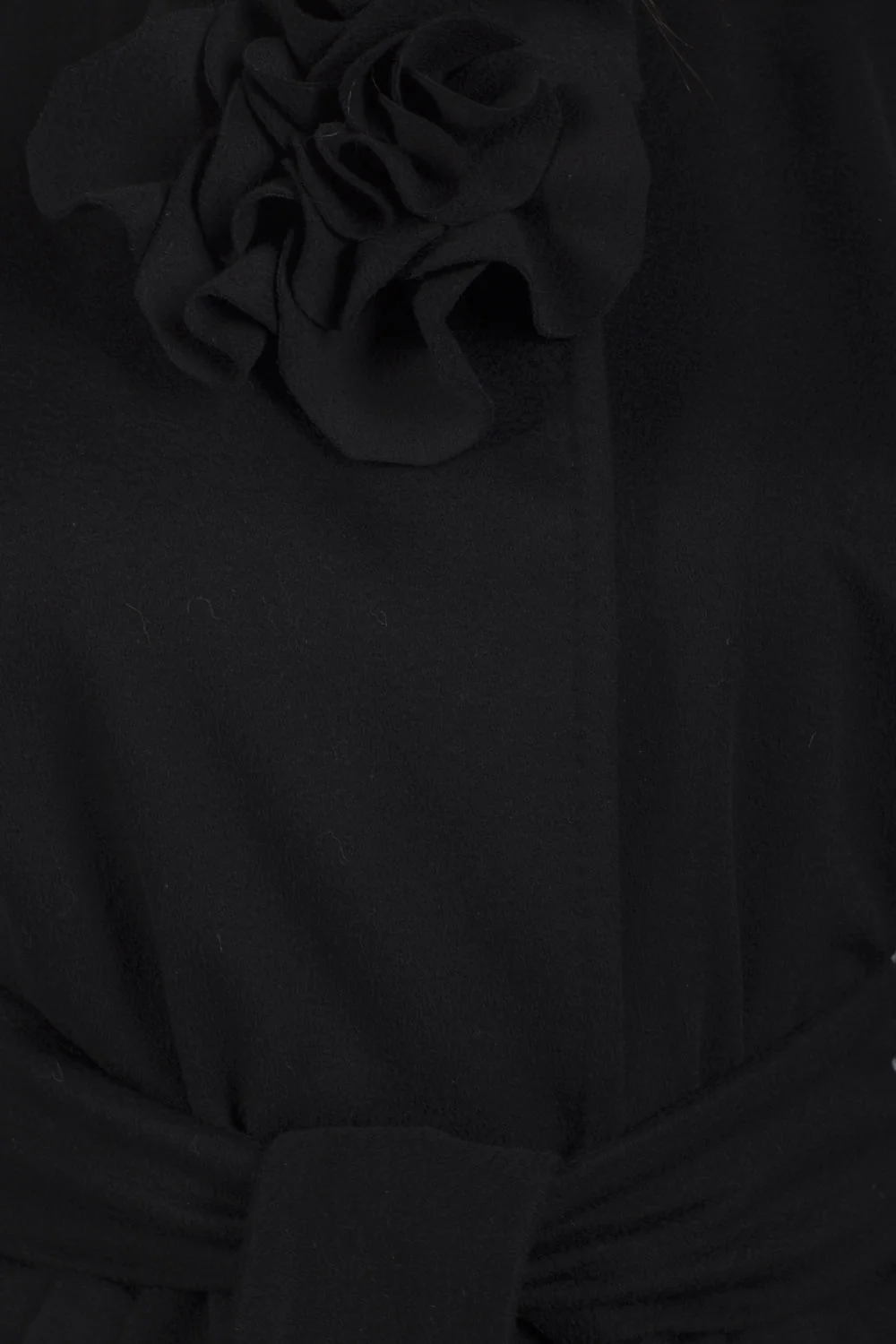
Natural and blended wool fabrics may develop light fuzz or pilling in high-friction areas.
The amount depends on composition, fibre length, density and use.
Styling camel colour
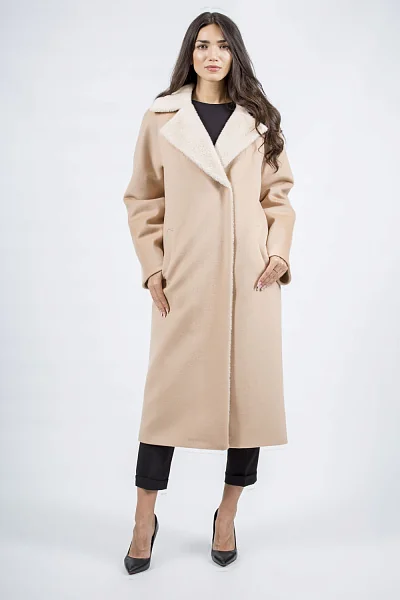
A caramel coat works with black trousers, blue denim, cream knitwear and brown footwear.
Burgundy, forest green or navy accessories add contrast.
Cleaning after wear
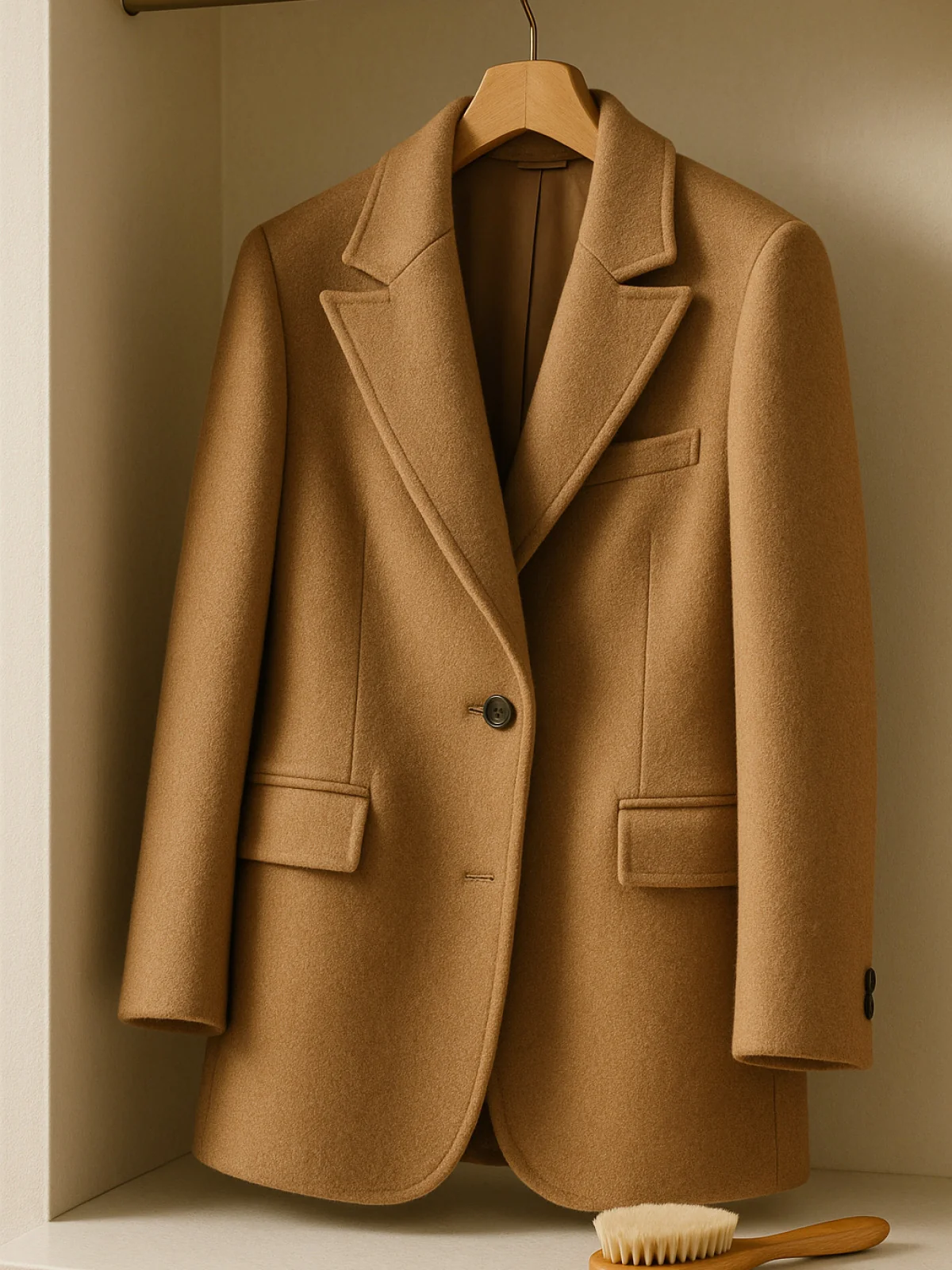
Air the coat and remove surface dust with a soft garment brush.
Avoid aggressive cleaning products and heavy rubbing.
Washing and professional cleaning
Many camel wool coats require professional cleaning. Always follow the individual care label.
Incorrect washing may cause shrinkage, deformation or texture changes.
Drying
Do not dry the coat on a radiator, near a heater or in direct sunlight.
High temperatures can damage fibres and shape.
Storage
Use a wide sturdy hanger and allow enough space around the coat.
A breathable garment cover is suitable for long-term storage.
Who may prefer camel wool
It suits people who appreciate natural materials, calm colours, low weight and a refined texture.
Consider composition, fit, density, lining and maintenance before buying.
Conclusion
Camel wool can provide warmth, low weight and comfort, but the full fabric composition and coat construction determine performance.
Explore the Bella Bicchi women’s coat collection with free delivery across Ukraine.
Read more about fabrics and garment care.