What cashmere actually is
Cashmere is a fine fibre obtained from the soft undercoat of cashmere goats. It is valued for its low weight, smooth feel and ability to retain warmth. The quality of the finished fabric depends not only on where the raw fibre comes from, but also on fibre length and cleanliness, spinning methods, fabric density and the actual percentage of cashmere in the composition.
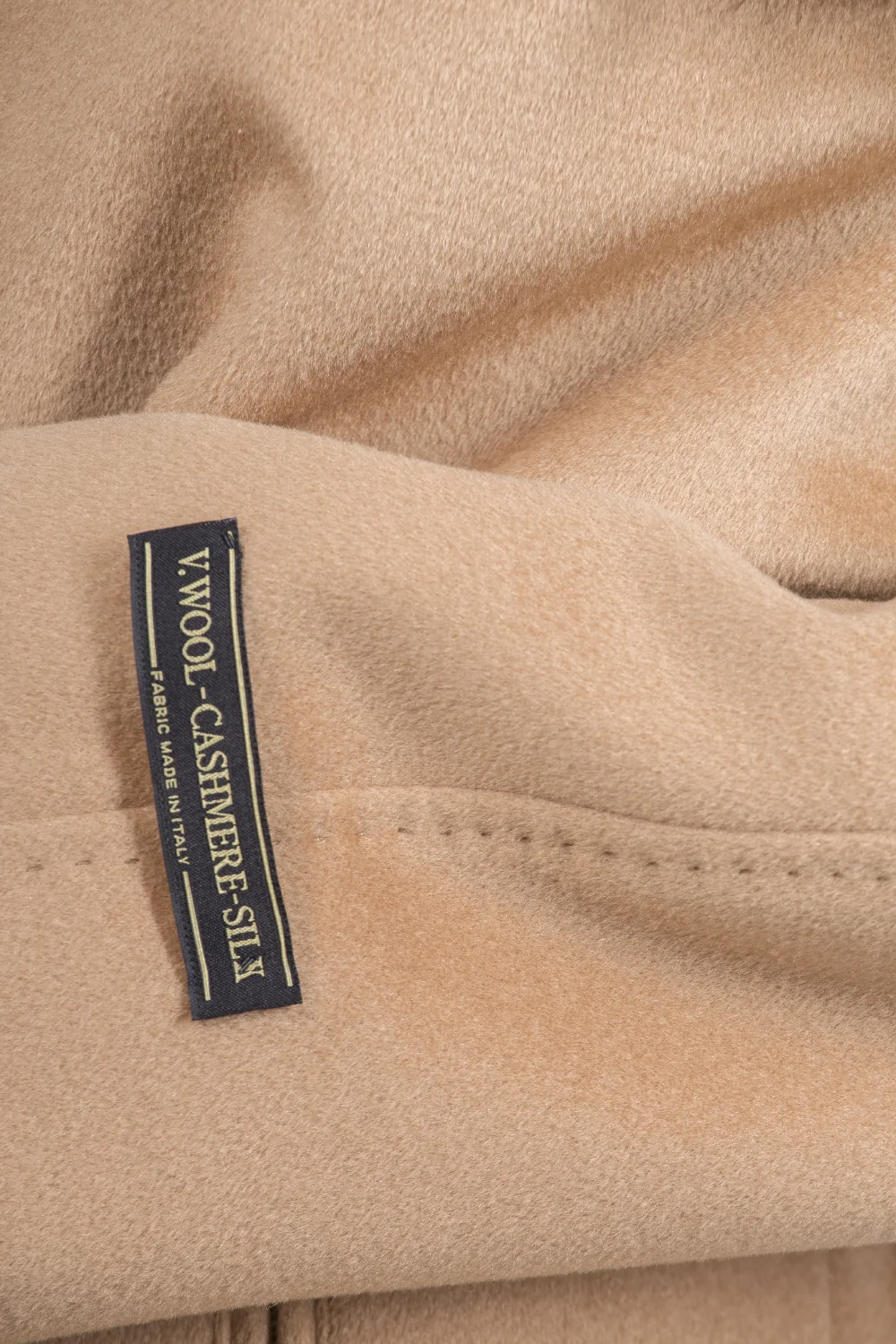
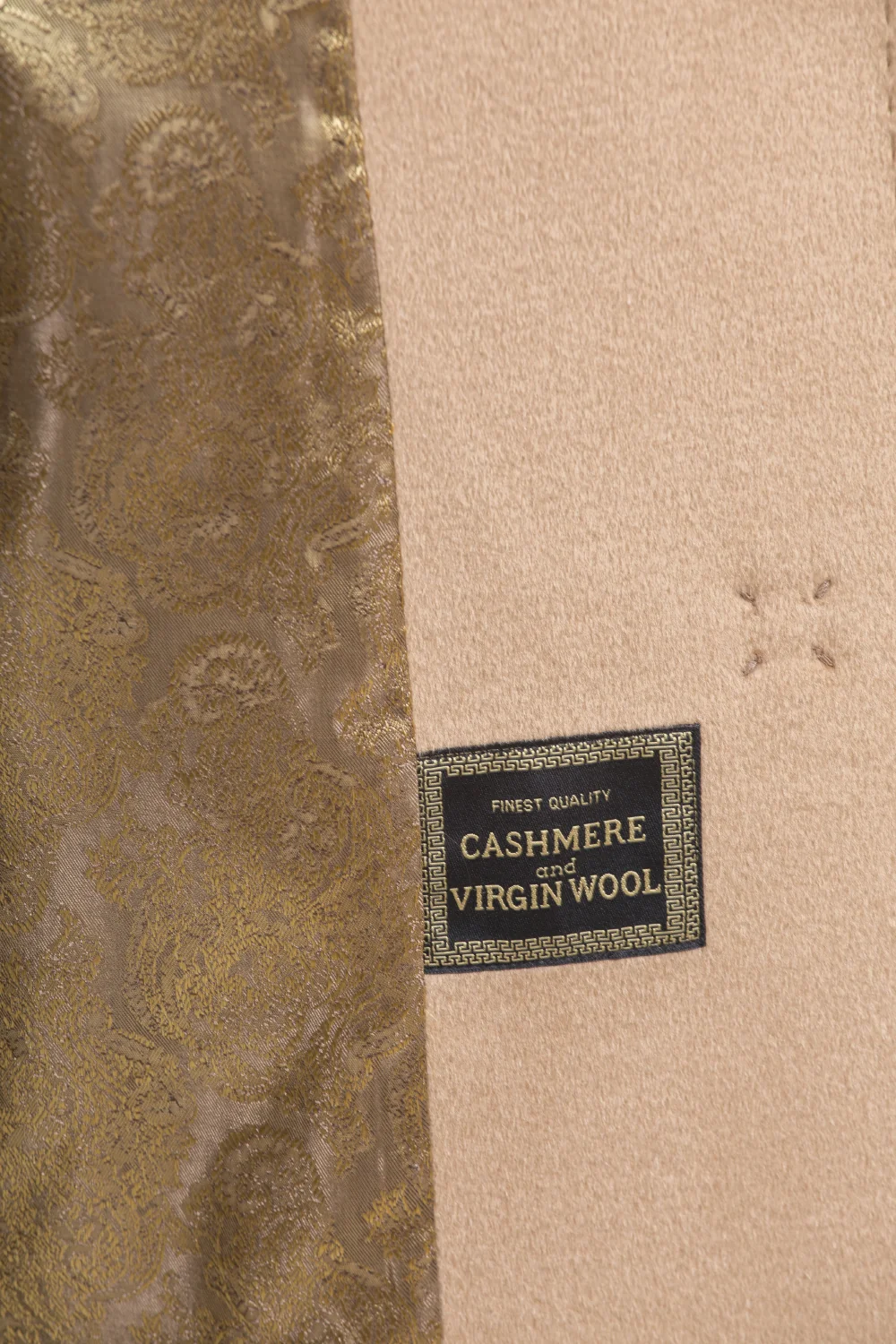
A coat label may list pure cashmere or a blend containing wool, viscose, polyamide or other fibres. A blend does not automatically indicate poor quality. Carefully selected supporting fibres can improve durability, help the fabric maintain its shape and make the coat more practical for regular use.
Why cashmere coats are considered special
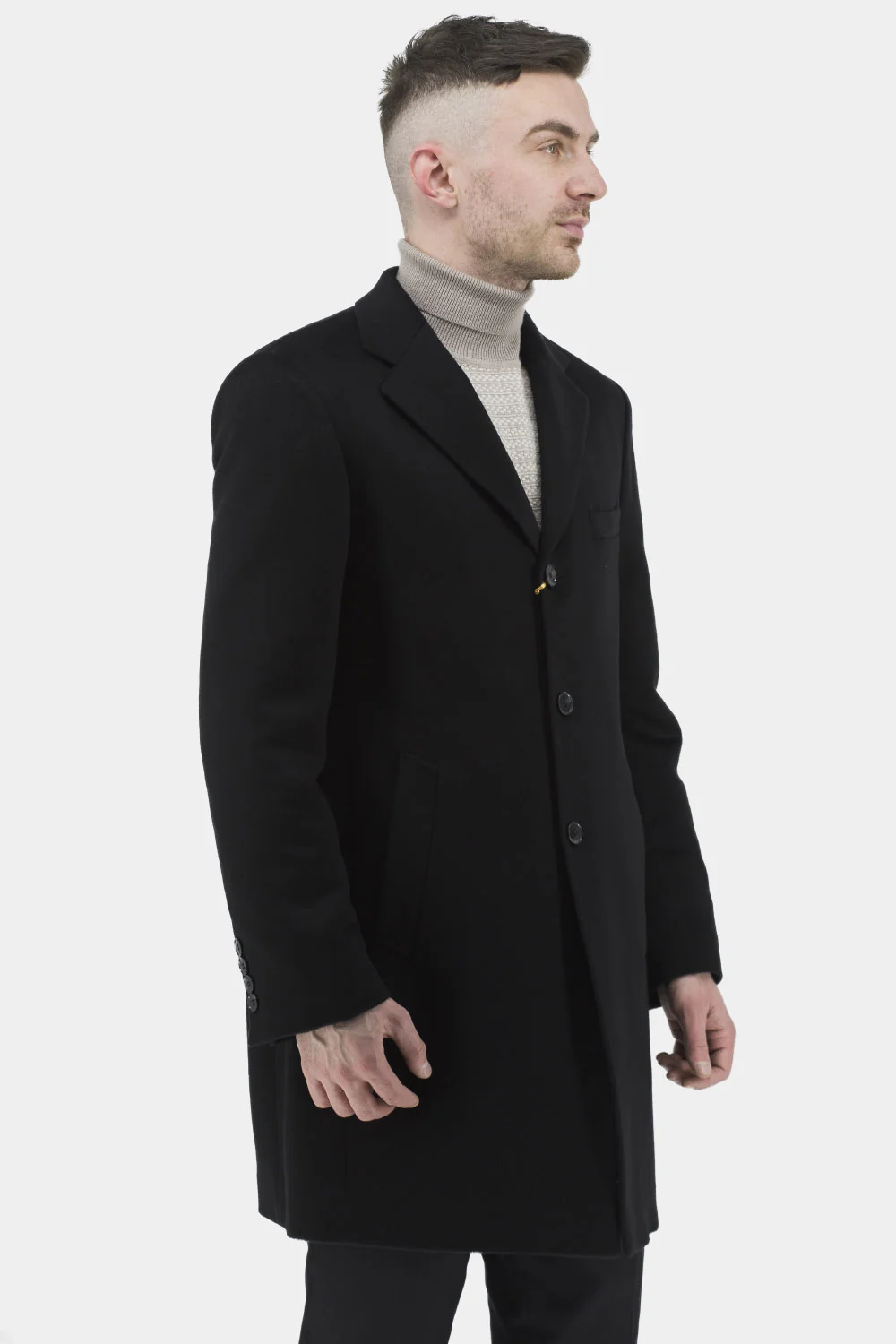
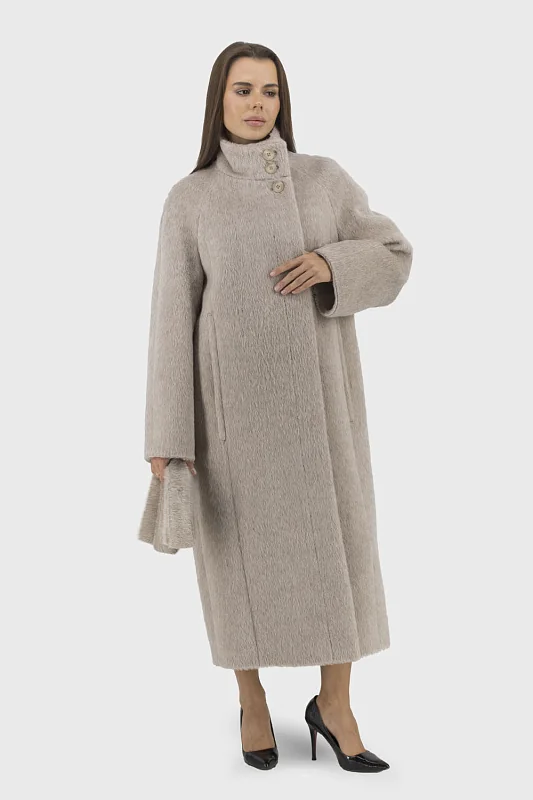
The main advantage of cashmere is the balance between warmth and lightness. A well-made coat should not feel excessively heavy, yet it should provide protection in cool weather. The fabric feels pleasant, works particularly well in clean silhouettes and can be included in classic, business and casual wardrobes.
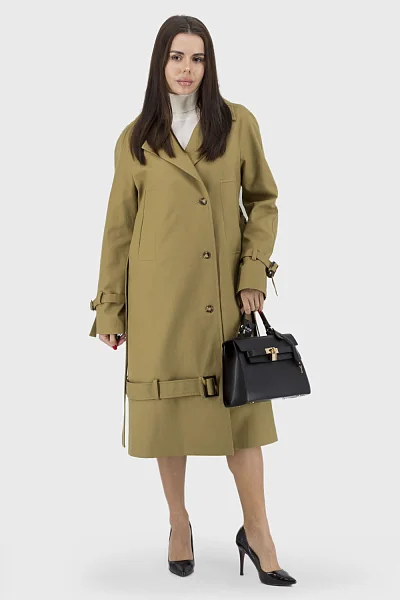
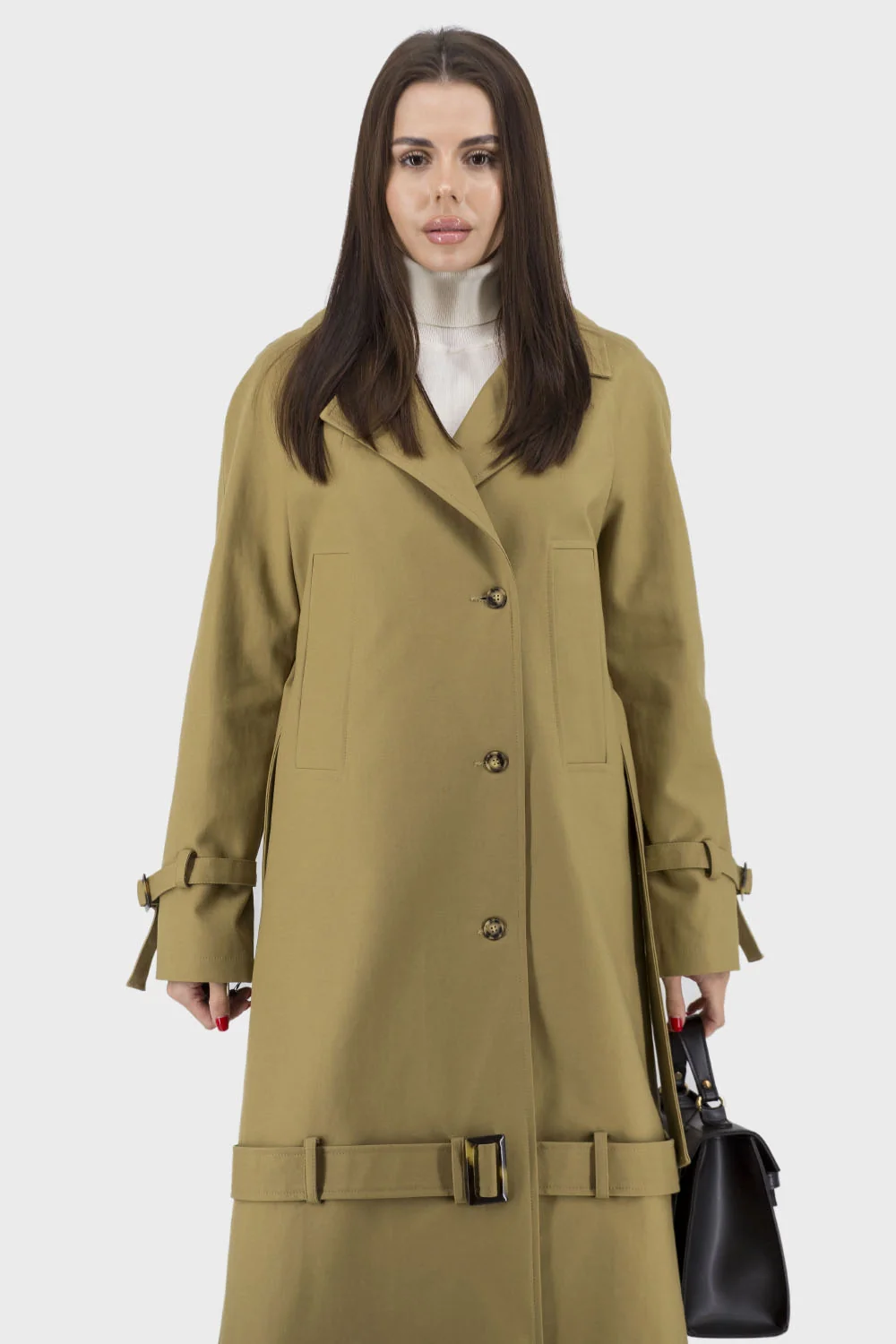
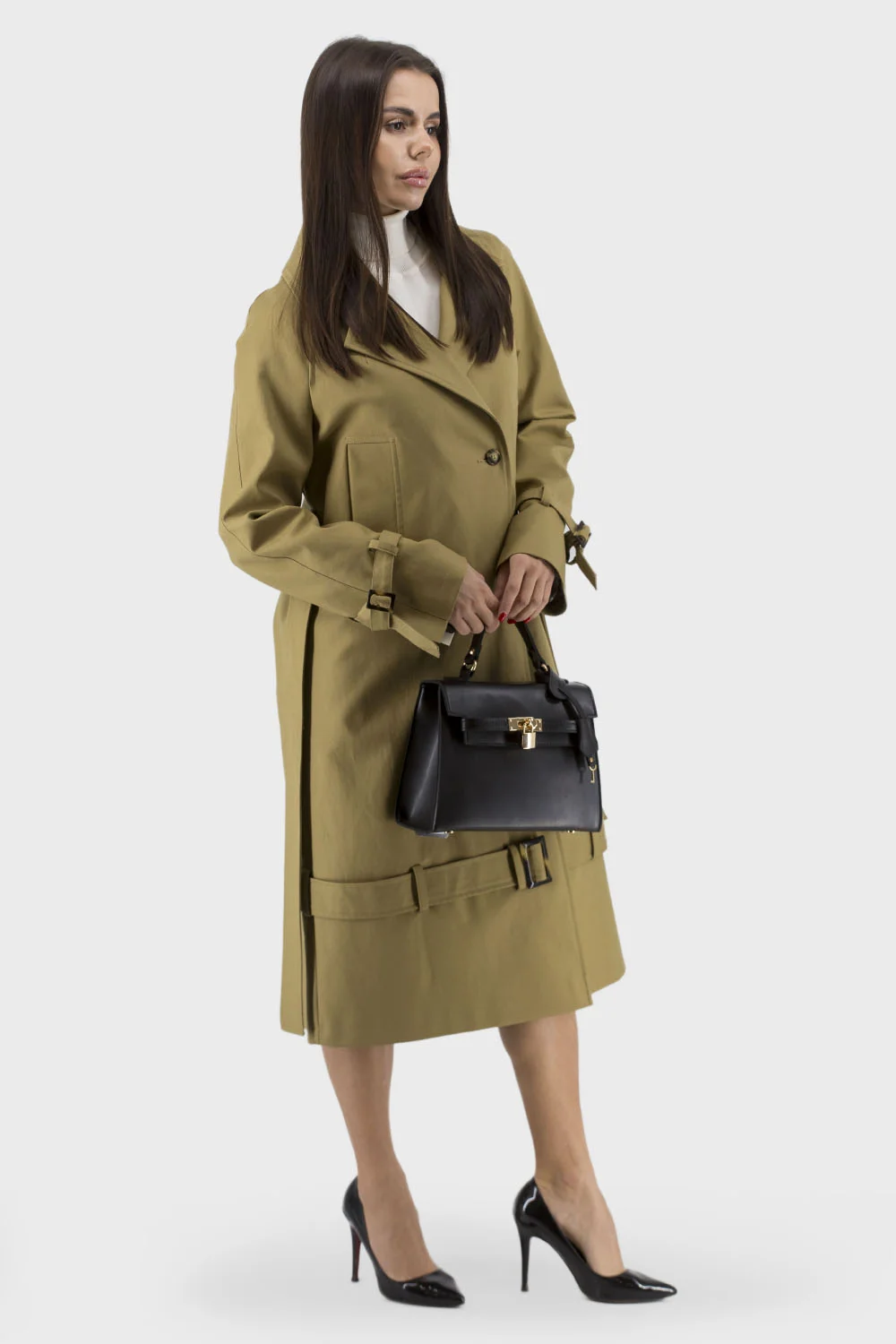
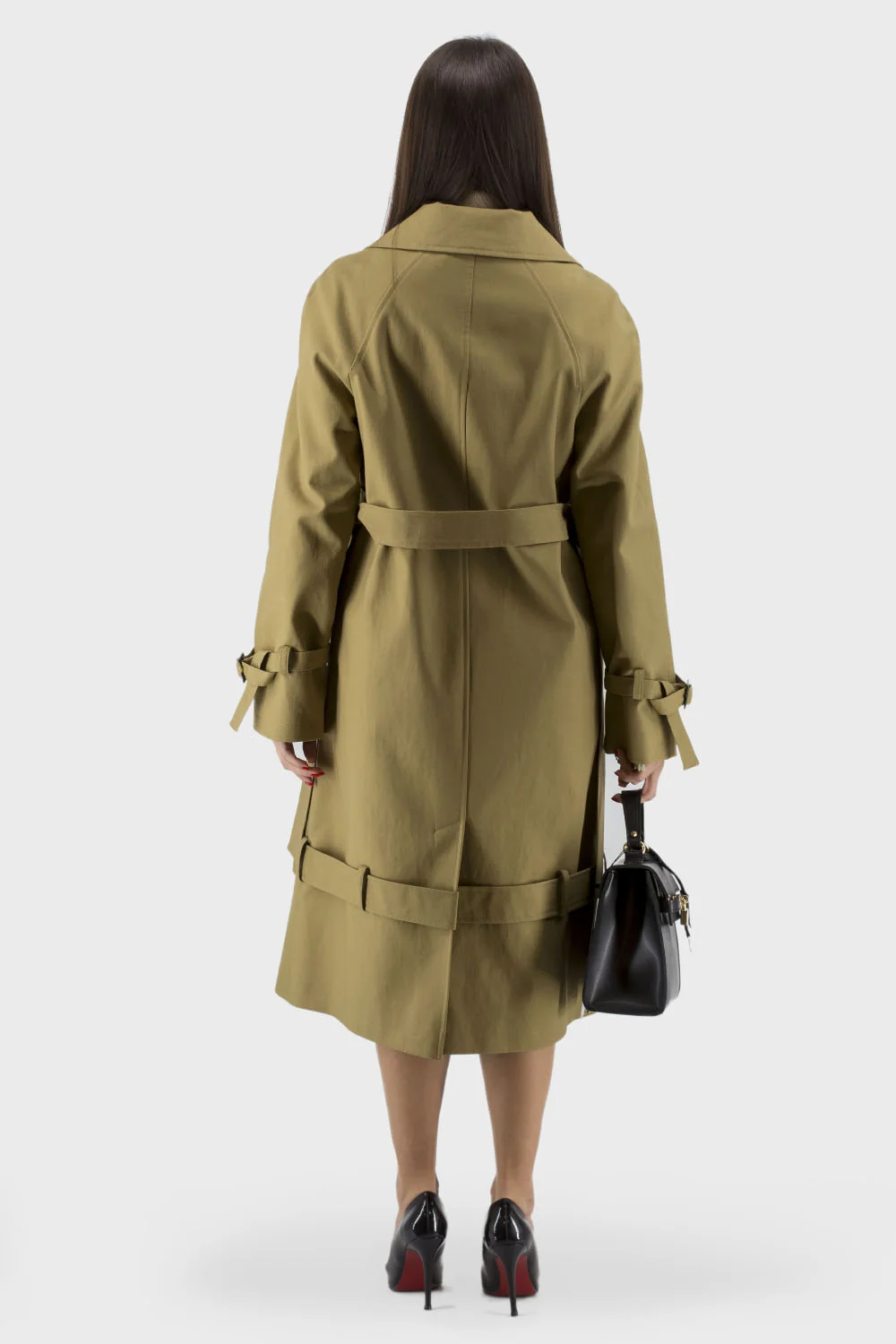
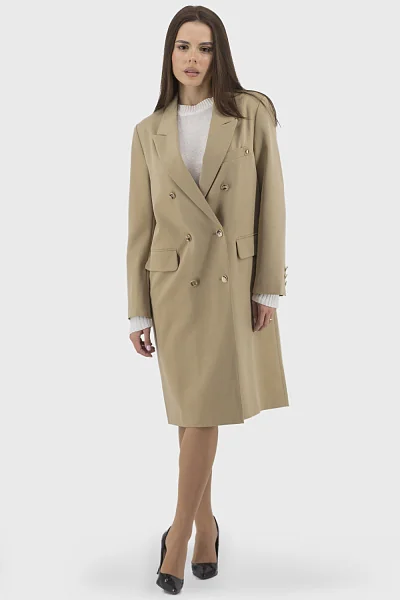
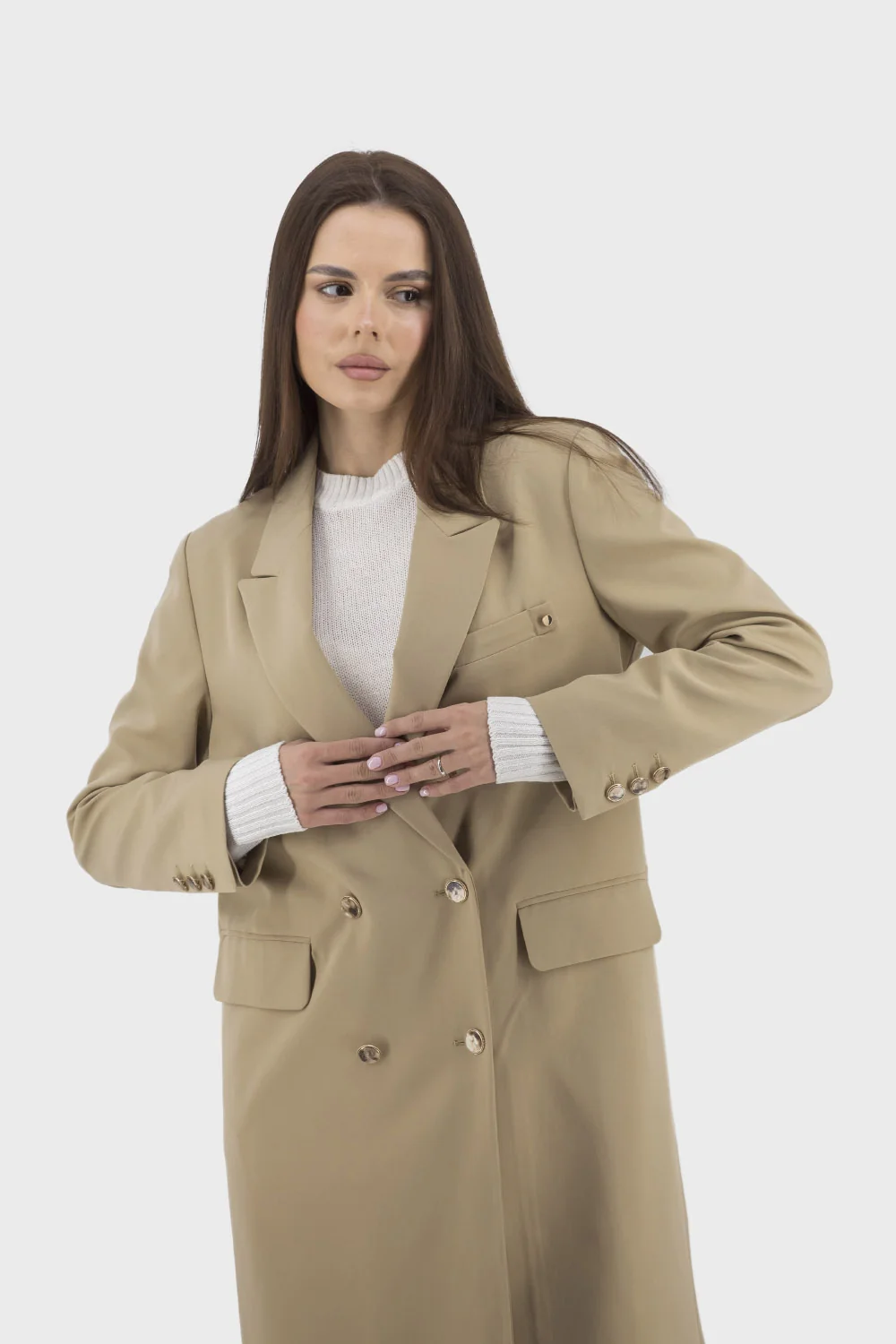
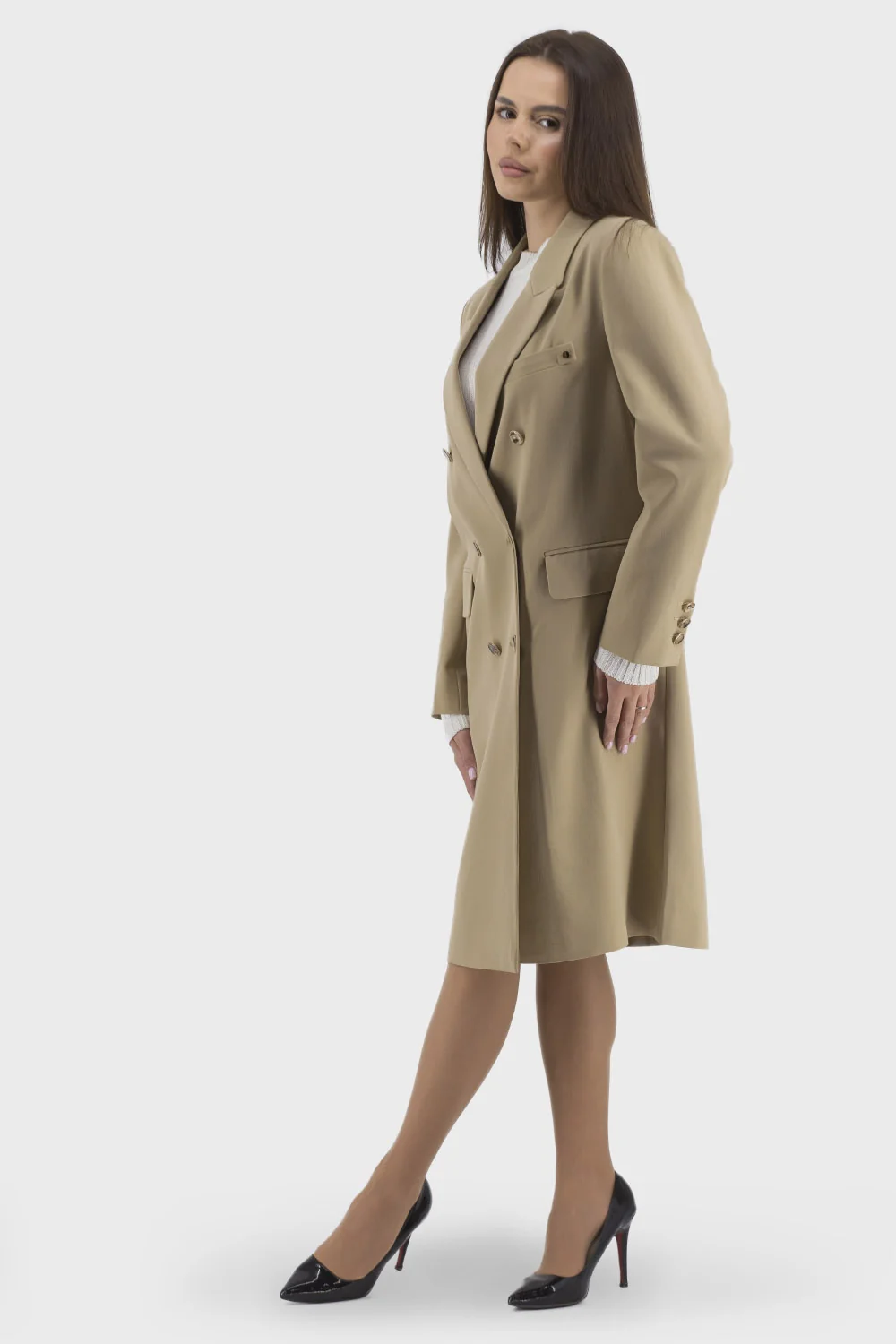
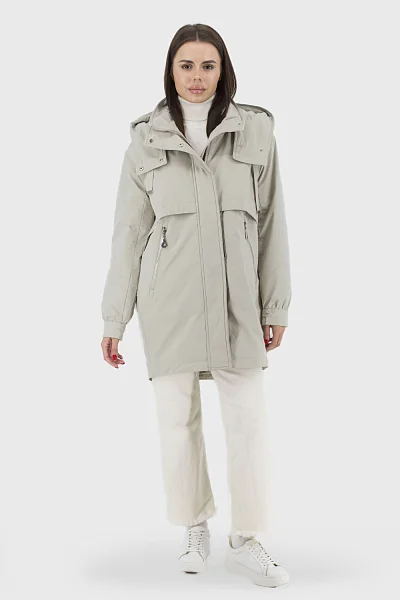
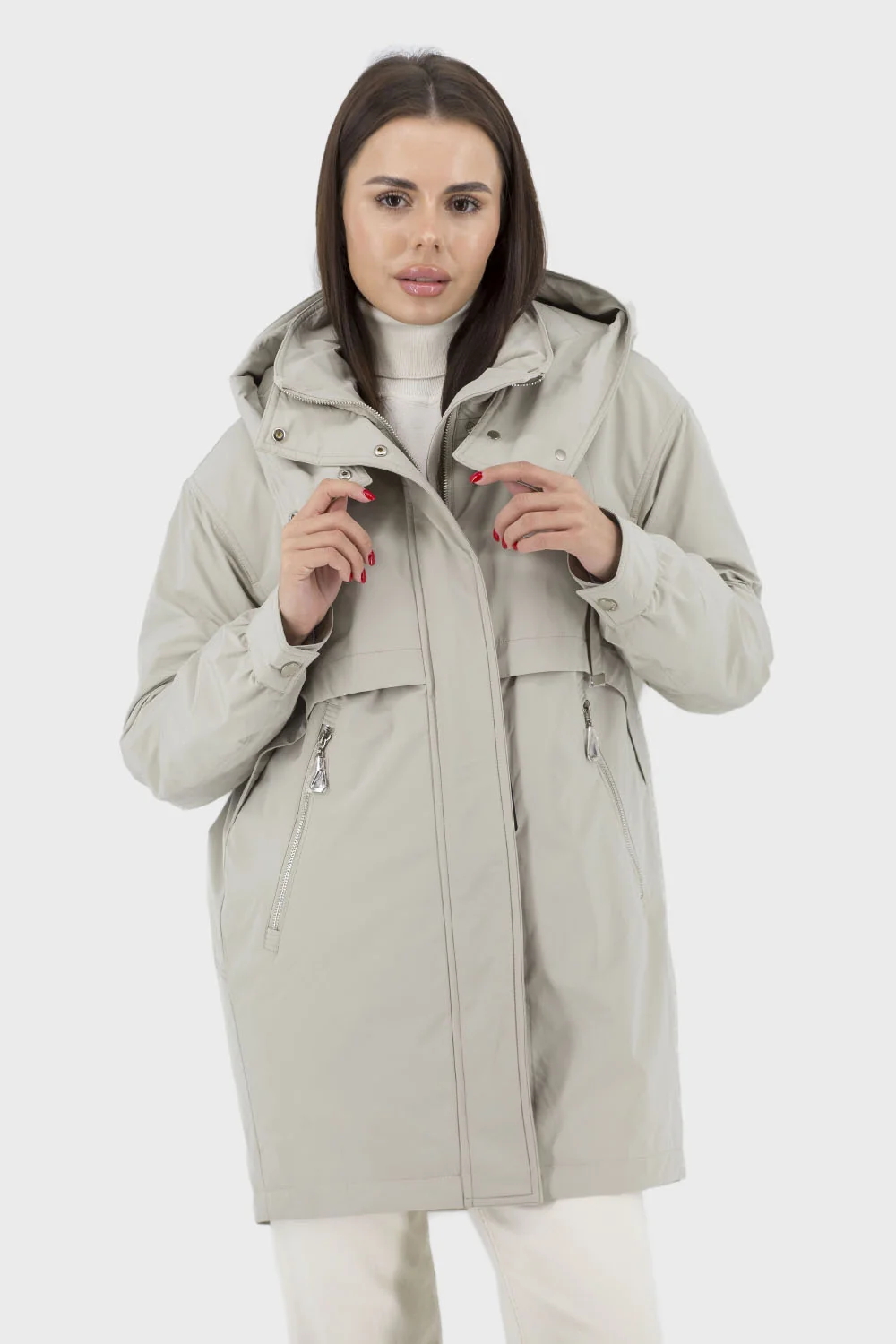
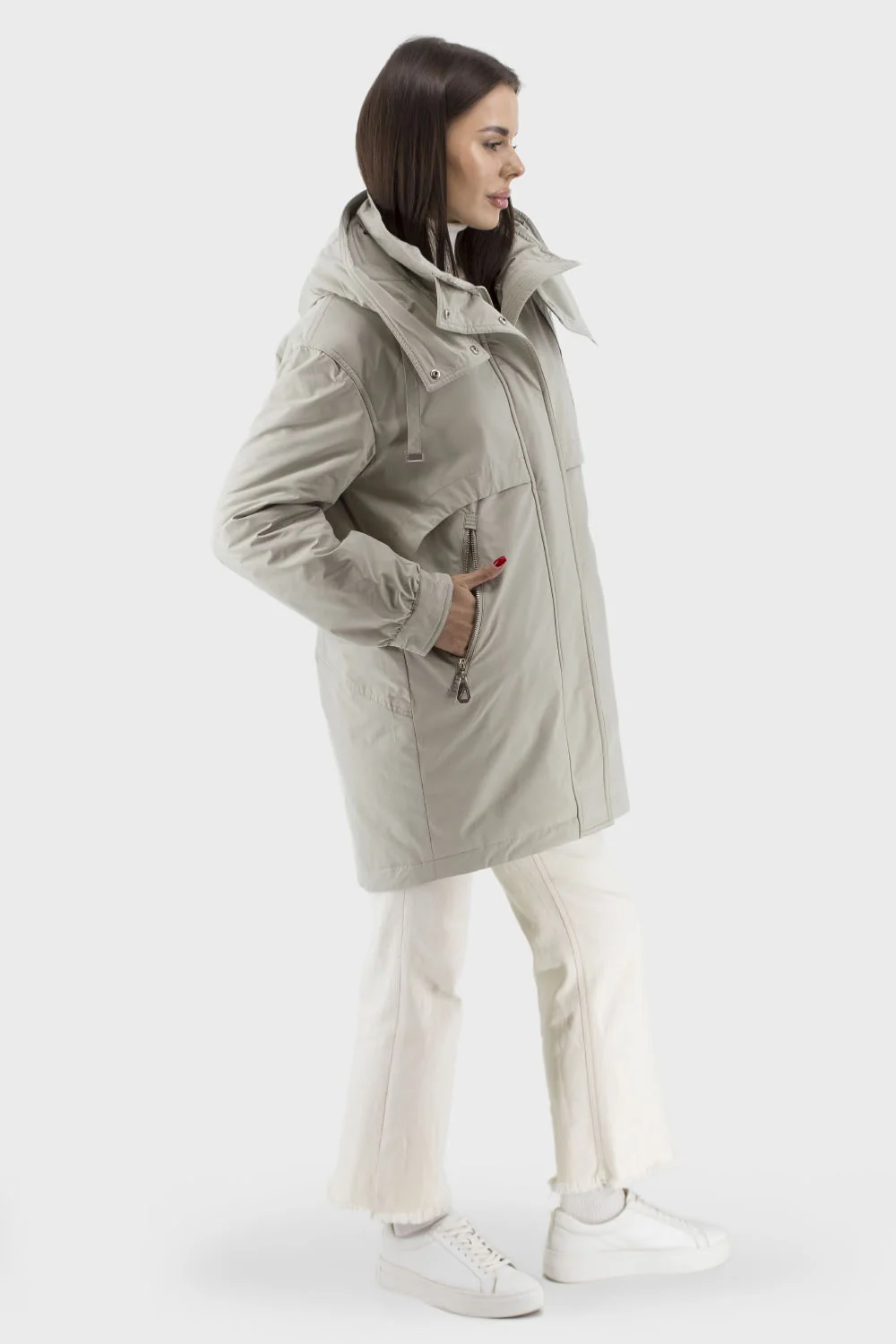
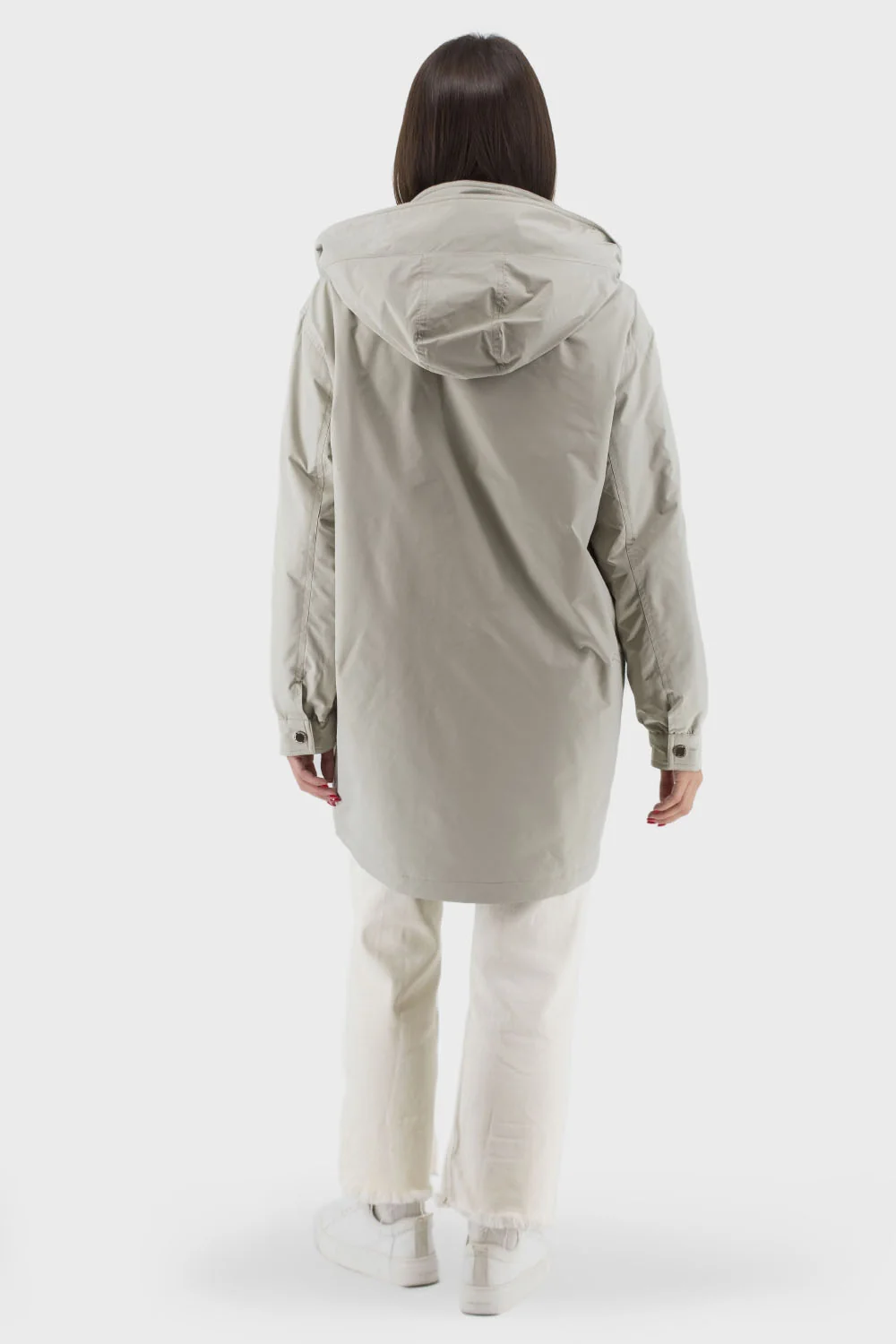
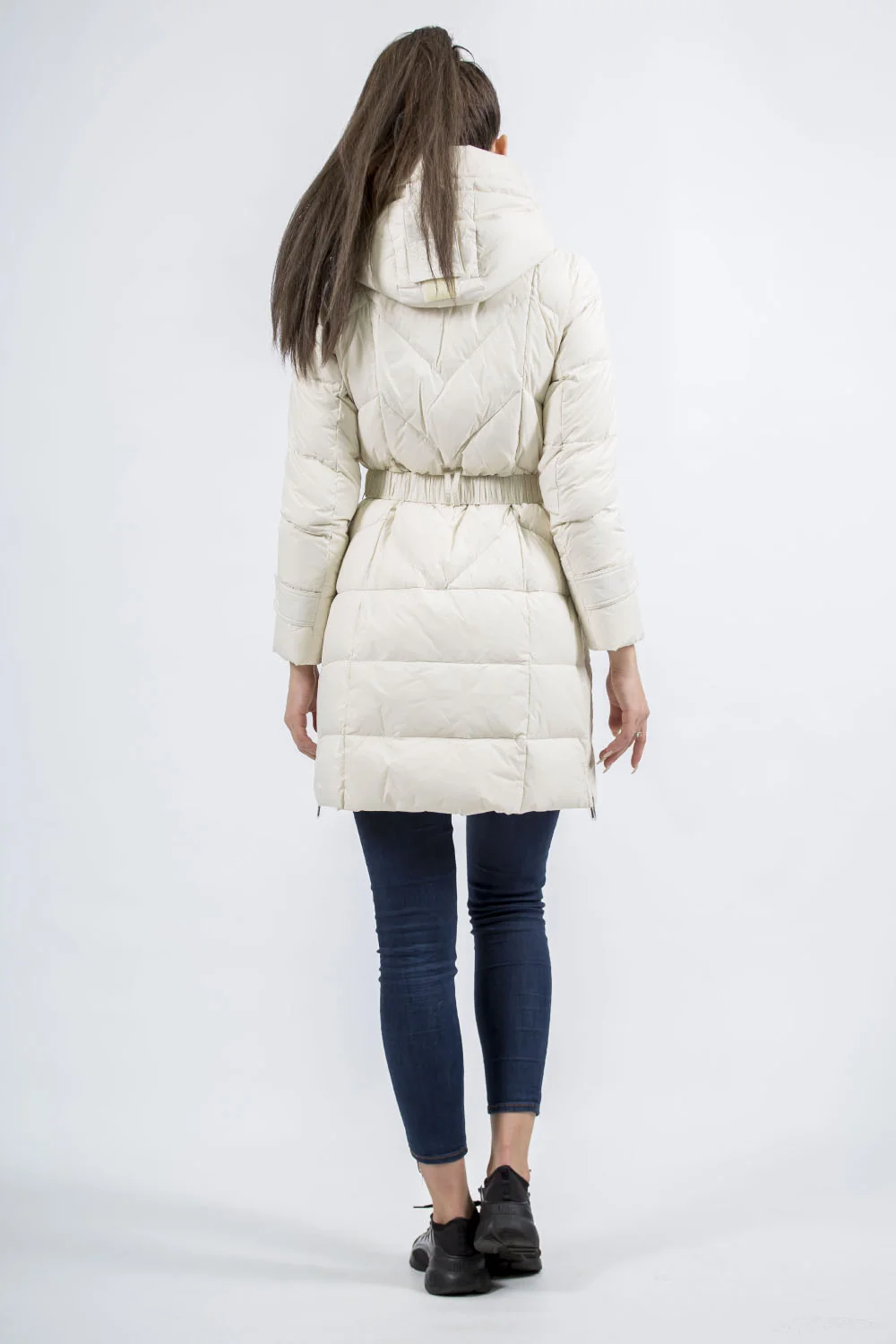
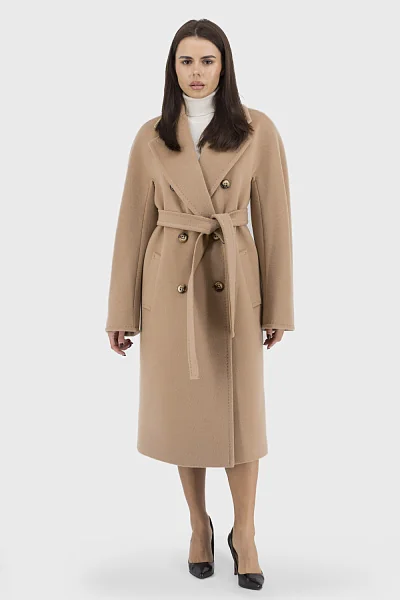
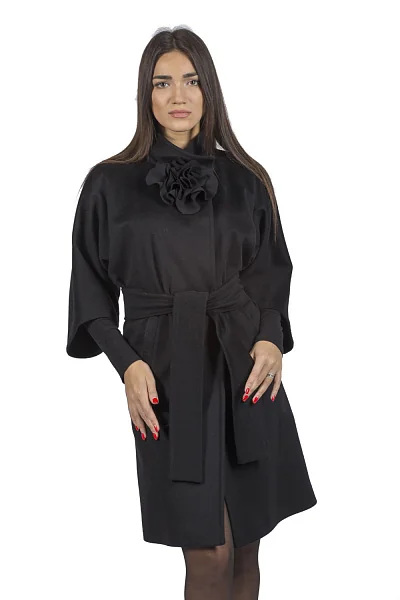
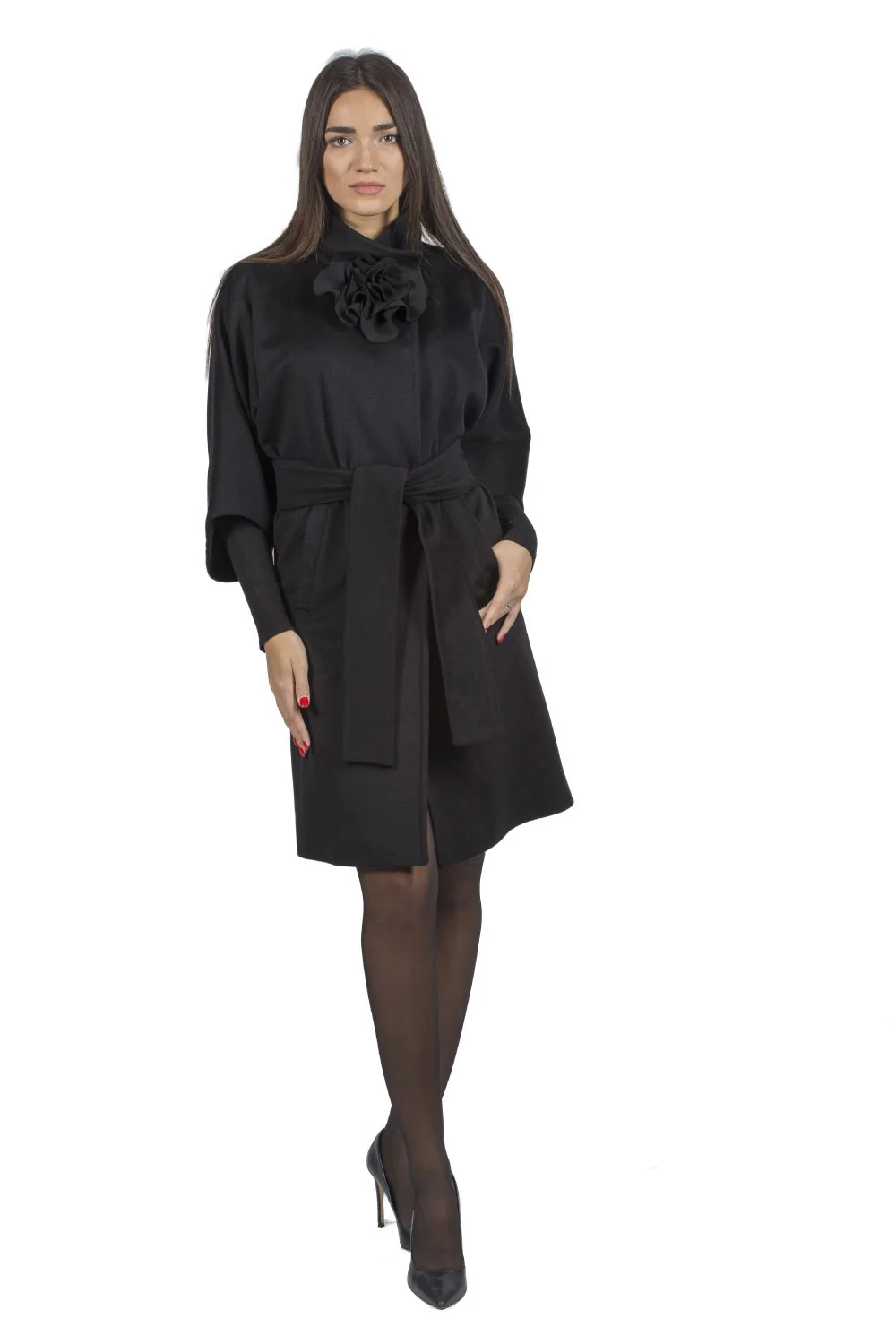
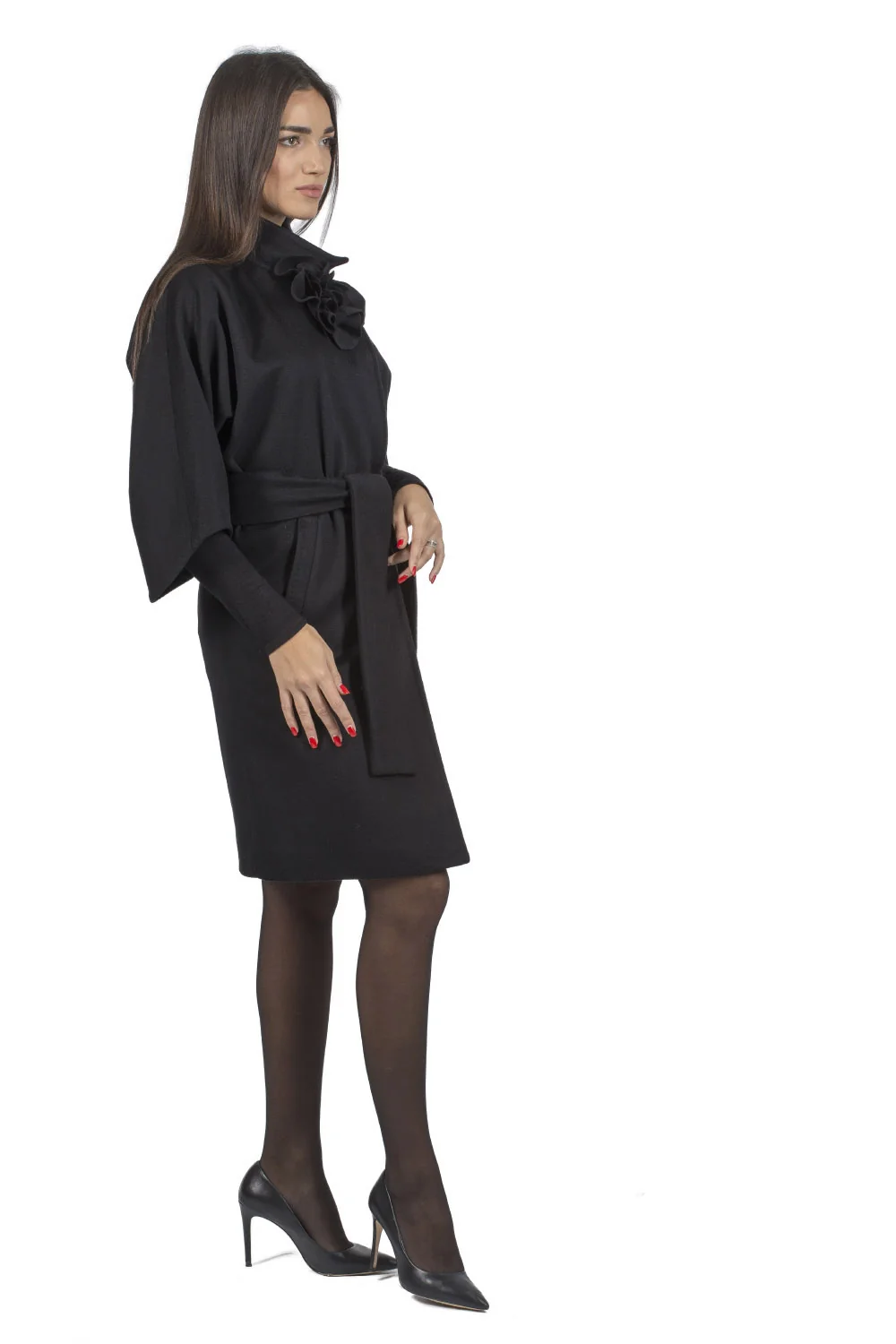
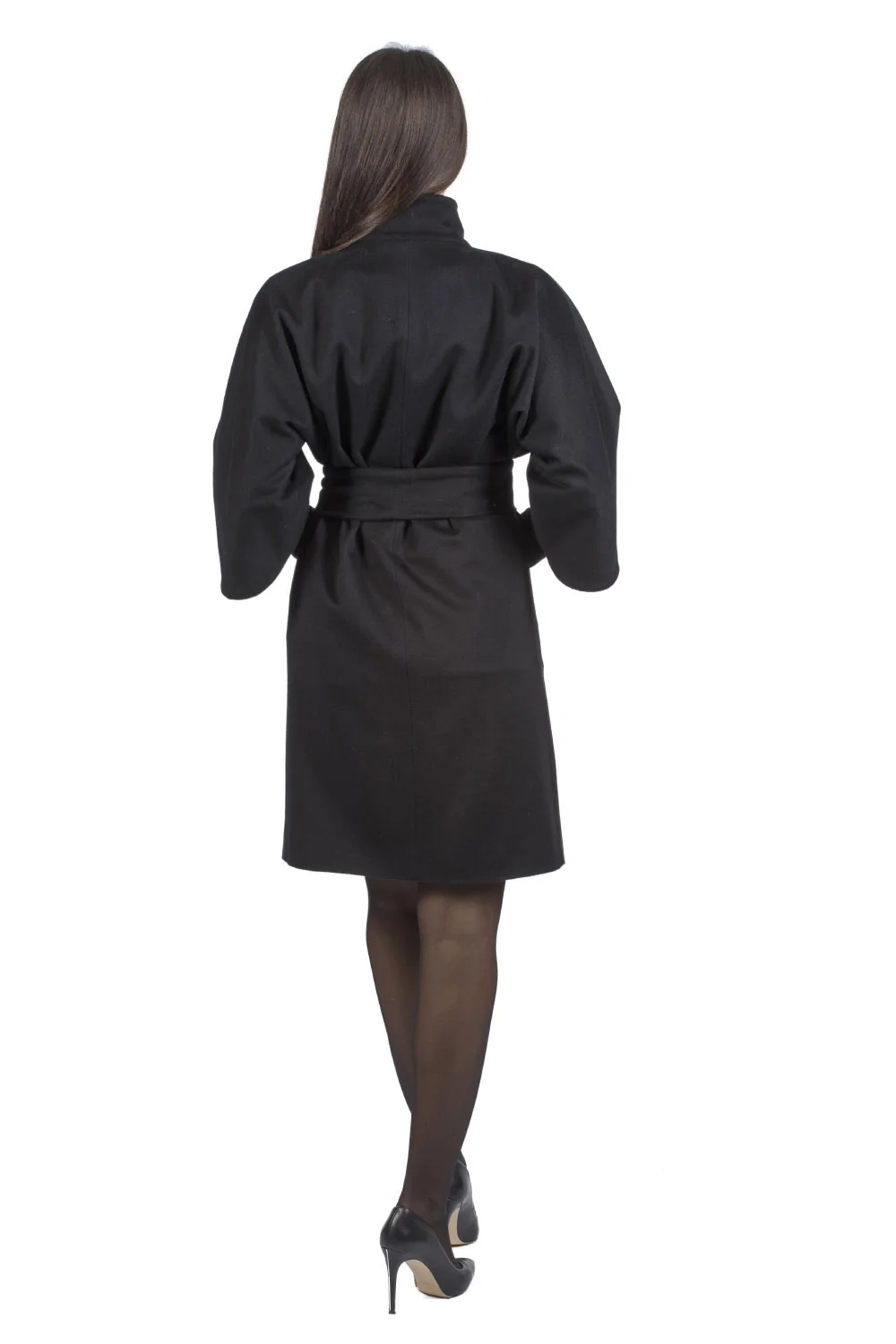
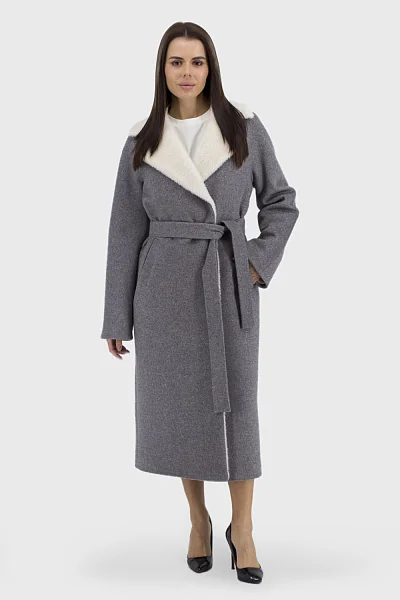
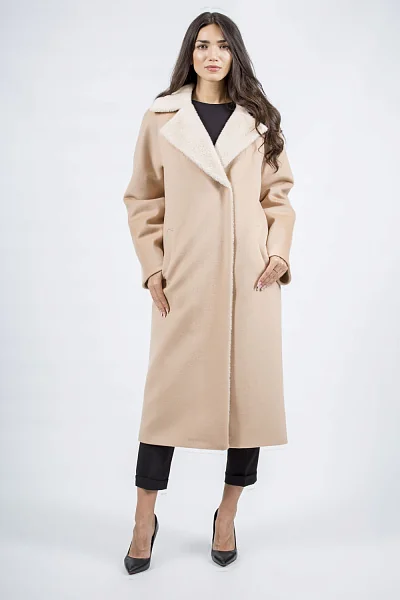
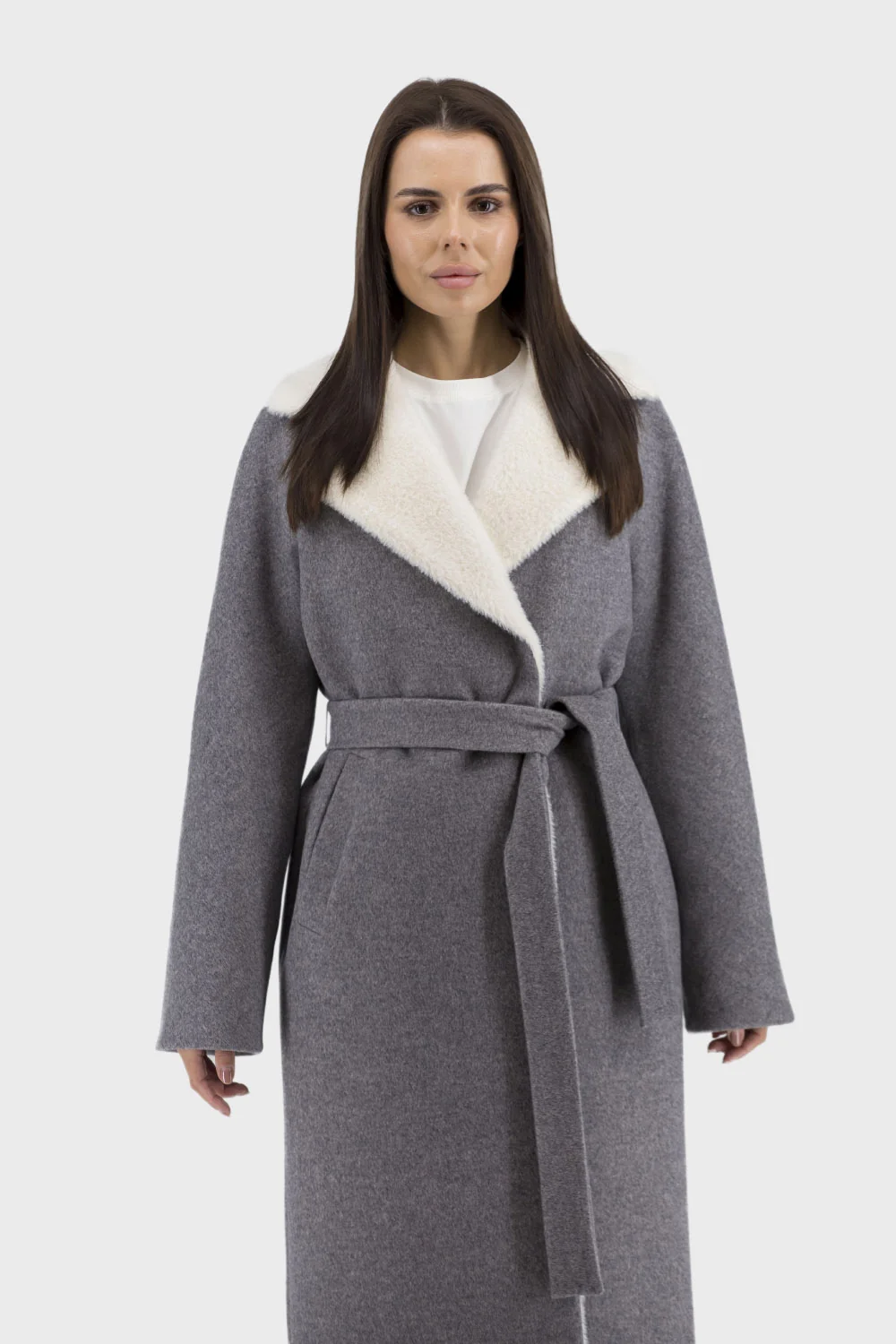
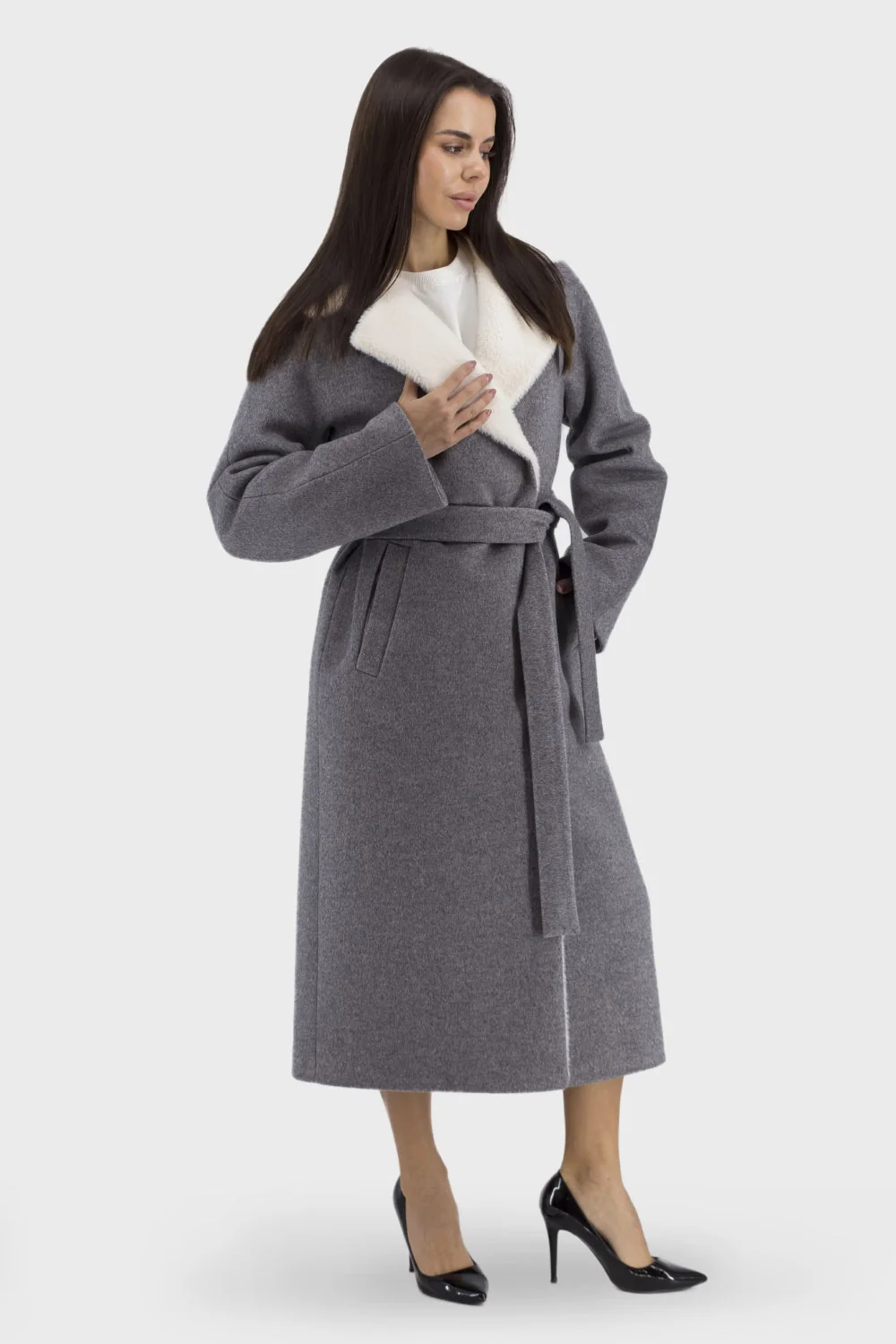
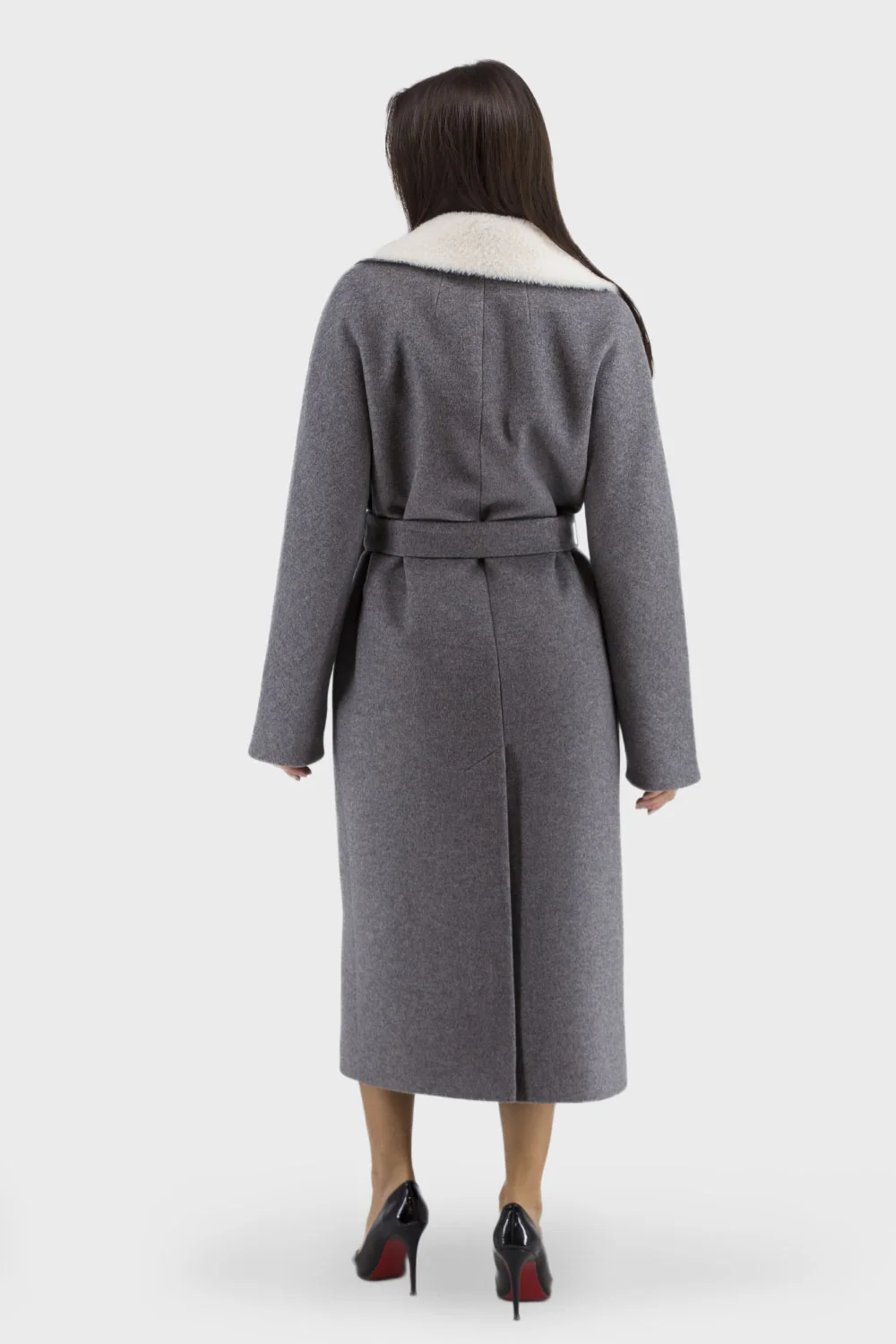
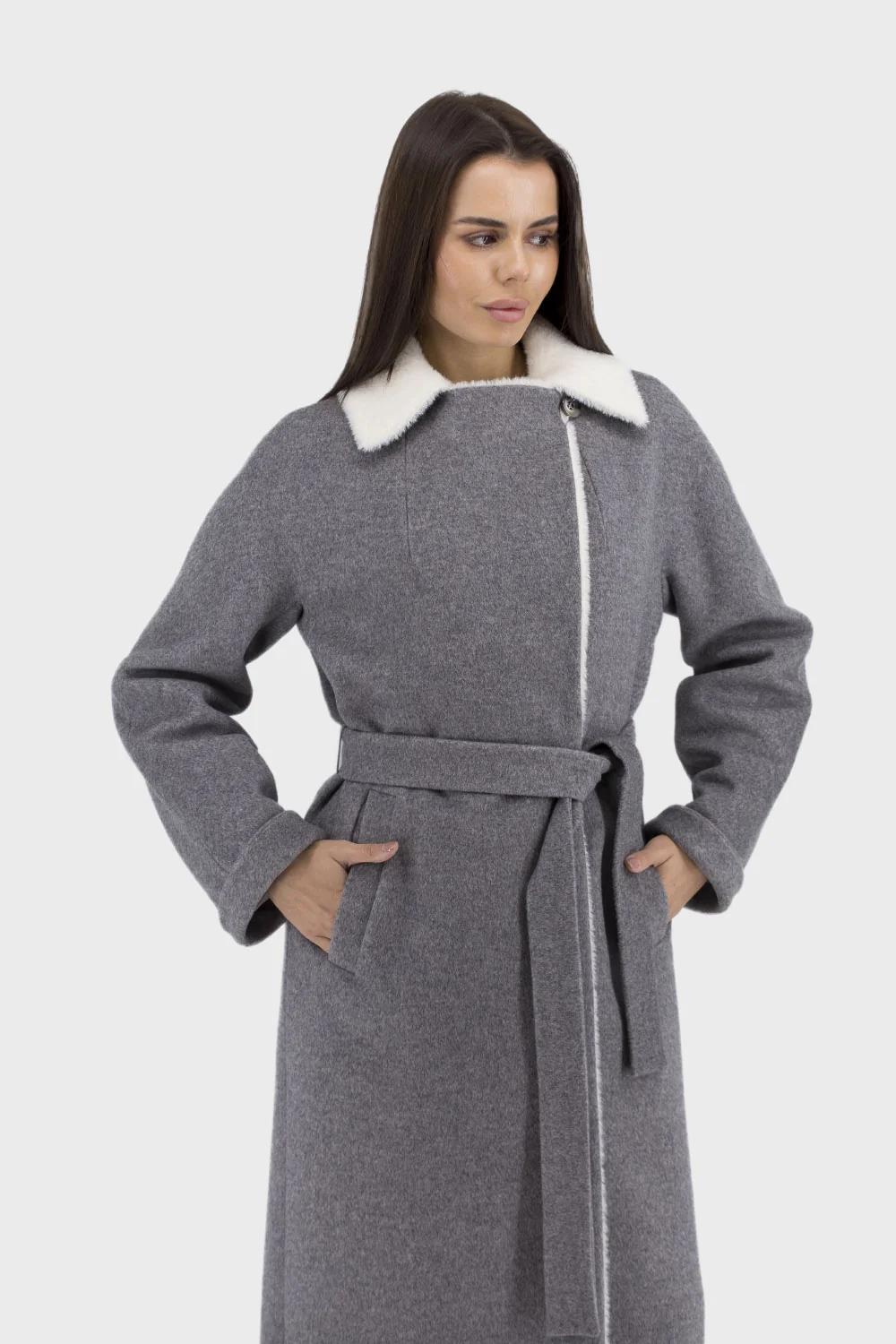
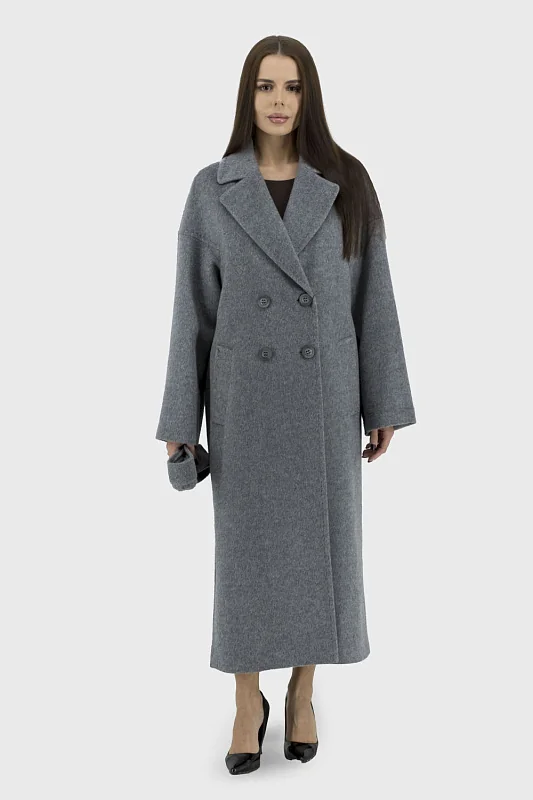
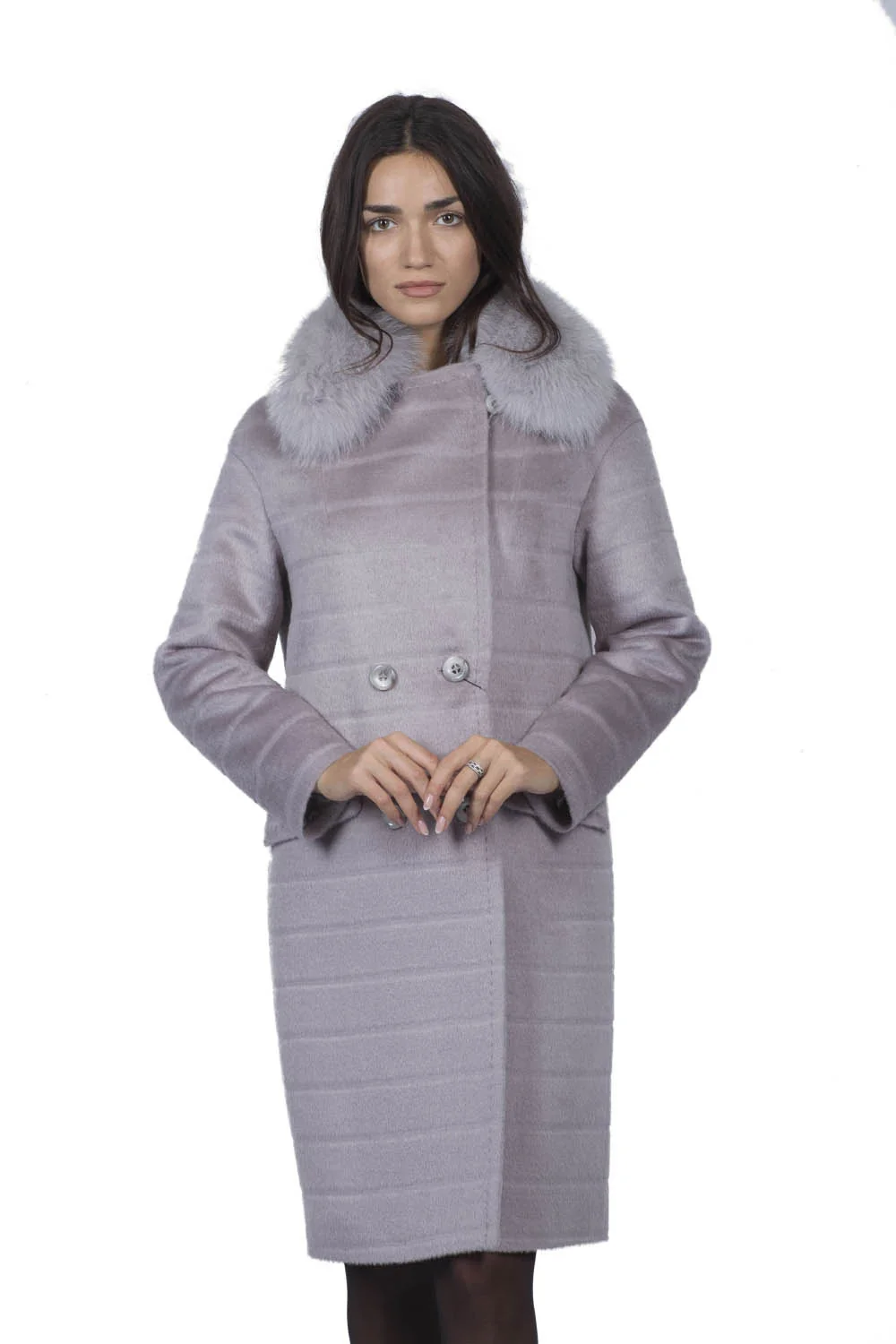
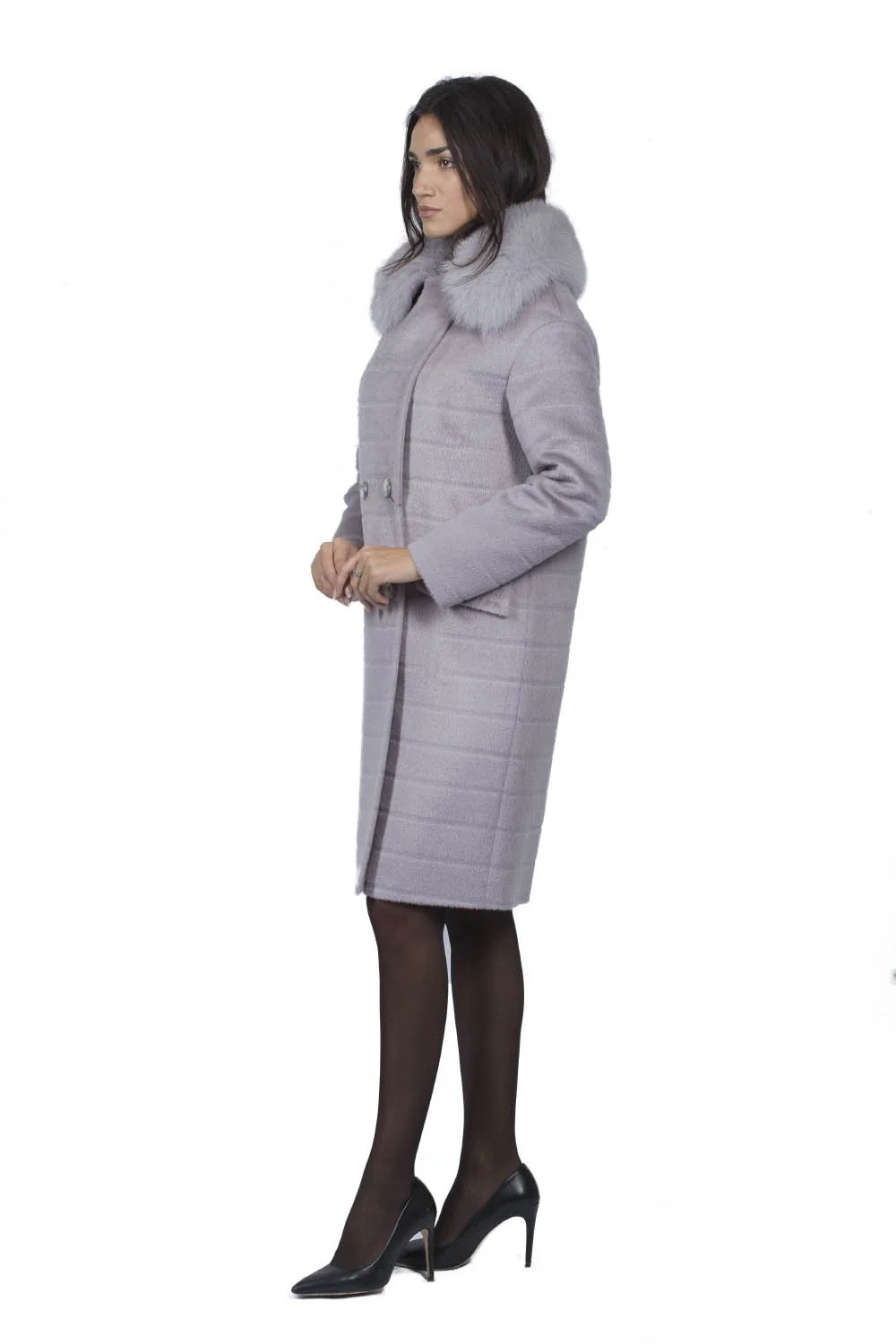
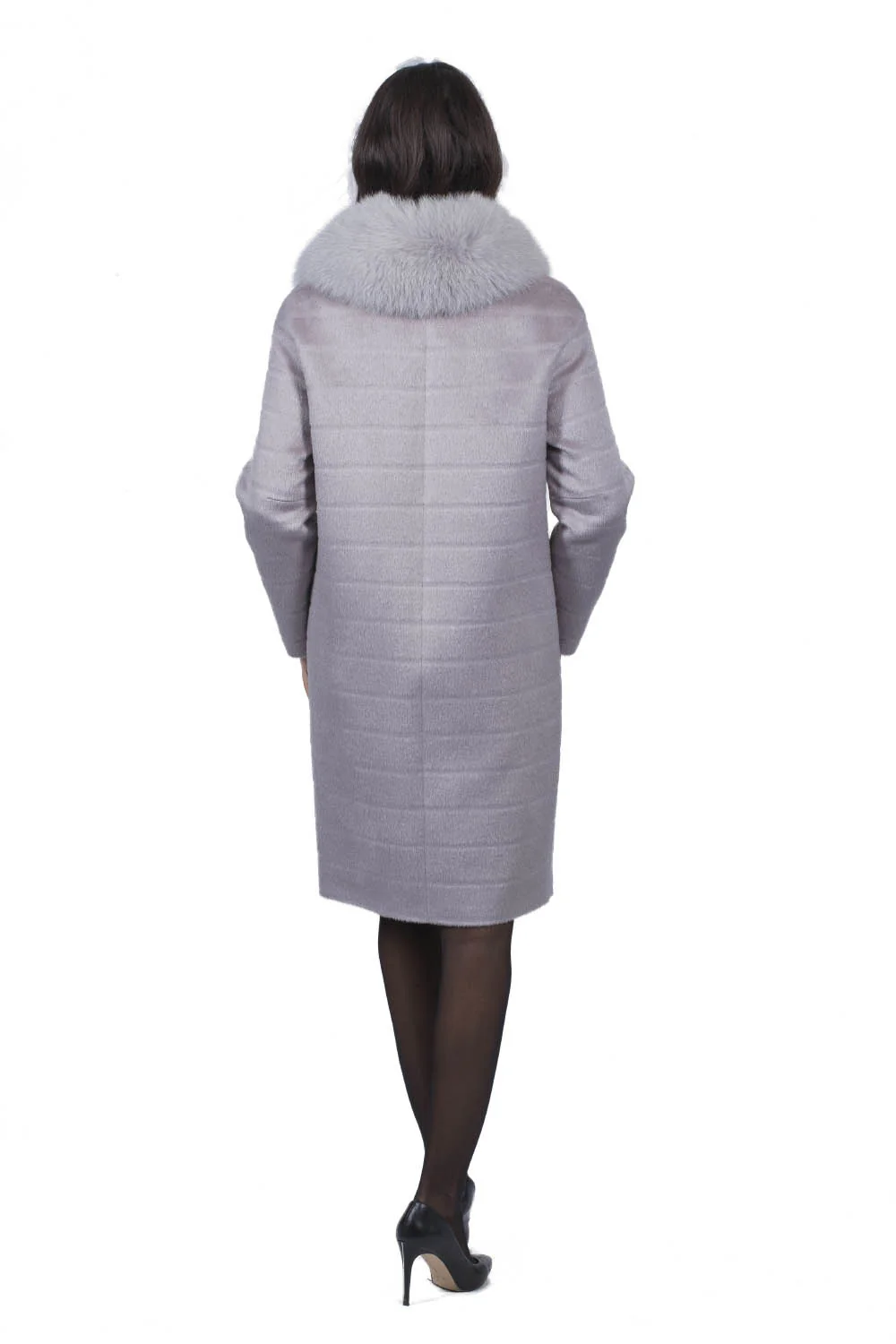
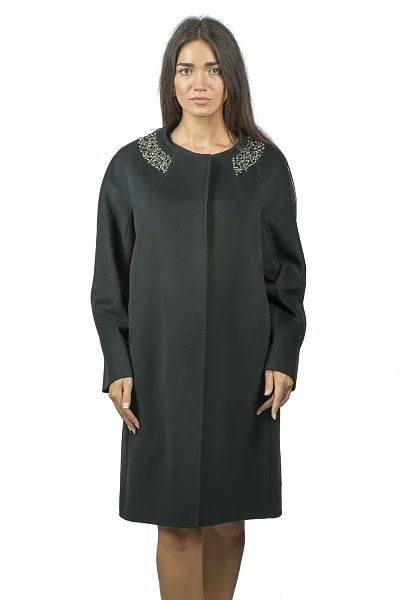
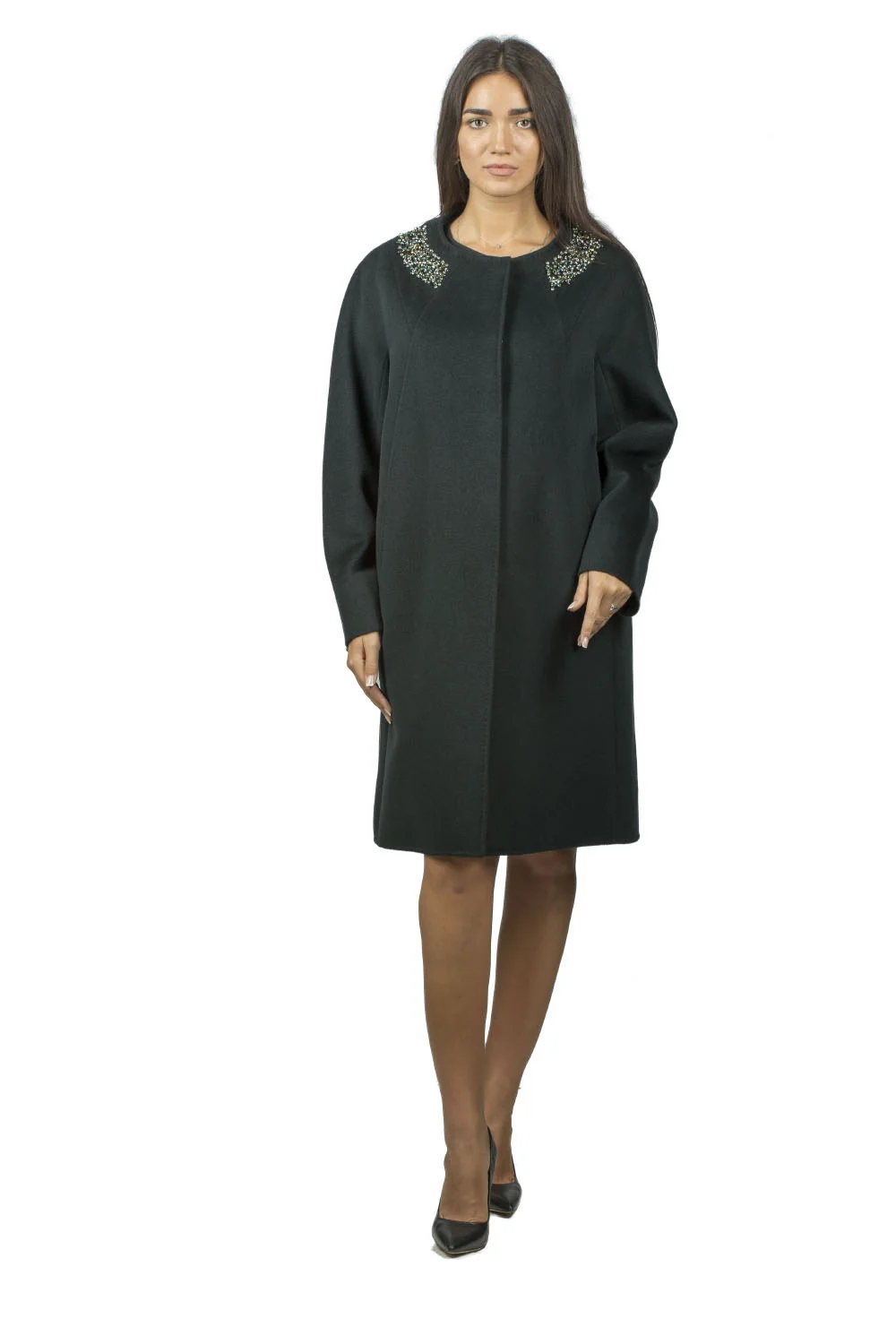
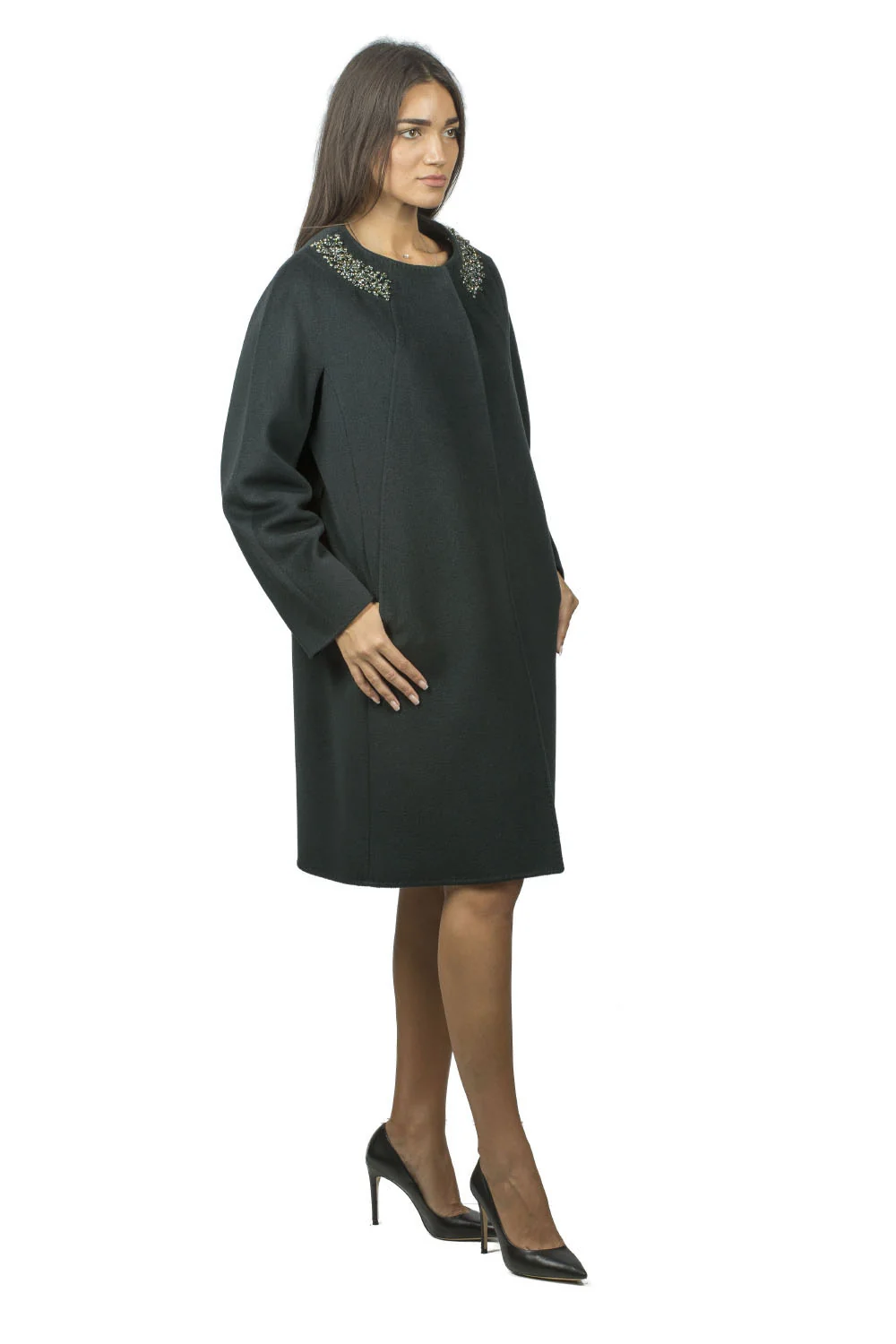
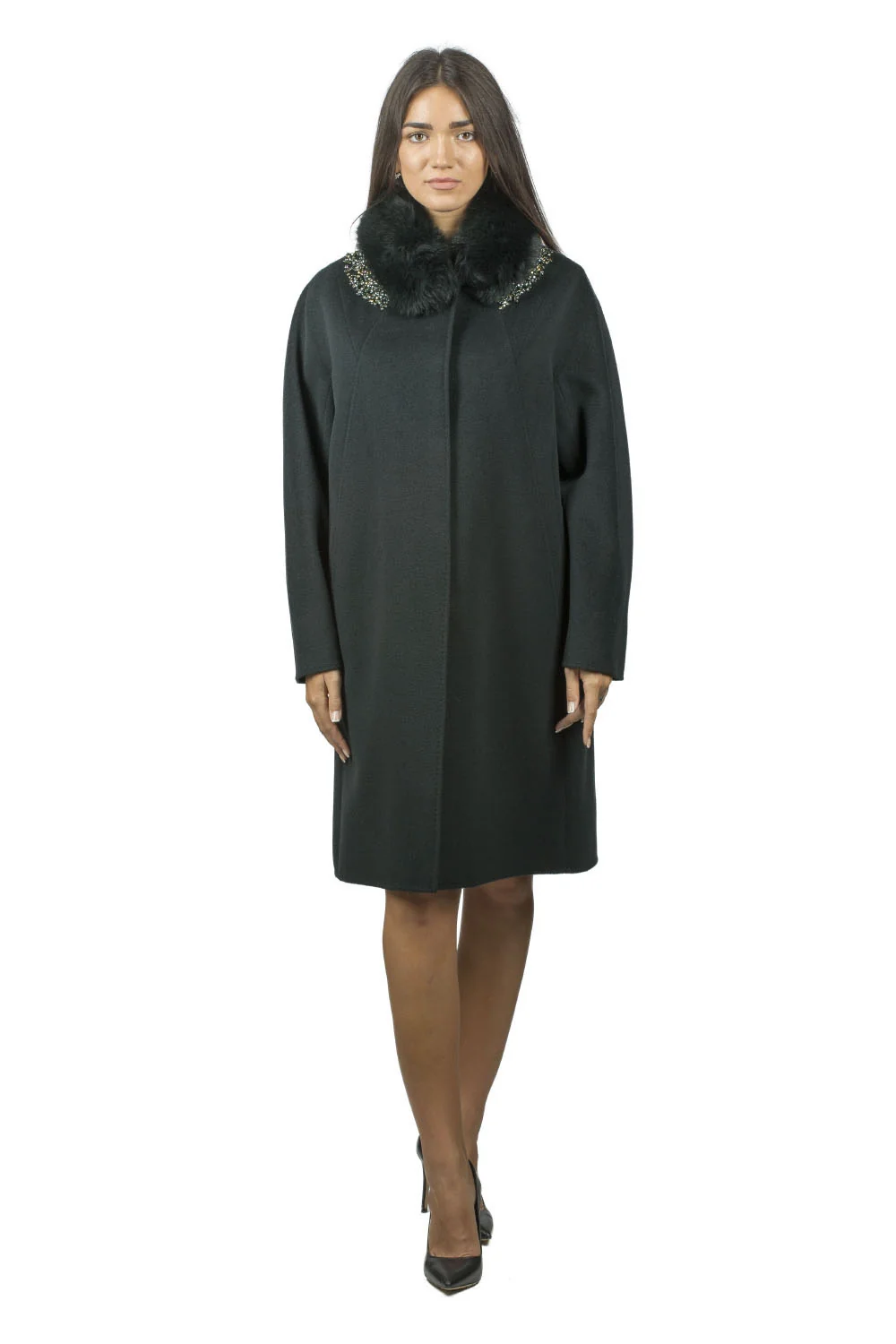
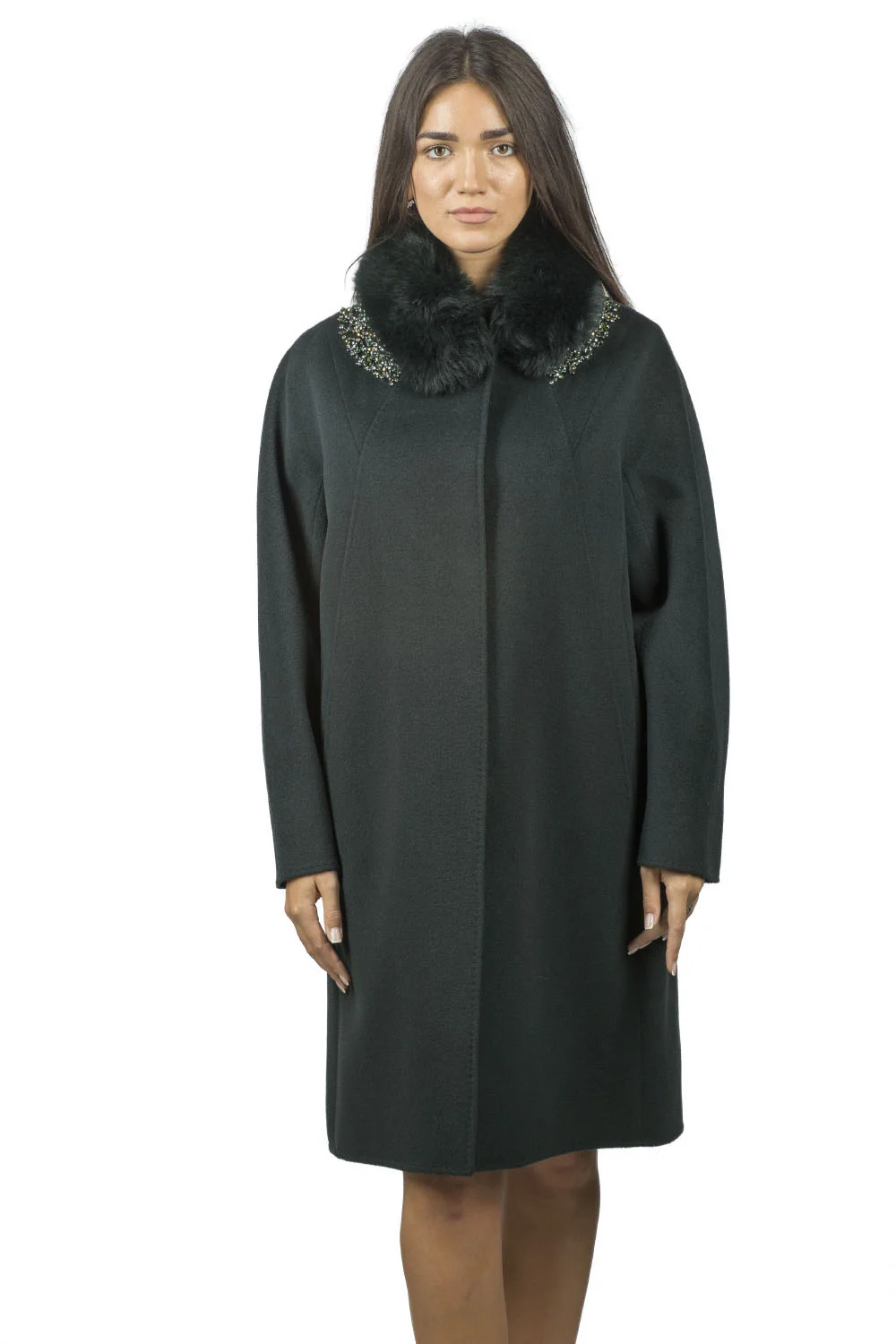
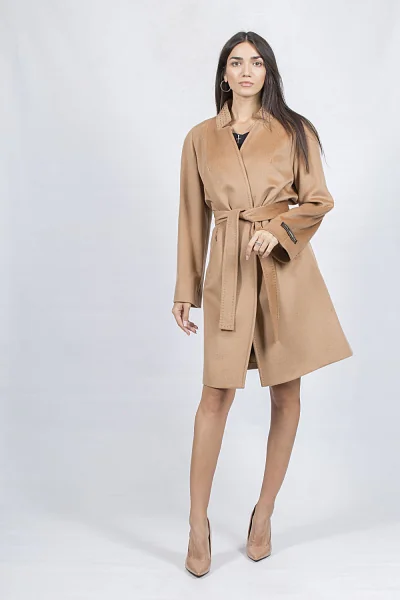
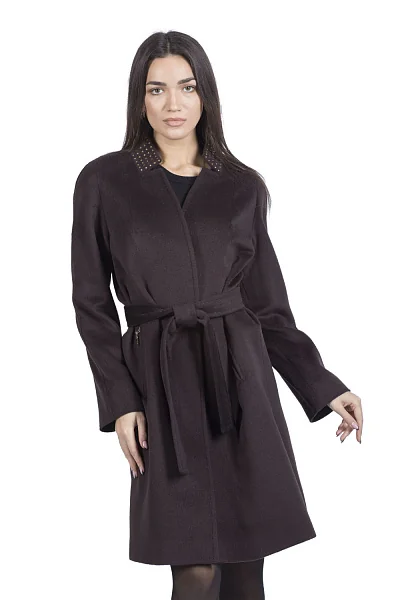
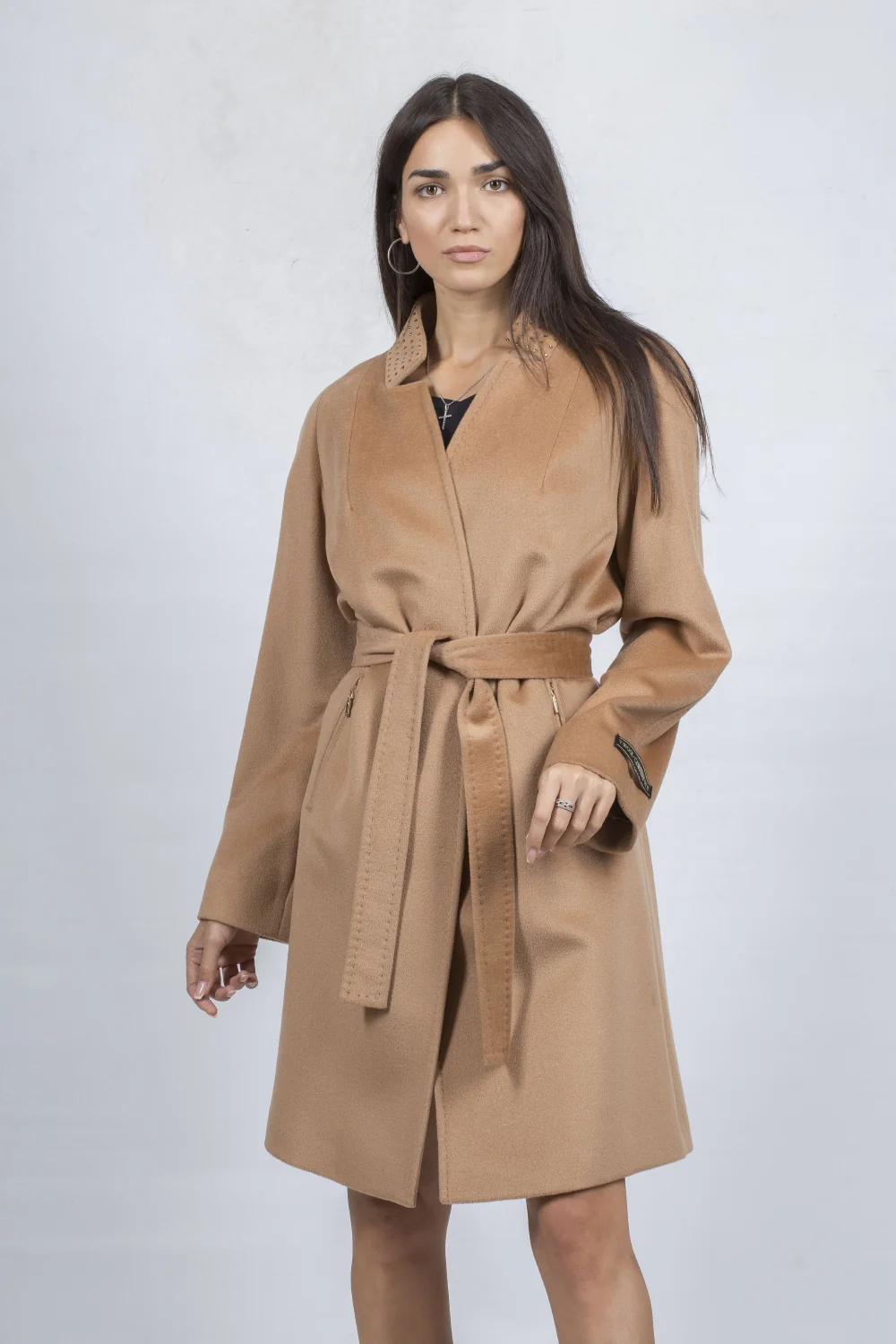
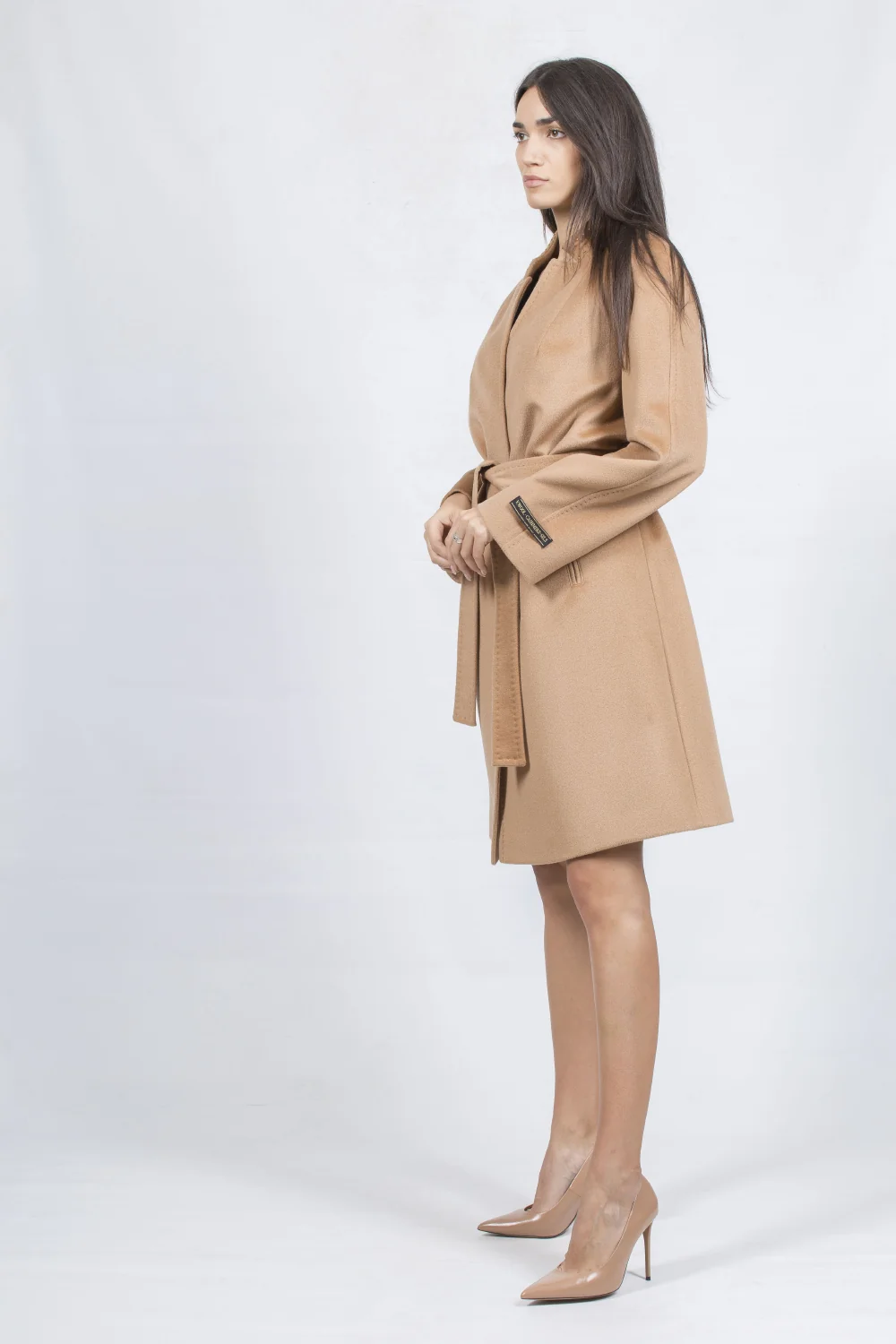
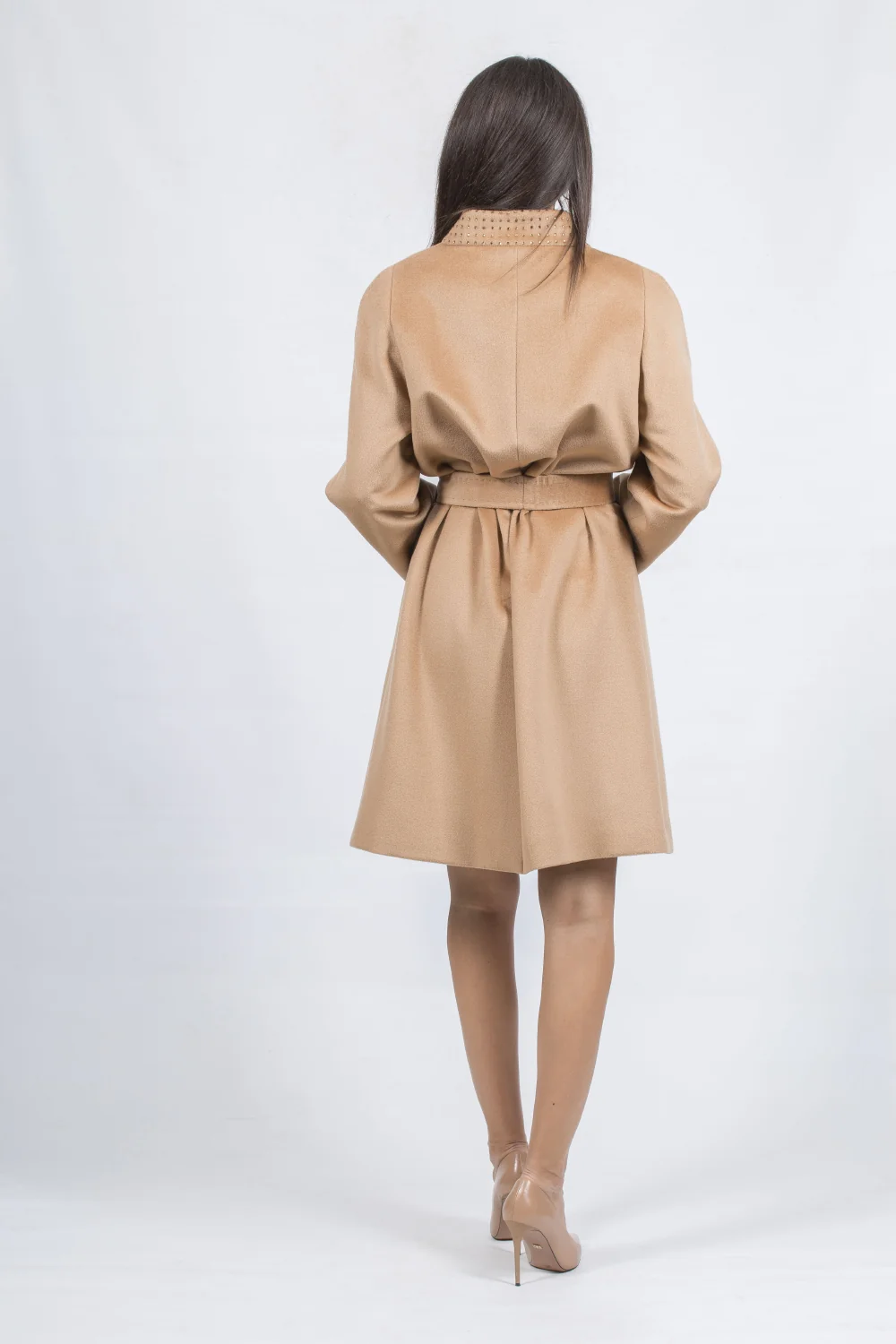
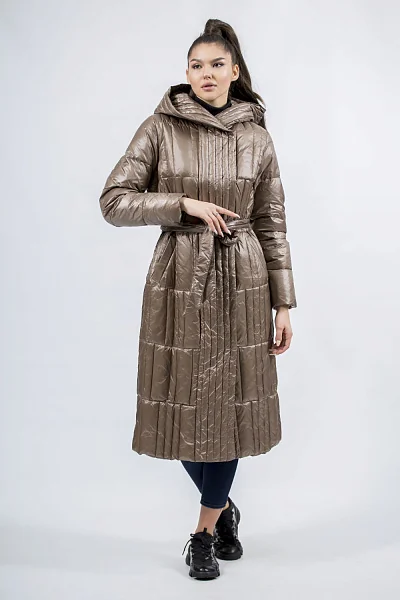
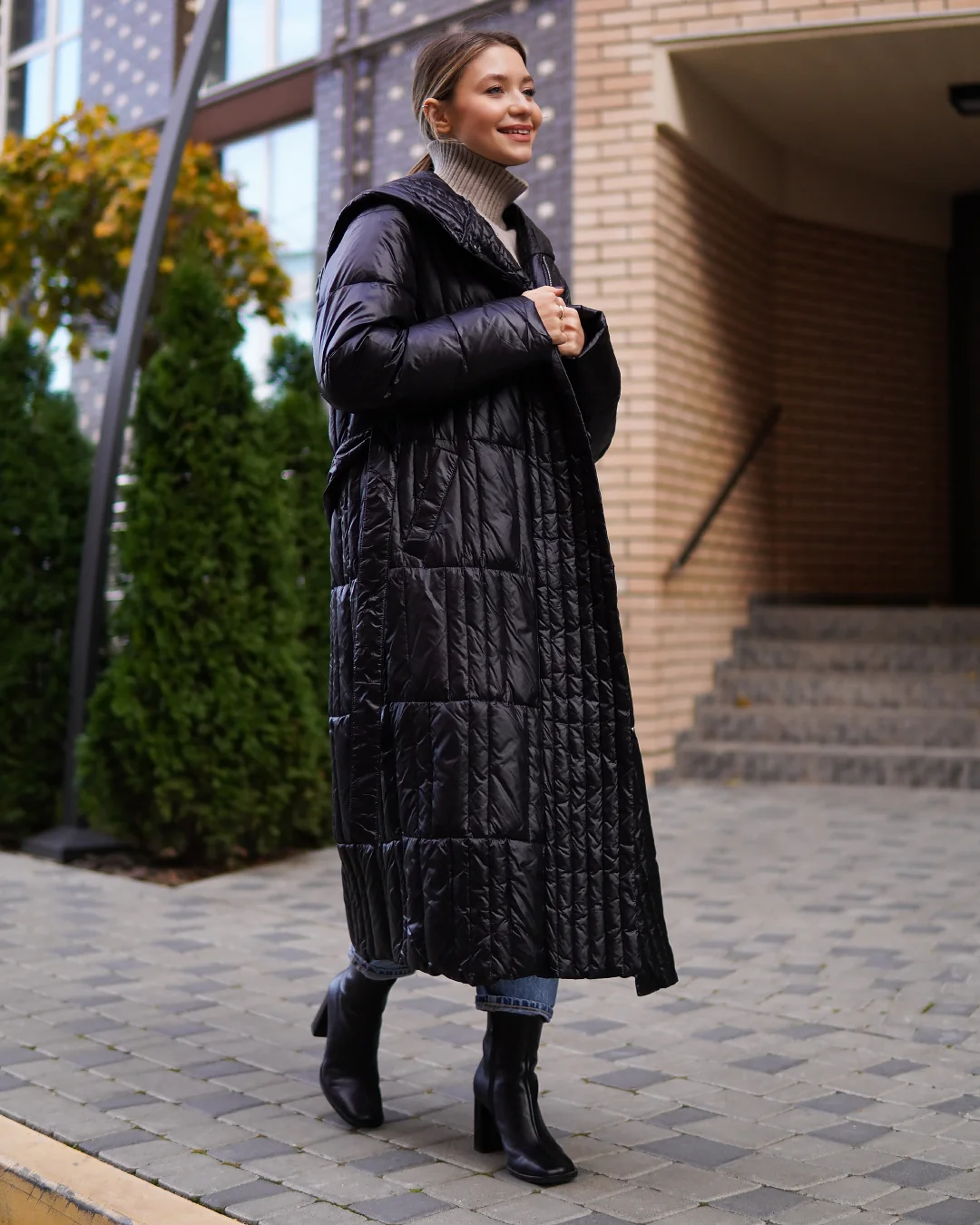
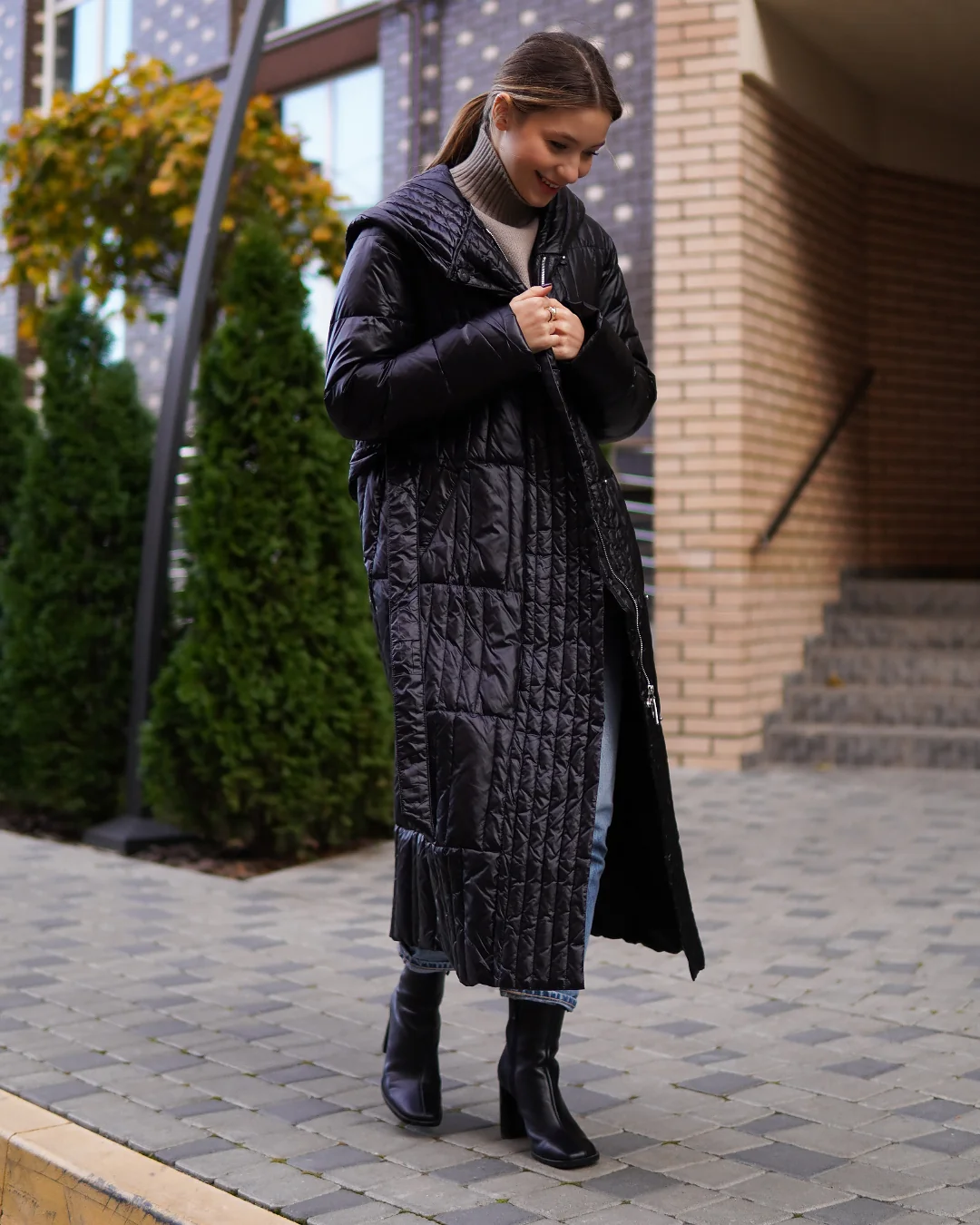
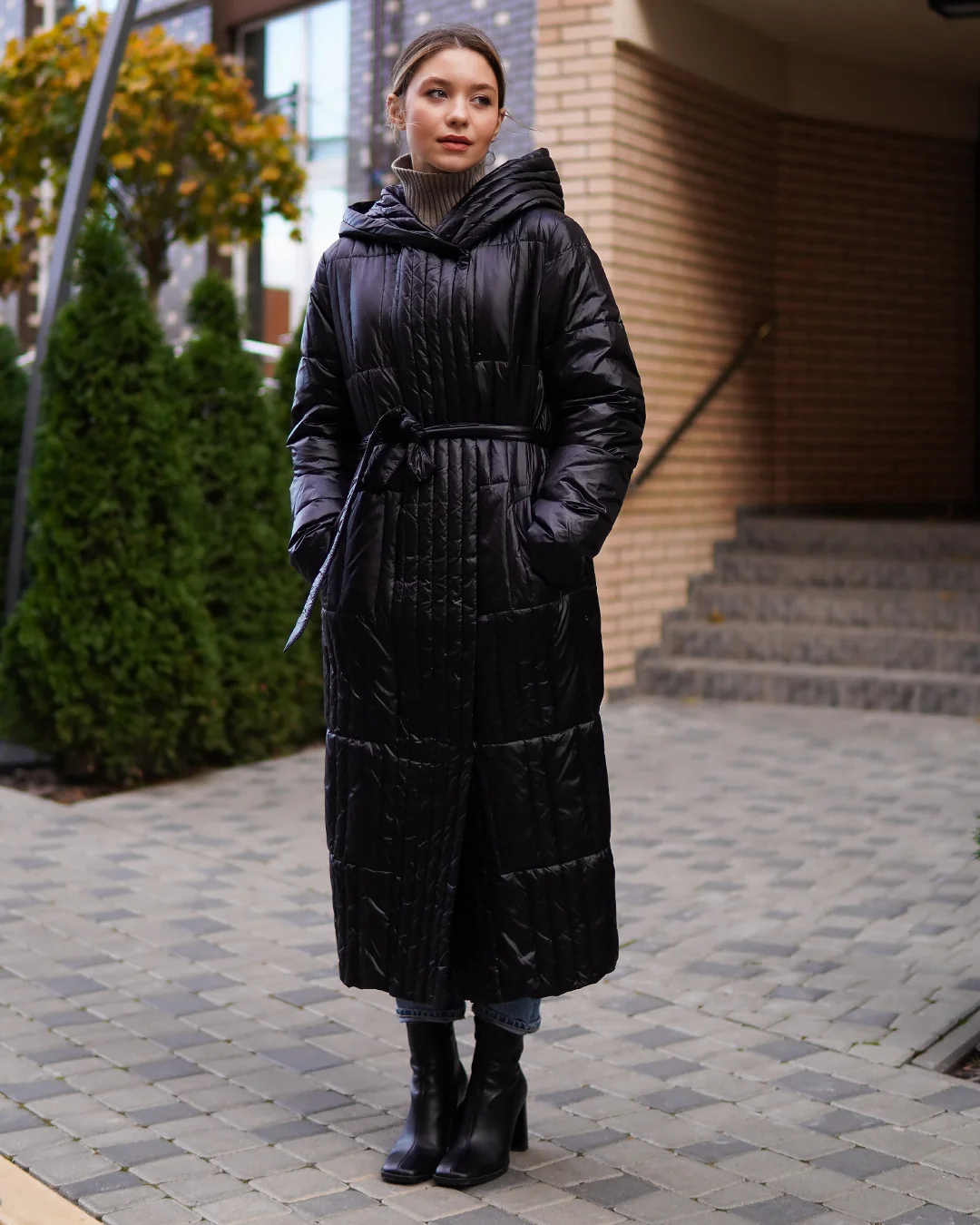
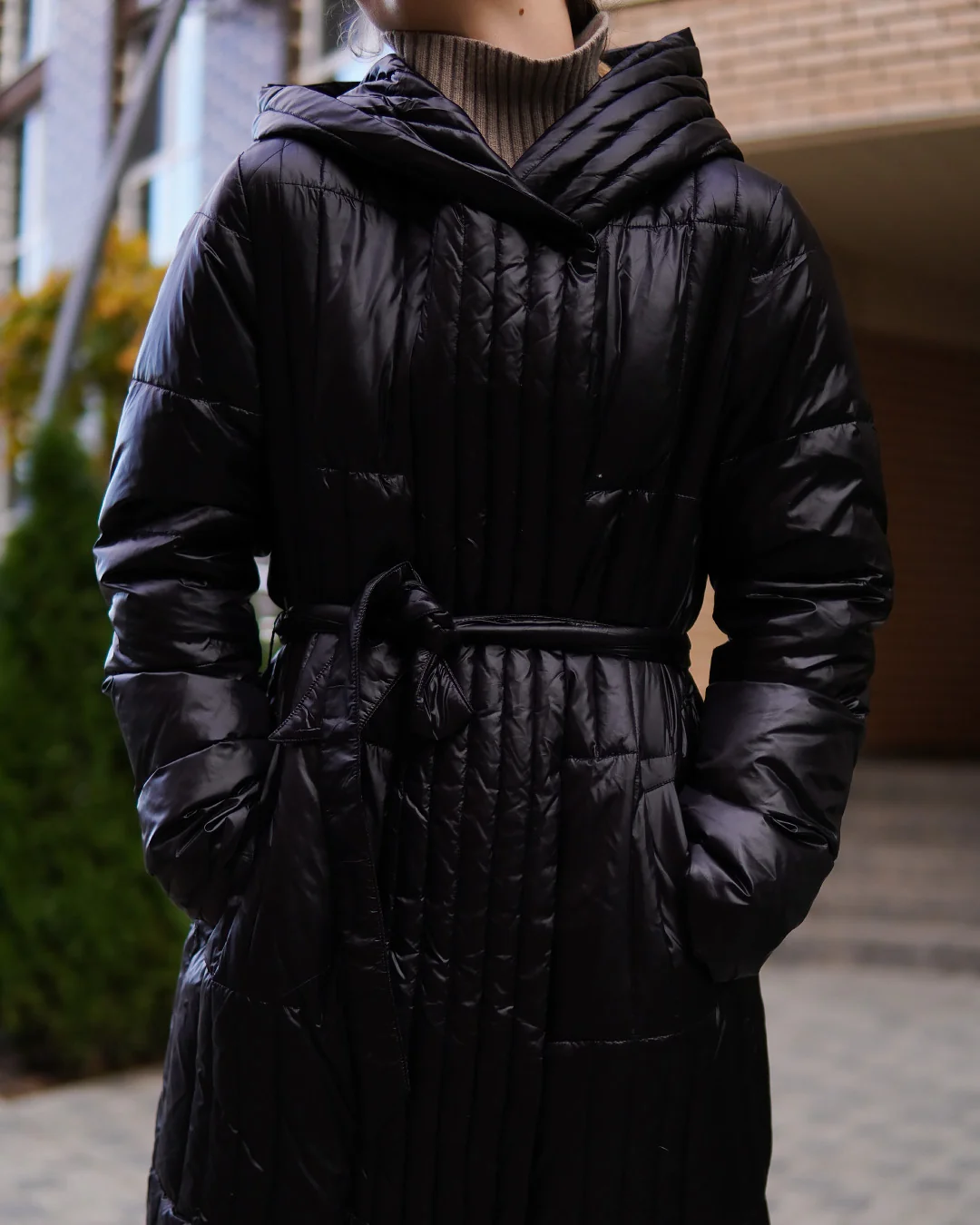
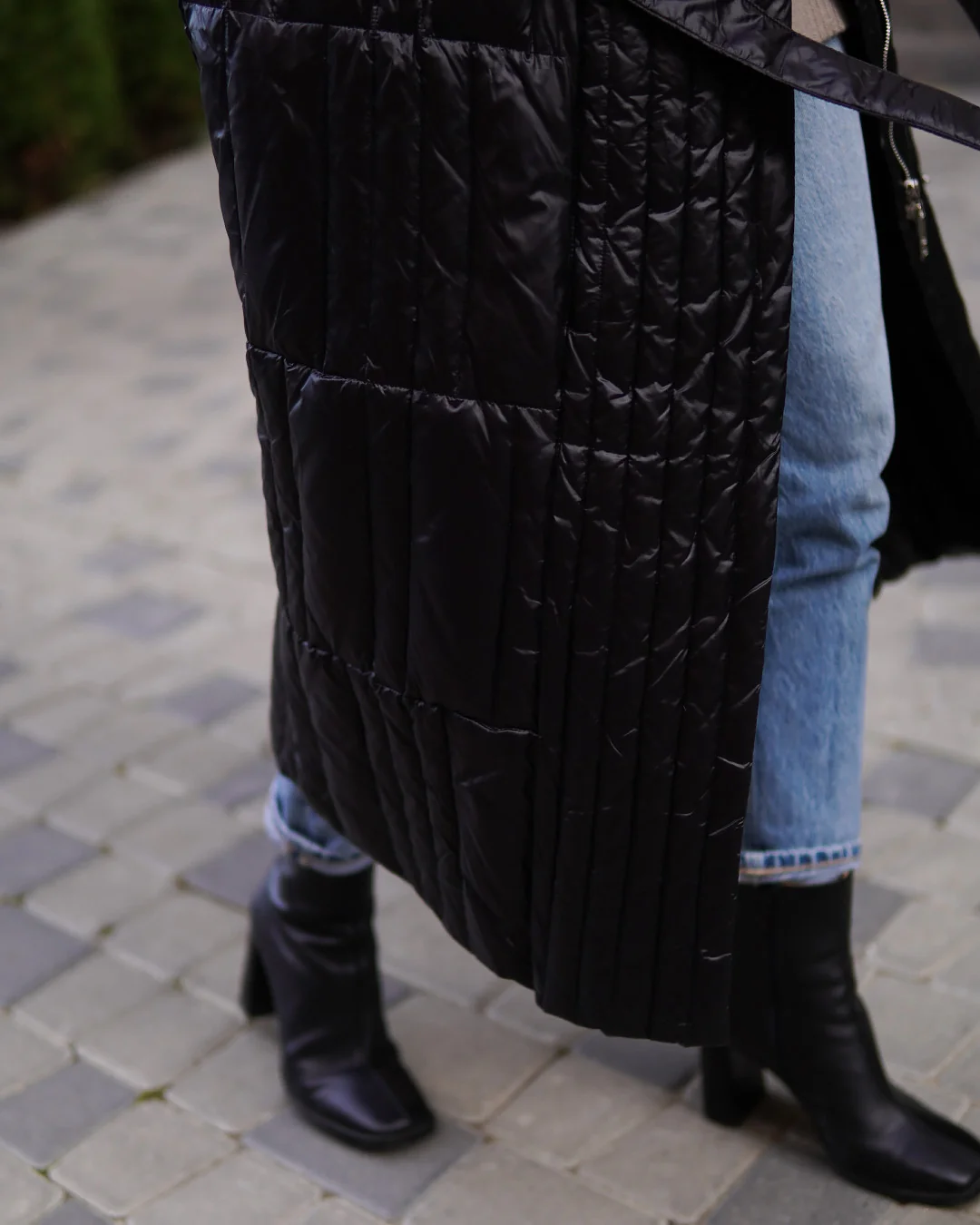
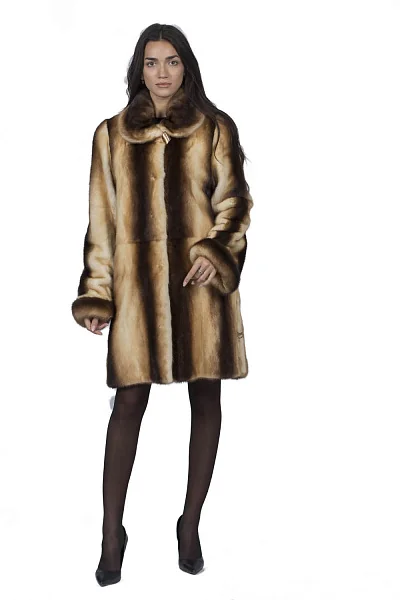
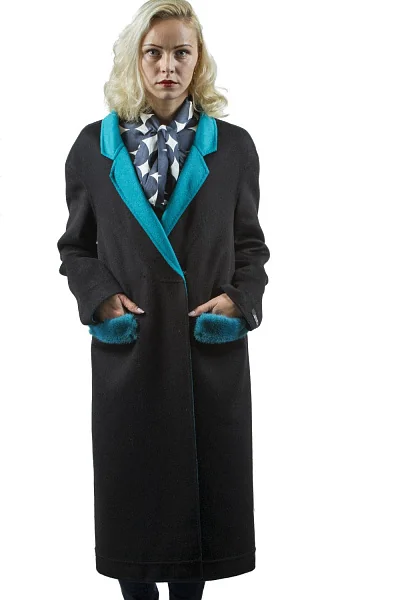
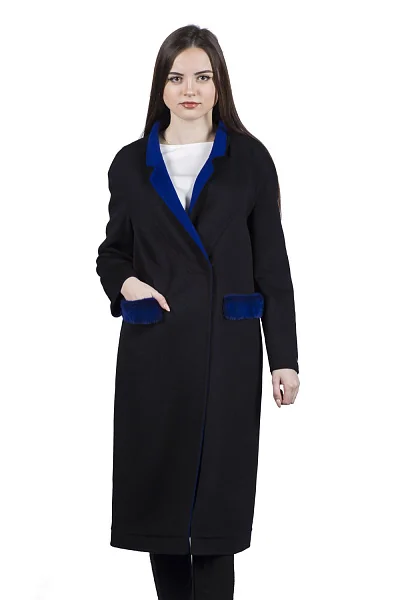
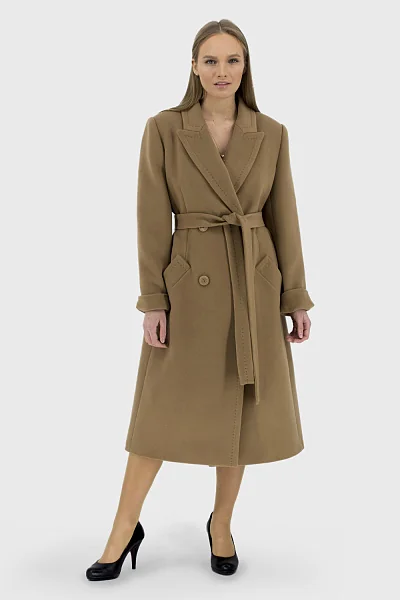
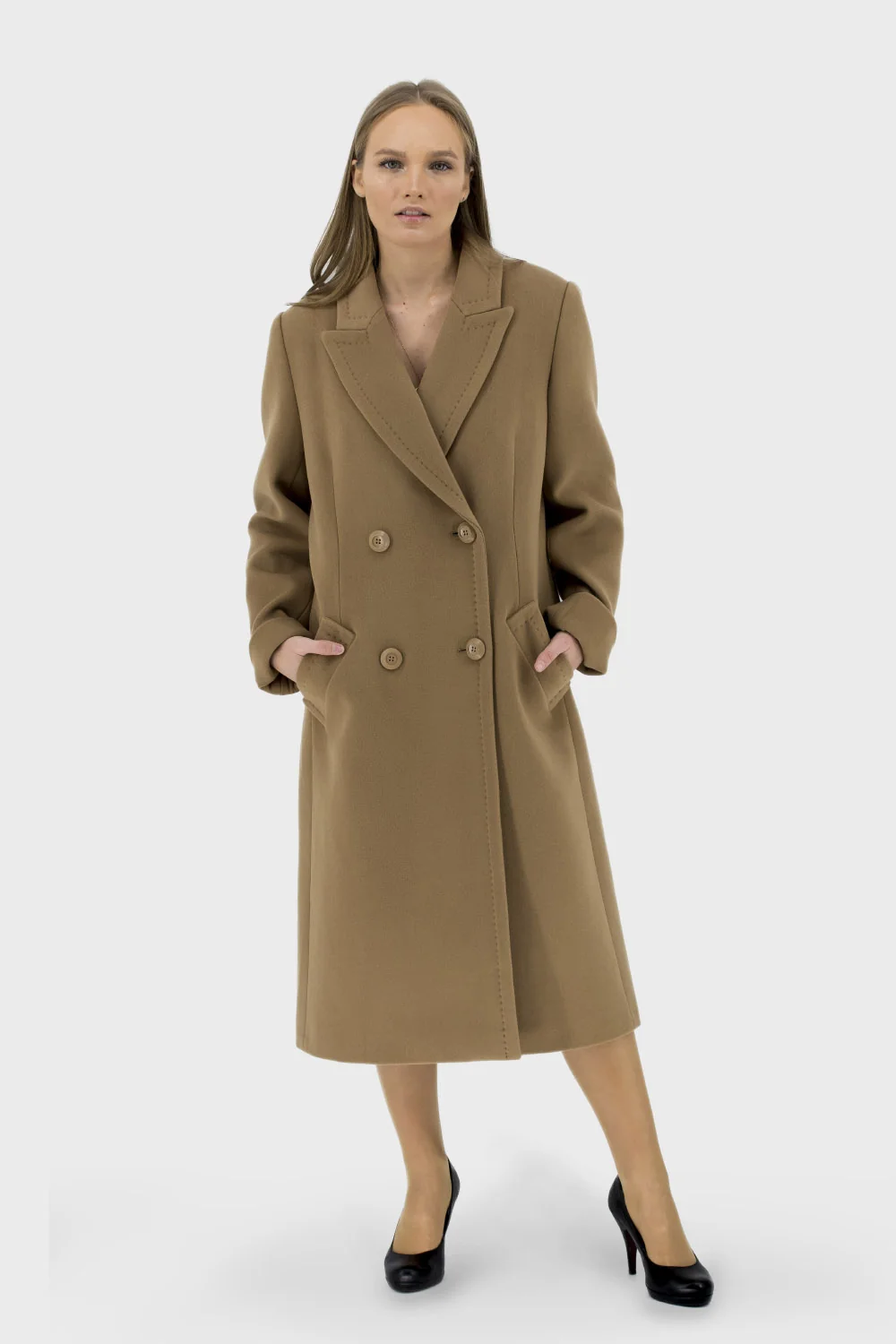
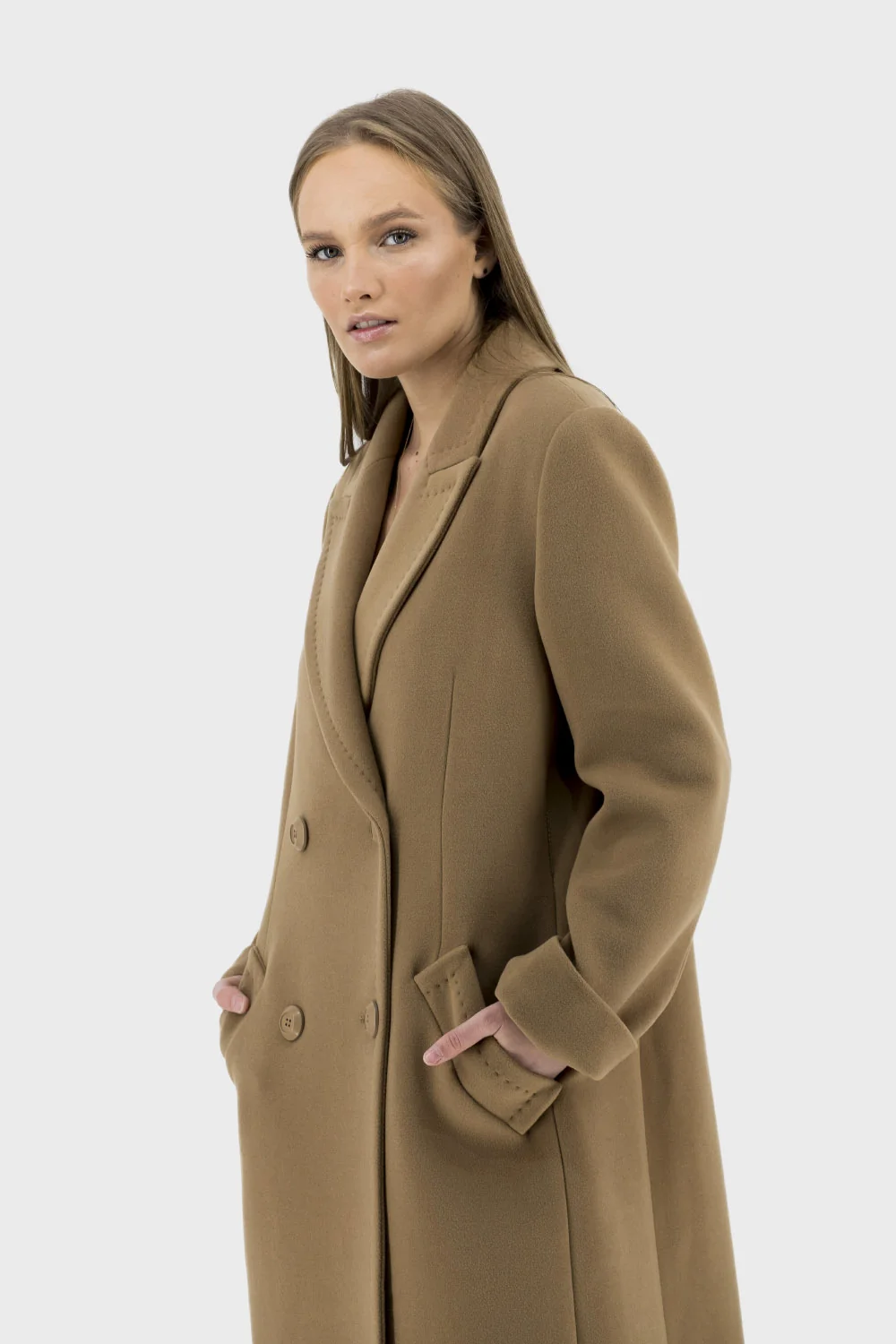
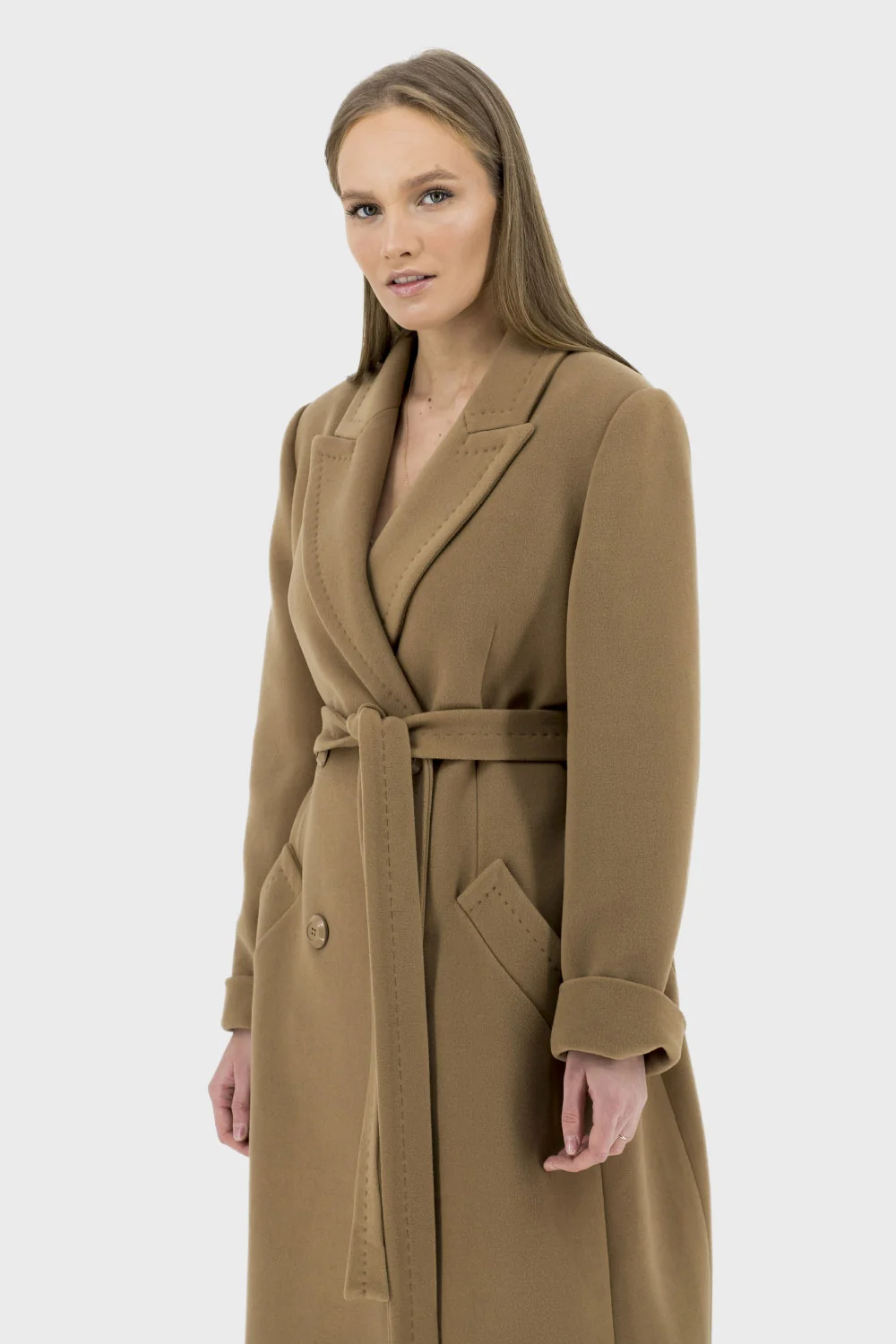
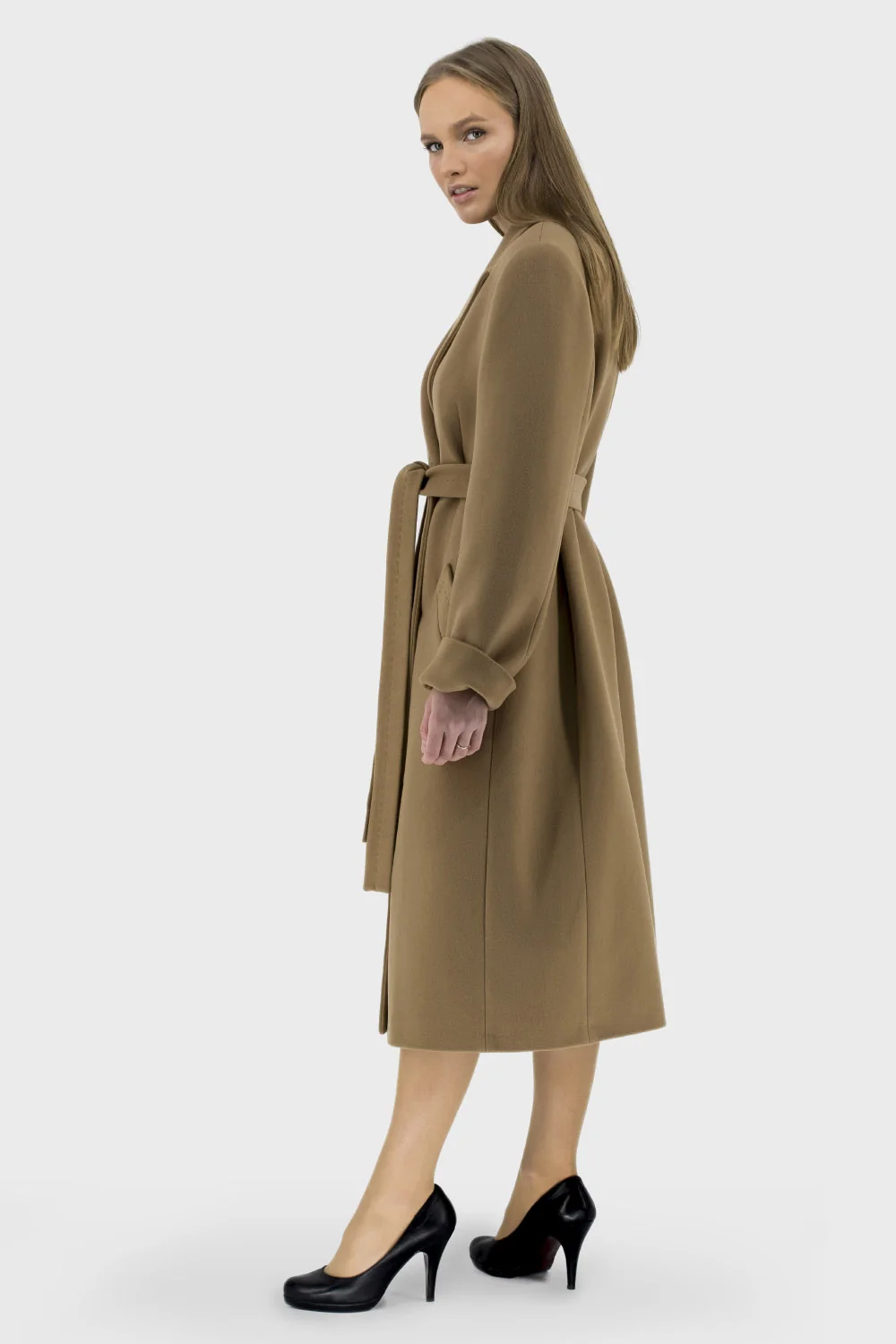
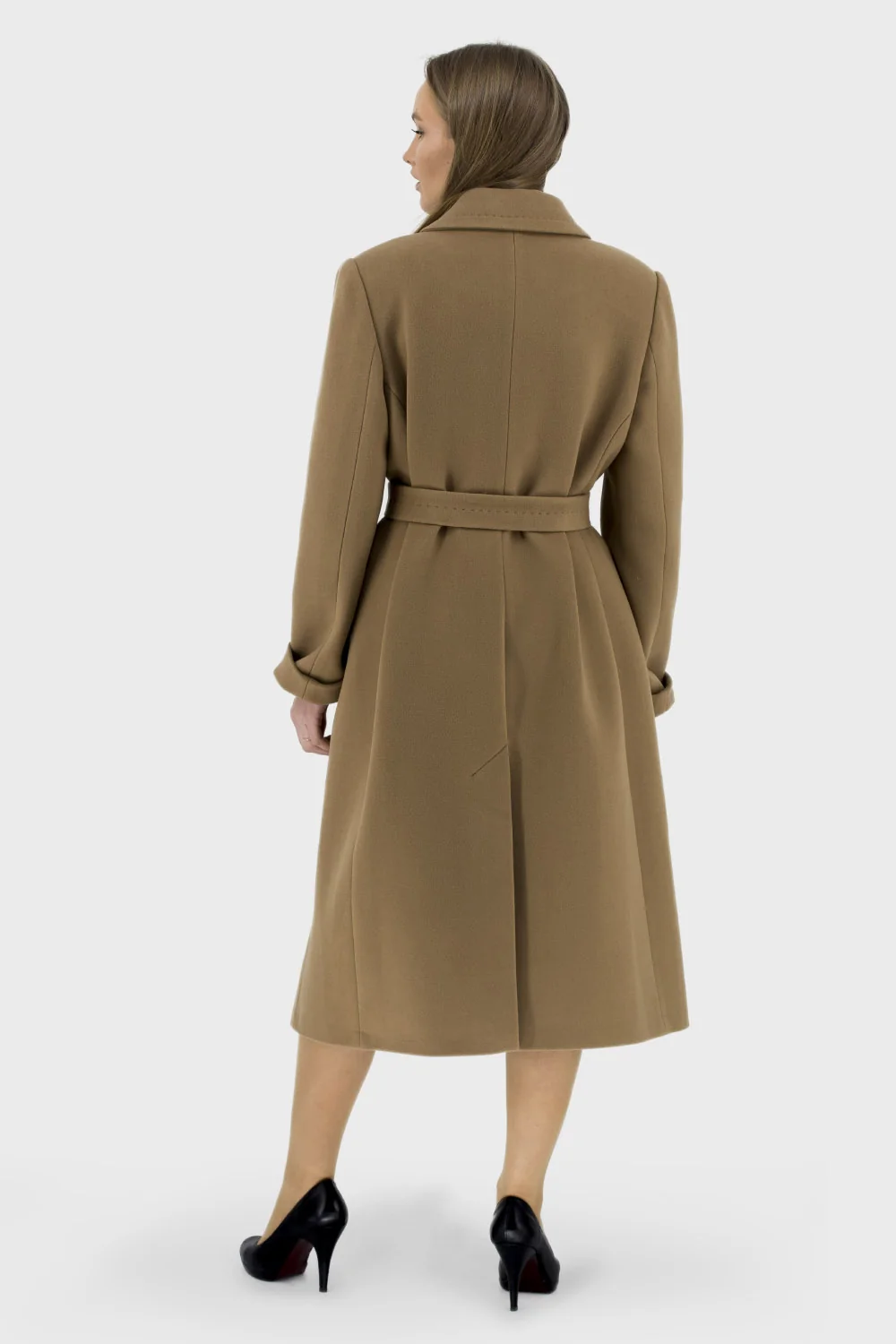
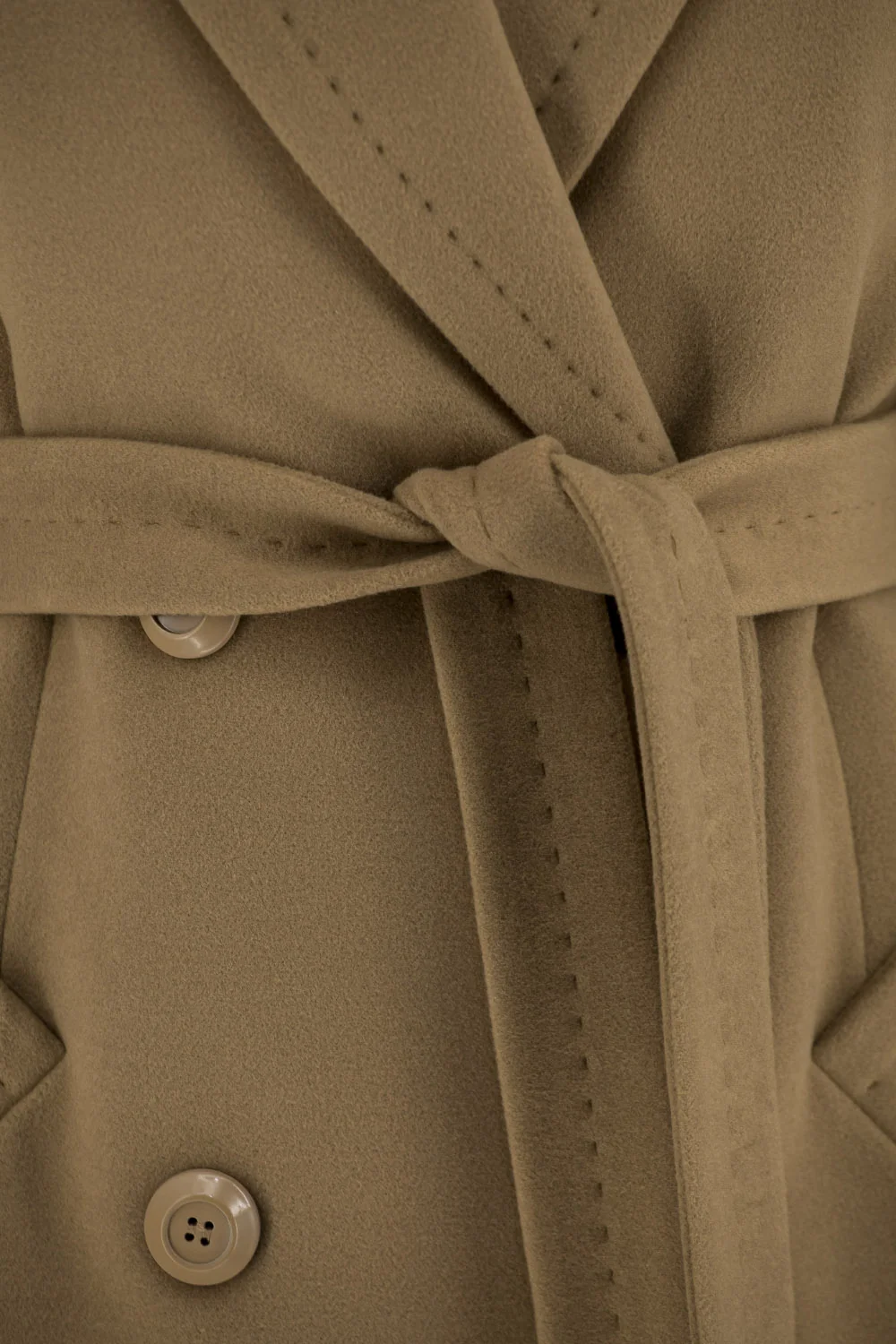
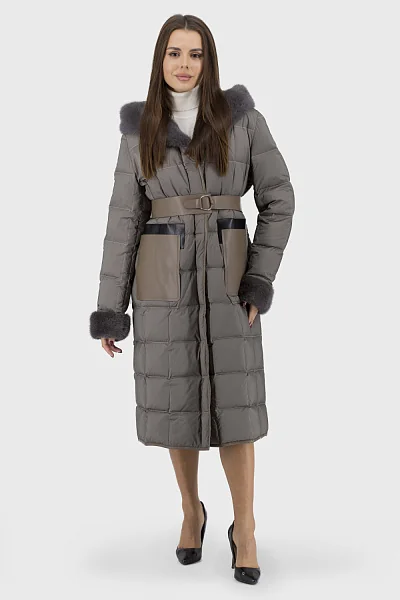
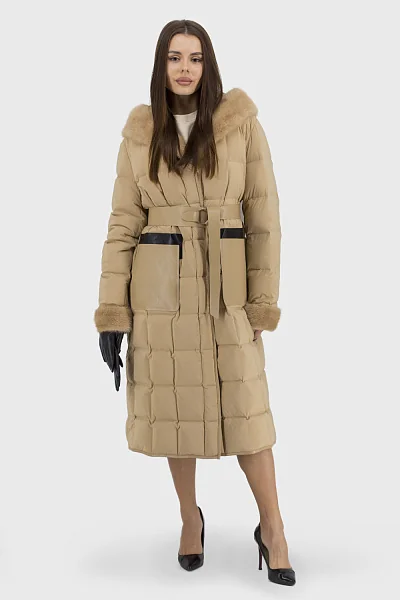
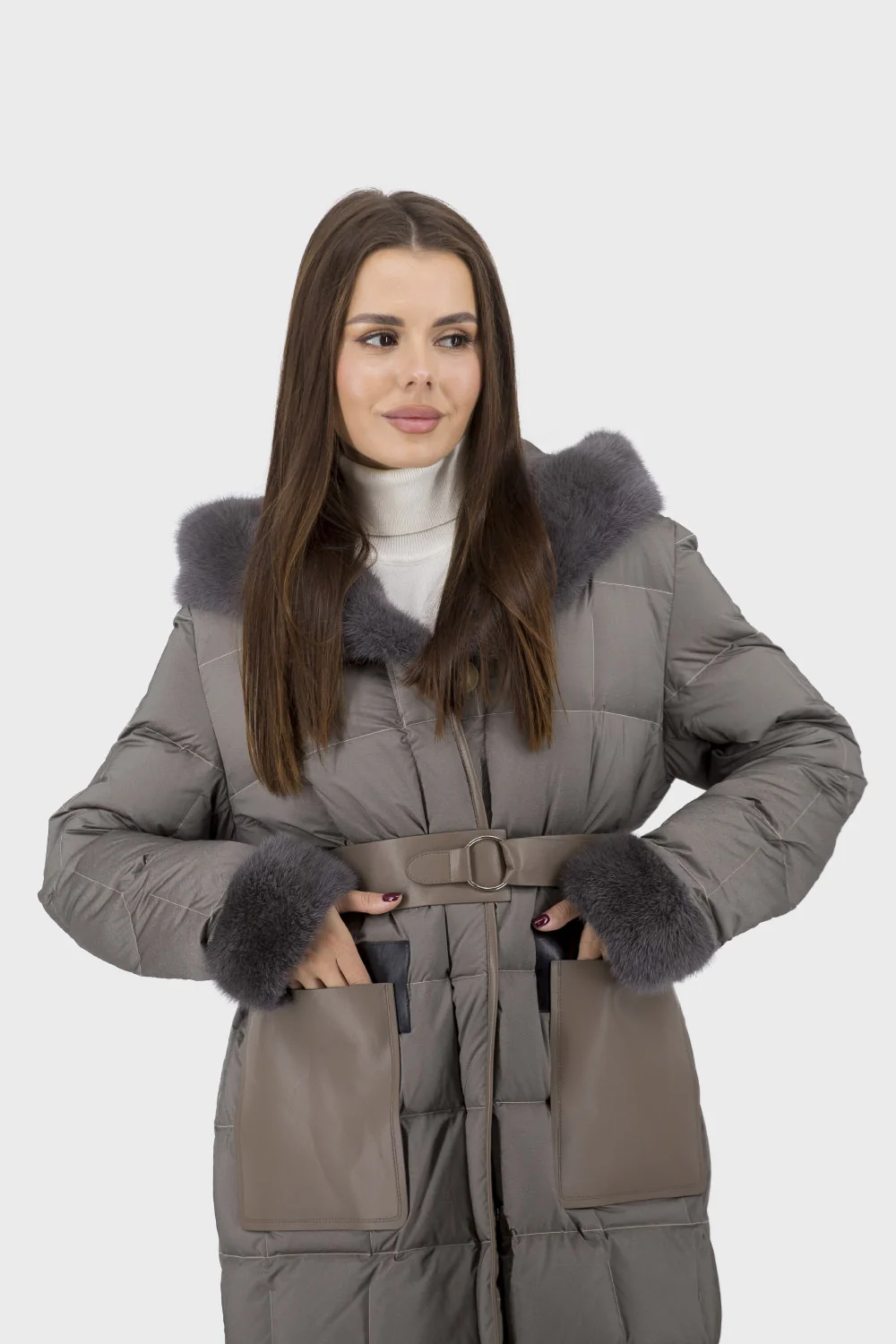
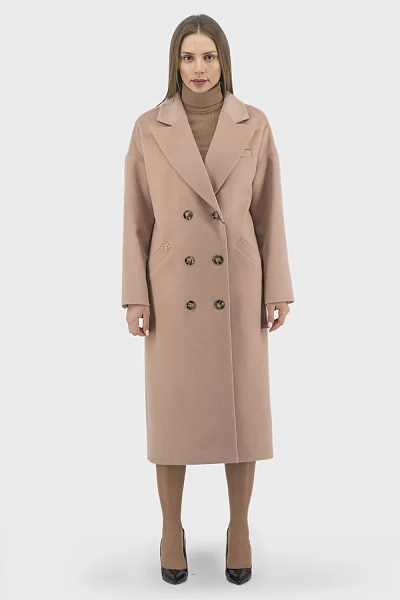
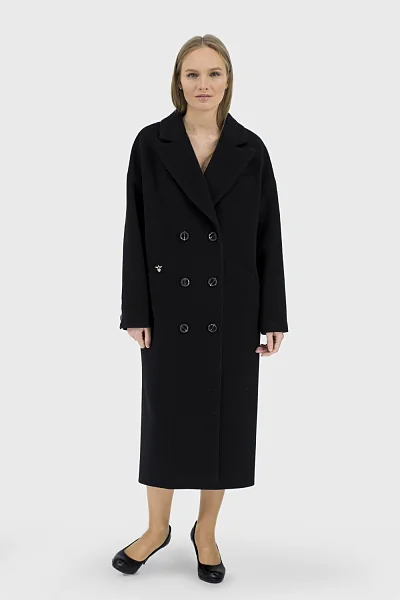
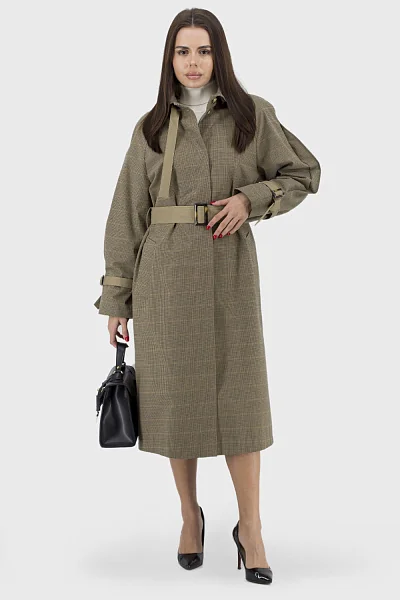
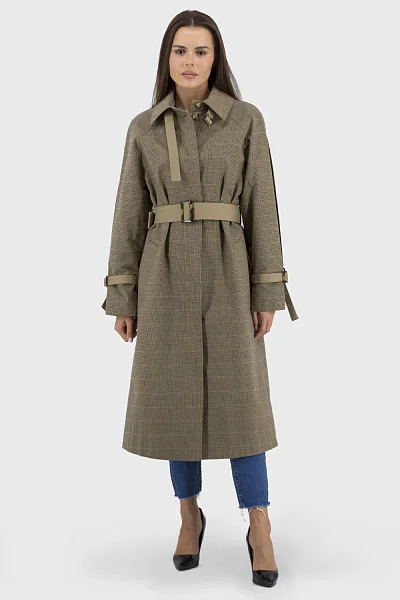
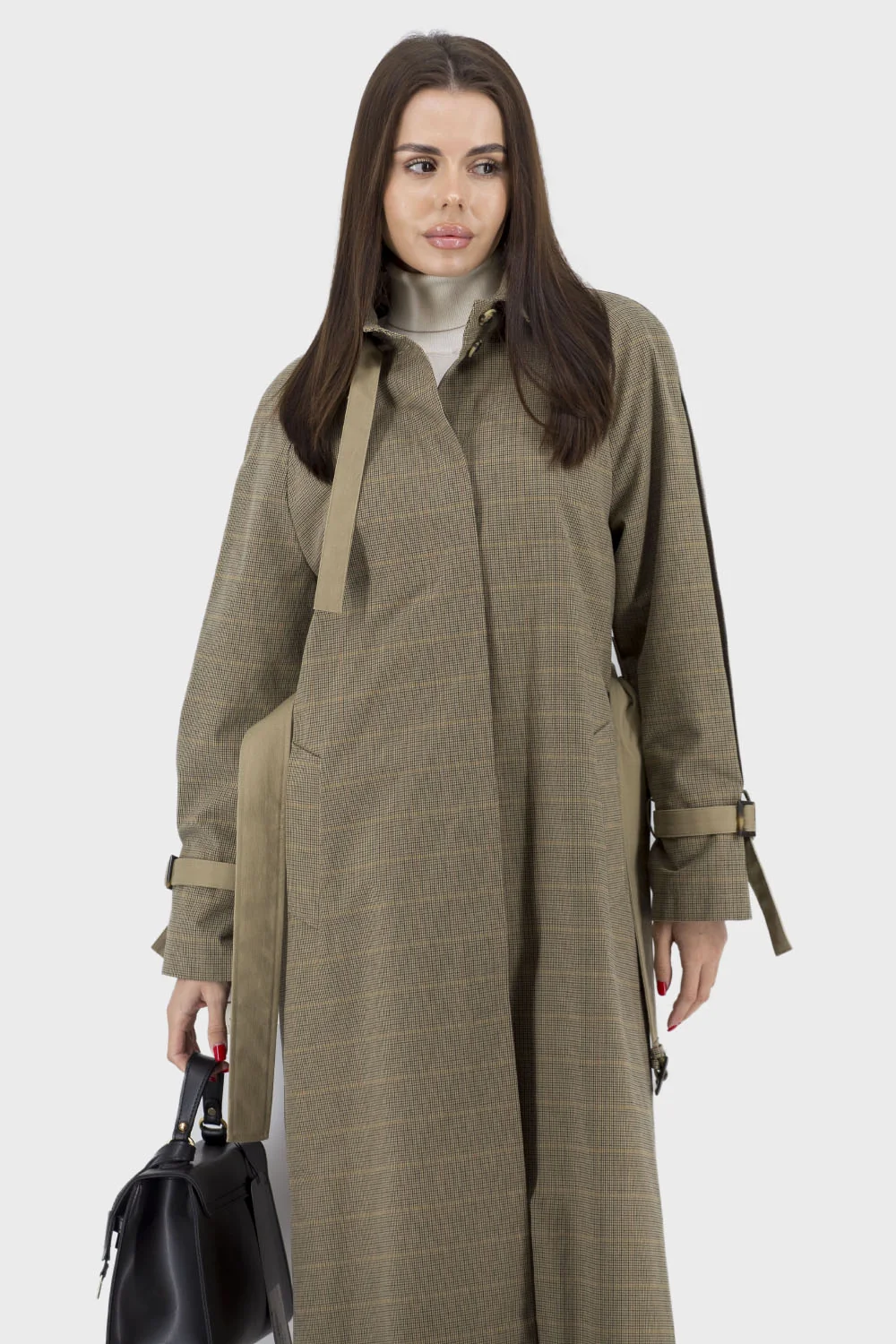
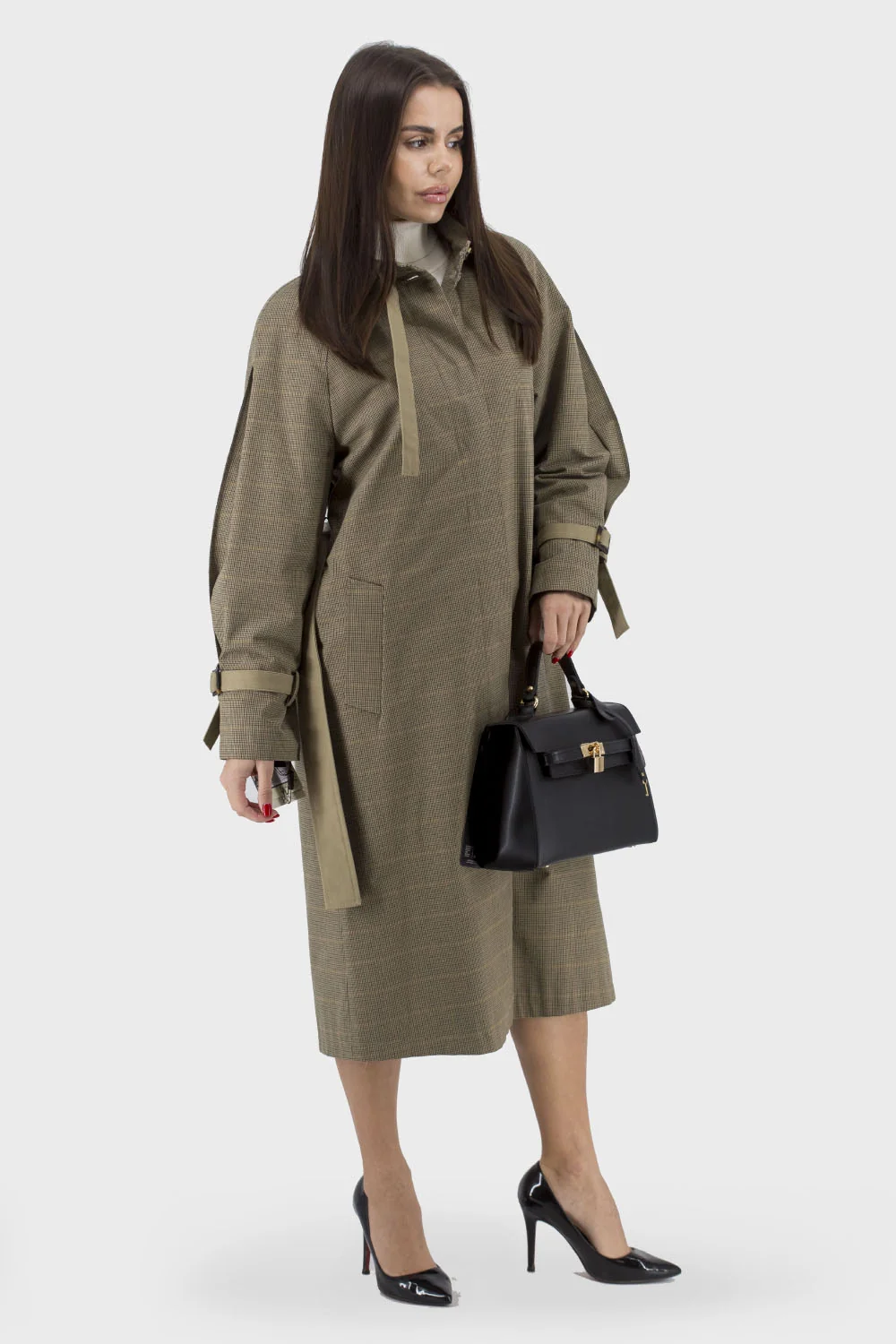
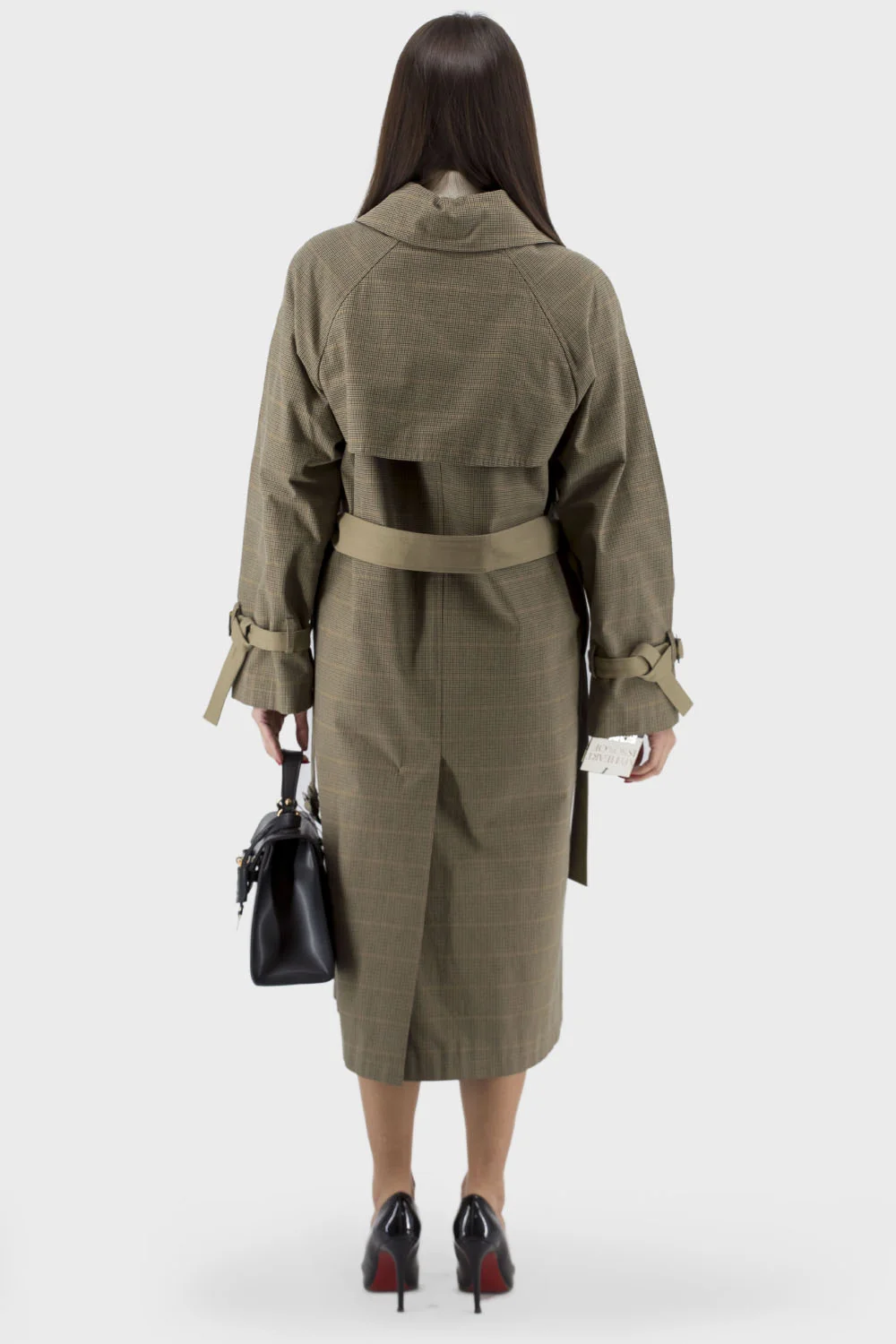
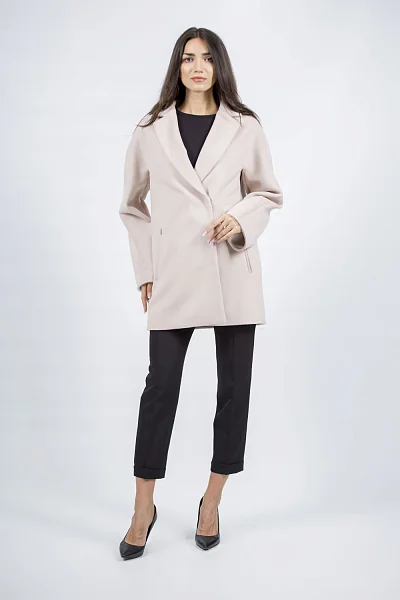
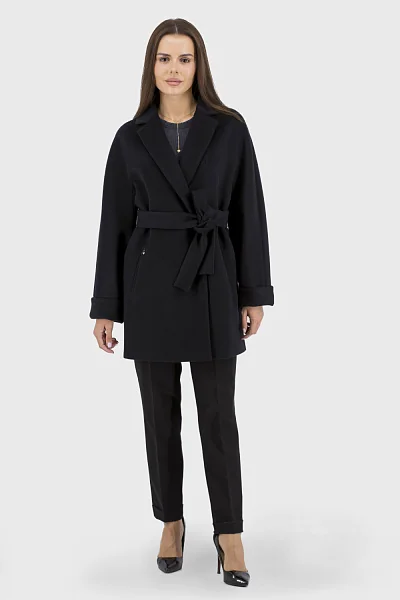
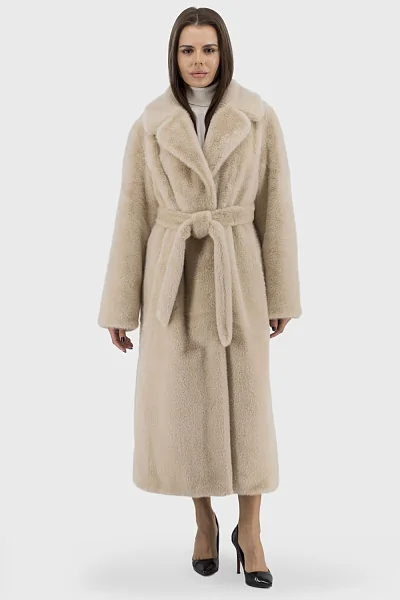
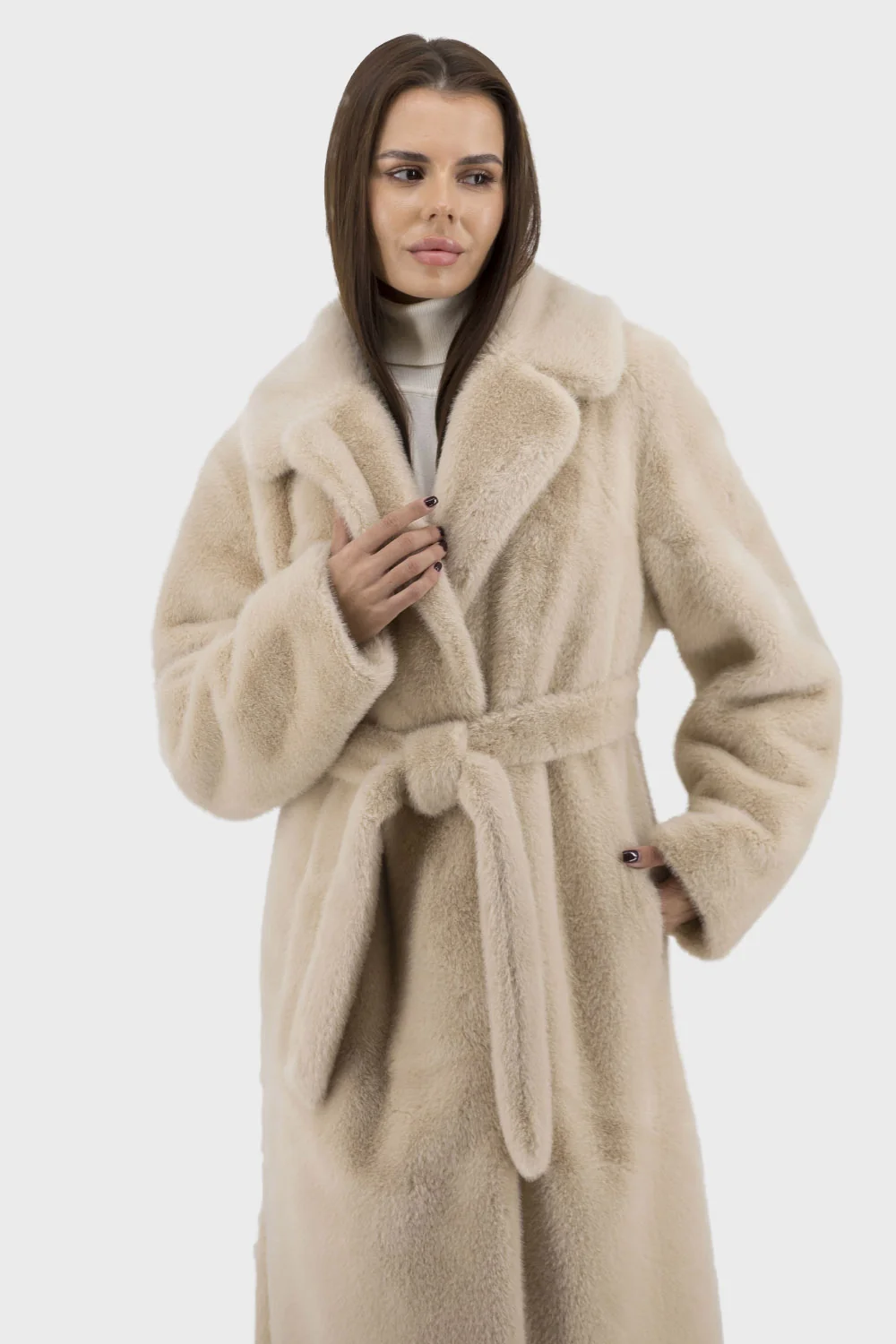
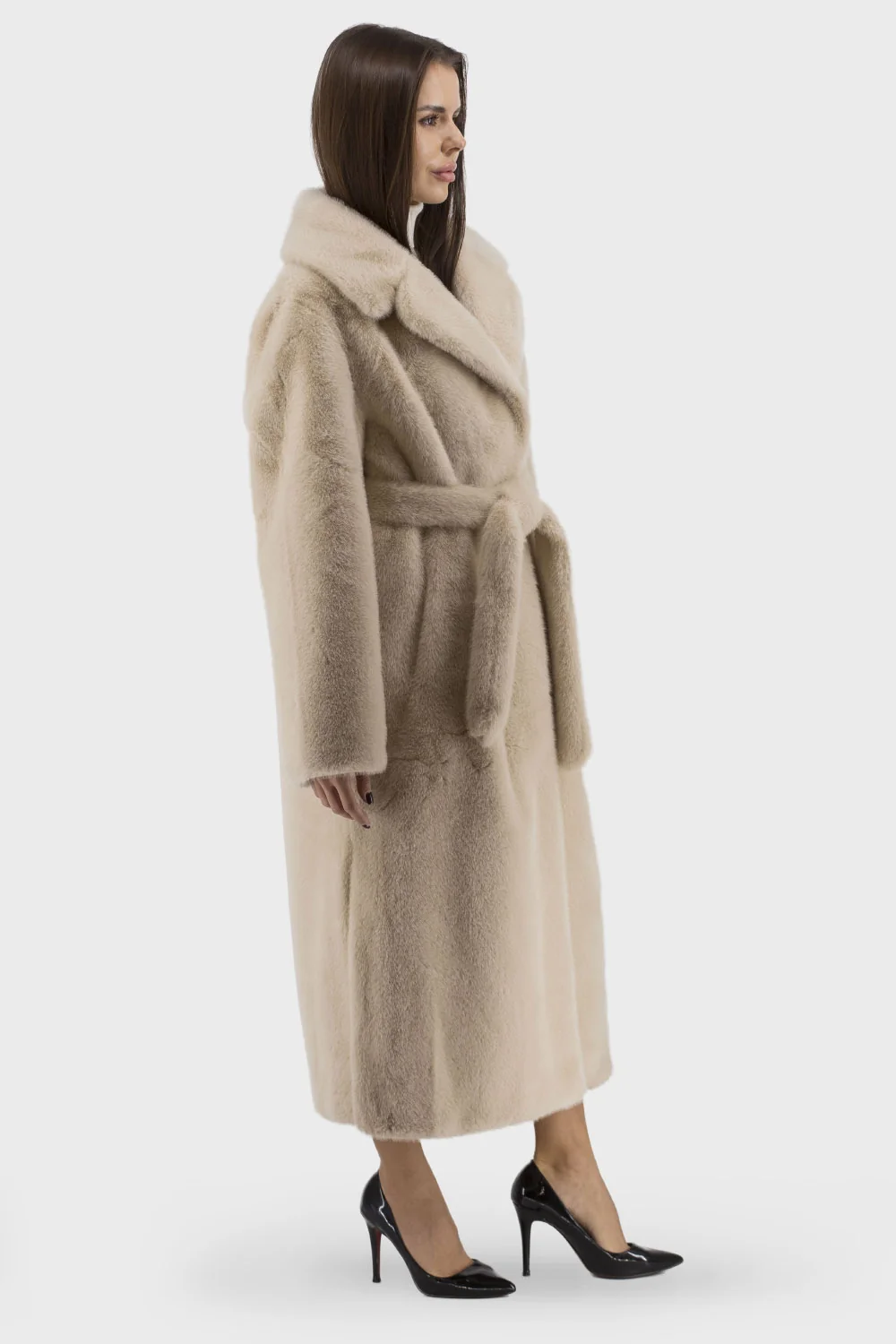
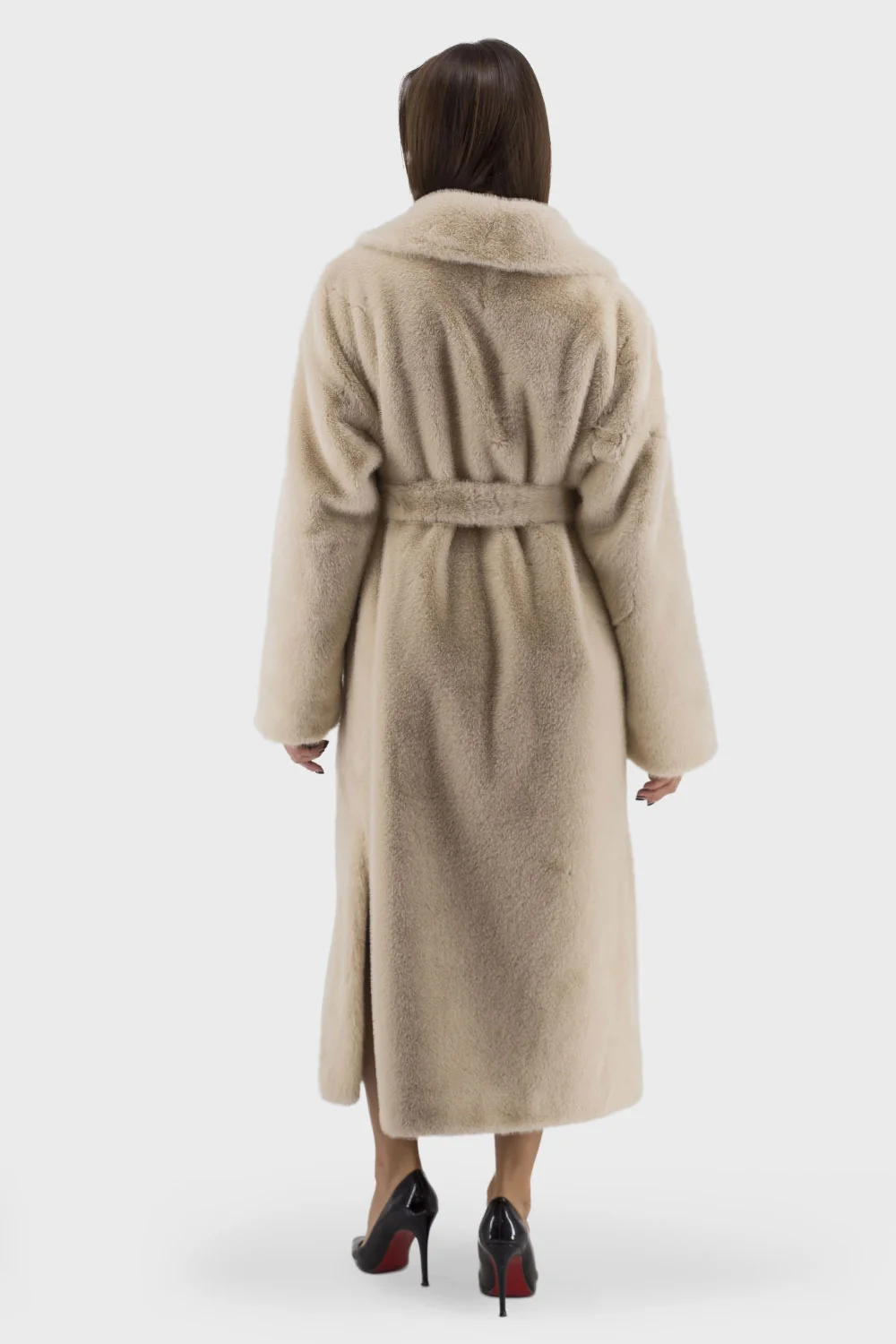
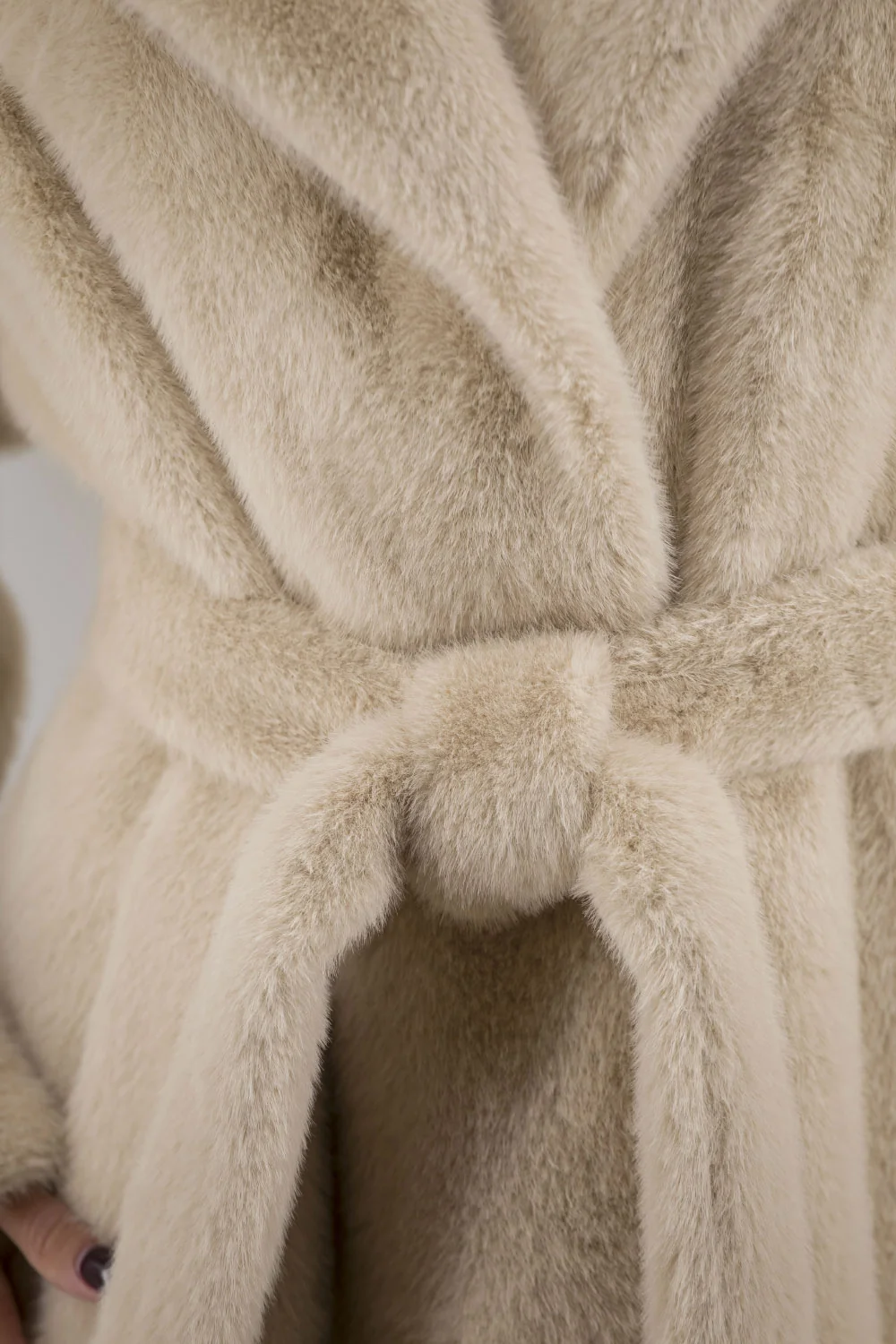
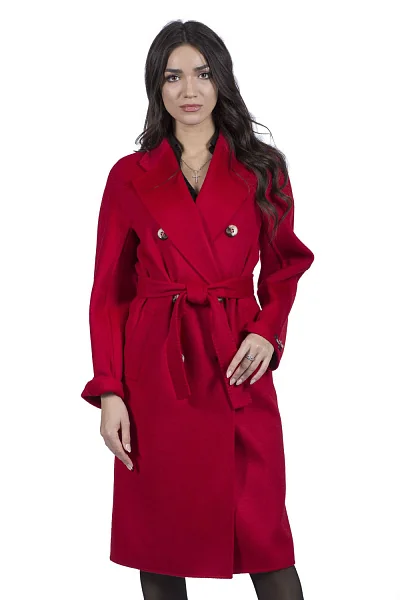
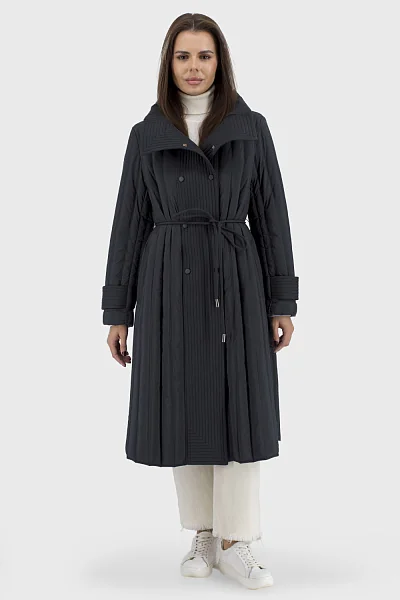
In the women’s coat collection, you can compare straight cuts, wrap coats, oversized designs and belted silhouettes. The best choice depends on fit, length, lifestyle and the clothing you intend to wear underneath.
How to assess composition and quality
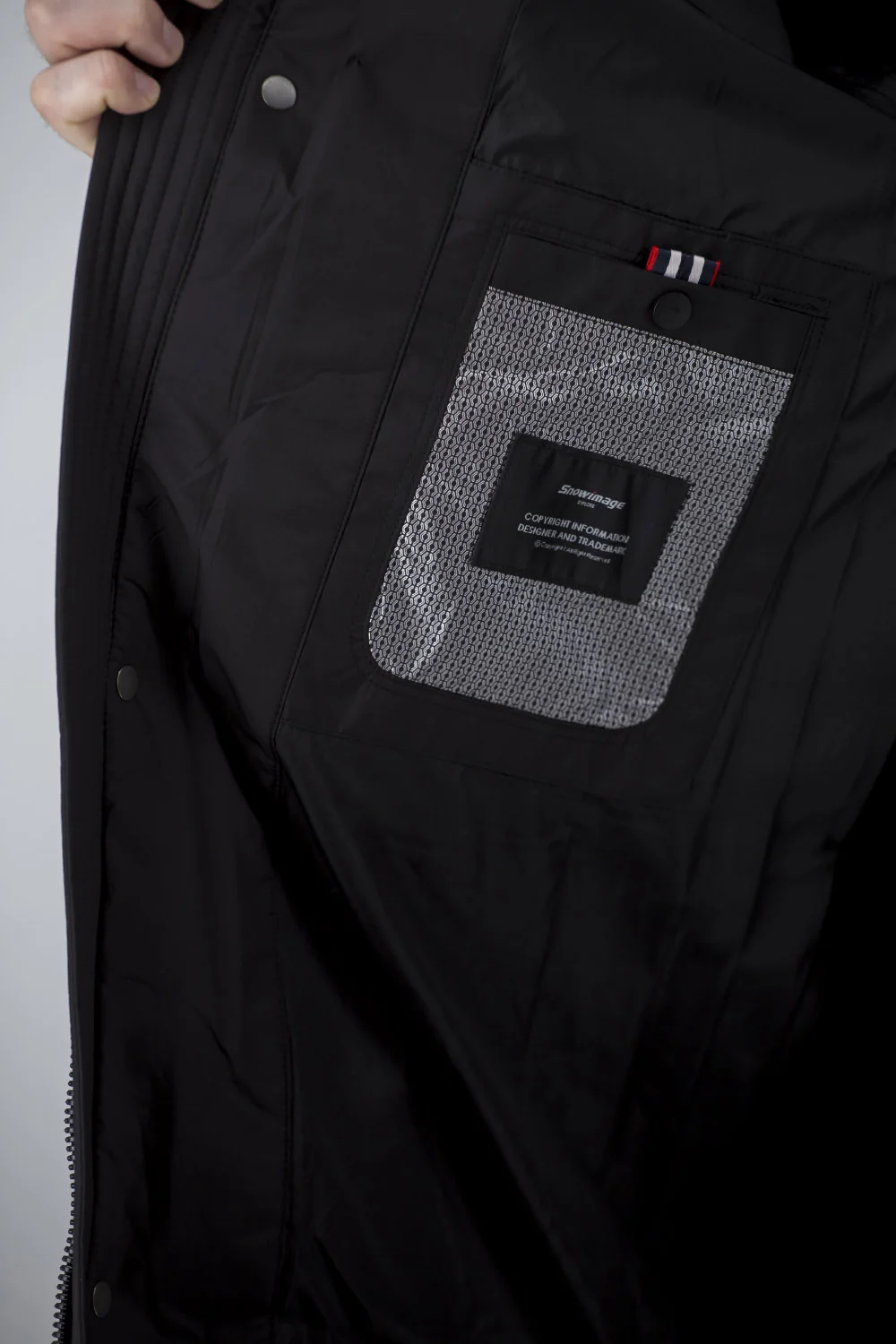
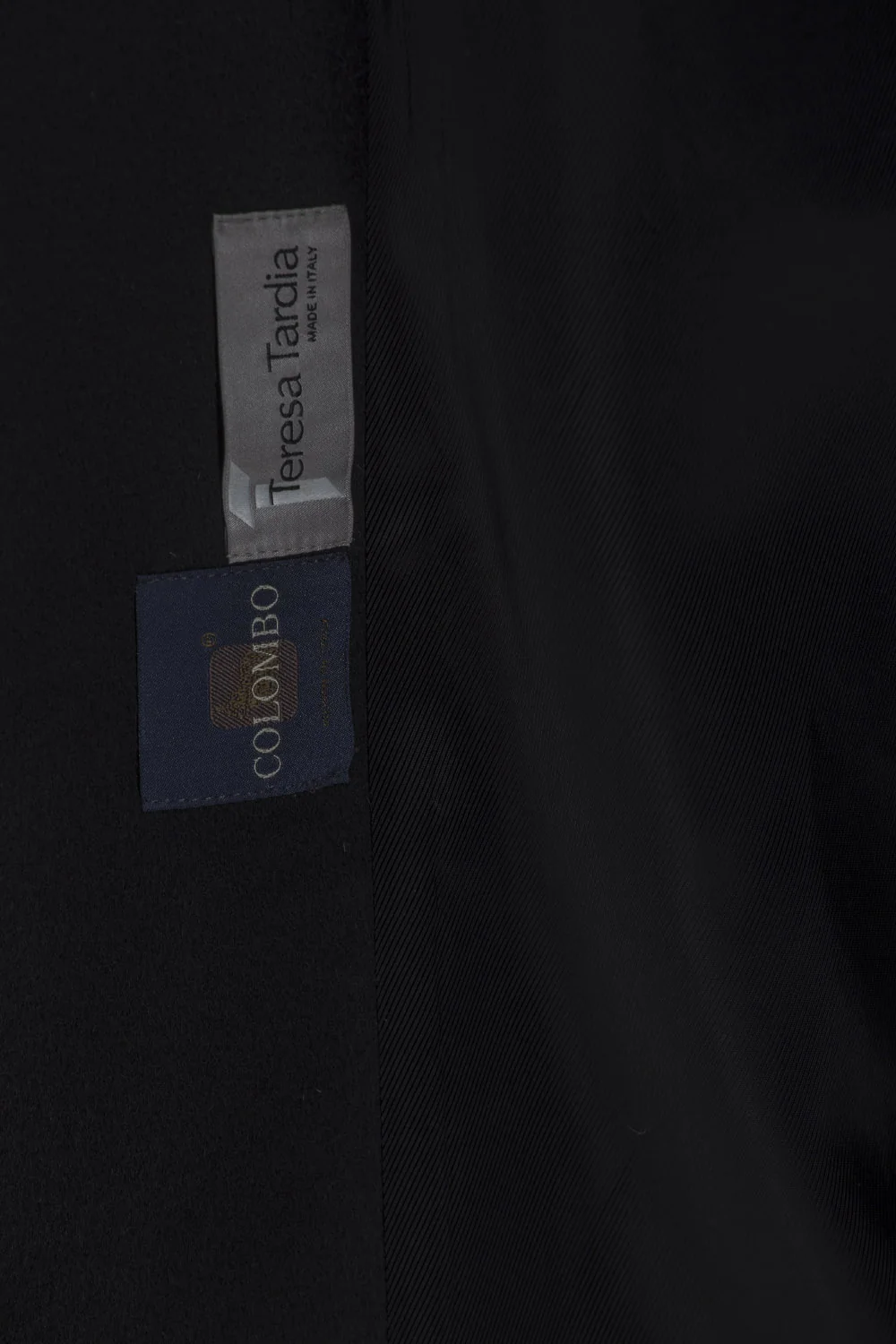
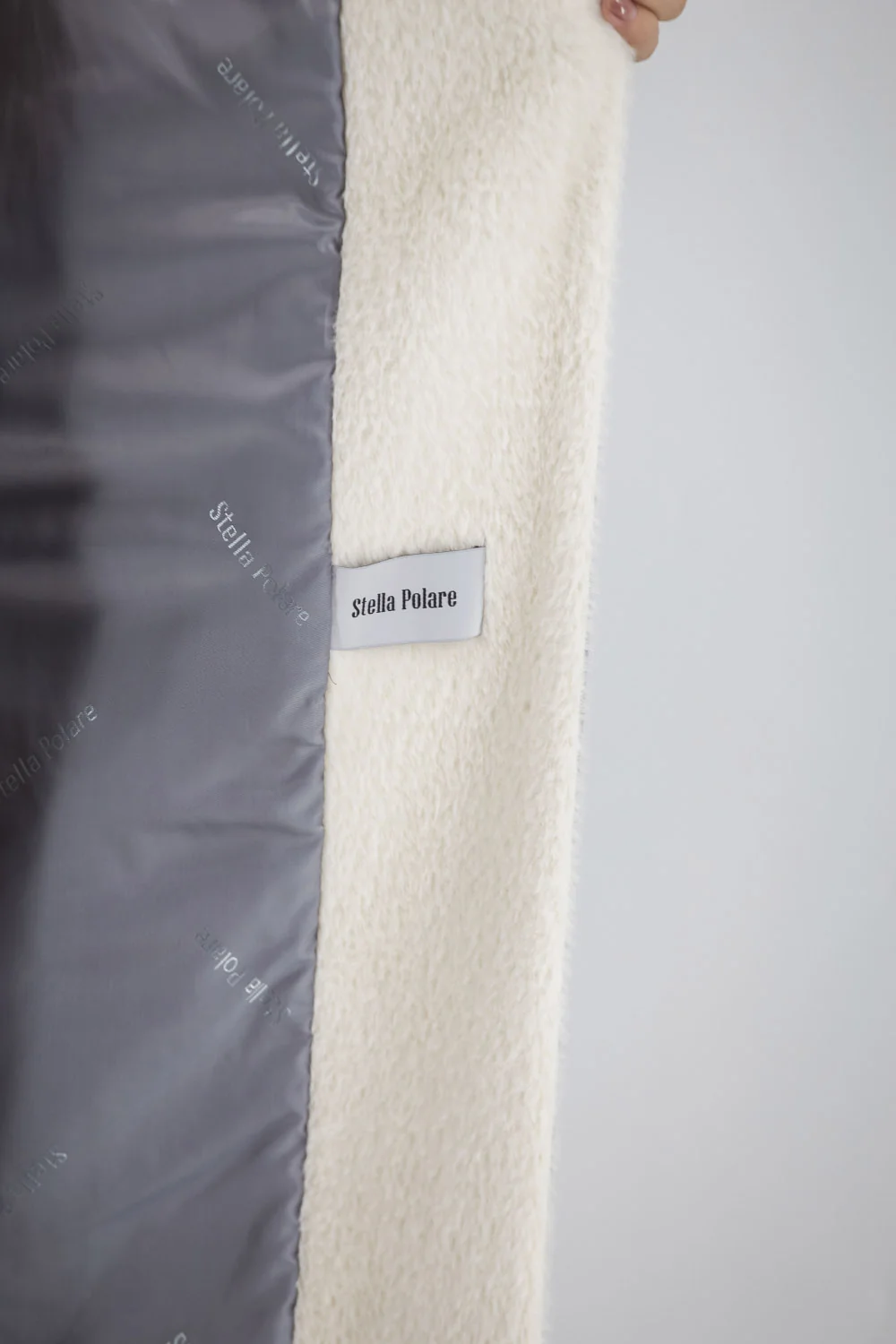
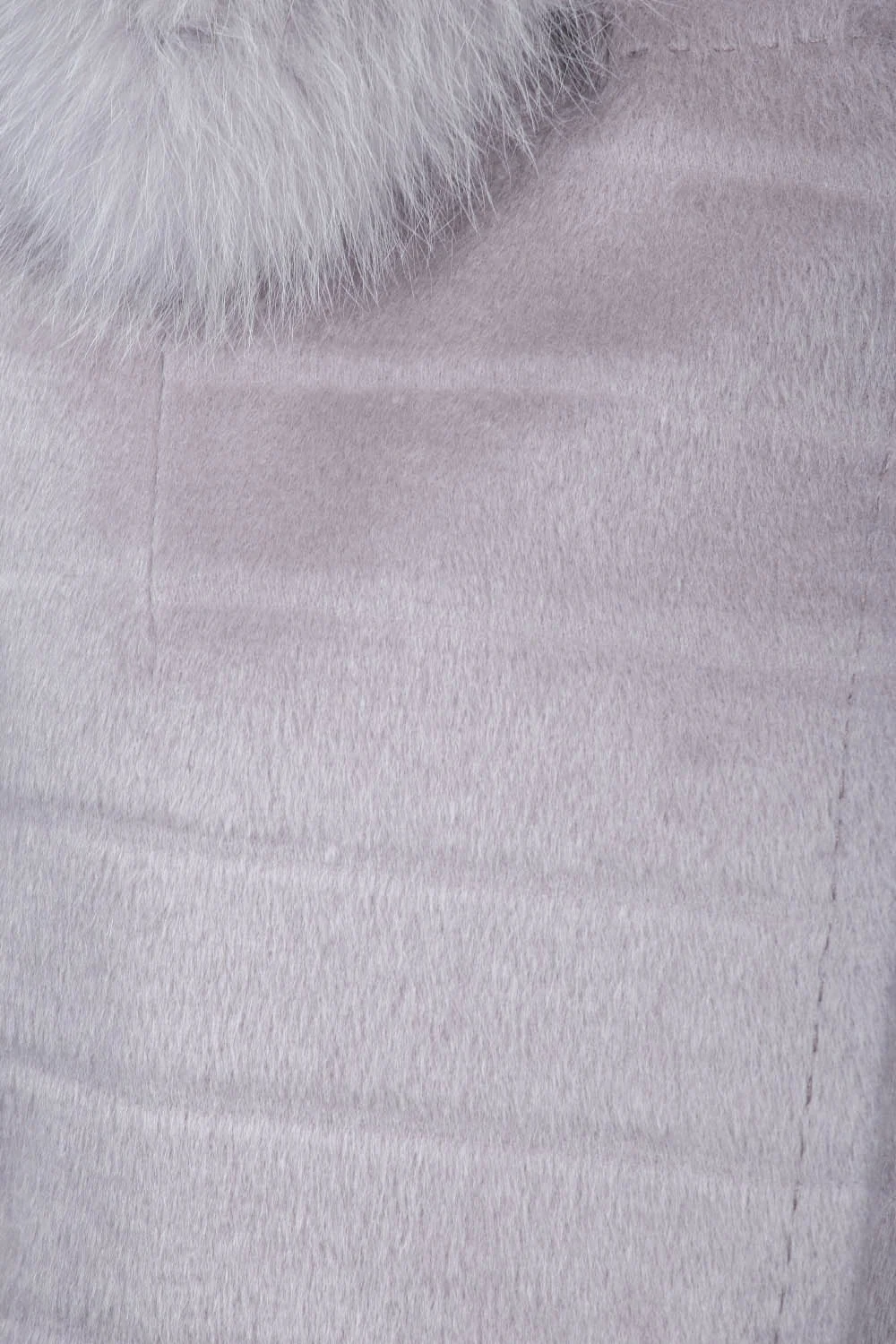
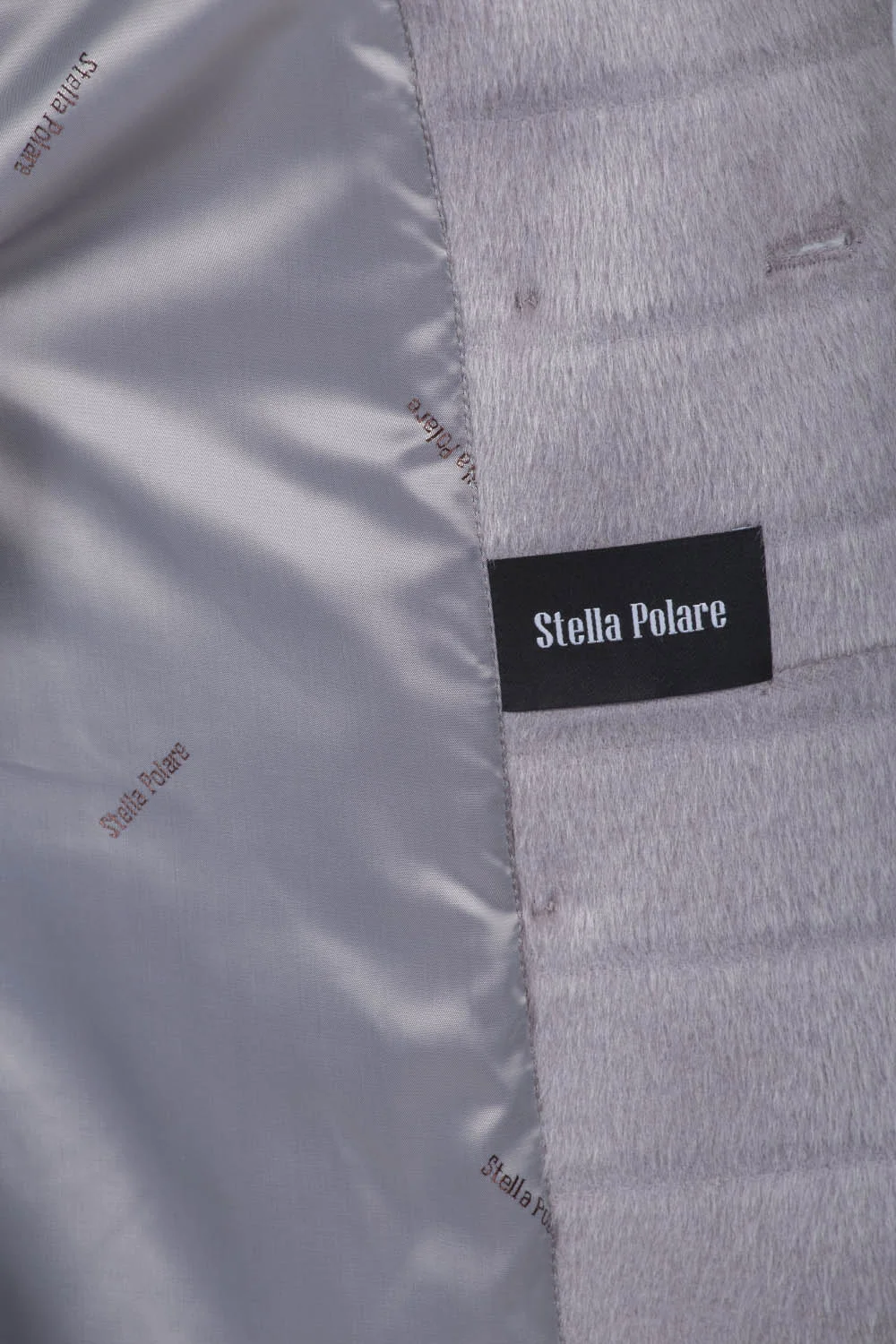
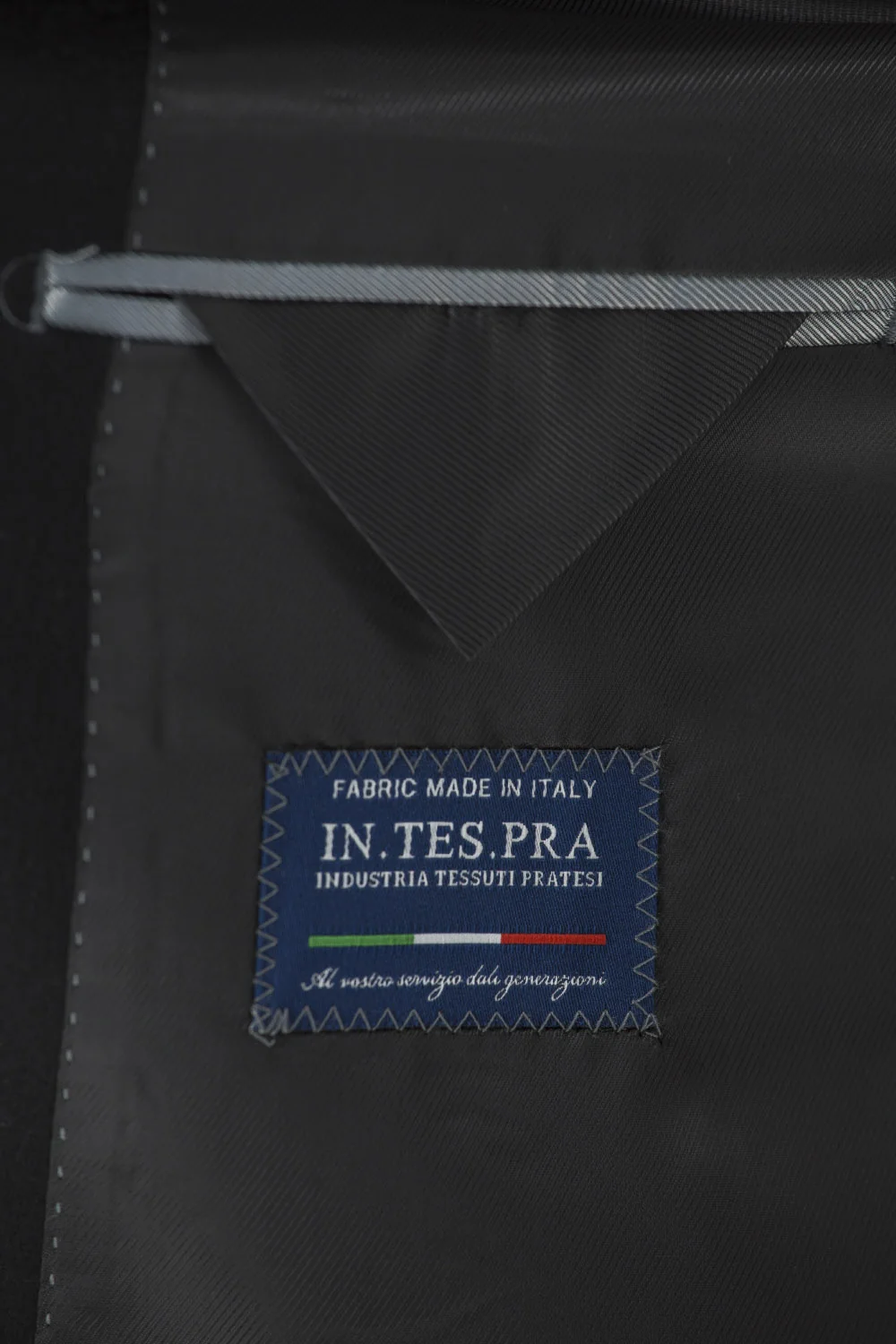
Start with the care and composition label. It should state exact fibre percentages, care instructions and manufacturer information. Phrases such as “cashmere touch” or “cashmere effect” do not necessarily mean that the fabric contains natural cashmere.

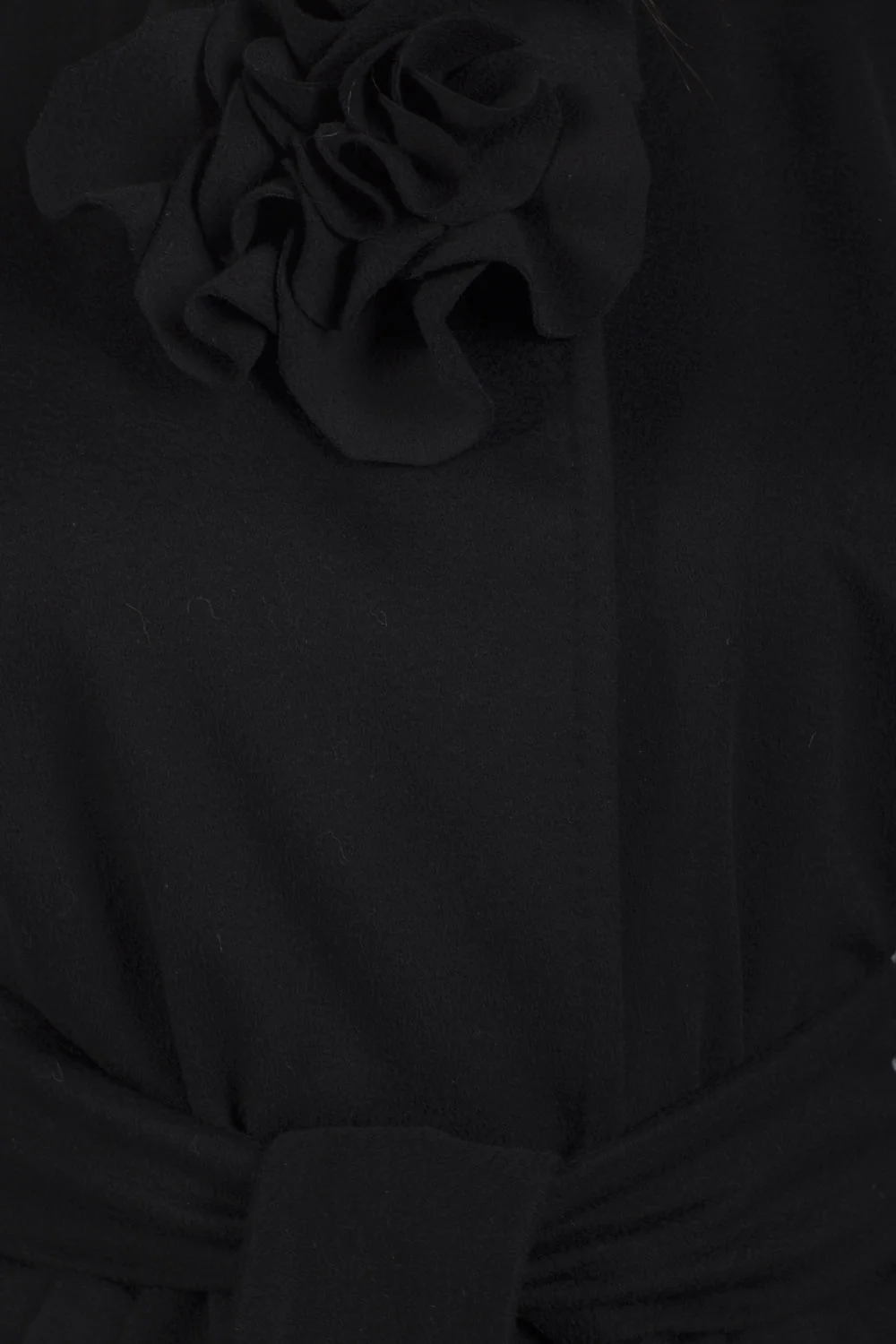
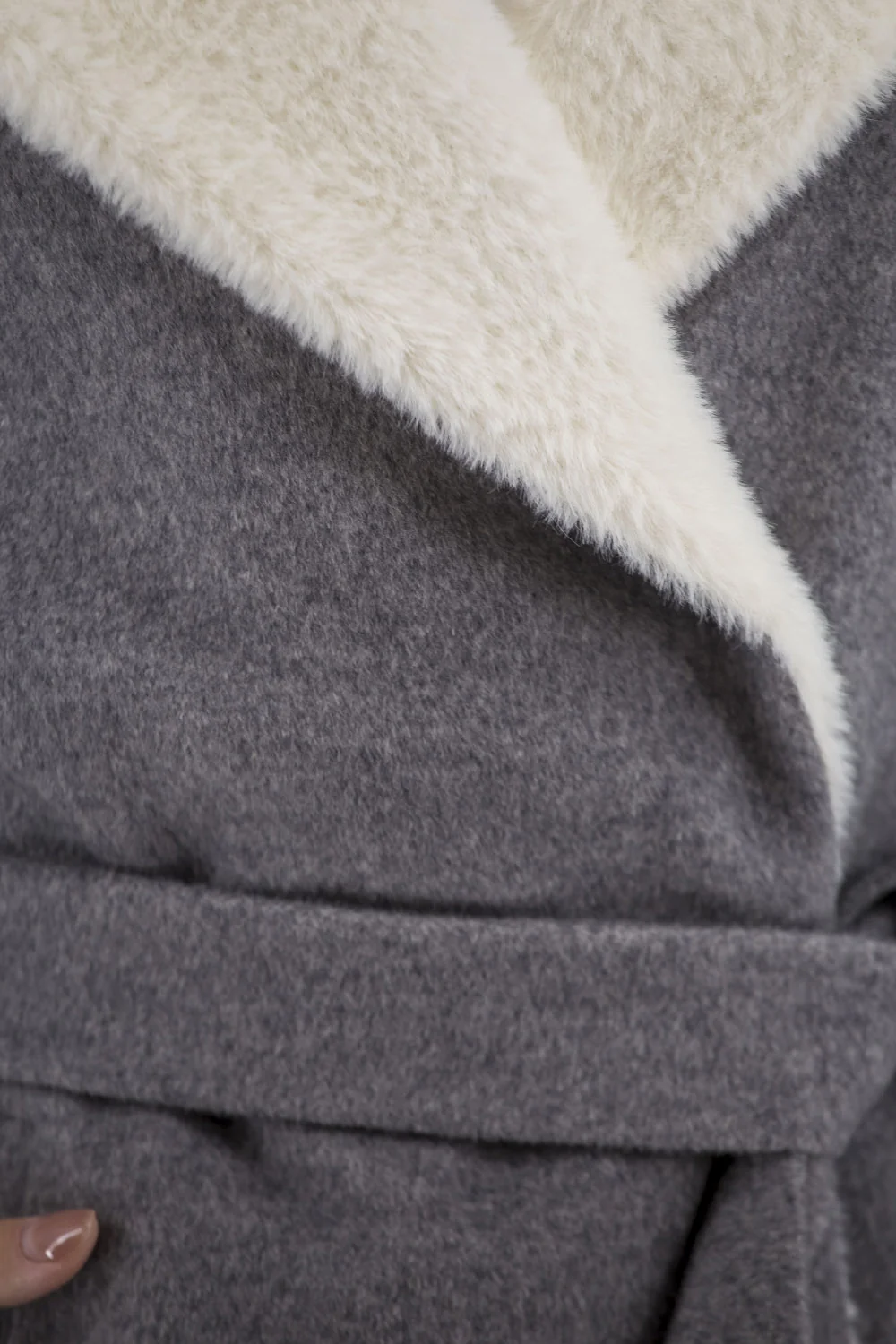
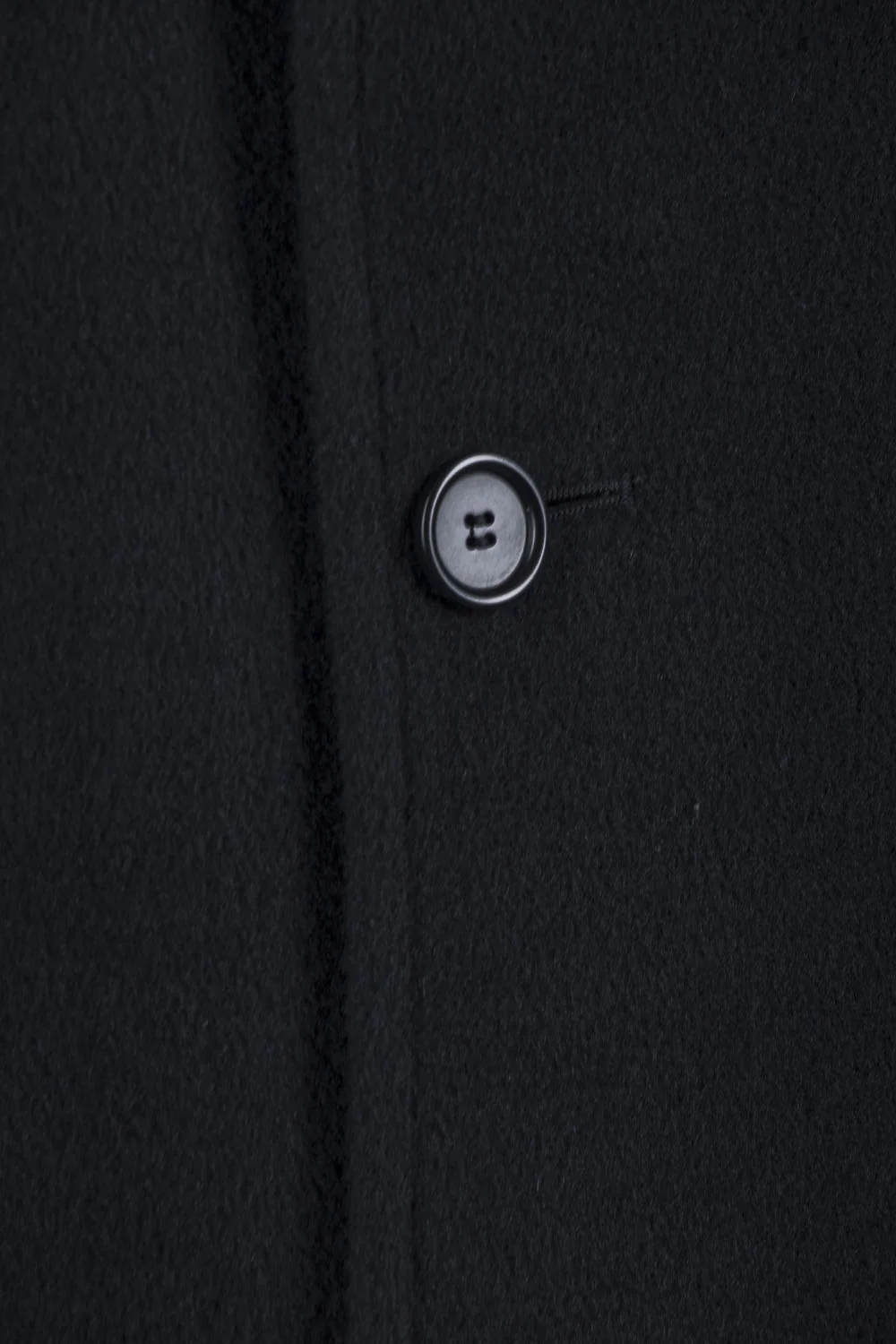
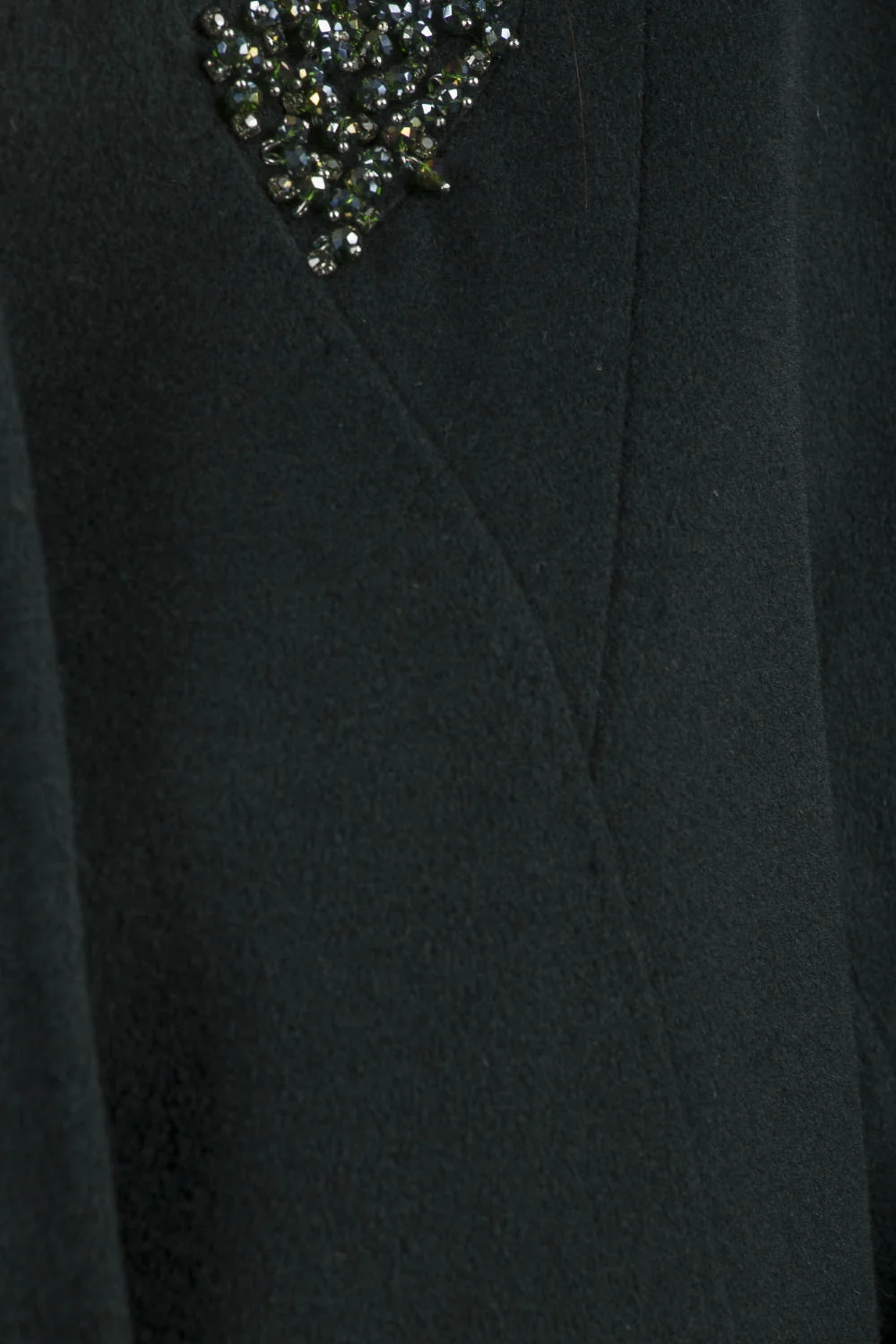
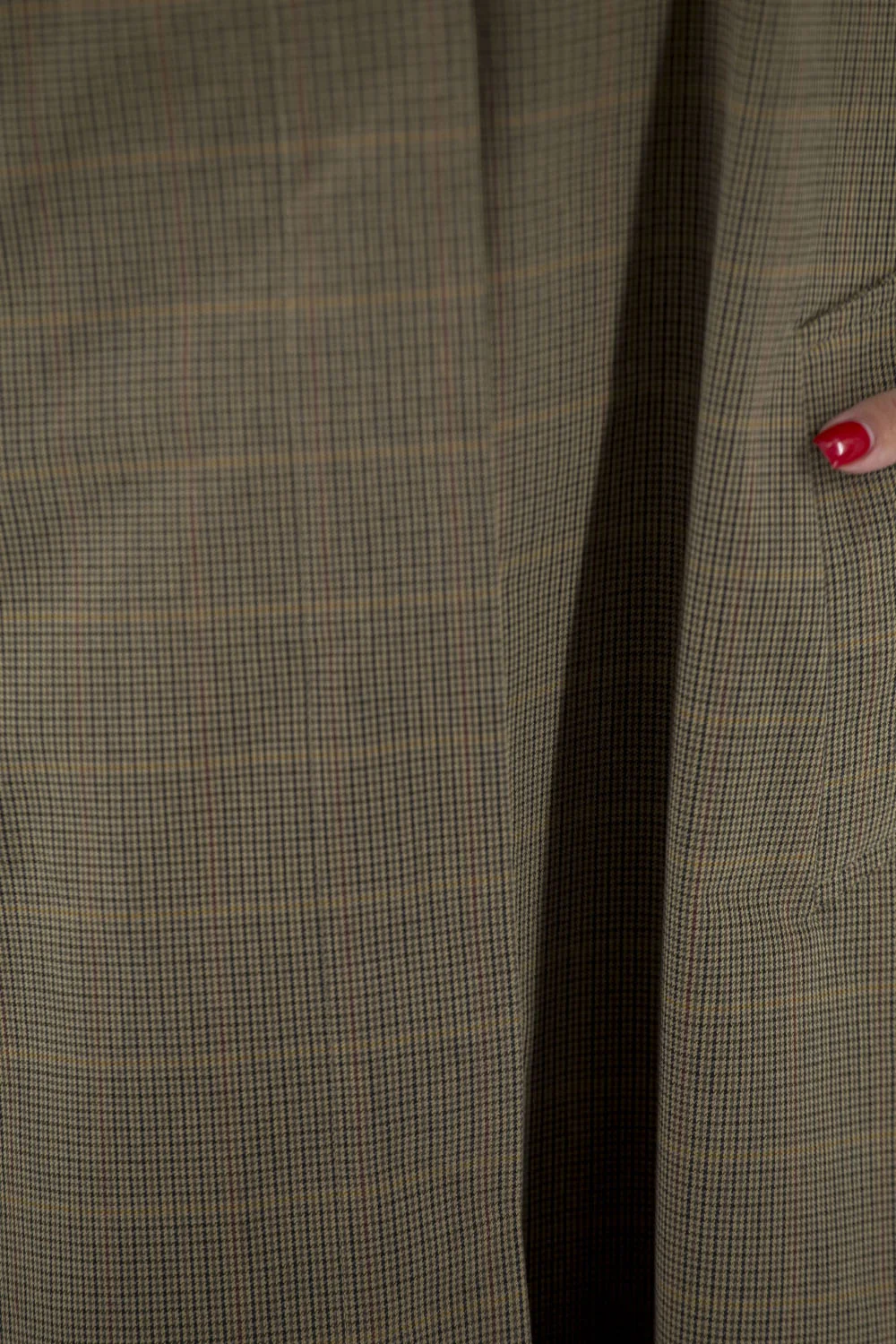
- Inspect the surface. It should look even and should not release large amounts of loose fibre when touched.
- Check density. After gentle compression, the material should gradually return to its original shape.
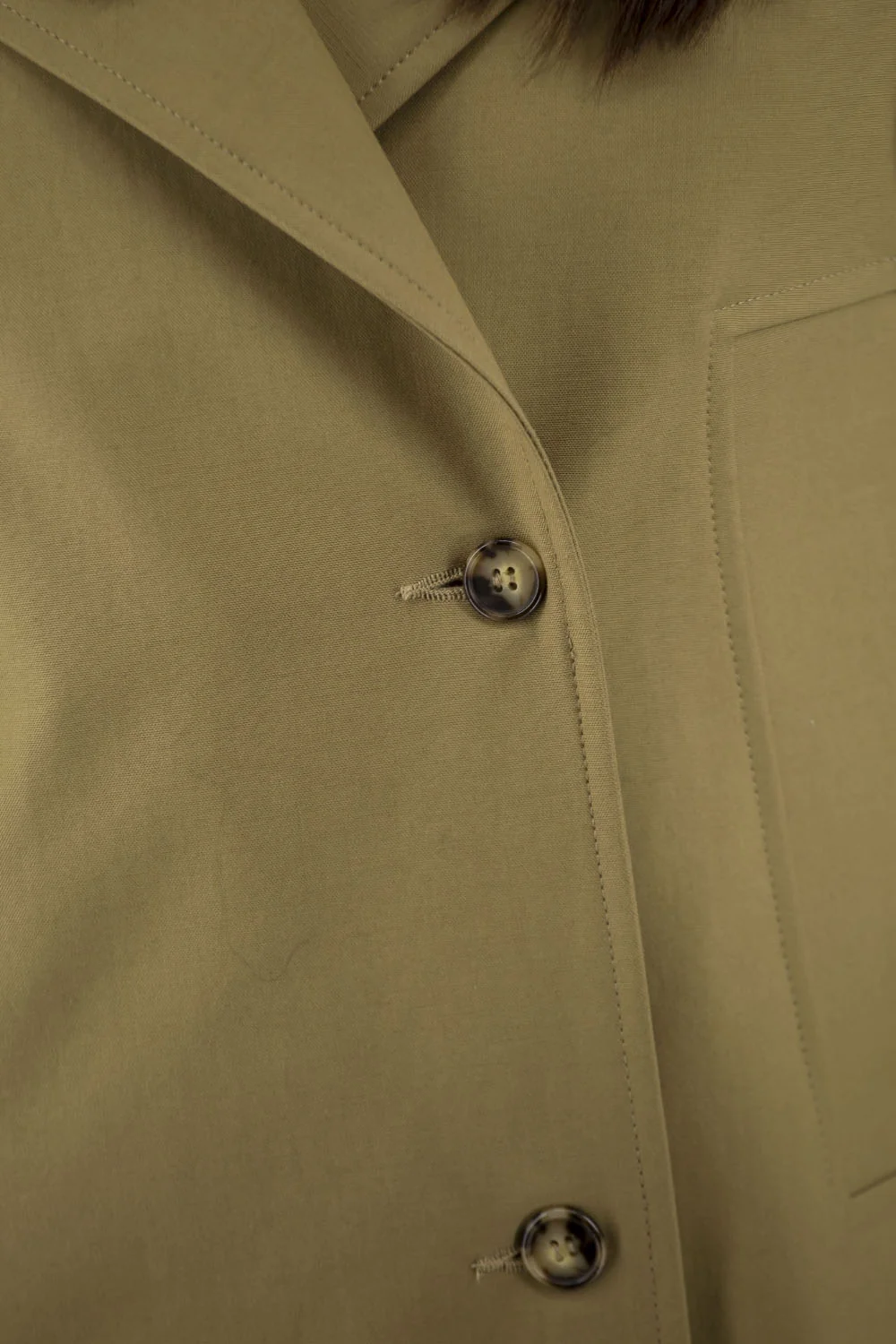
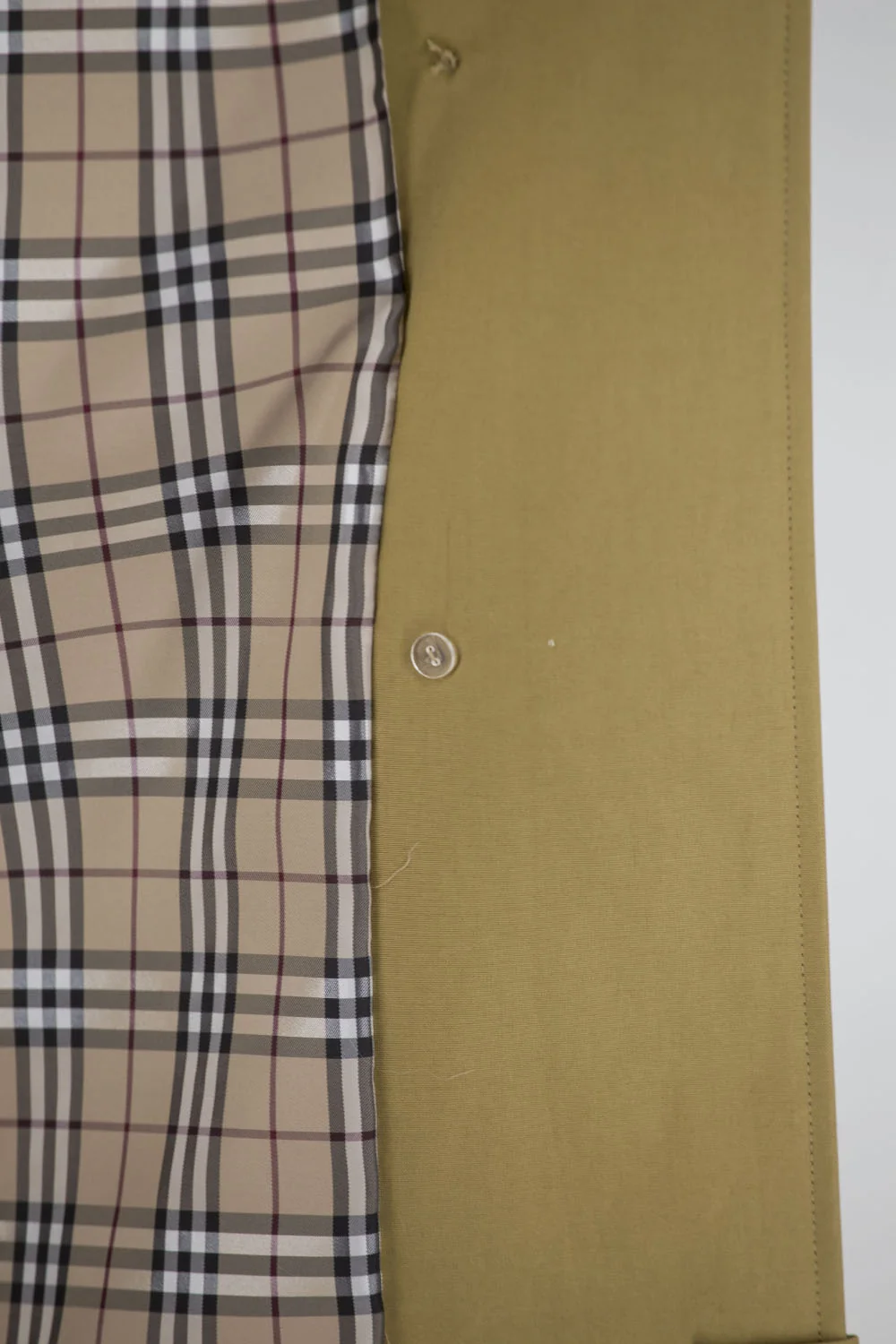
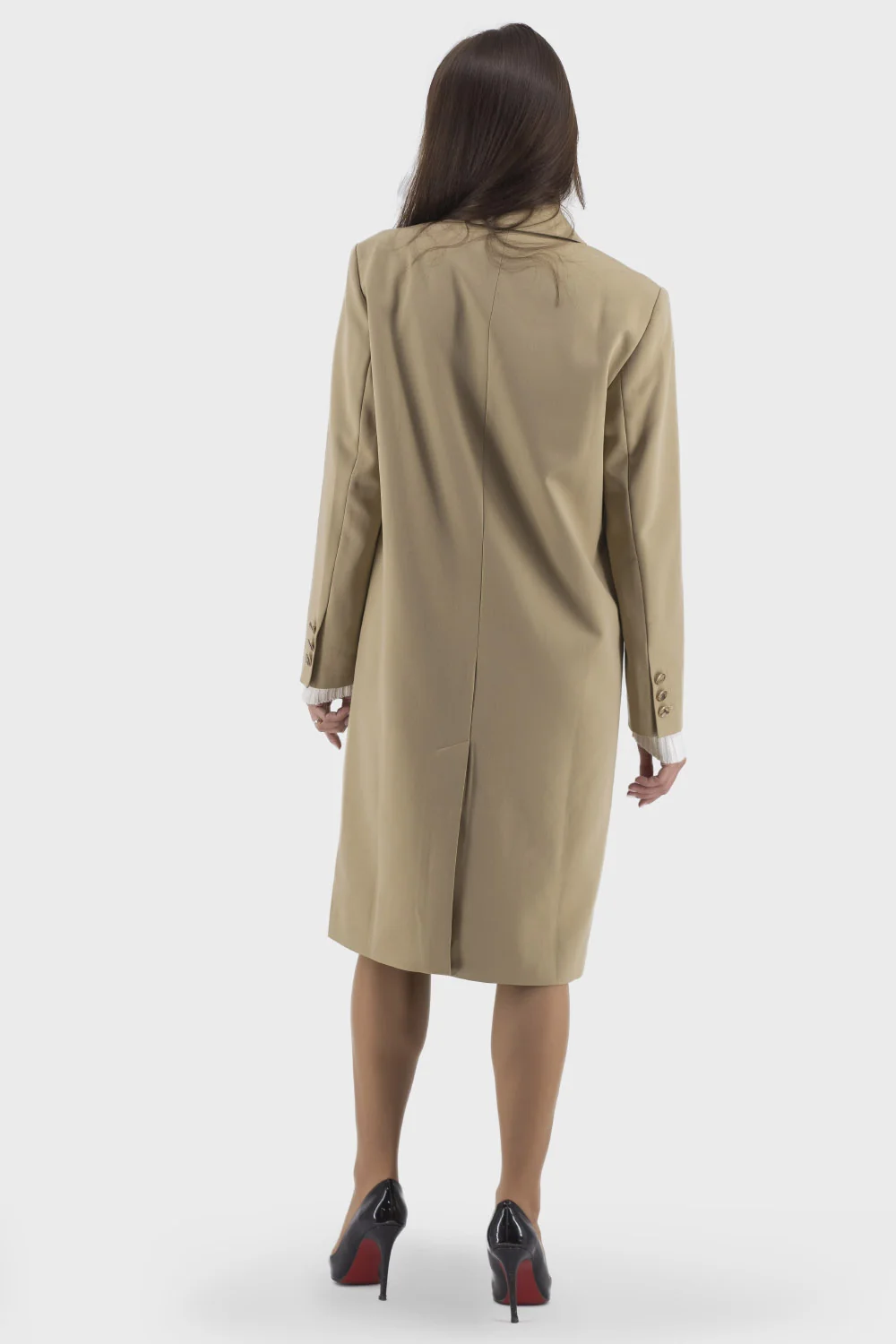
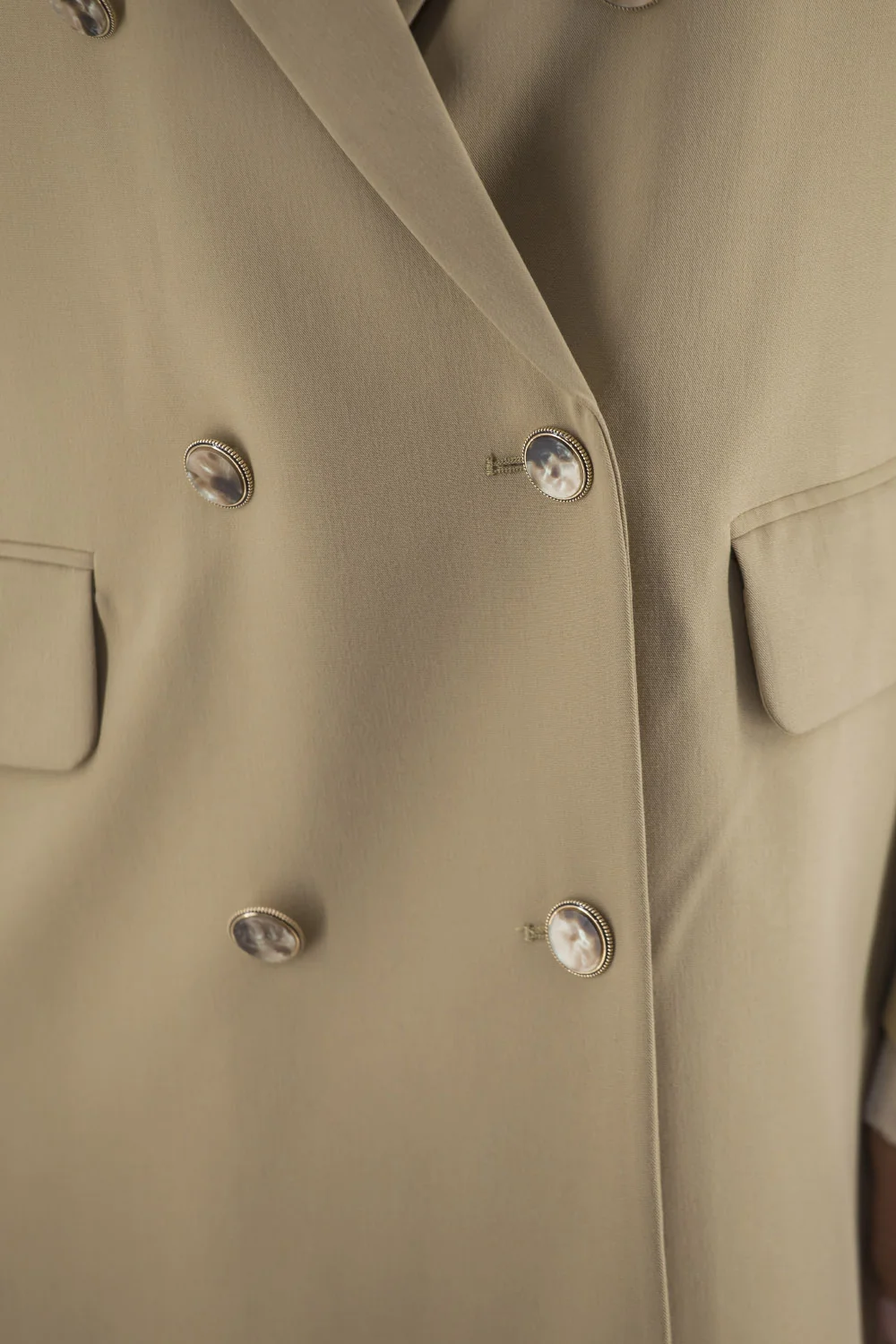
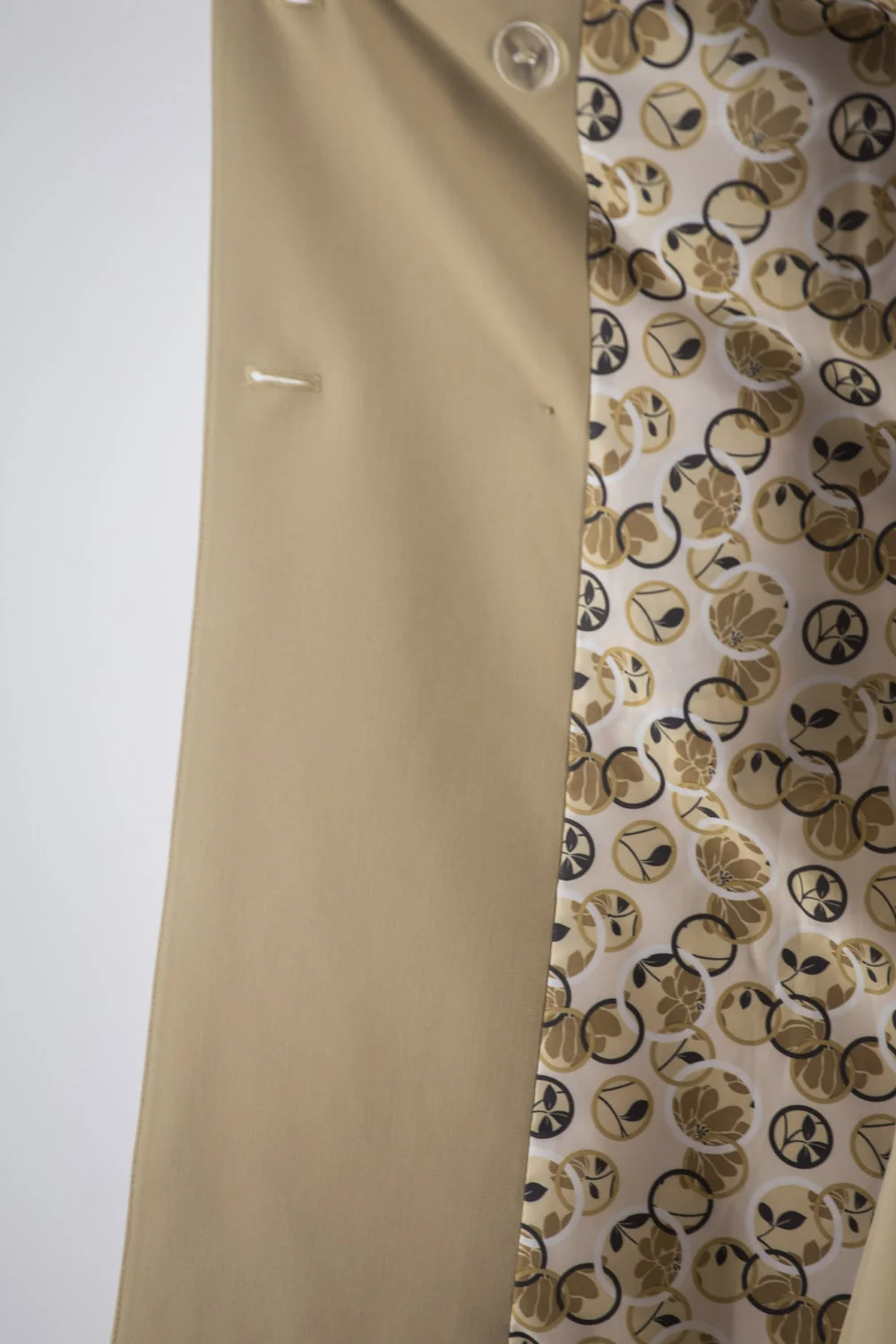
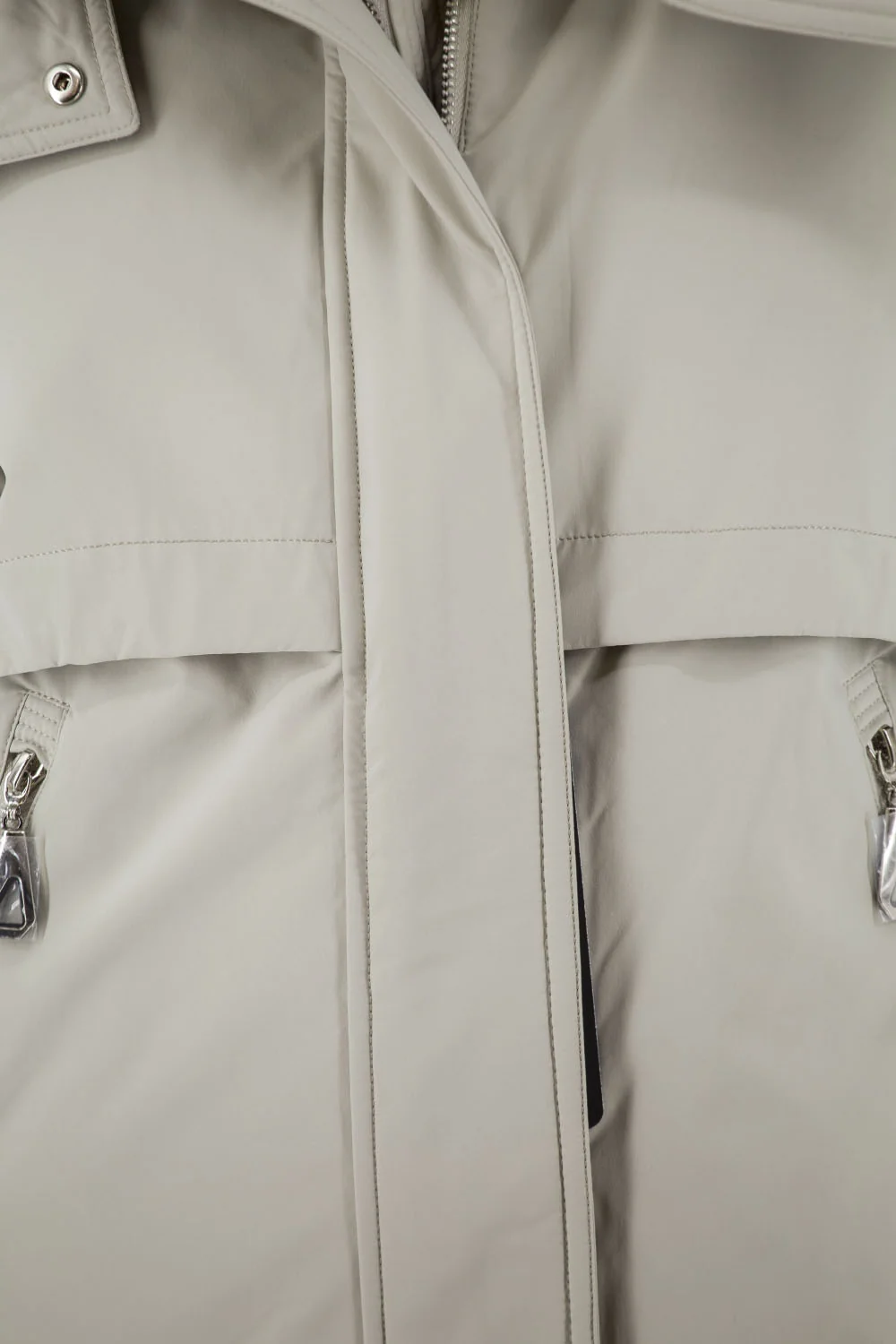
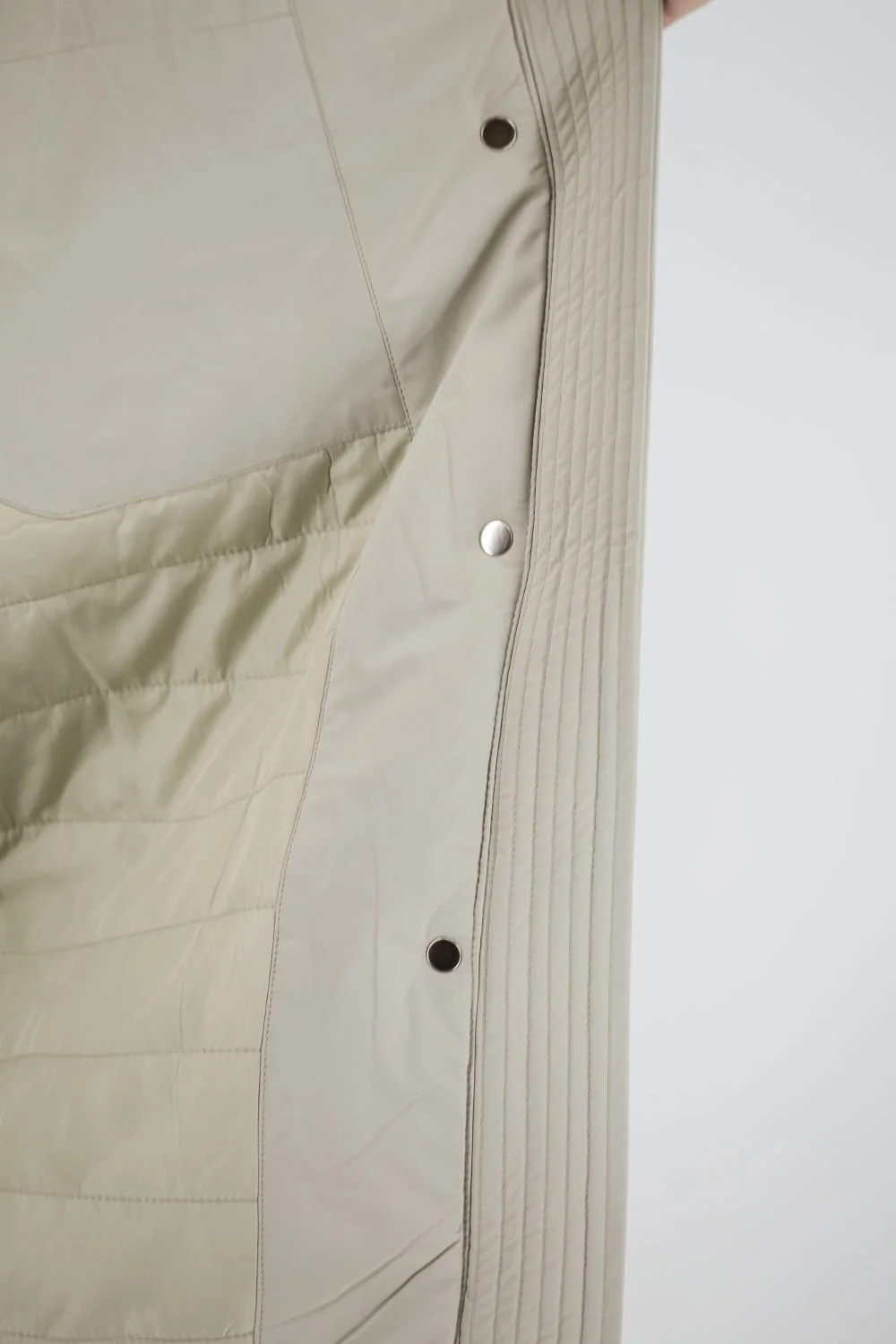
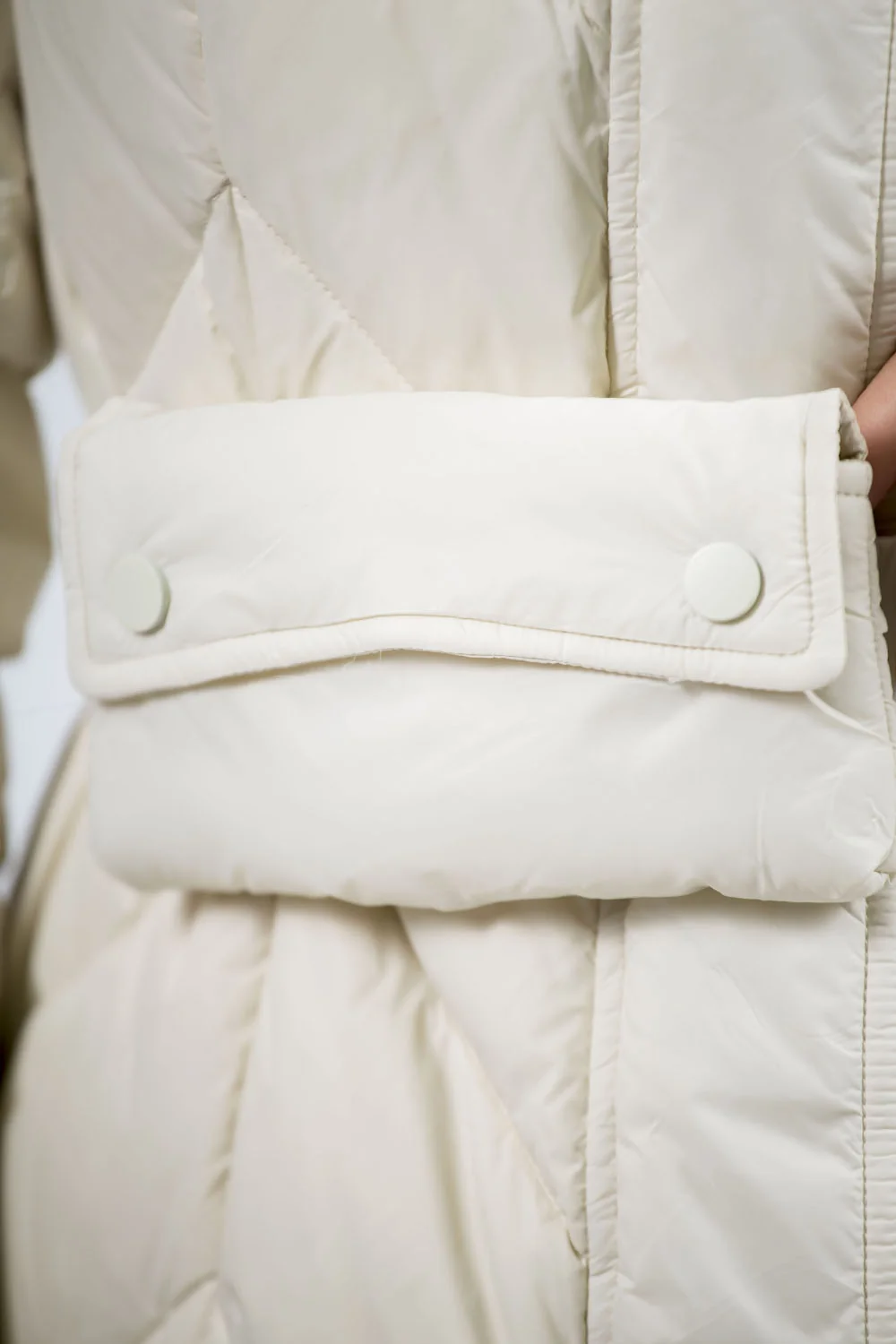
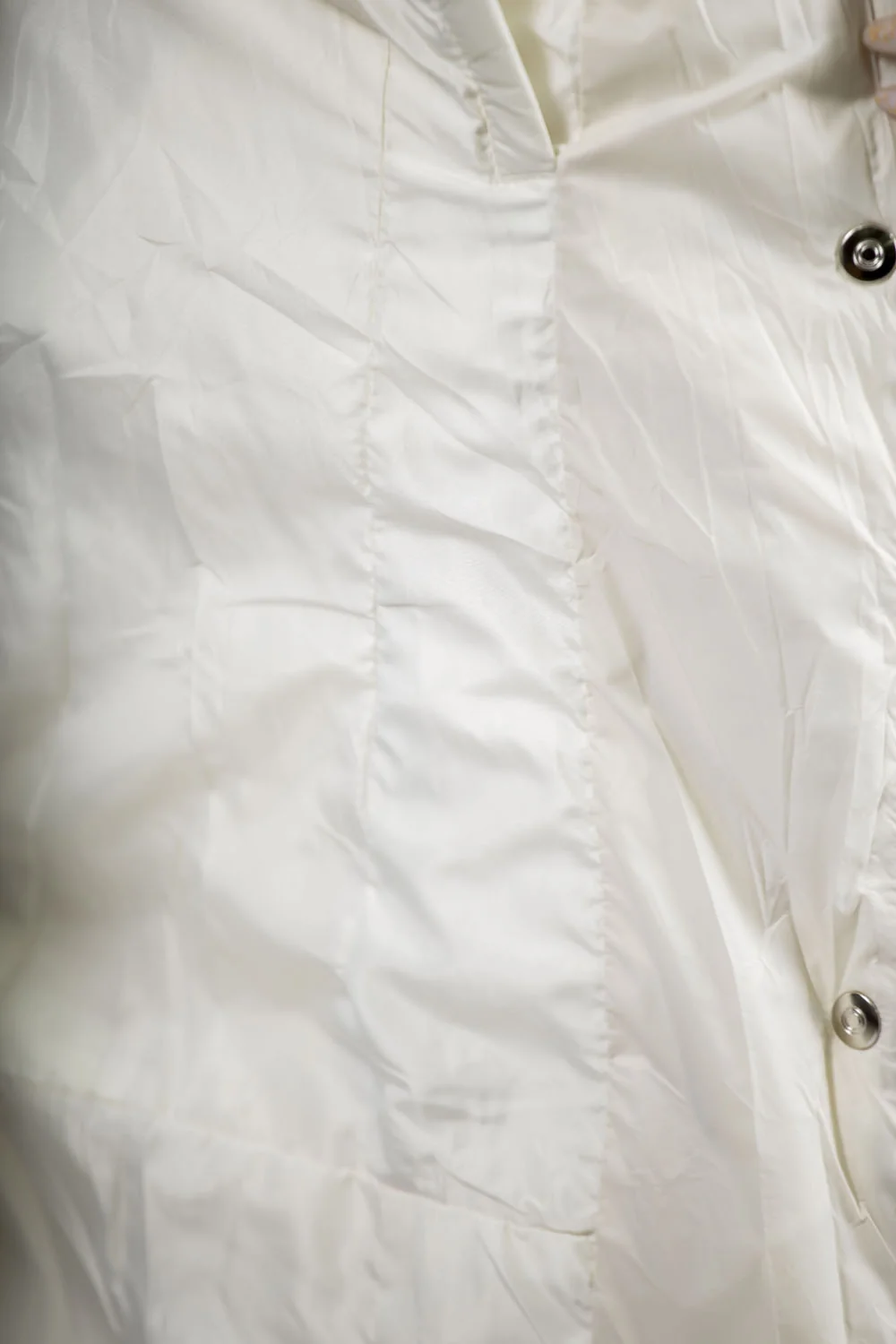
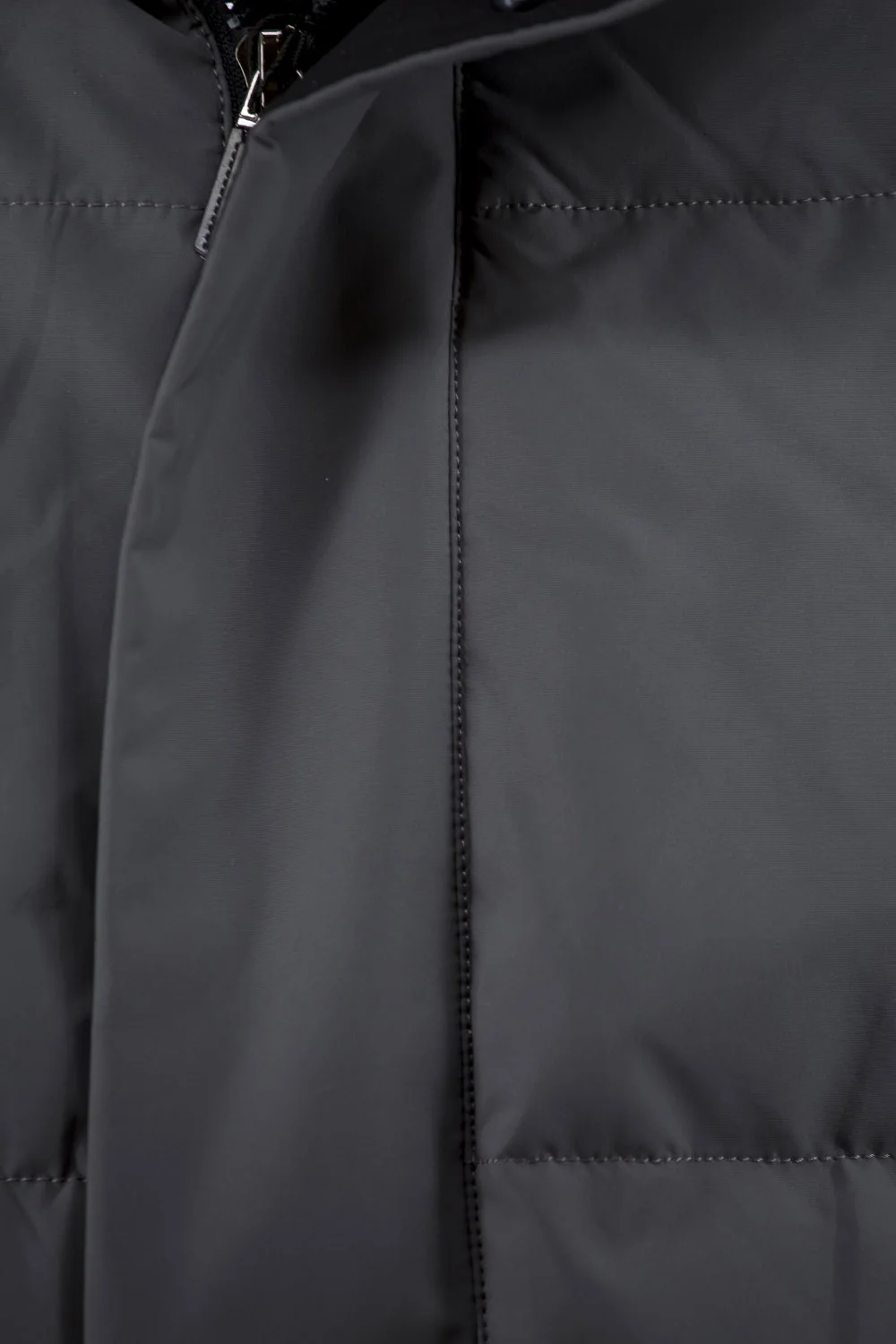
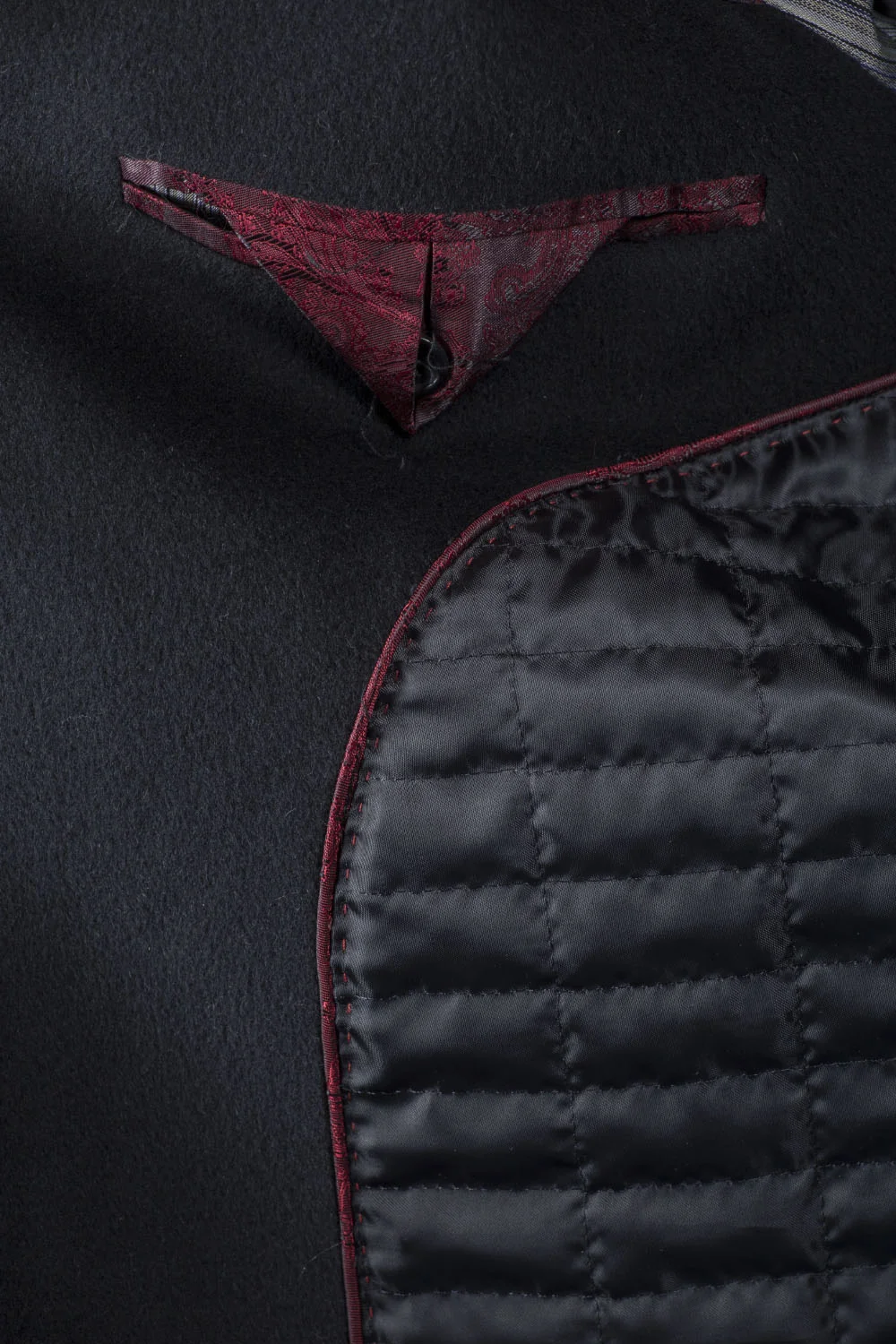
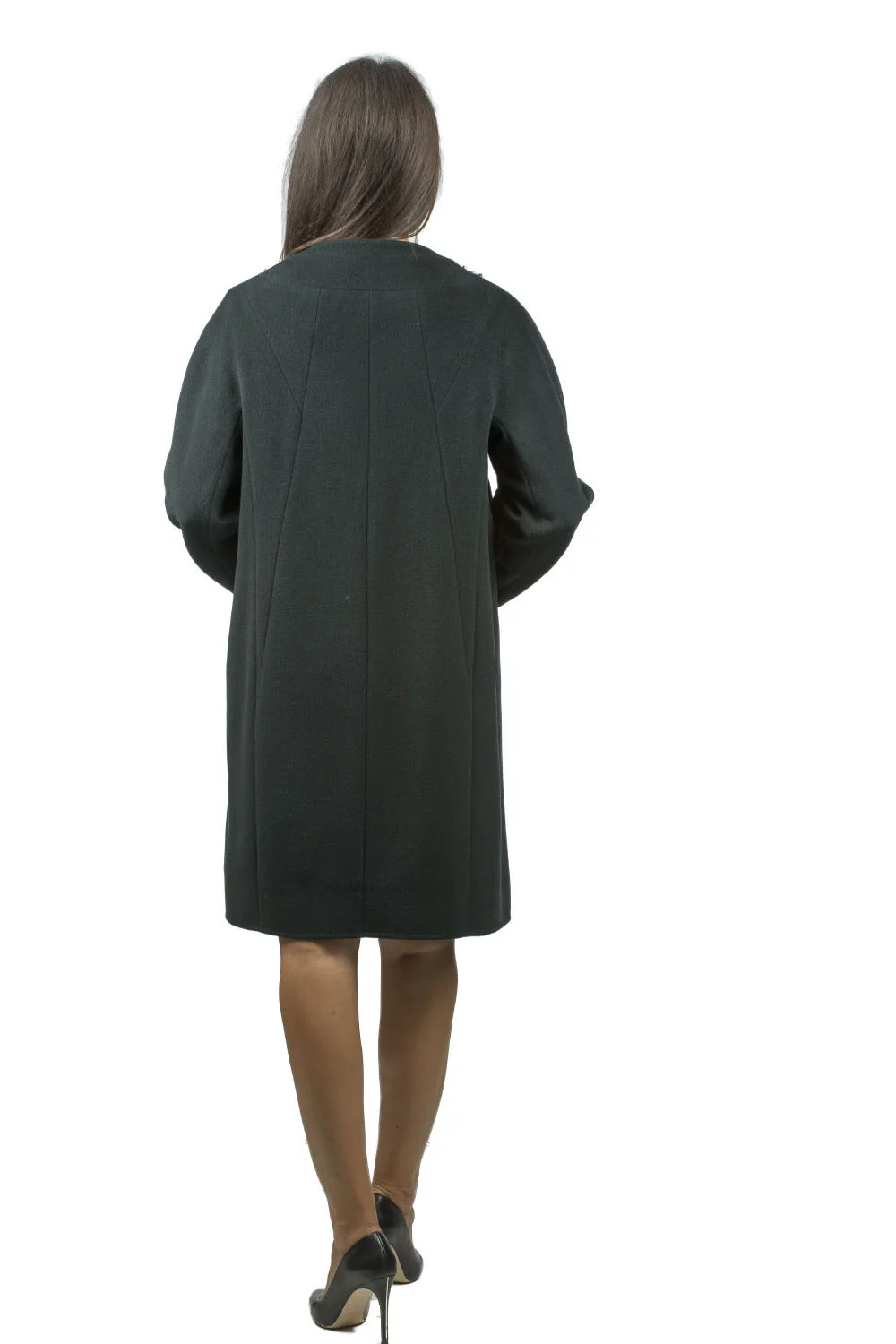
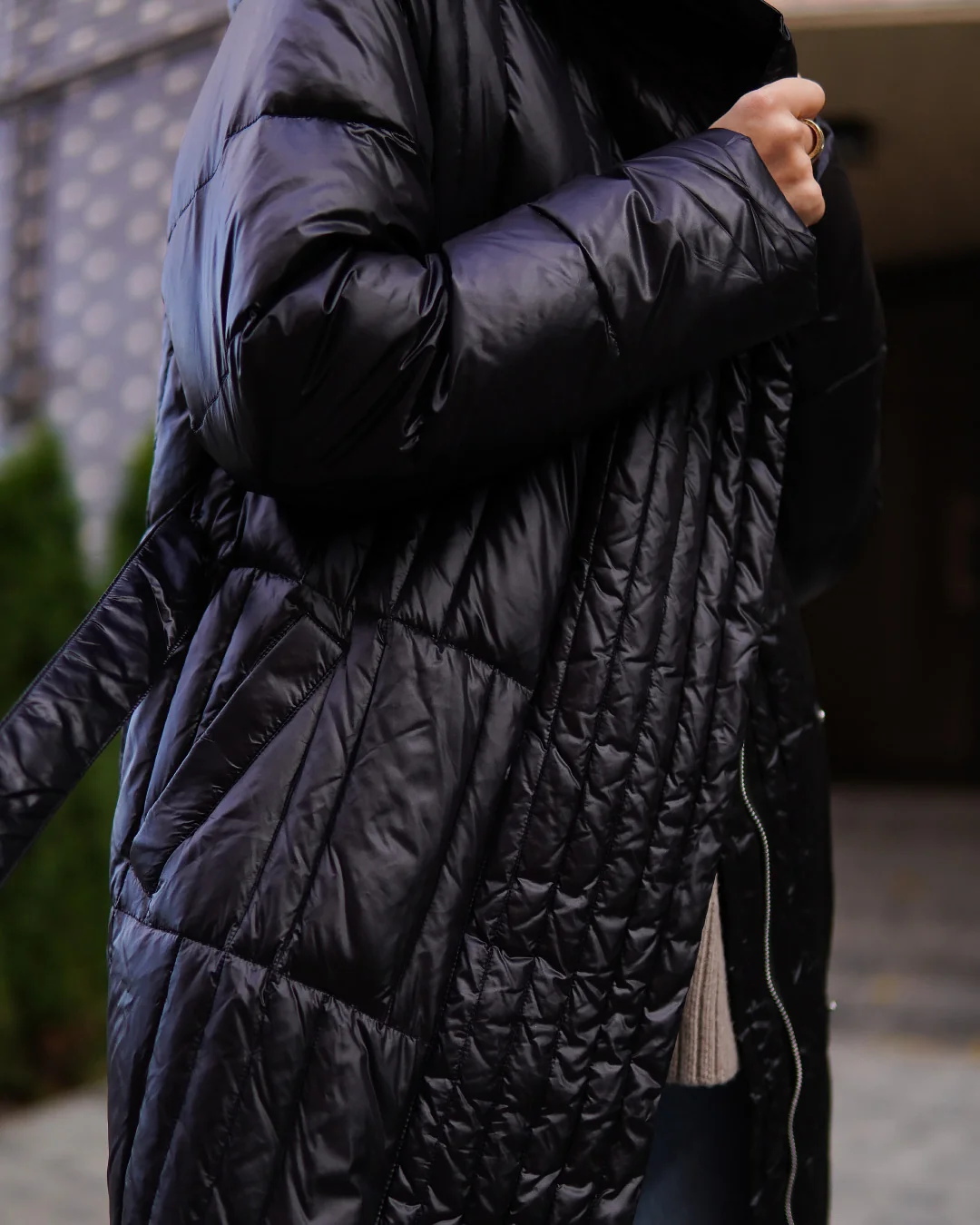
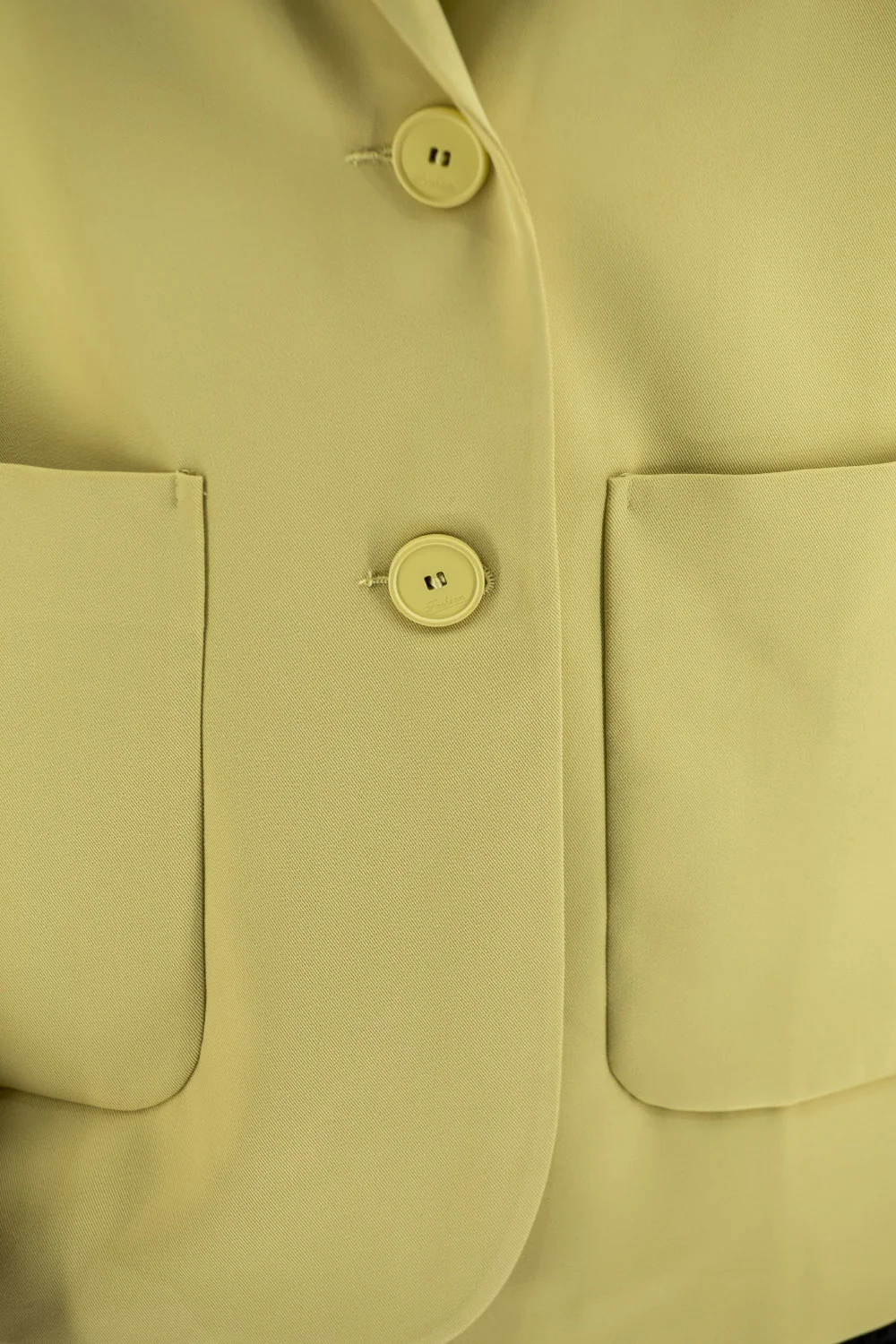
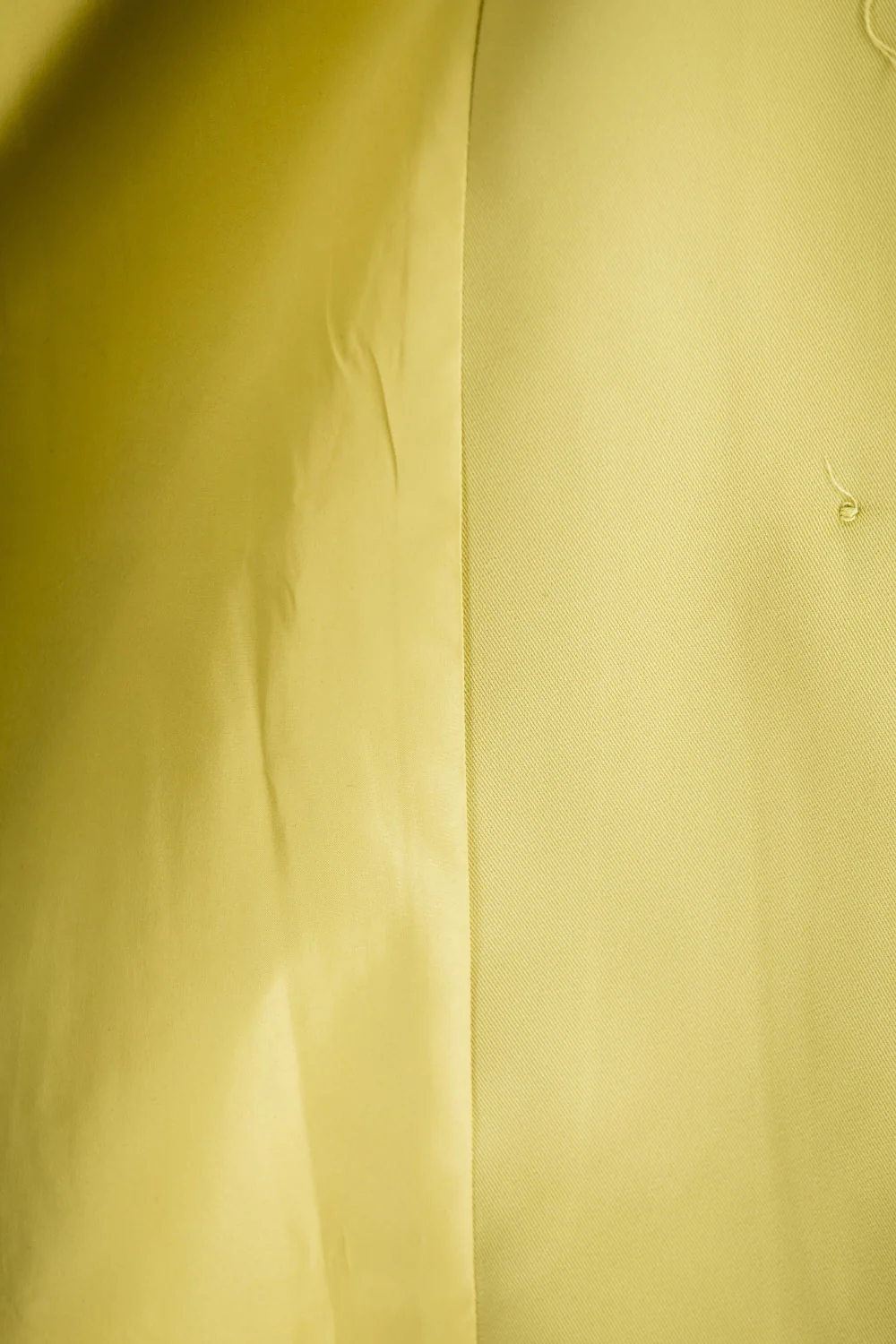
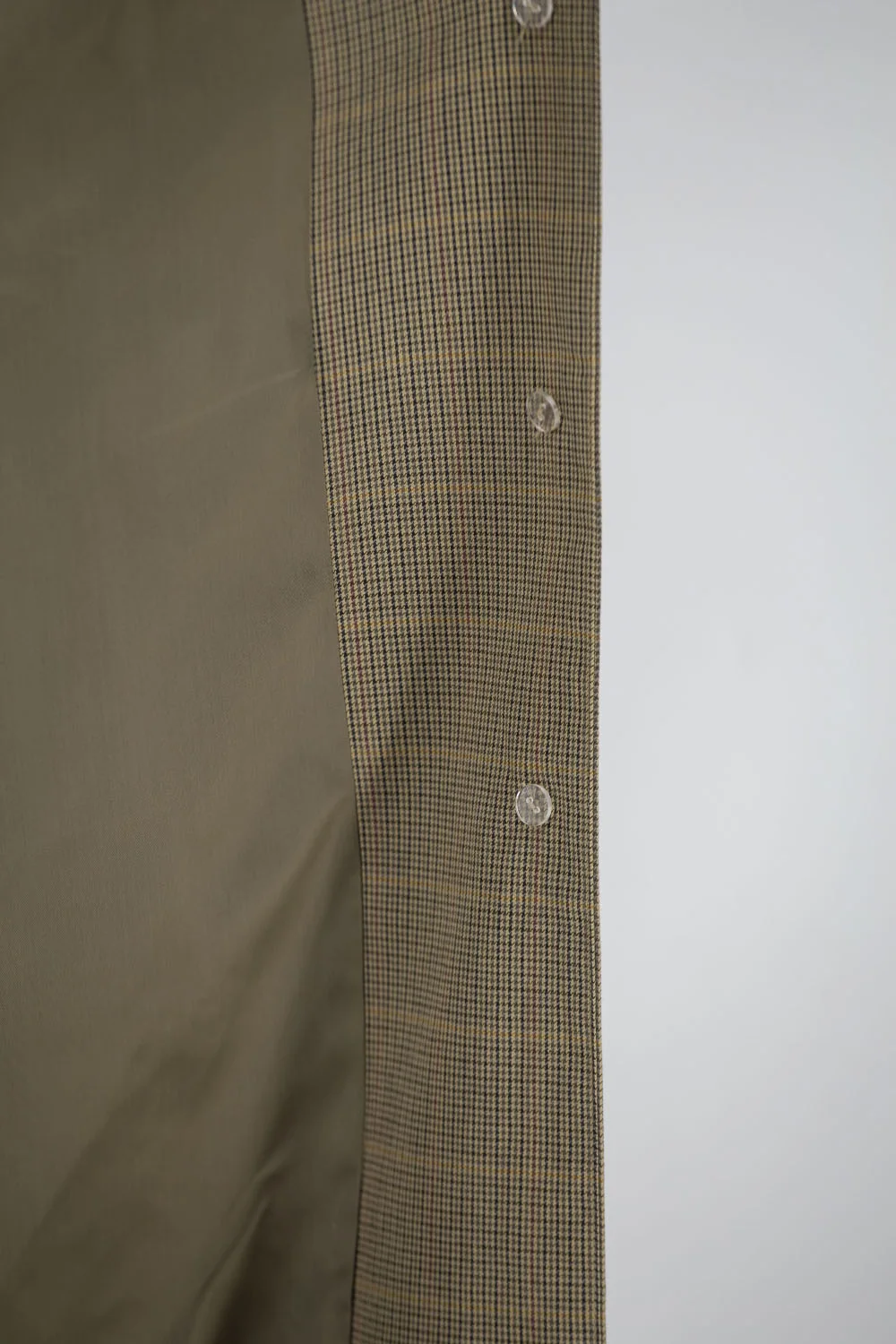
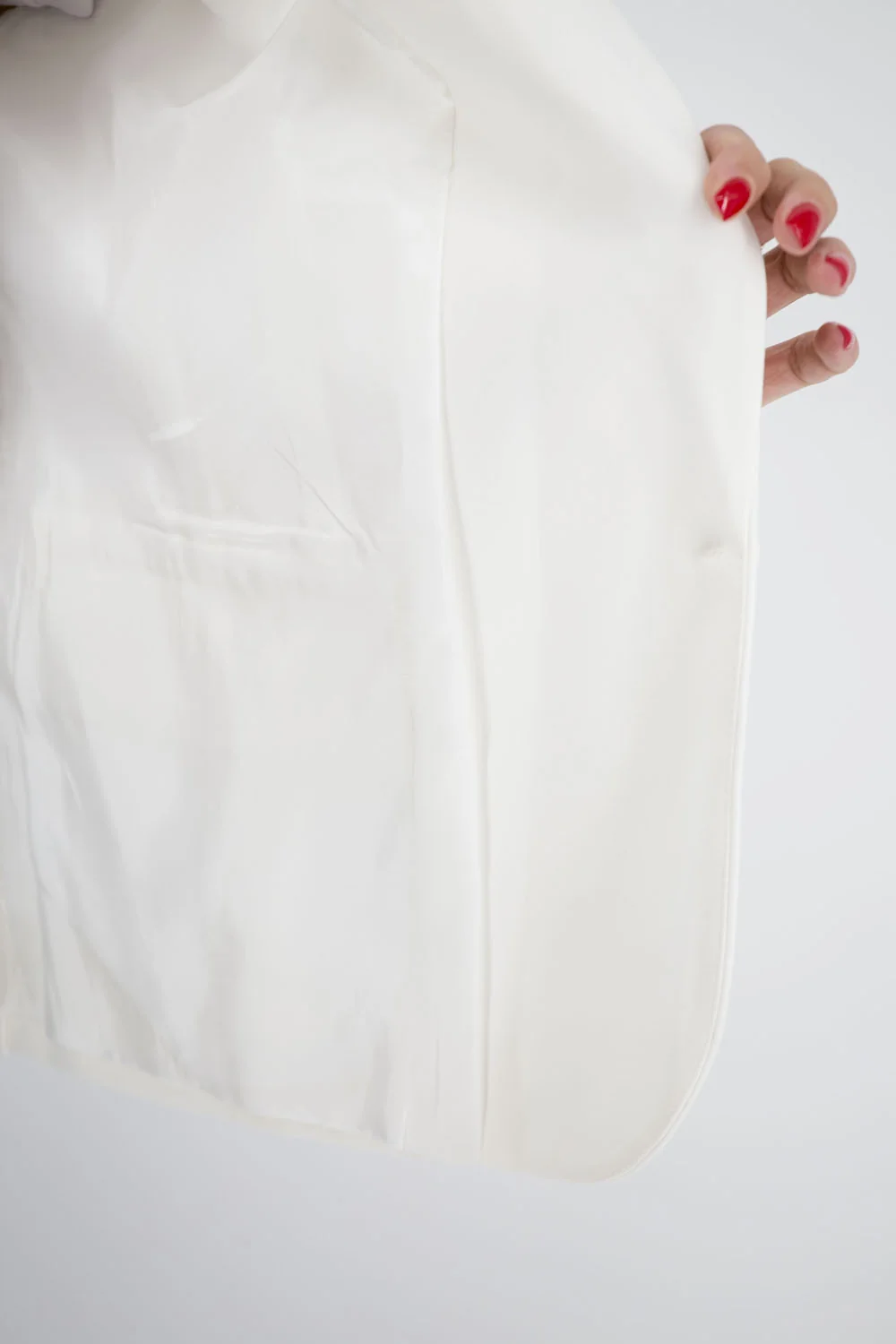
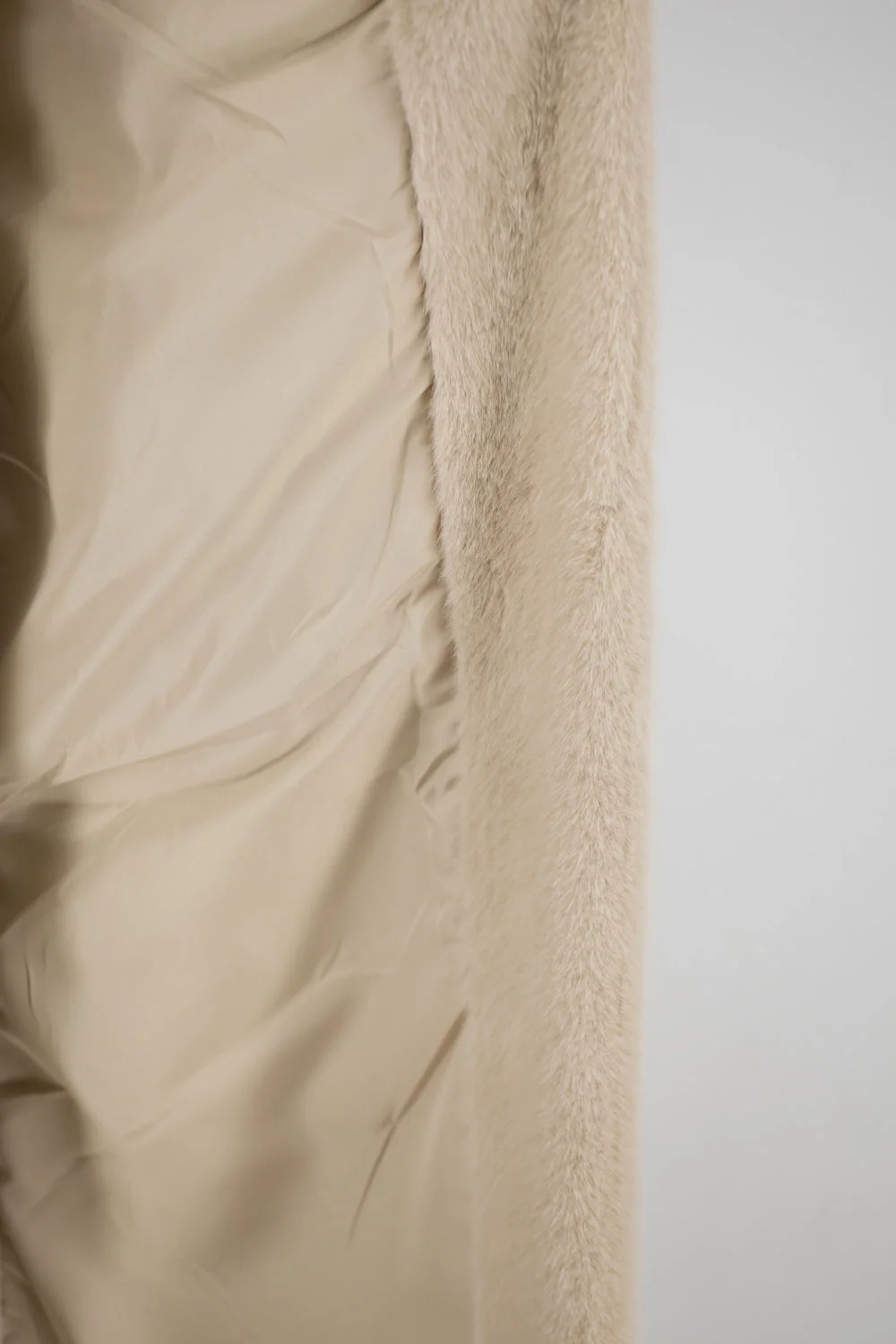
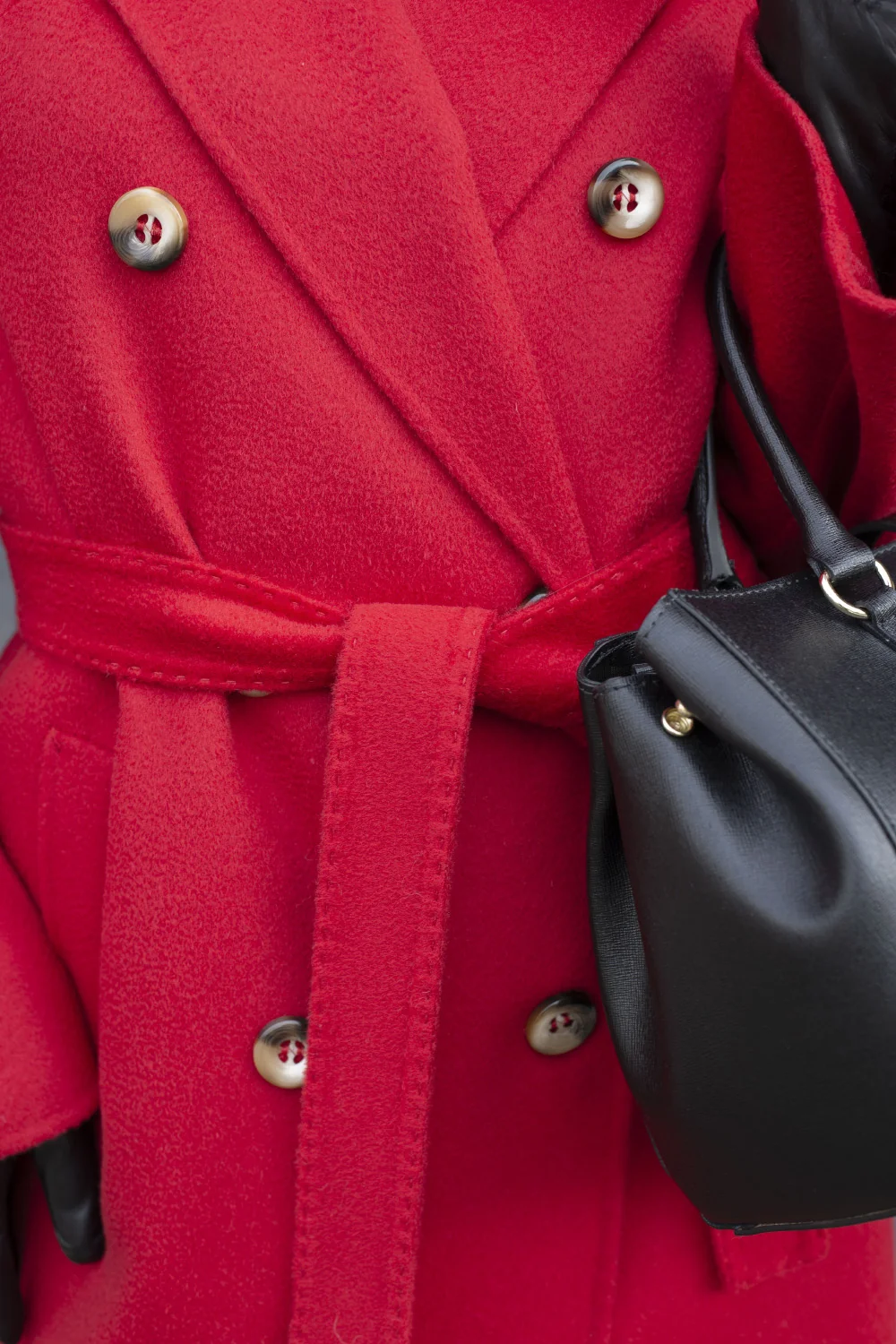
- Examine construction. Straight seams, a neat lining and properly finished edges influence long-term durability.
- Try it over a warm layer. The coat should allow comfortable movement through the shoulders and arms.
- Consider the blend. For frequent daily wear, a cashmere and quality-wool blend may be more practical than an extremely delicate fabric.
Myth: good cashmere never pills
Pilling can appear even on high-quality fabric. It usually develops in areas exposed to repeated friction, including under the arms, around pockets, beneath a handbag strap or where a car seat belt touches the coat. The amount of pilling depends on fibre length, yarn construction, fabric composition and the way the garment is worn.
A small amount of surface pilling can be removed carefully with a suitable fabric comb or depilling device. Avoid pressing too firmly or repeatedly treating the same area.
Myth: every cashmere coat is suitable for severe winter weather
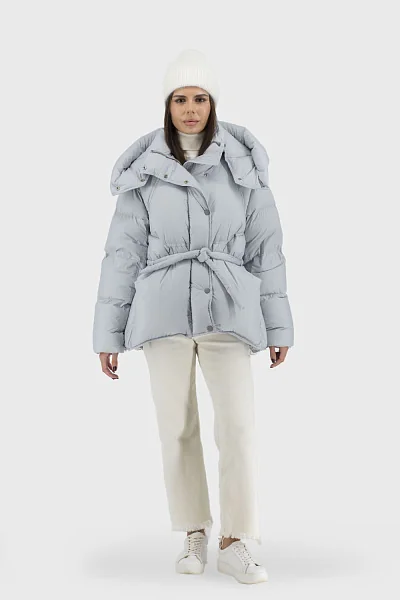
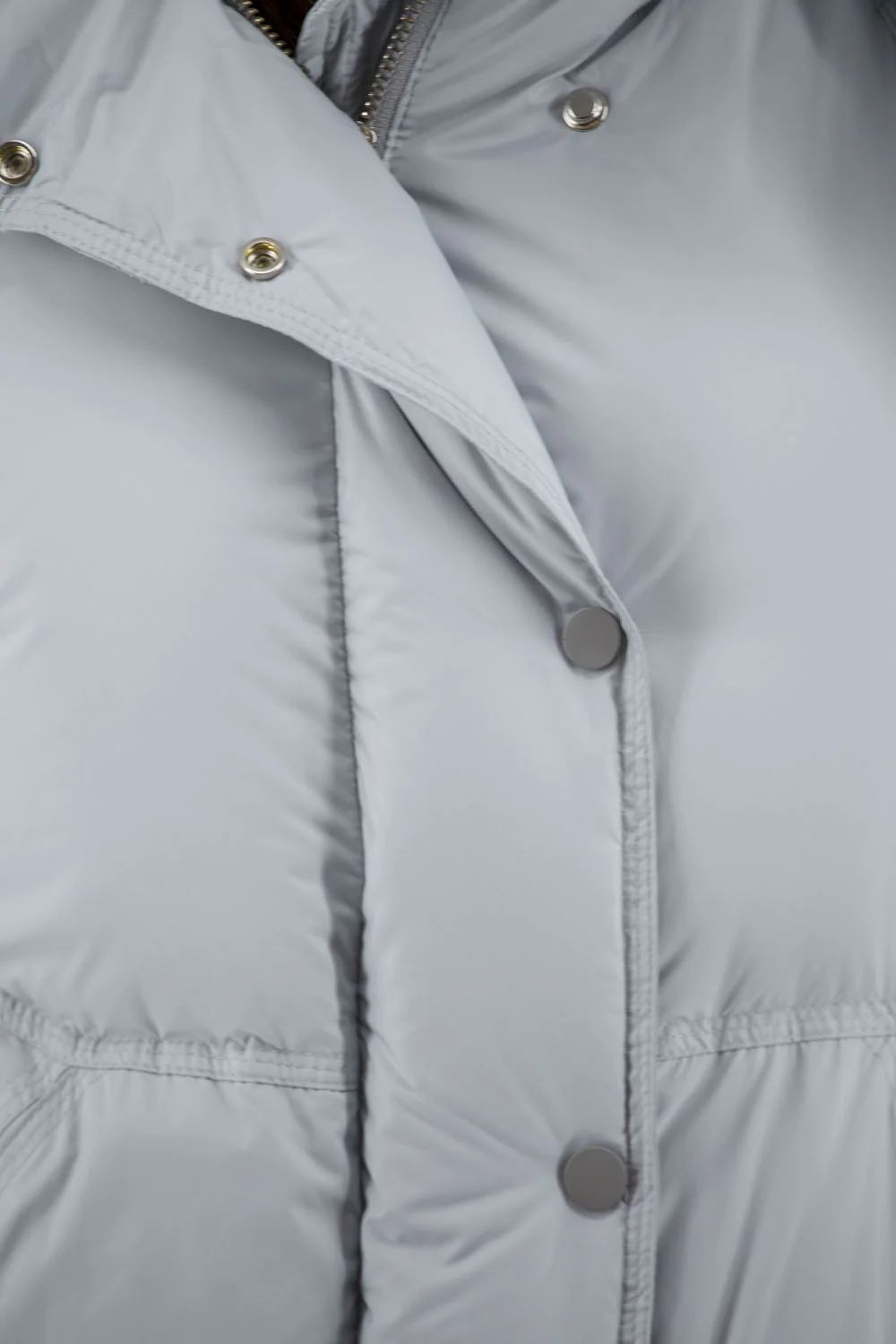
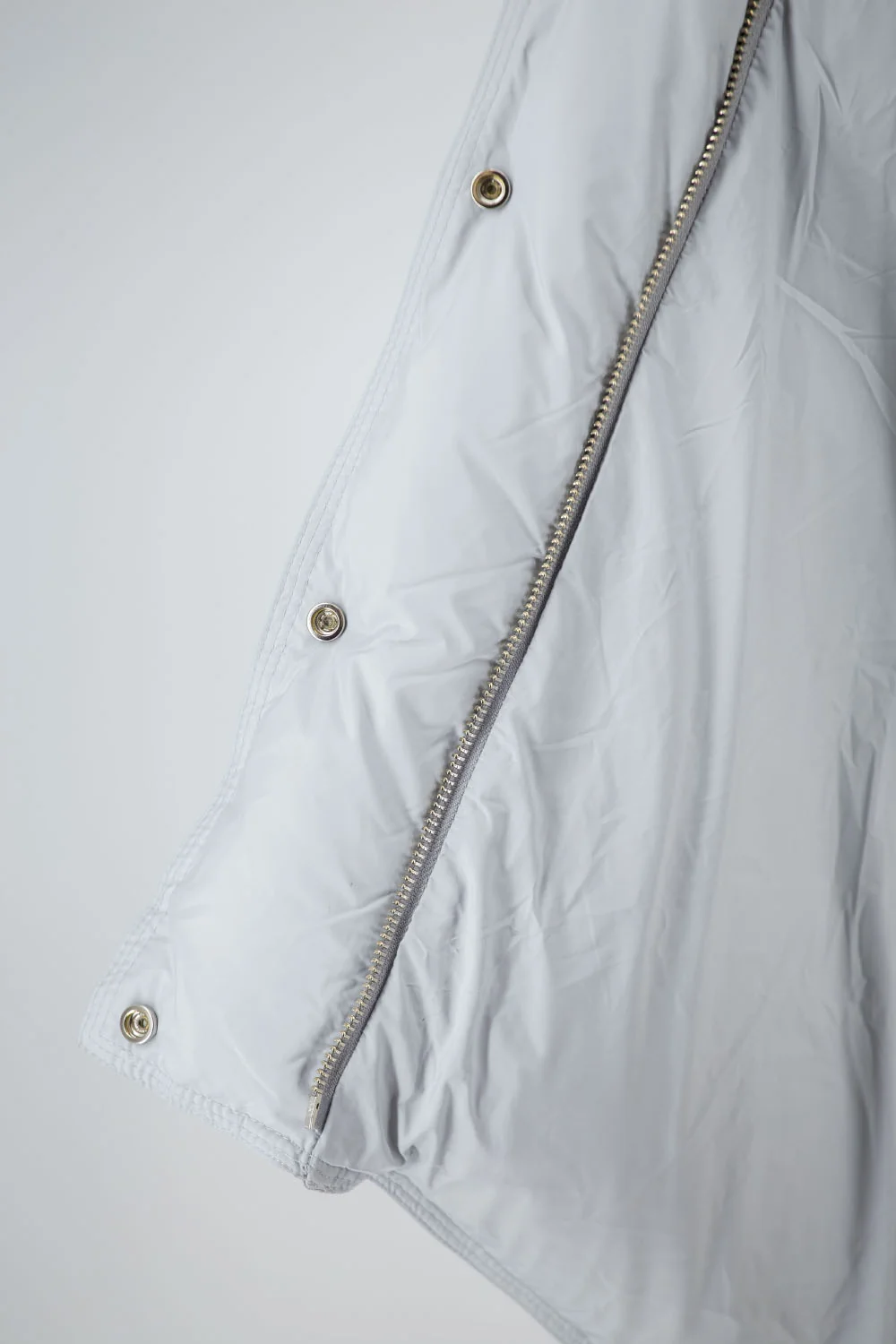
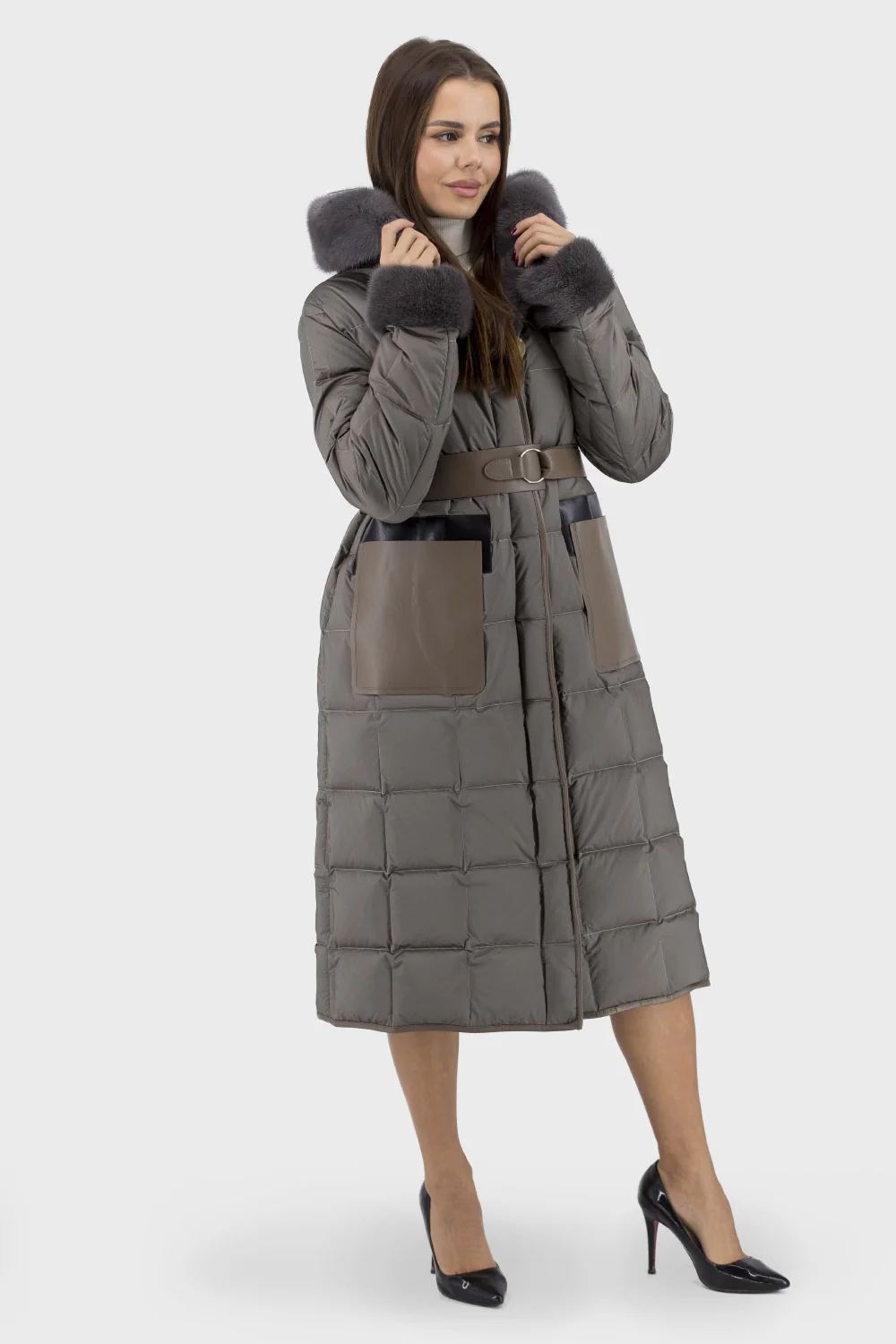
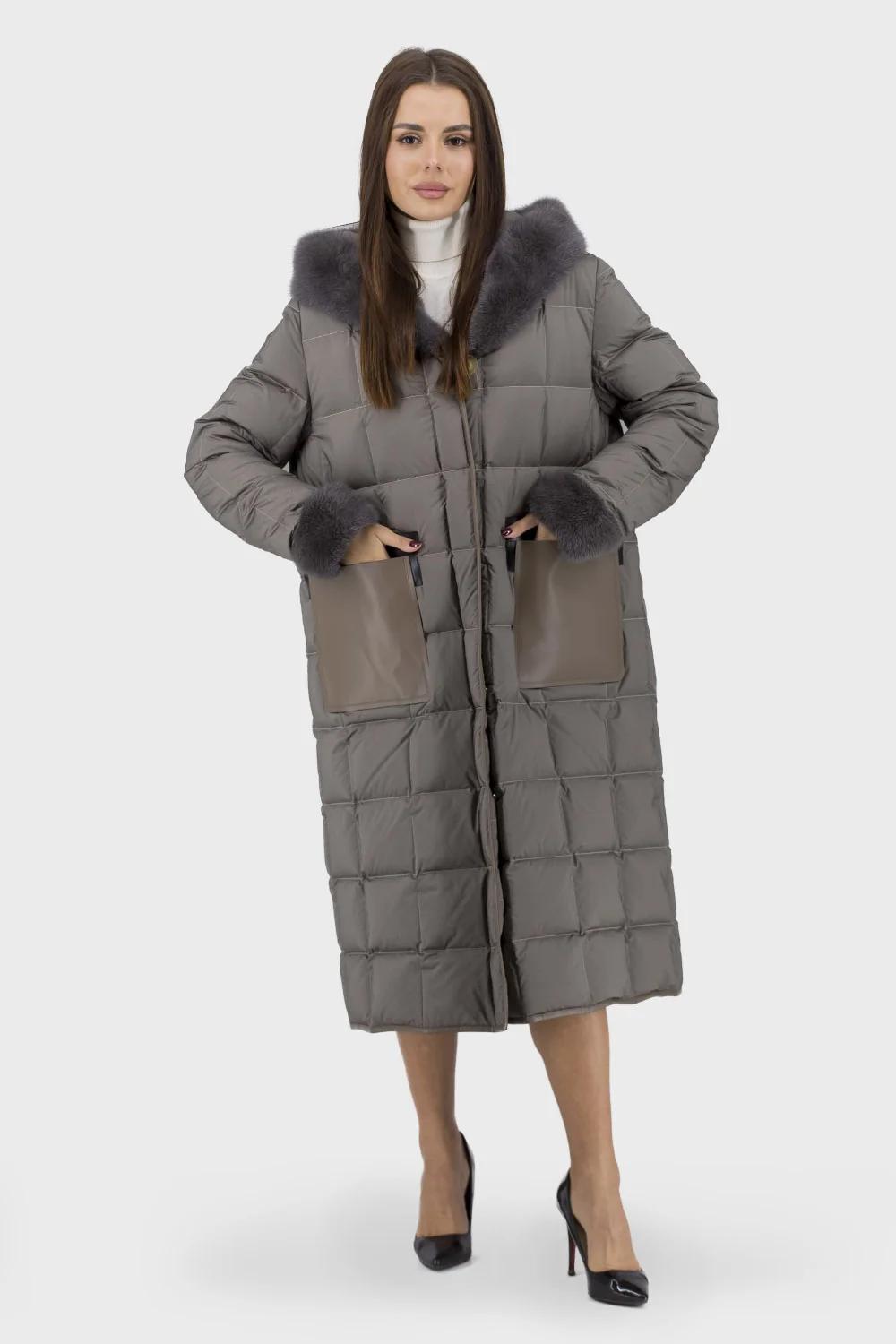
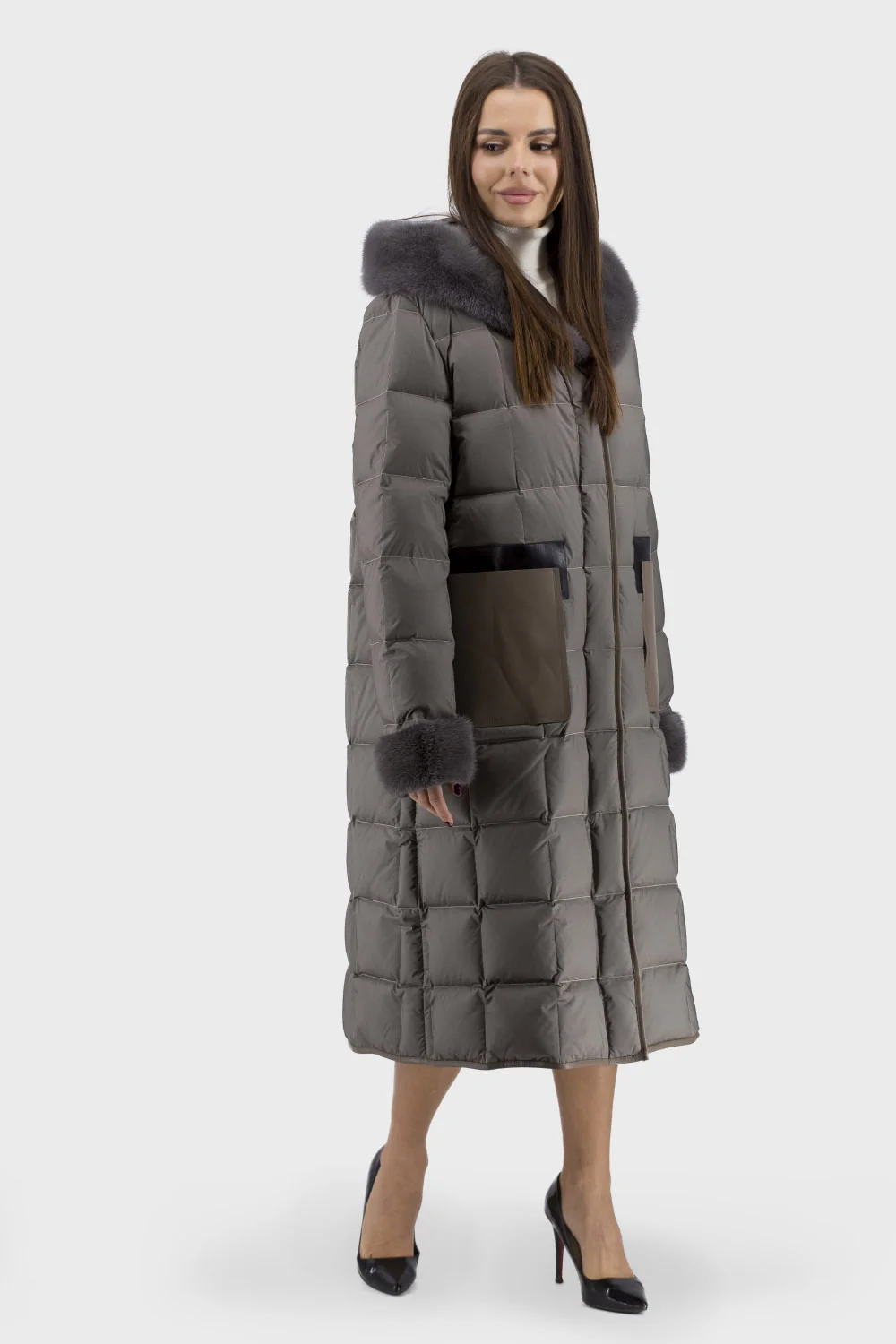
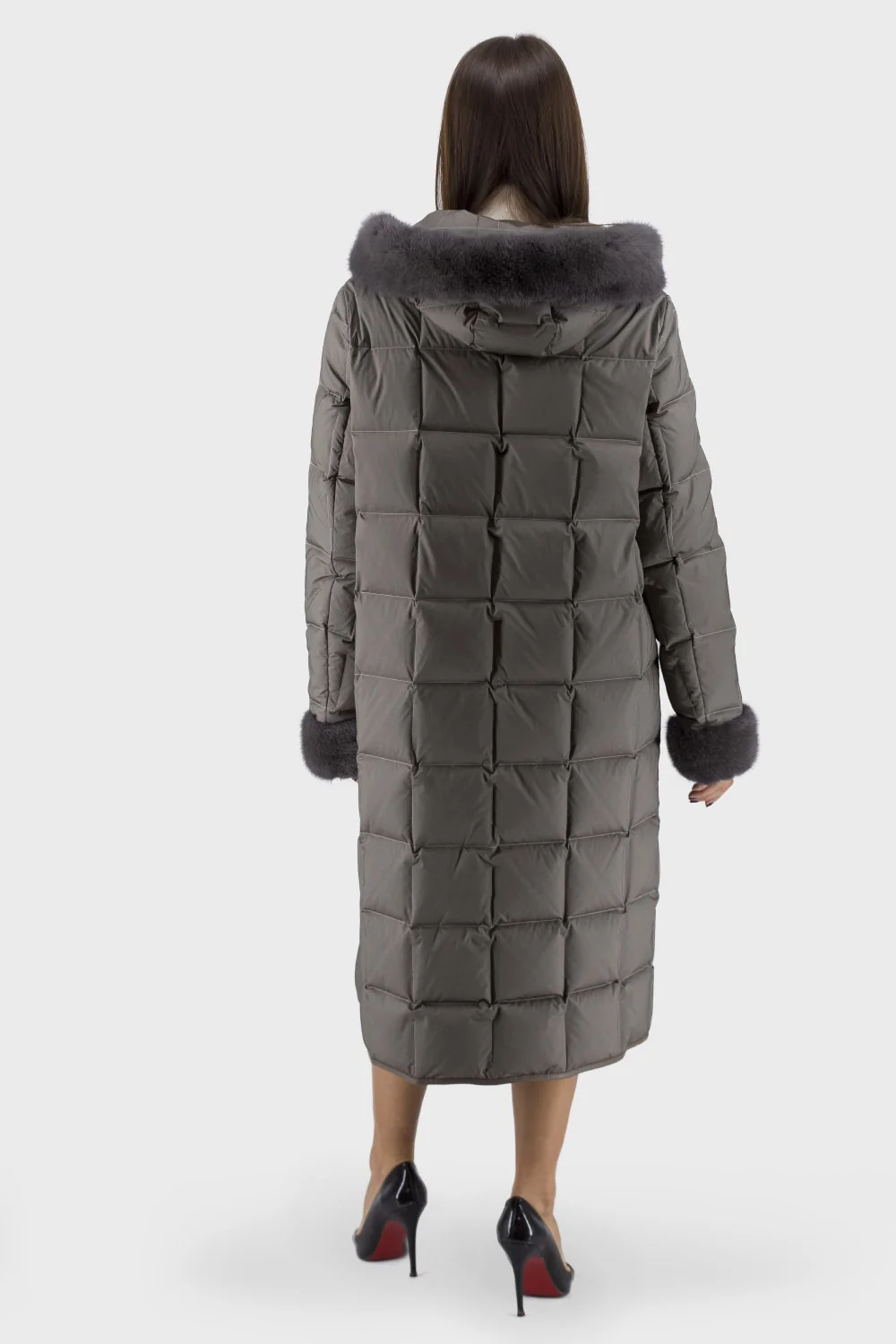
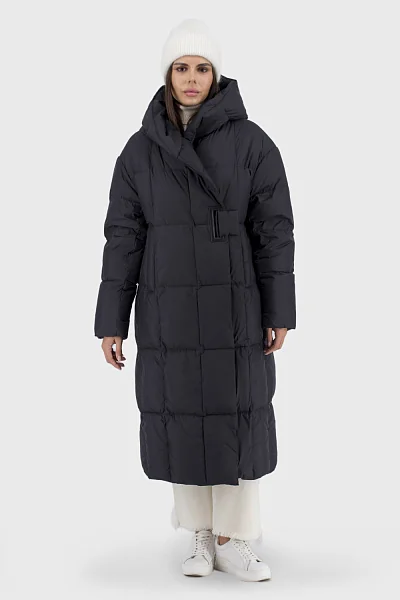
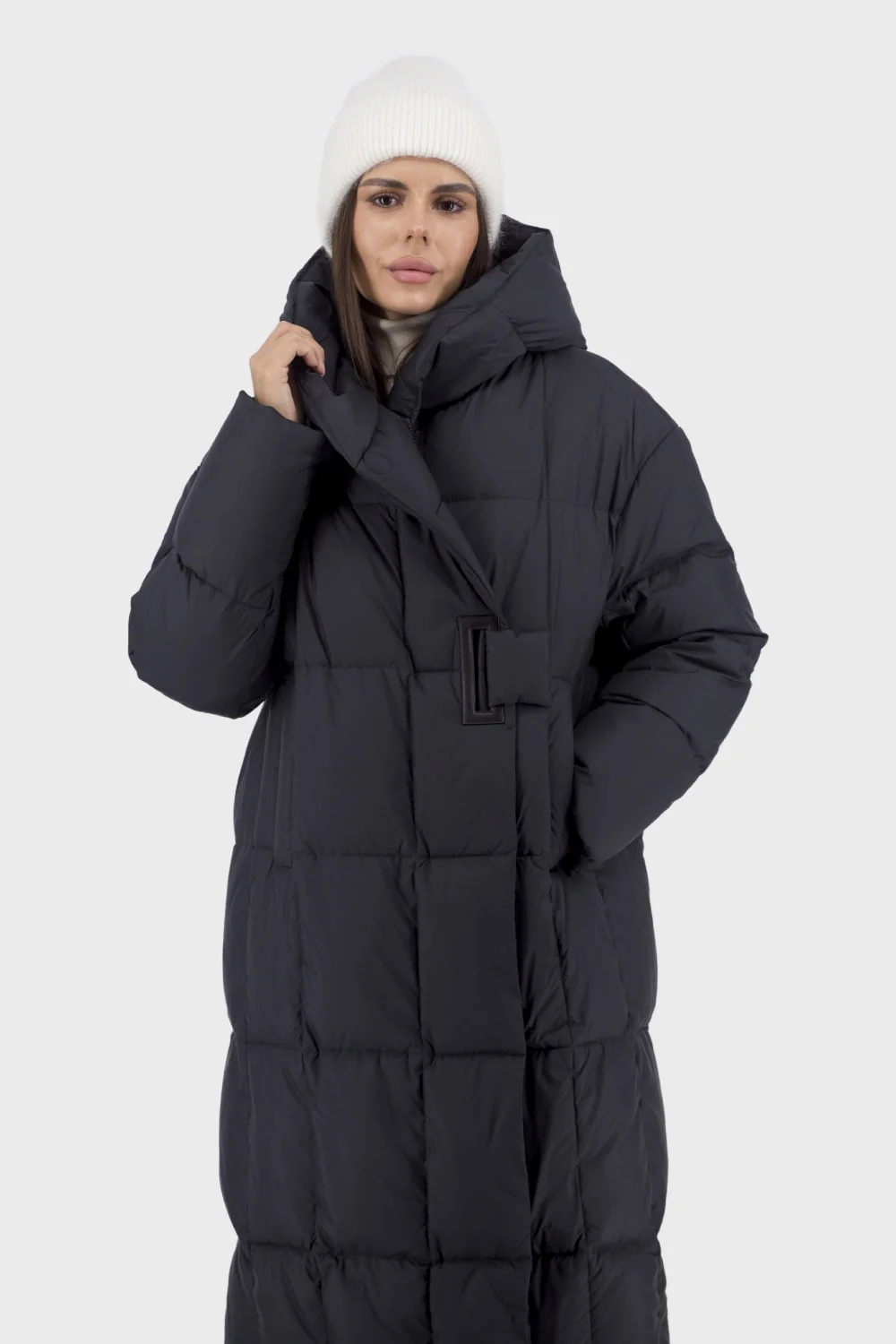
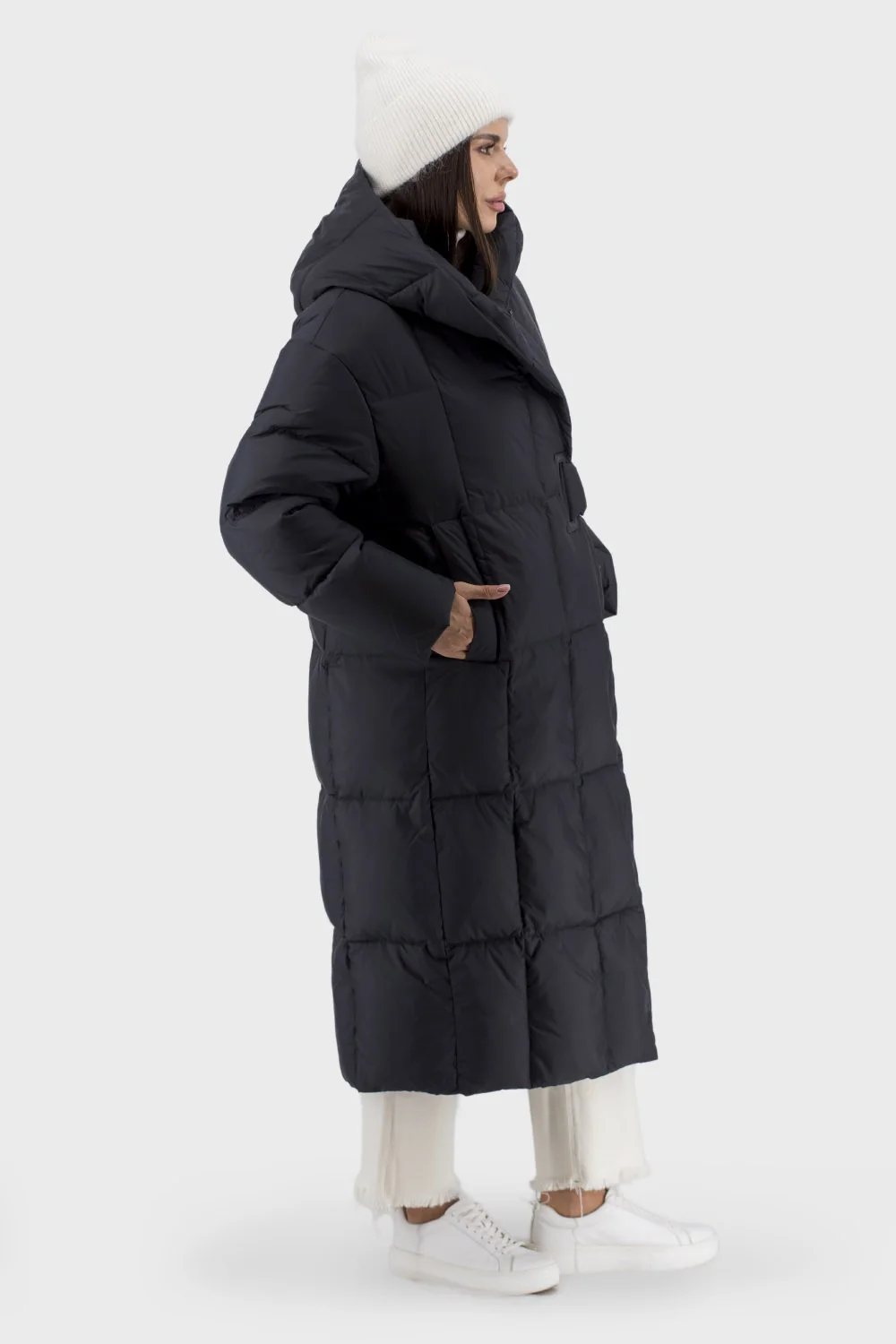
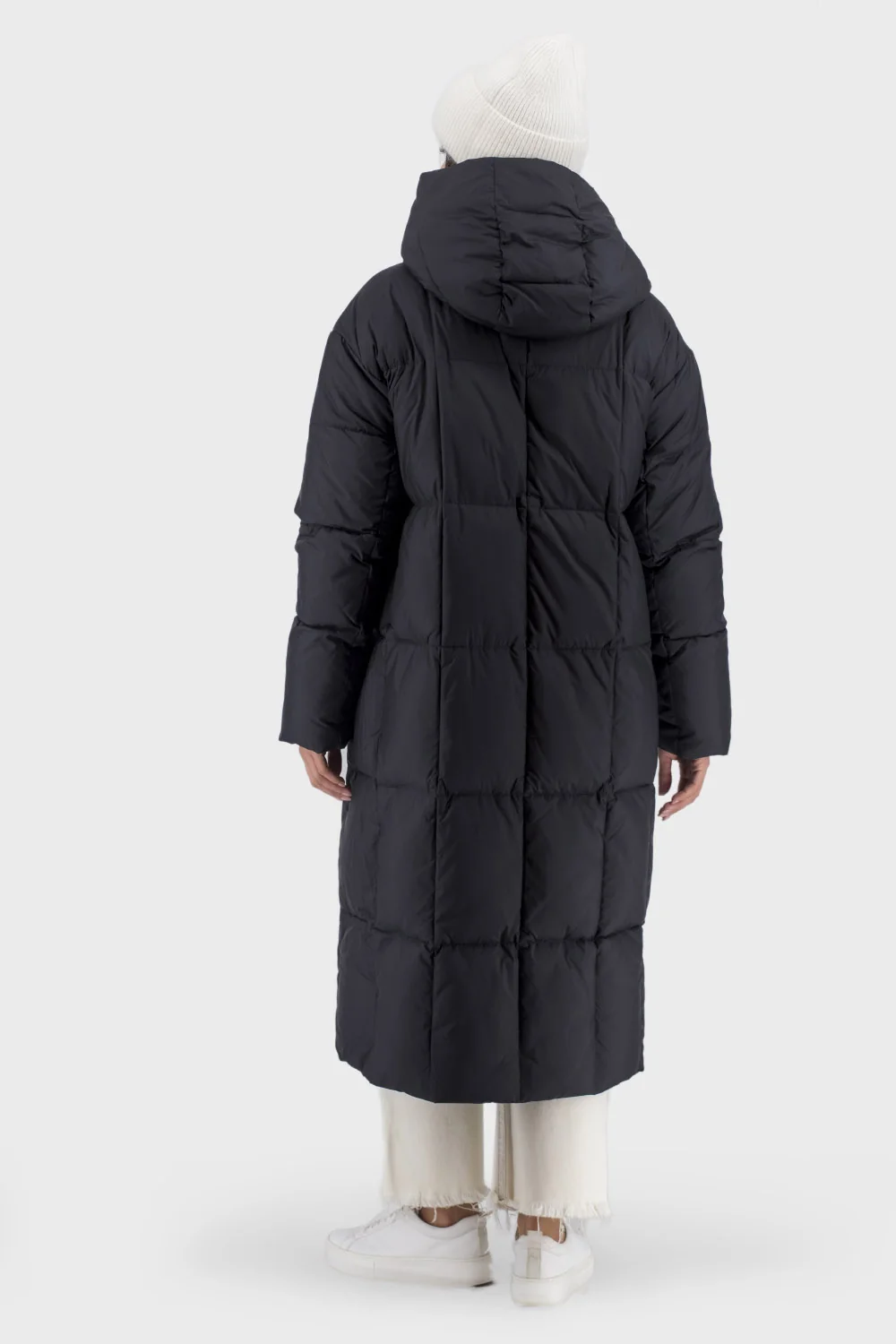
Warmth is determined by more than the fibre name. Fabric density, garment length, lining, insulation, fastening design and neck protection all matter. A lightweight cashmere coat may be ideal for autumn or spring but may not replace an insulated puffer jacket during severe winter conditions.

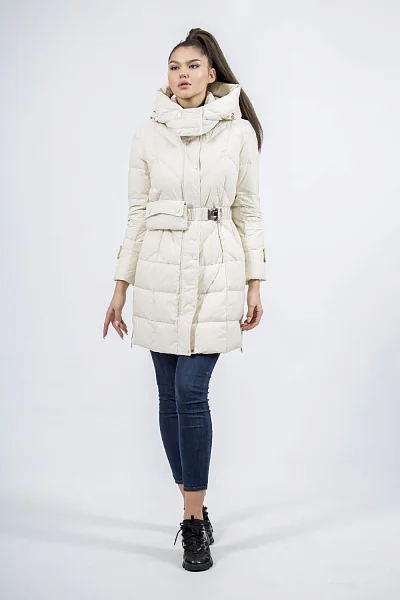
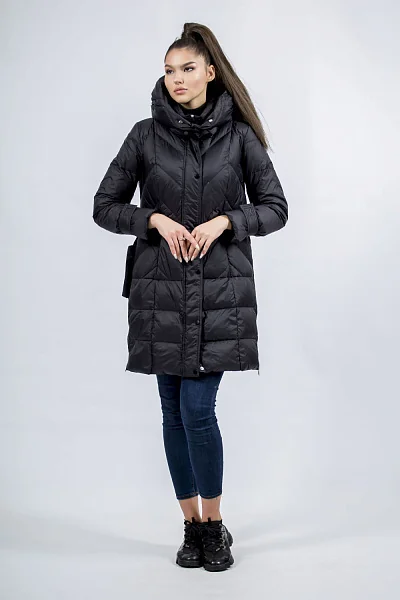
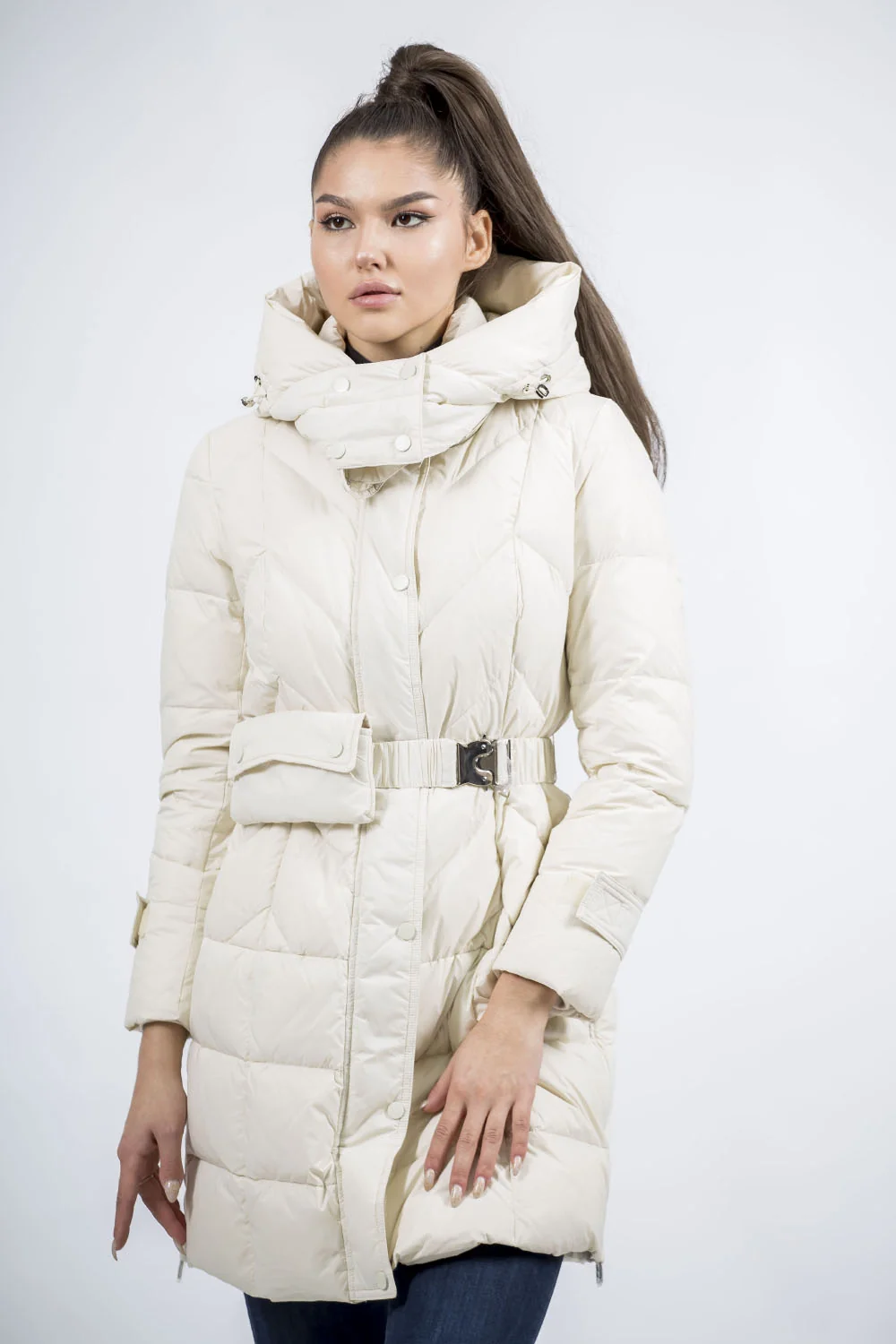
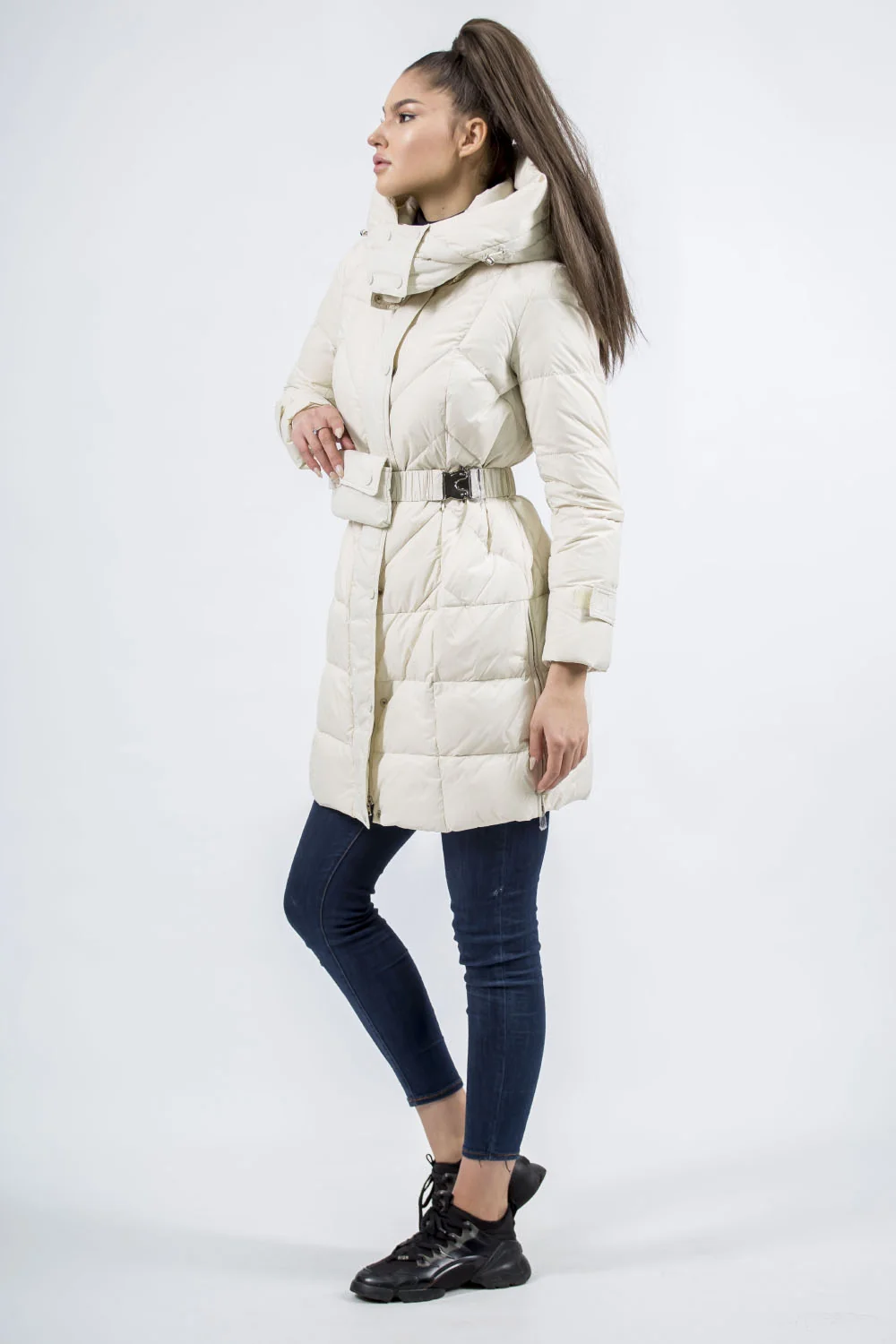
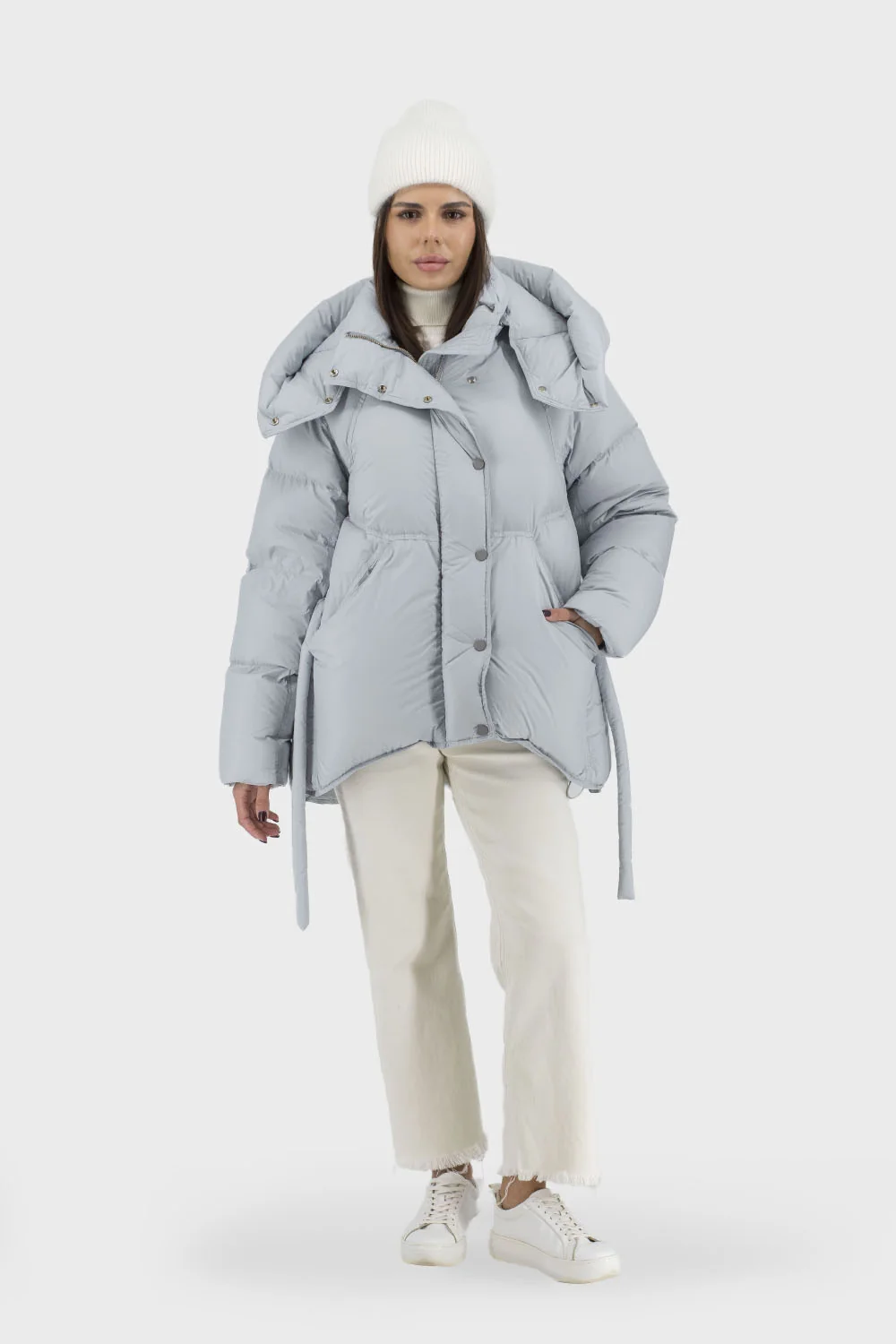
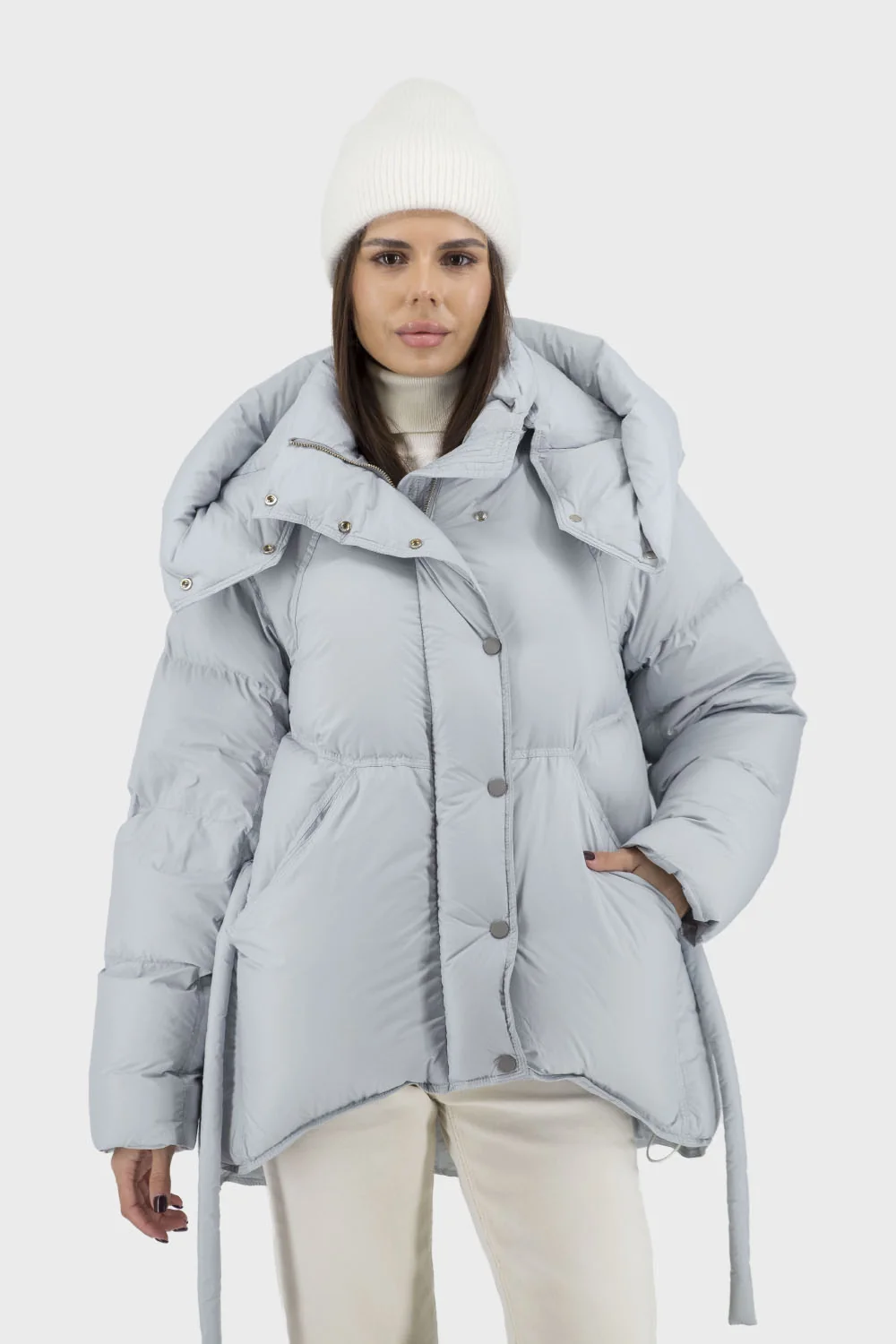
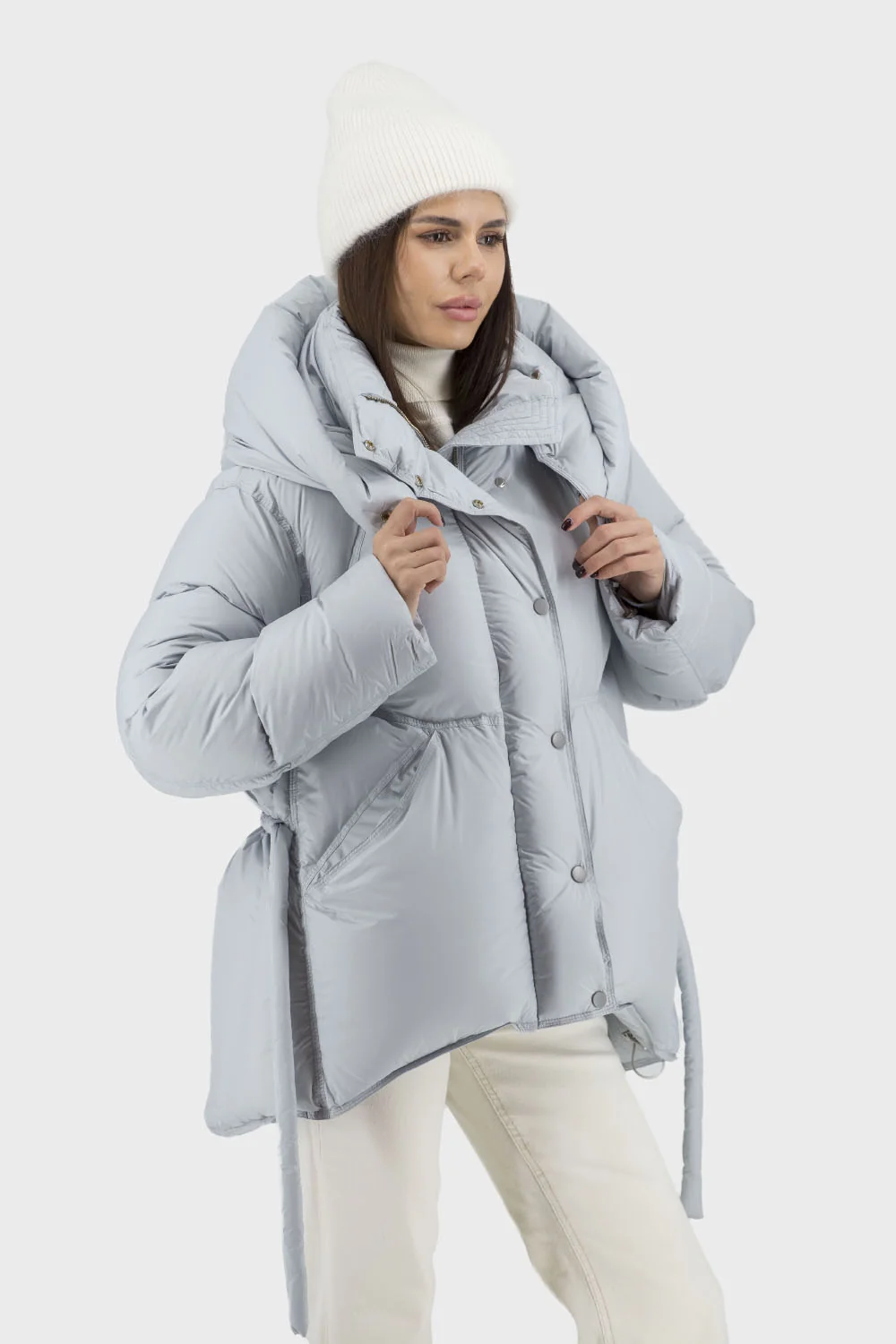
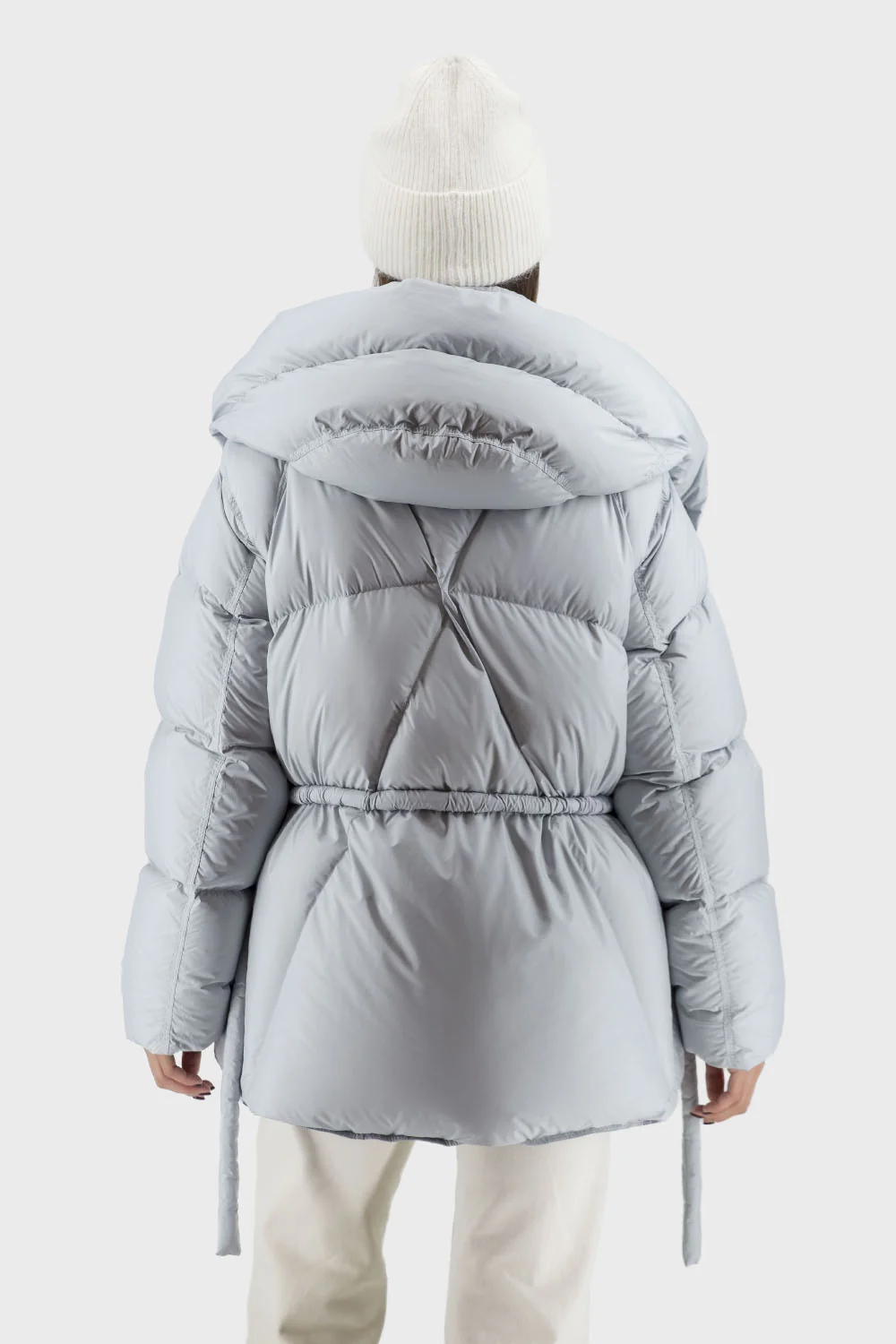
For colder temperatures, consider women’s down jackets and insulated outerwear selected according to the weather and the amount of time spent outdoors.
How to care for a cashmere coat
Always begin with the instructions on the inner label. Most coat fabrics containing cashmere are not designed for ordinary machine washing. For significant stains, professional dry cleaning is usually safer, especially when the cleaner is informed of the exact fibre composition.
- Store the coat on a wide and supportive hanger.
- Do not dry a wet garment next to a radiator or under direct hot air.
- After rain, blot excess moisture gently and allow the coat to dry naturally.
- Brush the surface regularly with a soft garment brush, following the direction of the nap.
- Avoid carrying a heavy handbag on the same shoulder every day.
- Before seasonal storage, clean the coat and use a breathable garment cover.
More practical guidance is available in our article about fabrics and garment care.

Choosing the right style and size
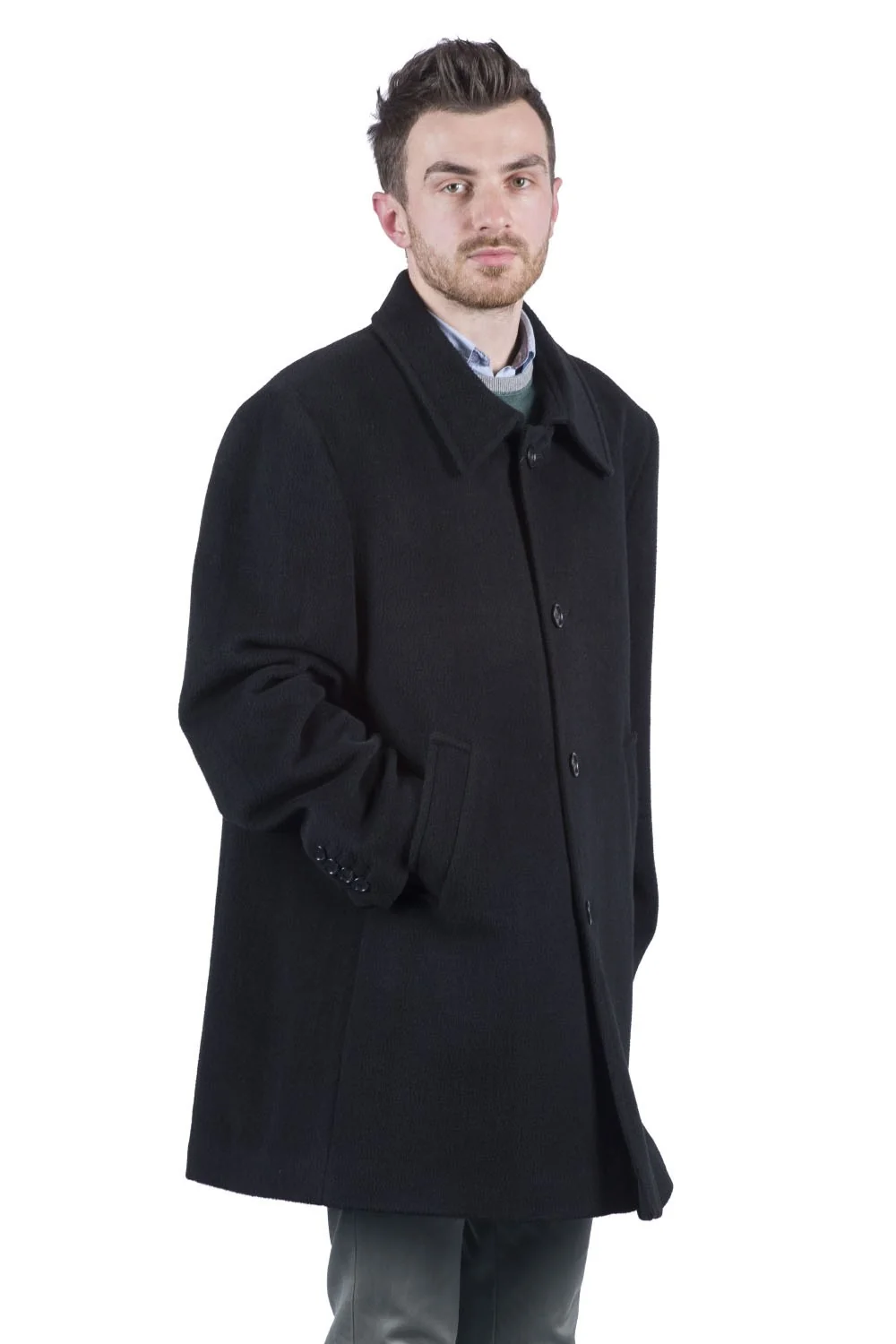
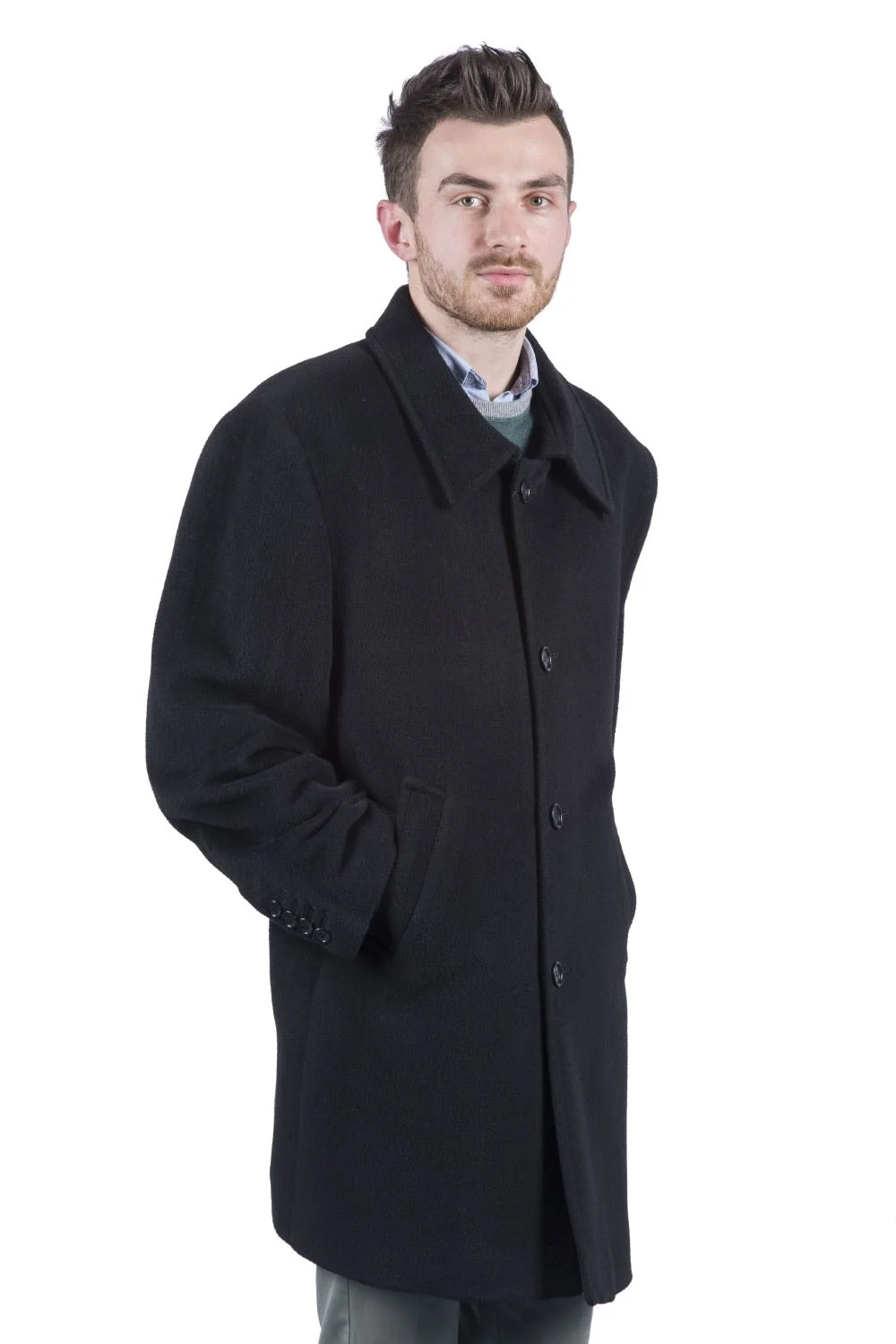
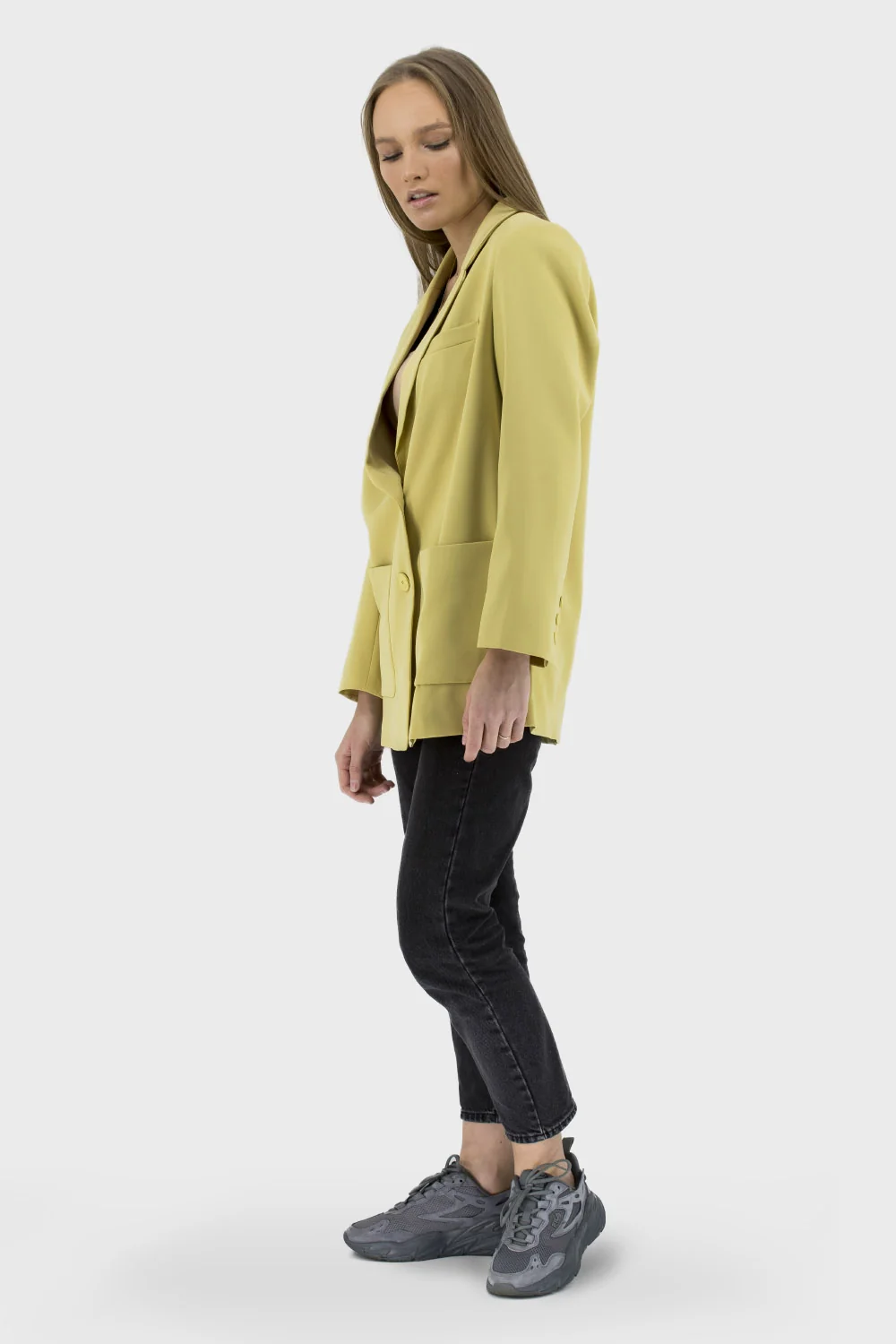
A classic straight coat works with trousers, dresses and denim. A belted design defines the waist, an oversized coat creates a relaxed silhouette, and a shorter model can be convenient for an active urban routine. During fitting, check sleeve length, shoulder movement and how the coat looks when fully fastened.
Do not select a size based only on the number printed on the label. Use the garment’s actual measurements and consider the layers you intend to wear underneath. Our guide on how to choose a women’s coat provides additional advice.
Final considerations
A good cashmere coat is not defined by one prestigious word on the label. It is the result of balanced fabric composition, comfortable fit, careful construction and appropriate maintenance. Check the label, assess fabric density, try the coat with seasonal layers and remember that delicate materials require reasonable care.
Choose Bella Bicchi women’s outerwear with free delivery across Ukraine.