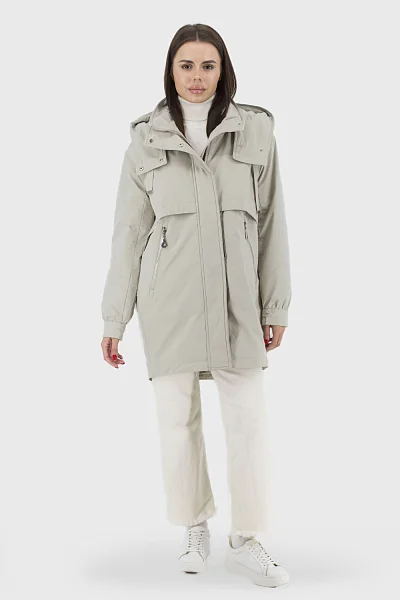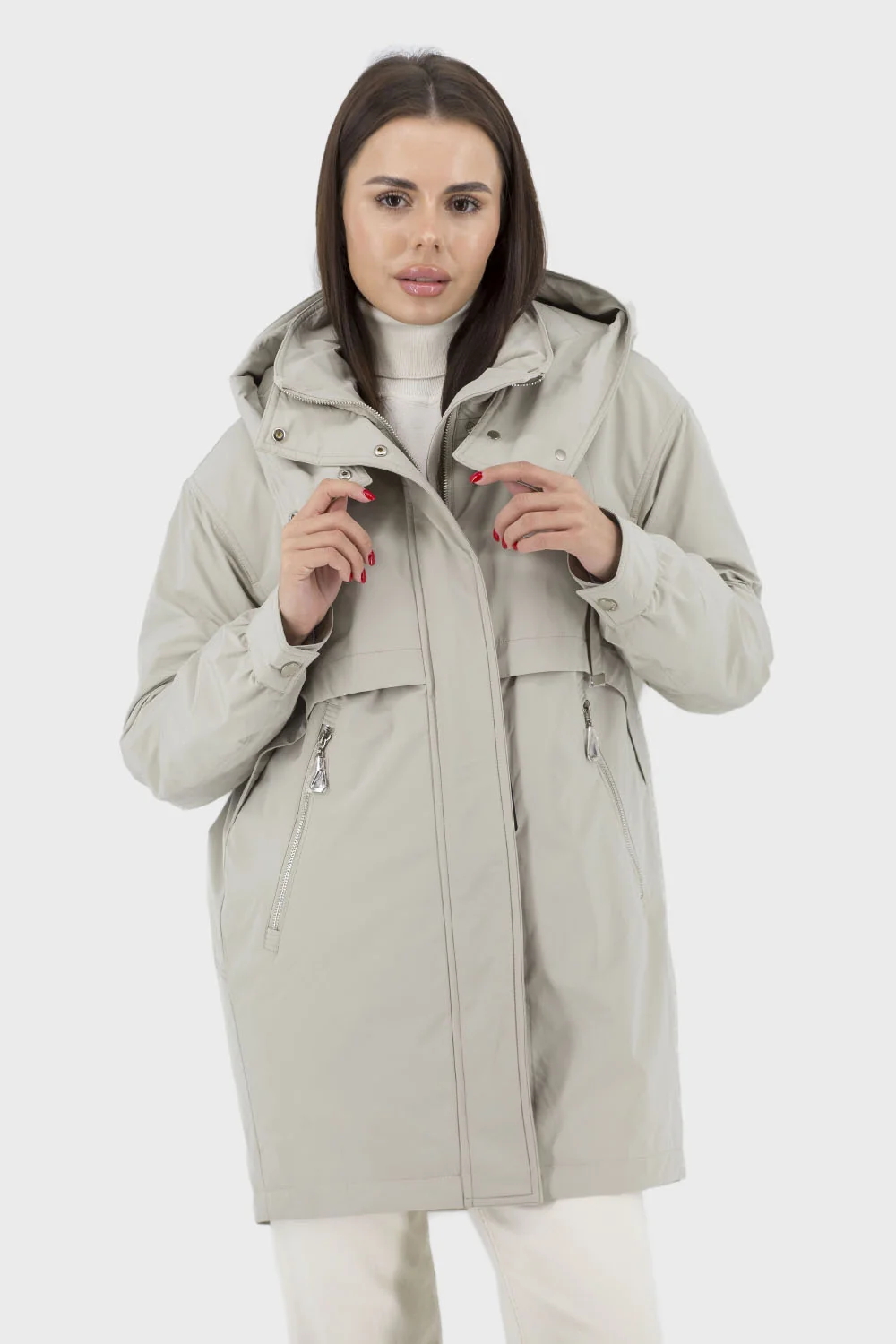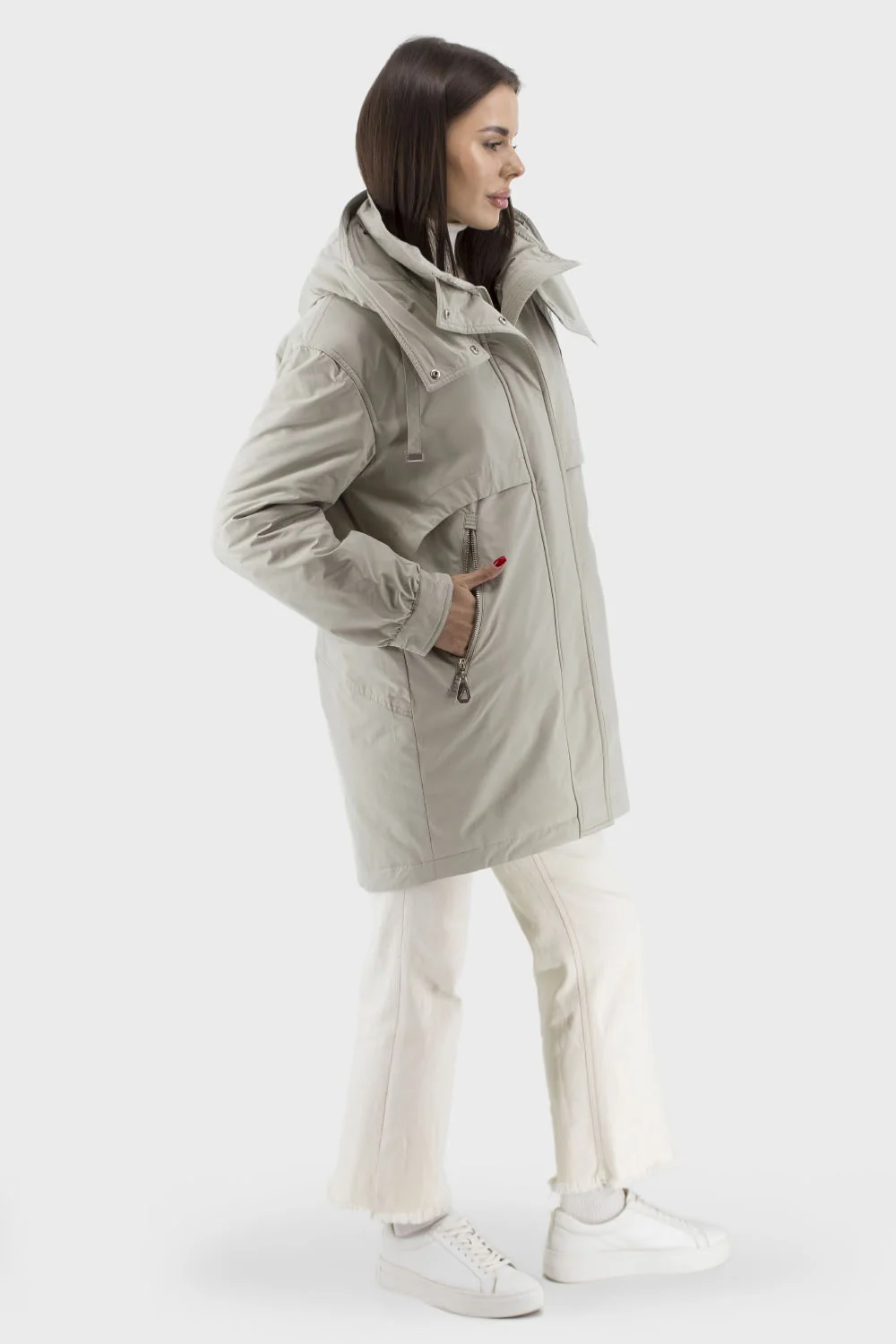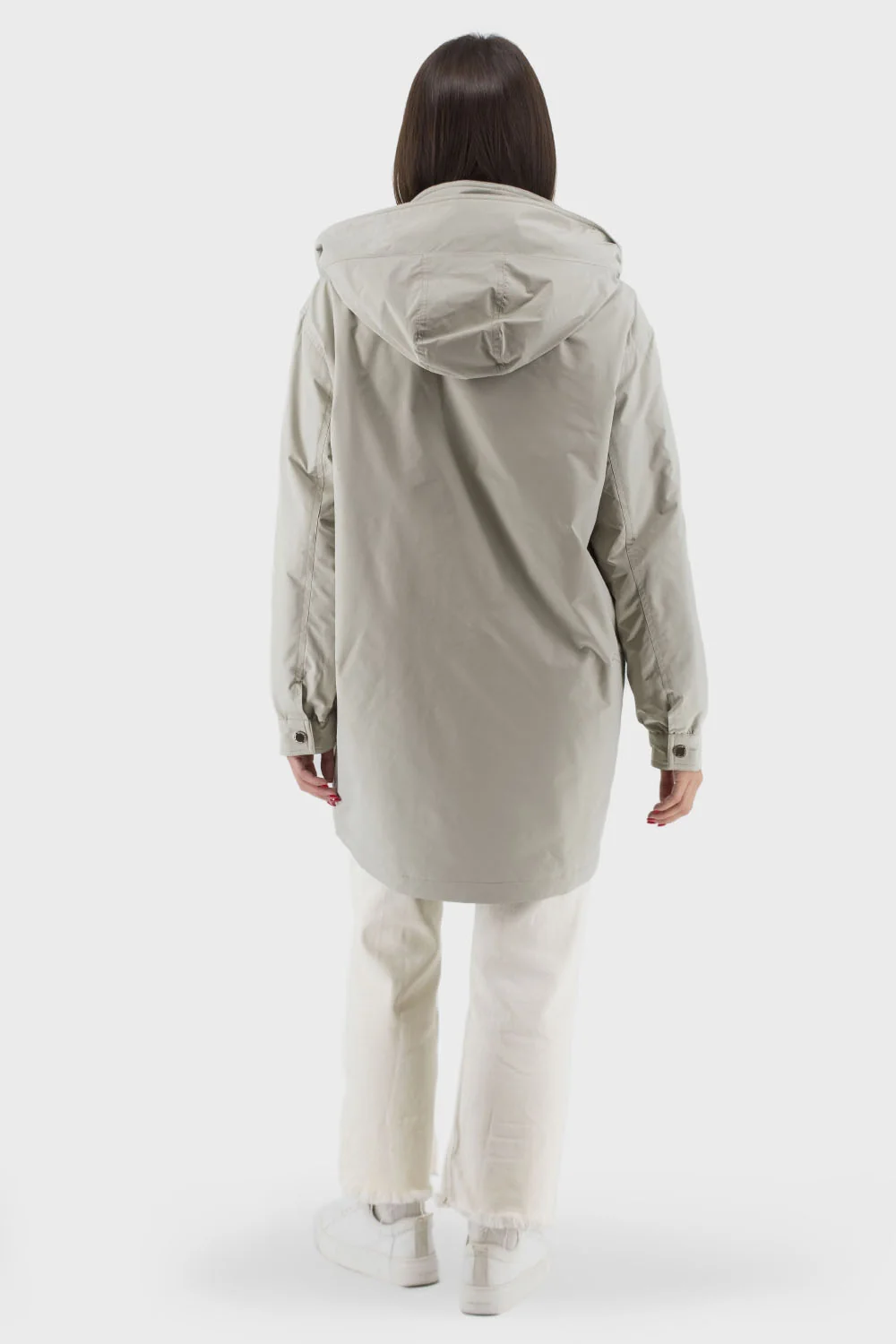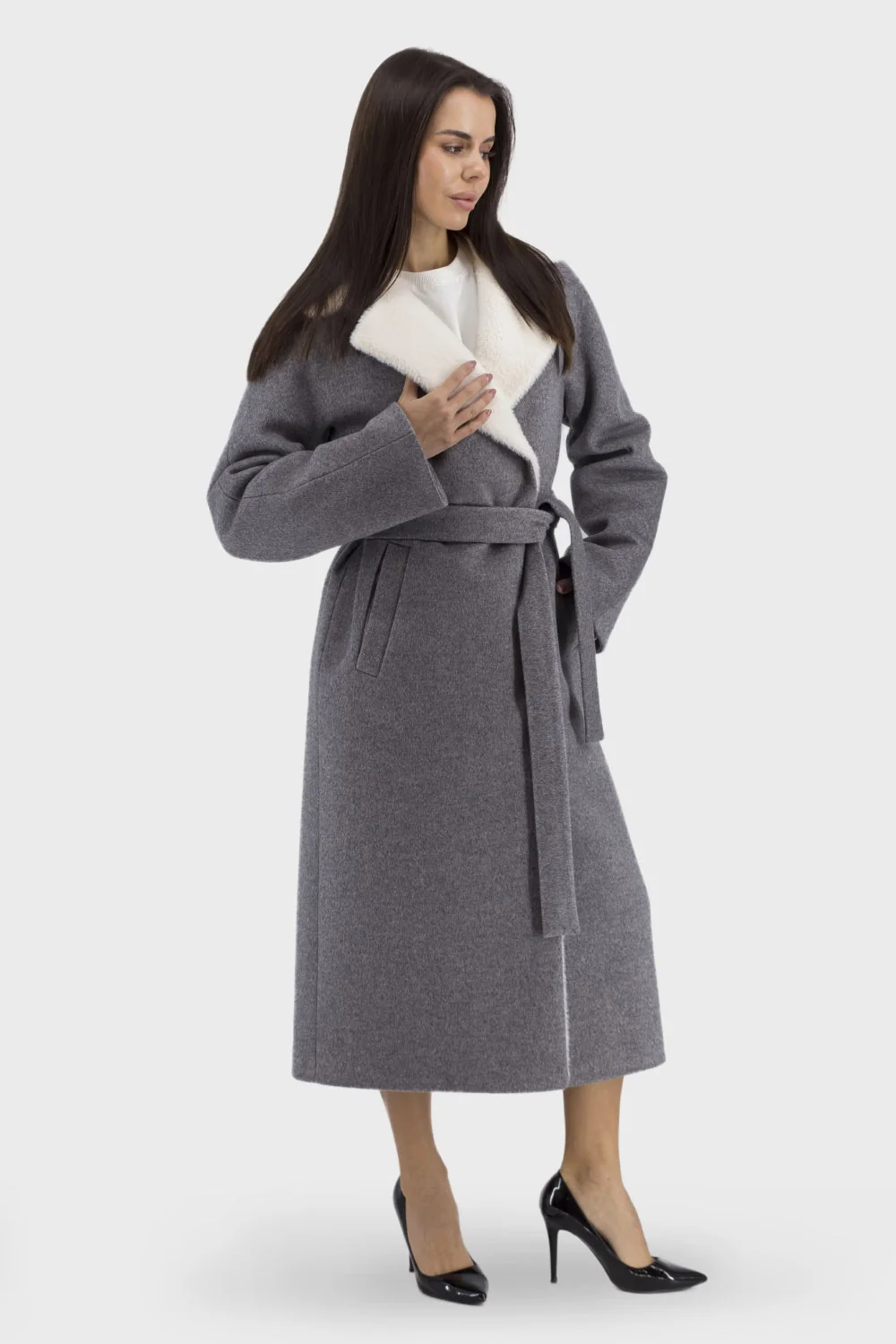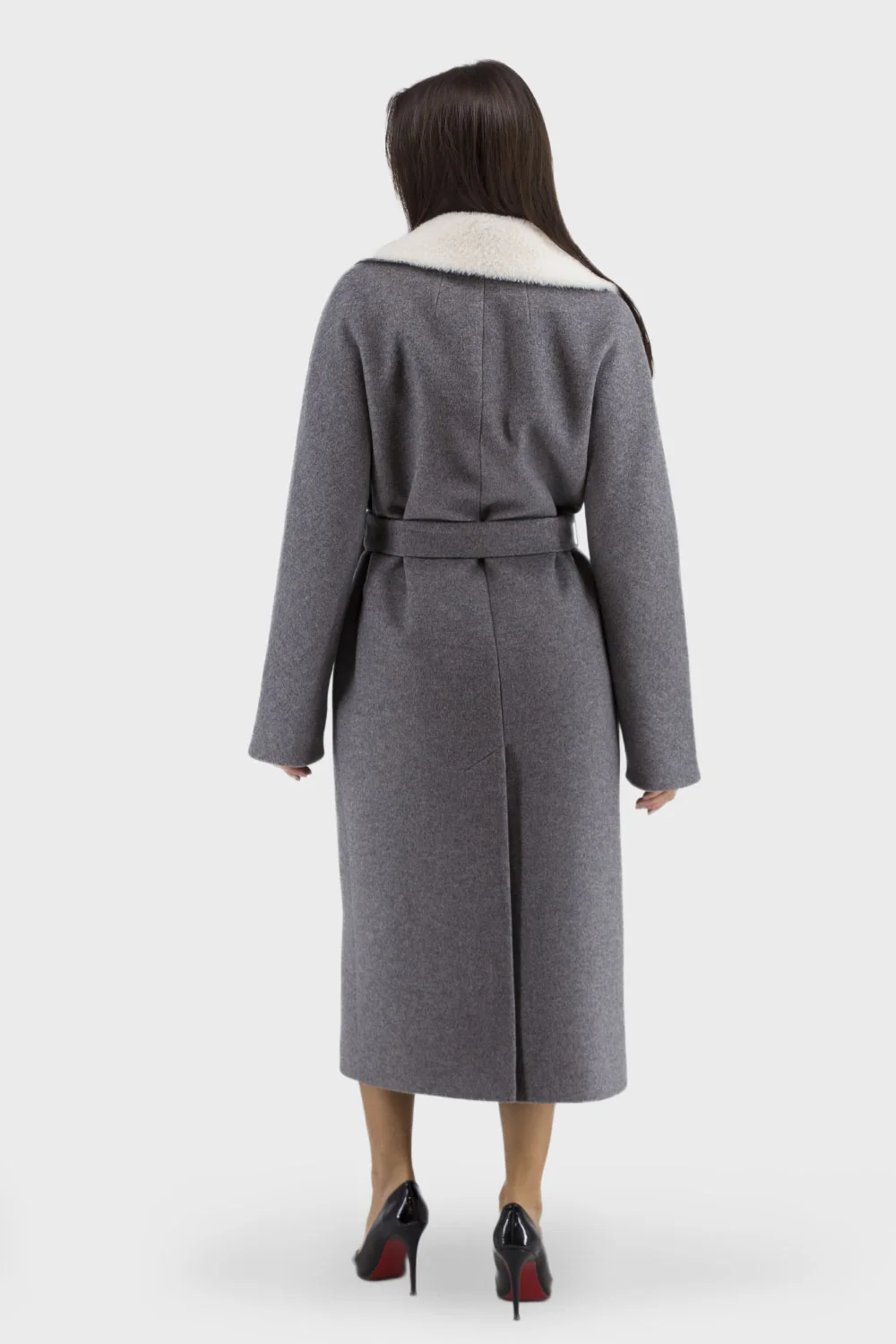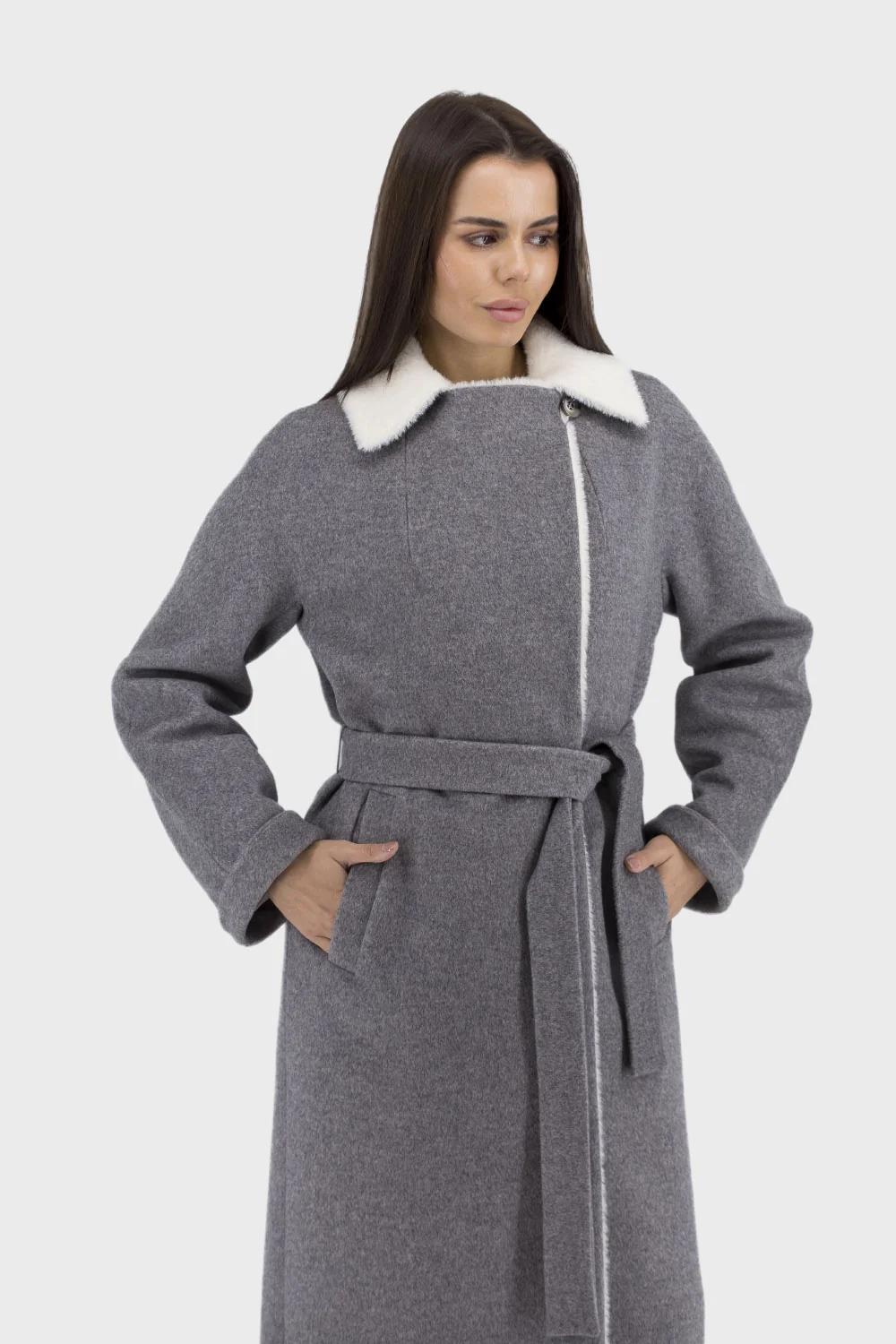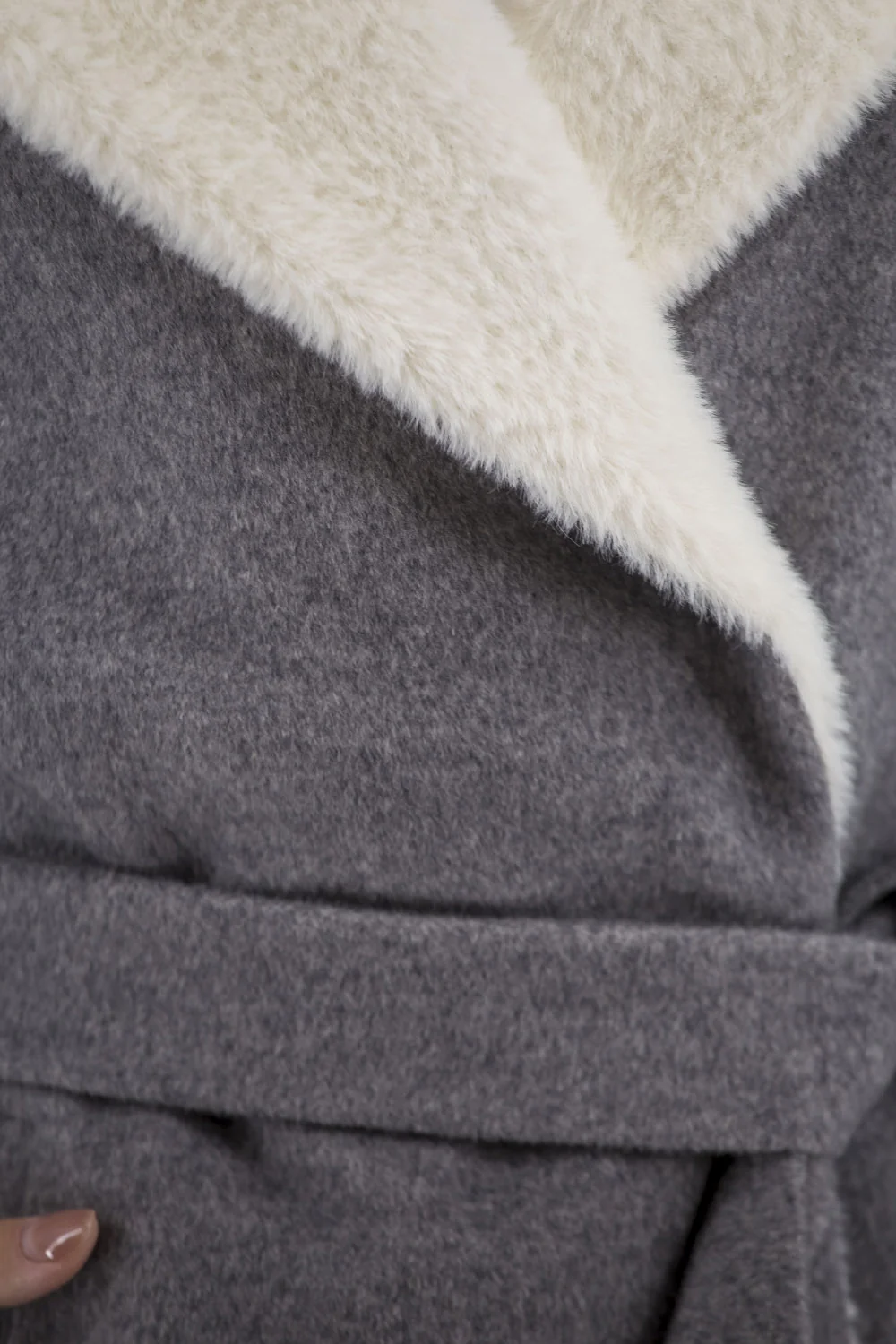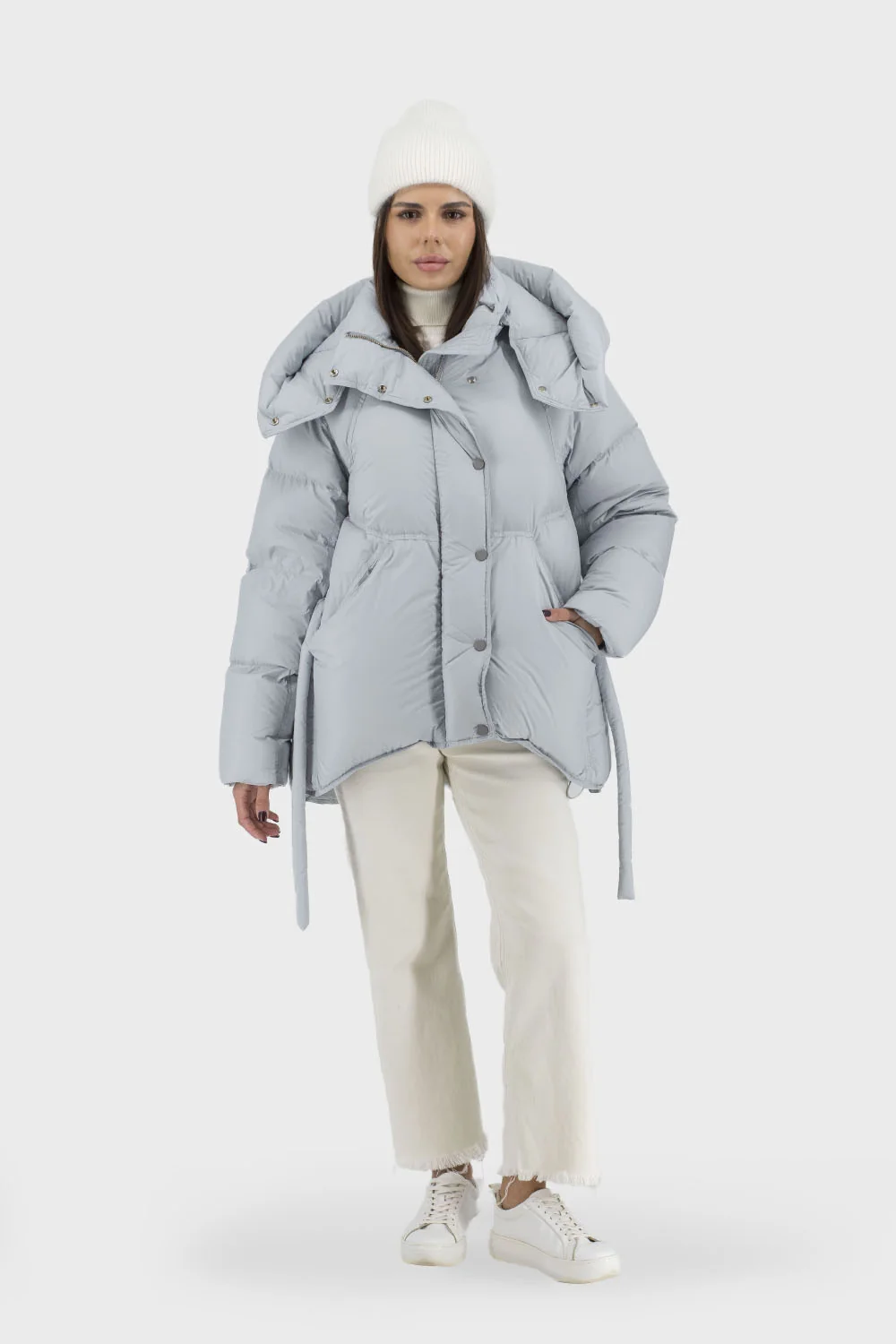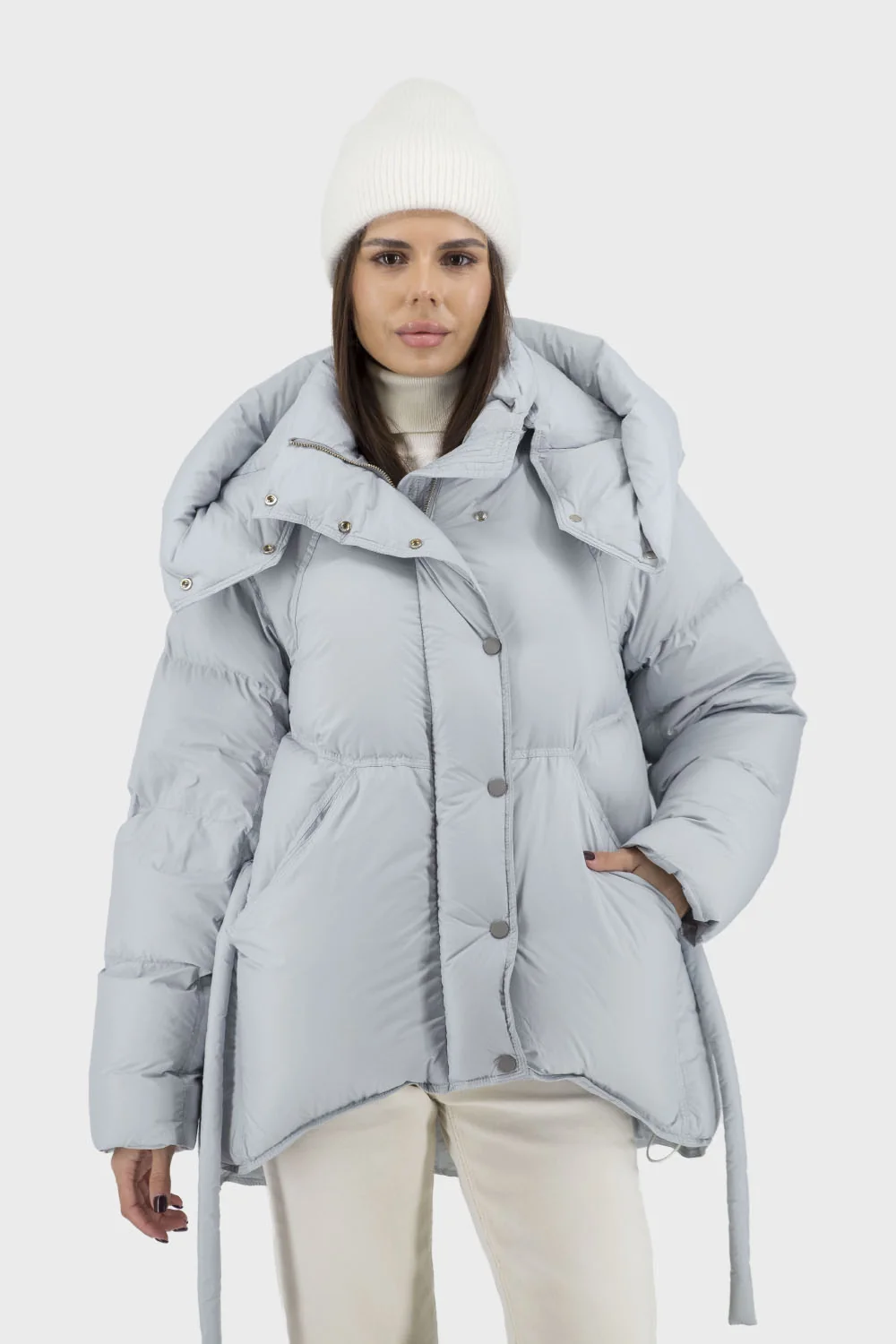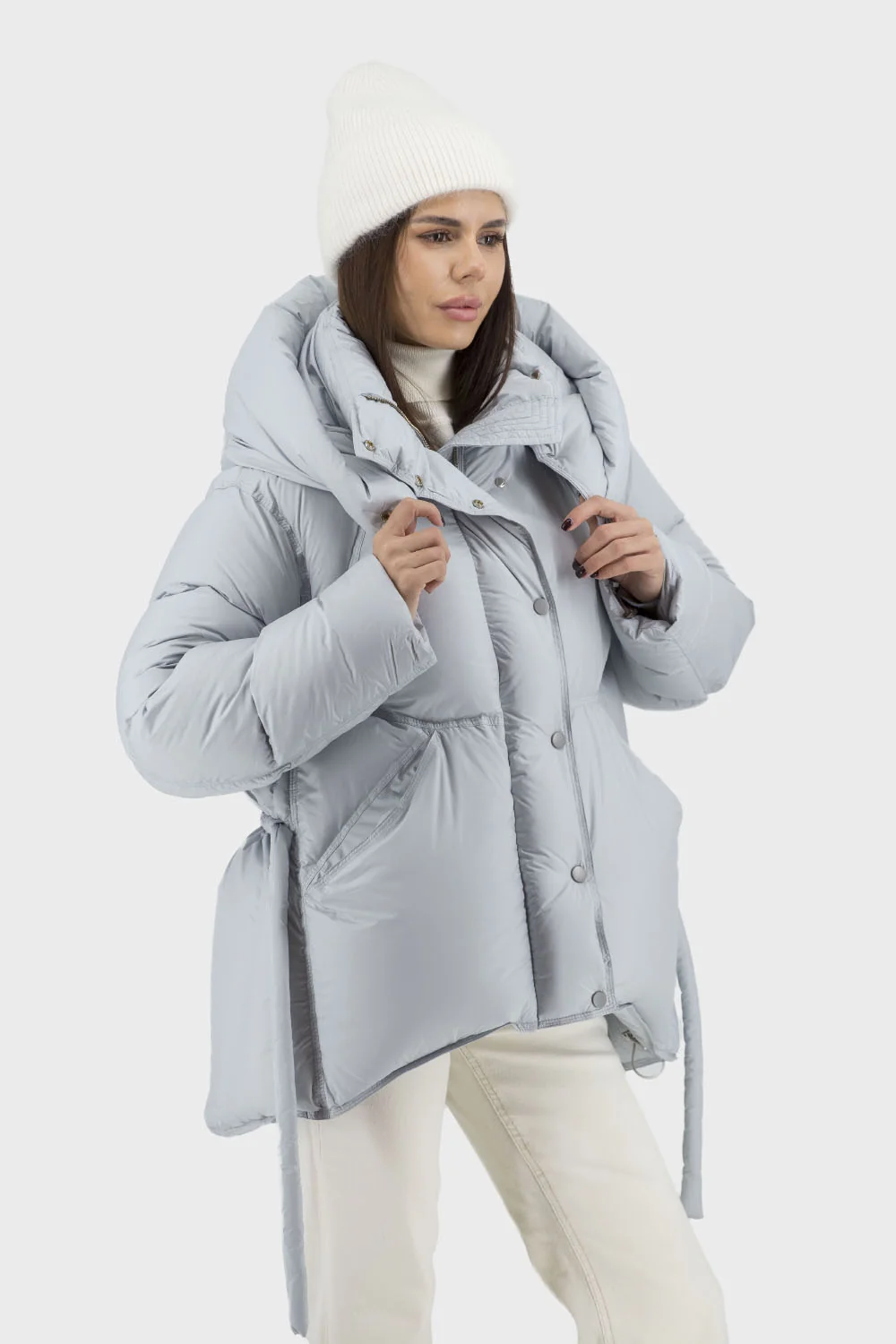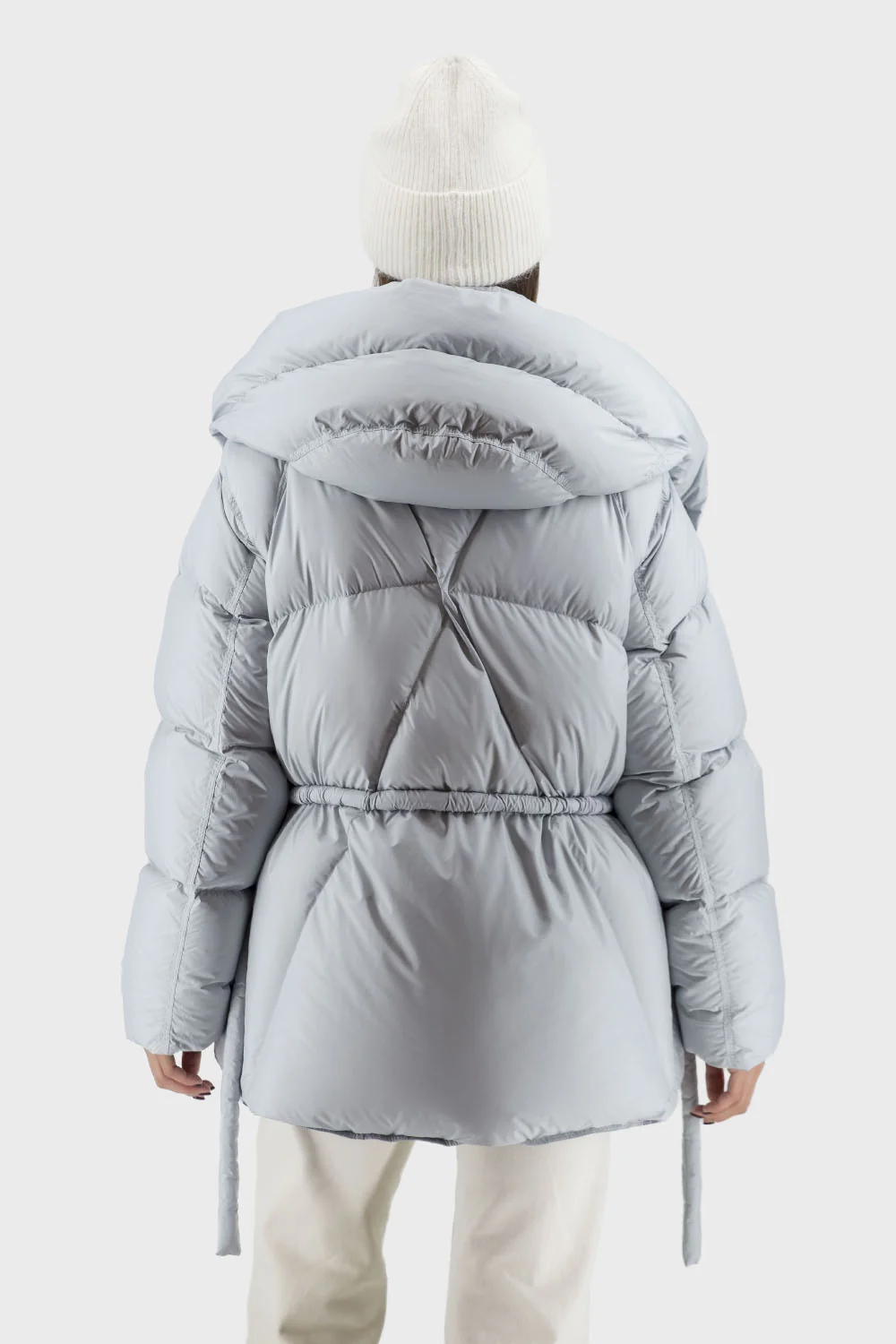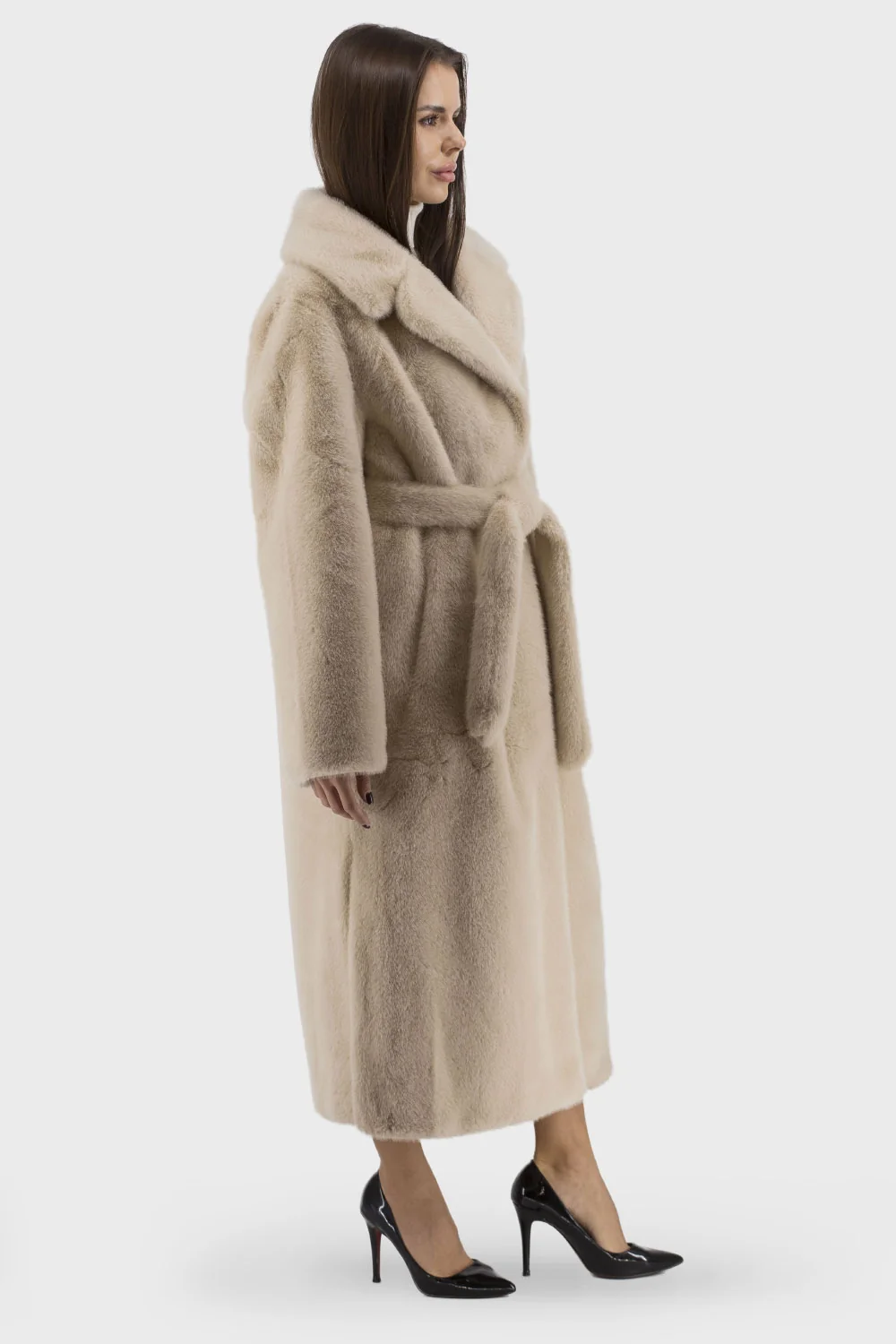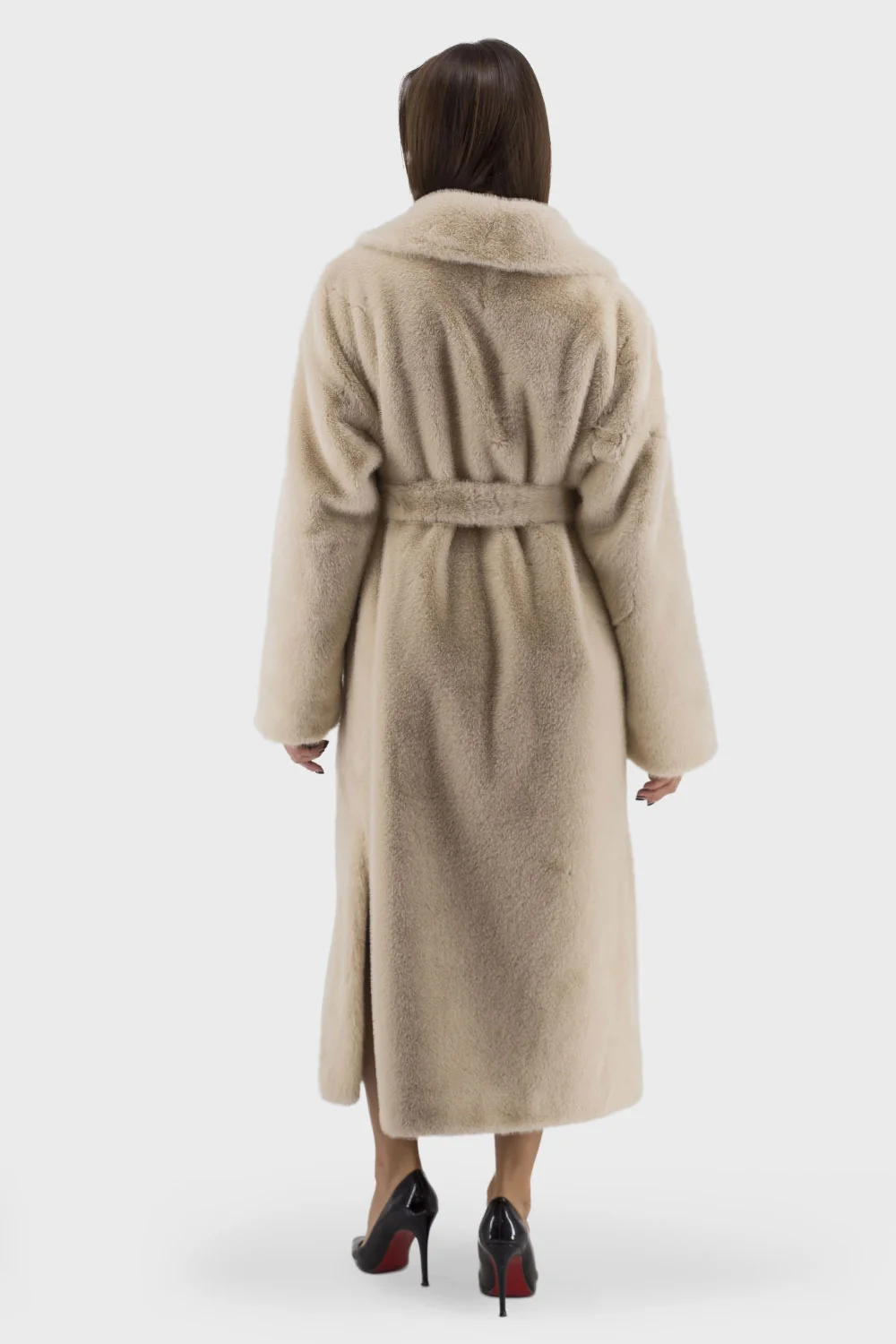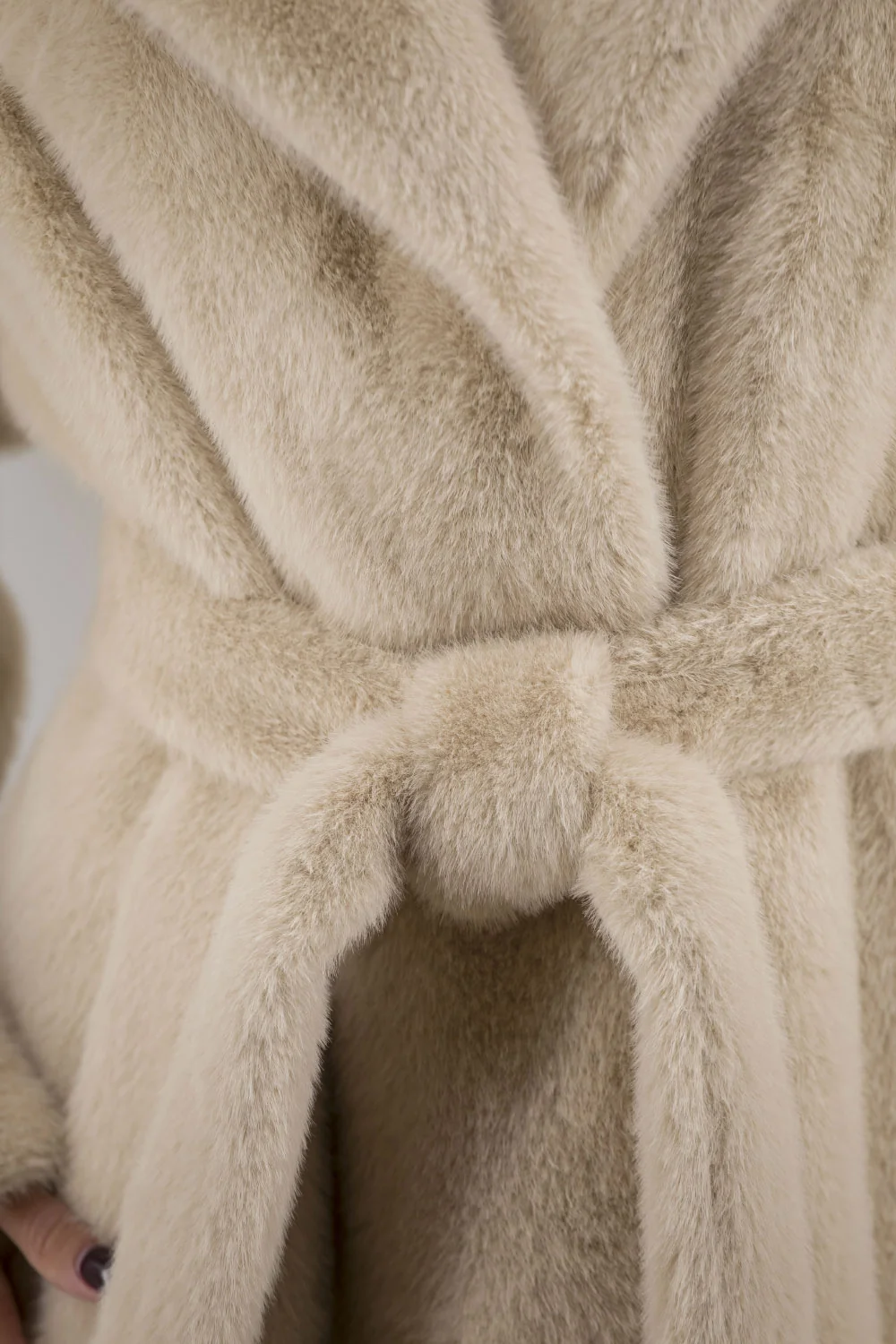
Why coats have a lining
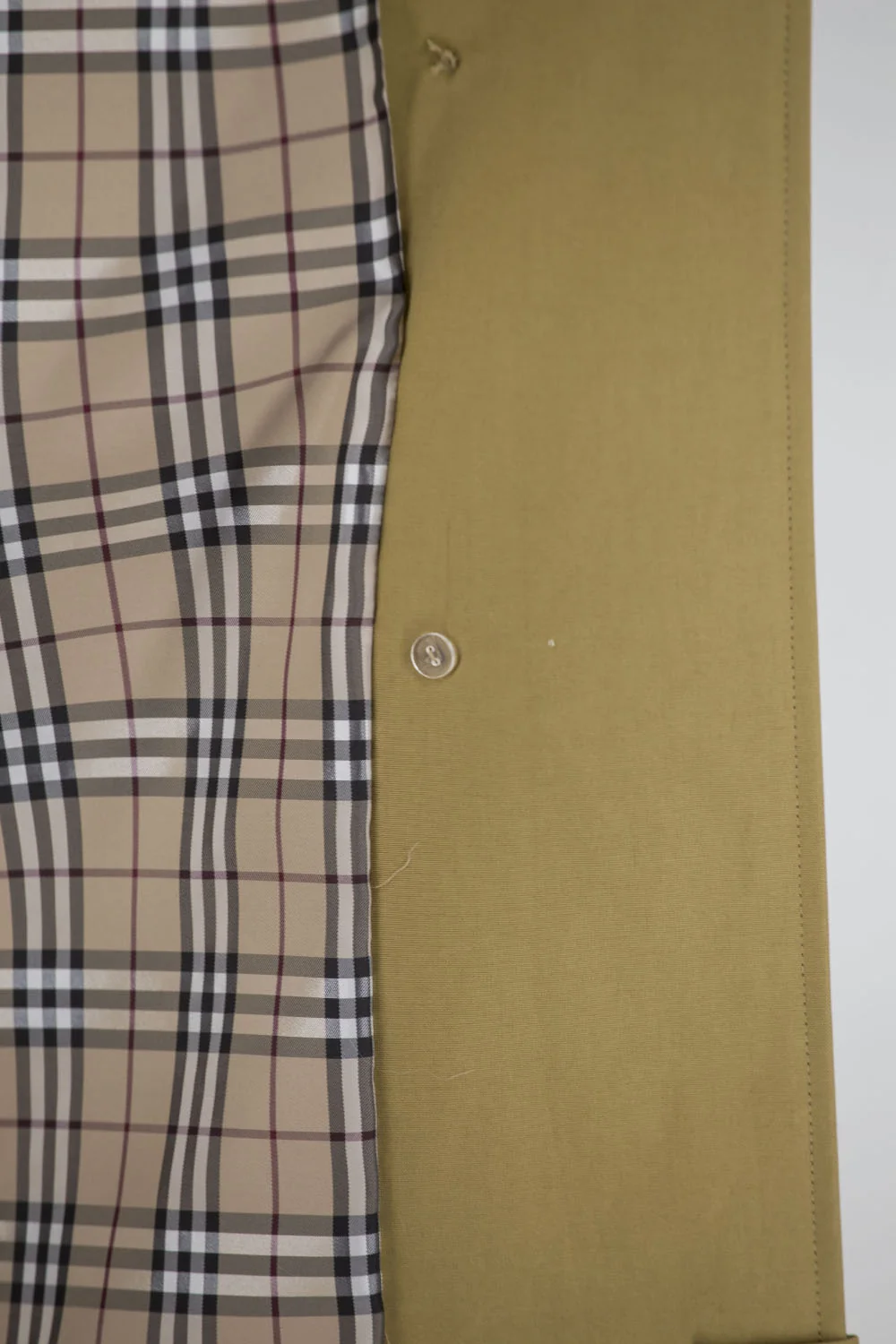
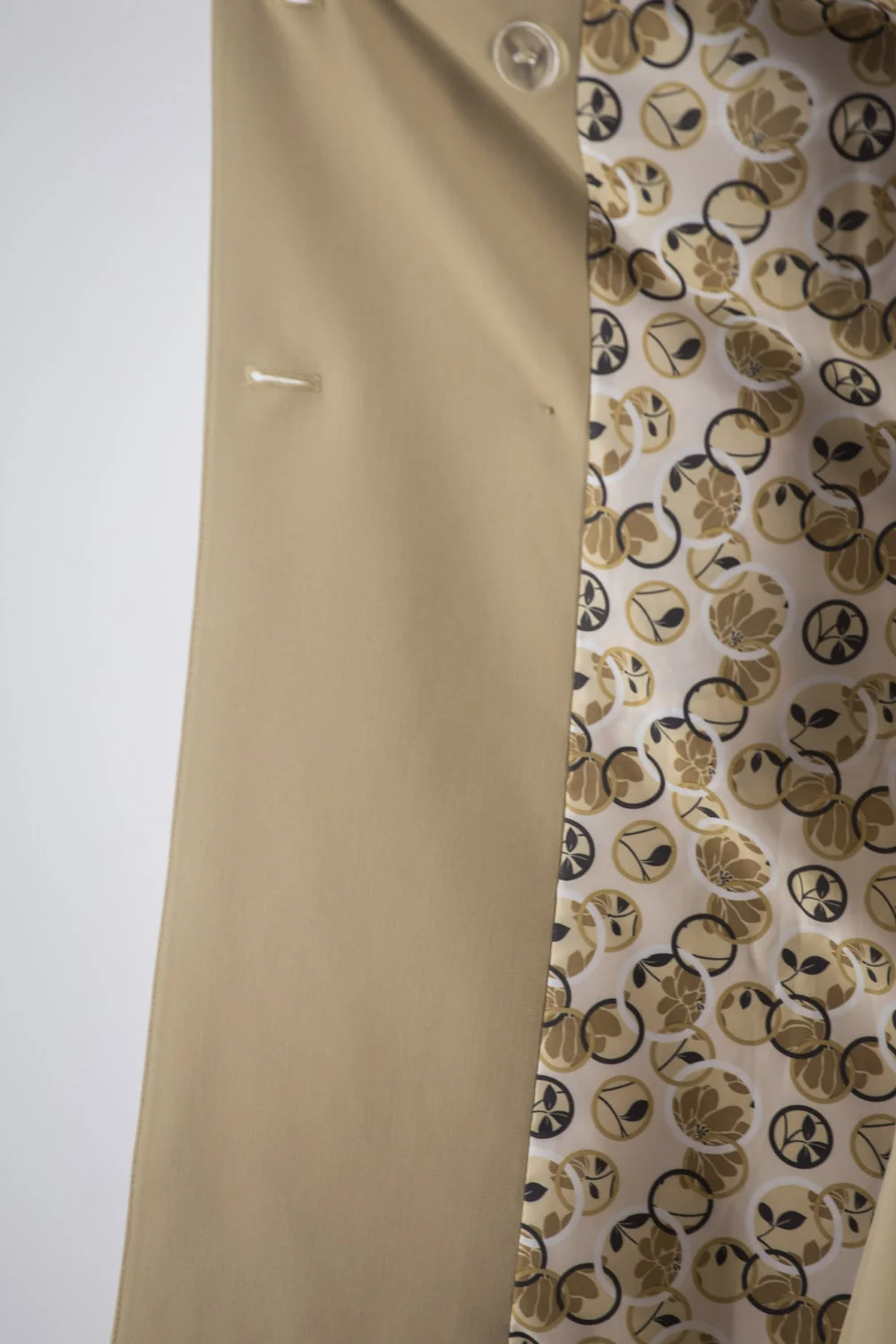
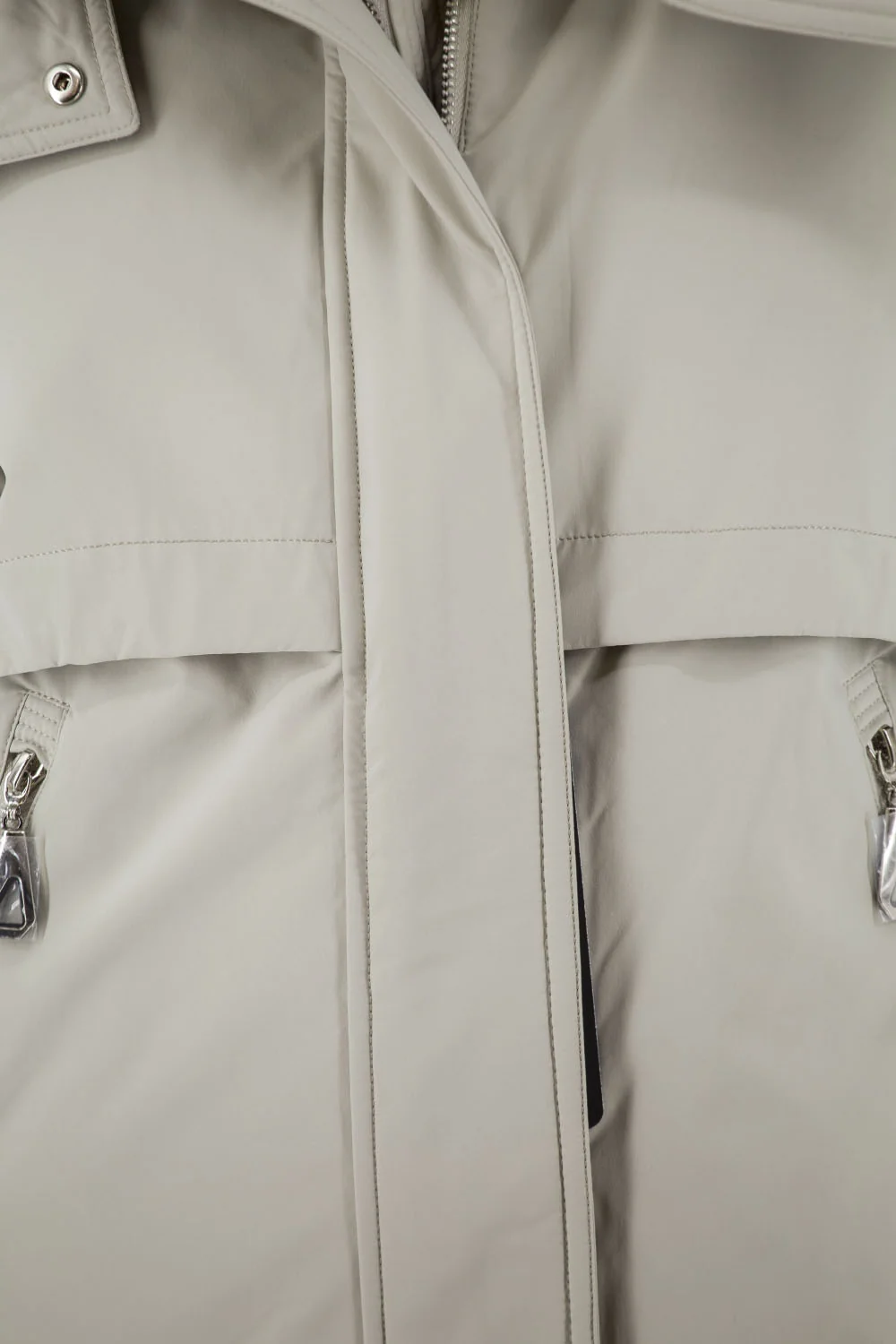
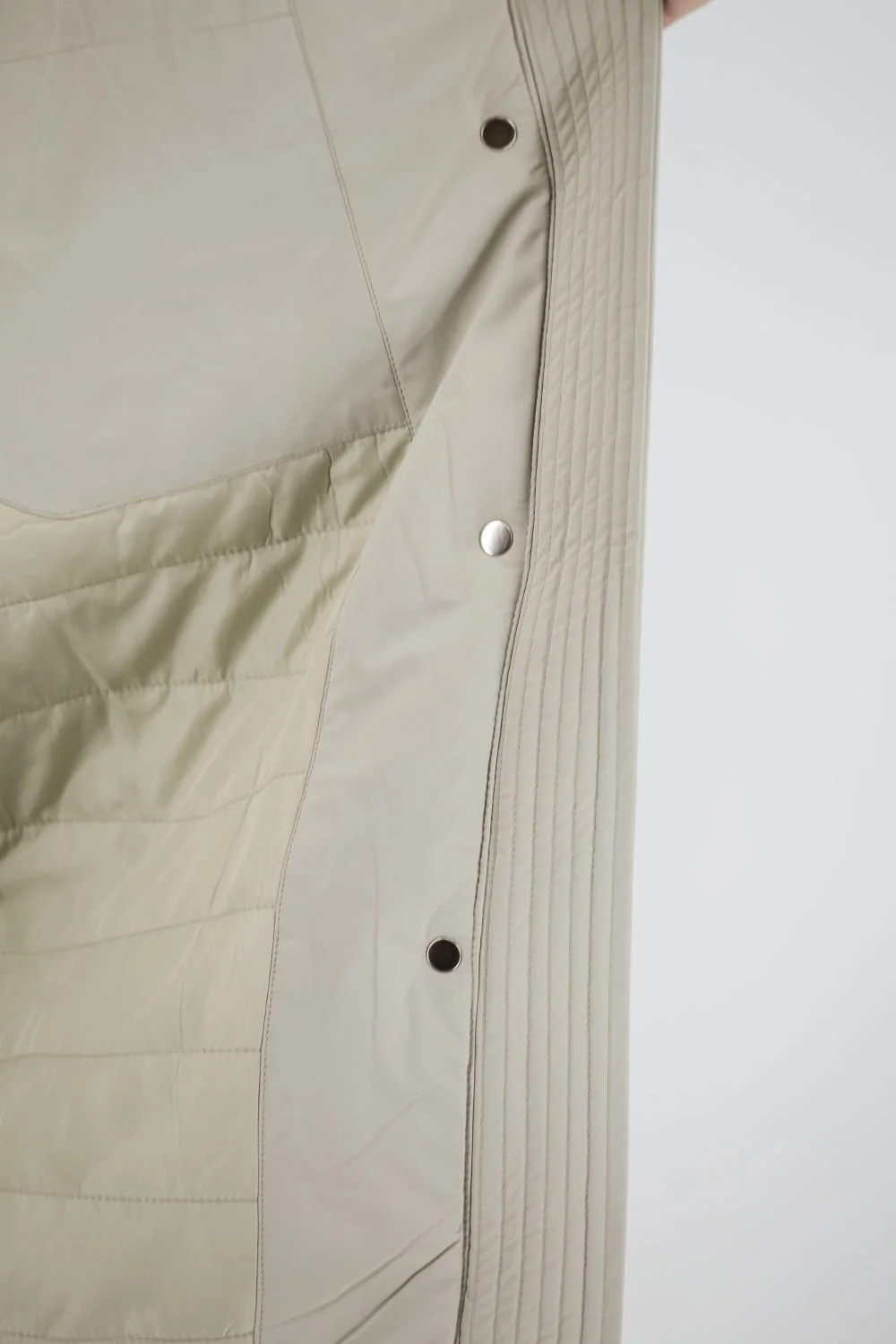
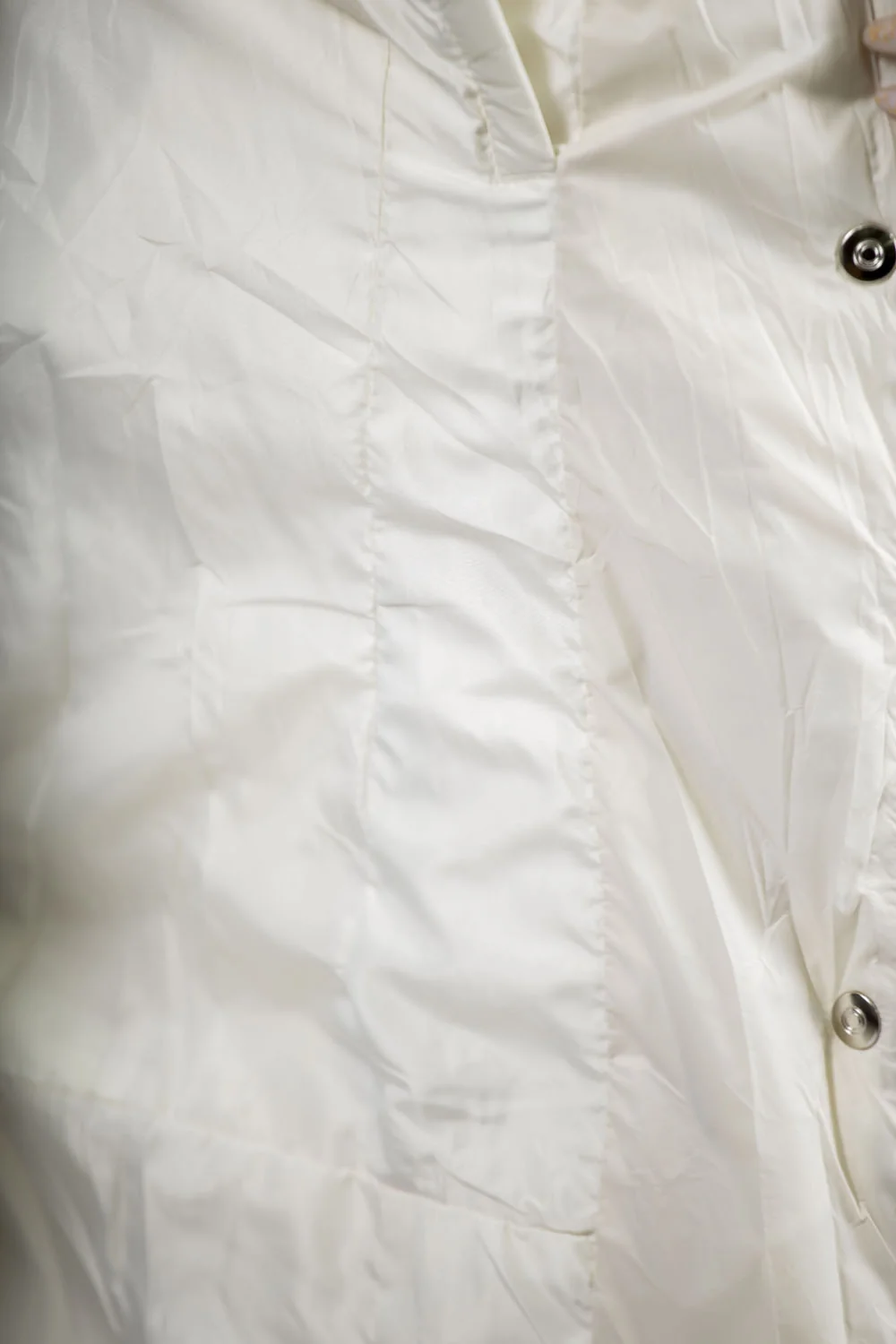
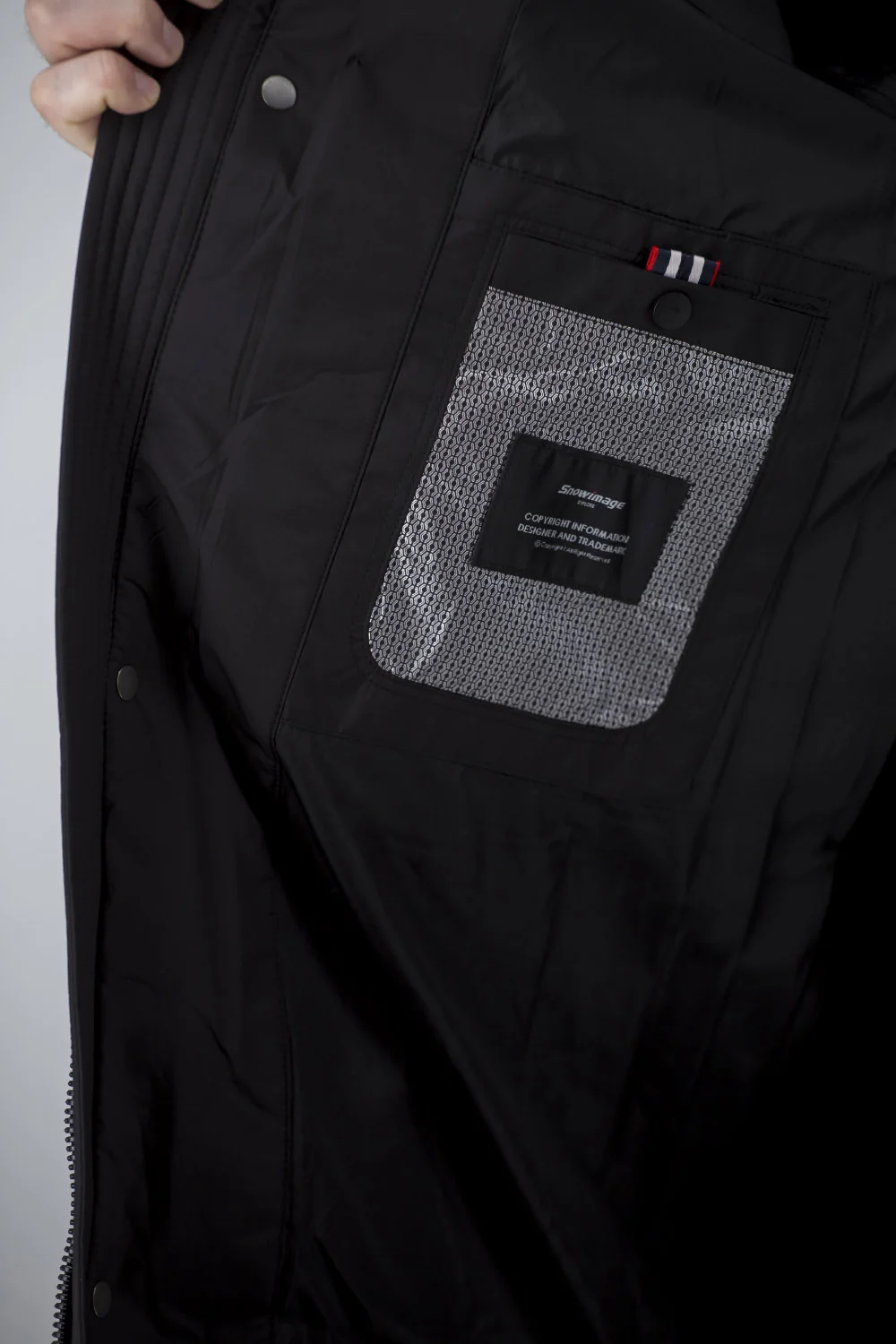
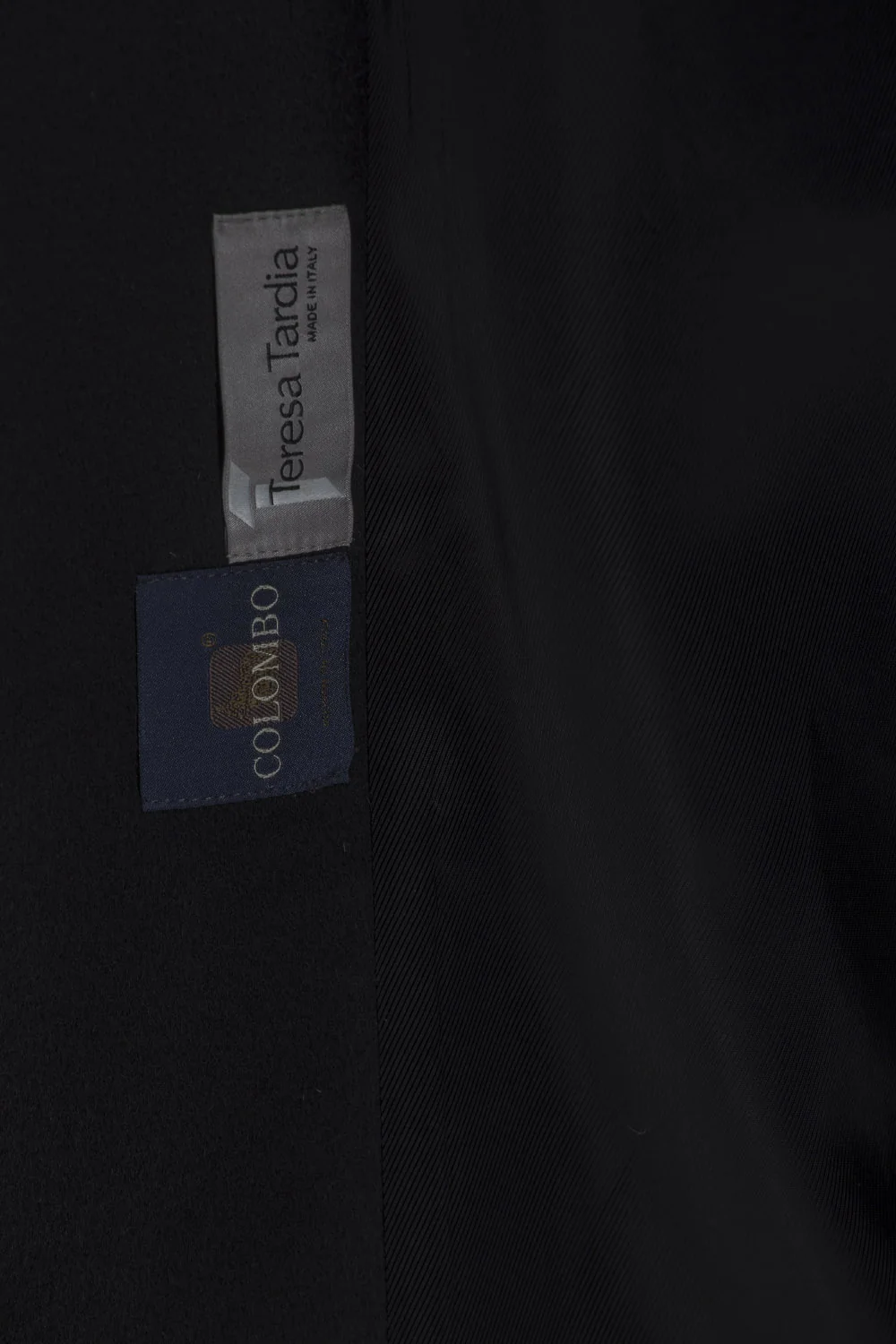
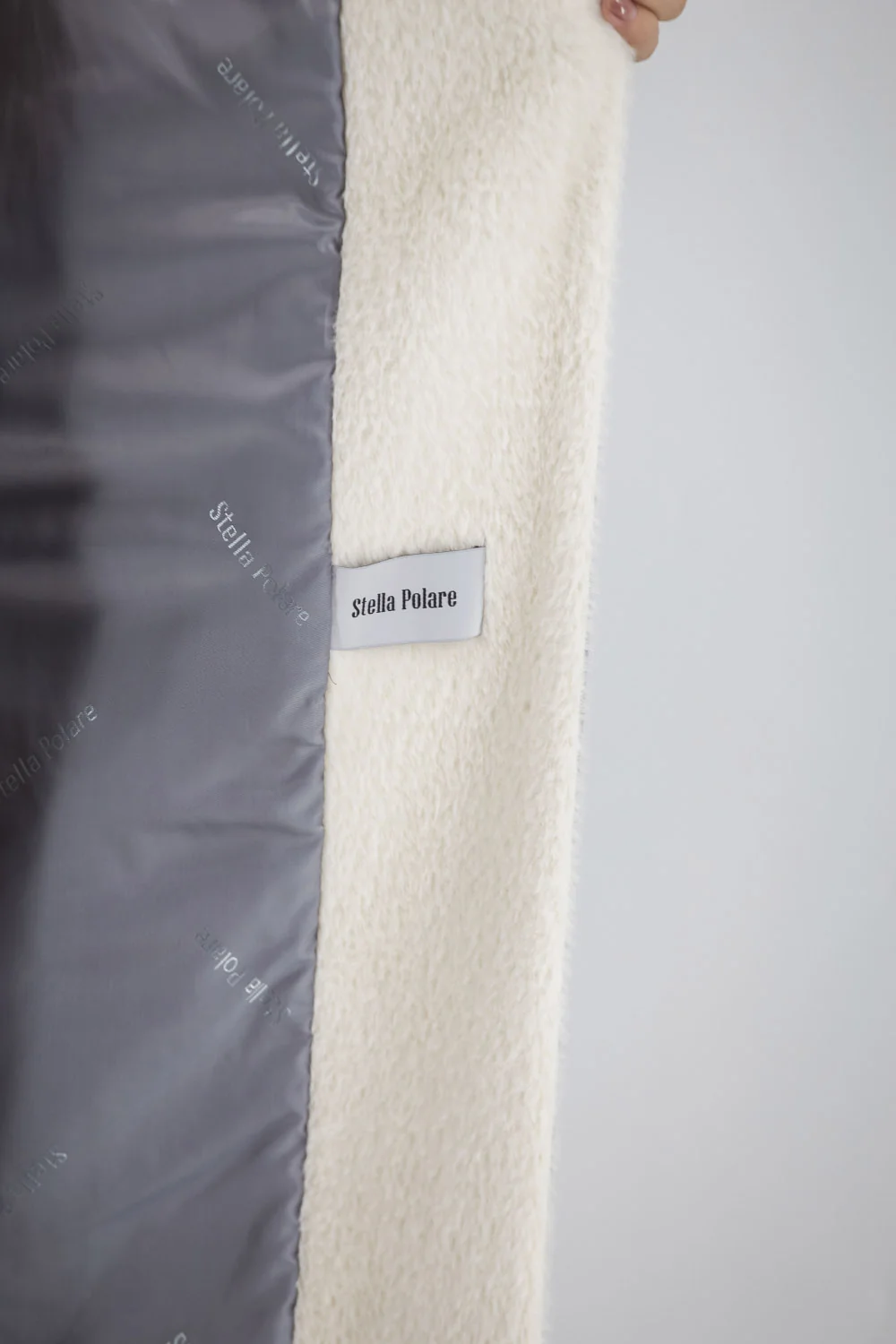
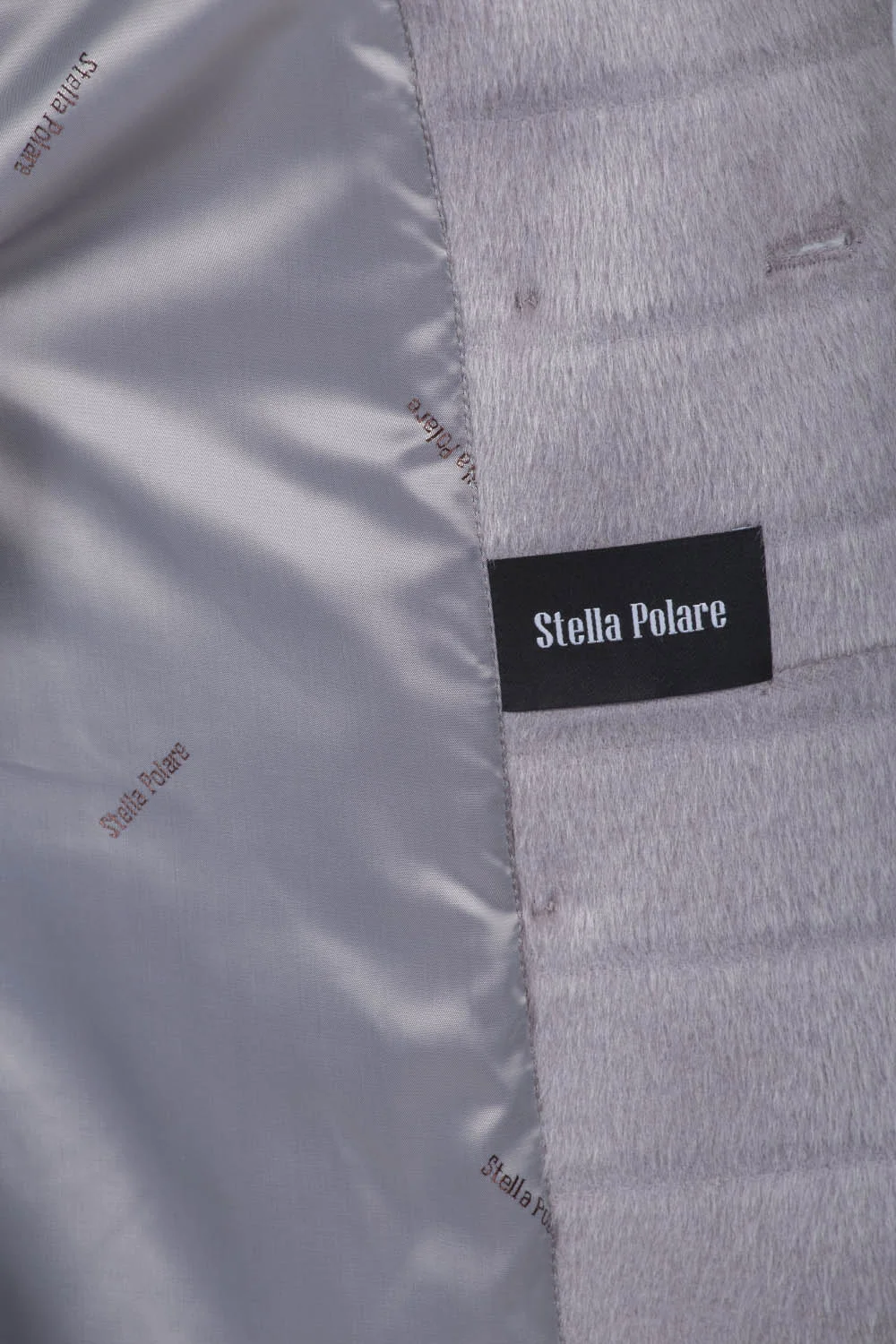
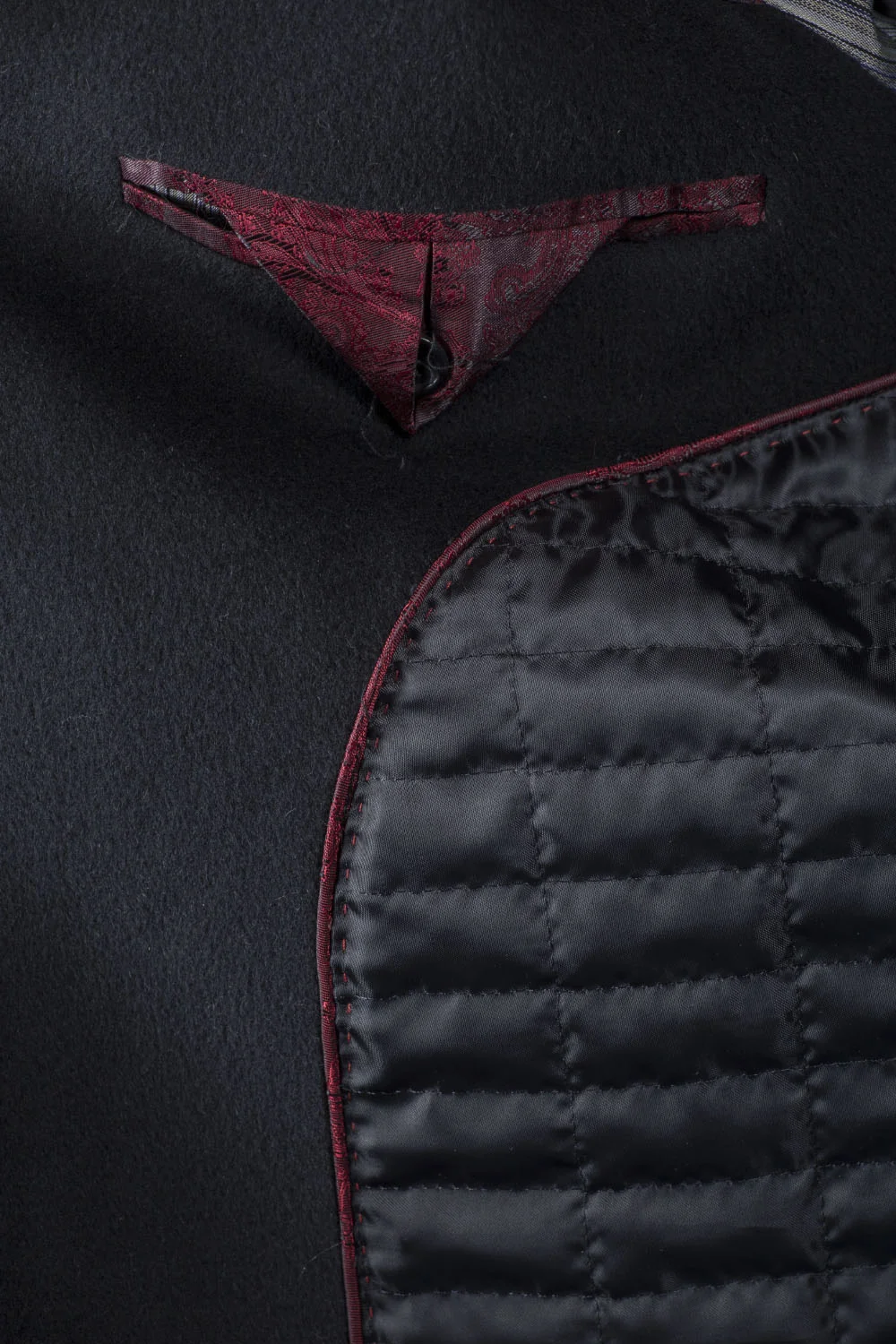
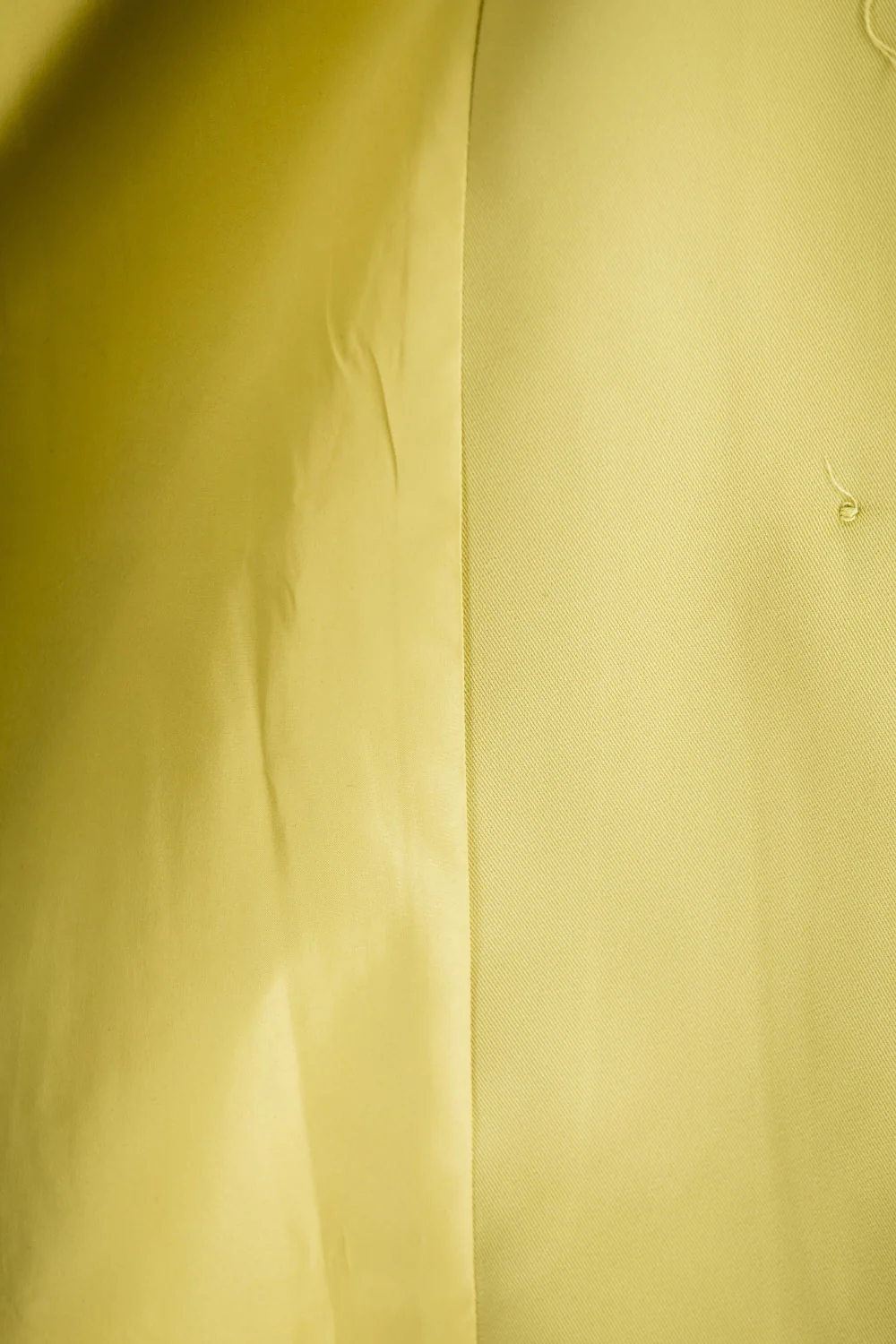
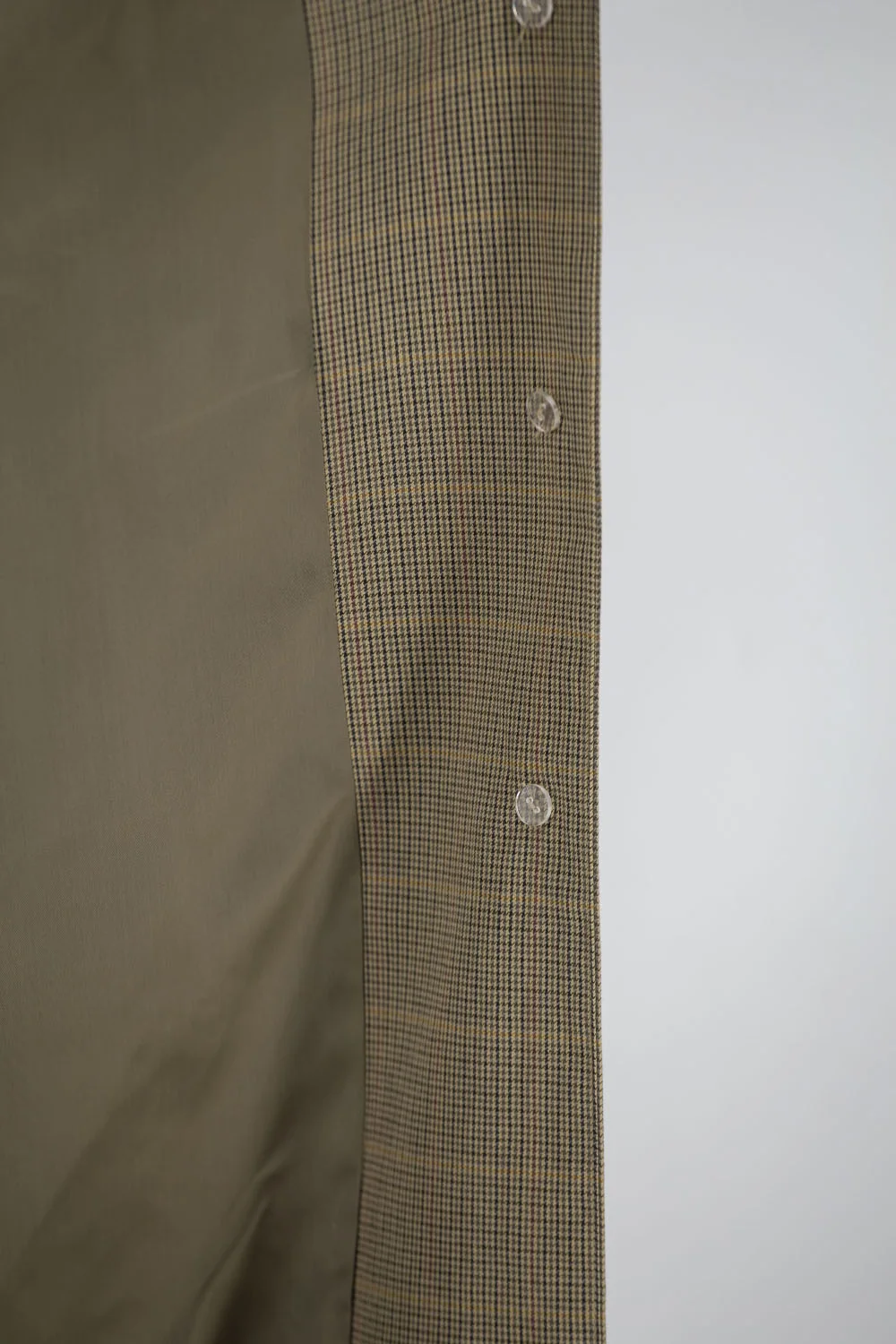
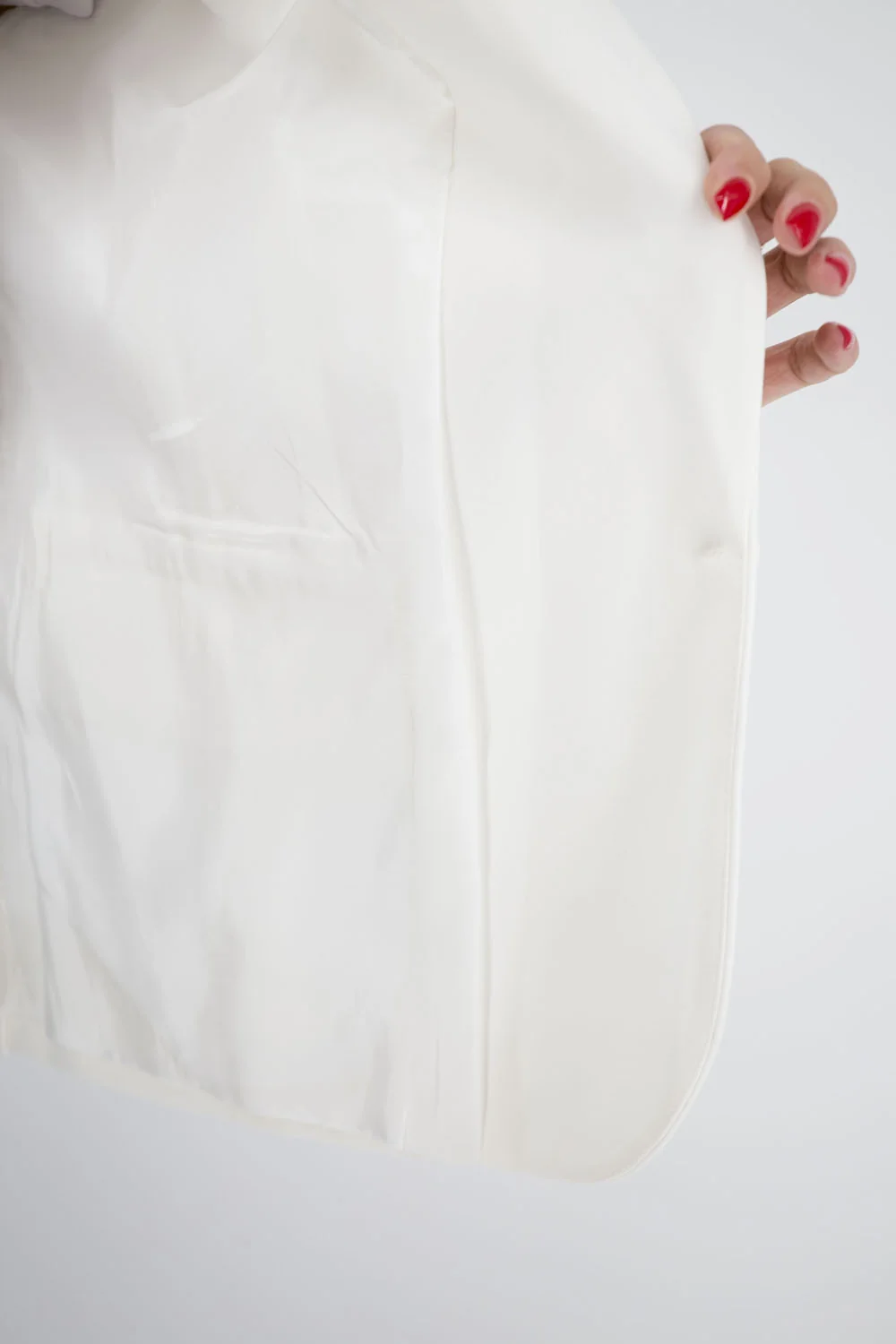
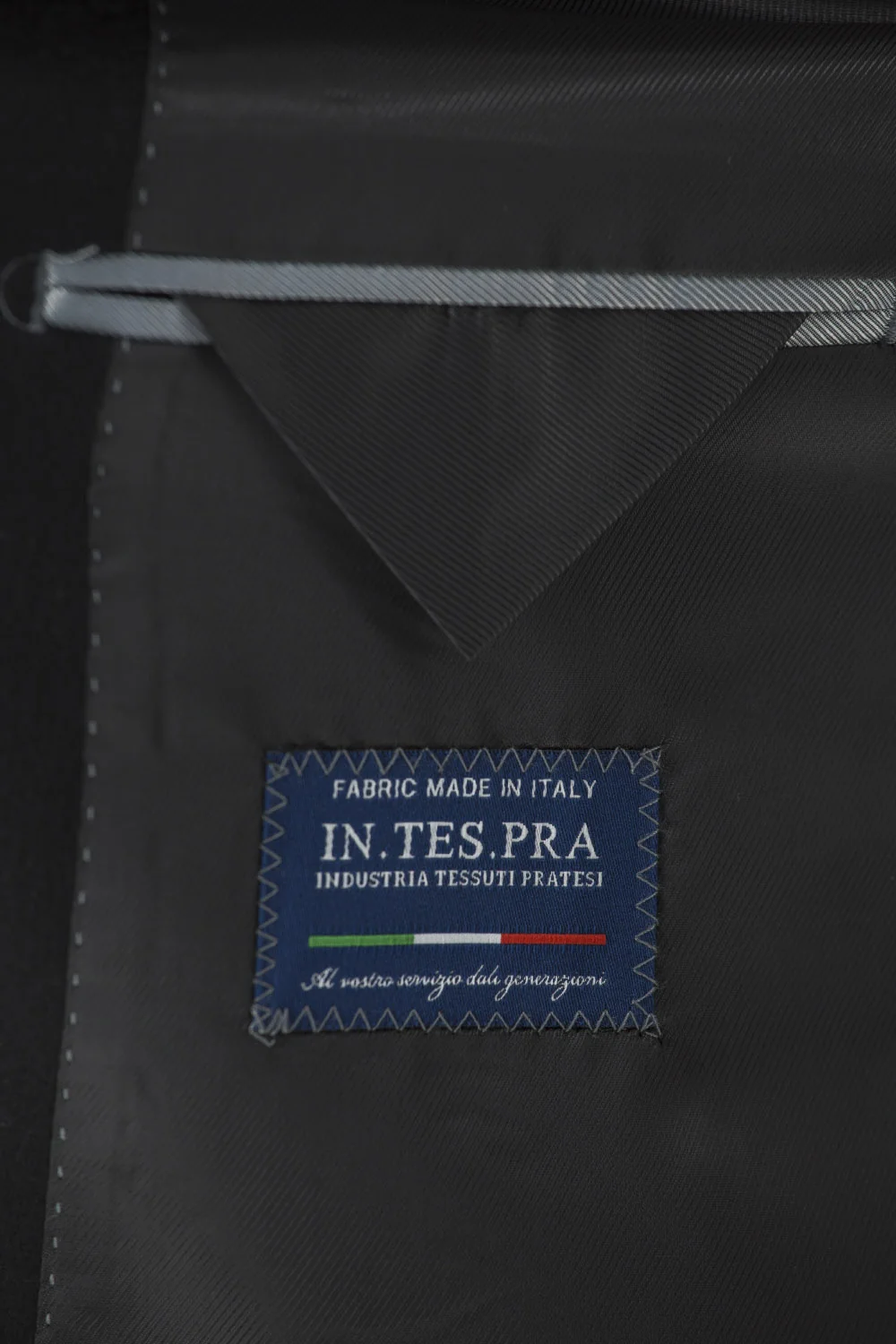
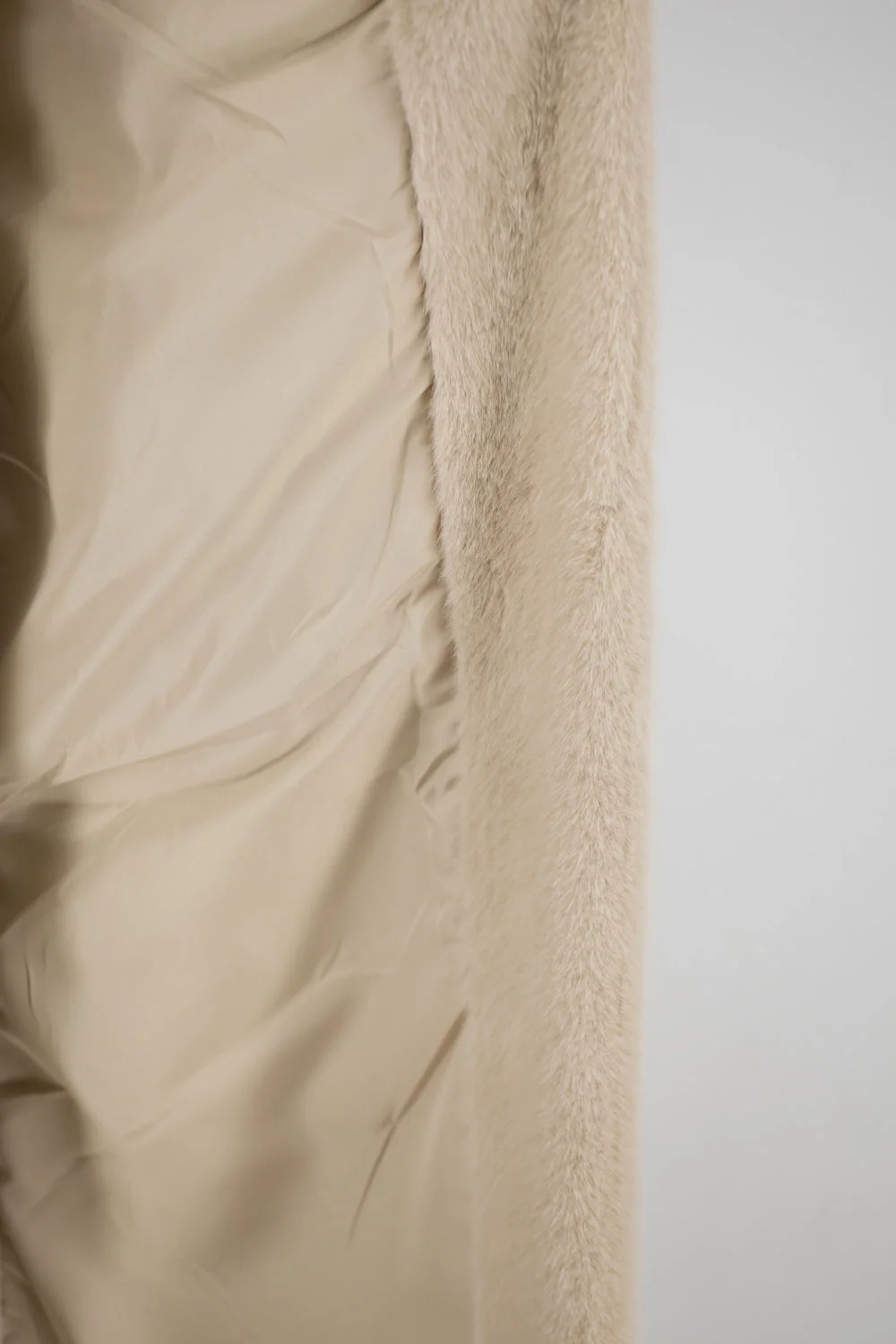
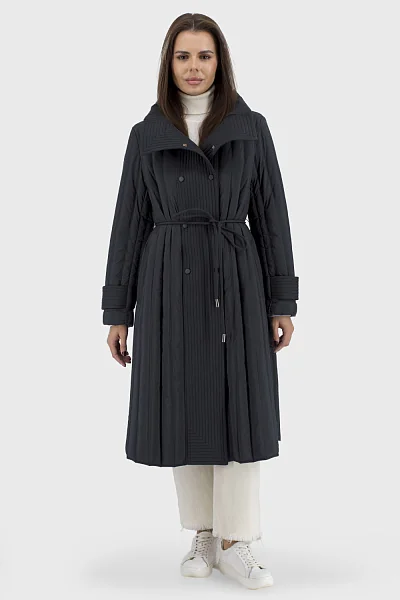
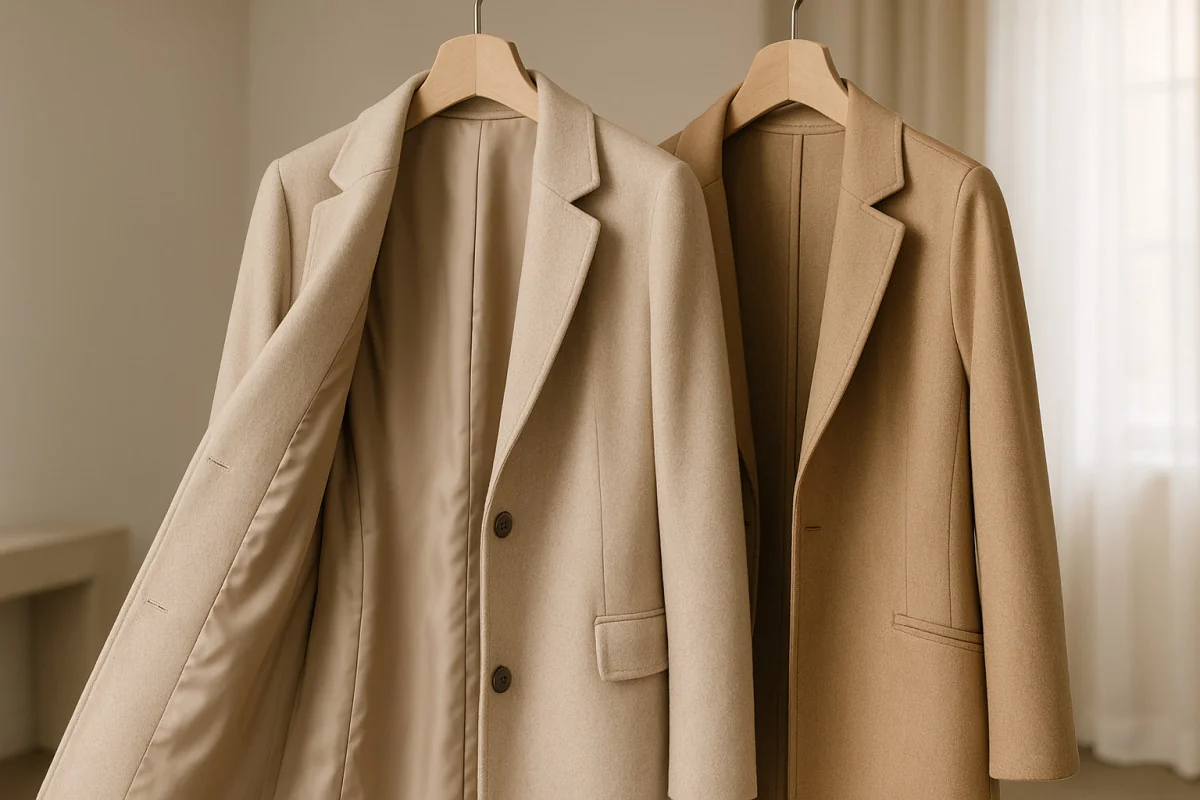
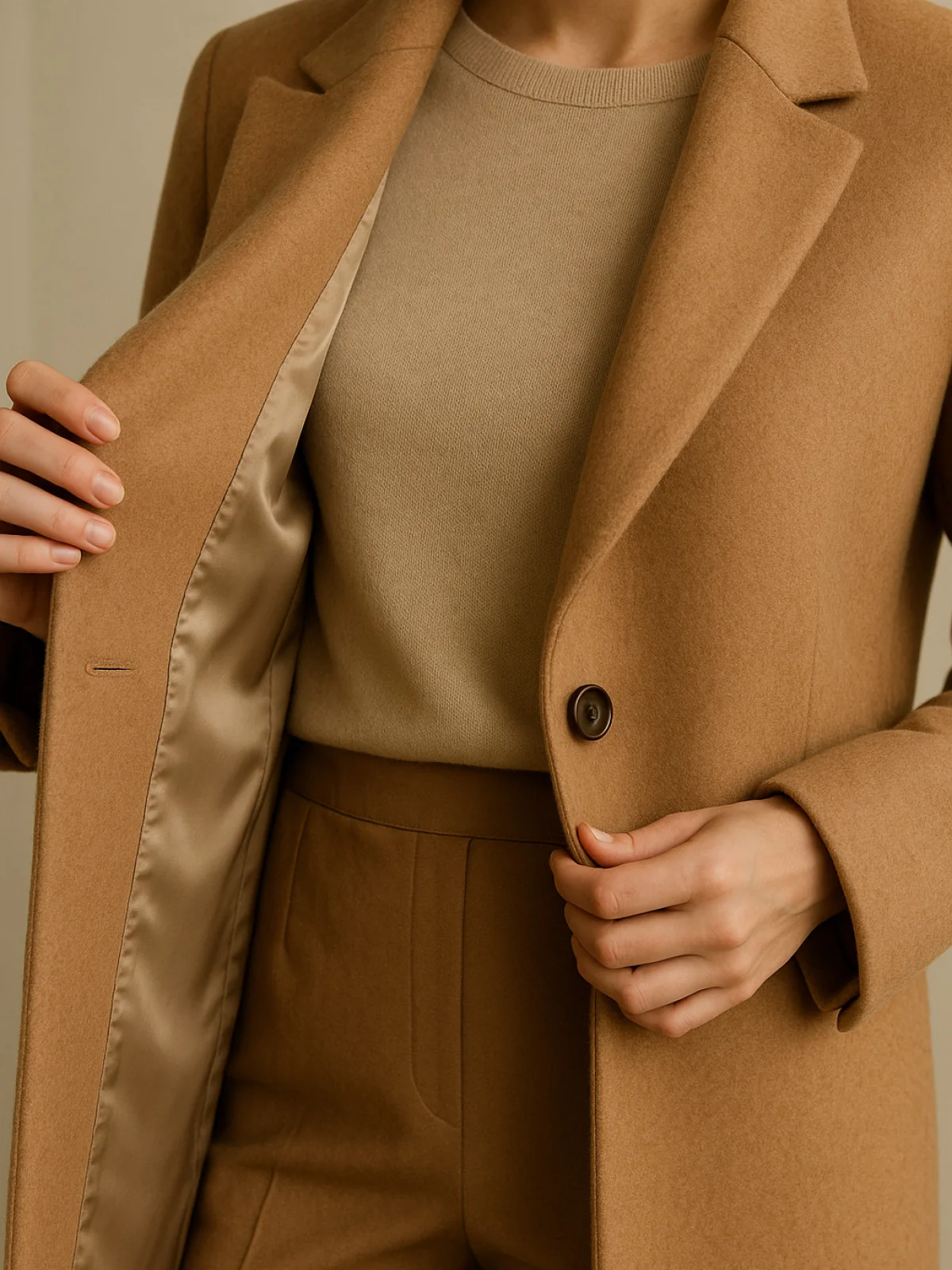
A lining covers internal seams, protects the outer fabric from friction and helps the coat maintain its intended shape. Its smooth surface also makes the coat easier to wear over sweaters, shirts and blazers.
A well-made lining should move naturally with the garment without pulling the outer fabric or creating unwanted folds.
Common lining materials
Viscose, polyester and blended fabrics are widely used. Viscose feels comfortable and breathable, while polyester is durable and easy to care for.
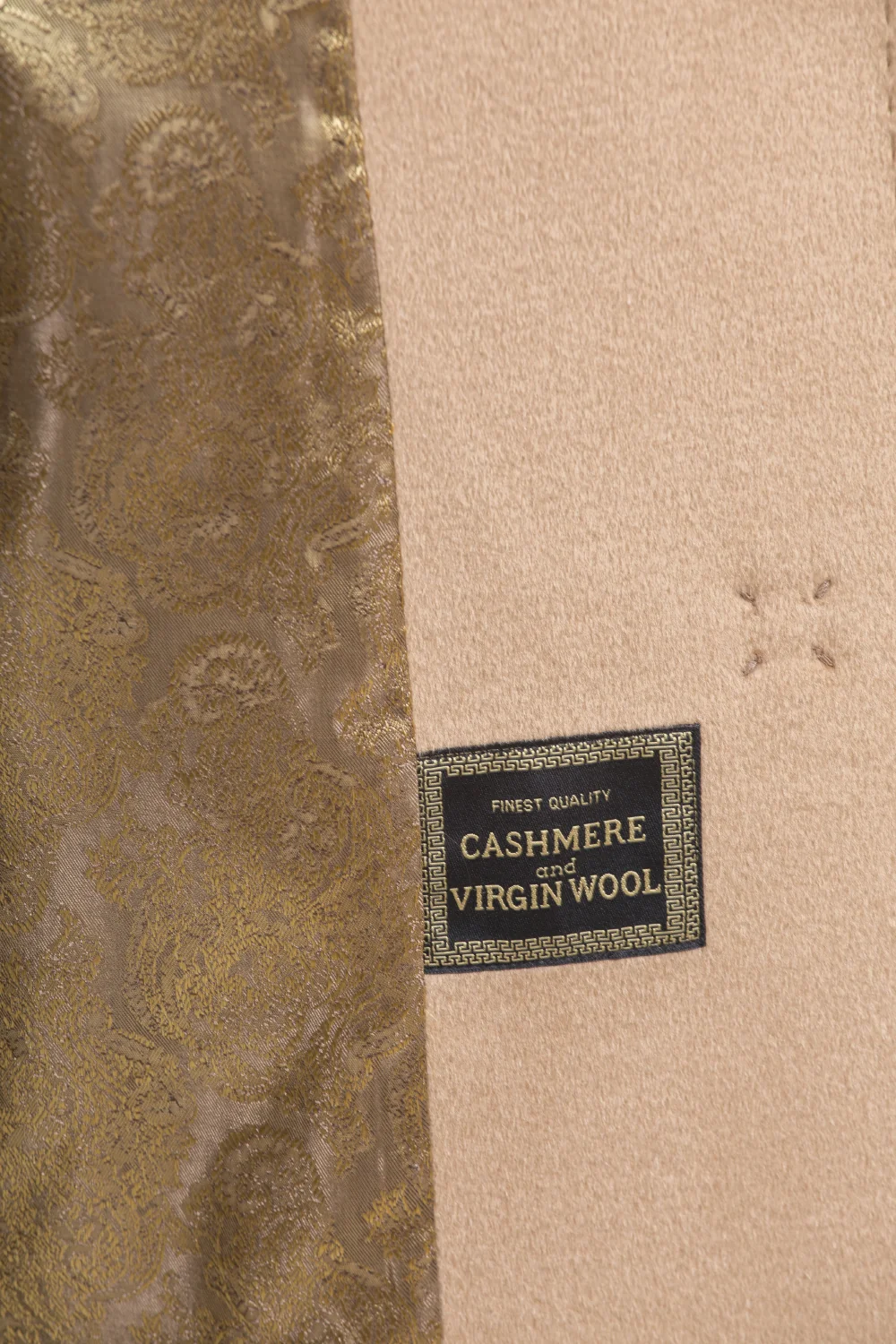
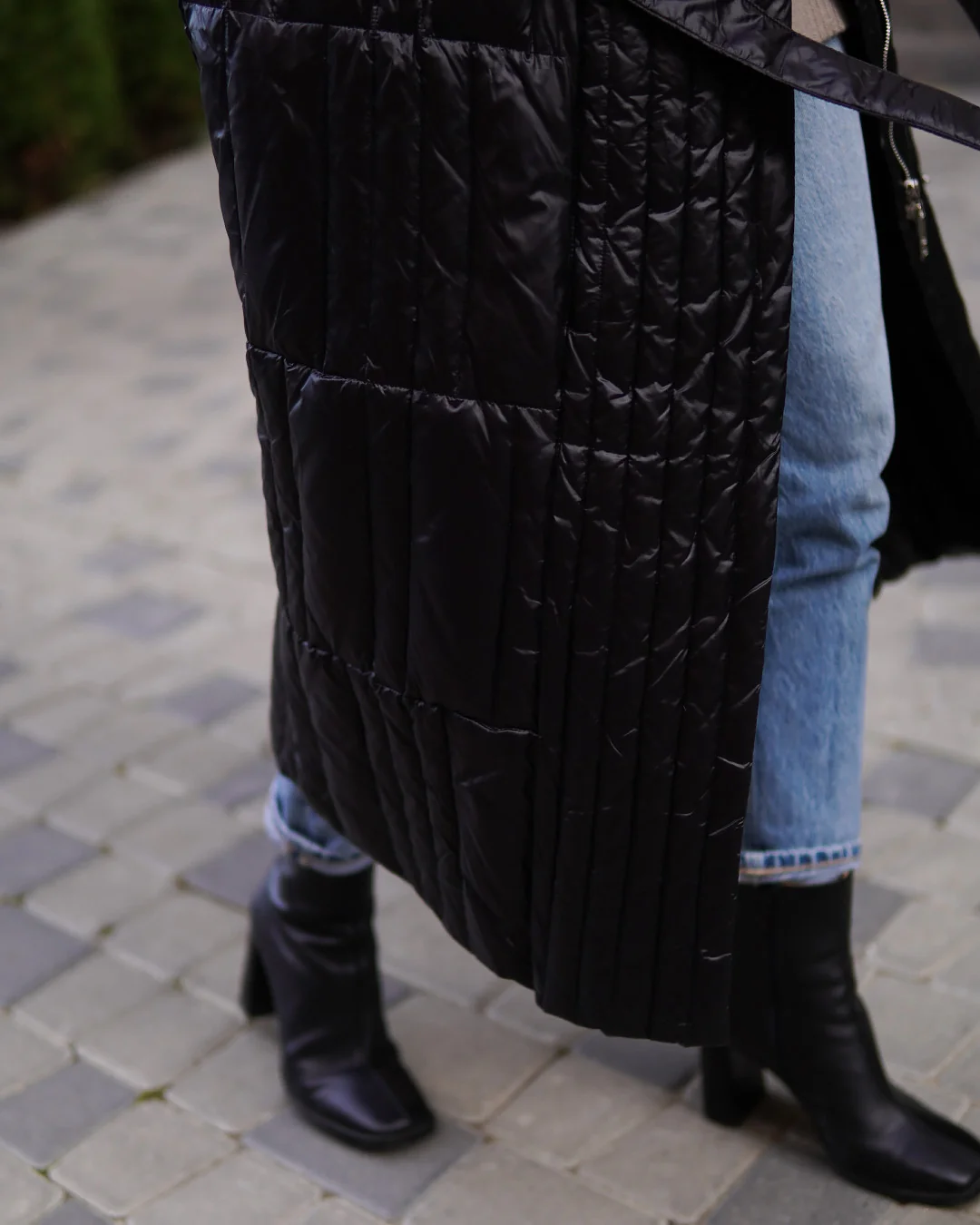
Premium coats may use satin or a dense lining fabric. Winter designs can include a quilted insulated lining.
Advantages of a lined coat
A lined coat usually keeps its shape better, resists internal wear and looks polished for longer. It is a practical choice for cool autumn, early spring and mild winter weather.
The smooth inner layer reduces friction when the coat is worn over textured knitwear, wool sweaters or tailoring.
Possible disadvantages
A lined style is generally heavier and warmer, which can feel excessive in mild weather.
Low-quality synthetic lining may trap heat, create static or wear quickly around seams and pockets.
Advantages of an unlined coat
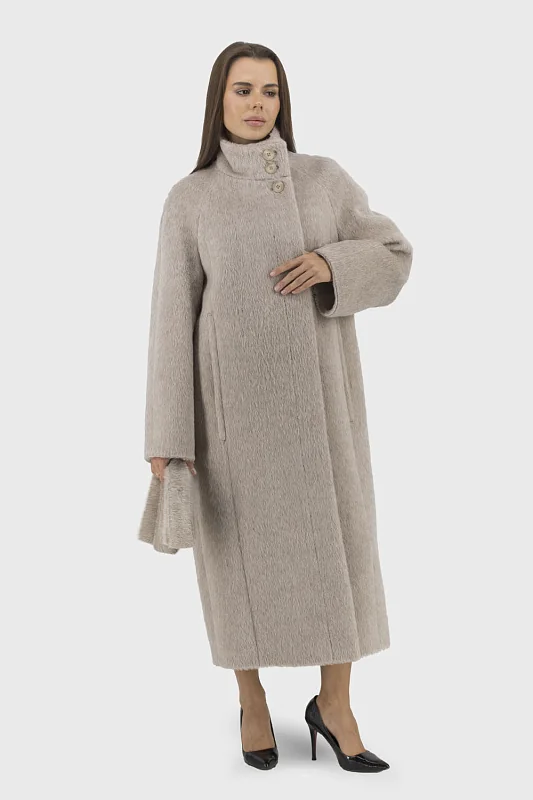
An unlined coat is lighter, softer and ideal for mild spring, early autumn or a cool summer evening.
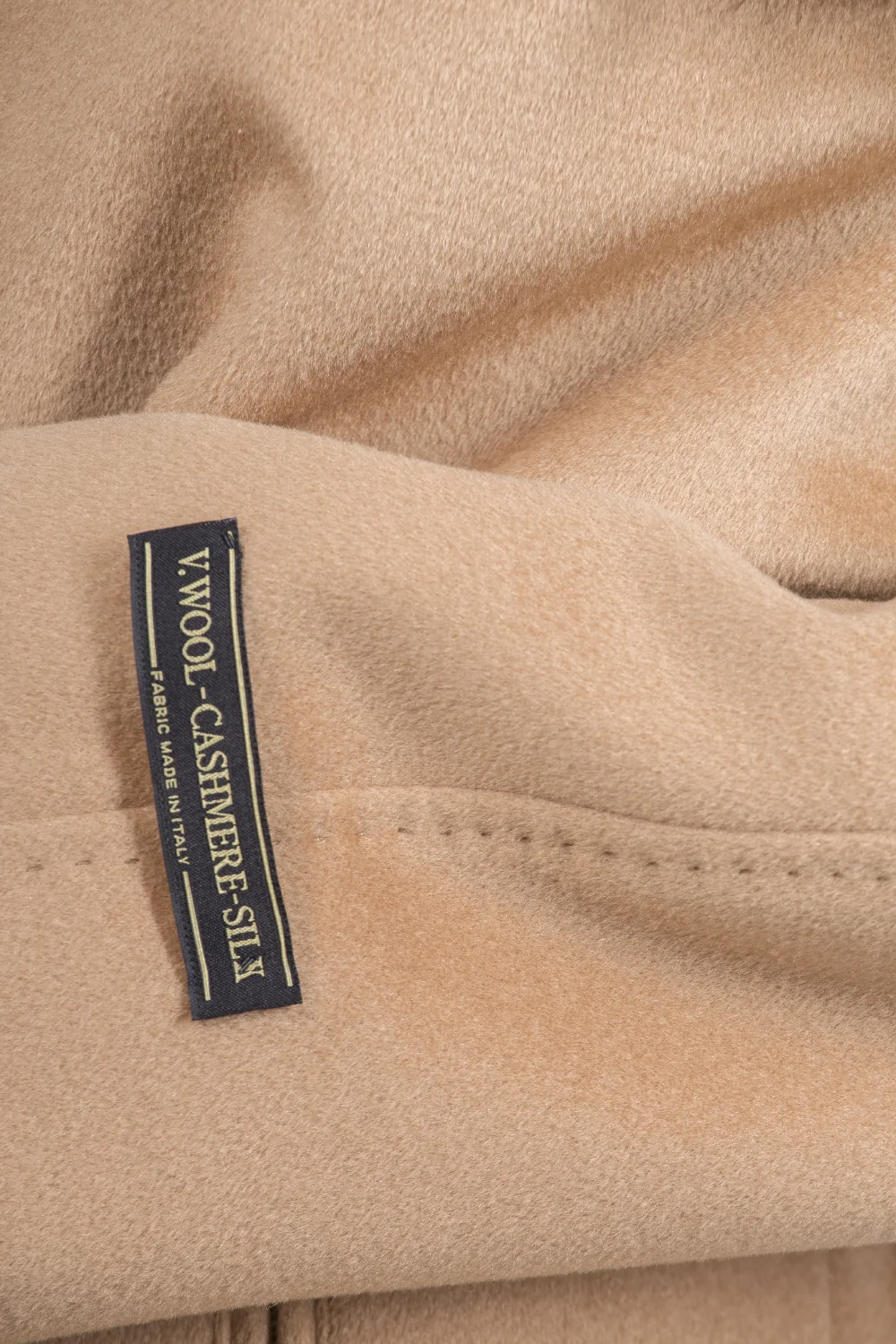
Without an additional inner layer, the natural character of wool, cashmere or a blended fabric is more noticeable.
Possible disadvantages of an unlined coat
The inside of the outer fabric touches clothing directly and may show wear sooner. Rougher materials can also be difficult to layer over a thick sweater.
Unlined coats generally provide less wind protection and are not designed for very low temperatures.
Which option is warmer?
With the same outer fabric, a lined coat is normally warmer because the extra layer traps air and reduces wind penetration.
However, fabric composition, density, length and silhouette can be just as important as the presence of a lining.
Which option holds its shape better?
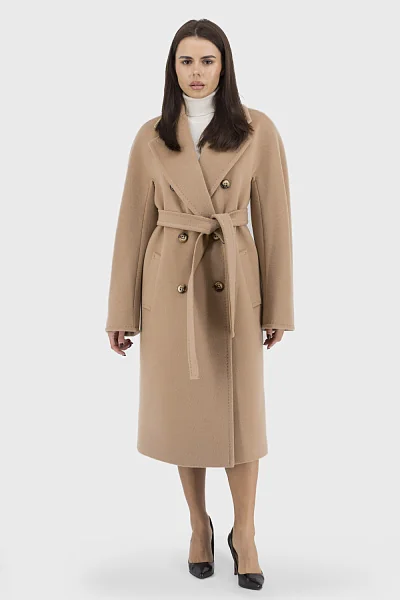
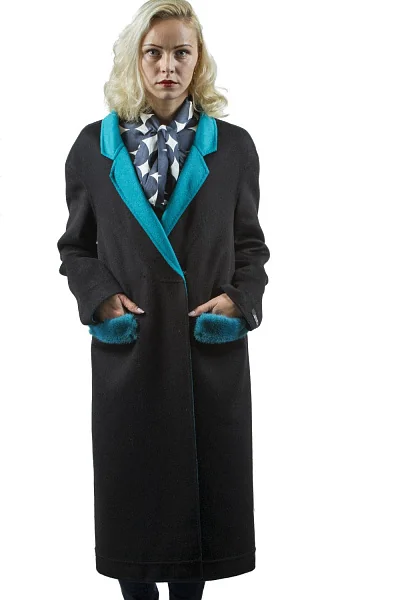
Structured coats with defined shoulders and lapels usually benefit from a lining. It supports the construction and conceals internal tailoring.

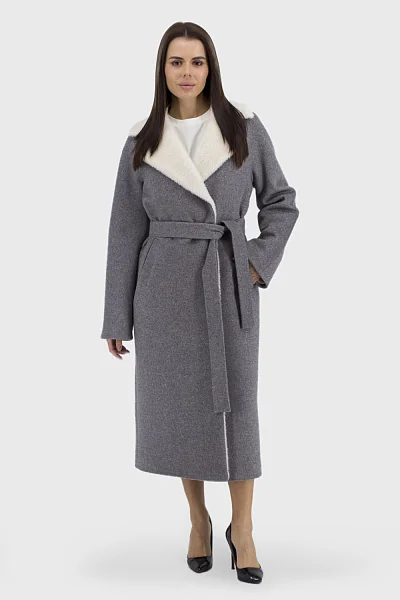
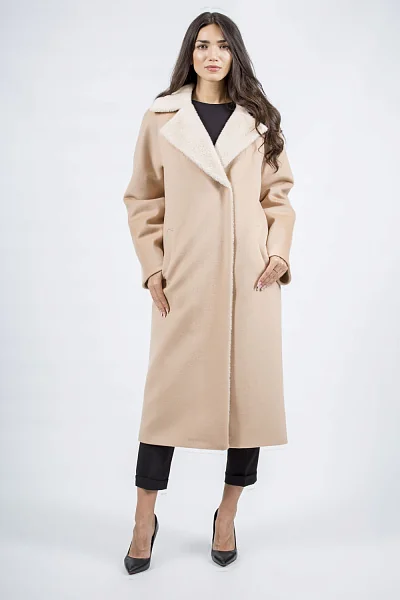
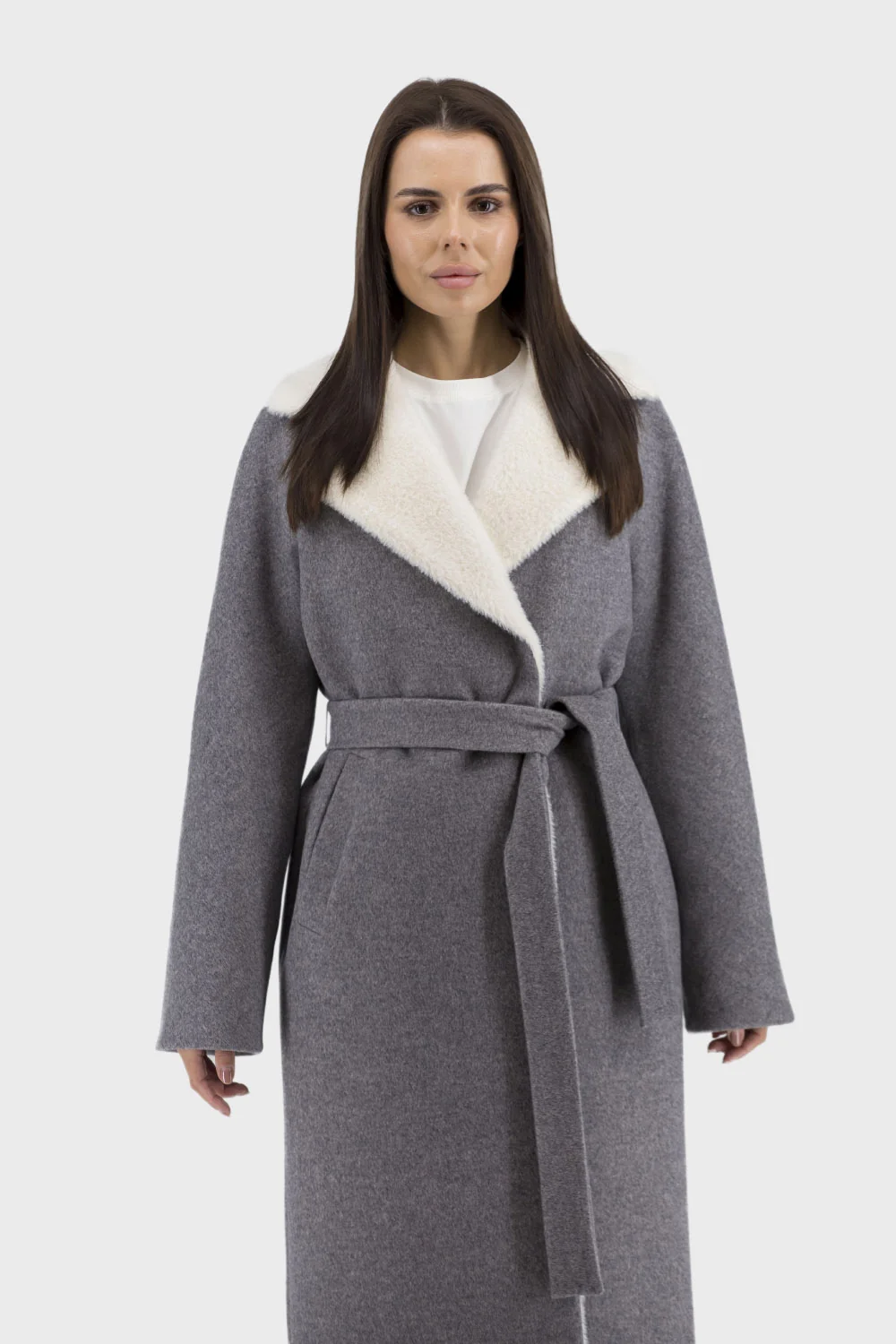
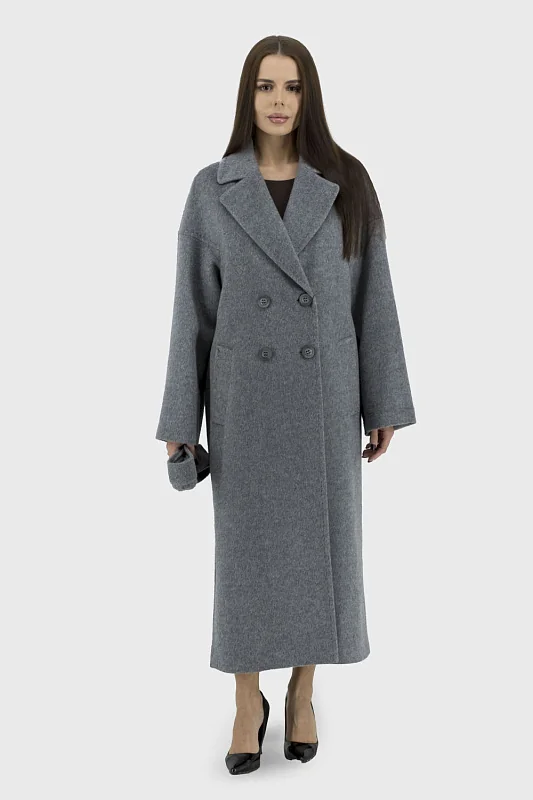
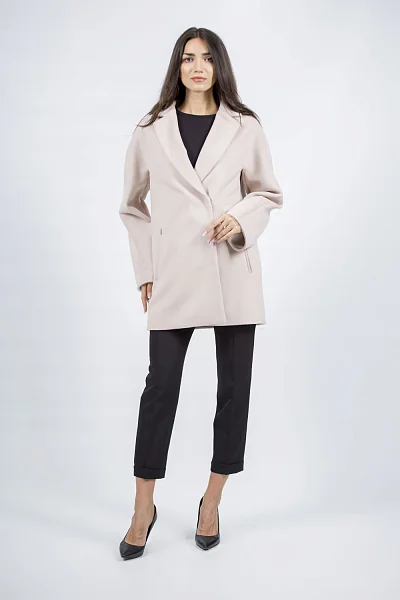
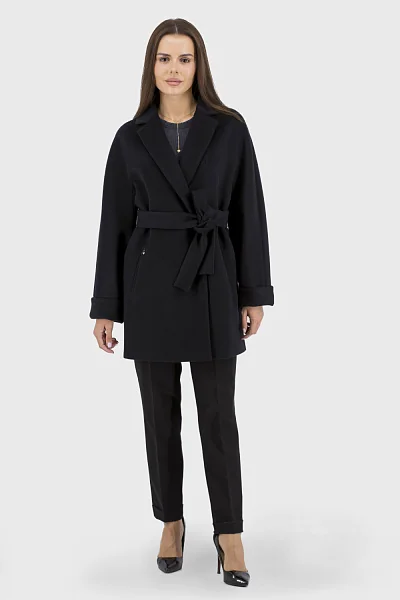
Soft wrap coats, oversized styles and double-faced fabrics may look excellent without one.
When to choose a lined coat
Choose a lined design for regular wear in cooler weather, professional outfits and layering over sweaters or blazers.
It is also a practical option when the coat is expected to remain a core wardrobe piece for several seasons.
When to choose an unlined coat
An unlined style suits mild weather, travel and outfits that move frequently between indoor and outdoor spaces.
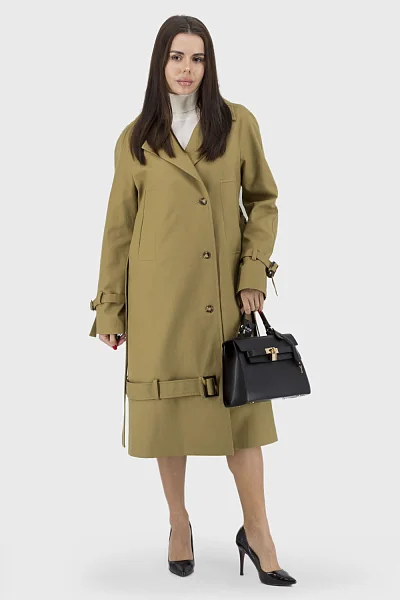
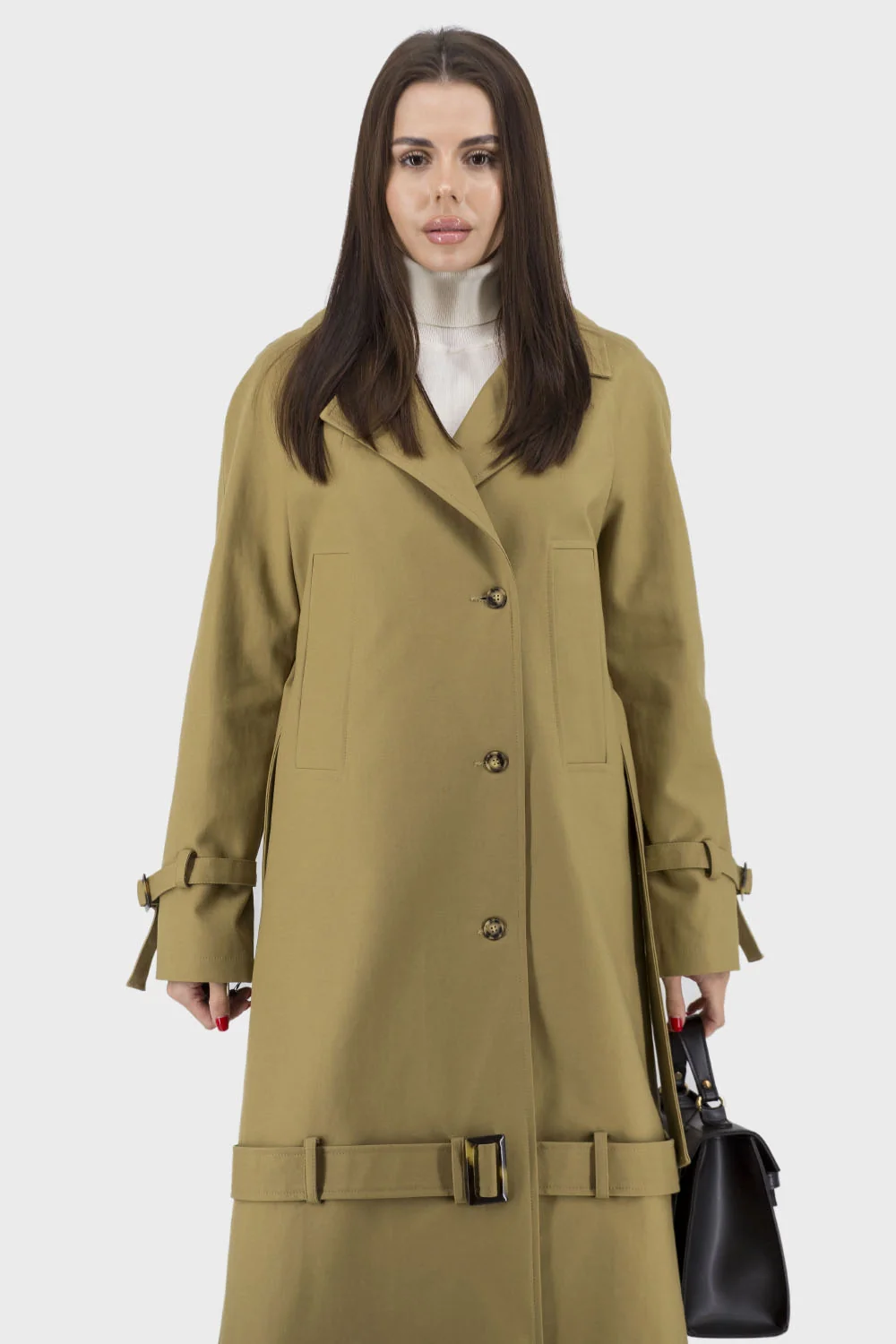
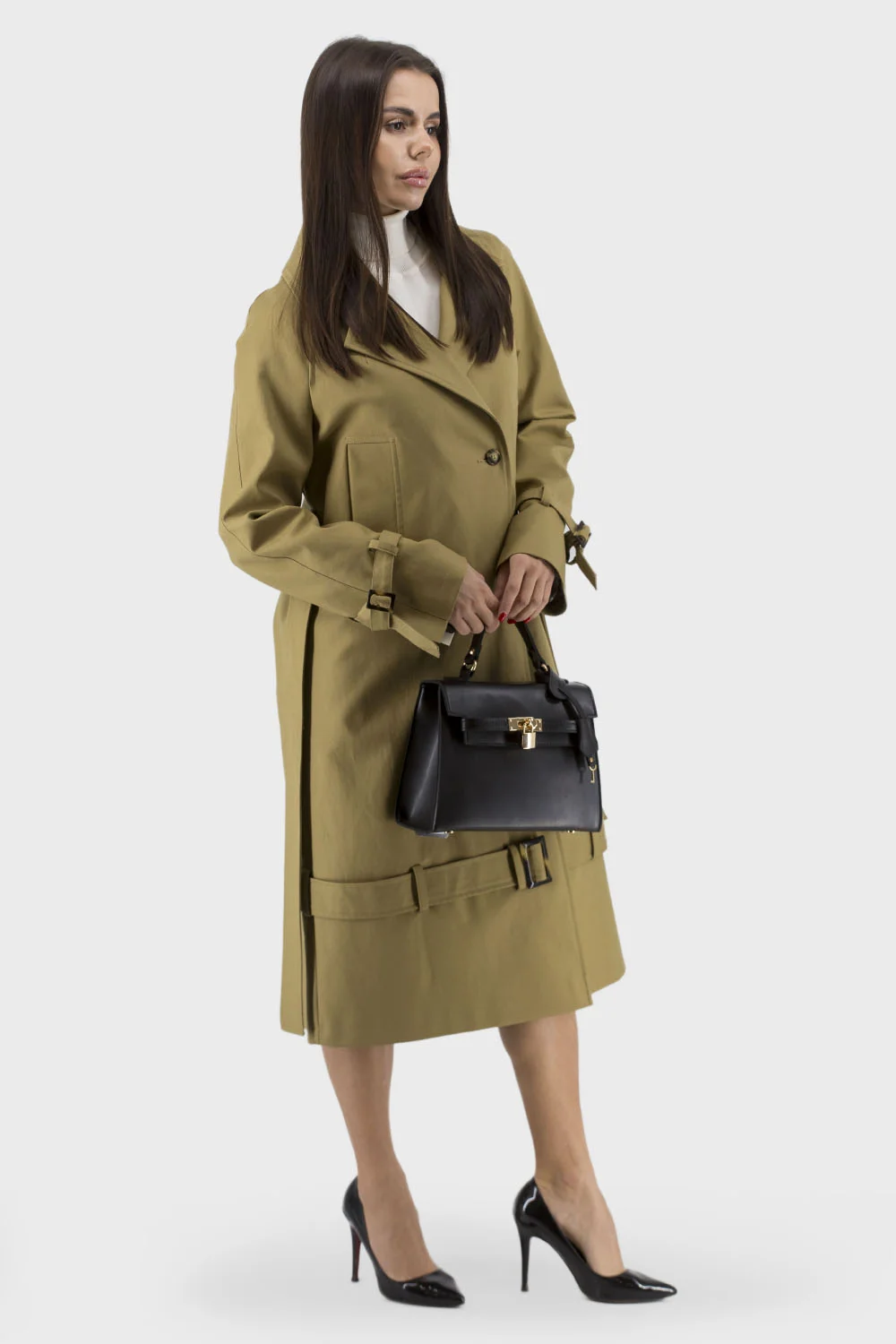
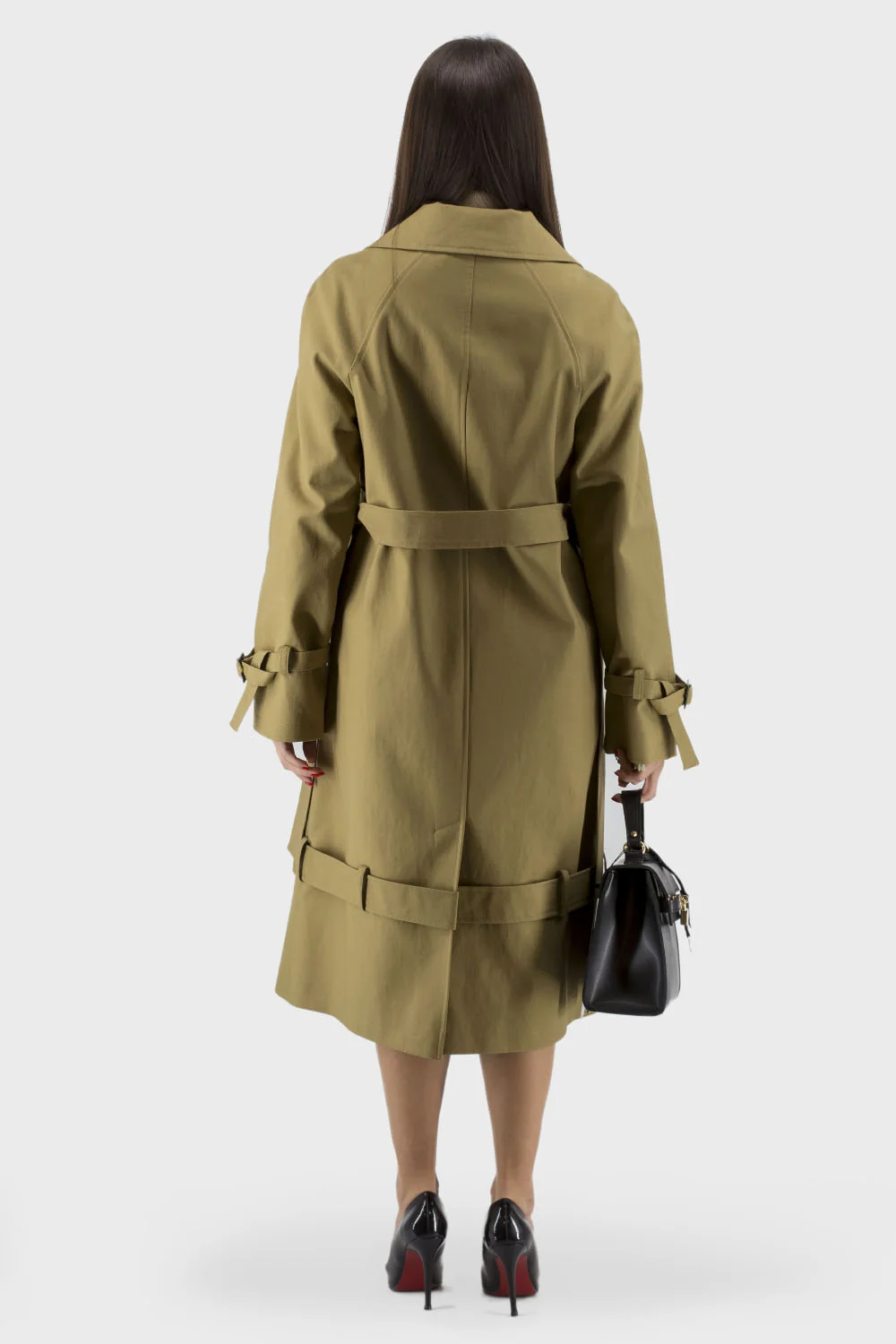
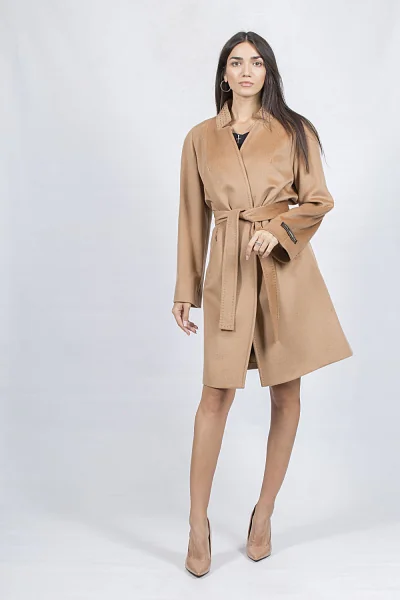
It can function as an alternative to a cardigan, trench coat or long blazer.
How to inspect the lining
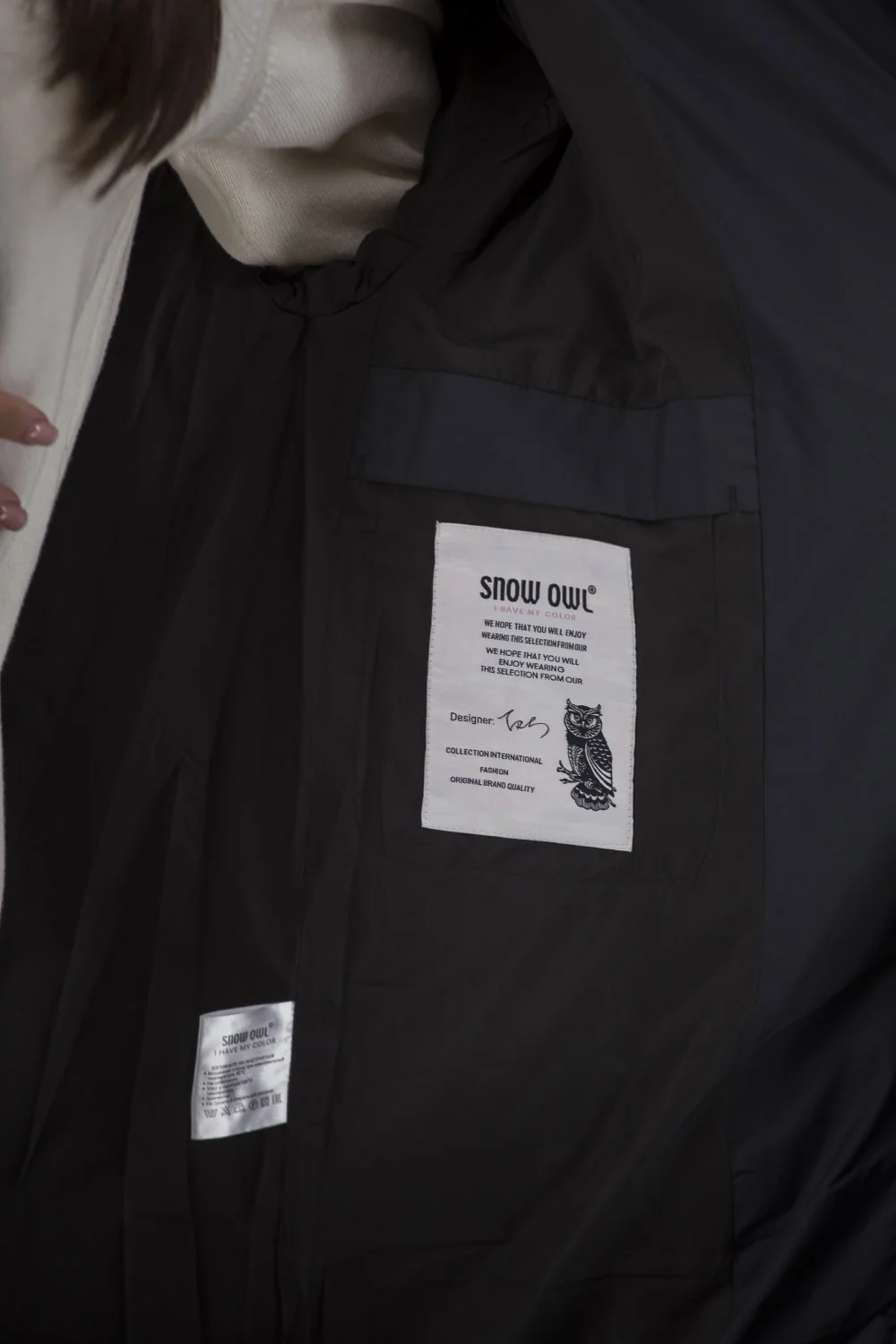
Check the armholes, hem, pockets and internal seams. The lining should not be twisted, stretched or excessively loose.
Fasten the coat, raise your arms and walk a few steps. The lining should move with the outer garment.

Choosing the correct size
Try the coat over the type of clothing you expect to wear underneath. A transitional coat may be tested over a fine sweater, while a winter style should allow room for thicker knitwear.
The shoulders, chest and back must provide freedom of movement without making the silhouette look unintentionally oversized.
Care
Always follow the care label. The outer fabric and lining may react differently to water and heat, so wool coats often require professional cleaning.
Store the coat on a wide hanger and avoid keeping it compressed in plastic for long periods.
Making the final choice
A lined coat is usually better for cooler weather, frequent wear and a structured wardrobe. An unlined coat suits mild temperatures and relaxed lightweight outfits.
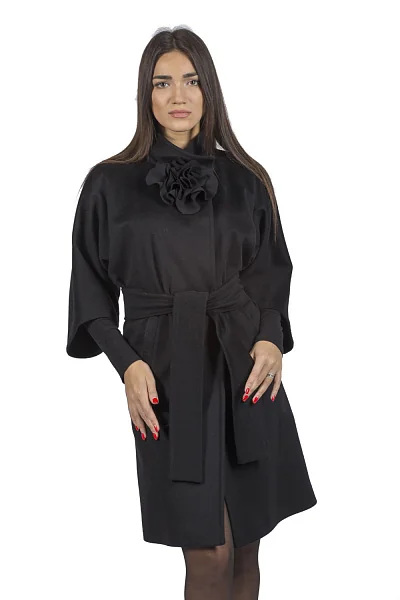
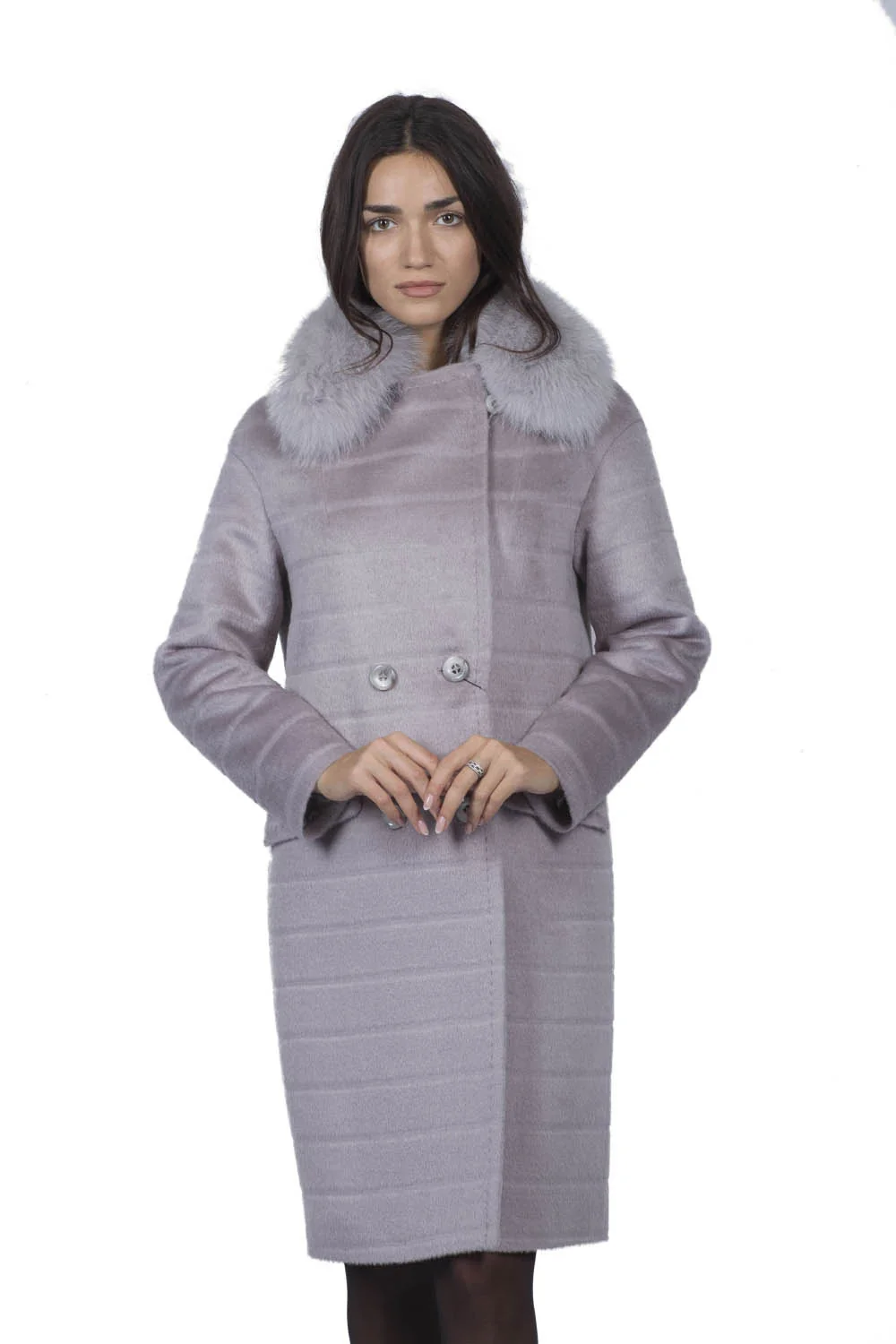
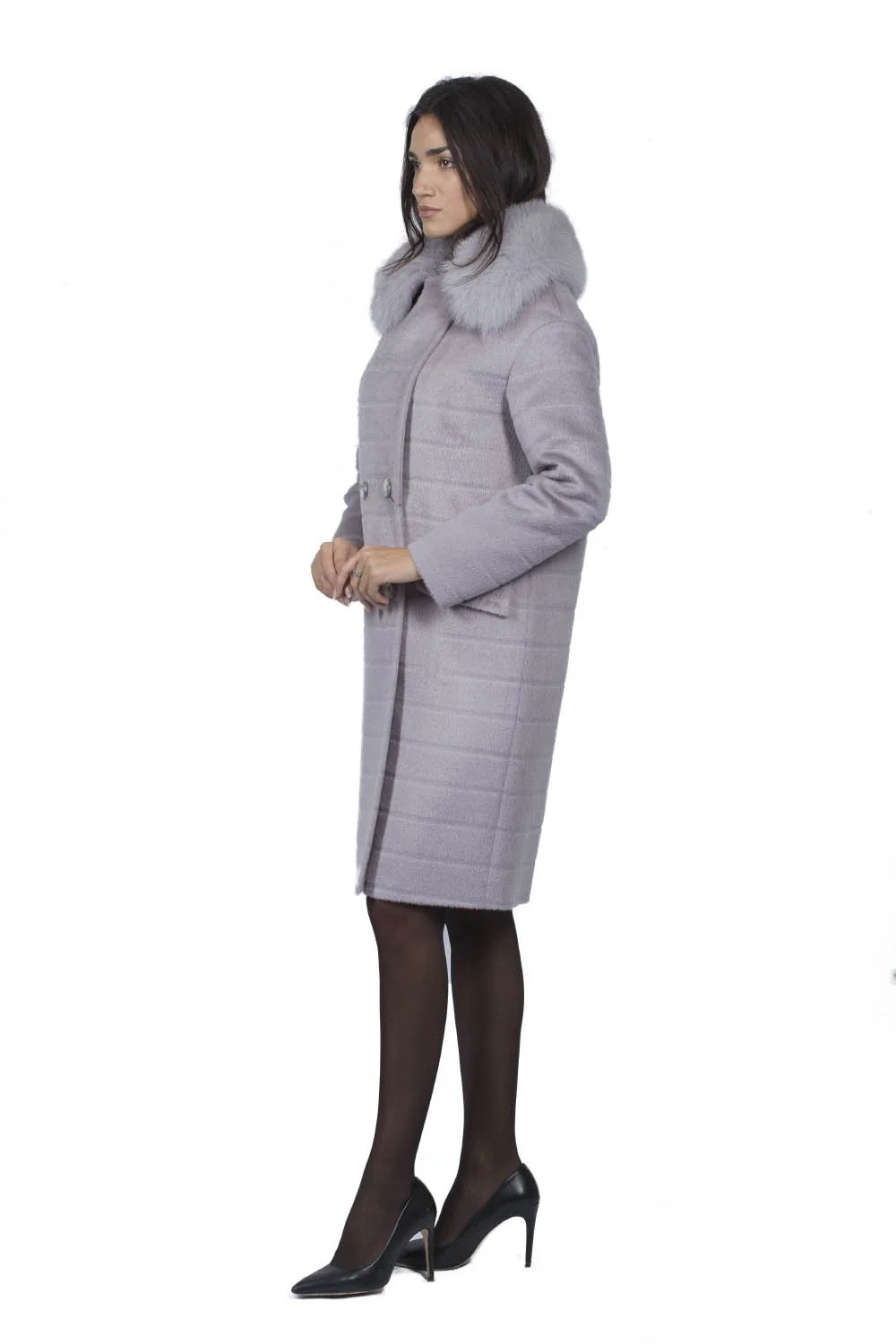
Explore the Bella Bicchi women’s coat collection with free delivery across Ukraine.
More outerwear is available in the women’s clothing category.