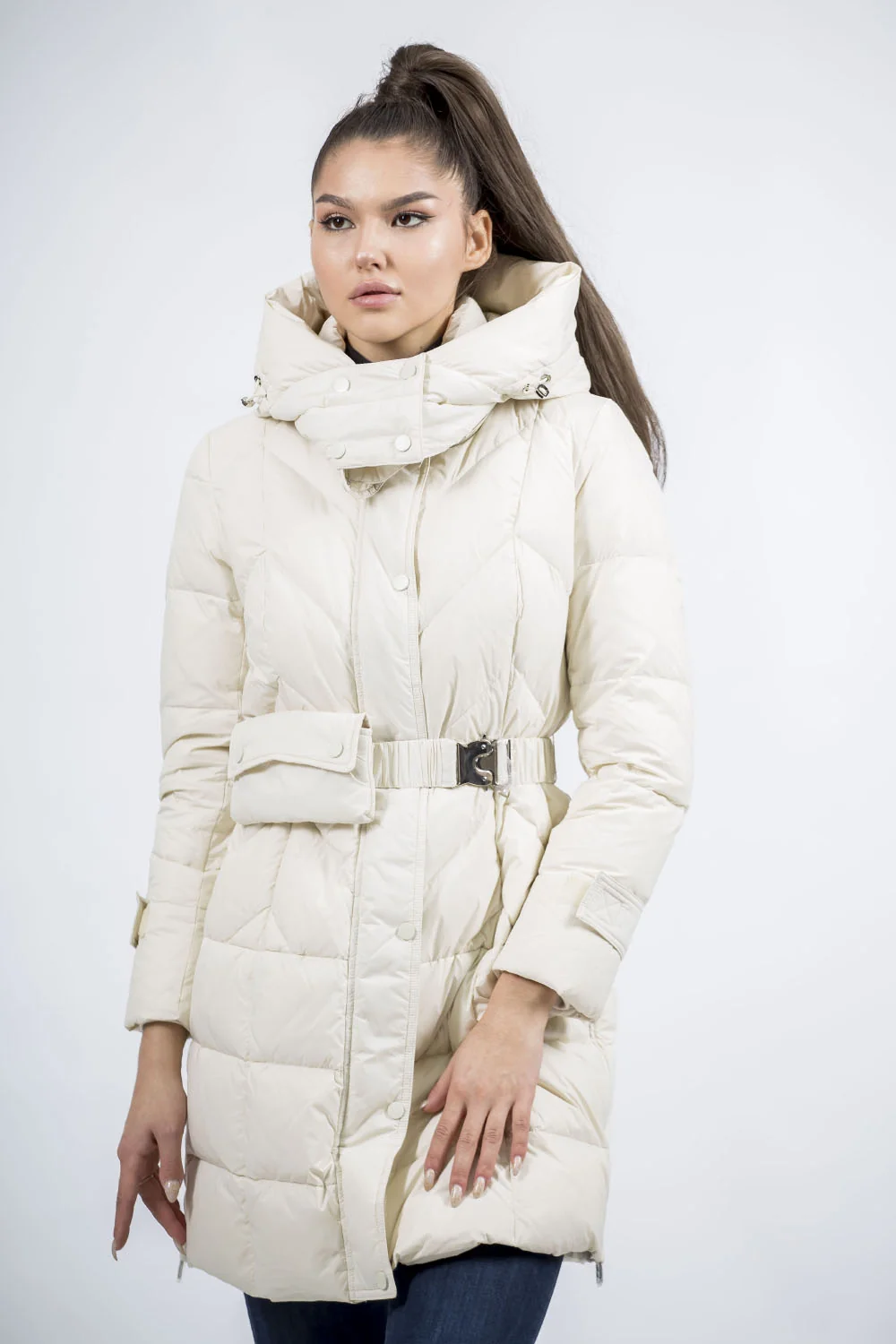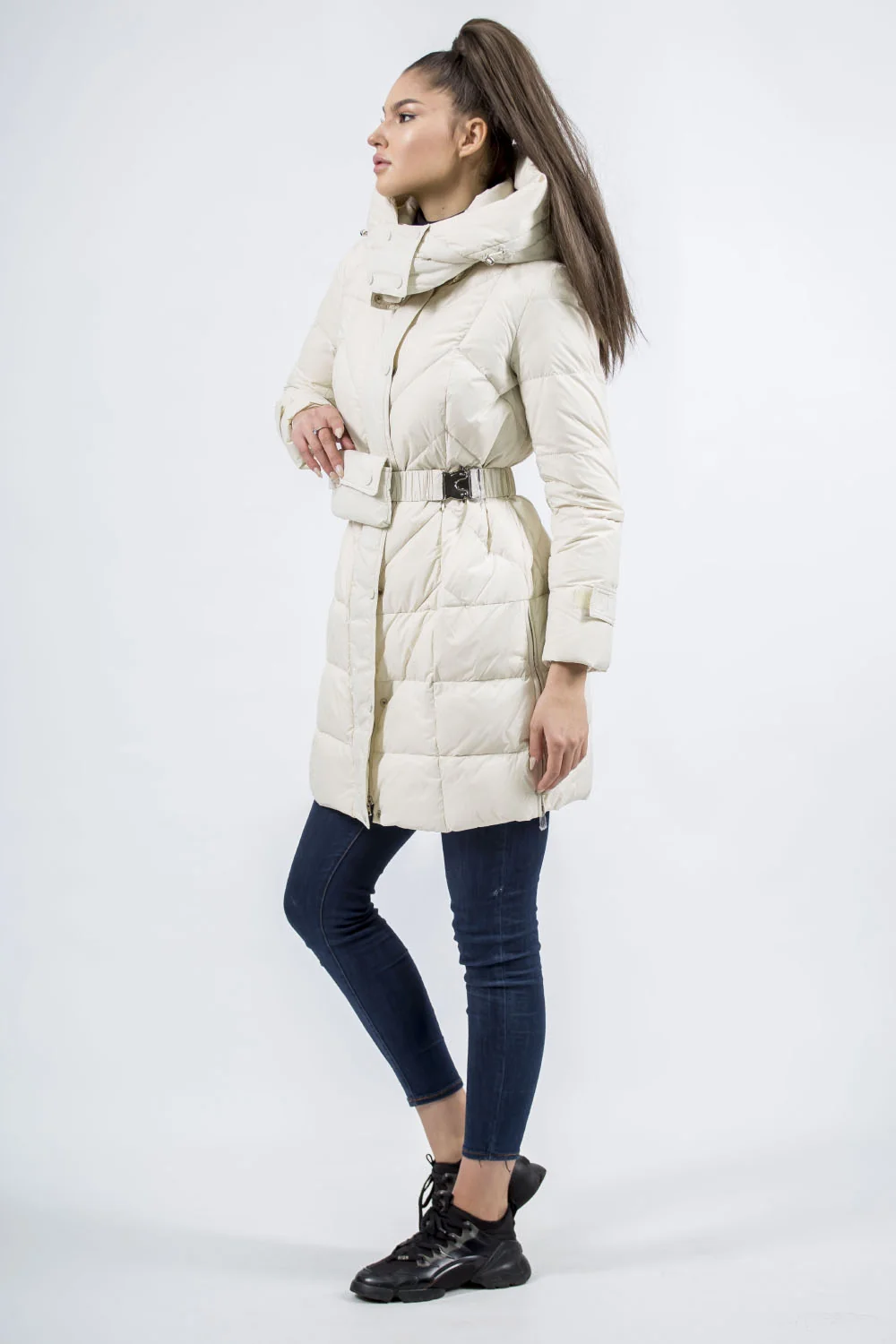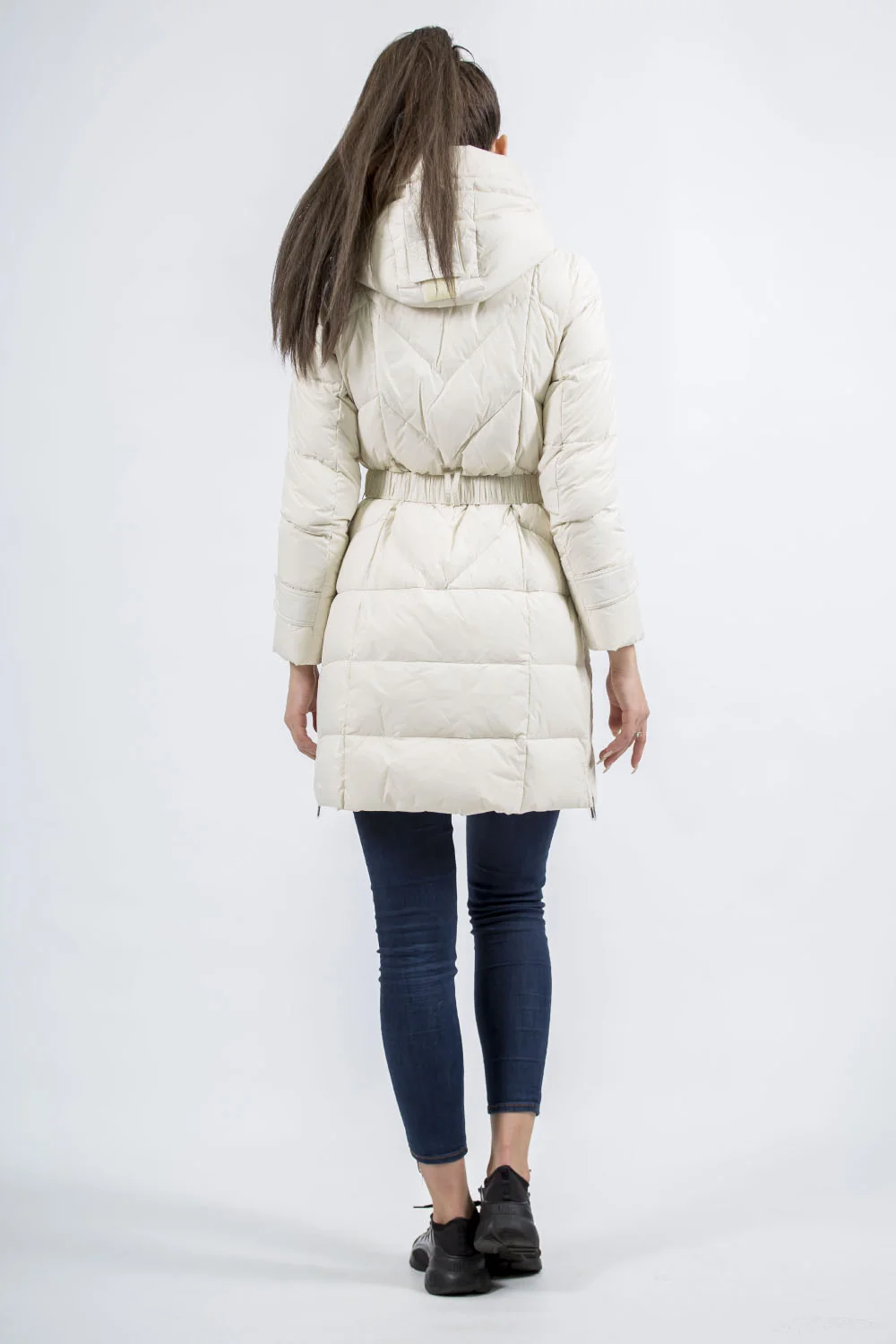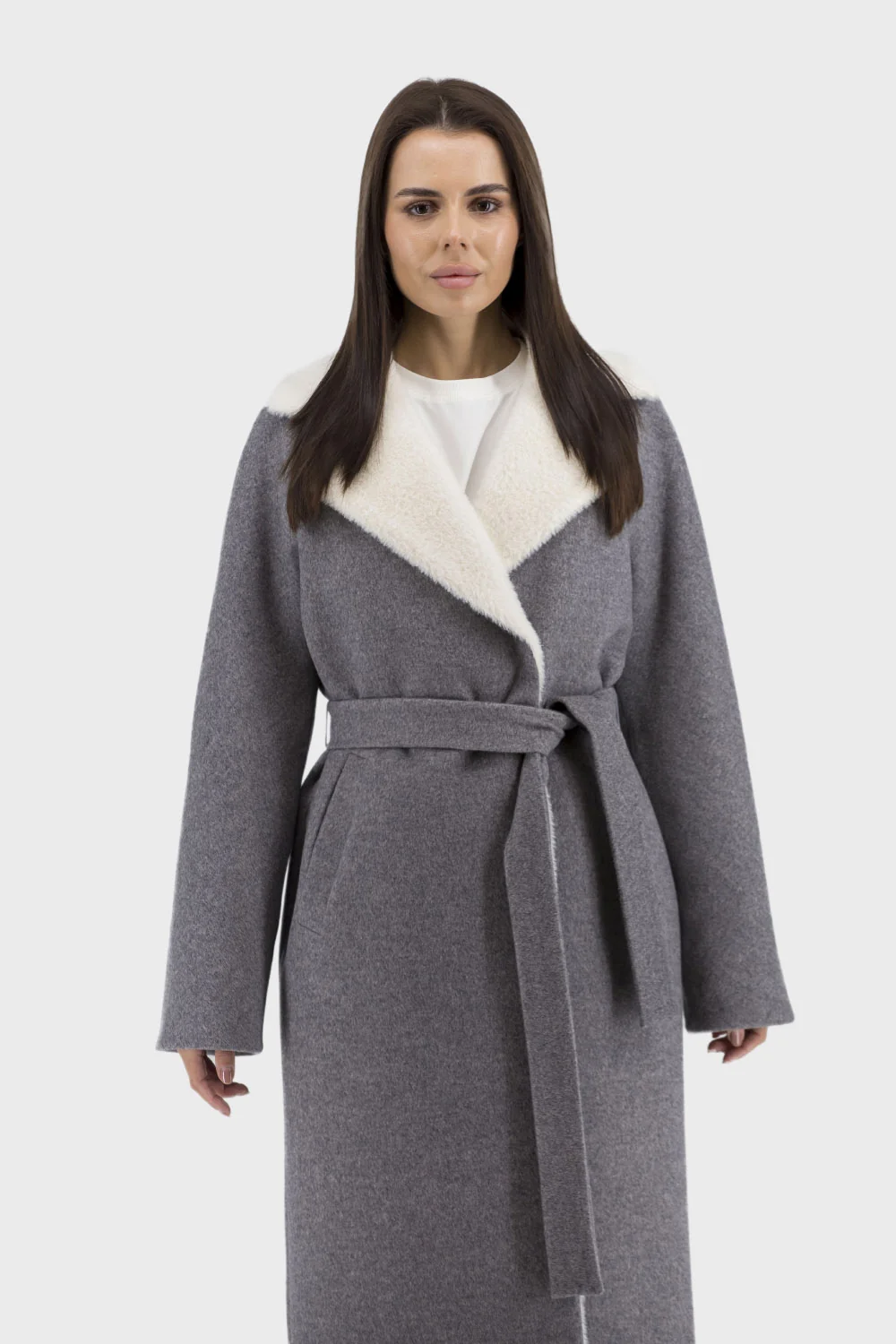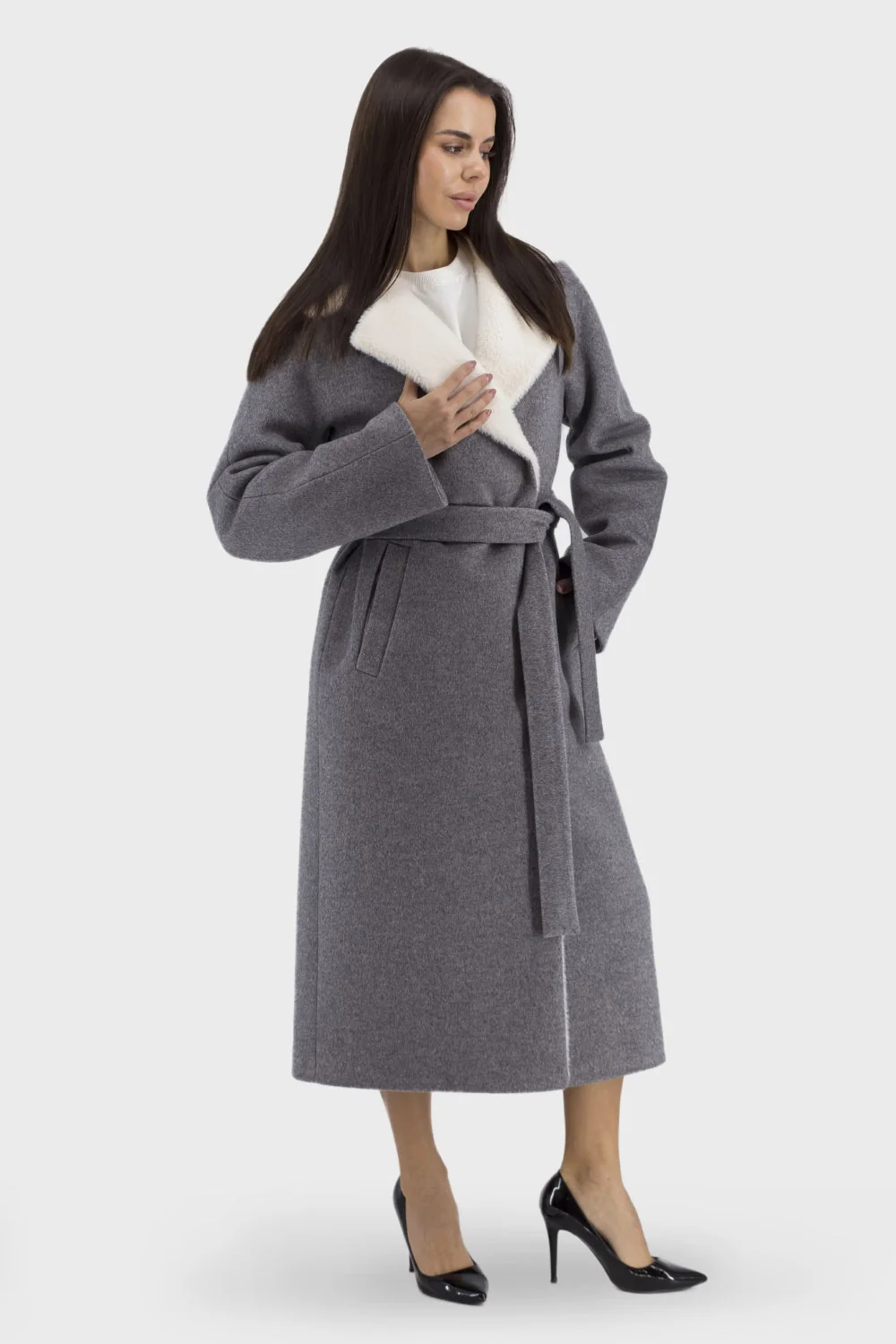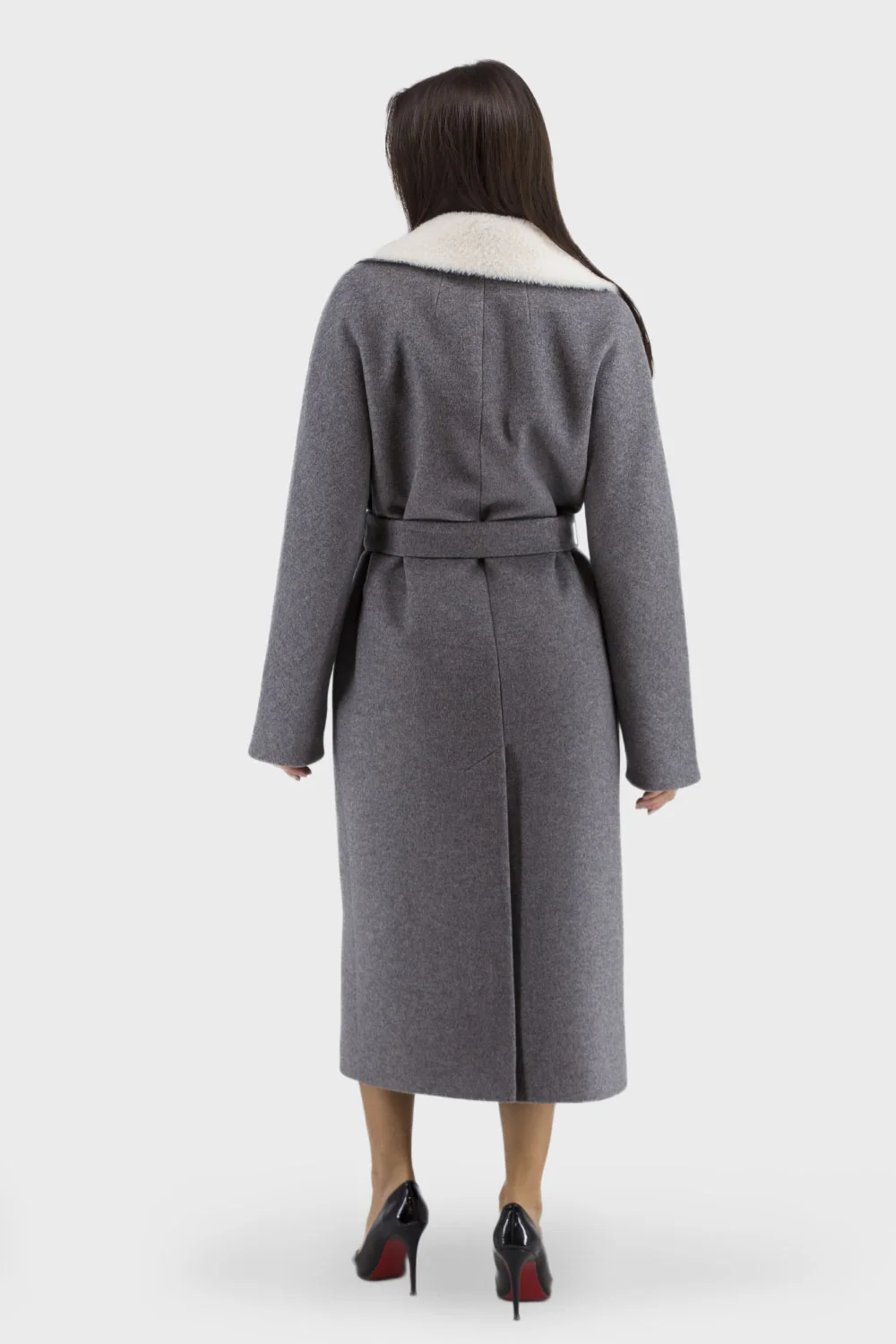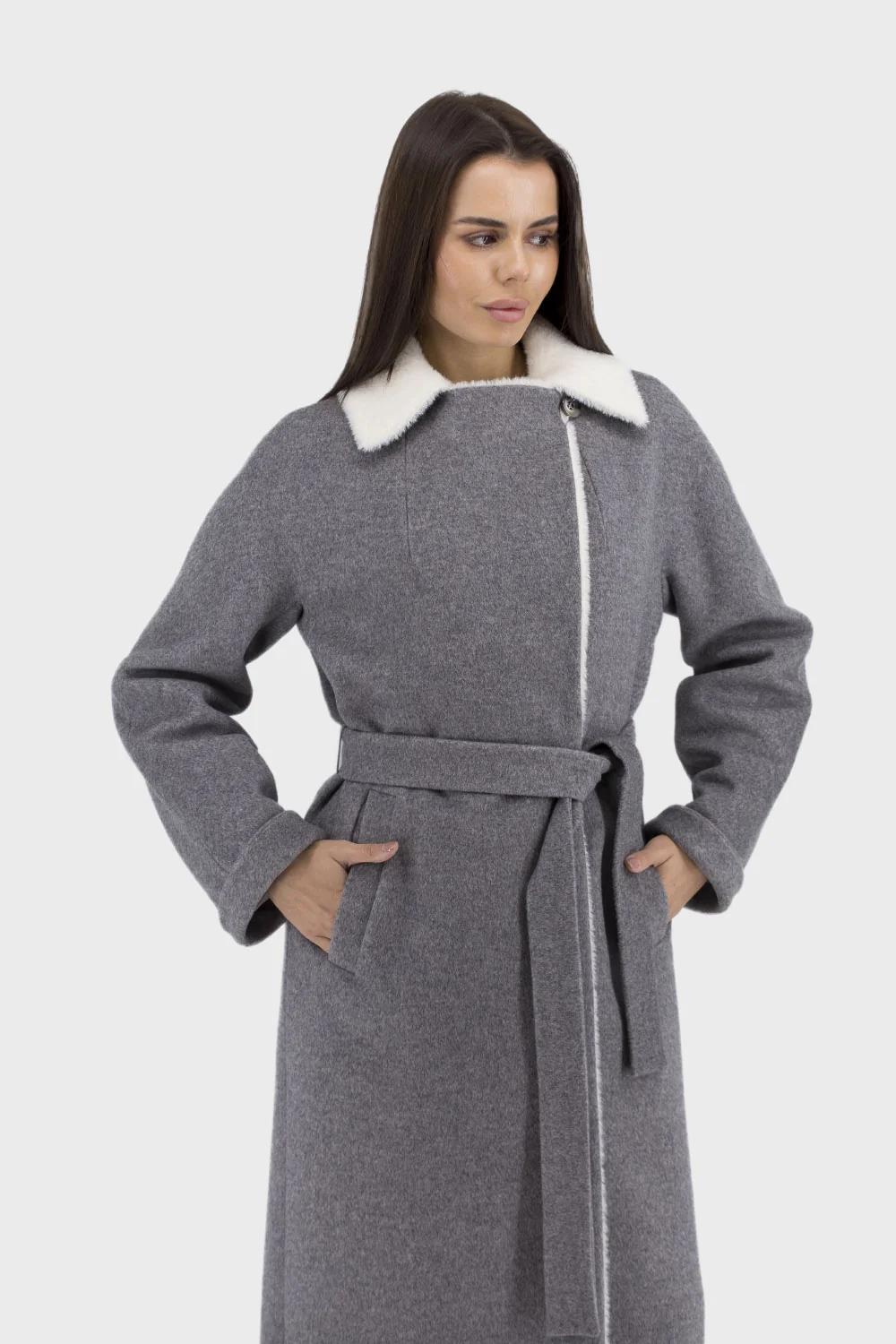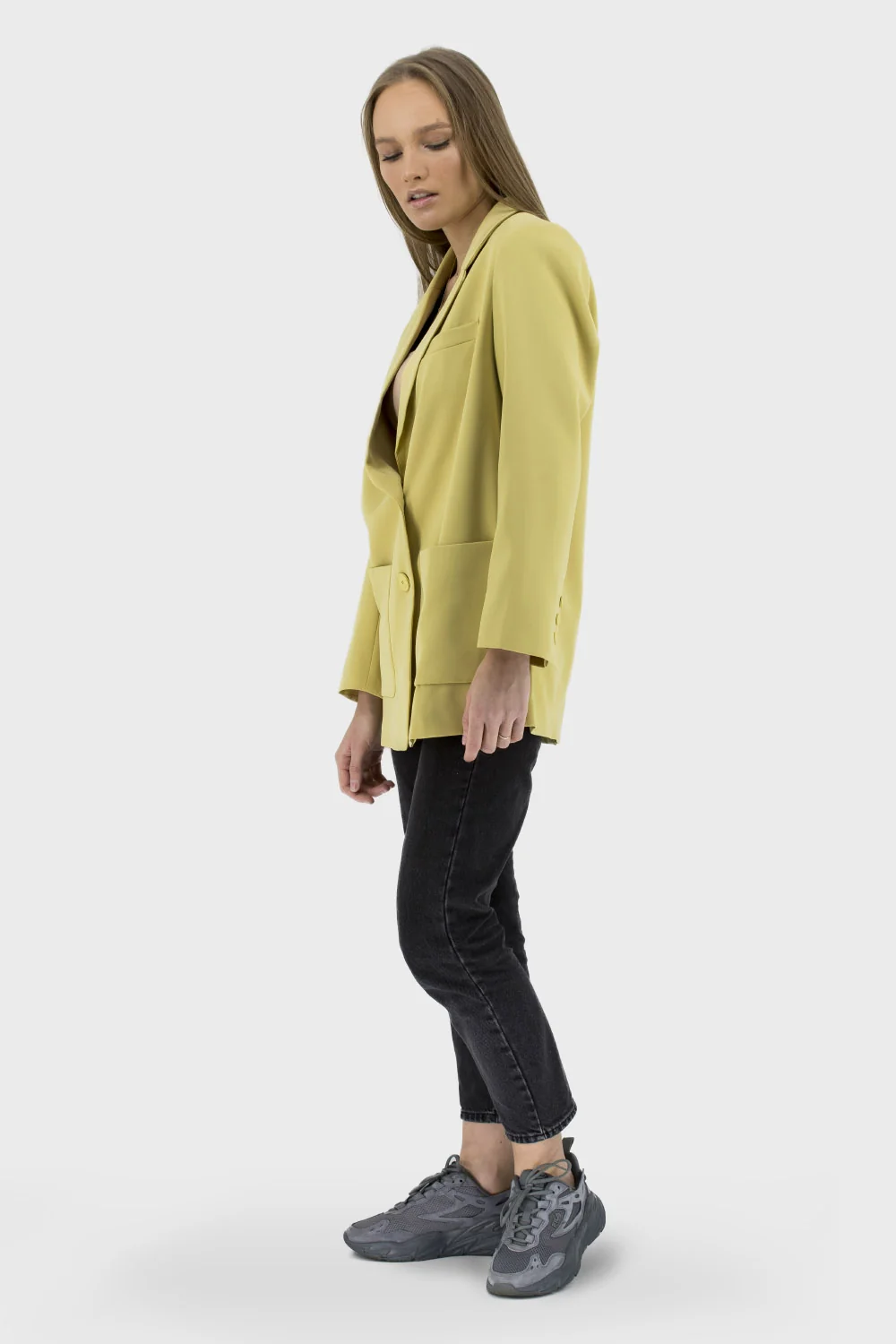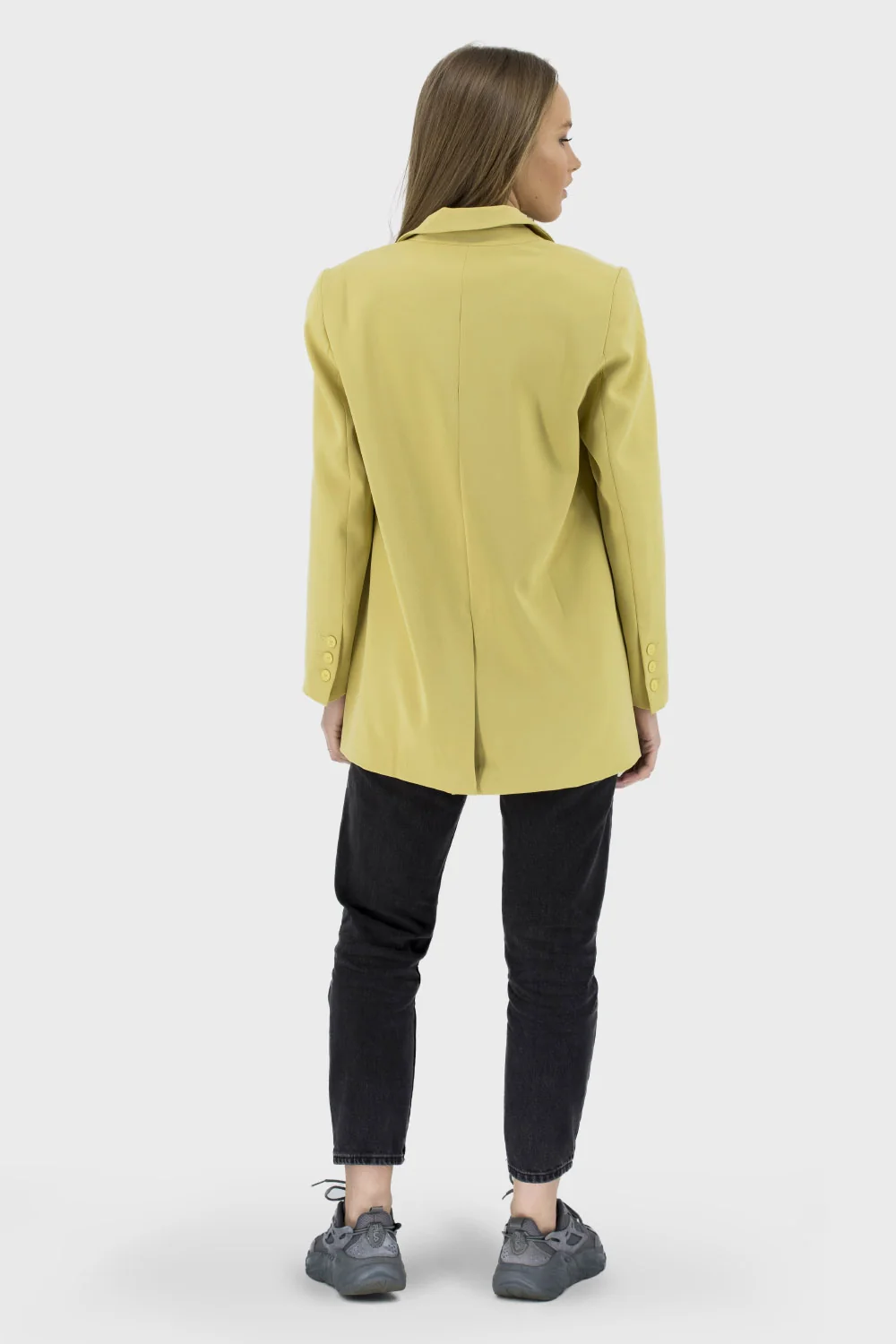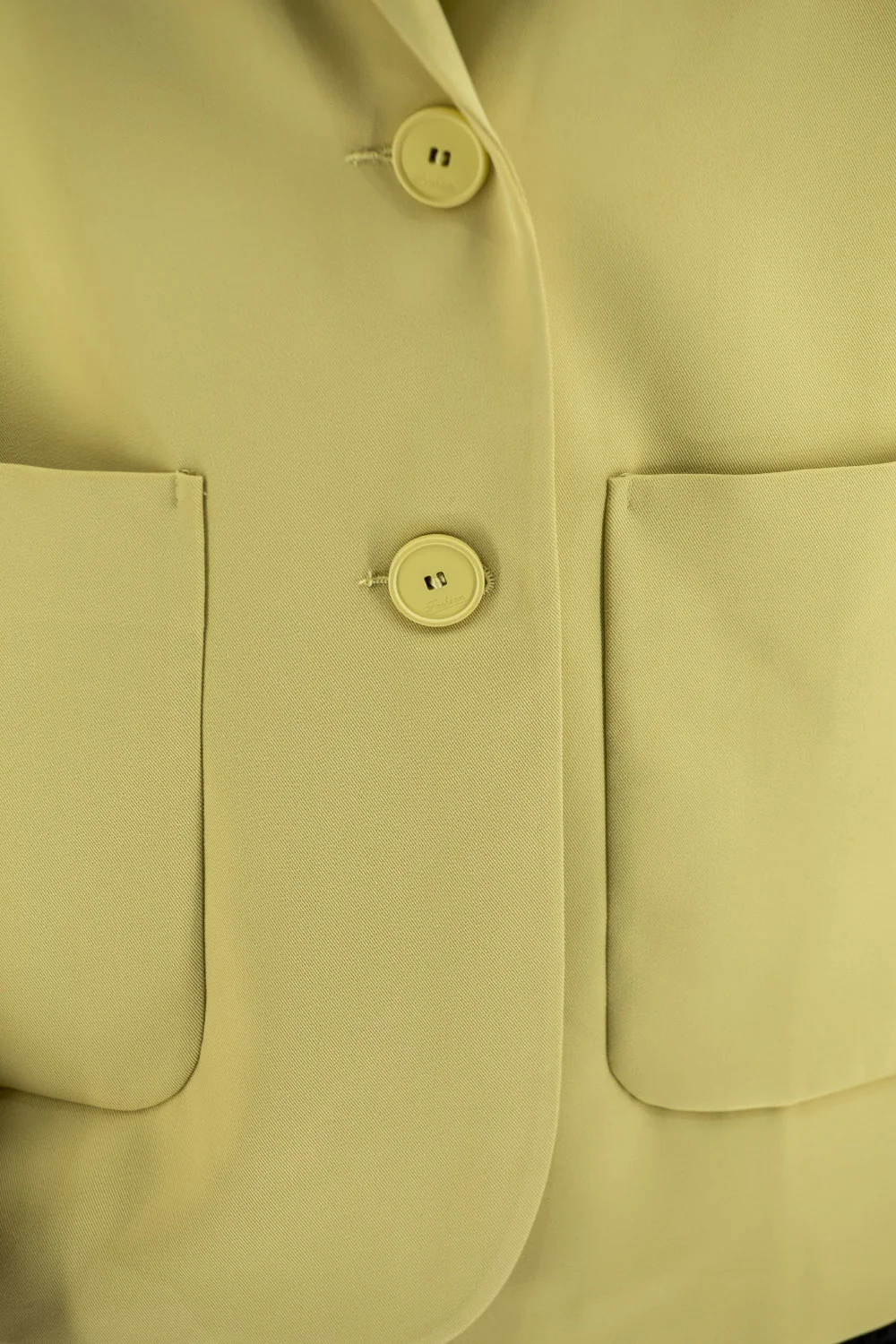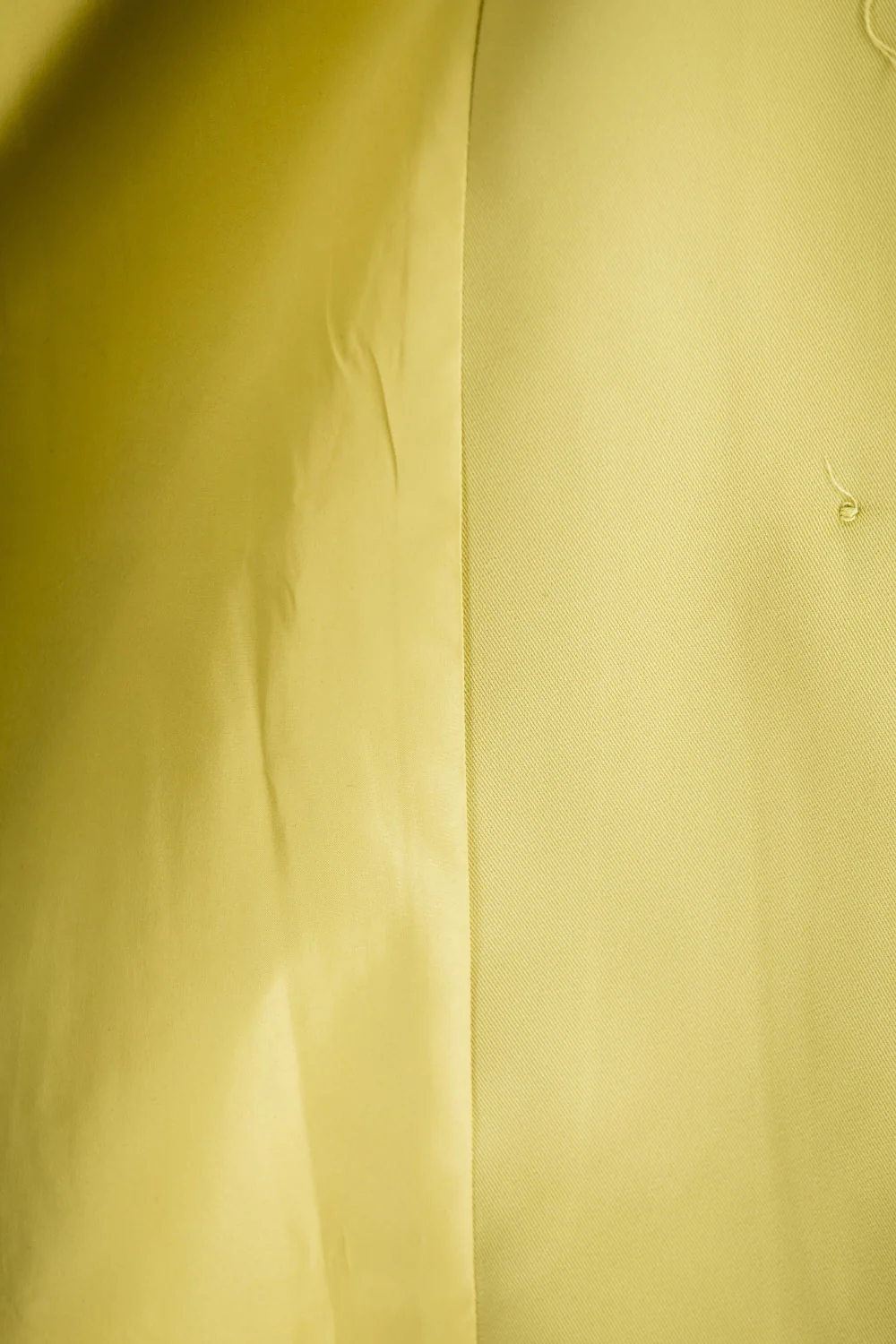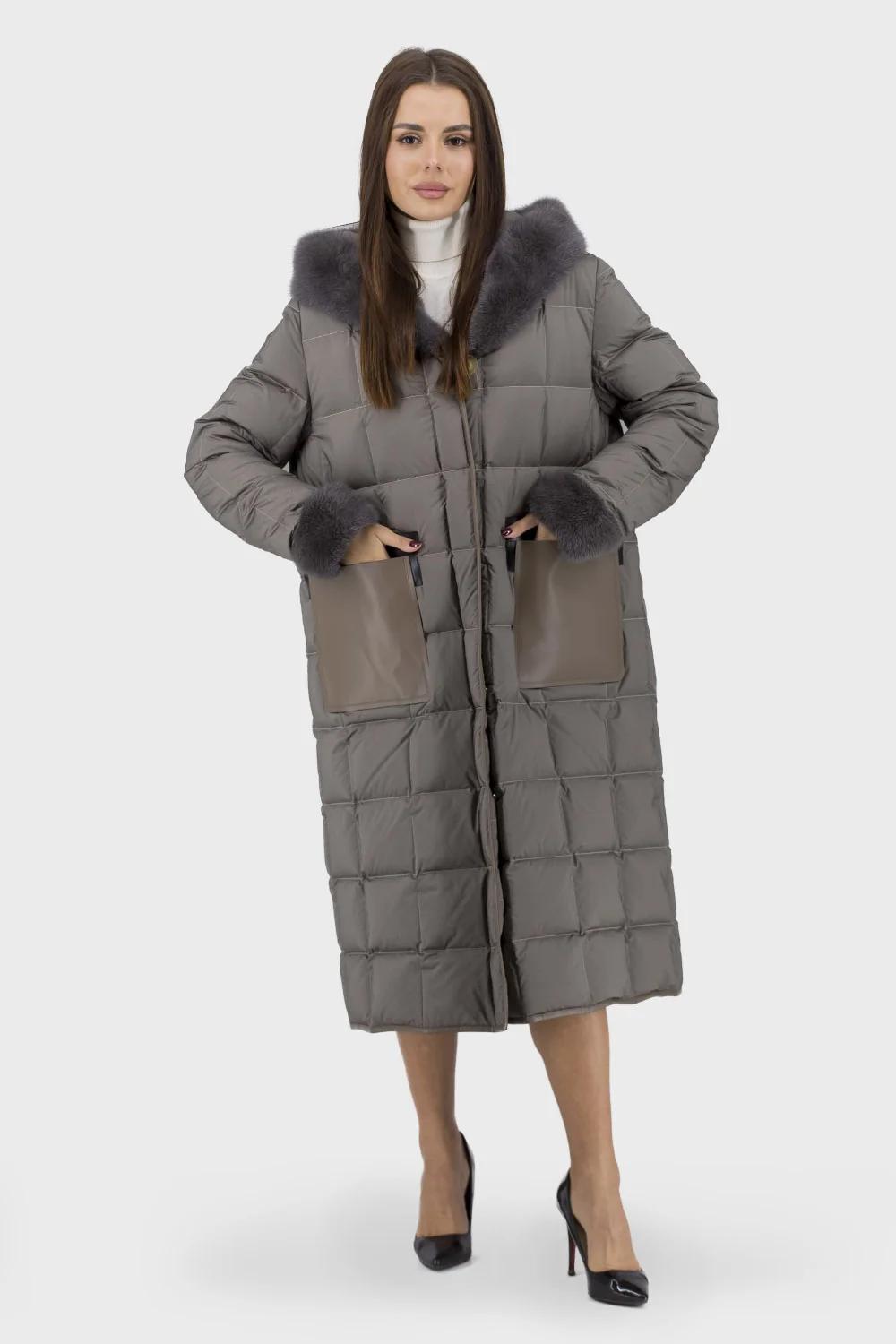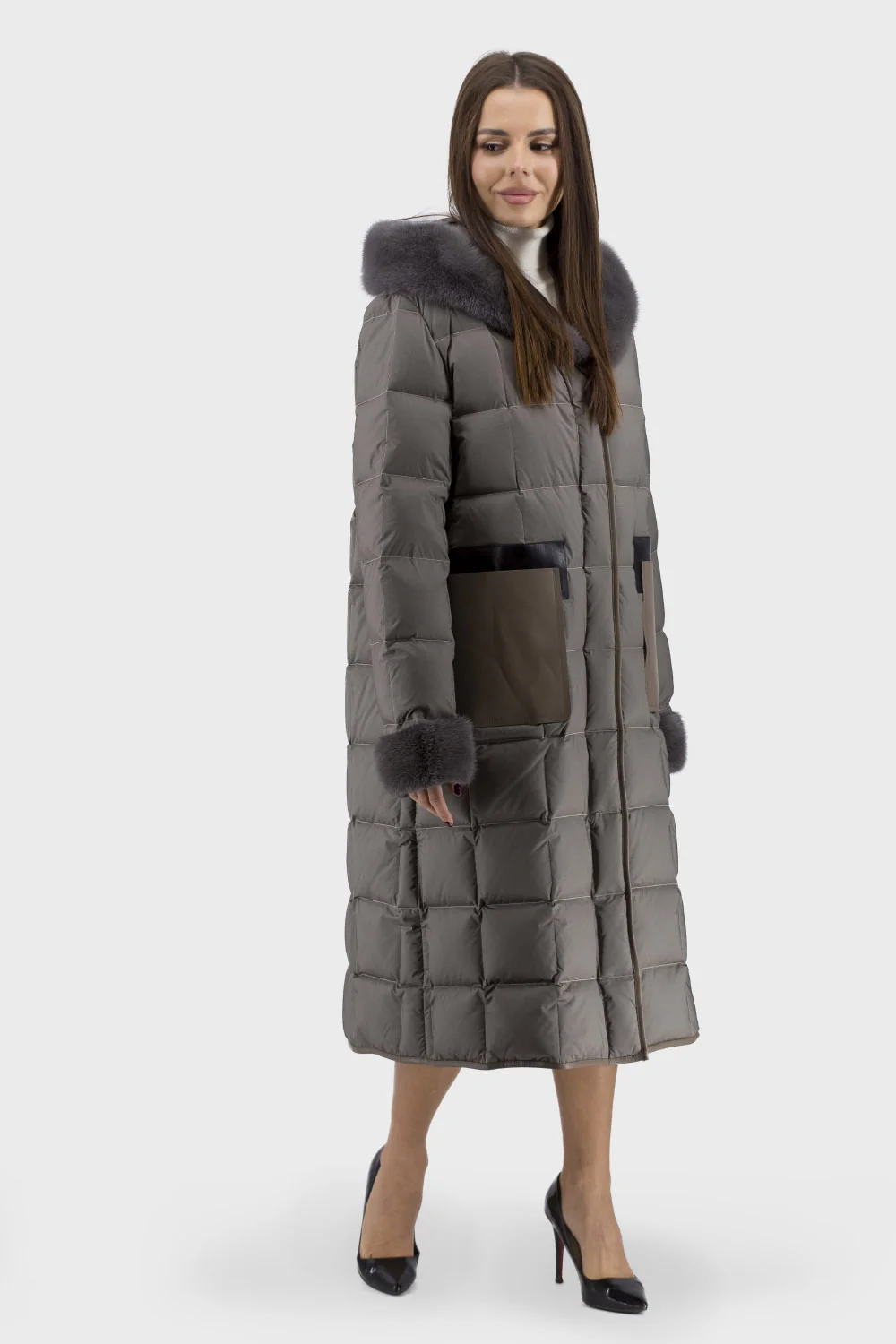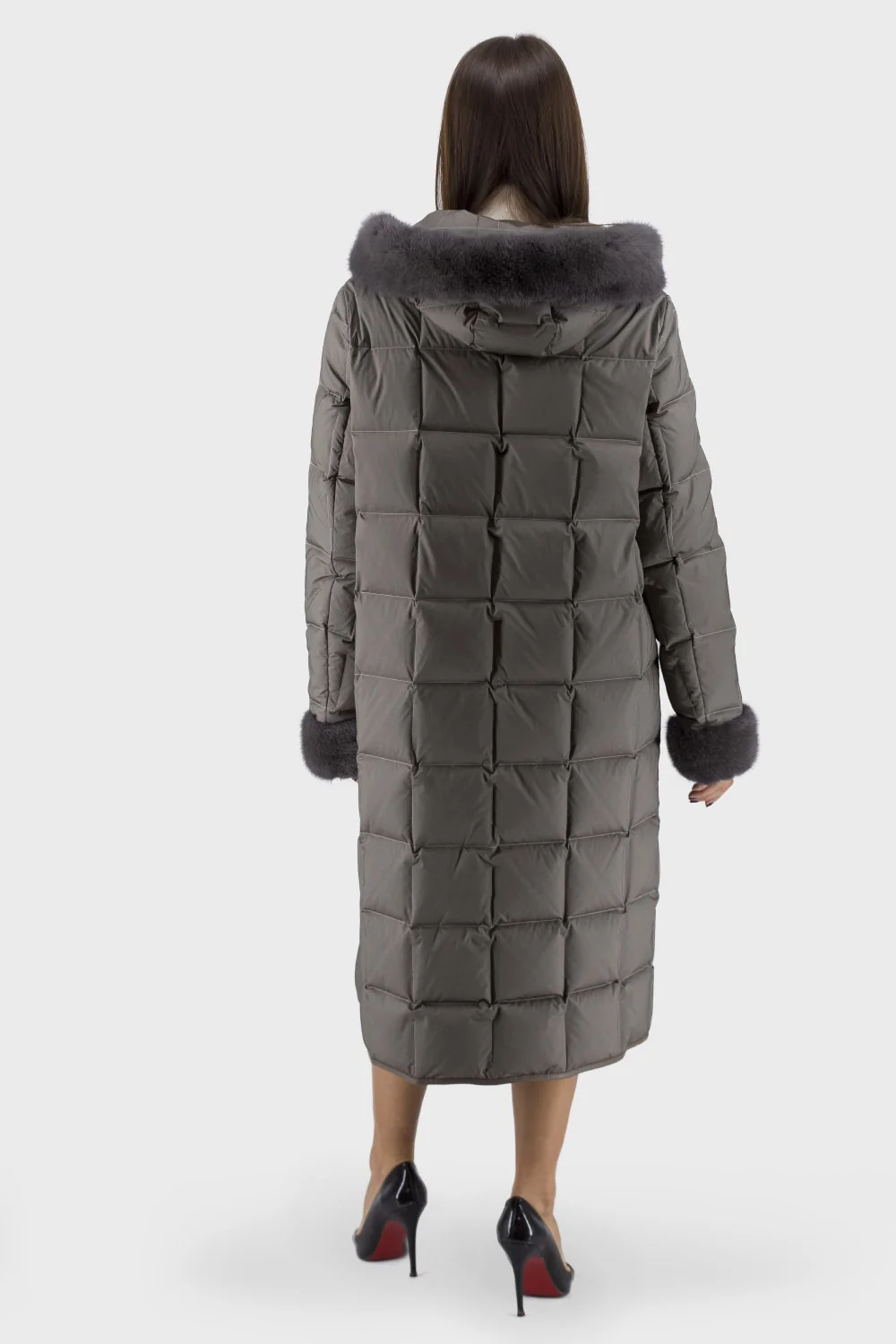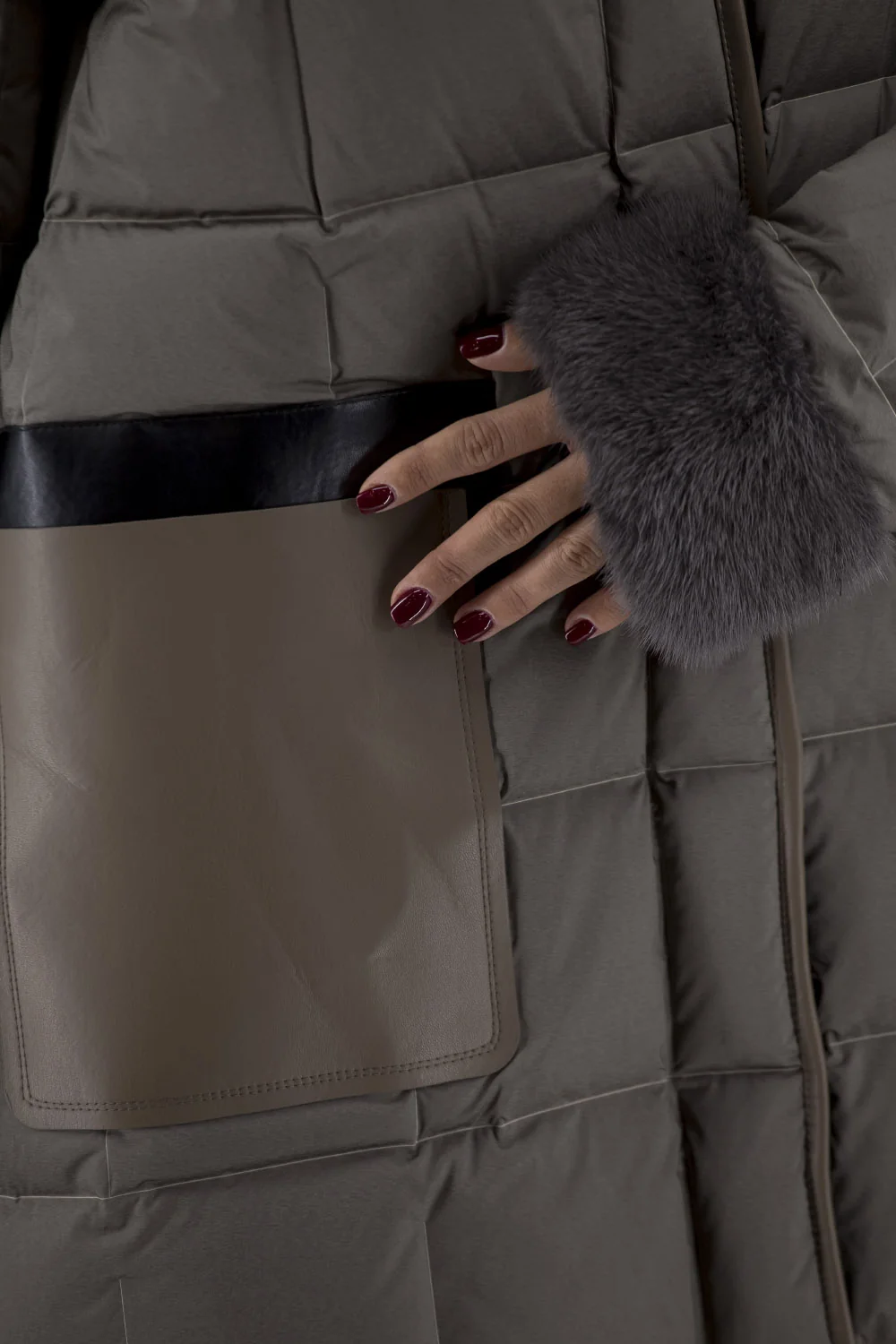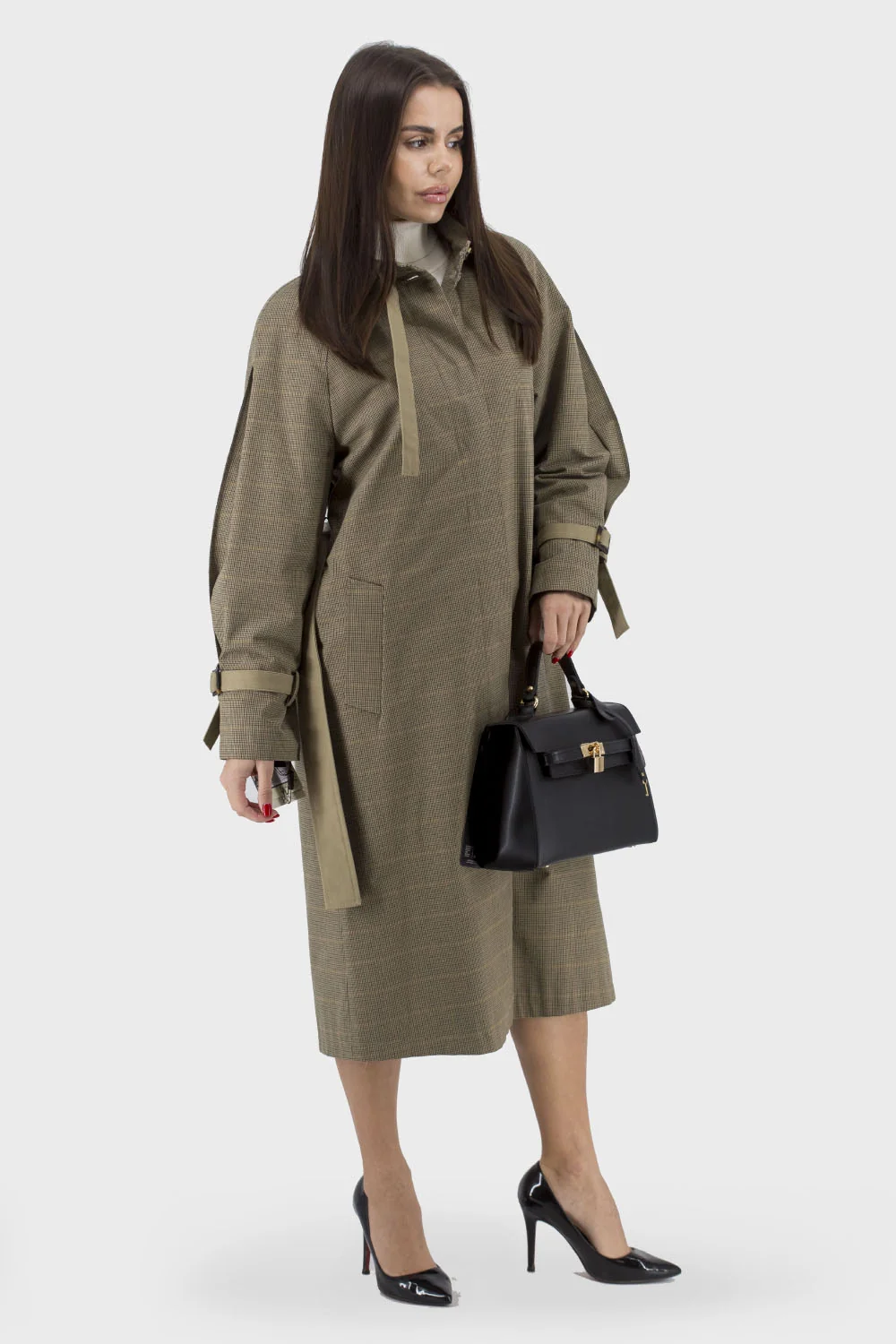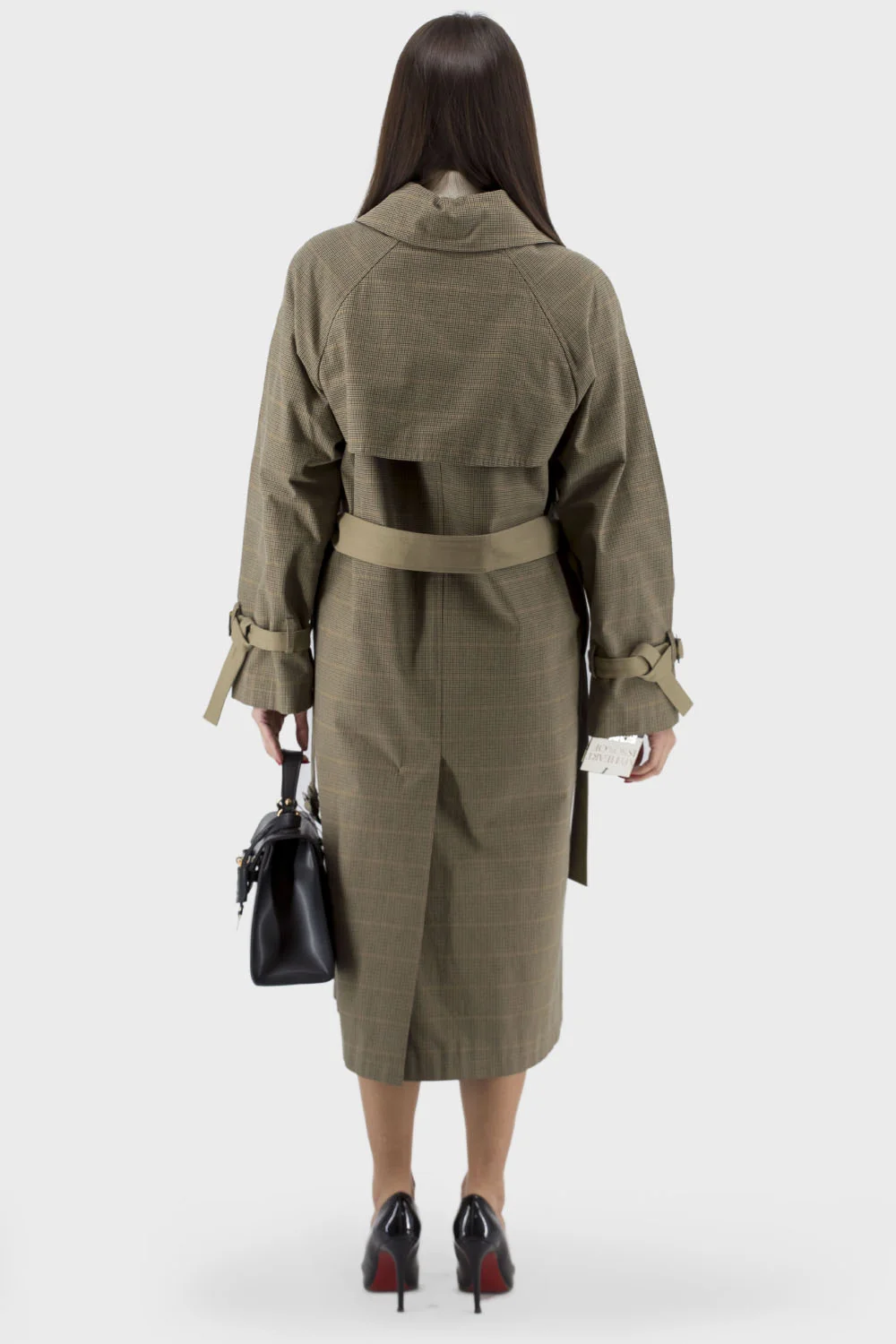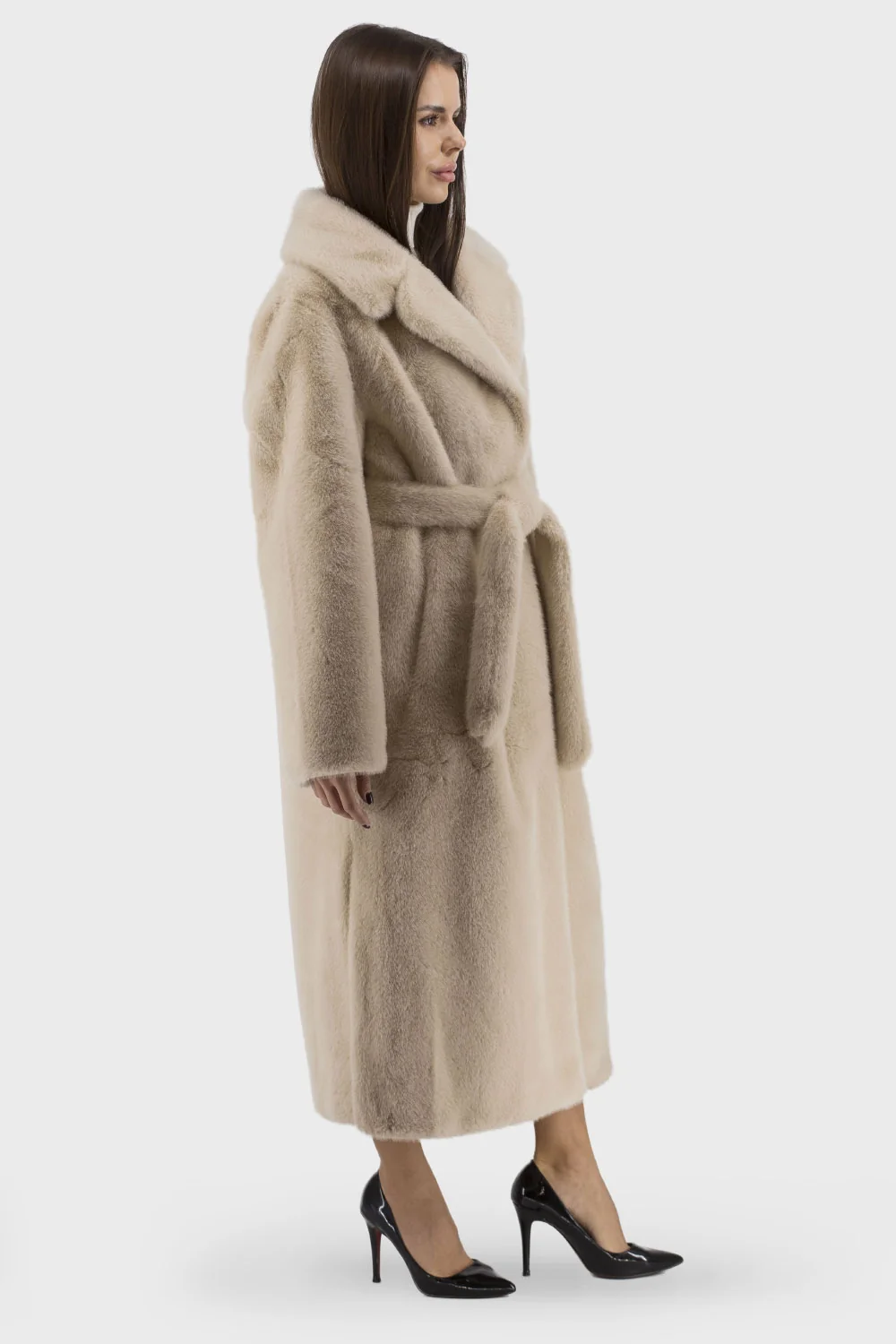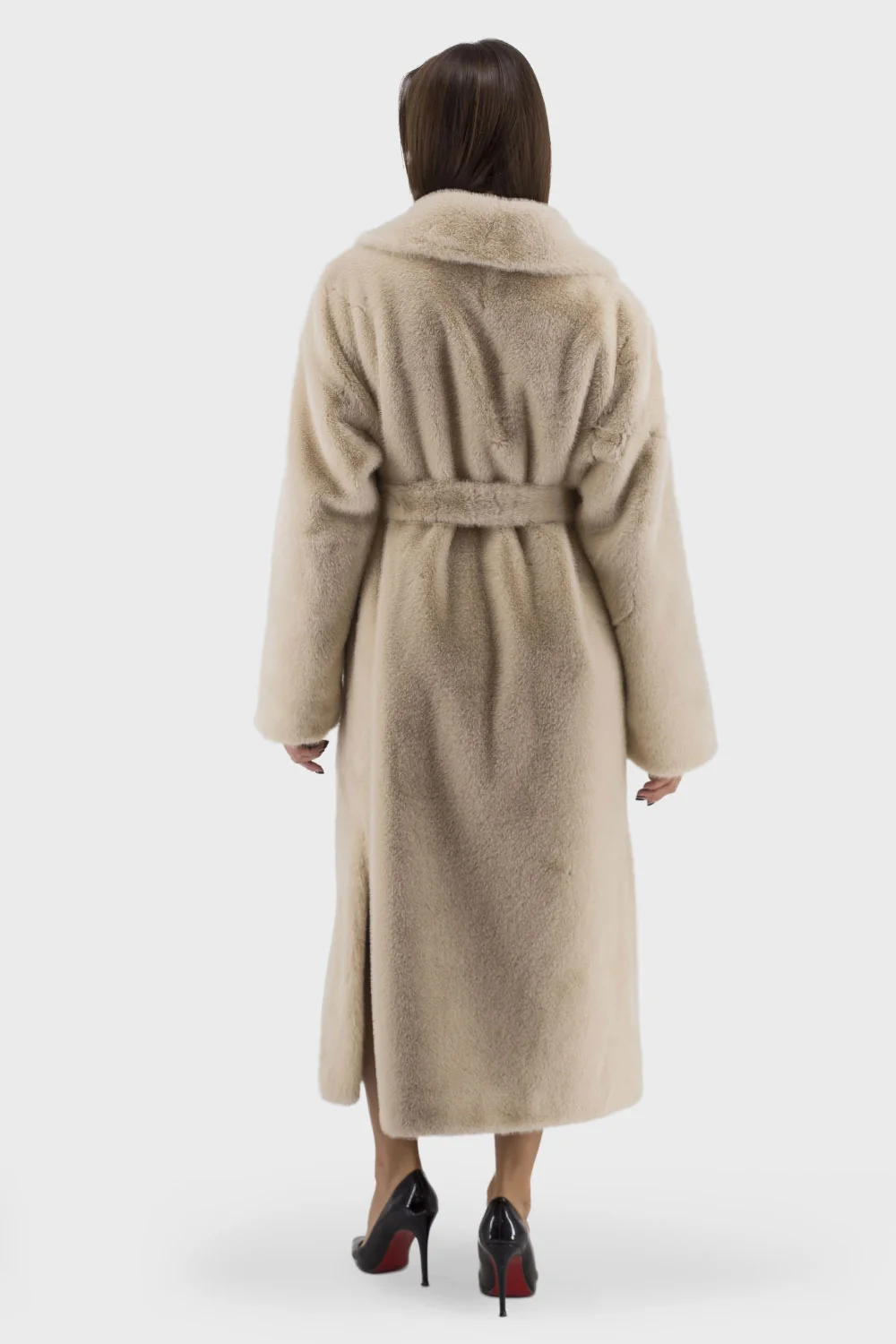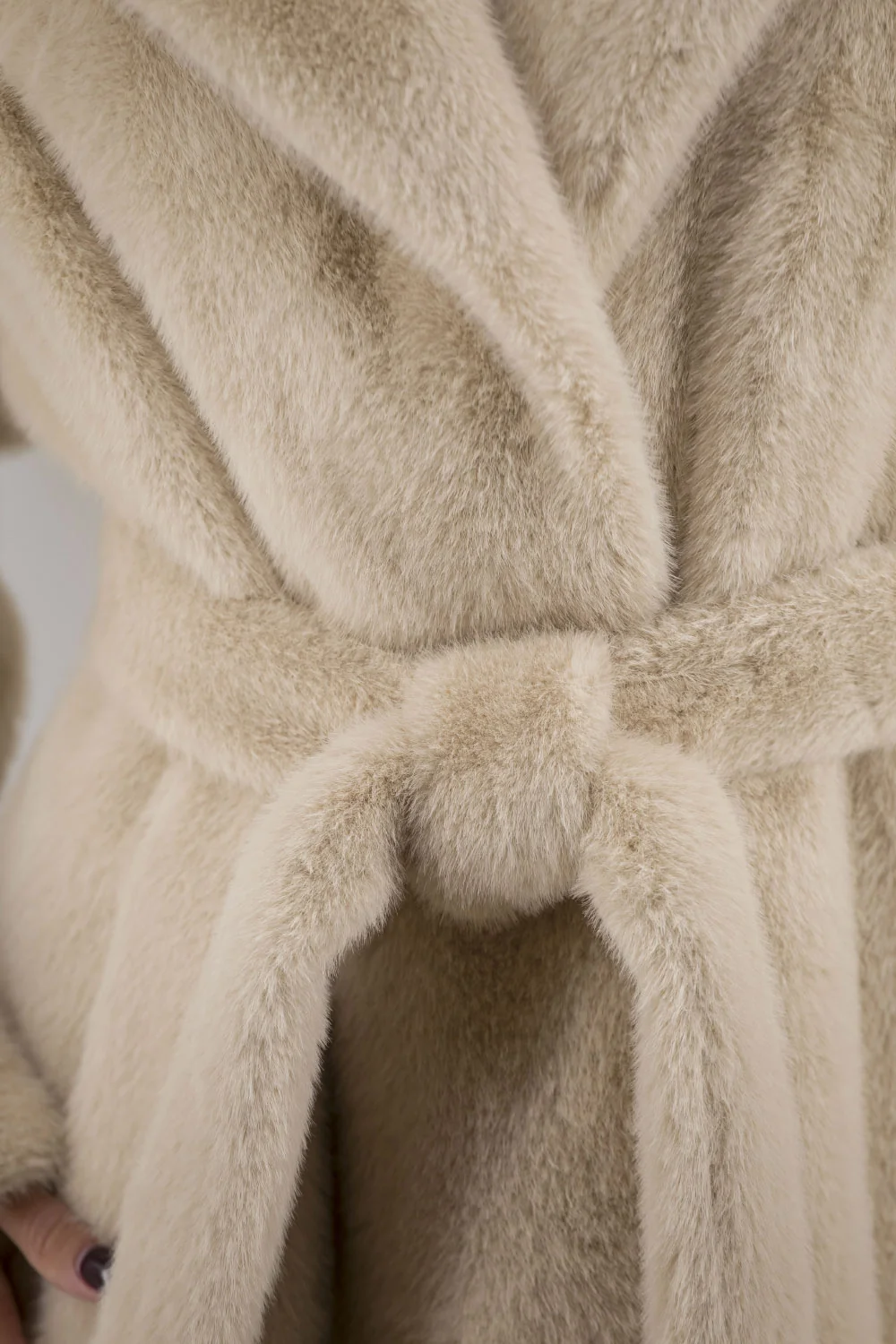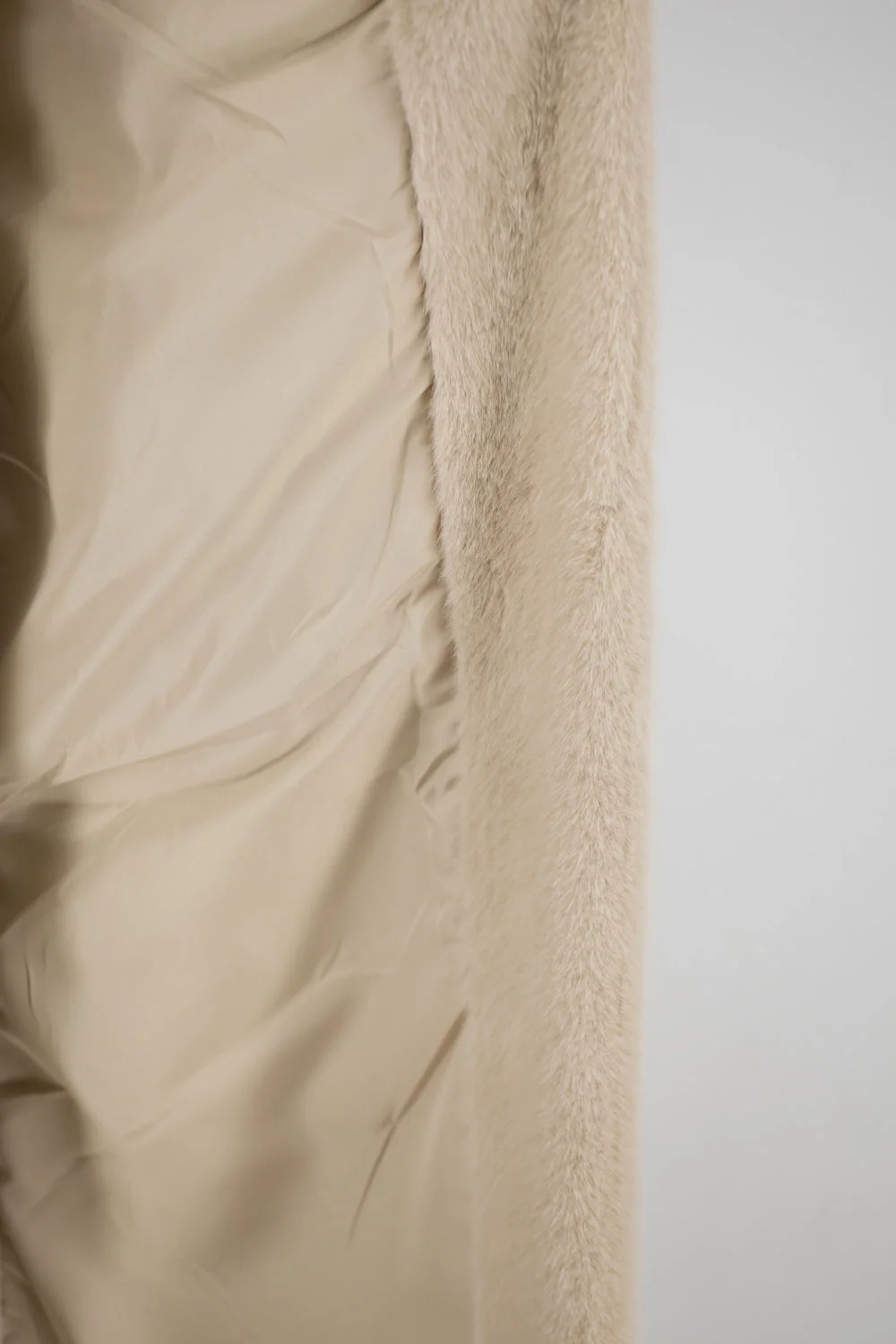
How fabric affects the look and practicality of a coat
When choosing a coat, consider more than colour and silhouette. Fabric influences garment weight, structure, warmth, texture and maintenance. Draped wool fabric, tweed and bouclé each have a different character, so there is no single option that works for everyone.
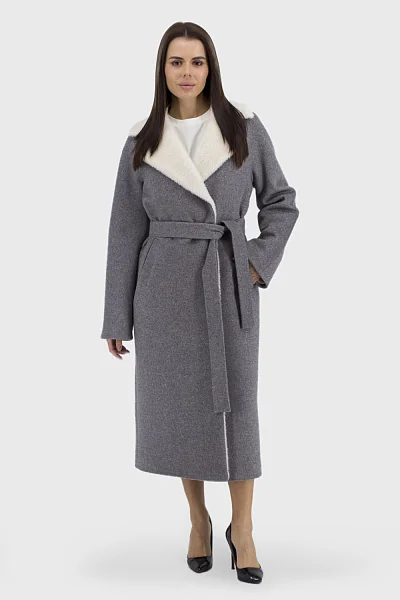
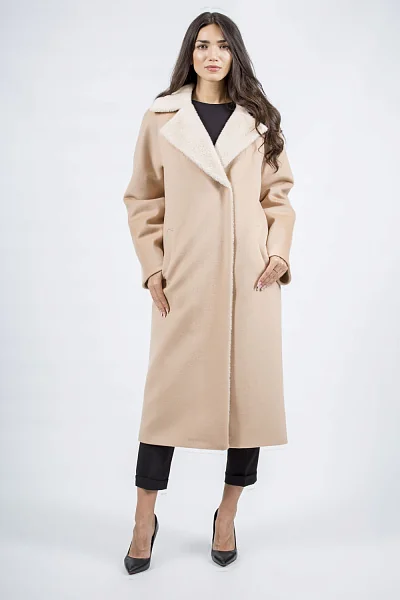
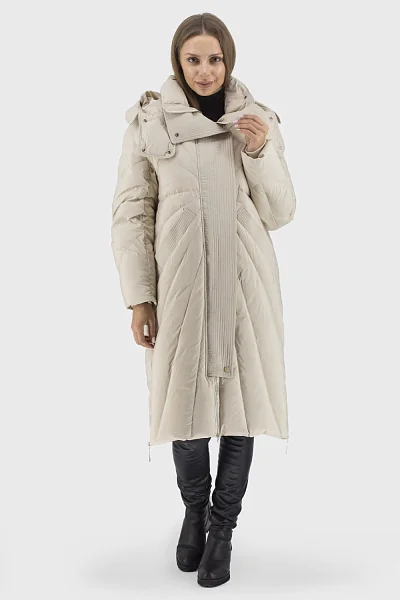
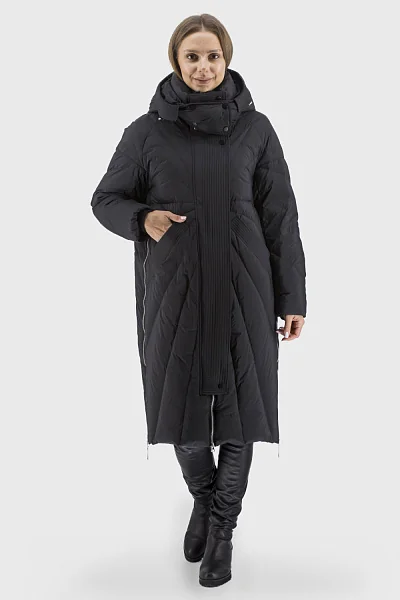
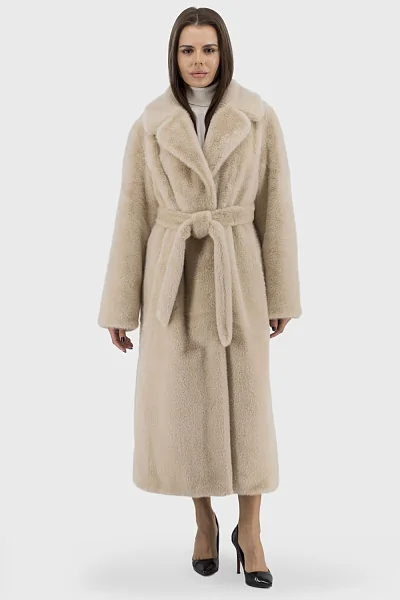
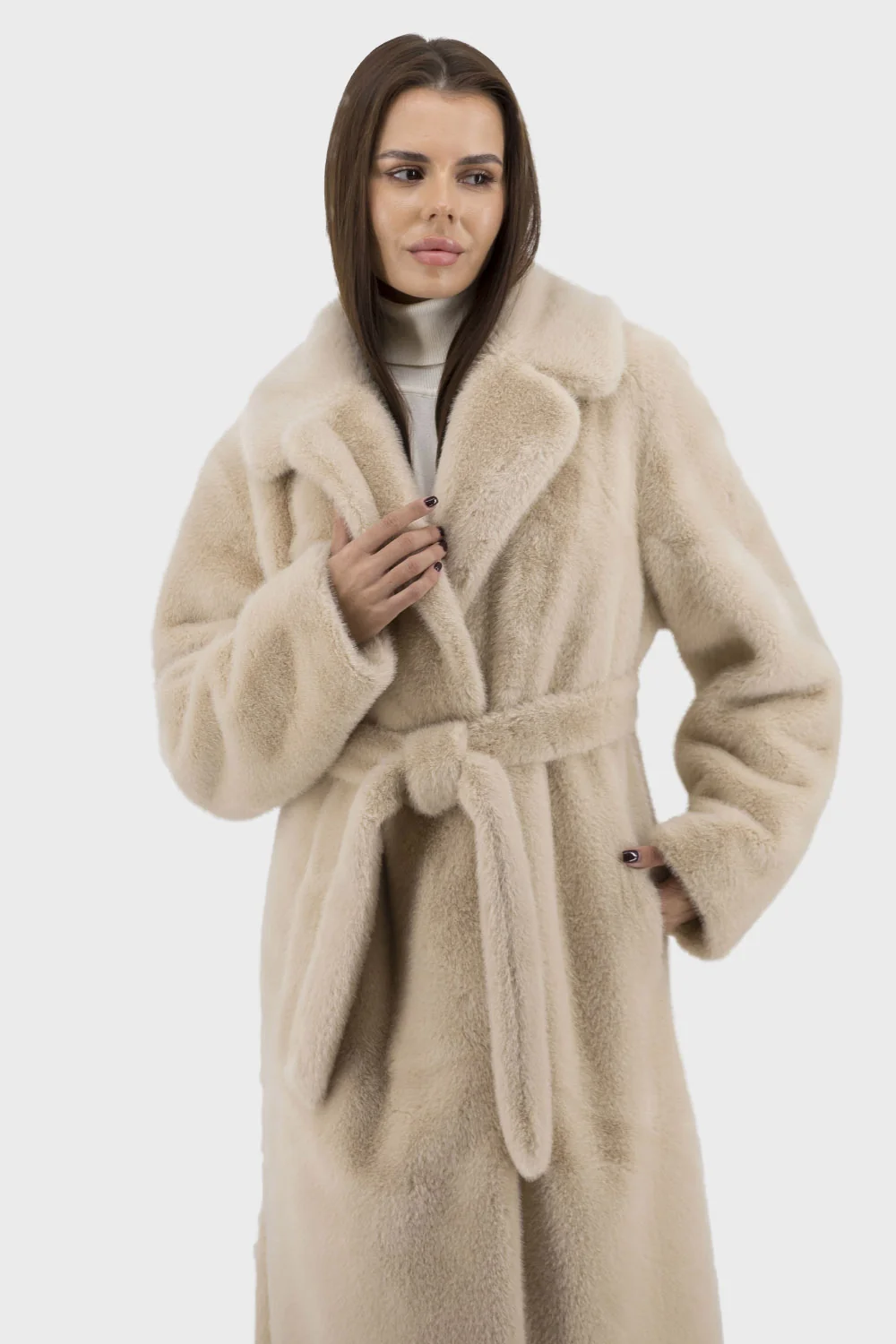
In the women’s coat collection, you can compare different densities, lengths and silhouettes. Consider the season, how often the coat will be worn, the layers underneath and the amount of care you are prepared to provide.
A quick comparison
- Draped wool fabric is dense, structured and usually holds its shape well. It suits clean and classic designs.
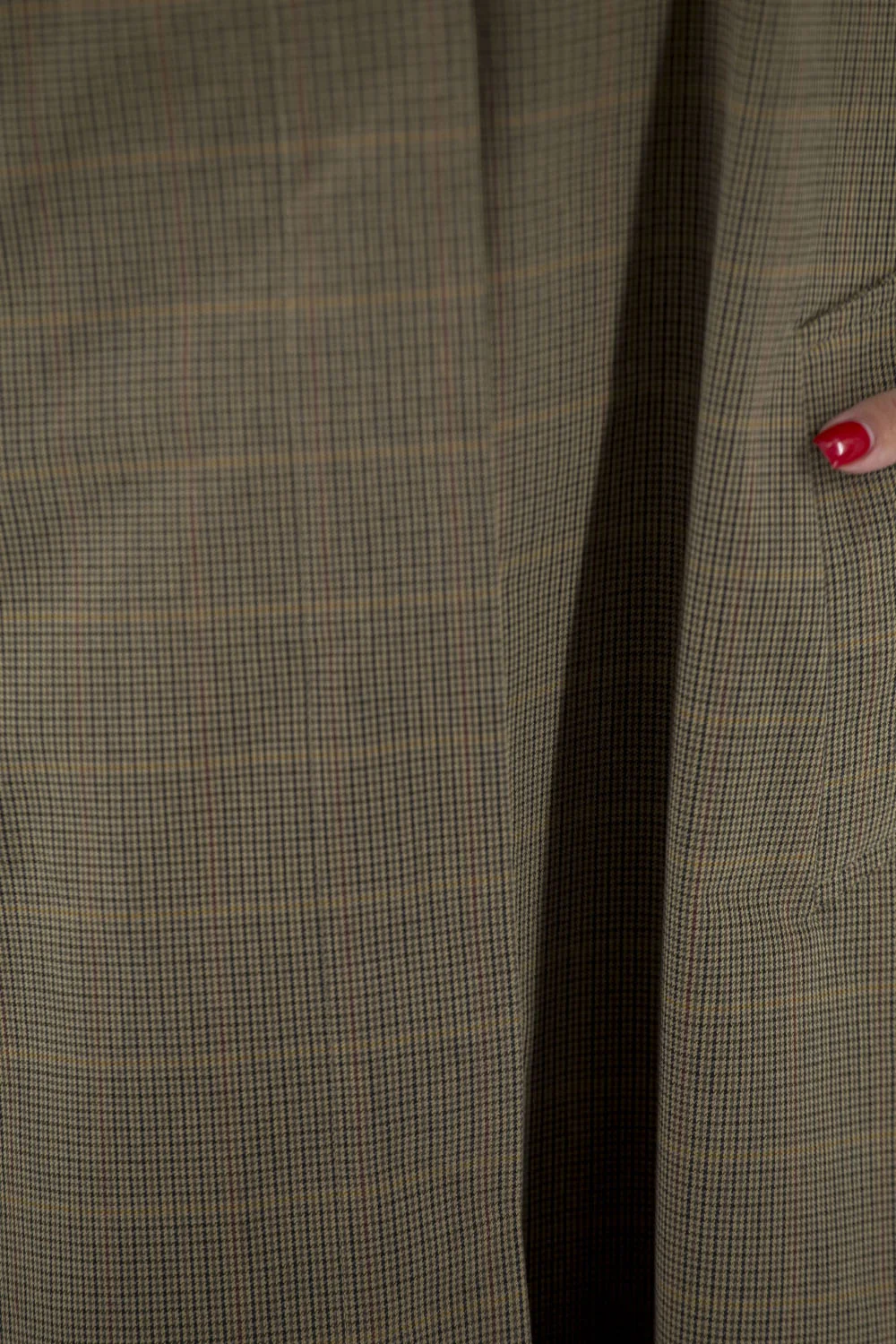
- Tweed has a visible weave and often includes melange shades, checks or herringbone patterns.
- Bouclé has a soft looped or knotted surface that adds volume and visual texture.
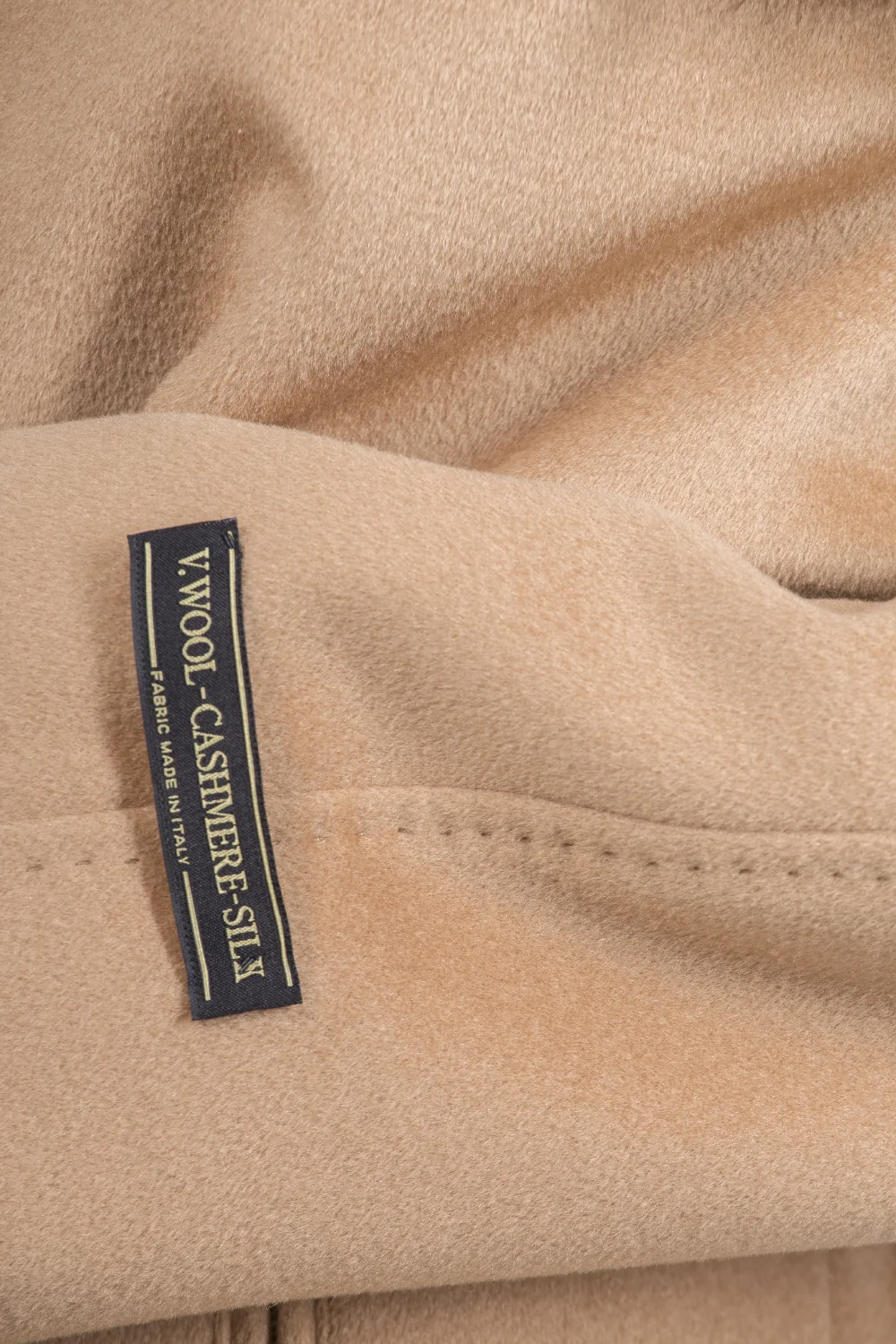
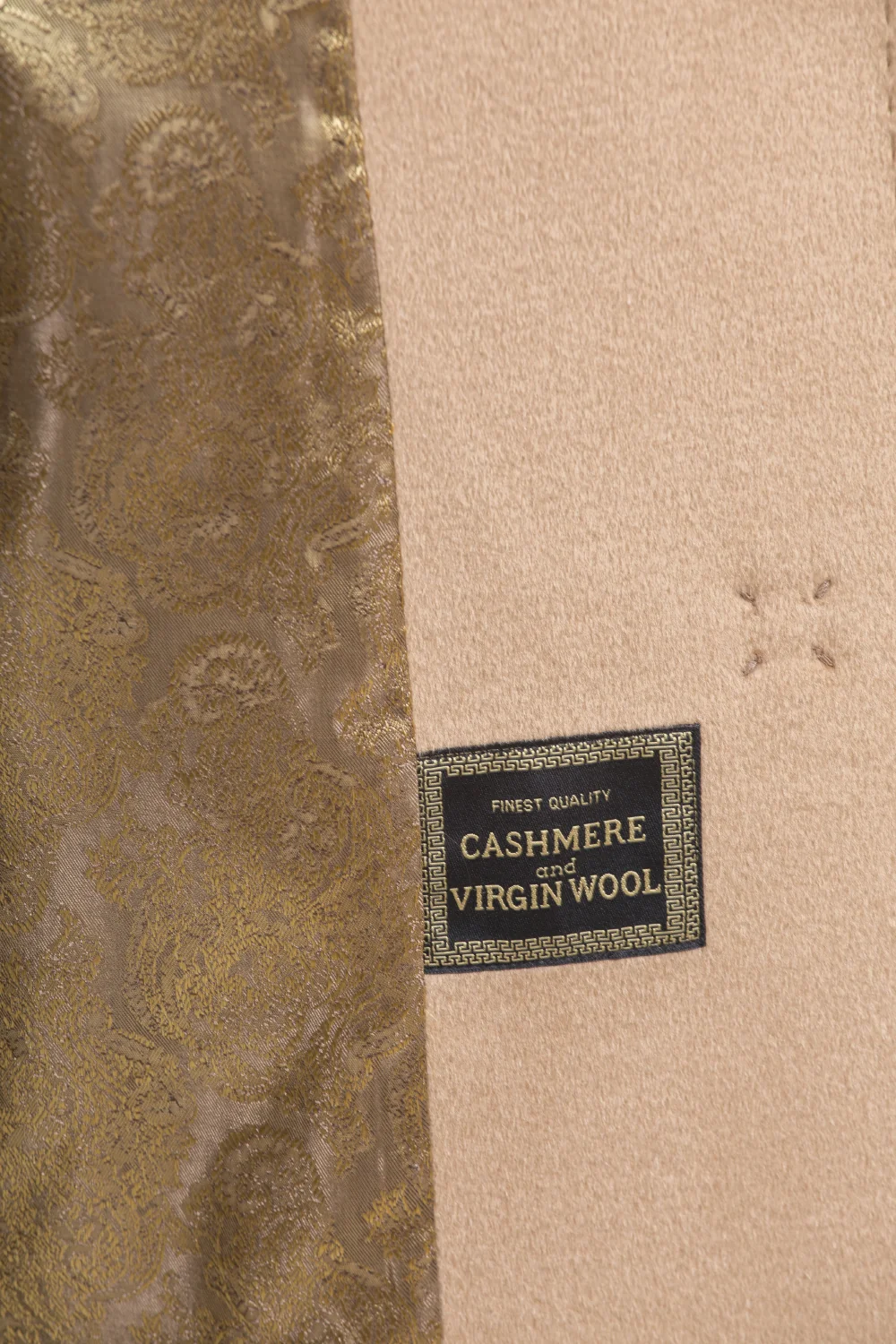
The actual performance depends on fibre composition. A fabric name does not guarantee a particular wool percentage, and modern coat materials may contain cashmere, viscose, polyamide, polyester or other fibres.
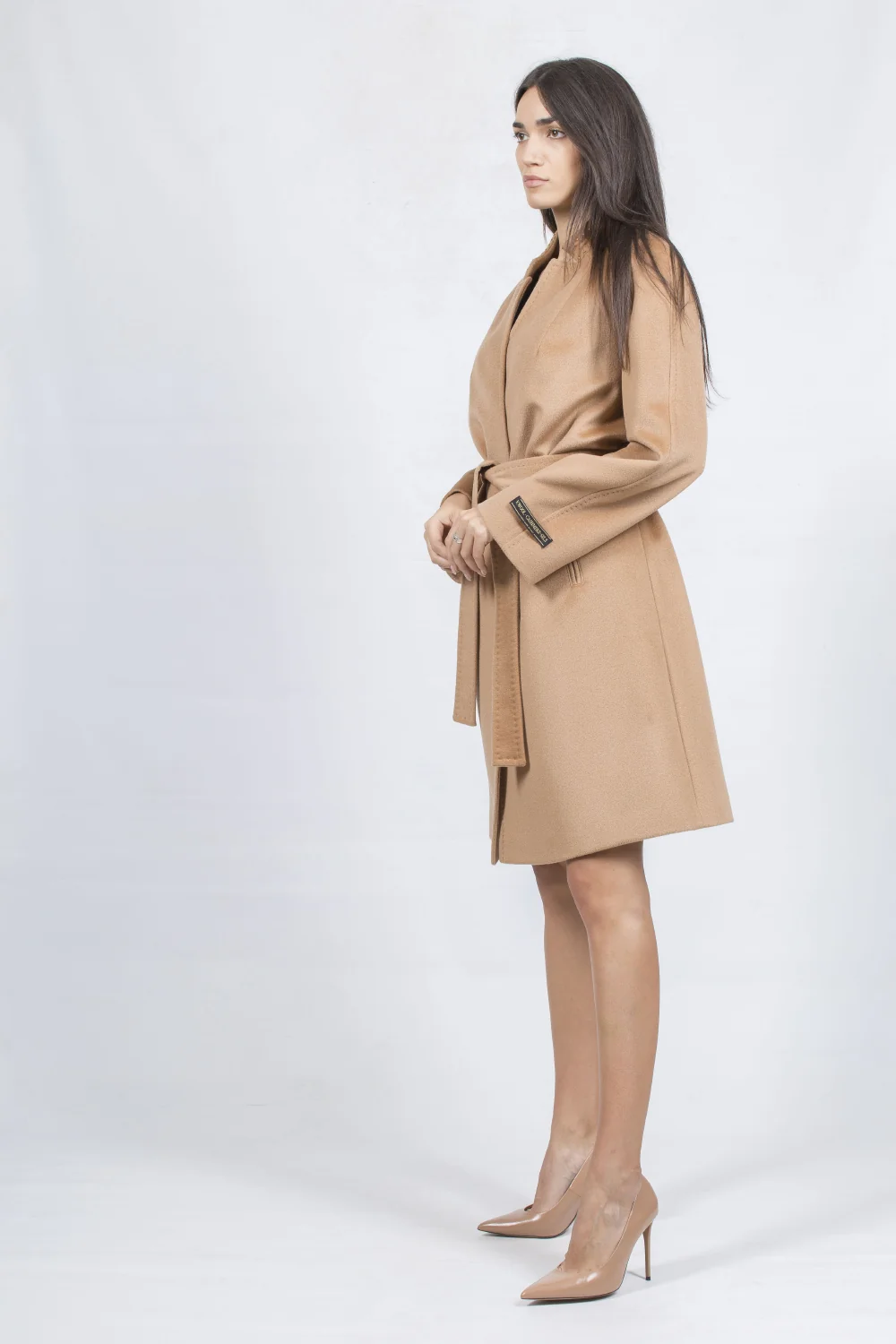
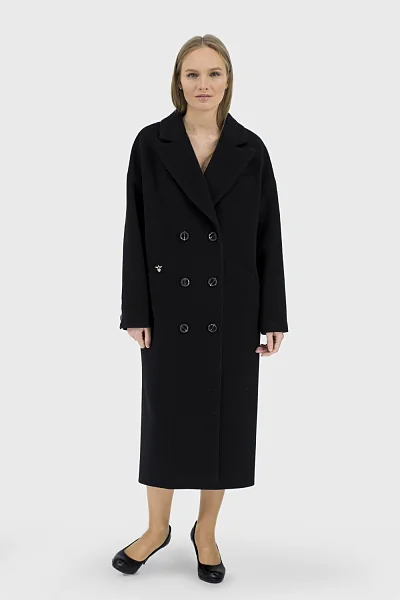
Draped wool fabric: density and clean structure
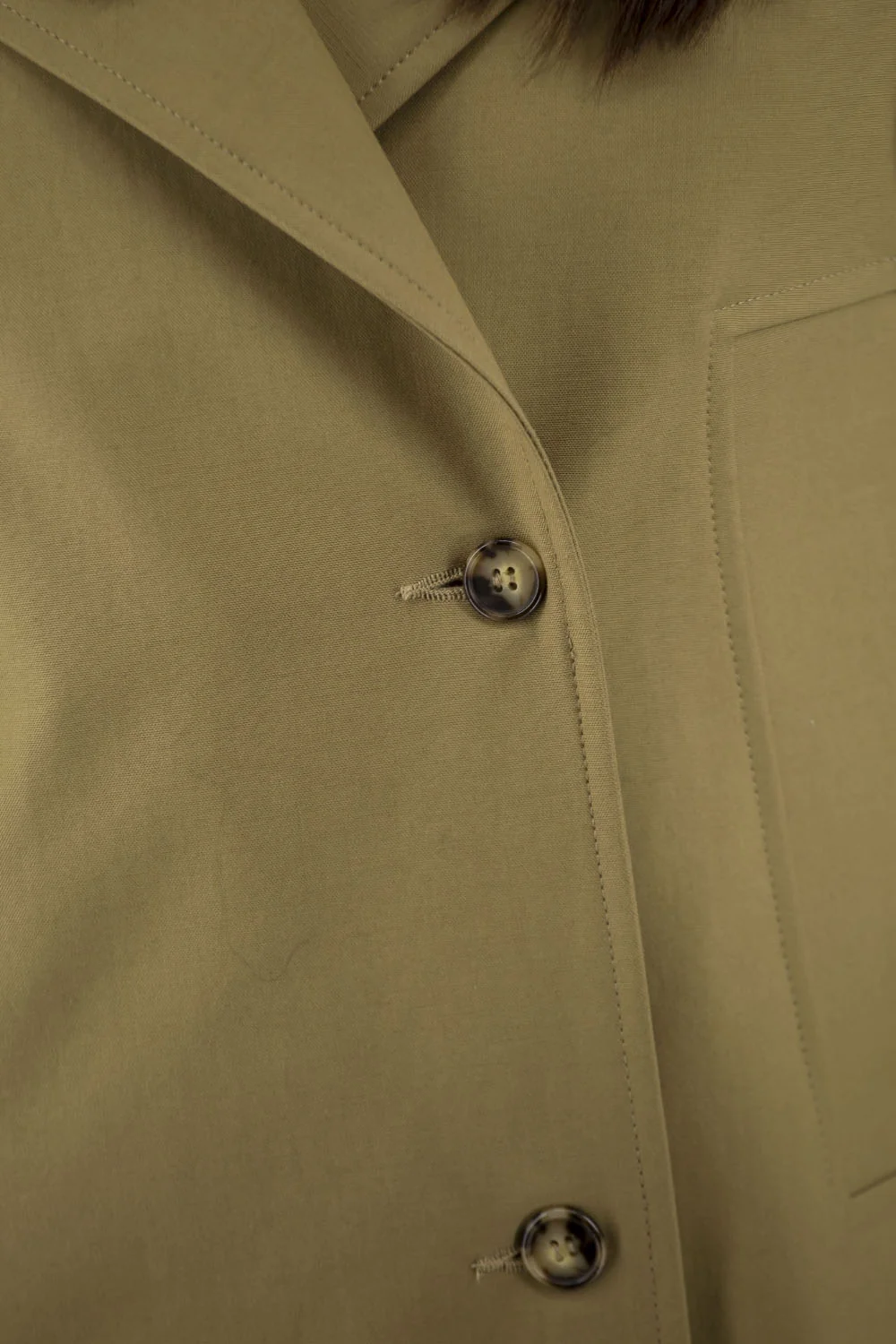
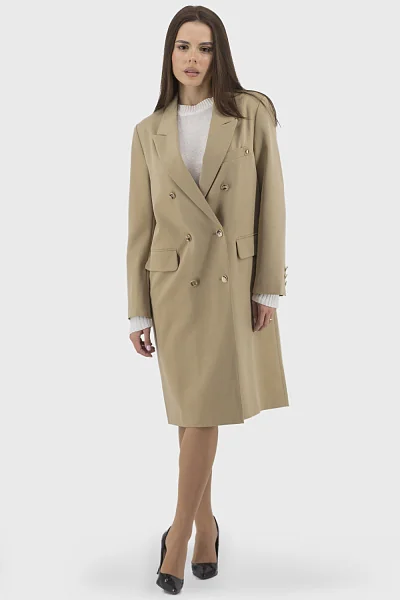
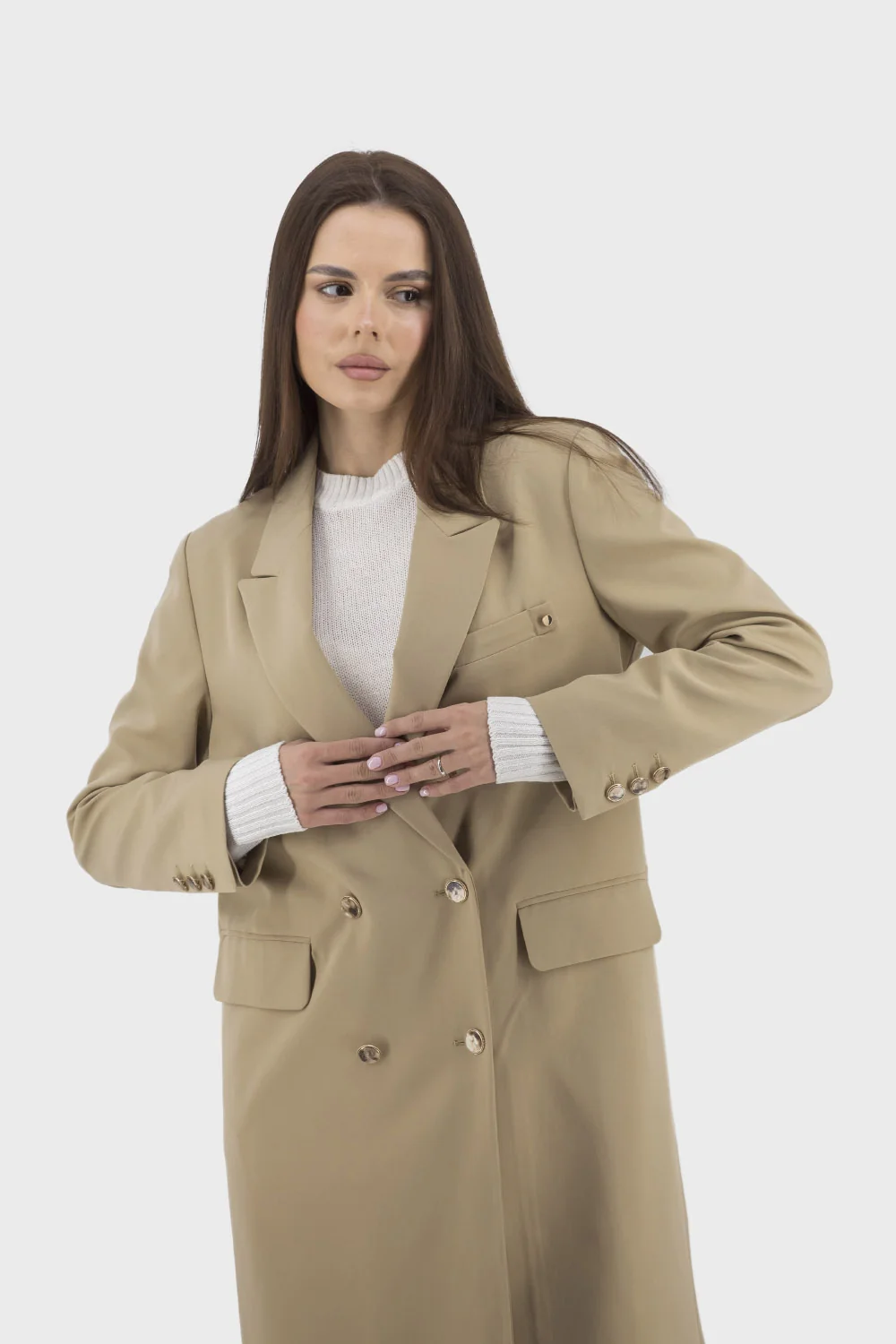
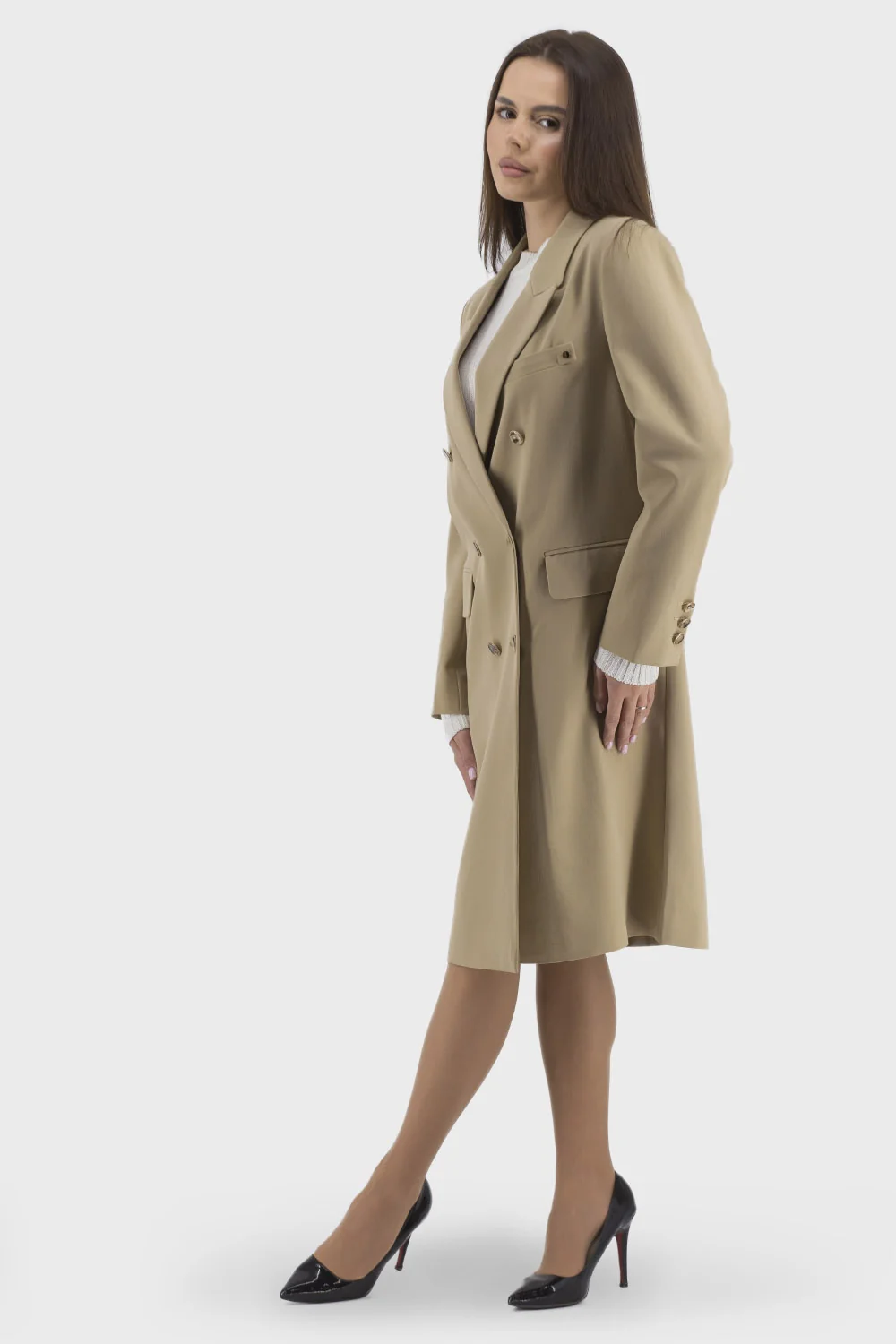
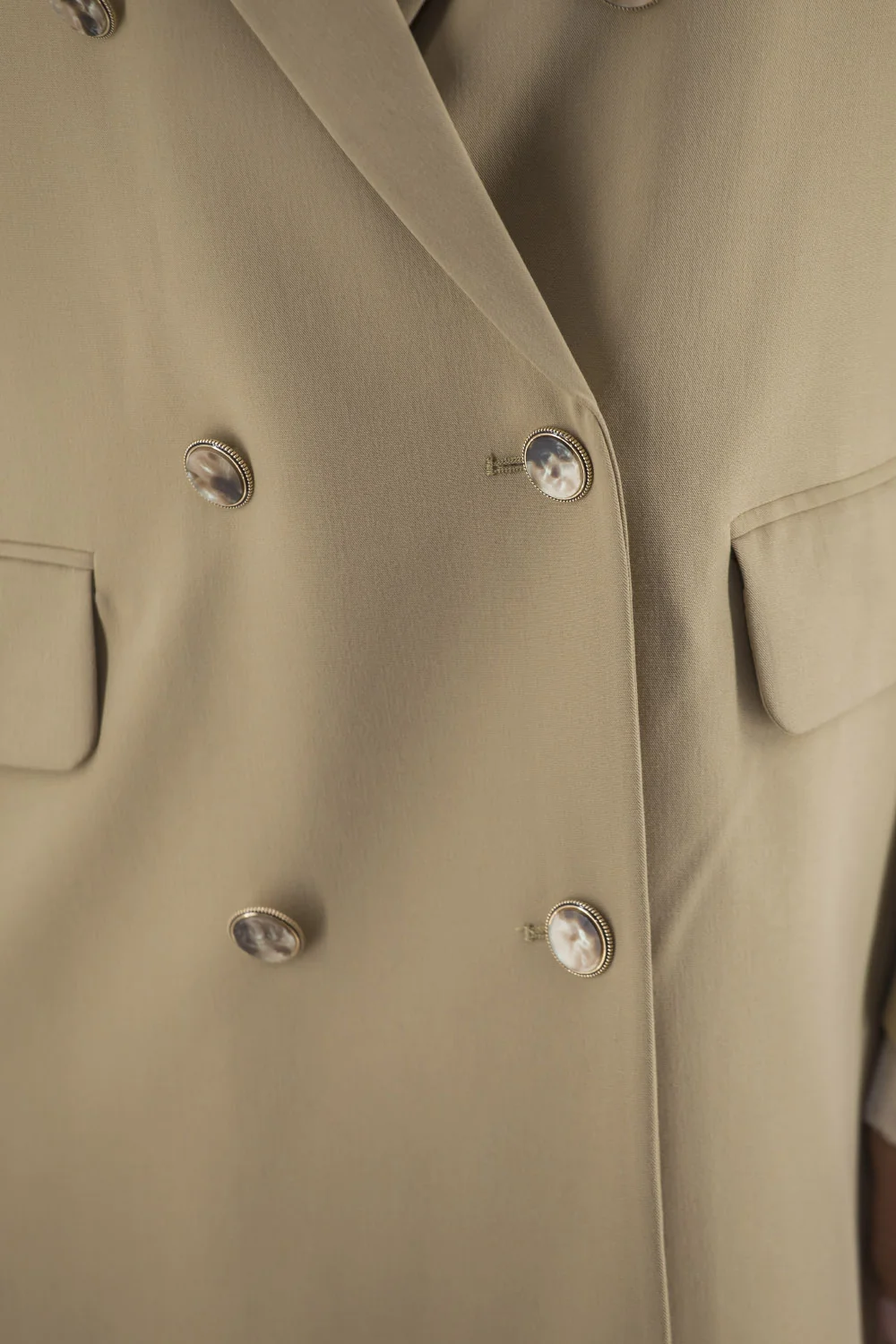
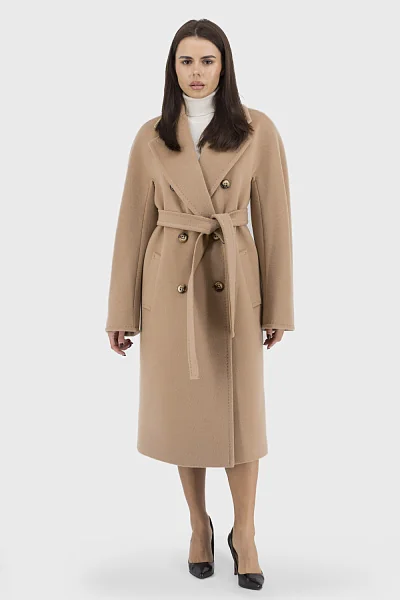
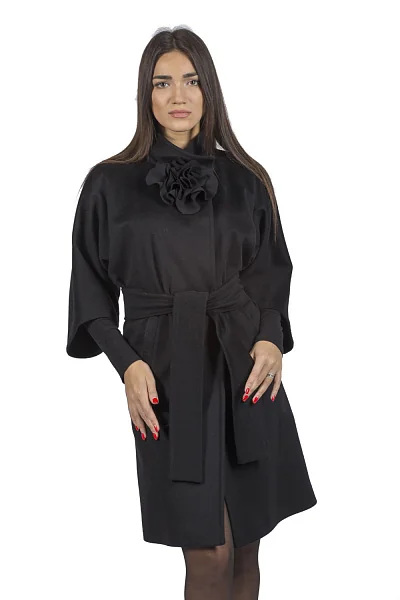
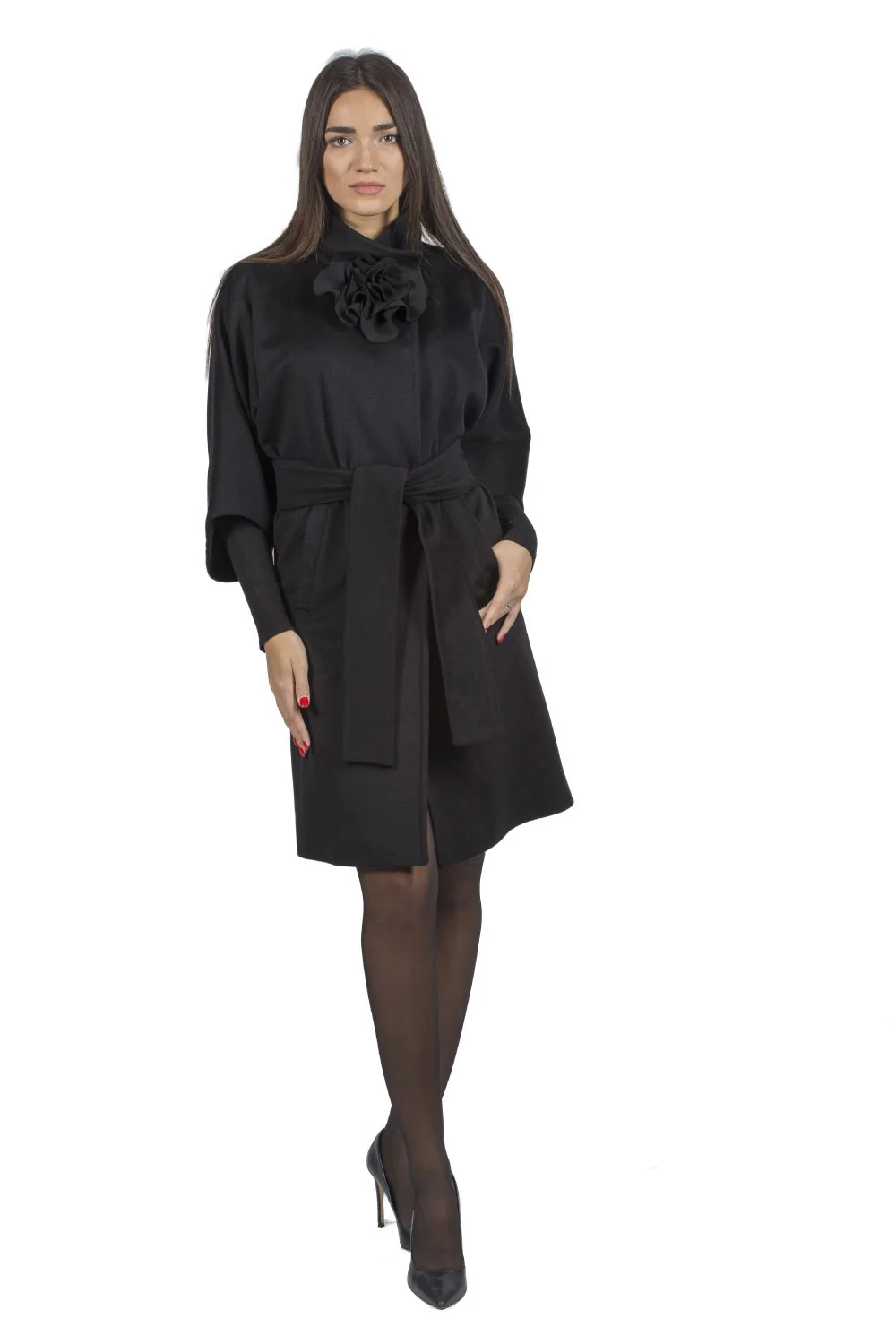
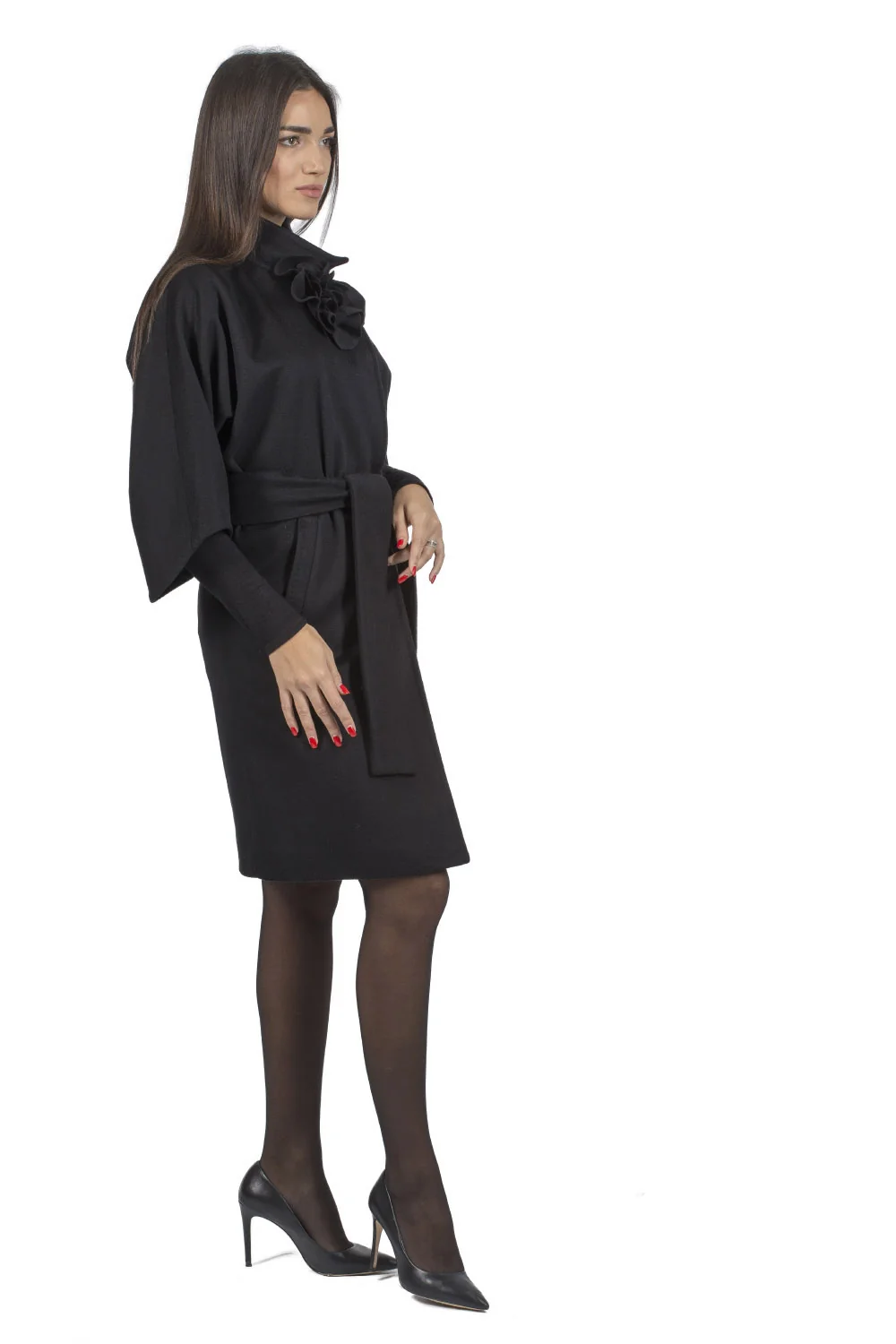
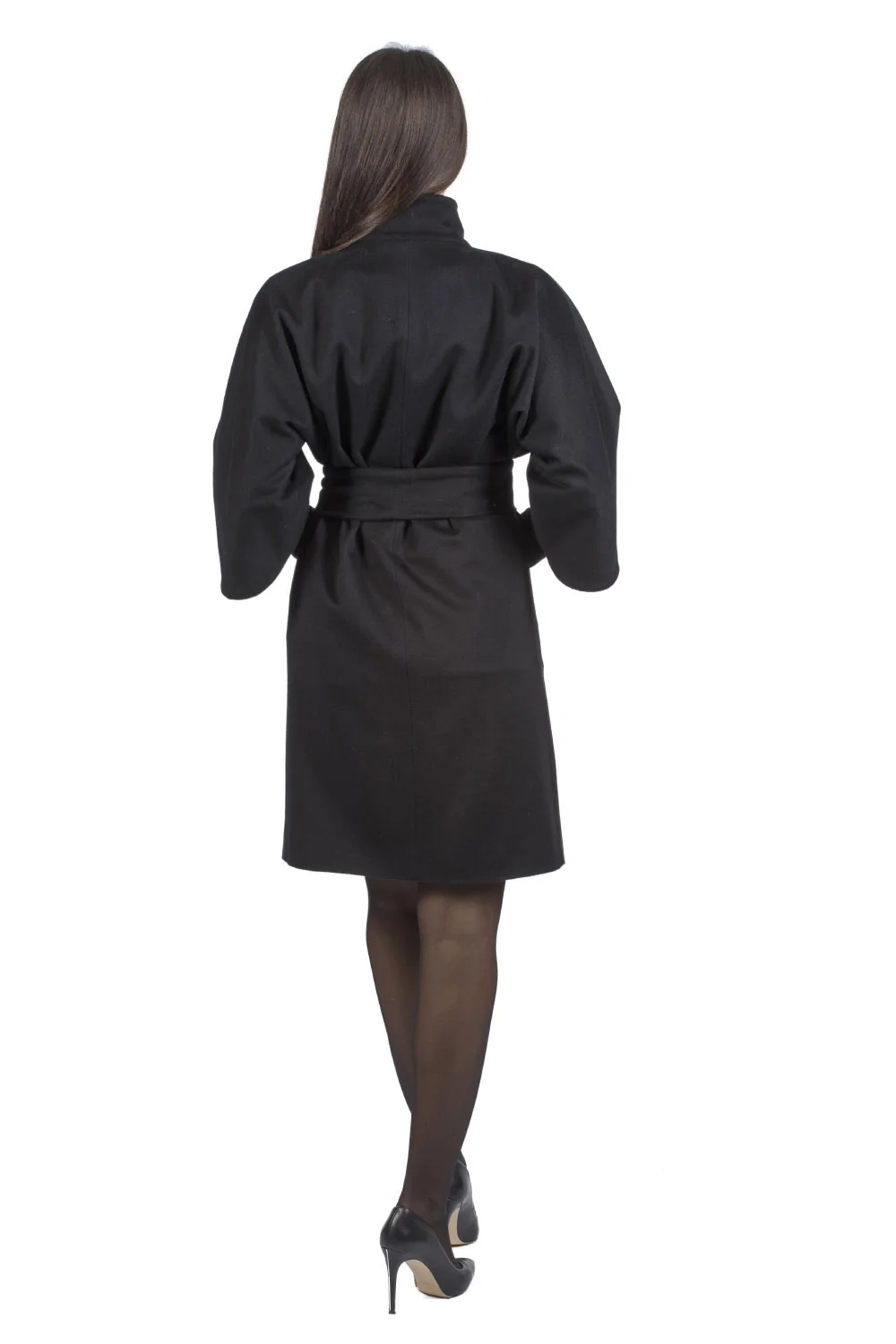
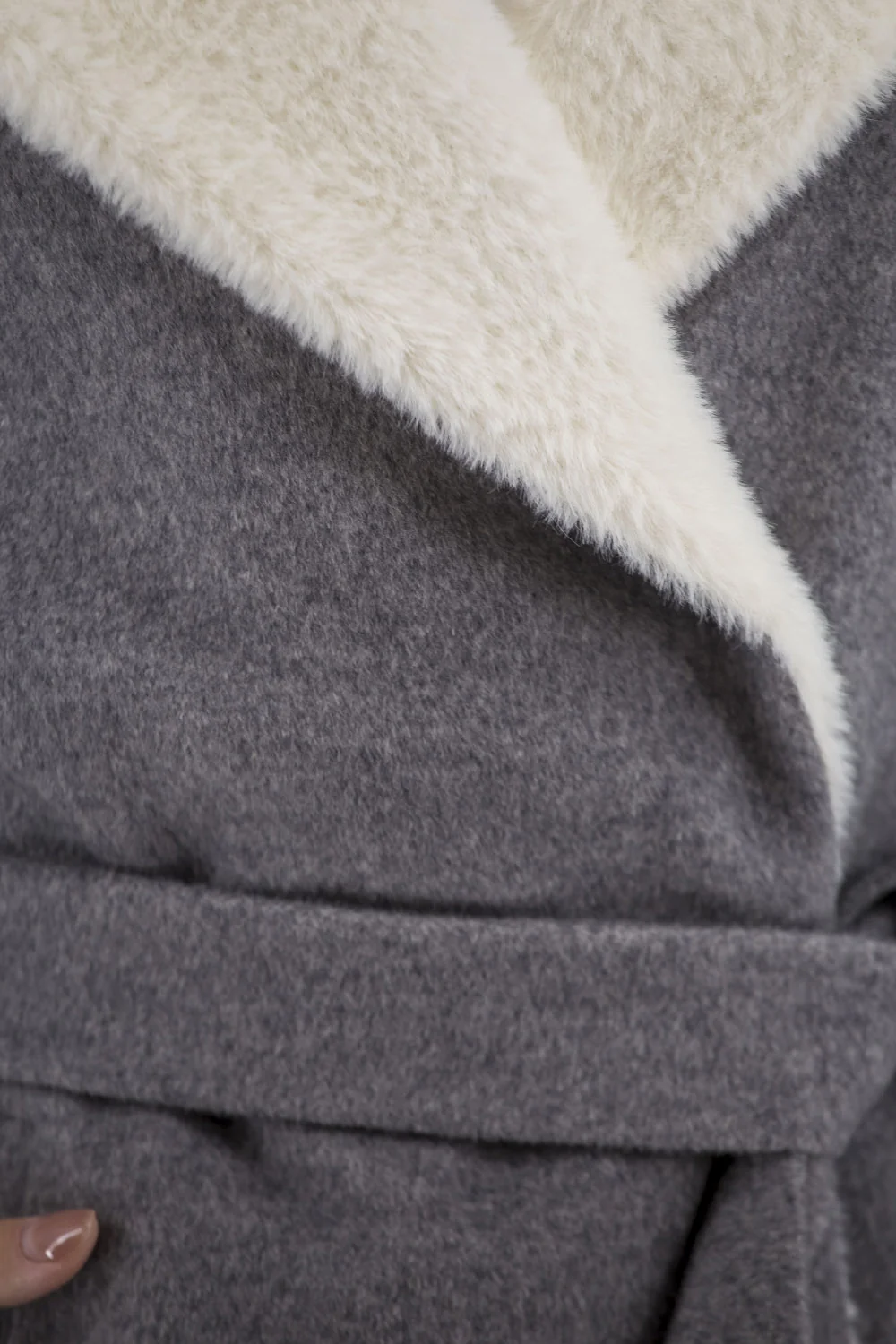
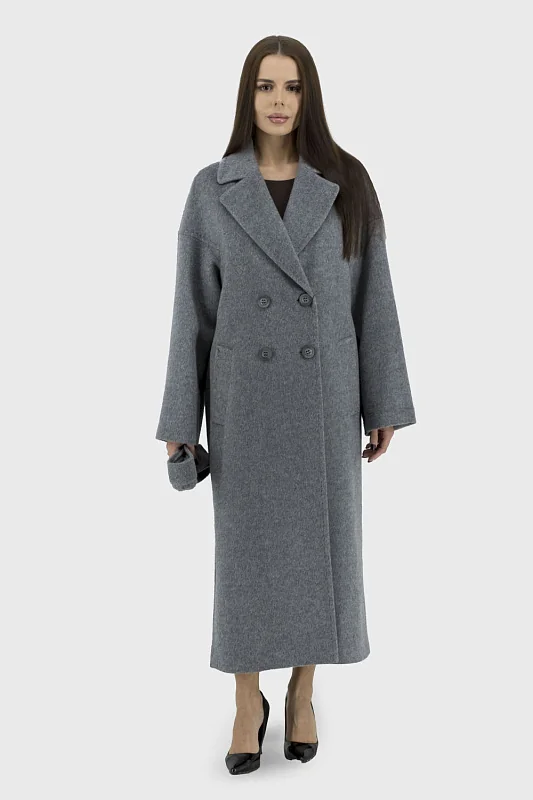
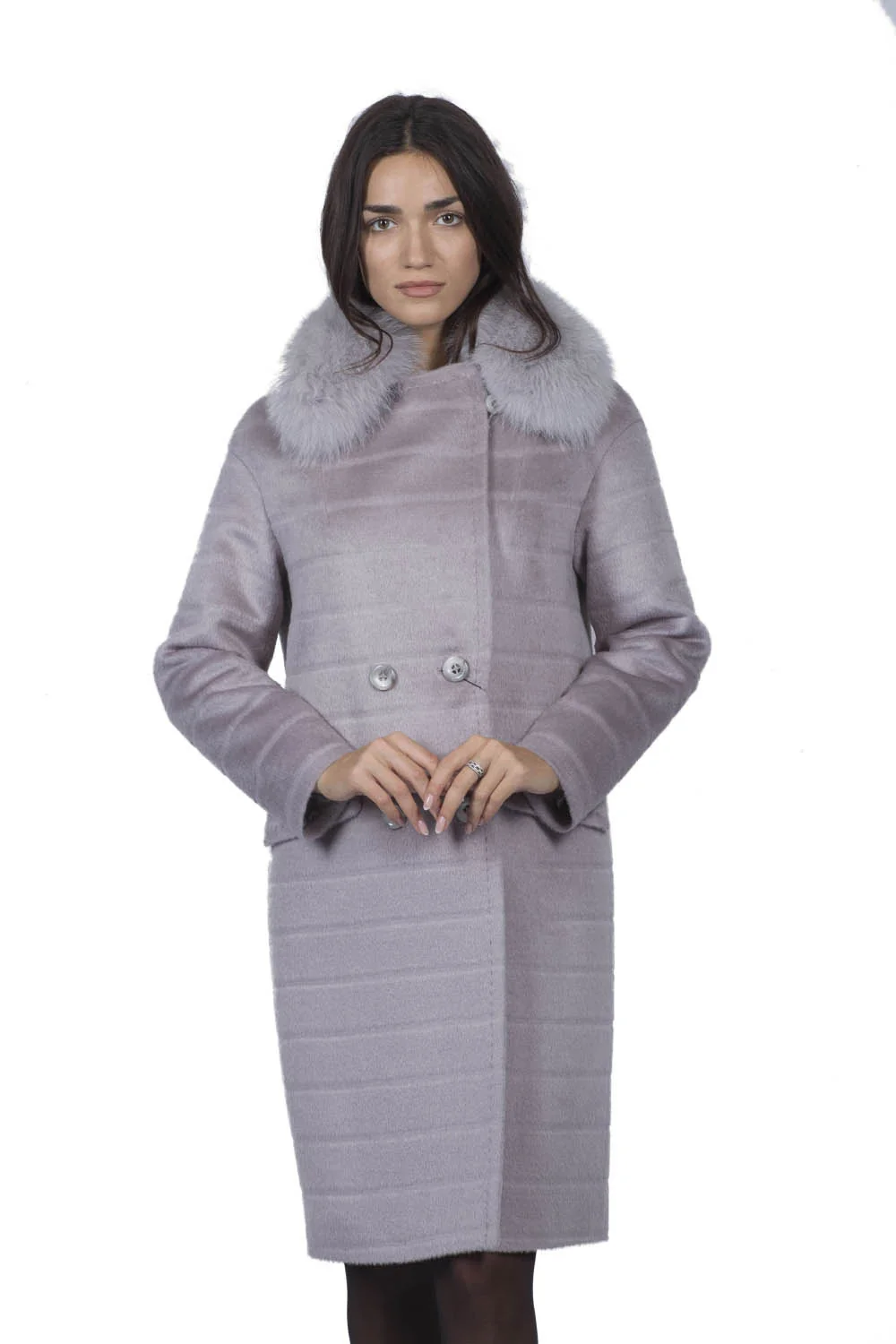
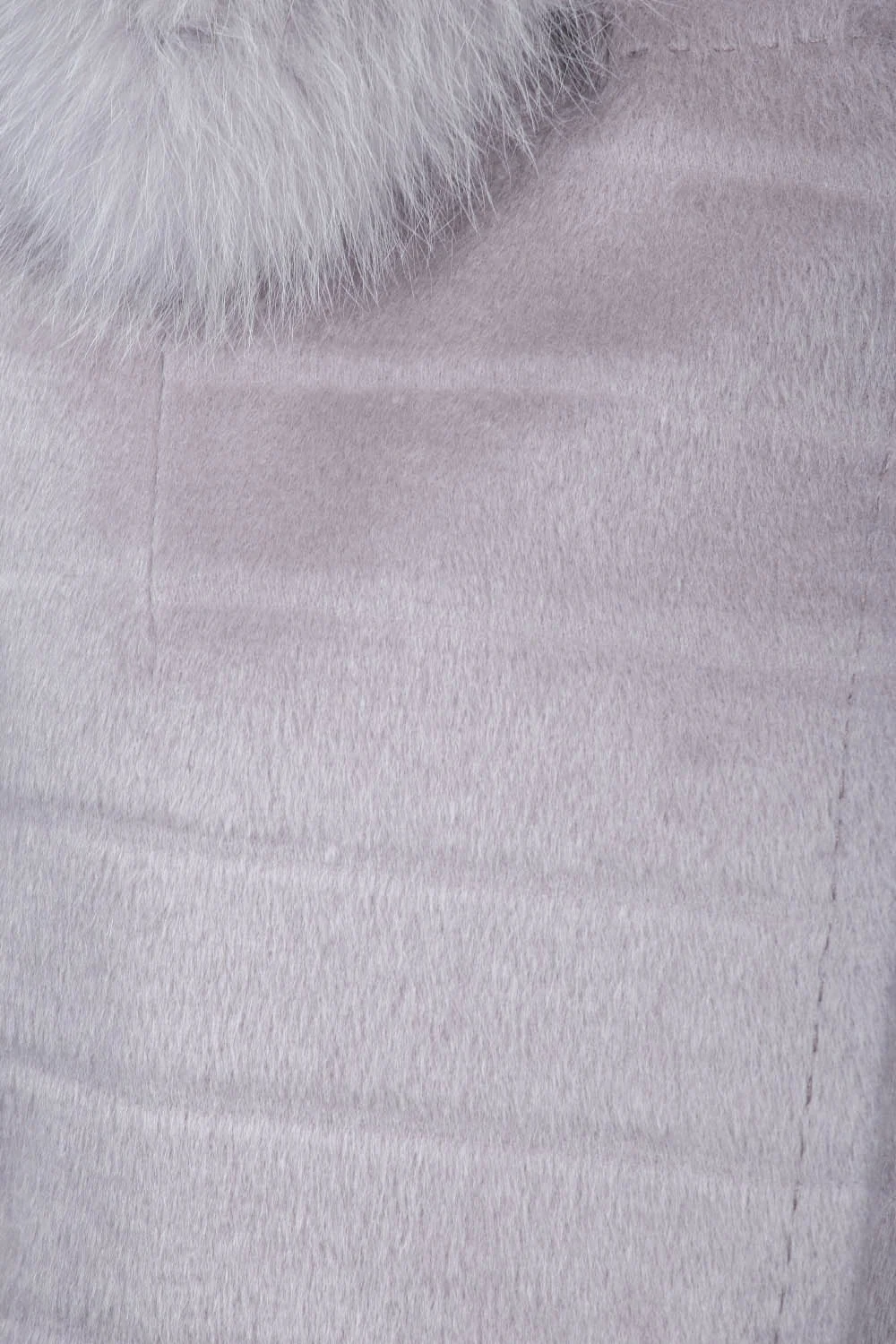
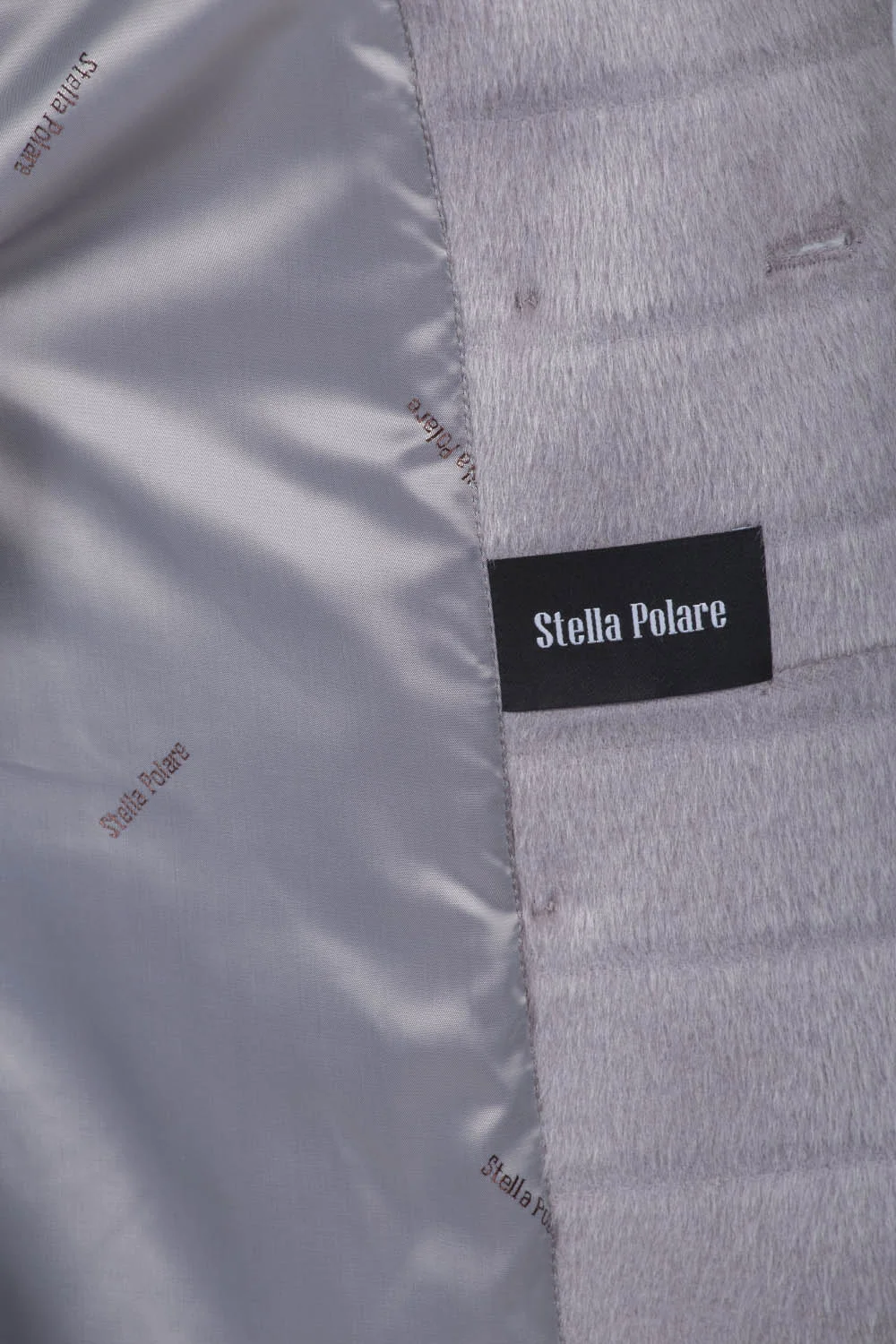
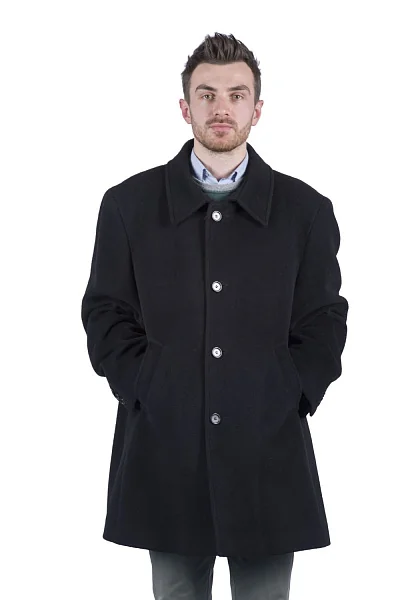
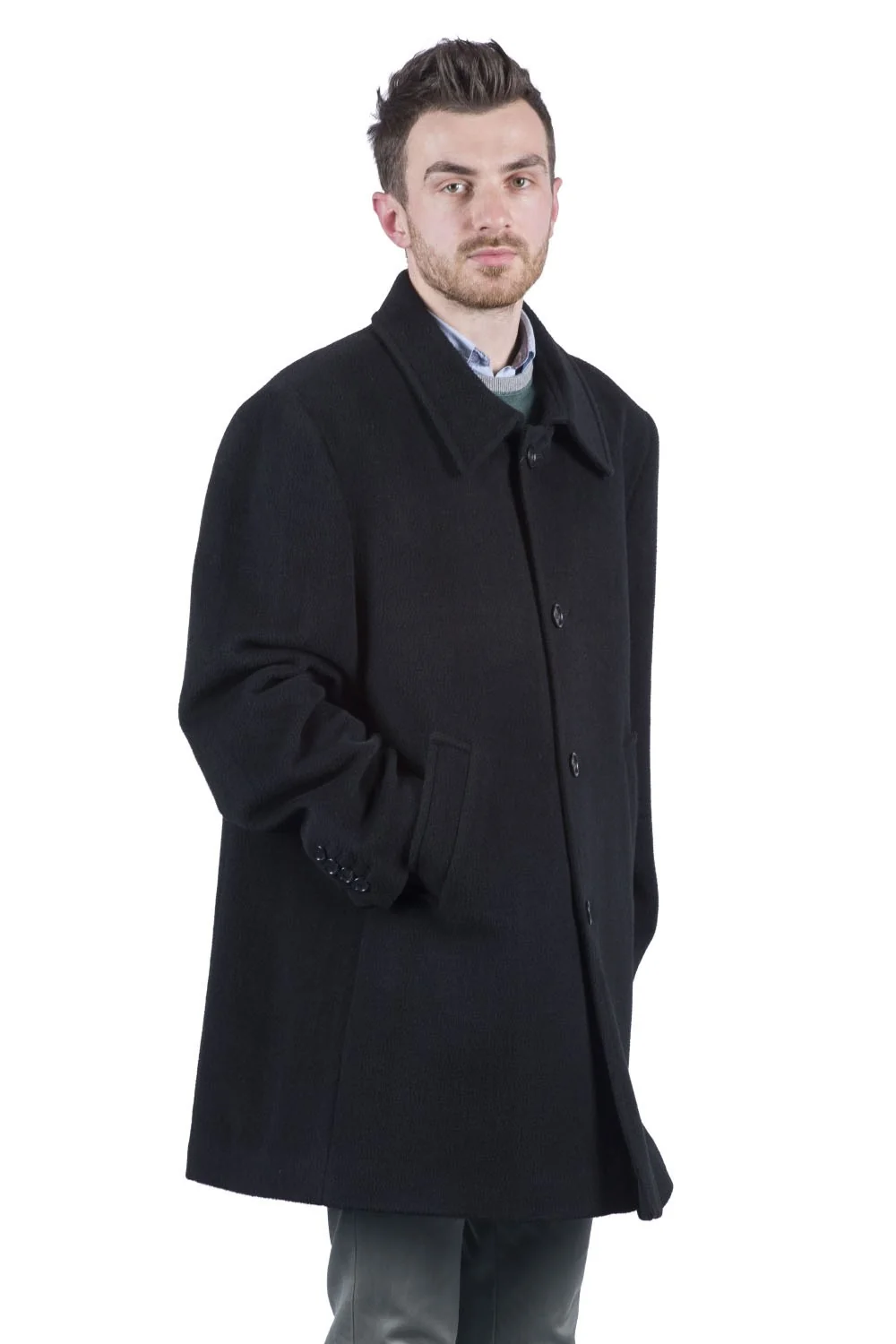
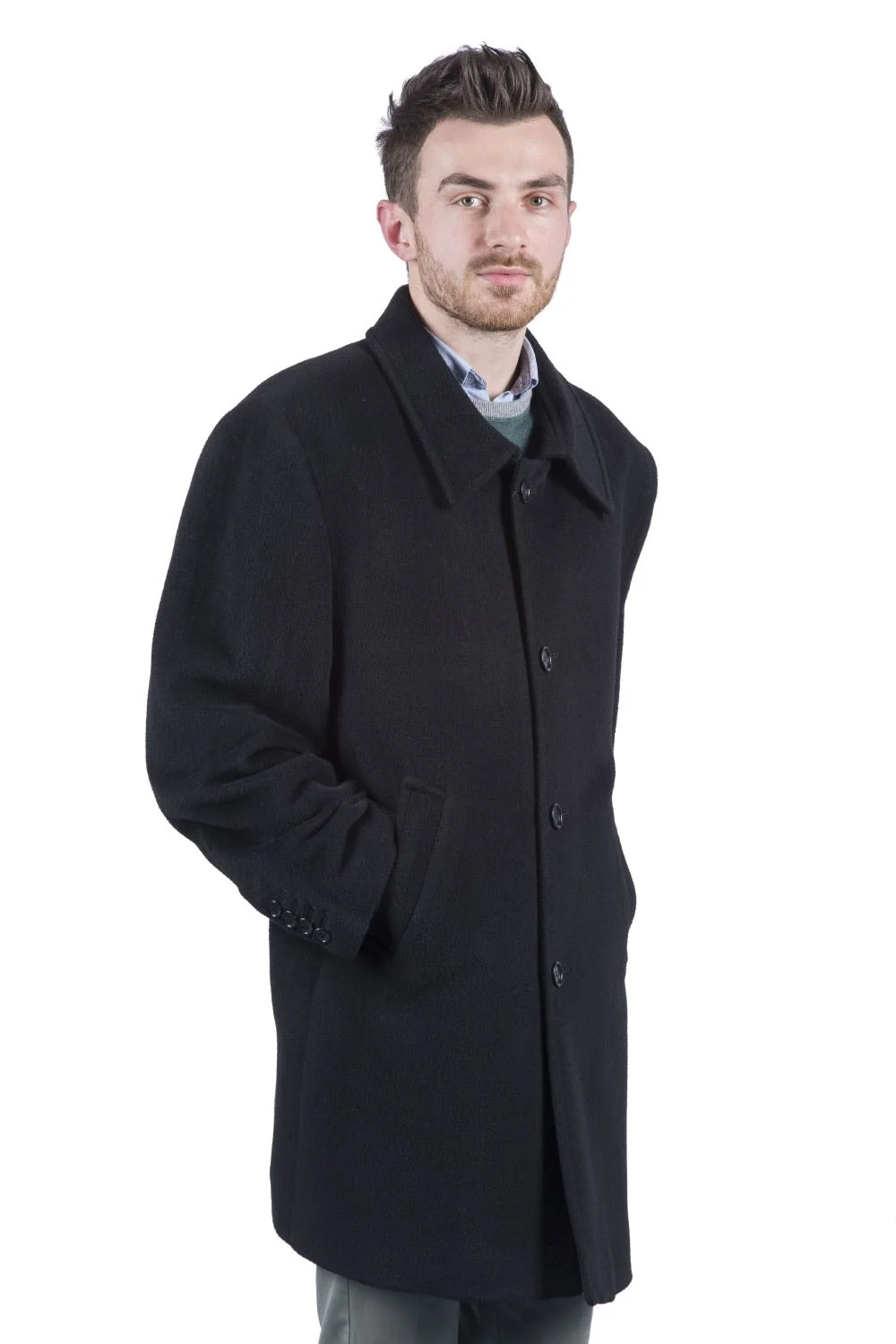
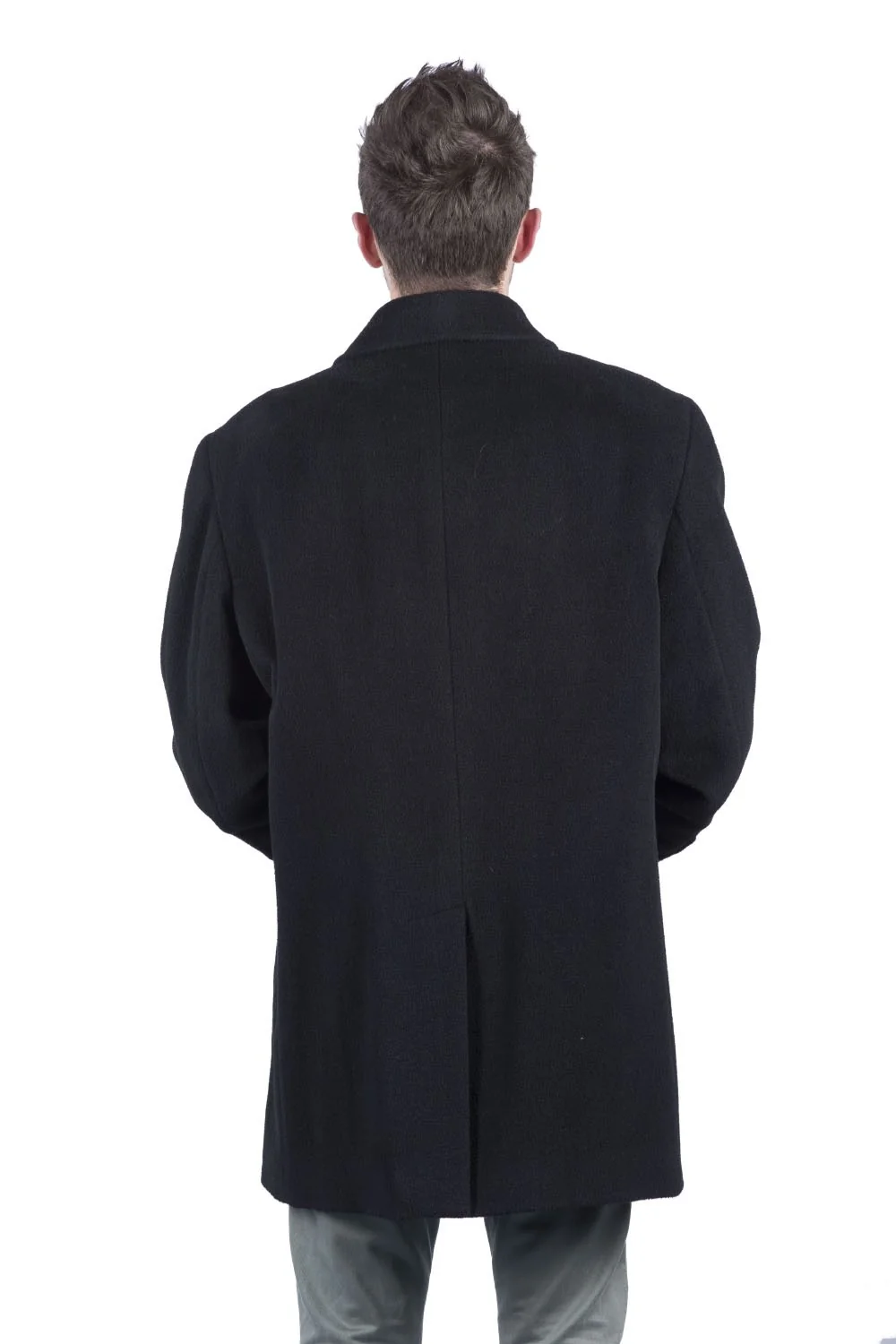
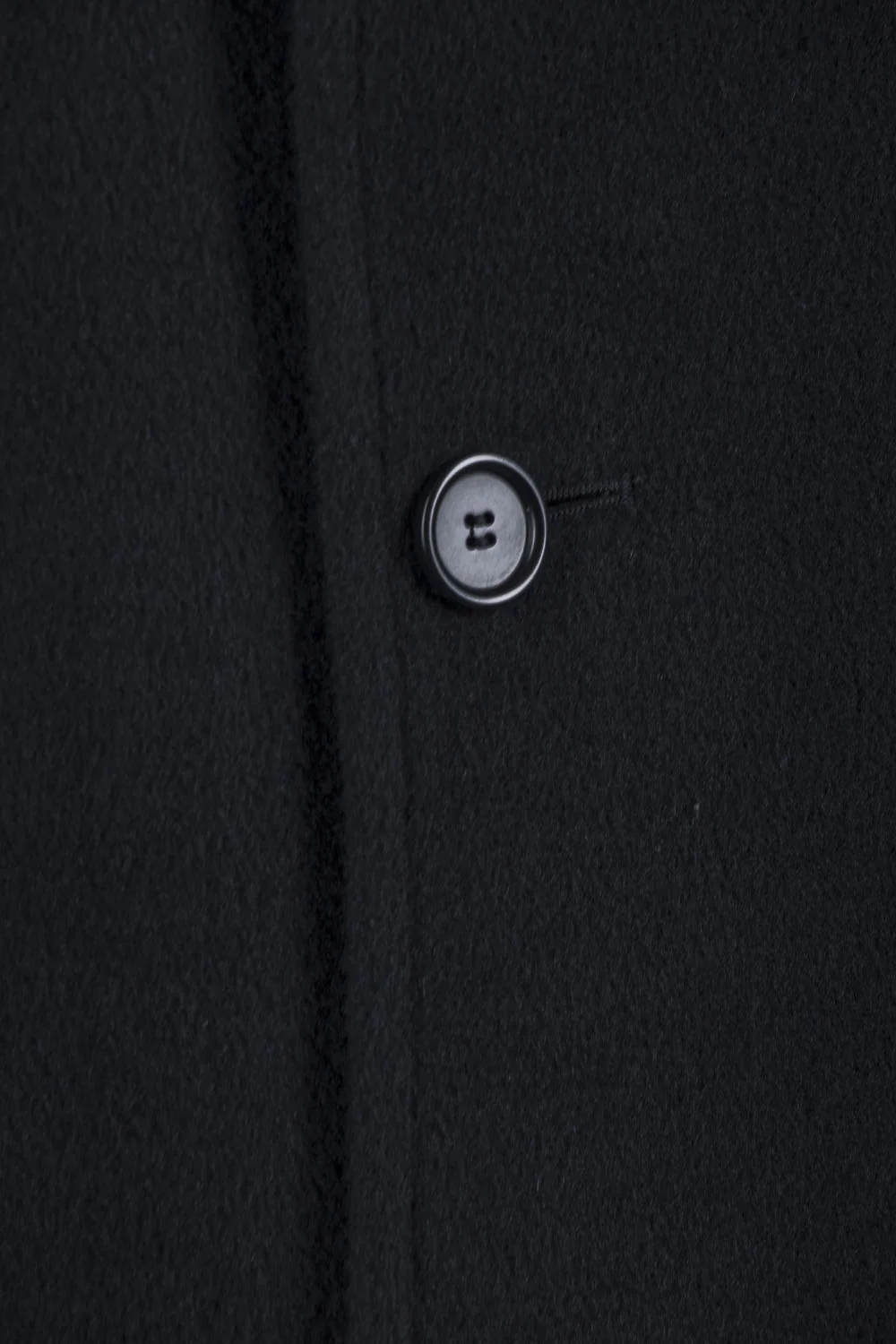
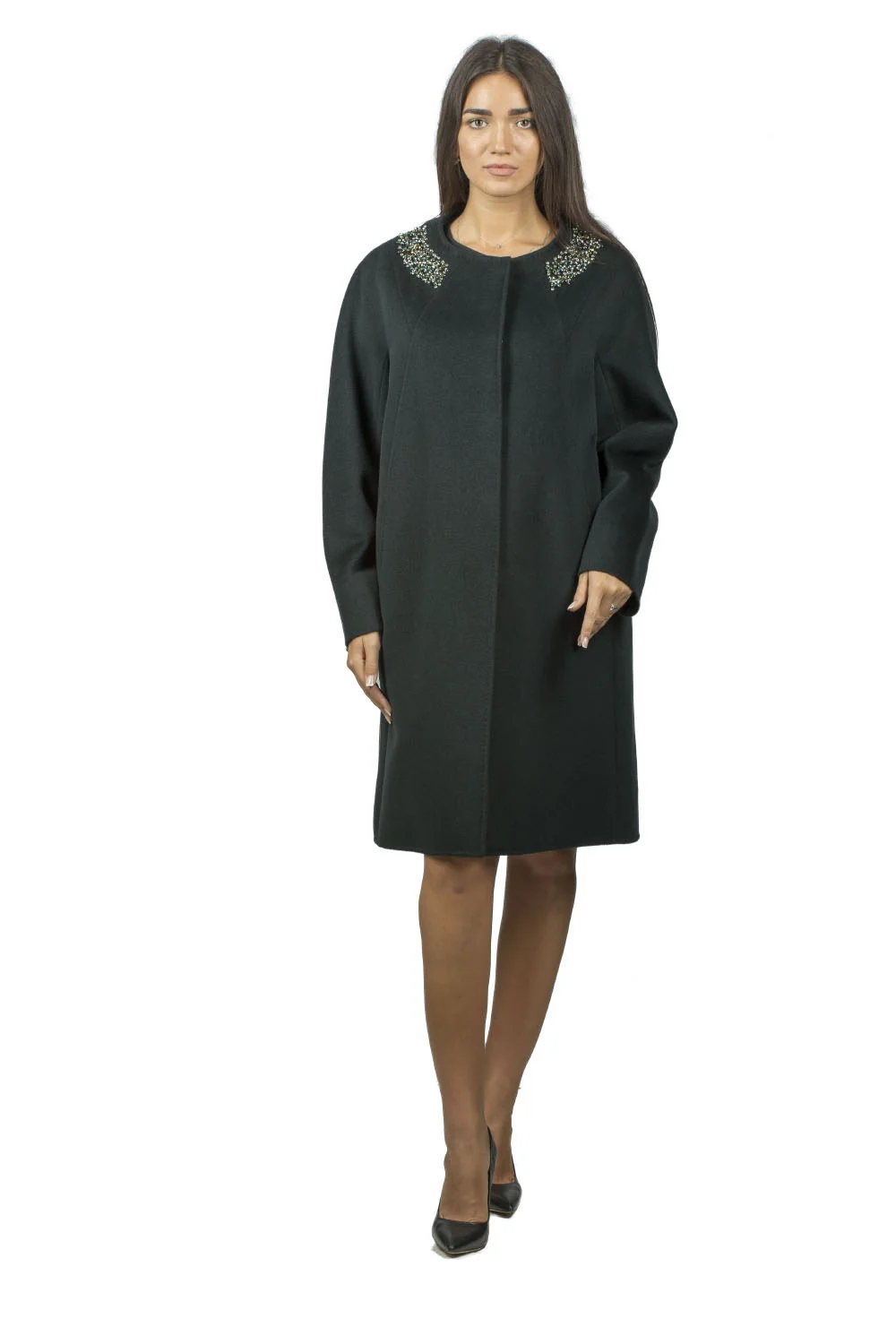
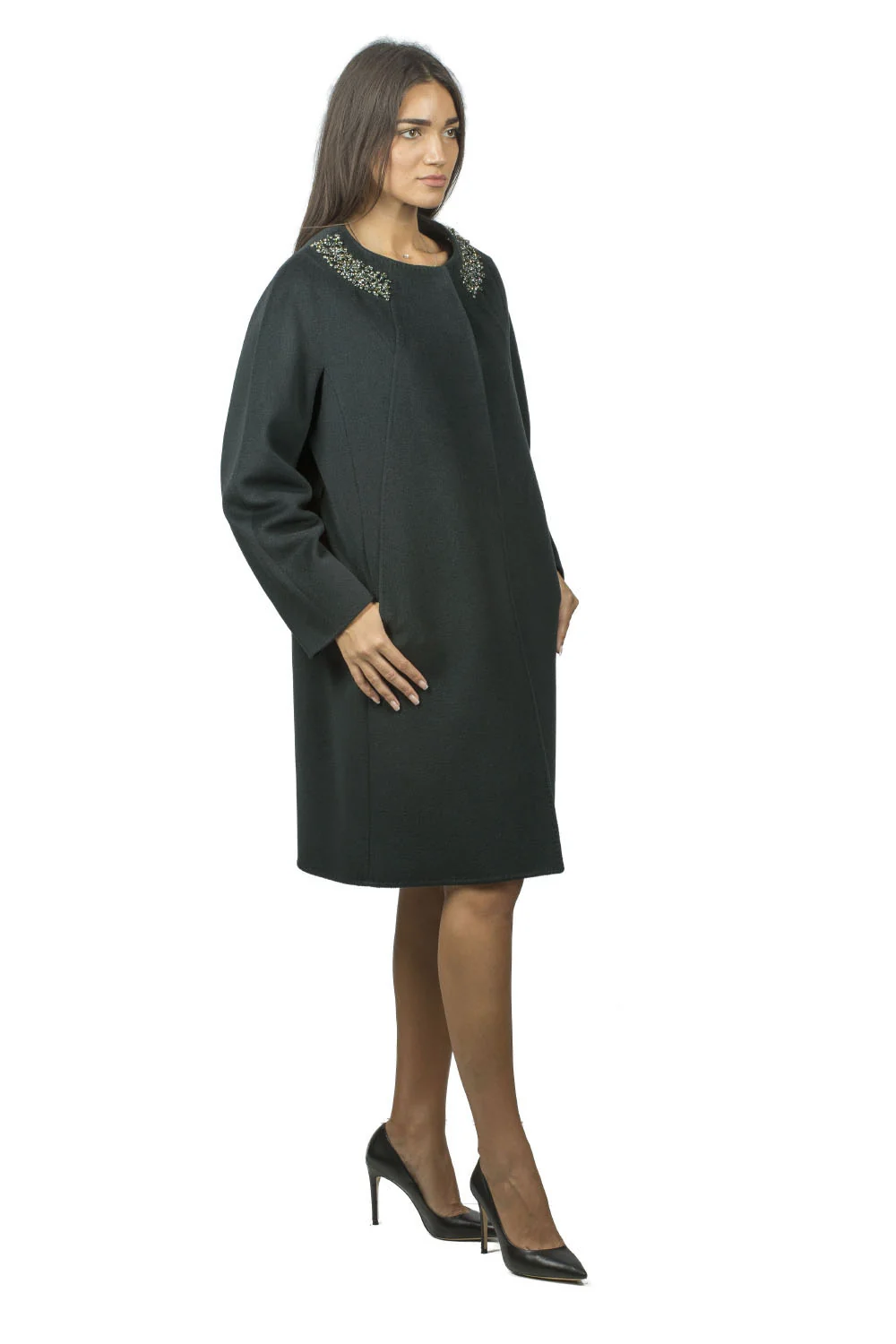
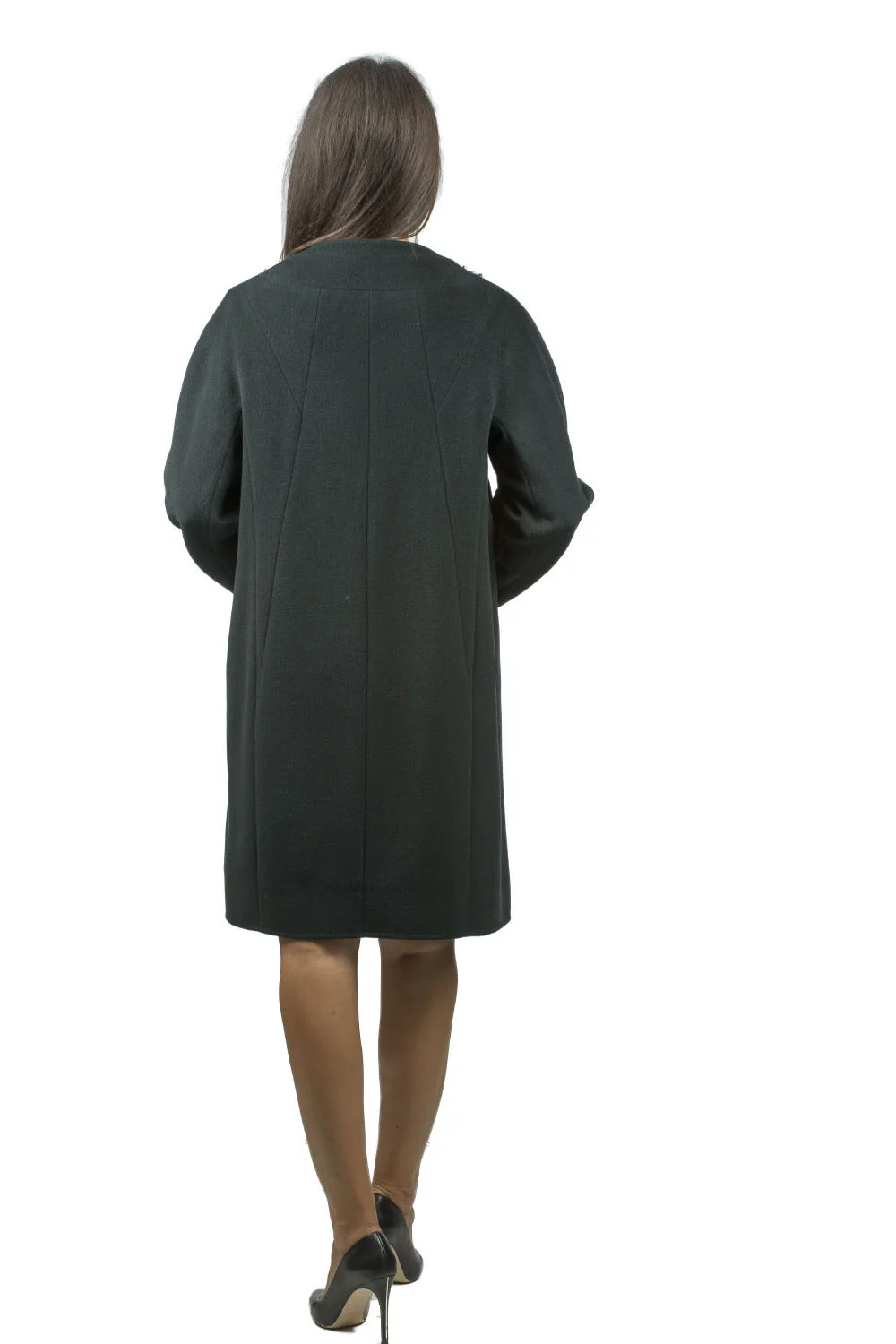
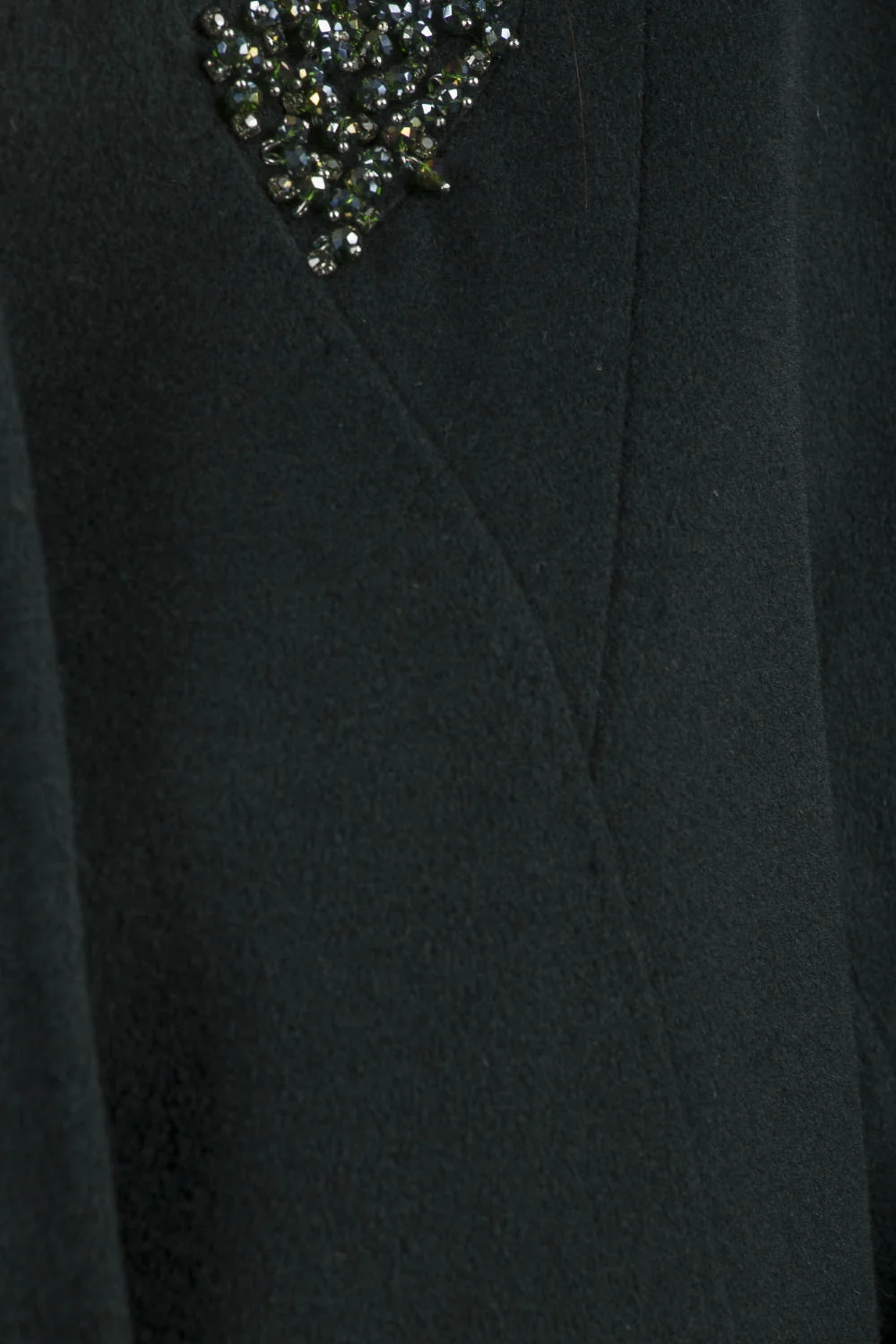
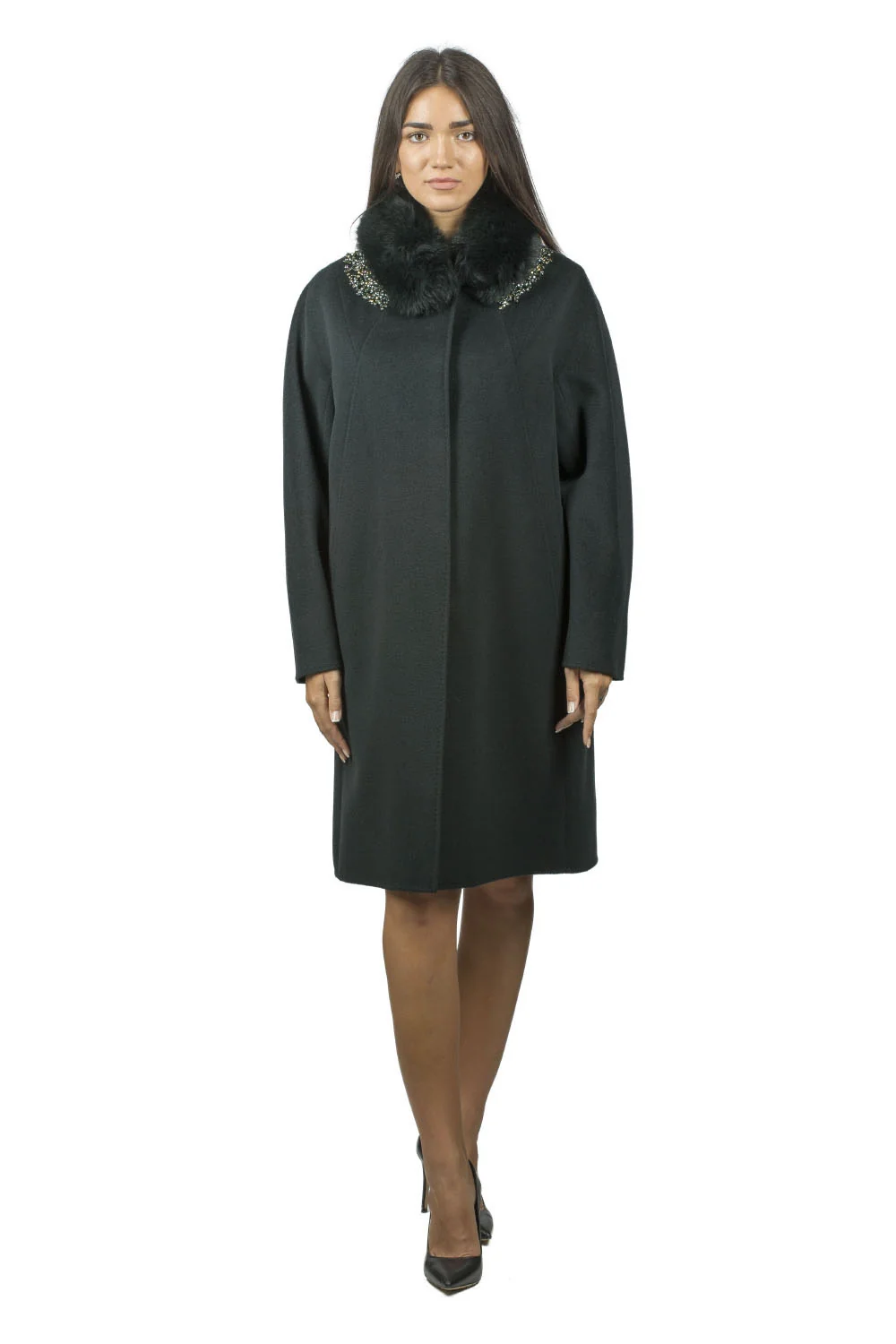
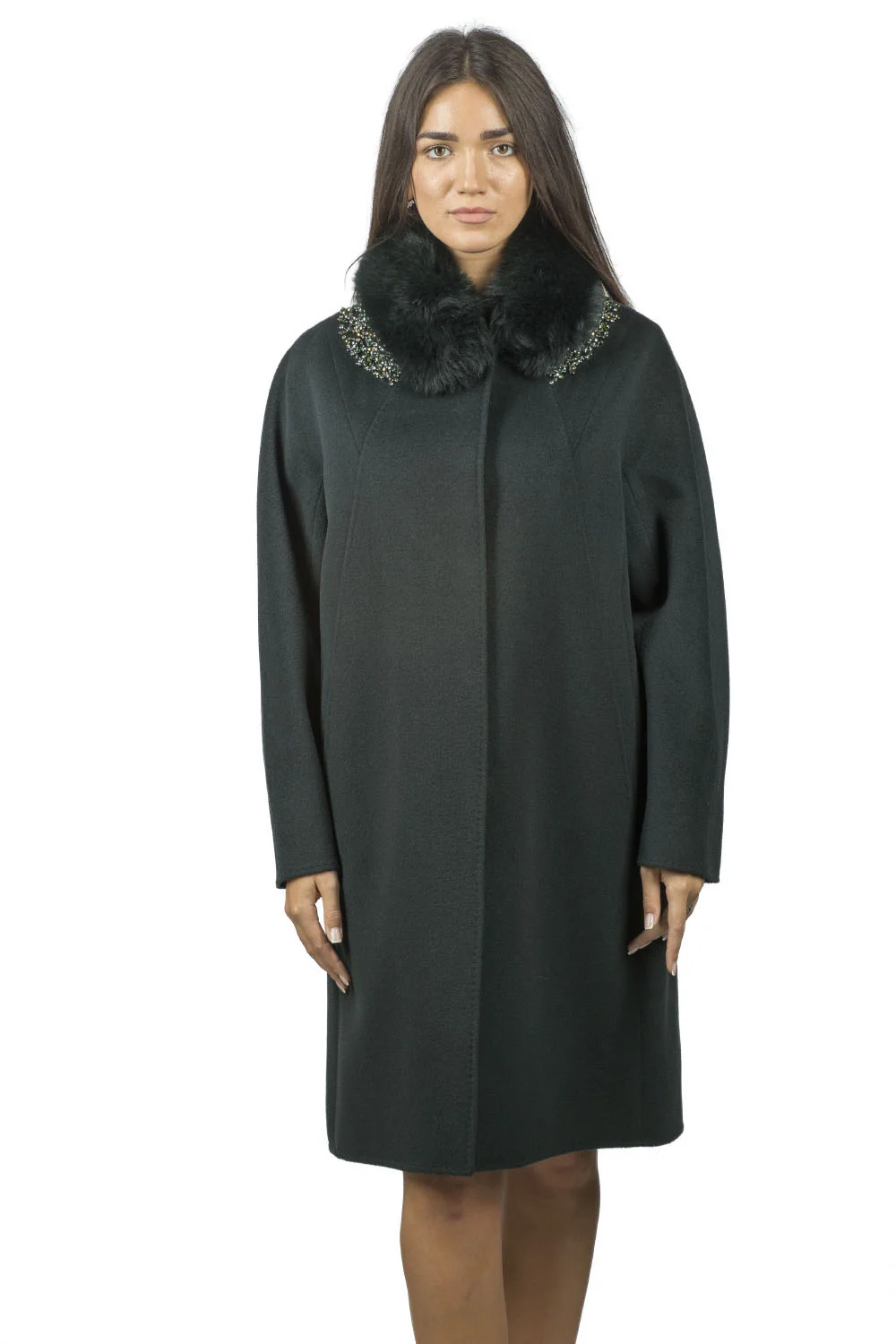
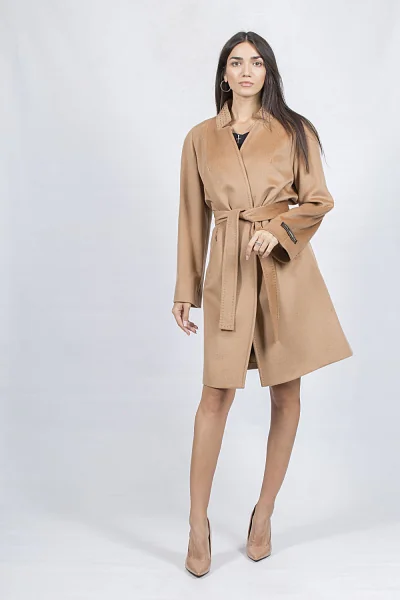
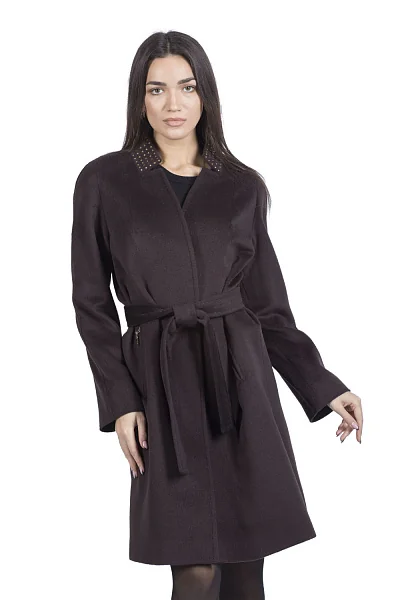
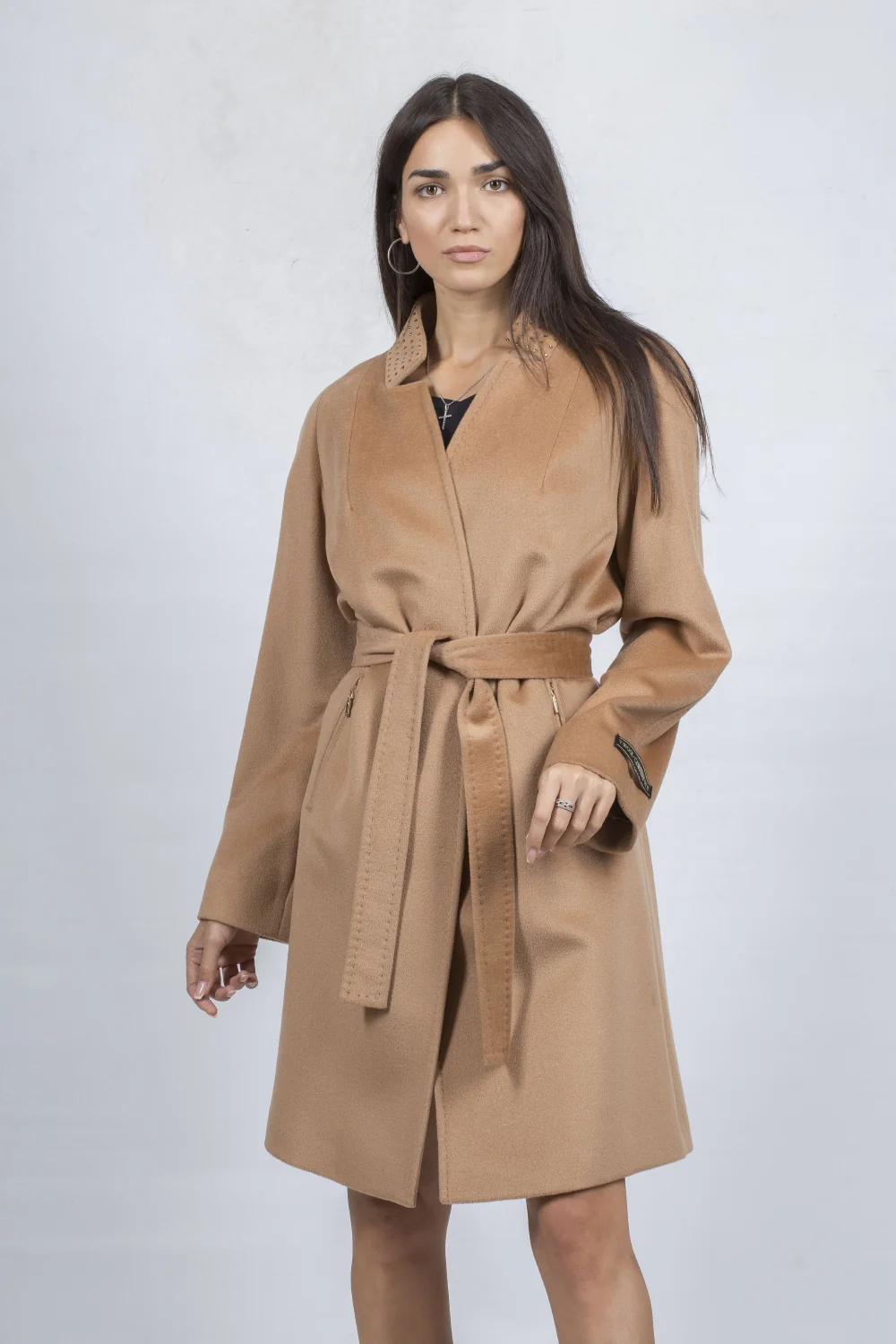
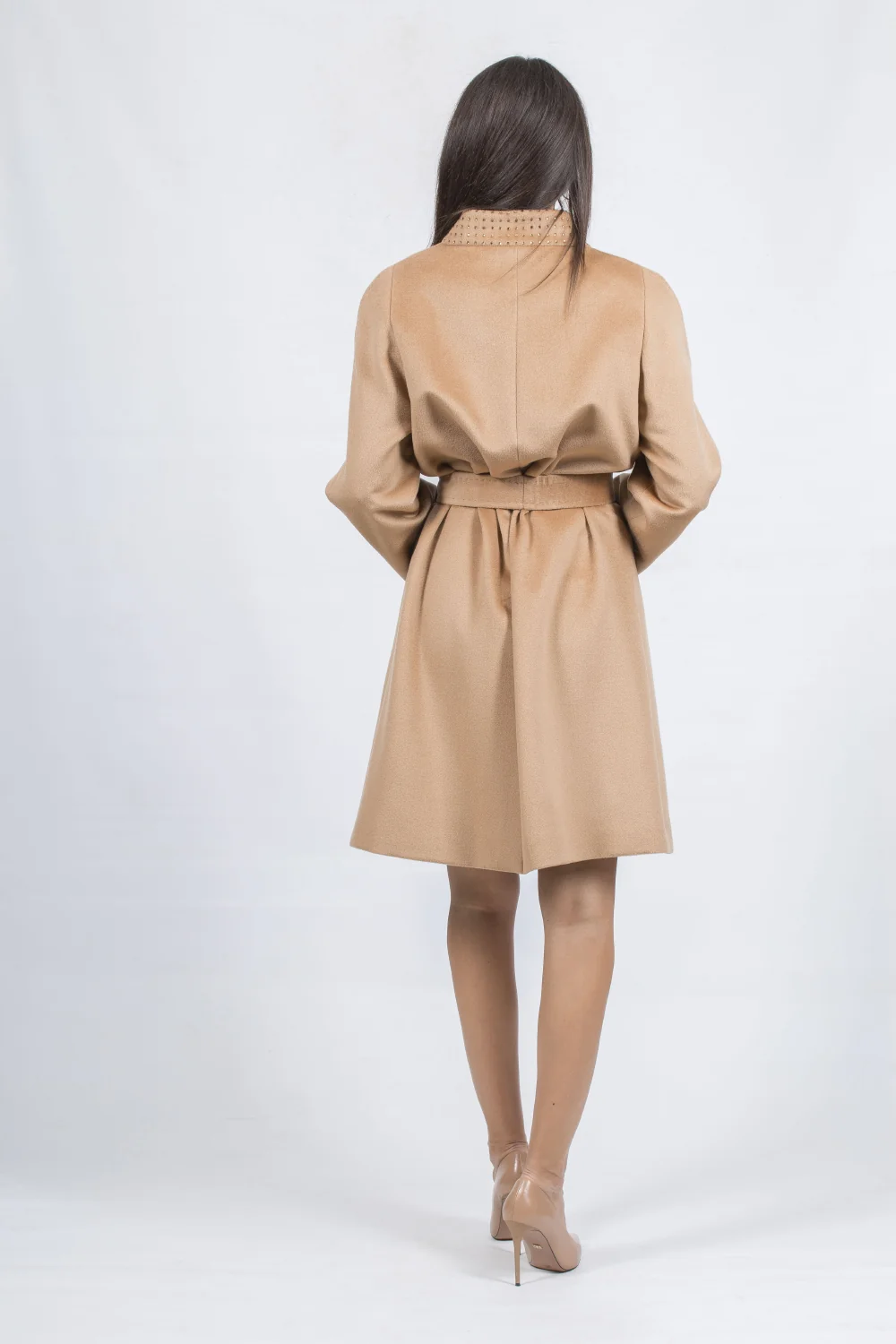
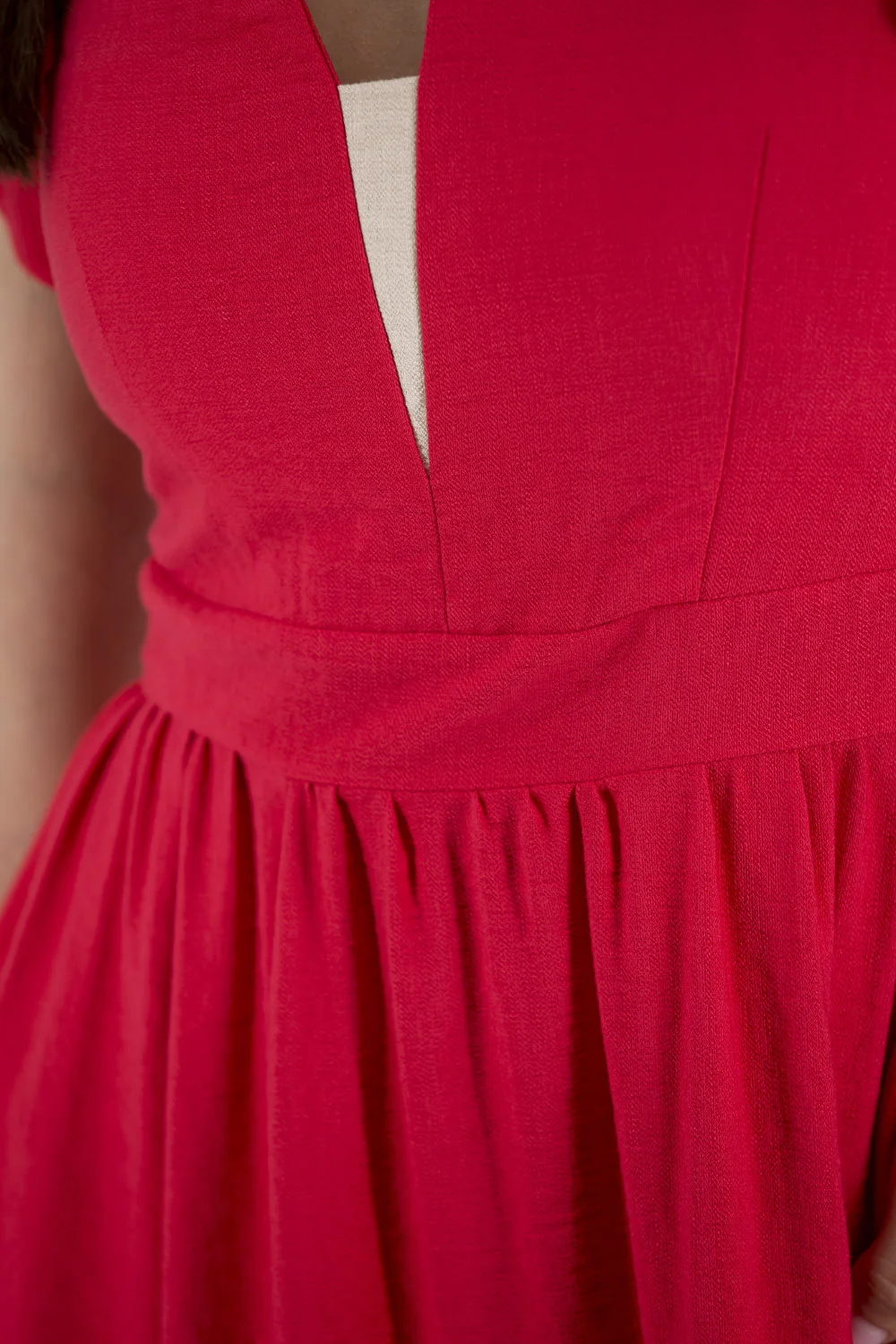
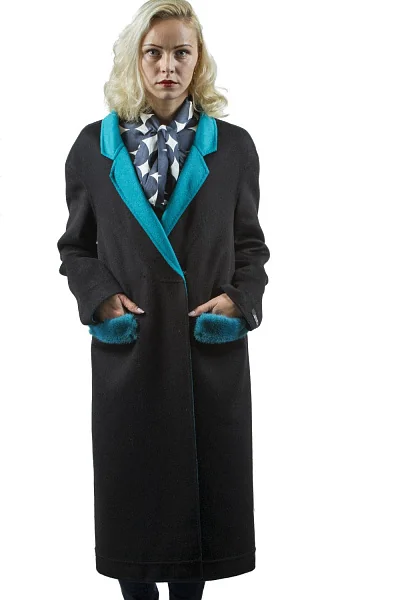
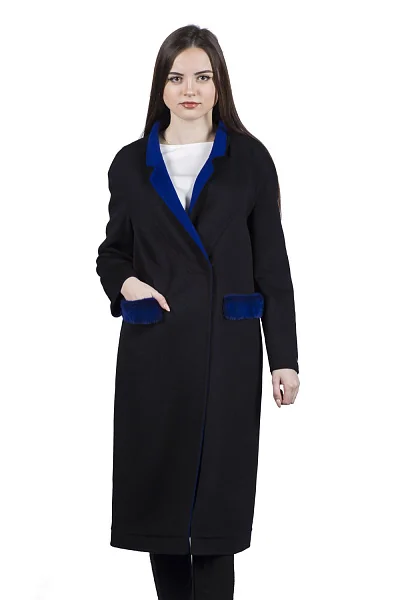
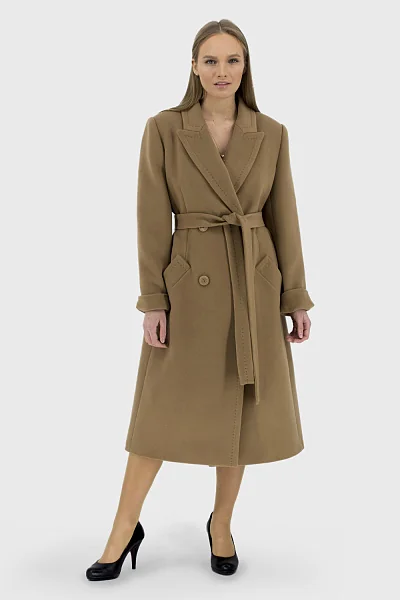
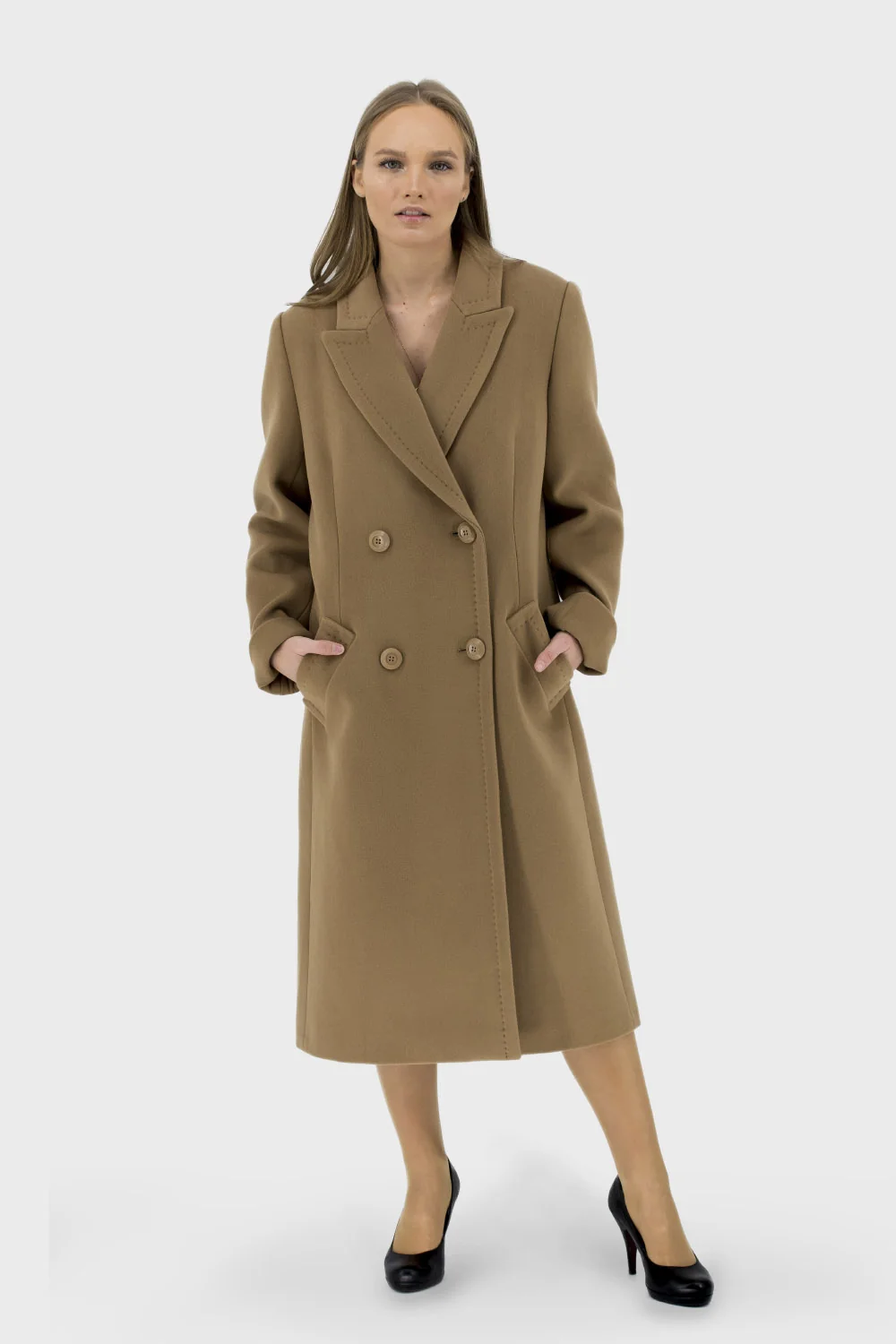
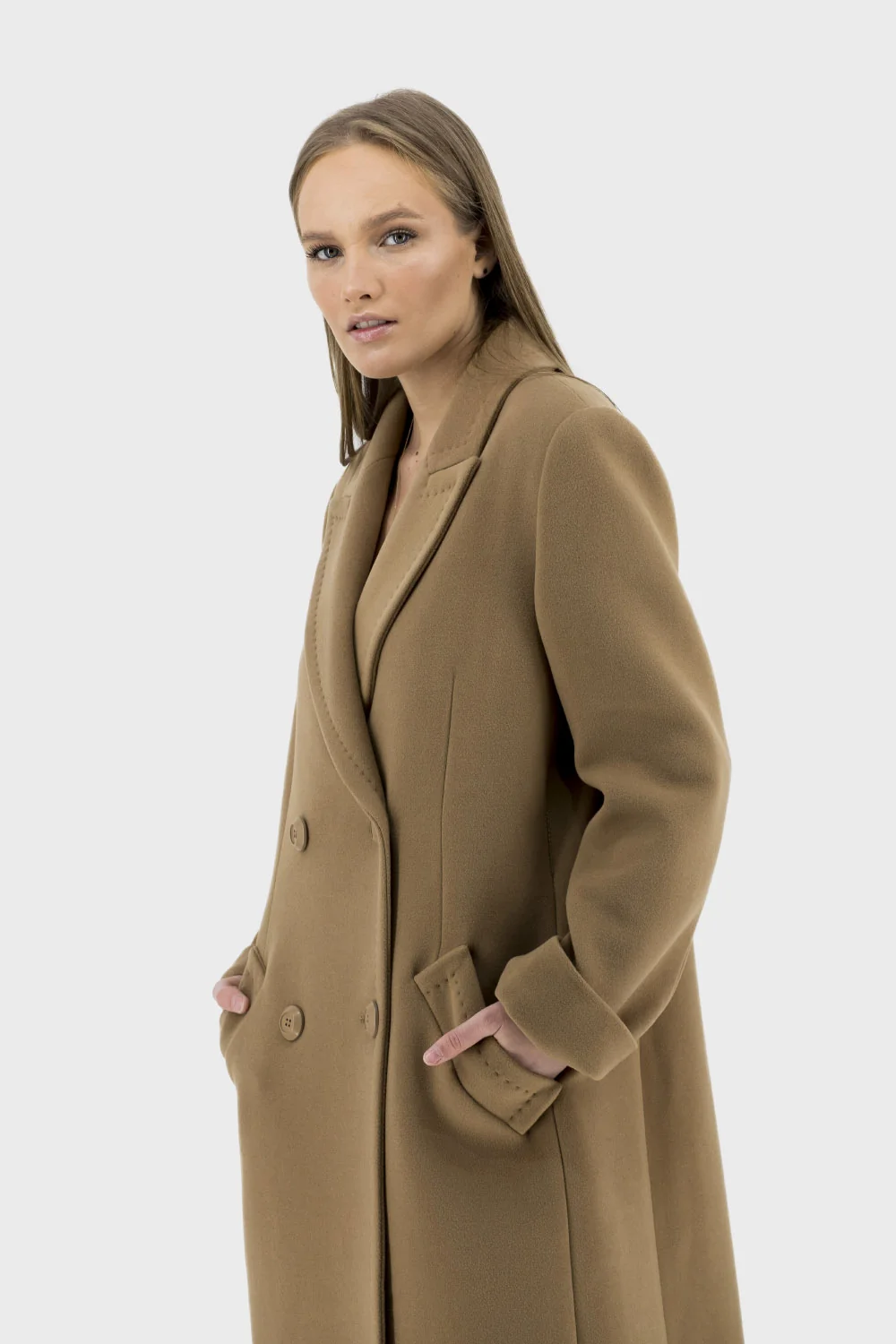
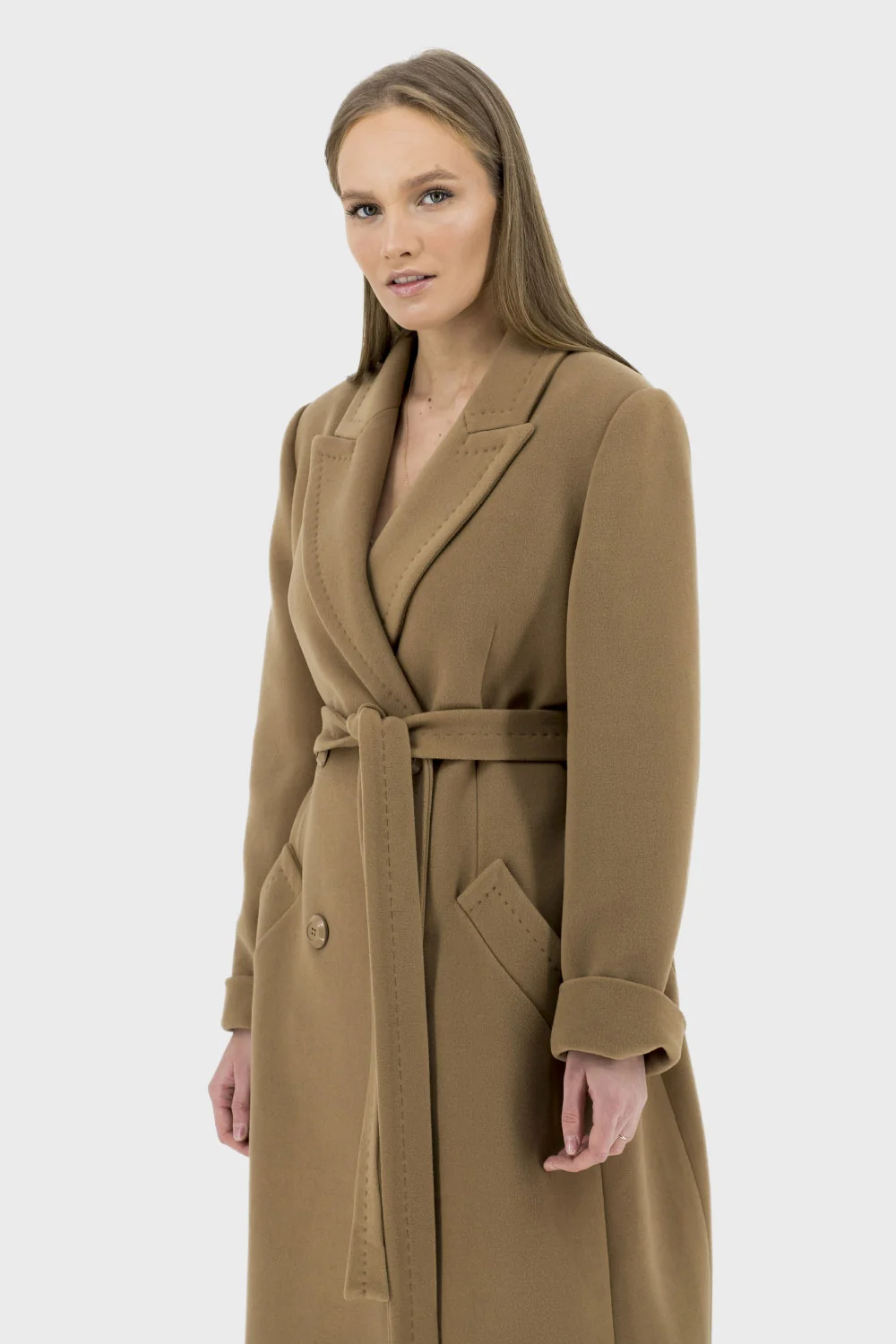
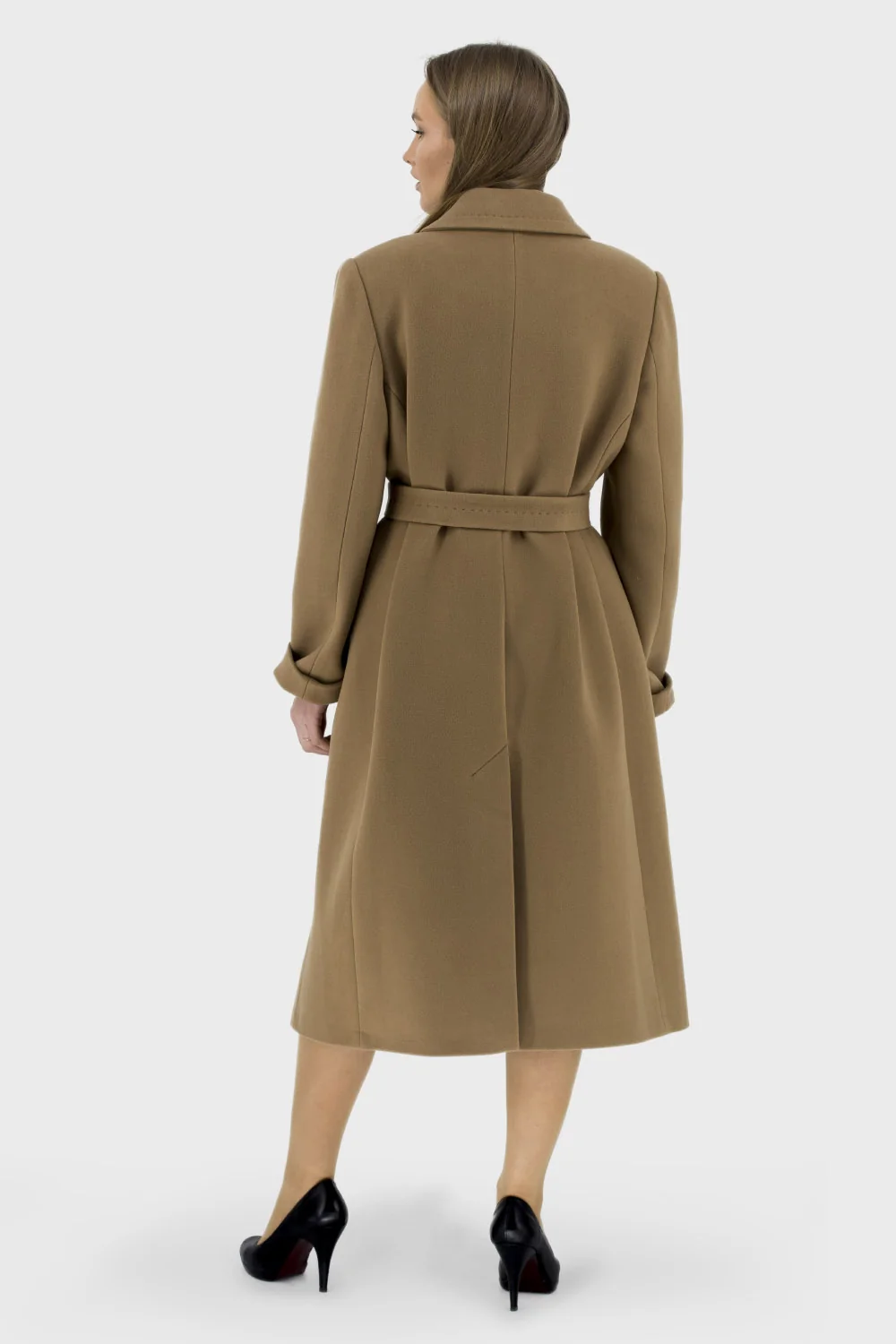
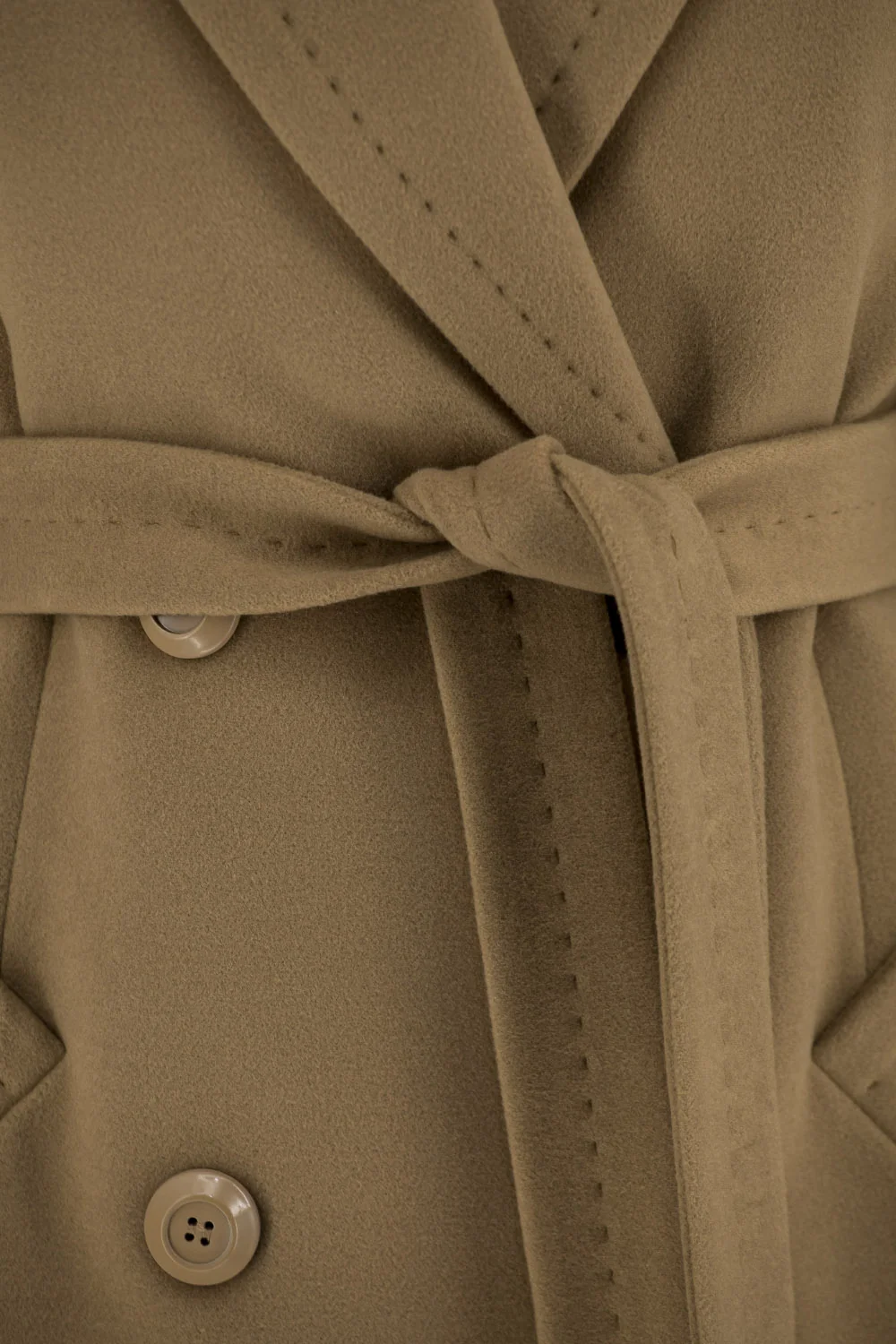
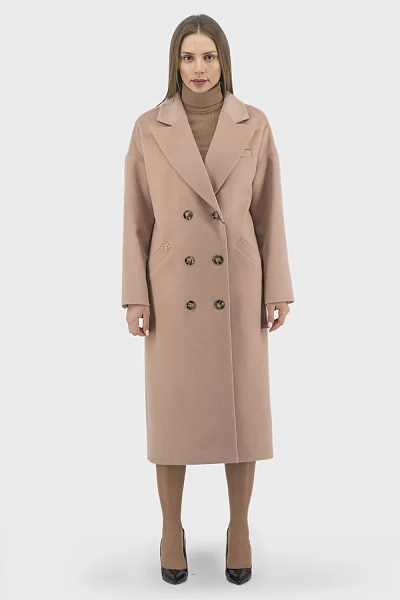
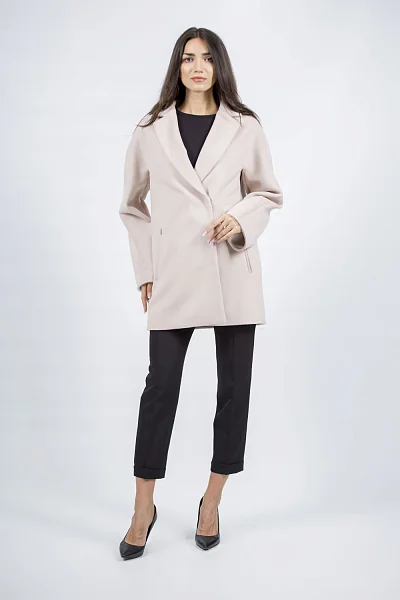
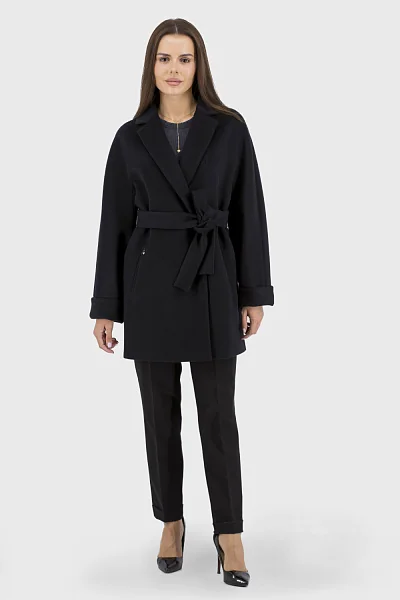
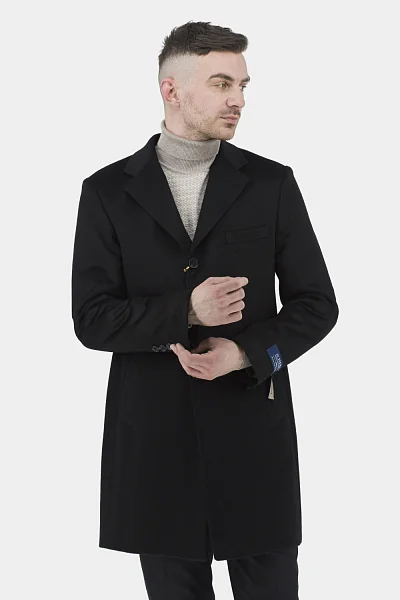
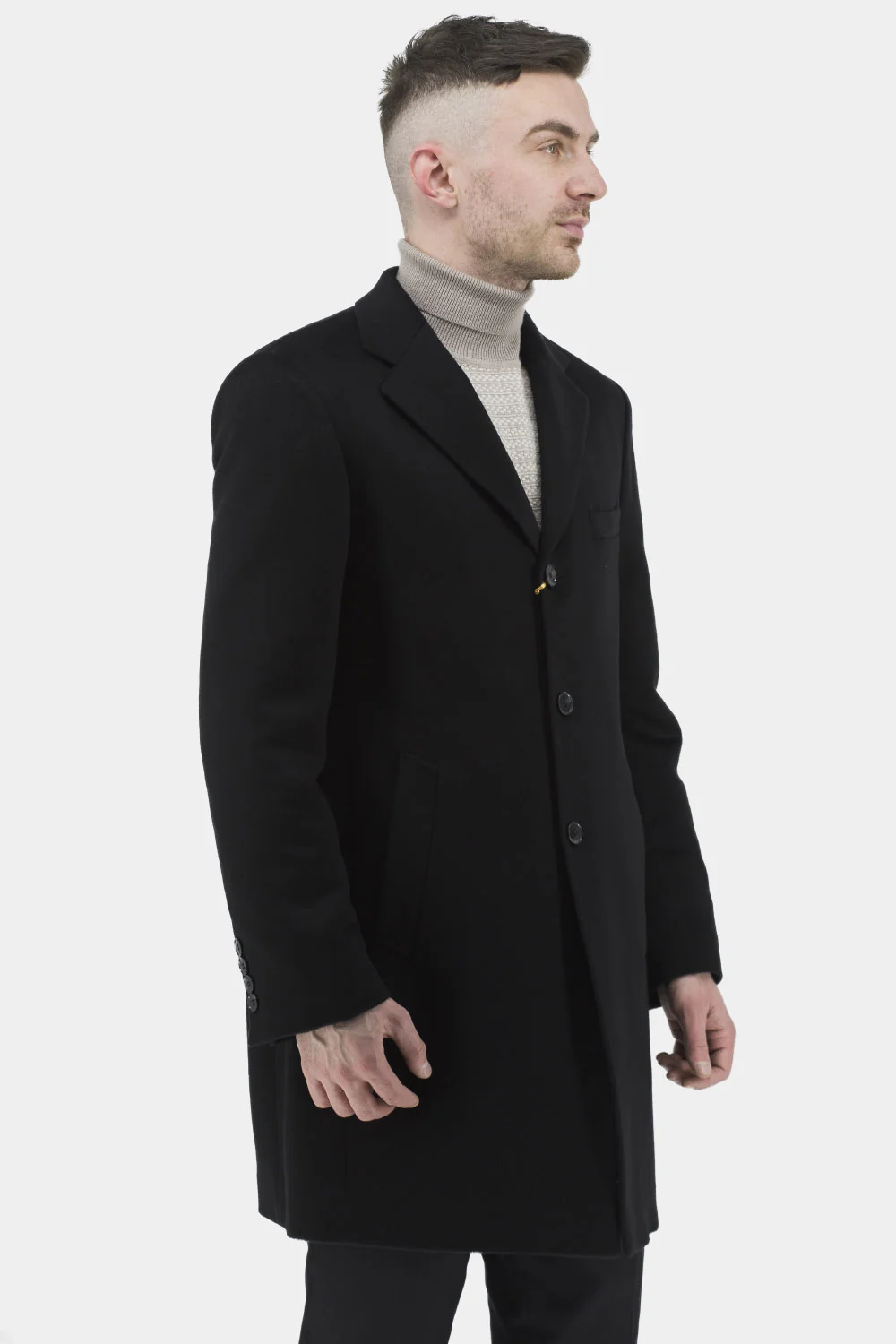
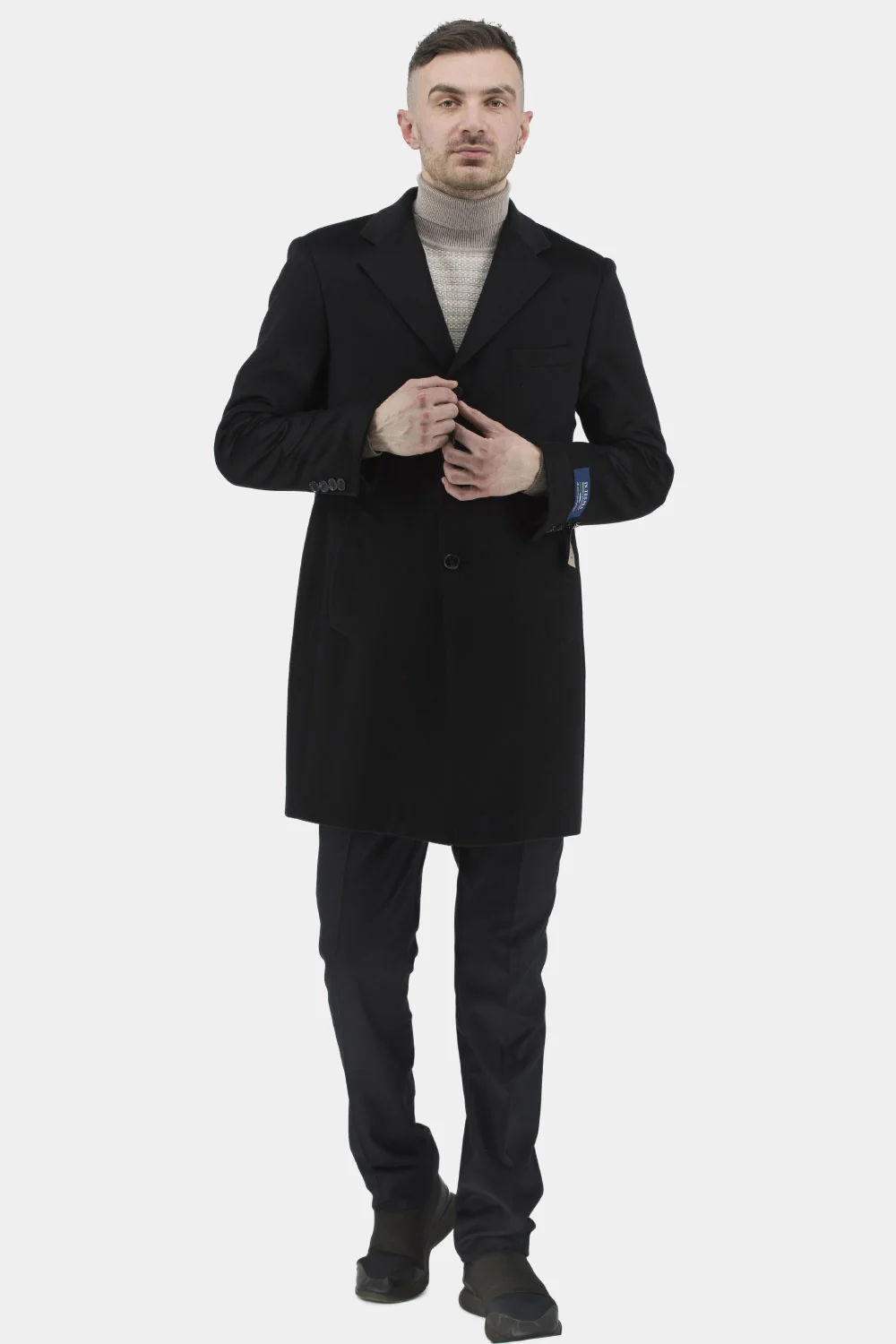
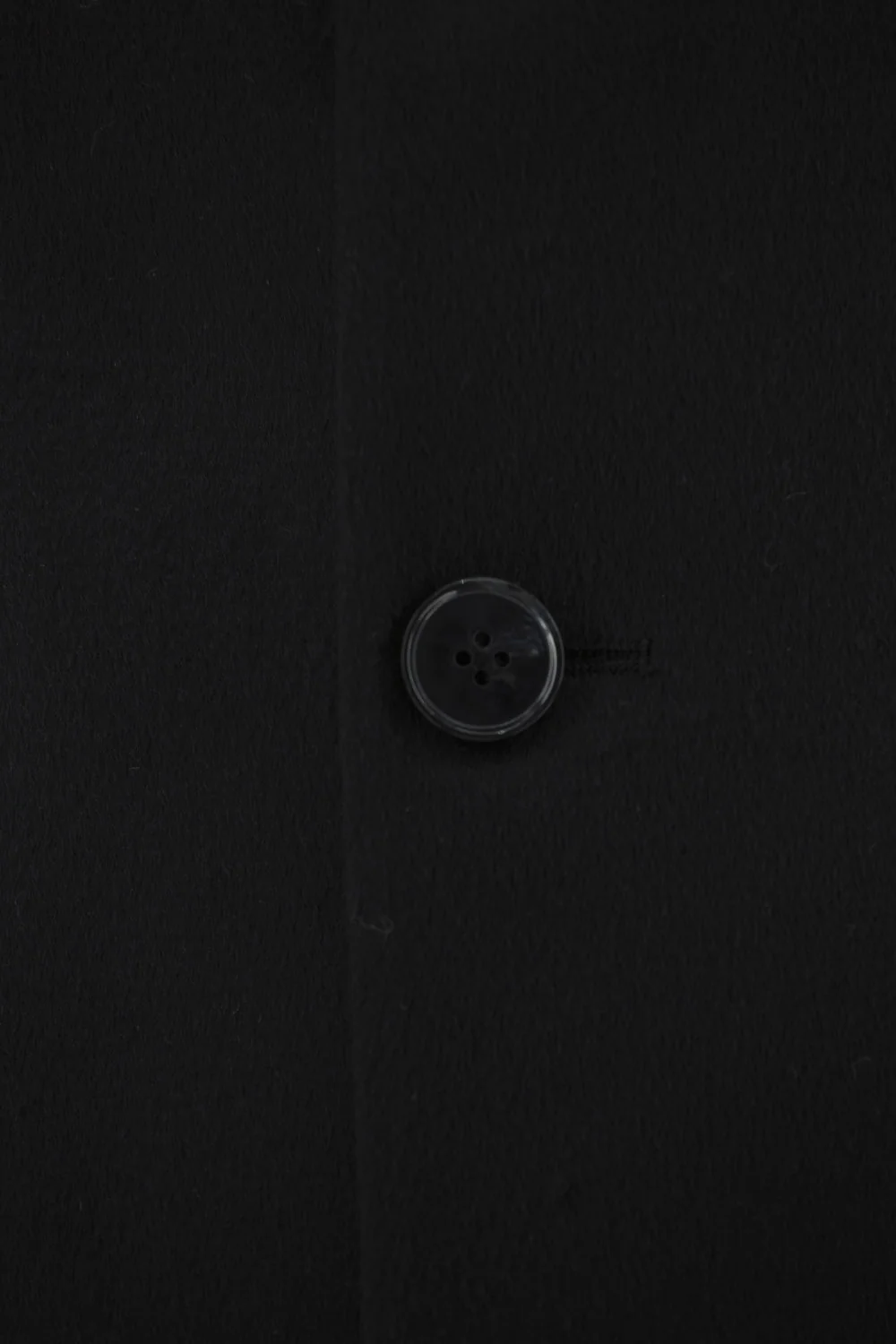
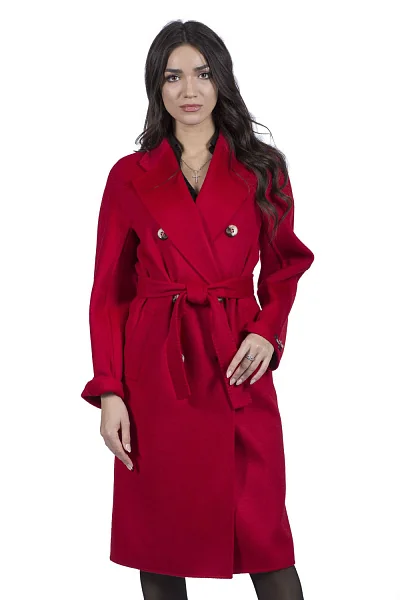
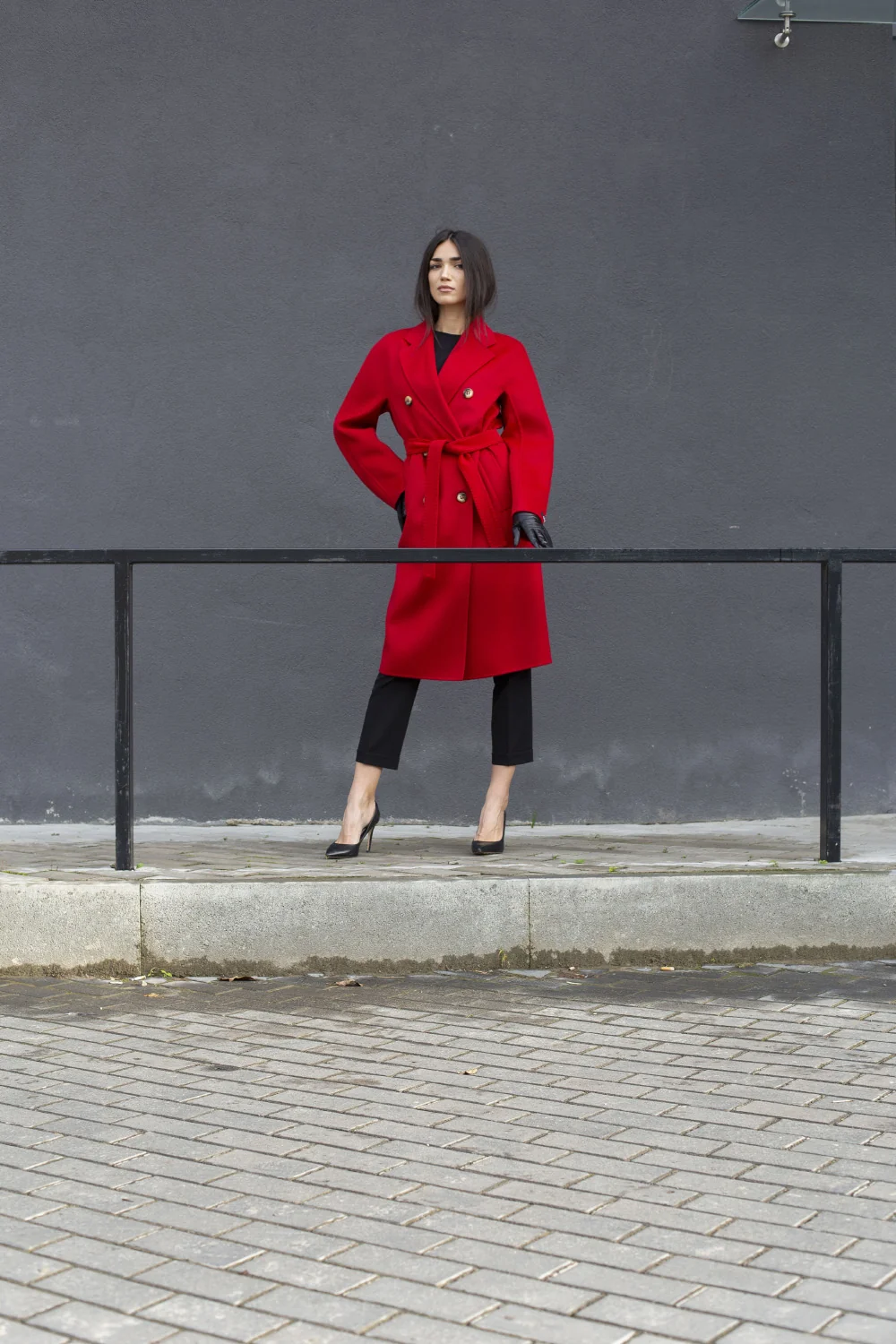
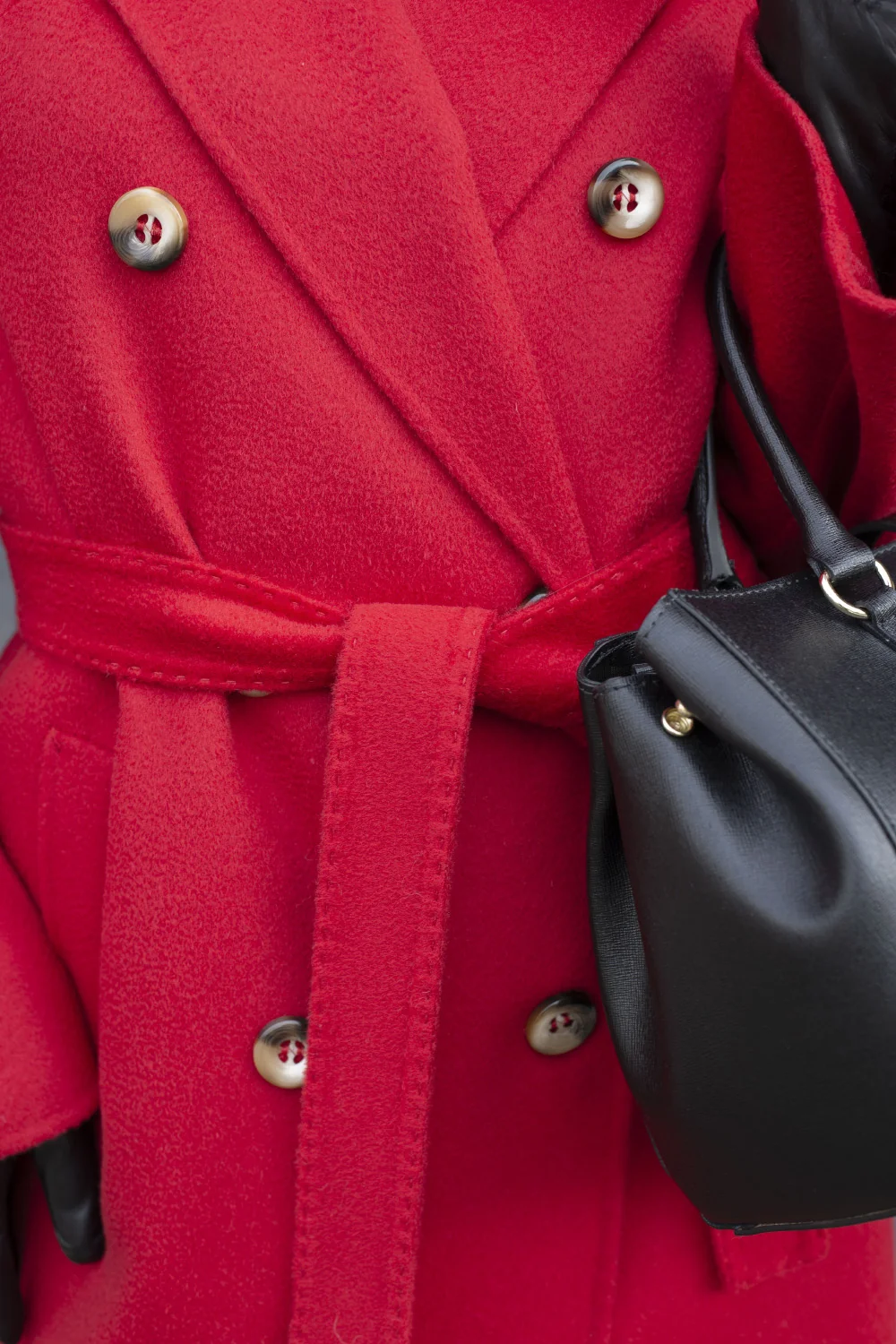
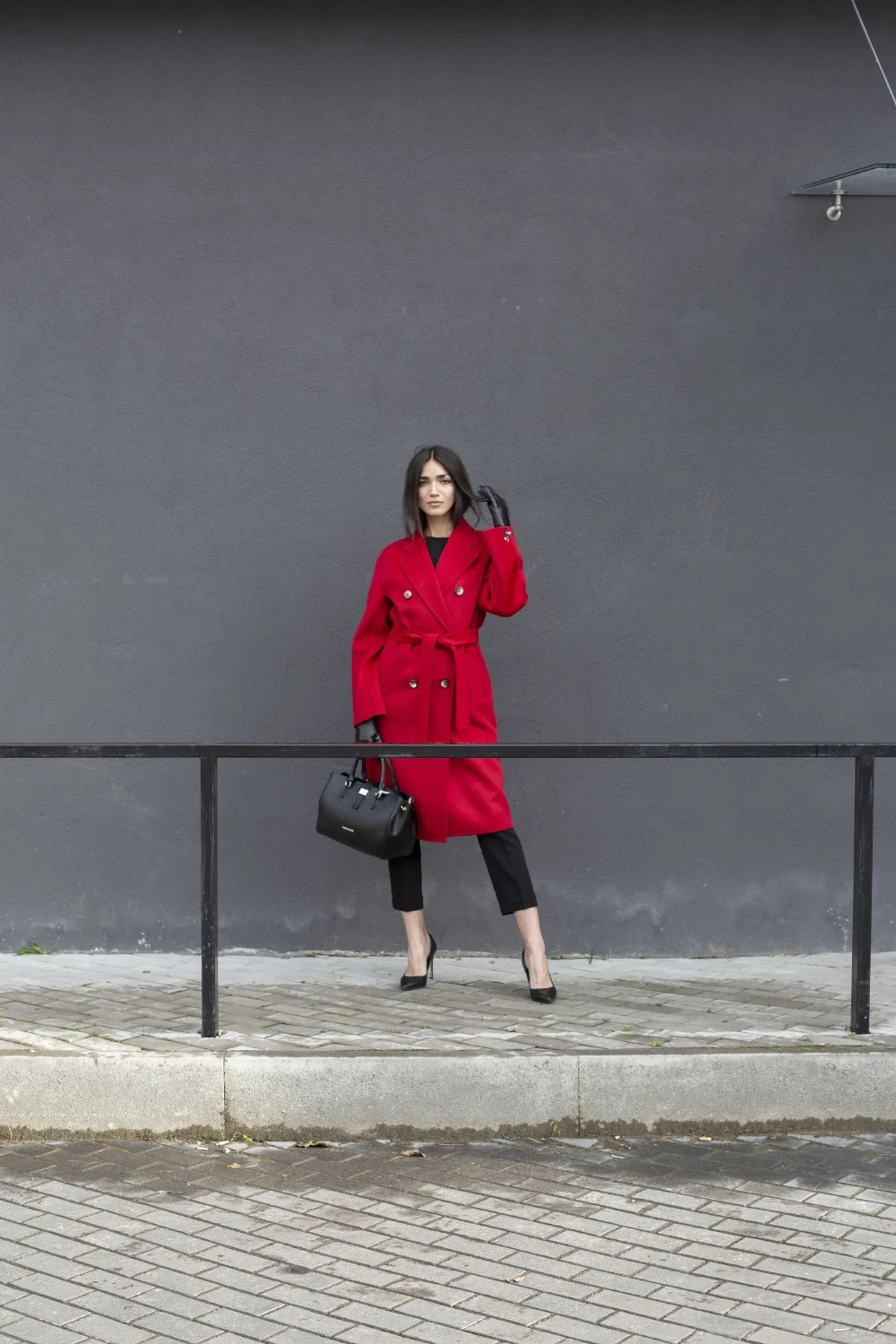
This category generally refers to dense coat fabrics with a wool base or a significant wool content. A compact weave helps the material hold its form, making it suitable for straight coats, double-breasted designs, structured shoulders and defined collars.
Advantages
- dense construction can provide useful wind protection;
- helps maintain a clean silhouette;
- works well in classic and business wardrobes;
- can make small fit irregularities less noticeable;
- may be used for transitional or warmer coats depending on composition and lining.
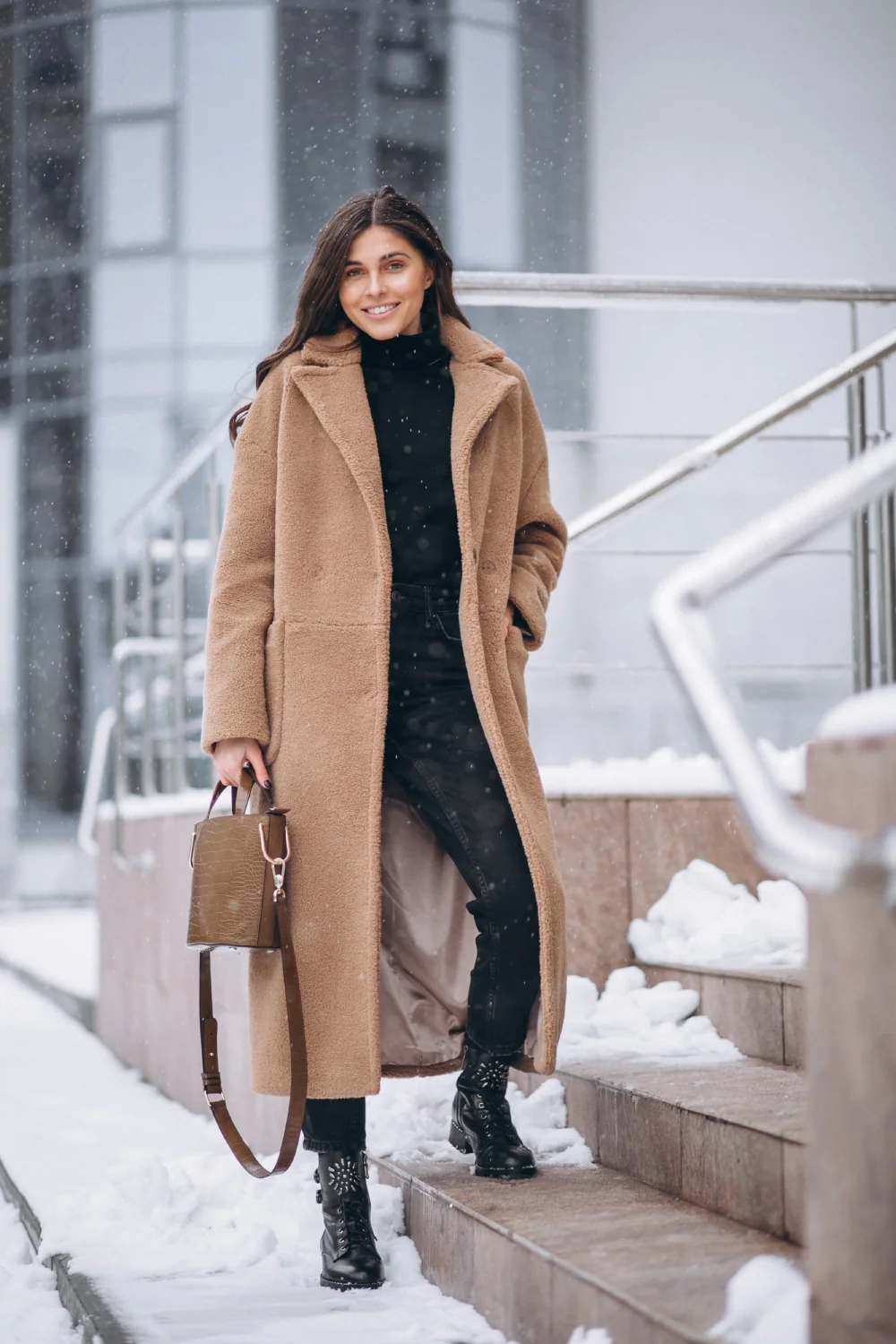
Points to consider
Dense fabric can feel heavier than other options. During fitting, check shoulder comfort and freedom of arm movement. Also inspect the surface: a large amount of loose fibre may indicate a greater tendency to pill.
Tweed: visible weave and versatile styling
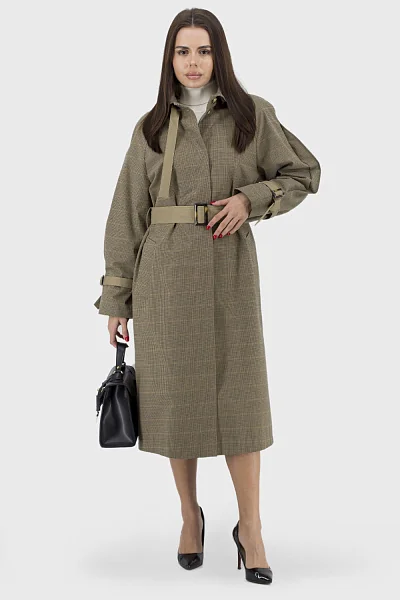
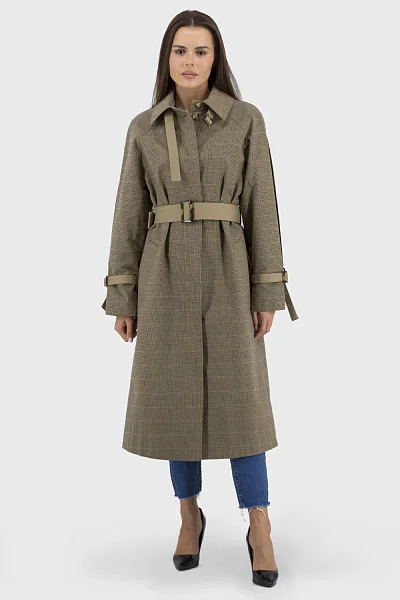
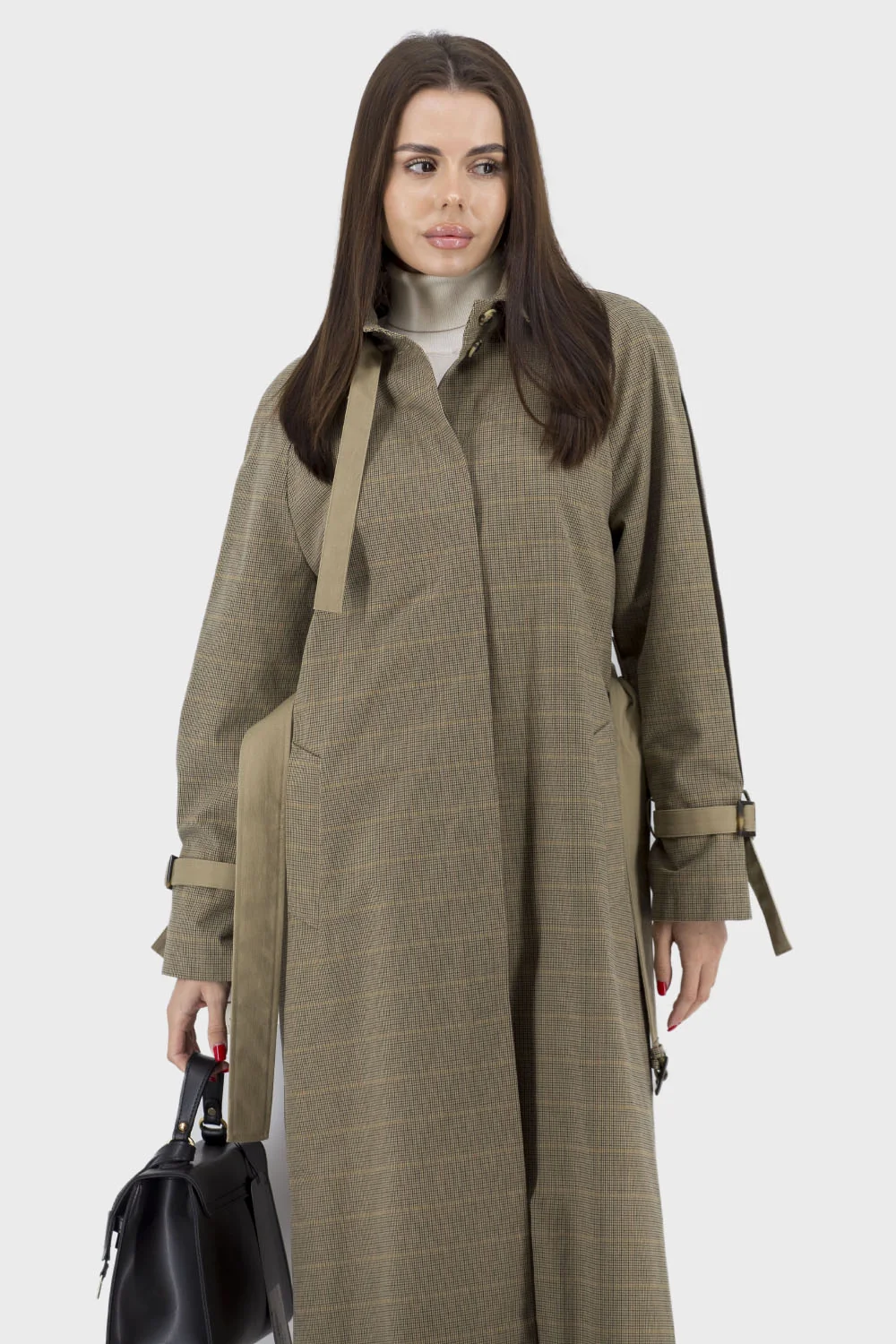
Tweed is recognised by its textured surface, melange colouring, checks or herringbone patterns. It is traditionally associated with wool, although modern tweed fabrics may also be blended.
Advantages
- the visible texture creates interest without heavy decoration;
- patterns can disguise minor signs of everyday wear;
- pairs well with denim, knitwear, trousers and dresses;
- suits classic, urban and retro-inspired designs;
- can hold its shape well when sufficiently dense.
Possible drawbacks
A textured weave may catch on sharp jewellery or handbag hardware. Wool-rich tweed also requires moth protection during seasonal storage. Washing suitability depends entirely on the specific composition and construction.
Bouclé: soft and dimensional texture
Bouclé has a recognisable surface made of small loops and knots. It adds volume and softness to the appearance of a coat. The fabric works particularly well in simple straight cuts, shorter coats, oversized silhouettes and designs with minimal decoration.
Advantages
- the surface becomes a strong visual feature;
- soft texture creates a comfortable appearance;
- works well with simple tailoring;
- minor surface irregularities are less visible within the texture;
- suits contemporary and feminine styling.

Points to consider
The looped structure can snag on jewellery, zips, hook-and-loop fasteners or sharp hardware. Bouclé volume is not a reason to exclude it for a particular body shape. Fit, coat length, texture scale and silhouette matter more.
Which fabric is warmer?
Warmth is determined by more than the fabric name. Density, wool percentage, lining, insulation, coat length, collar construction and fastening all influence performance.
Dense wool-rich draped fabric often provides useful wind protection. Tweed may be heavy or lightweight depending on thickness. Bouclé also comes in many densities, and its textured surface alone does not guarantee strong thermal protection.
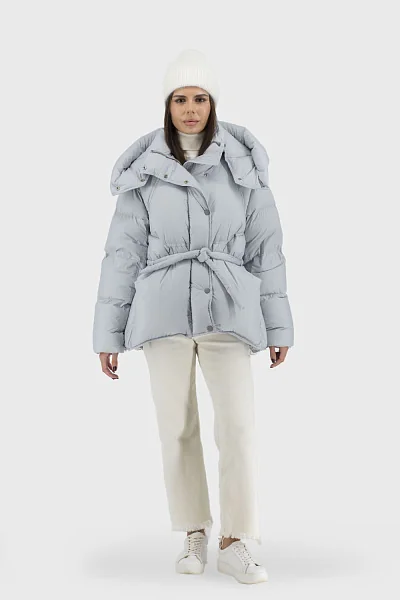
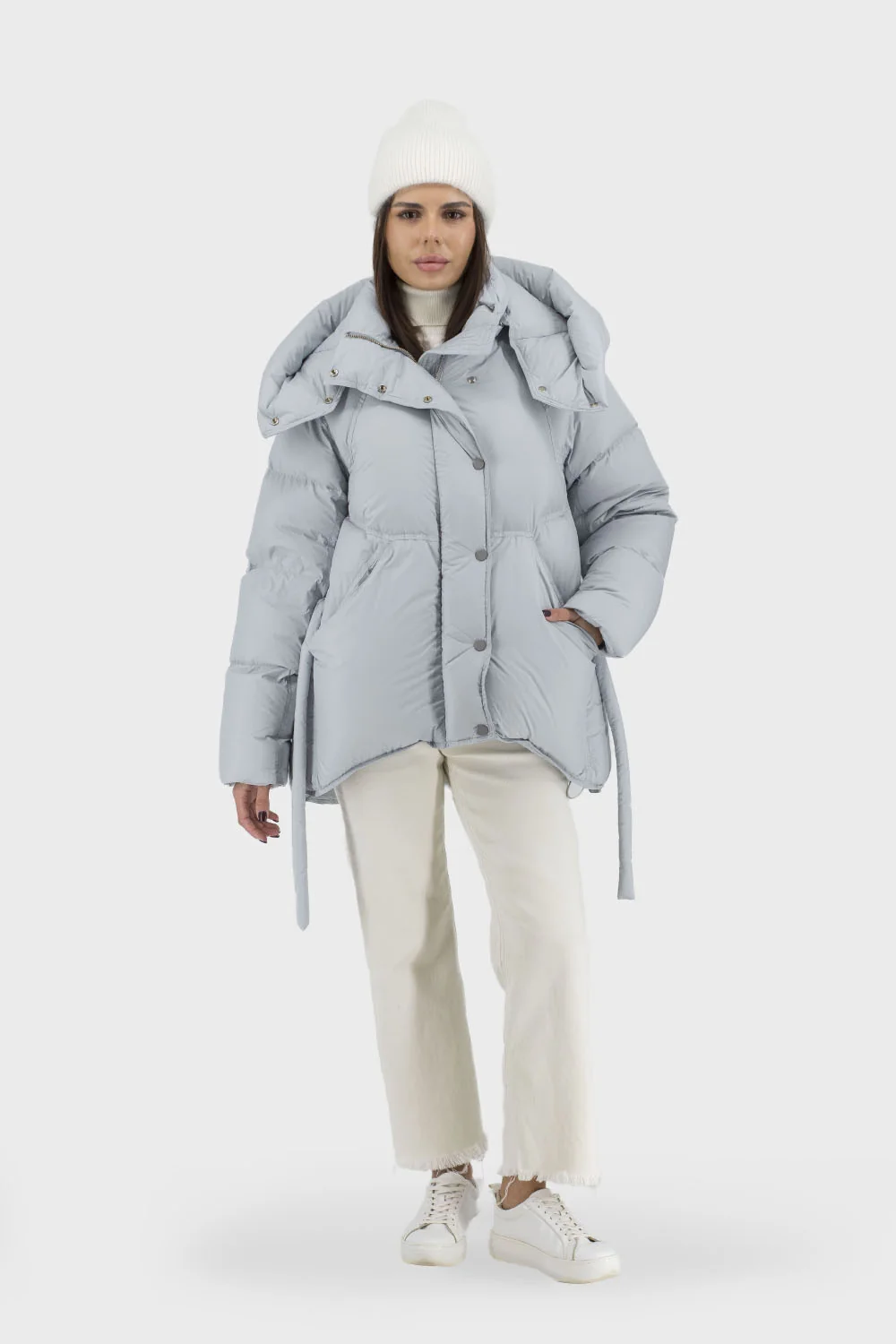
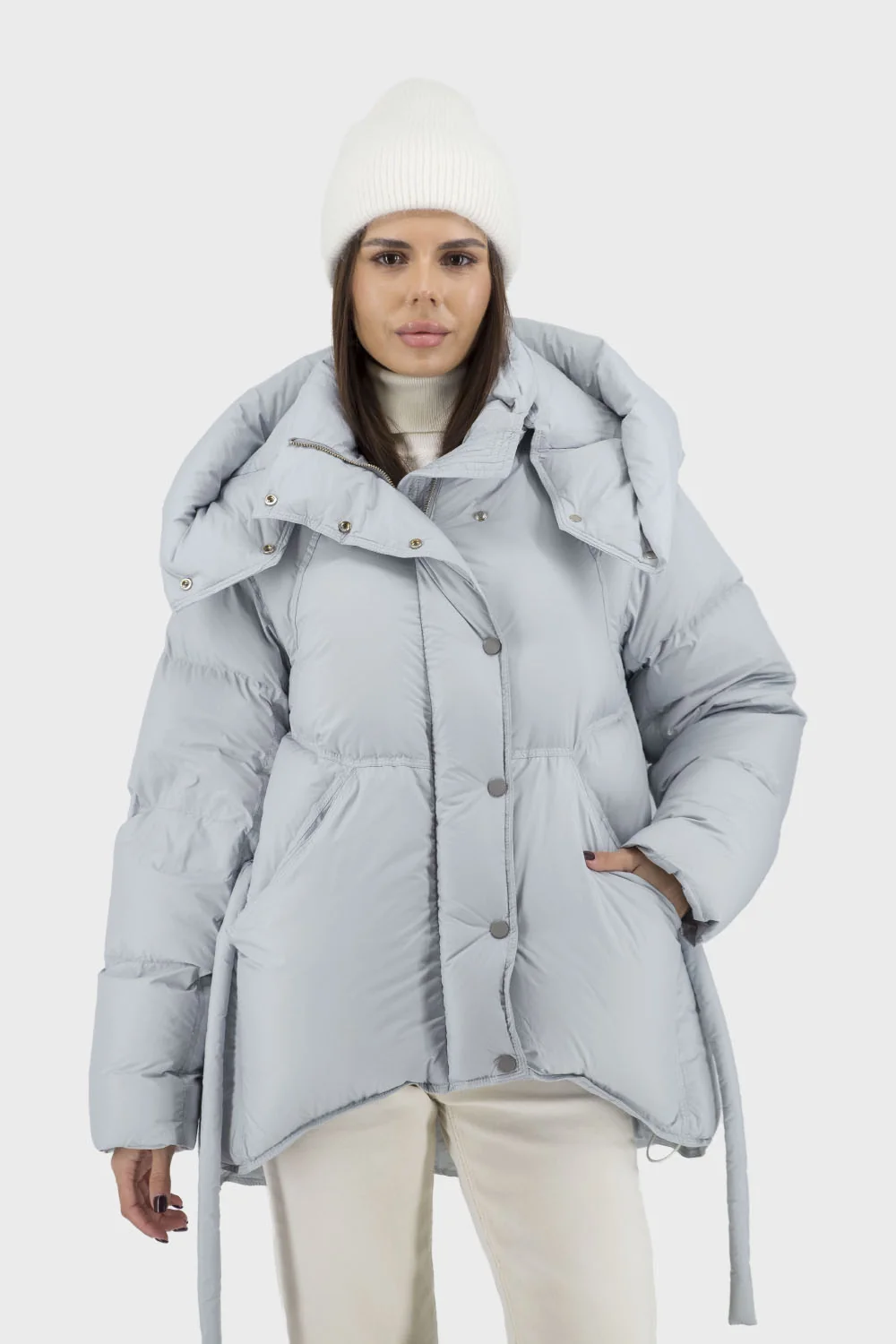
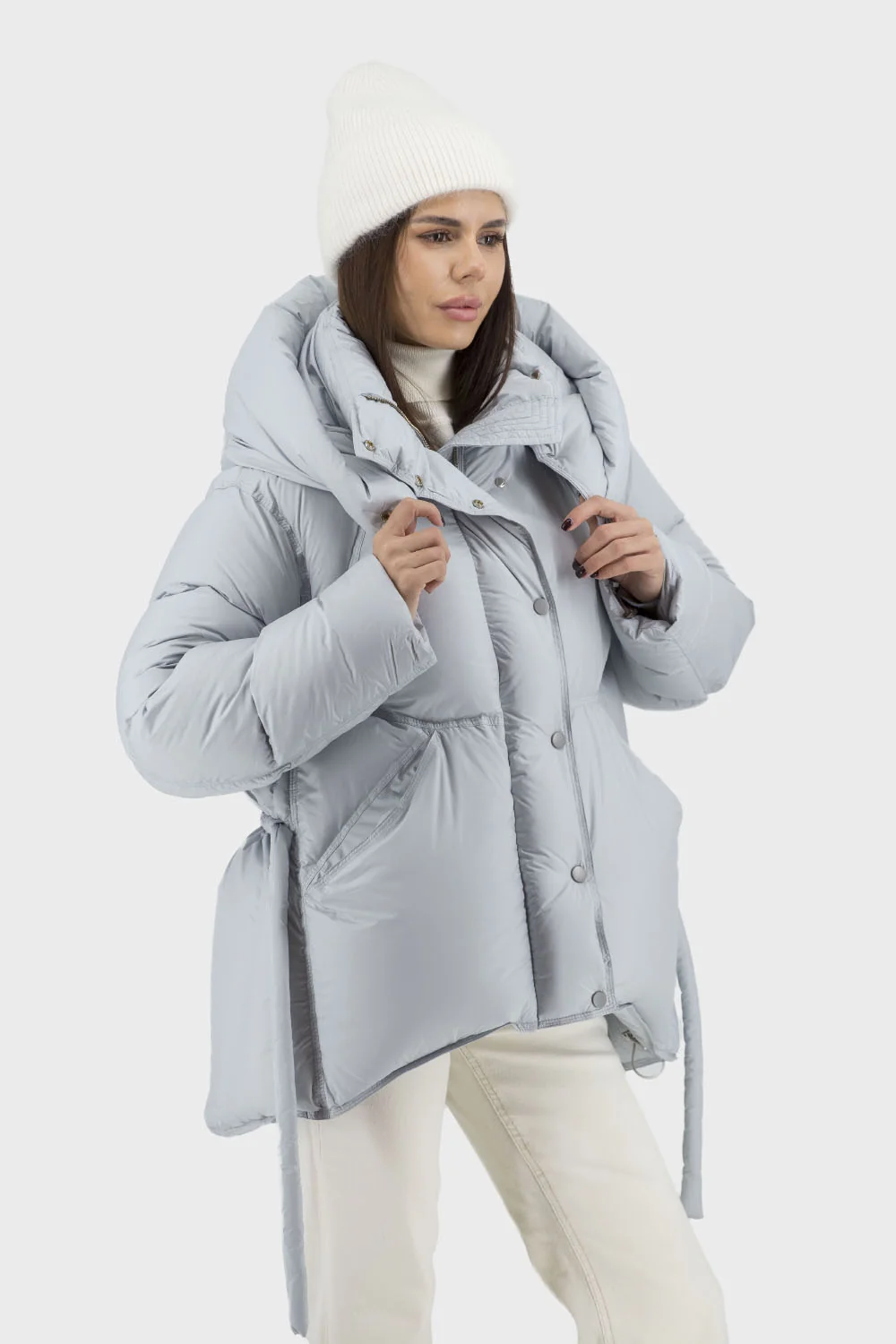
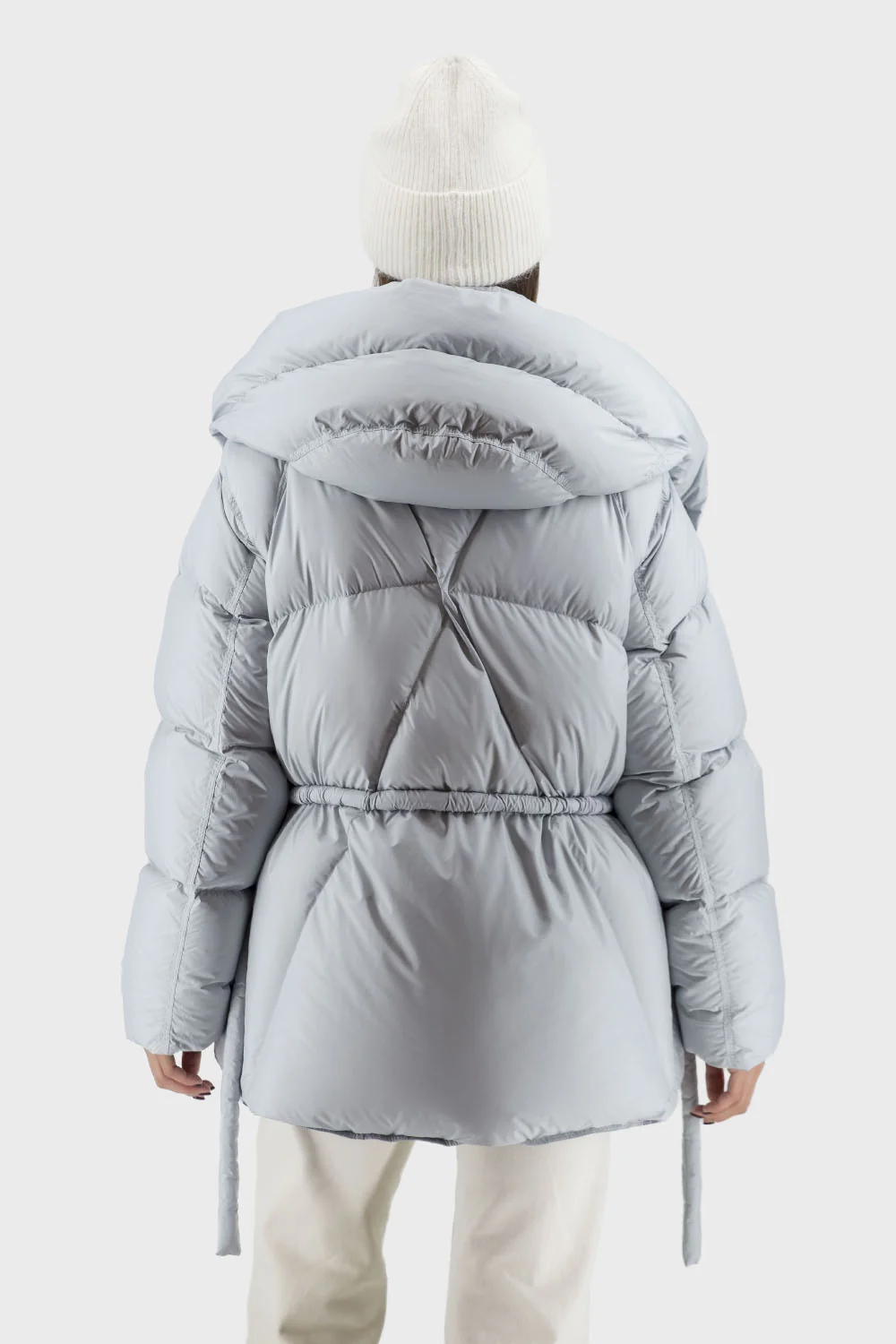
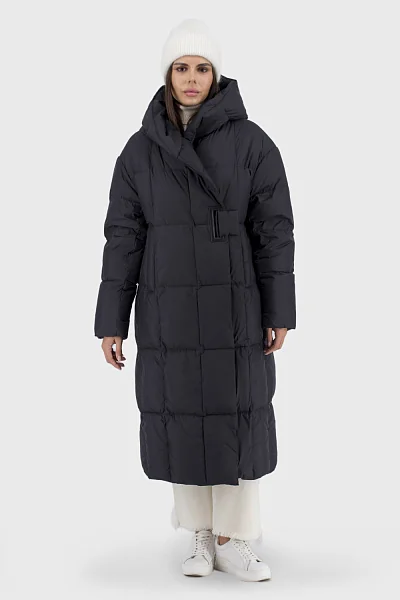
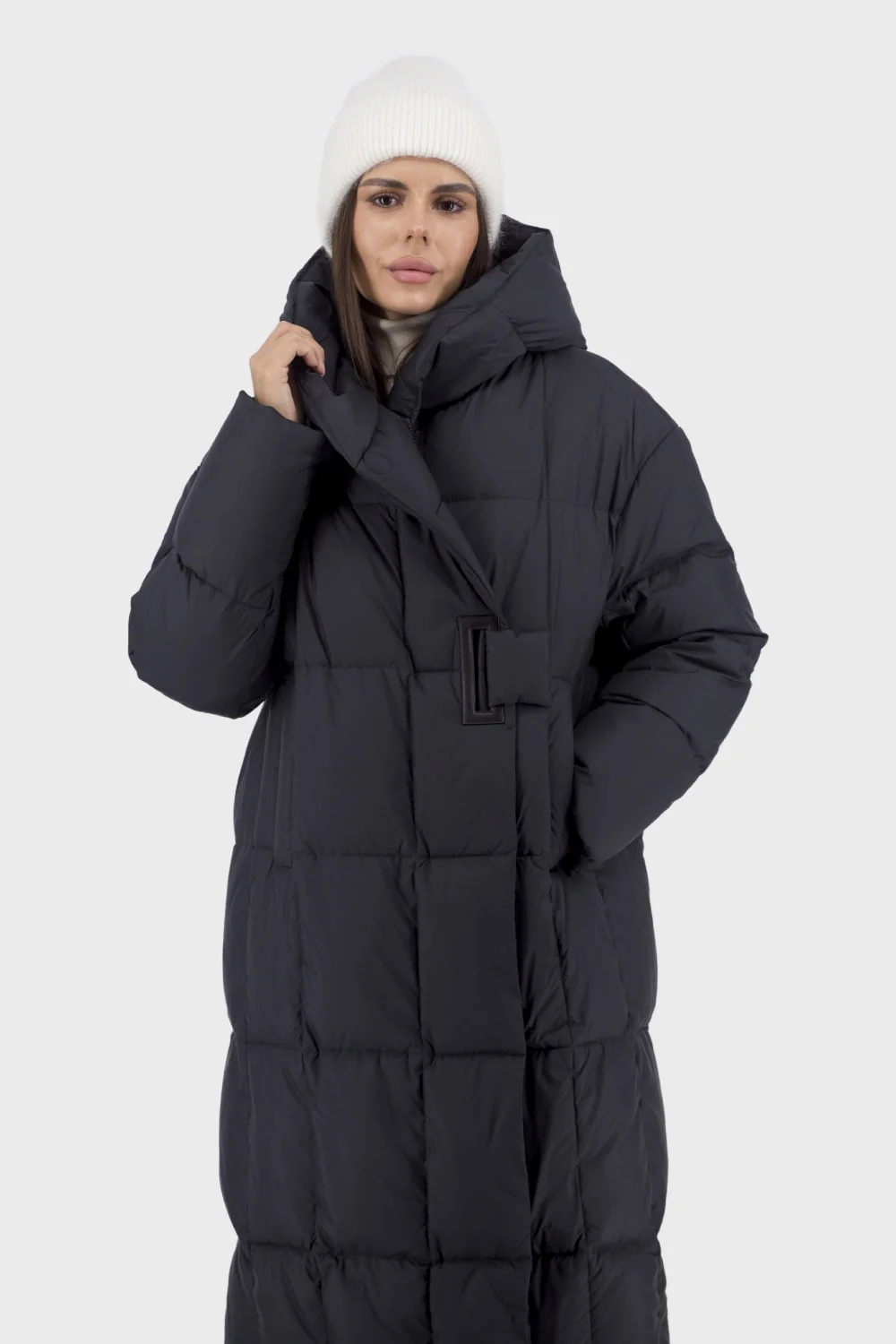
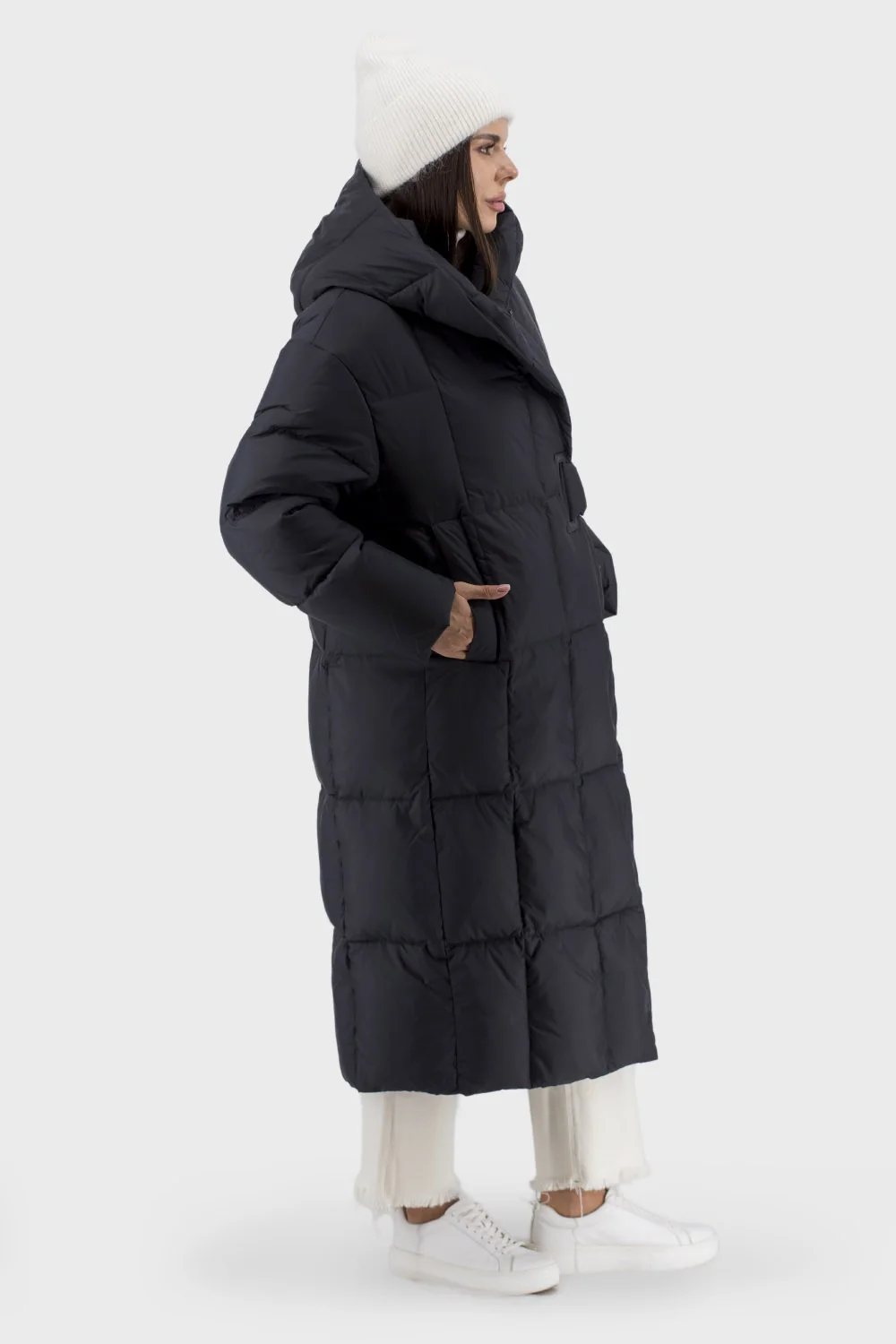
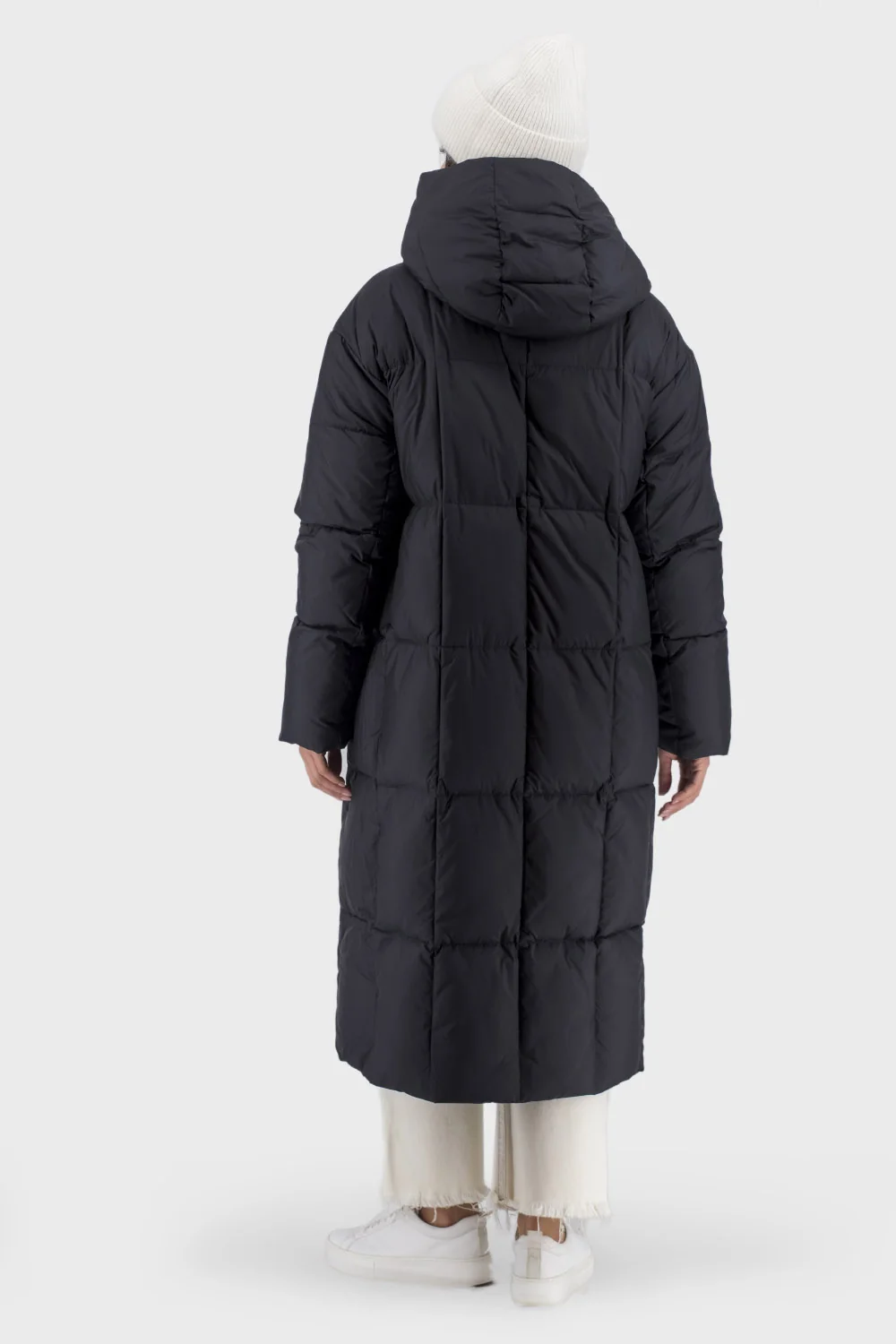
For severe cold, compare coats with insulated outerwear and women’s down jackets.
How to assess fabric quality
- Read the composition. Check exact percentages of wool and other fibres.
- Assess density. A structured coat fabric should not appear excessively loose.
- Check recovery. Compress the material gently and observe how it returns to shape.
- Inspect the surface. It should not release a large amount of loose fibre.
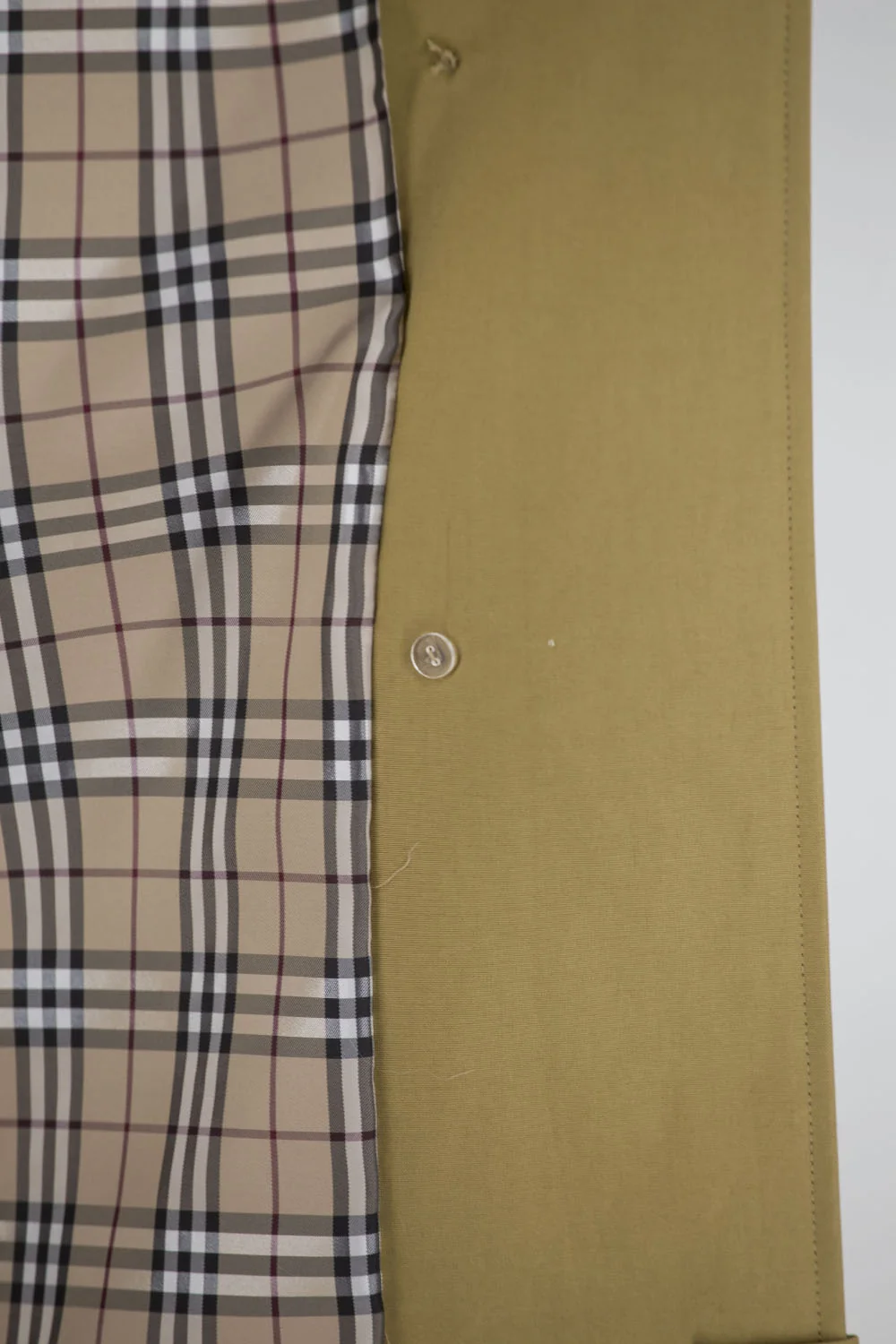
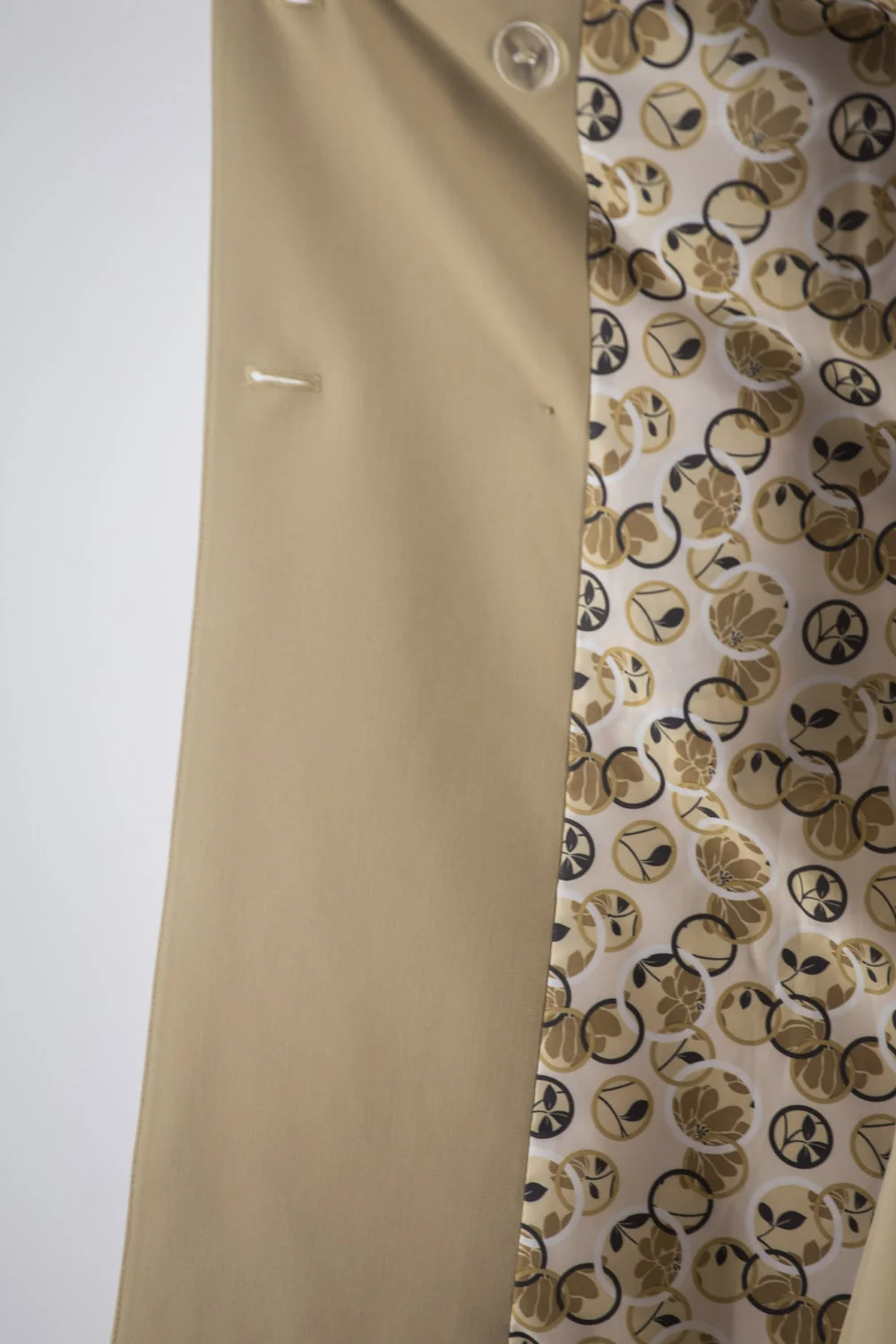
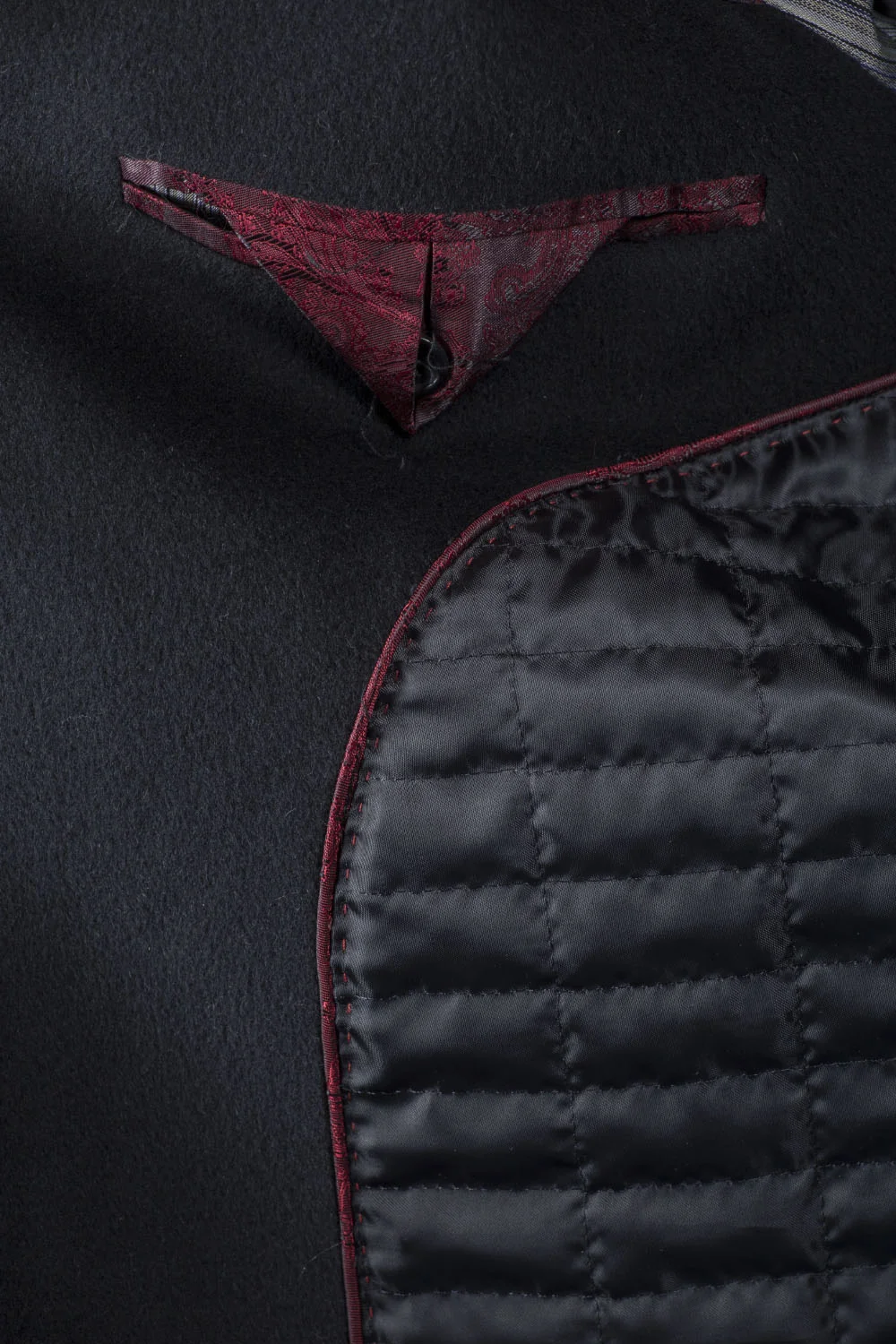
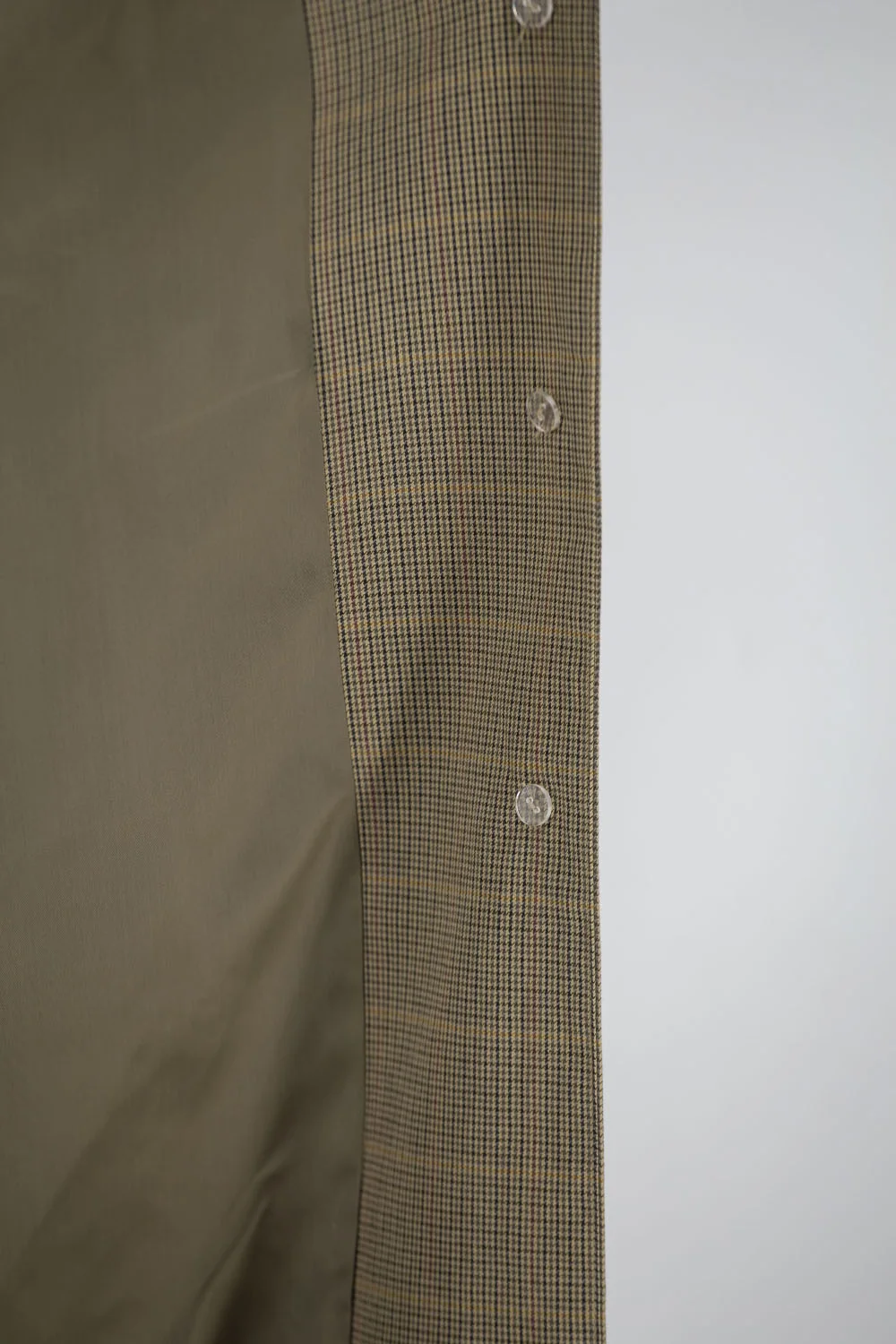
- Check seams and lining. They should lie evenly without pulling or distortion.
- Try the coat fastened. It should not restrict movement or form strong horizontal strain lines.
Care for draped wool fabric, tweed and bouclé
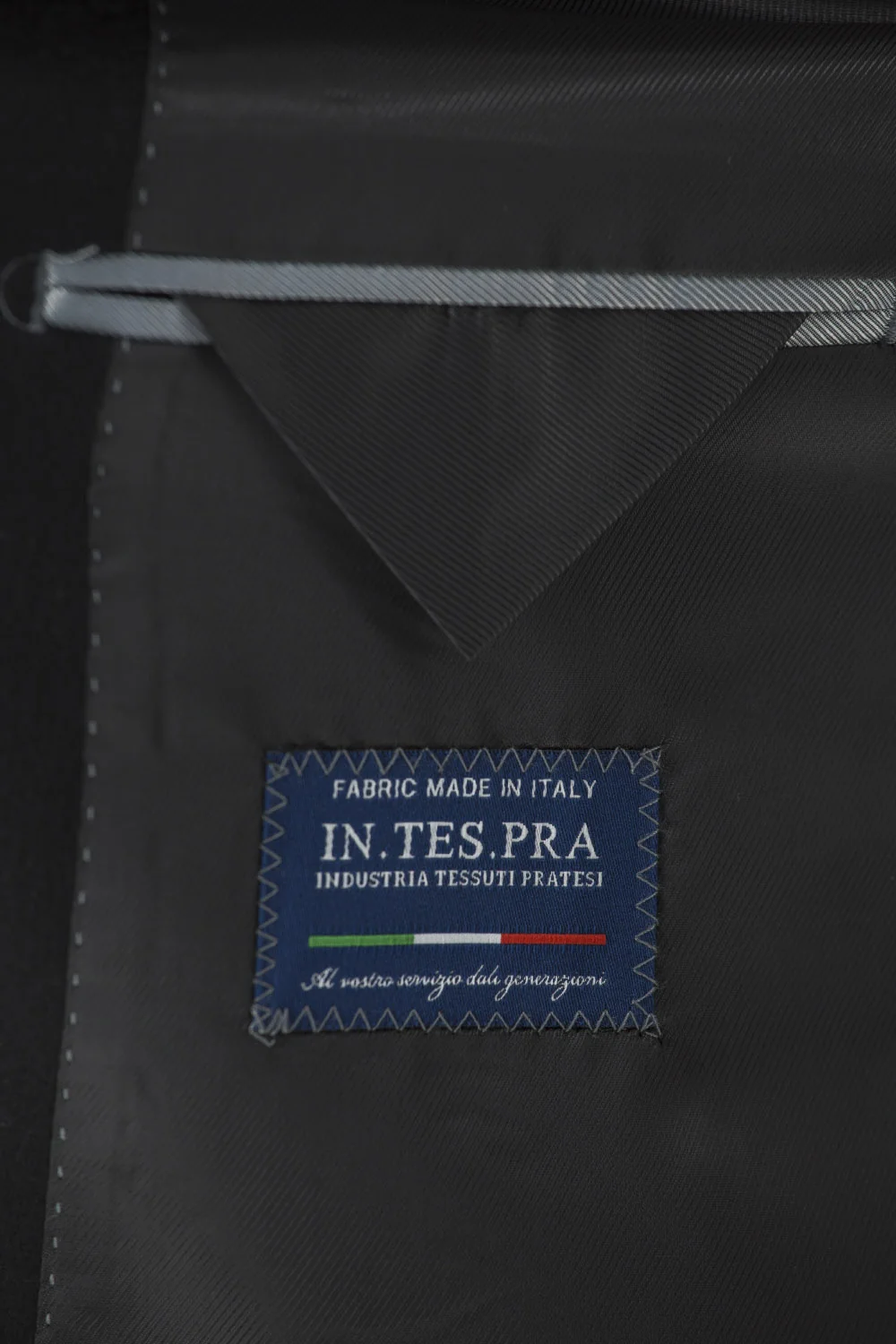
There is no universal cleaning method. Two similar-looking coats may have different fibre blends, interlinings, linings and trims. Follow the care label inside the specific garment.

- do not machine-wash unless the manufacturer explicitly permits it;
- use professional dry cleaning for difficult stains;
- remove dry dust with a soft garment brush;
- do not dry a wet coat beside a radiator;
- store it on a wide supportive hanger;
- protect tweed and bouclé from sharp hardware;
- clean the garment before seasonal storage and use a breathable cover.
More guidance is available in the article about fabrics and garment care.
Which one should you choose?
Choose a dense draped fabric for a clean shape and restrained appearance. Consider tweed for visible weave, melange colouring and classic patterns. Bouclé is ideal when you want softness, volume and a distinctive surface.
Make the final decision after trying the coat on. Evaluate composition, weight, lining, fit and freedom of movement rather than relying on the fabric name alone. See also our guide on how to choose a women’s coat.
Choose Bella Bicchi outerwear with free delivery across Ukraine.