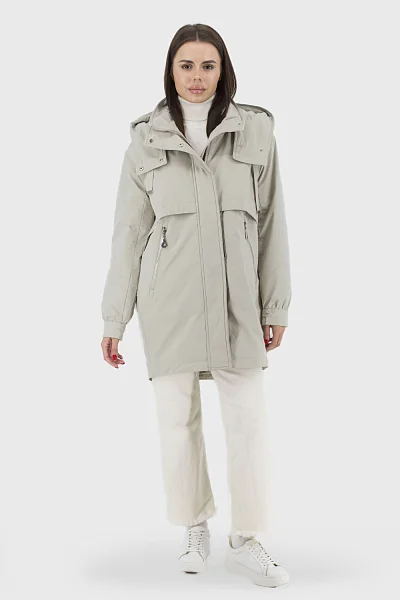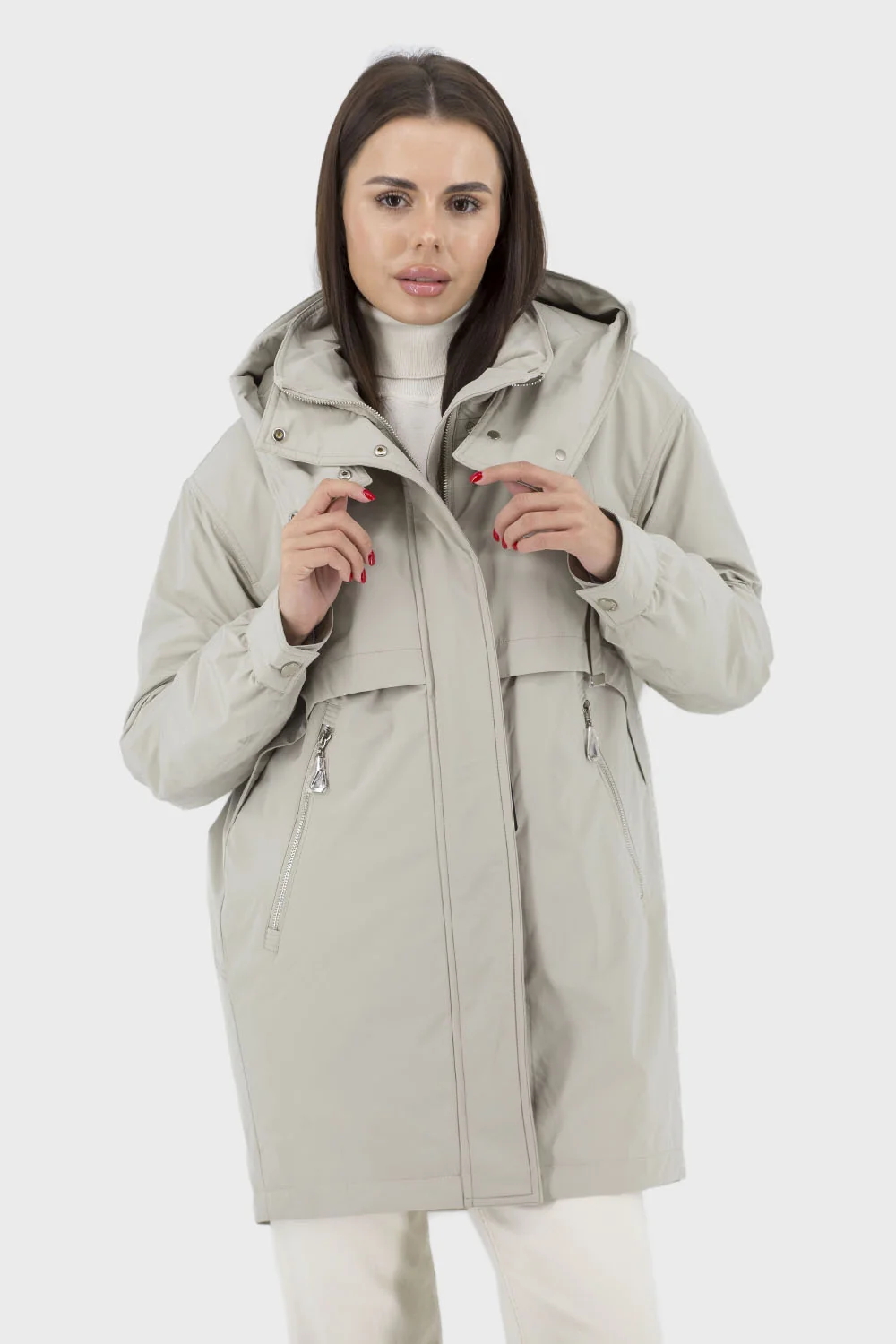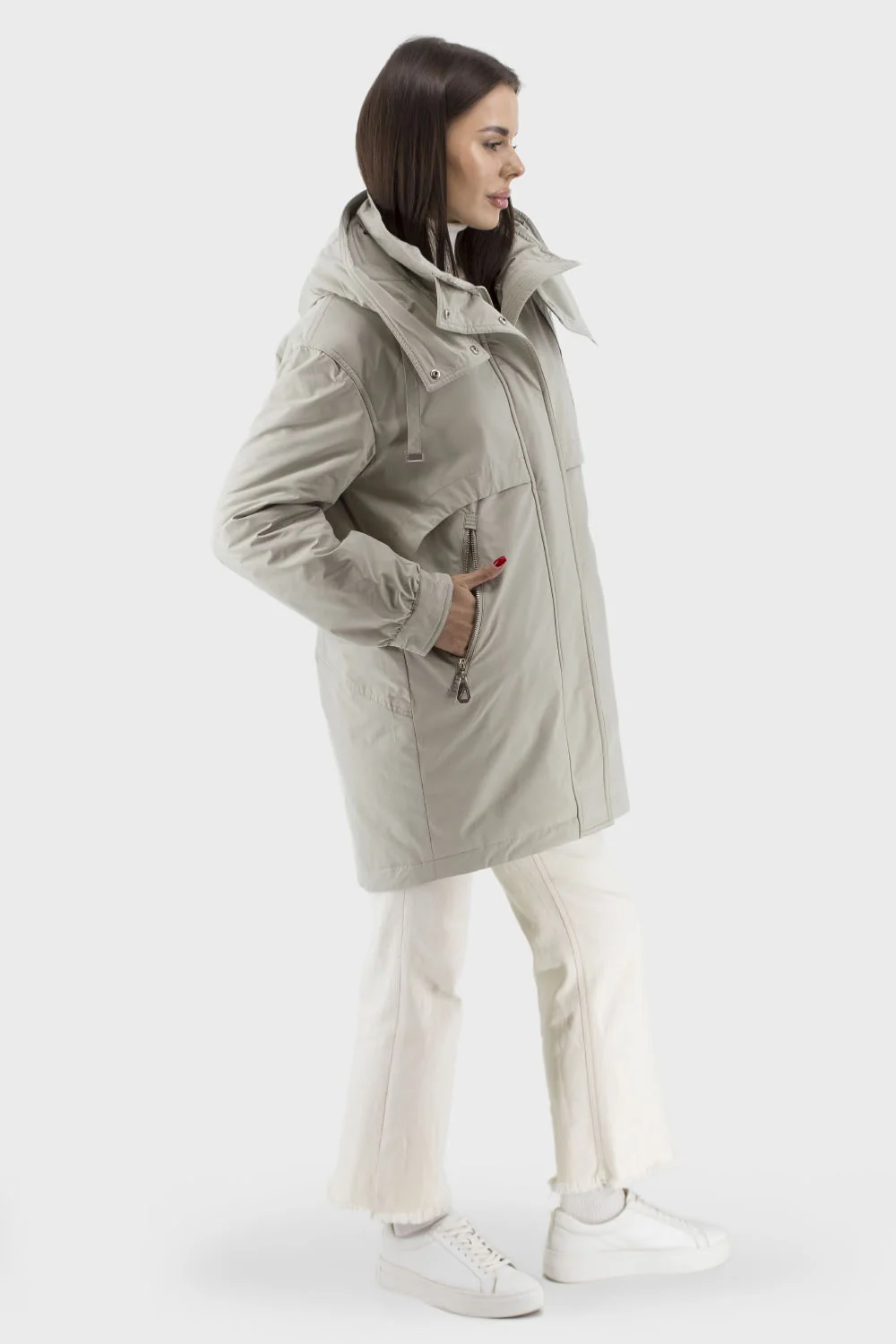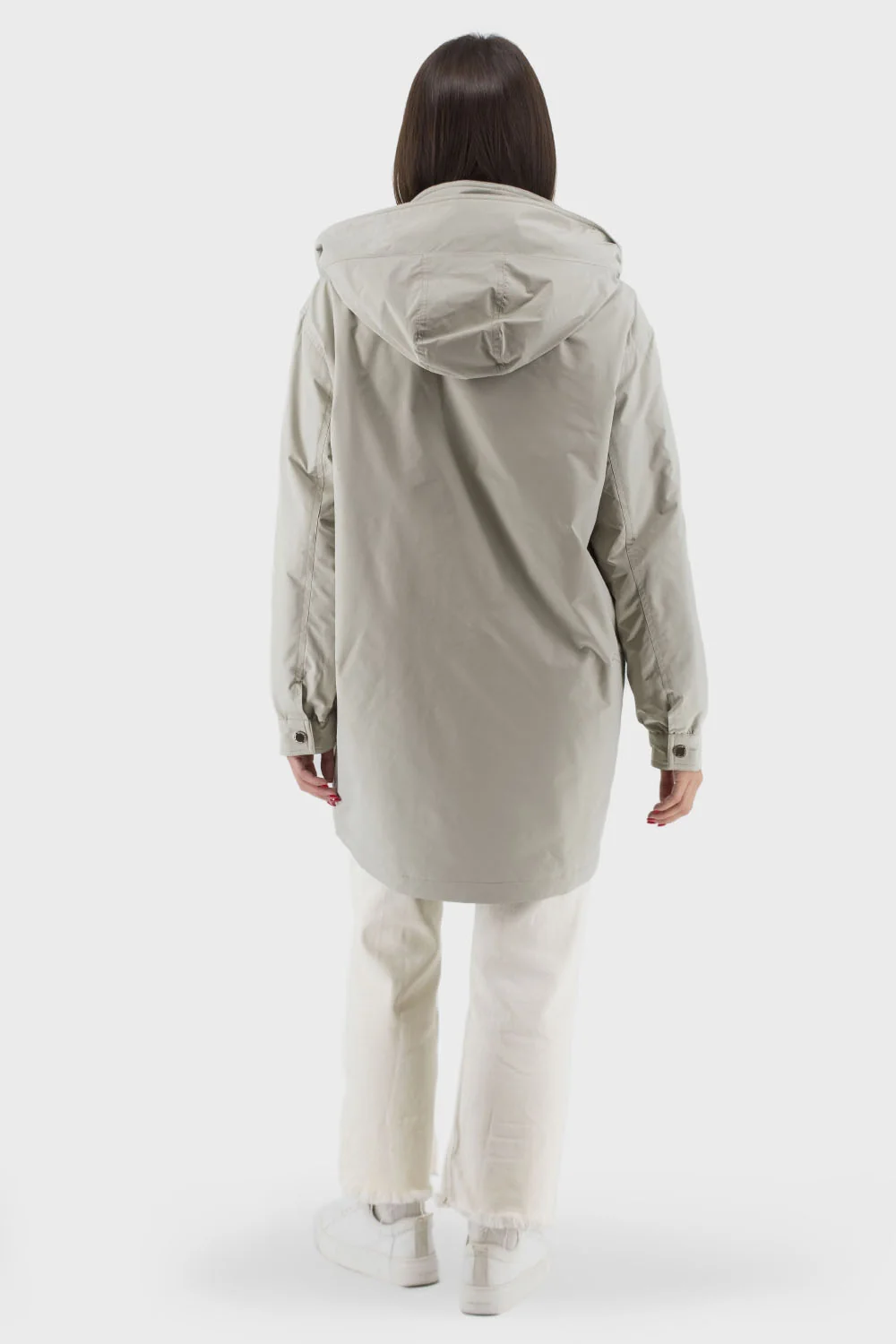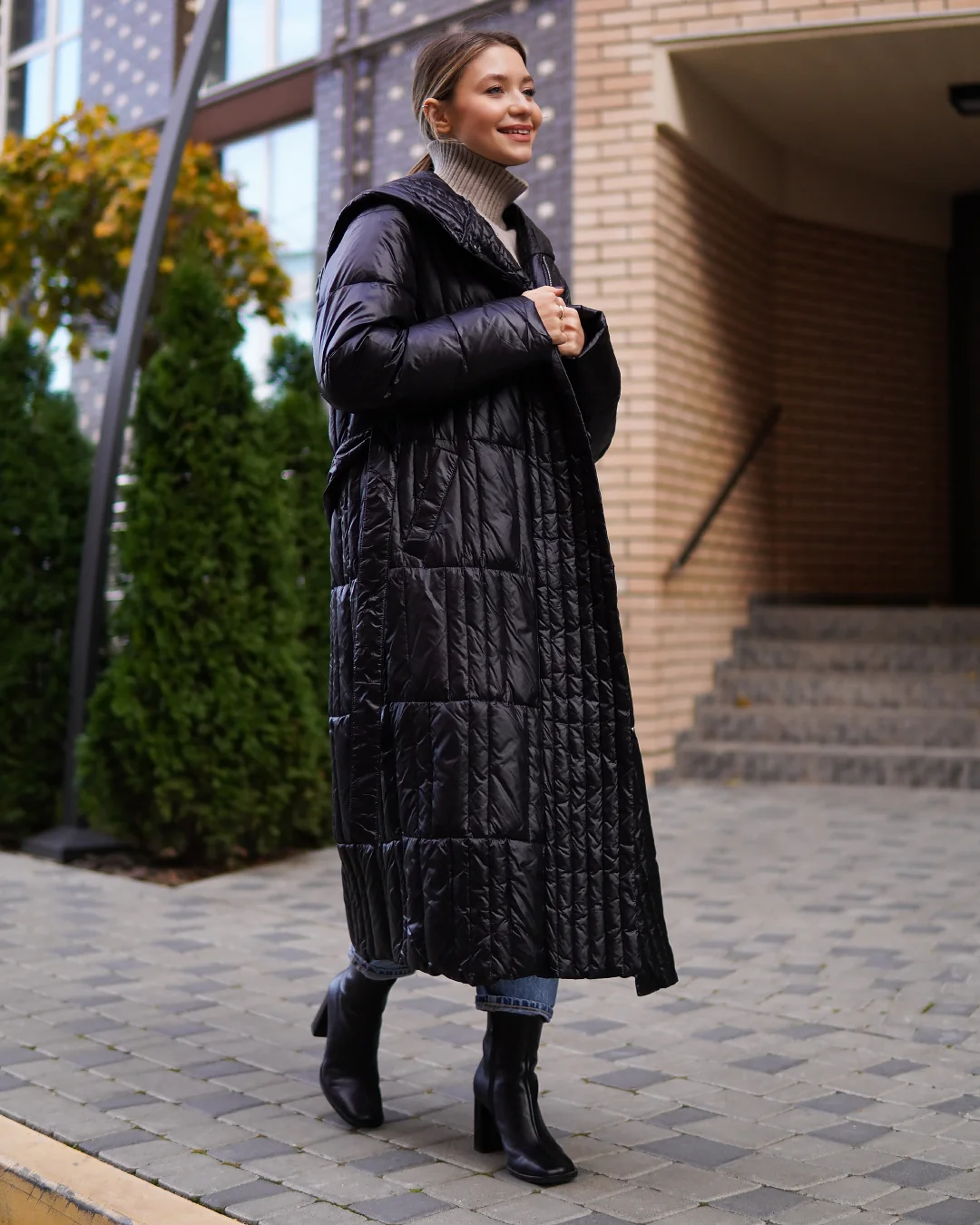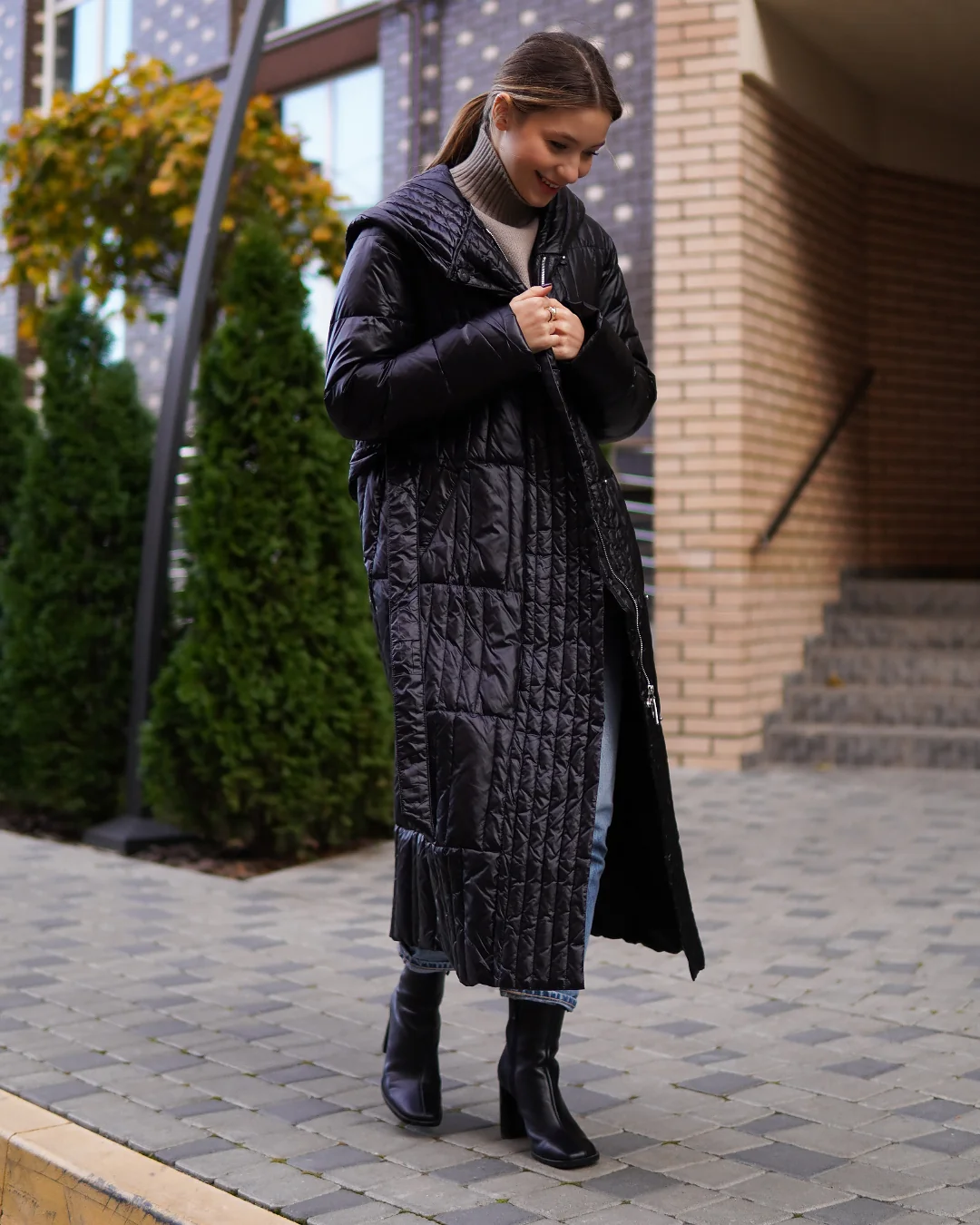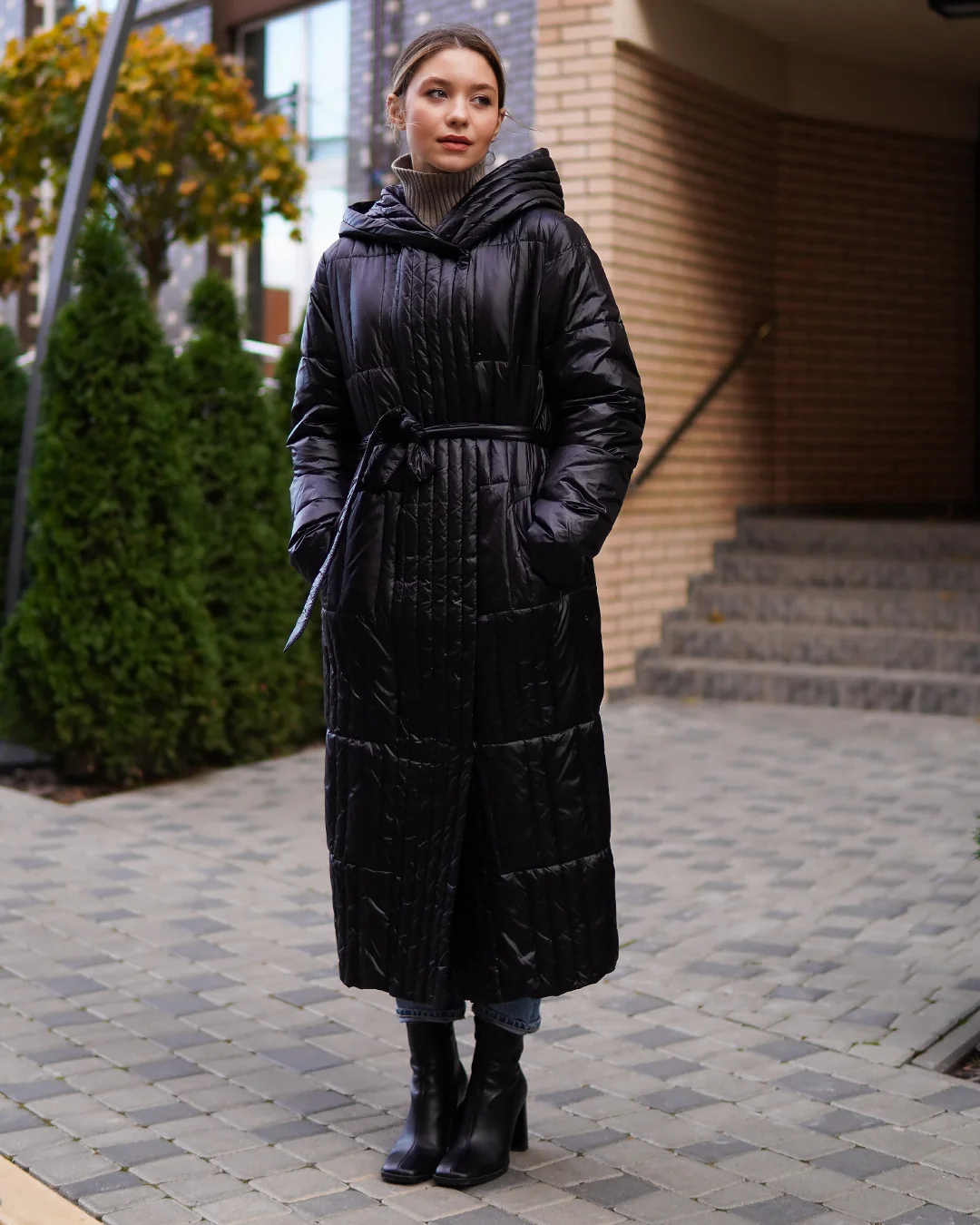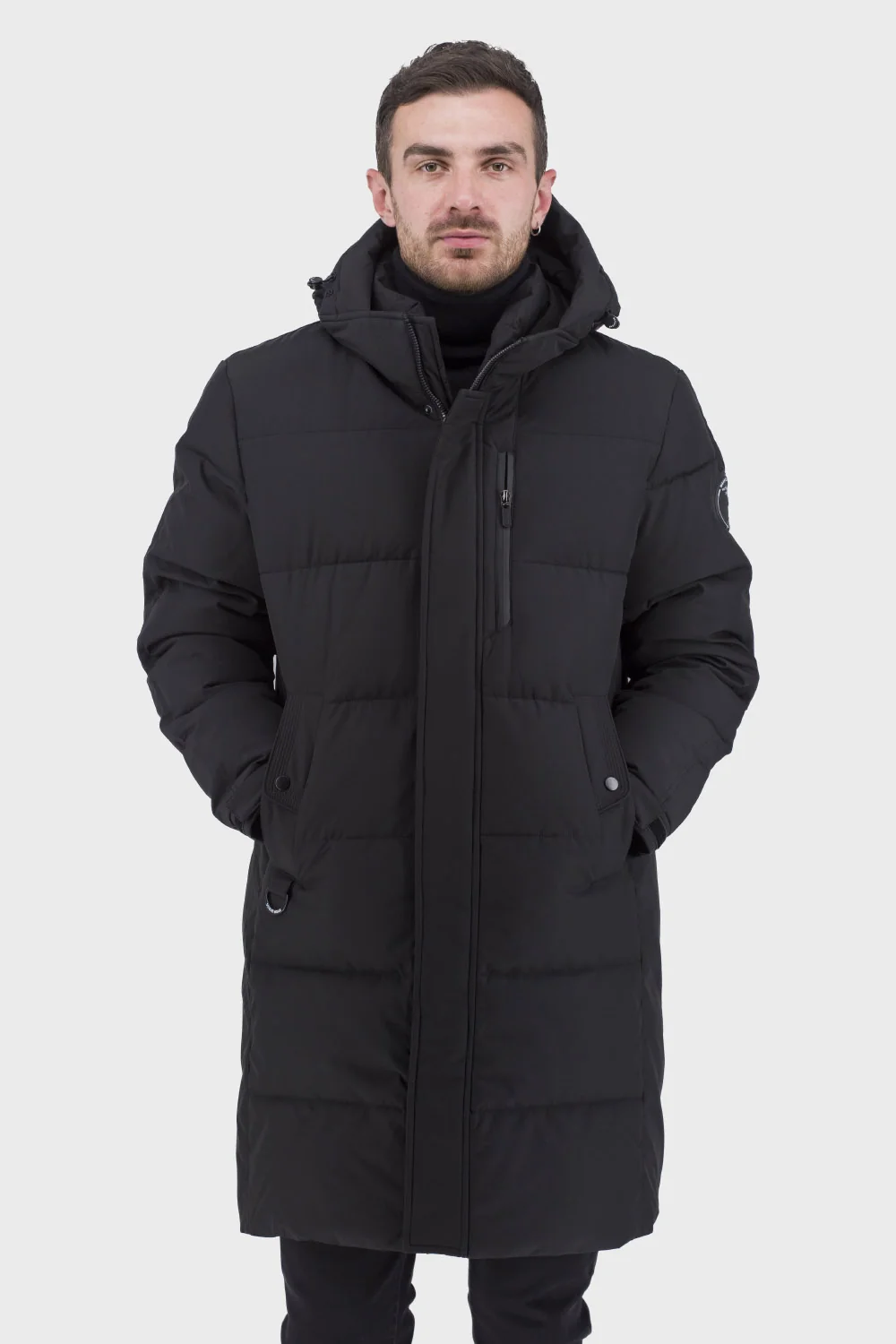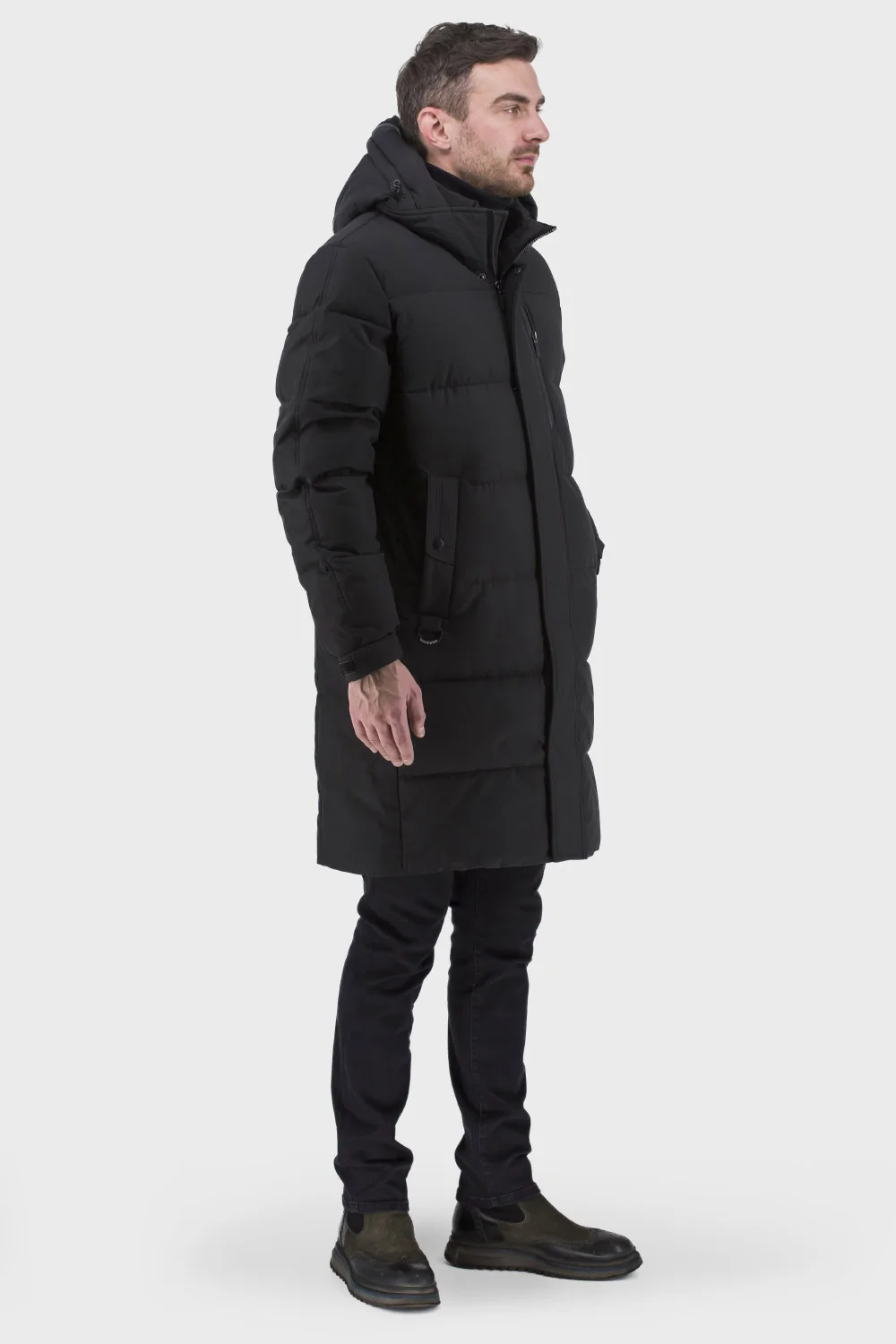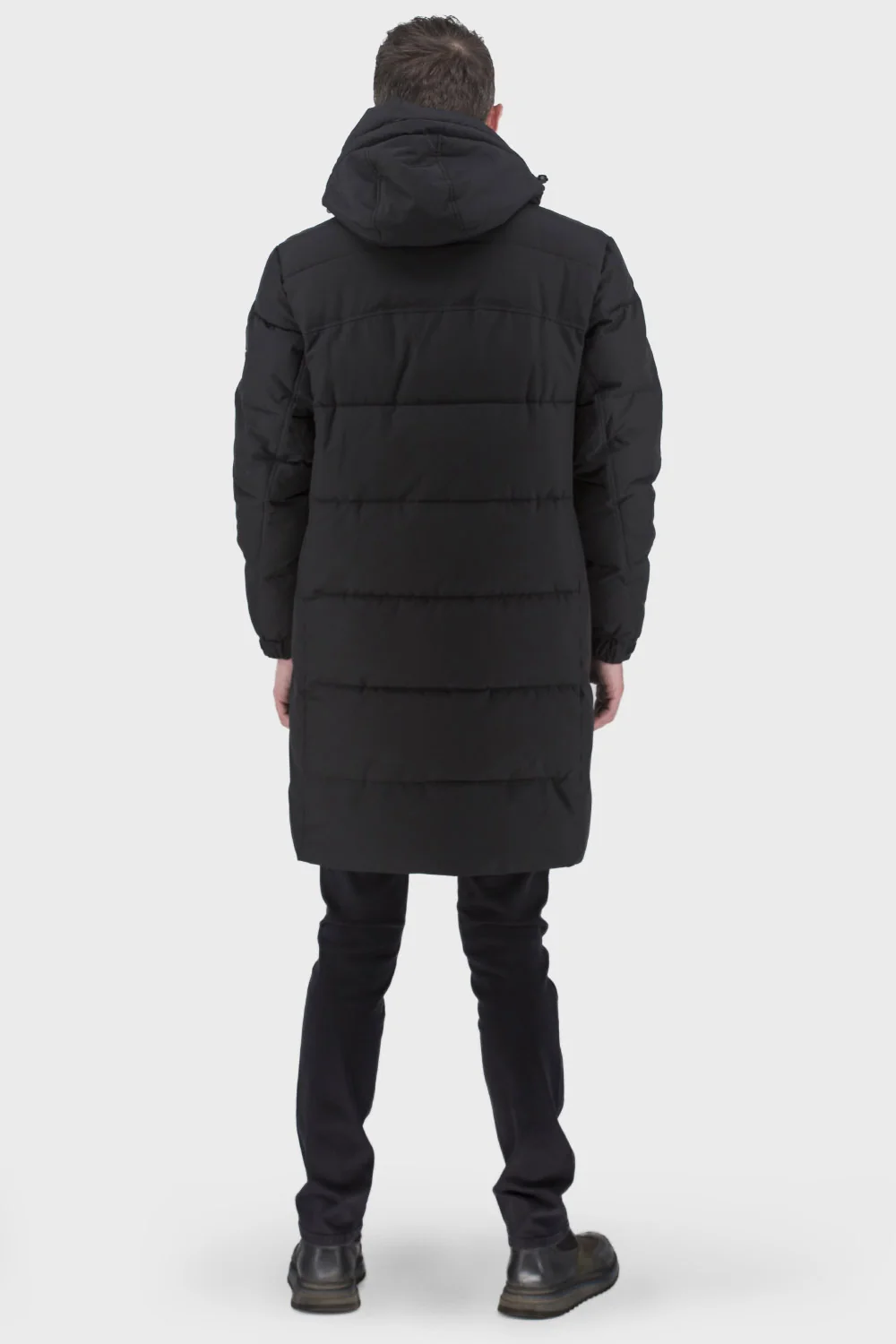
Insulation Materials: How to Choose the Perfect Balance of Warmth and Lightness
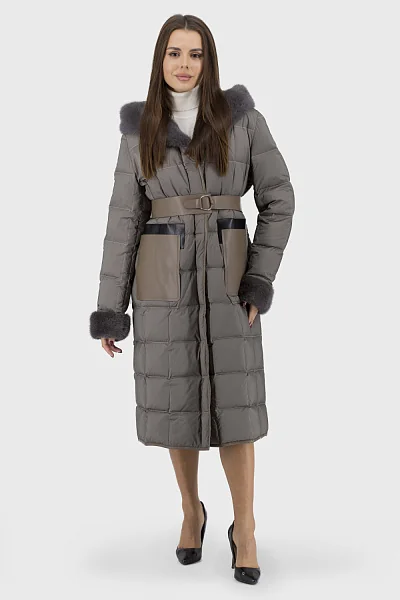
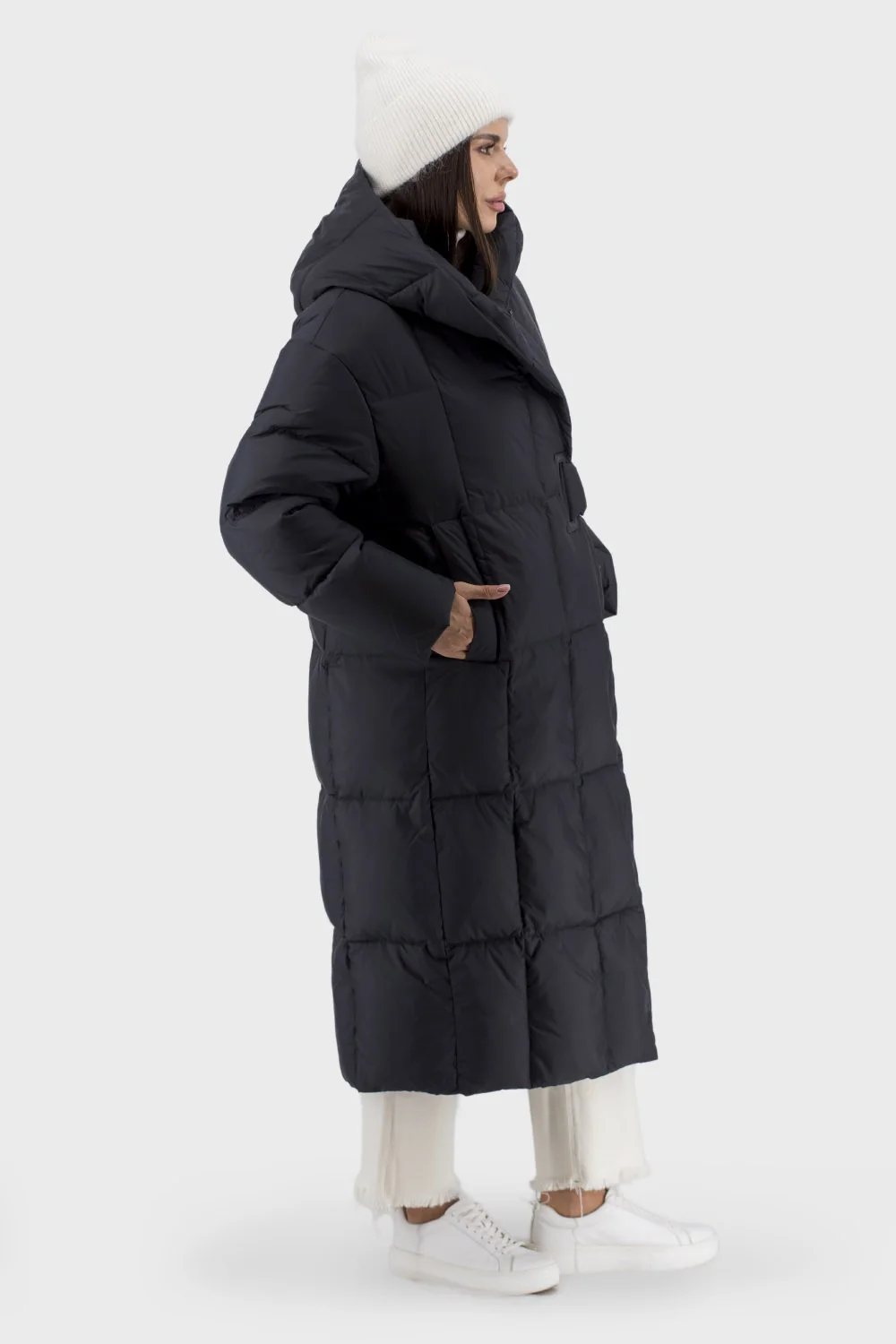
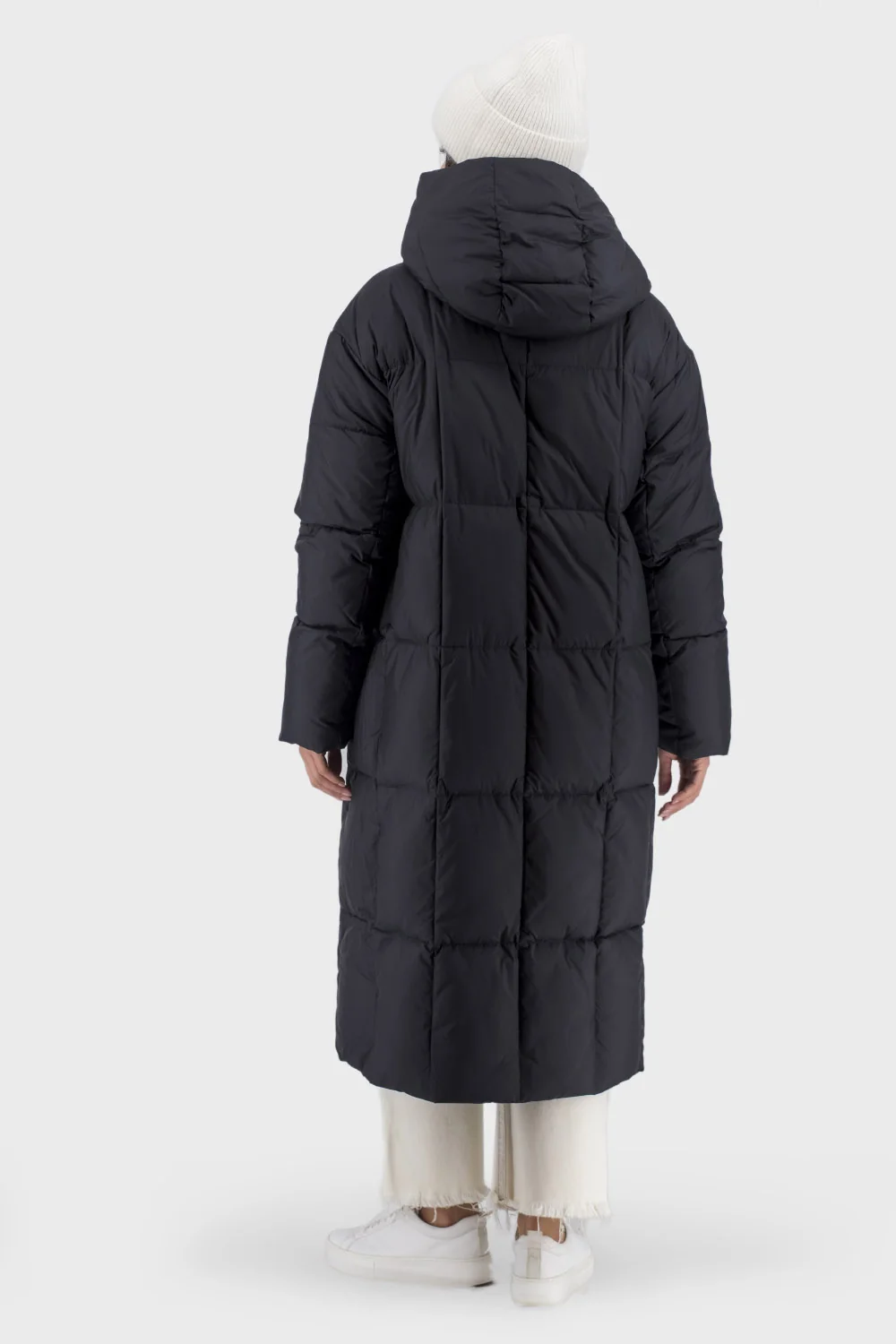
Choosing the right insulation for women's outerwear is essential to ensure comfort, warmth, and ease of movement during the colder months. The challenge lies in finding a material that provides sufficient thermal protection without adding unnecessary weight or compromising breathability. In this article, we examine popular insulation materials, their benefits, and practical advice for selecting the best option based on lifestyle, climate, and care considerations.
Popular Insulation Materials for Women's Down Jackets and Coats
1. Natural Down
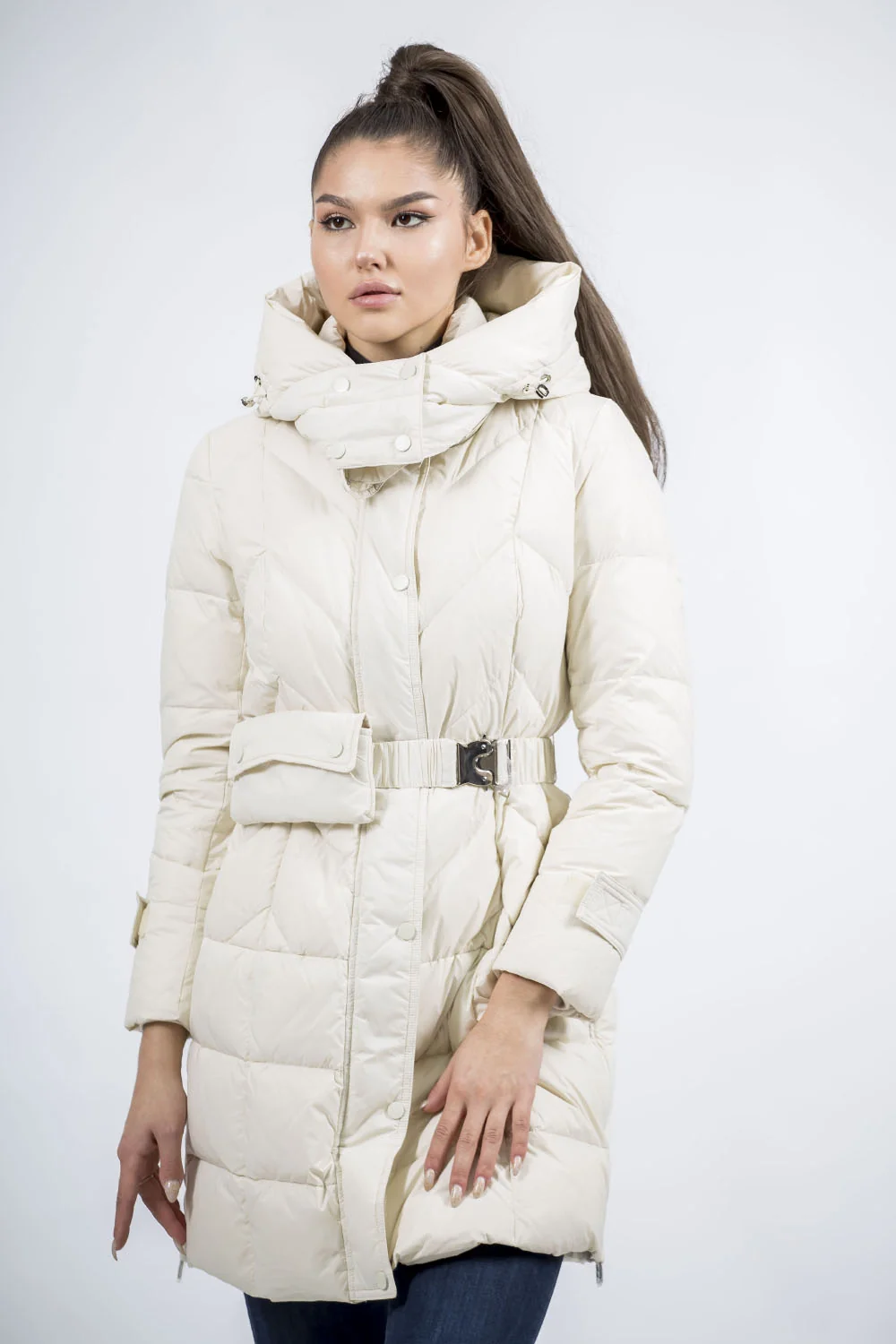
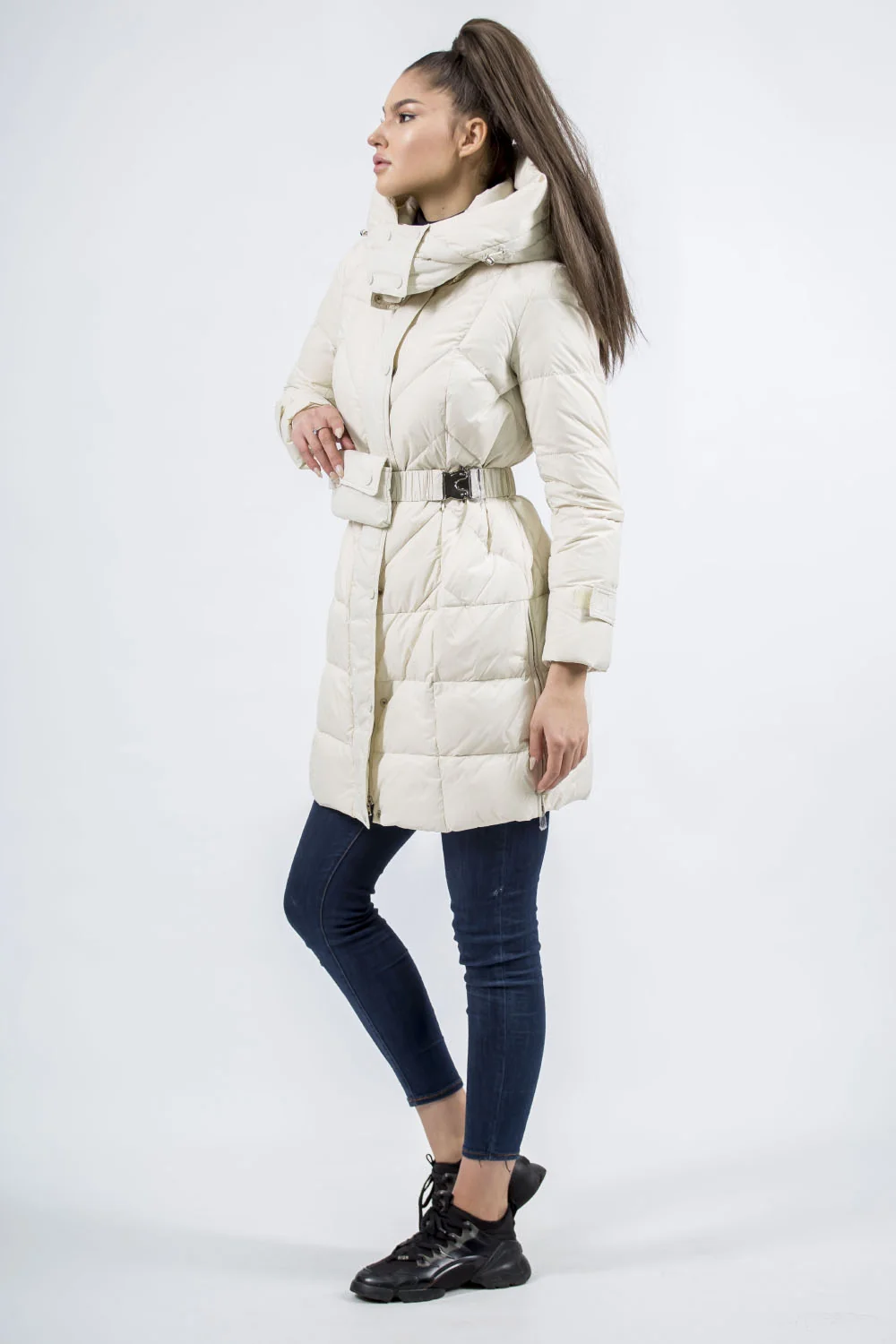
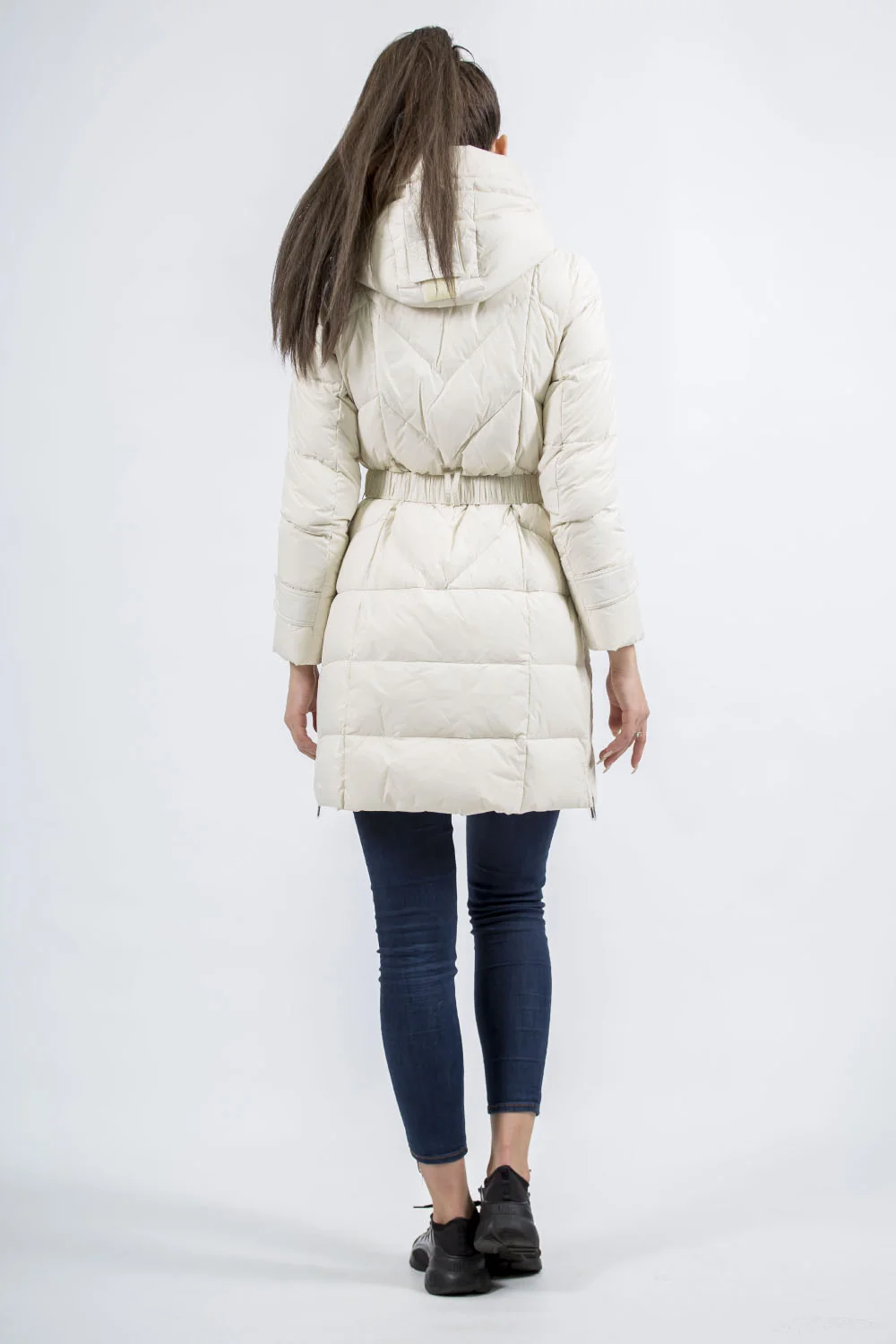
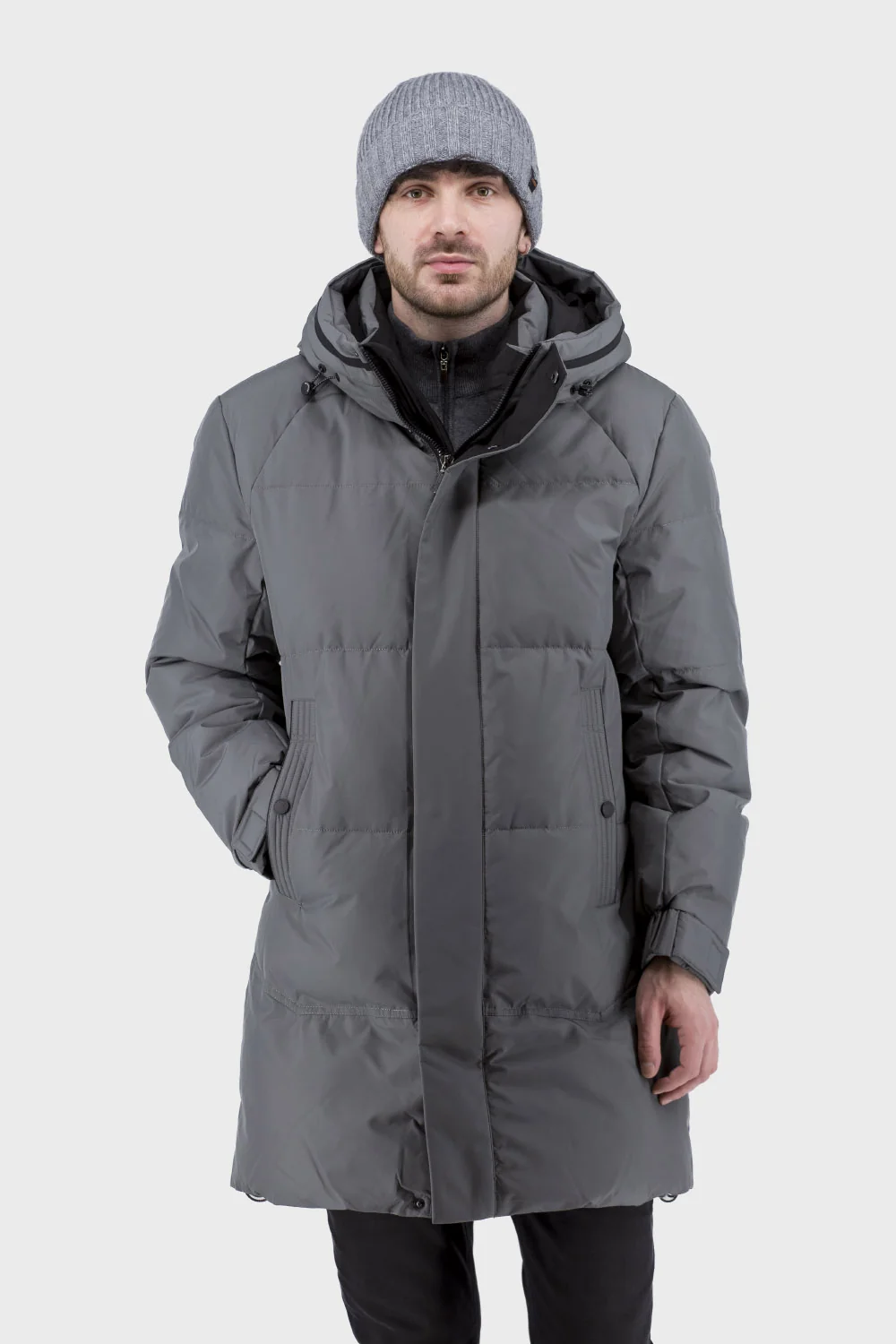
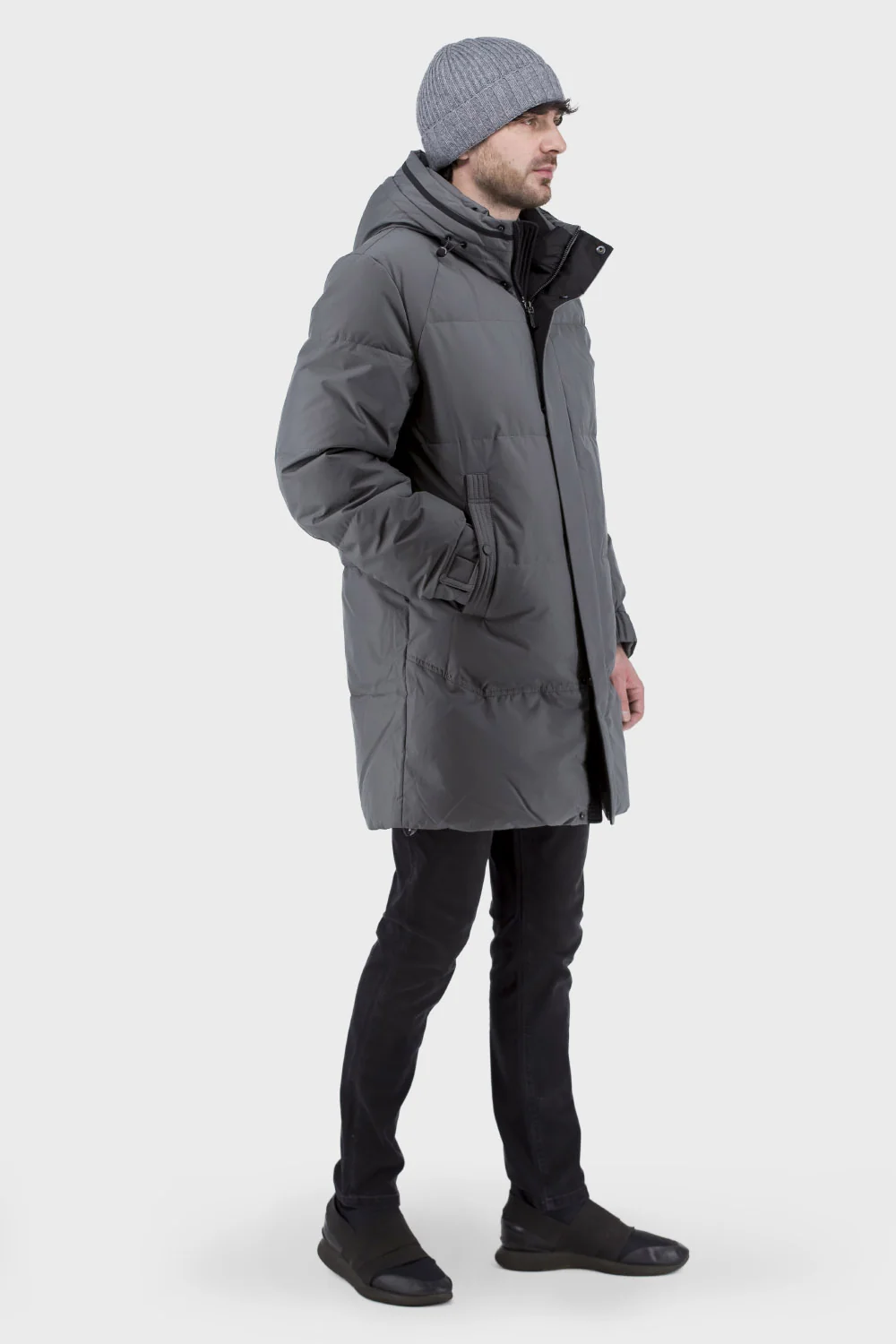
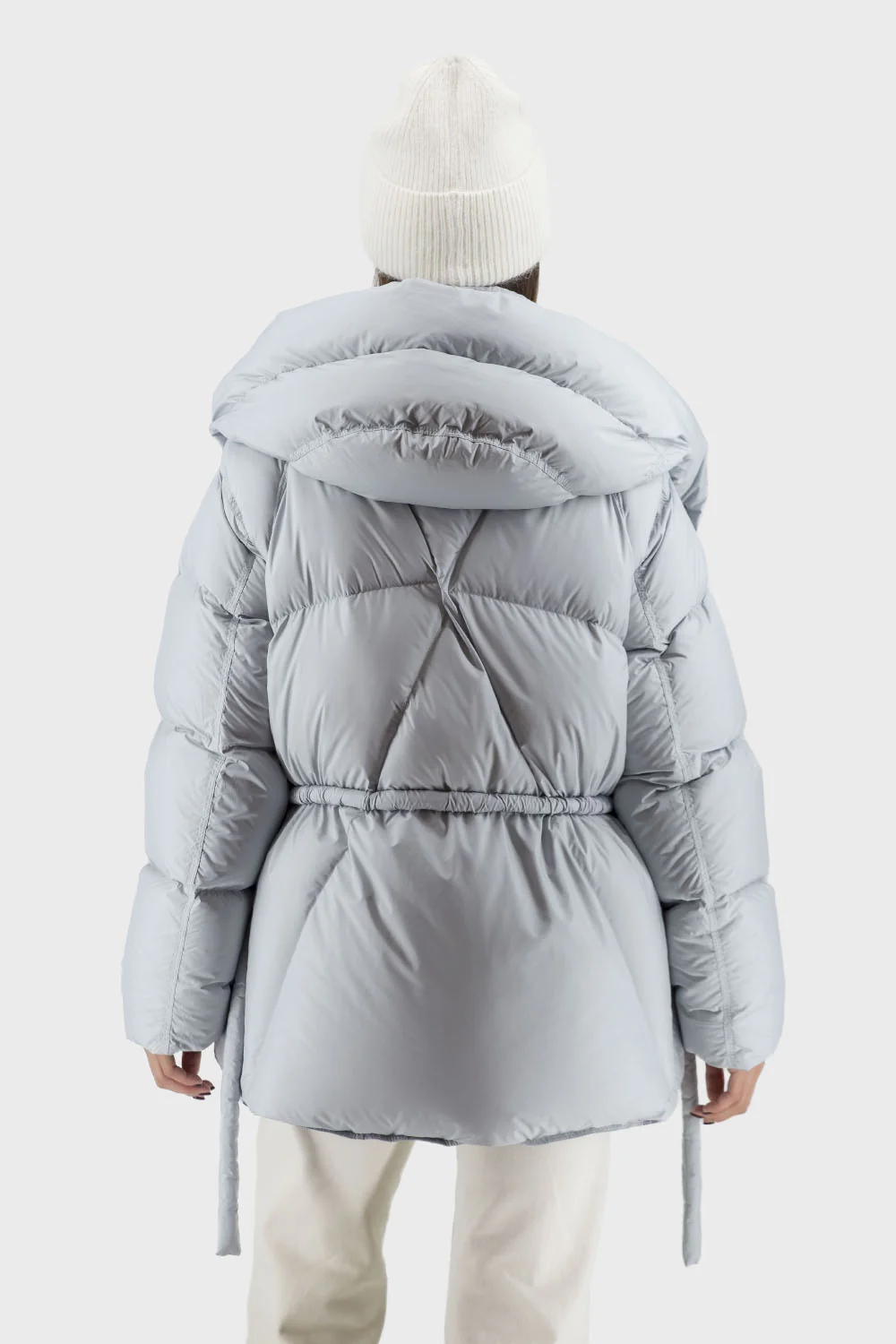
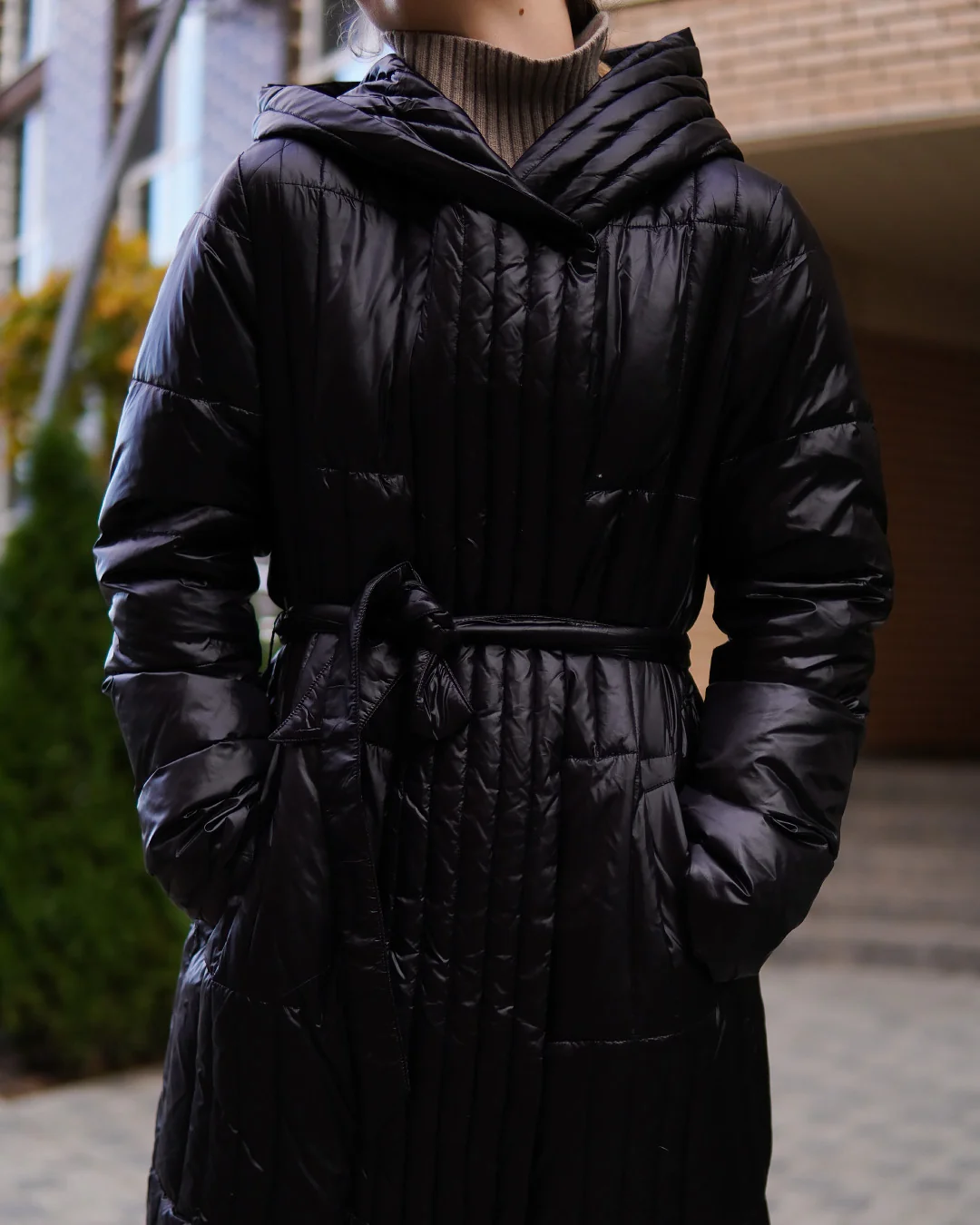
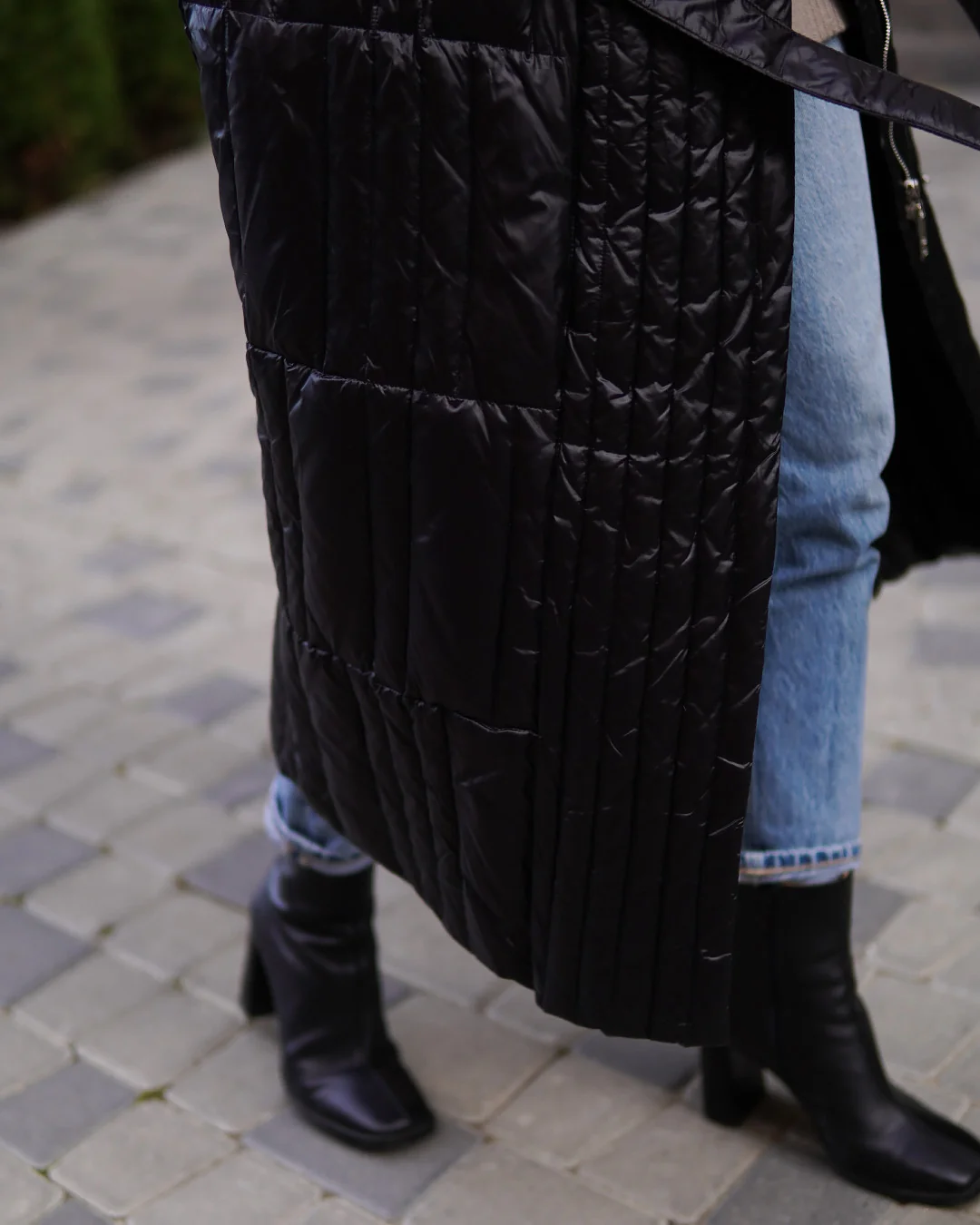
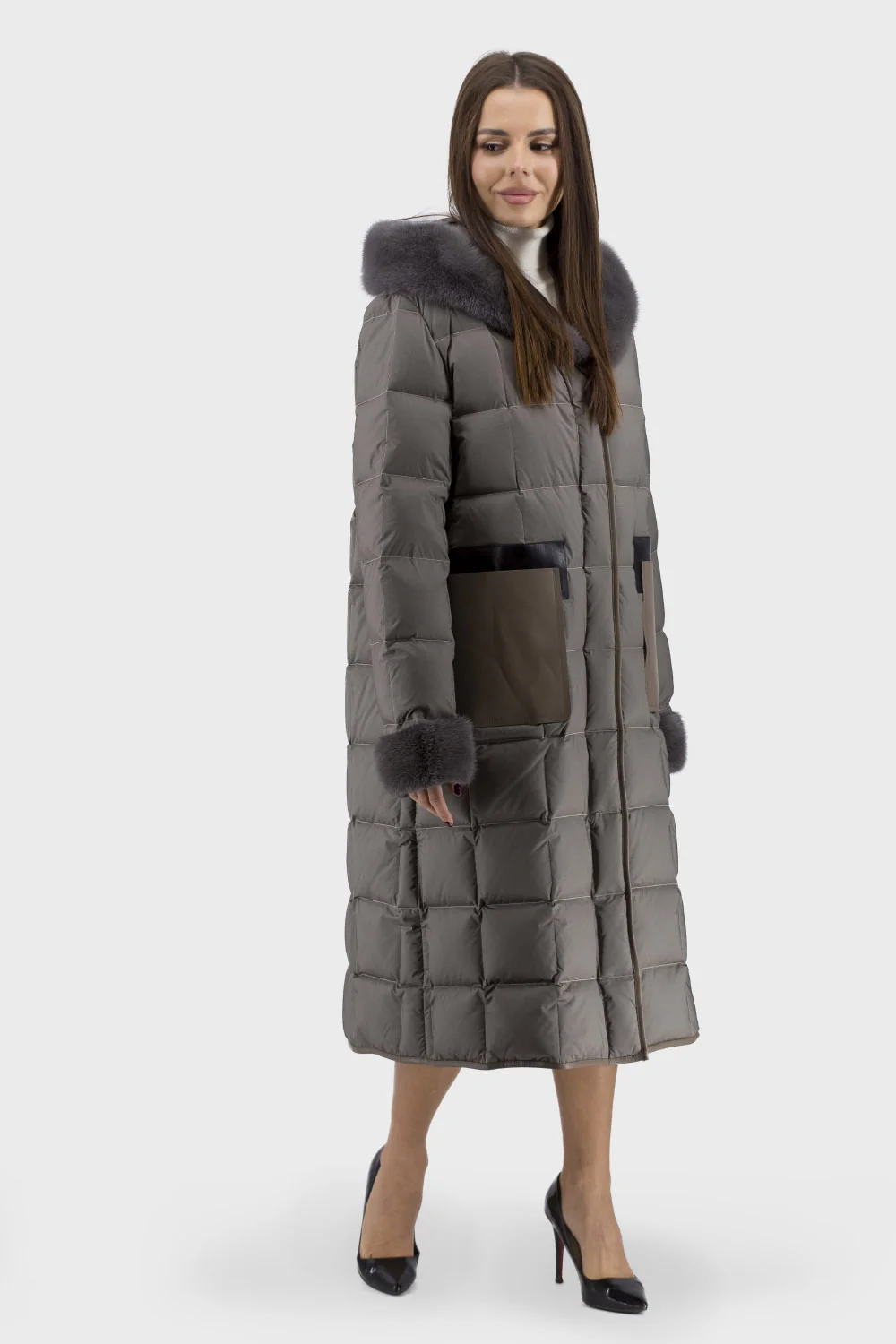
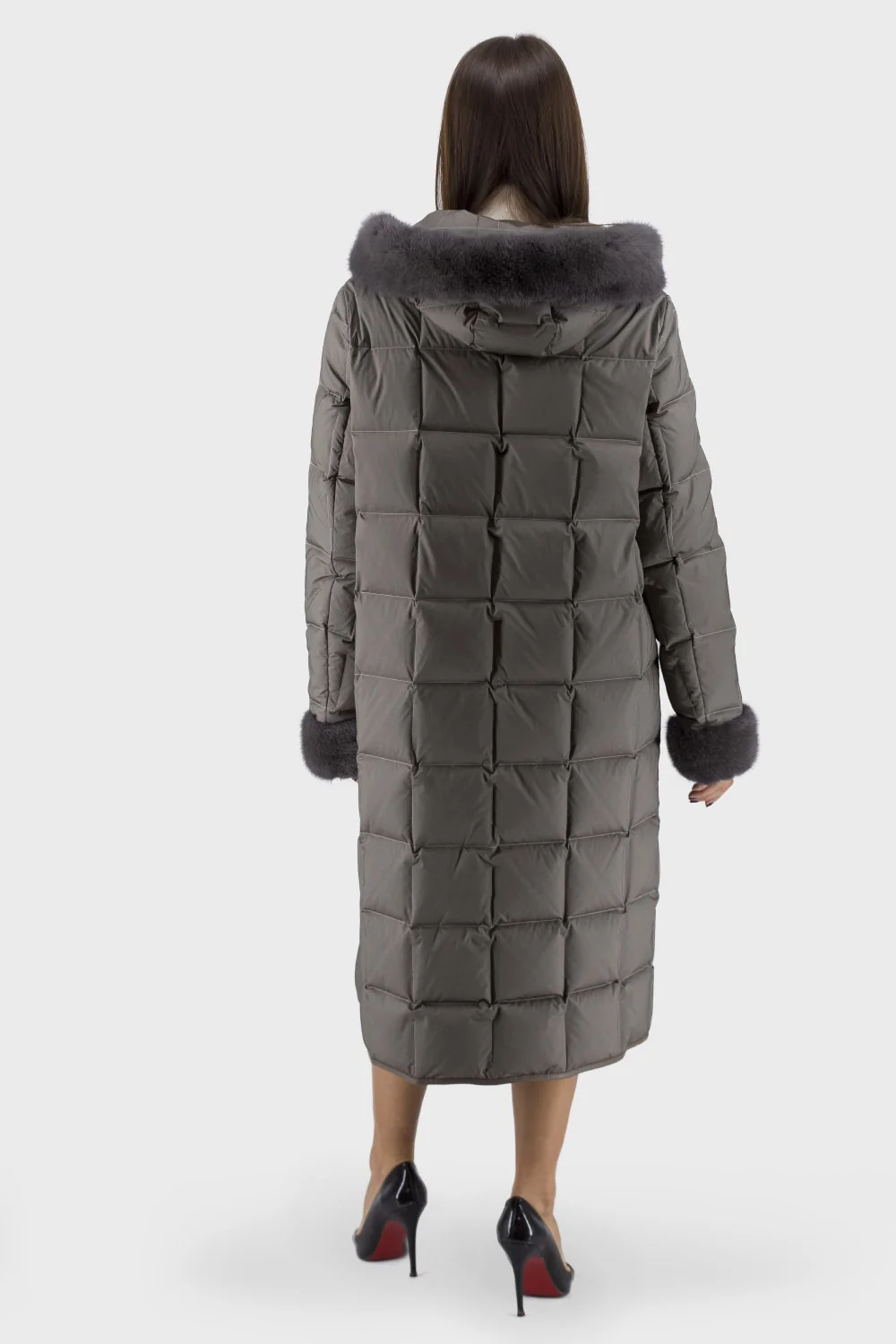
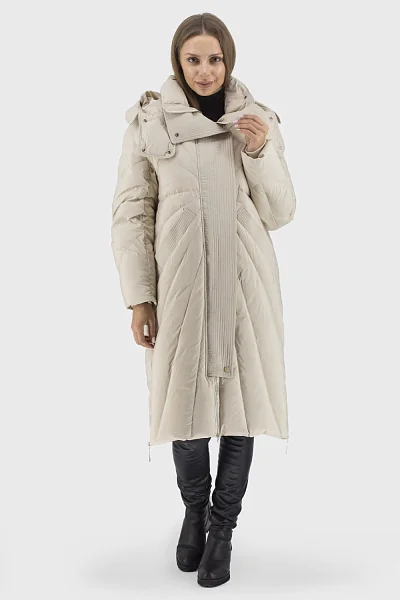
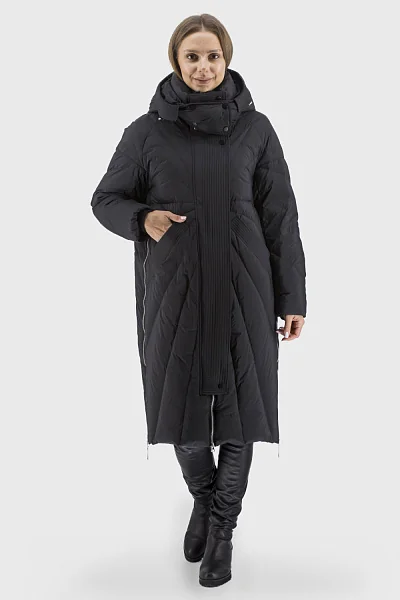
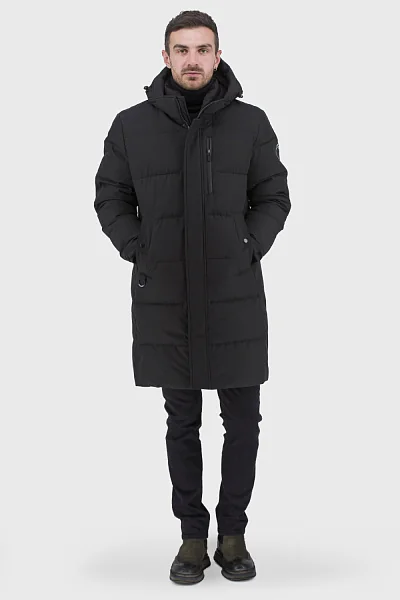
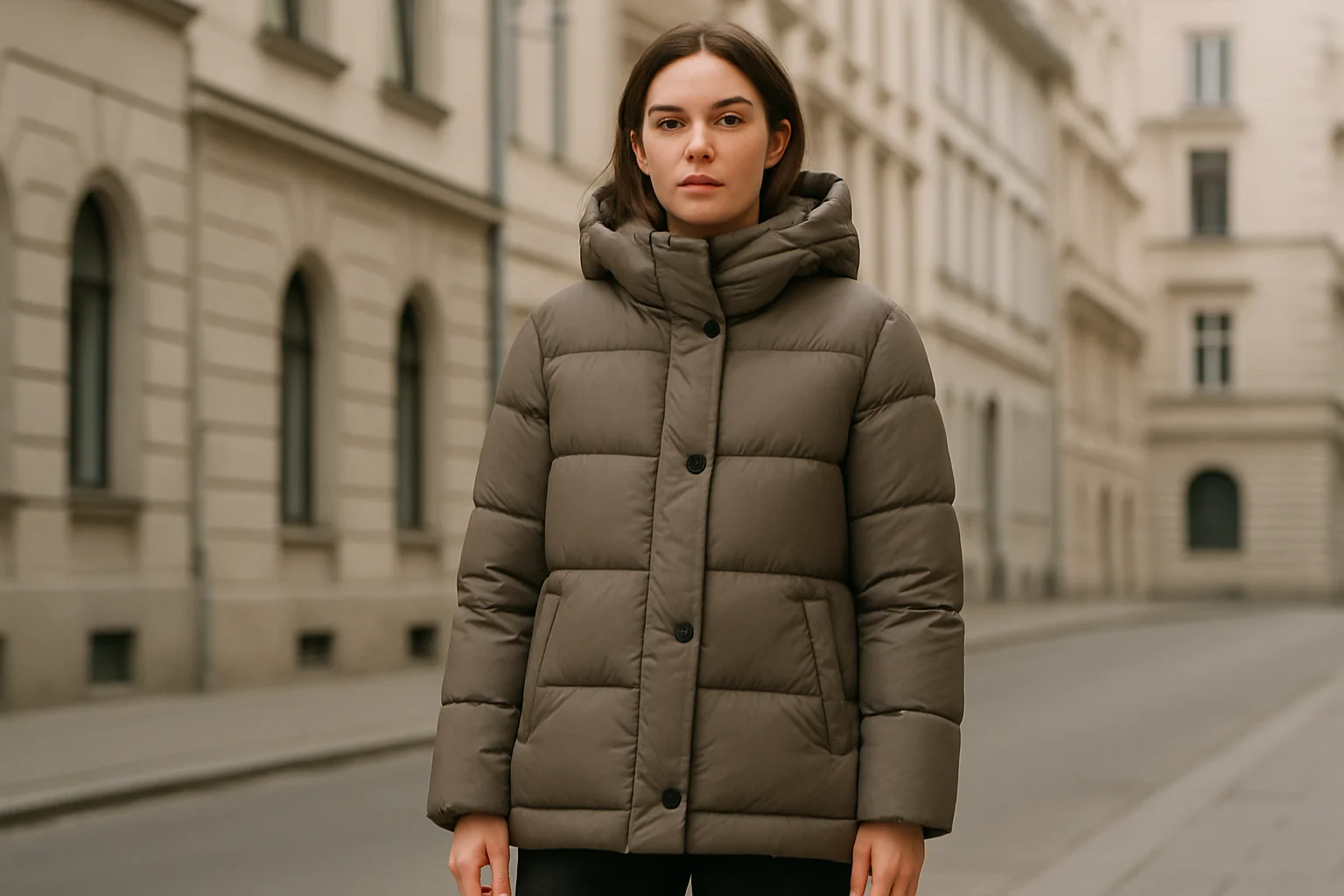
Natural down is renowned for its exceptional warmth-to-weight ratio. The fluffy clusters trap air effectively, creating a layer of insulation that holds body heat while allowing for breathability. Down jackets perform remarkably well in cold, dry conditions.
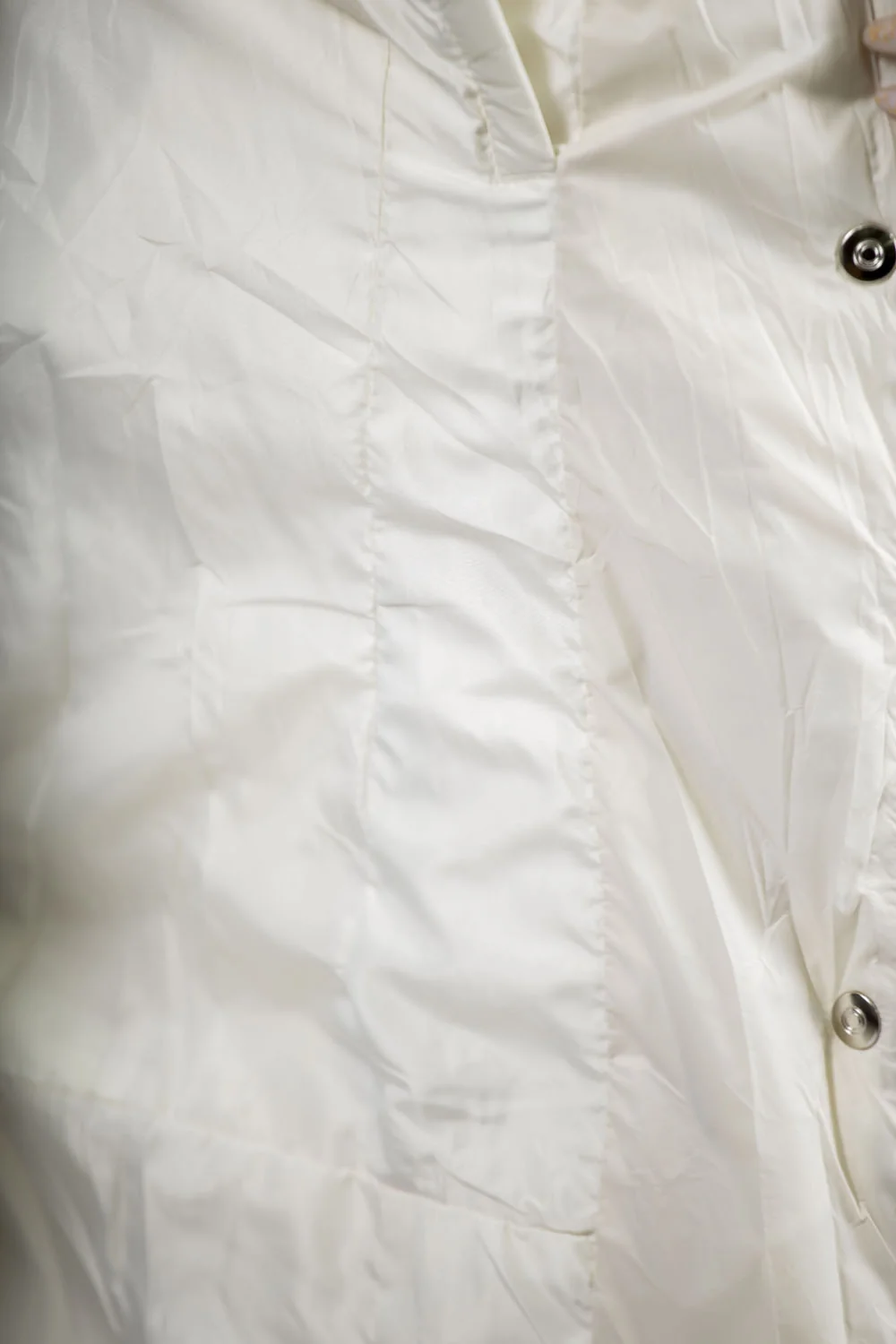
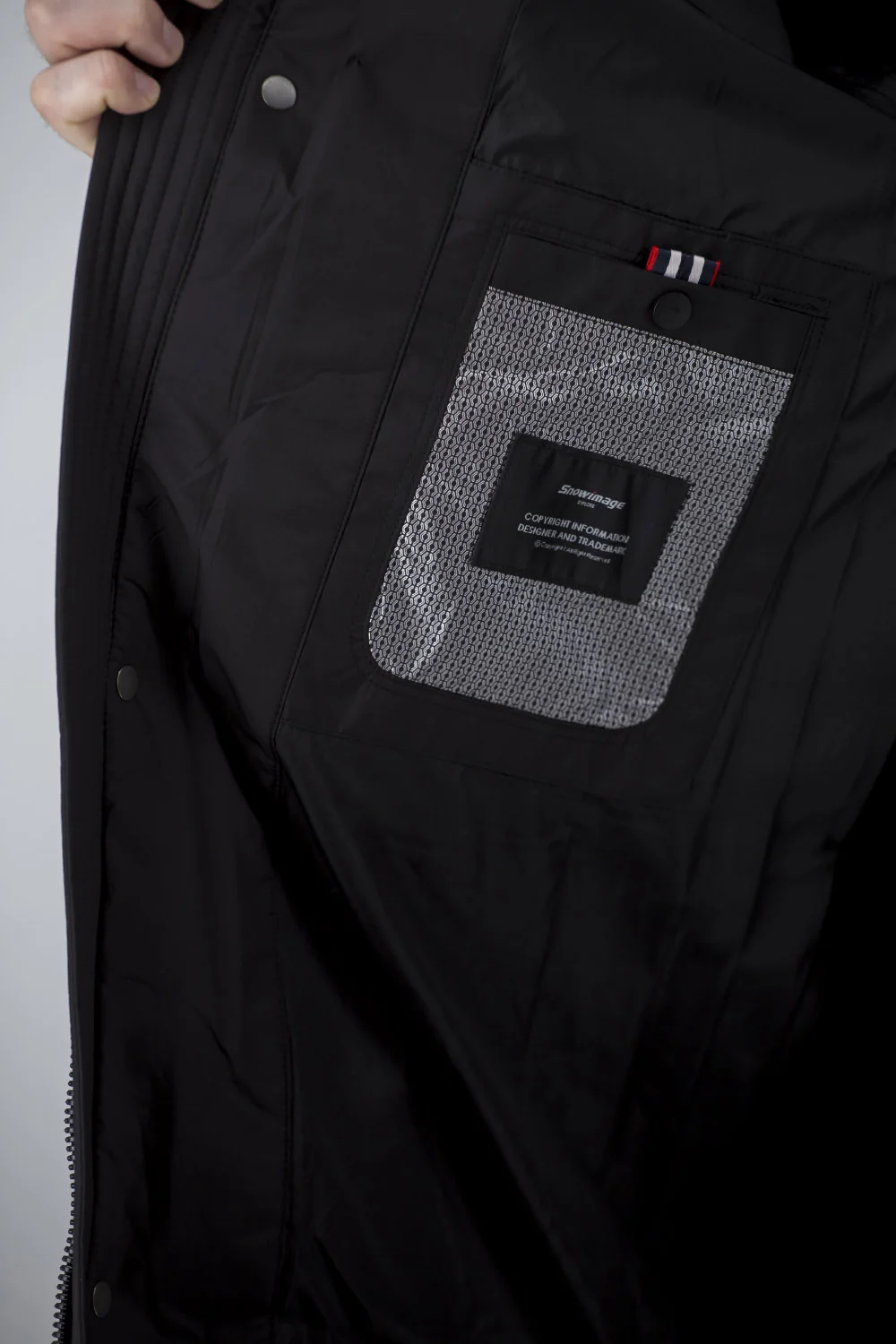
However, down loses insulating properties when wet and requires careful maintenance. Modern down products often feature water-repellent treatments or membranes to resist moisture. When caring for down, use gentle detergents and dry garments flat to maintain the loft.
Tip: Look for down fill power around 600–800. Higher fill power means better insulation and lighter weight.
2. Synthetic Insulation
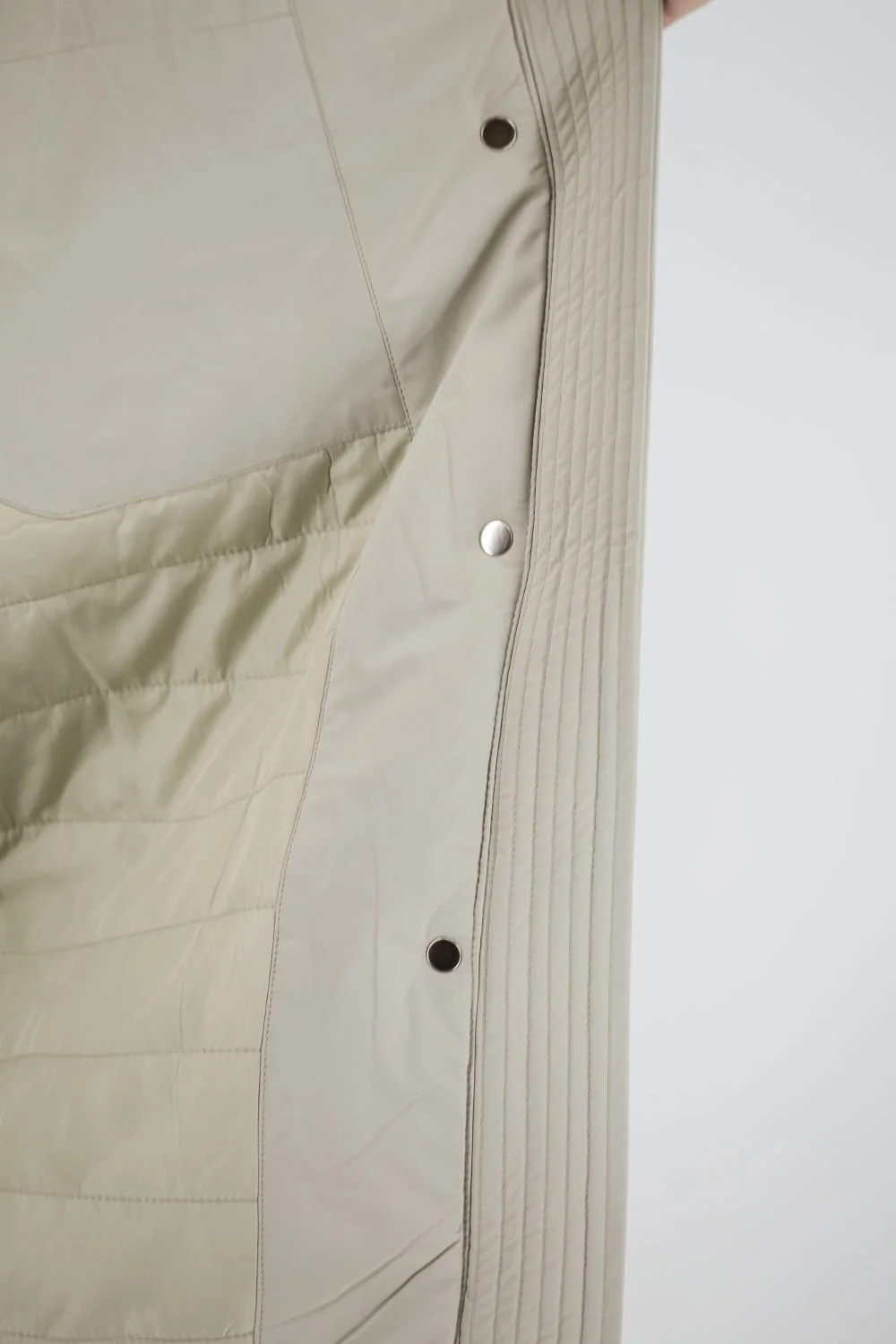
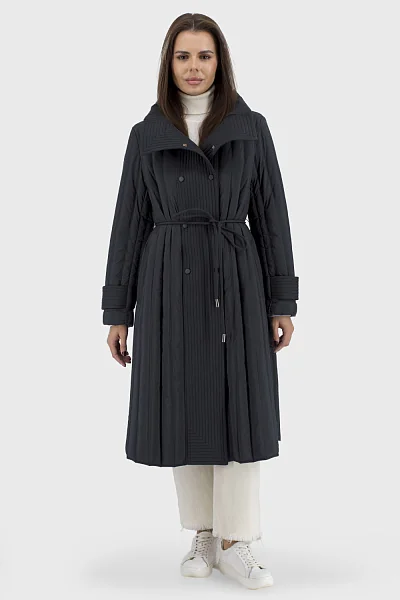
Synthetic insulation materials such as polyester fibers imitate many benefits of down but excel in moisture resistance and quick drying. Hypoallergenic and easy to maintain, synthetic insulated jackets are ideal for active lifestyles, damp climates, and budget-conscious shoppers.
Well-known synthetic insulations like PrimaLoft and Thinsulate provide reliable warmth with minimal bulk.
3. Natural Wool
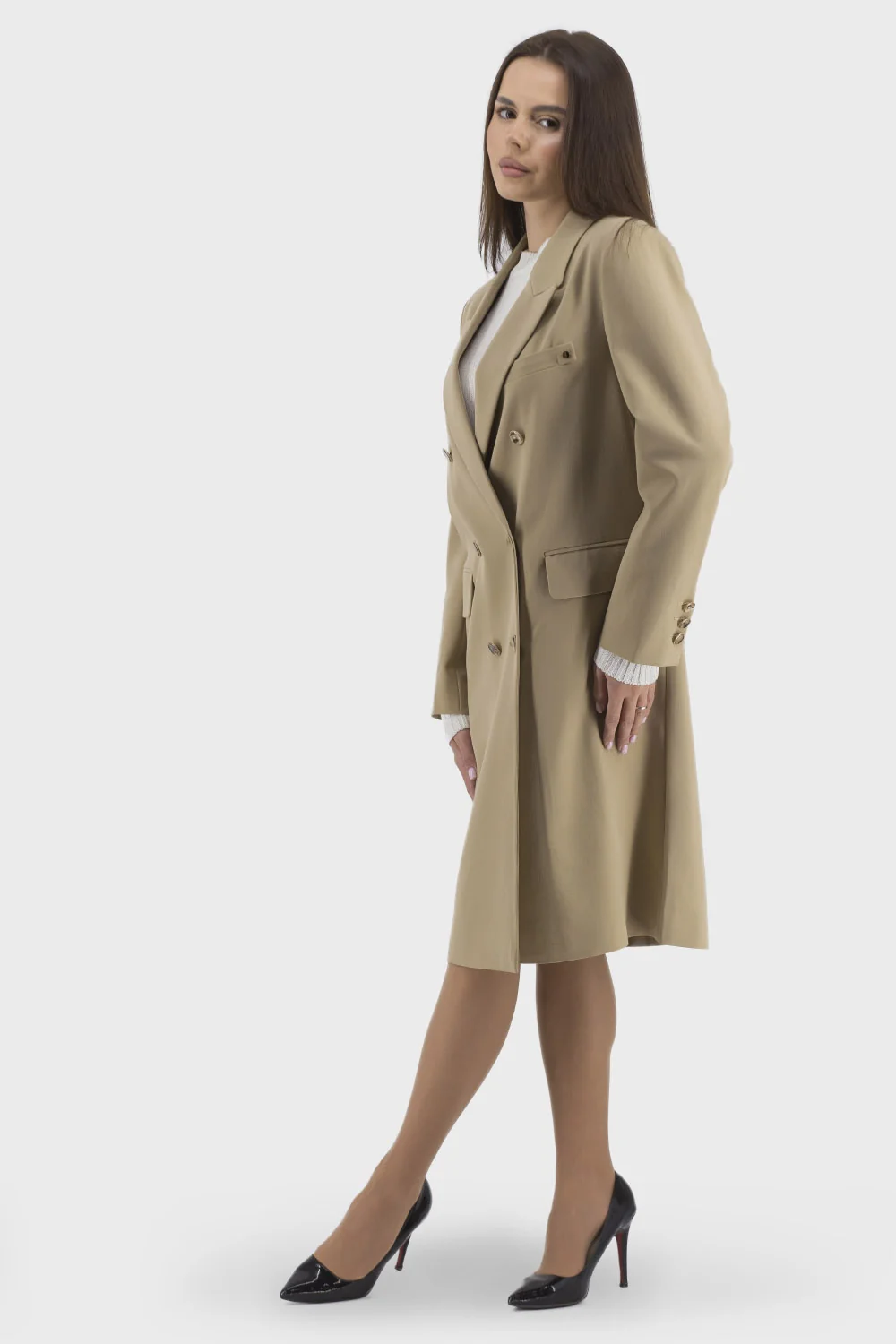
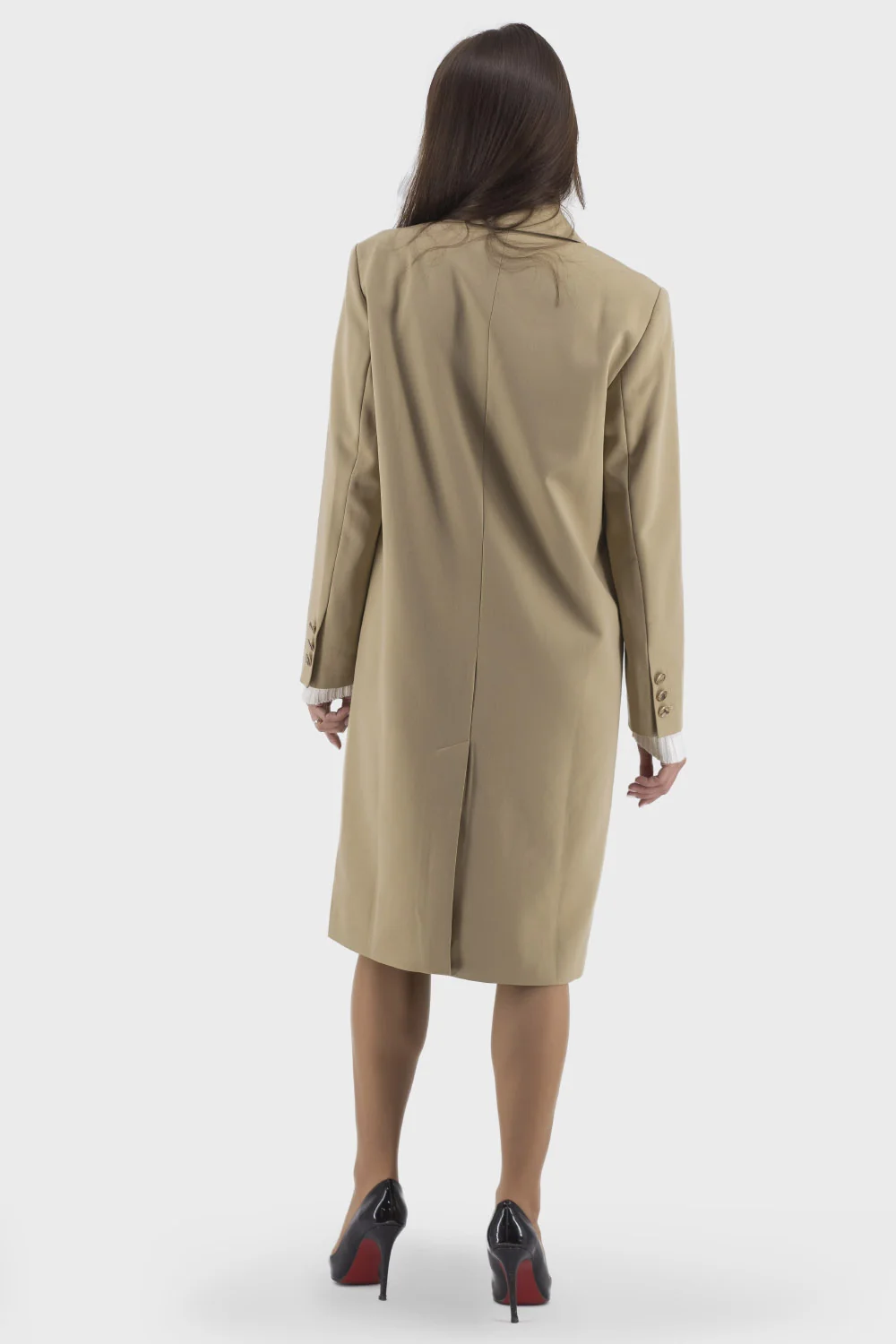
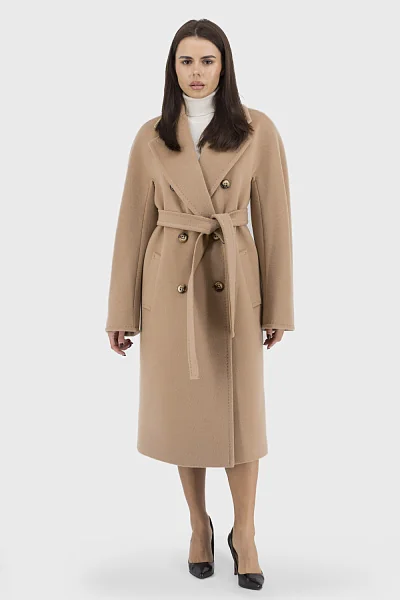
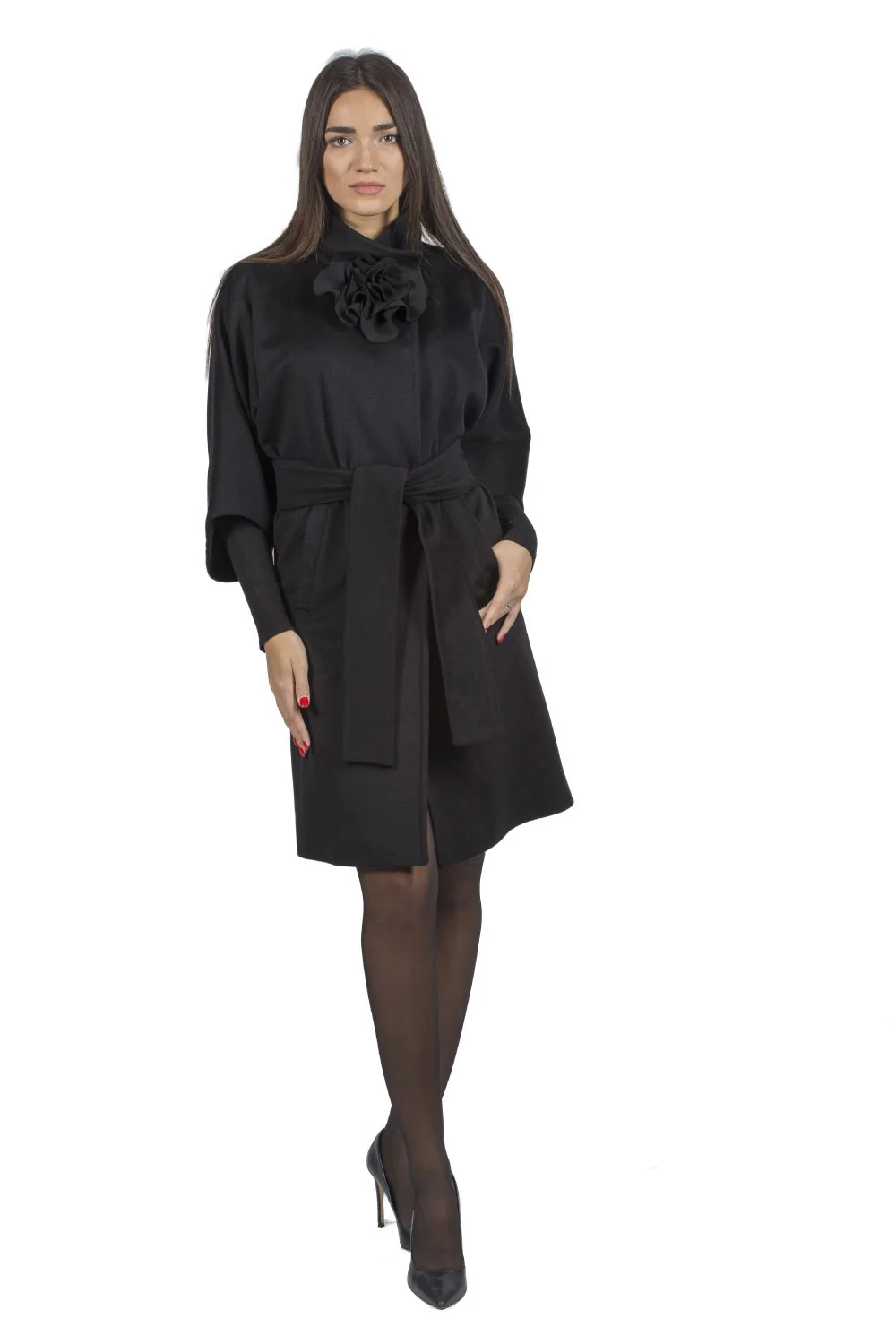
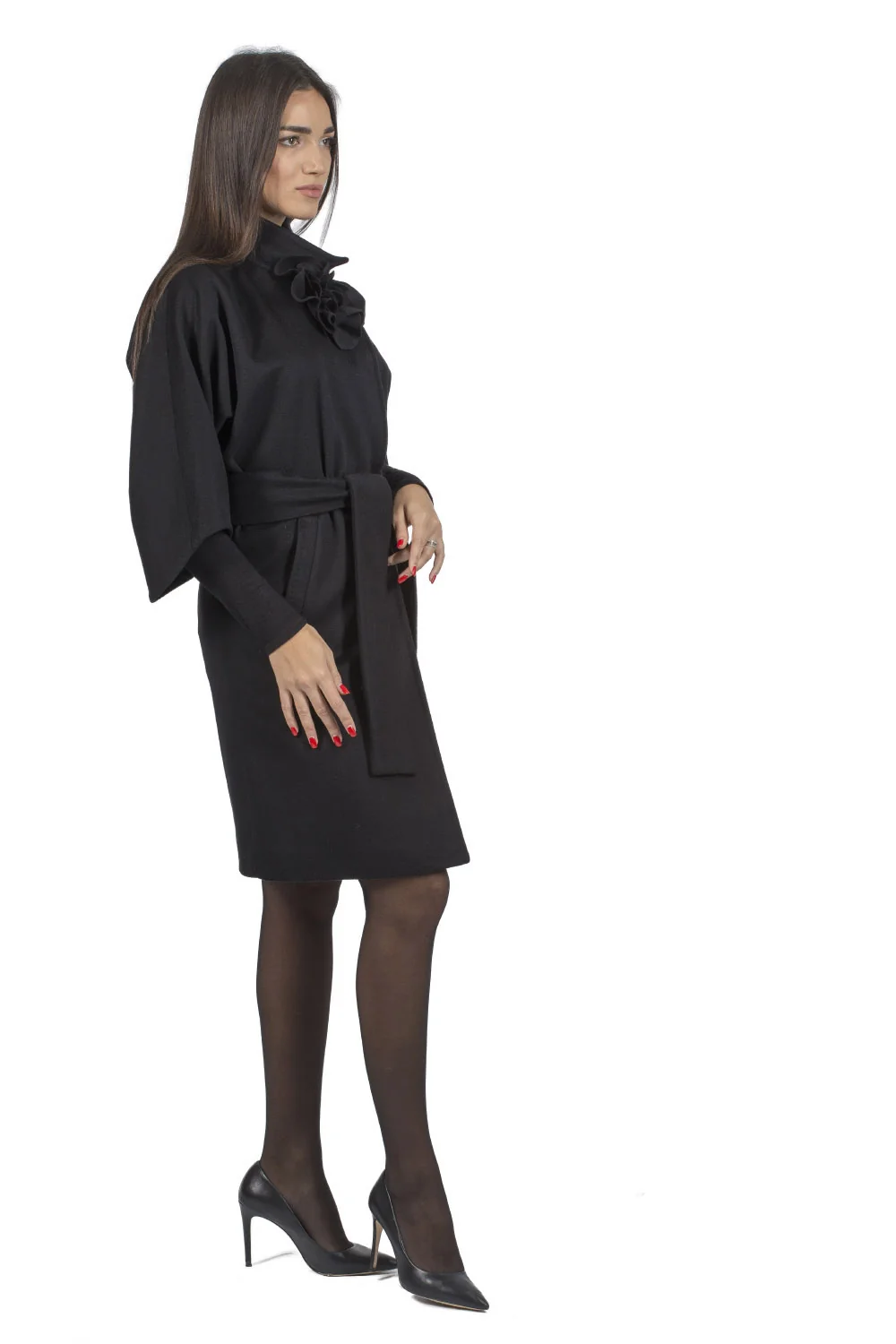
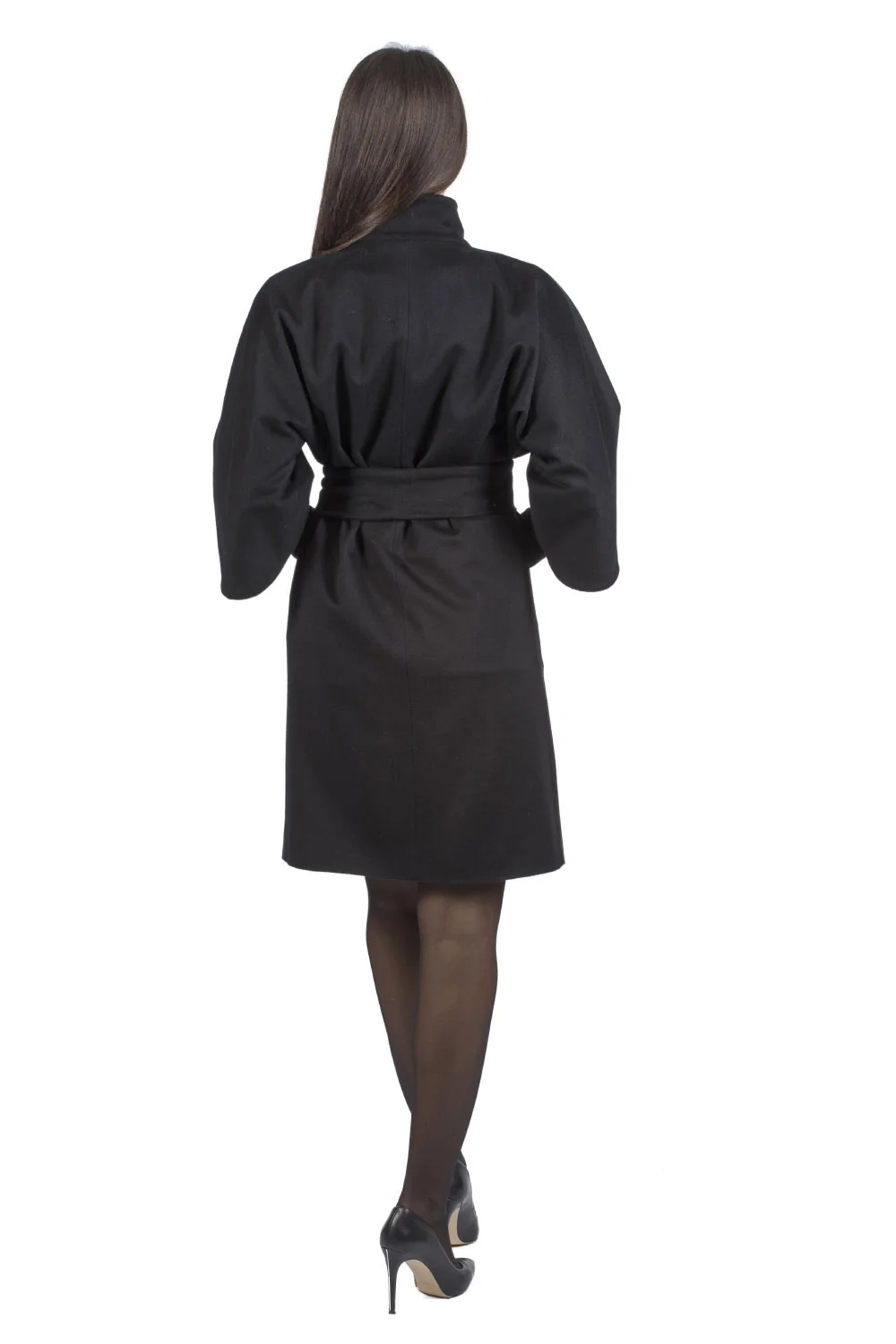
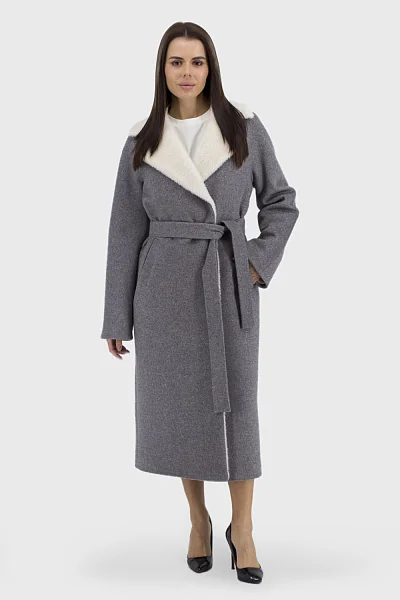
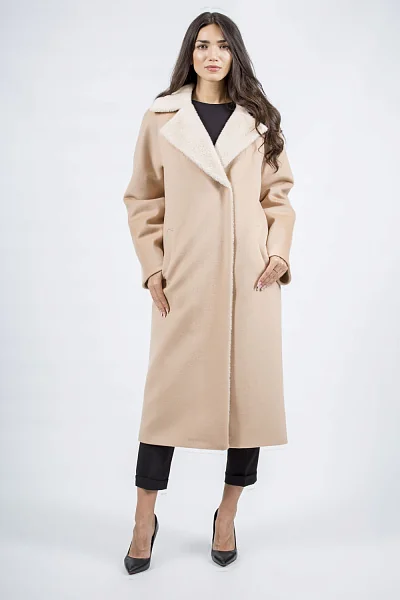
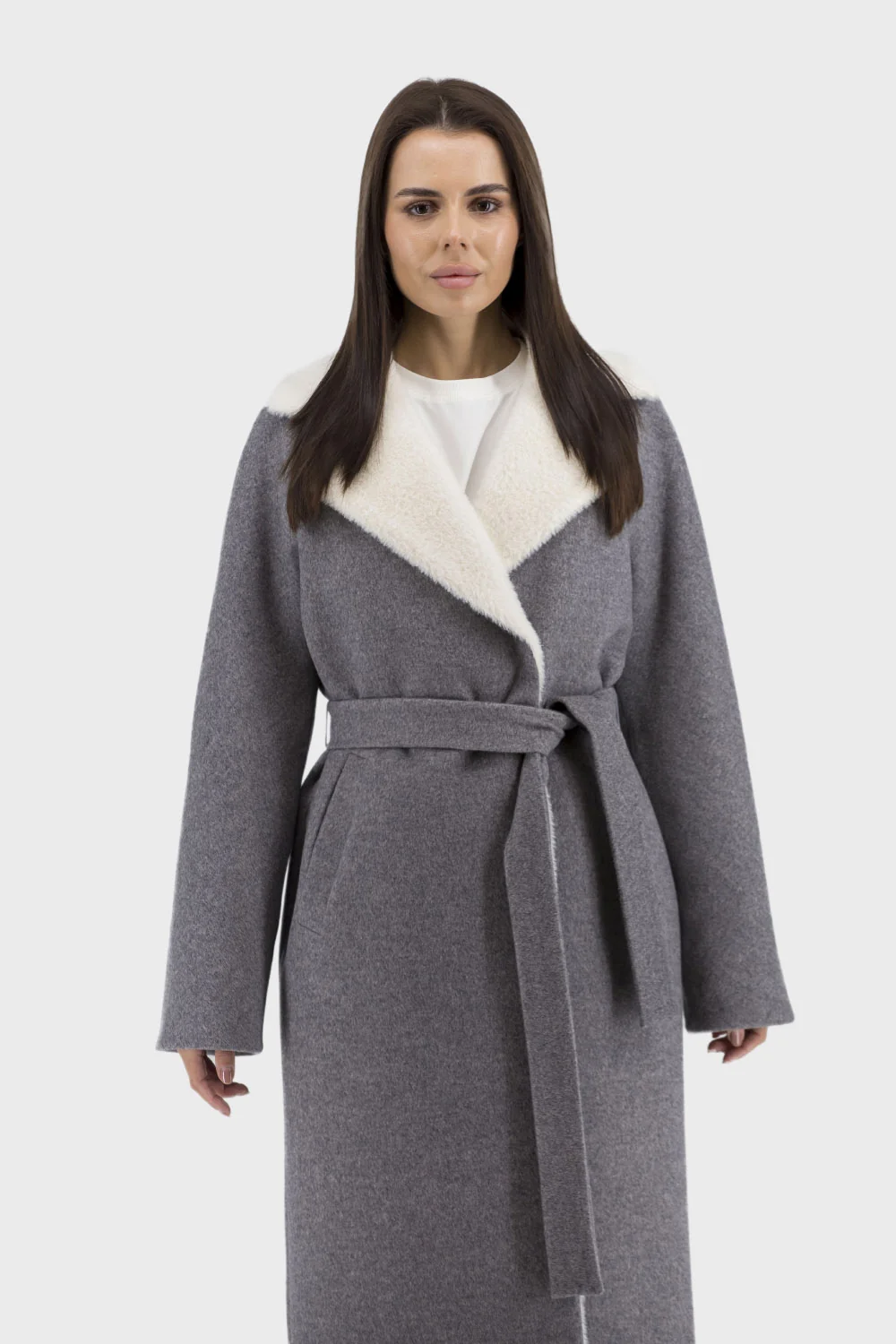
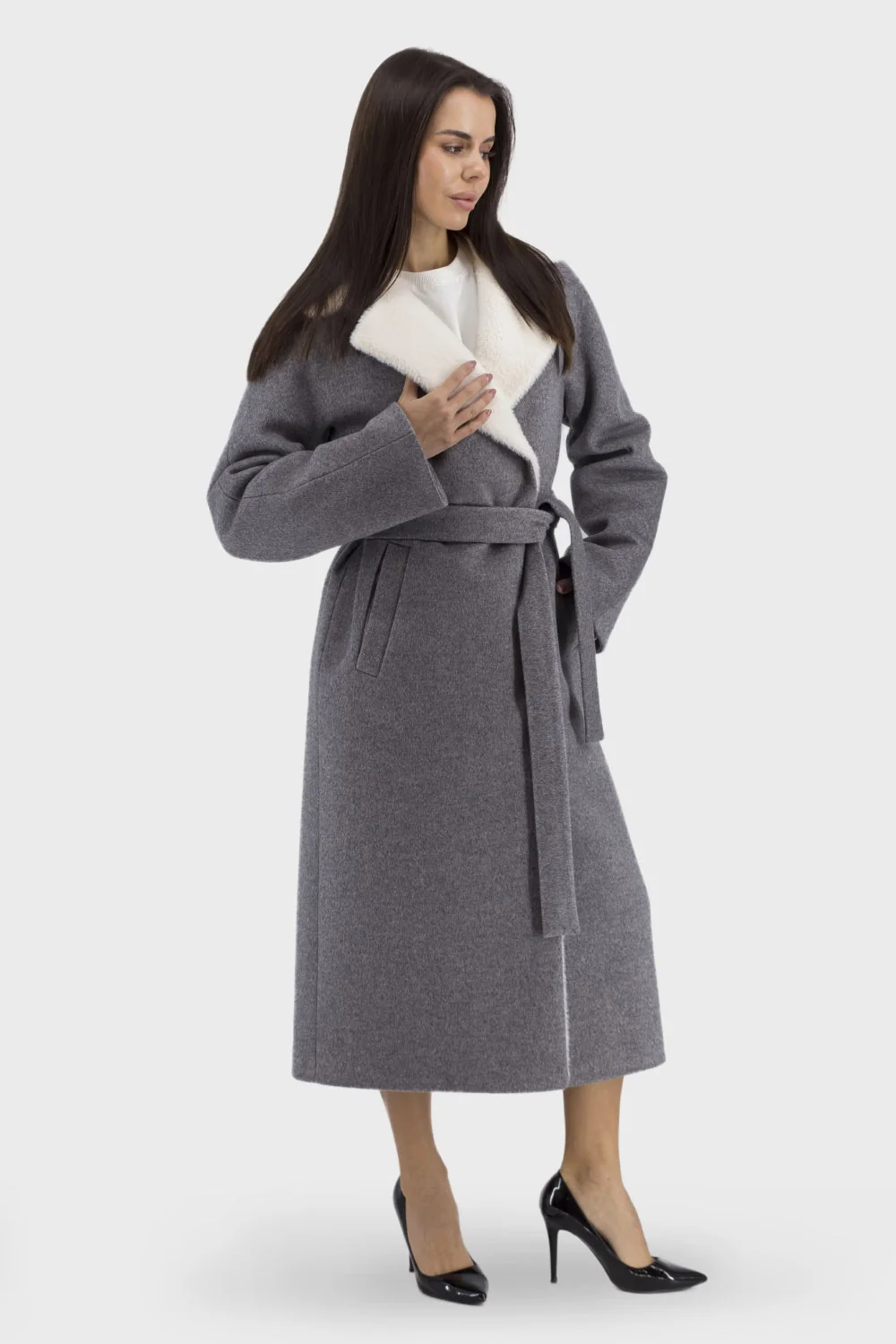
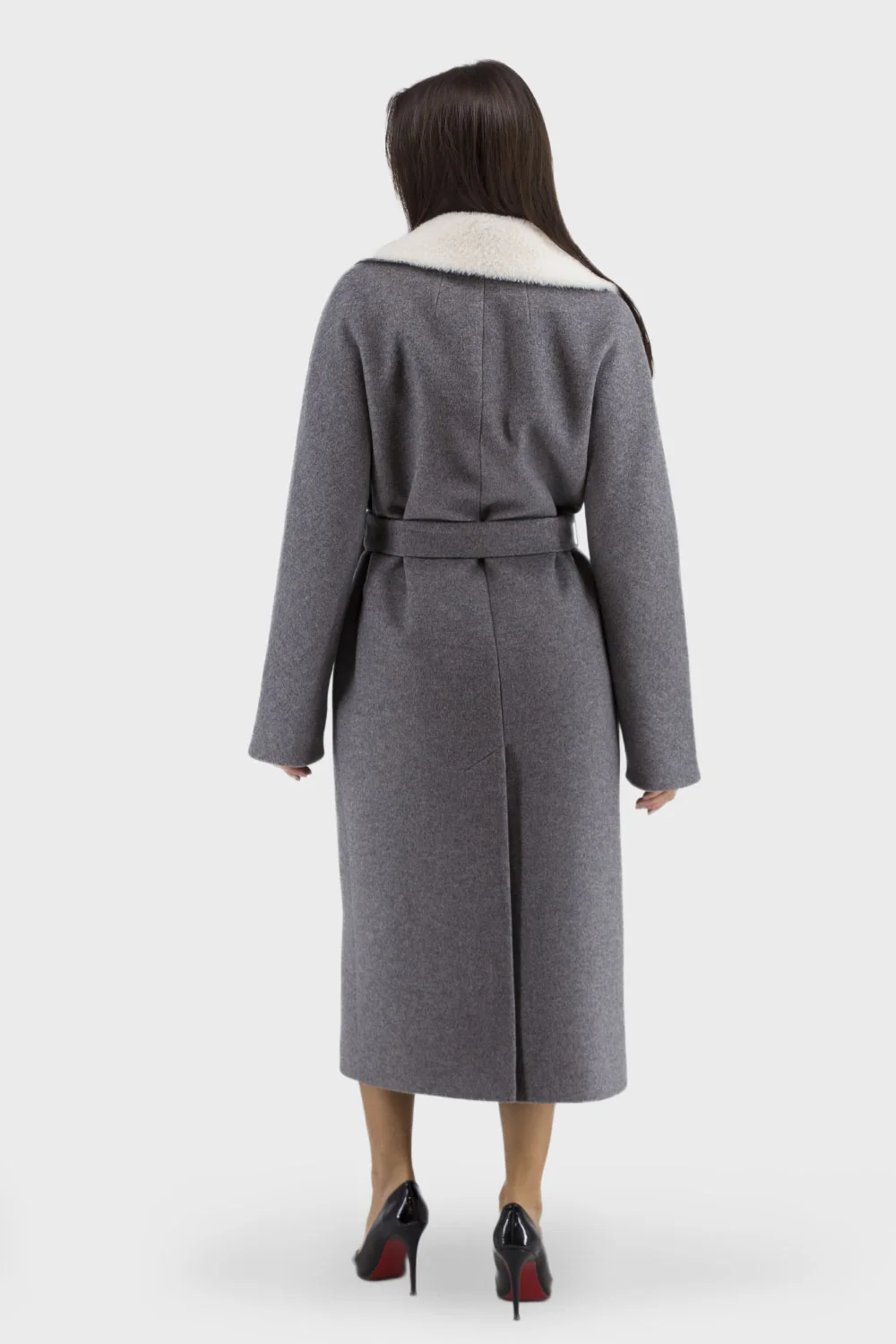
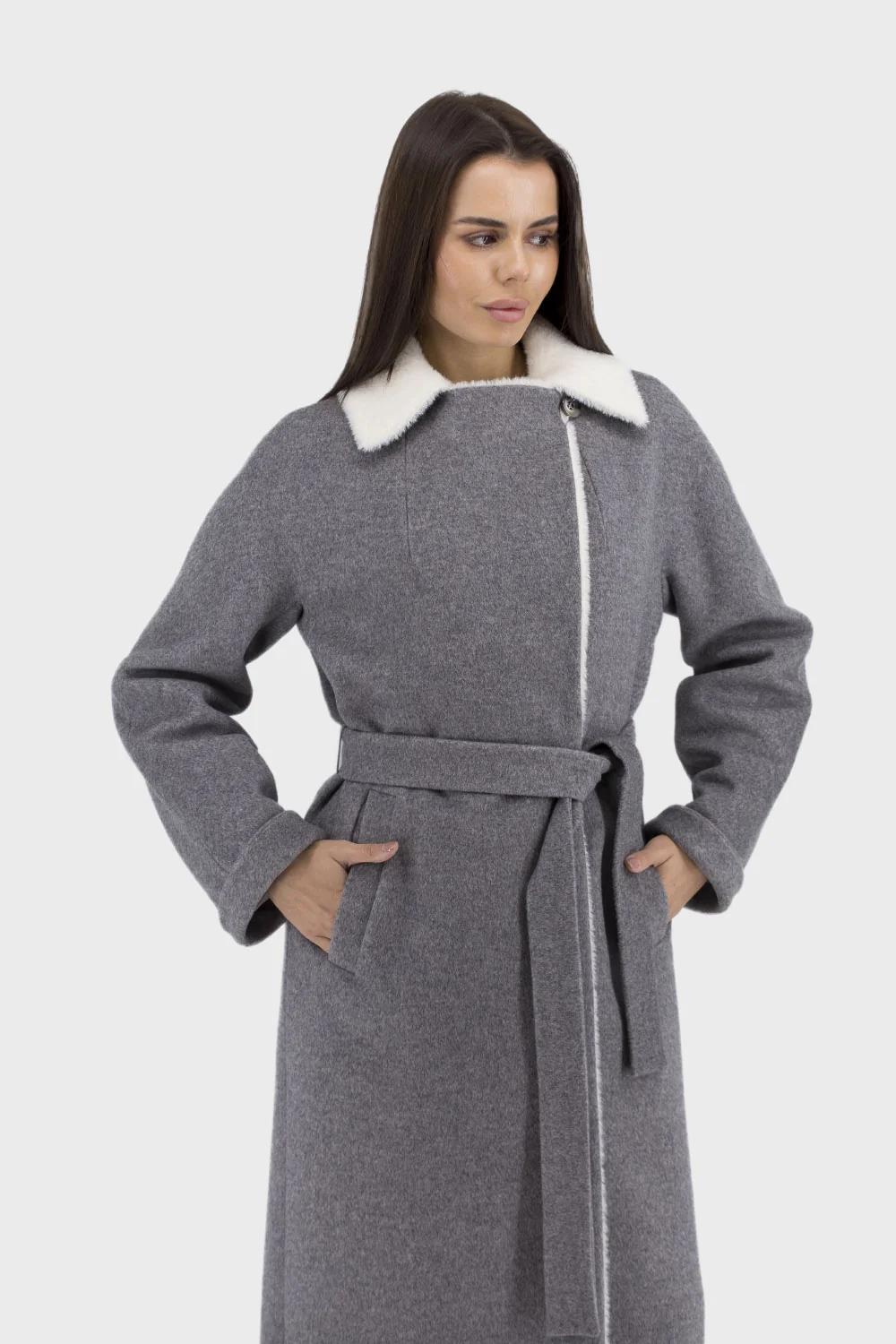
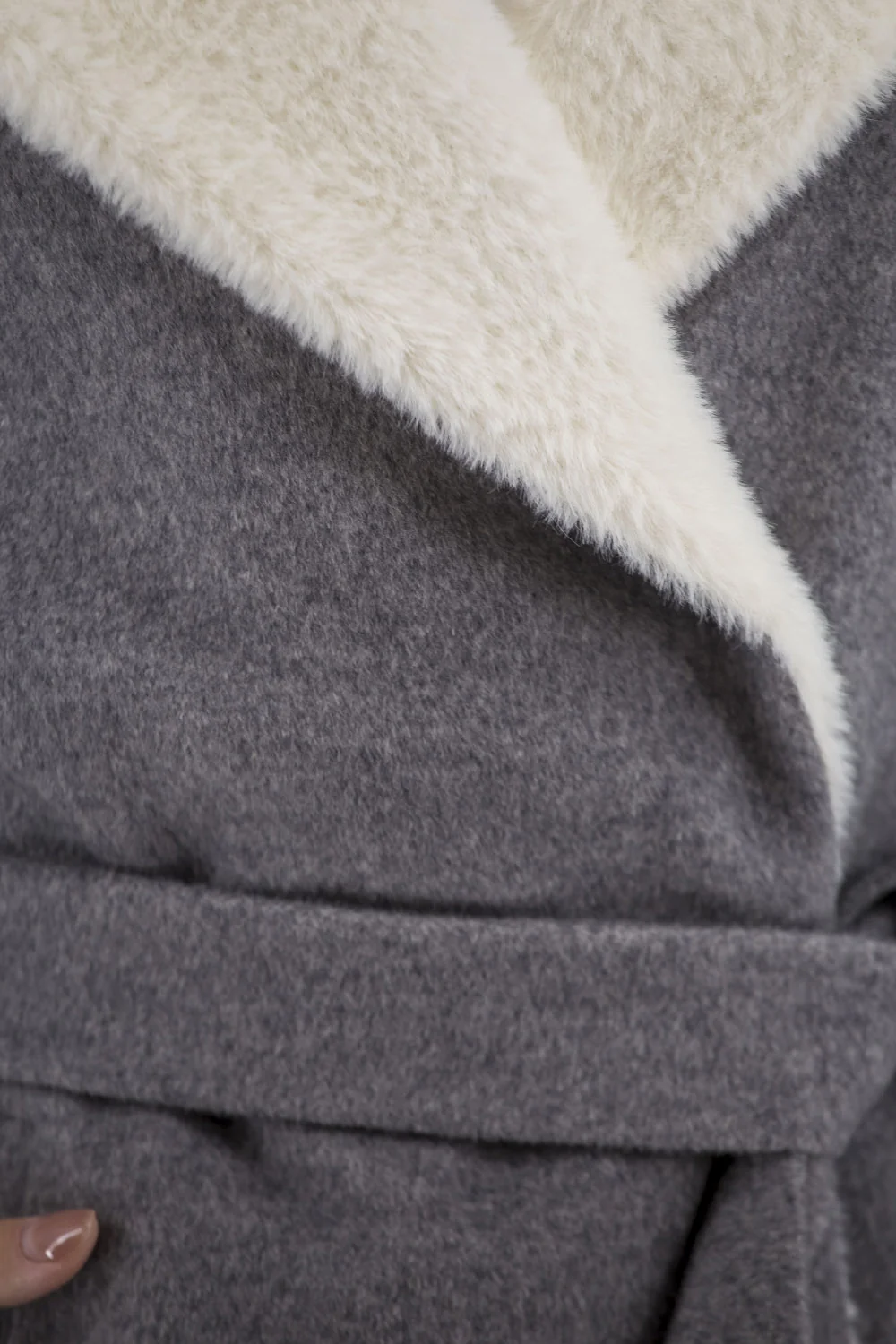
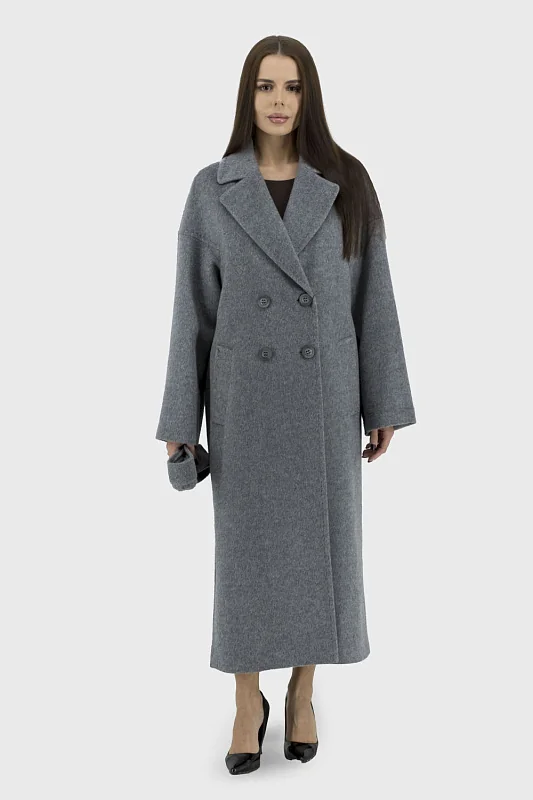
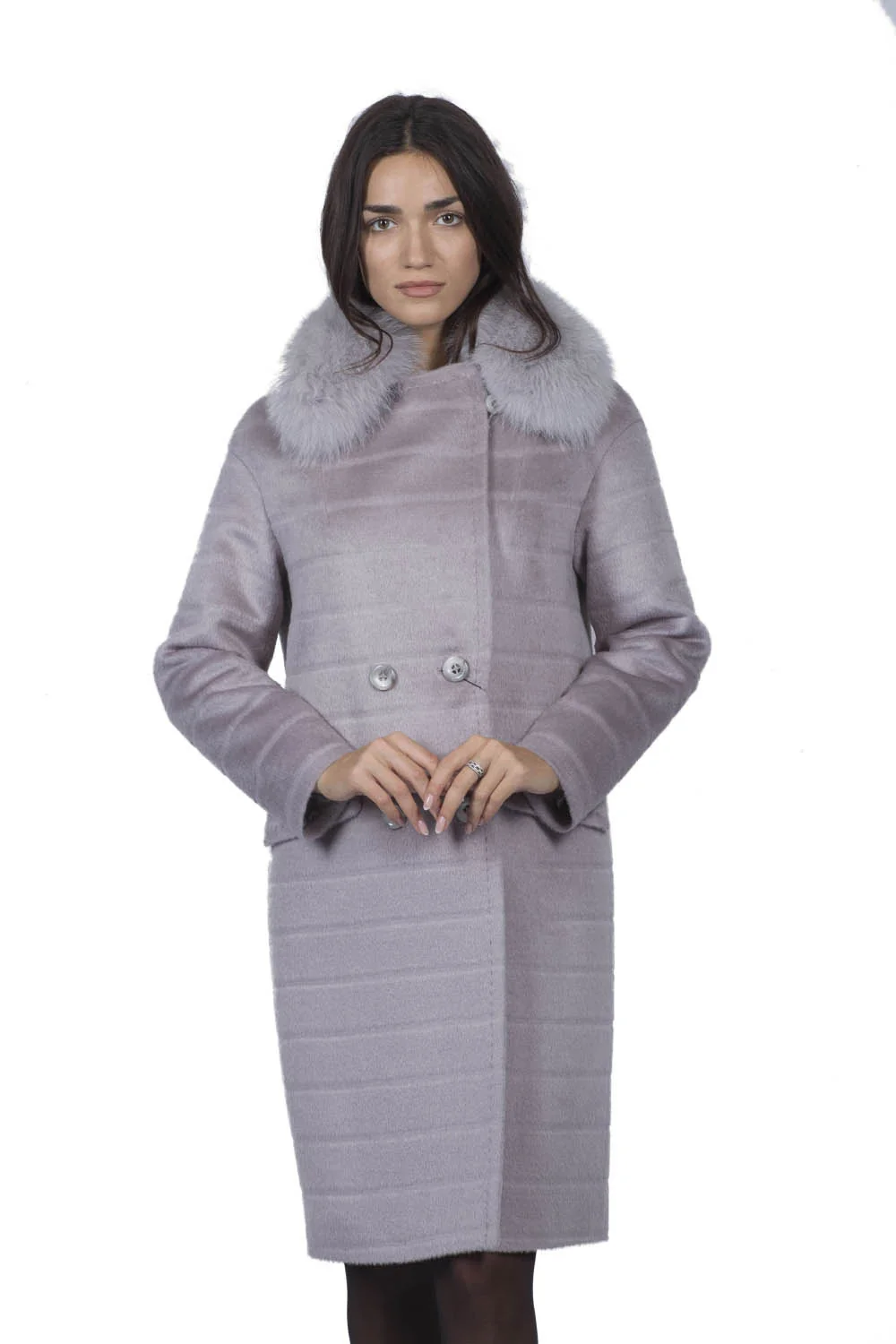
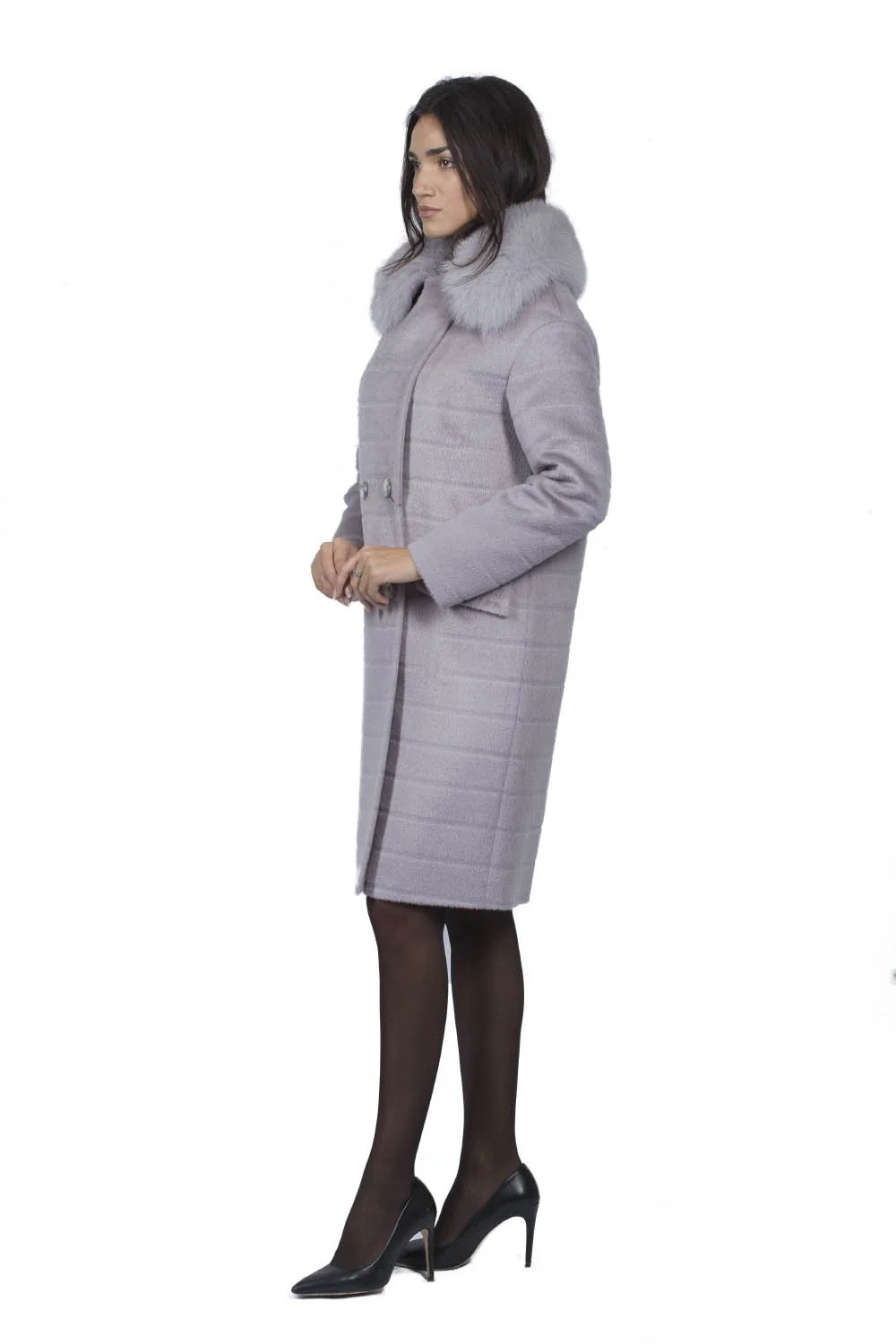
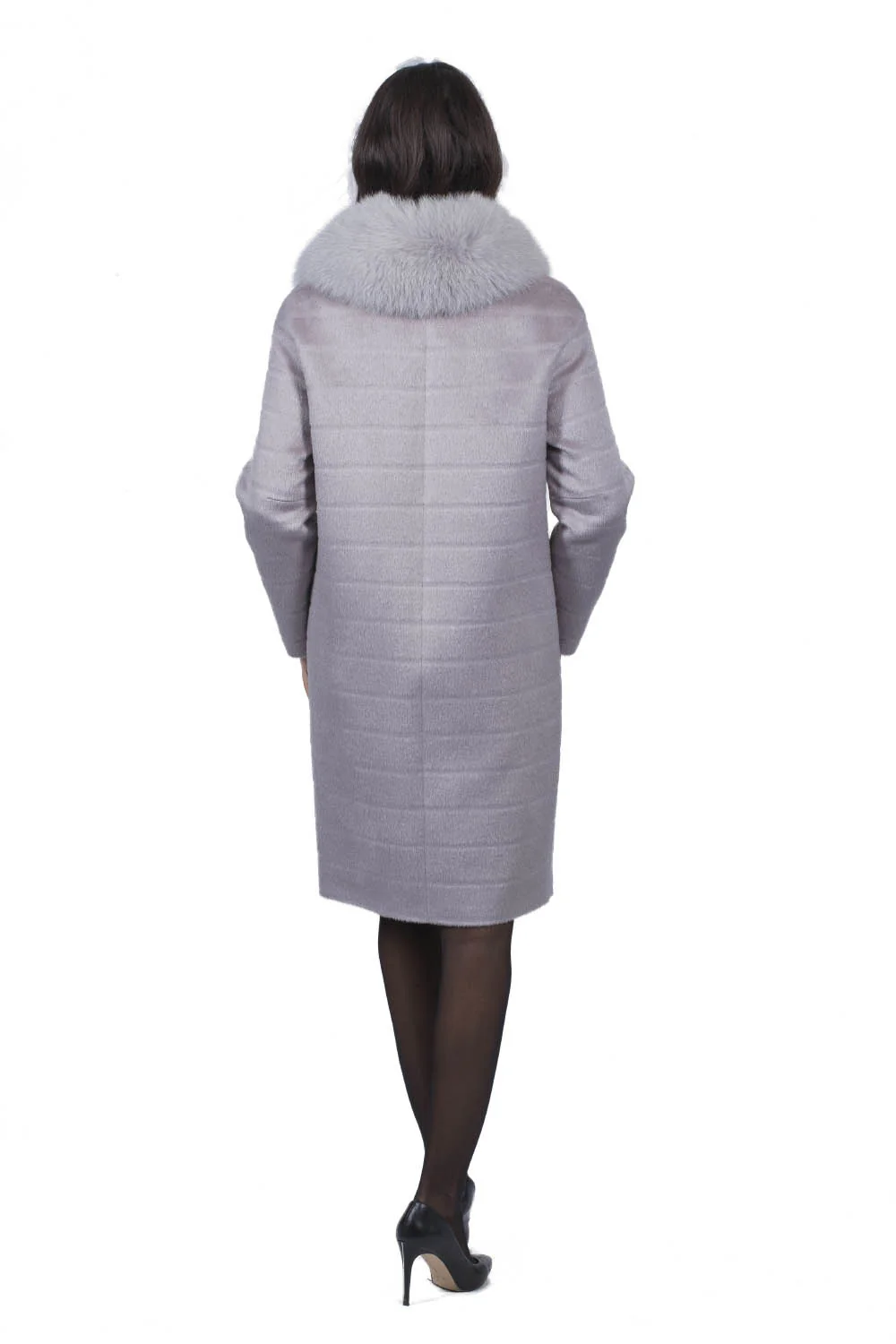
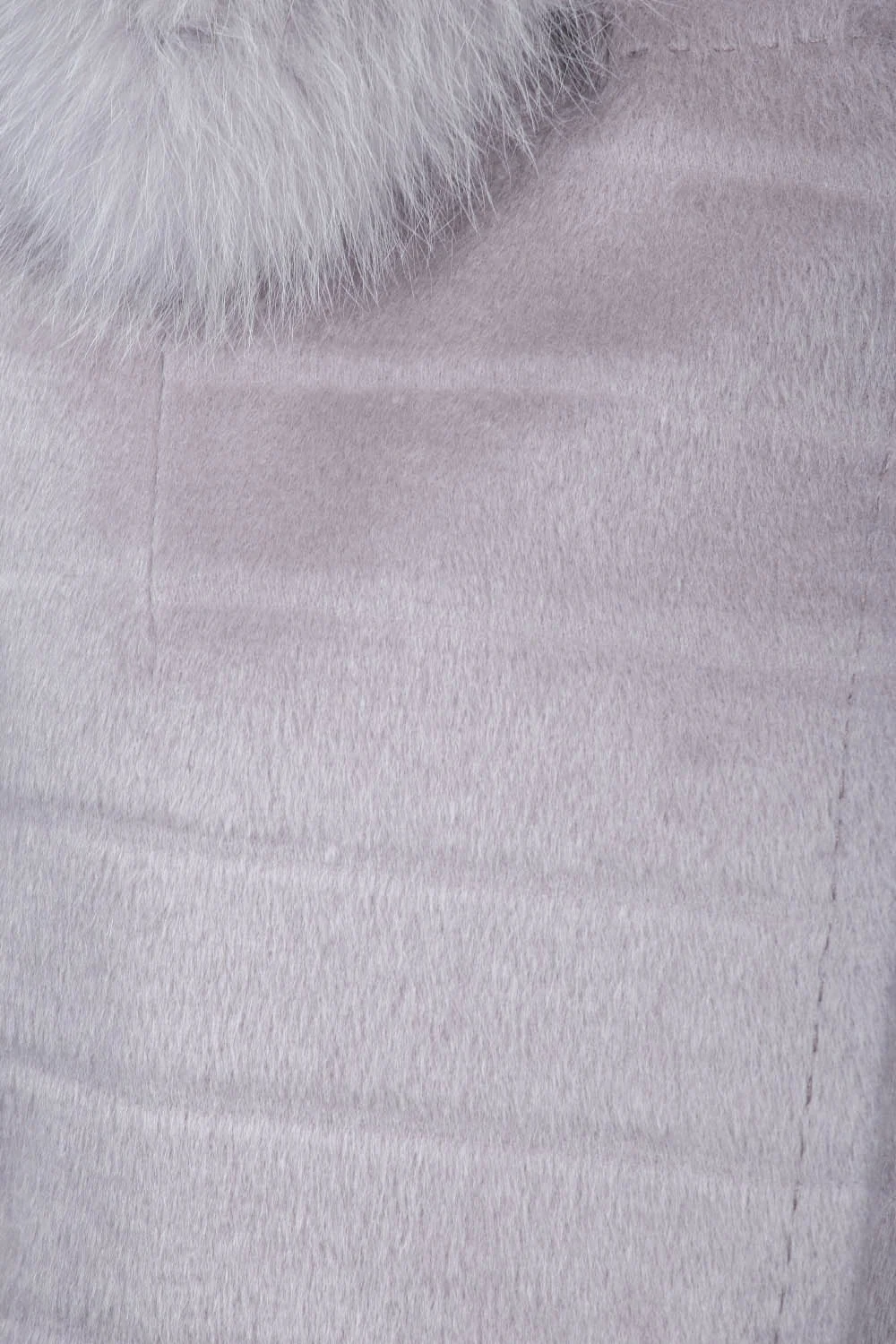
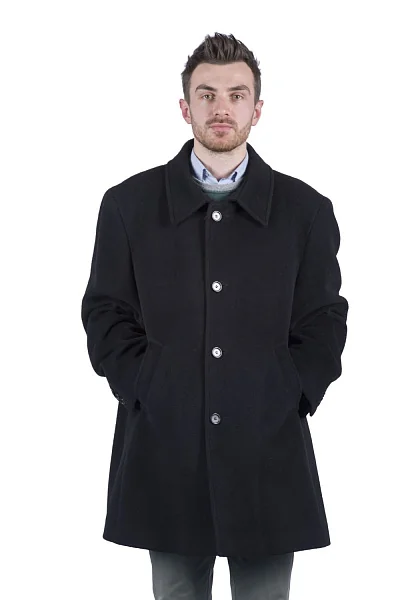
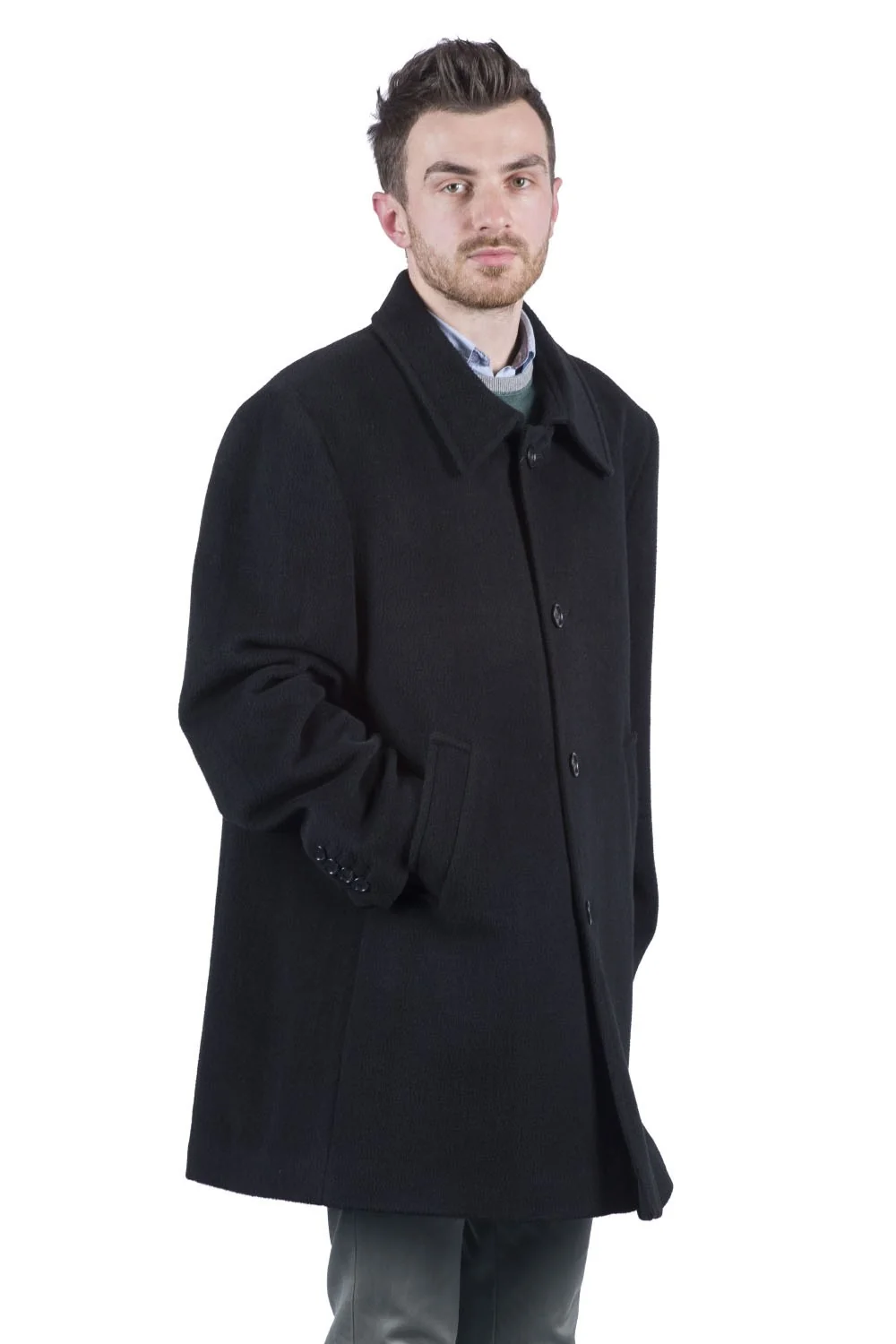
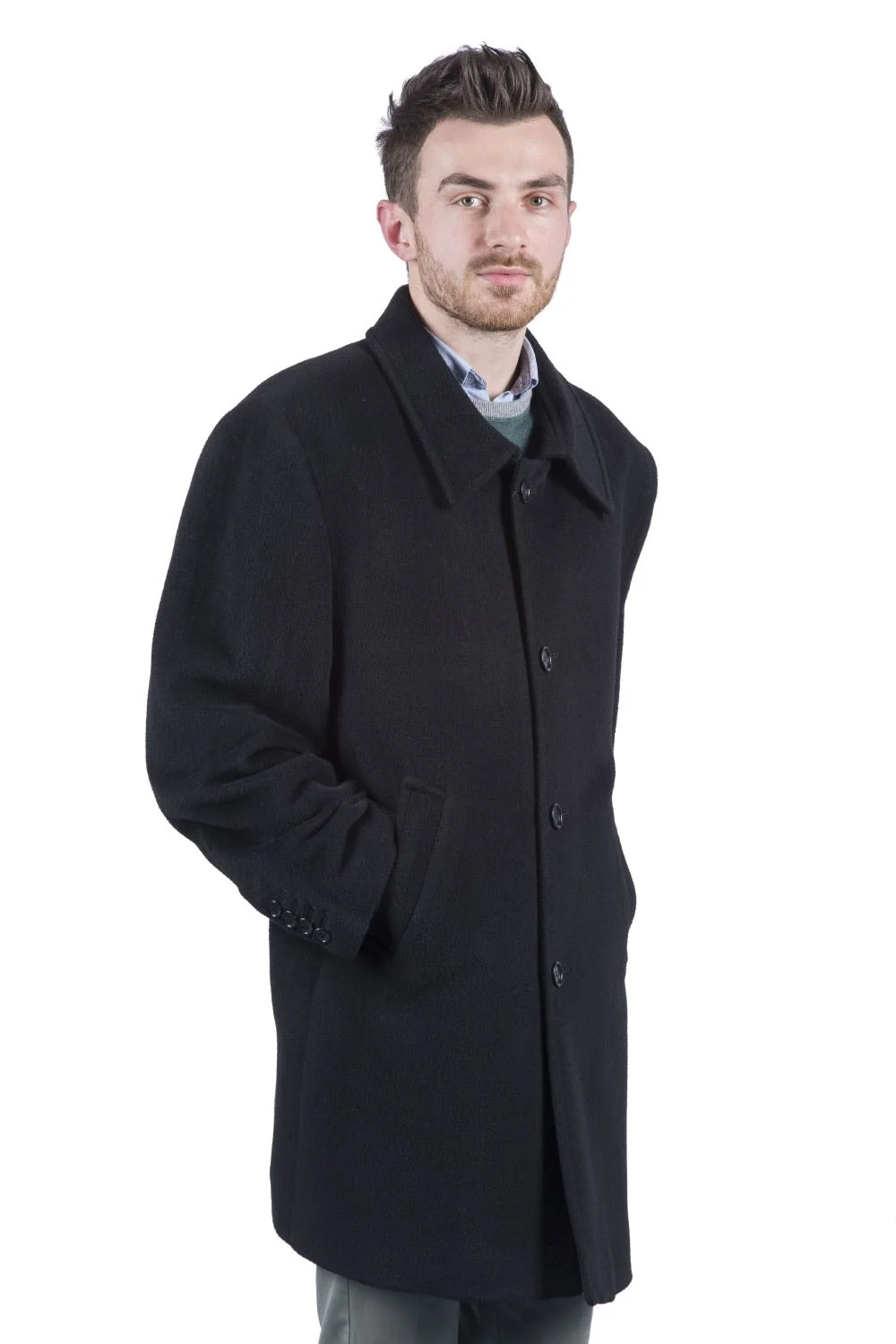
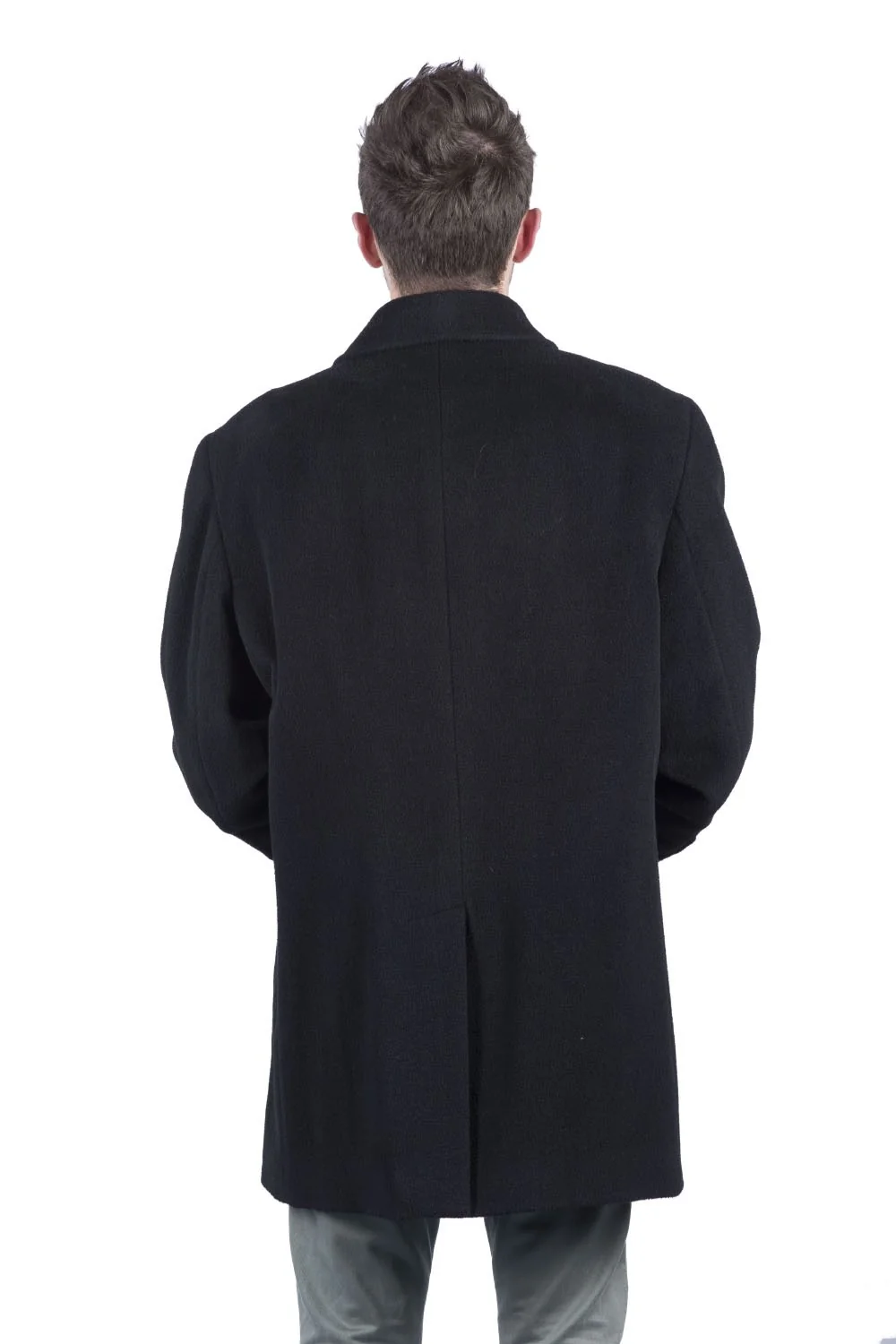
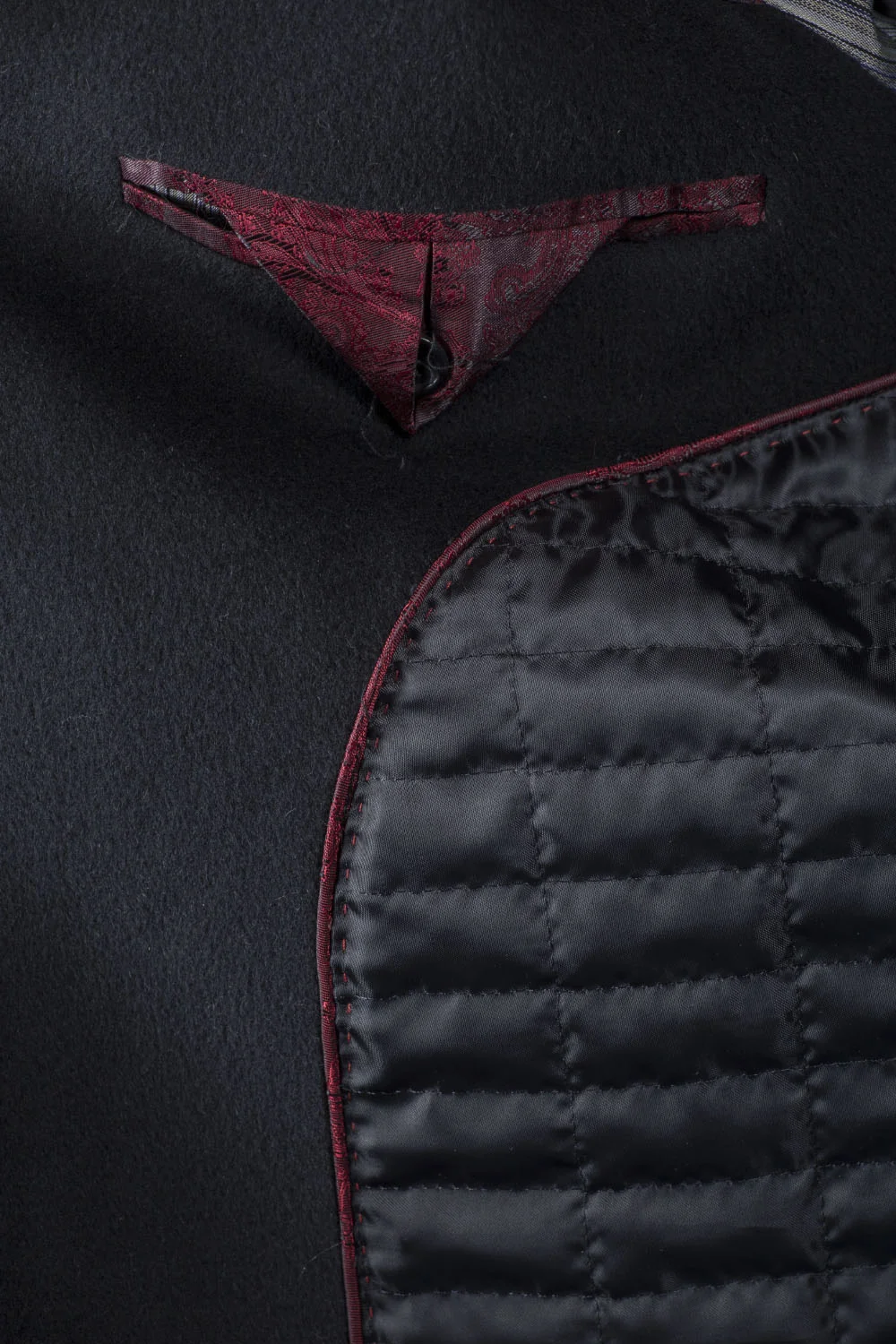
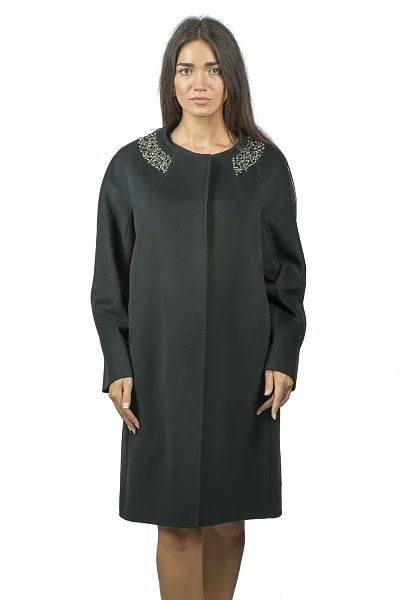
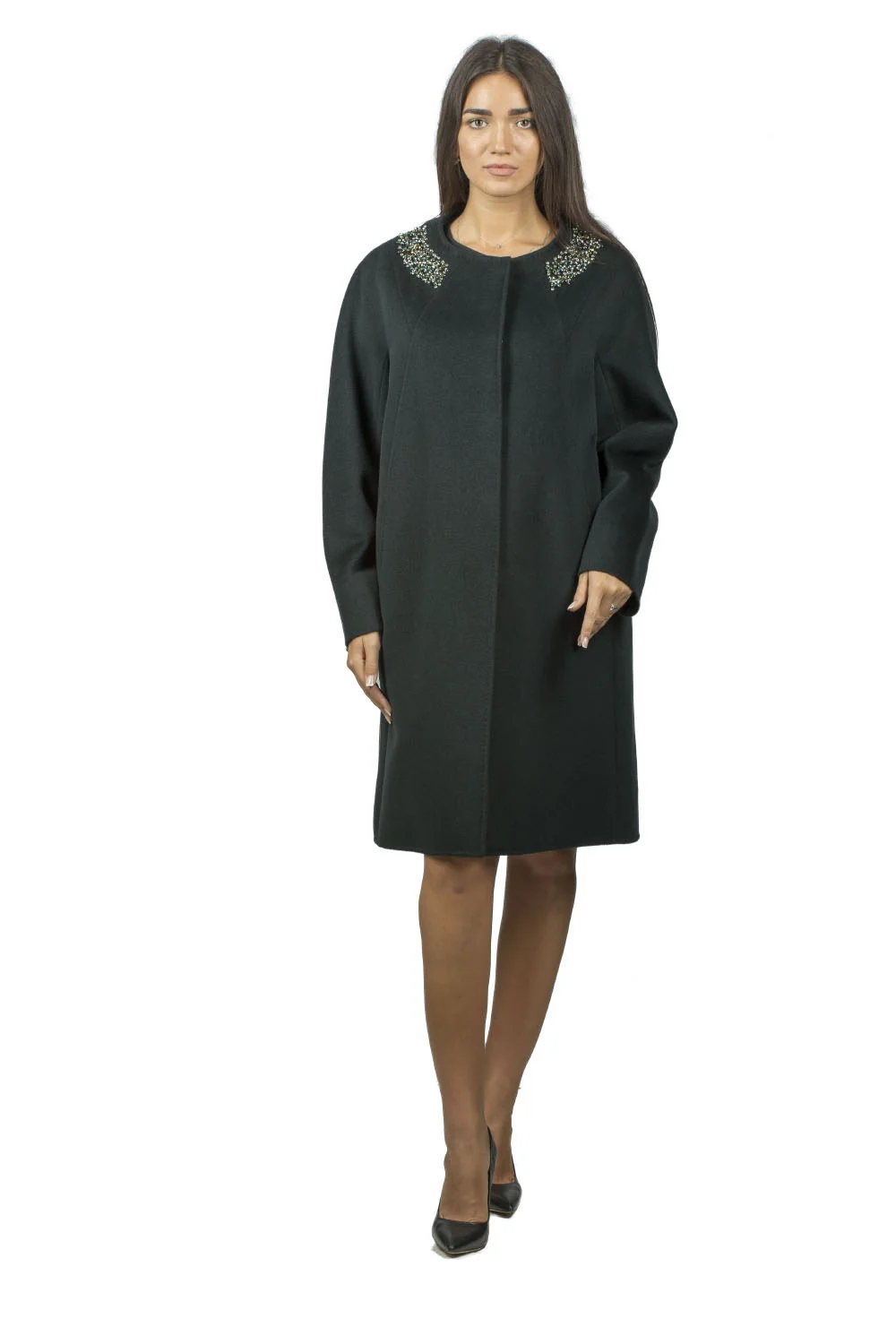
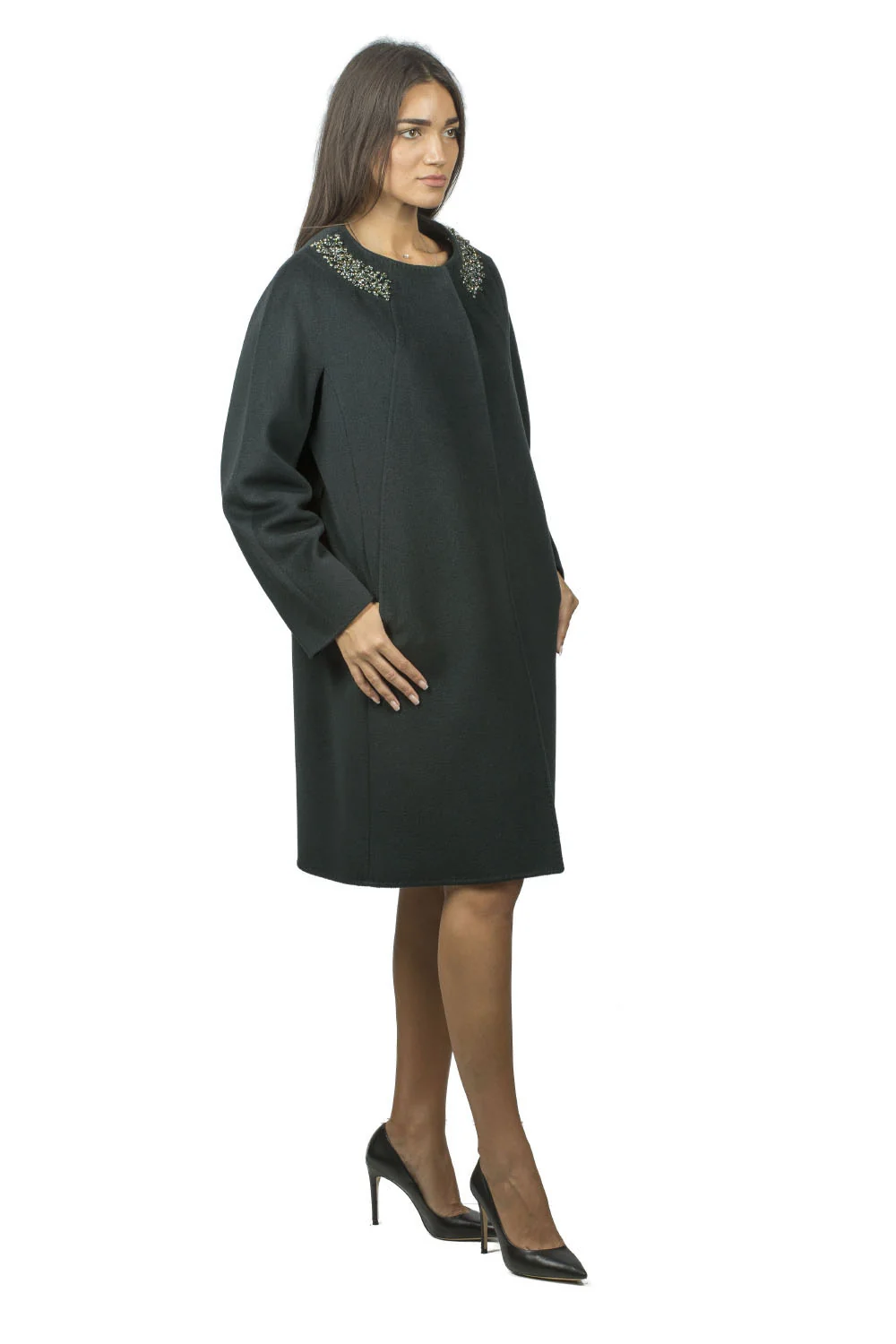
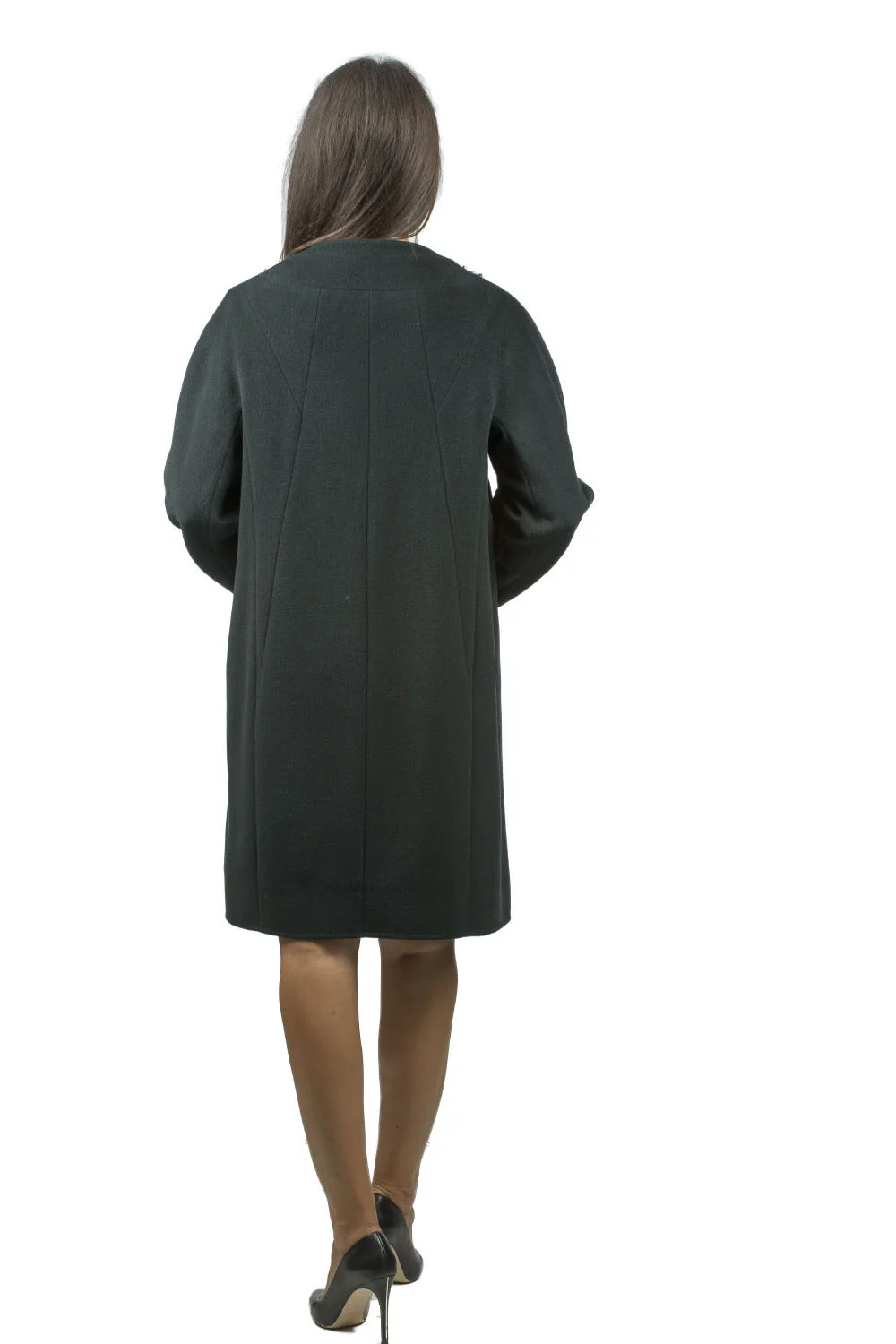
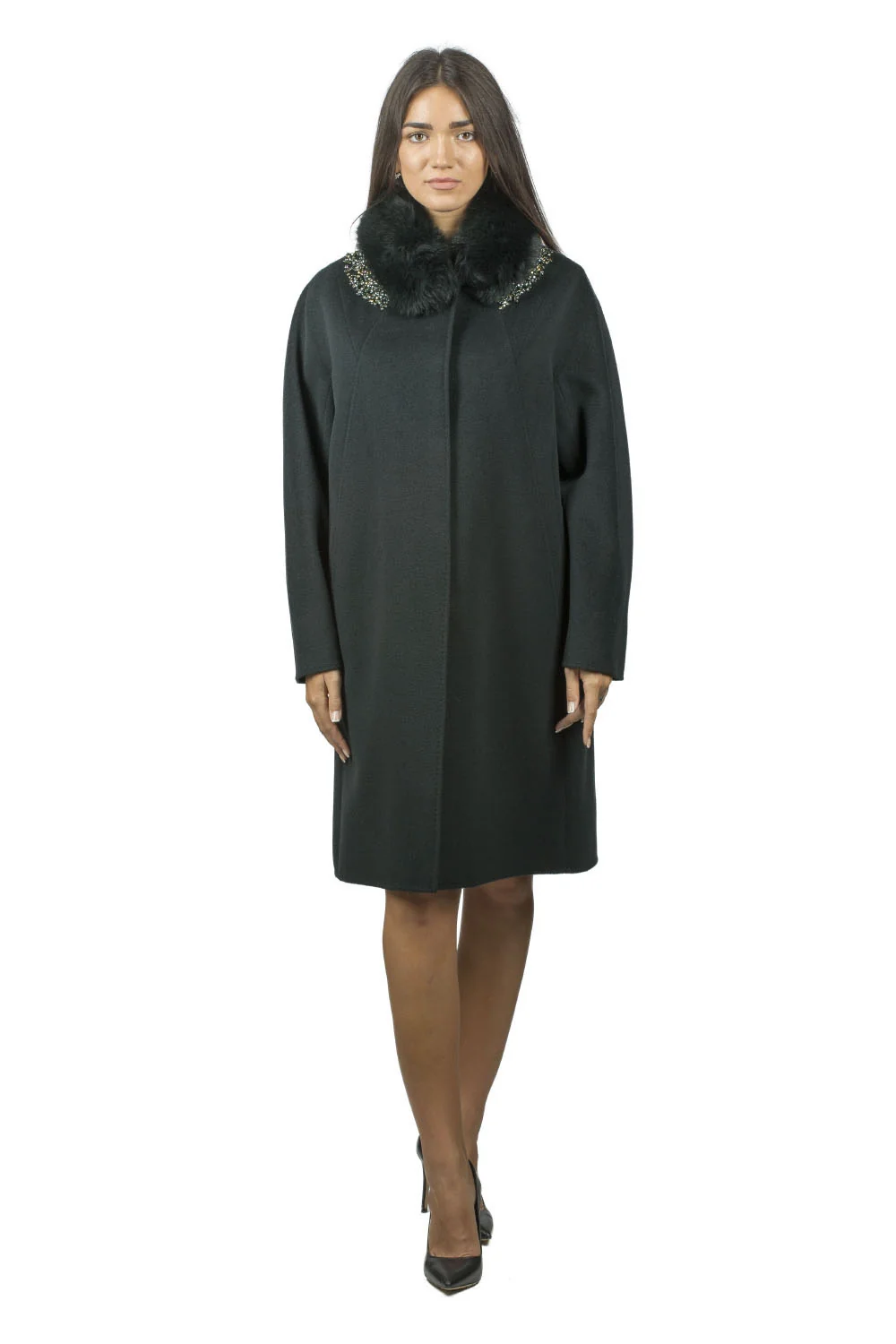
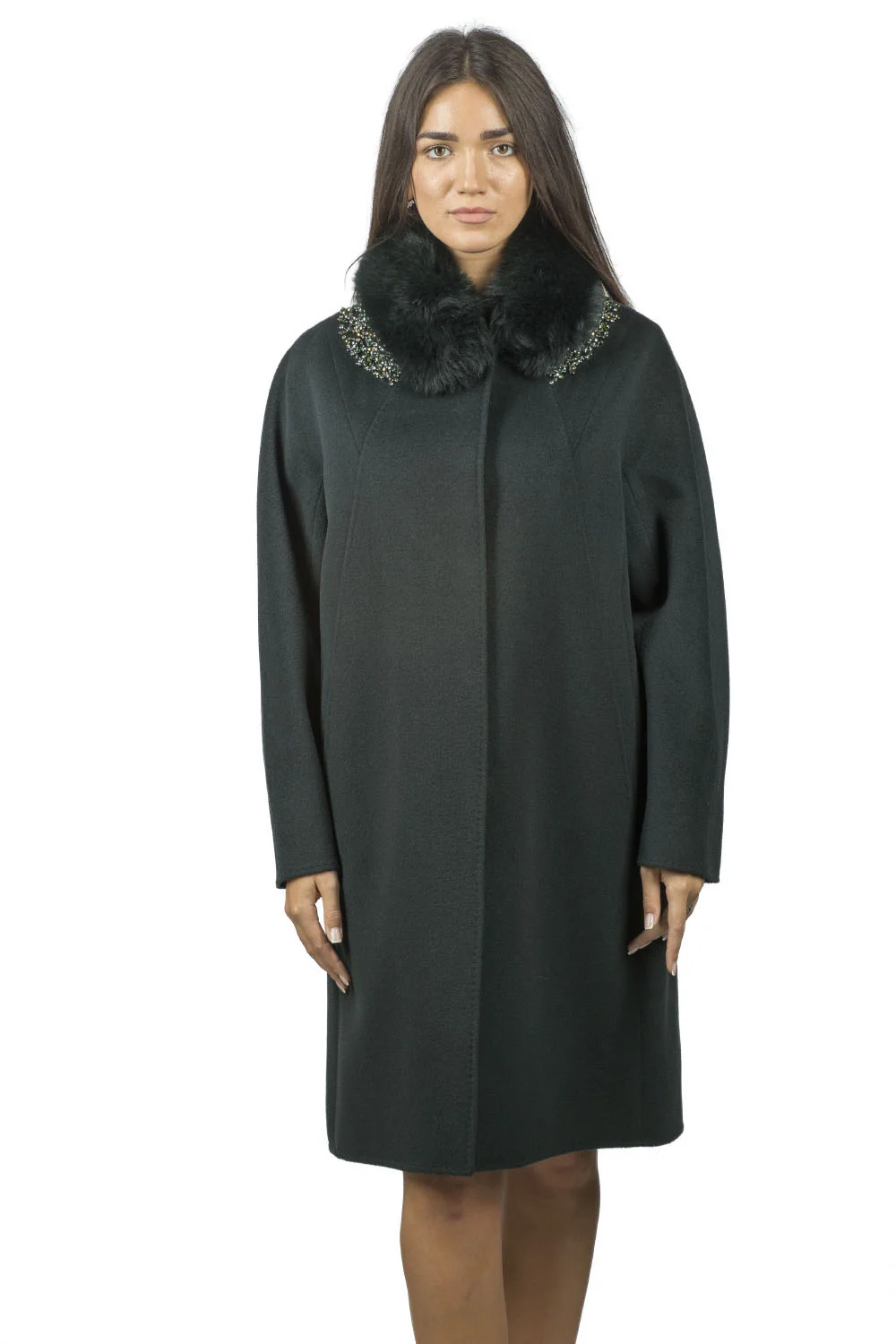
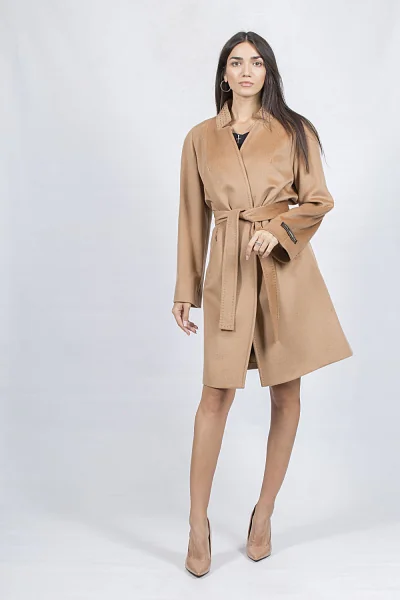
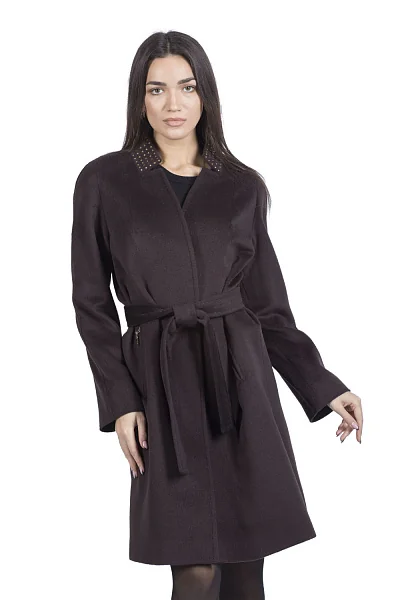
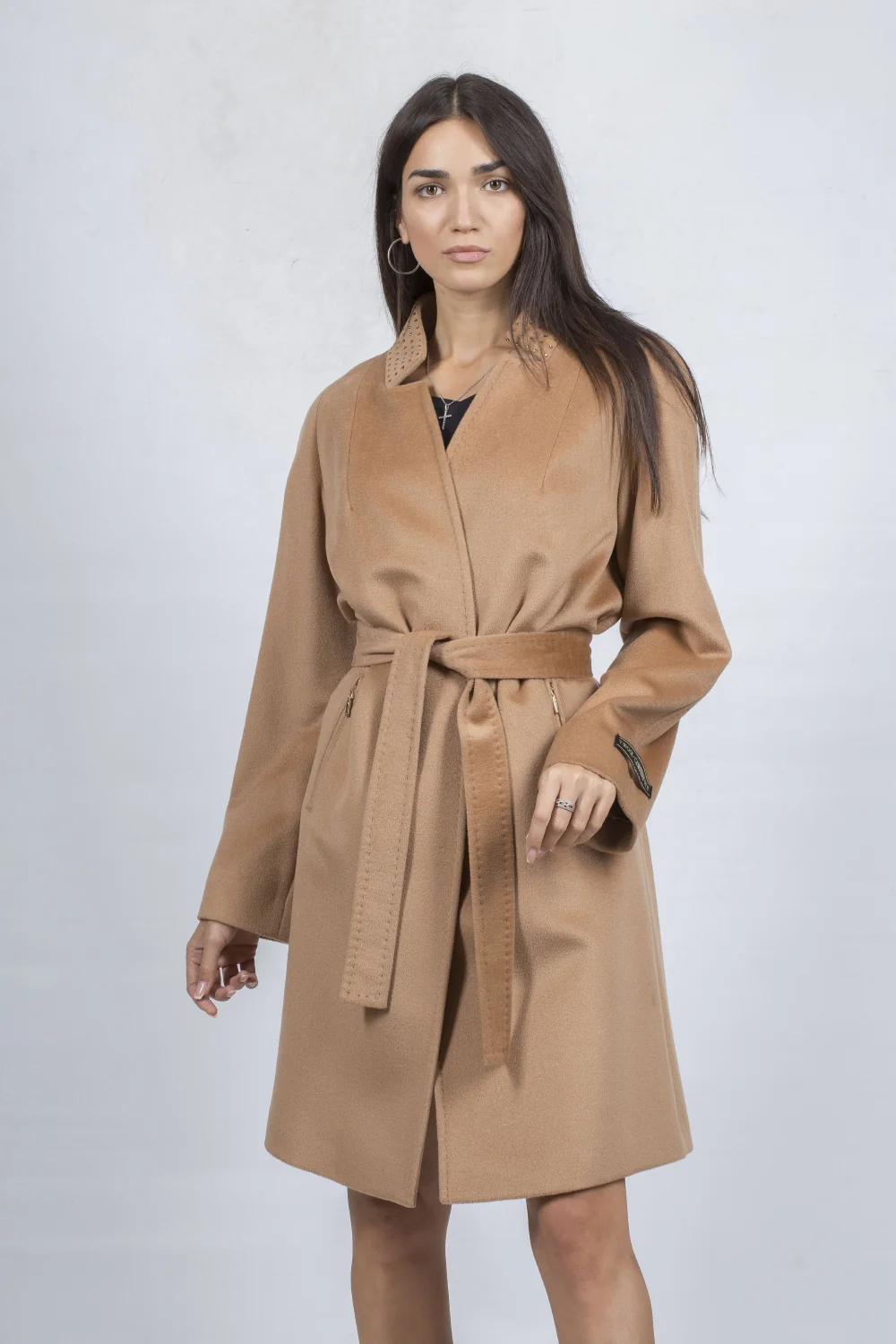
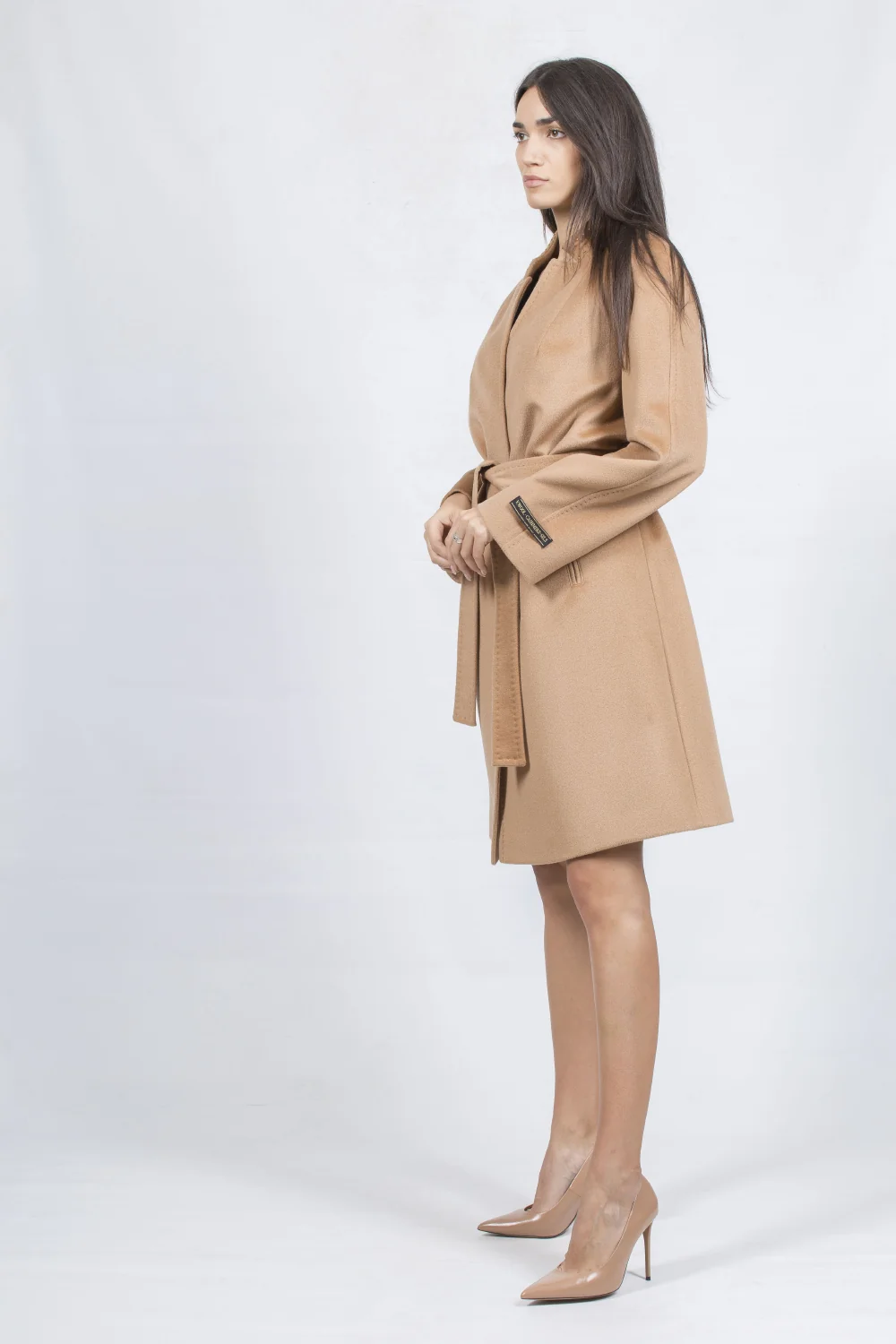
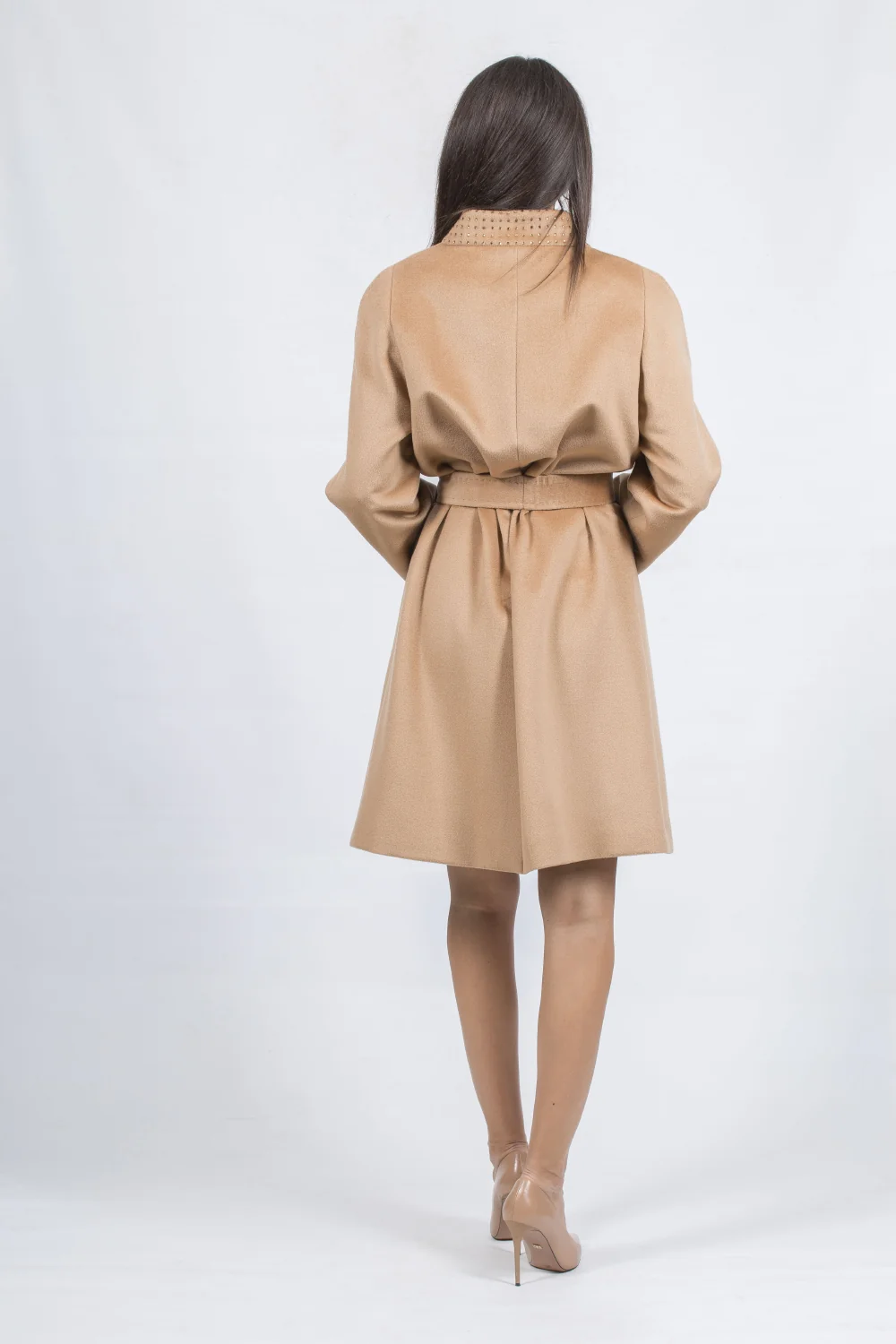
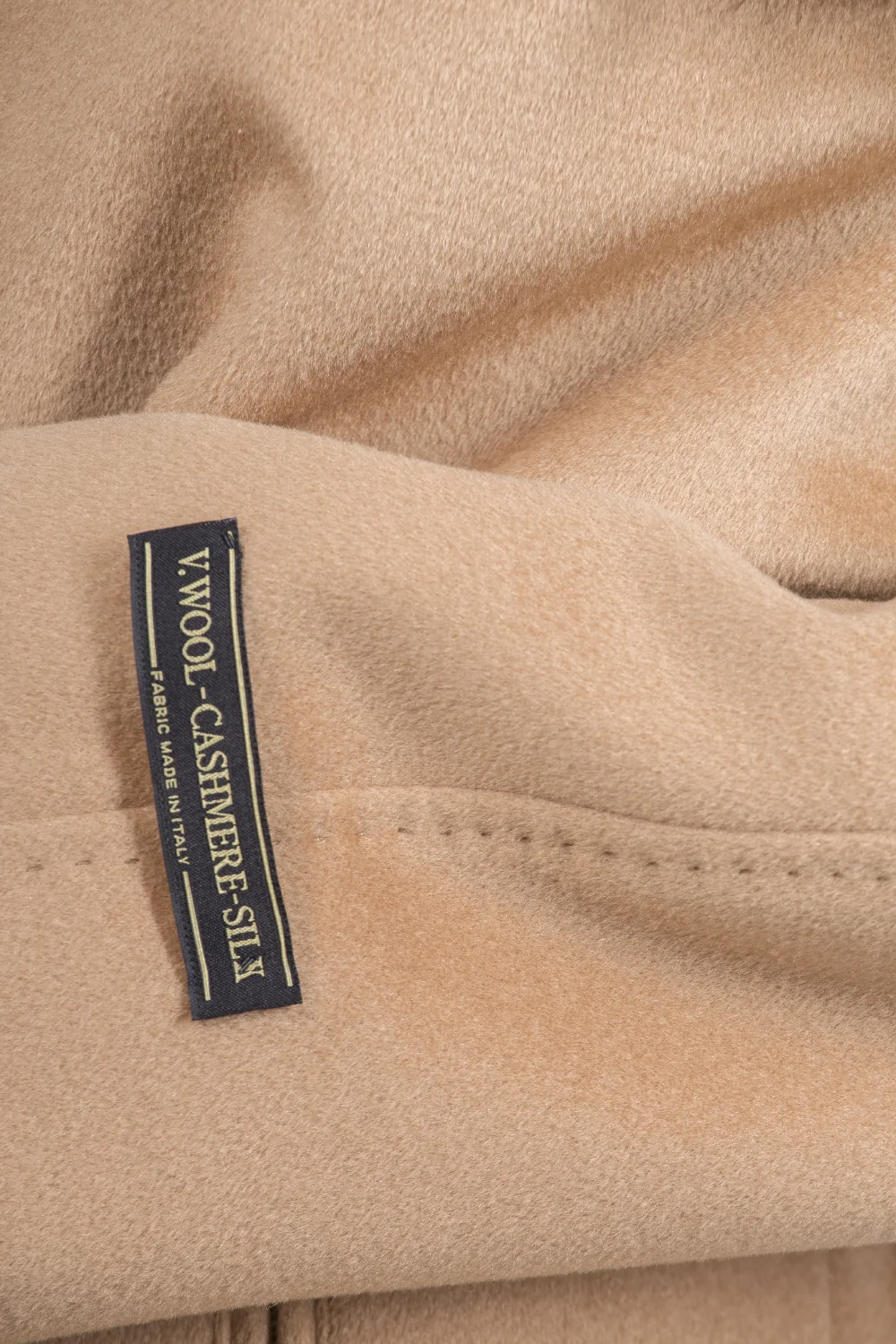
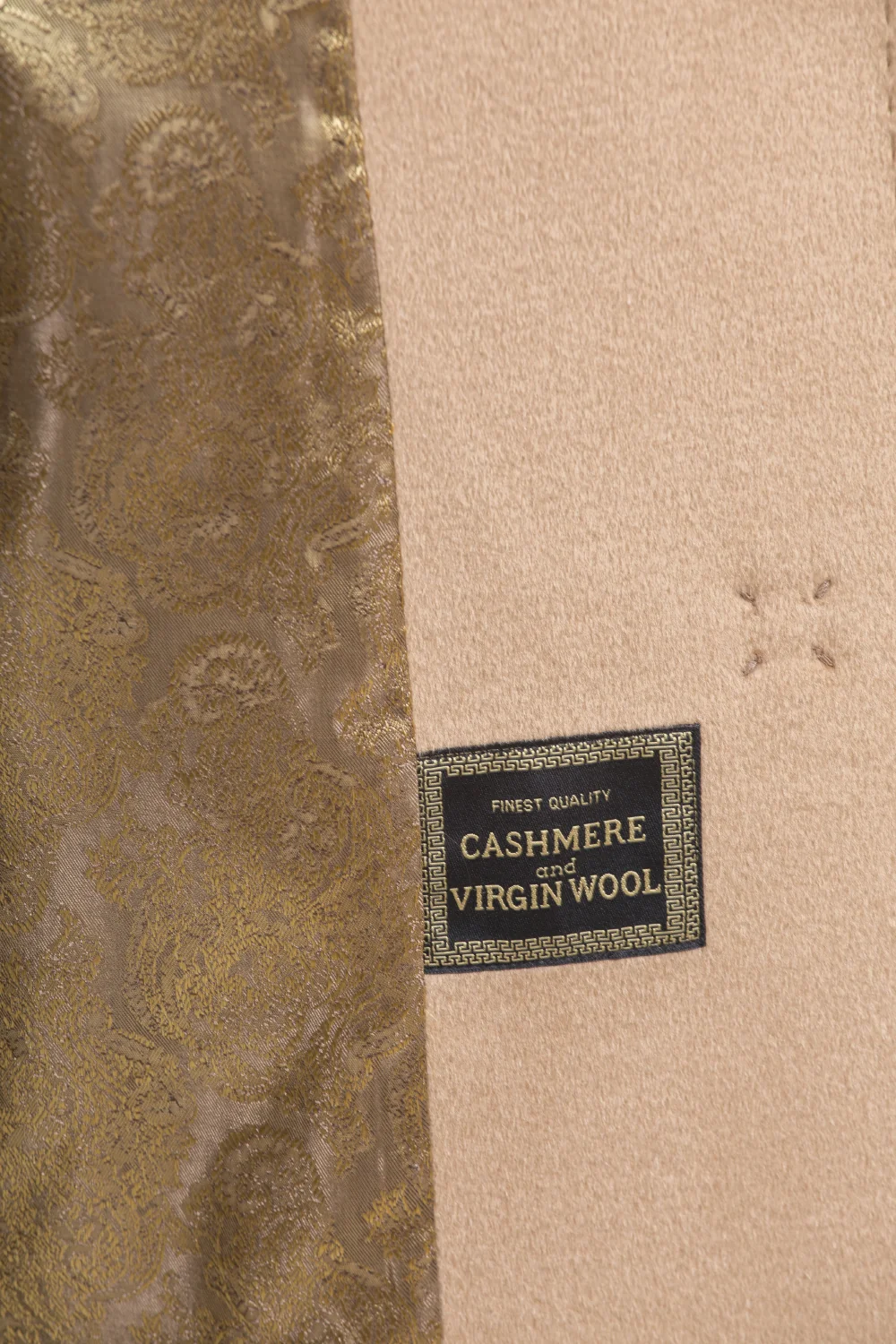
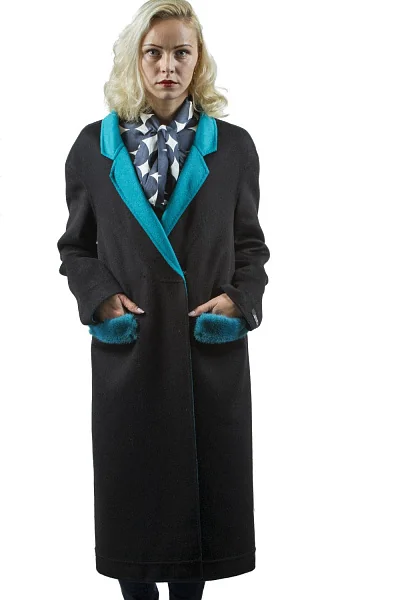
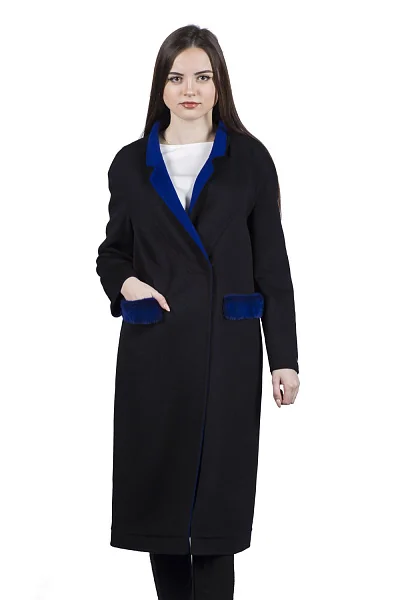
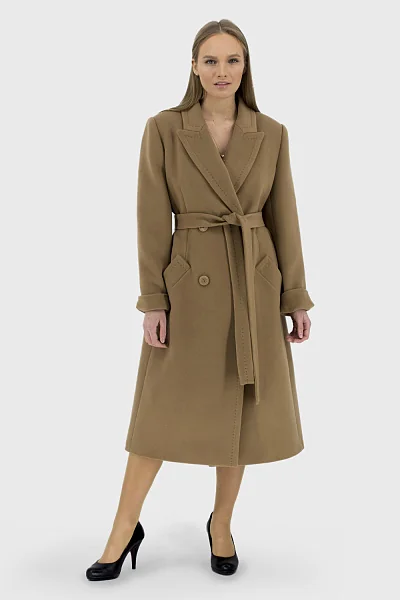
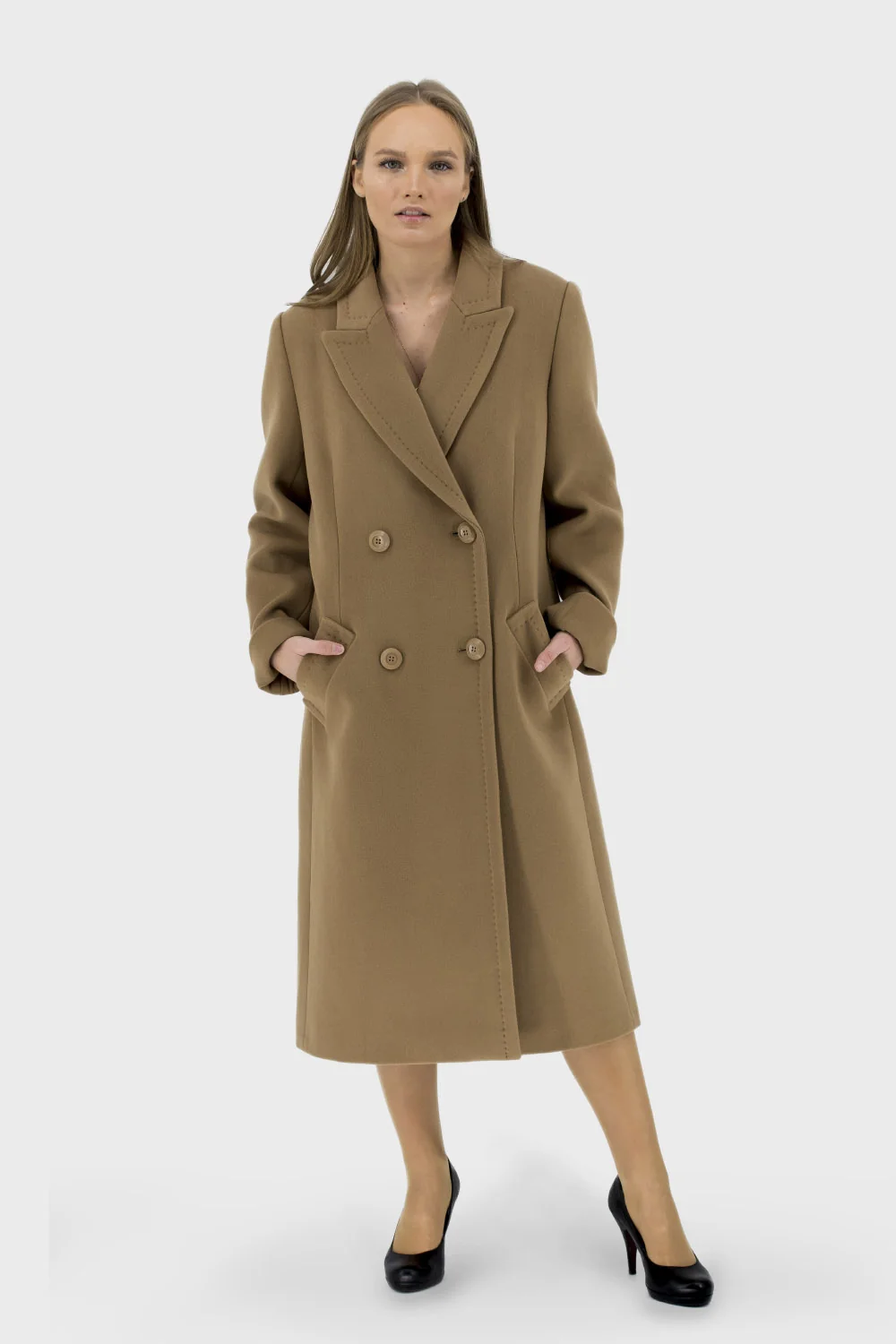
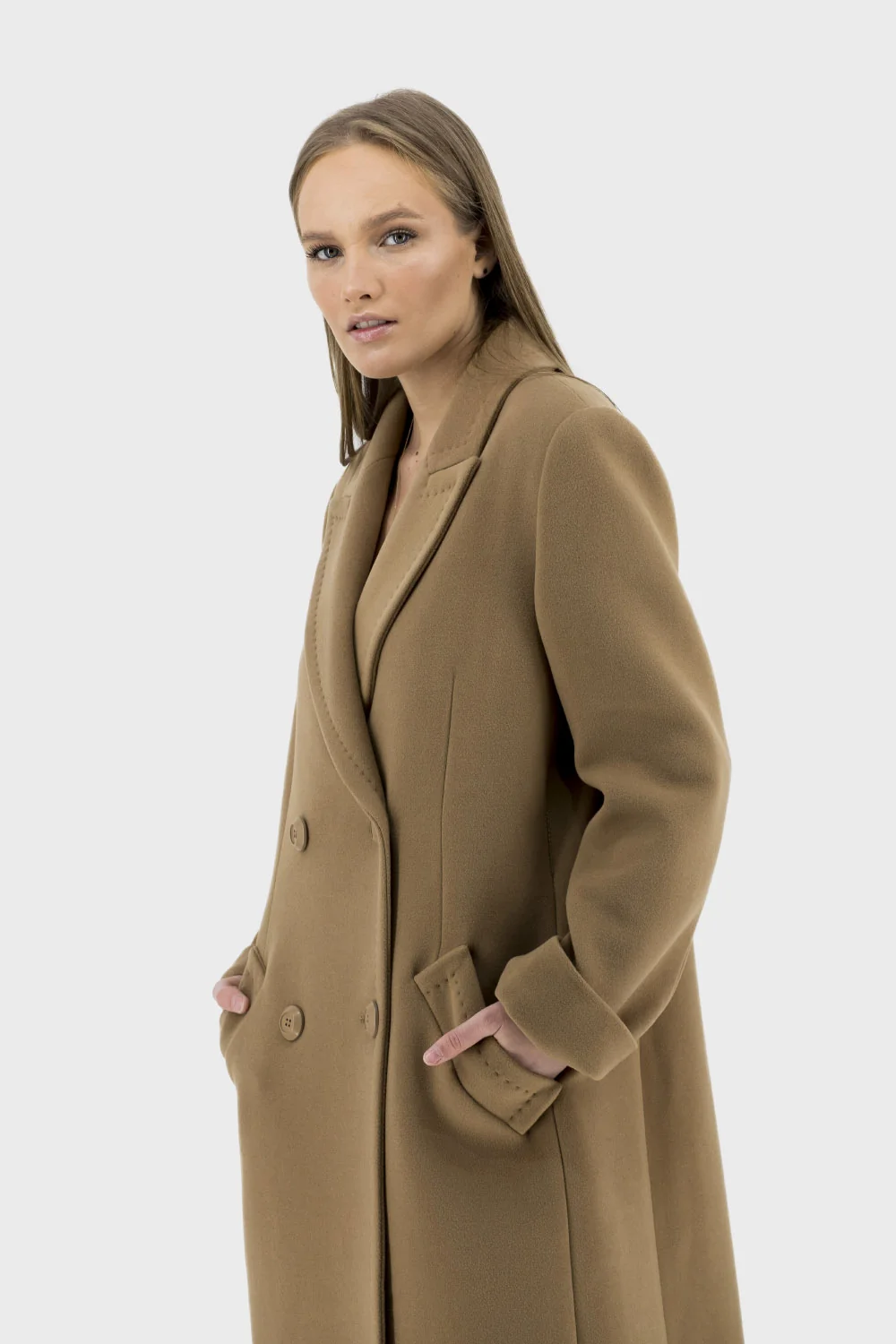
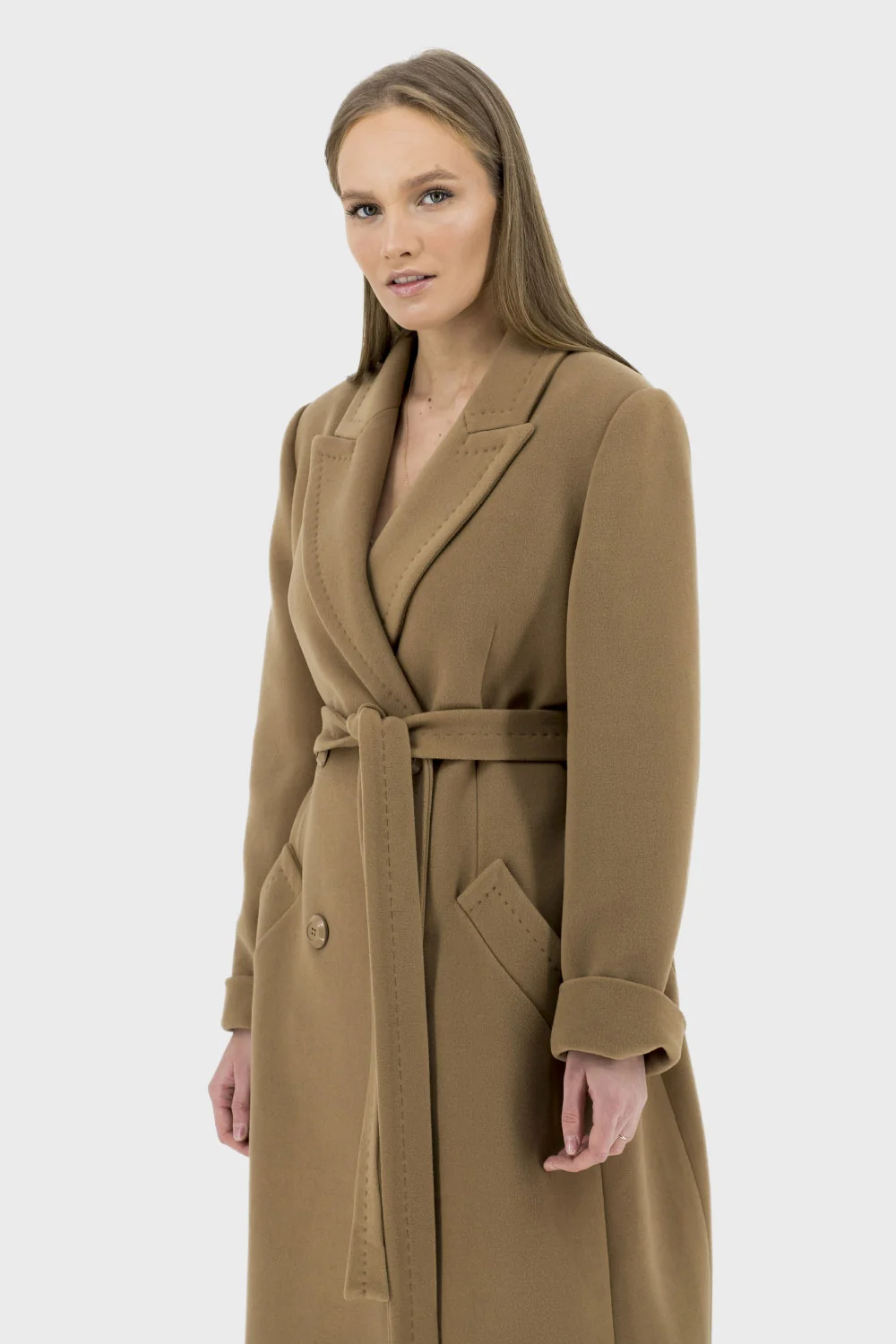
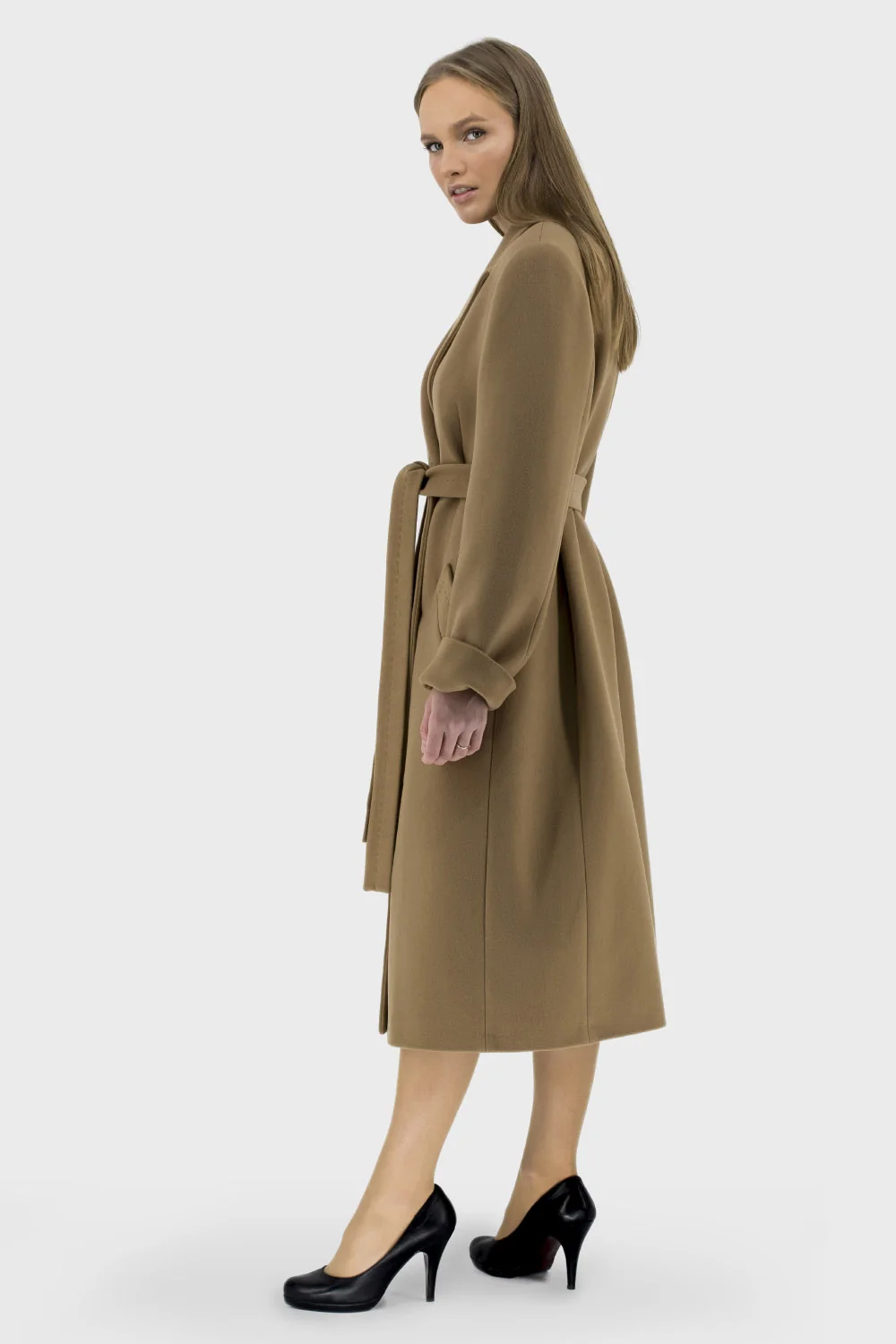
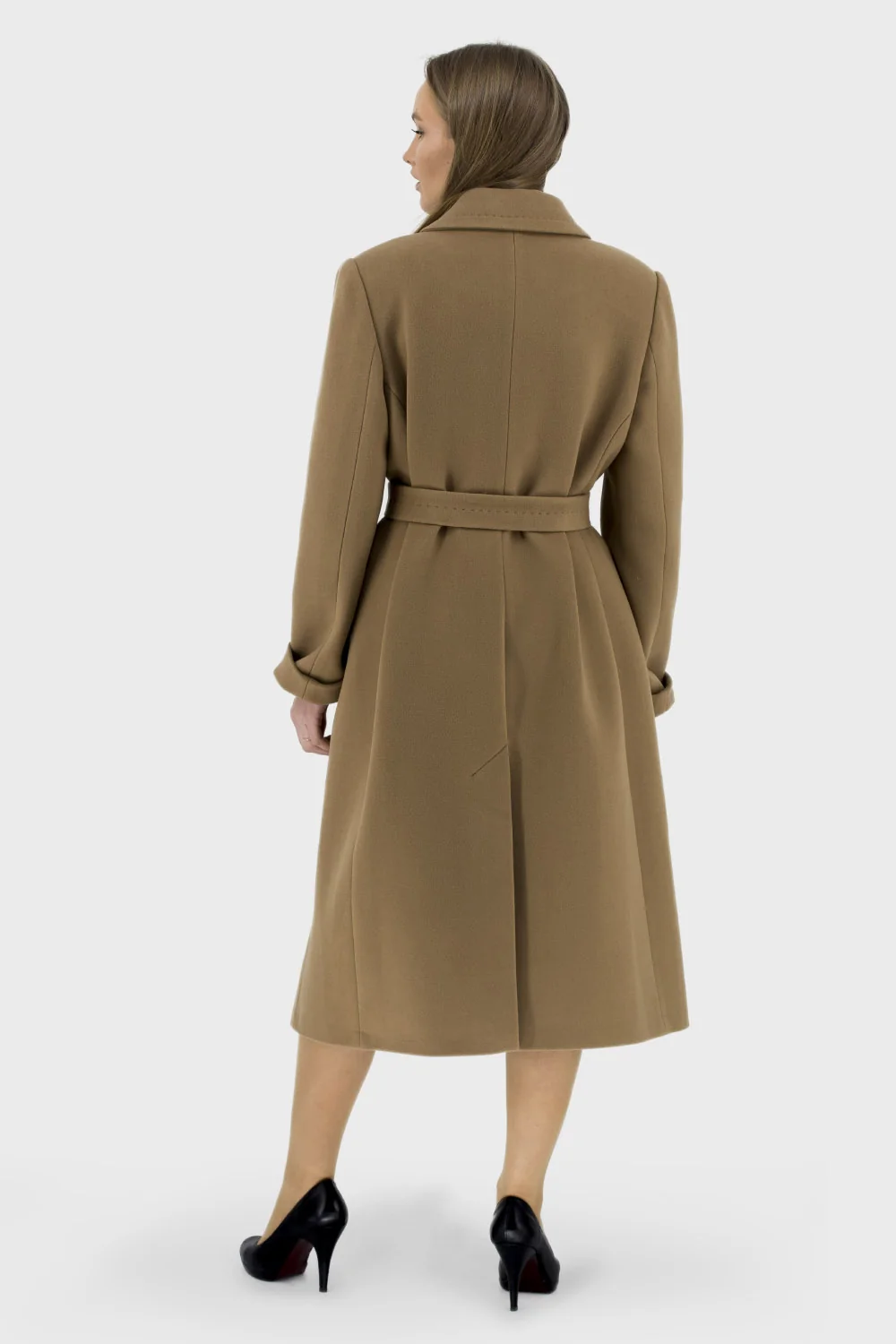
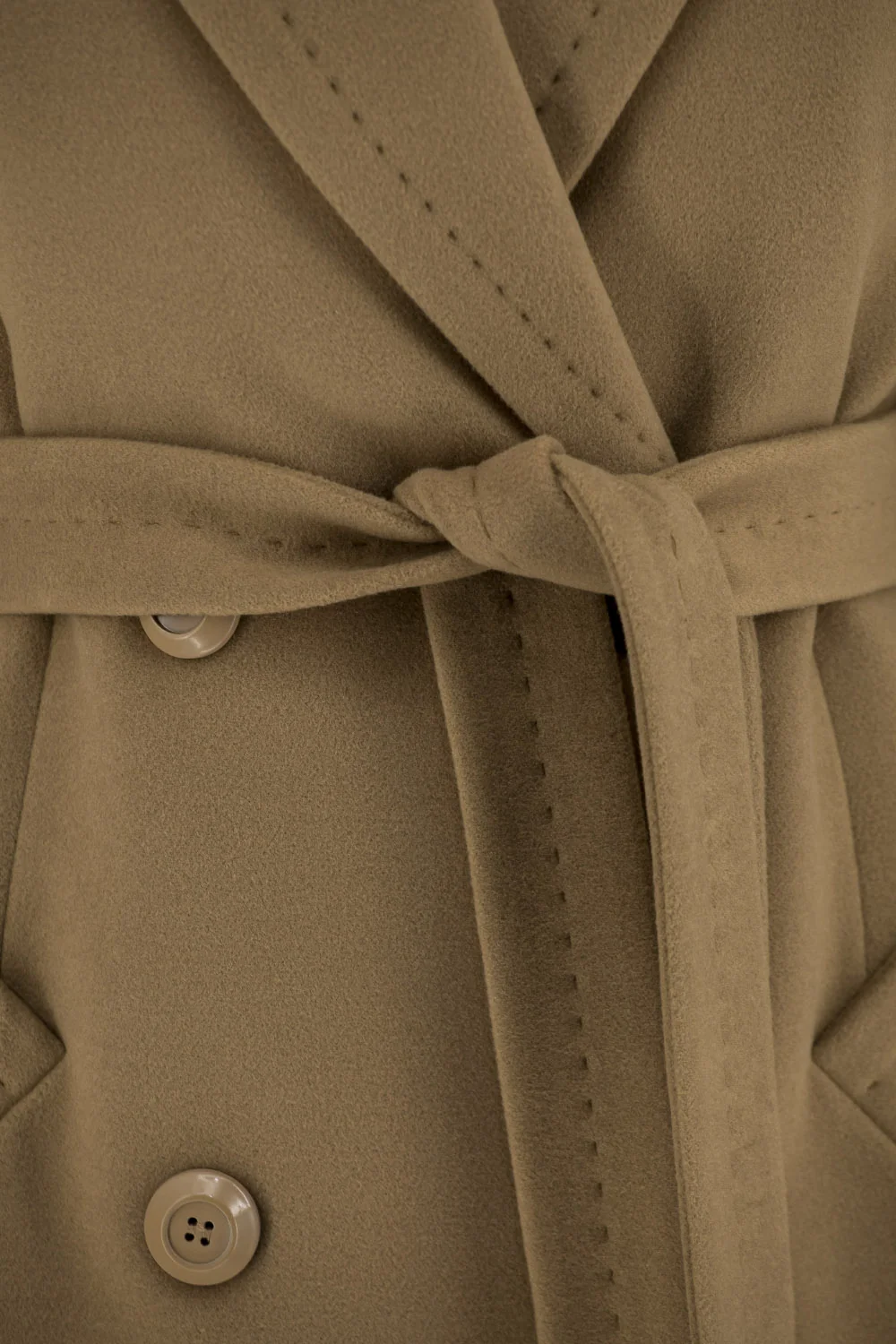
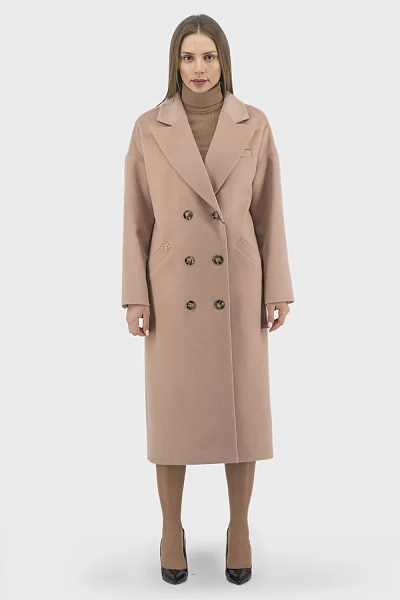
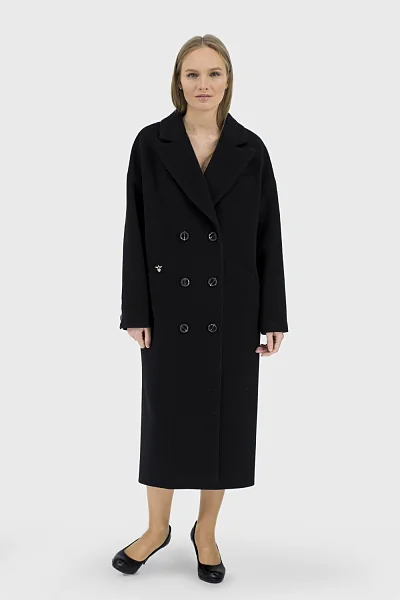
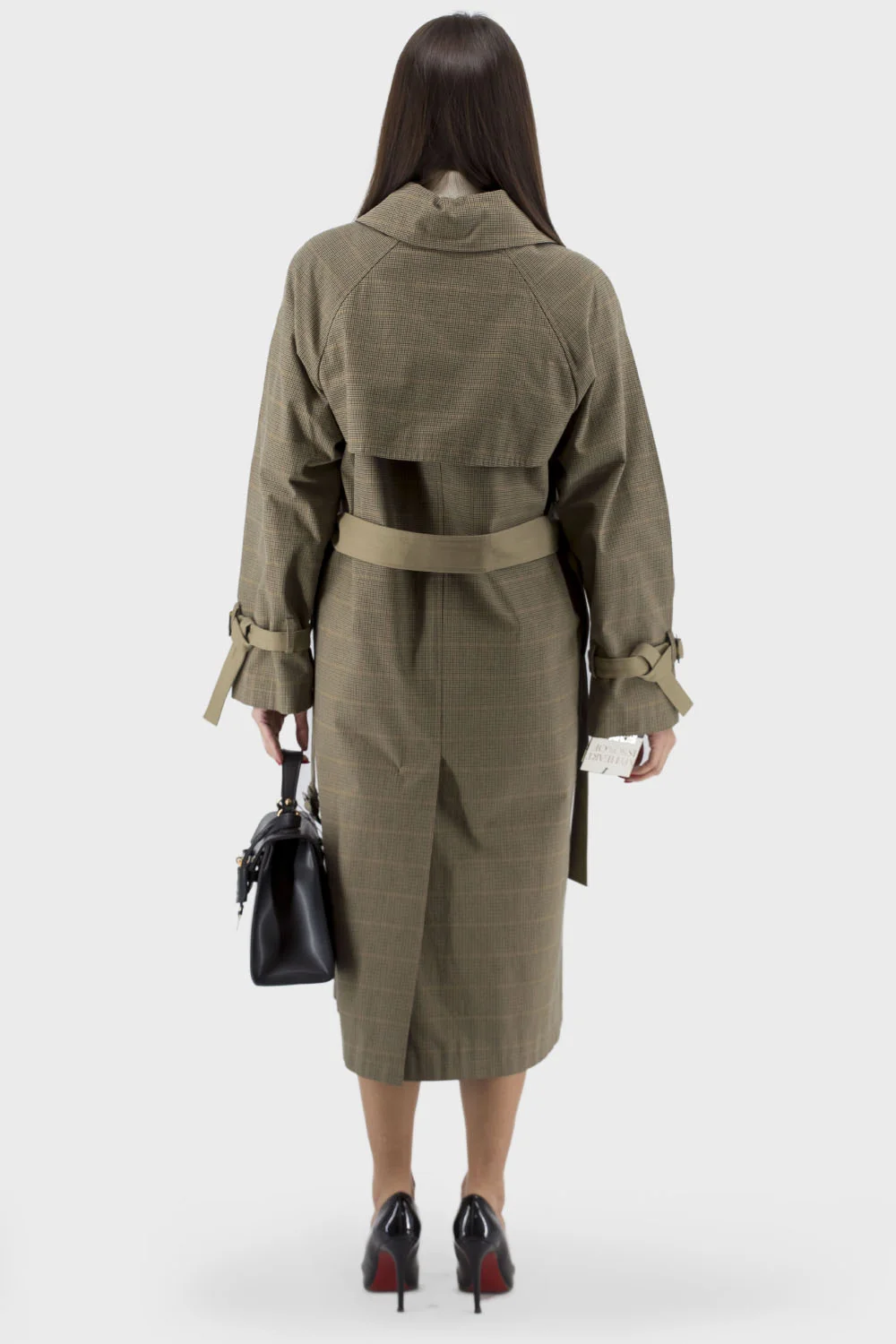
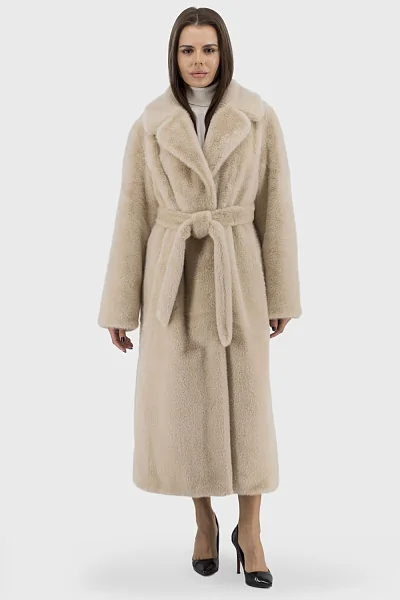
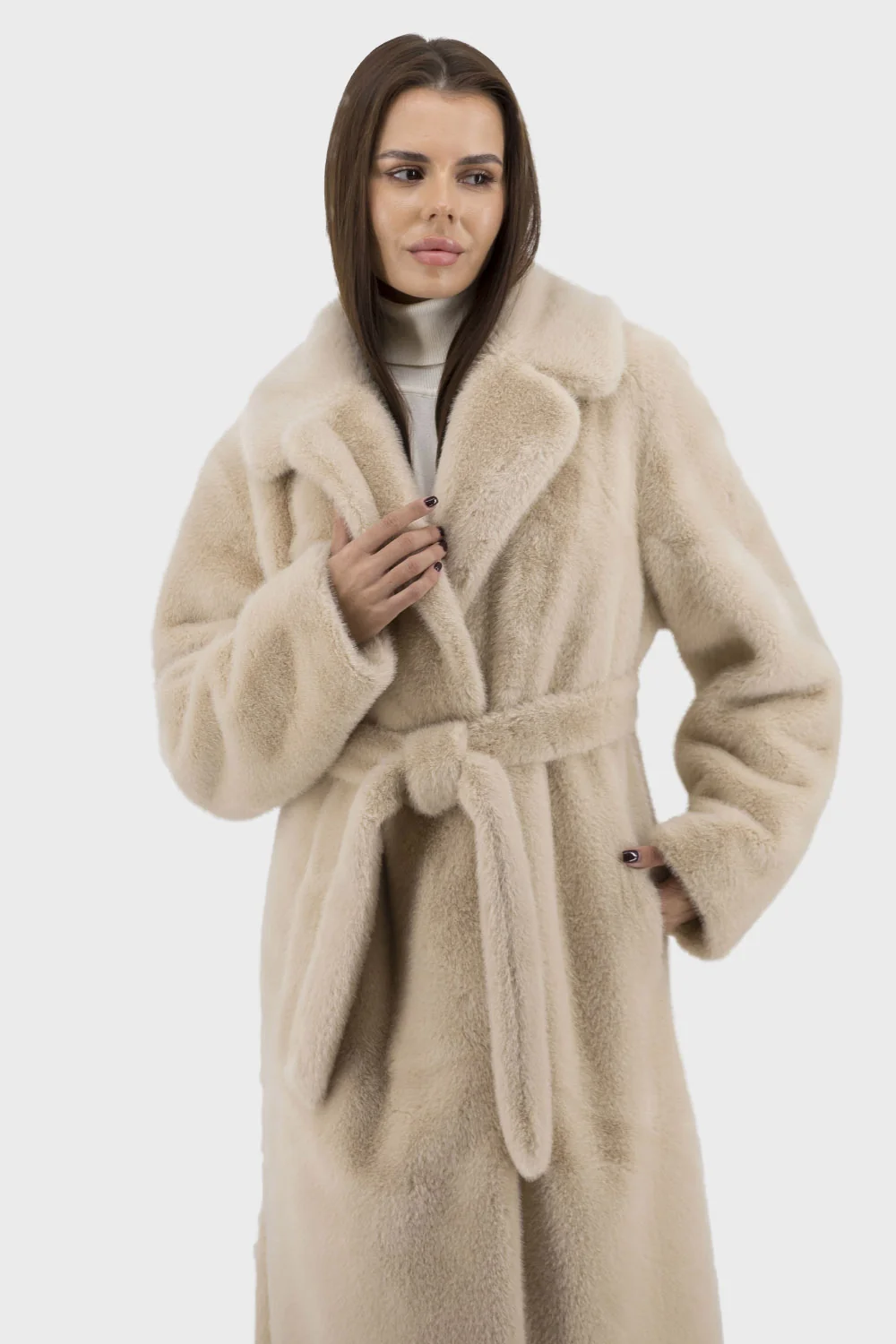
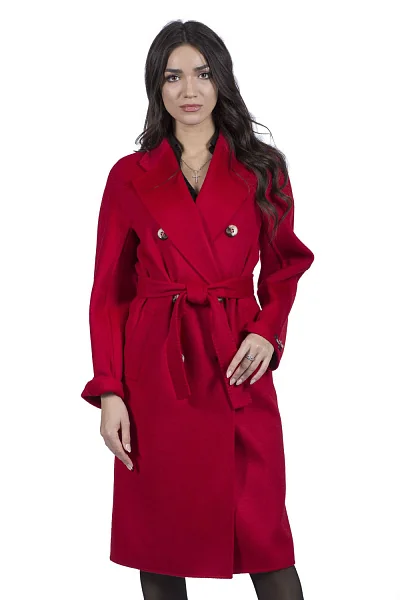
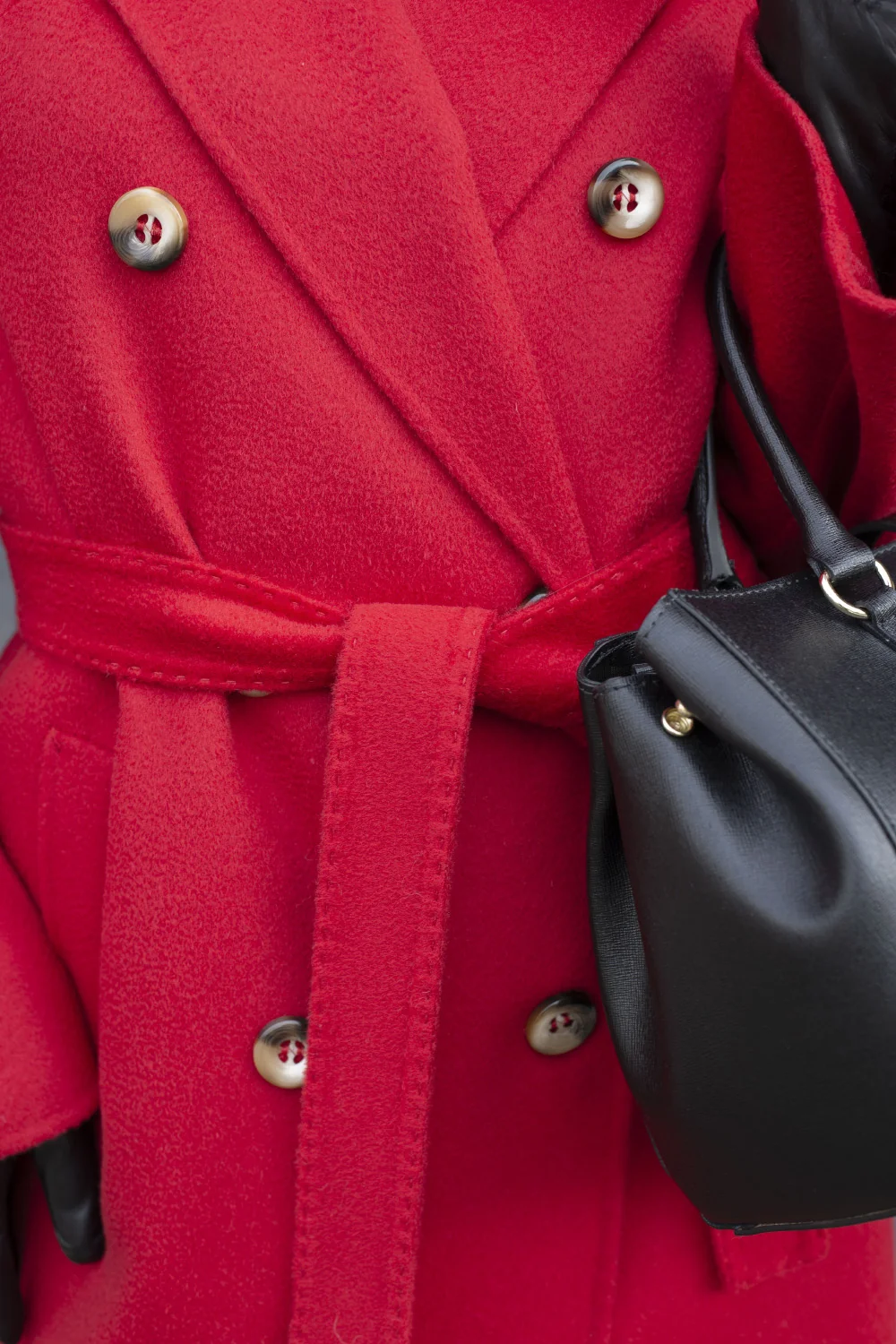
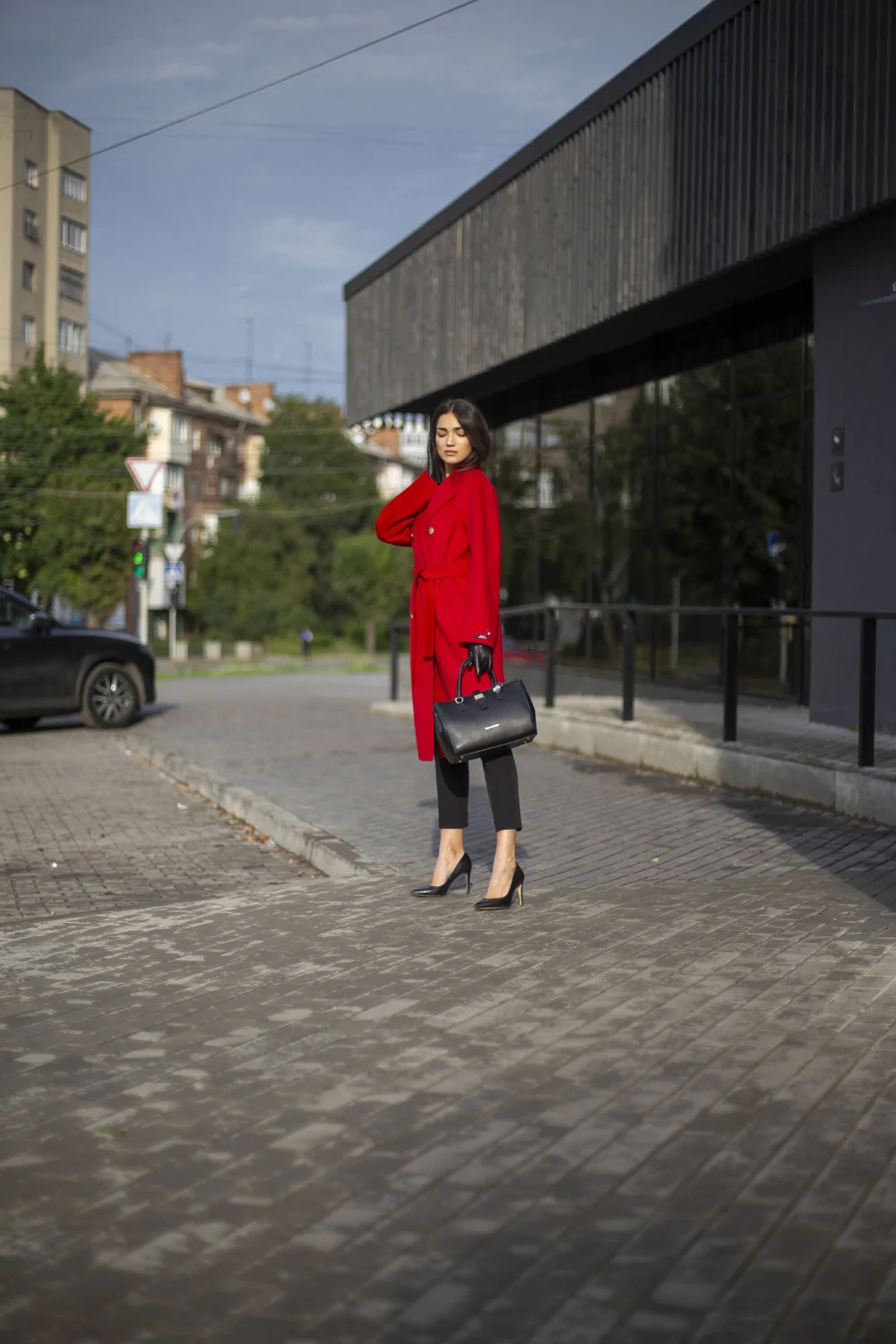
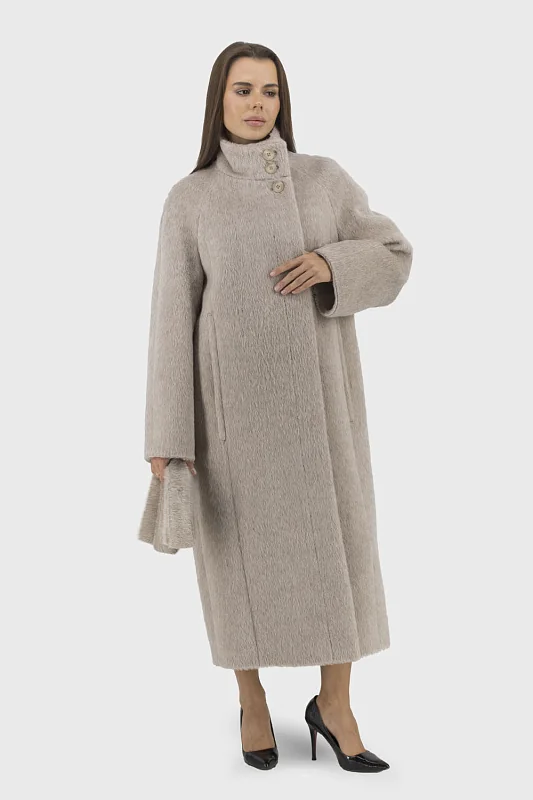
Wool is often used in classic coats and trench coats thanks to its natural warmth and breathability. Heavier than down or synthetics, wool regulates temperature effectively and adds an elegant touch to winter fashion. However, it requires proper waterproofing treatments and careful care.
How to Choose Insulation Based on Lifestyle and Climate?
Consider where and how you will wear your outerwear to make the best choice.
- Urban and moderate climates: jackets with synthetic insulation or down featuring waterproof membranes provide versatility and comfort.
- Severe winters: opt for down or hybrid insulation for maximum warmth without excessive weight.
- Allergy concerns: synthetic or wool insulations are preferable.
- Active outdoor use: synthetic insulation withstands moisture well and dries quickly.
Practical Tips for Selecting Outerwear Insulation
- Check fill power ratings on down products—higher fill power means better warmth and lighter garment.
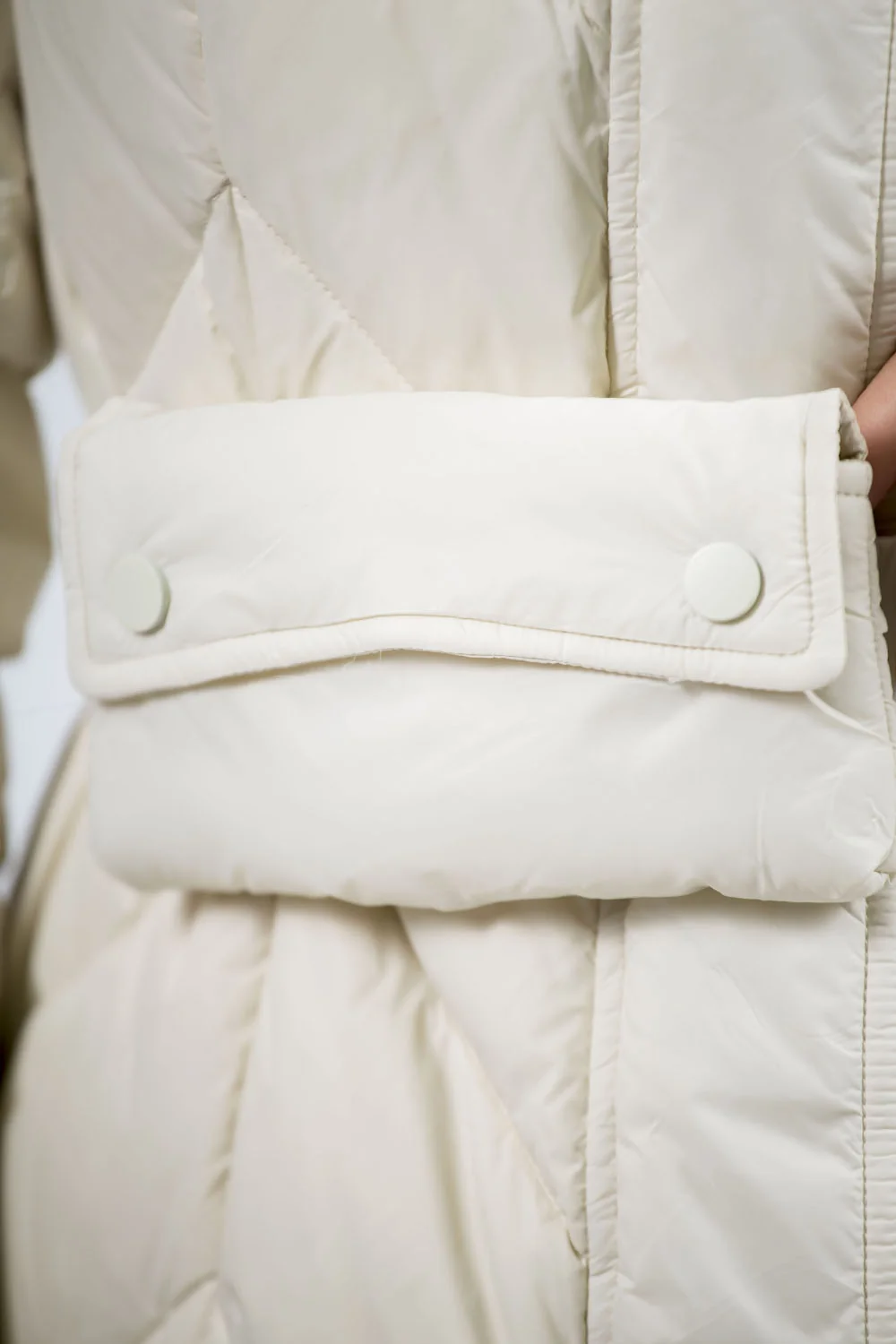
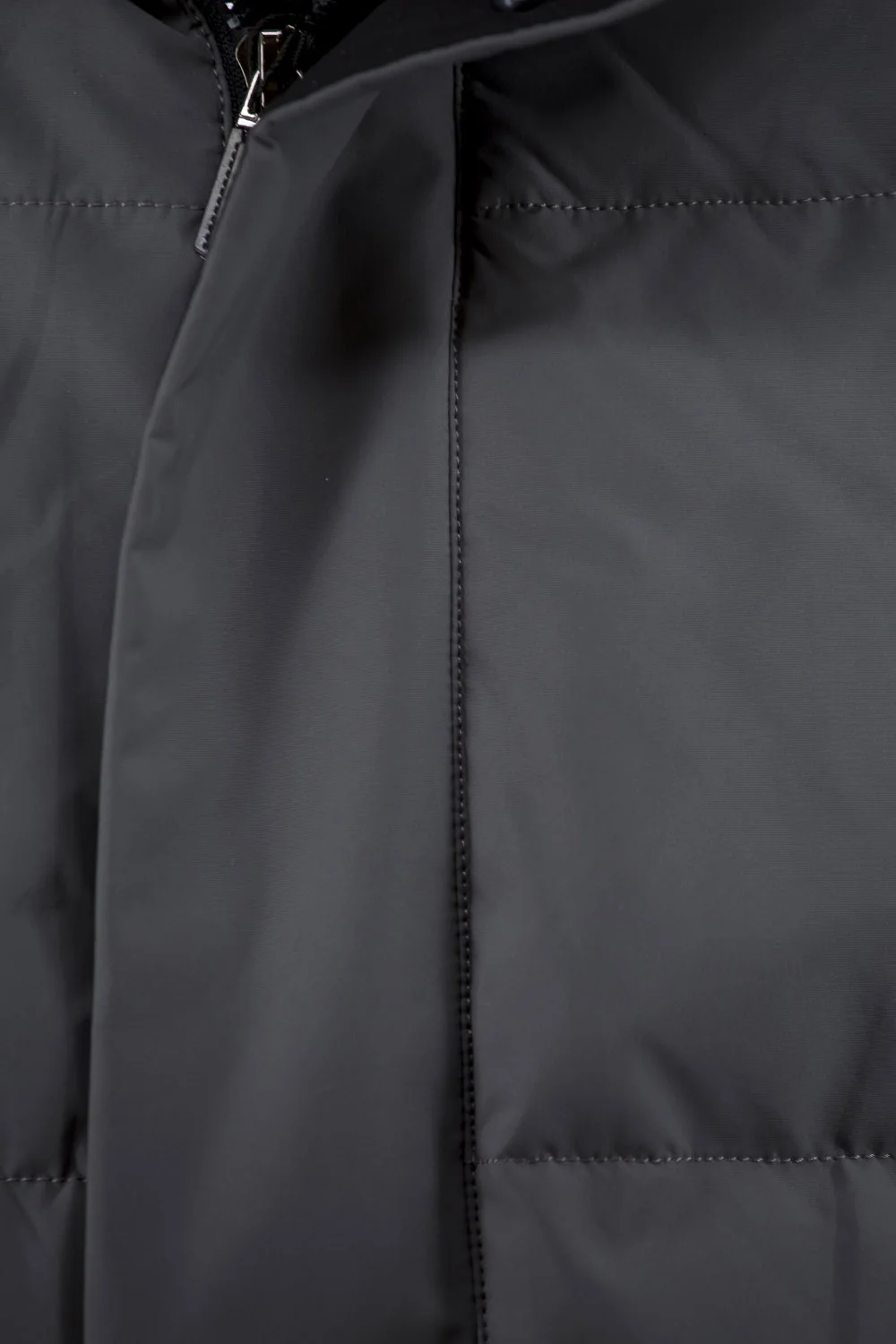
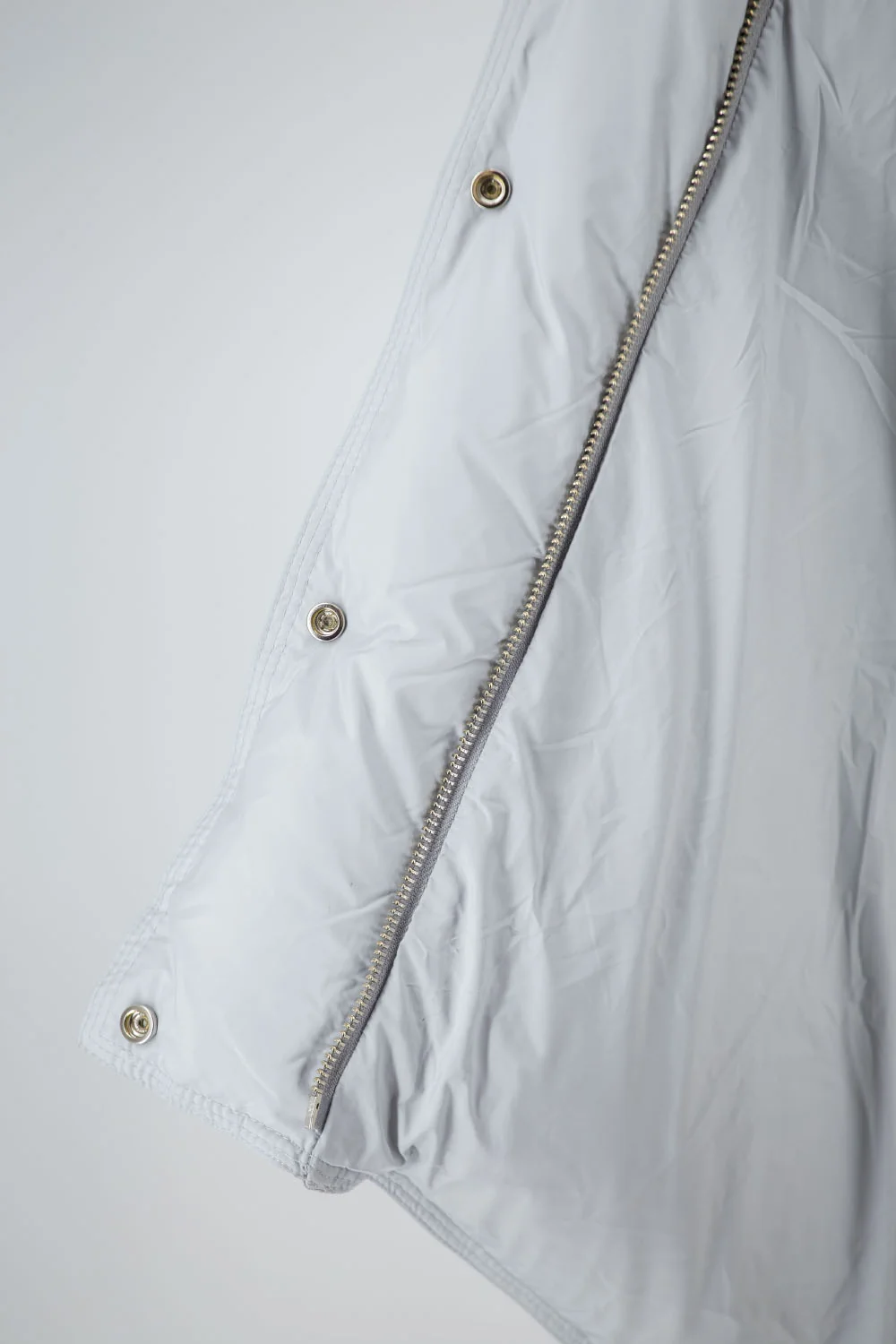
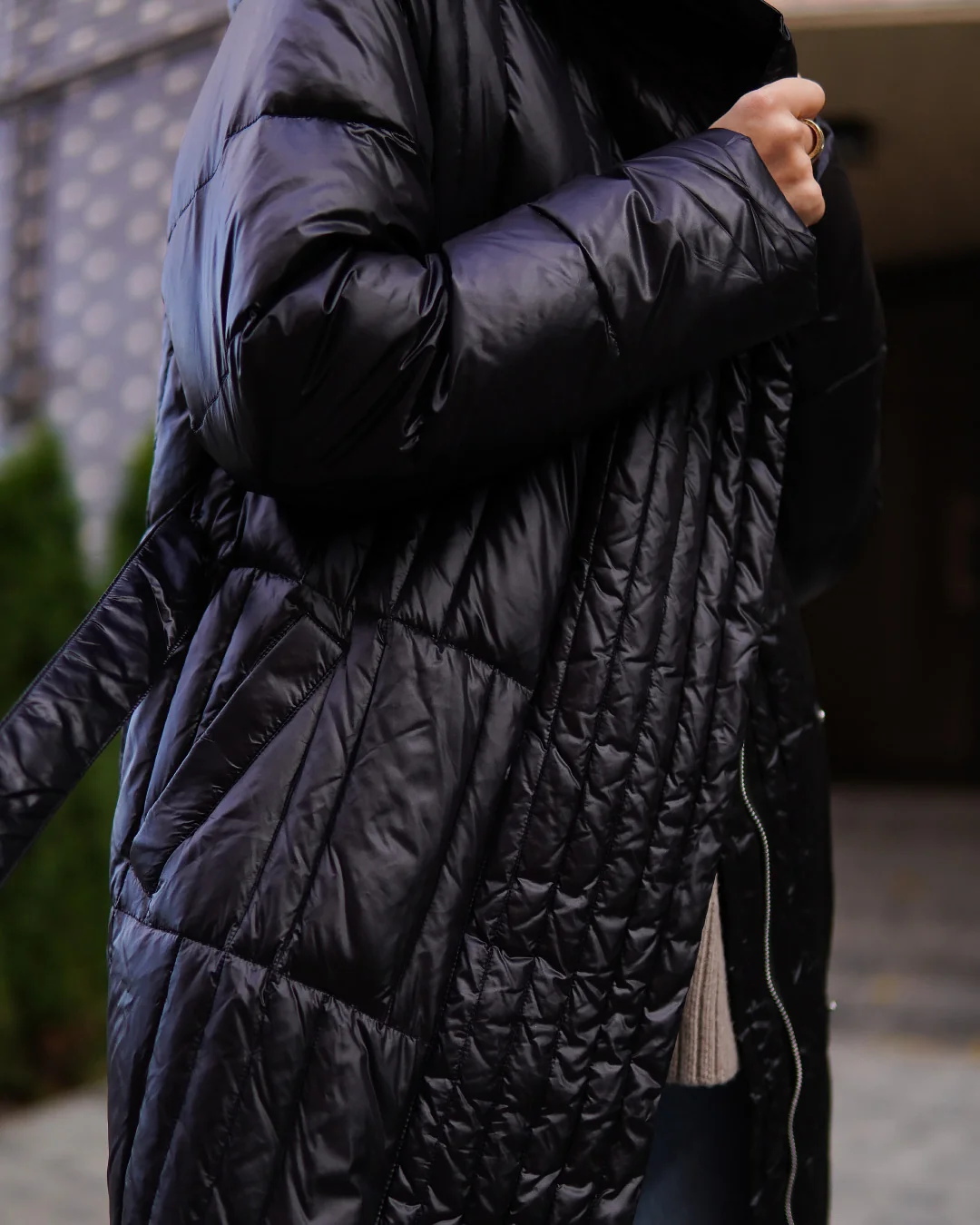
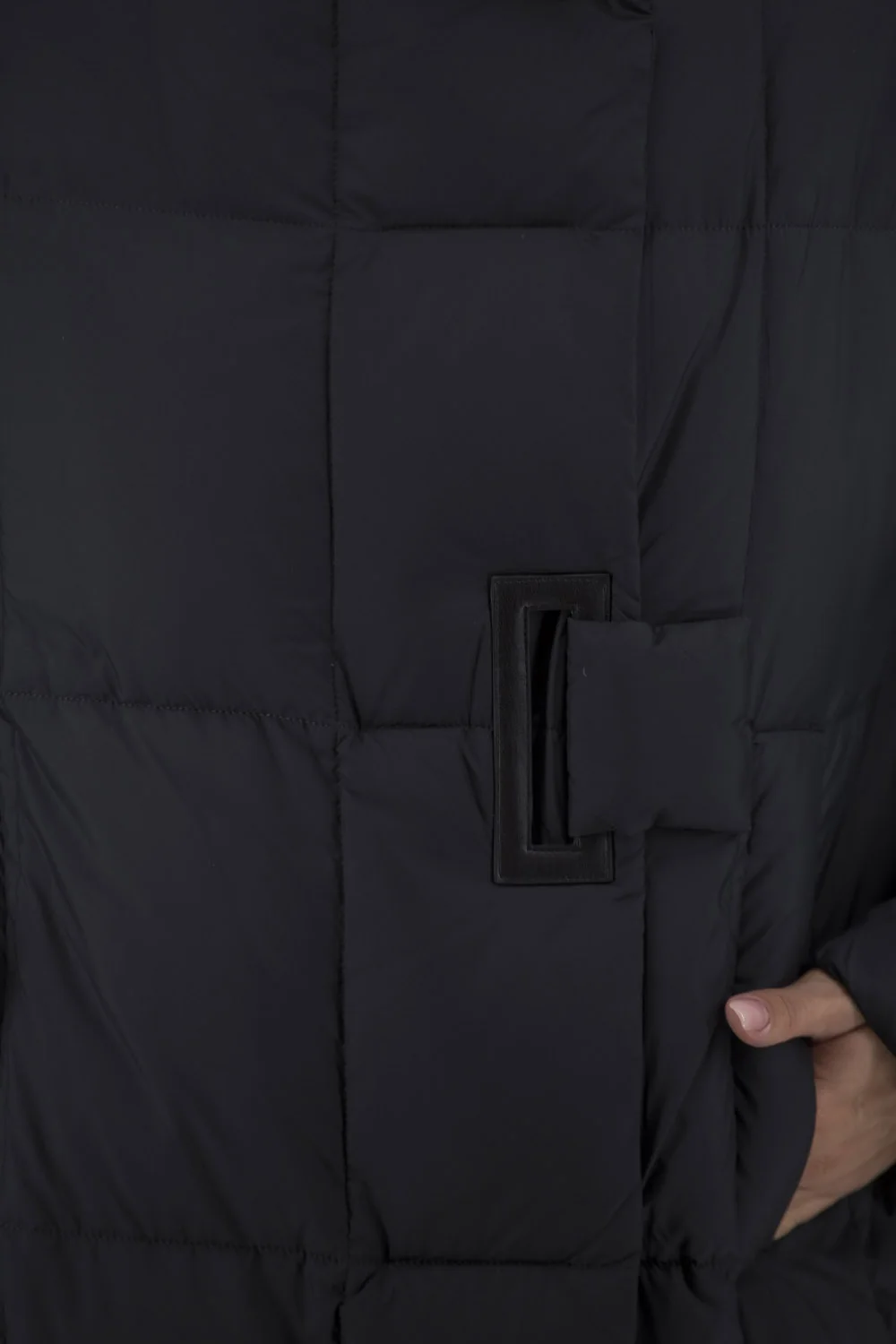
- Inspect seams and insulation placement to avoid cold spots.
- Choose outerwear with ventilation features or breathable membranes to regulate internal moisture.
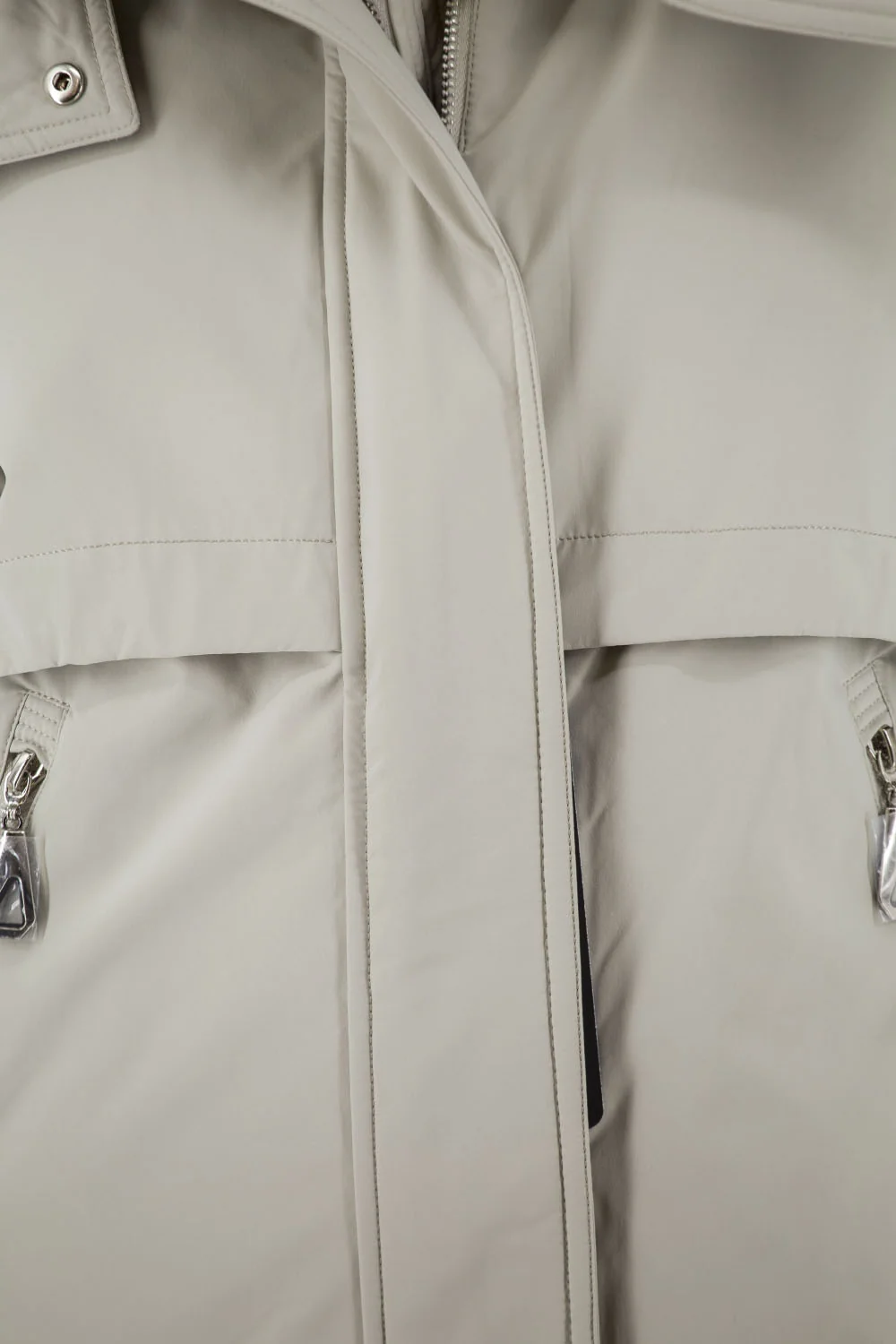
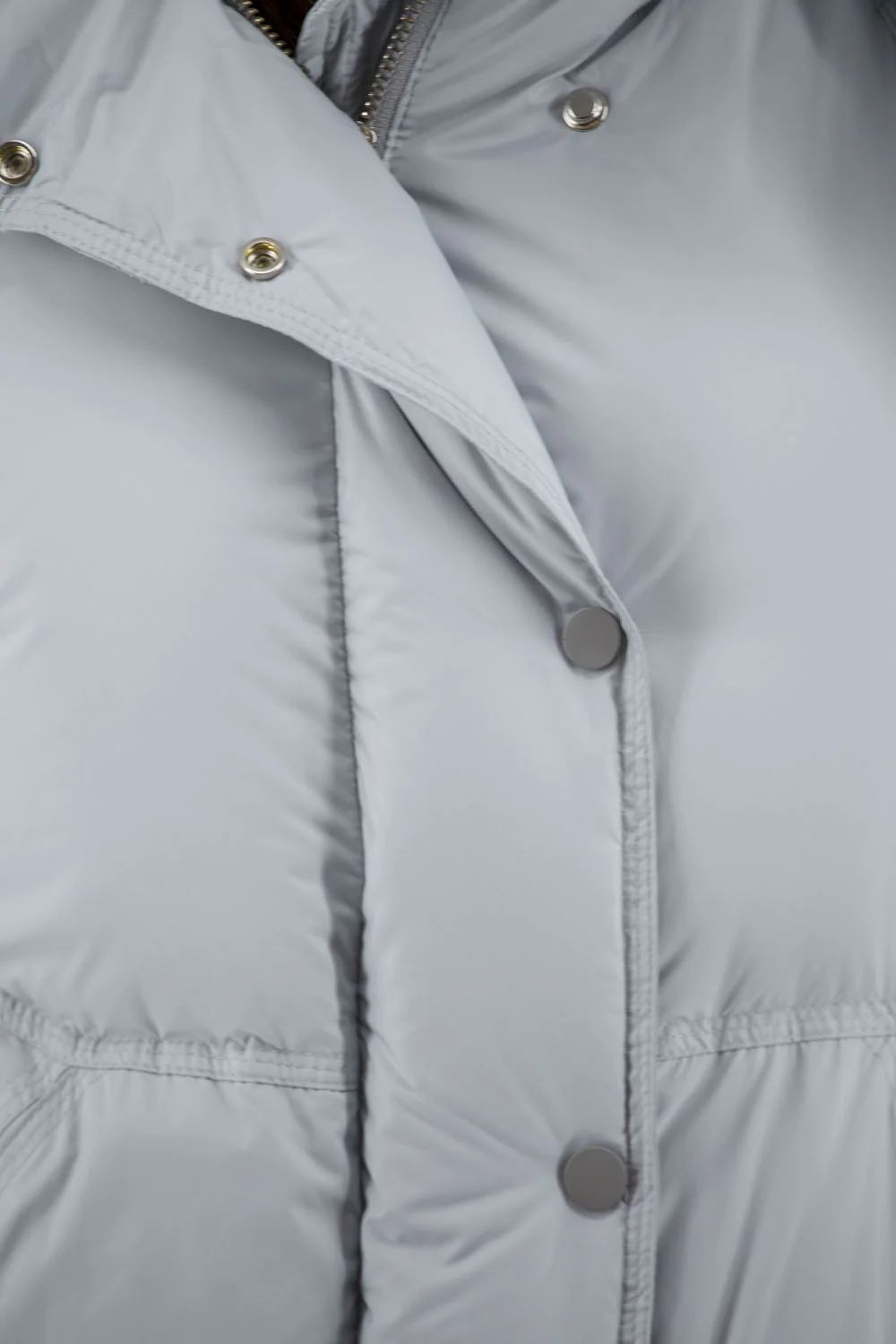
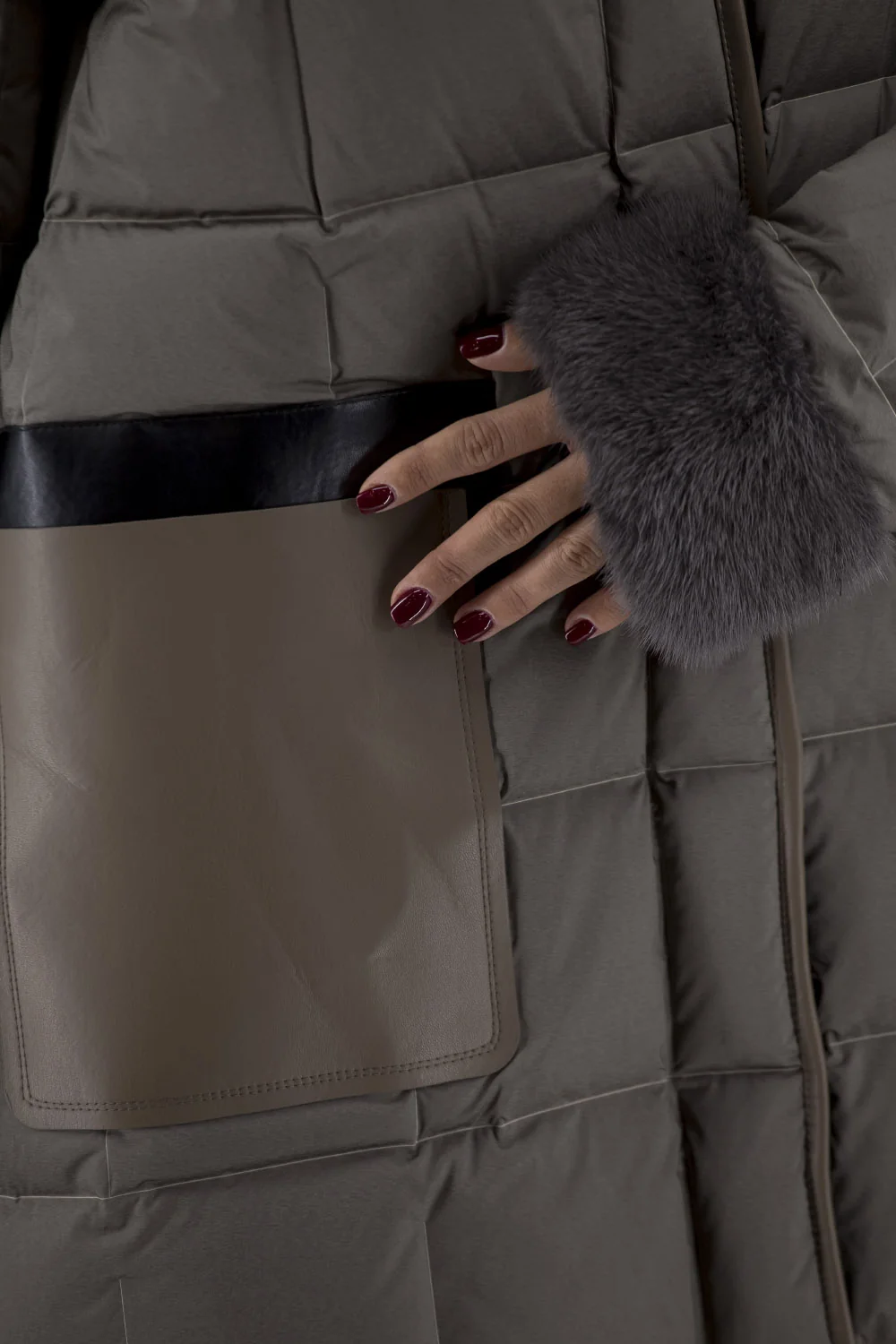
- Look for jackets with adjustable cuffs and hems to prevent drafts and retain heat effectively.
- Consider the weight and packability of the garment if you travel frequently or prefer layering.
Caring for Insulated Outerwear
Proper care extends the life of your insulated garments:
- Follow washing guidelines precisely; use detergents formulated for down or synthetic fabrics.
- Dry down jackets flat to preserve loft; synthetic jackets can often be tumble dried on gentle cycles.
- Store garments uncompressed to maintain insulation integrity.
- Regularly air out outerwear after use to prevent odors and moisture buildup.
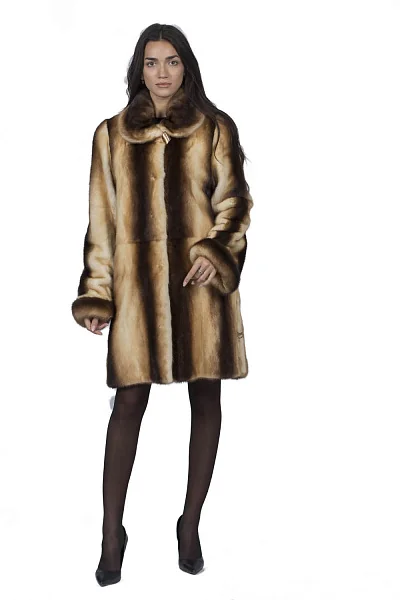
- Consider professional cleaning for wool and fur items.
- Before storage, ensure jackets are completely dry to prevent mold and mildew.
- Use a fabric protector spray designed for technical outerwear to enhance water repellency and stain resistance without compromising breathability.
Discover Women's Down Jackets at Bella Bicchi
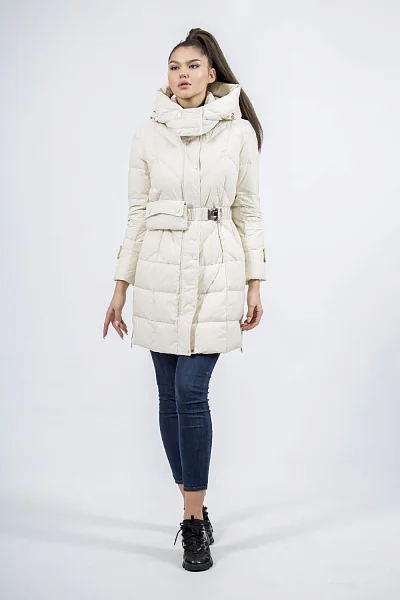
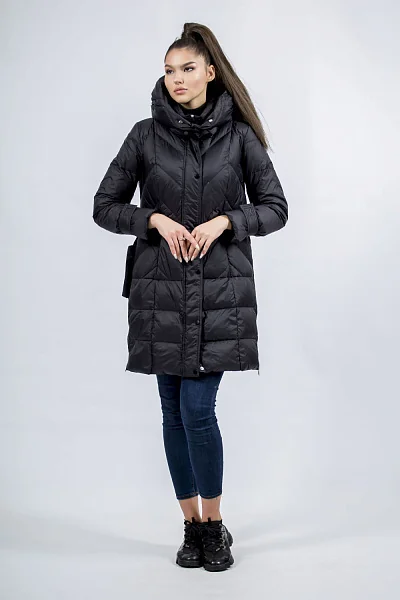
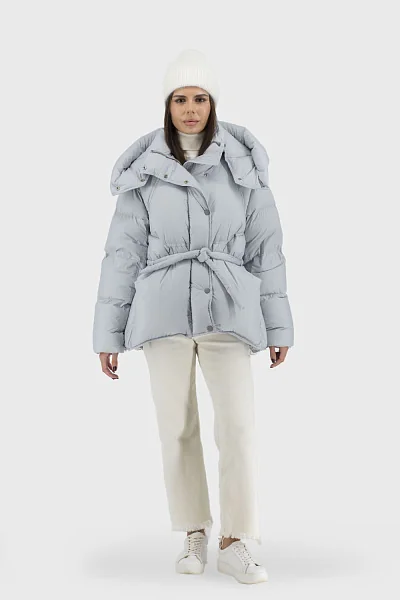
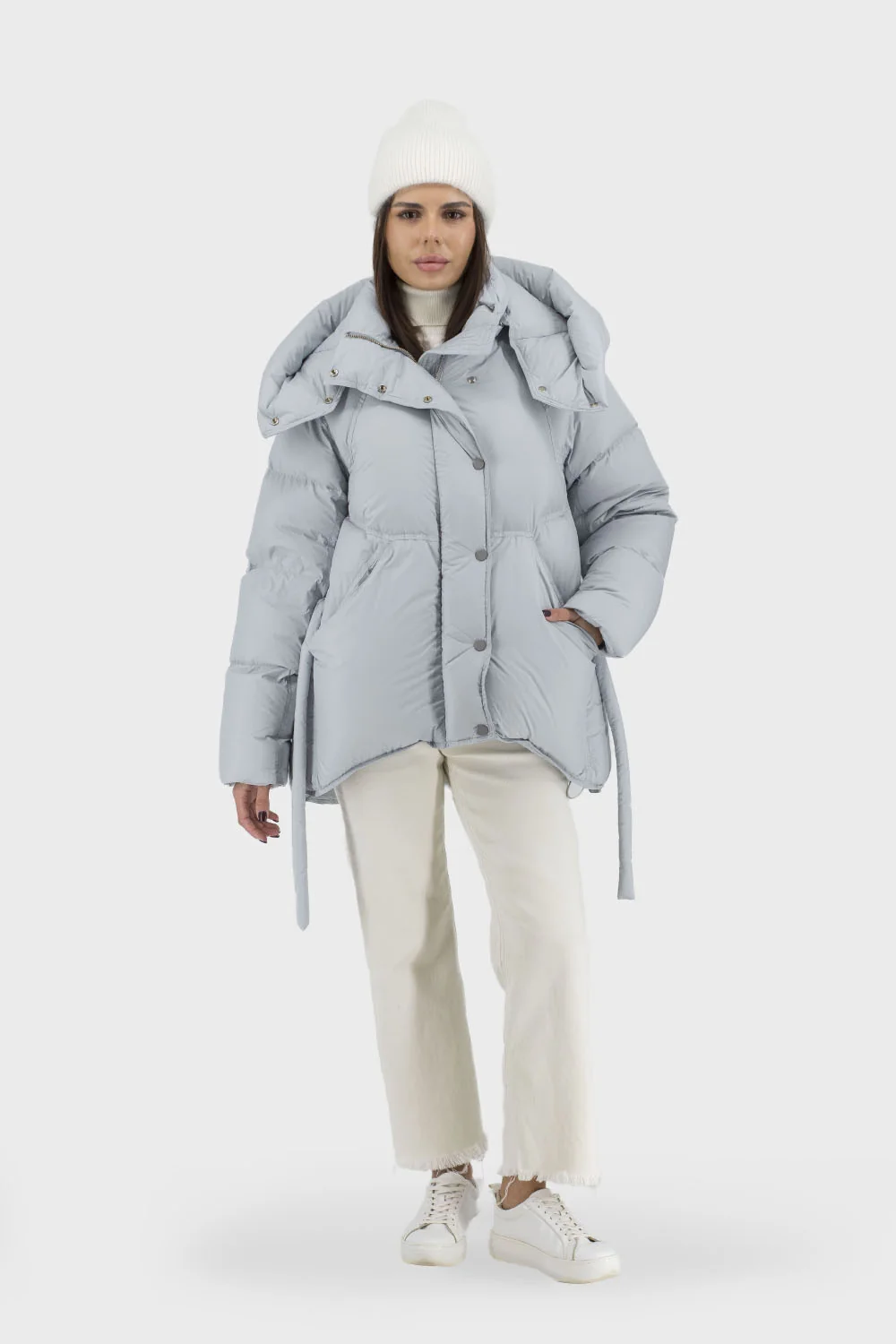
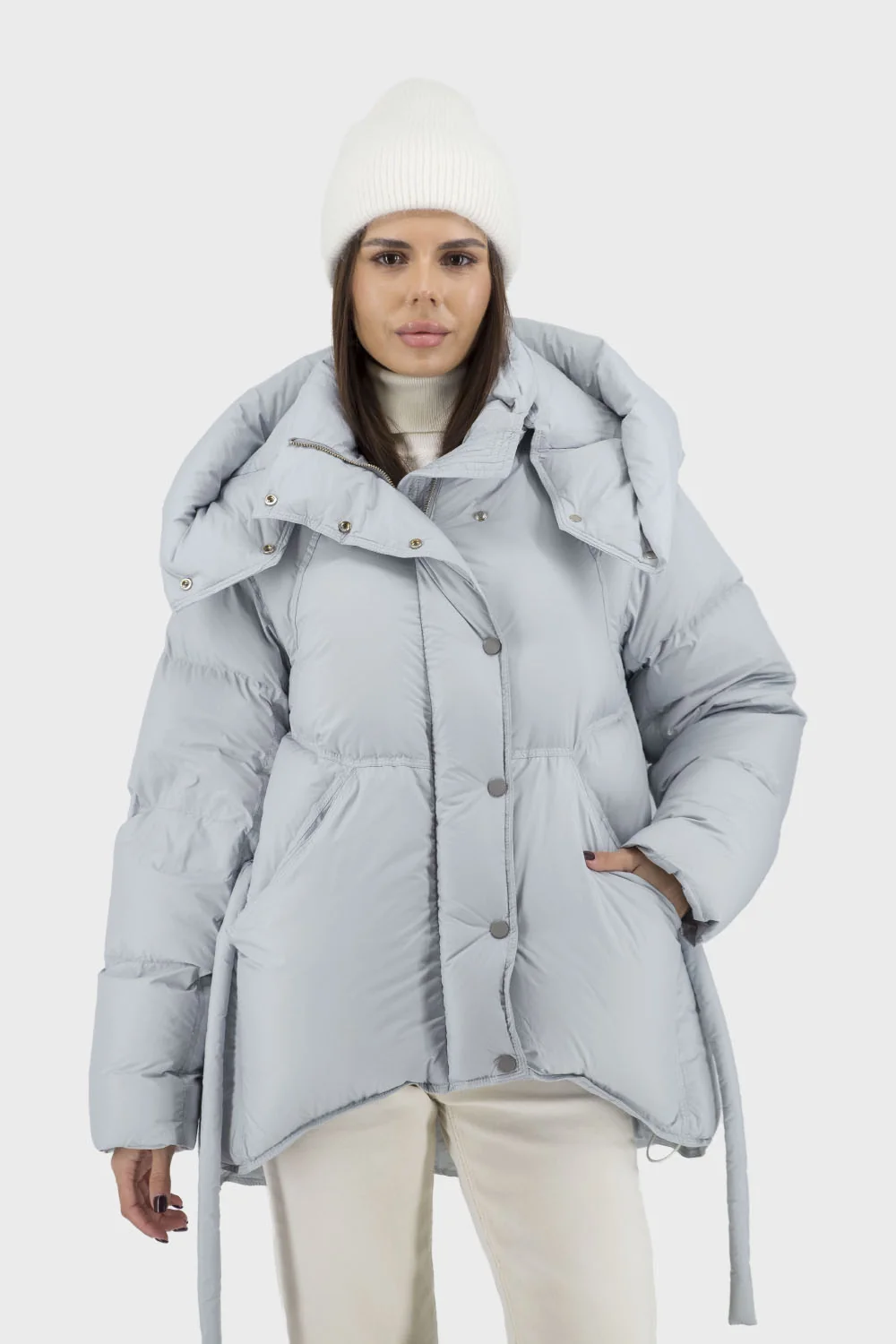
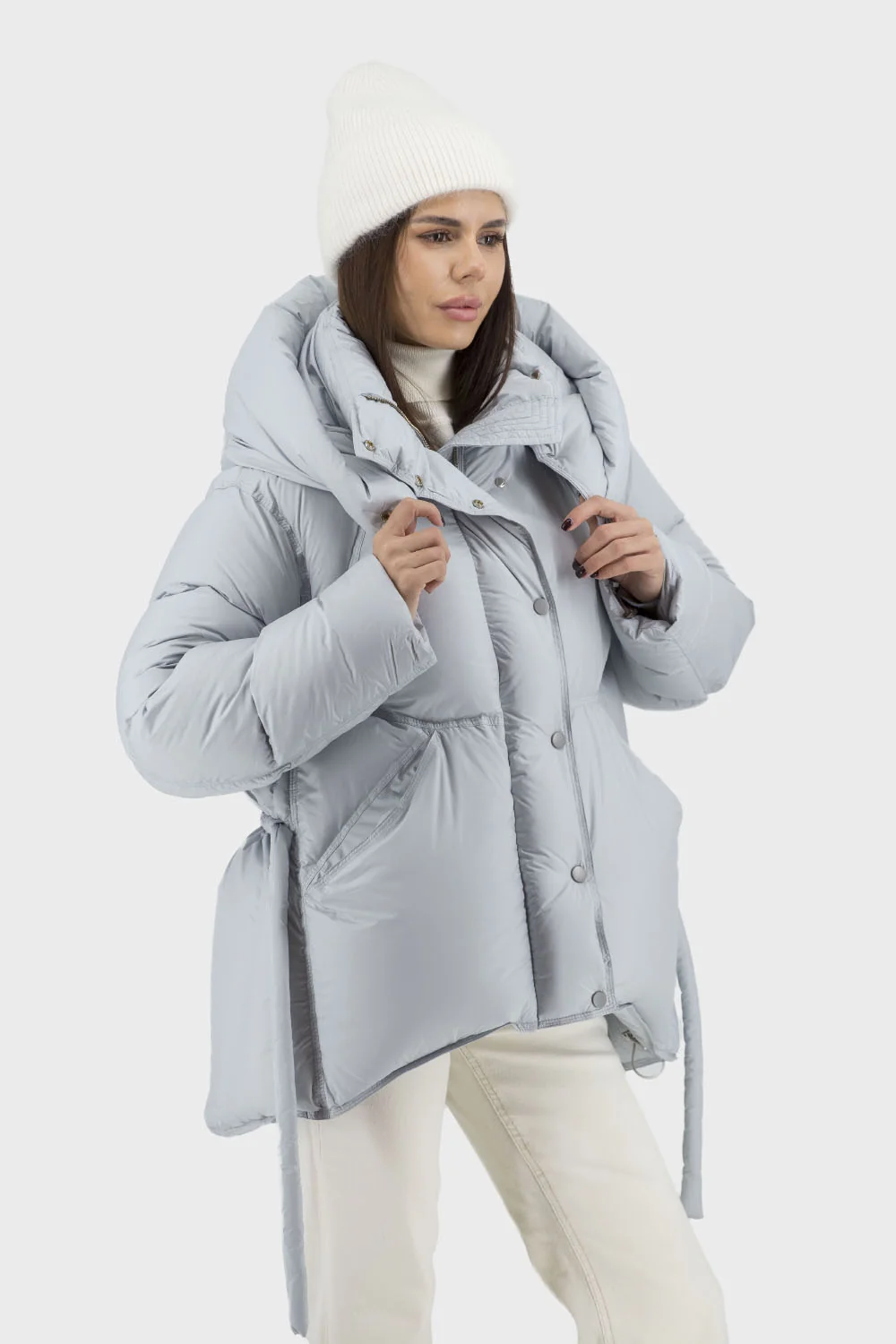
Explore our collection of women's outerwear featuring a range of insulation materials. Visit our down jackets section to find the perfect model tailored to your needs. Enjoy free delivery across Ukraine, guaranteed quality, and modern style.
Frequently Asked Questions
Is down safe for people with allergies?
Down can cause allergic reactions if not properly cleaned. Sensitive individuals should opt for synthetic insulation.
What if my down jacket gets wet?
Moisture reduces down's insulating ability. Dry the jacket flat at room temperature, avoiding direct heat sources.
Why is breathability important in insulation?
Breathable materials prevent overheating and moisture accumulation, ensuring all-day comfort.
Can I layer insulated outerwear for extreme cold?
Yes, layering is effective for lowering temperatures. Choose lightweight insulated jackets as mid-layers beneath a water-resistant shell for versatile protection.
How do water-repellent treatments affect insulation?
Durable water repellent (DWR) treatments help keep insulation dry, preserving warmth and loft while allowing moisture vapor to escape.
Choosing the right insulation enables you to face the cold season confidently, maintaining both comfort and style.