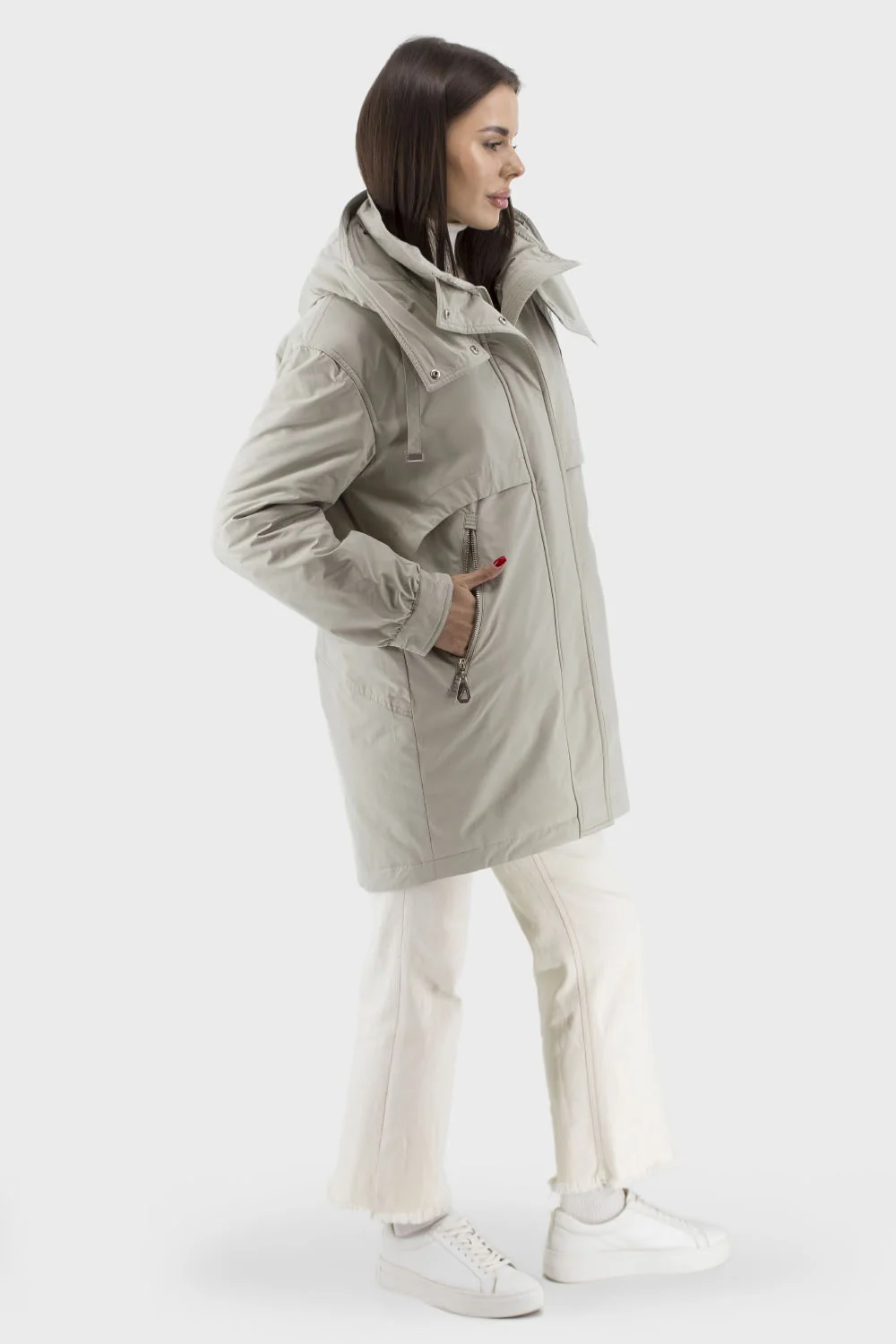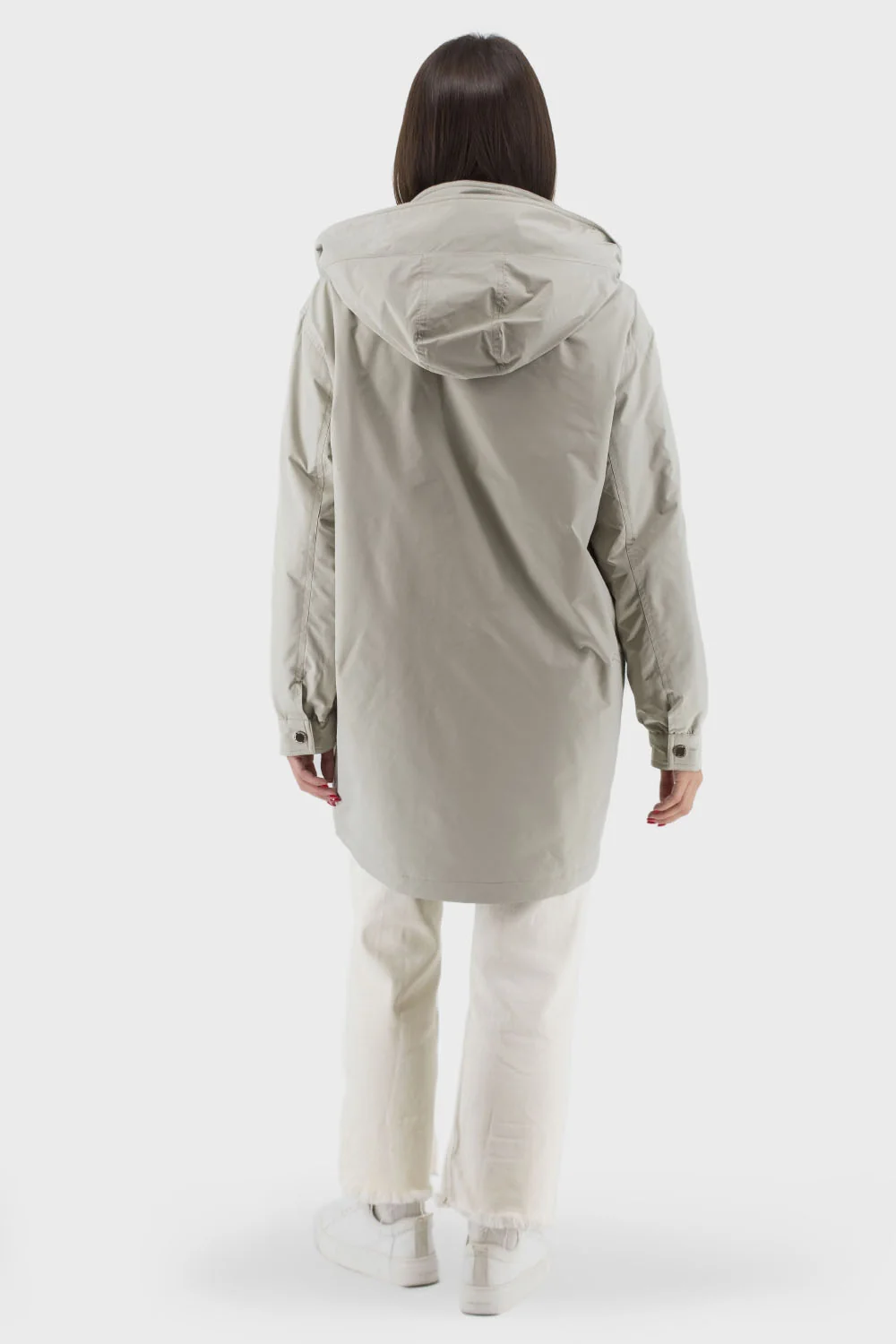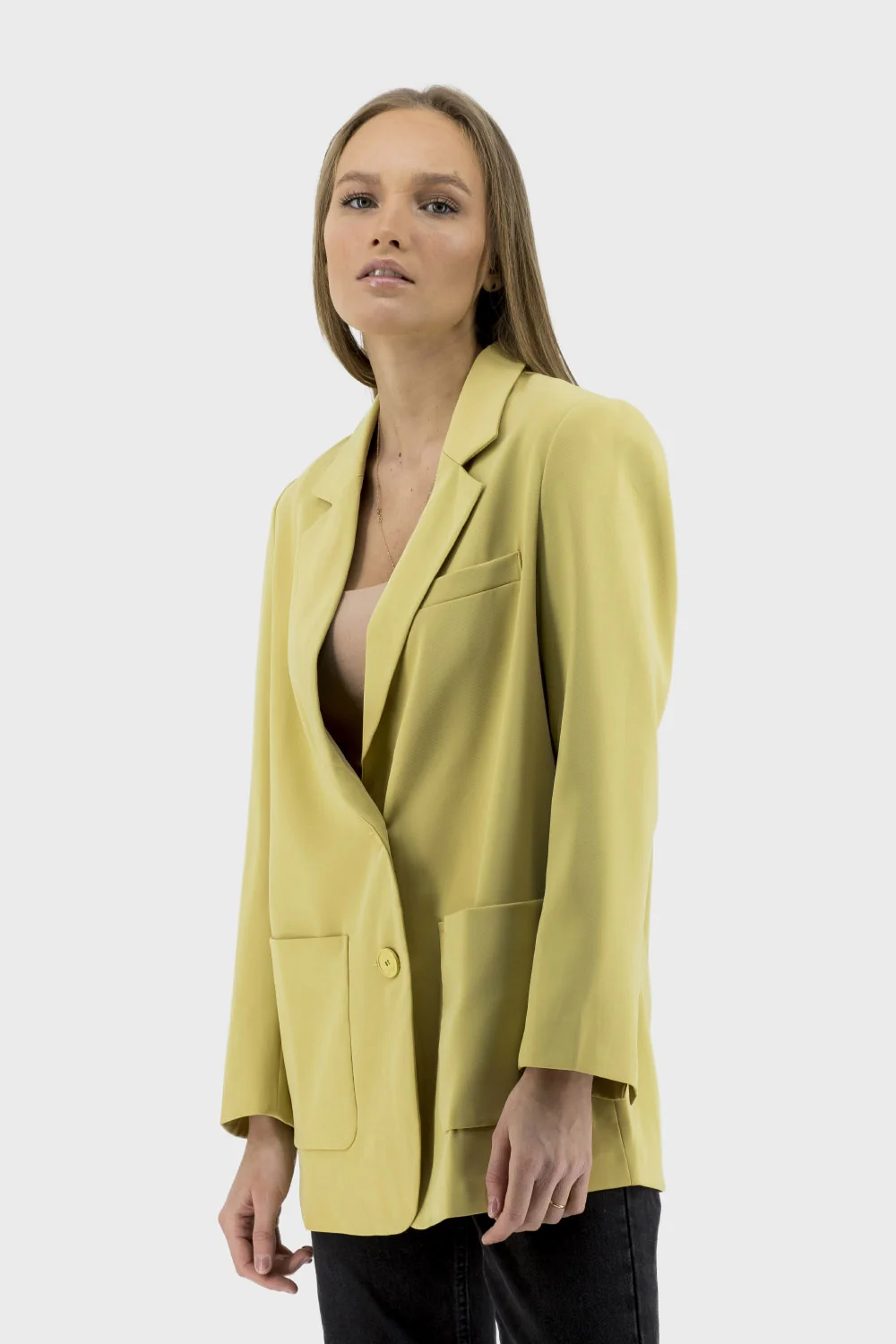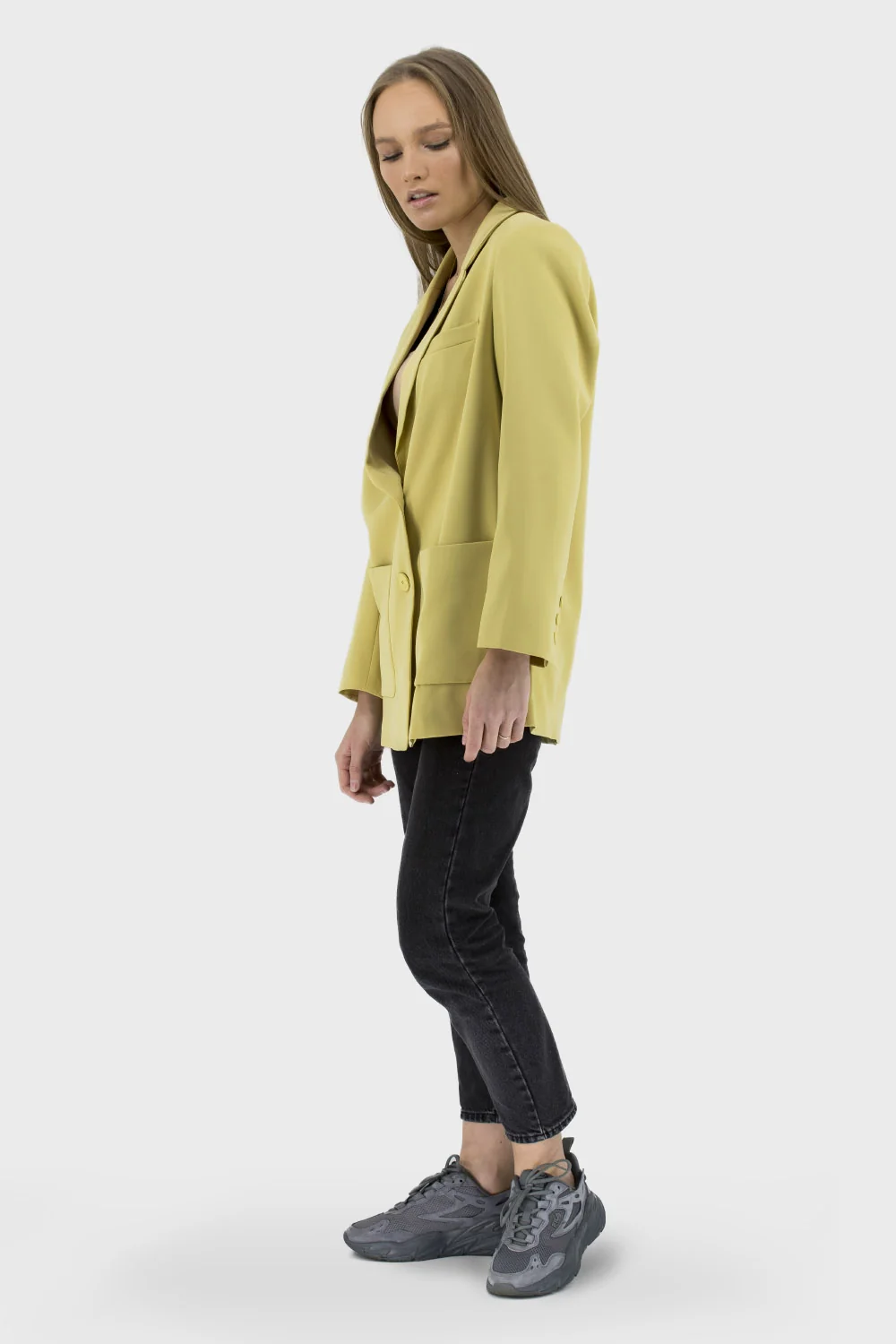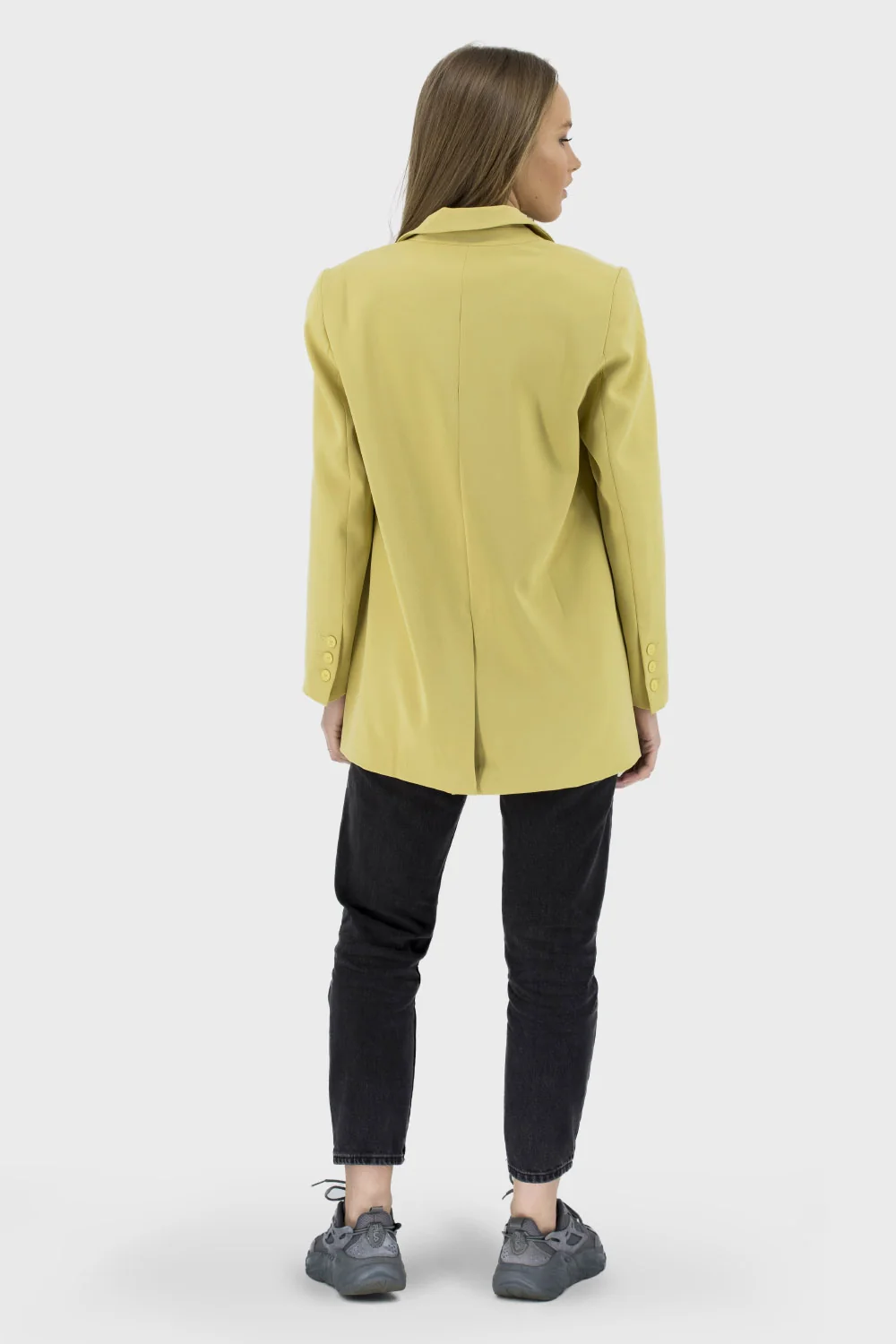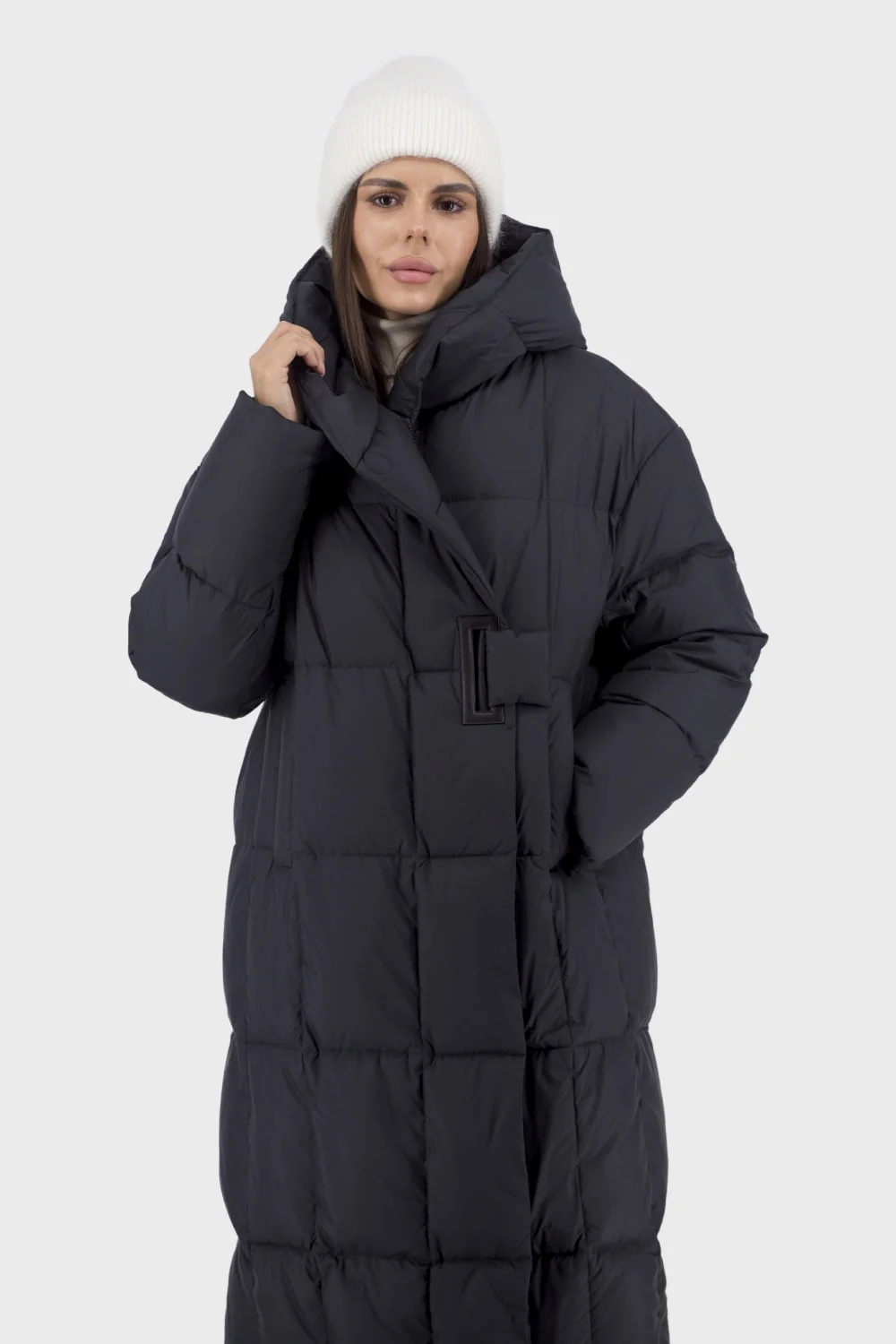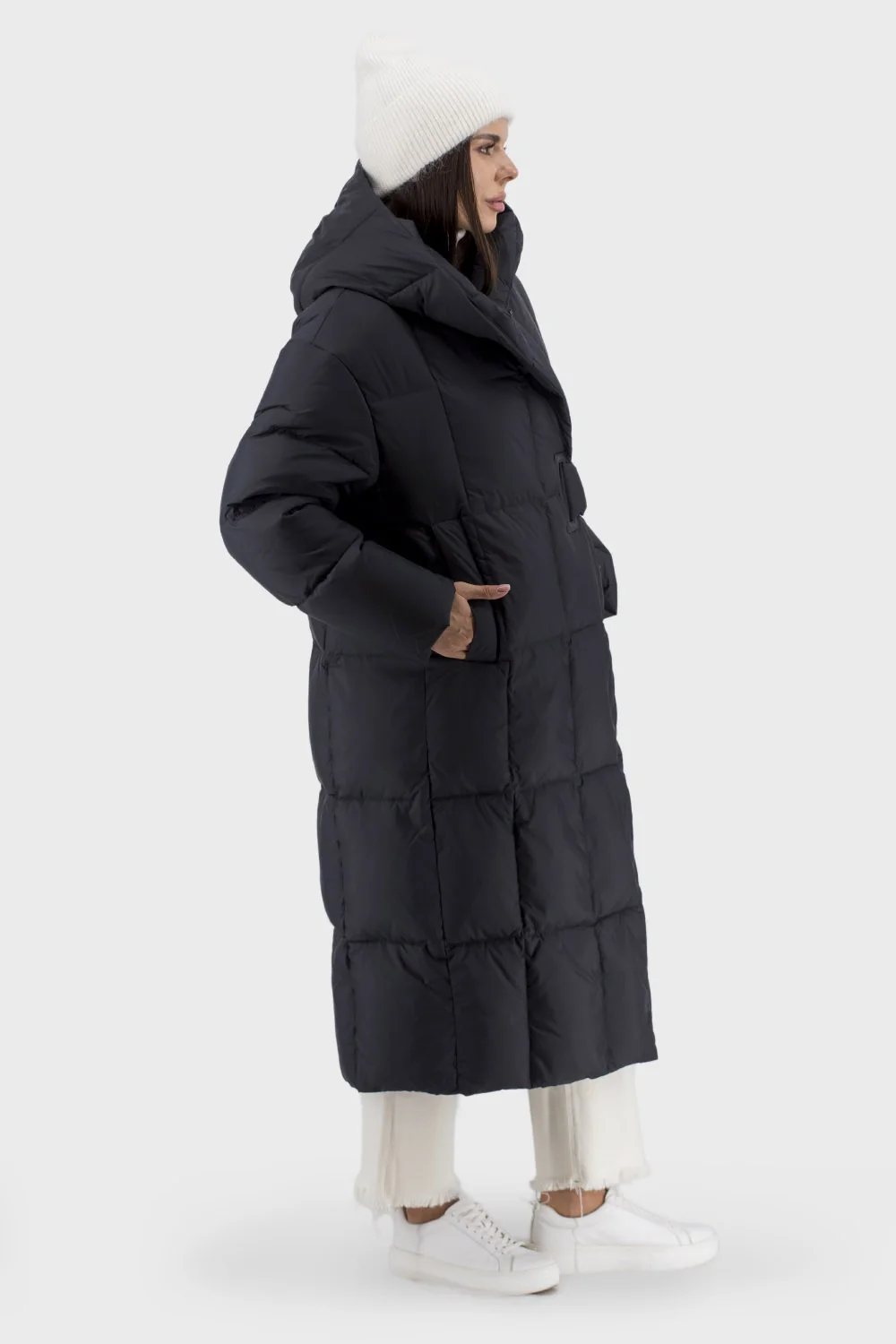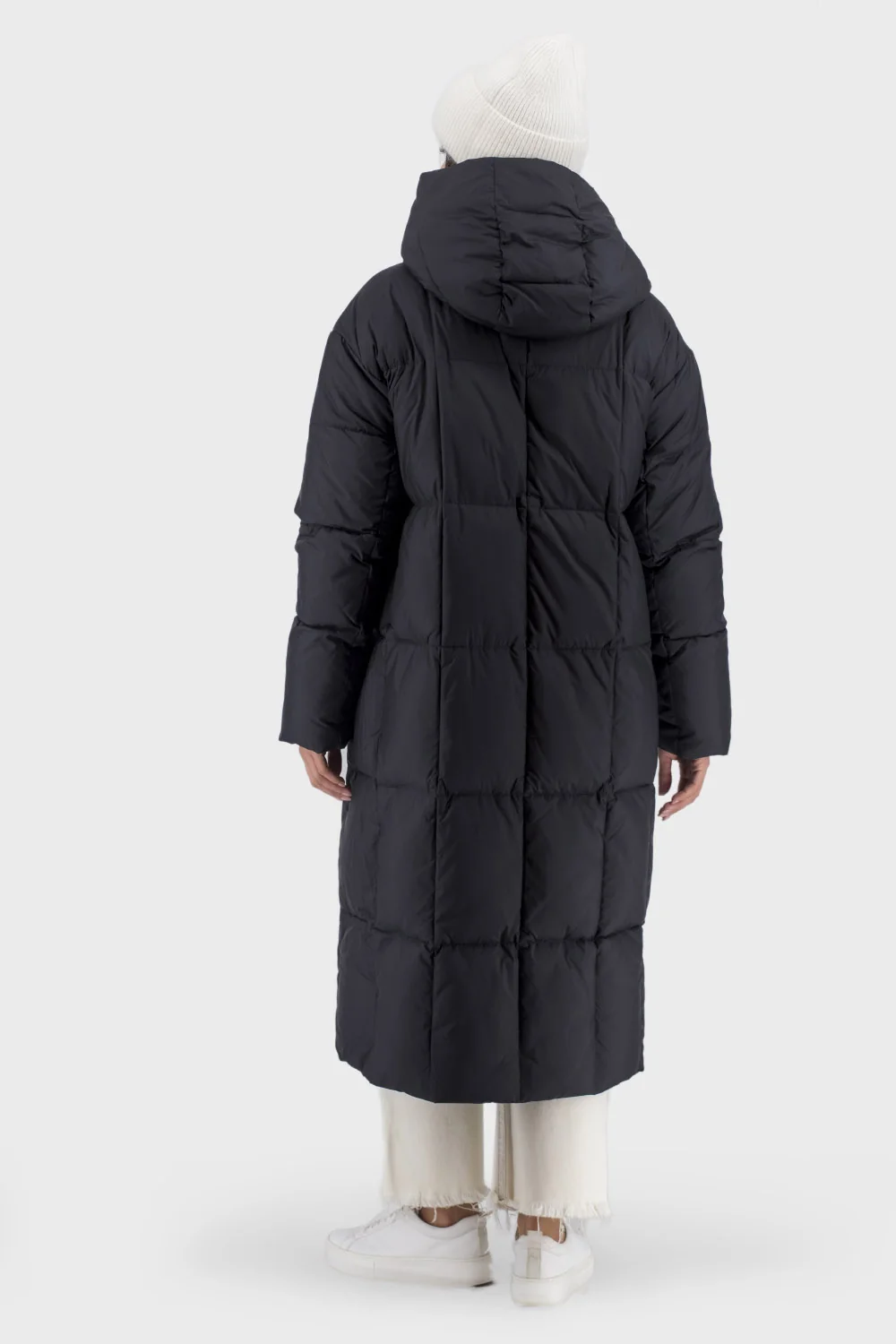
How to Choose a Transitional Jacket: Practical Advice
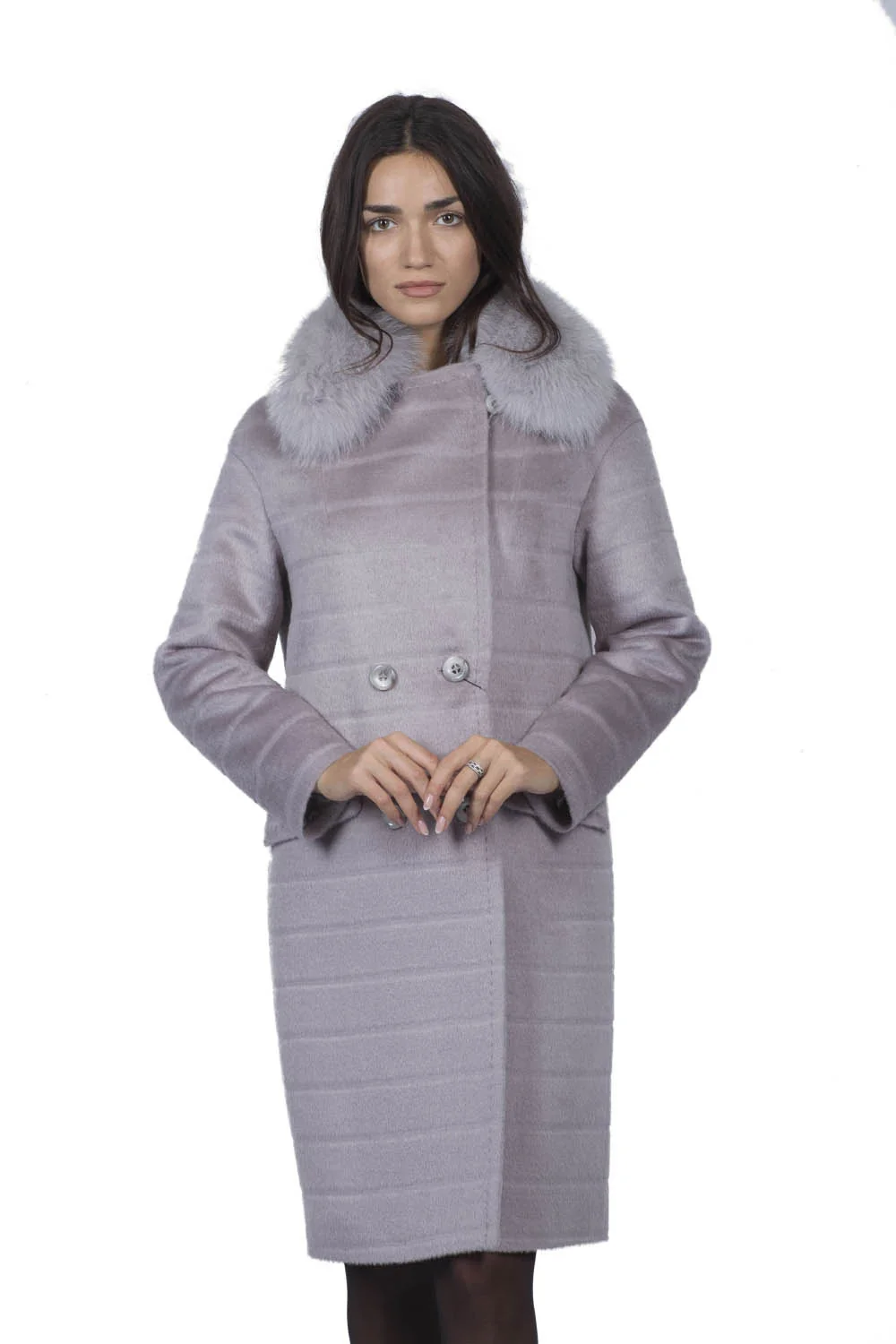
A transitional jacket is an essential wardrobe piece for women, designed to provide comfort and protection during the unpredictable periods between summer and winter. These jackets balance warmth, breathability, and weather resistance, ensuring you stay stylish and comfortable in shifting climates.
What Defines a Transitional Jacket?
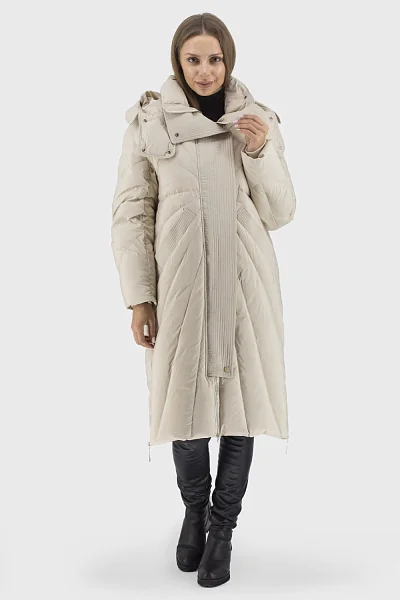
Transitional jackets are lightweight yet warm enough to shield from cool autumn and early spring temperatures. They often feature water-resistant and windproof fabrics like nylon or polyester, combined with insulating linings such as synthetic fiberfill or fleece. The goal is to create a garment that adapts to fluctuating temperatures without overheating or feeling cumbersome.
Choosing the Right Material and Insulation
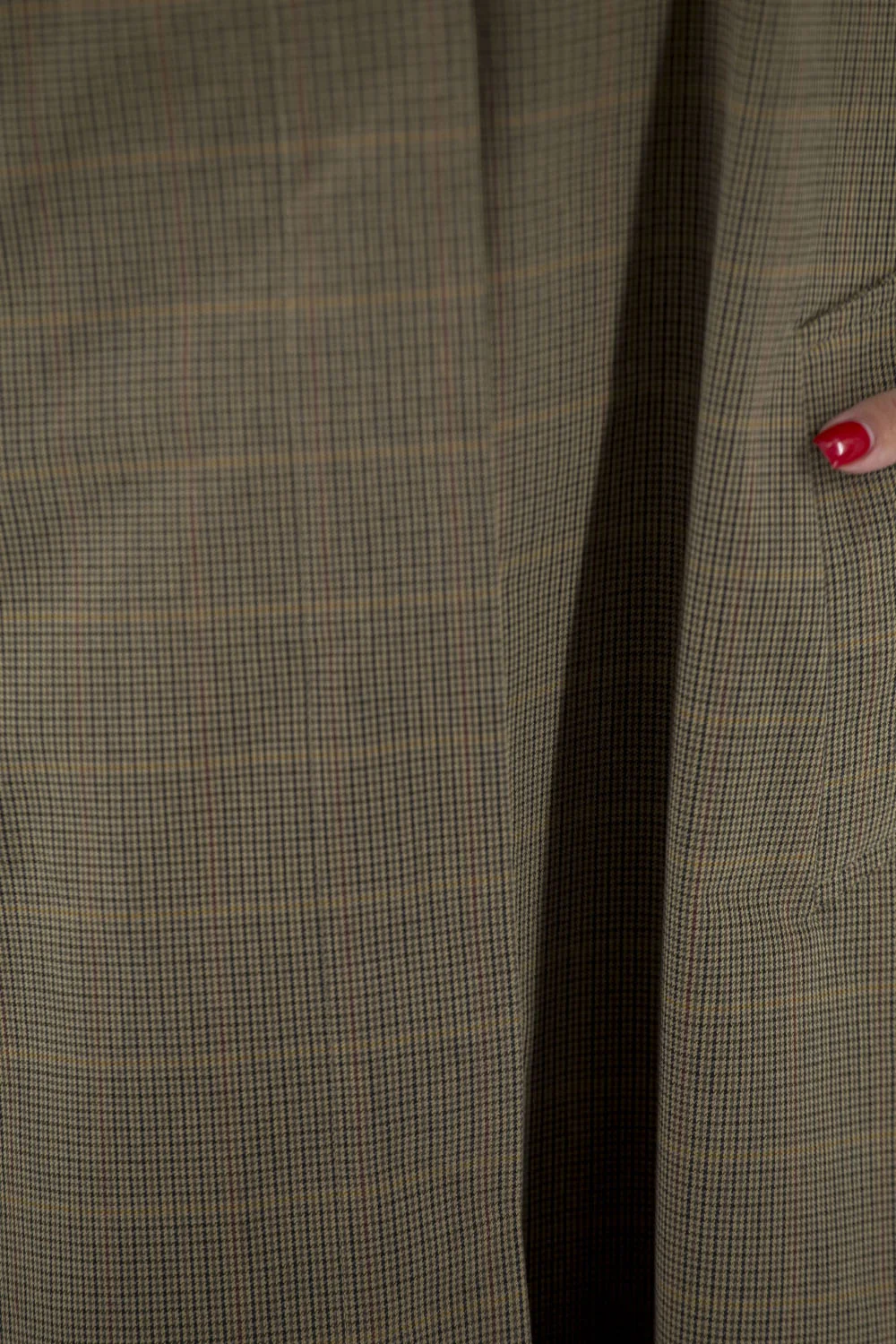
When selecting a transitional jacket, pay close attention to the fabric's technical properties. Look for materials treated with durable water-repellent (DWR) coatings or those incorporating breathable membranes like Gore-Tex or equivalent technologies. These fabrics prevent water ingress during light rain while allowing moisture vapor from perspiration to escape, which is crucial for comfort during active wear.
Insulation plays a vital role. Synthetic insulation types such as fiberfill and holofiber are popular because they provide excellent warmth without excessive bulk and dry quickly if the jacket gets wet. In regions where early spring or late autumn can be particularly chilly or damp, a jacket with a thin fleece lining or lightweight down fill offers added coziness without sacrificing mobility.
Cut and Style Considerations
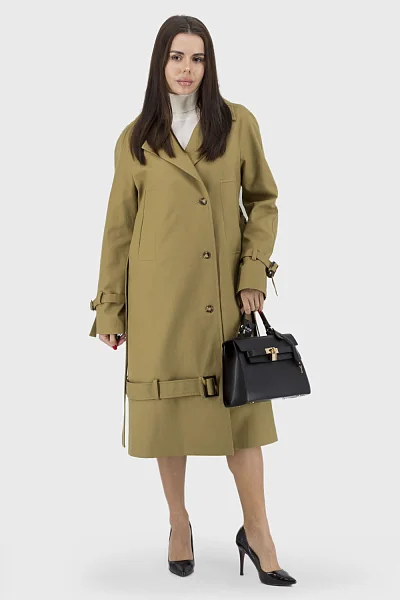
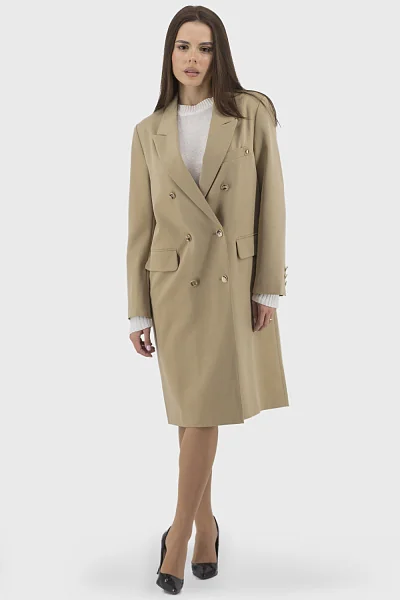
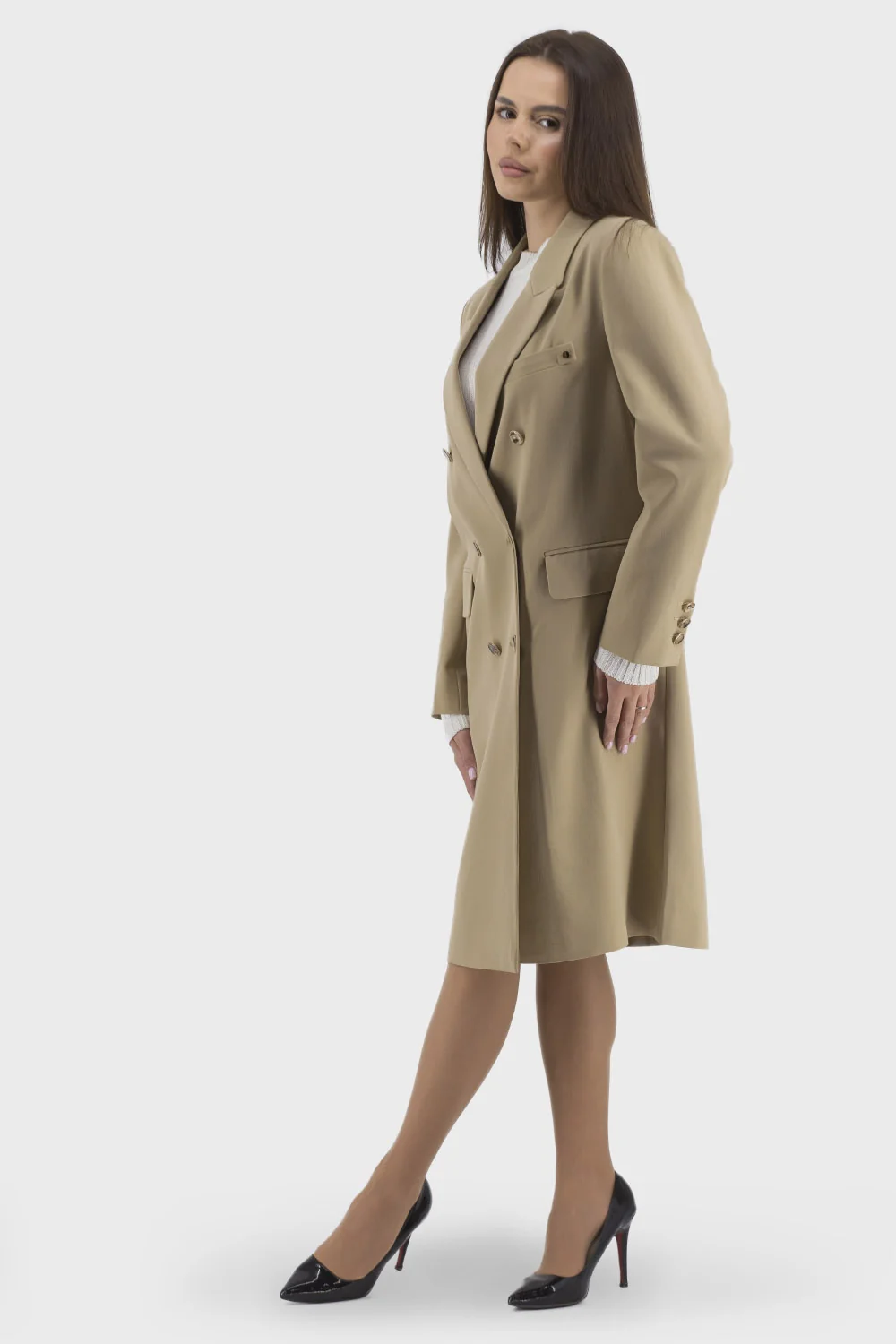
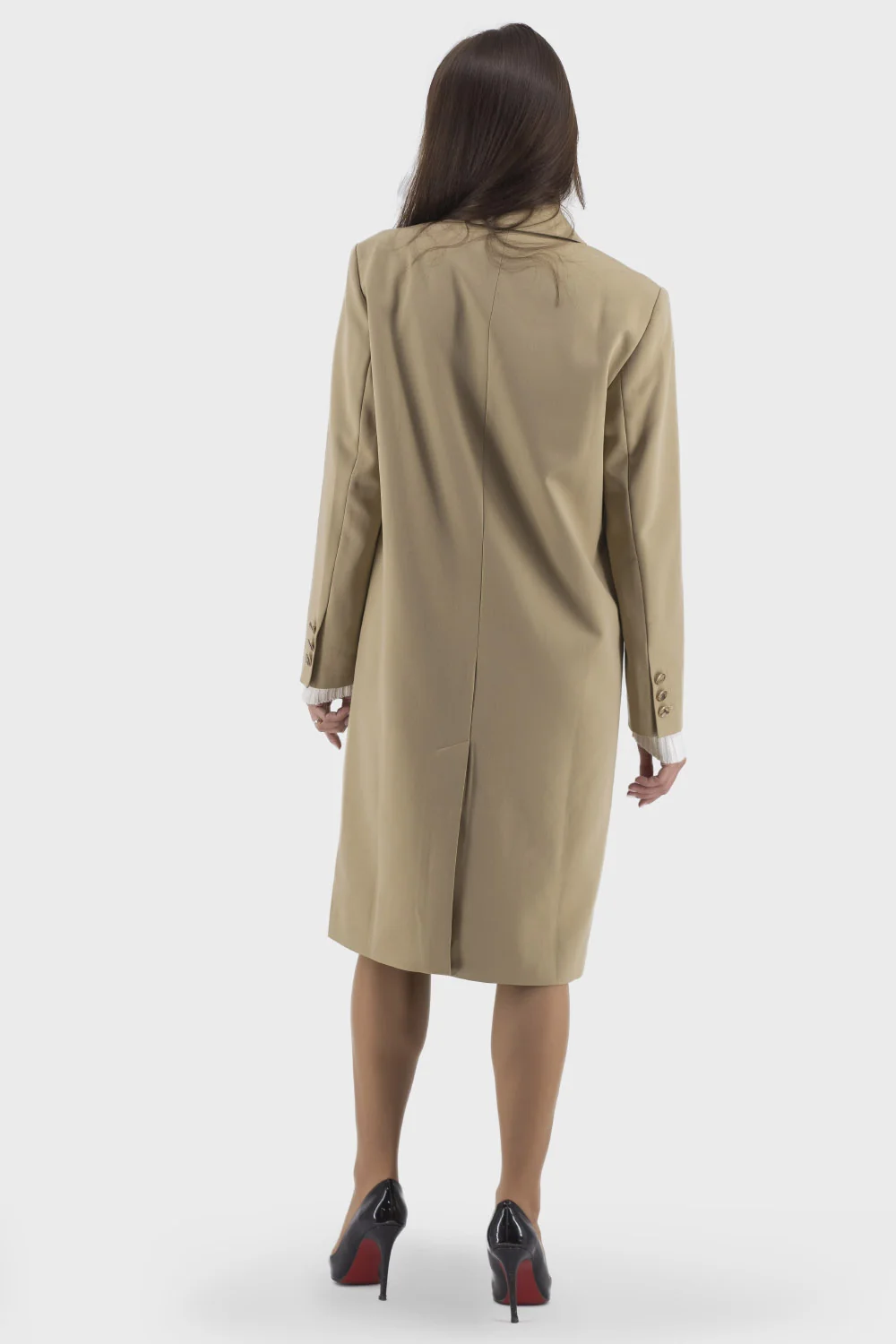
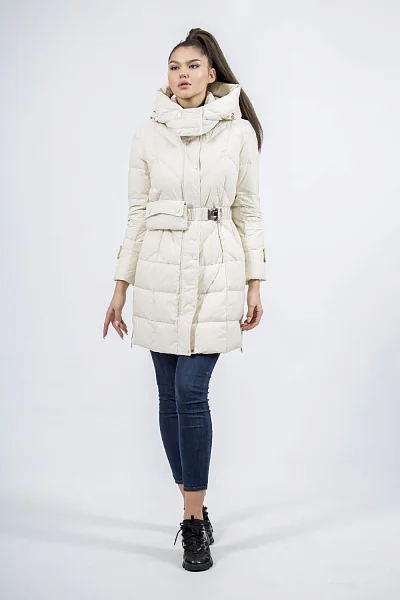
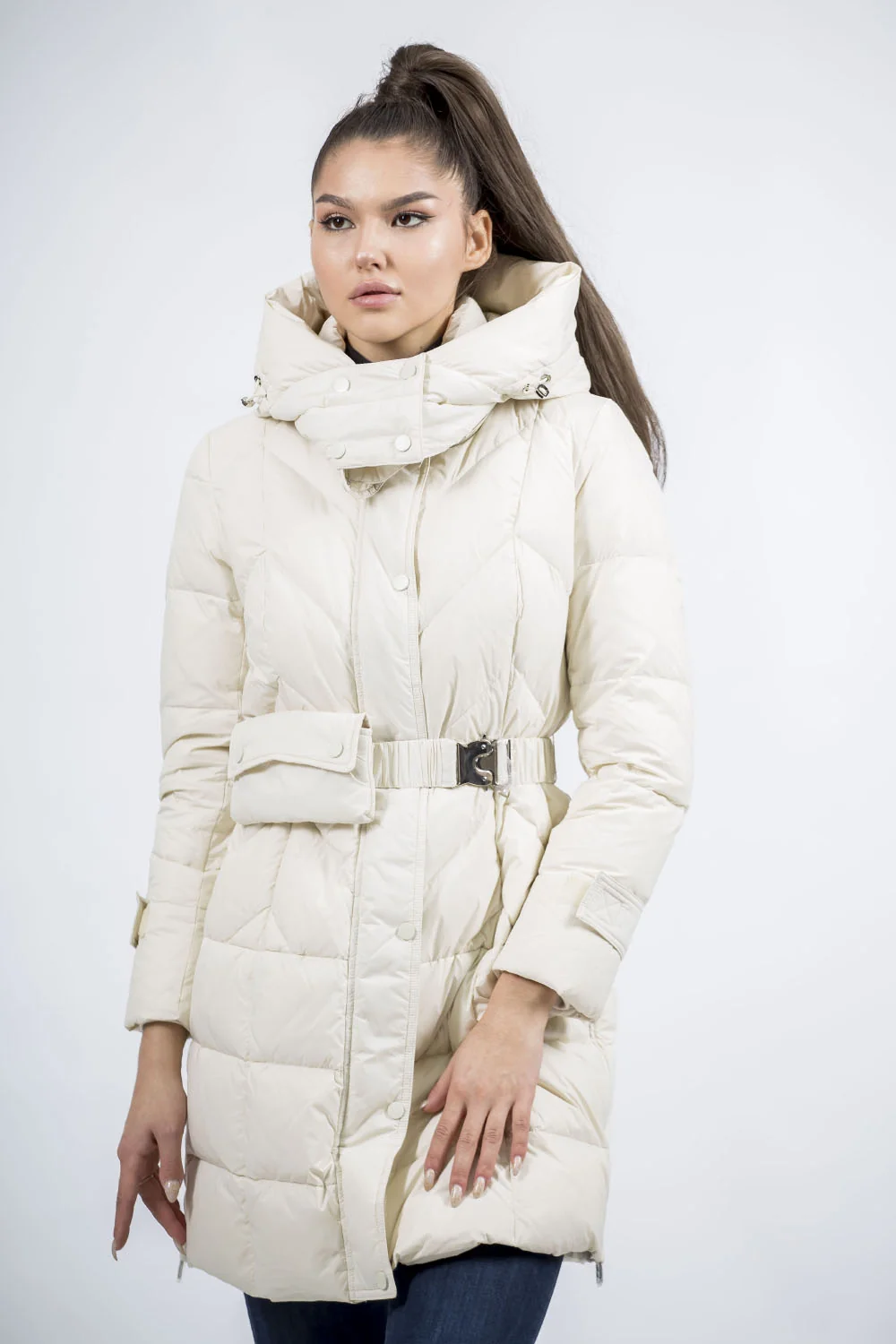
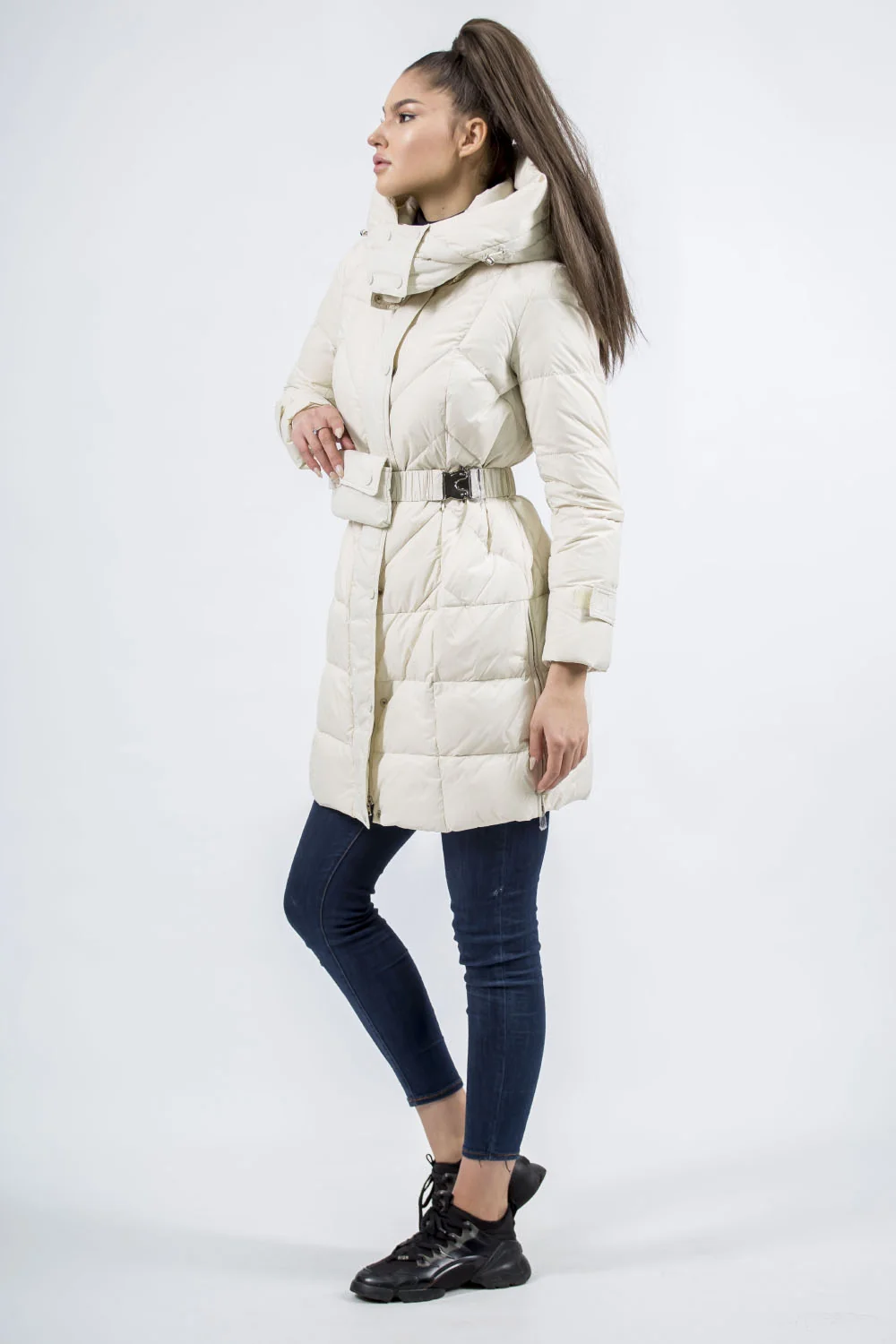
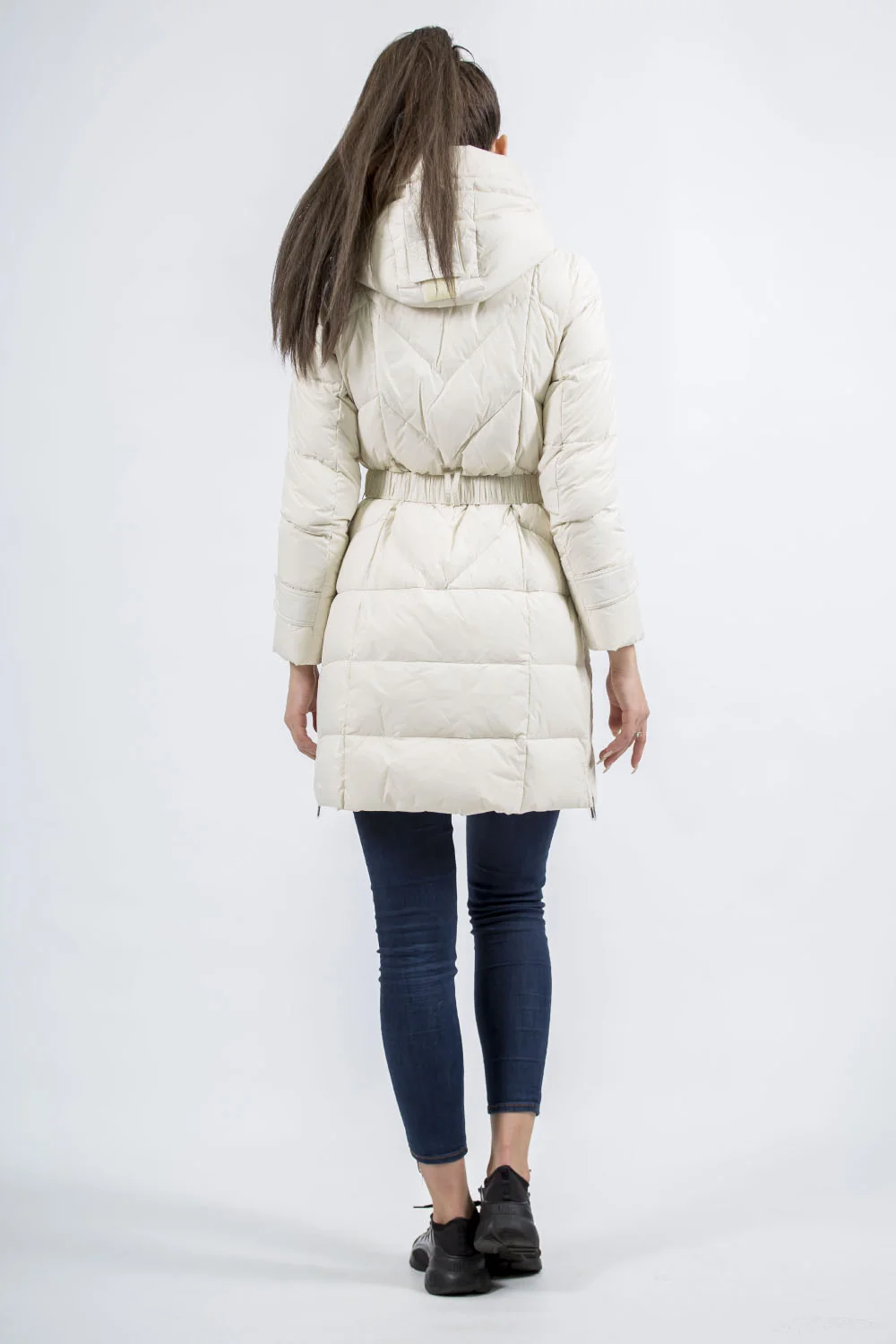
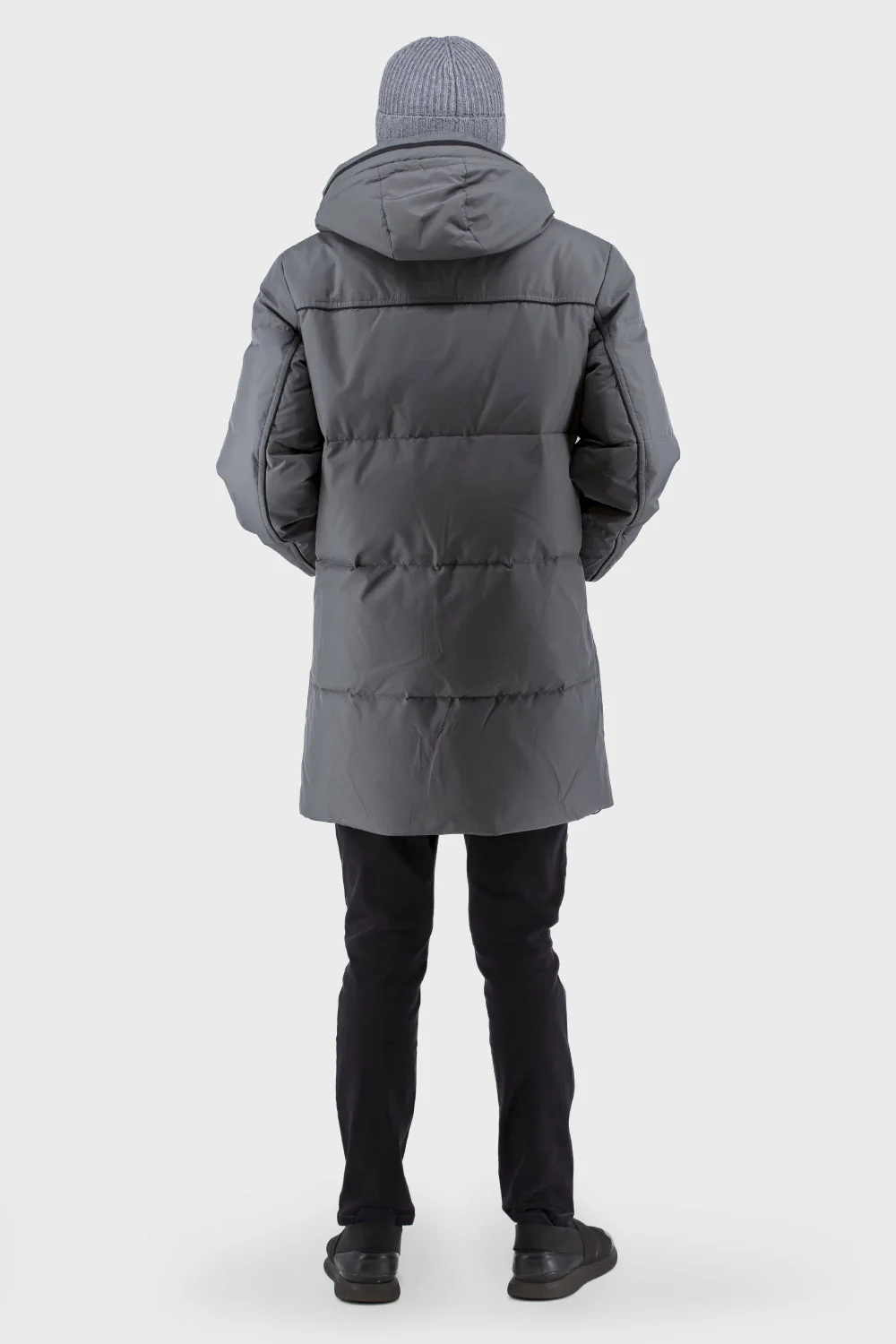
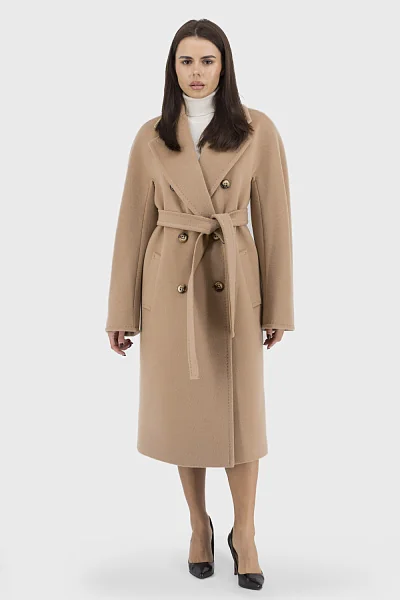
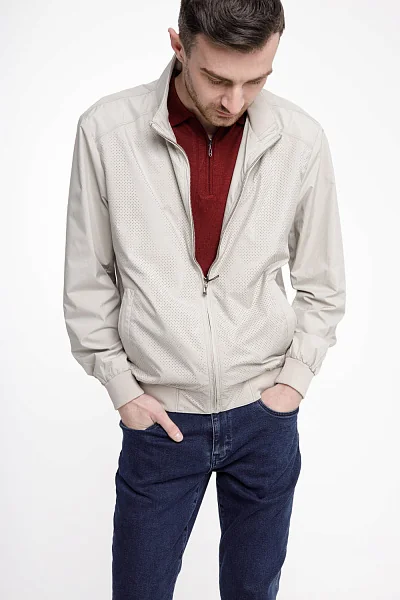
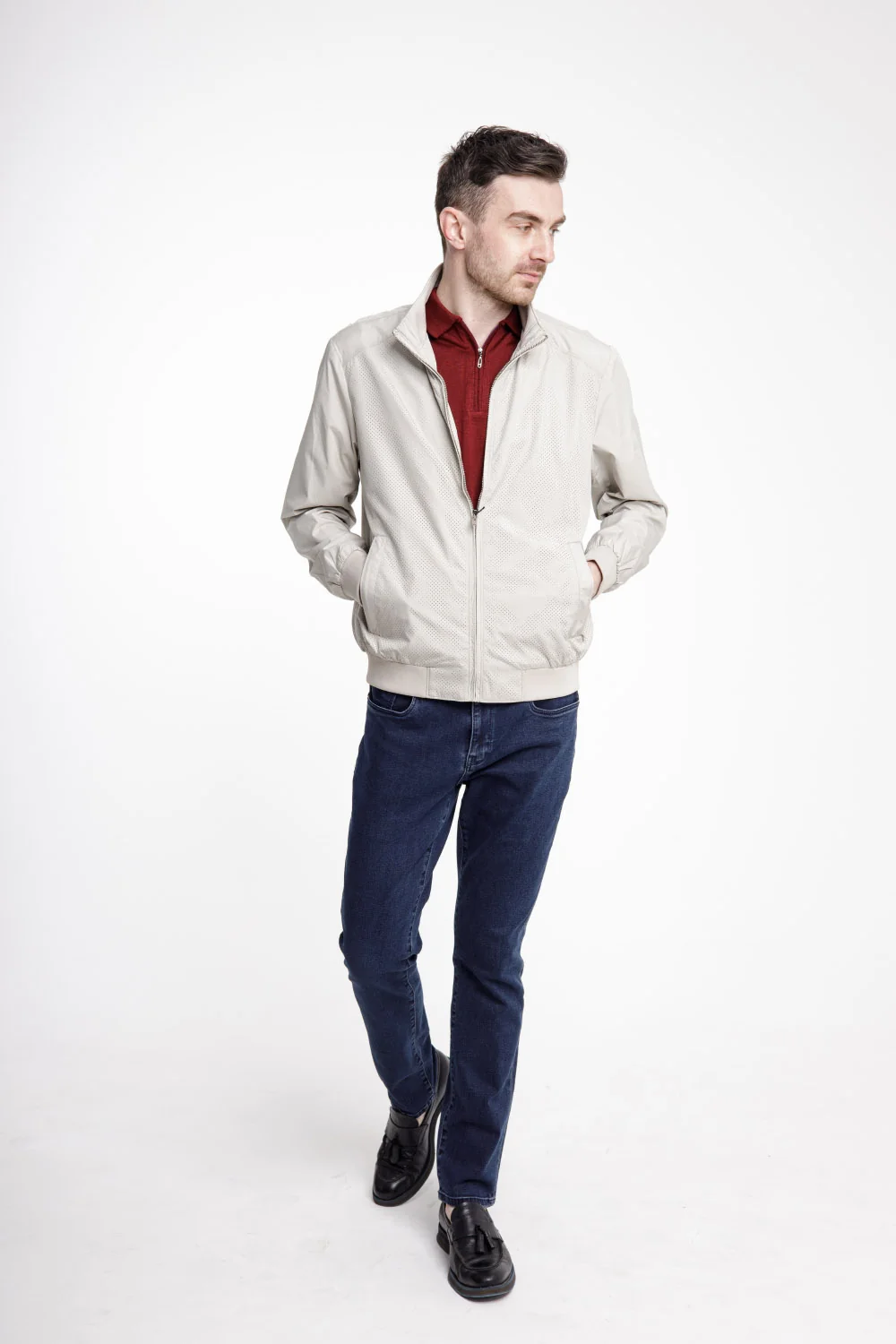
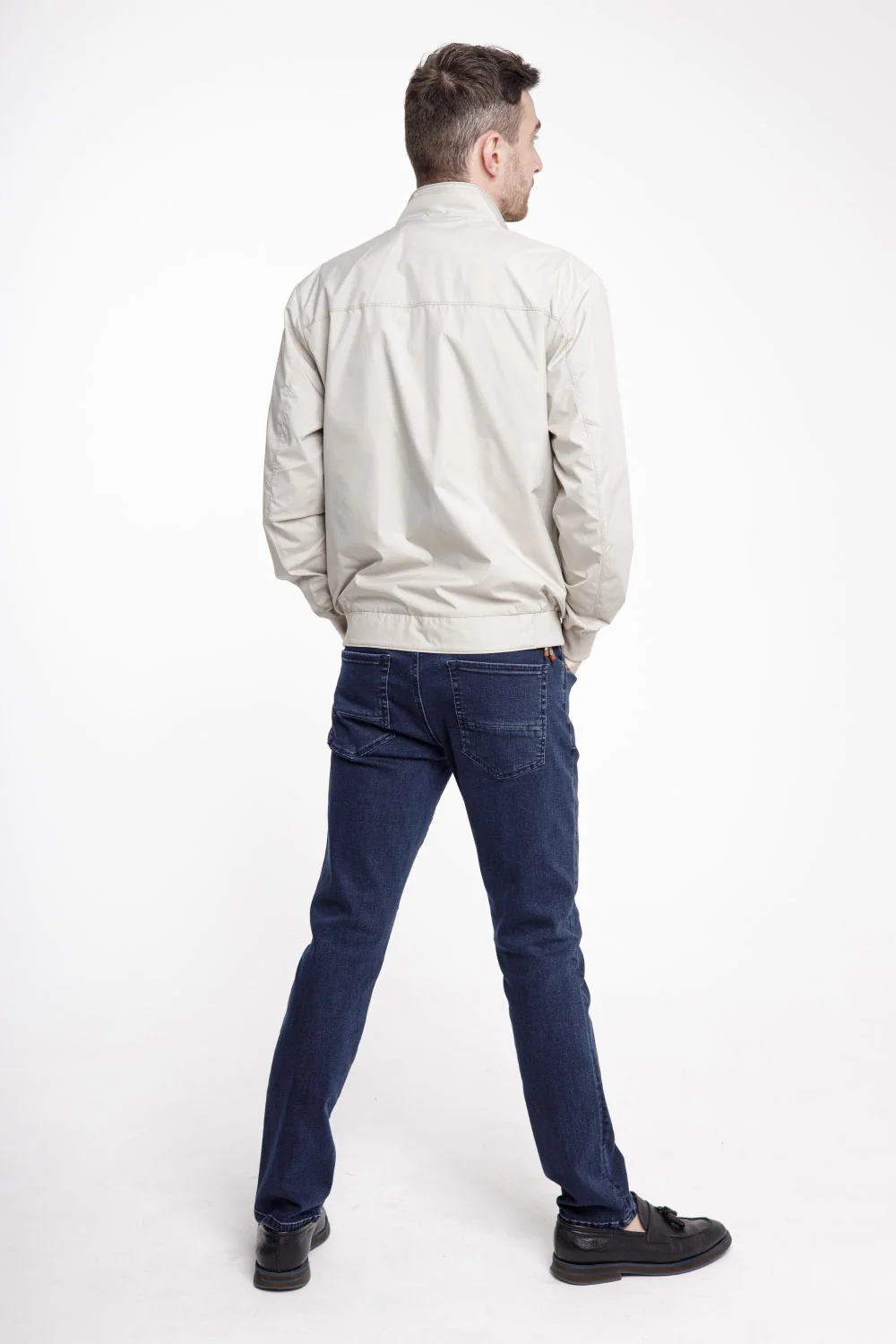
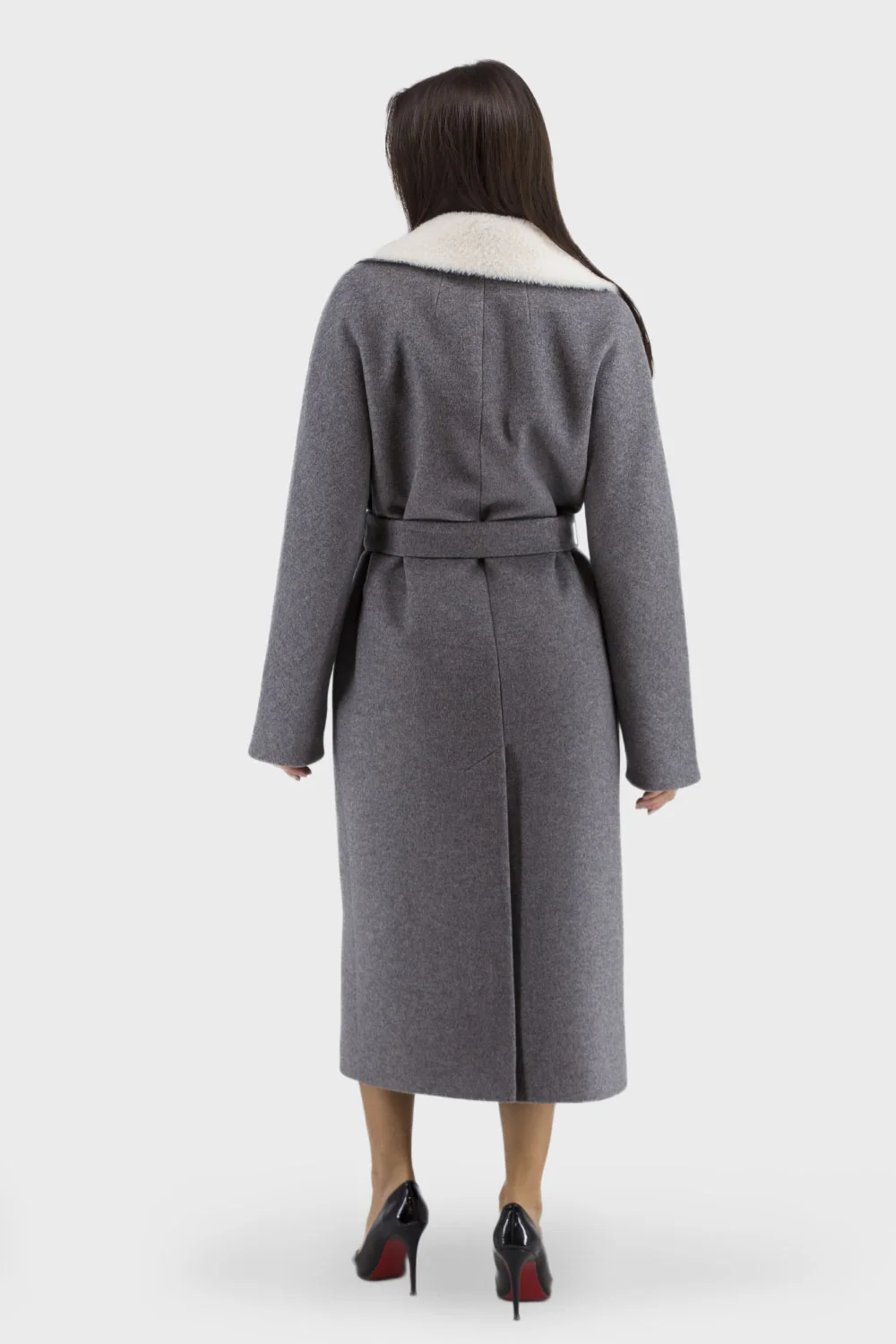
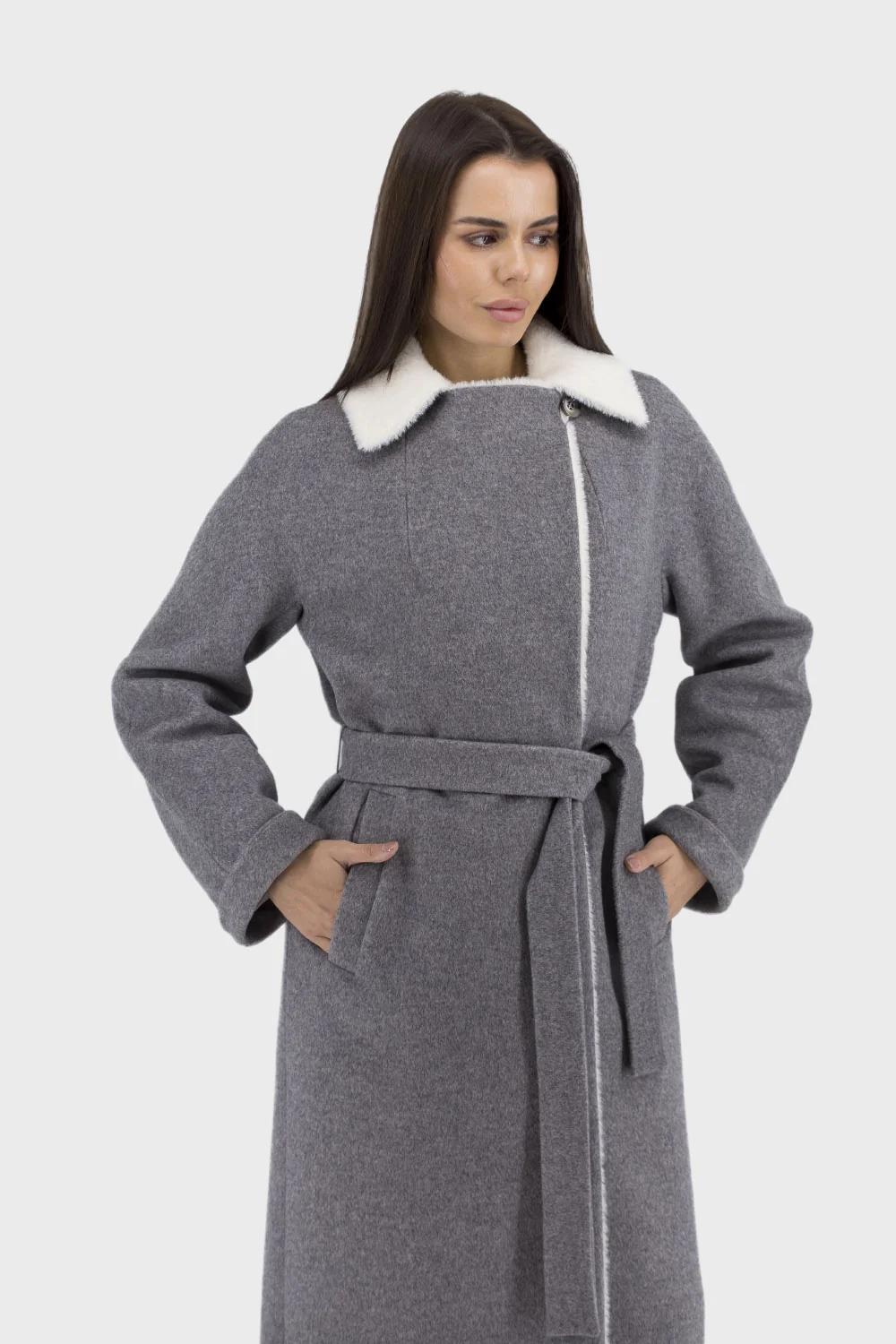
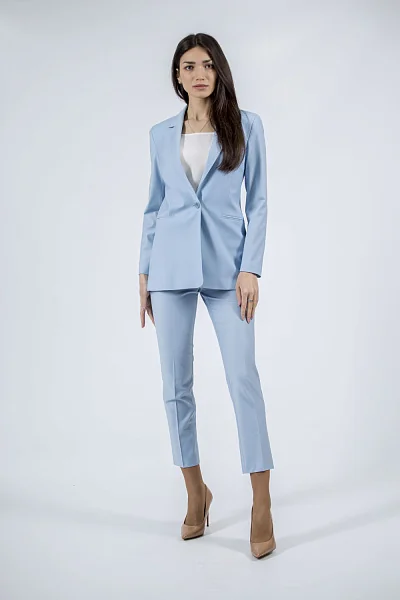
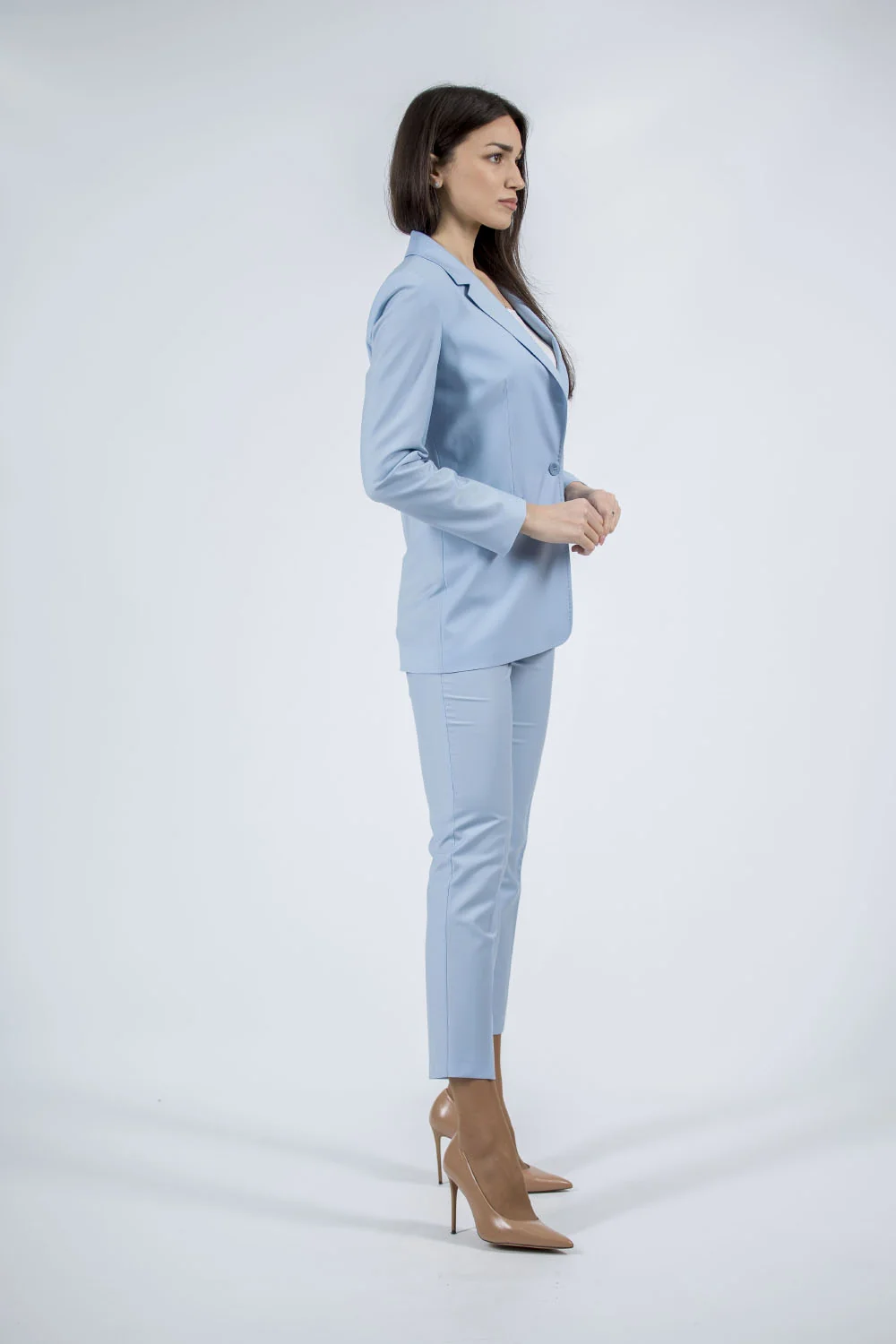
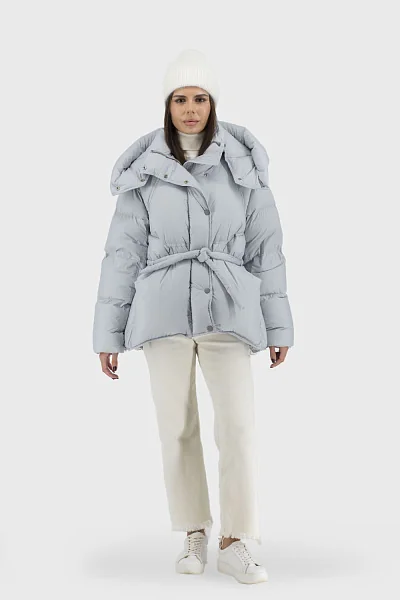
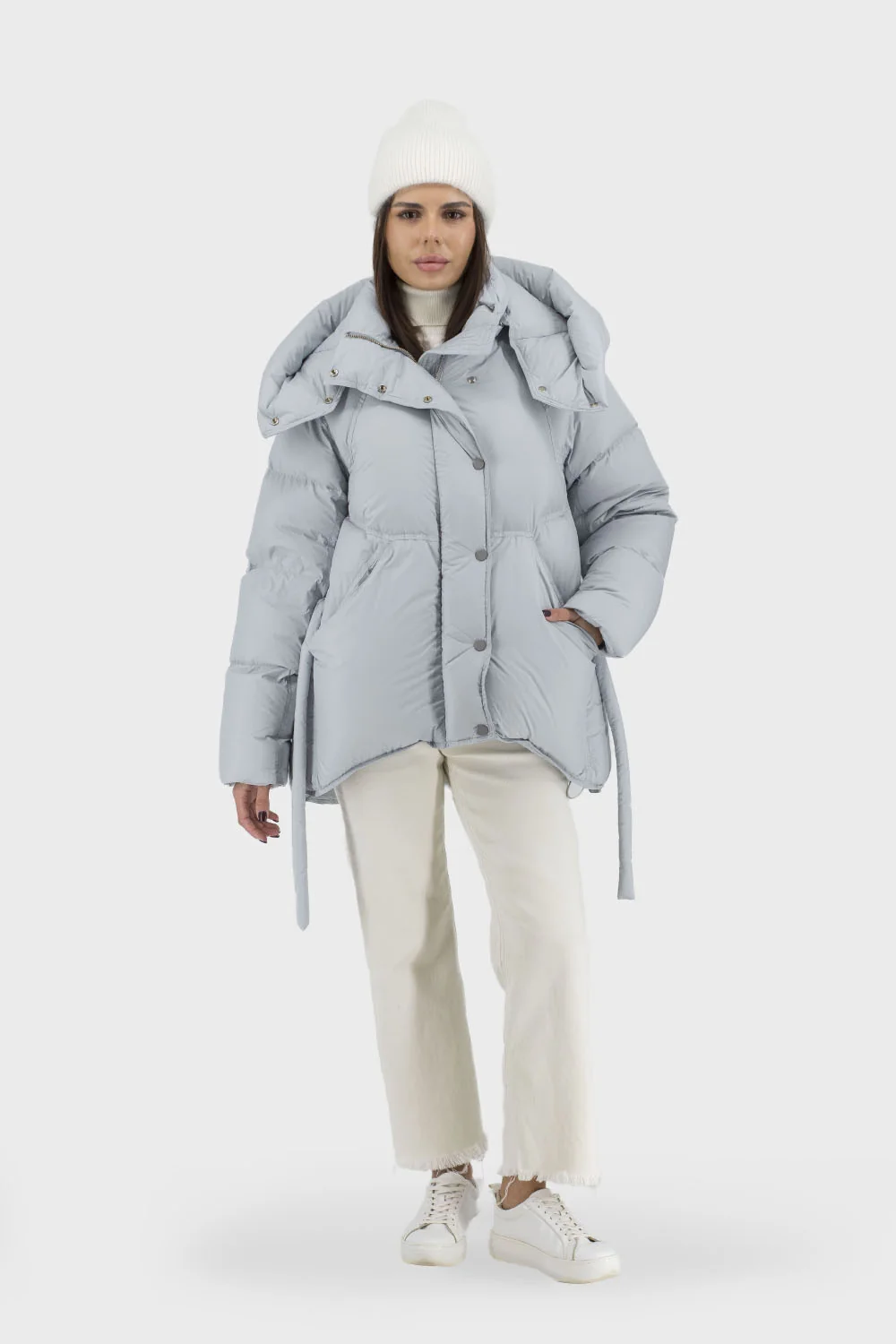
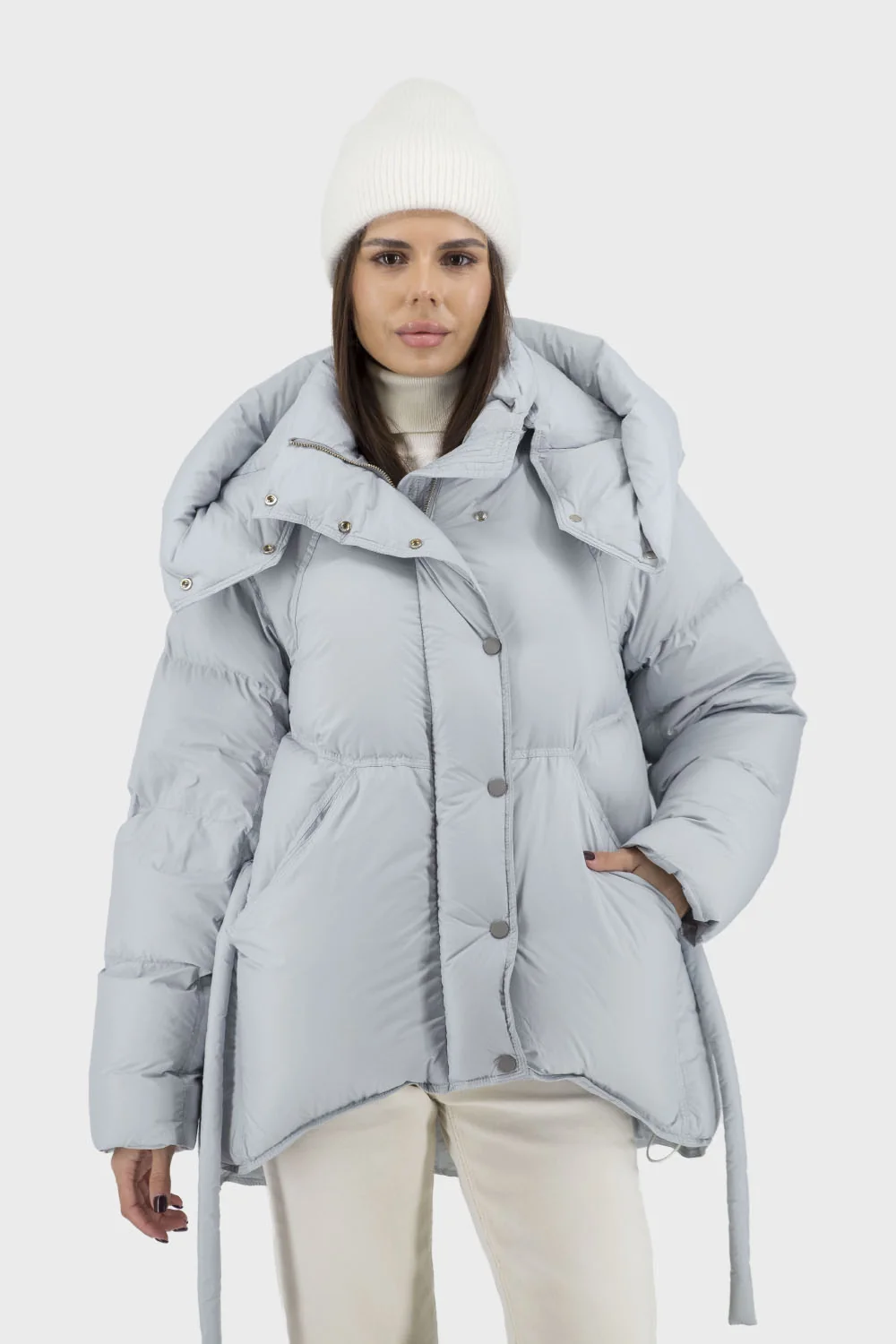
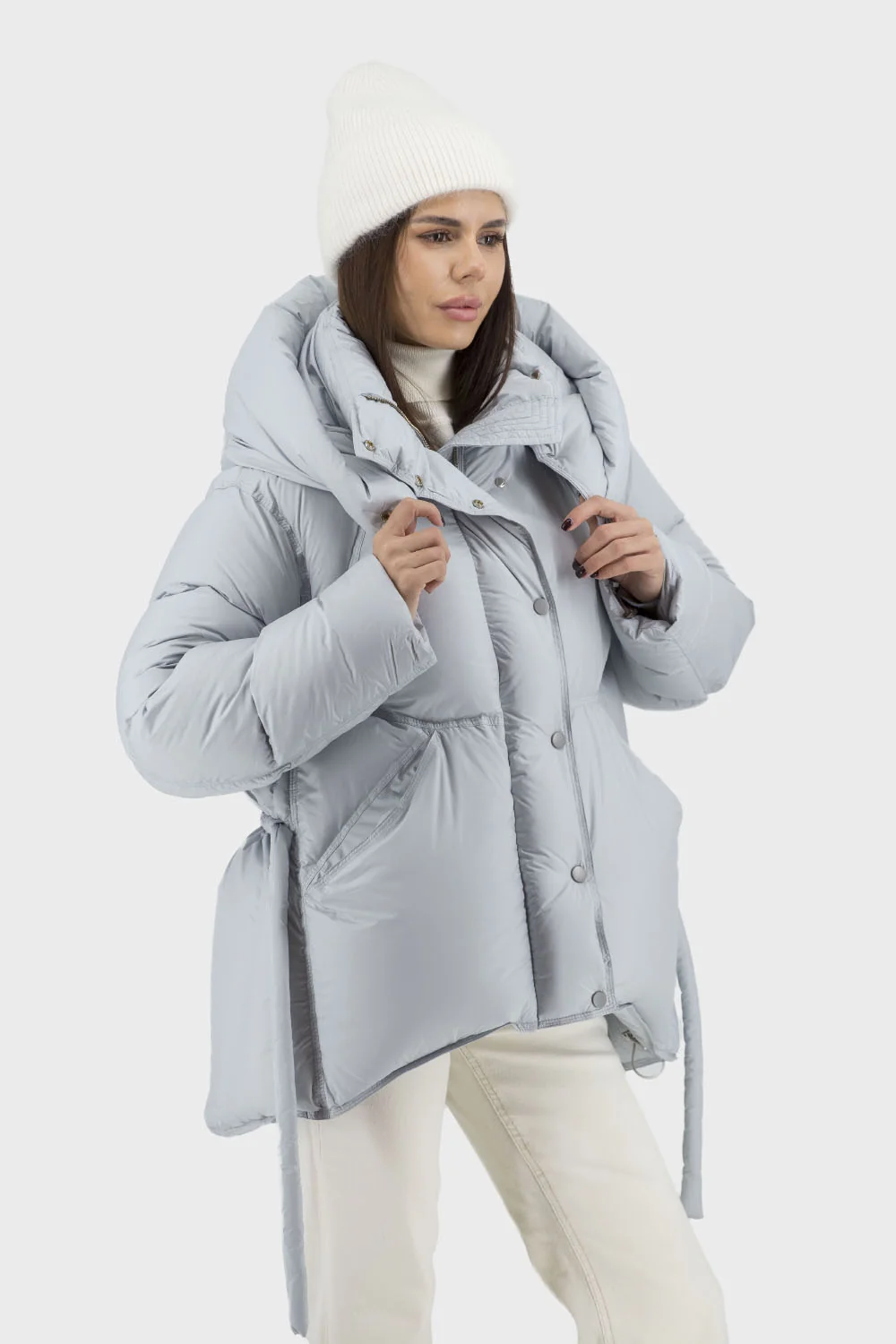
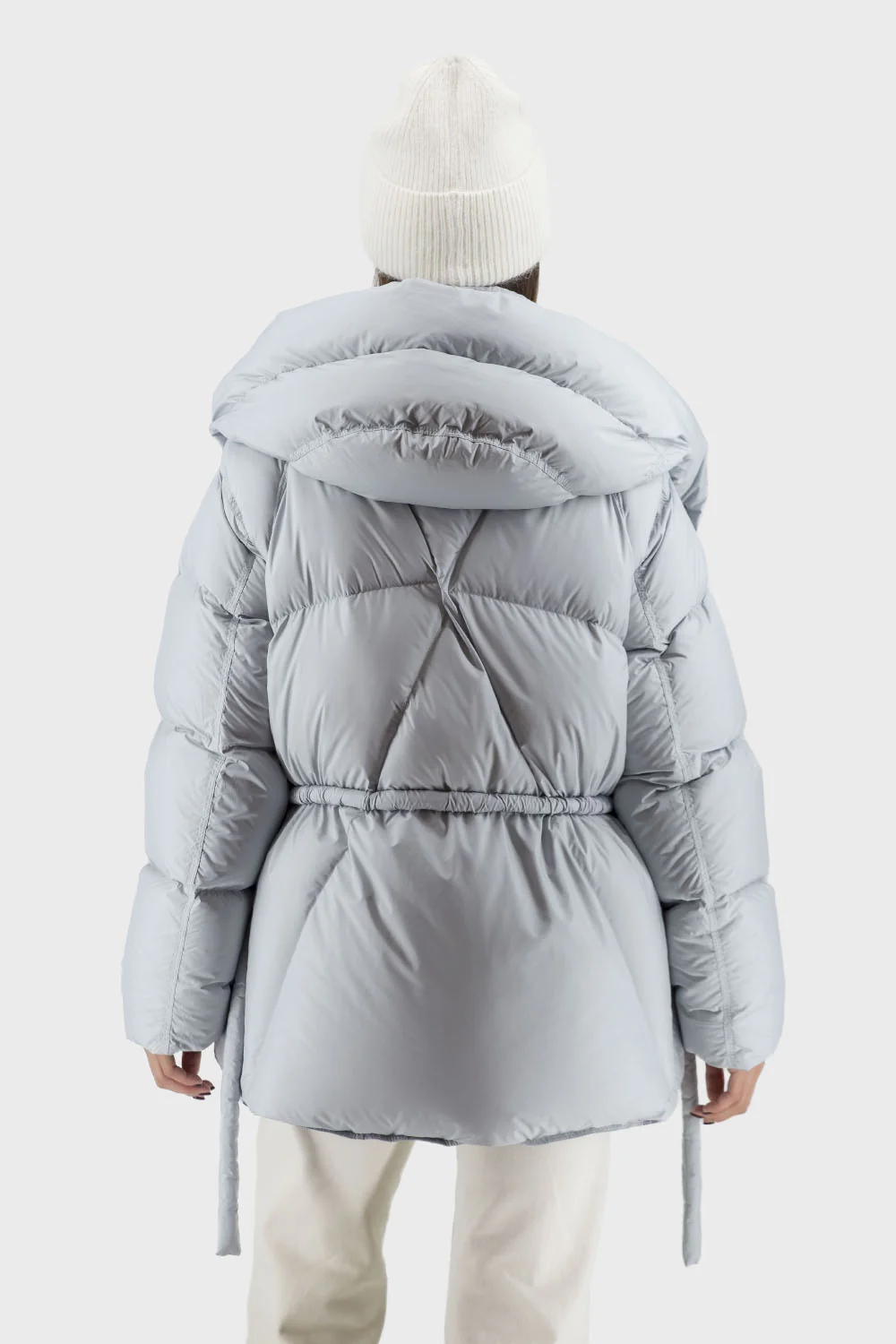
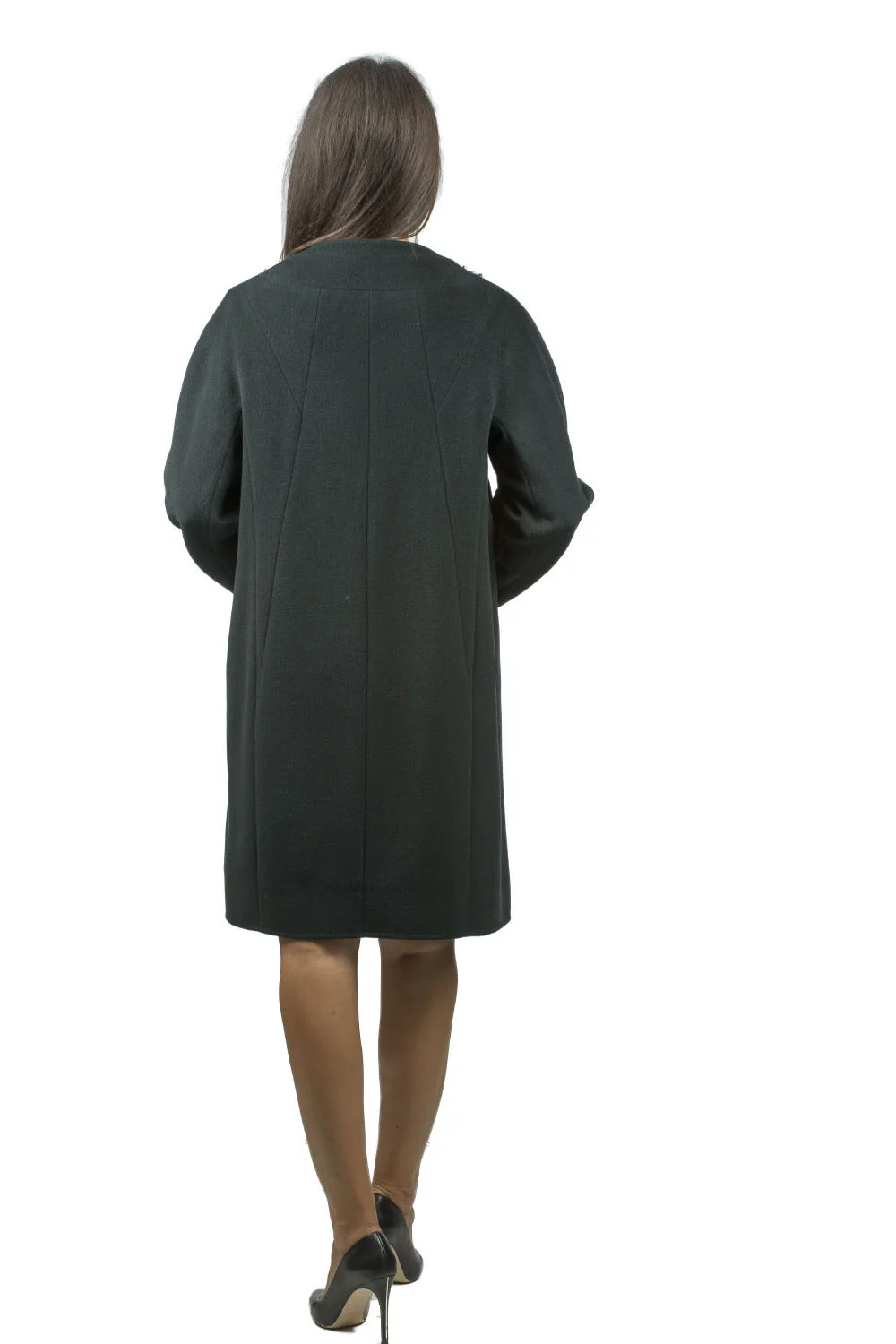
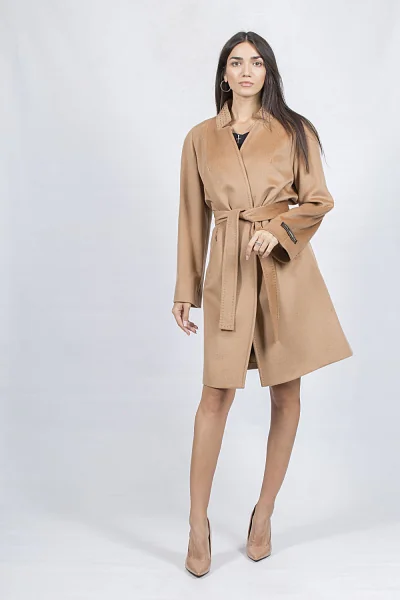
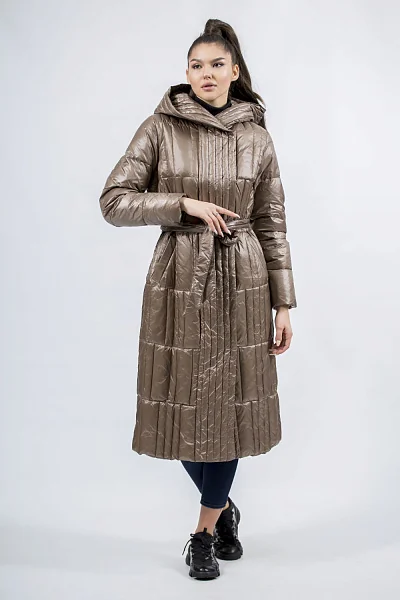
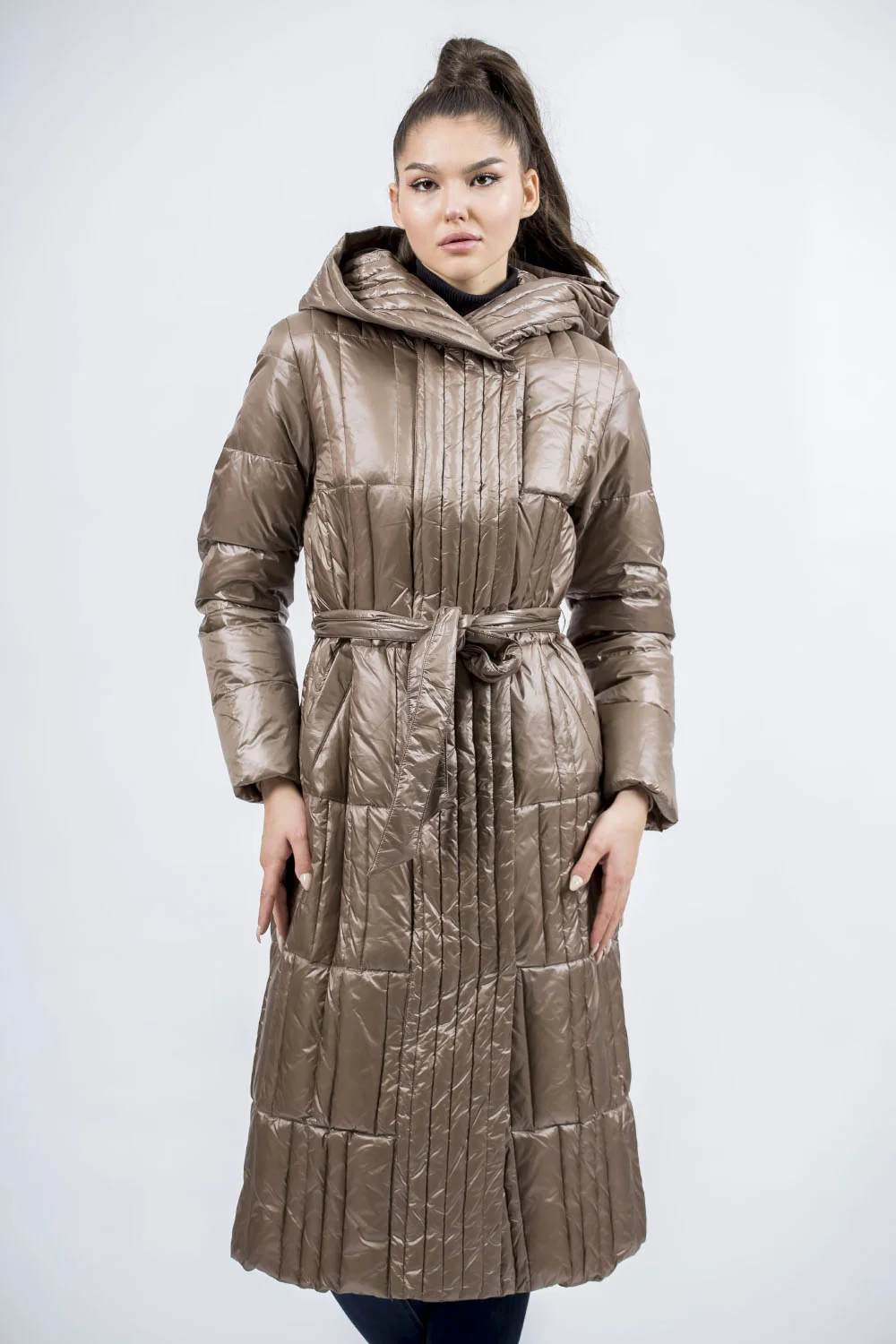
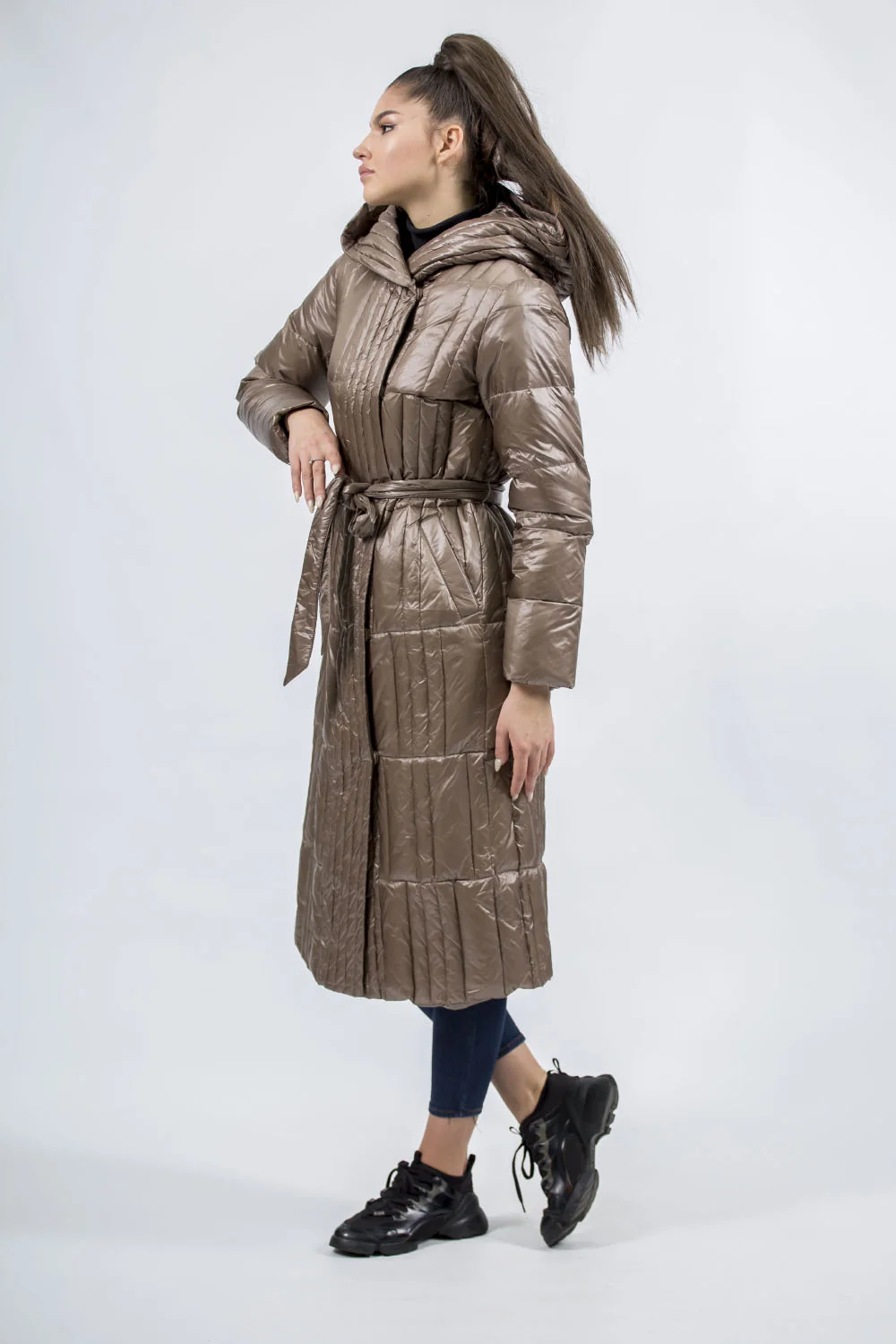
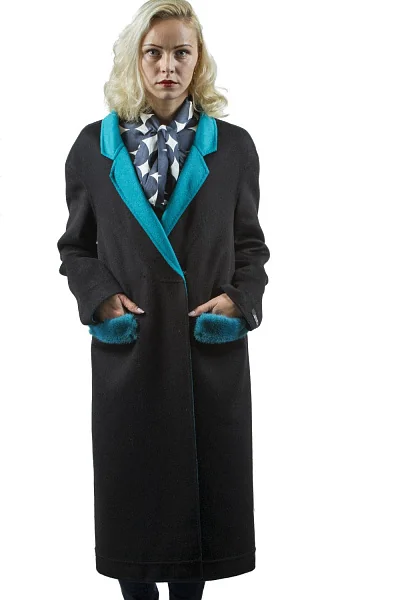
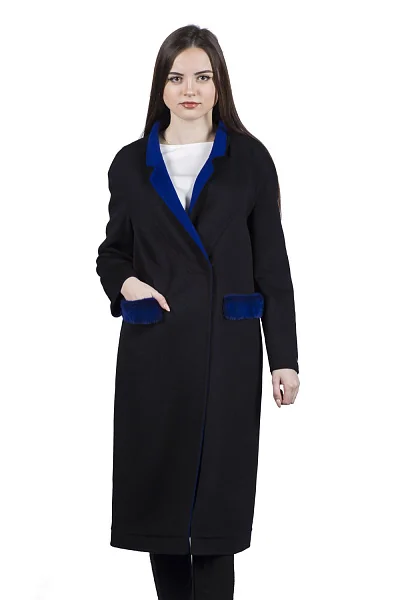
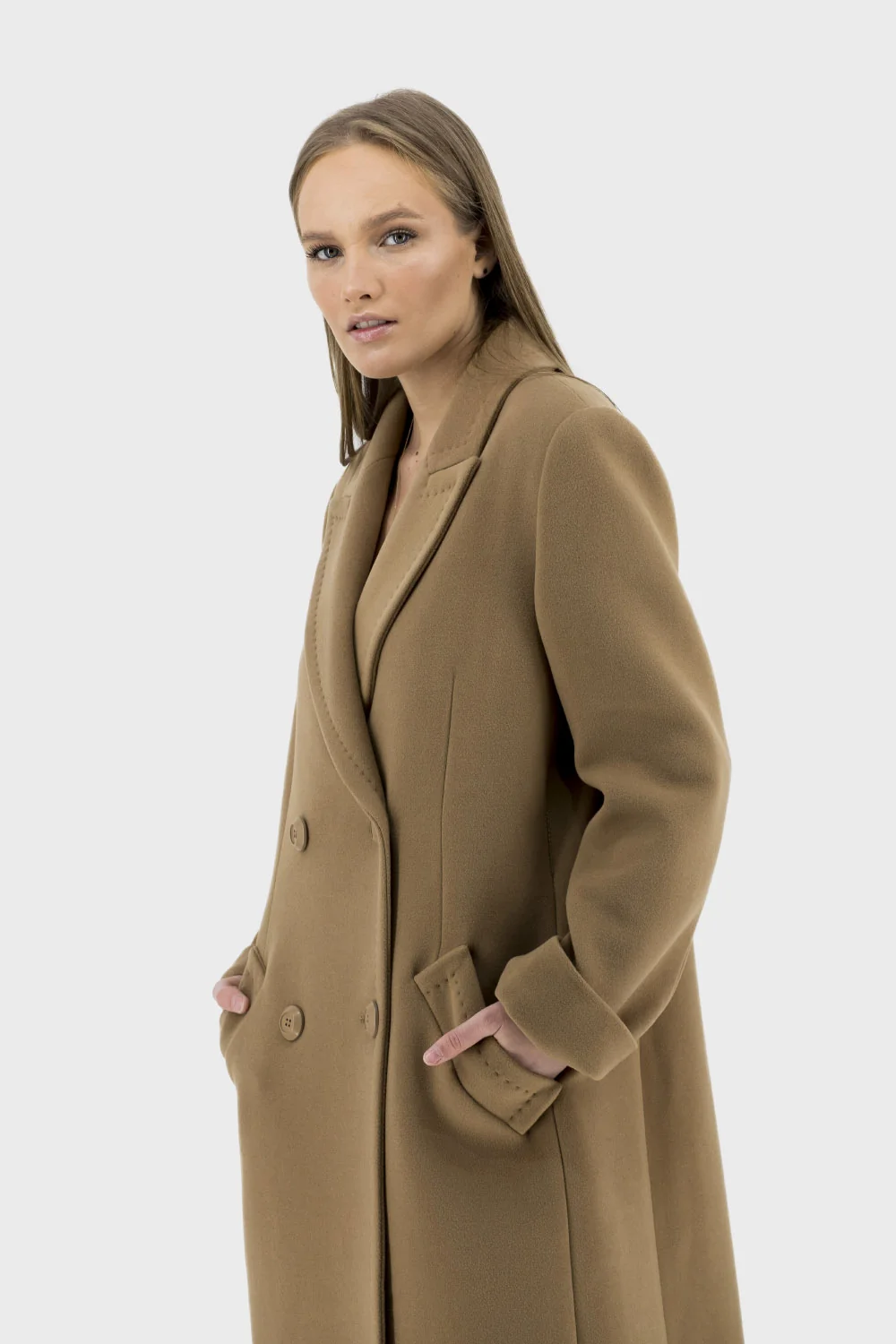
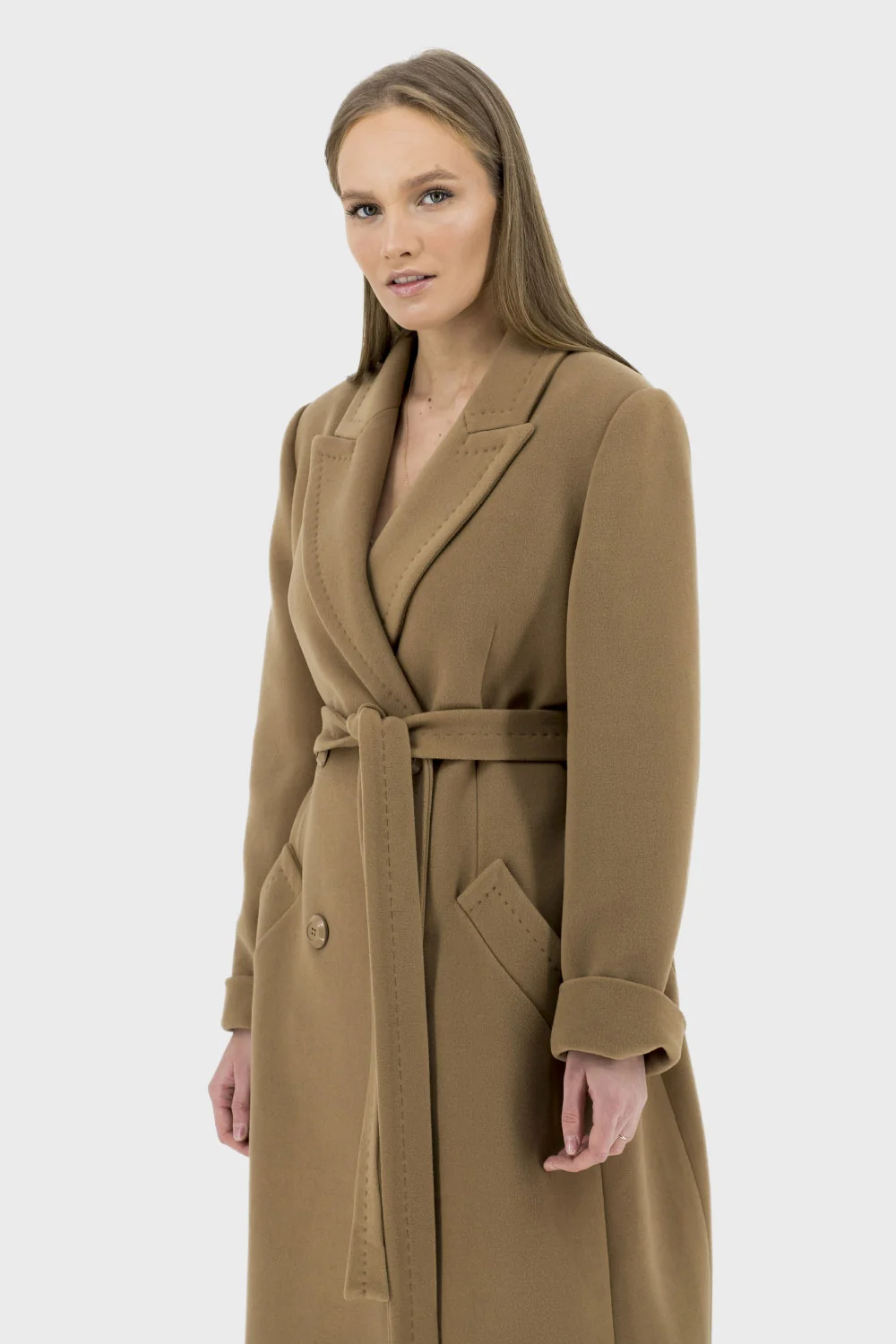
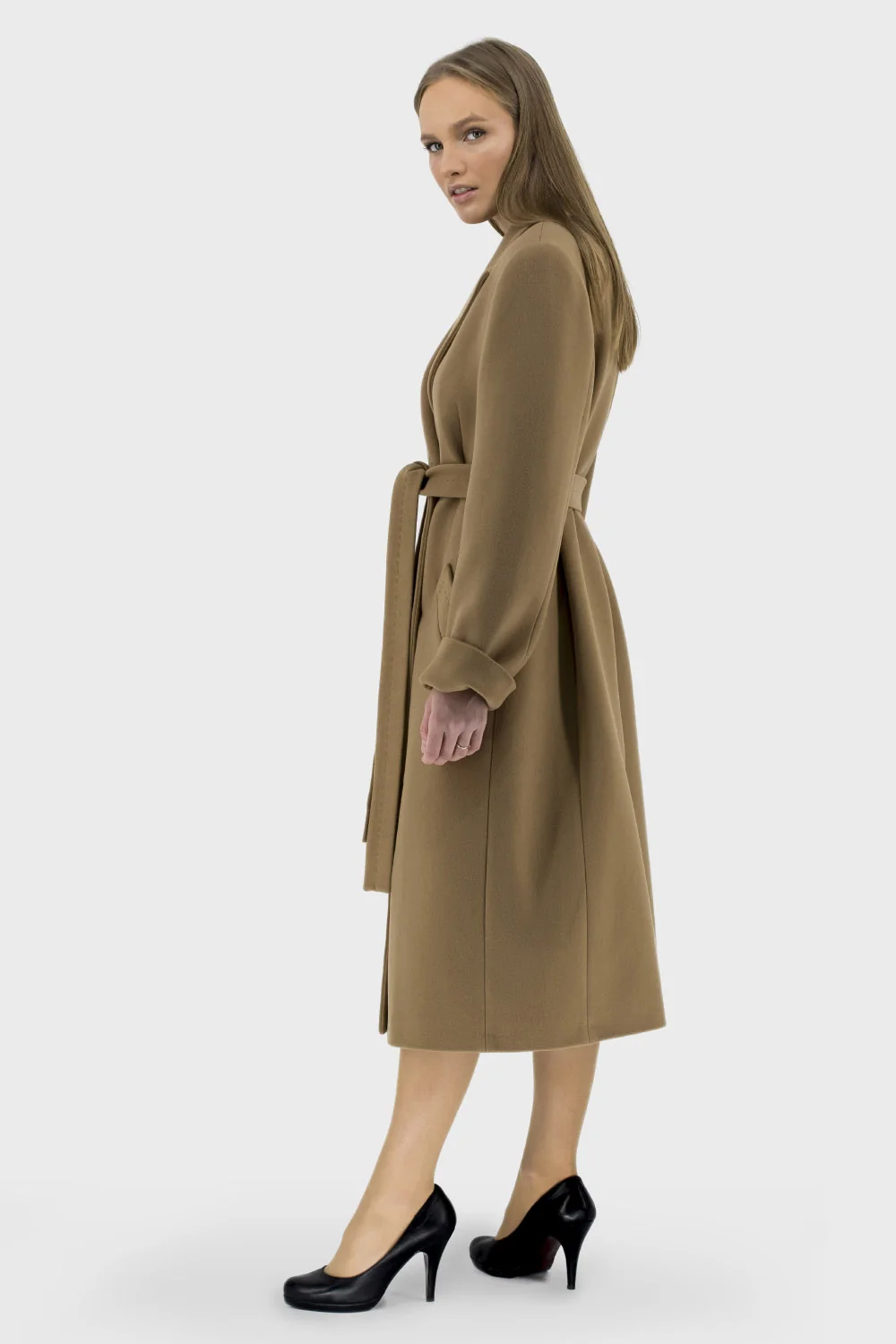
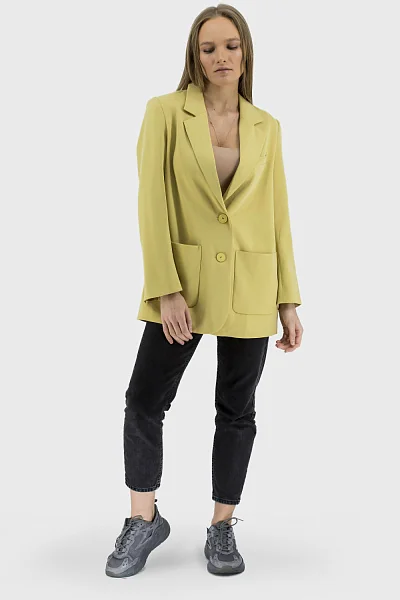
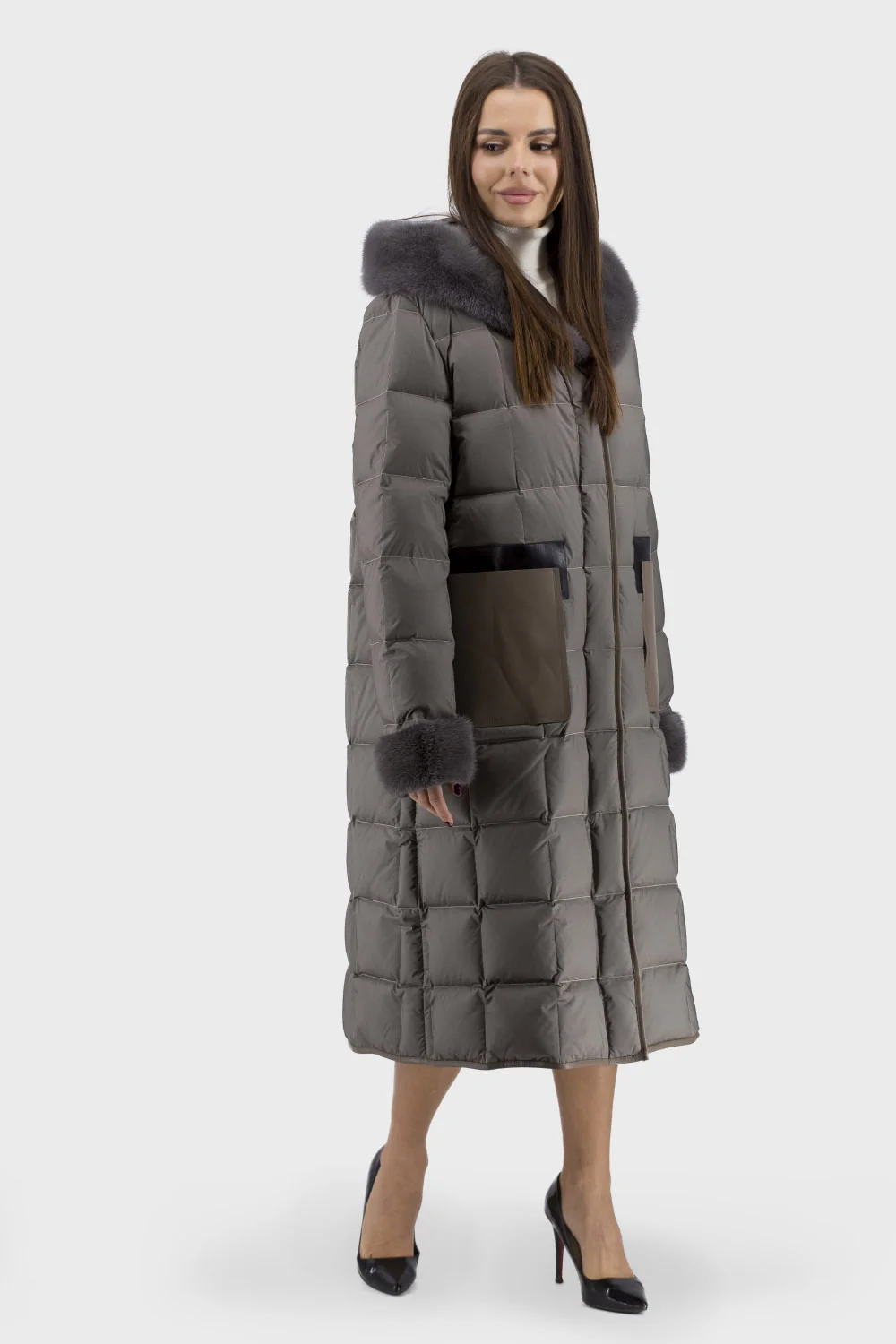
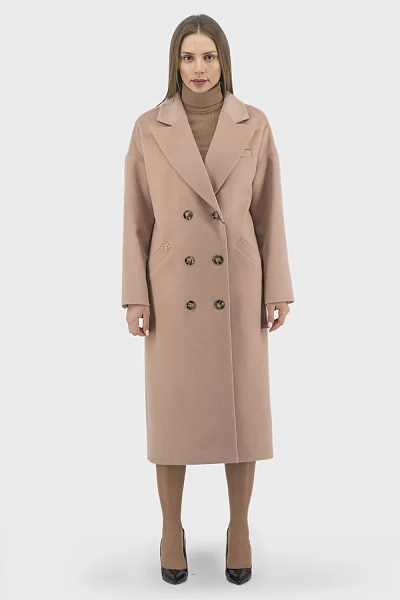
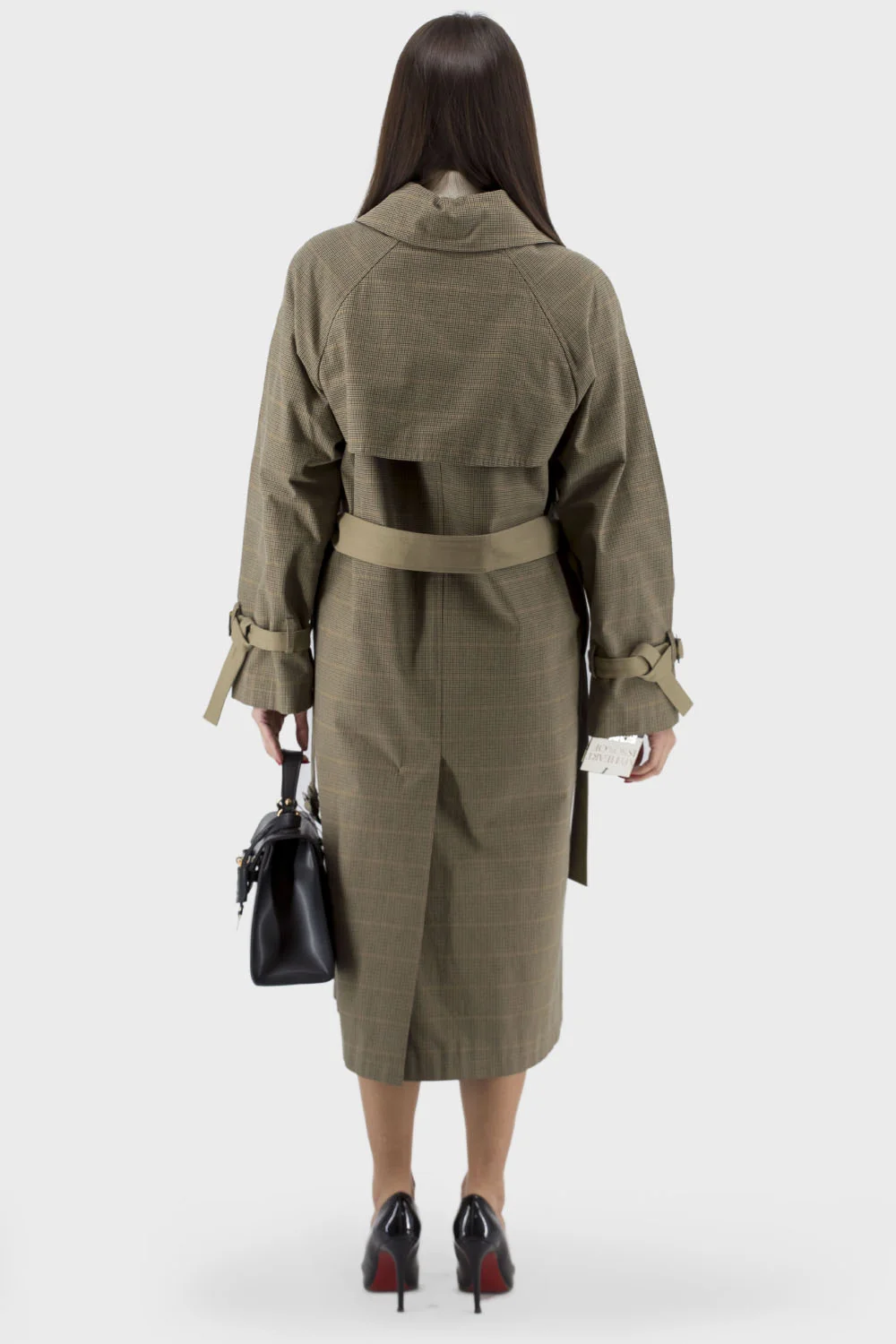
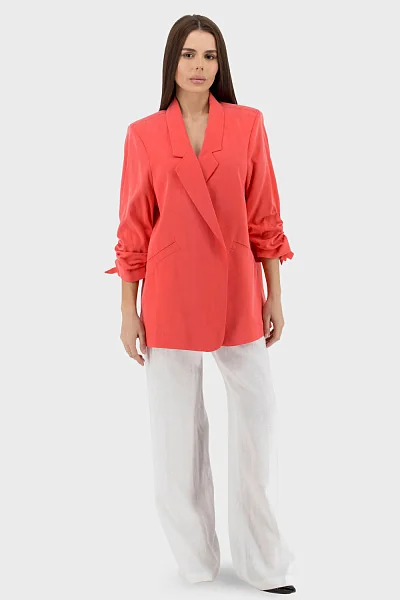
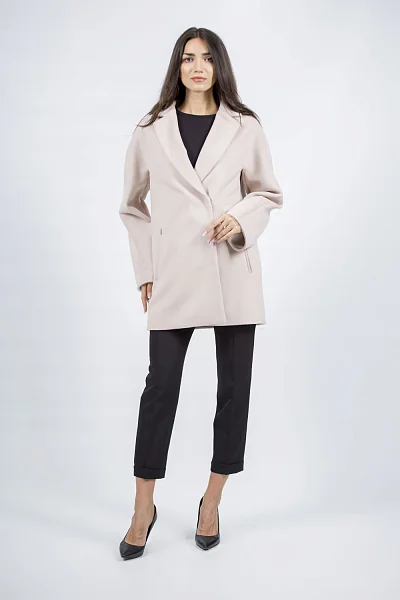
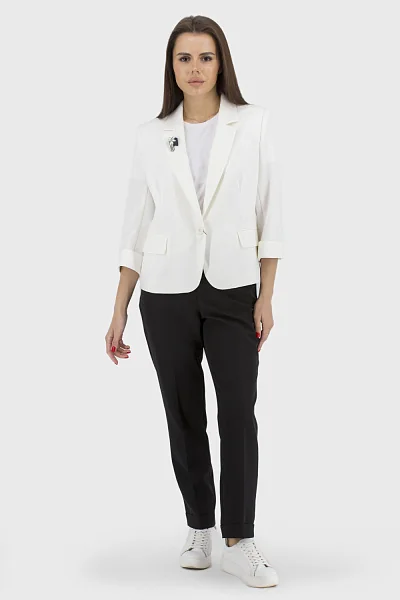
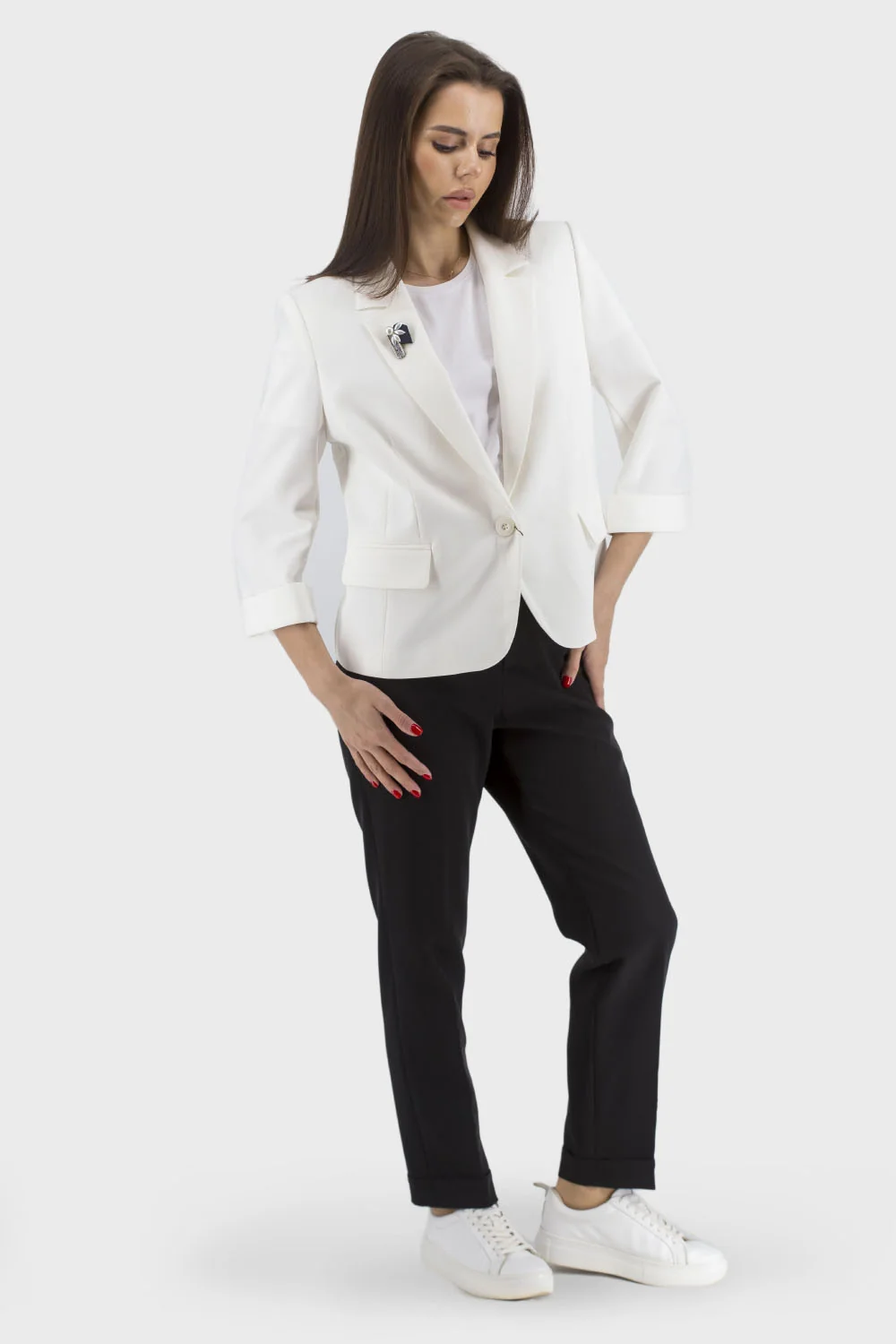
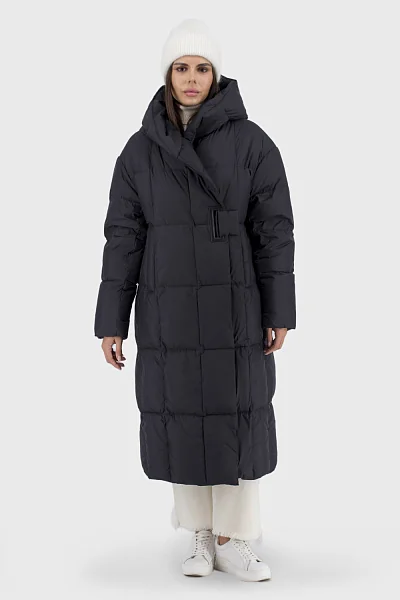
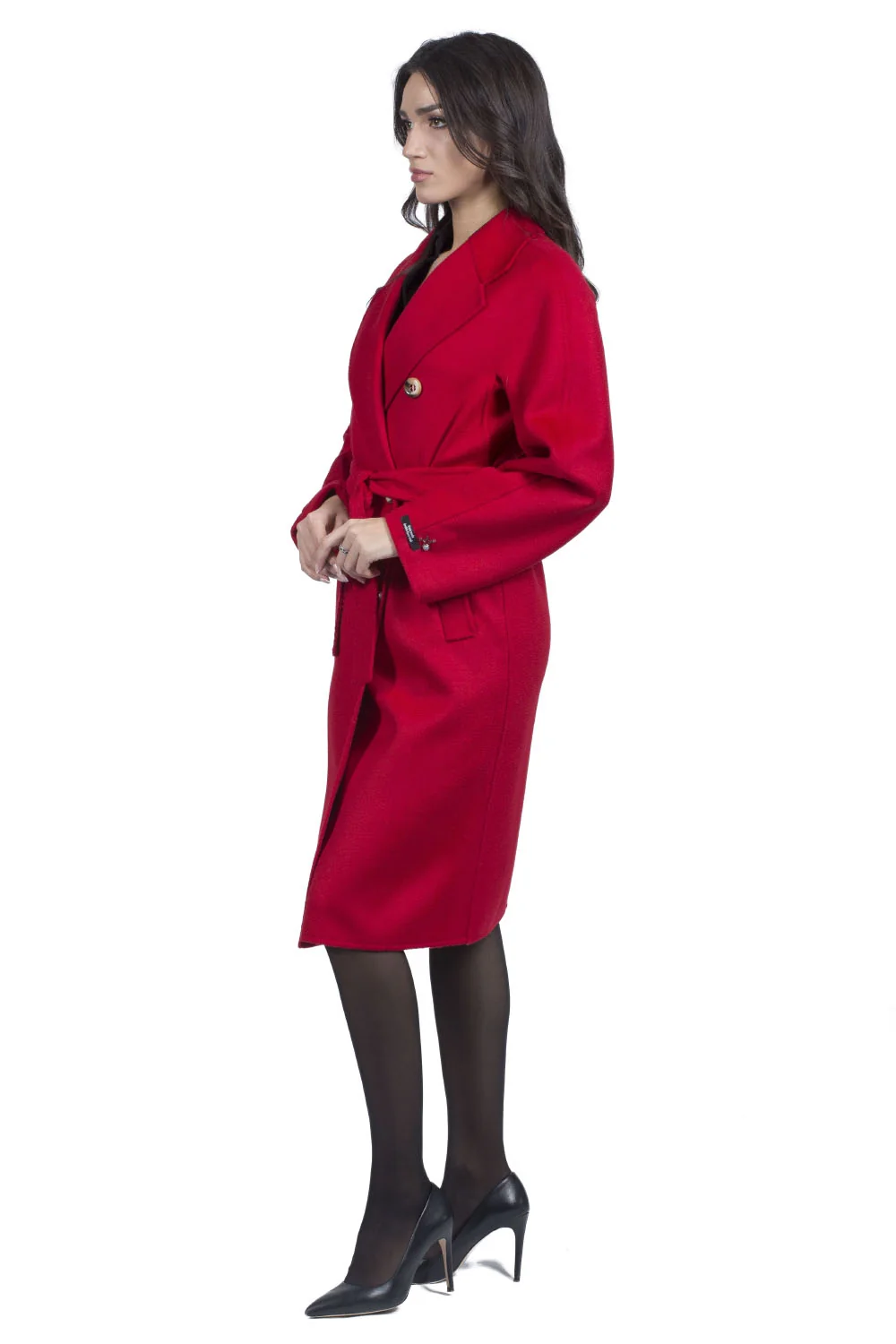
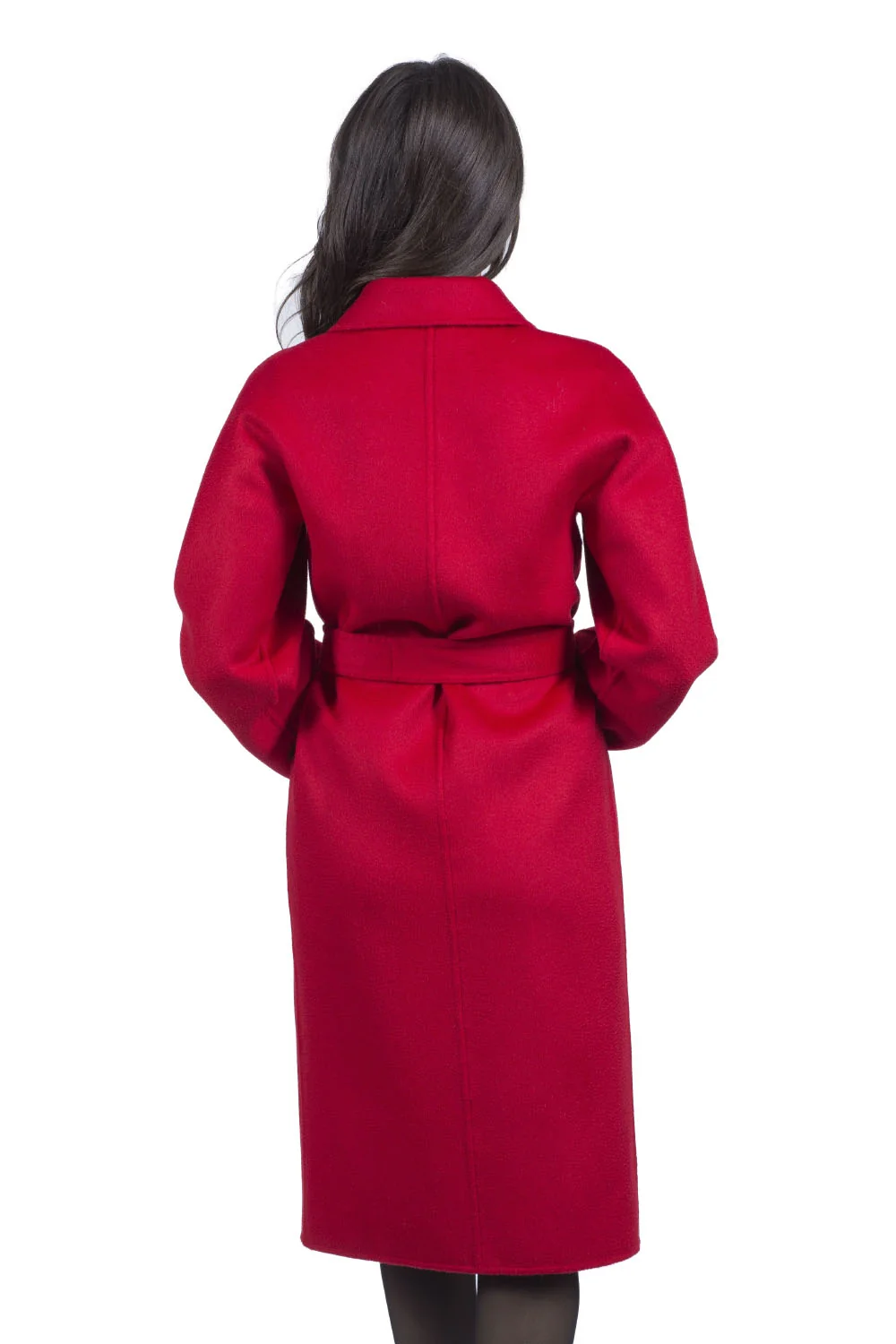
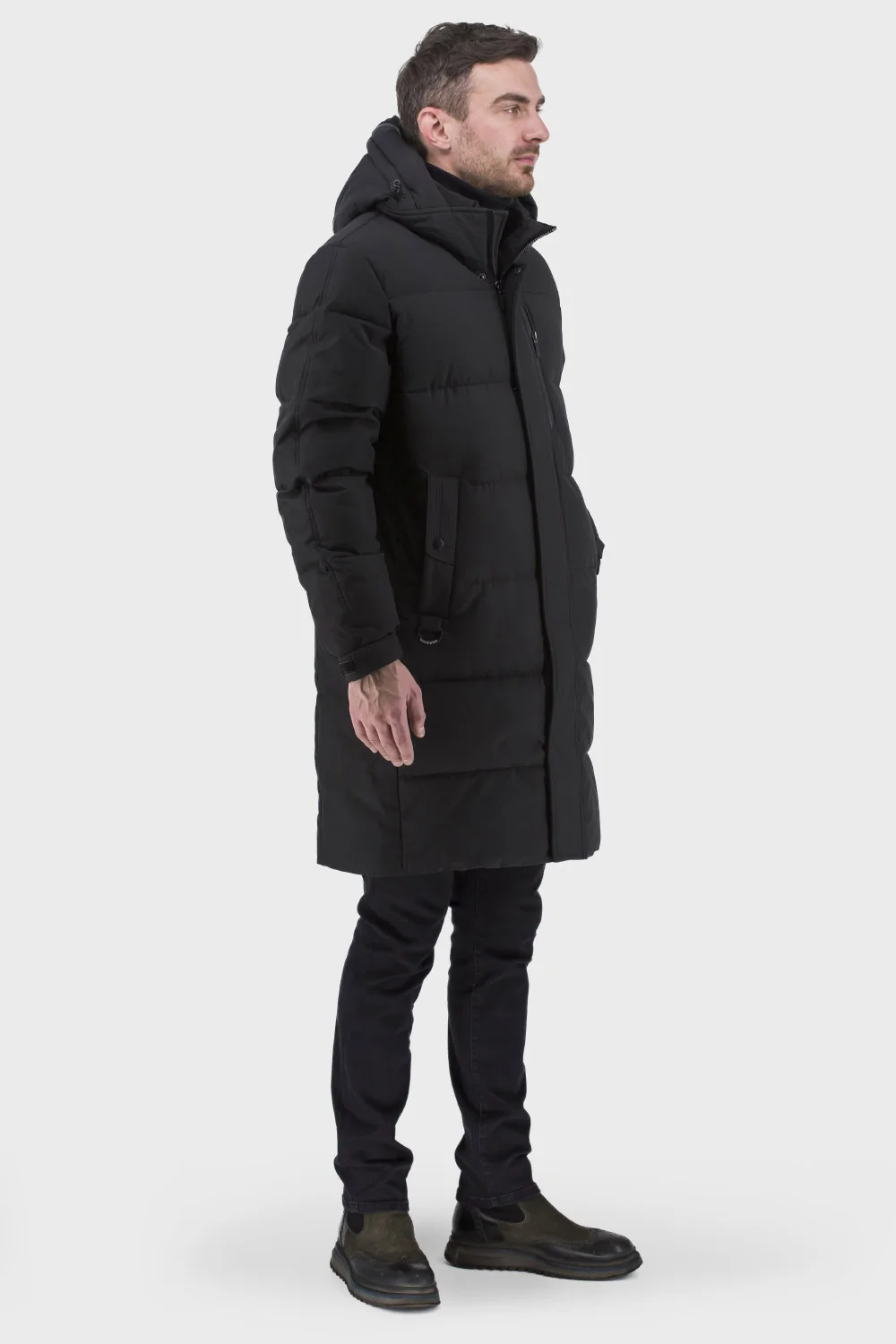
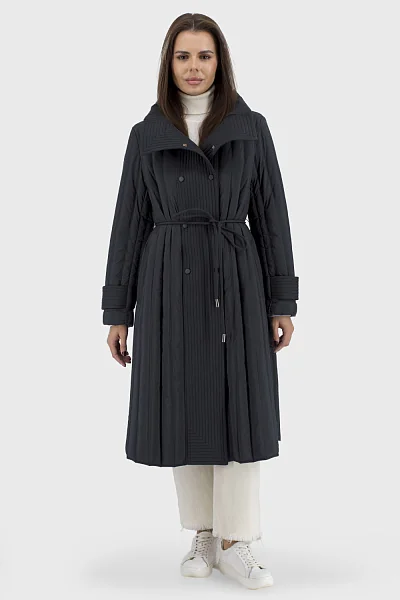
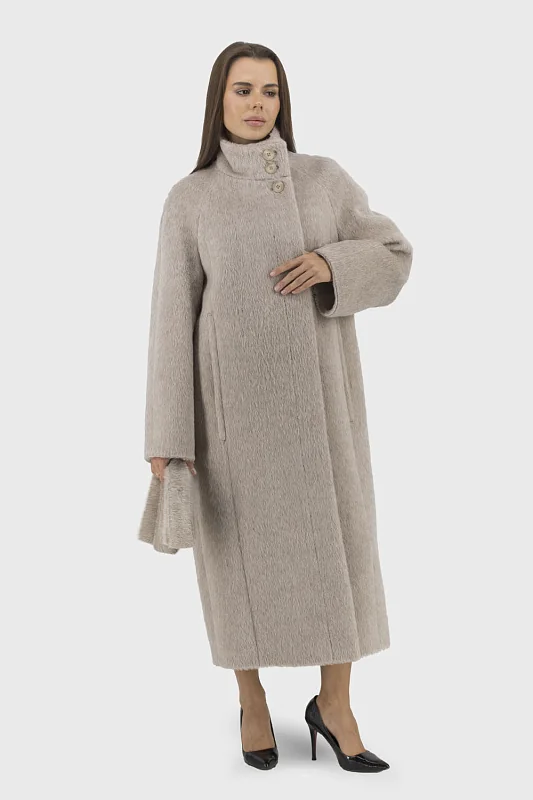
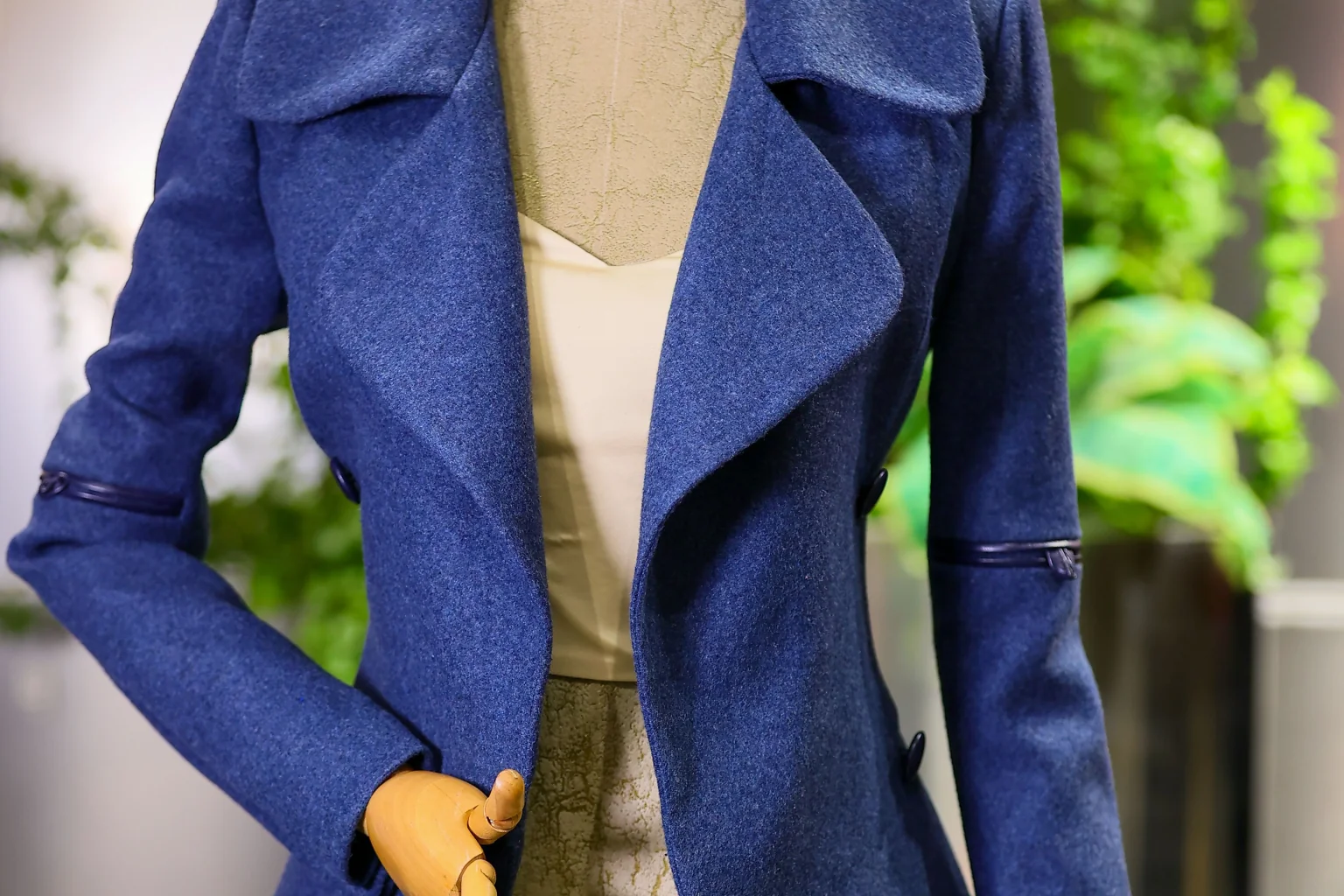
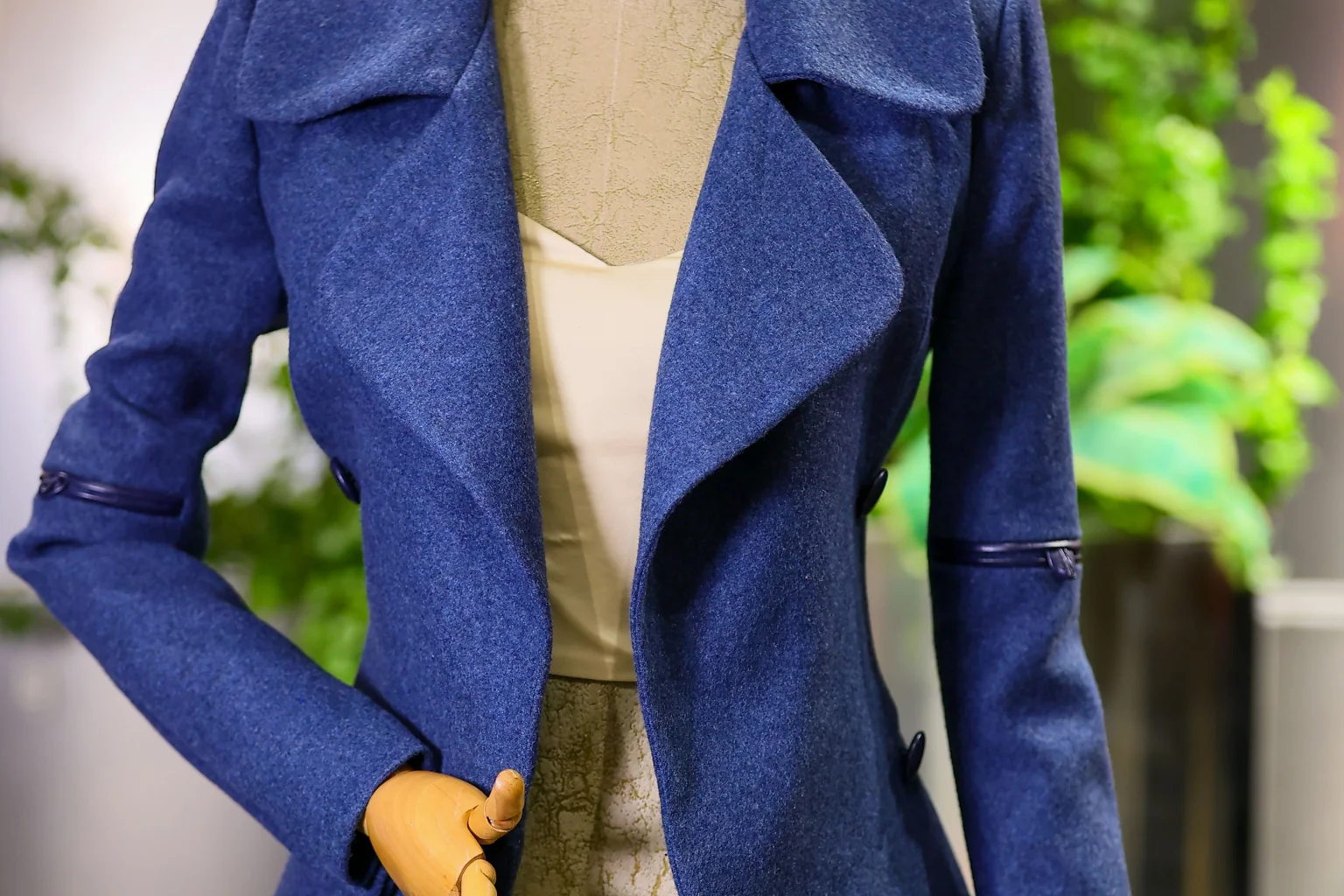
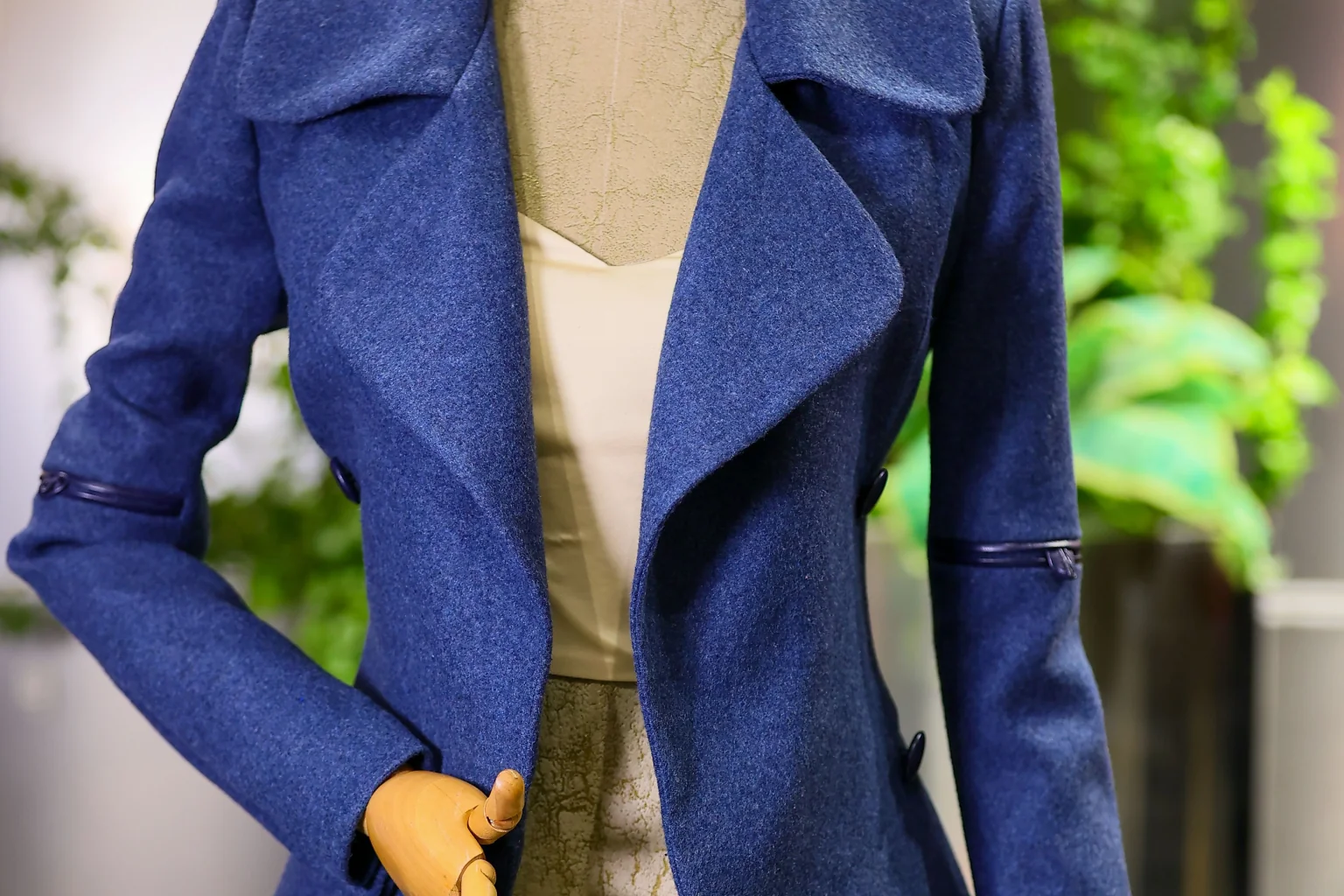
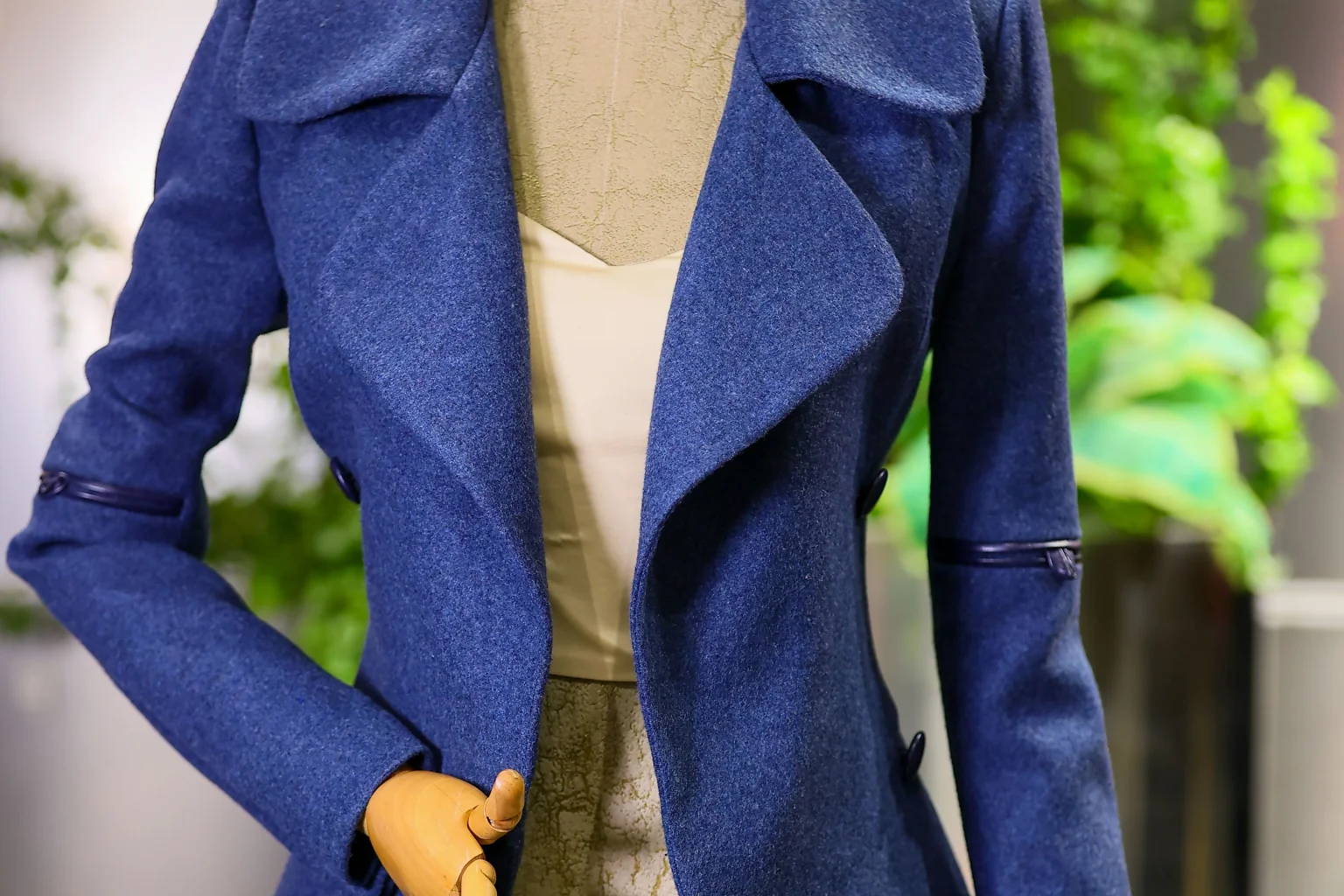
The cut and style of your transitional jacket should align with both your lifestyle and body shape. Fitted jackets, which taper at the waist, provide a polished and sleek appearance ideal for urban settings or office commutes. Meanwhile, looser or boxier cuts allow for layering underneath, which is beneficial if you prefer wearing sweaters or hoodies during colder spells.
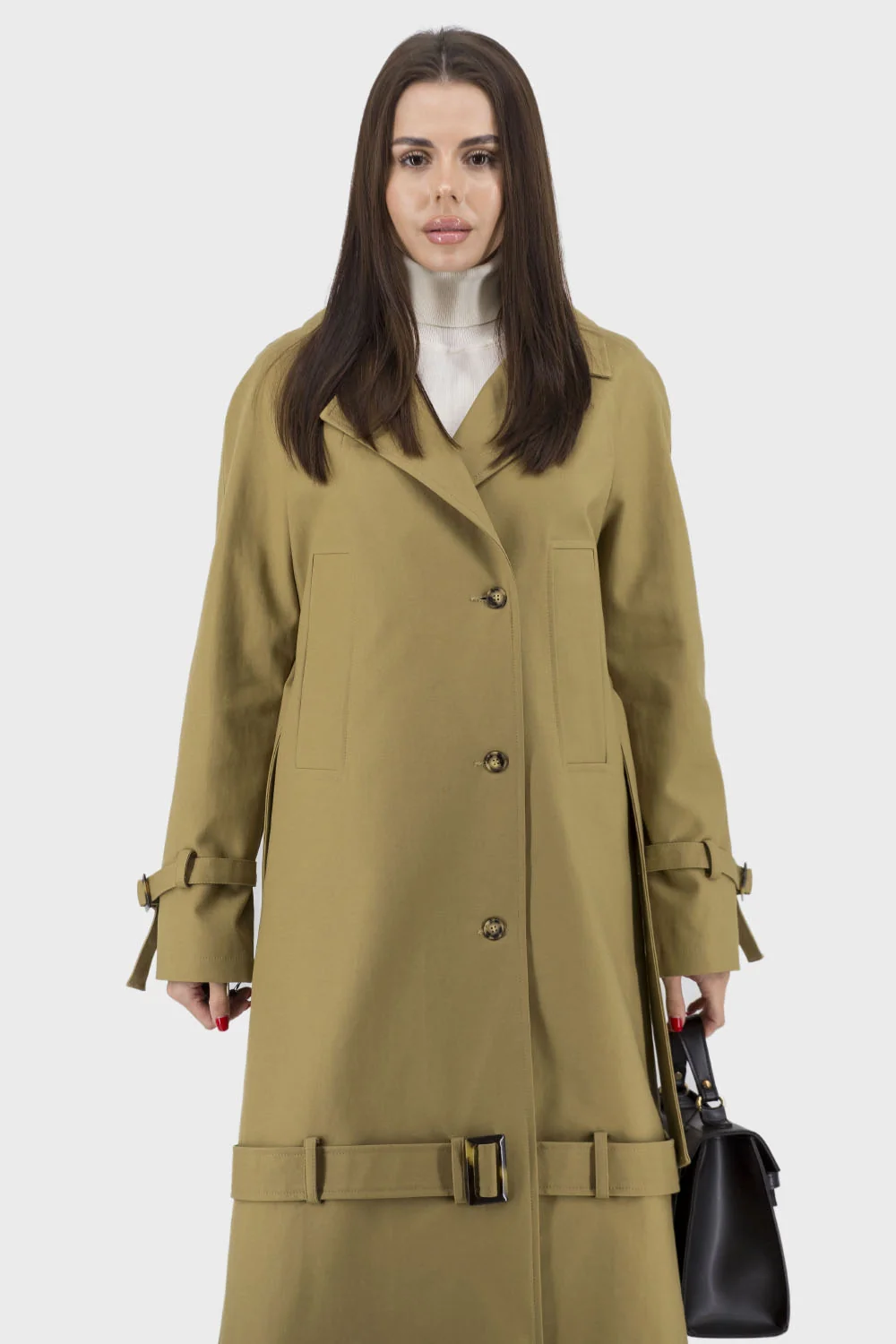
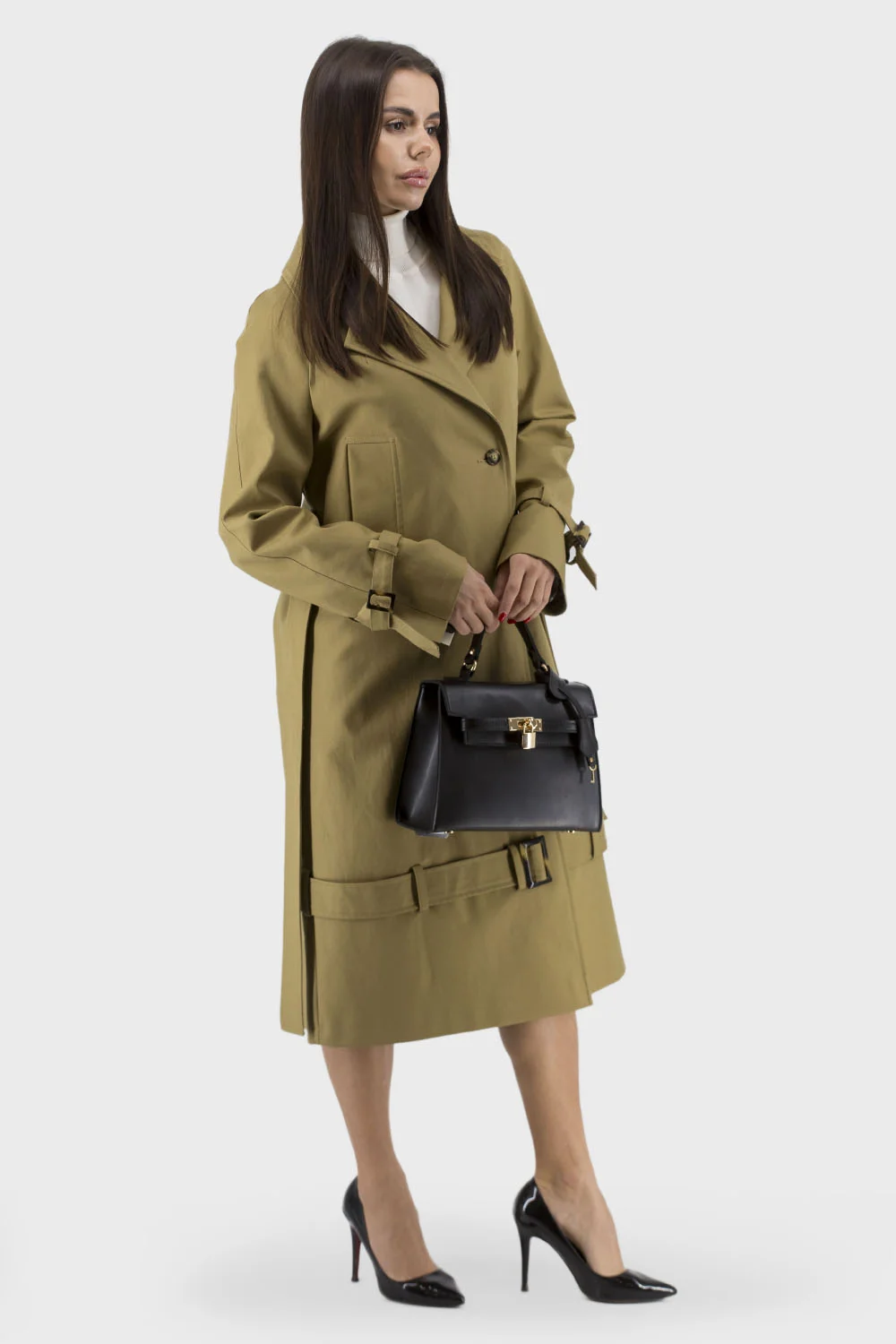
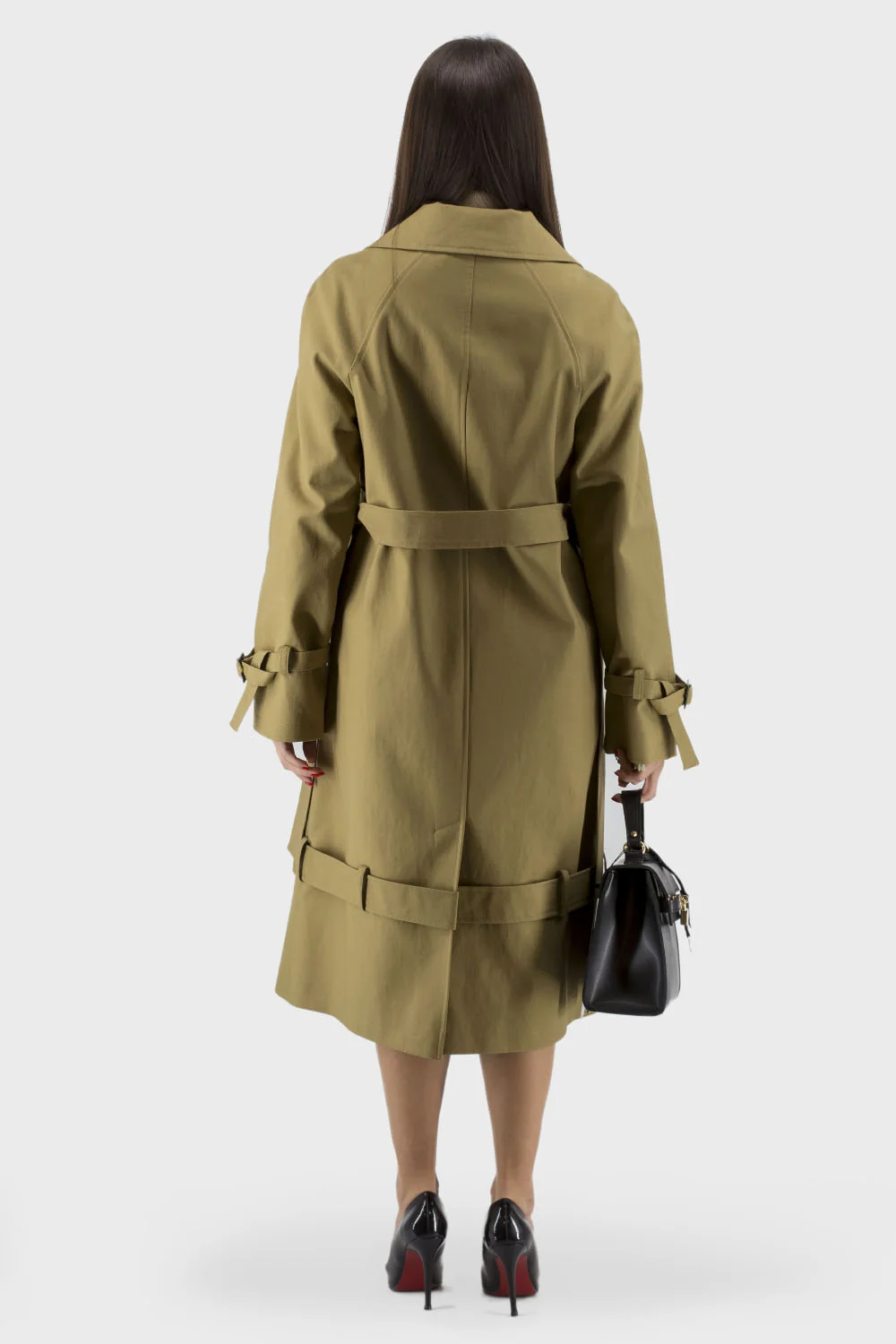
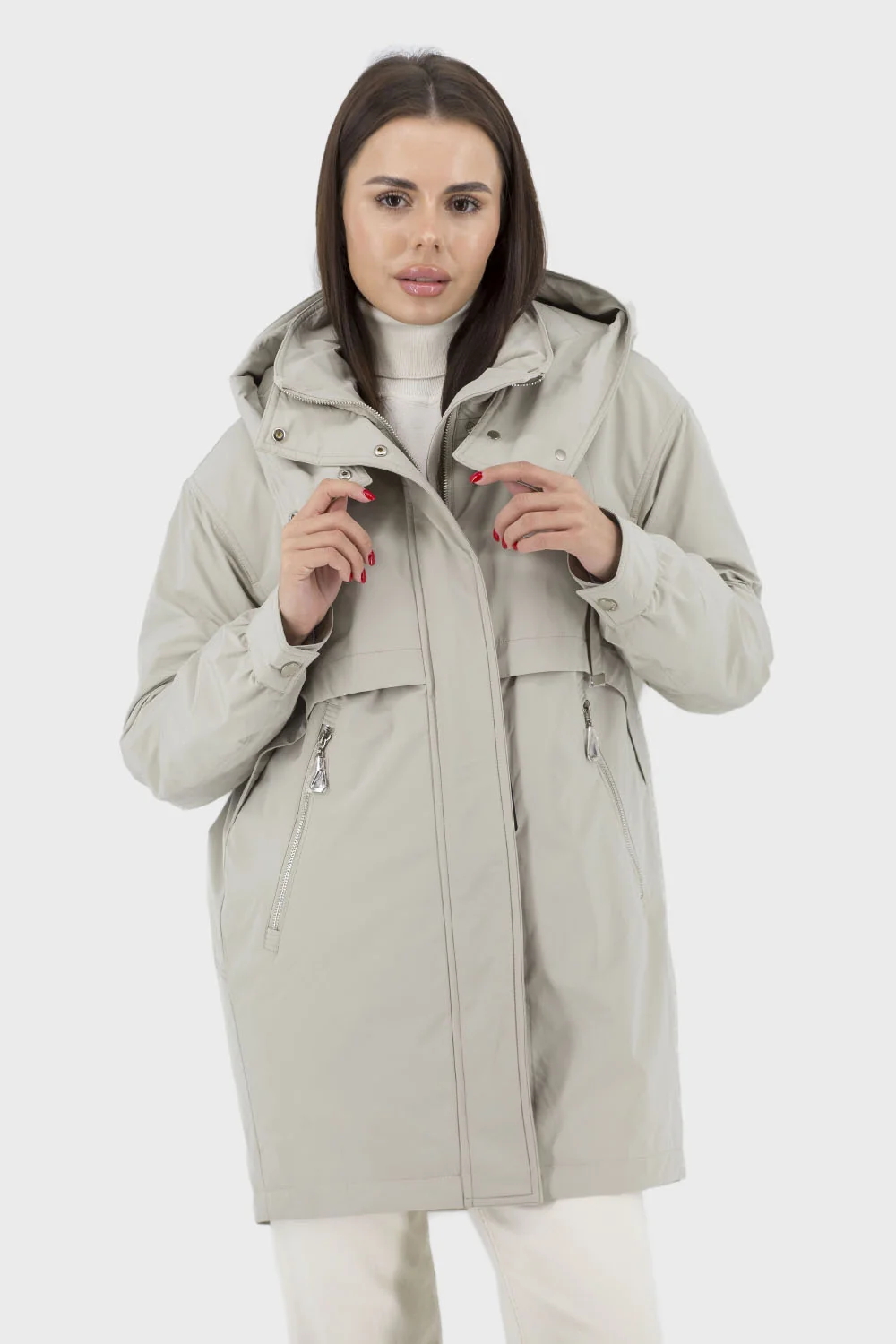
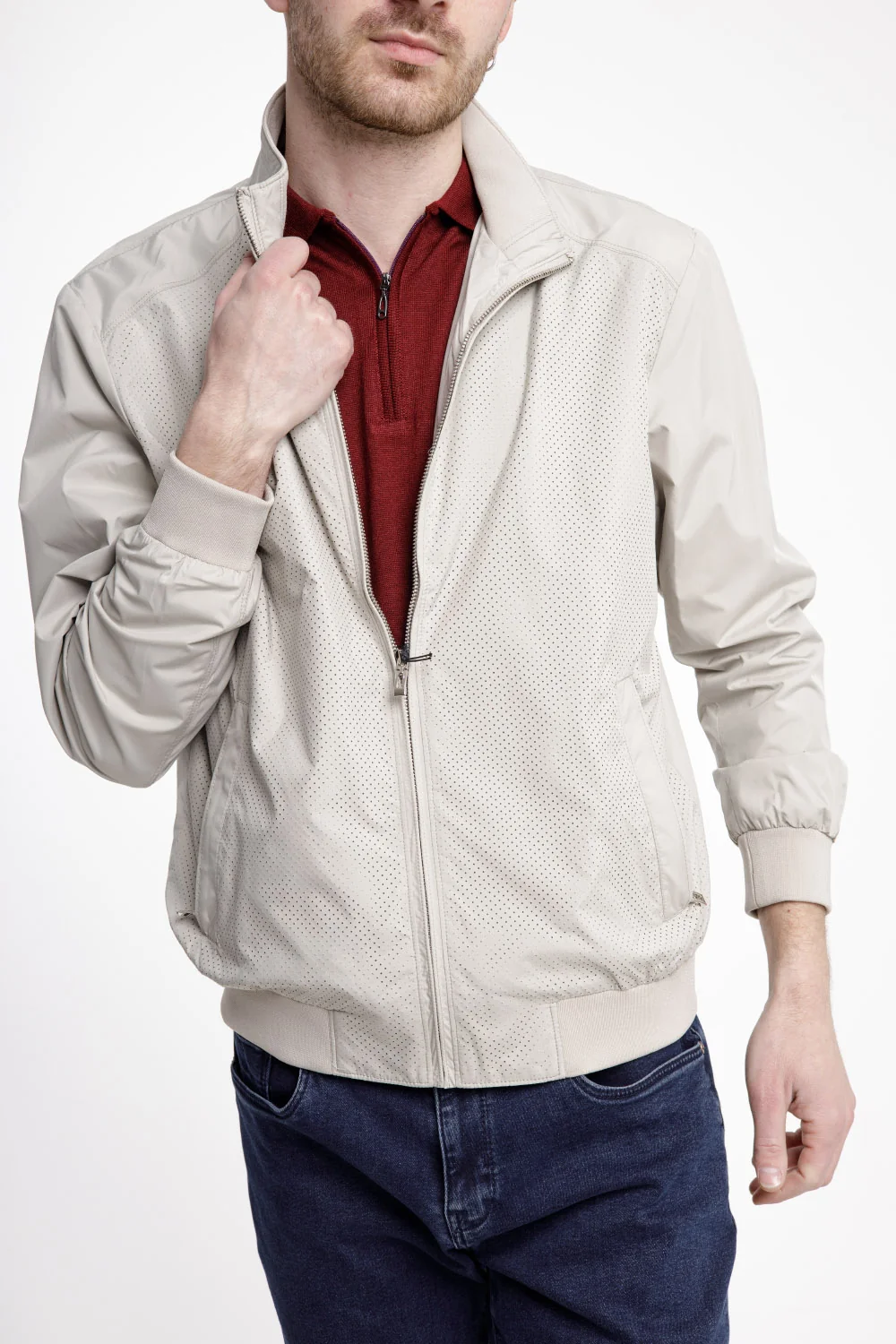
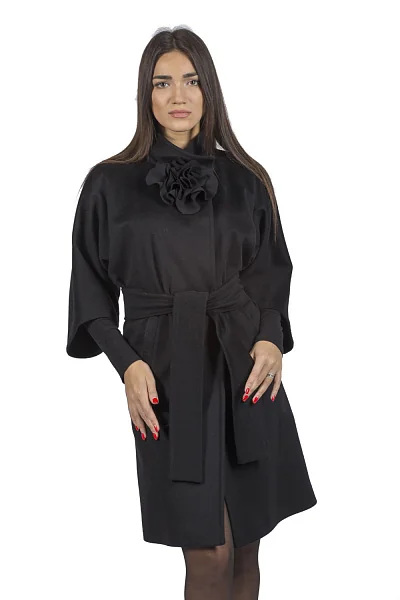
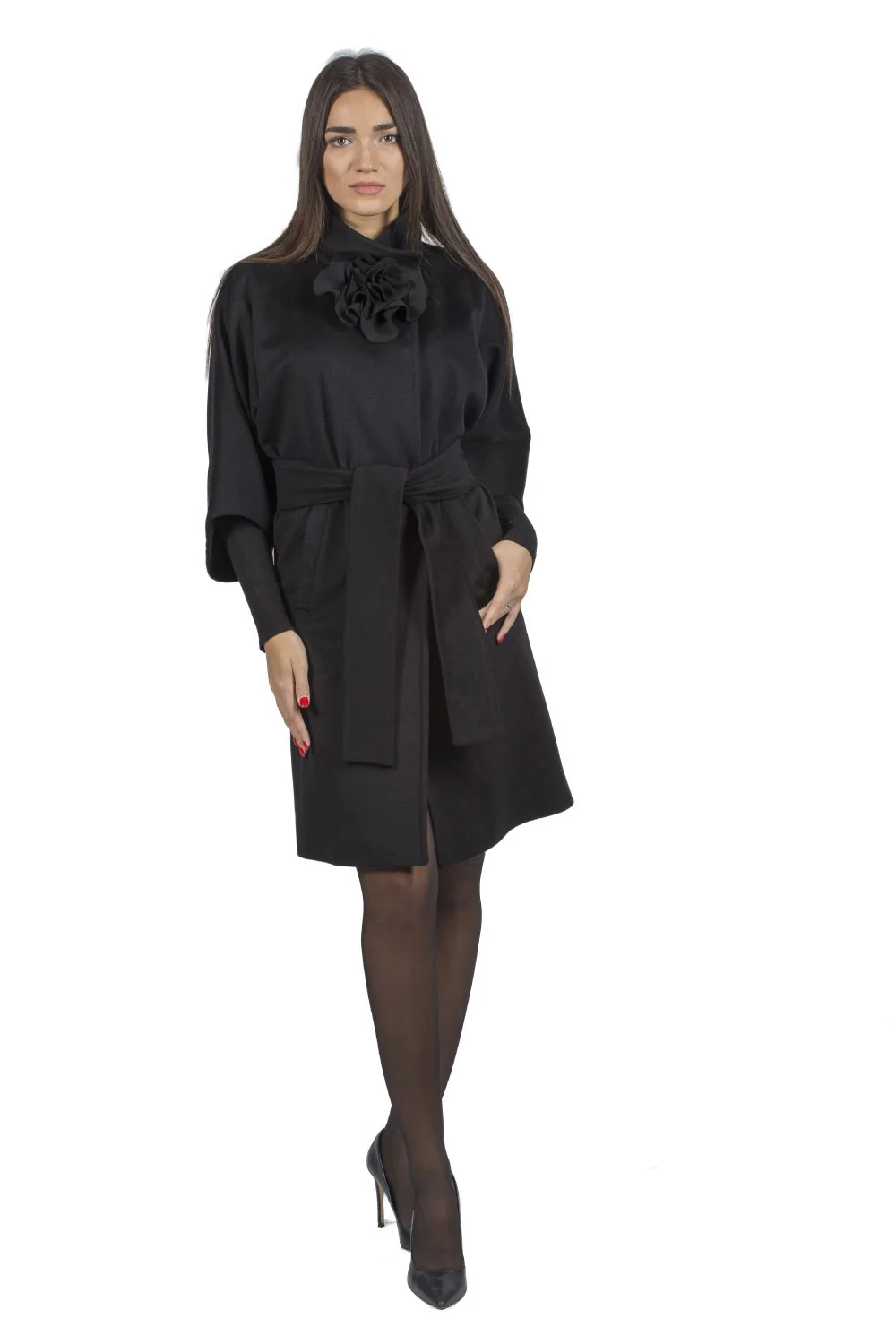
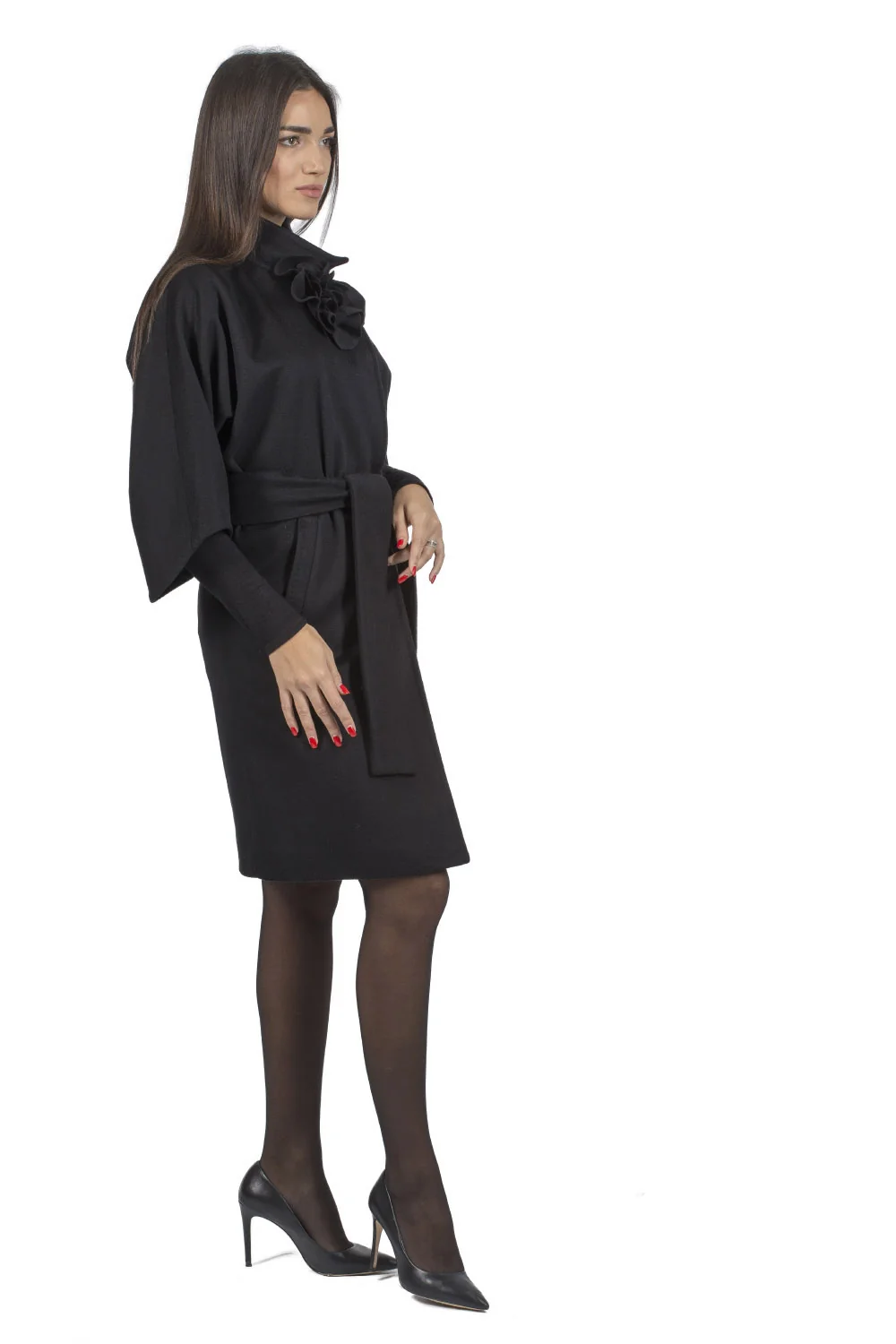
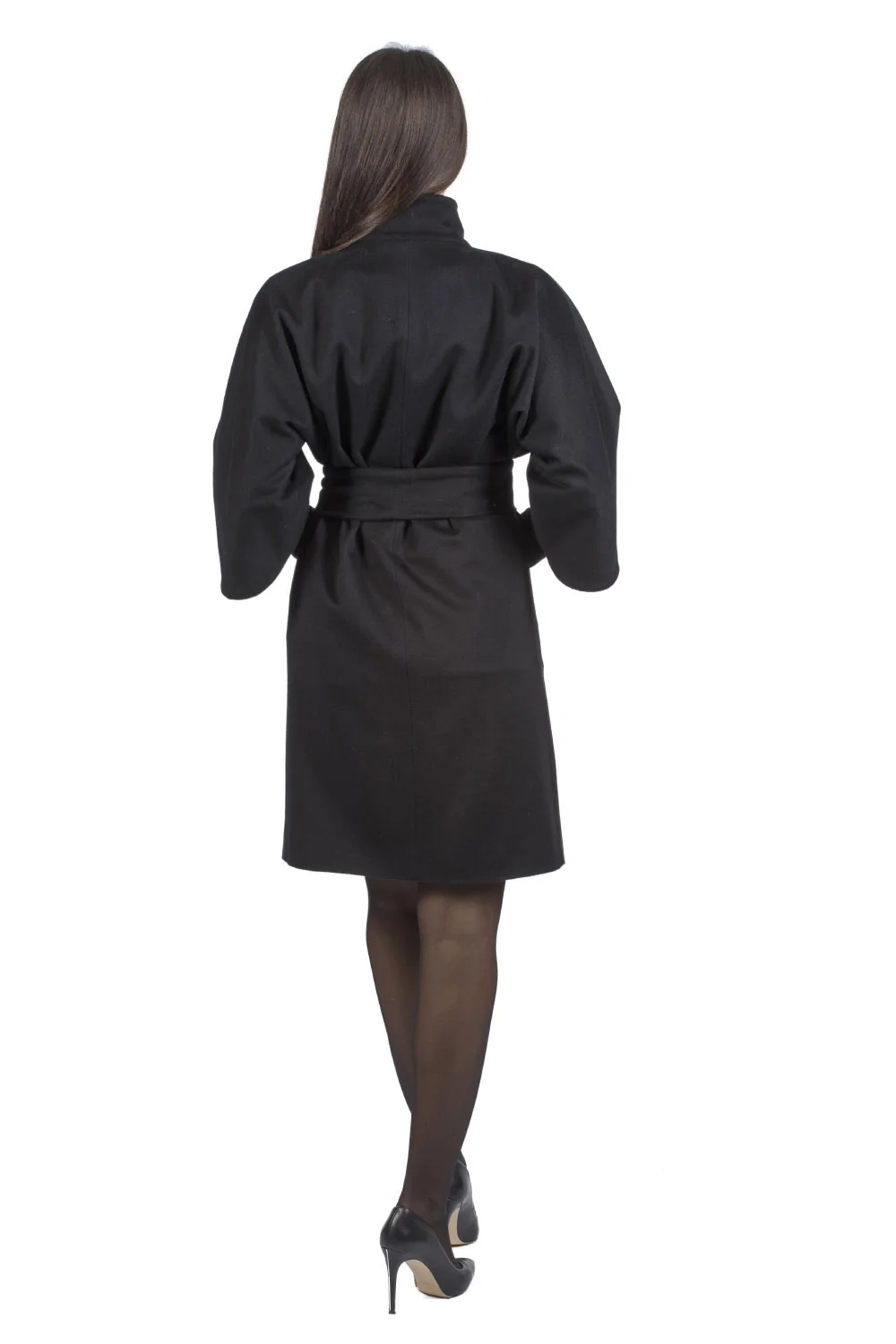
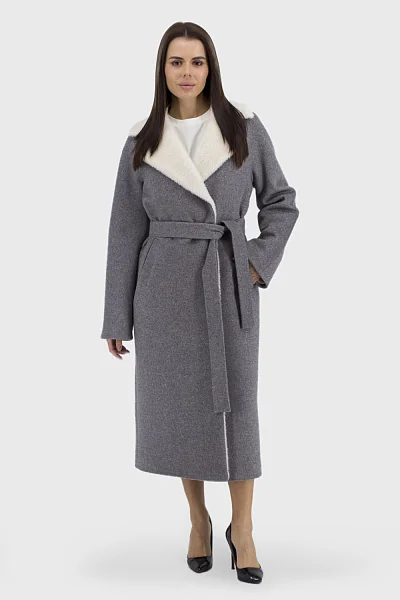
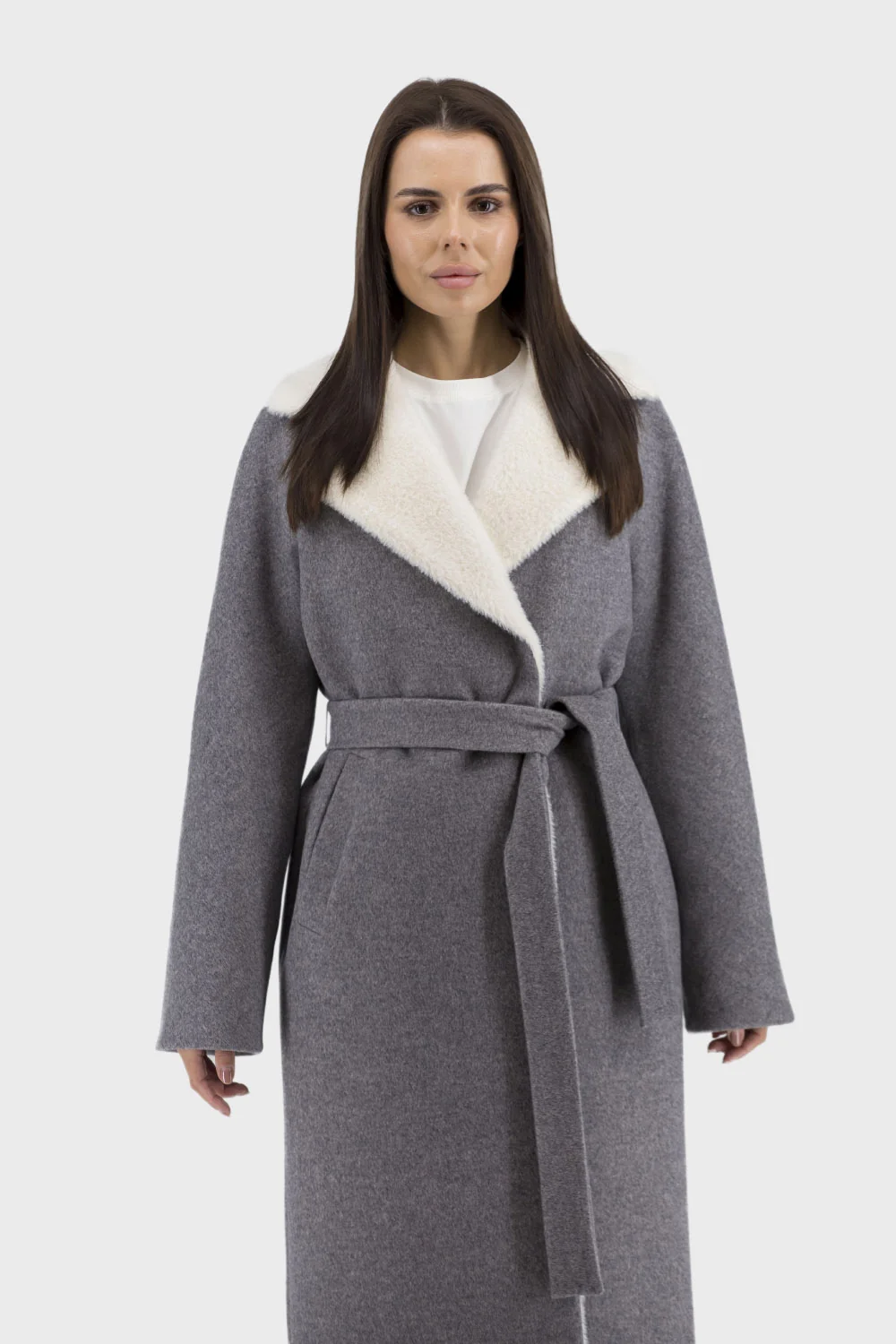
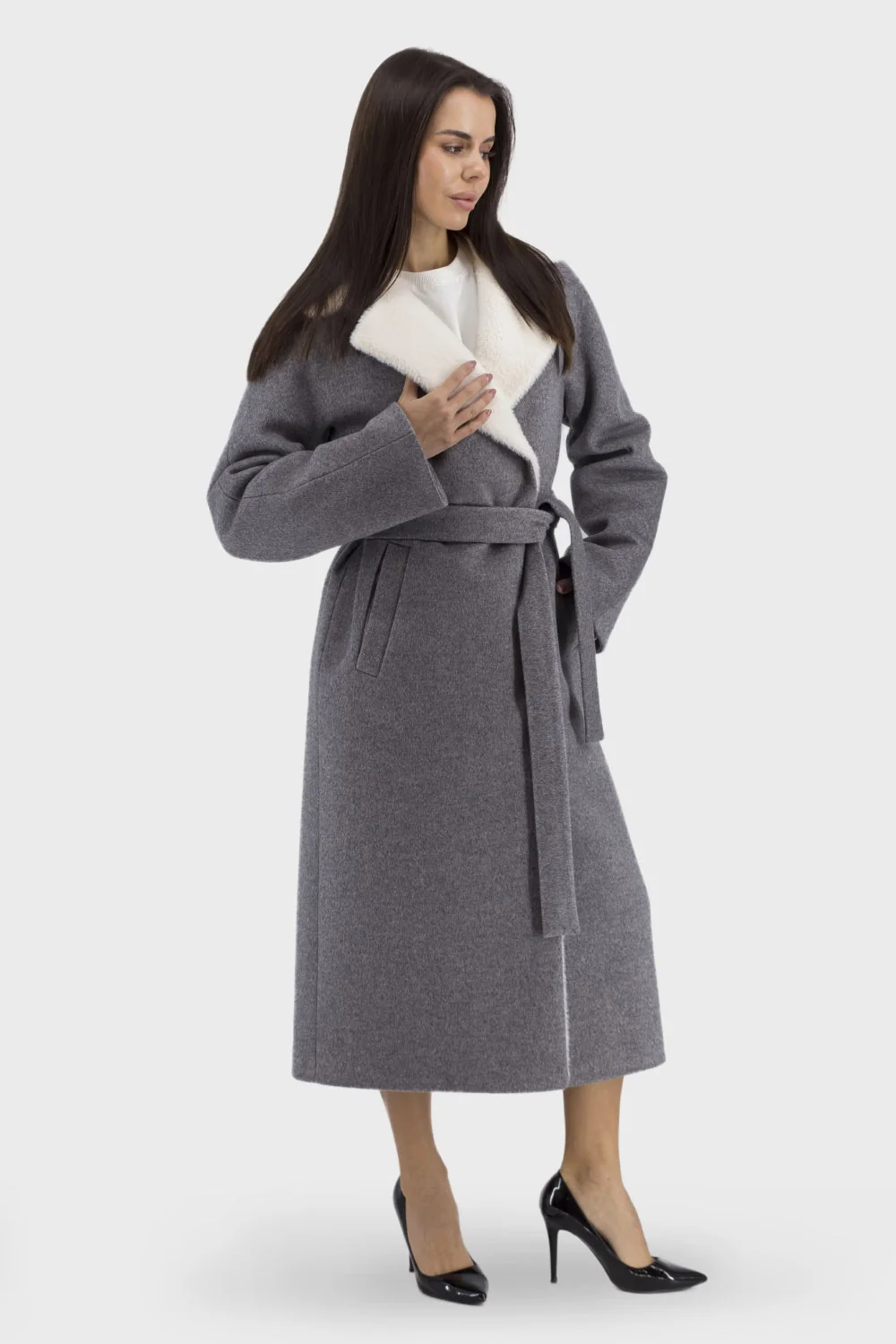
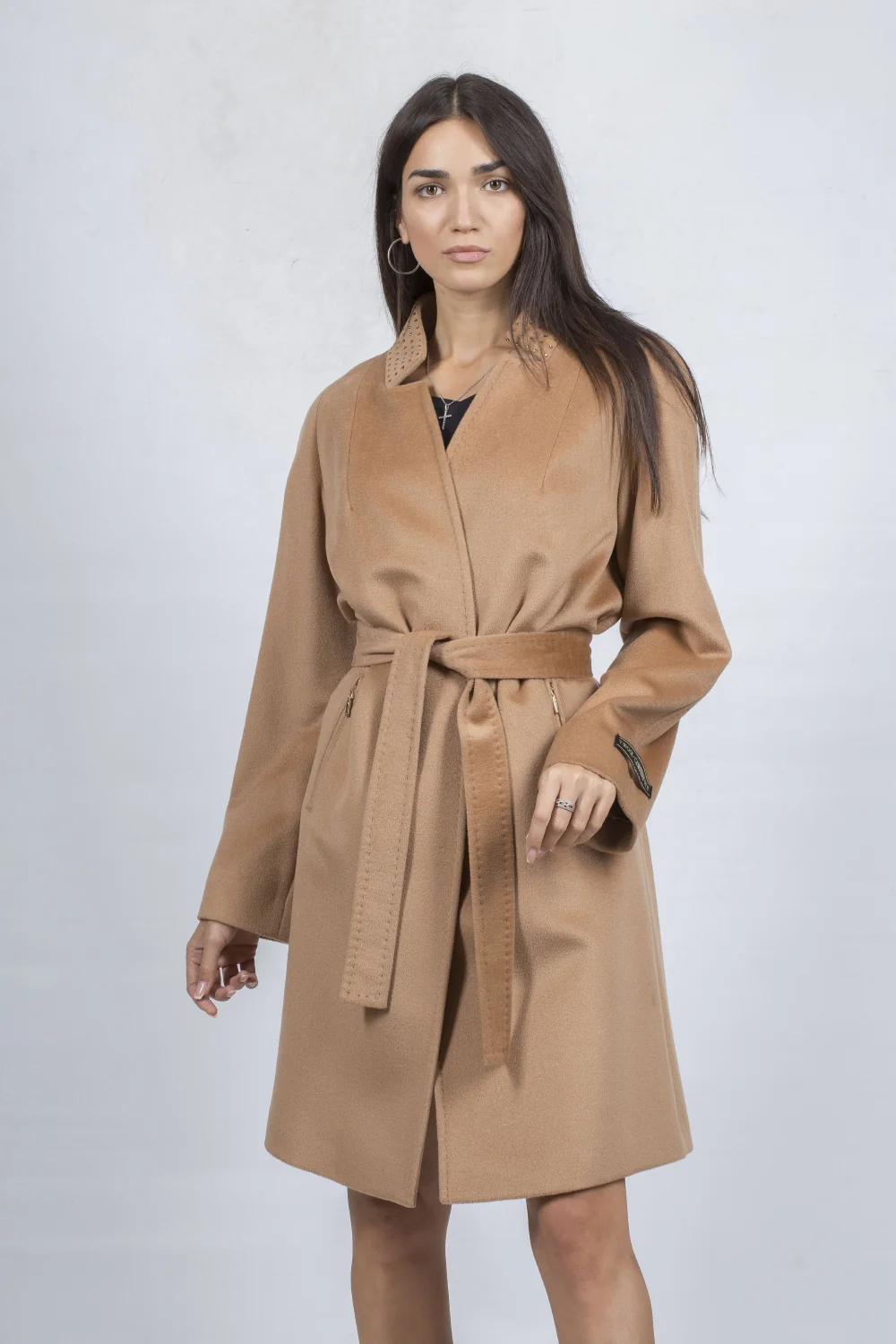
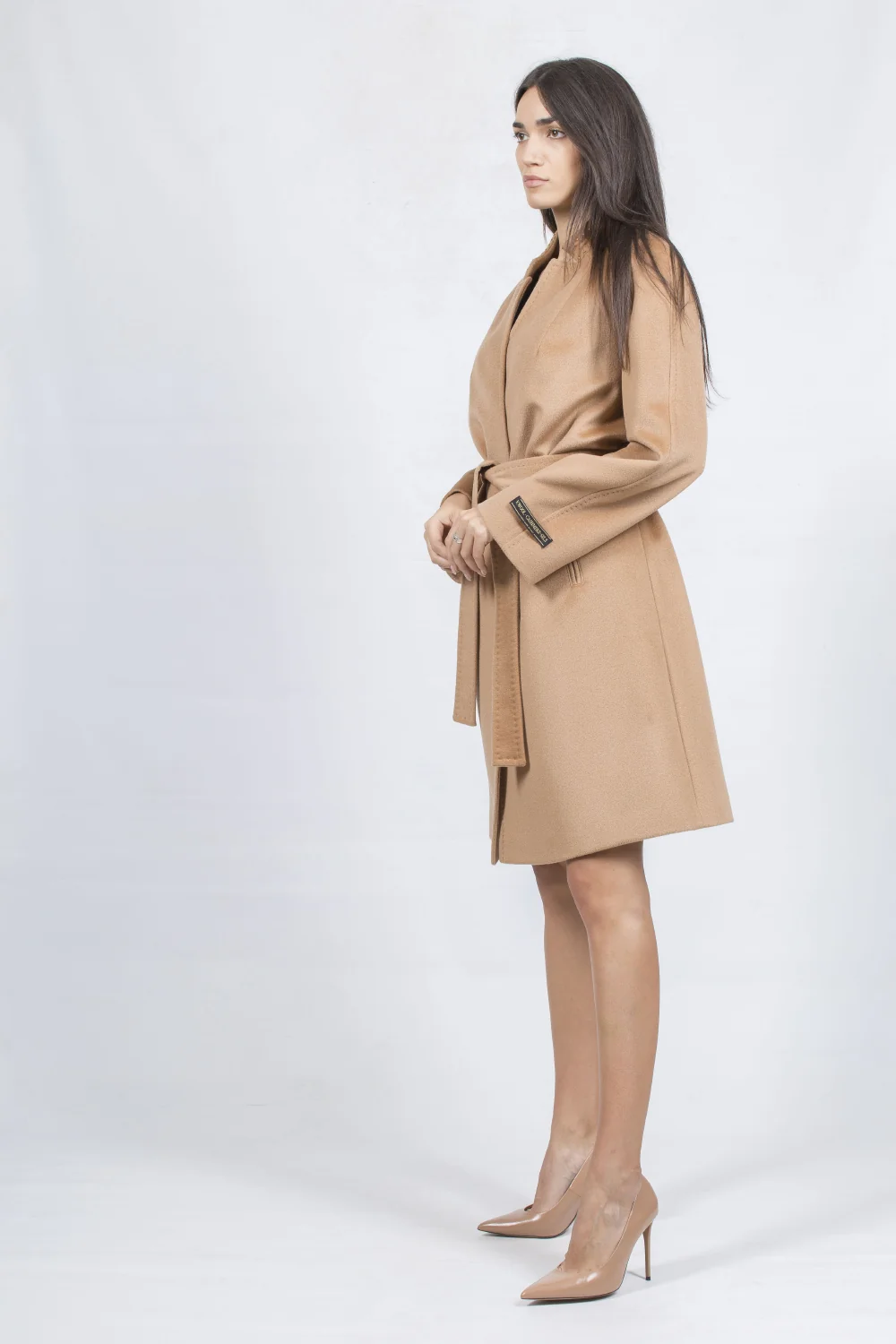
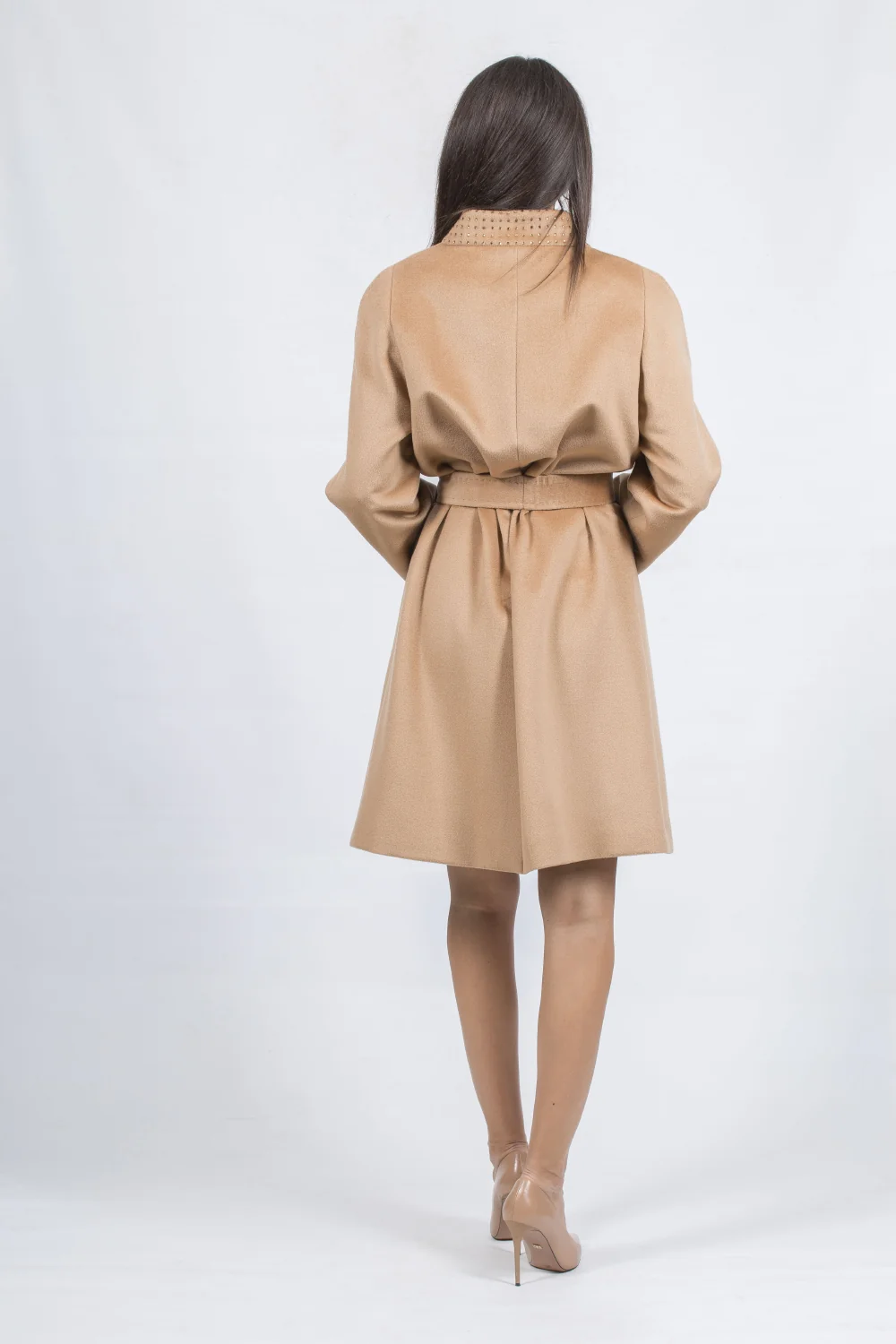
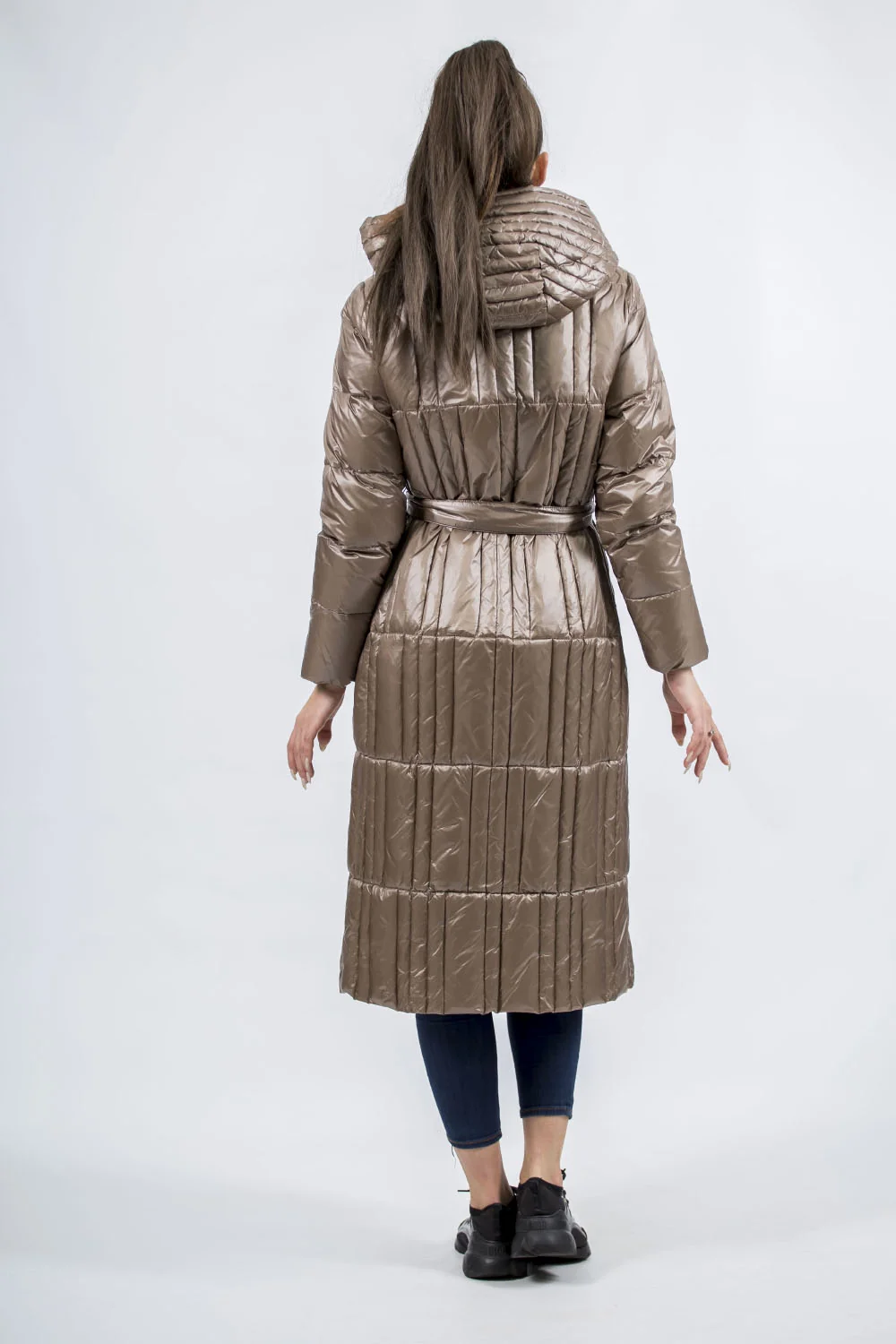
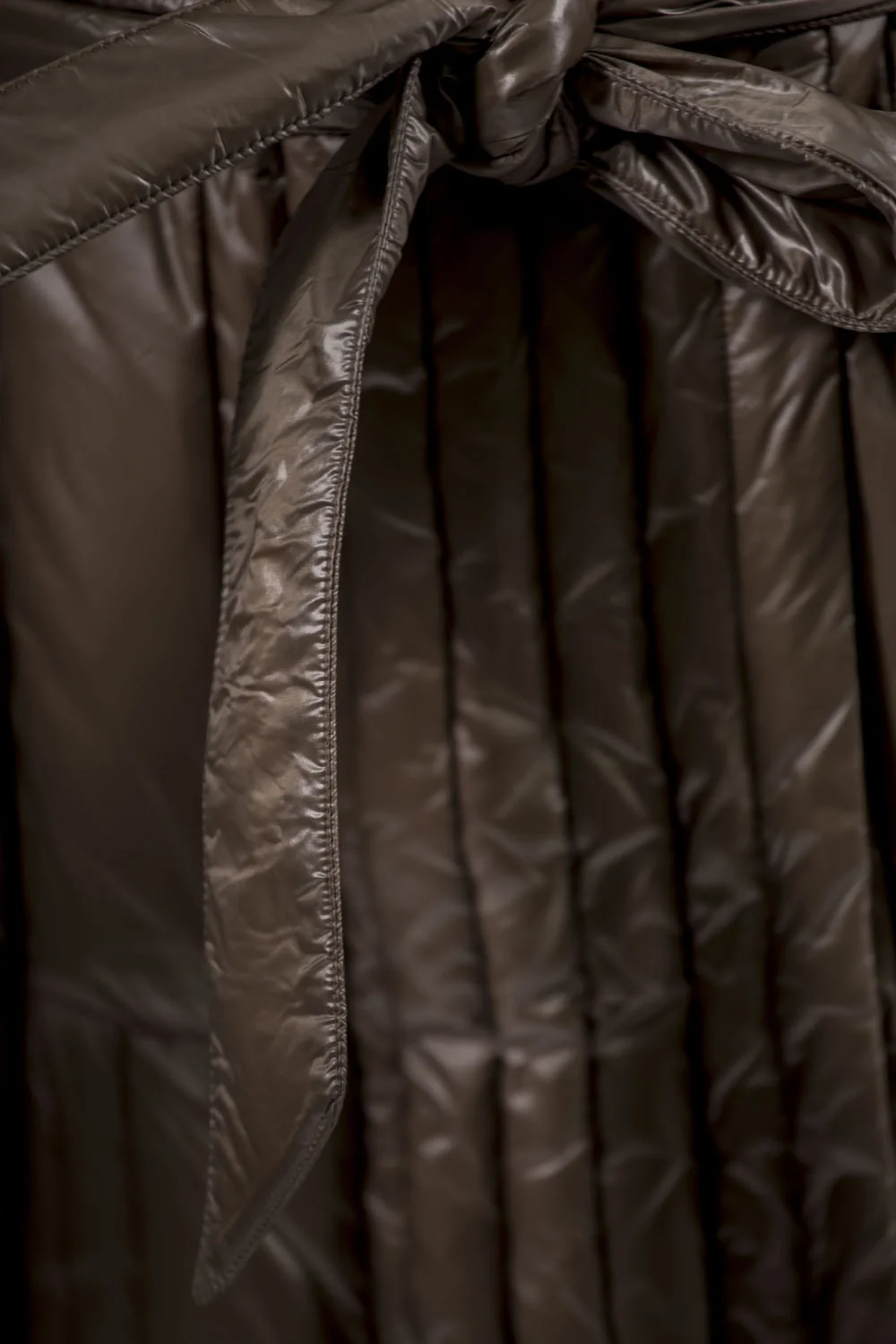
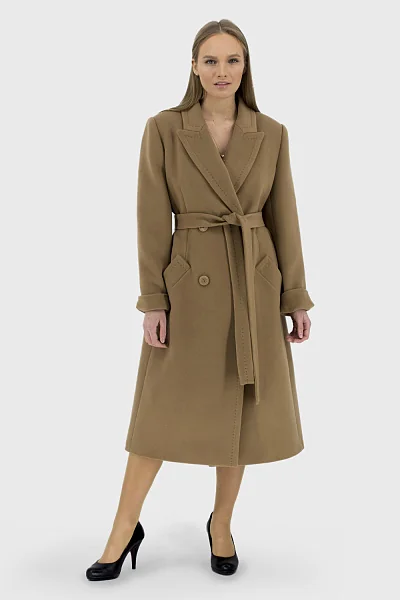
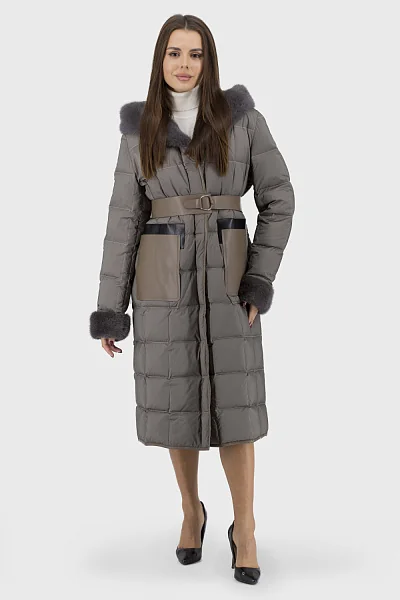
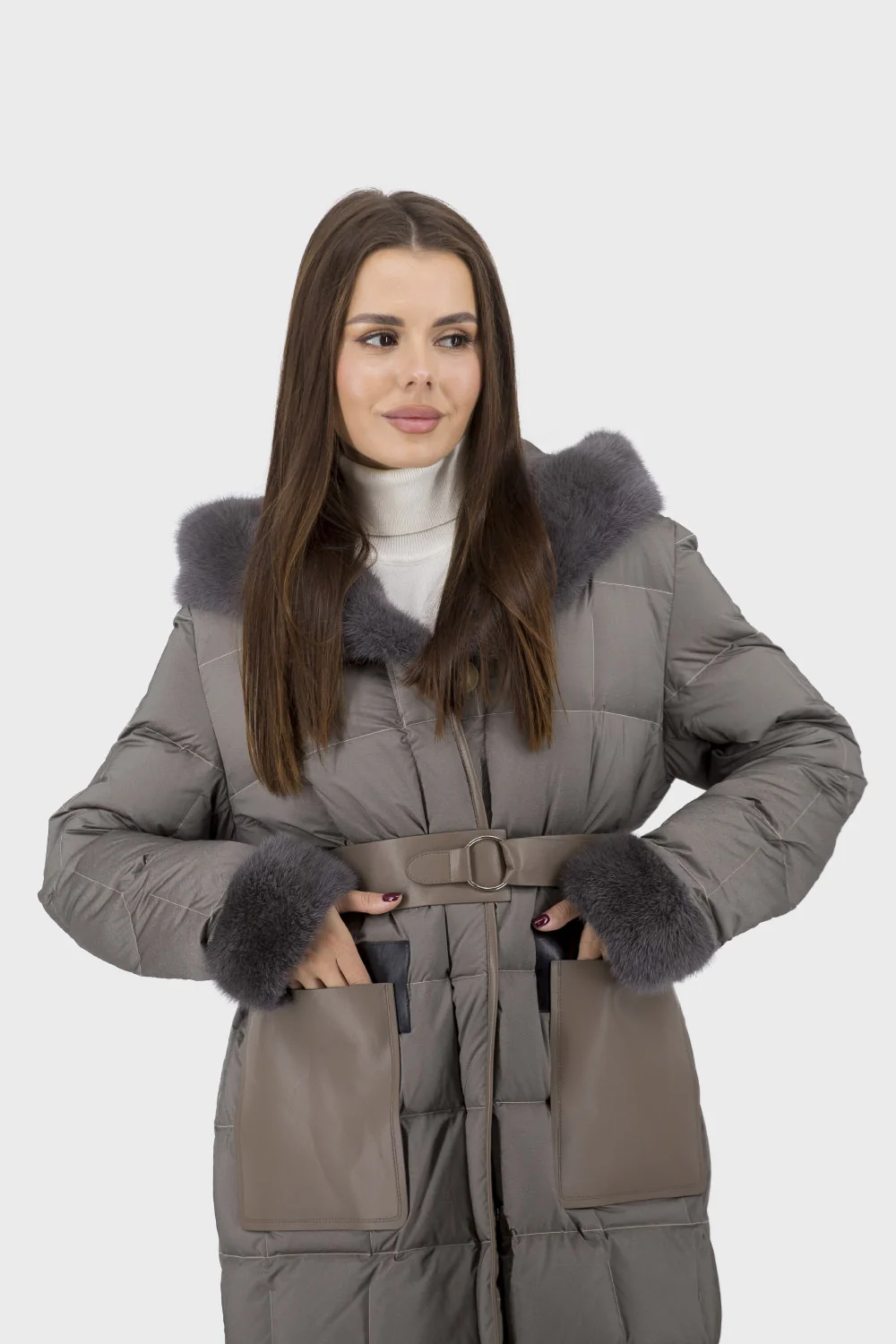
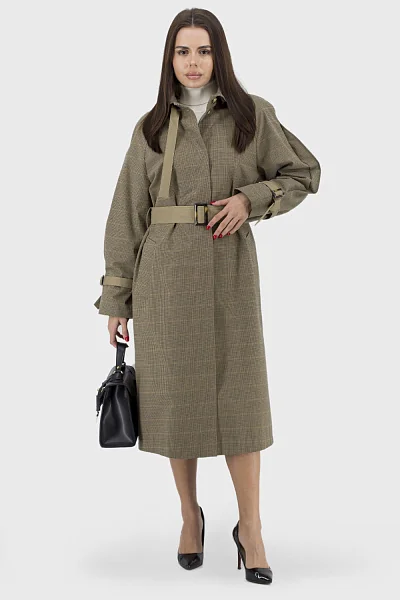
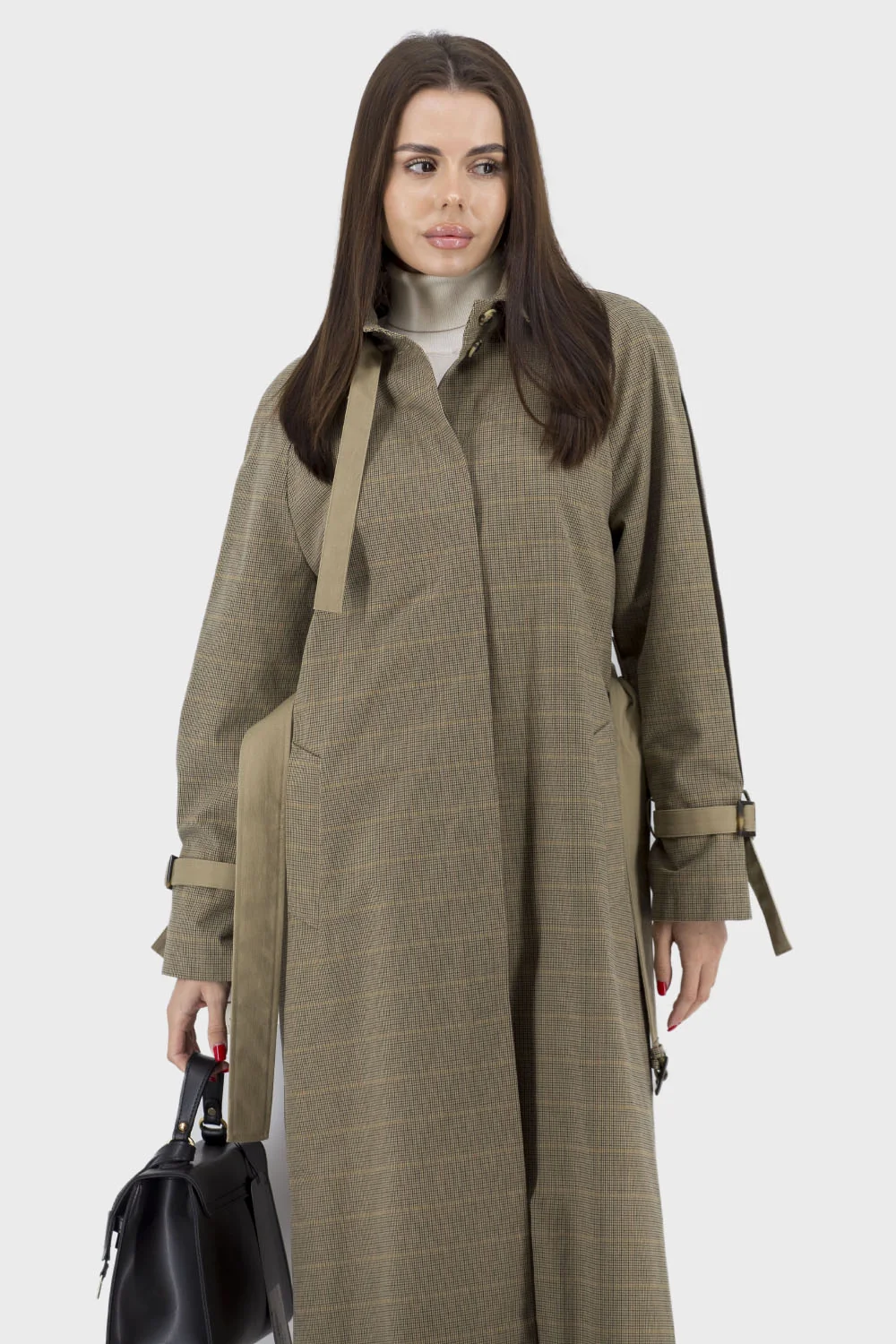
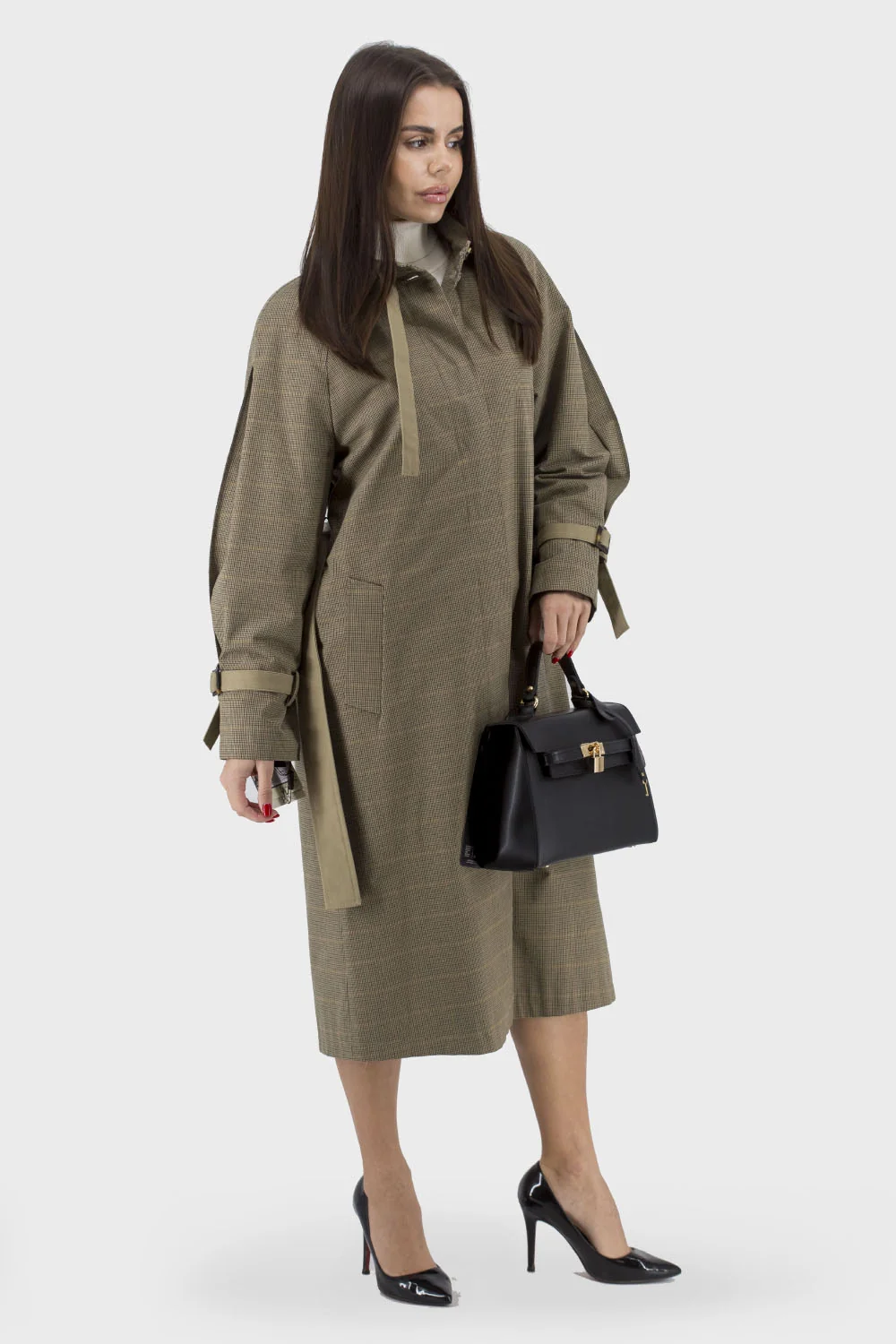
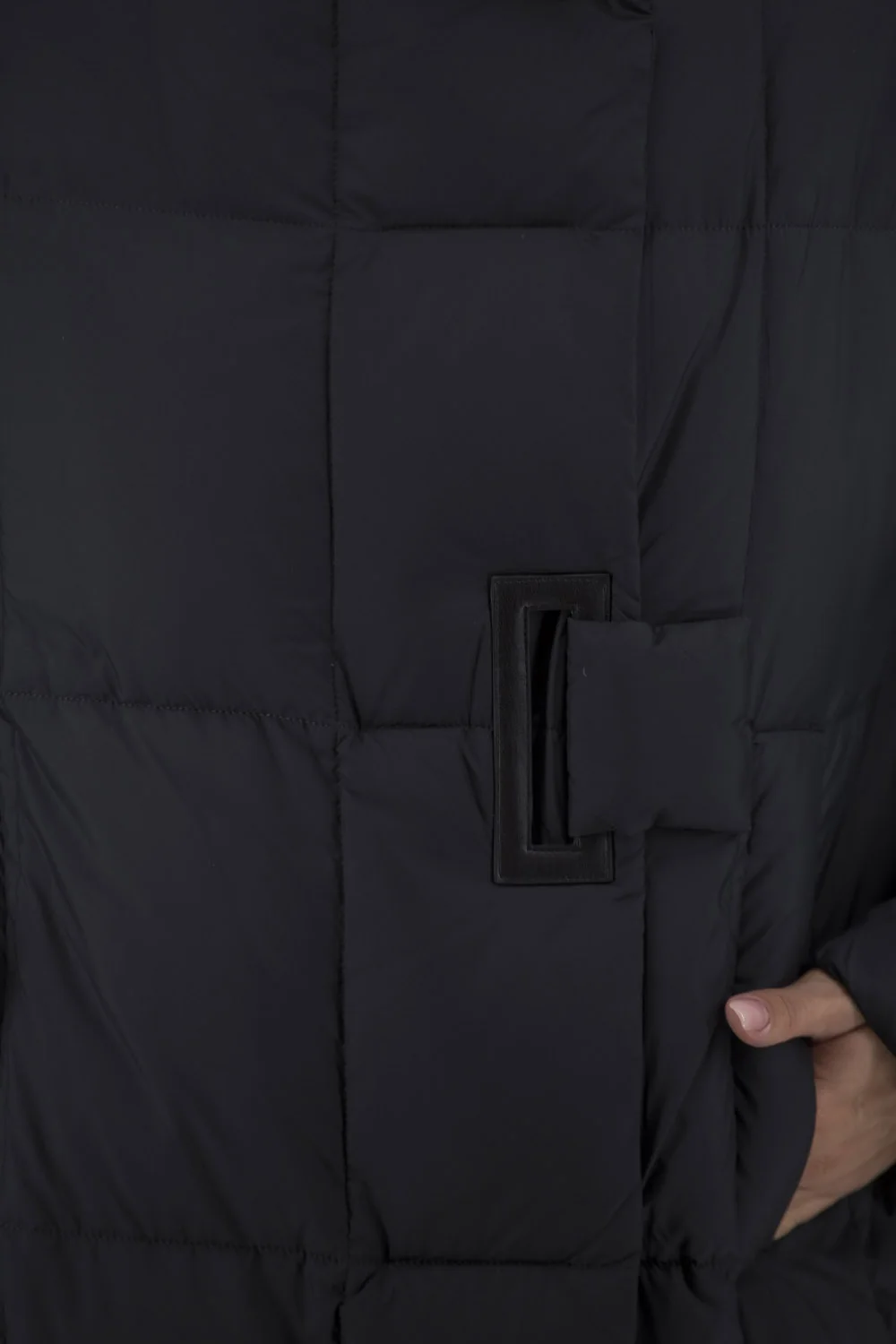
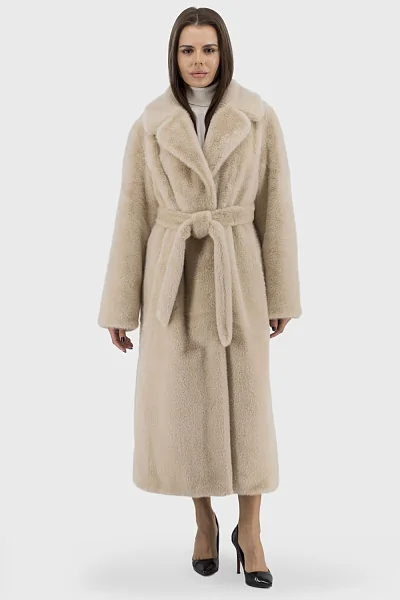
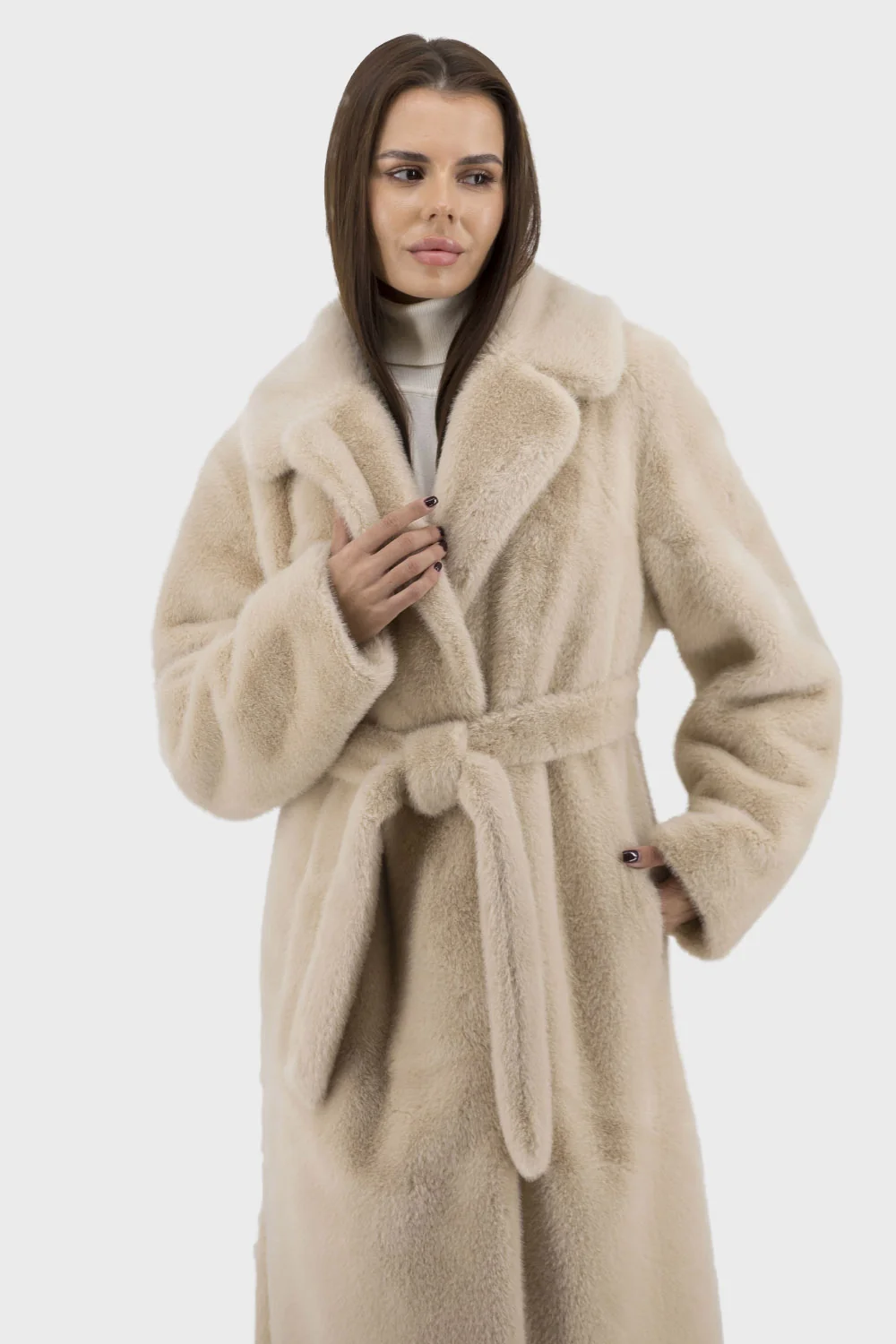
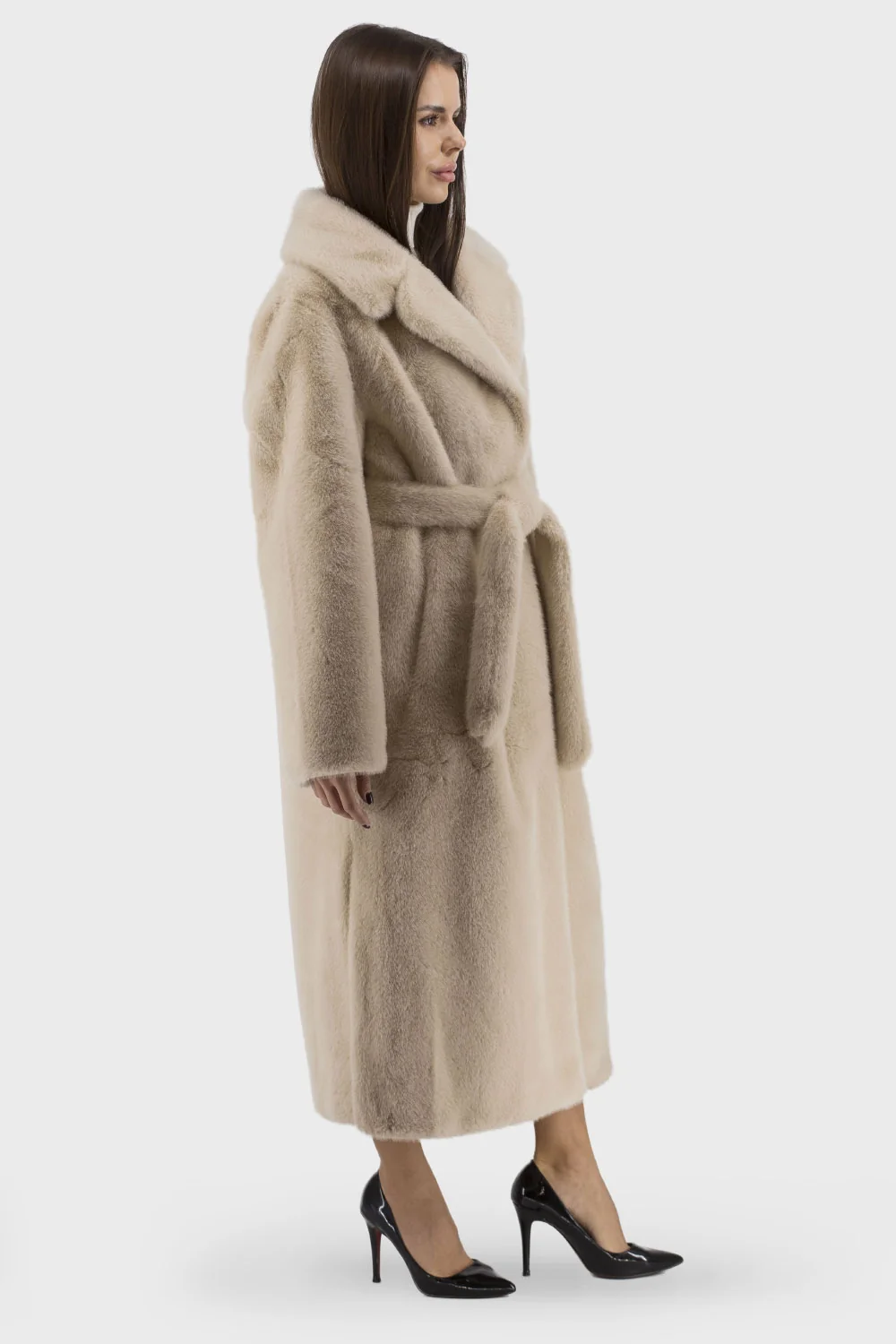
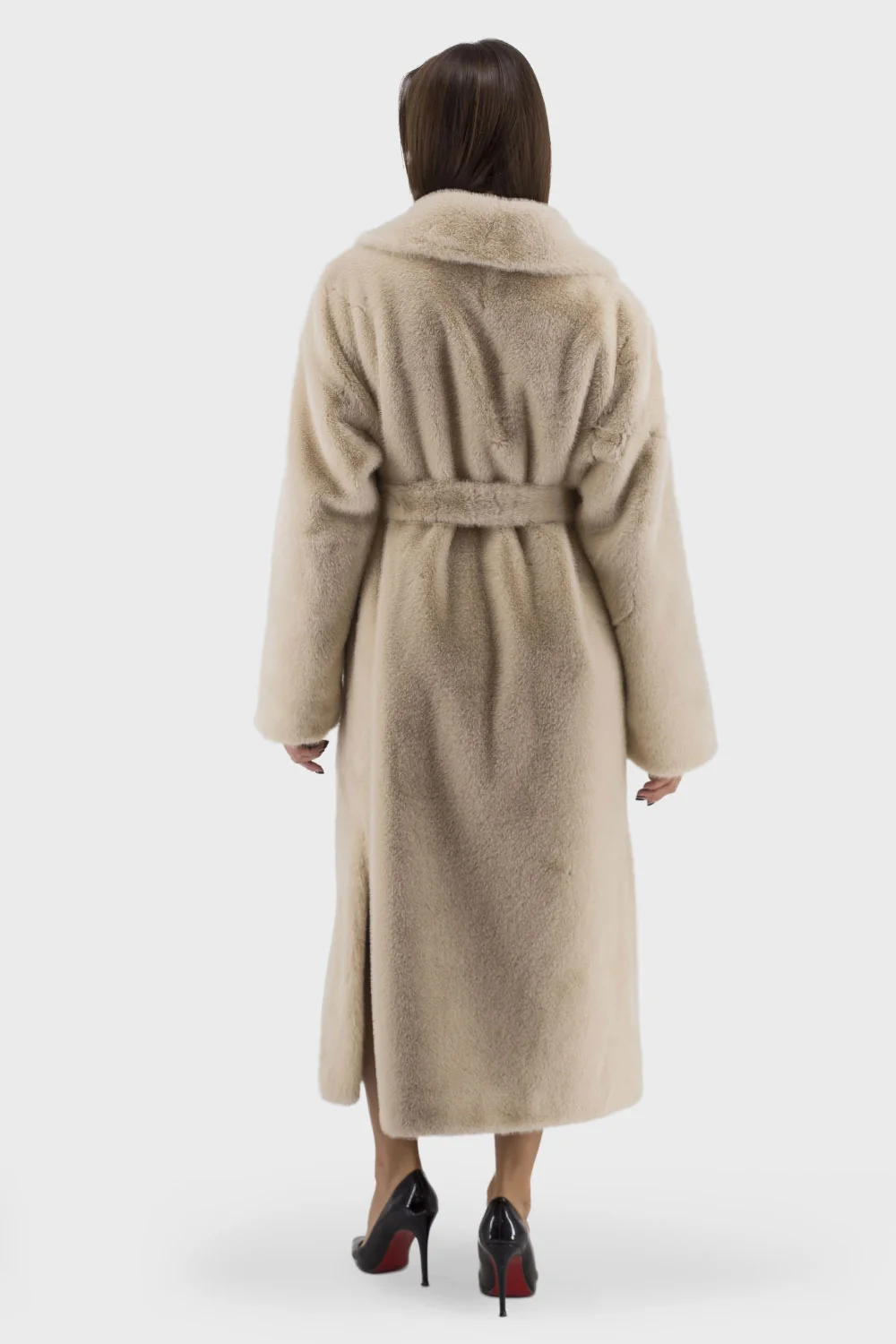
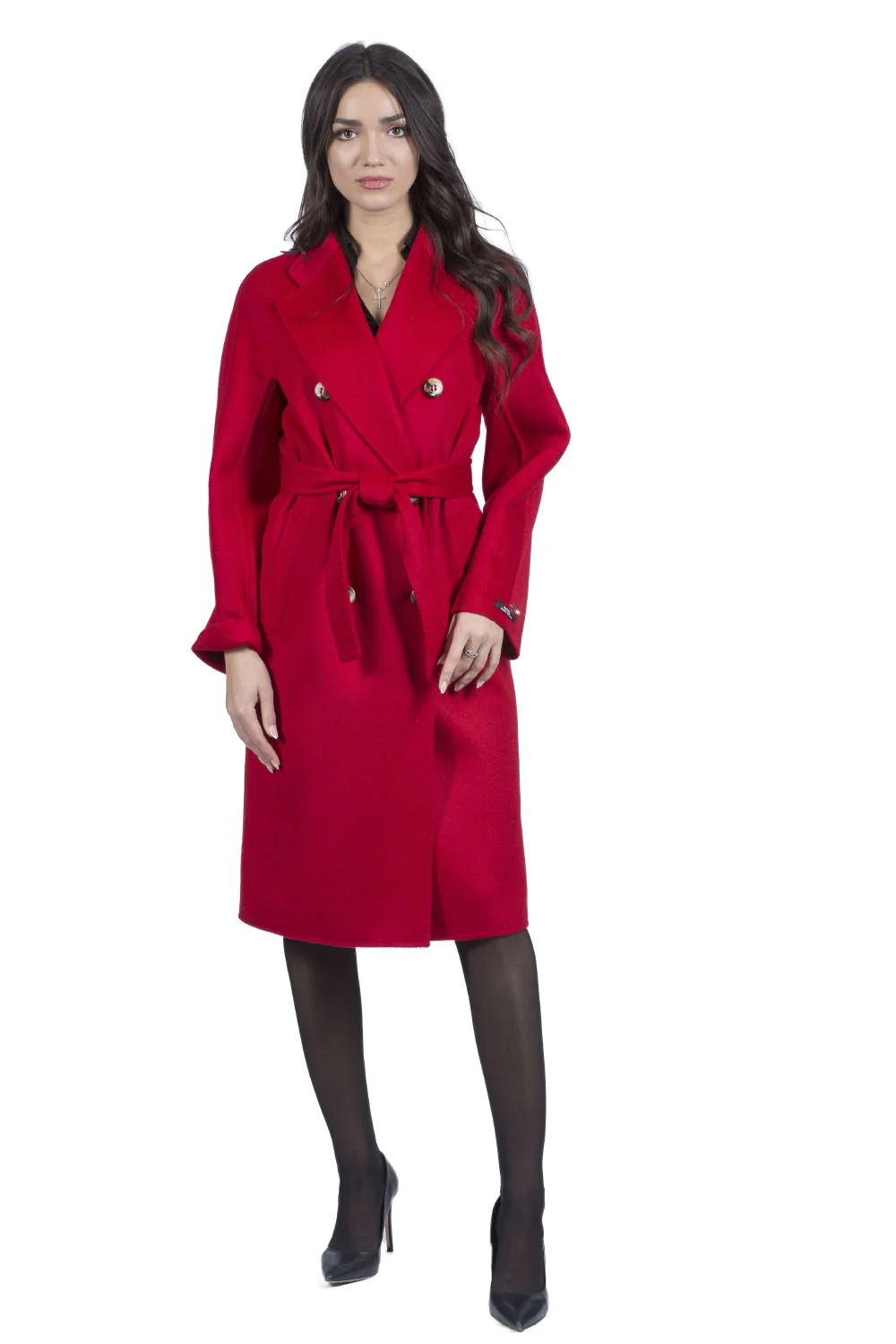
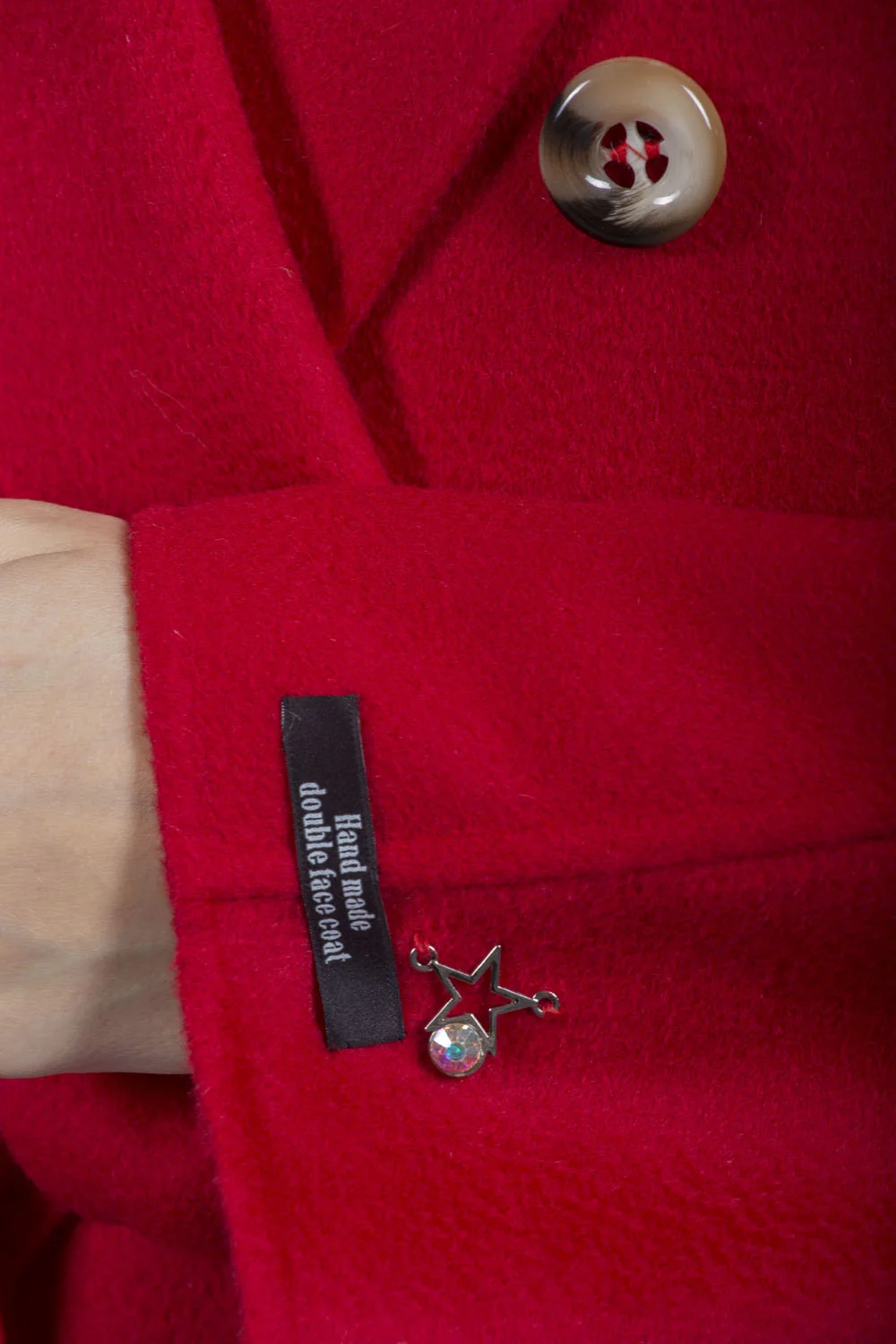
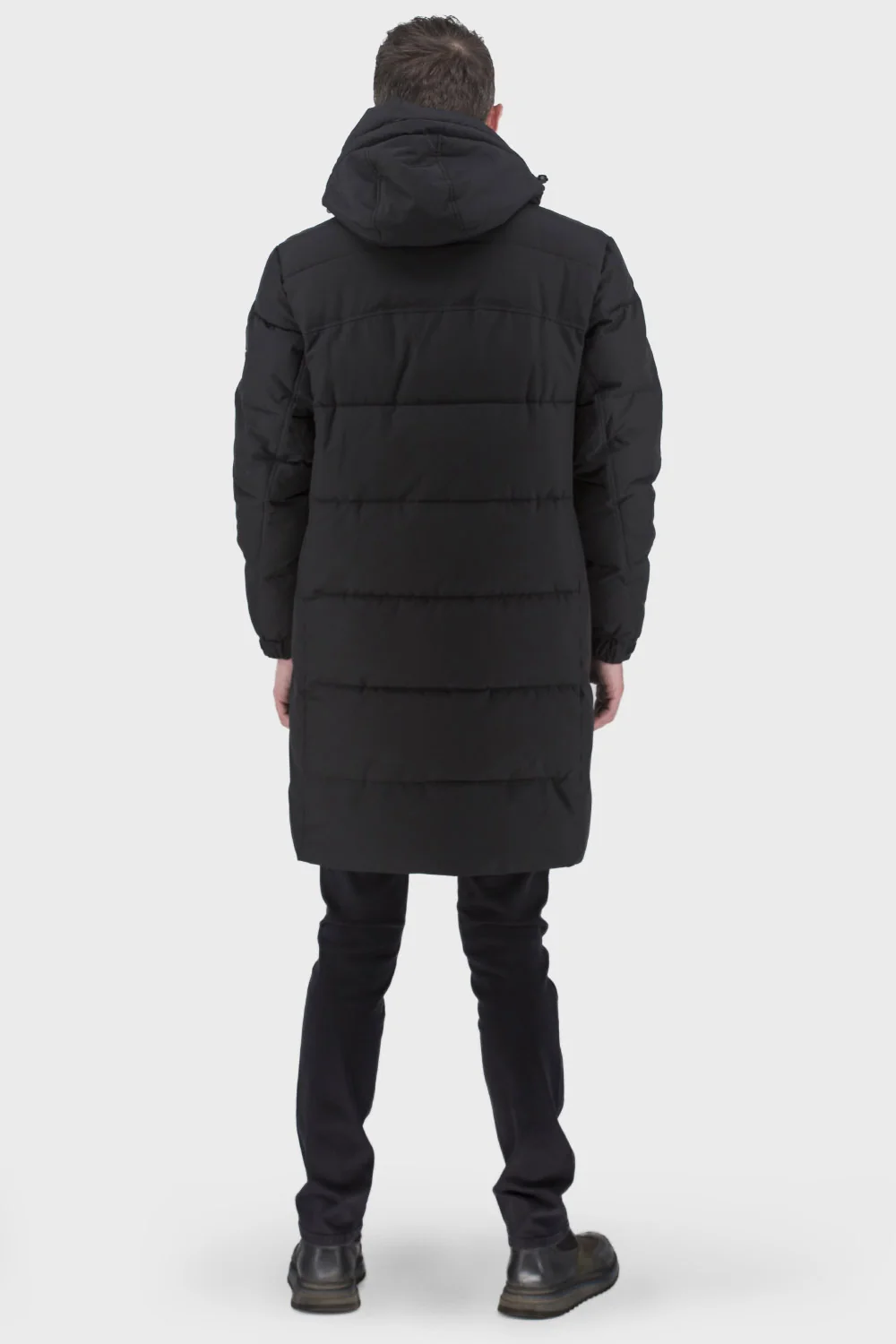
Many jackets feature adjustable elements like drawstrings at the waist or hem, and belts that can be cinched to customize the fit, enhancing silhouette and comfort. Pay attention to sleeve designs too; cuffs with velcro straps or elastic bands help to block chilly drafts.
Functional Features to Note
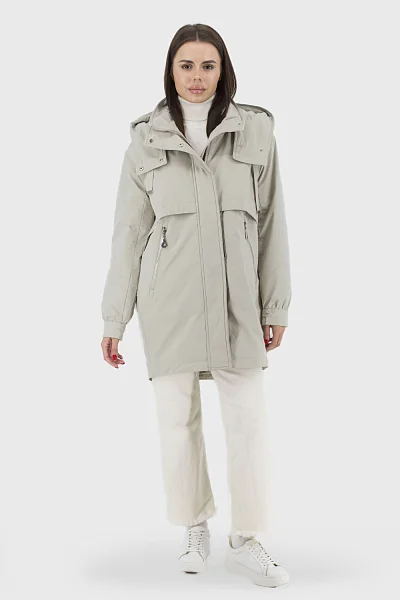
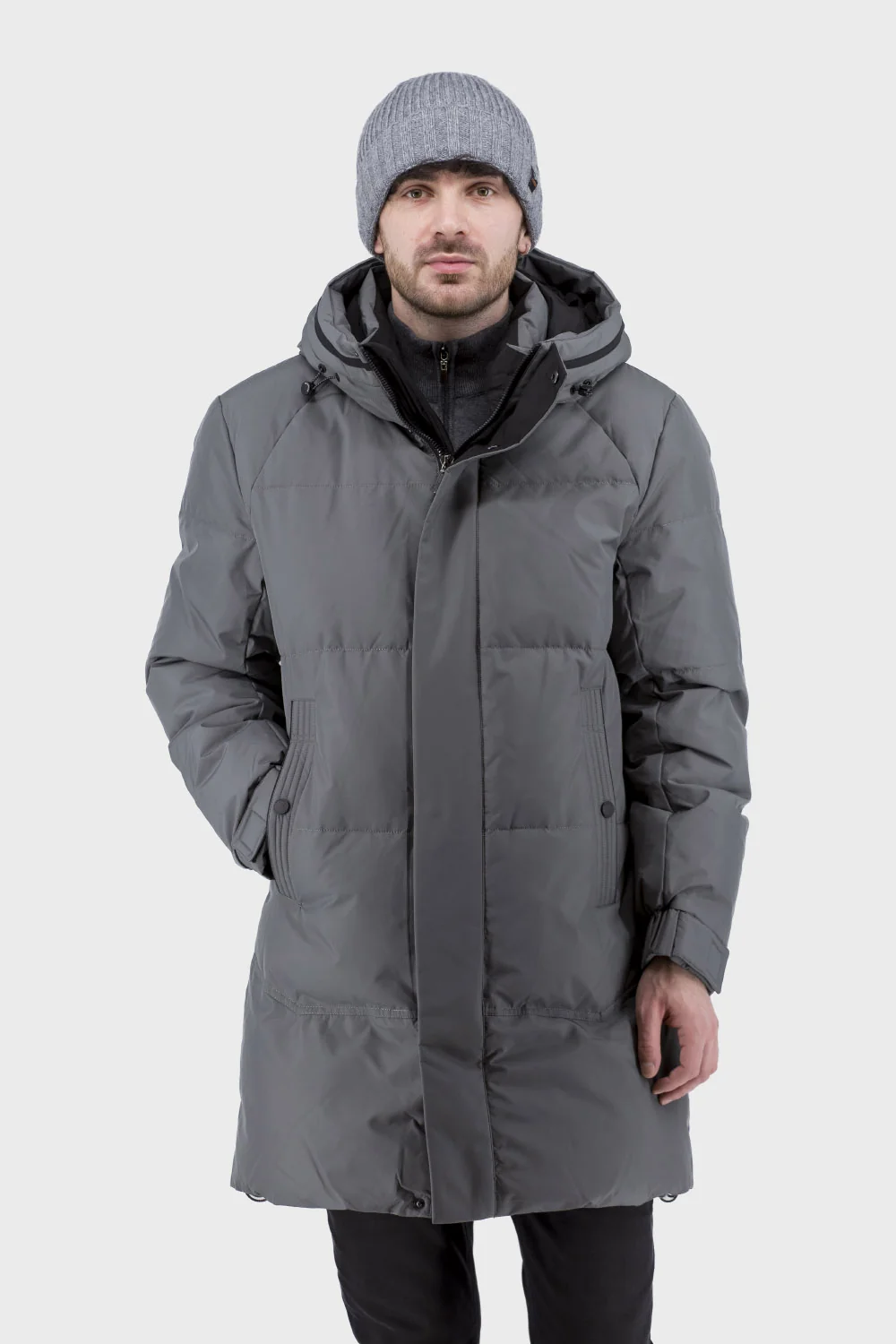
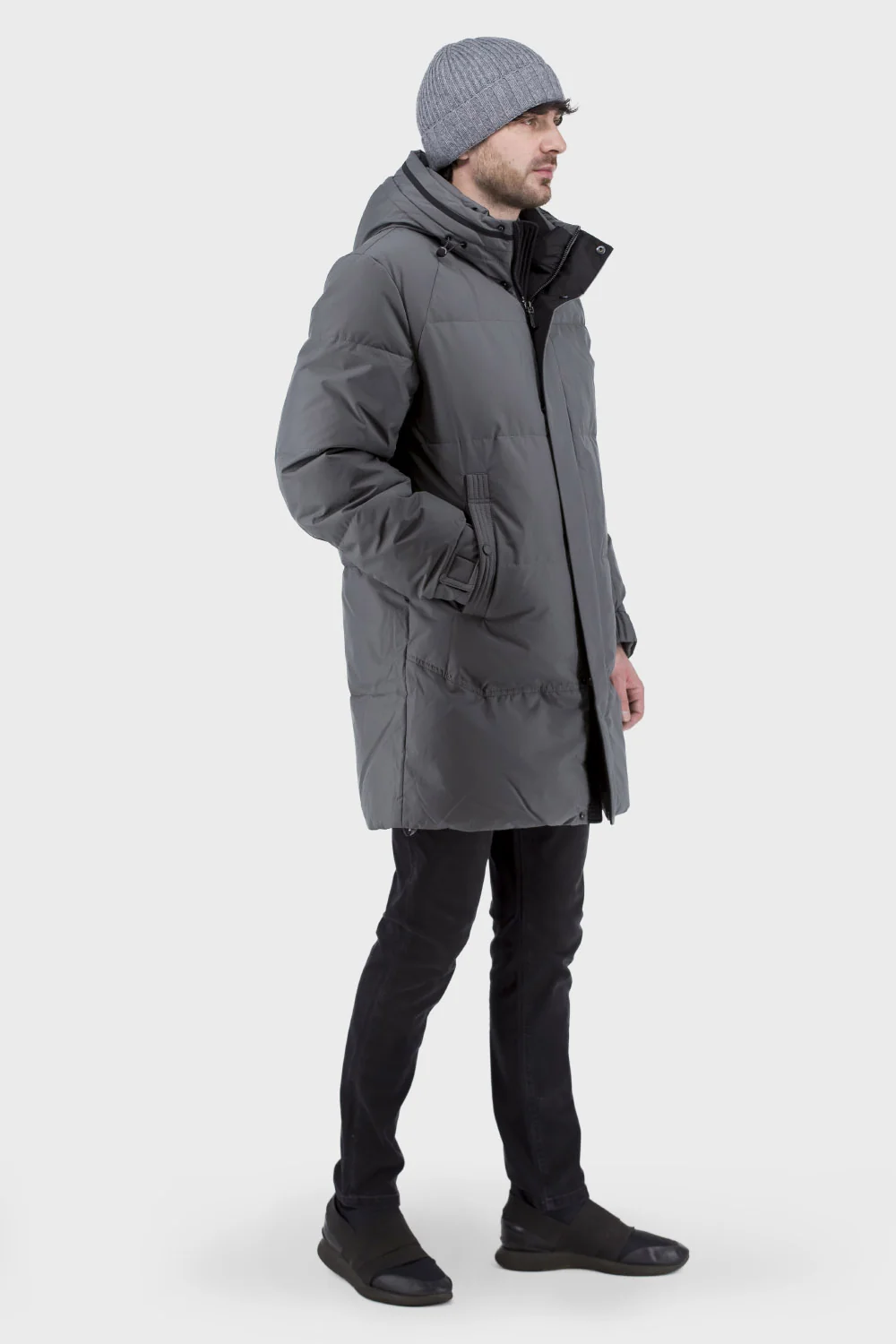
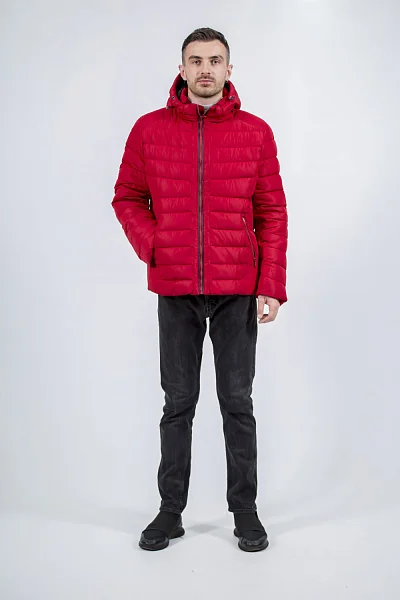
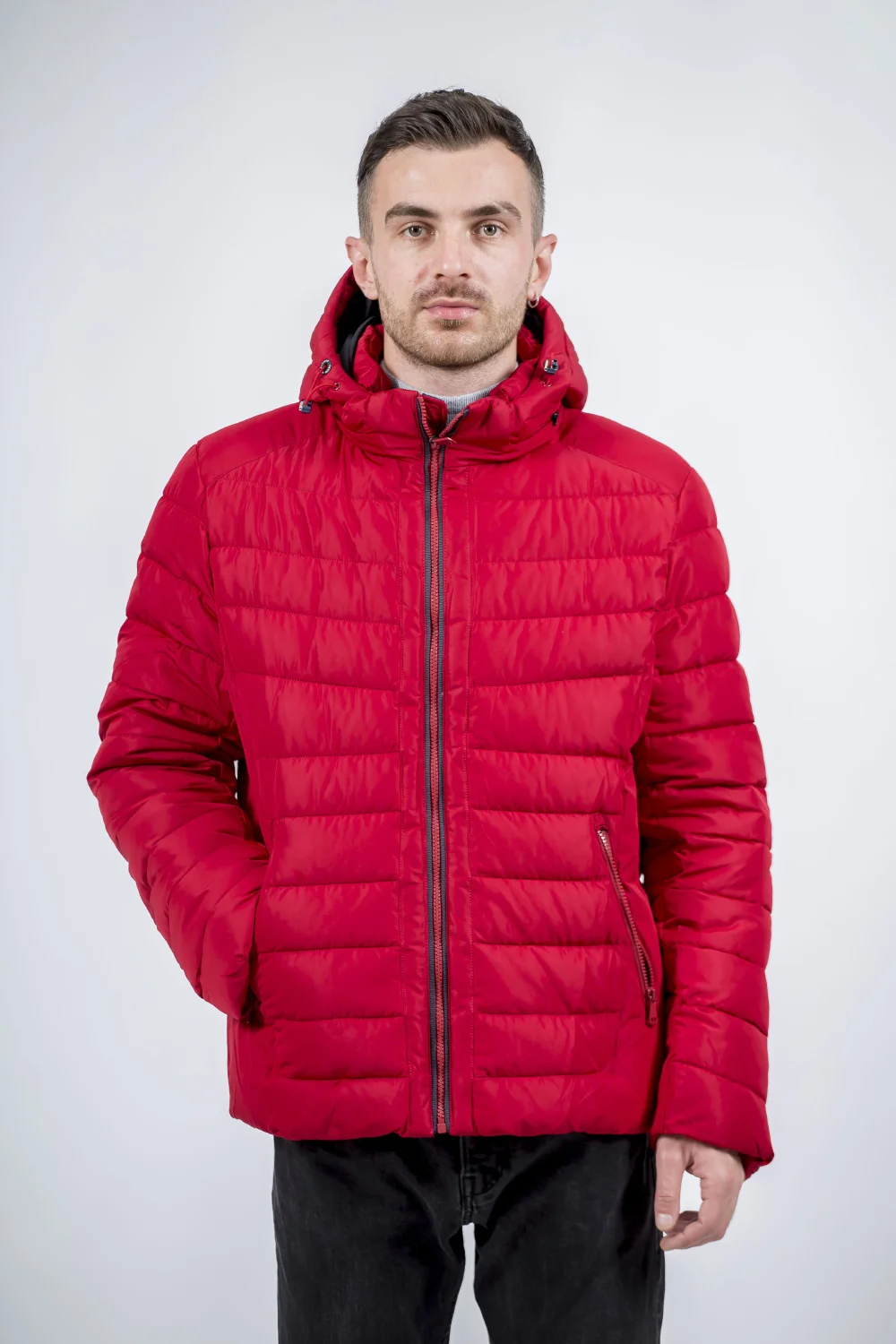
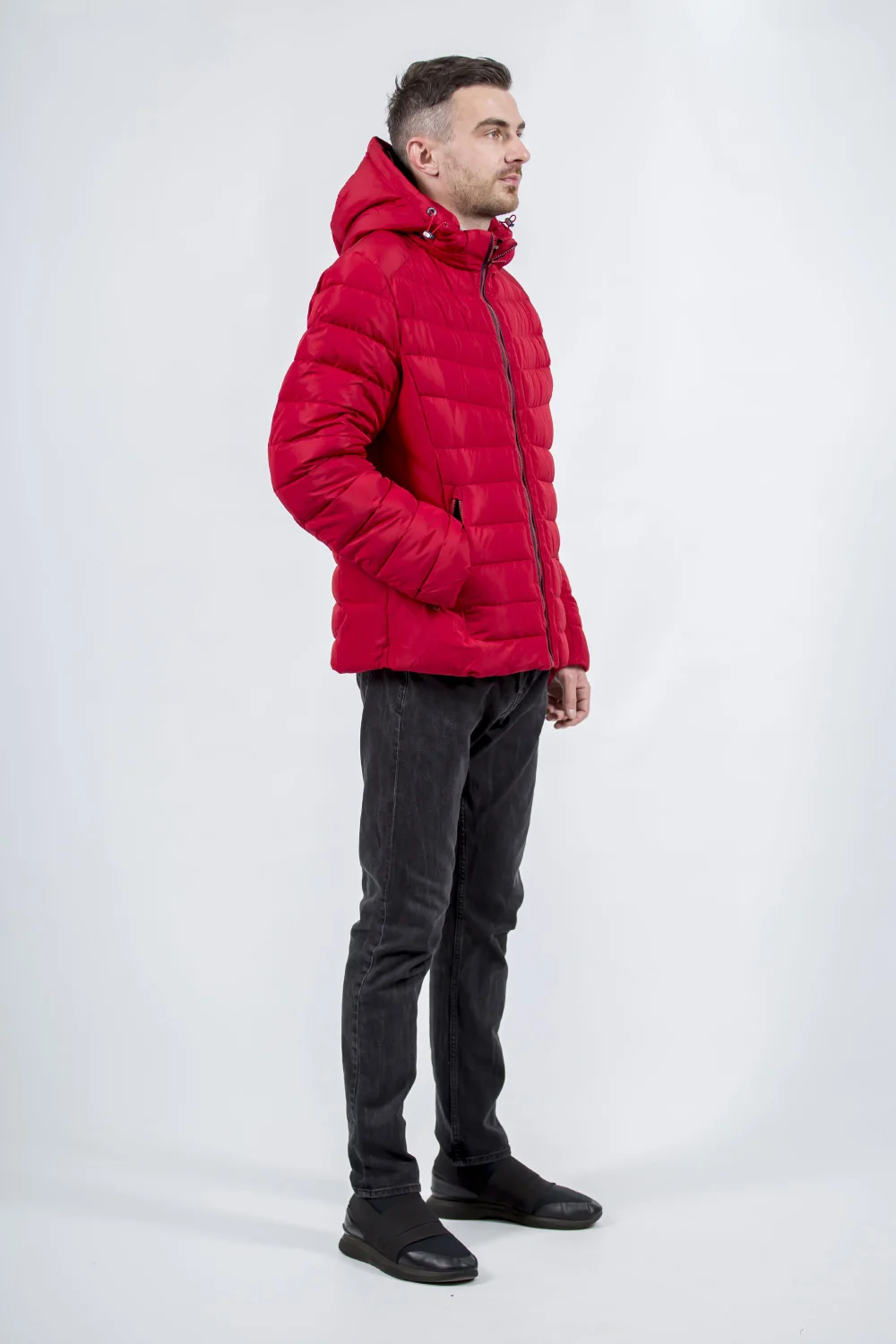
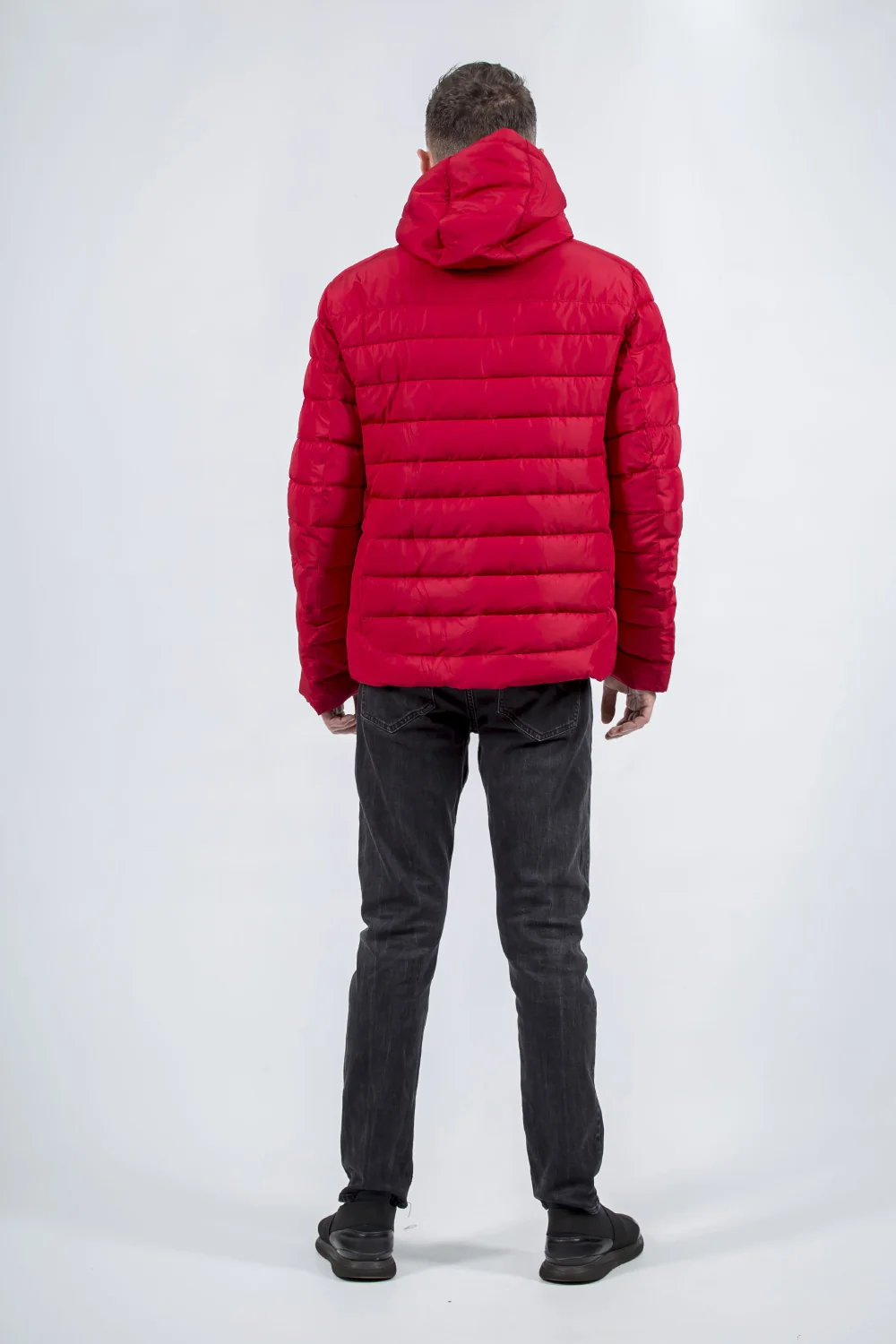
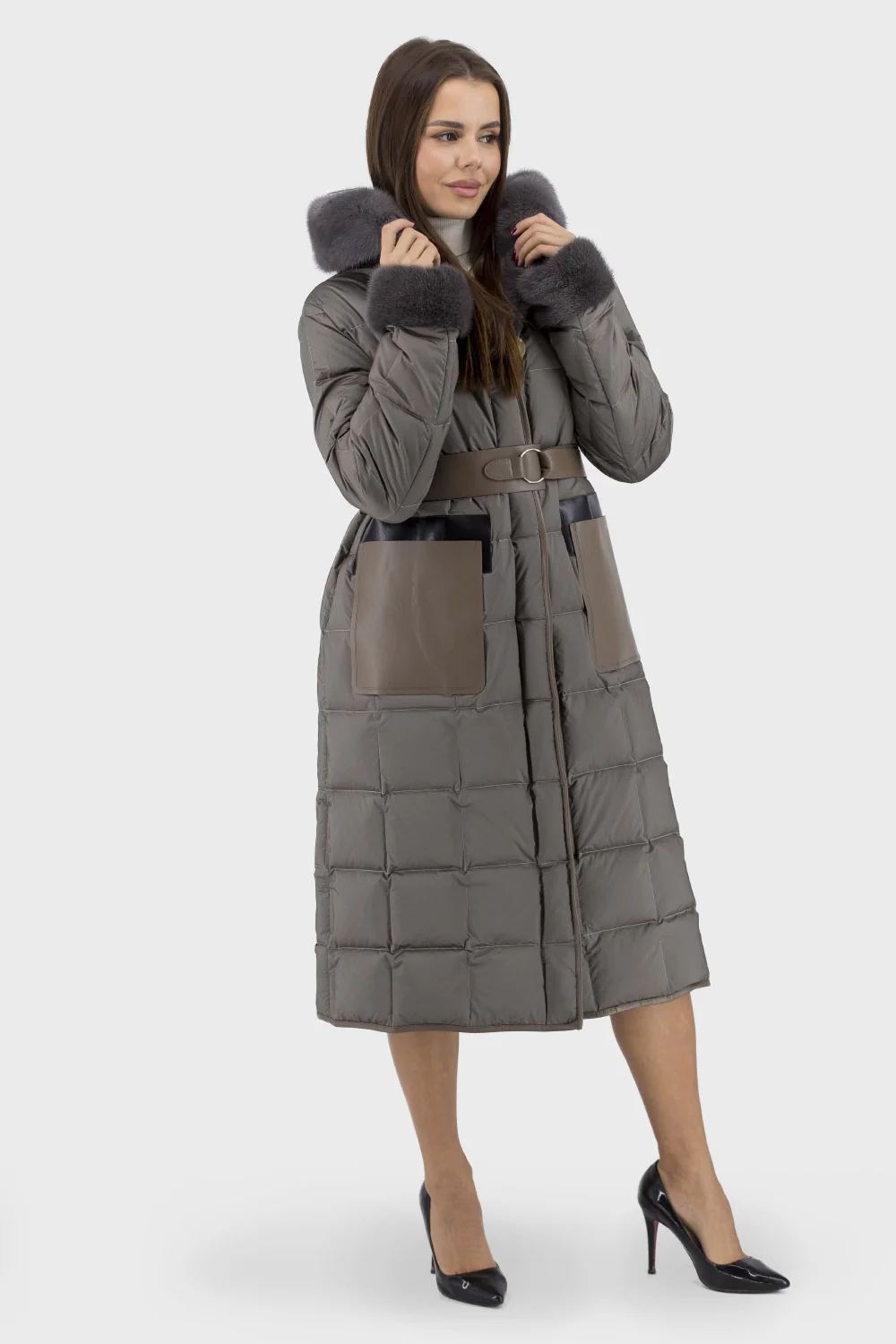
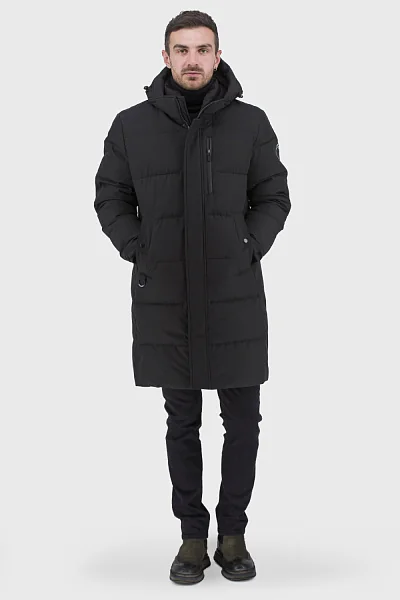
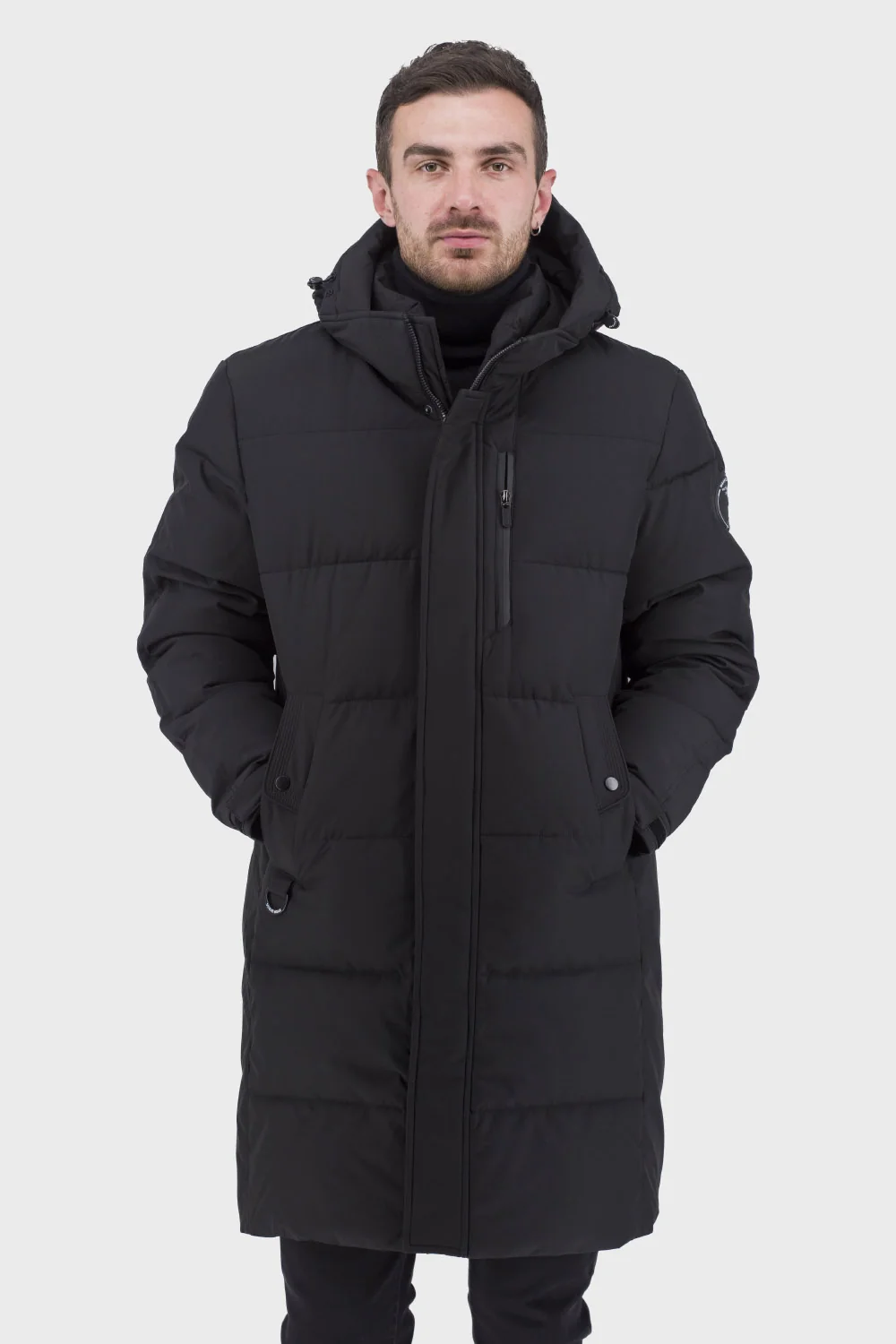
- Hood Options: An adjustable or detachable hood is highly practical, offering protection against wind, rain, and light snow, and adding versatility to your jacket.
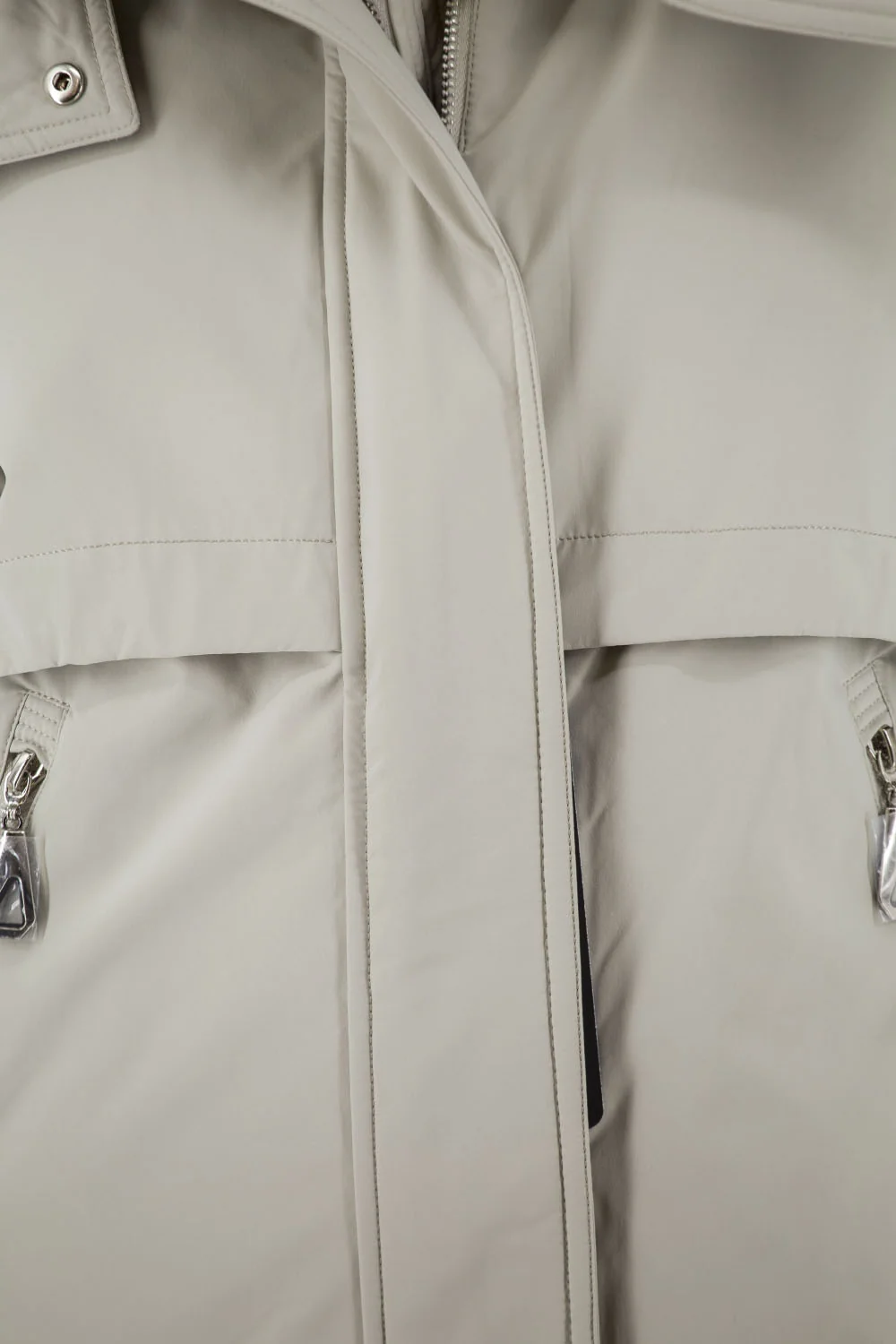
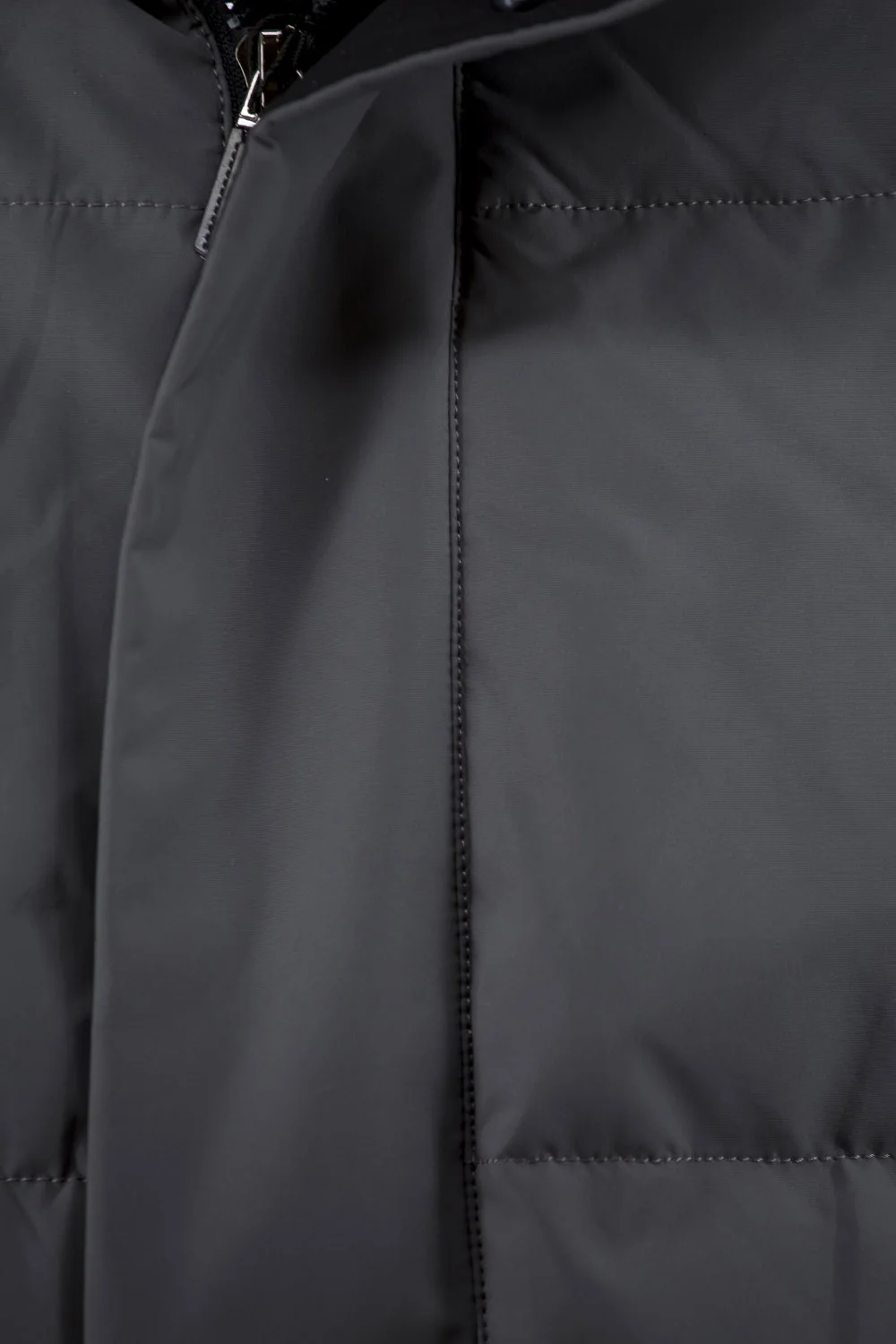
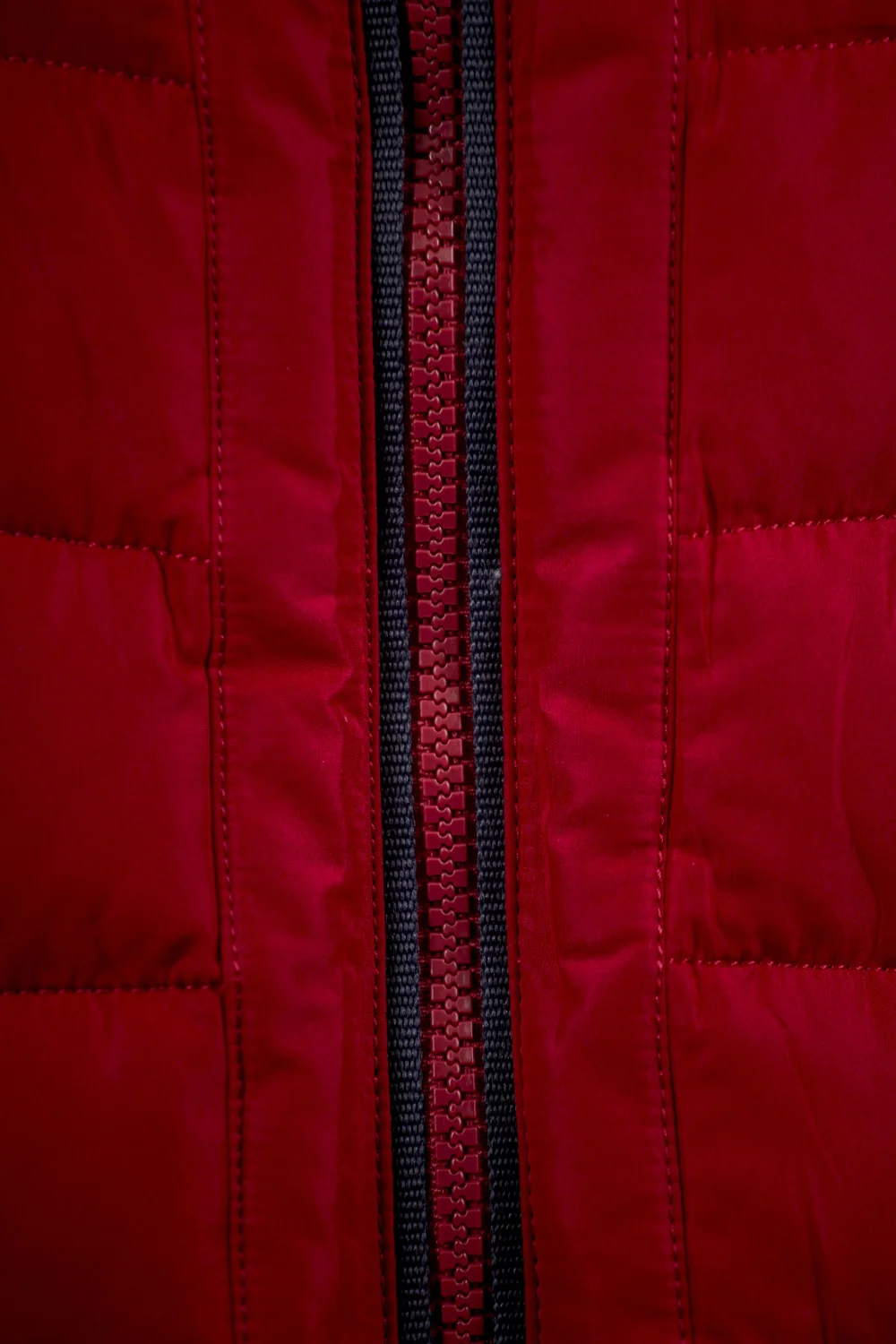
- Zipper Quality: Durable zippers with storm flaps prevent cold air from seeping in and increase the jacket's durability over time.
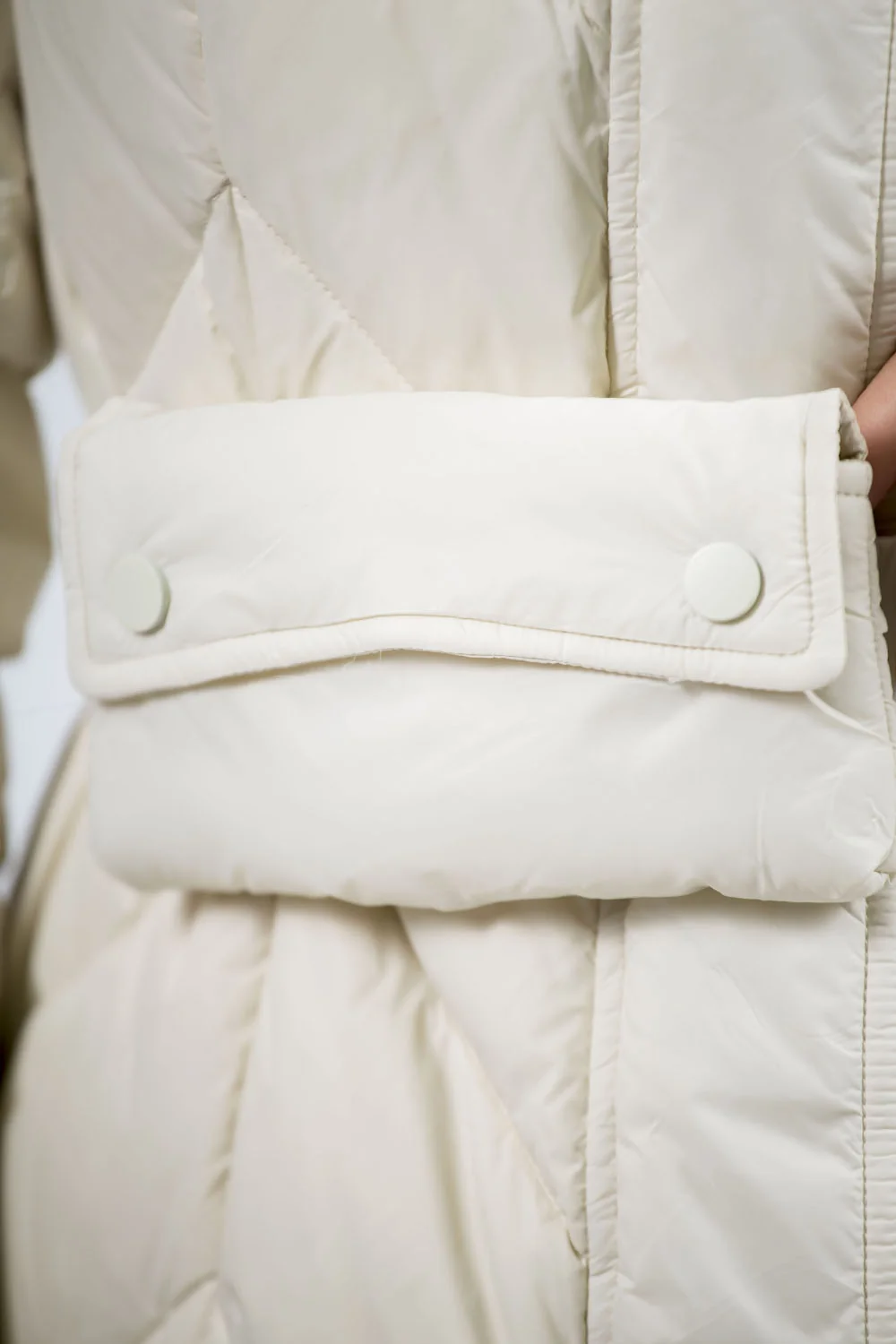
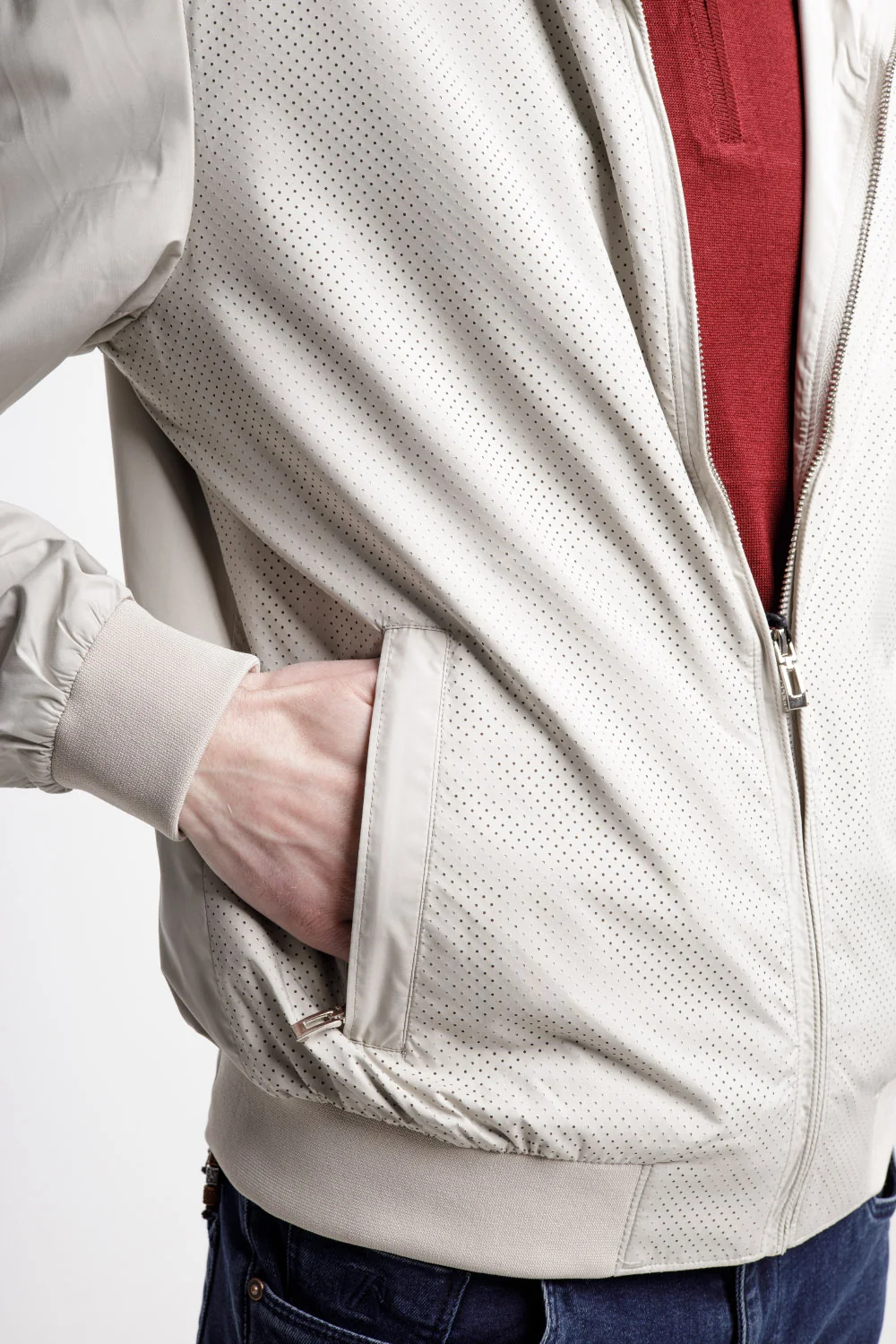
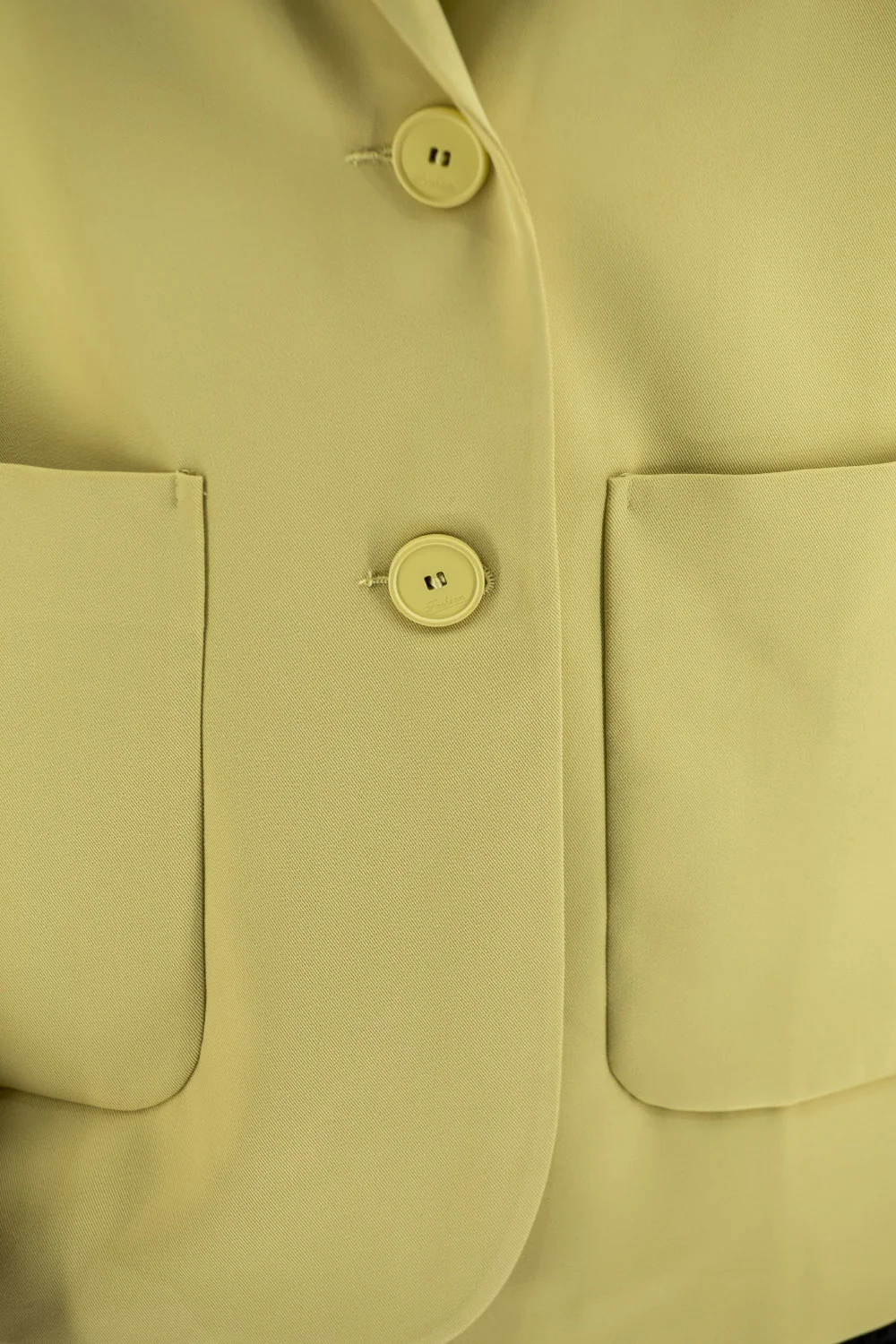
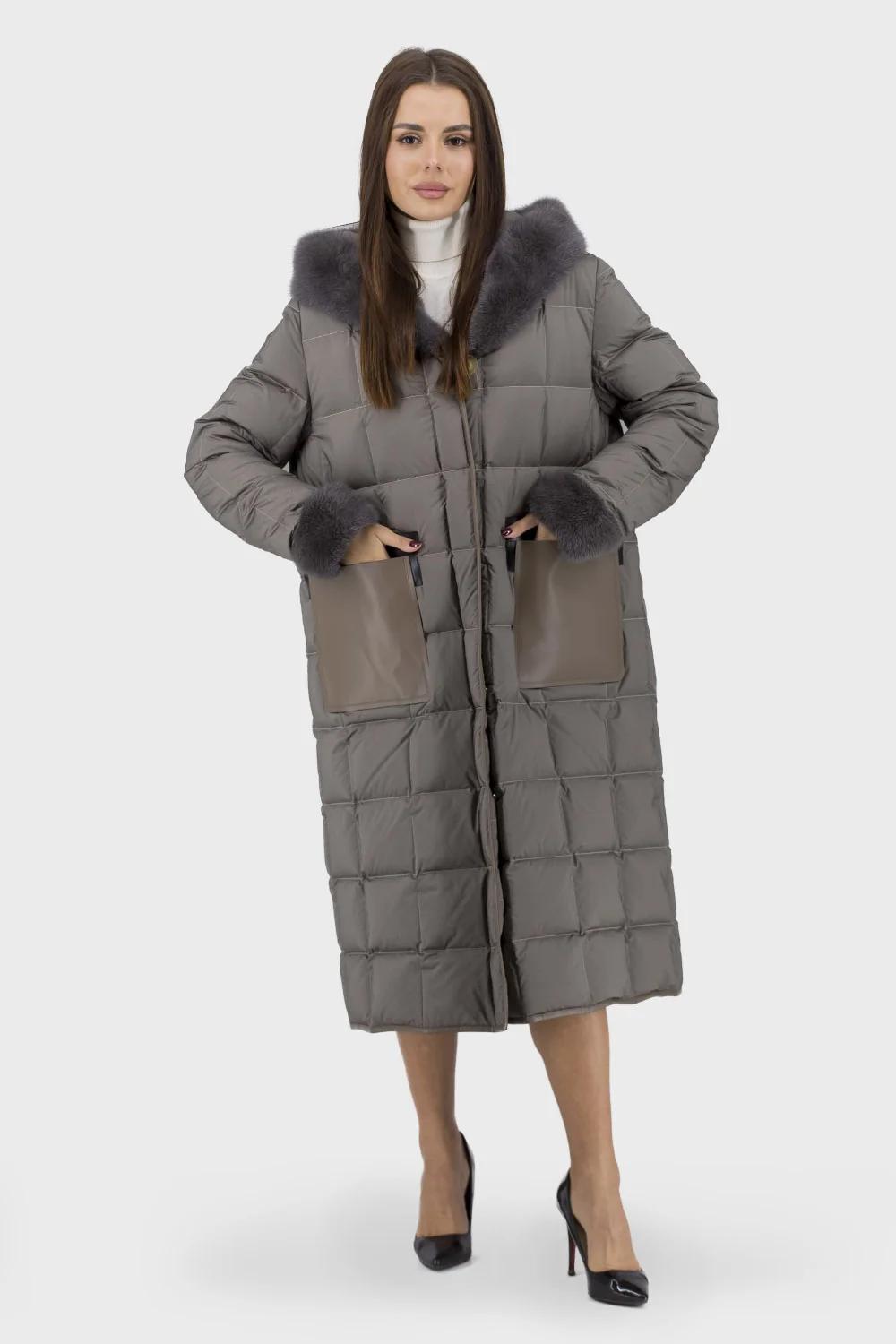
- Pockets: Deep and secure pockets with zippers or flaps allow safe storage of essentials like keys, phones, or wallets.
- Ventilation Systems: Some jackets include underarm or side zippers for ventilation, helping regulate temperature during more active use.
Caring for Your Transitional Jacket
Proper care can significantly extend the life and performance of your jacket. Always follow the care label instructions. Generally, washing on a gentle cycle using detergents formulated specifically for water-resistant or technical fabrics is best. Avoid fabric softeners as they can impair the water-repellent treatment.
After washing, air dry your jacket in a shaded area to avoid UV damage and shrinkage. Occasionally, you may need to reapply a DWR spray treatment to restore water repellency, especially if water no longer beads up on the surface. When not in use, store your jacket in a cool, dry, and well-ventilated place, and avoid compressing it for extended periods to preserve insulation loft.
Making an Informed Purchase
Consider your local climate and typical weather conditions when choosing a transitional jacket. If you experience heavy rain or wind, prioritize water-resistant and windproof fabrics with sealed seams. For milder climates, breathability and style might take precedence.
To explore a variety of options, visit the jackets section at Bella Bicchi. Here you’ll find detailed product descriptions, sizing charts, and customer reviews that can guide your choice. Trying jackets on, if possible, ensures the fit and comfort meet your expectations.
Additional Buying Tips
If you lead an active lifestyle, look for jackets designed with athletic features such as articulated sleeves for ease of movement, stretch fabrics for better flexibility, and ventilation options to help manage body temperature during exertion.
For those who commute or travel, lightweight jackets that can easily be packed into a bag without losing shape are advantageous. Reflective details can also enhance visibility during low-light conditions.
Why Choose Bella Bicchi?
Bella Bicchi offers an extensive range of women’s transitional jackets combining fashion with practical features for everyday use. With free delivery across Ukraine, shopping is both convenient and safe, giving you access to a curated selection tailored to your seasonal needs.
Frequently Asked Questions
What is the best insulation for a transitional jacket?
Light synthetic insulations like fiberfill or holofiber are excellent choices as they provide warmth while remaining lightweight and quick-drying. For colder or moist conditions, a thin fleece or down layer may be added for extra comfort without excessive bulk.
Is a jacket with a hood recommended?
Yes, a hood adds important protection against wind and rain, making the jacket more versatile in changing weather. Adjustable or detachable hoods offer flexibility and style options.
How should I care for my transitional jacket?
Follow the manufacturer's washing instructions, use gentle cycles with appropriate detergents, avoid fabric softeners, and reapply water-repellent treatments as needed. Store the jacket in a dry place to maintain its quality and performance over time.