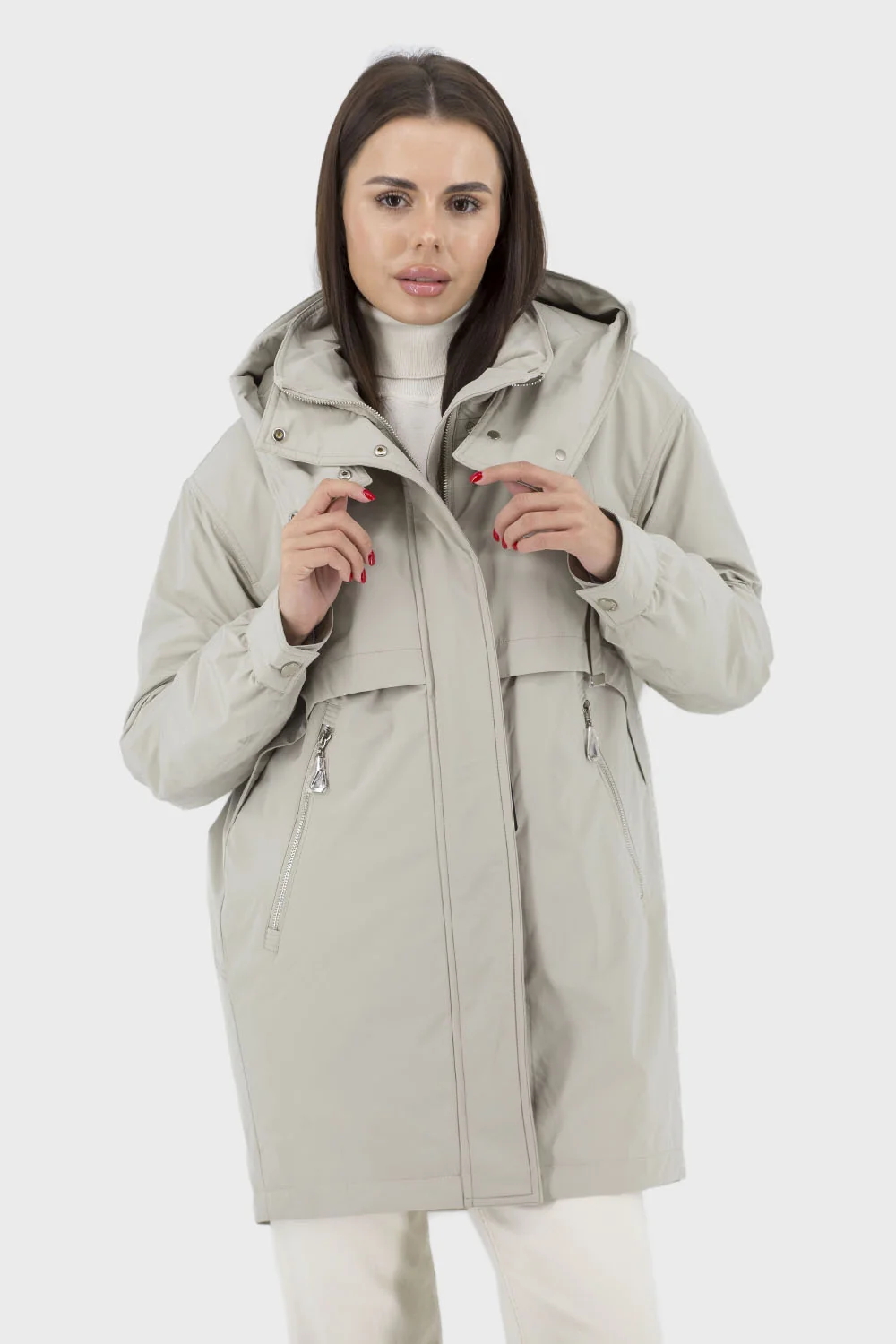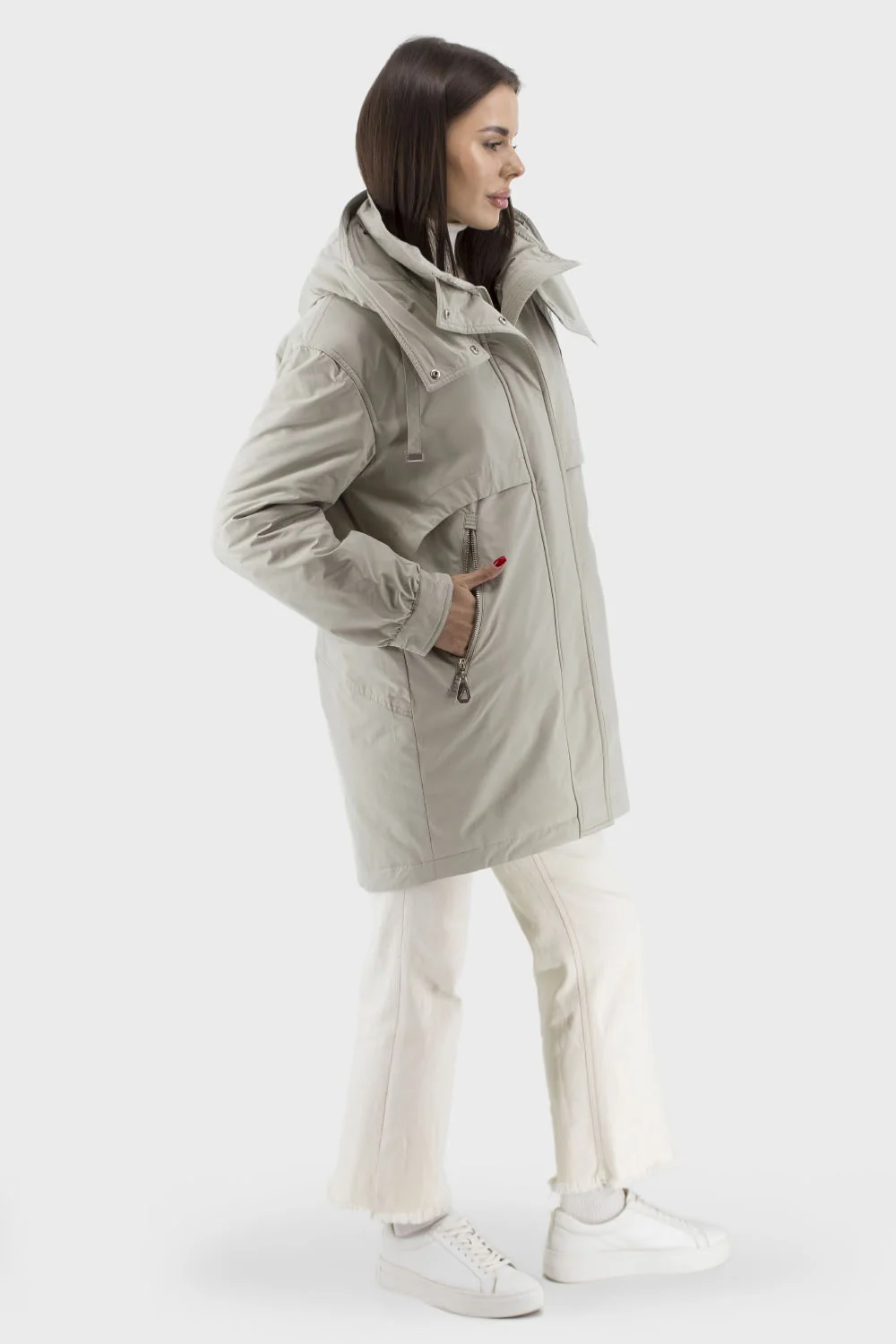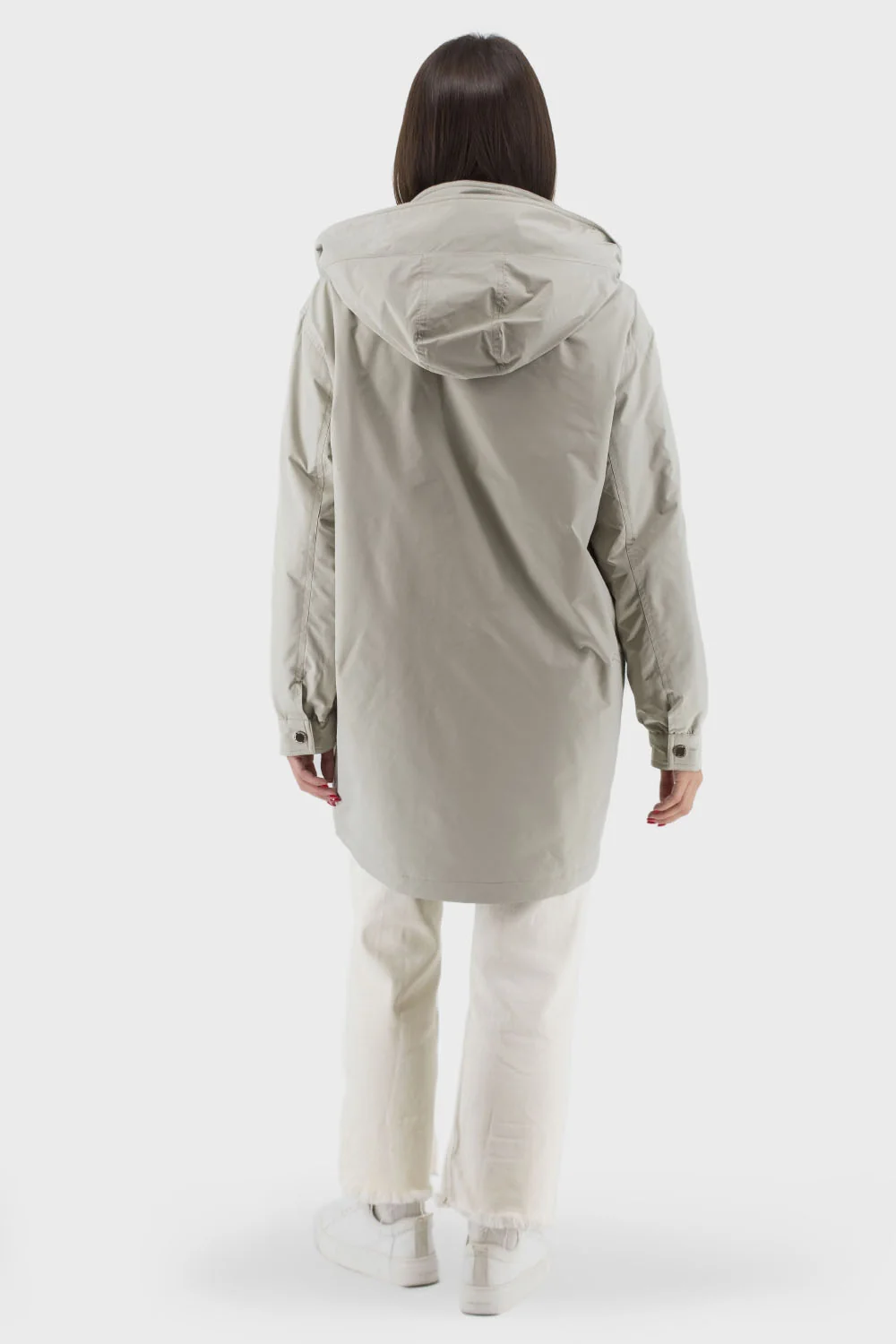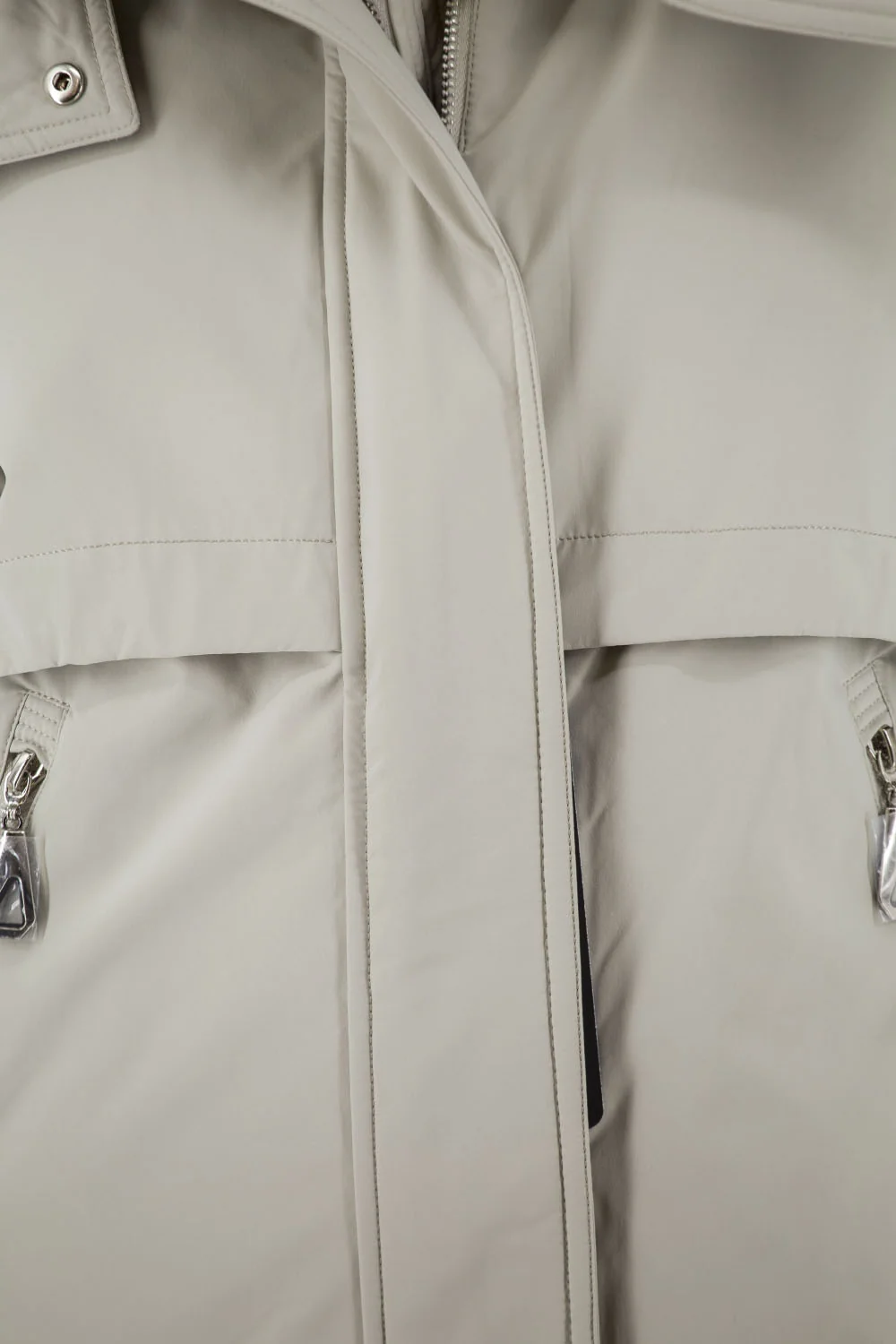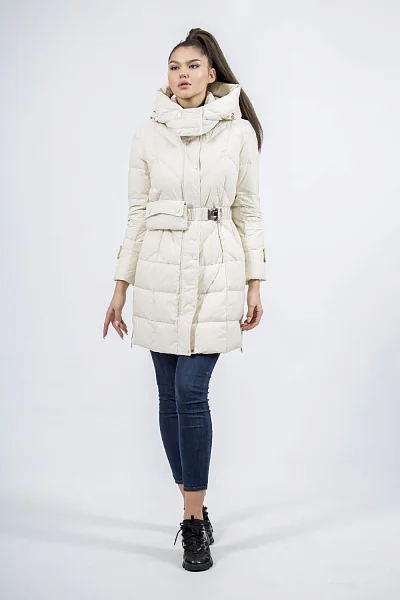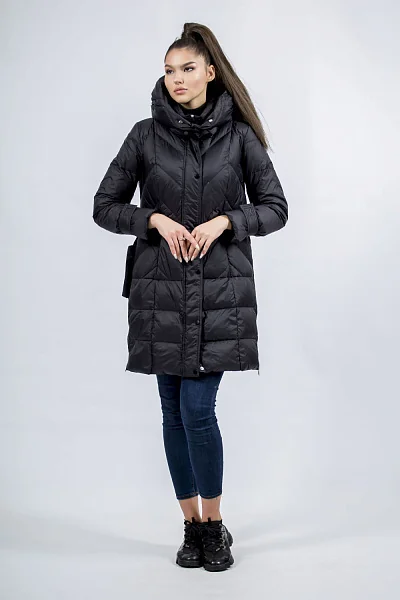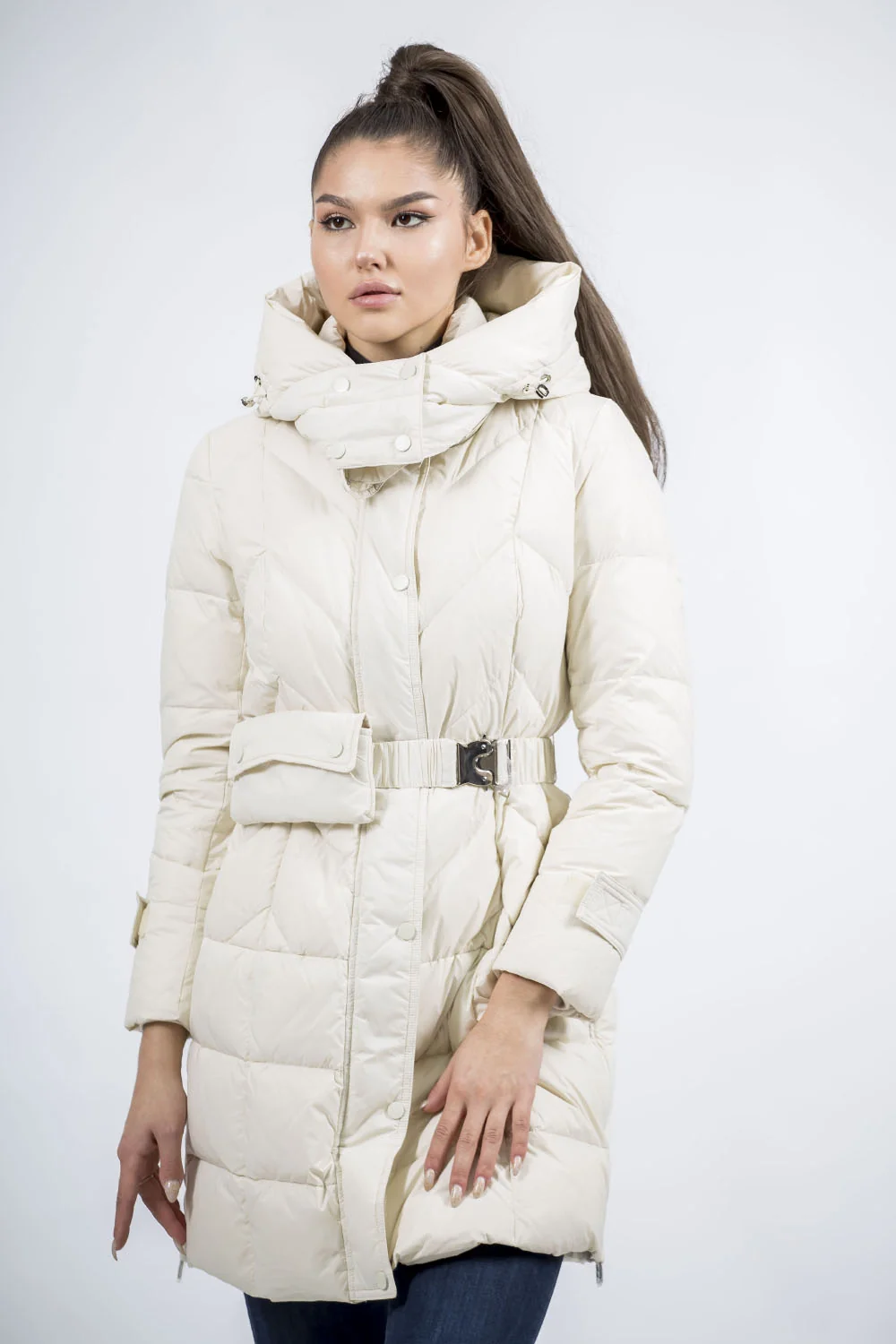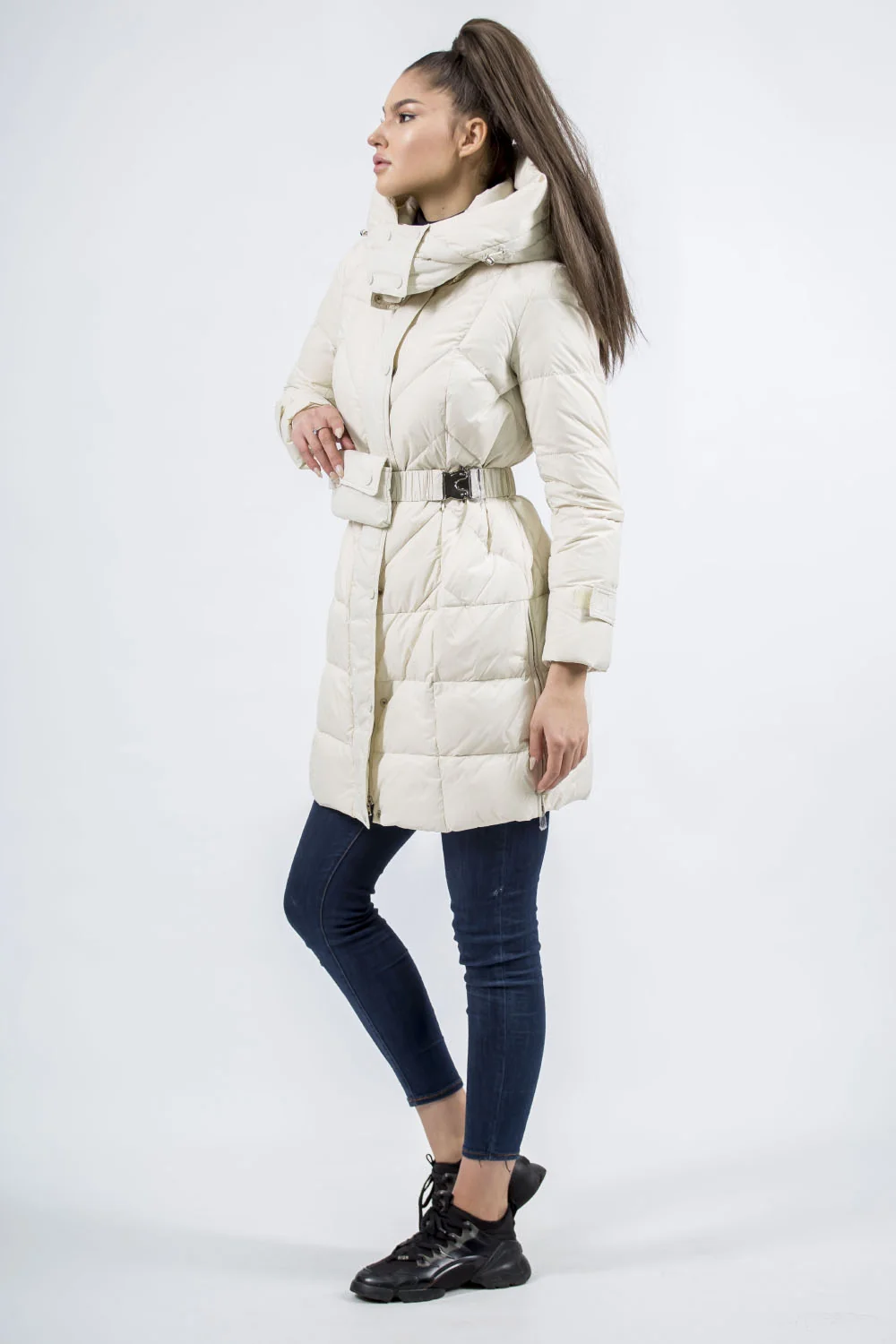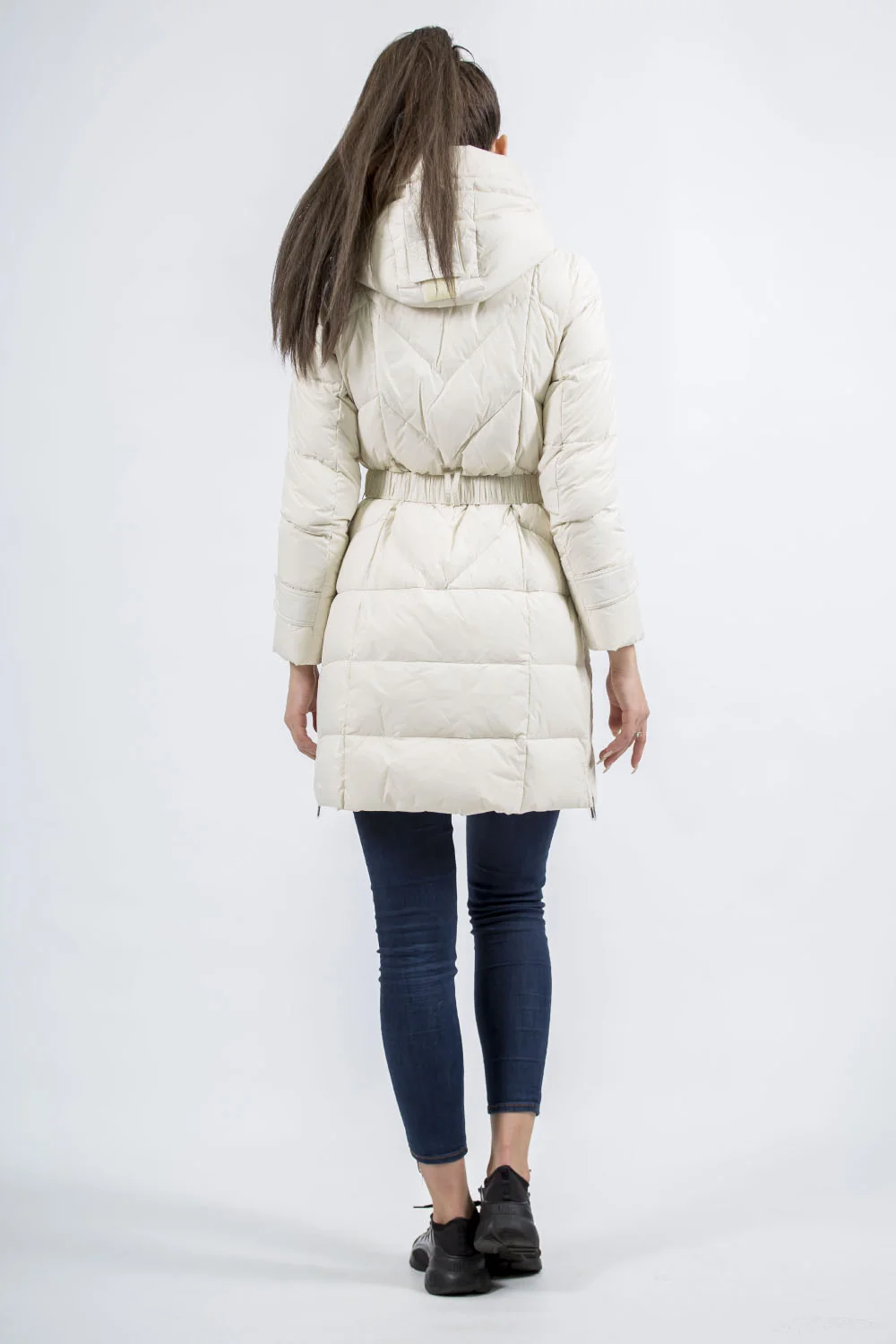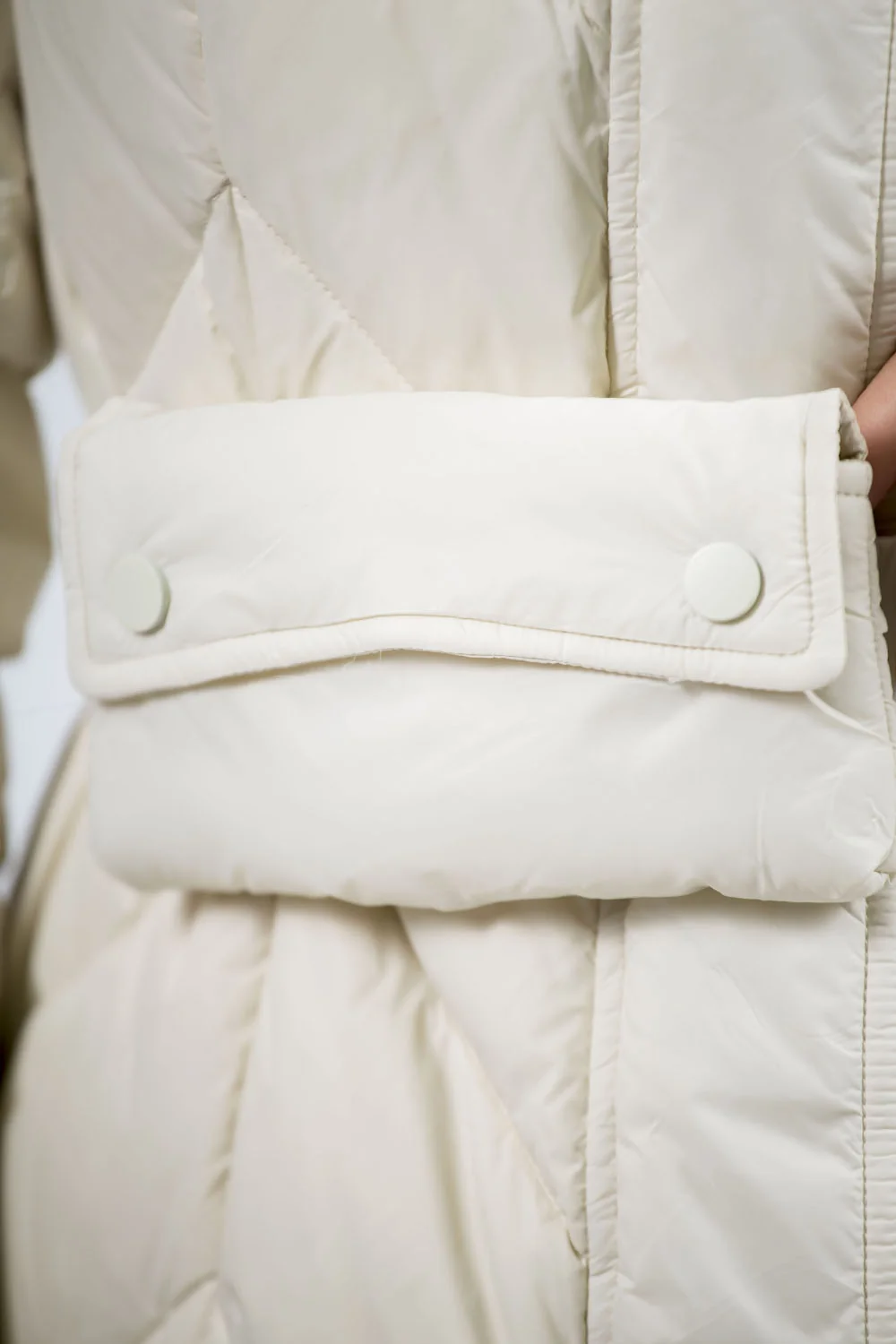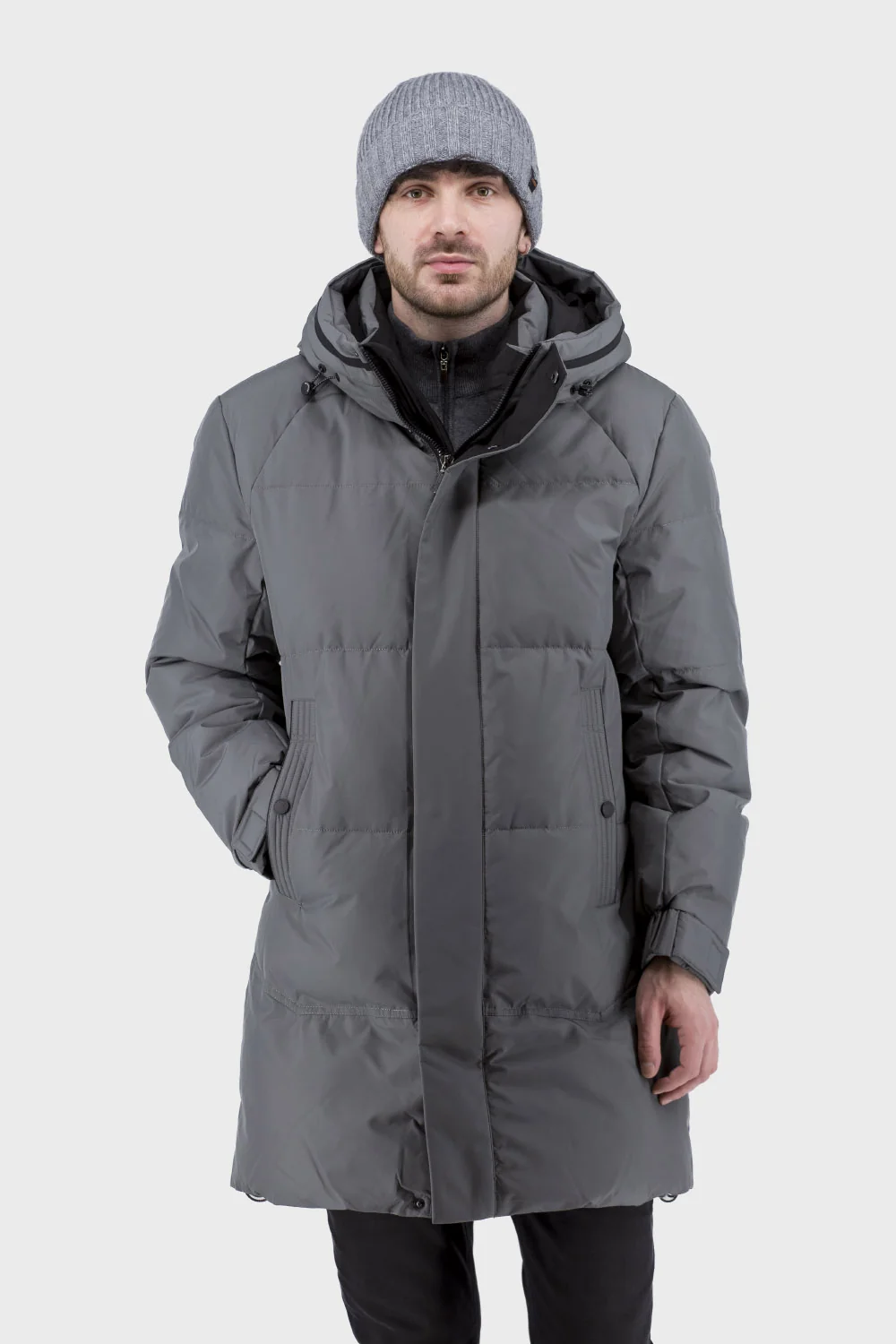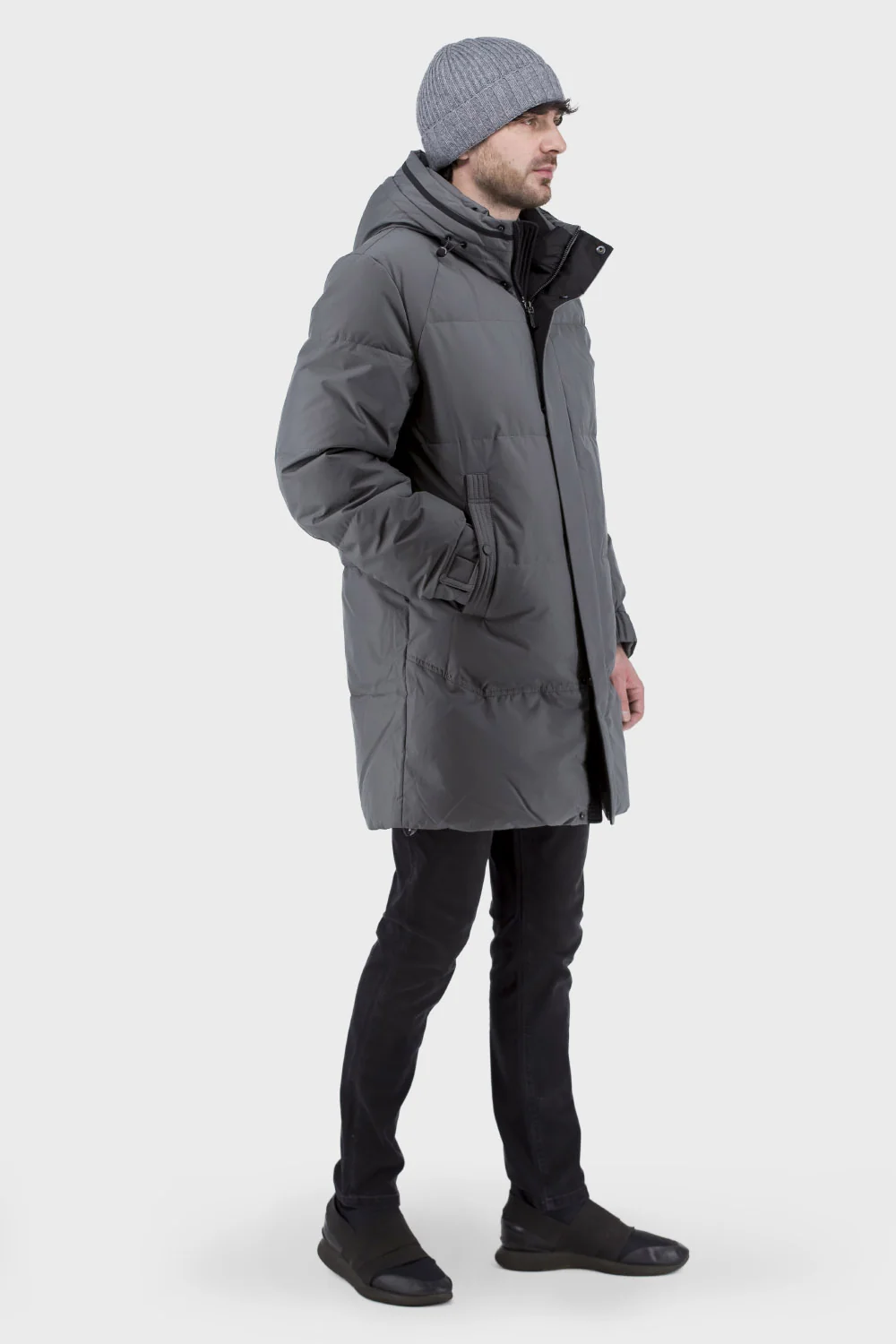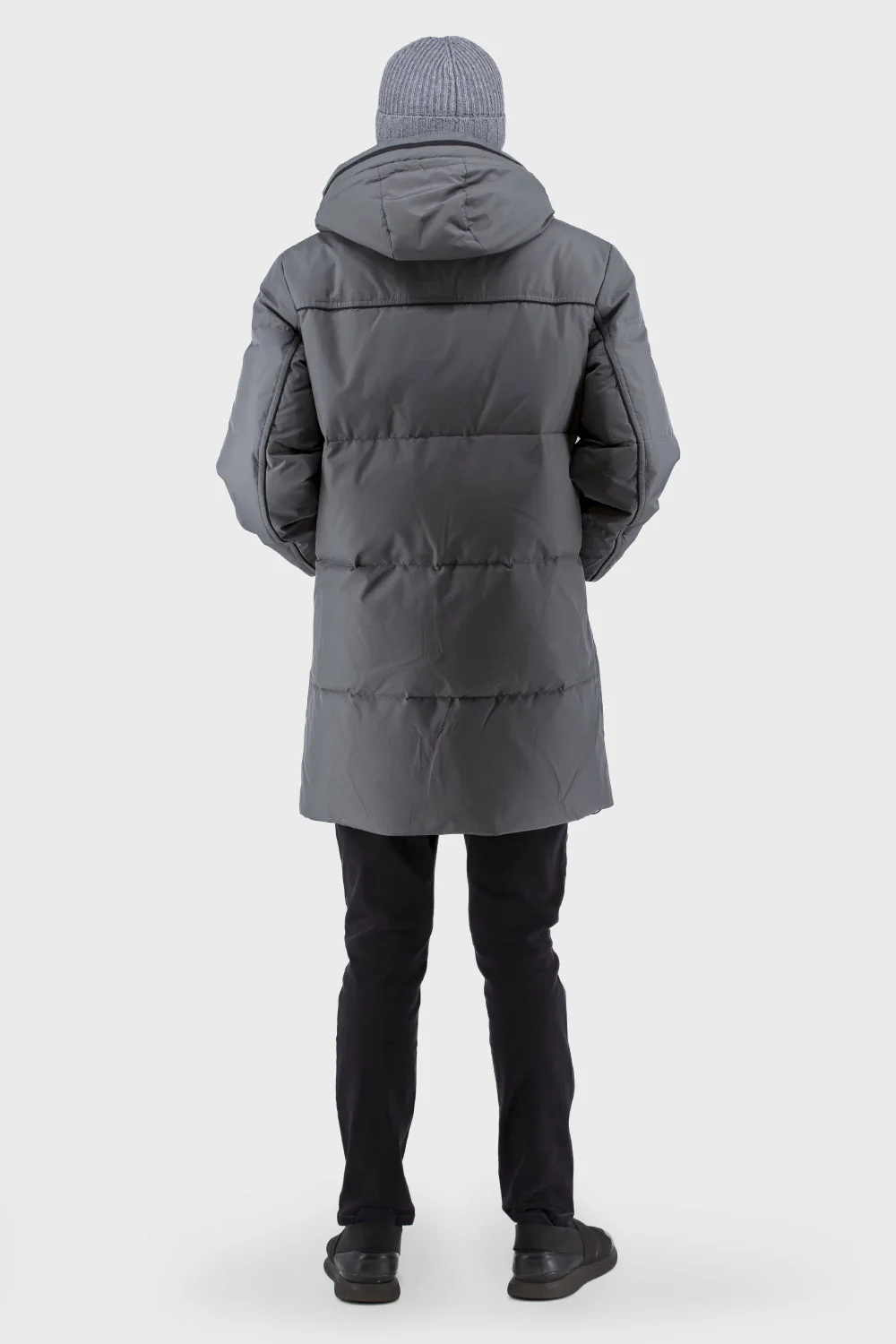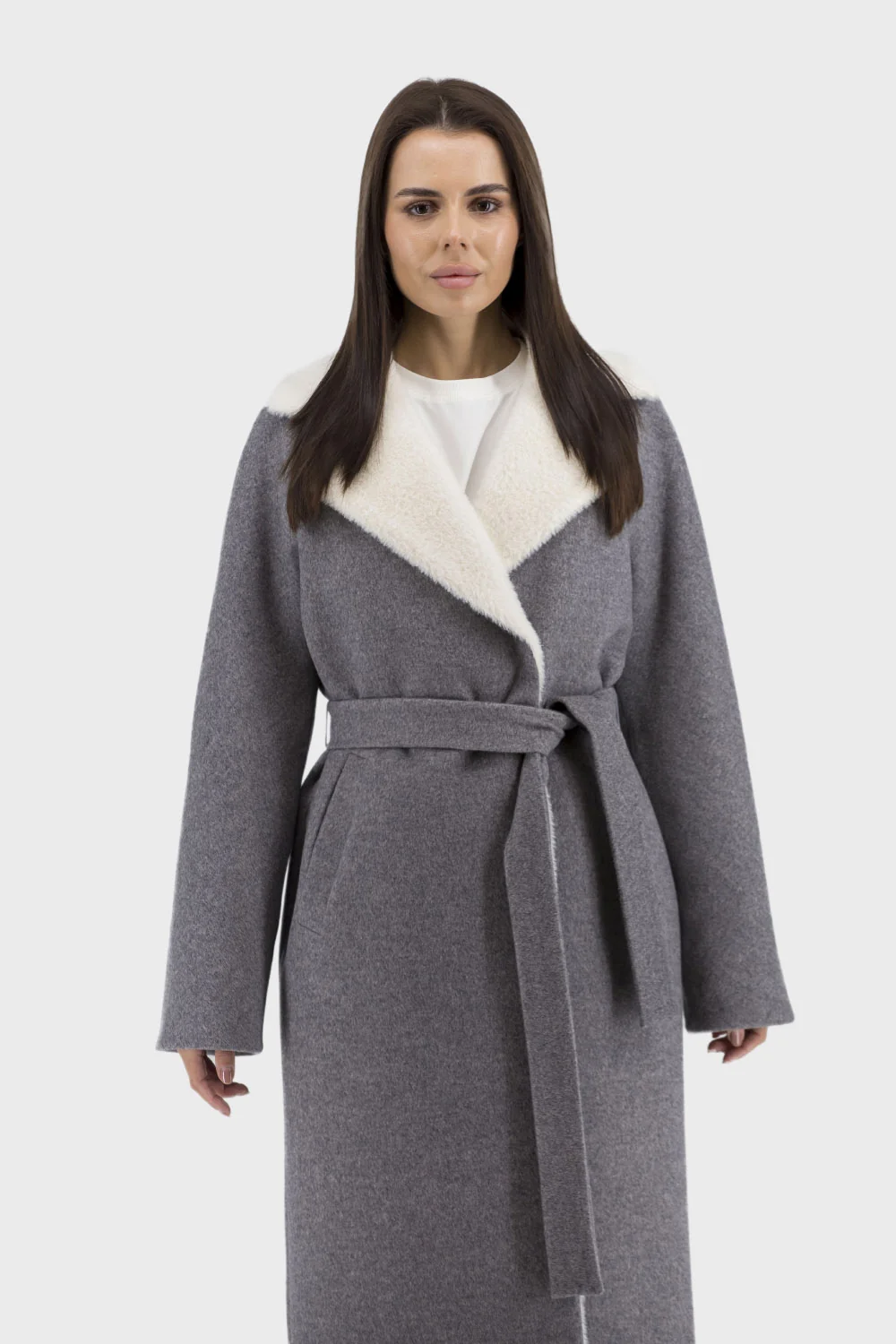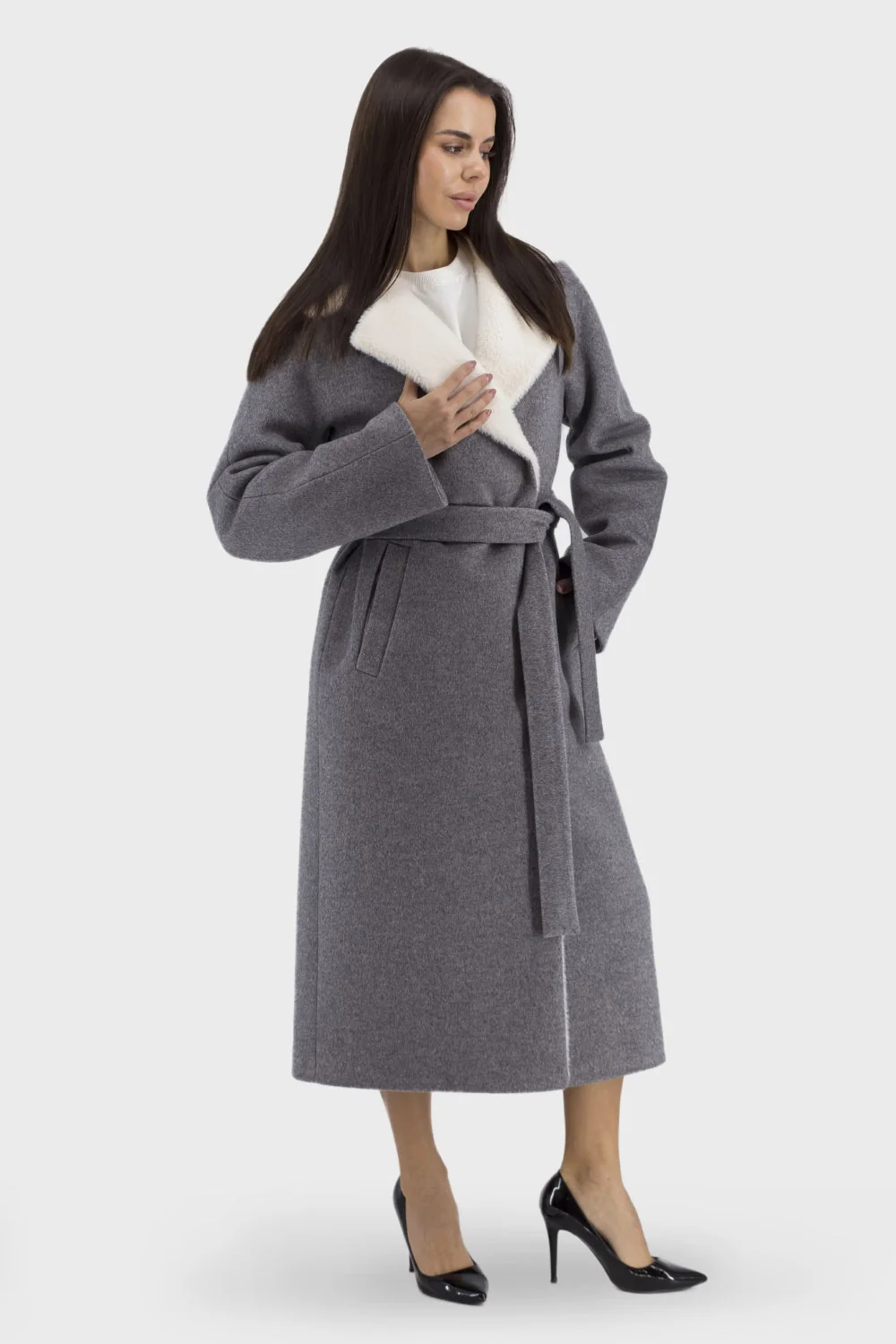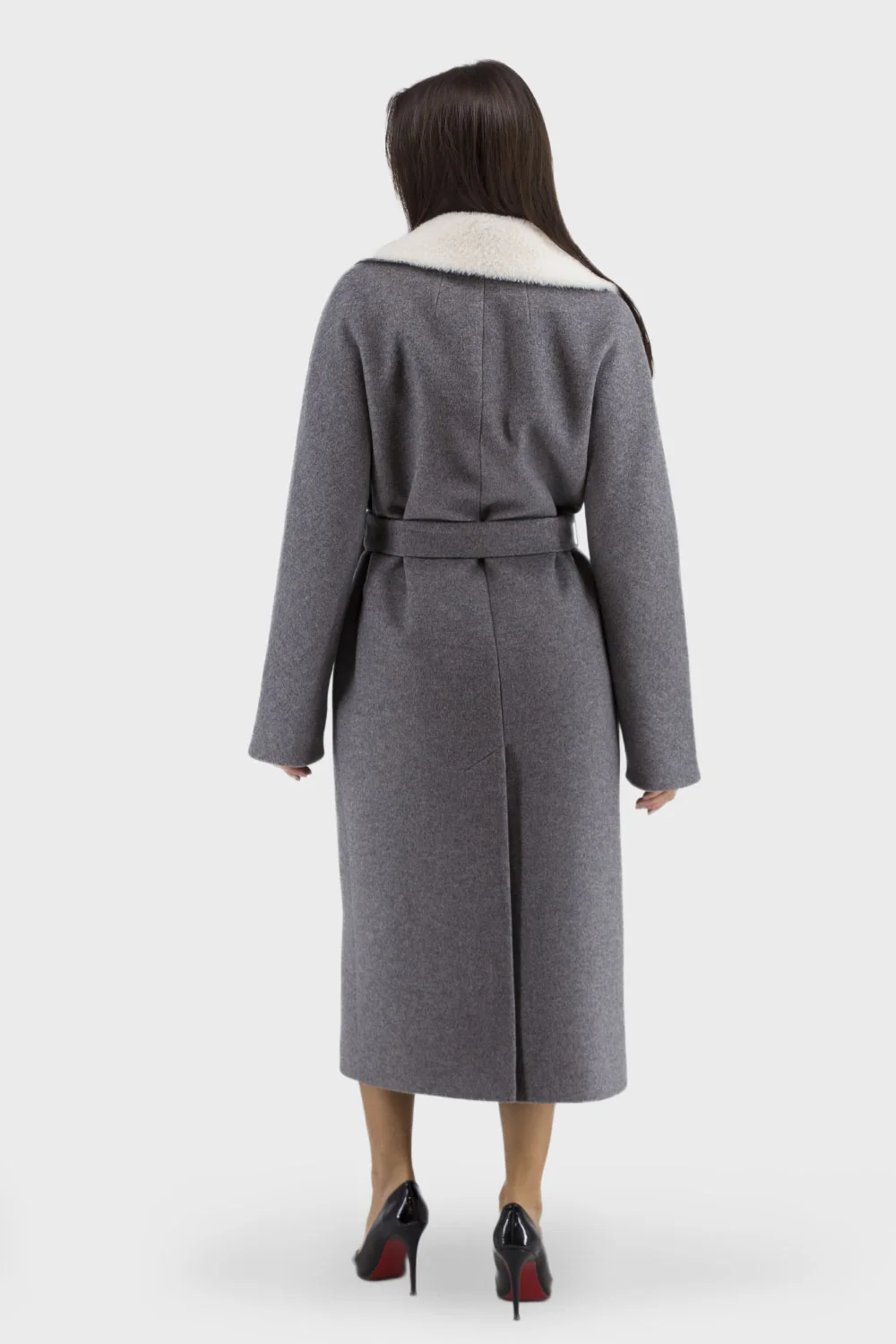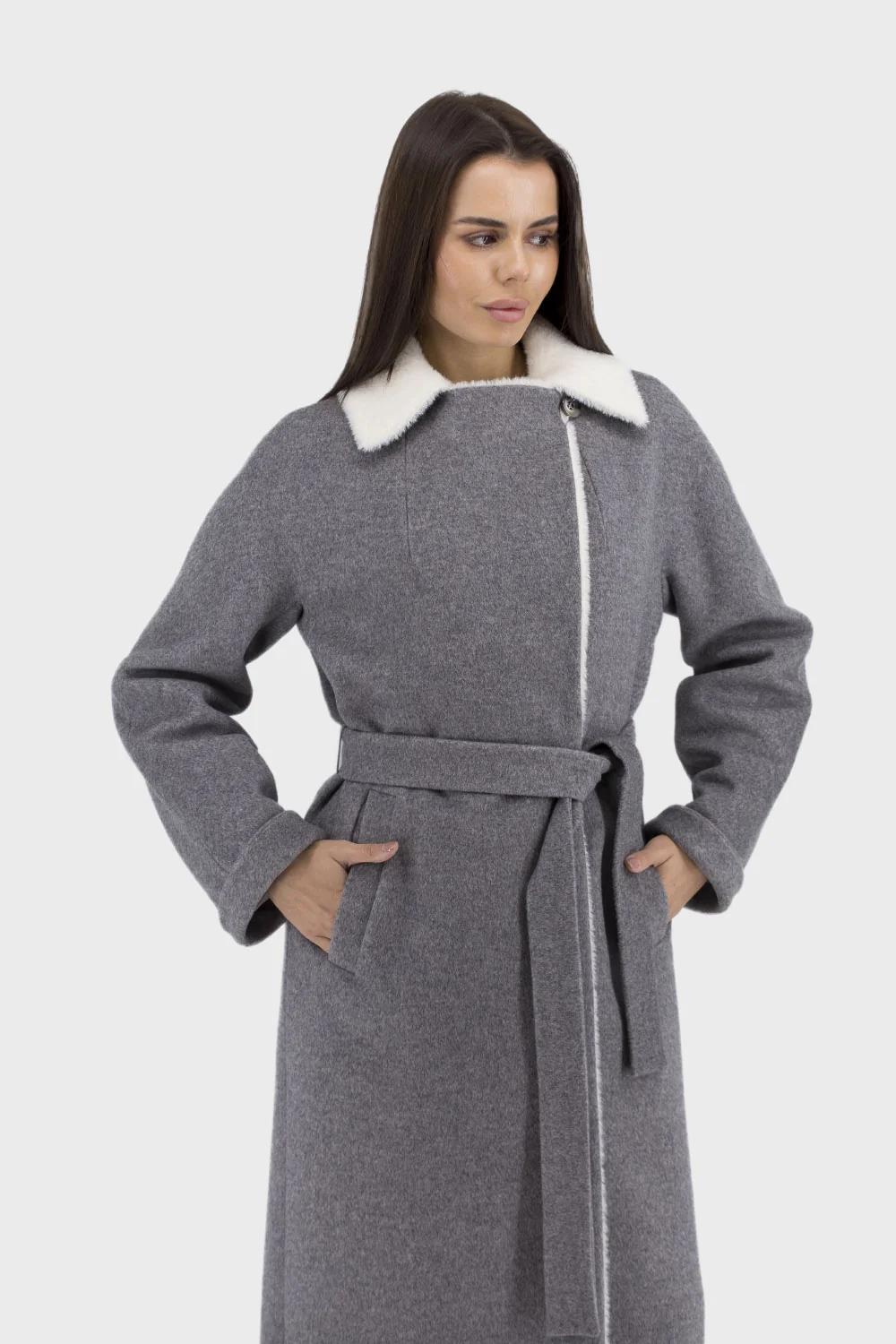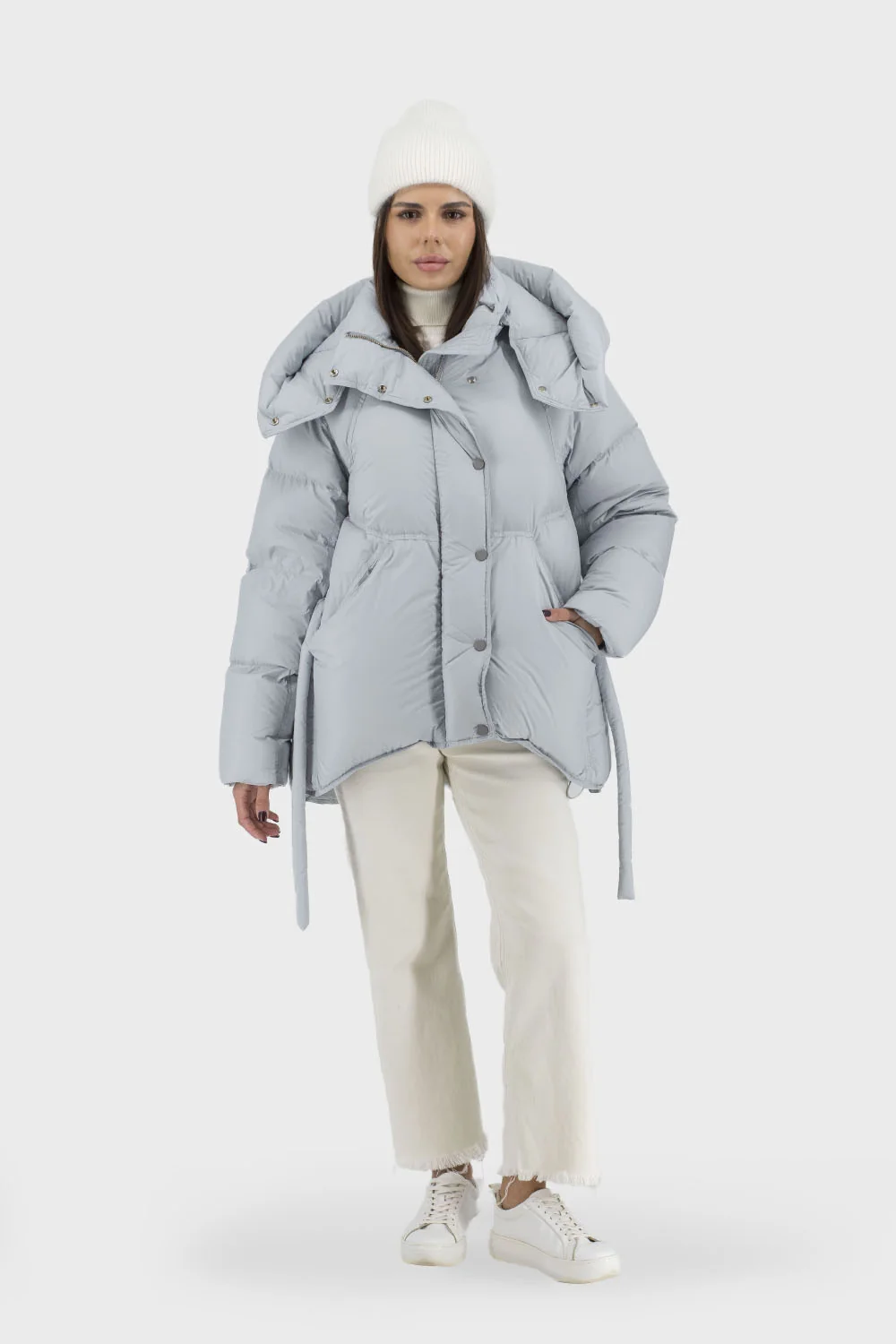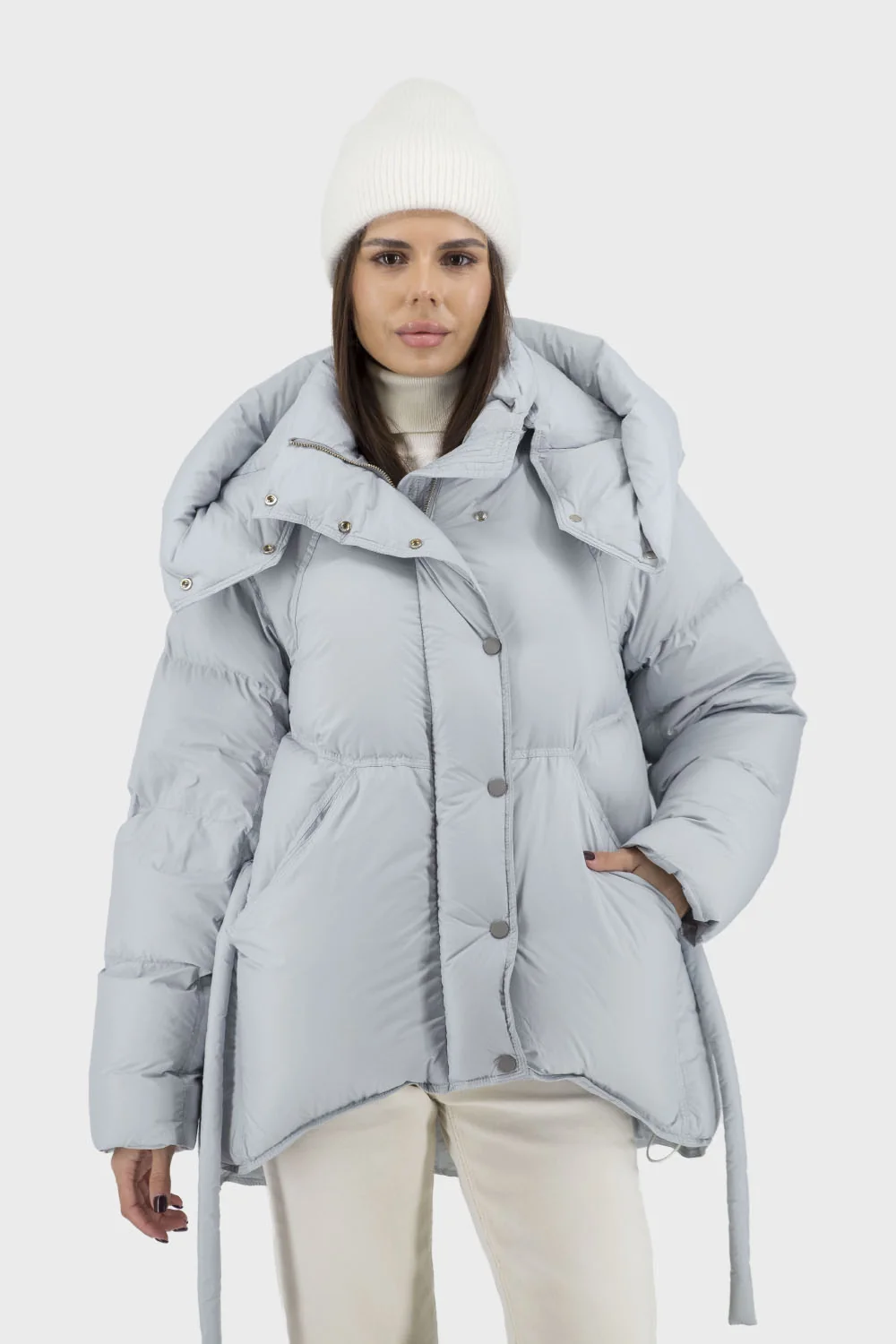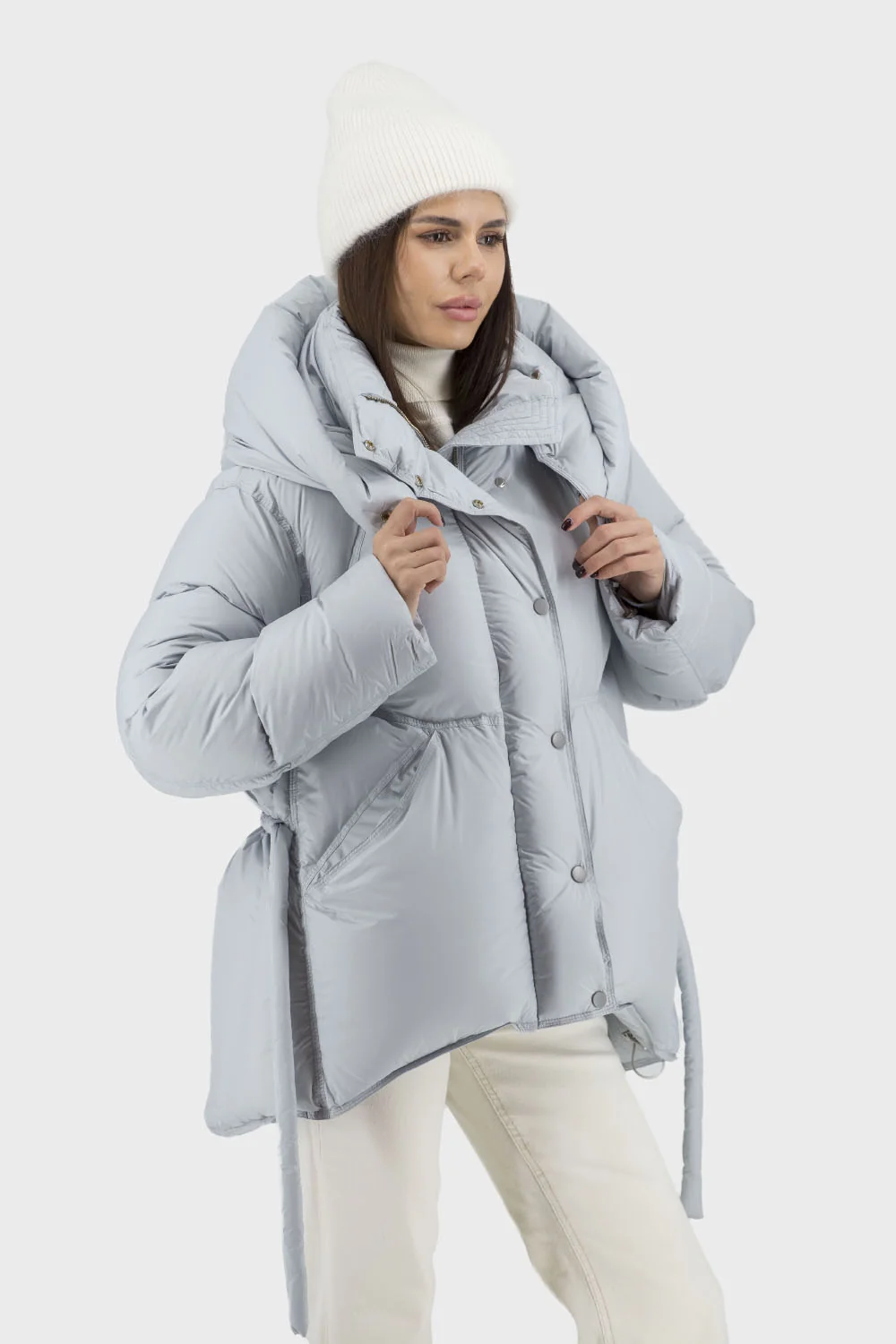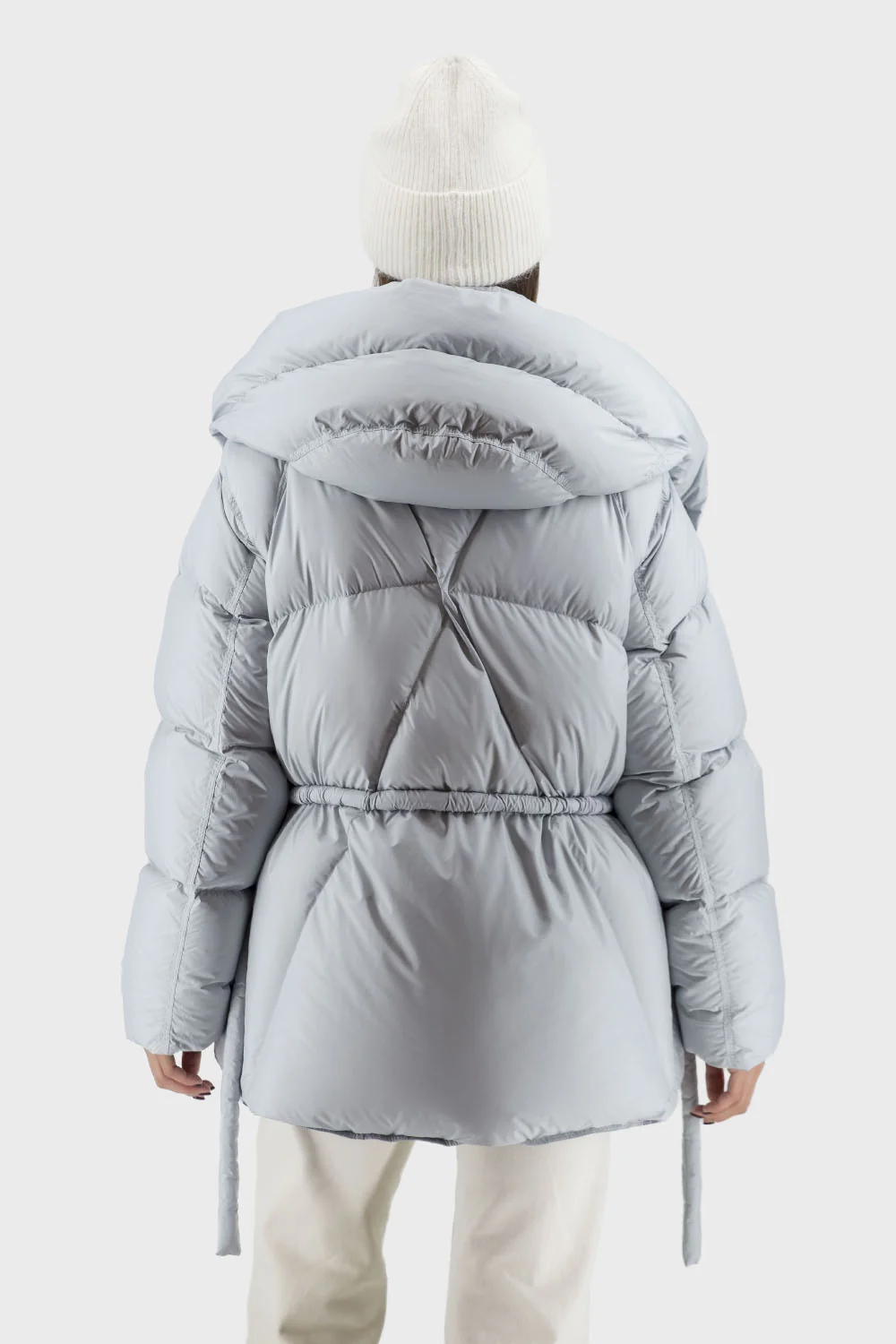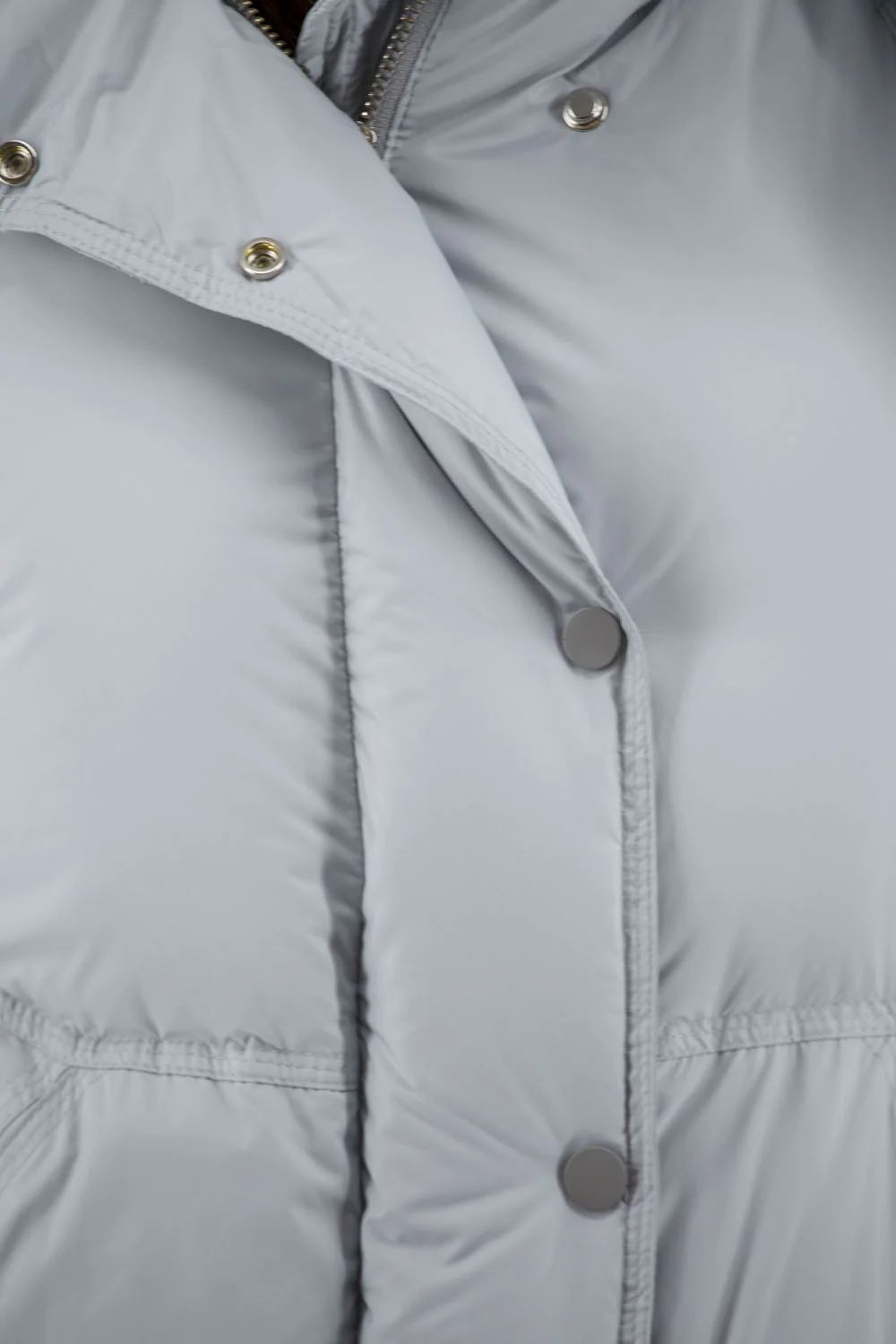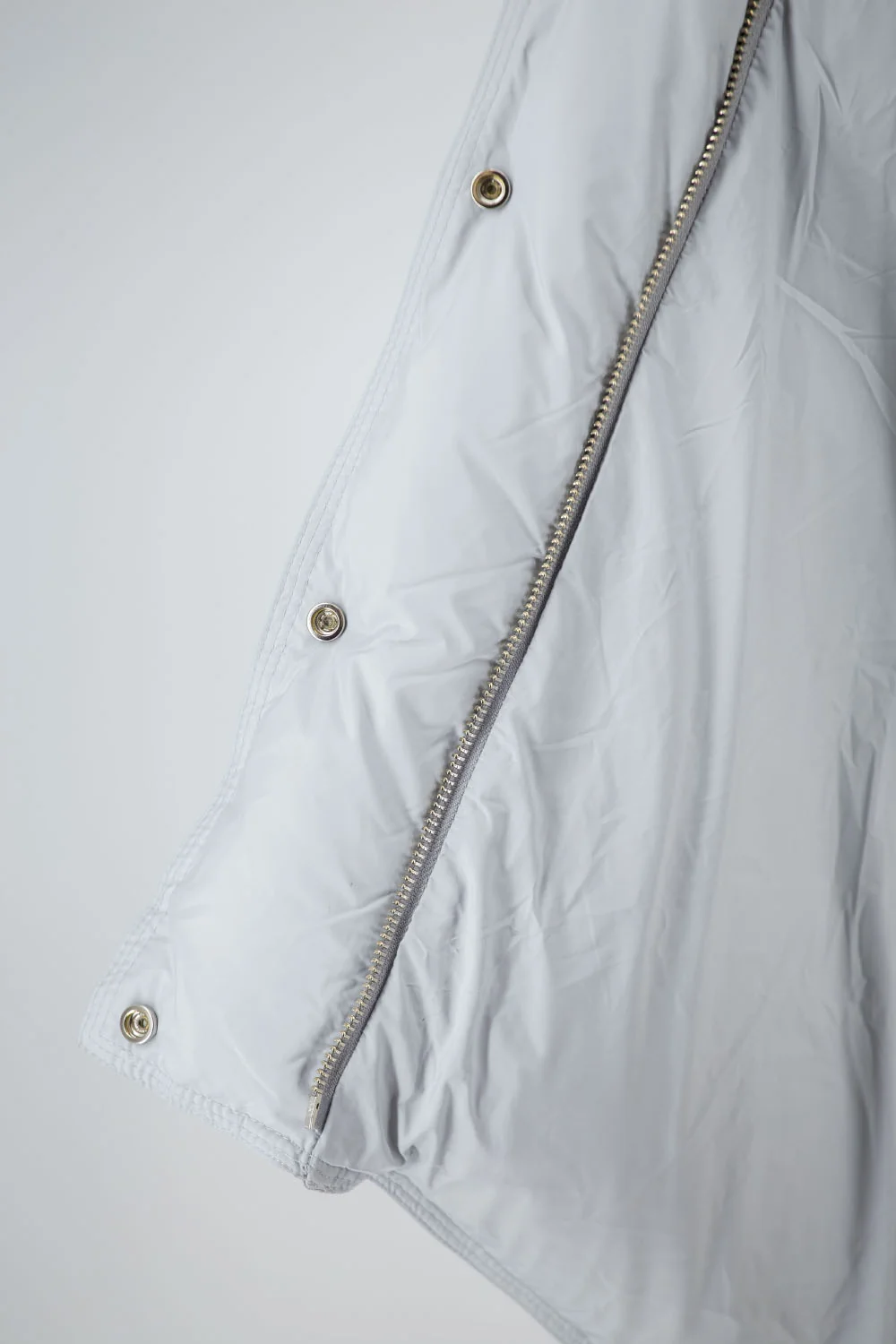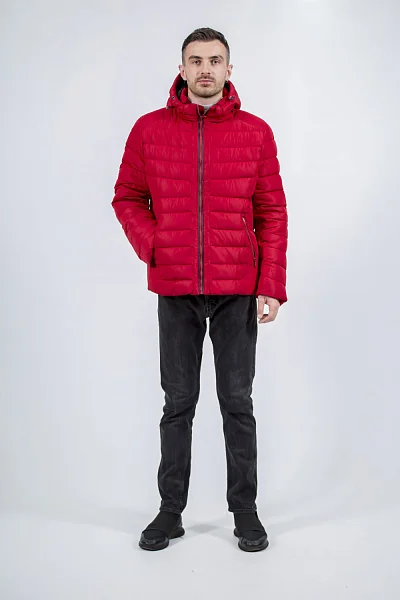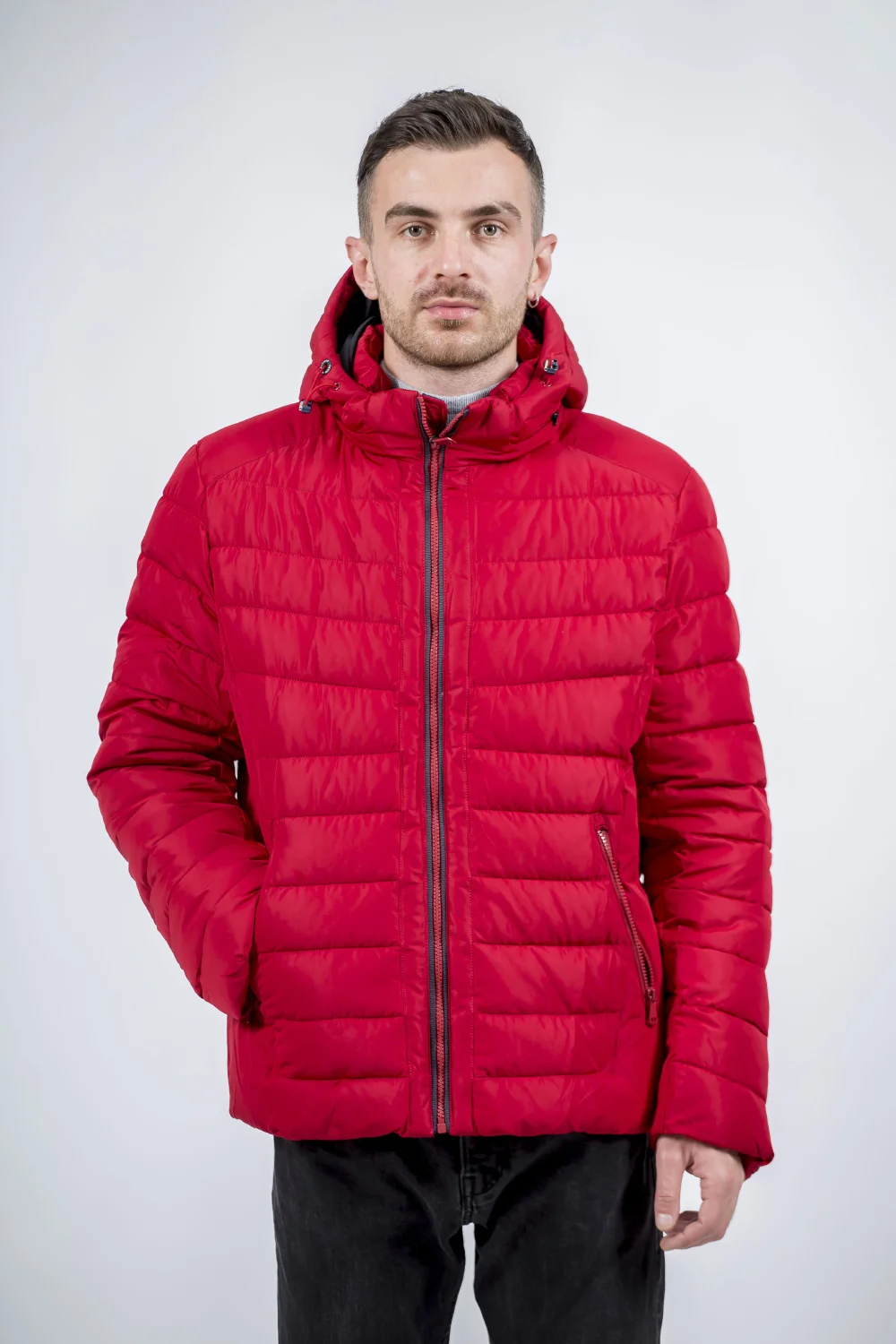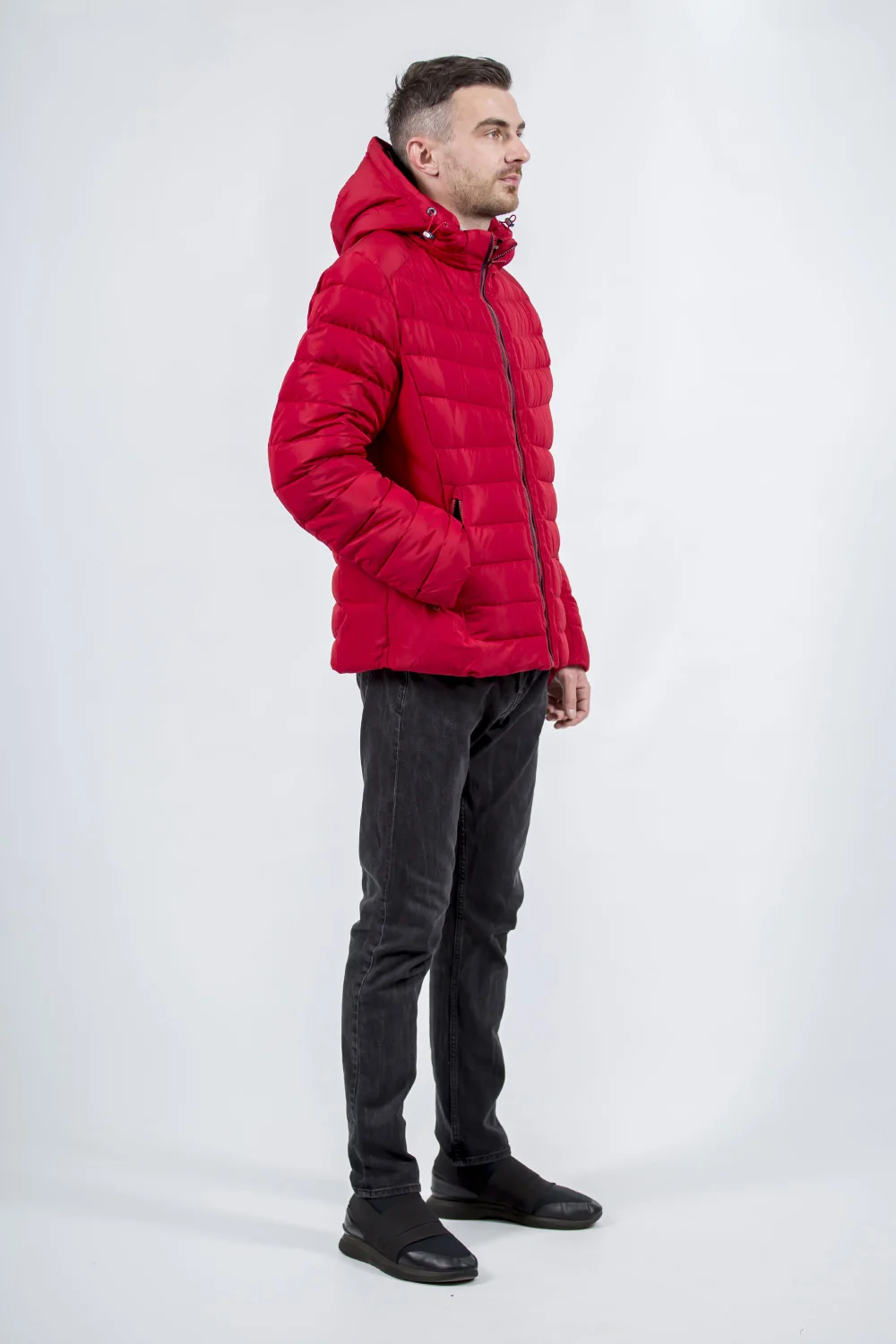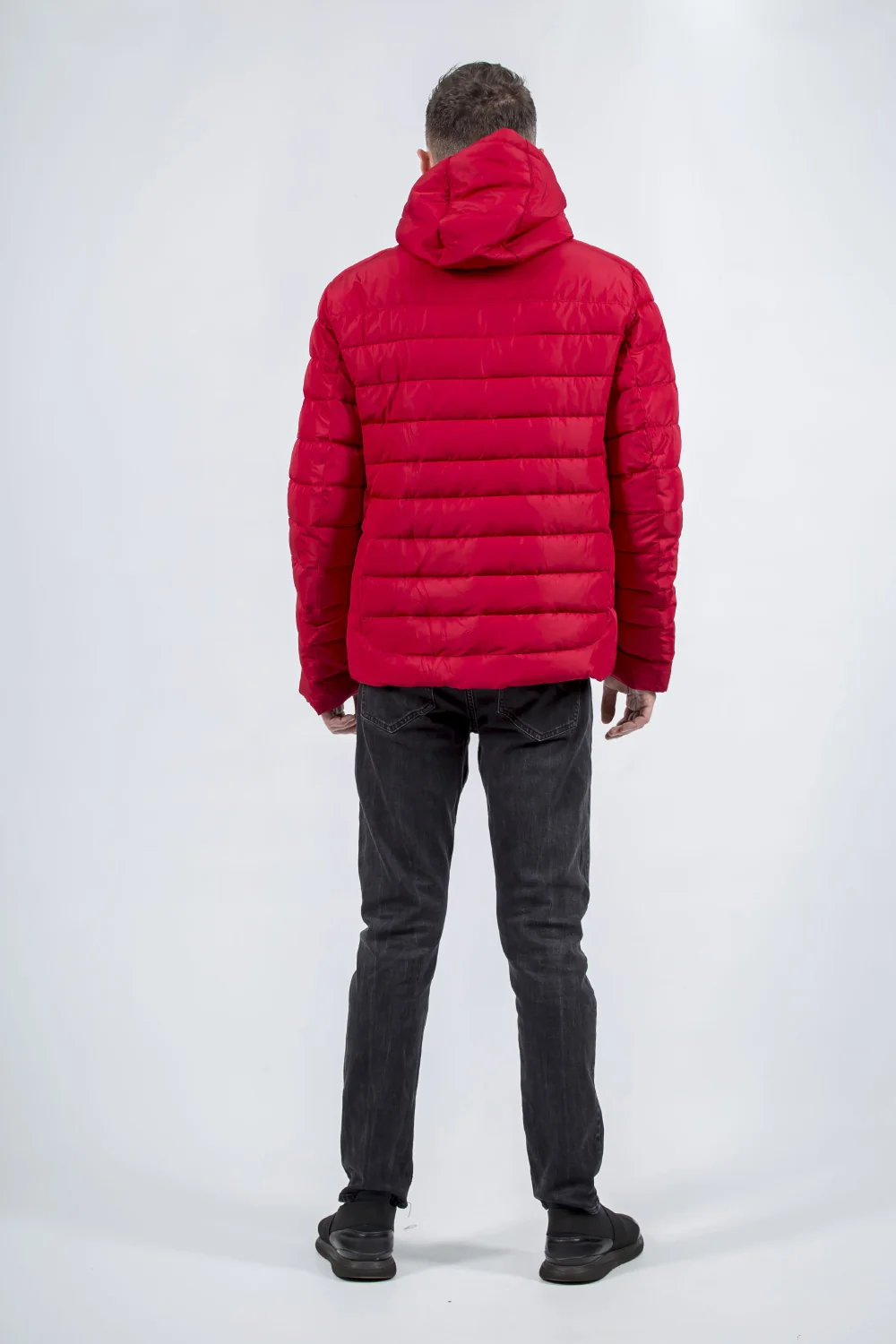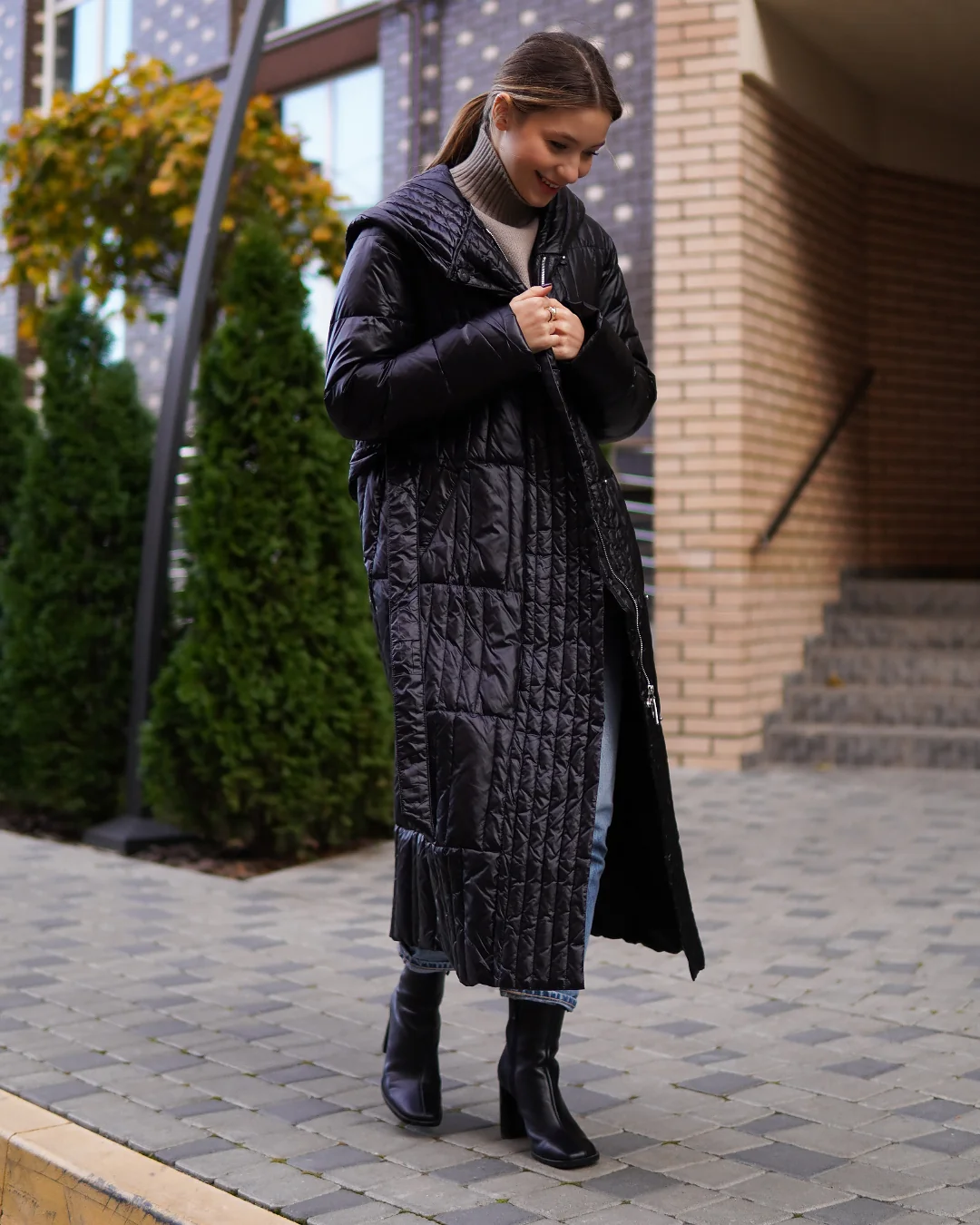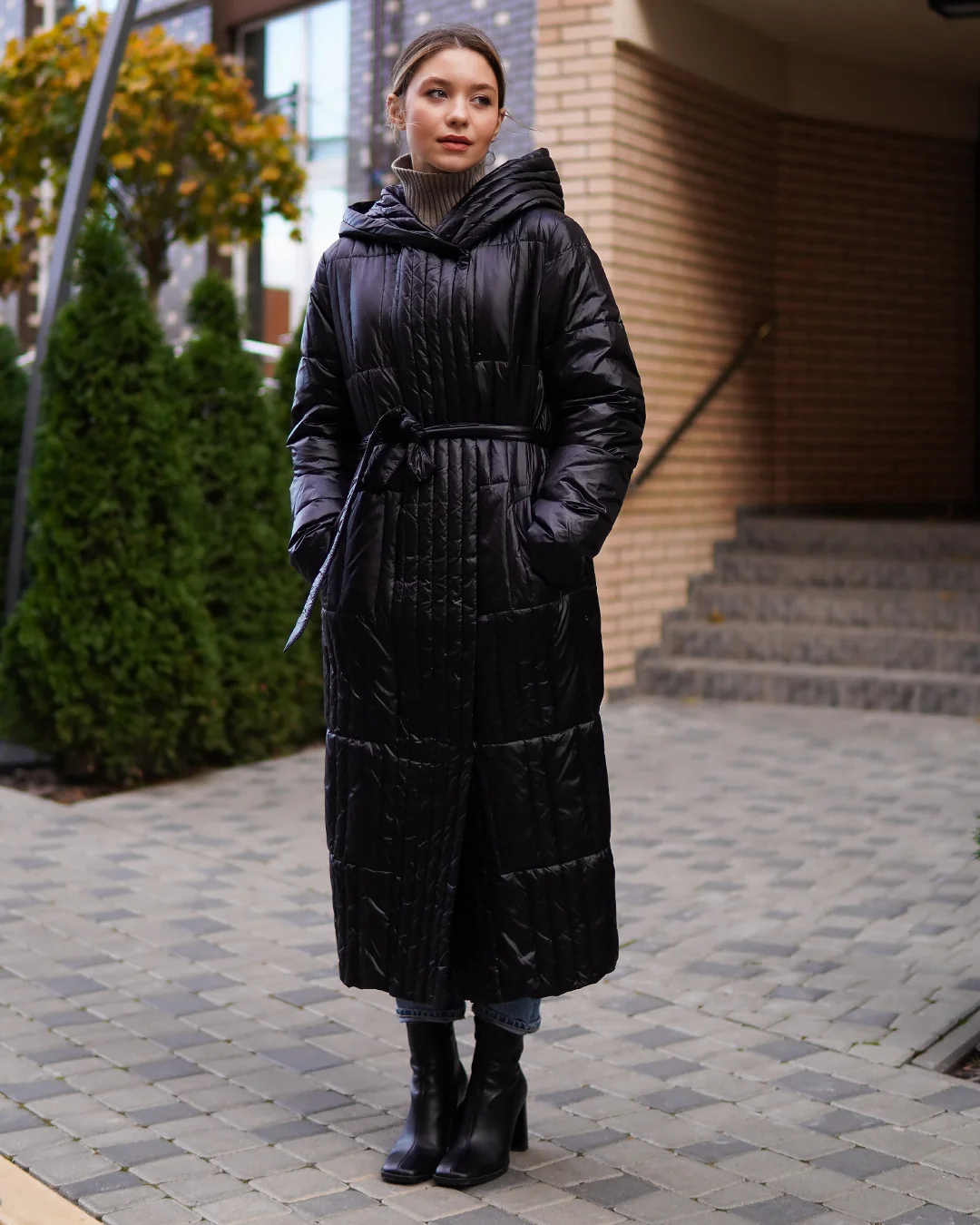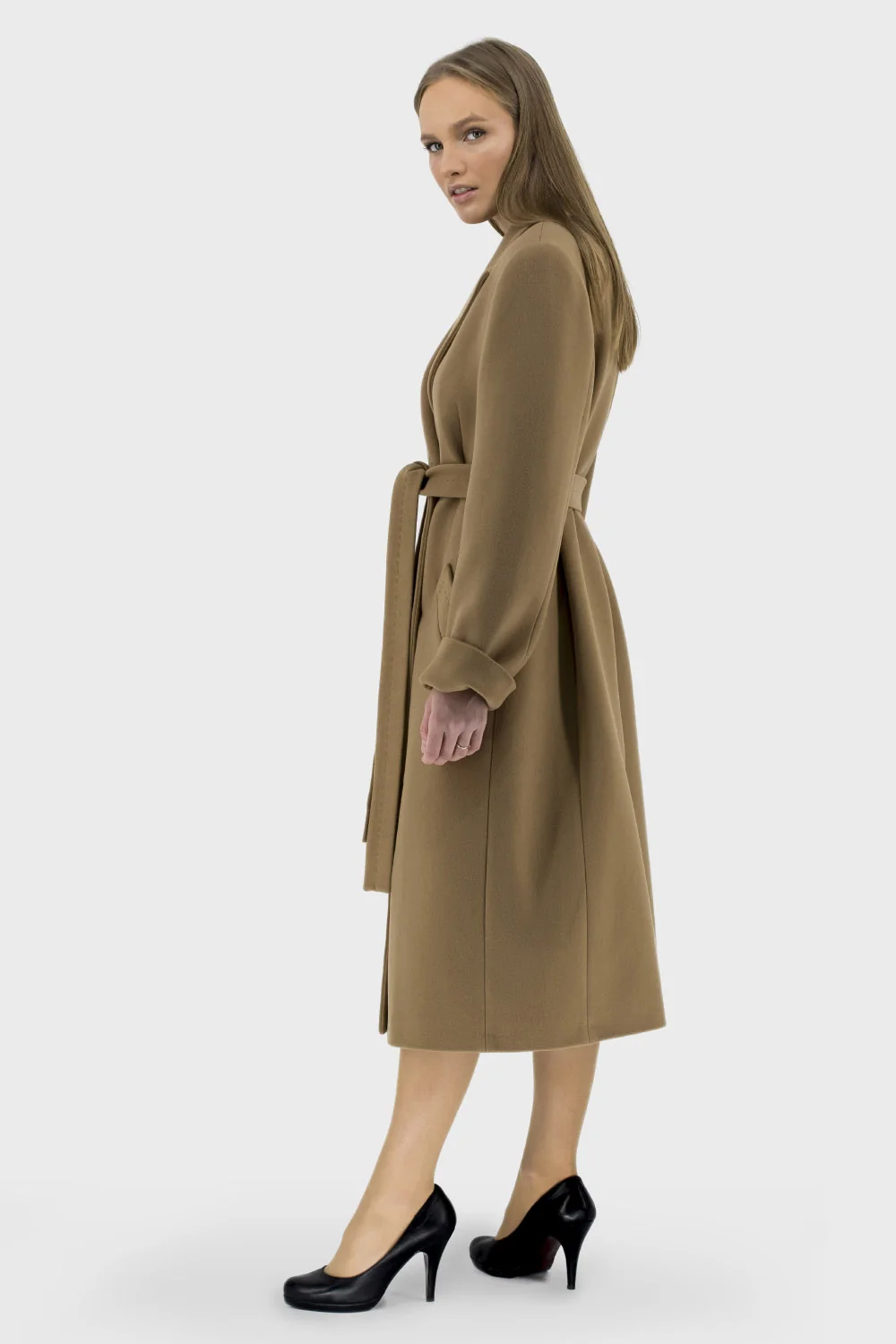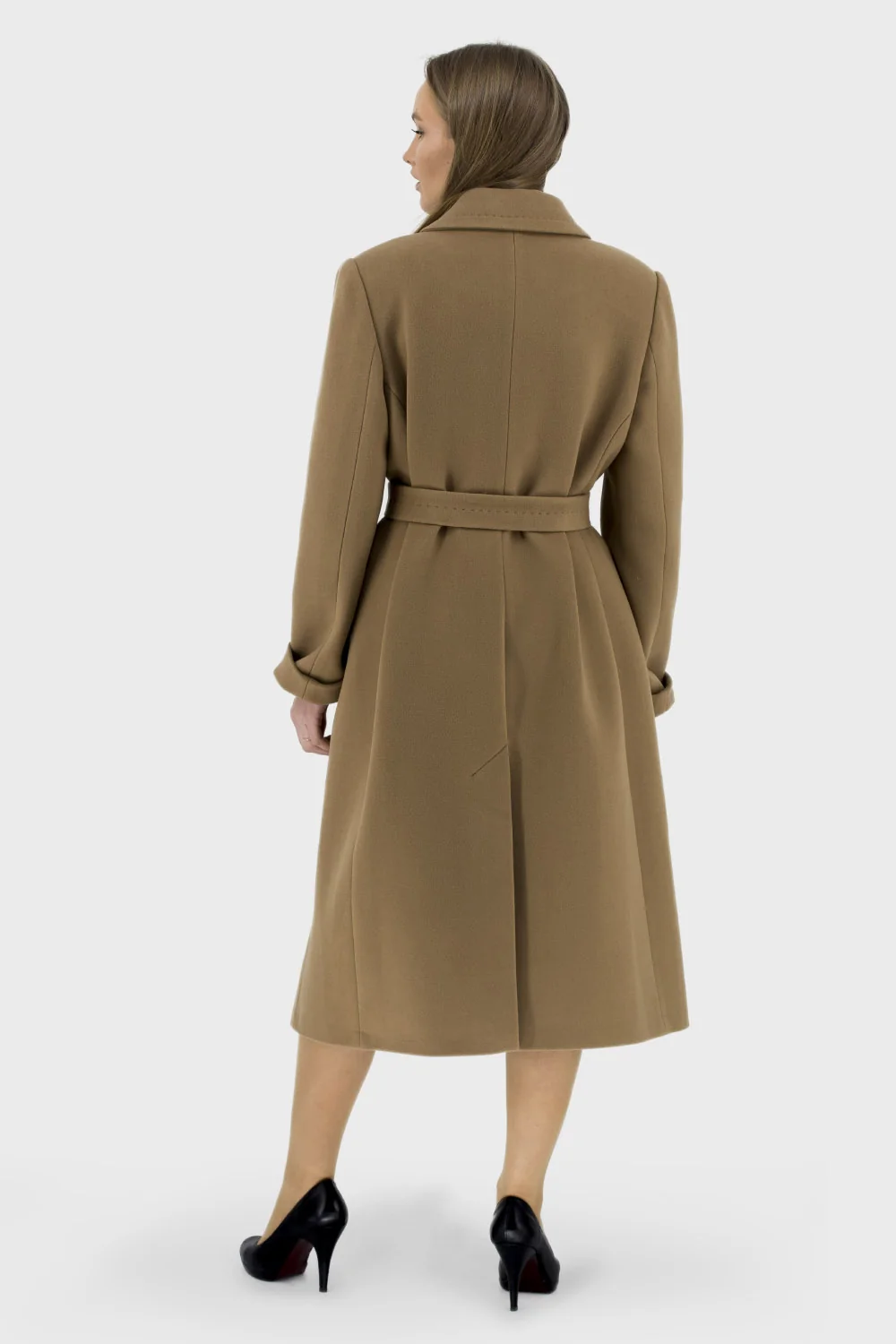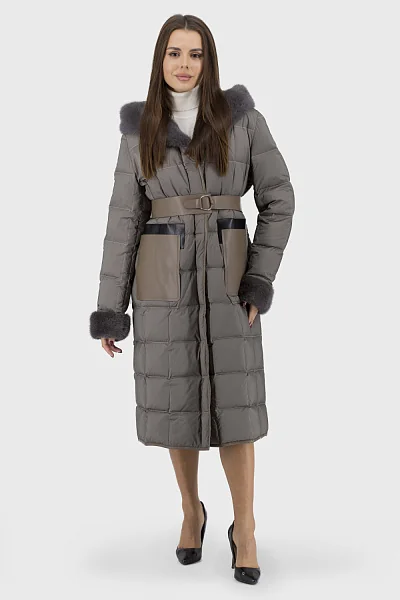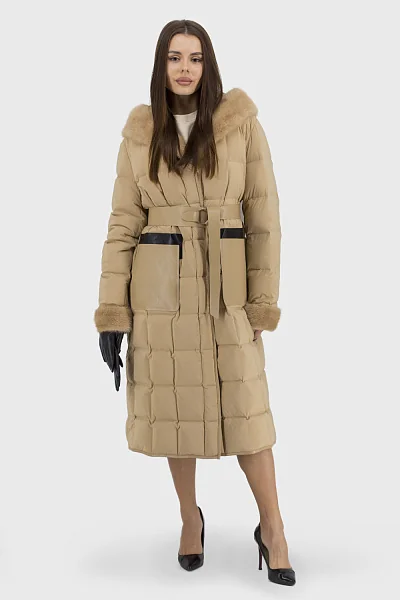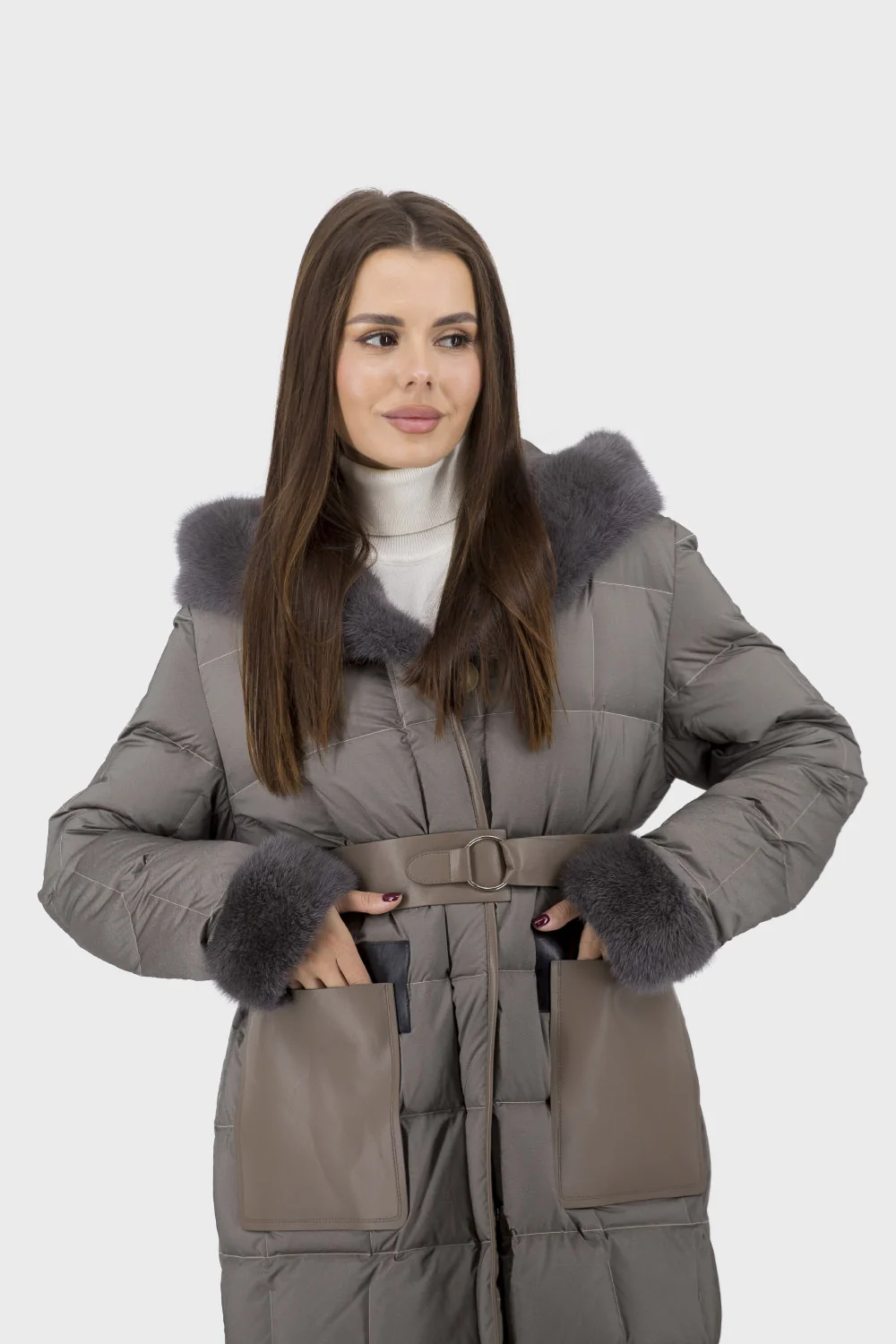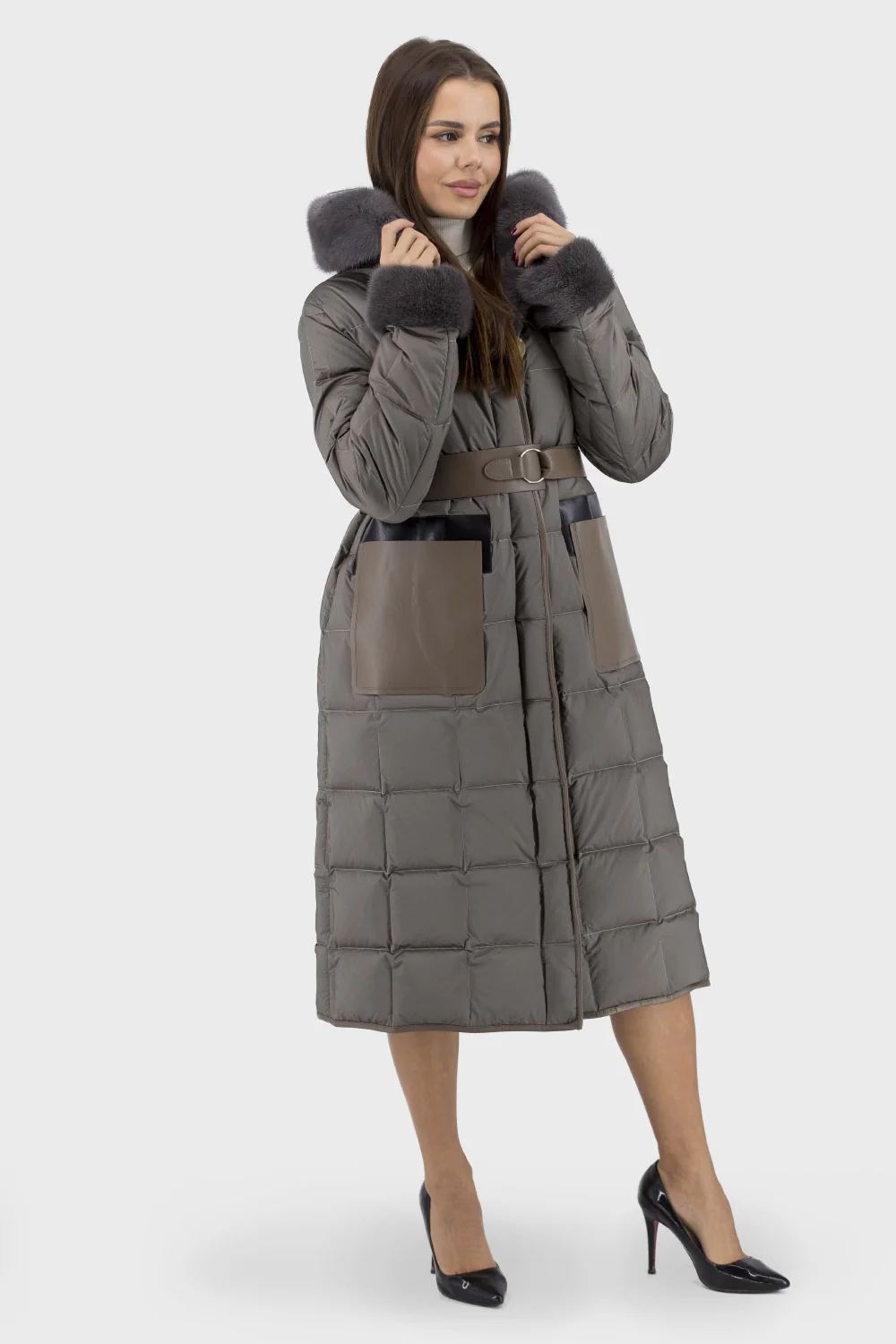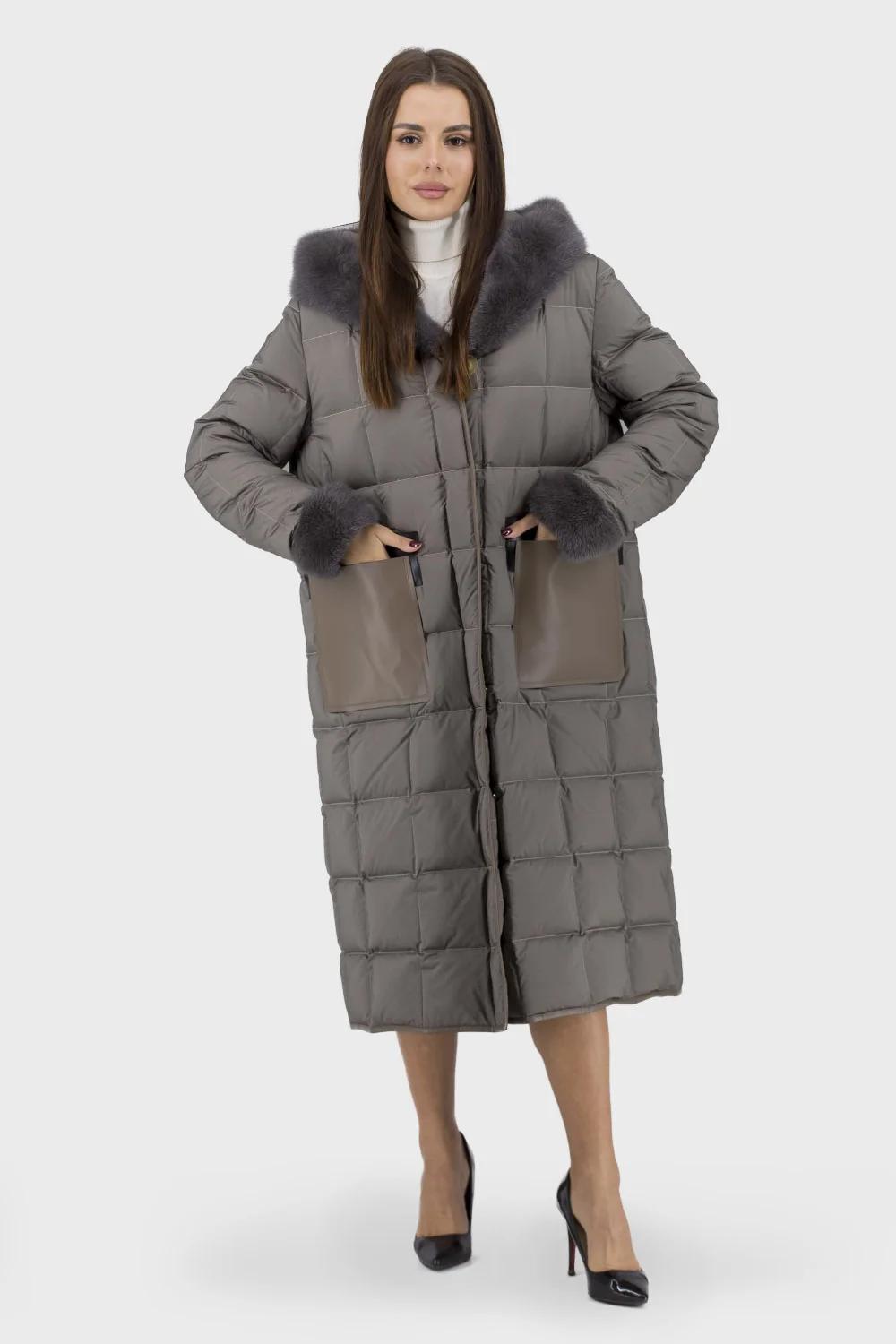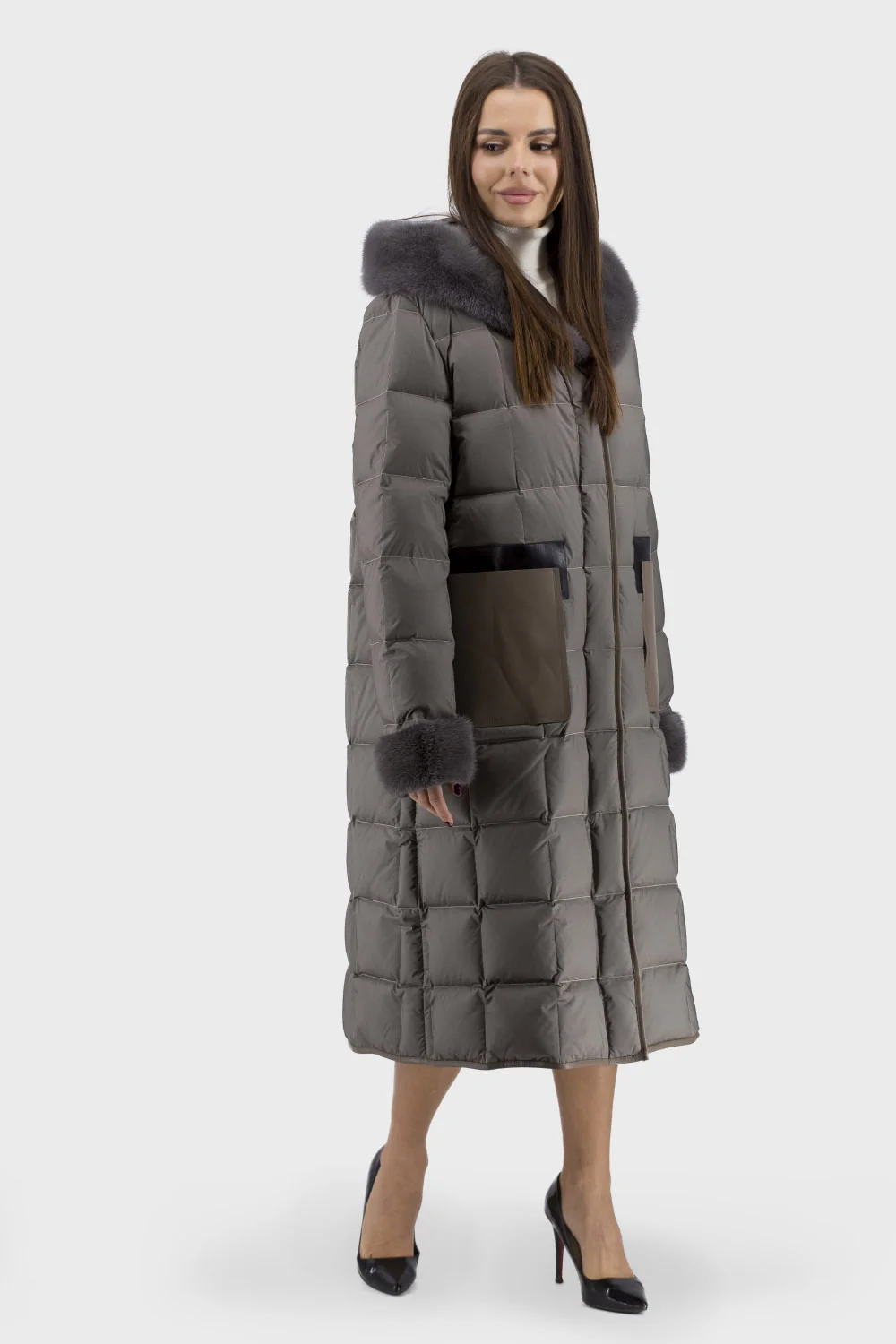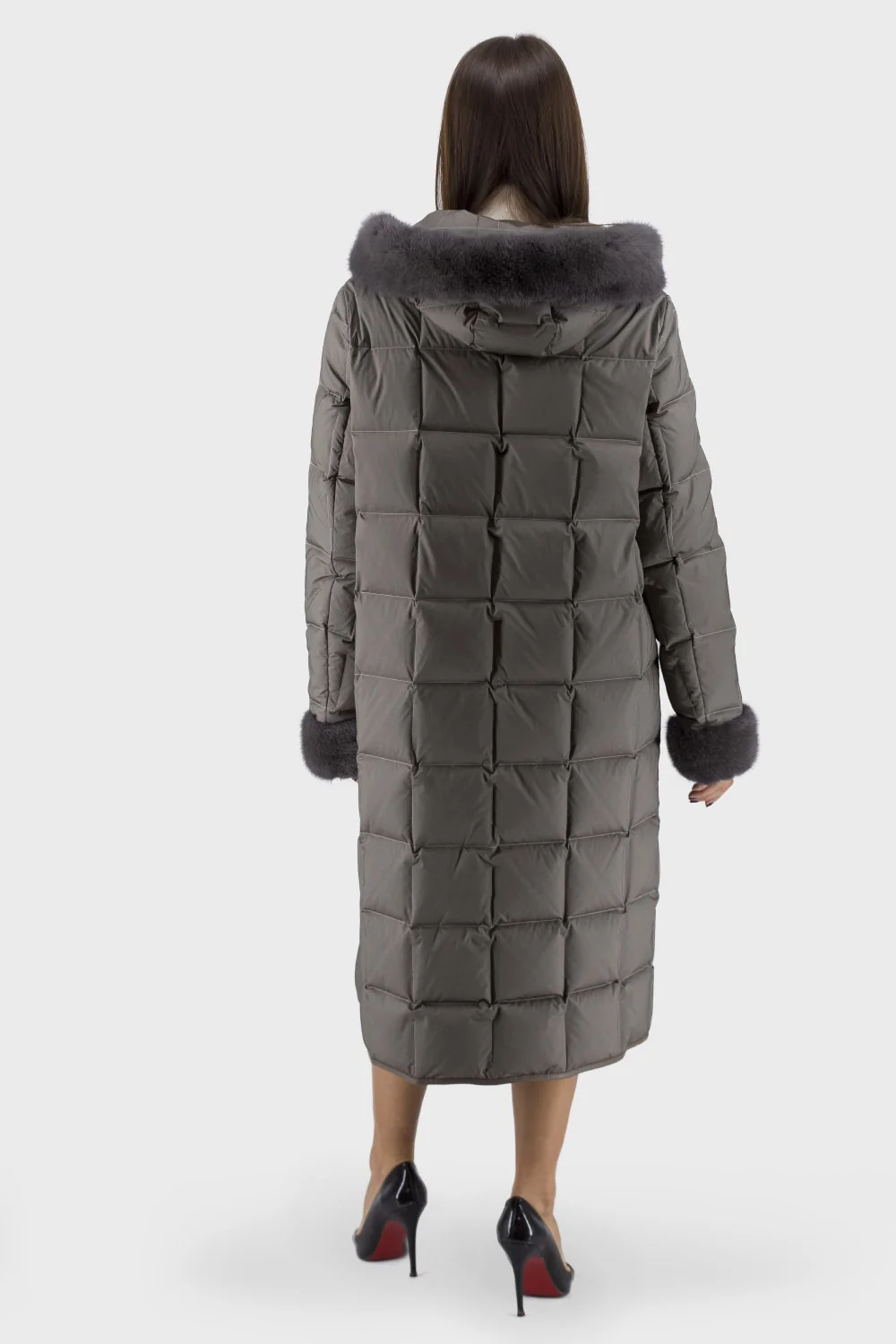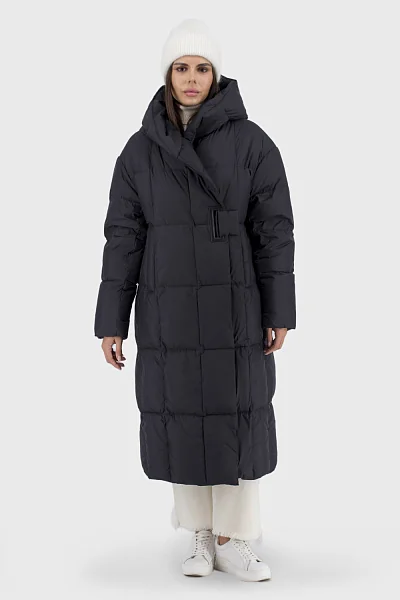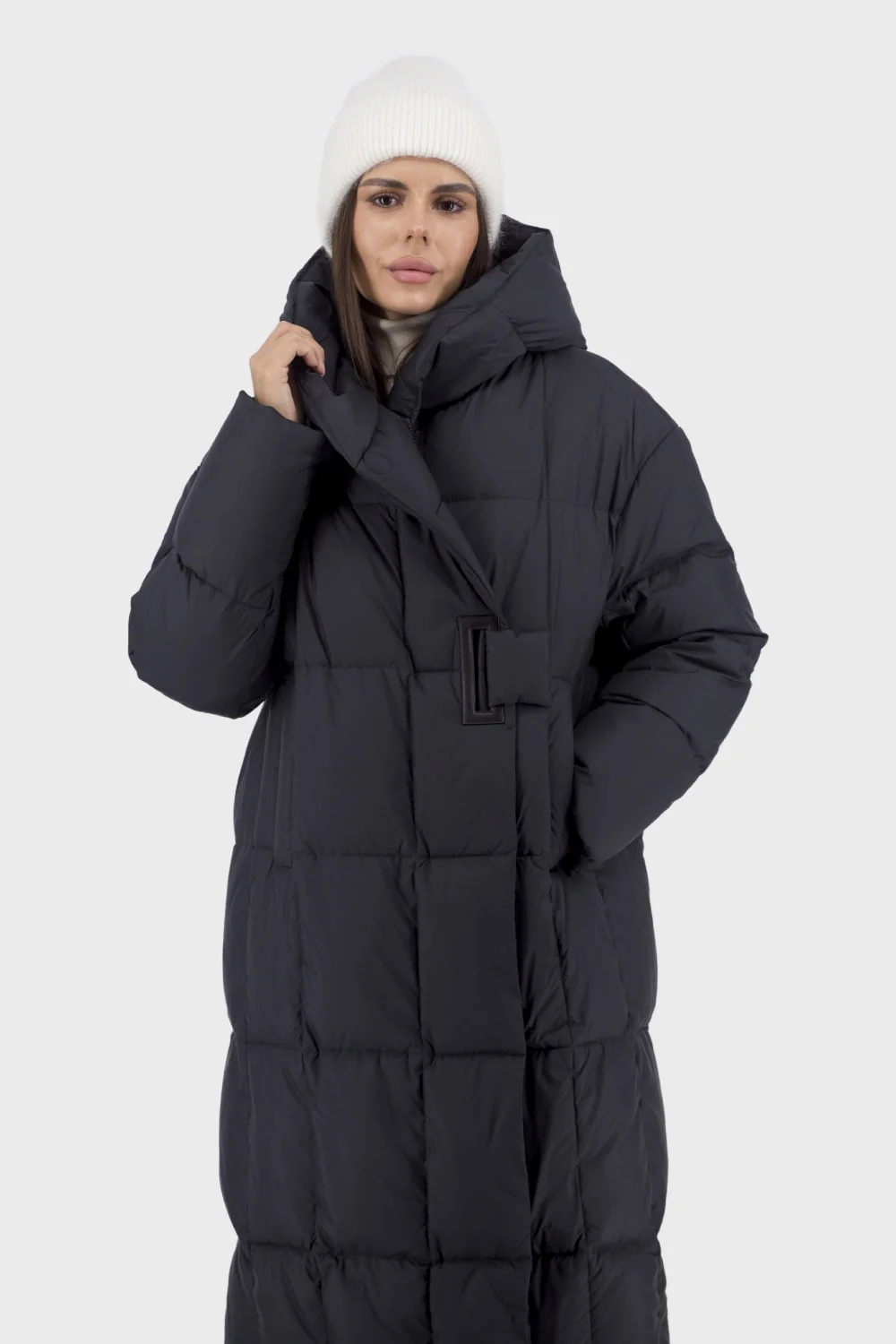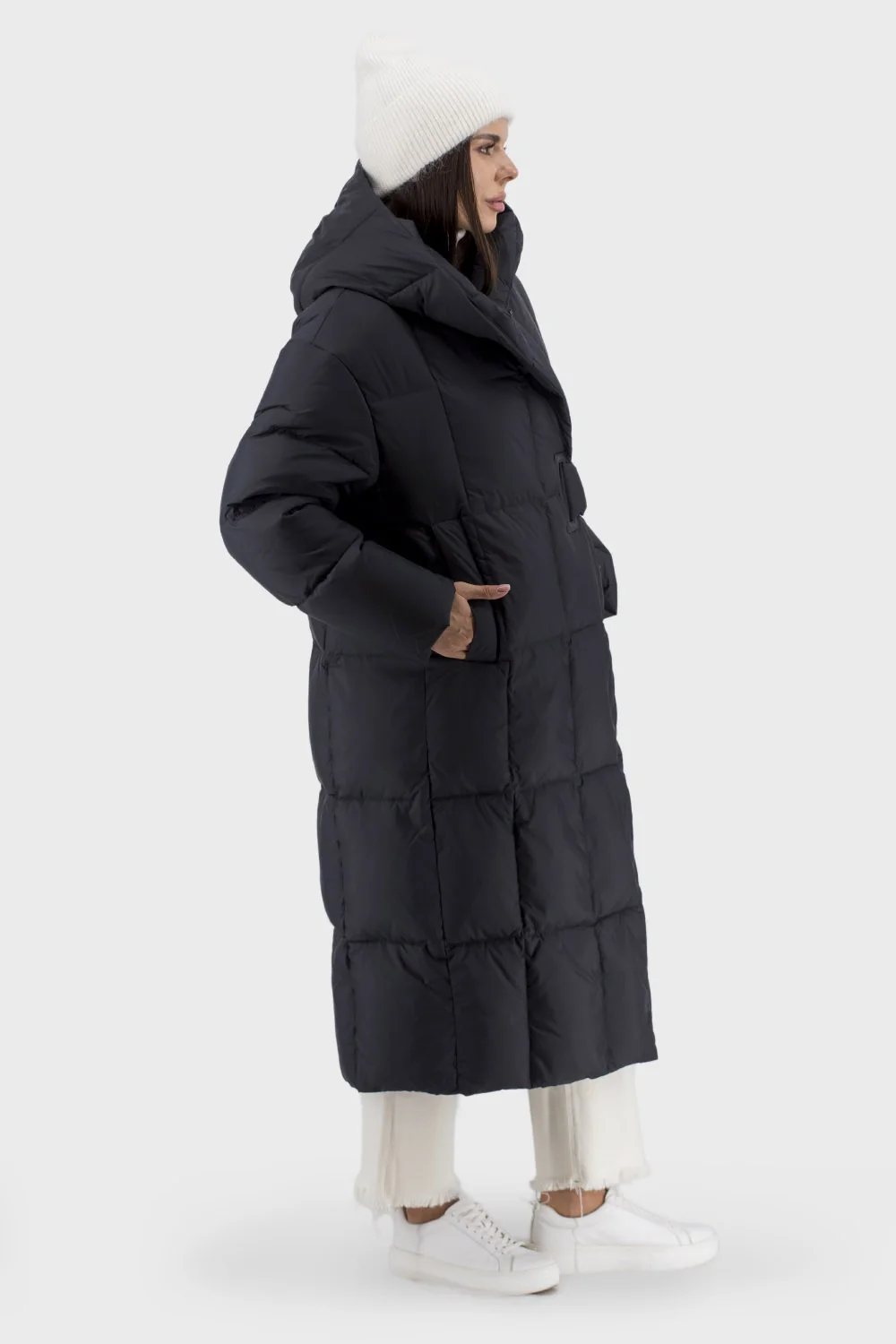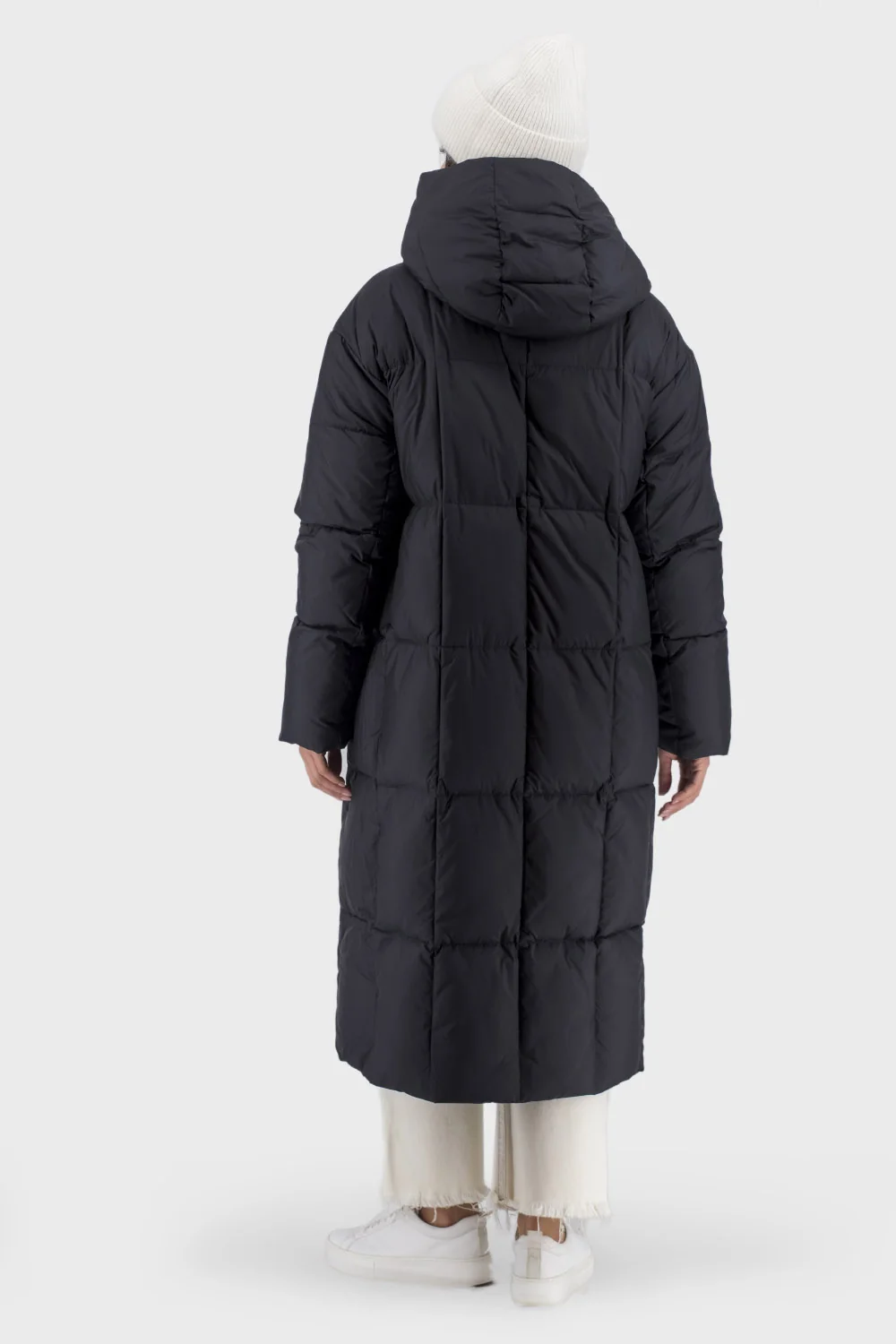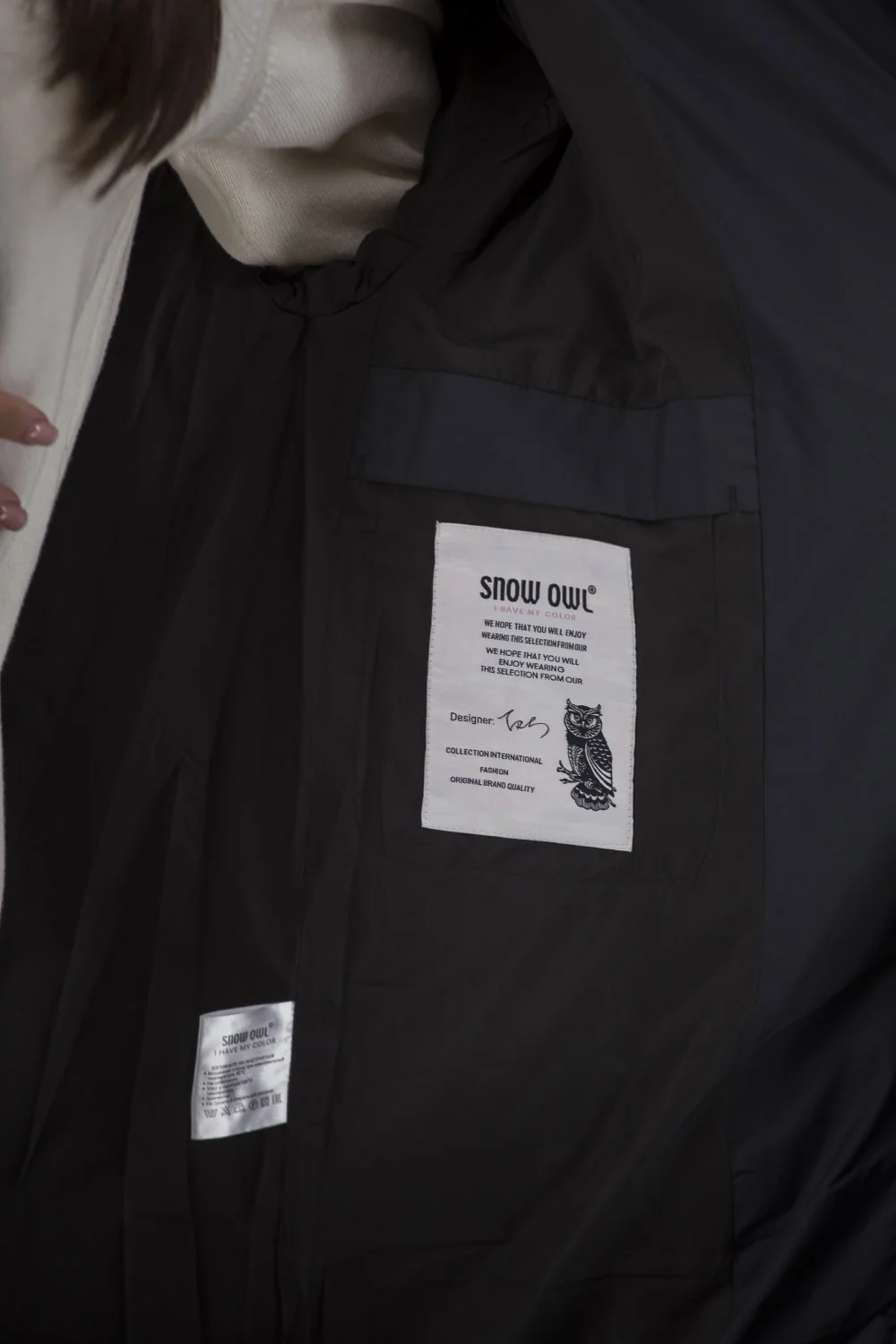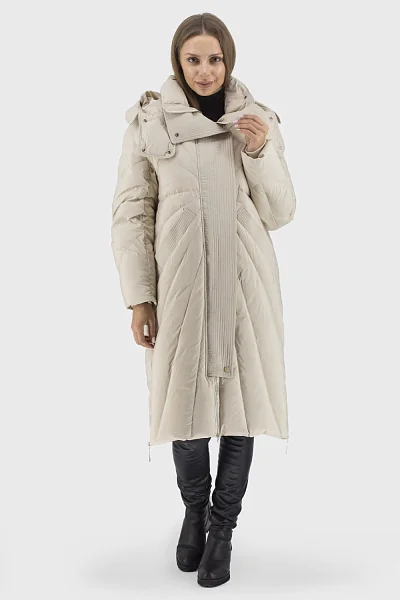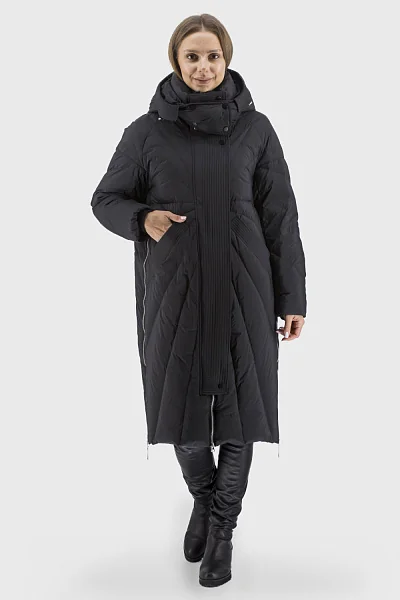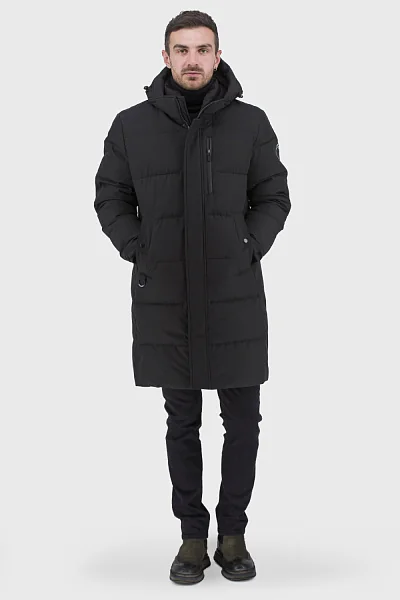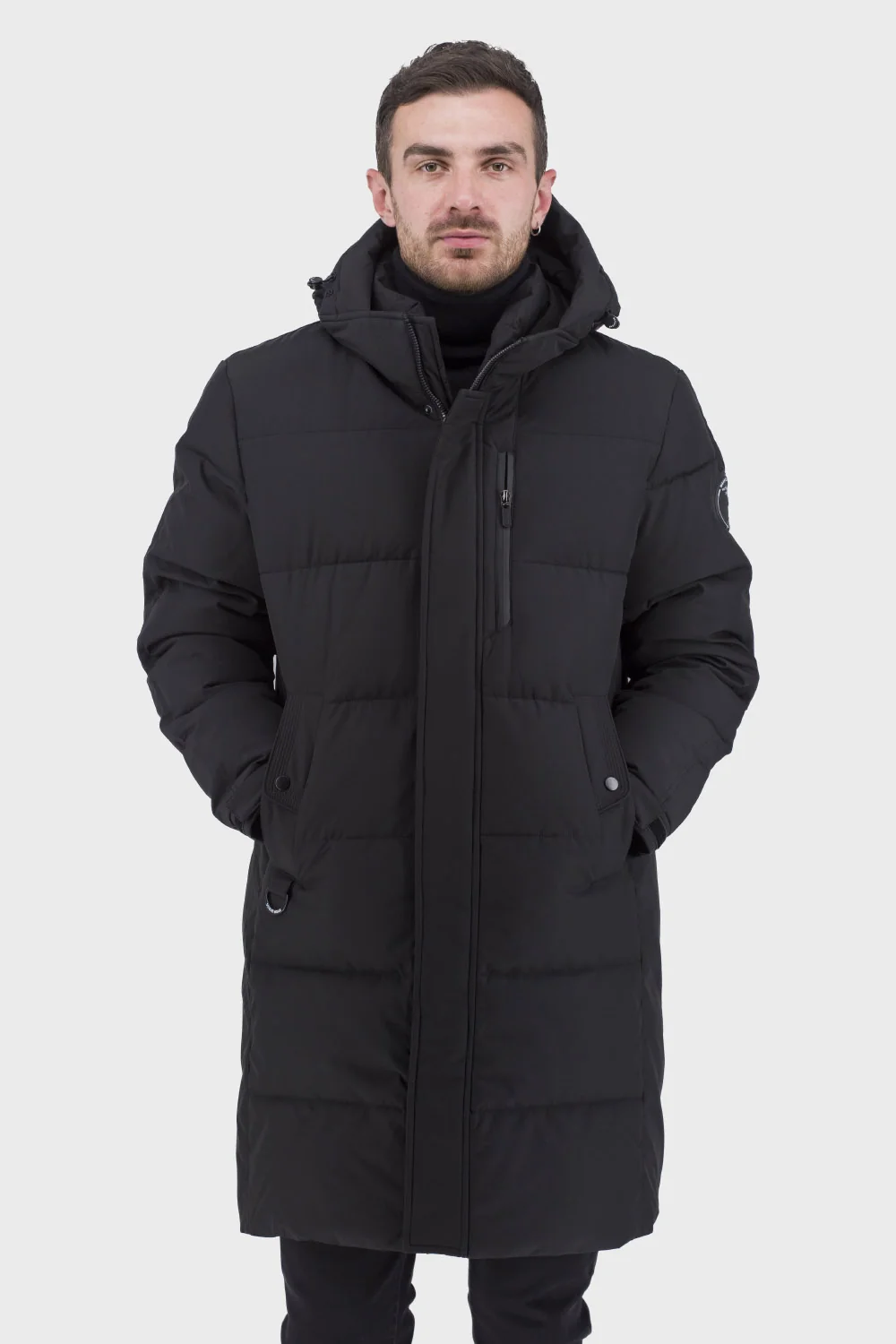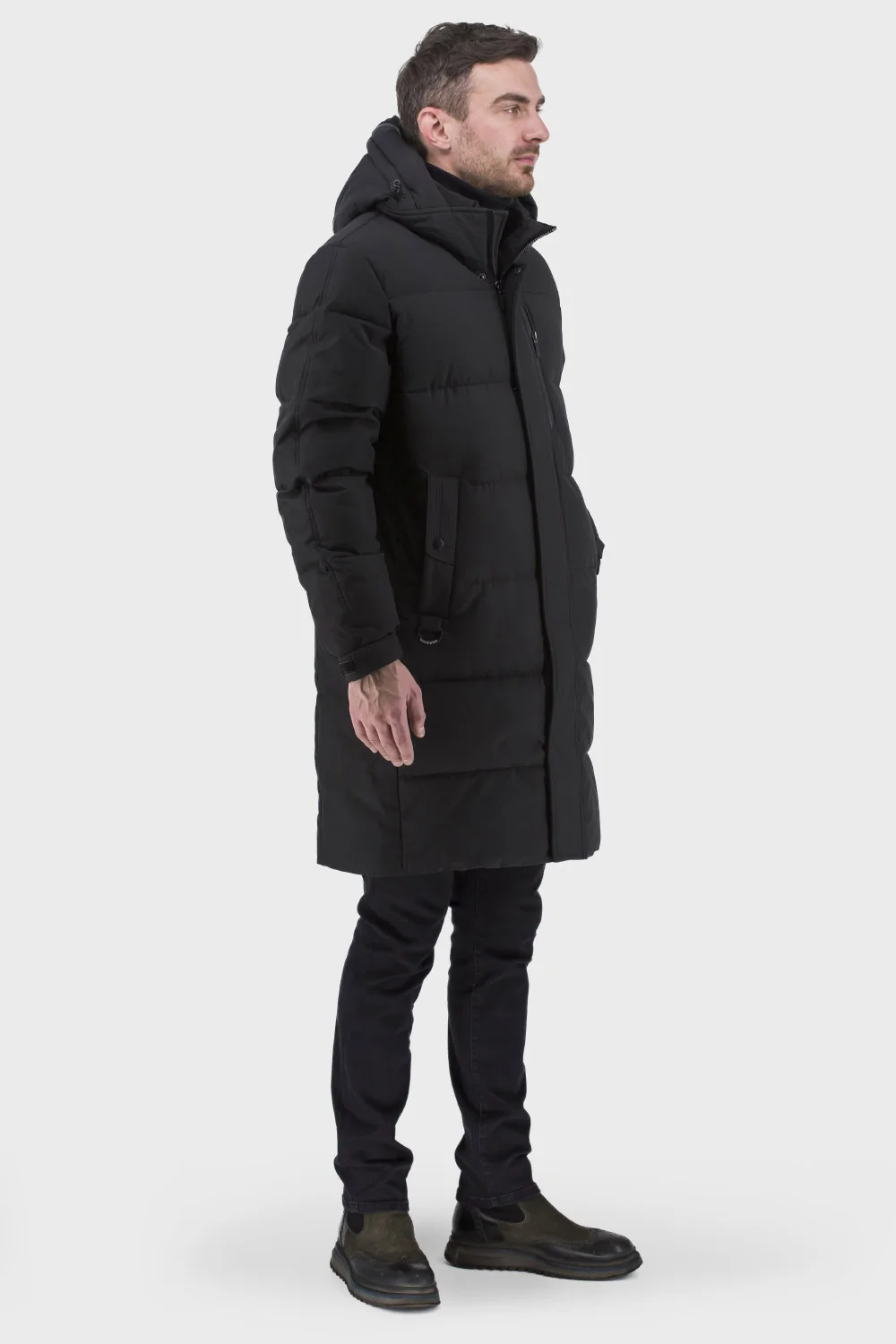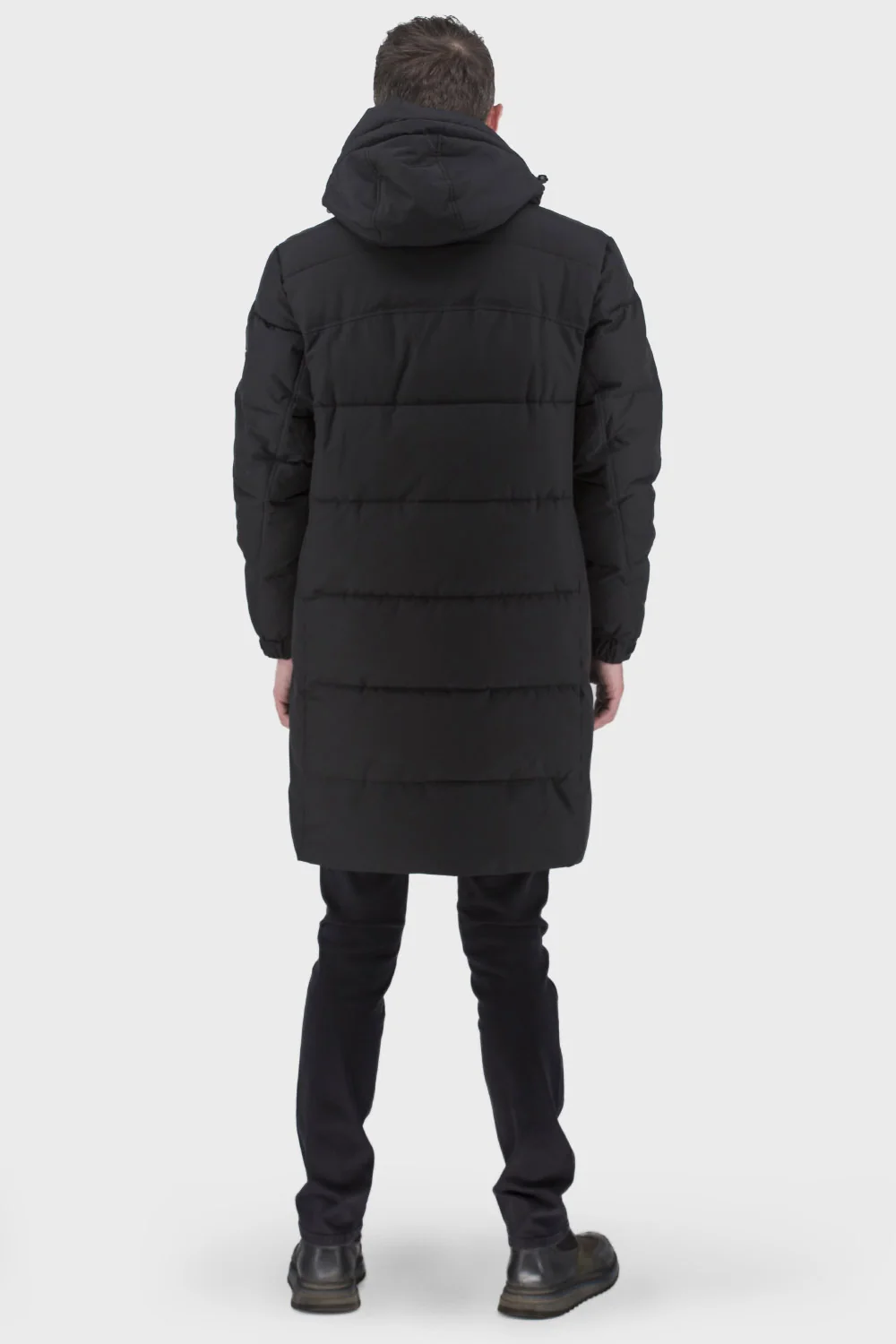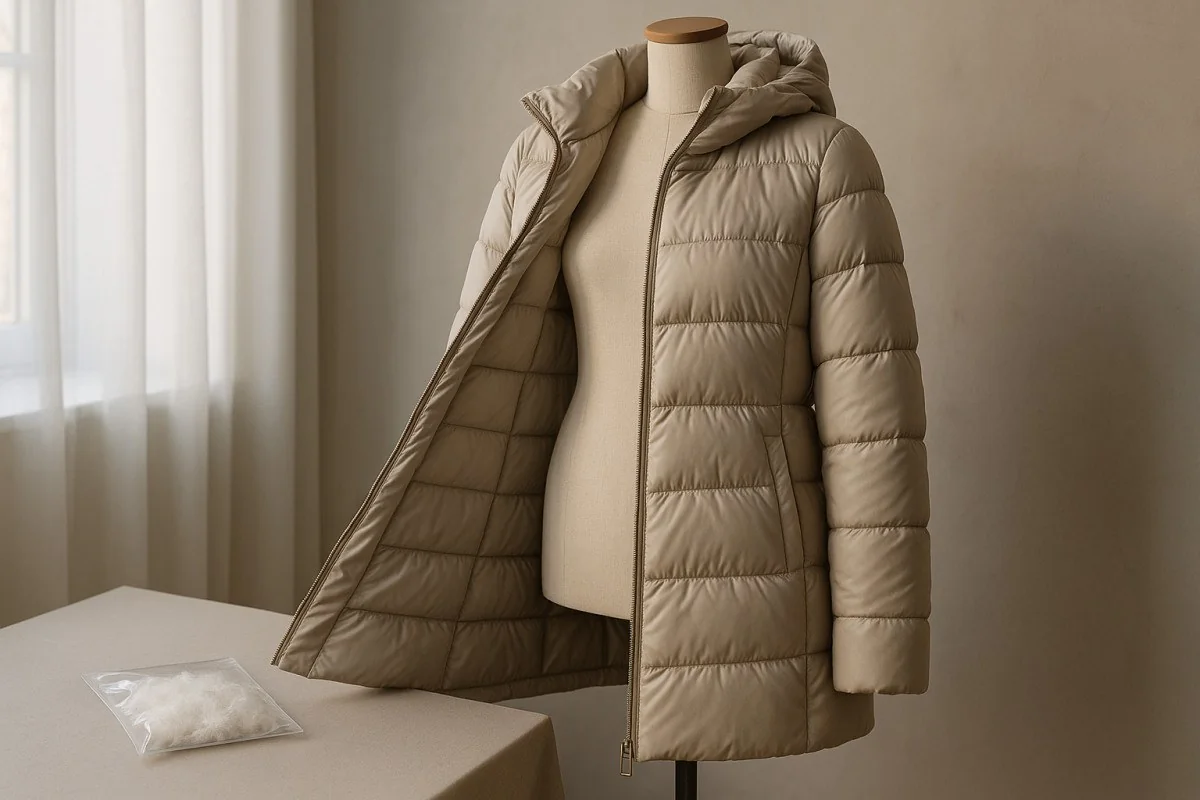
Duck down is widely used as natural insulation in winter jackets and coats. It is lightweight, traps air and helps retain warmth without making the garment excessively heavy. However, the name of the filling alone does not determine performance. The down-to-feather ratio, loft, filling weight and jacket construction all matter.
How down differs from feathers
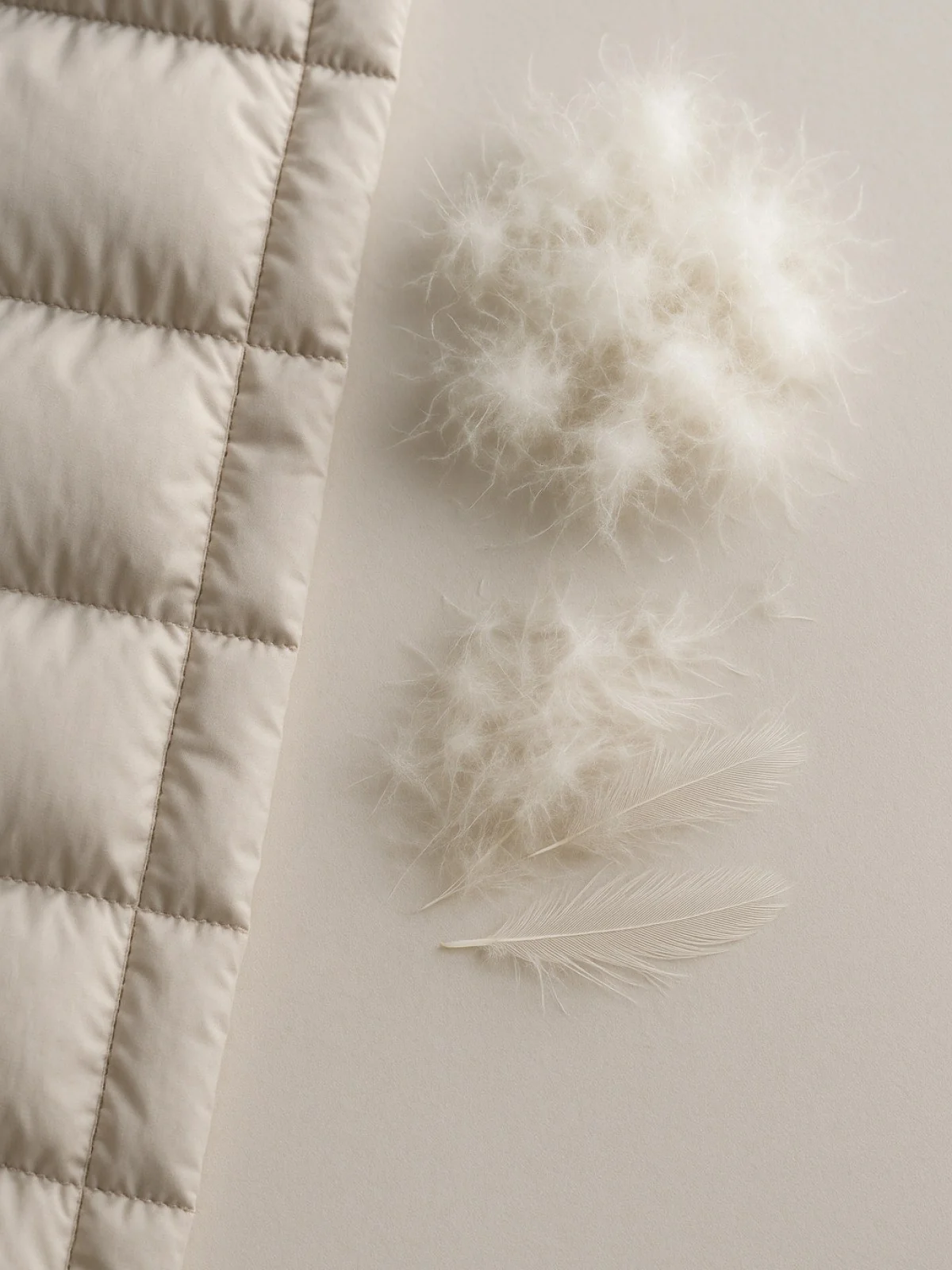
Down consists of soft three-dimensional clusters without a rigid central shaft. Air is trapped between their fine fibres, creating an insulating layer. Feathers have a central shaft, add structure and help stabilise the filling, but they are heavier and generally trap less air.
Most down jackets contain a mixture of down and feathers. A limited amount of feather can improve stability, but a higher feather percentage usually makes the garment heavier and less lofty.
Understanding down and feather ratios
The label may show a ratio such as 90/10, 80/20 or 70/30. The first figure represents the percentage of down and the second represents feathers. A 90/10 filling therefore contains 90% down and 10% feathers.
A higher proportion of down often provides better insulation at a lower weight, but this ratio should not be considered in isolation. Raw material quality, cleaning, even distribution and the total amount of insulation are also important.
What Fill Power means
Fill Power describes how effectively down regains volume after compression. Down that expands well can trap more air and provide efficient insulation at a comparatively low weight.
A high Fill Power number does not automatically make one jacket warmer than every other model. Two garments with similar loft ratings may contain different amounts of insulation and may differ in length, fit, shell fabric, hood design and wind protection.
Is duck down warm?
Properly processed duck down can provide effective insulation and comfortable performance in winter outerwear. It is generally more accessible than some specialist natural fillings and is therefore commonly used in everyday down jackets.
The actual warmth of a garment depends on much more than the bird species. Jacket length, fit, neck coverage, hood construction, internal cuffs, storm flaps and insulation distribution all influence comfort.
Construction of insulated chambers
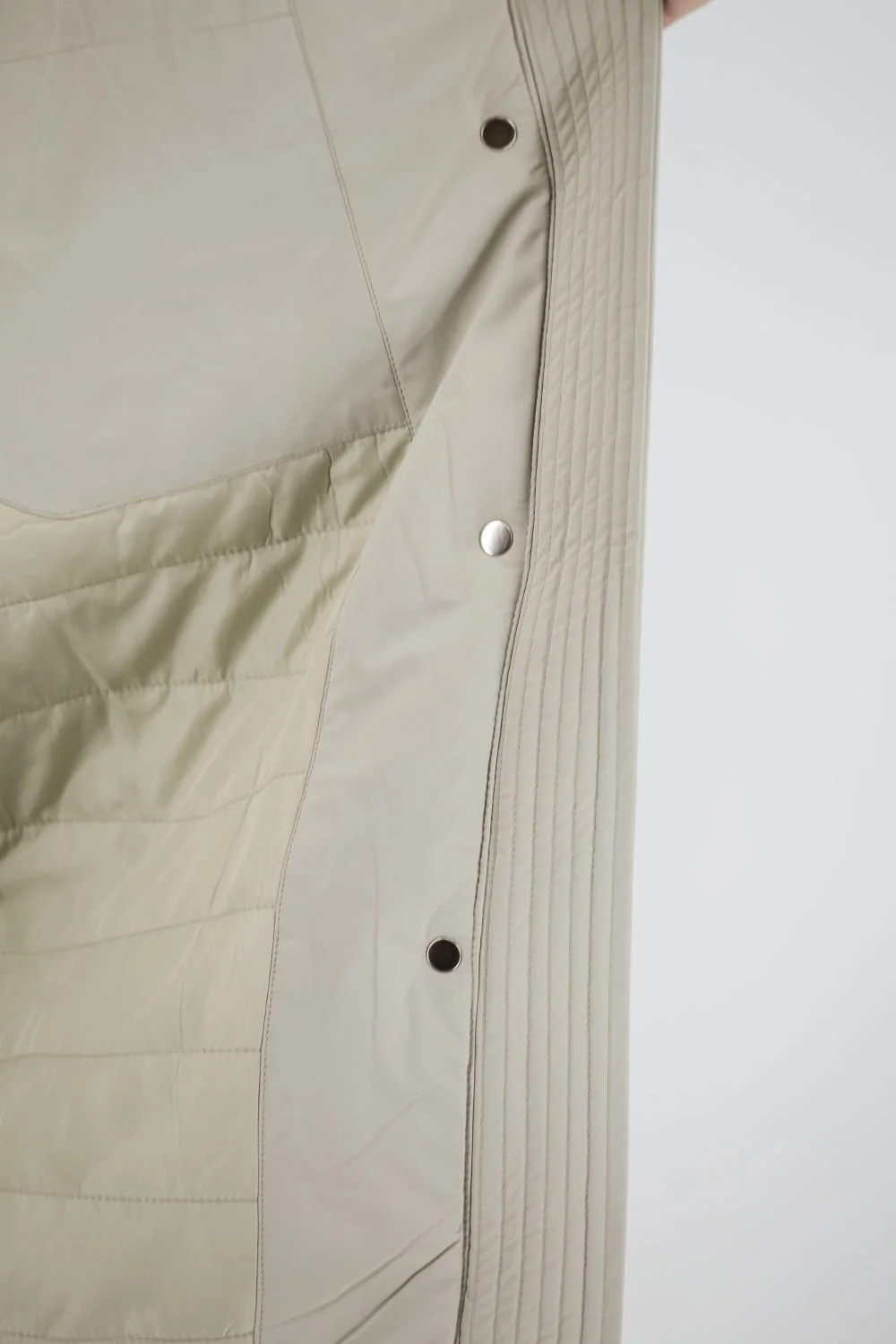
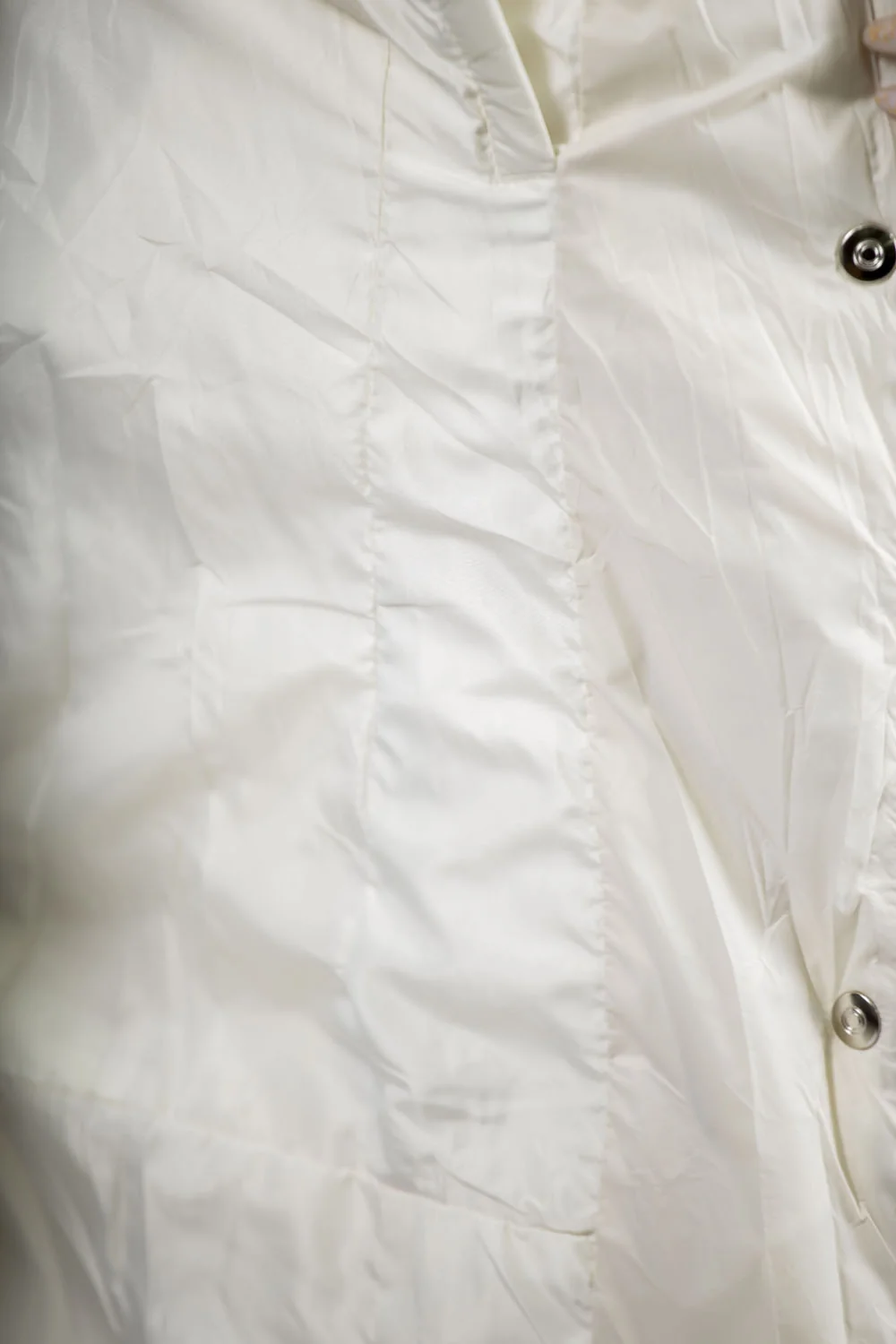
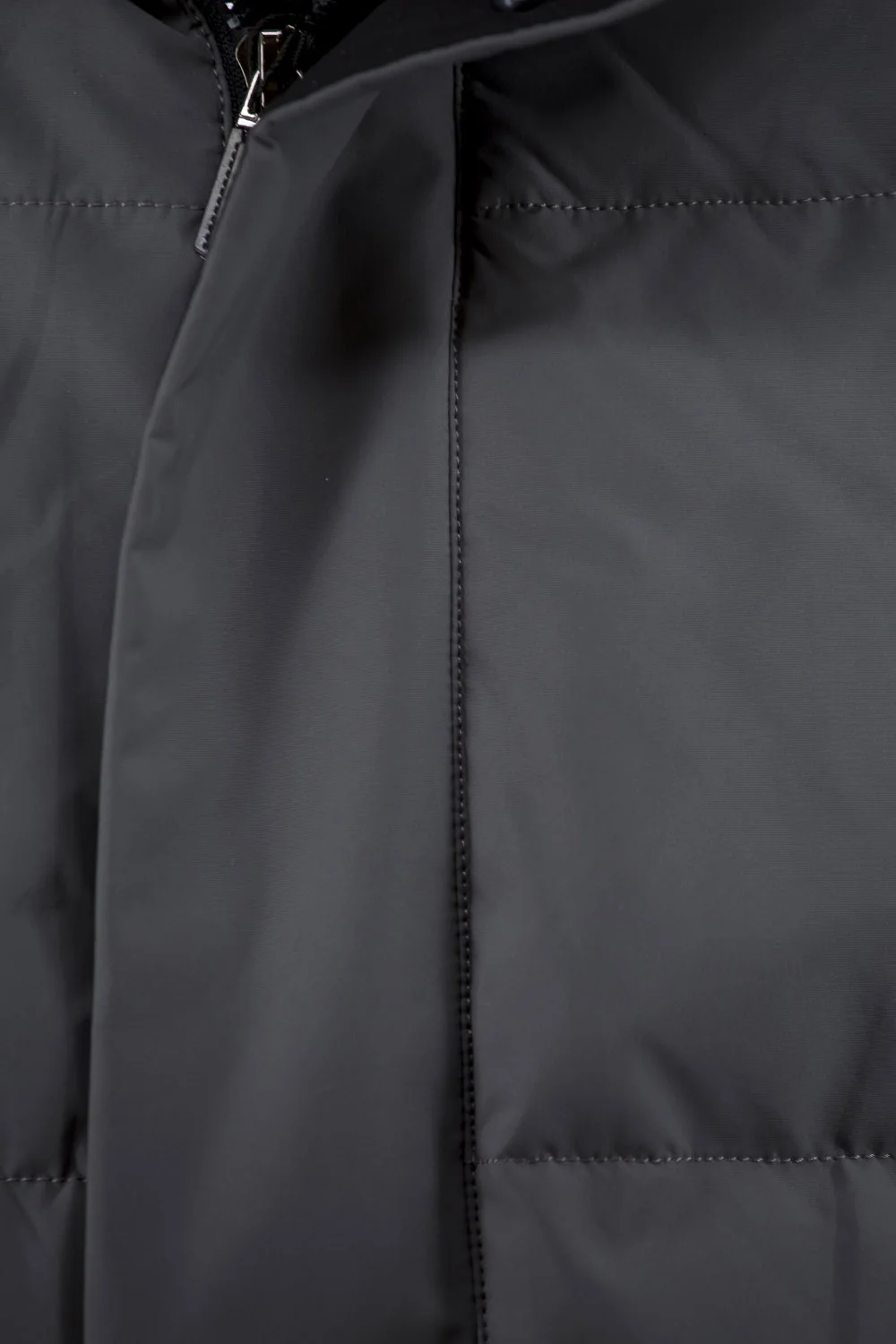
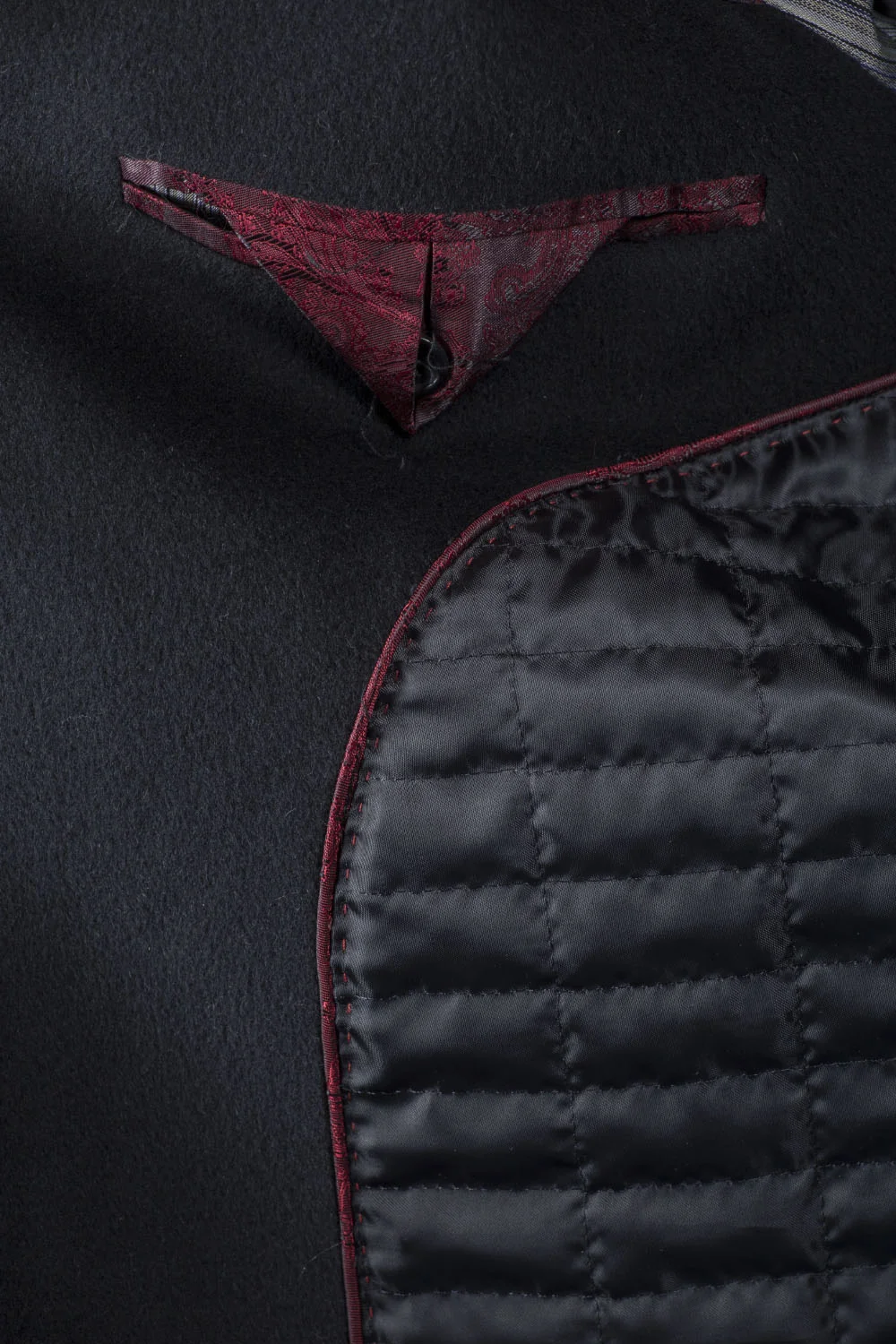
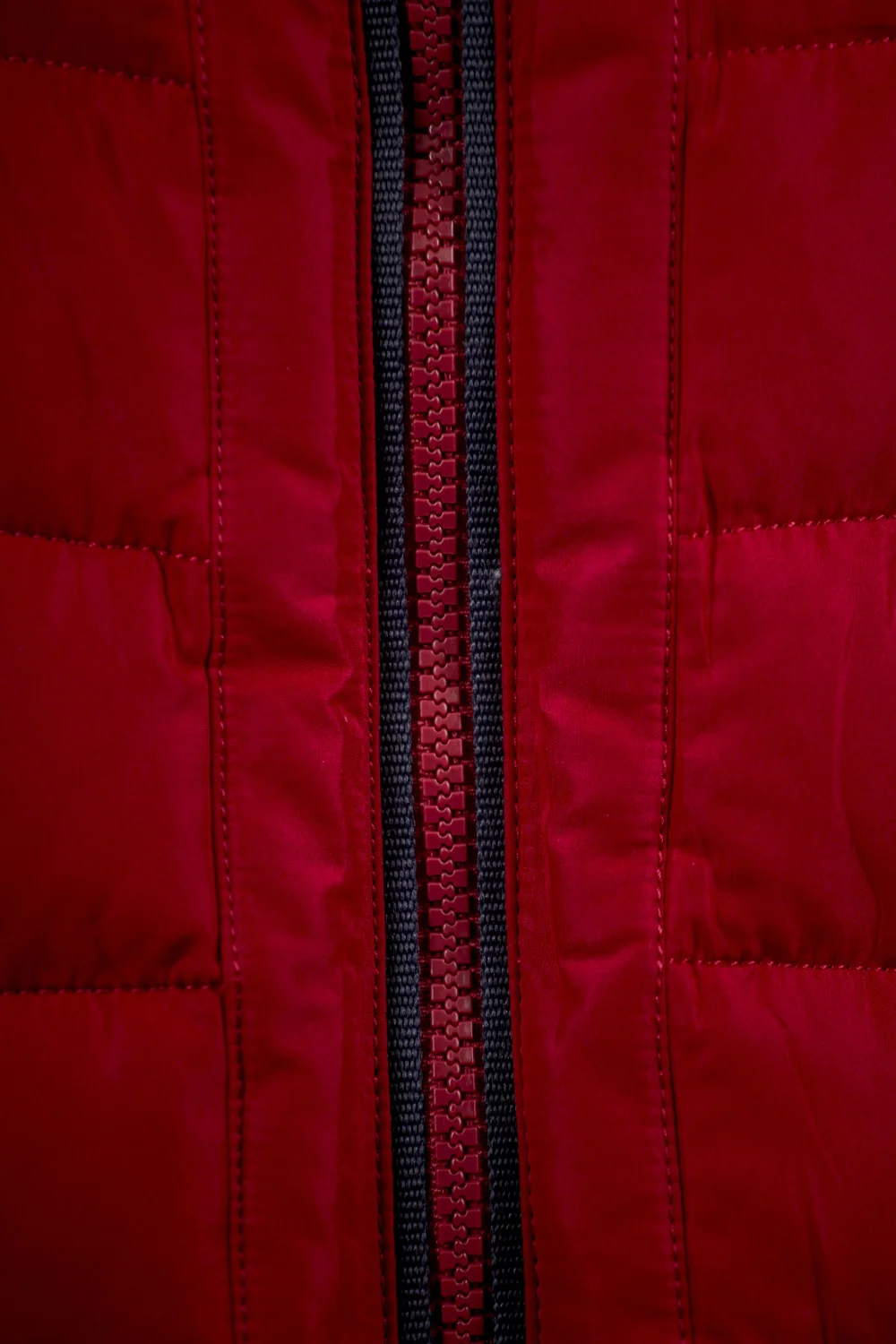
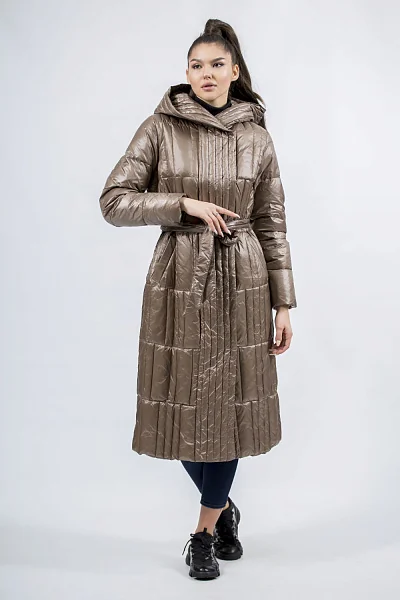
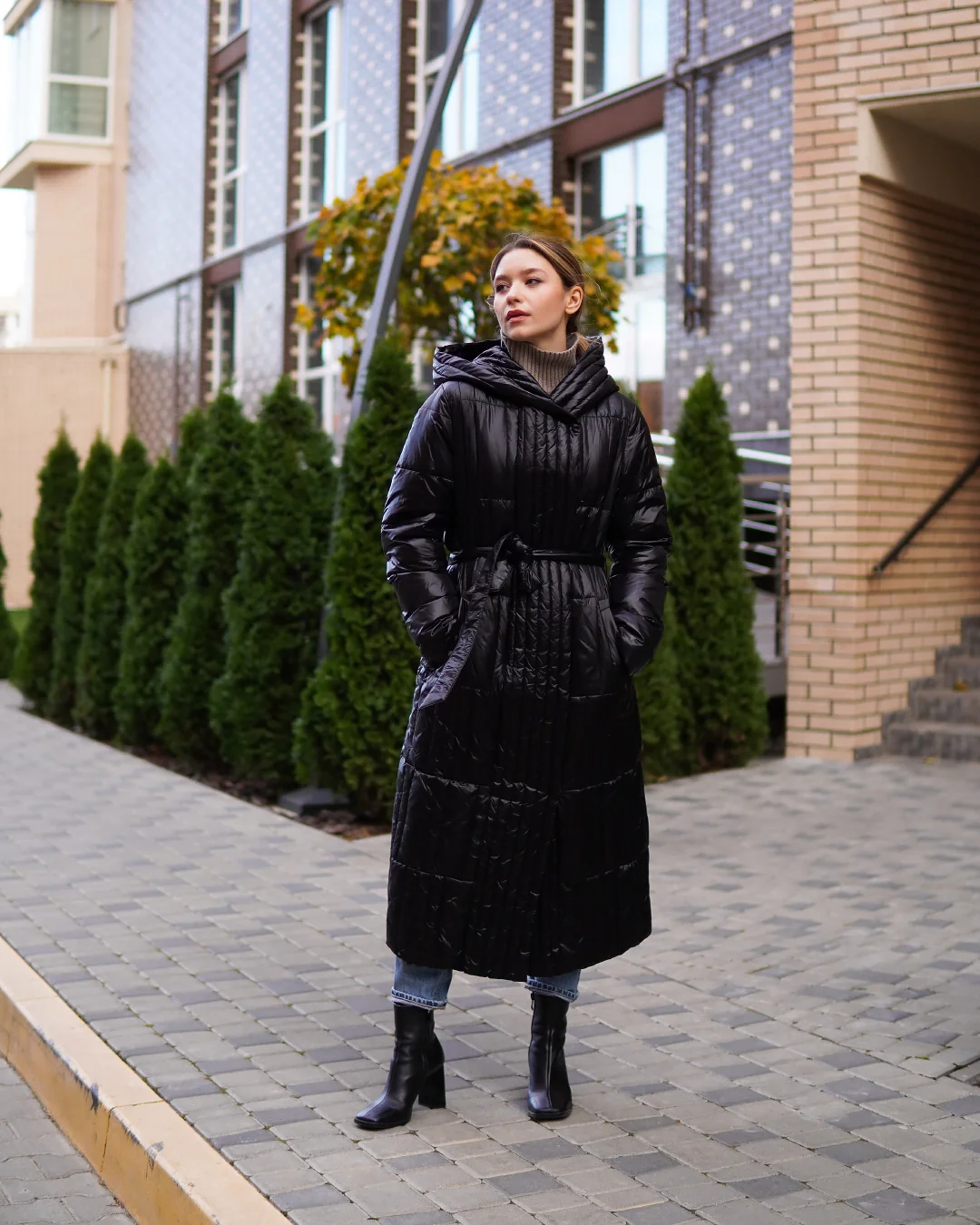
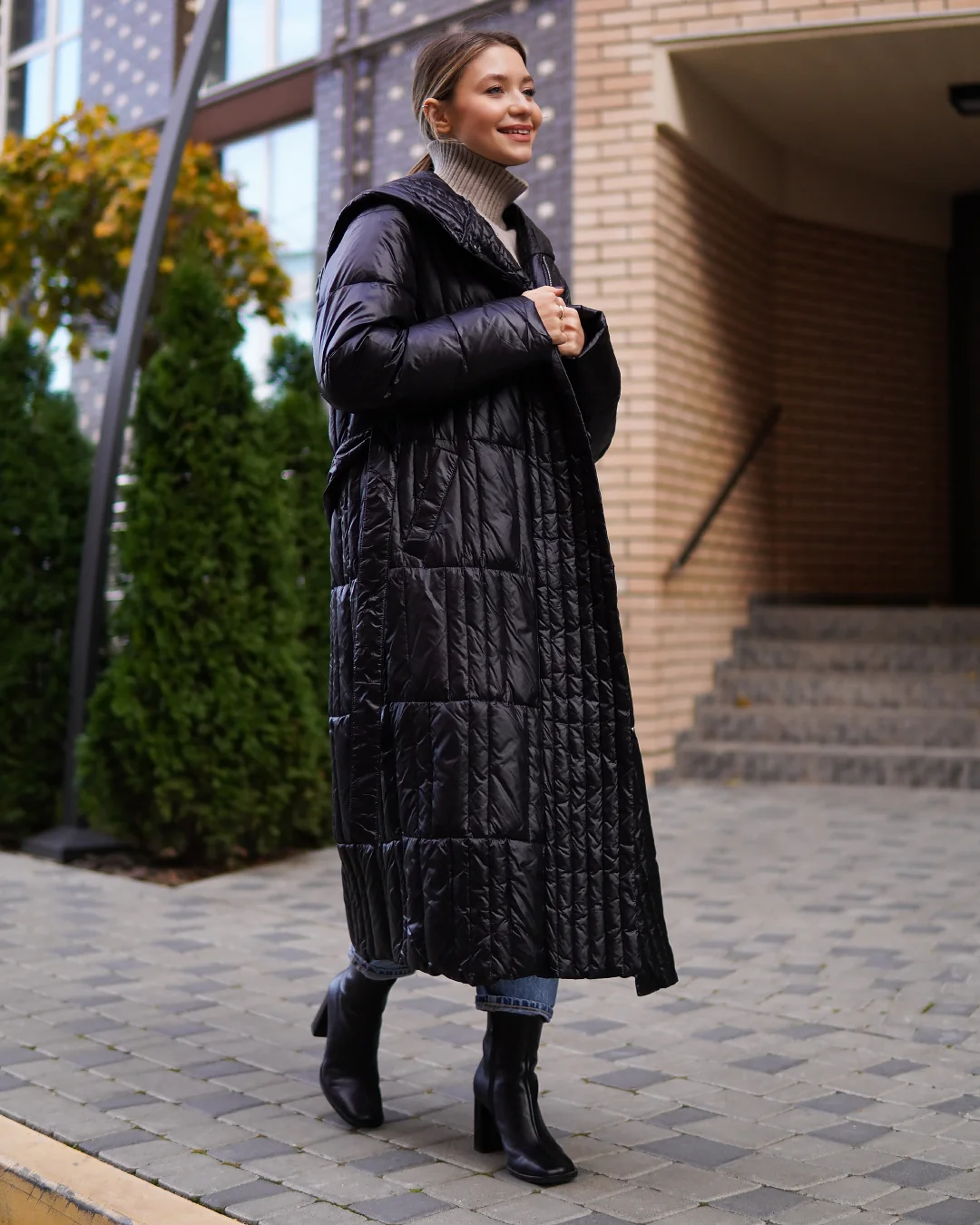
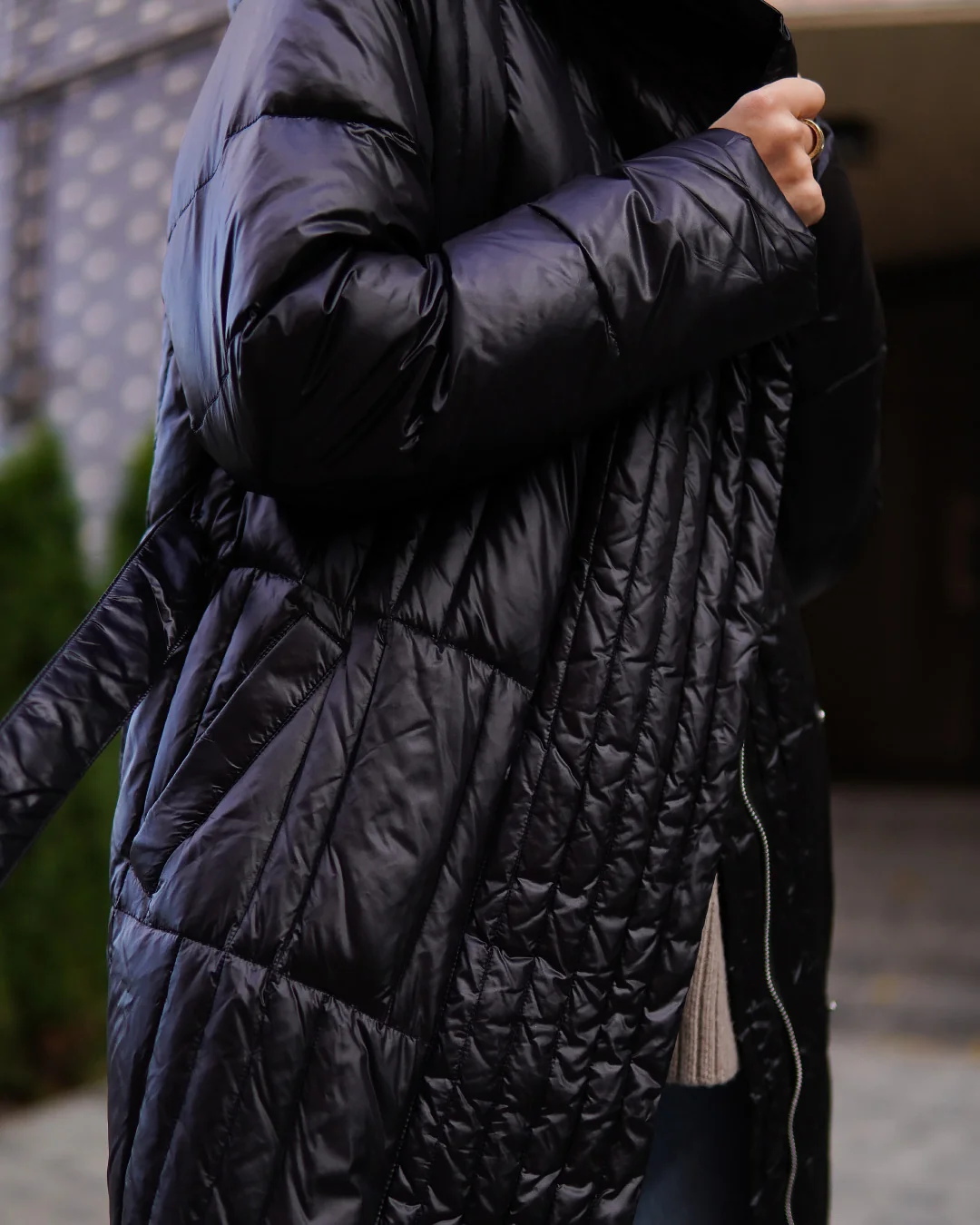
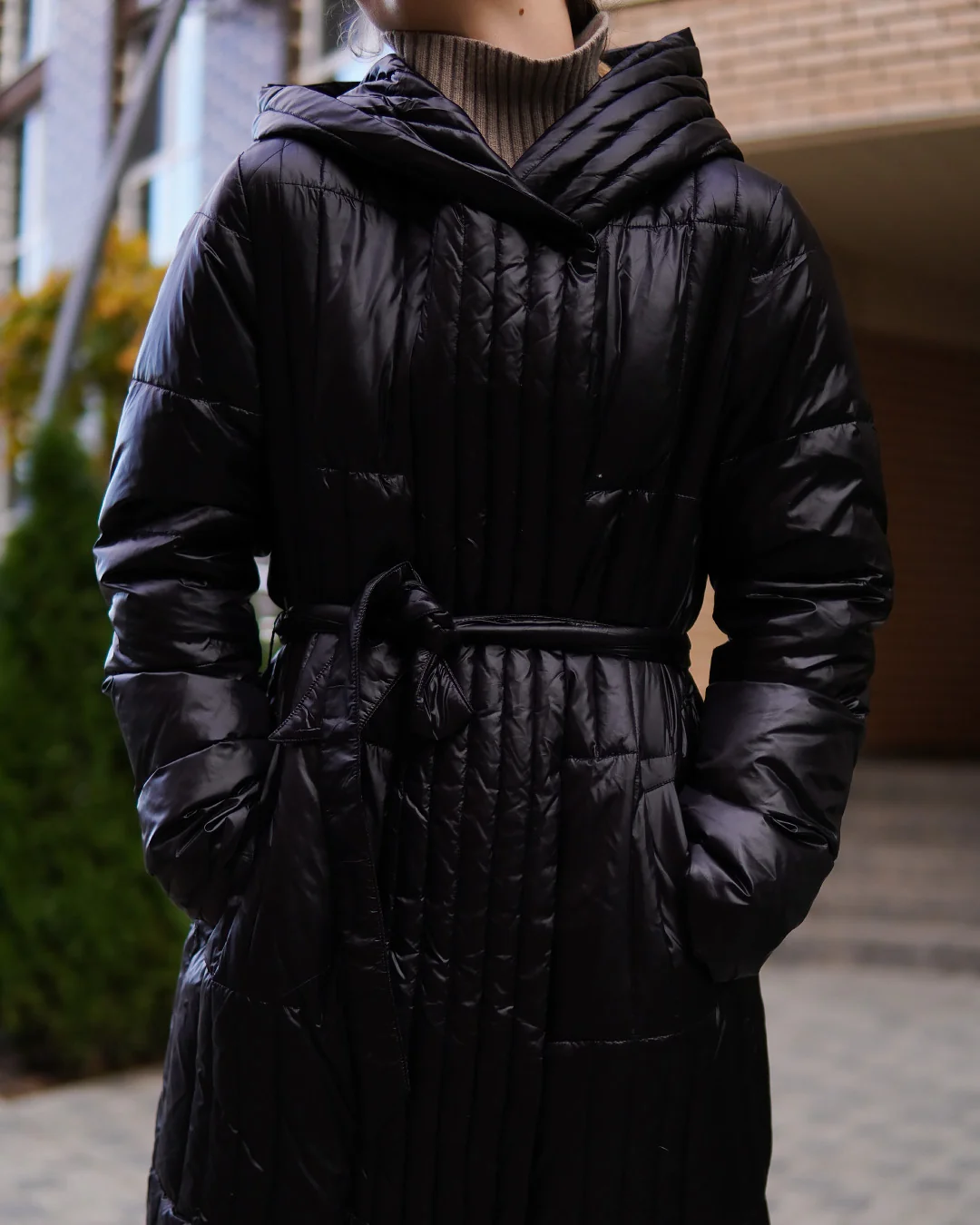
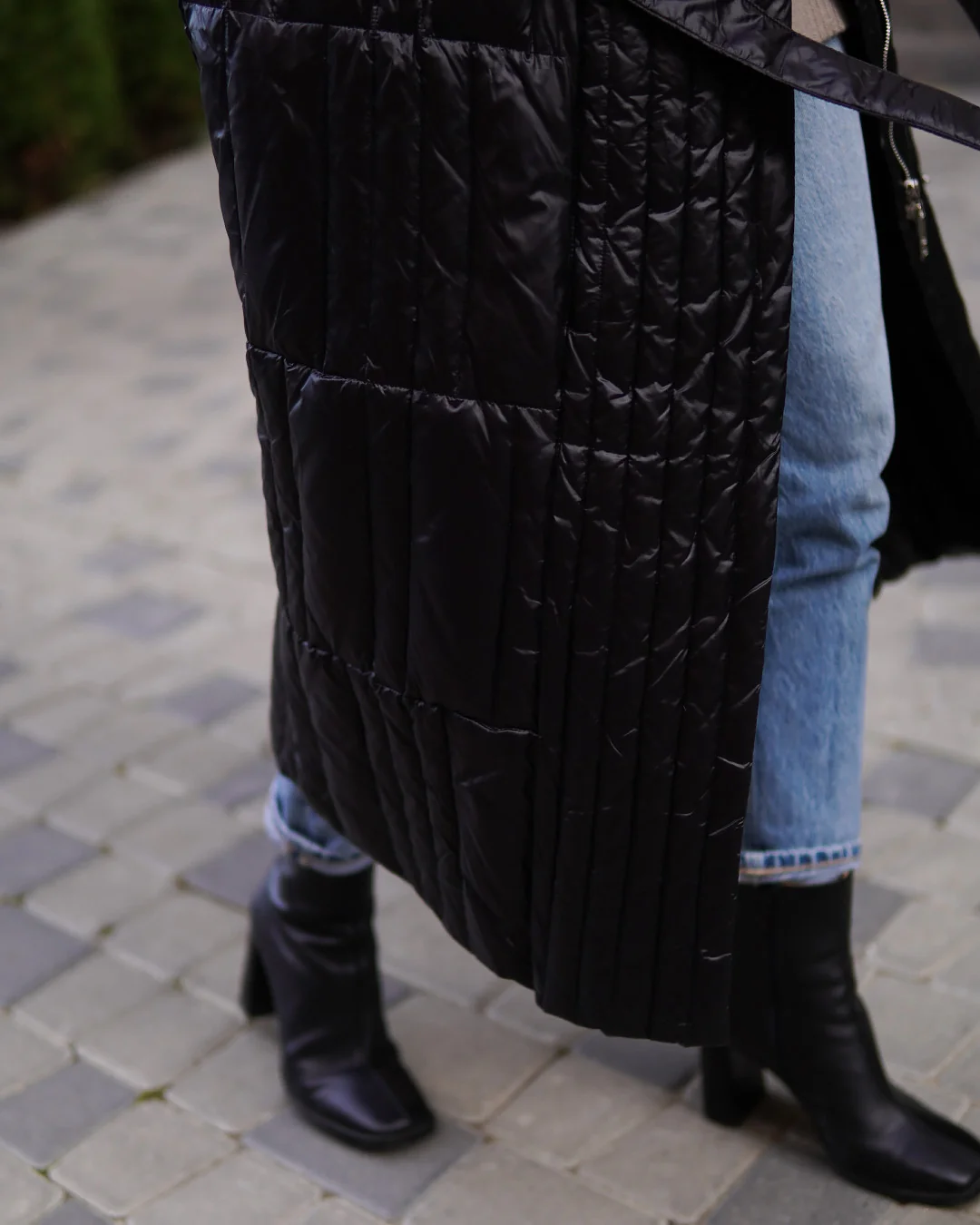
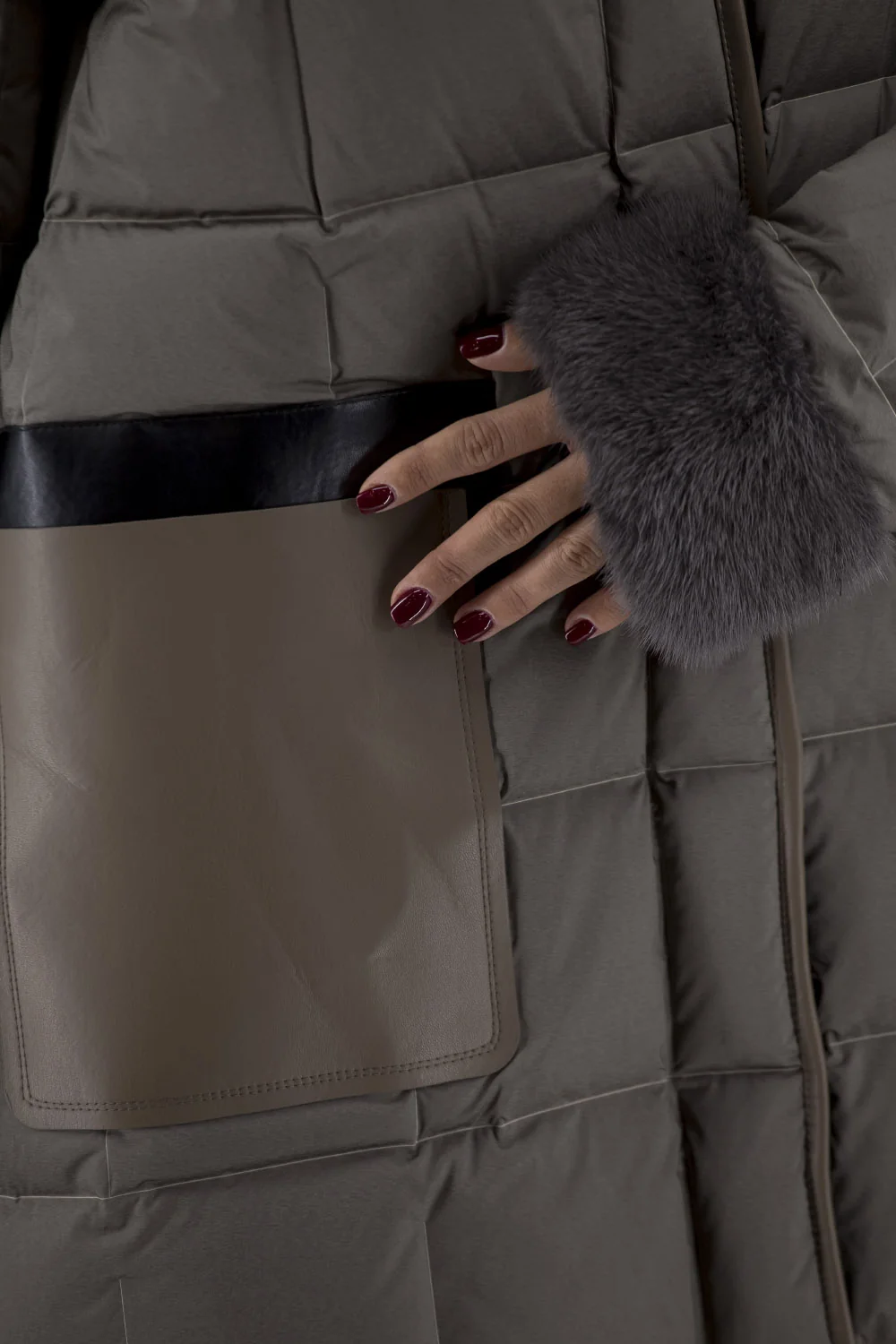
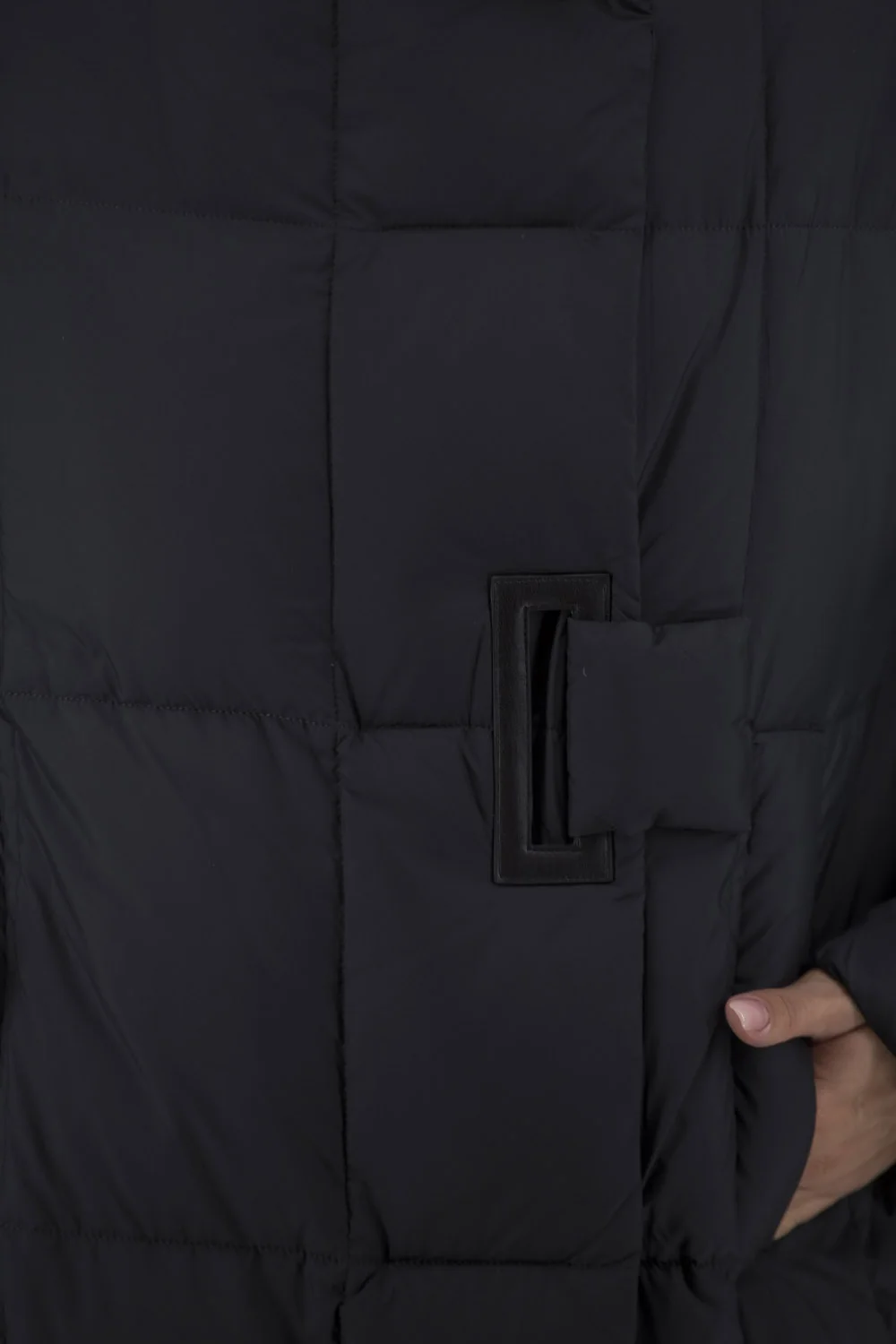
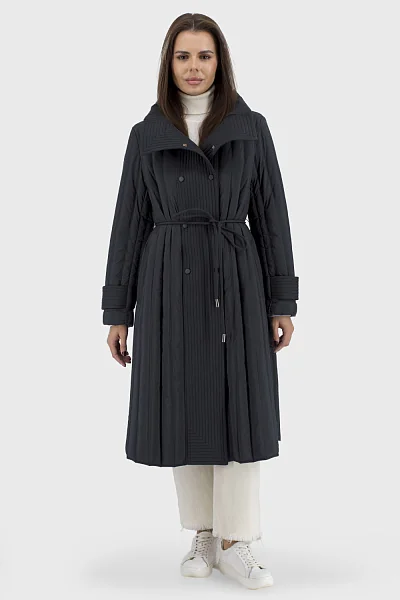
A down jacket is divided into quilted chambers that prevent the filling from moving through the entire garment. Very large chambers may allow uneven distribution, while frequent stitched-through seams can create areas with less insulation.
When trying on a jacket, check for empty areas, dense lumps or noticeably different thicknesses in neighbouring chambers. The filling should feel reasonably even throughout the garment.

Advantages of duck down
The main advantages of good down insulation are low weight, compressibility and the ability to recover loft. A down jacket can be packed into a relatively small space and the clusters gradually expand again after unpacking.
Natural down also provides effective insulation without excessive bulk. This makes down jackets convenient for daily city wear, travel and long outdoor walks.
Possible disadvantages
Down is sensitive to incorrect washing and prolonged moisture. When wet, the clusters lose loft, and incomplete drying can lead to clumping, damp odours and uneven insulation.
Low-quality garments may contain poorly cleaned material, an excessive feather percentage, weak lining fabric or sharp feather components escaping through seams. Construction quality therefore matters as much as the filling label.
How to choose a down jacket
Check the filling composition, care instructions and consistency of the insulated chambers. Gently compress one section: a good filling should gradually regain its volume. Numerous rigid feather shafts should not be clearly noticeable through the shell.
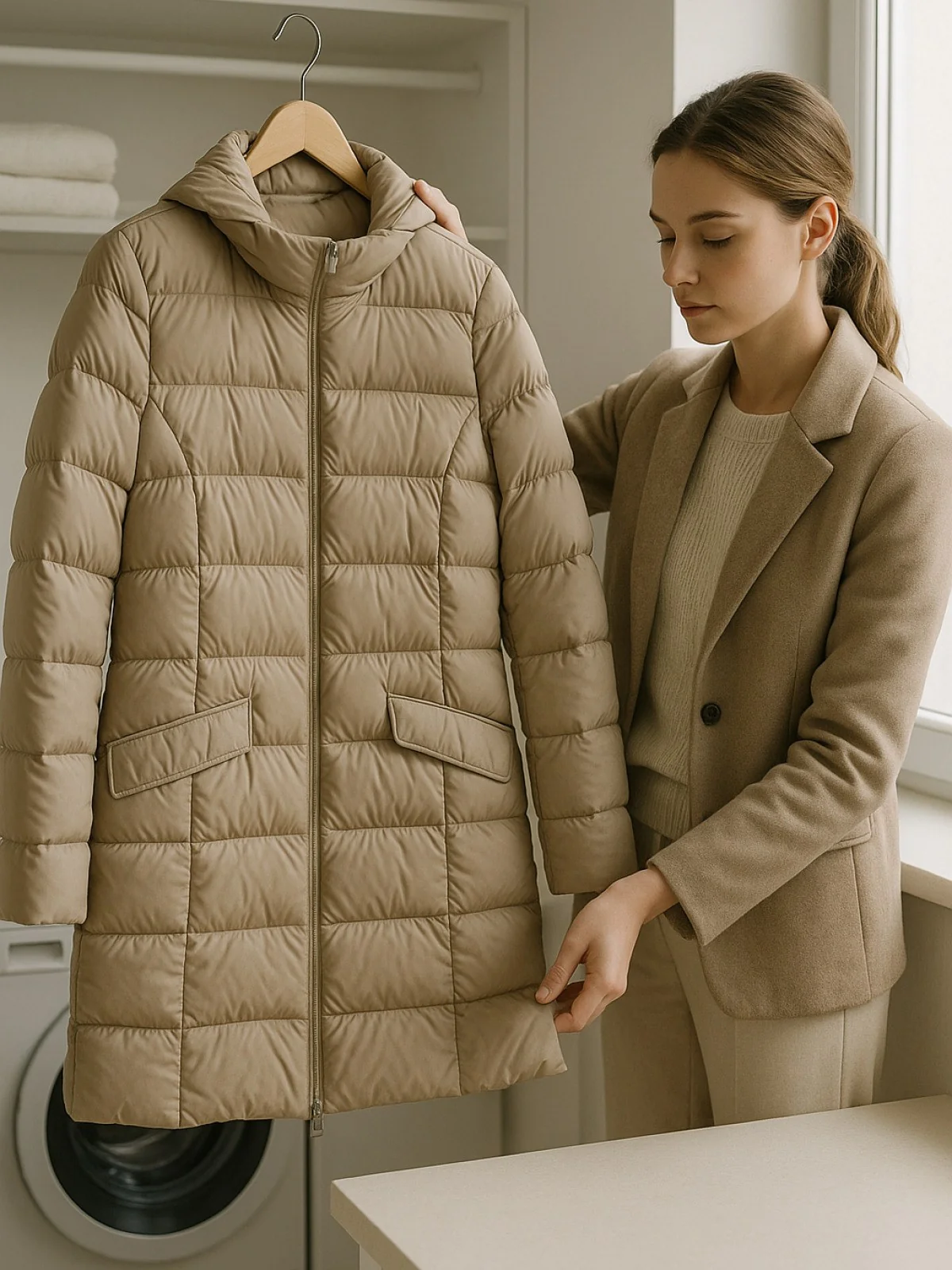
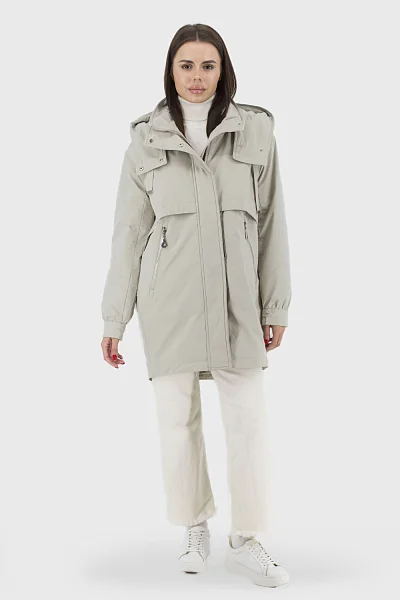
Select the garment according to its intended use. Lightweight comfort may be the priority for city wear, while windy conditions make length, a high collar, hood, inner cuffs and storm flaps more important.
Browse our selection of women’s down jackets. For cleaning and drying guidance, read how to restore a down jacket after washing.
How to care for down insulation
Always begin with the manufacturer’s care label. When machine washing is permitted, use a gentle programme, low temperature and a small amount of liquid detergent intended for delicate or down-filled garments.
The jacket must be dried completely after washing. Shake it regularly during drying and gently redistribute clumped filling with your fingers. Use a tumble dryer only when the care label specifically allows it.
Do not store a down jacket for long periods in a tightly compressed bag. Hang it on a broad hanger in a dry and ventilated space. Correct care helps preserve loft, shape and insulating performance.