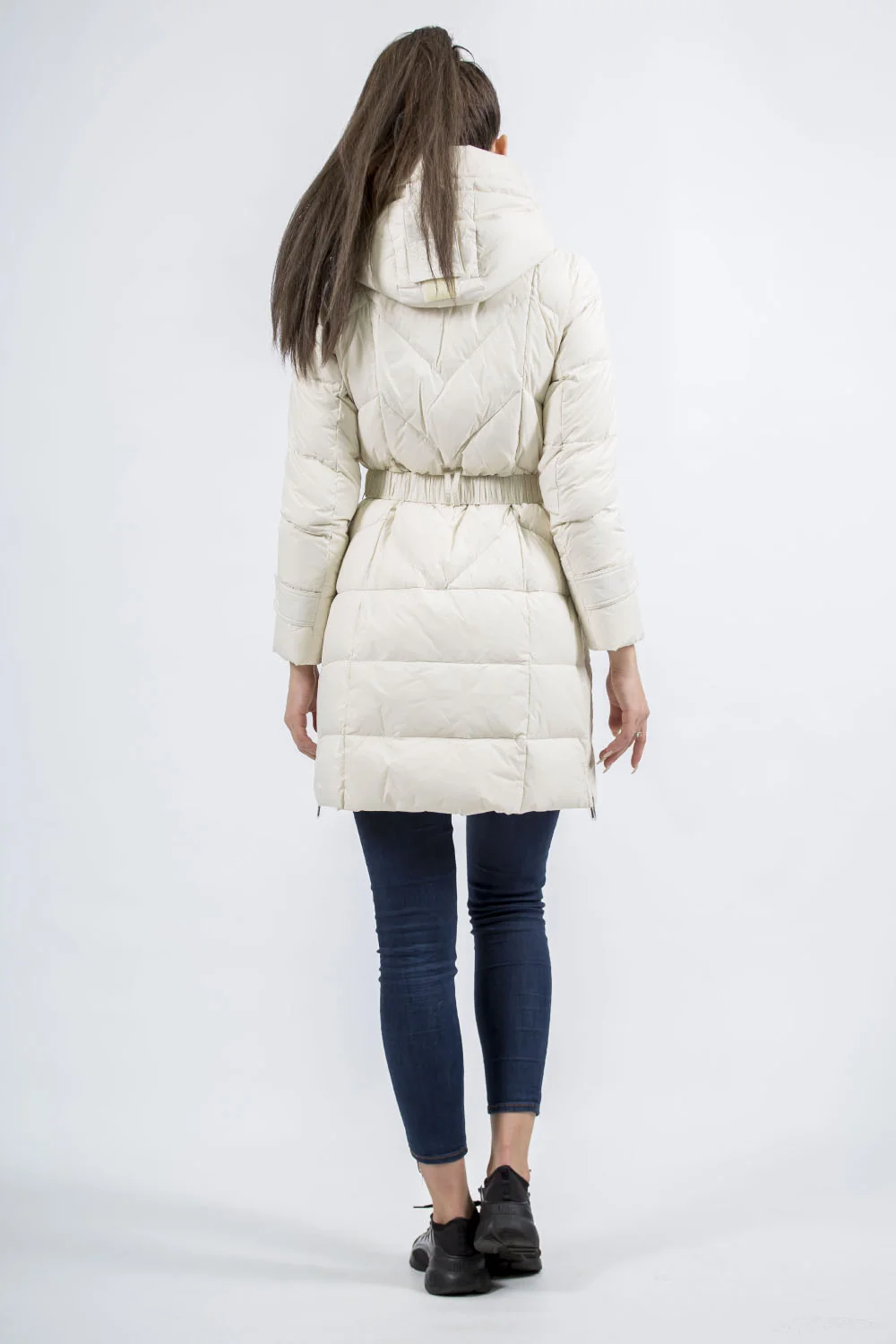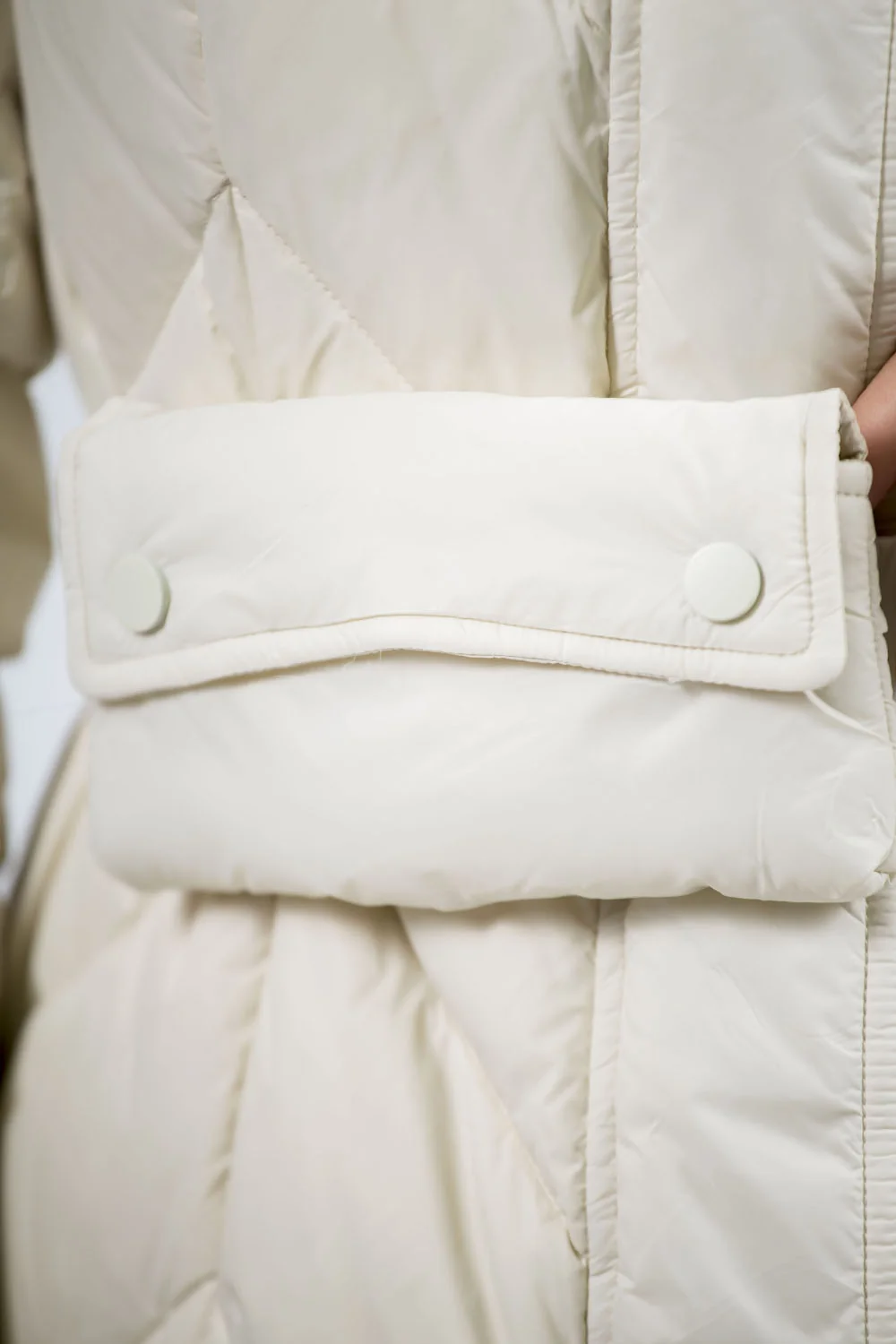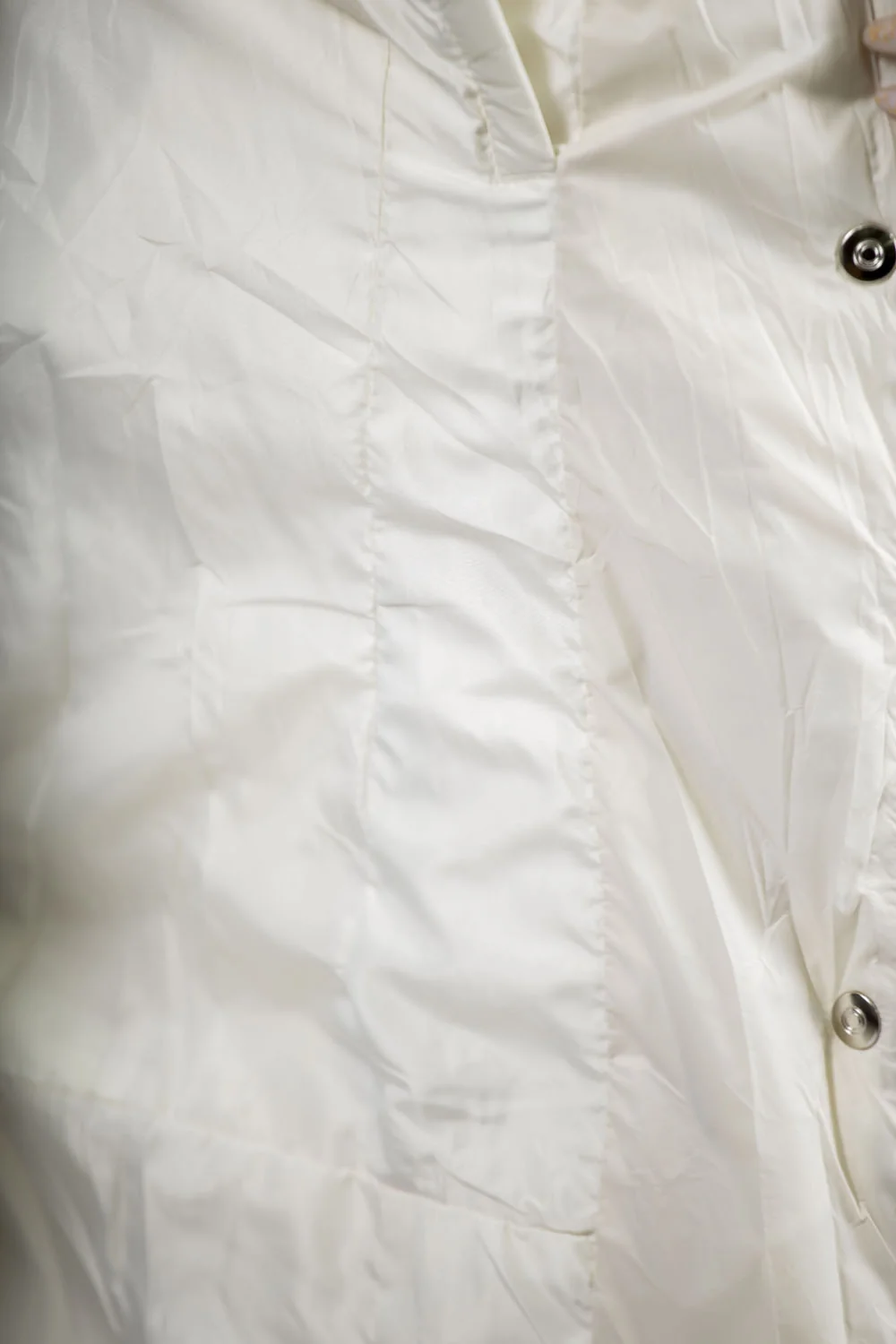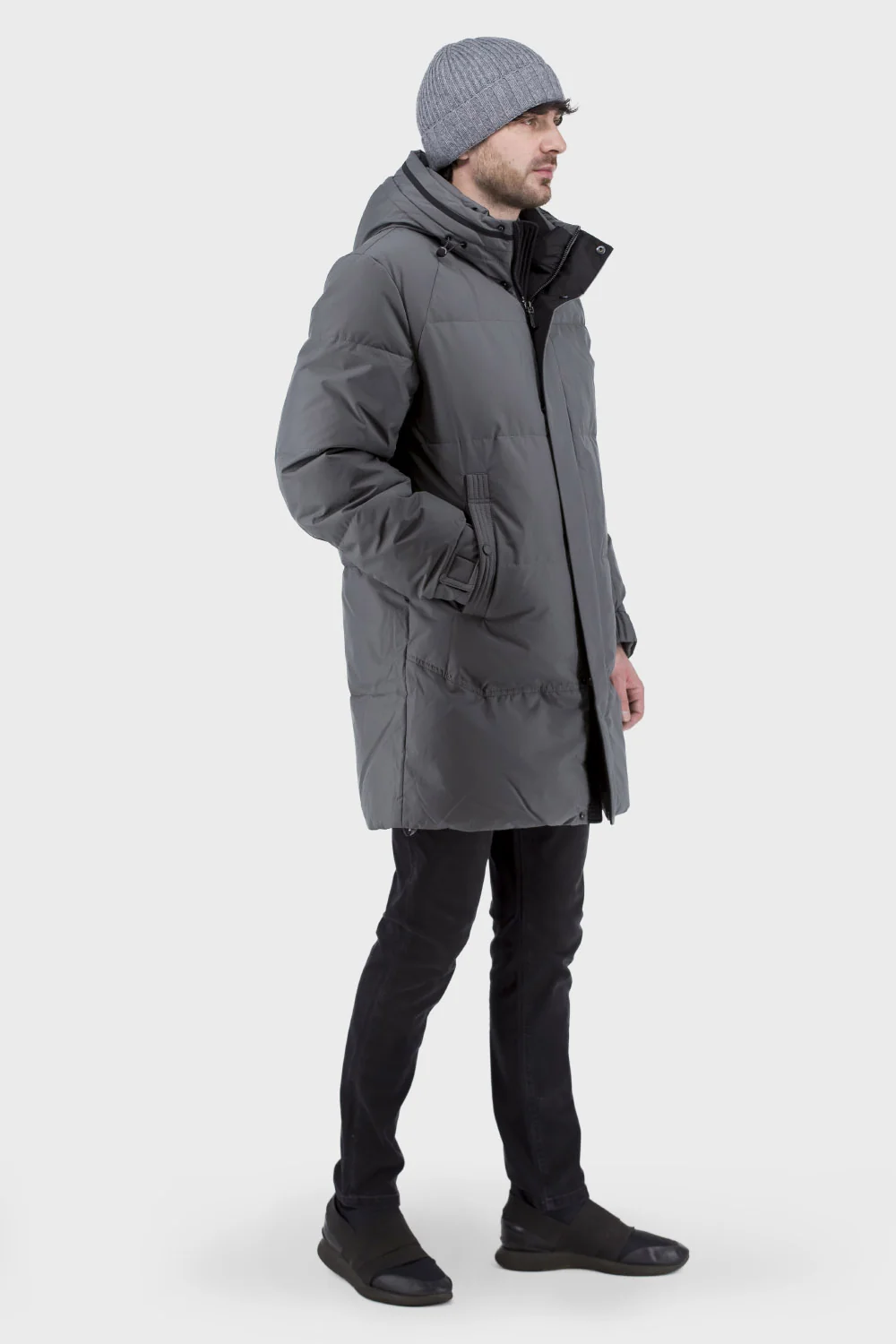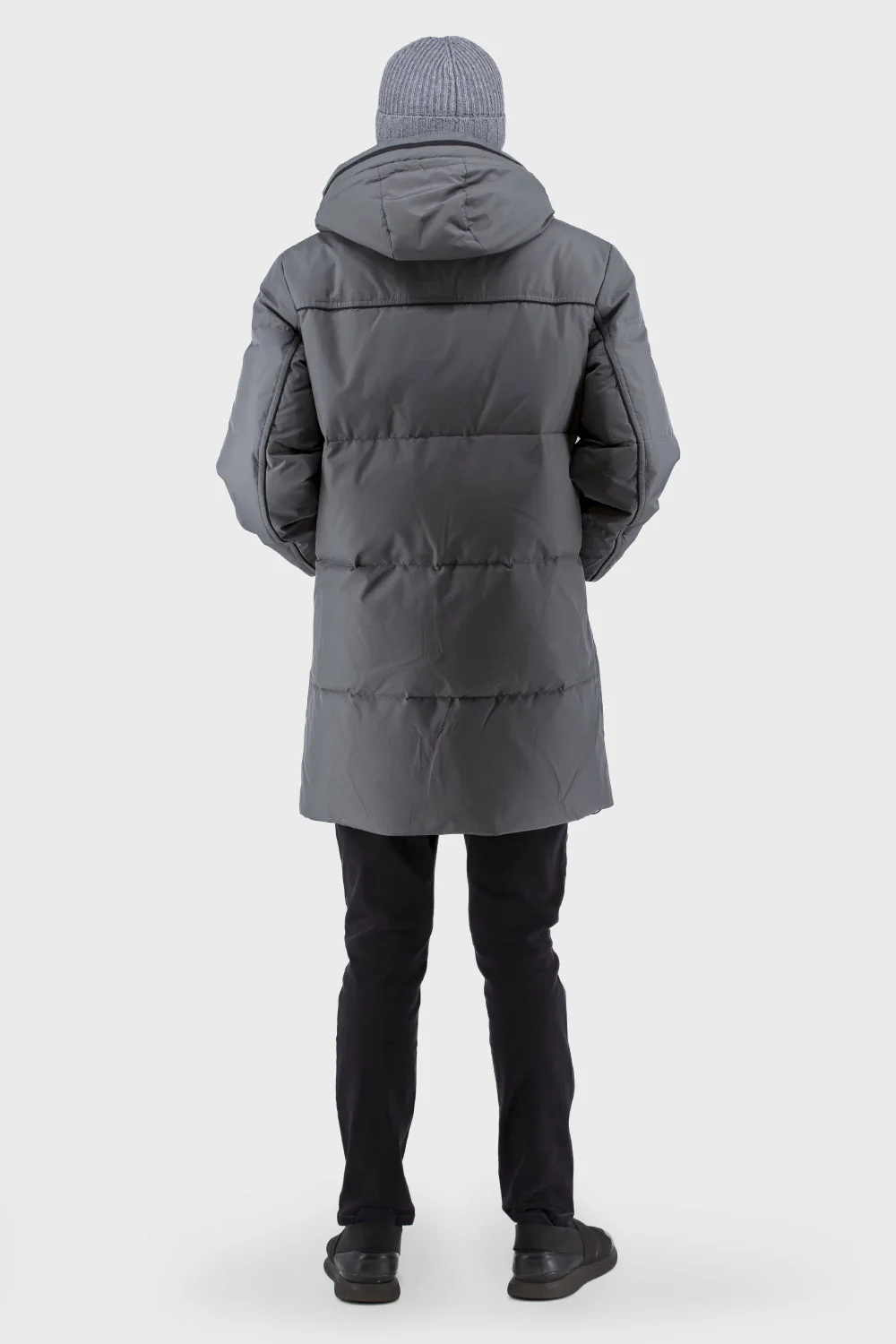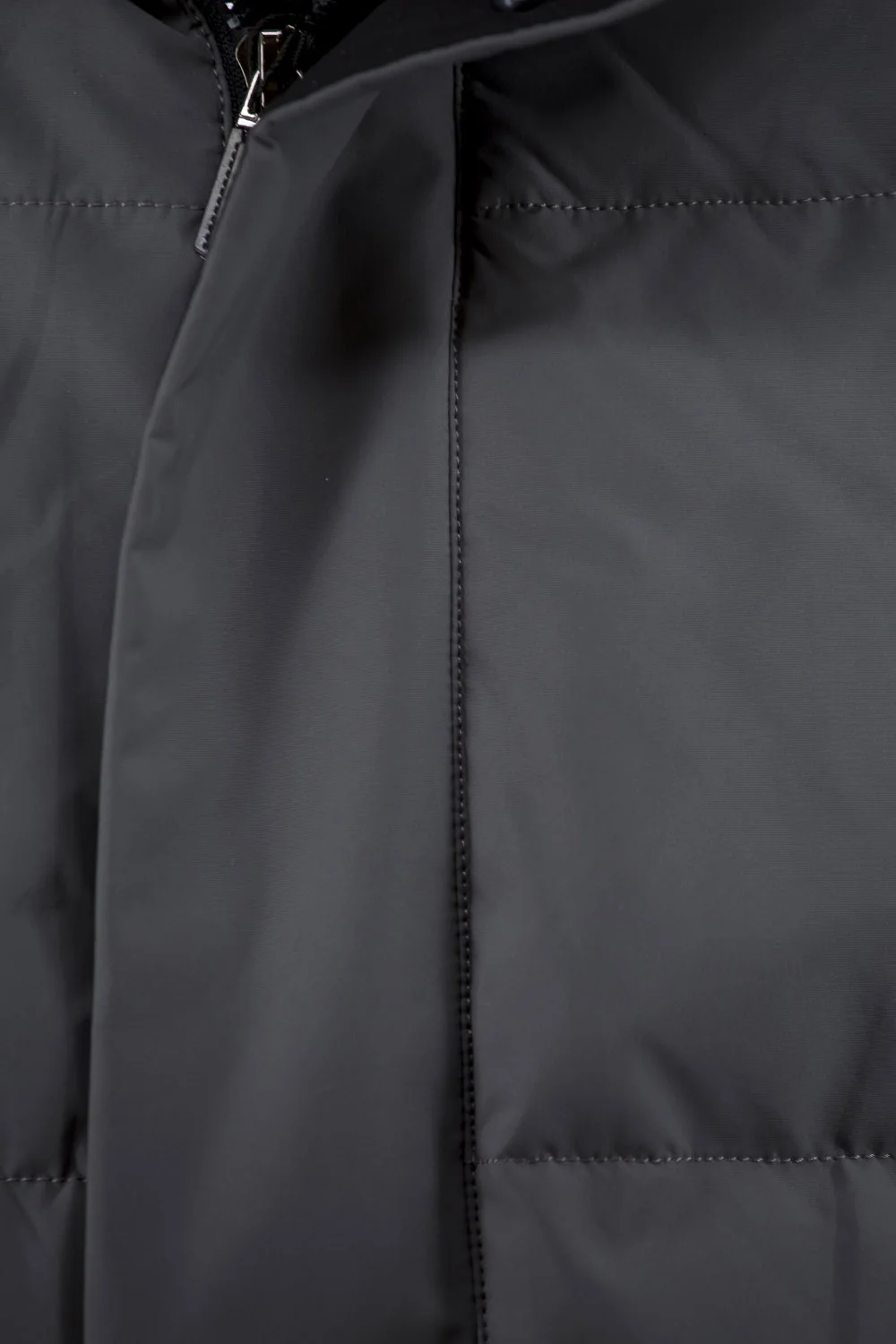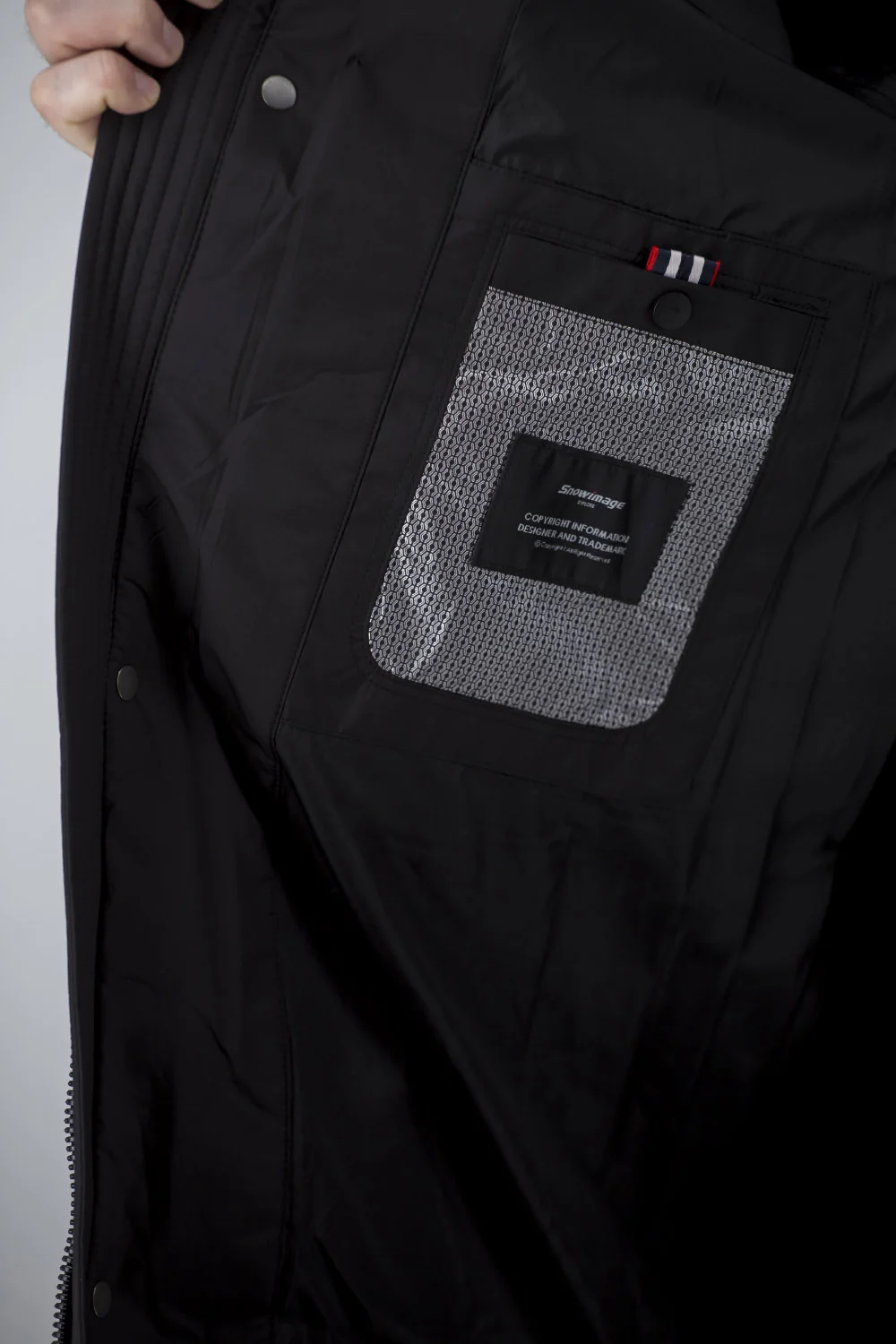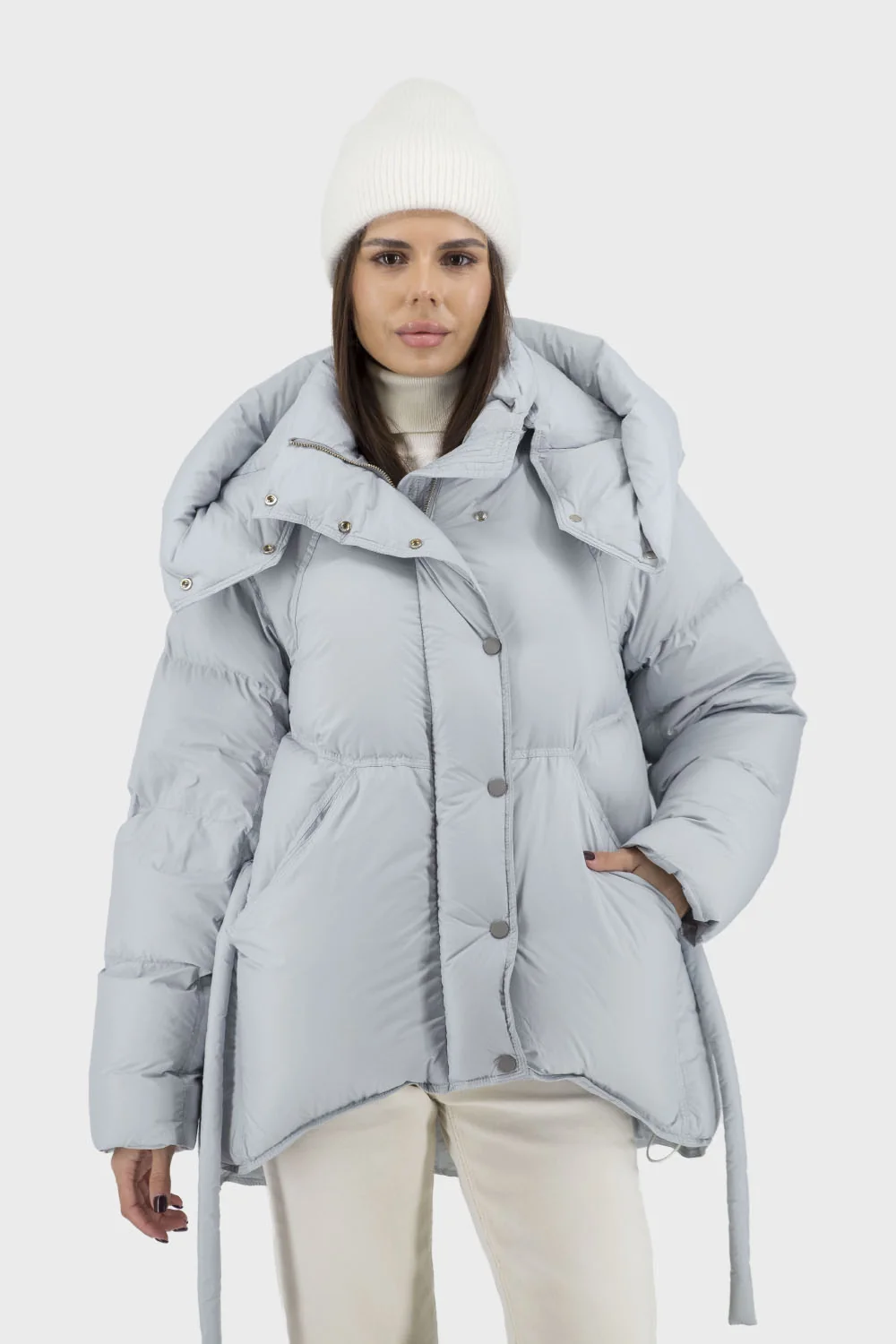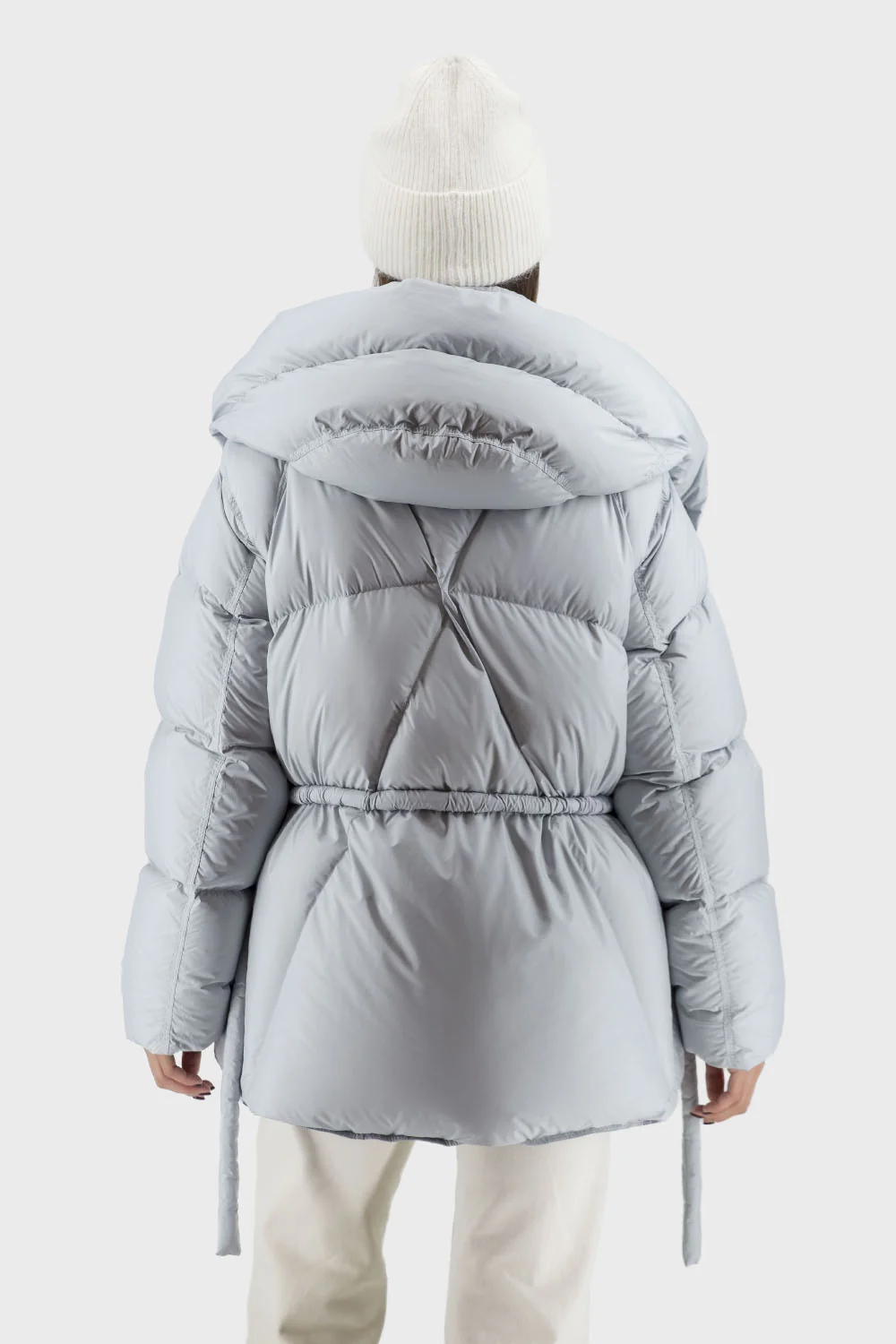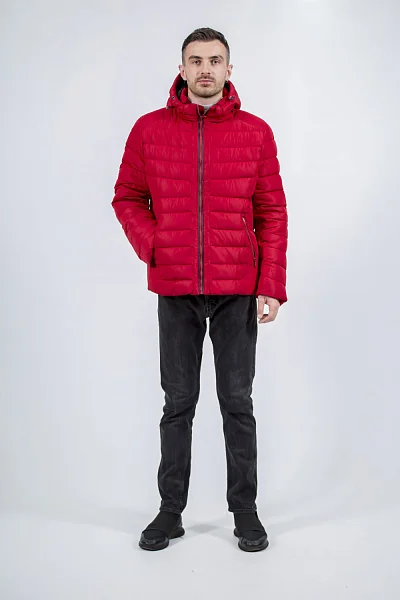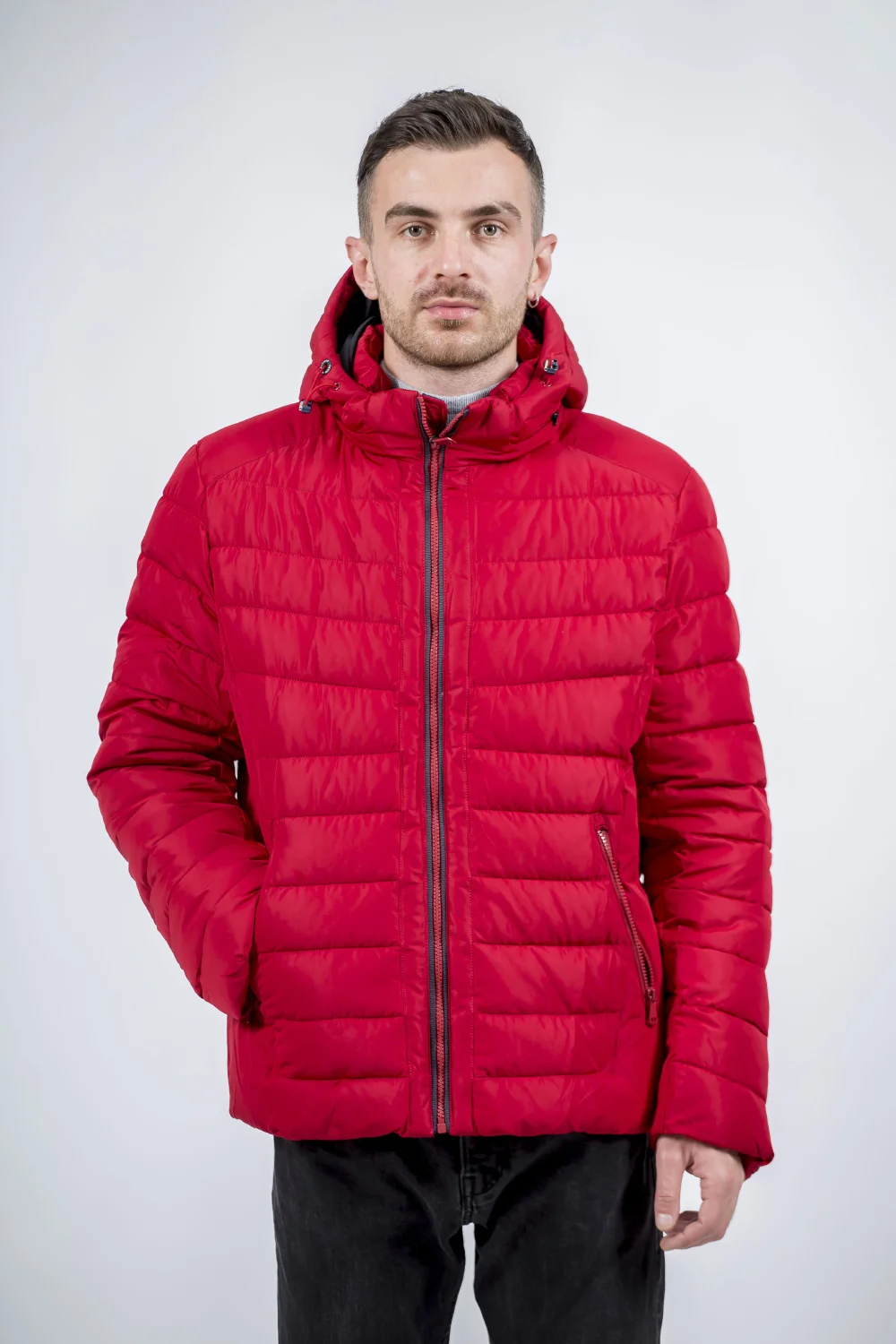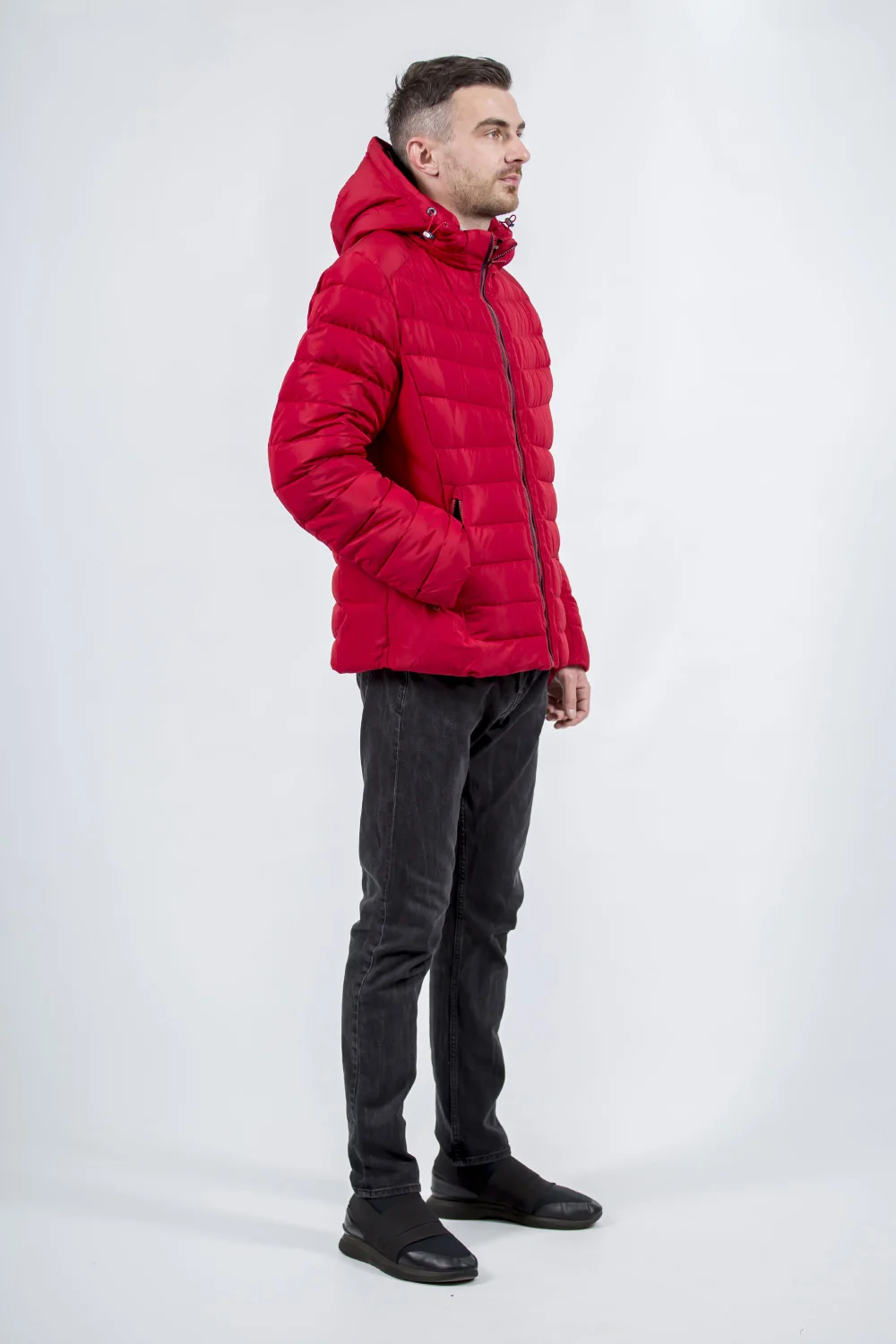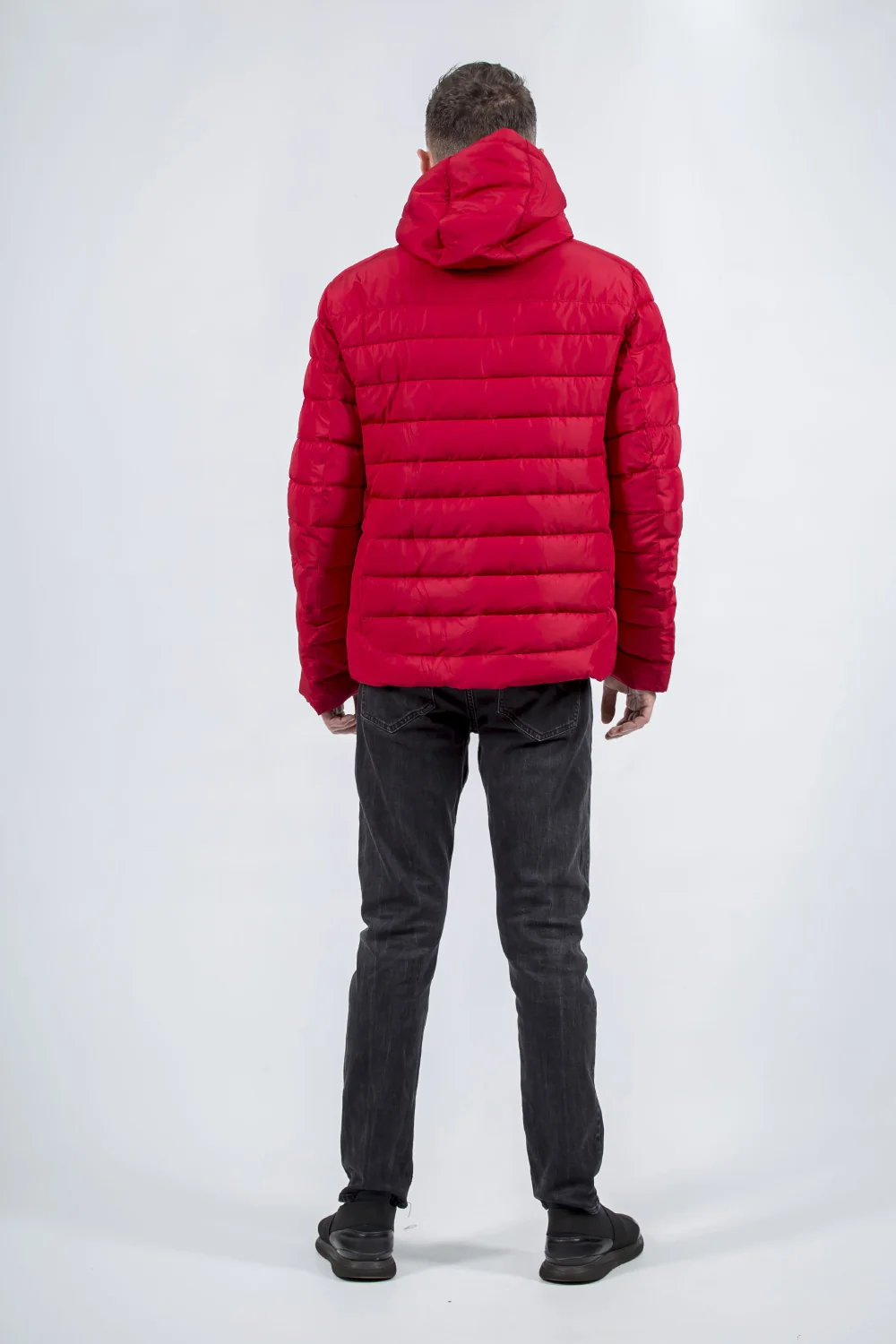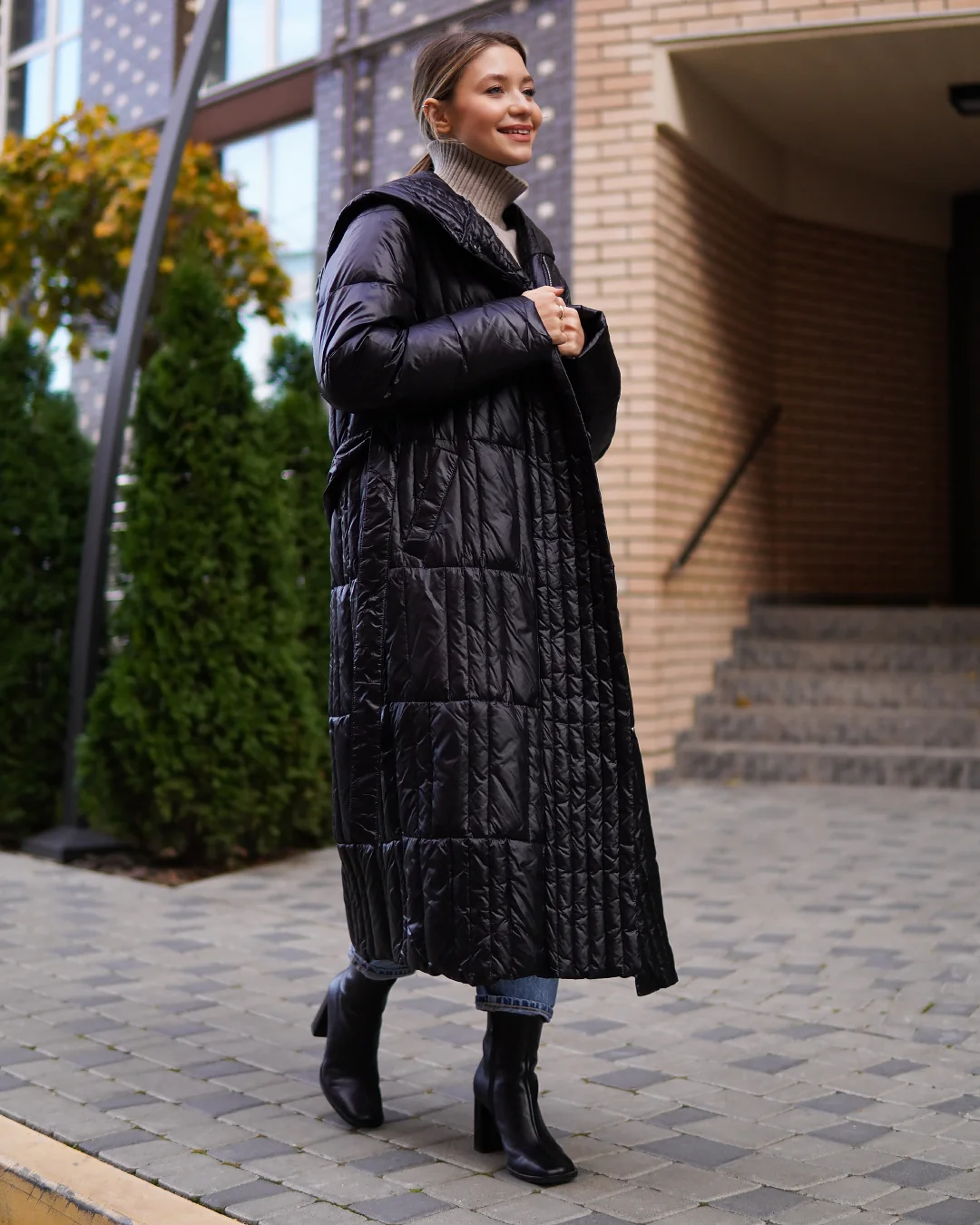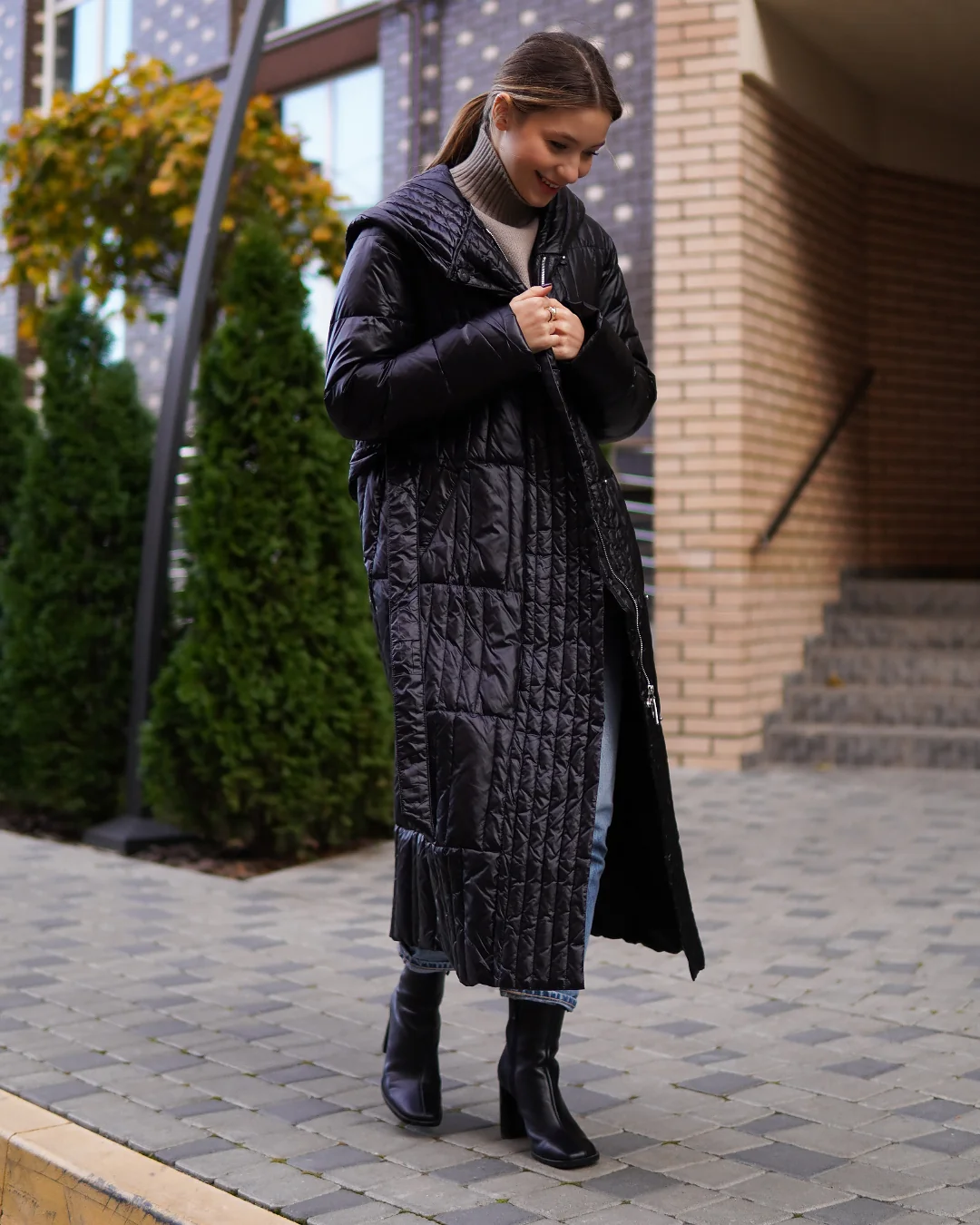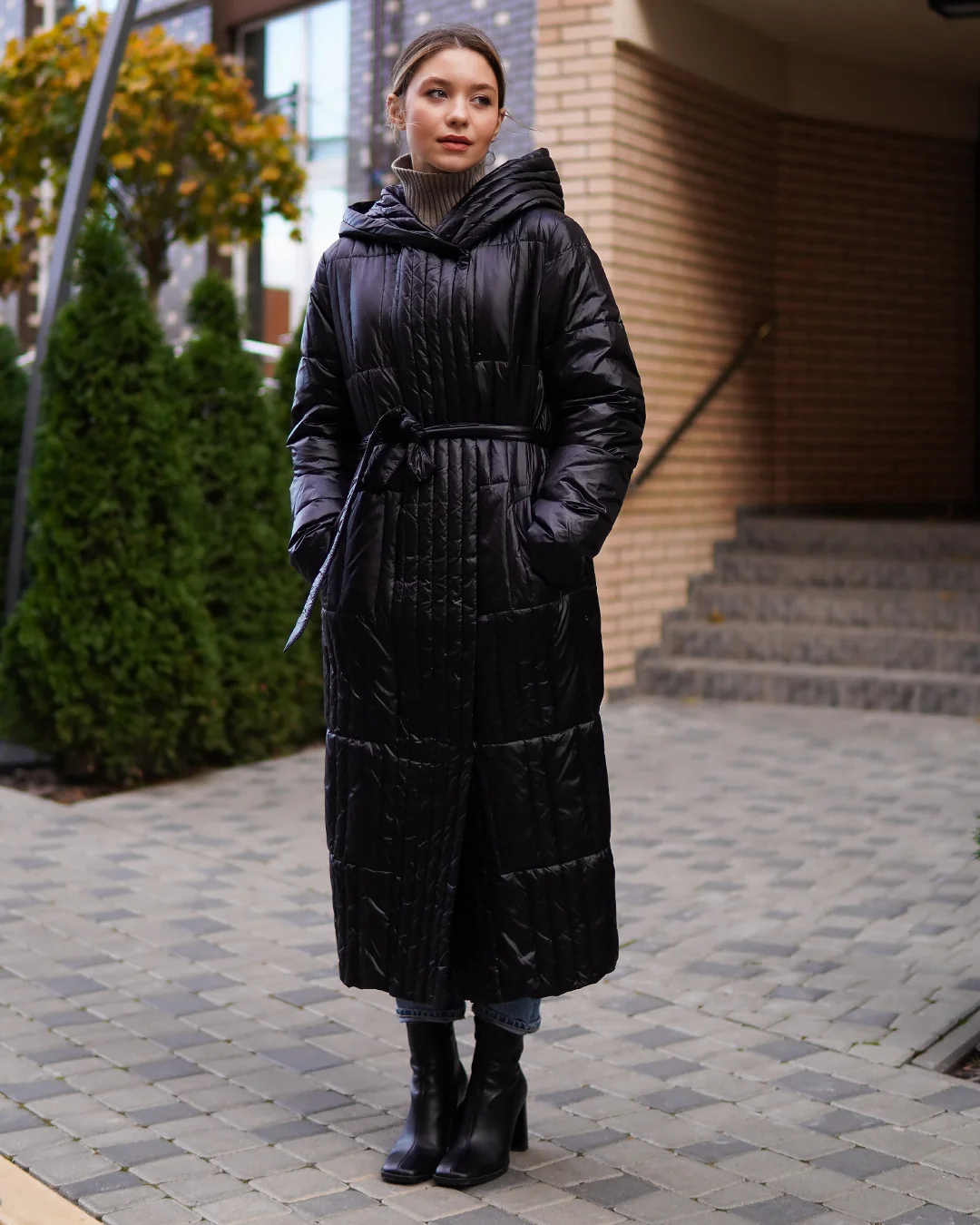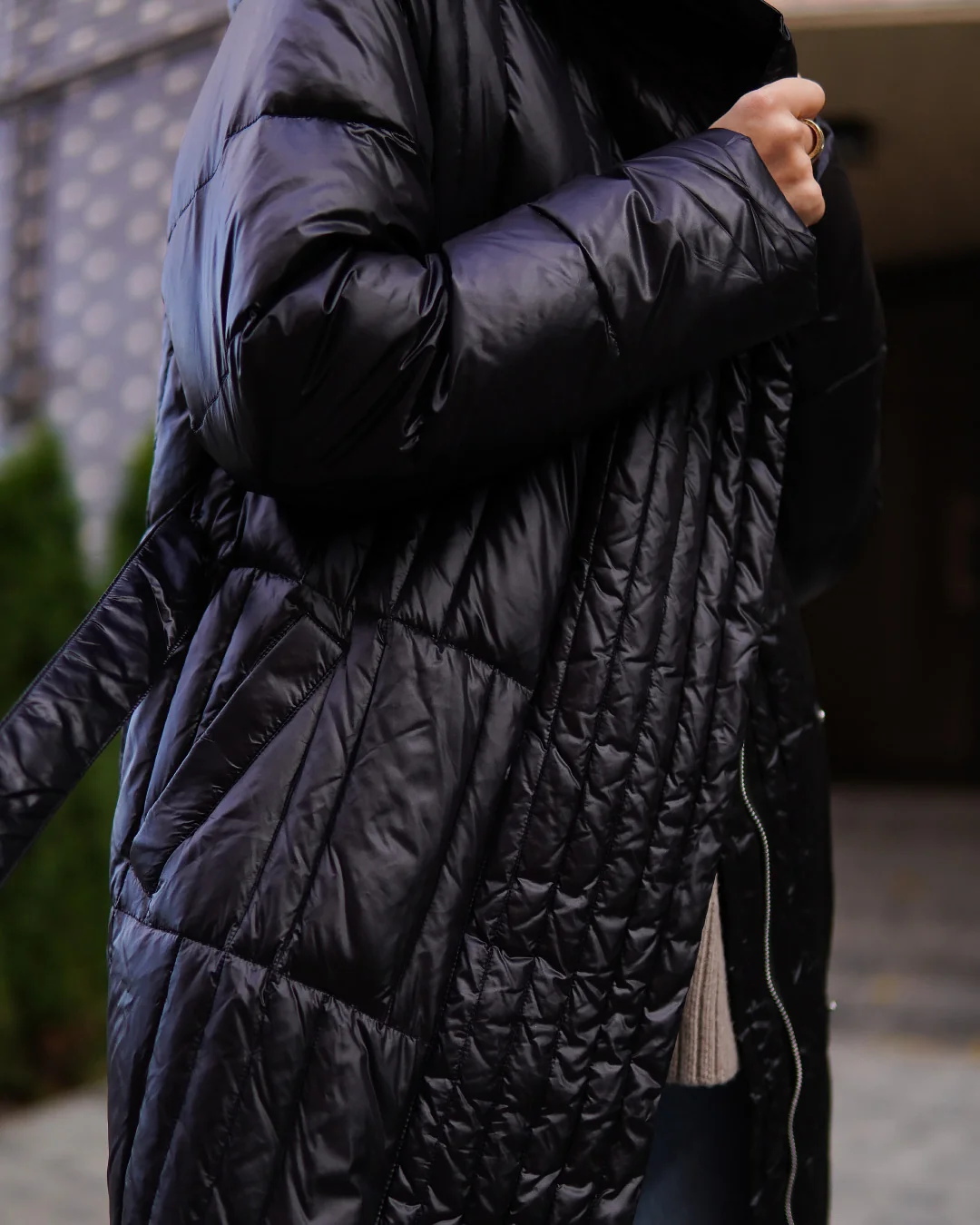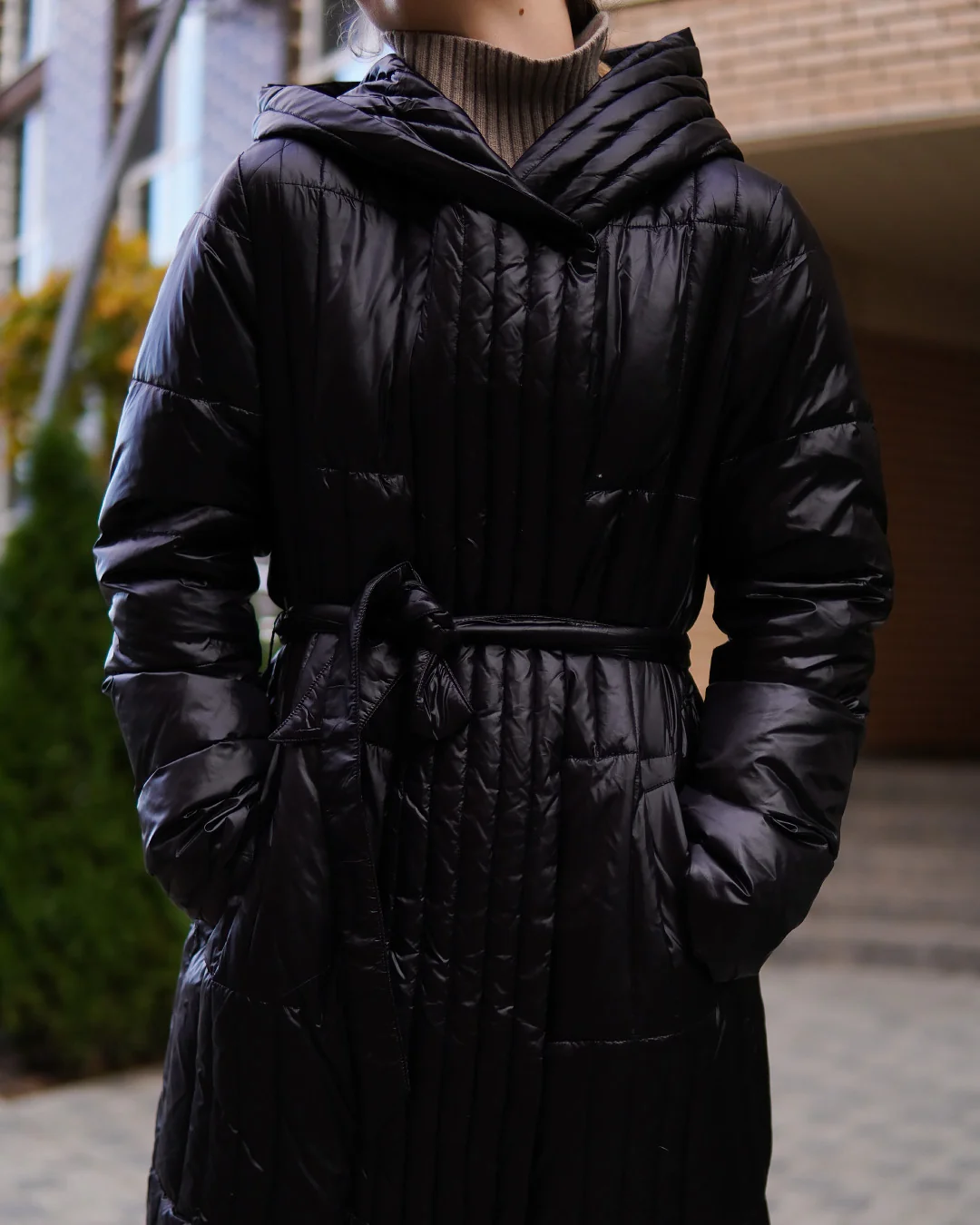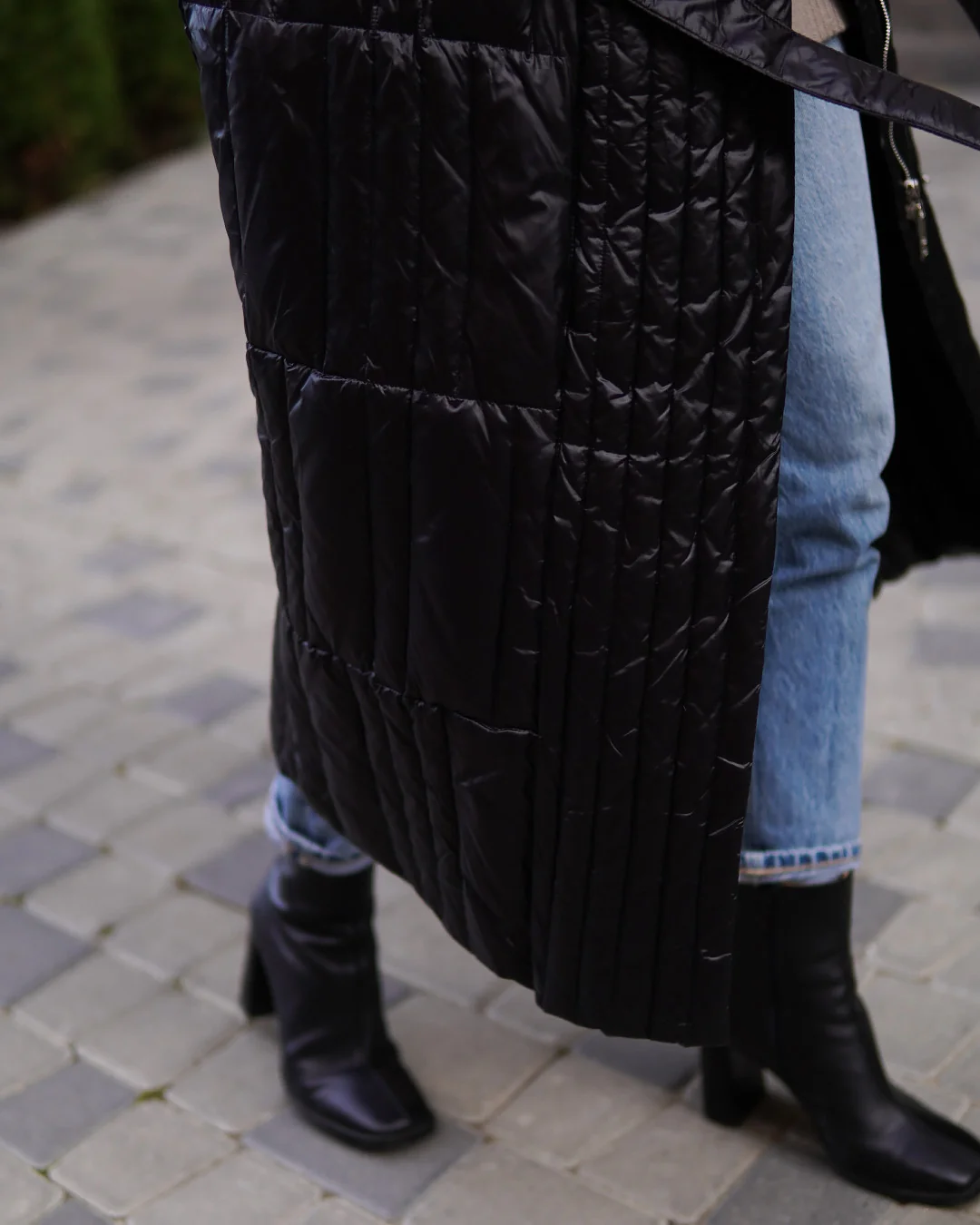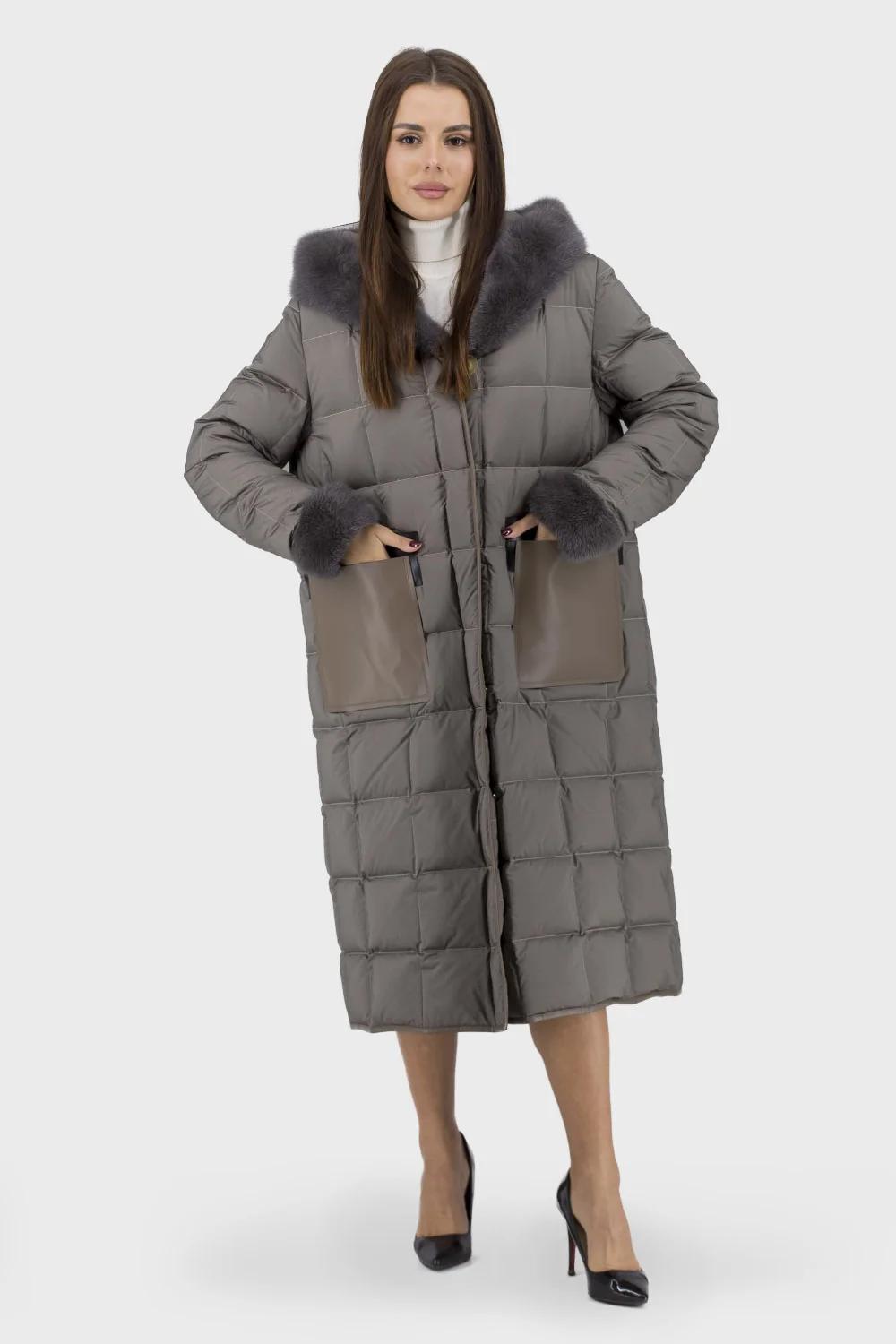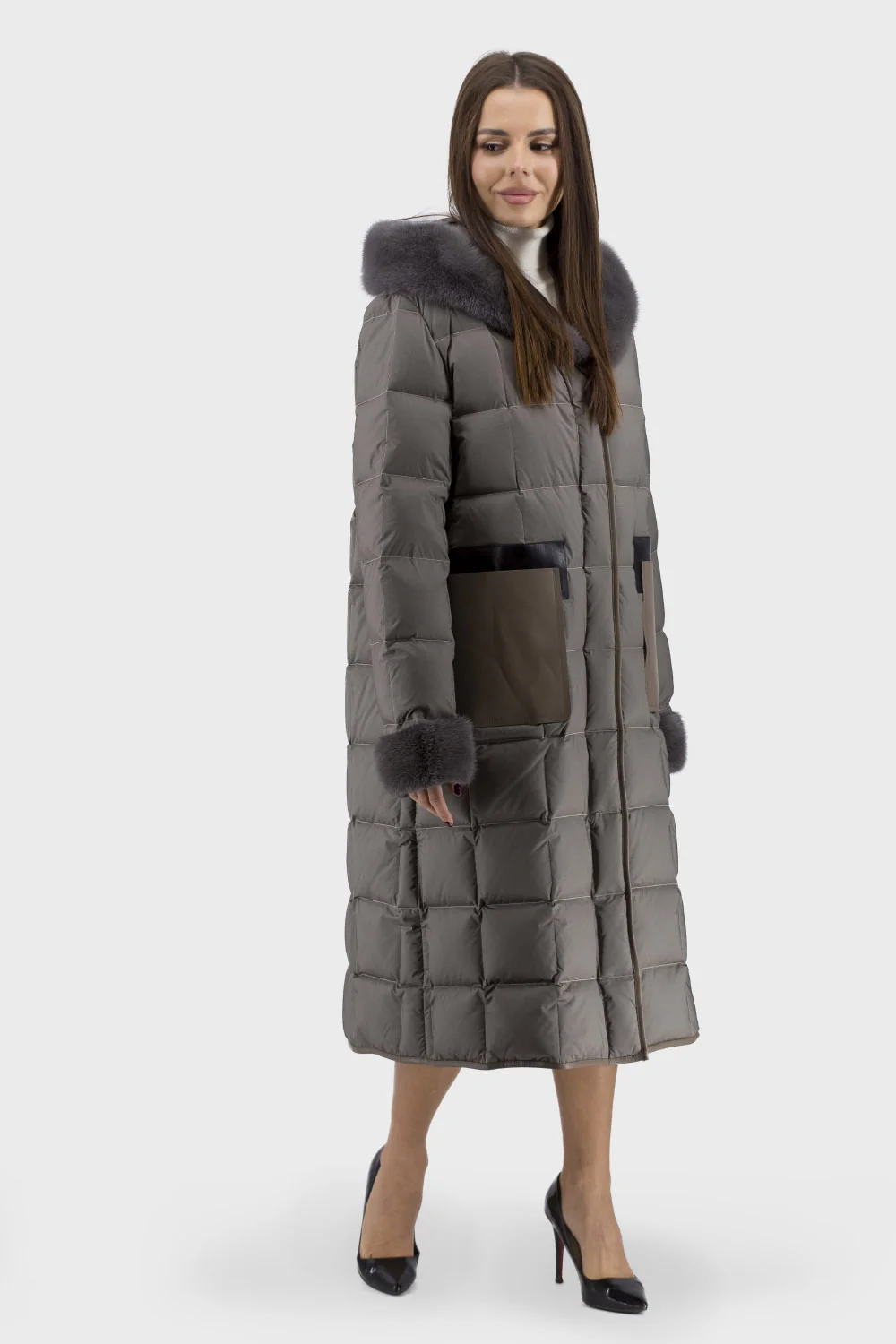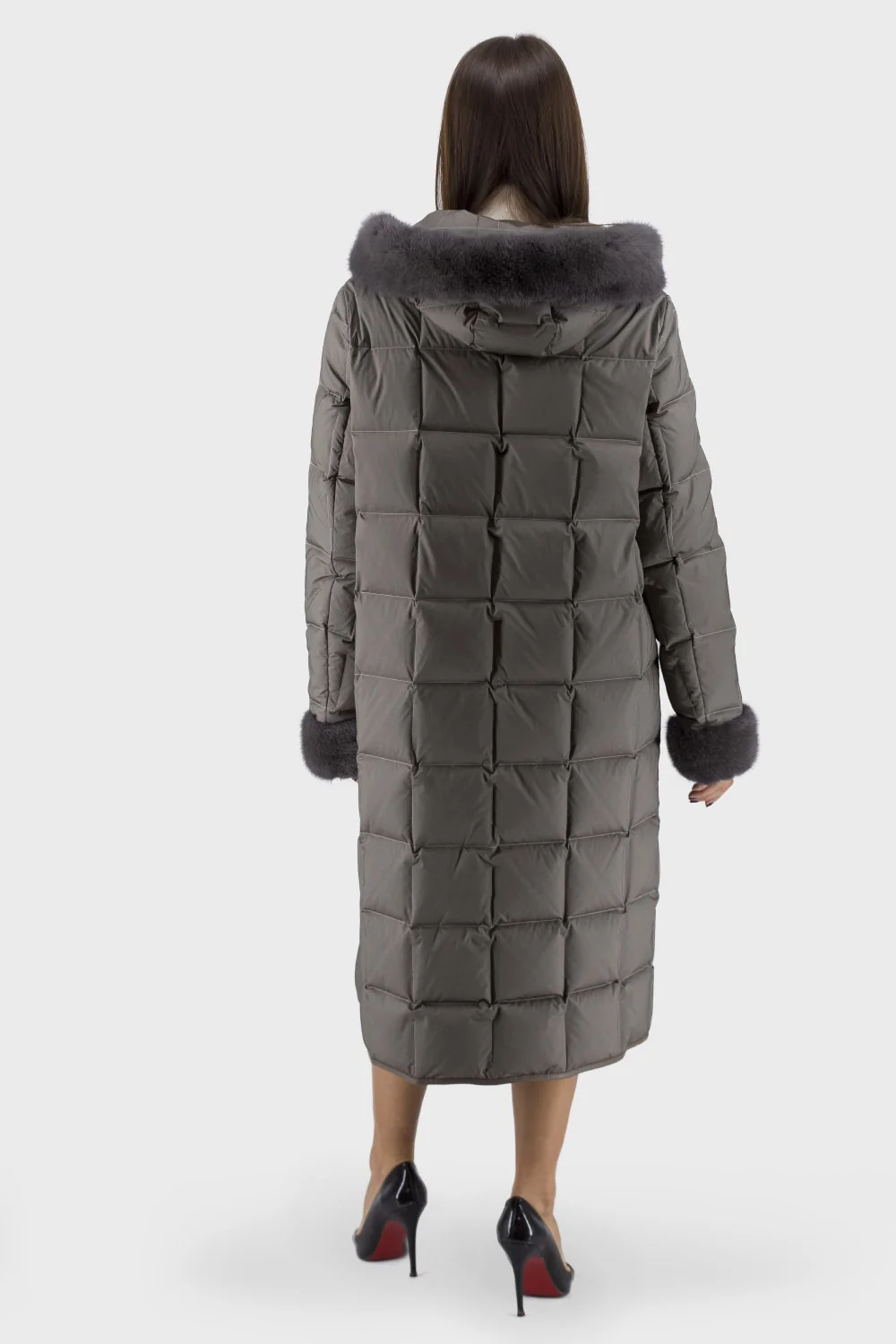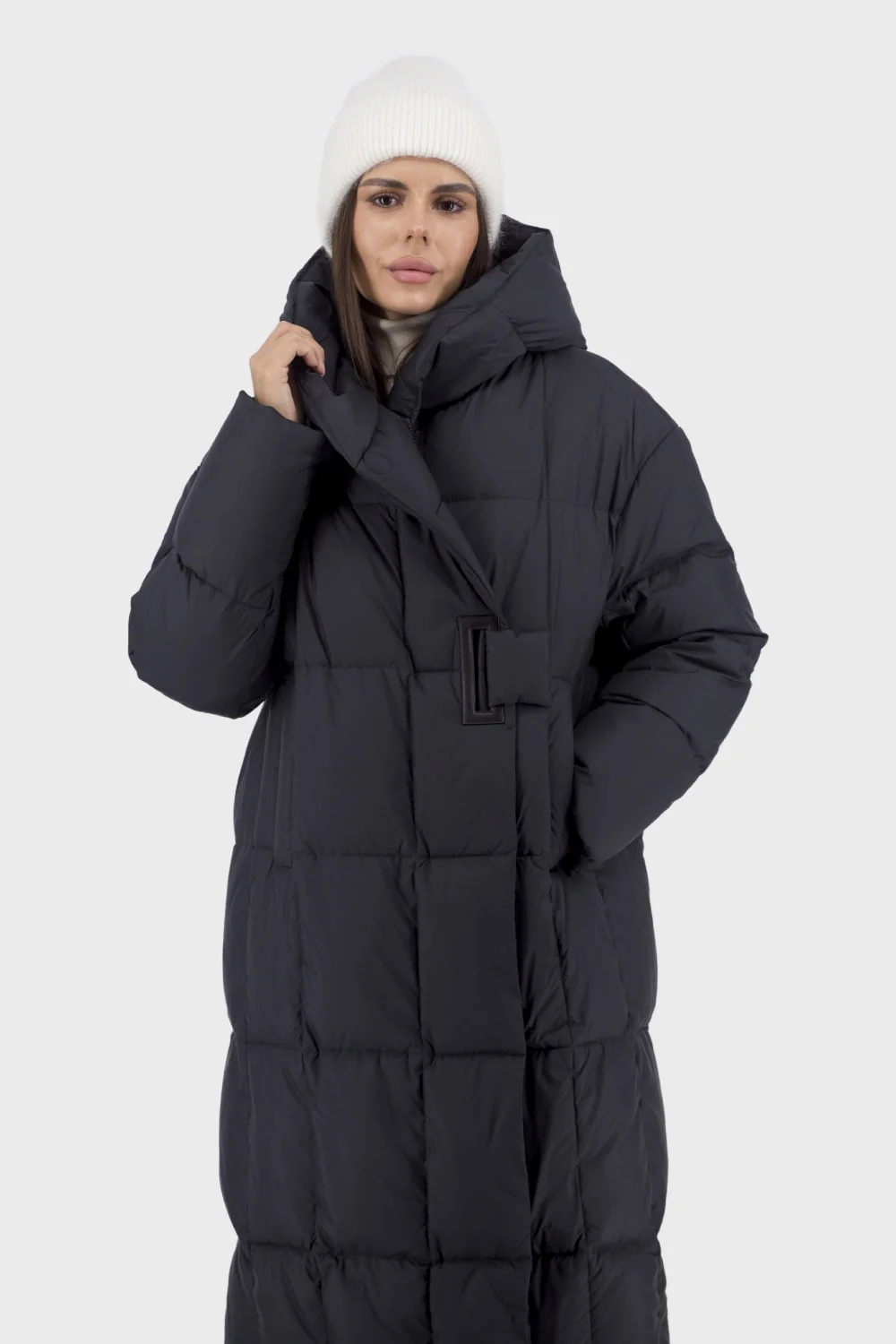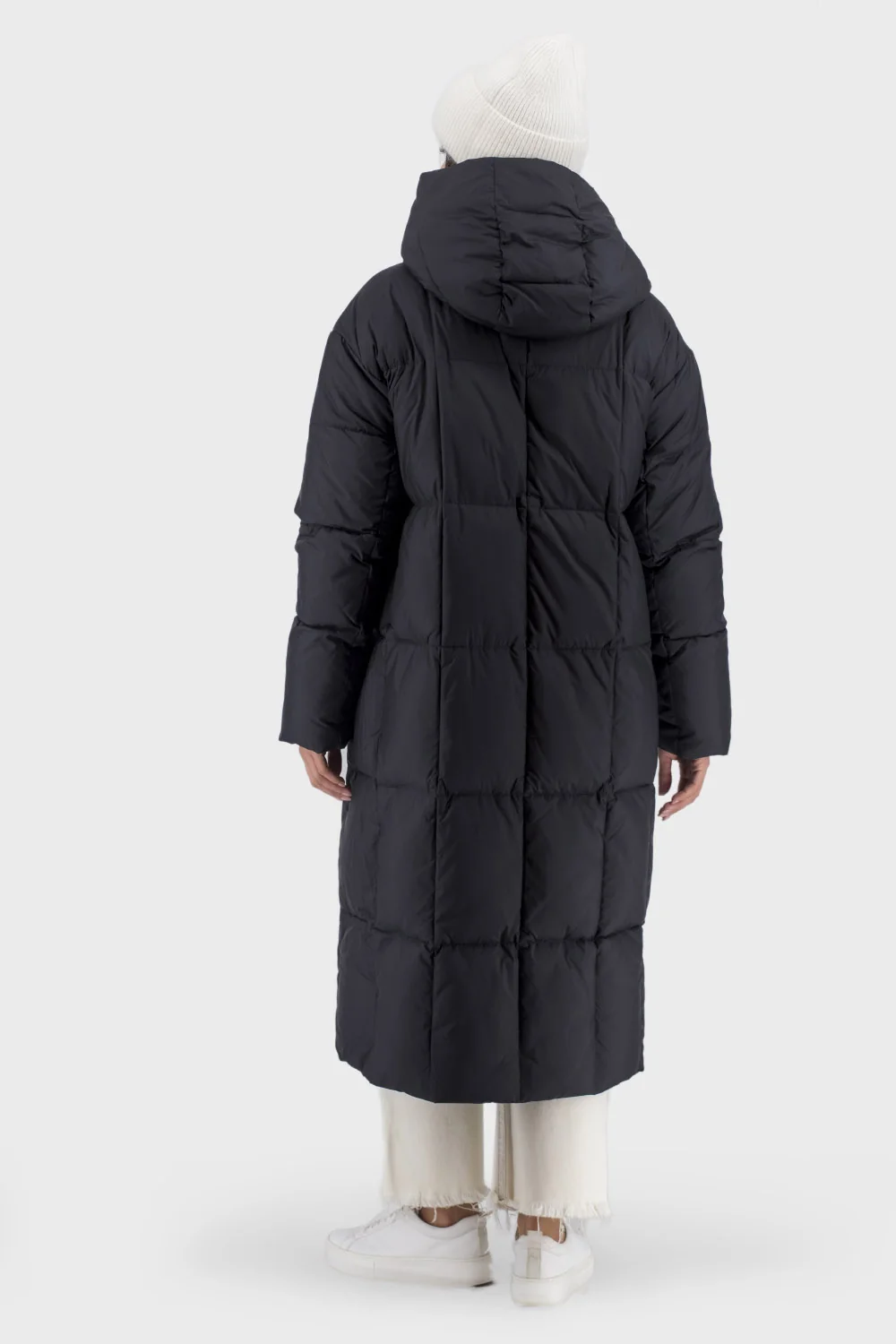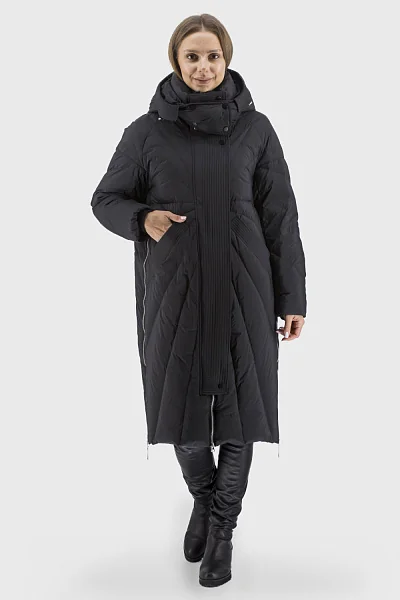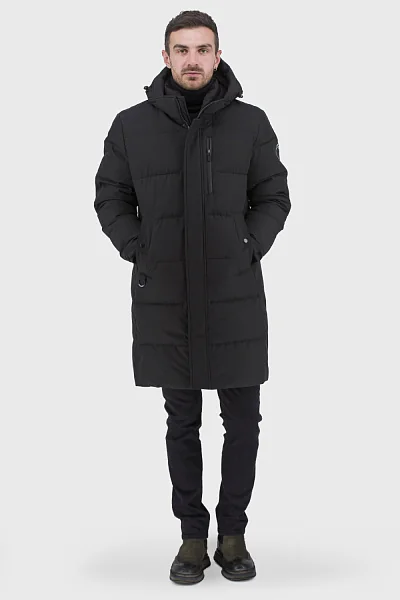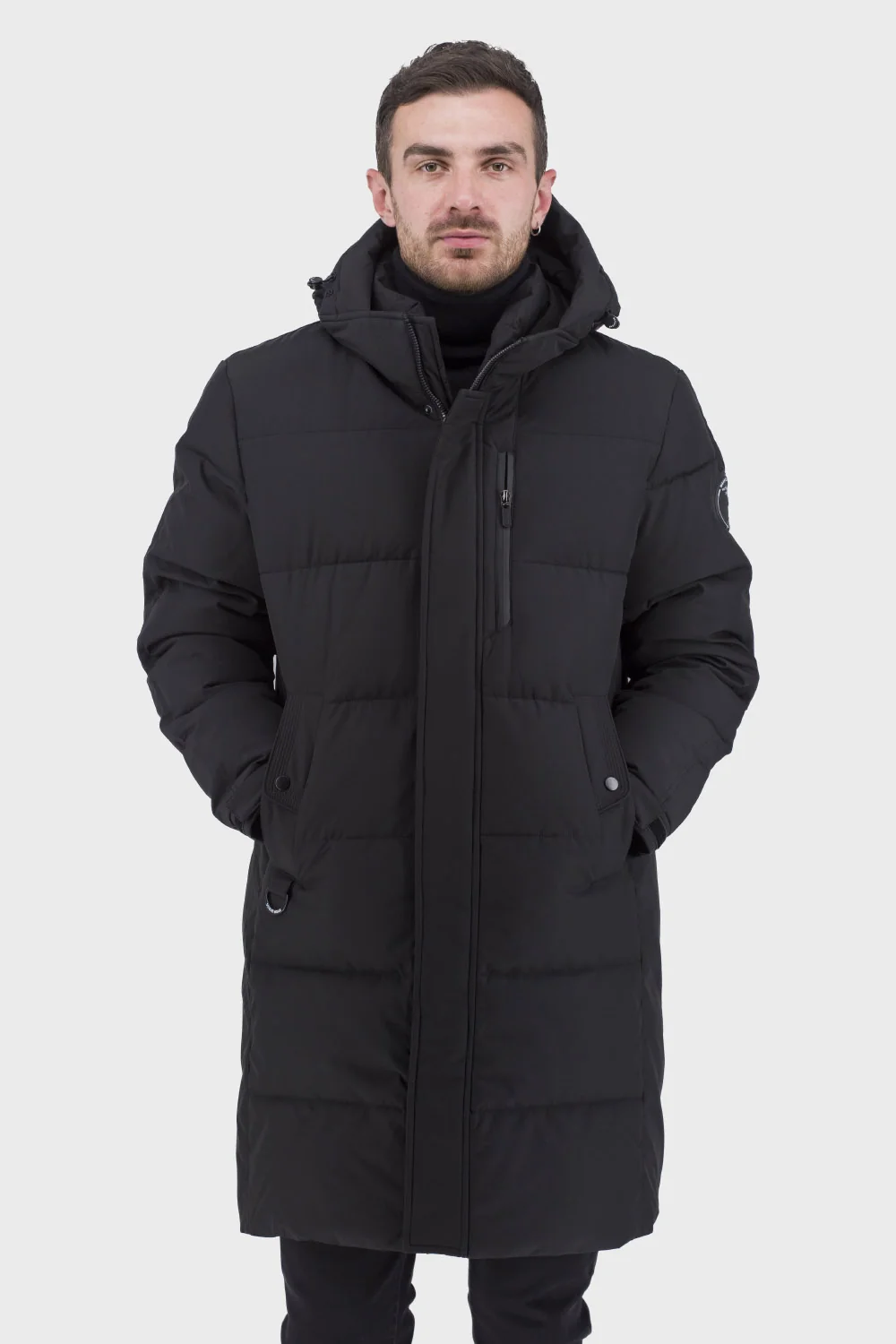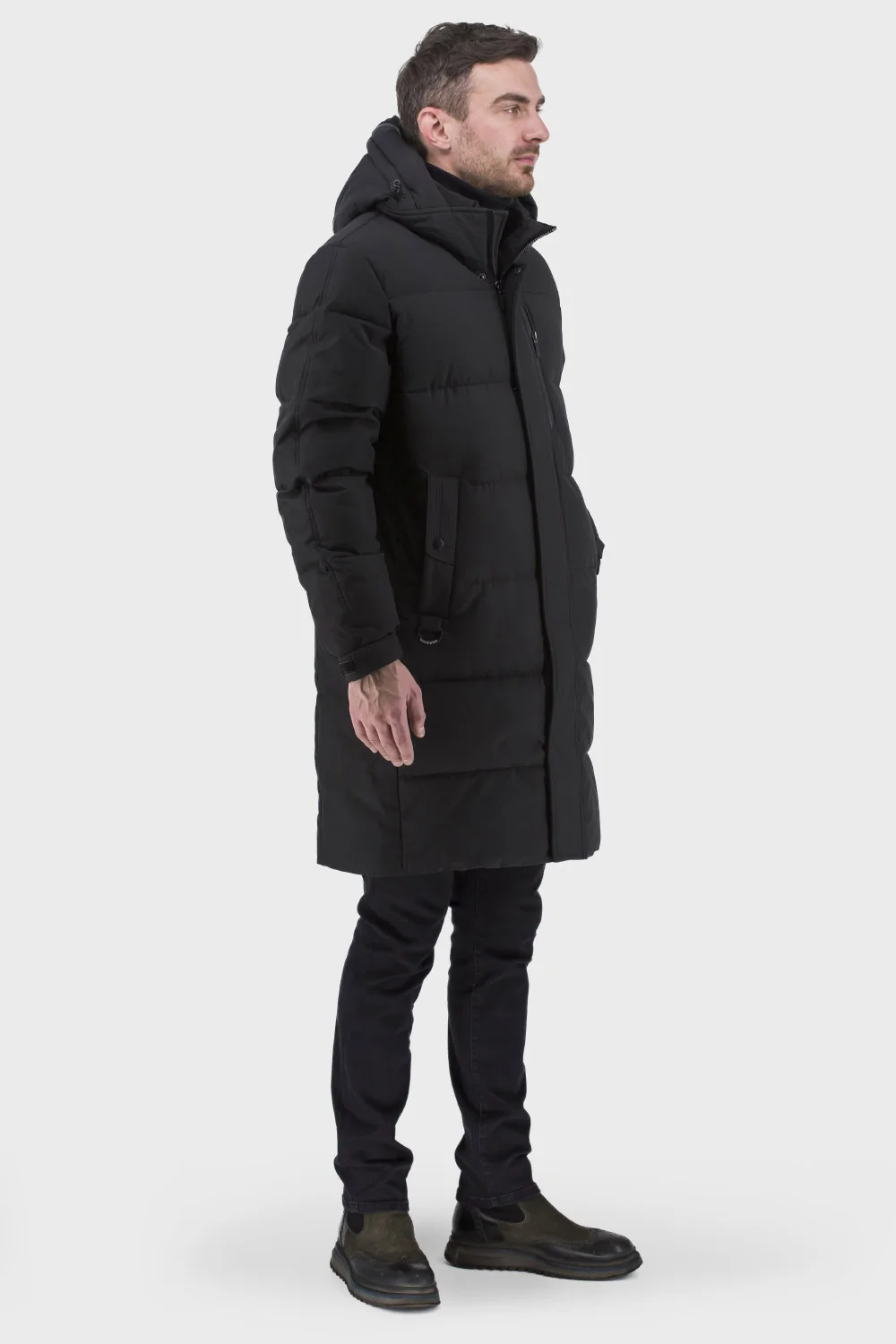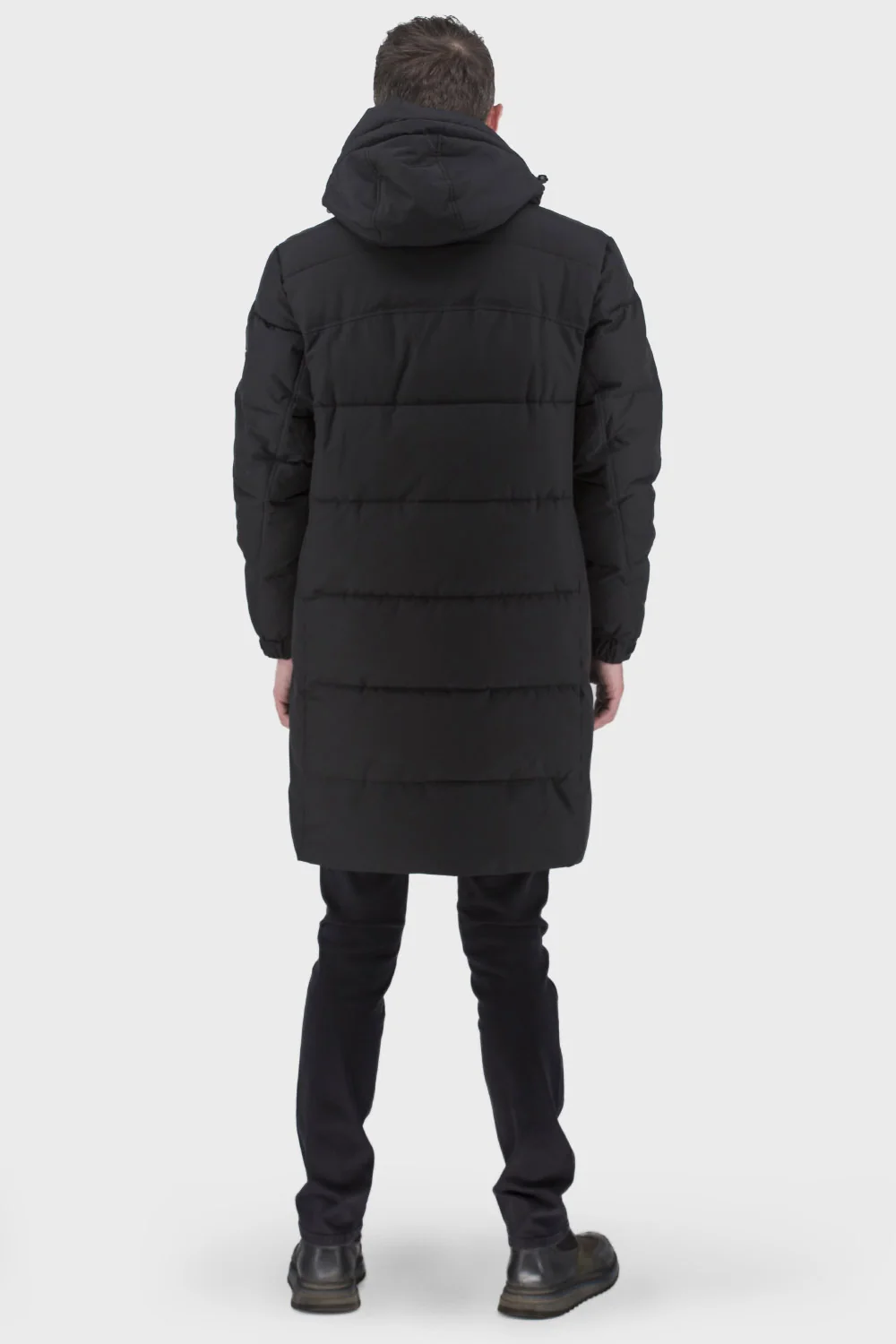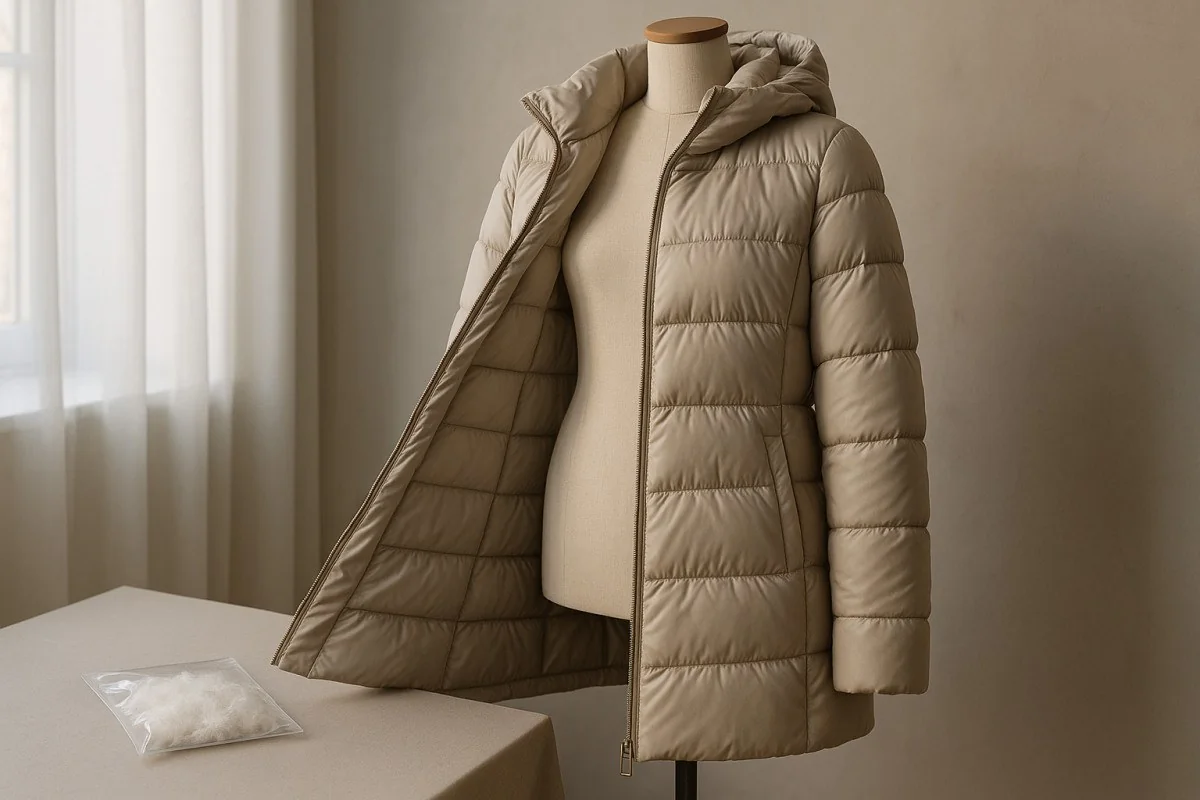
After washing, a down jacket may lose volume because the filling sticks together in dense clumps. Some quilted sections may feel empty, while others become heavy and compact. In many cases the loft can be restored at home, provided that the care label is followed carefully.
Check the care label first
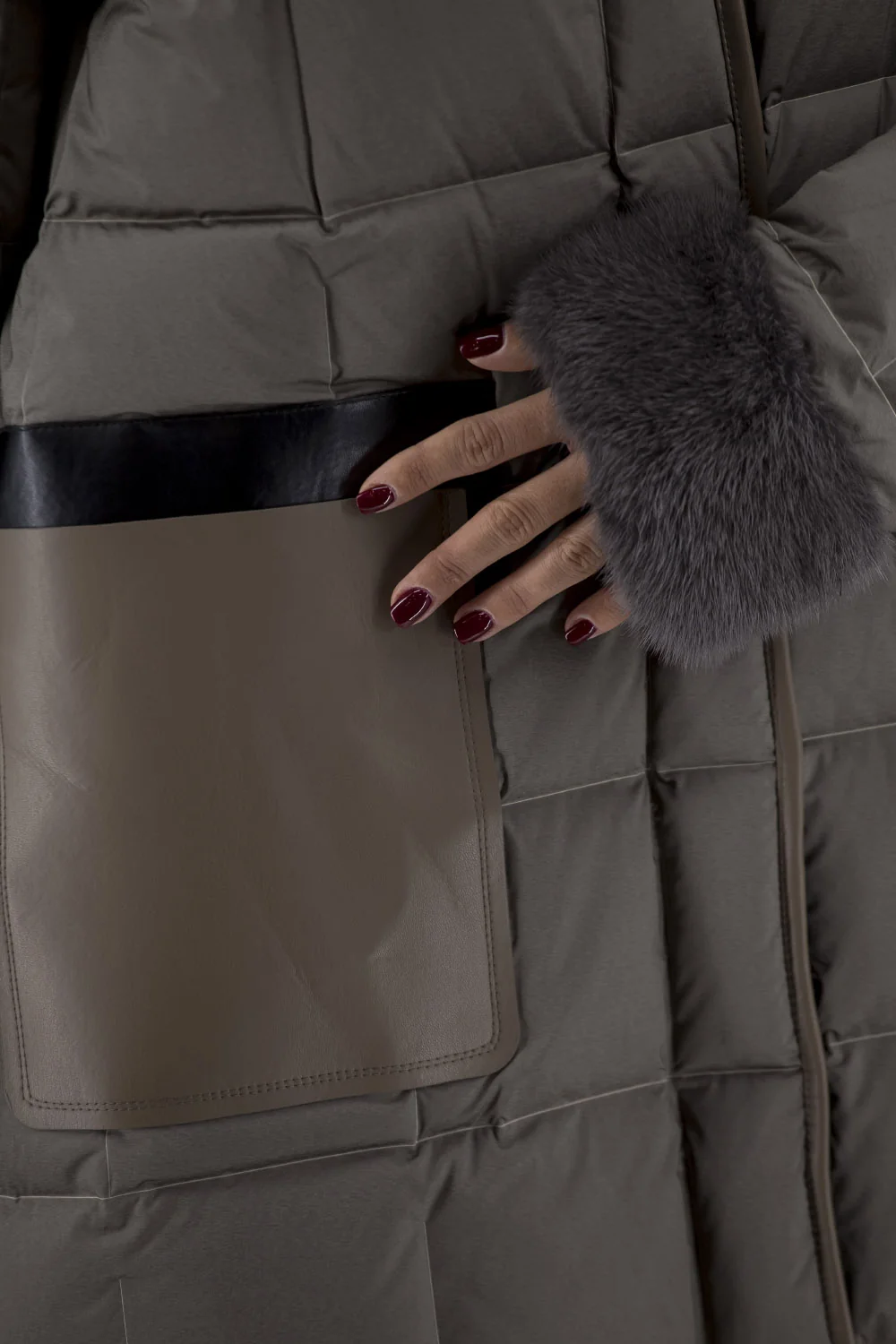
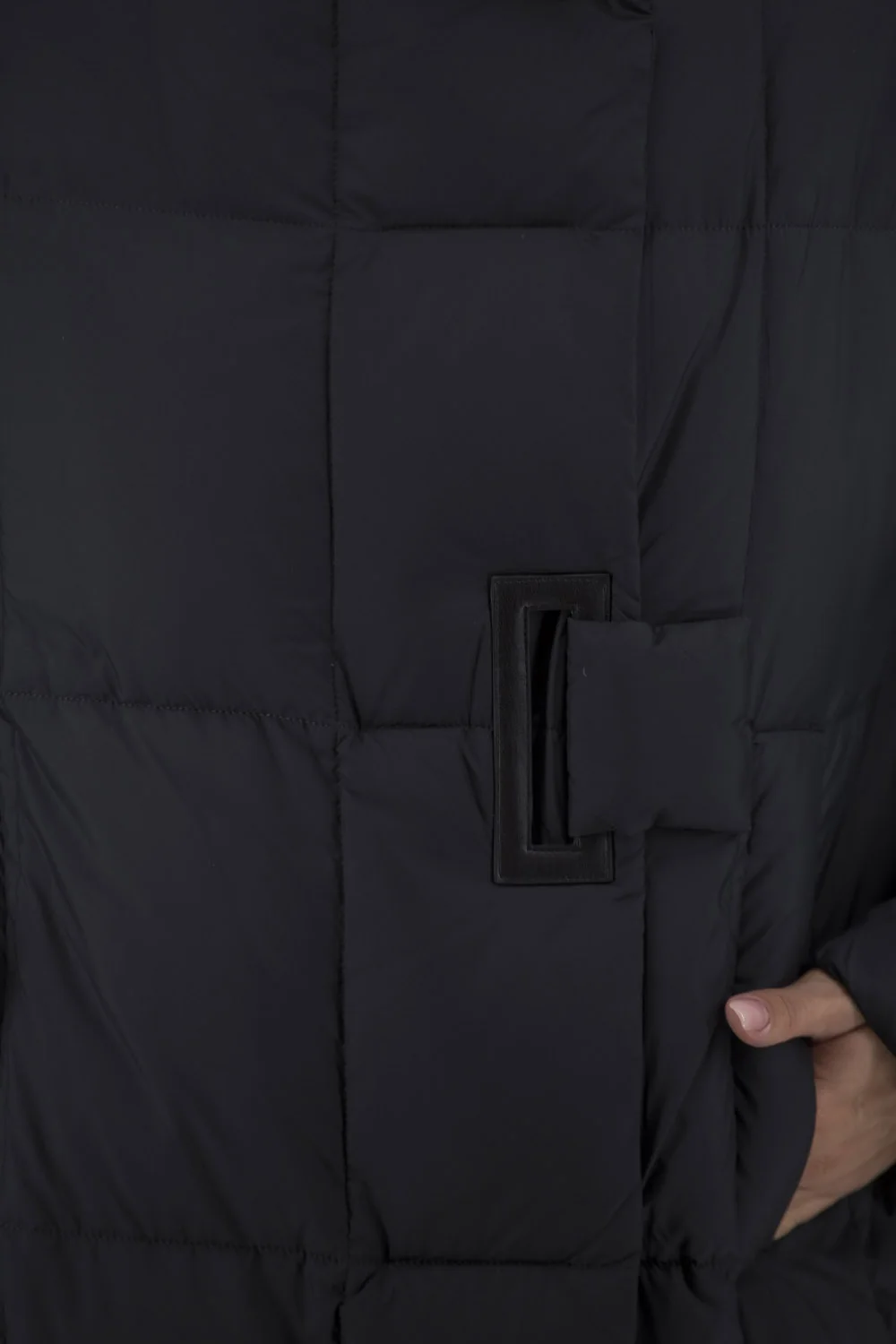
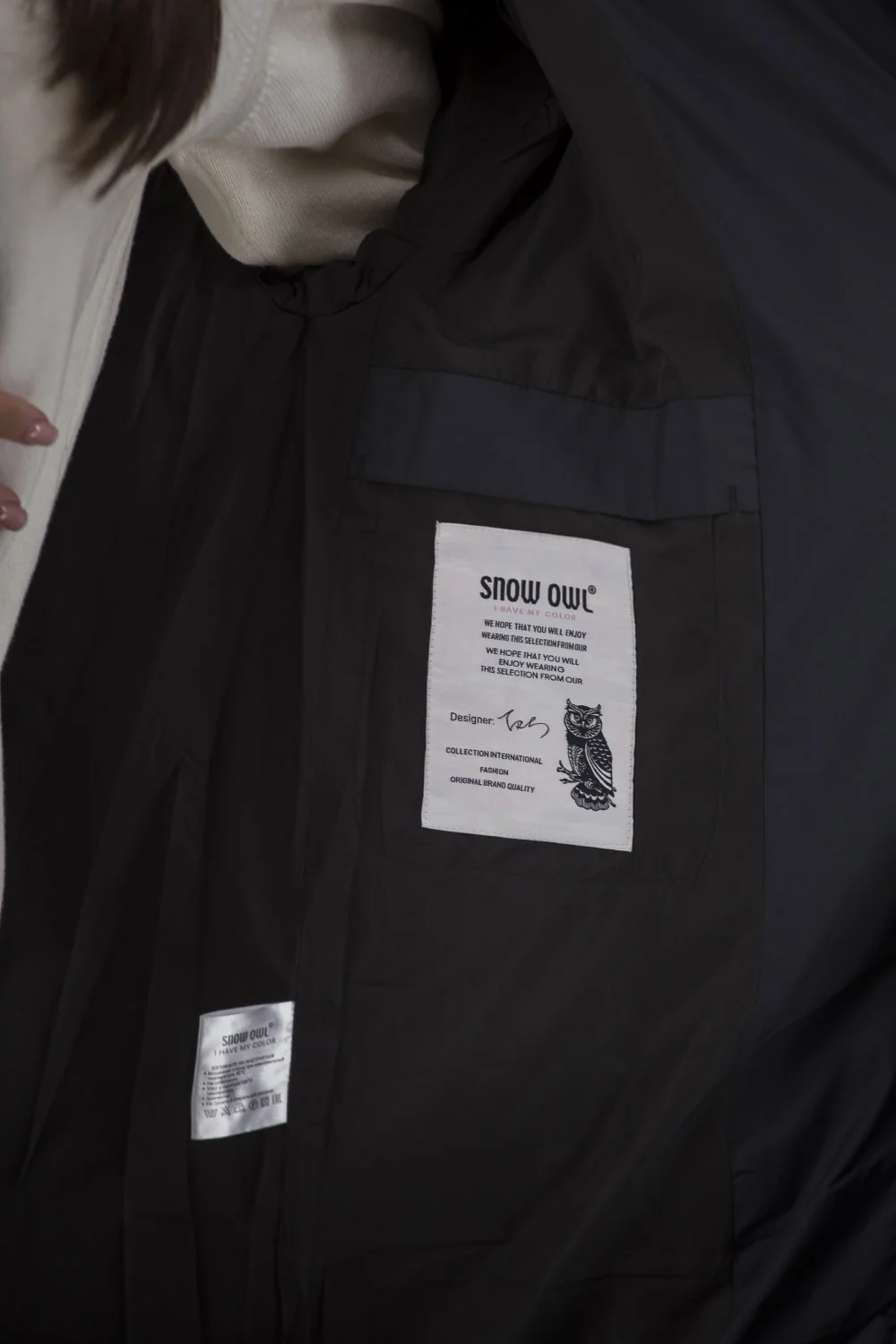
Before taking any action, read the garment care symbols. Some down jackets are machine washable, while others require hand cleaning or professional dry cleaning. Extra care is needed for garments with leather panels, membranes, taped seams, natural fur or complex decorative details.
If the washing symbol is crossed out, do not wash the jacket again at home. Professional cleaning is the safer option.
Why down clumps after washing
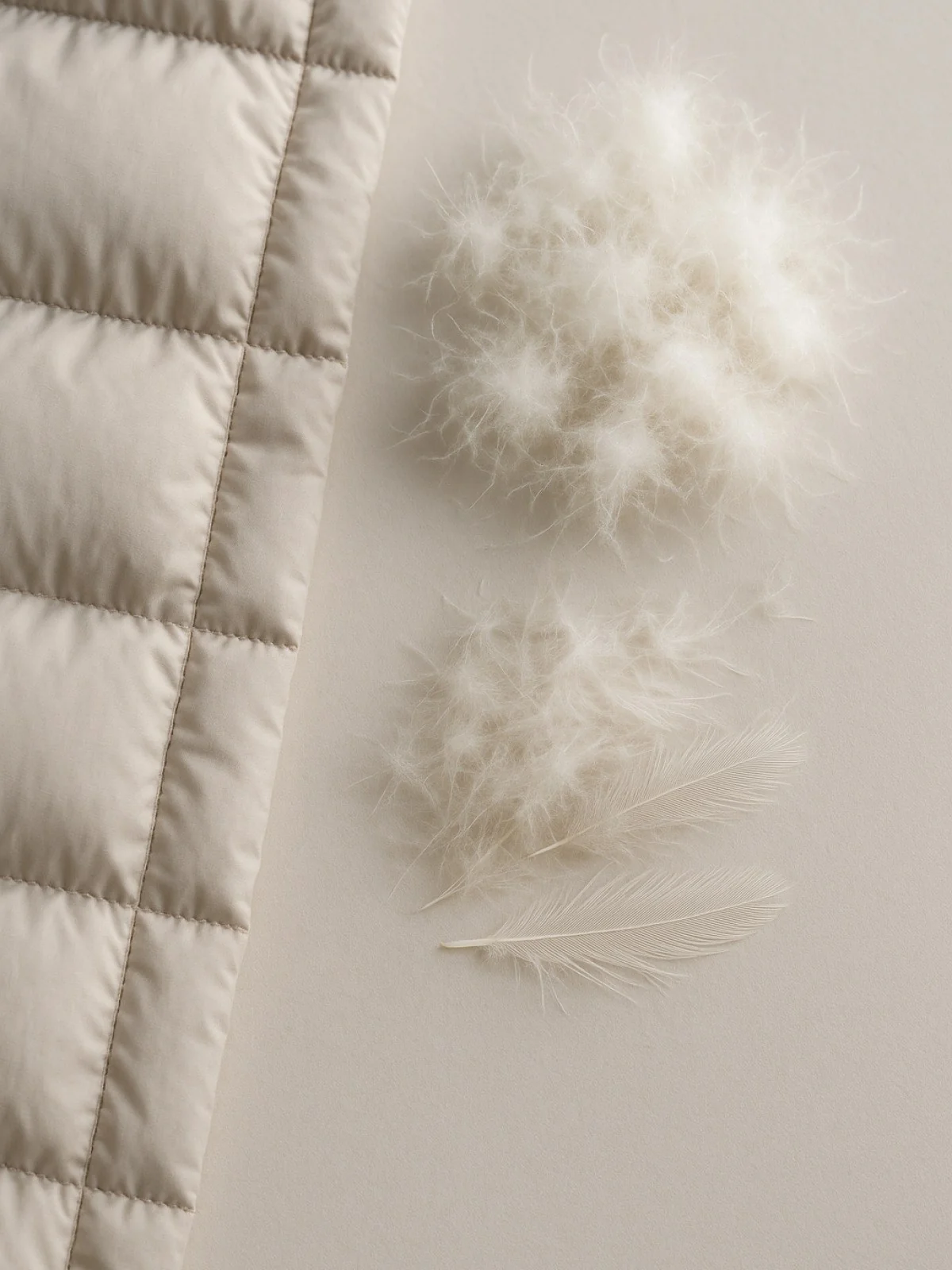
Down and feathers absorb water, become heavier and stick together. If the jacket remains wet for too long or dries unevenly, the clumps become denser. Excess detergent, aggressive spinning, an unsuitable temperature or insufficient rinsing can make the problem worse.
Synthetic insulation can also shift, but the correct recovery method depends on its structure. The same treatment should not automatically be used for down, feathers, polyester batting and other fillings.
Correct drying is the main recovery step
Remove the jacket from the washing machine immediately. Do not leave it sitting in the drum. Gently spread the garment out and use your hands to distribute the filling inside each quilted chamber.
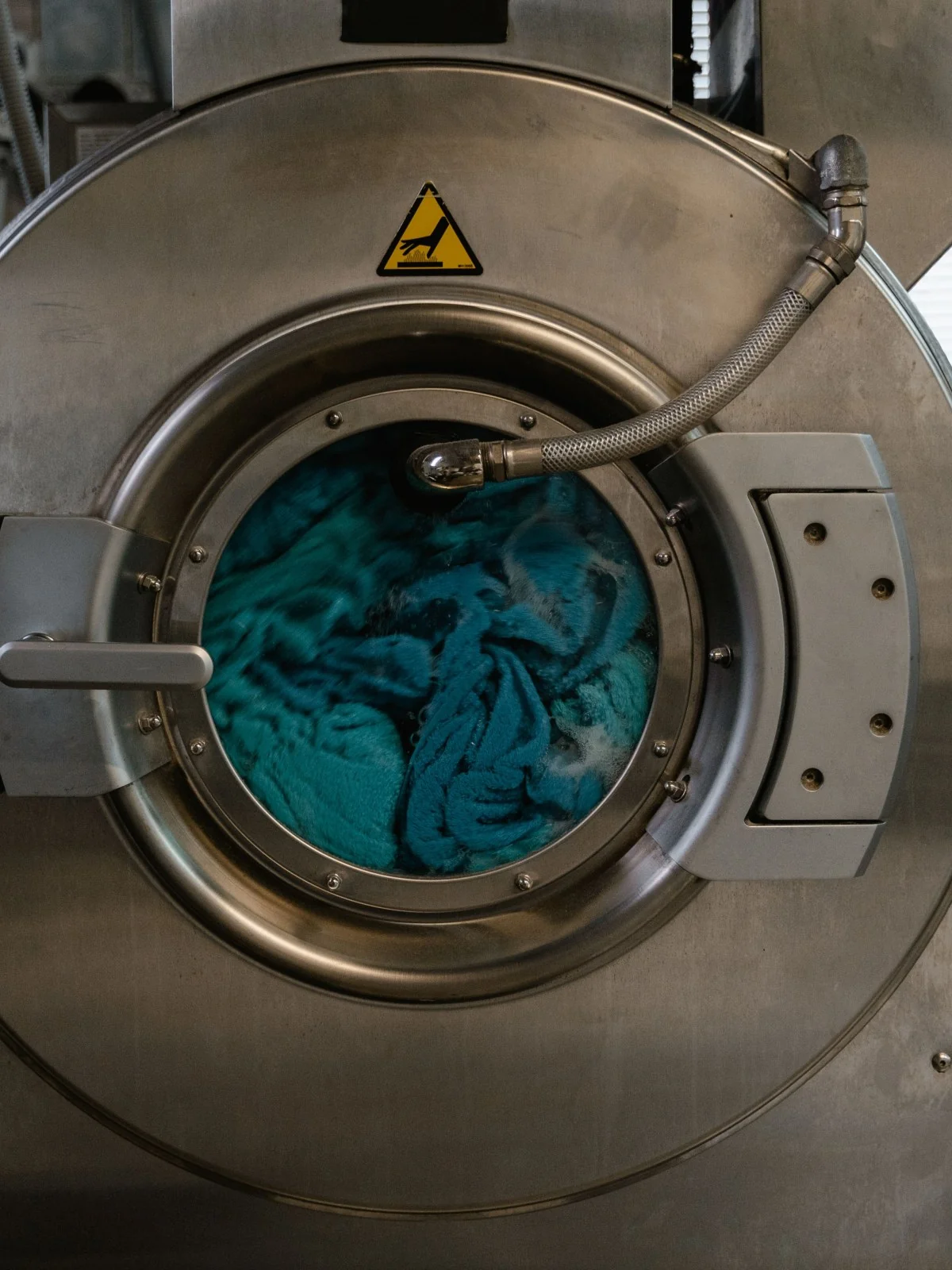
Dry the jacket in a well-ventilated space away from open flames, radiators and very hot air. Never place a wet down jacket directly on a heater, because high temperatures may damage the shell fabric, membrane, adhesive elements and insulation.
During drying, turn the jacket over every few hours, shake it gently and break up clumps with your fingers. Pay particular attention to sleeves, side panels, shoulders and the lower sections.
How to restore loft by hand
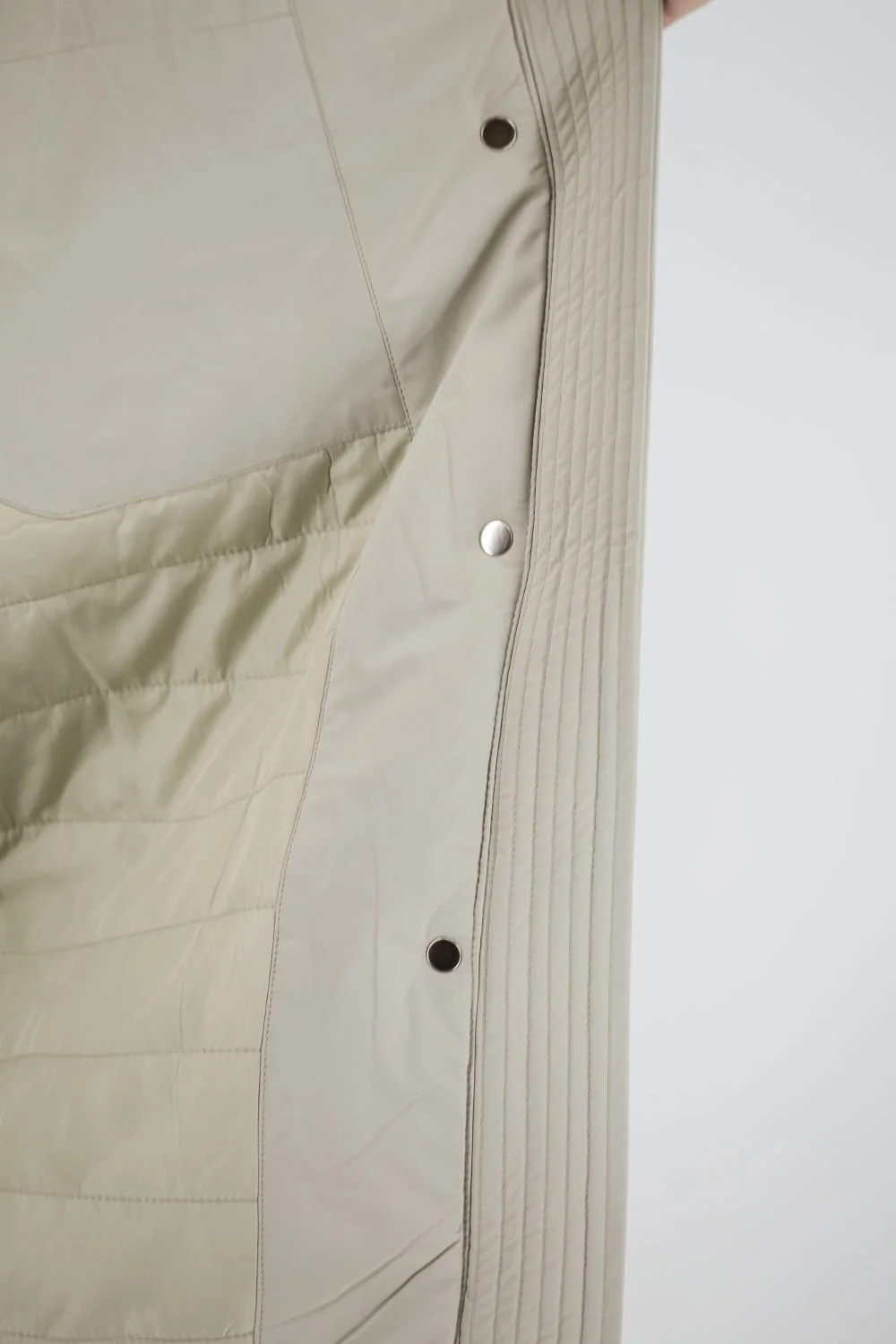
Hand distribution is the safest method. Place the nearly dry jacket on a clean flat surface. Check each quilted chamber and gently separate compacted filling through the shell fabric.
Do not pull sharply or strike the jacket with force. Work gradually: divide the largest clumps first, then distribute the filling evenly throughout the chamber. Lift the jacket afterwards and shake it several times.
Can a tumble dryer be used?
Use a tumble dryer only when the care label specifically allows it. Select a low-temperature cycle or a dedicated down-garment programme.
Special dryer balls can improve circulation and gently separate the filling as the drum rotates. Avoid heavy, sharp or unsuitable objects that could damage the shell material.
What to do about detergent marks
White or yellowish marks after drying often indicate too much detergent or insufficient rinsing. When machine washing is permitted, an additional gentle rinse without detergent may help.
After rinsing, the jacket must again be dried completely and the filling redistributed. Avoid soaking only one small area heavily, because this can create new marks and uneven drying.
Methods that should be avoided
Do not beat a down jacket forcefully with a carpet beater, rolling pin or other hard object. This can damage the fabric, stitching and internal baffles. A powerful vacuum cleaner can also deform chambers or pull the shell into the nozzle.
A garment steamer does not directly restore clumped filling and may be unsuitable for certain fabrics. Rapid temperature changes are not a universal solution and can damage coatings or hardware.
How to reduce clumping during future washing
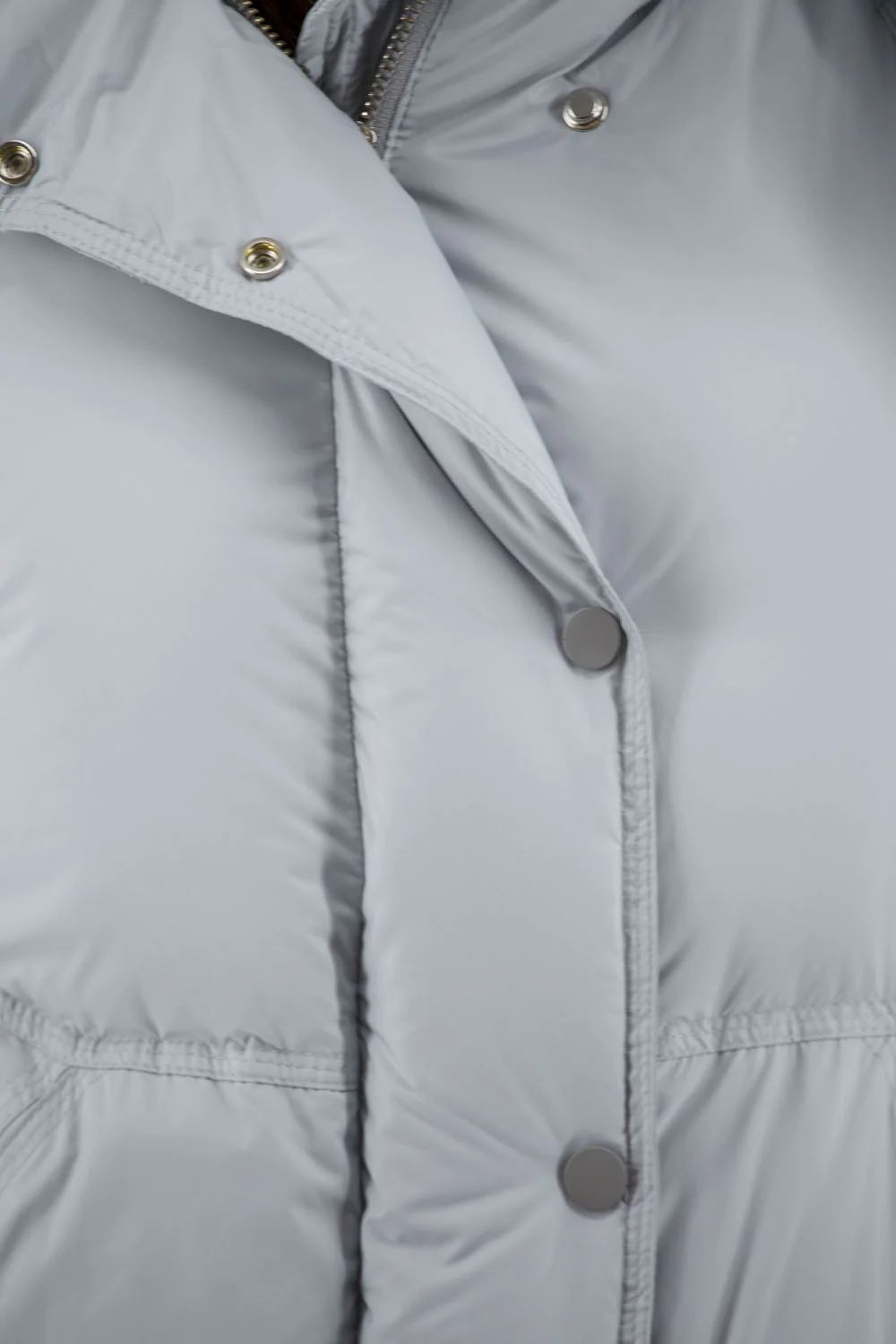
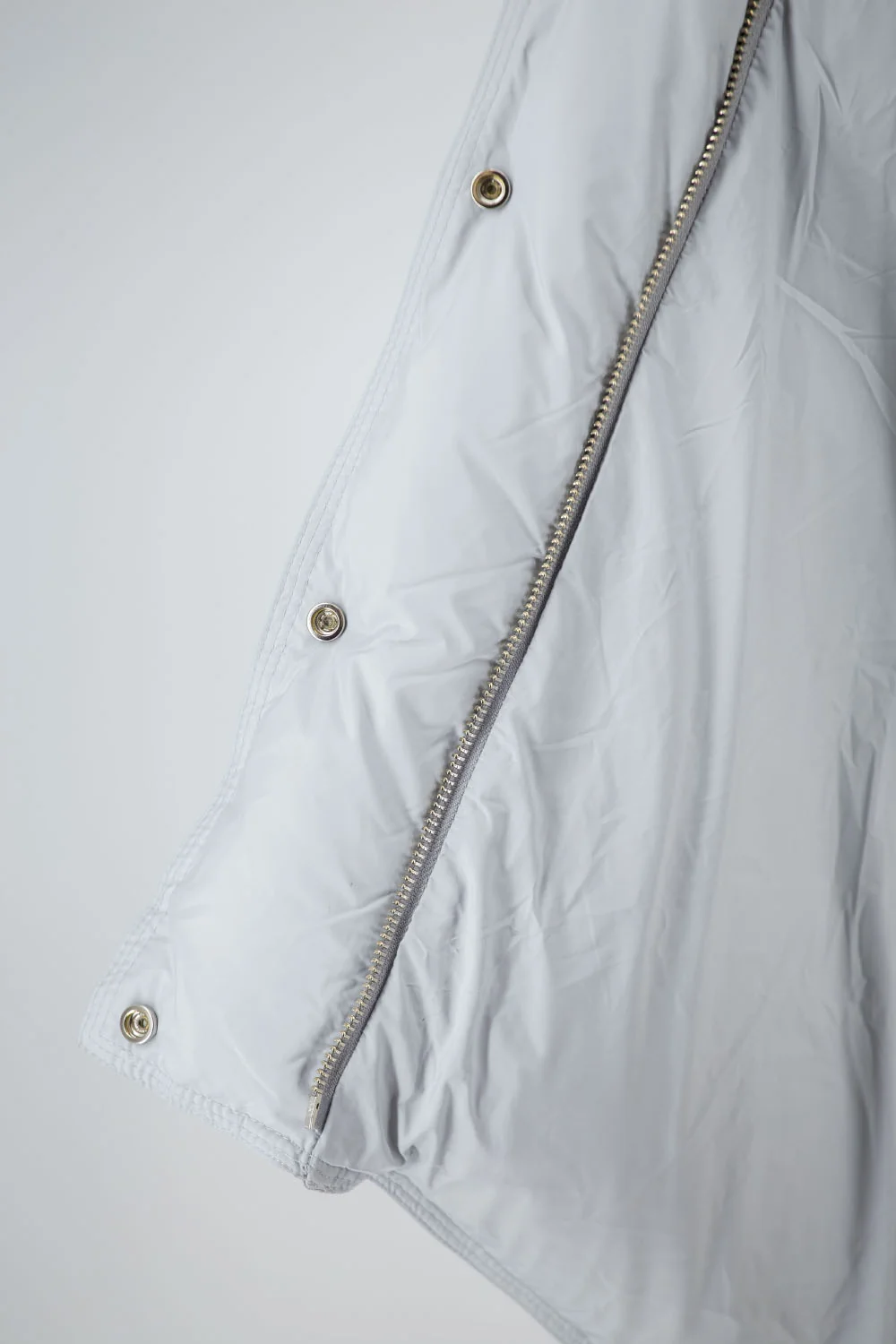
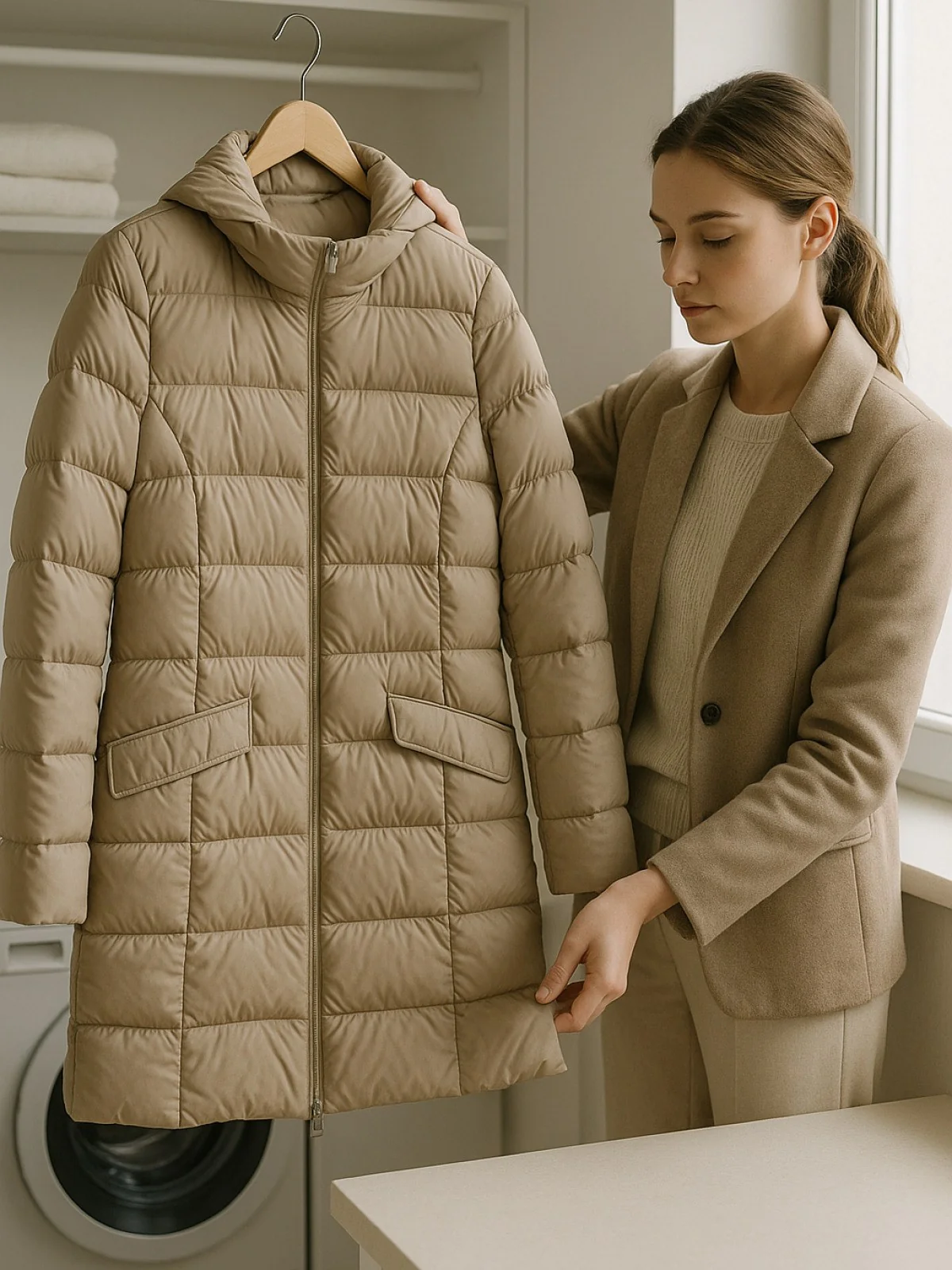
Close zips, snaps and hook-and-loop fasteners, check the pockets and follow the manufacturer’s instructions. Use a small amount of liquid detergent intended for delicate or down-filled garments. Powder detergent may be harder to rinse out.
Select a gentle programme and low temperature. Spin speed should match the care label. An additional rinse can help remove detergent residue.
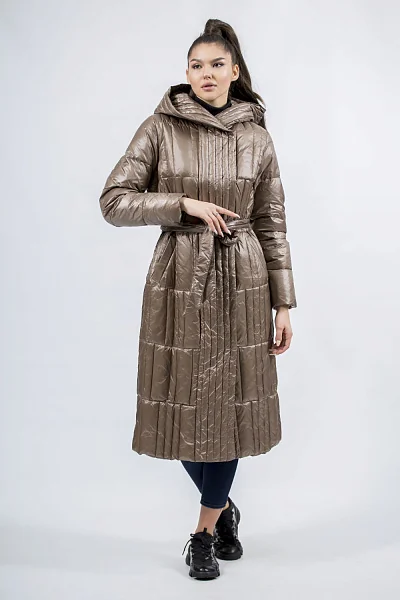
Browse women’s down jackets or read our guide to outerwear insulation materials.
When professional help is needed
Professional cleaning is recommended when the jacket has a complex construction, natural fur, leather, a membrane or filling that remains compact after complete drying. Specialist help is also appropriate when internal baffles are damaged, a damp smell remains or stains do not disappear after correct rinsing.
The most important rule is patience. Complete drying can take time. Gentle shaking, manual redistribution and careful attention to the label usually restore much of the jacket’s original volume and insulating performance.