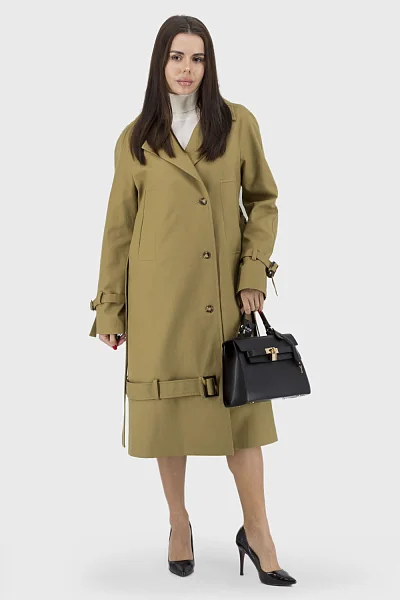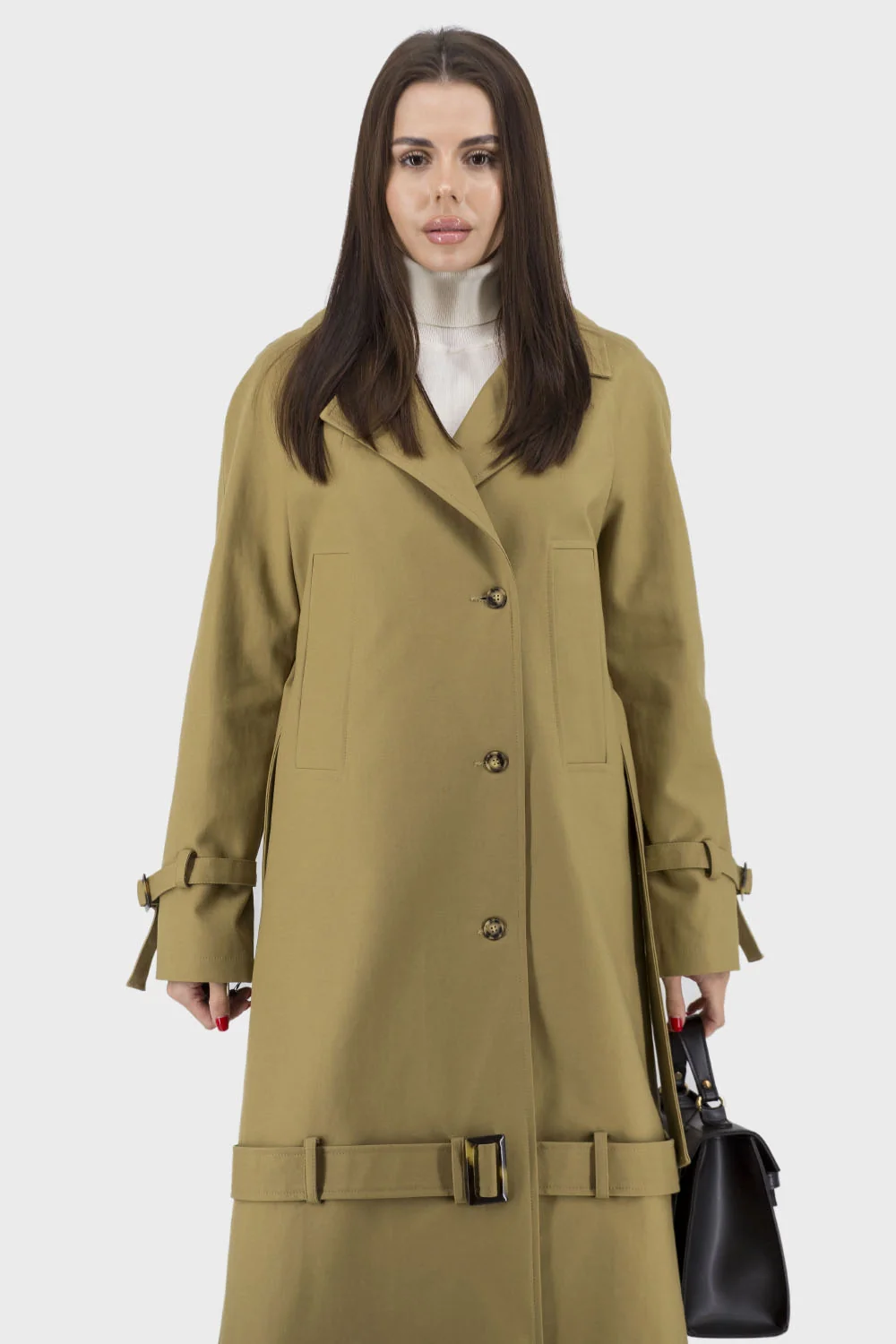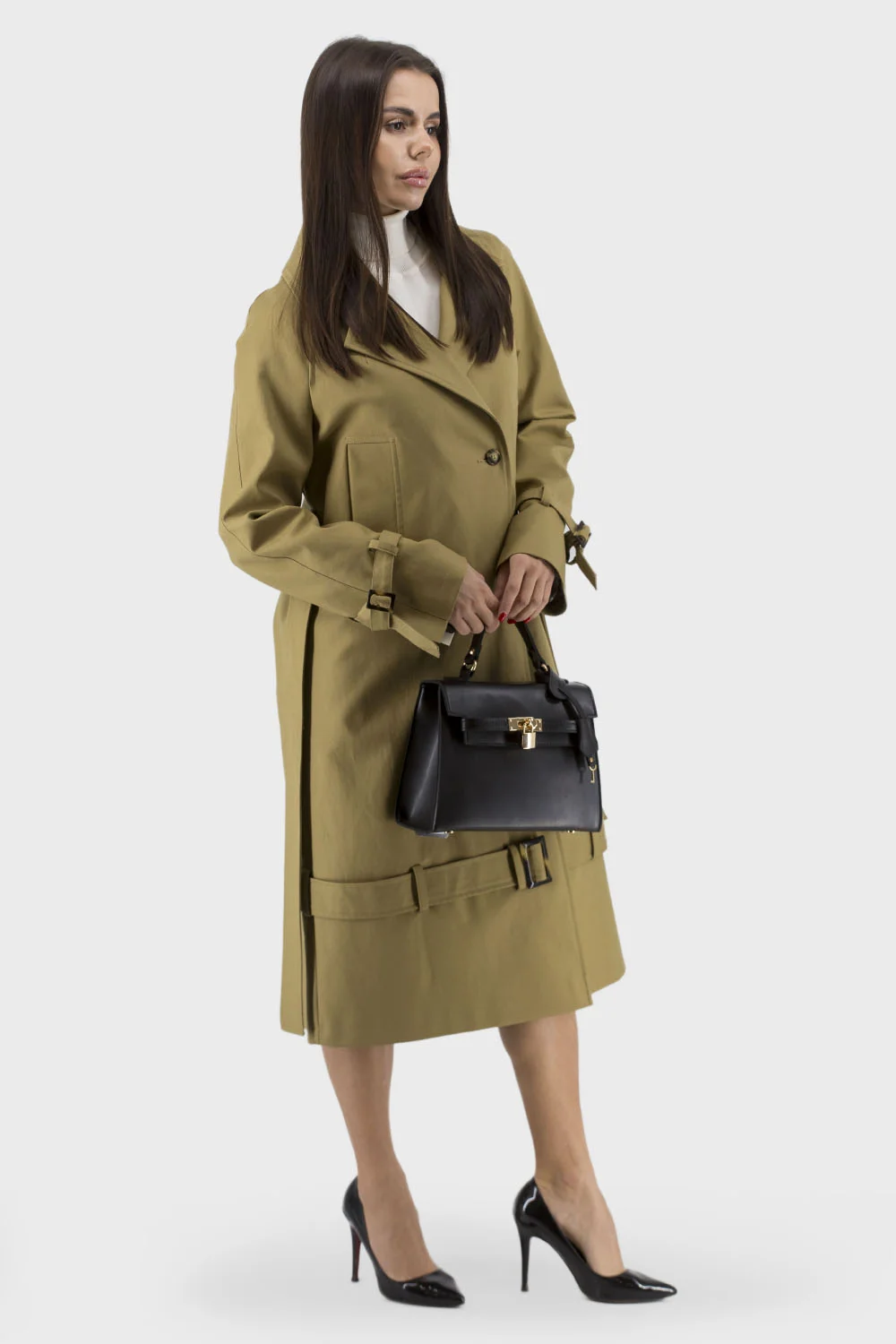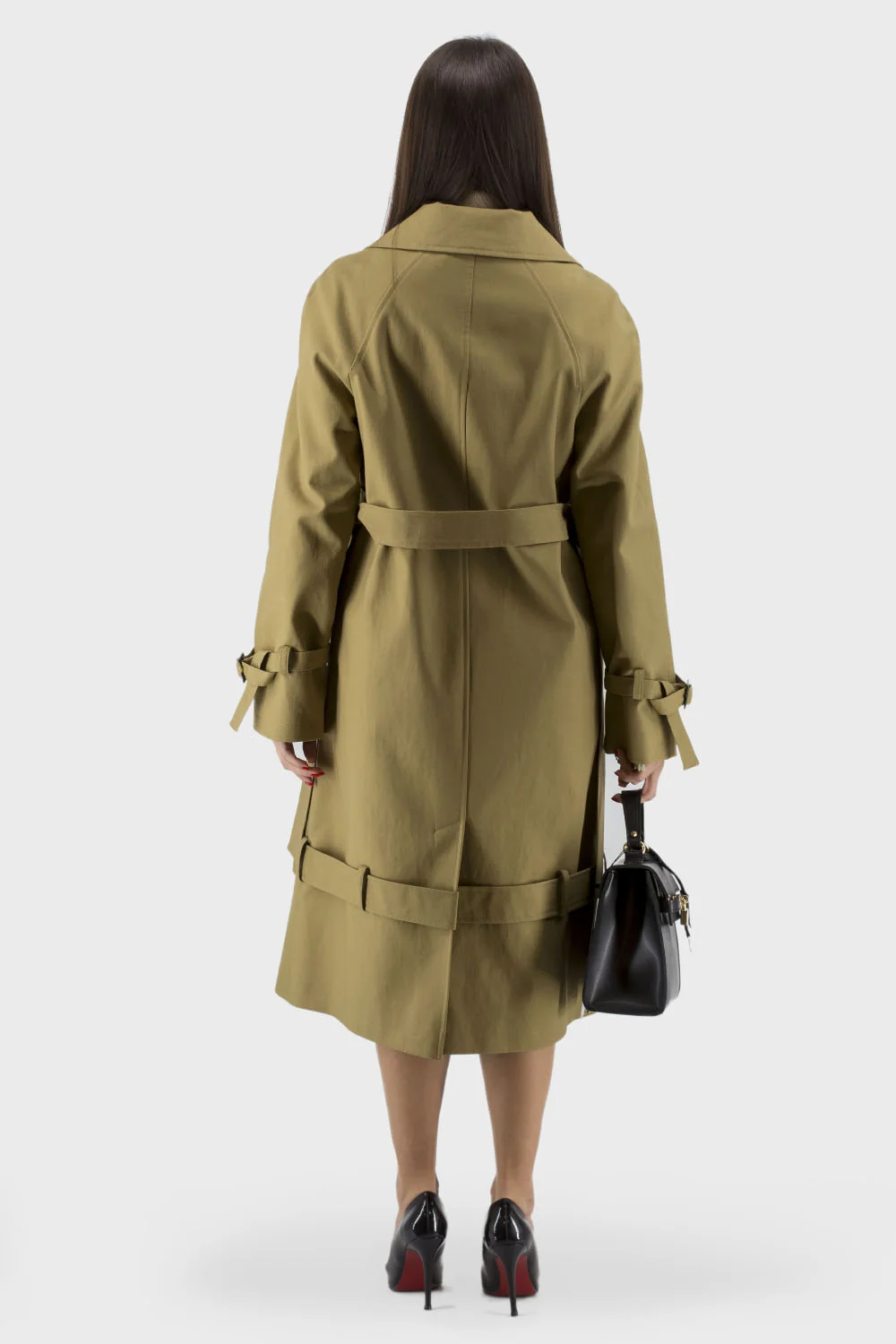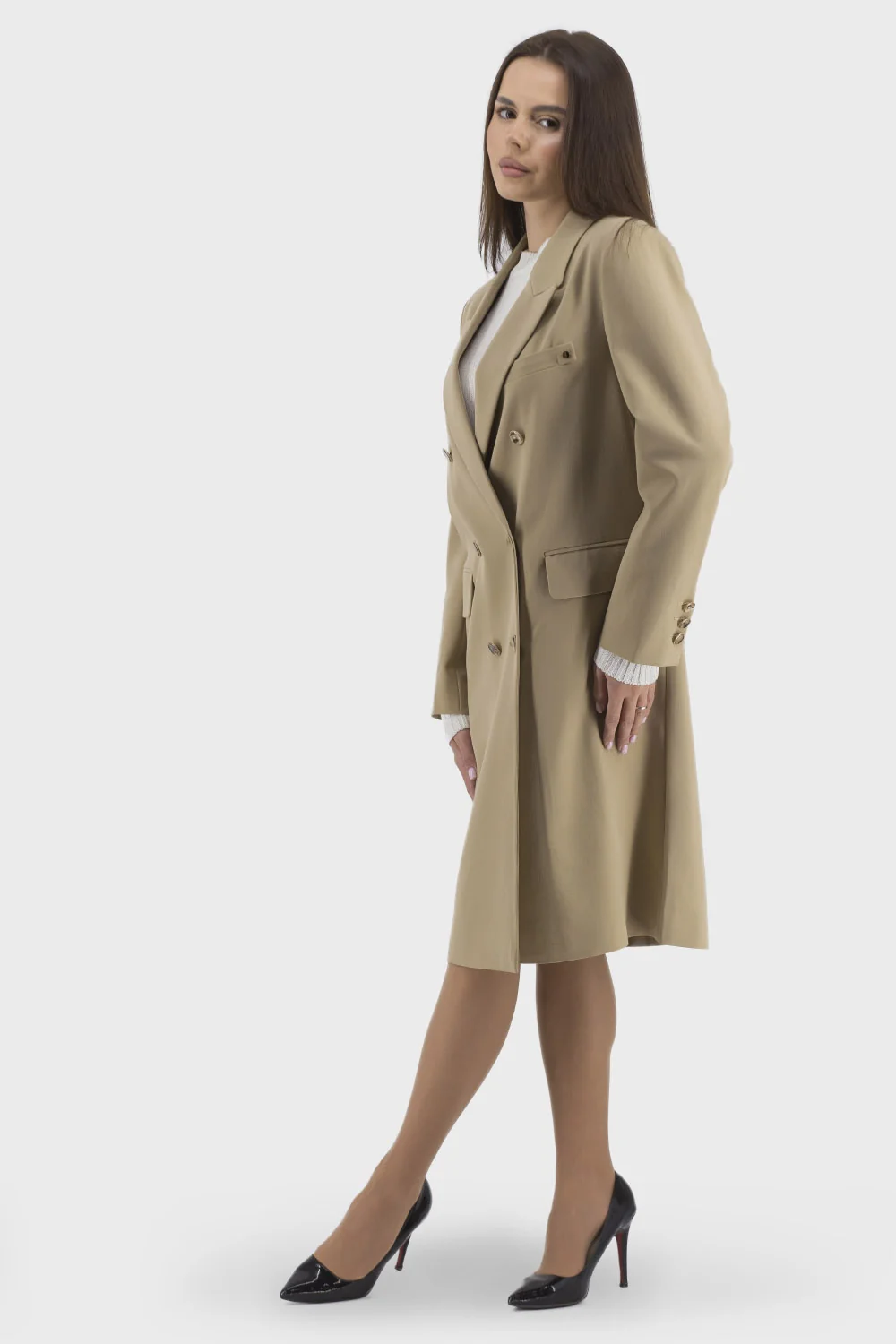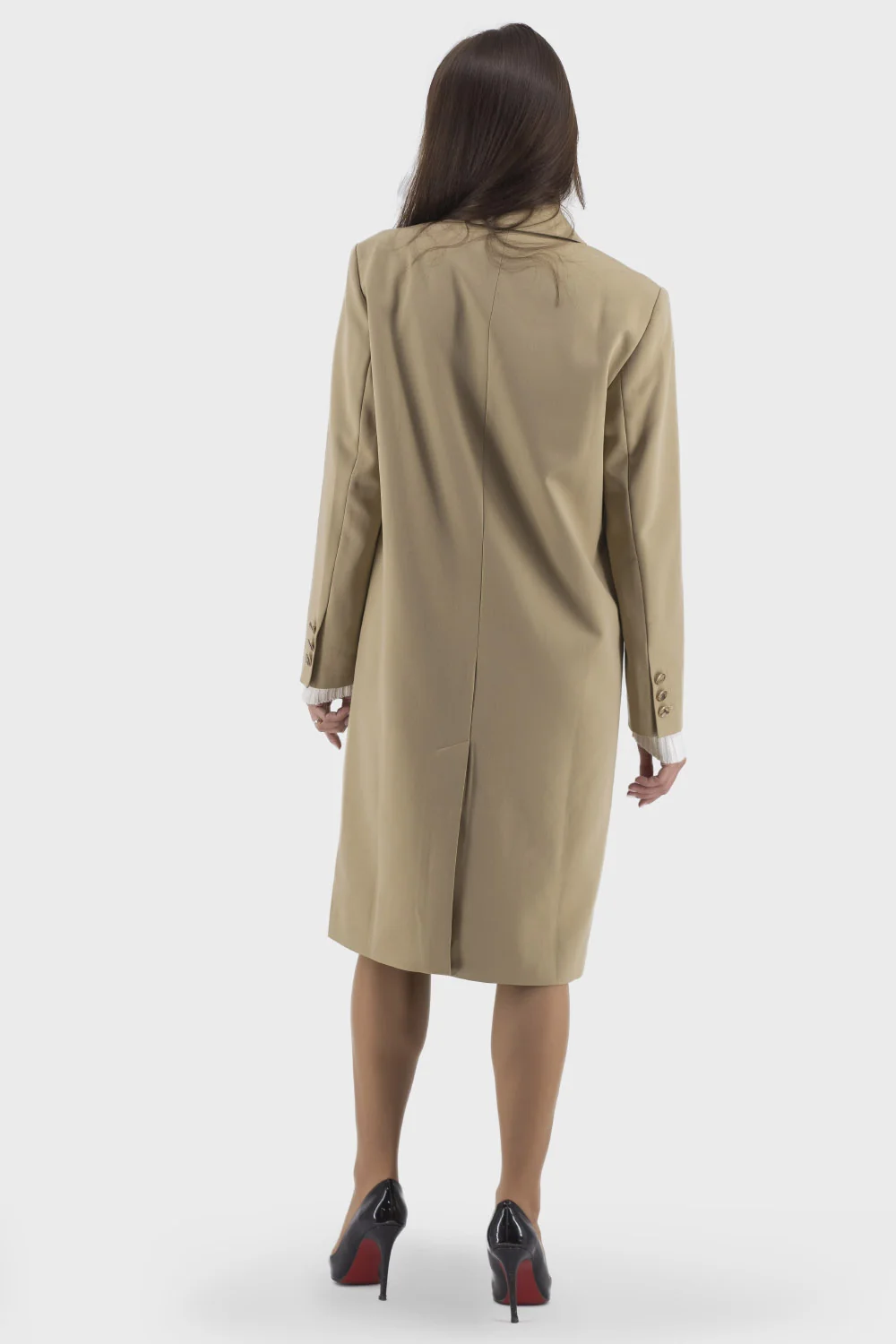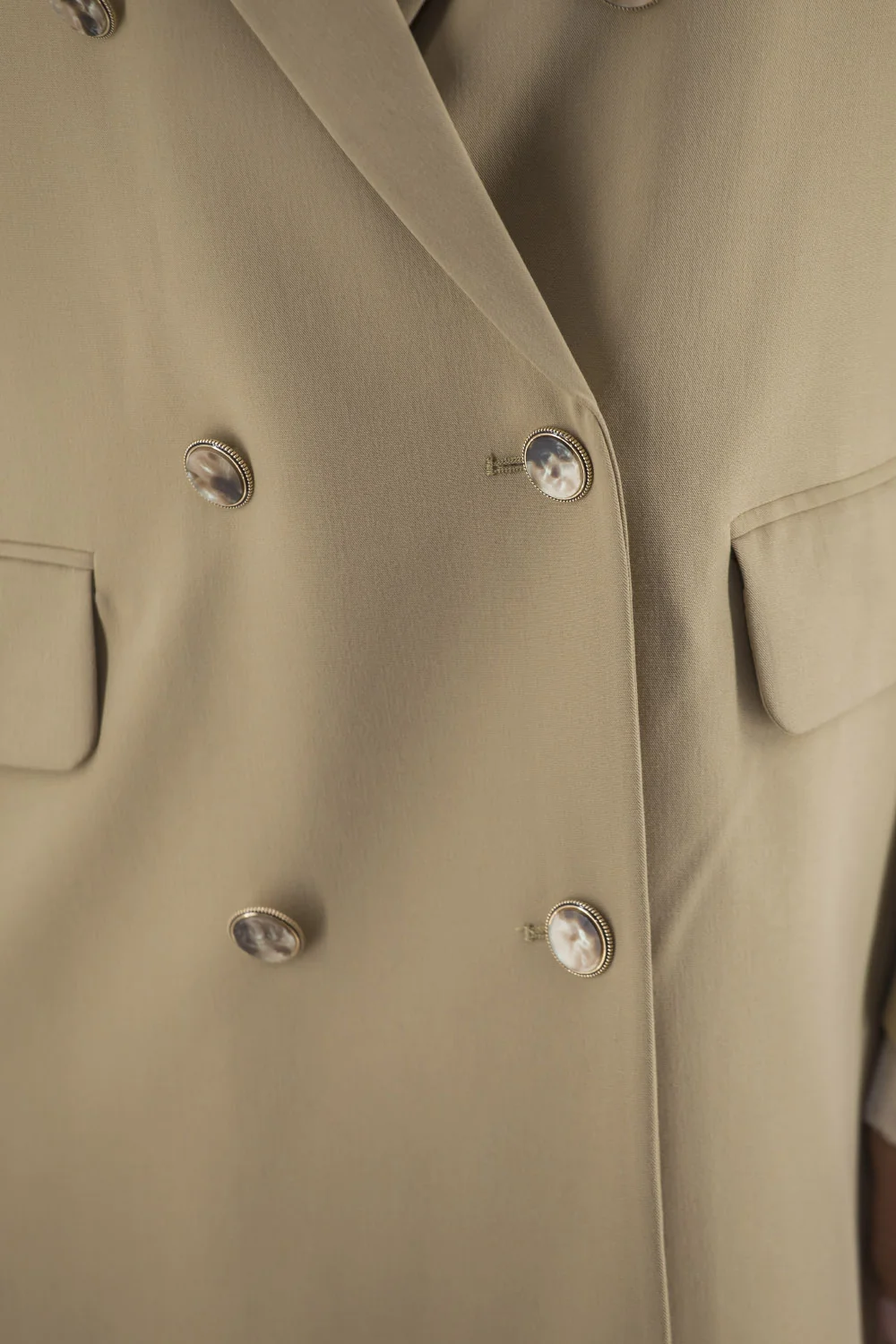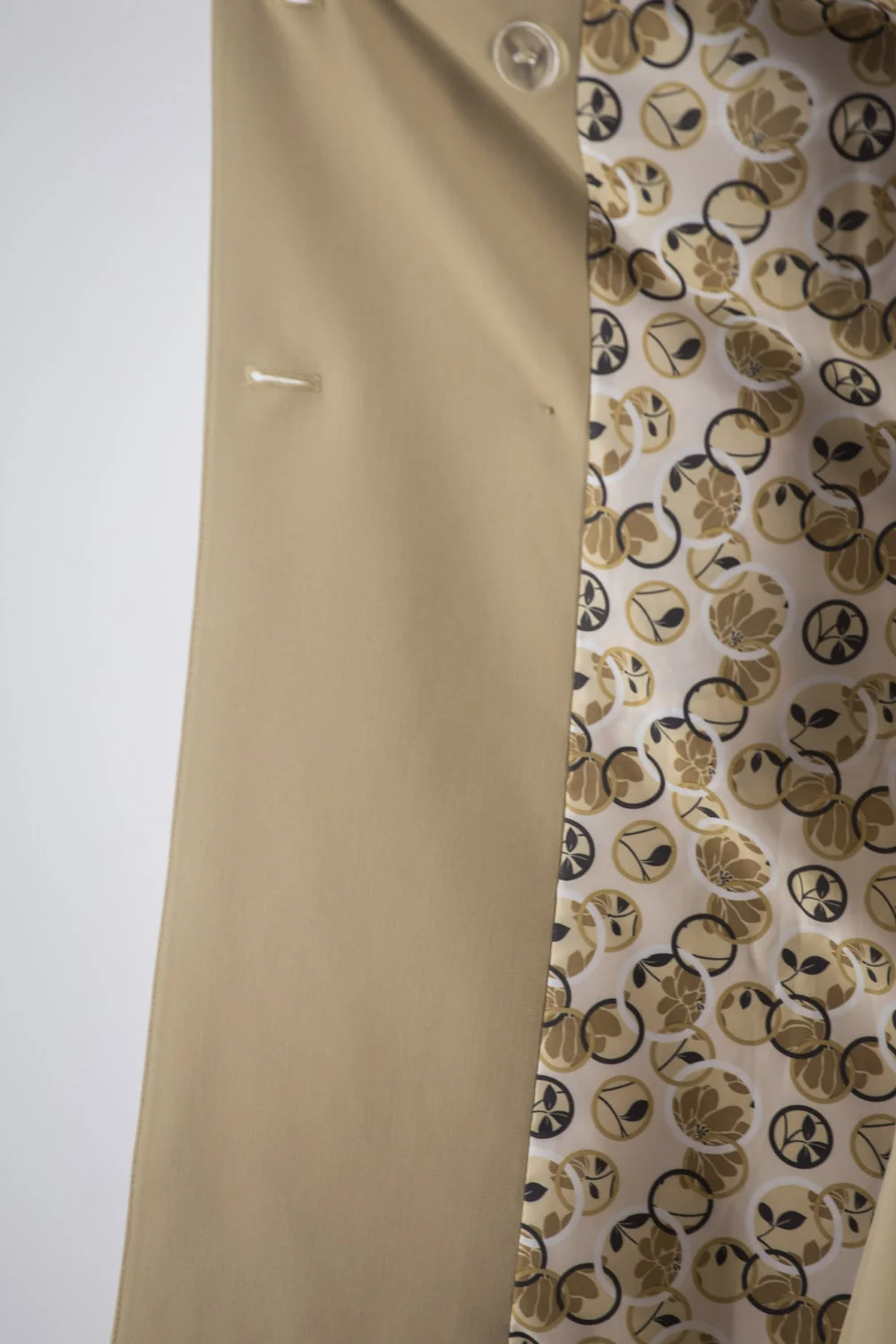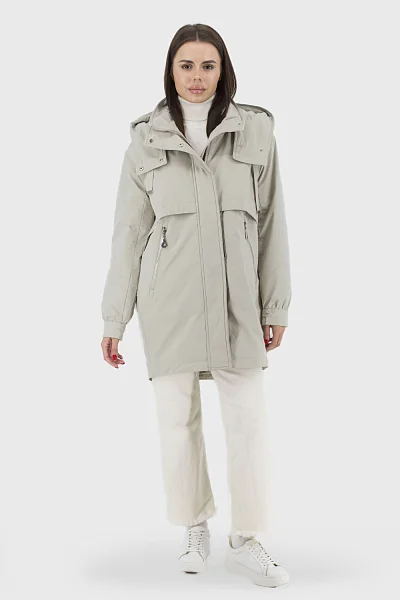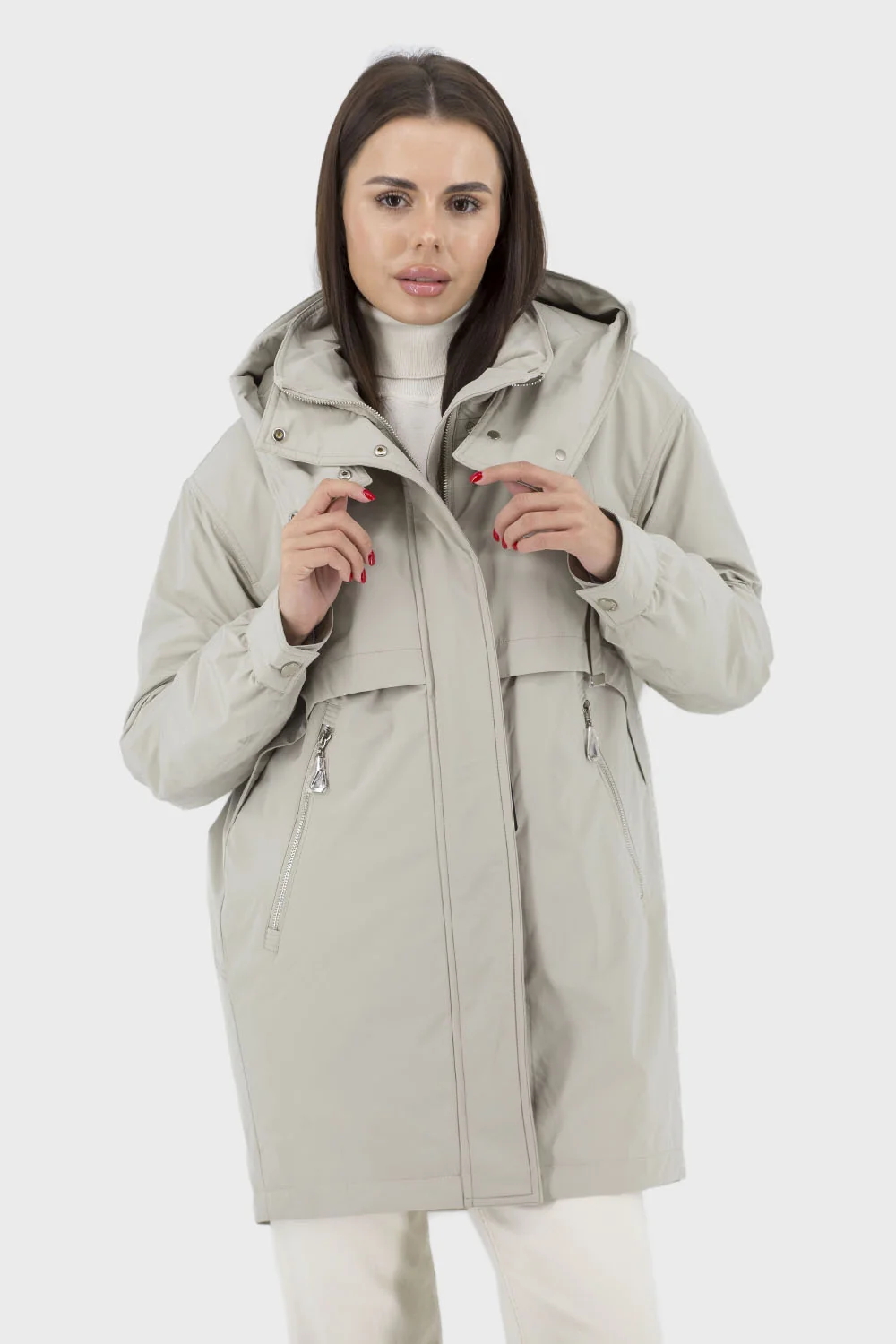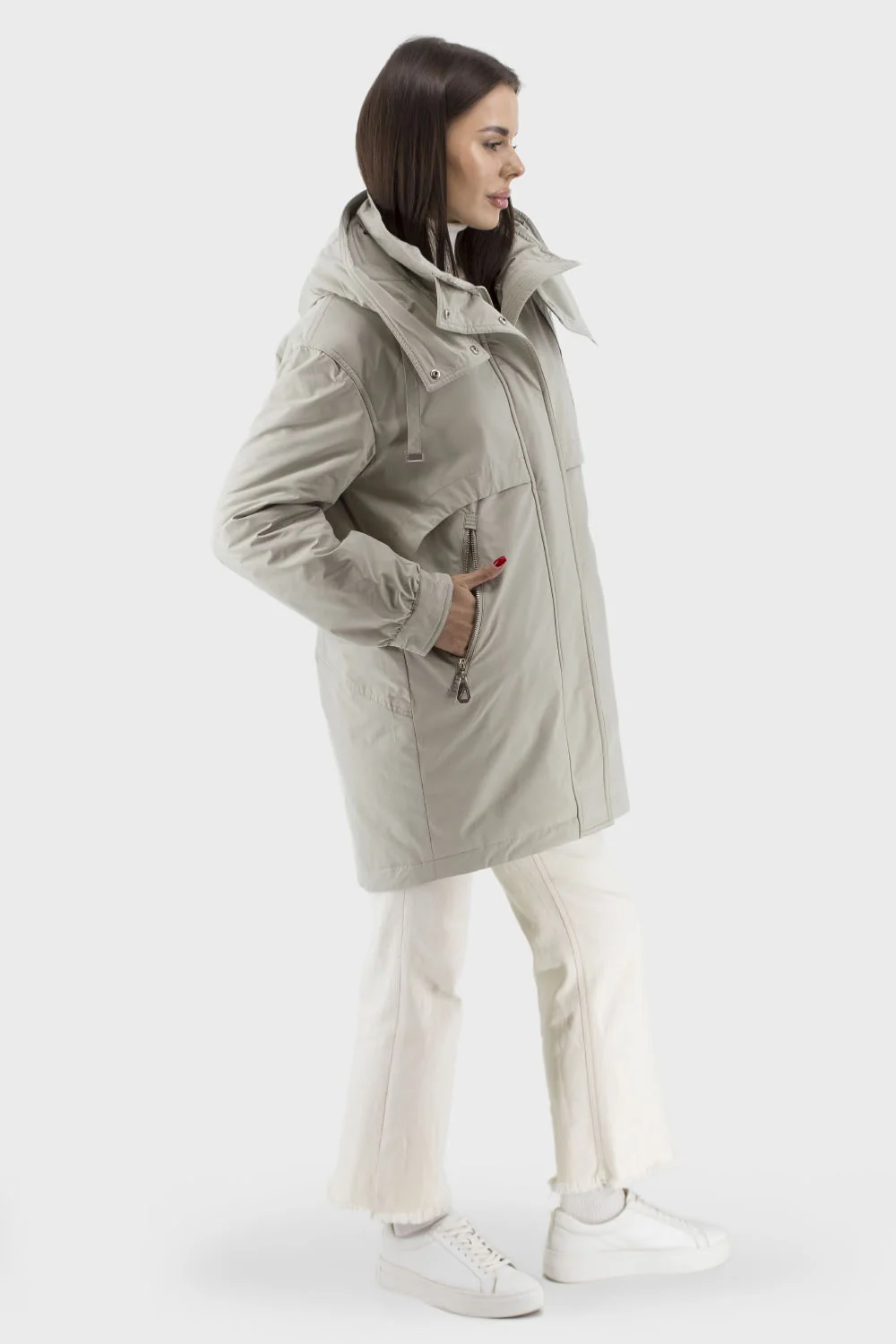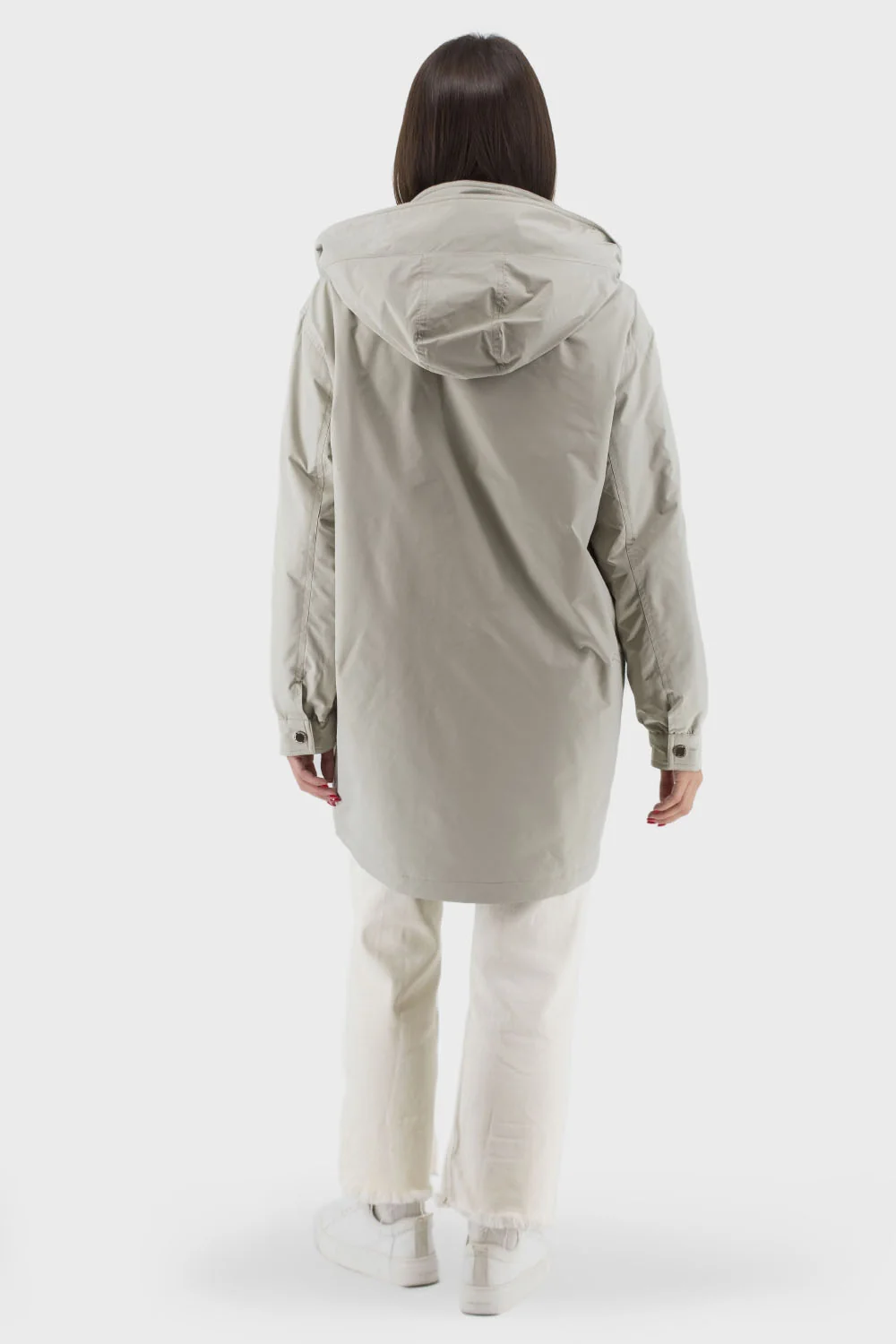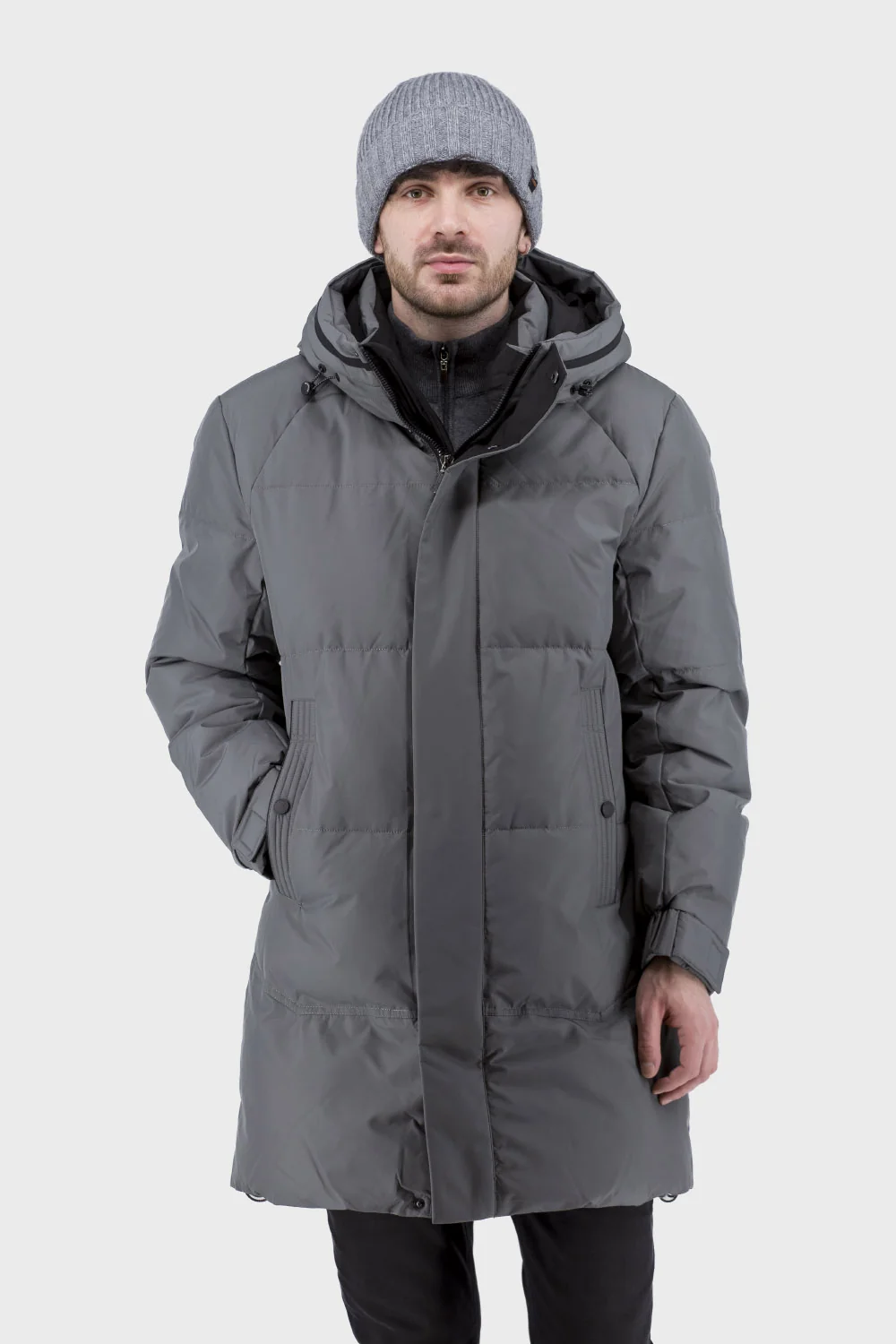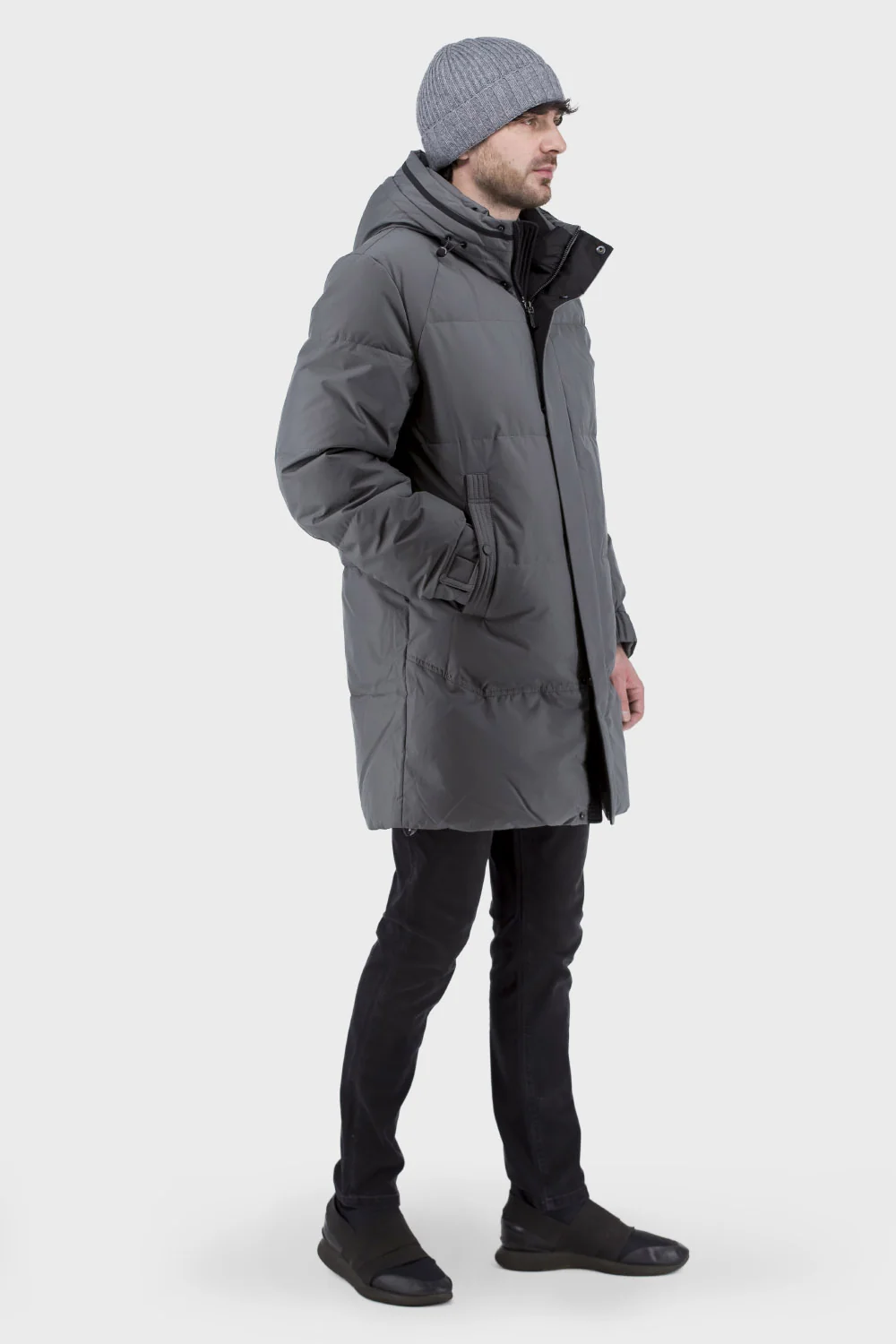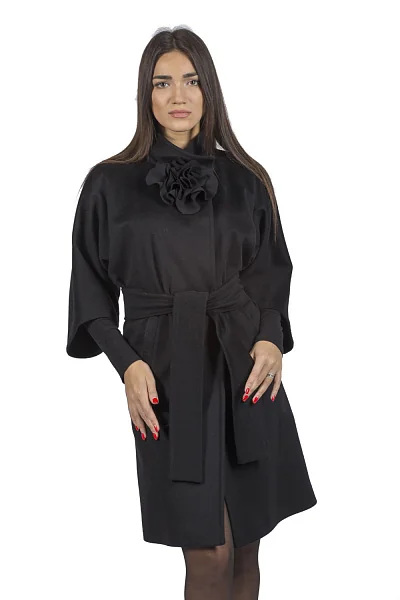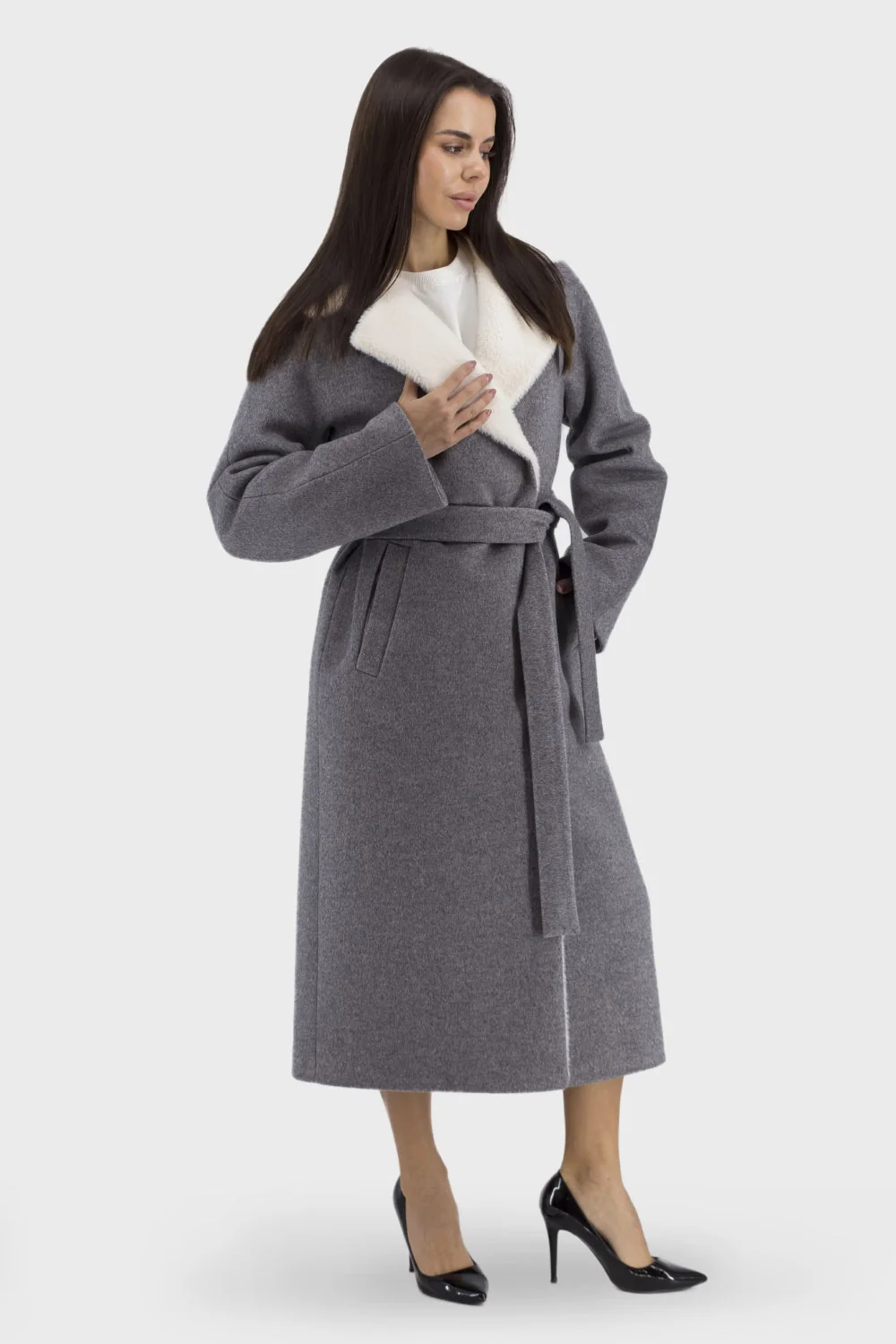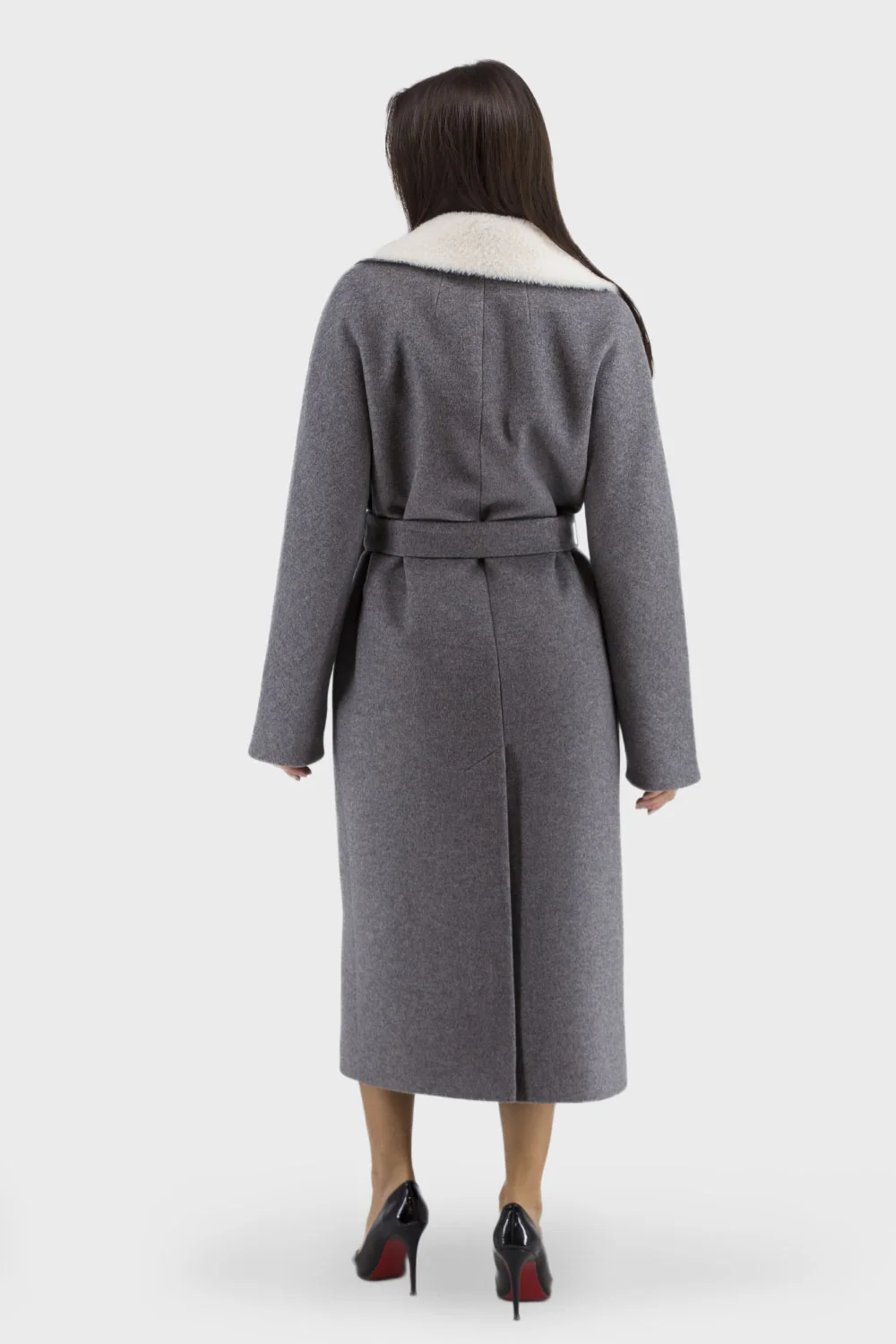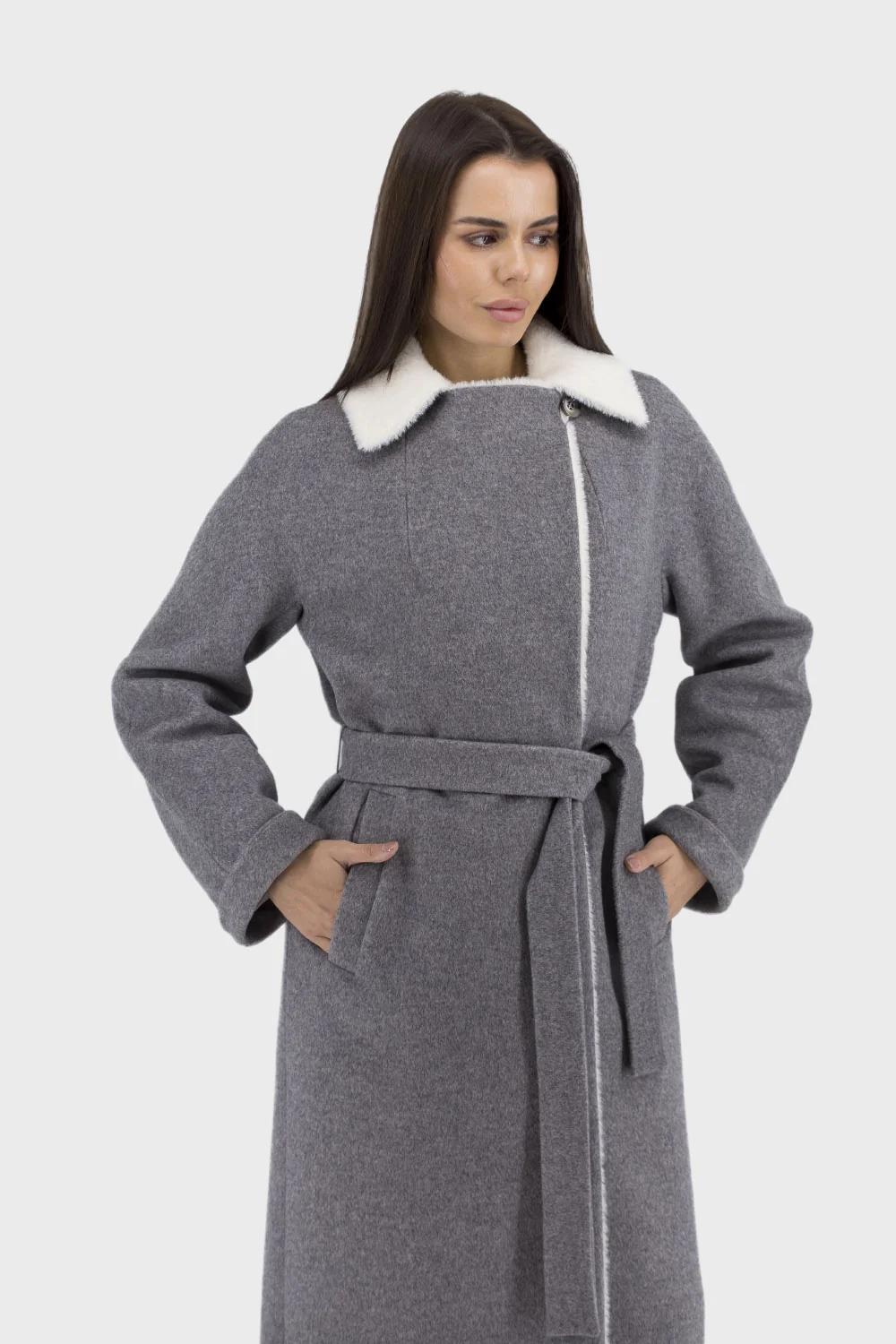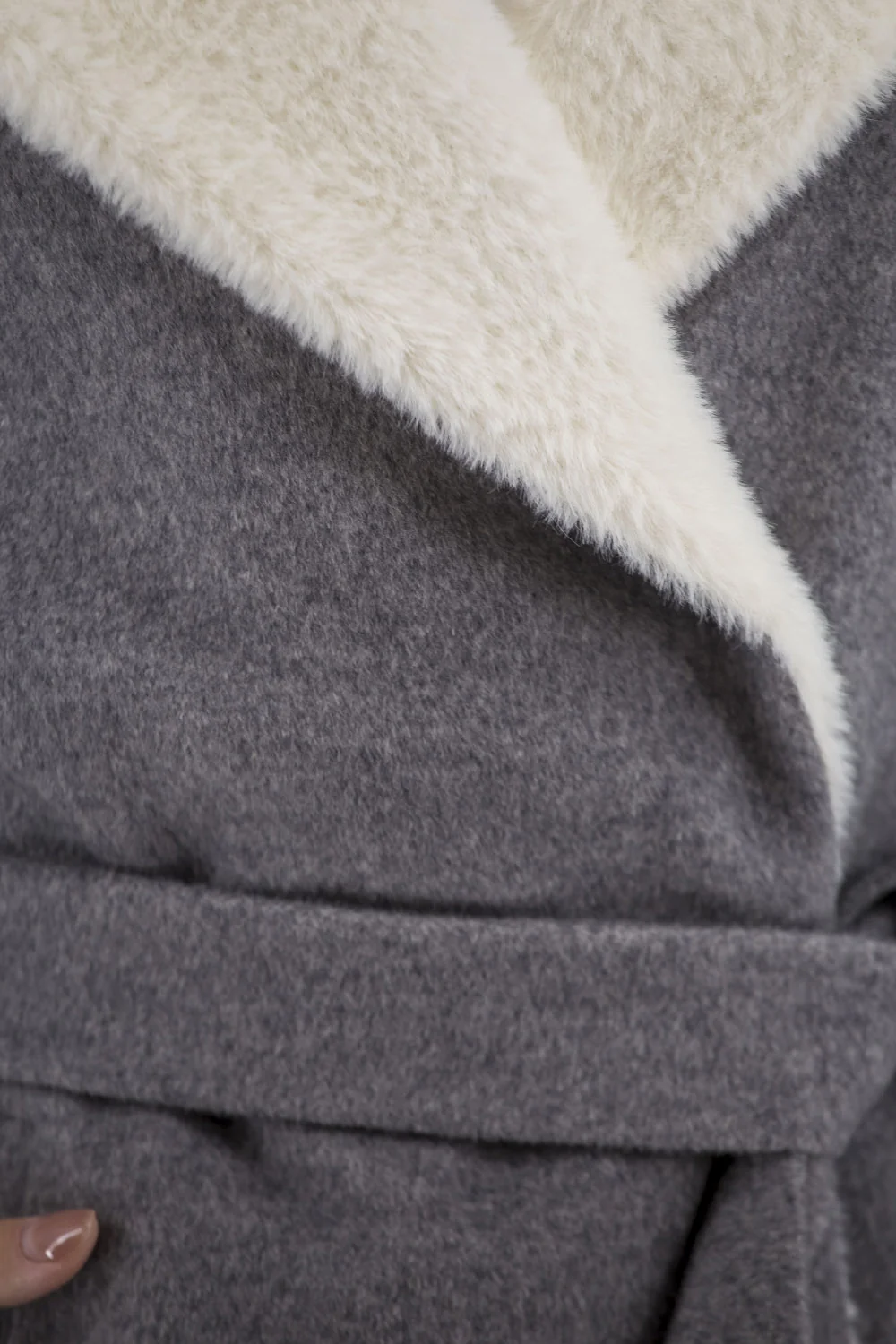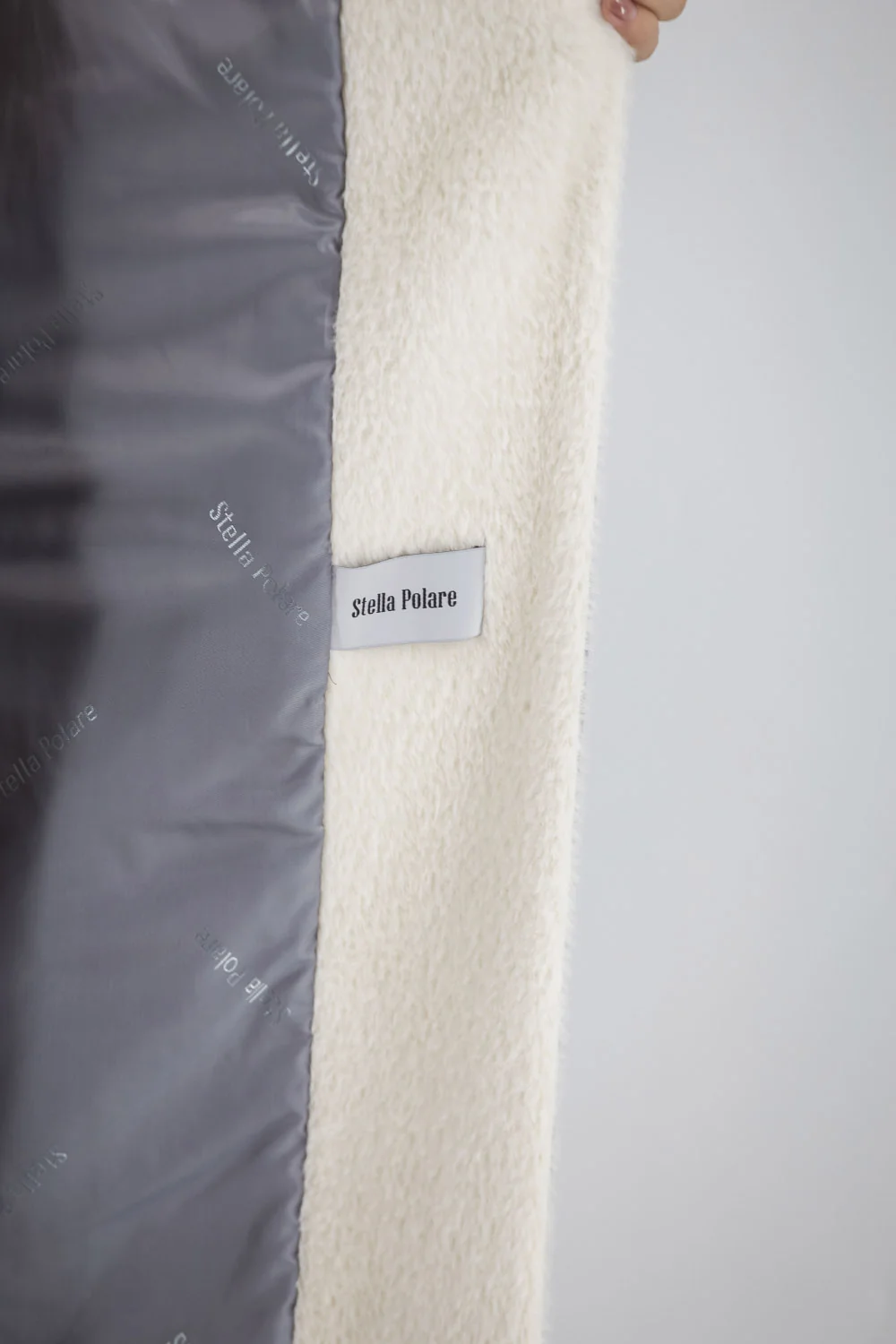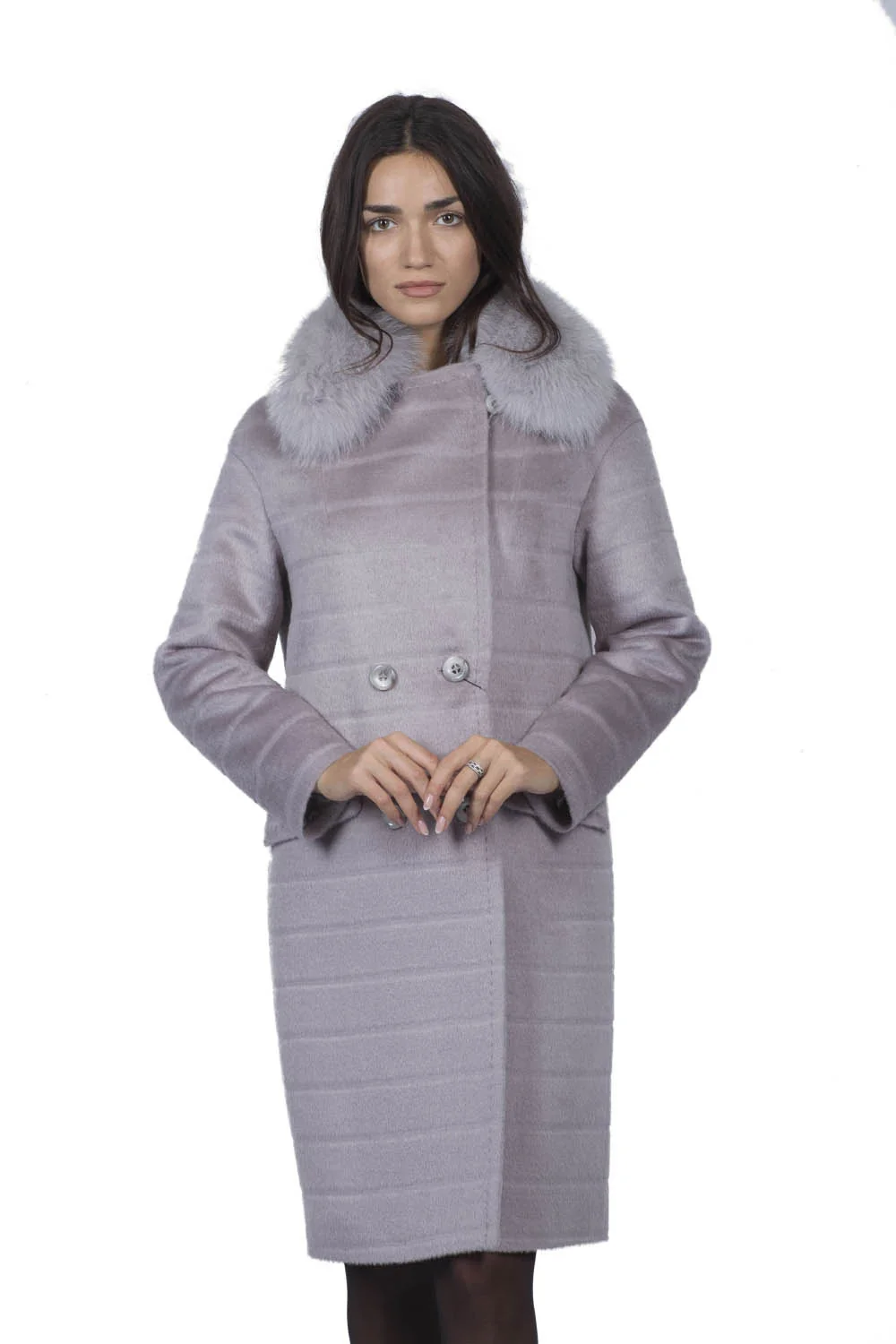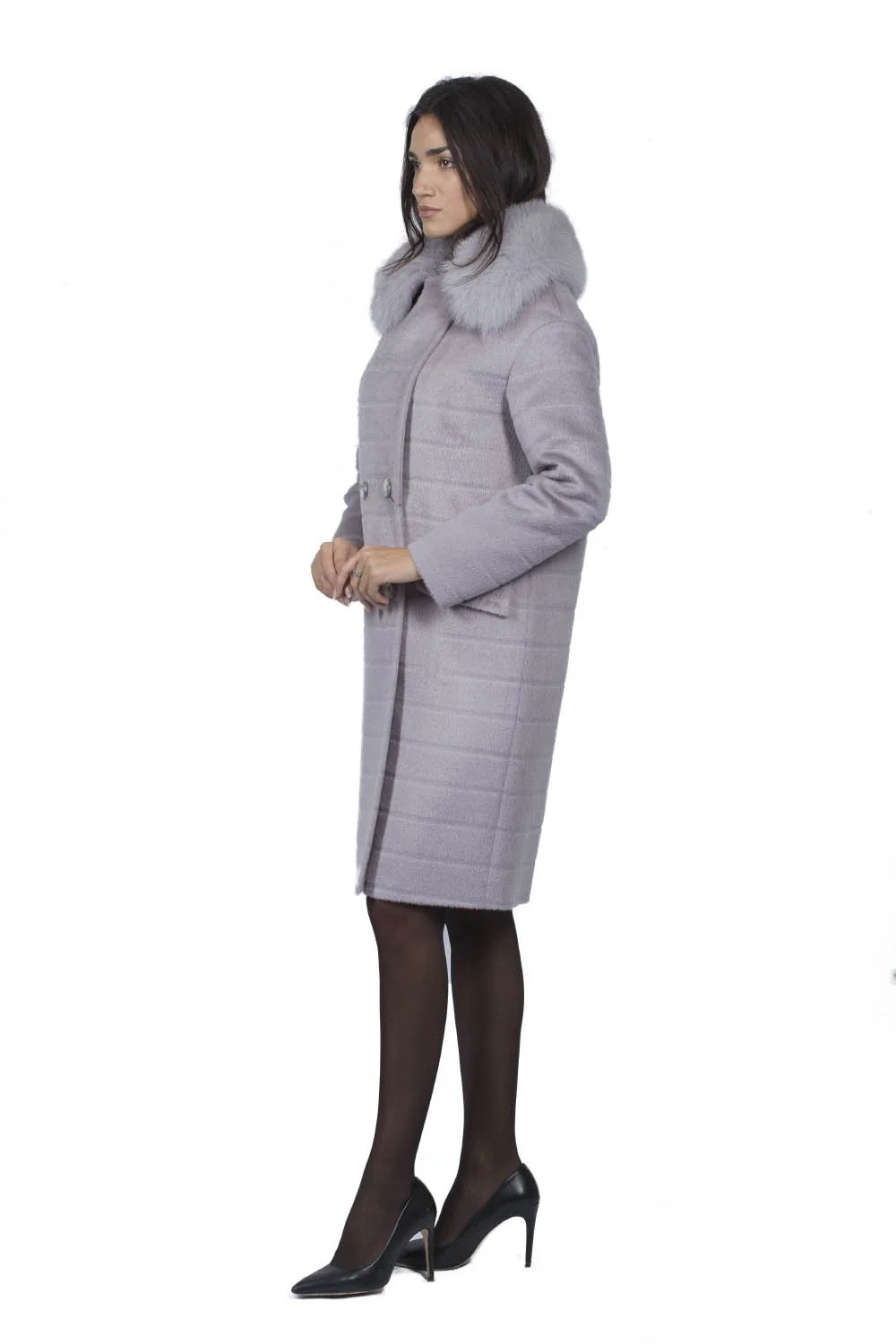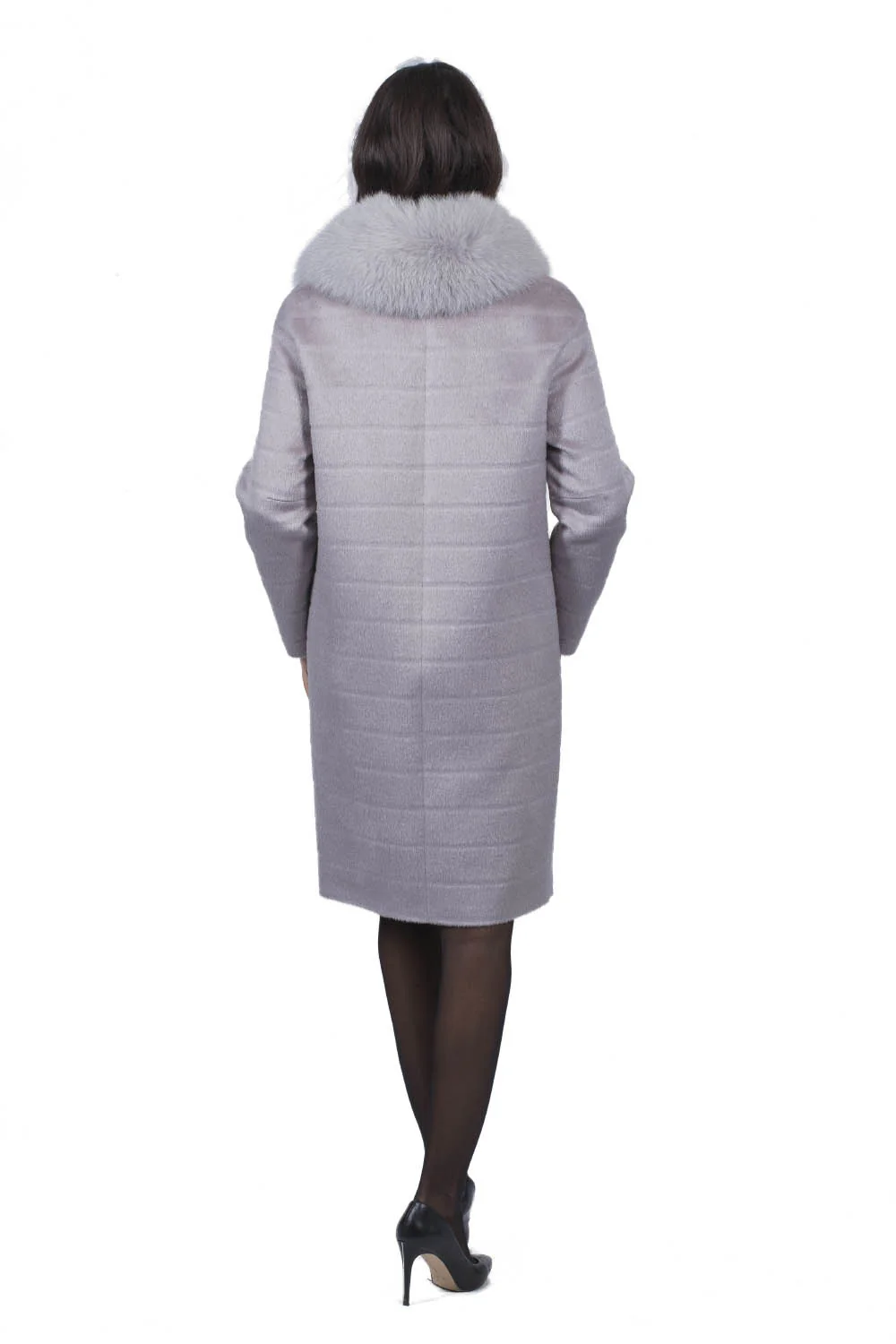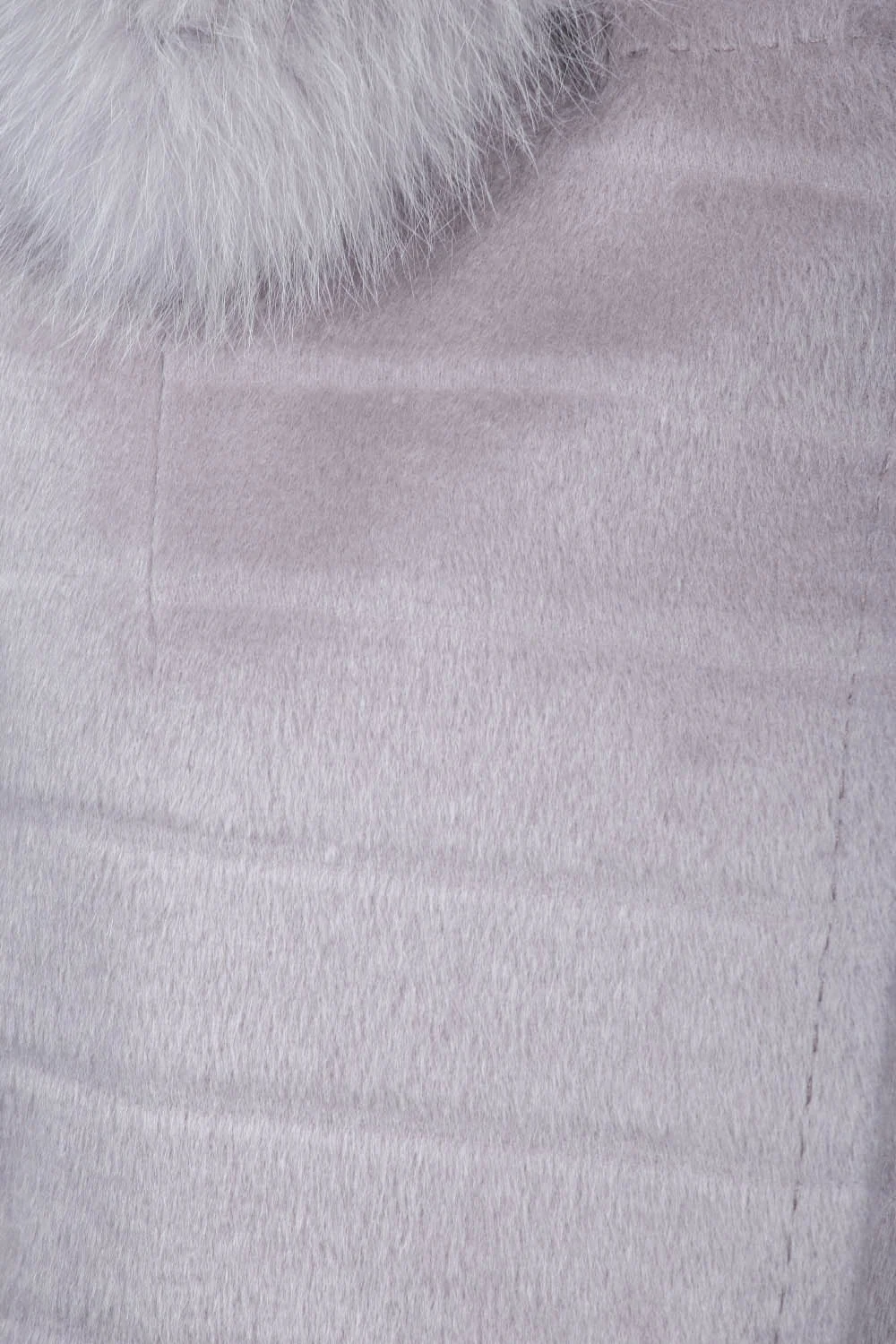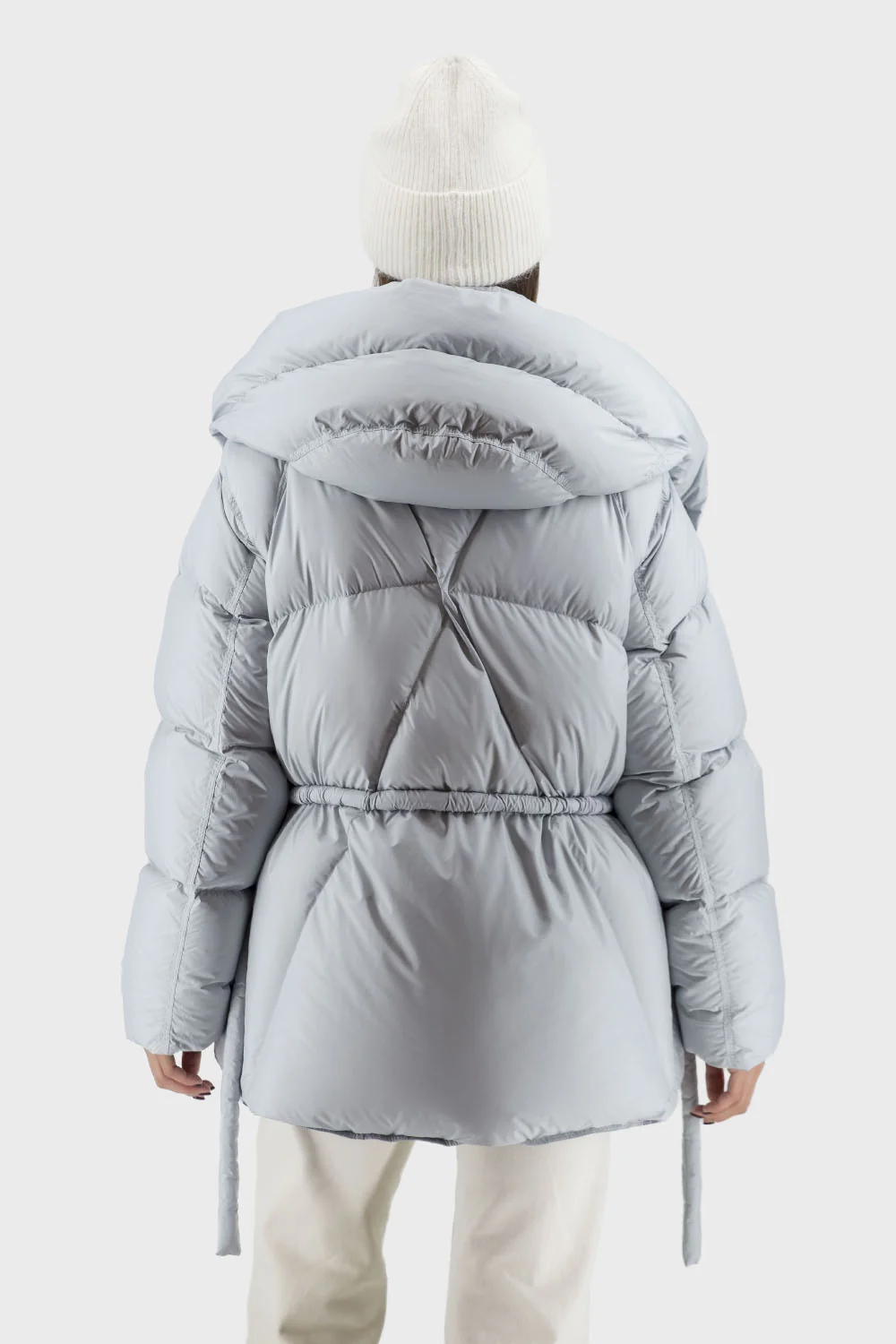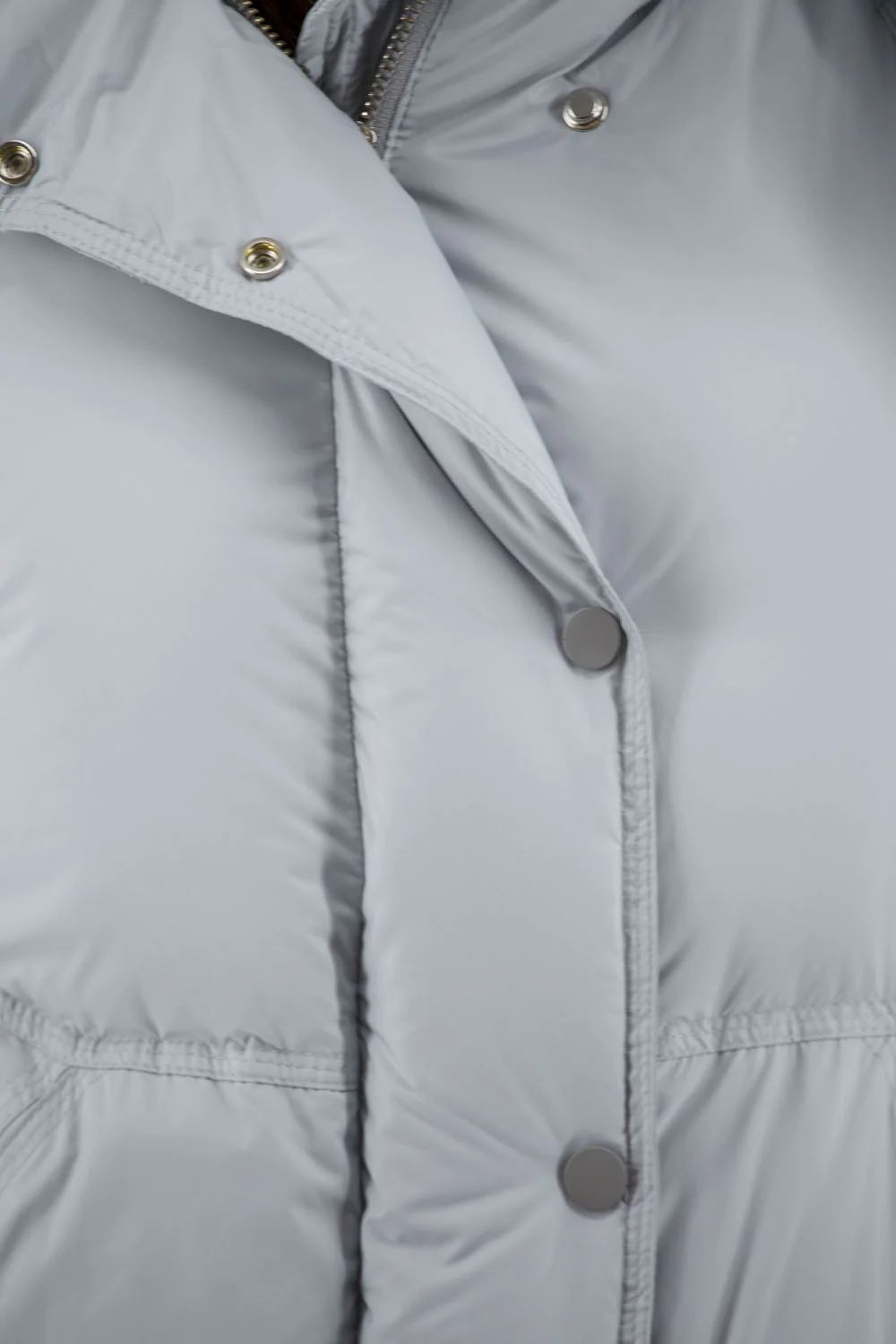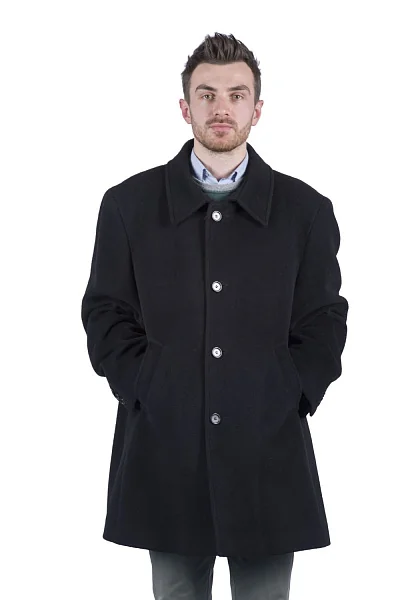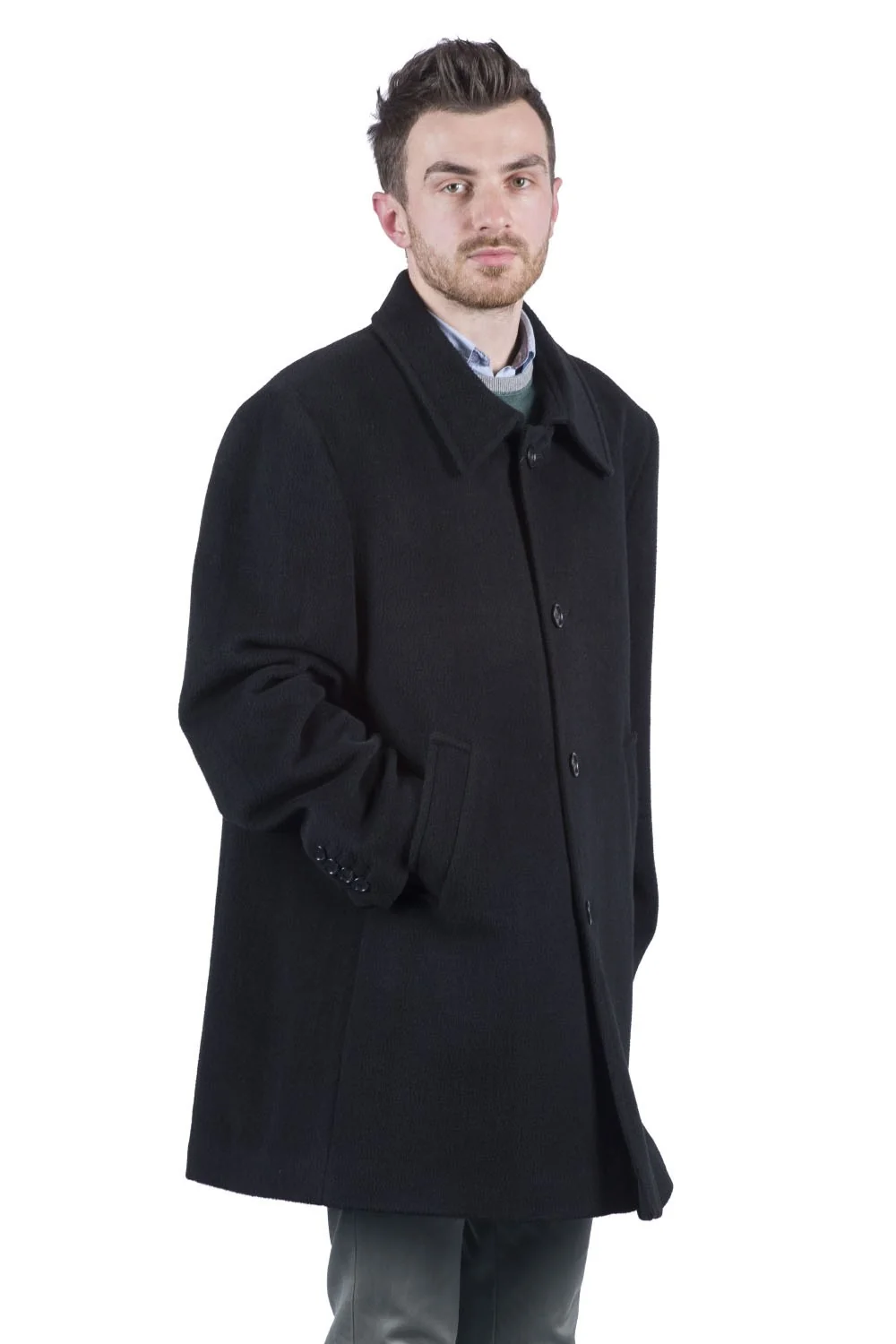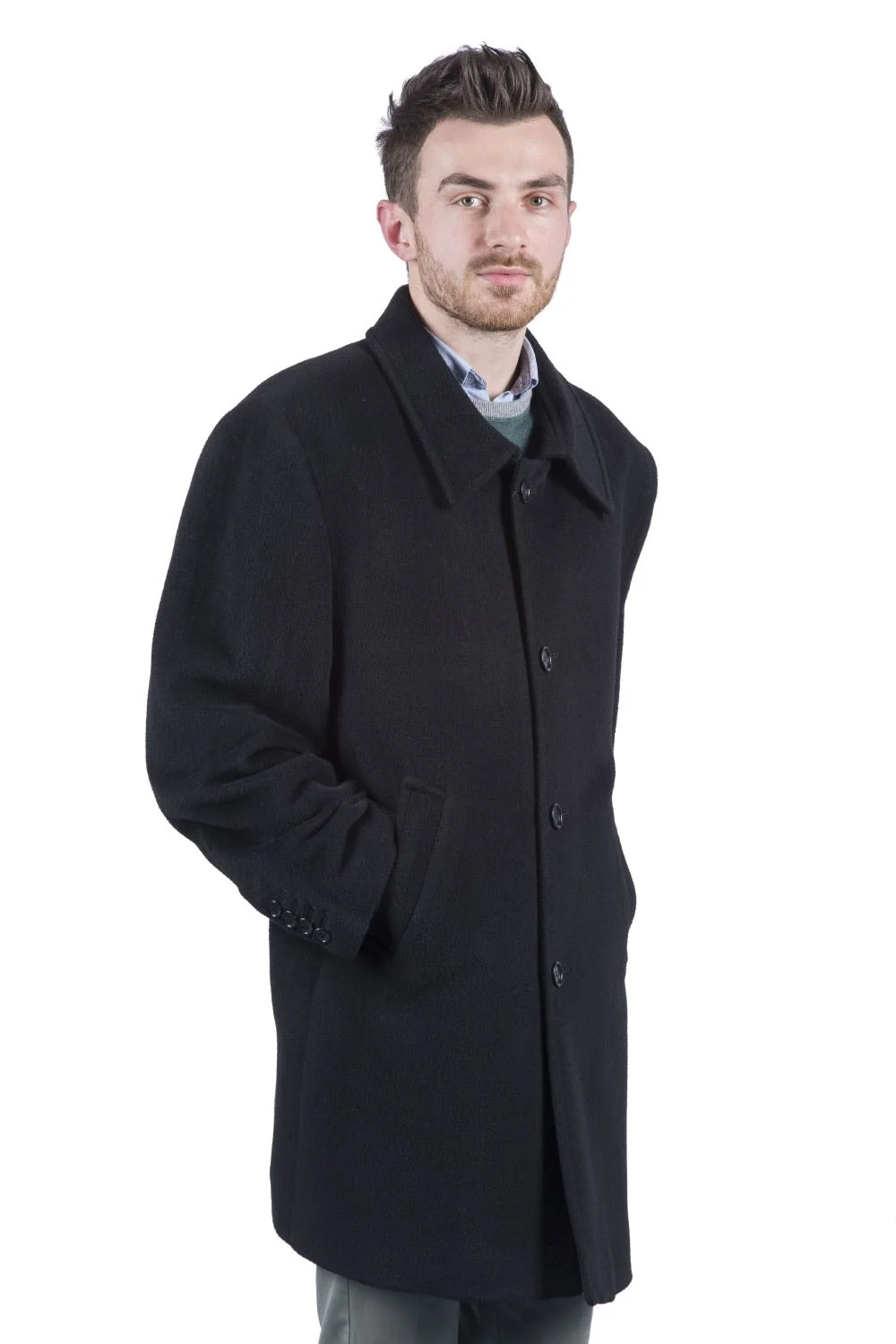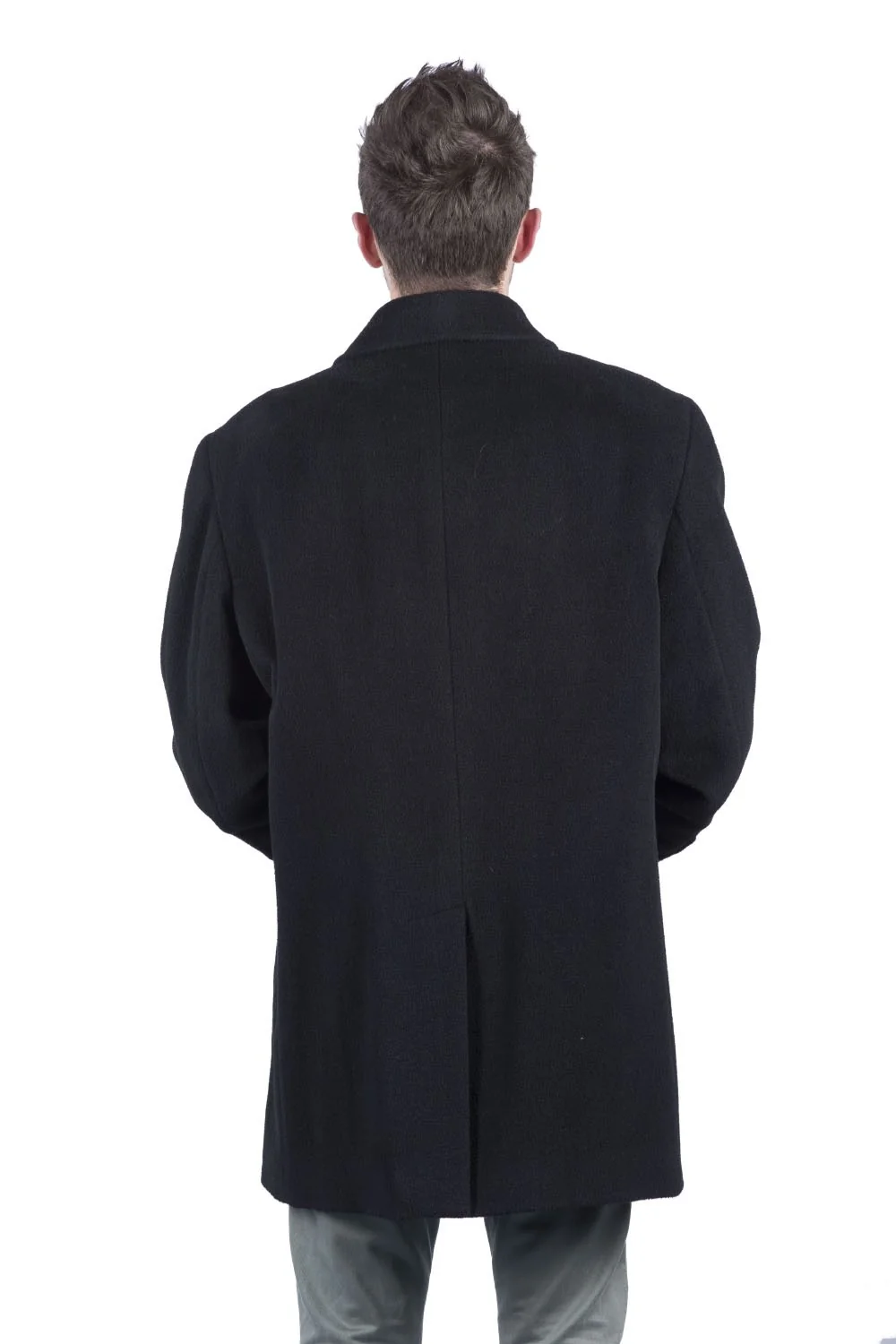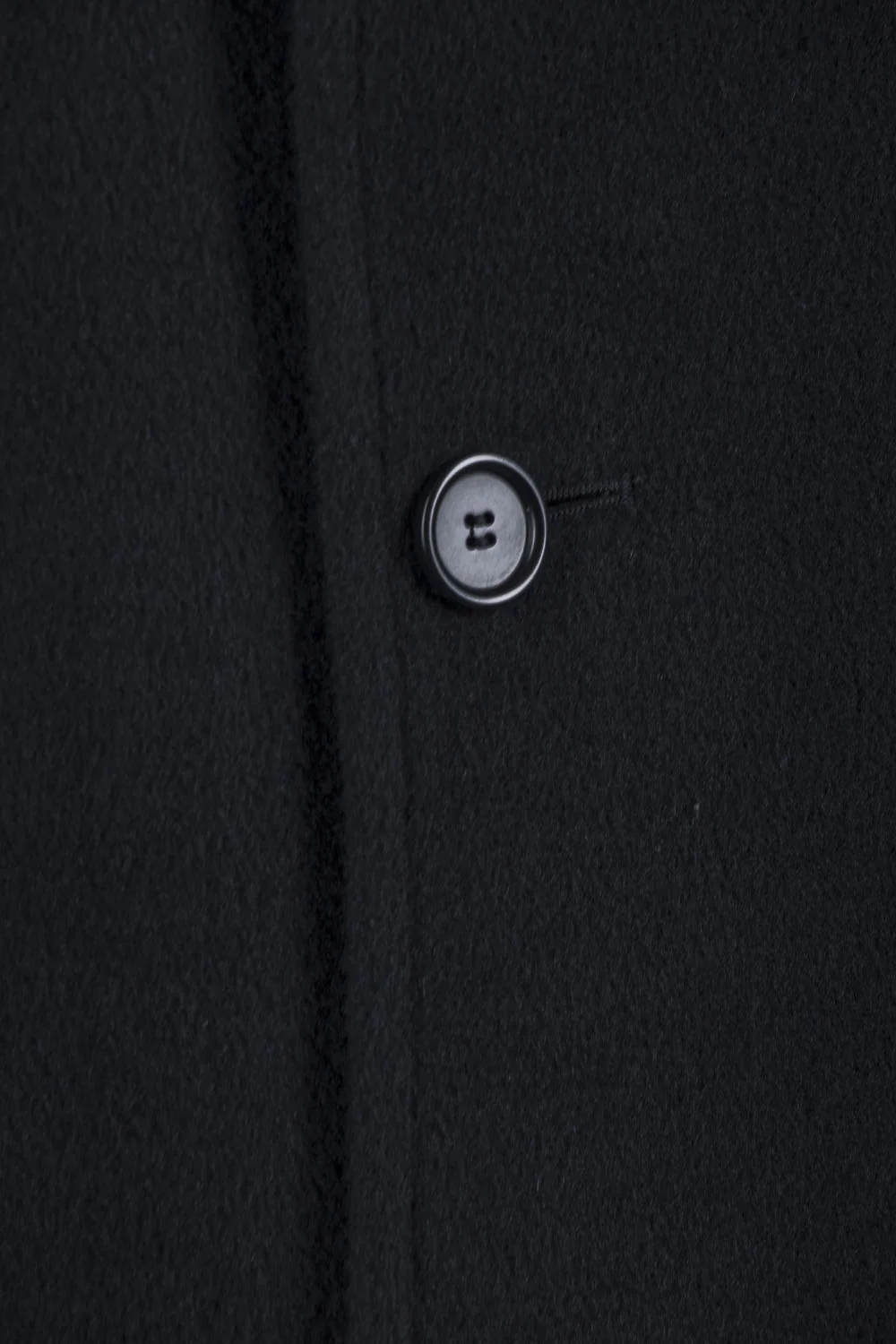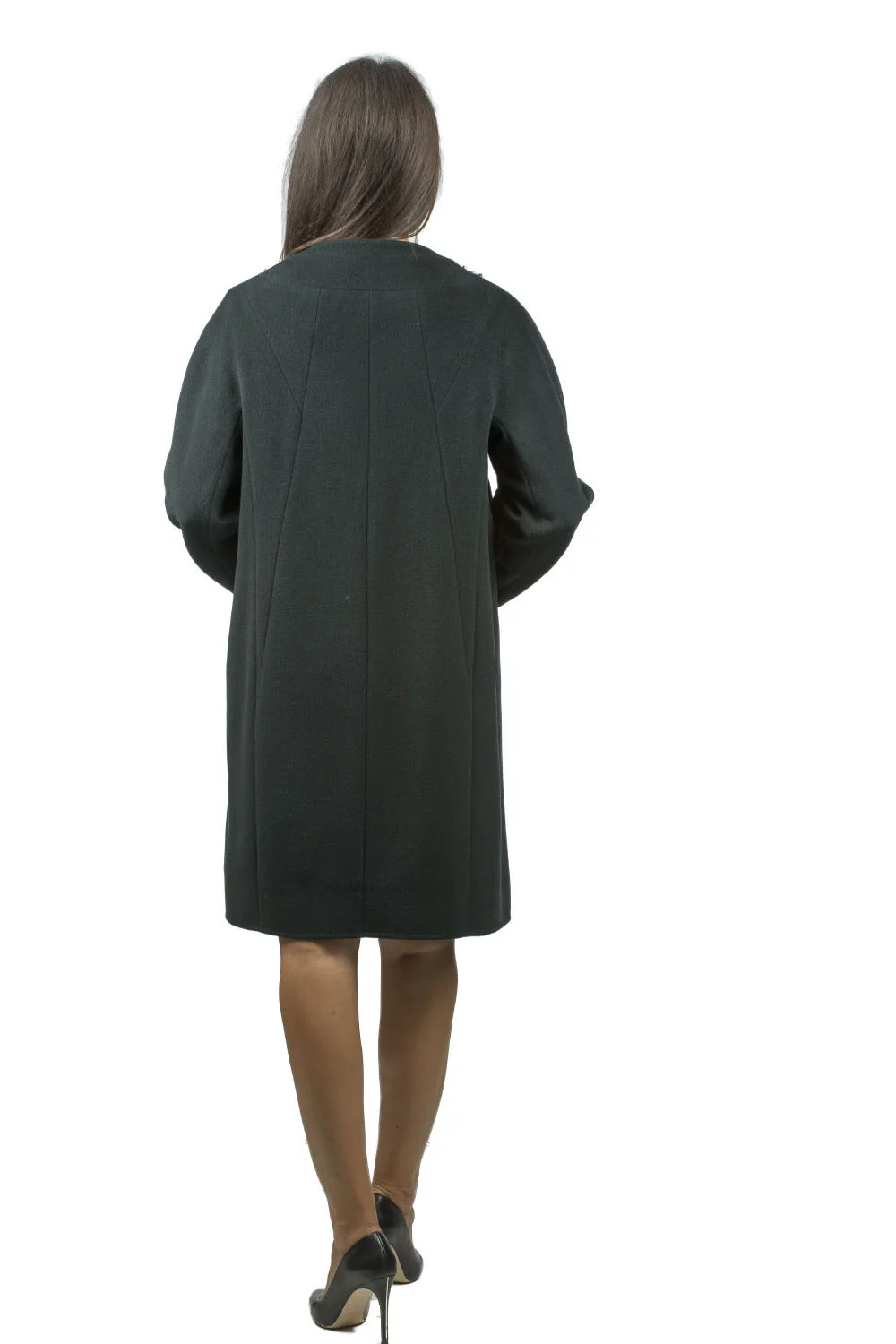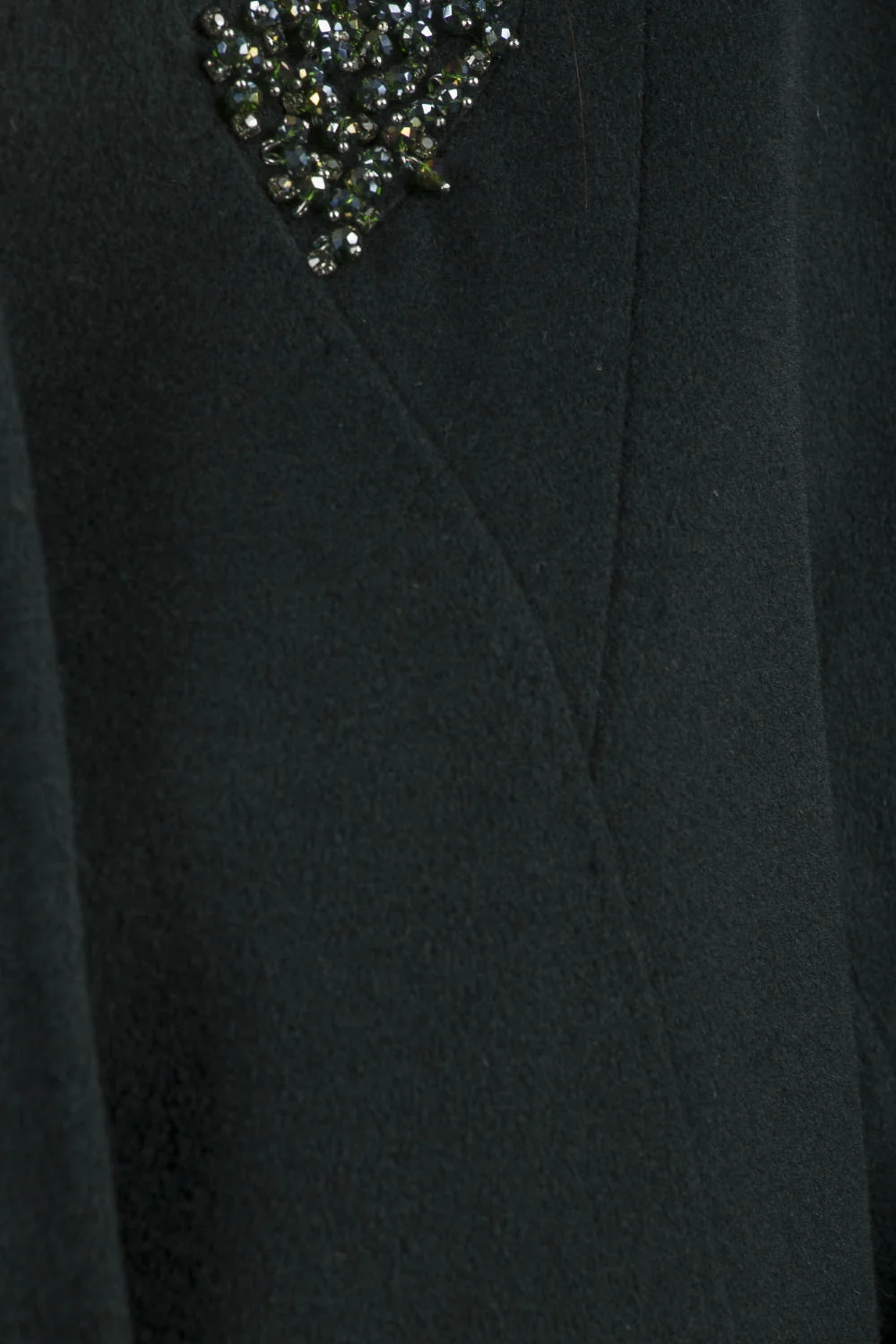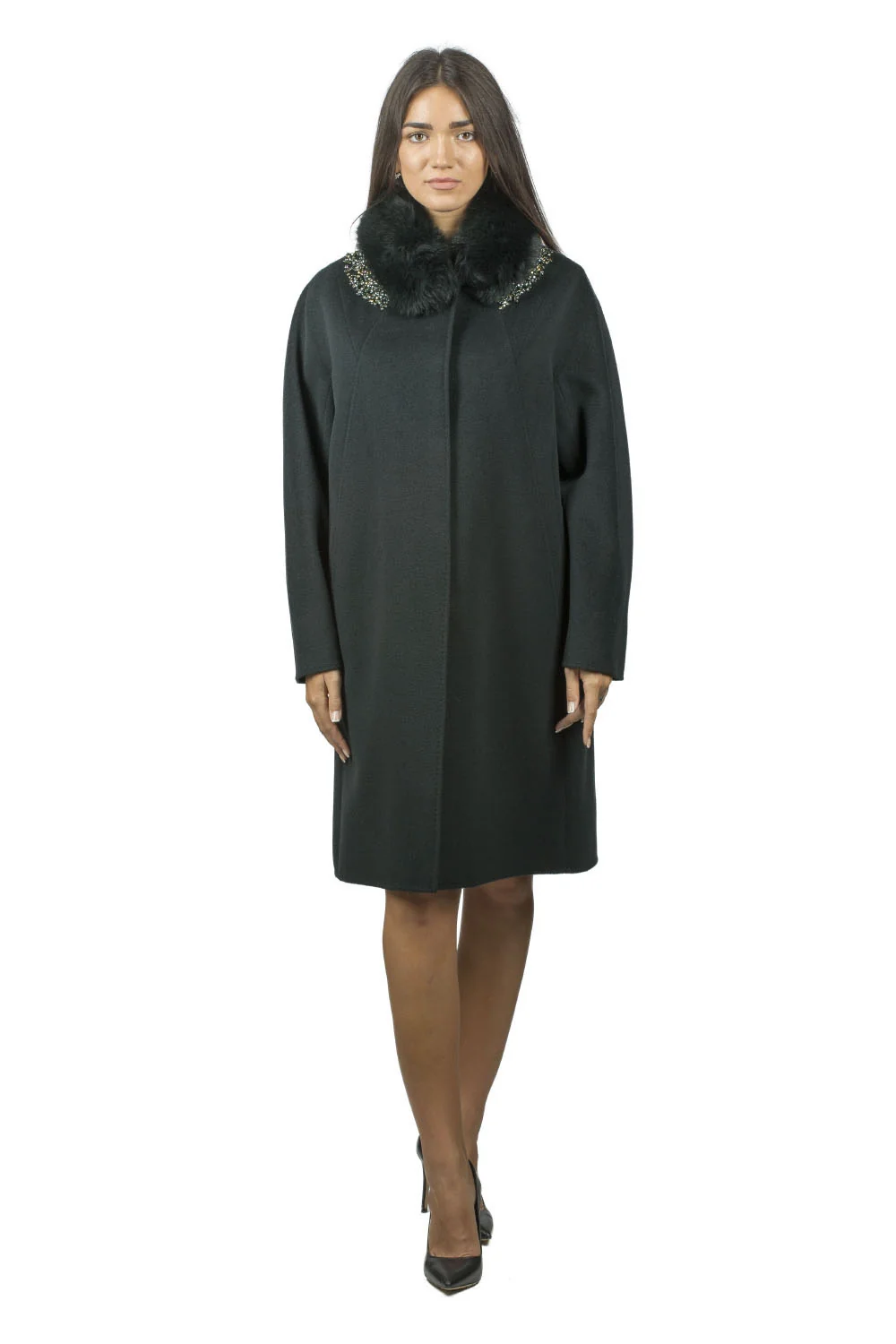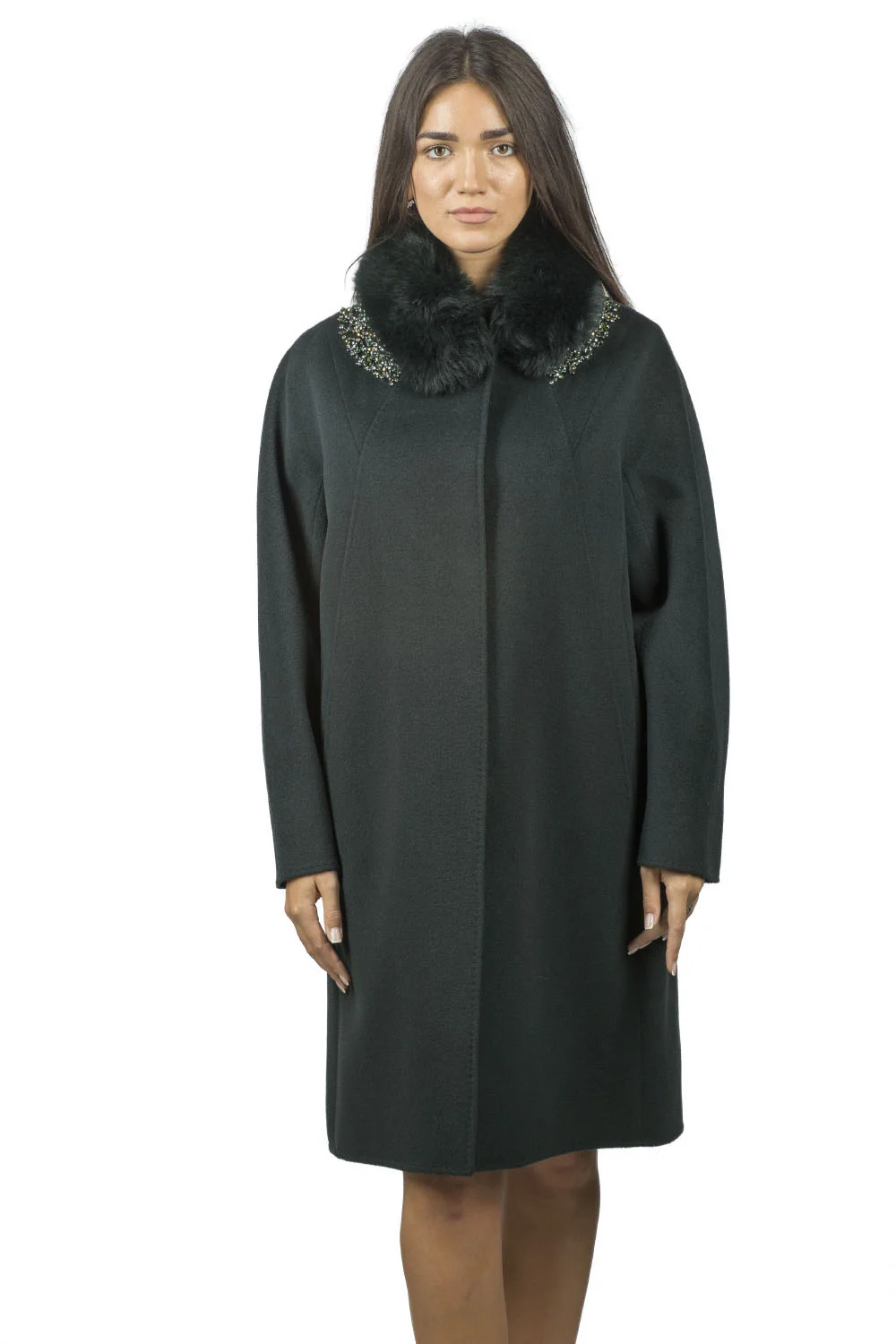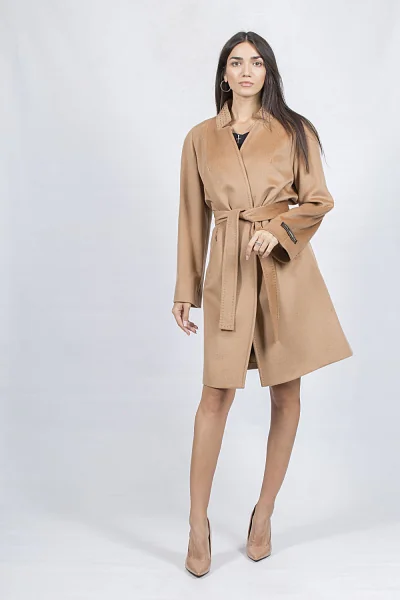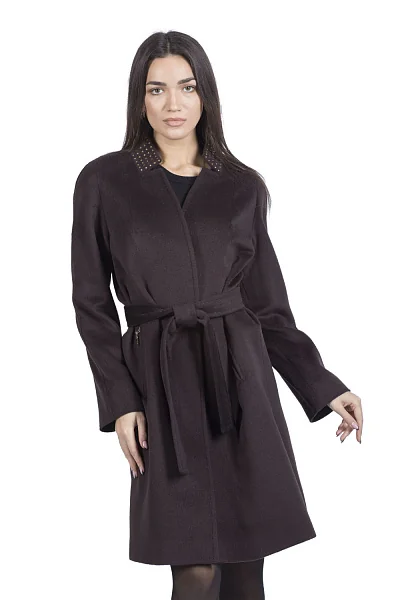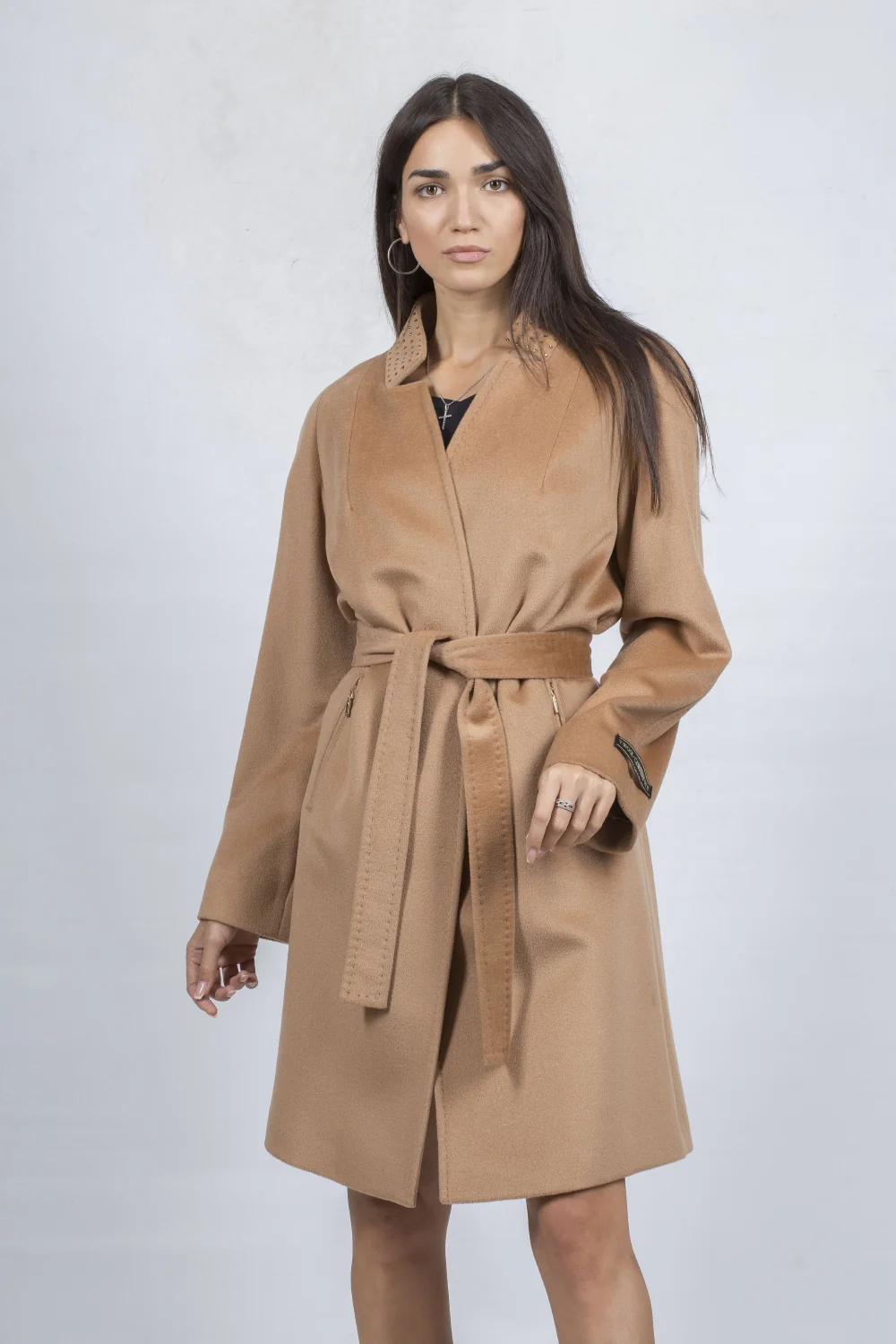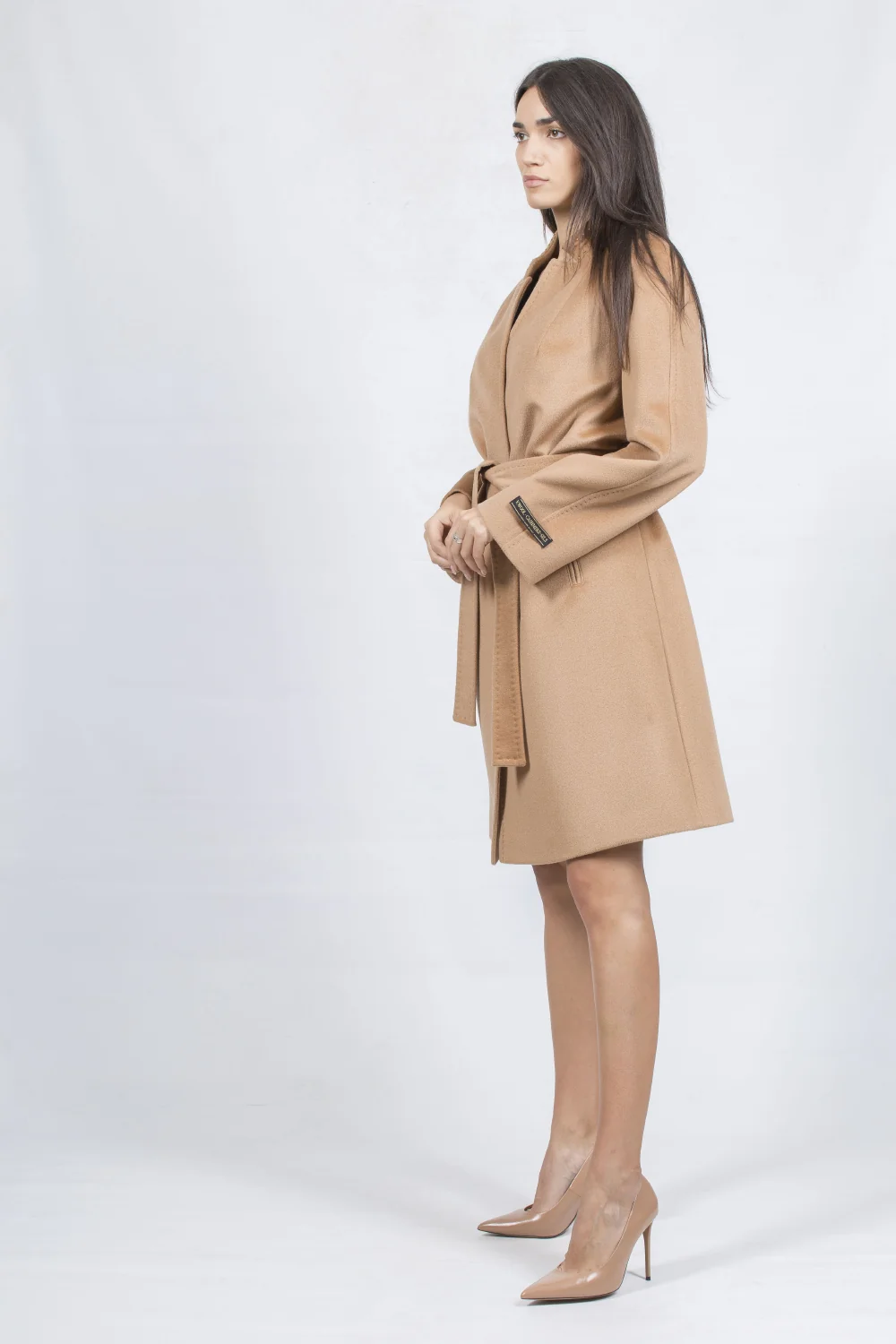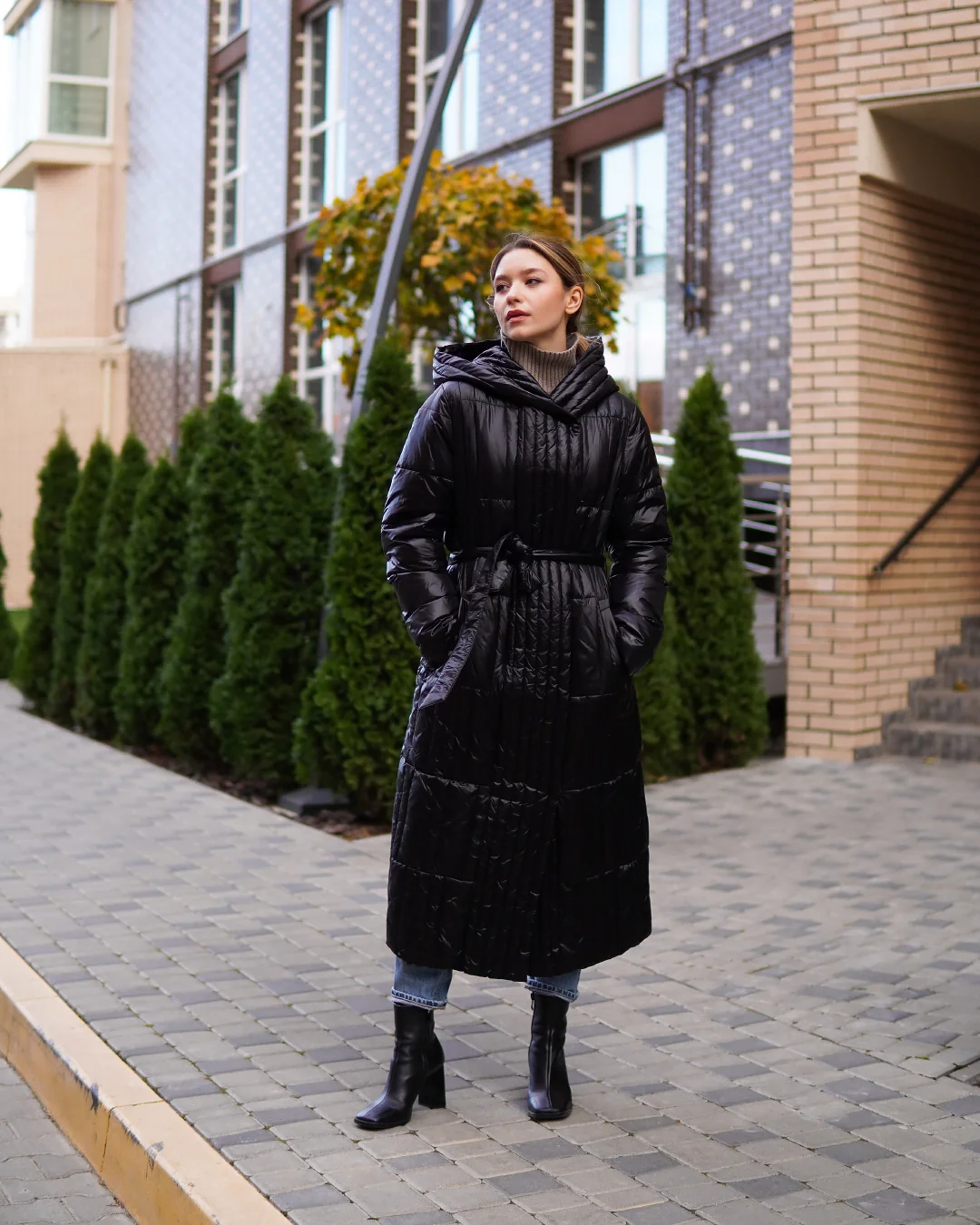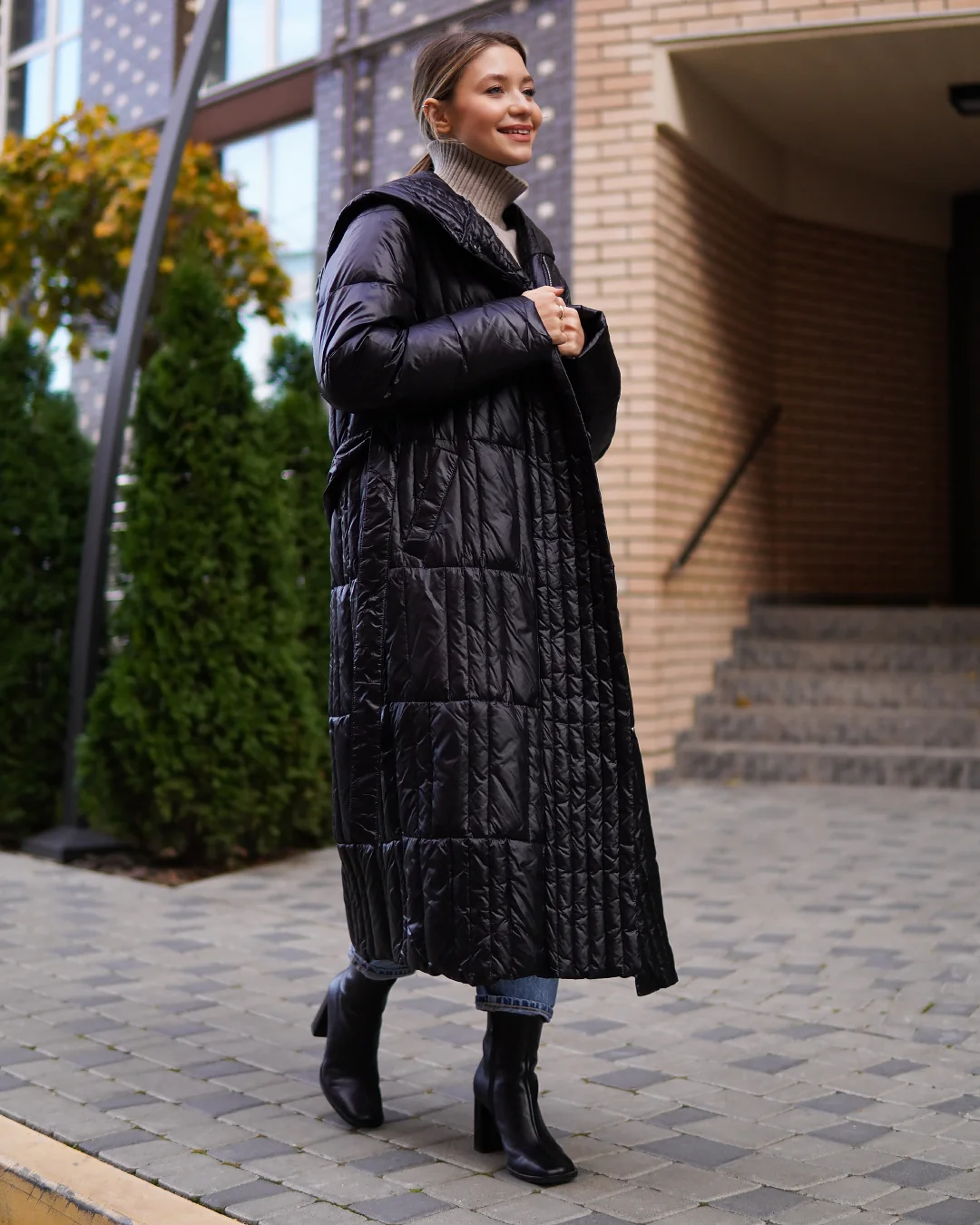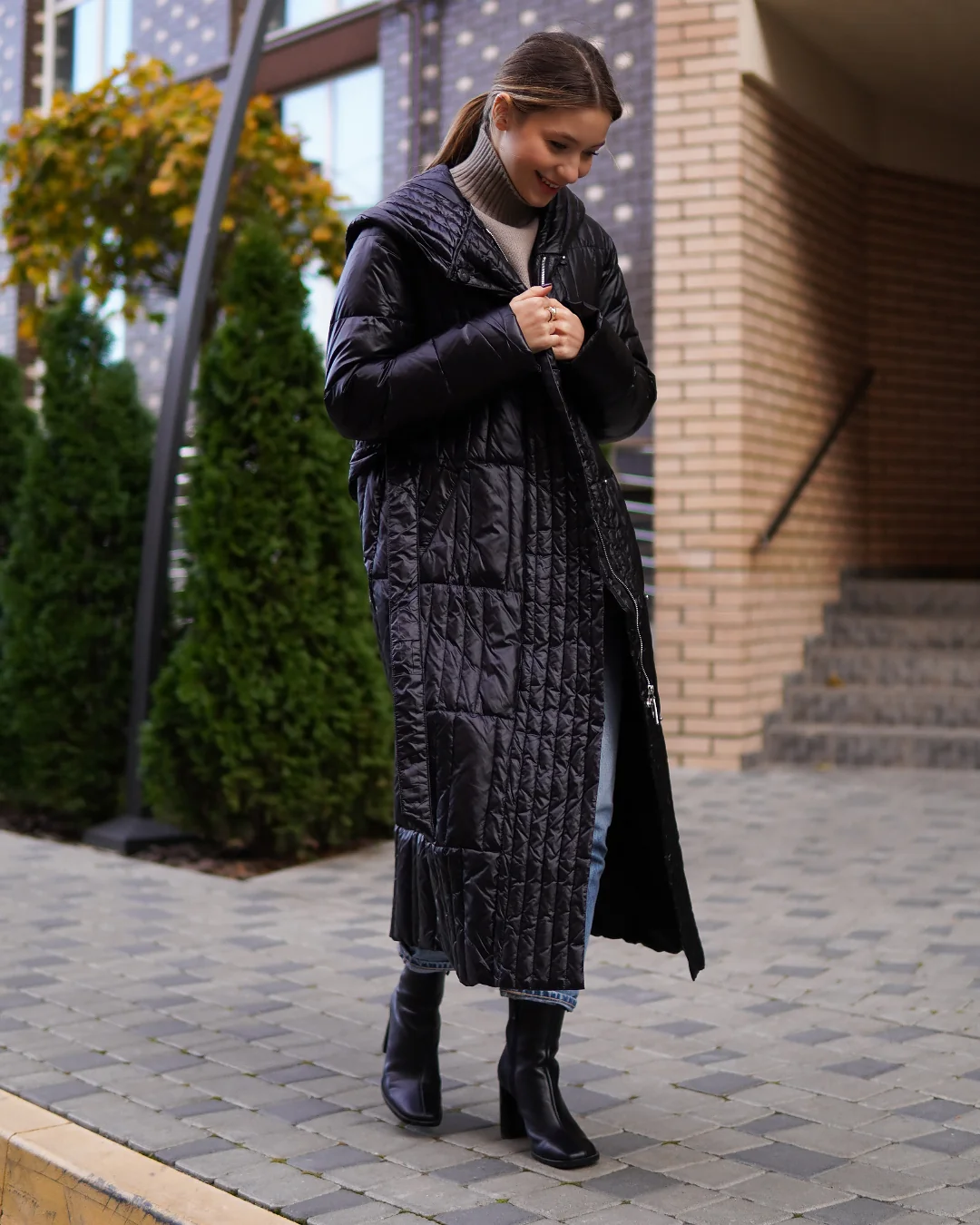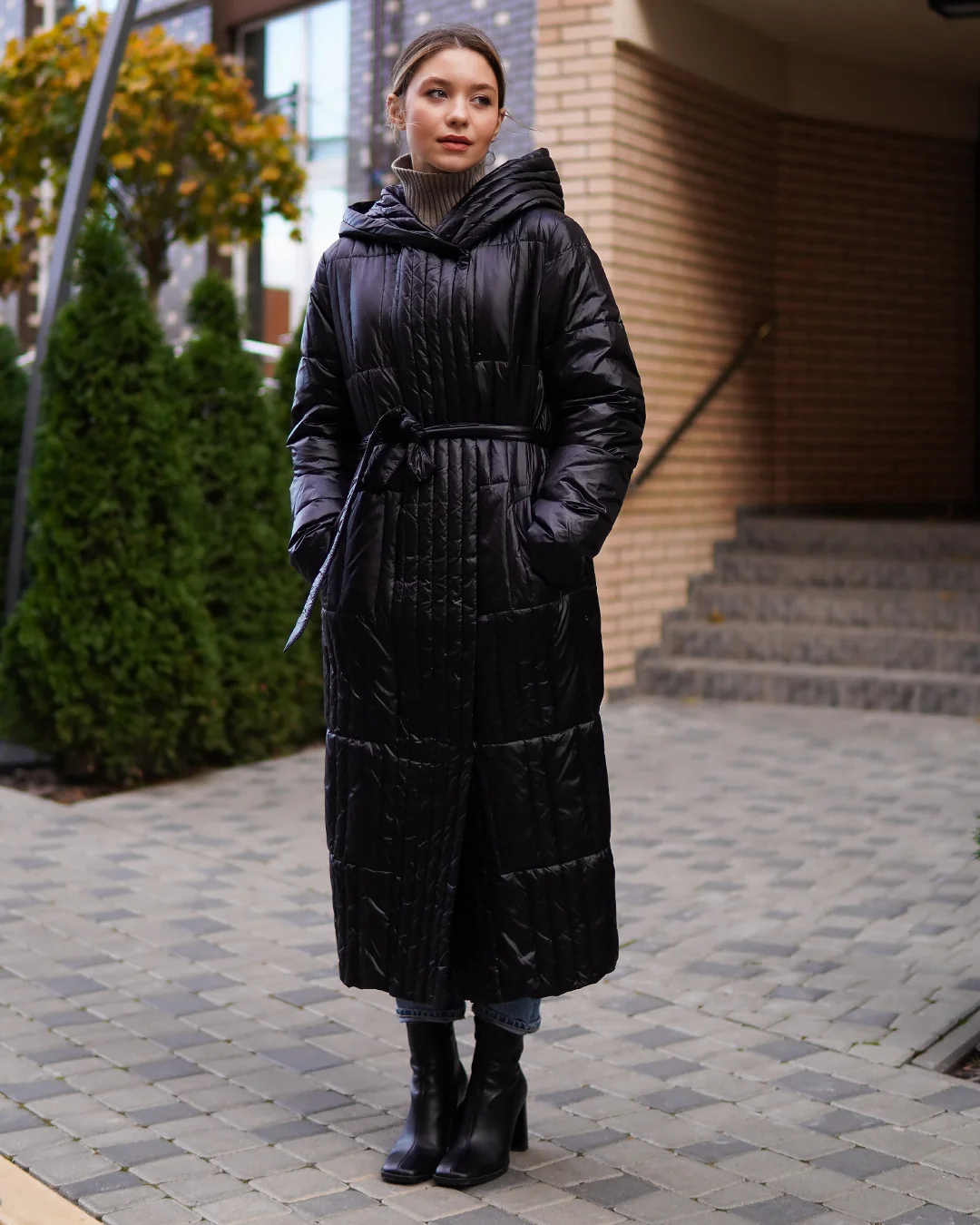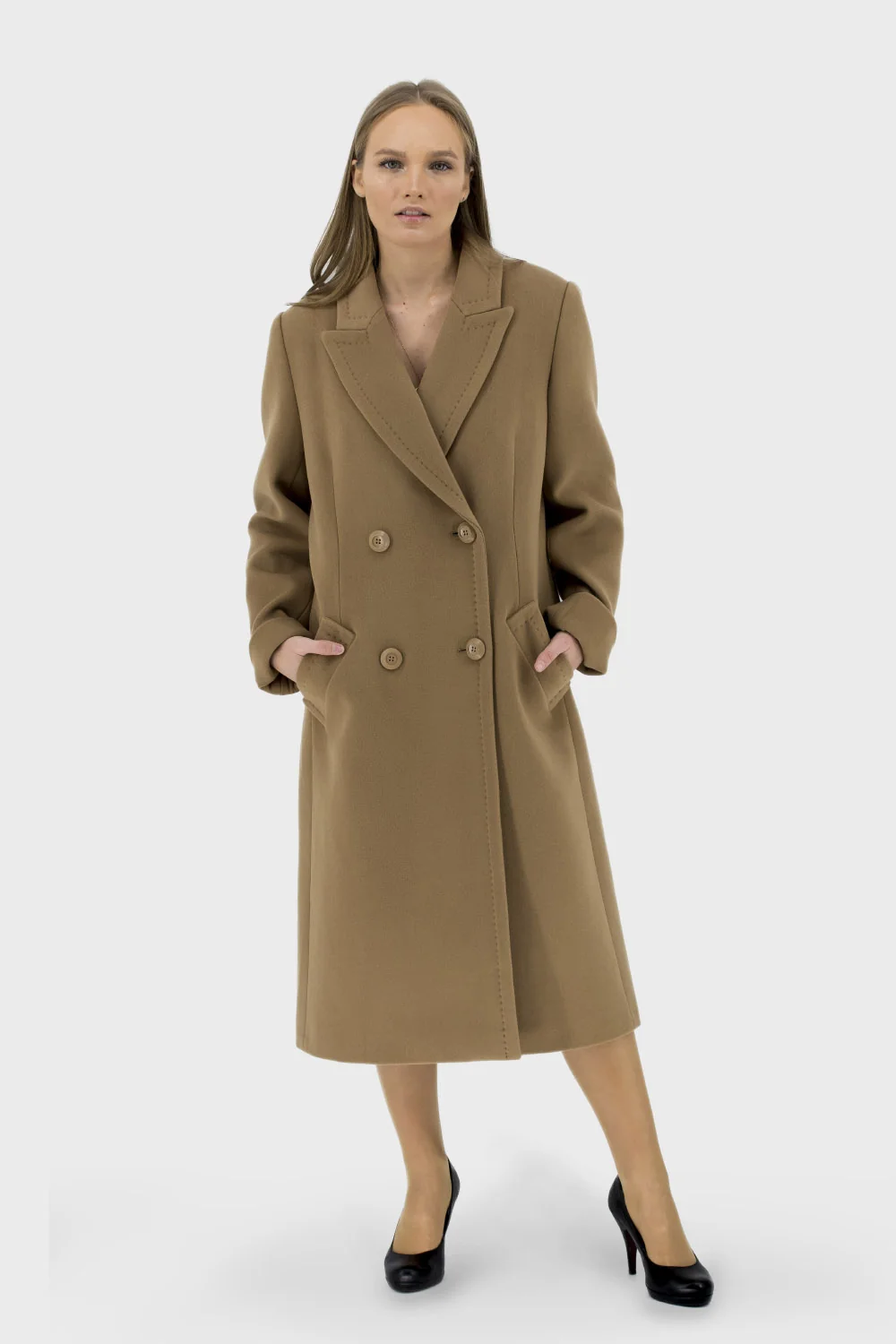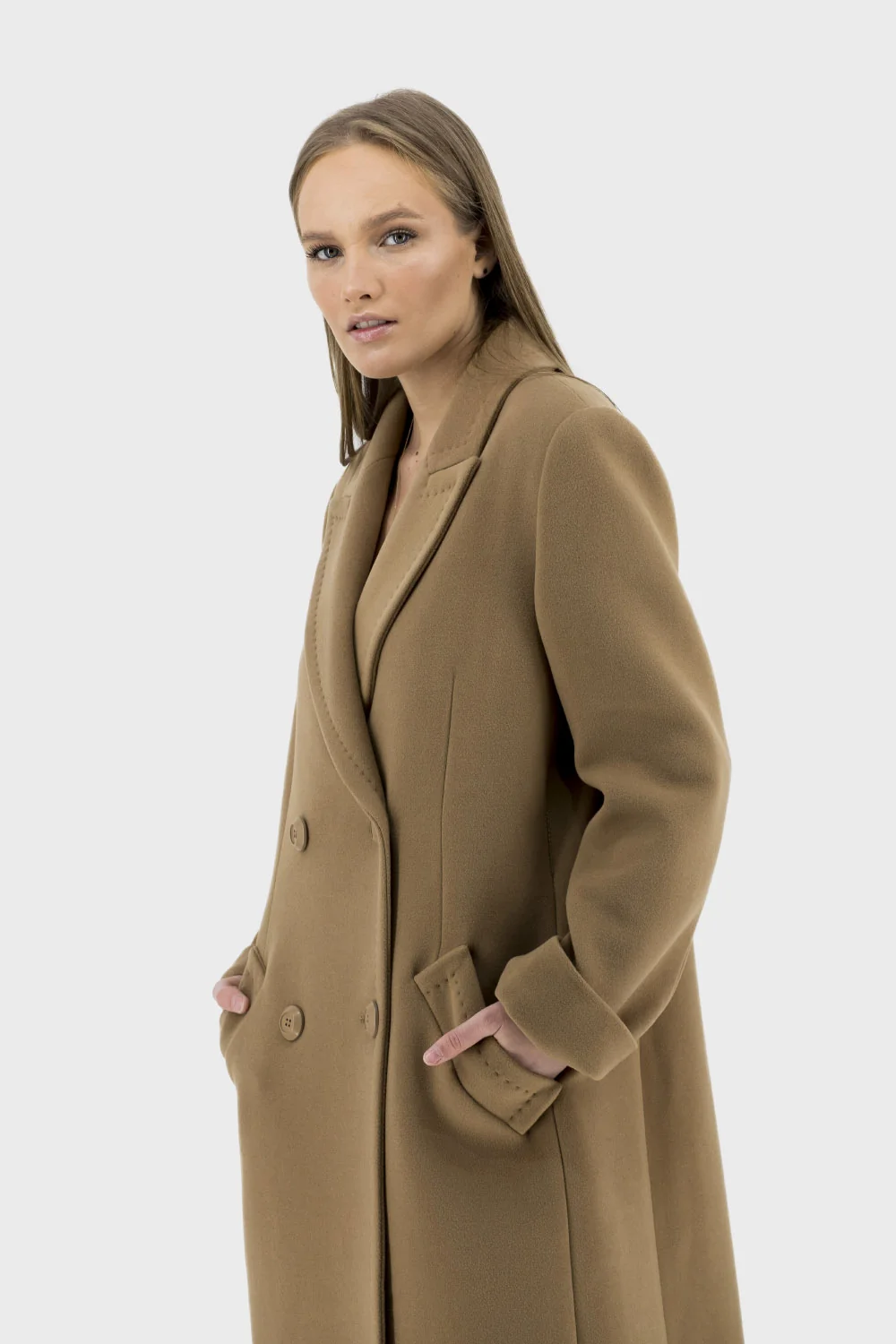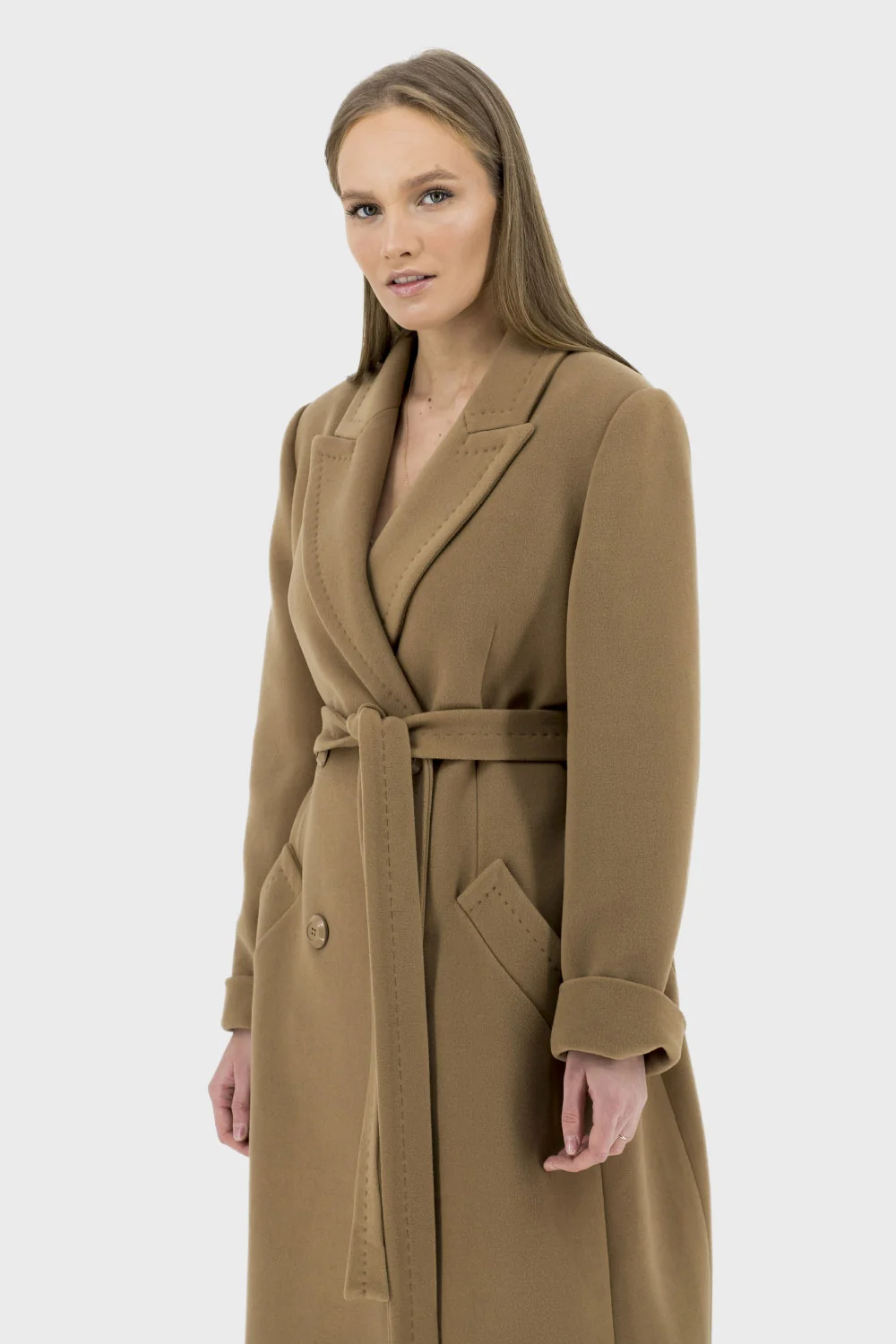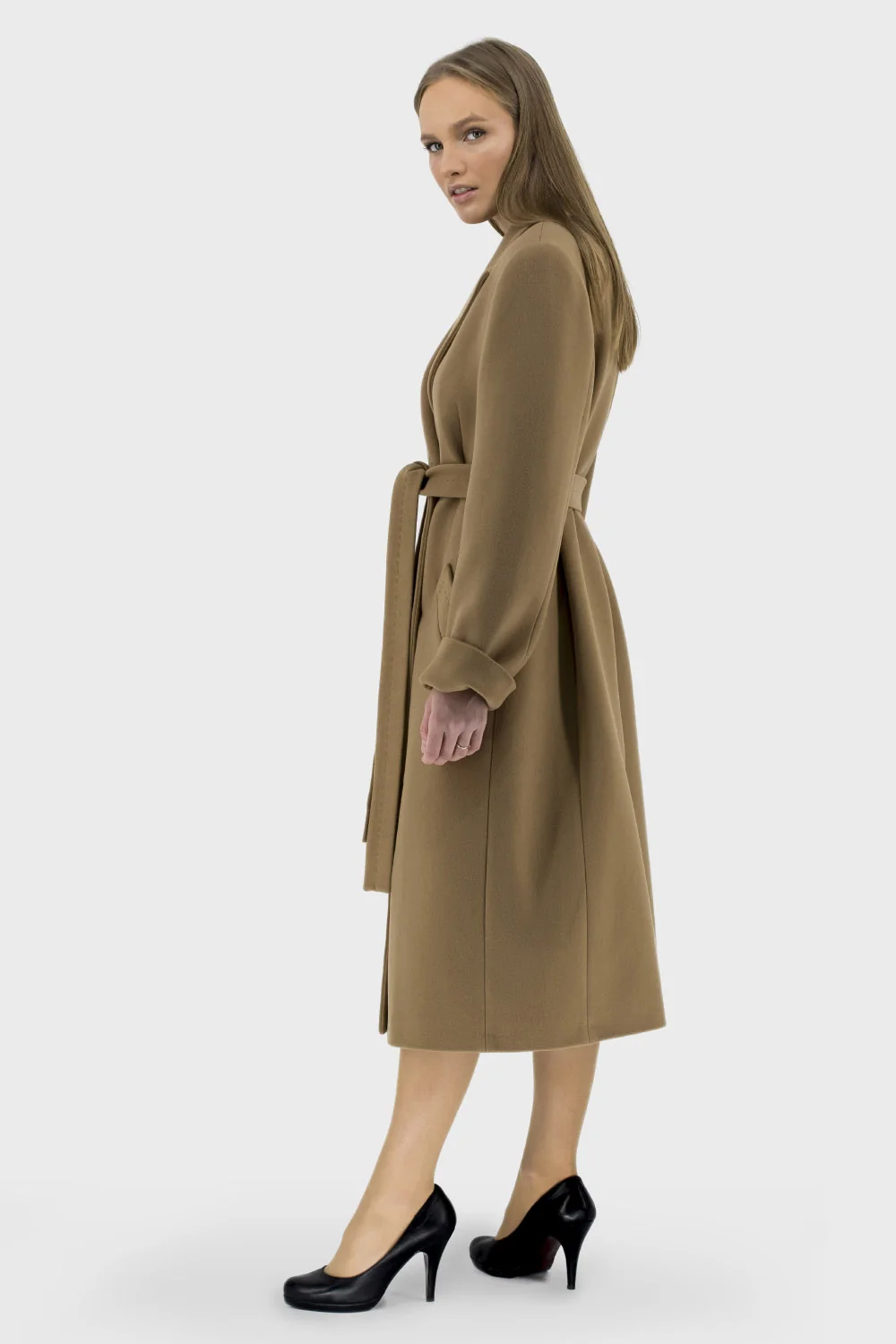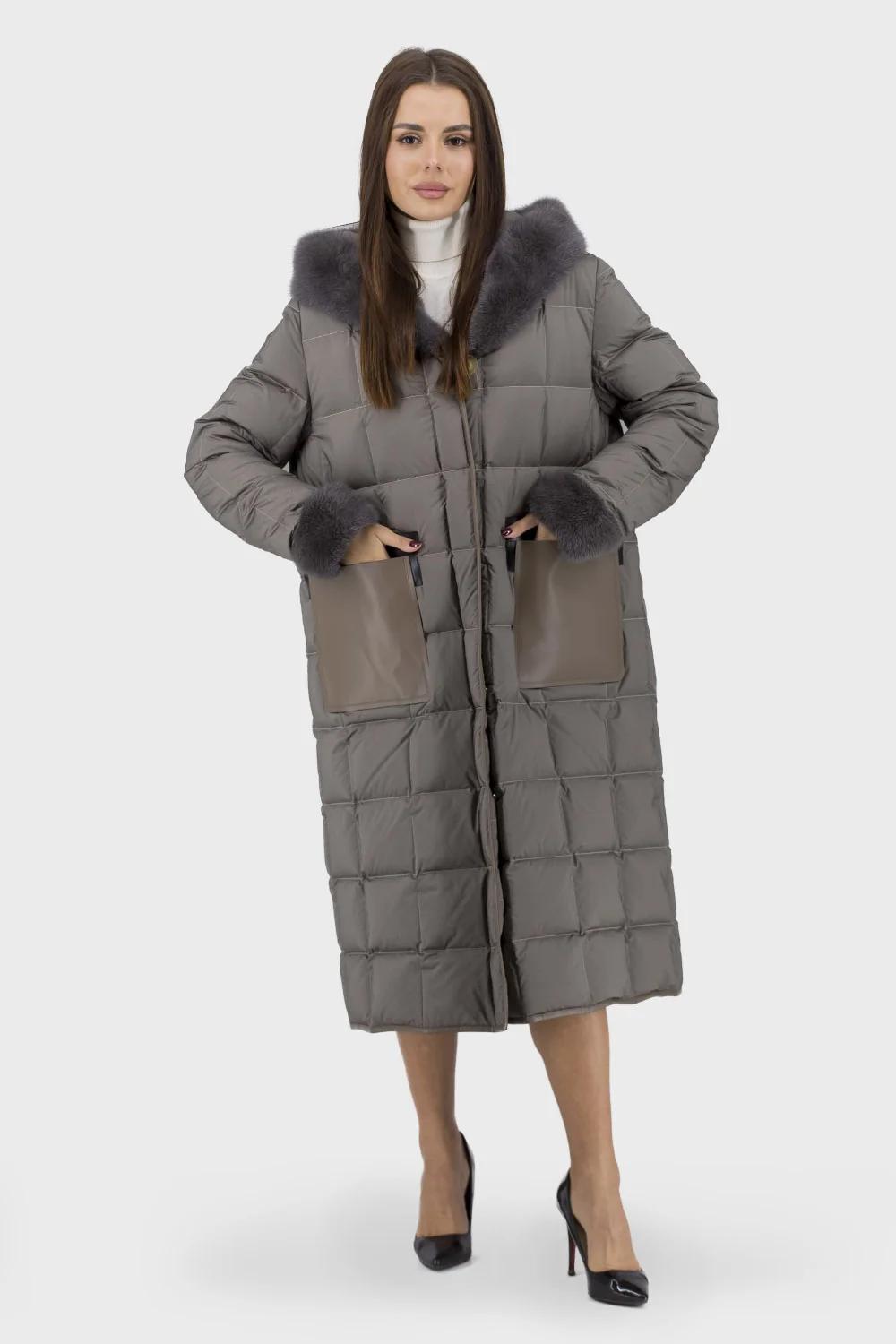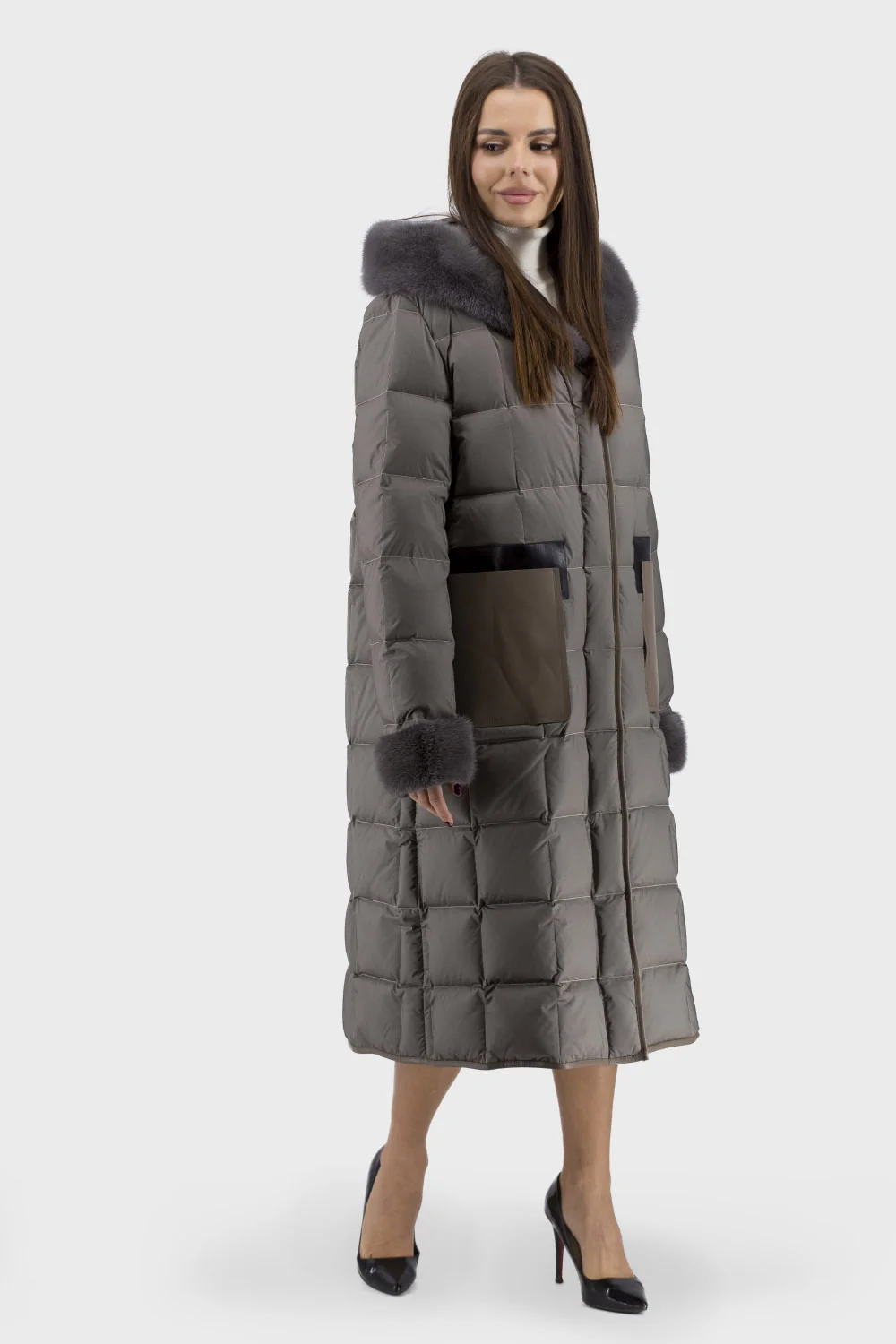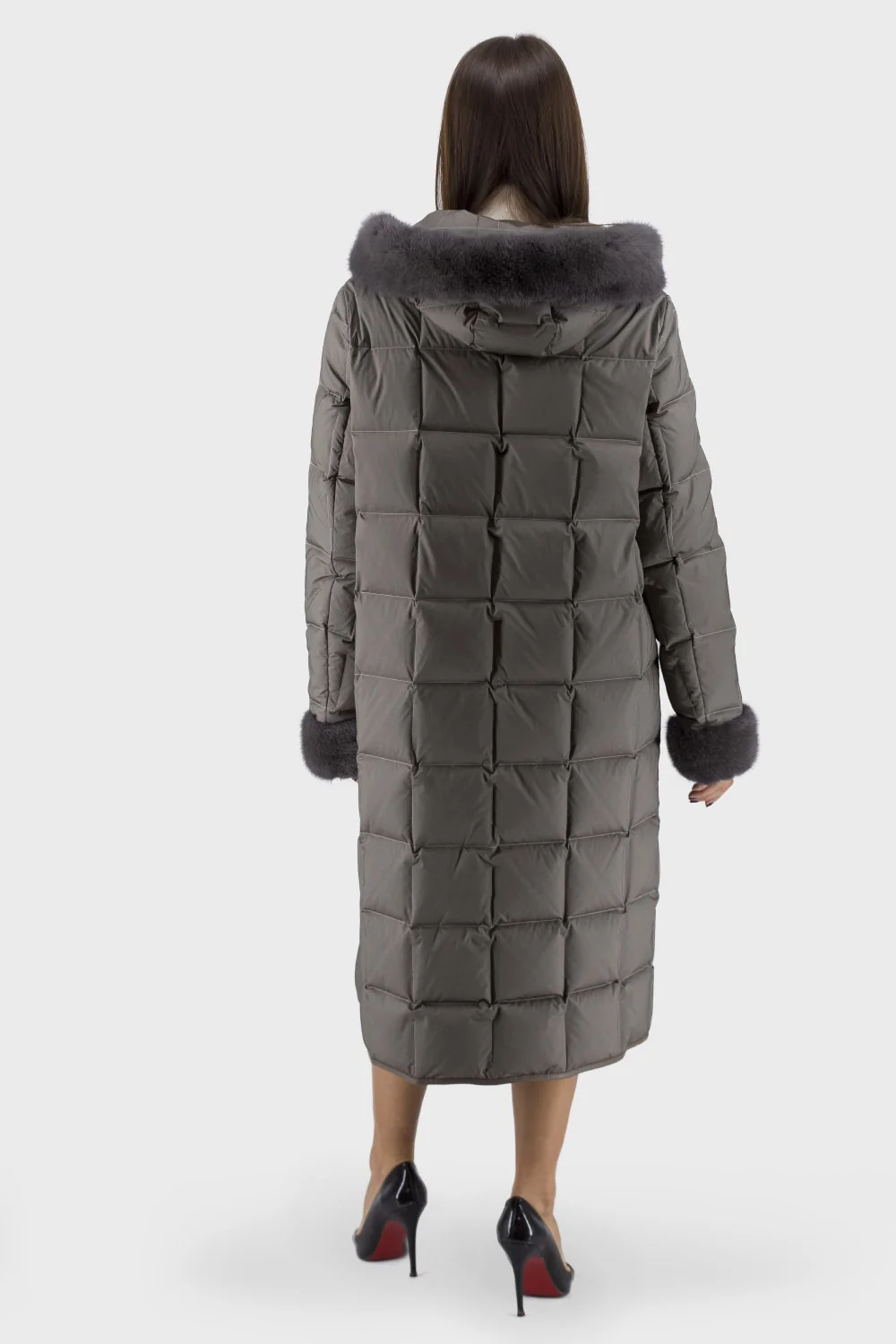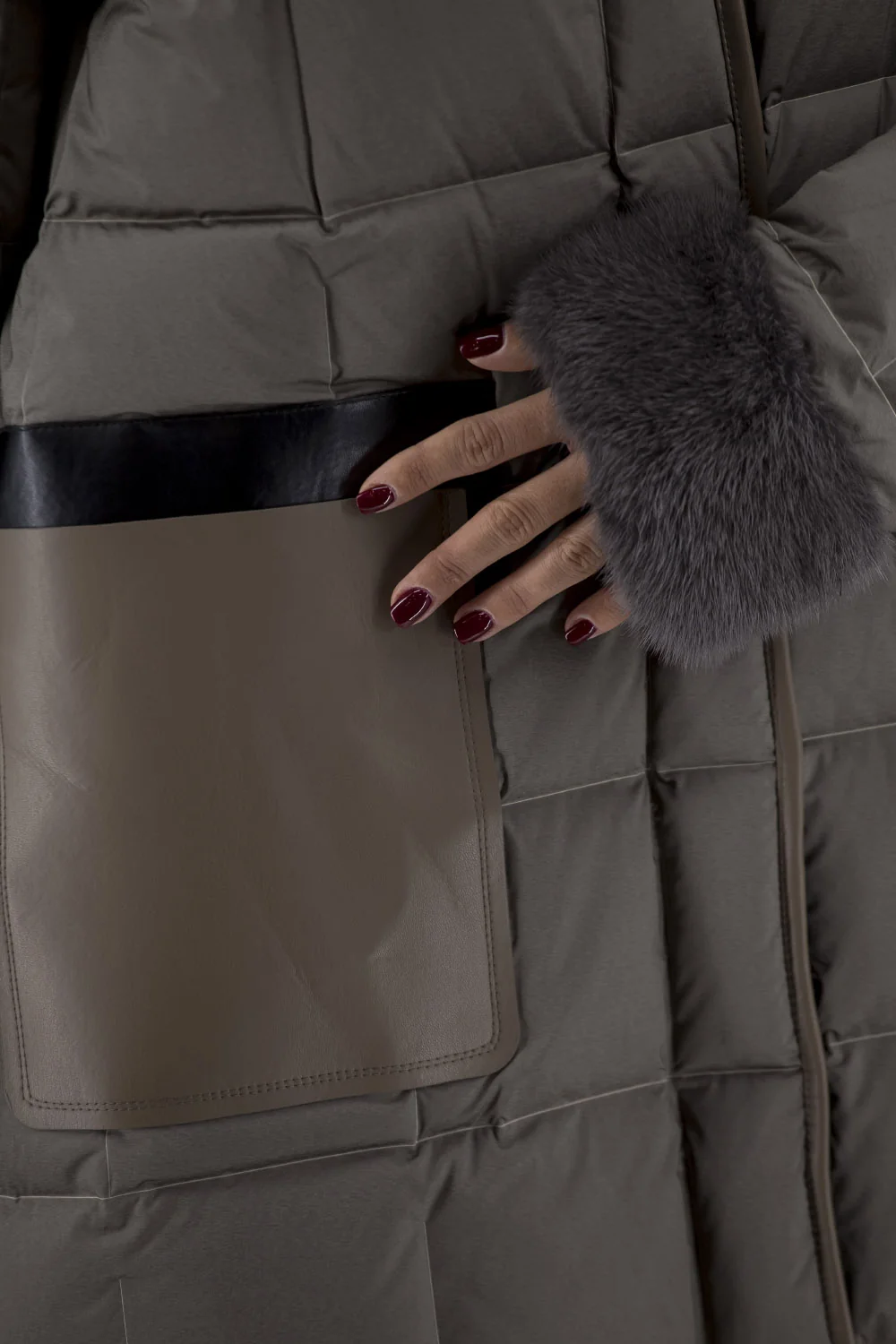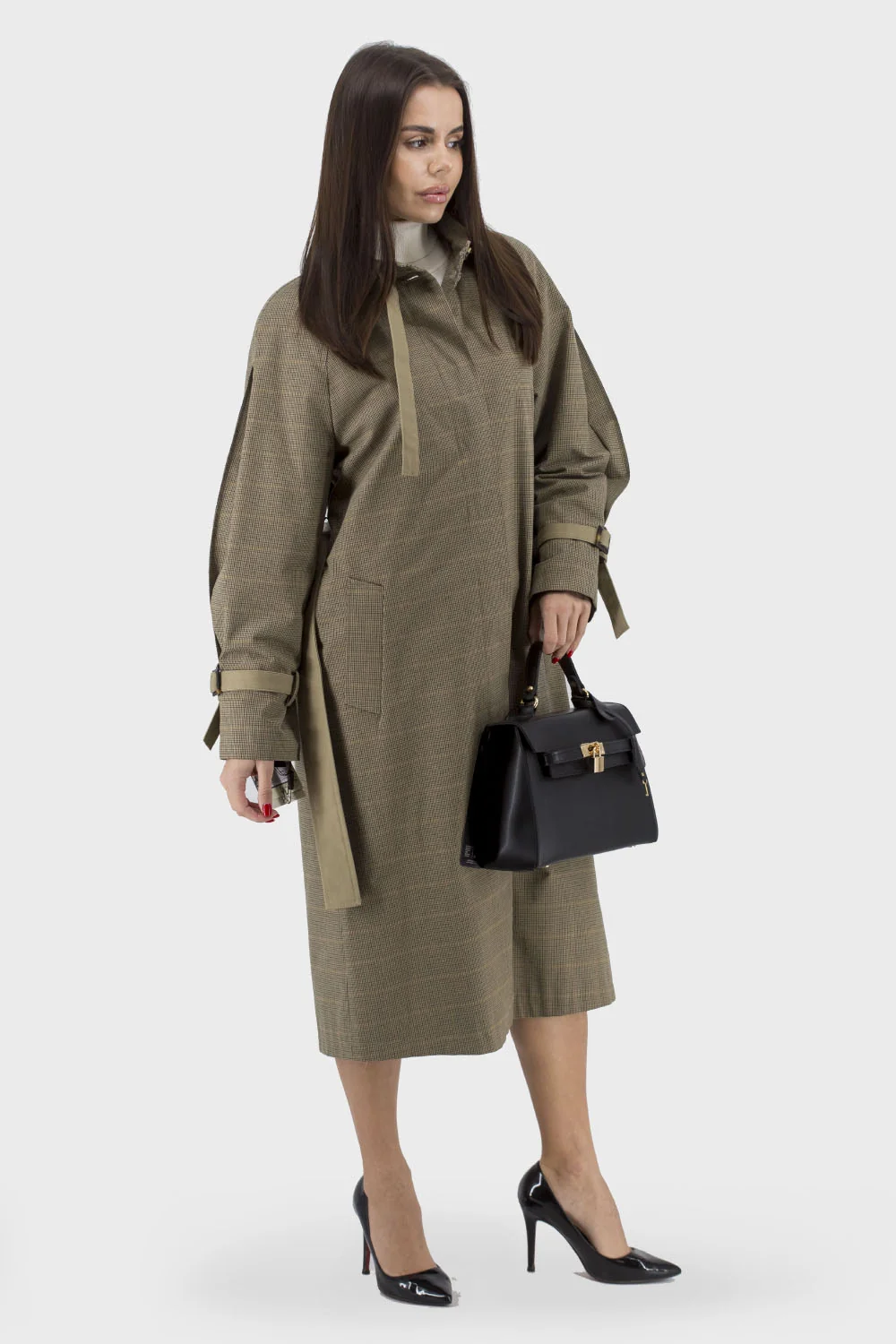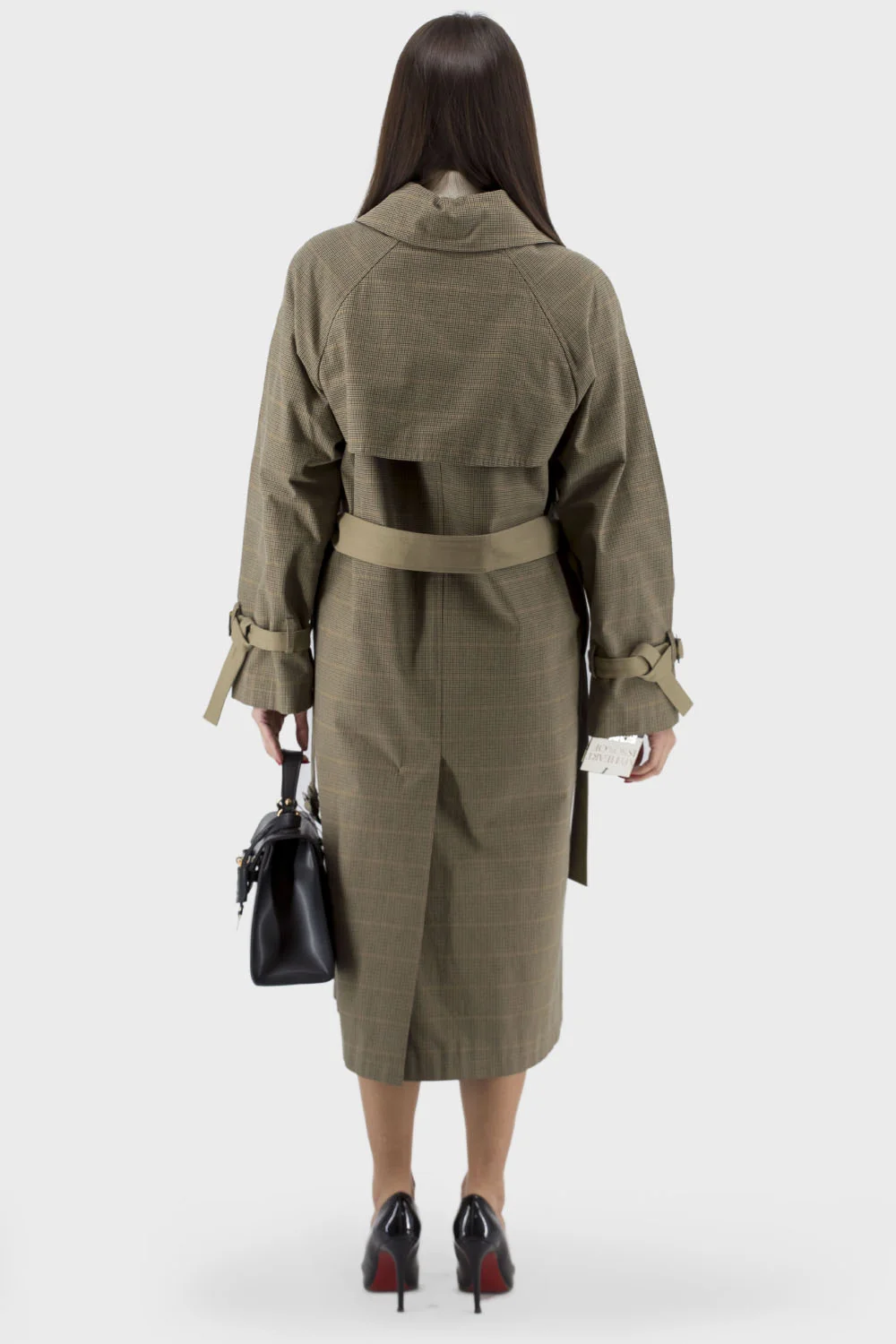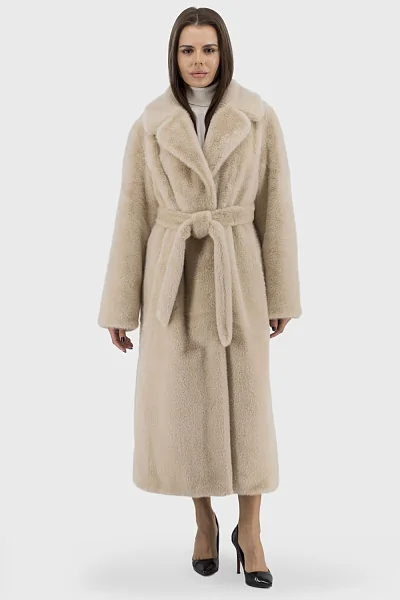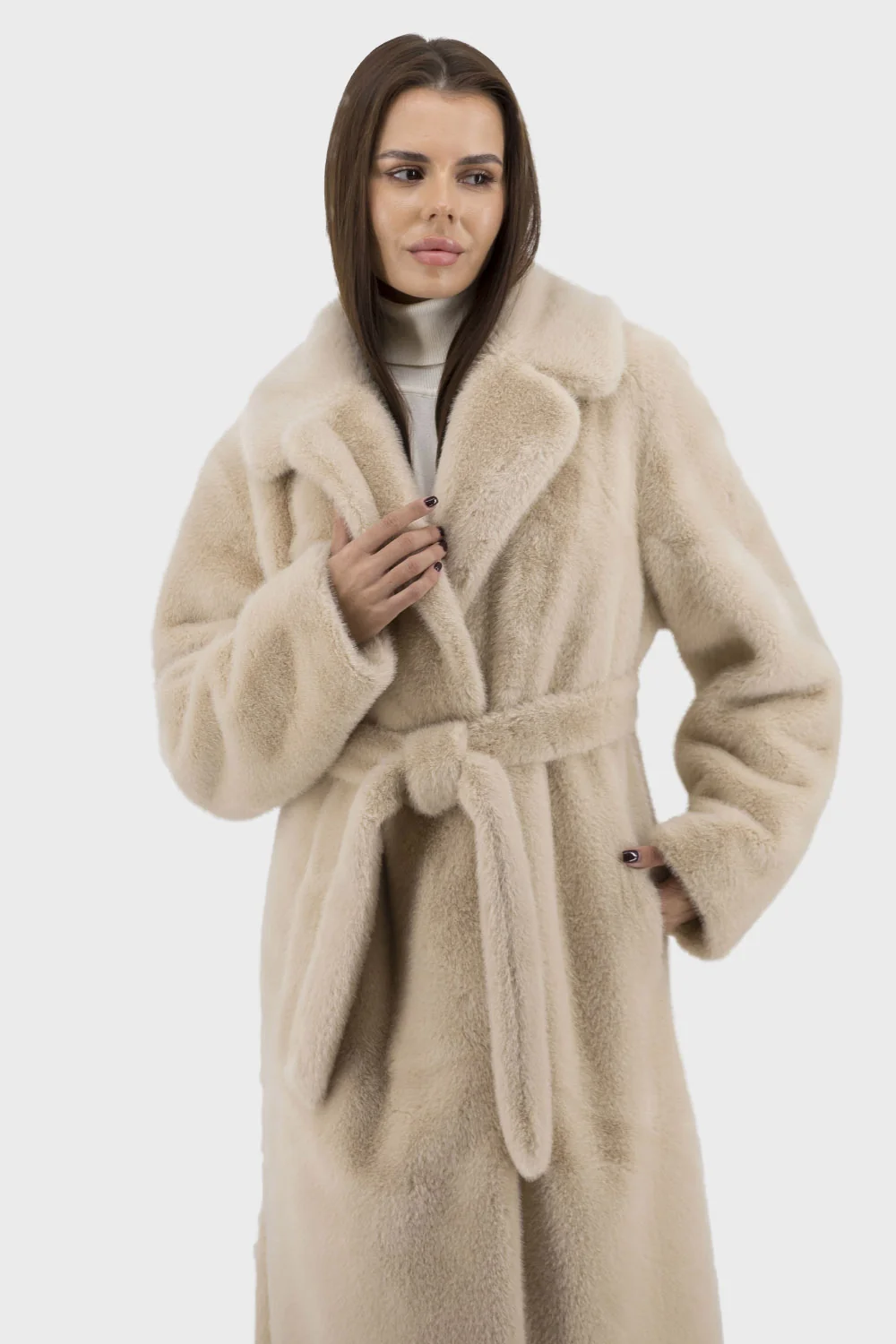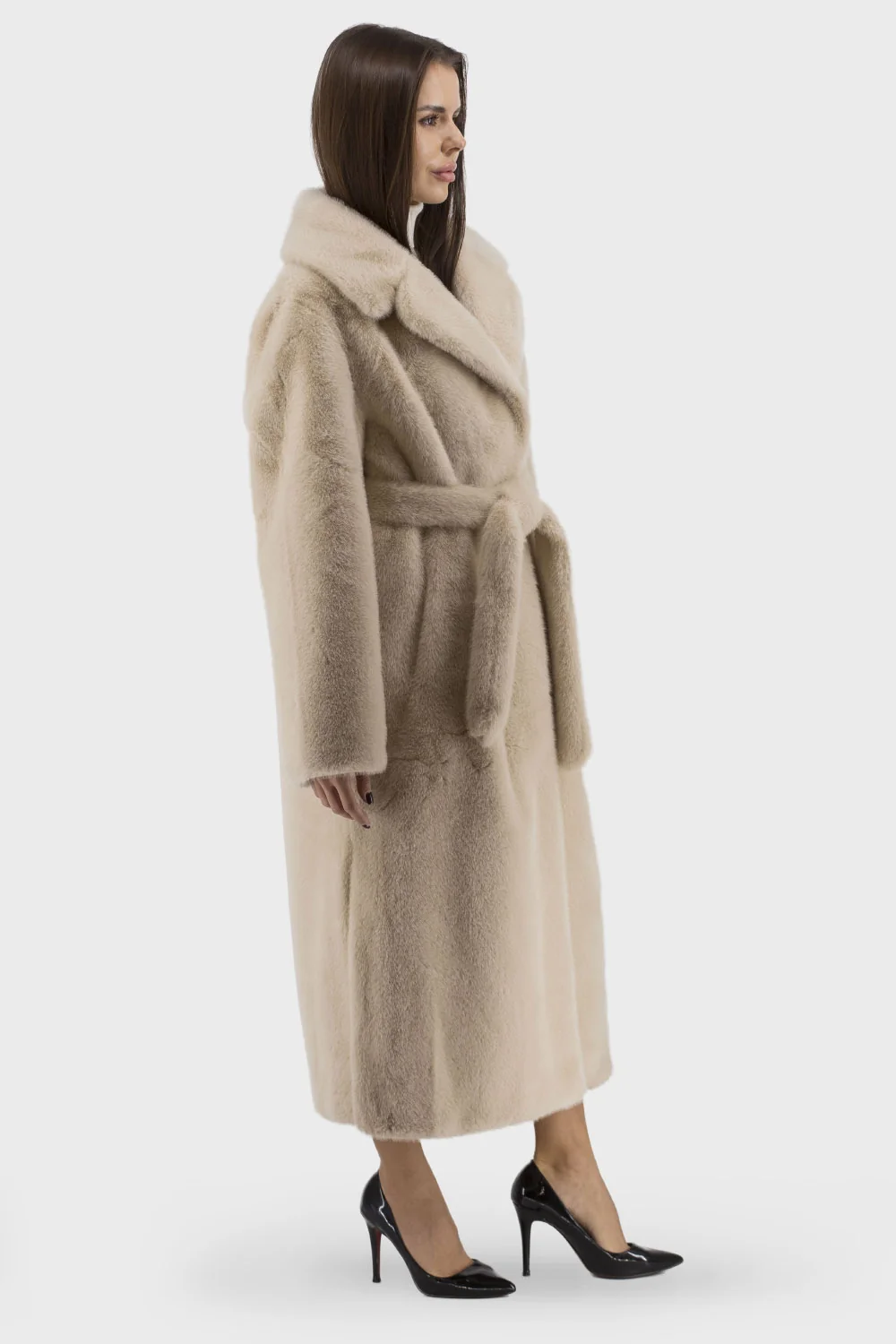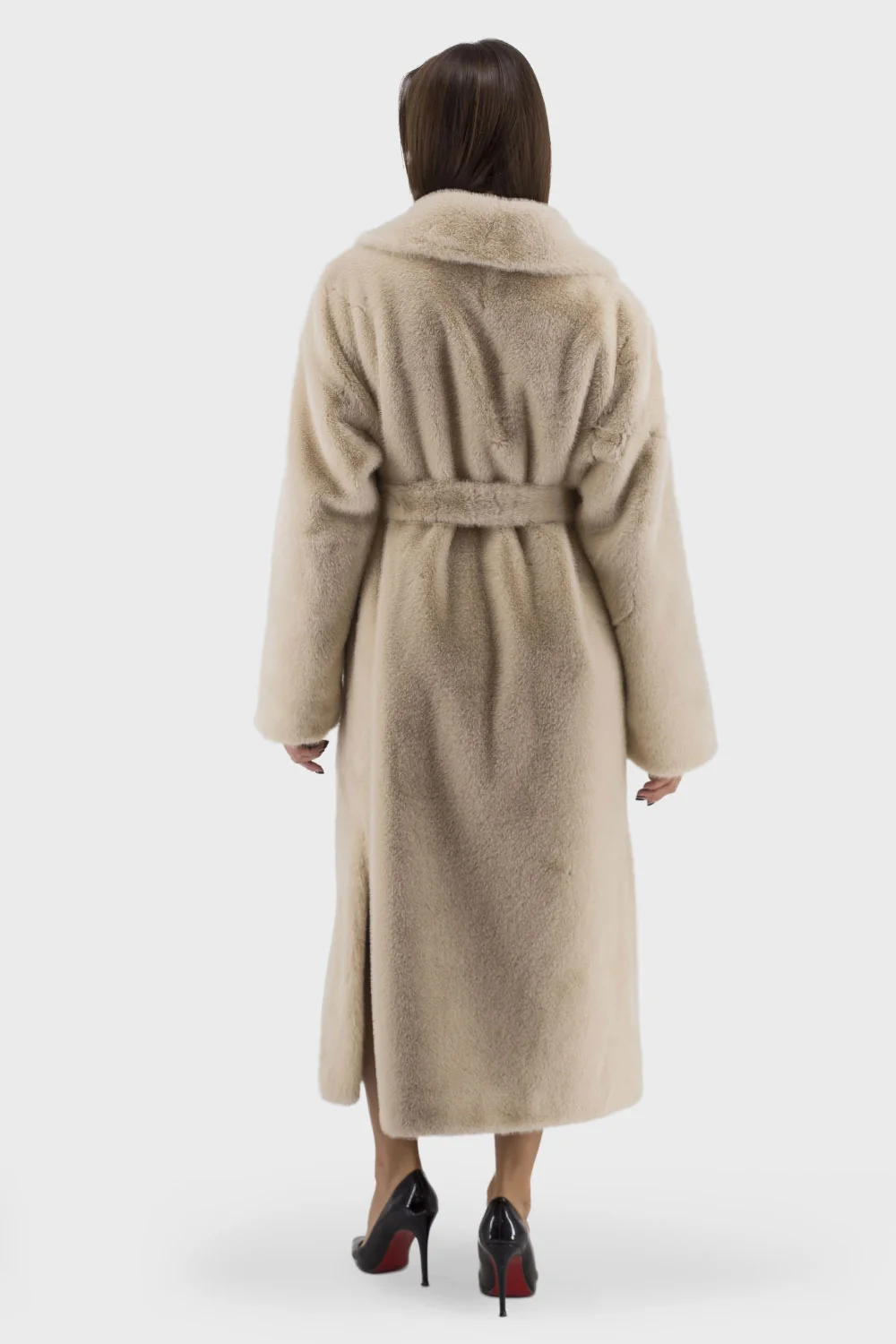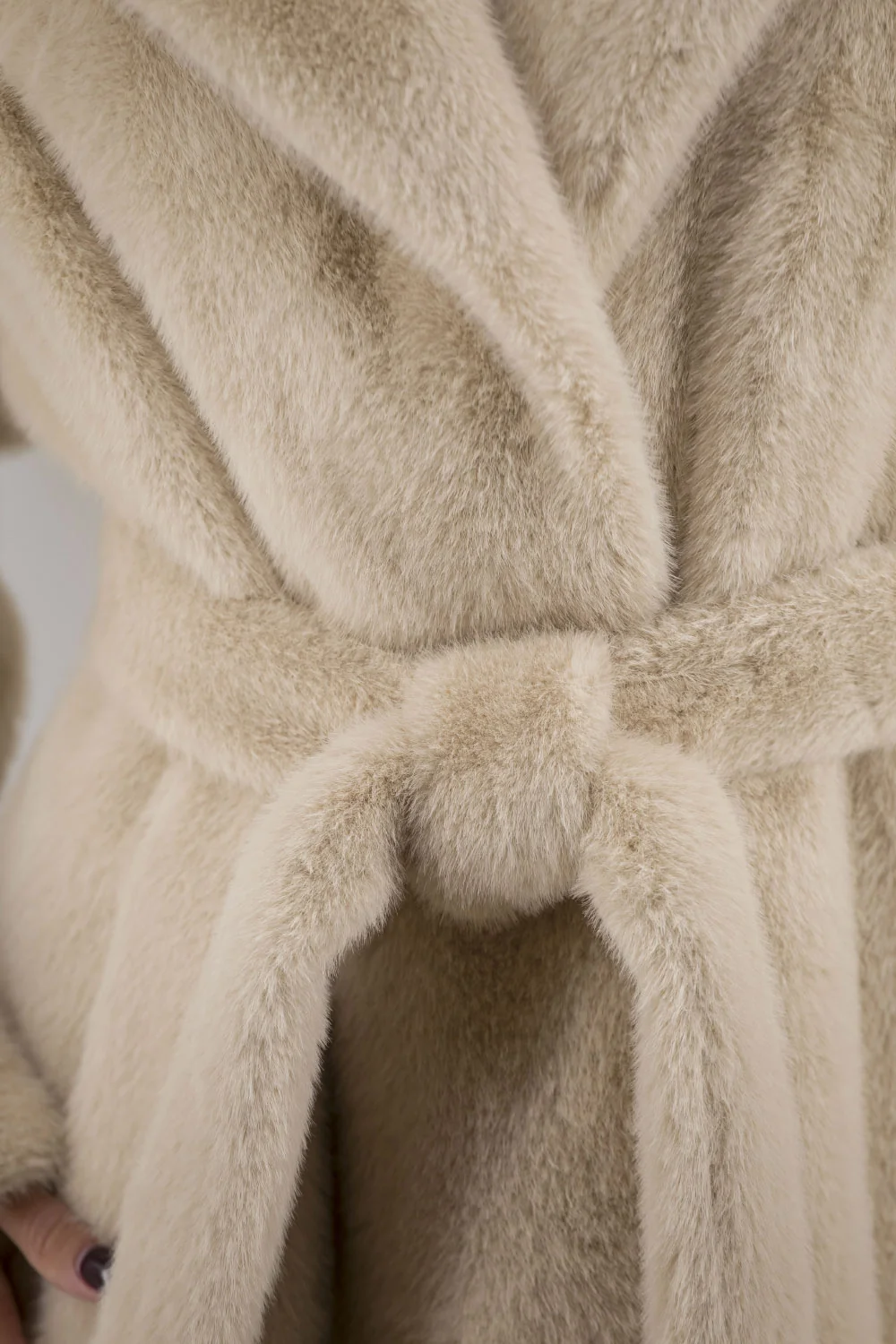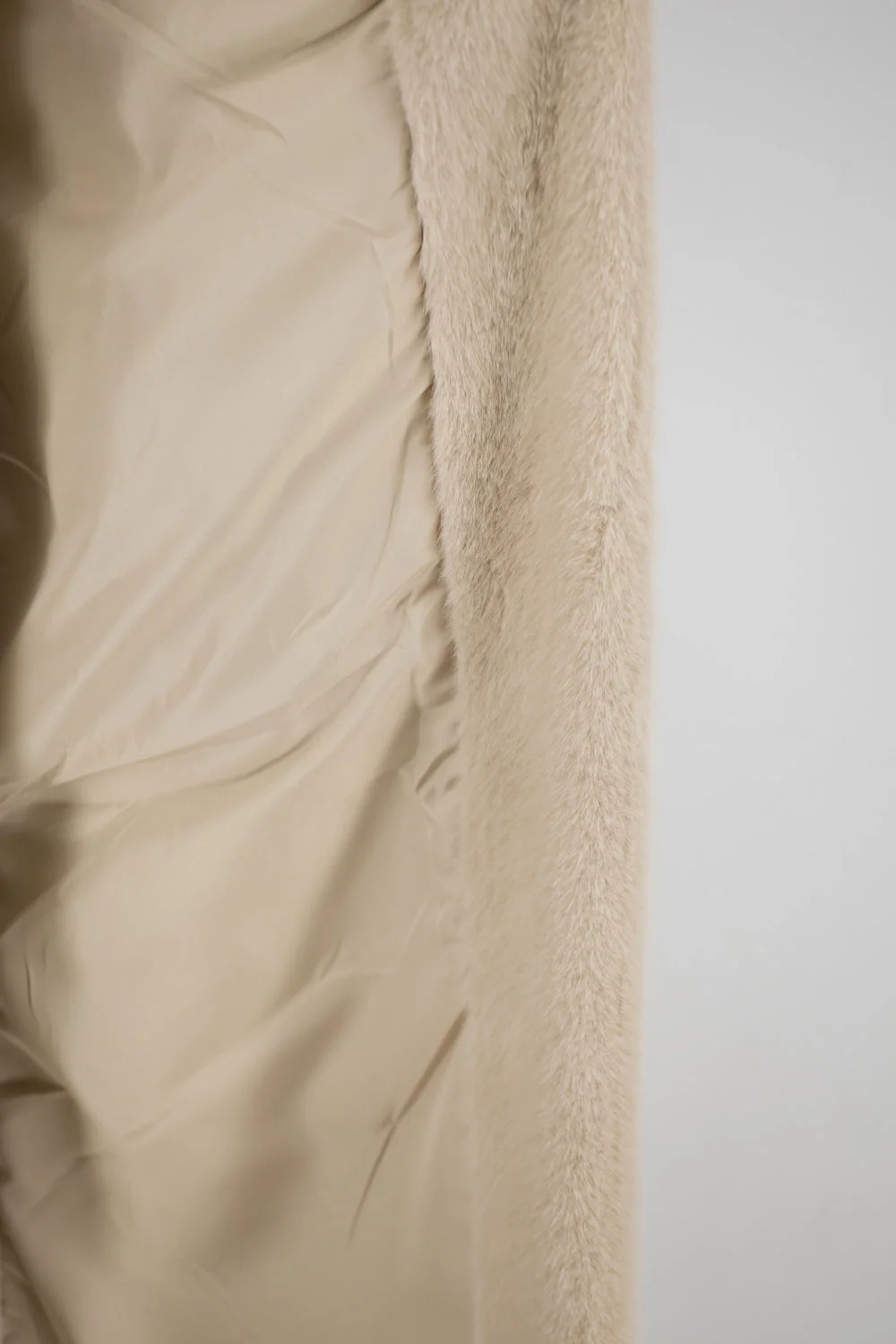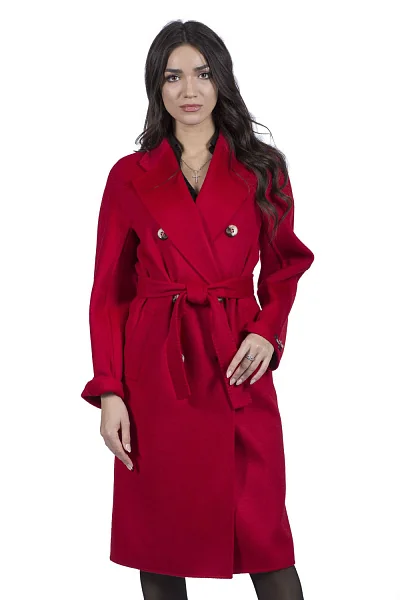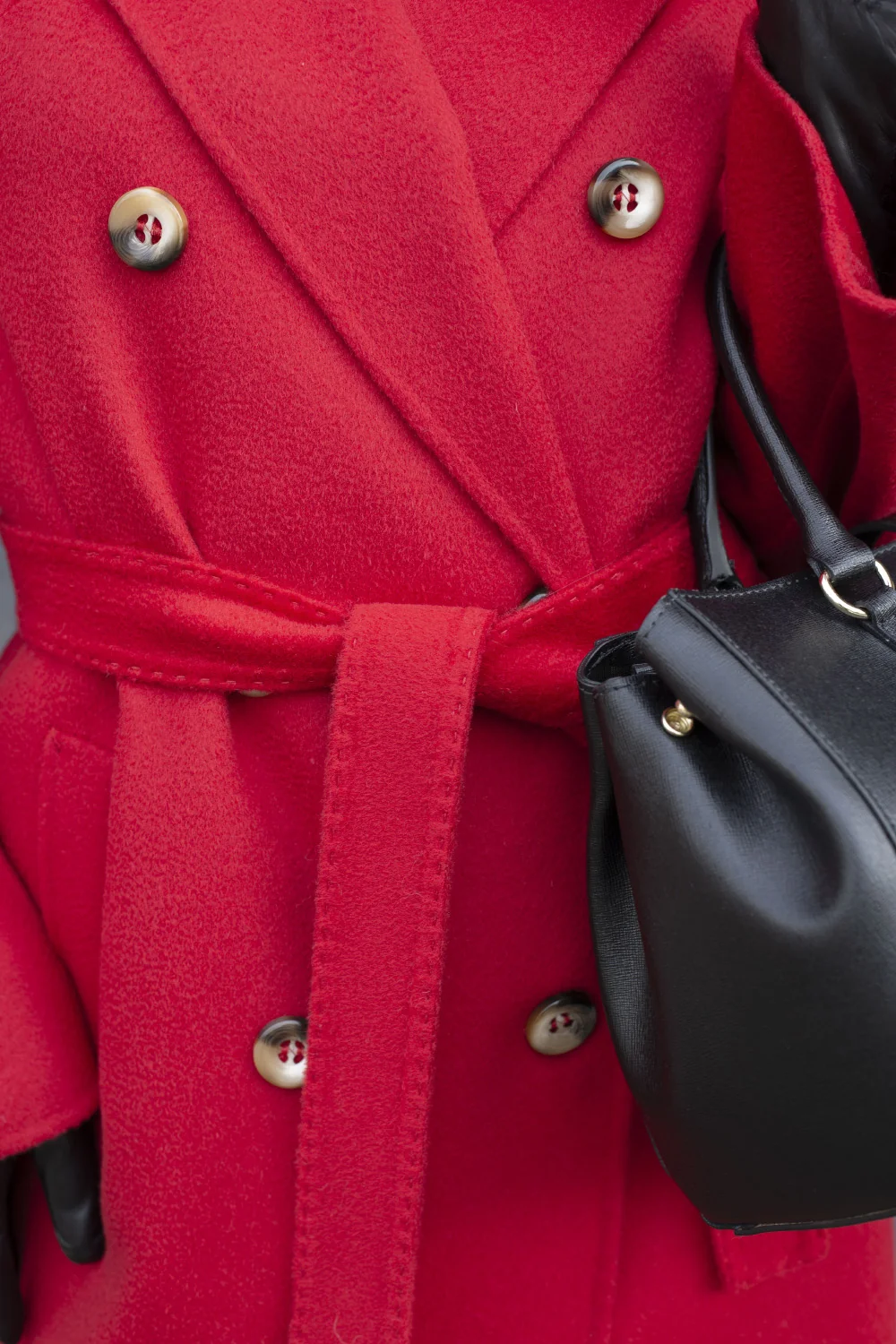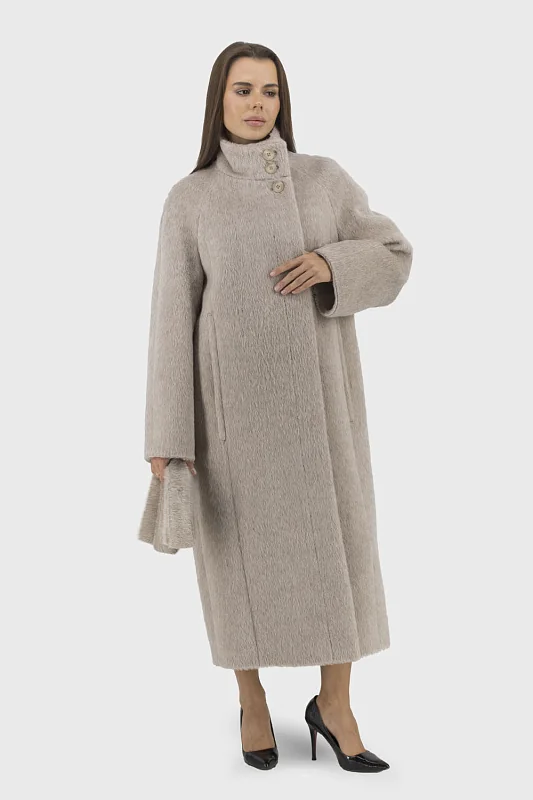
Many myths surround coats containing alpaca fibre. They are sometimes described as guaranteed to remain warm in any frost, completely resistant to dirt and easy to clean at home. In practice, performance depends on the alpaca percentage, the other fibres in the blend, fabric density, lining and garment construction.
What alpaca fibre is
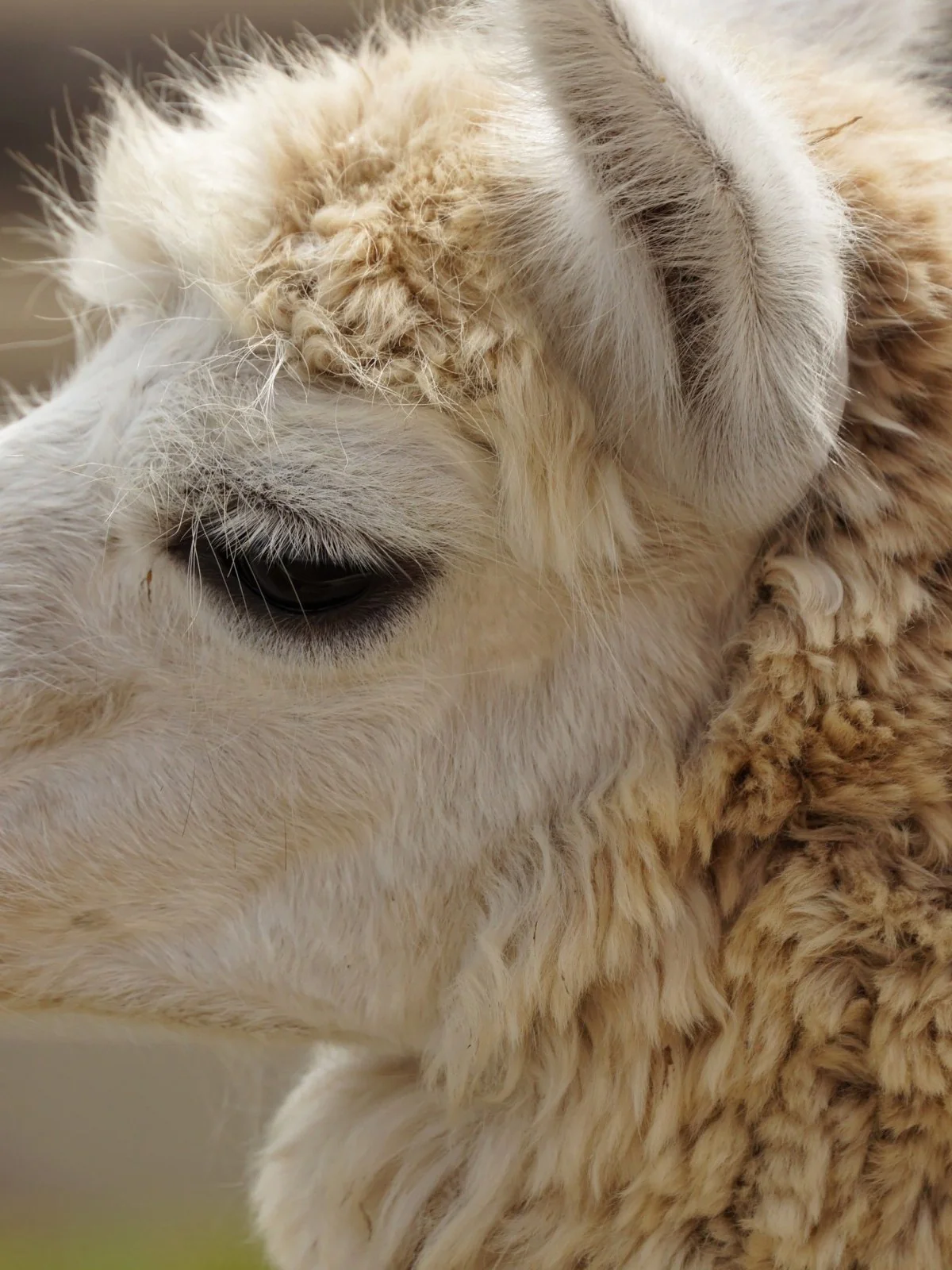
Alpacas belong to the camelid family and are raised primarily for their soft fibre. After shearing, the raw fibre is sorted, cleaned and processed into yarn or fabric.
In coat textiles, alpaca is often blended with sheep wool, polyamide, polyester, viscose or other fibres. The word “alpaca” on a label therefore does not mean that the fabric is made entirely from alpaca fibre.
Myth: every alpaca coat is extremely warm
Alpaca fibre can trap air and contribute to insulation, but the warmth of a finished coat depends on more than the fibre name. Fabric density, thickness, wool percentage, insulation, lining and wind protection all matter.
Two coats with the same alpaca percentage may feel different because of their length, cut, fastening, collar and sleeve construction.
Myth: alpaca fabric is always lightweight
The fibre itself can be relatively light, but total garment weight depends on the complete fabric and construction. Dense cloth, a long silhouette, heavy hardware or additional insulation increase weight.
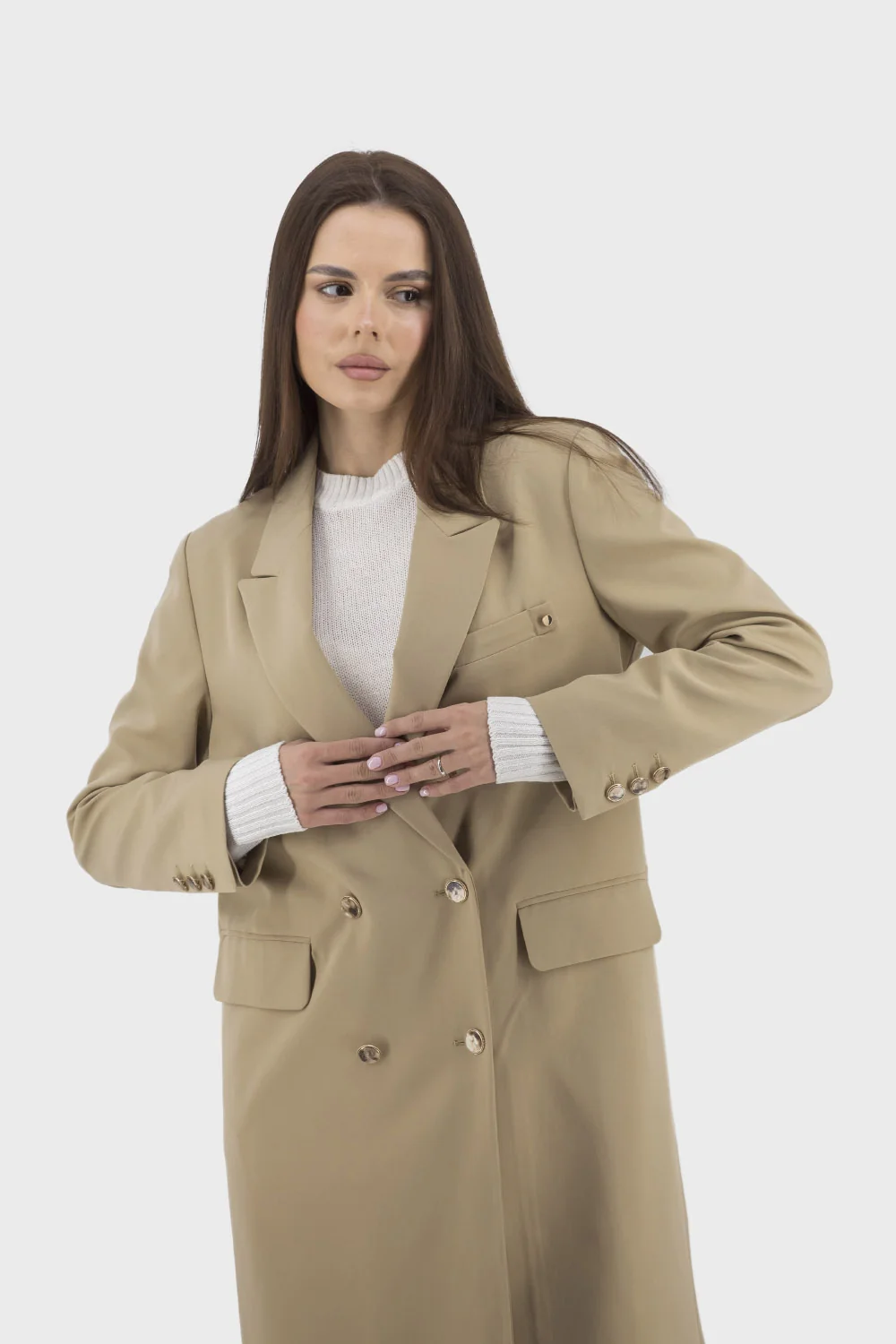
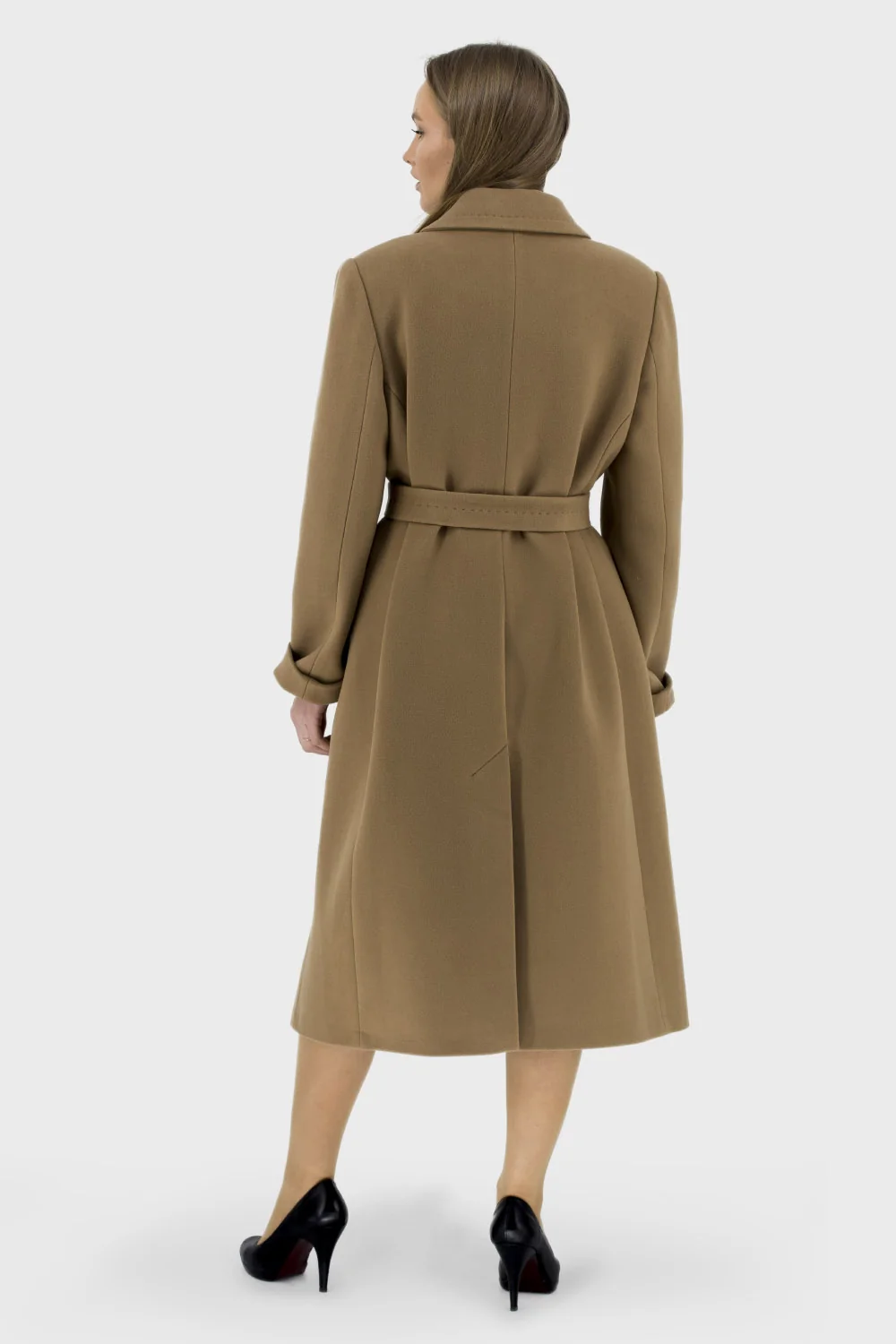
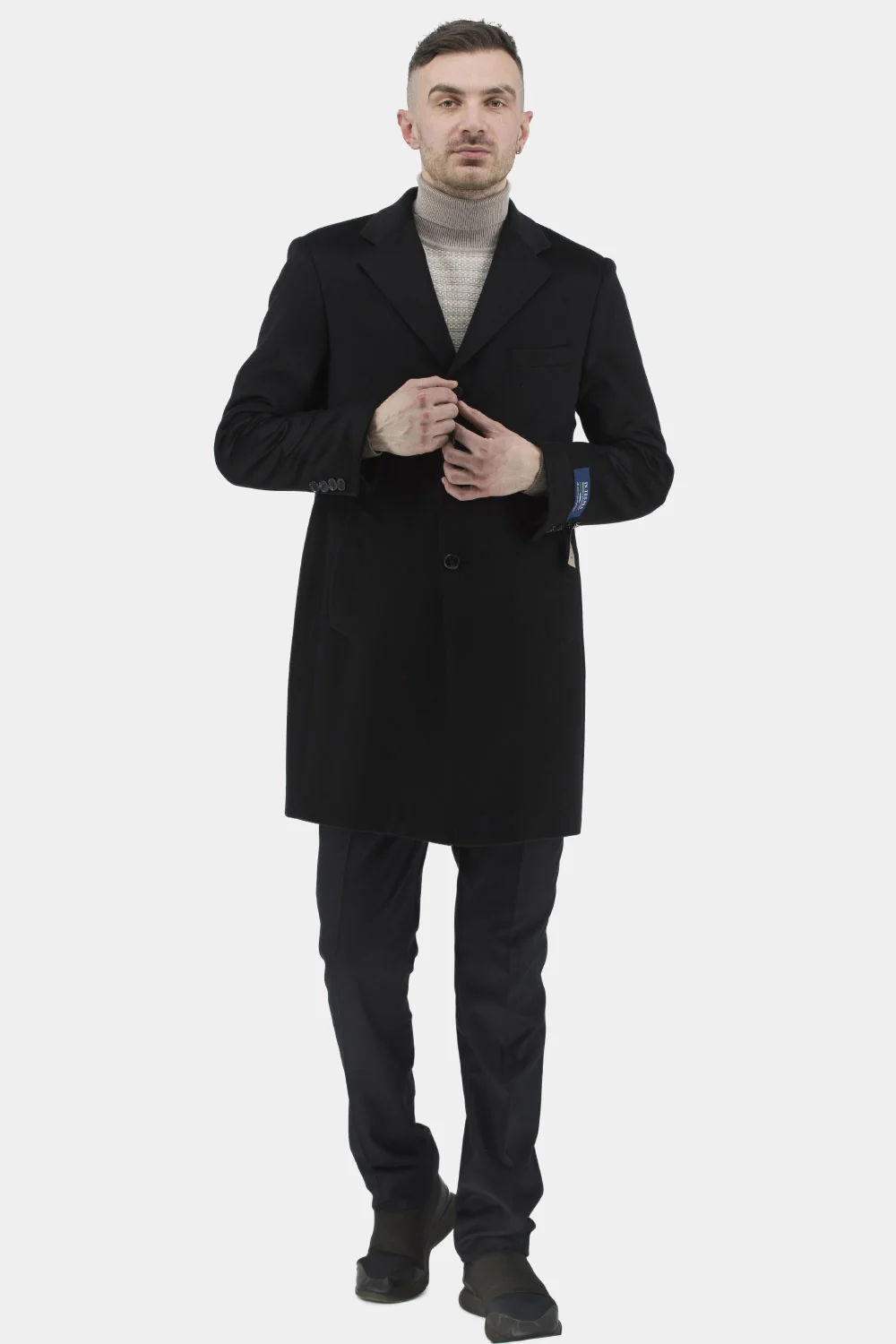
During fitting, check whether the coat sits comfortably on the shoulders and allows unrestricted movement.
Myth: the coat does not get dirty
No coat fabric is completely protected from dust, moisture and stains. Surface texture may influence how visible dirt appears, but regular care is still required.
Remove loose dust with a soft brush following the direction of the pile. Do not rub difficult stains aggressively or apply strong cleaning products without checking the care instructions.
Myth: it can always be washed at home
The manufacturer determines the correct cleaning method. Some coats require professional cleaning because water, temperature and mechanical action may alter the shape, pile or fit.
Do not machine wash a coat simply because it contains natural fibre. Always check the care symbols first.
Myth: alpaca never pills
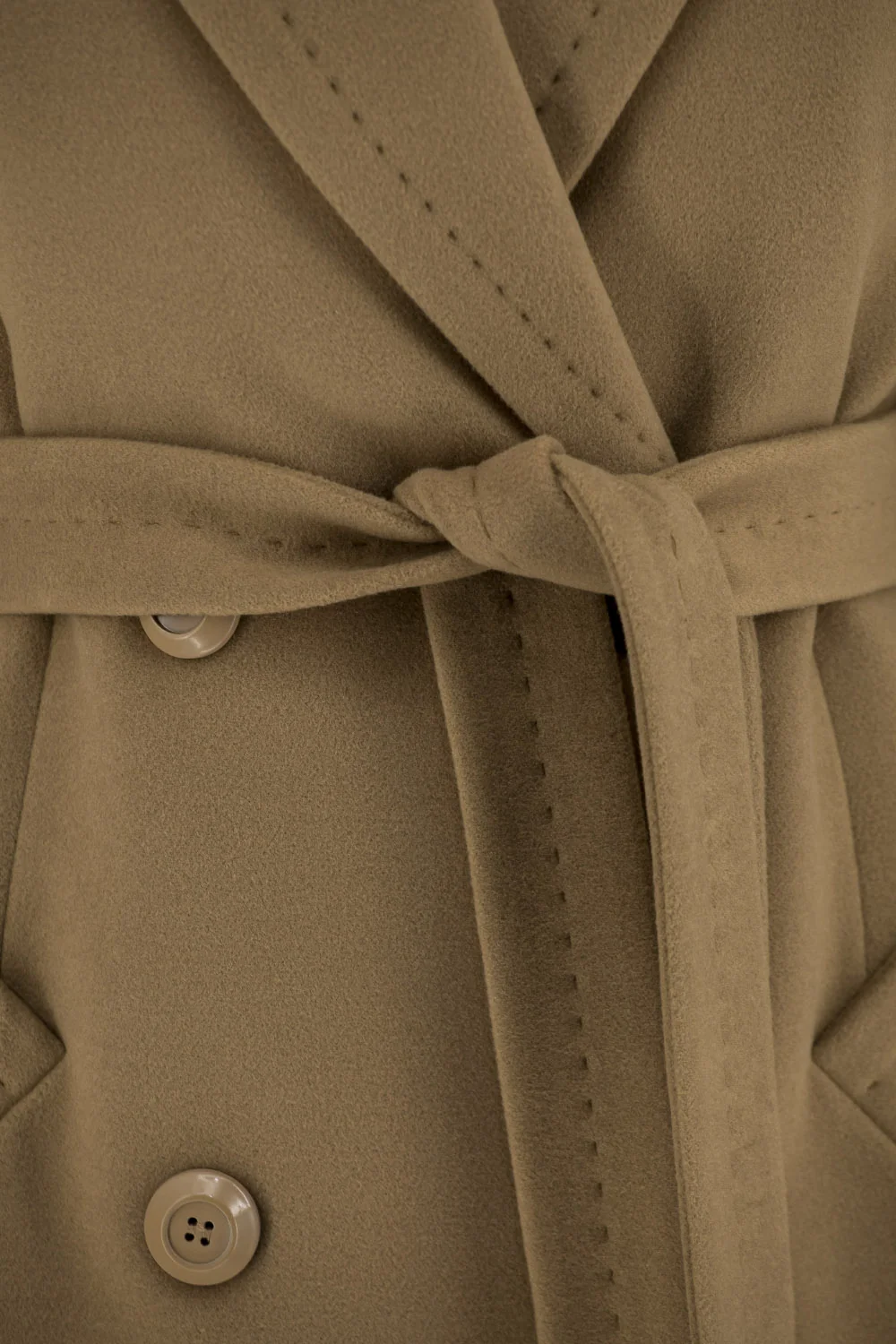
Pilling depends on fibre length and quality, fabric density, blend composition and friction. Changes commonly appear around sleeves, sides, pockets and areas that contact a handbag.
Do not cut the pile with scissors or use a stiff brush. Delicate fabric should be treated according to the manufacturer’s recommendations.
Myth: alpaca coats are only formal
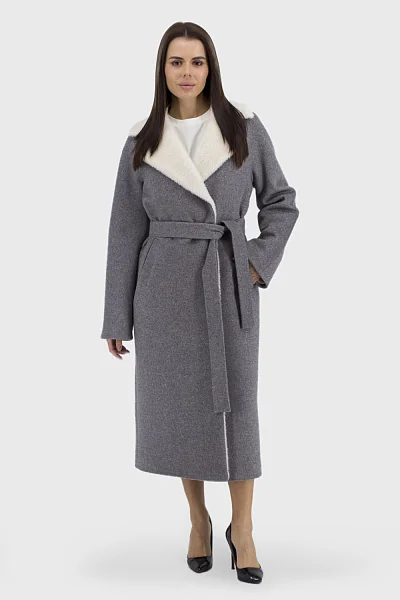
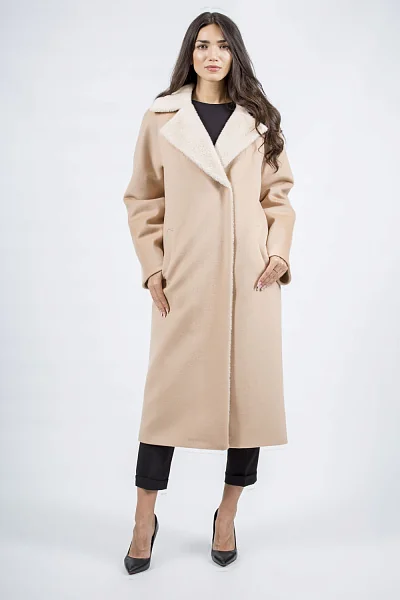
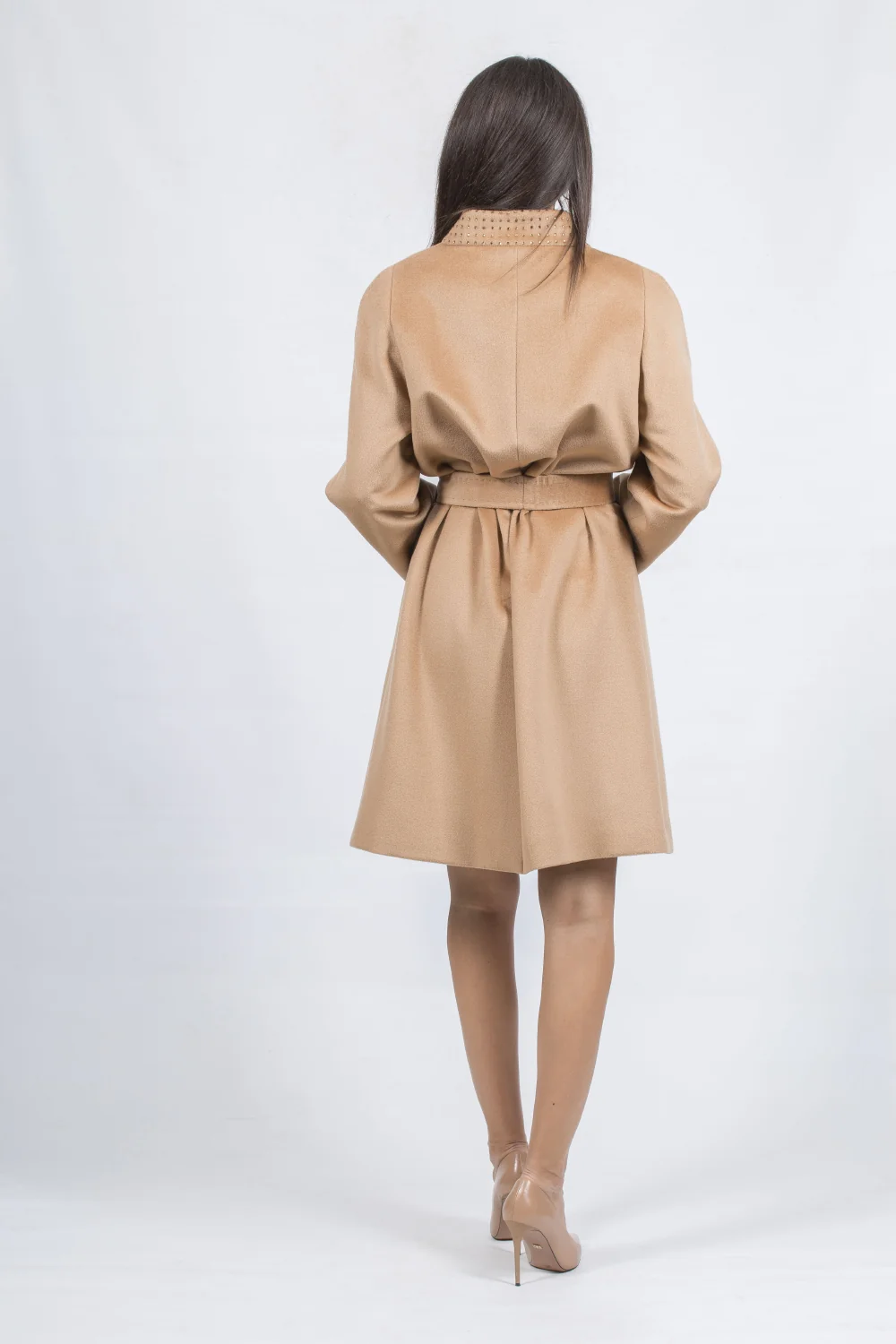
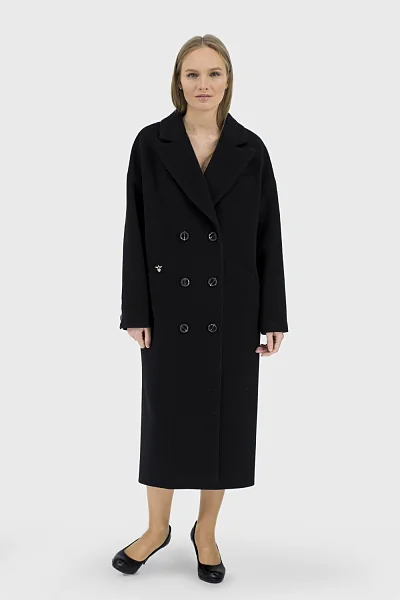
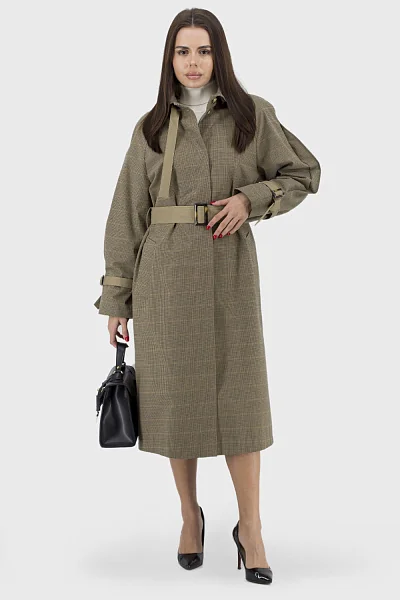
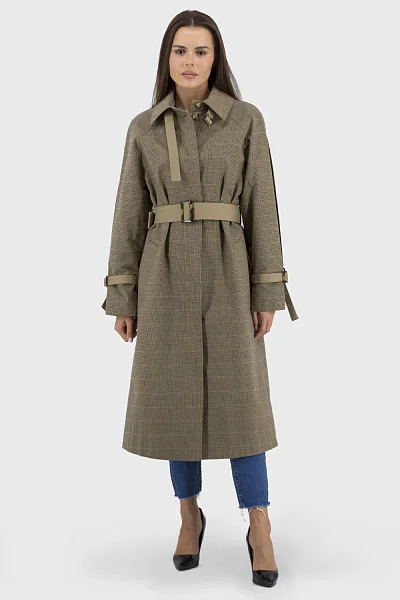
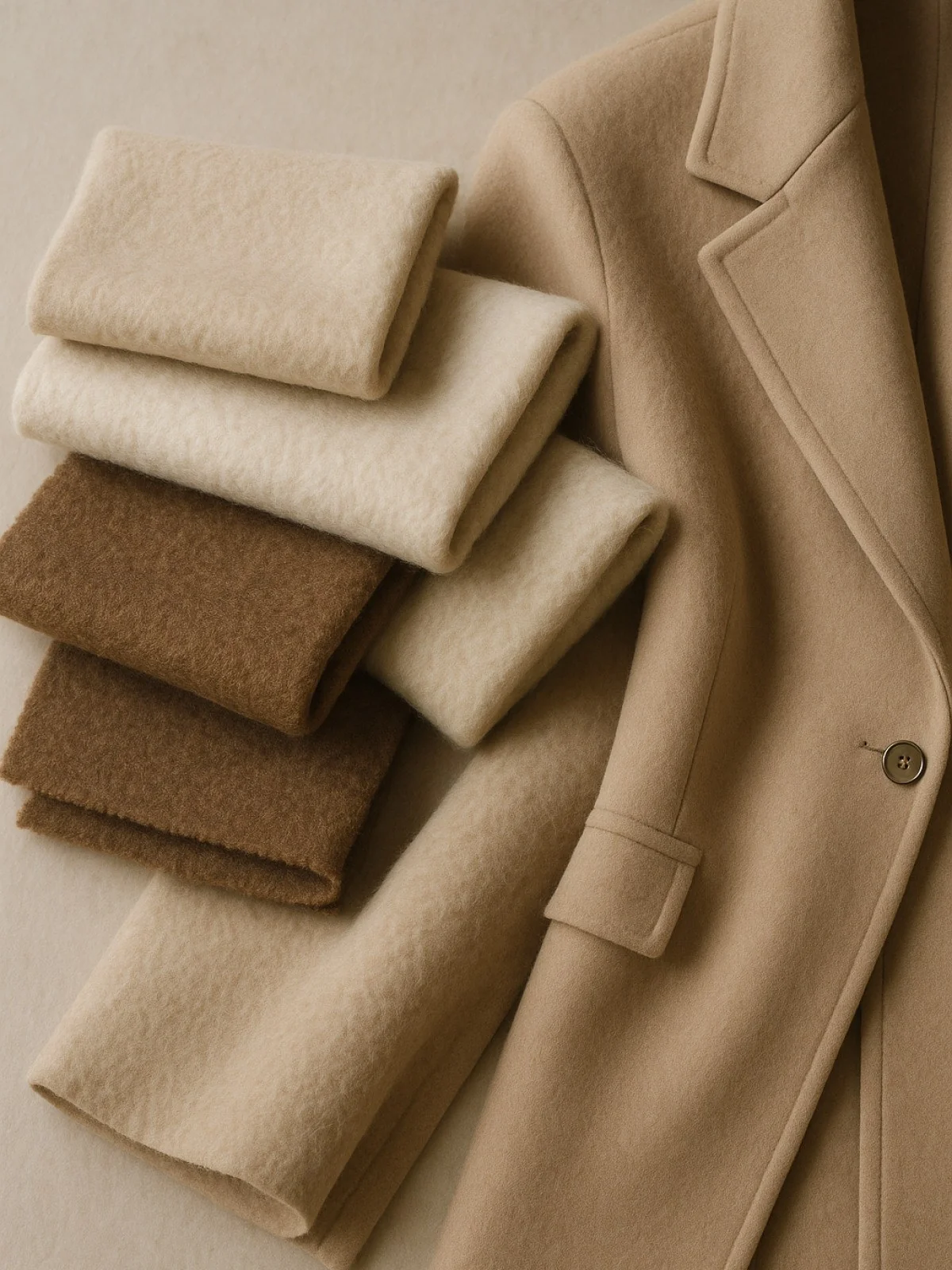
Coats containing alpaca may have classic, minimalist or casual designs. They can be worn with dresses, tailoring, jeans, knitwear and different types of footwear.
Versatility depends on cut, colour, length and detailing rather than the fibre alone.
Myth: natural fibre cannot irritate skin
Individual reactions depend on skin sensitivity, fibre processing, the remaining fabric components and the lining. Even a soft material should not be described as universally hypoallergenic.
When trying on the coat, check the neck, wrists and other areas that may touch exposed skin.
How to read the composition label
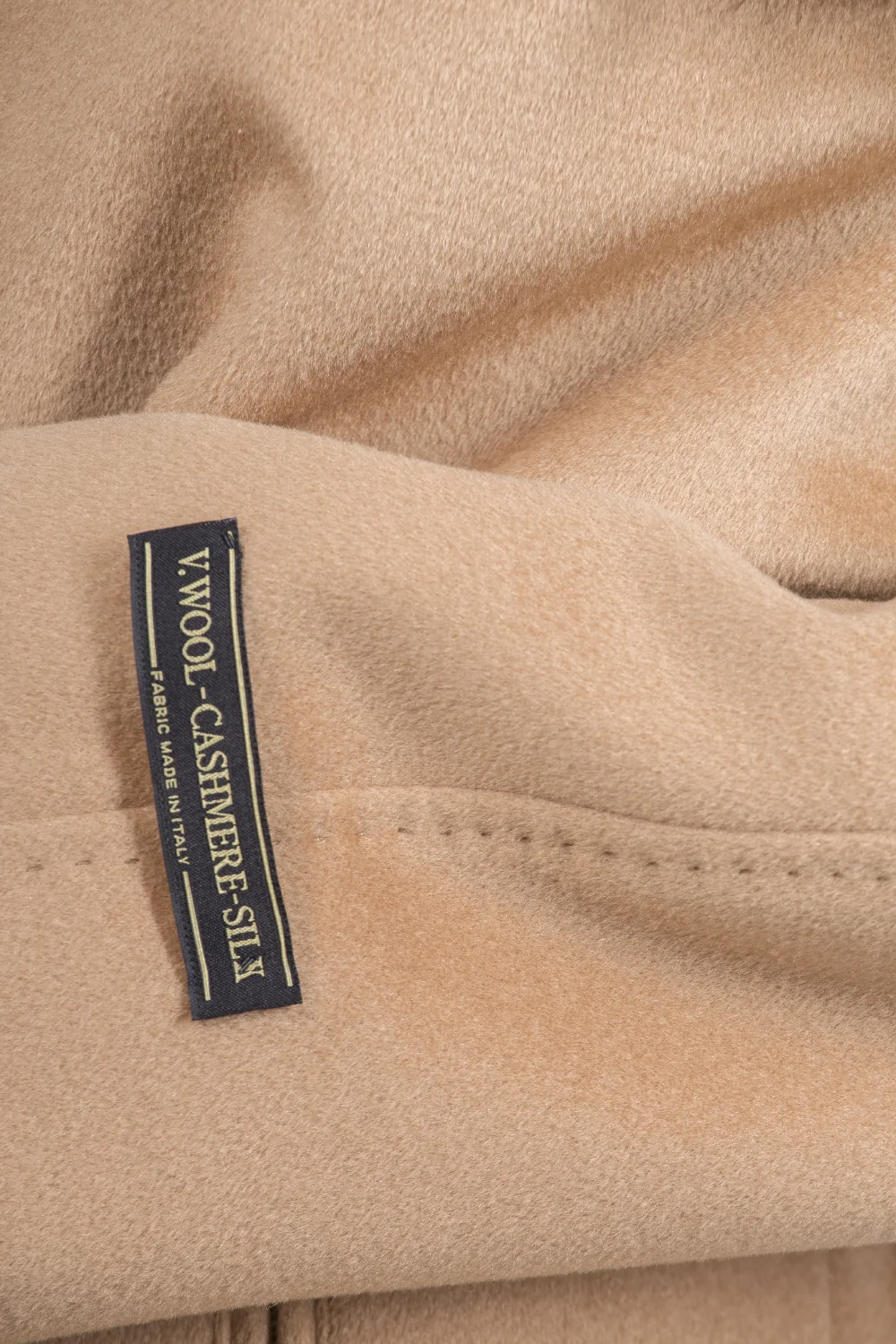
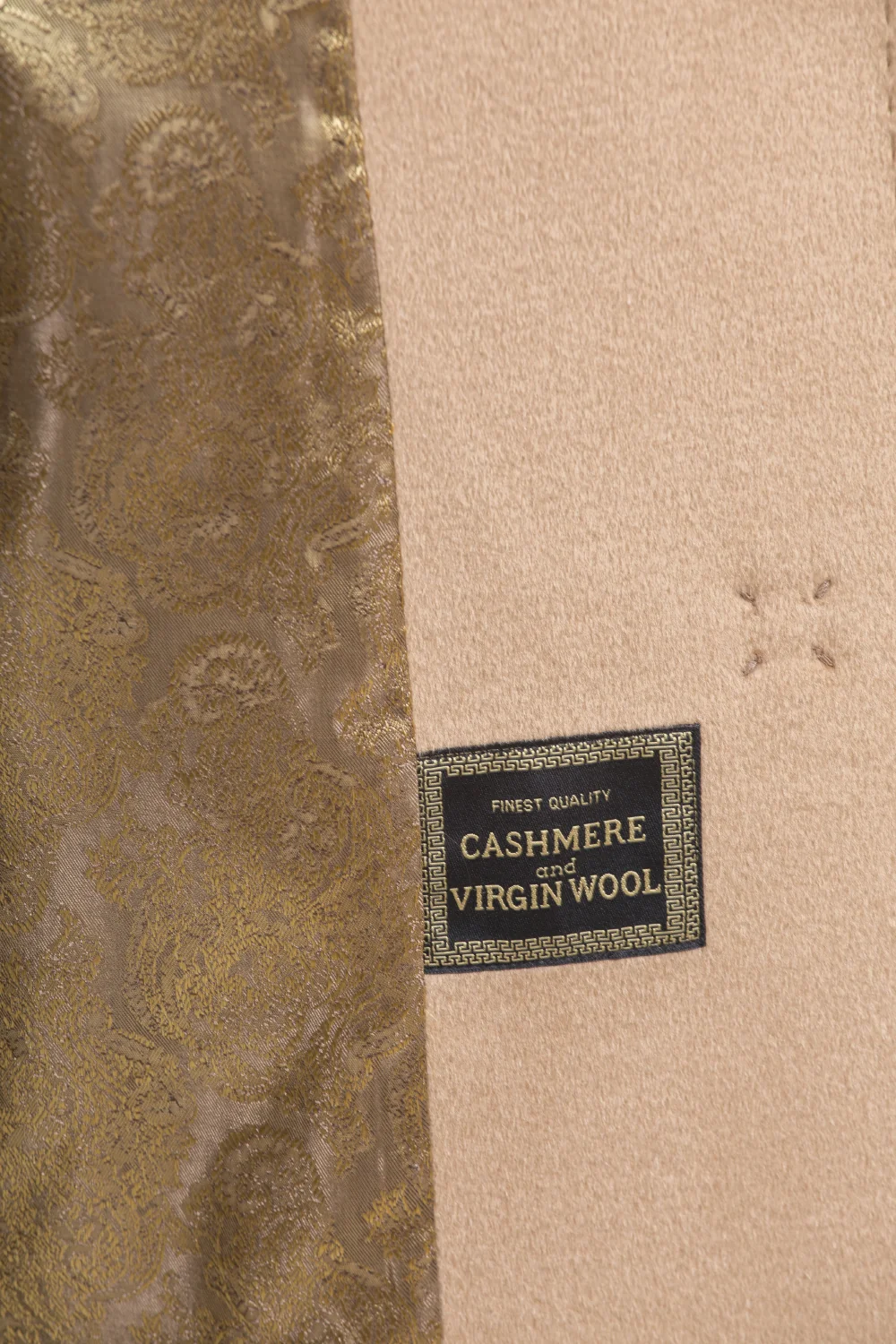
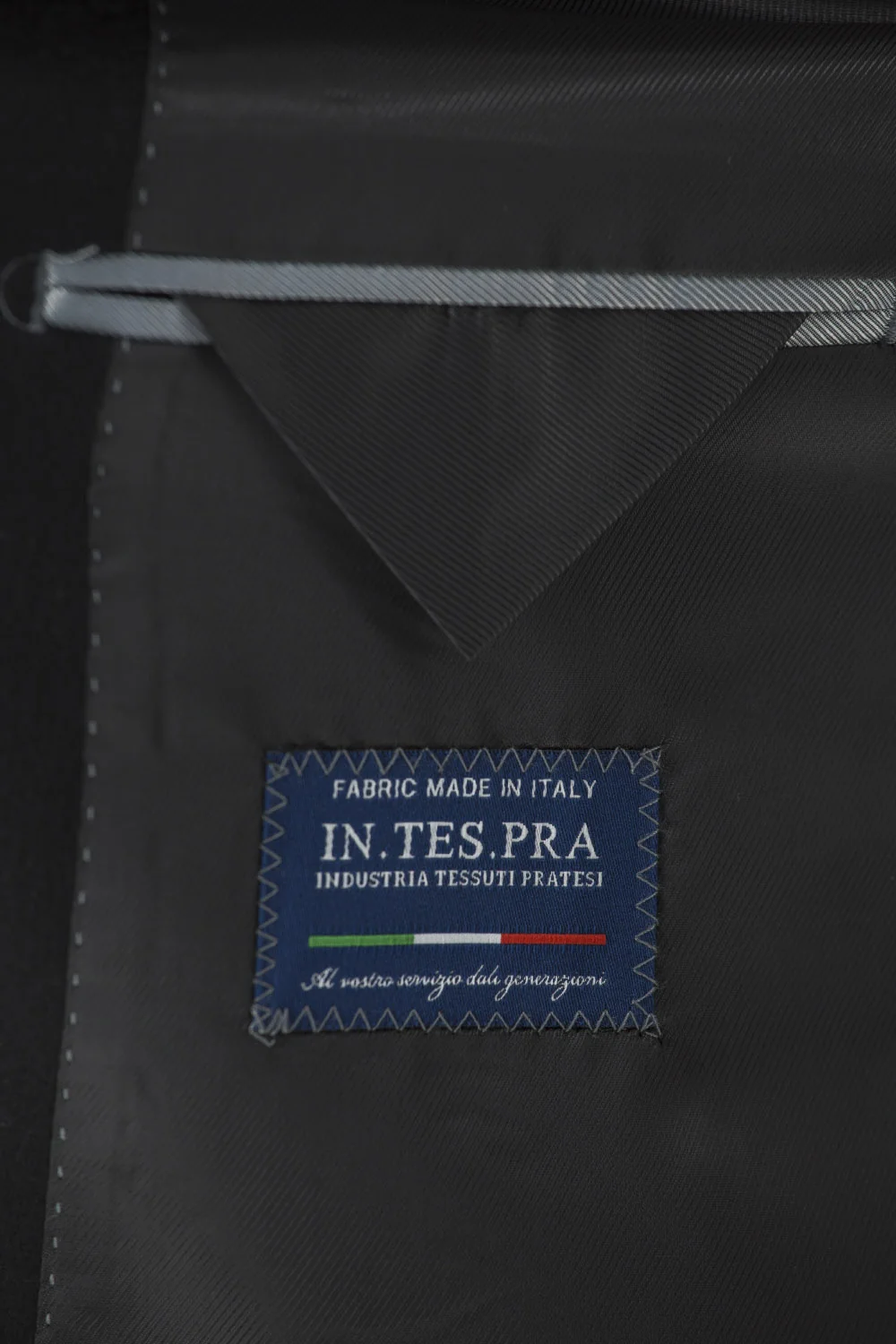
Check the percentages of alpaca, wool and synthetic fibres. Polyamide or polyester may improve durability and shape stability, but the result depends on their proportion and the fabric structure.
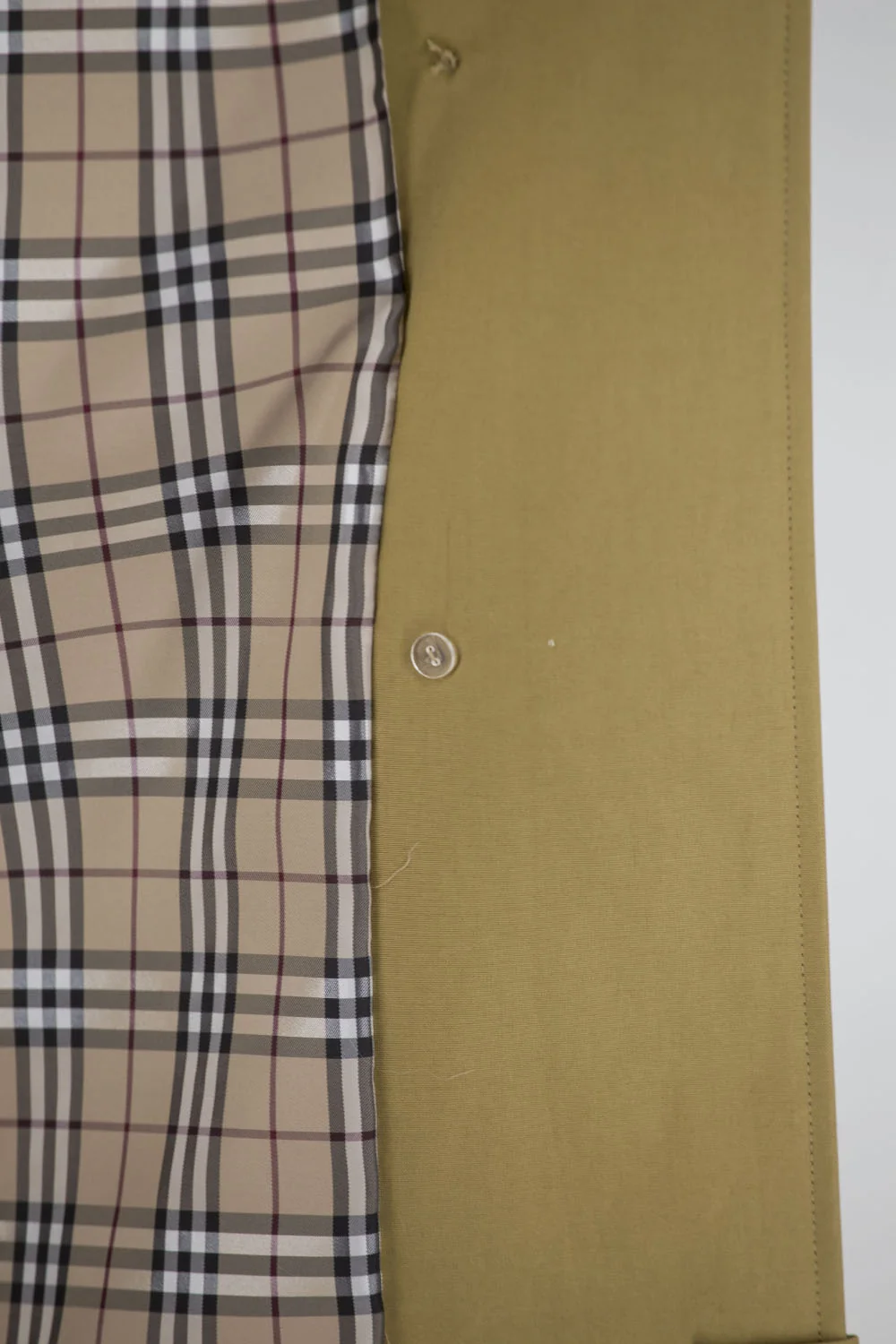
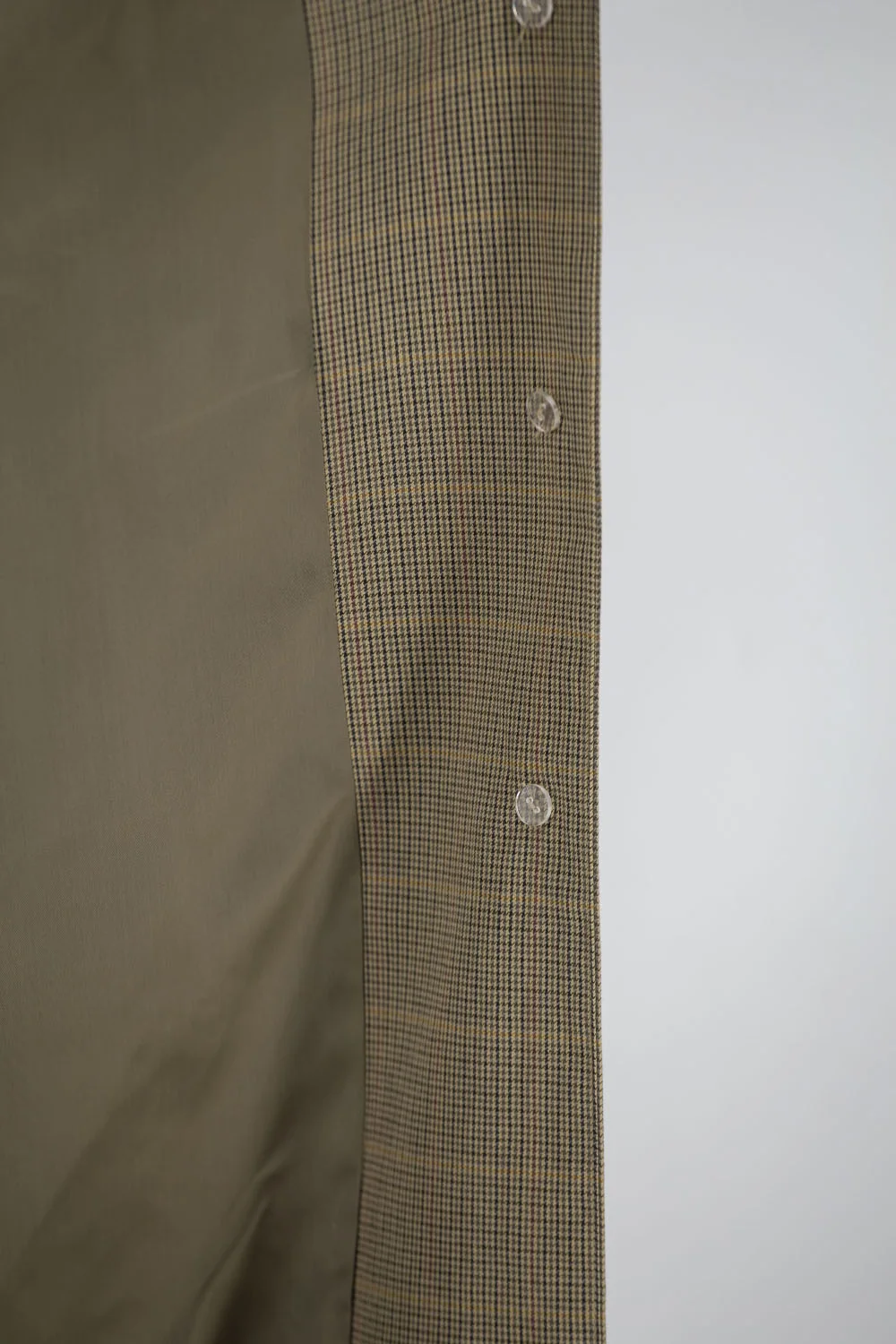
Assess the full blend, density, lining, seam quality and surface consistency rather than one fibre alone.
How to choose an alpaca-blend coat
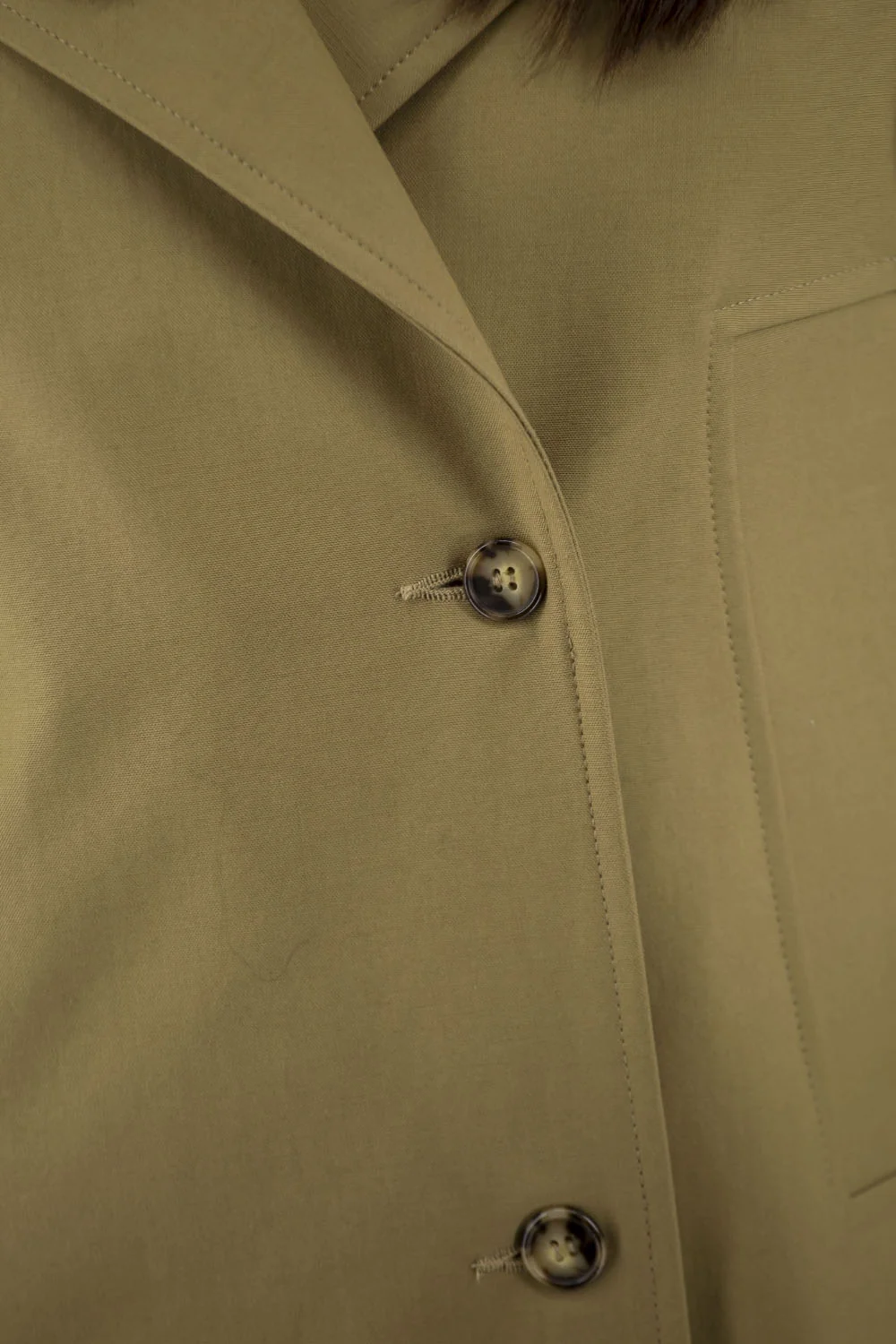
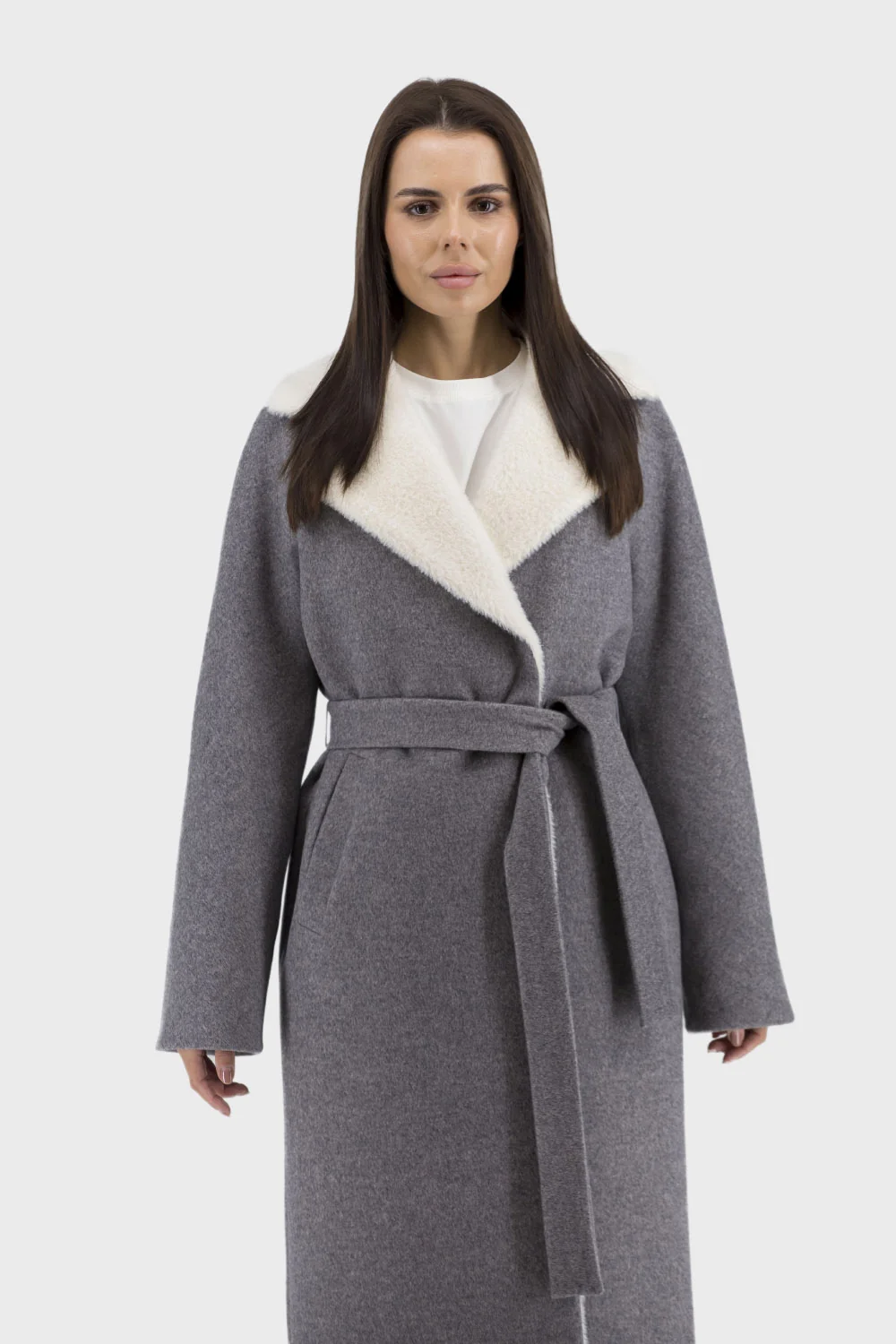
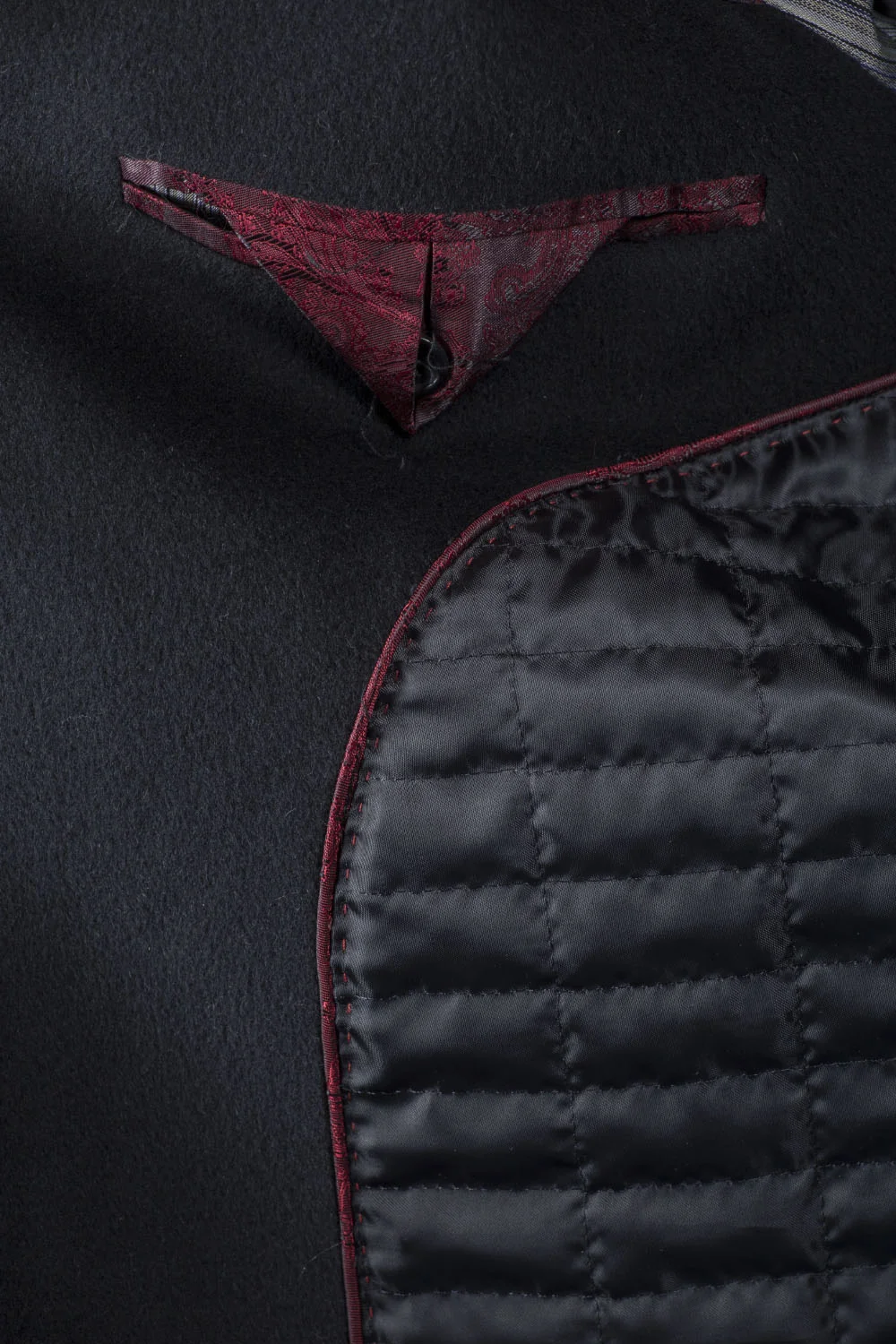
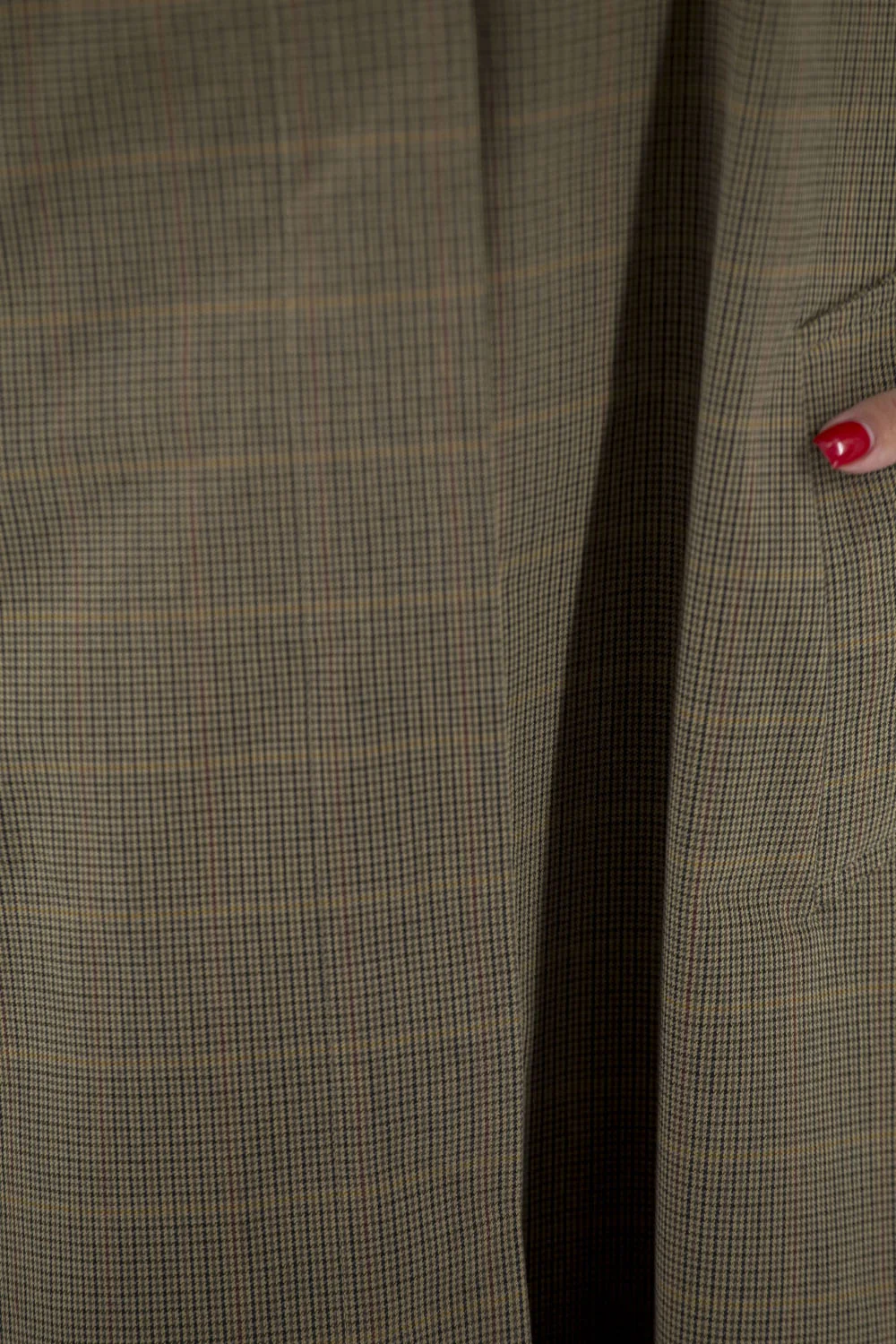
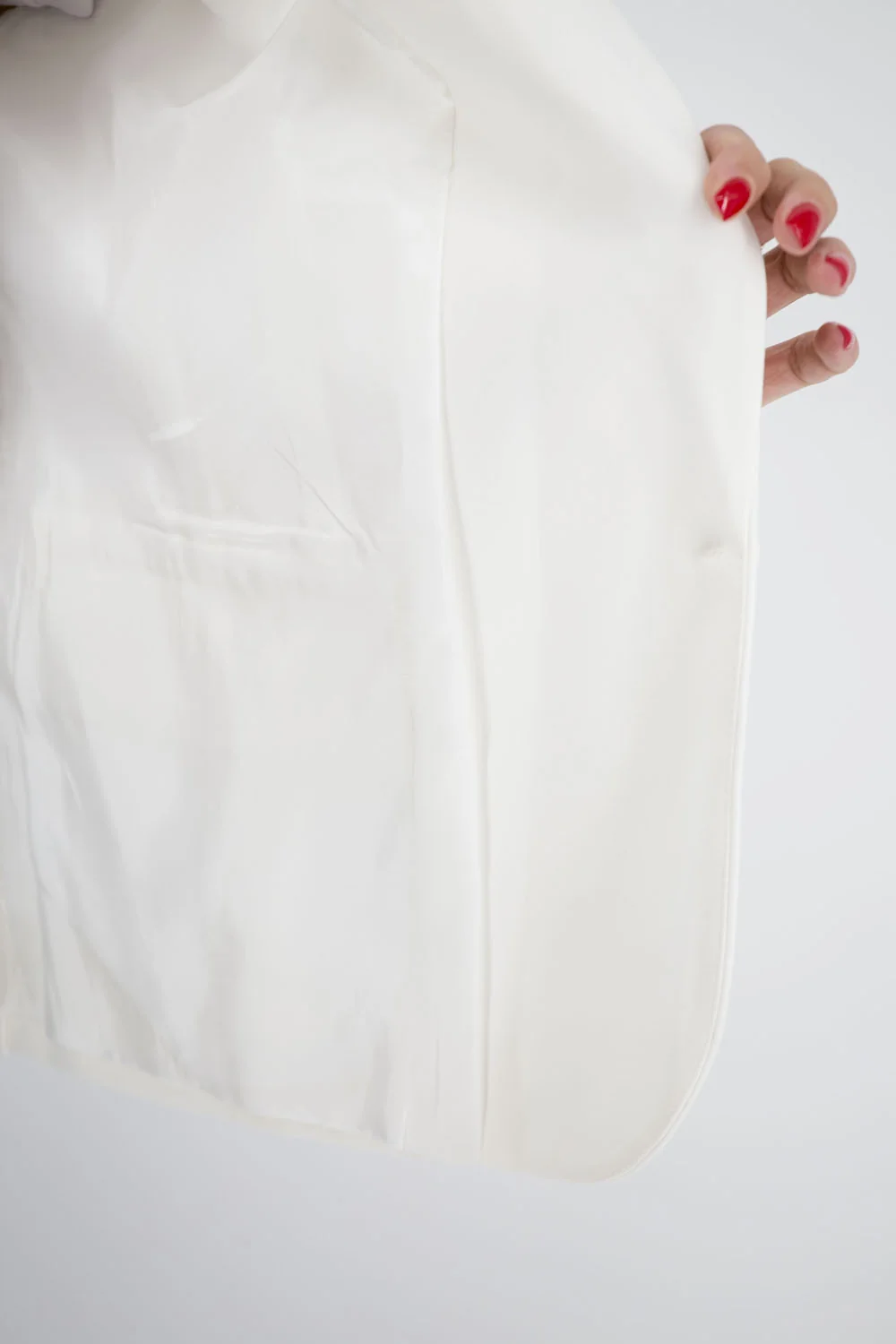
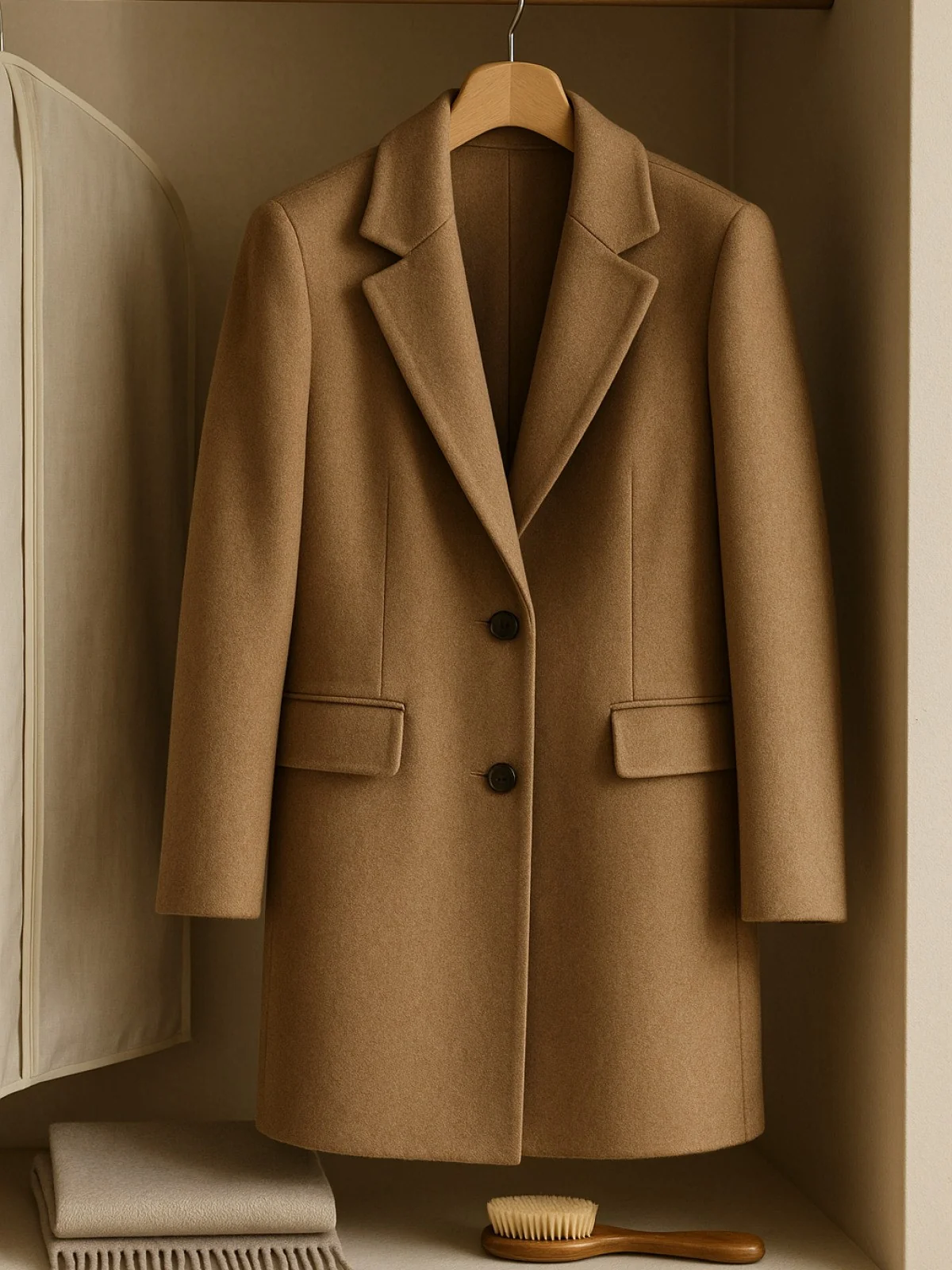
Gently compress the fabric and observe how it regains its shape. Look for uneven pile, worn areas, empty patches or damaged seams.
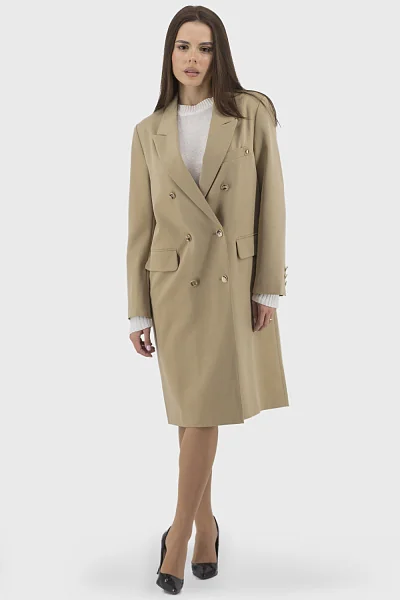
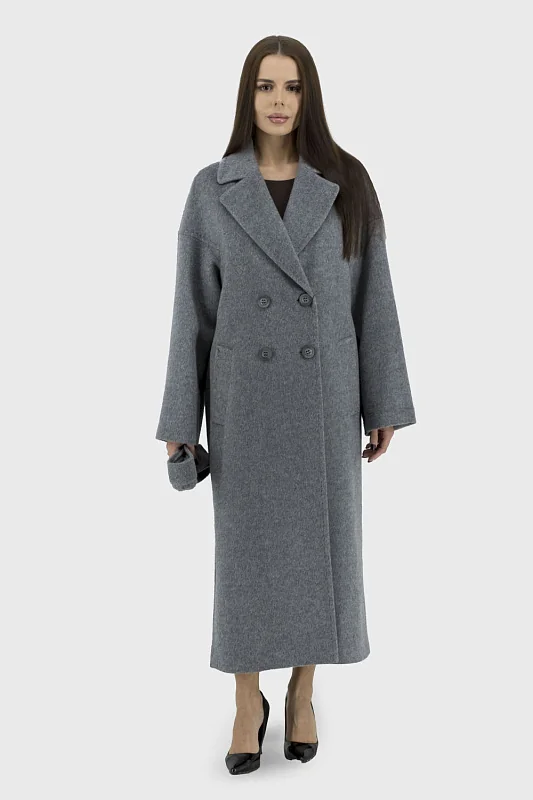
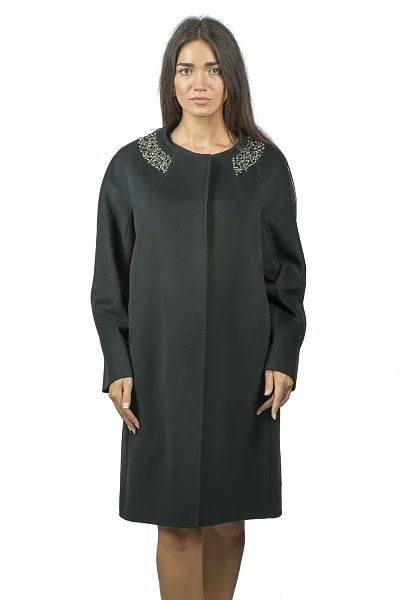
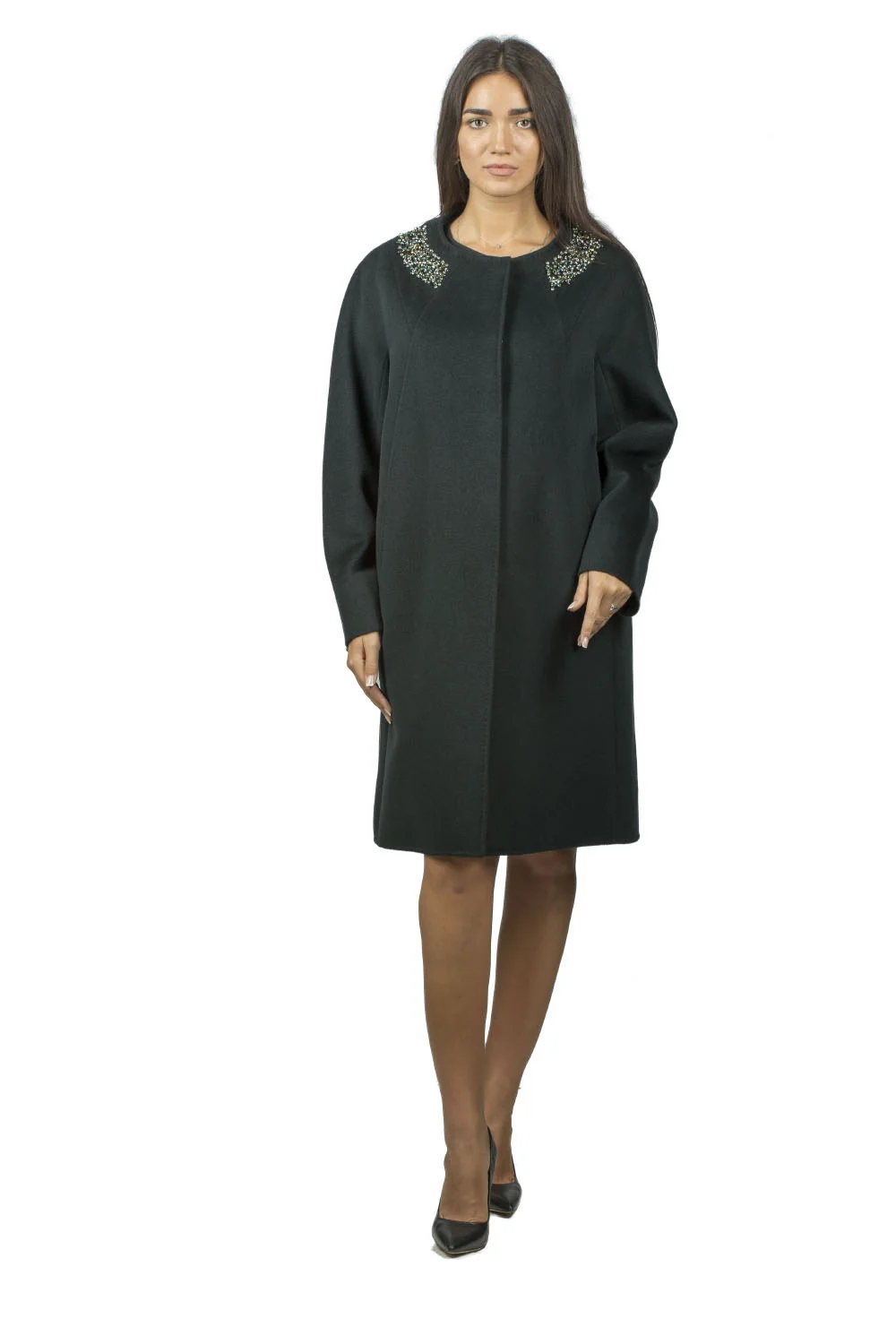
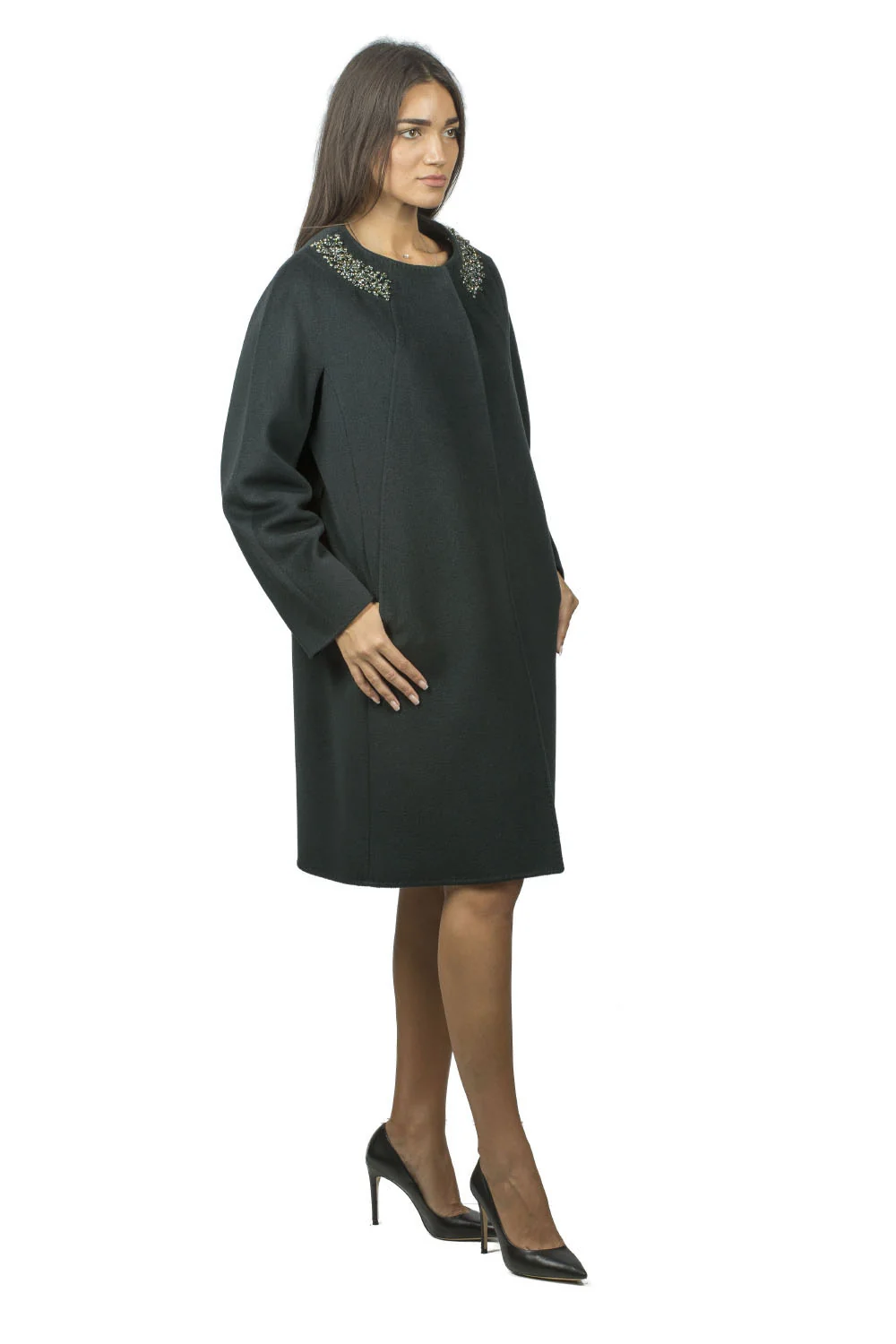
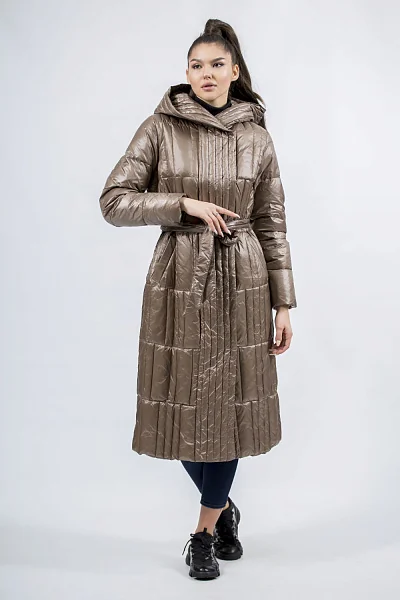
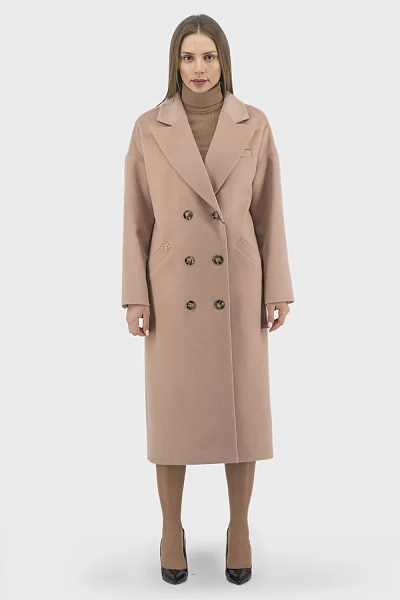
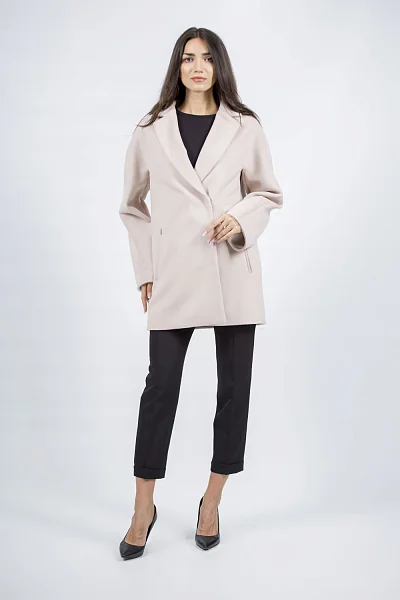
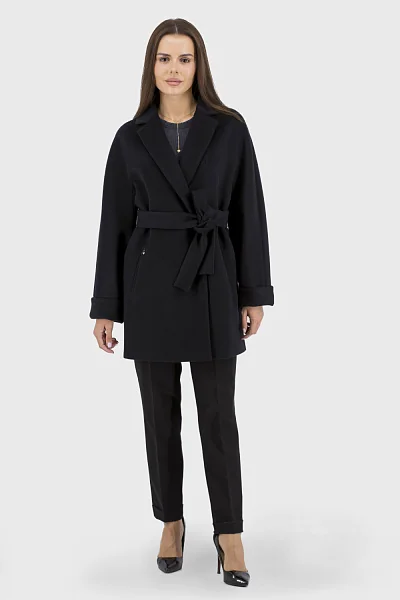
The coat should allow room for a sweater or jacket without restricting movement. Browse the current selection of women’s coats.
For more information about other wool textiles, read wool coats: benefits, composition and selection.
Care and storage
Brush the surface gently and air the coat after wear. Before seasonal storage, remove dirt and make sure the garment is completely dry.
Store it on a broad hanger inside a breathable garment cover. Avoid compressing it between other clothes or exposing it to direct sunlight for long periods.