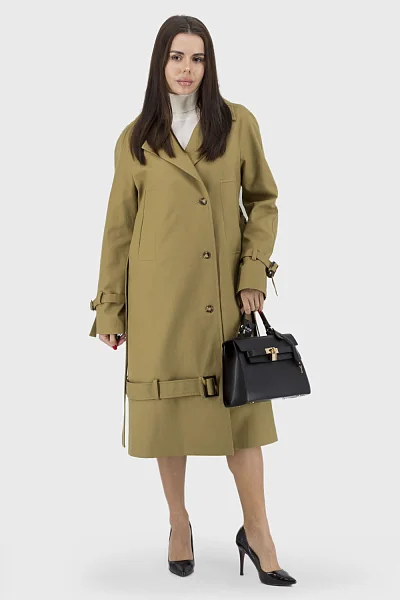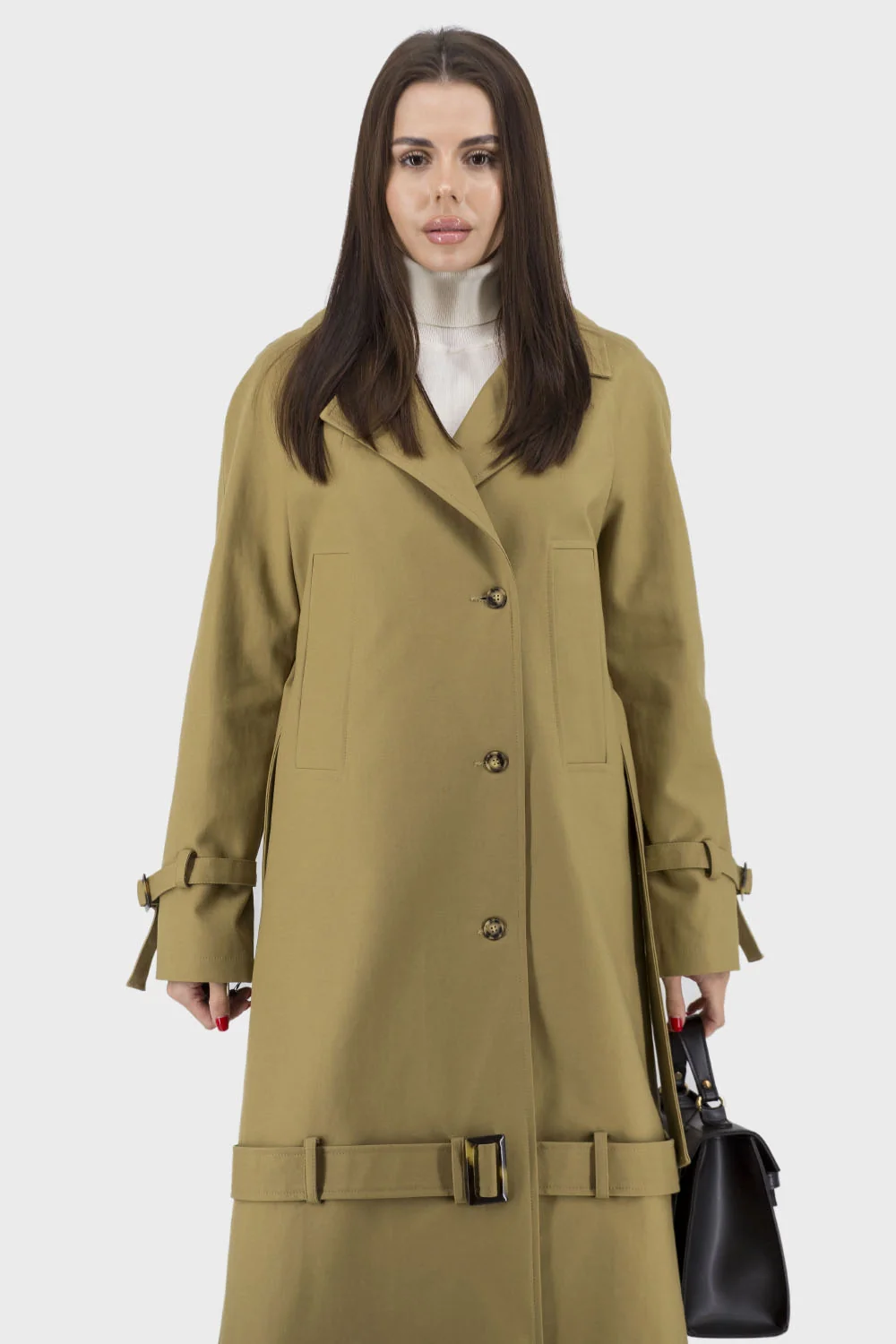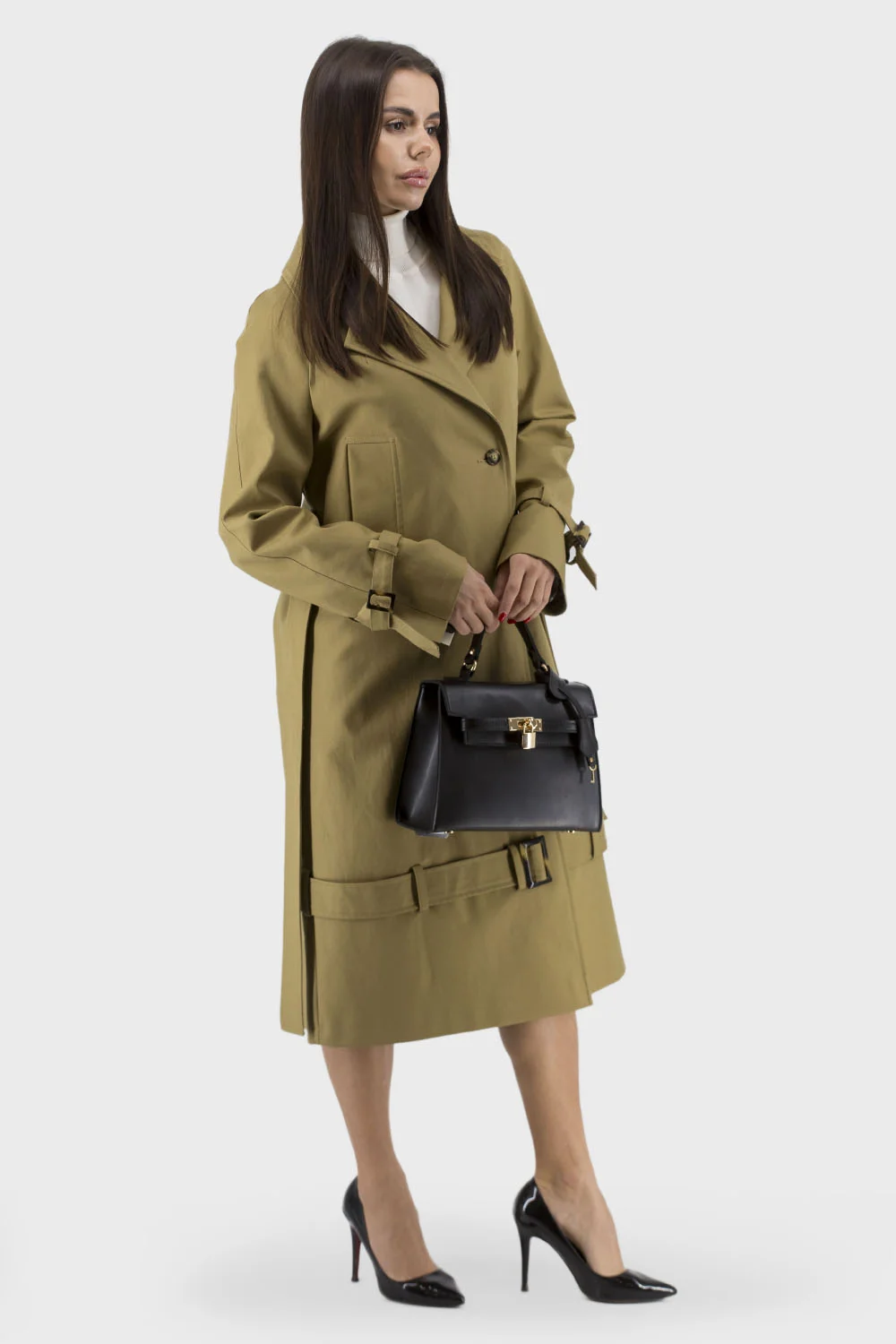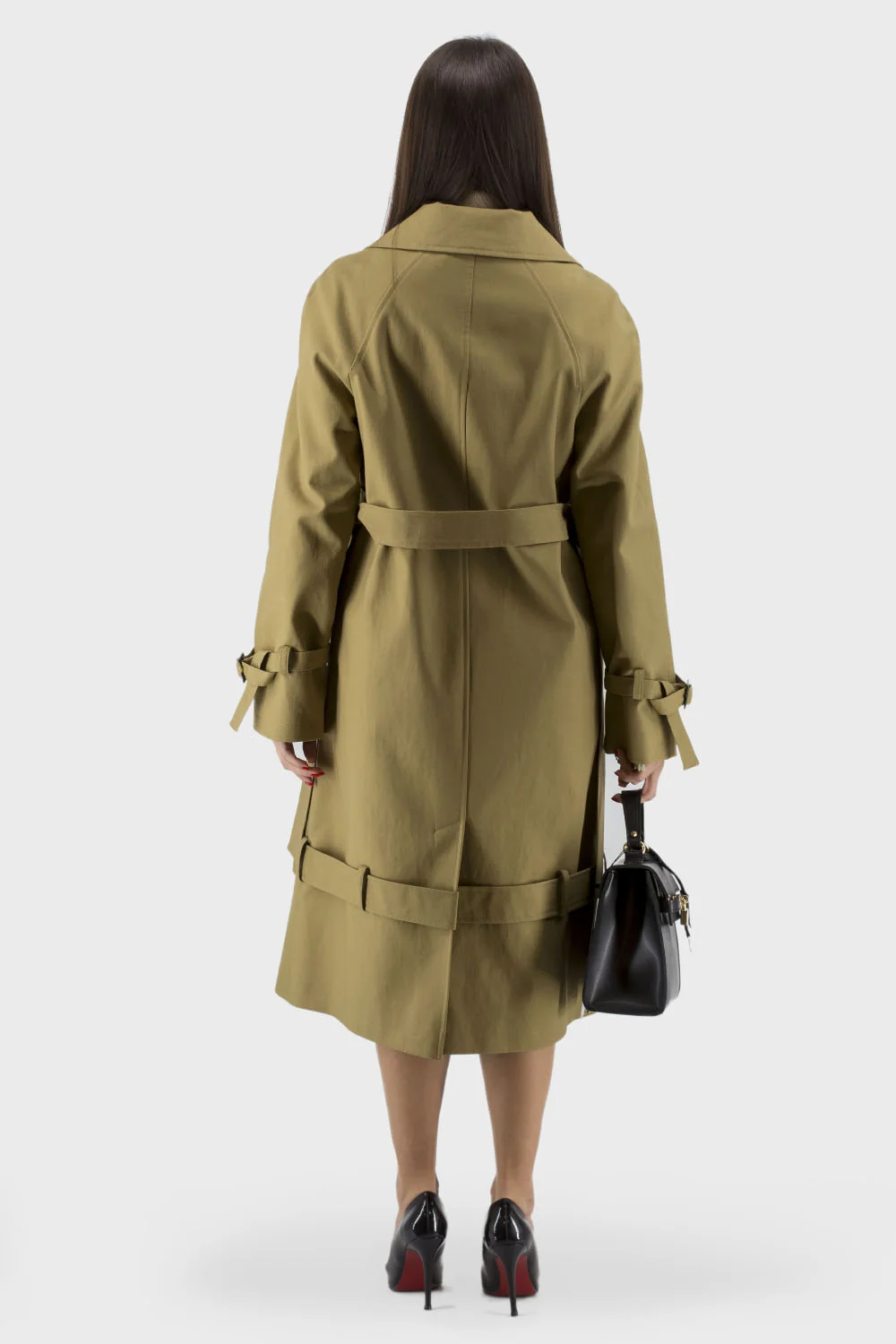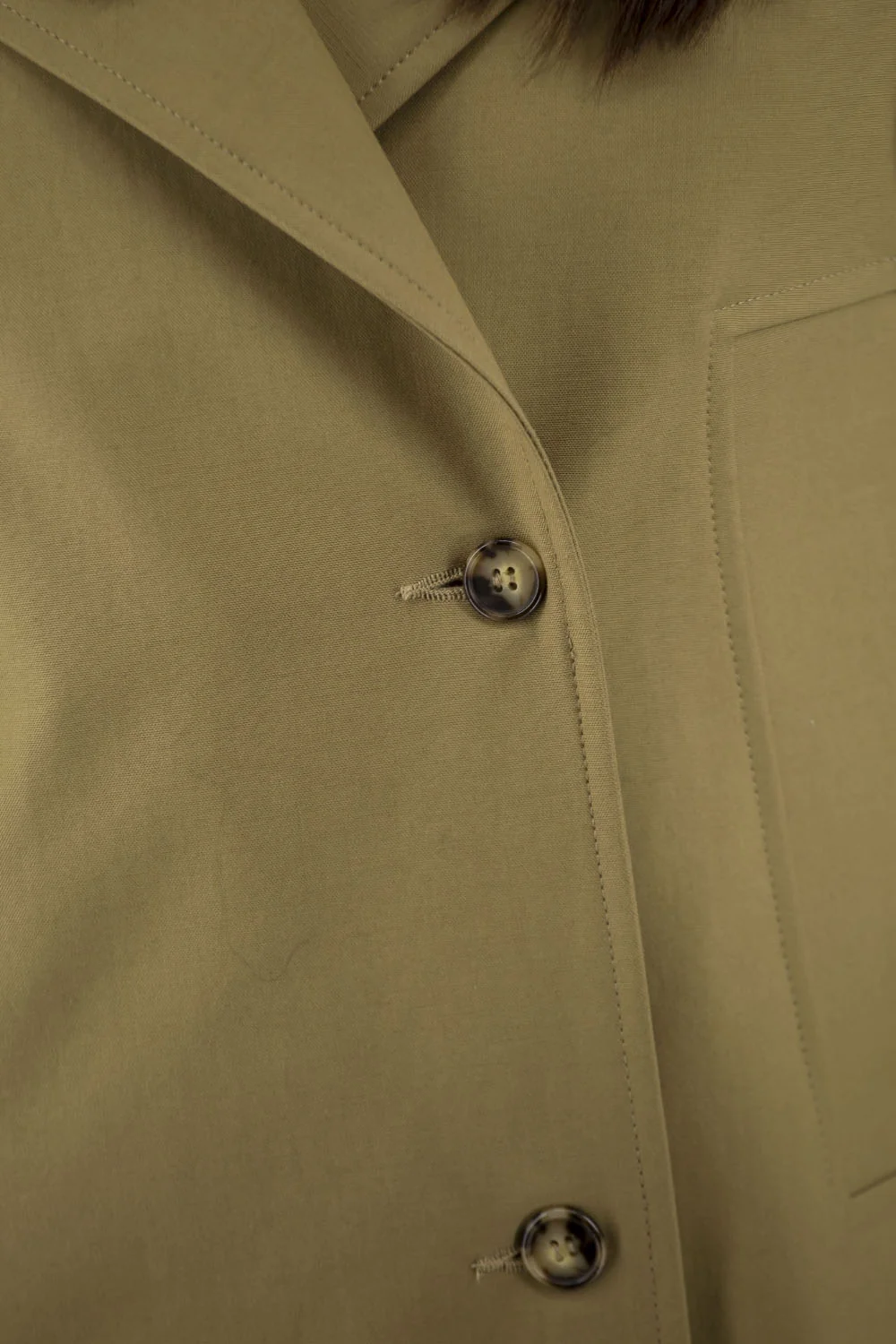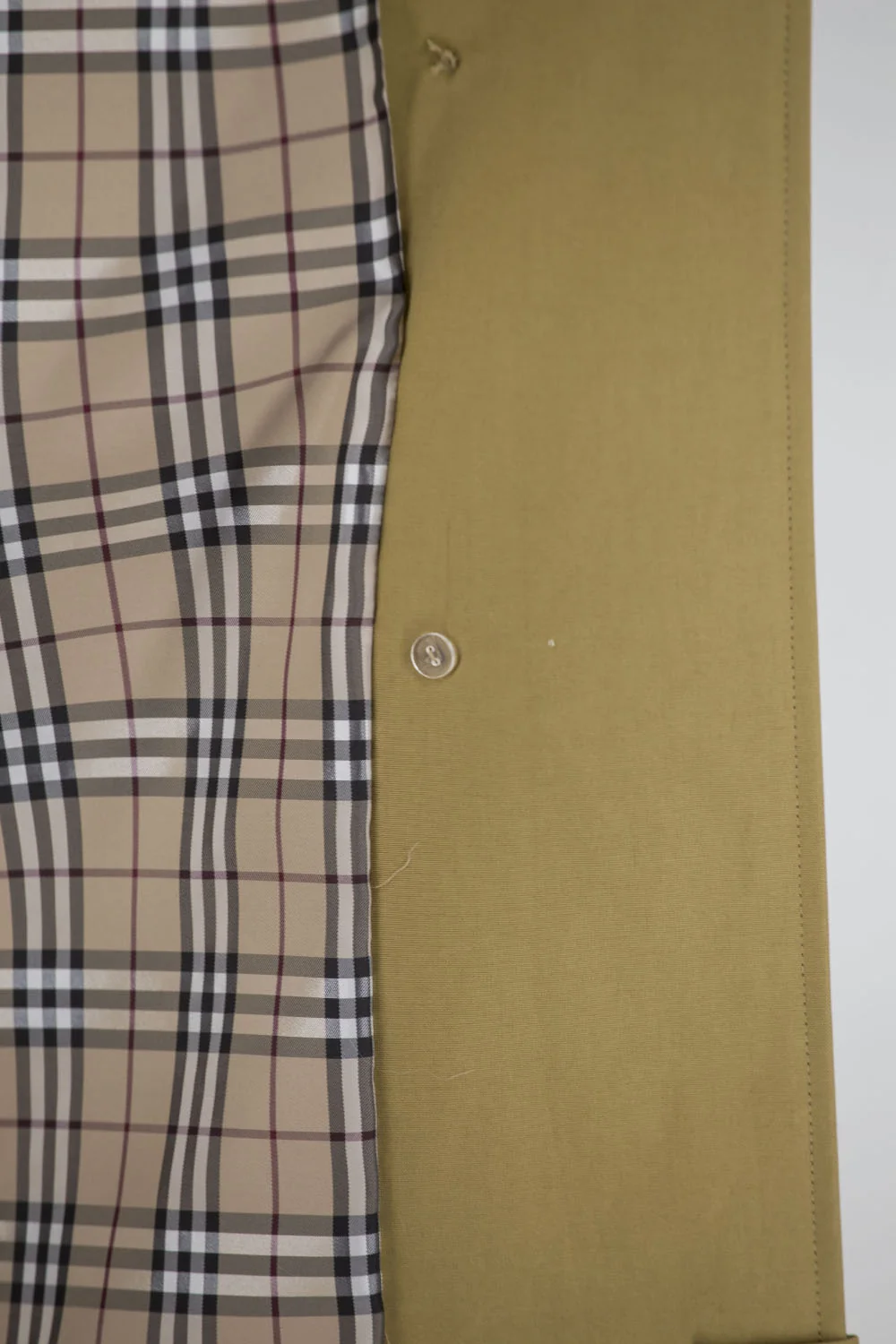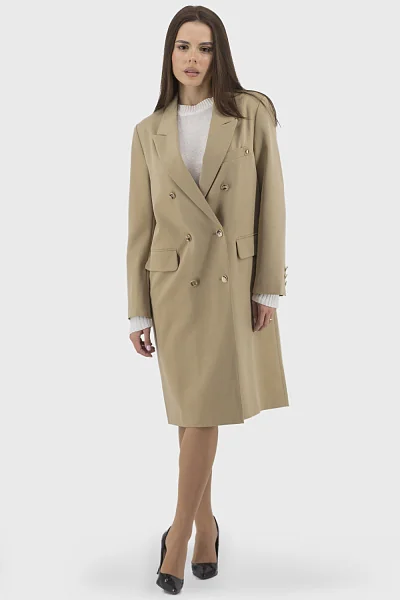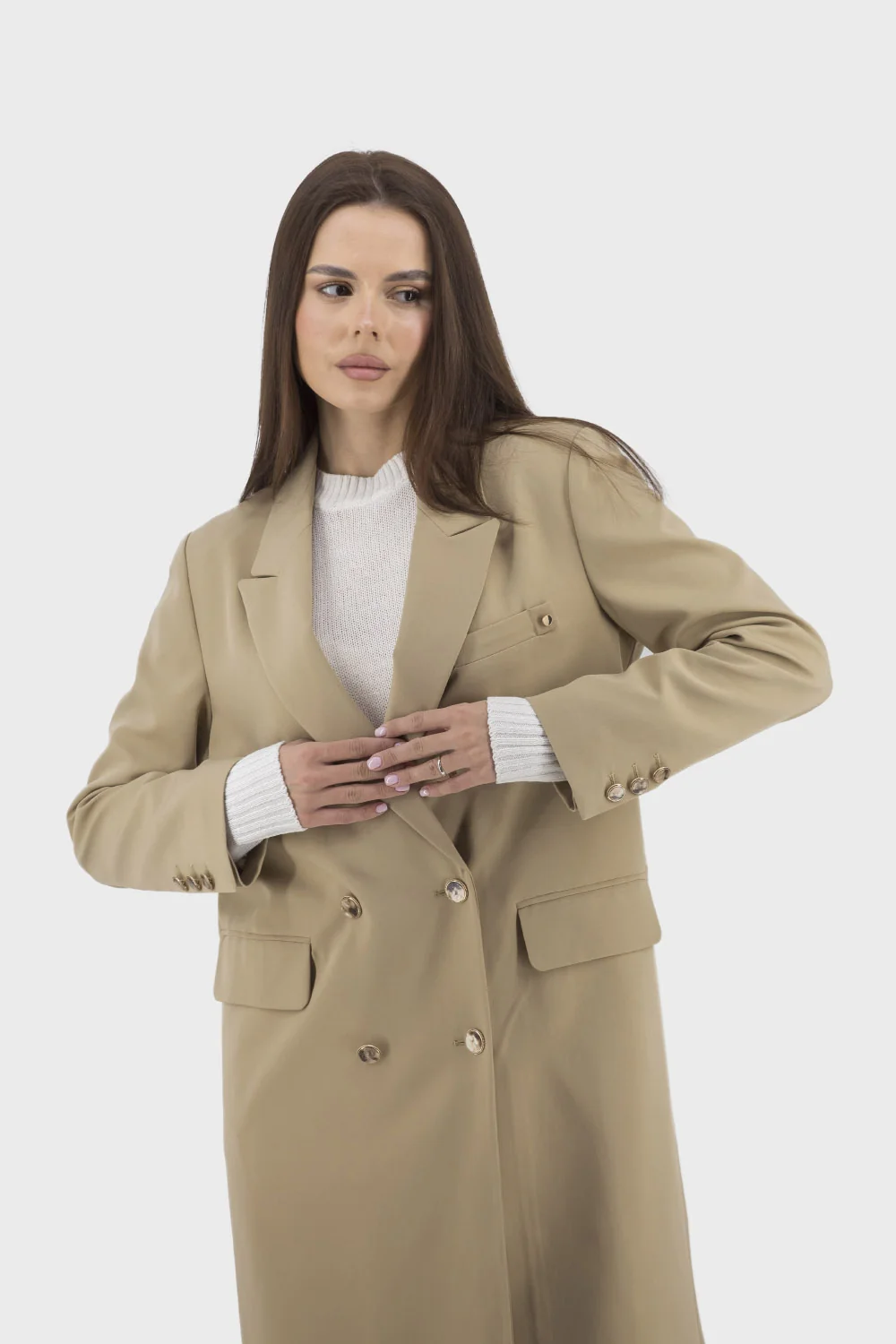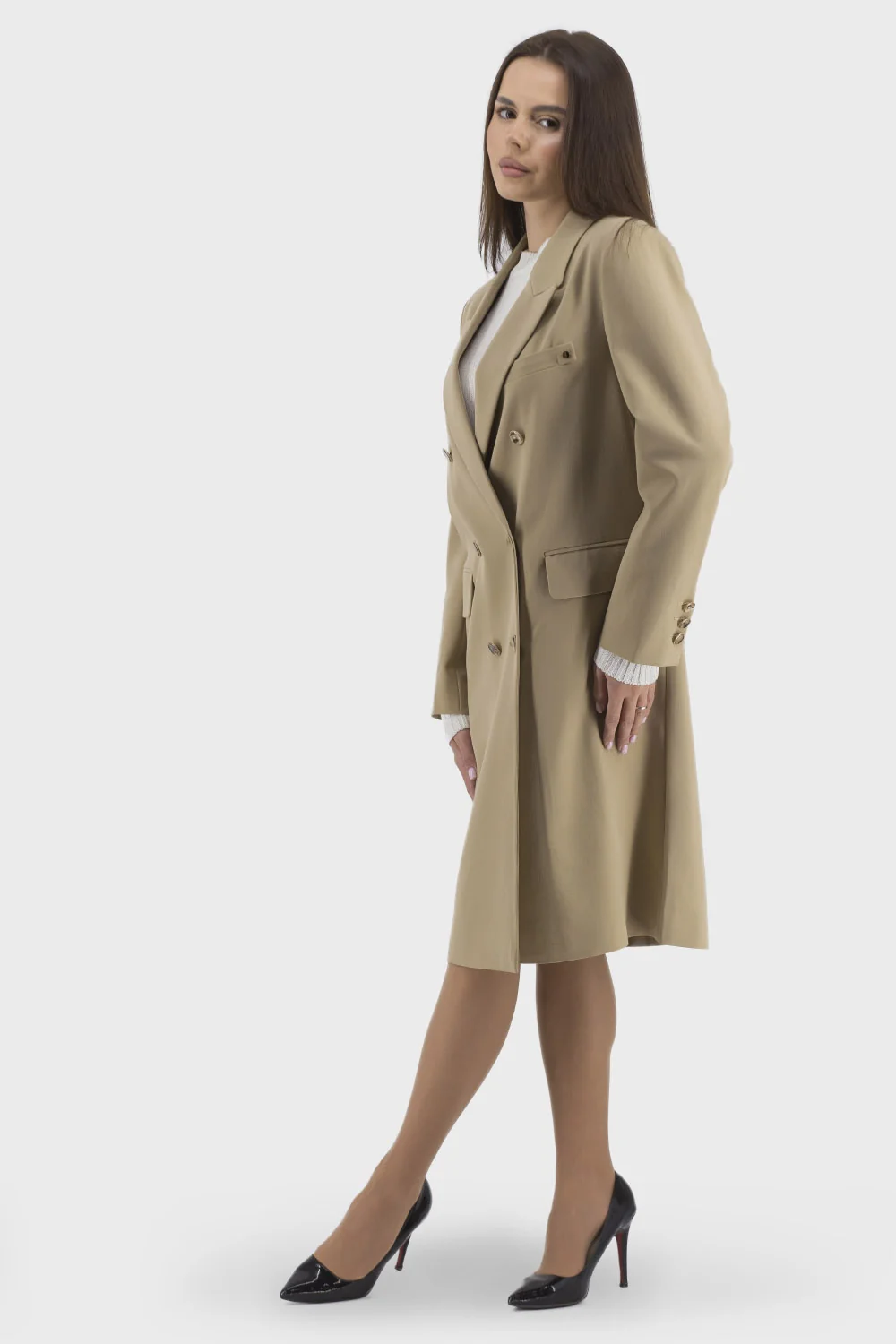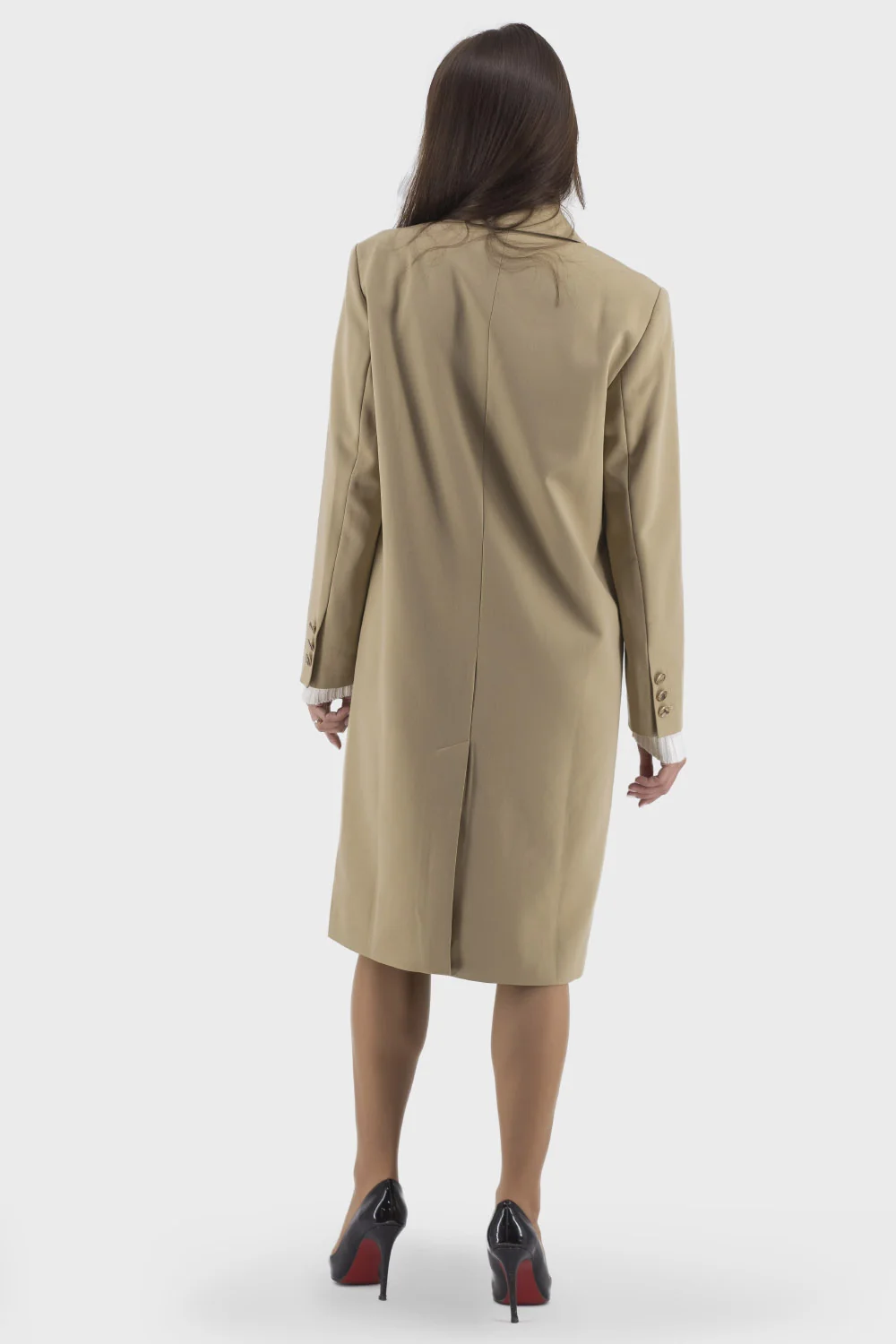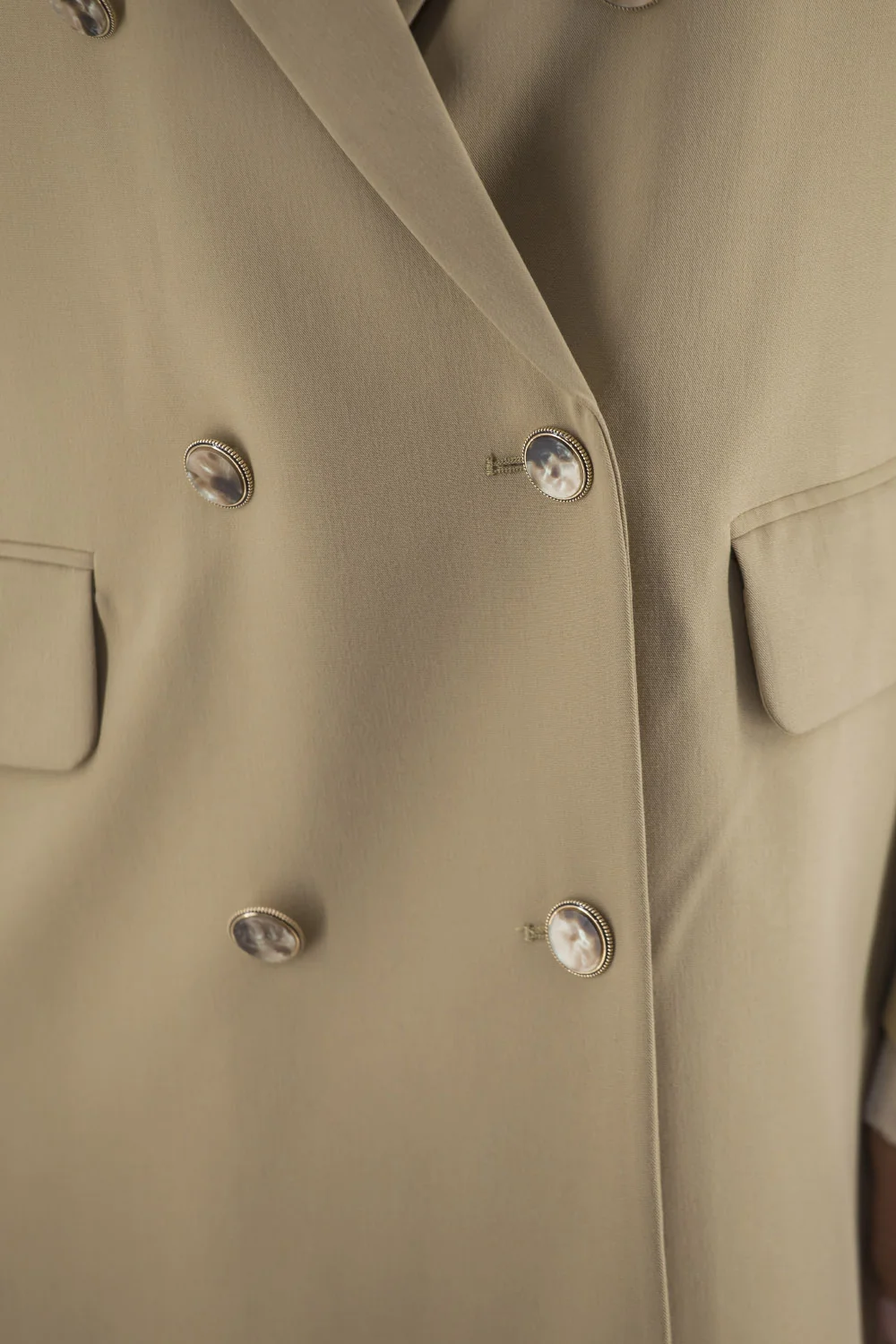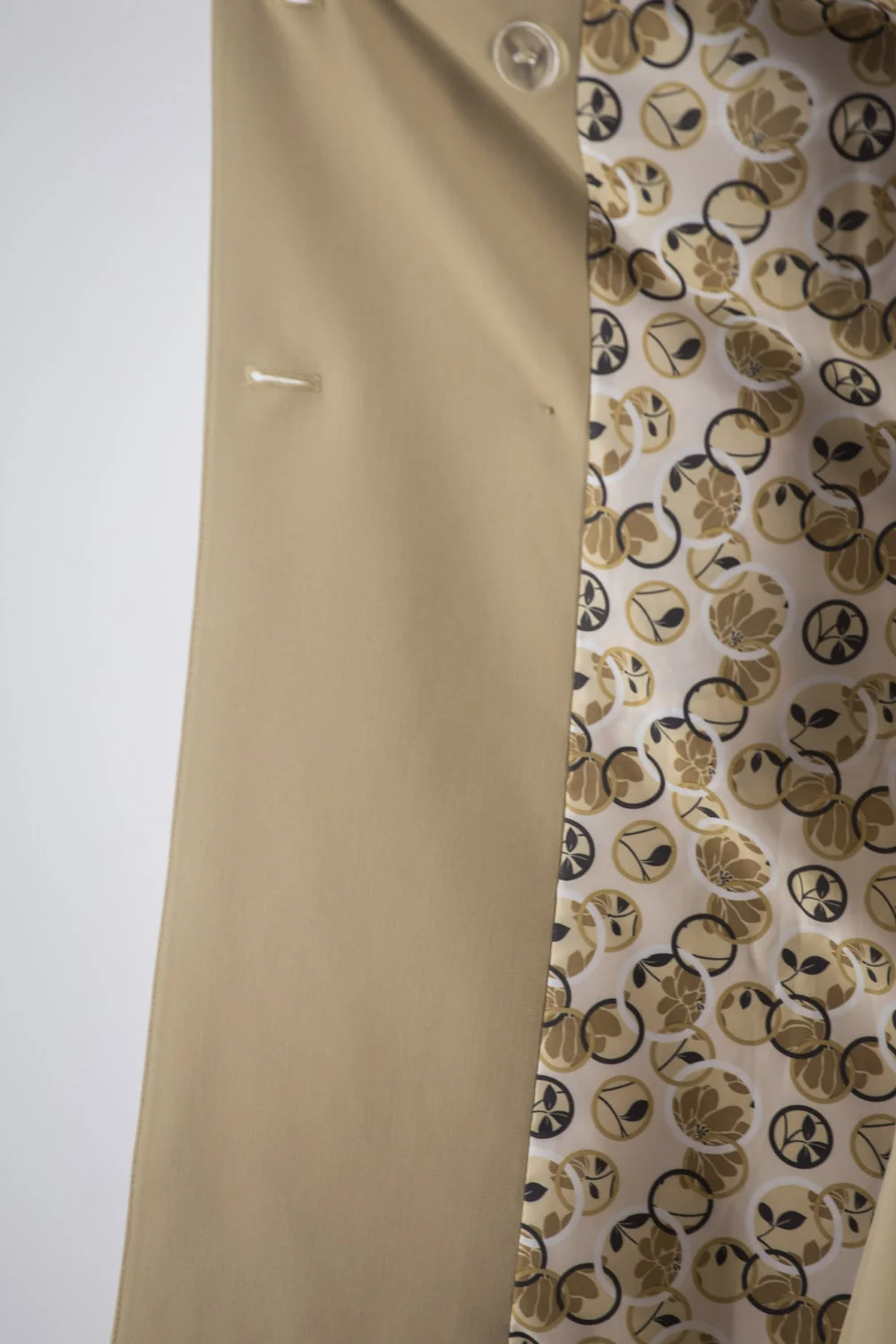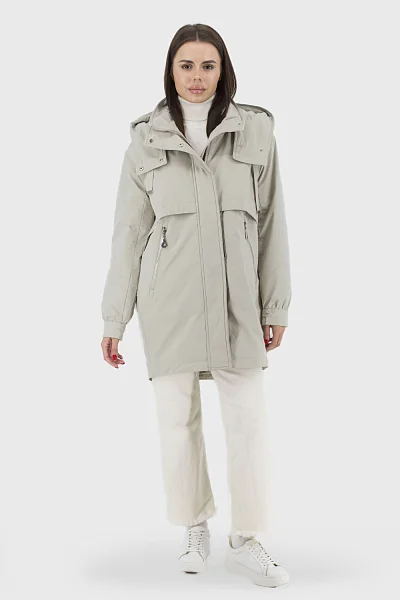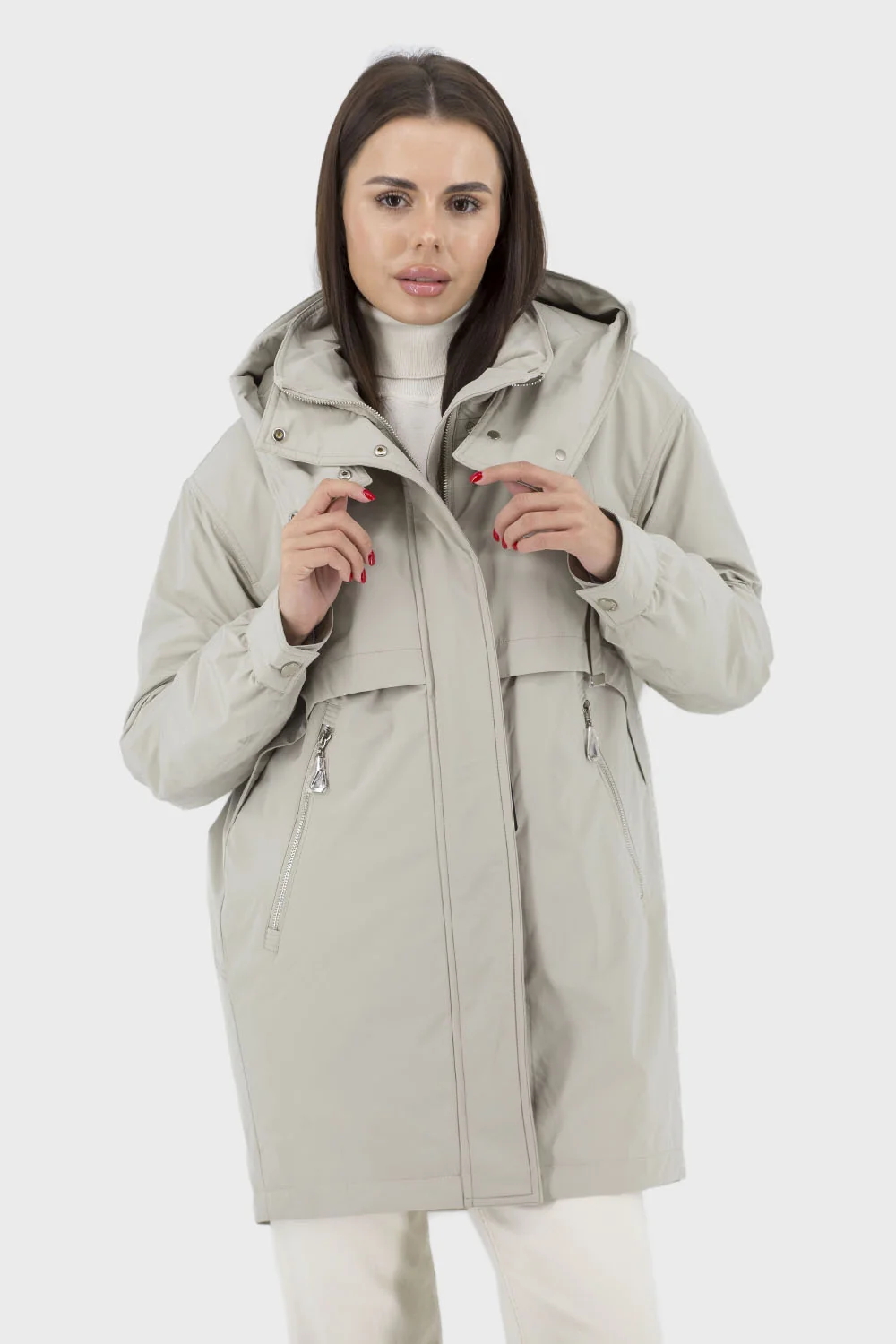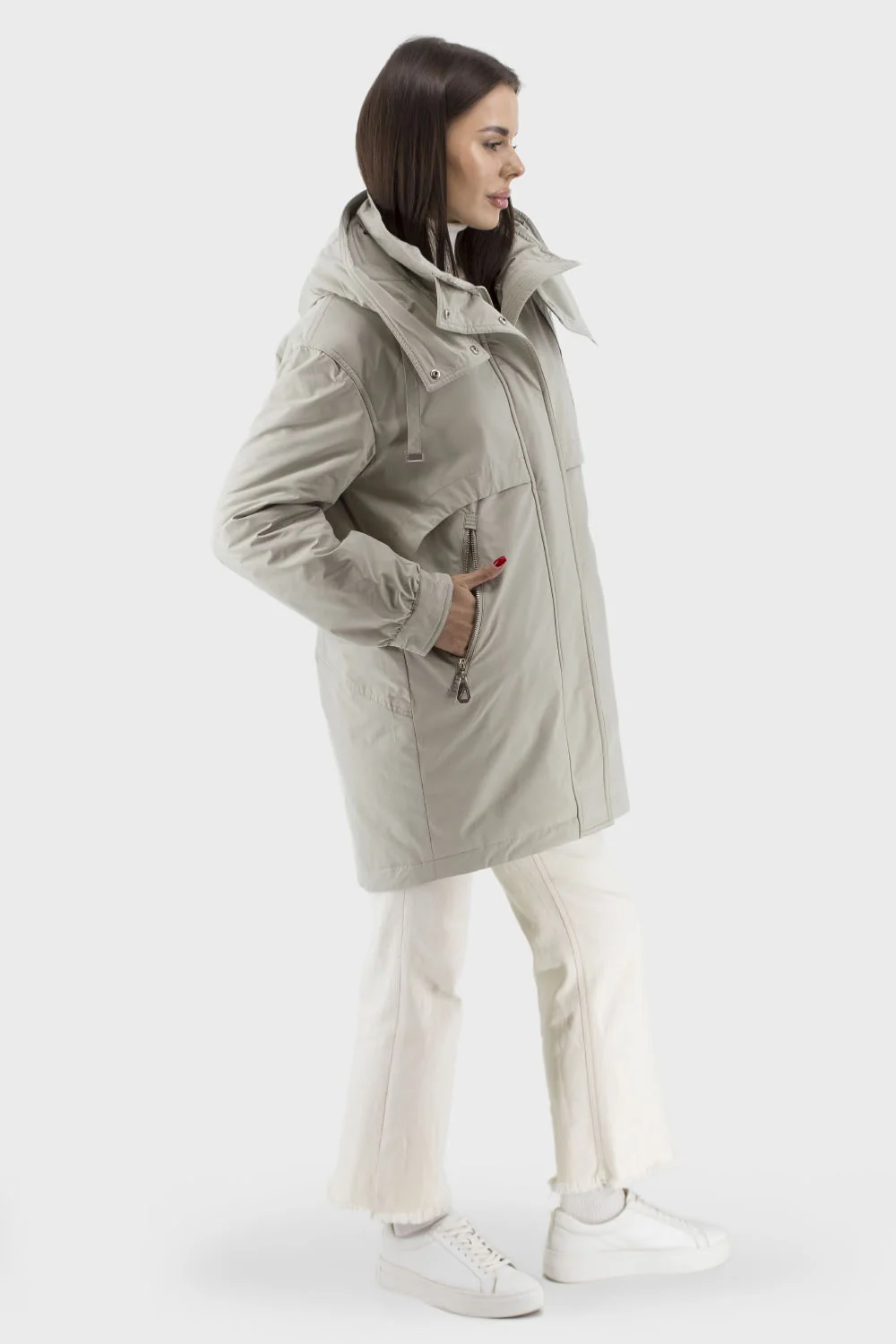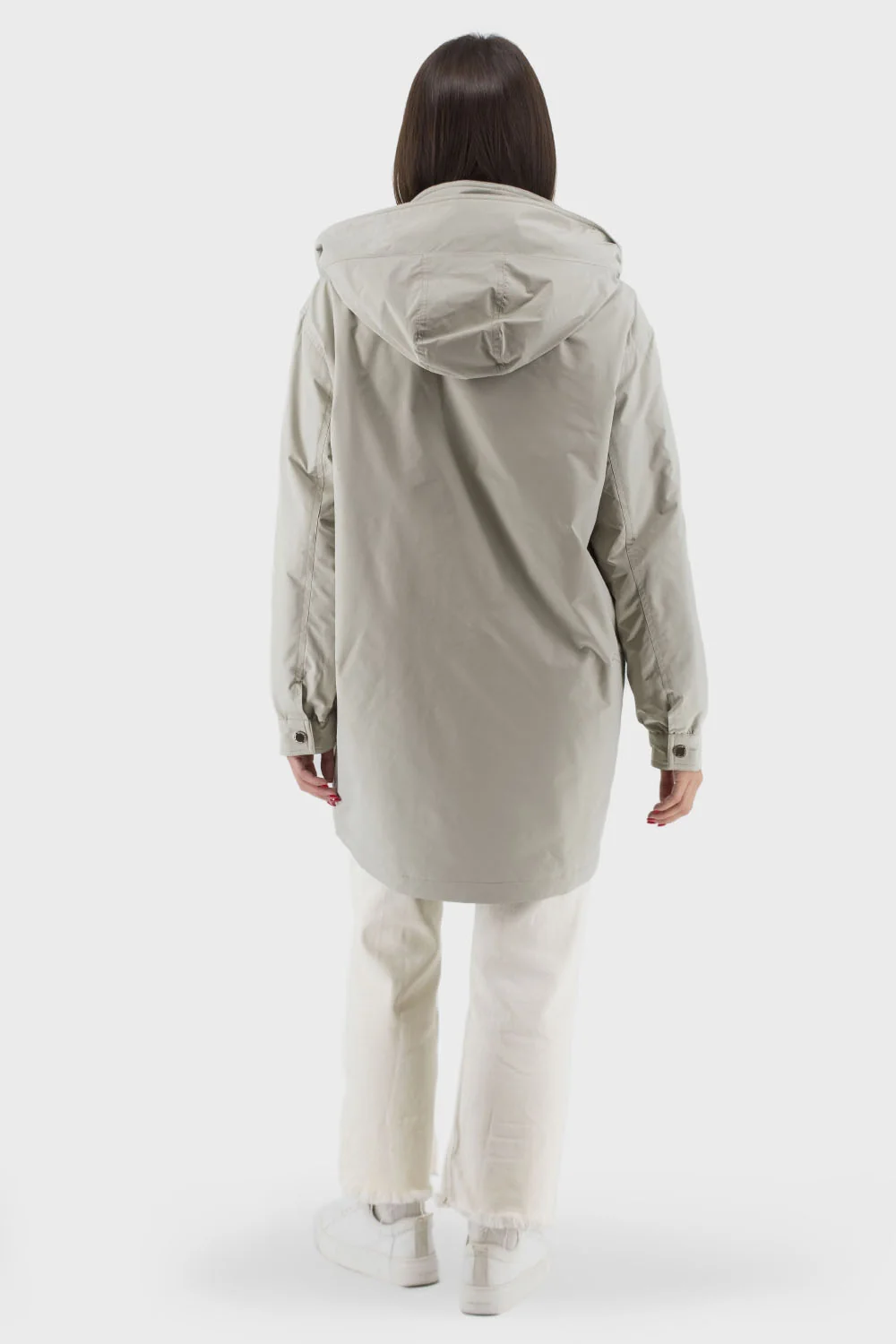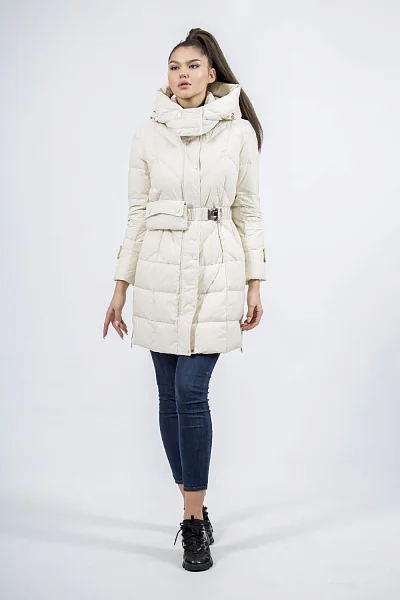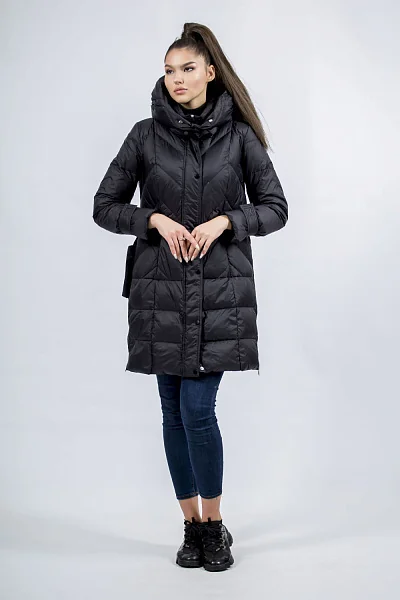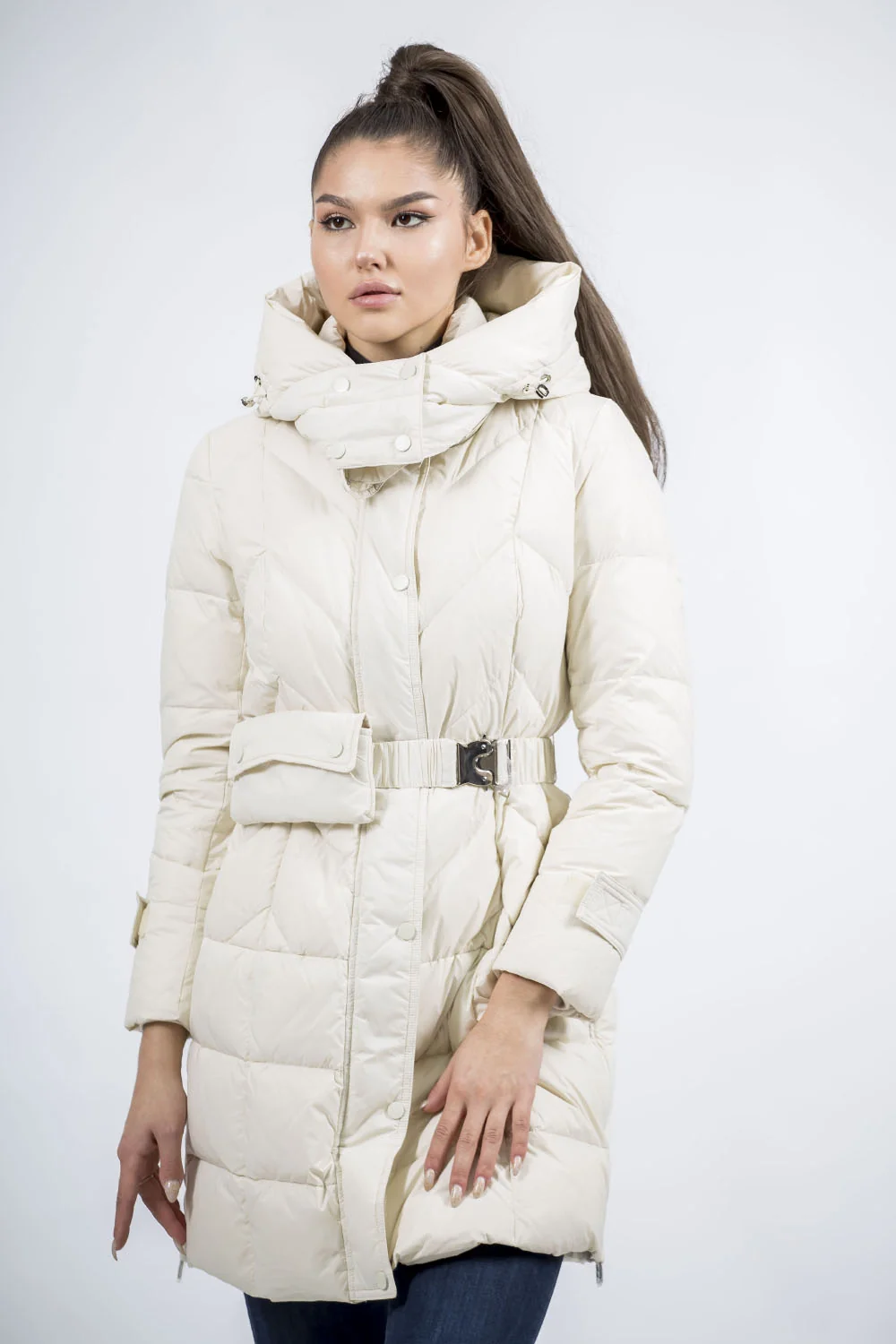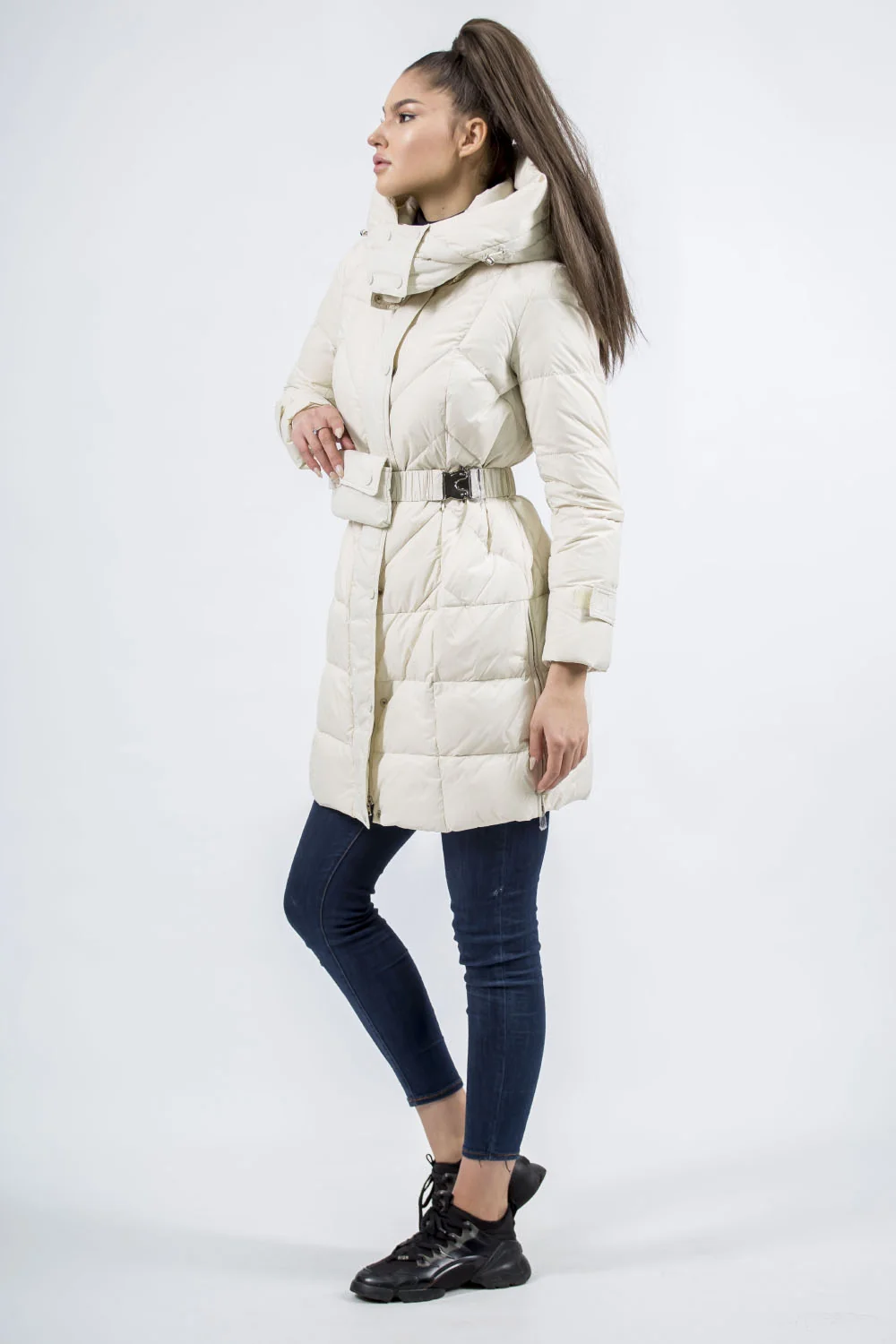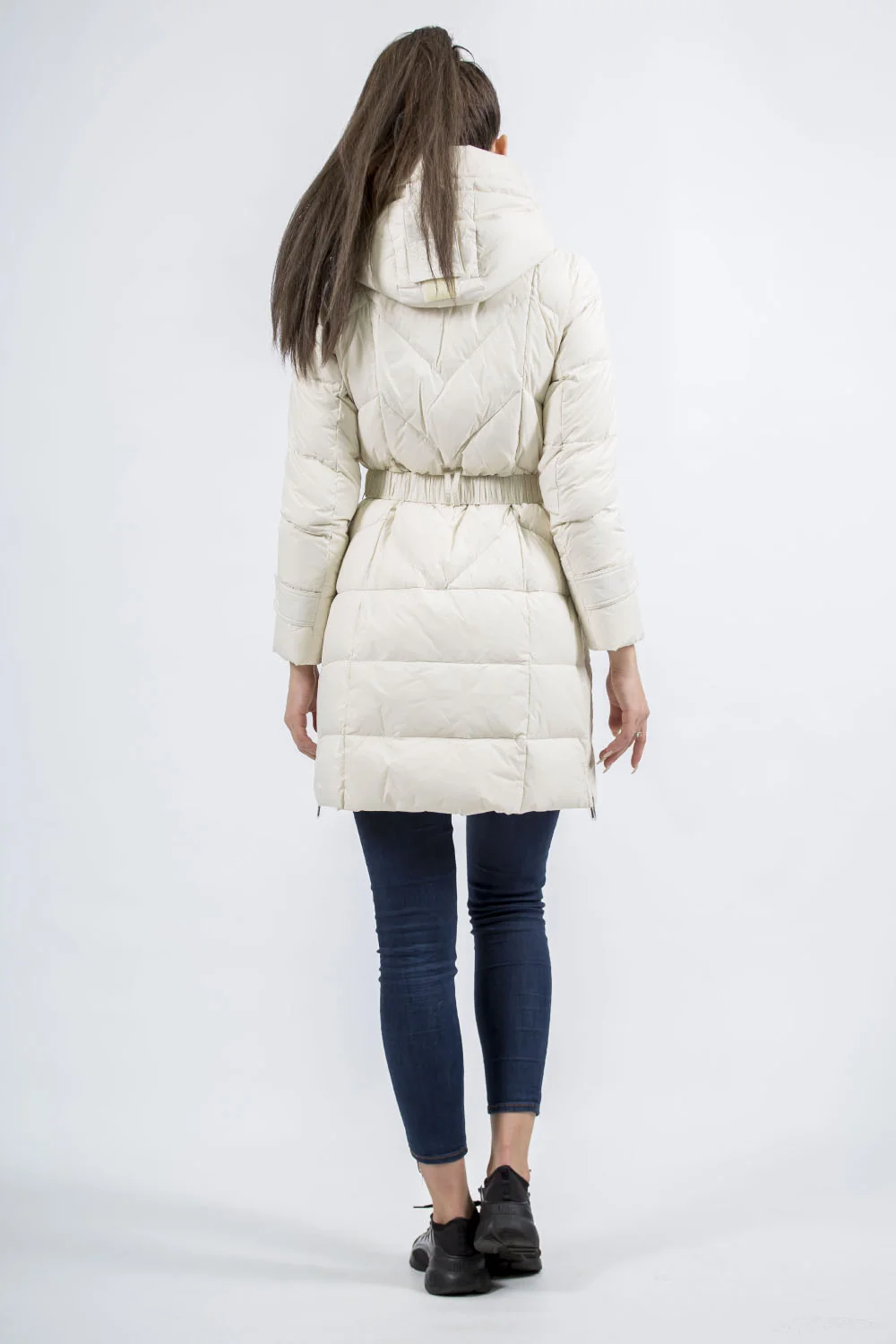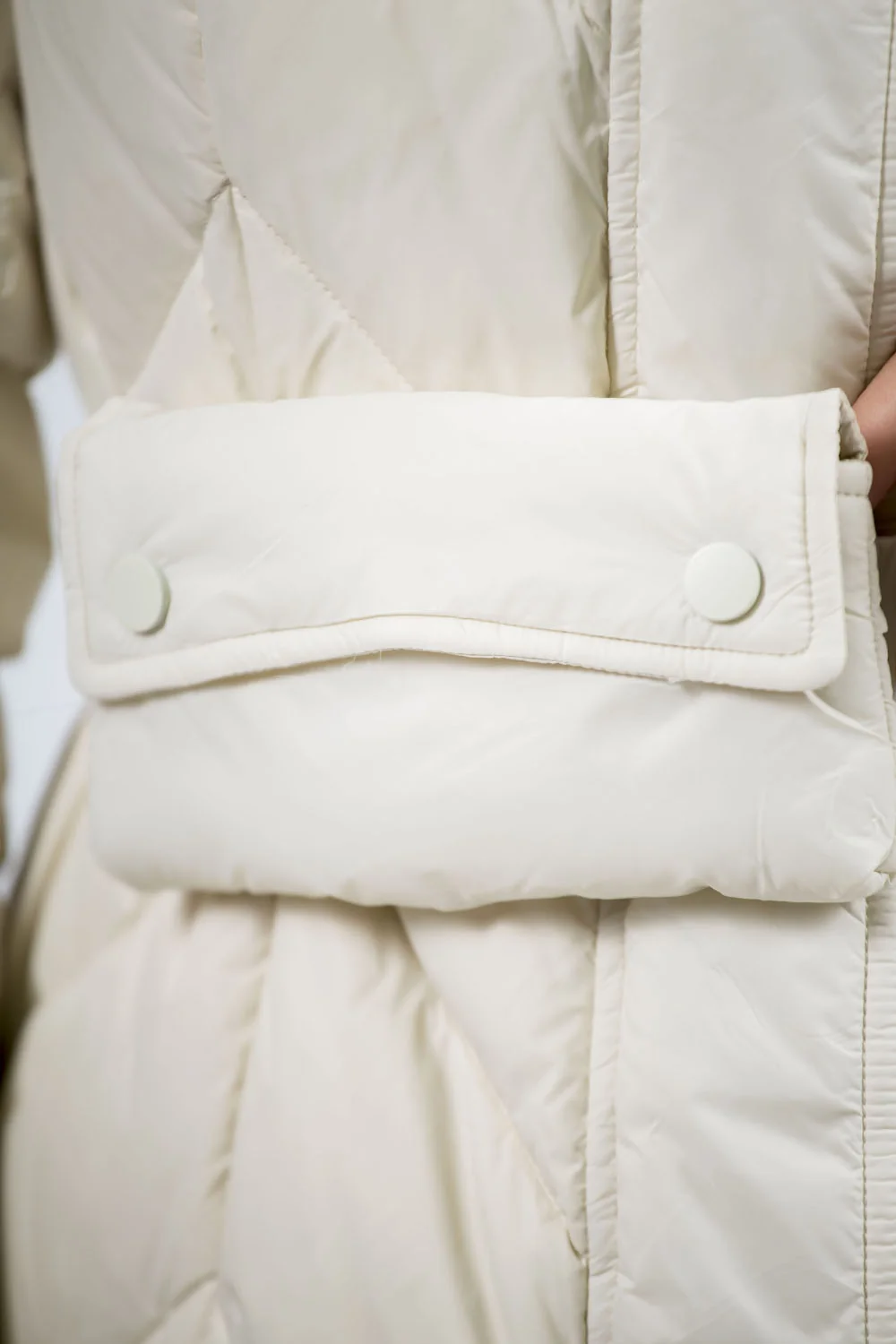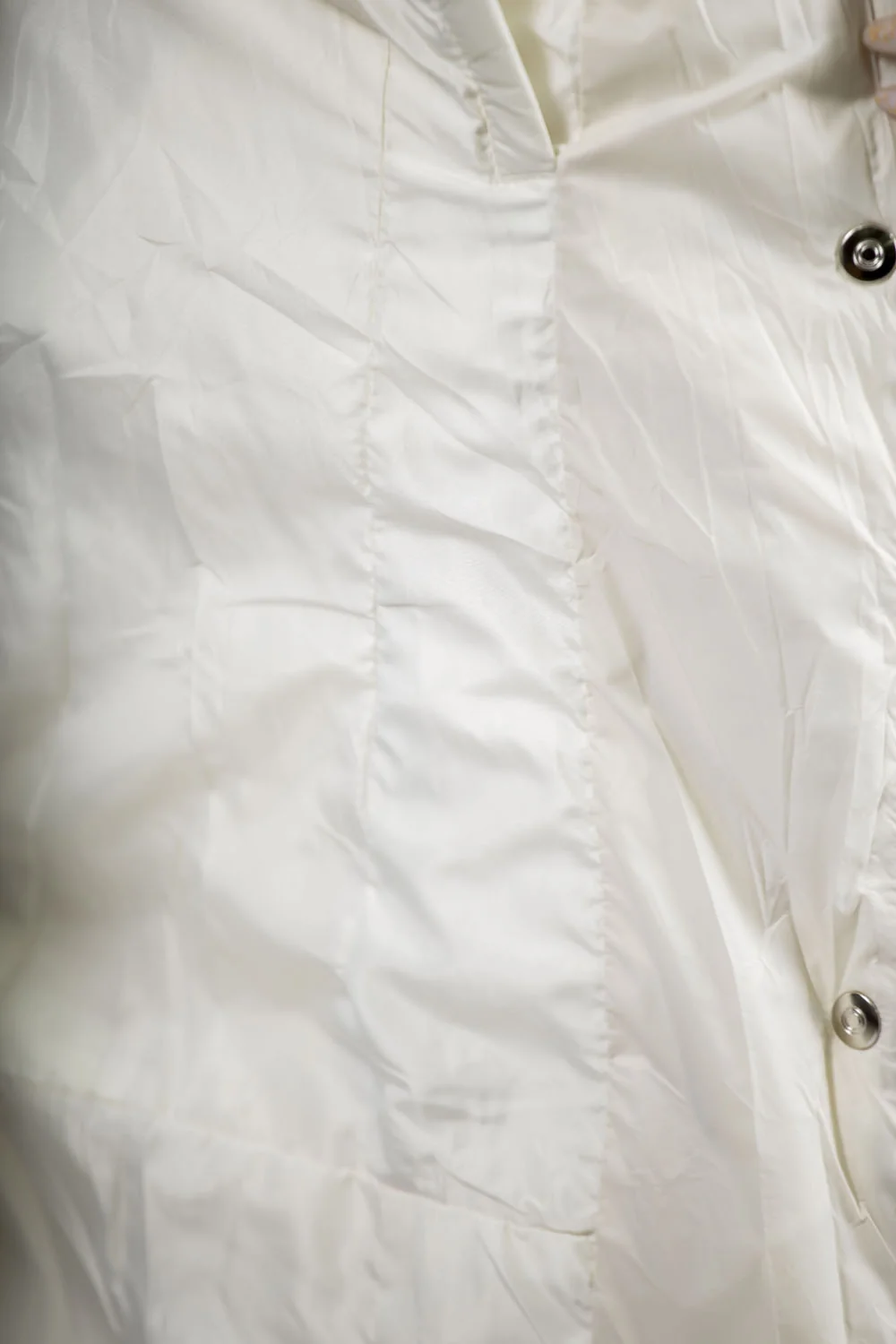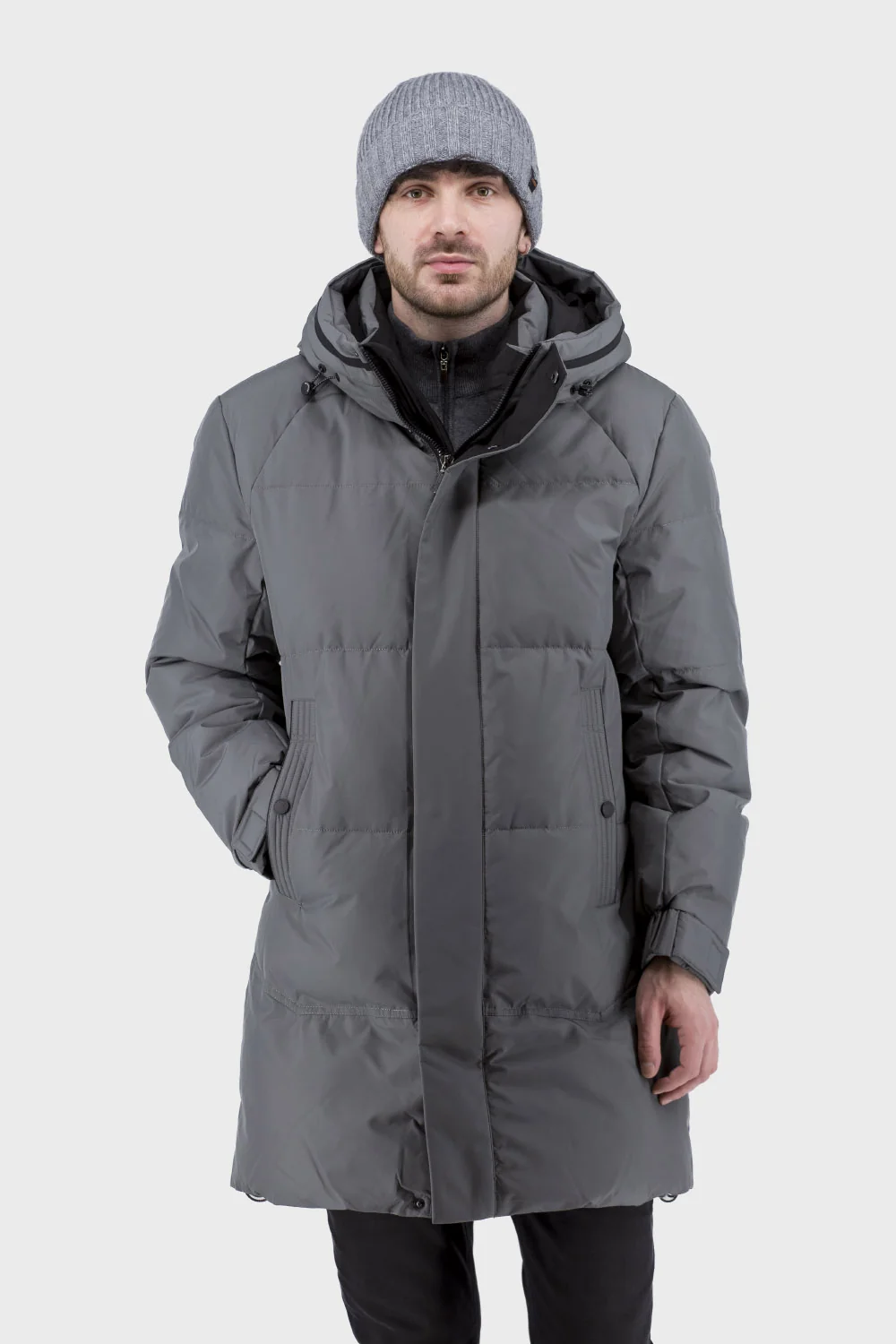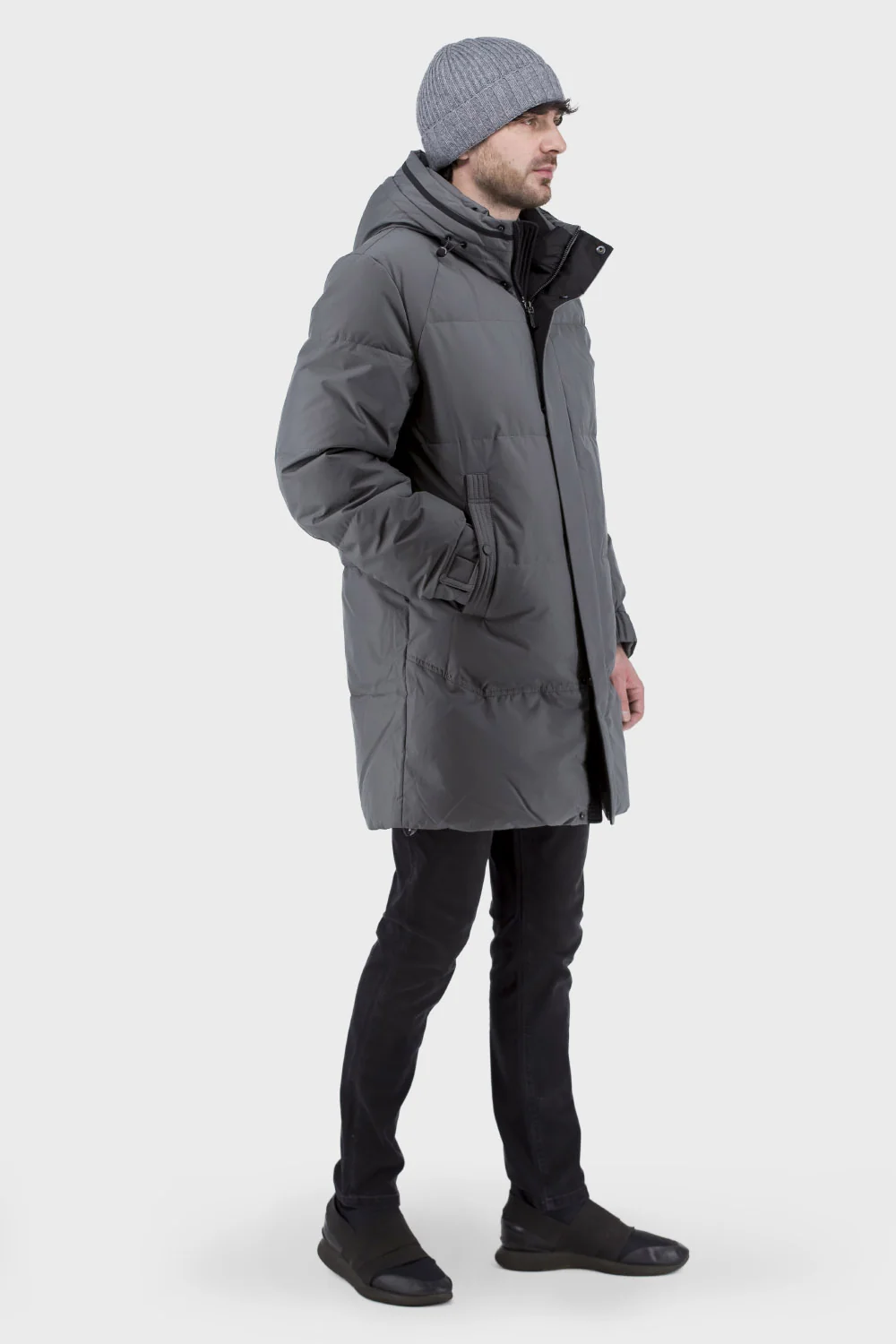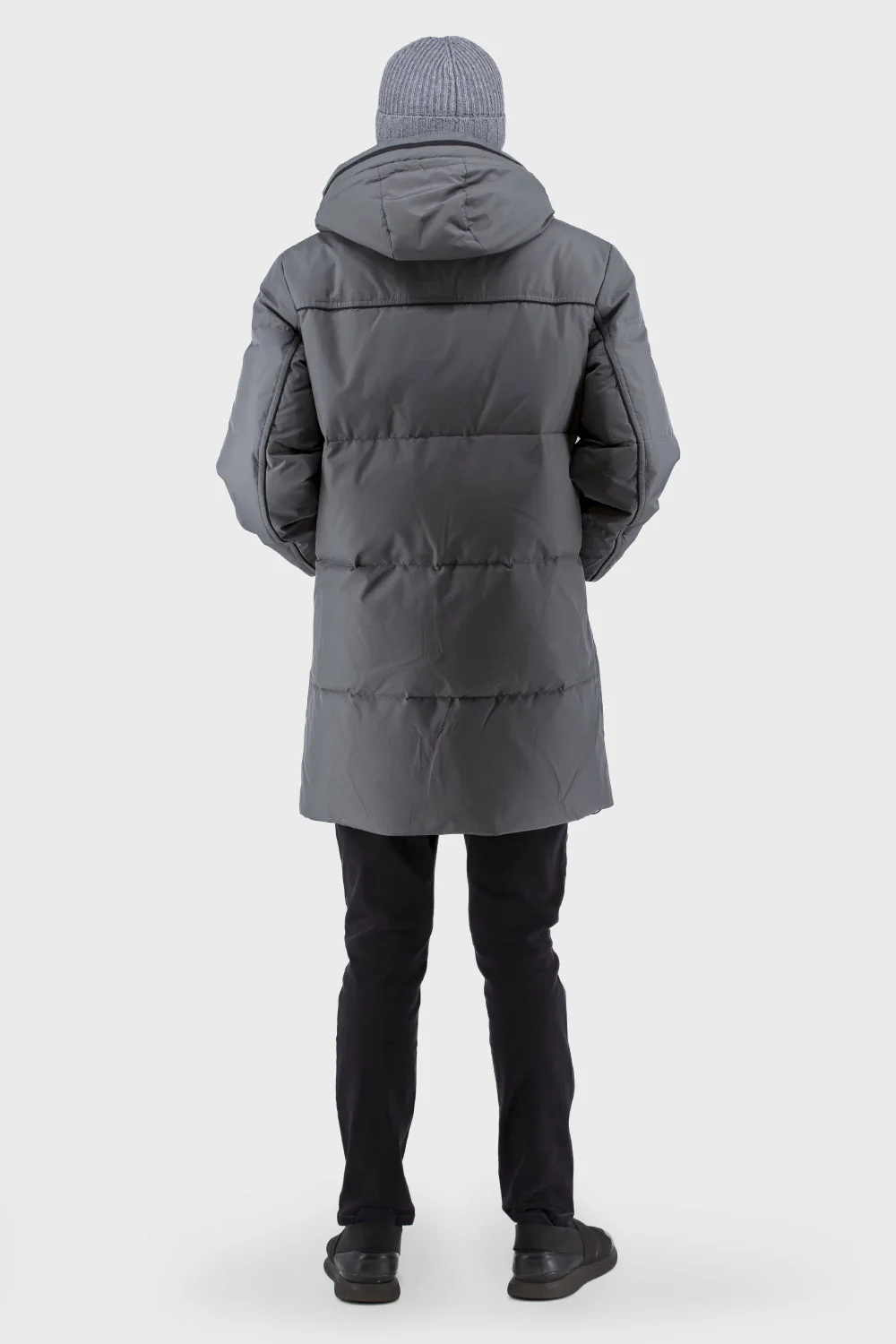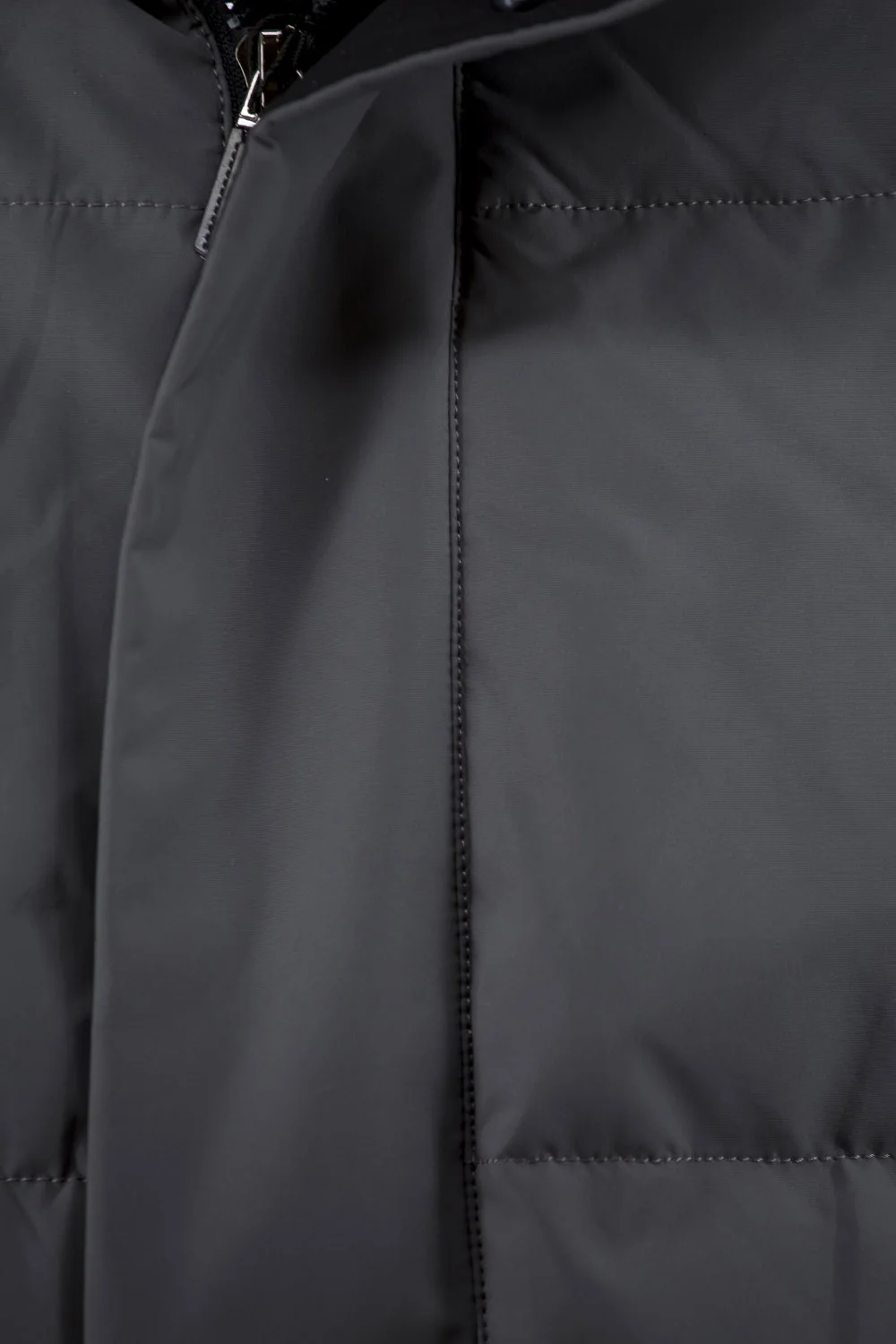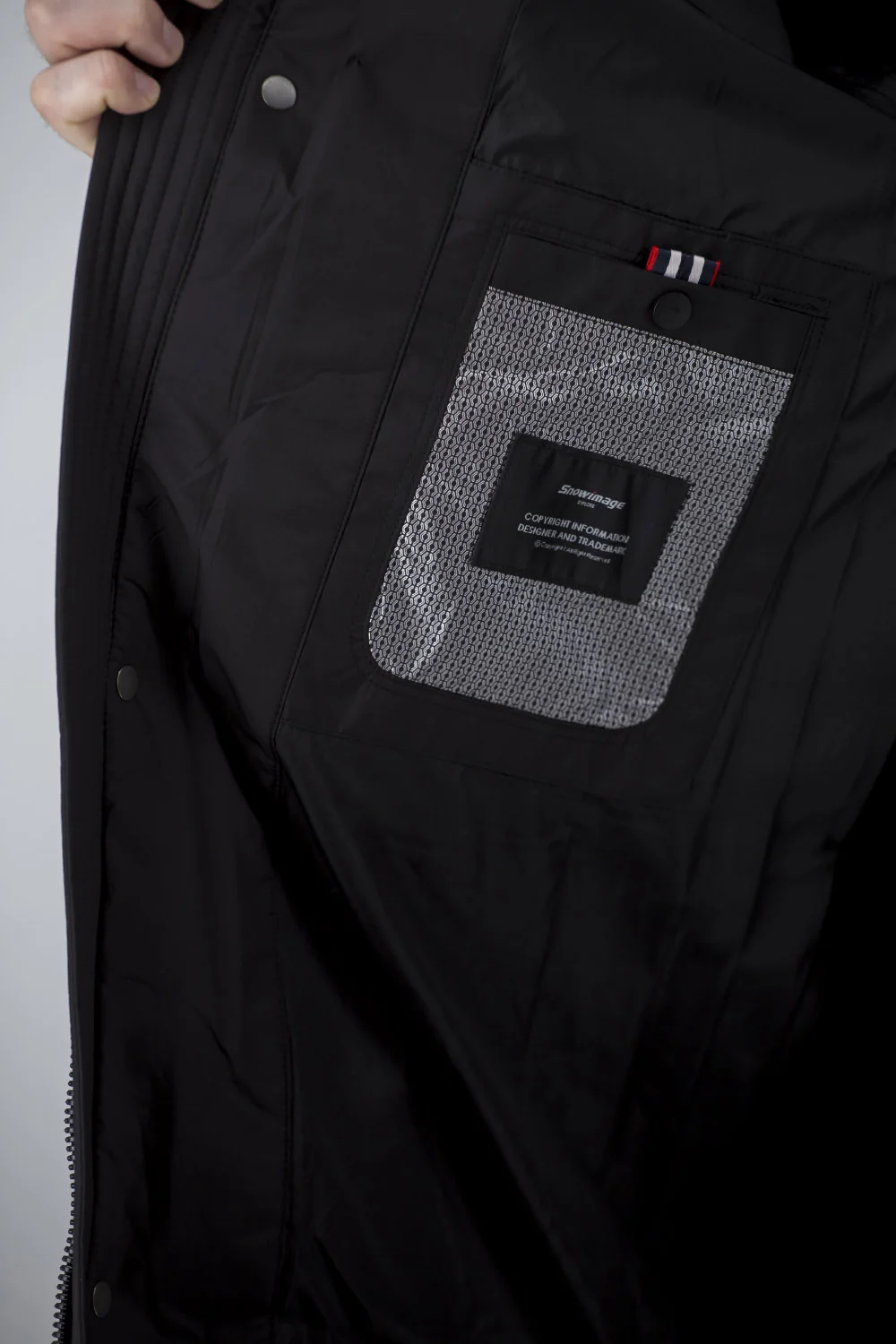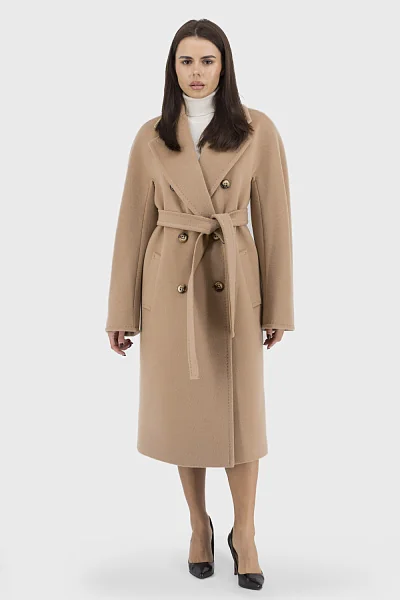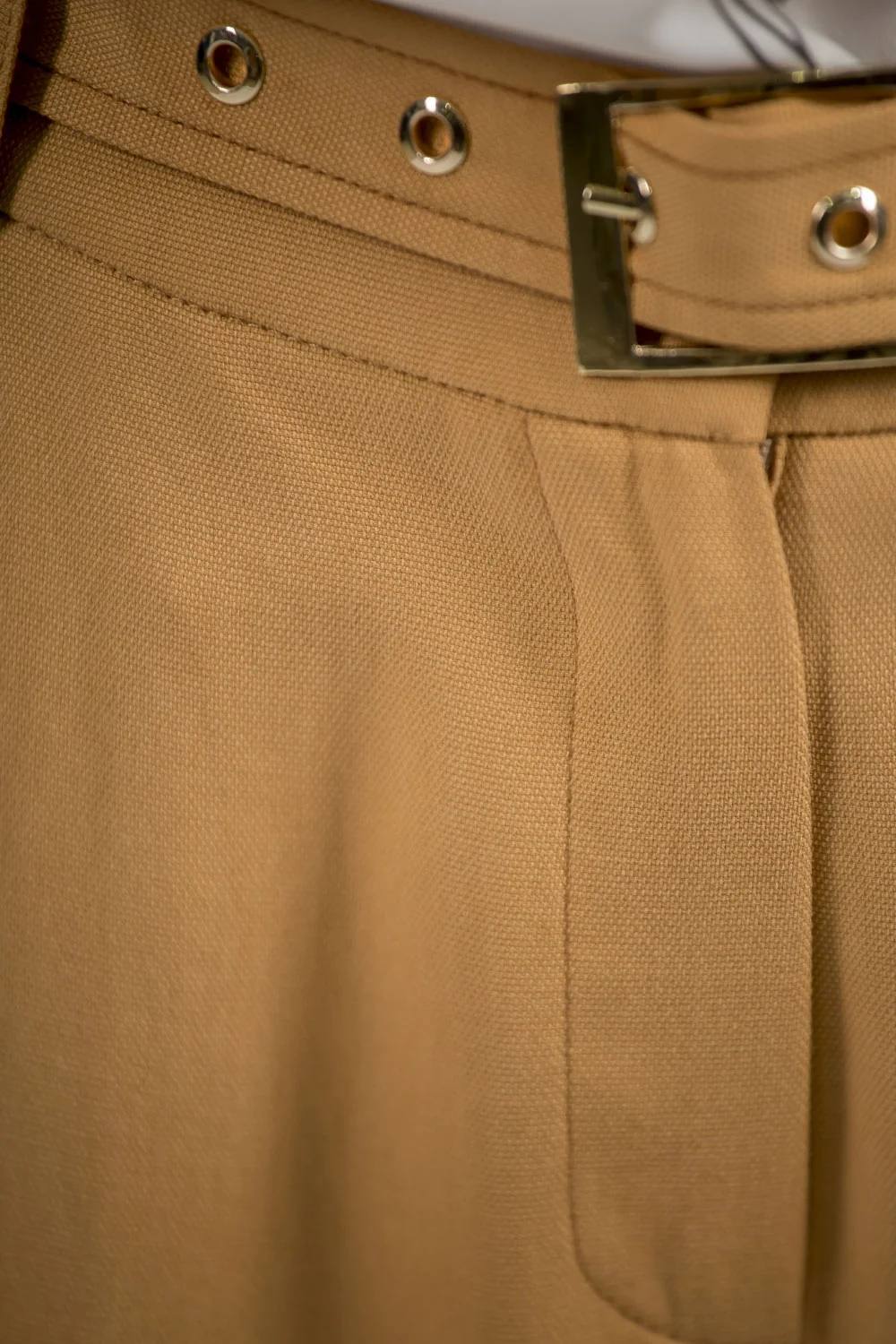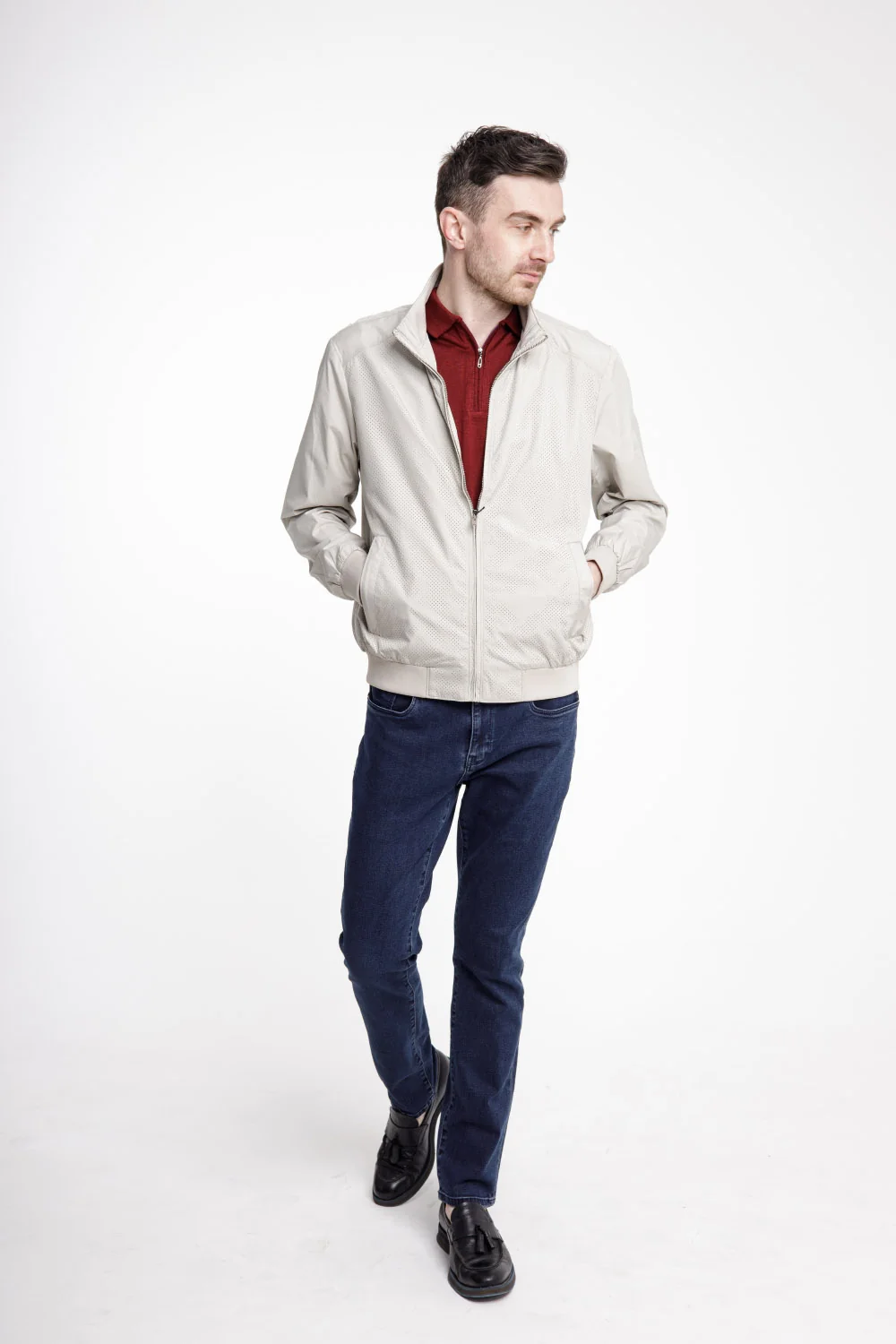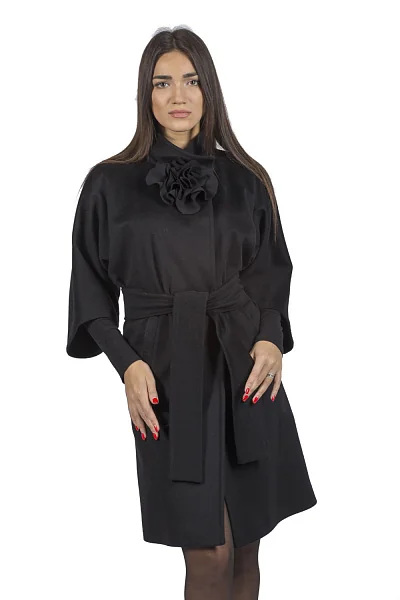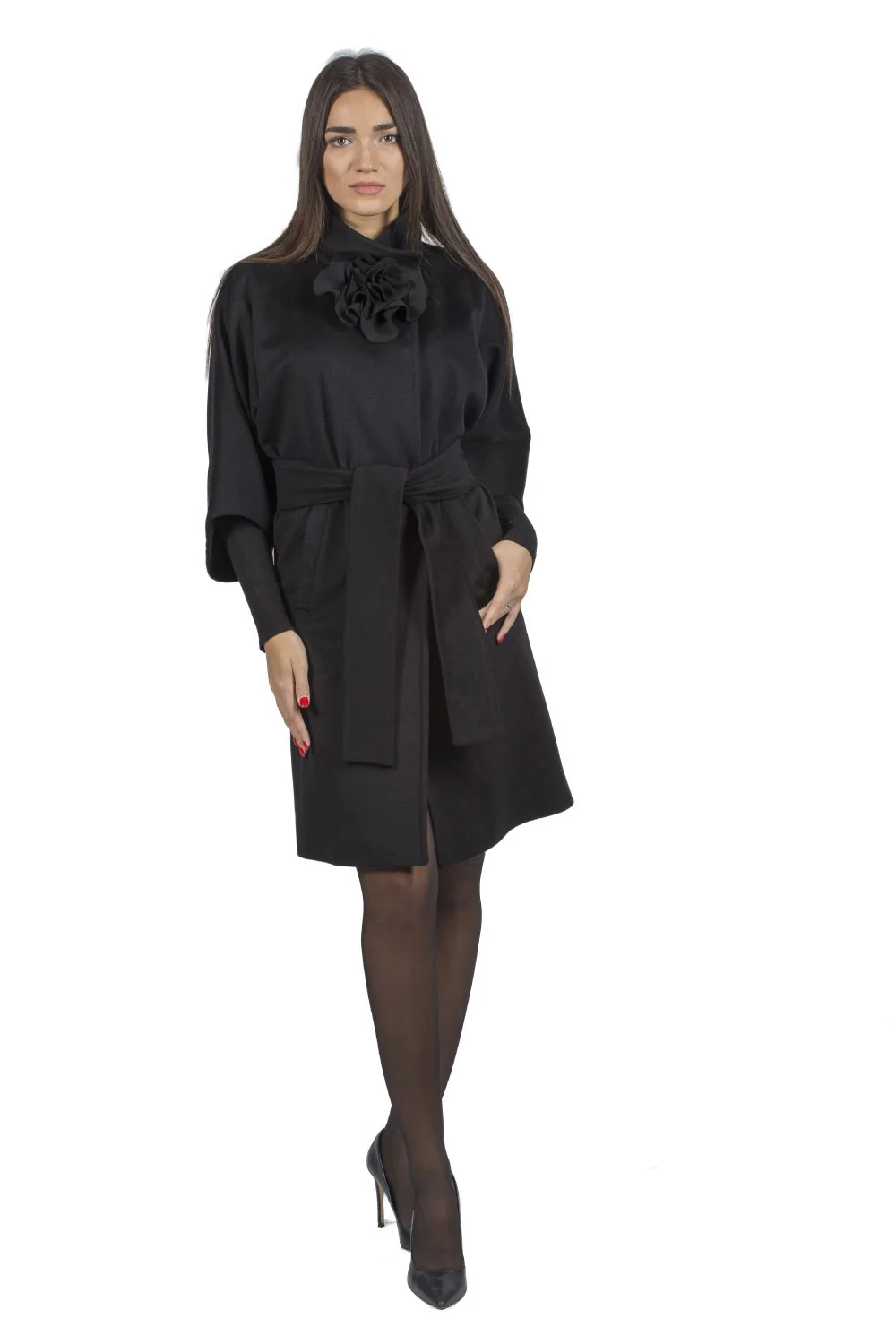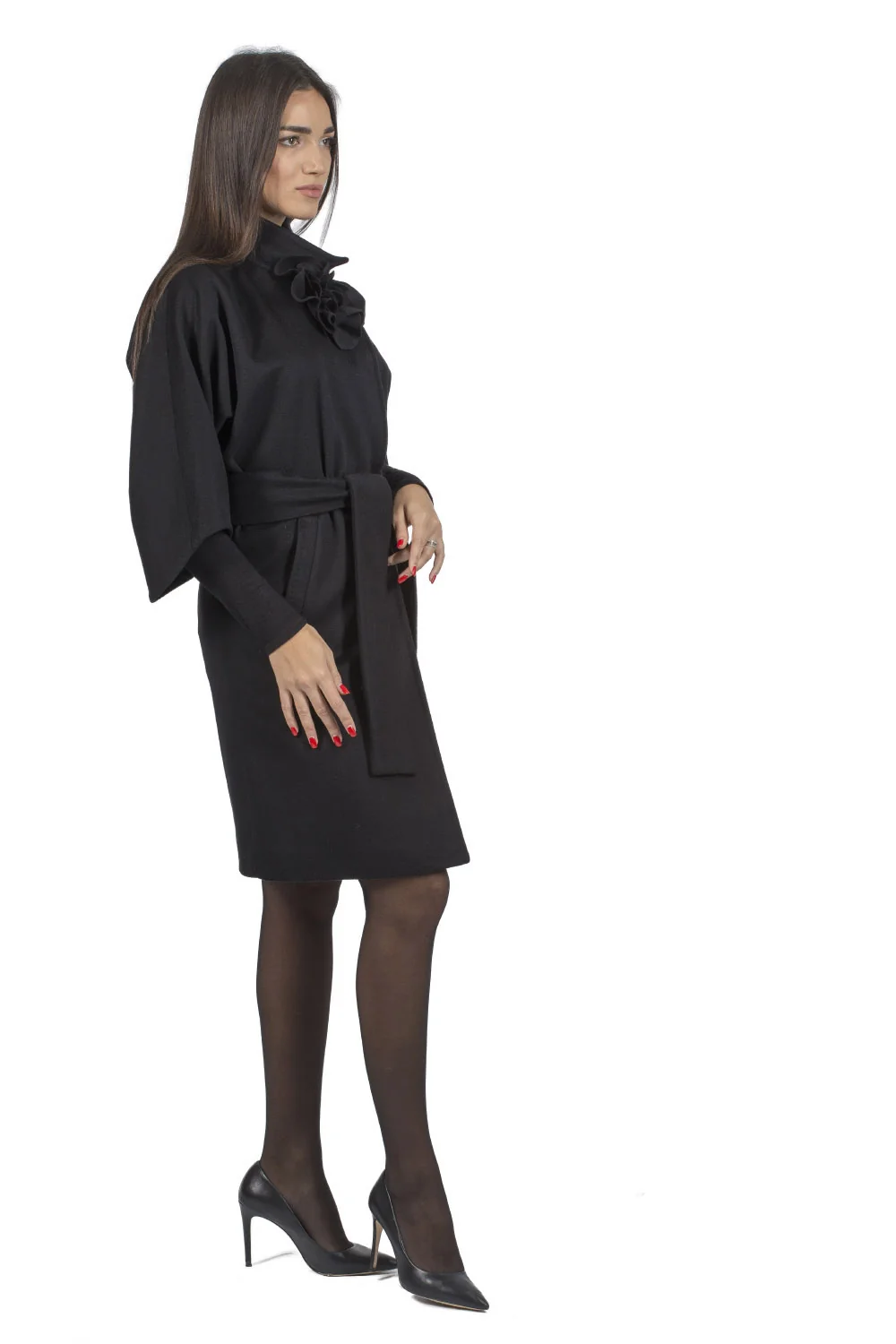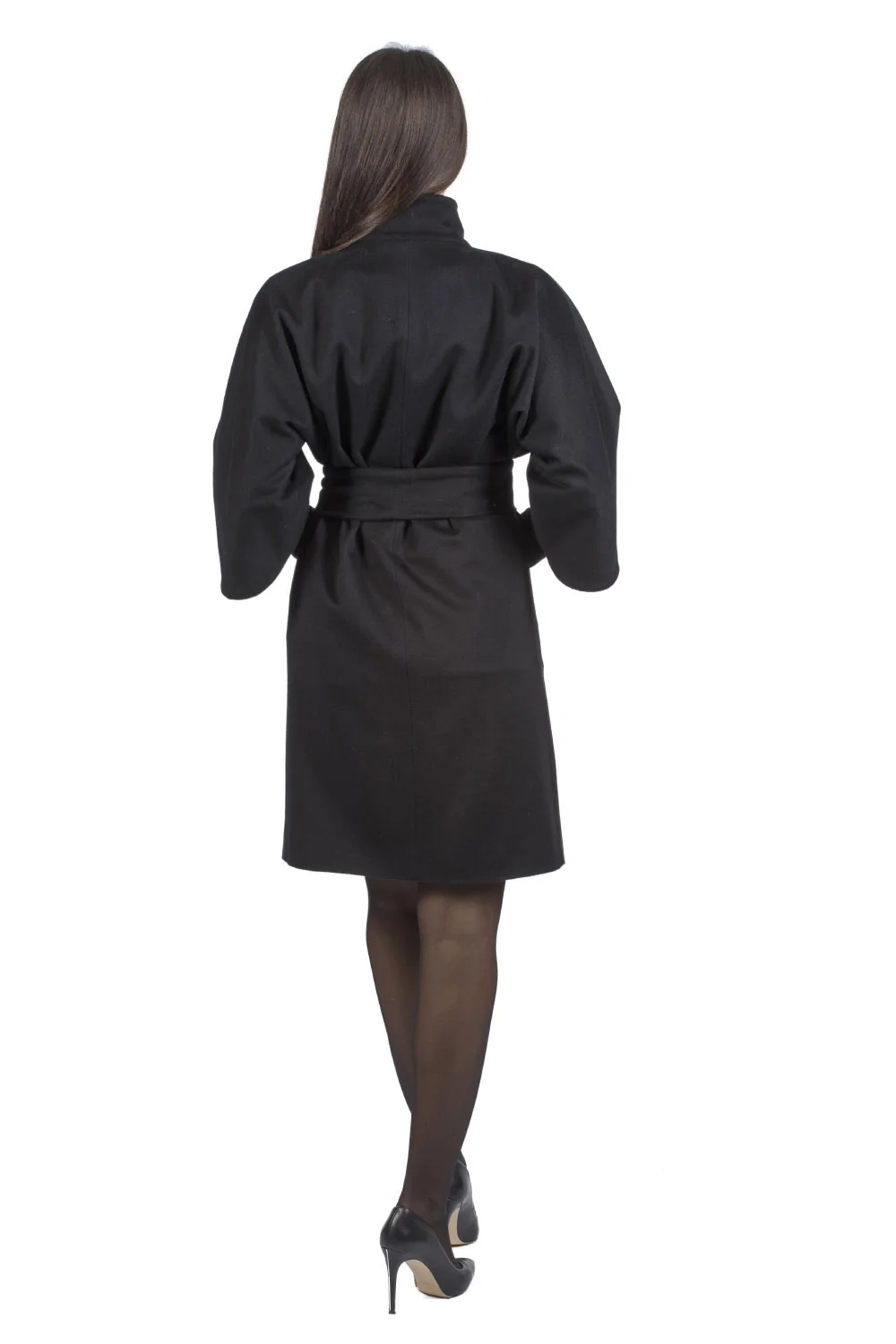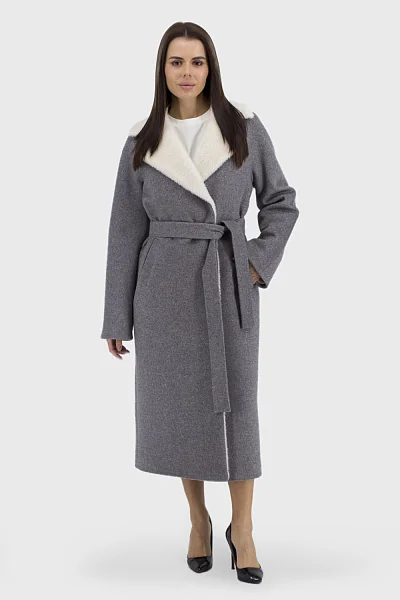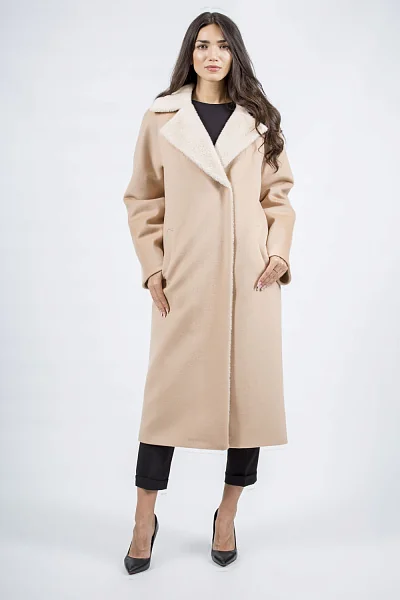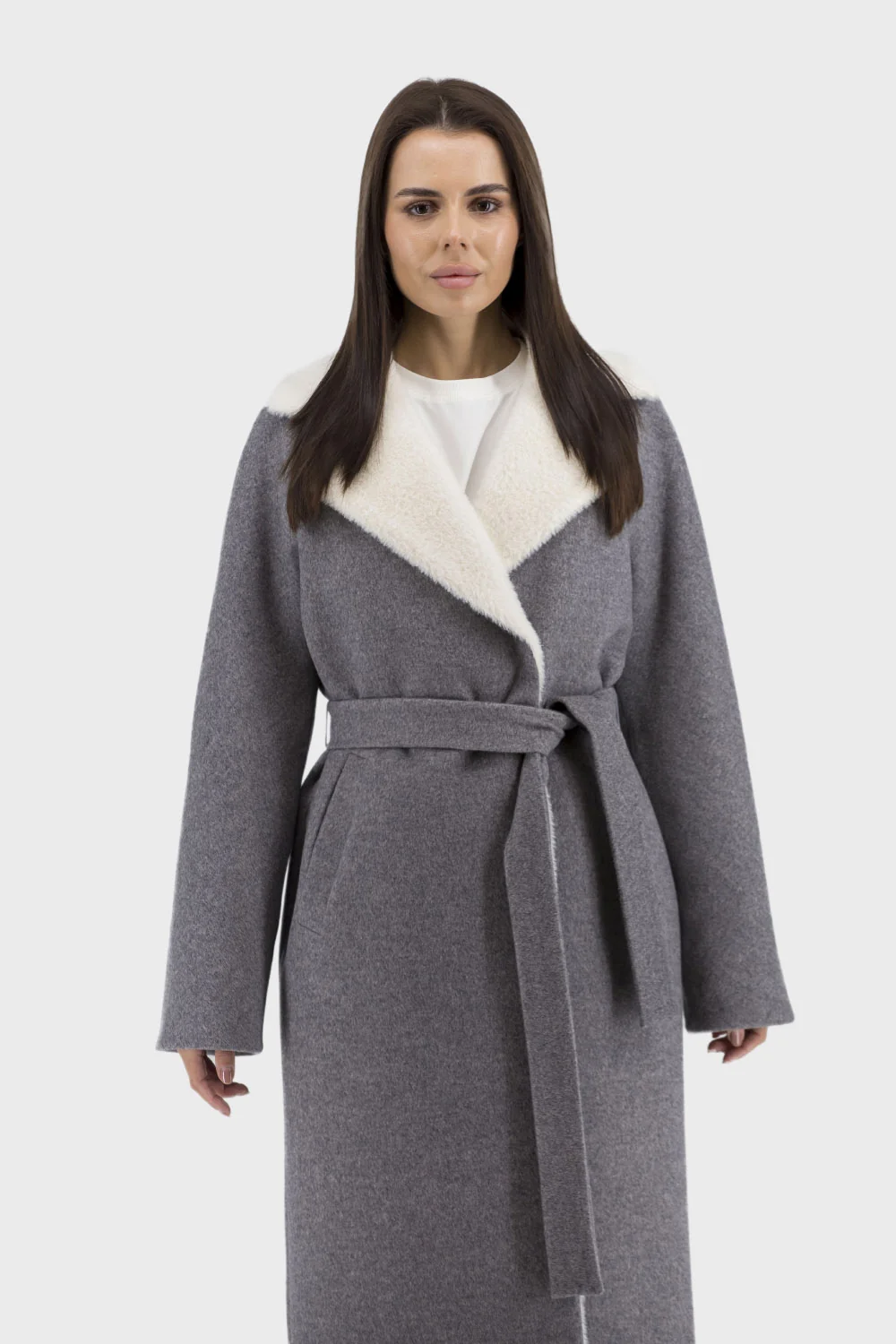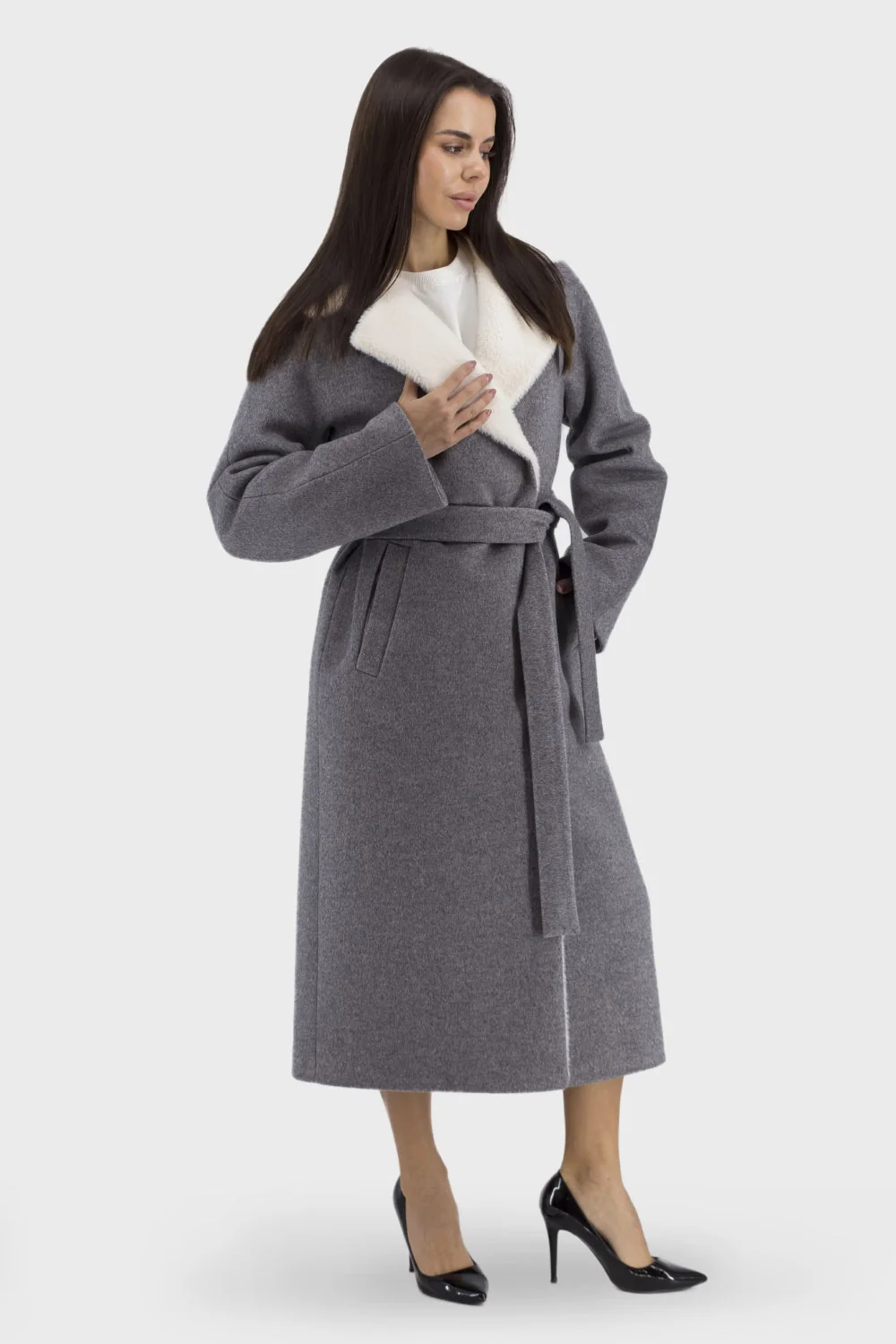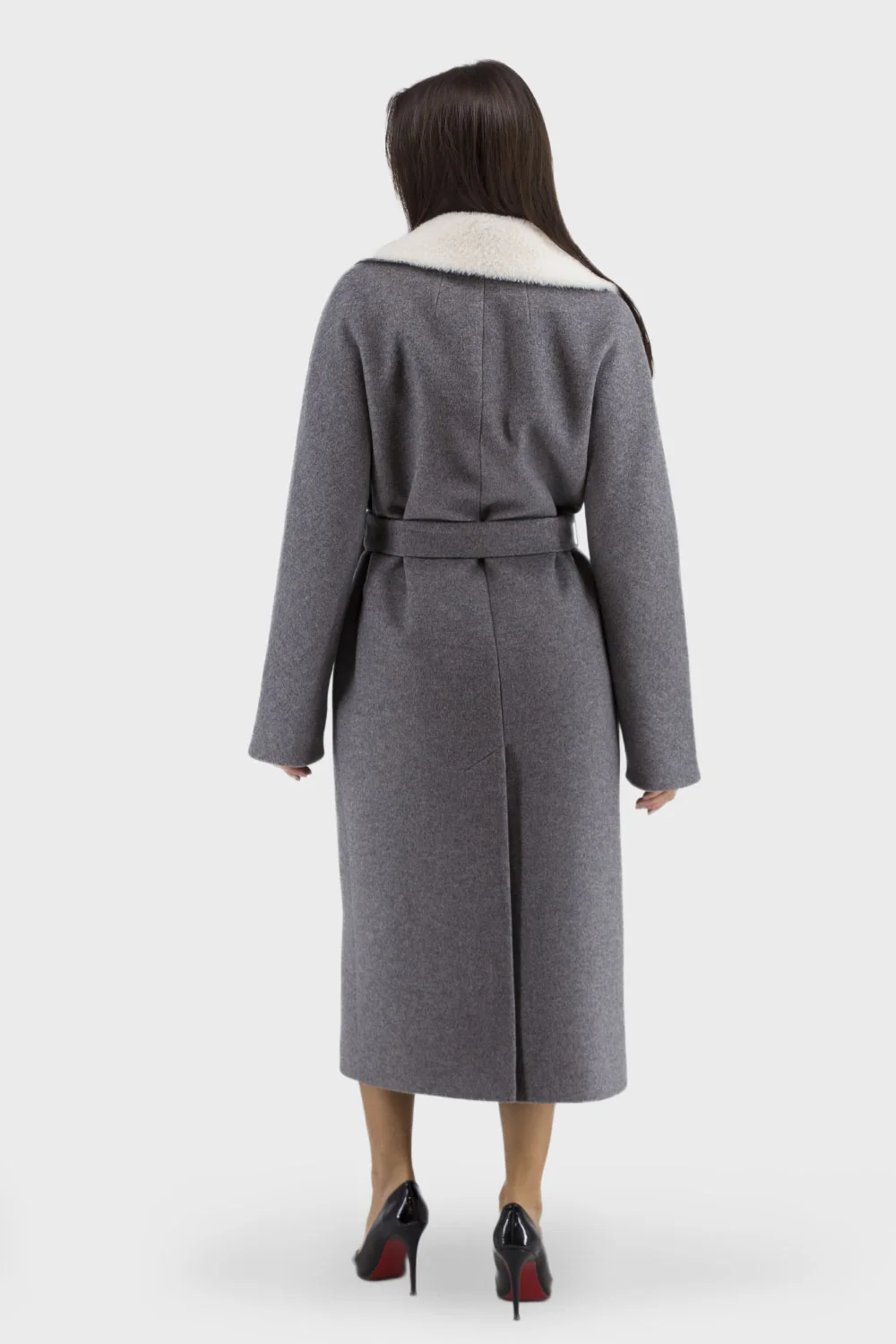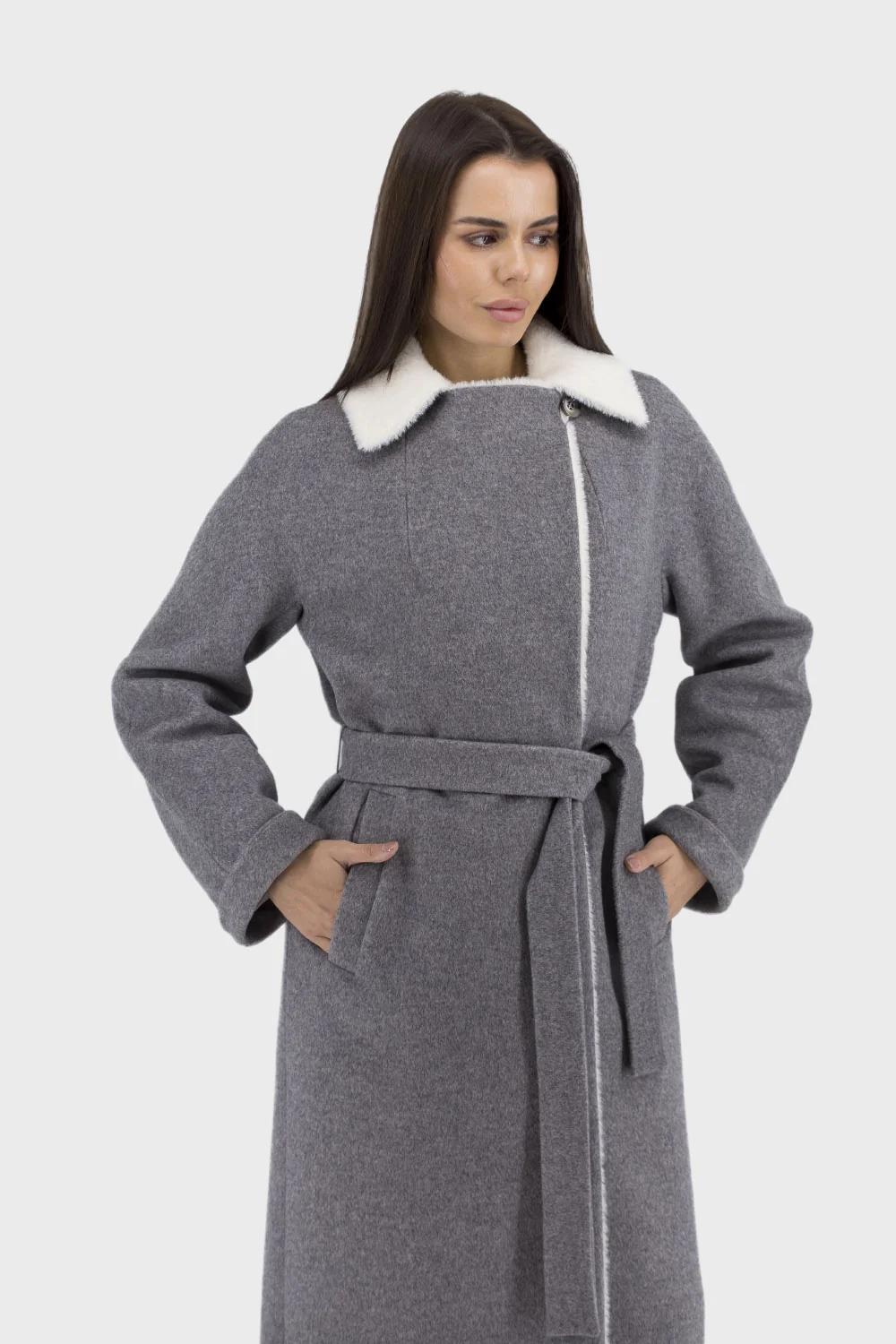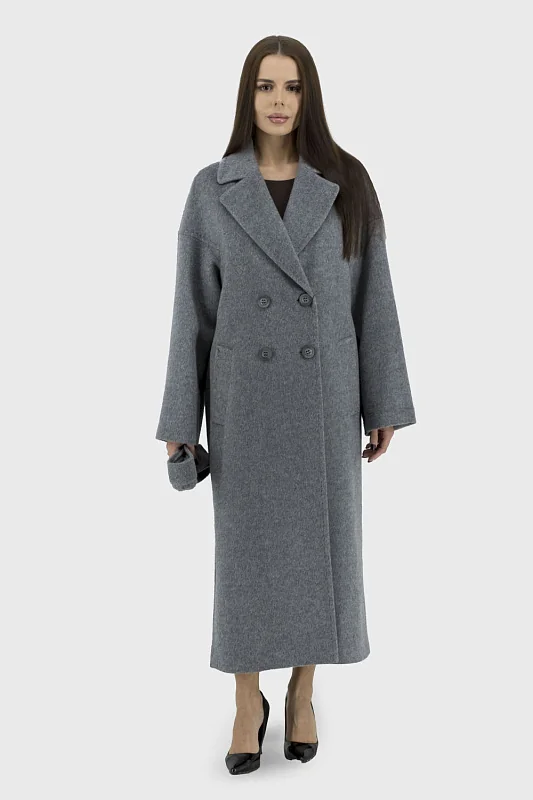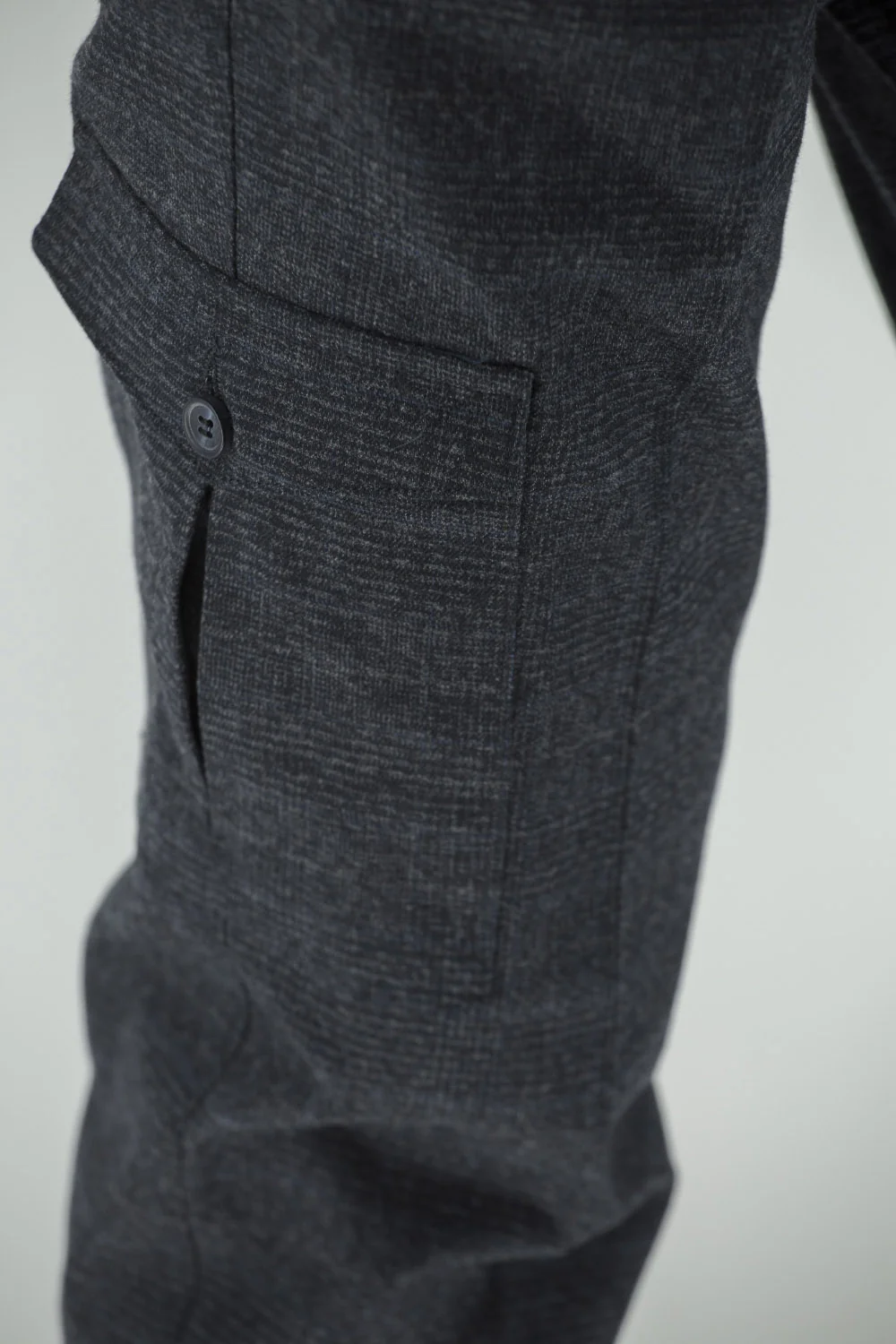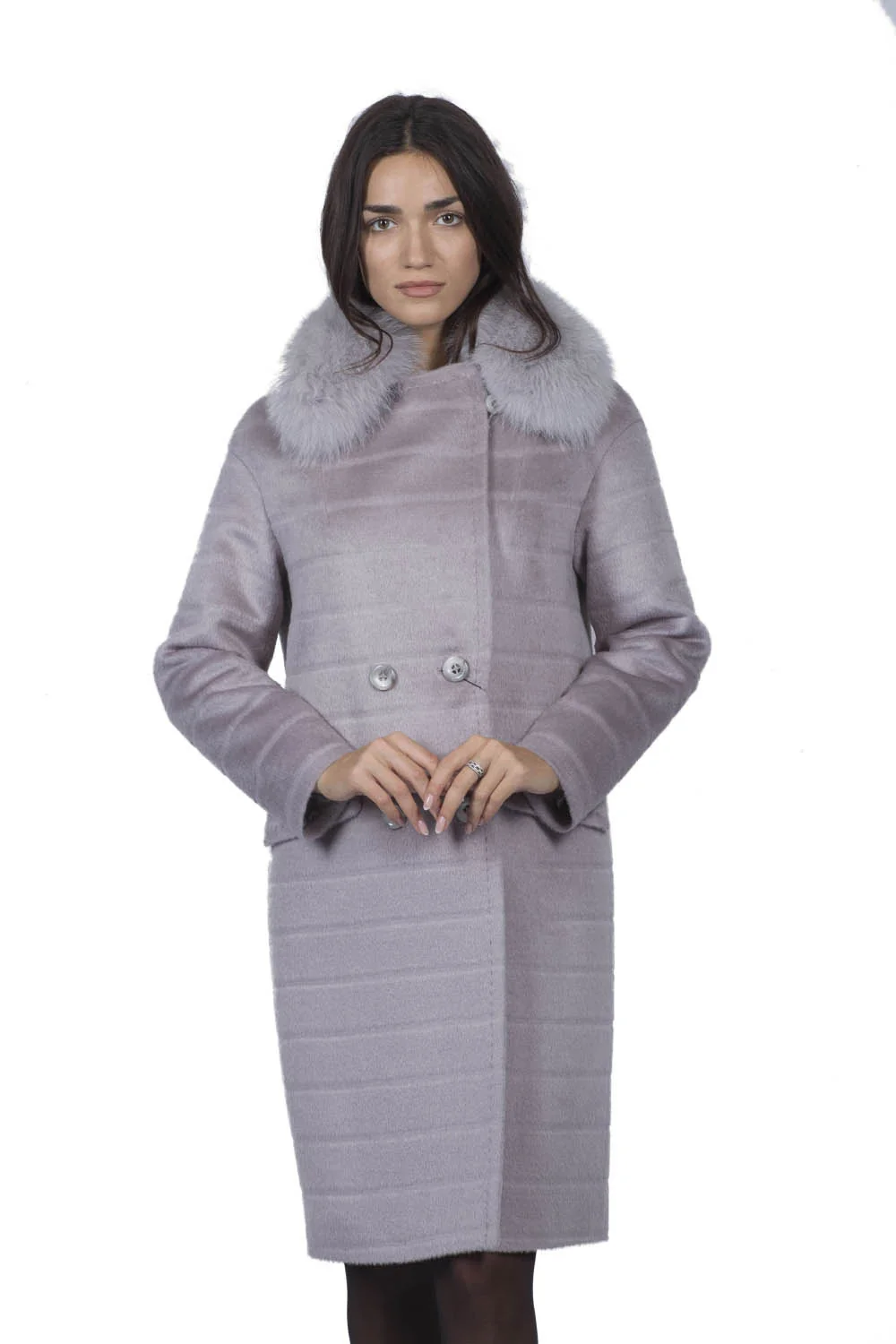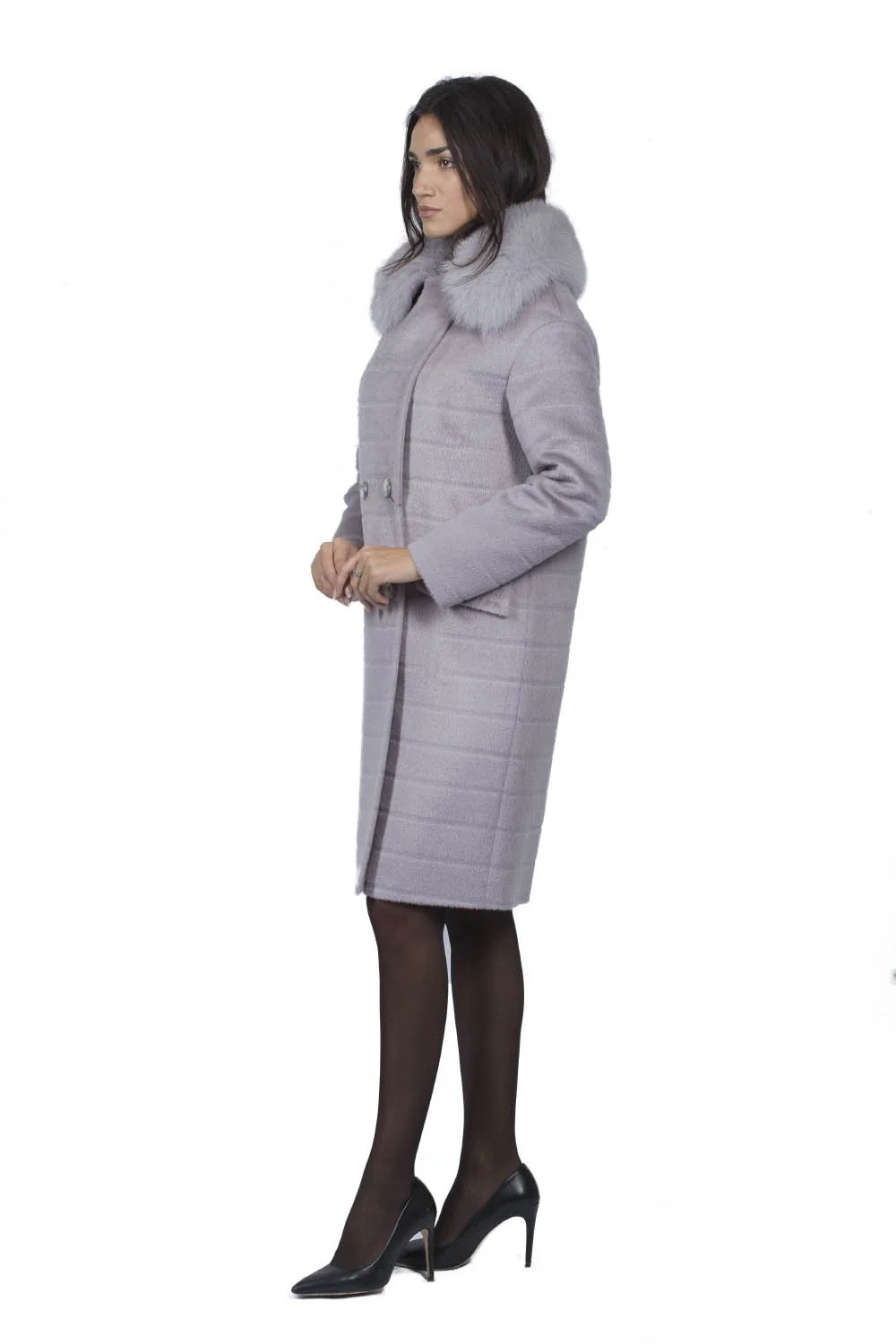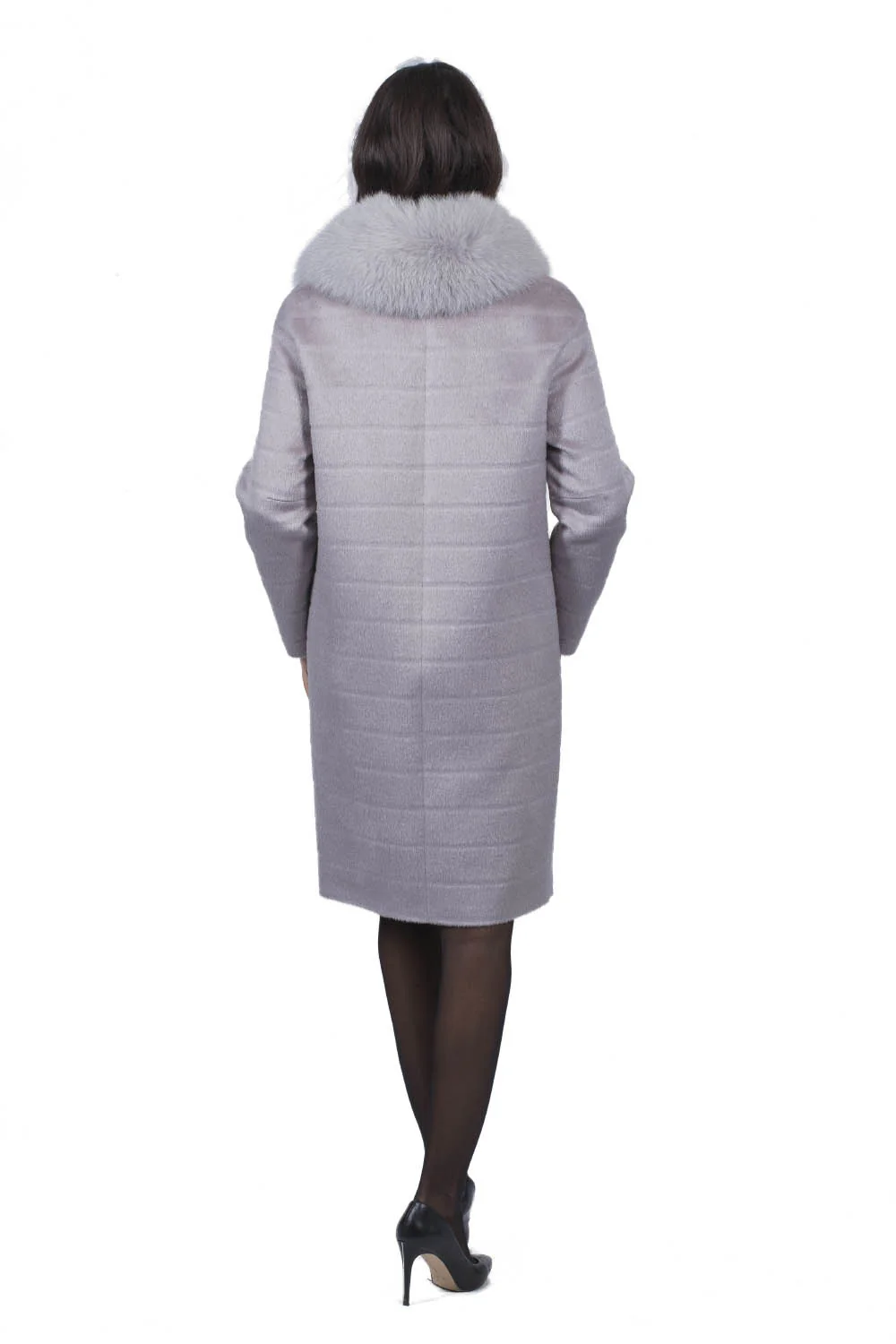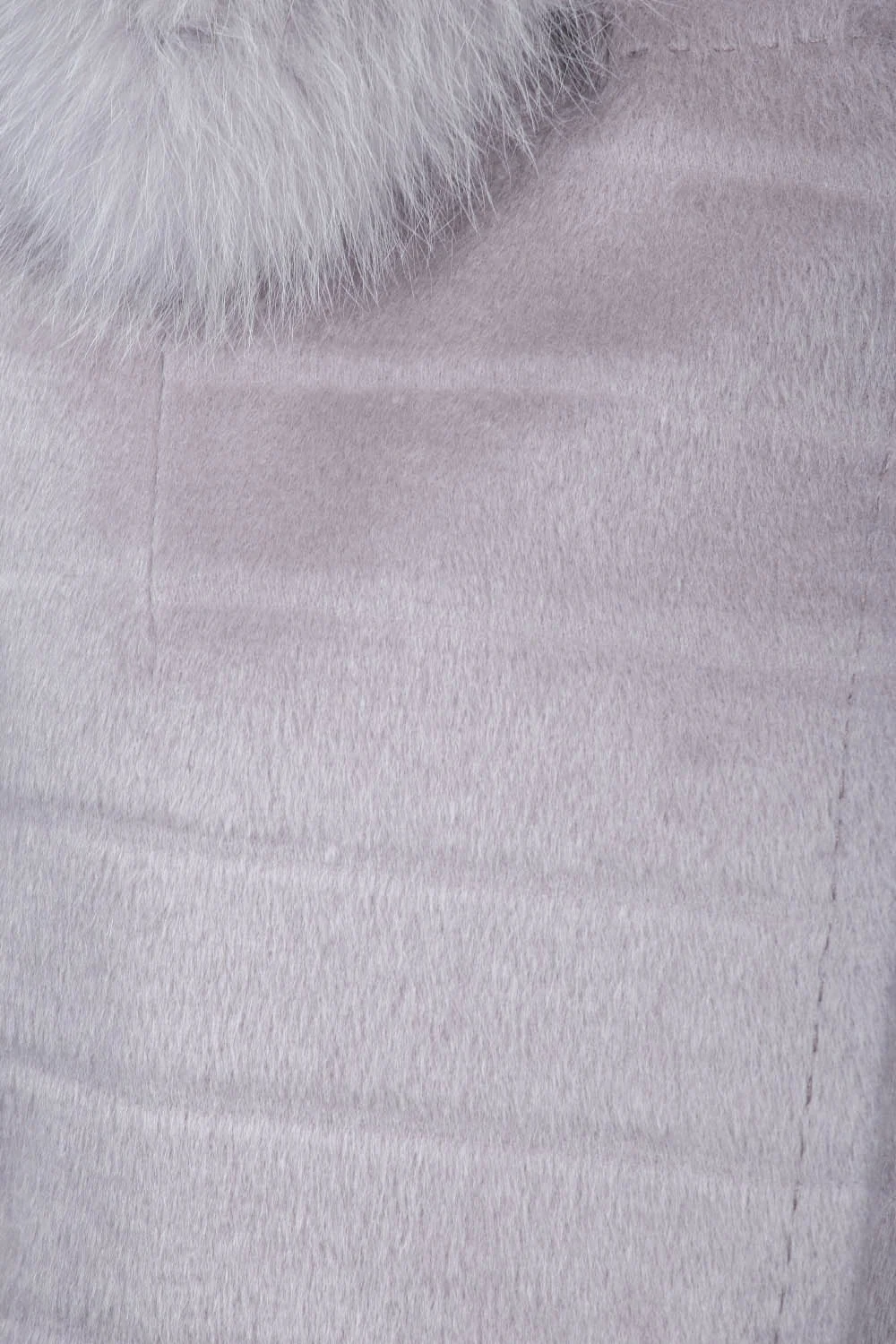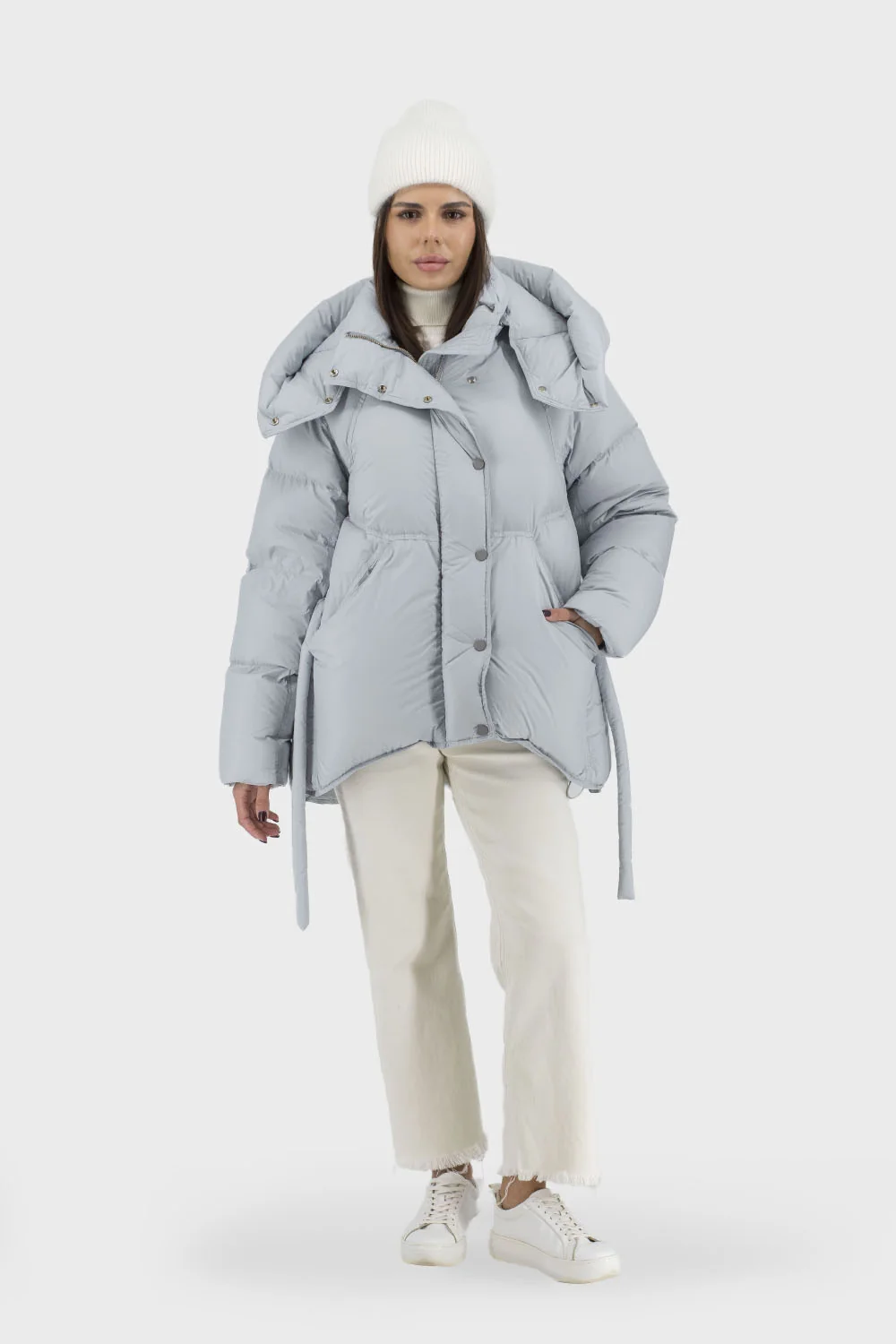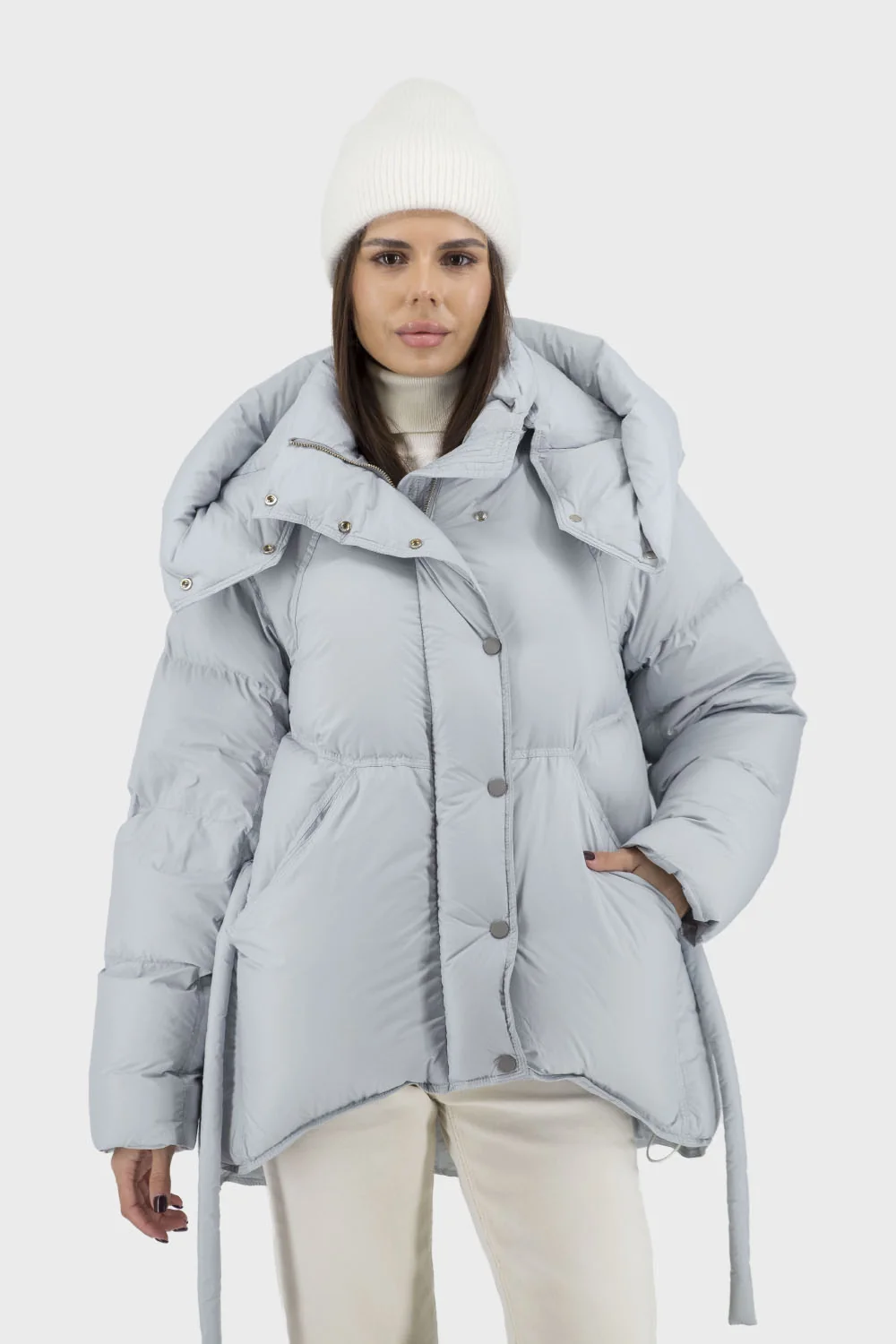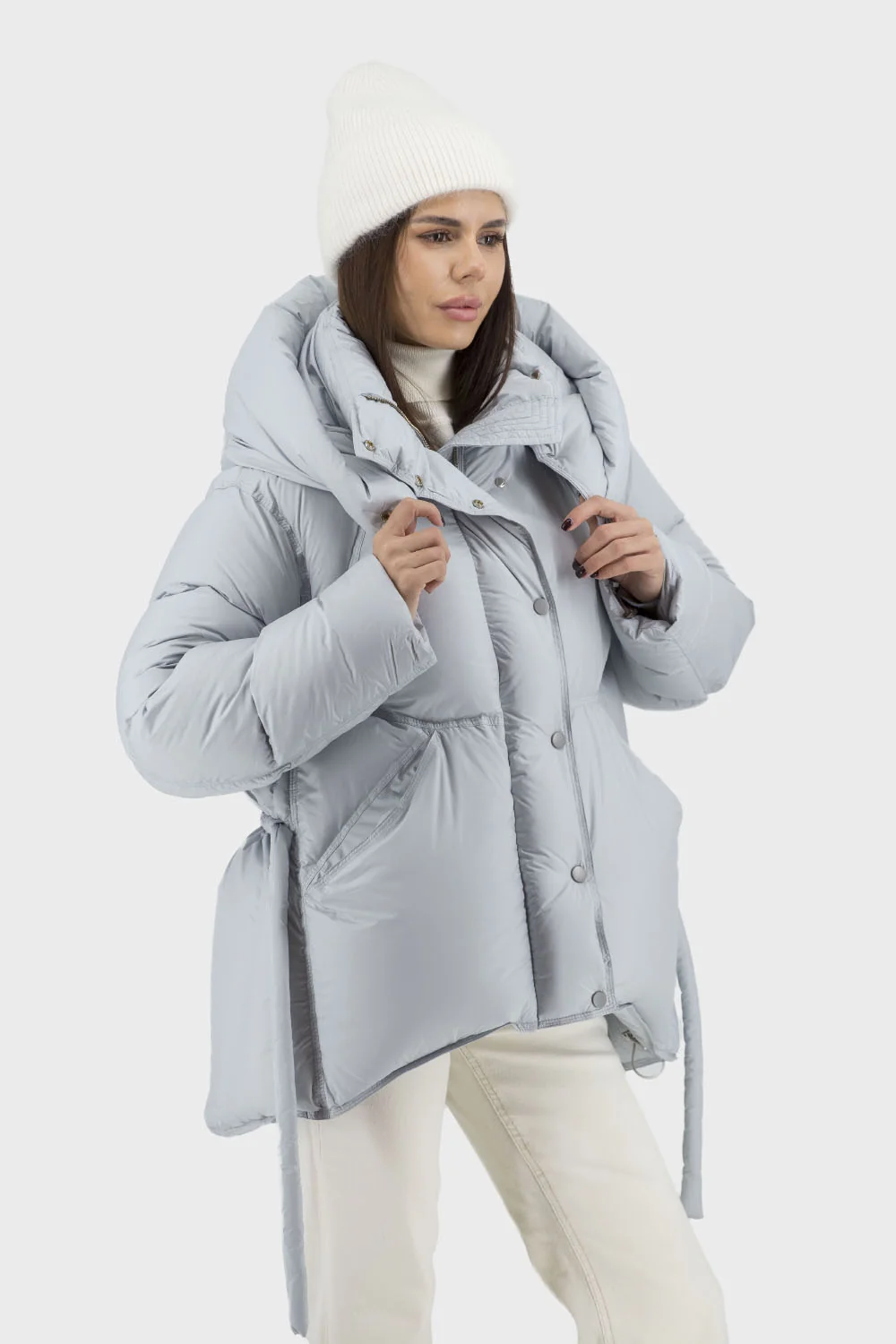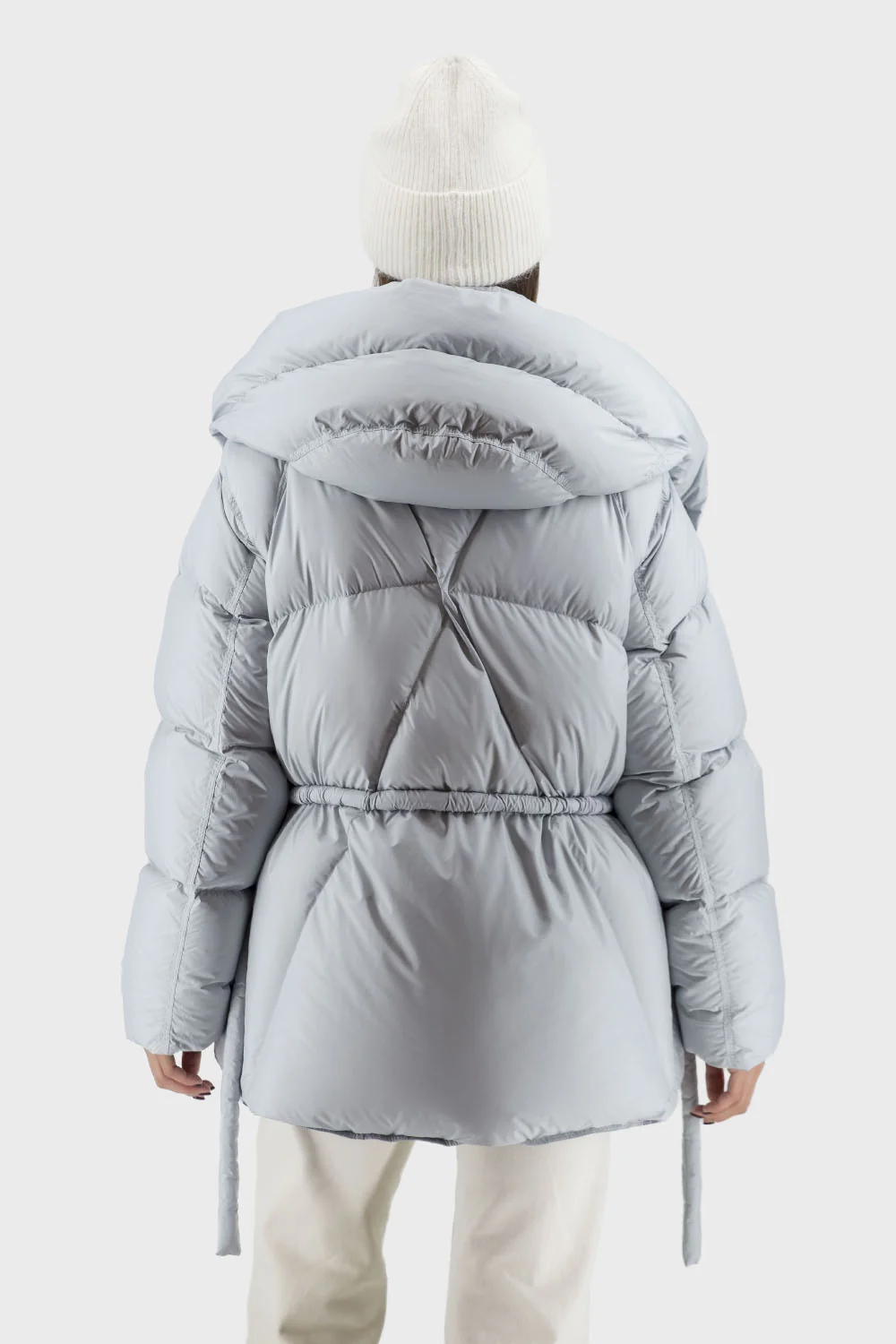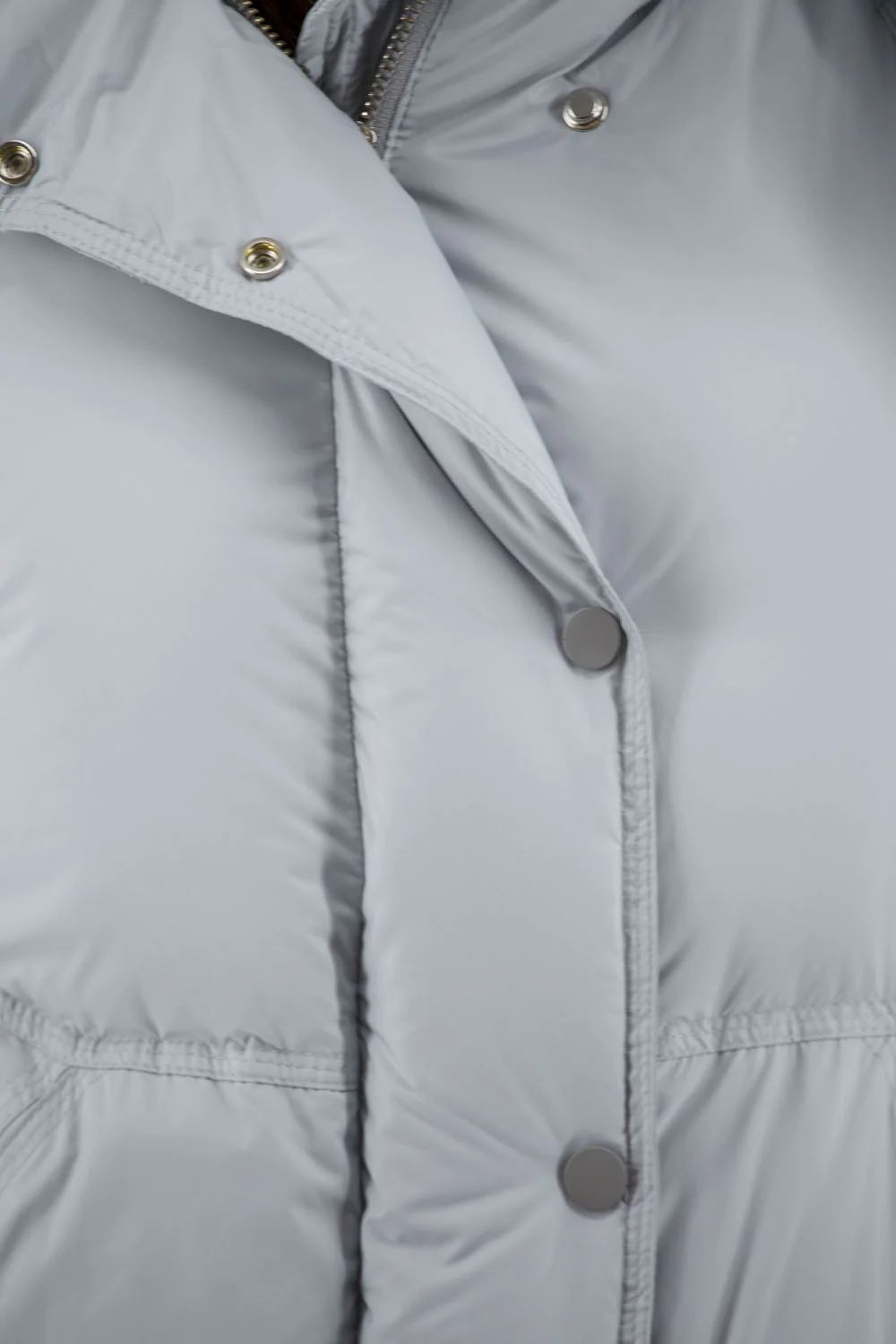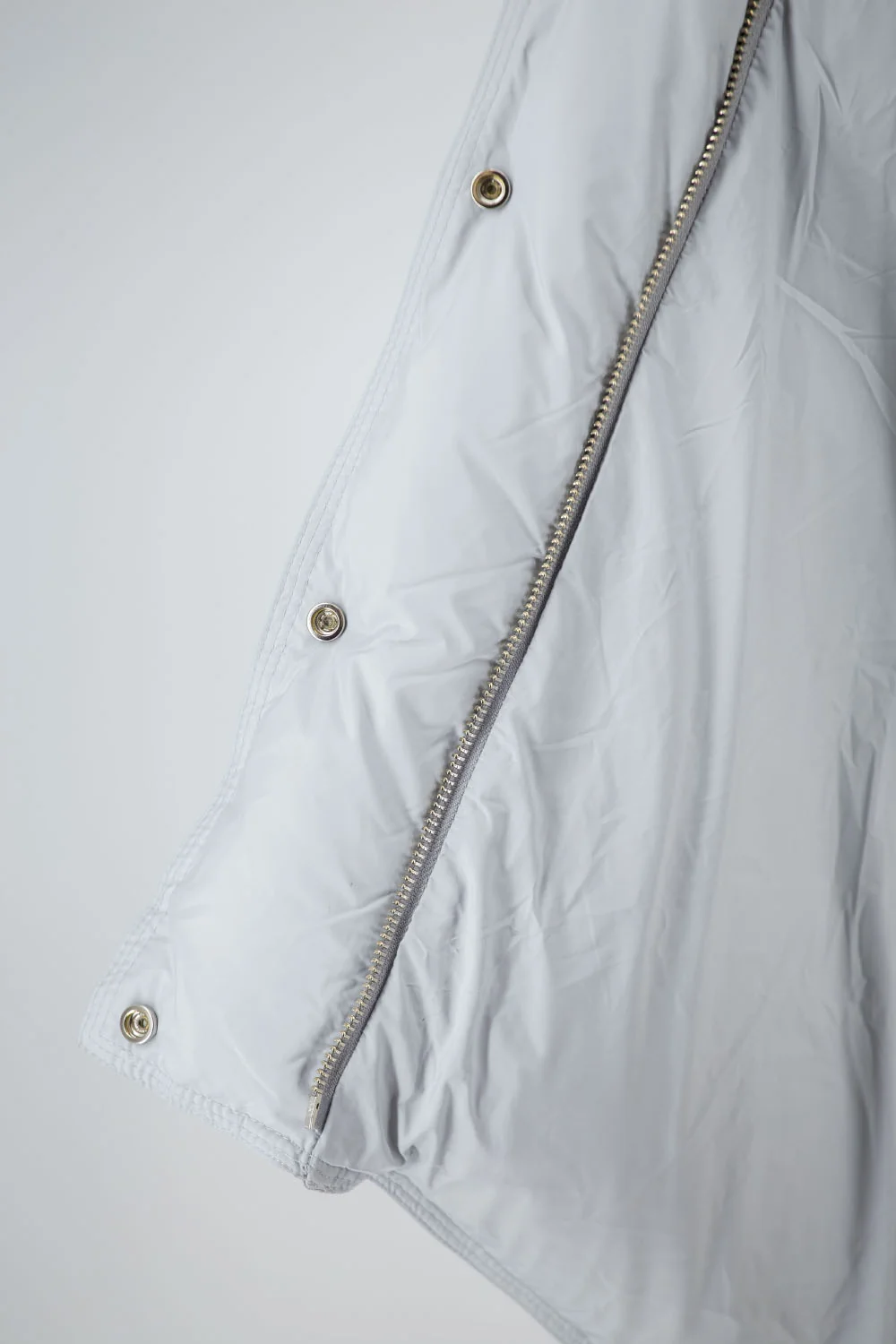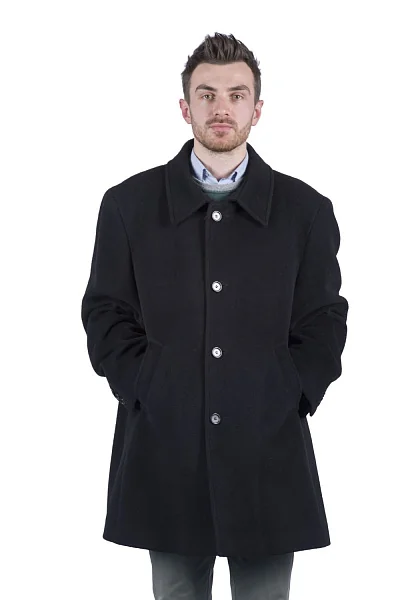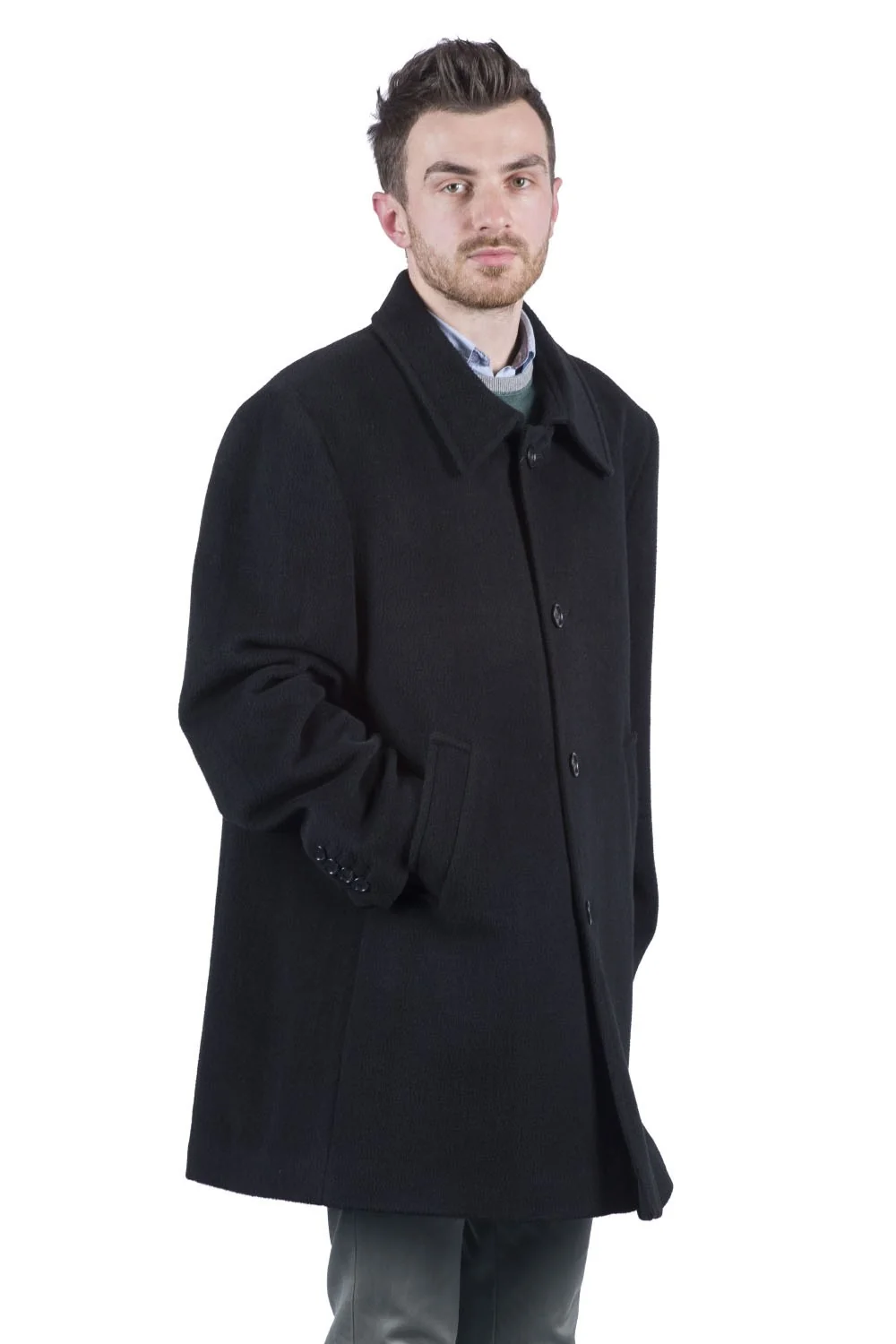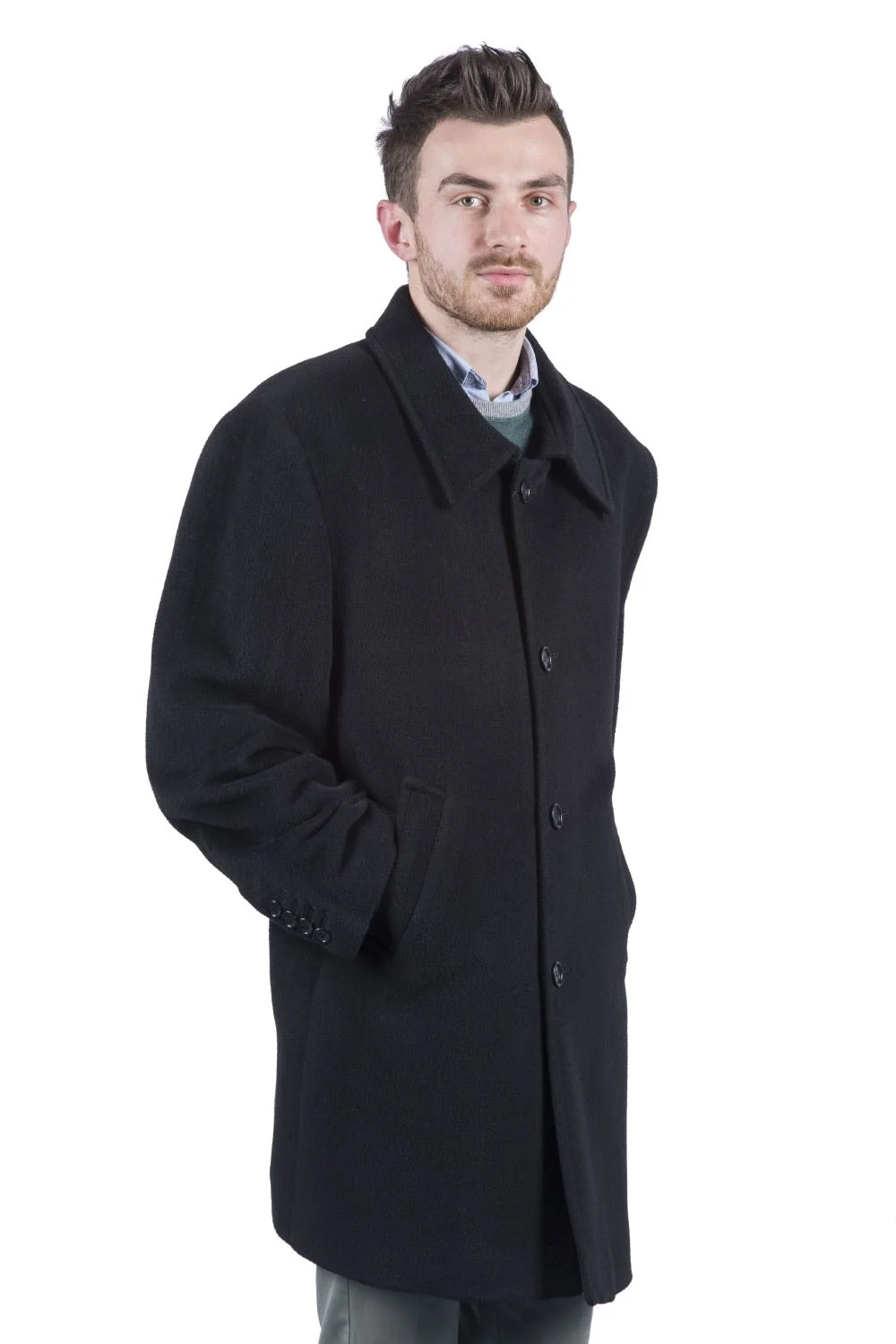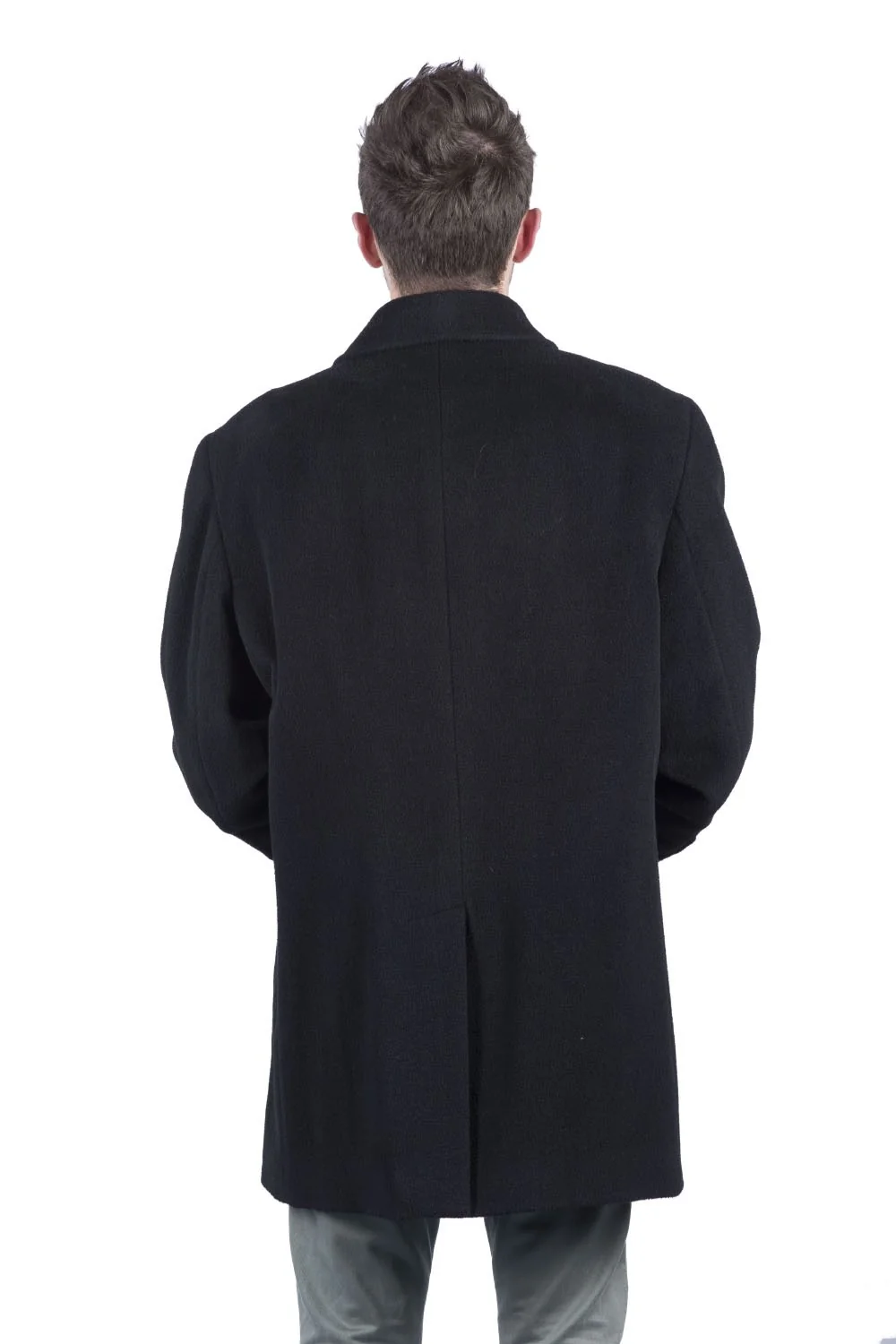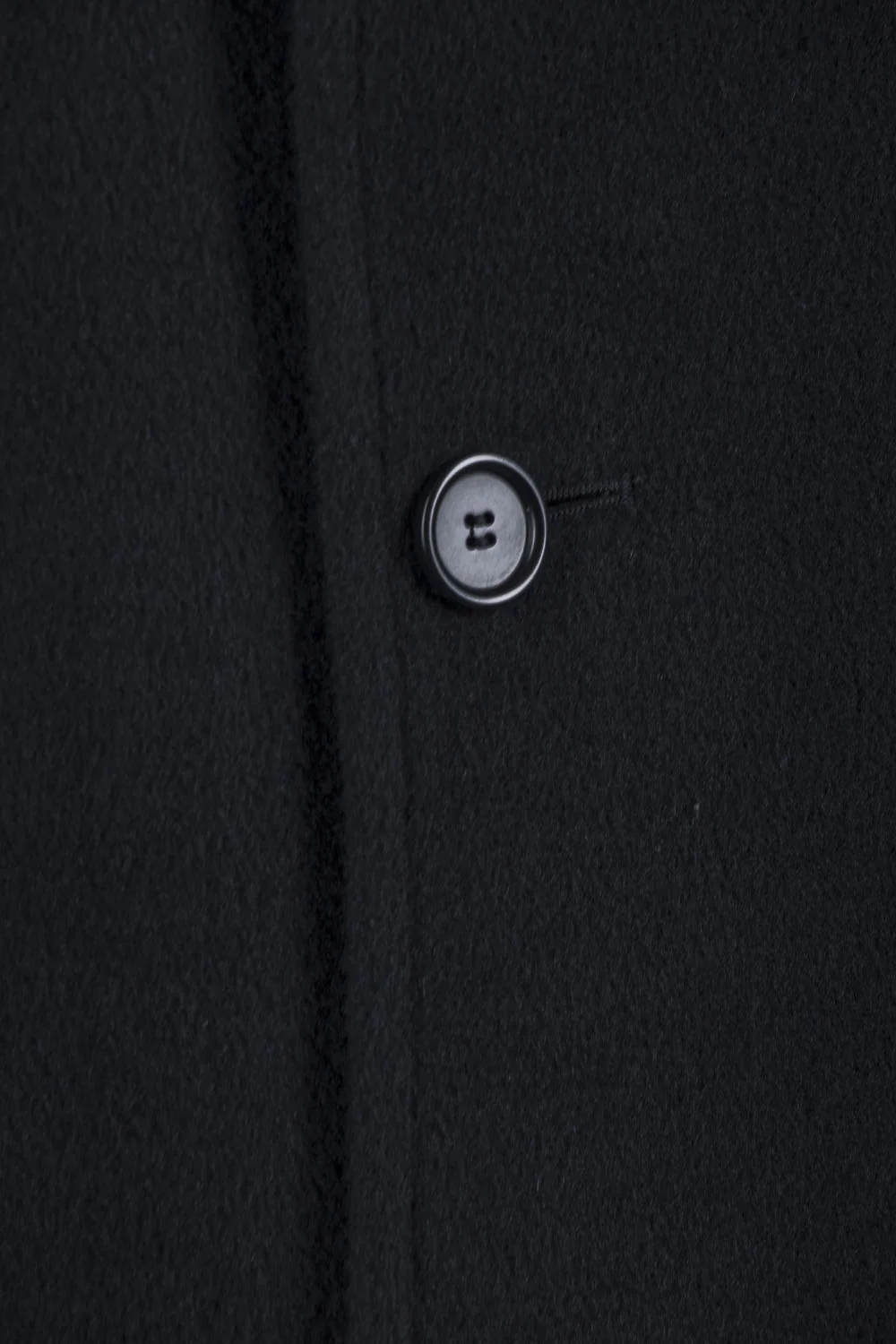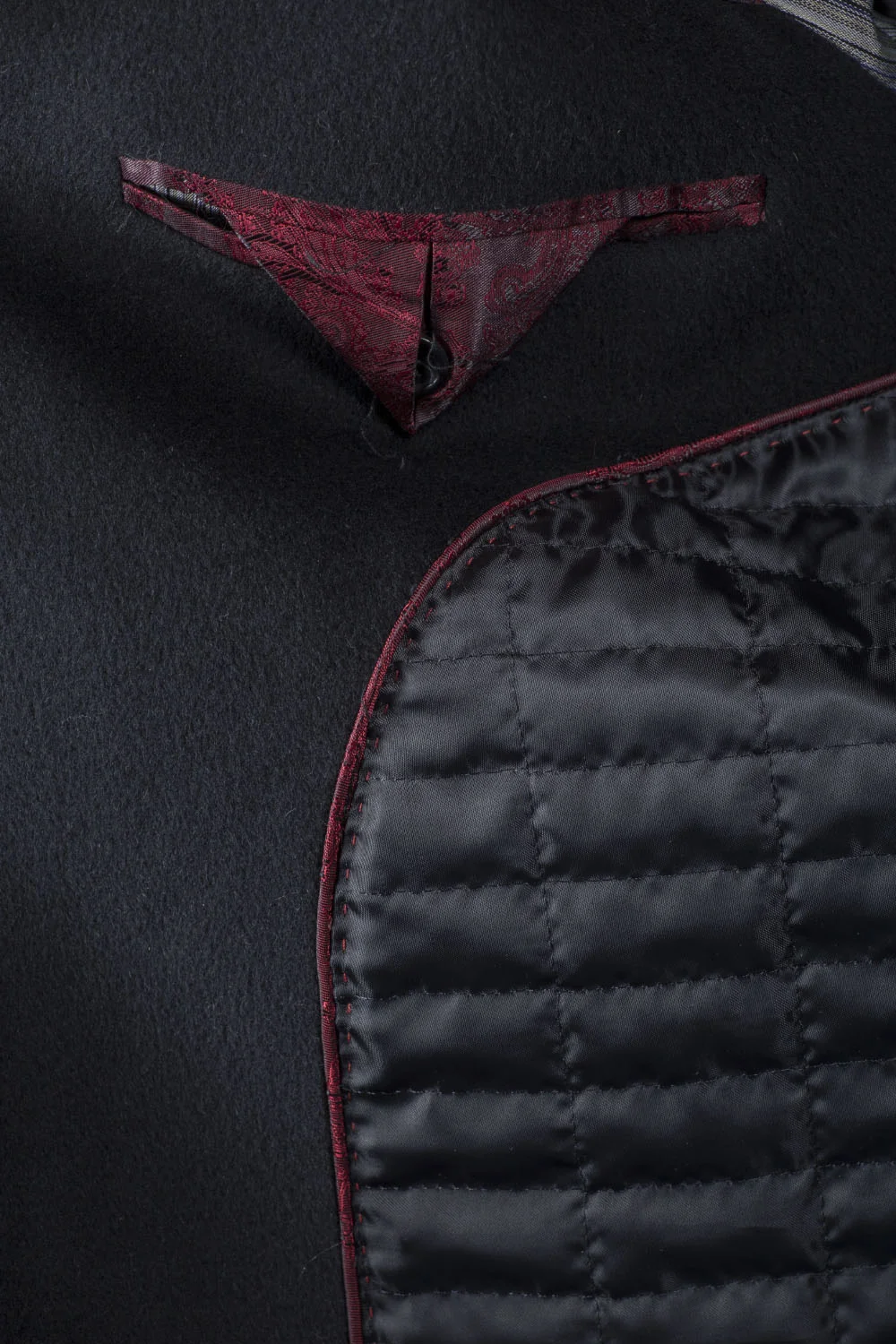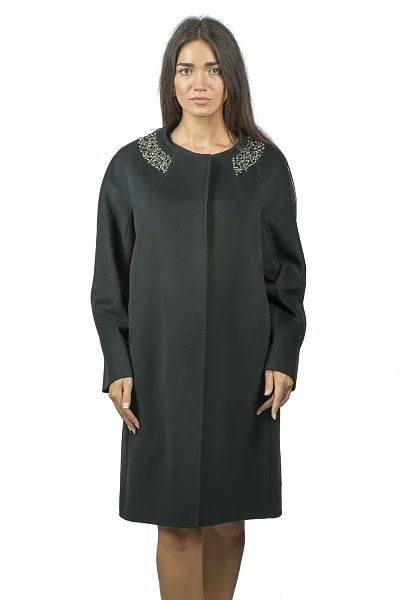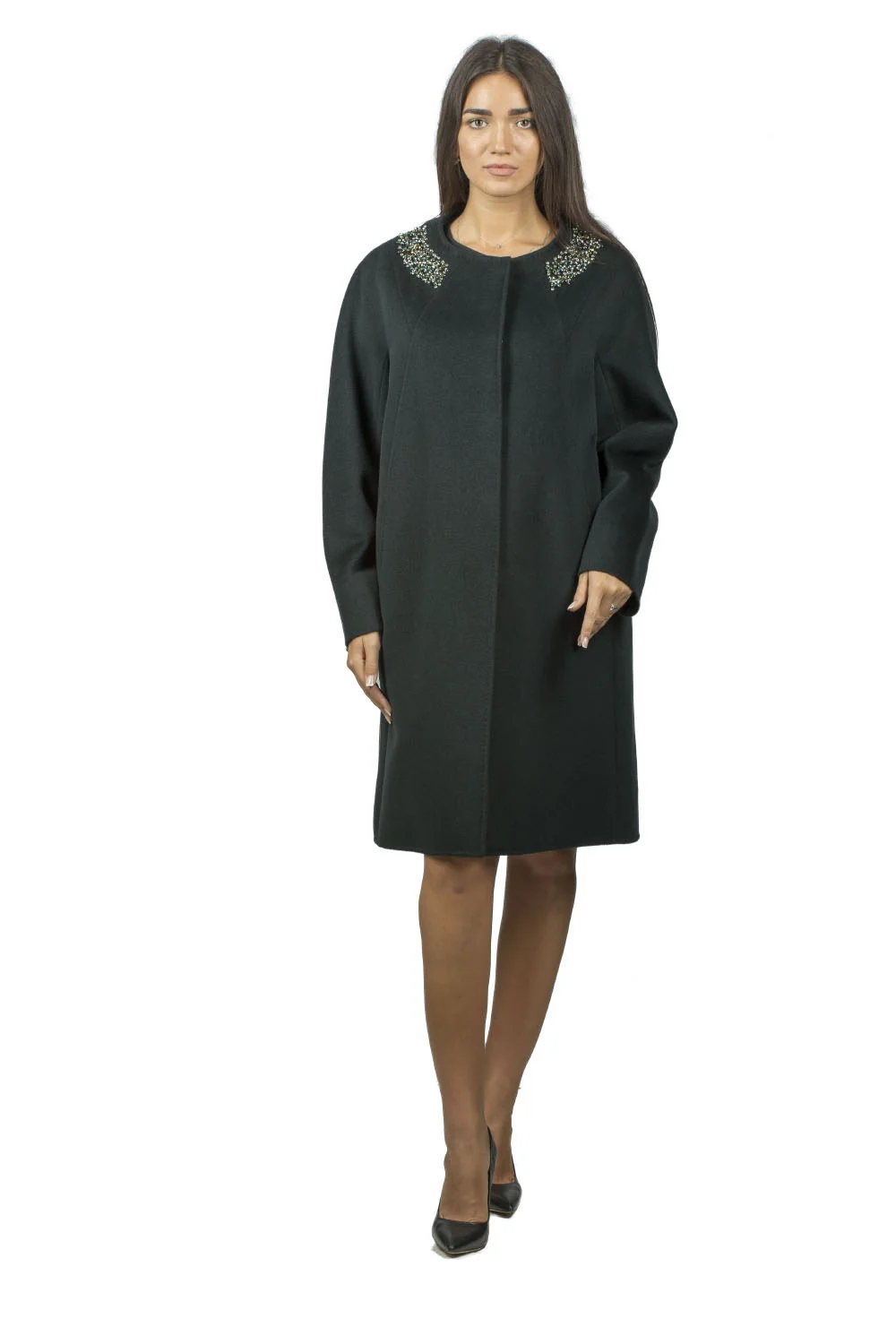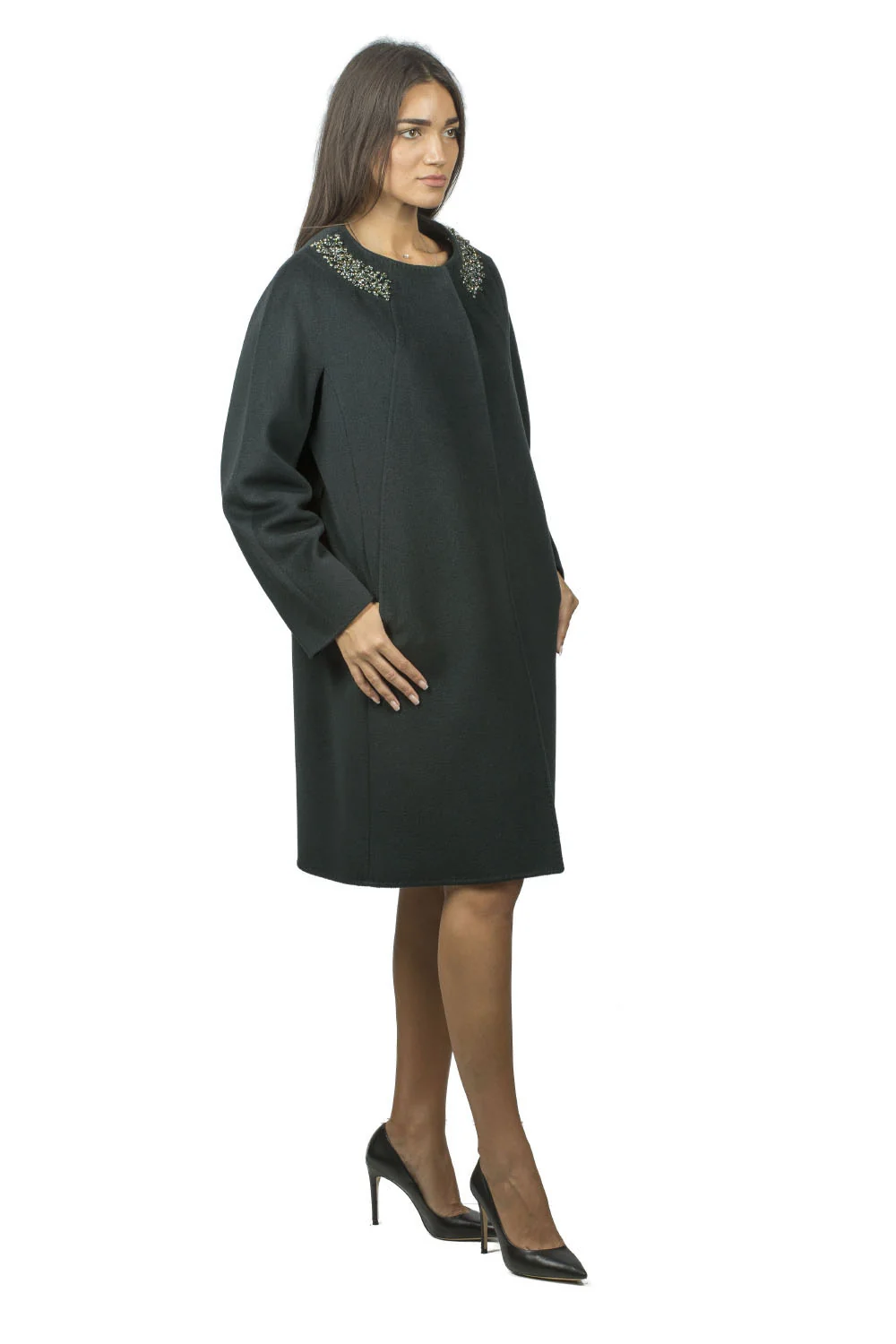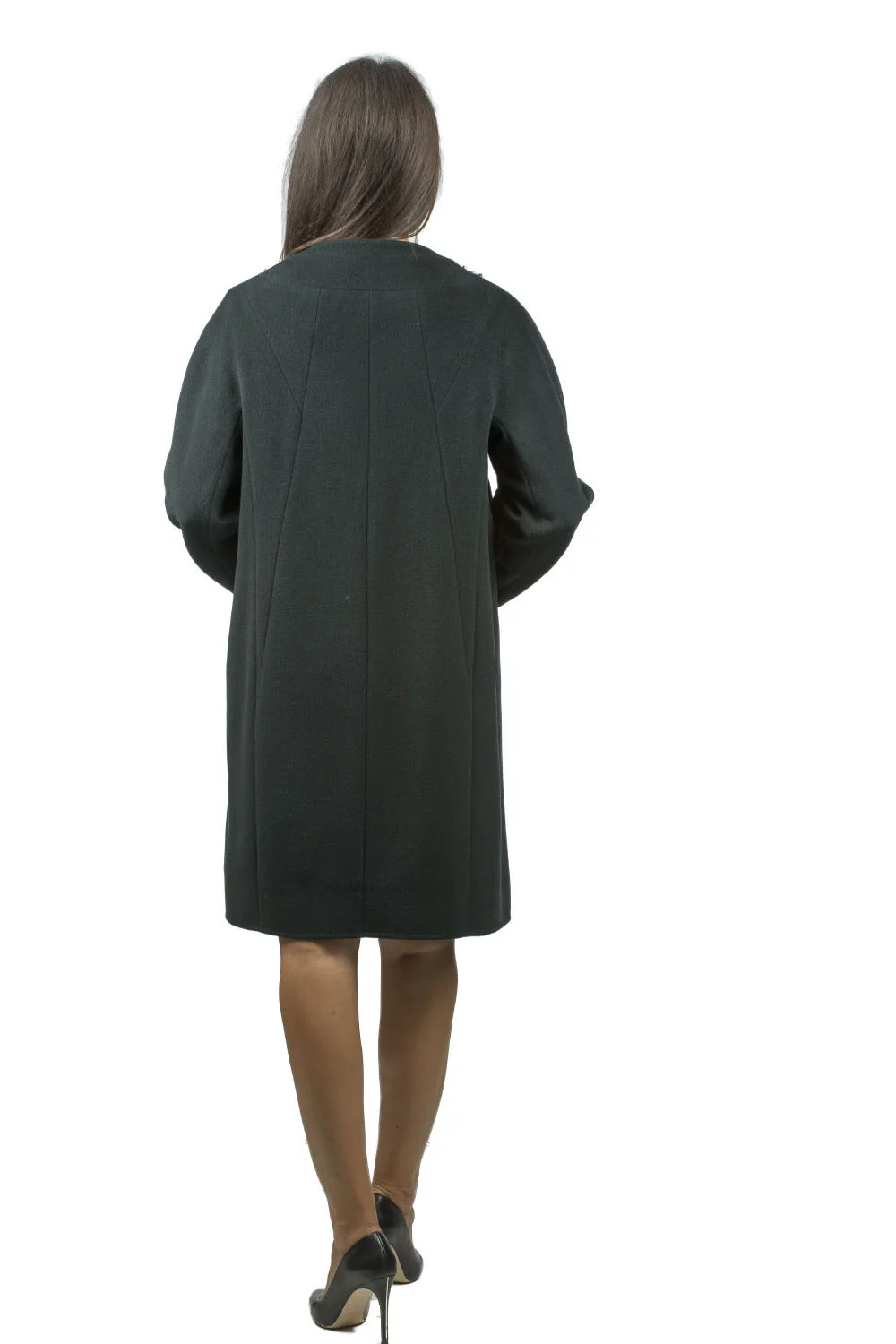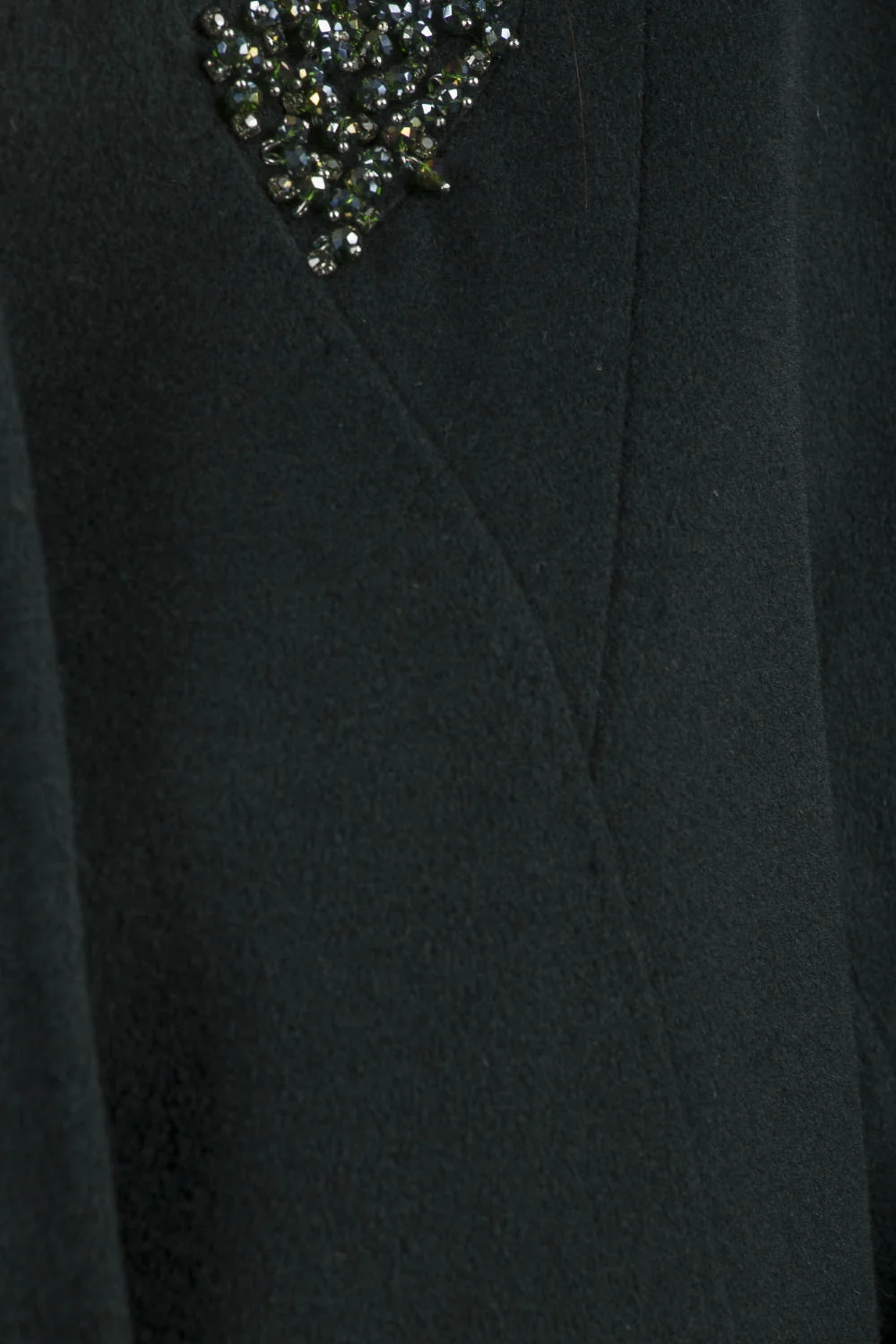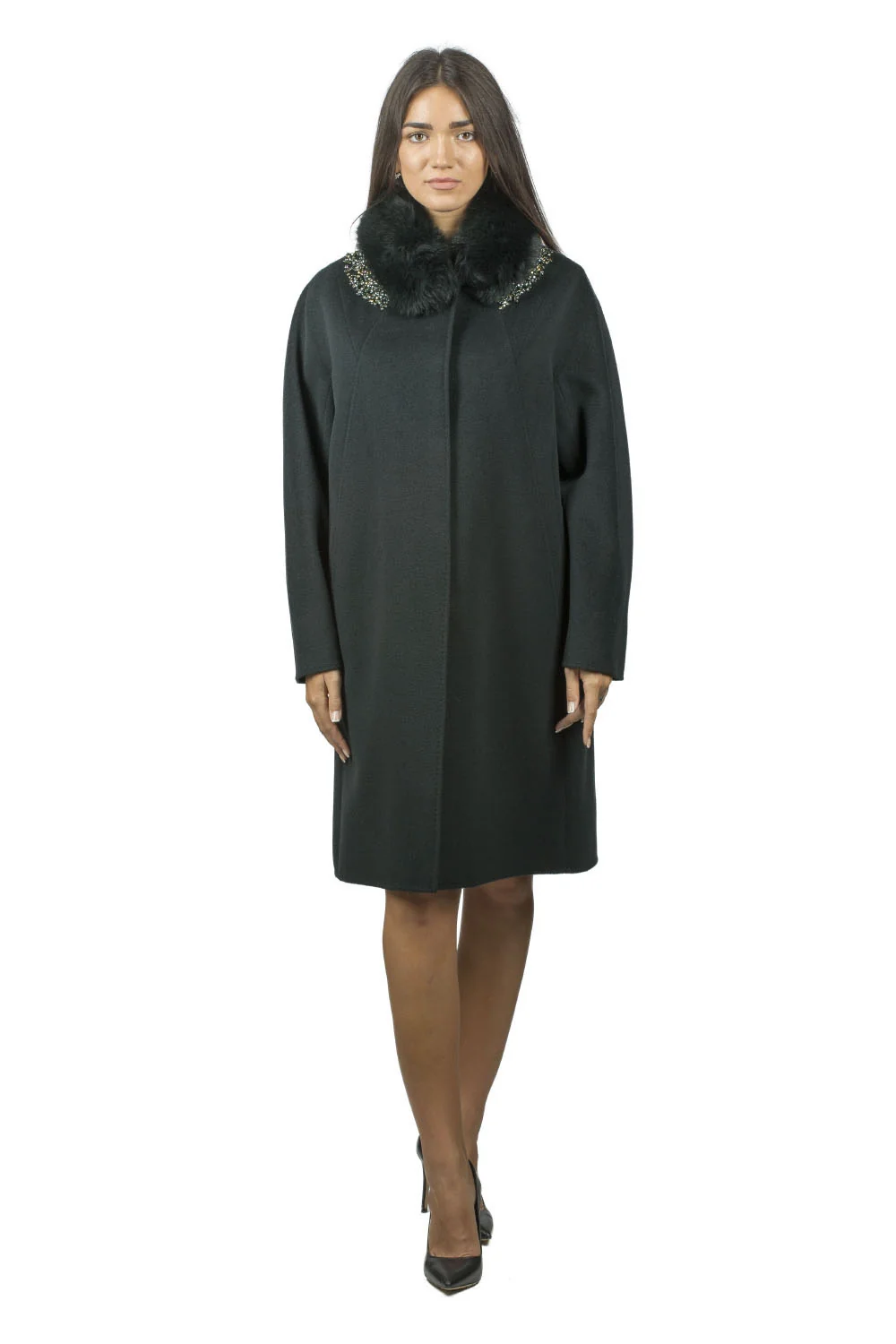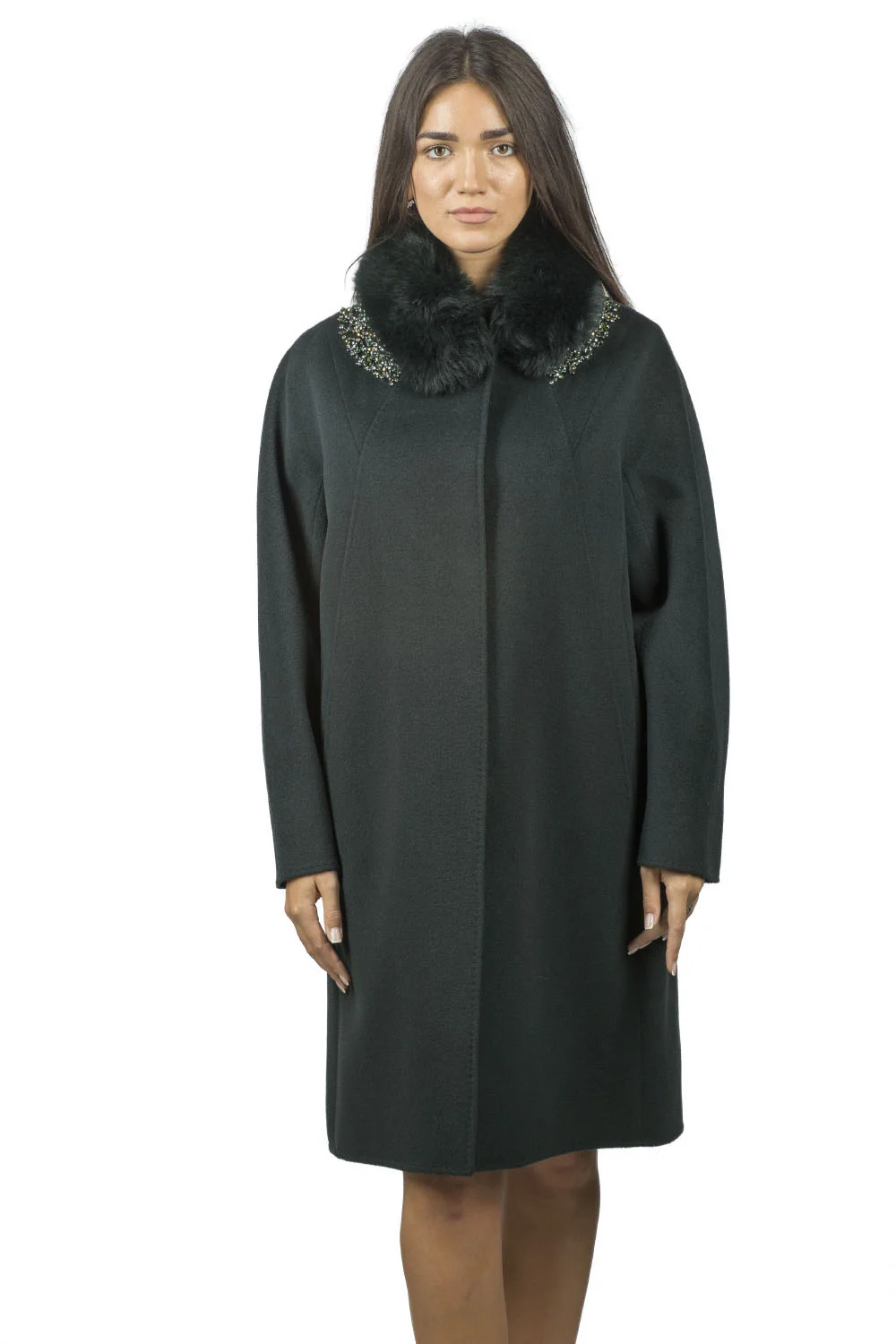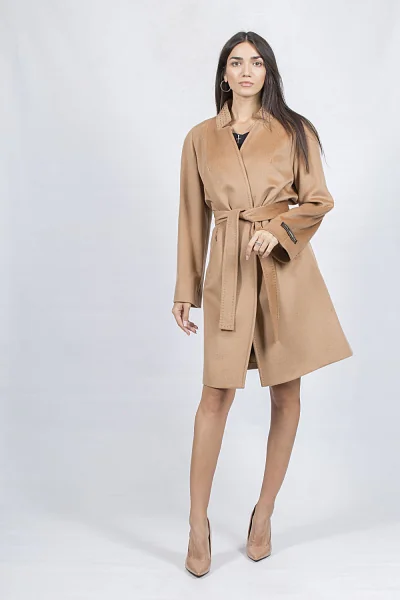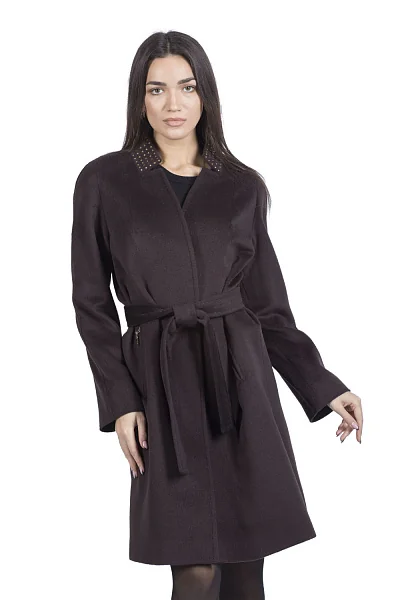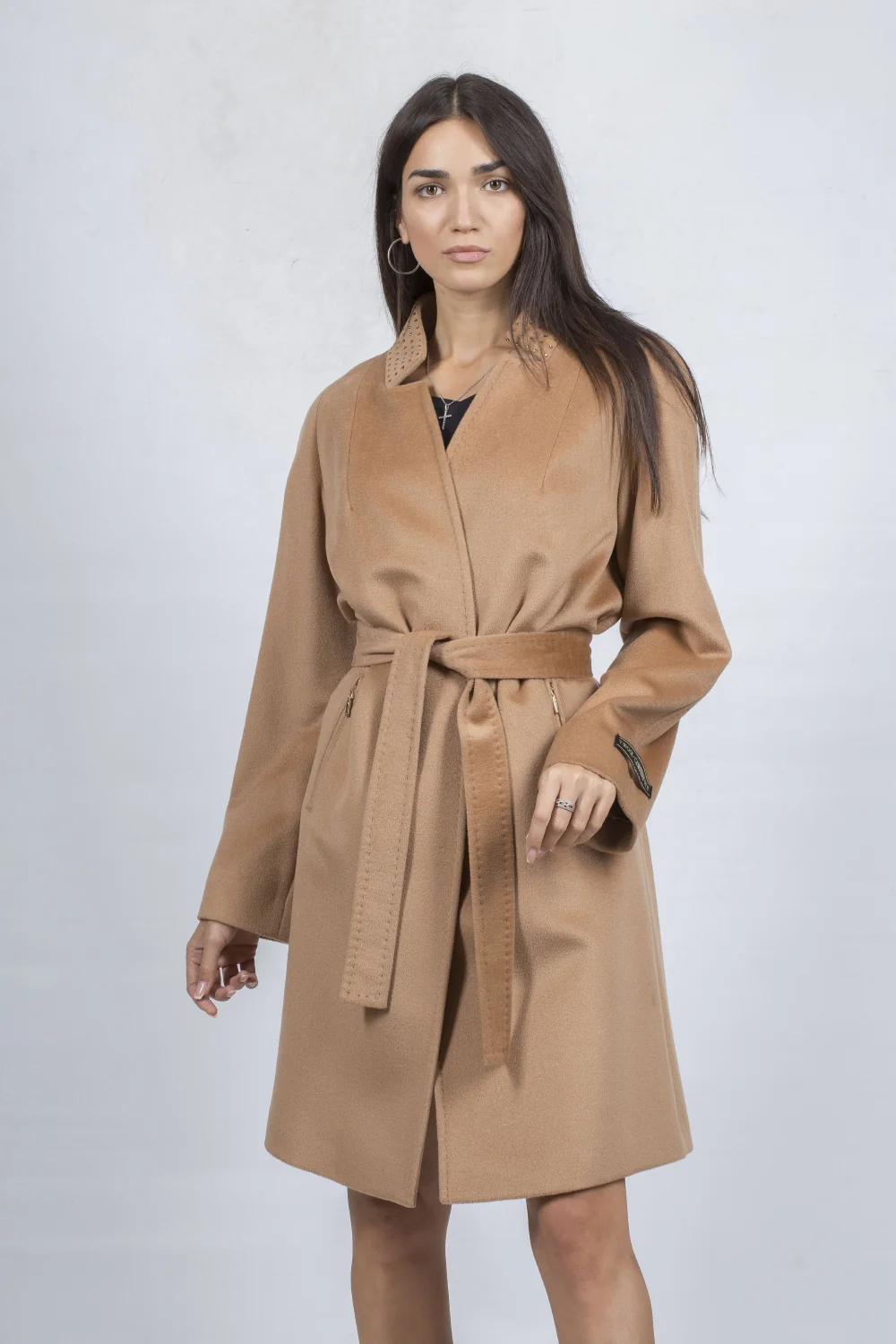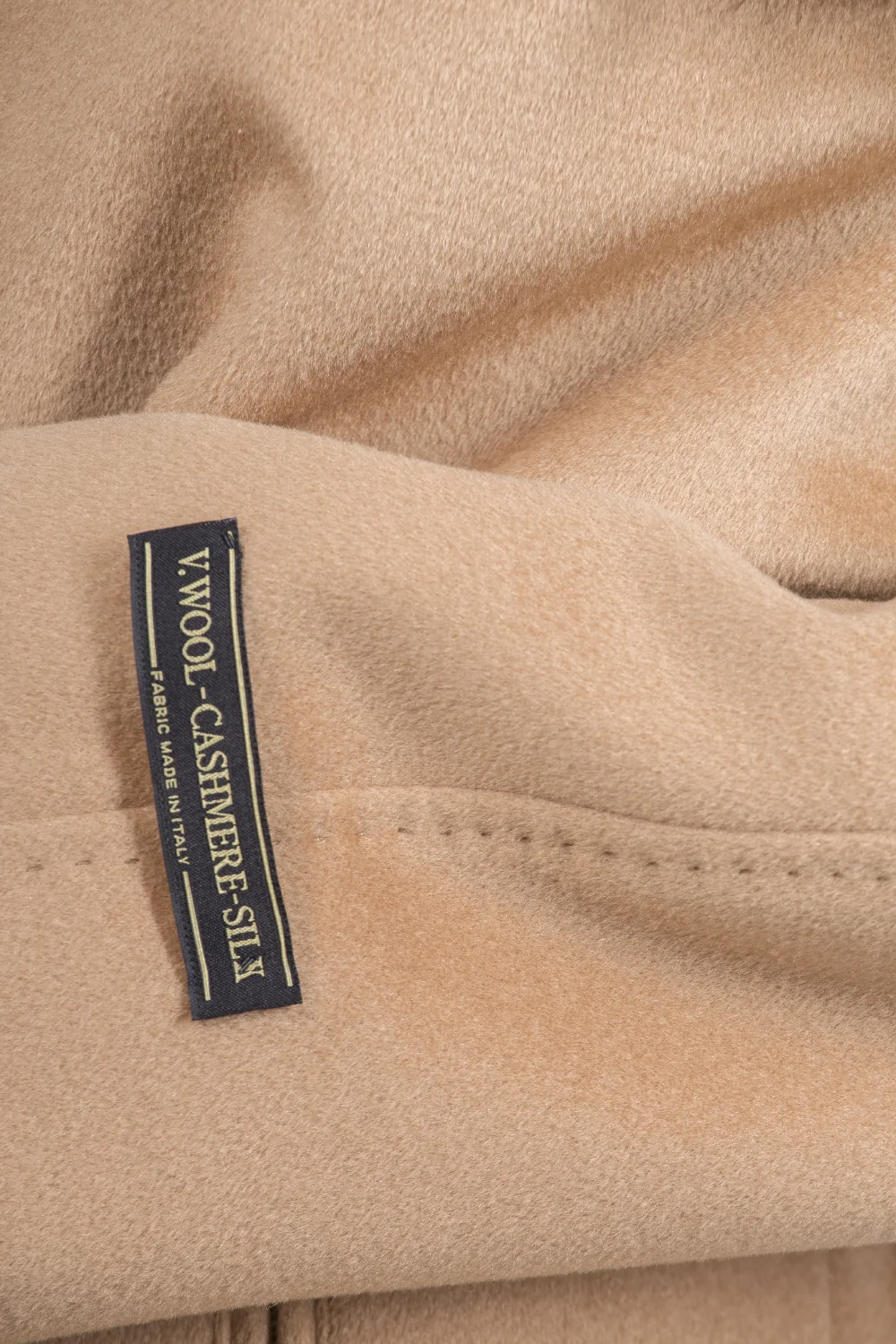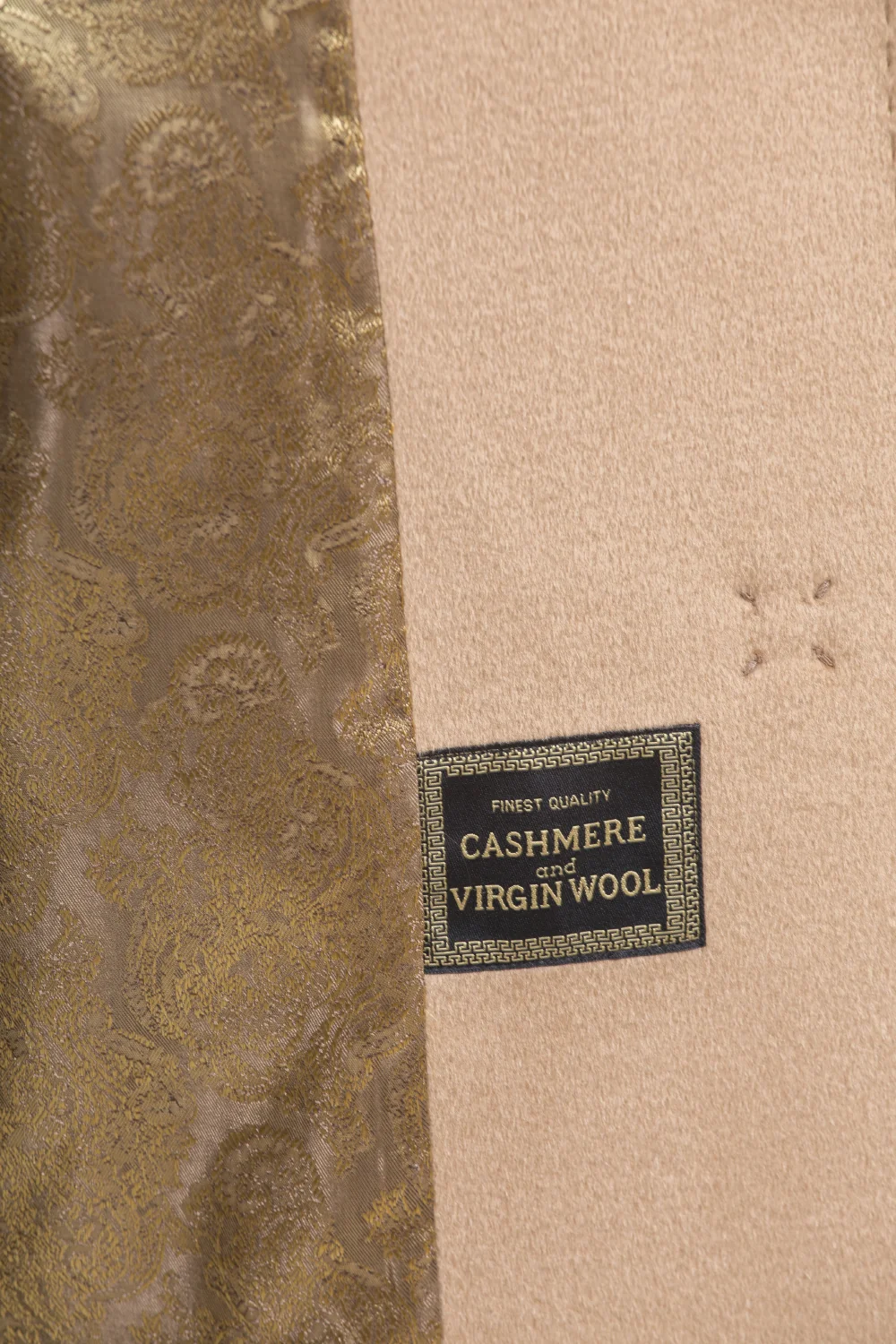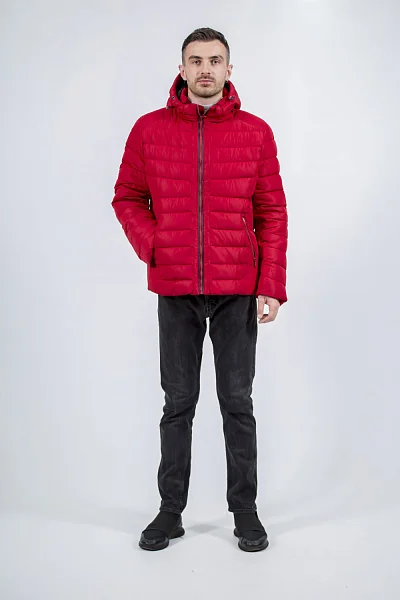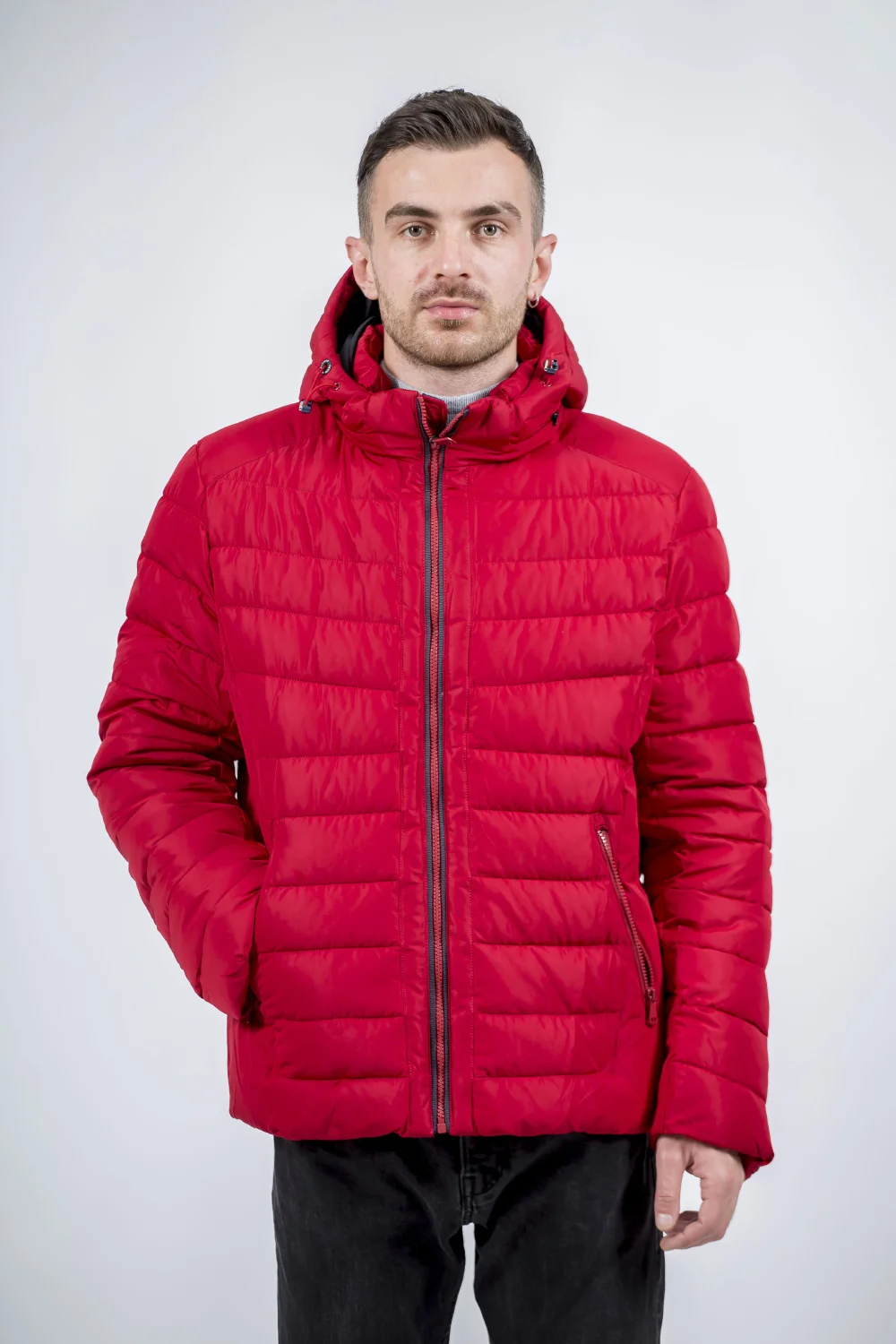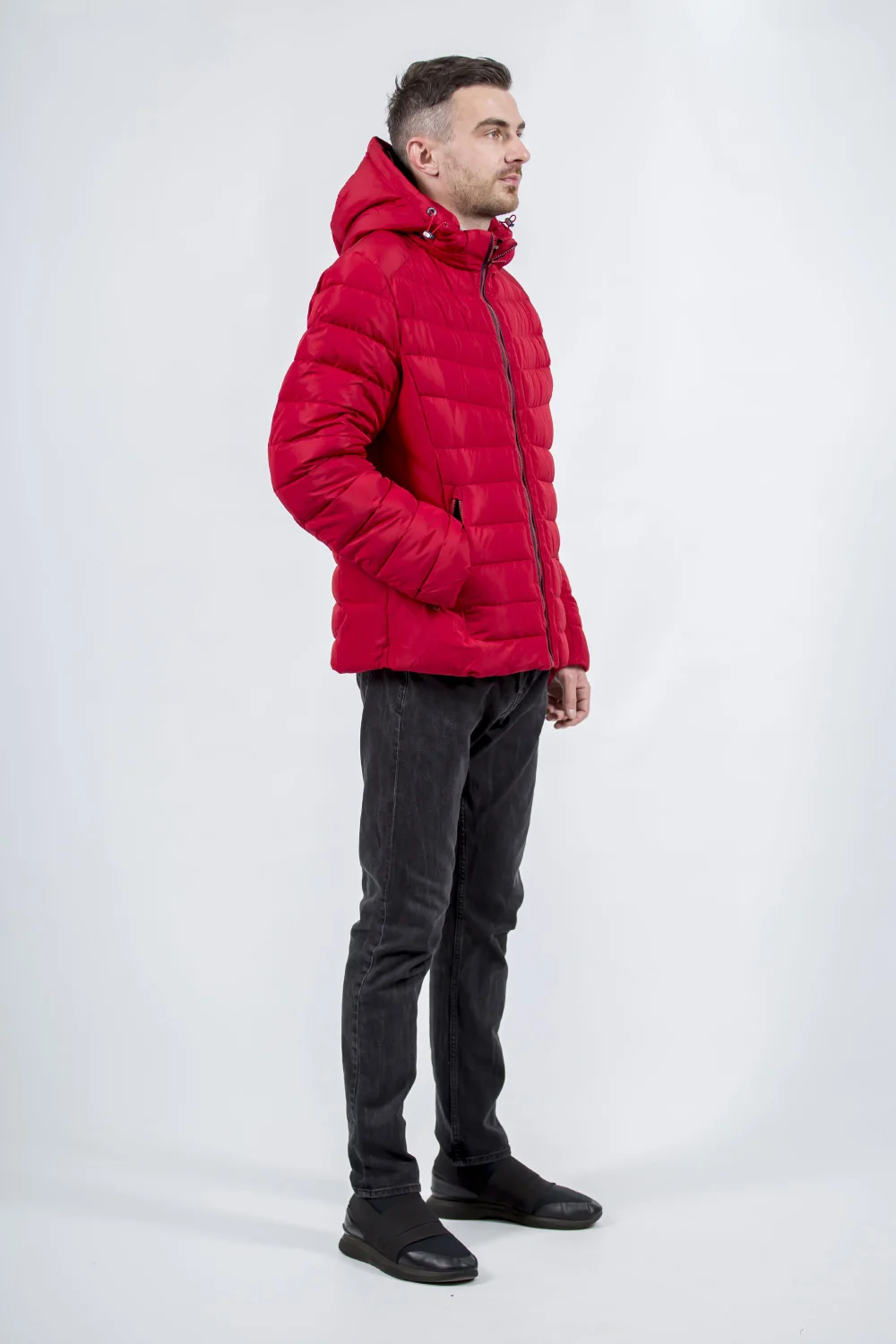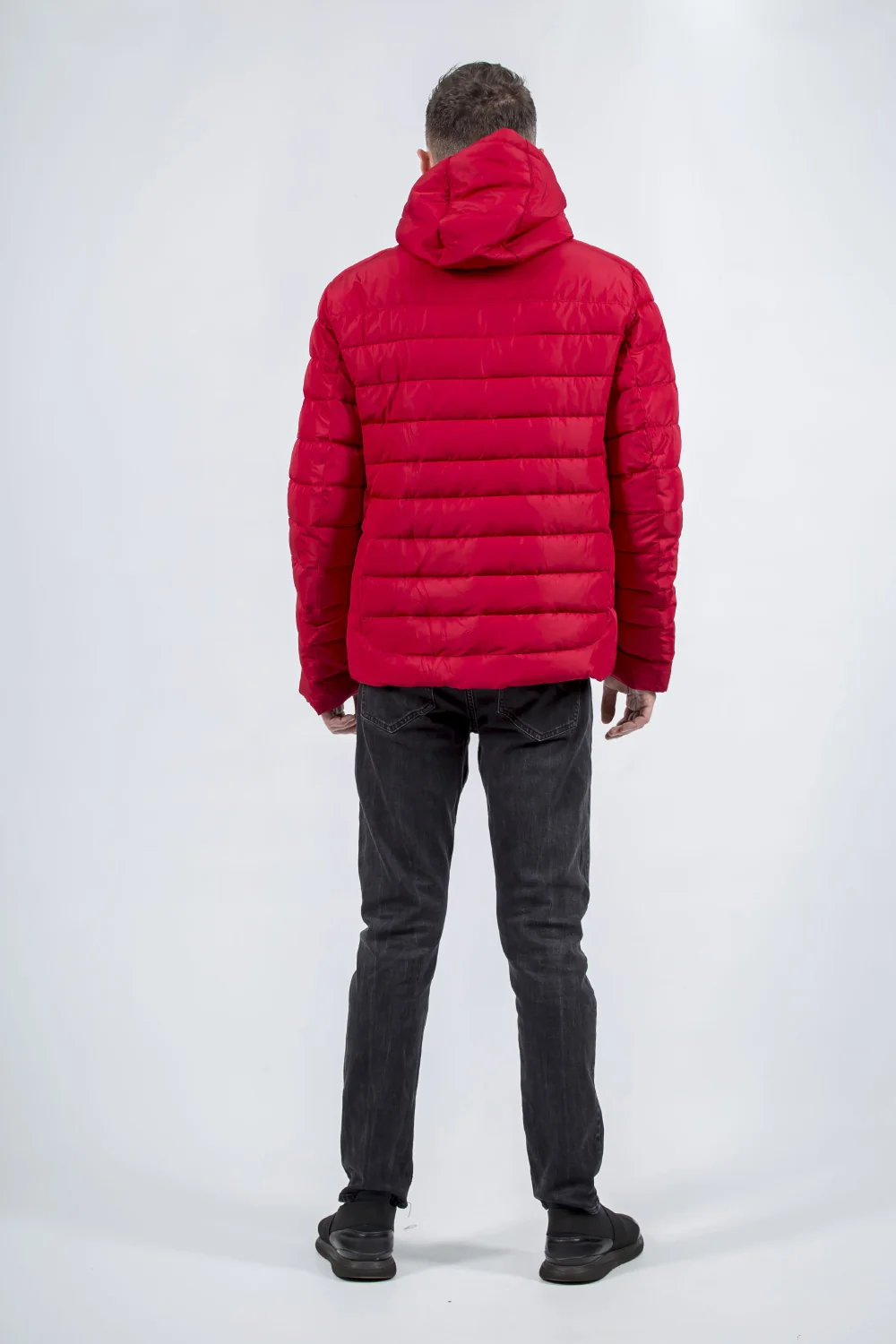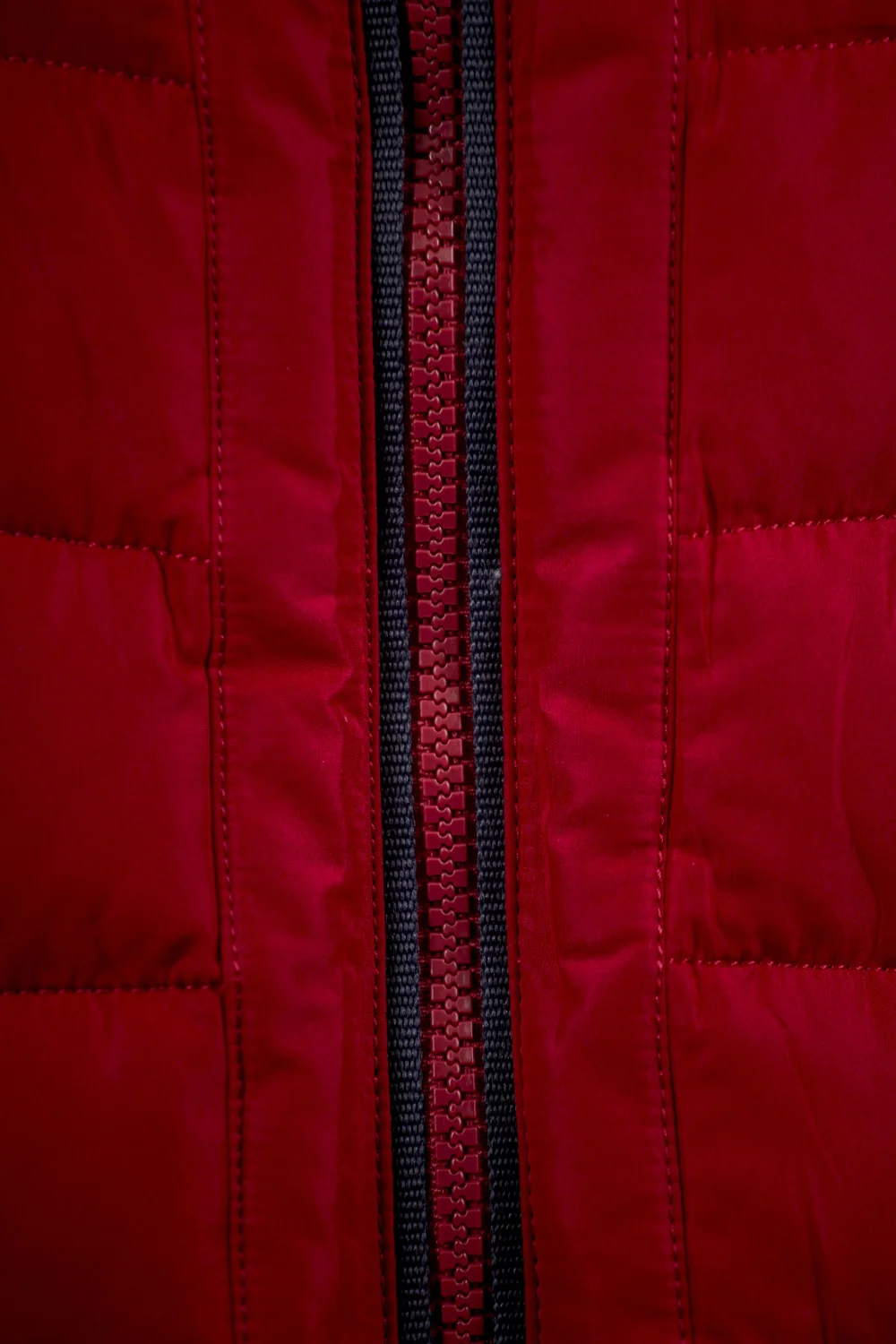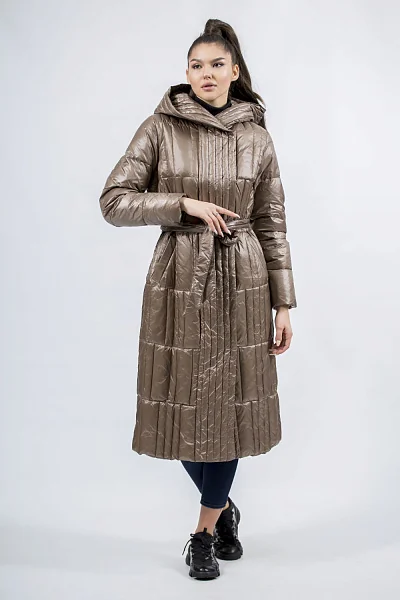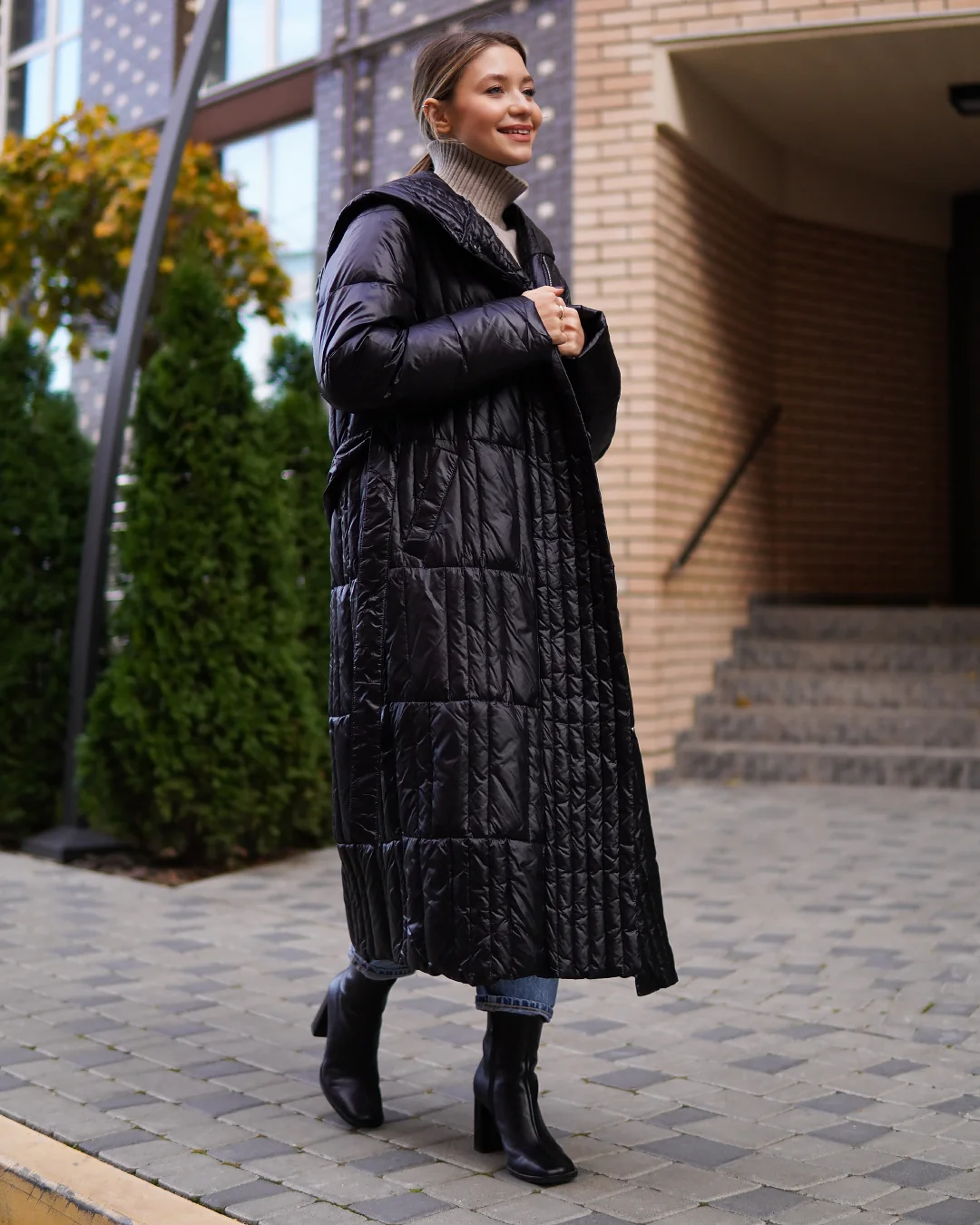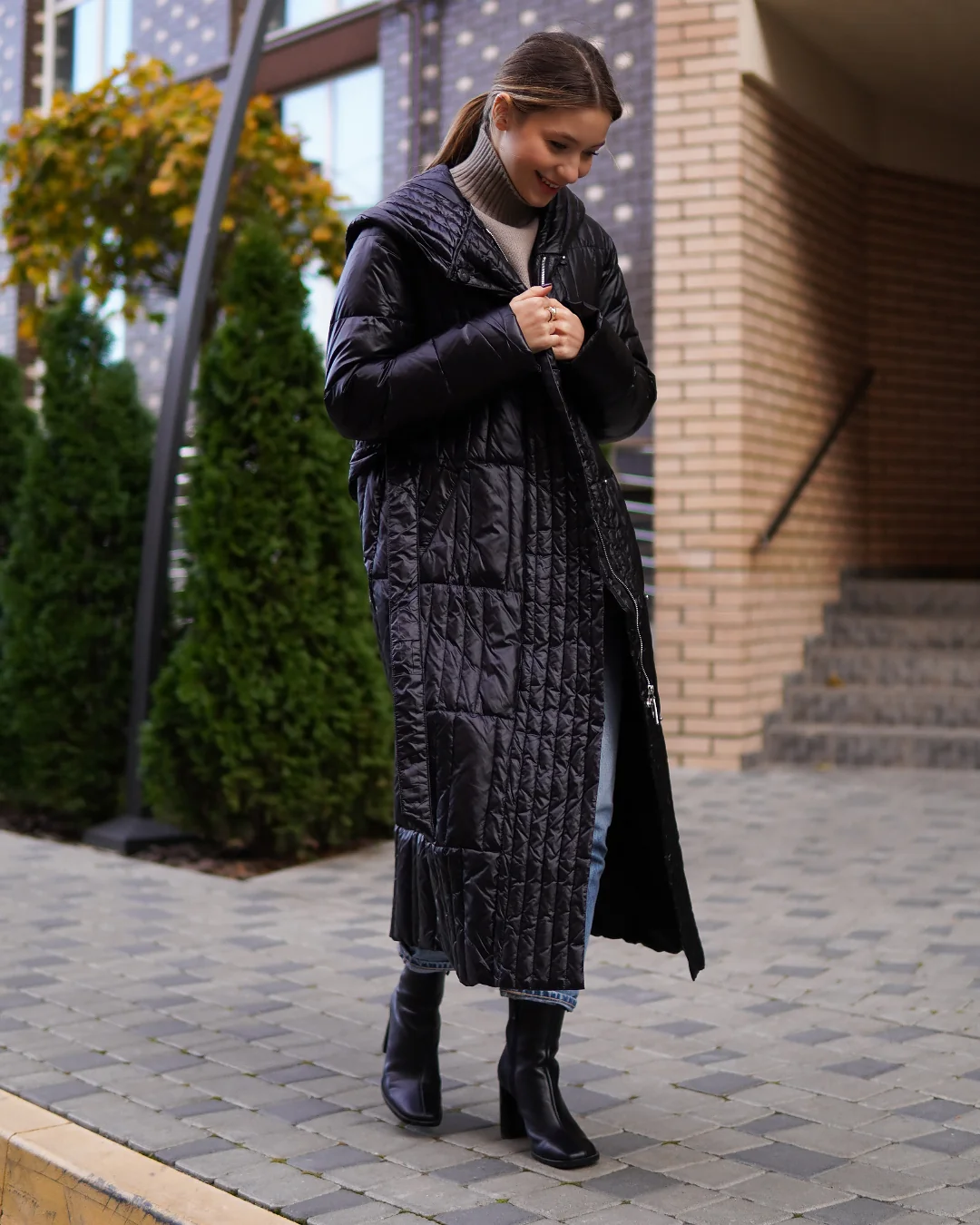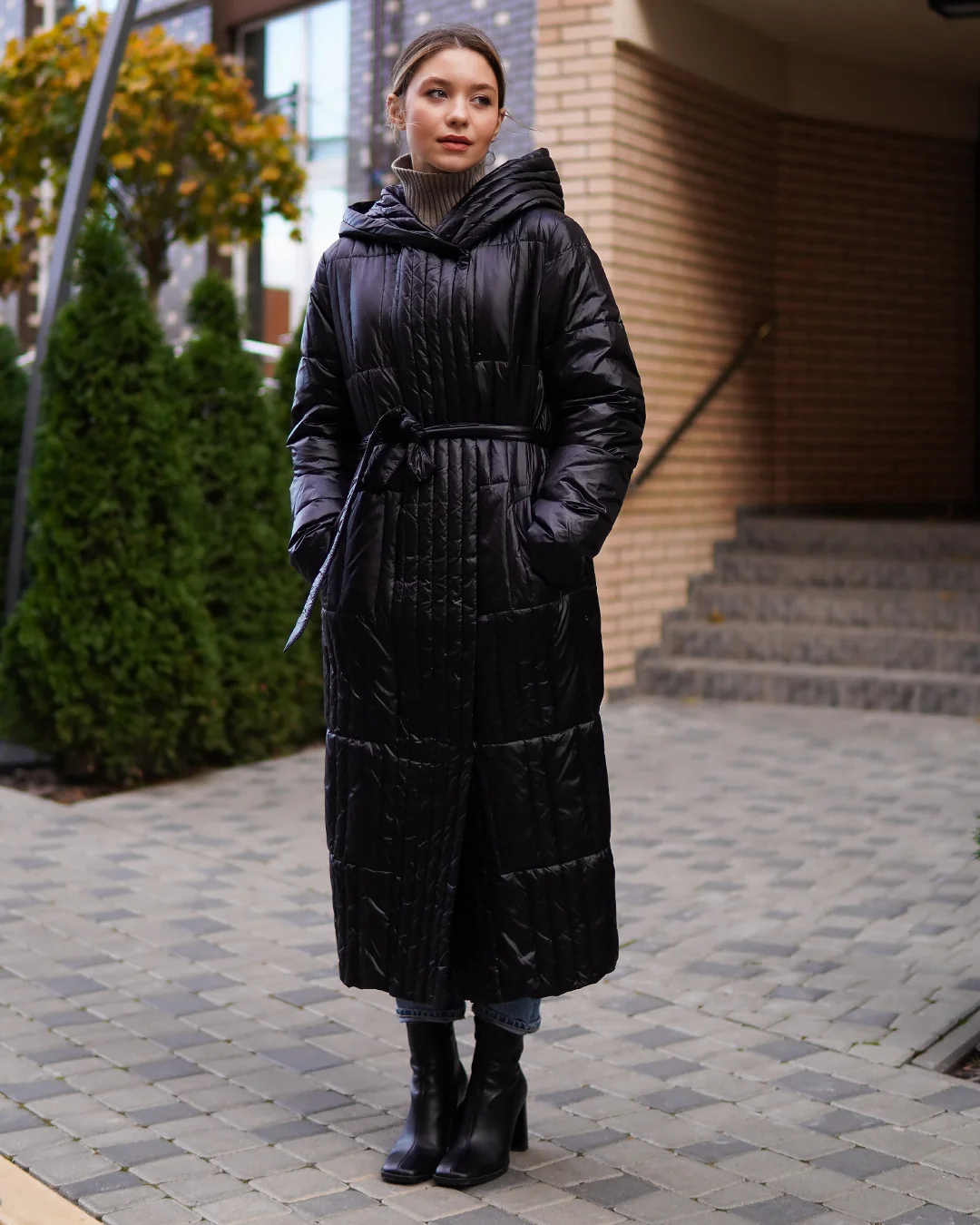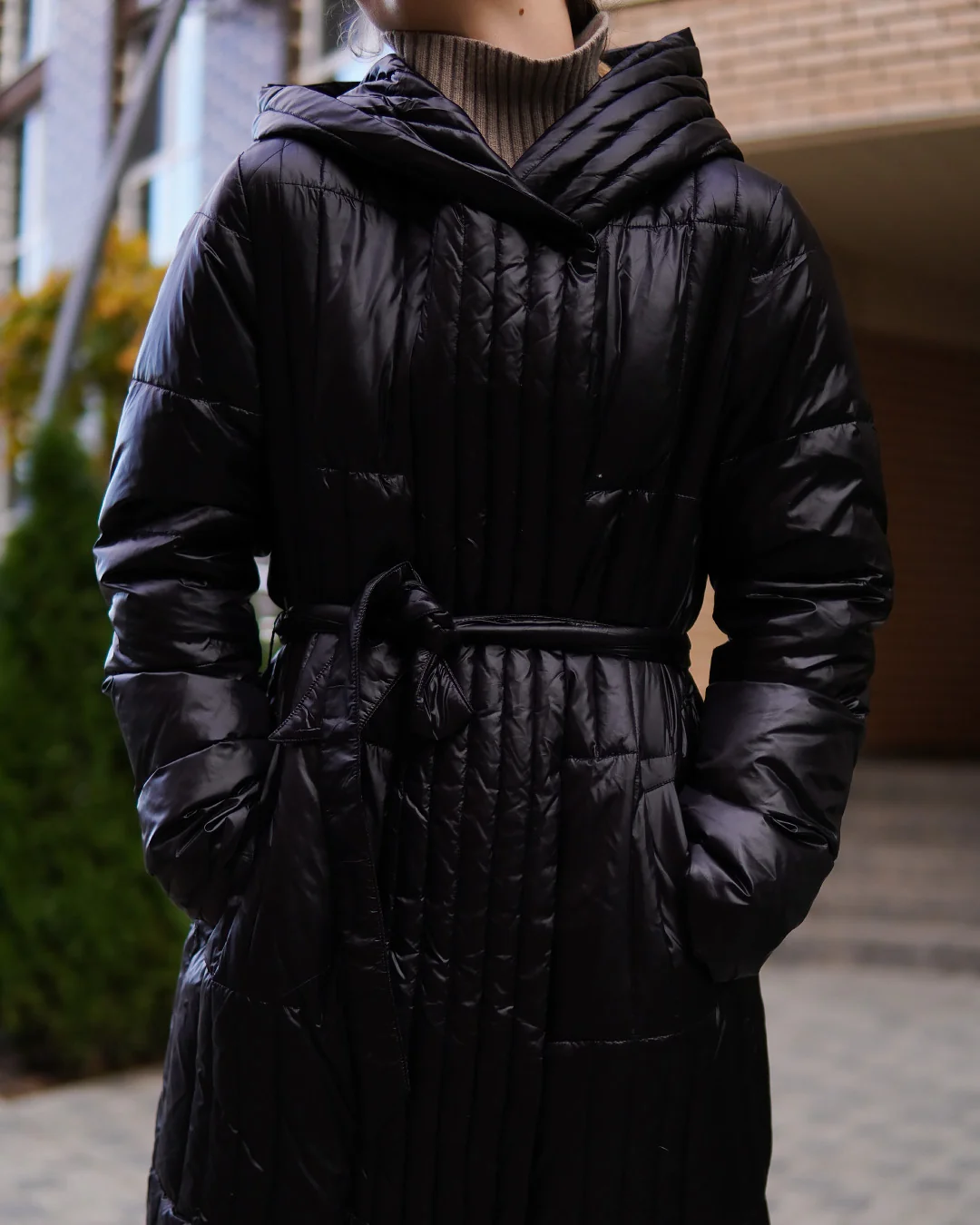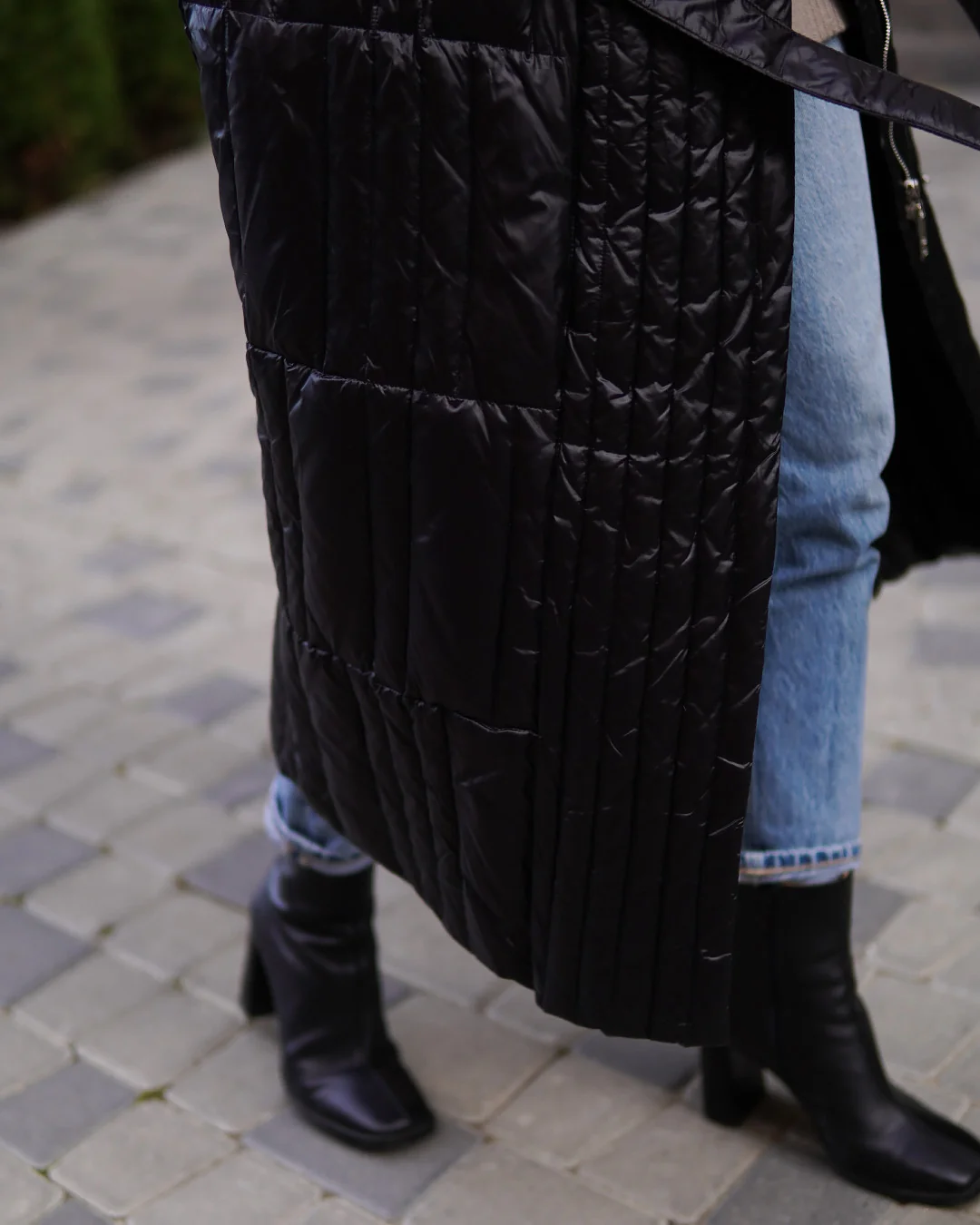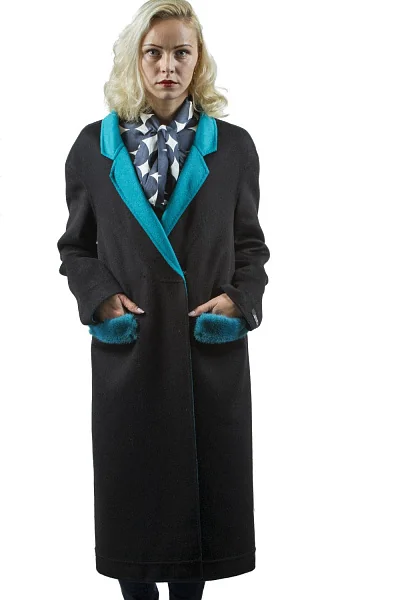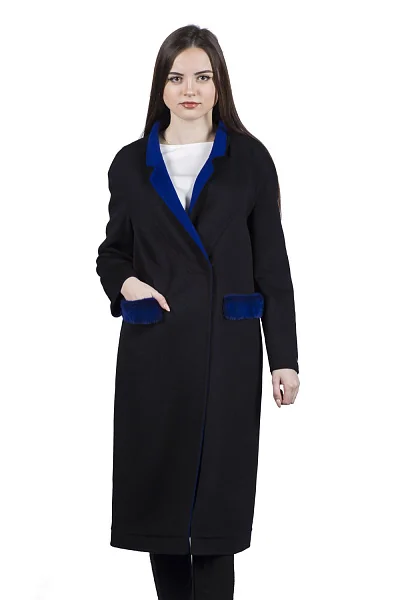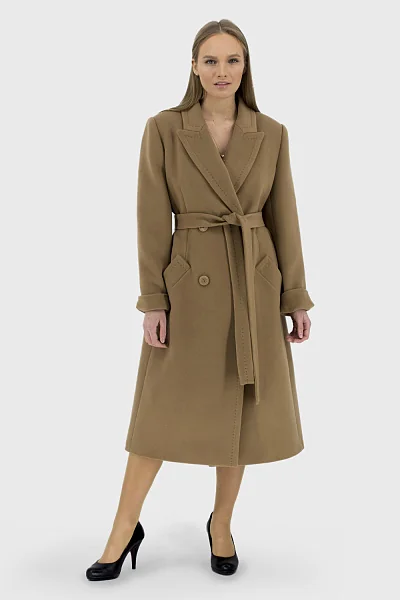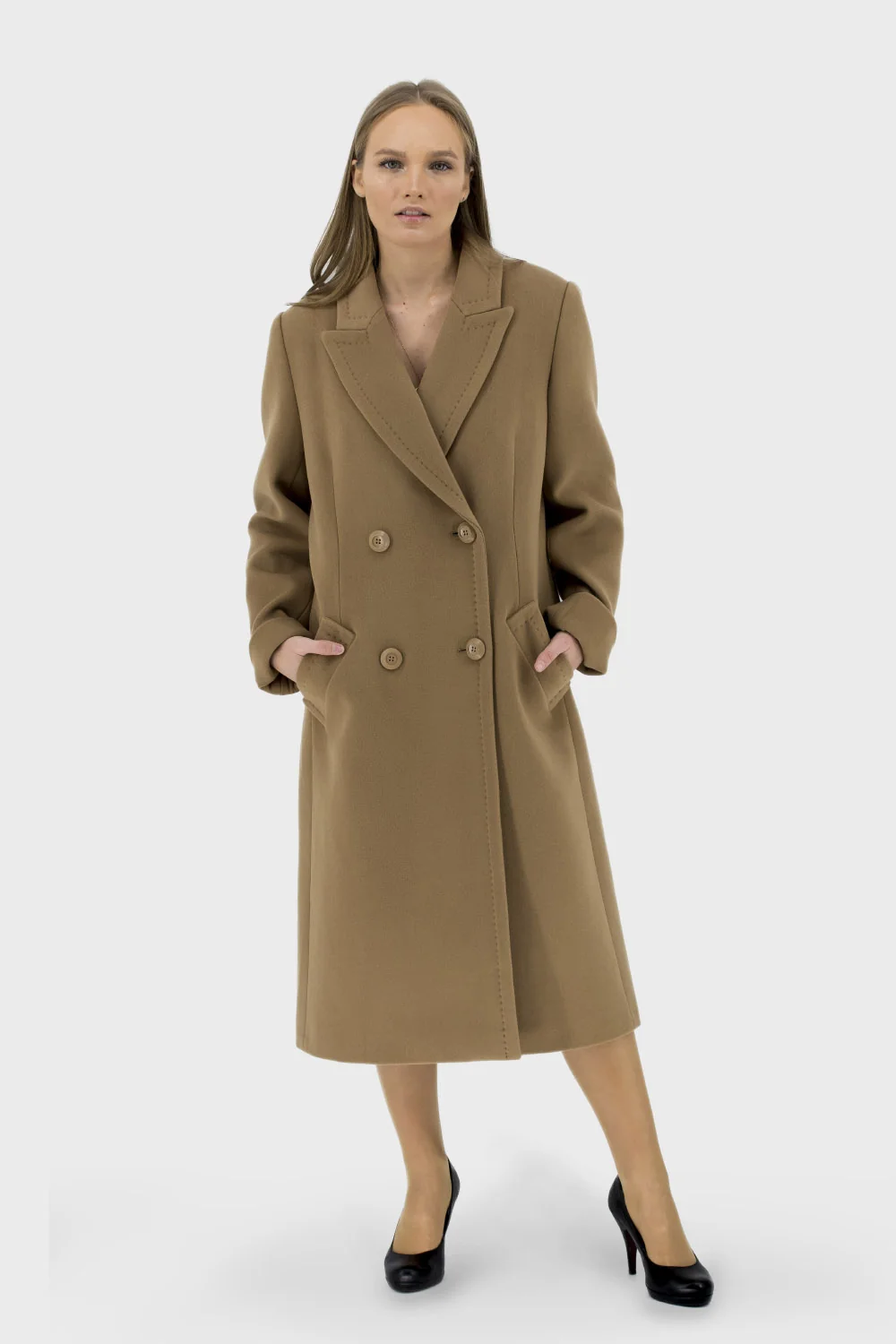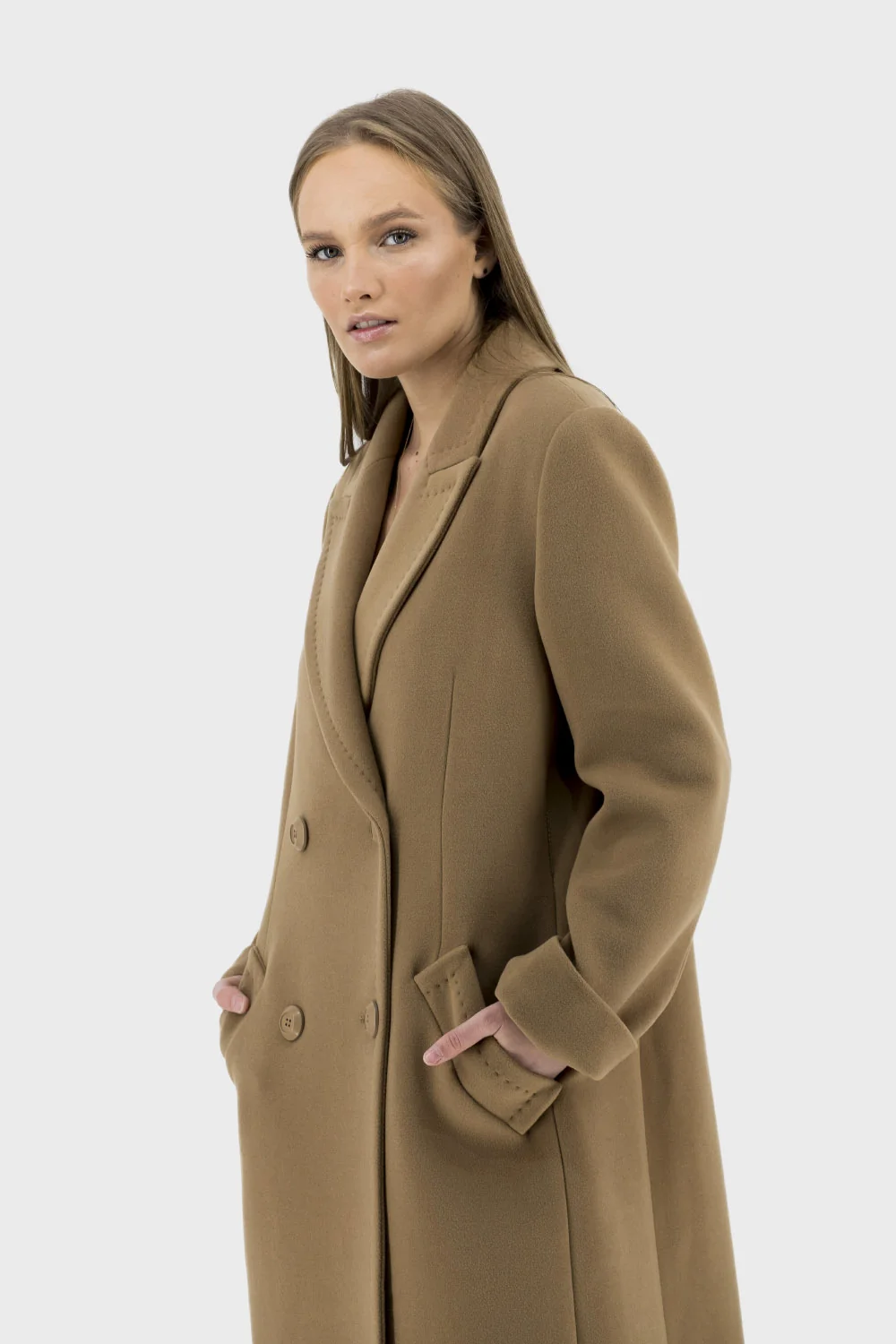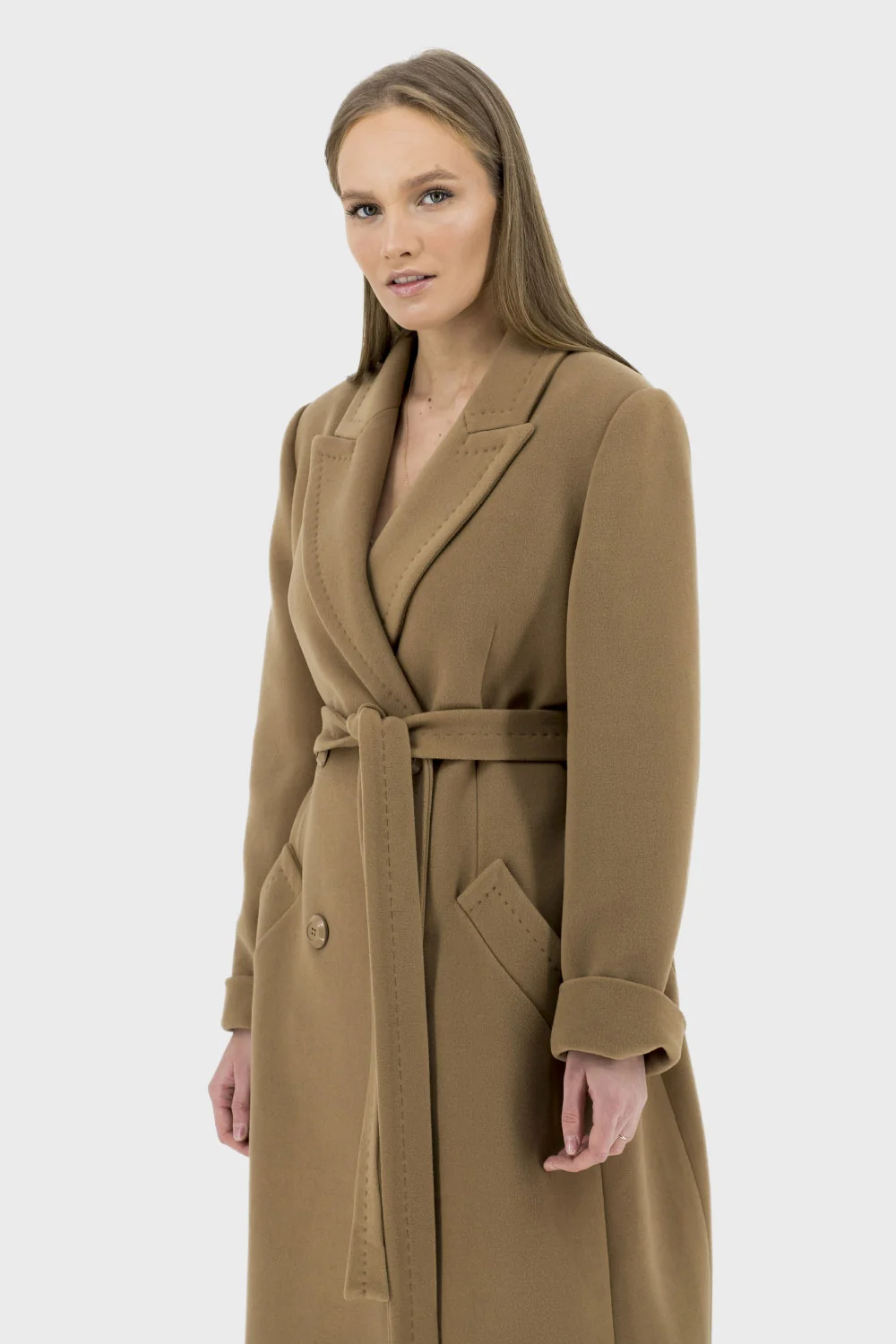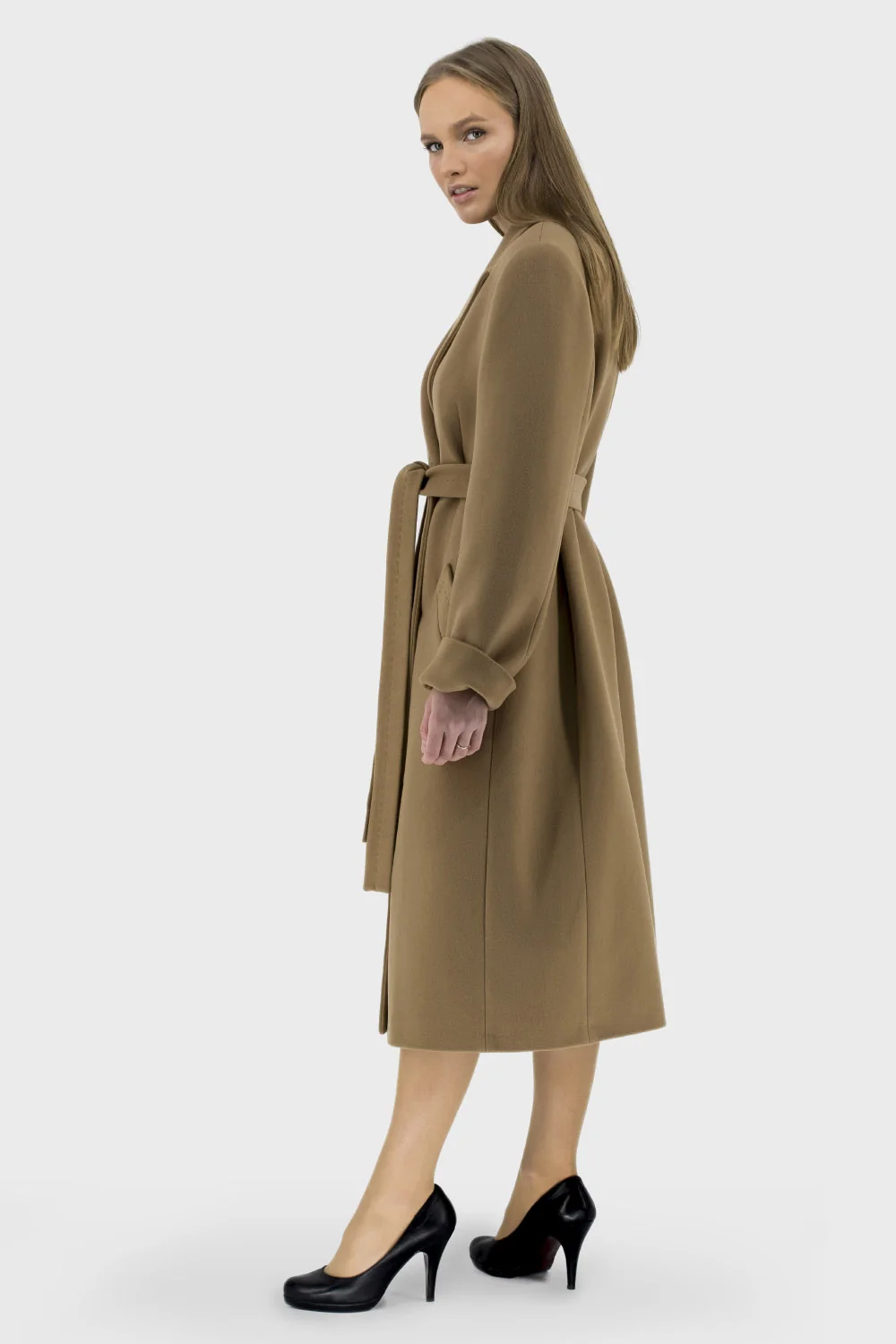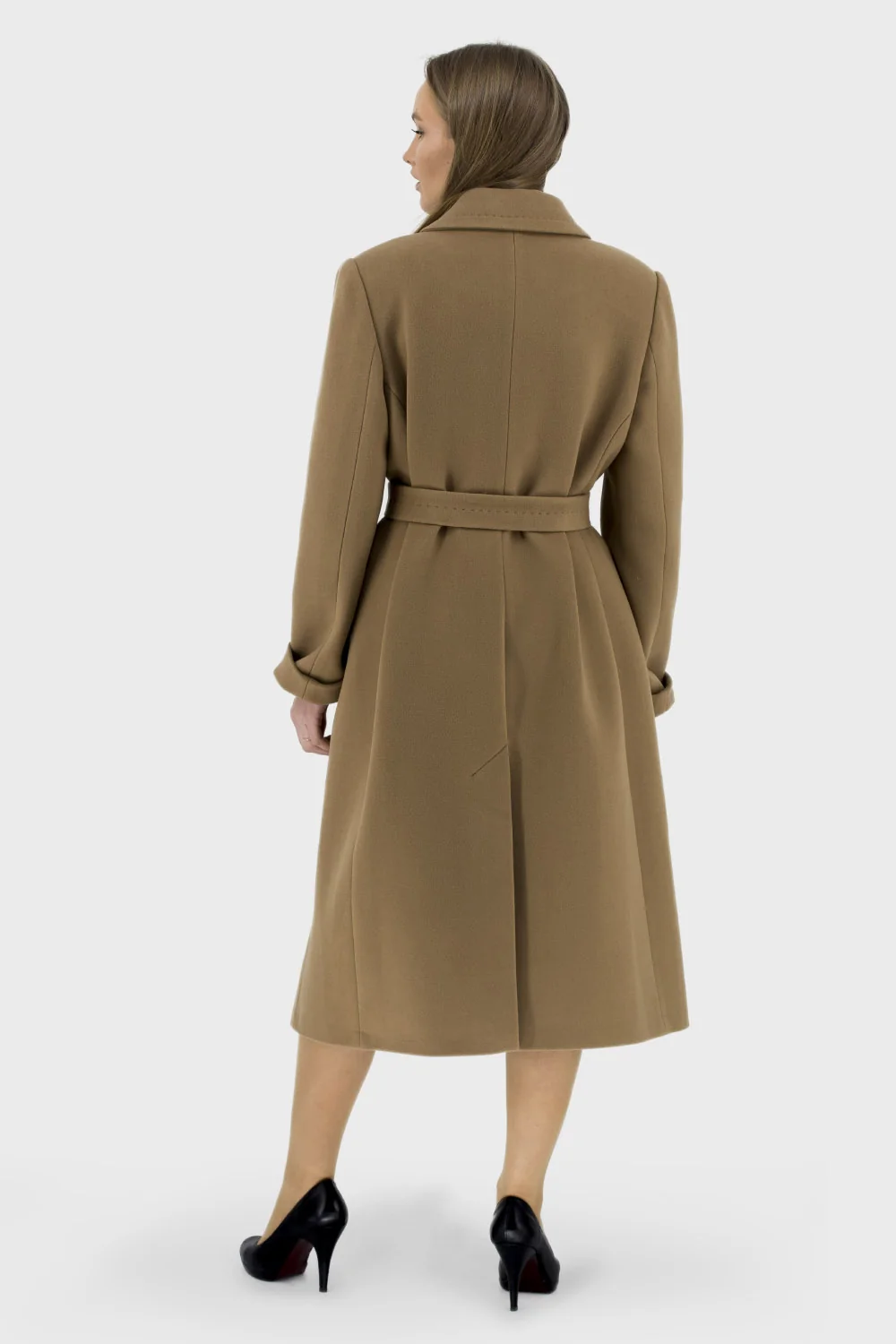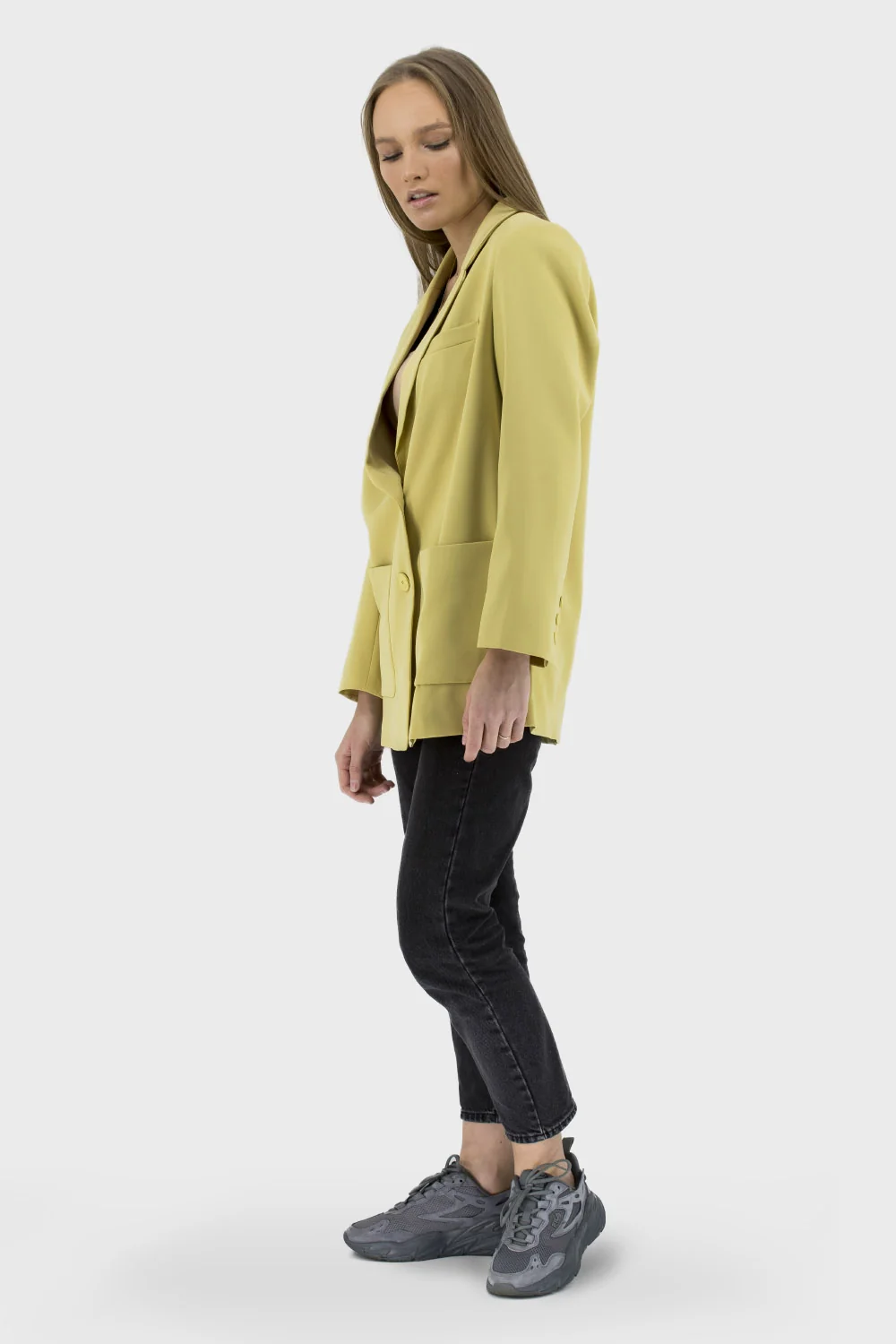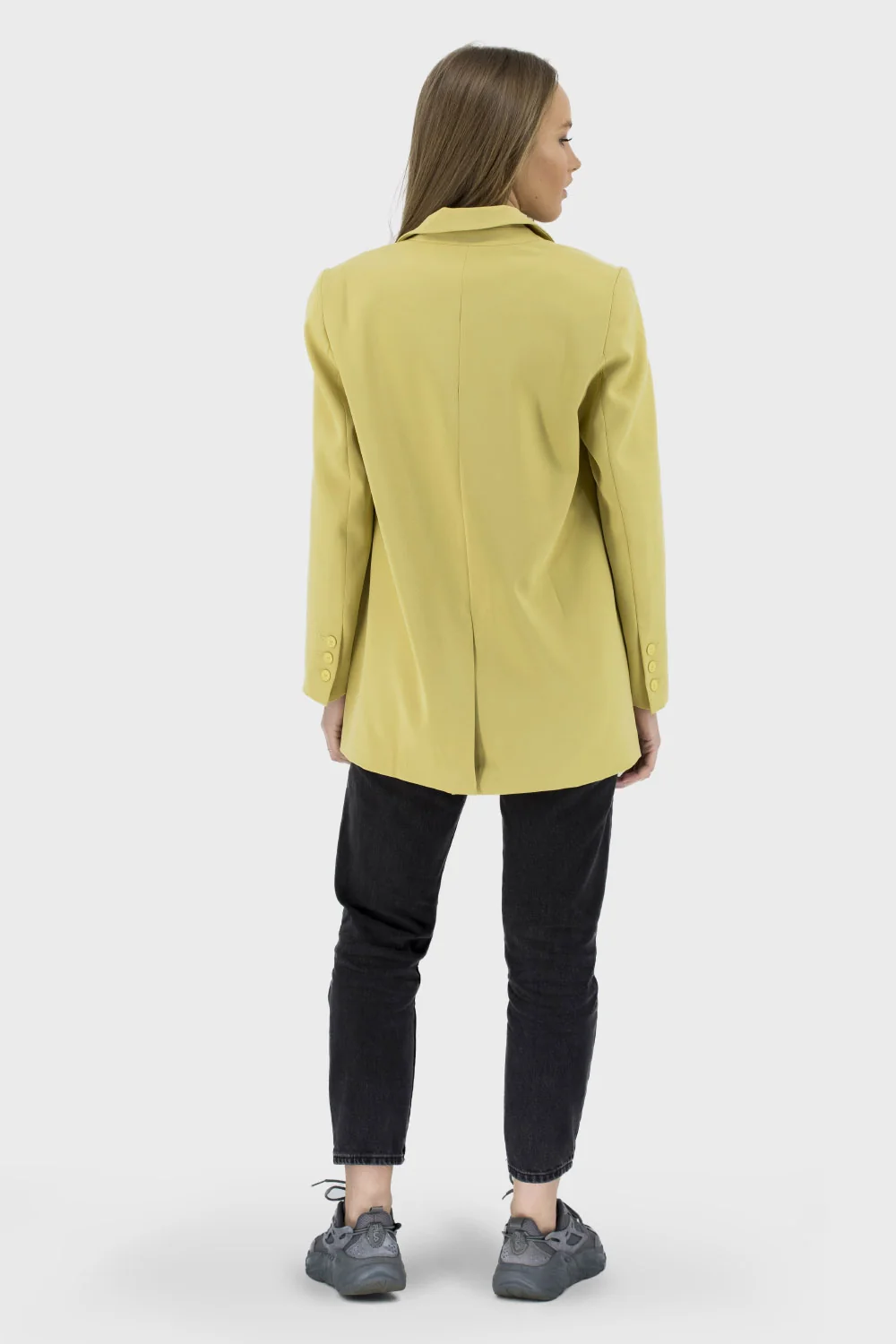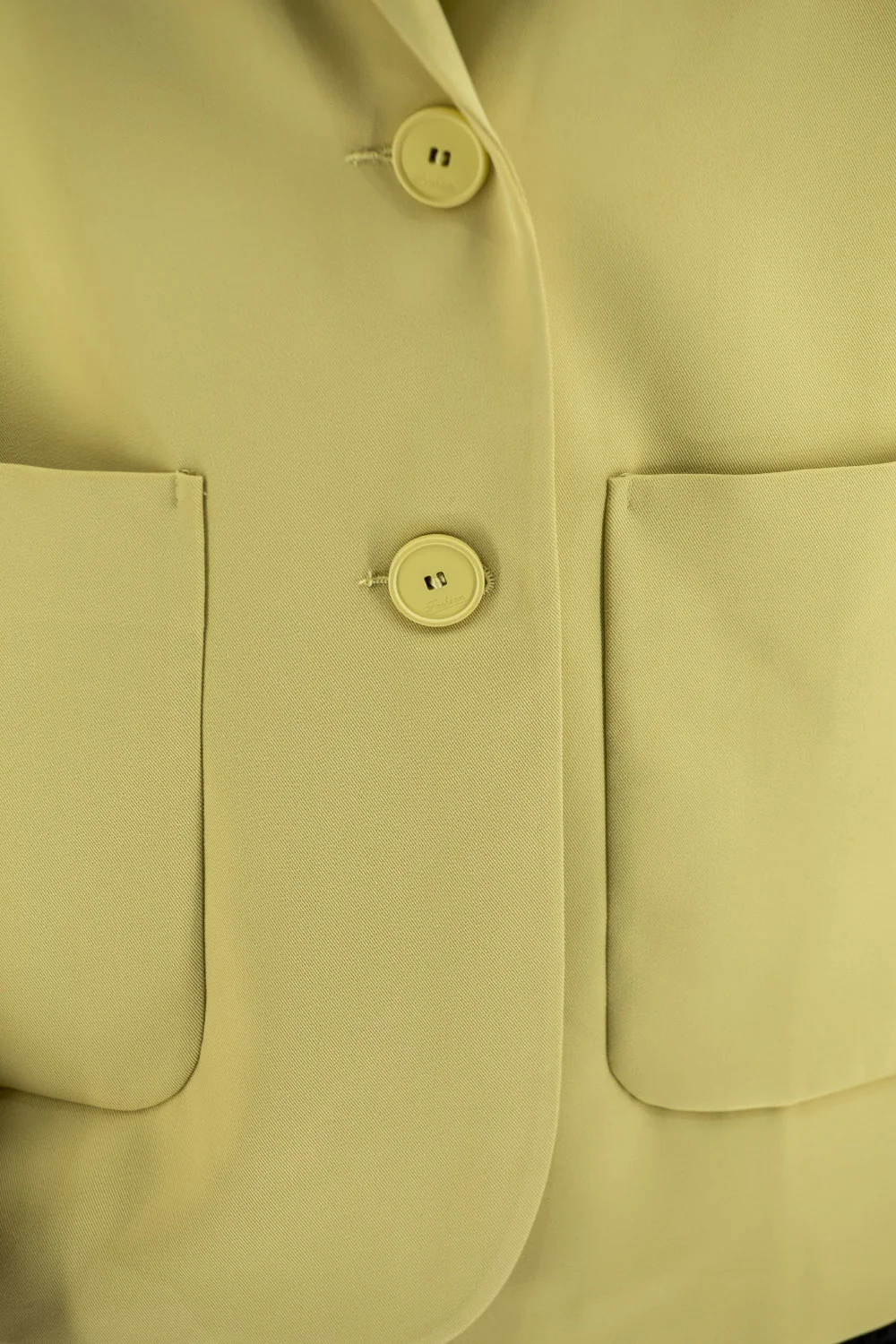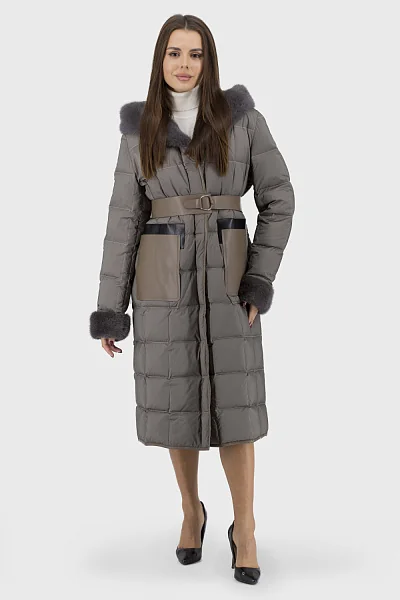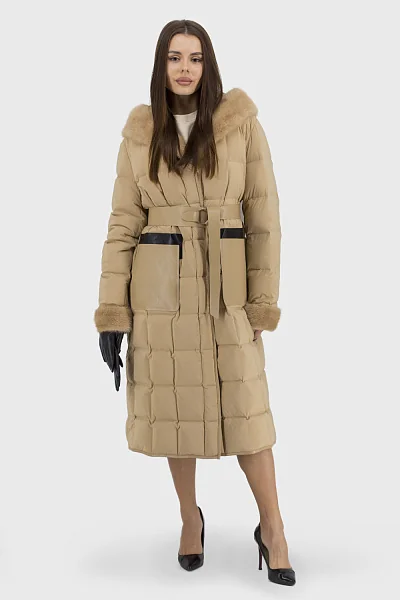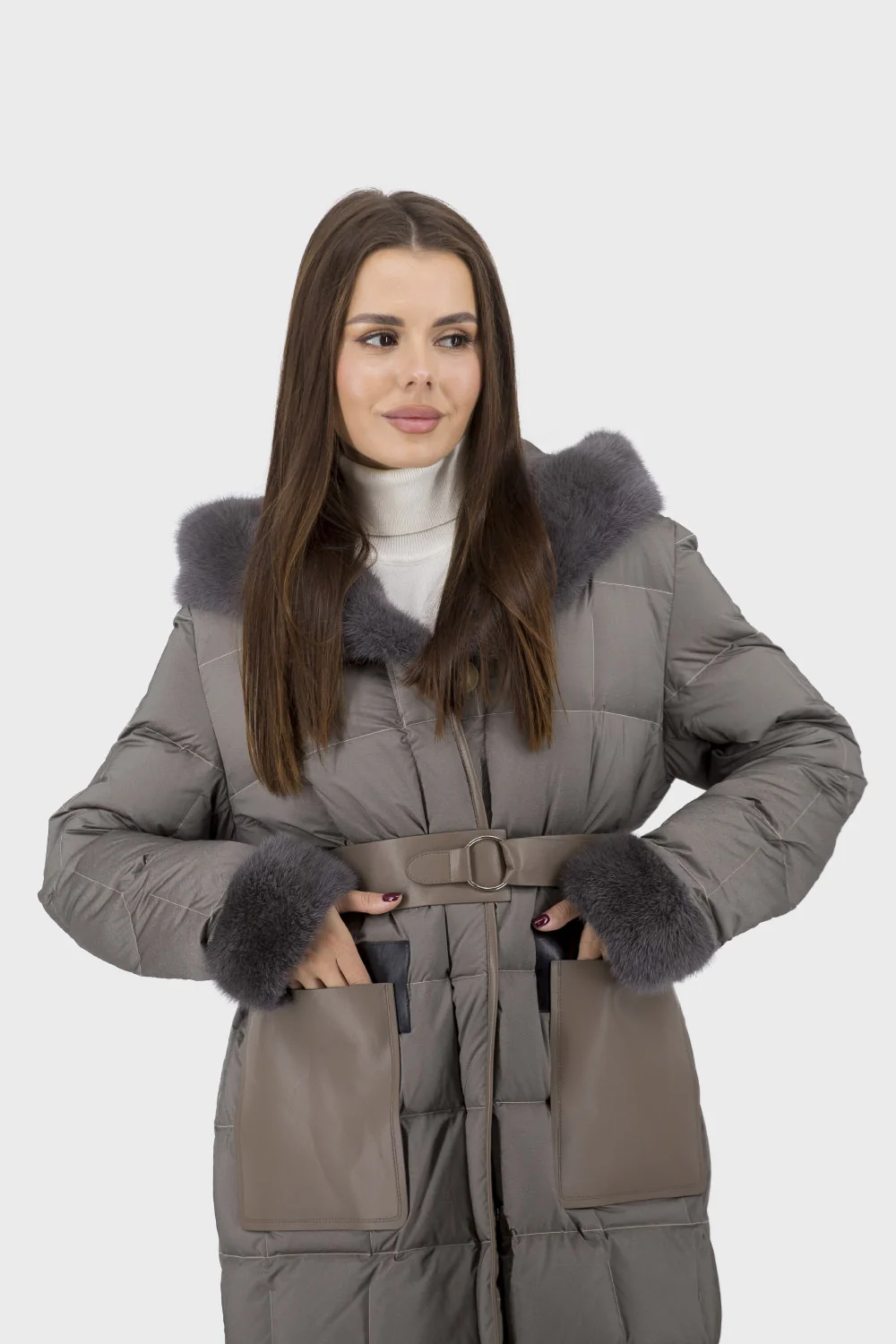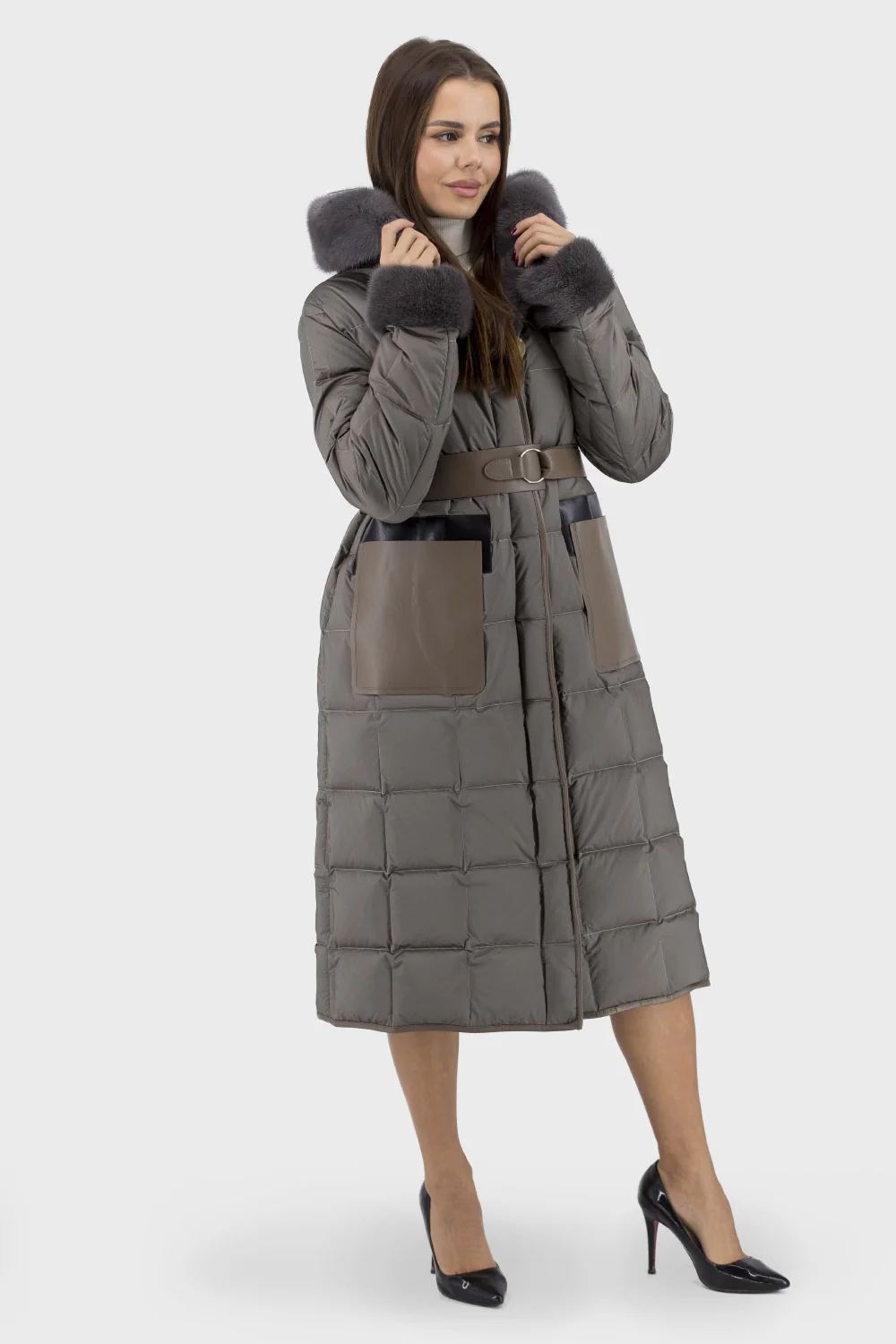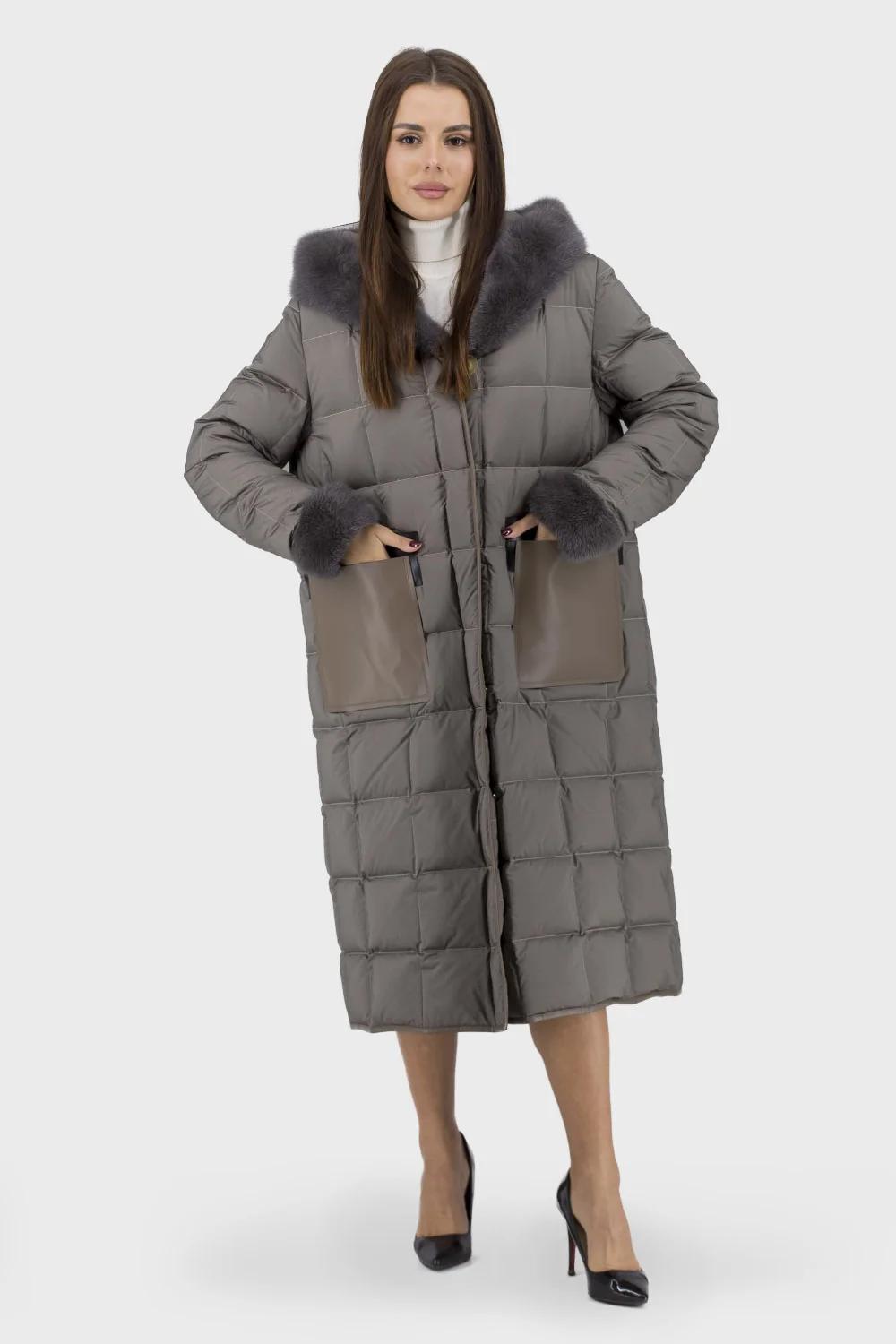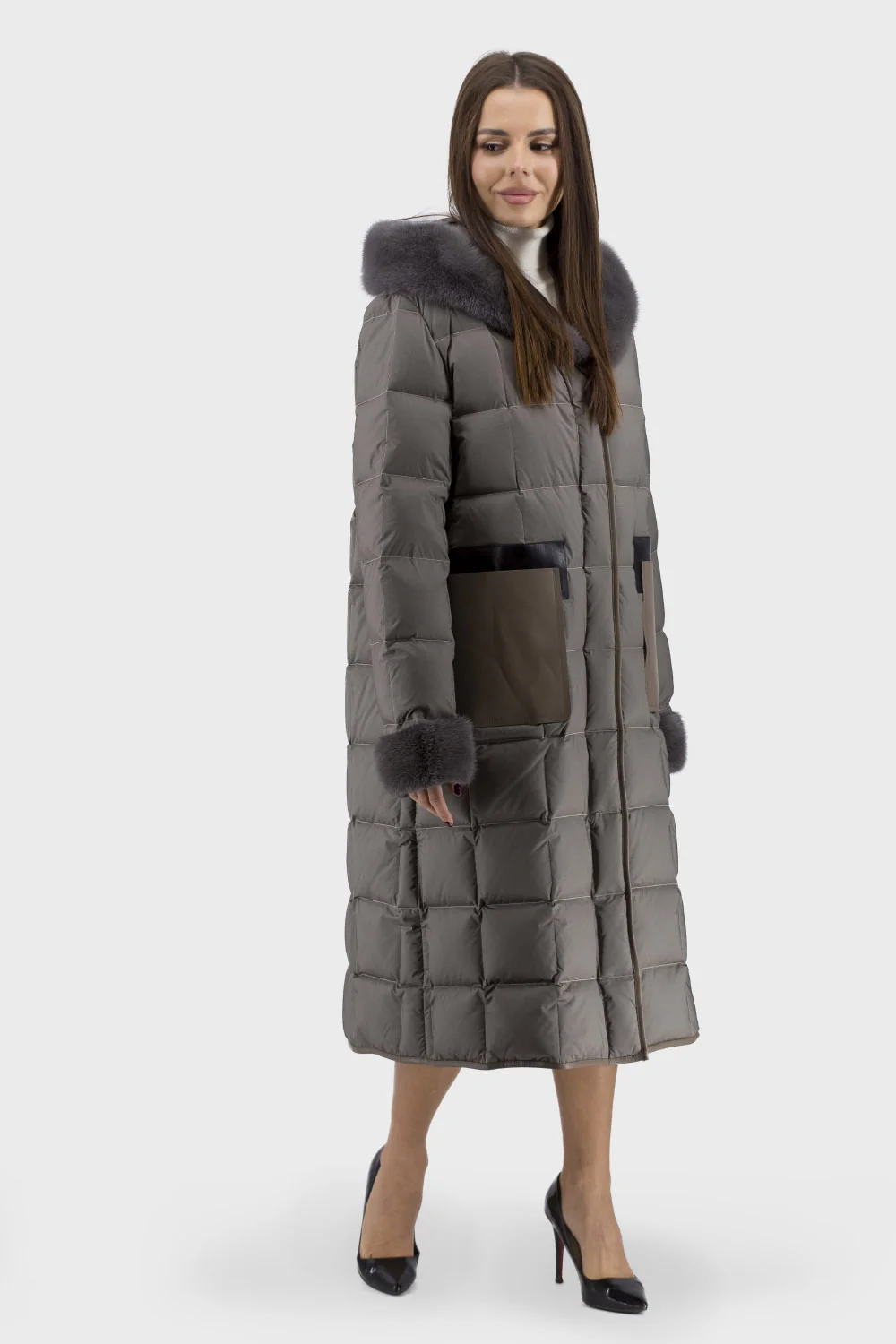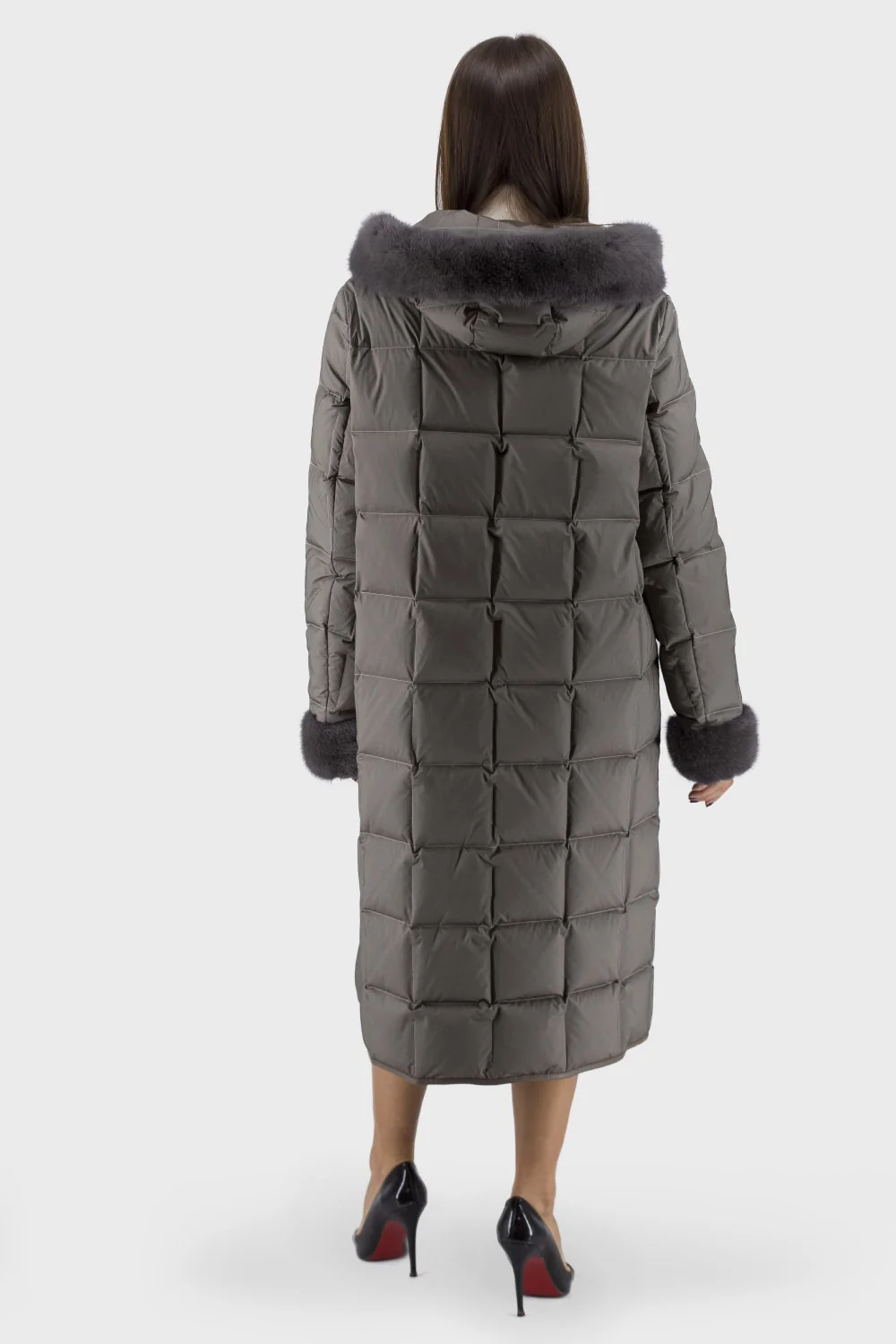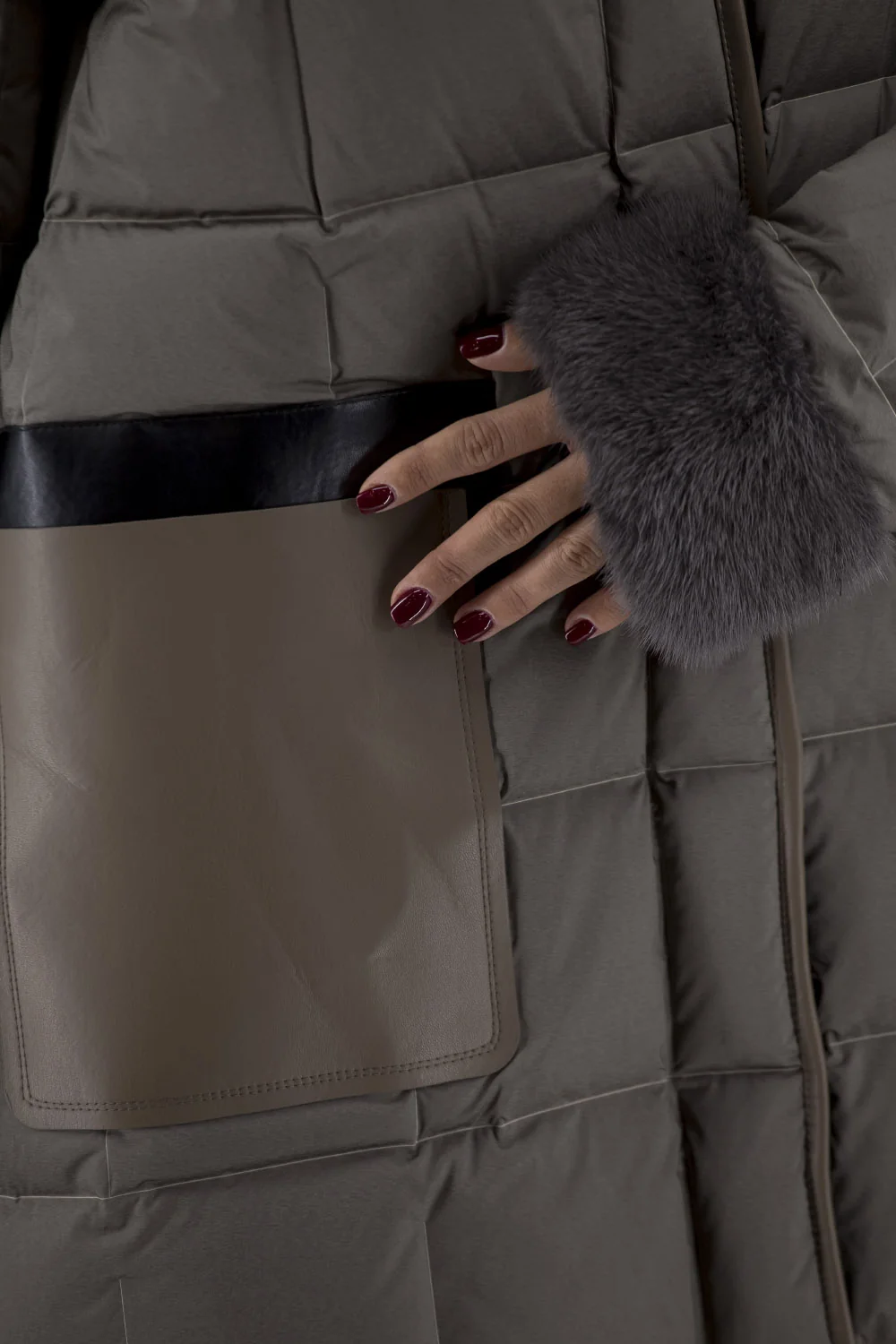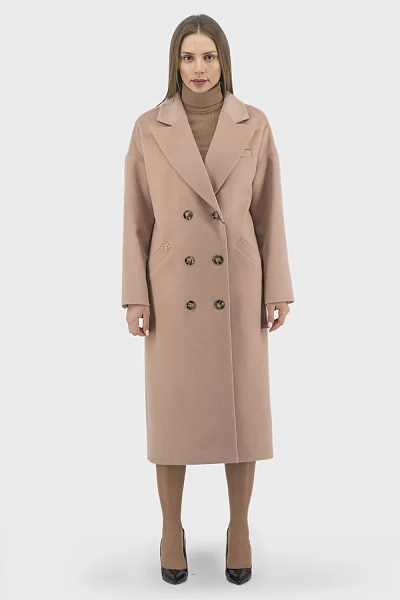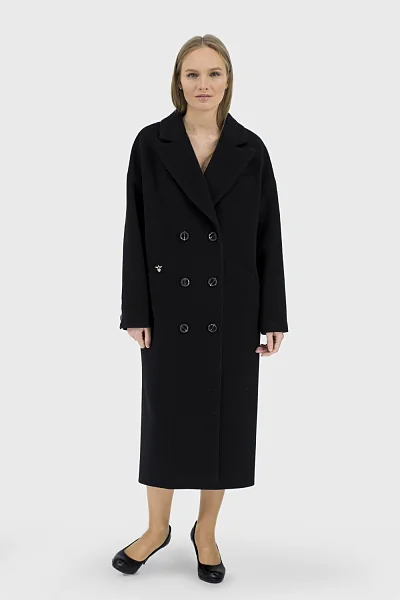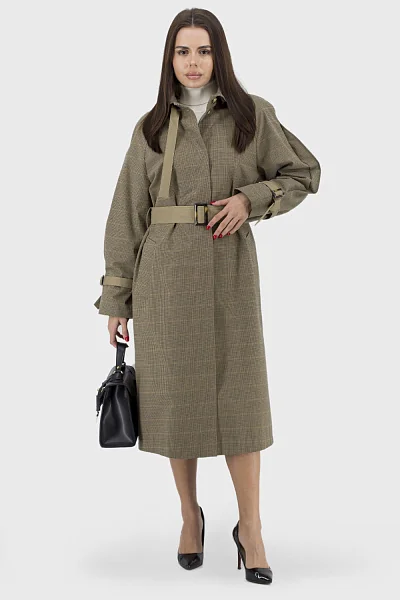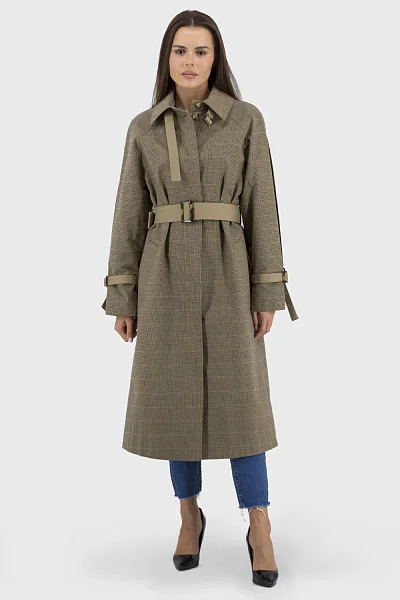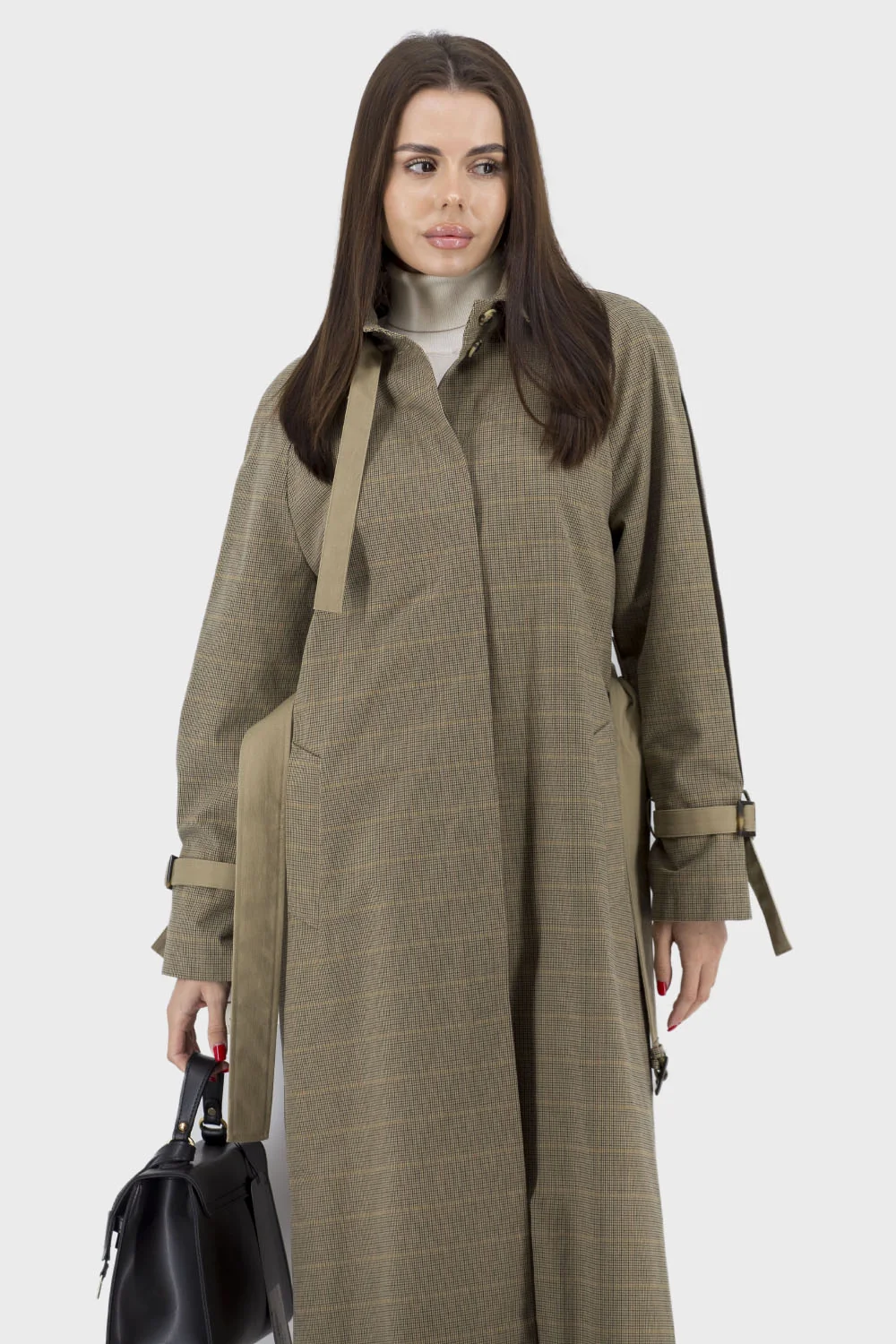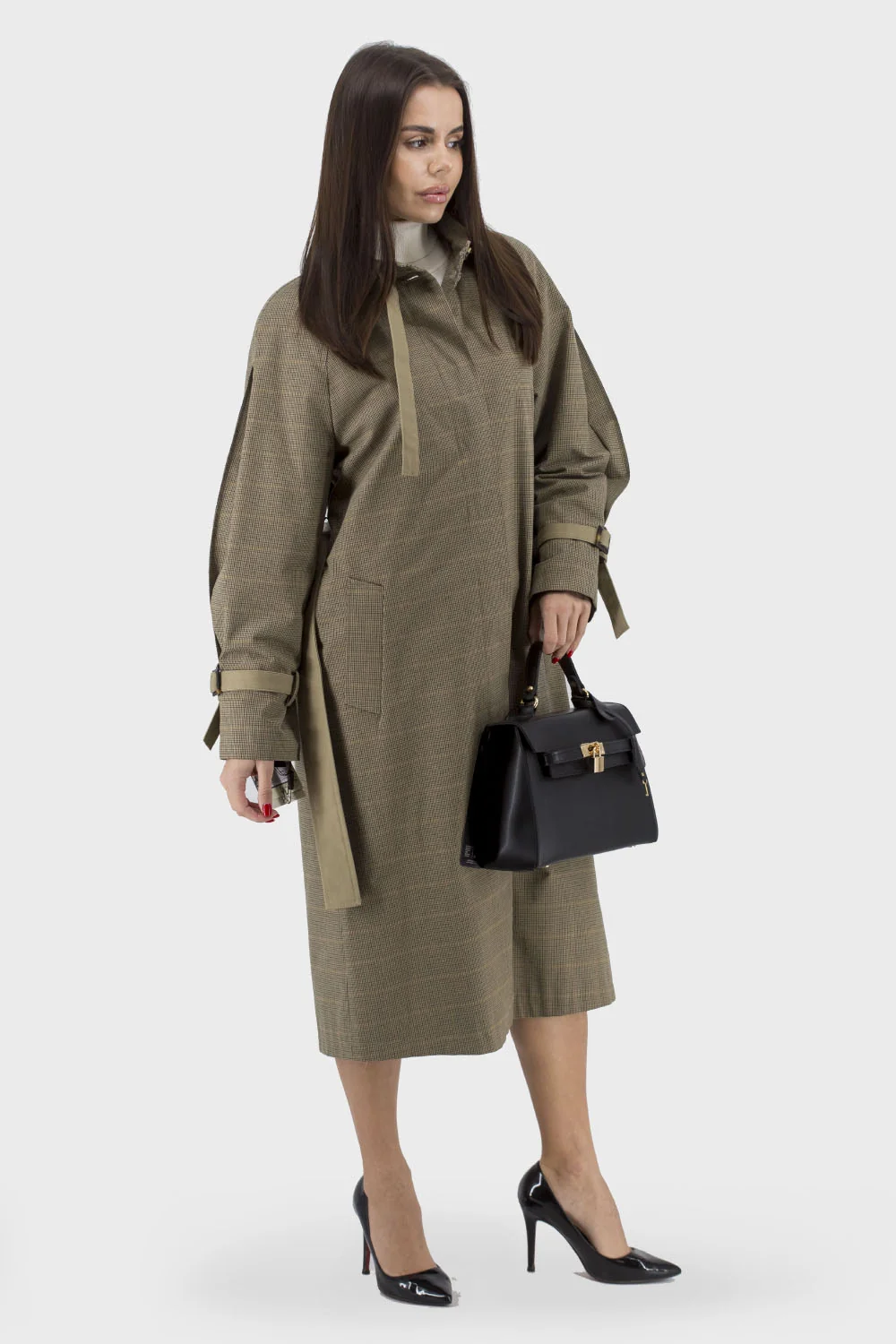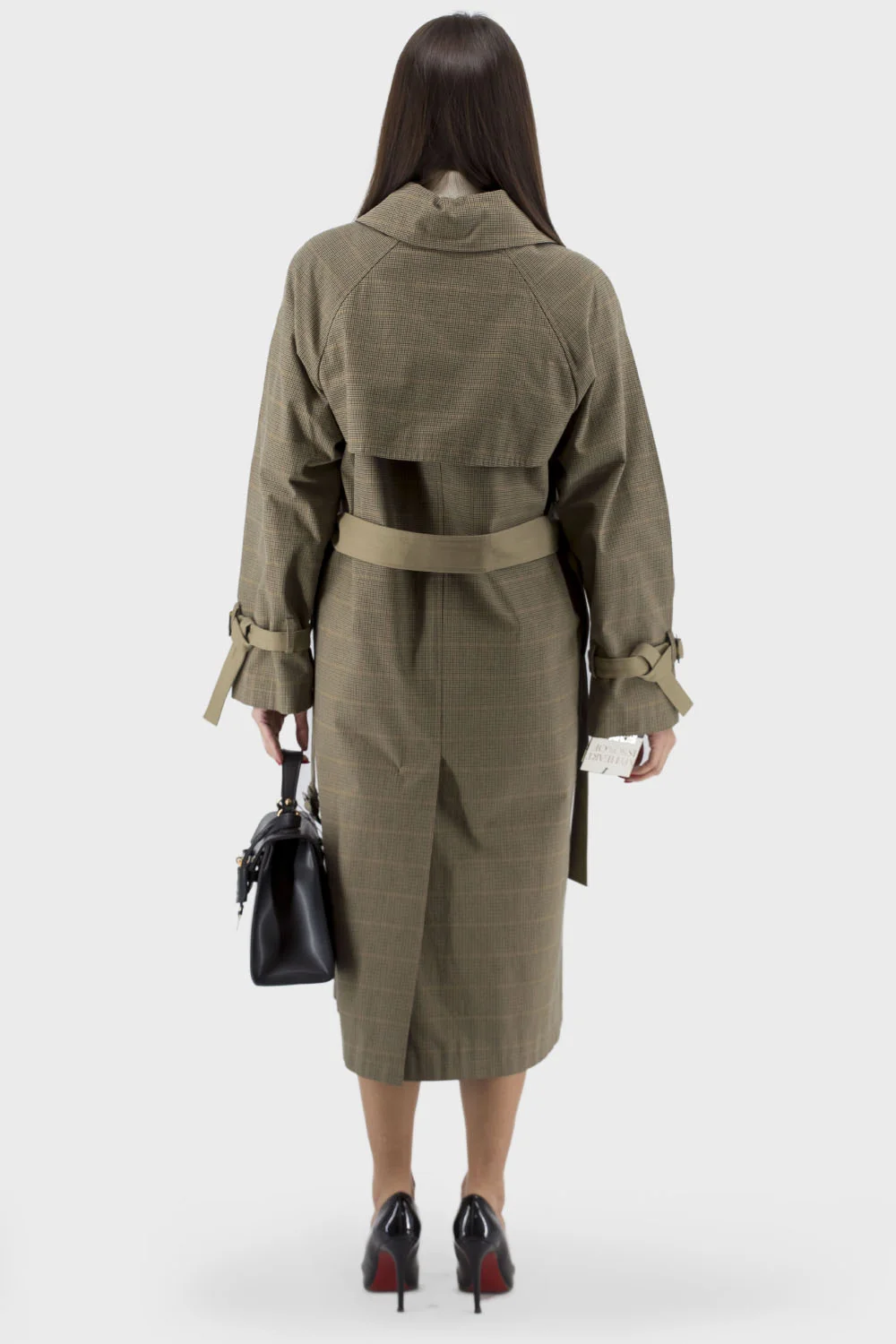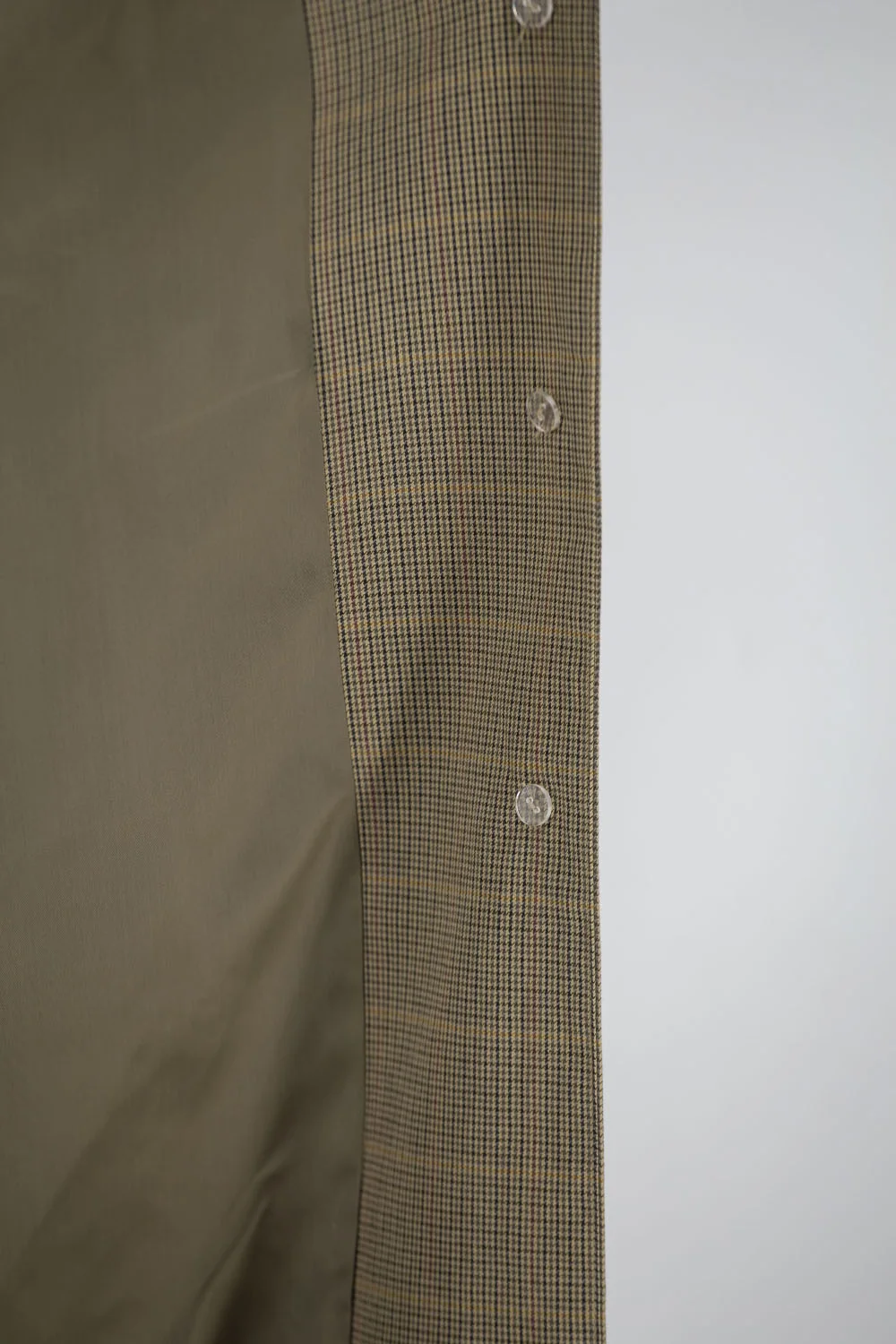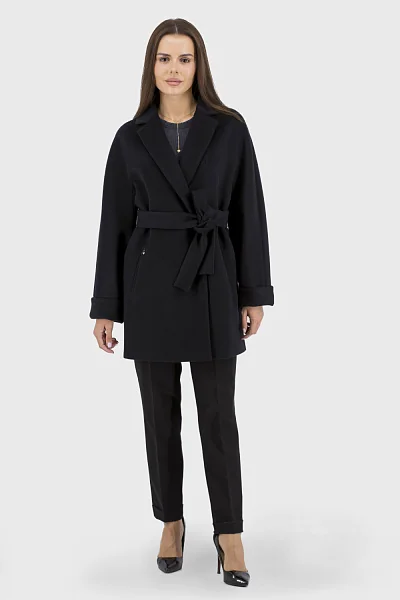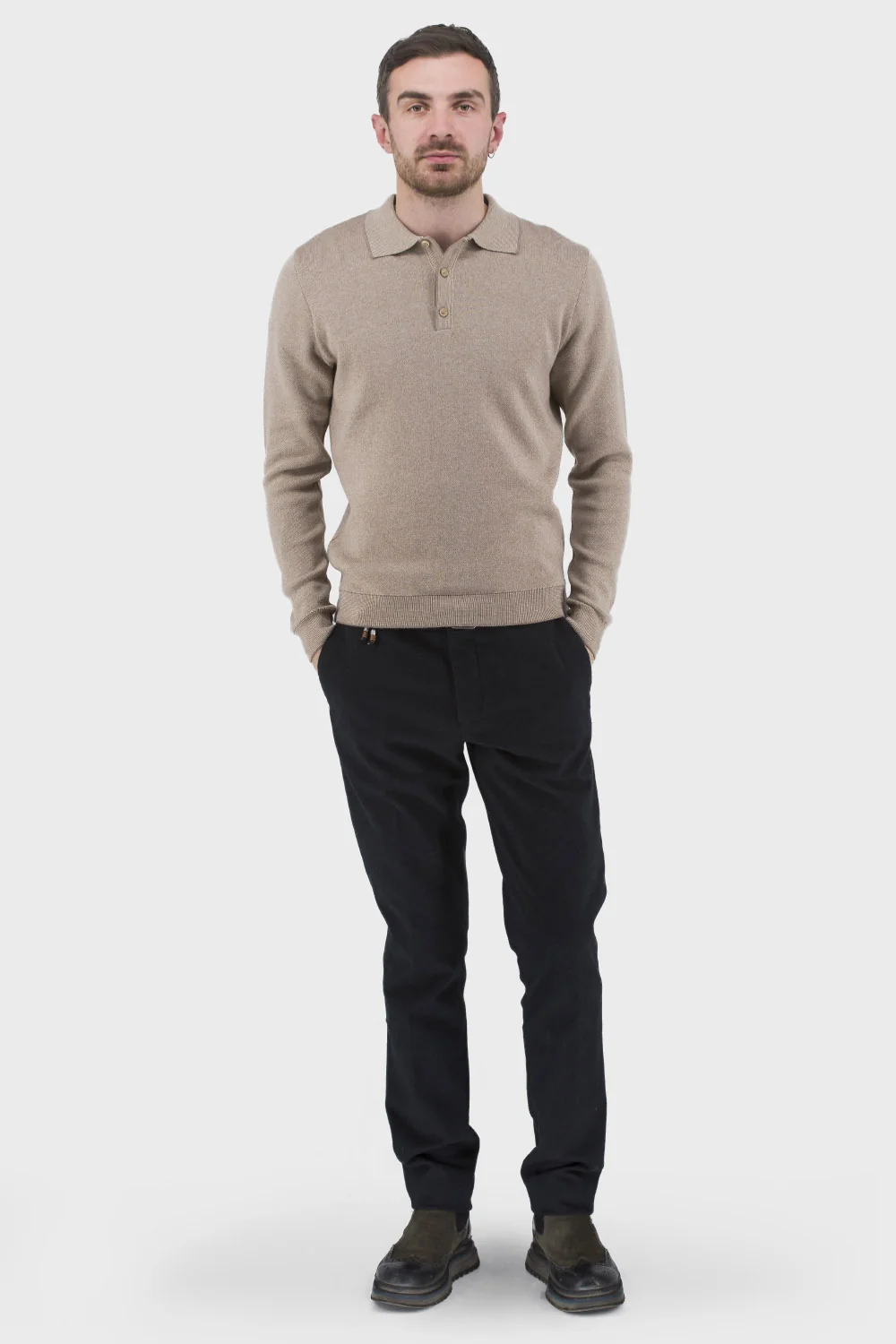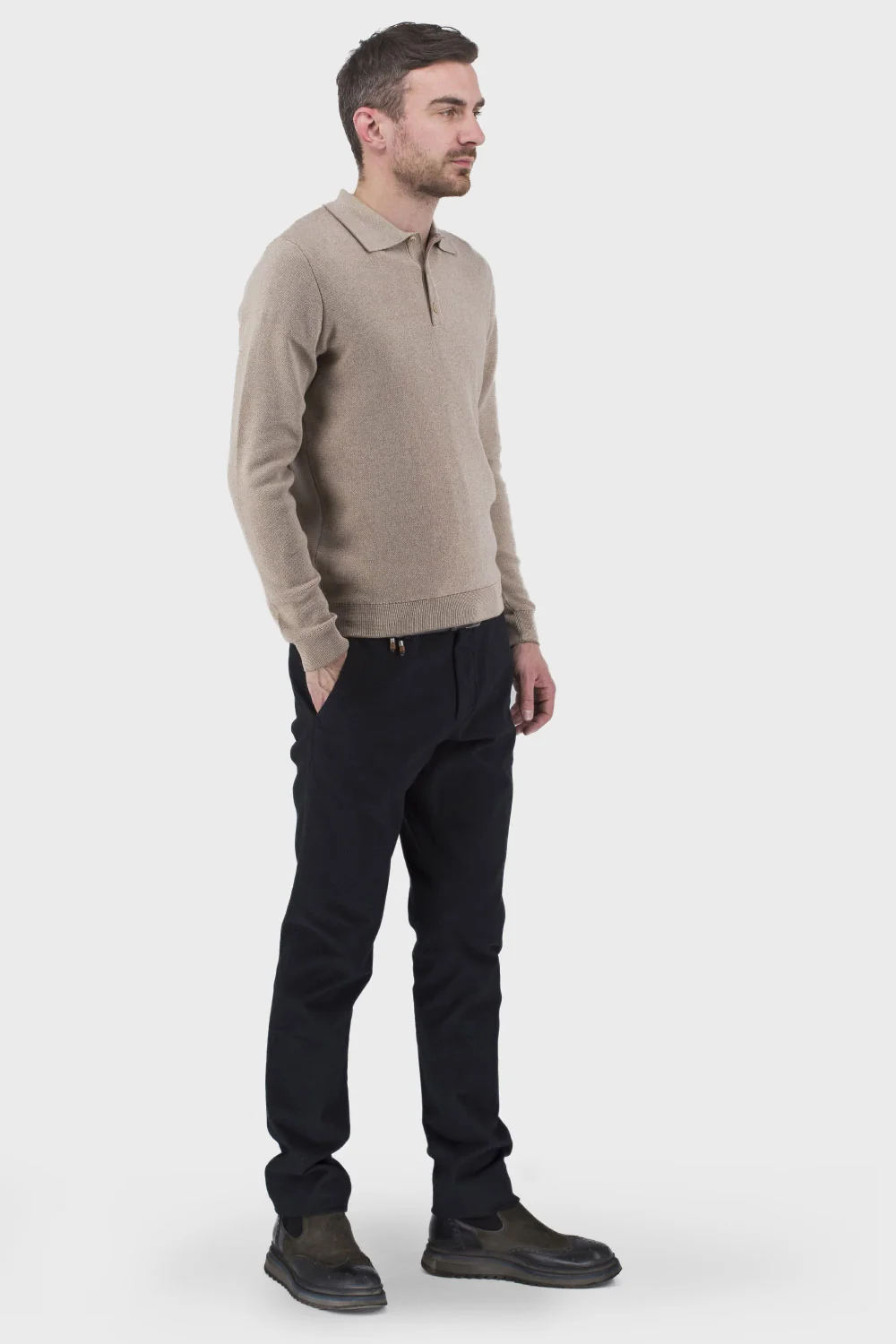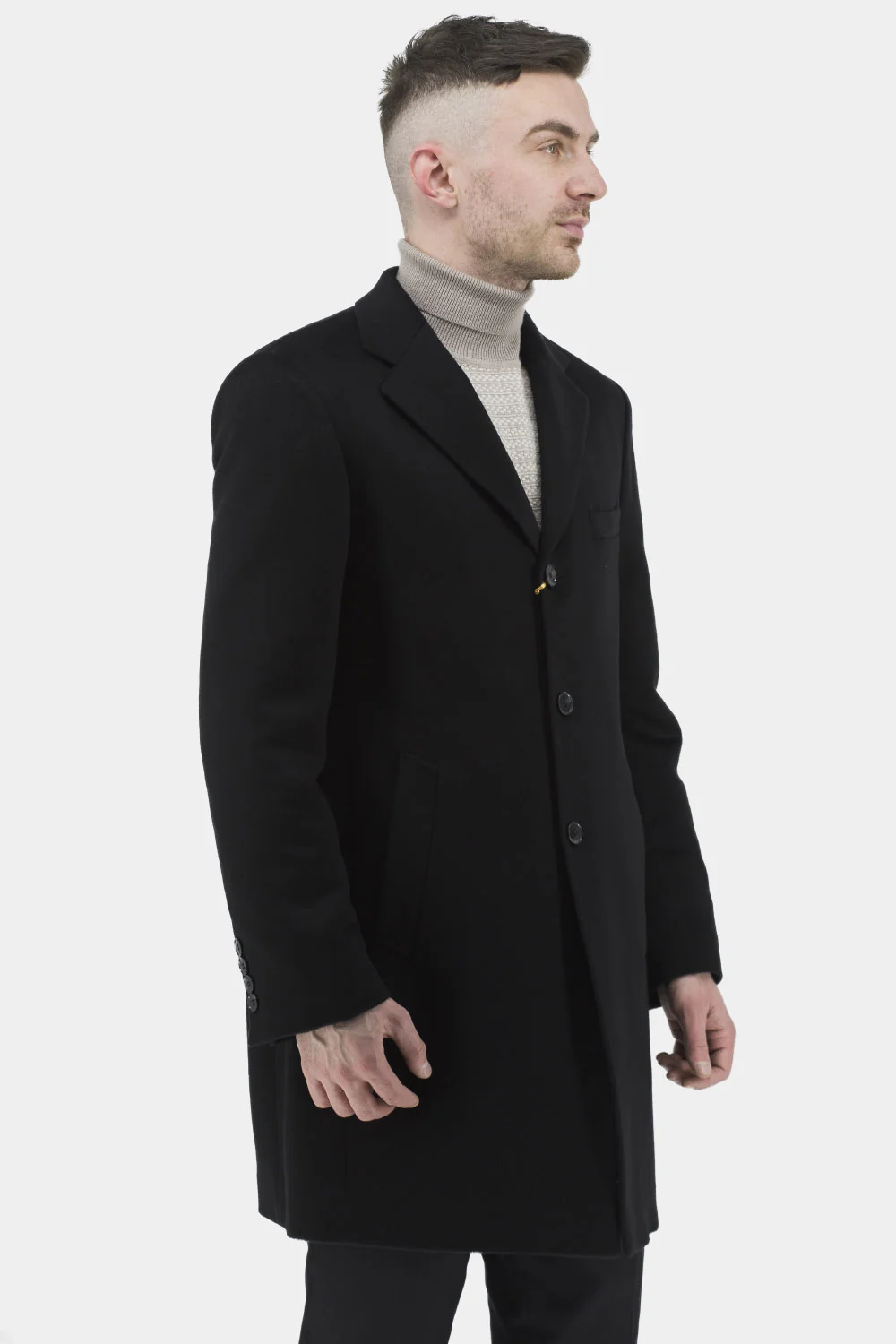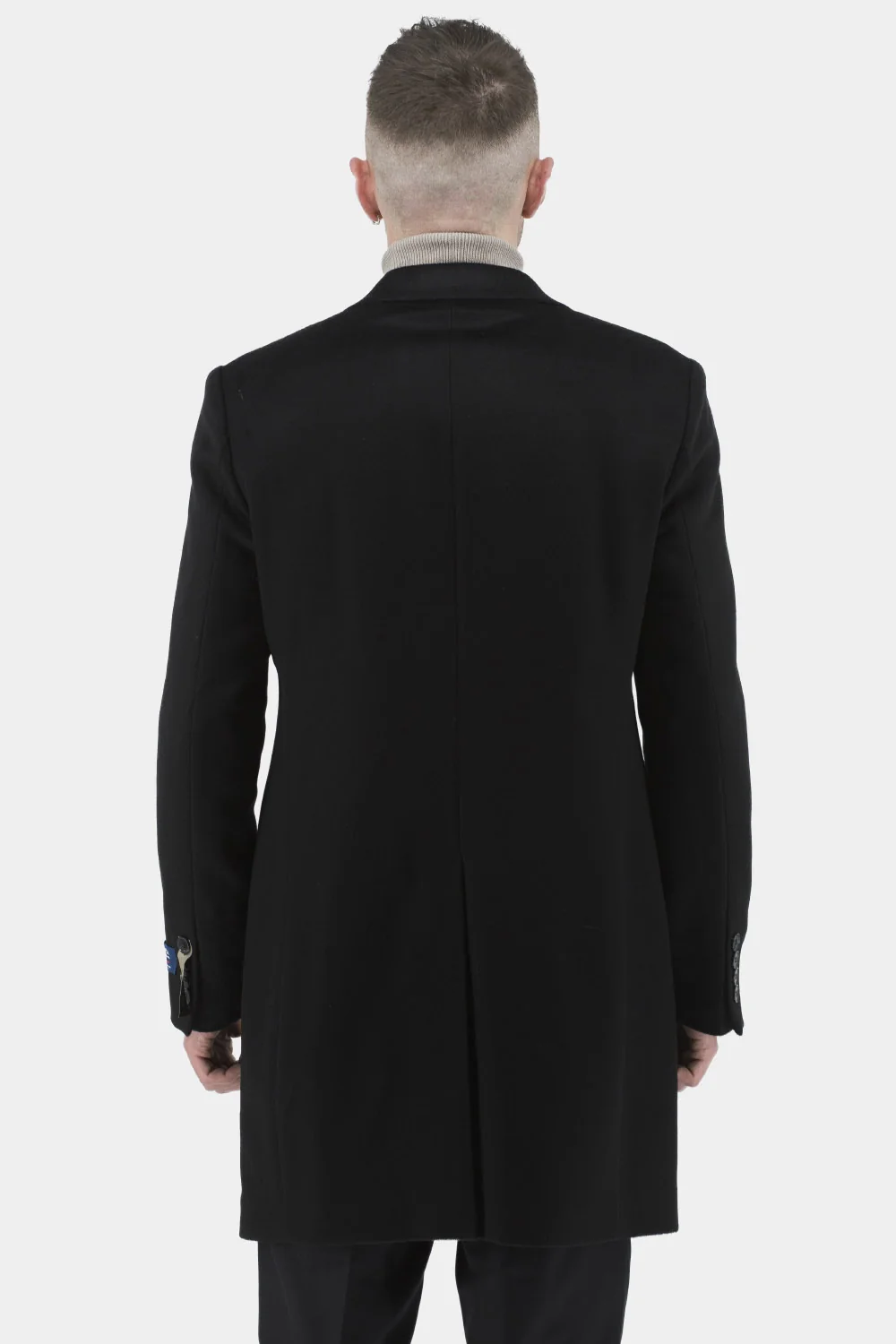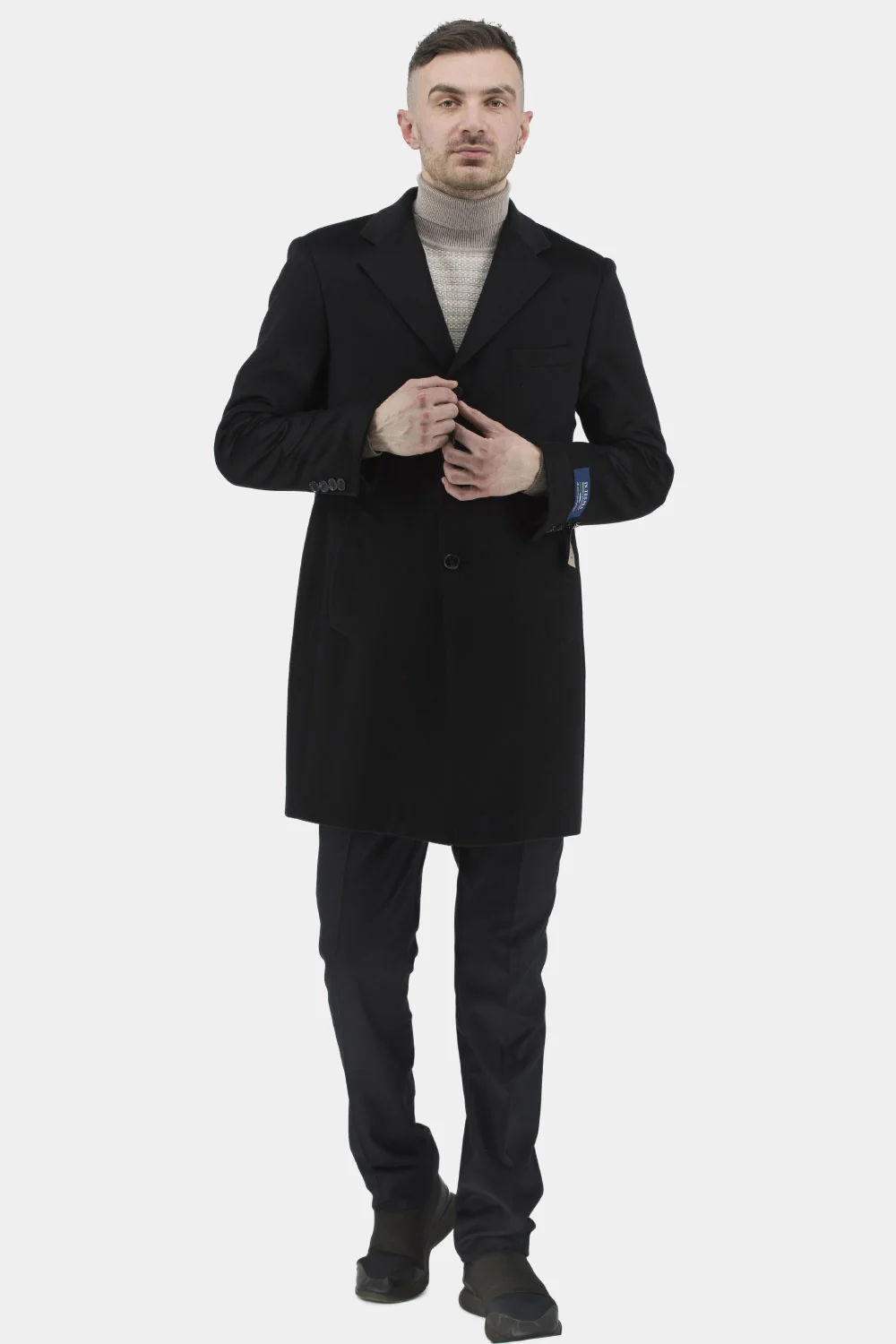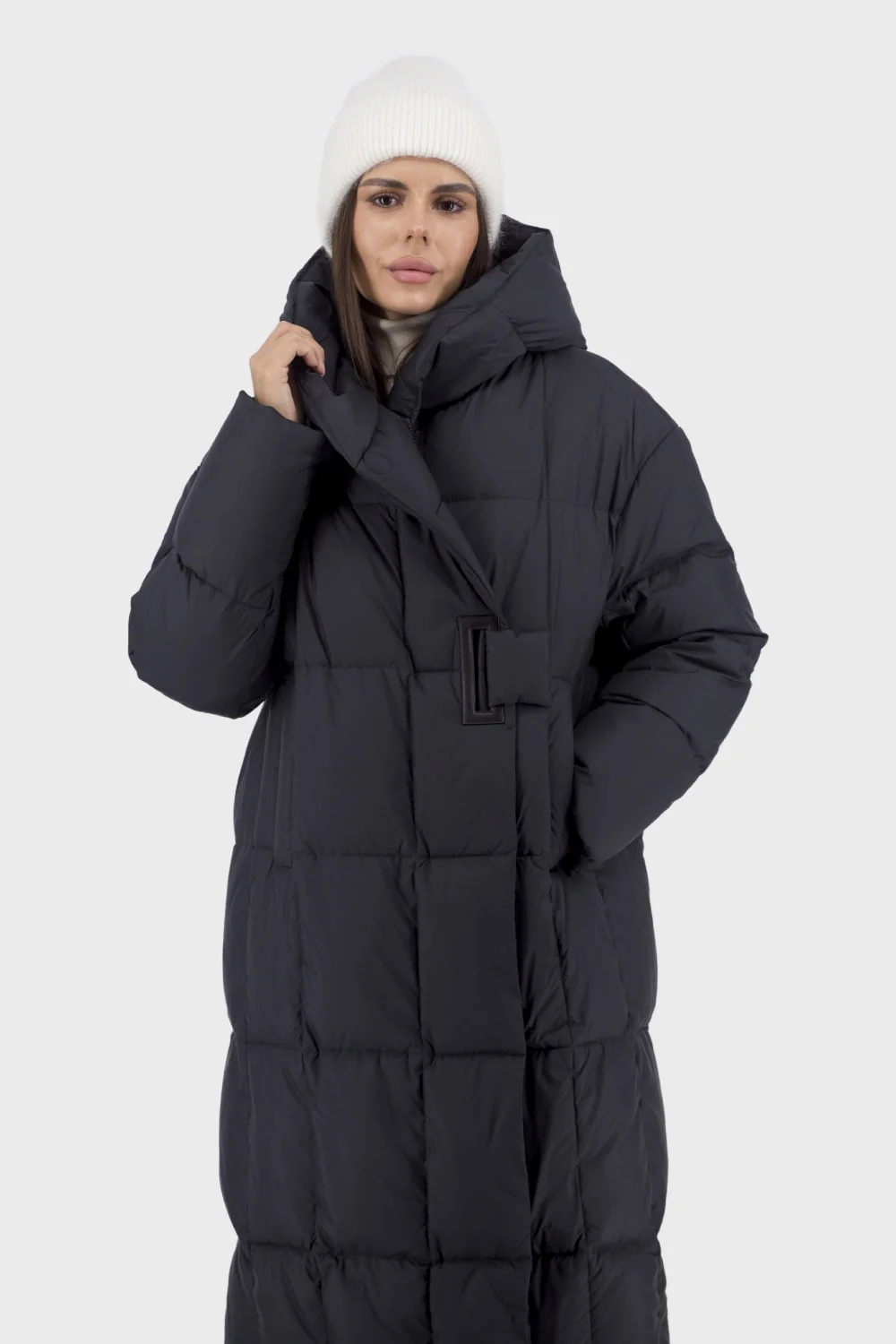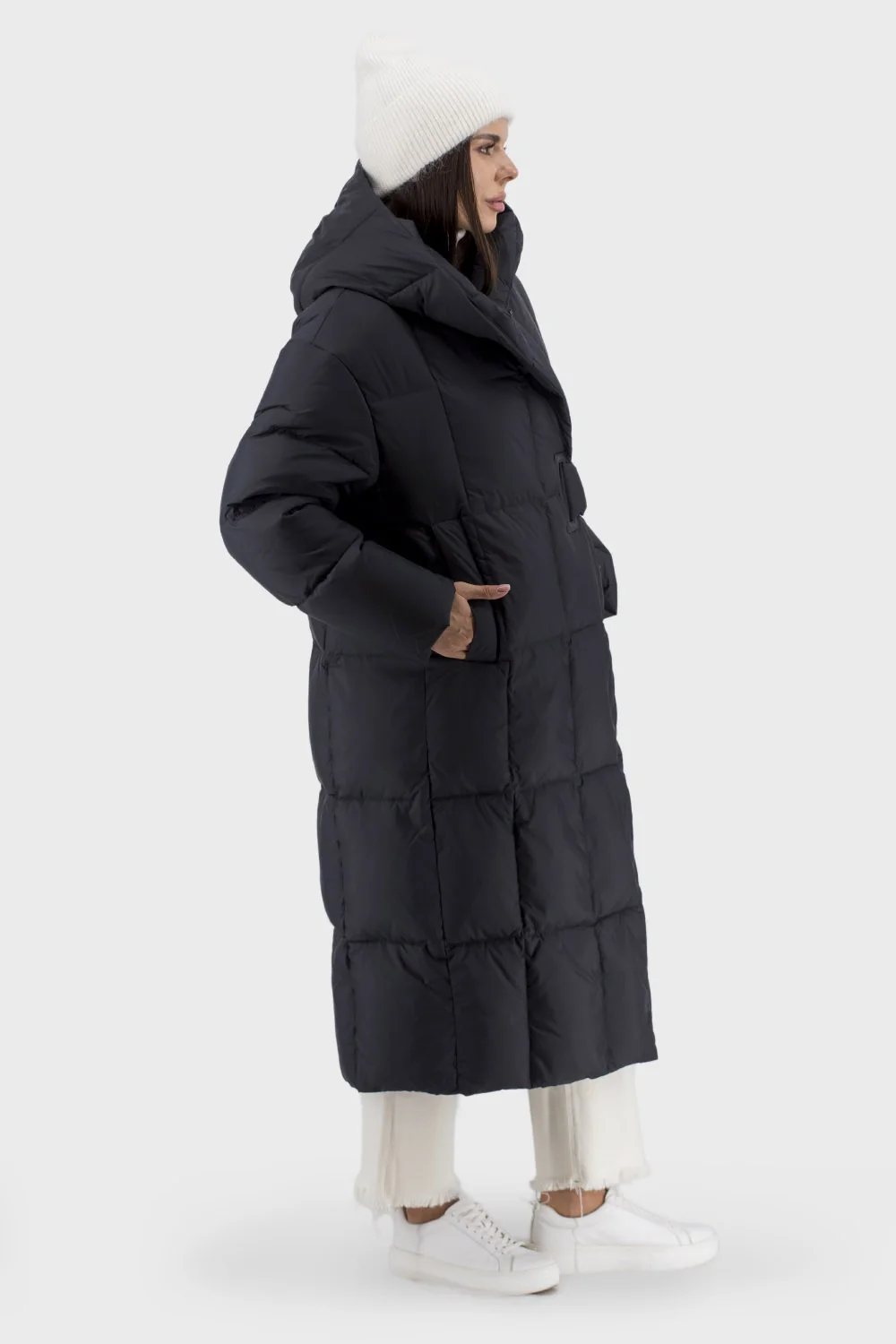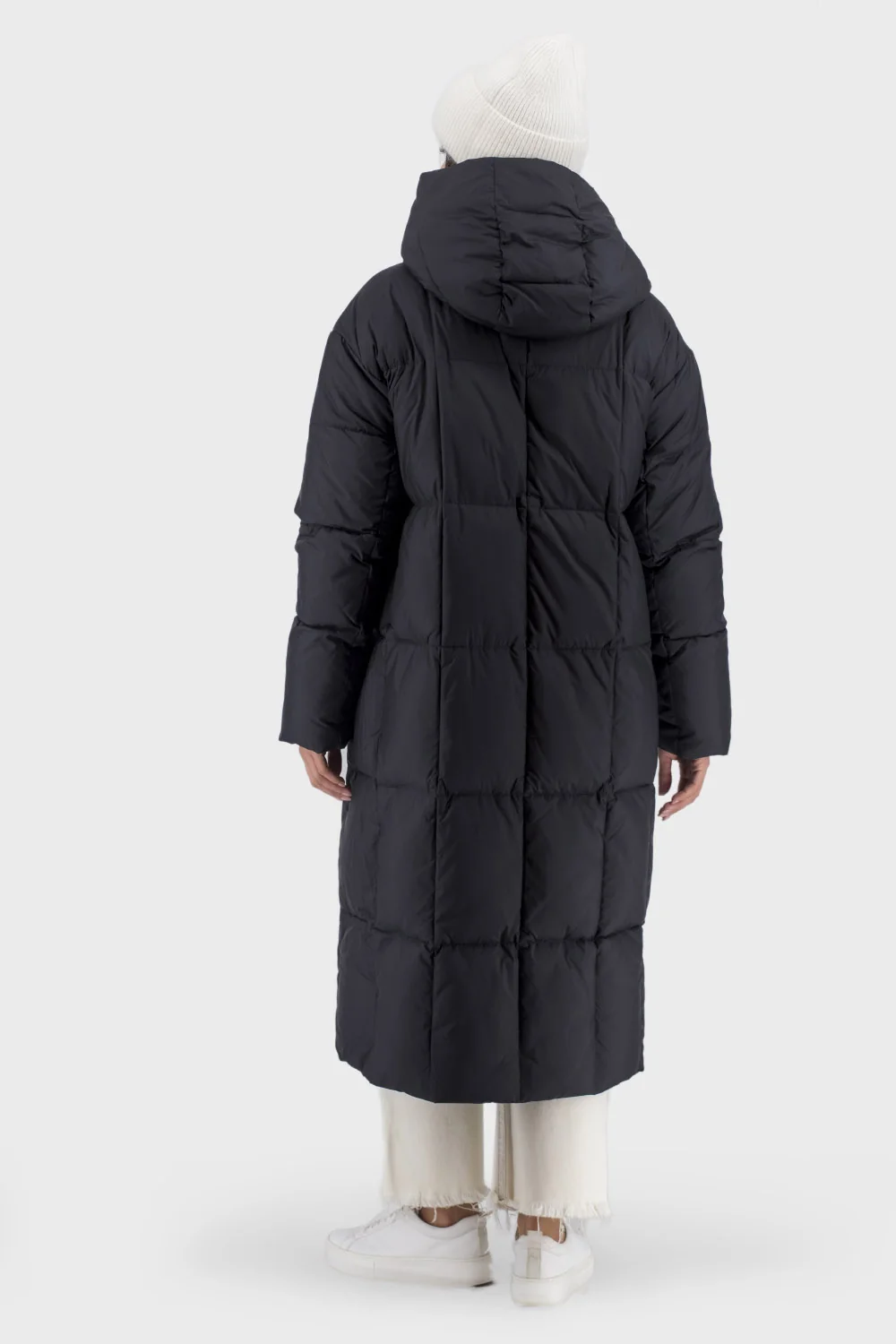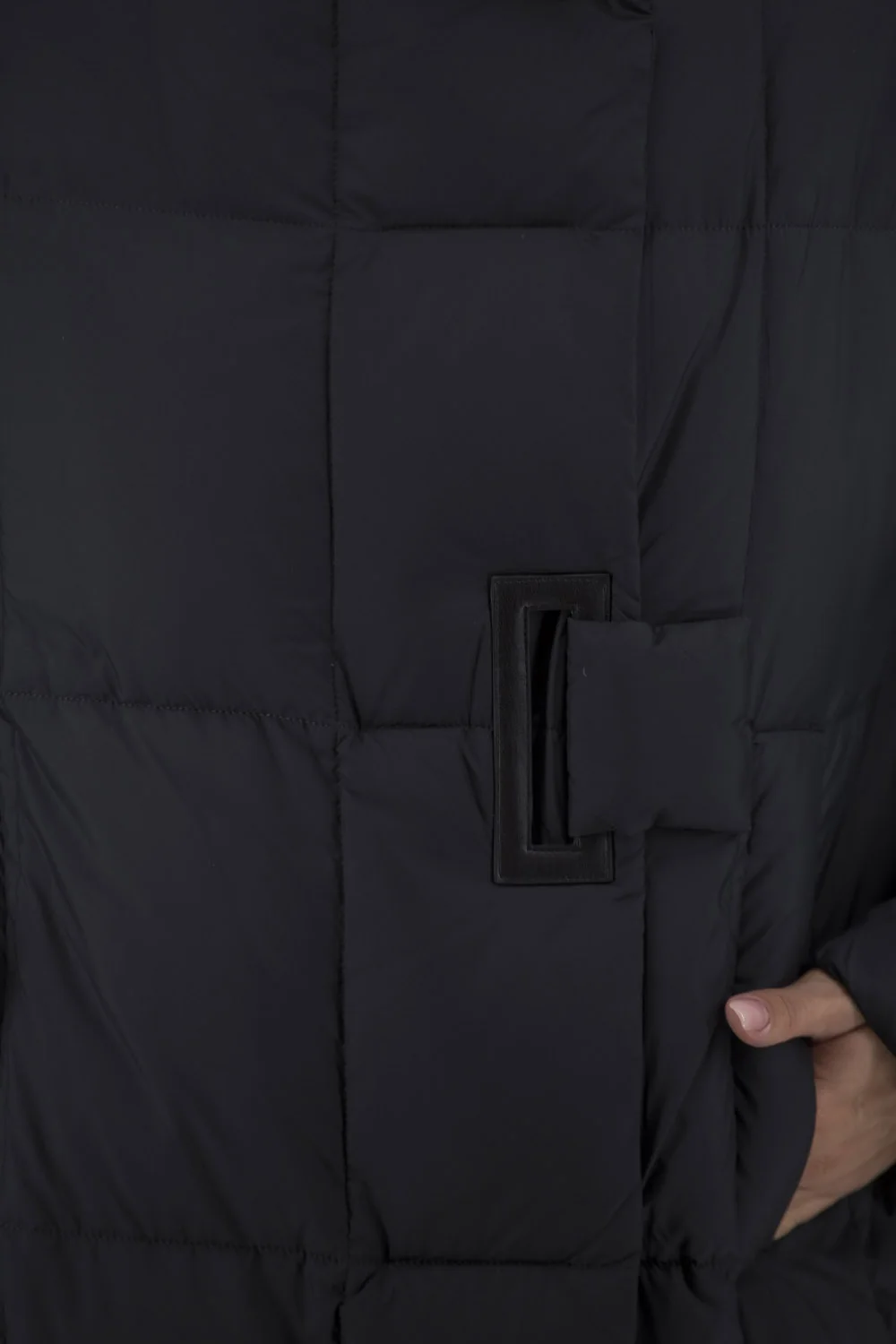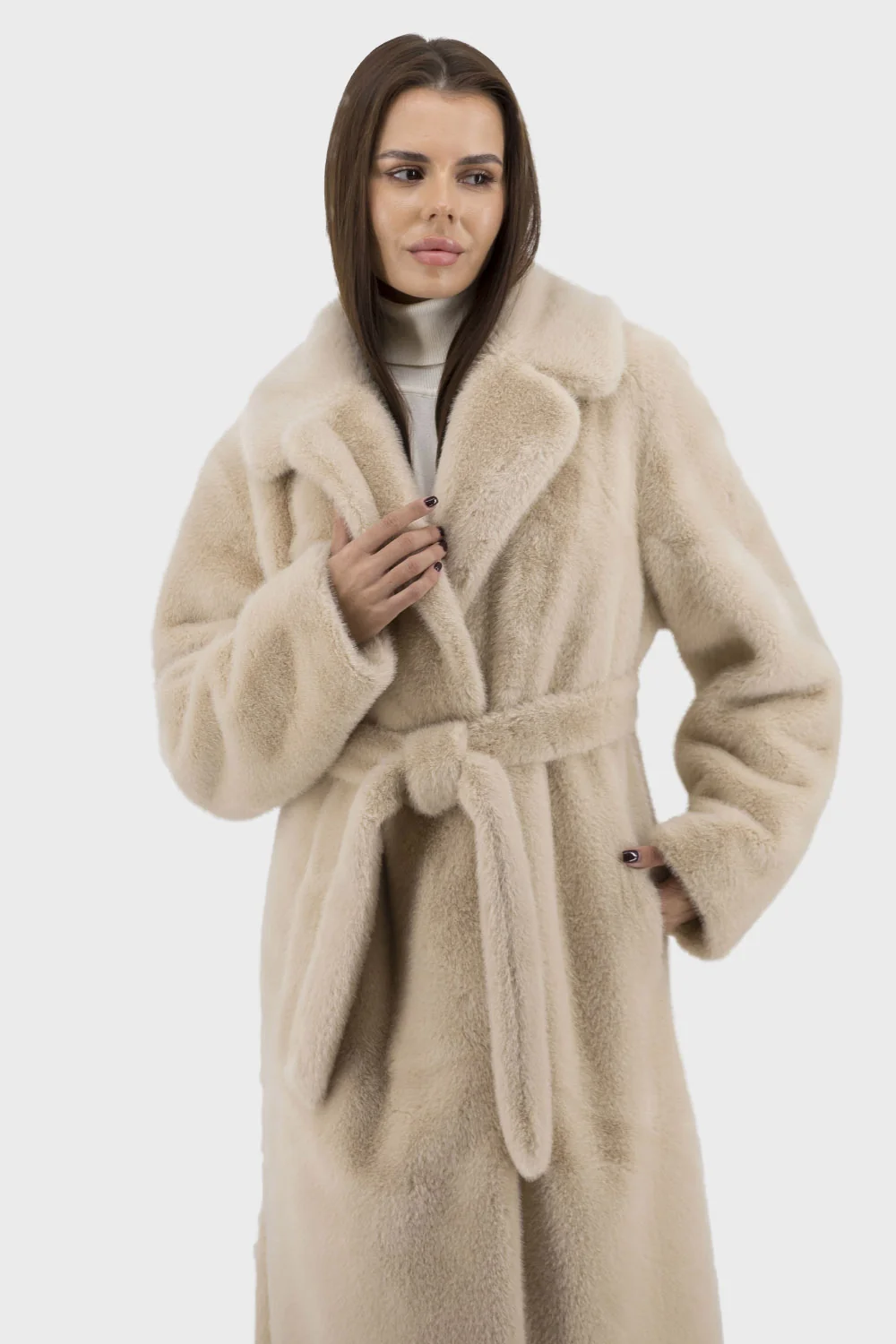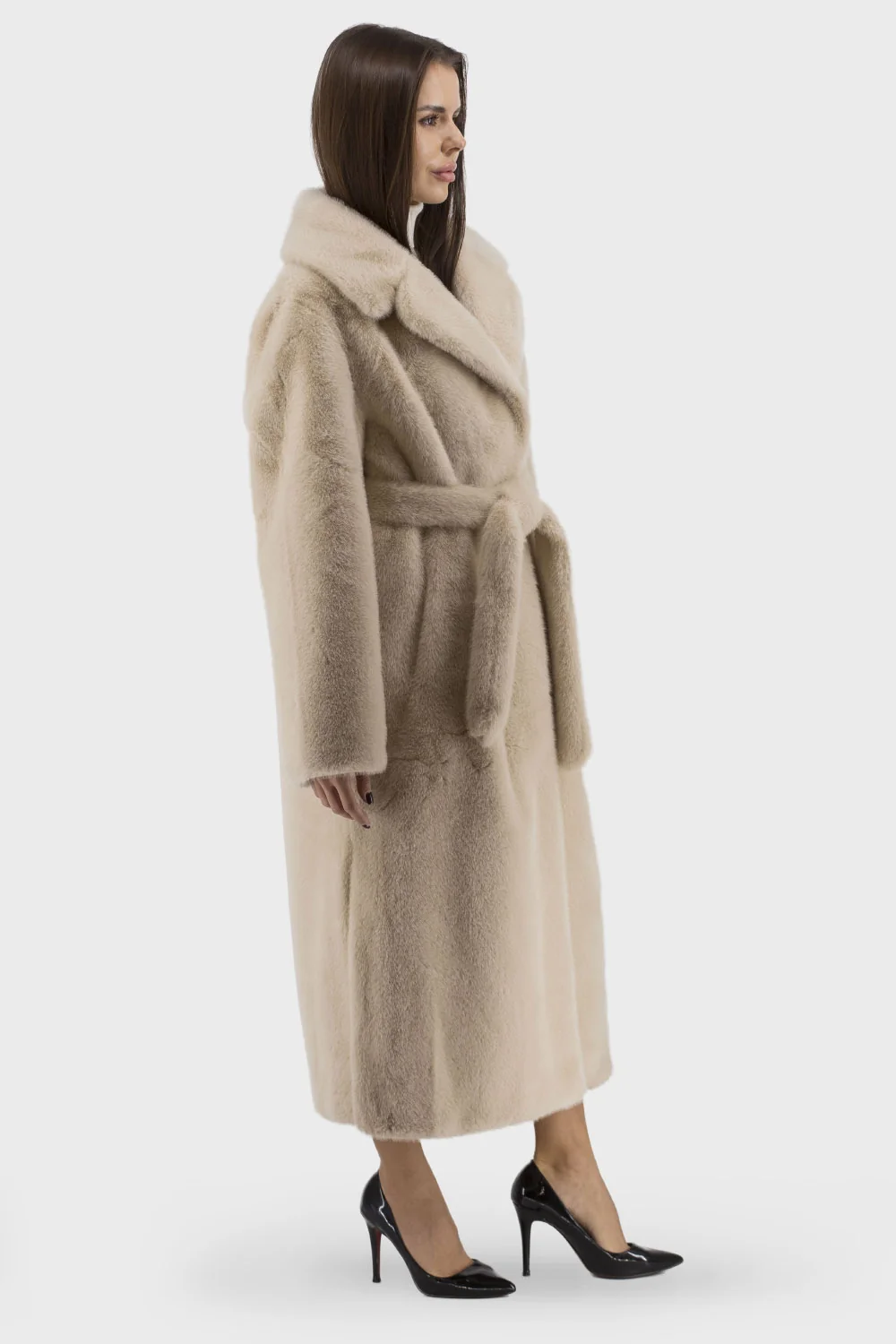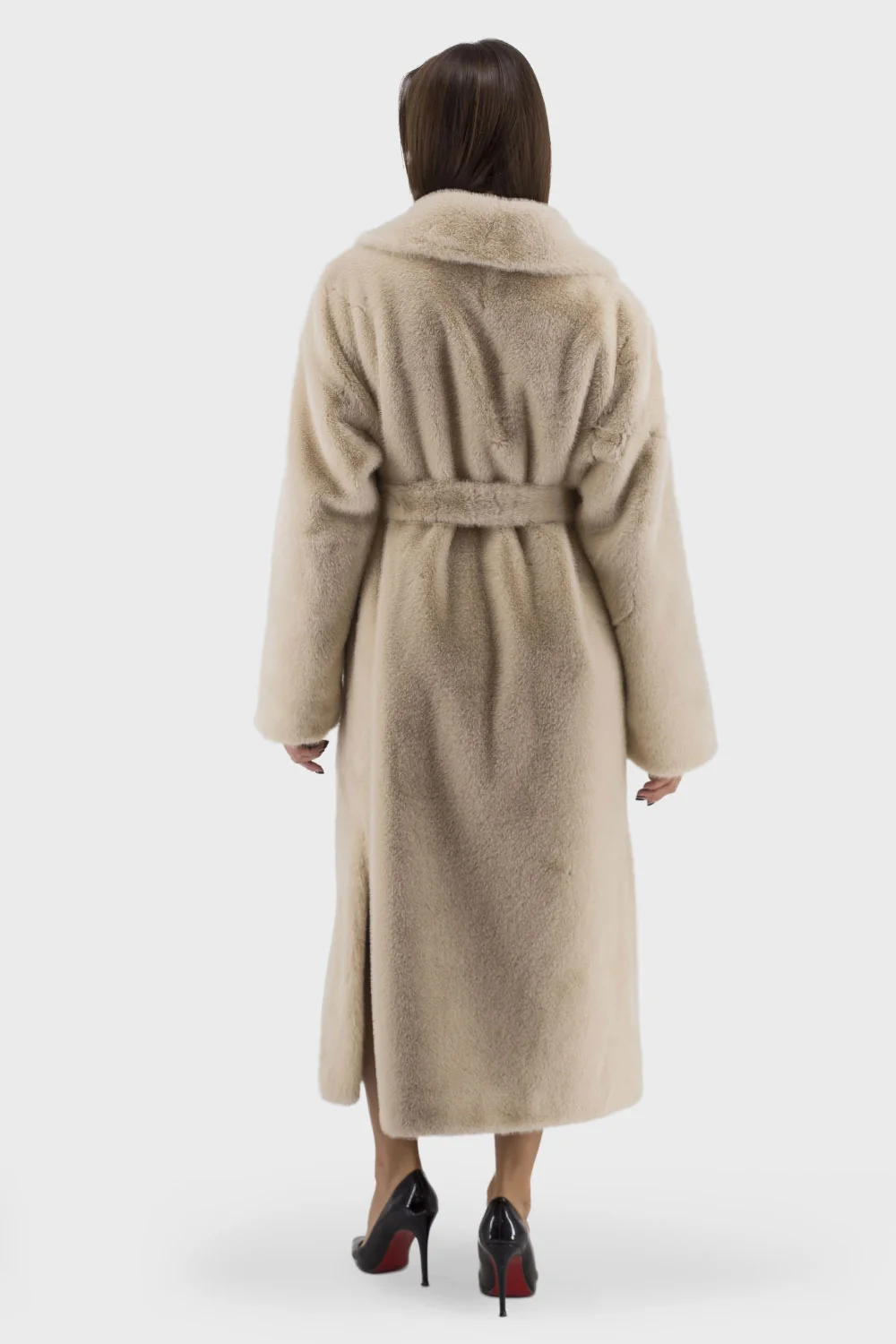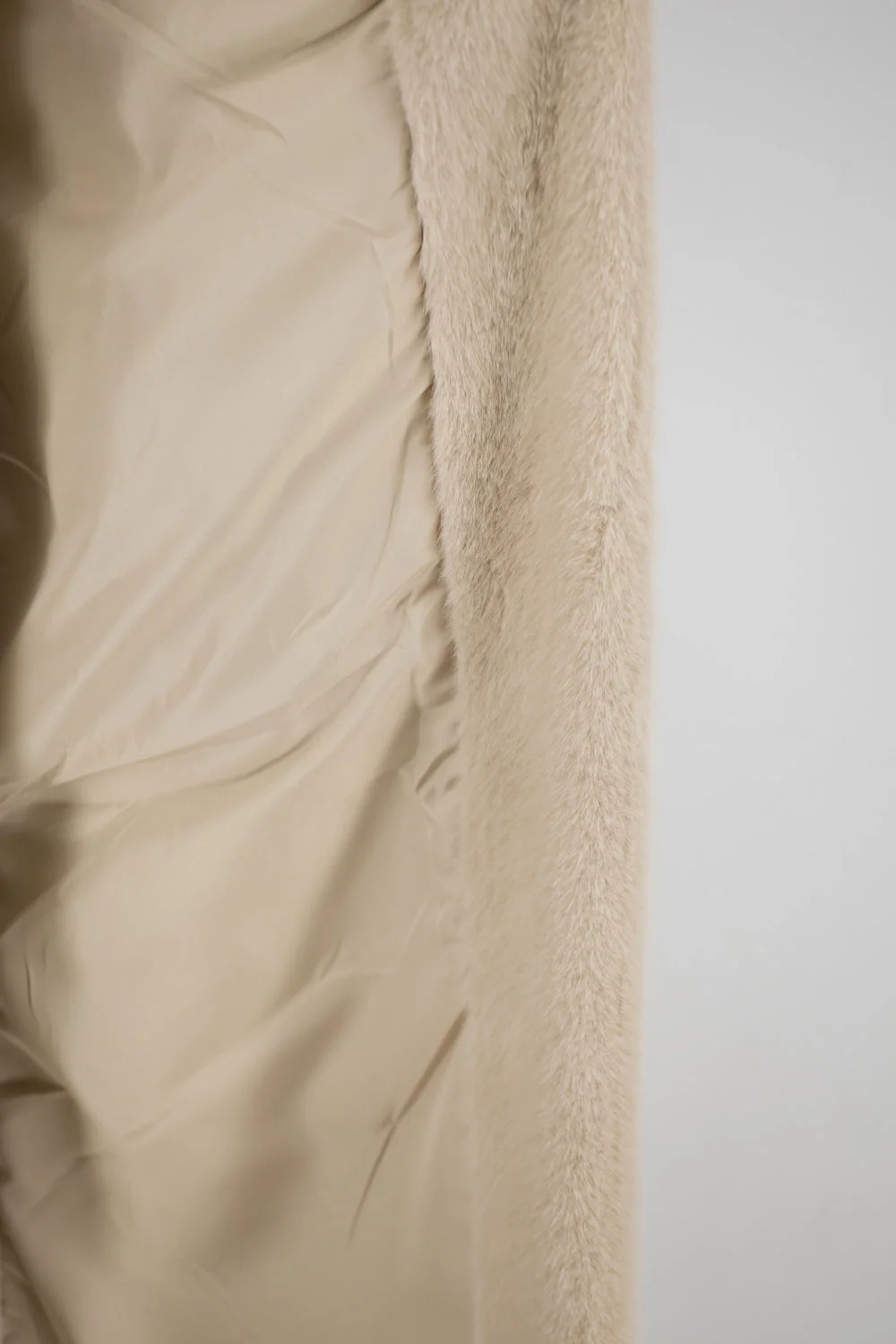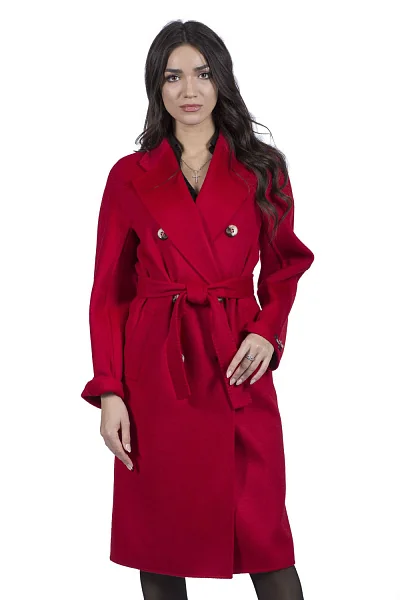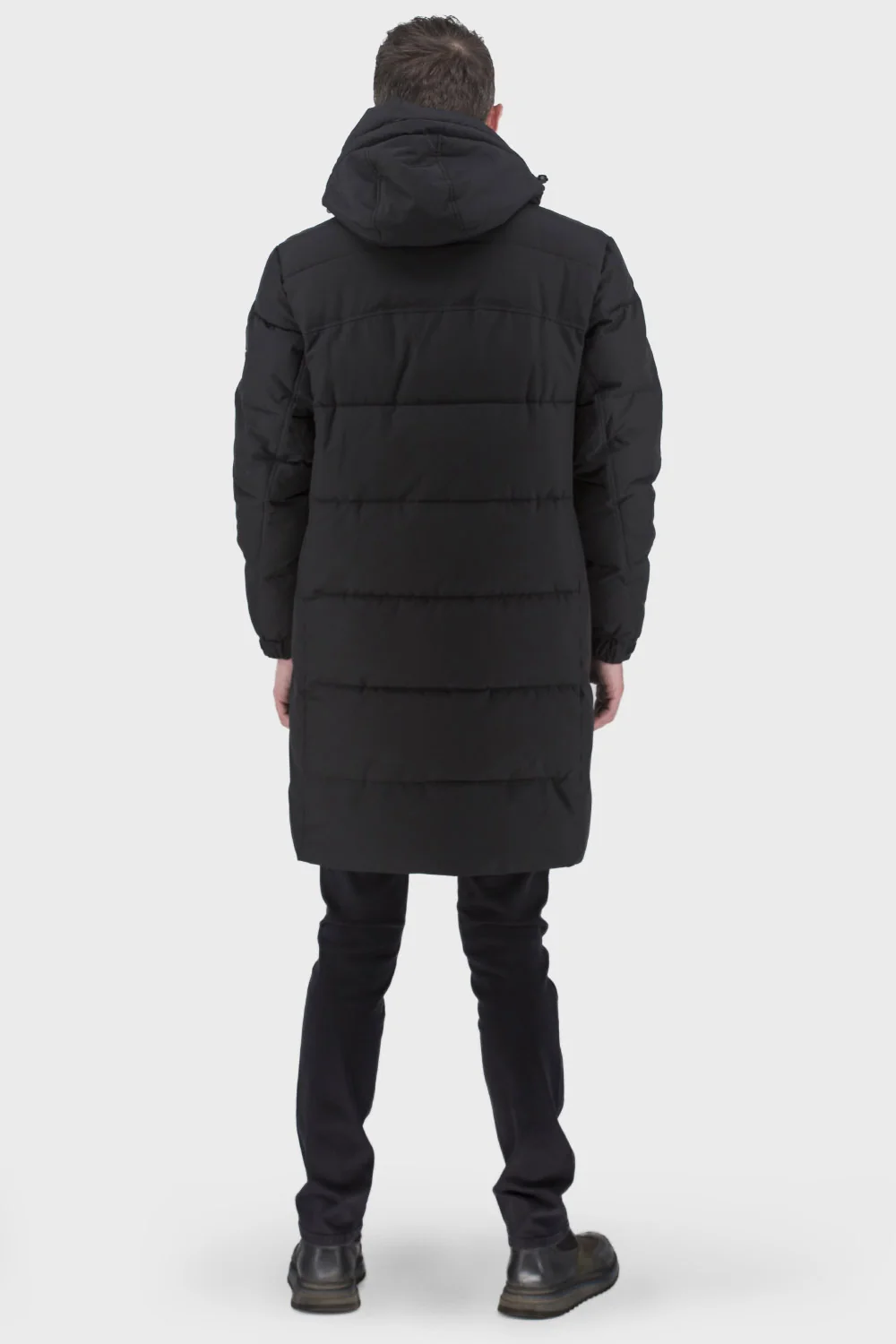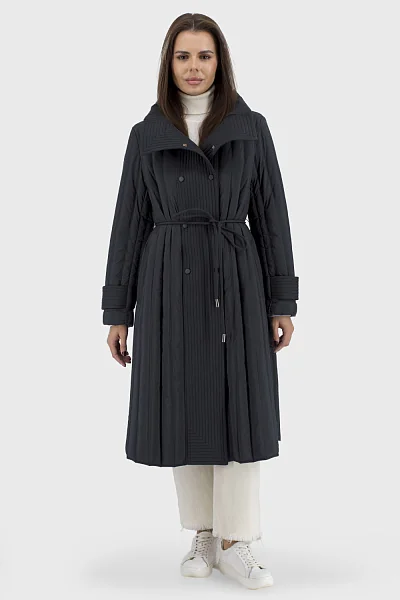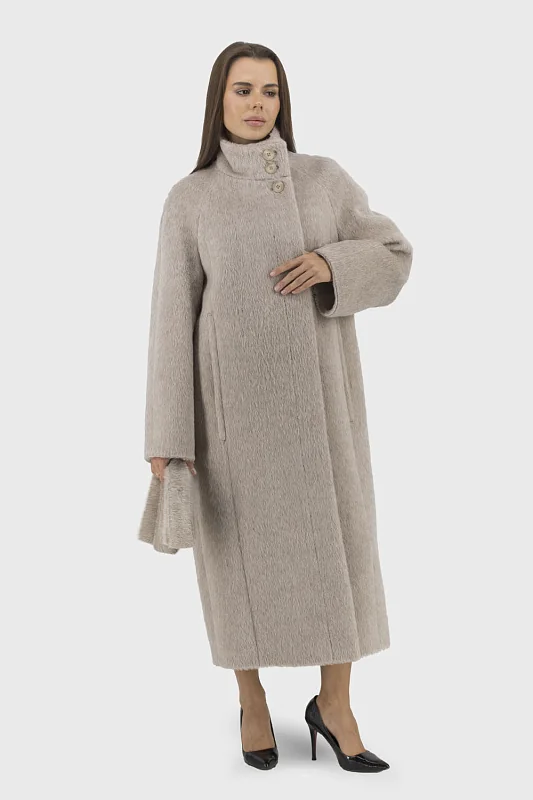
Viscose is often added to coat fabrics to make them softer, more fluid and more pleasant to the touch. In outerwear it is normally blended with wool, polyester, polyamide or other fibres rather than used alone. The complete fibre composition determines warmth, durability and care requirements.
What viscose is
Viscose is a manufactured fibre produced from cellulose-based raw material. Its source is connected with plant cellulose, but the fibre itself is created through an industrial process.
Its properties depend on production method, yarn thickness, weave and the other fibres in the fabric. Two coats with the same viscose percentage can therefore feel and perform very differently.
Why viscose is added to coat fabrics
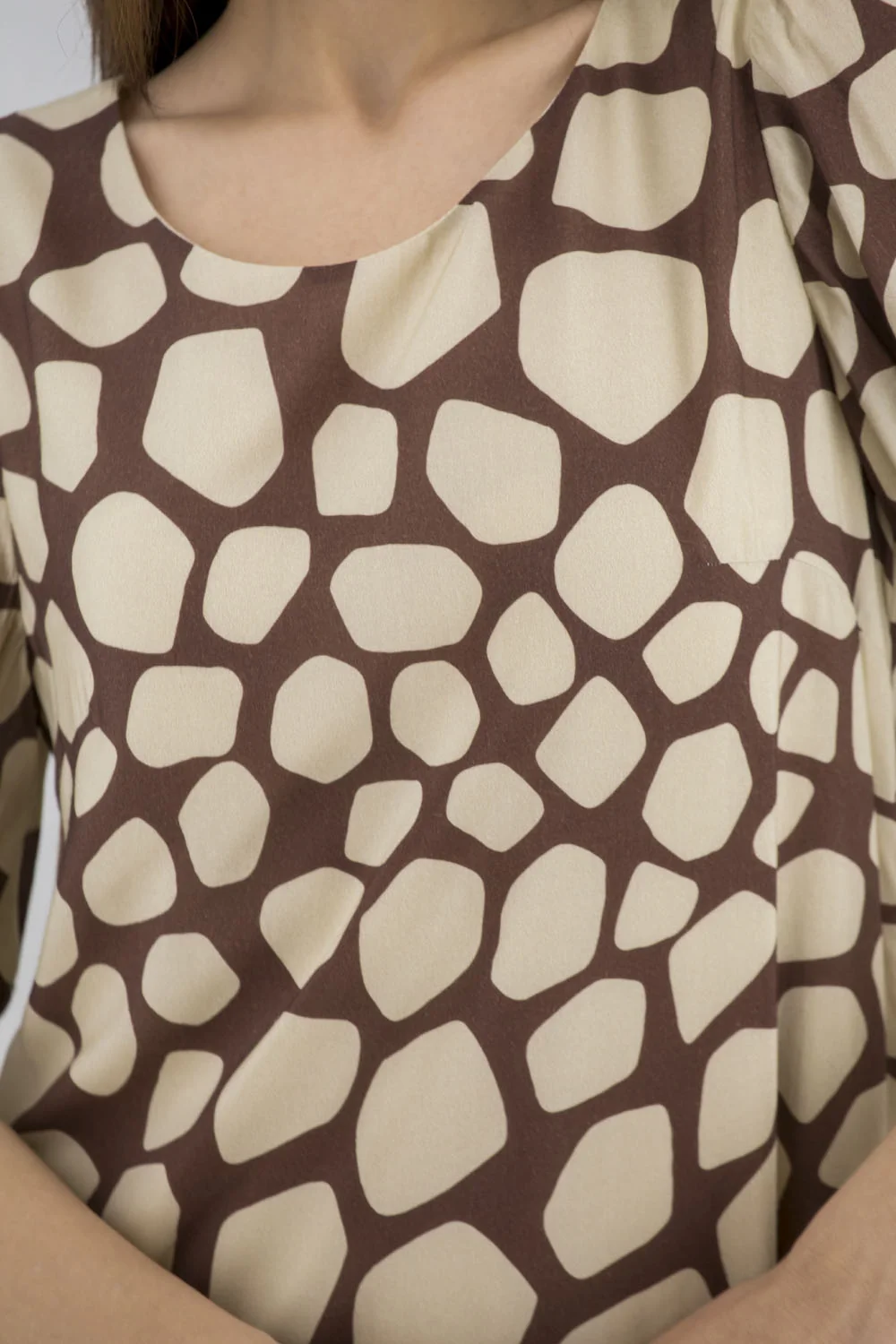
In blended materials, viscose can improve softness, flexibility and drape. The fabric may form smoother lines, making the coat appear less rigid and allowing it to follow the silhouette more naturally.
Viscose can also influence the surface feel and visual finish. The final result, however, depends on the entire blend rather than the presence of viscose alone.
Viscose and wool blends
Wool contributes insulation, resilience and the characteristic structure of coat fabric. Viscose may add softness and improve drape. This combination is often used for transitional and winter coats.

The wool percentage is not the only indicator of warmth. Fabric density, lining, garment length, cut and wind protection also matter.
Blends with polyester or polyamide
Synthetic fibres may improve strength, shape stability and abrasion resistance. A very high synthetic percentage can sometimes make the material feel stiffer or less comfortable in certain conditions.
Assess the fabric as a whole. Check its surface, how it recovers after compression and whether it forms sharp creases.
Benefits of a coat containing viscose
Possible benefits include softness, a pleasant texture, flexibility and elegant drape. Viscose can help create a cleaner silhouette and make dense coat fabric feel less coarse.
In a well-balanced blend it complements wool and other fibres while preserving the garment’s function as outerwear.
Possible limitations
Viscose can be sensitive to incorrect cleaning, prolonged moisture and strong mechanical action. Some viscose-based materials lose strength when wet.

Creasing, shrinkage or distortion may occur when care instructions are ignored. Cleaning should therefore always follow the label attached to the individual garment.
How to read the fibre composition
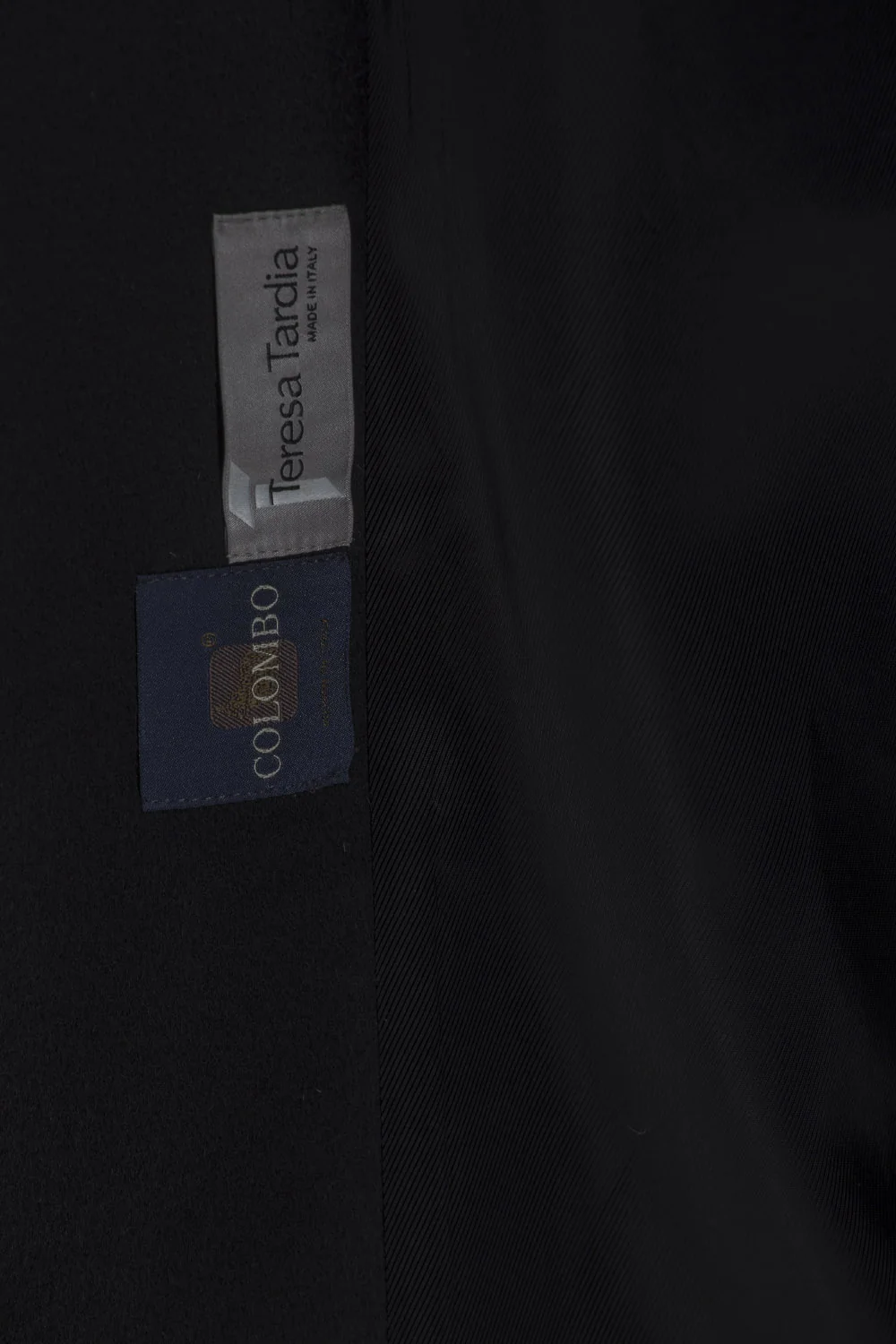
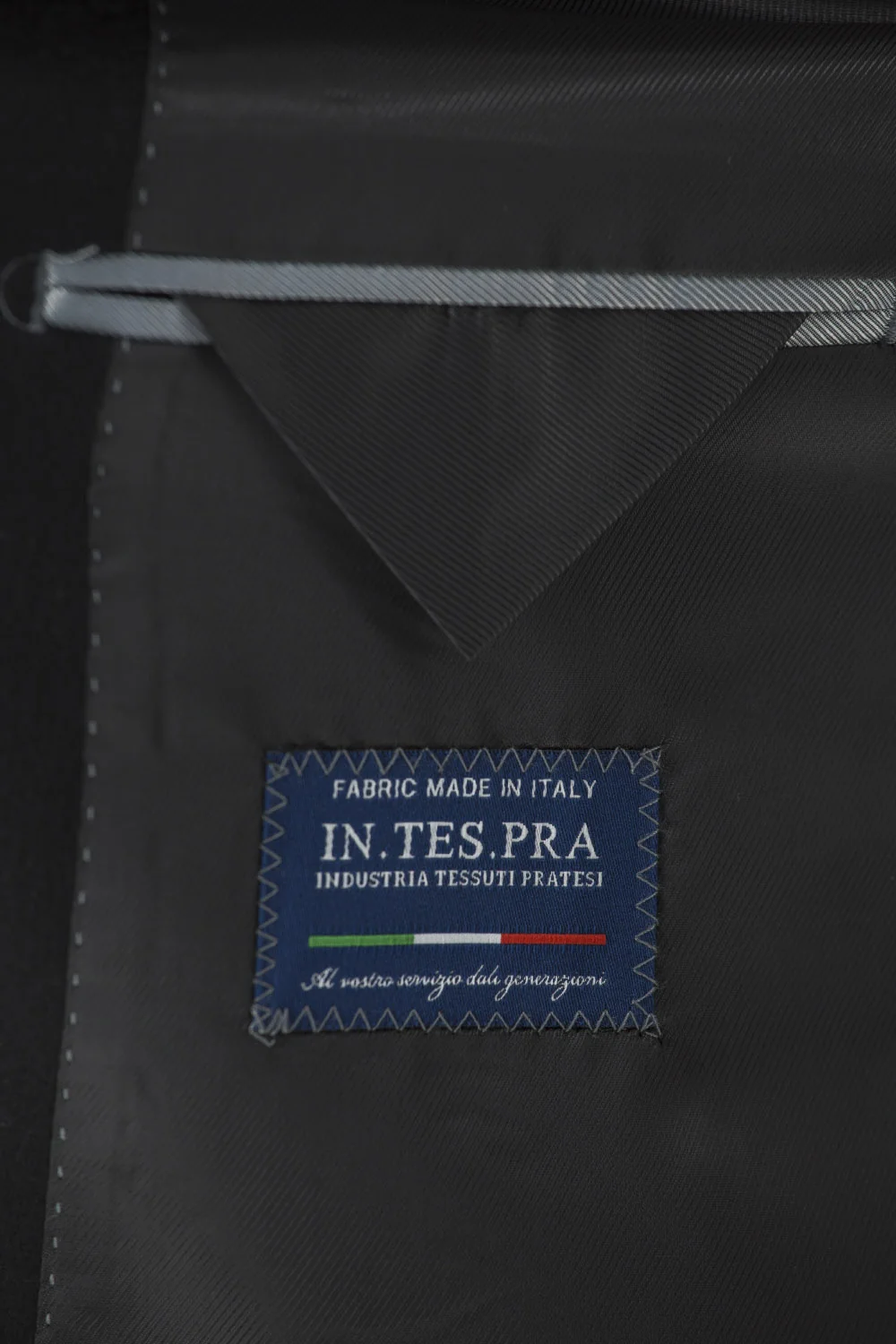
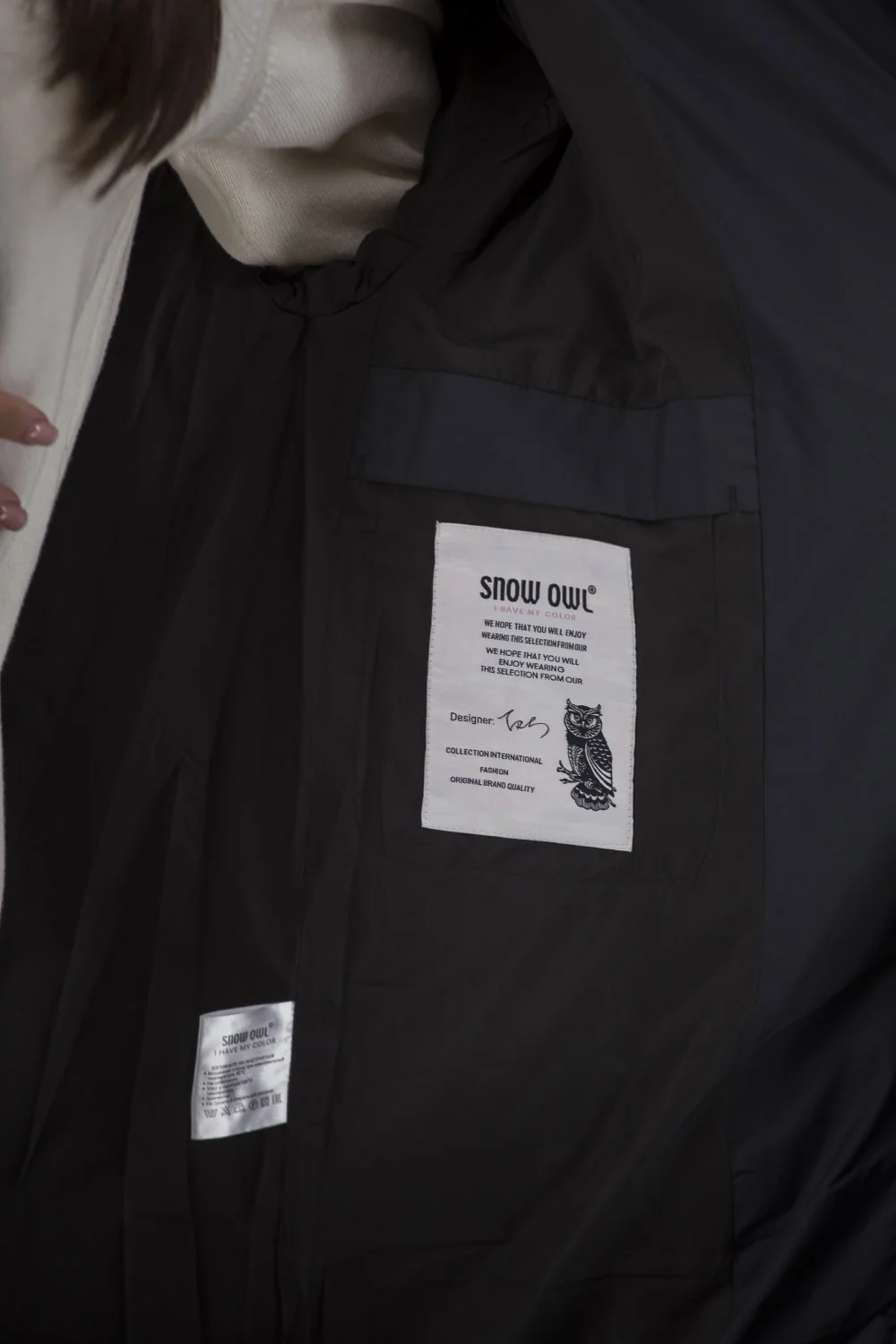
The label lists components as percentages. A coat may contain wool, viscose, polyester and a small amount of elastane or polyamide.
Do not judge quality by one figure alone. Check density, lining, seams, surface consistency and the fabric’s ability to recover its shape.
What weather it suits
A blended coat containing viscose is commonly suited to autumn, spring and mild winter conditions. Actual comfort depends on wool content, fabric density, lining, length and personal sensitivity to cold.
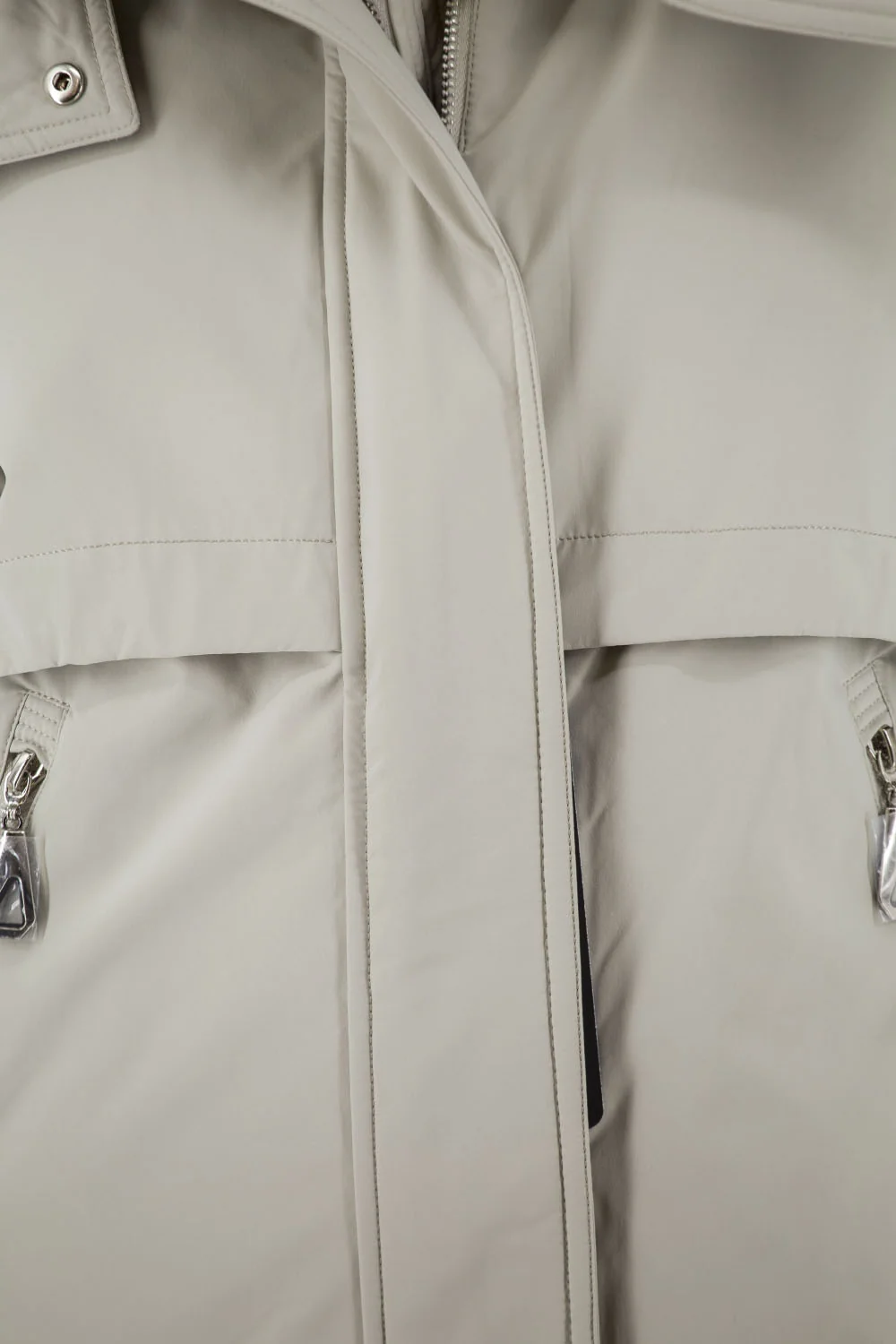
For cool and windy weather, a high collar, covered fastening, sufficient length and space for a warm mid-layer become particularly important.
How to choose a viscose-blend coat
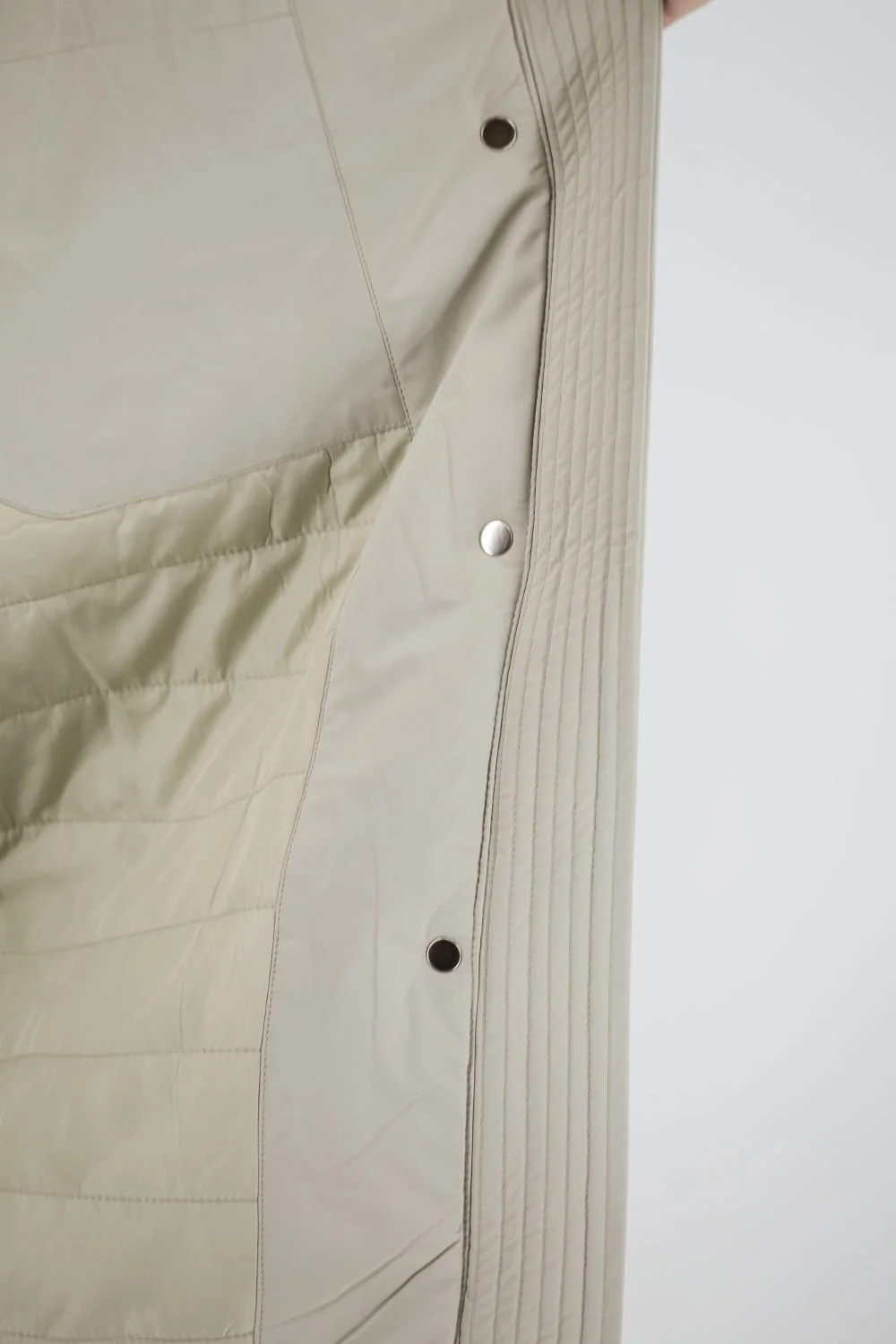
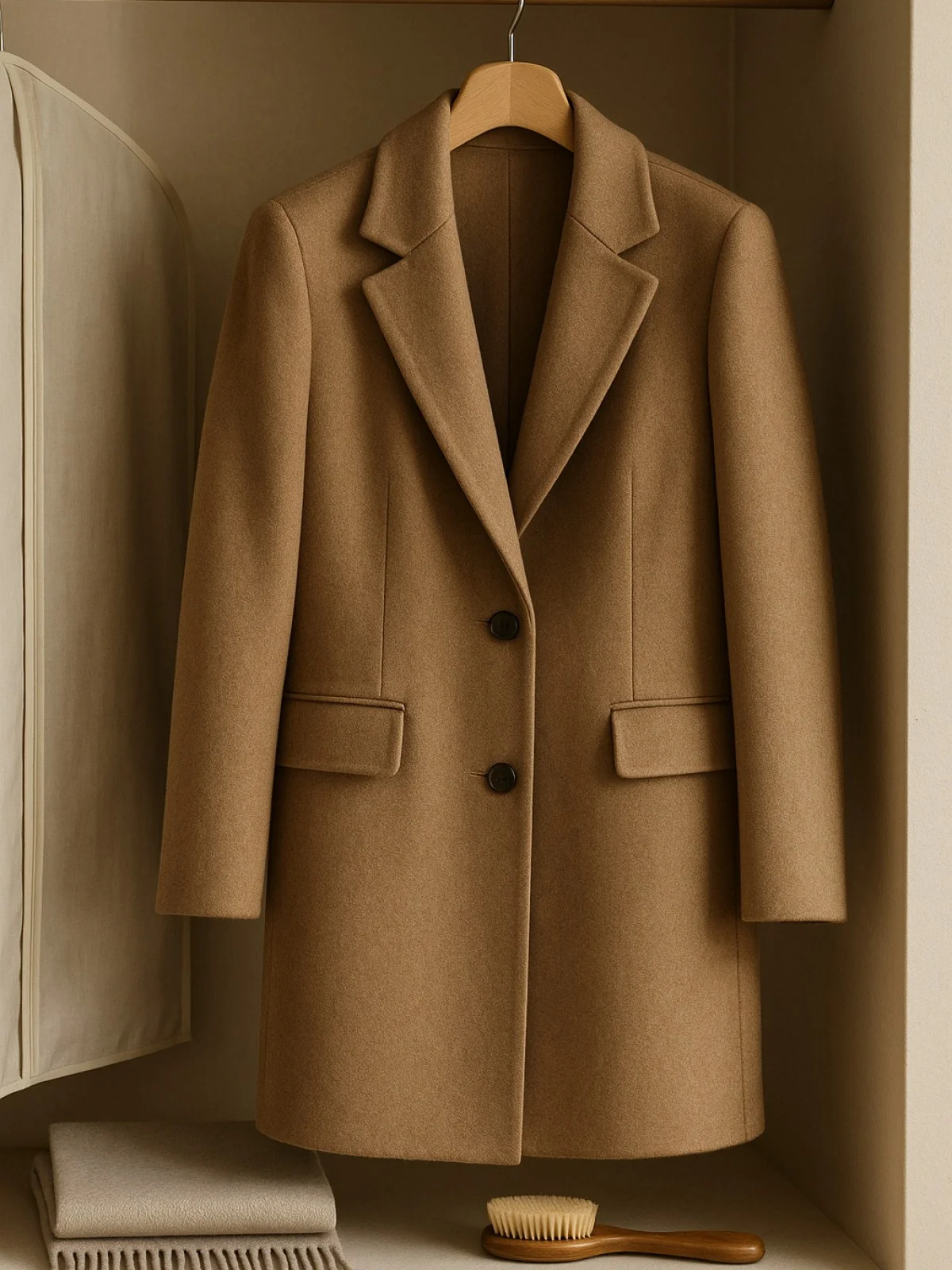
Check the composition, care instructions and tactile qualities. Gently compress the fabric and observe how quickly it recovers. Examine the lining, seams and edge finishing.
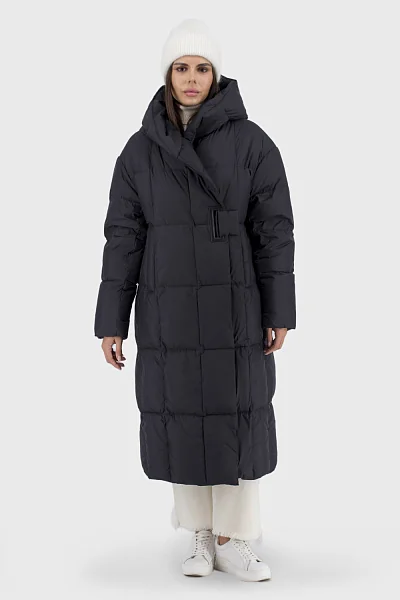
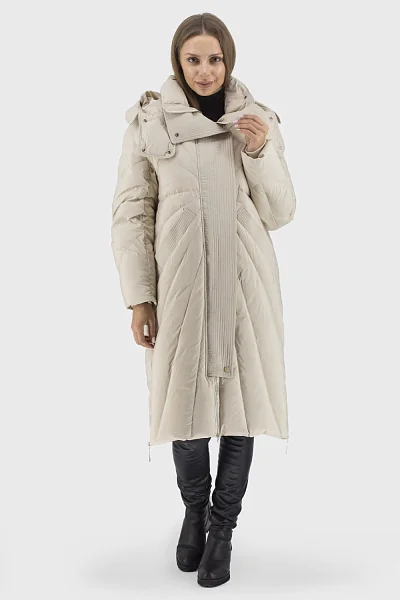
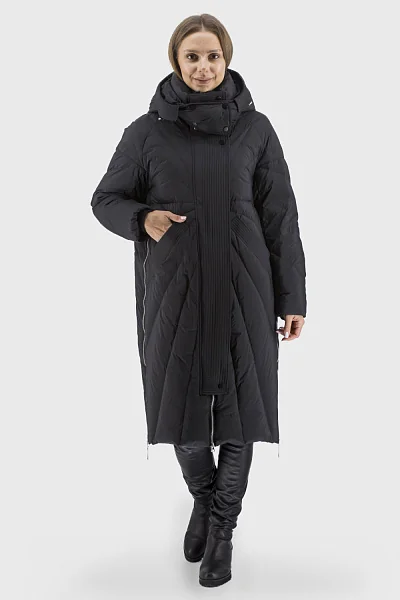
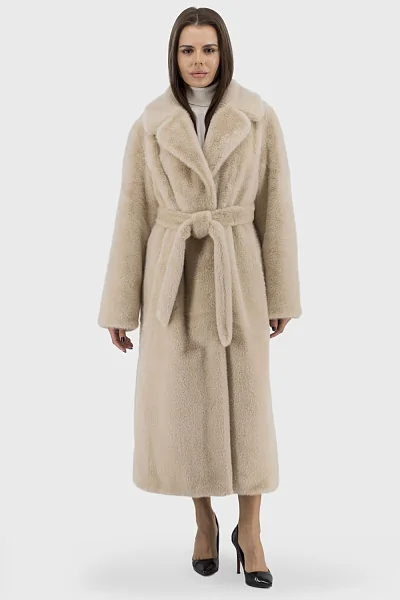
The coat should allow comfortable movement and enough room for a sweater or jacket. Browse the current selection of women’s coats.
For a comparison of other popular textiles, read drap, tweed or bouclé: which coat fabric to choose.
Care and storage
Always check the care label before cleaning. Some coat fabrics require professional dry cleaning only. Do not machine wash the garment unless the manufacturer explicitly permits it.
Store the coat on a broad hanger in a dry, ventilated place. Avoid compressing it between other garments or exposing it to direct sunlight for long periods. At the end of the season, clean and dry it completely before placing it in a breathable garment cover.